EP2125898B1 - Apcdd1 inhibitors for treating, diagnosing or detecting cancer - Google Patents
Apcdd1 inhibitors for treating, diagnosing or detecting cancer Download PDFInfo
- Publication number
- EP2125898B1 EP2125898B1 EP08743904.8A EP08743904A EP2125898B1 EP 2125898 B1 EP2125898 B1 EP 2125898B1 EP 08743904 A EP08743904 A EP 08743904A EP 2125898 B1 EP2125898 B1 EP 2125898B1
- Authority
- EP
- European Patent Office
- Prior art keywords
- apcdd1
- cell
- cancer
- modulator
- patient
- Prior art date
- Legal status (The legal status is an assumption and is not a legal conclusion. Google has not performed a legal analysis and makes no representation as to the accuracy of the status listed.)
- Not-in-force
Links
Images







Classifications
-
- C—CHEMISTRY; METALLURGY
- C07—ORGANIC CHEMISTRY
- C07K—PEPTIDES
- C07K16/00—Immunoglobulins [IG], e.g. monoclonal or polyclonal antibodies
- C07K16/18—Immunoglobulins [IG], e.g. monoclonal or polyclonal antibodies against material from animals or humans
- C07K16/28—Immunoglobulins [IG], e.g. monoclonal or polyclonal antibodies against material from animals or humans against receptors, cell surface antigens or cell surface determinants
- C07K16/30—Immunoglobulins [IG], e.g. monoclonal or polyclonal antibodies against material from animals or humans against receptors, cell surface antigens or cell surface determinants from tumour cells
- C07K16/3046—Stomach, Intestines
-
- A—HUMAN NECESSITIES
- A61—MEDICAL OR VETERINARY SCIENCE; HYGIENE
- A61P—SPECIFIC THERAPEUTIC ACTIVITY OF CHEMICAL COMPOUNDS OR MEDICINAL PREPARATIONS
- A61P35/00—Antineoplastic agents
-
- A—HUMAN NECESSITIES
- A61—MEDICAL OR VETERINARY SCIENCE; HYGIENE
- A61P—SPECIFIC THERAPEUTIC ACTIVITY OF CHEMICAL COMPOUNDS OR MEDICINAL PREPARATIONS
- A61P35/00—Antineoplastic agents
- A61P35/04—Antineoplastic agents specific for metastasis
-
- C—CHEMISTRY; METALLURGY
- C07—ORGANIC CHEMISTRY
- C07K—PEPTIDES
- C07K14/00—Peptides having more than 20 amino acids; Gastrins; Somatostatins; Melanotropins; Derivatives thereof
- C07K14/435—Peptides having more than 20 amino acids; Gastrins; Somatostatins; Melanotropins; Derivatives thereof from animals; from humans
- C07K14/46—Peptides having more than 20 amino acids; Gastrins; Somatostatins; Melanotropins; Derivatives thereof from animals; from humans from vertebrates
- C07K14/47—Peptides having more than 20 amino acids; Gastrins; Somatostatins; Melanotropins; Derivatives thereof from animals; from humans from vertebrates from mammals
- C07K14/4701—Peptides having more than 20 amino acids; Gastrins; Somatostatins; Melanotropins; Derivatives thereof from animals; from humans from vertebrates from mammals not used
- C07K14/4748—Tumour specific antigens; Tumour rejection antigen precursors [TRAP], e.g. MAGE
-
- C—CHEMISTRY; METALLURGY
- C12—BIOCHEMISTRY; BEER; SPIRITS; WINE; VINEGAR; MICROBIOLOGY; ENZYMOLOGY; MUTATION OR GENETIC ENGINEERING
- C12N—MICROORGANISMS OR ENZYMES; COMPOSITIONS THEREOF; PROPAGATING, PRESERVING, OR MAINTAINING MICROORGANISMS; MUTATION OR GENETIC ENGINEERING; CULTURE MEDIA
- C12N15/00—Mutation or genetic engineering; DNA or RNA concerning genetic engineering, vectors, e.g. plasmids, or their isolation, preparation or purification; Use of hosts therefor
- C12N15/09—Recombinant DNA-technology
- C12N15/11—DNA or RNA fragments; Modified forms thereof; Non-coding nucleic acids having a biological activity
- C12N15/113—Non-coding nucleic acids modulating the expression of genes, e.g. antisense oligonucleotides; Antisense DNA or RNA; Triplex- forming oligonucleotides; Catalytic nucleic acids, e.g. ribozymes; Nucleic acids used in co-suppression or gene silencing
-
- C—CHEMISTRY; METALLURGY
- C07—ORGANIC CHEMISTRY
- C07K—PEPTIDES
- C07K2317/00—Immunoglobulins specific features
- C07K2317/30—Immunoglobulins specific features characterized by aspects of specificity or valency
- C07K2317/34—Identification of a linear epitope shorter than 20 amino acid residues or of a conformational epitope defined by amino acid residues
-
- C—CHEMISTRY; METALLURGY
- C12—BIOCHEMISTRY; BEER; SPIRITS; WINE; VINEGAR; MICROBIOLOGY; ENZYMOLOGY; MUTATION OR GENETIC ENGINEERING
- C12N—MICROORGANISMS OR ENZYMES; COMPOSITIONS THEREOF; PROPAGATING, PRESERVING, OR MAINTAINING MICROORGANISMS; MUTATION OR GENETIC ENGINEERING; CULTURE MEDIA
- C12N2310/00—Structure or type of the nucleic acid
- C12N2310/10—Type of nucleic acid
- C12N2310/14—Type of nucleic acid interfering nucleic acids [NA]
Definitions
- the present invention relates generally to the field of oncology. Methods for treating cancer, compositions for treating cancer, and methods and compositions for diagnosing and/or detecting cancer are disclosed.
- cancer is the second leading cause of death in the United States.
- cancer is used to describe many different types of cancer, i.e., breast, prostate, lung, colon, pancreas, each type of cancer differs both at the phenotypic level and the genetic level.
- the unregulated growth characteristic of cancer occurs when the expression of one or more genes becomes dysregulated due to mutations, and cell growth can no longer be controlled.
- Oncogenes are genes whose normal function is to promote cell growth, but only under specific conditions. When an oncogene gains a mutation and then loses that control, it promotes growth under all conditions. However, it has been found that for cancer to be truly successful the cancer must also acquire mutations in tumor suppressor genes.
- the normal function of tumor suppressor genes is to stop cellular growth. Examples of tumor suppressors include p53, p 16, p21, and APC, all of which, when acting normally, stop a cell from dividing and growing uncontrollably. When a tumor suppressor is mutated or lost, that brake on cellular growth is also lost, allowing cells to now grow without restraints.
- APCDD1 (also known as B7323, B7323N, DRAPC1 and FP7019) is a polypeptide whose expression is downregulated by the tumor suppressor gene, adenopolyposis coli (APC) ( Takahashi et al., Cancer Research 62: 5651-5656, 2002 ). APCDD1 appears to be up-regulated in colon cancer. Overexpression of APCDD1 in a colon cancer cell line has been shown to stimulate cell growth in vitro and to moderately increase tumor growth in vivo.
- APCDD1 adenopolyposis coli
- WO 03/104276 discloses APCDD1 modulators.
- the invention provides an APCDD1 modulator for use in a method of treating cancer or a cancer symptom in a patient in need thereof comprising administering to the patient a therapeutically effective amount of a composition comprising said modulator and one or more pharmaceutically acceptable carriers; wherein the APCDD1 modulator is an isolated double-stranded RNA (dsRNA) comprising a first strand of nucleotides comprising sequence set forth in SEQ ID NOs: 5-10, or a complement thereof, and a second strand of nucleotides comprising a sequence substantially complementary to the first strand, wherein the dsRNA molecule is 21-23 nucleotides long.
- dsRNA isolated double-stranded RNA
- the invention provides an APCDD1 modulator for use in a method of inhibiting growth of cancer cells that express APCDD1 comprising contacting the cancer cells with an amount of a composition comprising said APCDD1 modulator effective to inhibit growth of the cells by at least 20% as compared to a control, and one or more pharmaceutically acceptable carriers, wherein the APCDD1 modulator is an isolated double-stranded RNA (dsRNA) comprising a first strand of nucleotides comprising a sequence set forth in SEQ ID NOs: 5-10, or a complement thereof, and a second strand of nucleotides comprising a sequence substantially complementary to the first strand, wherein the dsRNA molecule is 21-23 nucleotides long.
- dsRNA isolated double-stranded RNA
- the invention provides an APCDD1 modulator for use in a method of inhibiting a cancer cell phenotype in a patient in need thereof comprising administering to said patient a therapeutically effective amount of a composition comprising said APCDD1 modulator, and one or more pharmaceutically acceptable carriers, wherein the APCDD1 modulator is an isolated double-stranded RNA (dsRNA) comprising a first strand of nucleotides comprising a sequence set forth in SEQ ID NOs: 5-10, or a complement thereof, and a second strand of nucleotides comprising a sequence substantially complementary to the first strand, wherein the dsRNA molecule is 21-23 nucleotides long.
- dsRNA isolated double-stranded RNA
- FIG. 1 depicts a graphical representation of relative APCDD1 mRNA levels in normal and cancerous samples.
- FIG. 2 depicts gene expression data generated from Affymetrix GeneChip® ((Human Genome U133 Plus 2.0 Array, Affymetrix, Inc.)) oligonucleotide arrays (Affy) and cDNA microarrays synthesized in-house (EVD).
- Affymetrix GeneChip® Human Genome U133 Plus 2.0 Array, Affymetrix, Inc.
- Affy oligonucleotide arrays
- ETD cDNA microarrays synthesized in-house
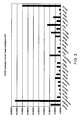
- FIG. 3 depicts a graphical representation of APCDD1 mRNA levels in normal tissues. Normal tissue types are described along the x-axis.
- FIG. 4 depicts a graphical representation of APCDD1 mRNA levels in human cancer cell lines.
- FIG. 5 depicts a FACs analysis of APCDD1 immunolocalization.
- FIG. 6 depicts an immunoprecipitation analysis showing APCDD1 protein isolated from eight different human cell lines.
- FIG. 7 depicts an immunoprecipitation analysis of the glycosylation status of the APCDD1 protein.
- FIG. 8 depicts a graphical representation of APCDD1 mRNA levels in Colo320 cells following administration of siRNAs.
- the y-axis is a ratio of APCDD1 mRNA relative to that of HPRT mRNA, an internal control RNA.
- UT untransfected;
- Eg5 siRNA targeting Eg5 (an irrelevant gene);
- Neg Control an siRNA sequence not homologous with any known gene.
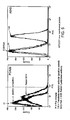
- FIG. 9 depicts a FACS analysis of the effect of APCDD1-specific siRNAs on APCDD1 protein levels in Colo 320 cells.
- the "Pos. Control” is an Eg5 siRNA targeting Eg5.
- the "Neg. control” is a siRNA sequence not homologous with any known gene.
- the y-axis measures the luminescence level, which is proportional to the number of dead cells.
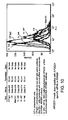
- FIG. 10 depicts a FACS analysis of the effect of APCDD1-specific siRNAs on APCDD1 protein levels in SW480 cells.
- FIG. 11 depicts a graphical representation of the effect of overexpression of APCDD1 on cell proliferation in LoVo cells.
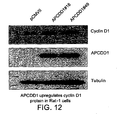
- FIG. 12 depicts immunoblots showing the effect of overexpression of APCDD1 on cyclin D1 expression in Rat 1 cells.
- FIG 13 depicts an immunoprecipitation analysis of a panel of anti-APCDD1 polyclonal antibodies.
- FIG 14 depicts an immunoblot ( FIG 14A ) and FACS ( FIG 14B ) analysis of Rat#4 anti-APCDD1 monoclonal antibody.
- FIG 15 depicts an amino acid sequence of APCDD1 (SEQ ID NO:2).
- APCDD1 is over-expressed in several cancers, including lung and colon cancer, and has restricted expression in normal tissues.
- inhibition of APCDD1 inhibits cancer cell survival.
- inhibition of APCDD1 modulates levels of APCDD1 downstream markers including cyclin D1. Accordingly, inter alia, methods and compositions for the treatment, diagnosis and imaging of cancer, in particular for the treatment, diagnosis and imaging of APCDD1-related cancers, as well as for the treatment of other diseases and disorders associated with aberrant expression of APCDD1 are disclosed herein.
- the term "about” refers to +/- 10%, or +/- 5% of a value.
- APCDD1 also known as B7323, B7323N, DRAPC1 and FP7019, refers to a molecule whose expression is downregulated by the tumor suppressor gene, adenopolyposis coli (APC).
- APCDD1 adenopolyposis coli
- SEQ ID NO:1 An exemplary nucleotide sequences of APCDD1 is set forth as SEQ ID NO:1, and an exemplary amino acid sequence of APCDD1 is set forth as SEQ ID NO:2.
- APCDD1 nucleotide sequences include GenBank accession numbers BC053324.1 (GI:31419785), NM_153000 (GI:30387616), and AB104887 (GI:28866900).
- Other examples of APCDD1 amino acid sequences include GenBank accession numbers, Q8J025 (GI:74728445), and BAC65165 (GI:28866901).
- polypeptide and “protein”, are used interchangeably and refer to a polymeric form of amino acids of any length, which can include coded and non-coded amino acids, chemically or biochemically modified or derivatized amino acids, and polypeptides having modified peptide backbones.
- the term includes fusion proteins, including, but not limited to, fusion proteins with a heterologous amino acid sequence, fusions with heterologous and homologous leader sequences, with or without N-terminal methionine residues; immunologically tagged proteins; and the like.
- subject refers to any subject for whom diagnosis, treatment, or therapy is desired, particularly humans.
- Other subjects may include cattle, dogs, cats, guinea pigs, rabbits, rats, mice, horses, and the like.
- the subject is a human.
- cancer refers to primary or metastatic cancers.
- the term “cancer cells” refers to cells that are transformed. These cells can be isolated from a patient who has cancer, or be cells that are transformed in vitro to become cancerous. Cancer cells can be derived from many types of samples including any tissue or cell culture line. In some embodiments the cancer cells are hyperplasias, tumor cells, or neoplasms. In some embodiments, the cancer cells are isolated from colon tissue, prostate tissue, lung tissue, bladder tissue, kidney tissue, breast tissue, uterine tissue, ovarian tissue, or pancreatic tissue. In some embodiments, the cancer cells are taken from established cell lines that are publicly available.
- cancer cells are isolated from pre-existing patient samples or from libraries comprising cancer cells. In some embodiments, cancer cells are isolated and then implanted in a different host, e.g. , in a xenograft. In some embodiments cancer cells are transplanted and used in a SCID mouse model. In some embodiments, the cancer is colon, prostate or breast cancer.
- transformed refers to any alteration in the properties of a cell that is stably inherited by its progeny.
- “transformed” refers to the change of normal cell to a cancerous cell, e.g ., one that is capable of causing tumors.
- a transformed cell is immortalized. Transformation can be caused by a number of factors, including overexpression of a receptor in the absence of receptor phosphorylation, viral infection, mutations in oncogenes and/or tumor suppressor genes, and/or any other technique that changes the growth and/or immortalization properties of a cell.
- Cancerous phenotype generally refers to any of a variety of biological phenomena that are characteristic of a cancerous cell, which phenomena can vary with the type of cancer.
- the cancerous phenotype is generally identified by abnormalities in, for example, cell growth or proliferation ( e.g ., uncontrolled growth or proliferation), regulation of the cell cycle, cell mobility, cell-cell interaction, or metastasis, or the like.
- metastasis refers to a cancer which has spread to a site distant from the origin of the cancer, e.g . from the primary tumor.
- Sites of metastasis include without limitation, the bone, lymph nodes, lung, liver, and brain.
- angiogenesis refers to the development of blood vessels in a patient
- Clinical endpoint refers to a measurable event indicative of cancer.
- Clinical endpoints include without limitation, time to first metastasis, time to subsequent metastasis, size and/or number of metastases, size and/or number of tumors, location of tumors, aggressiveness of tumors, quality of life, pain and the like. Those skilled in the art are credited with the ability to determine and measure clinical endpoints. Methods of measuring clinical endpoints are known to those of skill in the art.
- sample refers to biological material from a patient.
- the sample assayed by the present invention is not limited to any particular type.
- Samples include, as non-limiting examples, single cells, multiple cells, tissues, tumors, biological fluids, biological molecules, or supernatants or extracts of any of the foregoing. Examples include tissue removed for biopsy, tissue removed during resection, blood, urine, lymph tissue, lymph fluid, cerebrospinal fluid, mucous, and stool samples.
- tissue removed for biopsy tissue removed during resection, blood, urine, lymph tissue, lymph fluid, cerebrospinal fluid, mucous, and stool samples.
- the sample used will vary based on the assay format, the detection method and the nature of the tumors, tissues, cells or extracts to be assayed. Methods for preparing samples are well known in the art and can be readily adapted in order to obtain a sample that is compatible with the method utilized.
- biological molecule includes, but is not limited to, polypeptides, nucleic acids, saccharides, and lipids.
- the term “modulating” refers to a change in the quality or quantity of a gene, protein, or any molecule that is inside, outside, or on the surface of a cell.
- the change can be an increase or decrease in expression or level of the molecule.
- modulates also includes changing the quality or quantity of a biological function/activity including, without limitation, cell proliferation, cell growth, anchorage-independent growth, tumorigenicity, cell cycle regulation, cancer cell motility, cell adhesion, tumor formation, metastasis, cancer cell survival, cyclin production, cancer cell survival, cell signaling activity, tumorigenicity, metastasis, cell-to-cell interactions including interactions between APCDD1 and other cell-membrane proteins, and angiogenesis.
- the term "modulator” refers to a composition that modulates one or more physiological or biochemical events associated with cancer. In some embodiments the modulator inhibits one or more biological activities associated with cancer. In some embodiments the modulator is a small molecule, an antibody, a mimetic, a decoy or an oligonucleotide. In some embodiments the modulator acts by blocking ligand binding or by competing for a ligand-binding site. In some embodiments the modulator acts independently of ligand binding. In some embodiments the modulator does not compete for a ligand binding site. In some embodiments the modulator blocks expression of a gene product involved in cancer. In some embodiments the modulator blocks a physical interaction of two or more biomolecules involved in cancer.
- modulators of the invention inhibit one or more APCDD1 activities selected from the group consisting of cell proliferation, cell growth, anchorage-independent growth, tumorigenicity, cell cycle regulation, cancer cell motility, cell adhesion, tumor formation, metastasis, cancer cell survival, cyclin production, cancer cell survival, cell signaling activity, tumorigenicity, metastasis, cell-to-cell interactions including interactions between APCDD1 and other cell-membrane proteins, and angiogenesis.
- the APCDD1 modulator inhibits APCDD1 expression.
- a “gene product” is a biopolymeric product that is expressed or produced by a gene.
- a gene product may be, for example, an unspliced RNA, an mRNA, a splice variant mRNA, a polypeptide, a post-translationally modified polypeptide, a splice variant polypeptide etc.
- biopolymeric products that are made using an RNA gene product as a template (i.e. cDNA of the RNA).
- a gene product may be made enzymatically, recombinantly, chemically, or within a cell to which the gene is native. In some embodiments, if the gene product is proteinaceous, it exhibits a biological activity.
- the gene product if it is a nucleic acid, it can be translated into a proteinaceous gene product that exhibits a biological activity.
- the level of a polypeptide can be regulated by cellular processes that influence the translational efficiency and/or the stability of the corresponding mRNA.
- Translational efficiency refers to the rate at which an mRNA is decoded to produce a specific polypeptide according to the rules specified by the genetic code.
- an APCDD1 modulator can reduce the translational efficiency of the APCDD1 mRNA.
- mRNA stability refers to the ability of an mRNA to resist the action of RNAses that degrade the mRNA. Processes or agents that alter the stability of an mRNA can alter the amount of protein that is synthesized via that mRNA. In some embodiments, an APCDD1 modulator can reduce the stability of the APCDD1 mRNA.
- Modulation of APCDD1 activity refers to an increase or decrease in an APCDD1 activity that can be a result of, for example, interaction of an agent with an APCDD1 polynucleotide or polypeptide, inhibition of APCDD1 transcription and/or translation (e.g., through antisense or siRNA interaction with the APCDD1 gene or APCDD1 gene expression product, through modulation of transcription factors that facilitate APCDD1 expression), and the like.
- modulation of an APCDD1 activity refers to an increase in a biological activity or a decrease in a biological activity.
- Modulation of APCDD1 activity also refers to increasing or decreasing one or more APCDD1 phenotypes.
- APCDD1 phenotypes include, without limitation, APCDD1-dependent changes in cell proliferation, cell growth, anchorage-independent growth, tumorigenicity, cell cycle regulation, cancer cell motility, cell adhesion, tumor formation, metastasis, cancer cell survival, and cyclin production.
- APCDD1 activity can be assessed by means including, without limitation, assessing APCDD1 polypeptide levels, or by assessing APCDD1 transcription levels.
- Comparisons of APCDD1 activity can also be accomplished by measuring levels of an APCDD1 downstream marker, measuring cell proliferation, measuring cell growth, measuring anchorage-independent growth, measuring tumorigenicity, measuring cell cycle regulation, measuring cancer cell motility, measuring cell adhesion, measuring tumor formation, measuring metastasis, measuring cancer cell survival, measuring cyclin production, measuring cancer cell survival, measuring cell signaling activity, measuring tumorigenicity, measuring metastasis, measuring cell-to-cell interactions including interactions between APCDD1 and other cell-membrane proteins, and measuring angiogenesis, among others.
- inhibition of APCDD1 activity is of particular interest.
- the term “inhibit” refers to a reduction, decrease, inactivation or down-regulation of an activity or quantity.
- APCDD1 modulators may inhibit one or more of cell proliferation, cell growth, anchorage-independent growth, tumorigenicity, cell cycle regulation, cancer cell motility, cell adhesion, tumor formation, metastasis, cancer cell survival, cyclin production, cancer cell survival, cell signaling activity, tumorigenicity, metastasis, cell-to-cell interactions including interactions between APCDD1 and other cell-membrane proteins, and angiogenesis.
- Inhibition of such activities may be at least 20%, at least 25%, at least 50%, at least 70%, at least 75%, at least 80%, at least 90%, at least 95%, at least 97%, at least 98%, at least 99%, or 100%, as compared to a control.
- Those of skill in the art are credited with the ability to measure APCDD1 modulation; a non-limiting list of exemplary assays is set forth below.
- the term “inhibition of APCDD1” refers to a reduction, decrease, inactivation or down-regulation of one or more APCDD1-mediated biological activities.
- Inhibition of an "APCDD1 biological activity” refers to a reduction, decrease, inactivation, or down-regulation of, for example, cell proliferation, cell growth, anchorage-independent growth, tumorigenicity, cell cycle regulation, cancer cell motility, cell adhesion, tumor formation, metastasis, cancer cell survival, cyclin production, cancer cell survival, cell signaling activity, tumorigenicity, metastasis, cell-to-cell interactions including interactions between APCDD1 and other cell-membrane proteins, and angiogenesis.
- Inhibition of such activities may be at least 20%, at least 25%, at least 50%, at least 70%, at least 75%, at least 80%, at least 90%, at least 95%, at least 97%, at least 98%, at least 99%, or 100%, as compared to a control.
- modulation of APCDD1 activities that activate or result in an increase of APCDD1 activity is of particular interest.
- Activation, upregulation or increases in the APCDD1 activity may be at least 125%, at least 150%, at least 200%, at least 250%, at least 300%, at least 500% as compared to a control.
- an APCDD1 modulator that increases cell death 200% has increased cell death two-fold as compared to a control lacking the APCDD1 modulator.
- the term “differentially expressed in a cancer cell” and "a polynucleotide that is differentially expressed in a cancer cell” are used interchangeably herein, and refer to a polynucleotide that represents or corresponds to a gene that is differentially expressed in a cancerous cell when compared with a cell of the same cell type that is not cancerous, e.g ., mRNA is found at levels at least about 25%, at least about 50% to about 75%, at least about 90%, at least about 1.5-fold, at least about 2-fold, at least about 5-fold, at least about 10-fold, or at least about 50-fold or more, different ( e.g ., higher or lower).
- the comparison can be made in tissue, for example, if one is using in situ hybridization or another assay method that allows some degree of discrimination among cell types in the tissue.
- the comparison may also or alternatively be made between cells removed from their tissue source, or between one cell in situ and a second cell removed from its tissue source.
- the gene is upregulated in the cancer gene as compared to the normal cell.
- An APCDD1 associated-cancer is "inhibited” if at least one symptom of the cancer is alleviated, terminated, slowed, or prevented. As used herein, an APCDD1 associated-cancer is also “inhibited” if recurrence or metastasis of the cancer is reduced, slowed, delayed, or prevented.
- the phrase "inhibits cancer cell growth” refers to a decrease, reduction, or abolition of cancer cell growth in the presence of an APCDD1 modulator wherein the cell expresses APCDD1.
- the cells differentially express APCDD1 relative to other normal cells and/or relative to other cancer cells.
- cell growth can be decreased by an APCDD1 modulator by at least 25%, at least 50%, at least 75%, at least 85%, at least 90%, at least 95%, up to 100% relative to cancer cell growth in the absence of an APCDD1 modulator.
- Comparisons of cancer cell growth can be accomplished using, for example, MTT assay (for example, the Vybrant® MTT Cell Proliferation Assay Kit (Invitrogen)); BrdU incorporation (for example, the Absolute-S SBIP assay (Invitrogen)); measuring intracellular ATP levels (for example using ATPLiteTM-M, 1,000 Assay Kit (PerkinElmer) or ATP Cell Viability Assay Kit (BioVision)); DiOc18 assay, a membrane permeable dye (Invitrogen); Glucose-6-phosphate dehydrogenase activity assay (for example, the Vibrant cytotoxicity assay (Invitrogen)); or measuring cellular LDH activity.
- MTT assay for example, the Vybrant® MTT Cell Proliferation Assay Kit (Invitrogen)
- BrdU incorporation for example, the Absolute-S SBIP assay (Invitrogen)
- measuring intracellular ATP levels for example using ATPLiteTM-M, 1,000 Assay Kit (
- the phrase "inhibits cyclin D1" refers to a decrease, reduction, or abolition of APCDD1-mediated cyclin production.
- APCDD1 mediated cyclin production can be decreased by an inhibitory agent by at least 25%, at least 50%, at least 75%, at least 85%, at least 90%, at least 95%, up to 100% relative to APCDD1 mediated cyclin production in the absence of an APCDD1 modulator.
- Comparisons of cyclin production can be accomplished by measuring, for example, cyclin mRNA levels via RT-PCR or northern blotting; cyclin polypeptide levels via immunoblotting, immunoprecipitation or ELISA; or using functional assays, including co-immunoprecipitation assays to measure levels of cyclin that are complexed with cyclin regulators such as cyclin-dependent kinases (CDK's) using for example antibodies that target CDK, p21WAF1, p27 KIP-1; and measuring phosphorylation of cyclins by the CDK's can be assayed through radiolabeling and immunoprecipitation analysis or FRET-based methods, for example, CDK2/Cyclin A Assay Kit (Molecular Devices).
- cyclin regulators such as cyclin-dependent kinases (CDK's)
- CDK's cyclin-dependent kinases
- Cell proliferation assays include, without limitation, MTT assays (for example, the Vybrant® MTT Cell Proliferation Assay Kit (Invitrogen)); BrdU incorporation assays (for example, the Absolute-S SBIP assay (Invitrogen)); measuring intracellular ATP levels (commercial versions of the assay include ATPLiteTM-M, 1,000 Assay Kit (PerkinElmer) and ATP Cell Viability Assay Kit (BioVision)); DiOc18 assay, a membrane permeable dye (Invitrogen); Glucose-6-phosphate dehydrogenase activity assay (for example, the Vibrant cytotoxicity assay (Invitrogen)); measuring cellular LDH activity; and 3 H-thymidine incorporation and the Cell Titer Glo Assay (Promega).
- MTT assays for example, the Vybrant® MTT Cell Proliferation Assay Kit (Invitrogen)
- BrdU incorporation assays for example, the Absolute-S SBIP as
- the phrase "inhibits progression through the cell cycle” refers to slowing or stalling the cell division.
- Cell-cycle progression can be assayed by bromodeoxyuridine (BRDU) incorporation.
- BRDU bromodeoxyuridine
- Such assays identify a cell population undergoing DNA synthesis by incorporation of BRDU into newly synthesized DNA. Newly-synthesized DNA may then be detected using an anti-BRDU antibody ( Hoshino et al., 1986, int. J. Cancer 38, 369 ; Campana et al., 1988, J. Immunol. Meth. 107, 79 ), or by other means.
- Cell proliferation can also be assayed by phospho-histone H3 staining, which identifies a cell population undergoing mitosis by phosphorylation of histone H3. Phosphorylation of histone H3 at serine 10 is detected using an antibody specific to the phosphorylated form of the serine 10 residue of histone H3. ( Chadlee, D. N. 1995, J. Biol. Chem 270:20098-105 ). Cell proliferation can also be examined using [ 3 H]-thymidine incorporation ( Chen, J., 1996, Oncogene 13:1395-403 ; Jeoung, J., 1995, J. Biol. Chem. 270:18367-73 ). This assay allows for quantitative characterization of S-phase DNA synthesis.
- cells synthesizing DNA will incorporate [ 3 H]-thymidine into newly synthesized DNA. Incorporation can then be measured by standard techniques such as by counting of radioisotope in a scintillation counter ( e.g ., Beckman L S 3800 Liquid Scintillation Counter).
- a scintillation counter e.g ., Beckman L S 3800 Liquid Scintillation Counter.
- Another proliferation assay uses the dye Alamar Blue (available from Biosource International), which fluoresces when reduced in living cells and provides an indirect measurement of cell number ( Voytik-Harbin S L et al., 1998, In Vitro Cell Dev Biol Anim 34:239-46 ).
- MTS assay is based on in vitro cytotoxicity assessment of industrial chemicals, and uses the soluble tetrazolium salt, MTS.
- MTS assays are commercially available and include the Promega CellTiter 96® AQueous Non-Radioactive Cell Proliferation Assay (Cat.# G5421). Cell proliferation can also be assayed by colony formation in soft agar ( Sambrook et al., Molecular Cloning, Cold Spring Harbor (1989 )). Cell proliferation may also be assayed by measuring ATP levels as indicator of metabolically active cells.
- Such assays are commercially available and include Cell Titer-Glo TM (Promega).
- Cell cycle proliferation can also be assayed by flow cytometry ( Gray J W et al. (1986) Int J Radiat Biol Relat Stud Phys Chem Med 49:237-55 ). Cells may be stained with propidium iodide and evaluated in a flow cytometer to measure accumulation of cells at different stages of the cell cycle.
- APCDD1 downstream marker is a gene or activity which exhibits altered level of expression in a cancer tissue or cancer cell compared to its expression level in normal or healthy tissue, or is a property altered in the presence of an APCDD1 modulator.
- the downstream markers exhibit altered levels of expression when APCDD1 is perturbed with an APCDD1 modulator of the present invention.
- APCDD1 downstream markers include, without limitation, cyclin D1.
- up-regulates refers to an increase, activation or stimulation of an activity or quantity.
- N-terminus refers to the first 10 amino acids of a protein.
- C-terminus refers to the last 10 amino acids of a protein.
- domain refers to a structural part of a biomolecule that contributes to a known or suspected function of the biomolecule. Domains may be co-extensive with regions or portions thereof and may also incorporate a portion of a biomolecule that is distinct from a particular region, in addition to all or part of that region.
- extracellular domain refers to the portion of a molecule that is outside or external to a cell.
- an N-terminal extracellular domain refers to the extracellular domain that is present at the N-terminus of the molecule immediately before the transmembrane domain.
- ligand binding domain refers to any portion or region of a receptor retaining at least one qualitative binding activity of a corresponding native sequence of APCDD1.
- region refers to a physically contiguous portion of the primary structure of a biomolecule. In the case of proteins, a region is defined by a contiguous portion of the amino acid sequence of that protein. In some embodiments, a "region" is associated with a function of the biomolecule.
- fragment refers to a physically contiguous portion of the primary structure of a biomolecule.
- a portion is defined by a contiguous portion of the amino acid sequence of that protein and refers to at least 3-5 amino acids, at least 8-10 amino acids, at least 11-15 amino acids, at least 17-24 amino acids, at least 25-30 amino acids, and at least 30-45 amino acids.
- a portion is defined by a contiguous portion of the nucleic acid sequence of that oligonucleotide and refers to at least 9-15 nucleotides, at least 18-30 nucleotides, at least 33-45 nucleotides, at least 48-72 nucleotides, at least 75-90 nucleotides, and at least 90-130 nucleotides.
- portions of biomolecules have a biological activity.
- APCDD1 polypeptide fragments do not comprise the entire APCDD1 polypeptide sequence set forth in SEQ ID NO:2. In some embodiments, APCDD1 fragments retain one or more activities of native APCDD1.
- APCDD1-related cells/tumors/samples refers to cells, samples, tumors or other pathologies that are characterized by differential expression of APCDD1 relative to non-cancerous and/or non-metastatic cells, samples, tumors, or other pathologies.
- APCDD1-related cells, samples, tumors or other pathologies are characterized by increased APCDD1 expression relative to non-metastatic cells, samples, tumors, or other pathologies.
- oligonucleotide refers to a series of linked nucleotide residues. Oligonucleotides include without limitation, antisense and siRNA oligonucleotides. Oligonucleotides comprise portions of a DNA sequence and have at least about 10 nucleotides and as many as about 500 nucleotides. In some embodiments oligonucleotides comprise from about 10 nucleotides to about 50 nucleotides, from about 15 nucleotides to about 30 nucleotides, and from about 20 nucleotides to about 25 nucleotides. Oligonucleotides may be chemically synthesized and can also be used as probes.
- oligonucleotides are single stranded. In some embodiments oligonucleotides comprise at least one portion which is double stranded. In some embodiments the oligonucleotides are antisense oligonucleotides (ASO). In some embodiments the oligonucleotides are RNA interference oligonucleotides (RNAi oligonucleotides).
- antisense oligonucleotide refers to an unmodified or modified nucleic acid having a nucleotide sequence complementary to an APCDD1 polynucleotide sequence including polynucleotide sequences associated with the transcription or translation of APCDD1 (e.g ., a promoter of an APCDD1 polynucleotide), where the antisense polynucleotide is capable of hybridizing to an APCDD1 polynucleotide sequence.
- antisense polynucleotides capable of inhibiting transcription and/or translation of APCDD1 polypeptide-encoding polynucleotide either in vitro or in vivo.
- RNAi oligonucleotides As used herein, the terms “siRNA oligonucleotides”, “RNAi oligonucleotides”, “short interfering RNA”, or “siRNA” are used interchangeably and refer to oligonucleotides that work through post-transcriptional gene silencing, also known as RNA interference (RNAi).
- RNAi RNA interference
- the terms refer to a double stranded nucleic acid molecule capable of RNA interference "RNAi”, (see Kreutzer et al., WO 00/44895 ; Zernicka-Goetz et al. WO 01/36646 ; Fire, WO 99/32619 ; Mello and Fire, WO 01/29058 ).
- siRNA molecules are generally RNA molecules but further encompass chemically modified nucleotides and non-nucleotides. SiRNA gene-targeting experiments have been carried out by transient siRNA transfer into cells (achieved by such classic methods as liposome-mediated transfection, electroporation, or microinjection). Molecules of siRNA are 21-to 23-nucleotide RNAs, with characteristic 2- to 3-nucleotide 3'-overhanging ends resembling the RNase III processing products of long double-stranded RNAs (dsRNAs) that normally initiate RNAi.
- dsRNAs long double-stranded RNAs
- the term “decoy receptor” refers to a receptor comprising at least a portion of a polypeptide, mimetic, or other macromolecule capable of binding an APCDD1 ligand.
- therapeutically effective amount is meant to refer to an amount of a medicament which produces a medicinal effect observed as reduction or reverse in one or more clinical endpoints, growth and/or survival of cancer cell, or metastasis of cancer cells in an individual when a therapeutically effective amount of the medicament is administered to the individual.
- Therapeutically effective amounts are typically determined by the effect they have compared to the effect observed when a composition which includes no active ingredient is administered to a similarly situated individual.
- the precise effective amount for a subject will depend upon the subject's size and health, the nature and extent of the condition, and the therapeutics or combination of therapeutics selected for administration. However, the effective amount for a given situation is determined by routine experimentation and is within the judgment of the clinician.
- the terms “in combination with” or “in conjunction with” refer to administration of the APCDD1 modulators of the invention with other therapeutic regimens.
- cancer patients susceptible to APCDD1 therapy express high levels of APCDD1 relative to those patients not susceptible to APCDD1 therapy.
- cancer patients who are not good candidates for APCDD1 therapy include cancer patients with tumor samples that lack or have lower levels of APCDD1 in or on their cancer cells.
- detecting means to establish, discover, or ascertain evidence of an activity (for example, gene expression) or biomolecule (for example, a polypeptide).
- a “native sequence” polypeptide is one that has the same amino acid sequence as a polypeptide derived from nature. Such native sequence polypeptides can be isolated from nature or can be produced by recombinant or synthetic means. Thus, a native sequence polypeptide can have the amino acid sequence of naturally occurring human polypeptide, murine polypeptide, or polypeptide from any other mammalian species.
- amino acid sequence variant refers to polypeptides having amino acid sequences that differ to some extent from a native sequence polypeptide. Ordinarily, amino acid sequence variants will possess at least about 70%, at least about 80% homology or at least about 90% homology with at least one receptor binding domain of a native ligand or with at least one ligand binding domain of a native receptor or ligand binding domains thereof. The amino acid sequence variants possess substitutions, deletions, and/or insertions at certain positions within the amino acid sequence of the native amino acid sequence.
- homologous nucleotide sequence refers to sequences characterized by a homology, at the nucleotide level or amino acid level, of at least a specified percentage and is used interchangeably with "sequence identity".
- homology identity refers to sequences characterized by a homology, at the nucleotide level or amino acid level, of at least a specified percentage and is used interchangeably with "sequence identity”.
- homologous nucleotide sequences include those sequences coding for isoforms of proteins. Such isoforms can be expressed in different tissues of the same organism as a result of, for example, alternative splicing of RNA. Alternatively, isoforms can be encoded by different genes.
- Homologous nucleotide sequences include nucleotide sequences encoding for a protein of a species other than humans, including, but not limited to, mammals. Homologous nucleotide sequences also include, but are not limited to, naturally occurring allelic variations and mutations of the nucleotide sequences set forth herein. Homologous amino acid sequences include those amino acid sequences which contain conservative amino acid substitutions and which polypeptides have the same binding and/or activity.
- Percent homology or identity can be determined by, for example, the Gap program (Wisconsin Sequence Analysis Package, Version 8 for UNIX, Genetics Computer Group, University Research Park, Madison WI), using default settings, which uses the algorithm of Smith and Waterman (Adv. Appl. Math., 1981, 2, 482-489 ).
- homology between the probe and target is between about 70% to about 80%.
- nucleic acids have nucleotides that are about 85%, about 90%, about 92%, about 94%, about 95%, about 97%, about 98%, about 99% and about 100% homologous to SEQ ID NO:1, or a portion thereof.
- polypeptides are about 85%, about 90%, about 92%, about 94%, about 95%, about 97%, about 98%, about 99% and about 100% homologous to SEQ ID NO:2, or a portion thereof.
- probe refers to nucleic acid sequences of variable length.
- probes comprise at least about 10 and as many as about 6,000 nucleotides.
- probes comprise at least 12, at least 14, at least 16, at least 18, at least 20, at least 25, at least 50 or at least 75 consecutive nucleotides.
- Probes are used in the detection of identical, similar, or complementary nucleic acid sequences. Longer length probes are usually obtained from natural or recombinant sources, are highly specific to the target sequence, and are much slower to hybridize to the target than are oligomers. Probes may be single- or double-stranded and are designed to have specificity in PCR, hybridization membrane-based, in situ hybridization (ISH), fluorescent in situ hybridization (FISH), or ELISA-like technologies.
- ISH in situ hybridization
- FISH fluorescent in situ hybridization
- mixing refers to the process of combining one or more compounds, cells, molecules, and the like together in the same area. This may be performed, for example, in a test tube, petri dish, or any container that allows the one or more compounds, cells, or molecules, to be mixed.
- isolated refers to a polynucleotide, a polypeptide, an antibody, or a host cell that is in an environment different from that in which the polynucleotide, the polypeptide, or the antibody naturally occurs. Methods of isolating cells are well known to those skilled in the art. A polynucleotide, a polypeptide, or an antibody which is isolated is generally substantially purified.
- substantially purified refers to a compound (e.g ., either a polynucleotide or a polypeptide or an antibody) that is removed from its natural environment and is at least 60% free, at least 75% free, and at least 90% free from other components with which it is naturally associated.
- binding means the physical or chemical interaction between two or more biomolecules or compounds. Binding includes ionic, non-ionic, hydrogen bonds, Van der Waals, hydrophobic interactions, etc. Binding can be either direct or indirect; indirect being through or due to the effects of another biomolecule or compound. Direct binding refers to interactions that do not take place through or due to the effect of another molecule or compound but instead are without other substantial chemical intermediates.
- contacting means bringing together, either directly or indirectly, one molecule into physical proximity to a second molecule.
- the molecule can be in any number of buffers, salts, solutions, etc.
- Contacting includes, for example, placing a polynucleotide into a beaker, microtiter plate, cell culture flask, or a microarray, or the like, which contains a nucleic acid molecule.
- Contacting also includes, for example, placing an antibody into a beaker, microtiter plate, cell culture flask, or microarray, or the like, which contains a polypeptide. Contacting may take place in vivo , ex vivo, or in vitro.
- stringent hybridization conditions refers to conditions under which a probe, primer, or oligonucleotide will hybridize to its target sequence, but to a minimal number of other sequences. Stringent conditions are sequence-dependent and will be different in different circumstances. Longer sequences will hybridize with specificity to their proper complements at higher temperatures. Generally, stringent conditions are selected to be about 5°C lower than the thermal melting point (T m ) for the specific sequence at a defined ionic strength and pH. The T m is the temperature (under defined ionic strength, pH and nucleic acid concentration) at which 50% of the probes complementary to the target sequence hybridize to the target sequence at equilibrium.
- T m thermal melting point
- stringent conditions will be those in which the salt concentration is less than about 1.0 M sodium ion, typically about 0.01 to 1.0 M sodium ion (or other salts) at pH 7.0 to 8.3 and the temperature is at least about 30°C for short probes, primers or oligonucleotides ( e.g ., 10 to 50 nucleotides) and at least about 60°C for longer probes, primers or oligonucleotides.
- Stringent conditions may also be achieved with the addition of destabilizing agents, such as formamide.
- Moderate stringency conditions refers to conditions under which a probe, primer, or oligonucleotide will hybridize to its target sequence, but to a limited number of other sequences. Moderate conditions are sequence-dependent and will be different in different circumstances. Moderate conditions are well-known to the art skilled and are described in, inter alia, Maniatis et al. (Molecular Cloning: A Laboratory Manual, Cold Spring Harbor Laboratory; 2nd Edition (December 1989 )).
- the nucleic acid compositions described herein can be used, for example, to produce polypeptides, as probes for the detection of mRNA in biological samples (e.g ., extracts of human cells) or cDNA produced from such samples, to generate additional copies of the polynucleotides, to generate ribozymes or oligonucleotides (single and double stranded), and as single stranded DNA probes or as triple-strand forming oligonucleotides.
- the probes described herein can be used to, for example, determine the presence or absence of the polynucleotides provided herein in a sample.
- the polypeptides can be used to generate antibodies specific for a polypeptide associated with cancer, which antibodies are in turn useful in diagnostic methods, prognostic methods, and the like as discussed in more detail herein. Polypeptides are also useful as targets for therapeutic intervention, as discussed in more detail herein. Antibodies may also be used, for example, to purify, detect, and target the polypeptides disclosed herein, including both in vitro and in vivo diagnostic and therapeutic methods. For example, the antibodies are useful in immunoassays for qualitatively and quantitatively measuring levels of the polypeptides of the present invention in biological samples. See, e.g ., Harlow et al., Antibodies: A Laboratory Manual, (Cold Spring Harbor Laboratory Press, 2nd ed. 1988 ). These and other uses are described in more detail below.
- imaging agent refers to a composition linked to an antibody, small molecule, or probe that can be detected using techniques known to the art-skilled.
- antibody refers to a composition linked to an antibody, small molecule, or probe that can be detected using techniques known to the art-skilled.
- vidence of gene expression refers to any measurable indicia that a gene is expressed.
- pharmaceutically acceptable carrier refers to a carrier for administration of a therapeutic agent, such as antibodies or a polypeptide, genes, and other therapeutic agents.
- a therapeutic agent such as antibodies or a polypeptide, genes, and other therapeutic agents.
- the term refers to any pharmaceutical carrier that does not itself induce the production of antibodies harmful to the individual receiving the composition, and which can be administered without undue toxicity.
- Suitable carriers can be large, slowly metabolized macromolecules such as proteins, polysaccharides, polylactic acids, polyglycolic acids, polymeric amino acids, amino acid copolymers, lipid aggregates and inactive virus particles.
- Such carriers are well known to those of ordinary skill in the art
- Pharmaceutically acceptable carriers in therapeutic compositions can include liquids such as water, saline, glycerol and ethanol.
- Auxiliary substances, such as wetting or emulsifying agents, pH buffering substances, and the like, can also be present in such vehicles.
- APCDD1 associated cancer refers to a cancer characterized by cells that differentially express APCDD1 relative to non-cancerous cells.
- APCDD1 plays a role in cell proliferation, cell growth, anchorage-independent growth, tumorigenicity, cell cycle regulation, cancer cell motility, cell adhesion, tumor formation, metastasis, cancer cell survival, and cyclin production.
- the cancer is colon, prostate, breast cancer or a cancer metastasis.
- the cancer is colon or prostate cancel, In some embodiments, such cancers exhibit differential expression of APCDD1 of at least about 20%, at least about 25%, at least about 50%, at least about 100%, at least about 150%, at least about 200%, at least about 300%, at least about 500% or more as compared to a control.
- compositions that provide for the treatment, inhibition, and management of diseases and disorders associated with APCDD1 overexpression as well as the treatment, inhibition, and management of symptoms of such diseases and disorders are disclosed herein.
- Some embodiments relate to methods and compositions comprising compositions that treat, inhibit or manage cancer including, without limitation, cancer metastases, cancer cell survival, cancer cell proliferation, cancer cell growth, cell cycle regulation, and cancer cell invasiveness.
- Methods including other active ingredients in combination with the APCDD1 modulators are disclosed herein.
- the methods further comprise administering one or more conventional cancer therapeutics to the patient.
- the methods further comprise treating the patient with one or more of chemotherapy, radiation therapy or surgery.
- Diagnostic and/or imaging methods using the APCDD1 modulators of the invention, particularly APCDD1 antibodies, to diagnose cancer and/or predict cancer progression are disclosed herein.
- the methods are methods of imaging and localizing tumors and/or metastases and methods of diagnosis and prognosis.
- the methods of the invention provide methods to evaluate the appropriateness and/or effectiveness of APCDD1-related therapy.
- APCDD1 modulators for, inter alia, the treatment, diagnosis, detection or imaging of cancer are disclosed herein.
- APCDD1 modulators are also useful in the preparation of medicaments for the treatment of cancer.
- the APCDD1 modulator is an APCDD1 inhibitor.
- the APCDD1 modulator is a nucleotide, a small molecule, a mimetic, a decoy, or an antibody.
- the APCDD1 modulator is an isolated double-stranded RNA (dsRNA); an isolated oligonucleotide comprising at least 10 consecutive nucleotides of SEQ ID NO:1, in some embodiments selected from the group consisting of SEQ ID NOs:5-21, 24 and 25; an antibody that binds an epitope in a domain of APCDD1 selected from the group consisting of the extracellular domain, a small molecule; a mimetic; a soluble receptor, or a decoy.
- dsRNA isolated double-stranded RNA
- an isolated oligonucleotide comprising at least 10 consecutive nucleotides of SEQ ID NO:1, in some embodiments selected from the group consisting of SEQ ID NOs:5-21, 24 and 25
- the APCDD1 modulator inhibits an APCDD1 activity by at least 20%, 50%, 75%, 90%, 95%, 97%, 98%, 99% or 100%, as compared to a control. In some embodiments, the APCDD1 modulator inhibits cyclin D1 expression by at least 25%, 50%, 75%, 90%, 95%, 97%, 98%, 99% or 100%, as compared to a control.
- the APCDD1 modulator is an oligonucleotide. In some embodiments, the APCDD1 modulator is an oligonucleotide comprising a sequence selected from the group consisting of SEQ ID NOS:5-21.
- the oligonucleotide is an antisense or RNAi oligonucleotide. In some embodiments the oligonucleotide is complementary to a region, domain, portion, or segment of the APCDD1 gene or gene expression product. In some embodiments, the oligonucleotide comprises from about 5 to about 100 nucleotides, from about 10 to about 50 nucleotides, from about 12 to about 35, and from about 18 to about 25 nucleotides.
- the oligonucleotide is at least at least 80%, at least 90%, at least 95%, at least 96%, at least 97%, at least 98%, at least 99%, or 100% homologous to a region, portion, domain, or segment of the APCDD1 gene or gene expression product. In some embodiments there is substantial sequence homology over at least 15, 20, 25, 30, 35, 40, 50, or 100 consecutive nucleotides of the APCDD1 gene or gene expression product.
- the oligonucleotide binds under moderate or stringent hybridization conditions to a nucleic acid molecule having a nucleotide sequence of SEQ ID NO:1.
- the APCDD1 modulator is a double stranded RNA (dsRNA) molecule and works via RNAi (RNA interference).
- dsRNA double stranded RNA
- one strand of the dsRNA is at least at least 80%, at least 90%, at least 95%, at least 96%, at least 97%, at least 98%, at least 99%, or 100% homologous to a region, portion, domain, or segment of the APCDD1 gene.
- oligonucleotides of the invention are used in a polymerase chain reaction (PCR).
- PCR polymerase chain reaction
- This sequence may be based on (or designed from) a genomic sequence or cDNA sequence and is used to amplify, confirm, or detect the presence of an identical, similar, or complementary DNA or RNA in a particular cell or tissue.
- the cancer is a cancer associated with overexpression of APCDD1.
- the cancer is colon, prostate, lung, bladder, kidney, breast, uterine, ovarian, or pancreatic cancer.
- the cancer is colon or prostate cancer.
- the cancer is a cancer other than colon cancer.
- the subject has been diagnosed as having a cancer or as being predisposed to cancer.
- the subject has been diagnosed as having a cancer or as being predisposed to a cancer other than colon cancer.
- Symptoms of cancer are well-known to those of skill in the art and include, without limitation, breast lumps, nipple changes, breast cysts, breast pain, death, weight loss, weakness, excessive fatigue, difficulty eating, loss of appetite, chronic cough, worsening breathlessness, coughing up blood, blood in the urine, blood in stool, nausea, vomiting, liver metastases, lung metastases, bone metastases, abdominal fullness, bloating, fluid in peritoneal cavity, vaginal bleeding, constipation, abdominal distension, perforation of colon, acute peritonitis (infection, fever, pain), pain, vomiting blood, heavy sweating, fever, high blood pressure, anemia, diarrhea, jaundice, dizziness, chills, muscle spasms, colon metastases, lung metastases, bladder metastases, liver metastases, bone metastases, kidney metastases, and pancreas metastases, difficulty swallowing, and the like.
- a therapeutically effective amount of the modulating compound can be determined empirically, according to procedures well known to medicinal chemists, and will depend, inter alia, on the age of the patient, severity of the condition, and on the ultimate pharmaceutical formulation desired.
- Administration of the modulators can be carried out, for example, by inhalation or suppository or to mucosal tissue such as by lavage to vaginal, rectal, urethral, buccal and sublingual tissue, orally, topically, intranasally, intraperitoneally, parenterally, intravenously, intralymphatically, intratumorly, intramuscularly, interstitially, intra-arterially, subcutaneously, intraoccularly, intrasynovial, transepithelial, and transdermally.
- the inhibitors are administered by lavage, orally or inter-arterially.
- Other suitable methods of introduction can also include rechargeable or biodegradable devices and slow or sustained release polymeric devices.
- the therapeutic compositions can also be administered as part of a combinatorial therapy with other known anti-cancer agents or other known anti-bone disease treatment regimen.
- the methods comprise administering to the patient an amount of an APCDD1 modulator effective to modulate one or more APCDD1 biological activities.
- Suitable assays for measuring APCDD1 biological activities are set forth supra and infra.
- Methods of inhibiting cancer cell growth in a patient in need thereof comprising administering a therapeutically effective amount of one or more APCDD1 modulators to the patient are disclosed herein.
- Suitable assays for measuring APCDD1-related cell growth are known to those skilled in the art and are set forth supra and infra.
- Methods of inhibiting cancer in a patient in need thereof are disclosed herein.
- the methods comprise determining if the patient is a candidate for APCDD1 therapy as described herein and administering a therapeutically effective amount of one or more APCDD1 modulators to the patient if the patient is a candidate for APCDD1 therapy. If the patient is not a candidate for APCDD1 therapy, the patient is treated with conventional cancer treatment.
- Methods of inhibiting cancer in a patient diagnosed or suspected of having a cancer are disclosed herein.
- the methods comprise administering a therapeutically effective amount of one or more APCDD1 modulators to the patient
- Methods for inhibiting the interaction of two or more cells in a patient comprising administering a therapeutically effective amount of an APCDD1 modulator to the patient are disclosed herein.
- Suitable assays for measuring APCDD1-related cell interaction are known to those skilled in the art and are set forth supra and infra.
- Methods of modulating one or more symptoms of cancer in a patient comprising administering to the patient a therapeutically effective amount of one or more APCDD1 modulators.
- Methods for inhibiting cell growth in a patient in need thereof comprising administering to the patient a therapeutically effective amount of an APCDD1 modulator are disclosed herein.
- Suitable assays for measuring cell growth are known to those skilled in the art and are set forth supra and infra.
- Methods to prophylactically treat a patient who is predisposed to develop cancer, a cancer metastasis or who has had a metastasis and is therefore susceptible to a relapse or recurrence are disclosed herein.
- the methods are particularly useful in high-risk individuals who, for example, have a family history of cancer or of metastasizing tumors, or show a genetic predisposition for a cancer metastasis.
- the tumors are APCDDI-related tumors.
- the methods are useful to prevent patients from having recurrences of APCDD1-related tumors who have had APCDD1-related tumors removed by surgical resection or treated with a conventional cancer treatment.
- Methods of inhibiting cancer progression and/or causing cancer regression comprising administering to the patient a therapeutically effective amount of an APCDD1 modulator are disclosed herein.
- the patient in need of anti-cancer treatment is treated with APCDD1 modulators in conjunction with one or more antibodies directed at targets other than APCDD1.
- the one or more antibodies directed at targets other than APCDD1 are selected from the group consisting of the EGF receptor, VEGF, CDK4, CDK6 and HER-2.
- the patient in need of anti-cancer treatment is treated with APCDD1 modulators in conjunction with chemotherapy and/or radiation therapy.
- APCDD1 modulators following administration of the APCDD1 modulators, the patient may also be treated with a therapeutically effective amount of anti-cancer radiation.
- chemotherapeutic treatment is provided in combination with APCDD1 modulators.
- APCDD1 modulators are administered in combination with chemotherapy and radiation therapy.
- Methods of treatment comprise administering single or multiple doses of one or more APCDD1 modulators to the patient
- the APCDD1 modulators are administered as injectable pharmaceutical compositions that are sterile, pyrogen free and comprise the APCDD1 modulators in combination with a pharmaceutically acceptable carrier or diluent.
- the therapeutic regimens are used with conventional treatment regimens for cancer including, without limitation, surgery, radiation therapy, hormone ablation and/or chemotherapy.
- Administration of the APCDD1 modulators may take place prior to, simultaneously with, or after conventional cancer treatment.
- two or more different APCDD1 modulators are administered to the patient.
- the amount of APCDD1 modulator administered to the patient is effective to inhibit one or more of cell proliferation, cell growth, anchorage-independent growth, tumorigenicity, cell cycle regulation, cancer cell motility, cell adhesion, tumor formation, metastasis, cancer cell survival, and cyclin production, among others.
- methods of perturbing one or more genes are disclosed herein.
- the method comprises contacting a cell which overexpresses APCDD1 with an APCDD1 modulator.
- the expression of one or more genes are perturbed in vivo following administration of a therapeutically effective amount of an APCDD1 modulator in the patient.
- the APCDD1 modulator reduces expression of one or more genes including, for example, cyclin D1.
- the invention provides compositions comprising two or more APCDD1 modulators to provide still improved efficacy against cancer.
- the APCDD1 modulators are monoclonal antibodies.
- Compositions comprising two or more APCDD1 antibodies may be administered to persons or mammals suffering from, or predisposed to suffer from, cancer.
- One or more antibodies may also be administered with another therapeutic agent, such as a cytotoxic agent, or cancer chemotherapeutic.
- Concurrent administration of two or more therapeutic agents does not require that the agents be administered at the same time or by the same route, as long as there is an overlap in the time period during which the agents are exerting their therapeutic effect. Simultaneous or sequential administration is contemplated, as is administration on different days or weeks.
- the methods contemplate the administration of combinations, or "cocktails", of different antibodies.
- antibody cocktails may have certain advantages inasmuch as they contain antibodies which exploit different effector mechanisms or combine directly cytotoxic antibodies with antibodies that rely on immune effector functionality.
- Such antibodies in combination may exhibit synergistic therapeutic effects.
- Useful antibodies can include antibodies that target the EGF receptor, e.g., Cetuximab (ErbituxTM), antibodies that target EGFR, e.g., Panitumumab (VectibixTM); antibodies that target VEGF, e.g., Bevacizumab (AvastinTM) and antibodies that target Her-2, e.g., trastuzimab (HerceptinTM).
- a cytotoxic agent refers to a substance that inhibits or prevents the function of cells and/or causes destruction of cells.
- the term is intended to include radioactive isotopes (e.g., 131 I, 125 I, 90 Y and 186 Re), chemotherapeutic agents, and toxins such as enzymatically active toxins of bacterial, fungal, plant or animal origin or synthetic toxins, or fragments thereof.
- a non-cytotoxic agent refers to a substance that does not inhibit or prevent the function of cells and/or does not cause destruction of cells.
- a non-cytotoxic agent may include an agent that can be activated to be cytotoxic.
- a non-cytotoxic agent may include a bead, liposome, matrix or particle (see, e.g, U.S. Patent Publications 2003/0028071 and 2003/0032995 ). Such agents may be conjugated, coupled, linked or associated with an antibody.
- conventional cancer medicaments are administered with the compositions of the present invention.
- Conventional cancer medicaments include:
- Cancer chemotherapeutic agents include, without limitation, alkylating agents, such as carboplatin and cisplatin; nitrogen mustard alkylating agents; nitrosourea alkylating agents, such as carmustine (BCNU); antimetabolites, such as methotrexate; folinic acid; purine analog antimetabolites, mercaptopurine; pyrimidine analog antimetabolites, such as fluorouracil (5-FU) and gemcitabine (Gemzar®); hormonal antineoplastics, such as goserelin, leuprolide, and tamoxifen; natural antineoplastics, such as aldesleukin, interleukin-2, docetaxel, etoposide (VP-16), interferon alfa, paclitaxel (Taxol®), and tretinoin (ATRA); antibiotic natural antineoplastics, such as bleomycin, dactinomycin, daunorubicin, doxorubicin, dauno
- Patent No. 4,675,187 neocarzinostatin, OK-432, bleomycin, furtulon, broxuridine, busulfan, honvan, peplomycin, bestatin (Ubenimex®), interferon- ⁇ , mepitiostane, mitobronitol, melphalan, laminin peptides, lentinan, Coriolus versicolor extract, tegafur/uracil, estramustine (estrogen/mechlorethamine).
- Additional agents which may be used as therapy for cancer patients include EPO, G-CSF, ganciclovir; antibiotics, leuprolide; meperidine; zidovudine (AZT); interleukins 1 through 18, including mutants and analogues; interferons or cytokines, such as interferons ⁇ , ⁇ , and ⁇ hormones, such as luteinizing hormone releasing hormone (LHRH) and analogues and, gonadotropin releasing hormone (GnRH); growth factors, such as transforming growth factor- ⁇ (TGF- ⁇ ), fibroblast growth factor (FGF), nerve growth factor (NGF), growth hormone releasing factor (GHRF), epidermal growth factor (EGF), fibroblast growth factor homologous factor (FGFHF), hepatocyte growth factor (HGF), and insulin growth factor (IGF); tumor necrosis factor- ⁇ & ⁇ (TNF- ⁇ & ⁇ ); invasion inhibiting factor-2 (IIF-2); bone morphogenetic proteins 1-7 (BMP 1-7);
- Prodrug refers to a precursor or derivative form of a pharmaceutically active substance that is less cytotoxic or non-cytotoxic to tumor cells compared to the parent drug and is capable of being enzymatically activated or converted into an active or the more active parent form.
- Wilman "Prodrugs in Cancer Chemotherapy” Biochemical Society Transactions, 14, pp. 375-382, 615th Meeting Harbor (1986 ) and Stella et al., "Prodrugs: A Chemical Approach to Targeted Drug Delivery,” Directed Drug Delivery, Borchardt et al., (ed.), pp. 247-267, Humana Press (1985 ).
- Prodrugs include, but are not limited to, phosphate-containing prodrugs, thiophosphate-containing prodrugs, sulfate-containing prodrugs, peptide-containing prodrugs, D-amino acid-modified prodrugs, glycosylated prodrugs, b-lactam-containing prodrugs, optionally substituted phenoxyacetamide-containing prodrugs or optionally substituted phenylacetamide-containing prodrugs, 5-fluorocytosine and other 5-fluorouridine prodrugs which can be converted into the more active cytotoxic free drug.
- cytotoxic drugs that can be derivatized into a prodrug form for use herein include, but are not limited to, those chemotherapeutic agents described above.
- compositions of the present invention are particularly useful in colon, prostate, or breast cancer and cancer metastases.
- the present invention also provides pharmaceutical compositions comprising one or more of APCDD1 modulators and a pharmaceutically acceptable carrier.
- the pharmaceutical compositions are prepared as injectables, either as liquid solutions or suspensions; solid forms suitable for solution in, or suspension in, liquid vehicles prior to injection can also be prepared.
- Liposomes are included within the definition of a pharmaceutically acceptable carrier.
- Pharmaceutically acceptable salts can also be present in the pharmaceutical composition, e.g., mineral acid salts such as hydrochlorides, hydrobromides, phosphates, sulfates, and the like; and the salts of organic acids such as acetates, propionates, malonates, benzoates, and the like.
- APCDD1 is present in a patient or in a patient sample.
- the method comprises administering a composition comprising one or more APCDD1 modulators to the patient and detecting the localization of the imaging agent in the patient.
- the patient sample comprises cancer cells.
- the APCDD1 modulator is linked to an imaging agent or is detectably labeled.
- the APCDD1 modulator is an APCDD1 antibody conjugated to an imaging agent and is administered to a patient to detect one or more tumors or to determine susceptibility of the patient to APCDD1 therapy
- the labeled antibodies will bind to the high density of receptors on cells and thereby accumulate on the tumor cells. Using standard imaging techniques, the site of the tumors can be detected.
- Methods of imaging/detecting cells or tumors expressing or overexpressing APCDD1 comprising contacting a composition comprising an APCDD1 modulator to a sample and detecting the presence of the APCDD1 modulator in the sample.
- the sample is a patient sample are disclosed herein.
- the patient sample comprises cancer cells.
- the APCDD1 modulator is linked to an imaging agent or is detectably labeled.
- the methods comprise administering one or more of antibodies, probes, or small molecules to a patient or sample and detecting the amount of APCDD1 present in the sample.
- the antibodies, probes, or small molecules are linked to an imaging agent or are detectably labeled. Such information indicates, for example, whether or not a tumor is related to APCDD1, and, therefore, whether specific treatments should be used or avoided.
- samples believed to include tumor cells are obtained and contacted with labeled antibodies, probes, oligonucleotides, and small molecules.
- the quantity of labeled antibodies, peptides, oligonucleotides or mimetics bound to the cell, or the quantity of antibodies, peptides, oligonucleotides or mimetics removed as unbound is determined.
- the information directly relates to the amount of APCDD1 present.
- Imaging can be performed using procedures well known to those of ordinary skill in the art. Imaging can be performed, for example, by radioscintigraphy, nuclear magnetic resonance imaging (MRI) or computed tomography (CT scan). The most commonly employed radiolabels for imaging agents include radioactive iodine and indium. Imaging by CT scan may employ a heavy metal such as an iron chelate. MRI scanning may employ chelates of gadolinium or manganese. Additionally, positron emission tomography (PET) may be possible using positron emitters of oxygen, nitrogen, iron, carbon, or gallium.
- PET positron emission tomography
- the APCDD1 modulator is an APCDD1 antibody.
- the modulator is linked to an imaging agent or is detestably labeled.
- the imaging agent is 18 F, 43 K, 52 Fe, 57 Co, 67 Cu, 67 Ga, 77 Br, 87 MSr, 86 Y, 90 Y, 99 MTc, 111 In, 123 I, 125 I, 127 Cs, 129 Cs, 113 I, 132 I, 197 Hg, 20 Pb, or 206 Bi.
- methods of detection are well known to those of skill in the art.
- methods of detecting polynucleotides include, but are not limited to PCR, Northern blotting, Southern blotting, RNA protection, and DNA hybridization (including in situ hybridization).
- Methods of detecting polypeptides include, but are not limited to, Western blotting, ELISA, enzyme activity assays, slot blotting, peptide mass fingerprinting, electrophoresis, immunochemistry and immunohistochemistry.
- detection methods include, but are not limited to, radioimmunoassay (RIA), chemiluminescence immunoassay, fluoroimmunoassay, time-resolved fluoroimmunoassay (TR-FIA), two color fluorescent microscopy, or immunochromatographic assay (ICA), all well known by those of skill in the art.
- RIA radioimmunoassay
- TR-FIA time-resolved fluoroimmunoassay
- ICA immunochromatographic assay
- polynucleotide expression is detected using PCR methodologies and polypeptide production is detected using ELISA technology.
- Methods for delivering a cytotoxic agent or a diagnostic agent to one or more cells that express APCDD1 are disclosed herein.
- the methods comprise contacting a cell with an APCDD1 modulator conjugated to a cytotoxic agent or diagnostic agent.
- the methods comprise detecting the presence or absence of evidence of differential expression of APCDD1 in a patient or patient's sample.
- the presence of evidence of differential expression of APCDD1 in the patient or sample relative to a control sample is indicative of cancer prognosis.
- a control sample can be the average level of APCDD1 found in samples from a population of normal healthy individuals ( e.g. , a population of humans known to be free of cancer), other cancer patients, or a sample from the same patient but at a time when the patient was known to be free cancer.
- a reference chart can be used to determine whether or not a particular level of APCDD1 in a sample is elevated, or normal.
- a reference chart can contain the normal range of APCDD1 levels found in clinical samples of individuals free of cancer. Using this reference chart, a level of APCDD1 measured in a sample can be classified as being an elevated level or a normal level.
- Methods for determining the susceptibility of a patient to APCDD1 therapy comprise detecting the presence or absence of evidence of differential expression of APCDD1 in a patient or patient sample.
- the presence of evidence of differential expression of APCDD1 in the patient or sample is indicative of a patient who is susceptible to APCDD1 therapy.
- the absence of evidence of differential expression of APCDD1 in the patient or patient sample is indicative of a patient who is not a candidate for APCDD1 therapy.
- a secondary assay can be performed if APCDD1 expression is unchanged or downregulated in the cancer sample as compared to a control sample. Examples of secondary assays include, but are not limited to, monitoring an APCDD1 downstream markers, e.g., cyclin production, in particular cyclin D1; or monitoring cyclin activity, or cell cycle regulation.
- the methods comprise first identifying patients susceptible to APCDD1 therapy comprising administering to the patient in need thereof a composition comprising an APCDD1 modulator linked to an imaging agent and detecting the presence or absence of evidence of the gene or gene product in the patient.
- the methods further comprise administering one or more APCDD1 modulators to the patient if the patient is a candidate for APCDD1 therapy and treating the patient with conventional cancer treatment if the patient is not a candidate for APCDD1 therapy.
- one or more APCDD1 modulators are administered to the patients alone or in combination with other anti-cancer medicaments when the patient is identified as having a cancer or being susceptible to a cancer.
- Methods for assessing the progression of cancer in a patient comprising comparing the level of an expression product of APCDD1 in a biological sample at a first time point to a level of the same expression product at a second time point. A change in the level of the expression product at the second time point relative to the first time point is indicative of the progression of the cancer.
- Example 1 APCDD1 expression is upregulated in some cancer tissues.
- APCDD1 expression was analyzed in a panel of normal and cancerous human tissues. Tissues types included heart, liver, adrenal, brain, prostate, kidney, breast, colon, lung and pancreas. Elevated levels of APCDD1 expression relative to both normal tissues and other cancerous tissues were observed in colon cancer ( Figure 1 ).
- APCDD1 expression was further analyzed in samples from primary and metastatic colon cancer samples ( Figure 2 ).
- mRNA was isolated from laser capture microdissected (LCM) primary or metastatic colon cancer tissues, and the mRNA was compared to either a pool of respective normal tissue or normal cells adjacent to the cancer cells within each tissue sample.
- Samples were tested by oligonucleotide array analysis on either Affymetrix® GeneChips® (Affymetrix, Inc., Santa Clara, CA) ("Affy") or arrays that were generated in-house using cDNA libraries made from cancerous tissue (EVD). The number of patients' samples analyzed with each array is indicated, followed by the relative differences in expression between the cancer and the normal samples.
- APCDD1 mRNA levels in a larger panel of 27 normal human tissue types ( Figure 3 ) and 39 human cell lines ( Figure 4 ) were analyzed by semi-quantitative RT-PCR (GeneAmp ® , Applied Biosystems, Foster City, CA.
- the forward primer was: GTCGAGGAGCTCTTCCTTGGTGACATT (SEQ ID NO:24) while the reverse primer was: TGGTGCTCGTCTGACCGATAGATGAT (SEQ ID NO:25).
- fetal brain, skin, cervix and prostate showed the highest relative expression.
- Example 2 Immunolocalization analysis of APCDD1 protein in human tissues and cell lines.
- APCDD1 protein expression was analyzed by immunohistochemistry in human tissues (placenta) and cell lines (SW620, Colo320, AGS, HCT116, HT29, PREC, PCA2b, PC3, 293T and 293T transformed with APCDD1. Punctate cytoplasmic staining was observed in APCDDI-expressing cell types. Staining was scored according to an intensity scale spanning from 0-3. The results of this experiment are summarized in Tables 1 and 2. IHC experiments were carried out using a rabbit polyclonal antibody raised against the ECD of APCDD 1. APCDD 1 protein was detected in 293T cells transfected with an APCDD1 expressing construct and not in untransfected cells.
- APCDD1 antibody specifically recognizes APCDD1 protein. Staining also indicated that APCDD1 was expressed in colon cancer (SW620 and HCT116), prostate cancer (PC3 and PCA2b) cell lines and also in PREC normal epithelial prostate cell line.
- APDCC1 was also analyzed by immunohistochemistry.
- Cell types analyzed were 293T and 293T transformed with APCDD1, SW620, HCT116, PREC, PCA2b, PC3.
- Tissue sections were deparaffinized and antigen retrieval was performed on a Ventana Discovery instrument (Ventana Medical Systems, Inc., Arlington, AZ). Standard cell conditioning was performed, and then cells were incubated for 60 minutes with primary antibodies.
- a rabbit antihuman APCDD1 antibody (Chiron, Emeryville, CA) and rabbit IgG Prebleed control (Chiron, Emeryville, CA) were used at 10 ⁇ g/ml Ventana Universal Secondary Reagent (Ventana Medical Systems, Inc.) followed by Ventana DAB Map Kit (Ventana Medical Systems, Inc.) was used for detection. Ventana Hematoxylin and Bluing Reagents (Ventana Medical Systems, Inc.) were used for counterstain, and sections were dehydrated in graded alcohols, cleared in xylene and coverslipped using a synthetic mounting media.
- APCDD1 was detectable in 293T cells transformed with APCDD1, as well as in the untransformed cell lines, SW620, PREC, PCA2b.
- the localization of the APCDD1 protein in the cell membrane was confirmed by FACS analysis ( Figure 5 ).
- Example 3 APCDD1 protein expression in human cancer cell lines.
- APCDD1 protein expression in human cancer cell lines was probed in a panel of human cancer cell lines that included 293T cells transformed with APCDD1, Colo 205, Colo320dm, HT29, LnCaP, PC3, PCA2b and SW620. Protein lysates were made from cell pellets and the lysates were subjected to immunoprecipitation with an anti-APCDD1 antibody. Proteins captured by immunoprecipitation were separated by acrylamide gel electrophoresis and then subjected to immunoblotting analysis.
- a polypeptide of about 64 kD was detected in lysates from 293T cells transformed with APCDD1, Colo 205, Colo320dm, HT29, LnCaP, PC3, and SW620 ( Figure 6 ).
- the 293/APCDD1 extract also contained a polypeptide of about 58 kD.
- the relative levels of the APCDD1 immunoprecipitation product varied among the cell lines, with the highest levels observed in 293T cells transformed with APCDD1, Colo320dm and SW620 cells.
- APCDD1 expression was reduced by siRNA methods.
- a panel of siRNAs was tested for the ability to reduce APCDD1 mRNA levels in Colo320 cells (a colon cancer cell line expressing AFCDD1). The sequences of the siRNAs used in these studies are presented in Table 3.
- siRNA analysis was performed as follows. Cells were seeded in 96-well dishes at a density that resulted in about 80-95% confluence after 1 day. Oligonucleotides were diluted to 2 ⁇ M in OptiMEMTM (Invitrogen, Carlsbad, CA). The oligonucleotide-OptiMEMTM was then added to a delivery vehicle that had been optimized for the particular cell type used in the assay. The oligo/delivery vehicle mixture was then further diluted into medium with serum such that the final concentration in the of siRNA oligonucleotides in the cell culture plates was 50 nM.
- OptiMEMTM Invitrogen, Carlsbad, CA
- the oligo/delivery vehicle mixture was then further diluted into medium with serum such that the final concentration in the of siRNA oligonucleotides in the cell culture plates was 50 nM.
- APCDD1 siRNA were then evaluated for their effects on cell proliferation using a panel of cell lines that included Colo 320, SW 620, PC3 and A549 cells. siRNA transfections were performed as above and cell proliferation was measured using a commercially available kit (ToxiLight®, Cambrex Corporation, East Rutherford, NJ). APCDD1 siRNA-dependent decreases in cell proliferation were noted for all the cell lines tested, although because the magnitude of the decrease varied according to both the specific siRNA that was used and the cell type under consideration, the results of these studies were inconclusive.
- APCDD1 The effect of APCDD1 on cell proliferation was further evaluated in experiments in which the APCDD1 gene product was overexpressed LoVo cells were transfected with APCDD1 that had been inserted into a pCMVII vector. Control cells were transfected with pCMVII. Cell numbers were measured at 4 and 6 days after transfection. At both timepoints ( Figure 11 ), the relative cell numbers in the APCDD1 transfected samples was significantly higher than those of the control cells (about 20% greater on day 4 and about 80% greater on day 6).
- Rat-1 cells were transfected with an APCDD1-expressing plasmid.
- the transfected cells were evaluated for their ability to support anchorage-independent growth as assayed by colony formation in soft agar.
- Soft agar assays were performed by first coating a non-tissue culture treated plate with Poly-HEMA to prevent cells from attaching to the plate.
- Non-transfected cells were harvested using trypsin and washing twice in media. The cells were counted using a hemacytometer and resuspended to 104 cells per ml in media. Fifty ⁇ l aliquots were placed in polyHEMA coated 96-well plates and transfected.
- Rat-1/APCDD1 clones were evaluated by immunoblotting. Five out of five clones tested did not form colonies in soft agar.
- cyclin D1 a key regulator of the cell cycle
- RAT-1/APCDD-1 transformants The expression of cyclin D1 was evaluated in RAT-1/APCDD-1 transformants.
- immunoblotting experiments indicated that cyclin D1 levels were elevated in two independent Rat-1/APCDD1 stable cell lines (APCDD1#18 and APCDD1#49) relative to a control cell line that had been transformed with pCMVII vector alone.
- SEQ ID NO:1 represents an APCDD1 mRNA sequence (GenBank Accession No. NM_153000); (CDS 354..1898).
- SEQ ID NO:2 represents an amino acid sequence of APCDD-1 (GenBank Accession No. NM_153000).
- SEQ ID NO:3 represents an amino acid sequence of an extracellular domain (ECD) of APCDD1.
- SEQ ID NO:4 represents a signal peptide sequence of APCDD1.
- Table 3 Antibodies targeting the APCDD1 polypeptide
- Source name APCDD-1 Specificity Epitope Species Chiron ECD RbA D70 Human ECD Rb Chiron ECD RbA D70 Human ECD Rb Chiron B5974 Human QRPSDGSSPDRPEKRATSYQ (SEQ ID NO:23) Rb Chiron B5635 Human PSSYQPPLQNAKNHDH (SEQ ID NO:22) Rb Chiron Rat#4 Human full length APCDD1 cDNA Rat monoclonal
- the activity and specificity of the polyclonal anti-APCDD1 antibodies was confirmed in three ways: 1) immunoblotting against extracts from 293T cells transformed with APCDD1; 2) immunobinding and FACS analysis of APCDD1 expressing cell lines, i.e. , SW620, SW480, Colo320 and PC2b; and immunoprecipitation of 293T/APCDD1 transformed cell extracts.
- the validation data for the antibodies are summarized in Table 3.
- the immunoprecipitation data for the polyclonal antibodies is shown in Figure 13 . Immunoprecipitation was performed according to the method described in Example 3 using Qiagen Penta His antibody, BSA-free (cat. number#34660). The immunoblotting and FACS data for the Rat#4 monoclonal antibody are shown in Figure 14A and 14B .
- APCDD1 Peptide epitopes of APCDD1 recognized by the antibodies used in Examples 2 and 3 are provided in Table 6.
- Table 6 Exemplary APCDD1 Epitopes Epitope Amino acids of APCDD-1 (SEQ ID NO: 2) Domain SEQ ID NO: PSSYQPPLQNAKNHDH 247-262 Extracellular 22 QRPSDGSSPDRPEKRATSYQ 441-460 Extracellular 23
Landscapes
- Health & Medical Sciences (AREA)
- Life Sciences & Earth Sciences (AREA)
- Chemical & Material Sciences (AREA)
- Organic Chemistry (AREA)
- Genetics & Genomics (AREA)
- Engineering & Computer Science (AREA)
- Molecular Biology (AREA)
- General Health & Medical Sciences (AREA)
- Zoology (AREA)
- Biophysics (AREA)
- Biochemistry (AREA)
- Immunology (AREA)
- Biomedical Technology (AREA)
- Medicinal Chemistry (AREA)
- Biotechnology (AREA)
- Wood Science & Technology (AREA)
- Bioinformatics & Cheminformatics (AREA)
- General Engineering & Computer Science (AREA)
- Proteomics, Peptides & Aminoacids (AREA)
- Toxicology (AREA)
- Microbiology (AREA)
- Gastroenterology & Hepatology (AREA)
- Plant Pathology (AREA)
- Physics & Mathematics (AREA)
- Cell Biology (AREA)
- Veterinary Medicine (AREA)
- Chemical Kinetics & Catalysis (AREA)
- Pharmacology & Pharmacy (AREA)
- Animal Behavior & Ethology (AREA)
- Public Health (AREA)
- General Chemical & Material Sciences (AREA)
- Nuclear Medicine, Radiotherapy & Molecular Imaging (AREA)
- Oncology (AREA)
- Medicines That Contain Protein Lipid Enzymes And Other Medicines (AREA)
- Pharmaceuticals Containing Other Organic And Inorganic Compounds (AREA)
- Medicines Containing Antibodies Or Antigens For Use As Internal Diagnostic Agents (AREA)
- Peptides Or Proteins (AREA)
- Measuring Or Testing Involving Enzymes Or Micro-Organisms (AREA)
- Micro-Organisms Or Cultivation Processes Thereof (AREA)
- Investigating Or Analysing Biological Materials (AREA)
Description
- The present invention relates generally to the field of oncology. Methods for treating cancer, compositions for treating cancer, and methods and compositions for diagnosing and/or detecting cancer are disclosed.
- Cancer is the second leading cause of death in the United States. Although "cancer" is used to describe many different types of cancer, i.e., breast, prostate, lung, colon, pancreas, each type of cancer differs both at the phenotypic level and the genetic level. The unregulated growth characteristic of cancer occurs when the expression of one or more genes becomes dysregulated due to mutations, and cell growth can no longer be controlled.
- Genes are often classified in two classes, oncogenes and tumor suppressor genes. Oncogenes are genes whose normal function is to promote cell growth, but only under specific conditions. When an oncogene gains a mutation and then loses that control, it promotes growth under all conditions. However, it has been found that for cancer to be truly successful the cancer must also acquire mutations in tumor suppressor genes. The normal function of tumor suppressor genes is to stop cellular growth. Examples of tumor suppressors include p53, p 16, p21, and APC, all of which, when acting normally, stop a cell from dividing and growing uncontrollably. When a tumor suppressor is mutated or lost, that brake on cellular growth is also lost, allowing cells to now grow without restraints.
- APCDD1 (also known as B7323, B7323N, DRAPC1 and FP7019) is a polypeptide whose expression is downregulated by the tumor suppressor gene, adenopolyposis coli (APC) (Takahashi et al., Cancer Research 62: 5651-5656, 2002). APCDD1 appears to be up-regulated in colon cancer. Overexpression of APCDD1 in a colon cancer cell line has been shown to stimulate cell growth in vitro and to moderately increase tumor growth in vivo.
-
WO 03/104276 - To date, however, the role of APCDD1 in cancer and other diseases and disorders has not been fully elucidated. Accordingly there is a need to identify compositions and methods that modulate APCDD1.
- Thus in a first aspect the invention provides an APCDD1 modulator for use in a method of treating cancer or a cancer symptom in a patient in need thereof comprising administering to the patient a therapeutically effective amount of a composition comprising said modulator and one or more pharmaceutically acceptable carriers; wherein the APCDD1 modulator is an isolated double-stranded RNA (dsRNA) comprising a first strand of nucleotides comprising sequence set forth in SEQ ID NOs: 5-10, or a complement thereof, and a second strand of nucleotides comprising a sequence substantially complementary to the first strand, wherein the dsRNA molecule is 21-23 nucleotides long.
- In a second aspect the invention provides an APCDD1 modulator for use in a method of inhibiting growth of cancer cells that express APCDD1 comprising contacting the cancer cells with an amount of a composition comprising said APCDD1 modulator effective to inhibit growth of the cells by at least 20% as compared to a control, and one or more pharmaceutically acceptable carriers, wherein the APCDD1 modulator is an isolated double-stranded RNA (dsRNA) comprising a first strand of nucleotides comprising a sequence set forth in SEQ ID NOs: 5-10, or a complement thereof, and a second strand of nucleotides comprising a sequence substantially complementary to the first strand, wherein the dsRNA molecule is 21-23 nucleotides long.
- In a third aspect the invention provides an APCDD1 modulator for use in a method of inhibiting a cancer cell phenotype in a patient in need thereof comprising administering to said patient a therapeutically effective amount of a composition comprising said APCDD1 modulator, and one or more pharmaceutically acceptable carriers, wherein the APCDD1 modulator is an isolated double-stranded RNA (dsRNA) comprising a first strand of nucleotides comprising a sequence set forth in SEQ ID NOs: 5-10, or a complement thereof, and a second strand of nucleotides comprising a sequence substantially complementary to the first strand, wherein the dsRNA molecule is 21-23 nucleotides long.
-
FIG. 1 depicts a graphical representation of relative APCDD1 mRNA levels in normal and cancerous samples. -
FIG. 2 depicts gene expression data generated from Affymetrix GeneChip® ((Human Genome U133 Plus 2.0 Array, Affymetrix, Inc.)) oligonucleotide arrays (Affy) and cDNA microarrays synthesized in-house (EVD). -
FIG. 3 depicts a graphical representation of APCDD1 mRNA levels in normal tissues. Normal tissue types are described along the x-axis. -
FIG. 4 depicts a graphical representation of APCDD1 mRNA levels in human cancer cell lines. -
FIG. 5 depicts a FACs analysis of APCDD1 immunolocalization. -
FIG. 6 depicts an immunoprecipitation analysis showing APCDD1 protein isolated from eight different human cell lines. -
FIG. 7 depicts an immunoprecipitation analysis of the glycosylation status of the APCDD1 protein. -
FIG. 8 depicts a graphical representation of APCDD1 mRNA levels in Colo320 cells following administration of siRNAs. The y-axis is a ratio of APCDD1 mRNA relative to that of HPRT mRNA, an internal control RNA. UT= untransfected; Eg5 = siRNA targeting Eg5 (an irrelevant gene); Neg Control = an siRNA sequence not homologous with any known gene. -
FIG. 9 depicts a FACS analysis of the effect of APCDD1-specific siRNAs on APCDD1 protein levels in Colo 320 cells. The "Pos. Control" is an Eg5 siRNA targeting Eg5. The "Neg. control" is a siRNA sequence not homologous with any known gene. The y-axis measures the luminescence level, which is proportional to the number of dead cells. -
FIG. 10 depicts a FACS analysis of the effect of APCDD1-specific siRNAs on APCDD1 protein levels in SW480 cells. -
FIG. 11 depicts a graphical representation of the effect of overexpression of APCDD1 on cell proliferation in LoVo cells. -
FIG. 12 depicts immunoblots showing the effect of overexpression of APCDD1 on cyclin D1 expression inRat 1 cells. -
FIG 13 depicts an immunoprecipitation analysis of a panel of anti-APCDD1 polyclonal antibodies. -
FIG 14 depicts an immunoblot (FIG 14A ) and FACS (FIG 14B ) analysis ofRat# 4 anti-APCDD1 monoclonal antibody. -
FIG 15 depicts an amino acid sequence of APCDD1 (SEQ ID NO:2). - The inventors of the present application have discovered, inter alia, that APCDD1 is over-expressed in several cancers, including lung and colon cancer, and has restricted expression in normal tissues. Surprisingly, inhibition of APCDD1 inhibits cancer cell survival. Further, it has been found that inhibition of APCDD1 modulates levels of APCDD1 downstream markers including cyclin D1. Accordingly, inter alia, methods and compositions for the treatment, diagnosis and imaging of cancer, in particular for the treatment, diagnosis and imaging of APCDD1-related cancers, as well as for the treatment of other diseases and disorders associated with aberrant expression of APCDD1 are disclosed herein.
- Various definitions are used throughout this document. Most words have the meaning that would be attributed to those words by one skilled in the art. Words specifically defined either below or elsewhere in this document have the meaning provided in the context of the present invention as a whole and as are typically understood by those skilled in the art.
- The practice of the present invention will employ, unless otherwise indicated, conventional methods of chemistry, biochemistry, molecular biology, immunology and pharmacology, within the skill of the art. Such techniques are explained fully in the literature. See, e.g., Remington's Pharmaceutical Sciences, 18th Edition (Easton, Pennsylvania: Mack Publishing Company, 1990); Methods In Enzymology (S. Colowick and N. Kaplan, eds., Academic Press, Inc.); and Handbook of Experimental Immunology, Vols. I-IV (D.M. Weir and C.C. Blackwell, eds., 1986, Blackwell Scientific Publications); and Sambrook et al., Molecular Cloning: A Laboratory Manual (2nd Edition, 1989).
- As used herein, the singular forms "a," "an" and "the" include plural references unless the content clearly dictates otherwise. Thus, for example, reference to "an antibody" includes a mixture of two or more such antibodies.
- As used herein, the term "about" refers to +/- 10%, or +/- 5% of a value.
- As used herein, the term "APCDD1", also known as B7323, B7323N, DRAPC1 and FP7019, refers to a molecule whose expression is downregulated by the tumor suppressor gene, adenopolyposis coli (APC). An exemplary nucleotide sequences of APCDD1 is set forth as SEQ ID NO:1, and an exemplary amino acid sequence of APCDD1 is set forth as SEQ ID NO:2.
- Other examples of APCDD1 nucleotide sequences include GenBank accession numbers BC053324.1 (GI:31419785), NM_153000 (GI:30387616), and AB104887 (GI:28866900). Other examples of APCDD1 amino acid sequences include GenBank accession numbers, Q8J025 (GI:74728445), and BAC65165 (GI:28866901).
- The terms "polypeptide" and "protein", are used interchangeably and refer to a polymeric form of amino acids of any length, which can include coded and non-coded amino acids, chemically or biochemically modified or derivatized amino acids, and polypeptides having modified peptide backbones. The term includes fusion proteins, including, but not limited to, fusion proteins with a heterologous amino acid sequence, fusions with heterologous and homologous leader sequences, with or without N-terminal methionine residues; immunologically tagged proteins; and the like.
- The terms "individual", "subject", "host" and "patient" are used interchangeably and refer to any subject for whom diagnosis, treatment, or therapy is desired, particularly humans. Other subjects may include cattle, dogs, cats, guinea pigs, rabbits, rats, mice, horses, and the like. In some embodiments the subject is a human.
- As used herein, "cancer" refers to primary or metastatic cancers. The term "cancer cells" refers to cells that are transformed. These cells can be isolated from a patient who has cancer, or be cells that are transformed in vitro to become cancerous. Cancer cells can be derived from many types of samples including any tissue or cell culture line. In some embodiments the cancer cells are hyperplasias, tumor cells, or neoplasms. In some embodiments, the cancer cells are isolated from colon tissue, prostate tissue, lung tissue, bladder tissue, kidney tissue, breast tissue, uterine tissue, ovarian tissue, or pancreatic tissue. In some embodiments, the cancer cells are taken from established cell lines that are publicly available. In some embodiments, cancer cells are isolated from pre-existing patient samples or from libraries comprising cancer cells. In some embodiments, cancer cells are isolated and then implanted in a different host, e.g., in a xenograft. In some embodiments cancer cells are transplanted and used in a SCID mouse model. In some embodiments, the cancer is colon, prostate or breast cancer.
- As used herein, the term "transformed" refers to any alteration in the properties of a cell that is stably inherited by its progeny. In some embodiments, "transformed" refers to the change of normal cell to a cancerous cell, e.g., one that is capable of causing tumors. In some embodiments, a transformed cell is immortalized. Transformation can be caused by a number of factors, including overexpression of a receptor in the absence of receptor phosphorylation, viral infection, mutations in oncogenes and/or tumor suppressor genes, and/or any other technique that changes the growth and/or immortalization properties of a cell.
- "Cancerous phenotype" generally refers to any of a variety of biological phenomena that are characteristic of a cancerous cell, which phenomena can vary with the type of cancer. The cancerous phenotype is generally identified by abnormalities in, for example, cell growth or proliferation (e.g., uncontrolled growth or proliferation), regulation of the cell cycle, cell mobility, cell-cell interaction, or metastasis, or the like.
- As used herein, the term "metastasis" refers to a cancer which has spread to a site distant from the origin of the cancer, e.g. from the primary tumor. Sites of metastasis include without limitation, the bone, lymph nodes, lung, liver, and brain.
- As used herein, the term "angiogenesis" refers to the development of blood vessels in a patient
- As used herein, the term "clinical endpoint" refers to a measurable event indicative of cancer. Clinical endpoints include without limitation, time to first metastasis, time to subsequent metastasis, size and/or number of metastases, size and/or number of tumors, location of tumors, aggressiveness of tumors, quality of life, pain and the like. Those skilled in the art are credited with the ability to determine and measure clinical endpoints. Methods of measuring clinical endpoints are known to those of skill in the art.
- As used herein, the term "sample" refers to biological material from a patient. The sample assayed by the present invention is not limited to any particular type. Samples include, as non-limiting examples, single cells, multiple cells, tissues, tumors, biological fluids, biological molecules, or supernatants or extracts of any of the foregoing. Examples include tissue removed for biopsy, tissue removed during resection, blood, urine, lymph tissue, lymph fluid, cerebrospinal fluid, mucous, and stool samples. The sample used will vary based on the assay format, the detection method and the nature of the tumors, tissues, cells or extracts to be assayed. Methods for preparing samples are well known in the art and can be readily adapted in order to obtain a sample that is compatible with the method utilized.
- As used herein, the term "biological molecule" includes, but is not limited to, polypeptides, nucleic acids, saccharides, and lipids.
- As used herein, the term "modulating" refers to a change in the quality or quantity of a gene, protein, or any molecule that is inside, outside, or on the surface of a cell. The change can be an increase or decrease in expression or level of the molecule. The term "modulates" also includes changing the quality or quantity of a biological function/activity including, without limitation, cell proliferation, cell growth, anchorage-independent growth, tumorigenicity, cell cycle regulation, cancer cell motility, cell adhesion, tumor formation, metastasis, cancer cell survival, cyclin production, cancer cell survival, cell signaling activity, tumorigenicity, metastasis, cell-to-cell interactions including interactions between APCDD1 and other cell-membrane proteins, and angiogenesis.
- As used herein, the term "modulator" refers to a composition that modulates one or more physiological or biochemical events associated with cancer. In some embodiments the modulator inhibits one or more biological activities associated with cancer. In some embodiments the modulator is a small molecule, an antibody, a mimetic, a decoy or an oligonucleotide. In some embodiments the modulator acts by blocking ligand binding or by competing for a ligand-binding site. In some embodiments the modulator acts independently of ligand binding. In some embodiments the modulator does not compete for a ligand binding site. In some embodiments the modulator blocks expression of a gene product involved in cancer. In some embodiments the modulator blocks a physical interaction of two or more biomolecules involved in cancer. In some embodiments modulators of the invention inhibit one or more APCDD1 activities selected from the group consisting of cell proliferation, cell growth, anchorage-independent growth, tumorigenicity, cell cycle regulation, cancer cell motility, cell adhesion, tumor formation, metastasis, cancer cell survival, cyclin production, cancer cell survival, cell signaling activity, tumorigenicity, metastasis, cell-to-cell interactions including interactions between APCDD1 and other cell-membrane proteins, and angiogenesis. In some embodiments, the APCDD1 modulator inhibits APCDD1 expression.
- A "gene product" is a biopolymeric product that is expressed or produced by a gene. A gene product may be, for example, an unspliced RNA, an mRNA, a splice variant mRNA, a polypeptide, a post-translationally modified polypeptide, a splice variant polypeptide etc. Also encompassed by this term are biopolymeric products that are made using an RNA gene product as a template (i.e. cDNA of the RNA). A gene product may be made enzymatically, recombinantly, chemically, or within a cell to which the gene is native. In some embodiments, if the gene product is proteinaceous, it exhibits a biological activity. In some embodiments, if the gene product is a nucleic acid, it can be translated into a proteinaceous gene product that exhibits a biological activity. The level of a polypeptide can be regulated by cellular processes that influence the translational efficiency and/or the stability of the corresponding mRNA.
- "Translational efficiency", as used herein, refers to the rate at which an mRNA is decoded to produce a specific polypeptide according to the rules specified by the genetic code. In some embodiments, an APCDD1 modulator can reduce the translational efficiency of the APCDD1 mRNA.
- "mRNA stability", as used herein, refers to the ability of an mRNA to resist the action of RNAses that degrade the mRNA. Processes or agents that alter the stability of an mRNA can alter the amount of protein that is synthesized via that mRNA. In some embodiments, an APCDD1 modulator can reduce the stability of the APCDD1 mRNA.
- "Modulation of APCDD1 activity", as used herein, refers to an increase or decrease in an APCDD1 activity that can be a result of, for example, interaction of an agent with an APCDD1 polynucleotide or polypeptide, inhibition of APCDD1 transcription and/or translation (e.g., through antisense or siRNA interaction with the APCDD1 gene or APCDD1 gene expression product, through modulation of transcription factors that facilitate APCDD1 expression), and the like. For example, modulation of an APCDD1 activity refers to an increase in a biological activity or a decrease in a biological activity. Modulation of APCDD1 activity also refers to increasing or decreasing one or more APCDD1 phenotypes. APCDD1 phenotypes include, without limitation, APCDD1-dependent changes in cell proliferation, cell growth, anchorage-independent growth, tumorigenicity, cell cycle regulation, cancer cell motility, cell adhesion, tumor formation, metastasis, cancer cell survival, and cyclin production. APCDD1 activity can be assessed by means including, without limitation, assessing APCDD1 polypeptide levels, or by assessing APCDD1 transcription levels. Comparisons of APCDD1 activity can also be accomplished by measuring levels of an APCDD1 downstream marker, measuring cell proliferation, measuring cell growth, measuring anchorage-independent growth, measuring tumorigenicity, measuring cell cycle regulation, measuring cancer cell motility, measuring cell adhesion, measuring tumor formation, measuring metastasis, measuring cancer cell survival, measuring cyclin production, measuring cancer cell survival, measuring cell signaling activity, measuring tumorigenicity, measuring metastasis, measuring cell-to-cell interactions including interactions between APCDD1 and other cell-membrane proteins, and measuring angiogenesis, among others.
- In some embodiments, inhibition of APCDD1 activity is of particular interest. As used herein, the term "inhibit" refers to a reduction, decrease, inactivation or down-regulation of an activity or quantity. For example, in the context of the present invention, APCDD1 modulators may inhibit one or more of cell proliferation, cell growth, anchorage-independent growth, tumorigenicity, cell cycle regulation, cancer cell motility, cell adhesion, tumor formation, metastasis, cancer cell survival, cyclin production, cancer cell survival, cell signaling activity, tumorigenicity, metastasis, cell-to-cell interactions including interactions between APCDD1 and other cell-membrane proteins, and angiogenesis. Inhibition of such activities may be at least 20%, at least 25%, at least 50%, at least 70%, at least 75%, at least 80%, at least 90%, at least 95%, at least 97%, at least 98%, at least 99%, or 100%, as compared to a control. Those of skill in the art are credited with the ability to measure APCDD1 modulation; a non-limiting list of exemplary assays is set forth below.
- Accordingly, as used herein, the term "inhibition of APCDD1" refers to a reduction, decrease, inactivation or down-regulation of one or more APCDD1-mediated biological activities. Inhibition of an "APCDD1 biological activity" refers to a reduction, decrease, inactivation, or down-regulation of, for example, cell proliferation, cell growth, anchorage-independent growth, tumorigenicity, cell cycle regulation, cancer cell motility, cell adhesion, tumor formation, metastasis, cancer cell survival, cyclin production, cancer cell survival, cell signaling activity, tumorigenicity, metastasis, cell-to-cell interactions including interactions between APCDD1 and other cell-membrane proteins, and angiogenesis. Inhibition of such activities may be at least 20%, at least 25%, at least 50%, at least 70%, at least 75%, at least 80%, at least 90%, at least 95%, at least 97%, at least 98%, at least 99%, or 100%, as compared to a control.
- In some embodiments, modulation of APCDD1 activities that activate or result in an increase of APCDD1 activity is of particular interest. Activation, upregulation or increases in the APCDD1 activity may be at least 125%, at least 150%, at least 200%, at least 250%, at least 300%, at least 500% as compared to a control. For example, an APCDD1 modulator that increases
cell death 200% has increased cell death two-fold as compared to a control lacking the APCDD1 modulator. - As used herein, the term "differentially expressed in a cancer cell" and "a polynucleotide that is differentially expressed in a cancer cell" are used interchangeably herein, and refer to a polynucleotide that represents or corresponds to a gene that is differentially expressed in a cancerous cell when compared with a cell of the same cell type that is not cancerous, e.g., mRNA is found at levels at least about 25%, at least about 50% to about 75%, at least about 90%, at least about 1.5-fold, at least about 2-fold, at least about 5-fold, at least about 10-fold, or at least about 50-fold or more, different (e.g., higher or lower). The comparison can be made in tissue, for example, if one is using in situ hybridization or another assay method that allows some degree of discrimination among cell types in the tissue. The comparison may also or alternatively be made between cells removed from their tissue source, or between one cell in situ and a second cell removed from its tissue source. In some embodiments, the gene is upregulated in the cancer gene as compared to the normal cell.
- An APCDD1 associated-cancer is "inhibited" if at least one symptom of the cancer is alleviated, terminated, slowed, or prevented. As used herein, an APCDD1 associated-cancer is also "inhibited" if recurrence or metastasis of the cancer is reduced, slowed, delayed, or prevented.
- As used herein, the phrase "inhibits cancer cell growth" refers to a decrease, reduction, or abolition of cancer cell growth in the presence of an APCDD1 modulator wherein the cell expresses APCDD1. In some embodiments the cells differentially express APCDD1 relative to other normal cells and/or relative to other cancer cells. In this context, cell growth can be decreased by an APCDD1 modulator by at least 25%, at least 50%, at least 75%, at least 85%, at least 90%, at least 95%, up to 100% relative to cancer cell growth in the absence of an APCDD1 modulator. Comparisons of cancer cell growth can be accomplished using, for example, MTT assay (for example, the Vybrant® MTT Cell Proliferation Assay Kit (Invitrogen)); BrdU incorporation (for example, the Absolute-S SBIP assay (Invitrogen)); measuring intracellular ATP levels (for example using ATPLite™-M, 1,000 Assay Kit (PerkinElmer) or ATP Cell Viability Assay Kit (BioVision)); DiOc18 assay, a membrane permeable dye (Invitrogen); Glucose-6-phosphate dehydrogenase activity assay (for example, the Vibrant cytotoxicity assay (Invitrogen)); or measuring cellular LDH activity.
- As used herein, the phrase "inhibits cyclin D1" refers to a decrease, reduction, or abolition of APCDD1-mediated cyclin production. In this context, APCDD1 mediated cyclin production can be decreased by an inhibitory agent by at least 25%, at least 50%, at least 75%, at least 85%, at least 90%, at least 95%, up to 100% relative to APCDD1 mediated cyclin production in the absence of an APCDD1 modulator. Comparisons of cyclin production can be accomplished by measuring, for example, cyclin mRNA levels via RT-PCR or northern blotting; cyclin polypeptide levels via immunoblotting, immunoprecipitation or ELISA; or using functional assays, including co-immunoprecipitation assays to measure levels of cyclin that are complexed with cyclin regulators such as cyclin-dependent kinases (CDK's) using for example antibodies that target CDK, p21WAF1, p27 KIP-1; and measuring phosphorylation of cyclins by the CDK's can be assayed through radiolabeling and immunoprecipitation analysis or FRET-based methods, for example, CDK2/Cyclin A Assay Kit (Molecular Devices).
- As used herein, the phrases "inhibits proliferation" refers to decreasing, reducing, or abolishing APCDD1-mediated proliferation and can be measured via a number of methods known to those of skill in the art. Cell proliferation assays include, without limitation, MTT assays (for example, the Vybrant® MTT Cell Proliferation Assay Kit (Invitrogen)); BrdU incorporation assays (for example, the Absolute-S SBIP assay (Invitrogen)); measuring intracellular ATP levels (commercial versions of the assay include ATPLite™-M, 1,000 Assay Kit (PerkinElmer) and ATP Cell Viability Assay Kit (BioVision)); DiOc18 assay, a membrane permeable dye (Invitrogen); Glucose-6-phosphate dehydrogenase activity assay (for example, the Vibrant cytotoxicity assay (Invitrogen)); measuring cellular LDH activity; and 3H-thymidine incorporation and the Cell Titer Glo Assay (Promega).
- As used herein, the phrase "inhibits progression through the cell cycle" refers to slowing or stalling the cell division. Cell-cycle progression can be assayed by bromodeoxyuridine (BRDU) incorporation. Such assays identify a cell population undergoing DNA synthesis by incorporation of BRDU into newly synthesized DNA. Newly-synthesized DNA may then be detected using an anti-BRDU antibody (Hoshino et al., 1986, int. J. Cancer 38, 369; Campana et al., 1988, J. Immunol. Meth. 107, 79), or by other means. Cell proliferation can also be assayed by phospho-histone H3 staining, which identifies a cell population undergoing mitosis by phosphorylation of histone H3. Phosphorylation of histone H3 at
serine 10 is detected using an antibody specific to the phosphorylated form of theserine 10 residue of histone H3. (Chadlee, D. N. 1995, J. Biol. Chem 270:20098-105). Cell proliferation can also be examined using [3H]-thymidine incorporation (Chen, J., 1996, Oncogene 13:1395-403; Jeoung, J., 1995, J. Biol. Chem. 270:18367-73). This assay allows for quantitative characterization of S-phase DNA synthesis. In this assay, cells synthesizing DNA will incorporate [3H]-thymidine into newly synthesized DNA. Incorporation can then be measured by standard techniques such as by counting of radioisotope in a scintillation counter (e.g., Beckman L S 3800 Liquid Scintillation Counter). Another proliferation assay uses the dye Alamar Blue (available from Biosource International), which fluoresces when reduced in living cells and provides an indirect measurement of cell number (Voytik-Harbin S L et al., 1998, In Vitro Cell Dev Biol Anim 34:239-46). Yet another proliferation assay, the MTS assay, is based on in vitro cytotoxicity assessment of industrial chemicals, and uses the soluble tetrazolium salt, MTS. MTS assays are commercially available and include the Promega CellTiter 96® AQueous Non-Radioactive Cell Proliferation Assay (Cat.# G5421). Cell proliferation can also be assayed by colony formation in soft agar (Sambrook et al., Molecular Cloning, Cold Spring Harbor (1989)). Cell proliferation may also be assayed by measuring ATP levels as indicator of metabolically active cells. Such assays are commercially available and include Cell Titer-Glo™ (Promega). Cell cycle proliferation can also be assayed by flow cytometry (Gray J W et al. (1986) Int J Radiat Biol Relat Stud Phys Chem Med 49:237-55). Cells may be stained with propidium iodide and evaluated in a flow cytometer to measure accumulation of cells at different stages of the cell cycle. - An "APCDD1 downstream marker", as used herein, is a gene or activity which exhibits altered level of expression in a cancer tissue or cancer cell compared to its expression level in normal or healthy tissue, or is a property altered in the presence of an APCDD1 modulator. In some embodiments, the downstream markers exhibit altered levels of expression when APCDD1 is perturbed with an APCDD1 modulator of the present invention. APCDD1 downstream markers include, without limitation, cyclin D1.
- As used herein, the term "up-regulates" refers to an increase, activation or stimulation of an activity or quantity.
- As used herein, the term "N-terminus" refers to the first 10 amino acids of a protein.
- As used herein, the term "C-terminus" refers to the last 10 amino acids of a protein.
- The term "domain" as used herein refers to a structural part of a biomolecule that contributes to a known or suspected function of the biomolecule. Domains may be co-extensive with regions or portions thereof and may also incorporate a portion of a biomolecule that is distinct from a particular region, in addition to all or part of that region.
- As used herein, the term "extracellular domain" refers to the portion of a molecule that is outside or external to a cell. In the context of the present invention, an N-terminal extracellular domain refers to the extracellular domain that is present at the N-terminus of the molecule immediately before the transmembrane domain.
- As used herein, the term "ligand binding domain" refers to any portion or region of a receptor retaining at least one qualitative binding activity of a corresponding native sequence of APCDD1.
- The term "region" refers to a physically contiguous portion of the primary structure of a biomolecule. In the case of proteins, a region is defined by a contiguous portion of the amino acid sequence of that protein. In some embodiments, a "region" is associated with a function of the biomolecule.
- The term "fragment" as used herein refers to a physically contiguous portion of the primary structure of a biomolecule. In the case of proteins, a portion is defined by a contiguous portion of the amino acid sequence of that protein and refers to at least 3-5 amino acids, at least 8-10 amino acids, at least 11-15 amino acids, at least 17-24 amino acids, at least 25-30 amino acids, and at least 30-45 amino acids. In the case of oligonucleotides, a portion is defined by a contiguous portion of the nucleic acid sequence of that oligonucleotide and refers to at least 9-15 nucleotides, at least 18-30 nucleotides, at least 33-45 nucleotides, at least 48-72 nucleotides, at least 75-90 nucleotides, and at least 90-130 nucleotides. In some embodiments, portions of biomolecules have a biological activity. In the context of the present invention, APCDD1 polypeptide fragments do not comprise the entire APCDD1 polypeptide sequence set forth in SEQ ID NO:2. In some embodiments, APCDD1 fragments retain one or more activities of native APCDD1.
- As used herein, the phrase "APCDD1-related cells/tumors/samples" and the like refers to cells, samples, tumors or other pathologies that are characterized by differential expression of APCDD1 relative to non-cancerous and/or non-metastatic cells, samples, tumors, or other pathologies. In some embodiments, APCDD1-related cells, samples, tumors or other pathologies are characterized by increased APCDD1 expression relative to non-metastatic cells, samples, tumors, or other pathologies.
- As used herein, the term "oligonucleotide" refers to a series of linked nucleotide residues. Oligonucleotides include without limitation, antisense and siRNA oligonucleotides. Oligonucleotides comprise portions of a DNA sequence and have at least about 10 nucleotides and as many as about 500 nucleotides. In some embodiments oligonucleotides comprise from about 10 nucleotides to about 50 nucleotides, from about 15 nucleotides to about 30 nucleotides, and from about 20 nucleotides to about 25 nucleotides. Oligonucleotides may be chemically synthesized and can also be used as probes. In some embodiments oligonucleotides are single stranded. In some embodiments oligonucleotides comprise at least one portion which is double stranded. In some embodiments the oligonucleotides are antisense oligonucleotides (ASO). In some embodiments the oligonucleotides are RNA interference oligonucleotides (RNAi oligonucleotides).
- As used herein, the term "antisense oligonucleotide" refers to an unmodified or modified nucleic acid having a nucleotide sequence complementary to an APCDD1 polynucleotide sequence including polynucleotide sequences associated with the transcription or translation of APCDD1 (e.g., a promoter of an APCDD1 polynucleotide), where the antisense polynucleotide is capable of hybridizing to an APCDD1 polynucleotide sequence. Of particular interest are antisense polynucleotides capable of inhibiting transcription and/or translation of APCDD1 polypeptide-encoding polynucleotide either in vitro or in vivo.
- As used herein, the terms "siRNA oligonucleotides", "RNAi oligonucleotides", "short interfering RNA", or "siRNA" are used interchangeably and refer to oligonucleotides that work through post-transcriptional gene silencing, also known as RNA interference (RNAi). The terms refer to a double stranded nucleic acid molecule capable of RNA interference "RNAi", (see
Kreutzer et al., WO 00/44895 Zernicka-Goetz et al. WO 01/36646 Fire, WO 99/32619 Mello and Fire, WO 01/29058 - As used herein, the term "decoy receptor" refers to a receptor comprising at least a portion of a polypeptide, mimetic, or other macromolecule capable of binding an APCDD1 ligand. As used herein, the term "therapeutically effective amount" is meant to refer to an amount of a medicament which produces a medicinal effect observed as reduction or reverse in one or more clinical endpoints, growth and/or survival of cancer cell, or metastasis of cancer cells in an individual when a therapeutically effective amount of the medicament is administered to the individual. Therapeutically effective amounts are typically determined by the effect they have compared to the effect observed when a composition which includes no active ingredient is administered to a similarly situated individual. The precise effective amount for a subject will depend upon the subject's size and health, the nature and extent of the condition, and the therapeutics or combination of therapeutics selected for administration. However, the effective amount for a given situation is determined by routine experimentation and is within the judgment of the clinician.
- As used herein, the terms "in combination with" or "in conjunction with" refer to administration of the APCDD1 modulators of the invention with other therapeutic regimens.
- As used herein, the term "susceptible" refers to patients for whom APCDD1 therapy is an acceptable method of treatment, i.e., patients who are likely to respond positively. In some embodiments, cancer patients susceptible to APCDD1 therapy express high levels of APCDD1 relative to those patients not susceptible to APCDD1 therapy. In some embodiments, cancer patients who are not good candidates for APCDD1 therapy include cancer patients with tumor samples that lack or have lower levels of APCDD1 in or on their cancer cells.
- As used herein, the term "detecting" means to establish, discover, or ascertain evidence of an activity (for example, gene expression) or biomolecule (for example, a polypeptide).
- A "native sequence" polypeptide is one that has the same amino acid sequence as a polypeptide derived from nature. Such native sequence polypeptides can be isolated from nature or can be produced by recombinant or synthetic means. Thus, a native sequence polypeptide can have the amino acid sequence of naturally occurring human polypeptide, murine polypeptide, or polypeptide from any other mammalian species.
- The term "amino acid sequence variant" refers to polypeptides having amino acid sequences that differ to some extent from a native sequence polypeptide. Ordinarily, amino acid sequence variants will possess at least about 70%, at least about 80% homology or at least about 90% homology with at least one receptor binding domain of a native ligand or with at least one ligand binding domain of a native receptor or ligand binding domains thereof. The amino acid sequence variants possess substitutions, deletions, and/or insertions at certain positions within the amino acid sequence of the native amino acid sequence.
- As used herein, the phrase "homologous nucleotide sequence," or "homologous amino acid sequence," or variations thereof, refers to sequences characterized by a homology, at the nucleotide level or amino acid level, of at least a specified percentage and is used interchangeably with "sequence identity". Homologous nucleotide sequences include those sequences coding for isoforms of proteins. Such isoforms can be expressed in different tissues of the same organism as a result of, for example, alternative splicing of RNA. Alternatively, isoforms can be encoded by different genes. Homologous nucleotide sequences include nucleotide sequences encoding for a protein of a species other than humans, including, but not limited to, mammals. Homologous nucleotide sequences also include, but are not limited to, naturally occurring allelic variations and mutations of the nucleotide sequences set forth herein. Homologous amino acid sequences include those amino acid sequences which contain conservative amino acid substitutions and which polypeptides have the same binding and/or activity.
- Percent homology or identity can be determined by, for example, the Gap program (Wisconsin Sequence Analysis Package,
Version 8 for UNIX, Genetics Computer Group, University Research Park, Madison WI), using default settings, which uses the algorithm of Smith and Waterman (Adv. Appl. Math., 1981, 2, 482-489). In some embodiments, homology between the probe and target is between about 70% to about 80%. In some embodiments, nucleic acids have nucleotides that are about 85%, about 90%, about 92%, about 94%, about 95%, about 97%, about 98%, about 99% and about 100% homologous to SEQ ID NO:1, or a portion thereof. - Homology may also be at the polypeptide level. In some embodiments, polypeptides are about 85%, about 90%, about 92%, about 94%, about 95%, about 97%, about 98%, about 99% and about 100% homologous to SEQ ID NO:2, or a portion thereof.
- As used herein, the term "probe" refers to nucleic acid sequences of variable length. In some embodiments probes comprise at least about 10 and as many as about 6,000 nucleotides. In some embodiments probes comprise at least 12, at least 14, at least 16, at least 18, at least 20, at least 25, at least 50 or at least 75 consecutive nucleotides. Probes are used in the detection of identical, similar, or complementary nucleic acid sequences. Longer length probes are usually obtained from natural or recombinant sources, are highly specific to the target sequence, and are much slower to hybridize to the target than are oligomers. Probes may be single- or double-stranded and are designed to have specificity in PCR, hybridization membrane-based, in situ hybridization (ISH), fluorescent in situ hybridization (FISH), or ELISA-like technologies.
- As used herein, the term "mixing" refers to the process of combining one or more compounds, cells, molecules, and the like together in the same area. This may be performed, for example, in a test tube, petri dish, or any container that allows the one or more compounds, cells, or molecules, to be mixed.
- As used herein the term "isolated" refers to a polynucleotide, a polypeptide, an antibody, or a host cell that is in an environment different from that in which the polynucleotide, the polypeptide, or the antibody naturally occurs. Methods of isolating cells are well known to those skilled in the art. A polynucleotide, a polypeptide, or an antibody which is isolated is generally substantially purified.
- As used herein, the term "substantially purified" refers to a compound (e.g., either a polynucleotide or a polypeptide or an antibody) that is removed from its natural environment and is at least 60% free, at least 75% free, and at least 90% free from other components with which it is naturally associated.
- As used herein, the term "binding" means the physical or chemical interaction between two or more biomolecules or compounds. Binding includes ionic, non-ionic, hydrogen bonds, Van der Waals, hydrophobic interactions, etc. Binding can be either direct or indirect; indirect being through or due to the effects of another biomolecule or compound. Direct binding refers to interactions that do not take place through or due to the effect of another molecule or compound but instead are without other substantial chemical intermediates.
- As used herein, the term "contacting" means bringing together, either directly or indirectly, one molecule into physical proximity to a second molecule. The molecule can be in any number of buffers, salts, solutions, etc. "Contacting" includes, for example, placing a polynucleotide into a beaker, microtiter plate, cell culture flask, or a microarray, or the like, which contains a nucleic acid molecule. Contacting also includes, for example, placing an antibody into a beaker, microtiter plate, cell culture flask, or microarray, or the like, which contains a polypeptide. Contacting may take place in vivo, ex vivo, or in vitro.
- As used herein, the phrase "stringent hybridization conditions" or "stringent conditions" refers to conditions under which a probe, primer, or oligonucleotide will hybridize to its target sequence, but to a minimal number of other sequences. Stringent conditions are sequence-dependent and will be different in different circumstances. Longer sequences will hybridize with specificity to their proper complements at higher temperatures. Generally, stringent conditions are selected to be about 5°C lower than the thermal melting point (Tm) for the specific sequence at a defined ionic strength and pH. The Tm is the temperature (under defined ionic strength, pH and nucleic acid concentration) at which 50% of the probes complementary to the target sequence hybridize to the target sequence at equilibrium. Since the target sequences are generally present in excess, at Tm, 50% of the probes are hybridized to their complements at equilibrium. Typically, stringent conditions will be those in which the salt concentration is less than about 1.0 M sodium ion, typically about 0.01 to 1.0 M sodium ion (or other salts) at pH 7.0 to 8.3 and the temperature is at least about 30°C for short probes, primers or oligonucleotides (e.g., 10 to 50 nucleotides) and at least about 60°C for longer probes, primers or oligonucleotides. Stringent conditions may also be achieved with the addition of destabilizing agents, such as formamide.
- As used herein, the term "moderate stringency conditions" refers to conditions under which a probe, primer, or oligonucleotide will hybridize to its target sequence, but to a limited number of other sequences. Moderate conditions are sequence-dependent and will be different in different circumstances. Moderate conditions are well-known to the art skilled and are described in, inter alia, Maniatis et al. (Molecular Cloning: A Laboratory Manual, Cold Spring Harbor Laboratory; 2nd Edition (December 1989)).
- The nucleic acid compositions described herein can be used, for example, to produce polypeptides, as probes for the detection of mRNA in biological samples (e.g., extracts of human cells) or cDNA produced from such samples, to generate additional copies of the polynucleotides, to generate ribozymes or oligonucleotides (single and double stranded), and as single stranded DNA probes or as triple-strand forming oligonucleotides. The probes described herein can be used to, for example, determine the presence or absence of the polynucleotides provided herein in a sample. The polypeptides can be used to generate antibodies specific for a polypeptide associated with cancer, which antibodies are in turn useful in diagnostic methods, prognostic methods, and the like as discussed in more detail herein. Polypeptides are also useful as targets for therapeutic intervention, as discussed in more detail herein. Antibodies may also be used, for example, to purify, detect, and target the polypeptides disclosed herein, including both in vitro and in vivo diagnostic and therapeutic methods. For example, the antibodies are useful in immunoassays for qualitatively and quantitatively measuring levels of the polypeptides of the present invention in biological samples. See, e.g., Harlow et al., Antibodies: A Laboratory Manual, (Cold Spring Harbor Laboratory Press, 2nd ed. 1988). These and other uses are described in more detail below.
- As used herein the term "imaging agent" refers to a composition linked to an antibody, small molecule, or probe that can be detected using techniques known to the art-skilled. As used herein, the term "evidence of gene expression" refers to any measurable indicia that a gene is expressed.
- The term "pharmaceutically acceptable carrier" refers to a carrier for administration of a therapeutic agent, such as antibodies or a polypeptide, genes, and other therapeutic agents. The term refers to any pharmaceutical carrier that does not itself induce the production of antibodies harmful to the individual receiving the composition, and which can be administered without undue toxicity. Suitable carriers can be large, slowly metabolized macromolecules such as proteins, polysaccharides, polylactic acids, polyglycolic acids, polymeric amino acids, amino acid copolymers, lipid aggregates and inactive virus particles. Such carriers are well known to those of ordinary skill in the art Pharmaceutically acceptable carriers in therapeutic compositions can include liquids such as water, saline, glycerol and ethanol. Auxiliary substances, such as wetting or emulsifying agents, pH buffering substances, and the like, can also be present in such vehicles.
- Specific examples of cancers that can be treated by the methods and compositions disclosed herein include, but are not limited to, APCDD1 associated cancers. As used herein, "APCDD1 associated cancer" refers to a cancer characterized by cells that differentially express APCDD1 relative to non-cancerous cells. The present invention is also applicable to any tumor cell-type where APCDD1 plays a role in cell proliferation, cell growth, anchorage-independent growth, tumorigenicity, cell cycle regulation, cancer cell motility, cell adhesion, tumor formation, metastasis, cancer cell survival, and cyclin production. In some embodiments, the cancer is colon, prostate, breast cancer or a cancer metastasis. In some embodiments, the cancer is colon or prostate cancel, In some embodiments, such cancers exhibit differential expression of APCDD1 of at least about 20%, at least about 25%, at least about 50%, at least about 100%, at least about 150%, at least about 200%, at least about 300%, at least about 500% or more as compared to a control.
- Methods and compositions that provide for the treatment, inhibition, and management of diseases and disorders associated with APCDD1 overexpression as well as the treatment, inhibition, and management of symptoms of such diseases and disorders are disclosed herein. Some embodiments relate to methods and compositions comprising compositions that treat, inhibit or manage cancer including, without limitation, cancer metastases, cancer cell survival, cancer cell proliferation, cancer cell growth, cell cycle regulation, and cancer cell invasiveness.
- Methods including other active ingredients in combination with the APCDD1 modulators are disclosed herein. In some embodiments, the methods further comprise administering one or more conventional cancer therapeutics to the patient. In some embodiments the methods further comprise treating the patient with one or more of chemotherapy, radiation therapy or surgery.
- Methods and compositions for the treatment, inhibition, and management of cancer or other hyperproliferative cell disorder or disease that has become partially or completely refractory to current or standard cancer treatment, such as surgery, chemotherapy, radiation therapy, hormonal therapy, and biological therapy are disclosed herein.
- Diagnostic and/or imaging methods using the APCDD1 modulators of the invention, particularly APCDD1 antibodies, to diagnose cancer and/or predict cancer progression are disclosed herein. In some embodiments, the methods are methods of imaging and localizing tumors and/or metastases and methods of diagnosis and prognosis. In some embodiments, the methods of the invention provide methods to evaluate the appropriateness and/or effectiveness of APCDD1-related therapy.
- APCDD1 Modulators
- APCDD1 modulators for, inter alia, the treatment, diagnosis, detection or imaging of cancer are disclosed herein. APCDD1 modulators are also useful in the preparation of medicaments for the treatment of cancer. In some embodiments the APCDD1 modulator is an APCDD1 inhibitor.
- In some embodiments, the APCDD1 modulator is a nucleotide, a small molecule, a mimetic, a decoy, or an antibody. In some embodiments the APCDD1 modulator is an isolated double-stranded RNA (dsRNA); an isolated oligonucleotide comprising at least 10 consecutive nucleotides of SEQ ID NO:1, in some embodiments selected from the group consisting of SEQ ID NOs:5-21, 24 and 25; an antibody that binds an epitope in a domain of APCDD1 selected from the group consisting of the extracellular domain, a small molecule; a mimetic; a soluble receptor, or a decoy.
- In some embodiments, the APCDD1 modulator inhibits an APCDD1 activity by at least 20%, 50%, 75%, 90%, 95%, 97%, 98%, 99% or 100%, as compared to a control. In some embodiments, the APCDD1 modulator inhibits cyclin D1 expression by at least 25%, 50%, 75%, 90%, 95%, 97%, 98%, 99% or 100%, as compared to a control.
- Oligonucleotides
- In some embodiments, the APCDD1 modulator is an oligonucleotide. In some embodiments, the APCDD1 modulator is an oligonucleotide comprising a sequence selected from the group consisting of SEQ ID NOS:5-21.
- In some embodiments the oligonucleotide is an antisense or RNAi oligonucleotide. In some embodiments the oligonucleotide is complementary to a region, domain, portion, or segment of the APCDD1 gene or gene expression product. In some embodiments, the oligonucleotide comprises from about 5 to about 100 nucleotides, from about 10 to about 50 nucleotides, from about 12 to about 35, and from about 18 to about 25 nucleotides. In some embodiments, the oligonucleotide is at least at least 80%, at least 90%, at least 95%, at least 96%, at least 97%, at least 98%, at least 99%, or 100% homologous to a region, portion, domain, or segment of the APCDD1 gene or gene expression product. In some embodiments there is substantial sequence homology over at least 15, 20, 25, 30, 35, 40, 50, or 100 consecutive nucleotides of the APCDD1 gene or gene expression product. In some embodiments there is substantial sequence homology over the entire length of the APCDD1 gene or gene product In some embodiments, the oligonucleotide binds under moderate or stringent hybridization conditions to a nucleic acid molecule having a nucleotide sequence of SEQ ID NO:1.
- In some embodiments, the APCDD1 modulator is a double stranded RNA (dsRNA) molecule and works via RNAi (RNA interference). In some embodiments, one strand of the dsRNA is at least at least 80%, at least 90%, at least 95%, at least 96%, at least 97%, at least 98%, at least 99%, or 100% homologous to a region, portion, domain, or segment of the APCDD1 gene. In some embodiments there is substantial sequence homology over at least 15, 20, 25, 30, 35, 40, 50, 100, 200, 300, 400, 500, or 1000 consecutive nucleotides of the APCDD1 gene. In some embodiments there is substantial sequence homology over the entire length of the APCDD1 gene.
- In some embodiments oligonucleotides of the invention are used in a polymerase chain reaction (PCR). This sequence may be based on (or designed from) a genomic sequence or cDNA sequence and is used to amplify, confirm, or detect the presence of an identical, similar, or complementary DNA or RNA in a particular cell or tissue.
- Methods of Treating/Preveating Cancer
- Methods for treating and/or preventing cancer or symptoms of cancer in a subject comprising administering to the subject a therapeutically effective amount of one or more APCDD1 modulators are disclosed herein. In some embodiments the cancer is a cancer associated with overexpression of APCDD1. In some embodiments, the cancer is colon, prostate, lung, bladder, kidney, breast, uterine, ovarian, or pancreatic cancer. In some embodiments, the cancer is colon or prostate cancer. In some embodiments the cancer is a cancer other than colon cancer. In some embodiments the subject has been diagnosed as having a cancer or as being predisposed to cancer. In some embodiments, the subject has been diagnosed as having a cancer or as being predisposed to a cancer other than colon cancer.
- Symptoms of cancer are well-known to those of skill in the art and include, without limitation, breast lumps, nipple changes, breast cysts, breast pain, death, weight loss, weakness, excessive fatigue, difficulty eating, loss of appetite, chronic cough, worsening breathlessness, coughing up blood, blood in the urine, blood in stool, nausea, vomiting, liver metastases, lung metastases, bone metastases, abdominal fullness, bloating, fluid in peritoneal cavity, vaginal bleeding, constipation, abdominal distension, perforation of colon, acute peritonitis (infection, fever, pain), pain, vomiting blood, heavy sweating, fever, high blood pressure, anemia, diarrhea, jaundice, dizziness, chills, muscle spasms, colon metastases, lung metastases, bladder metastases, liver metastases, bone metastases, kidney metastases, and pancreas metastases, difficulty swallowing, and the like.
- A therapeutically effective amount of the modulating compound can be determined empirically, according to procedures well known to medicinal chemists, and will depend, inter alia, on the age of the patient, severity of the condition, and on the ultimate pharmaceutical formulation desired. Administration of the modulators can be carried out, for example, by inhalation or suppository or to mucosal tissue such as by lavage to vaginal, rectal, urethral, buccal and sublingual tissue, orally, topically, intranasally, intraperitoneally, parenterally, intravenously, intralymphatically, intratumorly, intramuscularly, interstitially, intra-arterially, subcutaneously, intraoccularly, intrasynovial, transepithelial, and transdermally. In some embodiments, the inhibitors are administered by lavage, orally or inter-arterially. Other suitable methods of introduction can also include rechargeable or biodegradable devices and slow or sustained release polymeric devices. As discussed above, the therapeutic compositions can also be administered as part of a combinatorial therapy with other known anti-cancer agents or other known anti-bone disease treatment regimen.
- Also disclosed herein are methods of modulating an APCDD1-related biological activity in a patient. The methods comprise administering to the patient an amount of an APCDD1 modulator effective to modulate one or more APCDD1 biological activities. Suitable assays for measuring APCDD1 biological activities are set forth supra and infra.
- Methods of inhibiting cancer cell growth in a patient in need thereof comprising administering a therapeutically effective amount of one or more APCDD1 modulators to the patient are disclosed herein. Suitable assays for measuring APCDD1-related cell growth are known to those skilled in the art and are set forth supra and infra.
- Methods of inhibiting cancer in a patient in need thereof are disclosed herein. The methods comprise determining if the patient is a candidate for APCDD1 therapy as described herein and administering a therapeutically effective amount of one or more APCDD1 modulators to the patient if the patient is a candidate for APCDD1 therapy. If the patient is not a candidate for APCDD1 therapy, the patient is treated with conventional cancer treatment.
- Methods of inhibiting cancer in a patient diagnosed or suspected of having a cancer are disclosed herein. The methods comprise administering a therapeutically effective amount of one or more APCDD1 modulators to the patient
- Methods for inhibiting the interaction of two or more cells in a patient comprising administering a therapeutically effective amount of an APCDD1 modulator to the patient are disclosed herein. Suitable assays for measuring APCDD1-related cell interaction are known to those skilled in the art and are set forth supra and infra.
- Methods of modulating one or more symptoms of cancer in a patient comprising administering to the patient a therapeutically effective amount of one or more APCDD1 modulators.
- Methods for inhibiting cell growth in a patient in need thereof comprising administering to the patient a therapeutically effective amount of an APCDD1 modulator are disclosed herein. Suitable assays for measuring cell growth are known to those skilled in the art and are set forth supra and infra.
- Methods to prophylactically treat a patient who is predisposed to develop cancer, a cancer metastasis or who has had a metastasis and is therefore susceptible to a relapse or recurrence are disclosed herein. The methods are particularly useful in high-risk individuals who, for example, have a family history of cancer or of metastasizing tumors, or show a genetic predisposition for a cancer metastasis. In some embodiments the tumors are APCDDI-related tumors. Additionally, the methods are useful to prevent patients from having recurrences of APCDD1-related tumors who have had APCDD1-related tumors removed by surgical resection or treated with a conventional cancer treatment.
- Methods of inhibiting cancer progression and/or causing cancer regression comprising administering to the patient a therapeutically effective amount of an APCDD1 modulator are disclosed herein.
- In some embodiments, the patient in need of anti-cancer treatment is treated with APCDD1 modulators in conjunction with one or more antibodies directed at targets other than APCDD1. In some embodiments, the one or more antibodies directed at targets other than APCDD1 are selected from the group consisting of the EGF receptor, VEGF, CDK4, CDK6 and HER-2.
- In some embodiments, the patient in need of anti-cancer treatment is treated with APCDD1 modulators in conjunction with chemotherapy and/or radiation therapy. For example, following administration of the APCDD1 modulators, the patient may also be treated with a therapeutically effective amount of anti-cancer radiation. In some embodiments chemotherapeutic treatment is provided in combination with APCDD1 modulators. In some embodiments APCDD1 modulators are administered in combination with chemotherapy and radiation therapy.
- Methods of treatment comprise administering single or multiple doses of one or more APCDD1 modulators to the patient In some embodiments the APCDD1 modulators are administered as injectable pharmaceutical compositions that are sterile, pyrogen free and comprise the APCDD1 modulators in combination with a pharmaceutically acceptable carrier or diluent.
- In some embodiments, the therapeutic regimens are used with conventional treatment regimens for cancer including, without limitation, surgery, radiation therapy, hormone ablation and/or chemotherapy. Administration of the APCDD1 modulators may take place prior to, simultaneously with, or after conventional cancer treatment. In some embodiments, two or more different APCDD1 modulators are administered to the patient.
- In some embodiments the amount of APCDD1 modulator administered to the patient is effective to inhibit one or more of cell proliferation, cell growth, anchorage-independent growth, tumorigenicity, cell cycle regulation, cancer cell motility, cell adhesion, tumor formation, metastasis, cancer cell survival, and cyclin production, among others.
- Methods of Perturbing Downstream Gene Expression
- In some embodiments methods of perturbing one or more genes are disclosed herein. In some embodiments the method comprises contacting a cell which overexpresses APCDD1 with an APCDD1 modulator. In some embodiments the expression of one or more genes are perturbed in vivo following administration of a therapeutically effective amount of an APCDD1 modulator in the patient. In some embodiments the APCDD1 modulator reduces expression of one or more genes including, for example, cyclin D1.
- Combination Therapy
- In some embodiments, the invention provides compositions comprising two or more APCDD1 modulators to provide still improved efficacy against cancer. In some embodiments the APCDD1 modulators are monoclonal antibodies. Compositions comprising two or more APCDD1 antibodies may be administered to persons or mammals suffering from, or predisposed to suffer from, cancer. One or more antibodies may also be administered with another therapeutic agent, such as a cytotoxic agent, or cancer chemotherapeutic. Concurrent administration of two or more therapeutic agents does not require that the agents be administered at the same time or by the same route, as long as there is an overlap in the time period during which the agents are exerting their therapeutic effect. Simultaneous or sequential administration is contemplated, as is administration on different days or weeks.
- In some embodiments the methods contemplate the administration of combinations, or "cocktails", of different antibodies. Such antibody cocktails may have certain advantages inasmuch as they contain antibodies which exploit different effector mechanisms or combine directly cytotoxic antibodies with antibodies that rely on immune effector functionality. Such antibodies in combination may exhibit synergistic therapeutic effects. Useful antibodies can include antibodies that target the EGF receptor, e.g., Cetuximab (Erbitux™), antibodies that target EGFR, e.g., Panitumumab (Vectibix™); antibodies that target VEGF, e.g., Bevacizumab (Avastin™) and antibodies that target Her-2, e.g., trastuzimab (Herceptin™).
- A cytotoxic agent refers to a substance that inhibits or prevents the function of cells and/or causes destruction of cells. The term is intended to include radioactive isotopes (e.g., 131I, 125I, 90Y and 186Re), chemotherapeutic agents, and toxins such as enzymatically active toxins of bacterial, fungal, plant or animal origin or synthetic toxins, or fragments thereof. A non-cytotoxic agent refers to a substance that does not inhibit or prevent the function of cells and/or does not cause destruction of cells. A non-cytotoxic agent may include an agent that can be activated to be cytotoxic. A non-cytotoxic agent may include a bead, liposome, matrix or particle (see, e.g,
U.S. Patent Publications 2003/0028071 and2003/0032995 ). Such agents may be conjugated, coupled, linked or associated with an antibody. - In some embodiments, conventional cancer medicaments are administered with the compositions of the present invention. Conventional cancer medicaments include:
- a) cancer chemotherapeutic agents;
- b) additional agents;
- c) prodrugs.
- Cancer chemotherapeutic agents include, without limitation, alkylating agents, such as carboplatin and cisplatin; nitrogen mustard alkylating agents; nitrosourea alkylating agents, such as carmustine (BCNU); antimetabolites, such as methotrexate; folinic acid; purine analog antimetabolites, mercaptopurine; pyrimidine analog antimetabolites, such as fluorouracil (5-FU) and gemcitabine (Gemzar®); hormonal antineoplastics, such as goserelin, leuprolide, and tamoxifen; natural antineoplastics, such as aldesleukin, interleukin-2, docetaxel, etoposide (VP-16), interferon alfa, paclitaxel (Taxol®), and tretinoin (ATRA); antibiotic natural antineoplastics, such as bleomycin, dactinomycin, daunorubicin, doxorubicin, daunomycin and mitomycins including mitomycin C; and vinca alkaloid natural antineoplastics, such as vinblastine, vincristine, vindesine; hydroxyurea; aceglatone, adriamycin, ifosfamide, enocitabine, epitiostanol, aclarubicin, ancitabine, nimustine, procarbazine hydrochloride, carboquone, carboplatin, carmofur, chromomycin A3, antitumor polysaccharides, antitumor platelet factors, cyclophosphamide (Cytoxin®), Schizophyllan, cytarabine (cytosine arabinoside), dacarbazine; thioinosine, thiotepa, tegafur, dolastatins, dolastatin analogs such as auristatin, CPT-11 (irinotecan), mitozantrone, vinorelbine, teniposide, aminopterin, carminomycin, esperamicins (See, e.g.,
U.S. Patent No. 4,675,187 ), neocarzinostatin, OK-432, bleomycin, furtulon, broxuridine, busulfan, honvan, peplomycin, bestatin (Ubenimex®), interferon-β, mepitiostane, mitobronitol, melphalan, laminin peptides, lentinan, Coriolus versicolor extract, tegafur/uracil, estramustine (estrogen/mechlorethamine). - Additional agents which may be used as therapy for cancer patients include EPO, G-CSF, ganciclovir; antibiotics, leuprolide; meperidine; zidovudine (AZT);
interleukins 1 through 18, including mutants and analogues; interferons or cytokines, such as interferons α, β, and γ hormones, such as luteinizing hormone releasing hormone (LHRH) and analogues and, gonadotropin releasing hormone (GnRH); growth factors, such as transforming growth factor-β (TGF-β), fibroblast growth factor (FGF), nerve growth factor (NGF), growth hormone releasing factor (GHRF), epidermal growth factor (EGF), fibroblast growth factor homologous factor (FGFHF), hepatocyte growth factor (HGF), and insulin growth factor (IGF); tumor necrosis factor-α & β (TNF-α & β); invasion inhibiting factor-2 (IIF-2); bone morphogenetic proteins 1-7 (BMP 1-7); somatostatin; thymosin-α-1; γ-globulin, superoxide dismutase (SOD); complement factors; anti-angiogenesis factors; antigenic materials; and pro-drugs. - Prodrug refers to a precursor or derivative form of a pharmaceutically active substance that is less cytotoxic or non-cytotoxic to tumor cells compared to the parent drug and is capable of being enzymatically activated or converted into an active or the more active parent form. See, e.g., Wilman, "Prodrugs in Cancer Chemotherapy" Biochemical Society Transactions, 14, pp. 375-382, 615th Meeting Belfast (1986) and Stella et al., "Prodrugs: A Chemical Approach to Targeted Drug Delivery," Directed Drug Delivery, Borchardt et al., (ed.), pp. 247-267, Humana Press (1985). Prodrugs include, but are not limited to, phosphate-containing prodrugs, thiophosphate-containing prodrugs, sulfate-containing prodrugs, peptide-containing prodrugs, D-amino acid-modified prodrugs, glycosylated prodrugs, b-lactam-containing prodrugs, optionally substituted phenoxyacetamide-containing prodrugs or optionally substituted phenylacetamide-containing prodrugs, 5-fluorocytosine and other 5-fluorouridine prodrugs which can be converted into the more active cytotoxic free drug. Examples of cytotoxic drugs that can be derivatized into a prodrug form for use herein include, but are not limited to, those chemotherapeutic agents described above.
- Clinical Aspects
- In some embodiments, the compositions of the present invention are particularly useful in colon, prostate, or breast cancer and cancer metastases.
- Pharmaceutical Compositions
- The present invention also provides pharmaceutical compositions comprising one or more of APCDD1 modulators and a pharmaceutically acceptable carrier. In some embodiments the pharmaceutical compositions are prepared as injectables, either as liquid solutions or suspensions; solid forms suitable for solution in, or suspension in, liquid vehicles prior to injection can also be prepared. Liposomes are included within the definition of a pharmaceutically acceptable carrier. Pharmaceutically acceptable salts can also be present in the pharmaceutical composition, e.g., mineral acid salts such as hydrochlorides, hydrobromides, phosphates, sulfates, and the like; and the salts of organic acids such as acetates, propionates, malonates, benzoates, and the like. A thorough discussion of pharmaceutically acceptable excipients is available in Remington: The Science and Practice of Pharmacy (1995) Alfonso Gennaro, Lippincott, Williams, & Wilkins.
- Methods of Detecting APCDD1
- Methods for detecting APCDD1 are disclosed herein. In some embodiments APCDD1 is present in a patient or in a patient sample. In some embodiments the method comprises administering a composition comprising one or more APCDD1 modulators to the patient and detecting the localization of the imaging agent in the patient. In some embodiments the patient sample comprises cancer cells. In some embodiments the APCDD1 modulator is linked to an imaging agent or is detectably labeled. In some embodiments, the APCDD1 modulator is an APCDD1 antibody conjugated to an imaging agent and is administered to a patient to detect one or more tumors or to determine susceptibility of the patient to APCDD1 therapy The labeled antibodies will bind to the high density of receptors on cells and thereby accumulate on the tumor cells. Using standard imaging techniques, the site of the tumors can be detected.
- Methods of imaging/detecting cells or tumors expressing or overexpressing APCDD1 comprising contacting a composition comprising an APCDD1 modulator to a sample and detecting the presence of the APCDD1 modulator in the sample. In some embodiments the sample is a patient sample are disclosed herein. In some embodiments the patient sample comprises cancer cells. In some embodiments the APCDD1 modulator is linked to an imaging agent or is detectably labeled.
- Methods for quantifying the amount of APCDD1 present in a patient, cell or sample are disclosed herein. The methods comprise administering one or more of antibodies, probes, or small molecules to a patient or sample and detecting the amount of APCDD1 present in the sample. In some embodiments the antibodies, probes, or small molecules are linked to an imaging agent or are detectably labeled. Such information indicates, for example, whether or not a tumor is related to APCDD1, and, therefore, whether specific treatments should be used or avoided. In some embodiments, using standard techniques well known to the art-skilled, samples believed to include tumor cells are obtained and contacted with labeled antibodies, probes, oligonucleotides, and small molecules. After removing any unbound, labeled antibodies, probes, oligonucleotides or small molecules, the quantity of labeled antibodies, peptides, oligonucleotides or mimetics bound to the cell, or the quantity of antibodies, peptides, oligonucleotides or mimetics removed as unbound is determined. The information directly relates to the amount of APCDD1 present.
- Imaging can be performed using procedures well known to those of ordinary skill in the art. Imaging can be performed, for example, by radioscintigraphy, nuclear magnetic resonance imaging (MRI) or computed tomography (CT scan). The most commonly employed radiolabels for imaging agents include radioactive iodine and indium. Imaging by CT scan may employ a heavy metal such as an iron chelate. MRI scanning may employ chelates of gadolinium or manganese. Additionally, positron emission tomography (PET) may be possible using positron emitters of oxygen, nitrogen, iron, carbon, or gallium.
- In some embodiments the APCDD1 modulator is an APCDD1 antibody. In some embodiments the modulator is linked to an imaging agent or is detestably labeled. In some embodiments the imaging agent is 18F, 43K, 52Fe, 57Co, 67Cu, 67Ga, 77Br, 87MSr, 86Y, 90Y, 99MTc, 111In, 123I, 125I, 127Cs, 129Cs, 113I, 132I, 197Hg, 20Pb, or 206Bi.
- Methods of detection are well known to those of skill in the art. For example, methods of detecting polynucleotides include, but are not limited to PCR, Northern blotting, Southern blotting, RNA protection, and DNA hybridization (including in situ hybridization). Methods of detecting polypeptides include, but are not limited to, Western blotting, ELISA, enzyme activity assays, slot blotting, peptide mass fingerprinting, electrophoresis, immunochemistry and immunohistochemistry. Other examples of detection methods include, but are not limited to, radioimmunoassay (RIA), chemiluminescence immunoassay, fluoroimmunoassay, time-resolved fluoroimmunoassay (TR-FIA), two color fluorescent microscopy, or immunochromatographic assay (ICA), all well known by those of skill in the art. In some embodiments, polynucleotide expression is detected using PCR methodologies and polypeptide production is detected using ELISA technology.
- Methods for delivering a cytotoxic agent or a diagnostic agent to a cell
- Methods for delivering a cytotoxic agent or a diagnostic agent to one or more cells that express APCDD1 are disclosed herein. In some embodiments the methods comprise contacting a cell with an APCDD1 modulator conjugated to a cytotoxic agent or diagnostic agent.
- Methods for determining the prognosis of a cancer patient
- Methods for determining the prognosis of a patient with an APCDDI-associated cancer are disclosed herein. In some embodiments, the methods comprise detecting the presence or absence of evidence of differential expression of APCDD1 in a patient or patient's sample. In some embodiments, the presence of evidence of differential expression of APCDD1 in the patient or sample relative to a control sample is indicative of cancer prognosis. A control sample can be the average level of APCDD1 found in samples from a population of normal healthy individuals (e.g., a population of humans known to be free of cancer), other cancer patients, or a sample from the same patient but at a time when the patient was known to be free cancer. In some cases, a reference chart can be used to determine whether or not a particular level of APCDD1 in a sample is elevated, or normal. For example, a reference chart can contain the normal range of APCDD1 levels found in clinical samples of individuals free of cancer. Using this reference chart, a level of APCDD1 measured in a sample can be classified as being an elevated level or a normal level. By comparing large groups of patients by their APCDD1 levels and other clinical indices known in the art, a statistical pronouncement can be made on the survival chances of a patient with a particular APCDD1 level.
- Methods for determining susceptibility to APCDD1 therapy
- Methods for determining the susceptibility of a patient to APCDD1 therapy. The methods comprise detecting the presence or absence of evidence of differential expression of APCDD1 in a patient or patient sample. In some embodiments the presence of evidence of differential expression of APCDD1 in the patient or sample is indicative of a patient who is susceptible to APCDD1 therapy. In some embodiments, the absence of evidence of differential expression of APCDD1 in the patient or patient sample is indicative of a patient who is not a candidate for APCDD1 therapy. In some embodiments, a secondary assay can be performed if APCDD1 expression is unchanged or downregulated in the cancer sample as compared to a control sample. Examples of secondary assays include, but are not limited to, monitoring an APCDD1 downstream markers, e.g., cyclin production, in particular cyclin D1; or monitoring cyclin activity, or cell cycle regulation.
- In some embodiments, the methods comprise first identifying patients susceptible to APCDD1 therapy comprising administering to the patient in need thereof a composition comprising an APCDD1 modulator linked to an imaging agent and detecting the presence or absence of evidence of the gene or gene product in the patient. In some embodiments, the methods further comprise administering one or more APCDD1 modulators to the patient if the patient is a candidate for APCDD1 therapy and treating the patient with conventional cancer treatment if the patient is not a candidate for APCDD1 therapy.
- In some methods, one or more APCDD1 modulators are administered to the patients alone or in combination with other anti-cancer medicaments when the patient is identified as having a cancer or being susceptible to a cancer.
- Methods for assessing the progression of cancer
- Methods for assessing the progression of cancer in a patient comprising comparing the level of an expression product of APCDD1 in a biological sample at a first time point to a level of the same expression product at a second time point. A change in the level of the expression product at the second time point relative to the first time point is indicative of the progression of the cancer.
- APCDD1 expression was analyzed in a panel of normal and cancerous human tissues. Tissues types included heart, liver, adrenal, brain, prostate, kidney, breast, colon, lung and pancreas. Elevated levels of APCDD1 expression relative to both normal tissues and other cancerous tissues were observed in colon cancer (
Figure 1 ). - APCDD1 expression was further analyzed in samples from primary and metastatic colon cancer samples (
Figure 2 ). mRNA was isolated from laser capture microdissected (LCM) primary or metastatic colon cancer tissues, and the mRNA was compared to either a pool of respective normal tissue or normal cells adjacent to the cancer cells within each tissue sample. Samples were tested by oligonucleotide array analysis on either Affymetrix® GeneChips® (Affymetrix, Inc., Santa Clara, CA) ("Affy") or arrays that were generated in-house using cDNA libraries made from cancerous tissue (EVD). The number of patients' samples analyzed with each array is indicated, followed by the relative differences in expression between the cancer and the normal samples. For example, ">=2X", ">=3X", ">=5X", denote up-regulation by 2-, 3- and 5-fold respectively, "<=2x" denotes down-regulation by 2-fold. Analysis of both sets of gene arrays demonstrated that APCDD1 is up-regulated in colon cancer. - APCDD1 mRNA levels in a larger panel of 27 normal human tissue types (
Figure 3 ) and 39 human cell lines (Figure 4 ) were analyzed by semi-quantitative RT-PCR (GeneAmp®, Applied Biosystems, Foster City, CA. The forward primer was: GTCGAGGAGCTCTTCCTTGGTGACATT (SEQ ID NO:24) while the reverse primer was: TGGTGCTCGTCTGACCGATAGATGAT (SEQ ID NO:25). Among the normal tissues tested, fetal brain, skin, cervix and prostate showed the highest relative expression. Among the cell lines, the highest relative levels of expression were noted in a normal human prostate epithelial cell line (PrEC), a prostate cancer cell line (PCA2b), as well as in a number of human colon cancer cell lines, including LS174T, SW480, SW620 and LoVo. - APCDD1 protein expression was analyzed by immunohistochemistry in human tissues (placenta) and cell lines (SW620, Colo320, AGS, HCT116, HT29, PREC, PCA2b, PC3, 293T and 293T transformed with APCDD1. Punctate cytoplasmic staining was observed in APCDDI-expressing cell types. Staining was scored according to an intensity scale spanning from 0-3. The results of this experiment are summarized in Tables 1 and 2. IHC experiments were carried out using a rabbit polyclonal antibody raised against the ECD of
APCDD 1.APCDD 1 protein was detected in 293T cells transfected with an APCDD1 expressing construct and not in untransfected cells. This result suggests that the APCDD1 antibody specifically recognizes APCDD1 protein. Staining also indicated that APCDD1 was expressed in colon cancer (SW620 and HCT116), prostate cancer (PC3 and PCA2b) cell lines and also in PREC normal epithelial prostate cell line.Table 1: APCDD1 levels in human tissues and cell lines No Prim Rb IgG APCCD1 A1 P05-124 293T 0 0 Blush A2 P05-124 293T 0 0 Blush A3 P05-282 293T + APCDD1 0 0 [95%] 3/slt bkgd A4 P05-282 293T + APCDD1 0 0 [95%] 3/slt bkgd B1 P05-1033 SW620 0 0 [10%] 2+; [50%] 1 B2 P05-1033 SW620 0 0 [10%] 2+; [50%] 1 B3 P05-1275 PREC 0 Blush [80%] 1+ B4 P05-1275 PREC 0 Blush [80%] 1+ C1 P05-613 PCA2b 0 Blush [100%] 2+ C2 P05-613 PCA2b 0 Blush [100%] 2+ C3 P04-1379 HCT116 0 0 [95%] >1 C4 P04-1379 HCT116 0 0 [95%]>1 D1 P04-1029 PC3 0 0 [100%] 1+ D2 P04-1029 PC3 0 0 [100%] 1+ D3 4514-1 Placenta 0 Blush Trophoblast 2-3+ Table 2: APCDD1 Levels in human tissues and cell lines No Prim Rb IgG APCCD1 A1 P05-124 293T 0 0 0 A2 P05-124 293T 0 0 0 A3 P05-282 293T + APCDD1 0 0 [75%] 3+ A4 P05-282 293T + APCDD1 0 0 [75%] 3+ B1 P05-1033 SW620 0 0 Rare + B2 P05-1033 SW620 0 0 Rare + B3 P05-1275 PREC 0 Blush [25%] 1-2+ B4 P05-1275 PREC 0 Blush [25%] 1-2+ C1 P05-613 PCA2b 0 0 [40%] 1-2+ C2 P05-613 PCA2b 0 0 [40%] 1-2+p C3 P04-1379 HCT116 0 0 [10%] 1+p C4 P04-1379 HCT116 0 0 [10%] 1+ D1 P04-1029 PC3 0 0 [100%] 1-2+ D2 P04-1029 PC3 0 0 [100%] 1-2+ D3 4514-1 Placenta 0 0 1-2+ - APDCC1 was also analyzed by immunohistochemistry. Cell types analyzed were 293T and 293T transformed with APCDD1, SW620, HCT116, PREC, PCA2b, PC3. Tissue sections were deparaffinized and antigen retrieval was performed on a Ventana Discovery instrument (Ventana Medical Systems, Inc., Tucson, AZ). Standard cell conditioning was performed, and then cells were incubated for 60 minutes with primary antibodies. A rabbit antihuman APCDD1 antibody (Chiron, Emeryville, CA) and rabbit IgG Prebleed control (Chiron, Emeryville, CA) were used at 10 µg/ml Ventana Universal Secondary Reagent (Ventana Medical Systems, Inc.) followed by Ventana DAB Map Kit (Ventana Medical Systems, Inc.) was used for detection. Ventana Hematoxylin and Bluing Reagents (Ventana Medical Systems, Inc.) were used for counterstain, and sections were dehydrated in graded alcohols, cleared in xylene and coverslipped using a synthetic mounting media. The IHC analysis indicated that APCDD1 was detectable in 293T cells transformed with APCDD1, as well as in the untransformed cell lines, SW620, PREC, PCA2b. The localization of the APCDD1 protein in the cell membrane was confirmed by FACS analysis (
Figure 5 ). - APCDD1 protein expression in human cancer cell lines was probed in a panel of human cancer cell lines that included 293T cells transformed with APCDD1, Colo 205, Colo320dm, HT29, LnCaP, PC3, PCA2b and SW620. Protein lysates were made from cell pellets and the lysates were subjected to immunoprecipitation with an anti-APCDD1 antibody. Proteins captured by immunoprecipitation were separated by acrylamide gel electrophoresis and then subjected to immunoblotting analysis.
- A polypeptide of about 64 kD was detected in lysates from 293T cells transformed with APCDD1, Colo 205, Colo320dm, HT29, LnCaP, PC3, and SW620 (
Figure 6 ). The 293/APCDD1 extract also contained a polypeptide of about 58 kD. The relative levels of the APCDD1 immunoprecipitation product varied among the cell lines, with the highest levels observed in 293T cells transformed with APCDD1, Colo320dm and SW620 cells. - Since the 64 kD polypeptide was slightly larger that the predicted 58.7 kD APCDD1 gene product, the glycosylation status of the polypeptide was evaluated by enzymatic hydrolysis. Enzymatic treatment of extracts from 293 cells transformed with APCDD1 eliminated the 64 kD species and shifted the bulk of the immunoprecipitation products into a more rapidly migrating doublet of about 54-58 kD (
Figure 7 ), suggesting that the APCDD1 protein is glycosylated. A corresponding shift was not observed in extracts from Colo320dm cells. - The role of APCDD1 in cell proliferation was evaluated in a series of experiments that explored 1) the effects of reducing APCDD1 expression and 2) the effects of overexpressing APCDD1. APCDD1 expression was reduced by siRNA methods. A panel of siRNAs was tested for the ability to reduce APCDD1 mRNA levels in Colo320 cells (a colon cancer cell line expressing AFCDD1). The sequences of the siRNAs used in these studies are presented in Table 3.
- siRNA analysis was performed as follows. Cells were seeded in 96-well dishes at a density that resulted in about 80-95% confluence after 1 day. Oligonucleotides were diluted to 2 µM in OptiMEM™ (Invitrogen, Carlsbad, CA). The oligonucleotide-OptiMEM™ was then added to a delivery vehicle that had been optimized for the particular cell type used in the assay. The oligo/delivery vehicle mixture was then further diluted into medium with serum such that the final concentration in the of siRNA oligonucleotides in the cell culture plates was 50 nM. Cells were incubated at 37°C in the oligonucleotide/delivery vehicle mixture from about 4 hours to overnight depending upon the cell type. The transfection mixture was then replaced with fresh medium and the cells were cultured for either 48 or 72 hours. Transfected cells were harvested by trypsinization and APCDD1 mRNA levels were assayed by RT-PCR as described in Example 1.
- As shown in
Figure 8 , all four APCDD1 siRNAs tested reduced APCDD1 mRNA levels. Similar effects on APCDD1 mRNA were not observed with the non-specific control siRNAs, Eg5 and (-). The reduction in APCDD1 mRNA by the APCDD1 siRNAs also resulted in a reduction of APCDD1 protein expression. FACS analysis of both Colo320 (Figure 9 ) and SW480 cells (Figure 10 ) that had been transfected with APCDD1 siRNAs indicated a specific reduction in APCDD1 cell surface staining. - APCDD1 siRNA were then evaluated for their effects on cell proliferation using a panel of cell lines that included
Colo 320, SW 620, PC3 and A549 cells. siRNA transfections were performed as above and cell proliferation was measured using a commercially available kit (ToxiLight®, Cambrex Corporation, East Rutherford, NJ). APCDD1 siRNA-dependent decreases in cell proliferation were noted for all the cell lines tested, although because the magnitude of the decrease varied according to both the specific siRNA that was used and the cell type under consideration, the results of these studies were inconclusive. - The effect of APCDD1 on cell proliferation was further evaluated in experiments in which the APCDD1 gene product was overexpressed LoVo cells were transfected with APCDD1 that had been inserted into a pCMVII vector. Control cells were transfected with pCMVII. Cell numbers were measured at 4 and 6 days after transfection. At both timepoints (
Figure 11 ), the relative cell numbers in the APCDD1 transfected samples was significantly higher than those of the control cells (about 20% greater onday 4 and about 80% greater on day 6). - In another experiment, Rat-1 cells were transfected with an APCDD1-expressing plasmid. The transfected cells were evaluated for their ability to support anchorage-independent growth as assayed by colony formation in soft agar. Soft agar assays were performed by first coating a non-tissue culture treated plate with Poly-HEMA to prevent cells from attaching to the plate. Non-transfected cells were harvested using trypsin and washing twice in media. The cells were counted using a hemacytometer and resuspended to 104 cells per ml in media. Fifty µl aliquots were placed in polyHEMA coated 96-well plates and transfected.
- The day after transfection, cells were trypsinized, resuspended and counted. Cells were diluted to about 500 cells/ 100 µl / well and transferred to a deep well block (max volume = 1ml/well, in triplicate, following standard placement). Cells were plated in two plates: Coming #7007 Ultra Low Adherent U-plate for the assay, and Coming # 3799 for the plating efficiency check.
Seaplaque GTG Agarose 3% was melted in a microwave oven by heating about 1 minute. When fully melted, about 10 ml was poured into pre-warmed 50ml polypropylene tubes (Falcon # 35-2070) and incubated in the 60°C heatblock for at least 10 minutes. About 18.6 ml complete media was added to a 50 ml polypropylene tube and incubated at about 37°C in a water bath. A Multimek™ pipettor was used to dispense agarose to cells in 96 well plates. About 18.6 ml warm media was poured into the 10 ml of agarose and mixed well by gentle inversion. Plates were incubated at about 4°C for 20-30 min to let the agarose solidify quickly. After agarose was solidified, 100 µl complete media was added over the cells. To measure theDay 0 plating efficiency, about 25 µl/well Alamar Blue was added and incubated overnight at 37°C. Plates were then read after 18-24 hr @ 530ex/ 590em on a TECAN plate reader. Assay plates were incubated at 37°C for 7 days before developing with Alamar Blue (25 µl/well). - Expression levels of Rat-1/APCDD1 clones were evaluated by immunoblotting. Five out of five clones tested did not form colonies in soft agar.
- The expression of cyclin D1, a key regulator of the cell cycle, was evaluated in RAT-1/APCDD-1 transformants. As shown in
Figure 12 , immunoblotting experiments indicated that cyclin D1 levels were elevated in two independent Rat-1/APCDD1 stable cell lines (APCDD1# 18 and APCDD1#49) relative to a control cell line that had been transformed with pCMVII vector alone. - Various APCDD1 sequences are set forth in the appended sequence listing, which is herein incorporated by reference in its entirety. SEQ ID NO:1 represents an APCDD1 mRNA sequence (GenBank Accession No. NM_153000); (CDS 354..1898).
- SEQ ID NO:2 represents an amino acid sequence of APCDD-1 (GenBank Accession No. NM_153000).
- SEQ ID NO:3 represents an amino acid sequence of an extracellular domain (ECD) of APCDD1.
- SEQ ID NO:4 represents a signal peptide sequence of APCDD1.
- The characteristics of the anti-APCDD1 antibodies used in these experiments are summarized in Table 3.
Table 3: Antibodies targeting the APCDD1 polypeptide Source name APCDD-1 Specificity Epitope Species Chiron ECD RbA D70 Human ECD Rb Chiron ECD RbA D70 Human ECD Rb Chiron B5974 Human QRPSDGSSPDRPEKRATSYQ (SEQ ID NO:23) Rb Chiron B5635 Human PSSYQPPLQNAKNHDH (SEQ ID NO:22) Rb Chiron Rat# 4 Human full length APCDD1 cDNA Rat monoclonal - The activity and specificity of the polyclonal anti-APCDD1 antibodies was confirmed in three ways: 1) immunoblotting against extracts from 293T cells transformed with APCDD1; 2) immunobinding and FACS analysis of APCDD1 expressing cell lines, i.e., SW620, SW480, Colo320 and PC2b; and immunoprecipitation of 293T/APCDD1 transformed cell extracts. The validation data for the antibodies are summarized in Table 3.
Table 4: Anti-APCDD1 antibody validation data Method Antibody name ECD RBA D70 ECD RBA D70 B5974 B5635 Rat# 4, monoclonal Immunoblotting + + + + + FACS + SW620, SW480, Colo320 ND* + PC2b + (peptide did not compete) + PC2b, Colo 320, SW480Immunoprecipitation + ND* + + *not determined - The immunoprecipitation data for the polyclonal antibodies is shown in
Figure 13 . Immunoprecipitation was performed according to the method described in Example 3 using Qiagen Penta His antibody, BSA-free (cat. number#34660). The immunoblotting and FACS data for theRat# 4 monoclonal antibody are shown inFigure 14A and14B . - Sequences of the siRNAs used in Example 4 are provided in Table 5.
Table 5: APCDD11 siRNAs Sample Name Sequence SEQ ID NO: Dharm 1sense sequence: GCUCAAACAUCUCCACAAUUU 5 antisense sequence: AUUGUGGAGAUGUUUGACCUU 6 Dharm2 sense sequence: CWCAAGGCCUACCAAUUUUU 7 antisense sequence: AAAUUGGUAGGCCUUGAAGUU 8 Dharm3 sense sequence: CAAACUACCUCACACGGAGUU 9 antisense sequence: CUCCGUGUGAGGUAGUUUGUU 10 Dharm4 sense sequence: GCCCAGAGUUCAUCACAAGUU 11 antisense sequence: CUUGUGAUGAACUCUGGGCUU 12 APCDD1-1 sense sequence: GGUCUCAUCCUAGGUCCUUTT 13 antisense sequence: AAGGACCUAGGAUGAGAACCTG 14 APCDD1-2 sense sequence: GGGCUUUUAAGGAGUCACATT 15 antisense sequence: UGUGACUCCUUAAAAGCCCTC 16 APCDD1-3 sense sequence: GGUGUAGAUAUGUAUAUACTT 17 antisense sequence: GUAUAUACAUAUCUACACCTG 18 UCACUUUGAACACGAACUCGG UGCC 19 S346 S347 UUACUUCACAGCCUGUGGAGA CCCA 20 S348 UAAGUGGGAUUUGUGCACCGG UUGC 21 - Peptide epitopes of APCDD1 recognized by the antibodies used in Examples 2 and 3 are provided in Table 6.
Table 6: Exemplary APCDD1 Epitopes Epitope Amino acids of APCDD-1 (SEQ ID NO: 2) Domain SEQ ID NO: PSSYQPPLQNAKNHDH 247-262 Extracellular 22 QRPSDGSSPDRPEKRATSYQ 441-460 Extracellular 23 - While the present invention has been described with reference to the specific embodiments thereof, it should be understood by those skilled in the art that various changes may be made and equivalents may be substituted without departing from the true spirit and scope of the invention. In addition, many modifications may be made to adapt a particular situation, material, composition of matter, process, process step or steps, to the objective, spirit and scope of the present invention. All such modifications are intended to be within the scope of the present invention.
-
- <110> Novartis Vaccines & Diagnostics
- <120> APCDD1 INHIBITORS FOR TREATING,
DIAGNOSING OR DETECTING CANCER - <130> 20366-136WOl
- <140>
PCTUS0857026
<141> 2008-03-14 - <150>
US 60/894,806
<151> 2007-03-14 - <160> 25
- <170> FastSEQ for Windows Version 4.0
- <210> 1
<211> 2572
<212> DNA
<213> Homo sapiens - <400> 1


- <210> 2
<211> 514
<212> PRT
<213> Homo sapiens - <400> 2


- <210> 3
<211> 468
<212> PRT
<213> Homo sapiens - <400> 3


- <210> 4
<211> 25
<212> PRT
<213> Homo sapiens - <400> 4

- <210> 5
<211> 21
<212> RNA
<213> Artificial Sequence - <220>
<223> Synthetically generated siRNA - <400> 5
gcucaaacau cuccacaauuu 21 - <210> 6
<211> 21
<212> RNA
<213> Artificial Sequence - <220>
<223> Synthetically generated siRNA - <400> 6
auuguggaga uguuugaccu u 21 - <210> 7
<211> 21
<212> RNA
<213> Artificial Sequence - <220>
<223> Synthetically generated siRNA - <400> 7
cuucaaggcc uaccaauuuuu 21 - <210> 8
<211> 21
<212> RNA
<213> Artificial Sequence - <220>
<223> Synthetically generated siRNA - <400> 8
aaauugguag gccuugaagu u 21 - <210> 9
<211> 21
<212> RNA
<213> Artificial Sequence - <220>
<223> Synthetically generated siRNA - <400> 9
caaacuaccu cacacggaguu 21 - <210> 10
<211> 21
<212> RNA
<213> Artificial Sequence - <220>
<223> Synthetically generated siRNA - <400> 10
cuccquguga gguaguuugu u 21 - <210> 11
<211> 21
<212> RNA
<213> Artificial Sequence - <220>
<223> Synthetically generated siRNA - <400> 11
gcccagaguu caucacaaguu 21 - <210> 12
<211> 21
<212> RNA
<213> Artificial Sequence - <220>
<223> Synthetically generated siRNA - <400> 12
cuugugauga acucugggcu u 21 - <210> 13
<211> 21
<212> DNA
<213> Artificial Sequence - <220>
<223> Synthetically generated siRNA - <400> 13
ggucucaucc uagguccuutt 21 - <210> 14
<211> 22
<212> DNA
<213> Artificial Sequence - <220>
<223> Synthetically generated siRNA - <400> 14
aaggaccuag gaugagaacc tg 22 - <210> 15
<211> 21
<212> DNA
<213> Artificial Sequence - <220>
<223> Synthetically generated siRNA - <400> 15
gggcuuuuaa ggagucacatt 21 - <210> 16
<211> 21
<212> DNA
<213> Artificial Sequence - <220>
<223> Synthetically generated siRNA - <400> 16
ugugacuccu uaaaagccctc 21 - <210> 17
<211> 21
<212> DNA
<213> Artificial Sequence - <220>
<223> Synthetically generated siRNA - <400> 17
gguguagaua uguauauactt 21 - <210> 18
<211> 21
<212> DNA
<213> Artificial Sequence - <220>
<223> Synthetically generated siRNA - <400> 18
guauauacau aucuacacctg 21 - <210> 19
<211> 25
<212> RNA
<213> Artificial Sequence - <220>
<223> Synthetically generated siRNA - <400> 19
ucacuuugaa cacgaacucg gugcc 25 - <210> 20
<211> 25
<212> RNA
<213> Artificial Sequence - <220>
<223> Synthetically generated siRNA - <400> 20
uuacuucaca gccuguggag accca 25 - <210> 21
<211> 25
<212> RNA
<213> Artificial Sequence - <220>
<223> Synthetically generated siRNA - <400> 21
uaagugggau uugugcaccg guugc 25 - <210> 22
<211> 16
<212> PRAT
<213> Homo sapiens - <400> 22

- <210> 23
<211> 20
<212> PRT
<213> Homo sapiens - <400> 23

- <210> 24
<211> 27
<212> DNA
<213> Artificial Sequence - <220>
<223> Primer - <400> 24
gtcgaggagc tcttccttgg tgacatt 27 - <210> 25
<211> 26
<212> DNA
<213> Artificial Sequence - <220>
<223> Primer - <400> 25
tggtgctcgt ctgaccgata gatgat 26
Claims (10)
- An APCDDI modulator for use in a method of treating cancer or a cancer symptom in a patient in need thereof comprising administering to the patient a therapeutically effective amount of a composition comprising said modulator and one or more pharmaceutically acceptable carriers;
wherein the APCDD1 modulator is an isolated double-stranded RNA (dsRNA) comprising a first strand of nucleotides comprising sequence set forth in SEQ ID NOs: 5-10, or a complement thereof, and a second strand of nucleotides comprising a sequence substantially complementary to the first strand, wherein the dsRNA molecule is 21-23 nucleotides long. - An APCDD1 modulator for use in a method of inhibiting growth of cancer cells that express APCDD1 comprising contacting the cancer cells with an amount of a composition comprising said APCDD1 modulator effective to inhibit growth of the cells by at least 20% as compared to a control, and one or more pharmaceutically acceptable carriers, wherein the APCDD1 modulator is an isolated double-stranded RNA (dsRNA) comprising a first strand of nucleotides comprising a sequence set forth in SEQ ID NOs: 5-10, or a complement thereof, and a second strand of nucleotides comprising a sequence substantially complementary to the first strand, wherein the dsRNA molecule is 21-23 nucleotides long.
- An APCDD1 modulator for use in a method of inhibiting a cancer cell phenotype in a patient in need thereof comprising administering to said patient a therapeutically effective amount of a composition comprising said APCDD1 modulator, and one or more pharmaceutically acceptable carriers, wherein the APCDD1 modulator is an isolated double-stranded RNA (dsRNA) comprising a first strand of nucleotides comprising a sequence set forth in SEQ ID NOs: 5-10, or a complement thereof, and a second strand of nucleotides comprising a sequence substantially complementary to the first strand, wherein the dsRNA molecule is 21-23 nucleotides long.
- The APCDD1 modulator of any claims 1-3, wherein the APCDD1 modulator inhibits an APCDD1 activity by at least 20% as compared to a control.
- The APCDD1 modulator of claim 3, wherein the cancer cell phenotype is one or more of cell proliferation, cell growth, anchorage-independent growth, tumorigenicity, cell cycle regulation, cancer cell motility, cell adhesion, tumor formation, metastasis, cancer cell survival, cyclin production, cancer cell survival, cell signaling activity, tumorigenicity, metastasis, cell-to-cell interactions including interactions between APCDD1 and other cell-membrane proteins, and angiogenesis.
- The APCDD modulator of claim 4, wherein the APCDD1 activity is selected from the group consisting of cell proliferation, cell growth, anchorage-independent growth, tumorigenicity, cell cycle regulation, cancer cell motility, cell adhesion, tumor formation, metastasis, cancer cell survival, cyclin production, cancer cell survival, cell signaling activity, tumorigenicity, metastasis, cell-to-cell interactions including interactions between APCDD1 and other cell- membrane proteins, and angiogenesis.
- The APCDD modulator of any of claims 1, 2 or 3, wherein the cancer is colon, breast, or prostate cancer.
- The APCDD 1 modulator of claim 1 or 3 for use with one or more of chemotherapy, radiation therapy, hormone ablation, surgery or immunotherapy.
- The APCDD1 modulator of claim 1, wherein the cancer symptom is selected from the group consisting of a chronic cough, worsening breathlessness, weight loss, excessive fatigue, pain, coughing up blood, blood in the urine, loss of appetite, heavy sweating, fever, high blood pressure, anemia, diarrhea, constipation, blood in the stool, jaundice, dizziness, weakness, chills, muscle spasms, deep vein thrombosis, abdominal distension, bloating, irregular menses, colon metastases, lung metastases, bladder metastases, kidney metastases, breast metastases, uterine metastases, ovarian metastases, and pancreas metastases.
- The APCDD modulator of any of claims 1 or 3, wherein the patient has or is predisposed to colon, prostate, or breast cancer.
Priority Applications (1)
| Application Number | Priority Date | Filing Date | Title |
|---|---|---|---|
| EP12163296A EP2474556A3 (en) | 2007-03-14 | 2008-03-14 | APCDD1 inhibitors for treating, diagnosing or detecting cancer |
Applications Claiming Priority (2)
| Application Number | Priority Date | Filing Date | Title |
|---|---|---|---|
| US89480607P | 2007-03-14 | 2007-03-14 | |
| PCT/US2008/057026 WO2008112988A2 (en) | 2007-03-14 | 2008-03-14 | Apcdd1 inhibitors for treating, diagnosing or detecting cancer |
Related Child Applications (1)
| Application Number | Title | Priority Date | Filing Date |
|---|---|---|---|
| EP12163296.2 Division-Into | 2012-04-05 |
Publications (2)
| Publication Number | Publication Date |
|---|---|
| EP2125898A2 EP2125898A2 (en) | 2009-12-02 |
| EP2125898B1 true EP2125898B1 (en) | 2013-05-15 |
Family
ID=39760418
Family Applications (2)
| Application Number | Title | Priority Date | Filing Date |
|---|---|---|---|
| EP08743904.8A Not-in-force EP2125898B1 (en) | 2007-03-14 | 2008-03-14 | Apcdd1 inhibitors for treating, diagnosing or detecting cancer |
| EP12163296A Withdrawn EP2474556A3 (en) | 2007-03-14 | 2008-03-14 | APCDD1 inhibitors for treating, diagnosing or detecting cancer |
Family Applications After (1)
| Application Number | Title | Priority Date | Filing Date |
|---|---|---|---|
| EP12163296A Withdrawn EP2474556A3 (en) | 2007-03-14 | 2008-03-14 | APCDD1 inhibitors for treating, diagnosing or detecting cancer |
Country Status (4)
| Country | Link |
|---|---|
| US (1) | US8846005B2 (en) |
| EP (2) | EP2125898B1 (en) |
| JP (1) | JP2010521180A (en) |
| WO (1) | WO2008112988A2 (en) |
Families Citing this family (3)
| Publication number | Priority date | Publication date | Assignee | Title |
|---|---|---|---|---|
| WO2010051534A2 (en) * | 2008-10-31 | 2010-05-06 | The Trustees Of Columbia University In The City Of New York | Method for apcdd1 mediated regulation of hair growth and pigmentation and mutants thereof |
| WO2012019061A2 (en) * | 2010-08-05 | 2012-02-09 | Stem Centrx, Inc. | Novel effectors and methods of use |
| WO2012054717A2 (en) * | 2010-10-21 | 2012-04-26 | The Johns Hopkins University | Detecting and treating solid tumors through selective disruption of tumor vasculature |
Family Cites Families (62)
| Publication number | Priority date | Publication date | Assignee | Title |
|---|---|---|---|---|
| US4179337A (en) | 1973-07-20 | 1979-12-18 | Davis Frank F | Non-immunogenic polypeptides |
| US4275149A (en) | 1978-11-24 | 1981-06-23 | Syva Company | Macromolecular environment control in specific receptor assays |
| WO1981001145A1 (en) | 1979-10-18 | 1981-04-30 | Univ Illinois | Hydrolytic enzyme-activatible pro-drugs |
| JPS5896026A (en) | 1981-10-30 | 1983-06-07 | Nippon Chemiphar Co Ltd | Novel urokinase derivative, its preparation and thrombolytic agent containing the same |
| US4609546A (en) | 1982-06-24 | 1986-09-02 | Japan Chemical Research Co., Ltd. | Long-acting composition |
| US4816567A (en) | 1983-04-08 | 1989-03-28 | Genentech, Inc. | Recombinant immunoglobin preparations |
| US4675187A (en) | 1983-05-16 | 1987-06-23 | Bristol-Myers Company | BBM-1675, a new antibiotic complex |
| US4737456A (en) | 1985-05-09 | 1988-04-12 | Syntex (U.S.A.) Inc. | Reducing interference in ligand-receptor binding assays |
| US4766106A (en) | 1985-06-26 | 1988-08-23 | Cetus Corporation | Solubilization of proteins for pharmaceutical compositions using polymer conjugation |
| IL85035A0 (en) | 1987-01-08 | 1988-06-30 | Int Genetic Eng | Polynucleotide molecule,a chimeric antibody with specificity for human b cell surface antigen,a process for the preparation and methods utilizing the same |
| GB8705477D0 (en) | 1987-03-09 | 1987-04-15 | Carlton Med Prod | Drug delivery systems |
| US5637677A (en) | 1987-07-16 | 1997-06-10 | The Trustees Of The University Of Pennsylvania | Biologically active compounds and methods of constructing and using the same |
| US4975278A (en) | 1988-02-26 | 1990-12-04 | Bristol-Myers Company | Antibody-enzyme conjugates in combination with prodrugs for the delivery of cytotoxic agents to tumor cells |
| ATE120454T1 (en) | 1988-06-14 | 1995-04-15 | Cetus Oncology Corp | COUPLING AGENT AND STERICALLY HINDERED CONJUGATES THEREOF BOUND WITH DISULFIDE. |
| GB8823869D0 (en) | 1988-10-12 | 1988-11-16 | Medical Res Council | Production of antibodies |
| US5530101A (en) | 1988-12-28 | 1996-06-25 | Protein Design Labs, Inc. | Humanized immunoglobulins |
| ZA902949B (en) | 1989-05-05 | 1992-02-26 | Res Dev Foundation | A novel antibody delivery system for biological response modifiers |
| ES2284161T3 (en) | 1990-01-12 | 2007-11-01 | Amgen Fremont Inc. | GENERATION OF XENOGENIC ANTIBODIES. |
| US6075181A (en) | 1990-01-12 | 2000-06-13 | Abgenix, Inc. | Human antibodies derived from immunized xenomice |
| US5314995A (en) | 1990-01-22 | 1994-05-24 | Oncogen | Therapeutic interleukin-2-antibody based fusion proteins |
| AU654811B2 (en) | 1990-03-20 | 1994-11-24 | Trustees Of Columbia University In The City Of New York, The | Chimeric antibodies with receptor binding ligands in place of their constant region |
| US5625126A (en) | 1990-08-29 | 1997-04-29 | Genpharm International, Inc. | Transgenic non-human animals for producing heterologous antibodies |
| AU8507191A (en) | 1990-08-29 | 1992-03-30 | Genpharm International, Inc. | Transgenic non-human animals capable of producing heterologous antibodies |
| US5633425A (en) | 1990-08-29 | 1997-05-27 | Genpharm International, Inc. | Transgenic non-human animals capable of producing heterologous antibodies |
| US5661016A (en) | 1990-08-29 | 1997-08-26 | Genpharm International Inc. | Transgenic non-human animals capable of producing heterologous antibodies of various isotypes |
| US5545806A (en) | 1990-08-29 | 1996-08-13 | Genpharm International, Inc. | Ransgenic non-human animals for producing heterologous antibodies |
| GB9022543D0 (en) | 1990-10-17 | 1990-11-28 | Wellcome Found | Antibody production |
| ATE218889T1 (en) | 1990-11-09 | 2002-06-15 | Stephen D Gillies | CYTOKINE IMMUNOCONJUGATES |
| ATE255131T1 (en) | 1991-06-14 | 2003-12-15 | Genentech Inc | HUMANIZED HEREGULIN ANTIBODIES |
| US5264586A (en) | 1991-07-17 | 1993-11-23 | The Scripps Research Institute | Analogs of calicheamicin gamma1I, method of making and using the same |
| JP4157160B2 (en) | 1991-12-13 | 2008-09-24 | ゾーマ テクノロジー リミテッド | Methods for the preparation of modified antibody variable regions |
| ZA932522B (en) | 1992-04-10 | 1993-12-20 | Res Dev Foundation | Immunotoxins directed against c-erbB-2(HER/neu) related surface antigens |
| ES2301158T3 (en) | 1992-07-24 | 2008-06-16 | Amgen Fremont Inc. | XENOGENIC ANTIBODY PRODUCTION. |
| DE69303494T2 (en) | 1992-11-13 | 1997-01-16 | Idec Pharma Corp | THERAPEUTIC USE OF CHIMERIC AND LABELED ANTIBODIES AGAINST HUMAN B LYMPHOCYTIC LIMITED DIFFERENTIATION ANTIQUES FOR THE TREATMENT OF B CELL LYMPHOMA |
| US5773001A (en) | 1994-06-03 | 1998-06-30 | American Cyanamid Company | Conjugates of methyltrithio antitumor agents and intermediates for their synthesis |
| US6091001A (en) | 1995-03-29 | 2000-07-18 | Abgenix, Inc. | Production of antibodies using Cre-mediated site-specific recombination |
| US6130364A (en) | 1995-03-29 | 2000-10-10 | Abgenix, Inc. | Production of antibodies using Cre-mediated site-specific recombination |
| EP0822830B1 (en) | 1995-04-27 | 2008-04-02 | Amgen Fremont Inc. | Human anti-IL-8 antibodies, derived from immunized xenomice |
| US5714586A (en) | 1995-06-07 | 1998-02-03 | American Cyanamid Company | Methods for the preparation of monomeric calicheamicin derivative/carrier conjugates |
| US5712374A (en) | 1995-06-07 | 1998-01-27 | American Cyanamid Company | Method for the preparation of substantiallly monomeric calicheamicin derivative/carrier conjugates |
| ATE549918T1 (en) | 1996-12-03 | 2012-04-15 | Amgen Fremont Inc | HUMAN ANTIBODIES THAT EXPRESSLY BIND HUMAN TNF ALPHA |
| DE69840699D1 (en) | 1997-02-10 | 2009-05-14 | Genentech Inc | HEREGULIN VARIANTS |
| US5830698A (en) | 1997-03-14 | 1998-11-03 | Idec Pharmaceuticals Corporation | Method for integrating genes at specific sites in mammalian cells via homologous recombination and vectors for accomplishing the same |
| US6506559B1 (en) | 1997-12-23 | 2003-01-14 | Carnegie Institute Of Washington | Genetic inhibition by double-stranded RNA |
| DE19956568A1 (en) | 1999-01-30 | 2000-08-17 | Roland Kreutzer | Method and medicament for inhibiting the expression of a given gene |
| US6475220B1 (en) | 1999-10-15 | 2002-11-05 | Whiteside Biomechanics, Inc. | Spinal cable system |
| EP1235842A4 (en) | 1999-10-15 | 2003-04-23 | Univ Massachusetts | GENESIS OF THE RNA INTERFERENCE PATH AS AID OF TARGETED GENTIAN INTERFERENCE |
| GB9927444D0 (en) | 1999-11-19 | 2000-01-19 | Cancer Res Campaign Tech | Inhibiting gene expression |
| US7754208B2 (en) | 2001-01-17 | 2010-07-13 | Trubion Pharmaceuticals, Inc. | Binding domain-immunoglobulin fusion proteins |
| US20030133939A1 (en) | 2001-01-17 | 2003-07-17 | Genecraft, Inc. | Binding domain-immunoglobulin fusion proteins |
| US20040175756A1 (en) | 2001-04-26 | 2004-09-09 | Avidia Research Institute | Methods for using combinatorial libraries of monomer domains |
| US20050053973A1 (en) | 2001-04-26 | 2005-03-10 | Avidia Research Institute | Novel proteins with targeted binding |
| US20050048512A1 (en) | 2001-04-26 | 2005-03-03 | Avidia Research Institute | Combinatorial libraries of monomer domains |
| US6884869B2 (en) | 2001-04-30 | 2005-04-26 | Seattle Genetics, Inc. | Pentapeptide compounds and uses related thereto |
| US6441163B1 (en) | 2001-05-31 | 2002-08-27 | Immunogen, Inc. | Methods for preparation of cytotoxic conjugates of maytansinoids and cell binding agents |
| US6997863B2 (en) | 2001-07-25 | 2006-02-14 | Triton Biosystems, Inc. | Thermotherapy via targeted delivery of nanoscale magnetic particles |
| US7074175B2 (en) | 2001-07-25 | 2006-07-11 | Erik Schroeder Handy | Thermotherapy via targeted delivery of nanoscale magnetic particles |
| WO2003026577A2 (en) | 2001-09-24 | 2003-04-03 | Seattle Genetics, Inc. | P-amidobenzylethers in drug delivery agents |
| WO2003050243A2 (en) * | 2001-12-10 | 2003-06-19 | Millennium Pharmaceuticals Inc. | Novel genes encoding colon cancer antigens |
| SI1513934T1 (en) * | 2002-06-06 | 2011-06-30 | Oncotherapy Science Inc | Genes and polypeptides relating to human colon cancers |
| KR101145506B1 (en) | 2003-05-20 | 2012-05-15 | 이뮤노젠 아이엔씨 | Improved cytotoxic agents comprising new maytansinoids |
| US20060008844A1 (en) | 2004-06-17 | 2006-01-12 | Avidia Research Institute | c-Met kinase binding proteins |
-
2008
- 2008-03-14 JP JP2009553809A patent/JP2010521180A/en active Pending
- 2008-03-14 US US12/450,175 patent/US8846005B2/en not_active Expired - Fee Related
- 2008-03-14 EP EP08743904.8A patent/EP2125898B1/en not_active Not-in-force
- 2008-03-14 EP EP12163296A patent/EP2474556A3/en not_active Withdrawn
- 2008-03-14 WO PCT/US2008/057026 patent/WO2008112988A2/en not_active Ceased
Also Published As
| Publication number | Publication date |
|---|---|
| EP2474556A2 (en) | 2012-07-11 |
| EP2474556A3 (en) | 2012-10-17 |
| US20100209342A1 (en) | 2010-08-19 |
| WO2008112988A3 (en) | 2009-03-26 |
| EP2474556A8 (en) | 2013-05-22 |
| EP2125898A2 (en) | 2009-12-02 |
| US8846005B2 (en) | 2014-09-30 |
| WO2008112988A2 (en) | 2008-09-18 |
| JP2010521180A (en) | 2010-06-24 |
Similar Documents
| Publication | Publication Date | Title |
|---|---|---|
| DK2081586T3 (en) | RSPONDINES AS MODULATORS OF ANGIOGENESE AND VASCULOGENESES | |
| KR102240323B1 (en) | Method for the diagnosis, prognosis and treatment of breast cancer metastasis | |
| JP2010529954A (en) | Methods for treating, diagnosing and detecting FGF21 related disorders | |
| EP1837405B1 (en) | Method for detecting anaplastic thyroid cancer, and method for its suppression | |
| AU2007275274A1 (en) | AMIGO-2 inhibitors for treating, diagnosing or detecting cancer | |
| Pavelić et al. | Insulin-like growth factor 2 and its receptors (IGF 1R and IGF 2R/mannose 6-phosphate) in endometrial adenocarcinoma | |
| JP2005521418A (en) | Human ribonucleotide reductase M2 subunit | |
| CN101622273A (en) | Methods of treating, diagnosing or detecting cancer associated with LIV-1 overexpression | |
| KR101596166B1 (en) | A Use of microRNA for Ddiagnosing and Treating Brest Cancer | |
| KR20180100316A (en) | Agents for the treatment of diseases associated with unwanted cell proliferation | |
| US20100154071A1 (en) | Fxdy5 modulators for treating, diagnosing, and detecting cancer | |
| CN110913915A (en) | Cyclin G1 inhibitors and related methods of cancer treatment | |
| CN111485020A (en) | L INC01419 application as marker for diagnosing and treating liver cell cancer | |
| US8846005B2 (en) | APCDD1 inhibitors for treating, diagnosing or detecting cancer | |
| EP1354962A1 (en) | Use of the slug gene or of the transcription or expression products thereof in the detection and/or treatment of cancerous cells | |
| US20200009177A1 (en) | Methods of inhibiting cancer stem cells with hmga1 inhibitors | |
| US20070072209A1 (en) | Methods of treatment and diagnosis of Kaposi's sarcoma (KS) and KS related diseases | |
| US20050100897A1 (en) | NFAT transcription factors in tumor progression | |
| KR101224637B1 (en) | Method for screening cancer therapeutic agent using Galectin-3, GSK-3β and fascin-1 | |
| CN101688207B (en) | A gastric carcinoma gene ZNF312b, a protein translated from the gene, and a diagnostic kit and a screening method for anticancer agents using the same | |
| CN101583621A (en) | AMIGO-2 inhibitors for treating, diagnosing or detecting cancer | |
| JPWO2005111213A1 (en) | Myc target gene mimitin | |
| WO2008075713A1 (en) | Marker for diagnosis of cancer, and target molecule for therapy | |
| Qiao et al. | Oncogenes in the Development of Breast Cancer | |
| HK1218868B (en) | Falz for use as a target for therapies to treat cancer |
Legal Events
| Date | Code | Title | Description |
|---|---|---|---|
| PUAI | Public reference made under article 153(3) epc to a published international application that has entered the european phase |
Free format text: ORIGINAL CODE: 0009012 |
|
| 17P | Request for examination filed |
Effective date: 20091014 |
|
| AK | Designated contracting states |
Kind code of ref document: A2 Designated state(s): AT BE BG CH CY CZ DE DK EE ES FI FR GB GR HR HU IE IS IT LI LT LU LV MC MT NL NO PL PT RO SE SI SK TR |
|
| 17Q | First examination report despatched |
Effective date: 20100326 |
|
| DAX | Request for extension of the european patent (deleted) | ||
| GRAP | Despatch of communication of intention to grant a patent |
Free format text: ORIGINAL CODE: EPIDOSNIGR1 |
|
| GRAS | Grant fee paid |
Free format text: ORIGINAL CODE: EPIDOSNIGR3 |
|
| GRAA | (expected) grant |
Free format text: ORIGINAL CODE: 0009210 |
|
| AK | Designated contracting states |
Kind code of ref document: B1 Designated state(s): AT BE BG CH CY CZ DE DK EE ES FI FR GB GR HR HU IE IS IT LI LT LU LV MC MT NL NO PL PT RO SE SI SK TR |
|
| REG | Reference to a national code |
Ref country code: CH Ref legal event code: NV Representative=s name: E. BLUM AND CO. AG PATENT- UND MARKENANWAELTE , CH Ref country code: GB Ref legal event code: FG4D Ref country code: CH Ref legal event code: EP |
|
| REG | Reference to a national code |
Ref country code: AT Ref legal event code: REF Ref document number: 612132 Country of ref document: AT Kind code of ref document: T Effective date: 20130615 |
|
| REG | Reference to a national code |
Ref country code: IE Ref legal event code: FG4D |
|
| REG | Reference to a national code |
Ref country code: DE Ref legal event code: R096 Ref document number: 602008024589 Country of ref document: DE Effective date: 20130711 |
|
| REG | Reference to a national code |
Ref country code: AT Ref legal event code: MK05 Ref document number: 612132 Country of ref document: AT Kind code of ref document: T Effective date: 20130515 |
|
| REG | Reference to a national code |
Ref country code: LT Ref legal event code: MG4D |
|
| REG | Reference to a national code |
Ref country code: NL Ref legal event code: VDEP Effective date: 20130515 |
|
| PG25 | Lapsed in a contracting state [announced via postgrant information from national office to epo] |
Ref country code: PT Free format text: LAPSE BECAUSE OF FAILURE TO SUBMIT A TRANSLATION OF THE DESCRIPTION OR TO PAY THE FEE WITHIN THE PRESCRIBED TIME-LIMIT Effective date: 20130916 Ref country code: ES Free format text: LAPSE BECAUSE OF FAILURE TO SUBMIT A TRANSLATION OF THE DESCRIPTION OR TO PAY THE FEE WITHIN THE PRESCRIBED TIME-LIMIT Effective date: 20130826 Ref country code: LT Free format text: LAPSE BECAUSE OF FAILURE TO SUBMIT A TRANSLATION OF THE DESCRIPTION OR TO PAY THE FEE WITHIN THE PRESCRIBED TIME-LIMIT Effective date: 20130515 Ref country code: SI Free format text: LAPSE BECAUSE OF FAILURE TO SUBMIT A TRANSLATION OF THE DESCRIPTION OR TO PAY THE FEE WITHIN THE PRESCRIBED TIME-LIMIT Effective date: 20130515 Ref country code: NO Free format text: LAPSE BECAUSE OF FAILURE TO SUBMIT A TRANSLATION OF THE DESCRIPTION OR TO PAY THE FEE WITHIN THE PRESCRIBED TIME-LIMIT Effective date: 20130815 Ref country code: GR Free format text: LAPSE BECAUSE OF FAILURE TO SUBMIT A TRANSLATION OF THE DESCRIPTION OR TO PAY THE FEE WITHIN THE PRESCRIBED TIME-LIMIT Effective date: 20130816 Ref country code: SE Free format text: LAPSE BECAUSE OF FAILURE TO SUBMIT A TRANSLATION OF THE DESCRIPTION OR TO PAY THE FEE WITHIN THE PRESCRIBED TIME-LIMIT Effective date: 20130515 Ref country code: IS Free format text: LAPSE BECAUSE OF FAILURE TO SUBMIT A TRANSLATION OF THE DESCRIPTION OR TO PAY THE FEE WITHIN THE PRESCRIBED TIME-LIMIT Effective date: 20130915 Ref country code: FI Free format text: LAPSE BECAUSE OF FAILURE TO SUBMIT A TRANSLATION OF THE DESCRIPTION OR TO PAY THE FEE WITHIN THE PRESCRIBED TIME-LIMIT Effective date: 20130515 Ref country code: AT Free format text: LAPSE BECAUSE OF FAILURE TO SUBMIT A TRANSLATION OF THE DESCRIPTION OR TO PAY THE FEE WITHIN THE PRESCRIBED TIME-LIMIT Effective date: 20130515 |
|
| PG25 | Lapsed in a contracting state [announced via postgrant information from national office to epo] |
Ref country code: PL Free format text: LAPSE BECAUSE OF FAILURE TO SUBMIT A TRANSLATION OF THE DESCRIPTION OR TO PAY THE FEE WITHIN THE PRESCRIBED TIME-LIMIT Effective date: 20130515 Ref country code: BG Free format text: LAPSE BECAUSE OF FAILURE TO SUBMIT A TRANSLATION OF THE DESCRIPTION OR TO PAY THE FEE WITHIN THE PRESCRIBED TIME-LIMIT Effective date: 20130815 Ref country code: HR Free format text: LAPSE BECAUSE OF FAILURE TO SUBMIT A TRANSLATION OF THE DESCRIPTION OR TO PAY THE FEE WITHIN THE PRESCRIBED TIME-LIMIT Effective date: 20130515 |
|
| PG25 | Lapsed in a contracting state [announced via postgrant information from national office to epo] |
Ref country code: LV Free format text: LAPSE BECAUSE OF FAILURE TO SUBMIT A TRANSLATION OF THE DESCRIPTION OR TO PAY THE FEE WITHIN THE PRESCRIBED TIME-LIMIT Effective date: 20130515 |
|
| PG25 | Lapsed in a contracting state [announced via postgrant information from national office to epo] |
Ref country code: DK Free format text: LAPSE BECAUSE OF FAILURE TO SUBMIT A TRANSLATION OF THE DESCRIPTION OR TO PAY THE FEE WITHIN THE PRESCRIBED TIME-LIMIT Effective date: 20130515 Ref country code: EE Free format text: LAPSE BECAUSE OF FAILURE TO SUBMIT A TRANSLATION OF THE DESCRIPTION OR TO PAY THE FEE WITHIN THE PRESCRIBED TIME-LIMIT Effective date: 20130515 Ref country code: CZ Free format text: LAPSE BECAUSE OF FAILURE TO SUBMIT A TRANSLATION OF THE DESCRIPTION OR TO PAY THE FEE WITHIN THE PRESCRIBED TIME-LIMIT Effective date: 20130515 Ref country code: SK Free format text: LAPSE BECAUSE OF FAILURE TO SUBMIT A TRANSLATION OF THE DESCRIPTION OR TO PAY THE FEE WITHIN THE PRESCRIBED TIME-LIMIT Effective date: 20130515 Ref country code: BE Free format text: LAPSE BECAUSE OF FAILURE TO SUBMIT A TRANSLATION OF THE DESCRIPTION OR TO PAY THE FEE WITHIN THE PRESCRIBED TIME-LIMIT Effective date: 20130515 |
|
| PG25 | Lapsed in a contracting state [announced via postgrant information from national office to epo] |
Ref country code: NL Free format text: LAPSE BECAUSE OF FAILURE TO SUBMIT A TRANSLATION OF THE DESCRIPTION OR TO PAY THE FEE WITHIN THE PRESCRIBED TIME-LIMIT Effective date: 20130515 Ref country code: RO Free format text: LAPSE BECAUSE OF FAILURE TO SUBMIT A TRANSLATION OF THE DESCRIPTION OR TO PAY THE FEE WITHIN THE PRESCRIBED TIME-LIMIT Effective date: 20130515 Ref country code: IT Free format text: LAPSE BECAUSE OF FAILURE TO SUBMIT A TRANSLATION OF THE DESCRIPTION OR TO PAY THE FEE WITHIN THE PRESCRIBED TIME-LIMIT Effective date: 20130515 |
|
| PLBE | No opposition filed within time limit |
Free format text: ORIGINAL CODE: 0009261 |
|
| STAA | Information on the status of an ep patent application or granted ep patent |
Free format text: STATUS: NO OPPOSITION FILED WITHIN TIME LIMIT |
|
| 26N | No opposition filed |
Effective date: 20140218 |
|
| REG | Reference to a national code |
Ref country code: DE Ref legal event code: R097 Ref document number: 602008024589 Country of ref document: DE Effective date: 20140218 |
|
| PG25 | Lapsed in a contracting state [announced via postgrant information from national office to epo] |
Ref country code: LU Free format text: LAPSE BECAUSE OF FAILURE TO SUBMIT A TRANSLATION OF THE DESCRIPTION OR TO PAY THE FEE WITHIN THE PRESCRIBED TIME-LIMIT Effective date: 20140314 |
|
| REG | Reference to a national code |
Ref country code: IE Ref legal event code: MM4A |
|
| PG25 | Lapsed in a contracting state [announced via postgrant information from national office to epo] |
Ref country code: IE Free format text: LAPSE BECAUSE OF NON-PAYMENT OF DUE FEES Effective date: 20140314 |
|
| REG | Reference to a national code |
Ref country code: FR Ref legal event code: PLFP Year of fee payment: 8 |
|
| PGFP | Annual fee paid to national office [announced via postgrant information from national office to epo] |
Ref country code: DE Payment date: 20150310 Year of fee payment: 8 Ref country code: CH Payment date: 20150313 Year of fee payment: 8 |
|
| PGFP | Annual fee paid to national office [announced via postgrant information from national office to epo] |
Ref country code: GB Payment date: 20150311 Year of fee payment: 8 Ref country code: FR Payment date: 20150309 Year of fee payment: 8 |
|
| PG25 | Lapsed in a contracting state [announced via postgrant information from national office to epo] |
Ref country code: MT Free format text: LAPSE BECAUSE OF FAILURE TO SUBMIT A TRANSLATION OF THE DESCRIPTION OR TO PAY THE FEE WITHIN THE PRESCRIBED TIME-LIMIT Effective date: 20130515 |
|
| PG25 | Lapsed in a contracting state [announced via postgrant information from national office to epo] |
Ref country code: MC Free format text: LAPSE BECAUSE OF FAILURE TO SUBMIT A TRANSLATION OF THE DESCRIPTION OR TO PAY THE FEE WITHIN THE PRESCRIBED TIME-LIMIT Effective date: 20130515 |
|
| PG25 | Lapsed in a contracting state [announced via postgrant information from national office to epo] |
Ref country code: CY Free format text: LAPSE BECAUSE OF FAILURE TO SUBMIT A TRANSLATION OF THE DESCRIPTION OR TO PAY THE FEE WITHIN THE PRESCRIBED TIME-LIMIT Effective date: 20130515 |
|
| PG25 | Lapsed in a contracting state [announced via postgrant information from national office to epo] |
Ref country code: HU Free format text: LAPSE BECAUSE OF FAILURE TO SUBMIT A TRANSLATION OF THE DESCRIPTION OR TO PAY THE FEE WITHIN THE PRESCRIBED TIME-LIMIT; INVALID AB INITIO Effective date: 20080314 Ref country code: TR Free format text: LAPSE BECAUSE OF FAILURE TO SUBMIT A TRANSLATION OF THE DESCRIPTION OR TO PAY THE FEE WITHIN THE PRESCRIBED TIME-LIMIT Effective date: 20130515 |
|
| REG | Reference to a national code |
Ref country code: DE Ref legal event code: R119 Ref document number: 602008024589 Country of ref document: DE |
|
| REG | Reference to a national code |
Ref country code: CH Ref legal event code: PL |
|
| GBPC | Gb: european patent ceased through non-payment of renewal fee |
Effective date: 20160314 |
|
| REG | Reference to a national code |
Ref country code: FR Ref legal event code: ST Effective date: 20161130 |
|
| PG25 | Lapsed in a contracting state [announced via postgrant information from national office to epo] |
Ref country code: CH Free format text: LAPSE BECAUSE OF NON-PAYMENT OF DUE FEES Effective date: 20160331 Ref country code: GB Free format text: LAPSE BECAUSE OF NON-PAYMENT OF DUE FEES Effective date: 20160314 Ref country code: DE Free format text: LAPSE BECAUSE OF NON-PAYMENT OF DUE FEES Effective date: 20161001 Ref country code: FR Free format text: LAPSE BECAUSE OF NON-PAYMENT OF DUE FEES Effective date: 20160331 Ref country code: LI Free format text: LAPSE BECAUSE OF NON-PAYMENT OF DUE FEES Effective date: 20160331 |