EP2124976B1 - Growth inhibition and elimination of methicillin-resistant staphylococcus aureus by lactic acid bacteria - Google Patents
Growth inhibition and elimination of methicillin-resistant staphylococcus aureus by lactic acid bacteria Download PDFInfo
- Publication number
- EP2124976B1 EP2124976B1 EP07855628A EP07855628A EP2124976B1 EP 2124976 B1 EP2124976 B1 EP 2124976B1 EP 07855628 A EP07855628 A EP 07855628A EP 07855628 A EP07855628 A EP 07855628A EP 2124976 B1 EP2124976 B1 EP 2124976B1
- Authority
- EP
- European Patent Office
- Prior art keywords
- methicillin
- lactic acid
- staphylococcus aureus
- mrsa
- resistant staphylococcus
- Prior art date
- Legal status (The legal status is an assumption and is not a legal conclusion. Google has not performed a legal analysis and makes no representation as to the accuracy of the status listed.)
- Active
Links
Images

Classifications
-
- C—CHEMISTRY; METALLURGY
- C12—BIOCHEMISTRY; BEER; SPIRITS; WINE; VINEGAR; MICROBIOLOGY; ENZYMOLOGY; MUTATION OR GENETIC ENGINEERING
- C12N—MICROORGANISMS OR ENZYMES; COMPOSITIONS THEREOF; PROPAGATING, PRESERVING, OR MAINTAINING MICROORGANISMS; MUTATION OR GENETIC ENGINEERING; CULTURE MEDIA
- C12N1/00—Microorganisms; Compositions thereof; Processes of propagating, maintaining or preserving microorganisms or compositions thereof; Processes of preparing or isolating a composition containing a microorganism; Culture media therefor
- C12N1/20—Bacteria; Culture media therefor
-
- A—HUMAN NECESSITIES
- A01—AGRICULTURE; FORESTRY; ANIMAL HUSBANDRY; HUNTING; TRAPPING; FISHING
- A01N—PRESERVATION OF BODIES OF HUMANS OR ANIMALS OR PLANTS OR PARTS THEREOF; BIOCIDES, e.g. AS DISINFECTANTS, AS PESTICIDES OR AS HERBICIDES; PEST REPELLANTS OR ATTRACTANTS; PLANT GROWTH REGULATORS
- A01N63/00—Biocides, pest repellants or attractants, or plant growth regulators containing microorganisms, viruses, microbial fungi, animals or substances produced by, or obtained from, microorganisms, viruses, microbial fungi or animals, e.g. enzymes or fermentates
- A01N63/20—Bacteria; Substances produced thereby or obtained therefrom
-
- A—HUMAN NECESSITIES
- A23—FOODS OR FOODSTUFFS; TREATMENT THEREOF, NOT COVERED BY OTHER CLASSES
- A23C—DAIRY PRODUCTS, e.g. MILK, BUTTER OR CHEESE; MILK OR CHEESE SUBSTITUTES; PREPARATION THEREOF
- A23C11/00—Milk substitutes, e.g. coffee whitener compositions
- A23C11/02—Milk substitutes, e.g. coffee whitener compositions containing at least one non-milk component as source of fats or proteins
- A23C11/10—Milk substitutes, e.g. coffee whitener compositions containing at least one non-milk component as source of fats or proteins containing or not lactose but no other milk components as source of fats, carbohydrates or proteins
- A23C11/103—Milk substitutes, e.g. coffee whitener compositions containing at least one non-milk component as source of fats or proteins containing or not lactose but no other milk components as source of fats, carbohydrates or proteins containing only proteins from pulses, oilseeds or nuts, e.g. nut milk
- A23C11/106—Addition of, or treatment with, microorganisms
-
- A—HUMAN NECESSITIES
- A23—FOODS OR FOODSTUFFS; TREATMENT THEREOF, NOT COVERED BY OTHER CLASSES
- A23C—DAIRY PRODUCTS, e.g. MILK, BUTTER OR CHEESE; MILK OR CHEESE SUBSTITUTES; PREPARATION THEREOF
- A23C9/00—Milk preparations; Milk powder or milk powder preparations
- A23C9/12—Fermented milk preparations; Treatment using microorganisms or enzymes
- A23C9/123—Fermented milk preparations; Treatment using microorganisms or enzymes using only microorganisms of the genus lactobacteriaceae; Yoghurt
-
- A—HUMAN NECESSITIES
- A23—FOODS OR FOODSTUFFS; TREATMENT THEREOF, NOT COVERED BY OTHER CLASSES
- A23L—FOODS, FOODSTUFFS OR NON-ALCOHOLIC BEVERAGES, NOT OTHERWISE PROVIDED FOR; PREPARATION OR TREATMENT THEREOF
- A23L11/00—Pulses, i.e. fruits of leguminous plants, for production of food; Products from legumes; Preparation or treatment thereof
- A23L11/60—Drinks from legumes, e.g. lupine drinks
- A23L11/65—Soy drinks
-
- A—HUMAN NECESSITIES
- A23—FOODS OR FOODSTUFFS; TREATMENT THEREOF, NOT COVERED BY OTHER CLASSES
- A23L—FOODS, FOODSTUFFS OR NON-ALCOHOLIC BEVERAGES, NOT OTHERWISE PROVIDED FOR; PREPARATION OR TREATMENT THEREOF
- A23L33/00—Modifying nutritive qualities of foods; Dietetic products; Preparation or treatment thereof
- A23L33/10—Modifying nutritive qualities of foods; Dietetic products; Preparation or treatment thereof using additives
- A23L33/135—Bacteria or derivatives thereof, e.g. probiotics
-
- A—HUMAN NECESSITIES
- A61—MEDICAL OR VETERINARY SCIENCE; HYGIENE
- A61K—PREPARATIONS FOR MEDICAL, DENTAL OR TOILETRY PURPOSES
- A61K35/00—Medicinal preparations containing materials or reaction products thereof with undetermined constitution
- A61K35/66—Microorganisms or materials therefrom
- A61K35/74—Bacteria
- A61K35/741—Probiotics
- A61K35/744—Lactic acid bacteria, e.g. enterococci, pediococci, lactococci, streptococci or leuconostocs
- A61K35/747—Lactobacilli, e.g. L. acidophilus or L. brevis
-
- A—HUMAN NECESSITIES
- A61—MEDICAL OR VETERINARY SCIENCE; HYGIENE
- A61P—SPECIFIC THERAPEUTIC ACTIVITY OF CHEMICAL COMPOUNDS OR MEDICINAL PREPARATIONS
- A61P31/00—Antiinfectives, i.e. antibiotics, antiseptics, chemotherapeutics
- A61P31/04—Antibacterial agents
-
- C—CHEMISTRY; METALLURGY
- C12—BIOCHEMISTRY; BEER; SPIRITS; WINE; VINEGAR; MICROBIOLOGY; ENZYMOLOGY; MUTATION OR GENETIC ENGINEERING
- C12N—MICROORGANISMS OR ENZYMES; COMPOSITIONS THEREOF; PROPAGATING, PRESERVING, OR MAINTAINING MICROORGANISMS; MUTATION OR GENETIC ENGINEERING; CULTURE MEDIA
- C12N1/00—Microorganisms; Compositions thereof; Processes of propagating, maintaining or preserving microorganisms or compositions thereof; Processes of preparing or isolating a composition containing a microorganism; Culture media therefor
- C12N1/20—Bacteria; Culture media therefor
- C12N1/205—Bacterial isolates
-
- A—HUMAN NECESSITIES
- A23—FOODS OR FOODSTUFFS; TREATMENT THEREOF, NOT COVERED BY OTHER CLASSES
- A23V—INDEXING SCHEME RELATING TO FOODS, FOODSTUFFS OR NON-ALCOHOLIC BEVERAGES AND LACTIC OR PROPIONIC ACID BACTERIA USED IN FOODSTUFFS OR FOOD PREPARATION
- A23V2400/00—Lactic or propionic acid bacteria
- A23V2400/11—Lactobacillus
- A23V2400/125—Casei
-
- C—CHEMISTRY; METALLURGY
- C12—BIOCHEMISTRY; BEER; SPIRITS; WINE; VINEGAR; MICROBIOLOGY; ENZYMOLOGY; MUTATION OR GENETIC ENGINEERING
- C12R—INDEXING SCHEME ASSOCIATED WITH SUBCLASSES C12C - C12Q, RELATING TO MICROORGANISMS
- C12R2001/00—Microorganisms ; Processes using microorganisms
- C12R2001/01—Bacteria or Actinomycetales ; using bacteria or Actinomycetales
- C12R2001/225—Lactobacillus
- C12R2001/23—Lactobacillus acidophilus
-
- C—CHEMISTRY; METALLURGY
- C12—BIOCHEMISTRY; BEER; SPIRITS; WINE; VINEGAR; MICROBIOLOGY; ENZYMOLOGY; MUTATION OR GENETIC ENGINEERING
- C12R—INDEXING SCHEME ASSOCIATED WITH SUBCLASSES C12C - C12Q, RELATING TO MICROORGANISMS
- C12R2001/00—Microorganisms ; Processes using microorganisms
- C12R2001/01—Bacteria or Actinomycetales ; using bacteria or Actinomycetales
- C12R2001/225—Lactobacillus
- C12R2001/245—Lactobacillus casei
Definitions
- the present invention relates to methicillin-resistant Staphylococcus aureus growth inhibition by lactic acid bacteria.
- Lactic acid bacteria are Gram-positive bacteria that produce lactic acid by the fermentation of glucose. Lactic acid bacteria have been widely used in various fermented food products around the world for many centuries and have been shown to exhibit various beneficial biological functions. Some lactic acid bacteria are also referred to as probiotics. According to the World Health Organization, the term "probiotics" describes live microorganisms which confer a health benefit to a host. The most frequently used species are Lactobacillus spp., Bifidobaterium spp. and Saccharomyces spp. A number of mechanisms of action have been proposed to explain the efficacy of probiotics.
- MRSA Methicillin resistant Staphylococcus aureus
- Staphylococcus aureus strains usually utilize three penicillin-binding proteins (PBP) in the synthesis of their cell wall, those that are resistant to methicillin (MRSA) possess a supplementary PBP, PBP2a, encoded by the mecA gene which allows cells to grow in the presence of methicillin, oxacillin and other beta-lactam antibiotics (Martins et al., 2007).
- PBP penicillin-binding proteins
- the present invention relates to the use of at least one lactic acid bacterium strain for inhibiting (reducing, decreasing, lowering, impairing, eliminating) the growth of a methicillin-resistant Staphylococcus aureus and/or for treating a methicillin-resistant Staphylococcus aureus infection.
- the present invention relates to a method for inhibiting the growth of a methicillin-resistant Staphylococcus aureus and/or treating a methicillin-resistant Staphylococcus aureus infection.
- the method may comprise administering an effective amount of at least one lactic acid bacterium strain to a subject in need thereof.
- the present invention relates to a kit for inhibiting the growth of a methicillin-resistant Staphylococcus aureus and/or treating a methicillin-resistant Staphylococcus aureus infection.
- the kit may comprise at least one container containing at least one lactic acid bacterium strain.
- the present invention relates to a composition for use in inhibiting the growth of a methicillin-resistant Staphylococcus aureus.
- the composition may comprise an effective amount of at least one lactic acid bacterium strain and a pharmaceutically acceptable vehicle.
- the present invention relates to the use of a composition comprising an effective amount of at least one lactic acid bacterium strain and a pharmaceutically acceptable vehicle for inhibiting the growth of a methicillin-resistant Staphylococcus aureus and/or for treating a methicillin-resistant Staphylococcus aureus infection.
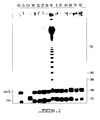
- FIG. 1 shows the detection of the coa (117bp) and mecA (214bp) genes in all tested clinical isolates and control S. aureus strain, C+ represent a PCR positive control, C-represent a PCR negative control, M represent a molecular weight marker and S represents the ATCC Standard MRSA strain ATCC 43300 ;
- FIG. 2 shows the antibacterial activity of Lactobacillus casei on MRSA clinical isolate #43 (panel A) or MRSA ATCC Standard 43300 (panel B);
- FIG. 3 shows the antibacterial activity of Lactobacillus casei (panel A) and Lactobacillus acidophilus (panel B) on MRSA clinical isolate #43.
- the words 'comprising' (and any form of comprising, such as 'comprise' and 'comprises'), 'having' (and any form of having, such as 'have' and 'has'), 'including' (and any form of including, such as 'include' and 'includes') or 'containing' (and any form of containing, such as 'contain' and 'contains'), are inclusive or open-ended and do not exclude additional, unrecited elements.
- the present invention relates to the use of at least one lactic acid bacterium strain for inhibiting (reducing, decreasing, lowering, impairing) the growth of a methicillin-resistant Staphylococcus aureus and/or for treating a methicillin-resistant Staphylococcus aureus infection.
- a lactic acid bacterium strain may be a Lactobacillus.
- a lactic acid bacterium strain may be Lactobacillus acidophilus, Lactobacillus casei and/or a mixture thereof. Any strains of Lactobacillus acidophilus or Lactobacillus casei may be used as long as they do not show deleterious effects. These strains may be of commercial origin and may be purchased from manufacturers of lactic ferments.
- a Lactobacillus acidophilus strain may comprise strain I-1492 deposited on November 15 th , 1994 at the Collection Nationale de Cultures de Microorganismes (CNCM; Institut Pasteur, 28 Rue du Dondel Roux, F-75724, Paris, CEDEX 15) according to the provisions of the Budapest Treaty.
- CNCM Collection Nationale de Cultures de Microorganismes
- the mixture of the present invention may comprise L. acidophilus I-1492 strain.
- such mixture may comprise about 95% of L. acidophilus strain I-1492 and/or about 5% of L. casei.
- a mixture may comprise for example and without limitation, from about 25% to about 100% (25% to 75%, 33% to 75%, 50% to 75%, 65% to 75%, 75% to 99% of L. acidophilus-such as strain I-1492).
- the proportion of L. acidophilus is higher than 60%.
- the present invention relates to, and explicitly incorporates herein, each and every specific member and combination of lactic acid bacterium strain proportions whatsoever.
- inhibiting it is meant a process by which the microorganisms (methicillin resistant Staphylococcus aureus ) and/or the infections (for example, a methicillin resistant Staphylococcus aureus infection) may be reduced, delayed, prevented and/or impaired. Such inhibition may occur at any time following contact of a lactic acid bacterium strain with MRSA. For example, inhibition may occur from about 0.1 to about 72h after contact.
- the present invention relates to, and explicitly incorporates herein, each and every specific member and combination of contact time sub-ranges whatsoever. Inhibition of the (growth of) microorganisms (MRSA) may be partial and/or complete (eradication).
- inhibition may be at least 50% inhibition (or at least 60%, or at least 65%, or at least 70%, or at least 75%, or at least 80%, or at least 85%, or at least 90%, or at least 95%, or at least 99%).
- the growth of MRSA is inhibited at least by 99% (complete inhibition; eradication).
- the present invention relates to, and explicitly incorporates herein, each and every specific member and combination of inhibition sub-ranges whatsoever.
- treating it is meant a process by which the symptoms of infections (for example, a methicillin-resistant Staphylococcus aureus infection; an infection with one and/or more than one strain of methicillin-resistant Staphylococcus aureus ) may not worsen, may remain stable, may be reduced (reducing a MRSA infection) and/or may be completely eliminated (eliminating and/or eradicating a MRSA infection).
- infections for example, a methicillin-resistant Staphylococcus aureus infection; an infection with one and/or more than one strain of methicillin-resistant Staphylococcus aureus
- the present invention relates to a method for inhibiting the growth of a methicillin-resistant Staphylococcus aureus and/or for treating a methicillin-resistant Staphylococcus aureus infection.
- the method may comprise administering an effective amount of at least one lactic acid bacterium strain to a subject in need thereof.
- a subject in need thereof may be a mammal (such as a human) infected with, suspected to be infected with and/or at risk of being infected with a MRSA.
- a subject at risk of being infected with a MRSA may include family members or any subject (mammal; human) which hav ebeen in close proximity to an infected subject (mammal; human).
- the quantity and/or concentration of at least one lactic acid bacterium strain which may be administered to a subject in need thereof may be an "effective amount".
- An effective amount of a lactic acid bacterium strain is the necessary quantity to obtain positive results without causing excessively negative effects in the subject to which the lactic acid bacterium strain (or a composition thereof) is administered.
- An effective amount of a lactic acid bacterium strain to inhibit the growth of a MRSA is a quantity which is sufficient to inhibit in any manner the growth of MRSA either totally or partially.
- An effective amount may also encompass either "therapeutically effective amount” and/or “prophylactically effective amount”.
- a “therapeutically effective amount” refers to an amount effective, at dosages and for periods of time necessary, to achieve the desired therapeutic result, such as a reduction in disease progression (for example a MRSA infection) and/or alleviation of the symptoms associated with a disease.
- a therapeutically effective amount may vary according to factors such as the disease state, age, sex, and weight of a subject, and the ability of an agent to elicit a desired response in a subject.
- Dosage regimens may be adjusted to provide the optimum therapeutic response.
- a therapeutically effective amount is also one in which any toxic or detrimental effects of the agent are outweighed by the therapeutically beneficial effects.
- a “prophylactically effective amount” refers to an amount effective, at dosages and for periods of time necessary, to achieve the desired prophylactic result, such as preventing and/or reducing the rate of disease onset or progression (for example a MRSA infection).
- a prophylactically effective amount may be determined as described above for the therapeutically effective amount.
- specific dosage regimens may be adjusted over time according to a subject's need and the professional judgment of the person administering of the compositions.
- An effective amount may be administered (to a subject in need thereof) in one or more administrations, according to a regimen.
- the privileged method of administration and the quantity that may preferably be administered may be a function of many factors. Among the factors that may influence this choice are, for example, the exact nature of the ingredients, active or not, entering in a composition and/or the condition, the age and the weight of a subject in need thereof.
- administration may be oral administration.
- administration may be suppository (rectal) administration.
- lactic acid bacteria may be found in the digestive tract of a subject.
- the present invention relates to a kit for inhibiting the growth of a methicillin-resistant Staphylococcus aureus and/or for treating a methicillin-resistant Staphylococcus aureus infection.
- the kit may comprise at least one (one or more than one) container containing at least one lactic acid bacterium strain.
- the kit of the present invention may additionally include, if desired, one or many conventional pharmaceutical components, for example, containers that may comprise one or many pharmaceutically acceptable vehicles, or any other additional containers that may be evident to a person skilled in the art.
- a kit according to the present invention may advantageously include instructions in the form of a pamphlet or of any other support, indicating the quantities of the lactic acid bacterium strain and/or compositions to be administered, the instructions for the administration and/or the instructions to mix given components.
- the present invention relates to a composition for use in inhibiting the growth of a methicillin-resistant Staphylococcus aureus.
- the composition may comprise an effective amount of at least one lactic acid bacterium strain and a pharmaceutically acceptable vehicle.
- compositions may be in a solid and/or a liquid form, usual for pharmaceutical and/or nutritional administration. More particularly, a composition according to the present invention may be presented in a variety of ingestible forms, for example, milk, yogurt, curd, fermented milks, milk-based fermented products, soy-based fermented products, fermented cereal-based products, milk-based powders and/or infant formulae.
- the composition may be administered in the form of food and/or food supplements.
- Such foods may be protein concentrates such as those used in hospitals.
- the product may be prepared in forms of capsules, tablets, liquid bacterial suspensions, dried oral supplements, wet oral supplements, dry tube feeding, wet tube feeding, etc.
- the composition may be obtained by fermenting lactic acid bacteria in a milk-based medium.
- the composition comprises Bio-K PlusTM products.
- Bio-K PlusTM products are lactic ferment products readily available on the market and sold by the company Bio-K PlusTM International Inc. For this purpose, the following process may be used.
- Lactobacillus acidophilus including strain I-1492
- Lactobacillus casei strains are incubated in a MRS type fermentation medium according to a standard program comprising several steps.
- the recombined lacteal base which is partially lactose-free and degassed, is pasteurized for 1.5 minutes at 95°C and inoculated at 10%.
- it is incubated according to the following program:
- the product is then co-fermented in an anaerobic atmosphere and medium for 15 hours at 37°C (degassing under CO 2 ).
- composition of the invention having a molecular weight between 1000 and 5000Da is around 30% and the level of small peptides having less than 10 residues is approximately 15%. It is known that such levels of peptides fortify, in a surprising way, the immune and digestive systems.
- pharmaceutically acceptable vehicle it is meant a vehicle that may be administered to a subject, in particular to a human, with little or no negative (toxic) side effects. Such a vehicle may be used for different functions. For example, it may be used as a preservation, solubilizing, stabilizing, emulsifying, softening, coloring, odoring and/or as an antioxidant agent.
- Pharmaceutically acceptable vehicle of the invention encompass nutritionally acceptable vehicles, namely, any liquid and/or solid form of nourishment that an organism (such as a mammal; in particular a human) may assimilate.
- the present invention also relates to the use of a composition comprising an effective amount of at least one lactic acid bacterium strain and a pharmaceutically acceptable vehicle in the manufacture of a medicament for inhibiting the growth of a methicillin-resistant Staphylococcus aureus and/or for treating a methicillin-resistant Staphylococcus aureus infection.
- Lactobacillus acidophilus 1-1492 and Lactobacillus casei on methicillin-resistant clinical isolate #43 was studied in mixed liquid cultures.
- the experimental protocol was as follows. A pre-culture was prepared by incubating 500 ⁇ l of bacteria in 10ml peptone milk (Sigma) at 37°C for 24h. The viability of monocultures over time was recorded as shown in TABLE 2 by performing continuous culture conditions. Colony forming units were measured by standard methods by counting the colonies formed on peptone milk solid media. These pre-cultures served as starting material for mixed cultures. TABLE 2 MONOCULTURES VIABILITY AS A FUNCTION OF TIME INCUBATION TIME (h) L. ACIDOPHILUS I-1492 X 10 8 CFU/mL L. CASEI X 10 8 CFU/mL MRSA #43 X 10 8 CFU/mL 24 1.29 3.20 3.76 48 3.54 2.33 3.80 72 1.34 2.26 2.30
- FIG. 2 the growth inhibitory effect of Lactobacillus casei on either MRSA clinical isolate #43 or MRSA ATCC Standard 43300 was compared to lactic acid bacterial strain Lactococcus lactis ssp cremoris using antimicrobial susceptibility testing method (discussed in Jacobsen et al. 1999 and Schellenberg et al. 2006).
- the experimental protocol was as follows. 3 ⁇ l of a 24h culture of Lactobacillus casei or a mixture thereof was spotted on a Petri dish containing 7ml of Monn-Rogosa-Sharpe (MRS) agar and incubated at 37°C for 24h in anaerobic conditions.
- MRSA Monn-Rogosa-Sharpe
- Lactobacillus casei is therefore effective at inhibiting the growth of both ATCC standard 43300 MRSA strain and a MRSA clinical isolate.
- inoculation of the lactic acid bacteria Lactococcus lactis spp cremoris culture did not result in growth inhibition and no inhibitory zone was detected ( FIG. 2 , arrow).
- lactic acid bacteria inhibit the growth of methicillin-resistant Staphylococcus aureus and L. casei inhibits both standard and clinical MRSA.
- Lactobacillus acidophilus and Lactobacillus casei were studied using antimicrobial susceptibility testing as described above for L. casei.
- both Lactobacillus acidophilus and Lactobacillus casei inhibited MRSA clinical isolate #43 growth as shown by a 2cm inhibition zone for Lactobacillus casei (panel A) and a 3cm inhibition zone for Lactobacillus acidophilus (panel B). Therefore, both lactic acid bacterium strains show an inhibitory effect on MRSA growth.
- Lactococcus cremoris No inhibition was detected using Lactococcus cremoris thereby showing that not all lactic acid bacteria have growth inhibitory property on methicillin-resistant Staphylococcus aureus.
- the growth inhibition effect was seen using either Lactobacillus acidophilus or Lactobacillus casei and varied, depending on the MRSA clinical isolate, from 1.7cm to 2.9cm for Lactobacillus acidophilus, and from 1.4cm to 2.9cm for Lactobacillus casei. Altogether, this data clearly show the growth inhibitory effect of Lactobacillus acidophilus and Lactobacillus casei on multiple clinical MRSA isolates.
- Lactobacillus acodophilus l-1492 (L.a) Lactobacillus casei (L. c) Lactococcus cremoris Exp1 Exp2 Exp3 Avg 2:3 (4 ⁇ l L.a.:6 ⁇ l L.c) 2.5 3.3 3.0 2.9 0 4:1 (8 ⁇ l L.a.:2 ⁇ l L.c.) 3.0 3.5 3.3 3.2 0 3:2 (6 ⁇ l L.a.:4 ⁇ l L.c.) 3.0 2.5 3.5 3.0 0 1:1 (5 ⁇ l L.a.:5 ⁇ l L.c.) 3.5 3.3 3.6 3.4 0 1:4 (2 ⁇ l L.a.:8 ⁇ l L.c.) 2.6 3.0 2.7 2.7 0 *3 ⁇ l of L. acidophilus represents 9 x 10 6 cells *3 ⁇ l of L. casei represents 5 x10 6 cells.
- the inhibition diameters varied from 2.9cm to 3.4cm.
- the ratio that obtained the highest inhibition zone was the 1:1 ratio (volume) wherein the mixture consisted of approximately 64% (of total cells) L. acidophilus cells and approximately 36% L. casei cells (of total cells).
- the growth inhibitory effect of Lactobacillus casei and Lactobacillus acidophilus was tested on a pool of all ten clinical MRSA isolates. Pre-cultures were prepared by incubating L. acidophilus , L. casei and all MRSA strains for 24h at 37°C. Antibacterial activity was tested as described above. 3 ⁇ l of L. acidophilus I-1492 represented 3.8 X 10 6 cells, 3 ⁇ l of L. casei represented 9.6 X 10 6 cells and the mixture of both strains represented 6.7 X 10 6 cells (3 ⁇ l aliquot of a 6 ⁇ l mixture). The MRSA isolates were combined by mixing 500 ⁇ l of each isolate pre-cultures together, for a total final volume of 5ml.
- Bio-K Plus TM products are lactic ferment products readily available on the market and sold by the company Bio-K Plus TM International Inc.
- the antibacterial activity of two Bio-K Plus TM commercial products comprising L. acidophilus and L. casei was tested.
- the products were either fermented milk-based or fermented soy-based products. 3 ⁇ l of each product was deposited on MRS media and incubated under anaerobic conditions for 24h at 37°C (3 ⁇ l of milk-based product: 9.9 X 10 5 cells; 3 ⁇ l of soy-based product: 4.5 X 10 5 cells).
- MRSA #43 was prepared as described above.
Landscapes
- Life Sciences & Earth Sciences (AREA)
- Health & Medical Sciences (AREA)
- Chemical & Material Sciences (AREA)
- Engineering & Computer Science (AREA)
- Microbiology (AREA)
- General Health & Medical Sciences (AREA)
- Zoology (AREA)
- Biotechnology (AREA)
- Wood Science & Technology (AREA)
- Food Science & Technology (AREA)
- Polymers & Plastics (AREA)
- Organic Chemistry (AREA)
- Bioinformatics & Cheminformatics (AREA)
- Genetics & Genomics (AREA)
- Mycology (AREA)
- Medicinal Chemistry (AREA)
- Virology (AREA)
- Agronomy & Crop Science (AREA)
- Nutrition Science (AREA)
- Biochemistry (AREA)
- Veterinary Medicine (AREA)
- Tropical Medicine & Parasitology (AREA)
- General Engineering & Computer Science (AREA)
- Pharmacology & Pharmacy (AREA)
- Biomedical Technology (AREA)
- Animal Behavior & Ethology (AREA)
- Public Health (AREA)
- Oil, Petroleum & Natural Gas (AREA)
- Dentistry (AREA)
- Environmental Sciences (AREA)
- Epidemiology (AREA)
- Plant Pathology (AREA)
- Pest Control & Pesticides (AREA)
- Molecular Biology (AREA)
- Botany (AREA)
- Nuclear Medicine, Radiotherapy & Molecular Imaging (AREA)
- General Chemical & Material Sciences (AREA)
- Chemical Kinetics & Catalysis (AREA)
- Oncology (AREA)
- Communicable Diseases (AREA)
Abstract
Description
- The present invention relates to methicillin-resistant Staphylococcus aureus growth inhibition by lactic acid bacteria.
- Lactic acid bacteria (LAB) are Gram-positive bacteria that produce lactic acid by the fermentation of glucose. Lactic acid bacteria have been widely used in various fermented food products around the world for many centuries and have been shown to exhibit various beneficial biological functions. Some lactic acid bacteria are also referred to as probiotics. According to the World Health Organization, the term "probiotics" describes live microorganisms which confer a health benefit to a host. The most frequently used species are Lactobacillus spp., Bifidobaterium spp. and Saccharomyces spp. A number of mechanisms of action have been proposed to explain the efficacy of probiotics. These mechanisms include production of antimicrobial substances, competition for gastro-intestinal colonization as well as for available nutrients, production of antimicrobial bacteriocins, immunomodulation and promotion of lactose digestion (Lu et al., 2001; D'Souza et al., 2002; Alvarez-Olmos et al., 2001).
- Antibiotics have substantially decreased morbidity and mortality from bacterial infections in the 20th century. However, microorganisms are showing more and more resistance to existing antibiotics. This antibiotic resistance phenomenon is a serious threat to public health. Probiotics may act as biotherapeutic agents and help solve public health issues pertaining to multidrug resistance. Methicillin resistant Staphylococcus aureus (MRSA) is a specific strain of bacteria that shows resistance to many antibiotics including methicillin. MRSA infections are typically acquired in healthcare (nosocomial infections) and community settings. Although Staphylococcus aureus strains usually utilize three penicillin-binding proteins (PBP) in the synthesis of their cell wall, those that are resistant to methicillin (MRSA) possess a supplementary PBP, PBP2a, encoded by the mecA gene which allows cells to grow in the presence of methicillin, oxacillin and other beta-lactam antibiotics (Martins et al., 2007).
- It is estimated that more than 90% of Staphylococcus aureus infections are resistant to methicillin and other antibiotics (Mathur and Singh, 2005). The lack of efficacy of various antibiotics and the increasing prevalence of MRSA has become a major public health issue and resistance of Staphylococci to methicillin is a problem of global proportions. There is a clear need for new antibacterial agents to control methicillin-resistant Staphylococcus aureus. Such agents would provide significant therapeutic value for the prevention, reduction and/or treatment of MRSA infections. The present invention seeks to meet this and other needs.
- The present description refers to a number of documents, the content of which is herein incorporated by reference in their entirety.
- In one aspect thereof, the present invention relates to the use of at least one lactic acid bacterium strain for inhibiting (reducing, decreasing, lowering, impairing, eliminating) the growth of a methicillin-resistant Staphylococcus aureus and/or for treating a methicillin-resistant Staphylococcus aureus infection.
- In a second aspect thereof, the present invention relates to a method for inhibiting the growth of a methicillin-resistant Staphylococcus aureus and/or treating a methicillin-resistant Staphylococcus aureus infection. The method may comprise administering an effective amount of at least one lactic acid bacterium strain to a subject in need thereof.
- In a third aspect thereof, the present invention relates to a kit for inhibiting the growth of a methicillin-resistant Staphylococcus aureus and/or treating a methicillin-resistant Staphylococcus aureus infection. The kit may comprise at least one container containing at least one lactic acid bacterium strain.
- In a fourth aspect thereof, the present invention relates to a composition for use in inhibiting the growth of a methicillin-resistant Staphylococcus aureus. The composition may comprise an effective amount of at least one lactic acid bacterium strain and a pharmaceutically acceptable vehicle.
- In a fifth aspect thereof, the present invention relates to the use of a composition comprising an effective amount of at least one lactic acid bacterium strain and a pharmaceutically acceptable vehicle for inhibiting the growth of a methicillin-resistant Staphylococcus aureus and/or for treating a methicillin-resistant Staphylococcus aureus infection.
- In drawings which illustrate non-limitative exemplary embodiments of the present invention,
-
FIG. 1 shows the detection of the coa (117bp) and mecA (214bp) genes in all tested clinical isolates and control S. aureus strain, C+ represent a PCR positive control, C-represent a PCR negative control, M represent a molecular weight marker and S represents the ATCC Standard MRSA strain ATCC 43300 ; -
FIG. 2 shows the antibacterial activity of Lactobacillus casei on MRSA clinical isolate #43 (panel A) or MRSA ATCC Standard 43300 (panel B); -
FIG. 3 shows the antibacterial activity of Lactobacillus casei (panel A) and Lactobacillus acidophilus (panel B) on MRSAclinical isolate # 43. - In order to provide a clear and consistent understanding of the terms used in the present disclosure, a number of definitions are provided below. Moreover, unless defined otherwise, all technical and scientific terms as used herein have the same meaning as commonly understood to one of ordinary skill in the art to which this invention pertains.
- As used in the specification and claim(s), the words 'comprising' (and any form of comprising, such as 'comprise' and 'comprises'), 'having' (and any form of having, such as 'have' and 'has'), 'including' (and any form of including, such as 'include' and 'includes') or 'containing' (and any form of containing, such as 'contain' and 'contains'), are inclusive or open-ended and do not exclude additional, unrecited elements.
- In one aspect thereof, the present invention relates to the use of at least one lactic acid bacterium strain for inhibiting (reducing, decreasing, lowering, impairing) the growth of a methicillin-resistant Staphylococcus aureus and/or for treating a methicillin-resistant Staphylococcus aureus infection.
- In the present invention, a lactic acid bacterium strain may be a Lactobacillus. In a further embodiment, a lactic acid bacterium strain may be Lactobacillus acidophilus, Lactobacillus casei and/or a mixture thereof. Any strains of Lactobacillus acidophilus or Lactobacillus casei may be used as long as they do not show deleterious effects. These strains may be of commercial origin and may be purchased from manufacturers of lactic ferments. In a further embodiment, a Lactobacillus acidophilus strain may comprise strain I-1492 deposited on November 15th, 1994 at the Collection Nationale de Cultures de Microorganismes (CNCM; Institut Pasteur, 28 Rue du Docteur Roux, F-75724, Paris, CEDEX 15) according to the provisions of the Budapest Treaty.
- By "mixture" it is meant the combination of lactic acid bacterium strains in any given proportions. The mixture of the present invention may comprise L. acidophilus I-1492 strain. For example such mixture may comprise about 95% of L. acidophilus strain I-1492 and/or about 5% of L. casei. In another example, a mixture may comprise for example and without limitation, from about 25% to about 100% (25% to 75%, 33% to 75%, 50% to 75%, 65% to 75%, 75% to 99% of L. acidophilus-such as strain I-1492). In an embodiment of the invention, the proportion of L. acidophilus is higher than 60%. The present invention relates to, and explicitly incorporates herein, each and every specific member and combination of lactic acid bacterium strain proportions whatsoever.
- It is to be understood herein that by "inhibiting" it is meant a process by which the microorganisms (methicillin resistant Staphylococcus aureus) and/or the infections (for example, a methicillin resistant Staphylococcus aureus infection) may be reduced, delayed, prevented and/or impaired. Such inhibition may occur at any time following contact of a lactic acid bacterium strain with MRSA. For example, inhibition may occur from about 0.1 to about 72h after contact. The present invention relates to, and explicitly incorporates herein, each and every specific member and combination of contact time sub-ranges whatsoever. Inhibition of the (growth of) microorganisms (MRSA) may be partial and/or complete (eradication). For example, inhibition may be at least 50% inhibition (or at least 60%, or at least 65%, or at least 70%, or at least 75%, or at least 80%, or at least 85%, or at least 90%, or at least 95%, or at least 99%). In an embodiment of the present invention, the growth of MRSA is inhibited at least by 99% (complete inhibition; eradication). The present invention relates to, and explicitly incorporates herein, each and every specific member and combination of inhibition sub-ranges whatsoever. It is also to be understood herein that by "treating" it is meant a process by which the symptoms of infections (for example, a methicillin-resistant Staphylococcus aureus infection; an infection with one and/or more than one strain of methicillin-resistant Staphylococcus aureus) may not worsen, may remain stable, may be reduced (reducing a MRSA infection) and/or may be completely eliminated (eliminating and/or eradicating a MRSA infection).
- In a second aspect thereof, the present invention relates to a method for inhibiting the growth of a methicillin-resistant Staphylococcus aureus and/or for treating a methicillin-resistant Staphylococcus aureus infection. The method may comprise administering an effective amount of at least one lactic acid bacterium strain to a subject in need thereof.
- A subject in need thereof may be a mammal (such as a human) infected with, suspected to be infected with and/or at risk of being infected with a MRSA. A subject at risk of being infected with a MRSA may include family members or any subject (mammal; human) which hav ebeen in close proximity to an infected subject (mammal; human). The quantity and/or concentration of at least one lactic acid bacterium strain which may be administered to a subject in need thereof may be an "effective amount". An effective amount of a lactic acid bacterium strain is the necessary quantity to obtain positive results without causing excessively negative effects in the subject to which the lactic acid bacterium strain (or a composition thereof) is administered. An effective amount of a lactic acid bacterium strain to inhibit the growth of a MRSA is a quantity which is sufficient to inhibit in any manner the growth of MRSA either totally or partially. An effective amount may also encompass either "therapeutically effective amount" and/or "prophylactically effective amount". A "therapeutically effective amount" refers to an amount effective, at dosages and for periods of time necessary, to achieve the desired therapeutic result, such as a reduction in disease progression (for example a MRSA infection) and/or alleviation of the symptoms associated with a disease. A therapeutically effective amount may vary according to factors such as the disease state, age, sex, and weight of a subject, and the ability of an agent to elicit a desired response in a subject. Dosage regimens may be adjusted to provide the optimum therapeutic response. A therapeutically effective amount is also one in which any toxic or detrimental effects of the agent are outweighed by the therapeutically beneficial effects. A "prophylactically effective amount" refers to an amount effective, at dosages and for periods of time necessary, to achieve the desired prophylactic result, such as preventing and/or reducing the rate of disease onset or progression (for example a MRSA infection). A prophylactically effective amount may be determined as described above for the therapeutically effective amount. For any particular subject, specific dosage regimens may be adjusted over time according to a subject's need and the professional judgment of the person administering of the compositions.
- An effective amount may be administered (to a subject in need thereof) in one or more administrations, according to a regimen. The privileged method of administration and the quantity that may preferably be administered may be a function of many factors. Among the factors that may influence this choice are, for example, the exact nature of the ingredients, active or not, entering in a composition and/or the condition, the age and the weight of a subject in need thereof. In an embodiment of the present invention, administration may be oral administration. In another embodiment of the present invention, administration may be suppository (rectal) administration. As a result of administration, lactic acid bacteria may be found in the digestive tract of a subject.
- In a third aspect thereof, the present invention relates to a kit for inhibiting the growth of a methicillin-resistant Staphylococcus aureus and/or for treating a methicillin-resistant Staphylococcus aureus infection. The kit may comprise at least one (one or more than one) container containing at least one lactic acid bacterium strain. The kit of the present invention may additionally include, if desired, one or many conventional pharmaceutical components, for example, containers that may comprise one or many pharmaceutically acceptable vehicles, or any other additional containers that may be evident to a person skilled in the art. A kit according to the present invention may advantageously include instructions in the form of a pamphlet or of any other support, indicating the quantities of the lactic acid bacterium strain and/or compositions to be administered, the instructions for the administration and/or the instructions to mix given components.
- In a fourth aspect thereof, the present invention relates to a composition for use in inhibiting the growth of a methicillin-resistant Staphylococcus aureus. The composition may comprise an effective amount of at least one lactic acid bacterium strain and a pharmaceutically acceptable vehicle.
- A "composition" according to the present invention may be in a solid and/or a liquid form, usual for pharmaceutical and/or nutritional administration. More particularly, a composition according to the present invention may be presented in a variety of ingestible forms, for example, milk, yogurt, curd, fermented milks, milk-based fermented products, soy-based fermented products, fermented cereal-based products, milk-based powders and/or infant formulae. The composition may be administered in the form of food and/or food supplements. Such foods may be protein concentrates such as those used in hospitals. In case of a pharmaceutical preparation, the product may be prepared in forms of capsules, tablets, liquid bacterial suspensions, dried oral supplements, wet oral supplements, dry tube feeding, wet tube feeding, etc. In an embodiment of the invention, the composition may be obtained by fermenting lactic acid bacteria in a milk-based medium. In a further exemplary embodiment of this invention, the composition comprises Bio-K Plus™ products. Bio-K Plus™ products are lactic ferment products readily available on the market and sold by the company Bio-K Plus™ International Inc. For this purpose, the following process may be used.
- Firstly, Lactobacillus acidophilus (including strain I-1492) and Lactobacillus casei strains are incubated in a MRS type fermentation medium according to a standard program comprising several steps. The recombined lacteal base, which is partially lactose-free and degassed, is pasteurized for 1.5 minutes at 95°C and inoculated at 10%. Finally, it is incubated according to the following program:
-
- 1) the I-1492 strain: 2 hours at 37°C
- 2) the acidophilus strain: 2 hours at 37°C and
- 3) the casei strain: 1 hour at 37°C
- The product is then co-fermented in an anaerobic atmosphere and medium for 15 hours at 37°C (degassing under CO2).
- Although total amino acid content in such composition is similar to milk, free amino acids are significantly higher. The level of peptides comprised in the composition of the invention, having a molecular weight between 1000 and 5000Da is around 30% and the level of small peptides having less than 10 residues is approximately 15%. It is known that such levels of peptides fortify, in a surprising way, the immune and digestive systems.
- By "pharmaceutically acceptable vehicle" it is meant a vehicle that may be administered to a subject, in particular to a human, with little or no negative (toxic) side effects. Such a vehicle may be used for different functions. For example, it may be used as a preservation, solubilizing, stabilizing, emulsifying, softening, coloring, odoring and/or as an antioxidant agent. Pharmaceutically acceptable vehicle of the invention encompass nutritionally acceptable vehicles, namely, any liquid and/or solid form of nourishment that an organism (such as a mammal; in particular a human) may assimilate.
- The present invention also relates to the use of a composition comprising an effective amount of at least one lactic acid bacterium strain and a pharmaceutically acceptable vehicle in the manufacture of a medicament for inhibiting the growth of a methicillin-resistant Staphylococcus aureus and/or for treating a methicillin-resistant Staphylococcus aureus infection.
- The following examples illustrate potential applications of the invention and are not intended to limit its scope. Modifications and variations may be made therein without departing from the spirit and scope of the invention.
- Ten clinical methicillin-resistant S. aureus isolates were obtained (Shabnam Y, 2002) from different clinical infections as shown in TABLE 1.
TABLE 1 MRSA CLINICAL STRAINS ISOLATION Clinical Isolate # Clinical Infection Site 18 Nose 22 Calf wound 27 Thigh wound 36 Abdominal pus 43 Lungs 61 Vagina 64 Eye 69 Nose 75 Tongue 80 Wound pus - The antibiotic sensitivity of all isolated strains was tested according to the standard methodology suggested by the Canadian Committee on Antibiotic Resistance (Shabnam Y, 2002). All strains were shown to be vancomycin sensitive but resistant to methicillin, oxacillin, erythromycin and cefazolin antibiotics. Staphylococcus species are divided into coagulase-positive Staphylococci, represented by S. aureus, and coagulase-negative Staphylococci which comprise different species. Methicillin resistance is encoded by the mecA gene. To confirm the clinical isolates' identity, their genomic DNA was isolated (DNA isolation kit, Roche Applied Science) following a 24h culture in presence of oxacillin at a concentration of 8µg/mL. Genomic DNA was tested for the presence or absence of the mecA and coa genes by PCR (Novocastra kit-primer set NCL-SA-PS, Vision BioSystems Inc.). Results are shown in
FIG. 1 . All isolated clinical isolates were coa and mecA positive. - The biological effect of Lactobacillus acidophilus 1-1492 and Lactobacillus casei on methicillin-resistant clinical isolate #43 was studied in mixed liquid cultures. The experimental protocol was as follows. A pre-culture was prepared by incubating 500µl of bacteria in 10ml peptone milk (Sigma) at 37°C for 24h. The viability of monocultures over time was recorded as shown in TABLE 2 by performing continuous culture conditions. Colony forming units were measured by standard methods by counting the colonies formed on peptone milk solid media. These pre-cultures served as starting material for mixed cultures.
TABLE 2 MONOCULTURES VIABILITY AS A FUNCTION OF TIME INCUBATION TIME
(h)L. ACIDOPHILUS I-1492
X 108CFU/mLL. CASEI
X 108CFU/mL MRSA # 43
X 108CFU/mL24 1.29 3.20 3.76 48 3.54 2.33 3.80 72 1.34 2.26 2.30 - Mixed cultures were prepared in liquid media by mixing 100µl of L. acidophilus (1.3 X 10⁶ cells), 100µl L. casei (3.2 X 10⁶ cells) and 100µl MRSA, #43 (3.8 X 10⁶ cells) in 10ml of peptone milk. The mixed cultures were grown for 24h, 48h and 72h and CFU were measured using peptone milk agar or MRSA selective media (Mannitol Salt Agar-MSA). As shown in TABLE 3, after 24h of incubation in presence of L. casei and L. acidophilus, MRSA bacteria were inhibited by more than 99% (eliminated). These results clearly show the inhibitory effect of a mixture of lactic acid bacteria (L. acidophilus and L. casei) on MRSA.
TABLE 3 VIABLE MRSA COUNT FOLLOWING MIXED CULTURES Incubation time
(h)Peptone Milk Media
X 108 CFU/mLMSA
X 103 CFU/mL24 3.65 2.99 48 2.12 0 72 1.07 0 - In
FIG. 2 , the growth inhibitory effect of Lactobacillus casei on either MRSA clinical isolate #43 or MRSA ATCC Standard 43300 was compared to lactic acid bacterial strain Lactococcus lactis ssp cremoris using antimicrobial susceptibility testing method (discussed in Jacobsen et al. 1999 and Schellenberg et al. 2006). The experimental protocol was as follows. 3µl of a 24h culture of Lactobacillus casei or a mixture thereof was spotted on a Petri dish containing 7ml of Monn-Rogosa-Sharpe (MRS) agar and incubated at 37°C for 24h in anaerobic conditions. The following day, 200µl of a 24h culture of methicillin-resistant Staphylococcus aureus clinical isolate #43 was added to a 1:1 mixture of Brain Heart Infusion (BHI) and MRS containing 0.7% agar and poured onto the previously spotted Petri dish. The Petri dish was further incubated for 24h to 48h under aerobic conditions. Inhibition diameters could then be calculated and Petri dish photographed to record results. Only agents inhibiting MRSA growth can form zones of inhibition around the inoculated region. Lactobacillus casei showed growth inhibitory effect as seen with an inhibitory zone of 2cm (panel A) and a growth inhibitory effect on MRSA ATCC Standard 43300 as shown with an inhibitory zone of 3cm (panel B). Lactobacillus casei is therefore effective at inhibiting the growth of both ATCC standard 43300 MRSA strain and a MRSA clinical isolate. In both panels, inoculation of the lactic acid bacteria Lactococcus lactis spp cremoris culture did not result in growth inhibition and no inhibitory zone was detected (FIG. 2 , arrow). Thus, not all lactic acid bacteria inhibit the growth of methicillin-resistant Staphylococcus aureus and L. casei inhibits both standard and clinical MRSA. - The biological effect of Lactobacillus acidophilus and Lactobacillus casei on methicillin-resistant clinical isolate #43 was studied using antimicrobial susceptibility testing as described above for L. casei. As shown in
FIG. 3 , both Lactobacillus acidophilus and Lactobacillus casei inhibited MRSA clinical isolate #43 growth as shown by a 2cm inhibition zone for Lactobacillus casei (panel A) and a 3cm inhibition zone for Lactobacillus acidophilus (panel B). Therefore, both lactic acid bacterium strains show an inhibitory effect on MRSA growth. - The growth inhibitory effect of L. casei and L. acidophilus was tested on ten different clinical methicillin-resistant Staphylococcus aureus isolates. Three independent experiments were performed and the average (avg) inhibition diameter is shown in TABLE 4.
TABLE 4 INHIBITORY EFFECT OF L. CASEI OR L. ACIDOPHILUS ON MRSA CLINICAL ISOLATES Clinical Isolate # Inhibition Diameter (cm) Lactobacillus acidophilus I- 1492 Lactobacillus casei Lactococcus cremoris Exp1 Exp2 Exp3 Avg Exp1 Exp2 Exp3 Avg 43 3 2.8 3 2.9 2 2.2 2 2 0 64 2.5 2.7 2.4 2.5 2 2.1 2.2 2.1 0 75 2 2 1.8 1.9 1.2 1.6 1.5 1.4 0 27 2.5 2.3 2.5 2.4 2 2.1 2 2 0 61 1.6 2 1.5 1.7 1.8 2 2 1.9 0 22 2.2 1.7 2 1.9 2 2.3 2.1 2.1 0 18 2 1.8 2 1.9 2.5 2.3 2 2.2 0 69 2.2 2 2 2 2.3 2.5 2.5 2.4 0 80 2 2.1 2 2 2.5 2.4 2.5 2.4 0 36 3 3 2.9 2.9 3 2.8 2.9 2.9 0 - No inhibition was detected using Lactococcus cremoris thereby showing that not all lactic acid bacteria have growth inhibitory property on methicillin-resistant Staphylococcus aureus. The growth inhibition effect was seen using either Lactobacillus acidophilus or Lactobacillus casei and varied, depending on the MRSA clinical isolate, from 1.7cm to 2.9cm for Lactobacillus acidophilus, and from 1.4cm to 2.9cm for Lactobacillus casei. Altogether, this data clearly show the growth inhibitory effect of Lactobacillus acidophilus and Lactobacillus casei on multiple clinical MRSA isolates.
- The growth inhibitory effect of mixtures of Lactobacillus casei and Lactobacillus acidophilus was tested on clinical MRSA isolate #43. The mixtures comprised different concentrations of the two lactobacilli strains as indicated in TABLE 5. Three independent experiments were performed and the average (avg) inhibition diameters in centimeters are shown in TABLE 5. L. cremoris was used as a negative control.
TABLE 5 ANTIBACTERIAL ACTIVITIES OF MIXTURES OF L. CASEI AND L. ACIDOPHILUS ON MRSA CLINICAL ISOLATE #43 Strain Ratios Inhibition Diameter (cm) L.a.:L.c. Lactobacillus acodophilus l-1492 (L.a) Lactobacillus casei (L. c) Lactococcus cremoris Exp1 Exp2 Exp3 Avg 2:3
(4µl L.a.:6µl L.c)2.5 3.3 3.0 2.9 0 4:1
(8µl L.a.:2µl L.c.)3.0 3.5 3.3 3.2 0 3:2
(6µl L.a.:4µl L.c.)3.0 2.5 3.5 3.0 0 1:1
(5µl L.a.:5µl L.c.)3.5 3.3 3.6 3.4 0 1:4
(2µl L.a.:8µl L.c.)2.6 3.0 2.7 2.7 0 *3µl of L. acidophilus represents 9 x 10⁶ cells
*3µl of L. casei represents 5 x10⁶ cells. - The inhibition diameters varied from 2.9cm to 3.4cm. The ratio that obtained the highest inhibition zone was the 1:1 ratio (volume) wherein the mixture consisted of approximately 64% (of total cells) L. acidophilus cells and approximately 36% L. casei cells (of total cells). These results clearly show that the relative concentrations of lactic acid bacterial strains in a composition may play a role in favoring maximum inhibition and that the combination of Lactobacillus casei and Lactobacillus acidophilus is clearly inhibitory to methicillin-resistant Staphylococcus aureus growth.
- The growth inhibitory effect of Lactobacillus casei and Lactobacillus acidophilus was tested on a pool of all ten clinical MRSA isolates. Pre-cultures were prepared by incubating L. acidophilus, L. casei and all MRSA strains for 24h at 37°C. Antibacterial activity was tested as described above. 3µl of L. acidophilus I-1492 represented 3.8 X 10⁶ cells, 3µl of L. casei represented 9.6 X 10⁶ cells and the mixture of both strains represented 6.7 X 10⁶ cells (3µl aliquot of a 6µl mixture). The MRSA isolates were combined by mixing 500µl of each isolate pre-cultures together, for a total final volume of 5ml. 200µl of the 5ml mix was added to 0.7% BHI-agar added to the lactic bacteria layer (for a total of 1.46 X 10⁷ cells). The dish was incubated for 24h at 37°C and inhibition diameters were measured. L. cremoris was used as a negative control whilst MRSA ATCC 43300 served as a positive control. Three independent experiments were performed; the average inhibition diameters in centimeters are shown in TABLE 6.
TABLE 6 ANTIBACTERIAL ACTIVITIES OF L. CASEI AND L. ACIDOPHILUS ON MULTIPLE MRSA CLINICAL ISOLATES LAB STRAIN(S) INHIBITION DIAMETER (cm) MRSA Clinical Isolates (10) MRSA A TCC 43300 Exp1 Exp2 Exp3 Avg Exp1 Exp2 Exp3 Avg L. casei + L. acidophilus I- 1492 1:1 3.2 3.5 3.3 3.3 - - - - L. acidophilus I-1492 3.0 3.2 3.0 3.0 3.0 2.6 2.7 2.7 L. casei 2.2 2.5 2.3 2.3 2.0 2.5 2.4 2.3 Lactococcus cremoris 0 0 0 0 - - - - - The inhibition diameters varied from 2.3 to 3.3cm. These results clearly show that lactic acid bacterium strains (alone or in combination) inhibit more than one (multiple) MRSA clinical isolates and that the combination of Lactobacillus casei and Lactobacillus acidophilus is also inhibitory to multiple clinical methicillin-resistant Staphylococcus aureus growth.
- Bio-K Plus™ products are lactic ferment products readily available on the market and sold by the company Bio-K Plus™ International Inc. The antibacterial activity of two Bio-K Plus™ commercial products comprising L. acidophilus and L. casei was tested. The products were either fermented milk-based or fermented soy-based products. 3µl of each product was deposited on MRS media and incubated under anaerobic conditions for 24h at 37°C (3µl of milk-based product: 9.9 X 10⁵ cells; 3µl of soy-based product: 4.5 X 10⁵ cells).
MRSA # 43 was prepared as described above. 200µl of theMRSA # 43 pre-culture was transferred to 7ml of 0.7% BHI and poured on top of a layer comprising Bio-K Plus™ product bacteria (total MRSA #43: 8.7 X 10⁶ cells). Three independent experiments were performed and the average inhibition diameters in centimeters are shown in TABLE 7. L. cremoris was used as a negative control whilst MRSA ATCC 43300 served as a positive control.TABLE 7 ANTIBACTERIAL ACTIVITY OF BIO-K PLUS™ PRODUCTS ON MRSA # 43Bio-K Plus Products INHIBITION DIAMETER (cm) MRSA # 43MRSA ATCC 43300 Exp1 Exp2 Exp3 Avg Exp1 Exp2 Exp3 Avg Milk-based product 3.2 2.9 3.0 3.0 2.8 3.0 2.7 2.8 Soy-based product 2.5 2.3 2.5 2.4 2.0 2.3 1.8 2.0 Lactococcus cremoris 0 0 0 0 - - - - - These results show that both products showed inhibitory activity against a clinical MRSA isolate and that the lactic acid bacteria, even in food preparations, inhibit MRSA.
- Although the present invention has been described by way of exemplary embodiments, it should be understood by those skilled in the art that the foregoing and various other changes, omissions and additions may be made therein and thereto, without departing from the spirit and scope of the present invention.
-
- Alvarez-Olmos et al. 2001 Clin Infect Dis. 32(11):1567-76.
- D'Souza et al. 2002 BMJ 324(7350):1361.
- Jacobsen et al. 1999 Appl Environ Microbiol. 65(11):4949-56.
- Lu et al. Am J Clin Nutr. 2001 73(6):1124-1130.
- Martins et al. 2007 Microbiology and Immunology Vol. 51 No. 9 pp.787-795.
- Mathur S and Singh R, 2005, Journal of Food Microbiology, 105, 281-295.
- Schellenberg et al. 2006 J Microbiol Methods 65(1):1-9.
- Shabnam Y., 2002. Characterisation of Methicillin resistant Staphylococcus aureus by phenotyping and genotyping method, M.Sc. thesis, Universite de Montréal.
Claims (11)
- A composition for use in a method for inhibiting the growth of a methicillin-resistant Staphylococcus aureus in vivo comprising an effective amount of at least one lactic acid bacterium strain selected from the group consisting of Lactobacillus acidophilus I-1492, Lactobacillus casei and a mixture thereof and a pharmaceutically acceptable vehicle.
- A composition for use in treating a methicillin-resistant Staphylococcus aureus infection comprising an effective amount of at least one lactic acid bacterium strain selected from the group consisting of Lactobacillus acidophilus I-1492, Lactobacillus casei and a mixture thereof and a pharmaceutically acceptable vehicle.
- The composition of claim 1 or claim 2 wherein the mixture comprises 25% to 75% of Lactobacillus acidophilus.
- The composition of claim 1 or claim 2 wherein the mixture comprises 33% to 75% of Lactobacillus acidophilus.
- The composition of claim 1 or claim 2 wherein the mixture comprises 50% to 75% of Lactobacillus acidophilus.
- The composition of claim 1 or claim 2 wherein the mixture comprises 65% to 75% of Lactobacillus acidophilus.
- The composition of claim 1 or claim 2 wherein the mixture comprises 75% to 100% of Lactobacillus acidophilus.
- The composition of any one of claims 1 to 7, wherein said composition is for oral administration.
- Use of a composition comprising an effective amount of at least one lactic acid bacterium strain selected from the group consisting of Lactobacillus acidophilus I-1492, Lactobacillus casei and a mixture thereof and a pharmaceutically acceptable vehicle in the manufacture of a medicament for inhibiting the growth of a methicillin-resistant Staphylococcus aureus.
- Use of a composition comprising an effective amount of at least one lactic acid bacterium strain selected from the group consisting of Lactobacillus acidophilus I-1492, Lactobacillus casei and a mixture thereof and a pharmaceutically acceptable vehicle in the manufacture of a medicament for treating a methicillin-resistant Staphylococcus aureus infection.
- Use according to claim 9 or 10, characterized in that the composition comprises a mixture of Lactobacillus acidophilus I-1492 and Lactobacillus casei.
Applications Claiming Priority (2)
| Application Number | Priority Date | Filing Date | Title |
|---|---|---|---|
| US87646006P | 2006-12-22 | 2006-12-22 | |
| PCT/CA2007/002348 WO2008077251A1 (en) | 2006-12-22 | 2007-12-21 | Growth inhibition and elimination of methicillin-resistant staphylococcus aureus by lactic acid bacteria |
Publications (3)
| Publication Number | Publication Date |
|---|---|
| EP2124976A1 EP2124976A1 (en) | 2009-12-02 |
| EP2124976A4 EP2124976A4 (en) | 2010-05-12 |
| EP2124976B1 true EP2124976B1 (en) | 2011-09-28 |
Family
ID=39562057
Family Applications (1)
| Application Number | Title | Priority Date | Filing Date |
|---|---|---|---|
| EP07855628A Active EP2124976B1 (en) | 2006-12-22 | 2007-12-21 | Growth inhibition and elimination of methicillin-resistant staphylococcus aureus by lactic acid bacteria |
Country Status (7)
| Country | Link |
|---|---|
| US (1) | US8926960B2 (en) |
| EP (1) | EP2124976B1 (en) |
| AT (1) | ATE526027T1 (en) |
| CA (1) | CA2673195C (en) |
| ES (1) | ES2373411T3 (en) |
| MX (1) | MX2009006808A (en) |
| WO (1) | WO2008077251A1 (en) |
Families Citing this family (6)
| Publication number | Priority date | Publication date | Assignee | Title |
|---|---|---|---|---|
| WO2011046616A2 (en) * | 2009-10-15 | 2011-04-21 | New York University | Methods for modulating bacterial infection |
| AU2014256851B2 (en) | 2013-04-23 | 2019-04-18 | Terragen Holdings Limited | Bacterial strains having antimicrobial activity and biocontrol compositions comprising the same |
| CZ201523A3 (en) | 2015-01-16 | 2016-07-27 | Bio Agens Research And Development - Bard, S.R.O. | Dual microbial preparation for long-term suppression or prevention of symptoms of opportunist microbial infections |
| CA3084954A1 (en) | 2017-12-05 | 2019-06-13 | BioPlx, Inc. | Methods and compositions to prevent microbial infection |
| CZ308231B6 (en) | 2019-02-11 | 2020-03-11 | BiomCare s.r.o. | Combined multistage microbial preparations and method of their application |
| CN111979292B (en) * | 2020-07-27 | 2022-08-05 | 广东省微生物研究所(广东省微生物分析检测中心) | Application of MRSA (methicillin resistant staphylococcus aureus) simultaneously carrying multiple drug resistance genes cfr and lsa (E) |
Family Cites Families (3)
| Publication number | Priority date | Publication date | Assignee | Title |
|---|---|---|---|---|
| EP0951531B1 (en) | 1996-11-29 | 2007-02-28 | Bio K + International Inc. | Lactic ferment comprising a particular strain of lactobacillus acidophilus and use thereof |
| ES2360341T3 (en) * | 1997-02-11 | 2011-06-03 | Enterprise Ireland (Trading As Bioresearch Ireland) | PROBIOTIC CEPAS OF LACTOBACILLUS SALIVARIUS AND ANTIMICROBIAL AGENTS OBTAINED FROM THEMSELVES. |
| ITMO20020001A1 (en) * | 2002-01-04 | 2003-07-04 | Giuliano Zanaglia | LACTOBACILLO FOR THE PRESERVATION OF VEGETABLE PRODUCTS OF THE IV RANGE, THEIR MIXTURES, DERIVATIVES OF VEGETABLE PRODUCTS OF THE IV RANGE AND THEIR MIXTURES |
-
2007
- 2007-12-21 CA CA2673195A patent/CA2673195C/en active Active
- 2007-12-21 ES ES07855628T patent/ES2373411T3/en active Active
- 2007-12-21 WO PCT/CA2007/002348 patent/WO2008077251A1/en not_active Ceased
- 2007-12-21 MX MX2009006808A patent/MX2009006808A/en active IP Right Grant
- 2007-12-21 AT AT07855628T patent/ATE526027T1/en not_active IP Right Cessation
- 2007-12-21 EP EP07855628A patent/EP2124976B1/en active Active
-
2010
- 2010-06-14 US US12/814,661 patent/US8926960B2/en active Active
Also Published As
| Publication number | Publication date |
|---|---|
| CA2673195A1 (en) | 2008-07-03 |
| US8926960B2 (en) | 2015-01-06 |
| WO2008077251A1 (en) | 2008-07-03 |
| MX2009006808A (en) | 2010-04-01 |
| EP2124976A4 (en) | 2010-05-12 |
| ATE526027T1 (en) | 2011-10-15 |
| CA2673195C (en) | 2012-05-29 |
| EP2124976A1 (en) | 2009-12-02 |
| US20110195057A1 (en) | 2011-08-11 |
| ES2373411T3 (en) | 2012-02-03 |
Similar Documents
| Publication | Publication Date | Title |
|---|---|---|
| US11225641B2 (en) | Probiotic Bifidobacterium strain | |
| JP3993168B2 (en) | Compositions comprising Lactobacillus pentosus strains and their use | |
| KR101683474B1 (en) | Composition for preventing or treating irritable bowel syndrome | |
| EP2509610B1 (en) | Compositions for the vaginal and oral administration of lactobacillus and uses thereof | |
| KR102024883B1 (en) | Lactobacillus Fermentum KBL 375 and Use Thereof | |
| US20230201280A1 (en) | Methods for improving gastrointestinal barrier function and inhibiting growth of enteric pathogenic bacteria | |
| EP2349295B1 (en) | Pharmaceutical preparation comprising a combination of streptococcus strains and lactobacillus strains | |
| CN101160389A (en) | Novel probiotic acid-resistant Lactobacillus sarkeri with inhibitory and antiallergic effects on the growth of pathogenic microorganisms-65 | |
| US8926960B2 (en) | Growth inhibition and elimination of methicillin-resistant Staphylococcus aureus by lactic acid bacteria | |
| KR101941645B1 (en) | Lactic acid bacteria strains derived from human body with excellent resistance to environmental stress and Method for producing yogurt using it | |
| AU2019379234B2 (en) | Strains, composition and method of use | |
| WO2025092264A1 (en) | Streptococcus salivarius subsp.thermophilus vb331 and use thereof | |
| WO2001000045A1 (en) | Drinks and foods capable of eliminating helicobacter pylori | |
| KR101355441B1 (en) | Lactobacillus johnsonii HY7042 helpful to maintain healthy vaginal environment and products containing thereof as effective component | |
| US20130011374A1 (en) | Growth inhibition of microorganisms by lactic acid bacteria | |
| KR102617297B1 (en) | Composition for Treatment or Prevention of Clostridium Difficile Infection | |
| KR101164512B1 (en) | Probiotic composition for animal comprising bifidobacterium pseudocatenulatum spm1204 or its culture | |
| US20220313756A1 (en) | Method for alleviating helicobacter pylori-associated disorder using culture of lactic acid bacterial strain | |
| Goli et al. | Efficacy of probiotics as an adjuvant agent in eradication of Helicobacter pylori infection and associated side effects | |
| KR102787888B1 (en) | Lactiplantibacillus plantarum ND88 and composition containing the same for improving, preventing or treating dental caries | |
| US11839635B1 (en) | Method against Salmonella typhimurium infection with symbiotic composition | |
| WO2024065274A1 (en) | Method against salmonella typhimurium infection with symbiotic composition | |
| JP3069749B2 (en) | Production method of fermented milk and lactic acid bacteria beverage | |
| CA2942720A1 (en) | Synthetic stool preparations |
Legal Events
| Date | Code | Title | Description |
|---|---|---|---|
| PUAI | Public reference made under article 153(3) epc to a published international application that has entered the european phase |
Free format text: ORIGINAL CODE: 0009012 |
|
| 17P | Request for examination filed |
Effective date: 20090722 |
|
| AK | Designated contracting states |
Kind code of ref document: A1 Designated state(s): AT BE BG CH CY CZ DE DK EE ES FI FR GB GR HU IE IS IT LI LT LU LV MC MT NL PL PT RO SE SI SK TR |
|
| DAX | Request for extension of the european patent (deleted) | ||
| A4 | Supplementary search report drawn up and despatched |
Effective date: 20100412 |
|
| 17Q | First examination report despatched |
Effective date: 20100903 |
|
| RIC1 | Information provided on ipc code assigned before grant |
Ipc: A01P 1/00 20060101ALI20110104BHEP Ipc: A61P 31/04 20060101ALI20110104BHEP Ipc: A23C 9/12 20060101ALI20110104BHEP Ipc: A01N 63/02 20060101ALI20110104BHEP Ipc: A61K 35/74 20060101AFI20110104BHEP Ipc: C12N 1/20 20060101ALI20110104BHEP |
|
| GRAP | Despatch of communication of intention to grant a patent |
Free format text: ORIGINAL CODE: EPIDOSNIGR1 |
|
| GRAS | Grant fee paid |
Free format text: ORIGINAL CODE: EPIDOSNIGR3 |
|
| GRAA | (expected) grant |
Free format text: ORIGINAL CODE: 0009210 |
|
| RAP1 | Party data changed (applicant data changed or rights of an application transferred) |
Owner name: BIO-K PLUS INTERNATIONAL INC. |
|
| AK | Designated contracting states |
Kind code of ref document: B1 Designated state(s): AT BE BG CH CY CZ DE DK EE ES FI FR GB GR HU IE IS IT LI LT LU LV MC MT NL PL PT RO SE SI SK TR |
|
| REG | Reference to a national code |
Ref country code: GB Ref legal event code: FG4D |
|
| REG | Reference to a national code |
Ref country code: CH Ref legal event code: EP |
|
| REG | Reference to a national code |
Ref country code: IE Ref legal event code: FG4D |
|
| REG | Reference to a national code |
Ref country code: DE Ref legal event code: R096 Ref document number: 602007017575 Country of ref document: DE Effective date: 20111201 |
|
| REG | Reference to a national code |
Ref country code: NL Ref legal event code: VDEP Effective date: 20110928 |
|
| PG25 | Lapsed in a contracting state [announced via postgrant information from national office to epo] |
Ref country code: SE Free format text: LAPSE BECAUSE OF FAILURE TO SUBMIT A TRANSLATION OF THE DESCRIPTION OR TO PAY THE FEE WITHIN THE PRESCRIBED TIME-LIMIT Effective date: 20110928 Ref country code: LT Free format text: LAPSE BECAUSE OF FAILURE TO SUBMIT A TRANSLATION OF THE DESCRIPTION OR TO PAY THE FEE WITHIN THE PRESCRIBED TIME-LIMIT Effective date: 20110928 Ref country code: FI Free format text: LAPSE BECAUSE OF FAILURE TO SUBMIT A TRANSLATION OF THE DESCRIPTION OR TO PAY THE FEE WITHIN THE PRESCRIBED TIME-LIMIT Effective date: 20110928 |
|
| REG | Reference to a national code |
Ref country code: ES Ref legal event code: FG2A Ref document number: 2373411 Country of ref document: ES Kind code of ref document: T3 Effective date: 20120203 |
|
| LTIE | Lt: invalidation of european patent or patent extension |
Effective date: 20110928 |
|
| PG25 | Lapsed in a contracting state [announced via postgrant information from national office to epo] |
Ref country code: AT Free format text: LAPSE BECAUSE OF FAILURE TO SUBMIT A TRANSLATION OF THE DESCRIPTION OR TO PAY THE FEE WITHIN THE PRESCRIBED TIME-LIMIT Effective date: 20110928 Ref country code: SI Free format text: LAPSE BECAUSE OF FAILURE TO SUBMIT A TRANSLATION OF THE DESCRIPTION OR TO PAY THE FEE WITHIN THE PRESCRIBED TIME-LIMIT Effective date: 20110928 Ref country code: LV Free format text: LAPSE BECAUSE OF FAILURE TO SUBMIT A TRANSLATION OF THE DESCRIPTION OR TO PAY THE FEE WITHIN THE PRESCRIBED TIME-LIMIT Effective date: 20110928 Ref country code: CY Free format text: LAPSE BECAUSE OF FAILURE TO SUBMIT A TRANSLATION OF THE DESCRIPTION OR TO PAY THE FEE WITHIN THE PRESCRIBED TIME-LIMIT Effective date: 20110928 Ref country code: GR Free format text: LAPSE BECAUSE OF FAILURE TO SUBMIT A TRANSLATION OF THE DESCRIPTION OR TO PAY THE FEE WITHIN THE PRESCRIBED TIME-LIMIT Effective date: 20111229 |
|
| REG | Reference to a national code |
Ref country code: AT Ref legal event code: MK05 Ref document number: 526027 Country of ref document: AT Kind code of ref document: T Effective date: 20110928 |
|
| PG25 | Lapsed in a contracting state [announced via postgrant information from national office to epo] |
Ref country code: BE Free format text: LAPSE BECAUSE OF FAILURE TO SUBMIT A TRANSLATION OF THE DESCRIPTION OR TO PAY THE FEE WITHIN THE PRESCRIBED TIME-LIMIT Effective date: 20110928 |
|
| PG25 | Lapsed in a contracting state [announced via postgrant information from national office to epo] |
Ref country code: SK Free format text: LAPSE BECAUSE OF FAILURE TO SUBMIT A TRANSLATION OF THE DESCRIPTION OR TO PAY THE FEE WITHIN THE PRESCRIBED TIME-LIMIT Effective date: 20110928 Ref country code: IS Free format text: LAPSE BECAUSE OF FAILURE TO SUBMIT A TRANSLATION OF THE DESCRIPTION OR TO PAY THE FEE WITHIN THE PRESCRIBED TIME-LIMIT Effective date: 20120128 Ref country code: CZ Free format text: LAPSE BECAUSE OF FAILURE TO SUBMIT A TRANSLATION OF THE DESCRIPTION OR TO PAY THE FEE WITHIN THE PRESCRIBED TIME-LIMIT Effective date: 20110928 |
|
| PG25 | Lapsed in a contracting state [announced via postgrant information from national office to epo] |
Ref country code: NL Free format text: LAPSE BECAUSE OF FAILURE TO SUBMIT A TRANSLATION OF THE DESCRIPTION OR TO PAY THE FEE WITHIN THE PRESCRIBED TIME-LIMIT Effective date: 20110928 Ref country code: PT Free format text: LAPSE BECAUSE OF FAILURE TO SUBMIT A TRANSLATION OF THE DESCRIPTION OR TO PAY THE FEE WITHIN THE PRESCRIBED TIME-LIMIT Effective date: 20120130 Ref country code: EE Free format text: LAPSE BECAUSE OF FAILURE TO SUBMIT A TRANSLATION OF THE DESCRIPTION OR TO PAY THE FEE WITHIN THE PRESCRIBED TIME-LIMIT Effective date: 20110928 Ref country code: RO Free format text: LAPSE BECAUSE OF FAILURE TO SUBMIT A TRANSLATION OF THE DESCRIPTION OR TO PAY THE FEE WITHIN THE PRESCRIBED TIME-LIMIT Effective date: 20110928 |
|
| PG25 | Lapsed in a contracting state [announced via postgrant information from national office to epo] |
Ref country code: DK Free format text: LAPSE BECAUSE OF FAILURE TO SUBMIT A TRANSLATION OF THE DESCRIPTION OR TO PAY THE FEE WITHIN THE PRESCRIBED TIME-LIMIT Effective date: 20110928 Ref country code: MC Free format text: LAPSE BECAUSE OF NON-PAYMENT OF DUE FEES Effective date: 20111231 |
|
| REG | Reference to a national code |
Ref country code: CH Ref legal event code: PL |
|
| PLBE | No opposition filed within time limit |
Free format text: ORIGINAL CODE: 0009261 |
|
| STAA | Information on the status of an ep patent application or granted ep patent |
Free format text: STATUS: NO OPPOSITION FILED WITHIN TIME LIMIT |
|
| PG25 | Lapsed in a contracting state [announced via postgrant information from national office to epo] |
Ref country code: PL Free format text: LAPSE BECAUSE OF FAILURE TO SUBMIT A TRANSLATION OF THE DESCRIPTION OR TO PAY THE FEE WITHIN THE PRESCRIBED TIME-LIMIT Effective date: 20110928 |
|
| 26N | No opposition filed |
Effective date: 20120629 |
|
| REG | Reference to a national code |
Ref country code: IE Ref legal event code: MM4A |
|
| REG | Reference to a national code |
Ref country code: DE Ref legal event code: R097 Ref document number: 602007017575 Country of ref document: DE Effective date: 20120629 |
|
| PG25 | Lapsed in a contracting state [announced via postgrant information from national office to epo] |
Ref country code: IE Free format text: LAPSE BECAUSE OF NON-PAYMENT OF DUE FEES Effective date: 20111221 Ref country code: LI Free format text: LAPSE BECAUSE OF NON-PAYMENT OF DUE FEES Effective date: 20111231 Ref country code: CH Free format text: LAPSE BECAUSE OF NON-PAYMENT OF DUE FEES Effective date: 20111231 |
|
| PG25 | Lapsed in a contracting state [announced via postgrant information from national office to epo] |
Ref country code: MT Free format text: LAPSE BECAUSE OF FAILURE TO SUBMIT A TRANSLATION OF THE DESCRIPTION OR TO PAY THE FEE WITHIN THE PRESCRIBED TIME-LIMIT Effective date: 20110928 |
|
| PG25 | Lapsed in a contracting state [announced via postgrant information from national office to epo] |
Ref country code: LU Free format text: LAPSE BECAUSE OF NON-PAYMENT OF DUE FEES Effective date: 20111221 |
|
| PG25 | Lapsed in a contracting state [announced via postgrant information from national office to epo] |
Ref country code: BG Free format text: LAPSE BECAUSE OF FAILURE TO SUBMIT A TRANSLATION OF THE DESCRIPTION OR TO PAY THE FEE WITHIN THE PRESCRIBED TIME-LIMIT Effective date: 20111228 |
|
| PG25 | Lapsed in a contracting state [announced via postgrant information from national office to epo] |
Ref country code: TR Free format text: LAPSE BECAUSE OF FAILURE TO SUBMIT A TRANSLATION OF THE DESCRIPTION OR TO PAY THE FEE WITHIN THE PRESCRIBED TIME-LIMIT Effective date: 20110928 |
|
| PG25 | Lapsed in a contracting state [announced via postgrant information from national office to epo] |
Ref country code: HU Free format text: LAPSE BECAUSE OF FAILURE TO SUBMIT A TRANSLATION OF THE DESCRIPTION OR TO PAY THE FEE WITHIN THE PRESCRIBED TIME-LIMIT Effective date: 20110928 |
|
| REG | Reference to a national code |
Ref country code: FR Ref legal event code: PLFP Year of fee payment: 9 |
|
| REG | Reference to a national code |
Ref country code: FR Ref legal event code: PLFP Year of fee payment: 10 |
|
| REG | Reference to a national code |
Ref country code: FR Ref legal event code: PLFP Year of fee payment: 11 |
|
| REG | Reference to a national code |
Ref country code: DE Ref legal event code: R082 Ref document number: 602007017575 Country of ref document: DE Representative=s name: SIMMONS & SIMMONS LLP, DE |
|
| P01 | Opt-out of the competence of the unified patent court (upc) registered |
Effective date: 20230530 |
|
| REG | Reference to a national code |
Ref country code: GB Ref legal event code: 732E Free format text: REGISTERED BETWEEN 20240620 AND 20240627 |
|
| REG | Reference to a national code |
Ref country code: DE Ref legal event code: R081 Ref document number: 602007017575 Country of ref document: DE Owner name: KERRY GROUP SERVICES INTERNATIONAL LTD., TRALE, IE Free format text: FORMER OWNER: BIO-K PLUS INTERNATIONAL, INC., LAVAL, QUEBEC, CA |
|
| PGFP | Annual fee paid to national office [announced via postgrant information from national office to epo] |
Ref country code: GB Payment date: 20251229 Year of fee payment: 19 |
|
| PGFP | Annual fee paid to national office [announced via postgrant information from national office to epo] |
Ref country code: IT Payment date: 20251219 Year of fee payment: 19 |
|
| PGFP | Annual fee paid to national office [announced via postgrant information from national office to epo] |
Ref country code: FR Payment date: 20251226 Year of fee payment: 19 |
|
| PGFP | Annual fee paid to national office [announced via postgrant information from national office to epo] |
Ref country code: ES Payment date: 20260102 Year of fee payment: 19 |
|
| PGFP | Annual fee paid to national office [announced via postgrant information from national office to epo] |
Ref country code: DE Payment date: 20251229 Year of fee payment: 19 |