EP2120568B1 - Fixed drug ratios for treatment of hematopoietic cancers and proliferative disorders - Google Patents
Fixed drug ratios for treatment of hematopoietic cancers and proliferative disorders Download PDFInfo
- Publication number
- EP2120568B1 EP2120568B1 EP08730048.9A EP08730048A EP2120568B1 EP 2120568 B1 EP2120568 B1 EP 2120568B1 EP 08730048 A EP08730048 A EP 08730048A EP 2120568 B1 EP2120568 B1 EP 2120568B1
- Authority
- EP
- European Patent Office
- Prior art keywords
- cytarabine
- daunorubicin
- composition
- dose
- cpx
- Prior art date
- Legal status (The legal status is an assumption and is not a legal conclusion. Google has not performed a legal analysis and makes no representation as to the accuracy of the status listed.)
- Revoked
Links
Images
Classifications
-
- A—HUMAN NECESSITIES
- A61—MEDICAL OR VETERINARY SCIENCE; HYGIENE
- A61K—PREPARATIONS FOR MEDICAL, DENTAL OR TOILETRY PURPOSES
- A61K31/00—Medicinal preparations containing organic active ingredients
- A61K31/70—Carbohydrates; Sugars; Derivatives thereof
-
- A—HUMAN NECESSITIES
- A61—MEDICAL OR VETERINARY SCIENCE; HYGIENE
- A61K—PREPARATIONS FOR MEDICAL, DENTAL OR TOILETRY PURPOSES
- A61K31/00—Medicinal preparations containing organic active ingredients
- A61K31/70—Carbohydrates; Sugars; Derivatives thereof
- A61K31/7042—Compounds having saccharide radicals and heterocyclic rings
- A61K31/7052—Compounds having saccharide radicals and heterocyclic rings having nitrogen as a ring hetero atom, e.g. nucleosides, nucleotides
- A61K31/706—Compounds having saccharide radicals and heterocyclic rings having nitrogen as a ring hetero atom, e.g. nucleosides, nucleotides containing six-membered rings with nitrogen as a ring hetero atom
- A61K31/7064—Compounds having saccharide radicals and heterocyclic rings having nitrogen as a ring hetero atom, e.g. nucleosides, nucleotides containing six-membered rings with nitrogen as a ring hetero atom containing condensed or non-condensed pyrimidines
- A61K31/7068—Compounds having saccharide radicals and heterocyclic rings having nitrogen as a ring hetero atom, e.g. nucleosides, nucleotides containing six-membered rings with nitrogen as a ring hetero atom containing condensed or non-condensed pyrimidines having oxo groups directly attached to the pyrimidine ring, e.g. cytidine, cytidylic acid
-
- A—HUMAN NECESSITIES
- A61—MEDICAL OR VETERINARY SCIENCE; HYGIENE
- A61K—PREPARATIONS FOR MEDICAL, DENTAL OR TOILETRY PURPOSES
- A61K31/00—Medicinal preparations containing organic active ingredients
- A61K31/33—Heterocyclic compounds
- A61K31/395—Heterocyclic compounds having nitrogen as a ring hetero atom, e.g. guanethidine or rifamycins
- A61K31/495—Heterocyclic compounds having nitrogen as a ring hetero atom, e.g. guanethidine or rifamycins having six-membered rings with two or more nitrogen atoms as the only ring heteroatoms, e.g. piperazine or tetrazines
- A61K31/505—Pyrimidines; Hydrogenated pyrimidines, e.g. trimethoprim
-
- A—HUMAN NECESSITIES
- A61—MEDICAL OR VETERINARY SCIENCE; HYGIENE
- A61K—PREPARATIONS FOR MEDICAL, DENTAL OR TOILETRY PURPOSES
- A61K31/00—Medicinal preparations containing organic active ingredients
- A61K31/70—Carbohydrates; Sugars; Derivatives thereof
- A61K31/7028—Compounds having saccharide radicals attached to non-saccharide compounds by glycosidic linkages
- A61K31/7034—Compounds having saccharide radicals attached to non-saccharide compounds by glycosidic linkages attached to a carbocyclic compound, e.g. phloridzin
- A61K31/704—Compounds having saccharide radicals attached to non-saccharide compounds by glycosidic linkages attached to a carbocyclic compound, e.g. phloridzin attached to a condensed carbocyclic ring system, e.g. sennosides, thiocolchicosides, escin, daunorubicin
-
- A—HUMAN NECESSITIES
- A61—MEDICAL OR VETERINARY SCIENCE; HYGIENE
- A61K—PREPARATIONS FOR MEDICAL, DENTAL OR TOILETRY PURPOSES
- A61K9/00—Medicinal preparations characterised by special physical form
- A61K9/0012—Galenical forms characterised by the site of application
- A61K9/0019—Injectable compositions; Intramuscular, intravenous, arterial, subcutaneous administration; Compositions to be administered through the skin in an invasive manner
-
- A—HUMAN NECESSITIES
- A61—MEDICAL OR VETERINARY SCIENCE; HYGIENE
- A61K—PREPARATIONS FOR MEDICAL, DENTAL OR TOILETRY PURPOSES
- A61K9/00—Medicinal preparations characterised by special physical form
- A61K9/10—Dispersions; Emulsions
- A61K9/127—Synthetic bilayered vehicles, e.g. liposomes or liposomes with cholesterol as the only non-phosphatidyl surfactant
-
- A—HUMAN NECESSITIES
- A61—MEDICAL OR VETERINARY SCIENCE; HYGIENE
- A61P—SPECIFIC THERAPEUTIC ACTIVITY OF CHEMICAL COMPOUNDS OR MEDICINAL PREPARATIONS
- A61P35/00—Antineoplastic agents
-
- A—HUMAN NECESSITIES
- A61—MEDICAL OR VETERINARY SCIENCE; HYGIENE
- A61P—SPECIFIC THERAPEUTIC ACTIVITY OF CHEMICAL COMPOUNDS OR MEDICINAL PREPARATIONS
- A61P35/00—Antineoplastic agents
- A61P35/02—Antineoplastic agents specific for leukemia
-
- A—HUMAN NECESSITIES
- A61—MEDICAL OR VETERINARY SCIENCE; HYGIENE
- A61P—SPECIFIC THERAPEUTIC ACTIVITY OF CHEMICAL COMPOUNDS OR MEDICINAL PREPARATIONS
- A61P43/00—Drugs for specific purposes, not provided for in groups A61P1/00-A61P41/00
-
- A—HUMAN NECESSITIES
- A61—MEDICAL OR VETERINARY SCIENCE; HYGIENE
- A61P—SPECIFIC THERAPEUTIC ACTIVITY OF CHEMICAL COMPOUNDS OR MEDICINAL PREPARATIONS
- A61P7/00—Drugs for disorders of the blood or the extracellular fluid
-
- Y—GENERAL TAGGING OF NEW TECHNOLOGICAL DEVELOPMENTS; GENERAL TAGGING OF CROSS-SECTIONAL TECHNOLOGIES SPANNING OVER SEVERAL SECTIONS OF THE IPC; TECHNICAL SUBJECTS COVERED BY FORMER USPC CROSS-REFERENCE ART COLLECTIONS [XRACs] AND DIGESTS
- Y10—TECHNICAL SUBJECTS COVERED BY FORMER USPC
- Y10T—TECHNICAL SUBJECTS COVERED BY FORMER US CLASSIFICATION
- Y10T436/00—Chemistry: analytical and immunological testing
- Y10T436/14—Heterocyclic carbon compound [i.e., O, S, N, Se, Te, as only ring hetero atom]
- Y10T436/142222—Hetero-O [e.g., ascorbic acid, etc.]
- Y10T436/143333—Saccharide [e.g., DNA, etc.]
Definitions
- the non-antagonistic molar ratio in vitro was between 25:1 and about 1:1, where a molar ratio of 5:1 was found to be optimal.
- the development of CPX-351 (cytarabine:daunorubicin) liposome injection was based on 1) defining a non-antagonistic ratio of the two active moieties, cytarabine and daunorubicin, using cell-based screening assays and 2) designing a liposomal drug carrier to maintain this ratio after intravenous administration. This ratio was not based on the empirically-derived regimens currently used for cytarabine and anthracyclines.
- hematopoietic tumors refers to tumors or cancers of the blood.
- advanced hematopoietic tumors refers to a malignant tumor that is in relapse or is refractory to one or more previous anti-tumor regimens.
- the patients to be treated with the methods disclosed herein are those that have previously been treated with, progressed following, or are resistant to other therapies.
- patients can be treated with the methods disclosed herein after receiving or becoming resistant to any chemotherapy or biological therapy.
- they may have previously received one or more of the following agents: cyclophosphamide, prednisone, methylprednisolone, imatinib, ifosfamide, methotrexate, leucovorin, vincristine, cytarabine, etoposide, dexamethasone, doxorubicin, daunorubicin, asparaginase, 6-mercaptopurine, 6-thioguanine, carboplatin, fludarabine, gemtuzumab, arsenic trioxide, tretinoin, idarubicin, mitoxantrone, alemtuzumab, chlorambucil, cladribine,
- the methods disclosed herein can also be employed as a first line therapy for the above-described advanced hematologic cancers that have not previously been treated.
- the first line therapy is to be administered to high-risk patients, more specifically, high-risk elderly patients.
- Standard remission induction regimens for AML generally consist of an anthracycline antibiotic for three days and cytarabine for 5 to 7 days. A day 1, 3 and 5 regimen, which is close to the standard regimens, is used. CPX-351 was administered on days 1, 3 and 5 of each induction course. A second induction course was permitted if there was evidence of antileukemic effect and persistent leukemia in a 14 day bone marrow.
- Case Study 1 AML patient responds to CPX-351 even though he did not respond to prior conventional 7/3 cytarabine/daunorubicin treatment): Patient 02-011 a 62 year old male diagnosed with AML in 2007 received initial Revlimid therapy from September-November 2007 and showed no response. In December 2007, he was administered the standard conventional 7+3 cytarabine/daunorubicin treatment but again did not respond. Analysis of his bone marrow 14 days after the conventional 7+3 cytarabine/daunorubicin treatment began showed 5% cellularity and 24% blasts.
Landscapes
- Health & Medical Sciences (AREA)
- Life Sciences & Earth Sciences (AREA)
- Chemical & Material Sciences (AREA)
- General Health & Medical Sciences (AREA)
- Veterinary Medicine (AREA)
- Public Health (AREA)
- Medicinal Chemistry (AREA)
- Animal Behavior & Ethology (AREA)
- Pharmacology & Pharmacy (AREA)
- Epidemiology (AREA)
- Molecular Biology (AREA)
- General Chemical & Material Sciences (AREA)
- Organic Chemistry (AREA)
- Chemical Kinetics & Catalysis (AREA)
- Nuclear Medicine, Radiotherapy & Molecular Imaging (AREA)
- Dispersion Chemistry (AREA)
- Dermatology (AREA)
- Engineering & Computer Science (AREA)
- Bioinformatics & Cheminformatics (AREA)
- Hematology (AREA)
- Diabetes (AREA)
- Oncology (AREA)
- Pharmaceuticals Containing Other Organic And Inorganic Compounds (AREA)
- Medicinal Preparation (AREA)
- Saccharide Compounds (AREA)
Description
- The application claims priority benefit of
U.S. Application Serial No. 60/901,772 filed 16 February 2007 U.S. Application Serial No. 60/965,196 filed 17 August 2007 - The invention relates to a pharmaceutical composition comprising a fixed, non-antagonistic molar ratio of cytarabine and the anthracycline, daunorubicin, encapsulated in liposomes for use in treating acute myeloid leukemia or acute lymphoblastic leukemia.
- In vitro studies have shown that antitumor activity can be enhanced when cytotoxic drugs are used in combination. This has led, over the years, to the use of drug combinations in the clinic such that cytotoxic drug combinations are now standard in many forms of cancer chemotherapy. New anticancer drugs are typically first introduced in patients as single agents. After a maximum tolerated dose is determined for one agent, a second agent is added and the dose of one or both agents is adjusted on the basis of toxicity. Usually the more active or efficacious agent is used at full dose and the other agent is dose reduced and titrated upward in dose until dose limiting toxicity defines the maximum tolerated dose for the combination. As a result, the development of most combination regimens is determined empirically on the basis of tolerability. However, in vitro, where the molar ratio of drugs used in combination can be controlled, it has been demonstrated that drug combinations providing synergy at one ratio may be simply additive, or even antagonistic, at other ratios (Mayer, L. D., et al., Mol. Cancer Ther. (2006) 5:1854-1863). When individual free drugs are administered in chemotherapy "cocktails", each agent is handled differently by the body, resulting in varying distribution and elimination of each drug, which can result in drug ratios that are suboptimal or ineffective for some or most of the time. The observation that in vitro synergistic activity of antineoplastic drugs depends on specific drug ratios suggests that the in vivo and clinical activity of a combination may be enhanced by maintaining the synergistic ratio. In this way, the development of particular combination chemotherapeutic regimens can be based on the most efficacious ratio rather than empirically based on toxicity.
- Combination chemotherapies comprising cytidine analogues and anthracycline agents have been well studied for treatment against various cancers or hematologic proliferative disorders. Drug cocktails of the cytidine analogue, cytarabine, and an anthracycline such as daunorubicin demonstrate some efficacy in patients with hematologic malignancies. See, e.g., Tallum, et al., Blood (2005) 106:2243. Since 1973, cytarabine combined with an anthracycline has been the standard first-line therapy for acute myelogenous leukemia (AML), against which other regimens are compared. At present, the standard of care for AML is a combination of cytarabine and daunorubicin administered in the classic "7 and 3" regimen with cytarabine administered for 7 consecutive days and daunorubicin for the first 3 of those 7 consecutive days.
- Cytarabine (cytosine arabinoside, Ara-C or 1-β-D-arabinofuranosylcytosine) is a cell cycle phase-specific antineoplastic agent, affecting cells predominantly during the S-phase of cell division. Intracellularly, cytarabine is converted into cytarabine-5'-triphosphate (ara-CTP), which is the active metabolite. The mechanism of action is not completely understood, but it appears that ara-CTP acts primarily through inhibition of DNA polymerase. Incorporation into DNA and RNA may also contribute to cytarabine cytotoxicity. Cytarabine is cytotoxic to a wide variety of proliferating mammalian cells in culture.
- Daunorubicin hydrochloride is the hydrochloride salt of an anthracycline cytotoxic antibiotic produced by a strain of Streptomyces coeruleorubidus. Daunorubicin has antimitotic and cytotoxic activity through a number of proposed mechanisms of action. Daunorubicin forms complexes with DNA by intercalation between base pairs. It inhibits topoisomerase II activity by stabilizing the DNA-topoisomerase II complex, preventing the religation portion of the ligation-religation reaction that topoisomerase II catalyzes. Single strand and double strand DNA breaks result. Daunorubicin may also inhibit polymerase activity, affect regulation of gene expression, and produce free radical damage to DNA. Daunorubicin possesses an antitumor effect against a wide spectrum of animal tumors, either grafted or spontaneous.
- While combinations of these two drugs administered as drug cocktails have provided some benefit, there are various drawbacks that limit their therapeutic use. For instance, administration of free drug cocktails typically results in rapid clearance of one or all of the drugs before reaching the disease site. If the individual drugs in the cocktail are only optimally effective within a narrow ratio to one another, a rapid clearance of one drug but not the other can reduce overall efficacy of the combination while increasing toxicity. This can sometimes lead to increased toxicity as individual drug dosages are increased to achieve a greater therapeutic effect. Attempts to improve activity and reduce toxicity also can include longer infusion times. For example, the current administration of cytarabine which is either given in high doses (1 gram/m2/day) by slow bolus over 1 hour/day or in lower, more typical, doses (100-200 mg/m2/day) by continuous infusion for the 7 consecutive days. Such long infusional administration results in increased complexity, hospitalization time, and expense as well as increased risk of infusion complications.
- Addition of other agents such as 6-thioguanine or etoposide and changes in the dose or schedule of administration have been studied to improve outcomes, but while incremental gains have been made, the 30-year old use of an anthracycline and cytarabine remains the basis for standard induction treatment in AML. Therefore, in order to substantially improve overall survival in the disease along with lowered toxicity, there is a need for more effective and better-tolerated induction and/or consolidation therapies.
- Drug delivery regimens for these agents, such as those identified here, that permit the sustained delivery of non-antagonistic drug ratios are highly desirable as they will permit reduced administration times without increasing toxicity or decreasing efficacy of the treatment. Such improvements in regimens may also permit more effective doses to be administered to the patient than would be possible with other regimens that otherwise are limited by toxicity.
- Johnstone S., et al., Proc. Amer. Assoc. Cancer Res. (2005) 46 discloses a synergistic antitumor activity observed for a fixed 5:1 ratio liposomal formulation of cytarabine:daunorubicin (CPX-351) against preclinical P388 and L1210 leukemia models.
-
WO 2005/102359 discloses the preparation of a liposomal formulation of a 1:5 molar ratio of daunorubicin:cytarabine encapsulated in liposomes that comprise distearoyl phosphatidyl choline (DSPC), distearoyl phosphatidyl glycerol (DSPG) and cholesterol in a DSPC:DSPG:cholesterol molar ratio of 7:2:1. Mice injected intravenously with a dose of 5:12.5 mg/kg daunorubicin:cytarabine on days 1, 4 and 7 post P388- and L1210 tumor cell inoculations showed improved antitumor activity compared to liposomal daunorubicin, liposomal cytarabine, and free drug cocktail administered at its maximum tolerated dose. - Similar results to the foregoing in murine P388 leukemia models are also described in Mayer, L. D., et al., Mol. Cancer Ther. (2006) 5:184-1863.
- The present invention provides a pharmaceutical composition comprising cytarabine and daunorubicin at a fixed, non-antagonistic molar ratio of cytarabine to daunorubicin of about 5:1 for use in treating acute myeloid leukemia (AML) or acute lymphoblastic leukemia (ALL) in a human patient,
wherein said fixed, non-antagonistic molar ratio of cytarabine to daunorubicin is encapsulated in liposomes that comprise distearoyl phosphatidyl choline (DSPC), diastearoyl phosphatidyl glycerol (DSPG) and cholesterol in a DSPC:DSPG:cholesterol molar ratio of 7:2:1;
wherein a dose of said composition is to be intravenously administered in 3 hours or less;
wherein the dose of said composition is 32-134 units per m2, wherein 1 unit is 1 mg cytarabine and 0.44 mg daunorubicin; and
wherein said composition is to be administered on a day 1, 3 and 5 dosage schedule. - The ratio of cytarabine:daunorubicin is maintained at a non-antagonistic ratio in the plasma for at least about 4 hours. In another embodiment, the fixed, non-antagonistic molar ratio is maintained for at least about 8 hours, at least about 16 hours, or at least about 24 hours. Encapsulation in delivery vehicles such as the aforesaid liposomes allows two or more agents to be delivered to the disease site in a coordinated fashion, thereby assuring that the agents will be present at the disease site at a non-antagonistic ratio. This result will be achieved whether the agents are co-encapsulated in delivery vehicles, or are separately encapsulated in delivery vehicles administered such that non-antagonistic ratios are maintained at the disease site. The pharmacokinetics (PK) of the composition are controlled by the delivery vehicles themselves such that coordinated delivery is achieved (provided that the PK of the delivery systems are comparable).
- In a specific embodiment, the pharmaceutical composition is to be administered in about 90 minutes. In another embodiment, the pharmaceutical composition is to be administered on an out-patient basis.
- The toxicity of cytarabine/anthracycline combination chemotherapy treatments in a subject can be reduced by administering to said subject/patient a pharmaceutical composition comprising delivery vehicles having stably associated therewith a fixed, non-antagonistic molar ratio of cytarabine and anthracycline, wherein the toxicity resulting from administration of said composition is less than the toxicity that results from administration of the same amount of cytarabine and anthracycline when not present in delivery vehicles. In some cases, reduction in toxicity is measured as a reduction in non-hematopoietic toxicities such as, for example, mucositis or alopecia. A reduction in such toxicities can in turn lead to a reduction in hospitalization, supportive care, morbidity and/or a reduction in induction mortality particularly in patients over 60 years of age and, more specifically, in patients over the age of 75.
- The cancer to be treated with the above-described pharmaceutical composition is one of the following advanced hematologic cancers: acute lymphocytic leukemia (ALL) or acute myeloid leukemia (AML) Sometimes, the cancer is a relapsed cancer. The subject can previously have undergone at least one anti-tumor regimen. The patient may have failed or become refractory to one or more anti-tumor regimens. Sometimes, the prior anti-tumor regimen is a multi-agent regimen. In one embodiment, the prior anti-tumor regimen consists of cytarabine with or without an anthracycline.
- In further embodiments of post-remission therapy, the pharmaceutical composition for use according to the invention is to be administered less than 18 months after a same previous treatment with said composition or a different treatment. In a specific embodiment, the post-remission therapy is administered less than 6 months after the same or different treatment.
-
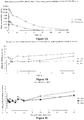
Figure 1 shows the plasma drug concentrations and sustained fixed molar ratio of cytarabine:daunorubicin in the plasma following administration of the liposomal-encapsulated cytarabine and daunorubicin. A. Mean concentration of cytarabine and daunorubicin in the plasma of patients after day-5 infusion (on a day 1, 3 and 5 CPX-351 administration cycle) of 24 units/m2 of CPX-351 up to 7 days (concentrations determined by LC-MS/MS; Each line represents a single patient; N=3). [Not within scope of appended claims]. B. Molar ratio of cytarabine and daunorubicin in the plasma of patients after day-5 infusion of 24 units/m2 of CPX-351 up to 24 hours (concentrations determined by LC-MS/MS; Each line represents a single patient; N=3). [Not within scope of appended claims]. C. Molar ratio of cytarabine and daunorubicin in the plasma of patients after day-5 infusion of 57 units/m2 of CPX-351 up to 48 hours (concentrations determined by LC/MS/MS; Each line represents a single patient; N=3). - Unless defined otherwise, all technical and scientific terms used herein have the same meaning as is commonly understood by one of ordinary skill in the art to which this invention belongs. If a definition set forth in this section is contrary to or otherwise inconsistent with a definition set forth in the patents, applications, published applications and other publications that are referred to herein, the definition set forth in this section prevails over the definition that is set forth in the other documents.
- As used herein, "a" or "an" means "at least one" or "one or more."
- For cytarabine and the anthracycline, daunorubicin, the non-antagonistic molar ratio in vitro was between 25:1 and about 1:1, where a molar ratio of 5:1 was found to be optimal. The development of CPX-351 (cytarabine:daunorubicin) liposome injection was based on 1) defining a non-antagonistic ratio of the two active moieties, cytarabine and daunorubicin, using cell-based screening assays and 2) designing a liposomal drug carrier to maintain this ratio after intravenous administration. This ratio was not based on the empirically-derived regimens currently used for cytarabine and anthracyclines.
- Described herein are methods to deliver fixed, non-antagonistic molar ratios of cytarabine and an anthracycline to enhance anti-tumor activity while providing the advantages of rapid administration. In brief, non-antagonistic ratios of these chemotherapeutic agents were determined in vitro using cell-based screening techniques. If these same ratios are administered separately as free drug cocktails (e.g., conventional aqueous-based pharmaceutical formulations without liposome delivery), the ratio is not maintained because the drugs are distributed and eliminated independently of one another, resulting in a continuously changing ratio. Using encapsulated drugs in liposomes, the methods described herein permit maintenance of the non-antagonistic ratio after administration for extended periods of time. The liposomal formulation delivers each drug in correct proportion by controlling the individual pharmacokinetics of each drug and thereby sustaining the non-antagonistic ratio.
- Typically, sustained delivery requires a greater amount of a drug being administered in an effort to maintain a therapeutically effective level of the drug in the plasma and ultimately in the tumor or disease site. Such large doses are administered over a long period of time, often one or more days, requiring long hospital stays and/or reliance on prolonged infusion protocols that increase the risk of complications such as infection or pump malfunction. Another disadvantage is that toxicity resulting from the higher doses may prevent an optimal plasma level from being achievable.
- CPX-351 is a liposomal formulation with a fixed 5:1 molar ratio of cytarabine and daunorubicin and has shown enhanced efficacy in cell culture and in in vivo models. (Mayer, L. D. et al., Mol. Cancer Ther. (2006) 5:1854-1863). Any suitable source of cytarabine (also known as 4-amino-1-[(2R,3S,4R,5R)-3,4-dihydroxy-5-(hydroxymethyl)oxolan-2-yl] pyrimidin-2-one or 1β-arabinofuranosylcytosine) and daunorubicin (also known as (8S,10S)-8-acetyl-10-[(2S,4S,5S,6S)-4-amino-5-hydroxy-6-methyl-oxan-2-yl]oxy-6,8,11-trihydroxy-1-methoxy-9,10-dihydro-7H-tetracene-5,12-dione or daunomycin cerubidine) can be employed.
- The liposomes are designed for sustained delivery of the encapsulated drugs at a non-antagonistic ratio to a tumor. In one embodiment, cytarabine and daunorubicin are stably associated with one or more liposomes. The nominal size of these liposomes is approximately 100 nm and sterilization is achieved by filtration through a 0.2 µm filter. The liposome membrane is composed of distearoylphosphatidylcholine (DSPC), distearoylphosphatidylglycerol (DSPG) and cholesterol (CHOL) in a 7:2:1: molar ratio. In one instance, the liposomes are prepared by a water-in-oil derived liposome method and extruded liposomes are suspended in phosphate-buffered sucrose at pH 7.4. In specific embodiments, the cytarabine to lipid ratio is from about 1:1.5 to 1:2.6 and the daunorubicin to lipid ratio is from about 1:7.7 to 1:12.5. Preferably the cytarabine to lipid ratio is about 1:2 and the daunorubicin to lipid ratio is 1:10. Liposomes are described in Torchilin, et al. (eds.), LIPOSOMES: A PRACTICAL APPROACH (Oxford University Press 2nd Ed. 2003); Gregoriadis, LIPOSOME TECHNOLOGY (Taylor & Francis 3rd Ed. 2006). Any suitable means of encapsulating the drug combination in the liposomes can be employed. In a specific embodiment, cytarabine and daunorubicin are encapsulated in the liposome whereby the cytarabine is passively encapsulated into preformed liposomes and the daunorubicin is actively accumulated inside the liposomes at high trapping efficiencies using a copper gluconate/triethanolamine-based loading procedure. See, e.g.,
PCT Application No. WO 07/076117 - Cancer encompasses any malignant cell with abnormal, uncontrolled growth. Such cells possess a number of characteristic properties such as uncontrolled proliferation, immortality, metastatic potential, rapid growth and proliferation rate, and certain typical morphological features. Often, cancer cells will be in the form of a tumor, but such cells may also exist alone within a mammal, or may be a non-tumorigenic cancer cell, such as a leukemia cell. A cell is identified as cancer by any of a number of ways, including, but not limited to, detecting the presence of a tumor or tumors (e.g., by clinical or radiological means), examining cells within a tumor or from another biological sample (e.g., from a tissue biopsy), measuring blood markers indicative of cancer (e.g., CA125, PAP, PSA, CEA, and the like), and/or detecting a genotype indicative of a cancer (e.g., TP53, ATM, and the like). The term "hematopoietic tumors" refers to tumors or cancers of the blood. As used herein, the term "advanced hematopoietic tumors" refers to a malignant tumor that is in relapse or is refractory to one or more previous anti-tumor regimens. Hematopoietic tumors can be a leukemia or a lymphoma. In relation to the present invention, such tumors include acute myelogenous leukemia (AML), and acute lymphocytic leukemia (ALL). See, e.g., a summary of hematopoietic and lymphoid malignancies at Greer, et al. (eds.), WINTROBE's CLINICAL HEMATOLOGY (Lippincott Williams & Wilkins 11th Ed. (2003)) at Table 71.3 (World Health Organization Classification of Hematopoietic and Lymphoid Neoplasms). The tumors treated using the pharmaceutical compositions underlying the present invention include those in adult and pediatric patients. The compositions can be employed in induction and maintenance therapy. The disclosed compositions are also useful in related hematologic disorders such as myelofibrosis and amyloidosis due to light chain disease. More particularly, AML can include those with recurrent genetic abnormalities (regardless of % blasts) such as AML with t(8;21)(q22;q22), (AML1/ETO), AML with abnormal bone marrow eosinophils and inv(16)(p13q22) or t(16:16)(p13;q22), (CBFβ/MYH11), acute promyelocytic leukemia with or t(15;17)(q22;q12), (PML/RARα) and variants and AML with 11q23 (MLL) abnormalities; AML with multilineage dysplasia (minimum 20% blasts) such as following MDS or MDS/MPD, without antecedent MDS or MDS/MPD, but with dysplasia in at least 50% of cells in 2 or more myeloid lineages; AML and MDS that is therapy related (minimum 20% blasts) such as alkylating agent/radiation-related type and topoisomerase II inhibitor-related type (some may be lymphoid), as well as AML not otherwise classified.
- The methods disclosed herein provide for a sustained delivery of a fixed, non-antagonistic molar ratio of cytarabine and daunorubicin. For example, the non-antagonistic molar ratio for cytarabine:daunorubicin in the plasma is maintained for up to at least about 4 hours, at least about 8 hours, at least about 12 hours, at least about 16 hours, and often at least about 24 hours following a single administration of the drug combination. In addition, the sustained concentration of the liposomal encapsulated-drug combination in the plasma is greater than the drug concentration of the free cocktail drug combination in the plasma.
- By "maintained" or "maintain", it is meant that the drug:drug ratio changes by less than 5 fold, preferably less than 4 fold, less than 3 fold, and most preferably, by less than 2 fold.
- The disclosed methods are also therapeutically effective in treating relapsed cancer. A "relapsed cancer" refers to a cancer that has recurred following prior complete or partial remission in response to a prior treatment. Recurrence can be defined in any way, including a reappearance or re-growth of tumor cells as detected by clinical, radiological, or biochemical assays, or by an increased level of a cancer marker. Prior treatments can include, but are not limited to chemotherapy, biological or hormonal therapies, radiation therapy, and bone marrow transplantation.
- In some embodiments, the patients to be treated with the methods disclosed herein are those that have previously been treated with, progressed following, or are resistant to other therapies. For example, patients can be treated with the methods disclosed herein after receiving or becoming resistant to any chemotherapy or biological therapy. For example, in some patients, they may have previously received one or more of the following agents: cyclophosphamide, prednisone, methylprednisolone, imatinib, ifosfamide, methotrexate, leucovorin, vincristine, cytarabine, etoposide, dexamethasone, doxorubicin, daunorubicin, asparaginase, 6-mercaptopurine, 6-thioguanine, carboplatin, fludarabine, gemtuzumab, arsenic trioxide, tretinoin, idarubicin, mitoxantrone, alemtuzumab, chlorambucil, cladribine, rituximab, pentostatin, hydroxyurea, interferon alfa 2B, nelarabine and azacytidine.
- In specific embodiments, the patients to be treated with the methods disclosed herein are those that have been treated with, progressed following, or are resistant to other therapies which were administered less than 18 months prior, or more specifically, less than 12 months prior, or even more specifically, less than 6 months prior. This is true even if the patient has relapsed within this time.
- The methods disclosed herein can also be employed as a first line therapy for the above-described advanced hematologic cancers that have not previously been treated. In specific embodiments, the first line therapy is to be administered to high-risk patients, more specifically, high-risk elderly patients.
- Responses to the disclosed therapeutic methods include any clinically evident, positive change in hematologic cancer or disorder disease state. Such responses can include complete or partial remission, increases in overall survival and increases in progression-free survival. Disease responses are assessed by any suitable means. For example, for AML, and ALL, complete remission requires normalization of peripheral blood neutrophils to ≥ 1000 /dL, platelets to more than 100,000/dL and normocellular bone marrow with less than 5% blasts with no Auer rods. If Auer rods are present with less than 5% blasts then the response is considered partial. Responses are considered partial if there is normalization in peripheral blood neutrophil and platelet counts but 6-25% blasts persist in bone marrow. The duration of overall response can be measured from the time when response criteria are first met for complete remission (CR) or partial remission (PR) (whichever is first recorded) until the first date that recurrent or progressive disease is documented. Response duration can be measured from the time measurement criteria for CR or PR are first met until the first date that recurrent or progressive disease is objectively documented.
- Dosage for the liposomal formulations will depend on the administrating physician's opinion based on age, weight, and condition of the patient. While individual judgment may vary on the part of the physician, it has been surprisingly found that sufficient dosage of the fixed ratio combination underlying the invention can be obtained using substantially shorter times in substantially lower dosages than those currently employed in the standard of care protocols that involve cytarabine and daunorubicin. As noted above, the "7 and 3" regimen has cytarabine administered 24 hours per day for 7 consecutive days and daunorubicin, by IV, for the first 3 of those 7 consecutive days. This means that the patient must be connected to a continuous infusion pump for administration of the cytarabine rather than an IV drip. The use of these pumps increases the risk of inadequate delivery of the drug(s) since it has been noted that the pumps, which are pre-loaded with the entire 7 days worth of cytarabine, can malfunction and release all 7 days worth of drug at one time or, alternatively, not release any drug. Patients using a pump must also check in daily at the hospital so that the pump can be inspected which increases hospital costs as well as patient inconvenience. It has been found that the compositions underlying the invention with fixed non-antagonistic ratio of cytarabine:daunorubicin may be administered in much shorter times, namely 3 hours or less. The achievement of infusion times of this magnitude permits administration on an outpatient basis. It also permits administration by IV drip rather than with an infusion pump. These parameters further reduce the risk of the patient having an infusion reaction.
- Thus, the pharmaceutical composition for use according to the present invention, which requires infusion times by IV drip of 3 hours or less, is advantageous from the standpoint of patient convenience and safety.
- Pharmaceutical compositions underlying the present invention are prepared according to standard techniques and may comprise water, buffered water, 0.9% saline, 0.3% glycine, 5% dextrose and the like, including glycoproteins for enhanced stability, such as albumin, lipoprotein, globulin, and the like. These compositions may be sterilized by conventional, well-known sterilization techniques. The resulting aqueous solutions may be packaged for use or filtered under aseptic conditions and lyophilized, the lyophilized preparation being combined with a sterile aqueous solution prior to administration. The compositions may contain pharmaceutically acceptable auxiliary substances as required to approximate physiological conditions, such as pH adjusting and buffering agents, tonicity adjusting agents and the like, for example, sodium acetate, sodium lactate, sodium chloride, potassium chloride, calcium chloride, and the like. Additionally, the delivery vehicle suspension may include lipid-protective agents which protect lipids against free-radical and lipid-peroxidative damages on storage. Lipophilic free-radical quenchers, such as alpha-tocopherol, ascorbyl palmitate and water-soluble iron-specific chelators, such as ferrioxamine, are suitable.
- The concentration of delivery vehicles in the pharmaceutical formulations can vary widely, such as from less than about 0.05%, usually at or at least about 2-5% to as much as 10 to 30% by weight and will be selected primarily by fluid volumes, viscosities, and the like, in accordance with the particular mode of administration selected. For example, the concentration may be increased to lower the fluid load associated with treatment. Alternatively, delivery vehicles composed of irritating lipids may be diluted to low concentrations to lessen inflammation at the site of administration. For diagnosis, the amount of delivery vehicles administered will depend upon the particular label used, the disease state being diagnosed and the judgment of the clinician.
- The results of the treatment underlying the present invention are typically more efficacious than those afforded by the "standard of care" protocol. In the "standard of care protocol" cytarabine is administered at a dosage level of 100-200 mg/m2/day by continuous infusion over 7 days with daunorubicin being administered IV at a dose of 45-60 mg/m2 for the first 3 days of this regimen.
- The safety of the procedure can be adjusted by assessing side effects, such as alopecia, cellulitis, injection site or extravasation reactions, or mucositis. Mucositis can be measured by oral or anal inflammation or ulceration; by esophageal ulceration or esophagitis; nausea, vomiting or diarrhea; and by anorexia. Side effects are reduced by avoiding an indwelling line for extended periods of time.
- The following examples are offered to illustrate but not to limit the invention.
- The toxicology of CPX-351 (Cytarabine:Daunorubicin) Liposome Injection has been studied in rats and dogs given single doses and repeated (every other day for 3 doses, repeated after 2 weeks) doses.
- Single dose studies. In the single dose studies (Table 1), CPX-351 was administered by intravenous infusion over one hour and animals were observed for 14 days. The "vehicle control" consisted of liposomes containing copper gluconate but no drugs. There was no drug-related mortality in rats receiving a single dose of CPX-351. Dose-related changes in various hematology parameters and splenic and hepatic extramedullary hematopoiesis were noted on day 15 in both male and female mid and high dose groups compared with control rats. The no-observed-adverse-effect levels (NOAEL) for single dose CPX-351 in rats was 10 mg/kg cytarabine:4.4 mg/kg daunorubicin. In dogs administered a single dose of CPX-351, poor condition led to the pre-terminal sacrifice of both high dose (6 mg/kg cytarabine:2.64 mg/kg daunorubicin) animals and the mid-dose (3 mg/kg cytarabine:1.32 mg/kg daunorubicin) female between
days 8 and 10 after dosing. Prior to sacrifice, these dogs showed severely reduced food intake and weight loss, as well as severely decreased white blood cell and platelet counts. Histopathological findings in dogs terminated early included lymphoid hypocellularity, atrophy of the spleen and thymus and necrosis / hemorrhage in the GI tract. There were no drug-related clinical signs in animals receiving the low dose (1.5 mg/kg cytarabine:0.66 mg/kg daunorubicin) or the vehicle control. There were no drug-related changes in hematology, clinical chemistry, coagulation, urinalysis or macroscopic evaluation in animals surviving to scheduled termination. In the mid-dose male, there was microscopic evidence of lymphoid hypocellularity and atrophy of the spleen. Whole blood copper concentrations on day 2 (∼24 hours post-treatment) were elevated in a dose-related manner in all animals receiving CPX-351, but returned to normal levels by days 8-15.Table 1 Summary of Single Dose Toxicological studies with CPX-351 Stud y# Species /strain (route) Regimen Duration of study Evaluations Group Cytarabine Dose (mg/kg) Daunorubicin Dose (mg/kg) Free base Deaths / Total comments M F 3004-3322 dog/ beagle (iv) Weekly 60 minute infusion 5 weeks Mortality, clinical signs, body weight, food consumption Day 1 1 0.44 0/1 Pilot Study conducted in a single dog. ↓ food consumption, ↓ activity after 3 mg/kg dose. No clinical signs after 4 mg/kg dose. Day 8 2 0.88 Day 15 3 1.32 Day 22 4 1.76 1004-3331 rat/ SD (iv) single 60 minute infusion 14 days mortality, clinical signs, body weight, hematology, serum chemistry (copper), urinalysis, gross pathology, selected micro pathology 1 saline 0 0 0/5 0/5 There were no test article-related findings in clinical signs, body weights, coagulation, clinical chemistry or urinalysis. Slight to moderate ↓ in WBC, RBC and lymphocytes in groups 4 and 5. Drug-related ↑ in spleen and liver extramedullary hematopoiesis. 2 CPX-351 5 2.2 0/5 0/5 3 CPX-351 10 4.4 0/5 0/5 4 CPX-351 15 6.6 0/5 0/5 5 CPX-351 20 8.8 0/5 0/5 1004-3342 dog/ beagle (iv) single 60 minute infusion 14 days mortality, clinical obs, body weight, food consumption, hematology, serum chemistry (copper), urinalysis, gross pathology, selected micropathology 1 saline 0 0 0/1 0/1 Clinical signs were ↓ food consumption, retching, vomiting, diarrhea, hypoactivity, dehydration, pale gums, ↓ body weight in groups 4-5. Animals terminated early showed marked lymphoid hypocellularity, atrophy of spleen, glandular necrosis, hemorrhage in GI tract, H WBC, ↓↓ platelets. No treatment-related gross or microscopic findings in groups 2 and 3. 2 vehicle 0 0 0/1 0/1 3 CPX-351 1.5 0.66 0/1 0/1 4 CPX-351 3.0 1.32 0/1 1/1** 5 CPX-351 6.0 2.64 1/1* 1/1** *Terminated due to poor condition on Day 8
**Terminated due to poor condition onDay 10 - Repeat-dose Studies. In the repeated dose studies (planned dosing on
days 1, 3, 5 and 22, 24 and 26; [Table 2]), there was drug-related mortality in both rats and dogs. In rats, the underlying pathology leading to early termination or death in groups 3 (10 mg/kg cytarabine:4.4 mg/kg daunorubicin) and 4 (15 mg/kg cytarabine:6.6 mg/kg daunorubicin) was marked or severe hematopoietic hypocellularity of the bone marrow and lymphoid hypocellularity / atrophy of the spleen and thymus. There was also necrosis of the glandular and cryptal epithelium of the large and small intestinal mucosa in animals that died or were sacrificed early. When compared to mean control values obtained on day 34 (7 days after the last dose), a moderate drug-related reduction in WBC counts was noted in group 2 (5 mg/kg cytarabine:2.2 mg/kg daunorubicin) rats. The animals in the high dose group (group 4) that were assigned to the recovery group were all found dead or sacrificed early (betweendays 10 and 16) therefore, reversibility of the cytotoxic effects of CPX-351 could not be demonstrated in this study. - Following the first dosing cycle, all dogs in the high dose CPX-351 group (group 5; 3 mg/kg cytarabine:1.32 mg/kg daunorubicin) were either found dead (2 males) or were sacrificed due to poor condition between
days 7 and 10. Two dogs in the mid-dose group (group 4, one male and one female) were sacrificed in poor condition onday 12. The probable cause of death in the dogs found dead and the main underlying affliction of those that underwent unscheduled sacrifice was considered to be severe bone marrow hypocellularity and/or moderate to severe enteric (duodenum, jejunum, ileum, cecum, colon and rectum) cryptal/glandular necrosis and lymphoid atrophy of gut-associated lymphoid tissue. - Decreases in peripheral blood white blood cells were evident in animals in group 3 (1 mg/kg cytarabine:0.44 mg/kg daunorubicin) and group 6 (free cytarabine 2 mg/kg and free daunorubicin 0.88 mg/kg) at day 33 (6 days after their last dose of CPX-351 or the free drugs). These white blood cell reductions were the result of marked decreases in absolute and relative neutrophil, monocyte and eosinophil counts. In addition, mild to moderate decreases in hemoglobin, hematocrit and platelet counts were noted in groups 3 and 6. Group 4 animals, having received only one cycle of drug treatment, showed mean hematology values similar to those of the control on day 33 (with the exception of RDW and HDW). Following the 22 day recovery period (day 56), the hematological values for Group 4 animals were comparable to those of control animals, including RDW and HDW, suggesting that the hematological effects of CPX-351 are reversible.
- Following the recovery period, there were no drug-related histopathological changes noted in the surviving group 4 dogs (with the exception of 1 animal showing moderate splenic lymphoid necrosis) suggesting that the findings associated with the administration of CPX-351 are partially or completely reversible. There were no drug-related histopathological changes observed in tissues from the control (group 1), vehicle (group 2) low dose CPX-351 (group 3) and comparative free-drug-treated (group 6) animals.
- Whole blood copper concentrations in animals terminated early (days 7-9; group 5) were slightly elevated. By day 33, the copper levels in the treated dogs that survived had normal levels again, suggesting that copper is cleared from the blood of dogs receiving CPX-351.
Table 2 Summary of Repeat Dose Toxicological Studies with CPX-351 Study # Specie s /strain (route) Regimen Duratio n of study Evaluations Group Cytarabin e Dose (mg/kg) Daunorubici n Dose (mg/kg) Free base Deaths / Total comments M F 1005-0361 rat/ SD (iv) 60 minutes infusion days 1,3,5 and 22,24,2629-57 days mortality, clinical signs, body weight, food consumption, ophthalmoscopy, hematology, serum chemistry (copper), urinalysis, gross pathology, micro pathology groups 1,4; toxicokinetics 1 saline 0 0 1/15 0/15 Unscheduled deaths in group 2 were not considered drug-related. Surviving animals in groups 2 and 3 showed marked reductions in WBC and RBC parameters. 2 CPX-351 5 2.2 1/10 3/10 3 CPX-351 10 4.4 8/10 7/10 4 CPX-351 15 6.6 15/15 15/1 5 1005-0372 dog/ beagle (iv) 60 minutes infusion days 1,3,5 and 22,24,2629-57 days mortality, clinical observations, body weight, food consumption, ophthalmoscopy, EKG, hematology, serum chemistry (copper), urinalysis, gross pathology, full micropathology; toxicokinetics 1 saline 0 0 0/5 0/5 Dogs terminated early showed GI signs, internal hemorrhaging and severe bone marrow hypocellularity. Surviving dogs in group 4 received one cycle of treatment only and showed no drug-related adverse effects on day 34. Decreased WBC in groups 3 and 6 on day 33.2 vehicle 0 0 0/3 0/3 3 CPX-351 1 0.44 0/3 0/3 4 CPX-351 2 0.88 1/3* 1/3* 5 CPX-351 3 1.32 5/5* 5/5* 6 Free** 2 0.88 0/3 0/3 * Animals found dead or terminated moribund Days 7-12.
** Animals receiving the "free" drugs received commercial cytarabine by IV infusion over one hour followed by a slow, IV push injection of commercial daunorubicin. - Physical, Chemical and Pharmaceutical Information. CPX-351 is a liposomal formulation of a fixed combination of the antineoplastic drugs cytarabine and daunorubicin. The two drugs are present inside the liposome in a 5:1 molar ratio shown to have non-antagonistic activity in preclinical studies. The liposome membrane is composed of distearoylphosphatidylcholine, distearoylphosphatidylglycerol and cholesterol in a 7:2:1 molar ratio. These liposomes have a nominal diameter of approximately 100 nm and are suspended in sucrose- phosphate-buffer at pH 7.4. Sterilization is achieved by filtration though a 0.22 µm filter.
- CPX-351 is provided as a sterile, pyrogen-free, purple, opaque suspension of 5 mL in single-use, 10 mL glass vials and may also be provided as 20 or 25 mL suspensions in 50 mL glass vials. CPX-351 is stored frozen (-20°C) and is thawed at room temperature for 60 minutes prior to dilution and administration. CPX-351 may also be lyophilized for storage and resuspended prior to administration. The dispersion is diluted in normal saline or dextrose for injection before intravenous administration to the patient.
- Each 10 mL single-use vial of CPX-351 (Cytarabine:Daunorubicin) Liposome Injection provided 25 mg of cytarabine and 11 mg of daunorubicin. Each milliliter of the thawed formulation is listed in Table 3 below.
Table 3 Components of CPX-351 liposomal injection Component mw Amount per mL Amount per unit Cytarabine, USP 243 5.0 mg 1.0 mg Daunorubicin USP(reported as the free base) 528 2.2 mg 0.44 mg Distearoylphosphatidylcholine 790 22.7 mg 4.5 mg Distearoylphosphatidylglycerol 801 6.6 mg 1.3 mg Cholesterol, NF 387 1.6 mg 0.3 mg Copper gluconate, USP 454 4.6 mg 0.9 mg Triethanolamine, NF 149 0.36 mg 0.07 mg Sucrose, NF 342 125.5 mg 25.1 mg Sodium phosphate, monobasic, USP 120 0.5 mg 0.1 mg Sodium phosphate dibasic, USP 142 4.3 mg 0.9 mg Water for Injection USP, q.s. 1.0 mL 0.2 mL - Clinical Studies - Starting Dose. For cytotoxic antineoplastic agents, the usual starting dose for the first trial in humans is calculated on the basis of body surface area (mg/m2) and is generally given as 1/10 the LD10 in rodents (if this dose is not severely toxic in non-rodents) or 1/3rd the "Toxic Dose Low" (the lowest dose which produces drug-induced pathologic alterations in hematologic, chemical, clinical or morphologic parameters) in the most sensitive species if double this dose is not lethal and does not cause severe, irreversible toxicity. The LD10 (based on the cytarabine dose) in rodents was approximately 10 mg/kg (60 mg/m2), therefore 1/10th equals 6 mg/m2. The TDL in dogs was 1 mg/kg (20 mg/m2) but double this dose (40 mg/m2) was lethal. Therefore, 1/3rd 20 mg/m2 is equal to 6.7 mg/m2, but use one half of this for safety (1/6 the highest non-lethal dose), thus, the starting dose based on this calculation is 3 mg/m2. This is cytarabine 3 mg/m2 and daunorubicin 1.32 mg/m2 in the CPX-351 formulation.
- Schedule. Standard remission induction regimens for AML generally consist of an anthracycline antibiotic for three days and cytarabine for 5 to 7 days. A day 1, 3 and 5 regimen, which is close to the standard regimens, is used. CPX-351 was administered on days 1, 3 and 5 of each induction course. A second induction course was permitted if there was evidence of antileukemic effect and persistent leukemia in a 14 day bone marrow.
- Infusion Times. Acute infusion-associated reactions (e.g. flushing, shortness of breath, headache, chills, back pain, tightness in the chest and/or hypotension) have been noted in large clinical trials of patients receiving liposomal chemotherapeutic agents. In most patients, these reactions resolve over several hours to one day once the infusion is terminated. In some patients, the reaction resolves by slowing the infusion rate. The following table (Table 4) compares the amount of lipid in several liposome products and in CPX-351. A 90-minute infusion time was chosen based on this information.
Table 4 Amount of lipid in liposome products Agent Usual drug dose (mg/kg) Lipid dose (mg/kg) Infusion time (hours) Lipid infusion rate (mg/kg/hour) DaunoXome (40 mg/m2) 1.03 19.23 1 19.23 Doxil (50 mg/m2) 1.28 10.26 1 10.26 Myocet (60mg/m2) 1.54 5.71 1 5.71 CPX-351 (136units/m2) 1.54 21.67 1.5 14.43 Assumptions:
Doxil recommended to start at an infusion rate of 1 mg/minute and then, if tolerated, the rate is increased to infuse over one hour.
Calculations are based on a 70 kg, 1.8 m2 BSA patient.
CPX-351 dose assumed above would be a (136.4 mg Cytarabine:60 mg Daunorubicin) per m2 dose. - Dose Escalation and Levels. There is a 30+-year experience with the active moieties of CPX-351, cytarabine and daunorubicin, and the toxicities are well recognized. There is also significant experience with liposomal encapsulation of cytotoxic drugs (e.g., Doxil®, DaunoXome®, Myocet®) and in general, doses of the active moiety, when encapsulated, are not significantly different in toxicity from the free drug. Because of this experience and because exposure of patients with rapidly progressing disease to sub-optimal doses of therapeutic agents in phase 1 trials is not desirable, prior to start of the trial, we proposed an accelerated escalation schedule with a doubling of dose (early phase) and 50% dose increments (late phase) until toxicity or a pharmacodynamic effect was observed, and subsequent dose escalations proceeding at 33% increments (See Table 5A).
Table 5A: Proposed Dose Escalation of CPX-351 Level CPX-351 units/m2 Daunorubicin mg/m2 Cytarabine mg/m2 Phase 1 3 1.32 3 Early Escalation by dose doubling 2 6 2.64 6 3 12 5.28 12 4 24 10.6 24 5 48 21.1 48 6 72 31.7 72 Late Escalation by 50% increments 7 108 47.5 108 8 162 71.3 162 9 243 107.0 243 - Dose Escalation in patients receiving CPX-351 Liposome Injection would occur in two phases. The early phase would begin at 3 units/m2 (1 unit = 1 mg cytarabine and 0.44 mg daunorubicin) with single patient cohorts and escalate with dose doublings until Dose Level 5 (48u/m2), or until there was evidence of antileukemic activity or a pharmacodynamic (PD) effect defined as:
- Bone marrow reduction in cellularity (>50% reduction, with reduction in blasts) and/or
- Non-hematologic treatment emergent event that is possibly, probably or definitely related to CPX-351 (≥grade 2 <DLT).
- When a PD effect is seen; a second patient is entered in the cohort. If that patient also experiences a PD effect, then the dose escalations continue at 33% increments with three patients per cohort. If the second patient does not have a PD effect, then the escalation continues with one patient per cohort and dose doublings in the early phase and 50% increments in the late phase. The late phase escalation begins at Dose Level 6 (72u/m2) with 50% dose escalations and single patients per cohort until a PD effect is seen as described above. If during the early or late phase escalation a DLT is observed in the first subject, up to 5 additional patients (not to exceed 6 patients) are entered and dose escalation will stop if a second patient experiences a DLT (see below). If no other patient experiences a DLT, dose escalation continues at 33% increments. If ≥ 2 patients treated at a given dose level experience DLT, then the MTD is considered to have been exceeded and three more patients are enrolled at the next lower dose level. Dose escalation to a subsequent dose level will not take place until the last patient in the previous level has been evaluated for at least 14 days after the last dose of each induction course; and if there is no evidence of potential hematologic DLT.
- To date, dose escalations remain at 33% and have not increased to 50% increments as outlined in Table 5B below.
Table 5B: Actual Dose Escalation of CPX-351 Level CPX-351 units/m2 Daunorubicin mg/m2 Cytarabine mg/m2 Phase 1 3 1.32 3 Early Escalation by dose doubling 2 6 2.64 6 3 12 5.28 12 4 24* 10.6 24 5 32 14.1 32 6 43 18.9 43 Late Escalation by 33% increments 7 57 25.1 57 8 76 33.4 76 9 101 44.4 101 10 134 59.0 134 *PD effect was observed in two patients at the 24 unit/m2 dose level, subsequent cohorts entered 3 patients per cohort and dose escalations were reduced to 33%. - Repeat of Induction. Patients may receive a second course of induction at the same dose as the first induction if the bone marrow biopsy/aspirate at or around Study Day 14 indicates persistence of leukemia. No intra-patient dose escalation is permitted. If the bone marrow biopsy/aspirate indicates a <20% cellularity and <5% blasts, a repeat bone marrow biopsy/aspirate must be obtained 5-7 days later if persistent leukemia is uncertain and aplasia is still considered possible. Patients with aplasia (<20% cellularity and <5% blasts) are observed for hematopoietic recovery and for toxicity up to about Study Day 42 or until the initiation of consolidation therapy. Patients with residual leukemia may receive a second induction provided there is evidence of substantial antileukemic effect following the first induction. If a second induction is administered the patient is followed for up to around 42 days after the start of the second induction course.
- Disease Assessment Criteria. For AML, and ALL, complete remission requires normalization of peripheral blood neutrophils to ≥ 1000 /dL, platelets to more than 100,000/dL and normocellular bone marrow with less than 5 % blasts with no Auer rods. If Auer rods are present with less than 5% blasts then the response is considered partial. Responses are considered partial if there is normalization in peripheral blood neutrophil and platelet counts but 6-25% blasts persist in bone marrow.
- Response Duration. Response duration is measured from the time measurement criteria for CR or PR are first met until the first date that recurrent or progressive disease is objectively documented.
- Results. This study is a non-randomized open-label, single-arm, dose escalating phase 1 trial. Study enrollment duration to date took approximately 18 months. 33 subjects (22 Male: 11 Female), median age 62 y (24-81), all with prior therapy, enrolled in 10 cohorts. Demographics and disposition of the first 10 cohorts are summarized in Table 6 below:
Table 6 Demographics and disposition of the phase I clinical trial for CPX-351 Cohort No. dose (U/m2) 1-3 4 5 6 7 8 9 10 Total 3-12 24 32 43 57 76 101 134 n=4 n=4 n=4 n=4 n=3 n=3 n=5 n=6 33 Gender Male 3 3 4 0 2 3 3 4 22 Female 1 1 4 1 2 2 11 Age (yr) Median 52.5 60.5 64 70 61 60 57 65 62 Min-Max 25-78 50-76 55-73 44-77 24-66 46-72 49-77 34-81 24-81 ≥60-75 1 1 3 2 2 2 1 4 16 >75 1 1 1 1 1 5 Race Caucasian 3 3 3 4 1 2 4 6 26 Black 1 1 2 Asian 1 2 1 4 Other 1 1 ECOG 0 3 1 1 1 5 4 11 1 4 2 2 2 2 2 12 2 1 2 1 4 Type of Leukemia at Diagnosis AML 1 4 4 2 3 3 5 6 28 Secondary AML 1 1 MDS → AML 1 1 ALL 2 1 3 Response to Last Therapy None 4 2 3 2 3 1 4 4 23 CR 2 1 2 2 1 2 10 UNK On Study 2 2 Reason Off Study 0 Adverse Event 1 1 2 1 5 Persistent Leukemia 4 4 4 2 2 4 2 3 25 Bone Marrow Transplant 1 1 Current Status Alive Persistent Leukemia 2 1 1 2 3 9 Complete Remission 1 1 2 Unknown 1 1 Deceased 2' to leukemia 3 4 2 3 2 1 3 18 Study drug related 1 1 Unknown 1 1 2 - As is typical with phase I clinical trials, the patients in this phase I population were heavily pretreated patients that had no alternative treatment options. Results for these leukemia patients at doses where we began achieving therapeutic responses are summarized below in Table 7. In Table 7 the following abbreviations are used: "CR" represents "complete remission"; "PR" represents "partial remission"; "CRp" represents "complete remission with incomplete platelet recovery" (ie. a failure to achieve platelet recovery greater than or equal to 100,000/µL by Study Day 42); "BMT" represents "bone marrow transplant"; "PD" represents pharmacodynamic (PD) effect defined as:
- Bone marrow reduction in cellularity (>50% reduction, with reduction in blasts) and/or
- Non-hematologic treatment emergent event that is possibly, probably or definitely related to CPX-351 (≥grade 2 <DLT).
- As demonstrated by the results, therapeutic responses were observed with as little as 32 units/m2 of CPX-351 being administered and surprisingly continued to be observed over almost all dose levels up to and including 134 units/m2.
Table 7 Results of phase I clinical trial for CPX-351 Prior Therapies Patient Dose Drug Outcome CPX-351 Inductions Best Response 02-003 32 Cytarabine/daunorubicin No Response 2 PR 63yo M Cytarabine/daunorubicin CR 4-mons. AML-M5 HiDAC 5-azacytidine Claridibine No Response 03-006 32 Cytarabine/daunorubicin CR 2 mons. 2 CRp 55yo M Cytarabine/daunorubicin CR 9 mons. AML HiDAC CR 10 mons. 02-004 32 Decitabine No Response 1 No Response AML-M4 SNS-595 No Response Triciribine No Response 03-007 43 Zarnestra/etoposide CR- UNK mons. 1 No Response 77yo F Cytarabine/daunorubicin No Response AML KW2449 No Response 03-008 43 Zarnestra No Response 1 CR 74yo F Arsenic/Ara-C CR 7-mons. AML Lintuzumab No Response 01-002 43 Cyclophosphamide/Daunorubicin/ CR-8 mons. 1 CR 44yo F Dexamethasone/vincristine/L-aspar. ALL Gleevec/methotrexate HSCT 02-005 43 Cytarabine/daunorubicin/etoposide CR- 4 mons. 1 No Response 66yo F Claridibine/cytarabine 2° AML 01-003 57 Cytarabine/daunorubicin No Response 1 No Response 61yo M Cytarabine/daunorubicin (re-induc) CR- 7 mons. AML HiDAC Idarubicin/ Cytarabine/EL625 No Response 03-009 57 Cytarabine/daunorubicin No Response 2 No Response 24yo F HiDAC No Response AML MEC No Response Clofarabine/Cytarabine No Response 03-010 57 Arsenic/Ara-C No Response 2 No Response 66yo M Cytarabine/daunorubicin 7+3, 5+2 CR- 4 mons. AML Zarnestra No Response 03-011 76 Cytarabine/daunorubicin CR- 4 mons. 1 CR 60yo M Cytarabine/daunorubicin AML Cytarabine/daunorubicin 02-006 76 Cytarabine/daunorubicin CR- 3 mons. 1 No Response 46yo M HiDAC AML Cytarabine/etoposide 03-012 76 Cytarabine/daunorubicin No Response 1 No Response 72yo M AML 02-007 101 Daunorubicin/Cytarabine CR- 7 mons. 1 Aplasia-died 68yo M HiDAC AML FLAG+Idarubicin No Response Mylotarg No Response Mitoxantrone/Cytarabine No Response Triciribine No Response 03-013 101 Zarnestra/etoposide CR-14 mons. 1 Aplasia-died 77yo F AML 02-008 101 Daunorubicin/Cytarabine No Response 1 Scheduled for BMT 49yo M Clofarabine/Cytarabine No Response AML 03-014 101 Cytarabine/idarubicin No Response 2 No Response 55yo F MEC No Response AML Mylotarg No Response FLAG + idarubicin No Response Vidaza/HiDAC No Response 02-009 101 Daunorubicin/Cytarabine No Response 2 PR 57yo M HiDAC No Response AML 03-015 134 Idarubicin/Cytarabine CR-4 yr. 8 mons. 1 CR 67yo F HDAC AML PD 02-010 134 Daunorubicin/Cytarabine No Response 1 34yo M Claridibine/Cytarabine No Response AML 01-004 134 Arsenic/Ara-C No Response 1 Aplasia-died 81yo F Arsenic/Ara-C CR-8 mons. AML Ara-C 01-005 134 Daunorubicin/Cytarabine/Etoposidt HSCT CR-11 mons. 1 PD 59yo M Idarubicin/Fludarabine No Response AML Mylotarg/Dacogen No Response 03-016 134 Arsenic/Ara-C No Response 2 PD 68yo M Daunorubicin/Ara-C 7+3, 5+2 No Response AML Ara-C No Response 02-011 134 Revlimid No Response 1 Unknown 32yo M Daunorubicin/Ara-C 7+3, 5+2 No Response AML - Below are 5 case studies of patients treated in the ongoing CPX-351 Phase I Clinical Trial.
- Case Study 1 - AML patient responds to CPX-351 even though he did not respond to prior conventional 7/3 cytarabine/daunorubicin treatment): Patient 02-011 a 62 year old male diagnosed with AML in 2007 received initial Revlimid therapy from September-November 2007 and showed no response. In December 2007, he was administered the standard conventional 7+3 cytarabine/daunorubicin treatment but again did not respond. Analysis of his bone marrow 14 days after the conventional 7+3 cytarabine/daunorubicin treatment began showed 5% cellularity and 24% blasts. The patient was immediately enrolled in the CPX-351 Phase I Clinical Trial and received 134 units/m2 of CPX-351 on a day 1, 3 and 5 schedule beginning January 2, 2008. Analysis of his bone marrow 15 days later showed aplasia (<10% Cellularity, <5% Blasts).
- Case Study 2 - Heavily pretreated AML patient achieves complete response following CPX-351 treatment: Patient 03-015 a 67 year old female received Idarubicin/Cytarabine treatment in May 2002 as well as high-dose ara-C (or cytarabine) also called, HDAC, consolidation treatment from June-August 2002. The patient achieved a complete response (CR) which lasted for 4 years and 8 months. The patient relapsed and on October 29, 2007 she was enrolled in the CPX-351 Phase I Clinical Trial and received 134 units/m2 of CPX-351 on a day 1, 3 and 5 schedule. Analysis of her bone marrow 15 days later showed < 10% cellularity. The patient achieved a CR 42 days after she began taking CPX-351. The only adverse effects recorded were bleeding gums and grade 3 rash around days 10-15 after starting on CPX-351.
- Case Study 3 - AML patient unable to receive conventional 7+3 cytarabine/daunorubicin therapy due to age, poor health and an expected lack of tolerance to highly cytotoxic treatments achieves complete response with minimal adverse affects following CPX-351 induction therapy: Patient 03-008 a 74 year old female received light prior therapy because of her age and expected inability to tolerate highly cytotoxic conventional therapies. She was treated from April 2004-April 2006 with Zarnestra and had no response. From May 2006-February 2007 she received induction therapy with Arsenic/cytarabine and achieved a CR which lasted for 7 months. The patient relapsed and from March 2007-April 2007 was put on Lintuzumab but had no response. The patient was enrolled in the CPX-351 Phase I Clinical Trial and beginning on April 30, 2007 received three doses of CPX-351 at 43 units/m2. 35 Days after initiating CPX-351 treatment, the patient achieved a CR (3% blasts); the patient also received CPX-351 as consolidation therapy (given on days 1 & 3, with day 5 omitted) starting on day 52 after initial induction treatment. AML was not detectable at 204 days after initial CPX-351 treatment.
- Case Study 4 - AML patient scheduled for bone marrow transplant after CPX-351 treatment when unresponsive to conventional 7+3 cytarabine/daunorubicin treatment or Clofarabine/Cytarabine treatment: Patient 02-008 a 49 year old male received conventional 7+3 cytarabine/daunorubicin treatment and did not respond. The patient was then administered clofarabine/cytarabine treatment and also did not respond. The patient was then enrolled in the CPX-351 Phase I Clinical Trial and on September 24, 2007 he began taking CPX-351 at 101 units/m2. 15 Days after his initial CPX-351 treatment, bone marrow analysis showed 5% cellularity and 16% blasts and at Day 29 he was scheduled for a bone marrow transplant. The only adverse effects reported were fatigue and grade 1 rash at day 8 after initial CPX-351 treatment. This patient in particular demonstrates the potential use of CPX-351 as a bone marrow conditioning agent.
- Case Study 5 - ALL patient heavily pretreated with prior therapies achieves complete response with CPX-351 treatment: Patient 01-002 a 44 year old female received cyclophosphamide/daunorubicin followed by Dexamethasone/vincristine/L-asparagine as part of a hematopoietic stem cell transplant conditioning therapy from March-April 2006 and achieved a CR which lasted for 8 months. The patient was later enrolled in the CPX-351 Phase I Clinical Trial and on May 7, 2007 started CPX-351 at 43 units/m2. 12 Days following initial infusion bone marrow analysis showed cellularity <10% and
blasts 0% and a CR was recorded at Day 43 following initial CPX-351 treatment. This patient in particular demonstrates the potential use of CPX-351 in acute lymphoblastic leukemia. - Objectives of the Pharmacokinetics (PK) Analysis of the Study
- To determine single dose and multiple dose pharmacokinetics of cytarabine and daunorubicin, and selected metabolites (Ara-U and daunorubicinol) following administration of CPX-351 in leukemic patients.
- To gather preliminary information on overall exposure, dose proportionality, and accumulation of CPX-351 in cancer patients.
- To establish, if possible, a correlation between intensity of exposure to CPX-351 components and effect (safety and efficacy).
- PK Sampling Scheme. Plasma samples for PK analysis were collected on days 1, 3 and 5 of the first cycle. Blood samples (approximately 7 mL) were collected from a peripheral vein in the arm contralateral to the arm used for infusion and placed in tubes containing ethylene diamine tetraacetic acid (EDTA) as anticoagulant. Samples were collected at the following times (relative to the start of the infusion) during the first induction:
- Prior to dosing on Day 1, during the infusion at 45 minutes (or the mid-point of the infusion) and 90 minutes (or at the end of the infusion), then at 2, 4, 6, 8, 12 and 24 hours relative to the start of infusion.
- Prior to dosing on Day 3, during the infusion at 45 and 90 minutes.
- Prior to dosing on Day 5, during the infusion at 45 minutes (or the mid-point of the infusion) and 90 minutes (or at the end of the infusion), then at 2, 4, 6, 8, 12, 24, 48, 72, 96, and 168 hours relative to the start of infusion.
- Pharmacokinetic Analysis. Plasma samples were analyzed for cytarabine, daunorubicin, and the metabolites ara-U and daunorubicinol by LC-MS/MS using validated and specific high performance liquid chromatographic mass spectrometric methods. Plasma concentration-time profiles were generated for cytarabine and daunorubicin for each patient. Pharmacokinetic parameters were estimated from the plasma concentration-time profile of all evaluable patients. Using non-compartmental methods and WinNonlin® Professional (Version 4.0 or higher), pharmacokinetic parameters that can be calculated include, but are not limited to, the following:
- Cmax
- Maximum observed concentration
- Tmax
- Time of occurrence of Cmax
- λz
- Elimination rate constant obtained from a linear regression of the natural log (ln) transformed concentration versus time data in the terminal phase (following dosing on Day 5 only)
- t½
- Terminal half-life, calculated as ln(2)/λz
- AUC(0-last)
- Area under the plasma concentration-time curve from time zero to the time of the last post-dose quantifiable plasma concentration, obtained by the linear trapezoidal method
- AUC(0-inf)
- Area under the plasma concentration-time curve from time zero extrapolated to time infinity
- CL
- Systemic clearance computed as Dose / AUC(0-inf) (for cytarabine and daunorubicin only on Study Day 5)
- Compartmental methods of pharmacokinetic analysis may also be employed to evaluate metabolite disposition kinetics and/or to perform pharmacokinetic/pharmacodynamic modeling.
- Descriptive statistics (mean, SD, CV%, median, min, and max) can be used to summarize the plasma concentration and the PK parameters, as well as other analyses as appropriate for each treatment cohort. Pharmacokinetic analysis to date is summarized in
Figure 1. Figure 1A shows the mean plasma concentration of cytarabine and daunorubicin up to 7 days after the day-5 infusion among patients receiving 24 units/m2 of CPX-351 (N=3).Figure 1B shows the plasma molar ratio of cytarabine to daunorubicin up to 24 hours after the day-5 infusion among patients receiving 24 units/m2 of CPX-351 (N=3). As seen in the figure, in all subjects analyzed, the 5:1 molar ratio of cytarabine to daunorubicin was maintained near 5:1 for at least 24 hours.Figure 1C shows the plasma molar ratio of cytarabine to daunorubicin up to 48 hours after the day-5 infusion among patients receiving 57 units/m2 of CPX-351 (N=3). The graph inFigure 1C clearly demonstrates that the molar ratio of cytarabine to daunorubicin was maintained at about 5:1 in the patients' blood for at least about 48 hours.
Claims (10)
- A pharmaceutical composition comprising cytarabine and daunorubicin at a fixed, non-antagonistic molar ratio of cytarabine to daunorubicin of about 5:1 for use in treating acute myeloid leukemia (AML) or acute lymphoblastic leukemia (ALL) in a human patient,
wherein said fixed, non-antagonistic molar ratio of cytarabine to daunorubicin is encapsulated in liposomes that comprise distearoyl phosphatidyl choline (DSPC), distearoyl phosphatidyl glycerol (DSPG) and cholesterol in a DSPC:DSPG:cholesterol molar ratio of 7:2:1;
wherein a dose of said composition is to be intravenously administered in 3 hours or less;
wherein the dose of said composition is 32-134 units per m2, wherein 1 unit is 1 mg cytarabine and 0.44 mg daunorubicin; and
wherein said composition is to be administered on a day 1, 3 and 5 dosage schedule. - The composition for use according to claim 1, wherein said dose of said composition is to be administered in 90 minutes or less.
- The composition for use according to any of claims 1-2, wherein said administration is to be by intravenous (IV) drip.
- The composition for use according to any of claims 1-3, wherein the leukemia to be treated is acute myeloid leukemia (AML).
- The composition for use according to any of claims 1-4, wherein said patient has previously undergone at least one anti-cancer regimen, and/or has previously experienced a remission.
- The composition for use according to claim 5, wherein said patient has experienced a relapse within 18 months after said previous anti-cancer regimen.
- The composition for use according to claim 6, wherein said patient has experienced a relapse within 6 months after said previous anti-cancer regimen.
- The composition for use according to any of claims 1-7, wherein a therapeutic effect is measured as a function of increase in complete remission rate, and/or as a function of prolongation of complete remission duration and/or prolongation of time to progression and/or prolongation of survival.
- The composition for use according to any of claims 1-7, wherein an improved safety result is measured as a reduction in non-hematopoietic toxicities.
- The composition for use according to claim 9, wherein the non-hematopoietic toxicities are mucositis and/or alopecia.
Priority Applications (8)
| Application Number | Priority Date | Filing Date | Title |
|---|---|---|---|
| EP17200498.8A EP3300601B1 (en) | 2007-02-16 | 2008-02-15 | Fixed drug ratios for treatment of hematopoietic cancers and proliferative disorders |
| PL17200498T PL3300601T3 (en) | 2007-02-16 | 2008-02-15 | Fixed drug ratios for treatment of hematopoietic cancers and proliferative disorders |
| EP22150734.6A EP4046640A1 (en) | 2007-02-16 | 2008-02-15 | Fixed drug ratios of cytarabine to daunorubicin for treatment of hematopoietic cancers and proliferative disorders |
| PL08730048T PL2120568T3 (en) | 2007-02-16 | 2008-02-15 | Fixed drug ratios for treatment of hematopoietic cancers and proliferative disorders |
| DK17200498.8T DK3300601T3 (en) | 2007-02-16 | 2008-02-15 | FIXED PHARMACEUTICAL CONDITIONS FOR THE TREATMENT OF HEMATOPOETIC CANCER AND PROLIFERATIVE DISORDERS |
| LU00271C LUC00271I2 (en) | 2007-02-16 | 2022-06-29 | |
| FR22C1034C FR22C1034I2 (en) | 2007-02-16 | 2022-07-05 | FIXED DRUG RATIOS FOR THE TREATMENT OF HEMATOPOIETIC CANCERS AND PROLIFERATIVE DISORDERS |
| NL301185C NL301185I2 (en) | 2007-02-16 | 2022-07-05 | Combination of daunorubicin and cytarabine |
Applications Claiming Priority (3)
| Application Number | Priority Date | Filing Date | Title |
|---|---|---|---|
| US90177207P | 2007-02-16 | 2007-02-16 | |
| US96519607P | 2007-08-17 | 2007-08-17 | |
| PCT/US2008/054168 WO2008101214A2 (en) | 2007-02-16 | 2008-02-15 | Fixed drug ratios for treatment of hematopoietic cancers and proliferative disorders |
Related Child Applications (2)
| Application Number | Title | Priority Date | Filing Date |
|---|---|---|---|
| EP22150734.6A Division EP4046640A1 (en) | 2007-02-16 | 2008-02-15 | Fixed drug ratios of cytarabine to daunorubicin for treatment of hematopoietic cancers and proliferative disorders |
| EP17200498.8A Division EP3300601B1 (en) | 2007-02-16 | 2008-02-15 | Fixed drug ratios for treatment of hematopoietic cancers and proliferative disorders |
Publications (3)
| Publication Number | Publication Date |
|---|---|
| EP2120568A2 EP2120568A2 (en) | 2009-11-25 |
| EP2120568A4 EP2120568A4 (en) | 2010-04-21 |
| EP2120568B1 true EP2120568B1 (en) | 2017-11-15 |
Family
ID=39690832
Family Applications (3)
| Application Number | Title | Priority Date | Filing Date |
|---|---|---|---|
| EP22150734.6A Pending EP4046640A1 (en) | 2007-02-16 | 2008-02-15 | Fixed drug ratios of cytarabine to daunorubicin for treatment of hematopoietic cancers and proliferative disorders |
| EP17200498.8A Active EP3300601B1 (en) | 2007-02-16 | 2008-02-15 | Fixed drug ratios for treatment of hematopoietic cancers and proliferative disorders |
| EP08730048.9A Revoked EP2120568B1 (en) | 2007-02-16 | 2008-02-15 | Fixed drug ratios for treatment of hematopoietic cancers and proliferative disorders |
Family Applications Before (2)
| Application Number | Title | Priority Date | Filing Date |
|---|---|---|---|
| EP22150734.6A Pending EP4046640A1 (en) | 2007-02-16 | 2008-02-15 | Fixed drug ratios of cytarabine to daunorubicin for treatment of hematopoietic cancers and proliferative disorders |
| EP17200498.8A Active EP3300601B1 (en) | 2007-02-16 | 2008-02-15 | Fixed drug ratios for treatment of hematopoietic cancers and proliferative disorders |
Country Status (20)
| Country | Link |
|---|---|
| US (2) | US8092828B2 (en) |
| EP (3) | EP4046640A1 (en) |
| JP (1) | JP5314600B2 (en) |
| KR (2) | KR20150038752A (en) |
| CN (1) | CN105998046A (en) |
| AU (1) | AU2008216083B2 (en) |
| CA (1) | CA2678332C (en) |
| CY (1) | CY1119631T1 (en) |
| DK (2) | DK2120568T3 (en) |
| ES (2) | ES2909903T3 (en) |
| FR (1) | FR22C1034I2 (en) |
| HR (1) | HRP20220428T3 (en) |
| HU (2) | HUE058334T2 (en) |
| LU (1) | LUC00271I2 (en) |
| NL (1) | NL301185I2 (en) |
| NO (2) | NO2120568T3 (en) |
| PL (2) | PL3300601T3 (en) |
| PT (2) | PT2120568T (en) |
| SI (1) | SI3300601T1 (en) |
| WO (1) | WO2008101214A2 (en) |
Families Citing this family (21)
| Publication number | Priority date | Publication date | Assignee | Title |
|---|---|---|---|---|
| WO2010036822A1 (en) * | 2008-09-24 | 2010-04-01 | Hollis-Eden Pharmaceuticals, Inc. | Patient populations and treatment methods |
| EP3572071A1 (en) | 2011-10-21 | 2019-11-27 | Jazz Pharmaceuticals Research LLC | Lyophilized liposomes |
| US20140154304A1 (en) * | 2012-11-30 | 2014-06-05 | Boehringer Ingelheim International Gmbh | Combination therapy with volasertib |
| WO2015127173A1 (en) * | 2014-02-20 | 2015-08-27 | Agios Pharmaceuticals, Inc | Therapeutically active compounds and their methods of use |
| WO2015127172A1 (en) * | 2014-02-20 | 2015-08-27 | Agios Pharmaceuticals, Inc. | Therapeutically active compounds and their methods of use |
| CN108778260A (en) | 2015-11-11 | 2018-11-09 | 塞拉特药物股份有限公司 | Analysis and method for selecting treatment regimens for leukemia subjects |
| US12478604B1 (en) | 2016-07-22 | 2025-11-25 | Flamel Ireland Limited | Modified release gamma-hydroxybutyrate formulations having improved pharmacokinetics |
| UY37341A (en) | 2016-07-22 | 2017-11-30 | Flamel Ireland Ltd | FORMULATIONS OF GAMMA-MODIFIED RELEASE HYDROXIBUTIRATE WITH IMPROVED PHARMACOCINETICS |
| US11602512B1 (en) | 2016-07-22 | 2023-03-14 | Flamel Ireland Limited | Modified release gamma-hydroxybutyrate formulations having improved pharmacokinetics |
| US11504347B1 (en) | 2016-07-22 | 2022-11-22 | Flamel Ireland Limited | Modified release gamma-hydroxybutyrate formulations having improved pharmacokinetics |
| US11986451B1 (en) | 2016-07-22 | 2024-05-21 | Flamel Ireland Limited | Modified release gamma-hydroxybutyrate formulations having improved pharmacokinetics |
| US11602513B1 (en) | 2016-07-22 | 2023-03-14 | Flamel Ireland Limited | Modified release gamma-hydroxybutyrate formulations having improved pharmacokinetics |
| US12186296B1 (en) | 2016-07-22 | 2025-01-07 | Flamel Ireland Limited | Modified release gamma-hydroxybutyrate formulations having improved pharmacokinetics |
| WO2019023873A1 (en) * | 2017-07-31 | 2019-02-07 | 江苏竞诺择生物医药科技有限公司 | Nano-lipid microparticle composition and pharmaceutical composition for treating hematopoietic system proliferative diseases |
| EP3856198A4 (en) * | 2018-09-25 | 2022-06-22 | Celator Pharmaceuticals, Inc. | LOW INTENSITY TREATMENT OF BLOOD DISORDERS |
| EP4137527A1 (en) | 2018-12-04 | 2023-02-22 | TIEN, Der-Yang | Stereocomplexes for the delivery of anti-cancer agents |
| CN113473980A (en) | 2019-03-01 | 2021-10-01 | 弗拉梅尔爱尔兰有限公司 | Gamma-hydroxybutyrate compositions with improved pharmacokinetics in fed state |
| US11980636B2 (en) | 2020-11-18 | 2024-05-14 | Jazz Pharmaceuticals Ireland Limited | Treatment of hematological disorders |
| US11583510B1 (en) | 2022-02-07 | 2023-02-21 | Flamel Ireland Limited | Methods of administering gamma hydroxybutyrate formulations after a high-fat meal |
| US11779557B1 (en) | 2022-02-07 | 2023-10-10 | Flamel Ireland Limited | Modified release gamma-hydroxybutyrate formulations having improved pharmacokinetics |
| WO2025088367A1 (en) * | 2023-10-27 | 2025-05-01 | Jodas Expoim Pvt. Ltd | Liposomal composition of idarubicin and cytarabine and process for preparation thereof |
Family Cites Families (8)
| Publication number | Priority date | Publication date | Assignee | Title |
|---|---|---|---|---|
| CA2383259A1 (en) * | 2002-04-23 | 2003-10-23 | Celator Technologies Inc. | Synergistic compositions |
| US7850990B2 (en) | 2001-10-03 | 2010-12-14 | Celator Pharmaceuticals, Inc. | Compositions for delivery of drug combinations |
| NZ540384A (en) * | 2002-11-06 | 2008-06-30 | Celgene Corp | Methods of using and compositions comprising selective cytokine inhibitory drugs for the treatment and management of myeloproliferative diseases |
| AU2002348178A1 (en) * | 2002-11-06 | 2004-06-03 | Wyeth | Combination therapy for the treatment of acute leukemia and myelodysplastic syndrome |
| US20040152632A1 (en) * | 2002-11-06 | 2004-08-05 | Wyeth | Combination therapy for the treatment of acute leukemia and myelodysplastic syndrome |
| WO2005102359A1 (en) * | 2004-04-22 | 2005-11-03 | Celator Pharmaceuticals, Inc. | Liposomal formulations of anthracycline agents and cytidine analogs |
| SE0402025D0 (en) * | 2004-08-13 | 2004-08-13 | Active Biotech Ab | Treatment of hyperproliferative disease with superantigens in combination with another anticancer agent |
| WO2007076117A2 (en) * | 2005-12-22 | 2007-07-05 | Celator Pharmaceuticals, Inc. | Liposomal formulations comprising secondary and tertiary amines and methods for preparing thereof |
-
2008
- 2008-02-15 EP EP22150734.6A patent/EP4046640A1/en active Pending
- 2008-02-15 JP JP2009550160A patent/JP5314600B2/en active Active
- 2008-02-15 PT PT87300489T patent/PT2120568T/en unknown
- 2008-02-15 ES ES17200498T patent/ES2909903T3/en active Active
- 2008-02-15 AU AU2008216083A patent/AU2008216083B2/en active Active
- 2008-02-15 EP EP17200498.8A patent/EP3300601B1/en active Active
- 2008-02-15 NO NO08730048A patent/NO2120568T3/no unknown
- 2008-02-15 US US12/032,583 patent/US8092828B2/en active Active
- 2008-02-15 PL PL17200498T patent/PL3300601T3/en unknown
- 2008-02-15 WO PCT/US2008/054168 patent/WO2008101214A2/en not_active Ceased
- 2008-02-15 HR HRP20220428TT patent/HRP20220428T3/en unknown
- 2008-02-15 PT PT172004988T patent/PT3300601T/en unknown
- 2008-02-15 US US12/526,930 patent/US20100303895A1/en not_active Abandoned
- 2008-02-15 KR KR20157007810A patent/KR20150038752A/en not_active Ceased
- 2008-02-15 PL PL08730048T patent/PL2120568T3/en unknown
- 2008-02-15 CA CA2678332A patent/CA2678332C/en active Active
- 2008-02-15 SI SI200832194T patent/SI3300601T1/en unknown
- 2008-02-15 CN CN201610324431.2A patent/CN105998046A/en active Pending
- 2008-02-15 ES ES08730048.9T patent/ES2650167T3/en active Active
- 2008-02-15 DK DK08730048.9T patent/DK2120568T3/en active
- 2008-02-15 DK DK17200498.8T patent/DK3300601T3/en active
- 2008-02-15 EP EP08730048.9A patent/EP2120568B1/en not_active Revoked
- 2008-02-15 HU HUE17200498A patent/HUE058334T2/en unknown
- 2008-02-15 KR KR1020097019393A patent/KR20100014441A/en not_active Ceased
-
2017
- 2017-11-29 CY CY20171101251T patent/CY1119631T1/en unknown
-
2022
- 2022-06-29 LU LU00271C patent/LUC00271I2/en unknown
- 2022-06-30 NO NO2022027C patent/NO2022027I1/en unknown
- 2022-07-05 FR FR22C1034C patent/FR22C1034I2/en active Active
- 2022-07-05 NL NL301185C patent/NL301185I2/en unknown
- 2022-07-07 HU HUS2200032C patent/HUS2200032I1/en unknown
Non-Patent Citations (1)
| Title |
|---|
| None * |
Also Published As
Similar Documents
| Publication | Publication Date | Title |
|---|---|---|
| EP2120568B1 (en) | Fixed drug ratios for treatment of hematopoietic cancers and proliferative disorders | |
| US8431806B2 (en) | Liposomal formulations of anthracycline agents and cytidine analogs | |
| WO2007050784A2 (en) | Fixed ratio drug combination treatments for solid tumors | |
| US20090074848A1 (en) | Combination formulations of cytidine analogs and platinum agents | |
| CN101657098A (en) | Fixed drug ratio for the treatment of hematopoietic cancers and proliferative disorders | |
| HK40079853A (en) | Fixed drug ratios of cytarabine to daunorubicin for treatment of hematopoietic cancers and proliferative disorders | |
| HK1253378B (en) | Fixed drug ratios for treatment of hematopoietic cancers and proliferative disorders | |
| HK1137294A (en) | Fixed drug ratios for treatment of hematopoietic cancers and proliferative disorders | |
| HK1137294B (en) | Fixed drug ratios for treatment of hematopoietic cancers and proliferative disorders | |
| Drouhet | Antifungal agents | |
| Thomas et al. | Dose-escalation study of single dose mitoxantrone in combination with timed sequential chemotherapy in patients with refractory or relapsing acute myelogenous leukemia | |
| US20200390702A1 (en) | Liposomal taxanes for treatment of sclc | |
| Lerchenmüller et al. | Phase I Study of Liposomal Daunorubicin (DaunoXome) in Relapsed and Refractory Acute Myeloid Leukemia | |
| CN101330917A (en) | Fixed-ratio combination therapy for solid tumors | |
| HK1097194B (en) | Liposomal formulations of anthracycline agents and cytidine analogs |
Legal Events
| Date | Code | Title | Description |
|---|---|---|---|
| PUAI | Public reference made under article 153(3) epc to a published international application that has entered the european phase |
Free format text: ORIGINAL CODE: 0009012 |
|
| 17P | Request for examination filed |
Effective date: 20090907 |
|
| AK | Designated contracting states |
Kind code of ref document: A2 Designated state(s): AT BE BG CH CY CZ DE DK EE ES FI FR GB GR HR HU IE IS IT LI LT LU LV MC MT NL NO PL PT RO SE SI SK TR |
|
| A4 | Supplementary search report drawn up and despatched |
Effective date: 20100323 |
|
| DAX | Request for extension of the european patent (deleted) | ||
| 17Q | First examination report despatched |
Effective date: 20100623 |
|
| REG | Reference to a national code |
Ref country code: HK Ref legal event code: DE Ref document number: 1137294 Country of ref document: HK |
|
| GRAP | Despatch of communication of intention to grant a patent |
Free format text: ORIGINAL CODE: EPIDOSNIGR1 |
|
| STAA | Information on the status of an ep patent application or granted ep patent |
Free format text: STATUS: GRANT OF PATENT IS INTENDED |
|
| RIC1 | Information provided on ipc code assigned before grant |
Ipc: A61K 9/00 20060101ALI20170331BHEP Ipc: A61K 31/70 20060101ALI20170331BHEP Ipc: A01N 43/04 20060101AFI20170331BHEP Ipc: A61K 9/127 20060101ALI20170331BHEP |
|
| INTG | Intention to grant announced |
Effective date: 20170425 |
|
| GRAS | Grant fee paid |
Free format text: ORIGINAL CODE: EPIDOSNIGR3 |
|
| GRAA | (expected) grant |
Free format text: ORIGINAL CODE: 0009210 |
|
| STAA | Information on the status of an ep patent application or granted ep patent |
Free format text: STATUS: THE PATENT HAS BEEN GRANTED |
|
| RAP1 | Party data changed (applicant data changed or rights of an application transferred) |
Owner name: CELATOR PHARMACEUTICALS, INC. |
|
| AK | Designated contracting states |
Kind code of ref document: B1 Designated state(s): AT BE BG CH CY CZ DE DK EE ES FI FR GB GR HR HU IE IS IT LI LT LU LV MC MT NL NO PL PT RO SE SI SK TR |
|
| REG | Reference to a national code |
Ref country code: CH Ref legal event code: EP Ref country code: GB Ref legal event code: FG4D Ref country code: AT Ref legal event code: REF Ref document number: 945370 Country of ref document: AT Kind code of ref document: T Effective date: 20171115 |
|
| REG | Reference to a national code |
Ref country code: PT Ref legal event code: SC4A Ref document number: 2120568 Country of ref document: PT Date of ref document: 20171204 Kind code of ref document: T Free format text: AVAILABILITY OF NATIONAL TRANSLATION Effective date: 20171127 |
|
| REG | Reference to a national code |
Ref country code: DK Ref legal event code: T3 Effective date: 20171206 |
|
| REG | Reference to a national code |
Ref country code: IE Ref legal event code: FG4D |
|
| REG | Reference to a national code |
Ref country code: DE Ref legal event code: R096 Ref document number: 602008052971 Country of ref document: DE |
|
| REG | Reference to a national code |
Ref country code: SE Ref legal event code: TRGR |
|
| REG | Reference to a national code |
Ref country code: FR Ref legal event code: PLFP Year of fee payment: 11 |
|
| REG | Reference to a national code |
Ref country code: ES Ref legal event code: FG2A Ref document number: 2650167 Country of ref document: ES Kind code of ref document: T3 Effective date: 20180117 |
|
| REG | Reference to a national code |
Ref country code: NO Ref legal event code: T2 Effective date: 20171115 |
|
| REG | Reference to a national code |
Ref country code: NL Ref legal event code: FP |
|
| REG | Reference to a national code |
Ref country code: LT Ref legal event code: MG4D |
|
| PGFP | Annual fee paid to national office [announced via postgrant information from national office to epo] |
Ref country code: NL Payment date: 20180214 Year of fee payment: 11 |
|
| PG25 | Lapsed in a contracting state [announced via postgrant information from national office to epo] |
Ref country code: LT Free format text: LAPSE BECAUSE OF FAILURE TO SUBMIT A TRANSLATION OF THE DESCRIPTION OR TO PAY THE FEE WITHIN THE PRESCRIBED TIME-LIMIT Effective date: 20171115 |
|
| PGFP | Annual fee paid to national office [announced via postgrant information from national office to epo] |
Ref country code: DK Payment date: 20180212 Year of fee payment: 11 Ref country code: FI Payment date: 20180209 Year of fee payment: 11 Ref country code: DE Payment date: 20180130 Year of fee payment: 11 Ref country code: NO Payment date: 20180209 Year of fee payment: 11 Ref country code: CH Payment date: 20180213 Year of fee payment: 11 Ref country code: GB Payment date: 20180214 Year of fee payment: 11 |
|
| REG | Reference to a national code |
Ref country code: GR Ref legal event code: EP Ref document number: 20170403399 Country of ref document: GR Effective date: 20180420 |
|
| PG25 | Lapsed in a contracting state [announced via postgrant information from national office to epo] |
Ref country code: BG Free format text: LAPSE BECAUSE OF FAILURE TO SUBMIT A TRANSLATION OF THE DESCRIPTION OR TO PAY THE FEE WITHIN THE PRESCRIBED TIME-LIMIT Effective date: 20180215 Ref country code: HR Free format text: LAPSE BECAUSE OF FAILURE TO SUBMIT A TRANSLATION OF THE DESCRIPTION OR TO PAY THE FEE WITHIN THE PRESCRIBED TIME-LIMIT Effective date: 20171115 Ref country code: LV Free format text: LAPSE BECAUSE OF FAILURE TO SUBMIT A TRANSLATION OF THE DESCRIPTION OR TO PAY THE FEE WITHIN THE PRESCRIBED TIME-LIMIT Effective date: 20171115 |
|
| PGFP | Annual fee paid to national office [announced via postgrant information from national office to epo] |
Ref country code: SE Payment date: 20180213 Year of fee payment: 11 Ref country code: IT Payment date: 20180221 Year of fee payment: 11 Ref country code: AT Payment date: 20180125 Year of fee payment: 11 Ref country code: IE Payment date: 20180212 Year of fee payment: 11 |
|
| REG | Reference to a national code |
Ref country code: HK Ref legal event code: GR Ref document number: 1137294 Country of ref document: HK |
|
| PG25 | Lapsed in a contracting state [announced via postgrant information from national office to epo] |
Ref country code: EE Free format text: LAPSE BECAUSE OF FAILURE TO SUBMIT A TRANSLATION OF THE DESCRIPTION OR TO PAY THE FEE WITHIN THE PRESCRIBED TIME-LIMIT Effective date: 20171115 Ref country code: SK Free format text: LAPSE BECAUSE OF FAILURE TO SUBMIT A TRANSLATION OF THE DESCRIPTION OR TO PAY THE FEE WITHIN THE PRESCRIBED TIME-LIMIT Effective date: 20171115 |
|
| REG | Reference to a national code |
Ref country code: DE Ref legal event code: R026 Ref document number: 602008052971 Country of ref document: DE |
|
| PLBI | Opposition filed |
Free format text: ORIGINAL CODE: 0009260 |
|
| PG25 | Lapsed in a contracting state [announced via postgrant information from national office to epo] |
Ref country code: RO Free format text: LAPSE BECAUSE OF FAILURE TO SUBMIT A TRANSLATION OF THE DESCRIPTION OR TO PAY THE FEE WITHIN THE PRESCRIBED TIME-LIMIT Effective date: 20171115 |
|
| PLAX | Notice of opposition and request to file observation + time limit sent |
Free format text: ORIGINAL CODE: EPIDOSNOBS2 |
|
| 26 | Opposition filed |
Opponent name: TEVA PHARMACEUTICAL INDUSTRIES LTD Effective date: 20180815 Opponent name: GENERICS (U.K.) LIMITED Effective date: 20180815 |
|
| PG25 | Lapsed in a contracting state [announced via postgrant information from national office to epo] |
Ref country code: MC Free format text: LAPSE BECAUSE OF FAILURE TO SUBMIT A TRANSLATION OF THE DESCRIPTION OR TO PAY THE FEE WITHIN THE PRESCRIBED TIME-LIMIT Effective date: 20171115 |
|
| PG25 | Lapsed in a contracting state [announced via postgrant information from national office to epo] |
Ref country code: LU Free format text: LAPSE BECAUSE OF NON-PAYMENT OF DUE FEES Effective date: 20180215 Ref country code: SI Free format text: LAPSE BECAUSE OF FAILURE TO SUBMIT A TRANSLATION OF THE DESCRIPTION OR TO PAY THE FEE WITHIN THE PRESCRIBED TIME-LIMIT Effective date: 20171115 |
|
| PLBB | Reply of patent proprietor to notice(s) of opposition received |
Free format text: ORIGINAL CODE: EPIDOSNOBS3 |
|
| RDAF | Communication despatched that patent is revoked |
Free format text: ORIGINAL CODE: EPIDOSNREV1 |
|
| REG | Reference to a national code |
Ref country code: DE Ref legal event code: R064 Ref document number: 602008052971 Country of ref document: DE Ref country code: DE Ref legal event code: R103 Ref document number: 602008052971 Country of ref document: DE |
|
| PGFP | Annual fee paid to national office [announced via postgrant information from national office to epo] |
Ref country code: CY Payment date: 20190114 Year of fee payment: 12 Ref country code: PL Payment date: 20190109 Year of fee payment: 12 Ref country code: CZ Payment date: 20190129 Year of fee payment: 12 Ref country code: FR Payment date: 20190111 Year of fee payment: 12 |
|
| RDAG | Patent revoked |
Free format text: ORIGINAL CODE: 0009271 |
|
| STAA | Information on the status of an ep patent application or granted ep patent |
Free format text: STATUS: PATENT REVOKED |
|
| REG | Reference to a national code |
Ref country code: CH Ref legal event code: PL |
|
| PGFP | Annual fee paid to national office [announced via postgrant information from national office to epo] |
Ref country code: GR Payment date: 20190110 Year of fee payment: 12 Ref country code: TR Payment date: 20190201 Year of fee payment: 12 Ref country code: BE Payment date: 20181231 Year of fee payment: 12 |
|
| 27W | Patent revoked |
Effective date: 20190208 |
|
| GBPR | Gb: patent revoked under art. 102 of the ep convention designating the uk as contracting state |
Effective date: 20190208 |
|
| PGFP | Annual fee paid to national office [announced via postgrant information from national office to epo] |
Ref country code: PT Payment date: 20190214 Year of fee payment: 12 |
|
| REG | Reference to a national code |
Ref country code: GR Ref legal event code: NF Ref document number: 20170403399 Country of ref document: GR Effective date: 20190620 |
|
| REG | Reference to a national code |
Ref country code: SE Ref legal event code: ECNC |
|
| REG | Reference to a national code |
Ref country code: AT Ref legal event code: MA03 Ref document number: 945370 Country of ref document: AT Kind code of ref document: T Effective date: 20190208 |
|
| REG | Reference to a national code |
Ref country code: AT Ref legal event code: UEP Ref document number: 945370 Country of ref document: AT Kind code of ref document: T Effective date: 20171115 |
|
| PG25 | Lapsed in a contracting state [announced via postgrant information from national office to epo] |
Ref country code: IS Free format text: LAPSE BECAUSE OF FAILURE TO SUBMIT A TRANSLATION OF THE DESCRIPTION OR TO PAY THE FEE WITHIN THE PRESCRIBED TIME-LIMIT Effective date: 20180315 |
|
| PGFP | Annual fee paid to national office [announced via postgrant information from national office to epo] |
Ref country code: ES Payment date: 20180228 Year of fee payment: 11 |