EP2114531B1 - Punctal plugs and methods of delivering therapeutic agents - Google Patents
Punctal plugs and methods of delivering therapeutic agents Download PDFInfo
- Publication number
- EP2114531B1 EP2114531B1 EP08728546A EP08728546A EP2114531B1 EP 2114531 B1 EP2114531 B1 EP 2114531B1 EP 08728546 A EP08728546 A EP 08728546A EP 08728546 A EP08728546 A EP 08728546A EP 2114531 B1 EP2114531 B1 EP 2114531B1
- Authority
- EP
- European Patent Office
- Prior art keywords
- drug
- delivery device
- punctum
- parylene coating
- pore
- Prior art date
- Legal status (The legal status is an assumption and is not a legal conclusion. Google has not performed a legal analysis and makes no representation as to the accuracy of the status listed.)
- Not-in-force
Links
Images


Classifications
-
- A—HUMAN NECESSITIES
- A61—MEDICAL OR VETERINARY SCIENCE; HYGIENE
- A61K—PREPARATIONS FOR MEDICAL, DENTAL OR TOILETRY PURPOSES
- A61K9/00—Medicinal preparations characterised by special physical form
- A61K9/0012—Galenical forms characterised by the site of application
- A61K9/0048—Eye, e.g. artificial tears
- A61K9/0051—Ocular inserts or implants
-
- A—HUMAN NECESSITIES
- A61—MEDICAL OR VETERINARY SCIENCE; HYGIENE
- A61F—FILTERS IMPLANTABLE INTO BLOOD VESSELS; PROSTHESES; DEVICES PROVIDING PATENCY TO, OR PREVENTING COLLAPSING OF, TUBULAR STRUCTURES OF THE BODY, e.g. STENTS; ORTHOPAEDIC, NURSING OR CONTRACEPTIVE DEVICES; FOMENTATION; TREATMENT OR PROTECTION OF EYES OR EARS; BANDAGES, DRESSINGS OR ABSORBENT PADS; FIRST-AID KITS
- A61F9/00—Methods or devices for treatment of the eyes; Devices for putting in contact-lenses; Devices to correct squinting; Apparatus to guide the blind; Protective devices for the eyes, carried on the body or in the hand
- A61F9/0008—Introducing ophthalmic products into the ocular cavity or retaining products therein
- A61F9/0017—Introducing ophthalmic products into the ocular cavity or retaining products therein implantable in, or in contact with, the eye, e.g. ocular inserts
-
- A—HUMAN NECESSITIES
- A61—MEDICAL OR VETERINARY SCIENCE; HYGIENE
- A61F—FILTERS IMPLANTABLE INTO BLOOD VESSELS; PROSTHESES; DEVICES PROVIDING PATENCY TO, OR PREVENTING COLLAPSING OF, TUBULAR STRUCTURES OF THE BODY, e.g. STENTS; ORTHOPAEDIC, NURSING OR CONTRACEPTIVE DEVICES; FOMENTATION; TREATMENT OR PROTECTION OF EYES OR EARS; BANDAGES, DRESSINGS OR ABSORBENT PADS; FIRST-AID KITS
- A61F9/00—Methods or devices for treatment of the eyes; Devices for putting in contact-lenses; Devices to correct squinting; Apparatus to guide the blind; Protective devices for the eyes, carried on the body or in the hand
- A61F9/007—Methods or devices for eye surgery
- A61F9/00781—Apparatus for modifying intraocular pressure, e.g. for glaucoma treatment
-
- A—HUMAN NECESSITIES
- A61—MEDICAL OR VETERINARY SCIENCE; HYGIENE
- A61P—SPECIFIC THERAPEUTIC ACTIVITY OF CHEMICAL COMPOUNDS OR MEDICINAL PREPARATIONS
- A61P27/00—Drugs for disorders of the senses
-
- A—HUMAN NECESSITIES
- A61—MEDICAL OR VETERINARY SCIENCE; HYGIENE
- A61P—SPECIFIC THERAPEUTIC ACTIVITY OF CHEMICAL COMPOUNDS OR MEDICINAL PREPARATIONS
- A61P27/00—Drugs for disorders of the senses
- A61P27/02—Ophthalmic agents
- A61P27/06—Antiglaucoma agents or miotics
Definitions
- the present invention relates generally to the fields of implantable ocular devices, pharmaceutics, and methods of drug delivery to the eye. More particularly, it concerns implantable ocular devices for the sustained delivery of a therapeutic compound to the eye.
- Glaucoma is the leading cause of blindness worldwide. It is the most common cause of optic neuropathy.
- glaucoma One major risk factor for developing glaucoma is family history. Several different inherited forms of glaucoma have been described. Primary congenital or infantile glaucoma is an inherited disorder that is characterized by an improper development of the aqueous outflow system of the eye, which leads to elevated intraocular pressure and damage to the optic nerve.
- Open angle glaucoma is a common disorder characterized by atrophy of the optic nerve resulting in visual field loss and eventual blindness. Open angle glaucoma has been divided into two major groups, based on age of onset and differences in clinical presentation. Juvenile-onset open angle glaucoma (JOAG) usually manifests itself in late childhood or early adulthood.
- JOAG Juvenile-onset open angle glaucoma
- POAG primary open angle glaucoma
- POAG is the most common type of glaucoma. It is milder and develops more gradually than JOAG, with variable onset usually after the age of 40. POAG is associated with slight to moderate elevation of intraocular pressure, and often responds satisfactorily to regularly monitored medical treatment. Unfortunately, this disease may not be detected until after irreversible damage to the optic nerve has already occurred because it progresses gradually and painlessly.
- Ocular hypertension is a condition wherein intraocular pressure is elevated but no apparent loss of visual function has occurred; such patients are considered to be at high risk for the eventual development of the visual loss associated with glaucoma. If glaucoma or ocular hypertension is detected early and treated promptly with medications that effectively reduce elevated intraocular pressure, loss of visual function or its progressive deterioration can generally be ameliorated.
- Drug therapies that have proven useful for the reduction of intraocular pressure include both agents that decrease aqueous humor production and agents that increase the outflow facility. Such therapies are in general administered by one of two possible routes, topically (direct application to the eye) or orally.
- agents used for treating glaucoma include ⁇ -blockers (e.g ., timolol, betaxolol, levobetaxolol, carteolol, levobunolol, propranolol), carbonic anhydrase inhibitors (e.g. , brinzolamide and dorzolamide), ⁇ 1 antagonists (e.g ., nipradolol), ⁇ 2 agonists (e.g .
- miotics e.g ., pilocarpine and epinephrine
- prostaglandin analogs e.g ., latanoprost, travoprost, unoprostone, and compounds set forth in U.S. Pat. Nos. 5,889,052 ; 5,296,504 ; 5,422,368 ; and 5,151,444
- "hypotensive lipids” e.g ., bimatoprost and compounds set forth in U.S. Pat. No. 5,352,708
- neuroprotectants e.g ., compounds from U.S. Pat. No.
- One of the limitations of topical therapy is inadequate and irregular delivery of the therapeutic agent to the eye. For example, when an eye drop is applied to the eye, a substantial portion of the drop may be lost due to overflow of the lid margin onto the cheek.
- U.S. Pat. No. 3,949,750 discloses a punctal plug made of a tissue-tolerable, readily sterilizable material, such as Teflon, HEMA, hydrophilic polymer, methyl methacrylate, silicone, stainless steel or other inert metal material. It is stated that the punctal plug may be impregnated with ophthalmic medication or that the punctal plug may contain a reservoir of the ophthalmic drug.
- U.S. Pat. No. 5,053,030 discloses an intracanalicular implant that can be used as a carrier or medium for distributing medications throughout the body.
- U.S. Pat. No. 5,469,867 discloses a method of blocking a channel, such as the lacrimal canaliculus by injecting a heated flowable polymer into the channel and allowing it to cool and solidify. The polymer may be combined with a biologically active substance that could leach out of the solid occluder once it has formed in the channel.
- WO 99/37260 discloses a punctal plug made of a moisture absorbing material, which is not soluble in water, such as a modified HEMA. It is also disclosed that an inflammation inhibitor, such as heparin, may be added to the material from which the punctal plug is made.
- U.S. Pat. No. 6,196,993 discloses a punctal plug containing glaucoma medication.
- the medication is contained in a reservoir within the plug.
- the reservoir is in fluid communication with a pore through which the medication is released onto the eye.
- U.S. Pub. No. 2003/0143280 discloses the use of biodegradable polymer capsules fro treating ophthalmic disorder including dry eye and glaucoma.
- the capsules are made of any biodegradable, biocompatible polymer and may contain a treating agent.
- U.S. Pub. No. 2004/0013704 discloses solid or semi-solid implant compositions lacking polymeric ingredients. These implant compositions are made of lipophilic compounds and may be implanted anywhere in the eye including the punctum or lacrimal canaliculous. It is stated that the implants may contain any ophthalmic drug, including anti-glaucoma drugs.
- WO 2004/066980 discloses a device for delivering a carbonic anhydrase inhibitor (CAI) to the eye over an extended period of time.
- the device has an inner CAI-containing core and an outer polymeric layer.
- the outer layer may be permeable, semi-permeable, or impermeable to the drug. Where the outer layer is impermeable to the drug, it may have one or more openings to permit diffusion of the CAI.
- U.S. Pub. No. 2005/0232972 discloses ocular implants to which active agents have been applied to at least one surface.
- the implant may contain a hollow core filled with medication.
- the medication may be applied to one or more bands of polymer material.
- a porous or absorbent material can be used to make up the entire plug or implant which can be saturated with the active agent.
- WO 2006/031658 discloses lacrimal canalicular inserts including a polymer component and a therapeutic component.
- the polymer component may include one or more non-biodegradable polymers, one or more biodegradable polymers, or combinations thereof.
- the insert may comprise a matrix of a polymer component and a therapeutic component.
- the inserts may be coated with a substantially impermeable coating.
- U.S. Pub. No. 2006/0020248 discloses an ophthalmological device for lacrimal insertion that includes a reservoir for a medication, such as a glaucoma, antimicrobial, anti-inflammatory, or dry-eye syndrome medication.
- a reservoir drug-delivery device is a device that contains a receptacle or chamber for storing the drug.
- reservoir drug delivery devices There are drawbacks to reservoir drug delivery devices in that they are difficult to manufacture, difficult to achieve drug content uniformity (i.e., device to device reproducibility, particularly with small ocular devices), and they carry the risk of a "dose dump" if they are punctured.
- matrix drug delivery devices the drug is dispersed throughout a polymeric matrix and is released as it dissolves or diffuses out of the matrix.
- Matrix devices have an advantage over reservoir devices in that they are not subject to a dose dump if punctured.
- a disadvantage of matrix devices is that it can be difficult to achieve zero-order drug release kinetics.
- Zero-order drug release or near zero-order drug release is desirable because the rate of drug release is independent of the initial concentration of the drug, thus the drug can be released at therapeutic levels over a sustained period of time.
- the manufacture of matrix devices can also present difficulties when the drug and the polymer are processed and extruded at elevated temperature and/or pressure as this may reduce the activity of the drug.
- the devices of the present invention address these deficiencies in the art by providing matrix devices that achieve zero-order or near zero-order drug-release kinetics typically associated with reservoir devices, but without the risk of dose dumping and the manufacturing difficulties of reservoir devices.
- the present invention provides a drug-delivery device comprising: (a) a body comprising a matrix of a hydrophobic flexible polymer and a therapeutic compound; (b) a coating located on the outer surface of the first member, the coating comprising a second non-biodegradable polymer that is substantially impermeable to the therapeutic compound; and (c) at least one pore extending from the outer surface of the coating to the outer surface of the body.
- the devices of the present invention is configured for implantation in the punctum or lacrimal canaliculus, for release of medication on to the eye of the subject.
- a device of the present invention may be configured as a punctal plug, lacrimal insert, or fornix device.
- the hydrophobic flexible polymer is a silicone.
- the silicone may be any unrestricted silicone suitable for injection, compression, or transfer molding.
- Non-limiting examples of commercially available, unrestricted silicones that may be used in making the devices of the present invention include MED-4870, MED-4830, MED-4840, MED-4850, MED-4860, or MED-4880 (NuSil Technology LLC).
- the therapeutic compound may be any therapeutic compound, so long as the therapeutic compound is dispersible or miscible in the polymer matrix ( i.e ., a silicone matrix).
- the dispersion may be of solid particles or oil.
- the therapeutic compound is a compound that can be applied for the treatment of an ophthalmic disorder.
- the therapeutic compound may be a glaucoma medication, an antimicrobial medication, an anti-inflammatory medication, or a dry-eye syndrome medication, or a therapeutic compound that can be applied in the treatment of diabetic retinopathy or age-related macular degeneration.
- Highly potent ophthalmic drugs such as prostaglandins, triamcinolone, 15-HETE (Icomucret), and rimexolone, are well suited for delivery with the devices of the present invention.
- the prostaglandin may be a natural or a synthetic prostaglandin.
- Non-limiting examples of prostaglandins include cloprostenol, fluprostenol, latanoprost, travoprost, and unoprostone.
- the concentration of the prostaglandin in the matrix is between 0.5% to 15%, 1% to 10%, 1% to 9%, 1% to 8%, 1% to 7%, 3% to 7%, 1% to 6%, 1% to 5%, 5% to 10%, or 2.5% to 7.5% by weight.
- the coating located on the outer surface of the body of the device comprises a second non-biodegradable polymer that is substantially impermeable to the therapeutic compound, or is at least less permeable to the therapeutic compound than the therapeutic compound is to the first non-biodegradable polymer.
- the coating has a thickness of between 0.5 nanometers (nm) to 100 micrometers ( ⁇ m), 100 nm to 50 ⁇ m, 1 ⁇ m to 20 ⁇ m, 5 ⁇ m to 15 ⁇ m, or 1 ⁇ m to 10 ⁇ m.
- the coating is a parylene coating.
- One or more pores are etched in the coating to permit the release of the therapeutic compound from the matrix.
- the pore size and/or the pore number may be adjusted to achieve the desired release rate for the particular therapeutic agent in the matrix.
- the pore has a diameter, as measured at the outer surface of the coating, of between 1 ⁇ m to 100 ⁇ m, 1 ⁇ m to 50 ⁇ m, or 5 ⁇ m to 50 ⁇ m.
- the number of pores is between 1 to 100,000; 1 to 20,000; 1 to 10,000; 1 to 2,000; 1 to 1,000; 1 to 100; 1 to 50; 1 to 10; 1 to 8; 1 to 5; 5 to 100; 5 to 10; 10 to 100,000; 10 to 10,000; 10 to 2,000; 10 to 1,000; 10 to 100; 100 to 100,000; 100 to 10,000; 100 to 2,000; or 100 to 1,000.
- the pores are located only on the surface of the device that is adjacent to the eye such that the therapeutic compound is released unidirectionally onto the eye. For example, where the device is a punctal plug the pore or pores would be located only on the end of the punctal plug that is closest to the front of the eye and exposed to the tears.
- the devices of the present invention deliver a therapeutically effective dose of the therapeutic compound to the subject for about 20 days, about 30 days, about 60 days, about 90 days, about 120 days, about 180 days about 240 days, about 300 days, about 1 year, about 2 years, about 3 years, about 4 years, about 5 years, about 6 years, about 7 years, or about 8 years, or any range derivable therein.
- the devices of the present invention deliver a therapeutically effective dose of the therapeutic compound for at least 90 days.
- the present invention provides a drug-delivery device comprising: a body comprised of a matrix of a silicone and a prostaglandin, the body having: a shaft portion having a first end and a second end, wherein the shaft portion is configured for insertion through a punctal aperture and positioning in a punctum or lacrimal canaliculus; a head portion attached to the first end of the main portion, wherein the head portion is configured to rest on the exterior of the punctum; and a distal tip portion attached to the second end of the shaft portion; a parylene coating on the surface of the body; at least one pore in the parylene coating, wherein the at least one pore extends from an outer surface of the parylene coating to the surface of the head portion of the body.
- the body further comprises a canalicular extension attached to the distal tip portion, wherein the canalicular extension is configured for insertion through the punctal aperture and the punctum and positioning in the lacrimal canaliculus.
- a canalicular extension may serve at least two purposes: (1) to improve retention of the plug; and (2) to serve as an additional source of the therapeutic compound.
- the canalicular extension extends into the nasolacrimal duct and is positioned in both the lacrimal canaliculus and the nasolacrimal duct.
- the canalicular extension has a length L1 and the body has a length L2.
- the ratio of the length L1 to the length L2 can be about 0.5:1, 1:1, 2:1, 3:1, 4:1, 5:1, 6:1, 7:1, 8:1, 9:1, 10:1, 11:1, 12:1, 13:1, 14:1, 15:1, 16:1, 17:1, 18:1, 19:1, 20:1, 21:1, 22:1, 23:1, 24:1, 25:1, 26:1, 27:1, 28:1, 29:1, 30:1, 50:1, or 100:1, or any range derivable therein.
- the length of the canalicular extension is between 1 millimeter (mm) to 30 mm, 1.5 mm to 20 mm, 2 mm to 15 mm, 2 mm to 10 mm, 2 mm to 5 mm, 5 mm to 15 mm, or 5 mm to 10 mm. In three preferred embodiments, the lengths of the canalicular extensions are 8 mm, 15 mm, and 30 mm, respectively.
- the canalicular extension further comprises an integral stylus.
- the integral stylus may be made of any biocompatible material that provides increased stiffness to the canalicular extension.
- the integral stylus may be made from stainless steel or a PEEK (oxy-1, 4-phenylenoeoxy-1, 4-phenylene-carbonyl-1, 4-phenylene) polymer.
- the body further comprises a band or a coating of a bio-expandable polymer on all or a portion of the shaft, distal tip, and/or canalicular extension.
- the band or coating of bio-expandable polymer will aid in the retention of the implanted device.
- the present invention provides a method of manufacturing an implantable ocular device, comprising: (a) extruding a matrix of a silicone and a prostaglandin to form a body configured for implantation in the punctum or lacrimal canaliculus; (b) depositing a parylene coating on the outer surface of the body; and (c) etching at least one pore in the parylene coating, the pore extending through the parylene coating to the outer surface of the body.
- the matrix is extruded to form a punctal plug or a fornix device.
- the present invention provides a method of manufacturing a drug-delivery device, comprising: (a) extruding a matrix of a silicone and a prostaglandin to form a drug-delivery device comprising a body having: (i) a shaft portion having a first end and a second end, wherein the shaft portion is configured for insertion through a punctal aperture and positioning in a punctum or lacrimal canaliculus; (ii) a head portion attached to the first end of the shaft portion, wherein the head portion is configured to rest on the exterior of the punctum; and (iii) a distal tip portion attached to the second end of the shaft portion; (b) depositing a parylene coating on the surface of the body; and (c) etching at least one pore in the parylene coating on the surface of the head portion of the body, wherein the at least one pore extends from an outer surface of the parylene coating to the surface of the head portion of the body.
- the parylene coating is deposited using vapor deposition.
- the pore is etched using oxygen plasma etching or focused ion beam etching.
- the parylene coating is deposited at a thickness of between 0.5 nanometers (nm) to 100 micrometers ( ⁇ m), 100 nm to 50 ⁇ m, or 1 ⁇ m to 10 ⁇ m.
- the pore or pores may be etched in the parylene coating using, for example, oxygen plasma etching or focused ion beam etching.
- the opening of the pore is substantially circular. The number of pores and the size of the pores etched in the parylene may be adjusted to achieve the desired release rate for the prostaglandin.
- the pores are etched only on the surface of the device that will be adjacent to the eye once the device is implanted.
- the pore has a diameter, as measured at the outer surface of the coating, of between 1 ⁇ m to 100 ⁇ m, 1 ⁇ m to 50 ⁇ m, or 5 ⁇ m to 50 ⁇ m.
- 1 to 100,000; 1 to 10,000; 1 to 1,000; 1 to 100; 1 to 50; 1 to 10; 1 to 8; 1 to 5; 5 to 100; 5 to 10; 10 to 100,000; 10 to 10,000; 10 to 1,000; or 10 to 100 are etched.
- the present invention provides a device for treating an ocular disorder in a subject wherein the treatment comprises: (a) obtaining an implantable ocular device for the sustained release of medication to the eye, the device comprising: (i) a body comprising a matrix of a therapeutic agent and a silicone; (ii) a parylene coating on the outer surface of the body; and (iii) one or more pores extending from the outer surface of the parylene coating to the outer surface of the body; and (b) implanting the device in the punctum or lacrimal canaliculus of the subject.
- the implantable ophthalmic device may be, for example, a punctal plug, a lacrimal canalicular insert, or a fornix device.
- the present invention provides a device for treating glaucoma or ocular hypertension in a subject, wherein the treatment comprises (a) obtaining a drug-delivery device comprising: (i) a body comprised of a matrix of a silicone and a prostaglandin, the body having: a shaft portion having a first end and a second end, wherein the shaft portion is configured for insertion through a punctal aperture and positioning in a punctum or lacrimal canaliculus; a head portion attached to the first end of the shaft portion, wherein the head portion is configured to rest on the exterior of the punctum; and a distal tip portion attached to the second end of the shaft portion; (ii) a parylene coating on the surface of the body; (iii) at least one pore in the parylene coating, wherein the at least one pore extends from an outer surface of the parylene coating to the surface of the head portion of the body; (b) implanting the drug-delivery device in the punctum of a
- biodegradable microspheres of the drug are formed first and then incorporated into a silicone to form a matrix.
- Microspheres, microcapsules and nanospheres are generally accepted as spherical particles with diameters ranging from 50 nm to 1000 micrometers. They are reservoir devices that come in a variety of different forms, including, but not limited to, porous, hollow, coated, or uncoated forms with a pharmaceutically active agent either incorporated into or encapsulated by polymeric material via numerous known methods. Such known methods include, but are not limited to, spray drying, spinning disk and emulsification methods.
- Microspheres may be formed from a myriad of polymeric materials selected from, but not limited to, polylactic acids, polyglycolic acids, polylactic-glycolic acids, poly caprolactones, triglycerides, polyethylene glycols, poly orthoesters, poly anhydrides, polyesters, cellulosics and combinations thereof.
- the amount of drug incorporated or encapsulated in the microsphere is generally between 0.001 % and 50%.
- preformed microspheres are incorporated into the drug-delivery device body such that the body comprises a matrix of a silicone and drug-loaded microspheres.
- the microsphere content incorporated into the drug-delivery device body is generally between 1% and 50%.
- a matrix of silicone and a therapeutic compound may be molded and cured into devices of various shapes that can be useful as drug delivery systems. Such devices are molded into shapes configured for implantation punctum or lacrimal canaliculus.
- a matrix of silicone and prostaglandin is molded into a device for ocular drug delivery for the treatment of glaucoma.
- the device is molded by extrusion in which the drug/silicone mixture is pushed through a die with heat such that the cured form takes on the profile of the die.
- the present invention provides a device comprising: a first member comprising a matrix of a therapeutic compound and a silicone; a parylene coating on the outer surface of the first member; and one or more pores extending from the outer surface of the parylene coating to the outer surface of the first member. Increasing the pore size and/or the number of pores will increase the exposed surface area of the matrix and thus increase the rate at which the therapeutic compound is released.
- the matrix optionally includes biodegradeable microspheres containing the drug in order to provide additional control of the drug release rate from the matrix.
- devices of the present invention yield zero-order or near zero-order drug release profiles.
- the rate of reaction is a constant. When the limiting reactant is completely consumed, the reaction abruptly stops.
- a first-order reaction is where the rate of reaction is directly proportional to the concentration of only one of the reactants and as the reactant is consumed during the reaction, the concentration drops and so does the rate of reaction.
- Near zero-order describes a situation where there may be an initial brief period where the reaction appears to follow more complex kinetics, but then reverts to zero-order for the majority of the lifetime of the drug release. This is usually the case with devices that have an initial burst of drug - the reaction has an initial rate that appears to change but then maintains a constant rate for the majority of the release.
- the present devices and systems comprise an implantable ocular device configured as a plug for insertion into the punctum and/or lacrimal canaliculus of the eye.
- FIG. 5 illustrates the lacrimal duct system of a mammalian eye 9 .
- the system includes a lower punctum 11 connected to a lower lacrimal canaliculus 13 , and an upper punctum 10 connected to an upper lacrimal canaliculus 12 .
- Canaliculli 12 and 13 are connected to a lacrimal sac 14 and a nasolacrimal duct 15 .
- a lacrimal gland 16 is connected to eye 9 via a lacrimal duct 17 .
- tears are produced by lacrimal gland 16 and are provided to eye 9 via lacrimal duct 17 , and tears are drained from eye 9 via punctum 10 and canaliculus 12 , punctum 11 and canaliculus 13 , and nasolacrimal duct 15 .
- Punctal plugs are described in, for example, U.S. Pat. Nos. 3,949,750 ; 5,283,063 ; 4,915,684 ; 4,959,048 ; 5,723,005 ; 6,149,684 ; 6,290,684 ; 5,417,651 ; 5,423,777 ; 5,741,292 ; 6,027,470 ; 5,830,171 ; 6,016,806 ; 6,041,785 ; 6,234,175 ; 6,306,114 ; and 6,344,047 .
- the drug-delivery device comprises: a body 1 comprising a matrix of a silicone and a prostaglandin, the body having an outer surface and being configured to be inserted through a punctal aperture and positioned in a punctum 10 or 11 or lacrimal canaliculus 12 or 13 ; (b) a parylene coating 5 on a portion of the outer surface of body 1 ; and (c) at least one pore 6 in parylene coating 5 , wherein pore 6 extends from an outer surface of parylene coating 5 to the outer surface of body 1 .
- the matrix comprises a silicone and drug-loaded biodegradeable microspheres.
- a punctal plug typically includes a body 1 having a proximal head portion 2 , a distal tip portion 4 , and a shaft portion 3 connecting proximal head portion 2 and distal tip portion 4 .
- Shaft portion 3 is often smaller in cross-sectional size than proximal head portion 2 and the widest part of distal tip portion 4 .
- a punctal plug is usually inserted, distal tip first, in a punctal aperture and advanced distally in punctum 10 or 11 until proximal head portion 2 is seated on the punctal opening. Punctal plugs may be made available in different sizes corresponding to anatomical puncta and canaliculli of different cross-sectional sizes.
- Proximal head portion 2 is normally larger than the punctal aperture such that proximal head portion 2 does not pass through the punctal opening and remains exposed in eye 9 .
- Distal tip portion 4 typically has a cross-sectional size to fill constraintum 10 or 11 and to anchor constraintal plug 1 in place.
- the occlusion presented by punctal plug 1 deters tear fluid from draining from eye 9 through the punctal opening and the corresponding canalicular canal. Punctal plug 1 may partially or fully occlude punctum 10 or 11 . Punctal plugs are typically implanted in the eye using insertion tools ( e.g ., cannula), and punctal plugs may therefore have an axial passage 7 for releasably engaging the insertion tools to facilitate or guide implantation.
- insertion tools e.g ., cannula
- a drug delivery device of the present invention may also be formed as an intracanalicular implant.
- Intracanalicular implants which are disposed entirely within the canalicular canal without exposure or protrusion thereof in the eye, are described in, for example, U.S. Pat. Nos. 4,660,546 ; 5,049,142 ; and 5,053,030 ; 5,163,959 ; and 5,171,270 .
- a punctal plug or intracanalicular implant according to the present invention may also comprise a canalicular extension 8 , which extends into the canaliculum 12 or 13 .
- the length of the canalicular extension may be such that it also extends into the nasolacrimal duct 15 .
- the canalicular extension increases the volume of matrix, and thereby the amount of therapeutic compound, in the device.
- the canalicular extension 8 also serves to increase the retention of the implanted device.
- the increased size of a device with the canalicular extension increases the likelihood that the patient will notice if the device becomes dislodged from the punctum.
- FIG. 4 shows a drug-delivery with a canalicular extension positioned in the lacrimal duct system.
- the canalicular extension comprises an integral stylus 19 as shown in the partial cross-section view in FIG. 7 .
- the implantable ocular devices of the present invention may be used for the topical delivery of eye medications including, for example, glaucoma medication, ocular hypertension medications, antimicrobial medication, anti-inflammatory medication, or dry-eye syndrome medication.
- the therapeutic compound is a prostaglandin.
- the prostaglandin may be a natural or a synthetic prostaglandin.
- Prostaglandins are metabolite derivatives of arachidonic acid. Arachidonic acid in the body is converted to prostaglandin G 2 , which is subsequently converted to prostaglandin H 2 .
- Other naturally occurring prostaglandins are derivatives of prostaglandin H 2 .
- prostaglandins A number of different types are known in the art including A, B, C, D, E, F, G, I and J-Series prostaglandins ( EP 0 561 073 A1 ).
- Non-limiting examples of prostaglandins include cloprostenol, fluprostenol, latanoprost, travoprost, and unoprostone.
- the devices of the present invention are coated with a non-biodegradable polymer 5 to reduce the exposed surface area of the matrix.
- the coating is parylene.
- Parylene is flexible, hydrophobic, substantially impermeable to prostaglandins, highly resistant to chemicals, and can be applied to surfaces by vapor deposition with high conformity and consistency. Parylene also meets FDA Class VI requirements, and has been used in medical device applications to cover implants like pacemakers and shunts.
- Parylene is the generic name for members of a unique polymer series. The basic member of the series, called Parylene N, is poly-para-xylylene, a linear, highly crystalline material. Other members of the series include Parylene C, Parylene D, and Parylene F.
- a parylene coating may be vapor deposited on a silicone device of the present invention by placing the device in a vacuum deposition chamber and drawing a vacuum in the chamber to approximately 0.1 torr.
- a parylene dimer (di-para-xylylene) is vaporized at approximately 150°C.
- a pyrolysis of the monomer (para-xylylene) is then affected at approximately 680°C and 0.5 torr.
- the monomer then enters the deposition chamber at approximately room temperature (approximately 25°C) and is adsorbed and polymerizes onto the silicone device.
- the resultant coating is conformal, covering all exposed surfaces equally.
- Parylene coatings may be deposited in layers with thicknesses of as little as 0.5 nanometers up to several millimeters.
- one or more pores may be etched in the coating to permit the release of the therapeutic compound from the matrix by providing an opening in the coating through which the therapeutic compound can diffuse.
- the pores may be created during the parylene deposition process by masking the surface of the device at positions where there pores are desired. The pore size and/or the pore number may be adjusted to achieve the desired release rate for the particular therapeutic agent in the matrix. As mentioned above, the release of therapeutic compound from the silicone matrix was controlled by the exposed surface area of the matrix.
- the pores may be positioned on the device such that the therapeutic compound is released unidirectionally onto the eye.
- the pore or pores would be located on the head portion of the punctal plug that is exposed to the tears.
- the pores may be etched into the coating of the device using, for example, a focused ion beam (FIB) or an oxygen plasma etching process (see e.g., Meng and Tai, 2005). It is preferable to etch the pores on a substantially flat surface of the device as it makes the etching process more consistent.
- FIB uses a focused beam of gallium ions to sputter atoms from the surface of the material being etched. Because parylene is not conductive, the impinging gallium ions tend to "charge up" the parylene layer over time, which may eventually inhibit milling.
- the parylene surface may be coated with a thin layer of conductive material (e.g ., metal or carbon) or provided with a temporary contact to a conductive material.
- Focused ion beams have a Gaussian profile.
- the milled holes have sloping sidewalls ( i.e ., the holes get smaller as they go deeper).
- Oxygen plasma etching is a dry-etching process that takes place in an oxygen plasma environment where oxygen radicals are formed.
- Typical conditions for oxygen plasma etching include: an oxygen pressure of from 10 to 500 militorr, and an RF power of from 100 to 200 watts.
- Another way to etch pores in the coating of the device is with a scanning electron microscope probe.
- prostaglandin release from silicone dies of three different sizes was measured.
- the largest silicone die measured 10mm x 10mm x 1 mm.
- a 1 ⁇ 2 size device (10mm x 5mm x 1mm) and a 1 ⁇ 4 size device (5mm x 5mm x 1mm) were also used in this study.
- Each silicone die contained 10% AL-6598, which is a DP class prostaglandin analogue.
- the silicone die were placed in phosphate buffered saline (PBS) at 37°C and the amount of AL-6598 released was measured. As shown in FIG. 8 , the release of AL-6598 was dependent on the size of the silicone die with the larger surface area resulting in the more rapid drug release.
- PBS phosphate buffered saline
- Two silicone die (10mm x 10mm x 1mm) were coated with 5 ⁇ m of parylene using a vapor deposition process.
- the die were placed in a vacuum deposition chamber and a vacuum was drawn in the chamber to approximately 0.1 torr.
- a parylene dimer (di-para-xylylene) was vaporized at approximately 150°C.
- pyrolysis of the monomer was affected at approximately 680°C and 0.5 torr.
- the monomer then entered the deposition chamber at approximately room temperature (approximately 25°C) and was adsorbed and polymerized onto the silicone die.
- the parylene coated silicone die were then milled using FIB. Pores of 1 ⁇ m and 1.5 ⁇ m were milled through the 5 ⁇ m thick layer of parylene on one of the silicone die. Each pore was milled within 30 seconds. 1000 Angstroms of metal were deposited on the surface of the parylene to prevent the "charging up" of the parylene layer by the impinging gallium ions during the FIB etching process. Focused ion beams have a Gaussian profile. As a result, the pores have sloping sidewalls.
- Travoprost is prepared as a polylactic acid microsphere having an average size of 100 nm - 1 ⁇ m.
- the microspheres contain 10% travoprost by weight.
- 10 g of drug-loaded microspheres are added to 45 g of silicone Part A in a first Semco press tube and mixed on a Flack Tek mixer at 1500 RPM for 30 seconds.
- 45 g of silicone Part B are added to a second Semco press tube. Both press tubes are placed on an injection assembly of a premetered silicone press and injected into a steel mold to make a silicone die having the desired punctal plug shape and dimensions. After curing, the silicone device is coated with parylene and etched according to the procedures described in Example 2.
Landscapes
- Health & Medical Sciences (AREA)
- Ophthalmology & Optometry (AREA)
- Life Sciences & Earth Sciences (AREA)
- Veterinary Medicine (AREA)
- Public Health (AREA)
- General Health & Medical Sciences (AREA)
- Animal Behavior & Ethology (AREA)
- Engineering & Computer Science (AREA)
- Vascular Medicine (AREA)
- Chemical & Material Sciences (AREA)
- Pharmacology & Pharmacy (AREA)
- Nuclear Medicine, Radiotherapy & Molecular Imaging (AREA)
- Medicinal Chemistry (AREA)
- Heart & Thoracic Surgery (AREA)
- Biomedical Technology (AREA)
- General Chemical & Material Sciences (AREA)
- Chemical Kinetics & Catalysis (AREA)
- Organic Chemistry (AREA)
- Bioinformatics & Cheminformatics (AREA)
- Surgery (AREA)
- Epidemiology (AREA)
- Prostheses (AREA)
- Medicinal Preparation (AREA)
- Pharmaceuticals Containing Other Organic And Inorganic Compounds (AREA)
- Materials For Medical Uses (AREA)
- Medicines That Contain Protein Lipid Enzymes And Other Medicines (AREA)
- Infusion, Injection, And Reservoir Apparatuses (AREA)
Abstract
Description
- The present invention relates generally to the fields of implantable ocular devices, pharmaceutics, and methods of drug delivery to the eye. More particularly, it concerns implantable ocular devices for the sustained delivery of a therapeutic compound to the eye.
- Glaucoma is the leading cause of blindness worldwide. It is the most common cause of optic neuropathy.
- One major risk factor for developing glaucoma is family history. Several different inherited forms of glaucoma have been described. Primary congenital or infantile glaucoma is an inherited disorder that is characterized by an improper development of the aqueous outflow system of the eye, which leads to elevated intraocular pressure and damage to the optic nerve.
- Open angle glaucoma is a common disorder characterized by atrophy of the optic nerve resulting in visual field loss and eventual blindness. Open angle glaucoma has been divided into two major groups, based on age of onset and differences in clinical presentation. Juvenile-onset open angle glaucoma (JOAG) usually manifests itself in late childhood or early adulthood. Adult- or late-onset primary open angle glaucoma (POAG) is the most common type of glaucoma. It is milder and develops more gradually than JOAG, with variable onset usually after the age of 40. POAG is associated with slight to moderate elevation of intraocular pressure, and often responds satisfactorily to regularly monitored medical treatment. Unfortunately, this disease may not be detected until after irreversible damage to the optic nerve has already occurred because it progresses gradually and painlessly.
- Ocular hypertension is a condition wherein intraocular pressure is elevated but no apparent loss of visual function has occurred; such patients are considered to be at high risk for the eventual development of the visual loss associated with glaucoma. If glaucoma or ocular hypertension is detected early and treated promptly with medications that effectively reduce elevated intraocular pressure, loss of visual function or its progressive deterioration can generally be ameliorated. Drug therapies that have proven useful for the reduction of intraocular pressure include both agents that decrease aqueous humor production and agents that increase the outflow facility. Such therapies are in general administered by one of two possible routes, topically (direct application to the eye) or orally.
- Examples of agents used for treating glaucoma include β-blockers (e.g., timolol, betaxolol, levobetaxolol, carteolol, levobunolol, propranolol), carbonic anhydrase inhibitors (e.g., brinzolamide and dorzolamide), α1 antagonists (e.g., nipradolol), α2 agonists (e.g. iopidine and brimonidine), miotics (e.g., pilocarpine and epinephrine), prostaglandin analogs (e.g., latanoprost, travoprost, unoprostone, and compounds set forth in
U.S. Pat. Nos. 5,889,052 ;5,296,504 ;5,422,368 ; and5,151,444 ), "hypotensive lipids" (e.g., bimatoprost and compounds set forth inU.S. Pat. No. 5,352,708 ), and neuroprotectants (e.g., compounds fromU.S. Pat. No. 4,690,931 , particularly eliprodil and R-eliprodil, as set forth in a pending applicationU.S. Ser. No. 60/203,350 WO 94/13275 - One of the limitations of topical therapy is inadequate and irregular delivery of the therapeutic agent to the eye. For example, when an eye drop is applied to the eye, a substantial portion of the drop may be lost due to overflow of the lid margin onto the cheek.
- Various ocular drug delivery implants have been described in an effort to improve and prolong drug delivery. For example,
U.S. Pat. No. 3,949,750 discloses a punctal plug made of a tissue-tolerable, readily sterilizable material, such as Teflon, HEMA, hydrophilic polymer, methyl methacrylate, silicone, stainless steel or other inert metal material. It is stated that the punctal plug may be impregnated with ophthalmic medication or that the punctal plug may contain a reservoir of the ophthalmic drug. -
U.S. Pat. No. 5,053,030 discloses an intracanalicular implant that can be used as a carrier or medium for distributing medications throughout the body.U.S. Pat. No. 5,469,867 discloses a method of blocking a channel, such as the lacrimal canaliculus by injecting a heated flowable polymer into the channel and allowing it to cool and solidify. The polymer may be combined with a biologically active substance that could leach out of the solid occluder once it has formed in the channel. -
WO 99/37260 -
U.S. Pat. No. 6,196,993 discloses a punctal plug containing glaucoma medication. The medication is contained in a reservoir within the plug. The reservoir is in fluid communication with a pore through which the medication is released onto the eye. -
U.S. Pub. No. 2003/0143280 discloses the use of biodegradable polymer capsules fro treating ophthalmic disorder including dry eye and glaucoma. The capsules are made of any biodegradable, biocompatible polymer and may contain a treating agent. -
U.S. Pub. No. 2004/0013704 discloses solid or semi-solid implant compositions lacking polymeric ingredients. These implant compositions are made of lipophilic compounds and may be implanted anywhere in the eye including the punctum or lacrimal canaliculous. It is stated that the implants may contain any ophthalmic drug, including anti-glaucoma drugs. -
WO 2004/066980 discloses a device for delivering a carbonic anhydrase inhibitor (CAI) to the eye over an extended period of time. In one embodiment, the device has an inner CAI-containing core and an outer polymeric layer. The outer layer may be permeable, semi-permeable, or impermeable to the drug. Where the outer layer is impermeable to the drug, it may have one or more openings to permit diffusion of the CAI. -
U.S. Pub. No. 2005/0232972 discloses ocular implants to which active agents have been applied to at least one surface. In one embodiment, the implant may contain a hollow core filled with medication. In another embodiment, the medication may be applied to one or more bands of polymer material. Alternatively, a porous or absorbent material can be used to make up the entire plug or implant which can be saturated with the active agent. -
WO 2006/031658 discloses lacrimal canalicular inserts including a polymer component and a therapeutic component. The polymer component may include one or more non-biodegradable polymers, one or more biodegradable polymers, or combinations thereof. The insert may comprise a matrix of a polymer component and a therapeutic component. The inserts may be coated with a substantially impermeable coating. -
U.S. Pub. No. 2006/0020248 discloses an ophthalmological device for lacrimal insertion that includes a reservoir for a medication, such as a glaucoma, antimicrobial, anti-inflammatory, or dry-eye syndrome medication. - A reservoir drug-delivery device is a device that contains a receptacle or chamber for storing the drug. There are drawbacks to reservoir drug delivery devices in that they are difficult to manufacture, difficult to achieve drug content uniformity (i.e., device to device reproducibility, particularly with small ocular devices), and they carry the risk of a "dose dump" if they are punctured. In matrix drug delivery devices the drug is dispersed throughout a polymeric matrix and is released as it dissolves or diffuses out of the matrix. Matrix devices have an advantage over reservoir devices in that they are not subject to a dose dump if punctured. A disadvantage of matrix devices is that it can be difficult to achieve zero-order drug release kinetics. Zero-order drug release or near zero-order drug release is desirable because the rate of drug release is independent of the initial concentration of the drug, thus the drug can be released at therapeutic levels over a sustained period of time. The manufacture of matrix devices can also present difficulties when the drug and the polymer are processed and extruded at elevated temperature and/or pressure as this may reduce the activity of the drug.
- The devices of the present invention address these deficiencies in the art by providing matrix devices that achieve zero-order or near zero-order drug-release kinetics typically associated with reservoir devices, but without the risk of dose dumping and the manufacturing difficulties of reservoir devices.
- In one embodiment, the present invention provides a drug-delivery device comprising: (a) a body comprising a matrix of a hydrophobic flexible polymer and a therapeutic compound; (b) a coating located on the outer surface of the first member, the coating comprising a second non-biodegradable polymer that is substantially impermeable to the therapeutic compound; and (c) at least one pore extending from the outer surface of the coating to the outer surface of the body. The devices of the present invention is configured for implantation in the punctum or lacrimal canaliculus, for release of medication on to the eye of the subject. For example, for delivering a therapeutic compound to the eye, a device of the present invention may be configured as a punctal plug, lacrimal insert, or fornix device.
- The hydrophobic flexible polymer is a silicone. The silicone may be any unrestricted silicone suitable for injection, compression, or transfer molding. Non-limiting examples of commercially available, unrestricted silicones that may be used in making the devices of the present invention include MED-4870, MED-4830, MED-4840, MED-4850, MED-4860, or MED-4880 (NuSil Technology LLC). The therapeutic compound may be any therapeutic compound, so long as the therapeutic compound is dispersible or miscible in the polymer matrix (i.e., a silicone matrix). The dispersion may be of solid particles or oil. In particular embodiments, the therapeutic compound is a compound that can be applied for the treatment of an ophthalmic disorder. For example, the therapeutic compound may be a glaucoma medication, an antimicrobial medication, an anti-inflammatory medication, or a dry-eye syndrome medication, or a therapeutic compound that can be applied in the treatment of diabetic retinopathy or age-related macular degeneration. Highly potent ophthalmic drugs, such as prostaglandins, triamcinolone, 15-HETE (Icomucret), and rimexolone, are well suited for delivery with the devices of the present invention. The prostaglandin may be a natural or a synthetic prostaglandin. Non-limiting examples of prostaglandins include cloprostenol, fluprostenol, latanoprost, travoprost, and unoprostone.
- In certain aspects of the invention, the concentration of the prostaglandin in the matrix is between 0.5% to 15%, 1% to 10%, 1% to 9%, 1% to 8%, 1% to 7%, 3% to 7%, 1% to 6%, 1% to 5%, 5% to 10%, or 2.5% to 7.5% by weight.
- The coating located on the outer surface of the body of the device comprises a second non-biodegradable polymer that is substantially impermeable to the therapeutic compound, or is at least less permeable to the therapeutic compound than the therapeutic compound is to the first non-biodegradable polymer. In one embodiment, the coating has a thickness of between 0.5 nanometers (nm) to 100 micrometers (µm), 100 nm to 50 µm, 1 µm to 20 µm, 5 µm to 15 µm, or 1 µm to 10 µm. The coating is a parylene coating.
- One or more pores are etched in the coating to permit the release of the therapeutic compound from the matrix. The pore size and/or the pore number may be adjusted to achieve the desired release rate for the particular therapeutic agent in the matrix. In certain embodiments of the invention, the pore has a diameter, as measured at the outer surface of the coating, of between 1 µm to 100 µm, 1 µm to 50 µm, or 5 µm to 50 µm. In certain embodiments, the number of pores is between 1 to 100,000; 1 to 20,000; 1 to 10,000; 1 to 2,000; 1 to 1,000; 1 to 100; 1 to 50; 1 to 10; 1 to 8; 1 to 5; 5 to 100; 5 to 10; 10 to 100,000; 10 to 10,000; 10 to 2,000; 10 to 1,000; 10 to 100; 100 to 100,000; 100 to 10,000; 100 to 2,000; or 100 to 1,000. In certain aspects, the pores are located only on the surface of the device that is adjacent to the eye such that the therapeutic compound is released unidirectionally onto the eye. For example, where the device is a punctal plug the pore or pores would be located only on the end of the punctal plug that is closest to the front of the eye and exposed to the tears.
- In certain aspects, the devices of the present invention deliver a therapeutically effective dose of the therapeutic compound to the subject for about 20 days, about 30 days, about 60 days, about 90 days, about 120 days, about 180 days about 240 days, about 300 days, about 1 year, about 2 years, about 3 years, about 4 years, about 5 years, about 6 years, about 7 years, or about 8 years, or any range derivable therein. In particular embodiments, the devices of the present invention deliver a therapeutically effective dose of the therapeutic compound for at least 90 days.
- In certain embodiments, the present invention provides a drug-delivery device comprising: a body comprised of a matrix of a silicone and a prostaglandin, the body having: a shaft portion having a first end and a second end, wherein the shaft portion is configured for insertion through a punctal aperture and positioning in a punctum or lacrimal canaliculus; a head portion attached to the first end of the main portion, wherein the head portion is configured to rest on the exterior of the punctum; and a distal tip portion attached to the second end of the shaft portion; a parylene coating on the surface of the body; at least one pore in the parylene coating, wherein the at least one pore extends from an outer surface of the parylene coating to the surface of the head portion of the body.
- In some embodiments, the body further comprises a canalicular extension attached to the distal tip portion, wherein the canalicular extension is configured for insertion through the punctal aperture and the punctum and positioning in the lacrimal canaliculus. A canalicular extension may serve at least two purposes: (1) to improve retention of the plug; and (2) to serve as an additional source of the therapeutic compound. In certain embodiments of the invention, the canalicular extension extends into the nasolacrimal duct and is positioned in both the lacrimal canaliculus and the nasolacrimal duct. In certain aspects of the invention, the canalicular extension has a length L1 and the body has a length L2. The ratio of the length L1 to the length L2 can be about 0.5:1, 1:1, 2:1, 3:1, 4:1, 5:1, 6:1, 7:1, 8:1, 9:1, 10:1, 11:1, 12:1, 13:1, 14:1, 15:1, 16:1, 17:1, 18:1, 19:1, 20:1, 21:1, 22:1, 23:1, 24:1, 25:1, 26:1, 27:1, 28:1, 29:1, 30:1, 50:1, or 100:1, or any range derivable therein. In some embodiments, the length of the canalicular extension is between 1 millimeter (mm) to 30 mm, 1.5 mm to 20 mm, 2 mm to 15 mm, 2 mm to 10 mm, 2 mm to 5 mm, 5 mm to 15 mm, or 5 mm to 10 mm. In three preferred embodiments, the lengths of the canalicular extensions are 8 mm, 15 mm, and 30 mm, respectively. In certain embodiments, the canalicular extension further comprises an integral stylus. The integral stylus may be made of any biocompatible material that provides increased stiffness to the canalicular extension. For example, the integral stylus may be made from stainless steel or a PEEK (oxy-1, 4-phenylenoeoxy-1, 4-phenylene-carbonyl-1, 4-phenylene) polymer.
- In certain embodiments, the body further comprises a band or a coating of a bio-expandable polymer on all or a portion of the shaft, distal tip, and/or canalicular extension. The band or coating of bio-expandable polymer will aid in the retention of the implanted device.
- In another embodiment, the present invention provides a method of manufacturing an implantable ocular device, comprising: (a) extruding a matrix of a silicone and a prostaglandin to form a body configured for implantation in the punctum or lacrimal canaliculus; (b) depositing a parylene coating on the outer surface of the body; and (c) etching at least one pore in the parylene coating, the pore extending through the parylene coating to the outer surface of the body. In certain aspects, the matrix is extruded to form a punctal plug or a fornix device.
- In one embodiment, the present invention provides a method of manufacturing a drug-delivery device, comprising: (a) extruding a matrix of a silicone and a prostaglandin to form a drug-delivery device comprising a body having: (i) a shaft portion having a first end and a second end, wherein the shaft portion is configured for insertion through a punctal aperture and positioning in a punctum or lacrimal canaliculus; (ii) a head portion attached to the first end of the shaft portion, wherein the head portion is configured to rest on the exterior of the punctum; and (iii) a distal tip portion attached to the second end of the shaft portion; (b) depositing a parylene coating on the surface of the body; and (c) etching at least one pore in the parylene coating on the surface of the head portion of the body, wherein the at least one pore extends from an outer surface of the parylene coating to the surface of the head portion of the body.
- In certain aspects of the invention the parylene coating is deposited using vapor deposition. In particular embodiments, the pore is etched using oxygen plasma etching or focused ion beam etching. In certain embodiments, the parylene coating is deposited at a thickness of between 0.5 nanometers (nm) to 100 micrometers (µm), 100 nm to 50 µm, or 1 µm to 10 µm. The pore or pores may be etched in the parylene coating using, for example, oxygen plasma etching or focused ion beam etching. In certain aspects of the invention, the opening of the pore is substantially circular. The number of pores and the size of the pores etched in the parylene may be adjusted to achieve the desired release rate for the prostaglandin. In certain aspects, the pores are etched only on the surface of the device that will be adjacent to the eye once the device is implanted. In certain embodiments, the pore has a diameter, as measured at the outer surface of the coating, of between 1 µm to 100 µm, 1 µm to 50 µm, or 5 µm to 50 µm. In some embodiments, 1 to 100,000; 1 to 10,000; 1 to 1,000; 1 to 100; 1 to 50; 1 to 10; 1 to 8; 1 to 5; 5 to 100; 5 to 10; 10 to 100,000; 10 to 10,000; 10 to 1,000; or 10 to 100 are etched.
- In one embodiment, the present invention provides a device for treating an ocular disorder in a subject wherein the treatment comprises: (a) obtaining an implantable ocular device for the sustained release of medication to the eye, the device comprising: (i) a body comprising a matrix of a therapeutic agent and a silicone; (ii) a parylene coating on the outer surface of the body; and (iii) one or more pores extending from the outer surface of the parylene coating to the outer surface of the body; and (b) implanting the device in the punctum or lacrimal canaliculus of the subject. The implantable ophthalmic device may be, for example, a punctal plug, a lacrimal canalicular insert, or a fornix device.
- In particular embodiments, the present invention provides a device for treating glaucoma or ocular hypertension in a subject, wherein the treatment comprises (a) obtaining a drug-delivery device comprising: (i) a body comprised of a matrix of a silicone and a prostaglandin, the body having: a shaft portion having a first end and a second end, wherein the shaft portion is configured for insertion through a punctal aperture and positioning in a punctum or lacrimal canaliculus; a head portion attached to the first end of the shaft portion, wherein the head portion is configured to rest on the exterior of the punctum; and a distal tip portion attached to the second end of the shaft portion; (ii) a parylene coating on the surface of the body; (iii) at least one pore in the parylene coating, wherein the at least one pore extends from an outer surface of the parylene coating to the surface of the head portion of the body; (b) implanting the drug-delivery device in the punctum of a subject with glaucoma or ocular hypertension.
- In some embodiments, biodegradable microspheres of the drug are formed first and then incorporated into a silicone to form a matrix. Microspheres, microcapsules and nanospheres (collectively, "microspheres") are generally accepted as spherical particles with diameters ranging from 50 nm to 1000 micrometers. They are reservoir devices that come in a variety of different forms, including, but not limited to, porous, hollow, coated, or uncoated forms with a pharmaceutically active agent either incorporated into or encapsulated by polymeric material via numerous known methods. Such known methods include, but are not limited to, spray drying, spinning disk and emulsification methods. Microspheres may be formed from a myriad of polymeric materials selected from, but not limited to, polylactic acids, polyglycolic acids, polylactic-glycolic acids, poly caprolactones, triglycerides, polyethylene glycols, poly orthoesters, poly anhydrides, polyesters, cellulosics and combinations thereof. The amount of drug incorporated or encapsulated in the microsphere is generally between 0.001 % and 50%. In this embodiment, preformed microspheres are incorporated into the drug-delivery device body such that the body comprises a matrix of a silicone and drug-loaded microspheres. The microsphere content incorporated into the drug-delivery device body is generally between 1% and 50%.
- The use of the term "or" in the claims is used to mean "and/or" unless explicitly indicated to refer to alternatives only or the alternatives are mutually exclusive.
- Throughout this application, the term "about" is used to indicate that a value includes the standard deviation of error for the device or method being employed to determine the value.
- Following long-standing patent law, the words "a" and "an," when used in conjunction with the word "comprising" in the claims or specification, denotes one or more, unless specifically noted.
- In this document (including the claims), the terms "comprise" (and any form of comprise, such as "comprises" and "comprising"), "have" (and any form of have, such as "has" and "having"), and "include" (and any form of include, such as "includes" and "including") are open-ended linking verbs.
- Other objects, features and advantages of the present invention will become apparent from the following detailed description. It should be understood, however, that the detailed description and the specific examples, while indicating specific embodiments of the invention, are given by way of illustration only.
- The following drawings form part of the present specification and are included to further demonstrate certain aspects of the present invention in combination with the detailed description of illustrative embodiments presented below.
-
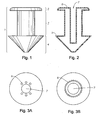
FIG. 1 is a front view of a punctal plug. -
FIG. 2 is a cross-sectional view of a punctal plug. -
FIGS. 3A and 3B are top views of punctal plugs. -
FIG. 4 is an illustration of a punctal plug with a canalicular extension. -
FIG. 5 is an illustration of the lacrimal duct system of a mammalian eye. -
FIG. 6 is an illustration of one of the present medical devices positioned in the lacrimal duct system of a mammalian eye. -
FIG. 7 is a partial cross-section of a punctal plug with a canalicular extension. -
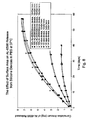
FIG. 8 shows the effect of surface area on AL-6598 release from silicone devices in PBS at 37°C. - A matrix of silicone and a therapeutic compound may be molded and cured into devices of various shapes that can be useful as drug delivery systems. Such devices are molded into shapes configured for implantation punctum or lacrimal canaliculus. In particular embodiments, a matrix of silicone and prostaglandin is molded into a device for ocular drug delivery for the treatment of glaucoma. In one embodiment, the device is molded by extrusion in which the drug/silicone mixture is pushed through a die with heat such that the cured form takes on the profile of the die.
- In vitro and in vivo studies demonstrated that release of prostaglandin from silicone monolithic devices is controlled by the surface area of the device exposed to the environment, although there is a slight drug concentration contribution to the release profile. In vivo studies also demonstrated that the release of prostaglandin from silicone monolithic devices is several times faster than that expected from in vitro results, and that the duration of efficacy of such a device would be too short to be clinically practical unless a major modification of the drug release rate could be achieved. To provide a therapeutic compound/silicone matrix with a drug release profile that is practical as an implantable ocular device, the present invention provides a device comprising: a first member comprising a matrix of a therapeutic compound and a silicone; a parylene coating on the outer surface of the first member; and one or more pores extending from the outer surface of the parylene coating to the outer surface of the first member. Increasing the pore size and/or the number of pores will increase the exposed surface area of the matrix and thus increase the rate at which the therapeutic compound is released. The matrix optionally includes biodegradeable microspheres containing the drug in order to provide additional control of the drug release rate from the matrix.
- Preferably, devices of the present invention yield zero-order or near zero-order drug release profiles. In a zero-order reaction, the rate of reaction is a constant. When the limiting reactant is completely consumed, the reaction abruptly stops. (Differential Rate Law: r = k; the rate constant, k, has units of mole L-1 sec-1.) This is distinguished from first-order and second-order reactions. A first-order reaction is where the rate of reaction is directly proportional to the concentration of only one of the reactants and as the reactant is consumed during the reaction, the concentration drops and so does the rate of reaction. (Differential Rate Law: r = k [A]; the rate constant, k, has units of sec-1). A second-order reaction is where the rate of reaction is directly proportional to the square of the concentration of one of the reactants (or to the concentration of two first order reactants) and decreases rapidly (faster than linear) as the concentration of the reactant decreases (Differential Rate Law: r = k [A]2 or r = k [A][B]; the rate constant, k, has units of L mole-1 spec-1.) Near zero-order describes a situation where there may be an initial brief period where the reaction appears to follow more complex kinetics, but then reverts to zero-order for the majority of the lifetime of the drug release. This is usually the case with devices that have an initial burst of drug - the reaction has an initial rate that appears to change but then maintains a constant rate for the majority of the release.
- In one embodiment, the present devices and systems comprise an implantable ocular device configured as a plug for insertion into the punctum and/or lacrimal canaliculus of the eye.
FIG. 5 illustrates the lacrimal duct system of a mammalian eye 9. The system includes alower punctum 11 connected to alower lacrimal canaliculus 13, and anupper punctum 10 connected to anupper lacrimal canaliculus 12. Canaliculli 12 and 13 are connected to alacrimal sac 14 and anasolacrimal duct 15. Alacrimal gland 16 is connected to eye 9 via alacrimal duct 17. In general, tears are produced bylacrimal gland 16 and are provided to eye 9 vialacrimal duct 17, and tears are drained from eye 9 viapunctum 10 andcanaliculus 12,punctum 11 andcanaliculus 13, andnasolacrimal duct 15. - A variety of plugs for insertion into
puncta U.S. Pat. Nos. 3,949,750 ;5,283,063 ;4,915,684 ;4,959,048 ;5,723,005 ;6,149,684 ;6,290,684 ;5,417,651 ;5,423,777 ;5,741,292 ;6,027,470 ;5,830,171 ;6,016,806 ;6,041,785 ;6,234,175 ;6,306,114 ; and6,344,047 . - One of the drug-delivery devices of the present invention is shown in
FIGs. 1-3 . The drug-delivery device comprises: abody 1 comprising a matrix of a silicone and a prostaglandin, the body having an outer surface and being configured to be inserted through a punctal aperture and positioned in apunctum lacrimal canaliculus parylene coating 5 on a portion of the outer surface ofbody 1; and (c) at least onepore 6 inparylene coating 5, whereinpore 6 extends from an outer surface ofparylene coating 5 to the outer surface ofbody 1. - In one embodiment, the matrix comprises a silicone and drug-loaded biodegradeable microspheres.
- A punctal plug typically includes a
body 1 having aproximal head portion 2, adistal tip portion 4, and ashaft portion 3 connectingproximal head portion 2 anddistal tip portion 4.Shaft portion 3 is often smaller in cross-sectional size thanproximal head portion 2 and the widest part ofdistal tip portion 4. A punctal plug is usually inserted, distal tip first, in a punctal aperture and advanced distally inpunctum proximal head portion 2 is seated on the punctal opening. Punctal plugs may be made available in different sizes corresponding to anatomical puncta and canaliculli of different cross-sectional sizes.Proximal head portion 2 is normally larger than the punctal aperture such thatproximal head portion 2 does not pass through the punctal opening and remains exposed in eye 9.Distal tip portion 4 typically has a cross-sectional size to fillpunetum punetal plug 1 in place. The occlusion presented bypunctal plug 1 deters tear fluid from draining from eye 9 through the punctal opening and the corresponding canalicular canal.Punctal plug 1 may partially or fully occludepunctum axial passage 7 for releasably engaging the insertion tools to facilitate or guide implantation. - A drug delivery device of the present invention may also be formed as an intracanalicular implant. Intracanalicular implants, which are disposed entirely within the canalicular canal without exposure or protrusion thereof in the eye, are described in, for example,
U.S. Pat. Nos. 4,660,546 ;5,049,142 ; and5,053,030 ;5,163,959 ; and5,171,270 . - A punctal plug or intracanalicular implant according to the present invention may also comprise a
canalicular extension 8, which extends into thecanaliculum nasolacrimal duct 15. The canalicular extension increases the volume of matrix, and thereby the amount of therapeutic compound, in the device. Thecanalicular extension 8 also serves to increase the retention of the implanted device. In addition, the increased size of a device with the canalicular extension increases the likelihood that the patient will notice if the device becomes dislodged from the punctum. One of the drug delivery devices including a canalicular extensions is shown inFIG. 4 .FIG. 6 shows a drug-delivery with a canalicular extension positioned in the lacrimal duct system. In certain embodiments, the canalicular extension comprises anintegral stylus 19 as shown in the partial cross-section view inFIG. 7 . - The implantable ocular devices of the present invention may be used for the topical delivery of eye medications including, for example, glaucoma medication, ocular hypertension medications, antimicrobial medication, anti-inflammatory medication, or dry-eye syndrome medication. In one embodiment, the therapeutic compound is a prostaglandin. The prostaglandin may be a natural or a synthetic prostaglandin. Prostaglandins are metabolite derivatives of arachidonic acid. Arachidonic acid in the body is converted to prostaglandin G2, which is subsequently converted to prostaglandin H2. Other naturally occurring prostaglandins are derivatives of prostaglandin H2. A number of different types of prostaglandins are known in the art including A, B, C, D, E, F, G, I and J-Series prostaglandins (
EP 0 561 073 A1 - The devices of the present invention are coated with a
non-biodegradable polymer 5 to reduce the exposed surface area of the matrix. The coating is parylene. Parylene is flexible, hydrophobic, substantially impermeable to prostaglandins, highly resistant to chemicals, and can be applied to surfaces by vapor deposition with high conformity and consistency. Parylene also meets FDA Class VI requirements, and has been used in medical device applications to cover implants like pacemakers and shunts. Parylene is the generic name for members of a unique polymer series. The basic member of the series, called Parylene N, is poly-para-xylylene, a linear, highly crystalline material. Other members of the series include Parylene C, Parylene D, and Parylene F. - Methods for depositing parylene coatings on silicone are known in the art. For example, a parylene coating may be vapor deposited on a silicone device of the present invention by placing the device in a vacuum deposition chamber and drawing a vacuum in the chamber to approximately 0.1 torr. A parylene dimer (di-para-xylylene) is vaporized at approximately 150°C. A pyrolysis of the monomer (para-xylylene) is then affected at approximately 680°C and 0.5 torr. The monomer then enters the deposition chamber at approximately room temperature (approximately 25°C) and is adsorbed and polymerizes onto the silicone device. The resultant coating is conformal, covering all exposed surfaces equally.
- Parylene coatings may be deposited in layers with thicknesses of as little as 0.5 nanometers up to several millimeters. Once the coating has been applied to the implantable ocular device, one or more pores may be etched in the coating to permit the release of the therapeutic compound from the matrix by providing an opening in the coating through which the therapeutic compound can diffuse. Alternatively, the pores may be created during the parylene deposition process by masking the surface of the device at positions where there pores are desired. The pore size and/or the pore number may be adjusted to achieve the desired release rate for the particular therapeutic agent in the matrix. As mentioned above, the release of therapeutic compound from the silicone matrix was controlled by the exposed surface area of the matrix. Thus, increasing the pore size and/or the number of pores will increase the exposed surface area of the matrix and thus increase the rate at which the therapeutic compound is released from the matrix. Furthermore, the pores may be positioned on the device such that the therapeutic compound is released unidirectionally onto the eye. For example, where the device is a punctal plug the pore or pores would be located on the head portion of the punctal plug that is exposed to the tears.
- The pores may be etched into the coating of the device using, for example, a focused ion beam (FIB) or an oxygen plasma etching process (see e.g., Meng and Tai, 2005). It is preferable to etch the pores on a substantially flat surface of the device as it makes the etching process more consistent. FIB uses a focused beam of gallium ions to sputter atoms from the surface of the material being etched. Because parylene is not conductive, the impinging gallium ions tend to "charge up" the parylene layer over time, which may eventually inhibit milling. To overcome this charging effect, the parylene surface may be coated with a thin layer of conductive material (e.g., metal or carbon) or provided with a temporary contact to a conductive material. Focused ion beams have a Gaussian profile. As a result, the milled holes have sloping sidewalls (i.e., the holes get smaller as they go deeper). Based on studies of FIB etching through a 5 µm layer of parylene deposited on a silicone die, it was determined that an aspect ratio of under about 5:1 (e.g., a 1 µm diameter pore, as measured at the outer surface of the parylene coating, through a 5 µm thick layer of parylene) is needed to form a pore that extends completely through the parylene layer.
- Oxygen plasma etching is a dry-etching process that takes place in an oxygen plasma environment where oxygen radicals are formed. Typical conditions for oxygen plasma etching include: an oxygen pressure of from 10 to 500 militorr, and an RF power of from 100 to 200 watts. Another way to etch pores in the coating of the device is with a scanning electron microscope probe.
- The following examples are included to demonstrate preferred embodiments of the invention. It should be appreciated by those of skill in the art that the techniques disclosed in the examples which follow represent techniques discovered by the inventor to function well in the practice of the invention, and thus can be considered to constitute preferred modes for its practice.
- To study the effect of surface area on the release of prostaglandin from a silicone matrix, prostaglandin release from silicone dies of three different sizes was measured. The largest silicone die measured 10mm x 10mm x 1 mm. A ½ size device (10mm x 5mm x 1mm) and a ¼ size device (5mm x 5mm x 1mm) were also used in this study. Each silicone die contained 10% AL-6598, which is a DP class prostaglandin analogue. The silicone die were placed in phosphate buffered saline (PBS) at 37°C and the amount of AL-6598 released was measured. As shown in
FIG. 8 , the release of AL-6598 was dependent on the size of the silicone die with the larger surface area resulting in the more rapid drug release. - Two silicone die (10mm x 10mm x 1mm) were coated with 5 µm of parylene using a vapor deposition process. To coat the silicone die, the die were placed in a vacuum deposition chamber and a vacuum was drawn in the chamber to approximately 0.1 torr. A parylene dimer (di-para-xylylene) was vaporized at approximately 150°C. Then pyrolysis of the monomer (para-xylylene) was affected at approximately 680°C and 0.5 torr. The monomer then entered the deposition chamber at approximately room temperature (approximately 25°C) and was adsorbed and polymerized onto the silicone die.
- The parylene coated silicone die were then milled using FIB. Pores of 1 µm and 1.5 µm were milled through the 5 µm thick layer of parylene on one of the silicone die. Each pore was milled within 30 seconds. 1000 Angstroms of metal were deposited on the surface of the parylene to prevent the "charging up" of the parylene layer by the impinging gallium ions during the FIB etching process. Focused ion beams have a Gaussian profile. As a result, the pores have sloping sidewalls. To determine the smallest feature size that can be etched through the parylene, multiple pores with diameters of 0.5 µm, 1 µm, 1.5 µm, 3 µm, and 5 µm were milled in the 5 µm parylene layer of the other silicone die. The 0.5 µm pore did not extend completely through the parylene layer because of the sloping sidewalls, whereas the 1 µm and larger pores did extend completely through the parylene layer. From this study it can be seen that pores with an aspect ratio under 5:1 can be milled through the parylene layer using the FIB process.
- Travoprost is prepared as a polylactic acid microsphere having an average size of 100 nm - 1 µm. The microspheres contain 10% travoprost by weight. 10 g of drug-loaded microspheres are added to 45 g of silicone Part A in a first Semco press tube and mixed on a Flack Tek mixer at 1500 RPM for 30 seconds. 45 g of silicone Part B are added to a second Semco press tube. Both press tubes are placed on an injection assembly of a premetered silicone press and injected into a steel mold to make a silicone die having the desired punctal plug shape and dimensions. After curing, the silicone device is coated with parylene and etched according to the procedures described in Example 2.
- The following references, to the extent that they provide exemplary procedural or other details supplementary to those set forth herein, are specifically mentioned.
-
U.S. Patent 3,949,750 -
U.S. Patent 3,949,750 -
U.S. Patent 4,660,546 -
U.S. Patent 4,690,931 -
U.S. Patent 4,915,684 -
U.S. Patent 4,959,048 -
U.S. Patent 5,049,142 ; -
U.S. Patent 5,053,030 -
U.S. Patent 5,053,030 -
U.S. Patent 5,151,444 -
U.S. Patent 5,163,959 -
U.S. Patent 5,171,270 -
U.S. Patent 5,283,063 -
U.S. Patent 5,296,504 -
U.S. Patent 5,352,708 -
U.S. Patent 5,417,651 -
U.S. Patent 5,422,368 -
U.S. Patent 5,423,777 -
U.S. Patent 5,469,867 -
U.S. Patent 5,723,005 -
U.S. Patent 5,741,292 -
U.S. Patent 5,830,171 -
U.S. Patent 5,889,052 -
U.S. Patent 6,016,806 -
U.S. Patent 6,027,470 -
U.S. Patent 6,041,785 -
U.S. Patent 6,149,684 -
U.S. Patent 6,196,993 -
U.S. Patent 6,234,175 -
U.S. Patent 6,290,684 -
U.S. Patent 6,306,114 -
U.S. Patent 6,344,047 -
U.S. Patent 60/203,350 -
U.S. Patent Publn. 2003/0143280 -
U.S. Patent Publn. 2004/0013704 -
U.S. Patent Publn. 2005/0232972 -
U.S. Patent Publn. 2006/0020248 -
PCT Appln. WO 2004/066980 -
PCT Appln. WO 2006/031658 -
PCT Appln. WO 94/13275 - PCT Appln.
WO 99/37260 -
EP 0 561 073 A1 - Meng and Tai, "Parylene Etching Techniques for Microfluidics and BioMEMS," Micro Electro Mechanical Systems, 30:56.8-571, 2005
Claims (18)
- A drug-delivery device comprising:(a) a body comprising a matrix of a silicone and an ophthalmic drug, the body having an outer surface and being configured to be inserted through a punctal aperture and positioned in a punctum or lacrimal canaliculus;(b) a parylene coating on the outer surface of the body; and(c) at least one pore in the parylene coating, wherein the at least one pore extends from an outer surface of the parylene coating to the surface of the body.
- The drug-delivery device of claim 1, wherein the body comprises:(a) a shaft portion having a first end and a second end, wherein the shaft portion is configured for insertion through a punctal aperture and positioning in a punctum or lacrimal canaliculus;(b) a head portion attached to the first end of the shaft portion, wherein the head portion is configured to rest on the exterior of the punctum; and(c) a distal tip portion attached to the second end of the shaft portion.
- The drug-delivery device of claim 1, wherein the ophthalmic drug is a prostaglandin, triamcinolone, icomucret, or rimexolone.
- The drug-delivery device of claim 3 wherein the ophthalmic drug is a prostaglandin, preferably cloprostenol, fluprostenol, latanoprost, travoprost, or unoprostone.
- The drug-delivery device of claim 3, wherein the concentration of the prostaglandin in the matrix is between = 1% to 10% by weight, preferably between 3% to 7% by weight.
- The drug-delivery device of claim 1, wherein the parylene coating is between 1 µm to 20 µm thick, preferably between 5 µm to 15 µm.
- The drug-delivery device of claim 2, wherein the body further comprises a canalicular extension attached to the distal tip portion of the body, wherein the canalicular extension is configured for insertion through the punctal aperture and the punctum and positioning in the lacrimal canaliculus.
- The drug-delivery device of claim 7, wherein the canalicular extension has a length L1 and the body has a length L2, wherein the ratio of the length L1 to the length L2 is between : 2:1 to 10:1.
- The drug-delivery device of claim 7, wherein the canalicular extension is configured for positioning in both the lacrimal canaliculus and a nasolacrimal duct.
- A method of manufacturing a drug-delivery device, comprising:(a) extruding a matrix of a silicone and an ophthalmic drug to form a drug-delivery device comprising a body having:(i) a shaft portion having a first end and a second end, wherein the shaft portion is configured for insertion through a punctal aperture and positioning in a punctum or lacrimal canaliculus;(ii) a head portion attached to the first end of the main portion, wherein the head portion is configured to rest on the exterior of the punctum; and(iii) a distal tip portion attached to the second end of the shaft portion;(b) depositing a parylene coating on the surface of the body; and(c) etching at least one pore in the parylene coating on the surface of the head portion of the body, wherein the at least one pore extends from an outer surface of the parylene coating to the surface of the head portion of the body.
- The method of claim 10, wherein the depositing of the parylene coating comprises vapor deposition.
- The method of claim 10, wherein the at least one pore is etched using oxygen plasma etching.
- The method of claim 10, wherein the parylene coating is deposited at a thickness 1 µm to 20 µm, preferably 5 µm to 15 µm.
- The method of claim 10, wherein the at least one pore has a diameter of 1 µm to 50 µm.
- The method of claim 10, wherein 1 to 1,000 pores are etched.
- Use of a prostaglandin for the manufacture of a drug-delivery device for the treatment of glaucoma or ocular hypertension by implanting the drug-delivery device in the punctum of a subject with glaucoma or ocular hypertension, wherein the drug-delivery device comprises:(i) a body comprised of a matrix of a silicone and the prostaglandin, the body having: a shaft portion having a first end and a second end, wherein the shaft portion is configured for insertion through a punctal aperture and positioning in a punctum or lacrimal canaliculus; a head portion attached to the first end of the main portion, wherein the head portion is configured to rest on the exterior of the punctum; and a distal tip portion attached to the second end of the shaft portion;(ii) a parylene coating on the surface of the body;(iii) at least one pore in the parylene coating, wherein the at least one pore extends from an outer surface of the parylene coating to the surface of the head portion of the body.
- The use of claim 16, wherein the prostaglandin is cloprostenol, fluprostenol, latanoprost, travoprost, or unoprostone.
- The use of claim 16, wherein the concentration of the prostaglandin in the matrix is between 1% to 10% by weight, preferably between 3% to 7% by weight.
Priority Applications (3)
| Application Number | Priority Date | Filing Date | Title |
|---|---|---|---|
| SI200830714T SI2114531T1 (en) | 2007-01-31 | 2008-01-30 | Punctal plugs and methods of delivering therapeutic agents |
| PL08728546T PL2114531T3 (en) | 2007-01-31 | 2008-01-30 | Punctal plugs and methods of delivering therapeutic agents |
| CY20121100764T CY1113075T1 (en) | 2007-01-31 | 2012-08-24 | TARGET DETECTION BLOCKS AND METHODS OF PROVIDING THERAPEUTIC AGENTS |
Applications Claiming Priority (2)
| Application Number | Priority Date | Filing Date | Title |
|---|---|---|---|
| US89859907P | 2007-01-31 | 2007-01-31 | |
| PCT/US2008/052439 WO2008094989A2 (en) | 2007-01-31 | 2008-01-30 | Punctal plugs and methods of delivering therapeutic agents |
Publications (2)
| Publication Number | Publication Date |
|---|---|
| EP2114531A2 EP2114531A2 (en) | 2009-11-11 |
| EP2114531B1 true EP2114531B1 (en) | 2012-07-11 |
Family
ID=39313204
Family Applications (1)
| Application Number | Title | Priority Date | Filing Date |
|---|---|---|---|
| EP08728546A Not-in-force EP2114531B1 (en) | 2007-01-31 | 2008-01-30 | Punctal plugs and methods of delivering therapeutic agents |
Country Status (23)
| Country | Link |
|---|---|
| US (1) | US8753666B2 (en) |
| EP (1) | EP2114531B1 (en) |
| JP (1) | JP2010517630A (en) |
| KR (1) | KR20090104099A (en) |
| CN (1) | CN101600476B (en) |
| AR (1) | AR065235A1 (en) |
| AU (1) | AU2008210541B2 (en) |
| BR (1) | BRPI0807340A2 (en) |
| CA (1) | CA2674913A1 (en) |
| CL (1) | CL2008000306A1 (en) |
| CY (1) | CY1113075T1 (en) |
| DK (1) | DK2114531T3 (en) |
| ES (1) | ES2390991T3 (en) |
| HR (1) | HRP20120608T1 (en) |
| MX (1) | MX2009007394A (en) |
| PL (1) | PL2114531T3 (en) |
| PT (1) | PT2114531E (en) |
| RU (1) | RU2459646C2 (en) |
| SI (1) | SI2114531T1 (en) |
| TW (1) | TW200838485A (en) |
| UY (1) | UY30883A1 (en) |
| WO (1) | WO2008094989A2 (en) |
| ZA (1) | ZA200904713B (en) |
Cited By (1)
| Publication number | Priority date | Publication date | Assignee | Title |
|---|---|---|---|---|
| EP2555749B1 (en) * | 2010-04-06 | 2016-10-26 | Allergan, Inc. | Sustained-release reservoir implants for intracameral drug delivery |
Families Citing this family (86)
| Publication number | Priority date | Publication date | Assignee | Title |
|---|---|---|---|---|
| US20050232972A1 (en) | 2004-04-15 | 2005-10-20 | Steven Odrich | Drug delivery via punctal plug |
| EP1765454B1 (en) | 2004-07-02 | 2016-04-13 | Mati Therapeutics Inc. | Treatment medium delivery device for the eye |
| EP2319558B1 (en) | 2006-03-14 | 2014-05-21 | University Of Southern California | Mems device for delivery of therapeutic agents |
| EP2004172B1 (en) | 2006-03-31 | 2019-03-13 | Mati Therapeutics Inc. | Drug delivery structures and compositions for nasolacrimal system |
| ES2732555T3 (en) | 2007-09-07 | 2019-11-25 | Mati Therapeutics Inc | Tear implants and related methods |
| US9011361B2 (en) | 2007-09-07 | 2015-04-21 | Mati Therapeutics Inc. | Lacrimal implant detection |
| EP2207529B1 (en) * | 2007-09-07 | 2014-12-31 | Mati Therapeutics Inc. | Drug cores for sustained release of therapeutic agents |
| EP2666510B1 (en) | 2007-12-20 | 2017-10-18 | University Of Southern California | Apparatus for controlled delivery of therapeutic agents |
| EP2727616B1 (en) | 2008-01-03 | 2017-04-26 | University Of Southern California | Implantable drug-delivery devices, and apparatus and methods for refilling the devices |
| WO2009134371A2 (en) * | 2008-04-30 | 2009-11-05 | Qlt Plug Delivery, Inc. | Composite lacrimal insert and related methods |
| WO2009137777A2 (en) * | 2008-05-08 | 2009-11-12 | Replenish Pumps, Llc | Implantable drug-delivery devices, and apparatus and methods for filling the devices |
| CN102202719B (en) | 2008-05-08 | 2014-11-26 | 迷你泵有限责任公司 | Implantable pumps and cannulas for implantable pumps |
| EP2323716B1 (en) | 2008-05-08 | 2015-03-04 | MiniPumps, LLC | Drug-delivery pumps |
| US9333297B2 (en) | 2008-05-08 | 2016-05-10 | Minipumps, Llc | Drug-delivery pump with intelligent control |
| MX2010012022A (en) | 2008-05-09 | 2011-03-15 | Qlt Plug Delivery Inc | Sustained release delivery of active agents to treat glaucoma and ocular hypertension. |
| CA2728623A1 (en) * | 2008-06-24 | 2010-01-21 | Qlt Plug Delivery, Inc. | Combination treatment of glaucoma |
| US20100104654A1 (en) * | 2008-10-27 | 2010-04-29 | Allergan, Inc. | Prostaglandin and prostamide drug delivery systems and intraocular therapeutic uses thereof |
| CN102300517A (en) * | 2008-12-19 | 2011-12-28 | Qlt股份有限公司 | Substance Delivering Punctum Implants And Methods |
| CA2750381C (en) * | 2009-01-23 | 2021-03-16 | Qlt Inc. | Sustained released delivery of one or more agents |
| CA3045436C (en) | 2009-01-29 | 2025-10-07 | Forsight Vision4, Inc. | Posterior segment drug delivery |
| US8623395B2 (en) | 2010-01-29 | 2014-01-07 | Forsight Vision4, Inc. | Implantable therapeutic device |
| WO2010096822A2 (en) * | 2009-02-23 | 2010-08-26 | Qlt Plug Delivery, Inc. | Lacrimal implants and related methods |
| WO2010101758A1 (en) | 2009-03-03 | 2010-09-10 | Alcon Research, Ltd. | Peri-corneal drug delivery device |
| TWI495459B (en) * | 2009-03-31 | 2015-08-11 | Johnson & Johnson Vision Care | Punctal plugs |
| US9421127B2 (en) | 2009-03-31 | 2016-08-23 | Johnson & Johnson Vision Care, Inc. | Punctal plugs |
| US10206813B2 (en) | 2009-05-18 | 2019-02-19 | Dose Medical Corporation | Implants with controlled drug delivery features and methods of using same |
| US12478503B2 (en) | 2009-05-18 | 2025-11-25 | Glaukos Corporation | Implants with controlled drug delivery features and methods of using same |
| JP5937004B2 (en) | 2009-05-18 | 2016-06-22 | ドーズ メディカル コーポレーションDose Medical Corporation | Drug-eluting intraocular implant |
| AU2010256558B2 (en) | 2009-06-03 | 2013-10-03 | Forsight Labs, Llc | Anterior segment drug delivery |
| US8709467B2 (en) | 2009-06-26 | 2014-04-29 | Cute Lovable Teddy Bear, Llc. | Para-xylylene based microfilm elution devices |
| KR101697388B1 (en) | 2009-08-18 | 2017-01-17 | 미니펌프스, 엘엘씨 | Electrolytic drug-delivery pump with adaptive control |
| WO2011094170A1 (en) | 2010-01-27 | 2011-08-04 | Alcon Research, Ltd. | Pulsatile peri-corneal drug delivery device |
| US10166142B2 (en) | 2010-01-29 | 2019-01-01 | Forsight Vision4, Inc. | Small molecule delivery with implantable therapeutic device |
| US9259352B2 (en) | 2010-03-29 | 2016-02-16 | Johnson & Johnson Vision Care, Inc. | Punctal plugs |
| US9259351B2 (en) * | 2010-03-29 | 2016-02-16 | Johnson & Johnson Vision Care, Inc. | Punctal plugs |
| WO2012019136A2 (en) | 2010-08-05 | 2012-02-09 | Forsight Vision 4, Inc. | Injector apparatus and method for drug delivery |
| CN103153316B (en) | 2010-08-05 | 2015-08-19 | 弗赛特影像4股份有限公司 | Combination drug delivery methods and devices |
| CN103209664A (en) | 2010-08-05 | 2013-07-17 | 弗赛特影像4股份有限公司 | implantable therapeutic device |
| US8591484B2 (en) | 2010-09-15 | 2013-11-26 | AlphaMed, Inc. | Lacrimal punctum measurement and occlusion |
| AU2011329656B2 (en) | 2010-11-19 | 2017-01-05 | Forsight Vision4, Inc. | Therapeutic agent formulations for implanted devices |
| US9668915B2 (en) | 2010-11-24 | 2017-06-06 | Dose Medical Corporation | Drug eluting ocular implant |
| US9919099B2 (en) | 2011-03-14 | 2018-03-20 | Minipumps, Llc | Implantable drug pumps and refill devices therefor |
| US10286146B2 (en) | 2011-03-14 | 2019-05-14 | Minipumps, Llc | Implantable drug pumps and refill devices therefor |
| US9603997B2 (en) | 2011-03-14 | 2017-03-28 | Minipumps, Llc | Implantable drug pumps and refill devices therefor |
| EP3967297A1 (en) | 2011-04-29 | 2022-03-16 | Allergan, Inc. | Sustained release latanoprost implant |
| EP2726016B1 (en) | 2011-06-28 | 2023-07-19 | ForSight Vision4, Inc. | An apparatus for collecting a sample of fluid from a reservoir chamber of a therapeutic device for the eye |
| US20130018360A1 (en) * | 2011-07-13 | 2013-01-17 | Marissa Dockendorf | Method for delivering ophthalmic drugs |
| US9974685B2 (en) | 2011-08-29 | 2018-05-22 | Mati Therapeutics | Drug delivery system and methods of treating open angle glaucoma and ocular hypertension |
| ES2727203T3 (en) | 2011-08-29 | 2019-10-14 | Mati Therapeutics Inc | Administration for sustained release of active agents to treat glaucoma and ocular hypertension |
| RU2740680C2 (en) | 2011-09-14 | 2021-01-19 | Форсайт Вижн5, Инк. | Eye inserter device and methods |
| SI2755600T1 (en) | 2011-09-16 | 2021-08-31 | Forsight Vision4, Inc. | Fluid exchange device |
| US8911227B2 (en) * | 2012-01-11 | 2014-12-16 | Johnson & Johnson Vision Care, Inc. | Device for injection molding silicone rubber |
| US10010448B2 (en) | 2012-02-03 | 2018-07-03 | Forsight Vision4, Inc. | Insertion and removal methods and apparatus for therapeutic devices |
| FR2986703B1 (en) | 2012-02-09 | 2015-01-16 | Horus Pharma | DEVICE FOR PACKAGING AND DISPENSING A PRODUCT FOR OPHTHALMIC USE |
| CA2872338C (en) | 2012-05-03 | 2021-09-14 | Qlt Inc. | Drug delivery system and methods of treating open angle glaucoma and ocular hypertension |
| RU2520834C2 (en) * | 2012-09-11 | 2014-06-27 | Федеральное Государственное Бюджетное Образовательное Учреждение Высшего Профессионального Образования "Дагестанский Государственный Технический Университет" (Дгту) | Method for preventing and treating dry eye syndrome |
| EP2911623B1 (en) | 2012-10-26 | 2019-08-14 | Forsight Vision5, Inc. | Ophthalmic system for sustained release of drug to eye |
| CN105142710A (en) | 2013-01-15 | 2015-12-09 | 科罗拉多州立大学董事会,公司实体 | Lacrimal system drug delivery device |
| AU2014236455B2 (en) | 2013-03-14 | 2018-07-12 | Forsight Vision4, Inc. | Systems for sustained intraocular delivery of low solubility compounds from a port delivery system implant |
| JP2016515583A (en) * | 2013-03-27 | 2016-05-30 | フォーサイト ヴィジョンファイブ、インク.ForSight VISION5, Inc. | Ocular inserts and how to use them |
| AU2014241163B2 (en) | 2013-03-28 | 2018-09-27 | Forsight Vision4, Inc. | Ophthalmic implant for delivering therapeutic substances |
| CA2927321A1 (en) * | 2013-10-15 | 2015-04-23 | Forsight Vision5, Inc. | Formulations and methods for increasing or reducing mucus |
| US20150342875A1 (en) | 2014-05-29 | 2015-12-03 | Dose Medical Corporation | Implants with controlled drug delivery features and methods of using same |
| RU2557423C1 (en) * | 2014-06-25 | 2015-07-20 | Федеральное государственное бюджетное научное учреждение "Научно-исследовательский институт глазных болезней" (ФГБНУ "НИИ глазных болезней") | Method of treating partial dacryostenosis |
| RU2695563C2 (en) | 2014-07-15 | 2019-07-24 | Форсайт Вижн4, Инк. | Method and device for eye implant delivery |
| MY182793A (en) | 2014-08-08 | 2021-02-05 | Forsight Vision4 Inc | Stable and soluble formulations of receptor tyrosine kinase inhibitors, and methods of preparation thereof |
| JP7037360B2 (en) | 2014-11-10 | 2022-03-16 | フォーサイト・ビジョン フォー・インコーポレーテッド | Expandable drug delivery device |
| JP6686023B2 (en) * | 2014-11-25 | 2020-04-22 | エキシモア・リミテッドEximore Ltd. | Compositions and methods for delivering bioactive agents or bioactive agents |
| US20160296532A1 (en) | 2015-04-13 | 2016-10-13 | Forsight Vision5, Inc. | Ocular Insert Composition of a Semi-Crystalline or Crystalline Pharmaceutically Active Agent |
| CN106264777A (en) * | 2015-06-08 | 2017-01-04 | 三鼎生物科技股份有限公司 | Auxiliary lacrimal duct |
| WO2017040853A1 (en) | 2015-09-02 | 2017-03-09 | Glaukos Corporation | Drug delivery implants with bi-directional delivery capacity |
| US10092387B2 (en) * | 2015-09-24 | 2018-10-09 | California Institute Of Technology | Implantable device for retaining live cells and providing nutrients thereto |
| WO2017053885A1 (en) | 2015-09-25 | 2017-03-30 | Glaukos Corporation | Punctal implants with controlled drug delivery features and methods of using same |
| KR20180084104A (en) | 2015-11-20 | 2018-07-24 | 포사이트 비젼4, 인크. | Porous structures for extended release drug delivery devices |
| AU2016359288C1 (en) | 2015-11-23 | 2022-03-17 | The Regents Of The University Of Colorado, A Body Corporate | Lacrimal system for drug delivery |
| BR112018070383A2 (en) | 2016-04-05 | 2019-02-05 | Forsight Vision4 Inc | implantable ocular drug delivery devices |
| US11318043B2 (en) | 2016-04-20 | 2022-05-03 | Dose Medical Corporation | Bioresorbable ocular drug delivery device |
| US11207211B2 (en) | 2016-05-20 | 2021-12-28 | The Regents Of The University Of Colorado, A Body Corporate | Lacrimal drug delivery device |
| CN106667656A (en) * | 2016-06-30 | 2017-05-17 | 广州聚明生物科技有限公司 | Biodegradable lacrimal passage suppository and preparation method and application thereof |
| EP3630042A4 (en) * | 2017-05-30 | 2021-06-23 | Eximore Ltd. | Compositions and methods for treating dry eye syndrome delivering antibiotic macrolide |
| CN115607358A (en) | 2017-11-21 | 2023-01-17 | 弗赛特影像4股份有限公司 | Fluid exchange device for expandable port delivery system and method of use |
| CN113597278B (en) * | 2019-01-18 | 2025-10-28 | 爱蔚视科技公司 | Method and device for treating eye diseases |
| KR102414314B1 (en) * | 2019-02-27 | 2022-06-30 | 사회복지법인 삼성생명공익재단 | Implant for ophthalmopathy comprising coating layer |
| CN111643269B (en) * | 2020-05-14 | 2024-09-13 | 海思盖德(苏州)生物医学科技有限公司 | Multiple implantation device and implantation method for implant |
| JP2024516786A (en) * | 2021-04-01 | 2024-04-17 | アヴィジ テクノロジーズ インコーポレイテッド | Adjustable device for treating eye disorders |
| USD1033637S1 (en) | 2022-01-24 | 2024-07-02 | Forsight Vision4, Inc. | Fluid exchange device |
Family Cites Families (77)
| Publication number | Priority date | Publication date | Assignee | Title |
|---|---|---|---|---|
| US3949750A (en) | 1974-10-07 | 1976-04-13 | Freeman Jerre M | Punctum plug and method for treating keratoconjunctivitis sicca (dry eye) and other ophthalmic aliments using same |
| US3992518A (en) | 1974-10-24 | 1976-11-16 | G. D. Searle & Co. | Method for making a microsealed delivery device |
| US4053580A (en) | 1975-01-01 | 1977-10-11 | G. D. Searle & Co. | Microsealed pharmaceutical delivery device |
| FR2534580A1 (en) | 1982-10-13 | 1984-04-20 | Synthelabo | PHENYL-1 PIPERIDINO-2 PROPANOL DERIVATIVES, THEIR PREPARATION, AND MEDICINES THAT CONTAIN THEM |
| US5053030A (en) | 1984-11-07 | 1991-10-01 | Herrick Robert S | Intracanalicular implant for horizontal canalicular blockade treatment of the eye |
| US5049142A (en) | 1984-11-07 | 1991-09-17 | Herrick Robert S | Intracanalicular implant for horizontal canalicular blockade treatment of the eye |
| US4660546A (en) | 1984-11-07 | 1987-04-28 | Robert S. Herrick | Method for treating for deficiency of tears |
| US5151444B1 (en) | 1987-09-18 | 1999-07-06 | R Tech Ueno Ltd | Ocular hypotensive agents |
| US4923699A (en) | 1988-06-03 | 1990-05-08 | Kaufman Herbert E | Eye treatment suspension |
| US4915684A (en) | 1988-06-21 | 1990-04-10 | Mackeen Donald L | Method and apparatus for modulating the flow of lacrimal fluid through a punctum and associated canaliculus |
| EP1348437A3 (en) | 1988-09-06 | 2003-11-19 | Pharmacia Aktiebolag | Prostaglandin derivatives for the treatment of glaucoma or ocular hypertension |
| US5296504A (en) | 1988-09-06 | 1994-03-22 | Kabi Pharmacia | Prostaglandin derivatives for the treatment of glaucoma or ocular hypertension |
| SU1671295A1 (en) * | 1988-10-24 | 1991-08-23 | Туркменский государственный медицинский институт | Appliance for control of intraocular pressure in case of glaucoma |
| US4959048A (en) | 1989-01-17 | 1990-09-25 | Helix Medical, Inc. | Lacrimal duct occluder |
| US5067491A (en) * | 1989-12-08 | 1991-11-26 | Becton, Dickinson And Company | Barrier coating on blood contacting devices |
| US5171270A (en) | 1990-03-29 | 1992-12-15 | Herrick Robert S | Canalicular implant having a collapsible flared section and method |
| US5163959A (en) | 1990-03-29 | 1992-11-17 | Herrick Robert S | Method for treating an eye with a canalicular implant having a collapsible flared section |
| US5378475A (en) | 1991-02-21 | 1995-01-03 | University Of Kentucky Research Foundation | Sustained release drug delivery devices |
| US5283063A (en) | 1992-01-31 | 1994-02-01 | Eagle Vision | Punctum plug method and apparatus |
| ATE207360T1 (en) | 1992-03-19 | 2001-11-15 | R Tech Ueno Ltd | TREATMENT OF EYE HYPERTENSION WITH BETA BLOCKERS AND PROSTONE ACID DERIVATIVES |
| US5469867A (en) | 1992-09-02 | 1995-11-28 | Landec Corporation | Cast-in place thermoplastic channel occluder |
| US5352708A (en) | 1992-09-21 | 1994-10-04 | Allergan, Inc. | Non-acidic cyclopentane heptanoic acid, 2-cycloalkyl or arylalkyl derivatives as therapeutic agents |
| US5922773A (en) | 1992-12-04 | 1999-07-13 | The Children's Medical Center Corp. | Glaucoma treatment |
| US5417651A (en) | 1993-07-01 | 1995-05-23 | Guena; Nicolas | Punctum plug and monocanalicular probe for lacrimal pathology |
| US5510383A (en) | 1993-08-03 | 1996-04-23 | Alcon Laboratories, Inc. | Use of cloprostenol, fluprostenol and their salts and esters to treat glaucoma and ocular hypertension |
| EP0664699A1 (en) | 1993-08-13 | 1995-08-02 | Vitaphore Corporation | Hydrogel-based microsphere drug delivery systems |
| US5423777A (en) | 1993-10-27 | 1995-06-13 | Tajiri; Akira | Punctum plug |
| JP3486758B2 (en) | 1994-06-24 | 2004-01-13 | 株式会社高研 | Injectable lacrimal canaliculus |
| US5723005A (en) | 1995-06-07 | 1998-03-03 | Herrick Family Limited Partnership | Punctum plug having a collapsible flared section and method |
| US6149684A (en) | 1995-06-07 | 2000-11-21 | Herrick; Robert S. | Punctum plug having a thin elongated lip and a distal starting tip and method of using |
| US5773019A (en) | 1995-09-27 | 1998-06-30 | The University Of Kentucky Research Foundation | Implantable controlled release device to deliver drugs directly to an internal portion of the body |
| US5741292A (en) | 1995-10-26 | 1998-04-21 | Eagle Vision | Punctum dilating and plug inserting instrument with push-button plug release |
| JP3792775B2 (en) | 1996-04-08 | 2006-07-05 | 有限会社エム・エル・シー | Lacrimal intubation device |
| JPH1033584A (en) | 1996-07-26 | 1998-02-10 | M L C:Kk | Lacrimal duct insertion appliance |
| US6041785A (en) | 1997-03-27 | 2000-03-28 | Eaglevision, Inc. | Punctum plug |
| US6027470A (en) | 1998-06-10 | 2000-02-22 | Eagle Vision, Inc. | Punctum plug and method for inserting the same into the punctual opening |
| US6016806A (en) | 1997-03-27 | 2000-01-25 | Eaglevision, Inc | Punctum plug |
| US5830171A (en) | 1997-08-12 | 1998-11-03 | Odyssey Medical, Inc. | Punctal occluder |
| NL1008090C2 (en) | 1998-01-22 | 1999-07-26 | Lubberman Bernardus H M | Plug for closing a tear duct. |
| US6290684B1 (en) | 1998-03-02 | 2001-09-18 | Herrick Family Limited Partnership | Punctum plug having a collapsible expanded section and distal tip extending substantially perpendicular thereto and method of inserting same |
| US6196993B1 (en) | 1998-04-20 | 2001-03-06 | Eyelab Group, Llc | Ophthalmic insert and method for sustained release of medication to the eye |
| US6306114B1 (en) | 1998-06-16 | 2001-10-23 | Eagle Vision, Inc. | Valved canalicular plug for lacrimal duct occlusion |
| WO2000050016A2 (en) | 1999-02-23 | 2000-08-31 | Angiotech Pharmaceuticals, Inc. | Compositions and methods for improving integrity of compromised body passageways and cavities |
| US6234175B1 (en) | 1999-03-23 | 2001-05-22 | Medennium, Inc. | Smart ocular plug design and method of insertion for punctal and intracanalicular implants |
| US6383192B1 (en) | 1999-04-28 | 2002-05-07 | Mlc Limited Company | Apparatus for intubation of lacrimal duct |
| US6344047B1 (en) | 2000-02-02 | 2002-02-05 | Eagle Vision | Instrument for inserting a punctum plug and method for manufacturing the instrument |
| EP1305061B1 (en) | 2000-08-04 | 2004-11-03 | Medennium, Inc. | Ocular plug for punctal and intracanalicular implants |
| CA2432438C (en) * | 2001-01-09 | 2011-04-26 | Microchips, Inc. | Flexible microchip devices for ophthalmic and other applications |
| US6827738B2 (en) * | 2001-01-30 | 2004-12-07 | Timothy R. Willis | Refractive intraocular implant lens and method |
| US6685626B2 (en) | 2001-02-02 | 2004-02-03 | Regeneration Technologies, Inc. | Compositions, devices, methods, and kits for induction of adhesions |
| JP2002263124A (en) | 2001-03-12 | 2002-09-17 | Masashige Nakayama | Eye disease treating method for animal and artificial lachrymal duct used therefor |
| US6605108B2 (en) | 2001-04-13 | 2003-08-12 | Eagle Vision, Inc. | Monocanalicular stent |
| US20040022853A1 (en) | 2001-04-26 | 2004-02-05 | Control Delivery Systems, Inc. | Polymer-based, sustained release drug delivery system |
| US7404825B2 (en) | 2001-06-11 | 2008-07-29 | Herrick Ii Robert S | Implant capable of forming a differential image in an eye |
| DE10133870A1 (en) | 2001-07-12 | 2003-02-06 | Chris P Lohmann | Ophthalmic agent, use of EGF for the treatment of dry eye syndrome and insert for the administration of EGF to the eye |
| US7204995B2 (en) | 2002-01-31 | 2007-04-17 | El-Sherif Dalia M | Treatment and control of dry eye by use of biodegradable polymer capsules |
| US20040043067A1 (en) * | 2002-06-19 | 2004-03-04 | Salamone Joseph C. | Fluorosiloxane matrix controlled diffusion drug delivery systems |
| WO2004006890A1 (en) | 2002-07-15 | 2004-01-22 | Alcon, Inc. | Non-polymeric lipophilic pharmaceutical implant compositions for intraocular use |
| FR2844182B1 (en) | 2002-09-11 | 2004-12-03 | Humanoptics Ag | CLOSURE PLUG OF A LACRYMAL CANALICLE |
| JP2006515186A (en) | 2002-09-26 | 2006-05-25 | アンジオテック インターナショナル アクツィエン ゲゼルシャフト | Perivascular wrap |
| BRPI0406858A (en) | 2003-01-24 | 2006-01-03 | Control Delivery Sys Inc | Controlled release of highly soluble agents |
| WO2004066980A2 (en) | 2003-01-24 | 2004-08-12 | Control Delivery Systems, Inc. | Sustained release device and method for ocular delivery of carbonic anhydrase inhibitors |
| ATE476960T1 (en) * | 2003-05-02 | 2010-08-15 | Surmodics Inc | SYSTEM FOR THE CONTROLLED RELEASE OF A BIOACTIVE INGREDIENT IN THE BACK OF THE EYE |
| AU2004291062A1 (en) * | 2003-11-10 | 2005-06-02 | Angiotech International Ag | Medical implants and anti-scarring agents |
| US20050232972A1 (en) | 2004-04-15 | 2005-10-20 | Steven Odrich | Drug delivery via punctal plug |
| US7799336B2 (en) * | 2004-04-30 | 2010-09-21 | Allergan, Inc. | Hypotensive lipid-containing biodegradable intraocular implants and related methods |
| US8722097B2 (en) | 2004-04-30 | 2014-05-13 | Allergan, Inc. | Oil-in-water method for making polymeric implants containing a hypotensive lipid |
| US7252006B2 (en) * | 2004-06-07 | 2007-08-07 | California Institute Of Technology | Implantable mechanical pressure sensor and method of manufacturing the same |
| EP1765454B1 (en) | 2004-07-02 | 2016-04-13 | Mati Therapeutics Inc. | Treatment medium delivery device for the eye |
| US7117870B2 (en) | 2004-07-26 | 2006-10-10 | Clarity Corporation | Lacrimal insert having reservoir with controlled release of medication and method of manufacturing the same |
| US7575781B2 (en) * | 2004-08-03 | 2009-08-18 | Sur Modics, Inc. | Method for depositing a polymeric coating on a substrate |
| WO2006031658A2 (en) * | 2004-09-10 | 2006-03-23 | Allergan, Inc. | Therapeutic lacrimal canalicular inserts and related methods |
| EP2004172B1 (en) | 2006-03-31 | 2019-03-13 | Mati Therapeutics Inc. | Drug delivery structures and compositions for nasolacrimal system |
| US9474645B2 (en) | 2006-06-21 | 2016-10-25 | Johnson & Johnson Vision Care, Inc. | Punctal plugs for the delivery of active agents |
| US20080045911A1 (en) | 2006-06-21 | 2008-02-21 | Borgia Maureen J | Punctal plugs for the delivery of active agents |
| US9173773B2 (en) | 2006-06-21 | 2015-11-03 | Johnson & Johnson Vision Care, Inc. | Punctal plugs for the delivery of active agents |
| US20080086101A1 (en) | 2006-08-25 | 2008-04-10 | David Freilich | Ophthalmic insert |
-
2008
- 2008-01-28 UY UY30883A patent/UY30883A1/en not_active Application Discontinuation
- 2008-01-29 AR ARP080100354A patent/AR065235A1/en not_active Application Discontinuation
- 2008-01-30 BR BRPI0807340A patent/BRPI0807340A2/en not_active IP Right Cessation
- 2008-01-30 PT PT08728546T patent/PT2114531E/en unknown
- 2008-01-30 WO PCT/US2008/052439 patent/WO2008094989A2/en not_active Ceased
- 2008-01-30 ZA ZA200904713A patent/ZA200904713B/en unknown
- 2008-01-30 SI SI200830714T patent/SI2114531T1/en unknown
- 2008-01-30 PL PL08728546T patent/PL2114531T3/en unknown
- 2008-01-30 EP EP08728546A patent/EP2114531B1/en not_active Not-in-force
- 2008-01-30 CA CA002674913A patent/CA2674913A1/en not_active Abandoned
- 2008-01-30 CN CN200880003681XA patent/CN101600476B/en not_active Expired - Fee Related
- 2008-01-30 MX MX2009007394A patent/MX2009007394A/en active IP Right Grant
- 2008-01-30 DK DK08728546.6T patent/DK2114531T3/en active
- 2008-01-30 KR KR1020097016725A patent/KR20090104099A/en not_active Ceased
- 2008-01-30 TW TW097103499A patent/TW200838485A/en unknown
- 2008-01-30 ES ES08728546T patent/ES2390991T3/en active Active
- 2008-01-30 AU AU2008210541A patent/AU2008210541B2/en not_active Ceased
- 2008-01-30 US US12/022,520 patent/US8753666B2/en active Active
- 2008-01-30 JP JP2009548415A patent/JP2010517630A/en active Pending
- 2008-01-30 HR HRP20120608AT patent/HRP20120608T1/en unknown
- 2008-01-30 RU RU2009132493/15A patent/RU2459646C2/en not_active IP Right Cessation
- 2008-01-31 CL CL200800306A patent/CL2008000306A1/en unknown
-
2012
- 2012-08-24 CY CY20121100764T patent/CY1113075T1/en unknown
Cited By (1)
| Publication number | Priority date | Publication date | Assignee | Title |
|---|---|---|---|---|
| EP2555749B1 (en) * | 2010-04-06 | 2016-10-26 | Allergan, Inc. | Sustained-release reservoir implants for intracameral drug delivery |
Also Published As
| Publication number | Publication date |
|---|---|
| AR065235A1 (en) | 2009-05-27 |
| HRP20120608T1 (en) | 2012-08-31 |
| CN101600476A (en) | 2009-12-09 |
| KR20090104099A (en) | 2009-10-05 |
| TW200838485A (en) | 2008-10-01 |
| BRPI0807340A2 (en) | 2017-05-02 |
| ZA200904713B (en) | 2010-09-29 |
| AU2008210541B2 (en) | 2013-09-26 |
| RU2459646C2 (en) | 2012-08-27 |
| WO2008094989A2 (en) | 2008-08-07 |
| US8753666B2 (en) | 2014-06-17 |
| DK2114531T3 (en) | 2012-07-30 |
| CA2674913A1 (en) | 2008-08-07 |
| UY30883A1 (en) | 2008-05-31 |
| CL2008000306A1 (en) | 2008-09-05 |
| WO2008094989A3 (en) | 2009-04-30 |
| AU2008210541A1 (en) | 2008-08-07 |
| CN101600476B (en) | 2013-08-21 |
| ES2390991T3 (en) | 2012-11-20 |
| US20080181930A1 (en) | 2008-07-31 |
| HK1133218A1 (en) | 2010-03-19 |
| CY1113075T1 (en) | 2016-04-13 |
| SI2114531T1 (en) | 2012-09-28 |
| PT2114531E (en) | 2012-10-09 |
| PL2114531T3 (en) | 2012-10-31 |
| MX2009007394A (en) | 2009-08-12 |
| RU2009132493A (en) | 2011-03-10 |
| EP2114531A2 (en) | 2009-11-11 |
| JP2010517630A (en) | 2010-05-27 |
Similar Documents
| Publication | Publication Date | Title |
|---|---|---|
| US8753666B2 (en) | Punctal plugs and methods of delivering therapeutic agents | |
| CA2433032C (en) | Sustained release drug delivery devices with coated drug cores | |
| US6756049B2 (en) | Sustained release drug delivery devices | |
| CA2432203C (en) | Sustained release drug delivery devices with multiple agents | |
| US8469934B2 (en) | Pulsatile peri-corneal drug delivery device | |
| CA2432225C (en) | Sustained release drug delivery devices with prefabricated permeable plugs | |
| US20100226962A1 (en) | Peri-corneal drug delivery device | |
| US20020110635A1 (en) | Process for the production of sustained release drug delivery devices | |
| TW201012469A (en) | Combination treatment of glaucoma | |
| US20110301555A1 (en) | Porous matrix drug core for lacrimal insert device | |
| HK1133218B (en) | Punctal plugs and methods of delivering therapeutic agents | |
| US20040062787A1 (en) | Therapeutic combination of amlodipineand benazepril/benazeprilat | |
| EP1847255A2 (en) | Sustained release drug delivery devices with coated drug cores |
Legal Events
| Date | Code | Title | Description |
|---|---|---|---|
| PUAI | Public reference made under article 153(3) epc to a published international application that has entered the european phase |
Free format text: ORIGINAL CODE: 0009012 |
|
| 17P | Request for examination filed |
Effective date: 20090714 |
|
| AK | Designated contracting states |
Kind code of ref document: A2 Designated state(s): AT BE BG CH CY CZ DE DK EE ES FI FR GB GR HR HU IE IS IT LI LT LU LV MC MT NL NO PL PT RO SE SI SK TR |
|
| RIN1 | Information on inventor provided before grant (corrected) |
Inventor name: TIAN, YOUQIN Inventor name: RODSTROM, THERON, R. Inventor name: BAKSHI, SHIVALIK Inventor name: MARSH, DAVID, ALLEN Inventor name: WEINER, ALAN, L. Inventor name: SMITH, II, LARRY |
|
| RIN1 | Information on inventor provided before grant (corrected) |
Inventor name: RODSTROM, THERON, R. Inventor name: WEINER, ALAN, L. Inventor name: SMITH, II, LARRY Inventor name: MARSH, DAVID, ALLEN Inventor name: TIAN, YOUQIN Inventor name: BAKSHI, SHIVALIK |
|
| REG | Reference to a national code |
Ref country code: HK Ref legal event code: DE Ref document number: 1133218 Country of ref document: HK |
|
| 17Q | First examination report despatched |
Effective date: 20100316 |
|
| DAX | Request for extension of the european patent (deleted) | ||
| REG | Reference to a national code |
Ref country code: DE Ref legal event code: R079 Ref document number: 602008017113 Country of ref document: DE Free format text: PREVIOUS MAIN CLASS: A61P0027060000 Ipc: A61F0009000000 |
|
| GRAP | Despatch of communication of intention to grant a patent |
Free format text: ORIGINAL CODE: EPIDOSNIGR1 |
|
| RIC1 | Information provided on ipc code assigned before grant |
Ipc: A61K 9/00 20060101ALI20120220BHEP Ipc: A61F 9/00 20060101AFI20120220BHEP Ipc: A61F 9/007 20060101ALI20120220BHEP |
|
| GRAS | Grant fee paid |
Free format text: ORIGINAL CODE: EPIDOSNIGR3 |
|
| GRAA | (expected) grant |
Free format text: ORIGINAL CODE: 0009210 |
|
| AK | Designated contracting states |
Kind code of ref document: B1 Designated state(s): AT BE BG CH CY CZ DE DK EE ES FI FR GB GR HR HU IE IS IT LI LT LU LV MC MT NL NO PL PT RO SE SI SK TR |
|
| REG | Reference to a national code |
Ref country code: GB Ref legal event code: FG4D |
|
| REG | Reference to a national code |
Ref country code: CH Ref legal event code: EP |
|
| REG | Reference to a national code |
Ref country code: AT Ref legal event code: REF Ref document number: 565675 Country of ref document: AT Kind code of ref document: T Effective date: 20120715 |
|
| REG | Reference to a national code |
Ref country code: HR Ref legal event code: TUEP Ref document number: P20120608 Country of ref document: HR |
|
| REG | Reference to a national code |
Ref country code: DK Ref legal event code: T3 |
|
| REG | Reference to a national code |
Ref country code: SE Ref legal event code: TRGR |
|
| REG | Reference to a national code |
Ref country code: IE Ref legal event code: FG4D |
|
| REG | Reference to a national code |
Ref country code: NL Ref legal event code: T3 |
|
| REG | Reference to a national code |
Ref country code: HR Ref legal event code: T1PR Ref document number: P20120608 Country of ref document: HR |
|
| REG | Reference to a national code |
Ref country code: DE Ref legal event code: R096 Ref document number: 602008017113 Country of ref document: DE Effective date: 20120906 |
|
| REG | Reference to a national code |
Ref country code: RO Ref legal event code: EPE |
|
| REG | Reference to a national code |
Ref country code: CH Ref legal event code: NV Representative=s name: PATENTANWAELTE SCHAAD, BALASS, MENZL & PARTNER AG |
|
| REG | Reference to a national code |
Ref country code: PT Ref legal event code: SC4A Free format text: AVAILABILITY OF NATIONAL TRANSLATION Effective date: 20121001 |
|
| REG | Reference to a national code |
Ref country code: EE Ref legal event code: FG4A Ref document number: E006838 Country of ref document: EE Effective date: 20120823 |
|
| REG | Reference to a national code |
Ref country code: NO Ref legal event code: T2 Effective date: 20120711 Ref country code: GR Ref legal event code: EP Ref document number: 20120401861 Country of ref document: GR Effective date: 20120920 |
|
| REG | Reference to a national code |
Ref country code: PL Ref legal event code: T3 |
|
| REG | Reference to a national code |
Ref country code: HK Ref legal event code: GR Ref document number: 1133218 Country of ref document: HK |
|
| REG | Reference to a national code |
Ref country code: ES Ref legal event code: FG2A Ref document number: 2390991 Country of ref document: ES Kind code of ref document: T3 Effective date: 20121120 |
|
| REG | Reference to a national code |
Ref country code: SK Ref legal event code: T3 Ref document number: E 12564 Country of ref document: SK |
|
| REG | Reference to a national code |
Ref country code: HU Ref legal event code: AG4A Ref document number: E015050 Country of ref document: HU |
|
| PLBE | No opposition filed within time limit |
Free format text: ORIGINAL CODE: 0009261 |
|
| STAA | Information on the status of an ep patent application or granted ep patent |
Free format text: STATUS: NO OPPOSITION FILED WITHIN TIME LIMIT |
|
| 26N | No opposition filed |
Effective date: 20130412 |
|
| REG | Reference to a national code |
Ref country code: DE Ref legal event code: R097 Ref document number: 602008017113 Country of ref document: DE Effective date: 20130412 |
|
| REG | Reference to a national code |
Ref country code: HR Ref legal event code: ODRP Ref document number: P20120608 Country of ref document: HR Payment date: 20131206 Year of fee payment: 7 |
|
| PGFP | Annual fee paid to national office [announced via postgrant information from national office to epo] |
Ref country code: BG Payment date: 20131216 Year of fee payment: 7 Ref country code: IS Payment date: 20131206 Year of fee payment: 7 Ref country code: MC Payment date: 20131211 Year of fee payment: 7 Ref country code: LT Payment date: 20131220 Year of fee payment: 7 Ref country code: EE Payment date: 20131213 Year of fee payment: 7 Ref country code: HR Payment date: 20131206 Year of fee payment: 7 |
|
| PGFP | Annual fee paid to national office [announced via postgrant information from national office to epo] |
Ref country code: GR Payment date: 20131216 Year of fee payment: 7 Ref country code: PL Payment date: 20131202 Year of fee payment: 7 Ref country code: RO Payment date: 20131212 Year of fee payment: 7 Ref country code: LU Payment date: 20131227 Year of fee payment: 7 |
|
| PGFP | Annual fee paid to national office [announced via postgrant information from national office to epo] |
Ref country code: FI Payment date: 20140110 Year of fee payment: 7 Ref country code: CH Payment date: 20140114 Year of fee payment: 7 Ref country code: NL Payment date: 20140110 Year of fee payment: 7 Ref country code: SE Payment date: 20140113 Year of fee payment: 7 Ref country code: NO Payment date: 20140109 Year of fee payment: 7 Ref country code: IE Payment date: 20140110 Year of fee payment: 7 Ref country code: SK Payment date: 20140109 Year of fee payment: 7 Ref country code: BE Payment date: 20140114 Year of fee payment: 7 Ref country code: DK Payment date: 20140110 Year of fee payment: 7 Ref country code: CZ Payment date: 20140114 Year of fee payment: 7 |
|
| PGFP | Annual fee paid to national office [announced via postgrant information from national office to epo] |
Ref country code: AT Payment date: 20131224 Year of fee payment: 7 Ref country code: SI Payment date: 20131213 Year of fee payment: 7 Ref country code: TR Payment date: 20140115 Year of fee payment: 7 Ref country code: HU Payment date: 20140110 Year of fee payment: 7 |
|
| PGFP | Annual fee paid to national office [announced via postgrant information from national office to epo] |
Ref country code: LV Payment date: 20131129 Year of fee payment: 7 Ref country code: PT Payment date: 20140123 Year of fee payment: 7 |
|
| PGFP | Annual fee paid to national office [announced via postgrant information from national office to epo] |
Ref country code: CY Payment date: 20140124 Year of fee payment: 7 |
|
| PG25 | Lapsed in a contracting state [announced via postgrant information from national office to epo] |
Ref country code: BE Free format text: LAPSE BECAUSE OF NON-PAYMENT OF DUE FEES Effective date: 20150131 |
|
| REG | Reference to a national code |
Ref country code: HR Ref legal event code: PBON Ref document number: P20120608 Country of ref document: HR Effective date: 20150130 Ref country code: PT Ref legal event code: MM4A Free format text: LAPSE DUE TO NON-PAYMENT OF FEES Effective date: 20150730 |
|
| REG | Reference to a national code |
Ref country code: NL Ref legal event code: V1 Effective date: 20150801 |
|
| REG | Reference to a national code |
Ref country code: CH Ref legal event code: PL |
|
| PG25 | Lapsed in a contracting state [announced via postgrant information from national office to epo] |
Ref country code: LU Free format text: LAPSE BECAUSE OF NON-PAYMENT OF DUE FEES Effective date: 20150130 |
|
| REG | Reference to a national code |
Ref country code: DK Ref legal event code: EBP Effective date: 20150131 |
|
| REG | Reference to a national code |
Ref country code: SE Ref legal event code: EUG |
|
| REG | Reference to a national code |
Ref country code: AT Ref legal event code: MM01 Ref document number: 565675 Country of ref document: AT Kind code of ref document: T Effective date: 20150130 |
|
| REG | Reference to a national code |
Ref country code: LT Ref legal event code: MM4D Effective date: 20150130 |
|
| PG25 | Lapsed in a contracting state [announced via postgrant information from national office to epo] |
Ref country code: NL Free format text: LAPSE BECAUSE OF NON-PAYMENT OF DUE FEES Effective date: 20150801 Ref country code: MC Free format text: LAPSE BECAUSE OF NON-PAYMENT OF DUE FEES Effective date: 20150202 |
|
| REG | Reference to a national code |
Ref country code: SK Ref legal event code: MM4A Ref document number: E 12564 Country of ref document: SK Effective date: 20150130 Ref country code: GR Ref legal event code: ML Ref document number: 20120401861 Country of ref document: GR Effective date: 20150805 |
|
| REG | Reference to a national code |
Ref country code: EE Ref legal event code: MM4A Ref document number: E006838 Country of ref document: EE Effective date: 20150228 |
|
| PG25 | Lapsed in a contracting state [announced via postgrant information from national office to epo] |
Ref country code: FI Free format text: LAPSE BECAUSE OF NON-PAYMENT OF DUE FEES Effective date: 20150130 Ref country code: CY Free format text: LAPSE BECAUSE OF NON-PAYMENT OF DUE FEES Effective date: 20150130 Ref country code: HR Free format text: LAPSE BECAUSE OF NON-PAYMENT OF DUE FEES Effective date: 20150130 Ref country code: PT Free format text: LAPSE BECAUSE OF NON-PAYMENT OF DUE FEES Effective date: 20150730 Ref country code: CH Free format text: LAPSE BECAUSE OF NON-PAYMENT OF DUE FEES Effective date: 20150131 Ref country code: SK Free format text: LAPSE BECAUSE OF NON-PAYMENT OF DUE FEES Effective date: 20150130 Ref country code: EE Free format text: LAPSE BECAUSE OF NON-PAYMENT OF DUE FEES Effective date: 20150228 Ref country code: BG Free format text: LAPSE BECAUSE OF NON-PAYMENT OF DUE FEES Effective date: 20150930 Ref country code: RO Free format text: LAPSE BECAUSE OF NON-PAYMENT OF DUE FEES Effective date: 20150130 Ref country code: LT Free format text: LAPSE BECAUSE OF NON-PAYMENT OF DUE FEES Effective date: 20150130 Ref country code: NO Free format text: LAPSE BECAUSE OF NON-PAYMENT OF DUE FEES Effective date: 20150131 Ref country code: CZ Free format text: LAPSE BECAUSE OF NON-PAYMENT OF DUE FEES Effective date: 20150130 Ref country code: LI Free format text: LAPSE BECAUSE OF NON-PAYMENT OF DUE FEES Effective date: 20150131 |
|
| REG | Reference to a national code |
Ref country code: SI Ref legal event code: KO00 Effective date: 20150909 |
|
| REG | Reference to a national code |
Ref country code: IE Ref legal event code: MM4A |
|
| PG25 | Lapsed in a contracting state [announced via postgrant information from national office to epo] |
Ref country code: HU Free format text: LAPSE BECAUSE OF NON-PAYMENT OF DUE FEES Effective date: 20150131 Ref country code: SE Free format text: LAPSE BECAUSE OF NON-PAYMENT OF DUE FEES Effective date: 20150131 Ref country code: LV Free format text: LAPSE BECAUSE OF NON-PAYMENT OF DUE FEES Effective date: 20150130 Ref country code: IS Free format text: LAPSE BECAUSE OF FAILURE TO SUBMIT A TRANSLATION OF THE DESCRIPTION OR TO PAY THE FEE WITHIN THE PRESCRIBED TIME-LIMIT Effective date: 20150801 Ref country code: SI Free format text: LAPSE BECAUSE OF NON-PAYMENT OF DUE FEES Effective date: 20150131 Ref country code: AT Free format text: LAPSE BECAUSE OF NON-PAYMENT OF DUE FEES Effective date: 20150130 Ref country code: GR Free format text: LAPSE BECAUSE OF NON-PAYMENT OF DUE FEES Effective date: 20150805 |
|
| REG | Reference to a national code |
Ref country code: FR Ref legal event code: PLFP Year of fee payment: 9 |
|
| PG25 | Lapsed in a contracting state [announced via postgrant information from national office to epo] |
Ref country code: IE Free format text: LAPSE BECAUSE OF NON-PAYMENT OF DUE FEES Effective date: 20150130 Ref country code: DK Free format text: LAPSE BECAUSE OF NON-PAYMENT OF DUE FEES Effective date: 20150131 |
|
| PGFP | Annual fee paid to national office [announced via postgrant information from national office to epo] |
Ref country code: MT Payment date: 20140116 Year of fee payment: 7 |
|
| PG25 | Lapsed in a contracting state [announced via postgrant information from national office to epo] |
Ref country code: PL Free format text: LAPSE BECAUSE OF NON-PAYMENT OF DUE FEES Effective date: 20150130 |
|
| REG | Reference to a national code |
Ref country code: FR Ref legal event code: PLFP Year of fee payment: 10 |
|
| PG25 | Lapsed in a contracting state [announced via postgrant information from national office to epo] |
Ref country code: MT Free format text: LAPSE BECAUSE OF FAILURE TO SUBMIT A TRANSLATION OF THE DESCRIPTION OR TO PAY THE FEE WITHIN THE PRESCRIBED TIME-LIMIT Effective date: 20120711 |
|
| PG25 | Lapsed in a contracting state [announced via postgrant information from national office to epo] |
Ref country code: TR Free format text: LAPSE BECAUSE OF NON-PAYMENT OF DUE FEES Effective date: 20150130 |
|
| REG | Reference to a national code |
Ref country code: FR Ref legal event code: PLFP Year of fee payment: 11 |
|
| PG25 | Lapsed in a contracting state [announced via postgrant information from national office to epo] |
Ref country code: MT Free format text: LAPSE BECAUSE OF FAILURE TO SUBMIT A TRANSLATION OF THE DESCRIPTION OR TO PAY THE FEE WITHIN THE PRESCRIBED TIME-LIMIT Effective date: 20150130 |
|
| REG | Reference to a national code |
Ref country code: DE Ref legal event code: R082 Ref document number: 602008017113 Country of ref document: DE Representative=s name: LEDERER & KELLER PATENTANWAELTE PARTNERSCHAFT , DE Ref country code: DE Ref legal event code: R081 Ref document number: 602008017113 Country of ref document: DE Owner name: NOVARTIS AG, CH Free format text: FORMER OWNER: ALCON RESEARCH, LTD., 76134-2099 FORT WORTH, TEXAS, US |
|
| REG | Reference to a national code |
Ref country code: GB Ref legal event code: 732E Free format text: REGISTERED BETWEEN 20200319 AND 20200325 |
|
| PGFP | Annual fee paid to national office [announced via postgrant information from national office to epo] |
Ref country code: GB Payment date: 20211216 Year of fee payment: 15 Ref country code: FR Payment date: 20211224 Year of fee payment: 15 |
|
| PGFP | Annual fee paid to national office [announced via postgrant information from national office to epo] |
Ref country code: DE Payment date: 20211222 Year of fee payment: 15 |
|
| PGFP | Annual fee paid to national office [announced via postgrant information from national office to epo] |
Ref country code: IT Payment date: 20211230 Year of fee payment: 15 Ref country code: ES Payment date: 20220202 Year of fee payment: 15 |
|
| REG | Reference to a national code |
Ref country code: DE Ref legal event code: R119 Ref document number: 602008017113 Country of ref document: DE |
|
| GBPC | Gb: european patent ceased through non-payment of renewal fee |
Effective date: 20230130 |
|
| PG25 | Lapsed in a contracting state [announced via postgrant information from national office to epo] |
Ref country code: GB Free format text: LAPSE BECAUSE OF NON-PAYMENT OF DUE FEES Effective date: 20230130 Ref country code: DE Free format text: LAPSE BECAUSE OF NON-PAYMENT OF DUE FEES Effective date: 20230801 |
|
| PG25 | Lapsed in a contracting state [announced via postgrant information from national office to epo] |
Ref country code: FR Free format text: LAPSE BECAUSE OF NON-PAYMENT OF DUE FEES Effective date: 20230131 |
|
| PG25 | Lapsed in a contracting state [announced via postgrant information from national office to epo] |
Ref country code: IT Free format text: LAPSE BECAUSE OF NON-PAYMENT OF DUE FEES Effective date: 20230130 |
|
| REG | Reference to a national code |
Ref country code: ES Ref legal event code: FD2A Effective date: 20240402 |
|
| PG25 | Lapsed in a contracting state [announced via postgrant information from national office to epo] |
Ref country code: ES Free format text: LAPSE BECAUSE OF NON-PAYMENT OF DUE FEES Effective date: 20230131 |
|
| PG25 | Lapsed in a contracting state [announced via postgrant information from national office to epo] |
Ref country code: ES Free format text: LAPSE BECAUSE OF NON-PAYMENT OF DUE FEES Effective date: 20230131 |