EP2108696A1 - Cis-acting diversification activator and method for selective diversification of nucleic acids - Google Patents
Cis-acting diversification activator and method for selective diversification of nucleic acids Download PDFInfo
- Publication number
- EP2108696A1 EP2108696A1 EP08007120A EP08007120A EP2108696A1 EP 2108696 A1 EP2108696 A1 EP 2108696A1 EP 08007120 A EP08007120 A EP 08007120A EP 08007120 A EP08007120 A EP 08007120A EP 2108696 A1 EP2108696 A1 EP 2108696A1
- Authority
- EP
- European Patent Office
- Prior art keywords
- nucleic acid
- diversification
- activator
- target nucleic
- fragment
- Prior art date
- Legal status (The legal status is an assumption and is not a legal conclusion. Google has not performed a legal analysis and makes no representation as to the accuracy of the status listed.)
- Withdrawn
Links
- 150000007523 nucleic acids Chemical class 0.000 title claims abstract description 160
- 108020004707 nucleic acids Proteins 0.000 title claims abstract description 155
- 102000039446 nucleic acids Human genes 0.000 title claims abstract description 155
- 239000012190 activator Substances 0.000 title claims abstract description 52
- 238000000034 method Methods 0.000 title claims abstract description 39
- 230000002068 genetic effect Effects 0.000 claims abstract description 31
- 238000013518 transcription Methods 0.000 claims abstract description 20
- 230000035897 transcription Effects 0.000 claims abstract description 20
- 210000004027 cell Anatomy 0.000 claims description 94
- 239000012634 fragment Substances 0.000 claims description 65
- 108090000623 proteins and genes Proteins 0.000 claims description 49
- 230000000694 effects Effects 0.000 claims description 24
- 238000006243 chemical reaction Methods 0.000 claims description 19
- 210000003719 b-lymphocyte Anatomy 0.000 claims description 17
- 241000287828 Gallus gallus Species 0.000 claims description 14
- 108060003951 Immunoglobulin Proteins 0.000 claims description 9
- 230000003213 activating effect Effects 0.000 claims description 9
- 102000018358 immunoglobulin Human genes 0.000 claims description 9
- 230000000392 somatic effect Effects 0.000 claims description 5
- 108010029988 AICDA (activation-induced cytidine deaminase) Proteins 0.000 claims description 4
- 239000003550 marker Substances 0.000 claims description 4
- 230000001902 propagating effect Effects 0.000 claims description 3
- 102000052510 DNA-Binding Proteins Human genes 0.000 claims description 2
- 101710096438 DNA-binding protein Proteins 0.000 claims description 2
- 102000004190 Enzymes Human genes 0.000 claims description 2
- 108090000790 Enzymes Proteins 0.000 claims description 2
- 210000003527 eukaryotic cell Anatomy 0.000 claims description 2
- 108020003175 receptors Proteins 0.000 claims description 2
- 102000005962 receptors Human genes 0.000 claims description 2
- 230000004913 activation Effects 0.000 abstract description 2
- 108700019146 Transgenes Proteins 0.000 description 21
- 230000035772 mutation Effects 0.000 description 19
- 238000003780 insertion Methods 0.000 description 18
- 230000037431 insertion Effects 0.000 description 18
- 230000010354 integration Effects 0.000 description 18
- 210000000349 chromosome Anatomy 0.000 description 16
- 108010043121 Green Fluorescent Proteins Proteins 0.000 description 15
- 230000008685 targeting Effects 0.000 description 15
- 102000004144 Green Fluorescent Proteins Human genes 0.000 description 14
- 239000005090 green fluorescent protein Substances 0.000 description 14
- 230000001105 regulatory effect Effects 0.000 description 14
- 230000003247 decreasing effect Effects 0.000 description 12
- 238000012217 deletion Methods 0.000 description 12
- 230000037430 deletion Effects 0.000 description 12
- 108700005091 Immunoglobulin Genes Proteins 0.000 description 11
- 238000004458 analytical method Methods 0.000 description 11
- 239000002773 nucleotide Substances 0.000 description 11
- 125000003729 nucleotide group Chemical group 0.000 description 11
- 238000012413 Fluorescence activated cell sorting analysis Methods 0.000 description 10
- 230000002759 chromosomal effect Effects 0.000 description 8
- 230000007423 decrease Effects 0.000 description 8
- 238000003752 polymerase chain reaction Methods 0.000 description 7
- 238000001890 transfection Methods 0.000 description 7
- 230000006870 function Effects 0.000 description 6
- 108700026244 Open Reading Frames Proteins 0.000 description 5
- 239000003623 enhancer Substances 0.000 description 5
- 238000001943 fluorescence-activated cell sorting Methods 0.000 description 5
- 239000013598 vector Substances 0.000 description 5
- 108091028043 Nucleic acid sequence Proteins 0.000 description 4
- 239000000427 antigen Substances 0.000 description 4
- 108091007433 antigens Proteins 0.000 description 4
- 102000036639 antigens Human genes 0.000 description 4
- 230000006798 recombination Effects 0.000 description 4
- 238000005215 recombination Methods 0.000 description 4
- 241000894007 species Species 0.000 description 4
- 230000000638 stimulation Effects 0.000 description 4
- 238000006467 substitution reaction Methods 0.000 description 4
- 108090000209 Carbonic anhydrases Proteins 0.000 description 3
- 101000580370 Homo sapiens RAD52 motif-containing protein 1 Proteins 0.000 description 3
- 101000904499 Homo sapiens Transcription regulator protein BACH2 Proteins 0.000 description 3
- 108020004684 Internal Ribosome Entry Sites Proteins 0.000 description 3
- 241001529936 Murinae Species 0.000 description 3
- 241000699666 Mus <mouse, genus> Species 0.000 description 3
- 102100027420 RAD52 motif-containing protein 1 Human genes 0.000 description 3
- 102100023998 Transcription regulator protein BACH2 Human genes 0.000 description 3
- 241000251539 Vertebrata <Metazoa> Species 0.000 description 3
- 230000004075 alteration Effects 0.000 description 3
- 229930189065 blasticidin Natural products 0.000 description 3
- 238000010367 cloning Methods 0.000 description 3
- 230000001419 dependent effect Effects 0.000 description 3
- 230000008488 polyadenylation Effects 0.000 description 3
- 230000008569 process Effects 0.000 description 3
- 238000012163 sequencing technique Methods 0.000 description 3
- 238000011144 upstream manufacturing Methods 0.000 description 3
- 108091093088 Amplicon Proteins 0.000 description 2
- 241000283690 Bos taurus Species 0.000 description 2
- 108020004414 DNA Proteins 0.000 description 2
- 102000016928 DNA-directed DNA polymerase Human genes 0.000 description 2
- 108010014303 DNA-directed DNA polymerase Proteins 0.000 description 2
- 101150066002 GFP gene Proteins 0.000 description 2
- 241000283973 Oryctolagus cuniculus Species 0.000 description 2
- 238000012408 PCR amplification Methods 0.000 description 2
- 241001494479 Pecora Species 0.000 description 2
- 238000012300 Sequence Analysis Methods 0.000 description 2
- 241000282898 Sus scrofa Species 0.000 description 2
- 108700009124 Transcription Initiation Site Proteins 0.000 description 2
- 241000700605 Viruses Species 0.000 description 2
- 230000015572 biosynthetic process Effects 0.000 description 2
- 102000034287 fluorescent proteins Human genes 0.000 description 2
- 108091006047 fluorescent proteins Proteins 0.000 description 2
- 238000012268 genome sequencing Methods 0.000 description 2
- 238000011813 knockout mouse model Methods 0.000 description 2
- 238000013507 mapping Methods 0.000 description 2
- 238000002703 mutagenesis Methods 0.000 description 2
- 231100000350 mutagenesis Toxicity 0.000 description 2
- 239000013612 plasmid Substances 0.000 description 2
- 230000001124 posttranscriptional effect Effects 0.000 description 2
- 239000002243 precursor Substances 0.000 description 2
- 102000004169 proteins and genes Human genes 0.000 description 2
- RXWNCPJZOCPEPQ-NVWDDTSBSA-N puromycin Chemical compound C1=CC(OC)=CC=C1C[C@H](N)C(=O)N[C@H]1[C@@H](O)[C@H](N2C3=NC=NC(=C3N=C2)N(C)C)O[C@@H]1CO RXWNCPJZOCPEPQ-NVWDDTSBSA-N 0.000 description 2
- 230000003362 replicative effect Effects 0.000 description 2
- 238000000926 separation method Methods 0.000 description 2
- UCSJYZPVAKXKNQ-HZYVHMACSA-N streptomycin Chemical compound CN[C@H]1[C@H](O)[C@@H](O)[C@H](CO)O[C@H]1O[C@@H]1[C@](C=O)(O)[C@H](C)O[C@H]1O[C@@H]1[C@@H](NC(N)=N)[C@H](O)[C@@H](NC(N)=N)[C@H](O)[C@H]1O UCSJYZPVAKXKNQ-HZYVHMACSA-N 0.000 description 2
- 238000012360 testing method Methods 0.000 description 2
- 108091005957 yellow fluorescent proteins Proteins 0.000 description 2
- 108091032973 (ribonucleotides)n+m Proteins 0.000 description 1
- 108700028369 Alleles Proteins 0.000 description 1
- 108091003079 Bovine Serum Albumin Proteins 0.000 description 1
- 102000003846 Carbonic anhydrases Human genes 0.000 description 1
- 108010051219 Cre recombinase Proteins 0.000 description 1
- 108020001738 DNA Glycosylase Proteins 0.000 description 1
- 102000028381 DNA glycosylase Human genes 0.000 description 1
- 230000033616 DNA repair Effects 0.000 description 1
- 239000006144 Dulbecco’s modified Eagle's medium Substances 0.000 description 1
- 108091027305 Heteroduplex Proteins 0.000 description 1
- 102000017727 Immunoglobulin Variable Region Human genes 0.000 description 1
- 108010067060 Immunoglobulin Variable Region Proteins 0.000 description 1
- 108091092195 Intron Proteins 0.000 description 1
- ZDXPYRJPNDTMRX-VKHMYHEASA-N L-glutamine Chemical compound OC(=O)[C@@H](N)CCC(N)=O ZDXPYRJPNDTMRX-VKHMYHEASA-N 0.000 description 1
- 229930182816 L-glutamine Natural products 0.000 description 1
- 241000699660 Mus musculus Species 0.000 description 1
- 241000699670 Mus sp. Species 0.000 description 1
- 101100355599 Neurospora crassa (strain ATCC 24698 / 74-OR23-1A / CBS 708.71 / DSM 1257 / FGSC 987) mus-11 gene Proteins 0.000 description 1
- 241001666145 Noia Species 0.000 description 1
- 108091034117 Oligonucleotide Proteins 0.000 description 1
- 229930182555 Penicillin Natural products 0.000 description 1
- JGSARLDLIJGVTE-MBNYWOFBSA-N Penicillin G Chemical compound N([C@H]1[C@H]2SC([C@@H](N2C1=O)C(O)=O)(C)C)C(=O)CC1=CC=CC=C1 JGSARLDLIJGVTE-MBNYWOFBSA-N 0.000 description 1
- 108010077524 Peptide Elongation Factor 1 Proteins 0.000 description 1
- 108010076504 Protein Sorting Signals Proteins 0.000 description 1
- 101150006234 RAD52 gene Proteins 0.000 description 1
- 238000012228 RNA interference-mediated gene silencing Methods 0.000 description 1
- 239000012980 RPMI-1640 medium Substances 0.000 description 1
- 102000053062 Rad52 DNA Repair and Recombination Human genes 0.000 description 1
- 108700031762 Rad52 DNA Repair and Recombination Proteins 0.000 description 1
- 108700008625 Reporter Genes Proteins 0.000 description 1
- 102100022433 Single-stranded DNA cytosine deaminase Human genes 0.000 description 1
- 101710143275 Single-stranded DNA cytosine deaminase Proteins 0.000 description 1
- ISAKRJDGNUQOIC-UHFFFAOYSA-N Uracil Chemical group O=C1C=CNC(=O)N1 ISAKRJDGNUQOIC-UHFFFAOYSA-N 0.000 description 1
- JLCPHMBAVCMARE-UHFFFAOYSA-N [3-[[3-[[3-[[3-[[3-[[3-[[3-[[3-[[3-[[3-[[3-[[5-(2-amino-6-oxo-1H-purin-9-yl)-3-[[3-[[3-[[3-[[3-[[3-[[5-(2-amino-6-oxo-1H-purin-9-yl)-3-[[5-(2-amino-6-oxo-1H-purin-9-yl)-3-hydroxyoxolan-2-yl]methoxy-hydroxyphosphoryl]oxyoxolan-2-yl]methoxy-hydroxyphosphoryl]oxy-5-(5-methyl-2,4-dioxopyrimidin-1-yl)oxolan-2-yl]methoxy-hydroxyphosphoryl]oxy-5-(6-aminopurin-9-yl)oxolan-2-yl]methoxy-hydroxyphosphoryl]oxy-5-(6-aminopurin-9-yl)oxolan-2-yl]methoxy-hydroxyphosphoryl]oxy-5-(6-aminopurin-9-yl)oxolan-2-yl]methoxy-hydroxyphosphoryl]oxy-5-(6-aminopurin-9-yl)oxolan-2-yl]methoxy-hydroxyphosphoryl]oxyoxolan-2-yl]methoxy-hydroxyphosphoryl]oxy-5-(5-methyl-2,4-dioxopyrimidin-1-yl)oxolan-2-yl]methoxy-hydroxyphosphoryl]oxy-5-(4-amino-2-oxopyrimidin-1-yl)oxolan-2-yl]methoxy-hydroxyphosphoryl]oxy-5-(5-methyl-2,4-dioxopyrimidin-1-yl)oxolan-2-yl]methoxy-hydroxyphosphoryl]oxy-5-(5-methyl-2,4-dioxopyrimidin-1-yl)oxolan-2-yl]methoxy-hydroxyphosphoryl]oxy-5-(6-aminopurin-9-yl)oxolan-2-yl]methoxy-hydroxyphosphoryl]oxy-5-(6-aminopurin-9-yl)oxolan-2-yl]methoxy-hydroxyphosphoryl]oxy-5-(4-amino-2-oxopyrimidin-1-yl)oxolan-2-yl]methoxy-hydroxyphosphoryl]oxy-5-(4-amino-2-oxopyrimidin-1-yl)oxolan-2-yl]methoxy-hydroxyphosphoryl]oxy-5-(4-amino-2-oxopyrimidin-1-yl)oxolan-2-yl]methoxy-hydroxyphosphoryl]oxy-5-(6-aminopurin-9-yl)oxolan-2-yl]methoxy-hydroxyphosphoryl]oxy-5-(4-amino-2-oxopyrimidin-1-yl)oxolan-2-yl]methyl [5-(6-aminopurin-9-yl)-2-(hydroxymethyl)oxolan-3-yl] hydrogen phosphate Polymers Cc1cn(C2CC(OP(O)(=O)OCC3OC(CC3OP(O)(=O)OCC3OC(CC3O)n3cnc4c3nc(N)[nH]c4=O)n3cnc4c3nc(N)[nH]c4=O)C(COP(O)(=O)OC3CC(OC3COP(O)(=O)OC3CC(OC3COP(O)(=O)OC3CC(OC3COP(O)(=O)OC3CC(OC3COP(O)(=O)OC3CC(OC3COP(O)(=O)OC3CC(OC3COP(O)(=O)OC3CC(OC3COP(O)(=O)OC3CC(OC3COP(O)(=O)OC3CC(OC3COP(O)(=O)OC3CC(OC3COP(O)(=O)OC3CC(OC3COP(O)(=O)OC3CC(OC3COP(O)(=O)OC3CC(OC3COP(O)(=O)OC3CC(OC3COP(O)(=O)OC3CC(OC3COP(O)(=O)OC3CC(OC3COP(O)(=O)OC3CC(OC3CO)n3cnc4c(N)ncnc34)n3ccc(N)nc3=O)n3cnc4c(N)ncnc34)n3ccc(N)nc3=O)n3ccc(N)nc3=O)n3ccc(N)nc3=O)n3cnc4c(N)ncnc34)n3cnc4c(N)ncnc34)n3cc(C)c(=O)[nH]c3=O)n3cc(C)c(=O)[nH]c3=O)n3ccc(N)nc3=O)n3cc(C)c(=O)[nH]c3=O)n3cnc4c3nc(N)[nH]c4=O)n3cnc4c(N)ncnc34)n3cnc4c(N)ncnc34)n3cnc4c(N)ncnc34)n3cnc4c(N)ncnc34)O2)c(=O)[nH]c1=O JLCPHMBAVCMARE-UHFFFAOYSA-N 0.000 description 1
- 238000010521 absorption reaction Methods 0.000 description 1
- 230000003321 amplification Effects 0.000 description 1
- 230000008901 benefit Effects 0.000 description 1
- 230000027455 binding Effects 0.000 description 1
- 230000033228 biological regulation Effects 0.000 description 1
- 210000001669 bursa of fabricius Anatomy 0.000 description 1
- 238000004113 cell culture Methods 0.000 description 1
- 238000004587 chromatography analysis Methods 0.000 description 1
- 239000002299 complementary DNA Substances 0.000 description 1
- 238000012258 culturing Methods 0.000 description 1
- 238000013461 design Methods 0.000 description 1
- 230000001627 detrimental effect Effects 0.000 description 1
- 230000003828 downregulation Effects 0.000 description 1
- 238000004520 electroporation Methods 0.000 description 1
- 238000002474 experimental method Methods 0.000 description 1
- 239000012091 fetal bovine serum Substances 0.000 description 1
- 210000002950 fibroblast Anatomy 0.000 description 1
- 238000000684 flow cytometry Methods 0.000 description 1
- 230000009368 gene silencing by RNA Effects 0.000 description 1
- 210000001280 germinal center Anatomy 0.000 description 1
- 210000004837 gut-associated lymphoid tissue Anatomy 0.000 description 1
- 231100000086 high toxicity Toxicity 0.000 description 1
- 238000002744 homologous recombination Methods 0.000 description 1
- 230000006801 homologous recombination Effects 0.000 description 1
- 238000000338 in vitro Methods 0.000 description 1
- 230000002779 inactivation Effects 0.000 description 1
- 208000015181 infectious disease Diseases 0.000 description 1
- 230000002452 interceptive effect Effects 0.000 description 1
- 238000002955 isolation Methods 0.000 description 1
- 231100000518 lethal Toxicity 0.000 description 1
- 230000001665 lethal effect Effects 0.000 description 1
- 239000006249 magnetic particle Substances 0.000 description 1
- 238000004519 manufacturing process Methods 0.000 description 1
- 239000000463 material Substances 0.000 description 1
- 230000001404 mediated effect Effects 0.000 description 1
- 239000002609 medium Substances 0.000 description 1
- 230000033607 mismatch repair Effects 0.000 description 1
- 238000003199 nucleic acid amplification method Methods 0.000 description 1
- 229940049954 penicillin Drugs 0.000 description 1
- 210000005211 primary lymphoid organ Anatomy 0.000 description 1
- 238000012545 processing Methods 0.000 description 1
- 230000000750 progressive effect Effects 0.000 description 1
- 229950010131 puromycin Drugs 0.000 description 1
- 230000007115 recruitment Effects 0.000 description 1
- 230000009467 reduction Effects 0.000 description 1
- 230000009711 regulatory function Effects 0.000 description 1
- 230000008439 repair process Effects 0.000 description 1
- 238000010187 selection method Methods 0.000 description 1
- 210000002966 serum Anatomy 0.000 description 1
- 230000009870 specific binding Effects 0.000 description 1
- 229960005322 streptomycin Drugs 0.000 description 1
- 239000000126 substance Substances 0.000 description 1
- 230000001629 suppression Effects 0.000 description 1
- 238000003786 synthesis reaction Methods 0.000 description 1
- 230000002103 transcriptional effect Effects 0.000 description 1
- 238000010361 transduction Methods 0.000 description 1
- 230000026683 transduction Effects 0.000 description 1
- 230000009261 transgenic effect Effects 0.000 description 1
- 238000011830 transgenic mouse model Methods 0.000 description 1
- 238000013519 translation Methods 0.000 description 1
- 239000013603 viral vector Substances 0.000 description 1
- DGVVWUTYPXICAM-UHFFFAOYSA-N β‐Mercaptoethanol Chemical compound OCCS DGVVWUTYPXICAM-UHFFFAOYSA-N 0.000 description 1
Images






Classifications
-
- C—CHEMISTRY; METALLURGY
- C12—BIOCHEMISTRY; BEER; SPIRITS; WINE; VINEGAR; MICROBIOLOGY; ENZYMOLOGY; MUTATION OR GENETIC ENGINEERING
- C12N—MICROORGANISMS OR ENZYMES; COMPOSITIONS THEREOF; PROPAGATING, PRESERVING, OR MAINTAINING MICROORGANISMS; MUTATION OR GENETIC ENGINEERING; CULTURE MEDIA
- C12N15/00—Mutation or genetic engineering; DNA or RNA concerning genetic engineering, vectors, e.g. plasmids, or their isolation, preparation or purification; Use of hosts therefor
- C12N15/09—Recombinant DNA-technology
- C12N15/10—Processes for the isolation, preparation or purification of DNA or RNA
- C12N15/102—Mutagenizing nucleic acids
- C12N15/1024—In vivo mutagenesis using high mutation rate "mutator" host strains by inserting genetic material, e.g. encoding an error prone polymerase, disrupting a gene for mismatch repair
Definitions
- the present invention relates to a method for selective diversification of a target nucleic acid sequence in a recombinant recipient cell by employing a regulatory sequence from the immunoglobulin locus that activates genetic diversification in linked transcription units.
- Mutated and sequence optimized genes and gene products have extended application in medical, chemical and technical areas. Present strategies for diversification of genes and gene products rely mainly on the generation of a vast number of mutant sequences in vitro , artificial expression and subsequent selection for a desired property. These methods have the drawback that the mutated genes are difficult to express in the physiological context and their mutant repertoire is fixed in time when they are expressed. On the other hand, if genome wide mutagenesis is induced in living cells, this is accompanied by high toxicity due to accidentally lethal mutations and the mutation rates in individual genes are low, i.e., the mutagenesis lacks selectivity.
- At least one murine B cell line [Wang et al., 2004] and AID expressing fibroblasts [Yoshikawa et al., 2002] mutated transcribed transgenes in the absence of nearby Ig locus sequences, further confounding the issue of whether cis -acting regulatory sequences are needed for hypermutation.
- the chicken B cell line DT40 diversifies its rearranged Ig light chain ( IgL ) gene by gene conversion in the presence of nearby pseudo V ( ⁇ V ) genes [Arakawa et al., 2002] or by hypermutation, if the ⁇ V genes are deleted [Arakawa et al., 2004; WO 2005/080552 ]. Both activities strictly depend on the expression of AID.
- GFP Green Fluorescent Protein
- AAB08058 Green Fluorescent Protein
- VpreB3 (NC_006102) or the Carbonic Anhydrase (XP_415218) gene, upstream and downstream neighbors of the IgL locus, respectively, showed no sequence heterogeneity in DT40 [Gopal and Fugmann, 2008].
- the invention makes available a regulatory nucleic acid molecule, a cis -acting diversification activator ( DIVAC ), that has the function of activating diversification in transcription units linked thereto.
- DIVAC cis -acting diversification activator
- a diversification activator of the invention is derived from the immunoglobulin (Ig) locus of a chicken B cell and comprises a nucleic acid having the sequence SEQ ID NO:1, a fragment of said nucleic acid or a nucleic acid homologous to SEQ ID NO:1 or a fragment thereof, whereby said fragment and said homologue retain the DIVAC function.
- the invention provides a method for diversification of a target nucleic acid comprising introducing a genetic construct comprising a diversification activator of the invention into a recipient cell to produce a recombinant recipient cell, wherein said diversification activator is linked to the target nucleic acid.
- a target nucleic acid can be supplied to the recipient cell from outside as a transgene, or be part of the recipient cell genome. In each case, it is secured that the target nucleic acid is linked to DIVAC , i.e., DIVAC activates and directs the diversification of the target nucleic acid.
- the invention further provides a method for producing a target nucleic acid having a desired activity, comprising the steps of (a) transfecting or infecting a recipient cell one or more times with one or more genetic construct(s) comprising a diversification activator and, optionally, the target nucleic acid to obtain a recombinant recipient cell, (b) identifying a recombinant recipient cell, wherein said diversification activator is linked to said target nucleic acid, (c) propagating and expanding the cell from (b) under conditions appropriate for the expression and diversification of the target nucleic acid, and (d) selecting within the population of cells from (c) individual cells or cell populations containing a mutated target nucleic acid having a desired activity.
- the invention further provides a nucleic acid construct comprising a diversification activator of the invention and a recombinant recipient cell comprising a diversification activator of the invention integrated into the cell chromosome at a position different from the immunoglobulin (Ig) locus.
- a nucleic acid construct comprising a diversification activator of the invention and a recombinant recipient cell comprising a diversification activator of the invention integrated into the cell chromosome at a position different from the immunoglobulin (Ig) locus.
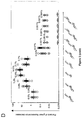
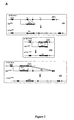
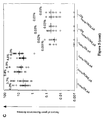
- FIG. 1 Hypermutation of the GFP2 reporter at various distances from the rearranged IgL locus.
- A A physical map of the rearranged IgL locus, a targeting construct including the GFP2 reporter and the IgL locus after targeted insertion of the GFP2 reporter.
- B Locations of GFP2 insertion relative to the IgL locus on chromosome 15. The reference point is the insertion site of GFP2 in the IgL GFP2 transfectant.
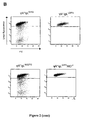
- C FACS analysis of primary transfectants having integrated the transfected construct targeted.
- D Fluctuation analysis of subclones. Each dot represents the analysis of and the median of all subclones from the same primary transfectant is indicated by a bar.
- FIG. 2 GFP2 hypermutation after deletions and reconstitution of the rearranged IgL locus.
- A Design of deletions and insertions in the rearranged IgL locus using GFP2 targeting constructs.
- (Upper part) Physical maps of the rearranged IgL locus after the deletion of the ⁇ V locus, a targeting construct including the GFP2 reporter and the locus after targeted integration.
- (Middle part) Physical maps of the deleted rearranged IgL locus, a targeting construct including the GFP2 reporter and the GFP2 insertion site after targeted integration.
- FIG. 3 Analysis of the ' W ' fragment deletion series.
- A A physical map of the deleted IgL locus and the aligned targeting constructs leading to the insertion of the GFP2 reporter together with parts of the ' W ' fragment.
- B FACS analysis of representative primary transfectants.
- C Fluctuation analysis of subclones. Only the letter of the reconstituted fragment and not the full name of the transfectants is indicated.
- FIG. 4 Insertions of the GFP2 reporter into non-Ig loci.
- A Chromosomal locations of the GFP2 insertions.
- B FACS analysis of primary transfectants.
- C Fluctuation analysis of subclones.
- FIG. 5 Hypermutation of the GFP2 reporter at non-Ig loci in the presence of the ' W ' fragment.
- A Physical maps of the non-Ig loci, the targeting constructs including the GFP2 reporter together with the ' W ' fragment and the loci after targeted insertion of the GFP2 reporter.
- B FACS analysis of primary AID positive and AID negative transfectants.
- C Fluctuation analysis of subclones.
- the present invention makes available an improved method for genetic diversification of a target nucleic acid within a living cell.
- the method is based on the discovery of a regulatory nucleic acid molecule, a cis -acting diversification activator ( DIVAC ), that is essential and sufficient for the activation of genetic diversification of a nucleic acid that is linked thereto.
- DIVAC cis -acting diversification activator
- Genetic diversification is alteration of individual nucleotides or stretches of nucleotides in a target nucleic acid. Genetic diversification according to the invention preferably occurs by hypermutation. In the event that in the method of the invention homologous donors for the target nucleic acid are provided, genetic diversification may occur by gene conversion or a combination of hypermutation and gene conversion.
- Hypermutation diversifies a target nucleic acid primarily by single nucleotide substitutions.
- hypermutation refers to a rate of mutation of between 10 -5 and 10 -3 bp -1 generation -1 which at least 100 fold higher than the background mutation rate in non-hypermutating genes within the same cell.
- Gene conversion is a phenomenon in which sequence information is transferred in unidirectional manner from a homologous gene conversion donor to a gene conversion target sequence. Gene conversion may be the result of a DNA polymerase switching templates and copying from a homologous sequence, or the result of mismatch repair (nucleotides being removed from one strand and replaced by repair synthesis using the other strand) after the formation of a heteroduplex.
- An example of natural gene conversion is the diversification of the rearranged VJ IgL segments by nearby pseudo-V gene conversion donors in certain species.
- Hypermutation and gene conversion generate diversity within the immunoglobulin V(D)J segment of B cells.
- Hypermutation takes place in the germinal centers of such species as mouse and human following antigen stimulation.
- Gene conversion takes place in primary lymphoid organs like the Bursa of Fabricius or the gut-associated lymphoid tissue in such species as chicken, cow, rabbit, sheep and pig independent of antigen stimulation.
- "Diversification activator” is a cis -acting regulatory sequence that activates the genetic diversification of neighboring transcription units which behave as target nucleic acids.
- Target nucleic acid is a nucleic acid molecule subjected to genetic diversification.
- the target nucleic acid is preferably a transgene and may comprise one or more transcription units encoding gene products.
- the target nucleic acid may also be a non-coding transcription unit or an endogenous gene whose diversification is activated by the nearby insertion of a diversification activator.
- the target nucleic acid altered as a result of DIVAC -related diversification is also called mutant nucleic acid.
- Transgene is an exogenous nucleic acid molecule that is inserted into the recipient cell, such as by transfection, transduction, or infection.
- a transgene may comprise a heterologous transcription unit which may be inserted into the genome randomly or at a defined location by targeted integration.
- the transgene is preferably located next to a diversification activator thereby becoming a target nucleic acid.
- “Targeted integration” is integration of a transfected nucleic acid construct comprising a nucleic acid sequence homologous to an endogenous nucleic acid sequence by homologous recombination into the endogenous locus. Targeted integration allows to directly insert any nucleic acid into a defined chromosomal position.
- Recombinant recipient cell refers to a cell that is engineered for genetic diversification of a target nucleic acid.
- the recipient cell expresses AID and is the recipient of the transgene linked to the diversification activator.
- Selection refers to the determination of the presence of sequence alterations in the target nucleic acid that result in a desired activity of the gene product encoded by the target nucleic acid or in a desired activity of the regulatory function of the target nucleic acid.
- a method for diversification of a target nucleic acid comprising introducing a genetic construct comprising a diversification activator into a recipient cell to produce a recombinant recipient cell, wherein said diversification activator is linked to the target nucleic acid, wherein said diversification activator is selected from the group consisting of a nucleic acid having the sequence SEQ ID NO:1, a fragment of said nucleic acid and a nucleic acid homologous to said nucleic acid and said fragment, and wherein said diversification activator has the function of activating genetic diversification in a nucleic acid linked thereto.
- the diversification takes place by the process of somatic hypermutation.
- a preferred rate of somatic hypermutation is between 10 -5 and 10 -3 bp -1 generation -1 .
- the target nucleic acid is in addition linked to at least one nucleic acid capable of serving as a gene conversion donor for the target nucleic acid, and the diversification takes place by a process involving both somatic hypermutation and gene conversion.
- a diversification activator ( DIVAC ) of the invention is derived from the immunoglobulin ( Ig ) locus of a chicken B cell.
- DIVAC is a 9,8 kb fragment of the rearranged IgL locus extending from the IgL transcription start site to the 3' end of the carbonic anhydrase gene.
- the 9,8 kb fragment maps to Gallus gallus chromosome chr15:8165070-8176699.
- the 9,8 kb fragment isolated from the chicken B cell line DT40 has the nucleotide sequence SEQ ID NO:1.
- DIVAC can also be a functional homologue of said 9,8 kb IgL fragment from the chicken Ig heavy chain ( IgH ) locus.
- the DIVAC function of activating diversification of a linked target nucleic acid is defined by an at least 5-fold, 10-fold, 20-fold, 50-fold or 100-fold increase of the diversification rate of the target nucleic acid in the presence of DIVAC compared to that in the absence of DIVAC .
- DIVAC of the invention is a fragment of the 9,8 kb fragment that retains the DIVAC function of activating diversification of a nucleic acid linked thereto.
- the DIVAC fragment may be as short as 20 bp and as long as 5000 bp.
- the length of DIVAC may be at least 20 nucleic acids, at least 100 nucleic acids, at least 200 nucleic acids, at least 300 nucleic acids, at least 400 nucleic acids, at least 500 nucleic acids, at least 600 nucleic acids, at least 1000 nucleic acids, at least 2000 nucleic acids, at least 3000 nucleic acids, at least 4000 nucleic acids, or at least 5000 nucleic acids.
- DIVAC fragments may be defined on the basis of the oligonucleotides listed in Table 2 that may be used for PCR amplification of individual fragments. DIVAC fragments may also be defined on the basis of the nucleotide positions within the 9,8 kb fragment (SEQ ID NO:1).
- DIVAC may have the nucleotide sequence between positions 1-7099, 1-7799, 2184-9784, 3098-9784, 4102-9784, 5114-9784, 6107-9784, or 3098-7099 of SEQ ID NO:1. These sequences correspond to the fragments designated F, G, I, K, L, M, N and S, respectively, on Figure 3A . However, DIVAC may be as short as a stretch of 20 to 50 nucleotides from SEQ ID NO:1 or the fragments described above.
- DIVAC is a homologue of the 9,8 kb fragment or fragments thereof as defined above, whereby the homologue retains the DIVAC function of activating diversification of a nucleic acid linked thereto.
- DIVAC of the invention shares at least 50%, at least 60%, at least 70%, at least 80%, at least 90%, or at least 95% sequence identity with SEQ ID NO:1 of a fragment thereof.
- DIVACs of the invention may be combined.
- more than one copy of DIVAC may be provided to a recipient call in form of tandem repeats.
- a target nucleic acid of the invention is a arbitrary nucleic acid whose diversification is desired.
- the target nucleic acid is preferably transcribed.
- the target nucleic acid encodes a protein.
- a target nucleic acid encodes an immunoglobulin chain, a selection marker, a DNA-binding protein, an enzyme, a receptor protein, or parts thereof. It is preferred that the target nucleic acid is a human immunoglobulin gene.
- the method of the invention would thus allow to produce an immunoglobulin gene encoding an immunoglobulin with a specific binding activity such as high specificity and/or high affinity to an antigen.
- the target nucleic acid is a fluorescent protein such as Green Fluorescent Protein (GFP) or Yellow Fluorescent Protein (YFP).
- GFP Green Fluorescent Protein
- YFP Yellow Fluorescent Protein
- the method of the invention would allow to produce an fluorescent protein with a new and different absorption/emission wave length.
- the target nucleic acid possesses a regulatory activity.
- the target nucleic acid may be a transcription regulatory element such as promoter or enhancer, or encode an interfering RNA molecule for use in specific gene suppression by RNA interference.
- a reporter which is influenced by the target nucleic acid, is required for the identification of a recombinant recipient cell bearing the target nucleic acid of interest.
- the target nucleic acid is a exogenous nucleic acid.
- An exogenous nucleic acid may be provided to the recipient cell together with DIVAC on the same genetic construct, or, alternatively, on a different genetic construct or constructs.
- the genetic construct(s) preferably comprise(s) a selectable marker gene that allows for selection of cells comprising the transgene and/or DIVAC.
- the selectable marker gene may subsequently be removed by recombination, for example using a cre-recombinase system, or inactivated by other means.
- the target nucleic acid and DIVAC stably integrate into the cell chromosome.
- the target nucleic acid and DIVAC may remain in the recipient cell extrachromosomally, for example, on an autonomously replicating viral vector such as an EBV-derived vector.
- the target nucleic acid is a priori a part of the cell chromosome, i.e., an endogenous nucleic acid. It is preferred that the endogenous nucleic acid is not an immunoglobulin gene or a part thereof. In this embodiment, only DIVAC is provided to the cell and it is secured that DIVAC integrates into the cell chromosome in the vicinity of the target nucleic acid.
- the target nucleic acid is linked to DIVAC.
- DIVAC DIVAC activator-activated nucleic acid
- the two nucleic acids are on the same chromosome in a position relative to each other that ensures that DIVAC activates and directs the diversification of the target nucleic acid.
- the diversification activity of DIVAC diminishes with the increase in the distance to the nucleic acid to be diversified. It is therefore preferred that the distance between DIVAC and the target nucleic acid is no more than 150 kb, preferably no more than 125 kb, preferably less than 120 kb, less than 100 kb, less than 70 kb, less than 50 kb, less than 30 kb, less than 10 kb, or less than 5 kb.
- the target nucleic acid and/or DI VAC may be integrated into the chromosome of a recipient cell at a defined or random location.
- a genetic construct comprising an exogenous target nucleic acid and DIVAC is integrated into the cell chromosome at a random location.
- a first genetic construct comprising an exogenous target nucleic acid i.e., a transgene
- a second genetic construct comprising DIVAC is integrated at a chromosomal position that ensures that DIVAC activates and directs diversification of the transgene. It is preferred that DIVAC is integrated in the vicinity of the transgene, preferably not farther than 150 kb away therefrom.
- the target nucleic acid is endogenous, and a construct comprising DIVAC is integrated at a chromosomal position that ensures that DIVAC activates and directs diversification of the target nucleic acid. It is preferred that DIVAC is integrated in the vicinity of the target nucleic acid, preferably not farther than 150 kb away therefrom.
- Integration at a defined chromosomal position is achieved by including into the respective genetic construct nucleic acid fragments whose sequence is identical or homologous to the nucleic acid sequence at the integration site.
- the ability of a cell to integrate genetic constructs by targeted integration is an intrinsic property of the cell. Cells of different species and origins possess this property to a varying degree. For example, targeted integration is an infrequent event in a mouse cell.
- the ALV-transduced chicken B cell line DT40 integrates genetic constructs preferably by targeted integration at a defined chromosomal position.
- a recipient cell of the invention is a eukaryotic cell expressing activation-induced deaminase (AID) or a functional equivalent thereof. It is preferred that the recipient cell is a B lymphocyte from a vertebrate species such as a bird, a rabbit, a sheep, a cow, a pig, a mouse or a rat. It is further preferred that the recipient cell is a chicken B lymphocyte or derived thereof, in particular the ALV-transduced chicken B cell line DT40 or a derivative thereof.
- AID activation-induced deaminase
- a recombinant recipient cell of the invention is a recipient cell comprising a diversification activator of the invention and a target nucleic acid.
- the recombinant recipient cell expresses the target nucleic acid in a manner that facilitates selection of cells comprising mutants of said target nucleic acids having a desired activity.
- the selection may be a direct selection for the activity encoded or otherwise determined by the target nucleic acid within the cell, on the cell surface or outside the cell.
- the selection is an indirect selection for the activity encoded by a reporter nucleic acid or otherwise determined by a reporter.
- diversification of the target nucleic acid may be modulated by a trans-acting regulatory factor.
- the trans-acting regulatory factor may be DNA repair or recombination factor, a DNA polymerase, or an uracyl DNA glycosylase.
- the diversification process may also be initiated and terminated by a trans-acting regulatory factor such as activation-induced deaminase (AID).
- AID activation-induced deaminase
- AID may be conditionally expressed and its expression may be switched off once the targeted nucleic acid with a desired property is obtained. This would prevent further mutations that may result in a loss of the optimal property.
- the invention provides a method for preparing a target nucleic acid having a desired activity, comprising the steps of:
- steps (c) and (d) of the method are iteratively repeated.
- the method may include an additional step (e) comprising determining the sequence of the mutated target nucleic acid from the cells selected in (d).
- the method additionally includes a step (f) comprising terminating the diversification.
- the diversification may, for example, be switched off by down-regulation of the expression of a trans-acting regulatory factor such as activation-induced deaminase (AID) or by the removal of the diversification activator.
- AID activation-induced deaminase
- the nucleic acid constructs of the invention may be transfected into the recipient cell.
- the recipient cell may be transduced or infected with the construct.
- step (d) a variety of selection procedures may be applied for the isolation of mutants having a desired property.
- cells expressing immunoglobulin molecules with improved or novel binding specificity may be selected by Fluorescence Activated Cell Sorting (FACS), cell separation using magnetic particles, antigen chromatography methods or other known cell separation techniques.
- FACS Fluorescence Activated Cell Sorting
- the target nucleic acid and DIVAC are on the same nucleic acid construct.
- the target nucleic acid and DIVAC are on different constructs.
- the genetic locus containing the target nucleic acid to be diversified may be constructed by more than one round of transfection.
- the target nucleic acid is part of the cell chromosome and the construct or constructs comprise (s) DIVAC.
- the invention provides a recombinant nucleic acid construct comprising a diversification activator of the invention.
- the construct may be a plasmid, a virus, a virus-derived vector such as an integrating or autonomously replicating vector.
- the construct may comprise one or more copies of DIVAC .
- the invention provides a recombinant cell comprising a diversification activator of the invention.
- a diversification activator of the invention Excluded form the scope of the invention are highly unlikely embodiment, wherein the diversification activator is integrated into the chromosome of a cell and replaced part of the chromosome identical to the diversification, such that the resulting cell is not distinguishable from a natural cell.
- GFP2 was designed which consisted of the strong RSV promoter followed by the GFP coding region, an internal ribosome entry site ( IRES ), the blasticidin resistance gene (P19997) and the Sv40 polyadenylation signal.
- IRES internal ribosome entry site
- P19997 blasticidin resistance gene
- Sv40 polyadenylation signal was incorporated into the targeting construct pIgL GFP2 ( Figure 1A ) in the opposite transcriptional orientation of the IgL gene to minimize interference between transcription and post-transcriptional regulation of the GFP2 transgene and the IgL gene.
- Targeted integration was used to insert the GFP2 reporter at various distances from the IgL locus into chromosome 15 [International Chicken Genome Sequencing Consortium, 2004] ( Figure 1B and 1E ).
- FACS analysis of primary transfectants and their subclones revealed that the medians of decreased green fluorescence fell to about 3% at the +26 kb and the -15 kb positions, to 0.5% at the +52 kb position and to about 0.05% at the -135 kb position ( Figure 1C and 1D ).
- GFP2 transcription would be reflected by the green fluorescence of the cells independent of the transgene insertion site. Even for mutating transgenes, GFP2 transcription levels could be deduced from the average green fluorescence of the major cell populations which most likely expressed the non-mutated GFP sequence. As seen by FACS analysis, the average green fluorescence of the major cell populations varied slightly among the primary transfectants ( Figure 1C ) most likely reflecting chromosomal position effects. However, the transfectants +52IgL GFP2 and IgL GFP2 differed more than 20 fold in their median fluorescence decreases despite similar green fluorescence of their major cell populations. This strongly suggested that the hypermutation differences among the transfectants reflected the distance of the GFP2 insertion sites to the IgL locus and not variation in GFP2 transcription.
- DIVAC Diversification Activator
- a GFP2 construct ( Figure 2A , upper part) was transfected into the clone ⁇ V - AID R1 [Arakawa et al., 2008] in which the entire 20 kb of the ⁇ V locus had been deleted.
- the transfectants ⁇ V - IgL GFP2 expressed the GFP2 reporter at the position of the IgL promoter in the absence of the ⁇ V locus ( Figure 2B ).
- FACS analysis of ⁇ V - IgL GFP2 subclones revealed medians of 5.2% and 7.5% decreased green fluorescence ( Figure 2C ), only one fold lower than the medians of the ⁇ V positive IgL GFP2 subclones.
- IgL GFP2 and ⁇ V - IgL GFP2 subclones could be due to fluctuation effects or different AID expression levels in the AID R2 and ⁇ V - AID R1 precursors, the ⁇ V locus seems to exert little, if any stimulation on the hypermutation activity of the GFP2 reporter.
- ⁇ V - IgL GFP2 still contained a 9.8 kb fragment (referred to in the following as fragment 'W' ) of the rearranged IgL locus extending from the IgL transcription start site to the 3' end of the carbonic anhydrase gene.
- a GFP2 construct was transfected into the clone ⁇ V - IgL - in which the entire rearranged IgL locus had been replaced by the puromycin resistance gene (P42670).
- the resulting transfectants ⁇ V - IgL -,GFP2 had inserted the GFP2 reporter at the position of the deleted IgL locus ( Figure 2A , middle part and Figure 2B ).
- Subclones of ⁇ V - IgL -,GFP2 showed medians of 0.01% and 0.02% decreased green fluorescence ( Figure 2C ), more than 100 fold lower than the medians of ⁇ V - IgL GFP2 subclones.
- the DIVAC of the chicken IgL locus consisted of a central core region and partially redundant flanking regions which contributed to the overall activity. More detailed analysis is being presently conducted to define the location, the nature and the configuration of the active motifs within the IgL DIVAC .
- GFP2 was then inserted together with the ' W ' fragment into the respective AID, BACH2 (NC_006090) and RDM1 (BAC02561) loci of ⁇ V - AID R1 ( Figure 5A and 5B ).
- Subclones of the transfectants ⁇ V - AID W,GFP2 , ⁇ V - BACH2 W,GFP2 and ⁇ V - RDM1 W,GFP2 showed high median decreases of green fluorescence between 4.0% and 9.4% ( Figure 5C ) similar to the medians for ⁇ V - IgL GFP2 and ⁇ V - IgL R,GFP2 subclones.
- GFP2 hypermutation was AID dependent, since subclones of the AID negative transfectants ⁇ V-AID W,GFP2/- , ⁇ V - BACH2 W,GFP2/- AID -/- and ⁇ V-RDM1 W,GFP2/- AID -/- showed very low medians of decreased green fluorescence in the range of 0.001% to 0.03%. These results demonstrated that the ' W ' fragment was able to activate AID mediated hypermutation at loci which otherwise did not support hypermutation.
- the GFP2 construct was made by combining the RSV promoter - GFP open reading frame of pHypermut2 [20] with a PCR amplicon including an IRES [Arakawa et al., 2004], the blasticidin resistance gene and the SV40 polyadenylation signal [Arakawa et al., 2001]. The PCR was performed using the primers described in the Supplementary table 2. GFP2 was flanked by unique BamHI restriction sites for easy cloning into the targeting vectors.
- the ' W ' fragment was difficult to amplify as a single sequence, it was sequentially cloned by combining upstream and downstream PCR amplicons with a 2.2 kb AvrII / SpeI restriction fragment excised from the rearranged IgL targeting construct ' Construct R ' [Buerstedde and Takeda, 1991].
- the sequence of the AvrII / SpeI restriction fragment is A/T rich and localized between the J segment and the C region.
- the assembled ' W ' fragment was sequenced and deposited into Genbank under the accession number bankit1069926.
- Constructs belonging to ' W ' fragment deletion series were made by cloning GFP2 between the target arms and then inserting the ' W ' fragment or parts thereof into unique NheI / SpeI sites.
- a BamHI fragment containing GFP2 and the ' W ' fragment was incorporated into the AID, BACH2 and RDM1 targeting vectors to test the activity of the ' W ' fragment in non-Ig loci.
- Cell culture Cells were cultured in chicken medium (RPMI-1640 or DMEM/F-12 with 10% fetal bovine serum, 1% chicken serum, 2 mM L-glutamine, 0.1 ⁇ M ⁇ -mercaptoethanol and penicillin/streptomycin) at 41°C with 5% CO2. Transfections were performed by electroporation, using 40 ⁇ g of linearized plasmid DNA with a Gene Pulser Xcell (BIO-RAD) at 25 ⁇ F and 700 V. Stable transfectants were selected by culturing in 15 ⁇ g/ml of blasticidin.
- chicken medium RPMI-1640 or DMEM/F-12 with 10% fetal bovine serum, 1% chicken serum, 2 mM L-glutamine, 0.1 ⁇ M ⁇ -mercaptoethanol and penicillin/streptomycin
- Transfections were performed by electroporation, using 40 ⁇ g of linearized plasmid DNA with a Gene Pulser Xcell (BIO-RAD)
- Transfectants having integrated the transgenic constructs by targeted integration were identified by PCR using an inside primer from the SV40 polyadenylation signal sequence of GFP2 together with a primer derived from the sequence outside the target arm (Table 2). In case of insertions into the IgL locus, targeted integration into the rearranged allele was verified by amplifying the VJ intervening sequence of the unrearranged locus.
- the AID reconstituted clone AID R2 was generated from the AID deleted clone AID -/- [Arakawa et al., 2002] by transfection of a construct which targeted an AID cDNA expression cassette into one of the deleted AID loci.
- the AID negative transfectants were produced by transfecting ⁇ V - AID -/- [Arakawa et al., 2004].
- the phenotype of each mutation was determined by FACS analysis of at least two independent targeted transfectants and twenty-four subclones of each.
- the primary transfectants were analyzed by FACS about three weeks after transfection and the subclones two weeks after subcloning.
- the gates to separate the main population of green fluorescent cells from cells showing decreased or lost green fluorescence were adapted accordingly.
- At least 5000 events falling into the live cell gate were collected for each primary transfectant or subclone. Subclones in which more than 50% of the live cell events fell into the gates for decreased or lost green fluorescence were excluded from the analysis as they might represent the expansion of a precursor cell already expressing a mutated GFP2 transgene at the time of subcloning.
- GFP Gene Sequencing To minimize PCR-introduced mutations, Pfu Ultra hotstart polymerase (Stratagene) was used for the amplifications of the GFP open reading frames prior to sequencing. Sequencing and sequence analysis were performed as previously described [Arakawa et al., 2004].
Landscapes
- Genetics & Genomics (AREA)
- Health & Medical Sciences (AREA)
- Life Sciences & Earth Sciences (AREA)
- Chemical & Material Sciences (AREA)
- Engineering & Computer Science (AREA)
- General Engineering & Computer Science (AREA)
- Wood Science & Technology (AREA)
- Biomedical Technology (AREA)
- Organic Chemistry (AREA)
- Biotechnology (AREA)
- Zoology (AREA)
- Bioinformatics & Cheminformatics (AREA)
- Plant Pathology (AREA)
- Molecular Biology (AREA)
- Microbiology (AREA)
- Physics & Mathematics (AREA)
- Crystallography & Structural Chemistry (AREA)
- Biochemistry (AREA)
- General Health & Medical Sciences (AREA)
- Biophysics (AREA)
- Micro-Organisms Or Cultivation Processes Thereof (AREA)
Abstract
The invention relates to identification of a cis-acting diversification activator (DIVAC) that is necessary and sufficient for the activation of diversification in transcription units linked thereto. The invention provides a method for diversification of a target nucleic acid comprising introducing a genetic construct comprising the diversification activator into a recipient cell, wherein the diversification activator is linked to the target nucleic acid.
Description
- The present invention relates to a method for selective diversification of a target nucleic acid sequence in a recombinant recipient cell by employing a regulatory sequence from the immunoglobulin locus that activates genetic diversification in linked transcription units.
- Mutated and sequence optimized genes and gene products have extended application in medical, chemical and technical areas. Present strategies for diversification of genes and gene products rely mainly on the generation of a vast number of mutant sequences in vitro, artificial expression and subsequent selection for a desired property. These methods have the drawback that the mutated genes are difficult to express in the physiological context and their mutant repertoire is fixed in time when they are expressed. On the other hand, if genome wide mutagenesis is induced in living cells, this is accompanied by high toxicity due to accidentally lethal mutations and the mutation rates in individual genes are low, i.e., the mutagenesis lacks selectivity.
- Accordingly, attempts were made to provide a genetic system that allows for locus specific nucleic acid diversification within living cells. In nature, directed and selective diversification is primarily employed to create diversity within the immunoglobulin genes. Thus, vertebrate B cells are able to diversify their rearranged immunoglobulin (Ig) genes by hypermutation, gene conversion and class switch recombination. All three phenomena require expression of Activation Induced cytidine Deaminase (AID, NC_006088) [Miramatsu et al., 2000; Arakawa et al., 2002; Harris et al., 2002], which most likely initiates Ig gene diversification by deaminating cytidines within the mutating and recombining sequences [Di Noia and Neuberger, 2002; Rada et al., 2004]. A further requirement for hypermutation and switch recombination is the transcription of the Ig genes and the switch regions respectively [Peters and Storb, 1996; Shinkura et al., 2003].
- Sequence analysis of transcribed non-Ig genes from AID expressing B cells revealed either none or very few mutations compared to Ig genes [Shen et al., 1998]. A recent study of numerous expressed genes in B cells indicated that the number of mutations in wild-type mice is significantly higher than in AID knock-out mice [Liu et al., 2008]. However, the mutation rates for the non-Ig genes in AID expressing B cells were still orders of magnitude lower than for the Ig genes. To explain this difference between Ig and non-Ig genes it was suggested that cis-acting sequences in the Ig loci activate hypermutation possibly by recruiting AID. However, efforts to unambiguously define these sequences for the murine and human Ig loci were unsuccessful [Odegard and Schatz, 2006]. Studies using chimeric reporter genes in transgenic mice indicated that certain Ig enhancers and their surrounding sequences conferred hypermutation activity [Betz et al., 1994; Klotz and Storb, 1996; Klix et al., 1998]. However, deletion of Igk enhancers in knock-out mice did not prevent hypermutation of the Igk gene (CAA36032) [van der Stoep et al., 1998; Inlay, 2006]. At least one murine B cell line [Wang et al., 2004] and AID expressing fibroblasts [Yoshikawa et al., 2002] mutated transcribed transgenes in the absence of nearby Ig locus sequences, further confounding the issue of whether cis-acting regulatory sequences are needed for hypermutation.
- Previously the inventors demonstrated that the chicken B cell line DT40 diversifies its rearranged Ig light chain (IgL) gene by gene conversion in the presence of nearby pseudo V (ψV) genes [Arakawa et al., 2002] or by hypermutation, if the ψV genes are deleted [Arakawa et al., 2004;
WO 2005/080552 ]. Both activities strictly depend on the expression of AID. Subsequently, the inventors showed that a Green Fluorescent Protein (GFP, AAB08058) transgene is rapidly diversified by mutations when inserted into the rearranged IgL locus [Arakawa et al., 2008], consistent with the initial finding that the deletion of homologous gene conversion donors leads to hypermutation of the IgL gene [Arakawa et al., 2004]. At the same time, no mutations were found in the highly transcribedElongation Factor 1 alpha gene (NP_989488) [Arakawa et al., 2004], indicating that hypermutation occurs only within the IgL locus. Also the VpreB3 (NC_006102) or the Carbonic Anhydrase (XP_415218) gene, upstream and downstream neighbors of the IgL locus, respectively, showed no sequence heterogeneity in DT40 [Gopal and Fugmann, 2008]. - It was also observed that the inactivation of the E2A transcription factor gene reduces the rate of IgL chain mutations without affecting the levels of surface Ig or AID expression, suggesting that E2A-encoded proteins enhance Ig hypermutation by recruitment of AID to the Ig loci [Schoetz et al., 2006]. In addition, a deletion of the rearranged IgL locus downstream of the C region stopped IgL gene conversion in ψV positive DT40 [Kothapalli et al., 2008], indicating that parts of the IgL locus are necessary for gene conversion.
- However, none of the known studies either in human, murine or DT40 cells revealed a cis-acting regulatory sequence that is both necessary and sufficient for the Ig locus specificity of AID-dependent genetic diversification. Such a sequence would allow generating diversity of nucleic acid target sequences outside the Ig loci in AID expressing cells.
- Therefore, there exists a need for a regulatory sequence that activates diversification in the nucleic acids linked thereto and a method to achieve specific diversification of a target nucleic acid. The present invention satisfies the need and provides further advantages as well.
- The invention makes available a regulatory nucleic acid molecule, a cis-acting diversification activator (DIVAC), that has the function of activating diversification in transcription units linked thereto. A diversification activator of the invention is derived from the immunoglobulin (Ig) locus of a chicken B cell and comprises a nucleic acid having the sequence SEQ ID NO:1, a fragment of said nucleic acid or a nucleic acid homologous to SEQ ID NO:1 or a fragment thereof, whereby said fragment and said homologue retain the DIVAC function.
- Accordingly, the invention provides a method for diversification of a target nucleic acid comprising introducing a genetic construct comprising a diversification activator of the invention into a recipient cell to produce a recombinant recipient cell, wherein said diversification activator is linked to the target nucleic acid.
- A target nucleic acid can be supplied to the recipient cell from outside as a transgene, or be part of the recipient cell genome. In each case, it is secured that the target nucleic acid is linked to DIVAC, i.e., DIVAC activates and directs the diversification of the target nucleic acid.
- The invention further provides a method for producing a target nucleic acid having a desired activity, comprising the steps of (a) transfecting or infecting a recipient cell one or more times with one or more genetic construct(s) comprising a diversification activator and, optionally, the target nucleic acid to obtain a recombinant recipient cell, (b) identifying a recombinant recipient cell, wherein said diversification activator is linked to said target nucleic acid, (c) propagating and expanding the cell from (b) under conditions appropriate for the expression and diversification of the target nucleic acid, and (d) selecting within the population of cells from (c) individual cells or cell populations containing a mutated target nucleic acid having a desired activity.
- The invention further provides a nucleic acid construct comprising a diversification activator of the invention and a recombinant recipient cell comprising a diversification activator of the invention integrated into the cell chromosome at a position different from the immunoglobulin (Ig) locus.
-
Figure 1 . Hypermutation of the GFP2 reporter at various distances from the rearranged IgL locus. (A) A physical map of the rearranged IgL locus, a targeting construct including the GFP2 reporter and the IgL locus after targeted insertion of the GFP2 reporter. (B) Locations of GFP2 insertion relative to the IgL locus onchromosome 15. The reference point is the insertion site of GFP2 in the IgLGFP2 transfectant. (C) FACS analysis of primary transfectants having integrated the transfected construct targeted. (D) Fluctuation analysis of subclones. Each dot represents the analysis of and the median of all subclones from the same primary transfectant is indicated by a bar. (E) Targeted integration of GFP2 containing constructs at various distances from the IgL locus into chromosome 15 [22]. (F) Targeted integration of GFP2 containing constructs at the A-MYB, RAD52, BACH2 and Bc16 loci. -
Figure 2 . GFP2 hypermutation after deletions and reconstitution of the rearranged IgL locus. (A) Design of deletions and insertions in the rearranged IgL locus using GFP2 targeting constructs. (Upper part) Physical maps of the rearranged IgL locus after the deletion of the ψV locus, a targeting construct including the GFP2 reporter and the locus after targeted integration. (Middle part) Physical maps of the deleted rearranged IgL locus, a targeting construct including the GFP2 reporter and the GFP2 insertion site after targeted integration. (Lower part) Physical maps of the deleted rearranged IgL locus, a targeting construct including the GFP2 reporter together with the 'W' fragment and the GFP2 insertion site in the reconstituted IgL locus. (B) FACS analysis of primary transfectants. (C) Fluctuation analysis of subclones. (D) The frequencies of particular nucleotide substitutions within the GFP open reading frame of GFP2. -
Figure 3 . Analysis of the 'W' fragment deletion series. (A) A physical map of the deleted IgL locus and the aligned targeting constructs leading to the insertion of the GFP2 reporter together with parts of the 'W' fragment. (B) FACS analysis of representative primary transfectants. (C) Fluctuation analysis of subclones. Only the letter of the reconstituted fragment and not the full name of the transfectants is indicated. -
Figure 4 . Insertions of the GFP2 reporter into non-Ig loci. (A) Chromosomal locations of the GFP2 insertions. (B) FACS analysis of primary transfectants. (C) Fluctuation analysis of subclones. -
Figure 5 . Hypermutation of the GFP2 reporter at non-Ig loci in the presence of the 'W' fragment. (A) Physical maps of the non-Ig loci, the targeting constructs including the GFP2 reporter together with the 'W' fragment and the loci after targeted insertion of the GFP2 reporter. (B) FACS analysis of primary AID positive and AID negative transfectants. (C) Fluctuation analysis of subclones. - The present invention makes available an improved method for genetic diversification of a target nucleic acid within a living cell. The method is based on the discovery of a regulatory nucleic acid molecule, a cis-acting diversification activator (DIVAC), that is essential and sufficient for the activation of genetic diversification of a nucleic acid that is linked thereto.
- For the purpose of the invention the following definitions apply. "Genetic diversification" is alteration of individual nucleotides or stretches of nucleotides in a target nucleic acid. Genetic diversification according to the invention preferably occurs by hypermutation. In the event that in the method of the invention homologous donors for the target nucleic acid are provided, genetic diversification may occur by gene conversion or a combination of hypermutation and gene conversion.
- "Hypermutation" diversifies a target nucleic acid primarily by single nucleotide substitutions. Preferably, hypermutation refers to a rate of mutation of between 10-5 and 10-3 bp-1 generation-1 which at least 100 fold higher than the background mutation rate in non-hypermutating genes within the same cell.
- "Gene conversion" is a phenomenon in which sequence information is transferred in unidirectional manner from a homologous gene conversion donor to a gene conversion target sequence. Gene conversion may be the result of a DNA polymerase switching templates and copying from a homologous sequence, or the result of mismatch repair (nucleotides being removed from one strand and replaced by repair synthesis using the other strand) after the formation of a heteroduplex. An example of natural gene conversion is the diversification of the rearranged VJ IgL segments by nearby pseudo-V gene conversion donors in certain species.
- In many vertebrates, hypermutation and gene conversion generate diversity within the immunoglobulin V(D)J segment of B cells. Hypermutation takes place in the germinal centers of such species as mouse and human following antigen stimulation. Gene conversion takes place in primary lymphoid organs like the Bursa of Fabricius or the gut-associated lymphoid tissue in such species as chicken, cow, rabbit, sheep and pig independent of antigen stimulation. "Diversification activator" is a cis-acting regulatory sequence that activates the genetic diversification of neighboring transcription units which behave as target nucleic acids.
- "Target nucleic acid" is a nucleic acid molecule subjected to genetic diversification. The target nucleic acid is preferably a transgene and may comprise one or more transcription units encoding gene products. The target nucleic acid may also be a non-coding transcription unit or an endogenous gene whose diversification is activated by the nearby insertion of a diversification activator. The target nucleic acid altered as a result of DIVAC-related diversification is also called mutant nucleic acid.
- "Transgene" is an exogenous nucleic acid molecule that is inserted into the recipient cell, such as by transfection, transduction, or infection. For example, a transgene may comprise a heterologous transcription unit which may be inserted into the genome randomly or at a defined location by targeted integration. For the purpose of the invention the transgene is preferably located next to a diversification activator thereby becoming a target nucleic acid.
- "Targeted integration" is integration of a transfected nucleic acid construct comprising a nucleic acid sequence homologous to an endogenous nucleic acid sequence by homologous recombination into the endogenous locus. Targeted integration allows to directly insert any nucleic acid into a defined chromosomal position.
- "Recombinant recipient cell" refers to a cell that is engineered for genetic diversification of a target nucleic acid. Preferably, the recipient cell expresses AID and is the recipient of the transgene linked to the diversification activator.
- "Selection" refers to the determination of the presence of sequence alterations in the target nucleic acid that result in a desired activity of the gene product encoded by the target nucleic acid or in a desired activity of the regulatory function of the target nucleic acid.
- In one aspect, there is provided a method for diversification of a target nucleic acid comprising introducing a genetic construct comprising a diversification activator into a recipient cell to produce a recombinant recipient cell,
wherein said diversification activator is linked to the target nucleic acid,
wherein said diversification activator is selected from the group consisting of a nucleic acid having the sequence SEQ ID NO:1, a fragment of said nucleic acid and a nucleic acid homologous to said nucleic acid and said fragment, and
wherein said diversification activator has the function of activating genetic diversification in a nucleic acid linked thereto. - In one embodiment, the diversification takes place by the process of somatic hypermutation. A preferred rate of somatic hypermutation is between 10-5 and 10-3 bp-1 generation-1.
- In another embodiment, the target nucleic acid is in addition linked to at least one nucleic acid capable of serving as a gene conversion donor for the target nucleic acid, and the diversification takes place by a process involving both somatic hypermutation and gene conversion.
- A diversification activator (DIVAC) of the invention is derived from the immunoglobulin (Ig) locus of a chicken B cell. In one embodiment, DIVAC is a 9,8 kb fragment of the rearranged IgL locus extending from the IgL transcription start site to the 3' end of the carbonic anhydrase gene. The 9,8 kb fragment maps to Gallus gallus chromosome chr15:8165070-8176699. The 9,8 kb fragment isolated from the chicken B cell line DT40 has the nucleotide sequence SEQ ID NO:1. DIVAC can also be a functional homologue of said 9,8 kb IgL fragment from the chicken Ig heavy chain (IgH) locus.
- According to the invention, the DIVAC function of activating diversification of a linked target nucleic acid is defined by an at least 5-fold, 10-fold, 20-fold, 50-fold or 100-fold increase of the diversification rate of the target nucleic acid in the presence of DIVAC compared to that in the absence of DIVAC.
- In another embodiment, DIVAC of the invention is a fragment of the 9,8 kb fragment that retains the DIVAC function of activating diversification of a nucleic acid linked thereto. The DIVAC fragment may be as short as 20 bp and as long as 5000 bp. For example, the length of DIVAC may be at least 20 nucleic acids, at least 100 nucleic acids, at least 200 nucleic acids, at least 300 nucleic acids, at least 400 nucleic acids, at least 500 nucleic acids, at least 600 nucleic acids, at least 1000 nucleic acids, at least 2000 nucleic acids, at least 3000 nucleic acids, at least 4000 nucleic acids, or at least 5000 nucleic acids.
- Specific DIVAC fragments may be defined on the basis of the oligonucleotides listed in Table 2 that may be used for PCR amplification of individual fragments. DIVAC fragments may also be defined on the basis of the nucleotide positions within the 9,8 kb fragment (SEQ ID NO:1).
- Thus, DIVAC may have the nucleotide sequence between positions 1-7099, 1-7799, 2184-9784, 3098-9784, 4102-9784, 5114-9784, 6107-9784, or 3098-7099 of SEQ ID NO:1. These sequences correspond to the fragments designated F, G, I, K, L, M, N and S, respectively, on
Figure 3A . However, DIVAC may be as short as a stretch of 20 to 50 nucleotides from SEQ ID NO:1 or the fragments described above. - In a further embodiment, DIVAC is a homologue of the 9,8 kb fragment or fragments thereof as defined above, whereby the homologue retains the DIVAC function of activating diversification of a nucleic acid linked thereto. For example, DIVAC of the invention shares at least 50%, at least 60%, at least 70%, at least 80%, at least 90%, or at least 95% sequence identity with SEQ ID NO:1 of a fragment thereof.
- To increase the rate of diversification, DIVACs of the invention may be combined. For example, more than one copy of DIVAC may be provided to a recipient call in form of tandem repeats.
- A target nucleic acid of the invention is a arbitrary nucleic acid whose diversification is desired. In the method of the invention, the target nucleic acid is preferably transcribed. In one embodiment, the target nucleic acid encodes a protein. For example, a target nucleic acid encodes an immunoglobulin chain, a selection marker, a DNA-binding protein, an enzyme, a receptor protein, or parts thereof. It is preferred that the target nucleic acid is a human immunoglobulin gene. The method of the invention would thus allow to produce an immunoglobulin gene encoding an immunoglobulin with a specific binding activity such as high specificity and/or high affinity to an antigen. It is also preferred that the target nucleic acid is a fluorescent protein such as Green Fluorescent Protein (GFP) or Yellow Fluorescent Protein (YFP). In this embodiment, the method of the invention would allow to produce an fluorescent protein with a new and different absorption/emission wave length.
- In another embodiment, the target nucleic acid possesses a regulatory activity. For example, the target nucleic acid may be a transcription regulatory element such as promoter or enhancer, or encode an interfering RNA molecule for use in specific gene suppression by RNA interference. In this embodiment, a reporter, which is influenced by the target nucleic acid, is required for the identification of a recombinant recipient cell bearing the target nucleic acid of interest.
- In one embodiment, the target nucleic acid is a exogenous nucleic acid. An exogenous nucleic acid may be provided to the recipient cell together with DIVAC on the same genetic construct, or, alternatively, on a different genetic construct or constructs. In this embodiment, the genetic construct(s) preferably comprise(s) a selectable marker gene that allows for selection of cells comprising the transgene and/or DIVAC. The selectable marker gene may subsequently be removed by recombination, for example using a cre-recombinase system, or inactivated by other means. It is preferred that the target nucleic acid and DIVAC stably integrate into the cell chromosome. Alternatively, the target nucleic acid and DIVAC may remain in the recipient cell extrachromosomally, for example, on an autonomously replicating viral vector such as an EBV-derived vector.
- In another embodiment, the target nucleic acid is a priori a part of the cell chromosome, i.e., an endogenous nucleic acid. It is preferred that the endogenous nucleic acid is not an immunoglobulin gene or a part thereof. In this embodiment, only DIVAC is provided to the cell and it is secured that DIVAC integrates into the cell chromosome in the vicinity of the target nucleic acid.
- According to the invention, the target nucleic acid is linked to DIVAC. This implies that the two nucleic acids are on the same chromosome in a position relative to each other that ensures that DIVAC activates and directs the diversification of the target nucleic acid. Generally, it is understood that the diversification activity of DIVAC diminishes with the increase in the distance to the nucleic acid to be diversified. It is therefore preferred that the distance between DIVAC and the target nucleic acid is no more than 150 kb, preferably no more than 125 kb, preferably less than 120 kb, less than 100 kb, less than 70 kb, less than 50 kb, less than 30 kb, less than 10 kb, or less than 5 kb.
- According to the invention, the target nucleic acid and/or DIVAC may be integrated into the chromosome of a recipient cell at a defined or random location. In one embodiment, a genetic construct comprising an exogenous target nucleic acid and DIVAC is integrated into the cell chromosome at a random location.
- In another embodiment, a first genetic construct comprising an exogenous target nucleic acid, i.e., a transgene, is integrated at a defined chromosomal position and a second genetic construct comprising DIVAC is integrated at a chromosomal position that ensures that DIVAC activates and directs diversification of the transgene. It is preferred that DIVAC is integrated in the vicinity of the transgene, preferably not farther than 150 kb away therefrom.
- In a further embodiment, the target nucleic acid is endogenous, and a construct comprising DIVAC is integrated at a chromosomal position that ensures that DIVAC activates and directs diversification of the target nucleic acid. It is preferred that DIVAC is integrated in the vicinity of the target nucleic acid, preferably not farther than 150 kb away therefrom.
- Integration at a defined chromosomal position (targeted integration) is achieved by including into the respective genetic construct nucleic acid fragments whose sequence is identical or homologous to the nucleic acid sequence at the integration site. The ability of a cell to integrate genetic constructs by targeted integration is an intrinsic property of the cell. Cells of different species and origins possess this property to a varying degree. For example, targeted integration is an infrequent event in a mouse cell. In contrast, the ALV-transduced chicken B cell line DT40 integrates genetic constructs preferably by targeted integration at a defined chromosomal position.
- A recipient cell of the invention is a eukaryotic cell expressing activation-induced deaminase (AID) or a functional equivalent thereof. It is preferred that the recipient cell is a B lymphocyte from a vertebrate species such as a bird, a rabbit, a sheep, a cow, a pig, a mouse or a rat. It is further preferred that the recipient cell is a chicken B lymphocyte or derived thereof, in particular the ALV-transduced chicken B cell line DT40 or a derivative thereof.
- A recombinant recipient cell of the invention is a recipient cell comprising a diversification activator of the invention and a target nucleic acid.
- In one embodiment, the recombinant recipient cell expresses the target nucleic acid in a manner that facilitates selection of cells comprising mutants of said target nucleic acids having a desired activity. The selection may be a direct selection for the activity encoded or otherwise determined by the target nucleic acid within the cell, on the cell surface or outside the cell. Alternatively, the selection is an indirect selection for the activity encoded by a reporter nucleic acid or otherwise determined by a reporter.
- According to the invention, diversification of the target nucleic acid may be modulated by a trans-acting regulatory factor. For example, the trans-acting regulatory factor may be DNA repair or recombination factor, a DNA polymerase, or an uracyl DNA glycosylase. The diversification process may also be initiated and terminated by a trans-acting regulatory factor such as activation-induced deaminase (AID). For example, AID may be conditionally expressed and its expression may be switched off once the targeted nucleic acid with a desired property is obtained. This would prevent further mutations that may result in a loss of the optimal property.
- In another aspect, the invention provides a method for preparing a target nucleic acid having a desired activity, comprising the steps of:
- (a) introducing into a recipient cell one or more nucleic acid construct(s) comprising a diversification activator of the invention and, optionally, the target nucleic acid to obtain a recombinant recipient cell,
- (b) identifying a recombinant recipient cell, wherein said diversification activator is linked to said target nucleic acid,
- (c) propagating and expanding the cell from (b) under conditions appropriate for the expression and diversification of the target nucleic acid, and
- (d) selecting within the population of cells from (c) individual cells or cell populations containing a mutated target nucleic having a desired activity.
- In one embodiment, steps (c) and (d) of the method are iteratively repeated.
- In another embodiment, the method may include an additional step (e) comprising determining the sequence of the mutated target nucleic acid from the cells selected in (d).
- In a further embodiment, the method additionally includes a step (f) comprising terminating the diversification. The diversification may, for example, be switched off by down-regulation of the expression of a trans-acting regulatory factor such as activation-induced deaminase (AID) or by the removal of the diversification activator.
- In step (a), the nucleic acid constructs of the invention may be transfected into the recipient cell. Alternatively, the recipient cell may be transduced or infected with the construct.
- In step (d), a variety of selection procedures may be applied for the isolation of mutants having a desired property. For example, cells expressing immunoglobulin molecules with improved or novel binding specificity may be selected by Fluorescence Activated Cell Sorting (FACS), cell separation using magnetic particles, antigen chromatography methods or other known cell separation techniques.
- In one embodiment, the target nucleic acid and DIVAC are on the same nucleic acid construct. Alternatively, the target nucleic acid and DIVAC are on different constructs. In this embodiment, the genetic locus containing the target nucleic acid to be diversified may be constructed by more than one round of transfection. In a further embodiment, the target nucleic acid is part of the cell chromosome and the construct or constructs comprise (s) DIVAC.
- In a third aspect, the invention provides a recombinant nucleic acid construct comprising a diversification activator of the invention. The construct may be a plasmid, a virus, a virus-derived vector such as an integrating or autonomously replicating vector. The construct may comprise one or more copies of DIVAC.
- In a fourth aspect, the invention provides a recombinant cell comprising a diversification activator of the invention. Excluded form the scope of the invention are highly unlikely embodiment, wherein the diversification activator is integrated into the chromosome of a cell and replaced part of the chromosome identical to the diversification, such that the resulting cell is not distinguishable from a natural cell.
- The invention is illustrated by the following examples.
- Inventors previously demonstrated that a GFP transgene in DT40 rapidly accumulated mutations, if integrated at the position of the promoter of the rearranged IgL [Arakawa et al., 2008]. The hypermutation activity depended on AID expression and could be visualized by the appearance of cells displaying decreased green fluorescence due to detrimental GFP mutations. To exploit this phenomenon a new expression cassette named GFP2 was designed which consisted of the strong RSV promoter followed by the GFP coding region, an internal ribosome entry site (IRES), the blasticidin resistance gene (P19997) and the Sv40 polyadenylation signal. GFP2 was incorporated into the targeting construct pIgLGFP2 (
Figure 1A ) in the opposite transcriptional orientation of the IgL gene to minimize interference between transcription and post-transcriptional regulation of the GFP2 transgene and the IgL gene. - Transfection of pIgLGFP2 into the conditionally AID expressing clone AIDR2 yielded a number of transfectants named IgLGFP2 in which targeted integration had substituted the IgL promoter by the GFP2 transgene. Fluorescence activated cell sorting (FACS) analysis of subclones from two independent primary transfectants revealed median values of 12.8% and 14.5% decreased green fluorescence (
Figure 1C and1D ). The result confirms the results of inventors' previous study indicating that the GFP2 transgene is mutated at high rate within the rearranged IgL locus and that cell populations with decreased green fluorescence can be used to quantify this hypermutation activity. - Targeted integration was used to insert the GFP2 reporter at various distances from the IgL locus into chromosome 15 [International Chicken Genome Sequencing Consortium, 2004] (
Figure 1B and1E ). FACS analysis of primary transfectants and their subclones revealed that the medians of decreased green fluorescence fell to about 3% at the +26 kb and the -15 kb positions, to 0.5% at the +52 kb position and to about 0.05% at the -135 kb position (Figure 1C and1D ). Although it could not be determined for the GFP2 insertions outside the IgL locus, whether the rearranged or the unrearranged chromosome was targeted, the results of the subclones were also representative for a large number of independent primary transfectants (Table 1A). Thus, hypermutation of the GFP2 reporter was detectable at insertions up to 52 kb away from the IgL locus, but incidence of mutations declined with increasing distance and were barely detectable at the -135 kb position. - Since surrounding sequences should not influence the post-transcriptional processing and translation of GFP2 transcripts, GFP2 transcription would be reflected by the green fluorescence of the cells independent of the transgene insertion site. Even for mutating transgenes, GFP2 transcription levels could be deduced from the average green fluorescence of the major cell populations which most likely expressed the non-mutated GFP sequence. As seen by FACS analysis, the average green fluorescence of the major cell populations varied slightly among the primary transfectants (
Figure 1C ) most likely reflecting chromosomal position effects. However, the transfectants +52IgLGFP2 and IgLGFP2 differed more than 20 fold in their median fluorescence decreases despite similar green fluorescence of their major cell populations. This strongly suggested that the hypermutation differences among the transfectants reflected the distance of the GFP2 insertion sites to the IgL locus and not variation in GFP2 transcription. - The effects observed in Examples 1 and 2 could be explained by the presence of a cis-acting sequence that activated hypermutation in a distance-dependent manner. This putative regulatory sequence was designated Diversification Activator (DIVAC). Mapping of DIVAG was done by combining insertions of the GFP2 reporter with deletions of the IgL locus.
- To address the role of the ψV locus, a GFP2 construct (
Figure 2A , upper part) was transfected into the clone ψV-AIDR1 [Arakawa et al., 2008] in which the entire 20 kb of the ψV locus had been deleted. The transfectants ψV-IgLGFP2 expressed the GFP2 reporter at the position of the IgL promoter in the absence of the ψV locus (Figure 2B ). FACS analysis of ψV-IgLGFP2 subclones revealed medians of 5.2% and 7.5% decreased green fluorescence (Figure 2C ), only one fold lower than the medians of the ψV positive IgLGFP2 subclones. As the difference between IgLGFP2 and ψV-IgLGFP2 subclones could be due to fluctuation effects or different AID expression levels in the AIDR2 and ψV-AIDR1 precursors, the ψV locus seems to exert little, if any stimulation on the hypermutation activity of the GFP2 reporter. ψV-IgLGFP2 still contained a 9.8 kb fragment (referred to in the following as fragment 'W') of the rearranged IgL locus extending from the IgL transcription start site to the 3' end of the carbonic anhydrase gene. To test the relevance of this fragment, a GFP2 construct was transfected into the clone ψV-IgL- in which the entire rearranged IgL locus had been replaced by the puromycin resistance gene (P42670). The resulting transfectants ψV-IgL-,GFP2 had inserted the GFP2 reporter at the position of the deleted IgL locus (Figure 2A , middle part andFigure 2B ). Subclones of ψV-IgL-,GFP2 showed medians of 0.01% and 0.02% decreased green fluorescence (Figure 2C ), more than 100 fold lower than the medians of ψV-IgLGFP2 subclones. This indicated that the 'W' fragment, - absent in ψV-IgL-,GFP2 but present in ψV-IgLGFP2 -, was required for hypermutation of the GFP2 transgene. ψV-IgL- cells were then transfected by a construct including the GFP2 transgene and the 'W' fragment (Figures 2A , lower part). Subclones of the transfectants ψVIgLW,GFP2 showed median green fluorescence decreases similar to the medians of ψV-IgLGFP2 subclones (Figure 2C ). Thus, the 'W' fragment efficiently activates hypermutation after reinsertion into the IgL locus as expected for a true DIVAC sequence. - Controls confirmed that the appearance of cells with decreased green fluorescence reflected hypermutation in the GFP2 gene. As expected, the decrease of green fluorescence in ψV-IGLGFP2 cultures depended on AID, because subclones of the AID negative transfectant ψV-IgLGFP2AID-/- showed only very low medians of 0.001% decreased green fluorescence (
Figure 2C ). Furthermore, GFP open reading frames amplified from ψV-IgLGFP2 cells six weeks after subcloning showed 0.9 nucleotide substitutions on average (Figure 2D ). The most prevalent mutations were C to G and G to C transversions as previously observed for hypermutation of the IgL VJ segments from ψV deleted clones [Arakawa et al., 2004]. In contrast, only a very low number of nucleotide substitutions, most likely reflecting polymerase chain reaction (PCR) artifacts, were found in the GFP gene of ψV-IgL-,GFP2 cells (Figure 2D ). - A new series of targeting constructs was transfected into ψV-IgL- to characterize the 'W' fragment by step-wise deletions (
Figure 3A ). FACS analysis of subclones from the different transfectants showed a variable but progressive loss of hypermutation activity when the 'W' fragment was shortened from either end (Figure 3C ). The 4 kb 'S' fragment in the middle of the 'W' fragment which included the previously identified IgL enhancer [Bulfone_Paus et al., 1995] still produced median green fluorescence decreases of 2.7% and 1.7%. In contrast, the upstream 'B' and the downstream 'P' fragments on their own produced median green fluorescence decreases of about 0.13% and 0.05% respectively, which are low in absolute terms, but clearly above the medians of ψV-IgL-,GFP2. If either one of these fragment was combined with the 'S' fragment in the 'F' and 'K' fragments respectively, the median decreases of green fluorescence were elevated about 3 times. This suggested that the DIVAC of the chicken IgL locus consisted of a central core region and partially redundant flanking regions which contributed to the overall activity. More detailed analysis is being presently conducted to define the location, the nature and the configuration of the active motifs within the IgL DIVAC. - The average green fluorescence in the main population of ψV-IgLW,GFP2 was increased compared to ψV-IgL-,GFP2 (
Figure 2B ) perhaps due to the additional stimulation of the RSV promoter in GFP2 by the IgL enhancer of the 'W' fragment. However, the relatively small decrease of GFP2 transcription seen in ψV-IgL-,GFP2 was unlikely to be responsible for the more than 300 fold reduction of hypermutation. Analysis of the 'W' fragment deletions also strongly argued against the possibility that differences in hypermutation were caused by alterations of GFP2 transcription since primary transfectants of all fragments shown inFig. 3B showed similar GFP transcription levels. - To confirm that the GFP2 reporter on its own is stably expressed at non-Ig loci, six loci on five different chromosomes [International Chicken Genome Sequencing Consortium, 2004] were targeted by transfection of GFP2 constructs into ψV-AIDR1 (
Figure 4A and1F ). Neither the primary transfectants (Figure 4B , Table 1B) nor their subclones (Figure 4C ) showed high percentages of decreased green fluorescence. Depending on the experiment and the insertion site, the medians of the subclones ranged from 0.02% to 0.22% indicating that the mutation rates of the GFP2 reporter at the chosen loci were 50 to 500 fold lower than at the IgL locus. However, these medians were about 2 - 10 fold higher than the medians of various subclones from AID negative transfectants (Figure 2C and5C ) confirming a slight increase in the background mutation rates in AID expressing B cells [Liu et al., 2008]. - GFP2 was then inserted together with the 'W' fragment into the respective AID, BACH2 (NC_006090) and RDM1 (BAC02561) loci of ψV-AIDR1 (
Figure 5A and5B ). Subclones of the transfectants ψV-AIDW,GFP2, ψV-BACH2W,GFP2 and ψV-RDM1W,GFP2 showed high median decreases of green fluorescence between 4.0% and 9.4% (Figure 5C ) similar to the medians for ψV-IgLGFP2 and ψV-IgLR,GFP2 subclones. GFP2 hypermutation was AID dependent, since subclones of the AID negative transfectants ψV-AIDW,GFP2/-, ψV-BACH2W,GFP2/-AID-/- and ψV-RDM1W,GFP2/-AID-/- showed very low medians of decreased green fluorescence in the range of 0.001% to 0.03%. These results demonstrated that the 'W' fragment was able to activate AID mediated hypermutation at loci which otherwise did not support hypermutation. - Targeting constructs. The GFP2 construct was made by combining the RSV promoter - GFP open reading frame of pHypermut2 [20] with a PCR amplicon including an IRES [Arakawa et al., 2004], the blasticidin resistance gene and the SV40 polyadenylation signal [Arakawa et al., 2001]. The PCR was performed using the primers described in the Supplementary table 2. GFP2 was flanked by unique BamHI restriction sites for easy cloning into the targeting vectors.
- All targeting constructs except the ones belonging to the series of 'W' fragment deletions and reconstitutions were made by cloning the arms sequences into pBluescriptKS+ (Stratagene, CA) and then inserting GFP2 either into unique BamHI or BglII sites as shown in
Fig. 5A andFig. 1E and 1F . Targeting of AID [Arakawa et al., 2001] and RDM1 [Hamimes et al., 2004] have been previously described. The PCR amplifications of all target arms were performed using the Expand long template PCR System (Roche, Switzerland), DT40 genomic DNA as template and primers as described in Table 2. - Since the 'W' fragment was difficult to amplify as a single sequence, it was sequentially cloned by combining upstream and downstream PCR amplicons with a 2.2 kb AvrII/SpeI restriction fragment excised from the rearranged IgL targeting construct 'Construct R' [Buerstedde and Takeda, 1991]. The sequence of the AvrII/SpeI restriction fragment is A/T rich and localized between the J segment and the C region. The assembled 'W' fragment was sequenced and deposited into Genbank under the accession number bankit1069926. Constructs belonging to 'W' fragment deletion series were made by cloning GFP2 between the target arms and then inserting the 'W' fragment or parts thereof into unique NheI/SpeI sites. A BamHI fragment containing GFP2 and the 'W' fragment was incorporated into the AID, BACH2 and RDM1 targeting vectors to test the activity of the 'W' fragment in non-Ig loci.
- Cell culture. Cells were cultured in chicken medium (RPMI-1640 or DMEM/F-12 with 10% fetal bovine serum, 1% chicken serum, 2 mM L-glutamine, 0.1 µM β-mercaptoethanol and penicillin/streptomycin) at 41°C with 5% CO2. Transfections were performed by electroporation, using 40 µg of linearized plasmid DNA with a Gene Pulser Xcell (BIO-RAD) at 25 µF and 700 V. Stable transfectants were selected by culturing in 15 µg/ml of blasticidin. Transfectants having integrated the transgenic constructs by targeted integration were identified by PCR using an inside primer from the SV40 polyadenylation signal sequence of GFP2 together with a primer derived from the sequence outside the target arm (Table 2). In case of insertions into the IgL locus, targeted integration into the rearranged allele was verified by amplifying the VJ intervening sequence of the unrearranged locus. The AID reconstituted clone AIDR2 was generated from the AID deleted clone AID-/- [Arakawa et al., 2002] by transfection of a construct which targeted an AID cDNA expression cassette into one of the deleted AID loci. The AID negative transfectants were produced by transfecting ψV-AID-/- [Arakawa et al., 2004].
- Flow cytometry. The phenotype of each mutation was determined by FACS analysis of at least two independent targeted transfectants and twenty-four subclones of each. The primary transfectants were analyzed by FACS about three weeks after transfection and the subclones two weeks after subcloning. As the green fluorescence levels in the main populations varied slightly among the transfectants, the gates to separate the main population of green fluorescent cells from cells showing decreased or lost green fluorescence were adapted accordingly.
- At least 5000 events falling into the live cell gate were collected for each primary transfectant or subclone. Subclones in which more than 50% of the live cell events fell into the gates for decreased or lost green fluorescence were excluded from the analysis as they might represent the expansion of a precursor cell already expressing a mutated GFP2 transgene at the time of subcloning.
- GFP Gene Sequencing. To minimize PCR-introduced mutations, Pfu Ultra hotstart polymerase (Stratagene) was used for the amplifications of the GFP open reading frames prior to sequencing. Sequencing and sequence analysis were performed as previously described [Arakawa et al., 2004].
-
- 1. Muramatsu M, Kinoshita K, Fagarasan S, Yamada S, Shinkai Y, et al. (2000) Class switch recombination and hypermutation require activation-induced cytidine deaminase (AID), a potential RNA editing enzyme. Cell 102: 553-563.
- 2. Arakawa H, Hauschild J, Buerstedde JM (2002) Requirement of the activation-induced deaminase (AID) gene for immunoglobulin gene conversion. Science 295: 1301-1306.
- 3. Harris RS, Sale JE, Petersen-Mahrt SK, Neuberger MS (2002) AID is essential for immunoglobulin V gene conversion in a cultured B cell line. Curr Biol. 12 (5) :435-8.
- 4. Di Noia J, Neuberger MS (2002) Altering the pathway of immunoglobulin hypermutation by inhibiting uracil-DNA glycosylase. Nature 419: 43-48.
- 5. Rada C, Di Noia JM, Neuberger MS (2004) Mismatch recognition and uracil excision provide complementary paths to both Ig switching and the A/T-focused phase of somatic mutation. Mol Cell. 16(2):163-71.
- 6. Peters A, Storb U (1996) Somatic hypermutation of immunoglobulin genes is linked to transcription initiation. Immunity. 4(1):57-65.
- 7. Shinkura R, Tian M, Smith M, Chua K, Fujiwara Y, et al. (2003) The influence of transcriptional orientation on endogenous switch region function. Nat Immunol. 4(5):435-41.
- 8. Shen HM, Peters A, Baron B, Zhu X, Storb U (1998) Mutation of BCL-6 gene in normal B cells by the process of somatic hypermutation of Ig genes. Science. 280(5370):1750-2.
- 9. Liu M, Duke JL, Richter DJ, Vinuesa CG, Goodnow CC, et al. (2008) Two levels of protection for the B cell genome during somatic hypermutation. Nature. 451(7180):841-5.
- 10. Odegard VH, Schatz DG (2006) Targeting of somatic hypermutation. Nat Rev Immunol. 6(8):573-83.
- 11. Betz AG, Milstein C, González-Fernández A, Pannell R, Larson T, et al. (1994) Elements regulating somatic hypermutation of an immunoglobulin kappa gene: critical role for the intron enhancer/matrix attachment region. Cell. 77(2):239-48.
- 12. Klotz EL, Storb U (1996) Somatic hypermutation of a .
- 13. Klix N, Jolly CJ, Davies SL, Brüggemann M, Williams GT, et al. (1998) Multiple sequences from downstream of the J kappa cluster can combine to recruit somatic hypermutation to a heterologous, upstream mutation domain. Eur J Immunol. 28(1):317-26.
- 14. Kong Q, Zhao L, Subbaiah S, Maizels N (1998) A lambda 3' enhancer drives active and untemplated somatic hypermutation of a .
- 15. van der Stoep N, Gorman JR, Alt FW (1998) Reevaluation of 3'Ekappa function in stage- and lineage-specific rearrangement and somatic hypermutation. Immunity. 8(6):743-50.
- 16. Inlay MA, Gao HH, Odegard VH, Lin T, Schatz DG, et al. (2006) Roles of the Ig kappa light chain intronic and 3' enhancers in Igk somatic hypermutation. J Immunol. 177(2):1146-51.
- 17. Wang CL, Harper RA, Wabl M (2004) Genome-wide somatic hypermutation. Proc Natl Acad Sci U S A. 101(19):7352-6.
- 18. Yoshikawa K, Okazaki IM, Eto T, Kinoshita K, Muramatsu M, et al. (2002) AID enzyme-induced hypermutation in an actively transcribed gene in fibroblasts. Science. 296(5575):2033-6.
- 19. Arakawa H, Saribasak H, Buerstedde JM (2004) Activation-induced cytidine deaminase initiates immunoglobulin gene conversion and hypermutation by a common intermediate. PLoS Biol. 2: E179.
- 20. Arakawa H, Kudo H, Batrak V, Caldwell RB, Rieger MA, et al. (2008) Protein evolution by hypermutation and selection in the B cell line DT40. Nucleic Acids Res. 36(1):e1.
- 21. Gopal AR, Fugmann SD (2008) AID-mediated diversification within the IgL locus of chicken DT40 cells is restricted to the transcribed IgL gene. Mol Immunol. 45(7):2062-8.
- 22. International Chicken Genome Sequencing Consortium (2004) Sequence and comparative analysis of the chicken genome provide unique perspectives on vertebrate evolution. Nature 432: 695-716.
- 23. Bulfone-Paus S, Reiners-Schramm L, Lauster R (1995) The chicken immunoglobulin lambda light chain gene is transcriptionally controlled by a modularly organized enhancer and an octamer-dependent silencer. Nucleic Acids Res. 23(11):1997-2005.
- 24. Kothapalli N, Norton DD, Fugmann SD (2008) Cutting Edge: A cis-Acting DNA Element Targets AID-Mediated Sequence Diversification to the Chicken Ig Light Chain Gene Locus. J Immunol. 180(4):2019-23.
- 25. Arakawa H, Lodygin D, Buerstedde JM (2001) Mutant loxP vectors for selectable marker recycle and conditional knock-outs. BMC Biotechnol 1:7.
- 26. Hamimes S, Arakawa H, Stasiak AZ, Kierzek AM, Hirano S, et al. (2004) RDM1, a novel RNA recognition motif (RRM)-containing protein involved in the cell response to cisplatin in vertebrates. J Biol Chem. 280(10):9225-35.
- 27. Buerstedde JM, Takeda S (1991) Increased ratio of targeted to random integration after transfection of chicken B cell lines. Cell 67: 179-188.
- 28. Schoetz U, Cervelli M, Wang YD, Fiedler P, Buerstedde JM (2006) E2A expression stimulates Ig hypermutation. J Immunol. 177:395-400.


Claims (19)
- Method for diversification of a target nucleic acid comprising introducing a genetic construct comprising a diversification activator (DIVAC) into a recipient cell to produce a recombinant recipient cell,
wherein said diversification activator is linked to the target nucleic acid within said recombinant recipient cell,
wherein said diversification activator is selected from the group consisting of a nucleic acid having the sequence SEQ ID NO:1, a fragment of said nucleic acid and a nucleic acid homologous to said nucleic acid and said fragment, and
wherein said diversification activator has the function of activating genetic diversification in transcription units linked thereto. - The method according to claim 1, wherein said diversification is somatic hypermutation.
- The method according to claim 1, wherein the target nucleic acid is in addition linked to at least one nucleic acid capable of serving as a gene conversion donor for the target nucleic acid, and wherein said diversification is a combination of somatic hypermutation and gene conversion.
- The method according to claims 1 to 3, wherein said diversification activator is a nucleic acid having the sequence between positions 1-7099, 1-7799, 2184-9784, 3098-9784, 4102-9784, 5114-9784, 6107-9784, or 3098-7099 of SEQ ID NO:1.
- The method according to claims 1 to 4, wherein the length of said diversification activator is at least 20 nucleic acids.
- The method according to claims 1 to 5, wherein said diversification activator shares at least 50% sequence identity with SEQ ID NO:1 of a fragment thereof.
- The method according to claims 1 to 6, wherein more than one copy of said diversification activator is present in said recombinant recipient cell.
- The method according to claims 1 to 7, wherein the target nucleic acid is an exogenous nucleic acid.
- The method according to claims 1 to 8, wherein the target nucleic acid encodes an immunoglobulin chain, a selection marker, a DNA-binding protein, an enzyme, a receptor protein, or parts thereof.
- The method according to claims 1 to 9, wherein the distance between the target nucleic acid and the diversification activator is no more than 150 kb.
- The method according to claims 1 to 10, wherein said diversification of said target nucleic acid in the presence of said diversification activator is at least 5-fold higher than in the absence of said diversification activator.
- The method according to claims 1 to 11, wherein the recipient cell is a eukaryotic cell expressing activation-induced deaminase (AID) or a functional equivalent thereof.
- The method according to claims 1 to 12, wherein the recipient cell is a B lymphocyte or a cell line derived thereof, preferably the chicken B cell line DT40 or a derivative thereof.
- Method for preparing a target nucleic acid having a desired activity, comprising the steps of:(a) introducing into a recipient cell one or more nucleic acid construct(s) comprising a diversification activator and, optionally, the target nucleic acid to obtain a recombinant recipient cell,(b) identifying a recombinant recipient cell, wherein said diversification activator is linked to said target nucleic acid,(c) propagating and expanding the cell from (b) under conditions appropriate for the expression and diversification of said target nucleic acid, and(d) selecting within the population of cells from (c) individual cells or cell populations containing a mutated target nucleic having a desired activity,
wherein said diversification activator is selected from the group consisting of a nucleic acid having the sequence SEQ ID NO:1, a fragment of said nucleic acid and a nucleic acid homologous to said nucleic acid and said fragment, and
wherein said diversification activator has the function of activating genetic diversification in transcription units linked thereto. - The method according to claim 14, wherein steps (c) and (d) are iteratively repeated.
- The method according to claims 14 and 15, further including (e) determining the mutant sequence of the target nucleic acid from the cells selected in (d).
- The method according to claims 14 to 16, further including (f) terminating said diversification.
- A recombinant nucleic acid construct comprising a diversification activator, wherein said diversification activator is selected from the group consisting of a nucleic acid having the sequence SEQ ID NO:1, a fragment of said nucleic acid and a nucleic acid homologous to said nucleic acid and said fragment, and wherein said diversification activator has the function of activating genetic diversification in transcription units linked thereto.
- A recombinant cell comprising a diversification activator,
wherein said diversification activator is selected from the group consisting of a nucleic acid having the sequence SEQ ID NO:1, a fragment of said nucleic acid and a nucleic acid homologous to said nucleic acid and said fragment, and wherein said diversification activator has the function of activating genetic diversification in transcription units linked thereto.
Priority Applications (7)
| Application Number | Priority Date | Filing Date | Title |
|---|---|---|---|
| EP08007120A EP2108696A1 (en) | 2008-04-10 | 2008-04-10 | Cis-acting diversification activator and method for selective diversification of nucleic acids |
| CA2721146A CA2721146A1 (en) | 2008-04-10 | 2009-04-09 | Cis-acting diversification activator and method for selective diversification of nucleic acids |
| EP09730911A EP2274421A1 (en) | 2008-04-10 | 2009-04-09 | Cis-acting diversification activator and method for selective diversification of nucleic acids |
| PCT/EP2009/002680 WO2009124777A1 (en) | 2008-04-10 | 2009-04-09 | Cis-acting diversification activator and method for selective diversification of nucleic acids |
| JP2011503389A JP2011516071A (en) | 2008-04-10 | 2009-04-09 | Cis-acting diversification activators and methods for selective diversification of nucleic acids |
| AU2009235585A AU2009235585A1 (en) | 2008-04-10 | 2009-04-09 | Cis-acting diversification activator and method for selective diversification of nucleic acids |
| US12/937,260 US20110262902A1 (en) | 2008-04-10 | 2009-04-09 | Cis-acting diversification activator and method for selective diversification of nucleic acids |
Applications Claiming Priority (1)
| Application Number | Priority Date | Filing Date | Title |
|---|---|---|---|
| EP08007120A EP2108696A1 (en) | 2008-04-10 | 2008-04-10 | Cis-acting diversification activator and method for selective diversification of nucleic acids |
Publications (1)
| Publication Number | Publication Date |
|---|---|
| EP2108696A1 true EP2108696A1 (en) | 2009-10-14 |
Family
ID=39773105
Family Applications (2)
| Application Number | Title | Priority Date | Filing Date |
|---|---|---|---|
| EP08007120A Withdrawn EP2108696A1 (en) | 2008-04-10 | 2008-04-10 | Cis-acting diversification activator and method for selective diversification of nucleic acids |
| EP09730911A Withdrawn EP2274421A1 (en) | 2008-04-10 | 2009-04-09 | Cis-acting diversification activator and method for selective diversification of nucleic acids |
Family Applications After (1)
| Application Number | Title | Priority Date | Filing Date |
|---|---|---|---|
| EP09730911A Withdrawn EP2274421A1 (en) | 2008-04-10 | 2009-04-09 | Cis-acting diversification activator and method for selective diversification of nucleic acids |
Country Status (6)
| Country | Link |
|---|---|
| US (1) | US20110262902A1 (en) |
| EP (2) | EP2108696A1 (en) |
| JP (1) | JP2011516071A (en) |
| AU (1) | AU2009235585A1 (en) |
| CA (1) | CA2721146A1 (en) |
| WO (1) | WO2009124777A1 (en) |
Citations (3)
| Publication number | Priority date | Publication date | Assignee | Title |
|---|---|---|---|---|
| WO2005007696A2 (en) * | 2003-07-15 | 2005-01-27 | Therapeutic Human Polyclonals, Inc. | Humanized immunoglobulin loci |
| EP1568765A1 (en) * | 2004-02-23 | 2005-08-31 | GSF-Forschungszentrum für Umwelt und Gesundheit GmbH | Method for genetic diversification in gene conversion active cells |
| EP1780272A1 (en) * | 2005-10-27 | 2007-05-02 | GSF-Forschungszentrum für Umwelt und Gesundheit GmbH | Method for enhancing somatic hypermutation, gene conversion and class switch recombination |
-
2008
- 2008-04-10 EP EP08007120A patent/EP2108696A1/en not_active Withdrawn
-
2009
- 2009-04-09 CA CA2721146A patent/CA2721146A1/en not_active Abandoned
- 2009-04-09 EP EP09730911A patent/EP2274421A1/en not_active Withdrawn
- 2009-04-09 AU AU2009235585A patent/AU2009235585A1/en not_active Abandoned
- 2009-04-09 WO PCT/EP2009/002680 patent/WO2009124777A1/en not_active Ceased
- 2009-04-09 JP JP2011503389A patent/JP2011516071A/en active Pending
- 2009-04-09 US US12/937,260 patent/US20110262902A1/en not_active Abandoned
Patent Citations (4)
| Publication number | Priority date | Publication date | Assignee | Title |
|---|---|---|---|---|
| WO2005007696A2 (en) * | 2003-07-15 | 2005-01-27 | Therapeutic Human Polyclonals, Inc. | Humanized immunoglobulin loci |
| EP1568765A1 (en) * | 2004-02-23 | 2005-08-31 | GSF-Forschungszentrum für Umwelt und Gesundheit GmbH | Method for genetic diversification in gene conversion active cells |
| WO2005080552A1 (en) | 2004-02-23 | 2005-09-01 | Gsf-Forschungszentrum Für Umwelt Und Gesundheit, Gmbh | Methods for genetic diversification in gene conversion active cells |
| EP1780272A1 (en) * | 2005-10-27 | 2007-05-02 | GSF-Forschungszentrum für Umwelt und Gesundheit GmbH | Method for enhancing somatic hypermutation, gene conversion and class switch recombination |
Non-Patent Citations (32)
Also Published As
| Publication number | Publication date |
|---|---|
| WO2009124777A1 (en) | 2009-10-15 |
| JP2011516071A (en) | 2011-05-26 |
| EP2274421A1 (en) | 2011-01-19 |
| US20110262902A1 (en) | 2011-10-27 |
| CA2721146A1 (en) | 2009-10-15 |
| AU2009235585A1 (en) | 2009-10-15 |
Similar Documents
| Publication | Publication Date | Title |
|---|---|---|
| US11718846B2 (en) | Genomic sequence modification method for specifically converting nucleic acid bases of targeted DNA sequence, and molecular complex for use in same | |
| US11220693B2 (en) | Method for converting monocot plant genome sequence in which nucleic acid base in targeted DNA sequence is specifically converted, and molecular complex used therein | |
| US11884917B2 (en) | Conditional CRISPR sgRNA expression | |
| JP5225107B2 (en) | Selection of host cells that express proteins at high levels | |
| EP2711428A1 (en) | Site-specific integration | |
| Blagodatski et al. | A cis-acting diversification activator both necessary and sufficient for AID-mediated hypermutation | |
| Yang et al. | Control of gene conversion and somatic hypermutation by immunoglobulin promoter and enhancer sequences | |
| JP2010501170A (en) | Matrix attachment region (MAR) and its use to increase transcription | |
| CN119506348A (en) | Novel promoters for high-level expression | |
| JP2012210229A (en) | Method for genetic diversification in gene conversion active cell | |
| CN115279910A (en) | Adjustable rotor system | |
| Bode et al. | Transcription-promoting genomic sites in mammalia: their elucidation and architectural principles | |
| EP2108696A1 (en) | Cis-acting diversification activator and method for selective diversification of nucleic acids | |
| JP4568378B2 (en) | Gene expression stabilizing element | |
| WO2025206382A1 (en) | Nucleic acid cleavage enzyme, nucleic acid, vector, nucleic acid modification kit, method for modifying nucleic acid, method for producing variant, method for expressing gene, eukaryotic cell, vector or dna fragment, kit, and method for producing genetically engineered eukaryotic cell | |
| KR20250021340A (en) | TALE Base Editor for Gene and Cell Therapy | |
| WO2003074655A2 (en) | Regulated vectors for controlling dna hypermutability in eukariotic cells | |
| WO2007060764A1 (en) | Method for gene amplification | |
| HK40025297A (en) | Genomic sequence modification method for specifically converting nucleic acid bases of targeted dna sequence, and molecular complex for use in same | |
| JP2012055303A (en) | Expression vector for establishment of highly productive cell including gene amplification | |
| HK1233297B (en) | Genomic sequence modification method for specifically converting nucleic acid bases of targeted dna sequence, and molecular complex for use in same | |
| HK1233297A1 (en) | Genomic sequence modification method for specifically converting nucleic acid bases of targeted dna sequence, and molecular complex for use in same | |
| HK1134687A (en) | Matrix attachment regions (mars) for increasing transcription and uses thereof |
Legal Events
| Date | Code | Title | Description |
|---|---|---|---|
| PUAI | Public reference made under article 153(3) epc to a published international application that has entered the european phase |
Free format text: ORIGINAL CODE: 0009012 |
|
| AK | Designated contracting states |
Kind code of ref document: A1 Designated state(s): AT BE BG CH CY CZ DE DK EE ES FI FR GB GR HR HU IE IS IT LI LT LU LV MC MT NL NO PL PT RO SE SI SK TR |
|
| AX | Request for extension of the european patent |
Extension state: AL BA MK RS |
|
| AKX | Designation fees paid | ||
| STAA | Information on the status of an ep patent application or granted ep patent |
Free format text: STATUS: THE APPLICATION IS DEEMED TO BE WITHDRAWN |
|
| 18D | Application deemed to be withdrawn |
Effective date: 20100115 |
|
| REG | Reference to a national code |
Ref country code: DE Ref legal event code: 8566 |