EP2105507A1 - Deracemisation of amines - Google Patents
Deracemisation of amines Download PDFInfo
- Publication number
- EP2105507A1 EP2105507A1 EP09161424A EP09161424A EP2105507A1 EP 2105507 A1 EP2105507 A1 EP 2105507A1 EP 09161424 A EP09161424 A EP 09161424A EP 09161424 A EP09161424 A EP 09161424A EP 2105507 A1 EP2105507 A1 EP 2105507A1
- Authority
- EP
- European Patent Office
- Prior art keywords
- enzyme
- niger
- monoamine oxidase
- variant
- wild
- Prior art date
- Legal status (The legal status is an assumption and is not a legal conclusion. Google has not performed a legal analysis and makes no representation as to the accuracy of the status listed.)
- Withdrawn
Links
- 150000001412 amines Chemical class 0.000 title claims abstract description 39
- 102000004190 Enzymes Human genes 0.000 claims abstract description 90
- 108090000790 Enzymes Proteins 0.000 claims abstract description 90
- 238000000034 method Methods 0.000 claims abstract description 41
- 238000006243 chemical reaction Methods 0.000 claims abstract description 28
- 102000004316 Oxidoreductases Human genes 0.000 claims abstract description 22
- 108090000854 Oxidoreductases Proteins 0.000 claims abstract description 22
- 230000000707 stereoselective effect Effects 0.000 claims abstract description 11
- 108010062431 Monoamine oxidase Proteins 0.000 claims description 64
- 102000010909 Monoamine Oxidase Human genes 0.000 claims description 63
- 230000000694 effects Effects 0.000 claims description 37
- 241000228245 Aspergillus niger Species 0.000 claims description 35
- 230000035772 mutation Effects 0.000 claims description 33
- 239000000758 substrate Substances 0.000 claims description 33
- 150000001413 amino acids Chemical class 0.000 claims description 29
- 239000000203 mixture Substances 0.000 claims description 24
- 108020004705 Codon Proteins 0.000 claims description 16
- -1 amine enantiomers Chemical class 0.000 claims description 10
- 239000003638 chemical reducing agent Substances 0.000 claims description 10
- 238000010348 incorporation Methods 0.000 claims description 8
- 230000003647 oxidation Effects 0.000 claims description 8
- 238000007254 oxidation reaction Methods 0.000 claims description 8
- 238000012216 screening Methods 0.000 claims description 6
- 238000002741 site-directed mutagenesis Methods 0.000 claims description 6
- 150000007523 nucleic acids Chemical class 0.000 claims description 4
- 230000000813 microbial effect Effects 0.000 claims description 3
- 108020004707 nucleic acids Proteins 0.000 claims description 3
- 102000039446 nucleic acids Human genes 0.000 claims description 3
- 230000002255 enzymatic effect Effects 0.000 abstract description 6
- 239000000126 substance Substances 0.000 abstract description 2
- 235000001014 amino acid Nutrition 0.000 description 19
- 229940024606 amino acid Drugs 0.000 description 19
- 238000003556 assay Methods 0.000 description 18
- 239000013612 plasmid Substances 0.000 description 14
- 108090000623 proteins and genes Proteins 0.000 description 13
- 241000588724 Escherichia coli Species 0.000 description 10
- 230000009466 transformation Effects 0.000 description 10
- 239000000047 product Substances 0.000 description 9
- HBAQYPYDRFILMT-UHFFFAOYSA-N 8-[3-(1-cyclopropylpyrazol-4-yl)-1H-pyrazolo[4,3-d]pyrimidin-5-yl]-3-methyl-3,8-diazabicyclo[3.2.1]octan-2-one Chemical class C1(CC1)N1N=CC(=C1)C1=NNC2=C1N=C(N=C2)N1C2C(N(CC1CC2)C)=O HBAQYPYDRFILMT-UHFFFAOYSA-N 0.000 description 8
- MHAJPDPJQMAIIY-UHFFFAOYSA-N Hydrogen peroxide Chemical compound OO MHAJPDPJQMAIIY-UHFFFAOYSA-N 0.000 description 8
- WGQKYBSKWIADBV-UHFFFAOYSA-N benzylamine Chemical compound NCC1=CC=CC=C1 WGQKYBSKWIADBV-UHFFFAOYSA-N 0.000 description 8
- 230000003197 catalytic effect Effects 0.000 description 8
- VLTRZXGMWDSKGL-UHFFFAOYSA-N perchloric acid Chemical compound OCl(=O)(=O)=O VLTRZXGMWDSKGL-UHFFFAOYSA-N 0.000 description 8
- 239000000872 buffer Substances 0.000 description 7
- 150000002466 imines Chemical class 0.000 description 7
- 239000003471 mutagenic agent Substances 0.000 description 7
- IAZDPXIOMUYVGZ-UHFFFAOYSA-N Dimethylsulphoxide Chemical compound CS(C)=O IAZDPXIOMUYVGZ-UHFFFAOYSA-N 0.000 description 6
- KDLHZDBZIXYQEI-UHFFFAOYSA-N Palladium Chemical compound [Pd] KDLHZDBZIXYQEI-UHFFFAOYSA-N 0.000 description 6
- 235000009697 arginine Nutrition 0.000 description 6
- 125000000753 cycloalkyl group Chemical group 0.000 description 6
- DPBLXKKOBLCELK-UHFFFAOYSA-N pentan-1-amine Chemical compound CCCCCN DPBLXKKOBLCELK-UHFFFAOYSA-N 0.000 description 6
- 239000008363 phosphate buffer Substances 0.000 description 6
- 102000004169 proteins and genes Human genes 0.000 description 6
- RLFWWDJHLFCNIJ-UHFFFAOYSA-N 4-aminoantipyrine Chemical compound CN1C(C)=C(N)C(=O)N1C1=CC=CC=C1 RLFWWDJHLFCNIJ-UHFFFAOYSA-N 0.000 description 5
- 239000004475 Arginine Substances 0.000 description 5
- KDXKERNSBIXSRK-UHFFFAOYSA-N Lysine Natural products NCCCCC(N)C(O)=O KDXKERNSBIXSRK-UHFFFAOYSA-N 0.000 description 5
- 238000013459 approach Methods 0.000 description 5
- ODKSFYDXXFIFQN-UHFFFAOYSA-N arginine Natural products OC(=O)C(N)CCCNC(N)=N ODKSFYDXXFIFQN-UHFFFAOYSA-N 0.000 description 5
- 238000004128 high performance liquid chromatography Methods 0.000 description 5
- 108020004414 DNA Proteins 0.000 description 4
- 239000004472 Lysine Substances 0.000 description 4
- FAPWRFPIFSIZLT-UHFFFAOYSA-M Sodium chloride Chemical compound [Na+].[Cl-] FAPWRFPIFSIZLT-UHFFFAOYSA-M 0.000 description 4
- 239000007983 Tris buffer Substances 0.000 description 4
- 238000002835 absorbance Methods 0.000 description 4
- 125000003118 aryl group Chemical group 0.000 description 4
- UORVGPXVDQYIDP-UHFFFAOYSA-N borane Chemical class B UORVGPXVDQYIDP-UHFFFAOYSA-N 0.000 description 4
- 125000004432 carbon atom Chemical group C* 0.000 description 4
- 150000001875 compounds Chemical class 0.000 description 4
- 239000000284 extract Substances 0.000 description 4
- 125000005842 heteroatom Chemical group 0.000 description 4
- 125000001183 hydrocarbyl group Chemical group 0.000 description 4
- 239000012279 sodium borohydride Substances 0.000 description 4
- 229910000033 sodium borohydride Inorganic materials 0.000 description 4
- 239000000243 solution Substances 0.000 description 4
- LENZDBCJOHFCAS-UHFFFAOYSA-N tris Chemical compound OCC(N)(CO)CO LENZDBCJOHFCAS-UHFFFAOYSA-N 0.000 description 4
- RQEUFEKYXDPUSK-ZETCQYMHSA-N (1S)-1-phenylethanamine Chemical compound C[C@H](N)C1=CC=CC=C1 RQEUFEKYXDPUSK-ZETCQYMHSA-N 0.000 description 3
- 241001198387 Escherichia coli BL21(DE3) Species 0.000 description 3
- 108010001336 Horseradish Peroxidase Proteins 0.000 description 3
- 102000004882 Lipase Human genes 0.000 description 3
- 108090001060 Lipase Proteins 0.000 description 3
- 239000004367 Lipase Substances 0.000 description 3
- 239000002253 acid Substances 0.000 description 3
- 230000015572 biosynthetic process Effects 0.000 description 3
- 229910000085 borane Inorganic materials 0.000 description 3
- 239000006285 cell suspension Substances 0.000 description 3
- 125000004122 cyclic group Chemical group 0.000 description 3
- 238000001514 detection method Methods 0.000 description 3
- 238000002474 experimental method Methods 0.000 description 3
- 230000006872 improvement Effects 0.000 description 3
- 238000000338 in vitro Methods 0.000 description 3
- 235000019421 lipase Nutrition 0.000 description 3
- 239000012528 membrane Substances 0.000 description 3
- 229910052757 nitrogen Inorganic materials 0.000 description 3
- 230000033116 oxidation-reduction process Effects 0.000 description 3
- 239000008188 pellet Substances 0.000 description 3
- 238000002360 preparation method Methods 0.000 description 3
- 230000008569 process Effects 0.000 description 3
- 235000018102 proteins Nutrition 0.000 description 3
- 230000009467 reduction Effects 0.000 description 3
- 238000009901 transfer hydrogenation reaction Methods 0.000 description 3
- XLYOFNOQVPJJNP-UHFFFAOYSA-N water Substances O XLYOFNOQVPJJNP-UHFFFAOYSA-N 0.000 description 3
- IVWWFWFVSWOTLP-YVZVNANGSA-N (3'as,4r,7'as)-2,2,2',2'-tetramethylspiro[1,3-dioxolane-4,6'-4,7a-dihydro-3ah-[1,3]dioxolo[4,5-c]pyran]-7'-one Chemical compound C([C@@H]1OC(O[C@@H]1C1=O)(C)C)O[C@]21COC(C)(C)O2 IVWWFWFVSWOTLP-YVZVNANGSA-N 0.000 description 2
- 125000004178 (C1-C4) alkyl group Chemical group 0.000 description 2
- JRZGPXSSNPTNMA-UHFFFAOYSA-N 1,2,3,4-tetrahydronaphthalen-1-amine Chemical compound C1=CC=C2C(N)CCCC2=C1 JRZGPXSSNPTNMA-UHFFFAOYSA-N 0.000 description 2
- RQEUFEKYXDPUSK-UHFFFAOYSA-N 1-phenylethylamine Chemical compound CC(N)C1=CC=CC=C1 RQEUFEKYXDPUSK-UHFFFAOYSA-N 0.000 description 2
- YDBHVMTTYXWHLI-UHFFFAOYSA-N 2,4,6-tribromo-3-hydroxybenzoic acid Chemical compound OC(=O)C1=C(Br)C=C(Br)C(O)=C1Br YDBHVMTTYXWHLI-UHFFFAOYSA-N 0.000 description 2
- FWMNVWWHGCHHJJ-SKKKGAJSSA-N 4-amino-1-[(2r)-6-amino-2-[[(2r)-2-[[(2r)-2-[[(2r)-2-amino-3-phenylpropanoyl]amino]-3-phenylpropanoyl]amino]-4-methylpentanoyl]amino]hexanoyl]piperidine-4-carboxylic acid Chemical compound C([C@H](C(=O)N[C@H](CC(C)C)C(=O)N[C@H](CCCCN)C(=O)N1CCC(N)(CC1)C(O)=O)NC(=O)[C@H](N)CC=1C=CC=CC=1)C1=CC=CC=C1 FWMNVWWHGCHHJJ-SKKKGAJSSA-N 0.000 description 2
- 229920000936 Agarose Polymers 0.000 description 2
- QGZKDVFQNNGYKY-UHFFFAOYSA-N Ammonia Chemical compound N QGZKDVFQNNGYKY-UHFFFAOYSA-N 0.000 description 2
- FFEARJCKVFRZRR-BYPYZUCNSA-N L-methionine Chemical compound CSCC[C@H](N)C(O)=O FFEARJCKVFRZRR-BYPYZUCNSA-N 0.000 description 2
- 102000003992 Peroxidases Human genes 0.000 description 2
- 125000000217 alkyl group Chemical group 0.000 description 2
- VZTDIZULWFCMLS-UHFFFAOYSA-N ammonium formate Chemical compound [NH4+].[O-]C=O VZTDIZULWFCMLS-UHFFFAOYSA-N 0.000 description 2
- AVKUERGKIZMTKX-NJBDSQKTSA-N ampicillin Chemical compound C1([C@@H](N)C(=O)N[C@H]2[C@H]3SC([C@@H](N3C2=O)C(O)=O)(C)C)=CC=CC=C1 AVKUERGKIZMTKX-NJBDSQKTSA-N 0.000 description 2
- 229960000723 ampicillin Drugs 0.000 description 2
- JBANFLSTOJPTFW-UHFFFAOYSA-N azane;boron Chemical compound [B].N JBANFLSTOJPTFW-UHFFFAOYSA-N 0.000 description 2
- 125000002619 bicyclic group Chemical group 0.000 description 2
- HQABUPZFAYXKJW-UHFFFAOYSA-N butan-1-amine Chemical compound CCCCN HQABUPZFAYXKJW-UHFFFAOYSA-N 0.000 description 2
- 239000006227 byproduct Substances 0.000 description 2
- 239000003153 chemical reaction reagent Substances 0.000 description 2
- 238000004587 chromatography analysis Methods 0.000 description 2
- 230000001419 dependent effect Effects 0.000 description 2
- 229910052736 halogen Inorganic materials 0.000 description 2
- 150000002367 halogens Chemical class 0.000 description 2
- 125000000623 heterocyclic group Chemical group 0.000 description 2
- 239000000543 intermediate Substances 0.000 description 2
- 150000002576 ketones Chemical class 0.000 description 2
- 230000014759 maintenance of location Effects 0.000 description 2
- 238000004519 manufacturing process Methods 0.000 description 2
- 239000002609 medium Substances 0.000 description 2
- 229930182817 methionine Natural products 0.000 description 2
- 229910052760 oxygen Inorganic materials 0.000 description 2
- 108040007629 peroxidase activity proteins Proteins 0.000 description 2
- 239000011541 reaction mixture Substances 0.000 description 2
- 229930195734 saturated hydrocarbon Natural products 0.000 description 2
- 238000000926 separation method Methods 0.000 description 2
- 239000011780 sodium chloride Substances 0.000 description 2
- BEOOHQFXGBMRKU-UHFFFAOYSA-N sodium cyanoborohydride Chemical compound [Na+].[B-]C#N BEOOHQFXGBMRKU-UHFFFAOYSA-N 0.000 description 2
- 239000007858 starting material Substances 0.000 description 2
- 229910052717 sulfur Inorganic materials 0.000 description 2
- 239000006228 supernatant Substances 0.000 description 2
- 239000000725 suspension Substances 0.000 description 2
- RQEUFEKYXDPUSK-SSDOTTSWSA-N (1R)-1-phenylethanamine Chemical compound C[C@@H](N)C1=CC=CC=C1 RQEUFEKYXDPUSK-SSDOTTSWSA-N 0.000 description 1
- SOZMSEPDYJGBEK-ZCFIWIBFSA-N (1r)-1-(4-bromophenyl)ethanamine Chemical compound C[C@@H](N)C1=CC=C(Br)C=C1 SOZMSEPDYJGBEK-ZCFIWIBFSA-N 0.000 description 1
- JTDGKQNNPKXKII-SSDOTTSWSA-N (1r)-1-(4-methoxyphenyl)ethanamine Chemical compound COC1=CC=C([C@@H](C)N)C=C1 JTDGKQNNPKXKII-SSDOTTSWSA-N 0.000 description 1
- SOZMSEPDYJGBEK-LURJTMIESA-N (1s)-1-(4-bromophenyl)ethanamine Chemical compound C[C@H](N)C1=CC=C(Br)C=C1 SOZMSEPDYJGBEK-LURJTMIESA-N 0.000 description 1
- JTDGKQNNPKXKII-ZETCQYMHSA-N (1s)-1-(4-methoxyphenyl)ethanamine Chemical compound COC1=CC=C([C@H](C)N)C=C1 JTDGKQNNPKXKII-ZETCQYMHSA-N 0.000 description 1
- JOZZAIIGWFLONA-RXMQYKEDSA-N (2r)-3-methylbutan-2-amine Chemical compound CC(C)[C@@H](C)N JOZZAIIGWFLONA-RXMQYKEDSA-N 0.000 description 1
- JOZZAIIGWFLONA-YFKPBYRVSA-N (2s)-3-methylbutan-2-amine Chemical compound CC(C)[C@H](C)N JOZZAIIGWFLONA-YFKPBYRVSA-N 0.000 description 1
- 125000000008 (C1-C10) alkyl group Chemical group 0.000 description 1
- 125000006273 (C1-C3) alkyl group Chemical group 0.000 description 1
- 125000006274 (C1-C3)alkoxy group Chemical group 0.000 description 1
- 108091032973 (ribonucleotides)n+m Proteins 0.000 description 1
- SOZMSEPDYJGBEK-UHFFFAOYSA-N 1-(4-bromophenyl)ethanamine Chemical compound CC(N)C1=CC=C(Br)C=C1 SOZMSEPDYJGBEK-UHFFFAOYSA-N 0.000 description 1
- JTDGKQNNPKXKII-UHFFFAOYSA-N 1-(4-methoxyphenyl)ethanamine Chemical group COC1=CC=C(C(C)N)C=C1 JTDGKQNNPKXKII-UHFFFAOYSA-N 0.000 description 1
- ZSZCXAOQVBEPME-UHFFFAOYSA-N 2-(4-bromophenyl)ethanamine Chemical compound NCCC1=CC=C(Br)C=C1 ZSZCXAOQVBEPME-UHFFFAOYSA-N 0.000 description 1
- FEUISMYEFPANSS-UHFFFAOYSA-N 2-methylcyclohexan-1-amine Chemical compound CC1CCCCC1N FEUISMYEFPANSS-UHFFFAOYSA-N 0.000 description 1
- RAEVOBPXEHVUFY-ZCFIWIBFSA-N 22038-87-5 Chemical compound C[C@@H](N)C1=CC=C([N+]([O-])=O)C=C1 RAEVOBPXEHVUFY-ZCFIWIBFSA-N 0.000 description 1
- HSTOKWSFWGCZMH-UHFFFAOYSA-N 3,3'-diaminobenzidine Chemical compound C1=C(N)C(N)=CC=C1C1=CC=C(N)C(N)=C1 HSTOKWSFWGCZMH-UHFFFAOYSA-N 0.000 description 1
- LHMQDVIHBXWNII-UHFFFAOYSA-N 3-amino-4-methoxy-n-phenylbenzamide Chemical compound C1=C(N)C(OC)=CC=C1C(=O)NC1=CC=CC=C1 LHMQDVIHBXWNII-UHFFFAOYSA-N 0.000 description 1
- JOZZAIIGWFLONA-UHFFFAOYSA-N 3-methylbutan-2-amine Chemical compound CC(C)C(C)N JOZZAIIGWFLONA-UHFFFAOYSA-N 0.000 description 1
- UNBMPKNTYKDYCG-UHFFFAOYSA-N 4-methylpentan-2-amine Chemical compound CC(C)CC(C)N UNBMPKNTYKDYCG-UHFFFAOYSA-N 0.000 description 1
- RAEVOBPXEHVUFY-LURJTMIESA-N 4187-53-5 Chemical compound C[C@H](N)C1=CC=C([N+]([O-])=O)C=C1 RAEVOBPXEHVUFY-LURJTMIESA-N 0.000 description 1
- YLKRUSPZOTYMAT-YFKPBYRVSA-N 6-hydroxy-L-dopa Chemical compound OC(=O)[C@@H](N)CC1=CC(O)=C(O)C=C1O YLKRUSPZOTYMAT-YFKPBYRVSA-N 0.000 description 1
- ZCYVEMRRCGMTRW-UHFFFAOYSA-N 7553-56-2 Chemical compound [I] ZCYVEMRRCGMTRW-UHFFFAOYSA-N 0.000 description 1
- 229920001817 Agar Polymers 0.000 description 1
- DCXYFEDJOCDNAF-UHFFFAOYSA-N Asparagine Natural products OC(=O)C(N)CC(N)=O DCXYFEDJOCDNAF-UHFFFAOYSA-N 0.000 description 1
- 241000283690 Bos taurus Species 0.000 description 1
- WKBOTKDWSSQWDR-UHFFFAOYSA-N Bromine atom Chemical compound [Br] WKBOTKDWSSQWDR-UHFFFAOYSA-N 0.000 description 1
- 241000134107 Burkholderia plantarii Species 0.000 description 1
- HJHUEAQVLGAMFC-UHFFFAOYSA-N CC1C(CCCC1)N.CC(C1=CC=CC=C1)N Chemical compound CC1C(CCCC1)N.CC(C1=CC=CC=C1)N HJHUEAQVLGAMFC-UHFFFAOYSA-N 0.000 description 1
- OKTJSMMVPCPJKN-UHFFFAOYSA-N Carbon Chemical compound [C] OKTJSMMVPCPJKN-UHFFFAOYSA-N 0.000 description 1
- ZAMOUSCENKQFHK-UHFFFAOYSA-N Chlorine atom Chemical compound [Cl] ZAMOUSCENKQFHK-UHFFFAOYSA-N 0.000 description 1
- 108700010070 Codon Usage Proteins 0.000 description 1
- QNAYBMKLOCPYGJ-UHFFFAOYSA-N D-alpha-Ala Natural products CC([NH3+])C([O-])=O QNAYBMKLOCPYGJ-UHFFFAOYSA-N 0.000 description 1
- 102000004674 D-amino-acid oxidase Human genes 0.000 description 1
- 108010003989 D-amino-acid oxidase Proteins 0.000 description 1
- 238000001712 DNA sequencing Methods 0.000 description 1
- 102000016928 DNA-directed DNA polymerase Human genes 0.000 description 1
- 108010014303 DNA-directed DNA polymerase Proteins 0.000 description 1
- 241000672609 Escherichia coli BL21 Species 0.000 description 1
- 241000282326 Felis catus Species 0.000 description 1
- PXGOKWXKJXAPGV-UHFFFAOYSA-N Fluorine Chemical compound FF PXGOKWXKJXAPGV-UHFFFAOYSA-N 0.000 description 1
- WJYIASZWHGOTOU-UHFFFAOYSA-N Heptylamine Chemical compound CCCCCCCN WJYIASZWHGOTOU-UHFFFAOYSA-N 0.000 description 1
- 150000007649 L alpha amino acids Chemical class 0.000 description 1
- QNAYBMKLOCPYGJ-UWTATZPHSA-N L-Alanine Natural products C[C@@H](N)C(O)=O QNAYBMKLOCPYGJ-UWTATZPHSA-N 0.000 description 1
- QNAYBMKLOCPYGJ-REOHCLBHSA-N L-alanine Chemical compound C[C@H](N)C(O)=O QNAYBMKLOCPYGJ-REOHCLBHSA-N 0.000 description 1
- 239000006142 Luria-Bertani Agar Substances 0.000 description 1
- 241001661345 Moesziomyces antarcticus Species 0.000 description 1
- 101000694110 Nicotiana tabacum Lignin-forming anionic peroxidase Proteins 0.000 description 1
- 239000000020 Nitrocellulose Substances 0.000 description 1
- 108091028043 Nucleic acid sequence Proteins 0.000 description 1
- 108010026552 Proteome Proteins 0.000 description 1
- AUNGANRZJHBGPY-SCRDCRAPSA-N Riboflavin Chemical compound OC[C@@H](O)[C@@H](O)[C@@H](O)CN1C=2C=C(C)C(C)=CC=2N=C2C1=NC(=O)NC2=O AUNGANRZJHBGPY-SCRDCRAPSA-N 0.000 description 1
- MTCFGRXMJLQNBG-UHFFFAOYSA-N Serine Natural products OCC(N)C(O)=O MTCFGRXMJLQNBG-UHFFFAOYSA-N 0.000 description 1
- 102000003929 Transaminases Human genes 0.000 description 1
- 108090000340 Transaminases Proteins 0.000 description 1
- FJWGYAHXMCUOOM-QHOUIDNNSA-N [(2s,3r,4s,5r,6r)-2-[(2r,3r,4s,5r,6s)-4,5-dinitrooxy-2-(nitrooxymethyl)-6-[(2r,3r,4s,5r,6s)-4,5,6-trinitrooxy-2-(nitrooxymethyl)oxan-3-yl]oxyoxan-3-yl]oxy-3,5-dinitrooxy-6-(nitrooxymethyl)oxan-4-yl] nitrate Chemical compound O([C@@H]1O[C@@H]([C@H]([C@H](O[N+]([O-])=O)[C@H]1O[N+]([O-])=O)O[C@H]1[C@@H]([C@@H](O[N+]([O-])=O)[C@H](O[N+]([O-])=O)[C@@H](CO[N+]([O-])=O)O1)O[N+]([O-])=O)CO[N+](=O)[O-])[C@@H]1[C@@H](CO[N+]([O-])=O)O[C@@H](O[N+]([O-])=O)[C@H](O[N+]([O-])=O)[C@H]1O[N+]([O-])=O FJWGYAHXMCUOOM-QHOUIDNNSA-N 0.000 description 1
- 239000008272 agar Substances 0.000 description 1
- 238000013019 agitation Methods 0.000 description 1
- 229960003767 alanine Drugs 0.000 description 1
- 150000001371 alpha-amino acids Chemical class 0.000 description 1
- 235000008206 alpha-amino acids Nutrition 0.000 description 1
- 229910021529 ammonia Inorganic materials 0.000 description 1
- 238000004458 analytical method Methods 0.000 description 1
- 238000005349 anion exchange Methods 0.000 description 1
- 150000001484 arginines Chemical group 0.000 description 1
- 125000000637 arginyl group Chemical group N[C@@H](CCCNC(N)=N)C(=O)* 0.000 description 1
- 235000009582 asparagine Nutrition 0.000 description 1
- 229960001230 asparagine Drugs 0.000 description 1
- 125000000613 asparagine group Chemical group N[C@@H](CC(N)=O)C(=O)* 0.000 description 1
- 230000008901 benefit Effects 0.000 description 1
- 230000008033 biological extinction Effects 0.000 description 1
- 230000036983 biotransformation Effects 0.000 description 1
- UORVGPXVDQYIDP-BJUDXGSMSA-N borane Chemical class [10BH3] UORVGPXVDQYIDP-BJUDXGSMSA-N 0.000 description 1
- GDTBXPJZTBHREO-UHFFFAOYSA-N bromine Substances BrBr GDTBXPJZTBHREO-UHFFFAOYSA-N 0.000 description 1
- 229910052794 bromium Inorganic materials 0.000 description 1
- 238000004364 calculation method Methods 0.000 description 1
- 229940041514 candida albicans extract Drugs 0.000 description 1
- 125000003917 carbamoyl group Chemical group [H]N([H])C(*)=O 0.000 description 1
- 229910052799 carbon Inorganic materials 0.000 description 1
- 239000003054 catalyst Substances 0.000 description 1
- 238000004113 cell culture Methods 0.000 description 1
- 230000008859 change Effects 0.000 description 1
- 238000004296 chiral HPLC Methods 0.000 description 1
- 229910052801 chlorine Inorganic materials 0.000 description 1
- 239000000460 chlorine Substances 0.000 description 1
- 238000013377 clone selection method Methods 0.000 description 1
- 238000010367 cloning Methods 0.000 description 1
- 238000010276 construction Methods 0.000 description 1
- 238000012937 correction Methods 0.000 description 1
- 238000002425 crystallisation Methods 0.000 description 1
- 125000000113 cyclohexyl group Chemical group [H]C1([H])C([H])([H])C([H])([H])C([H])(*)C([H])([H])C1([H])[H] 0.000 description 1
- 125000001559 cyclopropyl group Chemical group [H]C1([H])C([H])([H])C1([H])* 0.000 description 1
- 238000010790 dilution Methods 0.000 description 1
- 239000012895 dilution Substances 0.000 description 1
- 238000010828 elution Methods 0.000 description 1
- 238000006911 enzymatic reaction Methods 0.000 description 1
- 125000001495 ethyl group Chemical group [H]C([H])([H])C([H])([H])* 0.000 description 1
- 230000007717 exclusion Effects 0.000 description 1
- 239000013604 expression vector Substances 0.000 description 1
- 229910052731 fluorine Inorganic materials 0.000 description 1
- 239000011737 fluorine Substances 0.000 description 1
- 239000000499 gel Substances 0.000 description 1
- 125000005843 halogen group Chemical group 0.000 description 1
- 125000001072 heteroaryl group Chemical group 0.000 description 1
- WGBBUURBHXLGFM-UHFFFAOYSA-N hexan-2-amine Chemical compound CCCCC(C)N WGBBUURBHXLGFM-UHFFFAOYSA-N 0.000 description 1
- 230000007062 hydrolysis Effects 0.000 description 1
- 238000006460 hydrolysis reaction Methods 0.000 description 1
- 125000002887 hydroxy group Chemical group [H]O* 0.000 description 1
- 238000011534 incubation Methods 0.000 description 1
- 239000011630 iodine Substances 0.000 description 1
- 229910052740 iodine Inorganic materials 0.000 description 1
- 125000001449 isopropyl group Chemical group [H]C([H])([H])C([H])(*)C([H])([H])[H] 0.000 description 1
- 210000004185 liver Anatomy 0.000 description 1
- 125000003588 lysine group Chemical group [H]N([H])C([H])([H])C([H])([H])C([H])([H])C([H])([H])C([H])(N([H])[H])C(*)=O 0.000 description 1
- 101150057280 mao gene Proteins 0.000 description 1
- 125000002496 methyl group Chemical group [H]C([H])([H])* 0.000 description 1
- JLKRJHPQNYVSGM-UHFFFAOYSA-N methyl-(4-nitro-benzyl)-amine Chemical compound CNCC1=CC=C([N+]([O-])=O)C=C1 JLKRJHPQNYVSGM-UHFFFAOYSA-N 0.000 description 1
- 238000002703 mutagenesis Methods 0.000 description 1
- 231100000350 mutagenesis Toxicity 0.000 description 1
- USSPHSVODLAWSA-UHFFFAOYSA-N n,n-dimethylbutan-2-amine Chemical compound CCC(C)N(C)C USSPHSVODLAWSA-UHFFFAOYSA-N 0.000 description 1
- 125000004123 n-propyl group Chemical group [H]C([H])([H])C([H])([H])C([H])([H])* 0.000 description 1
- 125000001624 naphthyl group Chemical group 0.000 description 1
- 150000002825 nitriles Chemical class 0.000 description 1
- 125000000449 nitro group Chemical group [O-][N+](*)=O 0.000 description 1
- 229920001220 nitrocellulos Polymers 0.000 description 1
- 229940079938 nitrocellulose Drugs 0.000 description 1
- IJGRMHOSHXDMSA-UHFFFAOYSA-N nitrogen Substances N#N IJGRMHOSHXDMSA-UHFFFAOYSA-N 0.000 description 1
- QJGQUHMNIGDVPM-UHFFFAOYSA-N nitrogen group Chemical group [N] QJGQUHMNIGDVPM-UHFFFAOYSA-N 0.000 description 1
- 230000003287 optical effect Effects 0.000 description 1
- 125000001997 phenyl group Chemical group [H]C1=C([H])C([H])=C(*)C([H])=C1[H] 0.000 description 1
- 238000000053 physical method Methods 0.000 description 1
- 229920002401 polyacrylamide Polymers 0.000 description 1
- 239000008057 potassium phosphate buffer Substances 0.000 description 1
- 238000000746 purification Methods 0.000 description 1
- 108091008146 restriction endonucleases Proteins 0.000 description 1
- 150000003839 salts Chemical class 0.000 description 1
- 229920006395 saturated elastomer Polymers 0.000 description 1
- 238000012163 sequencing technique Methods 0.000 description 1
- 239000002904 solvent Substances 0.000 description 1
- 238000000638 solvent extraction Methods 0.000 description 1
- 238000000527 sonication Methods 0.000 description 1
- 125000001424 substituent group Chemical group 0.000 description 1
- 238000000844 transformation Methods 0.000 description 1
- 239000012137 tryptone Substances 0.000 description 1
- 229930195735 unsaturated hydrocarbon Natural products 0.000 description 1
- 239000013598 vector Substances 0.000 description 1
- 239000012138 yeast extract Substances 0.000 description 1
- AXORVIZLPOGIRG-UHFFFAOYSA-N β-methylphenethylamine Chemical compound NCC(C)C1=CC=CC=C1 AXORVIZLPOGIRG-UHFFFAOYSA-N 0.000 description 1
Images



Classifications
-
- C—CHEMISTRY; METALLURGY
- C12—BIOCHEMISTRY; BEER; SPIRITS; WINE; VINEGAR; MICROBIOLOGY; ENZYMOLOGY; MUTATION OR GENETIC ENGINEERING
- C12N—MICROORGANISMS OR ENZYMES; COMPOSITIONS THEREOF; PROPAGATING, PRESERVING, OR MAINTAINING MICROORGANISMS; MUTATION OR GENETIC ENGINEERING; CULTURE MEDIA
- C12N9/00—Enzymes; Proenzymes; Compositions thereof; Processes for preparing, activating, inhibiting, separating or purifying enzymes
- C12N9/0004—Oxidoreductases (1.)
- C12N9/0012—Oxidoreductases (1.) acting on nitrogen containing compounds as donors (1.4, 1.5, 1.6, 1.7)
- C12N9/0014—Oxidoreductases (1.) acting on nitrogen containing compounds as donors (1.4, 1.5, 1.6, 1.7) acting on the CH-NH2 group of donors (1.4)
- C12N9/0022—Oxidoreductases (1.) acting on nitrogen containing compounds as donors (1.4, 1.5, 1.6, 1.7) acting on the CH-NH2 group of donors (1.4) with oxygen as acceptor (1.4.3)
-
- C—CHEMISTRY; METALLURGY
- C12—BIOCHEMISTRY; BEER; SPIRITS; WINE; VINEGAR; MICROBIOLOGY; ENZYMOLOGY; MUTATION OR GENETIC ENGINEERING
- C12P—FERMENTATION OR ENZYME-USING PROCESSES TO SYNTHESISE A DESIRED CHEMICAL COMPOUND OR COMPOSITION OR TO SEPARATE OPTICAL ISOMERS FROM A RACEMIC MIXTURE
- C12P41/00—Processes using enzymes or microorganisms to separate optical isomers from a racemic mixture
- C12P41/002—Processes using enzymes or microorganisms to separate optical isomers from a racemic mixture by oxidation/reduction reactions
Definitions
- the present invention relates to a method for the deracemisation or chiral inversion of chiral amines by enzymatic treatment of a mixture of enantiomers.
- the method employs a stereoselective enzymatic conversion and either a non-selective or partially selective chemical or enzymatic conversion, simultaneously or sequentially.
- the invention also provides a method for selecting a suitable enzyme, particularly a suitable amine oxidase, and for the generation of novel enzymes suitable for use in the deracemisation method.
- Enantiomerically pure chiral amines are valuable synthetic intermediates, particularly for the preparation of pharmaceutical target molecules.
- chiral amines have been obtained by separation methods such as diastereomeric crystallisation using a chiral acid to form a salt of one of the enantiomers, or by kinetic resolution of a racemate using an enzyme to selectively react one enantiomer allowing easier separation by physical methods such as solvent partitioning or chromatography (1). Whilst such methods can achieve high enantiomeric excess (e.e.), they can yield only a maximum of 50% of the racemic starting material as the required enantiomer.
- Asymmetric methods suggested to date include the use of transaminases for conversion of ketones to chiral amines (2, 3, 4). Furthermore the kinetic resolution of amines using lipases such as Burkholderia plantarii lipase (5, 6) or Candida antarctica lipase (7) has been combined with racemisation of the unreacted amine either by formation of an imine (5,6) or by transfer hydrogenation with Pd/C as the catalyst (7).
- lipases such as Burkholderia plantarii lipase (5, 6) or Candida antarctica lipase (7) has been combined with racemisation of the unreacted amine either by formation of an imine (5,6) or by transfer hydrogenation with Pd/C as the catalyst (7).
- the present invention provides a method for the deracemisation or chiral inversion (generally referred to herein as enantiomeric conversion) of chiral amines by treatment of a mixture of amine enantiomers with an enzyme capable of catalysing oxidation of the amine in a stereoselective manner and, subsequently or simultaneously, treating the mixture with a reducing agent.
- the method is applicable to mixtures of enantiomers in varying proportions, including racemic mixtures, and to conversion (epimerisation) of one single enantiomer to the other.
- the method is applicable to mixtures of R and S forms of an amine in a ratio of 1:1, 1:2, 1:5, 1:10, 2:1, 5:1, 10:1, 100:1 or other ratios.
- the product of the enantiomeric conversion is enriched in the desired enantiomer over the starting material i.e. the desired enantiomer is in enatiomeric excess.
- the product comprises a substantially pure single enantiomer.
- the enantiomeric conversion process of the invention is employed to convert a mixture of amine enantiomers into a composition consisting essentially of a single enantiomer, or is employed to convert one substantially pure amine enantiomer into the other, again in enantiomerically pure form.
- the reducing agent may be partially stereoselective or non-stereoselective and may be a chemical reducing agent. Alternatively the reduction may be enzymatically catalysed. If a chemical reducing agent is to be employed, this may advantageously be selected from sodium borohydride, sodium cyanoborohydride, amine:borane complexes or a transfer hydrogenation reagent such as ammonium formate with Pd/C. If the stereoselective oxidation and non-stereoselective (or partially selective) reduction are performed sequentially, in an oxidation-reduction cycle, the cycle may be performed a plurality of times until the desired enantiomeric excess is achieved.
- the enzyme capable of catalysing oxidation of the amine in a stereoselective manner may be a monoamine oxidase (MAO), particularly a microbial monoamine oxidase, but any amine oxidase enzyme may be employed.
- MAO monoamine oxidase
- One MAO which may advantageously be employed in the method of the present invention is the Aspergillus niger monoamine oxidase or a variant thereof, for example a variant in which the enzyme differs from wild-type A.
- niger MAO by incorporation of one or more mutations, especially in the region of amino acids 25-265 and 334 - 350, particularly prefere4d are enzymes having a mutation at one or more of amino acids 259, 260, 336 and 348, more particularly the mutation N336S or the double mutation N336S, M348K.
- the present invention also provides a method of directing the evolution of an originator enzyme by: a) mutating the originator enzyme to create at least one enzyme variant; b) screening said enzyme variant for activity against a homochiral substrate; and c) selecting one or more enzyme variants which show greater activity toward the homochiral substrate than does the originator enzyme.
- steps a), b) and c) may be repeated, using the enzyme variant selected in step c) as an originator enzyme.
- the enzyme variant(s) may be assayed against the opposite enantiomer of the substrate, or against a mixture of the substrate enantiomers, to confirm enantioselectivity.
- the originator enzyme is an oxidase which shows activity against amines, for example an amine oxidase, especially a monoamine oxidase.
- the substrate may be any chiral amine which can be oxidised to an imine, including cyclic secondary amines, for example amines of Formula I: In which:
- halo or halogen refer to fluorine, chlorine, bromine and iodine.
- alkyl refers to a straight or branched hydrocarbon chain containing the specified number of carbon atoms.
- C 1 -C 3 alkyl means a straight or branched hydrocarbon chain containing at least 1 and at most 3 carbon atoms.
- alkyl as used herein include, but are not limited to; methyl, ethyl, n-propyl, i-propyl.
- cycloalkyl refers to a fully saturated hydrocarbon ring containing the specified number of carbon atoms.
- cycloalkyl encompasses single and bicyclic ring structures. Examples of cycloalkyl as used herein include, but are not limited to cyclohexyl, cyclopropyl.
- aryl refers to an unsaturated which may be saturated or unsaturated hydrocarbon ring containing the specified number of carbon atoms.
- aryl encompasses single and bicyclic ring structures. Examples of cycloalkyl as used herein include, but are not limited to phenyl, naphthyl.
- heterocyclic and heteroaryl refer to cycloalkyl and aryl groups, respectively, which contain up to three heteroatoms selected from N, S or O, preferably N.
- R, R1 and R2, or a ring formed therebetween are substituted, one to three substituents may be present and are selected from halogen, hydroxy, C 1-3 alkyl, C 1-3 alkenyl, C 1-3 alkoxy, nitro, nitrile and CONH 2 .
- the target substrate can be used for evolution of enzymes with improved activity and enantioselectivity for that particular substrate.
- the invention therefore provides a method of improving the catalytic activity, and optionally also the enantioselectivity, of an amine oxidase, especially a monoamine oxidase, by directed evolution comprising mutation of the enzyme and selection of a mutant having improved activity against a homochiral substrate.
- the use of an enzyme variant, selected by such a method, in a method for the deracemisation or epimerisation of amines is also provided.
- the wild-type amino acid sequence of A. niger MAO is set out in SEQ.ID No. 1.
- the invention provides a variant of the A. niger MAO in which the enzyme differs from wild-type A. niger MAO in the region of amino acids 334-350, particularly amino acid 336 and/or amino acid 348, more particularly by incorporation of the mutation N336S or the double mutation N336S, M348K.
- the invention thus provides a variant of the A. niger MAO having the amino acid sequence set out in SEQ.ID No. 2 and, in a further embodiment, a variant of the A. niger MAO having the amino acid sequence set out in SEQ.ID No. 3.
- a chiral compound will have two or more enantiomers which are stereochemically dissimilar.
- a composition which contains more than one enantiomer of a chiral compound is referred to as a "racemic mixture” if it contains the enantiomers in equal or substantially equal amounts.
- a composition is "homochiral", “enantiomerically pure” or a “substantially pure single enantiomer” if it contains a single enantiomer, substantially free of the corresponding enantiomer, or consists essentially of one enantiomer in the absence of the other.
- substantially free' is meant no more than about 5% w/w of the corresponding enantiomer, particularly no more than about 3% w/w, and more particularly less than about 1% w/w is present.
- Enantioselective and “stereoselective” are used herein interchangeably and refer to the tendency of a reaction to favour one enantiomer of a chiral compound over the other.
- Partially stereoselective (or “partially enantioselective"), “non-enantioselective” etc. shall be understood accordingly.
- the amine approaches enantiomeric purity (assuming a sufficiently enantioselective amine oxidase).
- the yield can approach 100% If the imine can be efficiently reduced before undergoing hydrolysis to the ketone.
- Type II Cu/TOPA dependent
- Type II flavin dependent
- the Type II enzymes have been extensively studied from mammalian sources (9), however microbial sources of Type II enzymes are poorly documented and indeed at the outset of our work there were no reports of enantioselective transformations.
- the enzyme was reported to have high activity towards simple aliphatic amines (e.g. amylamine, butylamine) but was also active, albeit at a lower rate, towards benzylamine.
- a mutator strain for random mutation of a plasmid containing an insert encoding the wild-type A. niger amine oxidase enzyme.
- the E. coli XL1-Red mutator strain (Stratagene) has been employed previously for in vitro evolution experiments and has the advantage that all parts of the plasmid are subject to mutation ( cf . error prone PCR where only the gene of interest is mutated) which can result in improved production of enzyme as well as changes to enzyme activity and/or specificity.
- Amine oxidases are typical of all members of the oxidase family in that they evolve hydrogen peroxide as a by-product. Many of the reported assays for oxidase activity exploit the production of hydrogen peroxide, especially coupled with peroxidase in the presence of a substrate that upon oxidation yields a highly coloured product.
- the coloured product is relatively soluble and hence colour from the active colonies rapidly diffused giving high background intensity.
- DAB 3,3'-diaminobenzadine
- the library was plated out directly onto nitro-cellulose filters on agar-plates (around 3,000 colonies per plate) and a sub-set of the plates taken through the screening protocol (see Fig. 2 ). Each filter was transferred to a petri-dish and stored at -20°C for 24-72h in order to partially lyse the cells. Thereafter, each plate was treated with a cocktail containing both the assay mixture and also 2% agarose at 60°C. The plates were incubated at 37°C for 24-48h after which they was inspected for positive clones which were then removed and plated at higher dilution to isolate pure colonies.
- codons used in the DNA and RNA to encode amino acids show a certain redundancy.
- a given amino acid may be coded for by more than one 3-base codon.
- a given organism may more commonly use one of the alternative codons than the other(s) for a given amino acid. This has implications if a heterogeneous nucleic acid is introduced into a host organism for expression.
- the codons used by the originator organism are the "less preferred" codons for the host, which can result in difficulties in expression such as a reduced level of expression.
- certain amino acids may be less commonly represented in the proteome of one organism when compared to another.
- the present invention provides an isolated nucleic acid which encodes a monoamine oxidase enzyme which is a variant of the A. niger MAO in which the codons for R259 and R260 are optimised for expression in a heterogeneous host cell. More particularly, when the expression of the MAO is intended to take place in E. Coli, the arginine amino acids at these positions are replaced by alternative amino acids of a similar charge and size.
- mutations may in addition to mutations which alter the catalytic activity and/or enantioselectivity of the mutant enzyme.
- enantioselective monoamine oxidase enzyme which is a variant of the A. niger MAO and which differs from wild-type A. niger monoamine oxidase by incorporation of the mutations N336S and one or more of M348K, R259L and R260L.
- mutant N336S identified below may be taken as the basis for "hotspot” mutation in which further mutations are introduced in the amino acids surrounding position 336. Mutations may be made by site-directed mutagenesis, by the construction of chimeric recombinant enzymes using a "cut and paste” methodology employing restriction enzymes, or by other means well known to workers skilled in the art. This method is used to identify further mutants with enhanced activity over the N336S mutant, such as the N336S, M348K double mutant identified herein.
- Example 1 Preparation of mutated plasmid DNA library by E. coli XL1-Red mutator strain.
- the MAO gene from Aspergillus niger cloned in pET3a was obtained from B. Schilling (11). The gene was amplified by pfu Turbo DNA polymerase (Stratagene) using primers designed according to E. coli codon usage. The PCR product was subcloned into the pET16b vector (Novagen). This construct (MAOpET16b) was submitted for mutagenesis by the E.coli XL1-Red mutator strain.
- E. coli XL1-Red mutator strain competent cells were obtained from Stratagene. Competent cells were transformed as described in the Stratagene protocol. 700 ⁇ l of transformed cell suspension (Transformation 1) was inoculated in 20ml of LB medium (tryptone, 10g/L; yeast extract, 5g/L; NaCl, 10g/L; pH7) with ampicillin (100 ⁇ g/ml; LB Amp) and grown for 18h in a 50ml Falcon tube in an incubator shaker at 37°C. These growing conditions were used throughout the experiment.
- Total transformed cell suspension (1ml) was inoculated in 10ml LB Amp, grown for 24h and the plasmid purified (pMAOretr2.1). 100 ⁇ l of Transformation III growing culture was used to inoculate the next 10ml of LB Amp, grown for 24h and the plasmid purified from 1ml culture (pMAOretr2.2) and used for Transformation IV. Total suspension of transformed cells (1ml) was used to inoculate 10ml of LB Amp, grown for 24h and the plasmid purified from 1ml culture (pMAOretr3.1). 100 ⁇ l of Transformation IV growing culture was used to inoculate fresh 10ml LB Amp, grown for 24h and the plasmid purified (pMAOretr3.2).
- the plate assay method ( Fig. 2 ) was used to identify MAO mutants with activity towards L-AMBA. More specifically, E. coli BL21(DE3) transformants (2500 colonies per plate) were plated on HiBond-C Extra (Amersham Pharmacia ) membrane placed on an LB Amp agar plates and incubated for 24h at 37°C. Membranes containing the colonies were pulled from the plates, kept at -20°C for 24h and incubated with assay mixture at room temperature for 24h.
- the mutated gene was also sequenced and the sequence is shown in SEQ ID NO: 2. There was a single amino acid change from the wild-type enzyme with serine replacing asparagine at position 336.
- LB medium (6 x 300 ml) containing ampicillin (100 ⁇ g.ml -1 ) in 1 L baffled flasks was inoculated with a single colony of monoamine oxidase mutant from an LB agar plate. Cultures were incubated at 30 °C for 22 hours (OD 600 ⁇ 3.6) then harvested and washed with phosphate buffer (50 mM, pH 8) to yield a yellow-brown pellet (11.2 g).
- phosphate buffer 50 mM, pH 8
- the pellet was resuspended in Tris/HCl buffer (25 mM, pH 7.8, 30 ml) and sonicated on ice (30 s on, 30 s off for 10 minutes). The suspension was then centrifuged (20,000 rpm, 4°C) until clear supernatant was obtained and the supernatant dialysed against Tris/HCl buffer (25 mM, pH 7.8). The cell free extract was filtered through 0.45 ⁇ m sterile membrane and chromatographed on a QSepharose anion exchange column. Fractions were assayed using colorimetric hydrogen peroxide based assay and active fractions were stored at - 80°C. The active fraction has a protein content of 1 mg.ml -1 , and a specific activity of 0.193 U.mg -1 against amylamine.
- the spectrophotometer was blanked against assay mixture and HRP. Enzyme was added and the absorbance at 500 nm measured at 3s intervals for a 10 minute period.
- the K m values were calculated using 'KaleidaGraph for Windows' (Synergy Software).
- the active enzyme concentration was determined by estimating the FAD content from the absorbance at 458nm using an extinction coefficient of 11 mM -1 cm -1 (see ref 12).
- a 10 ⁇ l aliquot was diluted in 990 ⁇ l perchloric acid, pH 1.5 and analysed by HPLC. The reaction mixture was incubated at 30°C and the reaction monitored by HPLC at regular intervals until no further reaction was observed.
- a 10 ⁇ l aliquot was diluted in 990 ⁇ l perchloric acid, pH 1.5 and analysed by HPLC. The reaction mixture was incubated at 30°C and the reaction monitored by HPLC at regular intervals until no further reaction was observed.
- the first published sequence of wild-type A. niger monoamine oxidase showed a lysine at position 348.
- Some of the mutant enzymes generated above and initially tested in Example 3(a) were thought to be double mutants because they had a methionine at this position.
- the wild-type amino acid at position 348 was shown to be methionine (as set out in SEQ ID NO:1).
- site-directed mutagenesis was performed on the wild-type enzyme to introduce the M348K mutation.
- the activity of the double mutant enzyme described above was studied in relation to a variety of amine substrates. Assay conditions were essentially as set out in Example 3. The substrates tested and the relative rates of conversion (compared to L-AMBA set at 100) are shown in Fig 4 . For some substrates, both enantiomers were tested as substrates. The enzyme appears to demonstrate enantioselectivity in every case, with activity against the opposite enantiomer being undetectable in several cases (the enantioselectivity data is shown in Fig. 5 ).
- the mutation R260K was found to be in low occurrence codon for arginine.
- the sequencing results revealed that all of the "expression" mutants had the same mutation at position 260 wherein arginine was replaced by lysine.
- the wild type MAO-N amino acid sequence has two arginines at position 259 and 260 both encoded by the codon (AGG), which has a low occurrence in E. coli genes (4%). Lysine and arginine are both basic amino acids and hence replacement of one by the other should not affect the charge of the protein, however the replacement of a low frequency codon for Arg AGG (4%) by a high frequency codon for Lys AAG (22 %) results in improved protein expression in E .coli. Thus we decided to replace the codons of both Arg 259 and Arg 260 with the codon CGT (38%) by site directed mutagenesis to evaluate the effect upon the expression level of MAO-N. An alternative approach would be to create a "silent" mutation by altering the AGG codon to a different codon which still encodes arginine (AGA, CGT, CGC, CGA, CGG).
- MAO WT and MAOArg259/260 were partially purified from recombinant E. coli BL21(DE3) harbouring a pET16b carrying the corresponding mao-n gene.
- Cell free extracts were prepared by sonication and the specific activities of MAO WT and MAOArg259/260 towards AA were measured for both the soluble and insoluble fractions. (Table 3) TABLE 3 Specific activities towards AA in partially purified MAO WT and MAOArg259/260 towards amylamine.
Landscapes
- Chemical & Material Sciences (AREA)
- Organic Chemistry (AREA)
- Life Sciences & Earth Sciences (AREA)
- Engineering & Computer Science (AREA)
- Wood Science & Technology (AREA)
- Zoology (AREA)
- Health & Medical Sciences (AREA)
- Genetics & Genomics (AREA)
- Bioinformatics & Cheminformatics (AREA)
- Biotechnology (AREA)
- General Health & Medical Sciences (AREA)
- General Engineering & Computer Science (AREA)
- Microbiology (AREA)
- Biochemistry (AREA)
- General Chemical & Material Sciences (AREA)
- Chemical Kinetics & Catalysis (AREA)
- Analytical Chemistry (AREA)
- Medicinal Chemistry (AREA)
- Molecular Biology (AREA)
- Biomedical Technology (AREA)
- Enzymes And Modification Thereof (AREA)
- Preparation Of Compounds By Using Micro-Organisms (AREA)
- Organic Low-Molecular-Weight Compounds And Preparation Thereof (AREA)
- Measuring Or Testing Involving Enzymes Or Micro-Organisms (AREA)
Abstract
Description
- The present invention relates to a method for the deracemisation or chiral inversion of chiral amines by enzymatic treatment of a mixture of enantiomers. The method employs a stereoselective enzymatic conversion and either a non-selective or partially selective chemical or enzymatic conversion, simultaneously or sequentially. The invention also provides a method for selecting a suitable enzyme, particularly a suitable amine oxidase, and for the generation of novel enzymes suitable for use in the deracemisation method.
- Enantiomerically pure chiral amines are valuable synthetic intermediates, particularly for the preparation of pharmaceutical target molecules. Traditionally, chiral amines have been obtained by separation methods such as diastereomeric crystallisation using a chiral acid to form a salt of one of the enantiomers, or by kinetic resolution of a racemate using an enzyme to selectively react one enantiomer allowing easier separation by physical methods such as solvent partitioning or chromatography (1). Whilst such methods can achieve high enantiomeric excess (e.e.), they can yield only a maximum of 50% of the racemic starting material as the required enantiomer. As with many chiral compounds, there is an increasing desire to develop synthetic strategies for amines that involve either asymmetric approaches or which combine resolution with racemisation of the undesired enantiomer, both of which can in principle deliver the product in 100% yield and 100% e.e. Asymmetric methods suggested to date include the use of transaminases for conversion of ketones to chiral amines (2, 3, 4). Furthermore the kinetic resolution of amines using lipases such as Burkholderia plantarii lipase (5, 6) or Candida antarctica lipase (7) has been combined with racemisation of the unreacted amine either by formation of an imine (5,6) or by transfer hydrogenation with Pd/C as the catalyst (7).
- An alternative approach, which has been termed deracemisation, involves the stereoinversion of one enantiomer to the other e.g. using a cyclic oxidation-reduction sequence. To date it has been shown that such a system can be applied to the preparation of L-α-amino acids by the use of an enantioselective D-amino acid oxidase in combination with a non-selective reducing agent. The original work (8) reported the stereoinversion of D- to L-alanine, albeit in low yield, using sodium borohydride as the reducing agent. The instability of sodium borohydride at pH7 precludes its use on a practical scale, and recently we have shown that deracemisation of amino acids can be made more efficient by the use of more suitable reducing agents including sodium cyanoborohydride (13), ammonium formate with Pd/C and also borohydride complexes or amine:boranes (14). However, no-one to date has successfully applied a deracemisation method to amines.
- The present invention provides a method for the deracemisation or chiral inversion (generally referred to herein as enantiomeric conversion) of chiral amines by treatment of a mixture of amine enantiomers with an enzyme capable of catalysing oxidation of the amine in a stereoselective manner and, subsequently or simultaneously, treating the mixture with a reducing agent. The method is applicable to mixtures of enantiomers in varying proportions, including racemic mixtures, and to conversion (epimerisation) of one single enantiomer to the other. For example the method is applicable to mixtures of R and S forms of an amine in a ratio of 1:1, 1:2, 1:5, 1:10, 2:1, 5:1, 10:1, 100:1 or other ratios. The product of the enantiomeric conversion is enriched in the desired enantiomer over the starting material i.e. the desired enantiomer is in enatiomeric excess. Preferably the product comprises a substantially pure single enantiomer. Thus, in preferred embodiments the enantiomeric conversion process of the invention is employed to convert a mixture of amine enantiomers into a composition consisting essentially of a single enantiomer, or is employed to convert one substantially pure amine enantiomer into the other, again in enantiomerically pure form.
- The reducing agent may be partially stereoselective or non-stereoselective and may be a chemical reducing agent. Alternatively the reduction may be enzymatically catalysed. If a chemical reducing agent is to be employed, this may advantageously be selected from sodium borohydride, sodium cyanoborohydride, amine:borane complexes or a transfer hydrogenation reagent such as ammonium formate with Pd/C. If the stereoselective oxidation and non-stereoselective (or partially selective) reduction are performed sequentially, in an oxidation-reduction cycle, the cycle may be performed a plurality of times until the desired enantiomeric excess is achieved.
- The enzyme capable of catalysing oxidation of the amine in a stereoselective manner may be a monoamine oxidase (MAO), particularly a microbial monoamine oxidase, but any amine oxidase enzyme may be employed. One MAO which may advantageously be employed in the method of the present invention is the Aspergillus niger monoamine oxidase or a variant thereof, for example a variant in which the enzyme differs from wild-type A. niger MAO by incorporation of one or more mutations, especially in the region of amino acids 25-265 and 334 - 350, particularly prefere4d are enzymes having a mutation at one or more of amino acids 259, 260, 336 and 348, more particularly the mutation N336S or the double mutation N336S, M348K.
- The present invention also provides a method of directing the evolution of an originator enzyme by: a) mutating the originator enzyme to create at least one enzyme variant; b) screening said enzyme variant for activity against a homochiral substrate; and c) selecting one or more enzyme variants which show greater activity toward the homochiral substrate than does the originator enzyme. Optionally steps a), b) and c) may be repeated, using the enzyme variant selected in step c) as an originator enzyme. At appropriate stages, the enzyme variant(s) may be assayed against the opposite enantiomer of the substrate, or against a mixture of the substrate enantiomers, to confirm enantioselectivity. In particular embodiments, the originator enzyme is an oxidase which shows activity against amines, for example an amine oxidase, especially a monoamine oxidase. The substrate may be any chiral amine which can be oxidised to an imine, including cyclic secondary amines, for example amines of Formula I:

- a) R is H or C1-4alkyl; R1 and R2 are independently selected from substituted or unsubstituted C1-10alkyl, C1-10alkenyl, C1-10cycloalkyl, C1-10heterocycle, C1-10aryl, C1-10heteroaryl, C1-4alkyl-aryl, C1-4alkyl-heteroaryl ,C1-4alkyl-C1-6cycloalkyl and C1-4alkyl-C1-6 heterocycle; or
- b) R is H or C1-4alkyl, R1 and R2 together form a substituted or unsubstituted C1-10cycloalkyl ring system or C1-10aryl ring containing one or more heteroatoms; or
- c) R and R1 together form a substituted or unsubstituted C1-10cycloalkyl or C1-10aryl ring system which may contain one or more heteroatoms and R2 is defined as in a) above.
- As used herein, the terms "halo" or "halogen" refer to fluorine, chlorine, bromine and iodine.
- As used herein, the term "alkyl" refers to a straight or branched hydrocarbon chain containing the specified number of carbon atoms. For example, C1-C3alkyl means a straight or branched hydrocarbon chain containing at least 1 and at most 3 carbon atoms. Examples of alkyl as used herein include, but are not limited to; methyl, ethyl, n-propyl, i-propyl.
- As used herein, the term "cycloalkyl" refers to a fully saturated hydrocarbon ring containing the specified number of carbon atoms. The term "cycloalkyl" encompasses single and bicyclic ring structures. Examples of cycloalkyl as used herein include, but are not limited to cyclohexyl, cyclopropyl.
- As used herein, the term "aryl" refers to an unsaturated which may be saturated or unsaturated hydrocarbon ring containing the specified number of carbon atoms. The term "aryl" encompasses single and bicyclic ring structures. Examples of cycloalkyl as used herein include, but are not limited to phenyl, naphthyl.
- Where cycloalkyl or aryl ring systems contain one or more heteroatoms, these are selected from N, S or O, preferably N. Thus, the terms "heterocyclic" and "heteroaryl" refer to cycloalkyl and aryl groups, respectively, which contain up to three heteroatoms selected from N, S or O, preferably N.
- Where one or more of R, R1 and R2, or a ring formed therebetween, are substituted, one to three substituents may be present and are selected from halogen, hydroxy, C1-3alkyl, C1-3alkenyl, C1-3alkoxy, nitro, nitrile and CONH2.
- Conveniently, the target substrate can be used for evolution of enzymes with improved activity and enantioselectivity for that particular substrate.
- The invention therefore provides a method of improving the catalytic activity, and optionally also the enantioselectivity, of an amine oxidase, especially a monoamine oxidase, by directed evolution comprising mutation of the enzyme and selection of a mutant having improved activity against a homochiral substrate. The use of an enzyme variant, selected by such a method, in a method for the deracemisation or epimerisation of amines is also provided.
- The wild-type amino acid sequence of A. niger MAO is set out in SEQ.ID No. 1. In one embodiment the invention provides a variant of the A. niger MAO in which the enzyme differs from wild-type A. niger MAO in the region of amino acids 334-350, particularly amino acid 336 and/or amino acid 348, more particularly by incorporation of the mutation N336S or the double mutation N336S, M348K. The invention thus provides a variant of the A. niger MAO having the amino acid sequence set out in SEQ.ID No. 2 and, in a further embodiment, a variant of the A. niger MAO having the amino acid sequence set out in SEQ.ID No. 3.
- Throughout the specification and the claims which follow, unless the context requires otherwise, the word 'comprise', and variations such as 'comprises' and 'comprising', will be understood to imply the inclusion of a stated integer or step or group of integers but not to the exclusion of any other integer or step or group of integers or steps.
- A chiral compound will have two or more enantiomers which are stereochemically dissimilar. A composition which contains more than one enantiomer of a chiral compound is referred to as a "racemic mixture" if it contains the enantiomers in equal or substantially equal amounts. By contrast a composition is "homochiral", "enantiomerically pure" or a "substantially pure single enantiomer" if it contains a single enantiomer, substantially free of the corresponding enantiomer, or consists essentially of one enantiomer in the absence of the other. By 'substantially free' is meant no more than about 5% w/w of the corresponding enantiomer, particularly no more than about 3% w/w, and more particularly less than about 1% w/w is present. "Enantioselective" and "stereoselective" are used herein interchangeably and refer to the tendency of a reaction to favour one enantiomer of a chiral compound over the other. "Partially stereoselective" (or "partially enantioselective"), "non-enantioselective" etc. shall be understood accordingly.
- The invention will now be described in more detail, with reference to the accompanying drawings and sequence listings, in which:
-
Fig. 1 shows the reaction scheme for the oxidation-reduction cycle which results in deracemisation; -
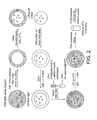
Fig. 2 shows diagrammatically the assay used to detect enzymes having the desired enantioselective amine oxidase activity; -
Fig. 3 shows the results of 27 enzymes selected from the detection assay ofFig. 2 , assayed against L-AMBA and D-AMBA; -
Fig. 4 shows the substrate specificity of the N336S, M348K mutant A. niger monoamine oxidase; -
Fig. 5 shows the enantioselectivity of the N336S, M348K mutant A. niger monoamine oxidase; - SEQ ID NO:1 shows the amino acid sequence of the wild-type Aspergillus niger monoamine oxidase enzyme (NB we found the sequence to differ by 4 amino acids from that reported by Schilling & Lerch (10,11). These changes most likely represent errors in the original DNA sequencing; two of these differences are also noted by Sablin (12).);
- SEQ ID NO:2 shows the amino acid sequence of a variant monoamine oxidase enzyme generated by directed evolution in the following Examples. The mutation N336S is shown in bold face type and underlined;
- SEQ ID NO: 3 shows the amino acid sequence of a variant monoamine oxidase enzyme generated by site directed mutagenesis of the N336S mutant enzyme of SEQ ID NO: 2. The mutations N336S and M348K are shown in bold face type and underlined.
- Herein we report a significant new extension of deracemisation, by applying the method for the first time to the deracemisation of chiral amines. The reaction follows the general scheme shown in
figure 1 . One enantiomer is converted to the other because the enzyme reacts preferentially with one of the two chiral forms, leaving the other unreacted. The enzyme reaction produces the achiral imine, which does not have a chiral centre at the nitrogen-bearing carbon. Non-selective reduction of the imine results in the creation of a 1:1 mixture of amine enantiomers (if a partially selective reducing agent were employed, an unequal mixture of amine enantiomers would be formed). As this process is allowed to undergo a number of cycles, the amine approaches enantiomeric purity (assuming a sufficiently enantioselective amine oxidase). The yield can approach 100% If the imine can be efficiently reduced before undergoing hydrolysis to the ketone. - Amine oxidases have been classified into two groups, namely Type I (Cu/TOPA dependent) and Type II (flavin dependent) (15). In the catalytic cycle of the Type I enzyme, the intermediate imine remains covalently bound to the protein, which mitigates against intervention at this stage in the reaction to reduce the imine back to the amine. The Type II enzymes have been extensively studied from mammalian sources (9), however microbial sources of Type II enzymes are poorly documented and indeed at the outset of our work there were no reports of enantioselective transformations. Schilling et al., (10, 11) reported the cloning and expression of a Type II monoamine oxidase from Aspergillus niger (MAO-N) and subsequently Sablin et al., (12) purified the enzyme to homogeneity and carried out substrate specificity and kinetic studies. The enzyme was reported to have high activity towards simple aliphatic amines (e.g. amylamine, butylamine) but was also active, albeit at a lower rate, towards benzylamine.
- Our studies have revealed that the A. niger MAO-N enzyme possesses very low, but measurable activity towards L-α-methylbenzylamine with even slower oxidation of the D-enantiomer. Thus the enzyme is partially enantioselective. We have carried out in vitro evolution (16, 17) to generate new amine oxidase enzymes having improved catalytic activity and enantioselectivity over the wild-type A. niger MAO-N enzyme. We have also demonstrated the applicability of the evolved mutants in deracemisation reactions.
- To generate a large library of enzyme variants we used a mutator strain for random mutation of a plasmid containing an insert encoding the wild-type A. niger amine oxidase enzyme. The E. coli XL1-Red mutator strain (Stratagene) has been employed previously for in vitro evolution experiments and has the advantage that all parts of the plasmid are subject to mutation (cf. error prone PCR where only the gene of interest is mutated) which can result in improved production of enzyme as well as changes to enzyme activity and/or specificity. By carrying out multiple cycles with the mutator strain followed by transformation of the plasmid library into E. coli BL21 cells, we were able to generate a library of around 106 variants.
- Having generated the mutant enzymes, we assayed them for amine oxidase activity. Amine oxidases are typical of all members of the oxidase family in that they evolve hydrogen peroxide as a by-product. Many of the reported assays for oxidase activity exploit the production of hydrogen peroxide, especially coupled with peroxidase in the presence of a substrate that upon oxidation yields a highly coloured product. We first used aminoantipyrine/tribromohydroxybenzoic acid as the substrate for the peroxidase, which yielded distinct pinkish-red colonies which could be easily visualised. However the coloured product is relatively soluble and hence colour from the active colonies rapidly diffused giving high background intensity. This problem was overcome by switching to 3,3'-diaminobenzadine (DAB) as the substrate which gave rise to a dark pink, insoluble product resulting in both very high definition and contrast of the active colonies. It should be noted that this high-throughput screen should be generally applicable to other oxidase enzymes in addition to amine oxidases.
- The library was plated out directly onto nitro-cellulose filters on agar-plates (around 3,000 colonies per plate) and a sub-set of the plates taken through the screening protocol (see
Fig. 2 ). Each filter was transferred to a petri-dish and stored at -20°C for 24-72h in order to partially lyse the cells. Thereafter, each plate was treated with a cocktail containing both the assay mixture and also 2% agarose at 60°C. The plates were incubated at 37°C for 24-48h after which they was inspected for positive clones which were then removed and plated at higher dilution to isolate pure colonies. - The result of screening a subset (ca. 150,000 clones) of the initial library led to the identification of 35 clones with improved activity towards L-AMBA compared to the wild-type enzyme. Each of these clones was grown on a small scale and assayed against both L- and D-AMBA as cell-free extracts resulting in the best 27 clones which were selected for further study. Each of these 27 were assayed against L-AMBA and D-AMBA, the results of which are presented in
Fig. 3 . Finally, the mutant enzyme clone which showed greatest improvement over the wild-type enzyme in terms of its selectivity, and activity, towards L- versus D-AMBA was selected for more detailed examination. Further mutation was then introduced to boost expression. - It is known that the codons used in the DNA and RNA to encode amino acids show a certain redundancy. Thus, a given amino acid may be coded for by more than one 3-base codon. However, a given organism may more commonly use one of the alternative codons than the other(s) for a given amino acid. This has implications if a heterogeneous nucleic acid is introduced into a host organism for expression. Sometimes the codons used by the originator organism are the "less preferred" codons for the host, which can result in difficulties in expression such as a reduced level of expression. Similarly, certain amino acids may be less commonly represented in the proteome of one organism when compared to another. It may sometimes possible to boost the levels of heterologous expression in a host cell by using an alternative nucleic acid sequence in which codons and/or amino acids which are less preferred by the host are exchanged for more preferred alternatives. The present invention provides an isolated nucleic acid which encodes a monoamine oxidase enzyme which is a variant of the A. niger MAO in which the codons for R259 and R260 are optimised for expression in a heterogeneous host cell. More particularly, when the expression of the MAO is intended to take place in E. Coli, the arginine amino acids at these positions are replaced by alternative amino acids of a similar charge and size. These mutations may in addition to mutations which alter the catalytic activity and/or enantioselectivity of the mutant enzyme. In a further embodiment, we provide an enantioselective monoamine oxidase enzyme which is a variant of the A. niger MAO and which differs from wild-type A. niger monoamine oxidase by incorporation of the mutations N336S and one or more of M348K, R259L and R260L.
- The mutant N336S identified below may be taken as the basis for "hotspot" mutation in which further mutations are introduced in the amino acids surrounding position 336. Mutations may be made by site-directed mutagenesis, by the construction of chimeric recombinant enzymes using a "cut and paste" methodology employing restriction enzymes, or by other means well known to workers skilled in the art. This method is used to identify further mutants with enhanced activity over the N336S mutant, such as the N336S, M348K double mutant identified herein.
- The MAO gene from Aspergillus niger cloned in pET3a was obtained from B. Schilling (11). The gene was amplified by pfu Turbo DNA polymerase (Stratagene) using primers designed according to E. coli codon usage. The PCR product was subcloned into the pET16b vector (Novagen). This construct (MAOpET16b) was submitted for mutagenesis by the E.coli XL1-Red mutator strain.
- E. coli XL1-Red mutator strain competent cells were obtained from Stratagene. Competent cells were transformed as described in the Stratagene protocol. 700µl of transformed cell suspension (Transformation 1) was inoculated in 20ml of LB medium (tryptone, 10g/L; yeast extract, 5g/L; NaCl, 10g/L; pH7) with ampicillin (100µg/ml; LB Amp) and grown for 18h in a 50ml Falcon tube in an incubator shaker at 37°C. These growing conditions were used throughout the experiment.
- 20µl of growing culture was inoculated in 10ml of fresh LB Amp and grown for 24h. The plasmid was purified (Qiagen Plasmid DNA Miniprep Kit) from 1ml culture (pMAO2) and used for the second transformation (Transformation II) of the mutator strain. The total transformed cell suspension was inoculated in 10ml of LB Amp and grown for 24h. The plasmid was purified from 1ml of culture (pMAOretr1.1). 100µl of Transformation II growing culture was used to inoculate 10ml LB Amp. The culture was grown for 24h, the plasmid purified (pMAOretr1.2) and used for Transformation III. Total transformed cell suspension (1ml) was inoculated in 10ml LB Amp, grown for 24h and the plasmid purified (pMAOretr2.1). 100µl of Transformation III growing culture was used to inoculate the next 10ml of LB Amp, grown for 24h and the plasmid purified from 1ml culture (pMAOretr2.2) and used for Transformation IV. Total suspension of transformed cells (1ml) was used to inoculate 10ml of LB Amp, grown for 24h and the plasmid purified from 1ml culture (pMAOretr3.1). 100µl of Transformation IV growing culture was used to inoculate fresh 10ml LB Amp, grown for 24h and the plasmid purified (pMAOretr3.2).
- Collected pools of mutated plasmid DNA (pMAOretr2.2, pMAOretr3.1, pMAOretr3.2) were used to transform E.coli BL21(DE3) to express mutated MAO genes and detect activity towards L-α-methylbenzylamine (L-AMBA) oxidation.
- The plate assay method (
Fig. 2 ) was used to identify MAO mutants with activity towards L-AMBA. More specifically, E. coli BL21(DE3) transformants (2500 colonies per plate) were plated on HiBond-C Extra (Amersham Pharmacia ) membrane placed on an LB Amp agar plates and incubated for 24h at 37°C. Membranes containing the colonies were pulled from the plates, kept at -20°C for 24h and incubated with assay mixture at room temperature for 24h. -
- 1 tablet of DAB (3,3'-diaminobenzidine , Sigma, D-4418)
- 1 ml of K phosphate buffer (1 M, pH7.6)
- 30µl L-AMBA (10 mM)
- 30µl horseradish peroxidase (Sigma) 1 mg/ml
- 10ml 2% agarose (Bio-Rad)
- Water up to 20ml
- Positive clones were subjected to a second round of screening (100-200 colonies per plate) to confirm activity.
- 27 positive clones identified in the plate assay as having improved activity towards L-AMBA compared to the wild-type enzyme were grown on a small scale and assayed against both L- and D-AMBA. 10ml LB Amp was inoculated with a single colony of E.coli BL21 (DE3) transformed with the protein expression vector pET16b harbouring the gene of interest and cultured in a 50ml Falcon tube with agitation for 24h. At the end of incubation 1ml of cell culture was centrifuged, the pellet was resuspended in 1ml of 25mM potassium phosphate buffer pH7.6 and 0.1ml was used to perform a hydrogen peroxide formation assay using both L- and D-AMBA as substrates.
-
- 5ml phosphate buffer (1 M, pH7.6)
-
500µl - 37,5µl 4-aminoantipurine (1 M)
- 32.5µl L or D-AMBA (final concn 5mM)
- Water up to 50ml
-
- 5µl HRP(Sigma, P6782) (1mg/ml)
- Sample (100µl) was added and absorbance at 510nm measured after 24 hours against a control without sample. The absorbance results are shown in
fig. 3 . - Several of these 27 clones appear to be expression mutants, as they demonstrate increased protein expression when visualised on polyacrylamide gels (data not shown). The plasmid of the best mutant identified, which appeared not to have increased expression but which showed greatest improvement over the wild-type enzyme in terms of its selectivity, and activity, towards L- versus D-AMBA, was grown on a larger scale and the enzyme purified. The wild-type enzyme was also purified by the same protocol and the two enzymes compared for substrate specificity and enantioselectivity.
- The mutated gene was also sequenced and the sequence is shown in SEQ ID NO: 2. There was a single amino acid change from the wild-type enzyme with serine replacing asparagine at position 336.
- LB medium (6 x 300 ml) containing ampicillin (100 µg.ml-1) in 1 L baffled flasks was inoculated with a single colony of monoamine oxidase mutant from an LB agar plate. Cultures were incubated at 30 °C for 22 hours (OD600 ∼ 3.6) then harvested and washed with phosphate buffer (50 mM, pH 8) to yield a yellow-brown pellet (11.2 g).
- The pellet was resuspended in Tris/HCl buffer (25 mM, pH 7.8, 30 ml) and sonicated on ice (30 s on, 30 s off for 10 minutes). The suspension was then centrifuged (20,000 rpm, 4°C) until clear supernatant was obtained and the supernatant dialysed against Tris/HCl buffer (25 mM, pH 7.8). The cell free extract was filtered through 0.45 µm sterile membrane and chromatographed on a QSepharose anion exchange column. Fractions were assayed using colorimetric hydrogen peroxide based assay and active fractions were stored at - 80°C. The active fraction has a protein content of 1 mg.ml-1, and a specific activity of 0.193 U.mg-1 against amylamine.
-
- Column =
HiFlow QSepharose 26/10 - Buffer A = Tris/HCl (25 mM, pH 7.8)
- Buffer B = Tris/HCl (25 mM, pH 7.8) + 1 M NaCl
- Flow rate = 4 ml.min-1
- Fraction collect = 10 ml
- Column wash = 2
CV 100% buffer A - Elution = 10
CV 100% buffer A to 100% buffer B - Column clean = 4
CV 100% buffer B -
- 5 ml phosphate buffer (1 M, pH 7.6)
- 500
µl - 37.5 µl 4-aminoantipyrine (1.5 M)
- 30 µl amine substrate (final concentration 0.015 - 5mM)
- 44.4 ml water
-
- 990 µl assay mixture
- 5 µl horse radish peroxidase (1 mg.ml-1)
- 10 µl enzyme
- The spectrophotometer was blanked against assay mixture and HRP. Enzyme was added and the absorbance at 500 nm measured at 3s intervals for a 10 minute period.
- Results:
Substrate Wild-type Enzyme Mutant Enzyme Km mM kcat min-1 Km mM kcat min-1 L-AMBA ND 0.17 0.4 8.0 D-AMBA ND 0.01 ND 0.08 benzylamine ND 371 ND 196 amylamine --- 1000 0.4 116 - The Km values were calculated using 'KaleidaGraph for Windows' (Synergy Software). For calculation of the kcat, the active enzyme concentration was determined by estimating the FAD content from the absorbance at 458nm using an extinction coefficient of 11 mM-1cm-1 (see ref 12).
- The data reveal that the activity of the mutant amine oxidase towards L-AMBA (kcat = 8.0 min-1) is 47 fold higher than the wild-type (kcat = 0.17 min-1). Moreover the selectivity of the mutant for the L-enantiomer versus D-AMBA (ca. 100:1) has also been increased relative to the wild type enzyme (ca. 17:1). Thus the outcome of the in vitro evolution experiments has been to simultaneously improve both the enantioselectivity and catalytic activity of the enzyme. For comparison, the activity towards the best substrate for the wild-type enzyme, namely amylamine, and also benzylamine, is presented. The substantial improvement in activity and selectivity of the mutant was confirmed by chiral HPLC (Chiralcel CrownPak CR+) in which after 24h complete oxidation of the L-enantiomer was apparent whereas there was no detectable conversion of the D-enantiomer.
- Using DL-AMBA as the substrate, in the presence of the mutant MAO-N, a range of reducing agents were screened (sodium borohydride, catalytic transfer hydrogenation, amine:boranes). This screen identified ammonia:borane as the optimal reagent which gave a 77% yield of D-AMBA with an enantiomeric excess = 93%. Greater optical purities of the product (up to 99% e.e.) could be achieved although at the expense of yield.
- More specifically, MAO mutant N336S (100µl of 0.193 U.ml-1 = 0.02 U) was added to a solution of DL-AMBA (0.13µl, final concentration = 0.8mM) and ammonia-borane complex (10µl of 4M solution, final concentration = 80 mM, 100 eq) in phosphate buffer (400µl, 20mM, pH8). A 10µl aliquot was diluted in 990µl perchloric acid, pH 1.5 and analysed by HPLC. The reaction mixture was incubated at 30°C and the reaction monitored by HPLC at regular intervals until no further reaction was observed.
- Yield: D-AMBA = 77%, e.e. = 93%
-
- Column = Chiralcel CrownPak CR+
- Mobile phase = 100% perchloric acid, pH 1.5
- Flow rate = 0.8 ml.min-1
- Detection = 200 nm
- Temperature = 25 °C
- r.t. (L-AMBA) = 12.8 min
- r.t. (D-AMBA) = 16.5 min
- We also carried out the stereoinversion of L- to D-AMBA (18% yield, 99%e.e.) and showed that under identical conditions there was no conversion of D- to L-AMBA.
- More Specifically, MAO mutant N336S (100µl of 0.193 U.ml-1 = 0.02 U) was added to a solution of L-AMBA (0.13µl, final concentration = 0.4 mM) and ammonia-borane complex (10µl of 4M solution, final concentration = 80 mM, 200 eq) in phosphate buffer (400µl, 20 mM, pH8). A 10µl aliquot was diluted in 990µl perchloric acid, pH 1.5 and analysed by HPLC. The reaction mixture was incubated at 30°C and the reaction monitored by HPLC at regular intervals until no further reaction was observed.
- Yield D-AMBA = 18%, e.e. >99%:
- NB: no reaction was observed after 24 hours when D-AMBA was used as substrate under identical reaction conditions.
-
- Column = Chiralcel CrownPak CR+
- Mobile phase = 100% perchloric acid, pH 1.5
- Flow rate = 0.8 ml.min-1
- Detection = 200 nm
- Temperature = 25 °C
- r.t. (L-AMBA) = 12.8 min
- r.t. (D-AMBA) = 16.5 min
- Analysis of the HPLC chromatograms suggests that the yield in the deracemisation reactions is prevented from reaching 100% due to the formation a by-product with longer retention time as the reaction progresses. We are currently optimising the deracemisation protocol to achieve the exquisite levels of yield and selectivity previously demonstrated for the deracemisation of α-amino acids.
-
- MAO - monoamine oxidase.
- AMBA - α-methylbenzylamine
- TBHBA - 2,4,6-tribromo-3-hydroxybenzoic acid
- AAP - 4-aminoantipyrine
- HRP - horse radish peroxidase type VI from bovine liver
- LB - Lubria Bertani
- r.t. - retention time
- The activity of the mutant enzyme described above was studied in relation to a variety of amine substrates. Assay conditions were essentially as set out in Example 3. The substrates tested were:


Bis α-methyl benzylamine 2-Methylcyclohexylamine (cis and trans) 

N- heptylamine 1,3-Dimethyl butylamine 

Hexylamine X= OMe; 1-(4-Methoxyphenyl) ethylamine
Me; 4-Methylphenyl ethylamine
Br; 4-Bromophenyl ethylamine
H; α-Methylbenzylamine
NO2; Methyl-4-nitrobenzylamine

3-3 Dimethyl-2-butylamine 3-Methyl-2- butylam ine 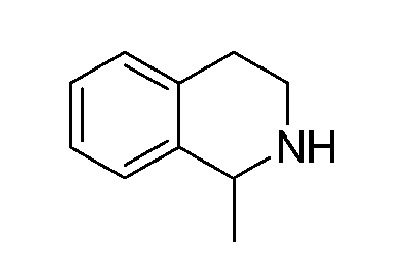

MTQ 1,2,3,4-Tetrahydro-1-naphtylamine - Results:
Sample Relative Rate (S)-α Methylbenzylamine 1 (R)- α Methylbenzylamine * (rac)- α Methylbenzylamine * (S)-4-Methylphenylethylamine 0.28 (R)-4-Methylphenylethylamine * (S)-α-Methyl-4-nitrobenzylamine 0.91 (R)-α-Methyl-4-nitrobenzylamine 0.06 (S)-4-Bromo-α-phenylethylamine 0.24 (R)-4-Bromo-α-phenylethylamine * (rac)-4-Bromo-α-phenylethylamine * (S)-1-4-Methoxyphenylethylamine 0.81 (R)-1-4-Methoxyphenylethylamine 0.13 (S)-MTQ 0.67 (R)-MTQ * (rac)-MTQ 0.13 (S)-3-Methyl-2-butylamine 5.4 (R)-3-Methyl-2-butylamine * (S)-3-3-Dimethyl-2-butylamine 1.4 (R)-3-3-Dimethyl-2-butylamine * 2-Methylcyclohexylamine 0.43 N-heptylamine 12.1 N-amylamine 25.2 Hexylamine 18.6 Bis(a-methyl)benzylamine * 1,3-Dimethylbutylamine 1.8 1,2,3,4-Tetrahydro-1-naphthylamine 0.13 * No measurable rate - The first published sequence of wild-type A. niger monoamine oxidase showed a lysine at position 348. Some of the mutant enzymes generated above and initially tested in Example 3(a) were thought to be double mutants because they had a methionine at this position. However, when the wild-type sequence was checked (resequenced), the wild-type amino acid at position 348 was shown to be methionine (as set out in SEQ ID NO:1). In order to elucidate the impact (if any) of a mutation at this site, site-directed mutagenesis was performed on the wild-type enzyme to introduce the M348K mutation. It was noted that the identity of the amino acid at this position influenced the efficiency of expression, with lysine giving rise to increased expression without altering the catalytic activity of the enzyme (absolute activity in U/ml is greater than wild type, but correction for the amount of protein gives a value of k cat which is the same as for the wild-type enzyme). Site directed mutagenesis was then performed upon the N336S mutant described above to generate a second mutation (M348K), thus combining the catalytic enhancement of the N336S mutation with an increase in expression. The amino acid sequence of the double mutant is set out in SEQ ID NO: 3.
- The activity of the double mutant enzyme described above was studied in relation to a variety of amine substrates. Assay conditions were essentially as set out in Example 3. The substrates tested and the relative rates of conversion (compared to L-AMBA set at 100) are shown in
Fig 4 . For some substrates, both enantiomers were tested as substrates. The enzyme appears to demonstrate enantioselectivity in every case, with activity against the opposite enantiomer being undetectable in several cases (the enantioselectivity data is shown inFig. 5 ). - The mutation R260K was found to be in low occurrence codon for arginine. The sequencing results revealed that all of the "expression" mutants had the same mutation at position 260 wherein arginine was replaced by lysine.
- The wild type MAO-N amino acid sequence has two arginines at position 259 and 260 both encoded by the codon (AGG), which has a low occurrence in E. coli genes (4%). Lysine and arginine are both basic amino acids and hence replacement of one by the other should not affect the charge of the protein, however the replacement of a low frequency codon for Arg AGG (4%) by a high frequency codon for Lys AAG (22 %) results in improved protein expression in E .coli. Thus we decided to replace the codons of both Arg 259 and Arg 260 with the codon CGT (38%) by site directed mutagenesis to evaluate the effect upon the expression level of MAO-N. An alternative approach would be to create a "silent" mutation by altering the AGG codon to a different codon which still encodes arginine (AGA, CGT, CGC, CGA, CGG).
- MAO WT and MAOArg259/260 were partially purified from recombinant E. coli BL21(DE3) harbouring a pET16b carrying the corresponding mao-n gene. Cell free extracts were prepared by sonication and the specific activities of MAO WT and MAOArg259/260 towards AA were measured for both the soluble and insoluble fractions. (Table 3)
TABLE 3 Specific activities towards AA in partially purified MAO WT and MAOArg259/260 towards amylamine. Enzyme Protein concentration mg.ml-1 Soluble fraction U.mg-1 Insoluble fraction U.mg-1 Total activity U MAO WT 1.18 0.23 0.33 0.57 MAOArg259/260 1.30 0.46 0.56 1.2 - To confirm the increased level of the R260K mutant expression, Cell free extracts of MAO WT, mutant 4 (R260K) and MAOArg259/260 were obtained and assayed towards L-AMBA. This was achieved by incubating 50µl of each sample for 240 minutes and specific activities were determined. (Table 4)
TABLE 4 Enzyme △Abs 510nm Soluble fraction U.mg-1 MAO WT 0.06 3.6x10⁻⁵ MAOArg259/260 0.12 7.0x 10⁻⁵ MAO mutant (R260K) 0.16 5.7x10⁻⁵ - In conclusion, we have significantly extended the deracemisation strategy by applying the method for the first time to the deracemisation of chiral amines. In so doing we have successfully achieved the 'directed evolution' of an enzyme in order to meet the specific requirements of a novel biotransformation. Another interesting aspect of the present work is the identification of a highly enantioselective mutant by using a single enantiomer substrate in the screen (L-AMBA). There has been much discussion concerning the need for truly enantioselective screens in which racemates are used, thereby mimicking the real-life situation found in a kinetic resolution in which the two enantiomers compete for the enzyme. It may be that if one is able to screen truly large and diverse libraries of variant genes (e.g. 106) then it is possible to select for enantioselectivity in the manner described herein, using inherently simpler screens.
- The application of which this description and claims form part may be used as a basis for priority in respect of any subsequent application. The claims of such subsequent application may be directed to any feature or combination of features described herein. They may take the form of product, composition, process or use claims and may include, by way of example and without limitation, one or more of the following claims:
-
- (1) L.E. Iglesias, V.M. Sanchez, F. Rebolledo and V. Gotor, Tetrahedron: Asymmetry (1997) 8, 2675-2677.
- (2) J.S. Shin, B.G. Kim, A. Liese and C. Wandrey, Biotechnol. Bioeng. (2001) 73 179-187;
- (3) G. Matcham, M. Bhatia, W. Lang, C. Lewis, R. Nelson, A. Wang and W. Wu, Chimia (1999) 53, 584-589;
- (4) J.S. Shin, B.G. Kim, Biotechnol. Bioeng., (1999) 65, 206-211.
- (5) G. Hieber and K. Ditrich, Chimica Oggi (2001) 19, 16-20;
- (6) F. Balkenhohl, K. Ditrich, B. Hauer and W. Ladner, J. Prakt. Chem. (1997) 339, 381.
- (7) M.T. Reetz and K. Schimossek, Chimia, (1996), 50, 668-669.
- (8) E.W. Hafner and D. Wellner, Proc. Nat. Acad. Sci. (1971) 68, 987.
- (9) R.B. Silverman, J.M. Cesarone and X. Liu, J. Am. Chem. Soc. (1993) 115, 4955.
- (10) B. Schilling and K. Lerch, Biochim. Biophys. Acta. (1995), 1243, 529.
- (11) B. Schilling and K. Lerch, Mol. Gen. Genet. (1995) 247, 430.
- (12) S.O. Sablin, V. Yankovskaya, S. Bernard, C.N. Cronin and T.P. Singer, Eur. J. Biochem. (1998) 253, 270.
- (13) T Beard and NJ Turner Chem. Commun. 2002 in press.
- (14) FR Alexandre, DP Pantaleone, PP Taylor, IG Fotheringham, DJ Ager and NJ Turner (2002) Tetrahedron Lett. 43, 707-710.
- (15) PL Dostert, MS Benedetti and KF Tipton (1989) .
- (16) JD Sutherland (2000) Curr. Opinion. Chem. Biol. 263.
- (17) FH Arnold (1998) Acc. Chem. Res. 31, 125.


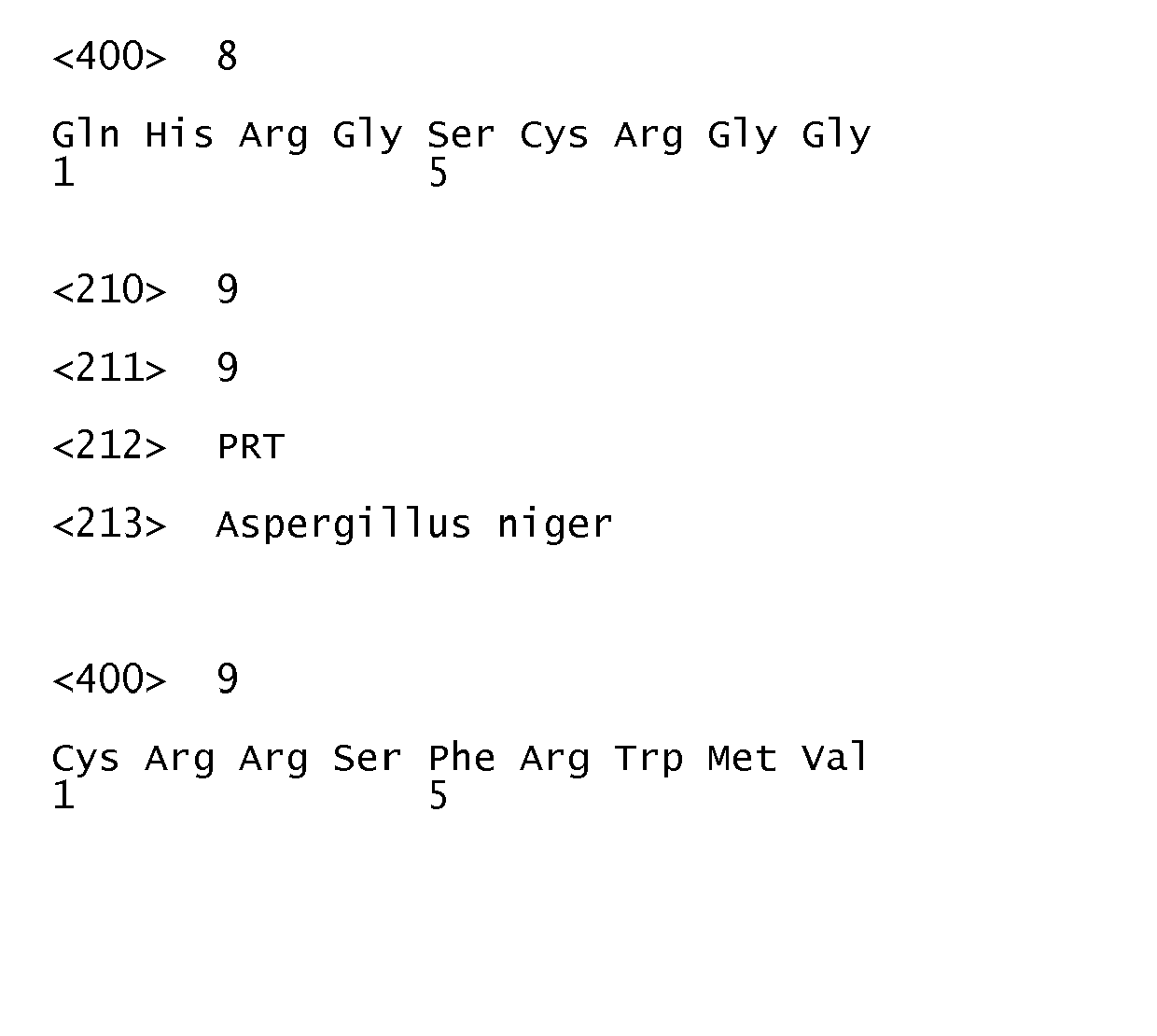
Claims (19)
- A method of improving the activity, substrate specificity or enantioselectivity of an amine oxidase enzyme by directed evolution, the method comprising mutation of the enzyme and selection of a mutant having improved activity against an homochiral substrate.
- A method of directing the evolution of an amine oxidase enzyme comprising the steps of:a) mutating the enzyme to create at least one enzyme variant;b) screening said enzyme variant for activity against a homochiral substrate; andc) selecting one or more enzyme variants which show greater activity toward the substrate than does the originator enzyme.
- A method according to claim 2, further comprising repeating steps a), b) and c) one or more times, using the enzyme variant selected in step c) as the enzyme to be mutated.
- A method according to claim 2 or claim 3 further comprising performing site directed mutagenesis on an enzyme selected in step c).
- A method according to any one of claims 1-4 in which the enzyme is a monoamine oxidase.
- A method according to claims 5 in which the enzyme is a microbial monoamine oxidase.
- A method according to claim 6 in which the enzyme is the Aspergillus niger monoamine oxidase, or a variant thereof.
- A method according to claim 7 in which the enzyme is a variant of A. niger monoamine oxidase which differs from wild-type A. niger monoamine oxidase by mutation in the region of amino acids 334 - 350.
- A method according to any one of claims 3 to6 in which the enzyme is a variant of A. niger monoamine oxidase which differs from wild-type A. niger monoamine oxidase by mutation of amino acid no 336.
- A method according to any one of claims 3 to7 in which the enzyme is a variant of A. niger monoamine oxidase which differs from wild-type A. niger monoamine oxidase by incorporation of the mutation: N336S.
- The use of a method according to any one of claims 2-10 to increase the enantioselectivity of an amine oxidase enzyme.
- The use of an enzyme produced by the method of any one of claims 1 to 10 in a method for the enantiomeric conversion of amines comprising treating a homochiral amine or a mixture of amine enantiomers with an enzyme capable of catalysing oxidation of the amine in a stereoselective manner and, subsequently or simultaneously, treating with a reducing agent.
- An enantioselective amine oxidase enzyme produced by the method of any one of claims 1 to 10.
- An enantioselective enzyme according to claim 13 which is a variant of the A. niger MAO and which differs from wild-type A. niger monoamine oxidase by incorporation of the mutation: N336S.
- An enantioselective monoamine oxidase enzyme according to claim 14 having the amino acid sequence of SEQ.ID 2.
- An enantioselective monoamine oxidase enzyme which is a variant of theA. niger MAO and which differs from wild-type A. niger monoamine oxidase by incorporation of the mutation: N336S.
- An enantioselective monoamine oxidase enzyme which is a variant of theA. niger MAO and which differs from wild-type A. niger monoamine oxidase by incorporation of the mutations: N336S and M348K
- An enantioselective monoamine oxidase enzyme which is a variant of theA. niger MAO and which differs from wild-type A. niger monoamine oxidase by incorporation of the mutations: N336S and one or more of M348K, R259L and R260L.
- An isolated nucleic acid which encodes a monoamine oxidase enzyme which is a variant of the A. niger MAO in which the codons for R259 and R260 are optimised for expression in a heterogeneous host cell.
Applications Claiming Priority (2)
| Application Number | Priority Date | Filing Date | Title |
|---|---|---|---|
| GBGB0206415.2A GB0206415D0 (en) | 2002-03-19 | 2002-03-19 | Deracemisation of amines |
| EP03712387A EP1485496A2 (en) | 2002-03-19 | 2003-03-19 | Deracemisation of amines |
Related Parent Applications (1)
| Application Number | Title | Priority Date | Filing Date |
|---|---|---|---|
| EP03712387A Division EP1485496A2 (en) | 2002-03-19 | 2003-03-19 | Deracemisation of amines |
Publications (1)
| Publication Number | Publication Date |
|---|---|
| EP2105507A1 true EP2105507A1 (en) | 2009-09-30 |
Family
ID=9933245
Family Applications (2)
| Application Number | Title | Priority Date | Filing Date |
|---|---|---|---|
| EP09161424A Withdrawn EP2105507A1 (en) | 2002-03-19 | 2003-03-19 | Deracemisation of amines |
| EP03712387A Withdrawn EP1485496A2 (en) | 2002-03-19 | 2003-03-19 | Deracemisation of amines |
Family Applications After (1)
| Application Number | Title | Priority Date | Filing Date |
|---|---|---|---|
| EP03712387A Withdrawn EP1485496A2 (en) | 2002-03-19 | 2003-03-19 | Deracemisation of amines |
Country Status (6)
| Country | Link |
|---|---|
| US (3) | US7208302B2 (en) |
| EP (2) | EP2105507A1 (en) |
| JP (2) | JP4648631B2 (en) |
| AU (1) | AU2003216848A1 (en) |
| GB (1) | GB0206415D0 (en) |
| WO (1) | WO2003080855A2 (en) |
Cited By (3)
| Publication number | Priority date | Publication date | Assignee | Title |
|---|---|---|---|---|
| US8178333B2 (en) | 2008-06-24 | 2012-05-15 | Codexis, Inc. | Biocatalytic processes for the preparation of substantially stereomerically pure fused bicyclic proline compounds |
| CN103918955A (en) * | 2014-04-25 | 2014-07-16 | 湖北工业大学 | Method for reducing biogenic amine in fermented food |
| EP4490280A4 (en) * | 2022-03-11 | 2026-03-25 | Codexis Inc | MANIPULATED MONOAMINE OXIDASES FOR THE PREPARATION OF STEREOMERICALLY PURE CONDENSED BICYCLICAL PROLINE COMPOUNDS |
Families Citing this family (6)
| Publication number | Priority date | Publication date | Assignee | Title |
|---|---|---|---|---|
| WO2008080138A1 (en) | 2006-12-22 | 2008-07-03 | Richmond Chemical Corporation | Stereoinversion of amino acids |
| US20090118130A1 (en) * | 2007-02-12 | 2009-05-07 | Codexis, Inc. | Structure-activity relationships |
| US7588923B2 (en) * | 2007-03-02 | 2009-09-15 | Richmond Chemical Corporation | Method to increase the yield and improve purification of products from transaminase reactions |
| KR101500528B1 (en) | 2007-12-03 | 2015-03-09 | 이탈파마코 에스.피.에이. | New non-selective somatostatin analogues |
| CA2791045A1 (en) | 2010-02-25 | 2011-09-01 | Vereniging Voor Christelijk Hoger Onderwijs, Wetenschappelijk Onderzoek En Patieentenzorg | A process for the preparation of substituted prolyl peptides and similar peptidomimetics |
| US20130011909A1 (en) * | 2011-06-30 | 2013-01-10 | Texas Tech University System | Methods and composition to enhance production of fully functional p-glycoprotein in pichia pastoris |
Family Cites Families (2)
| Publication number | Priority date | Publication date | Assignee | Title |
|---|---|---|---|---|
| US6365380B2 (en) * | 2000-02-23 | 2002-04-02 | Pcbu Services, Inc. | Method for stereoselectively inverting a chiral center of a chemical compound using an enzyme and a metal catalyst |
| HUP0600671A3 (en) * | 2001-02-06 | 2010-03-29 | Maxygen | Ap1 amine oxidase variants |
-
2002
- 2002-03-19 GB GBGB0206415.2A patent/GB0206415D0/en not_active Ceased
-
2003
- 2003-03-19 WO PCT/GB2003/001198 patent/WO2003080855A2/en not_active Ceased
- 2003-03-19 US US10/508,356 patent/US7208302B2/en not_active Expired - Fee Related
- 2003-03-19 EP EP09161424A patent/EP2105507A1/en not_active Withdrawn
- 2003-03-19 JP JP2003578579A patent/JP4648631B2/en not_active Expired - Fee Related
- 2003-03-19 AU AU2003216848A patent/AU2003216848A1/en not_active Abandoned
- 2003-03-19 EP EP03712387A patent/EP1485496A2/en not_active Withdrawn
-
2007
- 2007-03-14 US US11/685,939 patent/US20070166811A1/en not_active Abandoned
-
2010
- 2010-03-17 JP JP2010060975A patent/JP4965680B2/en not_active Expired - Fee Related
- 2010-11-16 US US12/947,164 patent/US8178324B2/en not_active Expired - Fee Related
Non-Patent Citations (28)
| Title |
|---|
| ALEXEEVA M ET AL: "Deracemization of alpha-methylbenzylamine using an enzyme obtained by in vitro evolution", ANGEWANDTE CHEMIE, WILEY - V C H VERLAG GMBH & CO. KGAA, WEINHEIM, DE, vol. 41, no. 17, 2 September 2002 (2002-09-02), pages 3177 - 3180, XP002257816, ISSN: 0044-8249 * |
| B. SCHILLING; K. LERCH, BIOCHIM. BIOPHYS. ACTA, vol. 1243, 1995, pages 529 |
| B. SCHILLING; K. LERCH, MOL. GEN. GENET., vol. 247, 1995, pages 430 |
| BORNSCHEUER U T ET AL: "Improved biocatalysts by directed evolution and rational protein design", CURRENT OPINION IN CHEMICAL BIOLOGY, CURRENT BIOLOGY LTD, LONDON, GB, vol. 5, no. 2, 1 April 2001 (2001-04-01), pages 137 - 143, XP002267512, ISSN: 1367-5931 * |
| BORNSCHEUER U W ET AL: "DIRECTED EVOLUTION OF AN ESTERASE: SCREENING OF ENZYME LIBRARIES BASED ON PH-INDICATORS AND A GROWTH ASSAY", BIOORGANIC & MEDICINAL CHEMISTRY, ELSEVIER SCIENCE LTD, GB, vol. 7, no. 10, 1 October 1999 (1999-10-01), pages 2169 - 2173, XP001018345, ISSN: 0968-0896 * |
| DOSTERT P L ET AL: "INTERACTIONS OF MONOAMINE OXIDASE WITH SUBSTRATES AND INHIBITORS", MEDICINAL RESEARCH REVIEWS, NEW YORK, NY, US, vol. 9, no. 1, 1989, pages 45 - 89, XP009013818, ISSN: 0198-6325 * |
| E.W. HAFNER; D. WELLNER, PROC. NAT. ACAD. SCI., vol. 68, 1971, pages 987 |
| F. BALKENHOHL ET AL., PRAKT. CHEM., 1997, pages 339 |
| FH ARNOLD, ACC. CHEM. RES., vol. 31, 1998, pages 125 |
| FR ALEXANDRE ET AL., TETRAHEDRON LETT., vol. 43, 2002, pages 707 - 710 |
| G. HIEBER; K. DITRICH, CHIMICA OGGI, vol. 19, 2001, pages 16 - 20 |
| G. MATCHAM ET AL., CHIMIA, vol. 53, 1999, pages 584 - 589 |
| GEHA RANI MAURICE ET AL: "Substrate and inhibitor specificities for human monoamine oxidase A and B are influenced by a single amino acid", JOURNAL OF BIOLOGICAL CHEMISTRY, vol. 276, no. 13, 30 March 2001 (2001-03-30), pages 9877 - 9882, XP002267791, ISSN: 0021-9258 * |
| J.S. SHIN ET AL., BIOTECHNOL. BIOENG., vol. 73, 2001, pages 179 - 187 |
| J.S. SHIN; B.G. KIM, BIOTECHNOL. BIOENG., vol. 65, 1999, pages 206 - 211 |
| JD SUTHERLAND, CURR. OPINION. CHEM. BIOL., vol. 263, 2000 |
| L.E. IGLESIAS ET AL., TETRAHEDRON: ASYMMETRY, vol. 8, 1997, pages 2675 - 2677 |
| LIEBETON K ET AL: "DIRECTED EVOLUTION OF AN ENANTIOSELECTIVE LIPASE", CHEMISTRY AND BIOLOGY, CURRENT BIOLOGY, LONDON, GB, vol. 7, 1 January 2000 (2000-01-01), pages 709 - 718, XP001018063, ISSN: 1074-5521 * |
| M.T. REETZ; K. SCHIMOSSEK, CHIMIA, vol. 50, 1996, pages 668 - 669 |
| MANFRED BRAUN ET AL., APPLIED MICROBIOLOGY AND BIOTECHNOLOGY, vol. 37, 1992, pages 594 - 598 |
| PETROUNIA I P ET AL: "Designed evolution of enzymatic properties", CURRENT OPINION IN BIOTECHNOLOGY, LONDON, GB, vol. 11, no. 4, 1 August 2000 (2000-08-01), pages 325 - 330, XP002338656, ISSN: 0958-1669 * |
| PL DOSTERT; MS BENEDETTI; KF TIPTON, MEDICINAL RESEARCH REVIEWS, vol. 9, 1989, pages 45 - 89 |
| R.B. SILVERMAN; J.M. CESARONE; X. LIU, J. AM. CHEM. SOC., vol. 115, 1993, pages 4955 |
| S.O. SABLIN ET AL., EUR. J. BIOCHEM., vol. 253, 1998, pages 270 |
| SCHILLING B ET AL: "AMINE OXIDASES FROM ASPERGILLUS NIGER: IDENTIFICATION OF A NOVEL FLAVIN-DEPENDENT ENZYME", BIOCHIMICA ET BIOPHYSICA ACTA, AMSTERDAM, NL, vol. 1243, 1995, pages 529 - 537, XP002914755, ISSN: 0006-3002 * |
| SCHILLING B ET AL: "CLONING, SEQUENCING AND HETEROLOGOUS EXPRESSION OF THE MONOAMINE OXIDASE GENE FROM ASPERGILLUS NIGER", MOL. GEN. GENET, XX, XX, vol. 247, 1995, pages 430 - 438, XP001153370 * |
| T BEARD; NJ TURNER, CHEM. COMMUN., 2002 |
| TSUGENO YUKIO ET AL: "A key amino acid responsible for substrate selectivity of monoamine oxidase A and B", JOURNAL OF BIOLOGICAL CHEMISTRY, vol. 272, no. 22, 1997, pages 14033 - 14036, XP002267792, ISSN: 0021-9258 * |
Cited By (5)
| Publication number | Priority date | Publication date | Assignee | Title |
|---|---|---|---|---|
| US8178333B2 (en) | 2008-06-24 | 2012-05-15 | Codexis, Inc. | Biocatalytic processes for the preparation of substantially stereomerically pure fused bicyclic proline compounds |
| US8574876B2 (en) | 2008-06-24 | 2013-11-05 | Codexis, Inc. | Biocatalytic processes for the preparation of stereomerically pure fused bicyclic proline compounds |
| US8859784B2 (en) | 2008-06-24 | 2014-10-14 | Codexis, Inc. | Stereomerically pure fused bicyclic proline compounds useful for preparing hepatitis C protease inhibitors |
| CN103918955A (en) * | 2014-04-25 | 2014-07-16 | 湖北工业大学 | Method for reducing biogenic amine in fermented food |
| EP4490280A4 (en) * | 2022-03-11 | 2026-03-25 | Codexis Inc | MANIPULATED MONOAMINE OXIDASES FOR THE PREPARATION OF STEREOMERICALLY PURE CONDENSED BICYCLICAL PROLINE COMPOUNDS |
Also Published As
| Publication number | Publication date |
|---|---|
| JP2005520553A (en) | 2005-07-14 |
| EP1485496A2 (en) | 2004-12-15 |
| JP4965680B2 (en) | 2012-07-04 |
| US20070166811A1 (en) | 2007-07-19 |
| JP2010178747A (en) | 2010-08-19 |
| GB0206415D0 (en) | 2002-05-01 |
| AU2003216848A8 (en) | 2003-10-08 |
| JP4648631B2 (en) | 2011-03-09 |
| AU2003216848A1 (en) | 2003-10-08 |
| US8178324B2 (en) | 2012-05-15 |
| US20060257978A1 (en) | 2006-11-16 |
| WO2003080855A3 (en) | 2004-06-10 |
| US20110065154A1 (en) | 2011-03-17 |
| US7208302B2 (en) | 2007-04-24 |
| WO2003080855A2 (en) | 2003-10-02 |
Similar Documents
| Publication | Publication Date | Title |
|---|---|---|
| US8178324B2 (en) | Deracemisation of amines | |
| US7202069B2 (en) | (R)-2-octanol dehydrogenases, methods for producing the enzymes, DNA encoding the enzymes, and methods for producing alcohols using the enzymes | |
| US20070117191A1 (en) | Reductase gene for alpha-substituted-alpha, beta-unsaturated carbonyl compound | |
| Xue et al. | Heterologous overexpression of Pseudomonas umsongensis halohydrin dehalogenase in Escherichia coli and its application in epoxide asymmetric ring opening reactions | |
| JP2003521235A (en) | Hydantoinase variants with improved properties and their use for the production of amino acids | |
| WO2023088077A1 (en) | Biocatalysts and methods for the synthesis of pregabalin intermediates | |
| CN1322129C (en) | Novel carbonyl reductases, genes encoding them, and methods for preparing optically active alcohols using them | |
| CN118109431A (en) | A carbonyl reductase for R-bosone synthesis and its preparation method and application | |
| Wu et al. | Efficient enzymatic synthesis of α-keto acids by redesigned substrate-binding pocket of the L-amino acid deaminase (PmiLAAD) | |
| CN106520716A (en) | Thermophilic ketone reductase mutant and application thereof | |
| US6365380B2 (en) | Method for stereoselectively inverting a chiral center of a chemical compound using an enzyme and a metal catalyst | |
| CN116286698B (en) | Application of an L-pantolactone dehydrogenase, its expression vector, and its co-expression engineered bacteria in the synthesis of D-pantolactone. | |
| JP2005198655A (en) | Cephalosporin C acylase | |
| US20110059503A1 (en) | Compositions of variant biocatalysts for preparing enantiopure amino acids | |
| US7022502B2 (en) | Process for the biological production of L-pipecolic acid | |
| EP3486317A1 (en) | Enantionselective enzymatic sulfoxidation of chiral arylsufides | |
| KR20240135677A (en) | D-amino acid oxidase and its use in the production of L-glufosinate or intermediates thereof | |
| DE10240603A1 (en) | Use of malate dehydrogenase for NADH regeneration | |
| Faber | Biotransformations | |
| Yasukawa et al. | 12.3 Amine Oxidase-Catalysed Deracemisation of (R, S)-4-Cl-Benzhydrylamine into the (R)-Enantiomer in the Presence of a Chemical Reductant | |
| CN120041413A (en) | Enzyme composition and application thereof in preparation of allyl cysteine | |
| Robescu | Discovery and characterization of new Ene-reductases | |
| CN120888518A (en) | A thermostable D-amino acid oxidase mutant and its application | |
| JP2025523626A (en) | Engineered enzymes for the preparation of hydroxylated indanone intermediates useful for the synthesis of verzutiphan | |
| CN119307477A (en) | Hydantoinase and its application in hydrolysis or preparation of chiral monomer compounds |
Legal Events
| Date | Code | Title | Description |
|---|---|---|---|
| PUAI | Public reference made under article 153(3) epc to a published international application that has entered the european phase |
Free format text: ORIGINAL CODE: 0009012 |
|
| 17P | Request for examination filed |
Effective date: 20090528 |
|
| AC | Divisional application: reference to earlier application |
Ref document number: 1485496 Country of ref document: EP Kind code of ref document: P |
|
| AK | Designated contracting states |
Kind code of ref document: A1 Designated state(s): AT BE BG CH CY CZ DE DK EE ES FI FR GB GR HU IE IT LI LU MC NL PT RO SE SI SK TR |
|
| 17Q | First examination report despatched |
Effective date: 20100525 |
|
| STAA | Information on the status of an ep patent application or granted ep patent |
Free format text: STATUS: THE APPLICATION IS DEEMED TO BE WITHDRAWN |
|
| 18D | Application deemed to be withdrawn |
Effective date: 20120515 |