EP2096292A2 - Exhaust nozzle seal with segmented basesheet disposed between side rails - Google Patents
Exhaust nozzle seal with segmented basesheet disposed between side rails Download PDFInfo
- Publication number
- EP2096292A2 EP2096292A2 EP09250454A EP09250454A EP2096292A2 EP 2096292 A2 EP2096292 A2 EP 2096292A2 EP 09250454 A EP09250454 A EP 09250454A EP 09250454 A EP09250454 A EP 09250454A EP 2096292 A2 EP2096292 A2 EP 2096292A2
- Authority
- EP
- European Patent Office
- Prior art keywords
- basesheet
- segment
- segments
- exhaust nozzle
- gas turbine
- Prior art date
- Legal status (The legal status is an assumption and is not a legal conclusion. Google has not performed a legal analysis and makes no representation as to the accuracy of the status listed.)
- Granted
Links
- 238000007789 sealing Methods 0.000 claims abstract description 20
- 230000000712 assembly Effects 0.000 abstract 1
- 238000000429 assembly Methods 0.000 abstract 1
- 239000007789 gas Substances 0.000 description 41
- 230000002028 premature Effects 0.000 description 7
- 239000000567 combustion gas Substances 0.000 description 3
- 230000000452 restraining effect Effects 0.000 description 3
- 241000879887 Cyrtopleura costata Species 0.000 description 2
- 238000012986 modification Methods 0.000 description 2
- 230000004048 modification Effects 0.000 description 2
- 238000003466 welding Methods 0.000 description 2
- 241000725175 Caladium bicolor Species 0.000 description 1
- 206010020466 Hunger Diseases 0.000 description 1
- 235000015966 Pleurocybella porrigens Nutrition 0.000 description 1
- HMDDXIMCDZRSNE-UHFFFAOYSA-N [C].[Si] Chemical compound [C].[Si] HMDDXIMCDZRSNE-UHFFFAOYSA-N 0.000 description 1
- 230000001154 acute effect Effects 0.000 description 1
- 230000003416 augmentation Effects 0.000 description 1
- 230000001427 coherent effect Effects 0.000 description 1
- 239000007770 graphite material Substances 0.000 description 1
- 238000010438 heat treatment Methods 0.000 description 1
- 235000003642 hunger Nutrition 0.000 description 1
- 230000014759 maintenance of location Effects 0.000 description 1
- 239000000463 material Substances 0.000 description 1
- 239000007769 metal material Substances 0.000 description 1
- 125000006850 spacer group Chemical group 0.000 description 1
- 239000003351 stiffener Substances 0.000 description 1
- 238000011144 upstream manufacturing Methods 0.000 description 1
Images




Classifications
-
- F—MECHANICAL ENGINEERING; LIGHTING; HEATING; WEAPONS; BLASTING
- F02—COMBUSTION ENGINES; HOT-GAS OR COMBUSTION-PRODUCT ENGINE PLANTS
- F02K—JET-PROPULSION PLANTS
- F02K1/00—Plants characterised by the form or arrangement of the jet pipe or nozzle; Jet pipes or nozzles peculiar thereto
- F02K1/78—Other construction of jet pipes
- F02K1/82—Jet pipe walls, e.g. liners
-
- F—MECHANICAL ENGINEERING; LIGHTING; HEATING; WEAPONS; BLASTING
- F02—COMBUSTION ENGINES; HOT-GAS OR COMBUSTION-PRODUCT ENGINE PLANTS
- F02K—JET-PROPULSION PLANTS
- F02K1/00—Plants characterised by the form or arrangement of the jet pipe or nozzle; Jet pipes or nozzles peculiar thereto
- F02K1/52—Nozzles specially constructed for positioning adjacent to another nozzle or to a fixed member, e.g. fairing
-
- F—MECHANICAL ENGINEERING; LIGHTING; HEATING; WEAPONS; BLASTING
- F02—COMBUSTION ENGINES; HOT-GAS OR COMBUSTION-PRODUCT ENGINE PLANTS
- F02K—JET-PROPULSION PLANTS
- F02K1/00—Plants characterised by the form or arrangement of the jet pipe or nozzle; Jet pipes or nozzles peculiar thereto
- F02K1/78—Other construction of jet pipes
- F02K1/80—Couplings or connections
- F02K1/805—Sealing devices therefor, e.g. for movable parts of jet pipes or nozzle flaps
Definitions
- An exemplary embodiment of the basesheet includes slidably sealingly engaged overlapping flanges at the adjacent ones of the segment leading and trailing edges and tacked together transversely spaced apart first and second distal ends of the overlapping flanges.
- the overlapping flanges may be inwardly and outwardly bent over flanges overlapping along a common interface.
- Inwardly bent ribs support the inwardly bent over flanges at the segment leading edges and outwardly bent ribs support the outwardly bent over flanges at the segment trailing edges.
- the first and second segment side edges may be flat. Gaps may be placed between the adjacent ones of the inwardly and outwardly bent ribs.
Landscapes
- Engineering & Computer Science (AREA)
- Chemical & Material Sciences (AREA)
- Combustion & Propulsion (AREA)
- Mechanical Engineering (AREA)
- General Engineering & Computer Science (AREA)
- Gasket Seals (AREA)
- Turbine Rotor Nozzle Sealing (AREA)
Abstract
Description
- This invention relates generally to gas turbine engine exhaust nozzles and, more particularly, to gas turbine engine exhaust nozzle seals with segmented basesheets.
- Military aircraft gas turbine engines often include variable geometry exhaust nozzles. The variable geometry exhaust nozzle varies throat and exit areas of the exhaust nozzle using flaps and seals. Examples of such engines are the General Electric F110 and the F414. The flaps and seals define the flowpath and the seals, as their name implies, seal against adjacent flaps. Because the exhaust nozzles are subjected to high temperatures and thermal gradients as a result of hot combustion gases exiting the engine, the variable geometry nozzle must maintain a coherent flowpath while shielding nozzle structural components.
- Nozzle divergent flaps and seals incorporating backbones to secure the basesheets have been used for the divergent section of convergent/divergent variable geometry nozzles. A flowpath surface of the seal basesheet is exposed to hot combustion gases in an exhaust stream of the nozzle, while a backside of the seal is in a cooler environment. The temperature differential causes distortion and premature wear fatigue failure. It is desirable to have good sealing between the divergent seal and its adjacent flaps while allowing for movement in the axial or longitudinal direction while restraining the basesheet in the radial and transverse directions to eliminate the cause of distortion in the radial direction. It is desirable to prevent thermal differentials between the flowpath surface and the backside from causing excessive distortion leading to premature wear or fatigue of the basesheet while still providing good sealing with the adjacent flaps.
- An aircraft gas turbine engine exhaust nozzle basesheet includes a longitudinally extending plurality of basesheet segments. Each of the basesheet segments includes a panel body extending between longitudinally spaced apart segment leading and trailing edges and transversely spaced apart first and second segment side edges. First and second basesheet side edges are formed by the first and second segment side edges respectively. Slidable sealing joints include slidingly un-restrained center surfaces between adjacent ones of the segment leading and trailing edges.
- An exemplary embodiment of the basesheet includes slidably sealingly engaged overlapping flanges at the adjacent ones of the segment leading and trailing edges and tacked together transversely spaced apart first and second distal ends of the overlapping flanges. The overlapping flanges may be inwardly and outwardly bent over flanges overlapping along a common interface. Inwardly bent ribs support the inwardly bent over flanges at the segment leading edges and outwardly bent ribs support the outwardly bent over flanges at the segment trailing edges. The first and second segment side edges may be flat. Gaps may be placed between the adjacent ones of the inwardly and outwardly bent ribs.
- An exemplary aircraft gas turbine engine exhaust nozzle basesheet assembly includes the basesheet mounted by the first and second basesheet side edges in first and second side rails of a frame respectively. Each of the first and second side rails have longitudinally extending upper and lower rail segments and the basesheet and the basesheet segments are disposed and trapped between the upper and lower rail segments. The panel body of each of the basesheet segments are sandwiched between the upper and lower rail segments and the panel body of each of the basesheet segments is bonded, such as by tack welding, to the upper and lower rail segments of first and second side rails along the first and second segment side edges respectively. The upper rail segments include longitudinally spaced apart and transversely extending slots and adjacent ones of the leading edge outwardly and inwardly bent ribs of the basesheet segments are received within and clipped together by the slots.
- Forward, center, and aft hangers having lug portions, extend substantially perpendicularly upwardly from substantially flat hanger heads. Transversely spaced apart first and second tabs of the hanger heads are disposed between forward, center, and aft raised flanges of the upper rail segment and the panel bodies of supporting ones of the basesheet segments. The lug portions of the forward and center hangers have forward and center retaining hooks respectively. The basesheet and frame are mounted to a longitudinally extending backbone by the forward, center, and aft hangers. The forward and center retaining hooks engage forward and center shelves at forward and center attachment locations of the backbone. The lug portion of the aft hanger are connected to the backbone at the aft attachment location.
- An exemplary aircraft gas turbine engine exhaust nozzle includes divergent seals sealingly engaged with divergent flaps. Each of the divergent seals includes the basesheet assembly containing the basesheet with the plurality of basesheet segments. The divergent seals seal against the divergent flaps along the first and second side rails. Longitudinally spaced apart sets of forward and aft vibration dampeners extend transversely away from and outboard with respect to the backbone and are sprung to engage a back side of the basesheet assembly or the basesheet.
- There follows a detailed description of exemplary embodiments of the invention with reference to the accompanying drawings in which:
-
FIG. 1 is a cross-sectional schematic view illustration of a gas turbine engine variable exhaust nozzle; -
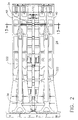
FIG. 2 is a radially inwardly looking planform view illustration of flaps and a seal in the nozzle illustrated inFIG. 1 ; -
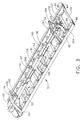
FIG. 3 is a perspective view illustration of a basesheet assembly in the divergent seal illustrated inFIGS. 1 and2 ; -
FIG. 4 is a partially exploded perspective view illustration of the divergent seal and basesheet assembly illustrated inFIG. 3 ; -
FIG. 5 is an exploded perspective view illustration of the basesheet assembly illustrated inFIG. 4 ; -
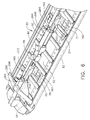
FIG. 6 is a partially cut away perspective view illustration of hooks supporting a basesheet of the basesheet assembly by engaging shelves of the backbone of the basesheet assembly illustrated inFIGS. 4 and5 ; -
FIG. 7 is a top view illustration of the basesheet assembly illustrated inFIG. 5 ; -
FIG. 8 is a longitudinal cross-sectional view illustration of a forward section of the basesheet illustrated in and taken along line 8-8 inFIG. 4 ; -
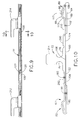
FIG. 9 is a longitudinal cross-sectional view illustration of adjacent segments of the basesheet of the basesheet assembly illustrated and taken along line 9-9 inFIG. 4 ; -
FIG. 10 is a transverse cross-sectional view illustration of a hook and basesheet segment of the basesheet assembly illustrated and taken along line 10-10 inFIG. 9 ;. -
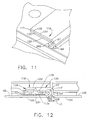
FIG. 11 is a perspective view illustration of a slits in a side rail of the basesheet assembly clipping together the adjacent segments illustrated inFIG. 4 ; -
FIG. 12 is an enlarged longitudinal cross-sectional view illustration of a gap between adjacent segments of the basesheet of the basesheet assembly illustrated inFIG. 8 ; and -
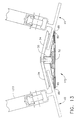
FIG. 13 is a diagrammatical cross-sectional view illustration of the base sheet sealingly engaged with the flaps in illustratedFIG. 2 . - Illustrated in
FIG. 1 is a gas turbine engine variablegeometry exhaust nozzle 28 including a convergent anddivergent sections axis 12 and defining athroat 24 therebetween. Theexhaust nozzle 28 includesconvergent flaps 32 andconvergent seals 174 in theconvergent section 20 anddivergent flaps 40, rotated bystruts 322, anddivergent seals 172 in thedivergent sections 22.Flowpath sides 42 ofbasesheets 52 of thedivergent seals 172 are exposed tohot exhaust gases 43 exiting theexhaust nozzle 28 and, thus, theflowpath sides 42 define a portion of aflowpath 36 through the nozzle.Cold sides 46 of thebasesheets 52 are opposite to theflowpath sides 42 and are exposed to a much cooler environment. The temperature differential can cause distortion and can lead to premature wear fatigue failure of the seals and, more particularly, of thebasesheets 52. - The
divergent seals 172 are hung onto and supported by thedivergent flaps 40 with the use ofangel wing hangers 34 as illustrated inFIG. 2 . Longitudinally spaced apart sets of forward andaft vibration dampeners backbone 50. The vibration dampeners are sprung to engage aback side 107 of abasesheet assembly 51 or thebasesheet 52. Thedivergent seals 172 seal against thedivergent flaps 40. - Illustrated in
FIG. 3 and in a partially exploded view inFIG. 4 is thedivergent seal 172 including the longitudinally extendingbackbone 50 supporting thebasesheet assembly 51 with thebasesheet 52. Thebackbone 50 extends longitudinally from aforward end 154 to anaft end 156. Thebackbone 50 includes longitudinally spaced apart forward, center, andaft attachment locations center attachment location 162 is located axially between theforward attachment location 160 and theaft attachment location 164. Thebasesheet 52 longitudinally extends between the basesheet leading and trailingedges basesheet assembly 51 includes longitudinally extending and transversely spaced apart first and side rails 80, 82 supporting thebasesheet 52 by its first and second basesheet side edges 60, 62, respectively. - Illustrated in
FIGS. 6 and9 are forward andcenter shelves center attachment locations basesheet 52 to thebackbone 50 using forward andcenter hangers basesheet assembly 51 further illustrated inFIG. 7 . The forward andcenter shelves sidewall 265 into a forward andcenter opening sidewall 265. Referring toFIGS. 3 ,4 ,5 , and6 , forward, center, andaft hangers basesheet assembly 51 are used to mount thebasesheet 52 to thebackbone 50. The hangers have lugportions 76 extending substantially perpendicularly upwardly from substantially flat hanger heads 78. The forward andcenter hangers second tabs aft hangers second tabs lower rail segments - The forward, center, and
aft hangers frame 67 containing thebasesheet 52 and are mounted to thebackbone 50. The forward and center retaining hooks 212, 214 frictionally engage the forward andcenter shelves longitudinal distance 260 away from thesidewall 265. Referring toFIGS. 3 ,4 , and5 , thelug portion 76 of theaft hanger 74 has afirst aperture 262 and is disposed in aclevis 264 of thebackbone 50 at theaft attachment location 164. Theclevis 264 has twoarms 65 havingsecond apertures 263 that are aligned with thefirst aperture 262 when theframe 67 is in an installed position so as to receive a fastener such asscrew 270 secured by anut 272 to provide axial or longitudinal retention of theframe 67 to thebackbone 50 to prevent the forward and center retaining hooks 212, 214 from axially disengaging from the forward andcenter shelves arms 65 are part of theaft vibration dampener 230. - The
basesheet 52 is constructed from a plurality ofbasesheet segments 100 as illustrated inFIGS. 3-5 and7-9 . Thebasesheet segments 100 are fabricated from a metallic material in the embodiment illustrated herein but may otherwise be fabricated from different materials such as a silicon-carbon graphite material. Thebasesheet segments 100 are connected together, as described below, and extend between the basesheet leading and trailingedges basesheet segments 100 has apanel body 106 defined between a pair of transversely spaced apart and substantially parallel first and second segment side edges 104, 105 longitudinally extending between segment leading and trailingedges divergent seals 172 seal against thedivergent flaps 40 along the continuous and longitudinally extending and transversely spaced apart first and second side rails 80, 82 which support thebasesheet 52 by its first and second basesheet side edges 60, 62 respectively. - Referring to
FIGS. 8 ,9 and11 , all of thebasesheet segments 100, except for the first orforwardmost segment 101, have leading edge outwardlybent ribs 94 and trailing edge inwardlybent ribs 97. The trailing edge inwardlybent ribs 97 are bent inwardly over thepanel body 106. The trailing edge inwardlybent ribs 97 are substantially 180 degree bends 124, support inwardly bent overflanges 120 that are formed integrally with thepanel body 106 at thesegment trailing edge 109. The inwardly bent overflanges 120 are positioned over, spaced apart from, and substantially parallel to thepanel body 106 formingchannels 99 therebetween. - The leading edge outwardly
bent ribs 94 are bent outwardly and longitudinally away from thepanel body 106. The leading edge outwardlybent ribs 94 includejogs 117 supporting outwardly bent overflanges 122 that are substantially parallel to thepanel body 106 at thesegment leading edge 108. Thejogs 117 have two substantially 90 degree bends 121 and the outwardly bent overflanges 122 are positioned longitudinally away from and substantially parallel to thepanel body 106 and formed integrally with thepanel body 106 at thesegment leading edges 108. The first orforwardmost segment 101 has leading and trailing edge inwardlybent ribs -
Slidable sealing joints 134 with slidingly un-restrained center surfaces 135 are disposed between adjacent ones of thebasesheet segments 100 and are illustrated herein as overlap or shiplap joints 136. The shiplap joints 136 include overlappingflanges 119 and in slidably sealing engagement and, more particularly, the outwardly bent overflanges 122 of overlapping and in slidably sealing engagement with the inwardly bent overflanges 120 of the adjacent ones of thebasesheet segments 100. The slidingly un-restrained center surfaces 135 are on the overlapping inwardly and outwardly bent overflanges common interface 137. The slidable sealing joints 134 and, more particularly,shiplap joints 136 allow the adjacent ones of thebasesheet segments 100 to move relative to each other without distorting due to temperature differentials. - Gaps G are provided between adjacent ones of the leading and trailing edge ribs to accommodate longitudinal thermal growth of the adjacent ones of the
basesheet segments 100 and/orforwardmost segment 101 of thebasesheet 52. During assembly of the segments to form thebasesheet 52, the gap G is set with spacers. An example of the dimension of the gap G is .025 inches with a plus or minus tolerance of .010 inches for a sheet metai thickness of thebasesheet segments 100 being about .020 inches. - The seal basesheet flowpath surface is exposed to the combustion gases in the exhaust stream while the backside of the seal is in a cooler environment. The temperature differential causes distortion and premature wear fatigue failure. The secondary backbone stiffener allows movement in the axial direction while restraining the basesheet segments in the radial and transverse directions, thus, eliminating the cause of distortion in the radial direction. The segments allow local movement relative to each other due to thermal differential between the flowpath surface and the backside along with the thermal differential between the centerline and the axial edges. The segmented design frees the center of the seal between the segments so the movement does not accumulate over the length of the seal or cause distortion leading to premature wear or fatigue while still providing good sealing with the adjacent flaps.
- Adjacent ones of the
basesheet segments 100 are arranged such that the outwardly bent overflanges 122 overlap inwardly bent overflanges 120 of the adjacent ones of thebasesheet segments 100. Transversely spaced apart first and second distal ends 153, 155 of the overlapping inwardly and outwardly bent overflanges spot welds 181. One of thespot welds 181 is at each of the spaced apart first and second distal ends 153, 155 inFIGS. 4 ,5 and6 . - Referring to
FIG. 5 , thebasesheet 52 has first and second basesheet side edges 60, 62, respectively, extending longitudinally between spaced apart basesheet leading and trailingedges FIGS. 4 ,5 and10 , theframe 67 includes the longitudinally extending transversely spaced apart first and second side rails 80, 82. Thebasesheet 52 and itsbasesheet segments 100 are mounted to and supported by the first and second side rails 80, 82. Each of the first and second side rails 80, 82 include longitudinally extending upper andlower rail segments basesheet 52 and itsbasesheet segments 100 are disposed between and trapped between the upper andlower rail segments basesheet segments 100 are disposed between and trapped between the upper andlower rail segments basesheet segments 100 as being straight and flat in order to seal well between the upper andlower rail segments - As illustrated more particularly in
FIG. 10 , the upper andlower rail segments basesheet segments 100 are attached or tacked together byspot welds 181. Thepanel body 106 of each thebasesheet segments 100 is sandwiched between the upper andlower rail segments panel body 106 of each of thebasesheet segments 100 is bonded to the upper andlower rail segments basesheet segments 100. Each of thelower rail segments 84 has anupper leg 88 bent over alower leg 89 of theupper rail segment 86 at anacute angle 188. Each of theupper rail segments 86 has anoutboard leg 112 bent transversely outboard and away from aninboard leg 110 with adouble bend 113 so that theoutboard leg 112 is parallel to and mates with and abuts theupper leg 88 of thelower rail segment 84 and theinboard leg 110 is parallel to thelower leg 89 of theupper rail segment 86. - Referring to
FIGS. 5 ,7 , and10 , theupper rail segments 86 include longitudinally spaced apart and transversely extendingslots 282 which receive and clip together adjacent ones of the leading edge outwardlybent ribs 94 and the trailing edge inwardlybent ribs 97 of thebasesheet segments 100 when thebasesheet 52 is assembled. Forward, center, and aft raisedflanges upper rail segments 86 between theslots 282 and are positioned to attach the forward, center, andaft hangers basesheet 52. The forward, center, andaft hangers basesheet 52 and theframe 67 to thebackbone 50. - The substantially flat and transversely extending first and
second tabs flanges panel bodies 106 of supportingones 275 of thebasesheet segments 100. Thesecond tabs 226 are spot welded or otherwise tacked to the forward, center, and aft raisedflanges spot welds 183 inFIGS. 4 ,6 , and10 . The first andsecond tabs flanges panel bodies 106 and, thus, thebasesheet segments 100 and thebasesheet 52 can thermally expand and contract without transferring any thermally induced loads to thebackbone 50. Conversely, the rigid structure of thebackbone 50 will not unduly restrict thermal growth and shrinkage of and cause warpage of thebasesheet segments 100 and thebasesheet 52, particularly during high heating conditions such as during afterburning or thrust augmentation. - In the exemplary embodiment, the basesheet side edges 60, 62 are tapered down in the forward or upstream direction from the
basesheet trailing edge 58 to thebasesheet leading edge 56. Alternatively, the basesheet side edges 60, 62 may be substantially parallel, and the basesheet leading and trailingedges divergent seals 172 seal against thedivergent flaps 40 along the first and second side rails 80, 82. - Then the
frame 67, with thebasesheet 52 mounted thereto, is mounted to thebackbone 50 as illustrated inFIGS. 4 and6 . Theframe 67 is slid forward such that the forward and center retaining hooks 212, 214 of the forward andcenter hangers center shelves 250, 254 at the forward andcenter attachment locations first aperture 262 oflug portion 76 of theaft hanger 74 is then aligned withsecond apertures 263 in theclevis 264 of thebackbone 50 at theaft attachment location 164. Thelug portion 76 of theaft hanger 74 is then secured tobackbone 50 by screws or other means of attaching lugs to a backbone. - The angel wing hungers 34 are mounted to the
backbone 50 and supported by the adjacentdivergent flaps 40 as illustrated inFIG. 1 and further inFIG. 13 . Thestruts 322 are connected to thedivergent flap 40 as illustrated inFIGS. 1 ,2 , and13 . The divergent flaps 40 on each side of thedivergent seal 172 are trapped byangel wings 34, mounted to thebackbone 50, and thesegmented basesheet 52 of thedivergent seal 172 as illustrated inFIG. 2 and13 . Thus the first and second side rails 80, 82 are spring loaded or biased radially outwardly against theadjacent flaps 40 such that theupper legs 88 of the first and second side rails 80, 82 engage and seal against theadjacent flaps 40 and thedivergent flaps 40 support the divergent seals 172. - The
segmented basesheet 52 reduces distortion and premature wear fatigue failure caused by temperature differentials in the hot exhaust nozzle. Thesegmented basesheet 52 provide good sealing between the divergent seal and its adjacent flaps while allowing for movement in the axial or longitudinal direction while restraining the basesheet segments in the radial and transverse directions to eliminate the cause of distortion in the radial direction due to thermal or temperature differentials. It accomplishes this by allowing local movement of longitudinally adjacent segments relative to each other due to thermal differential between the flowpath surface and the backside along with the thermal differential between centers of the segments and their axial edges. Thesegmented basesheet 52 frees up the center of the seal between the segments so the movement does not accumulate over the length of the seal or cause distortion leading to premature wear or fatigue while still providing good sealing with the adjacent flaps. - While there have been described herein what are considered to be preferred and exemplary embodiments of the present invention, other modifications of the invention shall be apparent to those skilled in the art from the teachings herein and, it is therefore, desired to be secured in the appended claims all such modifications as fall within the true spirit and scope of the invention. Accordingly, what is desired to be secured by Letters Patent of the United States is the invention as defined and differentiated in the following claims.
- For completeness, various aspects of the invention are now set out in the following numbered clauses:
- 1. An aircraft gas turbine engine exhaust nozzle basesheet comprising:
- a longitudinally extending plurality of basesheet segments,
- each of the basesheet segments including a panel body extending between longitudinally spaced apart segment leading and trailing edges and transversely spaced apart first and second segment side edges,
- first and second basesheet side edges comprising the first and second segment side edges respectively, and
- slidable sealing joints with slidingly un-restrained center surfaces between adjacent ones of the segment leading and trailing edges.
- 2. An aircraft gas turbine engine exhaust nozzle basesheet as claimed in clause 1 further comprising slidably sealingly engaged overlapping flanges at the adjacent ones of the segment leading and trailing edges and tacked together transversely spaced apart first and second distal ends of the overlapping flanges.
- 3. An aircraft gas turbine engine exhaust nozzle basesheet as claimed in clause 2 further comprising the overlapping flanges including inwardly and outwardly bent over flanges overlapping along a common interface.
- 4. An aircraft gas turbine engine exhaust nozzle basesheet as claimed in clause 3 further comprising inwardly bent ribs supporting the inwardly bent over flanges at the segment leading edges and outwardly bent ribs supporting the outwardly bent over flanges at the segment trailing edges.
- 5. An aircraft gas turbine engine exhaust nozzle basesheet as claimed in clause 4 further comprising the first and second segment side edges being flat.
- 6. An aircraft gas turbine engine exhaust nozzle basesheet as claimed in clause 5 further comprising gaps between the adjacent ones of the inwardly and outwardly bent ribs.
- 7. An aircraft gas turbine engine exhaust nozzle basesheet assembly comprising:
- a basesheet having a longitudinally extending plurality of basesheet segments,
- each of the basesheet segments including a panel body extending between longitudinally spaced apart segment leading and trailing edges and transversely spaced apart first and second segment side edges,
- segmented first and second basesheet side edges comprising the first and second segment side edges respectively,
- slidable sealing joints with slidingly un-restrained center surfaces between adjacent ones of the segment leading and trailing edges, and
- a frame having first and second side rails supporting the first and second basesheet side edges respectively of the basesheet.
- 8. An aircraft gas turbine engine exhaust nozzle basesheet assembly as claimed in clause 7 further comprising each of the first and second side rails having longitudinally extending upper and lower rail segments and the basesheet and the basesheet segments are disposed and trapped between the upper and lower rail segments.
- 9. An aircraft gas turbine engine exhaust nozzle basesheet assembly as claimed in clause 7 further comprising slidably sealingly engaged overlapping flanges at the adjacent ones of the segment leading and trailing edges and tacked together transversely spaced apart first and second distal ends of the overlapping flanges and the overlapping flanges including inwardly and outwardly bent over flanges overlapping along a common interface.
- 10. An aircraft gas turbine engine exhaust nozzle basesheet assembly as claimed in clause 9 further comprising inwardly bent ribs supporting the inwardly bent over flanges at the segment leading edges and outwardly bent ribs supporting the outwardly bent over flanges at the segment trailing edges.
- 11. An aircraft gas turbine engine exhaust nozzle basesheet assembly as claimed in
clause 10 further comprising the first and second segment side edges being flat. - 12. An aircraft gas turbine engine exhaust nozzle basesheet assembly as claimed in clause 11 further comprising gaps between the adjacent ones of the inwardly and outwardly bent ribs.
- 13. An aircraft gas turbine engine exhaust nozzle basesheet assembly as claimed in clause 11 further comprising the panel body of each of the basesheet segments being sandwiched between the upper and lower rail segments and the panel body of each of the basesheet segments being bonded to the upper and lower rail segments of first and second side rails along the first and second segment side edges respectively.
- 14. An aircraft gas turbine engine exhaust nozzle basesheet assembly as claimed in clause 11 further comprising the upper rail segments including longitudinally spaced apart and transversely extending slots receiving within and clipping together adjacent ones of the leading edge outwardly and inwardly bent ribs of the basesheet segments.
- 15. An aircraft gas turbine engine exhaust nozzle basesheet assembly as claimed in clause 14 further comprising the panel body of each of the basesheet segments being bonded to the upper and lower rail segments by tack welds.
- 16. An aircraft gas turbine engine exhaust nozzle basesheet assembly as claimed in clause 11 further comprising:
- forward, center, and aft hangers having lug portions extending substantially perpendicularly upwardly from substantially flat hanger heads, and
- transversely spaced apart first and second tabs of the hanger heads disposed between forward, center, and aft raised flanges of the upper rail segment and the panel bodies of supporting ones of the basesheet segments.
- 17. An aircraft gas turbine engine exhaust nozzle basesheet assembly as claimed in clause 16 further comprising the panel body of each of the basesheet segments being sandwiched between the upper and lower rail segments and the panel body of each of the basesheet segments being bonded to the upper and lower rail segments of first and second side rails along the first and second segment side edges respectively.
- 18. An aircraft gas turbine engine exhaust nozzle basesheet assembly as claimed in clause 17 further comprising the upper rail segments including longitudinally spaced apart and transversely extending slots receiving within and clipping together adjacent ones of the leading edge outwardly and inwardly bent ribs of the basesheet segments.
- 19. An aircraft gas turbine engine exhaust nozzle basesheet assembly as claimed in clause 18 further comprising the panel body of each of the basesheet segments being bonded to the upper and lower rail segments by tack welds.
- 20. An aircraft gas turbine engine exhaust nozzle basesheet assembly as claimed in clause 19 further comprising the lug portions of the forward and center hangers having forward and center retaining hooks respectively.
- 21. An aircraft gas turbine engine exhaust nozzle basesheet assembly as claimed in clause 16 further comprising the basesheet and frame mounted to a longitudinally extending backbone by the forward, center, and aft hangers.
- 22. An aircraft gas turbine engine exhaust nozzle base sheet assembly as claimed in clause 21 further comprising:
- the lug portions of the forward and center hangers having forward and center retaining hooks respectively,
- the forward and center retaining hooks engaging forward and center shelves at forward and center attachment locations of the backbone, and
- the lug portion of the aft hanger connected to the backbone at the aft attachment location.
- 23. An aircraft gas turbine engine exhaust nozzle comprising:
- and divergent seals sealingly engaging divergent flaps,
- each of the divergent seals having a basesheet assembly,
- the basesheet assembly having a basesheet including a longitudinally extending plurality of basesheet segments,
- each of the basesheet segments including a panel body extending between longitudinally spaced apart segment leading and trailing edges and transversely spaced apart first and second segment side edges,
- segmented first and second basesheet side edges comprising the first and second segment side edges respectively,
- slidable sealing joints with slidingly un-restrained center surfaces between adjacent ones of the segment leading and trailing edges,
- a frame having first and second side rails supporting the first and second basesheet side edges respectively of the basesheet, and
- the divergent seals in sealing engagement against the divergent flaps along the first and second side rails.
- 24. An aircraft gas turbine engine exhaust nozzle as claimed in clause 23 further comprising slidably sealingly engaged overlapping flanges at the adjacent ones of the segment leading and trailing edges and tacked together transversely spaced apart first and second distal ends of the overlapping flanges.
- 25. An aircraft gas turbine engine exhaust nozzle as claimed in
clause 24 further comprising the overlapping flanges including inwardly and outwardly bent over flanges overlapping along a common interface. - 26. An aircraft gas turbine engine exhaust nozzle as claimed in clause 25 further comprising inwardly bent ribs supporting the inwardly bent over flanges at the segment leading edges and outwardly bent ribs supporting the outwardly bent over flanges at the segment trailing edges.
- 27. An aircraft gas turbine engine exhaust nozzle as claimed in clause 26 further comprising the upper rail segments including longitudinally spaced apart and transversely extending slots receiving within and clipping together adjacent ones of the leading edge outwardly and inwardly bent ribs of the basesheet segments.
- 28. An aircraft gas turbine engine exhaust nozzle as claimed in clause 27 further comprising the panel body of each of the basesheet segments being sandwiched between the upper and lower rail segments and the panel body of each of the basesheet segments being bonded to the upper and lower rail segments of first and second side rails along the first and second segment side edges respectively.
- 29. An aircraft gas turbine engine exhaust nozzle assembly as claimed in
clause 28 further comprising the panel body of each of the basesheet segments being bonded to the upper and lower rail segments by tack welds. - 30. An aircraft gas turbine engine exhaust nozzle basesheet as claimed in clause 23 further comprising:
- the basesheet and frame mounted to a longitudinally extending backbone by the forward, center, and aft hangers,
- the lug portions of the forward and center hangers having forward and center retaining hooks respectively,
- the forward and center retaining hooks engaging forward and center shelves at forward and center attachment locations of the backbone, and
- the lug portion of the aft hanger connected to the backbone at the aft attachment location.
- 31. An aircraft gas turbine engine exhaust nozzle as claimed in clause 30 further comprising the forward, center, and aft hangers having lug portions extending substantially perpendicularly upwardly from substantially flat hanger heads and transversely spaced apart first and second tabs of the hanger heads disposed between forward, center, and aft raised flanges of the upper rail segment and the panel bodies of supporting ones of the basesheet segments.
- 32. An aircraft gas turbine engine exhaust nozzle as claimed in clause 31 further comprising longitudinally spaced apart sets of forward and aft vibration dampeners extending transversely away from and outboard with respect to the backbone and sprung to engage a back side of the basesheet assembly or the basesheet.
Claims (15)
- An aircraft gas turbine engine exhaust nozzle basesheet (52) comprising:a longitudinally extending plurality of basesheet segments (100),each of the basesheet segments (100) including a panel body (106) extending between longitudinally spaced apart segment leading and trailing edges (108, 109) and transversely spaced apart first and second segment side edges (104, 105),first and second basesheet side edges (60, 62) comprising the first and second segment side edges (104, 105) respectively, andslidable sealing joints (134) with slidingly un-restrained center surfaces (135) between adjacent ones of the segment leading and trailing edges (108, 109).
- An aircraft gas turbine engine exhaust nozzle basesheet (52) as claimed in Claim 1 further comprising slidably sealingly engaged overlapping flanges (119) at the adjacent ones of the segment leading and trailing edges (108, 109) and tacked together transversely spaced apart first and second distal ends (153, 155) of the overlapping flanges (119).
- An aircraft gas turbine engine exhaust nozzle basesheet (52) as claimed in Claim 2, further comprising the overlapping flanges (119) including inwardly and outwardly bent over flanges (120, 122) overlapping along a common interface (137).
- An aircraft gas turbine engine exhaust nozzle basesheet (52) as claimed in Claim 3, further comprising inwardly bent ribs (97) supporting the inwardly bent over flanges (120) at the segment leading edges (108) and outwardly bent ribs (94) supporting the outwardly bent over flanges (122) at the segment trailing edges (109).
- An aircraft gas turbine engine exhaust nozzle basesheet assembly (51) comprising:a basesheet (52) having a longitudinally extending plurality of basesheet segments (100),each of the basesheet segments (100) including a panel body (106) extending between longitudinally spaced apart segment leading and trailing edges (108, 109) and transversely spaced apart first and second segment side edges (104, 105),segmented first and second basesheet side edges (60, 62) comprising the first and second segment side edges (104, 105) respectively,slidable sealing joints (134) with slidingly un-restrained center surfaces (135) between adjacent ones of the segment leading and trailing edges (108, 109), anda frame (67) having first and second side rails (80, 82) supporting the first and second basesheet side edges (60, 62) respectively of the basesheet (52).
- An aircraft gas turbine engine exhaust nozzle basesheet assembly (51) as claimed in Claim 5, further comprising each of the first and second side rails (80, 82) having longitudinally extending upper and lower rail segments (86, 84) and the basesheet (52) and the basesheet segments (100) being disposed and trapped between the upper and lower rail segments (86, 84).
- An aircraft gas turbine engine exhaust nozzle basesheet assembly (51) as claimed in Claim 5 or 6, further comprising slidably sealingly engaged overlapping flanges (119) at the adjacent ones of the segment leading and trailing edges (108, 109) and tacked together transversely spaced apart first and second distal ends (153, 155) of the overlapping flanges (119) and the overlapping flanges (119) including inwardly and outwardly bent over flanges (120, 122) overlapping along a common interface (137).
- An aircraft gas turbine engine exhaust nozzle basesheet assembly (51) as claimed in Claim 7, further comprising:inwardly bent ribs (97) supporting the inwardly bent over flanges (120) at the segment leading edges (108) and outwardly bent ribs (94) supporting the outwardly bent over flanges (122) at the segment trailing edges (109),the first and second segment side edges (104, 105) being flat, andthe upper rail segments (86) including longitudinally spaced apart and transversely extending slots (282) receiving within and clipping together adjacent ones of the leading edge outwardly and inwardly bent ribs (94, 97) of the basesheet segments (100).
- An aircraft gas turbine engine exhaust nozzle basesheet assembly (51) as claimed in Claim 7, further comprising:inwardly bent ribs (97) supporting the inwardly bent over flanges (120) at the segment leading edges (108) and outwardly bent ribs (94) supporting the outwardly bent over flanges (122) at the segment trailing edges (109),the first and second segment side edges (104, 105) being flat,forward, center, and aft hangers (70, 72, 74) having lug portions (76) extending substantially perpendicularly upwardly from substantially flat hanger heads (78), andtransversely spaced apart first and second tabs (224, 226) of the hanger heads (78) disposed between forward, center, and aft raised flanges (290, 292, 294) of the upper rail segment (86) and the panel bodies (106) of supporting ones (275) of the basesheet segments (100).
- An aircraft gas turbine engine exhaust nozzle basesheet assembly (51) as claimed in Claim 9, further comprising the basesheet (52) and frame (67) mounted to a longitudinally extending backbone (50) by the forward, center, and aft hangers (70, 72, 74).
- An aircraft gas turbine engine exhaust nozzle comprising:and divergent seals sealingly engaging divergent flaps,each of the divergent seals having a basesheet assembly,the basesheet assembly having a basesheet including a longitudinally extending plurality of basesheet segments,each of the basesheet segments including a panel body extending between longitudinally spaced apart segment leading and trailing edges and transversely spaced apart first and second segment side edges,segmented first and second basesheet side edges comprising the first and second segment side edges respectively,slidable sealing joints with slidingly un-restrained center surfaces between adjacent ones of the segment leading and trailing edges,a frame having first and second side rails supporting the first and second basesheet side edges respectively of the basesheet, andthe divergent seals in sealing engagement against the divergent flaps along the first and second side rails.
- An aircraft gas turbine engine exhaust nozzle as claimed in Claim 11, further comprising slidably sealingly engaged overlapping flanges at the adjacent ones of the segment leading and trailing edges and tacked together transversely spaced apart first and second distal ends of the overlapping flanges.
- An aircraft gas turbine engine exhaust nozzle as claimed in Claim 12, further comprising the overlapping flanges including inwardly and outwardly bent over flanges overlapping along a common interface.
- An aircraft gas turbine engine exhaust nozzle as claimed in Claim 13, further comprising inwardly bent ribs supporting the inwardly bent over flanges at the segment leading edges and outwardly bent ribs supporting the outwardly bent over flanges at the segment trailing edges.
- An aircraft gas turbine engine exhaust nozzle as claimed in Claim 14, further comprising the upper rail segments including longitudinally spaced apart and transversely extending slots receiving within and clipping together adjacent ones of the leading edge outwardly and inwardly bent ribs of the basesheet segments.
Applications Claiming Priority (1)
| Application Number | Priority Date | Filing Date | Title |
|---|---|---|---|
| US12/040,324 US8122722B2 (en) | 2008-02-29 | 2008-02-29 | Exhaust nozzle seal with segmented basesheet disposed between side rails |
Publications (3)
| Publication Number | Publication Date |
|---|---|
| EP2096292A2 true EP2096292A2 (en) | 2009-09-02 |
| EP2096292A3 EP2096292A3 (en) | 2017-10-18 |
| EP2096292B1 EP2096292B1 (en) | 2019-04-10 |
Family
ID=40637148
Family Applications (1)
| Application Number | Title | Priority Date | Filing Date |
|---|---|---|---|
| EP09250454.7A Ceased EP2096292B1 (en) | 2008-02-29 | 2009-02-20 | Exhaust nozzle seal with segmented basesheet disposed between side rails |
Country Status (2)
| Country | Link |
|---|---|
| US (1) | US8122722B2 (en) |
| EP (1) | EP2096292B1 (en) |
Cited By (1)
| Publication number | Priority date | Publication date | Assignee | Title |
|---|---|---|---|---|
| GB2495176A (en) * | 2011-09-30 | 2013-04-03 | United Technologies Corp | A gas turbine engine gas path liner |
Families Citing this family (4)
| Publication number | Priority date | Publication date | Assignee | Title |
|---|---|---|---|---|
| US8122722B2 (en) * | 2008-02-29 | 2012-02-28 | General Electric Company | Exhaust nozzle seal with segmented basesheet disposed between side rails |
| US8235345B2 (en) * | 2008-04-30 | 2012-08-07 | United Technologies Corp. | Gas turbine engine systems and related methods involving thermally isolated retention |
| US20160017815A1 (en) * | 2013-03-12 | 2016-01-21 | United Technologies Corporation | Expanding shell flow control device |
| US9689346B2 (en) * | 2013-04-12 | 2017-06-27 | United Technologies Corporation | Gas turbine engine convergent/divergent exhaust nozzle divergent seal with dovetail interface |
Family Cites Families (29)
| Publication number | Priority date | Publication date | Assignee | Title |
|---|---|---|---|---|
| US3612400A (en) * | 1970-06-02 | 1971-10-12 | Gen Motors Corp | Variable jet propulsion nozzle |
| US4690330A (en) * | 1985-12-02 | 1987-09-01 | United Technologies Corporation | Louvered seal flap edge stiffener |
| US5039014A (en) * | 1989-04-11 | 1991-08-13 | General Electric Company | Axisymmetric vectoring exhaust nozzle seal |
| US5000386A (en) * | 1989-07-03 | 1991-03-19 | General Electric Company | Exhaust flaps |
| US5076496A (en) * | 1990-02-05 | 1991-12-31 | General Electric Company | Exhaust nozzle flap seal |
| US5261605A (en) * | 1990-08-23 | 1993-11-16 | United Technologies Corporation | Axisymmetric nozzle with gimbled unison ring |
| EP0723075B1 (en) * | 1991-05-16 | 2001-11-21 | General Electric Company | Thermal shield for axisymmetric vectoring nozzle |
| IL109085A (en) * | 1993-04-05 | 1997-08-14 | Gen Electric | Nozzle seal assembly with removable baseplate |
| US5667140A (en) * | 1994-12-02 | 1997-09-16 | United Technologies Corporation | Engine exhaust nozzle seal |
| US5683034A (en) * | 1995-05-22 | 1997-11-04 | United Technologies Corporation | Engine exhaust nozzle seal |
| US5680755A (en) * | 1995-09-25 | 1997-10-28 | General Electric Company | Convertible ejector selectively cooled thrust vectoring exhaust nozzle |
| US5797544A (en) * | 1996-09-27 | 1998-08-25 | United Technologies Corporation | C/D nozzle with synchronizing ring link suspension |
| US5779152A (en) * | 1997-01-16 | 1998-07-14 | General Electric Company | Coordinated vectoring exhaust nozzle with scissors linkage |
| ES2156350T3 (en) * | 1997-01-17 | 2001-06-16 | Turbo Propulsores Ind | PROVISION OF DIVERGENT PETALS TO CONVERGENT-DIVERGENT TOWER OF AVIATION MOTOR. |
| US6471469B2 (en) * | 2000-11-30 | 2002-10-29 | General Electric Company | Methods and apparatus for sealing gas turbine engine variable nozzles |
| US6745570B2 (en) * | 2002-02-01 | 2004-06-08 | General Electric Co. | Methods and apparatus for sealing gas turbine engine nozzles using a flap system |
| US6658854B2 (en) * | 2002-02-01 | 2003-12-09 | General Electric Co. | Methods and apparatus for retaining gas turbine engine nozzle basesheets |
| FR2857414B1 (en) * | 2003-07-08 | 2007-06-08 | Snecma Moteurs | FLEXIBLE TUBE PIPE WITH A VARIABLE SECTION OF TURBOMACHINE |
| FR2860046B1 (en) * | 2003-09-19 | 2005-12-02 | Snecma Moteurs | HOT PIPE CONTROL OF AXISYMETRIC TUYERE TURBOJET ENGINE |
| US7302793B2 (en) * | 2003-10-29 | 2007-12-04 | General Electric Company | Methods and apparatus to reduce turbine engine nozzle basesheet stresses |
| US7028462B2 (en) * | 2003-11-07 | 2006-04-18 | General Electric Company | Method and apparatus for arresting a crack within a body |
| US7310949B2 (en) * | 2003-11-07 | 2007-12-25 | General Electric Company | Method and apparatus for arresting a crack within a body |
| US6935118B2 (en) * | 2003-12-19 | 2005-08-30 | General Electric Company | Exhaust nozzle segmented basesheet and production method thereof |
| US7096661B2 (en) * | 2004-03-26 | 2006-08-29 | United Technologies Corporation | Axial divergent section slot nozzle |
| US6983602B2 (en) * | 2004-04-21 | 2006-01-10 | General Electric Company | Ejector cooled nozzle |
| US7631481B2 (en) * | 2004-12-01 | 2009-12-15 | United Technologies Corporation | Cooled duct for gas turbine engine |
| US7757477B2 (en) * | 2007-02-20 | 2010-07-20 | United Technologies Corporation | Convergent divergent nozzle with slot cooled nozzle liner |
| US8156745B2 (en) * | 2008-02-29 | 2012-04-17 | General Electric Company | Exhaust nozzle seal with segmented basesheet |
| US8122722B2 (en) * | 2008-02-29 | 2012-02-28 | General Electric Company | Exhaust nozzle seal with segmented basesheet disposed between side rails |
-
2008
- 2008-02-29 US US12/040,324 patent/US8122722B2/en active Active
-
2009
- 2009-02-20 EP EP09250454.7A patent/EP2096292B1/en not_active Ceased
Cited By (2)
| Publication number | Priority date | Publication date | Assignee | Title |
|---|---|---|---|---|
| GB2495176A (en) * | 2011-09-30 | 2013-04-03 | United Technologies Corp | A gas turbine engine gas path liner |
| GB2495176B (en) * | 2011-09-30 | 2014-06-04 | United Technologies Corp | Gas path liner for a gas turbine engine |
Also Published As
| Publication number | Publication date |
|---|---|
| US8122722B2 (en) | 2012-02-28 |
| EP2096292B1 (en) | 2019-04-10 |
| EP2096292A3 (en) | 2017-10-18 |
| US20090217670A1 (en) | 2009-09-03 |
Similar Documents
| Publication | Publication Date | Title |
|---|---|---|
| EP2096292B1 (en) | Exhaust nozzle seal with segmented basesheet disposed between side rails | |
| EP2096291B1 (en) | Exhaust nozzle seal with segmented basesheet | |
| EP1598562B1 (en) | A fastener assembly for attaching a non-metal component to a metal component | |
| EP2938863B1 (en) | Mechanical linkage for segmented heat shield | |
| JP7130305B2 (en) | fan casing assembly | |
| EP2126289B1 (en) | Transition support system for combustion transition ducts for turbine engines | |
| US20070151229A1 (en) | Damped coil pin for attachment hanger hinge | |
| US20070220735A1 (en) | Fastener assembly for attaching a non-metal component to a metal component | |
| US20180010474A1 (en) | Blade track assembly, components, and methods | |
| JP2544087B2 (en) | Thermal shield and support structure assembly for a gas turbine engine and divergent seal for a gas turbine engine exhaust nozzle | |
| US20140286756A1 (en) | Device, system and method for preventing leakage in a turbine | |
| US20160001888A1 (en) | Aft pylon fairing for aircraft | |
| US11286798B2 (en) | Airfoil assembly with ceramic matrix composite parts and load-transfer features | |
| JPH0367053A (en) | Exhaust flap | |
| US7448846B2 (en) | Thermally compliant turbine shroud mounting | |
| US7178325B2 (en) | Divergent flap for a gas turbine engine | |
| US6658854B2 (en) | Methods and apparatus for retaining gas turbine engine nozzle basesheets | |
| JPH0351898B2 (en) | ||
| US5103638A (en) | Mounting arrangement | |
| US7685825B2 (en) | Axially split nozzle liner for convergent nozzle | |
| US20260085839A1 (en) | Flexible flange design | |
| US11149560B2 (en) | Airfoil assembly with ceramic matrix composite parts and load-transfer features | |
| CA2478202C (en) | Methods and apparatus to reduce turbine engine nozzle basesheet stresses | |
| US20140223919A1 (en) | Flexible liner hanger |
Legal Events
| Date | Code | Title | Description |
|---|---|---|---|
| PUAI | Public reference made under article 153(3) epc to a published international application that has entered the european phase |
Free format text: ORIGINAL CODE: 0009012 |
|
| AK | Designated contracting states |
Kind code of ref document: A2 Designated state(s): AT BE BG CH CY CZ DE DK EE ES FI FR GB GR HR HU IE IS IT LI LT LU LV MC MK MT NL NO PL PT RO SE SI SK TR |
|
| AX | Request for extension of the european patent |
Extension state: AL BA RS |
|
| PUAL | Search report despatched |
Free format text: ORIGINAL CODE: 0009013 |
|
| AK | Designated contracting states |
Kind code of ref document: A3 Designated state(s): AT BE BG CH CY CZ DE DK EE ES FI FR GB GR HR HU IE IS IT LI LT LU LV MC MK MT NL NO PL PT RO SE SI SK TR |
|
| AX | Request for extension of the european patent |
Extension state: AL BA RS |
|
| RIC1 | Information provided on ipc code assigned before grant |
Ipc: F02K 1/52 20060101ALI20170913BHEP Ipc: F02K 1/80 20060101ALI20170913BHEP Ipc: F02K 1/82 20060101AFI20170913BHEP |
|
| 17P | Request for examination filed |
Effective date: 20180418 |
|
| RBV | Designated contracting states (corrected) |
Designated state(s): AT BE BG CH CY CZ DE DK EE ES FI FR GB GR HR HU IE IS IT LI LT LU LV MC MK MT NL NO PL PT RO SE SI SK TR |
|
| AKX | Designation fees paid |
Designated state(s): DE ES FR GB IT SE |
|
| AXX | Extension fees paid |
Extension state: BA Extension state: AL Extension state: RS |
|
| RIC1 | Information provided on ipc code assigned before grant |
Ipc: F02K 1/82 20060101AFI20180524BHEP Ipc: F02K 1/52 20060101ALI20180524BHEP Ipc: F02K 1/80 20060101ALI20180524BHEP |
|
| GRAP | Despatch of communication of intention to grant a patent |
Free format text: ORIGINAL CODE: EPIDOSNIGR1 |
|
| INTG | Intention to grant announced |
Effective date: 20181004 |
|
| RIN1 | Information on inventor provided before grant (corrected) |
Inventor name: SENILE, DARRELL GLENN Inventor name: BOEHM, JR. , VALENTINE ROBERT Inventor name: RENGGLI, BERNARD JAMES |
|
| GRAS | Grant fee paid |
Free format text: ORIGINAL CODE: EPIDOSNIGR3 |
|
| GRAA | (expected) grant |
Free format text: ORIGINAL CODE: 0009210 |
|
| AK | Designated contracting states |
Kind code of ref document: B1 Designated state(s): DE ES FR GB IT SE |
|
| REG | Reference to a national code |
Ref country code: GB Ref legal event code: FG4D |
|
| REG | Reference to a national code |
Ref country code: DE Ref legal event code: R096 Ref document number: 602009057806 Country of ref document: DE |
|
| PG25 | Lapsed in a contracting state [announced via postgrant information from national office to epo] |
Ref country code: SE Free format text: LAPSE BECAUSE OF FAILURE TO SUBMIT A TRANSLATION OF THE DESCRIPTION OR TO PAY THE FEE WITHIN THE PRESCRIBED TIME-LIMIT Effective date: 20190410 Ref country code: ES Free format text: LAPSE BECAUSE OF FAILURE TO SUBMIT A TRANSLATION OF THE DESCRIPTION OR TO PAY THE FEE WITHIN THE PRESCRIBED TIME-LIMIT Effective date: 20190410 |
|
| REG | Reference to a national code |
Ref country code: DE Ref legal event code: R097 Ref document number: 602009057806 Country of ref document: DE |
|
| PLBE | No opposition filed within time limit |
Free format text: ORIGINAL CODE: 0009261 |
|
| STAA | Information on the status of an ep patent application or granted ep patent |
Free format text: STATUS: NO OPPOSITION FILED WITHIN TIME LIMIT |
|
| 26N | No opposition filed |
Effective date: 20200113 |
|
| PGFP | Annual fee paid to national office [announced via postgrant information from national office to epo] |
Ref country code: IT Payment date: 20200121 Year of fee payment: 12 Ref country code: GB Payment date: 20200123 Year of fee payment: 12 Ref country code: DE Payment date: 20200121 Year of fee payment: 12 |
|
| PGFP | Annual fee paid to national office [announced via postgrant information from national office to epo] |
Ref country code: FR Payment date: 20200122 Year of fee payment: 12 |
|
| REG | Reference to a national code |
Ref country code: DE Ref legal event code: R119 Ref document number: 602009057806 Country of ref document: DE |
|
| GBPC | Gb: european patent ceased through non-payment of renewal fee |
Effective date: 20210220 |
|
| PG25 | Lapsed in a contracting state [announced via postgrant information from national office to epo] |
Ref country code: DE Free format text: LAPSE BECAUSE OF NON-PAYMENT OF DUE FEES Effective date: 20210901 Ref country code: FR Free format text: LAPSE BECAUSE OF NON-PAYMENT OF DUE FEES Effective date: 20210228 Ref country code: GB Free format text: LAPSE BECAUSE OF NON-PAYMENT OF DUE FEES Effective date: 20210220 |
|
| PG25 | Lapsed in a contracting state [announced via postgrant information from national office to epo] |
Ref country code: IT Free format text: LAPSE BECAUSE OF NON-PAYMENT OF DUE FEES Effective date: 20210220 |