EP2090575B1 - Processes and intermediates for the preparation of N4-phenyl-quinazoline-4-amine derivatives - Google Patents
Processes and intermediates for the preparation of N4-phenyl-quinazoline-4-amine derivatives Download PDFInfo
- Publication number
- EP2090575B1 EP2090575B1 EP09157031A EP09157031A EP2090575B1 EP 2090575 B1 EP2090575 B1 EP 2090575B1 EP 09157031 A EP09157031 A EP 09157031A EP 09157031 A EP09157031 A EP 09157031A EP 2090575 B1 EP2090575 B1 EP 2090575B1
- Authority
- EP
- European Patent Office
- Prior art keywords
- saturated
- partially unsaturated
- aryl
- alkyl
- heteroaryl
- Prior art date
- Legal status (The legal status is an assumption and is not a legal conclusion. Google has not performed a legal analysis and makes no representation as to the accuracy of the status listed.)
- Active
Links
- 0 *c1ccc(***2)c2c1 Chemical compound *c1ccc(***2)c2c1 0.000 description 23
- KIHPDGGDZZCYBT-UHFFFAOYSA-N CC1C=CC=C(C)C1 Chemical compound CC1C=CC=C(C)C1 KIHPDGGDZZCYBT-UHFFFAOYSA-N 0.000 description 1
- WYEWKJYUIYAODG-UHFFFAOYSA-N CCOC1CCOCC1 Chemical compound CCOC1CCOCC1 WYEWKJYUIYAODG-UHFFFAOYSA-N 0.000 description 1
- YDQXSJIJCUHTIJ-SSDOTTSWSA-N CNO[C@H]1CCNCCC1 Chemical compound CNO[C@H]1CCNCCC1 YDQXSJIJCUHTIJ-SSDOTTSWSA-N 0.000 description 1
- IEOPZUMPHCZMCS-UHFFFAOYSA-N COCC1OCCC1 Chemical compound COCC1OCCC1 IEOPZUMPHCZMCS-UHFFFAOYSA-N 0.000 description 1
- GUEPPXKDYHWENE-UHFFFAOYSA-N C[n]1c(ccc(Oc(ccc(Nc(c2c3)ncnc2ccc3OCCOC)c2)c2Cl)c2)c2nc1 Chemical compound C[n]1c(ccc(Oc(ccc(Nc(c2c3)ncnc2ccc3OCCOC)c2)c2Cl)c2)c2nc1 GUEPPXKDYHWENE-UHFFFAOYSA-N 0.000 description 1
- WXAZZSOZEVGKNB-UHFFFAOYSA-N Cc(cc(cc1)NC2=C(C=C(C=C3)OCCN(C)C)C3=NC=[I]2)c1Nc(cc1)cc2c1[n](C)cn2 Chemical compound Cc(cc(cc1)NC2=C(C=C(C=C3)OCCN(C)C)C3=NC=[I]2)c1Nc(cc1)cc2c1[n](C)cn2 WXAZZSOZEVGKNB-UHFFFAOYSA-N 0.000 description 1
Classifications
-
- A—HUMAN NECESSITIES
- A61—MEDICAL OR VETERINARY SCIENCE; HYGIENE
- A61K—PREPARATIONS FOR MEDICAL, DENTAL OR TOILETRY PURPOSES
- A61K31/00—Medicinal preparations containing organic active ingredients
- A61K31/33—Heterocyclic compounds
- A61K31/335—Heterocyclic compounds having oxygen as the only ring hetero atom, e.g. fungichromin
- A61K31/337—Heterocyclic compounds having oxygen as the only ring hetero atom, e.g. fungichromin having four-membered rings, e.g. taxol
-
- A—HUMAN NECESSITIES
- A61—MEDICAL OR VETERINARY SCIENCE; HYGIENE
- A61K—PREPARATIONS FOR MEDICAL, DENTAL OR TOILETRY PURPOSES
- A61K31/00—Medicinal preparations containing organic active ingredients
- A61K31/33—Heterocyclic compounds
- A61K31/395—Heterocyclic compounds having nitrogen as a ring hetero atom, e.g. guanethidine or rifamycins
- A61K31/495—Heterocyclic compounds having nitrogen as a ring hetero atom, e.g. guanethidine or rifamycins having six-membered rings with two or more nitrogen atoms as the only ring heteroatoms, e.g. piperazine or tetrazines
- A61K31/505—Pyrimidines; Hydrogenated pyrimidines, e.g. trimethoprim
- A61K31/513—Pyrimidines; Hydrogenated pyrimidines, e.g. trimethoprim having oxo groups directly attached to the heterocyclic ring, e.g. cytosine
-
- A—HUMAN NECESSITIES
- A61—MEDICAL OR VETERINARY SCIENCE; HYGIENE
- A61K—PREPARATIONS FOR MEDICAL, DENTAL OR TOILETRY PURPOSES
- A61K31/00—Medicinal preparations containing organic active ingredients
- A61K31/33—Heterocyclic compounds
- A61K31/395—Heterocyclic compounds having nitrogen as a ring hetero atom, e.g. guanethidine or rifamycins
- A61K31/495—Heterocyclic compounds having nitrogen as a ring hetero atom, e.g. guanethidine or rifamycins having six-membered rings with two or more nitrogen atoms as the only ring heteroatoms, e.g. piperazine or tetrazines
- A61K31/505—Pyrimidines; Hydrogenated pyrimidines, e.g. trimethoprim
- A61K31/517—Pyrimidines; Hydrogenated pyrimidines, e.g. trimethoprim ortho- or peri-condensed with carbocyclic ring systems, e.g. quinazoline, perimidine
-
- A—HUMAN NECESSITIES
- A61—MEDICAL OR VETERINARY SCIENCE; HYGIENE
- A61K—PREPARATIONS FOR MEDICAL, DENTAL OR TOILETRY PURPOSES
- A61K39/00—Medicinal preparations containing antigens or antibodies
- A61K39/395—Antibodies; Immunoglobulins; Immune serum, e.g. antilymphocytic serum
- A61K39/39533—Antibodies; Immunoglobulins; Immune serum, e.g. antilymphocytic serum against materials from animals
- A61K39/3955—Antibodies; Immunoglobulins; Immune serum, e.g. antilymphocytic serum against materials from animals against proteinaceous materials, e.g. enzymes, hormones, lymphokines
-
- A—HUMAN NECESSITIES
- A61—MEDICAL OR VETERINARY SCIENCE; HYGIENE
- A61P—SPECIFIC THERAPEUTIC ACTIVITY OF CHEMICAL COMPOUNDS OR MEDICINAL PREPARATIONS
- A61P1/00—Drugs for disorders of the alimentary tract or the digestive system
- A61P1/04—Drugs for disorders of the alimentary tract or the digestive system for ulcers, gastritis or reflux esophagitis, e.g. antacids, inhibitors of acid secretion, mucosal protectants
-
- A—HUMAN NECESSITIES
- A61—MEDICAL OR VETERINARY SCIENCE; HYGIENE
- A61P—SPECIFIC THERAPEUTIC ACTIVITY OF CHEMICAL COMPOUNDS OR MEDICINAL PREPARATIONS
- A61P1/00—Drugs for disorders of the alimentary tract or the digestive system
- A61P1/18—Drugs for disorders of the alimentary tract or the digestive system for pancreatic disorders, e.g. pancreatic enzymes
-
- A—HUMAN NECESSITIES
- A61—MEDICAL OR VETERINARY SCIENCE; HYGIENE
- A61P—SPECIFIC THERAPEUTIC ACTIVITY OF CHEMICAL COMPOUNDS OR MEDICINAL PREPARATIONS
- A61P11/00—Drugs for disorders of the respiratory system
-
- A—HUMAN NECESSITIES
- A61—MEDICAL OR VETERINARY SCIENCE; HYGIENE
- A61P—SPECIFIC THERAPEUTIC ACTIVITY OF CHEMICAL COMPOUNDS OR MEDICINAL PREPARATIONS
- A61P11/00—Drugs for disorders of the respiratory system
- A61P11/02—Nasal agents, e.g. decongestants
-
- A—HUMAN NECESSITIES
- A61—MEDICAL OR VETERINARY SCIENCE; HYGIENE
- A61P—SPECIFIC THERAPEUTIC ACTIVITY OF CHEMICAL COMPOUNDS OR MEDICINAL PREPARATIONS
- A61P11/00—Drugs for disorders of the respiratory system
- A61P11/06—Antiasthmatics
-
- A—HUMAN NECESSITIES
- A61—MEDICAL OR VETERINARY SCIENCE; HYGIENE
- A61P—SPECIFIC THERAPEUTIC ACTIVITY OF CHEMICAL COMPOUNDS OR MEDICINAL PREPARATIONS
- A61P11/00—Drugs for disorders of the respiratory system
- A61P11/12—Mucolytics
-
- A—HUMAN NECESSITIES
- A61—MEDICAL OR VETERINARY SCIENCE; HYGIENE
- A61P—SPECIFIC THERAPEUTIC ACTIVITY OF CHEMICAL COMPOUNDS OR MEDICINAL PREPARATIONS
- A61P13/00—Drugs for disorders of the urinary system
- A61P13/12—Drugs for disorders of the urinary system of the kidneys
-
- A—HUMAN NECESSITIES
- A61—MEDICAL OR VETERINARY SCIENCE; HYGIENE
- A61P—SPECIFIC THERAPEUTIC ACTIVITY OF CHEMICAL COMPOUNDS OR MEDICINAL PREPARATIONS
- A61P17/00—Drugs for dermatological disorders
-
- A—HUMAN NECESSITIES
- A61—MEDICAL OR VETERINARY SCIENCE; HYGIENE
- A61P—SPECIFIC THERAPEUTIC ACTIVITY OF CHEMICAL COMPOUNDS OR MEDICINAL PREPARATIONS
- A61P17/00—Drugs for dermatological disorders
- A61P17/06—Antipsoriatics
-
- A—HUMAN NECESSITIES
- A61—MEDICAL OR VETERINARY SCIENCE; HYGIENE
- A61P—SPECIFIC THERAPEUTIC ACTIVITY OF CHEMICAL COMPOUNDS OR MEDICINAL PREPARATIONS
- A61P19/00—Drugs for skeletal disorders
-
- A—HUMAN NECESSITIES
- A61—MEDICAL OR VETERINARY SCIENCE; HYGIENE
- A61P—SPECIFIC THERAPEUTIC ACTIVITY OF CHEMICAL COMPOUNDS OR MEDICINAL PREPARATIONS
- A61P19/00—Drugs for skeletal disorders
- A61P19/02—Drugs for skeletal disorders for joint disorders, e.g. arthritis, arthrosis
-
- A—HUMAN NECESSITIES
- A61—MEDICAL OR VETERINARY SCIENCE; HYGIENE
- A61P—SPECIFIC THERAPEUTIC ACTIVITY OF CHEMICAL COMPOUNDS OR MEDICINAL PREPARATIONS
- A61P19/00—Drugs for skeletal disorders
- A61P19/04—Drugs for skeletal disorders for non-specific disorders of the connective tissue
-
- A—HUMAN NECESSITIES
- A61—MEDICAL OR VETERINARY SCIENCE; HYGIENE
- A61P—SPECIFIC THERAPEUTIC ACTIVITY OF CHEMICAL COMPOUNDS OR MEDICINAL PREPARATIONS
- A61P25/00—Drugs for disorders of the nervous system
- A61P25/28—Drugs for disorders of the nervous system for treating neurodegenerative disorders of the central nervous system, e.g. nootropic agents, cognition enhancers, drugs for treating Alzheimer's disease or other forms of dementia
-
- A—HUMAN NECESSITIES
- A61—MEDICAL OR VETERINARY SCIENCE; HYGIENE
- A61P—SPECIFIC THERAPEUTIC ACTIVITY OF CHEMICAL COMPOUNDS OR MEDICINAL PREPARATIONS
- A61P27/00—Drugs for disorders of the senses
- A61P27/02—Ophthalmic agents
-
- A—HUMAN NECESSITIES
- A61—MEDICAL OR VETERINARY SCIENCE; HYGIENE
- A61P—SPECIFIC THERAPEUTIC ACTIVITY OF CHEMICAL COMPOUNDS OR MEDICINAL PREPARATIONS
- A61P29/00—Non-central analgesic, antipyretic or antiinflammatory agents, e.g. antirheumatic agents; Non-steroidal antiinflammatory drugs [NSAID]
-
- A—HUMAN NECESSITIES
- A61—MEDICAL OR VETERINARY SCIENCE; HYGIENE
- A61P—SPECIFIC THERAPEUTIC ACTIVITY OF CHEMICAL COMPOUNDS OR MEDICINAL PREPARATIONS
- A61P3/00—Drugs for disorders of the metabolism
- A61P3/08—Drugs for disorders of the metabolism for glucose homeostasis
- A61P3/10—Drugs for disorders of the metabolism for glucose homeostasis for hyperglycaemia, e.g. antidiabetics
-
- A—HUMAN NECESSITIES
- A61—MEDICAL OR VETERINARY SCIENCE; HYGIENE
- A61P—SPECIFIC THERAPEUTIC ACTIVITY OF CHEMICAL COMPOUNDS OR MEDICINAL PREPARATIONS
- A61P31/00—Antiinfectives, i.e. antibiotics, antiseptics, chemotherapeutics
- A61P31/04—Antibacterial agents
-
- A—HUMAN NECESSITIES
- A61—MEDICAL OR VETERINARY SCIENCE; HYGIENE
- A61P—SPECIFIC THERAPEUTIC ACTIVITY OF CHEMICAL COMPOUNDS OR MEDICINAL PREPARATIONS
- A61P31/00—Antiinfectives, i.e. antibiotics, antiseptics, chemotherapeutics
- A61P31/12—Antivirals
-
- A—HUMAN NECESSITIES
- A61—MEDICAL OR VETERINARY SCIENCE; HYGIENE
- A61P—SPECIFIC THERAPEUTIC ACTIVITY OF CHEMICAL COMPOUNDS OR MEDICINAL PREPARATIONS
- A61P35/00—Antineoplastic agents
-
- A—HUMAN NECESSITIES
- A61—MEDICAL OR VETERINARY SCIENCE; HYGIENE
- A61P—SPECIFIC THERAPEUTIC ACTIVITY OF CHEMICAL COMPOUNDS OR MEDICINAL PREPARATIONS
- A61P35/00—Antineoplastic agents
- A61P35/02—Antineoplastic agents specific for leukemia
-
- A—HUMAN NECESSITIES
- A61—MEDICAL OR VETERINARY SCIENCE; HYGIENE
- A61P—SPECIFIC THERAPEUTIC ACTIVITY OF CHEMICAL COMPOUNDS OR MEDICINAL PREPARATIONS
- A61P37/00—Drugs for immunological or allergic disorders
- A61P37/02—Immunomodulators
- A61P37/06—Immunosuppressants, e.g. drugs for graft rejection
-
- A—HUMAN NECESSITIES
- A61—MEDICAL OR VETERINARY SCIENCE; HYGIENE
- A61P—SPECIFIC THERAPEUTIC ACTIVITY OF CHEMICAL COMPOUNDS OR MEDICINAL PREPARATIONS
- A61P37/00—Drugs for immunological or allergic disorders
- A61P37/08—Antiallergic agents
-
- A—HUMAN NECESSITIES
- A61—MEDICAL OR VETERINARY SCIENCE; HYGIENE
- A61P—SPECIFIC THERAPEUTIC ACTIVITY OF CHEMICAL COMPOUNDS OR MEDICINAL PREPARATIONS
- A61P43/00—Drugs for specific purposes, not provided for in groups A61P1/00-A61P41/00
-
- A—HUMAN NECESSITIES
- A61—MEDICAL OR VETERINARY SCIENCE; HYGIENE
- A61P—SPECIFIC THERAPEUTIC ACTIVITY OF CHEMICAL COMPOUNDS OR MEDICINAL PREPARATIONS
- A61P9/00—Drugs for disorders of the cardiovascular system
- A61P9/04—Inotropic agents, i.e. stimulants of cardiac contraction; Drugs for heart failure
-
- A—HUMAN NECESSITIES
- A61—MEDICAL OR VETERINARY SCIENCE; HYGIENE
- A61P—SPECIFIC THERAPEUTIC ACTIVITY OF CHEMICAL COMPOUNDS OR MEDICINAL PREPARATIONS
- A61P9/00—Drugs for disorders of the cardiovascular system
- A61P9/10—Drugs for disorders of the cardiovascular system for treating ischaemic or atherosclerotic diseases, e.g. antianginal drugs, coronary vasodilators, drugs for myocardial infarction, retinopathy, cerebrovascula insufficiency, renal arteriosclerosis
-
- C—CHEMISTRY; METALLURGY
- C07—ORGANIC CHEMISTRY
- C07D—HETEROCYCLIC COMPOUNDS
- C07D403/00—Heterocyclic compounds containing two or more hetero rings, having nitrogen atoms as the only ring hetero atoms, not provided for by group C07D401/00
- C07D403/02—Heterocyclic compounds containing two or more hetero rings, having nitrogen atoms as the only ring hetero atoms, not provided for by group C07D401/00 containing two hetero rings
- C07D403/12—Heterocyclic compounds containing two or more hetero rings, having nitrogen atoms as the only ring hetero atoms, not provided for by group C07D401/00 containing two hetero rings linked by a chain containing hetero atoms as chain links
-
- C—CHEMISTRY; METALLURGY
- C07—ORGANIC CHEMISTRY
- C07D—HETEROCYCLIC COMPOUNDS
- C07D403/00—Heterocyclic compounds containing two or more hetero rings, having nitrogen atoms as the only ring hetero atoms, not provided for by group C07D401/00
- C07D403/14—Heterocyclic compounds containing two or more hetero rings, having nitrogen atoms as the only ring hetero atoms, not provided for by group C07D401/00 containing three or more hetero rings
-
- C—CHEMISTRY; METALLURGY
- C07—ORGANIC CHEMISTRY
- C07D—HETEROCYCLIC COMPOUNDS
- C07D405/00—Heterocyclic compounds containing both one or more hetero rings having oxygen atoms as the only ring hetero atoms, and one or more rings having nitrogen as the only ring hetero atom
- C07D405/14—Heterocyclic compounds containing both one or more hetero rings having oxygen atoms as the only ring hetero atoms, and one or more rings having nitrogen as the only ring hetero atom containing three or more hetero rings
-
- C—CHEMISTRY; METALLURGY
- C07—ORGANIC CHEMISTRY
- C07D—HETEROCYCLIC COMPOUNDS
- C07D413/00—Heterocyclic compounds containing two or more hetero rings, at least one ring having nitrogen and oxygen atoms as the only ring hetero atoms
- C07D413/02—Heterocyclic compounds containing two or more hetero rings, at least one ring having nitrogen and oxygen atoms as the only ring hetero atoms containing two hetero rings
- C07D413/12—Heterocyclic compounds containing two or more hetero rings, at least one ring having nitrogen and oxygen atoms as the only ring hetero atoms containing two hetero rings linked by a chain containing hetero atoms as chain links
-
- C—CHEMISTRY; METALLURGY
- C07—ORGANIC CHEMISTRY
- C07D—HETEROCYCLIC COMPOUNDS
- C07D413/00—Heterocyclic compounds containing two or more hetero rings, at least one ring having nitrogen and oxygen atoms as the only ring hetero atoms
- C07D413/14—Heterocyclic compounds containing two or more hetero rings, at least one ring having nitrogen and oxygen atoms as the only ring hetero atoms containing three or more hetero rings
-
- C—CHEMISTRY; METALLURGY
- C07—ORGANIC CHEMISTRY
- C07D—HETEROCYCLIC COMPOUNDS
- C07D417/00—Heterocyclic compounds containing two or more hetero rings, at least one ring having nitrogen and sulfur atoms as the only ring hetero atoms, not provided for by group C07D415/00
- C07D417/02—Heterocyclic compounds containing two or more hetero rings, at least one ring having nitrogen and sulfur atoms as the only ring hetero atoms, not provided for by group C07D415/00 containing two hetero rings
- C07D417/12—Heterocyclic compounds containing two or more hetero rings, at least one ring having nitrogen and sulfur atoms as the only ring hetero atoms, not provided for by group C07D415/00 containing two hetero rings linked by a chain containing hetero atoms as chain links
-
- C—CHEMISTRY; METALLURGY
- C07—ORGANIC CHEMISTRY
- C07D—HETEROCYCLIC COMPOUNDS
- C07D417/00—Heterocyclic compounds containing two or more hetero rings, at least one ring having nitrogen and sulfur atoms as the only ring hetero atoms, not provided for by group C07D415/00
- C07D417/14—Heterocyclic compounds containing two or more hetero rings, at least one ring having nitrogen and sulfur atoms as the only ring hetero atoms, not provided for by group C07D415/00 containing three or more hetero rings
-
- C—CHEMISTRY; METALLURGY
- C07—ORGANIC CHEMISTRY
- C07D—HETEROCYCLIC COMPOUNDS
- C07D471/00—Heterocyclic compounds containing nitrogen atoms as the only ring hetero atoms in the condensed system, at least one ring being a six-membered ring with one nitrogen atom, not provided for by groups C07D451/00 - C07D463/00
- C07D471/02—Heterocyclic compounds containing nitrogen atoms as the only ring hetero atoms in the condensed system, at least one ring being a six-membered ring with one nitrogen atom, not provided for by groups C07D451/00 - C07D463/00 in which the condensed system contains two hetero rings
- C07D471/04—Ortho-condensed systems
-
- C—CHEMISTRY; METALLURGY
- C07—ORGANIC CHEMISTRY
- C07D—HETEROCYCLIC COMPOUNDS
- C07D495/00—Heterocyclic compounds containing in the condensed system at least one hetero ring having sulfur atoms as the only ring hetero atoms
- C07D495/02—Heterocyclic compounds containing in the condensed system at least one hetero ring having sulfur atoms as the only ring hetero atoms in which the condensed system contains two hetero rings
- C07D495/04—Ortho-condensed systems
-
- C—CHEMISTRY; METALLURGY
- C07—ORGANIC CHEMISTRY
- C07D—HETEROCYCLIC COMPOUNDS
- C07D519/00—Heterocyclic compounds containing more than one system of two or more relevant hetero rings condensed among themselves or condensed with a common carbocyclic ring system not provided for in groups C07D453/00 or C07D455/00
Definitions
- This invention relates to intermediates and processes for the preparation of novel inhibitors of type I receptor tyrosine kinases and related kinases.
- the inhibitors are useful for the treatment of hyperproliferative diseases, such as cancer and inflammation, in mammals and especially in humans.
- the type 1 receptor tyrosine kinase family consists of four closely related receptors: EGFR (ErbB1 or HER1), ErbB2 (HER2), ErbB3 (HER), and ErbB4 (HER4) (Reviewed in Riese and Stern, Bioessays (1998) 20:41-48 ; Olayioye et al., EMBO Journal (2000) 19:3159-3167 ; and Schlessinger, Cell (2002) 110:669-672 ). These are single pass transmembrane glycoprotein receptors containing an extracellular ligand binding region and an intracellular signaling domain.
- all receptors contain an intracellular active tyrosine kinase domain with the exception of ErbB3, whose kinase domain does not exhibit enzymatic activity. These receptors transmit extracellular signals through the cytosol to the nucleus upon activation. The activation process is initiated by ligand binding to the extacellular domain of the receptor by one of a number of different hormones. Upon ligand binding, homo- or heterodimerization is induced, which results in the activation of the tyrosine kinase domains and phosphorylation of tyrosines on the intracellular signaling domains.
- HERCEPTIN® a humanized version of anti-ErbB2 monoclonal antibody
- IRESSA® and TARCEVA® are small molecule Inhibitors of EGFR that are commercially available.
- ERBITUX® a human-murine chimeric monoclonal antibody against EGFR, is available for the treatment of irinotecan-refractory colorectal cancer.
- WO 2005/016346 discloses compounds of the following formula, which are said to produce an anti-proliferative effect:
- This invention provides intermediates and processes for the preparation of compounds that inhibit type I receptor tyrosine kinases. Such compounds have utility as therapeutic agents for diseases that can be treated by the inhibition of type I receptor tyrosine kinases. They may also act as inhibitors of serine, threonine, and dual specificity kinases inhibitors.
- the invention relates to compounds of Formula 8: wherein R 8 , R 8a and R 6 are as defined herein.
- the present invention relates to compounds of Formula 9: wherein R 1 , R 2 , n, A,E, R 6 , R 8 and R 8a are as defined herein.
- the present invention relates to a process for preparing a compound of Formula 9: comprising condensing a compound of Formula 8: with a compound of Formula 2: in the presence of an acid in a suitable organic solvent to provide a compound of Formula 9: wherein R 1 , R 2 , n, A, E, R 6 , R 8 and R 8a are as defined herein.
- the present invention relates to a process for preparing a compound of Formula 10: comprising:
- This invention further includes methods of preparing, methods of separating, and methods of purifying of the compounds of this invention.
- alkyl includes saturated linear or branched-chain monovalent hydrocarbon radicals of one to six carbon atoms (e.g., C 1 -C 6 alkyl), wherein the alkyl radical may be optionally substituted independently with one or more substituents described below.
- alkenyl refers to linear or branched-chain monovalent hydrocarbon radical of two to twelve carbon atoms with at least one site of unsaturation, i.e., a carbon-carbon, sp 2 double bond, wherein the alkenyl radical may be optionally substituted independently with one or more substituents described herein, and includes radicals having "cis” and “trans” orientations, or alternatively, "E” and "Z” orientations.
- alkynyl refers to a linear or branched monovalent hydrocarbon radical of two to twelve carbon atoms with at least one site of unsaturation, i.e., a carbon-carbon, sp triple bond, wherein the alkynyl radical may be optionally substituted independently with one or more substituents described herein. Examples include ethynyl (-C ⁇ CH) and propynyl (propargyl, -CH 2 C ⁇ CH).
- cycloalkyl refers to a monovalent non-aromatic, saturated or partially unsaturated cyclic hydrocarbon radical having from three to ten carbon atoms.
- Examples of monocyclic carbocyclic radicals include cyclopropyl, cyclobutyl, cyclopentyl, 1-cyclopent-1-enyl, 1-cyclopent-2-enyl, 1-cyclopent-3-enyl, cyclohexyl, 1-cyclohex-1-enyl, 1-cyclohex-2-enyl, 1-cyclohex-3-enyl, cyclohexadienyl, cycloheptyl, cyclooctyl, cyclononyl, cyclodecyl, cycloundecyl and cyclododecyl.
- the cycloalkyl may be optionally substituted independently in one or more substitutable positions with various groups.
- cycloalkyl also includes polycyclic (e.g., bicyclic and tricyclic) cycloalkyl structures, wherein the polycyclic structures optionally include a saturated or partially unsaturated cycloalkyl fused to a saturated or partially unsaturated cycloalkyl or heterocyclyl ring or an aryl or heteroaryl ring.
- Bicyclic carbocycles having 7 to 12 atoms can be arranged, for example, as a bicyclo [4,5], [5,5], [5,6] or [6,6] system, or as bridged systems such as bicyclo[2.2.1]heptane, bicyclo[2.2.2]octane and bicyclo[3.2.2]nonane.
- heteroalkyl refers to saturated linear or branched-chain monovalent hydrocarbon radical of one to twelve carbon atoms, wherein at least one of the carbon atoms is replaced with a heteroatom selected from N, O, or S, and wherein the radical may be a carbon radical or heteroatom radical (i.e., the heteroatom may appear in the middle or at the end of the radical).
- the heteroalkyl radical may be optionally substituted independently with one or more substituents described herein.
- heteroalkyl encompasses alkoxy and heteroalkoxy radicals.
- heteroalkenyl refers to linear or branched-chain monovalent hydrocarbon radical of two to twelve carbon atoms, containing at least one double bond, e.g., ethenyl, propenyl, and the like, wherein at least one of the carbon atoms is replaced with a heteroatom selected from N, O, or S, and wherein the radical may be a carbon radical or heteroatom radical (i.e., the heteroatom may appear in the middle or at the end of the radical).
- the heteroalkenyl radical may be optionally substituted independently with one or more substituents described herein, and includes radicals having "cis” and “trans” orientations, or alternatively, "E” and "Z” orientations.
- heteroalkynyl refers to a linear or branched monovalent hydrocarbon radical of two to twelve carbon atoms containing at least one triple bond. Examples include ethynyl, propynyl, and the like, wherein at least one of the carbon atoms is replaced with a heteroatom selected from N, O, or S, and wherein the radical may be a carbon radical or heteroatom radical (i.e., the heteroatom may appear in the middle or at the end of the radical).
- the heteroalkynyl radical may be optionally substituted independently with one or more substituents described herein.
- heterocycle and “hetercyclyl” as used herein are used interchangeably and refer to a saturated or partially unsaturated carbocyclic radical of 3 to 8 ring atoms in which at least one ring atom is a heteroatom independently selected from nitrogen, oxygen and sulfur, the remaining ring atoms being C, where one or more ring atoms may be optionally substituted independently with one or more substituents described below.
- the radical may be a carbon radical or heteroatom radical.
- heterocyclyl includes heterocycloalkoxy.
- Heterocyclyl also includes radicals wherein the heterocyclyl radicals are fused with a saturated, partially unsaturated, or fully unsaturated (i.e., aromatic) carbocyclic or heterocyclic ring.
- heterocyclyl rings include pyrrolidinyl, tetrahydrofuranyl, dihydrofuranyl, tetrahydrothienyl, tetrahydropyranyl, dihydropyranyl, tetrahydrothiopyranyl, piperidino, morpholino, thiomorpholino, thioxanyl, piperazinyl, homopiperazinyl, azetidinyl, oxetanyl, thietanyl, homopiperidinyl, oxepanyl, thiepanyl, oxazepinyl, diazepinyl, thiazepinyl, 2-pyrrolinyl, 3-pyrrolinyl, indolin
- the heterocyclyl radical may be C-attached or N-attached where such is possible.
- a group derived from pyrrole may be pyrrol-1-yl (N-attached) or pyrrol-3-yl (C-attached).
- a group derived from imidazole may be imidazol-1-yl (N-attached) or imidazol-3-yl (C-attached).
- the heterocyclyl groups herein are unsubstituted or, as specified, substituted in one or more substitutable positions with various groups.
- carbon bonded heterocycles are bonded at position 2, 3, 4, 5, or 6 ofa pyridine, position 3, 4, 5, or 6 of a pyridazine, position.2, 4, 5, or 6 of a pyrimidine, position 2; 3, 5, or 6 of a pyrazine, position 2, 3, 4, or 5 of a furan, tetrahydrofuran, thiofuran, thiophene, pyrrole or tetrahydropyrrole, position 2, 4, or 5 of an oxazole, imidazole or thiazole, position 3, 4, or 5 of an isoxazole, pyrazole, or isothiazole, position 2 or 3 of an aziridine, position 2, 3, or 4 of an azetidine, position 2, 3, 4, 5, 6, 7, or 8 of a quinoline or position 1, 3, 4, 5, 6; 7, or 8 of an isoquinoline.
- nitrogen bonded heterocycles are bonded at position 1 of an aziridine, azetidine, pyrrole, pyrrolidine, 2-pyrroline, 3-pyrroline, imidazole, imidazolidine, 2-imidazoline, 3-imidazoline, pyrazole, pyrazoline, 2-pyrazoline, 3-pyrazoline, piperidine, piperazine, indole, indoline, 1H-indazole, position 2 of an isoindole, or isoindoline, position 4 of a morpholine, and position 9 of a carbazole, or ⁇ -carboline.
- nitrogen bonded heterocycles include 1-aziridyl, 1-azetedyl, 1-pyrrolyl, 1-imidazolyl, 1-pyrazolyl, and 1-piperidinyl.
- Substituted alkyl refers to an alkyl in which one or more hydrogen atoms are each independently replaced with a substituent.
- R 20 is H.
- R 12 is H.
- R 19 is H or C 1 -C 6 alkyl. In particular embodiments, R 19 is H or methyl.
- At least one of D 1 , D 2 and D 3 is N.
- R 19 is H, C 1 -C 6 alkyl, or halogen. Particular examples fo R 19 include H, methyl, CI, and Br.
- E is selected from the groups E1, E2, E3, E4, E5, E6, E7 and E8:
- OR 15 when R 15 represents a C 3 -C 6 cycloalkyl group optionally substituted by OR a wherein R a represents H or C 1 -C 6 alkyl include cyclohexamoxy and cyclopentanoxy groups optionally substituted with OH, for example, 2-hydroxycyclopentoxy.
- OR 15 when R 15 represents a C 1 -C 6 alkyl group substituted with -NR a C(O)R b include -O(CH 2 ) p NR a C(O)R b wherein p is 1-6 and R a and R b are independently H or C 1 -C 6 alkyl.
- Particular examples of OR 15 include -O(CH 2 ) 2 NHC(O)CH 3 and -O(CH 2 ) 2 NHC(O)CH 2 CH 3.
- OR 15 when R 15 represents a C 1 -C 6 alkyl group substituted with -NR a C(O)NR b R c incude -O-(CH 2 ) p -NR a C(O)NR b R c wherein p is 1-6, R a and R b are independently H or C 1 -C 6 alkyl, and R c is H, C 1 -C 6 alkyl or -O(C 1 -C 6 alkyl), or NR b R c represents a 5-6 membered heterocycle having 1-2 ring nitrogen atoms (for example pyrrolidinyl).
- Particular examples of OR 15 include
- heterocyclic ring examples include Pyrrolidinyl, piperidinyl, morpholinyl, tetrahydrofuranyl, pyrazinyl, and imidazolidinyl rings optionally substituted with one or two groups independently selected from methyl, F, OH and oxo.
- OR 15 include
- R 13 and R 14 together with the atoms to which they are attached form a saturated or partially unsaturated cycloalkyl or a saturated or partially unsaturated heterocyclyl ring refers to a carbocyclic ring formed from an R 13 and R 14 radical attached to the same carbon atom, such as in a group having the formula - S(O) p (CR 13 R 14 ) q -, -O(CR 13 R 14 ) q -aryl, -NR 15 (CR 13 R 14 ) q -aryl, -O(CR 13 R 14 ) q -hereroaryl, -NR 13 (CR 13 R 14 ) q -heteroaryl, -O(CR 13 R 14 ) q -heterocyclyl or -NR 15 (CR 13 R 14 ) q -heterocyclyl, or to a heterocyclic ring formed through an R 13 and R 14 radical attached to different atoms
- R 13 and R 15 together with the atom to which they are attached form a saturated or partially unsaturated cycloalkyl or saturated or partially unsaturated heterocyclyl ring refers to a heterocyclic ring formed through an R 13 and R 15 radical attached to different atoms within the same group, such as in a group having the formula - NR 13 C(NCN)NR 15 R 14 , -NR 15 (CR 13 R 14 ) q -aryl, or -NR 15 (CR 13 R 14 ) q -heterocyclyl.
- tautomer or "tautomeric form” refers to structural isomers of different energies which are interconvertible via a low energy barrier.
- proton tautomers also known as prototropic tautomers
- Valence tautomers include interconversions by reorganization of some of the bonding electrons.
- Scheme 3 illustrates a route towards "N-linked" oxazaline-quinazoline compounds wherein A and E are as defined herein.
- amidine (8) can be condensed with suitable aniline (2) in the presence of an acid such as HOAc in a suitable organic solvent such as isopropyl acetate (IPAc) to provide the thiourea (9).
- IPAc isopropyl acetate
- the oxazoline (10) can be prepared by cyclizing the thiourea (9) under a variety of conditions, for example, by treating the thiourea (9) with TsCl and aqueous NaOH in THF.
- Suitable amino-protecting groups include acetyl, trifluoroacetyl, t-butoxycarbonyl (BOC), benzyloxycarbonyl (CBz) and 9-fluorenylmethyleneoxycarbonyl (Fmoc).
- NH-Pg amino-protecting groups
- BOC t-butoxycarbonyl
- CBz benzyloxycarbonyl
- Fmoc 9-fluorenylmethyleneoxycarbonyl
- a single stereoisomer, e.g., an enantiomer, substantially free of its stereoisomer may be obtained by resolution of the racemic mixture using a method such as formation of diastereomers using optically active resolving agents ( Eliel, E. and Wilen, S. "Stereochemistry of Organic Compounds," John Wiley & Sons, Inc., New York, 1994 ; Lochmuller, C. H., J. Chromatogr., (1975) 113(3):283-302 ).
- Racemic mixtures of chiral compounds of the invention can be separated and isolated by any suitable method, including: (1) formation of ionic, diastereomeric salts with chiral compounds and separation by fractional crystallization or other methods, (2) formation of diastereomeric compounds with chiral derivatizing reagents, separation of the diastereomers, and conversion to the pure stereoisomers, and (3) separation of the substantially pure or enriched stereoisomers directly under chiral conditions, See: “ Drug Stereochemistry, Analytical Methods and Pharmacology," Irving W. Wainer, Ed., Marcel Dekker, Inc., New York (1993 ).
- diastereomeric salts can be formed by reaction of enantiomerically pure chiral bases such as brucine, quinine, ephedrine, strychnine, ⁇ -methyl- ⁇ -phenylethylamine (amphetamine), and the like with asymmetric compounds bearing acidic functionality, such as carboxylic acid and sulfonic acid.
- the diastereomeric salts may be induced to separate by fractional crystallization or ionic chromatography.
- addition of chiral carboxylic or sulfonic acids such as camphorsulfonic acid, tartaric acid, mandelic acid, or lactic acid can result in formation of the diastereomeric salts.
- the substrate to be resolved is reacted with one enantiomer of a chiral compound to form a diastereomeric pair
- a diastereomeric pair E. and Wilen, S. "Stereochemistry of Organic Compounds", John Wiley & Sons, Inc., 1994, p. 322 .
- Diastereomeric compounds can be formed by reacting asymmetric compounds with enantiomerically pure chiral derivatizing reagents, such as menthyl derivatives, followed by separation of the diastereomers and hydrolysis to yield the pure or enriched enantiomer.
- a method of determining optical purity involves making chiral esters, such as a menthyl ester, e.g., (-)menthyl chloroformate in the presence of base, or Mosher ester, ⁇ -methoxy- ⁇ -(trifluoromethyl)phenyl acetate ( Jacob III. J. Org. Chem., (1982) 47:4165 ), of the racemic mixture, and analyzing the 1 H NMR - spectrum for the presence of the two atropisomeric enantiomers or diastereomers.
- chiral esters such as a menthyl ester, e.g., (-)menthyl chloroformate in the presence of base, or Mosher ester, ⁇ -methoxy- ⁇ -(trifluoromethyl)phenyl acetate ( Jacob III. J. Org. Chem., (1982) 47:4165 ), of the racemic mixture, and analyzing the 1 H NMR - spectrum for the presence of the two at
- Stable diastereomers of atropisomeric compounds can be separated and- Isolated by normal- and reverse-phase chromatography following methods for separation of atropisomeric naphthyl-isoquinolines ( WO 96/15111 ).
- a racemic mixture of two enantiomers can be separated by chromatography using a chiral stationary phase (" Chiral Liquid Chromatography" (1989) W. J. Lough, Ed., Chapman and Hall, New York ; Okamoto, J. of Chromatogr., (1990) 513:375-378 ).
- Enriched or purified enantiomers can be distinguished by methods used to distinguish other chiral molecules with asymmetric carbon atoms, such as optical rotation and circular dichroism.
- reaction flasks were typically fitted with rubber septa for the introduction of substrates and reagents via syringe. Glassware was oven dried and/or heat dried.
- Step A Preparation of N'-(2-cyano-4-nitrophenyl)-N,N-dimethylformamidine: A mixture of 2-amino-5-nitrobenzonitrile (30.0 g, 184 mmol) and dimethoxy-N,N-dimethylmethanamine (29.6 mL, 223 mmol) was heated to 100 °C for 2 hours. The reaction mixture was concentrated under reduced pressure and dissolved in dichloromethane. The solution was run through a silica plug washing the plug with ethyl acetate. The filtrate was concentrated under reduced pressure, stirred with ether and filtered to provide the product (35.0 g, 87%) as yellow solid.
- Step B Preparation of N'-(4-amino-2-cyanophenyl)-N,N-dimethylformamidine: A solution of N'-(2-cyano-4-hitrophenyl)-N,N-dimethylformamidine (30.0 g, 137 mmol), cyclohexene (200 mL) and 10% Pd on carbon (3.0 g) in methanol (1L) was refluxed for 10 hours under a hydrogen atmosphere. The hot solution was filtered through Celite and the filtrate was concentrated under reduced pressure. The residue was recrystallized from dichloromethane/carbon tetrachloride to provide the product (23.4 g, 90%) as pale gray crystals.
- Step C Preparation of 1-(3-cyano-4-((dimethylamino)methyleneamino)phenyl-3-(1-hydroxy-2-methylpropan-2-yl)thiourea; To a cooled (-10 °C) solution of thiocarbonyldiimidazole (211 g, 1.178 mol) in THF (1.5 L) was added slowly via cannula a solution of N'-(4-amino-2-cyanophenyl)-N,N-dimethylformamidine (201.6 g, 1.071 mol) in THF (1.5 L).
- Step D Preparation of 1-(2,5-dihydroxyphenyl)ethanone oxime: To a solution of 1-(2,5-dihydroxyphenyl)ethanone (10.0 g, 65.73 mmol) in ethanol (200 mL) was added hydroxylamine hydrochloride (13.7 g, 197.2 mmol). After heating to reflux for 16 hours, the solvent was reduced under reduced pressure. Ethyl acetate (200 mL) and water were added and the mixture was extracted with ethyl acetate (3 X). The combined organic layers were dried and concentrated to provide the product (10 g, 91%) as yellow solid.
- Step E Preparation of 2-methylbenzo[d]oxazol-5-ol-
- a cooled (0 °C) solution of 1-(2,5-dihydroxyphenyl)ethanone oxime (1.0 g, 5.98 mmol) in DMF (30 mL) was added dropwise POCl 3 (0.661 mL, 6.58 mmol).
- POCl 3 0.661 mL, 6.58 mmol
- the mixture was washed with water.
- the aqueous layer was extracted with ethyl acetate and the combined organics were dried and concentrated under reduced pressure to provide the crude product that was used without further purification.
- Step F Preparation of 2-methyl-5-(2-methyl-4-nitrophenoxy)benzo[d]oxazole: 2-Methylbenzo[d]oxazol-5-ol (0.86 g, 5.77 mmol), 1-fluoro-2-methyl-4-nitrobenzene (0.98 g, 6.34 mmol) and K 2 CO 3 (1.59 g, 11.53 mmol) were combined in DMF and heated to 50 °C for 16 hours. The reaction mixture was cooled to room temperature and poured into ice water. The mixture was extracted with ethyl acetate (3 X). The combined organics were washed with brine, dried, and concentrated under reduced pressure. The residue was chromatographed (20% to 40% ethyl acetate in hexanes) to provide the product (0.671 g, 41%) as yellow solid.
- Step G Preparation of 3-methyl-4-(2-methylbenzo[d]oxazol-5-yloxy)benzenamine: To a solution of 2-methyl-5-(2-methyl-4-nitrophenoxy)benzo[d]oxazole (671 mg, 2.36 mmol) in ethanol (10 mL) was added 10% palladium on carbon (50 mg, 0.047 mmol). The reaction mixture was subjected to 40 psi of hydrogen for 2.5 hours. The mixture was filtered and the filtrate was concentrated under reduced pressure. The residue was chromatographed to provide the product (0.411 g, 69%) as yellow oil.
- Step H Preparation of 1-(1-hydroxy-2-methylpropan-2-yl)-3-(4-(3-methyl-4-(2-methylbenzo[d]oxazol-5-yloxy)phenylamino)quinazolin-6-yl)thiourea: To a solution of 1-(3-cyano-4-((dimethylamino)methyleneamino)phenyl)-3-(1-hydroxy-2-methylpropan-2-yl)thiourea (275 mg, 0.861 mmol) and 3-methyl-4-(2-methylbenzo[d]oxazol-5-yloxy)benzenamine (241 mg; 0.947 mmol) in isopropyl acetate (2 mL), was added acetic acid (0.2 mL, 3.44 mmol). After stirring at room temperature for 16 hours; hexanes was added and stirred with the mixture for 30 minutes. The mixture was filtered to provide the crude product (281 mg, 62%) as yellow solid.
- Step I Preparation of N6-(4,4-dimethyl-4,5-dihydrooxazol-2-yl-N4-(3-methyl-4-(2-methylbenzo[d]oxazal-5-yloxy)phenyl)quinazoline-4,6-diamine : To a solution of 1-(1-hydroxy-2-methylpropan-2-yl)-3-(4-(3-methyl-4-(2-methylbenzo[d]oxazol-5-yloxy)phenylamino)quinazolin-6-yl)thiourea (156 mg, 0.295 mmol) and NaOH (71 mg, 1.77 mmol) in THF (5 mL) was added tosylchloride (113 mg, 0.590 mmol).
- Step A Preparation of 2-methylbenzo[d]thiazol-6-ol: To a cooled (-78 °C) solution of 6-methoxy-2-rnethylbenzo[d]thiazole (0.861 g, 4.80 mmol) in dichloromethane (10 mL) was added BBr 3 (5 mL of 1.0 M solution in dichloromethane). After slowly warming to room temperature and stirring for 16 hours, the mixture was cooled to 0 °C and slowly quenched with methanol (20 mL). The reaction mixture was warmed to room temperature and concentrated under reduced pressure. The residue was partitioned between saturated NaHCO 3 and dichloromethane/isopropyl alcohol (85/15). The organic layer was dried over Na 2 SO 4 , filtered, and concentrated under reduced pressure to provide the crude product (0.351 g, 44%) that was used without further purification.
- Step B The title compound was prepared according to the procedure for Example I using 2-methylbenzo[d]thiazol-6-ol in place of 2-methylbenzo[d]oxazol-5-ol, MS APCI (+) m / z 511 (M+1) detected; 1 H NMR (400 MHz, DMSO-d6) ⁇ 9.51 (s, 1H), 8.46 (s, 1H), 8.03 (br.
- Step A Preparation of benzo[d]thiazol-6-ol: 6-methoxybenzo[d]thiazole hydrobromide (1.00 g, 4.06 mmol) was dissolved in aqueous hydrobromide (10 mL of 48% solution). After heating to reflux for 10 hours, the mixture was cooled in an ice bath and diluted with water (50 mL). After adjusting the pH to 8 with the slow addition of solid NaHCO 3 , the mixture was filtered, washing the solid with water and air-drying to provide the product (0.35 g, 57%) as white solid.
- Step B Preparation of 1-(4-(benzyloxy)pyridin-2-yl)hydrazine: To a solution of 4-(benzyloxy)-2-chloropyridine (4.89 g, 22.30 mmol) in pyridine (120 mL) was added hydrazine (45 mL, 22.30 mmol). After heating to reflux for 18 hours, the mixture was concentrated to provide the crude product, which was used without further purification.
- Step E The title compound was prepared according to the procedure for Example 1 using [1,2,4]triazolo[4,3-a]pyridin-7-ol in place of 2-methylbenzo[d]oxazol-5-ol.
- Step A Preparation of 4-(benzyloxy)pyridin-2-amine: To a mixture of 4-(benzyloxy)-2-chloropyridine (1.10 g, 5.01 mmol), Pd 2 dba 3 (46 mg, 0.05 mmol) and 2-(dicyclohexylphosphino)-2',4',6'-tri-i-propyl-1,1'-biphenyl (57 mg, 0.120 mmol) in THF (10 mL) was added LHMDS (6 mL of 1.0 M solution). After heating to 65°C for 30 minutes, the mixture was cooled to room temperature and concentrated onto silica gel. The product was eluted with 20:1 ethyl acetate/methanol to isolate a pale gold solid (0.97 g, 96%).
- Step C Preparation of tert-butyl 4-hydroxypyridin-2-ylcarbamate: To a solution of tert-butyl 4-(benxyloxy)pyridin-2-ylcarbamate (5.89 g, 19.6 mmol) in methanol was added palladium on carbon (1.04 g, 0.981 mmol). After stirring under a hydrogen balloon at room temperature for 70 minutes, the solids were removed by filtration. The filtrate was concentrated under reduced pressure and solidified under high vacuum to provide the product (4.12 g, 99%) as white solid.
- Step H Preparation of N4-(4-(H-imidazo[1,2-a]pyridin-7-yloxy)-3-methylphenyl)-N6-(4,4-dimethyl-4 5-dihydrooxazol-2-yl)quinazoline-4,6-diamine: To a mixture of 4-(H-imidazo[1,2-a]pyridin-7-yloxy)-3-methylbenzenamine (0.124 g, 0.518 mmol) and 1-(3-cyano-4-((dimethylamino)methyleamino)phenyl)-3-(1-hydroxy-2-methylpropan-2-yl)thiourea (0.15 g, 4.471 mmol) in isopropyl acetate (2 mL) was added acetic acid (1 mL).
- Step B Reparation of N-methyl-4-(2-methyl-4-nitrophenoxy)-2-nitrobenzenamine: To a solution of sodium hydroxide (10.2 g in 10.5 mL water) was added toluene (15 mL), 4-(2-methyl-4-nitrophenoxy) 2-nitrobenzenamine (2.00 g, 6.92 mmol), dimethyl sulfate (750 ⁇ L, 7.88 mmol) and tetrabutylammonium sulfate (0.277 g, 0.816 mmol). After stirring at room temperature, the cooled (0 °C) reaction mixture was diluted with water (100 mL) and extracted with dichloromethane (100 mL). The organic layer was washed with water and brine, dried over Na 2 SO 4 , filtered, and concentrated under reduced pressure. The residue was chromatographed (dichloromethane) to provide the product (1.90 g, 91%).
- Step F The title compound was prepared according to the procedure for Example I using 3-methyl-4-(1-methyl-1H-benzo[d]imidazol-5-yloxy)benzenamine in place of 3-methyl-4-(2-methylbenzo[d]oxazol-5-yloxy)benzenamine.
- Step A Preparation of quinazoline-4,6-diol: A mixture of 2-amino-5-hydroxybenzoic acid (19.64 g, 128 mmol), 1,3,5-triazine (15.6 g, 192 mmol), and piperidine (9 mL, 92.4 mmol) were heated to 60°C in methanol (60 mL) for 2 hours. After cooling to 0 °C, the mixture was filtered. The solid was washed with cold methanol and dried under high vacuum to provide the product (15g, 72%) as white solid.
- Step C Preparation of 4-chloroquinazolin-6-yl acetate: To a solution of 4-hydroxyquinazolin-6-yl acetate (12.0 g, 58.8 mmol) in thionyl chloride (50 mL) was added DMF (0.5 mL). After heating to 90 °C for 3 hours, the reaction mixture was concentrated under reduced pressure and azeotroped with toluene to provide the product (11.8 g, 90%) as off-whitr solid.
- Step E Preparation of 4-(4-(H-imidazo[1,2-a]pyridin-7-yloxy-3-methylphenylamino)quinazolin-6-ol: To a solution of 4-(4-(H-imidazo[1,2-a]pyridin-7-yloxy)-3-methylphenylamino)quinazolin-6-yl acetate hydrochloride (820 mg, 1.78 mmol) in THF (30 mL) was added ammonium hydroxide (10 mL). After stirring at room temperature for several hours, the precipitate was collected via filtration and washed with THF. The precipitate was air-dried to provide the product (581 mg, 85%) as white stolid.
- Step F Preparation of N-(4-(H-imidazo[1,2-a]pyridin-7-yloxy)-3-methylphenyl)-6-(2-methoxyethoxy)quinazolin-4-amine: A mixture of 4-(4-(H-imidazo[1,2-a]pyridin-7-yloxy)-3-methylpheanylamino)quinazolin-6-ol (578 mg, 1.27 mmol), cesium carbonate (1.60 g, 4.91 mmol), sodium iodide (190 mg, 1.27 mmol) and 1-bromo-2-methoxyethane (150 ⁇ L, 1,58 mmol) in DMF (10 mL) was heated to 80°C for 3 hours.
- Step C Preparation or N-(4-(H-imidazo[1,2-a]pyridin-7-yloxy)-3-methylphenyl)-6-nitroquinazolin-4-amine: To a solution of 4-chloro-6-nitroquinazoline (4.62 g, 22.02 mmol) in dichloroethane/t-butanol (20 mL, 1:1) was added 4-(H-imidazo[1,2-a]pyridin-7-yloxy)-3-methylbenzenamine (5.270 g, 22.02 mmol). After heating to 80 °C for 2 hours, the mixture was cooled to 0 °C and filtered.
- Step D Preparation of N4-(4-(H-imidazo[1,2-a]pyridin-7yloxy)-3-_ methylphenyl)quinazoline-4,6-diamine: To N-(4-(H-imidozo[1,2-a]pyridin-7-yloxy)-3-methylphenyl)-6-nitroquinazolin-4-amine (4.665 g, 1.31 mmol) in ethanol (100 mL) was added Pd/C (1 g). After stirring at room temperature under a hydrogen balloon for 4 hours, the mixture was filtered through celite and the solids were washed with ethanol (100 mL). The filtrate was concentrated under reduced pressure to provide the product (3.89 g, 90%).
- Step E Preparation or (E)-4-(dimethylamino)but-2-enoyl chloride hydrochloride : To (E)-4-(ditnethylamino)but-2-enoic acid hydrochloride (110 mg, 0.664 mmol) in acetonitrile (1.5 mL) was added oxalyl dichloride (75.9 mg, 0.598 mmol) followed by one drop of DMF. After heating to 60°C for 30 minutes, the mixture was cooled to room temperature and concentrated to 0.5 mL) total volume, The resulting solution was used without further purification.
- Step C Preparation of N-(4-(H-imidazo[1,2-a]pyridin-7-yloxy)-3-methylphenyl)-6-bromothieno[2,3-d]piridin-4-amine: To a solution of 6-bromo-4-chlorothieno[2,3-d]pyrimidine (0.569 g, 2.58 mmol) and 4-(H-imidazo[1,2-a]pyridin-7-yloxy)-3-mothylbenzenamine (0.60 g, 2.51 mmol) in dichloroethane/isopropanol (11 mL) was added DIEA (0:44 mL, 2.51 mmol).
- Step A Preparation of N-(4-(-imidazo[1,2-a]pyridin-7-yloxy)-3-methylphenyl)-6-isothiocynatoquinazolin-4-amine: To a solution of N4-(4-(-imidazo[1,2-a]pyridin-7-yloxy)-3-methylphenyl)quiazoline-4,5-diamine (0.292 g, 0.764 mmol) in THF/dichloroethane (6 mL/3 mL) was added di(1H-imidazal-1-yl)mothanethione (0.150 g, 0.840 mmol). After stirring at room temperature for 1 hour, 80% of the solvent was evaporated and DMF (4 mL) was added. The reaction solution was stirred for 1 hour more to provide the crude product.
- Step B P reparation of 3-(4-(4-(-imidazo[1,2-a]pyridin-7-yloxy)-3-methylphenylamino]quinazolin-6-yl)-1-(2-hydroxyethyl)-1-methylthiourea: To N-(4-(-imidazo[1,2-a]pyridin-7-yloxy)-3-methylphenyl)-6-isothiocyanatoquinazolin-9-amine (0.324 g, 0.763 mmol) was added 2-(methylamino)ethanol (0.115 g, 1.53 mmol). After stirring for 2 hours, the mixture was diluted with ethyl acetate (20 mL) and water (10 mL). The organic phase was dried over Na 2 SO 4 and concentrated to provide the crude product.
- Step C Preparation of (Z)-N4-(4-(-imidazo[1,2-a]pyridin-7-yloxy-3-methylphenyl)-N6-(3-methylthiazolidin-2-ylidene)quinazoline-4,6-diamine : To a solution of 3-(4-(4-(imidazo[1,2-a]pyridin-7-yloxy)-3-methylphenylamino)quinazolin-6-yl)-1-(2-hydroxyethyl)-1-methylthiourea (0.38 g, 0.76 mmol) in THF (4 mL) was added NaOH (40%, 3.8 mmol) followed by 4-methylbenzene-1-sulfonyl chloride (0.29 g, 1.5 mmol).
- Step A Preparation of 6-iodoquinazolin-4-ol: A mixture of 2-amino-5-iodobenzoic acid (125 g, 475 mmol) and formamide (200 mL) was heated to 190 °C for 2 hours. After cooling to room temperature, the reaction mixture was poured into water (500 mL) and stirred for 2 hours. The solids were filtered and dried under high vacuum to provide the product (108 g, 83%).
- Step B Preparation of 4-chloro-6-iodaquinazoline: To a cooled (0 °C) suspension of 6-iodoquinazolin-4-ol (107.6 g, 396 mmol) and DIEA (338 mL, 791 mmol) In dichloroethane (600 mL) was added POCl 3 (44.25 mL, 475 mmol). After heating to 90 °C for 16 hours, the reaction mixture was cooled to room temperature and the crystals (73.8 g) collected by filtration.
- Step D Preparation of N-(4-(H-imidazol[1,2-a]pyridin-7-yloxy)-3-methylphenyl)-N6-(4-metylthiazol-2-yl)quinazoline-4,6-diamine: A solution of N-(4-(imidazo[1,2-a]pyridin-7-yloxy)-3-methylphenyl)-6-iodoquinazolin-4-amine hydrochloride (0.20 g, 0.378 mmol) and 4-methylthiazol-2-amine (0.086 g, 0.755 mmol) and sodium -2-methylpropan-2-olate (0.145 g, 1.51 mmol).
- Step A Preparation of 2-aminobenzene-1,4-diol: To a solution of 2-nitrobenzene-1,4-diol (3.00 g, 19.34 mmol) in ethanol (100 mL) was added 10% palladium on carbon (0.600 g, 0.564 mmol). After shaking under 40 psi of hydrogen for 2 hours, the mixture was filtered and the filtrated was concentrated under reduced pressure to provide the product as solid.
- Step B Preparation of benzo[d]oxazol-5-ol: To a solution of 2-aminobenzene-1,4-diol (2.40 g, 19.2 mmol) in triethylorthoformate (10 mL) was added 3 drops of concentrated HCl. After heating to 65 °C for 30 minutes and stirring at room temperature for 16 hours, the mixture was poured into water and extracted with ethyl acetate (2 X). The organic phase was washed with HCl (2N) and saturated NaHCO 3 , dried, and concentrated under reduced pressure to provide the product (2.09 g, 81%) as red-black solid.
- Step C Preparation of 5-(2-methyl-4-nitrophenoxy)benzo[d]oxazole: To a solution of benzo[d]oxazol-5-ol (1.50 g, 11,10 mmol) and 1-fluoro-2-methyl-4-nitrobenzene (1.89 g, 12.21 mmol) in DMF was added cesium carbonate (1.81 g, 5-55 mmol) and potassium carbonate (2.30 g, 16.65 mmol). After heating to 50°C for 16 hours, the mixture was poured into ice water and extracted with ethyl acetate (3 X). The combined organics were washed with brine, dried, and concentrated under reduced pressure. The residue was chromatographed (30% ethyl acetate in hexanes) to provide the product (1.69 g, 56%) as white solid.
- Step D Preparation of 4-(benzo[d]oxazol-5-yloxy)-3-methylbenzenamine: To a solution of 5-(2-methyl-4-nitrophenoxy)benzo [ d]oxazole (1.65 g, 6.12 mmol) in ethanol was added Pd/C (0-130 g, 0.122 mmol). After stirring under hydrogen atmosphere for 16 hours, the mixture was filtered and the filtrate was concentrated to provide the product (0.81 g, 55%) as yellow oil.
- Step E Preparation of 4-chloroquinazolin-6-ol: A mixture of 4-chloroquinazolin-6-yl acetate (10.0 g, 44.9 mmol) and ammonia (200 mL of 7N solution in methanol) were.stirred together for 1 hour. The reaction mixture was concentrated to about 3 mL and triturated with diethyl ether to provide the product (6.50 g, 80%) as tan solid.
- Step F Preparation of 4-chloro-6-(2-methoxyethoxy)quinazoline: To a solution of 4-chloroquinazolin-6-ol (1.00 g, 5.54 mmol), triphenyl phosphine (1.45 g, 5.54 mmol) and 2-methoxyethanol (0.421 g, 5.54 mmol) in dichloromethane (83 mL) was added diisopropyl azodicarboxylate (1.18 g, 5.54 mmol). After stirring at room temperature for 16 hours, the mixture was concentrated under reduced pressure. The residue was chromatographed (30% ethyl acetate in hexanes) to provide the product (1.15 g, 87%) as white solid.
- Step G N-(4-(benzo[d]oxazol-6-yloxy)-3-methylphenyl)-6-(2-methoxyethoxy)quinazolin-4-amine: To a solution of 4-chloro-6-(2-methoxyethoxy)quinazoline (0.199 g, 0.83 mmol) and 4-(benzo[d]oxazol-5-yloxy)-3-methylbenzenamine (0.200 g, 0.83 mmol) in isopropanol (2 mL) and DCE (2 mL). After heating to 80 °C for 12 hours, the mixture was concentrated under reduced pressure. The residue was partitioned between saturated NaHCO 3 and EtOAc.
- Step A Preparation of 4-([1,2,4]triazolo[1,5-a]pyridin-6-yloxy)-3-methylbenzenamine Prepared according to the procedure for Example 11 using 5-(2-methyl-4-nitrophenoxy)pyridin-2-amino in place of 4-(2-methyl-4-nitrophenoxy)pyridin-2-amine.
- Step B N-(4-([1,2,4]trizolo[1,5-a]pyridin-6-yloxy)-3-methylphenyl-6-(2-methothoxy)quizolin-4-amine: Prepared according to the procedure for Example 21 using 4-([1,2,4]triazolo[1,5-a]pyridin-6-yloxy)-3-methylbenzenamine in place of 4-(benzo[d]oxazol-5-yloxy)-3-methylbenzenamine. MS APCI (+) m / z 493.3,
- Step A P reparation of 4-(benzo[d]thiazol-5-yloxy)-3-methylbenzenamine: Prepared according to the procedure for Example 8 using 5-methoxybenzo[d]thiazole in place of 6-methoxybenzo[d]thiazole.
- step B N-(4-(benzo[d]thiazol-5-yloxy)-3-methylphenyl)-6-(2-methoxyethoxy)quinazolin-4-amine: Prepared according to the procedure for Example 21 using 4-(benzo[d]thiazol-5-yloxy)-3-methylbenzenamine in place of 4-(benzo[d]oxazol-5-yloxy)-3-methylbenzenamine.
- Step B Preparation of (Z)-N'-(4-(benzyloxy)pyridin-2-yl)-N-hydroxyformamidine: A 100 mL, single-neck, round-bottomed flask was charged with (Z)-N'-(4-(benzyloxy)pyridin-2-yl)-N,N-dimethylformamidine (7.66 g, 30.0 mmol), hydroxyl amine hydrochloride (2.40 g, 34.5 mmol), propan-2-ol (33.3 ml), and THF (5 ml). The reaction was heated to 50 °C for 7 hours, then concentrated. The residue was titrated with EtOAc/THF and filtered. The filtrate was concentrated and triturated with dichloromethane to provide the product as a white solid.
- Step D Preparation of [1,2,4]triazolo[1,5-a]pyridin-7-ol: A 250 mL, single-neck, round-bottomed flask was charged with 7-(benzyloxy)-[1,2,4]triazolo[1,5-a]pyridine (3,20 g, 14.2 mmol), Pd/C (0.756 g, 0.710 mmol), and THF (125 mL). The reaction was stirred under an atmosphere of hydrogen for 16 hours, then filtered (GF paper) and concentrated to a white solid. The solids were titrated with EtOAc and collected by filtration to provide the desired product.
- Step E Preparation of tert-butyl 3-chloro-2,4-difluorobenzoate: A 125 mL, single-neck, round-bottomed flask was charged with di-tert-butoxy-N,N-dimethylmethanamine (48.2 ml, 201 mmol), 3-chloro-2,4-difluorobenzoic acid (9.67 g, 50.2 mmol), and DMF (50 ml). The reaction was heated to 80°C for 48 hours. After cooling to ambient temperature, the reaction was diluted with saturated NaHCO 3 and EtOAc. The aqueous phase was extracted with EtOAc, and the combined organic phases were washed with saturated NaHCO 3 and brine, dried, filtered and concentrated to provide the desired product as a gold oil.
- Step F Preparation of tert-butyl 4-([1,2,4]triazolo[1,5-a]pyridin-7-yloxy)-3-chloro-2-fluorobenzoate: A vial charged with tert-butyl 3-chloro-2,4-difluorobenzoate (0.210 g, 0.845 mmol), [1,2,4]triazolo[1,5-a]pyridin-7-ol (0.114 g, 0.845 mmol), cesium carbonate (0.413 g, 1.27 mmol), and DMF (1.7 ml). The reaction was heated to 80°C for 12 hours, then poured into ice water. The resulting solids were collected by filtration and purified by flash chromatography, eluting with gradient of 10% EtOAc/ Hexanes to 50% EtOAc/Hexanes to provide the desired product.
- Step G Preparation of 4-([1,2,4]triazolo[1,5-a]pyridin-7-yloxy)-3-chloro-2-fluorobenzoic acid: A 25 ml flask was charged with tert-butyl 4-([1,2,4]triazolo[1,5-a]pyridin-7-yloxy)-3-chloro-2-fluorobenzoate (0.060 g, 0.16 mmol) and dichloromethane (1.6 ml). The reaction was cooled to 0 °C, and 2,2,2-trifluoroacetic acid (0.50 ml, 0.16 mmol) was added. The reaction was stirred for 20 minutes, then warmed to ambient temperature, stirred an additional 3 hours, and then concentrated to provide the desired product as a colorless oily residue.
- Step H Preparation of 4-([1,2,4]triazolo[1,5-a]pyridin-7-yloxy)-3-chloro-2-fluorobenzenamine: A vial was charged with 4-([1,2,4]triazolo[1,5-a]pyridin-7-yloxy)-3-chloro-2-fluorobenzoic acid (0.090 g, 0.2925 mmol), triethylamine (0.1223 ml, 0.8776 mmol) and DMF (1.5 ml). Diphenylphosphoryl azide (0.1630 ml, 0.7313 mmol) was added.
- the reaction was stirred at ambient-temperature for 3 hours, then water (0.2199 ml, 0.2925 mmol) was added.
- the vial was sealed and heated to 100 °C for 1 hour, then cooled to ambient temperature and poured into 1 N NaOH/ice.
- the reaction was extracted with EtOAc, and the organic layer was dried, filtered and concentrated. The residue was purified by flash chromatography, eluting with a gradient from 100% EtOAc to 10% (with 6% NH 4 OH) MeOH/EtOAc.
- Step I Preparation of N4-(4-([1,2,4]triazolo[1,5-a]pyridin-7-yloxy)-3-chloro-2-fluorophenyl)-N6-(4,4-dimethyl-4,5-dihydrooxazol-2-yl)quinazoline-4,6-diamine: Prepared according to the procedure for Example 1, using 4-([1,2,4]tnazolo[1,5-a]pyridin-7-yloxy)-3-chloro-2-fluorobenzenamine in place of 3-methyl-4-(2-methylbenzo[d]oxaziol-5-yloxy)benzenamine.
- Step A Preparation of 4-(4-([1,2,4]triazolo[1,5-a]pyridin-7-yloxy)-3-methylphenylamino)quinazolin-6-ol hydrochloride: Prepared according to Example 15 using 4-([1,2,4]triazolo[1,5-a]pyridin-7-yloxy)-3-methylbenzenamine in place of 4-(imidazo[1,2-a]pyridin-7-yloxy)-3-methylaniline.
- Step A Preparation of (E)-N'-(4-(3-(1-(tert-butyldiphenylsilyloxy ) -3- hy droxy-2-methylpropan-2-yl)thioureido)-2-cyanophenyl)-N,N-dimethylformimidamide: Prepared according to the method of Example 1, using 2-amino-3-(tert-butyldiphenylsilyloxy)-2-methylpropan-1-ol in place of 2-amino-2-methylpropan-1-ol.
- Step C Preparation of (2-(4-(4-([1,2,4]triazolo[1,5-a]pyridin-7-yloxy)-3-methylphenylamino)quinazolin-6-ylamino)-4-methyl-4,5-dihydrooxazol-4-yl)methanol: TBAF (7.799 mmol, 7.79 ml 1M in THF) was added to a solution of N4-(4-([1,2,4]triazolo[1,5-a]pyridin-7-yloxy)-3-methylphenyl)-N6-(4-((tert-butyldiphenylsilyloxy)methyl)-4-methyl-4,5-dihydrooxazol-2-yl)quinazoline-4,6-diamine (2.866 g, 3.900 mmol) in THF (60 mL).
Landscapes
- Chemical & Material Sciences (AREA)
- Organic Chemistry (AREA)
- Health & Medical Sciences (AREA)
- Life Sciences & Earth Sciences (AREA)
- Medicinal Chemistry (AREA)
- Veterinary Medicine (AREA)
- General Health & Medical Sciences (AREA)
- Public Health (AREA)
- Pharmacology & Pharmacy (AREA)
- Animal Behavior & Ethology (AREA)
- Engineering & Computer Science (AREA)
- Bioinformatics & Cheminformatics (AREA)
- Chemical Kinetics & Catalysis (AREA)
- General Chemical & Material Sciences (AREA)
- Nuclear Medicine, Radiotherapy & Molecular Imaging (AREA)
- Epidemiology (AREA)
- Immunology (AREA)
- Pulmonology (AREA)
- Physical Education & Sports Medicine (AREA)
- Biomedical Technology (AREA)
- Diabetes (AREA)
- Oncology (AREA)
- Cardiology (AREA)
- Endocrinology (AREA)
- Hospice & Palliative Care (AREA)
- Rheumatology (AREA)
- Hematology (AREA)
- Communicable Diseases (AREA)
- Urology & Nephrology (AREA)
- Heart & Thoracic Surgery (AREA)
- Neurology (AREA)
- Neurosurgery (AREA)
- Dermatology (AREA)
- Mycology (AREA)
- Microbiology (AREA)
- Vascular Medicine (AREA)
- Obesity (AREA)
- Virology (AREA)
- Otolaryngology (AREA)
- Transplantation (AREA)
Abstract
Description
- This application claims priority to
U.S. Provisional application No. 60/736,289, filed November 15, 2005 U.S. Provisional application No. 60/817,019, filed June 28, 2006 - This invention relates to intermediates and processes for the preparation of novel inhibitors of type I receptor tyrosine kinases and related kinases. The inhibitors are useful for the treatment of hyperproliferative diseases, such as cancer and inflammation, in mammals and especially in humans.
- The type 1 receptor tyrosine kinase family consists of four closely related receptors: EGFR (ErbB1 or HER1), ErbB2 (HER2), ErbB3 (HER), and ErbB4 (HER4) (Reviewed in Riese and Stern, Bioessays (1998) 20:41-48; Olayioye et al., EMBO Journal (2000) 19:3159-3167; and Schlessinger, Cell (2002) 110:669-672). These are single pass transmembrane glycoprotein receptors containing an extracellular ligand binding region and an intracellular signaling domain. In addition, all receptors contain an intracellular active tyrosine kinase domain with the exception of ErbB3, whose kinase domain does not exhibit enzymatic activity. These receptors transmit extracellular signals through the cytosol to the nucleus upon activation. The activation process is initiated by ligand binding to the extacellular domain of the receptor by one of a number of different hormones. Upon ligand binding, homo- or heterodimerization is induced, which results in the activation of the tyrosine kinase domains and phosphorylation of tyrosines on the intracellular signaling domains. Since no known ligand for ErbB2 has been described and ErbB3 lacks an active kinase domain, these receptors must heterodimerize to elicit a response. The phosphotyrosines then recruit the necessary cofactors to initiate several different signaling cascades including the ras/raf/MEK/MAPK and P13K/AKT pathways. The precise signal elicited will depend on what ligands are present, since the intracellular signaling domains differ as to what pathways are activated. These signaling pathways lead to both cell proliferation and cell survival through inhibition of apoptosis.
- Several investigators have demonstrated the role of EGFR and ErbB2 in development of cancer (reviewed in Salomon, et al., Crit. Rev. Oncol. Hematol. (1995) 19:183-232; Klapper, et al., Adv. Cancer Res. (2000) 77:25-79; and Hynes and Stern, Biochim. Biophys. Acta (1994) 1198:165-184). Squamous carcinomas of the head, neck and lung express high levels of EGFR. Also, constitutively active EGFR has been found in gliomas, breast cancer and lung cancer. ErbB2 overexpression occurs in approximately 30% of all breast cancer. It has also been implicated in other human cancers including colon, ovary, bladder, stomach, esophagus, lung, uterus and prostate. ErbB2 overexpression has also been correlated with poor prognosis in human cancer, including metastasis and early relapse.
- The type I tyrosine kinase receptor family has been an active area of anti-cancer research (Reviewed in Mendelsohn and Baselga, Oncogene (2000) 19:6550-6565; and Normanno et al., Endocrine-Related Cancer (2003) 10:1-21). For example,
U.S. Patent No. 6,828,320 discloses certain substituted quinolines and quinazolines as protein tyrosine kinase inhibitors. - Several inhibitors of the EGFR and the ErbB2 signaling pathway have demonstrated clinical efficacy in cancer treatment. HERCEPTIN®, a humanized version of anti-ErbB2 monoclonal antibody, was approved for use in breast cancer in the United States in 1998. IRESSA® and TARCEVA® are small molecule Inhibitors of EGFR that are commercially available. In addition, several other antibodies and small molecules that target the interruption of the type I tyrosine kinase receptor signaling pathways are in clinical and preclinical development. For example, ERBITUX®, a human-murine chimeric monoclonal antibody against EGFR, is available for the treatment of irinotecan-refractory colorectal cancer.
-
WO 2005/016346 discloses compounds of the following formula, which are said to produce an anti-proliferative effect:
- This invention provides intermediates and processes for the preparation of compounds that inhibit type I receptor tyrosine kinases. Such compounds have utility as therapeutic agents for diseases that can be treated by the inhibition of type I receptor tyrosine kinases. They may also act as inhibitors of serine, threonine, and dual specificity kinases inhibitors. In general, the invention relates to compounds of Formula 8:

- In a further aspect, the present invention relates to compounds of Formula 9:

- In a further aspect, the present invention relates to a process for preparing a compound of Formula 9:


- In a further aspect, the present invention relates to a process for preparing a compound of Formula 10:

- (a) condensing a compound of Formula 8:


- (b) cyclizing the thiourea of Formula 9 to provide a compound of Formula 10;
- This invention further includes methods of preparing, methods of separating, and methods of purifying of the compounds of this invention.
- Additional advantages and novel features of this invention shall be set forth in part in the description that follows, and in part will become apparent to those skilled in the art upon examination of the following specification, or may be learned by the practice of the invention. The advantages of the invention may be realized and attained by means of the instrumentalities, combinations, compositions, and methods particularly pointed out in the appended claims.
- Reference will now be made in detail to certain embodiments of the invention, examples of which are illustrated in the accompanying structures and formulas.
- DEFINITIONS
- The term "alkyl" as used herein refers to a saturated linear or branched-chain monovalent hydrocarbon radical of one to twelve carbon atoms, wherein the alkyl radical may be optionally substituted independently with one or more substituents described below. Examples of alkyl groups include, methyl (Me, -CH3), ethyl (Et, - CH2CH3), 1-propyl (n-Pr, n-propyl, -CH2CH2CH3), 2-propyl (i-Pr, i-propyl, -CH(CH3)2), 1-butyl (n-Bu, n-butyl, -CH2CH2CH2CH3), 2-methyl-1-propyl (i-Bu, i-butyl, -CH2CH(CH3)2), 2-butyl (s-Bu, s-butyl, -CH(CH3)CH2CH3), 2-methyl-2-propyl (t-Bu, t-butyl, -C(CH3)3), 1-pentyl (n-pentyl, -CH2CH2CH2CH2CH3), 2-pentyl (-CH(CH3)CH2CH2CH3), 3-pentyl (-CH(CH2CH3)2), 2-methyl-2-butyl (-C(CH3)2CH2CH3), 3-methyl-2-butyl (-CH(CH3)CH(CH3)2), 3-methyl-1-butyl (-CH2CH2CH(CH3)2), 2-methyl-1-butyl (-CH2CH(CH3)CH2CH3), 1-hexyl (-CH2CH2CH2CH2CH2CH3), 2-hexyl (-CH(CH3)CH2CH2CH2CH3), 3-hexyl (-CH(CH2CH3)(CH2CH2CH3)), 2-methyl-2-pentyl (-C(CH3)2CH2CH2CH3), 3-methyl-2-pentyl (-CH(CH3)CH(CH3)CH2CH3), 4-methyl-2-pentyl (-CH(CH3)CH2CH(CH3)2), 3-methyl-3-pentyl (-C(CH3)(CH2CH3)2), 2-methyl-3-pentyl (-CH(CH2CH3)CH(CH3)2), 2,3-dimethyl-2-butyl (-C(CH3)2CH(CH3)2), 3,3-dimethyl-2-butyl (-CH(CH3)C(CH3)3, 1-heptyl, 1-octyl, cyclopropyl, cyclobutyl, cyclopentyl, cyclohexyl, cycloheptyl, and cyclooctyl.
- The term "alkyl" includes saturated linear or branched-chain monovalent hydrocarbon radicals of one to six carbon atoms (e.g., C1-C6 alkyl), wherein the alkyl radical may be optionally substituted independently with one or more substituents described below.
- The term "alkenyl" as used herein refers to linear or branched-chain monovalent hydrocarbon radical of two to twelve carbon atoms with at least one site of unsaturation, i.e., a carbon-carbon, sp2 double bond, wherein the alkenyl radical may be optionally substituted independently with one or more substituents described herein, and includes radicals having "cis" and "trans" orientations, or alternatively, "E" and "Z" orientations. Examples include ethylenyl or vinyl (-CH=CH2), allyl (-CH2CH=CH2), 1-cyclopent-1-enyl, 1-cyclopent-2-enyl, 1-cyclopent-3-enyl, 5-hexenyl, 1-cyclohex-1-enyl, 1-cyclohex-2-enyl, and 1-cyclohex-3-enyl.
- The term "alkynyl" as used herein refers to a linear or branched monovalent hydrocarbon radical of two to twelve carbon atoms with at least one site of unsaturation, i.e., a carbon-carbon, sp triple bond, wherein the alkynyl radical may be optionally substituted independently with one or more substituents described herein. Examples include ethynyl (-C≡CH) and propynyl (propargyl, -CH2C≡CH).
- The terms "cycloalkyl," "carbocyclyl," and "carbocycle" as used herein are interchangeable and refer to a monovalent non-aromatic, saturated or partially unsaturated cyclic hydrocarbon radical having from three to ten carbon atoms. Examples of monocyclic carbocyclic radicals include cyclopropyl, cyclobutyl, cyclopentyl, 1-cyclopent-1-enyl, 1-cyclopent-2-enyl, 1-cyclopent-3-enyl, cyclohexyl, 1-cyclohex-1-enyl, 1-cyclohex-2-enyl, 1-cyclohex-3-enyl, cyclohexadienyl, cycloheptyl, cyclooctyl, cyclononyl, cyclodecyl, cycloundecyl and cyclododecyl. The cycloalkyl may be optionally substituted independently in one or more substitutable positions with various groups. The term "cycloalkyl" also includes polycyclic (e.g., bicyclic and tricyclic) cycloalkyl structures, wherein the polycyclic structures optionally include a saturated or partially unsaturated cycloalkyl fused to a saturated or partially unsaturated cycloalkyl or heterocyclyl ring or an aryl or heteroaryl ring. Bicyclic carbocycles having 7 to 12 atoms can be arranged, for example, as a bicyclo [4,5], [5,5], [5,6] or [6,6] system, or as bridged systems such as bicyclo[2.2.1]heptane, bicyclo[2.2.2]octane and bicyclo[3.2.2]nonane.
- The term "heteroalkyl" as used herein refers to saturated linear or branched-chain monovalent hydrocarbon radical of one to twelve carbon atoms, wherein at least one of the carbon atoms is replaced with a heteroatom selected from N, O, or S, and wherein the radical may be a carbon radical or heteroatom radical (i.e., the heteroatom may appear in the middle or at the end of the radical). The heteroalkyl radical may be optionally substituted independently with one or more substituents described herein. The term "heteroalkyl" encompasses alkoxy and heteroalkoxy radicals.
- The term "heteroalkenyl" as used herein refers to linear or branched-chain monovalent hydrocarbon radical of two to twelve carbon atoms, containing at least one double bond, e.g., ethenyl, propenyl, and the like, wherein at least one of the carbon atoms is replaced with a heteroatom selected from N, O, or S, and wherein the radical may be a carbon radical or heteroatom radical (i.e., the heteroatom may appear in the middle or at the end of the radical). The heteroalkenyl radical may be optionally substituted independently with one or more substituents described herein, and includes radicals having "cis" and "trans" orientations, or alternatively, "E" and "Z" orientations.
- The term "heteroalkynyl" as used herein refers to a linear or branched monovalent hydrocarbon radical of two to twelve carbon atoms containing at least one triple bond. Examples include ethynyl, propynyl, and the like, wherein at least one of the carbon atoms is replaced with a heteroatom selected from N, O, or S, and wherein the radical may be a carbon radical or heteroatom radical (i.e., the heteroatom may appear in the middle or at the end of the radical). The heteroalkynyl radical may be optionally substituted independently with one or more substituents described herein.
- The terms "heterocycle" and "hetercyclyl" as used herein are used interchangeably and refer to a saturated or partially unsaturated carbocyclic radical of 3 to 8 ring atoms in which at least one ring atom is a heteroatom independently selected from nitrogen, oxygen and sulfur, the remaining ring atoms being C, where one or more ring atoms may be optionally substituted independently with one or more substituents described below. The radical may be a carbon radical or heteroatom radical. The term "heterocyclyl" includes heterocycloalkoxy. "Heterocyclyl" also includes radicals wherein the heterocyclyl radicals are fused with a saturated, partially unsaturated, or fully unsaturated (i.e., aromatic) carbocyclic or heterocyclic ring. Examples of heterocyclyl rings include pyrrolidinyl, tetrahydrofuranyl, dihydrofuranyl, tetrahydrothienyl, tetrahydropyranyl, dihydropyranyl, tetrahydrothiopyranyl, piperidino, morpholino, thiomorpholino, thioxanyl, piperazinyl, homopiperazinyl, azetidinyl, oxetanyl, thietanyl, homopiperidinyl, oxepanyl, thiepanyl, oxazepinyl, diazepinyl, thiazepinyl, 2-pyrrolinyl, 3-pyrrolinyl, indolinyl, 2H-pyranyl, 4H-pyranyl, dioxanyl, 1,3-dioxolanyl, pyrazolinyl, dithianyl, dithiolanyl, dihydropyranyl, dihydrothienyl, dihydrofuranyl, pyrazolidinylimidazolinyl, imidazolidinyl, 3-azabicyco[3,1.0]hexanyl, 3-azabicyclo[4.1.0]heptanyl, azabicyclo[2.2.2]hexanyl, 3H-indolyl quinolizinyl and N-pyridyl ureas. Spiro moieties are also included within the scope of this definition. The heterocyclyl radical may be C-attached or N-attached where such is possible. For instance, a group derived from pyrrole may be pyrrol-1-yl (N-attached) or pyrrol-3-yl (C-attached). Further, a group derived from imidazole may be imidazol-1-yl (N-attached) or imidazol-3-yl (C-attached). Examples of heterocyclic groups wherein 2 ring carbon atoms are substituted with oxo (=O) moieties are isoindoline-1,3-dionyl and 1,1-dioxo-thiomorpholinyl. The heterocyclyl groups herein are unsubstituted or, as specified, substituted in one or more substitutable positions with various groups.
- By way of example carbon bonded heterocycles are bonded at position 2, 3, 4, 5, or 6 ofa pyridine, position 3, 4, 5, or 6 of a pyridazine, position.2, 4, 5, or 6 of a pyrimidine, position 2; 3, 5, or 6 of a pyrazine, position 2, 3, 4, or 5 of a furan, tetrahydrofuran, thiofuran, thiophene, pyrrole or tetrahydropyrrole, position 2, 4, or 5 of an oxazole, imidazole or thiazole, position 3, 4, or 5 of an isoxazole, pyrazole, or isothiazole, position 2 or 3 of an aziridine, position 2, 3, or 4 of an azetidine, position 2, 3, 4, 5, 6, 7, or 8 of a quinoline or position 1, 3, 4, 5, 6; 7, or 8 of an isoquinoline. Further examples of carbon bonded heterocycles include 2-pyridyl, 3-pyridyl, 4-pyridyl, 5-pyridyl, 6-pyridyl, 3-pyridazinyl, 4-pyridazinyl, 5-pyridazinyl, 6-pyridazinyl, 2-pyrimidinyl, 4-pyrimidinyl, 5-pyrimidinyl, 6-pyrimidinyl, 2-pyrazinyl, 3-pyrazinyl, 5-pyrazinyl, 6-pyrazinyl, 2-thiazolyl, 4-thiazolyl, or 5-thiazolyl.
- By way of example nitrogen bonded heterocycles are bonded at position 1 of an aziridine, azetidine, pyrrole, pyrrolidine, 2-pyrroline, 3-pyrroline, imidazole, imidazolidine, 2-imidazoline, 3-imidazoline, pyrazole, pyrazoline, 2-pyrazoline, 3-pyrazoline, piperidine, piperazine, indole, indoline, 1H-indazole, position 2 of an isoindole, or isoindoline, position 4 of a morpholine, and position 9 of a carbazole, or β-carboline. Still more typically, nitrogen bonded heterocycles include 1-aziridyl, 1-azetedyl, 1-pyrrolyl, 1-imidazolyl, 1-pyrazolyl, and 1-piperidinyl.
- The term "arylalkyl" as used herein means an alkyl moiety (as defined above) substituted with one or more aryl moiety (also as defined above). Examples of arylalkyl radicals include aryl-C1-3-alkyls such as benzyl, phenylethyl, and the like.
- The term "heteroarylalkyl" as used herein means an alkyl moiety (as defined above) substituted with a heteroaryl moiety (also as defined above). Examples of heteroarylalkyl radicals include 5- or 6-membered heteroaryl-C1-3-alkyls such as oxazolylmethyl, pyridylethyl and the like.
- The term "heterocyclylalkyl" as used herein means an alkyl moiety (as defined above) substituted with a heterocyclyl moiety (also defined above). Examples of heterocyclylalkyl radicals include 5- or 6-membered heterocyclyl-C1-3-alkyls such as tetrahydropyranylmethyl.
- The term "cycloalkylalkyl" as used herein means an alkyl moiety (as defined above) substituted with a cycloalkyl moiety (also defined above). Examples of heterocyclyl radicals include 5- or 6-membered cycloalkyl-C1-3-alkyls such as cyclopropylmethyl.
- "Substituted alkyl" as used herein refers to an alkyl in which one or more hydrogen atoms are each independently replaced with a substituent. Typical substituents include F, Cl, Br, I, CN, CF3, OR, =O, =S, =NR2, =N+(O)(R), =N(OR), =N+(O)(OR), =N-NRR', -C(=O)R, -C(=O)OR, -C(=O)NRR', -NRR', -N+RR'R", -N(R)C(=O)R', -N(R)C(=O)OR', -N(R)C(=O)NR'R", -SR, -OC(=O)R, -OC(=O)OR, -OC(=O)NRR', - OS(O)2(OR), -OP(=O)(OR)2, -OP(OR)2, -P(=O)(OR)2, -P(=O)(OR)NR'R", -S(O)R, -S(O)2R, - S(O)2NR, -S(O)(OR), -S(O)2(OR), -SC(=O)R, -SC(=O)OR, =O and -SC(=O)NRR'; wherein each R, R' and R" is independently selected from H, alkyl, alkenyl, alkynyl, aryl and heterocyclyl. Alkenyl, alkynyl, allyl, saturated or partially unsaturated cycloalkyl, heteroalkyl, heterocyclyl, arylalkyl, heteroarylalkyl, heterocyclylalkyl, cycloalkylalkyl, aryl and heteroaryl groups as described above may also be similarly substituted.
- The term "halogen" as used herein includes fluorine (F), bromine (Br), chlorine (Cl), and iodine (I).
- The term "a" as used herein means one or more.
- In the compounds of the present invention, where a term such as (CR13R14)q is used, R13 and R14 may vary with each iteration of q above 1. For instance, where q is 2, the term (CR13R14)q may equal -CH2CH2- or -CH(CH3)C(CH2CH3)(CH2CH2CH3)- or any number of similar moieties falling within the scope of the definitions of R13 and R14.
- ErbB INHIBITORS
- This invention relates to intermediates and processes for the preparation of compounds that are useful for inhibiting type I receptor tyrosine kinases, such as EGFR (HER1), ErbB2 (HER2), ErbB3 (HER3), ErbB4 (HER4), VEGFR2, Fit3 and FGFR. Such compounds may also be useful as inhibitors of serine, threonine, and dual specificity kinases such as Raf, MEK, and p38. Such compounds have utility as therapeutic agents for diseases that can be treated by the inhibition of the type I receptor tyrosine kinases signaling pathway and serine, threonine, and dual specificity kinase pathways.
- In one embodiment, this invention relates to compounds of Formula 8:

or R8 and R8a together with the atom to which they are attached form a 3 to 6 membered carbocyclic ring;
or R6 and R8 together with the atoms to which they are attached form a 3 to 10 membered saturated or partially unsaturated heterocyclyl ring optionally containing one or more additional heteroatoms selected from N, O, S, SO, SO2 and NR6, wherein said carbocyclic and heterocyclic rings are optionally substituted with one or more groups independently selected from oxo, halogen, alkyl, alkenyl, alkynyl, saturated and partially unsaturated cycloalkyl, saturated and partially unsaturated heterocyclyl, cycloalkylalkyl, cyano, nitro, trifluoromethyl, difluoromethyl, fluoromethyl, fluoromethoxy, difluoromethoxy, trifluoromethoxy, azido, aryl, OR15, NR15R16, SR15, heteroaryl, arylalkyl, heteroarylalkyl, and heterocyclylalkyl;
R15 and R16 are independently H, alkyl, alkenyl, alkynyl, heteroalkyl, heteroalkenyl, heteroalkynyl, saturated or partially unsaturated cycloalkyl, saturated or partially unsaturated heterocyclyl, cycloalkylalkyl, aryl, arylalkyl, heteroaryl, heteroarylalkyl, or heterocyclylalkyl, wherein said alkyl, alkenyl, alkynyl, cycloalkyl, heterocyclyl, cycloalkylalkyl, aryl, arylalkyl, heteroaryl, heteroarylalkyl, and heterocyclylalkyl are optionally substituted with one or more groups independently selected from alkyl, alkenyl, alkynyl, heteroalkyl, heteroalkenyl, heteroalkynyl, saturated and partially unsaturated cycloalkyl, saturated and partially unsaturated heterocyclyl, aryl, heteroaryl, halogen, oxo, ORa, NRaRb, NRaORb, NRaCO2Rb, NRaCORb, SO2NRaRb, SRa, SORa, SO2Ra, S-S-Ra, C(=O)Ra, C(=O)ORa, OC(=O)Ra, C(=O)NRaRb, NRaC(=O)Rb, NRaC(=O)NRbRc, OC(=O)NRaRb, and C(=O)CH2ORa;
or R15 and R16 together with the atom to which they are attached form a heterocyclic ring optionally containing one or more additional heteroatoms selected from N, O, S, SO, SO2 and NR6, wherein said heterocyclic ring is optionally substituted with one or more groups independently selected from oxo, halogen, alkyl, alkenyl, alkynyl, saturated and partially unsaturated cycloalkyl, saturated and partially unsaturated heterocyclyl, cycloalkylalkyl, cyano, nitro, trifluoromethyl, difluoromethyl, fluoromethyl, fluoromethoxy, difluoromethoxy, trifluoromethoxy, azido, aryl, ORa, NRaRb, SRa, heteroaryl, arylalkyl, heteroarylalkyl, and heterocyclylalkyl; and
Ra, Rb and Rc are independently H, alkyl, alkenyl, alkynyl, saturated or partially unsaturated cycloalkyl, saturated or partially unsaturated heterocyclyl, aryl, or heteroaryl,
or NRaRb forms a 5-6 membered heterocyclic ring having 1-2 ring nitrogen atoms and optionally substituted with (C1-C3 alkyl),
or NRbRc forms a 5-6 membered heterocyclic ring having 1-2 ring nitrogen atoms. - In a further embodiment, this invention relates to compounds of Formula 9:

E is:

D1, D2 and D3 are independently N or CR19;
D4 and D5 are independently N or CR19 and D6 is O, S, or NR20, wherein at least one of D4 and D5 is not CR19;
D7, D8, D9 and D10 are independently N or CR19, wherein at least one of D7, D8, D9 and D10 is N;
R1 is H or alkyl;
each R2 is independently halogen, cyano, nitro, trifluoromethyl, difluoromethyl, fluoromethyl, fluoromethoxy, difluoromethoxy, trifluoromethoxy, azido, -SR18, -OR15, -C(O)R15, -C(O)OR15, -NR14C(O)OR18, -OC(O)R15, -NR14SO2R18, -SO2NR15R14, -NR14C(O)R15, -C(O)NR15R14, -NR15C(O)NR15R14, -NR13C(NCN)NR15R14, -NR15R14, alkyl, alkenyl, alkynyl, saturated or partially unsaturated cycloalkyl, cycloalkylalkyl, -S(O)p(alkyl), -S(O)p(CR13R14)q-aryl, aryl, arylalkyl, heteroaryl, heteroarylalkyl, saturated or partially unsaturated heterocyclyl, heterocyclylalkyl, -O(CR13R14)q-aryl, -NR15(CR13R14)q-aryl, -O(CR13R14)q-heteroaryl, -NR13(CR13R14)q-heteroaryl, -O(CR13R14)q-heterocyclyl or -NR15(CR13R14)q-heterocyclyl, wherein said alkyl, alkenyl, alkynyl, cycloalkyl, aryl, arylalkyl, heteroaryl, heteroarylalkyl, heterocyclyl and heterocyclylalkyl portions are optionally substituted with one or more groups independently selected from oxo, halogen, cyano, nitro, trifluoromethyl, difluoromethoxy, trifluoromethoxy, azido, -NR13SO2R18, -SO2NR15R13, -C(O)R15, -C(O)OR15, -OC(O)R15, -NR13C(O)OR18, -NR13C(O)R15, -C(O)NR15R13, -NR15R13, -NR14C(O)NR15R13, -NR14C(NCN)NR15R13, -OR15, aryl, heteroaryl, arylalkyl, heteroarylalkyl, saturated and partially unsaturated heterocyclyl, and heterocyclylalkyl, and wherein said aryl, heteroaryl, arylalkyl, heteroarylalkyl, heterocyclyl or heterocyclylalkyl rings may be further substituted with one or more groups selected from halogen, hydroxyl, cyano, nitro, azido, fluoromethyl, difluoromethyl, trifluoromethyl, alkyl, alkenyl, alkynyl, saturated and partially unsaturated cycloalkyl, saturated and partially unsaturated heterocyclyl, NR15R13 and OR15;
each R6, R8, and R8a are independently hydrogen, trifluoromethyl, alkyl, saturated or partially unsaturated cycloalkyl, saturated or partially unsaturated heterocyclyl, aryl, arylalkyl, heteroaryl, heteroarylalkyl, or heterocyclylalkyl, wherein said alkyl, cycloalkyl, heterocyclyl, aryl, arylalkyl, heteroaryl, heteroarylalkyl, and heterocyclylalkyl are optionally substituted with one or more groups independently selected from oxo, halogen, alkyl, alkenyl, alkynyl, saturated and partially unsaturated cycloalkyl, saturated and partially unsaturated heterocyclyl, cycloalkylalkyl, cyano, nitro, OR15, NR15R16, SR15, S(=O)R15, SO2R15, trifluoromethyl, difluoromethyl, fluoromethyl, fluoromethoxy, difluoromethoxy, trifluoromethoxy, azido, aryl, heteroaryl, arylalkyl, heteroarylalkyl, and heterocyclylalkyl,
or R8 and R8a together with the atom to which they are attached form a 3 to 6 membered carbocyclic ring;
or R6 and R8 together with the atoms to which they are attached form a 3 to 10 membered saturated or partially unsaturated heterocyclyl ring optionally containing one or more additional heteroatoms selected from N, O, S, SO, SO2 and NR6, wherein said carbocyclic and heterocyclic rings are optionally substituted with one or more groups independently selected from oxo, halogen, alkyl, alkenyl, alkynyl, saturated and partially unsaturated cycloalkyl, saturated and partially unsaturated heterocyclyl, cycloalkylalkyl, cyano, nitro, trifluoromethyl, difluoromethyl, fluoromethyl, fluoromethoxy, difluoromethoxy, trifluoromethoxy, azido, aryl, OR15, NR15R16, SR15, heteroaryl, arylalkyl, heteroarylalkyl, and heterocyclylalkyl;
each R12 is independently halogen, cyano, nitro, trifluoromethyl, difluoromethyl, fluoromethyl, fluoromethoxy, difluoromethoxy, trifluoromethoxy, azido, -SR18, -OR15, -C(O)R15, -C(O)OR15, -NR14C(O)OR18, -OC(O)R15 -NR14SO2R18, -SO2NR15R14, -NR14C(O)R15, -C(O)NR15R14, -NR13C(O)NR15R14, -NR13C(NCN)NR15R14, -NR15R14, alkyl, alkenyl, alkynyl, saturated or partially unsaturated cycloalkyl, cycloalkylalkyl, -S(O)p(alkyl), -S(O)p(CR13R14)q-aryl, aryl, arylalkyl, heteroaryl, heteroarylalkyl, saturated or partially unsaturated heterocyclyl, heterocyclylalkyl, -O(CR13R14)q-aryl, -NR15(CR13R14)q-aryl, -O(CR13R14)q-heteroaryl, -NR13(CR13R14)q-heteroaryl, -O(CR13R14)q-heterocyclyl or -NR15(CR13R14)q-heterocyclyl, wherein said alkyl, alkenyl, alkynyl, cycloalkyl, aryl, arylalkyl, heteroaryl, heteroarylalkyl, heterocyclyl and heterocyclylalkyl portions are optionally substituted with one or more groups independently selected from oxo, halogen, cyano, nitro, trifluoromethyl, difluoromethoxy, trifluoromethoxy, azido, -NR13SO2R18, -SO2NR15R13, -C(O)R15, -C(O)OR15, -OC(O)R15, -NR13C(O)OR18, -NR13C(O)R15, -C(O)NR15R13, -NR15R13, -NR14C(O)NR15R13, -NR14C(NCN)NR15R13, -OR15, aryl, heteroaryl, arylalkyl, heteroarylalkyl, saturated and partially unsaturated heterocyclyl, and heterocyclylalkyl, and wherein said aryl, heteroaryl, arylalkyl, heteroarylalkyl, heterocyclyl or heterocyclylalkyl rings may be further substituted with one or more groups selected from halogen, hydroxyl, cyano, nitro, azido, fluoromethyl, difluoromethyl, trifluoromethyl, alkyl, alkenyl, alkynyl, saturated and partially unsaturated cycloalkyl, saturated and partially unsaturated heterocyclyl, NR15R13 and OR15;
R13 and R14 are independently hydrogen or alkyl, or
R13 and R14 together with the atoms to which they are attached form a saturated or partially unsaturated cycloalkyl, or saturated or partially unsaturated heterocyclyl ring, wherein said alkyl, cycloalkyl and heteorcyclyl portions are optionally substituted with one or more groups independently selected from halogen, cyano, nitro, trifluoromethyl, difluoromethyl, fluoromethyl, fluoromethoxy, difluoromethoxy, trifluoromethoxy, azido, oxo, ORa, NRaRb, NRaORb, NRaCO2Rb, NRaCORb, SO2NRaRb, SRa, SORa, SO2Ra, S-S-Ra, C(=O)Ra, C(=O)ORa, OC(=O)Ra, C(=O)NRaRb, NRaC(=O)Rb, and NRaC(=O)NRbRc;
R15 and R16 are independently H, alkyl, alkenyl, alkynyl, heteroalkyl, heteroalkenyl, heteroalkynyl, saturated or partially unsaturated cycloalkyl, saturated or partially unsaturated heterocyclyl, cycloalkylalkyl, aryl, arylalkyl, heteroaryl, heteroarylalkyl, or heterocyclylalkyl, wherein said alkyl, alkenyl, alkynyl, cycloalkyl, heterocyclyl, cycloalkylalkyl, aryl, arylalkyl, heteroaryl, heteroarylalkyl, and heterocyclylalkyl are optionally substituted with one or more groups independently selected from alkyl, alkenyl, alkynyl, heteroalkyl, heteroalkenyl, heteroalkynyl, saturated and partially unsaturated cycloalkyl, saturated and partially unsaturated heterocyclyl, aryl, heteroaryl, halogen, oxo, ORa, NRaRb, NRaORb, NRaCO2Rb, NRaCORb, SO2NRaRb, SRa, SORa, SO2Ra, S-S-Ra, C(=O)Ra, C(=O)ORa, OC(=O)Ra, C(=O)NRaRb, NRaC(=O)Rb, NRaC(=O)NRbRc, OC(=O)NRaRb, and C(=O)CH2ORa;
or R15 and R16 together with the atom to which they are attached form a heterocyclic ring optionally containing one or more additional heteroatoms selected from N, O, S, SO, SO2 and NR6, wherein said heterocyclic ring is optionally substituted with one or more groups independently selected from oxo, halogen, alkyl, alkenyl, alkynyl, saturated and partially unsaturated cycloalkyl, saturated and partially unsaturated heterocyclyl, cycloalkylalkyl, cyano, nitro, trifluoromethyl, difluoromethyl, fluoromethyl, fluoromethoxy, difluoromethoxy, trifluoromethoxy, azido, aryl, ORa, NRaRb, SRa, heteroaryl, arylalkyl, heteroarylalkyl, and heterocyclylalkyl,
or R13 and R15 together with the atom to which they are attached form a saturated or partially unsaturated cycloalkyl or saturated or partially unsaturated heterocyclyl ring, wherein said alkyl, cycloalkyl and heterocyclyl are optionally substituted with one or more groups independently selected from halogen, cyano, nitro, trifluoromethyl, difluoromethyl, fluoromethyl, fluoromethoxy, difluoromethoxy, trifluoromethoxy, azido, oxo, ORa, NRaRb, NRaORb, NRaCO2Rb, NRaCORb, SO2NRaRb, SRa, SORa, SO2Ra, S-S-Ra, C(=O)Ra, C(=O)ORa, OC(=O)Ra, C(=O)NRaRb, NRaC(=O)Rb; and NRaC(=O)NRbRc;
R18 is CF3, alkyl, alkenyl, alkynyl, heteroalkyl, heteroalkenyl, heteroalkynyl, saturated or partially unsaturated cycloalkyl, saturated or partially unsaturated heterocyclyl, cycloalkylalkyl, aryl, arylalkyl, heteroaryl, heteroarylalkyl, or heterocyclylalkyl, wherein said alkyl, alkenyl, alkynyl, cycloalkyl, saturated or partially unsaturated heterocyclyl, cycloalkylalkyl, aryl, arylalkyl, heteroaryl, heteroarylalkyl and heterocyclylalkyl are optionally substituted with one or more groups independently selected from alkyl, alkenyl, alkynyl, heteroalkyl, heteroalkenyl, heteroalkynyl, saturated and partially unsaturated cycloalkyl, saturated and partially unsaturated heterocyclyl, aryl, heteroaryl, halogen, oxo, ORa, NRaRb, NRaORb, NRaCO2Rb, NRaCORb, SO2NRaRb, SRa, SORa, SO2Ra, S-S-Ra, C(=O)Ra, C(=O)ORa, OC(=O)Ra, C(=O)NRaRb, NRaC(=O)Rb, NRaC(=O)NRbRc,
or R15 and R18 together with the atoms to which they are attached form a saturated or partially unsaturated cycloalkyl or saturated or partially unsaturated heterocyclyl ring, wherein said alkyl, cycloalkyl and heterocyclyl are optionally substituted with one or more groups independently selected from halogen, cyano, nitro, trifluoromethyl, difluoromethyl, fluoromethyl, fluoromethoxy, difluoromethoxy, trifluoromethoxy, azido, oxo, ORa, NRaRb, NRaORb, NRaCO2Rb, NRaCORb, SO2NRaRb, SRa, SORa, SO2Ra, S-S-Ra, C(=O)Ra, C(=O)ORa, OC(=O)Ra, C(=O)NRaRb, NRaC(=O)Rb, and NRaC(=O)NRbRc;
each R19 is independently H, halogen, cyano, nitro, trifluoromethyl, difluoromethyl, fluoromethyl, fluoromethoxy, difluoromethoxy, trifluoromethoxy, azido, -SR18, -OR15, -C(O)R15, -C(O)OR15, -NR14C(O)OR18, -OC(O)R15 -NR14SO2R18, -SO2NR15R14, -NR14C(O)R15, -C(O)NR15R14, -NR13C(O)NR15R14, -NR13C(NCN)NR15R14, -NR15R14, alkyl, alkenyl, alkynyl, saturated or partially unsaturated cycloalkyl, cycloalkylalkyl, -S(O)p(alkyl), -S(O)p(CR13R14)q-aryl, aryl, arylalkyl, heteroaryl, heteroarylalkyl, saturated or partially unsaturated heterocyclyl, heterocyclylalkyl, -O(CR13R14)q-aryl, -NR15(CR13R14)q-aryl, -O(CR13R14)q-heteroaryl, -NR13(CR13R14)q-heteroaryl, -O(CR13R14)q-heterocyclyl or -NR15(CR13R14)q-heterocyclyl, wherein said alkyl, alkenyl, alkynyl, cycloalkyl, aryl, arylalkyl, heteroaryl, heteroarylalkyl, heterocyclyl and heterocyclylalkyl portions are optionally substituted with one or more groups independently selected from oxo, halogen, cyano, nitro, trifluoromethyl, difluoromethoxy, trifluoromethoxy, azido, -NR13SO2R18, -SO2NR15R13, -C(O)R15, -C(O)OR15, -OC(O)R15, -NR13C(O)OR18, -NR13C(O)R15, -C(O)NR15R13, -NR15R13, -NR14C(O)NR15R13, -NR14C(NCN)NR15R13, -OR15, aryl, heteroaryl, arylalkyl, heteroarylalkyl, saturated or partially unsaturated heterocyclyl, and heterocyclylalkyl, and wherein said aryl, heteroaryl, arylalkyl, heteroarylalkyl, heterocyclyl or heterocyclylalkyl rings may be further substituted with one or more groups selected from halogen, hydroxyl, cyano, nitro, azido, fluoromethyl, difluoromethyl, trifluoromethyl, alkyl, alkenyl, alkynyl, saturated and partially unsaturated cycloalkyl, saturated and partially unsaturated heterocyclyl, NR15R13 and OR15;
each R20 is independently C1-C4 alkyl, saturated or partially unsaturated cycloalkyl, trifluoromethyl, difluoromethyl, or fluoromethyl;
Ra, Rb and Rc are independently H, alkyl, alkenyl, alkynyl, saturated or partially unsaturated cycloalkyl, saturated or partially unsaturated heterocyclyl, aryl, or heteroaryl,
or NRaRb forms a 5-6 membered heterocyclic ring having 1-2 ring nitrogen atoms and optionally substituted with (C1-C3 alkyl),
or NRbRc forms a 5-6 membered heterocyclic ring having 1-2 ring nitrogen atoms;
j is 0, 1, 2 or 3;
n is 0, 1, 2, 3, or 4;
q is 0, 1, 2, 3, 4, or 5; and
p is 0, 1 or 2. - In a further embodiment, this invention relates to a process for preparing a compound of Formula 9:


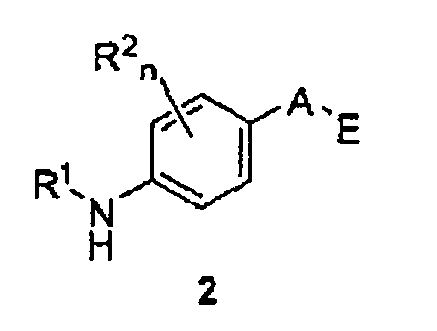
wherein A is O, C(=O), S, SO or SO2;
E is:

D1, D2 and D3 are independently N or CR19;
D4 and D5 are independently N or CR19 and D6 is O, S, or NR20, wherein at least one of D4 and D5 is not CR19;
D7, D8, D9 and D10 are independently N or CR19, wherein at least one of D7, D8, D9 and D10 is N;
R1 is H or alkyl;
each R2 is independently halogen, cyano, nitro, trifluoromethyl, difluoromethyl, fluoromethyl, fluoromethoxy, difluoromethoxy, trifluoromethoxy, azido, -SR18, -OR15, -C(O)R15, -C(O)OR15, -NR14C(O)OR18, -OC(O)R15, -NR14SO2R18, -SO2NR15R14, -NR14C(O)R15, -C(O)NR15R14, -NR15C(O)NR15R14, -NR13C(NCN)NR15R14, -NR15R14, alkyl, alkenyl, alkynyl, saturated or partially unsaturated cycloalkyl, cycloalklalkyl, -S(O)p(alkyl), -S(O)p(CR13R14)q-aryl, aryl, arylalkyl, heteroaryl, heteroarylalkyl, saturated or partially unsaturated heterocyclyl, heterocyclylalkyl, -O(CR13R14)q-aryl, -NR15(CR13R14)q-aryl, -O(CR13R14)q-heteroaryl, -NR13(CR13R14)q-heteroaryl, -O(CR13R14)q-heterocyclyl or -NR15(CR13R14)q-heterocyclyl, wherein said alkyl, alkenyl, alkynyl, cycloalkyl, aryl, arylalkyl, heteroaryl, heteroarylalkyl, heterocyclyl and heterocyclylalkyl portions are optionally substituted with one or more groups independently selected from oxo, halogen, cyano, nitro, trifluoromethyl, difluoromethoxy, trifluoromethoxy, azido, -NR13SO2R18, -SO2NR15R13, -C(O)R15, -C(O)OR15, -OC(O)R15, -NR13C(O)OR18, -NR13C(O)R15, -C(O)NR15R13, -NR15R13, -NR14C(O)NR15R13, -NR14C(NCN)NR15R13, -OR15, aryl, heteroaryl, arylalkyl, heteroarylalkyl, saturated and partially unsaturated heterocyclyl, and heterocyclylalkyl, and wherein said aryl, heteroaryl, arylalkyl, heteroarylalkyl, heterocyclyl or heterocyclylalkyl rings may be further substituted with one or more groups selected from halogen, hydroxyl, cyano, nitro, azido, fluoromethyl, difluoromethyl, trifluoromethyl, alkyl, alkenyl, alkynyl, saturated and partially unsaturated cycloalkyl, saturated and partially unsaturated heterocyclyl, NR15R13 and OR15;
each R6, R8, and R8a are independently hydrogen, trifluoromethyl, alkyl, saturated or partially unsaturated cycloalkyl, saturated or partially unsaturated heterocyclyl, aryl, arylalkyl, heteroaryl, heteroarylalkyl, or heterocyclylalkyl, wherein said alkyl, cycloalkyl, heterocyclyl, aryl, arylalkyl, heteroaryl, heteroarylalkyl, and heterocyclylalkyl are optionally substituted with one or more groups independently selected from oxo, halogen, alkyl, alkenyl, alkynyl, saturated and partially unsaturated cycloalkyl, saturated and partially unsaturated heterocyclyl, cycloalkylalkyl, cyano, nitro, OR15, NR15R16, SR15, S(=O)R15, SO2R15, trifluoromethyl, difluoromethyl, fluoromethyl, fluoromethoxy, difluoromethoxy, trifluoromethoxy, azido, aryl, heteroaryl, arylalkyl, heteroarylalkyl, and heterocyclylalkyl,
or R8 and R8a together with the atom to which they are attached form a 3 to 6 membered carbocyclic ring;
or R6 and R8 together with the atoms to which they are attached form a 3 to 10 membered saturated or partially unsaturated heterocyclyl ring optionally containing one or more additional heteroatoms selected from N, O, S, SO, SO2 and NR6, wherein said carbocyclic and heterocyclic rings are optionally substituted with one or more groups independently selected from oxo, halogen, alkyl, alkenyl, alkynyl, saturated and partially unsaturated cycloalkyl, saturated and partially unsaturated heterocyclyl, cycloalkylalkyl, cyano, nitro, trifluoromethyl, difluoromethyl, fluoromethyl, fluoromethoxy, difluoromethoxy, trifluoromethoxy, azido, aryl, OR15, NR15R16, SR15, heteroaryl, arylalkyl, heteroarylalkyl, and heterocyclylalkyl;
each R12 is independently halogen, cyano, nitro, trifluoromethyl, difluoromethyl, fluoromethyl, fluoromethoxy, difluoromethoxy, trifluoromethoxy, azido, -SR18, -OR15, -C(O)R15, -C(O)OR15, -NR14C(O)OR18, -OC(O)R15 -NR14SO2R18, -SO2NR15R14, -NR14C(O)R15, -C(O)NR15R14, -NR13C(O)NR15R14, -NR13C(NCN)NR15R14, -NR15R14, alkyl, alkenyl, alkynyl, saturated or partially unsaturated cycloalkyl, cycloalkylalkyl, -S(O)p(alkyl), -S(O)p(CR13R14)q-aryl, aryl, arylalkyl, heteroaryl, heteroarylalkyl, saturated or partially unsaturated heterocyclyl, heterocyclylalkyl, -O(CR13R14)q-aryl, -NR15(CR13R14)q-aryl, -O(CR13R14)q-heteroaryl, -NR13(CR13R14)q-heteroaryl, -O(CR13R14)q-heterocyclyl or -NR15(CR13R14)q-heterocyclyl, wherein said alkyl, alkenyl, alkynyl, cycloalkyl, aryl, arylalkyl, heteroaryl, heteroarylalkyl, heterocyclyl and heterocyclylalkyl portions are optionally substituted with one or more groups independently selected from oxo, halogen, cyano, nitro, trifluoromethyl, difluoromethoxy, trifluoromethoxy, azido, -NR13SO2R18, -SO2NR15R13, -C(O)R15, -C(O)OR15, -OC(O)R15, -NR13C(O)OR18, -NR13C(O)R15, -C(O)NR15R13, -NR15R13, -NR14C(O)NR15R13, -NR14C(NCN)NR15R13, -OR15, aryl, heteroaryl, arylalkyl, heteroarylalkyl, saturated and partially unsaturated heterocyclyl, and heterocyclylalkyl, and wherein said aryl, heteroaryl, arylalkyl, heteroarylalkyl, heterocyclyl or heterocyclylalkyl rings may be further substituted with one or more groups selected from halogen, hydroxyl, cyano, nitro, azido, fluoromethyl, difluoromethyl, trifluoromethyl, alkyl, alkenyl, alkynyl, saturated and partially unsaturated cycloalkyl, saturated and partially unsaturated heterocyclyl, NR15R13 and OR15;
R13 and R14 are independently hydrogen or alkyl, or
R13 and R14 together with the atoms to which they are attached form a saturated or partially unsaturated cycloalkyl, or saturated or partially unsaturated heterocyclyl ring, wherein said alkyl, cycloalkyl and heteorcyclyl portions are optionally substituted with one or more groups independently selected from halogen, cyano, nitro, trifluoromethyl, difluoromethyl, fluoromethyl, fluoromethoxy, difluoromethoxy, trifluoromethoxy, azido, oxo, ORa, NRaRb, NRaORb, NRaCO2Rb, NRaCORb, SO2NRaRb, SRa, SORa, SO2Ra, S-S-Ra, C(=O)Ra, C(=O)ORa, OC(=O)Ra, C(=O)NRaRb, NRaC(=O)Rb, and NRaC(=O)NRbRc;
R15 and R16 are independently H, alkyl, alkenyl, alkynyl, heteroalkyl, heteroalkenyl, heteroalkynyl, saturated or partially unsaturated cycloalkyl, saturated or partially unsaturated heterocyclyl, cycloalkylalkyl, aryl, arylalkyl, heteroaryl, heteroarylalkyl, or heterocyclylalkyl, wherein said alkyl, alkenyl, alkynyl, cycloalkyl, heterocyclyl, cycloalkylalkyl, aryl, arylalkyl, heteroaryl, heteroarylalkyl, and heterocyclylalkyl are optionally substituted with one or more groups independently selected from alkyl, alkenyl, alkynyl, heteroalkyl, heteroalkenyl, heteroalkynyl, saturated and partially unsaturated cycloalkyl, saturated and partially unsaturated heterocyclyl, aryl, heteroaryl, halogen, oxo, ORa, NRaRb, NRaORb, NRaCO2Rb, NRaCORb, SO2NRaRb, SRa, SORa, SO2Ra, S-S-Ra, C(=O)Ra, C(=O)ORa, OC(=O)Ra, C(=O)NRaRb, NRaC(=O)Rb, NRaC(=O)NRbRc, OC(=O)NRaRb, and C(=O)CH2ORa;
or R15 and R16 together with the atom to which they are attached form a heterocyclic ring optionally containing one or more additional heteroatoms selected from N, O, S, SO, SO2 and NR6, wherein said heterocyclic ring is optionally substituted with one or more groups independently selected from oxo, halogen, alkyl, alkenyl, alkynyl, saturated and partially unsaturated cycloalkyl, saturated and partially unsaturated heterocyclyl, cycloalkylalkyl, cyano, nitro, trifluoromethyl, difluoromethyl, fluoromethyl, fluoromethoxy, difluoromethoxy, trifluoromethoxy, azido, aryl, ORa, NRaRb, SRa, heteroaryl, arylalkyl, heteroarylalkyl, and heterocyclylalkyl,
or R13 and R15 together with the atom to which they are attached form a saturated or partially unsaturated cycloalkyl or saturated or partially unsaturated heterocyclyl ring, wherein said alkyl, cycloalkyl and heterocyclyl are optionally substituted with one or more groups independently selected from halogen, cyano, nitro, trifluoromethyl, difluoromethyl, fluoromethyl, fluoromethoxy, difluoromethoxy, trifluoromethoxy, azido, oxo, ORa, NRaRb, NRaORb, NRaCO2Rb, NRaCORb, SO2NRaRb, SRa, SORa, SO2Ra, S-S-Ra, C(=O)Ra, C(=O)ORa, OC(=O)Ra, C(=O)NRaRb, NRaC(=O)Rb, and NRaC(=O)NRbRc;
R18 is CF3, alkyl, alkenyl, alkynyl, heteroalkyl, heteroalkenyl, heteroalkynyl, saturated or partially unsaturated cycloalkyl, saturated or partially unsaturated heterocyclyl, cycloalkylalkyl, aryl, arylalkyl, heteroaryl, heteroarylalkyl, or heterocyclylalkyl, wherein said alkyl, alkenyl, alkynyl, cycloalkyl, saturated or partially unsaturated heterocyclyl, cycloalkylalkyl, aryl, arylalkyl, heteroaryl, heteroarylalkyl and heterocyclylalkyl are optionally substituted with one or more groups independently selected from alkyl, alkenyl, alkynyl, heteroalkyl, heteroalkenyl, heteroalkynyl, saturated and partially unsaturated cycloalkyl, saturated and partially unsaturated heterocyclyl, aryl, heteroaryl, halogen, oxo, ORa, NRaRb, NRaORb, NRaCO2Rb, NRaCORb, SO2NRaRb, SRa, SORa, SO2Ra, S-S-Ra, C(=O)Ra, C(=O)ORa, OC(=O)Ra, C(=O)NRaRb, NRaC(=O)Rb, NRaC(=O)NRbRc,
or R15 and R18 together with the atoms to which they are attached form a saturated or partially unsaturared cycloalkyl or saturated or partially unsaturated heterocyclyl ring, wherein said alkyl, cycloalkyl and heterocyclyl are optionally substituted with one or more groups independently selected from halogen, cyano, nitro, trifluoromethyl, difluoromethyl, fluoromethyl, fluoromethoxy, difluoromethoxy, trifluoromethoxy, azido, oxo, ORa, NRaRb, NRaORb, NRaCO2Rb, NRaCORb, SO2NRaRb SRa, SORa, SO2Ra, S-S-Ra, C(=O)Ra, C(=O)ORa, OC(=O)Ra, C(=O)NRaRb, NRaC(=O)Rb, and NRaC(=O)NRbRc;
each R19 is independently H, halogen, cyano, nitro, trifluoromethyl, difluoromethyl, fluoromethyl, fluoromethoxy, difluoromethoxy, trifluoromethoxy, azido, -SR18, -OR15, -C(O)R15, -C(O)OR15, -NR14C(O)OR18, -OC(O)R15 -NR14SO2R18, -SO2NR15R14, -NR14C(O)R15, -C(O)NR15R14, -NR13C(O)NR15R14, -NR13C(NCN)NR15R14, -NR15R14, alkyl, alkenyl, alkynyl, saturated or partially unsaturated cycloalkyl, cycloalkylalkyl, -S(O)p(alkyl), -S(O)p(CR13R14)q-aryl, aryl, arylalkyl, heteroaryl, heteroarylalkyl, saturated or partially unsaturated heterocyclyl, heterocyclylalkyl, -O(CR13R14)q-aryl, -NR15(CR13R14)q-aryl, -O(CR13R14)q-heteroaryl, -NR13(CR13R14)q-heteroaryl, -O(CR13R14)q-heterocyclyl or -NR15(CR13R14)q-heterocyclyl, wherein said alkyl, alkenyl, alkynyl, cycloalkyl, aryl, arylalkyl, heteroaryl, heteroarylalkyl, heterocyclyl and heterocyclylalkyl portions are optionally substituted with one or more groups independently selected from oxo, halogen, cyano, nitro, trifluoromethyl, difluoromethoxy, trifluoromethoxy, azido, -NR13SO2R18, -SO2NR15R13, -C(O)R15, -C(O)OR15, -OC(O)R15, -NR13C(O)OR18, -NR13C(O)R15, -C(O)NR15R13, -NR15R13, -NR14C(O)NR15R13, -NR14C(NCN)NR15R13, -OR15, aryl, heteroaryl, arylalkyl, heteroarylalkyl, saturated or partially unsaturated heterocyclyl, and heterocyclylalkyl, and wherein said aryl, heteroaryl, arylalkyl, heteroarylalkyl, heterocyclyl or heterocyclylalkyl rings may be further substituted with one or more groups selected from halogen, hydroxyl, cyano, nitro, azido, fluoromethyl, difluoromethyl, trifluoromethyl, alkyl, alkenyl, alkynyl, saturated and partially unsaturated cycloalkyl, saturated and partially unsaturated heterocyclyl, NR15R13 and OR15;
each R20 is independently C1-C4 alkyl, saturated or partially unsaturated cycloalkyl, trifluoromethyl, difluoromethyl, or fluoromethyl;
Ra, Rb and Rc are independently H, alkyl, alkenyl, alkynyl, saturated or partially unsaturated cycloalkyl, saturated or partially unsaturated heterocyclyl, aryl, or heteroaryl,
or NRaRb forms a 5-6 membered heterocyclic ring having 1-2 ring nitrogen atoms and optionally substituted with (C1-C3 alkyl),
or NRbRc forms a 5-6 membered heterocyclic ring having 1-2 ring nitrogen atoms;
j is 0,1, 2 or 3;
n is 0, 1, 2, 3, or 4;
q is 0, 1, 2, 3, 4, or 5; and
p is 0, 1 or 2. - In a further embodiment, this invention relates to a process for preparing a compound of Formula 10:

- (a) condensing a compound of Formula 8:


- (b) cyclizing the thiourea of Formula 9 to provide a compound of Formula 10;
- In certain embodiments, R1 is H.
- In certain embodiments, A is O.
- In certain embodiments, A is S.
- In certain embodiments, E is

- Exemplary embodiments of E include bicyclic heteroaryl rings selected from


- wherein k is 0, 1,2, or 3. Examples of R12 groups include amino, C1-C4 alkoxy, saturated or partially unsaturated cycloalkyl, CN, trifluoromethyl, difluoromethyl, and fluoromethyl. Example of R19 groups include H, amino, C1-C4 alkoxy, saturated or partially unsaturated cycloalkyl, CN, trifluoromethyl, difluoromethyl and fluoromethyl. Examples of R20 include C1-C4 alkyl, saturated or partially unsaturated cycloalkyl, trifluoromethyl, difluoromethyl, and fluoromethyl.
- In other embodiments, R12 is halogen.
- In other embodiments, R20 is H.
- In particular embodiments, R12 is H.
- In certain embodiments, R19 is H or C1-C6 alkyl. In particular embodiments, R19 is H or methyl.
- In certain embodiments, R20 is H or C1-C6 alkyl. In particular embodiments, R20 is H, methyl or ethyl.
- In particular embodiments, E is selected from the structures:



- In certain embodiments, E is

- In one embodiment, at least one of D1, D2 and D3 is N.
- Exemplary embodiments of E further include heteroaryl rings selected from

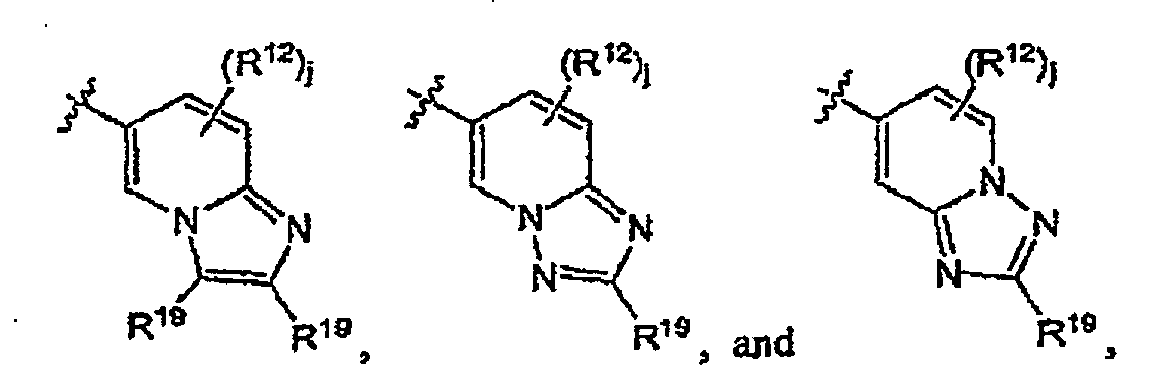
- wherein each R19 group is independent of the other. Examples of R12 groups include amino, C1-C4 alkoxy, saturated or partially unsaturated cycloalkyl, CN, trifluoromethyl, difluoromethyl, and fluoromethyl. Example of R19 groups include H, amino, C1-C4 alkoxy, saturated or partially unsaturated cycloalkyl, CN, trifluoromethyl, difluoromethyl, and fluoromethyl.
- In certain embodiments, R12 is halogen. In certain embodiments, j is 0 or 1. A particular example for R12 is F.
- In certain embodiments, R19 is H, C1-C6 alkyl, or halogen. Particular examples fo R19 include H, methyl, CI, and Br.
- Particular examples of E include:
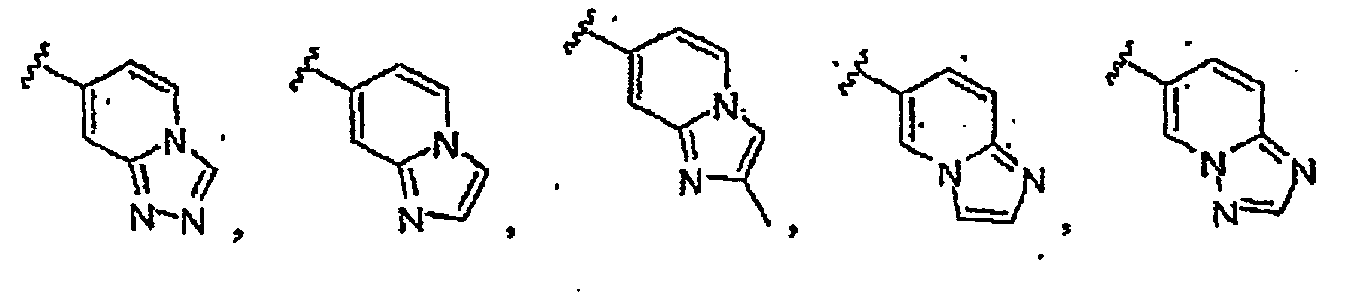

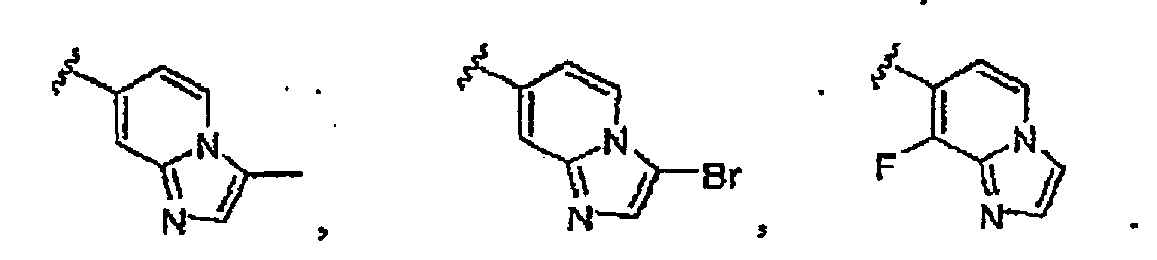
- In certain embodiments E is selected from the groups E1, E2, E3, E4, E5, E6, E7 and E8:

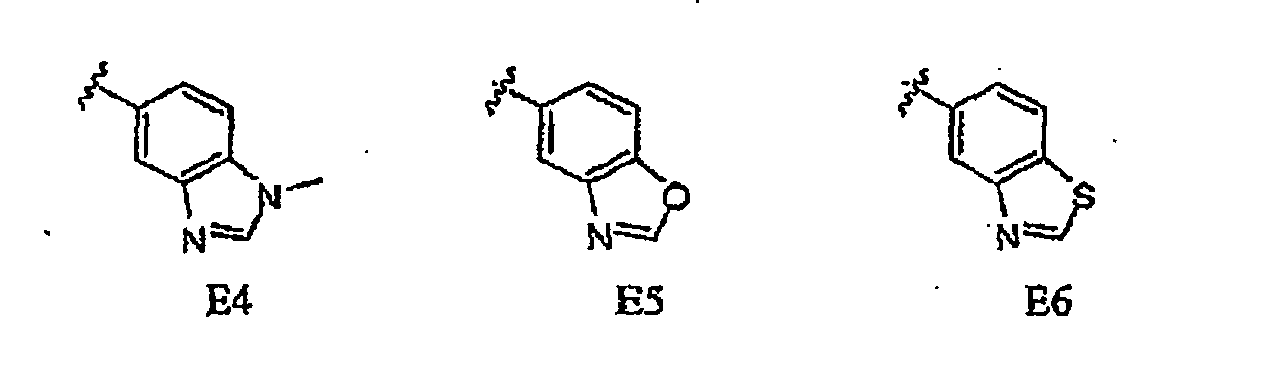
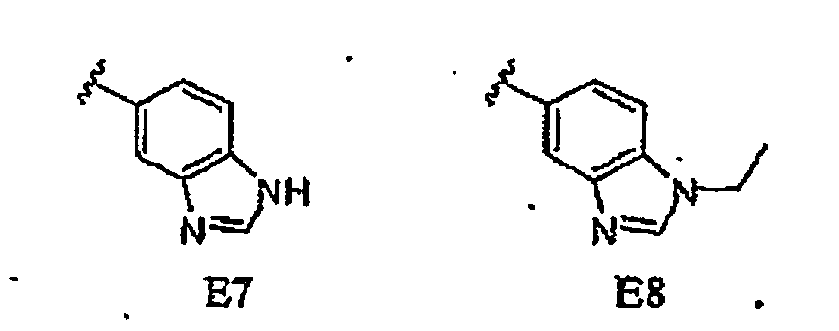
- In certain embodiment, E is selected from the groups E1, E2 and E3, and j is 0 or 1. In certain embodiments of the groups E1, E2 and E3, R12 is halogen. In certain embodiments of the groups E1, E2 and E3, R19 is selected from H, halogen or C1-C6 alkyl. In certain embodiments of the groups E1, E2 and E3, R20 is H.

- Examples of OR15 when R15 represents a C3-C6 cycloalkyl group optionally substituted by ORa wherein Ra represents H or C1-C6 alkyl include cyclohexamoxy and cyclopentanoxy groups optionally substituted with OH, for example, 2-hydroxycyclopentoxy.
- Examples of QR15 when R15 represents a cycloalkylalkyl group include -O-(C3-C6 cycloalkyl)(CH2)p wherein p is 1, 2, or 3. A particular example is 1-cyclopropylmethoxy.
- Examples of OR15 when R15 represents a C1-C6 alkyl group include CH3O- and CH3CH2O-.
- Examples of OR15 when R15 represents a C1-C6 alkyl group substituted with one or two ORa groups and Ra represents H, C1-C6 alkyl or benzyl include CH3O(CH2)2O-, CH3CH2O(CH2)O-, HO(CH2)2O-, HOCH2CH(OH)CH2O-, CH3CH(OH)CH2O-, HOC(CH3)2CH2O-, (PhCH2O)CH2CH2O-, and (PhCH2)OCH2CH(OH)CH2O-.
- Examples of OR15 when R15 represents a C1-C6 alkyl group substituted with -OC(O)Ra include -O-(CH2)pOC(O)Ra wherein p is 1-6 and Ra is H or C1-C6 alkyl. A particular example is -O-(CH2)2OC(O)CH3.
- Examples of OR15 when R15 represents a C1-C6 alkyl group substituted with -CO2Ra include -O-(CH2)pCO2Ra wherein p is 1-6 and Ra is H or C1-C6 alkyl. A particular example is -O-(CH2)CO2CH3.
- Examples of OR15 when R15 represents a C1-C6 alkyl group substituted with -SO2Ra include -O-(CH2)pSO2Ra wherein p is 1-6 and Ra is C1-C6 alkyl. A particular example is -O(CH2)3SO2CH3.
- Examples of OR15 when R15 represents a C1-C6 alkyl group substituted with -SRa include O-(CH2)pSRa wherein p is 1-6 and Ra is C1-C6 alkyl. A particular example is -O(CH2)3SCH3.
- Examples of OR15 when R15 represents a C1-C6 alkyl group substituted with -C(O)NRaRb include -O-(CH2)pC(O)NRaRb wherein p is 1-6 and Ra and Rb are independently H or C1-C6 alkyl, or NRaRb represents a 5-6 membered heterocycle having 1-2 ring nitrogen atoms and optionally substituted with C1-C6 alkyl. Particular examples of OR15 include (CH3)2NC(O)CH2O-, CH3NHC(O)CH2O-, NH2C(O)CH2O-, and

- Examples of OR15 when R15 represents a C1-C6 alkyl group substituted with -NRaC(O)Rb include -O(CH2)pNRaC(O)Rb wherein p is 1-6 and Ra and Rb are independently H or C1-C6 alkyl. Particular examples of OR15 include -O(CH2)2NHC(O)CH3 and -O(CH2)2NHC(O)CH2CH3.
- Examples of OR15 when R15 represents a C1-C6 alkyl group substituted with -NRaRb include -O-(CH2)pNRaRb wherein p is 1-6 and Ra and Rb are independently H or C1-C6 alkyl (for example methyl or ethyl). Particular examples of OR15 include -O(CH2)3N(CH3)2 and -O(CH2)2N(CH3)2.
- Examples of OR15 when R15 represents a C1-C6 alkyl group substituted with -OC(O)NRaRb include -O-(CH2)p-OC(O)NRaRb wherein p is 1-6 and Ra and Rb are independently H or C1-C6 alkyl. A particular example is -O(CH2)2OC(O)N(CH3)2.
- Examples of OR15 when R15 represents a C1-C6 alkyl group substituted with -NRaC(O)NRbRc incude -O-(CH2)p-NRaC(O)NRbRc wherein p is 1-6, Ra and Rb are independently H or C1-C6 alkyl, and Rc is H, C1-C6 alkyl or -O(C1-C6 alkyl), or NRbRc represents a 5-6 membered heterocycle having 1-2 ring nitrogen atoms (for example pyrrolidinyl). Particular examples of OR15 include

- Examples of OR15 when R15 represents a 5-6 membered heterocyclic ring having a ring heteroatom selected from N and O and optionally substituted with -C(O)Ra, C1-C6 alkyl, oxo, -C(O)NRaRb, -SO2Ra, or -C(O)CH2ORa include pyrrolidinyl, piperidinyl, and tetrahydro-2H-pyranyl ring optionally substituted with -C(O)(C1-C6 alkyl), oxo, C1-C6 alkyl, -C(O)N(C1-C6 alkyl)2, -SO2(C1-C6 alkyl), and -C(O)CH2O(C1-C6 alkyl). Particular examples include


- Examples of OR15 when R15 represents a heterocyclylalkyl group include 0-Hetcyc)(CH2)p wherein p is 1-6 and Hetcyc represents a 5-6 membered heterocyclic ring having 1-2 ring nitrogen atoms and optionally substituted with one or two groups selected from C1-C6 alkyl, halogen, OH, O-(C1-C6 alkyl) and oxo. Examples of the heterocyclic ring include Pyrrolidinyl, piperidinyl, morpholinyl, tetrahydrofuranyl, pyrazinyl, and imidazolidinyl rings optionally substituted with one or two groups independently selected from methyl, F, OH and oxo. Particular examples of OR15 include




- An example of OR15 when R15 represents a heteroaryl group includes groups wherein the heteroaryl is a pyridinyl group optionally substituted with C1-C6 alkyl or halogen. Particular examples include 2-methylpyridin-4-yloxy, 2-chloropyridin-4-yloxy, and 2-methylpyridin-4-yloxy.
- An example of OR15 when R15 represents a heteroarylalkyl group includes -0-(CH2)p(heteroaryl) wherein p is 1-6 and the heteroaryl group is optionally substituted with C1-C6 alkyl. Examples of the heteroaryl group include 5-6 membered rings having 1 to 3 nitrogen atoms, for example imidazolyl and 1,2,4-triazolyl. Particular examples of OR15 include

- In certain embodiments, R6 is H or C1-C6 alkyl.
- In certain embodiments, R8 and R8a are independently H or C1-C6 alkyl optionally substituted with ORa wherein Ra is H or C1-C6 alkyl. In other embodiments, R8 and R8a together with the atom to which they are attached form a C3-C6 cycloalkyl ring.
- In certain embodiments, n is 1 and R2 is halogen, CN, trifluoromethyl, difluoromethyl, fluoromethyl, C1-C4-alkyl, C1-C4-alkoxy, or cycloalkyl.
- In certain embodiments, the phrase "R6 and R8 together with the atoms to which they are attached form a 3 to 10 membered saturated or partially unsaturated heterocyclic ring" refers to a ring formed from an R6 and R8 radical attached to different atoms on the same functional group. The heterocyclic ring formed can be a fused ring or a spirocyclic ring.
- In certain embodiments, the phrase "R13 and R14 together with the atoms to which they are attached form a saturated or partially unsaturated cycloalkyl or a saturated or partially unsaturated heterocyclyl ring" refers to a carbocyclic ring formed from an R13 and R14 radical attached to the same carbon atom, such as in a group having the formula - S(O)p(CR13R14)q-, -O(CR13R14)q-aryl, -NR15(CR13R14)q-aryl, -O(CR13R14)q-hereroaryl, -NR13(CR13R14)q-heteroaryl, -O(CR13R14)q-heterocyclyl or -NR15(CR13R14)q-heterocyclyl, or to a heterocyclic ring formed through an R13 and R14 radical attached to different atoms within the same group, such as in a group having the formula -NR14C(O)NR15R13, -NR13C(NCN)NR15R14, -NR13(CR13R14)q-heteroaryl or -NR15(CR13R14)q-heterocyclyl.
- In certain embodiments, the phrase "R13 and R15 together with the atom to which they are attached form a saturated or partially unsaturated cycloalkyl or saturated or partially unsaturated heterocyclyl ring" refers to a heterocyclic ring formed through an R13 and R15 radical attached to different atoms within the same group, such as in a group having the formula - NR13C(NCN)NR15R14, -NR15(CR13R14)q-aryl, or -NR15(CR13R14)q-heterocyclyl.
- It is to be understood that in instances where two or more radicals are used in succession to define a substituent attached to a structure, the first named radical is considered to be terminal and the last named radical is considered to be attached to the structure in question. Thus, for example, the radical arylalkyl is attached to the structure in question by the alkyl group.
- The compounds of this invention may possess one of more asymmetric centers; such compounds can therefore be produced as individual (R)- or (S)-stereoisomers or as mixtures thereof. Unless indicated otherwise, the description or naming of a particular compound in the specification and claims is intended to include both individual enantiomers, diastereomers mixtures, racemic or otherwise, thereof. Accordingly, this invention also includes all such isomers, including diastereomeric mixtures, pure diastereomers and pure enantiomers of the compounds of this invention.
- The term "enantiomer" refers to two stereoisomers of a compound which are non-superimposable mirror images of one another. The term "diastereomer" refers to a pair of optical isomers which are not mirror images of one another. Diastereomers have different physical properties, e.g. melting points, boiling points, spectral properties, and reactivities.
- The compounds of the present invention may also exist in different tautomeric forms, and all such forms are embraced within the scope of the invention. The term "tautomer" or "tautomeric form" refers to structural isomers of different energies which are interconvertible via a low energy barrier. For example, proton tautomers (also known as prototropic tautomers) include interconversions via migration of a proton, such as keto-enol and imine-enamine isomerizations. Valence tautomers include interconversions by reorganization of some of the bonding electrons.
- In the structures shown herein, where the stereochemistry of any particular chiral atom is not specified, then all stereoisomers are contemplated and included as the compounds of the invention. Where stereochemistry is specified by a solid wedge or dashed line representing a particular configuration, then that stereoisomer is so specified and defined.
- The phrase "pharmaceutically acceptable" indicates that the substance or composition is compatible chemically and/or toxicologically, with the other ingredients comprising a formulation, and/or the mammal being treated therewith.
- A "solvate" refers to an association or complex of one or more solvent molecules and a compound of the invention. Example of solvents that form solvates include water, isopropanol, ethanol methanol, DMSO, ethyl acetate, acetic acid, and ethanolamine. The term "hydrate" refers to the complex where the solvent molecule is water.
- The present invention also embraces isotopically-labeled compounds of the present invention which are identical to those recited herein, but for the fact that one or more atoms are replaced by an atom having an atomic mass or mass number different from the atomic mass or mass number usually found in nature. All isotopes of any particular atom or element as specified is contemplated within the scope of the compounds of the invention; and their uses. Exemplary isotopes that can be incorporated into compounds of the invention include isotopes of hydrogen, carbon, nitrogen, oxygen, phosphorus, sulfur, fluorine, chlorine and iodine, such as 2H, 3H, 11C, 13C2, 14C, 13N, 15N, 15O, 17O, 18O, 32P, 33P, 35S, 18P, 36Cl, 123I and 125I. Certain isotopically-labeled compounds of the present invention (e.g., those labeled with 3H and 14C) are useful in compound and/or substrate tissue distribution assays. Tritiated (i.e., 3H) and carbon-14 (i.e., 14C) isotopes are useful for their ease of preparation and detectability Further, substitution with heavier isotopes such as deuterium (i.e., 2H) may afford certain therapeutic advantages resulting from greater metabolic stability (e.g., increased in vivo half-life or reduced dosage requirements) and hence may be preferred in some circumstances. Positron emitting isotopes such as 15O, 13N, 11C and 18F are useful for positron emission tomography (PET) studies to examine substrate receptor occupancy. Isotopically labeled compounds of the present invention can generally be prepared by following procedures analogous to those disclosed in the Schemes and/or in the Examples herein below, by substituting an isotopically labeled reagent for a non-isotopically labeled reagent.
- SYNTHESIS OF COMPOUNDS
- Compounds may be synthesized by synthetic routes that include processes analogous to those well known in the chemical arts, particularly in light of the description contained herein. The starting materials are generally available from commercial sources such as Aldrich Chemicals (Milwaukee, WI) or are readily prepared using methods well known to those skilled in the art (e.g., prepared by methods generally described in Louis F. Fieser and Mary Fieser, Reagents for Organic Synthesis, v. 1-19, Wiley, N.Y. (1967-1999 ed.), or Beilsteins Handbuch der organischen Chemie, 4, Aufl. ed. Springer-Verlag, Berlin, including supplements (also available via the Beilstein online database).
- Compounds may be prepared singly or as compound libraries comprising at least 2, for example 5 to 1,000 compounds, or 10 to 100 compounds. Libraries of compounds may be prepared by a combinatorial 'split and mix' approach or by multiple parallel syntheses using either solution phase or solid phase chemistry, by procedures known to those skilled in the art. Thus according to a further aspect of the invention there is provided a compound library comprising at least 2 compounds, or pharmaceutically acceptable salts thereof. 3
- For illustrative purposes, Scheme 3 shows a general method for preparing compound 10 of the present invention as well as key intemediate 9. For a more detailed description of the individual reaction steps, see the Examples section below. Those skilled in the art will appreciate that other synthetic routes may be used to synthesize the inventive compounds. Although specific starting materials and reagents are depicted in the Schemes and discussed below, other starting materials and reagents can be easily substituted to provide a variety of derivatives and/or reaction conditions. In addition, many of the compounds prepared by the methods described below can be further modified in light of this disclosure using conventional chemistry well known to those skilled in the art.

- Scheme 3 illustrates a route towards "N-linked" oxazaline-quinazoline compounds wherein A and E are as defined herein. According to Scheme 3, amidine (8) can be condensed with suitable aniline (2) in the presence of an acid such as HOAc in a suitable organic solvent such as isopropyl acetate (IPAc) to provide the thiourea (9). The oxazoline (10) can be prepared by cyclizing the thiourea (9) under a variety of conditions, for example, by treating the thiourea (9) with TsCl and aqueous NaOH in THF.
- In preparing compounds described herein, protection of remote functionalities (e.g., primary or secondary amines, alcohols, etc.) of intermediates may be necessary. The need for such protection will vary depending on the nature of the remote functionality and the conditions of the preparation methods. Suitable amino-protecting groups (NH-Pg) include acetyl, trifluoroacetyl, t-butoxycarbonyl (BOC), benzyloxycarbonyl (CBz) and 9-fluorenylmethyleneoxycarbonyl (Fmoc). The need for such protection is readily determined by one skilled in the art. For a general description of protecting groups and their use, see T, W. Greene, Protective Groups in Organic Synthesis, John Wiley & Sons, New York, 1991.
- METHODS OF SEPARATION
- In any of the synthetic methods for preparing the compounds described herein, it may be advantageous to separate reaction products from one another and/or from starting materials. The desired products of each step or series of steps is separated and/or purified to the desired degree of homogeneity by the techniques common in the art. Such separations involve, for example, multiphase extraction, crystallization from a solvent or solvent mixture, distillation, sublimation, or chromatography. Chromatography can involve any number of methods including, for example: reverse-phase and normal phase; size exclusion; ion exchange; high, medium and low pressure liquid chromatography methods and apparatus; small scale analytical; simulated moving bed (SMB) and preparative thin or thick layer chromatography, as well as techniques of small scale thin layer and flash chromatography.
- Another class of separation methods involves treatment of a reaction mixture with a reagent selected to bind to or render otherwise separable a desired product, unreacted starting material, reaction by-product, or the like. Such reagents include adsorbents such as activated carbon, molecular sieves, ion exchange media, or the like. Alternatively, the reagents can be acids in the case of a basic material bases in the case of an acidic material, binding reagents such as antibodies, binding proteins, selective chelators such as crown ethers, liquid/liquid ion extraction reagents (LIX), or the like.
- Selection of appropriate method(s) of separation depends on the nature of the materials involved. For example, boiling point and molecular weight in distillation and sublimation, presence or absence of polar functional groups in chromatography, stability of materials in acidic and basic media in multiphase extraction, and the like. One skilled in the art will apply techniques most likely to achieve the desired separation.
- Diastereomeric mixtures can be separated into their individual diastereomers on the basis of their physical chemical differences by methods well known to those skilled in the art, such as by chromatography and/or fractional crystallization. Enantiomers can be separated by converting the enantiomeric mixture into a diastereomeric mixture by reaction with an appropriate optically active compound (e.g., chiral auxiliary such as a chiral alcohol or Mosher's acid chloride), separating the diastereomers and converting (e.g., hydrolyzing) the individual diastereoisomers to the corresponding pure enantiomers. Also, some of the compounds of the present-invention may be atropisomers (e.g., substituted biaryls) and are considered as part of this invention. Enantiomers can also be separated by use of a chiral HPLC column.
- A single stereoisomer, e.g., an enantiomer, substantially free of its stereoisomer may be obtained by resolution of the racemic mixture using a method such as formation of diastereomers using optically active resolving agents (Eliel, E. and Wilen, S. "Stereochemistry of Organic Compounds," John Wiley & Sons, Inc., New York, 1994; Lochmuller, C. H., J. Chromatogr., (1975) 113(3):283-302). Racemic mixtures of chiral compounds of the invention can be separated and isolated by any suitable method, including: (1) formation of ionic, diastereomeric salts with chiral compounds and separation by fractional crystallization or other methods, (2) formation of diastereomeric compounds with chiral derivatizing reagents, separation of the diastereomers, and conversion to the pure stereoisomers, and (3) separation of the substantially pure or enriched stereoisomers directly under chiral conditions, See: "Drug Stereochemistry, Analytical Methods and Pharmacology," Irving W. Wainer, Ed., Marcel Dekker, Inc., New York (1993).
- Under method (1), diastereomeric salts can be formed by reaction of enantiomerically pure chiral bases such as brucine, quinine, ephedrine, strychnine, α-methyl-β-phenylethylamine (amphetamine), and the like with asymmetric compounds bearing acidic functionality, such as carboxylic acid and sulfonic acid. The diastereomeric salts may be induced to separate by fractional crystallization or ionic chromatography. For separation of the optical isomers of amino compounds, addition of chiral carboxylic or sulfonic acids, such as camphorsulfonic acid, tartaric acid, mandelic acid, or lactic acid can result in formation of the diastereomeric salts.
- Alternatively, by method (2), the substrate to be resolved is reacted with one enantiomer of a chiral compound to form a diastereomeric pair (E. and Wilen, S. "Stereochemistry of Organic Compounds", John Wiley & Sons, Inc., 1994, p. 322). Diastereomeric compounds can be formed by reacting asymmetric compounds with enantiomerically pure chiral derivatizing reagents, such as menthyl derivatives, followed by separation of the diastereomers and hydrolysis to yield the pure or enriched enantiomer. A method of determining optical purity involves making chiral esters, such as a menthyl ester, e.g., (-)menthyl chloroformate in the presence of base, or Mosher ester, α-methoxy-α-(trifluoromethyl)phenyl acetate (Jacob III. J. Org. Chem., (1982) 47:4165), of the racemic mixture, and analyzing the 1H NMR- spectrum for the presence of the two atropisomeric enantiomers or diastereomers. Stable diastereomers of atropisomeric compounds can be separated and- Isolated by normal- and reverse-phase chromatography following methods for separation of atropisomeric naphthyl-isoquinolines (
WO 96/15111 - In order to illustrate the invention, the following examples are included,
- In the examples described below, unless otherwise indicated all temperatures are set forth in degrees Celsius. Reagents were purchased from commercial suppliers such as Aldrich Chemical Company, Lancaster, TCI or Maybridge, and were used without further purification unless otherwise indicated. Tetrahydrofuran (THF), N,N-dimexhylformamide (DMF), dichloromethane (DCM), dichloroethane (DCE), toluene, dioxane and 1,2-difluoroethane were purchased from Aldrich in Sure seal battles and used as received.
- The reactions set forth below were done generally under a positive pressure of nitrogen or argon or with a drying tube (unless otherwise stated) in anhydrous solvents, and the reaction flasks were typically fitted with rubber septa for the introduction of substrates and reagents via syringe. Glassware was oven dried and/or heat dried.
- Column chromatography was done on a Biotage system (Manufacturer: Dyax Corporation) having a silica gel column or on a silica SepPak cartridge (Waters). 1H NMR spectra were recorded on a Varian instrument operating at 400 MHz. 1H-NMR spectra were obtained as CDCl3, CD3OD or d6-DMSO solutions (reported in ppm), using TMS as the reference standard (0.0 ppm). When peak multiplicities are reported, the following abbreviations are used: s (singlet), d (doublet), t (triplet), m (multiples), br (broadened), dd (doublet of doublets), dt (doublet of triplets): Coupling constants, when given, are reported in Hertz (Hz).
-

- Step A: Preparation of N'-(2-cyano-4-nitrophenyl)-N,N-dimethylformamidine: A mixture of 2-amino-5-nitrobenzonitrile (30.0 g, 184 mmol) and dimethoxy-N,N-dimethylmethanamine (29.6 mL, 223 mmol) was heated to 100 °C for 2 hours. The reaction mixture was concentrated under reduced pressure and dissolved in dichloromethane. The solution was run through a silica plug washing the plug with ethyl acetate. The filtrate was concentrated under reduced pressure, stirred with ether and filtered to provide the product (35.0 g, 87%) as yellow solid.
- Step B: Preparation of N'-(4-amino-2-cyanophenyl)-N,N-dimethylformamidine: A solution of N'-(2-cyano-4-hitrophenyl)-N,N-dimethylformamidine (30.0 g, 137 mmol), cyclohexene (200 mL) and 10% Pd on carbon (3.0 g) in methanol (1L) was refluxed for 10 hours under a hydrogen atmosphere. The hot solution was filtered through Celite and the filtrate was concentrated under reduced pressure. The residue was recrystallized from dichloromethane/carbon tetrachloride to provide the product (23.4 g, 90%) as pale gray crystals.
- Step C: Preparation of 1-(3-cyano-4-((dimethylamino)methyleneamino)phenyl-3-(1-hydroxy-2-methylpropan-2-yl)thiourea; To a cooled (-10 °C) solution of thiocarbonyldiimidazole (211 g, 1.178 mol) in THF (1.5 L) was added slowly via cannula a solution of N'-(4-amino-2-cyanophenyl)-N,N-dimethylformamidine (201.6 g, 1.071 mol) in THF (1.5 L). After stirring at -10 °C for 25 minutes, a solution of 2-amino-2-methylpropan-1-ol (120 g, 1.4 mol) in THF (500 mL) was slowly added to the mixture. After warming to room temperature and stirring for 16 hours, the mixture was washed with saturated sodium chloride (2 X 2 L). The combined aqueous layers were extracted with MTBE (2 L) and ethyl acetate (4 X 1 L). The combined organic layers were dried over MgSO4 and concentrated under reduced pressure. The residue was crystallized with MTBE and ethyl acetate to provide the product (116.9 g, 34%) as yellow solid.
- Step D: Preparation of 1-(2,5-dihydroxyphenyl)ethanone oxime: To a solution of 1-(2,5-dihydroxyphenyl)ethanone (10.0 g, 65.73 mmol) in ethanol (200 mL) was added hydroxylamine hydrochloride (13.7 g, 197.2 mmol). After heating to reflux for 16 hours, the solvent was reduced under reduced pressure. Ethyl acetate (200 mL) and water were added and the mixture was extracted with ethyl acetate (3 X). The combined organic layers were dried and concentrated to provide the product (10 g, 91%) as yellow solid.
- Step E: Preparation of 2-methylbenzo[d]oxazol-5-ol- To a cooled (0 °C) solution of 1-(2,5-dihydroxyphenyl)ethanone oxime (1.0 g, 5.98 mmol) in DMF (30 mL)was added dropwise POCl3 (0.661 mL, 6.58 mmol). Alter stirring at 0 °C for 1 hour and then at room temperature for 2 hours, the mixture was washed with water. The aqueous layer was extracted with ethyl acetate and the combined organics were dried and concentrated under reduced pressure to provide the crude product that was used without further purification.
- Step F: Preparation of 2-methyl-5-(2-methyl-4-nitrophenoxy)benzo[d]oxazole: 2-Methylbenzo[d]oxazol-5-ol (0.86 g, 5.77 mmol), 1-fluoro-2-methyl-4-nitrobenzene (0.98 g, 6.34 mmol) and K2CO3 (1.59 g, 11.53 mmol) were combined in DMF and heated to 50 °C for 16 hours. The reaction mixture was cooled to room temperature and poured into ice water. The mixture was extracted with ethyl acetate (3 X). The combined organics were washed with brine, dried, and concentrated under reduced pressure. The residue was chromatographed (20% to 40% ethyl acetate in hexanes) to provide the product (0.671 g, 41%) as yellow solid.
- Step G: Preparation of 3-methyl-4-(2-methylbenzo[d]oxazol-5-yloxy)benzenamine: To a solution of 2-methyl-5-(2-methyl-4-nitrophenoxy)benzo[d]oxazole (671 mg, 2.36 mmol) in ethanol (10 mL) was added 10% palladium on carbon (50 mg, 0.047 mmol). The reaction mixture was subjected to 40 psi of hydrogen for 2.5 hours. The mixture was filtered and the filtrate was concentrated under reduced pressure. The residue was chromatographed to provide the product (0.411 g, 69%) as yellow oil.
- Step H: Preparation of 1-(1-hydroxy-2-methylpropan-2-yl)-3-(4-(3-methyl-4-(2-methylbenzo[d]oxazol-5-yloxy)phenylamino)quinazolin-6-yl)thiourea: To a solution of 1-(3-cyano-4-((dimethylamino)methyleneamino)phenyl)-3-(1-hydroxy-2-methylpropan-2-yl)thiourea (275 mg, 0.861 mmol) and 3-methyl-4-(2-methylbenzo[d]oxazol-5-yloxy)benzenamine (241 mg; 0.947 mmol) in isopropyl acetate (2 mL), was added acetic acid (0.2 mL, 3.44 mmol). After stirring at room temperature for 16 hours; hexanes was added and stirred with the mixture for 30 minutes. The mixture was filtered to provide the crude product (281 mg, 62%) as yellow solid.
- Step I: Preparation of N6-(4,4-dimethyl-4,5-dihydrooxazol-2-yl-N4-(3-methyl-4-(2-methylbenzo[d]oxazal-5-yloxy)phenyl)quinazoline-4,6-diamine: To a solution of 1-(1-hydroxy-2-methylpropan-2-yl)-3-(4-(3-methyl-4-(2-methylbenzo[d]oxazol-5-yloxy)phenylamino)quinazolin-6-yl)thiourea (156 mg, 0.295 mmol) and NaOH (71 mg, 1.77 mmol) in THF (5 mL) was added tosylchloride (113 mg, 0.590 mmol). After stirring at room temperature for 3 hours, water was added and the mixture was extracted with ethyl acetate (2 X). The combined organics were washed with 1M NaOH and then brine. The solution was dried and concentrated under reduced pressure. The yellow residue was chromatographed to isolate a white solid. The solid was triturated with ether and chromatographed again to provide the pure product (92 mg, 63%) as white solid. MS APCI (+) m/z 495 (M+1) detected; 1H NMR (400 MHz, DMSO-d6) δ 9.49 (br. s, 1H), 8.45 (s, 1H), 7.95 (br. s, 1H), 7.81 (br. s, 1H), 7.73 (br. m, 2H), 7.65 (s, 1H), 7.62 (s, 1H), 7.46 (br. s, 1H), 7.12 (d, 1H), 6.97 (dd, 1H), 6.93 (d, 1H), 4.08 (m, 2H), 2.60 (s, 3H), 2.21 (s, 3H), 1.28 (s, 6H).
-

- Prepared according to the procedure for Example 1 using 1-(2,4-dihydroxyphenyl)ethanone in place of 1-(2,5-dihydroxyphenyl)ethanone. MS APCI (+) m/z 495 (M+1) detected; 1H NMR (400 MHz, DMSO-d6) δ 9.49 (s, 1H), 8.45 (s, 1H), 7.95 (br. s, 1H), 7.83 (br. s, 1H), 7.76 (br. s, 1H), 7.65 (br. s, 1H), 7.61 (d, 1H, J= 8 Hz), 7.20 (d, 1H, J = 2 Hz), 6.96 (d, 1H, J= 8 Hz), 6.93 (dd, 1H, J= 8 Hz, 2 Hz), 4.09 (br. s, 2H), 2.58 (s, 3H), 2.21 (s, 3H), 1.28 (s, 6H).
-
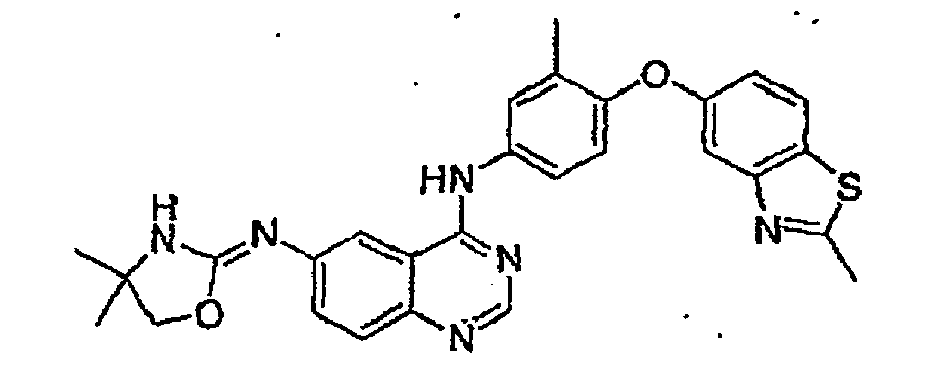
- Prepared according to the procedure for Example 1 using 2-methylbenzo[d]thiazol-5-ol in place of 2-methylbenzo[d]oxazol-5-ol. MS APCI (+) m/z 511 (M+1) detected; 1H NMR (400 MHz, DMSO-d6) δ 9.53 (s, 1H), 8.47 (s, 1H, 8.02 (s, 1H), 8.00 (d, 1H, J= 8 Hz), 7.83 (s, 1H), 7.75 (d, 1H, J= 7 Hz), 7.66 (d, 1H, J= 8 Hz), 7.29 (d, 1H, J= 2 Hz), 7.08 (dd, 1H, J= 8 Hz, 2 Hz), 7.03 (d, 1H, J= 8 Hz), 4.08 (s, 2H), 2.77 (s, 3H), 2.20 (s, 3H), 1.28 (s, 6H).
-
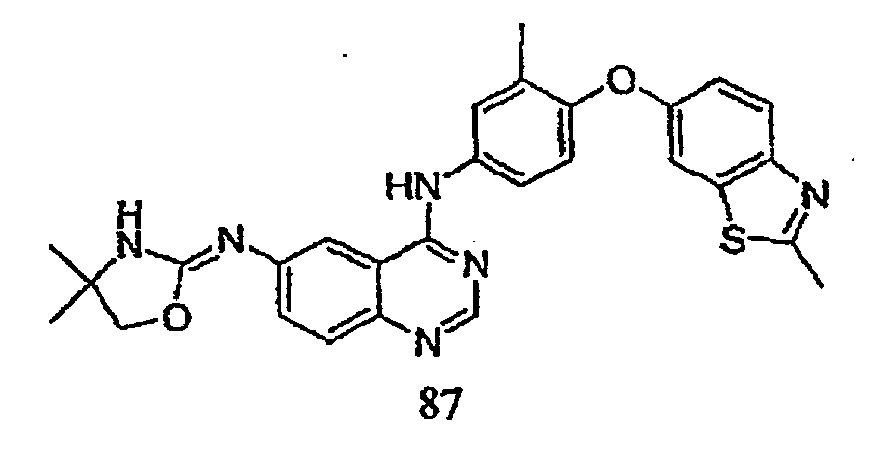
- Step A: Preparation of 2-methylbenzo[d]thiazol-6-ol: To a cooled (-78 °C) solution of 6-methoxy-2-rnethylbenzo[d]thiazole (0.861 g, 4.80 mmol) in dichloromethane (10 mL) was added BBr3 (5 mL of 1.0 M solution in dichloromethane). After slowly warming to room temperature and stirring for 16 hours, the mixture was cooled to 0 °C and slowly quenched with methanol (20 mL). The reaction mixture was warmed to room temperature and concentrated under reduced pressure. The residue was partitioned between saturated NaHCO3 and dichloromethane/isopropyl alcohol (85/15). The organic layer was dried over Na2SO4, filtered, and concentrated under reduced pressure to provide the crude product (0.351 g, 44%) that was used without further purification.
- Step B: The title compound was prepared according to the procedure for Example I using 2-methylbenzo[d]thiazol-6-ol in place of 2-methylbenzo[d]oxazol-5-ol, MS APCI (+) m/z 511 (M+1) detected; 1H NMR (400 MHz, DMSO-d6) δ 9.51 (s, 1H), 8.46 (s, 1H), 8.03 (br. s; 1H), 7.87 (d, 1H, J = 9 Hz), 7.83 (s, 1H), 7.75 (d, 1H, J = 8 Hz), 7.65 (d, 1H, J= 8 Hz), 7.50 (d, 1H, J = 2 Hz), 7.10 (dd, 1H, J = 8 Hz, 2 Hz), 7.00 (d, 1H, J = 8 Hz), 4.07 (s, 2H), 2.76 (s, 3H), 2.20 (s, 3H), 1.28 (s, 6H),
-

- Prepared according to the procedure for Example 1 using quinolin-6-ol in place of 2-methylbenzo[d]oxazol-5-ol. MS APCI (+) m/z 491 (M+1) detected; 1H NMR (400 MHz, DMSO-d6) δ 9.54 (s, 1H), 8.78 (dd, 1H, J = 5 Hz, 2Hz), 8.48 (s, 1H), 8.25 (d, 1H, J = 9 Hz), 8.05 (d, 1H, J= 9 Hz), 7.89 (s, 1H), 7.82 (d, 1H, J= 8 Hz), 7.66 (d, 1H, J= 9 Hz), 7.56 (dd, 2H, J= 9 Hz, 3 Hz), 7.46 (dd, 2H, J = 9 Hz, 5 Hz), 7.16 (d, 2H, J = 2 Hz), 7.10 (d, 1H, J = 9 Hz), 4.08 (s, 2H), 2.21 (s, 3H), 1.29 (s, 6H).
-
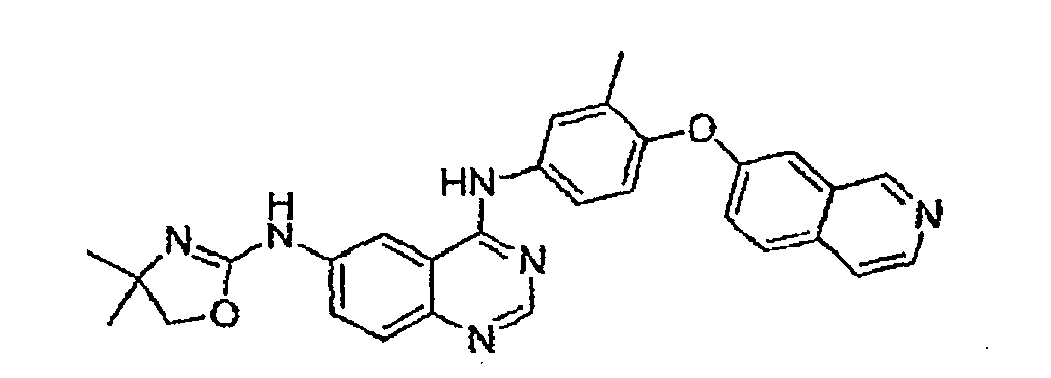
- Prepared according to the procedure for Example 1 using isoquinolin-7-ol in place of 2-methylbenzo[d]oxazol-5-ol. MS APCI (+) m/z 491 (M+1) detected; 1H NMR (400 MHz, DMSO-d6) δ 9.58 (s, 1H), 9.18 (s, 1H), 8.49 (s, 1H), 8.41 (d, 1H), 8.04 (br. s, 1H), 8.03 (d, 1H), 7.90 (s, 1H), 7.85 (d, 1H), 7.81 (d, 2H), 7.67 (d, 1H), 7.60 (dd, 2H), 728 (d, 1H), 7.12 (d, 1H), 4.08 (s, 2H), 2.20 (s, 3H), 1.29 (s, 6H).
-

- Prepared according to the procedure for Example 1 using quinolin-7-ol in place of 2-methylbenzo[d]oxazol-5-ol. MS APCI (+) m/z 491 (M+1) detected; 1H NMR (400 MHz, DMSO-d6) δ 9.59 (s, 1H), 8.81 (dd, 1H, J= 2 Hz, 5 Hz), 8.49 (s, 1H), 8.34 (d, 1H, J = 8 Hz), 8.04 (br. s, 1H), 8.02 (d, 1H, J= 9 Hz), 7.89 (br. s, 1H), 7.84 (d, 1H, J= 9 Hz), 7.66 (d, 1H, J= 9 Hz), 7.43 (m, 3H), 7.16 (d, 1H, J = 9 Hz), 7.09 (d, 1H, J = 2 Hz), 4.08 (s, 2H), 2.19 (s, 3H), 1.76 (s, 6H).
-

- Step A: Preparation of benzo[d]thiazol-6-ol: 6-methoxybenzo[d]thiazole hydrobromide (1.00 g, 4.06 mmol) was dissolved in aqueous hydrobromide (10 mL of 48% solution). After heating to reflux for 10 hours, the mixture was cooled in an ice bath and diluted with water (50 mL). After adjusting the pH to 8 with the slow addition of solid NaHCO3, the mixture was filtered, washing the solid with water and air-drying to provide the product (0.35 g, 57%) as white solid.
- Step B: The title compound was prepared according to the procedure for Example 1 using benzo[d]thiazol-6-ol in place of 2-methylbenzo[d]oxazol-5-ol. MS APCI (+) m/z 497 (M+1) detected; 1H NMR (400 MHz, DMSO-d6) δ 9.55 (s, 1H), 9.26 (s, 1H), 8.47 (s, 1H), 8.06 (d, 1H, J= 9 Hz), 8.01 (br. s, 1H), 7.85 (s, 1H), 7.77 (d, 1H, J= 8 Hz), 7.66 (d, 1H, J= 8 Hz), 7.61 (d, 1H, J=2 Hz), 7.20 (dd, 1H, J= 9 Hz, 2 Hz), 7.03 (d, 1H, J= 9 Hz), 4.07 (s, 2H), 2.21 (s, 3H), 1.28 (s, 6H).
-

- Step A: Preparation of 4-(benzyloxy)-2-chloropyridine: To a cooled (0 °C) slurry of washed (hexanes) sodium hydride (14.07 g, 352 mmol) in THF (650 mL) was added dropwise a solution of benzyl alcohol (35.2 mL, 337 mmol) in THF (200 mL). After stirring for 15 minutes, a solution of 2-chloro-4-nitropyridine (50 g, 306 mmol) in THF (200 mL) was added dropwise. After heating to reflux for 16 hours, the black slurry was diluted with water (200 mL) and concentrated to remove the THF. The resulting mixture was diluted with more water and filtered. The filtrate was extracted with ether and ethyl acetate. The combine organics were dried and concentrated. The residue was chromatographed (10% ethyl acetate in hexanes) to provide the product as orange solid.
- Step B: Preparation of 1-(4-(benzyloxy)pyridin-2-yl)hydrazine: To a solution of 4-(benzyloxy)-2-chloropyridine (4.89 g, 22.30 mmol) in pyridine (120 mL) was added hydrazine (45 mL, 22.30 mmol). After heating to reflux for 18 hours, the mixture was concentrated to provide the crude product, which was used without further purification.
- Step C: Preparation of 7-(benzyloxy)-[1,2,4]triazolo[4.3-a]pyridine: To a solution of 1-(4-5(benzyloxy)pyridin-2-yl)hydrazine (3.52 g, 16.35 mmol) in trimethoxymethane (20 mL, 16.35 mmol) was added 4-methylbenzenesulfonic acid (2.816 g, 16.35 mmol). Alter heating to 60 °C for 2 hours, the reaction mixture was concentrated under reduced pressure. The residue was chromatographed (ethyl acetate and 20:1 dichloromethane/methanol) to provide the product (2.33 g, 63%).
- Step D: Preparation of [1,2,4]triazolo[4,3-a]pyridin-7-ol: To a solution of 7-(benzyloxy)[1,2,4]triazolo[4,3-a]pyridine (0.512 g, 2.27 mmol) in ethanol (30 mL) was added Pd/C (0.5 g). After stirring under a hydrogen balloon for 3 hours, the mixture was filtered through celite and washed with ethanol (30 mL). The filtrate was concentrated under reduced pressure and chromatographed (20:1 dichloromethane/methanol) to provide the product.
- Step E: The title compound was prepared according to the procedure for Example 1 using [1,2,4]triazolo[4,3-a]pyridin-7-ol in place of 2-methylbenzo[d]oxazol-5-ol. MS ESI (+) m/z 481 (M+1) detected; 1H NMR (400 MHz, CDCl3) δ 8.79 (s, 1H), 8.58 (s, 1H), 8.19 (m 2H), 7.85 (s, 1H), 7.74 (m, 3H), 7.53 (d, 1H), 7.12 (d, 1H), 6.89 (dd, 1H), 6.79 (s, 1H), 4.14 (s, 2H), 2.26.(s, 3H), 1.46 (s, 6H).
-

- Step A: Preparation of 4-(benzyloxy)pyridin-2-amine: To a mixture of 4-(benzyloxy)-2-chloropyridine (1.10 g, 5.01 mmol), Pd2dba3 (46 mg, 0.05 mmol) and 2-(dicyclohexylphosphino)-2',4',6'-tri-i-propyl-1,1'-biphenyl (57 mg, 0.120 mmol) in THF (10 mL) was added LHMDS (6 mL of 1.0 M solution). After heating to 65°C for 30 minutes, the mixture was cooled to room temperature and concentrated onto silica gel. The product was eluted with 20:1 ethyl acetate/methanol to isolate a pale gold solid (0.97 g, 96%).
- Step B: Preparation of tert-butyl 4-(benzyloxy)pyridin-2-ylcarbamate: To a solution of 4-(benzyloxy)pyridin-2-amine (4.6 g, 22.97 mmol) in tBuOH (50 mL) was added boc-anhydride (5.57 g, 25.5 mmol). After heating to 50°C for 1 hour, ethanol (200 mL) was added to the reaction mixture. The room temperature mixture was filtered to provide the solid product (5.89 g, 85%).
- Step C: Preparation of tert-butyl 4-hydroxypyridin-2-ylcarbamate: To a solution of tert-butyl 4-(benxyloxy)pyridin-2-ylcarbamate (5.89 g, 19.6 mmol) in methanol was added palladium on carbon (1.04 g, 0.981 mmol). After stirring under a hydrogen balloon at room temperature for 70 minutes, the solids were removed by filtration. The filtrate was concentrated under reduced pressure and solidified under high vacuum to provide the product (4.12 g, 99%) as white solid.
- Step D: Preparation of tert-butyl 4-(2-methyl-4-nitrophenoxy)pyridin-2-ylcarbamate: To a solution of tert-butyl 4-hydroxypyridin-2-ylcarbarnate (4.12 g, 19.6 mmol) and 1-fluoro-2-methyl-4-nitrobenzene (3.34- g, 21.6 mmol) in DMF (40 mL) was added K2CO3 (4.06 g, 29.04. mmol). After heating to 65 °C for 64 hours, the mixture was cooled to room temperature and poured into ice water (200 mL). The reaction mixture was extracted several times with ethyl-acetate- The combined organics were concentrated under reduced pressure. The residue was chromatographed (20% ethyl acetate in hexanes) to provide the product (2.03 g; 30%).
- Step E: Preparation of 4-(2-methyl-4-nitrophenoxy)pyridin-2-amine: To a solution of tert-butyl 4-(2-methyl4-nitrophenoxy)pyridin-2-ylcarbamate (1.0 g, 2.90 mmol) in dichloromethane (28 mL) was added TFA (4 mL). After stirring at room temperature for 6 hours, the reaction mixture was concentrated under reduced pressure to provide the crude product that was used without further purification.
- Step F: Preparation of 7-(2-methy-4-nitrophenoxy)H-imidazo[1,2-a]pyridine: To a solution of 4-(2-methyl-4-nitrophenoxy)pyridin-2-amine (0.71 g, 2.90 mmol) in dichloromethane (25 mL) was added saturated NaHCO3 (25 mL) followed by chloroacetaldehyde (1.14 g, 7.24 mmol). After stirring at room temperature for 16 hours, the mixture was diluted with water and dichloromethane. The aqueous layer was extracted with dichloromethane and the combined organics were dried and concentrated under reduced pressure. The residue was chromatographed to provide the product (0.61 g, 78%) as sticky yellow solid.
- Step G: Preparation of 4-(H-imidazo[1,2-a]pyridin-7-yloxy)-3-methylbenzenamine: To a solution of 7-(2-tnethyl-4-nitrophenoxy)H-imidazo[1,2-a]pyridine (0.59 g, 2.19 mmol) in ethanol was added palladium on carbon (0.116 g, 0.11 mmol). After stirring at room temperature under a hydrogen balloon for 16 hours, the solids were removed by filtration. The filtrate was concentrated under reduced pressure and solidified under high vacuum to provide the product (0.51 g, 97%) as white foam.
- Step H: Preparation of N4-(4-(H-imidazo[1,2-a]pyridin-7-yloxy)-3-methylphenyl)-N6-(4,4-dimethyl-4 5-dihydrooxazol-2-yl)quinazoline-4,6-diamine: To a mixture of 4-(H-imidazo[1,2-a]pyridin-7-yloxy)-3-methylbenzenamine (0.124 g, 0.518 mmol) and 1-(3-cyano-4-((dimethylamino)methyleamino)phenyl)-3-(1-hydroxy-2-methylpropan-2-yl)thiourea (0.15 g, 4.471 mmol) in isopropyl acetate (2 mL) was added acetic acid (1 mL). Aster stirring at room temperature for 16 hours, hexanes were added to the mixture and the yellow solid was collected by filtration. To a solution of this product dissolved in THF (1mL) was added tosyl chloride (0.180 g, 0.942 mmol) and NaOH (2.8 mL) of 1 M solution). After stirring at room temperature for 30 minutes, water was added to the mixture and it was extracted with ethyl acetate twice. The combined organics were washed with NaOH (1M) and brine. The solution was dried, filtered, and concentrated under reduced pressure. The yellow residue was triturated with ethyl acetate/MTBE to provide the product (0.10 g, 44%) as white solid. MS APCI (+) m/z 480 (M+1) detected; 1H NMR (400 MHz, DMSO-d6) δ 9.55 (s, 1H), 8.54 (d, 1H, J= 7 Hz), 8.48 (s, 1H), 8.00 (br. s, 1H), 7.84 (m, 3H); 7.66 (d, 1H, J = 8 Hz), 7.50 (br. s, 1H), 7.43 (s, 1H), 7.12 (d, 1H, J= 8 Hz), 6.80 (dd, 1H, J= 7 Hz, 2 Hz,), 6.53 (d, 1H, J= 2 Hz), 4.08 (br. s, 2H), 2.19 (s, 3H), 1.28 (s, 6H).
-
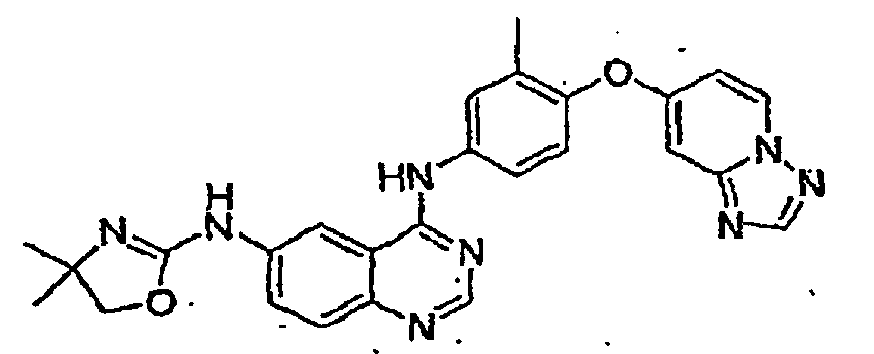
- Step A: Preparation of (Z)-N,N-dimethyl-N'-(4-(2-methyl-4-nitrophoxy)pyridin-2-yl)formanidine: To a solution of 4-(2-methyl-4-nitrophenoxy)pyridin-2-amine (2.05 g, 8.34 mmol) in ethanol (9 mL) was added dimthoxy-N,N-dimethylmethanamine (1.18 mL, 8.34 mmol). After heating to 80 °C for 1 hour, the mixture was concentrated under reduced pressure to provide the crude product as dark oil.
- Step B: Preparation of 7-(2-methyl-4-nitrophenoxy)-[1,2,4]triazolo[1,5-a]pyridine: To a cooled (0 °C) solution of (Z)-N,N-dimethyl-N'-(4-(2-methyl-4-nitrophenoxy)pyridin-2-yl)formamidine (1.00 g, 3.33 mmol) in methanol (5 mL) was added pyridine (0.54 mL, 6.66 mmol) and hydroxylamine sulfonic acid (0.427 g, 3.66 mmol). After stirring at room temperature for 2 hours, the precipitate was filtered to provide the product (0.442 g, 49%) as white solid.
- Step C: The title compound was prepared according to the procedure for Example 1 using [7-(2-methyl-4-nitrophenoxy)-[1,2,4]triazolo[1,5-a]pyridine in place of 2-methyl-5-(2-methyl-4-nitrophenoxy)benzo[d]oxazole. MS APCI (+) m/z 481 (M+1) detected; 1H NMR (400 MHz, CDCl3) δ 9.58 (s, 1H.), 8.93 (d, 1H), 8.49 (s, 1H), 8.38 (s, 1H), 7.92 (br. m, 2H), 7.67 (br. s, 1H), 7.47 (br. s, 1H), 7.19 (d, 1.H). 7.03 (dd, 1H), 6.79 (d, 1H), 4.08 (s, 2H), 2.19 (s, 3H), 1.28 (s, 6H).
-

- Step A: Preparation of 4-(2-methyl-4-nitrophenoxy)-2-nitrobenzenamine: To a solution of 1-fluoro-2-methyl-4-nitrobenzene (2.02 g, 13.0 mmol) and 4-amino-3-nitrophenol (2.22 g, 14.4 mmol) in DMF (20 mL) was added cesium carbonate (5.28 g, 162.mmol). After heating to 60 °C for 10 hours, the mixture was diluted with water (100 mL) and filtered. The precipitate was washed with water and air-dried to provide the product (3.28 g, 87%) as dark solid:
- Step B: Reparation of N-methyl-4-(2-methyl-4-nitrophenoxy)-2-nitrobenzenamine: To a solution of sodium hydroxide (10.2 g in 10.5 mL water) was added toluene (15 mL), 4-(2-methyl-4-nitrophenoxy) 2-nitrobenzenamine (2.00 g, 6.92 mmol), dimethyl sulfate (750 µL, 7.88 mmol) and tetrabutylammonium sulfate (0.277 g, 0.816 mmol). After stirring at room temperature, the cooled (0 °C) reaction mixture was diluted with water (100 mL) and extracted with dichloromethane (100 mL). The organic layer was washed with water and brine, dried over Na2SO4, filtered, and concentrated under reduced pressure. The residue was chromatographed (dichloromethane) to provide the product (1.90 g, 91%).
- Step C: Preparation of 4-(4-amino-2-methylphenoxy)-N1-methylbenzene-1.2-diamine: To a solution of N-methyl-4-(2-methyl-4-nitrophenoxy)-2-nitrobenzenamine (1.90 g, 6.27 mmol) in ethyl acetate (10 mL) and ethanol (20 mL) was added 10% Pd/C (0.342 g, 0.321 mmol). After shaking under 50 psi of hydrogen for 1 hour, the mixture was filtered and the filtrate was concentrated under reduced pressure to provide the product as clear oil.
- Step D: Preparation of N-(3-methyl-4-(1-methyl-1H-benzo[d]imidazol-5-yloxy)phenyl)formamide: 4-(4-amino-2-methylphenoxy)-N1-methylbenzene-1,2-diamine (1.52 g, 6.25 mmol) was dissolved in formic acid (15 mL) and heated to reflux for 6 hours. After cooling to room temperature, the mixture was diluted water (100 mL) and neutralized with sodium bicarbonate. The mixture was partitioned between water and dichloromethane. The organic layer was washed with aqueous NaHCO3, brine, dried over Na2SO4, filtered and concentrated under reduced pressure to provide the product (1.70 g, 97%).
- Step E: Preparation of 3-methyl-4-(1-methyl-1H-benzo[d]imidazol-5-yloxy)benzenamine: To a solution of concentrated aqueous HCl (10 mL) in methanol (10 mL) was added N-(3-methyl-4-(1-methyl-1H-benzo[d]imidazol-5-yloxy)phenyl)formamide (1.70 g; - 6.04 mmol). After heating to reflux for 2 hours, the reaction mixture was cooled to room temperature and diluted with water (100 mL). The mixture was neutralized with sodium bicarbonate and extracted with dichloromethane. The organic solution was dried over Na2SO4, filtered and concentrated under reduced pressure to provide the product.
- Step F: The title compound was prepared according to the procedure for Example I using 3-methyl-4-(1-methyl-1H-benzo[d]imidazol-5-yloxy)benzenamine in place of 3-methyl-4-(2-methylbenzo[d]oxazol-5-yloxy)benzenamine. MS APCI (+) m/z 494 (M+1) detected; 1H NMR (400 MHz, DMSO-d6) δ 9.49 (s, 1H), 8.44 (s, 1H), 8.17 (s, 1H), 8,00 (br, s, 1H), 7.78 (s, 1H, 7.66 (m, 2H), 7.56 (c, 1H), 7.08 (d, 1H), 6.98 (dd, 1H), 6.86 (d, 1H), 4.07 (s, 2H), 3.84 (s, 3H), 2.23 (s, 3H), 1.28 (s, 6H).
-

- Prepared according to the procedure for Example 10 using chloroacetone in place of chloroacetaldehyde MS APCI (+) m/z 494 (M+1) detected; 1H. NMR (400 MHz, DMSO-d6) δ 8.47 (s, 1H), 8.43 (d, 1H), 7.87 (m, 3H), 7.66 (br. s, 1H), 7.56 (s, 2H), 7.10 (d, 1H), 6.71 (dd, 1H), 6.45 (s,1H), 4.09 (s, 2H), 2.25 (s, 3H), 2.18 (s, 3H), 1.11 (s, 6H).
-

- Step A: Preparation of 2-chloro-5-(2-methyl-4-nitrophenoxy)pyridine: To a suspension of 6-chloropyridin-3-ol (3.37g, 26.0 mmol) and K2CO3 (7-19g, 52.0 mmol) in DMF (200 mL) was added 1-fluoro-2-mcthyl-4-nitrobenzene (4A4 g, 28.6 mmol). After heating to 50 °C for 16 hours, the reaction mixture was cooled to room temperature and poured into water and extracted with ethyl acetate (2 X). The organic layer was washed with brine, dried over Na2SO4, filtered, and concentrated under reduced pressure to provide the product as yellow oil.
- Step- B: Preparation of 5-(2-methyl-4-nitrophenoxy)pyridin-2-amine: To a solution of 2-chloro-5-(2-methyl-4-nitrophenoxy)pyridine (1.13 g, 4.27 mmol),XPHOS (0.097 g, 0.205 mmol) and Pd2dba3 (0.078 g, 0.0853 mmol) in THF (32 mL) was added LHMDS (8.53 mL, 8.53 mmol). After heating to 65 °C for 1 hour, the mixture was cooled to room temperature and stirred for 16 hours. The mixture was concentrated onto silica and chromatographed (10% methanol in ethyl acetate) to provide the product (0.336 g, 33%).
- Step C: The title compound was prepared according to the procedure for Example 10 using 5-(2-methyl-4-nitrophenoxy)pyridin-2-amnine in place of 4-(2-methyl-4-nitrophenoxy)pyridin-2-amine. MS APCI (+) m/z 480 (M+1) detected; 1H NMR (400 MHz, DMSO-d6) δ 9.51 (s, 1H), 8.45 (s, 1H), 8.21 (s, 1H), 7.91 (s, 1H), 7.83 (br. s, 1H), 7.73 (br. s, 1H), 7.66 (m, 2H), 7.60 (d, 1H), 7.55 (s, 1H), 7.15 (dd, 1H), 7.00 (d, 1H), 4.07 (s, 2H), 2.27 (s, 3H), 1,28 (s, 6H).
-

- Step A: Preparation of quinazoline-4,6-diol: A mixture of 2-amino-5-hydroxybenzoic acid (19.64 g, 128 mmol), 1,3,5-triazine (15.6 g, 192 mmol), and piperidine (9 mL, 92.4 mmol) were heated to 60°C in methanol (60 mL) for 2 hours. After cooling to 0 °C, the mixture was filtered. The solid was washed with cold methanol and dried under high vacuum to provide the product (15g, 72%) as white solid.
- Step B: Preparation of 4-hydroxyquinazolin-6-yl acetate: A mixture of quinazoline-4,6-diol (20 g, 123 mmol) and acetic anhydride (186 mL, 1.97 mol) was heated to 100°C in pyridine (30 mL) for 2 hours. After cooling to room temperature, ice (200 g) was slowly added to the reaction mixture. The precipitate was filtered, washed with cold water, and dried under high vacuum to provide the product (16.25 g, 65%) as pale yellow solid.
- Step C: Preparation of 4-chloroquinazolin-6-yl acetate: To a solution of 4-hydroxyquinazolin-6-yl acetate (12.0 g, 58.8 mmol) in thionyl chloride (50 mL) was added DMF (0.5 mL). After heating to 90 °C for 3 hours, the reaction mixture was concentrated under reduced pressure and azeotroped with toluene to provide the product (11.8 g, 90%) as off-whitr solid.
- Step D: Preparation of 4-(4-(H-imidazo[1,2a]pyridin-7-yloxyl)-3-methylphenylamino)quinazolin-6-yl acetate hydrochloride: A mixture of 4-chloroquinazolin-6-yl acetate (930 mg, 4.18 mmol) and 4-(H-imidazo[1,2-a]pyridin-7-yloxy)-3-methylbenzenamine (1.10 g, 4.60 mmol) dissolved in isopropanol (20 mL) was heated to reflux for 2 hours. After cooling to room temperature, the precipitate was collected via filtration and washed with isopropanol and ether. The precipitate was air-dried to provide the product (820 mg, 43%).
- Step E: Preparation of 4-(4-(H-imidazo[1,2-a]pyridin-7-yloxy-3-methylphenylamino)quinazolin-6-ol: To a solution of 4-(4-(H-imidazo[1,2-a]pyridin-7-yloxy)-3-methylphenylamino)quinazolin-6-yl acetate hydrochloride (820 mg, 1.78 mmol) in THF (30 mL) was added ammonium hydroxide (10 mL). After stirring at room temperature for several hours, the precipitate was collected via filtration and washed with THF. The precipitate was air-dried to provide the product (581 mg, 85%) as white stolid.
- Step F: Preparation of N-(4-(H-imidazo[1,2-a]pyridin-7-yloxy)-3-methylphenyl)-6-(2-methoxyethoxy)quinazolin-4-amine: A mixture of 4-(4-(H-imidazo[1,2-a]pyridin-7-yloxy)-3-methylpheanylamino)quinazolin-6-ol (578 mg, 1.27 mmol), cesium carbonate (1.60 g, 4.91 mmol), sodium iodide (190 mg, 1.27 mmol) and 1-bromo-2-methoxyethane (150 µL, 1,58 mmol) in DMF (10 mL) was heated to 80°C for 3 hours. After cooling to room temperature, the mixture was partitioned between dichloromethane and water. The organic layer was washed with water (4 X) and brine, dried over Na2SO4, filtered and concentrated under reduced pressure. The residue was chromatographed (100:7:0.1 dichloromethane/methanol/triethylamine) to provide the product (365 mg, 65%) as foam. To 325 mg of this product dissolved in methanol (10 mL) was added tosylic acid monohydrate (280 mg). After stirring at room temperature for 45 minutes, the mixture was concentrated under reduced pressure. The residue was triturated with ether, filtered and air-dried to provide the product (576 mg) as the bis-tosylate salt. MS APCI (+) m/z 442 (M+1) detected; 1H NMR (400 MHz, CD3OD) δ 7.46 (d, 1H, J = 8 Hz), 7.43 (s, 1H), 6.79 (dd, 2H, J = 11 Hz. 2 Hz), 6.54 (m, 2H), 6.52 (s, 1H), 6.49 (dd; 1H, J= 9 He 2 Hz), 6.45 (dd, 1H, J= 9.Hz, 3 Hz), 6.38 (d 4H, J = 9 Hz), 6.02 (dd, 1H,J= 7 Hz, 2 Hz), 5.99 (d, 1H; J= 9 Hz), 5.89 (d, 4H, J=9 Hz), 5.71 (d, 1H,J= 3 Hz), 3.07 (m, 2H), 2.51 (m, 2H), 2:15 (s, 3H), 1.04 (s, 6H), 0.95 (s, 3H).
-

- Prepared according to the procedure for Example 15 using (bromomethyl)cyclopropane in place of 1-bromo-2-methoxyethane. MS APCI (+) m/z 438 (M+1) detected; 1H NMR (400 MHz, CDCl3) δ 8.97 (s, 1H), 8.67 (s, 1H), 8.07 (d, 1H, J = 8 Hz), 7.82 (d, 1H, J= 9 Hz,), 7.65 (d, 1H,J= 2 Hz, 7.50 (m, 3H), 7.44 (dd, 2H, J= 9 Hz, 2 Hz), 6.93 (d, 1H, J= 9 Hz), 6.74 (dd. 1H J = 7 Hz, 2 Hz), 6.54 (d, 1H, J = 2 Hz), 3.72 (d, 2H, J = 7 Hz), 2.11 (s, 3H, 1.24 (m, 1H), 0.59 (m, 2H), 0.21 (m, 2H).
-

- Step A: Preparation of 6-nitroquinazolin-4-ol: A mixture of 2-amino-5-nitrobenzoic acid (1000 g, 5 mol) and formamidine acetate (1000 g, 14 mol) were dissolved in methoxyethanol (4L) and heated to 115 °C for 16 hours. After cooling the mixture to room temperature, ice water (5L) was added and the mixture was stirred for 30 minutes before collecting the product (125 g, 14%) by filtration.
- Step B: Preparation of 4-chloro-6-nitroquinazoline: To a solution of 6-nitroquinazolin-4-ol (4.40 g, 23.01 mmol) and N-ethy-N-isopropylpropan-2-amine (11.89 g, 92.04 mmol) in dichloroethane (50 mL) was added phosphoryl trichloride (7.06 g, 46:02 mmol). After heating to 80°C for 16 hours, the mixture was concentrated under reduced pressure. The residue was concentrated again with toluene (2 X 100 mL) to provide the product.
- Step C: Preparation or N-(4-(H-imidazo[1,2-a]pyridin-7-yloxy)-3-methylphenyl)-6-nitroquinazolin-4-amine: To a solution of 4-chloro-6-nitroquinazoline (4.62 g, 22.02 mmol) in dichloroethane/t-butanol (20 mL, 1:1) was added 4-(H-imidazo[1,2-a]pyridin-7-yloxy)-3-methylbenzenamine (5.270 g, 22.02 mmol). After heating to 80 °C for 2 hours, the mixture was cooled to 0 °C and filtered. The solid was washed with cold dichloromethane (50 mL) to provide the product as the HCl salt The solid was suspended in dichloromethane/isopropanal (50 mL/8 mL) and washed with saturated NAHCO3 (50 mL). The aqueous layer was extracted with dichloromethane (2 X 50 mL). The combined organics were dried over Na2SO4 and concentrated to provide the product (7.05 g, 78%).
- Step D; Preparation of N4-(4-(H-imidazo[1,2-a]pyridin-7yloxy)-3-_ methylphenyl)quinazoline-4,6-diamine: To N-(4-(H-imidozo[1,2-a]pyridin-7-yloxy)-3-methylphenyl)-6-nitroquinazolin-4-amine (4.665 g, 1.31 mmol) in ethanol (100 mL) was added Pd/C (1 g). After stirring at room temperature under a hydrogen balloon for 4 hours, the mixture was filtered through celite and the solids were washed with ethanol (100 mL). The filtrate was concentrated under reduced pressure to provide the product (3.89 g, 90%).
- Step E: Preparation or (E)-4-(dimethylamino)but-2-enoyl chloride hydrochloride: To (E)-4-(ditnethylamino)but-2-enoic acid hydrochloride (110 mg, 0.664 mmol) in acetonitrile (1.5 mL) was added oxalyl dichloride (75.9 mg, 0.598 mmol) followed by one drop of DMF. After heating to 60°C for 30 minutes, the mixture was cooled to room temperature and concentrated to 0.5 mL) total volume, The resulting solution was used without further purification.
- Step F: Preparation of (E)-N-(4-(4-(H-imidazo[1,2-a]pyridin-7-yloxy)-3-methylphenylamino)quinazolin-6-yl)-4-(dimethylamino)but-2-enamide: To a cooled (0 °c) solution of (E)-4-(dimethylamino)but 2-enoyl chloride hydrochloride (0.122 g, 0.664 mmol) was added dropwise a solution of N4-(4-(H-imidazo[1,2-a]pyridin-7-yloxy)-3-methylphenyl)quinazoline-4,6-diamine (0.127 g, 0.332 mmol) in NMP (1.5 mL). After stirring at 0 °C for 2 hours, saturated NaHCO3 (15 mL) was added to the mixture. The aqueous layer was extracted with ethyl acetate (2 X 10 mL). The combined organics were dried over Na2SO4 and concentrated under reduced pressure. The residue was chromatographed (dichloromethane/methanol/30% NH4OH 20:1.5:0.01) to provide the product (16 mg, 10%). MS ESI (+) m/z 494 (M+1) detected; 1H NMR (400 MHz, CDCl3) δ 8.96 (s. 1H), 8.63 (s, 1H) 8,09 (d, 1H, J= 7 Hz), 7.66 (d, 1H, J=9 Hz), 7.55 (d, 2H, J=14 Hz), 7.46 (d, 1H, J= 9 Hz), 7.40 (s, 1H), 7.38 (d, 1H, J= 9 Hz), 7,02 (in, 1H), 6.83 (d, 1H, J = 9 Hz), 6.77 (dd, 1H, J= 8 Hz, 2 Hz), 6.43 (s, 1H), 6.34 (d, 1H, J= 14 Hz), 3.08 (d, 2H, J=5 Hz), 2.24 (s, 6H), 1.98 (s, 3H).
-

- Step A: Preparation of 6-bromothieno[2,3-d]pyrimidin-4-ol: To a solution of thieno[2,3-d]pyrimidin-4-ol (3.0 g, 20 mmol) in glacial acetic acid (40 mL) was added bromine (6.3 g, 39 mmol). After heating to 80°C for 1.5 hours, the reaction mixture was cooled to room temperature and poured into saturated NaHCO3 and ice. The solid was filtered, washed with water and dried to provide the product.
- Step B: Preparation of 6-bromo-4-chlorothieno[2,3-d]pyrimidine: To 6-bromothieno[2,3-d]pyrimidin-4-ol (3.0 g, 19.7 mmol) was added phosphorus oxychloride (5 mL). After heating to 80 °C for 1.5 hours, the reaction mixture was poured into saturated NaHCO3 and ice. The solid was filtered, washed with water and dried to provide the product (4.06 g, 83%) as brown solid.
- Step C: Preparation of N-(4-(H-imidazo[1,2-a]pyridin-7-yloxy)-3-methylphenyl)-6-bromothieno[2,3-d]piridin-4-amine: To a solution of 6-bromo-4-chlorothieno[2,3-d]pyrimidine (0.569 g, 2.58 mmol) and 4-(H-imidazo[1,2-a]pyridin-7-yloxy)-3-mothylbenzenamine (0.60 g, 2.51 mmol) in dichloroethane/isopropanol (11 mL) was added DIEA (0:44 mL, 2.51 mmol). After heating to 60° C for 64 hours, the reaction mixture was worked up with isopropanol/dichloromethane. The organic solution was dried and concentrated under reduced pressure. The residue was chromatographed (gradient 0% to 8% methanol/7N NH3/ethyl acetate). The crude product was purified further by reverse phase liquid chromatography. MS ESI(+) m/z 452, 454 (M+1, Br pattern) detected; 1H NMR (400 MHz, DMSO-d6) δ 9.69 (s, 1H), 8.63 (d, 1H, J= 7 Hz), 8.52 (s, 1H), 8.10 (s, 1H), 7.94 (s, 1H), 7.82 (d, 1H, J=3 Hz), 7.78 (dd, 1H, J=3 Hz, 9 Hz), 7.59 (s, 1H), 7.16 (d, 1H, J= 9 Hz), 6.96 (dd, 1H, J=2 Hz, 7 Hz), 6.63 (s, 1H), 2.19 (s, 3H).
-

- Step A: Preparation of N-(4-(-imidazo[1,2-a]pyridin-7-yloxy)-3-methylphenyl)-6-isothiocynatoquinazolin-4-amine: To a solution of N4-(4-(-imidazo[1,2-a]pyridin-7-yloxy)-3-methylphenyl)quiazoline-4,5-diamine (0.292 g, 0.764 mmol) in THF/dichloroethane (6 mL/3 mL) was added di(1H-imidazal-1-yl)mothanethione (0.150 g, 0.840 mmol). After stirring at room temperature for 1 hour, 80% of the solvent was evaporated and DMF (4 mL) was added. The reaction solution was stirred for 1 hour more to provide the crude product.
- Step B: Preparation of 3-(4-(4-(-imidazo[1,2-a]pyridin-7-yloxy)-3-methylphenylamino]quinazolin-6-yl)-1-(2-hydroxyethyl)-1-methylthiourea: To N-(4-(-imidazo[1,2-a]pyridin-7-yloxy)-3-methylphenyl)-6-isothiocyanatoquinazolin-9-amine (0.324 g, 0.763 mmol) was added 2-(methylamino)ethanol (0.115 g, 1.53 mmol). After stirring for 2 hours, the mixture was diluted with ethyl acetate (20 mL) and water (10 mL). The organic phase was dried over Na2SO4 and concentrated to provide the crude product.
- Step C: Preparation of (Z)-N4-(4-(-imidazo[1,2-a]pyridin-7-yloxy-3-methylphenyl)-N6-(3-methylthiazolidin-2-ylidene)quinazoline-4,6-diamine: To a solution of 3-(4-(4-(imidazo[1,2-a]pyridin-7-yloxy)-3-methylphenylamino)quinazolin-6-yl)-1-(2-hydroxyethyl)-1-methylthiourea (0.38 g, 0.76 mmol) in THF (4 mL) was added NaOH (40%, 3.8 mmol) followed by 4-methylbenzene-1-sulfonyl chloride (0.29 g, 1.5 mmol). After stirring at room temperature for 2 hours, the reaction mixture was concentrated under reduced pressure. The residue was chromatographed (dichlromethane/methanol/30%NH4OH 20:1:0.02) to provide the product. MS APCI (+) m/z 482 (M+1) detected; 1H NMR (400 MHz, CDCl3) δ 8.65 (m, 2H), 8.18 (m, 2H), 7.85 (d, 1H, J= 7 Hz), 7.7 (s, 1H), 7.62 (m, 1H), 7.58 (s, 1H), 7.55 (s, 1H), 6.95 (m, 1H), 6.8 (m, 1H), 6.68 (m, 1H), 4.26 (m, 2H), 3.78 (m, 2H), 3.2 (s, 3H), 2.15 (s, 3H).
-

- Step A: Preparation of 6-iodoquinazolin-4-ol: A mixture of 2-amino-5-iodobenzoic acid (125 g, 475 mmol) and formamide (200 mL) was heated to 190 °C for 2 hours. After cooling to room temperature, the reaction mixture was poured into water (500 mL) and stirred for 2 hours. The solids were filtered and dried under high vacuum to provide the product (108 g, 83%).
- Step B: Preparation of 4-chloro-6-iodaquinazoline: To a cooled (0 °C) suspension of 6-iodoquinazolin-4-ol (107.6 g, 396 mmol) and DIEA (338 mL, 791 mmol) In dichloroethane (600 mL) was added POCl3 (44.25 mL, 475 mmol). After heating to 90 °C for 16 hours, the reaction mixture was cooled to room temperature and the crystals (73.8 g) collected by filtration. The filtrate was concentrated under reduced pressure and azeotroped twice with toluene, The solids (83 g) were triturated with isopropanol (450 mL) and cooled in an ice bath before collecting by filtration and drying under high vacuum. The two solids were combined to provide the product (82.1 g, 71%) as white solid.
- Step C: Preparation of N-(4-(H-imidazol[1,2-a]pyridin-7-yloxy)-3-methylphenyl)-6-iodoquinazolin-4-amine hydrochloride: To a solution of 4-chloro-6-iodoquinazoline (6.07 g, 20.9 mmol) in isopropanol (83 mL) was added 4-(H-imidazol[1,2-a]pyridin-7-yloxy)-3-methylbenzenamide (5.06 g, 20.9 mmol). After heating to 80 °C for 4 hours, the mixture was cooled to room temperature and filtered. The solid was washed with cold isopropanol and recrystallized from isopropanol to provide the product (2.66 g, 24%) as yellow solid.
- Step D: Preparation of N-(4-(H-imidazol[1,2-a]pyridin-7-yloxy)-3-methylphenyl)-N6-(4-metylthiazol-2-yl)quinazoline-4,6-diamine: A solution of N-(4-(imidazo[1,2-a]pyridin-7-yloxy)-3-methylphenyl)-6-iodoquinazolin-4-amine hydrochloride (0.20 g, 0.378 mmol) and 4-methylthiazol-2-amine (0.086 g, 0.755 mmol) and sodium -2-methylpropan-2-olate (0.145 g, 1.51 mmol). Xanthphos (0.016 g, 0.028 mmol), Pd2dba3 (0.017 g, 0.018 mmol) in toluene (3.6 mL) was degassed and sealed. After heating to 100 °C for 16 hours, the mixture was diluted with water and ethyl acetate. The resulting solid was filtered to provide the product as brown solid. MS APCI (+) m/z 480 (M+1) detected; 1H NMR (400 MHz, DMSO-d6) δ 9:96 (s, 1H), 8.86 (s, 1H), 8.63 (s, 1H), 8.55 (d, 1H), 7.79 (m, 5H), 7.44 (s, 1H), 7.14 (d, 1H), 6.80 (dd, 1H), 6.55 (d, 1H), 2.50 (s, 3H), 2.21 (s, 3H).
-

- Step A: Preparation of 2-aminobenzene-1,4-diol: To a solution of 2-nitrobenzene-1,4-diol (3.00 g, 19.34 mmol) in ethanol (100 mL) was added 10% palladium on carbon (0.600 g, 0.564 mmol). After shaking under 40 psi of hydrogen for 2 hours, the mixture was filtered and the filtrated was concentrated under reduced pressure to provide the product as solid.
- Step B: Preparation of benzo[d]oxazol-5-ol: To a solution of 2-aminobenzene-1,4-diol (2.40 g, 19.2 mmol) in triethylorthoformate (10 mL) was added 3 drops of concentrated HCl. After heating to 65 °C for 30 minutes and stirring at room temperature for 16 hours, the mixture was poured into water and extracted with ethyl acetate (2 X). The organic phase was washed with HCl (2N) and saturated NaHCO3, dried, and concentrated under reduced pressure to provide the product (2.09 g, 81%) as red-black solid.
- Step C: Preparation of 5-(2-methyl-4-nitrophenoxy)benzo[d]oxazole: To a solution of benzo[d]oxazol-5-ol (1.50 g, 11,10 mmol) and 1-fluoro-2-methyl-4-nitrobenzene (1.89 g, 12.21 mmol) in DMF was added cesium carbonate (1.81 g, 5-55 mmol) and potassium carbonate (2.30 g, 16.65 mmol). After heating to 50°C for 16 hours, the mixture was poured into ice water and extracted with ethyl acetate (3 X). The combined organics were washed with brine, dried, and concentrated under reduced pressure. The residue was chromatographed (30% ethyl acetate in hexanes) to provide the product (1.69 g, 56%) as white solid.
- Step D: Preparation of 4-(benzo[d]oxazol-5-yloxy)-3-methylbenzenamine: To a solution of 5-(2-methyl-4-nitrophenoxy)benzo[d]oxazole (1.65 g, 6.12 mmol) in ethanol was added Pd/C (0-130 g, 0.122 mmol). After stirring under hydrogen atmosphere for 16 hours, the mixture was filtered and the filtrate was concentrated to provide the product (0.81 g, 55%) as yellow oil.
- Step E: Preparation of 4-chloroquinazolin-6-ol: A mixture of 4-chloroquinazolin-6-yl acetate (10.0 g, 44.9 mmol) and ammonia (200 mL of 7N solution in methanol) were.stirred together for 1 hour. The reaction mixture was concentrated to about 3 mL and triturated with diethyl ether to provide the product (6.50 g, 80%) as tan solid.
- Step F: Preparation of 4-chloro-6-(2-methoxyethoxy)quinazoline: To a solution of 4-chloroquinazolin-6-ol (1.00 g, 5.54 mmol), triphenyl phosphine (1.45 g, 5.54 mmol) and 2-methoxyethanol (0.421 g, 5.54 mmol) in dichloromethane (83 mL) was added diisopropyl azodicarboxylate (1.18 g, 5.54 mmol). After stirring at room temperature for 16 hours, the mixture was concentrated under reduced pressure. The residue was chromatographed (30% ethyl acetate in hexanes) to provide the product (1.15 g, 87%) as white solid.
- Step G: N-(4-(benzo[d]oxazol-6-yloxy)-3-methylphenyl)-6-(2-methoxyethoxy)quinazolin-4-amine: To a solution of 4-chloro-6-(2-methoxyethoxy)quinazoline (0.199 g, 0.83 mmol) and 4-(benzo[d]oxazol-5-yloxy)-3-methylbenzenamine (0.200 g, 0.83 mmol) in isopropanol (2 mL) and DCE (2 mL). After heating to 80 °C for 12 hours, the mixture was concentrated under reduced pressure. The residue was partitioned between saturated NaHCO3 and EtOAc. The aqueous phase was extracted 2 x with EtOAc, the combined organic phase was washed with brine, dried (Na2SO4), filtered and condensed. The residue was chromatographed to provide the product (0.100 g, 27%) as off-white solids. MS APCI (+) m/z 443 (M+1) detected; 1H NMR (400 MHz, DMSO-d6) δ 9.59 (s, 1H), 8,76 (s, 1H), 8.50 (s, 1H), 7.96 (s, 1H), 7.75 (m, 4H), 7-52 (dd, 114), 7.26 (m, 1H), 7.10 (m, 1H), 6.97 (d, 1H), 4.30 (m, 2H), 3.76 (m, 2H), 3.36 (s, 3H), 2.24 (s, 3H).
-

- Prepared according to the procedure for Example 2 using 1-fluoro-2-chloro-4-nitrobenzene in place of 1-fluoro-2-mothyl-4-nitrobenzene, with the exception that the reduction of the nitro group was accomplished with Zn/NH4Cl in MeOH/THF. MS APCI (+) m/z 463.3 (M+1) detected.
-

- Prepared according to the procedure for Example 21 using 2-aminobenzene-1,5-diol in place of 2-minobenzene-1,4-diol. MS APCI (+) m/z 443 (M+1) detected; 1H NMR (400 MHz, DMSO-d6) δ 9.60 (s, 1H), 8.69 (s, 1H), 8.50 (s, 1H), 7.96 (s, 1H), 7.74 (m, 4H), 7.52 (dd, 1H), 7.29 (d, 1H), 7.05 (m, 2H), 4.30 (m, 2H), 3.77 (m, 2H), 3.36 (s. 3H), 2.23 (s, 3H).
-

- Prepared according to the procedure for Example 21 using 4-([1,2,4]triazolo[1,5-a]pyridin-7-yloxy)-3-methylbenzenamine in place of 4-(benzo[d]oxazol-5-yloxy)-3-methylbenzenamine. MS APCI (+) m/z 443.2.
-

- Step A. Preparation of 4-([1,2,4]triazolo[1,5-a]pyridin-6-yloxy)-3-methylbenzenamine Prepared according to the procedure for Example 11 using 5-(2-methyl-4-nitrophenoxy)pyridin-2-amino in place of 4-(2-methyl-4-nitrophenoxy)pyridin-2-amine.
- Step B. N-(4-([1,2,4]trizolo[1,5-a]pyridin-6-yloxy)-3-methylphenyl-6-(2-methothoxy)quizolin-4-amine: Prepared according to the procedure for Example 21 using 4-([1,2,4]triazolo[1,5-a]pyridin-6-yloxy)-3-methylbenzenamine in place of 4-(benzo[d]oxazol-5-yloxy)-3-methylbenzenamine. MS APCI (+) m/z 493.3,
-

- Prepared according to the procedure for Example 21 using 3-methyl-4-(1-methyl-1H-benzo[d]imidazol-5-yloxy)benzenamine in place of 4-(benzo[d]oxazol-5-yloxy)-3-methylbenzenamine. MS APCI (+) m/z 456 (M+1) detected; 1H NMR (400 MHz, CDCl3) δ 8.68 (s, 1H), 7.85 (s, 1H). 7.83 (d, 1H, J=9 Hz), 7.55 (s, 1H), 7.53 (d, 1H, J = 2 Hz), 7.49 (dd, 1H, J=9Hz, 3 Hz), 7,38 (dd, 1H, J=9 Hz, 2 Hz), 7.34 (d, 1H, J=9 Hz), 7.30 (d, 1H, J=3 Hz), 7.08 (dd, 1H, J= 9 Hz, 2 Hz), 6.87 (d, 1H, J= 9 Hz), 4:23 (m, 2H), 3.85 (s, 3H), 3.80 (m, 2H), 3.47 (s, 3H), 2.30 (s. 3H).
-

- Prepared according to the procedure for Example 26 using 1-fluoro-2-chloro-4-nitrobenzene in place of 1-fluoro-2-methyl-4-nitrobenzene, with the exception that the reduction of the nitro group was accomplished with Zn/NH4Cl in MeOH/THF. MS APCI (+) m/z 476.3 (M+1) detected.
-

- Step A: Preparation of 4-(benzo[d]thiazol-5-yloxy)-3-methylbenzenamine: Prepared according to the procedure for Example 8 using 5-methoxybenzo[d]thiazole in place of 6-methoxybenzo[d]thiazole.
- step B: N-(4-(benzo[d]thiazol-5-yloxy)-3-methylphenyl)-6-(2-methoxyethoxy)quinazolin-4-amine: Prepared according to the procedure for Example 21 using 4-(benzo[d]thiazol-5-yloxy)-3-methylbenzenamine in place of 4-(benzo[d]oxazol-5-yloxy)-3-methylbenzenamine.
-

- Prepared according to the procedure for Example 21 using pyrazolo[1,5-a]pyridin-6-ol (Miki, Y.; et al., J. Heterocycles, 1996,43, 2249) in place of benzol[d]oxazol-5-ol. MS APGI (+) m/z 442.2 (M+1) detected.
-
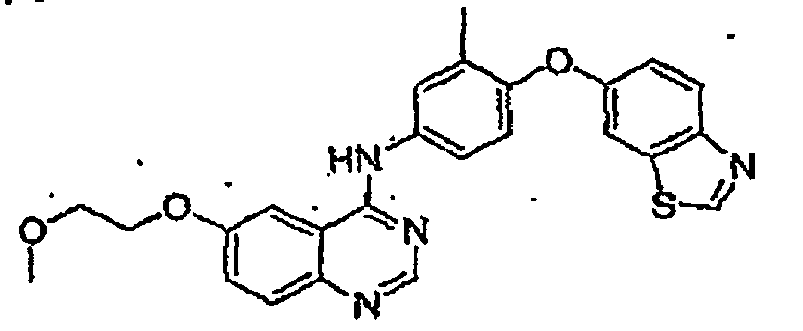
- Prepared according to the procedure for Example 21 using 4-(benzo[d]thiazol-6-yloxy)-3-methylbenzenamine in place of 4-(benzo[d]oxazol-5-yloxy)-3-methylbenzenamine.
-
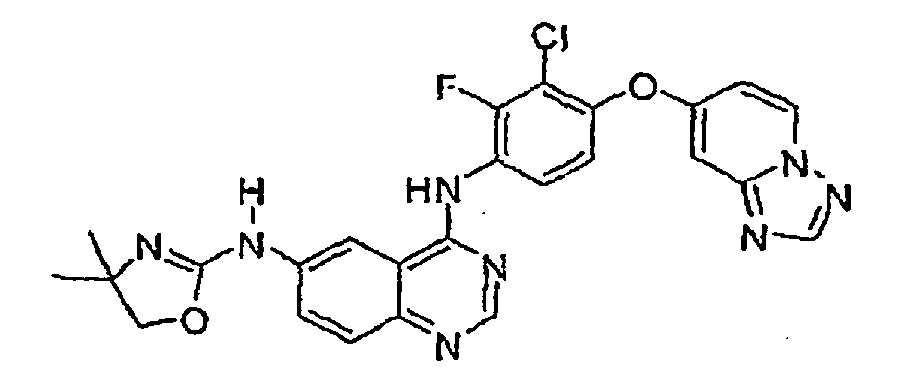
- Step A: Preparation of (Z)-N'-(4-(benzyloxy)pyridin-2-yl)-N,N-dimethylformamidine: A 250 mL, single-neck, round-bottomed flask was charged with 4-(benzyloxy)pyridin-2-amine (6.012 g, 30.02 mmol), dimethoxy-N,N-dimethylmethanamine (5.535 ml, 39.03 mmol) and ethanol (100.1 ml). A few drops of TFA were added and the reaction was heated to 50°C for 4 hours. The reaction was cooled to ambient temperature and concentrated. The crude product was used in the next step without purification.
- Step B: Preparation of (Z)-N'-(4-(benzyloxy)pyridin-2-yl)-N-hydroxyformamidine: A 100 mL, single-neck, round-bottomed flask was charged with (Z)-N'-(4-(benzyloxy)pyridin-2-yl)-N,N-dimethylformamidine (7.66 g, 30.0 mmol), hydroxyl amine hydrochloride (2.40 g, 34.5 mmol), propan-2-ol (33.3 ml), and THF (5 ml). The reaction was heated to 50 °C for 7 hours, then concentrated. The residue was titrated with EtOAc/THF and filtered. The filtrate was concentrated and triturated with dichloromethane to provide the product as a white solid.
- Step C: Preparation of 7-(benzyloxy)-[1,2,4]triazolo[1,5-a]pyridine: Trifluoroacetic anhydride (2.62 mL, 18.9 mmol) was added dropwise to a solution of (Z)-N'-(4-(benzyloxy)pyridin-2-yl)-N-hydroxyformamidine (4.37 g, 17.9 mmol) in THF (180 mL), and the mixture was cooled to 0 °C. The ice bath was then removed and the reaction was stirred for 12 hours. The reaction was concentrated to about 15-25 mL, then poured into 400 mL of iced 1 M NaOH. The mixture was stirred for 1 hour. The resulting white solids were collected by filtration, washed with hexanes, and dried under high vacuum for 1 hour to provide the desired product.
- Step D: Preparation of [1,2,4]triazolo[1,5-a]pyridin-7-ol: A 250 mL, single-neck, round-bottomed flask was charged with 7-(benzyloxy)-[1,2,4]triazolo[1,5-a]pyridine (3,20 g, 14.2 mmol), Pd/C (0.756 g, 0.710 mmol), and THF (125 mL). The reaction was stirred under an atmosphere of hydrogen for 16 hours, then filtered (GF paper) and concentrated to a white solid. The solids were titrated with EtOAc and collected by filtration to provide the desired product.
- Step E: Preparation of tert-butyl 3-chloro-2,4-difluorobenzoate: A 125 mL, single-neck, round-bottomed flask was charged with di-tert-butoxy-N,N-dimethylmethanamine (48.2 ml, 201 mmol), 3-chloro-2,4-difluorobenzoic acid (9.67 g, 50.2 mmol), and DMF (50 ml). The reaction was heated to 80°C for 48 hours. After cooling to ambient temperature, the reaction was diluted with saturated NaHCO3 and EtOAc. The aqueous phase was extracted with EtOAc, and the combined organic phases were washed with saturated NaHCO3 and brine, dried, filtered and concentrated to provide the desired product as a gold oil.
- Step F: Preparation of tert-butyl 4-([1,2,4]triazolo[1,5-a]pyridin-7-yloxy)-3-chloro-2-fluorobenzoate: A vial charged with tert-butyl 3-chloro-2,4-difluorobenzoate (0.210 g, 0.845 mmol), [1,2,4]triazolo[1,5-a]pyridin-7-ol (0.114 g, 0.845 mmol), cesium carbonate (0.413 g, 1.27 mmol), and DMF (1.7 ml). The reaction was heated to 80°C for 12 hours, then poured into ice water. The resulting solids were collected by filtration and purified by flash chromatography, eluting with gradient of 10% EtOAc/ Hexanes to 50% EtOAc/Hexanes to provide the desired product.
- Step G: Preparation of 4-([1,2,4]triazolo[1,5-a]pyridin-7-yloxy)-3-chloro-2-fluorobenzoic acid: A 25 ml flask was charged with tert-butyl 4-([1,2,4]triazolo[1,5-a]pyridin-7-yloxy)-3-chloro-2-fluorobenzoate (0.060 g, 0.16 mmol) and dichloromethane (1.6 ml). The reaction was cooled to 0 °C, and 2,2,2-trifluoroacetic acid (0.50 ml, 0.16 mmol) was added. The reaction was stirred for 20 minutes, then warmed to ambient temperature, stirred an additional 3 hours, and then concentrated to provide the desired product as a colorless oily residue.
- Step H: Preparation of 4-([1,2,4]triazolo[1,5-a]pyridin-7-yloxy)-3-chloro-2-fluorobenzenamine: A vial was charged with 4-([1,2,4]triazolo[1,5-a]pyridin-7-yloxy)-3-chloro-2-fluorobenzoic acid (0.090 g, 0.2925 mmol), triethylamine (0.1223 ml, 0.8776 mmol) and DMF (1.5 ml). Diphenylphosphoryl azide (0.1630 ml, 0.7313 mmol) was added. The reaction was stirred at ambient-temperature for 3 hours, then water (0.2199 ml, 0.2925 mmol) was added. The vial was sealed and heated to 100 °C for 1 hour, then cooled to ambient temperature and poured into 1 N NaOH/ice. The reaction was extracted with EtOAc, and the organic layer was dried, filtered and concentrated. The residue was purified by flash chromatography, eluting with a gradient from 100% EtOAc to 10% (with 6% NH4OH) MeOH/EtOAc.
- Step I: Preparation of N4-(4-([1,2,4]triazolo[1,5-a]pyridin-7-yloxy)-3-chloro-2-fluorophenyl)-N6-(4,4-dimethyl-4,5-dihydrooxazol-2-yl)quinazoline-4,6-diamine: Prepared according to the procedure for Example 1, using 4-([1,2,4]tnazolo[1,5-a]pyridin-7-yloxy)-3-chloro-2-fluorobenzenamine in place of 3-methyl-4-(2-methylbenzo[d]oxaziol-5-yloxy)benzenamine. MS APCI (+) m/z 519.3 (M+1, chlorine pattern) detected.
-

- Prepared according to the procedure of Example 31, using 2,4-difluoro-3-methylbenzoic in place of 3-chloro-2,4-difluorobenzoic acid. MS APCI (+) m/z 499.3 (M+1) detected.
-

- Prepared according to the procedure for Example 1 using (R)-2-aminopropan-1-ol in place of 2-amino-2-methylpropan-1-ol and 4-([1,2,4]triazolo[1,5-a]pyridin-7-yloxy)-3-methylbenzenamine in place of 3-methyl-4-(2-methylbenzo[d]oxazol-5-yloxy)benzenamine. MS APCI (+) m/z 4673 (M+1) detected.
-

- Step A: Preparation of 4-(4-([1,2,4]triazolo[1,5-a]pyridin-7-yloxy)-3-methylphenylamino)quinazolin-6-ol hydrochloride: Prepared according to Example 15 using 4-([1,2,4]triazolo[1,5-a]pyridin-7-yloxy)-3-methylbenzenamine in place of 4-(imidazo[1,2-a]pyridin-7-yloxy)-3-methylaniline.
- Step B: Preparation of trans-2-(4-(4-([1,2,4]triazolo[1,5-a]pyridin-7-yloxy)-3-methylphenylamino)quinazolin-6-yloxy)cyclopentanol: A 50 mL flask was charged with 4-(4-([1,2,4]triazolo[1,5-a]pyridin-7-yloxy)-3-methylphenylamino)quinazolin-6-ol hydrochloride (3.117 g, 7.406 mmol), 6-oxa-bicyclo[3.1.0]hexane (0.6924 ml, 7.777 mmol), cesium hydroxide monohydrate (2.736 g, 16.29 mmol), DMF (20 mL). The reaction was heated to 92°C for 12 hours, then cooled to room temperature and dilute with 200 mL of water. The mixture was stirred for 24 hours. The resulting precipitate was collected by filtration, washed with water and air dried to provide 2.80 g of the title compound as a racemic mixture. MS APCI (+) mlz 469.3 (M+1) detected.
-

- Step A: Preparation of (E)-N'-(4-(3-(1-(tert-butyldiphenylsilyloxy)-3-hydroxy-2-methylpropan-2-yl)thioureido)-2-cyanophenyl)-N,N-dimethylformimidamide: Prepared according to the method of Example 1, using 2-amino-3-(tert-butyldiphenylsilyloxy)-2-methylpropan-1-ol in place of 2-amino-2-methylpropan-1-ol.
- Step B: Preparation of N4-(4-([1,2,4]thiazolo[1,5-a]pyridin-7-yloxy-3-methylphenyl)-N6-(4-((tert-butyldiphenylsilyloxy)methyl-4-methyl-4,5-dihydrooxazol-2-yl)quinazoline-4,6-diamine: Prepared according to the method ofExample 1, using (E)-N'-(4-(3-(1-(tert-butyldiphenylsilyloxy)-3-hydroxy-2-methylpropan-2-yl)thioureido)-2-cyanophenyl)-N,N-dimethylformimidamide in place of 1-(3-cyano-4-((dimethylamino)methyleneamino)phenyl)-3-(1-hydroxy-2-methylpropan-2-yl)thiourea and 4-([1,2,4]triazolo[1,5-a]pyridin-7-yloxy)-3-methylbenzenamine in place of 4-(imidazo[1,2-a]pyridin-7-yloxy)-3-methylaniline.
- Step C: Preparation of (2-(4-(4-([1,2,4]triazolo[1,5-a]pyridin-7-yloxy)-3-methylphenylamino)quinazolin-6-ylamino)-4-methyl-4,5-dihydrooxazol-4-yl)methanol: TBAF (7.799 mmol, 7.79 ml 1M in THF) was added to a solution of N4-(4-([1,2,4]triazolo[1,5-a]pyridin-7-yloxy)-3-methylphenyl)-N6-(4-((tert-butyldiphenylsilyloxy)methyl)-4-methyl-4,5-dihydrooxazol-2-yl)quinazoline-4,6-diamine (2.866 g, 3.900 mmol) in THF (60 mL). The reaction was stirred for 3 hours and then concentrated. The residue was purified by flash chromatography, eluting with EtOAc/Hex/MeOH 9:1:1 with 0.1% H2O to provide the title compound. MS APCI (+) m/z 497.4 (M+1) detected.
-

- Step A: Preparation of 5-(2-methoxethoxy)quinazolin-4-ol: To a solution of 2-methoxyethanol (0.528 ml, 6.70 mmol) in DMA (6 mL) was slowly added 514 mg of a 60% dispersion of NaH (0.308 g, 12.8 mmol), and the reaction mixture was stirred at room temperature for 30 minutes. 5-Fluoroquinazolin-4(3H)-one (1.0 g, 6.09 mmol) was added and the reaction mixture was heated at 80 °C for 2 hours. The reaction was concentred and the residue was suspended in EtOH (75 mL) and then filtered through GF/F paper, The filtrate was concentrated to afford the desired product as a yellow solid.
- Step B: Preparation of 4-chloro-5-(2-methoxyethoxy)quinazoline: Prepared according to the method of Example 15 using 5-(2-methoxyethoxy)quinazolin-4-ol in place of 4-hydroxyquinazolin-6-yl acetate.
- Step C: Preparation of N-(4-([1,2,4]triazolo[1,5-a]pyridin-7-yloxy)-3-methyphenyl)-5-(2-methoxyethoxy)quinazolin-4-amine: Prepared according to the method of Example 24 using 4-chloro-5-(2-methoxyethoxy)quinazoline in place of 4-chloro-6-(2-methoxyethoxy)quinazoline. MS APCI (+) m/z 443.1 (M+1) detected.
- The following compounds were also prepared according to the above-described methods.
- Examples marked with * = Reference Examples
Ex. # Structure MS mlz 37* 
511.5 (M+1) detected 38* 
443.3 (M +1) detected 39* 
443.3 (M+1) detected 40* 
442.1 (M+1) detected 41* 
522.3 (M+1) detected 42* 
435.4 (M+1) detected 43* 
418.4 (M+1) detected 44* 
514.1 (M+1) detected 45* 
516.1 (M+1) detected 46* 
518.3 (M+1) detected 47* 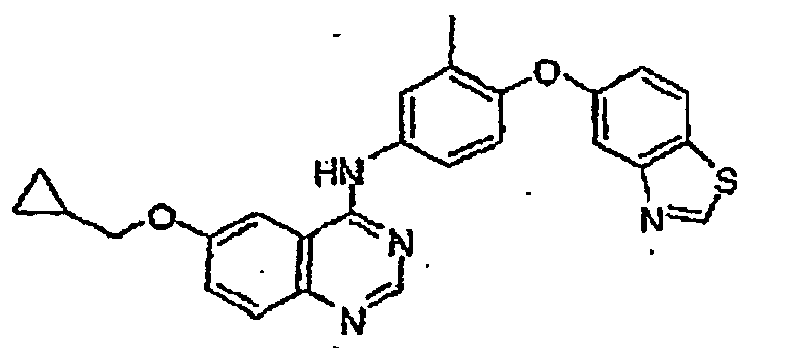
455.2 (M+1) detected 48 
498.0 (M+1) detected 49* 
496 (M+1) detected 50* 
538.3 (M+1) detected 51* 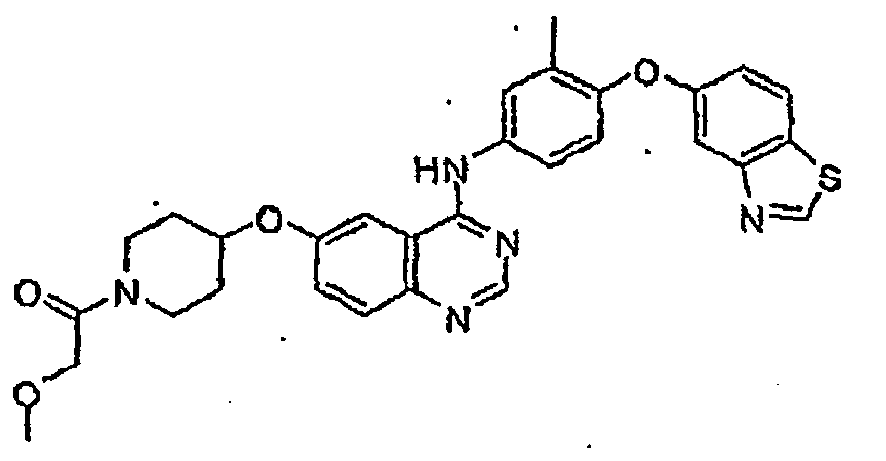
556.2 (M+1) detected 52* 
539.2 (M+1) detected 53* 
510.0 (M+1) detected 54* 
429.3 (M+1) detected 55* 
451.0 (M+1) detected 56* 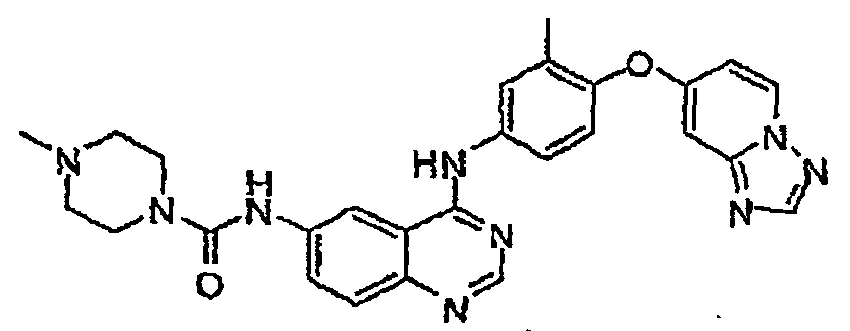
510.1 (M+1) detected 57* 
497.0 (M+1) detected 58* 
476.1 (M+1) detected 59* 
476.3 (M+1) detected 60* 
443.3 (M+1) detected 61* 
463.3 (M+1) detected 62* 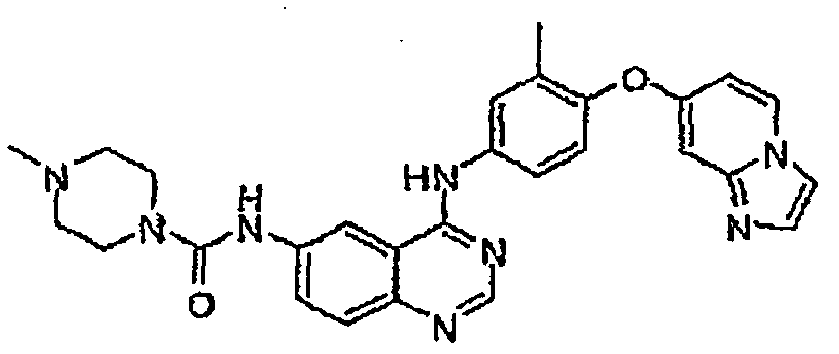
509.0 (M+1) detected 63* 
413.3 (M+1) detected . 64* 
459.1 (M+1) detected 65* 
443.0 (M+1) detected 66* 
488.2 (M+1) detected 67* 
523.0 (M+1) detected 68* 
494.1 (M+1) detected 69 
519.3 (M+1) detected 70 
467.3 (M+1) detected 71* 
437.3 (M+1) detected 72* 
523.3 (M+1) detected 73* 
463.2 (M+1) detected 74* 
513.2 (M+1) detected 75* 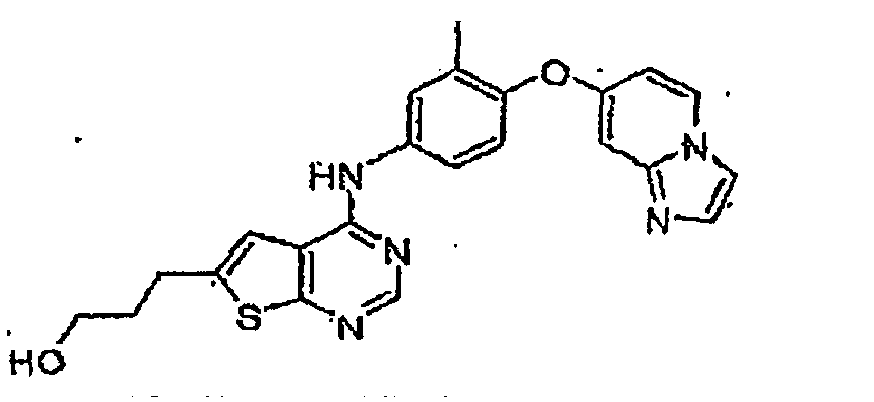
432.4 (M+1) detected 76* 
476.0 (M+1) detected 77* 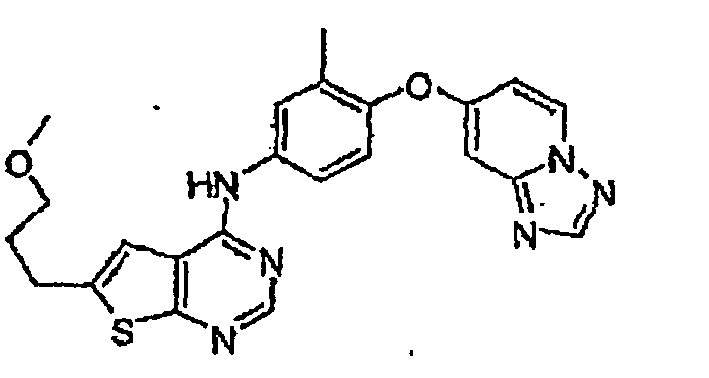
447.3 (M+1) detected 78* 
467.3 (M+1) detected 79* 
481.1 (M+1) detected 80* 
443.3 (M+1) detected 81* 
503.2 (M+1) detected 82* 
443.3 (M+1) detected 83* 
459.2 (M+1) detected 84* 
428.1 (M+1) detected 85 
499.3 (M+1) detected 86* 
496.3 (M+1) detected 87* 
535.3 (M+1) detected 88* 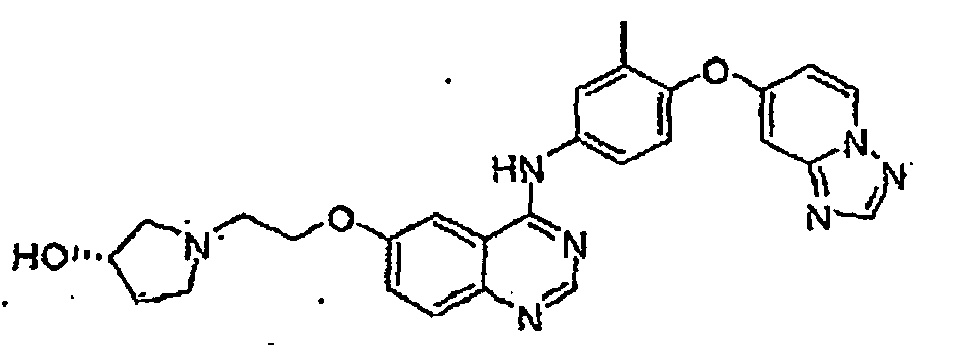
498.3 (M+1) detected 89* 
474.3 (M+1) detected 90* 
475.2 (M+1) detected 91* 
500.2 (M+1) detected 92* 
472.4 (M+1) detected 93* 
498.2 (M+1) detected 94 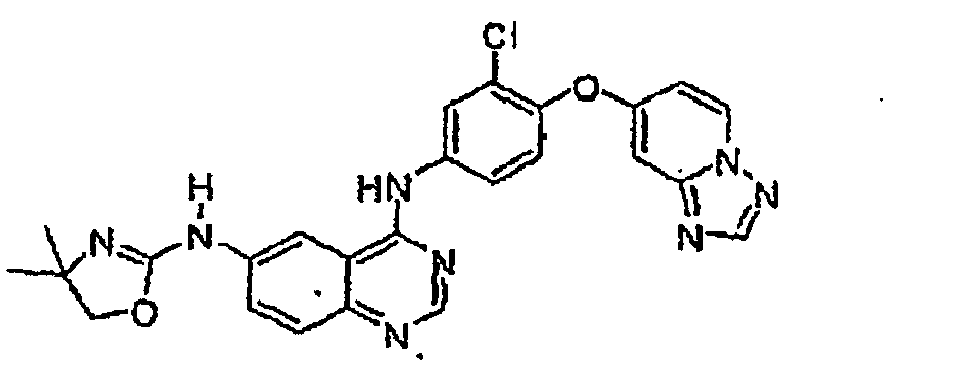
501.3 (M+1) detected 95* 
508.3 (M+1) detected 96* 
526.2 (M+1) detected 97* 
545.1 (M+1) detected 98* 
524.4 (M+1) detected 99* 
524.2 (M+1) detected 100* 
572.2 (M+1) detected 101* 
529.3 (M+1) detected 102* 
545.3 (M+1) detected 103* 
455.2 (M+1) detected 104* 
480.1 (M+1) detected 105* 
4813 (M+1) detected 106* 
443.0 (M+1) detected 107* 
476.4 (M+1) detected 108* 
506.3 (M+1) detected 109* 
481.3 (M+1) detected 110* 
429.3 (M+1) detected 111* 
443.1 (M+1) detected 112* 
463.1 (M+1) detected 113* 
454.1 (M+1) detected 114* 
437.4 (M+1) detected 115* 
467.2 (M+1) detected 116* 
483.3 (M+1) detected 117* 
466.4 (M+1) detected 118* 
481.3 (M+1) detected 119* 
481.4 (M+1) detected 120* 
451.4 (M+1) detected 121* 
453.3 (M+1) detected 122* 
453.4 (M+1) detected 123* 
465.2 (M+1) detected 124* 
495.3 (M+1) detected 125* 
469.2 (M+1) detected 126* 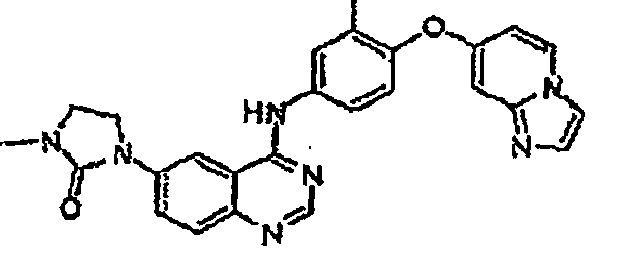
466.3 (M+1) detected 127* 
523.3 (M+1) detected 128* 
439.4 (M+1) detected 129* 
455.4 (M+1) detected 130* 
494.3 (M+1) detected 131* 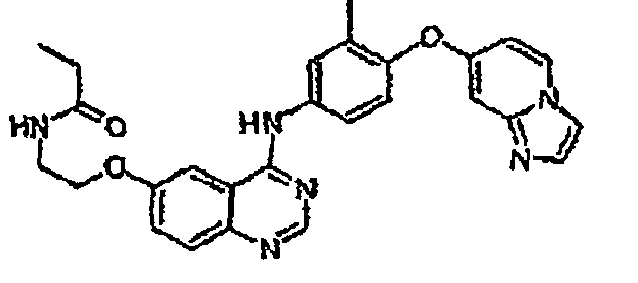
483.2 (M+1) detected 132* 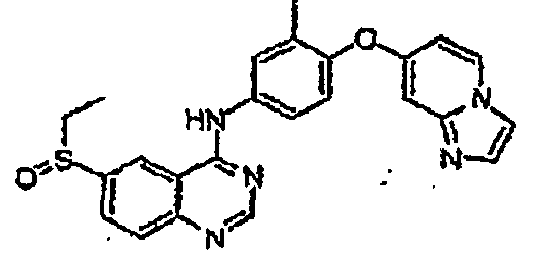
444.1 (M+1) detected 133* 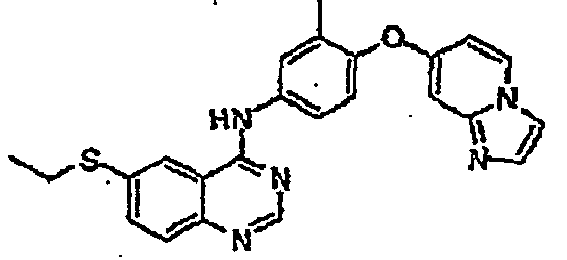
428.4 (M+1) detected 134* 
439.3 (M+1) detected 135* 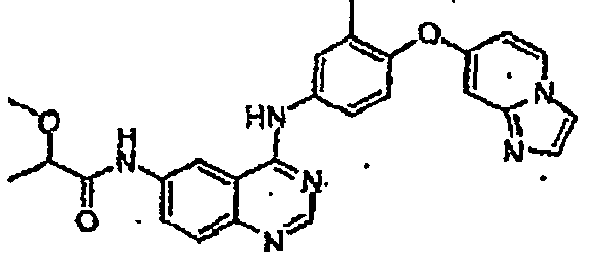
469.2 (M+1) detected 136* 
468.3 (M+1) detected 137* 
452.4 (M+1) detected 138* 
398.3 (M+1) detected 139* 
469.3 (M+1) detected 140* 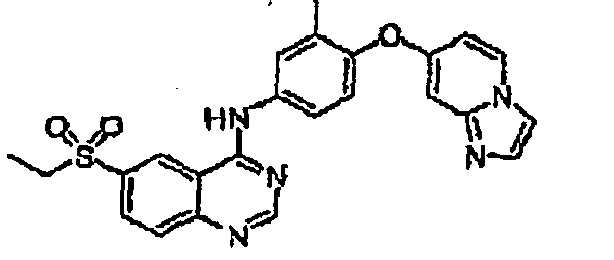
460.3 (M+1) detected 141* 
469.3 (M+1) detected 142* 
495.2 (M+1) detected 143 
497.3 (M+1) detected 144* 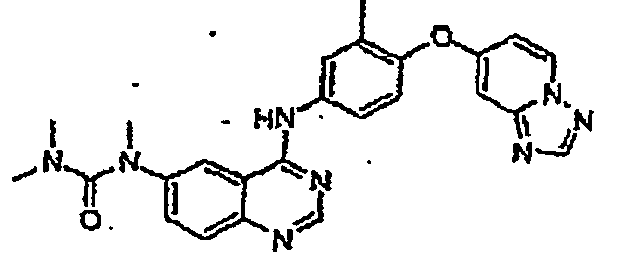
469.2 (M+1) detected 145* 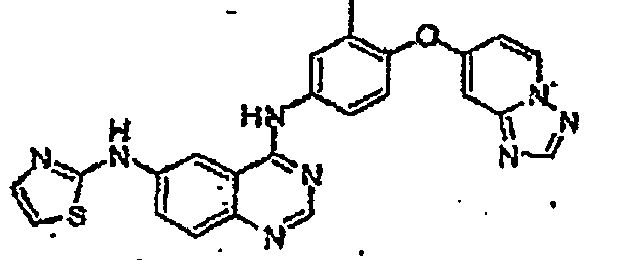
467.4 (M+1) detected 146* 
454.4 (M+1) detected 147* 
484.3 (M+1) detected 148* 
429.3 (M+1) detected 149* 
454.4 (M+1) detected 150* 
484.1 (M+1) detected 151* 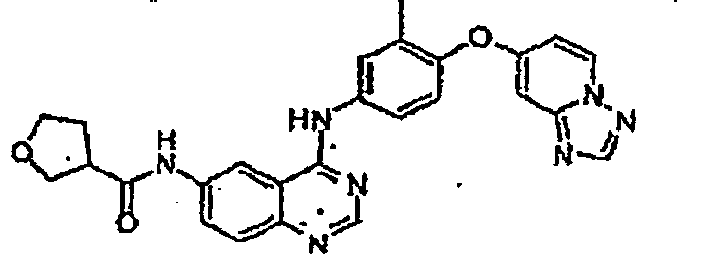
482.3 (M+1) detected 152* 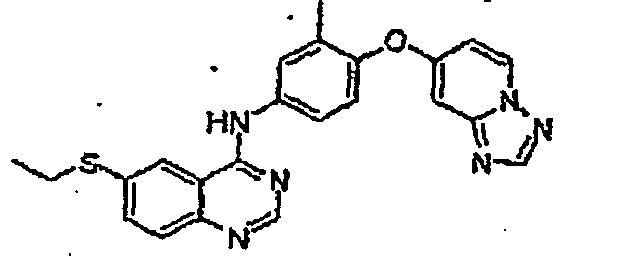
429.3 (M+1) detected 153* 
524.2 (M+1) detected 154* 
452.4 (M+1) detected 155 
479.2 (M+1) detected 156* 
440.2 (M+1) detected 157* 
470.3 (M+1) detected 158* 
471.2 (M+1) detected 159* 
455.1 (M+1) detected 160* 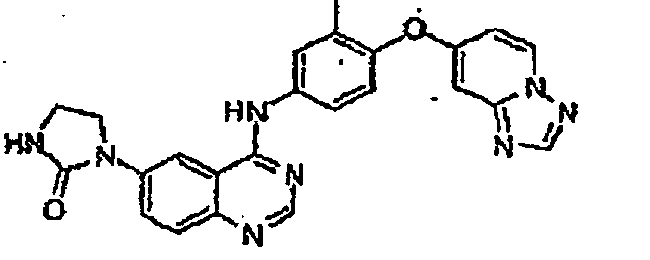
453.4 (M+1) detected 161* 
413.2 (M+1) detected 162* 
456.2 (M+1) detected 163* 
467.3 (M+1) detected 164* 
445.1 (M+1) detected 165* 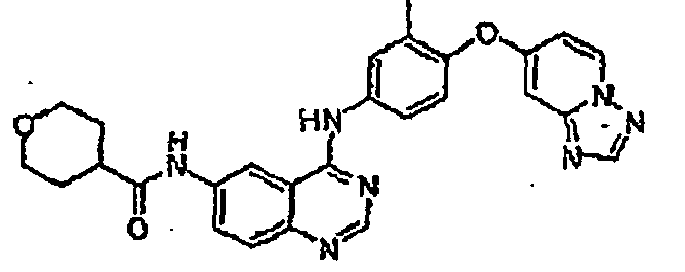
496.4 (M+1) detected 166* 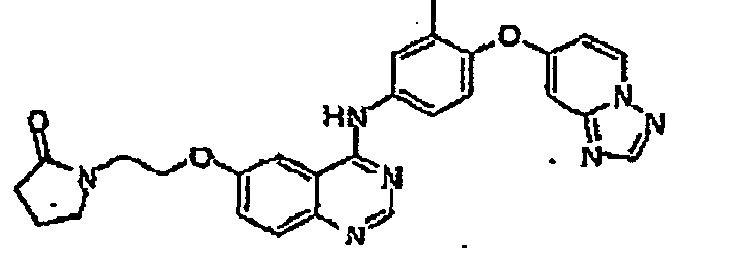
496.2 (M+1) detected 167* 
439.2 (M+1) detected 168* 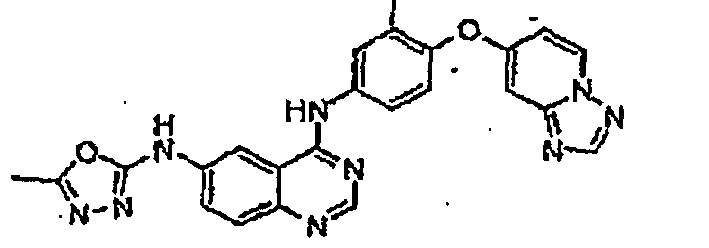
466.3 (M+1) detected 169* 
438.4 (M+1) detected 170* 
495.2 (M+1) detected 171* 
461.3 (M+1) detected 172* 
497.1 (M+1) detected 173* 
497.3 (M+1) detected 174* 
469.3 (M+1) detected 175* 
482.2 (M+1) detected 176* 
480.4 (M+1) detected 177* 
471.3 (M+1) detected 178* 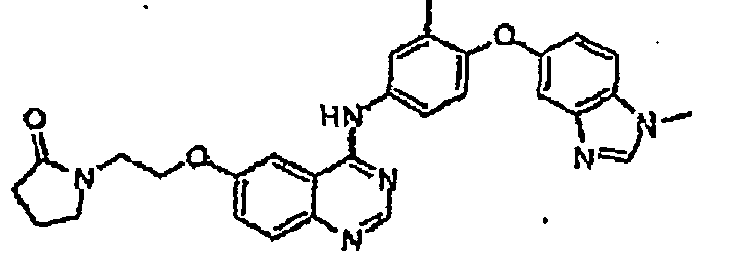
509.2 (M+1) detected 179* 
495.3 (M+1) detected 180* 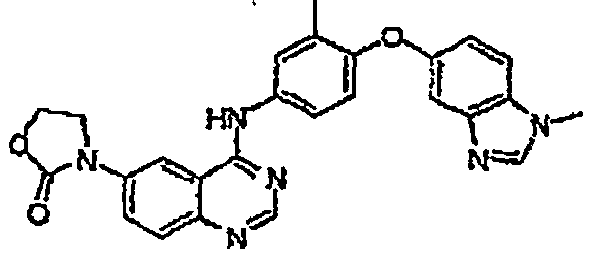
467.3 (M+1) detected 181* 
474.3 (M+1) detected 182* 
537.3 (M+1) detected 183* 
480.2 (M+1) detected 184* 
468.1 (M+1) detected 185* 
451.3 (M+1) detected 186* 
466.3 (M+1) detected 187* 
483.3 (M+1) detected 188* 
465.4 (M+1) detected 189* 
458.1 (M+1) detected 190* 
442.3 (M+1) detected 191* 
483.3 (M+1) detected 192* 
453.3 (M+1) detected 193* 
509.5 (M+1) detected 194* 
443.3 (M+1) detected 195* 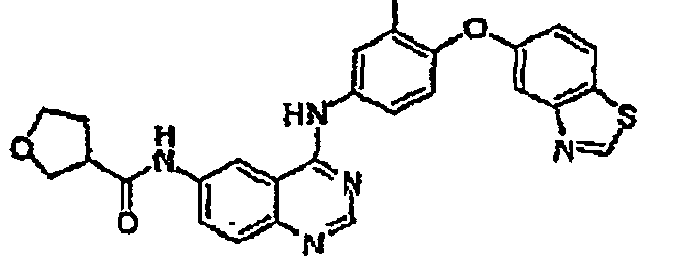
498.3 (M+1) detected 196* 
472.2 (M+1) detected 197* 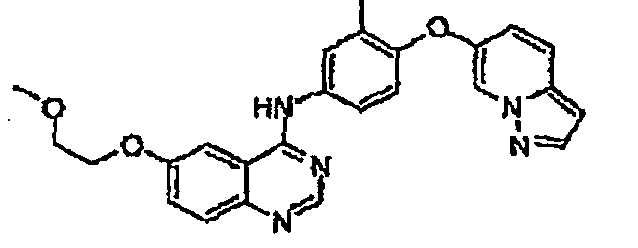
442.2 (M+1) detected 198* 
456.2 (M+1) detected 199* 
486.2 (M+1) detected 200* 
500.2 (M+1) detected 201* 
412.3 (M+1) detected 202 
469.3 (M+1) detected 203* 
471.3 (M+1) detected 204* 
442.3 (M+1) detected 205* 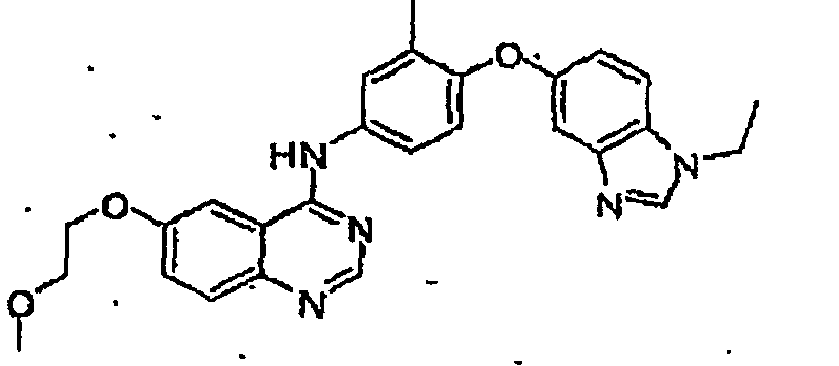
470.3 (M+1) detected 206* 
459.3 (M+1) detected 207* 
459.2 (M+1) detected 208* 
479.3 (M+1) detected 209* 
478.2 (M+1) detected 210* 
454.1 (M+1) detected 211* 
454.2 (M+1) detected 212* 
531.2 (M+1) detected 213* 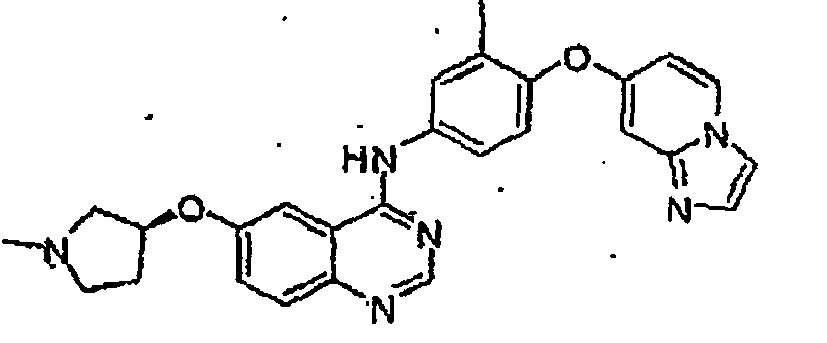
467.3 (M+1) detected 214* 
495.2 (M+1) detected 215* 
509.3 (M+1) detected 216* 
510.1 (M+1) detected 217* 
524.2 (M+1) detected 218* 
479.2 (M+1) detected , 219* 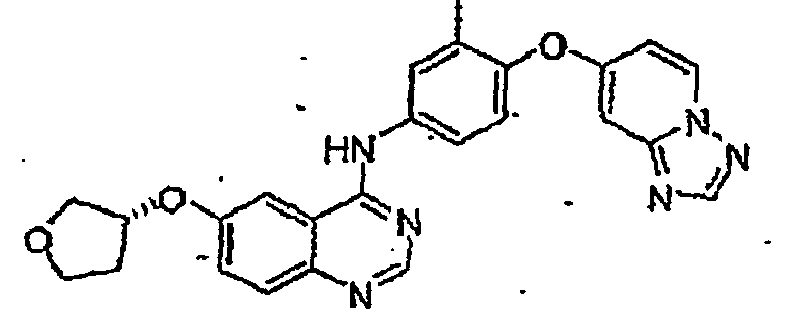
455.2 (M+1) detected 220* 
455.2 (M+1) detected 221* 
525.2 (M+1) detected 222* 
532.2 (M+1) detected 223* 
496.3 (M+1) detected 224* 
510.1 (M+1) detected 225* 
511.2 (M+1) detected 226* 
525.3 (M+1) detected 227* 
492.2 (M+1) detected 228* 
412.2 (M+1) detected 229* 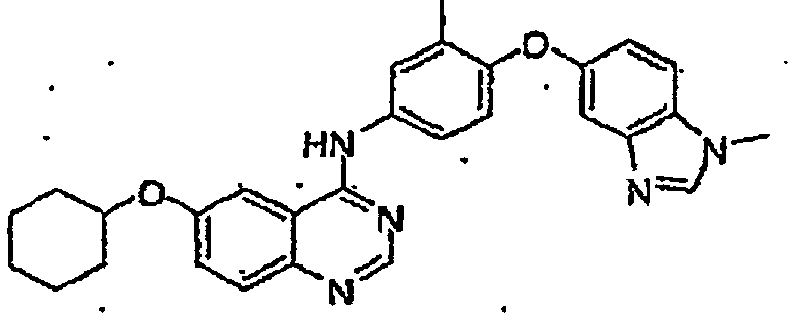
480.2 (M+1) detected 230* 
482.2 (M+1) detected 231* 
496.3 (M+1) detected 232* 
482.3 (M+1) detected 233* 
468.2 (M+1) detected 234* 
468.2 (M+1) detected 235* 
481.1 (M+1) detected 236* 
545.1 (M+1) detected 237* 
538.2 (M+1) detected 238* 
4692 (M+1) detected 239* 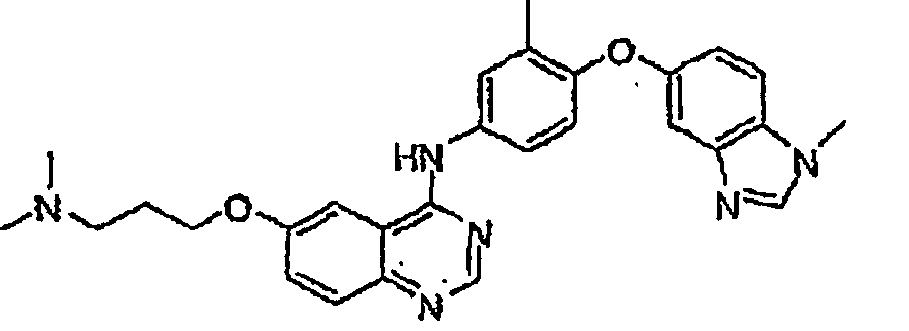
483,2 (M+1) detected 240* 
511.1 (M+1) detected 241* 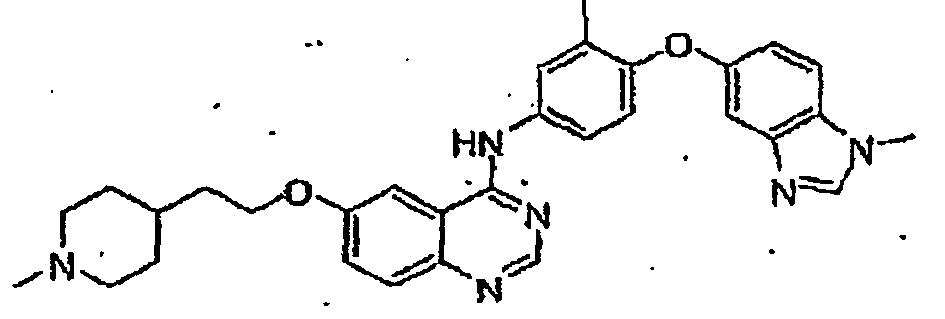
523.2 (M+1) detected 242* 
524.1 (M+1) detected 243* 
538.2 (M+1) detected 244* 
486.1 (M+1) detected 245* 
504.3 (M+1) detected 246* 
456.4 (M+1) detected 247* 
426.4 (M+1) detected 248* 
384.4 (M+1) detected 249* 
570.0 (M+1) detected 250* 
549.2 (M+1) detected 251* 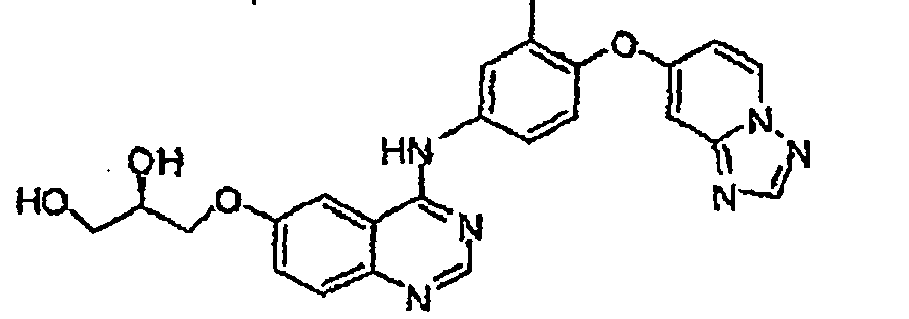
459.4 (M+1) detected 252* 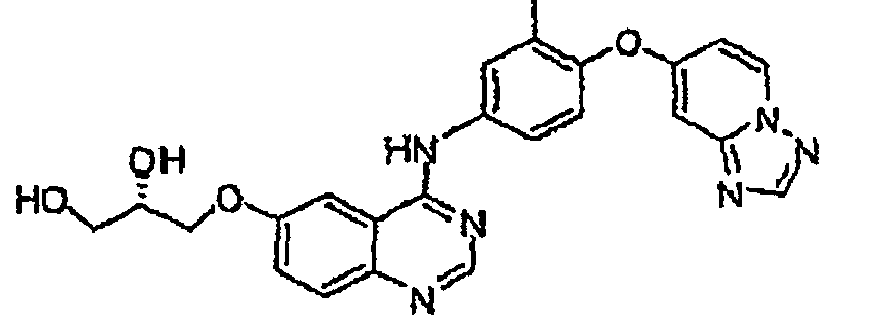
459.4 (M+1) detected 253* 
518.3 (M+1) detected 254* 
470.3 (M+1) detected 255* 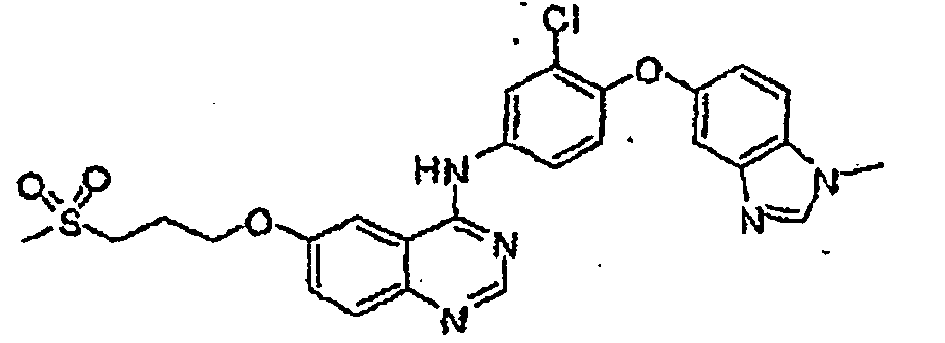
538.3, 540.2 (M+, Cl pattern) detected 256* 
454.3 (M+1) detected 257* 
499.2 (M+1) detected 258* 
456.3 (M+1) detected 259* 
455.2 (M+1) detected 260* 
497.3 (M+1) detected 261* 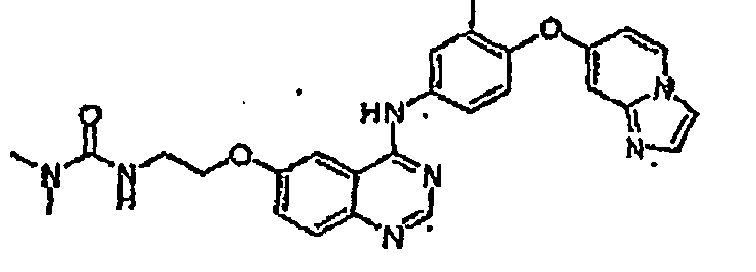
498.1 (M+1) detected 262* 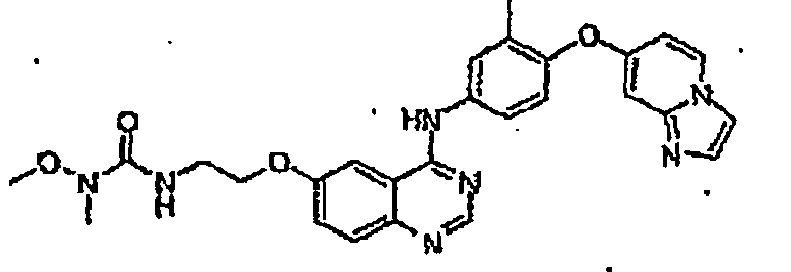
514.1 (M+1) detected 263* 
524.0 (M+1) detected 264* 
469.2 (M+1) detected 265* 
469.2 (M+1) detected 266* 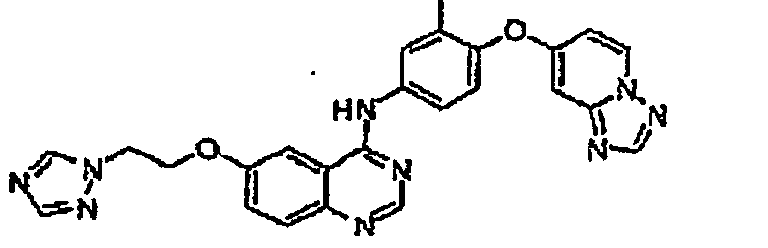
480.2 (M+1) detected 267* 
499.1 (M+1) detected 268* 
470.2 (M+1) detected 269* 
453.3 (M+1) detected 270* 
441.2 (M+1) detected 271* 
462.2, 464.2 (M+, Cl pattern) detected 272* 
446.2 (M+1) detected 273* 
476.2, 478.1 (M+, Cl pattern) detected 274* 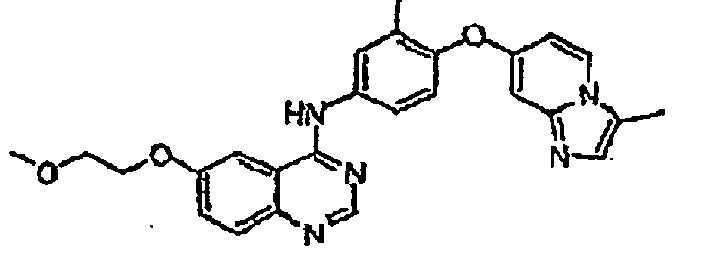
456.3 (M+1) detected 275* 
522.1, 520.2 (M+, Br pattern) detected 276* 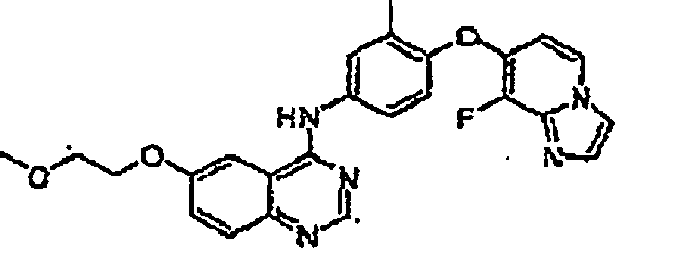
460.4 (M+1) detected 277* 
507.3 (M+1) detected 278* 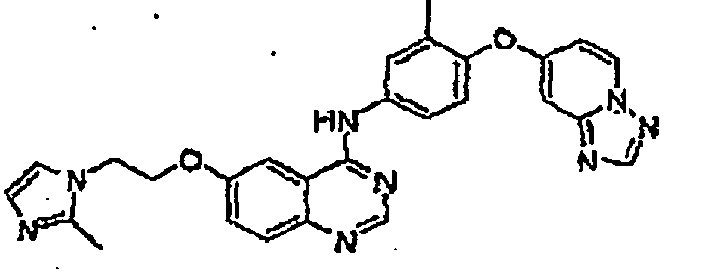
493.3 (M+1) detected 279* 
512.1 (M+1) detected 280* 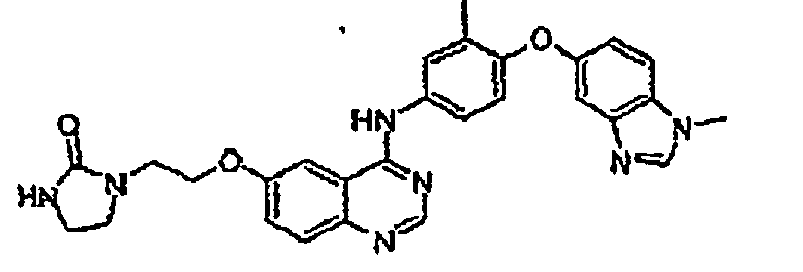
510.1 (M+1) detected 281* 
472.2 (M+1) detected
E is:


D1, D2 and D3 are independently N or CR19;
D4 and D5 are independently N or CR19 and D6 is O, S, or NR20, wherein at least one of D4 and D5 is not CR19;
D7, D8, D9 and D10 are independently N or CR19, wherein at least one of D7, D8, D9 and D10 is N;
R1 is H or alkyl;
each R2 is independently halogen, cyano, nitro, trifluoromethyl, difluoromethyl, fluoromethyl, fluoromethoxy, difluoromethoxy, trifluoromethoxy, azido, -SR18, -OR15, -C(O)R15, -C(O)OR15, -NR14C(O)OR18, -OC(O)R15, -NR14SO2R18, -SO2NR15R14, -NR14C(O)R15, -C(O)NR15R14, -NR15C(O)NR15R14, -NR13C(NCN)NR15R14, -NR15R14, alkyl, alkenyl, alkynyl, saturated or partially unsaturated cycloalkyl, cycloalkylalkyl, -S(O)p(alkyl), -S(O)p(CR13R14)q-aryl, aryl, arylalkyl, heteroaryl, heteroarylalkyl, saturated or partially unsaturated heterocyclyl, heterocyclylalkyl, -O(CR13R14)q-aryl, -NR15(CR13R14)q-aryl, -O(CR13R14)q-heteroaryl, -NR13(CR13R14)q-heteroaryl, -O(CR13R14)q-heterocyclyl or -NR15(CR13R14)q-heterocyclyl, wherein said alkyl, alkenyl, alkynyl, cycloalkyl, aryl, arylalkyl, heteroaryl, heteroarylalkyl, heterocyclyl and heterocyclylalkyl portions are optionally substituted with one or more groups independently selected from oxo, halogen, cyano, nitro, trifluoromethyl, difluoromethoxy, trifluoromethoxy, azido, -NR13SO2R18, -SO2NR15R13, -C(O)R15, -C(O)OR15, -OC(O)R15, -NR13C(O)OR18, -NR13C(O)R15, -C(O)NR15R13, -NR15R13, -NR14C(O)NR15R13, -NR14C(NCN)NR15R13, -OR15, aryl, heteroaryl, arylalkyl, heteroarylalkyl, saturated and partially unsaturated heterocyclyl, and heterocyclylalkyl, and wherein said aryl, heteroaryl, arylalkyl, heteroarylalkyl, heterocyclyl or heterocyclylalkyl rings may be further substituted with one or more groups selected from halogen, hydroxyl, cyano, nitro, azido, fluoromethyl, difluoromethyl, trifluoromethyl, alkyl, alkenyl, alkynyl, saturated and partially unsaturated cycloalkyl, saturated and partially unsaturated heterocyclyl, NR15R13 and OR15;
each R6, R8, and R8a are independently hydrogen, trifluoromethyl, alkyl, saturated or partially unsaturated cycloalkyl, saturated or partially unsaturated heterocyclyl, aryl, arylalkyl, heteroaryl, heteroarylalkyl, or heterocyclylalkyl, wherein said alkyl, cycloalkyl, heterocyclyl, aryl, arylalkyl, heteroaryl, heteroarylalkyl, and heterocyclylalkyl are optionally substituted with one or more groups independently selected from oxo, halogen, alkyl, alkenyl, alkynyl, saturated and partially unsaturated cycloalkyl, saturated and partially unsaturated heterocyclyl, cycloalkylalkyl, cyano, nitro, OR15, NR15R16, SR15, S(=O)R15, SO2R15, trifluoromethyl, difluoromethyl, fluoromethyl, fluoromethoxy, difluoromethoxy, trifluoromethoxy, azido, aryl, heteroaryl, arylalkyl, heteroarylalkyl, and heterocyclylalkyl,
or R8 and R8a together with the atom to which they are attached form a 3 to 6 membered carbocyclic ring;
or R6 and R8 together with the atoms to which they are attached form a 3 to 10 membered saturated or partially unsaturated heterocyclyl ring optionally containing one or more additional heteroatoms selected from N, O, S, SO, SO2 and NR6, wherein said carbocyclic and heterocyclic rings are optionally substituted with one or more groups independently selected from oxo, halogen, alkyl, alkenyl, alkynyl, saturated and partially unsaturated cycloalkyl, saturated and partially unsaturated heterocyclyl, cycloalkylalkyl, cyano, nitro, trifluoromethyl, difluoromethyl, fluoromethyl, fluoromethoxy, difluoromethoxy, trifluoromethoxy, azido, aryl, OR15, NR15R16, SR15, heteroaryl, arylalkyl, heteroarylalkyl, and heterocyclylalkyl;
each R12 is independently halogen, cyano, nitro, trifluoromethyl, difluoromethyl, fluoromethyl, fluoromethoxy, difluoromethoxy, trifluoromethoxy, azido, -SR18, -OR15, -C(O)R15, -C(O)OR15, -NR14C(O)OR18, -OC(O)R15 -NR14SO2R18, -SO2NR15R14, -NR14C(O)R15, -C(O)NR15R14, -NR13C(O)NR15R14, -NR13C(NCN)NR15R14, -NR15R14, alkyl, alkenyl, alkynyl, saturated or partially unsaturated cycloalkyl, cycloalkylalkyl, -S(O)p(alkyl), -S(O)p(CR13R14)q-aryl, aryl, arylalkyl, heteroaryl, heteroarylalkyl, saturated or partially unsaturated heterocyclyl, heterocyclylalkyl, -O(CR13R14)q-aryl, -NR15(CR13R14)q-aryl, -O(CR13R14)q-heteroaryl, -NR13(CR13R14)q-heteroaryl, -O(CR13R14)q-heterocyclyl or -NR15(CR13R14)q-heterocyclyl, wherein said alkyl, alkenyl, alkynyl, cycloalkyl, aryl, arylalkyl, heteroaryl, heteroarylalkyl, heterocyclyl and heterocyclylalkyl portions are optionally substituted with one or more groups independently selected from oxo, halogen, cyano, nitro, trifluoromethyl, difluoromethoxy, trifluoromethoxy, azido, -NR13SO2R18, -SO2NR15R13, -C(O)R15, -C(O)OR15, -OC(O)R15, -NR13C(O)OR18, -NR13C(O)R15, -C(O)NR15R13, -NR15R13, -NR14C(O)NR15R13, -NR14C(NCN)NR15R13, -OR15, aryl, heteroaryl, arylalkyl, heteroarylalkyl, saturated and partially unsaturated heterocyclyl, and heterocyclylalkyl, and wherein said aryl, heteroaryl, arylalkyl, heteroarylalkyl, heterocyclyl or heterocyclylalkyl rings may be further substituted with one or more groups selected from halogen, hydroxyl, cyano, nitro, azido, fluoromethyl, difluoromethyl, trifluoromethyl, alkyl, alkenyl, alkynyl, saturated and partially unsaturated cycloalkyl, saturated and partially unsaturated heterocyclyl, NR15R13 and OR15;
R13 and R14 are independently hydrogen or alkyl, or
R13 and R14 together with the atoms to which they are attached form a saturated or partially unsaturated cycloalkyl, or saturated or partially unsaturated heterocyclyl ring, wherein said alkyl, cycloalkyl and heteorcyclyl portions are optionally substituted with one or more groups independently selected from halogen, cyano, nitro, trifluoromethyl, difluoromethyl, fluoromethyl, fluoromethoxy, difluoromethoxy, trifluoromethoxy, azido, oxo, ORa, NRaRb, NR3ORb, NRaCO2Rb, NRaCORb, SO2NRaRb, SRa, SORa, SO2Ra, S-S-Ra, C(=O)Ra, C(=O)ORa, OC(=O)Ra, C(=O)NRaRb, NRaC(=O)Rb, and NRaC(=O)NRbRc;
R15 and R16 are independently H, alkyl, alkenyl alkynyl, heteroalkyl, heteroalkenyl, heteroalkynyl, saturated or partially unsaturated cycloalkyl, saturated or partially unsaturated heterocyclyl, cycloalkylalkyl, aryl, arylalkyl, heteroaryl, heteroarylalkyl, or heterocyclylalkyl, wherein said alkyl, alkenyl, alkynyl, cycloalkyl, heterocyclyl, cycloalkylalkyl, aryl, arylalkyl, heteroaryl, heteroarylalkyl, and heterocyclylalkyl are optionally substituted with one or more groups independently selected from alkyl, alkenyl, alkynyl, heteroalkyl, heteroalkenyl, heteroalkynyl, saturated and partially unsaturated cycloalkyl, saturated and partially unsaturated heterocyclyl, aryl, heteroaryl, halogen, oxo, ORa, NRaRb, NRaORb, NRaCO2Rb, NRaCORb, SO2NRaRb, SRa, SORa, SO2Ra, S-S-Ra, C(=O)Ra, C(=O)ORa, OC(=O)Ra, C(=O)NRaRb, NRaC(=O)Rb, NRaC(=O)NRbRc, OC(=O)NRaRb, and C(=O)CH2ORa;
or R15 and R16 together with the atom to which they are attached form a heterocyclic ring optionally containing one or more additional heteroatoms selected from N, O, S, SO, SO2 and NR6, wherein said heterocyclic ring is optionally substituted with one or more groups independently selected from oxo, halogen, alkyl, alkenyl, alkynyl, saturated and partially unsaturated cycloalkyl, saturated and partially unsaturated heterocyclyl, cycloalkylalkyl, cyano, nitro, trifluoromethyl, difluoromethyl, fluoromethyl, fluoromethoxy, difluoromethoxy, trifluoromethoxy, azido, aryl, ORa, NRaRb, SRa, heteroaryl, arylalkyl, heteroarylalkyl, and heterocyclylalkyl,
or R13 and R15 together with the atom to which they are attached form a saturated or partially unsaturated cycloalkyl or saturated or partially unsaturated heterocyclyl ring, wherein said alkyl, cycloalkyl and heterocyclyl are optionally substituted with one or more groups independently selected from halogen, cyano, nitro, trifluoromethyl, difluoromethyl, fluoromethyl, fluoromethoxy, difluoromethoxy, trifluoromethoxy, azido, oxo, ORa, NRaRb, NRaORb, NRaCO2Rb, NRaCORb, SO2NRaRb, SRa, SORa, SO2Ra, S-S-Ra, C(=O)Ra, C(=O)ORa, OC(=O)Ra, C(=O)NRaRb, NRaC(=O)Rb, and NRaC(=O)NRbRc;
R18 is CF3, alkyl, alkenyl, alkynyl, heteroalkyl, heteroalkenyl, heteroalkynyl, saturated or partially unsaturated cycloalkyl, saturated or partially unsaturated heterocyclyl, cycloalkylalkyl, aryl, arylalkyl, heteroaryl, heteroarylalkyl, or heterocyclylalkyl, wherein said alkyl, alkenyl, alkynyl, cycloalkyl, saturated or partially unsaturated heterocyclyl, cycloalkylalkyl, aryl, arylalkyl, heteroaryl, heteroarylalkyl and heterocyclylalkyl are optionally substituted with one or more groups independently selected from alkyl, alkenyl, alkynyl, heteroalkyl, heteroalkenyl, heteroalkynyl, saturated and partially unsaturated cycloalkyl, saturated and partially unsaturated heterocyclyl, aryl, heteroaryl, halogen, oxo, ORa, NRaRb, NRaORb, NRaCO2Rb, NRaCORb, SO2NRaRb, SRa, SORa, SO2Ra, S-S-Ra, C(=O)Ra, C(=O)ORa, OC(=O)Ra, C(=O)NRaRb, NRaC(=O)Rb, NRaC(=O)NRbRc,
or R15 and R18 together with the atoms to which they are attached form a saturated or partially unsaturated cycloalkyl or saturated or partially unsaturated heterocyclyl ring, wherein said alkyl, cycloalkyl and heterocyclyl are optionally substituted with one or more groups independently selected from halogen, cyano, nitro, trifluoromethyl, difluoromethyl, fluoromethyl, fluoromethoxy, difluoromethoxy, trifluoromethoxy, azido, oxo, ORa, NRaRb, NRaORb, NRaCO2Rb, NRaCORb, SO2NRaRb, SRa, SORa, SO2Ra, S-S-Ra, C(=O)Ra, C(=O)ORa, OC(=O)Ra, C(=O)NRaRb, NRaC(=O)Rb, and NRaC(=O)NRbRc;
each R19 is independently H, halogen, cyano, nitro, trifluoromethyl, difluoromethyl, fluoromethyl, fluoromethoxy, difluoromethoxy, trifluoromethoxy, azido, -SR18, -OR15, -C(O)R15, -C(O)OR15, -NR14C(O)OR18, -OC(O)R15 -NR14SO2R18, -SO2NR15R14, -NR14C(O)R15, -C(O)NR15R14, -NR13C(O)N15R14, -NR13C(NCN)NR15R14, -NR15R14, alkyl, alkenyl, alkynyl, saturated or partially unsaturated cycloalkyl, cycloalkylalkyl, -S(O)p(alkyl), -S(O)p(CR13R14)q-aryl, aryl, arylalkyl, heteroaryl, heteroarylalkyl, saturated or partially unsaturated heterocyclyl, heterocyclylalkyl, -O(CR13R14)q-aryl, -NR15(CR13R14)q-aryl, -O(CR13R14)q-heteroaryl, -NR13(CR13R14)q-heteroaryl, -O(CR13R14)q-heterocyclyl or -NR15(CR13R14)q-heterocyclyl, wherein said alkyl, alkenyl, alkynyl, cycloalkyl, aryl, arylalkyl, heteroaryl, heteroarylalkyl, heterocyclyl and heterocyclylalkyl portions are optionally substituted with one or more groups independently selected from oxo, halogen, cyano, nitro, trifluoromethyl, difluoromethoxy, trifluoromethoxy, azido, -NR13SO2R18, -SO2NR15R13, -C(O)R15, -C(O)OR15, -OC(O)R15, -NR13C(O)OR18, -NR13C(O)R15, -C(O)NR15R13, -NR15R13, -NR14C(O)NR15R13, -NR14C(NCN)NR15R13, -OR15, aryl, heteroaryl, arylalkyl, heteroarylalkyl, saturated or partially unsaturated heterocyclyl, and heterocyclylalkyl, and wherein said aryl, heteroaryl, arylalkyl, heteroarylalkyl, heterocyclyl or heterocyclylalkyl rings may be further substituted with one or more groups selected from halogen, hydroxyl, cyano, nitro, azido, fluoromethyl, difluoromethyl, trifluoromethyl, alkyl, alkenyl, alkynyl, saturated and partially unsaturated cycloalkyl, saturated and partially unsaturated heterocyclyl, NR15R13 and OR15;
each R20 is independently C1-C4 alkyl, saturated or partially unsaturated cycloalkyl, trifluoromethyl, difluoromethyl, or fluoromethyl;
Ra, Rb and Rc are independently H, alkyl, alkenyl, alkynyl, saturated or partially unsaturated cycloalkyl, saturated or partially unsaturated heterocyclyl, aryl, or heteroaryl,
or NRaRb forms a 5-6 membered heterocyclic ring having 1-2 ring nitrogen atoms and optionally substituted with (C1-C3 alkyl),
or NRbRc forms a 5-6 membered heterocyclic ring having 1-2 ring nitrogen atoms;
j is 0, 1, 2 or 3;
n is 0, 1, 2, 3, or 4;
q is 0,1, 2, 3, 4, or 5; and
p is 0,1 or 2.
Claims (9)
- A compound of Formula 8:

or R8 and R8a together with the atom to which they are attached form a 3 to 6 membered carbocyclic ring;
or R6 and R8 together with the atoms to which they are attached form a 3 to 10 membered saturated or partially unsaturated heterocyclyl ring optionally containing one or more additional heteroatoms selected from N, O, S, SO, SO2 and NR6, wherein said carbocyclic and heterocyclic rings are optionally substituted with one or more groups independently selected from oxo, halogen, alkyl, alkenyl, alkynyl, saturated and partially unsaturated cycloalkyl, saturated and partially unsaturated heterocyclyl, cycloalkylalkyl, cyano, nitro, trifluoromethyl, difluoromethyl, fluoromethyl, fluoromethoxy, difluoromethoxy, trifluoromethoxy, azido, aryl, OR15, NR15R16, SR15, heteroaryl, arylalkyl, heteroarylalkyl, and heterocyclylalkyl;
R15 and R16 are independently H, alkyl, alkenyl, alkynyl, heteroalkyl, heteroalkenyl, heteroalkynyl, saturated or partially unsaturated cycloalkyl, saturated or partially unsaturated heterocyclyl, cycloalkylalkyl, aryl, arylalkyl, heteroaryl, heteroarylalkyl, or heterocyclylalkyl, wherein said alkyl, alkenyl, alkynyl, cycloalkyl, heterocyclyl, cycloalkylalkyl, aryl, arylalkyl, heteroaryl, heteroarylalkyl, and heterocyclylalkyl are optionally substituted with one or more groups independently selected from alkyl, alkenyl, alkynyl, heteroalkyl, heteroalkenyl, heteroalkynyl, saturated and partially unsaturated cycloalkyl, saturated and partially unsaturated heterocyclyl, aryl, heteroaryl, halogen, oxo, ORa, NRaRb, NRaORb, NRaCO2Rb, NRaCORb, SO2NRaRb, SRa, SORa, SO2Ra, S-S-Ra, C(=O)Ra, C(=O)ORa, OC(=O)Ra, C(=O)NRaRb, NRaC(=O)Rb, NRaC(=O)NRbRc, OC(=O)NRaRb, and C(=O)CH2ORa;
or R15 and R16 together with the atom to which they are attached form a heterocyclic ring optionally containing one or more additional heteroatoms selected from N, O, S, SO, SO2 and NR6, wherein said heterocyclic ring is optionally substituted with one or more groups independently selected from oxo, halogen, alkyl, alkenyl, alkynyl, saturated and partially unsaturated cycloalkyl, saturated and partially unsaturated heterocyclyl, cycloalkylalkyl, cyano, nitro, trifluoromethyl, difluoromethyl, fluoromethyl, fluoromethoxy, difluoromethoxy, trifluoromethoxy, azido, aryl, ORa, NRaRb, SRa, heteroaryl, arylalkyl, heteroarylalkyl, and heterocyclylalkyl; and
Ra, Rb and Rc are independently H, alkyl, alkenyl, alkynyl, saturated or partially unsaturated cycloalkyl, saturated or partially unsaturated heterocyclyl, aryl, or heteroaryl,
or NRaRb forms a 5-6 membered heterocyclic ring having 1-2 ring nitrogen atoms and optionally substituted with (C1-C3 alkyl),
or NRbRc forms a 5-6 membered heterocyclic ring having 1-2 ring nitrogen atoms. - The compound of Claim 1, selected from:1-(3-cyano-4-((dimethylamino)methyleneamino)phenyl)-3-(1-hydroxy-2-methylpropan-2-yl)thiourea; and(R,E)-1-(3-cyano-4-((dimethylamino)methyleneamino)phenyl)-3-(1-hydroxypropan-2-yl)thiourea.
- A compound of Formula 9:

E is:

D1, D2 and D3 are independently N or CR19;
D4 and D5 are independently N or CR19 and D6 is O, S, or NR20, wherein at least one of D4 and D5 is not CR19;
D7, D8, D9 and D10 are independently N or CR19, wherein at least one of D7, D8, D9 and D10 is N;
R1 is H or alkyl;
each R2 is independently halogen, cyano, nitro, trifluoromethyl, difluoromethyl, fluoromethyl, fluoromethoxy, difluoromethoxy, trifluoromethoxy, azido, -SR18, -OR15, -C(O)R15, -C(O)OR15, -NR14C(O)OR18, -OC(O)R15, -NR14SO2R18, -SO2NR15R14, -NR14C(O)R15, -C(O)NR15R14, -NR15C(O)NR15R14, -NR13C(NCN)NR15R14 -NR15R14, alkyl, alkenyl, alkynyl, saturated or partially unsaturated cycloalkyl, cycloalkylalkyl, -S(O)p(alkyl), -S(O)p(CR13R14)q-aryl, aryl, arylalkyl, heteroaryl, heteroarylalkyl, saturated or partially unsaturated heterocyclyl, heterocyclylalkyl, -O(CR13R14)q-aryl, -NR15(CR13R14)q-aryl, -O(CR13R14)q-heteroaryl, -NR13(CR13R14)q-heteroaryl, -O(CR13R14)q-heterocyclyl or -NR15(CR13R14)q-heterocyclyl, wherein said alkyl, alkenyl, alkynyl, cycloalkyl, aryl, arylalkyl, heteroaryl, heteroarylalkyl, heterocyclyl and heterocyclylalkyl portions are optionally substituted with one or more groups independently selected from oxo, halogen, cyano, nitro, trifluoromethyl, difluoromethoxy, trifluoromethoxy, azido, -NR13SO2R18, -SO2NR15R13, -C(O)R15, -C(O)OR15, -OC(O)R15, -NR13C(O)OR18, -NR13C(O)R15, -C(O)NR15R13, -NR15R13, -NR14C(O)NR13, -NR14C(NCN)NR15R13, -OR15, aryl, heteroaryl, arylalkyl, heteroarylalkyl, saturated and partially unsaturated heterocyclyl, and heterocyclylalkyl, and wherein said aryl, heteroaryl, arylalkyl, heteroarylalkyl, heterocyclyl or heterocyclylalkyl rings may be further substituted with one or more groups selected from halogen, hydroxyl, cyano, nitro, azido, fluoromethyl, difluoromethyl, trifluoromethyl, alkyl, alkenyl, alkynyl, saturated and partially unsaturated cycloalkyl, saturated and partially unsaturated heterocyclyl, NR15R13 and OR15;
each R6, R8, and R8a are independently hydrogen, trifluoromethyl, alkyl, saturated or partially unsaturated cycloalkyl, saturated or partially unsaturated heterocyclyl, aryl, arylalkyl, heteroaryl, heteroarylalkyl, or heterocyclylalkyl, wherein said alkyl, cycloalkyl, heterocyclyl, aryl, arylalkyl, heteroaryl, heteroarylalkyl, and heterocyclylalkyl are optionally substituted with one or more groups independently selected from oxo, halogen, alkyl, alkenyl, alkynyl, saturated and partially unsaturated cycloalkyl, saturated and partially unsaturated heterocyclyl, cycloalkylalkyl, cyano, nitro, OR15, NR15R16, SR15, S(=O)R15, SO2R15, trifluoromethyl, difluoromethyl, fluoromethyl, fluoromethoxy, difluoromethoxy, trifluoromethoxy, azido, aryl, heteroaryl, arylalkyl, heteroarylalkyl, and heterocyclylalkyl,
or R8 and R8a together with the atom to which they are attached form a 3 to 6 membered carbocyclic ring;
or R6 and R8 together with the atoms to which they are attached form a 3 to 10 membered saturated or partially unsaturated heterocyclyl ring optionally containing one or more additional heteroatoms selected from N, O, S, SO, SO2 and NR6, wherein said carbocyclic and heterocyclic rings are optionally substituted with one or more groups independently selected from oxo, halogen, alkyl, alkenyl, alkynyl, saturated and partially unsaturated cycloalkyl, saturated and partially unsaturated heterocyclyl, cycloalkylalkyl, cyano, nitro, trifluoromethyl, difluoromethyl, fluoromethyl, fluoromethoxy, difluoromethoxy, trifluoromethoxy, azido, aryl, OR15, NR15R16, SR15, heteroaryl, arylalkyl, heteroarylalkyl, and heterocyclylalkyl;
each R12 is independently halogen, cyano, nitro, trifluoromethyl, difluoromethyl, fluoromethyl, fluoromethoxy, difluoromethoxy, trifluoromethoxy, azido, -SR18, -OR15, -C(O)R15, -C(O)OR15, -NR14C(O)OR18, -OC(O)R15 -NR14SO2R18, -SO2NR15R14, -NR14C(O)R15, -C(O)NR15R14, -NR13C(O)NR15R14, -NR13C(NCN)NR15R14, -NR15R14, alkyl, alkenyl, alkynyl, saturated or partially unsaturated cycloalkyl, cycloalkylalkyl, -S(O)p(alkyl), -S(O)p(CR13R14)q-aryl, aryl, arylalkyl, heteroaryl, heteroarylalkyl, saturated or partially unsaturated heterocyclyl, heterocyclylalkyl, -O(CR13R14)q-aryl, -NR15(CR13R14)q-aryl, -O(CR13R14)q-heteroaryl, -NR13(CR13R14)q-heteroaryl, O(CR13R14)q-heterocyclyl or -NR15(CR13R14)q-heterocyclyl, wherein said alkyl, alkenyl, alkynyl, cycloalkyl, aryl, arylalkyl, heteroaryl, heteroarylalkyl, heterocyclyl and heterocyclylalkyl portions are optionally substituted with one or more groups independently selected from oxo, halogen, cyano, nitro, trifluoromethyl, difluoromethoxy, trifluoromethoxy, azido, -NR13SO2R18, -SO2NR15R13, -C(O)R15, -C(O)OR15, -OC(O)R15, -NR13C(O)OR18, -NR13C(O)R15, -C(O)NR15R13, -NR15R13, -NR14C(O)NR15R13, -NR14C(NCN)NR15R13, -OR15, aryl, heteroaryl, arylalkyl, heteroarylalkyl, saturated and partially unsaturated heterocyclyl, and heterocyclylalkyl, and wherein said aryl, heteroaryl, arylalkyl, heteroarylalkyl, heterocyclyl or heterocyclylalkyl rings may be further substituted with one or more groups selected from halogen, hydroxyl, cyano, nitro, azido, fluoromethyl, difluoromethyl, trifluoromethyl, alkyl, alkenyl, alkynyl, saturated and partially unsaturated cycloalkyl, saturated and partially unsaturated heterocyclyl, NR15R13 and OR15;
R13 and R14 are independently hydrogen or alkyl, or
R13 and R14 together with the atoms to which they are attached form a saturated or partially unsaturated cycloalkyl, or saturated or partially unsaturated heterocyclyl ring, wherein said alkyl, cycloalkyl and heteorcyclyl portions are optionally substituted with one or more groups independently selected from halogen, cyano, nitro, trifluoromethyl, difluoromethyl, fluoromethyl, fluoromethoxy, difluoromethoxy, trifluoromethoxy, azido, oxo, ORa, NRaRb, NRaORb, NRaCO2Rb, NRaCORb, SO2NRaRb, SRa, SORa, SO2Ra, S-S-Ra, C(=O)Ra, C(=O)ORa, OC(=O)Ra, C(=O)NRaRb, NRaC(=O)Rb, and NRaC(=O)NRbRc;
R15 and R16 are independently H, alkyl, alkenyl, alkynyl, heteroalkyl, heteroalkenyl, heteroalkynyl, saturated or partially unsaturated cycloalkyl, saturated or partially unsaturated heterocyclyl, cycloalkylalkyl, aryl, arylalkyl, heteroaryl, heteroarylalkyl, or heterocyclylalkyl, wherein said alkyl, alkenyl, alkynyl, cycloalkyl, heterocyclyl, cycloalkylalkyl, aryl, arylalkyl, heteroaryl, heteroarylalkyl, and heterocyclylalkyl are optionally substituted with one or more groups independently selected from alkyl, alkenyl, alkynyl, heteroalkyl, heteroalkenyl, heteroalkynyl, saturated and partially unsaturated cycloalkyl, saturated and partially unsaturated heterocyclyl, aryl, heteroaryl, halogen, oxo, ORa, NRaRb, NRaORb, NRaCO2Rb, NRaCORb, SO2NRaRb, SRa, SORa, SO2Ra, S-S-Ra, C(=O)Ra, C(=O)ORa, OC(=O)Ra, C(=O)NRaRb, NRaC(=O)Rb, NRaC(=O)NRbRc, OC(=O)NRaRb, and C(=O)CH2ORa;
or R15 and R16 together with the atom to which they are attached form a heterocyclic ring optionally containing one or more additional heteroatoms selected from N, O, S, SO, SO2 and NR6, wherein said heterocyclic ring is optionally substituted with one or more groups independently selected from oxo, halogen, alkyl, alkenyl, alkynyl, saturated and partially unsaturated cycloalkyl, saturated and partially unsaturated heterocyclyl, cycloalkylalkyl, cyano, nitro, trifluoromethyl, difluoromethyl, fluoromethyl, fluoromethoxy, difluoromethoxy, trifluoromethoxy, azido, aryl, ORa, NRaRb, SRa, heteroaryl, arylalkyl, heteroarylalkyl, and heterocyclylalkyl,
or R13 and R15 together with the atom to which they are attached form a saturated or partially unsaturated cycloalkyl or saturated or partially unsaturated heterocyclyl ring, wherein said alkyl, cycloalkyl and heterocyclyl are optionally substituted with one or more groups independently selected from halogen, cyano, nitro, trifluoromethyl, difluoromethyl, fluoromethyl, fluoromethoxy, difluoromethoxy, trifluoromethoxy, azido, oxo, ORa, NRaRb, NRaORb, NRaCO2Rb, NRaCORb, SO2NRaRb, SRa, SORa, SO2Ra, S-S-Ra, C(=O)Ra, C(=O)ORa, OC(=O)Ra, C(=O)NRaRb, NRaC(=O)Rb, and NRaC(=O)NRbRc;
R18 is CF3, alkyl, alkenyl, alkynyl, heteroalkyl, heteroalkenyl, heteroalkynyl, saturated or partially unsaturated cycloalkyl, saturated or partially unsaturated heterocyclyl, cycloalkylalkyl, aryl, arylalkyl, heteroaryl, heteroarylalkyl, or heterocyclylalkyl, wherein said alkyl, alkenyl, alkynyl, cycloalkyl, saturated or partially unsaturated heterocyclyl, cycloalkylalkyl, aryl, arylalkyl, heteroaryl, heteroarylalkyl and heterocyclylalkyl are optionally substituted with one or more groups independently selected from alkyl, alkenyl, alkynyl, heteroalkyl, heteroalkenyl, heteroalkynyl, saturated and partially unsaturated cycloalkyl, saturated and partially unsaturated heterocyclyl, aryl, heteroaryl, halogen, oxo, ORa, NRaRb, NRaORb, NRaCO2Rb, NRaCORb, SO2NRaRb, SRa, SORa, SO2Ra, S-S-Ra, C(=O)Ra, C(=O)ORa, OC(=O)Ra, C(=O)NRaRb, NRaC(=O)Rb, NRaC(=O)NRbRc,
or R15 and R18 together with the atoms to which they are attached form a saturated or partially unsaturated cycloalkyl or saturated or partially unsaturated heterocyclyl ring, wherein said alkyl, cycloalkyl and heterocyclyl are optionally substituted with one or more groups independently selected from halogen, cyano, nitro, trifluoromethyl, difluoromethyl, fluoromethyl, fluoromethoxy, difluoromethoxy, trifluoromethoxy, azido, oxo, ORa, NRaRb, NR3ORb, NR3CO2Rb, NRaCORb, SO2NRaRb, SR3, SORa, SO2Ra, S-S-Ra, C(=O)Ra, C(=O)ORa, OC(=O)Ra, C(=O)NRaRb, NRaC(=O)Rb, and NR8C(=O)NRbRC;
each R19 is independently H, halogen, cyano, nitro, trifluoromethyl, difluoromethyl, fluoromethyl, fluoromethoxy, difluoromethoxy, trifluoromethoxy, azido, -SR18, -OR15, -C(O)R15, -C(O)OR15, -NR14C(O)OR18, -OC(O)R15 -NR14SO2R18, -SO2NR15R14, -NR14C(O)R15, -C(O)NR15R14, -NR13C(O)NR15R14, -NR13C(NCN)NR15R14, -NR15R14, alkyl, alkenyl, alkynyl, saturated or partially unsaturated cycloalkyl, cycloalkylalkyl, -S(O)p(alkyl), -S(O)p(CR13R14)q-aryl, aryl, arylalkyl, heteroaryl, heteroarylalkyl, saturated or partially unsaturated heterocyclyl, heterocyclylalkyl, -O(CR13R14)q-aryl, -NR15(CR13R14)q-aryl, -O(CR13R14)q-heteroaryl, -NR13(CR13R14)q-heteroaryl, -O(CR13R14)q-heterocyclyl or -NR15(CR13R14)q-heterocyclyl, wherein said alkyl, alkenyl, alkynyl, cycloalkyl, aryl, arylalkyl, heteroaryl, heteroarylalkyl, heterocyclyl and heterocyclylalkyl portions are optionally substituted with one or more groups independently selected from oxo, halogen, cyano, nitro, trifluoromethyl, difluoromethoxy, trifluoromethoxy, azido, -NR13SO2R18, -SO2NR15R13, -C(O)R15, -C(O)OR15, -OC(O)R15, -NR13C(O)OR18, -NR13C(O)R15, -C(O)NR15R13, -NR15R13, -NR14C(O)NR15R13, -NR14C(NCN)NR15R13, -OR15, aryl, heteroaryl, arylalkyl, heteroarylalkyl, saturated or partially unsaturated heterocyclyl, and heterocyclylalkyl, and wherein said aryl, heteroaryl, arylalkyl, heteroarylalkyl, heterocyclyl or heterocyclylalkyl rings may be further substituted with one or more groups selected from halogen, hydroxyl, cyano, nitro, azido, fluoromethyl, difluoromethyl, trifluoromethyl, alkyl, alkenyl, alkynyl, saturated and partially unsaturated cycloalkyl, saturated and partially unsaturated heterocyclyl, NR15R13 and OR15;
each R20 is independently C1-C4 alkyl, saturated or partially unsaturated cycloalkyl, trifluoromethyl, difluoromethyl, or fluoromethyl;
Ra, Rb and Rc are independently H, alkyl, alkenyl, alkynyl, saturated or partially unsaturated cycloalkyl, saturated or partially unsaturated heterocyclyl, aryl, or heteroaryl,
or NRaRb forms a 5-6 membered heterocyclic ring having 1-2 ring nitrogen atoms and optionally substituted with (C1-C3 alkyl),
or NRbRc forms a 5-6 membered heterocyclic ring having 1-2 ring nitrogen atoms;
j is 0, 1,2 or 3;
n is 0, 1, 2, 3, or 4;
q is 0, 1, 2, 3, 4, or 5; and
pis 0, 1 or 2. - The compound of Claim 3 selected from:1-(1-hydroxy-2-methylpropan-2-yl)-3-(4-(3-methyl-4-(2-methylbenzo[d]oxazol-5-yloxy)phenylamino)quinazolin-6-yl)thiourea; and3-(4-(4-(H-imidazo[1,2-a]pyridin-7-yloxy)-3-methylphenylamino)quinazolin-6-yl)-1-(2-hydroxyethyl)-1-methylthiourea.
- A process for preparing a compound of Formula 9:


wherein A is O, C(=O), S, SO or SO2;
E is:

D1, D2 and D3 are independently N or CR19;
D4 and D5 are independently N or CR19 and D6 is O, S, or NR20, wherein at least one of D4 and D5 is not CR19;
D7, D8, D9 and D10 are independently N or CR19, wherein at least one of D7, D8, D9 and D10 is N;
R1 is H or alkyl;
each R2 is independently halogen, cyano, nitro, trifluoromethyl, difluoromethyl, fluoromethyl, fluoromethoxy, difluoromethoxy, trifluoromethoxy, azido, -SR18, -OR15, -C(O)R15, -C(O)OR15, -NR14C(O)OR18, -OC(O)R15, -NR14SO2R18, -SO2NR15R14, -NR14C(O)R15, -C(O)NR15R14, -NR15C(O)NR15R14, -NR13C(NCN)NR15R14, -NR15R14, alkyl, alkenyl, alkynyl, saturated or partially unsaturated cycloalkyl, cycloalkylalkyl, -S(O)p(alkyl), -S(O)P(CR13R14)q-aryl, aryl, arylalkyl, heteroaryl, heteroarylalkyl, saturated or partially unsaturated heterocyclyl, heterocyclylalkyl, -O(CR13R14)q-aryl, -NR15(CR13R14)q-aryl, -O(CR13R1)q-heteroaryl, -NR13(CR13R14)q-heteroaryl, -O(CR13R14)q-heterocyclyl or -NR15(CR13RJ4)q-heterocyclyl, wherein said alkyl, alkenyl, alkynyl, cycloalkyl, aryl, arylalkyl, heteroaryl, heteroarylalkyl, heterocyclyl and heterocyclylalkyl portions are optionally substituted with one or more groups independently selected from oxo, halogen, cyano, nitro, trifluoromethyl, difluoromethoxy, trifluoromethoxy, azido, -NR13SO2R18, -SO2NR15R13, -C(O)R15, -C(O)OR15, -OC(O)R15, -NR13C(O)OR18, NR13C(O)R15, -C(O)NR15R13, -NR15R13, -NR14C(O)NR15R13, -NR14C(NCN)NR14R13, -OR15, heteroaryl, arylalkyl, heteroarylalkyl, saturated and partially unsaturated heterocyclyl, and heterocyclylalkyl, and wherein said aryl, heteroaryl, arylalkyl, heteroarylalkyl, heterocyclyl or heterocyclylalkyl rings may be further substituted with one or more groups selected from halogen, hydroxyl, cyano, nitro, azido, fluoromethyl, difluoromethyl, trifluoromethyl, alkyl, alkenyl, alkynyl, saturated and partially unsaturated cycloalkyl, saturated and partially unsaturated heterocyclyl, NR15R13 and OR15;
each R6, R8, and R8a are independently hydrogen, trifluoromethyl, alkyl, saturated or partially unsaturated cycloalkyl, saturated or partially unsaturated hetcrocyclyl, aryl, arylalkyl, heteroaryl, heteroarylalkyl, or heterocyclylalkyl, wherein said alkyl, cycloalkyl, heterocyclyl, aryl, arylalkyl, heteroaryl, heteroarylalkyl, and heterocyclylalkyl are optionally substituted with one or more groups independently selected from oxo, halogen, alkyl, alkenyl, alkynyl, saturated and partially unsaturated cycloalkyl, saturated and partially unsaturated heterocyclyl, cycloalkylalkyl, cyano, nitro, OR15, NR15R16, SR15, S(=O)R15, SO2R15, trifluoromethyl, difluoromethyl, fluoromethyl, fluoromethoxy, difluoromethoxy, trifluoromethoxy, azido, aryl, heteroaryl, arylalkyl, heteroarylalkyl, and heterocyclylalkyl,
or R8 and R8a together with the atom to which they are attached form a 3 to 6 membered carbocyclic ring;
or R6 and R8 together with the atoms to which they are attached form a 3 to 10 membered saturated or partially unsaturated heterocyclyl ring optionally containing one or more additional heteroatoms selected from N, O, S, SO, SO2 and NR6, wherein said carbocyclic and heterocyclic rings are optionally substituted with one or more groups independently selected from oxo, halogen, alkyl, alkenyl, alkynyl, saturated and partially unsaturated cycloalkyl, saturated and partially unsaturated heterocyclyl, cycloalkylalkyl, cyano, nitro, trifluoromethyl, difluoromethyl, fluoromethyl, fluoromethoxy, difluoromethoxy, trifluoromethoxy, azido, aryl, OR15, NR15R16, SR15, heteroaryl, arylalkyl, heteroarylalkyl, and heterocyclylalkyl;
each R12 is independently halogen, cyano, nitro, trifluoromethyl, difluoromethyl, fluoromethyl, fluoromethoxy, difluoromethoxy, trifluoromethoxy, azido, -SR18, -OR15, -C(O)R15, -C(O)OR15, -NR14C(O)OR18, -OC(O)R15 -NR14SO2R18, -SO2NR15R14, -NR14C(O)R15, -C(O)NR15R14, -NR13C(O)NR15R14, -NR13C(NCN)NR15R14, -NR15R14, alkyl, alkenyl, alkynyl, saturated or partially unsaturated cycloalkyl, cycloalkylalkyl, -S(O)p(alkyl), -S(O)p(CR13R14)q-aryl, aryl, arylalkyl, heteroaryl, heteroarylalkyl, saturated or partially unsaturated heterocyclyl, heterocyclylalkyl, -O(CR13R14)q-aryl, -NR15(CR13R14)q-aryl, -O(CR13R14)q-heteroaryl, -NR13(CR13R14)q-heteroaryl, -O(CR13R14)q-heterocyclyl or -NR15(CR13R14)q-heterocyclyl, wherein said alkyl, alkenyl, alkynyl, cycloalkyl, aryl, arylalkyl, heteroaryl, heteroarylalkyl, heterocyclyl and heterocyclylalkyl portions are optionally substituted with one or more groups independently selected from oxo, halogen, cyano, nitro, trifluoromethyl, difluoromethoxy, trifluoromethoxy, azido, -NR13SO2R18, -SO2NR15R13, -C(O)R15, -C(O)OR15, -OC(O)R15, -NR13C(O)OR18, -NR13C(O)R15, -C(O)NR15R13, -NR15R13, -NR14C(O)NR15R13, -NR14C(NCN)NR15R13, -OR15, aryl, heteroaryl, arylalkyl, heteroarylalkyl, saturated and partially unsaturated heterocyclyl, and heterocyclylalkyl, and wherein said aryl, heteroaryl, arylalkyl, heteroarylalkyl, heterocyclyl or heterocyclylalkyl rings may be further substituted with one or more groups selected from halogen, hydroxyl, cyano, nitro, azido, fluoromethyl, difluoromethyl, trifluoromethyl, alkyl, alkenyl, alkynyl, saturated and partially unsaturated cycloalkyl, saturated and partially unsaturated heterocyclyl, NR15R13 and OR15;
R13 and R14 are independently hydrogen or alkyl, or
R13 and R14 together with the atoms to which they are attached form a saturated or partially unsaturated cycloalkyl, or saturated or partially unsaturated heterocyclyl ring, wherein said alkyl, cycloalkyl and heteorcyclyl portions are optionally substituted with one or more groups independently selected from halogen, cyano, nitro, trifluoromethyl, difluoromethyl, fluoromethyl, fluoromethoxy, difluoromethoxy, trifluoromethoxy, azido, oxo, ORa, NRaRb, NRaORb, NRaCO2Rb, NRaCORb, SO2NRaRb, SRa, SORa, SO2Ra, S-S-Ra, C(=O)Ra, C(=O)ORa, OC(=O)Ra, C(=O)NRaRb, NRaC(-O)Rb, and NRaC(=O)NRbRc;
R15 and R16 are independently H, alkyl, alkenyl, alkynyl, heteroalkyl, heteroalkenyl, heteroalkynyl, saturated or partially unsaturated cycloalkyl, saturated or partially unsaturated heterocyclyl, cycloalkylalkyl, aryl, arylalkyl, heteroaryl, heteroarylalkyl, or heterocyclylalkyl, wherein said alkyl, alkenyl, alkynyl, cycloalkyl, heterocyclyl, cycloalkylalkyl, aryl, arylalkyl, heteroaryl, heteroarylalkyl, and heterocyclylalkyl are optionally substituted with one or more groups independently selected from alkyl, alkenyl, alkynyl, heteroalkyl, heteroalkenyl, heteroalkynyl, saturated and partially unsaturated cycloalkyl, saturated and partially unsaturated heterocyclyl, aryl, heteroaryl, halogen, oxo, ORa, NRaRb, NRaORb, NRaCO2Rb, NRaCORb, SO2NRaRb, SRa SORa, SO2Ra, S-S-Ra, C(=O)Ra, C(=O)ORa, OC(=O)Ra, C(-O)NRaRb, NRaC(=O)Rb, NRaC(=O)NRbRc, OC(=O)NRaRb, and C(=O)CH2ORa;
or R15 and R16 together with the atom to which they are attached form a heterocyclic ring optionally containing one or more additional heteroatoms selected from N, O, S, SO, SO2 and NR6, wherein said heterocyclic ring is optionally substituted with one or more groups independently selected from oxo, halogen, alkyl, alkenyl, alkynyl, saturated and partially unsaturated cycloalkyl, saturated and partially unsaturated heterocyclyl, cycloalkylalkyl, cyano, nitro, trifluoromethyl, difluoromethyl, fluoromethyl, fluoromethoxy, difluoromethoxy, trifluoromethoxy, azido, aryl, ORa, NRaRb, SRa, heteroaryl, arylalkyl, heteroarylalkyl, and heterocyclylalkyl,
or R13 and R15 together with the atom to which they are attached form a saturated or partially unsaturated cycloalkyl or saturated or partially unsaturated heterocyclyl ring, wherein said alkyl, cycloalkyl and heterocyclyl are optionally substituted with one or more groups independently selected from halogen, cyano, nitro, trifluoromethyl, difluoromethyl, fluoromethyl, fluoromethoxy, difluoromethoxy, trifluoromethoxy, azido, oxo, ORa, NRaRb, NRaORb, NRaCO2Rb, NRaCORb, SO2NRaRb, SRa, SORa, SO2Ra, S-S-Ra, C(=O)Ra, C(=O)ORa, OC(=O)Ra, C(=O)NRaRb, NRaC(=O)Rb, and NRaC(=O)NRbRc
R18 is CF3, alkyl, alkenyl, alkynyl, heteroalkyl, heteroalkenyl, heteroalkynyl, saturated or partially unsaturated cycloalkyl, saturated or partially unsaturated heterocyclyl, cycloalkylalkyl, aryl, arylalkyl, heteroaryl, heteroarylalkyl, or heterocyclylalkyl, wherein said alkyl, alkenyl, alkynyl, cycloalkyl, saturated or partially unsaturated heterocyclyl, cycloalkylalkyl, aryl, arylalkyl, heteroaryl, heteroarylalkyl and heterocyclylalkyl are optionally substituted with one or more groups independently selected from alkyl, alkenyl, alkynyl, heteroalkyl, heteroalkenyl, heteroalkynyl, saturated and partially unsaturated cycloalkyl, saturated and partially unsaturated heterocyclyl, aryl, heteroaryl, halogen, oxo, ORa, NRaRb, NRaORb, NRaCO2Rb, NRaCORb, SO2NRaRb, SRa, SORa, SO2Ra, S-S-Ra, C(=O)Ra, C(=O)ORa, OC(=O)Ra, C(=O)NRaRb, NRaC(=O)Rb, NRaC(=O)NRbRc,
or R15 and R18 together with the atoms to which they are attached form a saturated or partially unsaturated cycloalkyl or saturated or partially unsaturated heterocyclyl ring, wherein said alkyl, cycloalkyl and heterocyclyl are optionally substituted with one or more groups independently selected from halogen, cyano, nitro, trifluoromethyl, difluoromethyl, fluoromethyl, fluoromethoxy, difluoromethoxy, trifluoromethoxy, azido, oxo, ORa, NRaRb, NRaORb, NRaCO2Rb, NRaCORb, SO2NRaRb, SRa, SORa SO2Ra, S-S-Ra, C(=O)Ra, C(=O)ORa, OC(=O)Ra, C(=O)NRaRb, NRaC(=O)Rb, and NRaC(=O)NRbRc;
each R19 is independently H, halogen, cyano, nitro, trifluoromethyl, difluoromethyl, fluoromethyl, fluoromethoxy, difluoromethoxy, trifluoromethoxy, azido, -SR18, -OR15, -C(O)R15, -C(O)OR15, -N-R14C(O)OR18, -OC(O)R15 -NR14SO2R18, -SO2NR15R14, -NR14C(O)R15, -C(O)NR15R14, -NR13C(O)NR15R14, -NR13C(NCN)NR15R14, -NR15R14, alkyl, alkenyl, alkynyl, saturated or partially unsaturated cycloalkyl, cycloalkylalkyl, -S(O)p(alkyl), -S(O)p(CR13R14)q-aryl, aryl, arylalkyl, heteroaryl, heteroarylalkyl, saturated or partially unsaturated heterocyclyl, heterocyclylalkyl, -O(CR13R14)q-aryl, -NR15(CR13R14)q-aryl, -O(CR13R14)q-heteroaryl, -NR13(CR13R14)q-heteroaryl, -O(CR13R14)q-heterocyclyl or -NR15(CR13R14)q-heterocyclyl, wherein said alkyl, alkenyl, alkynyl, cycloalkyl, aryl, arylalkyl, heteroaryl, heteroarylalkyl, heterocyclyl and heterocyclylalkyl portions are optionally substituted with one or more groups independently selected from oxo, halogen, cyano, nitro, trifluoromethyl, difluoromethoxy, trifluoromethoxy, azido, NR13SO2R18, SO2N-R15R13, -C(O)R15, -C(O)OR15, -OC(O)R15, -NR13C(O)OR18, -NR13C(O)R15, -C(O)NR15R13, -NR15R13, -NR14C(O)NR15R13, -NR14C(NCN)NR15R13, -OR15, aryl, heteroaryl, arylalkyl, heteroarylalkyl, saturated or partially unsaturated heterocyclyl, and heterocyclylalkyl, and wherein said aryl, heteroaryl, arylalkyl, heteroarylalkyl, heterocyclyl or heterocyclylalkyl rings may be further substituted with one or more groups selected from halogen, hydroxyl, cyano, nitro, azido, fluoromethyl, difluoromethyl, trifluoromethyl, alkyl, alkenyl, alkynyl, saturated and partially unsaturated cycloalkyl, saturated and partially unsaturated heterocyclyl, NR15R13 and OR15;
each R20 is independently C1-C4 alkyl, saturated or partially unsaturated cycloalkyl, trifluoromethyl, difluoromethyl, or fluoromethyl;
R3, Rb and Rc are independently H, alkyl, alkenyl, alkynyl, saturated or partially unsaturated cycloalkyl, saturated or partially unsaturated heterocyclyl, aryl, or heteroaryl,
or NRaRb forms a 5-6 membered heterocyclic ring having 1-2 ring nitrogen atoms and optionally substituted with (C1-C3 alkyl),
or NRbRc forms a 5-6 membered heterocyclic ring having 1-2 ring nitrogen atoms;
j is 0, 1, 2 or 3;
n is 0, 1, 2, 3, or 4;
q is 0, 1,2, 3, 4, or 5; and
p is 0, 1 or 2. - The process of claim 5, wherein the acid is HOAc and the solvent is isopropyl acetate.
- A process for preparing a compound of Formula 10:
 (a) condensing a compound of Formula 8:

 (b) cyclizing the thiourea of Formula 9 to provide a compound of Formula 10;wherein A is O, C(=O), S, SO or SO2;
E is:

D1, D2 and D3 are independently N or CR19;
D4 and D5 are independently N or CR19 and D6 is O, S, or NR20, wherein at least one of D4 and D5 is not CR19,
D7, D8, D9 and D10 are independently N or CR19, wherein at least one of D7, D8, D9 and D10 is N;
R1 is H or alkyl;
each R2 is independently halogen, cyano, nitro, trifluoromethyl, difluoromethyl, fluoromethyl, fluoromethoxy, difluoromethoxy, trifluoromethoxy, azido, -SR18, -OR15, -C(O)R15, -C(O)OR15, -NR14C(O)OR18, -OC(O)R15, -NR14SO2R18, -SO2NR15R14, -NR14C(O)R15, -C(O)NR15R14, -NR15C(O)NR15R14, -NR13C(NCN)NR15R14, -NR15R14, alkyl, alkenyl, alkynyl, saturated or partially unsaturated cycloalkyl, cycloalkylalkyl, -S(O)p(alkyl), -S(O)p(CR13R14)q-aryl, aryl, arylalkyl, heteroaryl, heteroarylalkyl, saturated or partially unsaturated heterocyclyl, heterocyclylalkyl, -O(CR13R14)q-aryl, -NR15(CR13R14)q-aryl, -O(CR13R14)q-heteroaryl, -NR13(CR13R14)q-heteroaryl, -O(CR13R14)q-heterocyclyl or -NR15(CR13R14)q-heterocyclyl, wherein said alkyl, alkenyl, alkynyl, cycloalkyl, aryl, arylalkyl, heteroaryl, heteroarylalkyl, heterocyclyl and heterocyclylalkyl portions are optionally substituted with one or more groups independently selected from oxo, halogen, cyano, nitro, trifluoromethyl, difluoromethoxy, trifluoromethoxy, azido, -NR13SO2R18, -SO2NR15R13, -C(O)R15, -C(O)OR15, -OC(O)R15, -NR13C(O)OR18, -NR13C(O)R15, -C(O)NR15R13, -NR15R13, -NR14C(O)-NR15R13, -NR14C(NCN)NR15R13, -OR15, aryl, heteroaryl, arylalkyl, heteroarylalkyl, saturated and partially unsaturated heterocyclyl, and heterocyclylalkyl, and wherein said aryl, heteroaryl, arylalkyl, heteroarylalkyl, heterocyclyl or heterocyclylalkyl rings may be further substituted with one or more groups selected from halogen, hydroxyl, cyano, nitro, azido, fluoromethyl, difluoromethyl, trifluoromethyl, alkyl, alkenyl, alkynyl, saturated and partially unsaturated cycloalkyl, saturated and partially unsaturated heterocyclyl, NR15R13 and OR15;
each R6, R8, and R8a are independently hydrogen, trifluoromethyl, alkyl, saturated or partially unsaturated cycloalkyl, saturated or partially unsaturated heterocyclyl, aryl, arylalkyl, heteroaryl, heteroarylalkyl, or heterocyclylalkyl, wherein said alkyl, cycloalkyl, heterocyclyl, aryl, arylalkyl, heteroaryl, heteroarylalkyl, and heterocyclylalkyl are optionally substituted with one or more groups independently selected from oxo, halogen, alkyl, alkenyl, alkynyl, saturated and partially unsaturated cycloalkyl, saturated and partially unsaturated heterocyclyl, cycloalkylalkyl, cyano, nitro, OR15, NR15R16, SR15, S(=O)R15, SO2R15, trifluoromethyl, difluoromethyl, fluoromethyl, fluoromethoxy, difluoromethoxy, trifluoromethoxy, azido, aryl, heteroaryl, arylalkyl, heteroarylalkyl, and heterocyclylalkyl,
or R8 and R8a together with the atom to which they are attached form a 3 to 6 membered carbocyclic ring;
or R6 and R8 together with the atoms to which they are attached form a 3 to 10 membered saturated or partially unsaturated heterocyclyl ring optionally containing one or more additional heteroatoms selected from N, O, S, SO, SO2 and NR6, wherein said carbocyclic and heterocyclic rings are optionally substituted with one or more groups independently selected from oxo, halogen, alkyl, alkenyl, alkynyl, saturated and partially unsaturated cycloalkyl, saturated and partially unsaturated heterocyclyl, cycloalkylalkyl, cyano, nitro, trifluoromethyl, difluoromethyl, fluoromethyl, fluoromethoxy, difluoromethoxy, trifluoromethoxy, azido, aryl, OR15, NR15R16, SR15, heteroaryl, arylalkyl, heteroarylalkyl, and heterocyclylalkyl;
each R12 is independently halogen, cyano, nitro, trifluoromethyl, difluoromethyl, fluoromethyl, fluoromethoxy, difluoromethoxy, trifluoromethoxy, azido, -SR18, -OR15, -C(O)R15, -C(O)OR15, -NR14C(O)OR18, -OC(O)R15 -NR14SO2R18, -SO2NR15R14, -NR14C(O)R15, -C(O)NR15R41, -NR13C(O)NR15R14, -NR13C(NCN)NR15R14, -NR15R14, alkyl, alkenyl, alkynyl, saturated or partially unsaturated cycloalkyl, cycloalkylalkyl, -S(O)p(alkyl), -S(O)p(CR13R14)q-aryl, aryl, arylalkyl, heteroaryl, heteroarylalkyl, saturated or partially unsaturated heterocyclyl, heterocyclylalkyl, -O(CR13R14)q-aryl, -NR15(CR13R14)q-aryl, -O(CR13R14)q-heteroaryl, -NR13(CR13R14)q-heteroaryl, -O(CR13R14)q-heterocyctyl or -NR15(CR13R14)q-heterocyctyl, wherein said alkyl, alkenyl, alkynyl, cycloalkyl, aryl, arylalkyl, heteroaryl, heteroarylalkyl, heterocyclyl and heterocyclylalkyl portions are optionally substituted with one or more groups independently selected from oxo, halogen, cyano, nitro, trifluoromethyl, difluoromethoxy, trifluoromethoxy, azido, -NR13SO2R18, -SO2NR15R13, -C(O)R15, -C(O)OR15, -OC(O)R15, -NR13C(O)OR18, -NR13C(O)R15, -C(O)NR15R13, -NR15R13, -NR14C(O)NR15R13, -NR14C(NCN)NR15R13, -OR15, aryl, heteroaryl, arylalkyl, heteroarylalkyl, saturated and partially unsaturated heterocyclyl, and heterocyclylalkyl, and wherein said aryl, heteroaryl, arylalkyl, heteroarylalkyl, heterocyclyl or heterocyclylalkyl rings may be further substituted with one or more groups selected from halogen, hydroxyl, cyano, nitro, azido, fluoromethyl, difluoromethyl, trifluoromethyl, alkyl, alkenyl, alkynyl, saturated and partially unsaturated cycloalkyl, saturated and partially unsaturated heterocyclyl, NR15R13 and OR15;
R13 and R14 are independently hydrogen or alkyl, or
R13 and R14 together with the atoms to which they are attached form a saturated or partially unsaturated cycloalkyl, or saturated or partially unsaturated heterocyclyl ring, wherein said alkyl, cycloalkyl and heteorcyclyl portions are optionally substituted with one or more groups independently selected from halogen, cyano, nitro, trifluoromethyl, difluoromethyl, fluoromethyl, fluoromethoxy, difluoromethoxy, trifluoromethoxy, azido, oxo, ORa, NRaRb, NRaORb, NRaCO2Rb, NRaCORb, SO2NRaRb, SRa, SORa, SO2Ra, S-S-Ra, C(=O)Ra, C(=O)ORa, OC(=O)Ra, C(=O)NRaRb, NRaC(=O)Rb and NRaC(=O)NRbRc;
R15 and R16 are independently H, alkyl, alkenyl, alkynyl, heteroalkyl, heteroalkenyl, heteroalkynyl, saturated or partially unsaturated cycloalkyl, saturated or partially unsaturated heterocyclyl, cycloalkylalkyl, aryl, arylalkyl, heteroaryl, heteroarylalkyl, or heterocyclylalkyl, wherein said alkyl, alkenyl, alkynyl, cycloalkyl, heterocyclyl, cycloalkylalkyl, aryl, arylalkyl, heteroaryl, heteroarylalkyl, and heterocyclylalkyl are optionally substituted with one or more groups independently selected from alkyl, alkenyl, alkynyl, heteroalkyl, heteroalkenyl, heteroalkynyl, saturated and partially unsaturated cycloalkyl, saturated and partially unsaturated heterocyclyl, aryl, heteroaryl, halogen, oxo, ORa, NRaRb, NRaORb, NRaCO2Rb, NRaCORb, SO2NRaRb, SRa, SORa, SO2Ra, S-S-Ra, C(=O)Ra, C(=O)ORa, OC(=O)Ra, C(=O)NRaRb, NRaC(=O)Rb, NRaC(=O)NRbRc, OC(=O)NRaRb, and C(-O)CH2ORa;
or R15 and R16 together with the atom to which they are attached form a heterocyclic ring optionally containing one or more additional heteroatoms selected from N, O, S, SO, SO2 and NR6, wherein said heterocyclic ring is optionally substituted with one or more groups independently selected from oxo, halogen, alkyl, alkenyl, alkynyl, saturated and partially unsaturated cycloalkyl, saturated and partially unsaturated heterocyclyl, cycloalkylalkyl, cyano, nitro, trifluoromethyl, difluoromethyl, fluoromethyl, fluoromethoxy, difluoromethoxy, trifluoromethoxy, azido, aryl, URa, NRaRb, SRa, heteroaryl, arylalkyl, heteroarylalkyl, and heterocyclylalkyl,
or R13 and R15 together with the atom to which they are attached form a saturated or partially unsaturated cycloalkyl or saturated or partially unsaturated heterocyclyl ring, wherein said alkyl, cycloalkyl and heterocyclyl are optionally substituted with one or more groups independently selected from halogen, cyano, nitro, trifluoromethyl, difluoromethyl, fluoromethyl, fluoromethoxy, difluoromethoxy, trifluoromethoxy, azido, oxo, ORa, NRaRb, NRaORb, NRaCO2Rb, NRaCOR6, SO2NRaRb, SRa, SORa, SO2Ra, S-S-Ra, C(=O)Ra, C(=O)ORa, OC(=O)Ra, C(=O)NRaRb, NRaC(=O)Rb, and NRaC(=O)NRbRc;
R18 is CF3, alkyl, alkenyl, alkynyl, heteroalkyl, heteroalkenyl, heteroalkynyl, saturated or partially unsaturated cycloalkyl, saturated or partially unsaturated heterocyclyl, cycloalkylalkyl, aryl, arylalkyl, heteroaryl, heteroarylalkyl, or heterocyclylalkyl, wherein said alkyl, alkenyl, alkynyl, cycloalkyl, saturated or partially unsaturated heterocyclyl, cycloalkylalkyl, aryl, arylalkyl, heteroaryl, heteroarylalkyl and heterocyclylalkyl are optionally substituted with one or more groups independently selected from alkyl, alkenyl, alkynyl, heteroalkyl, heteroalkenyl, heteroalkynyl, saturated and partially unsaturated cycloalkyl, saturated and partially unsaturated heterocyclyl, aryl, heteroaryl, halogen, oxo, ORa, NR3Rb, NRaORb, NRaCO2Rb, NRaCORb, SO2NRaRb, SRa, SORa, SO2Ra, S-S-Ra, C(=O)Ra, C(=O)ORa, OC(=O)Ra, C(=O)NRaRb, NRaC(=O)Rb, NRaC(=O)NRbRc,
or R15 and R18 together with the atoms to which they are attached form a saturated or partially unsaturated cycloalkyl or saturated or partially unsaturated heterocyclyl ring, wherein said alkyl, cycloalkyl and heterocyclyl are optionally substituted with one or more groups independently selected from halogen, cyano, nitro, trifluoromethyl, difluoromethyl, fluoromethyl, fluoromethoxy, difluoromethoxy, trifluoromethoxy, azido, oxo, ORa, NRaRb, NRaORb, NRaCO2Rb, NRaCORb, SO2NRaRb, SRa, SORa, SO2Ra, S-S-Ra, C(=O)Ra, C(=O)ORa, OC(=O)Ra, C(=O)NRaRb, NRaC(=O)Rb, and NRaC(=O)NRbRc;
each R19 is independently H, halogen, cyano, nitro, trifluoromethyl, difluoromethyl, fluoromethyl, fluoromethoxy, difluoromethoxy, trifluoromethoxy, azido, -SR18, -OR15, -C(O)R15, -C(O)OR15, -NR14C(O)OR18, -OC(O)R15 -NR14SOR18, -SO2NR15R14, -NR14C(O)R15, -C(O)NR15R14, -NR13C(O)NR15R14, -NR13C(NCN)NR15R14, -NR15R14, alkyl, alkenyl, alkynyl, saturated or partially unsaturated cycloalkyl, cycloalkylalkyl, -S(O)p(alkyl), -S(O)p(CR13R14)q-aryl, aryl, arylalkyl, heteroaryl, heteroarylalkyl, saturated or partially unsaturated heterocyclyl, heterocyclylalkyl, -O(CR13R14)q aryl, -NR15(CR13R14)q-aryl, -O(CR13R14)q-heteroaryl, -NR13(CR13R14 )q-heteroaryl, -O(CR13R14)q-heterocyclyl or -NR15(CR13R14)q-heterocyclyl, wherein said alkyl, alkenyl, alkynyl, cycloalkyl, aryl, arylalkyl, heteroaryl, heteroarylalkyl, heterocyclyl and heterocyclylalkyl portions are optionally substituted with one or more groups independently selected from oxo, halogen, cyano, nitro, trifluoromethyl, difluoromethoxy, trifluoromethoxy, azido, -NR13SO2R18, -SO2NR15R13 -C(O)R15, -C(O)OR15, -OC(O)R15, -NR13C(O)OR18 -NR13C(O)R15, -C(O)NR15R13, -NR15R13, -NR14C(O)NR15R13, -NR14C(NCN)NR15R13, -OR15, aryl, heteroaryl, arylalkyl, heteroarylalkyl, saturated or partially unsaturated heterocyclyl, and heterocyclylalkyl, and wherein said aryl, heteroaryl, arylalkyl, heteroarylalkyl, heterocyclyl or heterocyclylalkyl rings may be further substituted with one or more groups selected from halogen, hydroxyl, cyano, nitro, azido, fluoromethyl, difluoromethyl, trifluoromethyl, alkyl, alkenyl, alkynyl, saturated and partially unsaturated cycloalkyl, saturated and partially unsaturated heterocyclyl, NR15R13 and OR15;
each R20 is independently C1-C4 alkyl, saturated or partially unsaturated cycloalkyl, trifluoromethyl, difluoromethyl, or fluoromethyl;
Ra, Rb and Rc are independently H, alkyl, alkenyl, alkynyl, saturated or partially unsaturated cycloalkyl, saturated or partially unsaturated heterocyclyl, aryl, or heteroaryl,
or NRaRb forms a 5-6 membered heterocyclic ring having 1-2 ring nitrogen atoms and optionally substituted with (C1-C3 alkyl),
or NRbRc forms a 5-6 membered heterocyclic ring having 1-2 ring nitrogen atoms;
j is 0, 1, 2 or 3;
n is 0, 1, 2, 3, or 4;
q is 0, 1, 2, 3, 4, or 5; and
p is 0, 1 or2. - The process of claim 7, wherein the acid is HOAc and the solvent is isopropyl acetate.
- The process of claim 7, wherein the thiourea is cyclized by treating the compound of Formula 9 with TsCl and aqueous NaOH in THF.
Priority Applications (3)
| Application Number | Priority Date | Filing Date | Title |
|---|---|---|---|
| PL09157031T PL2090575T3 (en) | 2005-11-15 | 2006-11-15 | Processes and intermediates for the preparation of N4-phenyl-quinazoline-4-amine derivatives |
| SI200631044T SI2090575T1 (en) | 2005-11-15 | 2006-11-15 | Processes and intermediates for the preparation of N4-phenyl-quinazoline-4-amine derivatives |
| CY20111100696T CY1112754T1 (en) | 2005-11-15 | 2011-07-15 | METHODS AND INTERMEDIATES FOR THE PRODUCTION OF N4-FENYL-KINAZOLIN-4-AMINE PRODUCERS |
Applications Claiming Priority (3)
| Application Number | Priority Date | Filing Date | Title |
|---|---|---|---|
| US73628905P | 2005-11-15 | 2005-11-15 | |
| US81701906P | 2006-06-28 | 2006-06-28 | |
| EP06837728A EP1971601B1 (en) | 2005-11-15 | 2006-11-15 | N4-phenyl-quinazoline-4 -amine derivatives and related compounds as erbb type i receptor tyrosine kinase inhibitors for the treatment of hyperproliferative diseases |
Related Parent Applications (2)
| Application Number | Title | Priority Date | Filing Date |
|---|---|---|---|
| EP06837728A Division EP1971601B1 (en) | 2005-11-15 | 2006-11-15 | N4-phenyl-quinazoline-4 -amine derivatives and related compounds as erbb type i receptor tyrosine kinase inhibitors for the treatment of hyperproliferative diseases |
| EP06837728.2 Division | 2006-11-15 |
Publications (2)
| Publication Number | Publication Date |
|---|---|
| EP2090575A1 EP2090575A1 (en) | 2009-08-19 |
| EP2090575B1 true EP2090575B1 (en) | 2011-04-27 |
Family
ID=38022019
Family Applications (2)
| Application Number | Title | Priority Date | Filing Date |
|---|---|---|---|
| EP06837728A Active EP1971601B1 (en) | 2005-11-15 | 2006-11-15 | N4-phenyl-quinazoline-4 -amine derivatives and related compounds as erbb type i receptor tyrosine kinase inhibitors for the treatment of hyperproliferative diseases |
| EP09157031A Active EP2090575B1 (en) | 2005-11-15 | 2006-11-15 | Processes and intermediates for the preparation of N4-phenyl-quinazoline-4-amine derivatives |
Family Applications Before (1)
| Application Number | Title | Priority Date | Filing Date |
|---|---|---|---|
| EP06837728A Active EP1971601B1 (en) | 2005-11-15 | 2006-11-15 | N4-phenyl-quinazoline-4 -amine derivatives and related compounds as erbb type i receptor tyrosine kinase inhibitors for the treatment of hyperproliferative diseases |
Country Status (29)
| Country | Link |
|---|---|
| US (6) | US8648087B2 (en) |
| EP (2) | EP1971601B1 (en) |
| JP (2) | JP5134548B2 (en) |
| KR (1) | KR101086967B1 (en) |
| CN (2) | CN101356171A (en) |
| AT (2) | ATE507224T1 (en) |
| AU (2) | AU2006315383B2 (en) |
| BE (1) | BE2021C531I2 (en) |
| BR (2) | BR122018075851B1 (en) |
| CA (2) | CA2632194C (en) |
| CY (3) | CY1110583T1 (en) |
| DE (2) | DE602006021645D1 (en) |
| DK (2) | DK1971601T3 (en) |
| ES (2) | ES2335535T3 (en) |
| FI (1) | FIC20210022I1 (en) |
| FR (1) | FR21C1031I2 (en) |
| HU (1) | HUS2100028I1 (en) |
| IL (2) | IL239149A (en) |
| LT (1) | LTC1971601I2 (en) |
| LU (1) | LUC00217I2 (en) |
| NL (1) | NL301113I2 (en) |
| NO (1) | NO342413B1 (en) |
| PL (2) | PL1971601T3 (en) |
| PT (2) | PT2090575E (en) |
| RU (2) | RU2592703C9 (en) |
| SG (1) | SG152230A1 (en) |
| SI (2) | SI1971601T1 (en) |
| WO (1) | WO2007059257A2 (en) |
| ZA (1) | ZA200804498B (en) |
Families Citing this family (84)
| Publication number | Priority date | Publication date | Assignee | Title |
|---|---|---|---|---|
| US7501427B2 (en) | 2003-08-14 | 2009-03-10 | Array Biopharma, Inc. | Quinazoline analogs as receptor tyrosine kinase inhibitors |
| EP1660090B1 (en) | 2003-08-14 | 2012-11-21 | Array Biopharma, Inc. | Quinazoline analogs as receptor tyrosine kinase inhibitors |
| GB0420722D0 (en) | 2004-09-17 | 2004-10-20 | Addex Pharmaceuticals Sa | Novel allosteric modulators |
| PL1971601T3 (en) * | 2005-11-15 | 2010-03-31 | Array Biopharma Inc | N4-phenyl-quinazoline-4 -amine derivatives and related compounds as erbb type i receptor tyrosine kinase inhibitors for the treatment of hyperproliferative diseases |
| TWI417095B (en) | 2006-03-15 | 2013-12-01 | Janssen Pharmaceuticals Inc | 1,4-disubstituted 3-cyano-pyridone derivatives and their use as positive allosteric modulators of mglur2-receptors |
| MX2009002585A (en) * | 2006-09-11 | 2009-08-24 | Curis Inc | Quinazoline based egfr inhibitors containing a zinc binding moiety. |
| US7547781B2 (en) | 2006-09-11 | 2009-06-16 | Curis, Inc. | Quinazoline based EGFR inhibitors containing a zinc binding moiety |
| CA2662937A1 (en) * | 2006-09-11 | 2008-03-20 | Curis, Inc. | Multi-functional small molecules as anti-proliferative agents |
| TW200845978A (en) | 2007-03-07 | 2008-12-01 | Janssen Pharmaceutica Nv | 3-cyano-4-(4-tetrahydropyran-phenyl)-pyridin-2-one derivatives |
| TW200900065A (en) | 2007-03-07 | 2009-01-01 | Janssen Pharmaceutica Nv | 3-cyano-4-(4-pyridinyloxy-phenyl)-pyridin-2-one derivatives |
| EP2162445B1 (en) * | 2007-06-05 | 2013-11-27 | Takeda Pharmaceutical Company Limited | Heterobicyclic compounds as kinase inhibitors |
| PL2203439T3 (en) | 2007-09-14 | 2011-06-30 | Addex Pharmaceuticals Sa | 1',3'-disubstituted-4-phenyl-3,4,5,6-tetrahydro-2h, 1'h-ý1, 4'¨bipyridinyl-2'-ones |
| WO2009033702A1 (en) | 2007-09-14 | 2009-03-19 | Ortho-Mcneil-Janssen Pharmaceuticals, Inc. | 1,3-disubstituted 4-(aryl-x-phenyl)-1h-pyridin-2-ones |
| CA2698929C (en) | 2007-09-14 | 2016-01-19 | Addex Pharma S.A. | 1,3-disubstituted-4-phenyl-1h-pyridin-2-ones |
| US8785486B2 (en) | 2007-11-14 | 2014-07-22 | Janssen Pharmaceuticals, Inc. | Imidazo[1,2-A]pyridine derivatives and their use as positive allosteric modulators of mGluR2 receptors |
| ES2439291T3 (en) | 2008-09-02 | 2014-01-22 | Janssen Pharmaceuticals, Inc. | 3-Azabicyclo [3.1.0] hexyl derivatives as modulators of metabotropic glutamate receptors |
| EP2340244A4 (en) | 2008-10-14 | 2012-07-25 | Ning Xi | COMPOUNDS AND METHODS OF USE |
| MX2011003691A (en) | 2008-10-16 | 2011-09-06 | Ortho Mcneil Janssen Pharm | Indole and benzomorpholine derivatives as modulators of metabotropic glutamate receptors. |
| ES2401691T3 (en) | 2008-11-28 | 2013-04-23 | Ortho-Mcneil-Janssen Pharmaceuticals, Inc. | Indole and benzoxacin derivatives as modulators of metabotropic glutamate receptors |
| BRPI0922962A2 (en) | 2008-12-11 | 2019-09-24 | Respivert Ltd | p38 map kinase inhibitors |
| JP5634506B2 (en) | 2009-05-12 | 2014-12-03 | ジャンセン ファーマシューティカルズ, インコーポレイテッド | 1,2,3-Triazolo [4,3-a] pyridine derivatives and their use for the treatment or prevention of neurological and psychiatric disorders |
| AU2010246607B2 (en) | 2009-05-12 | 2012-09-27 | Addex Pharma S.A. | 1,2,4-triazolo[4,3-a]pyridine derivatives and their use as positive allosteric modulators of mGluR2 receptors |
| MY153913A (en) | 2009-05-12 | 2015-04-15 | Janssen Pharmaceuticals Inc | 7-aryl-1,2,4-triazolo[4,3-a]pyridine derivatives and their use as positive allosteric modulators of mglur2 receptors |
| US8586581B2 (en) | 2009-12-17 | 2013-11-19 | Hoffmann-La Roche Inc | Ethynyl compounds useful for treatment of CNS disorders |
| US8343977B2 (en) | 2009-12-30 | 2013-01-01 | Arqule, Inc. | Substituted triazolo-pyrimidine compounds |
| CN102382106A (en) * | 2010-08-30 | 2012-03-21 | 黄振华 | Aniline substituted quinazoline derivative |
| JP5852665B2 (en) | 2010-11-08 | 2016-02-03 | ジヤンセン・フアーマシユーチカルズ・インコーポレーテツド | 1,2,4-Triazolo [4,3-a] pyridine derivatives and their use as positive allosteric modulators of the mGluR2 receptor |
| ES2552455T3 (en) | 2010-11-08 | 2015-11-30 | Janssen Pharmaceuticals, Inc. | 1,2,4-Triazolo [4,3-a] pyridine derivatives and their use as positive allosteric modulators of mGluR2 receptors |
| JP5852666B2 (en) | 2010-11-08 | 2016-02-03 | ジヤンセン・フアーマシユーチカルズ・インコーポレーテツド | 1,2,4-Triazolo [4,3-a] pyridine derivatives and their use as positive allosteric modulators of the mGluR2 receptor |
| EP2655362A1 (en) | 2010-12-22 | 2013-10-30 | Abbvie Inc. | Hepatitis c inhibitors and uses thereof |
| JP2014156400A (en) * | 2011-05-24 | 2014-08-28 | Astellas Pharma Inc | Labeled derivative for image diagnosis of tumor |
| JP2014530243A (en) | 2011-10-14 | 2014-11-17 | アレイ バイオファーマ、インコーポレイテッド | ARRY-380 polymorphs, selective HERB2 inhibitors, and pharmaceutical compositions containing them |
| SI2765990T1 (en) * | 2011-10-14 | 2017-11-30 | Array Biopharma, Inc. | Solid dispersion |
| ES2673165T3 (en) * | 2012-03-23 | 2018-06-20 | Array Biopharma, Inc. | Solid amorphous dispersion for use in the treatment of brain cancer |
| CN105209456B (en) | 2013-03-06 | 2018-05-08 | 阿斯利康(瑞典)有限公司 | The quinazoline inhibitor of the activated mutated forms of EGF-R ELISA |
| PH12020550201A1 (en) * | 2013-03-15 | 2024-01-15 | Deciphera Pharmaceuticals Llc | N-acyl-n-(pyridin-2-yl) ureas and analogs exhibiting anti-cancer and anti-proliferative activities |
| JO3368B1 (en) | 2013-06-04 | 2019-03-13 | Janssen Pharmaceutica Nv | 6, 7- dihydropyrazolu [5,1-a] pyrazine-4 (5 hands) -on compounds and their use as negative excretory regulators of Miglore 2 receptors. |
| JP6084292B2 (en) | 2013-07-18 | 2017-02-22 | 大鵬薬品工業株式会社 | FGFR inhibitor resistant cancer therapeutics |
| TR201907147T4 (en) * | 2013-07-18 | 2019-06-21 | Taiho Pharmaceutical Co Ltd | Anti-tumor drug for intermittent administration of the Fgfr inhibitor. |
| JO3367B1 (en) | 2013-09-06 | 2019-03-13 | Janssen Pharmaceutica Nv | 1,2,4-TRIAZOLO[4,3-a]PYRIDINE COMPOUNDS AND THEIR USE AS POSITIVE ALLOSTERIC MODULATORS OF MGLUR2 RECEPTORS |
| KR20220038826A (en) | 2014-01-21 | 2022-03-29 | 얀센 파마슈티카 엔.브이. | Combinations comprising positive allosteric modulators or orthosteric agonists of metabotropic glutamatergic receptor subtype 2 and their use |
| KR20200036063A (en) | 2014-01-21 | 2020-04-06 | 얀센 파마슈티카 엔.브이. | Combinations comprising positive allosteric modulators or orthosteric agonists of metabotropic glutamatergic receptor subtype 2 and their use |
| US10206924B2 (en) | 2014-12-15 | 2019-02-19 | The Regents Of The University Of Michigan | Small molecule inhibitors of EGFR and PI3K |
| PL3279202T3 (en) | 2015-03-31 | 2020-12-28 | Taiho Pharmaceutical Co., Ltd. | Crystal of 3,5-disubstituted benzene alkynyl compound |
| JP6791979B2 (en) * | 2016-03-01 | 2020-11-25 | シャンハイ ファーマシューティカルズ ホールディング カンパニー,リミティド | Nitrogen-containing heterocyclic compounds, production methods, intermediates, compositions and applications |
| JP7085985B2 (en) | 2016-03-04 | 2022-06-17 | 大鵬薬品工業株式会社 | Preparations and compositions for the treatment of malignant tumors |
| US11883404B2 (en) | 2016-03-04 | 2024-01-30 | Taiho Pharmaceuticals Co., Ltd. | Preparation and composition for treatment of malignant tumors |
| CN106117182B (en) * | 2016-06-20 | 2019-08-30 | 中国药科大学 | Quinazoline-N-phenethyltetrahydroisoquinoline compound and its preparation method and application |
| AU2017317864B2 (en) * | 2016-09-01 | 2020-01-16 | Transthera Sciences (Nanjing), Inc. | Inhibitors of fibroblast growth factor receptor and use thereof |
| ES2873377T3 (en) | 2016-09-22 | 2021-11-03 | Inst Nat Sante Rech Med | Methods and pharmaceutical compositions for the treatment of lung cancer |
| US11040984B2 (en) * | 2016-12-30 | 2021-06-22 | Medshine Discovery Inc. | Quinazoline compound for EGFR inhibition |
| EA201992573A1 (en) | 2017-04-28 | 2020-04-06 | Сиэтл Дженетикс, Инк. | TREATMENT OF HER2-POSITIVE MALIGNANT NEOPLASMS |
| JP7333313B2 (en) * | 2017-09-01 | 2023-08-24 | シャンハイ ファーマシューティカルズ ホールディング カンパニー,リミティド | Nitrogen-containing heterocyclic compounds, methods of preparation, intermediates, compositions and uses |
| JP6918204B2 (en) | 2018-03-19 | 2021-08-11 | 大鵬薬品工業株式会社 | Pharmaceutical composition containing sodium alkyl sulfate |
| US20220411422A1 (en) * | 2018-05-08 | 2022-12-29 | Dizal (Jiangsu) Pharmaceutical Co., Ltd. | Erbb receptor inhibitors |
| US12030897B2 (en) | 2018-05-08 | 2024-07-09 | Medshine Discovery Inc. | Pyrrolo[2,1-f][1,2,4]triazine derivatives serving as selective HER2 inhibitors and application thereof |
| TWI858848B (en) * | 2018-05-08 | 2024-10-11 | 大陸商迪哲(江蘇)醫藥股份有限公司 | Erbb receptor inhibitors |
| EP3853220B1 (en) * | 2018-09-18 | 2024-01-03 | F. Hoffmann-La Roche AG | Quinazoline derivatives as antitumor agents |
| CN109942576B (en) * | 2019-03-07 | 2020-09-11 | 上海工程技术大学 | Irbinitinib and preparation method of intermediate |
| CN111825604A (en) * | 2019-04-16 | 2020-10-27 | 宁波药腾医药科技有限公司 | A kind of synthetic method of Tucatinib and its intermediate product |
| WO2021088987A1 (en) * | 2019-11-08 | 2021-05-14 | 南京明德新药研发有限公司 | Salt form serving as selective her2 inhibitor, and crystal forms and application thereof |
| WO2021156180A1 (en) | 2020-02-03 | 2021-08-12 | Boehringer Ingelheim International Gmbh | [1,3]diazino[5,4-d]pyrimidines as her2 inhibitors |
| US20230126204A1 (en) | 2020-02-03 | 2023-04-27 | Boehringer Ingelheim International Gmbh | [1,3]DIAZINO[5,4-d]PYRIMIDINES AS HER2 INHIBITORS |
| AU2020435503B2 (en) * | 2020-03-13 | 2025-02-20 | F. Hoffmann-La Roche Ag | ErbB receptor inhibitors as anti-tumor agents |
| US11608343B2 (en) | 2020-04-24 | 2023-03-21 | Boehringer Ingelheim International Gmbh | Substituted pyrimido[5,4-d]pyrimidines as HER2 inhibitors |
| TW202214641A (en) * | 2020-06-30 | 2022-04-16 | 美商艾瑞生藥股份有限公司 | Her2 mutation inhibitors |
| WO2022140769A1 (en) * | 2020-12-22 | 2022-06-30 | Enliven Therapeutics, Inc. | Lactam (hetero)arylfusedpyrimidine derivatives as inhibitors of erbb2 |
| EP4267554A1 (en) | 2020-12-22 | 2023-11-01 | Mekanistic Therapeutics LLC | Substituted aminobenzyl heteroaryl compounds as egfr and/or pi3k inhibitors |
| US12036286B2 (en) | 2021-03-18 | 2024-07-16 | Seagen Inc. | Selective drug release from internalized conjugates of biologically active compounds |
| TW202309022A (en) | 2021-04-13 | 2023-03-01 | 美商努法倫特公司 | Amino-substituted heterocycles for treating cancers with egfr mutations |
| KR20240027048A (en) * | 2021-06-26 | 2024-02-29 | 어레이 바이오파마 인크. | HER2 mutation inhibitor |
| KR102598580B1 (en) * | 2021-07-16 | 2023-11-06 | 한양대학교 에리카산학협력단 | Novel method for preparing nitroalkene compounds |
| EP4399207B1 (en) * | 2021-10-20 | 2025-11-26 | F. Hoffmann-La Roche AG | Crystalline forms of quinazoline derivatives, preparation, composition and use thereof |
| WO2023081637A1 (en) | 2021-11-02 | 2023-05-11 | Enliven Therapeutics, Inc. | Fused tetracyclic quinazoline derivatives as inhibitors of erbb2 |
| KR102884401B1 (en) * | 2022-02-25 | 2025-11-11 | 중앙대학교 산학협력단 | Composition for inhibiting HER2 comprising heteroaryl derivatives |
| TW202345816A (en) * | 2022-03-28 | 2023-12-01 | 大陸商江蘇恆瑞醫藥股份有限公司 | Nitrogen-containing heterocyclic compounds, their preparation methods and their medical use |
| JP2025510926A (en) * | 2022-04-05 | 2025-04-15 | ボロノイ インコーポレイテッド | Heteroaryl derivatives and uses thereof |
| CN117384162A (en) * | 2022-05-17 | 2024-01-12 | 浙江文达医药科技有限公司 | Selective HER2 inhibitors |
| WO2024027695A1 (en) * | 2022-08-04 | 2024-02-08 | 微境生物医药科技(上海)有限公司 | Compounds as her2 inhibitors |
| CN115650975B (en) * | 2022-08-23 | 2024-07-02 | 四川大学华西医院 | Protein degradation targeting chimeric compound for targeting degradation of human epidermal growth factor receptor 2 and application thereof |
| AU2024319770A1 (en) | 2023-08-07 | 2026-02-19 | Cogent Biosciences, Inc. | Compounds for fgfr inhibition |
| WO2025067396A1 (en) * | 2023-09-27 | 2025-04-03 | 江苏恒瑞医药股份有限公司 | Pharmaceutically acceptable salt and crystalline form of quinazoline derivative, and use thereof |
| WO2025067398A1 (en) * | 2023-09-27 | 2025-04-03 | 江苏恒瑞医药股份有限公司 | Crystalline form of quinazoline derivative and preparation method therefor |
| CN118084901A (en) * | 2023-12-15 | 2024-05-28 | 江苏希迪制药有限公司 | Synthesis method of Tucatinib |
Family Cites Families (65)
| Publication number | Priority date | Publication date | Assignee | Title |
|---|---|---|---|---|
| US3773919A (en) | 1969-10-23 | 1973-11-20 | Du Pont | Polylactide-drug mixtures |
| US4029792A (en) * | 1972-02-29 | 1977-06-14 | Pfizer Inc. | (2-Imidazolin-2-ylamino) substituted -quinoxalines and -quinazolines as antihypertensive agents |
| BE795970A (en) * | 1972-02-29 | 1973-08-27 | Pfizer | NEW DERIVATIVES OF QUINOLEINE, QUINOXALINE AND QUINAZOLINE ER PHARMACEUTICAL COMPOSITION CONTAINING THEM |
| DE2653005A1 (en) * | 1975-12-03 | 1977-06-08 | Sandoz Ag | NEW ORGANIC COMPOUNDS, THEIR USE AND PRODUCTION |
| US6743782B1 (en) | 1987-10-28 | 2004-06-01 | Wellstat Therapeutics Corporation | Acyl deoxyribonucleoside derivatives and uses thereof |
| US5204348A (en) * | 1988-10-06 | 1993-04-20 | Mitsui Toatsu Chemicals Inc. | Heterocyclic compounds and anticancer-drug potentiaters conaining them as effective components |
| CA1340821C (en) * | 1988-10-06 | 1999-11-16 | Nobuyuki Fukazawa | Heterocyclic compounds and anticancer-drug reinforcing agents containing them as effective components |
| US5517680A (en) | 1992-01-22 | 1996-05-14 | Ericsson Inc. | Self correction of PST simulcast system timing |
| US5502187A (en) * | 1992-04-03 | 1996-03-26 | The Upjohn Company | Pharmaceutically active bicyclic-heterocyclic amines |
| WO1995010506A1 (en) * | 1993-10-12 | 1995-04-20 | The Du Pont Merck Pharmaceutical Company | 1n-alkyl-n-arylpyrimidinamines and derivatives thereof |
| GB9510757D0 (en) | 1994-09-19 | 1995-07-19 | Wellcome Found | Therapeuticaly active compounds |
| TW321649B (en) * | 1994-11-12 | 1997-12-01 | Zeneca Ltd | |
| US5543523A (en) | 1994-11-15 | 1996-08-06 | Regents Of The University Of Minnesota | Method and intermediates for the synthesis of korupensamines |
| GB9424233D0 (en) * | 1994-11-30 | 1995-01-18 | Zeneca Ltd | Quinazoline derivatives |
| AR004010A1 (en) * | 1995-10-11 | 1998-09-30 | Glaxo Group Ltd | HETERO CYCLIC COMPOUNDS |
| GB9624482D0 (en) | 1995-12-18 | 1997-01-15 | Zeneca Phaema S A | Chemical compounds |
| DK0880508T3 (en) | 1996-02-13 | 2003-06-30 | Astrazeneca Ab | Quinazoline derivatives as VEGF inhibitors |
| GB9603095D0 (en) * | 1996-02-14 | 1996-04-10 | Zeneca Ltd | Quinazoline derivatives |
| CN1116286C (en) | 1996-03-05 | 2003-07-30 | 曾尼卡有限公司 | 4-anilinoquinazoline derivatives |
| SK284073B6 (en) * | 1996-04-12 | 2004-09-08 | Warner-Lambert Company | Polycyclic compounds, use thereof and pharmaceutical compositions on the basis thereof |
| ATE227283T1 (en) * | 1996-07-13 | 2002-11-15 | Glaxo Group Ltd | CONDENSED HETEROCYCLIC COMPOUNDS AS PROTEIN KINASE INHIBITORS |
| GB9718972D0 (en) | 1996-09-25 | 1997-11-12 | Zeneca Ltd | Chemical compounds |
| US6225318B1 (en) * | 1996-10-17 | 2001-05-01 | Pfizer Inc | 4-aminoquinazolone derivatives |
| GB9714249D0 (en) | 1997-07-08 | 1997-09-10 | Angiogene Pharm Ltd | Vascular damaging agents |
| ZA986732B (en) * | 1997-07-29 | 1999-02-02 | Warner Lambert Co | Irreversible inhibitiors of tyrosine kinases |
| DE19735682A1 (en) | 1997-08-19 | 1999-02-25 | Basf Ag | Single step production of a benzothiadiazinone di:oxide |
| CN101328186A (en) * | 1997-11-11 | 2008-12-24 | 辉瑞产品公司 | Thienopyrimidine and thienopyridine derivatives useful as anticancer agents |
| EP1066039A4 (en) * | 1998-03-02 | 2003-02-26 | Cocensys Inc | Substituted quinazolines and analogs and the use thereof |
| US6017922A (en) * | 1998-05-18 | 2000-01-25 | U.S. Bioscience, Inc. | Thermally stable trimetrexates and processes for producing the same |
| JP3687900B2 (en) * | 1998-11-19 | 2005-08-24 | ワーナー−ランバート・カンパニー、リミテッド、ライアビリティ、カンパニー | N- [4- (3-Chloro-4-fluorophenylamino) -7- (3-morpholin-4-ylpropoxy) quinazolin-6-yl] acrylamide is an irreversible inhibitor of tyrosine kinase |
| GB9900334D0 (en) | 1999-01-07 | 1999-02-24 | Angiogene Pharm Ltd | Tricylic vascular damaging agents |
| EA200100772A1 (en) * | 1999-01-13 | 2002-02-28 | Варнер-Ламберт Компани | BENZOHETEROCYCLES AND THEIR APPLICATION AS MEK INHIBITORS |
| GB9900752D0 (en) | 1999-01-15 | 1999-03-03 | Angiogene Pharm Ltd | Benzimidazole vascular damaging agents |
| GB9910577D0 (en) | 1999-05-08 | 1999-07-07 | Zeneca Ltd | Chemical compounds |
| EP1218356A1 (en) * | 1999-09-21 | 2002-07-03 | AstraZeneca AB | Quinazoline compounds and pharmaceutical compositions containing them |
| WO2001094353A1 (en) * | 2000-06-06 | 2001-12-13 | Pfizer Products Inc. | Thiophene derivatives useful as anticancer agents |
| EP1289952A1 (en) | 2000-05-31 | 2003-03-12 | AstraZeneca AB | Indole derivatives with vascular damaging activity |
| PT1292591E (en) * | 2000-06-22 | 2005-06-30 | Pfizer Prod Inc | BICYCLIC DERIVATIVES SUBSTITUTED FOR THE TREATMENT OF ABNORMAL CELL GROWTH |
| TWI307339B (en) * | 2000-06-30 | 2009-03-11 | Glaxo Group Ltd | Quinazoline ditosylate salt comprounds |
| AU2001266232B2 (en) | 2000-07-07 | 2005-09-15 | Angiogene Pharmaceuticals Limited | Colchinol derivatives as angiogenesis inhibitors |
| KR20030014425A (en) | 2000-07-07 | 2003-02-17 | 앤지오젠 파마슈티칼스 리미티드 | Colchinol derivatives as vascular damaging agents |
| EP1337513A1 (en) | 2000-11-02 | 2003-08-27 | AstraZeneca AB | 4-substituted quinolines as antitumor agents |
| SE0100569D0 (en) | 2001-02-20 | 2001-02-20 | Astrazeneca Ab | New compounds |
| WO2002083622A2 (en) * | 2001-04-10 | 2002-10-24 | Leo Pharma A/S | Novel aminophenyl ketone derivatives |
| GB0126433D0 (en) * | 2001-11-03 | 2002-01-02 | Astrazeneca Ab | Compounds |
| DE60231230D1 (en) * | 2001-11-03 | 2009-04-02 | Astrazeneca Ab | QUINAZOLINE DERIVATIVES AS ANTITUMOR AGENTS |
| US6756006B1 (en) * | 2002-03-05 | 2004-06-29 | Peter Levijoki | Method of forming sculptured designs onto a substrate |
| US7235537B2 (en) | 2002-03-13 | 2007-06-26 | Array Biopharma, Inc. | N3 alkylated benzimidazole derivatives as MEK inhibitors |
| US6924285B2 (en) * | 2002-03-30 | 2005-08-02 | Boehringer Ingelheim Pharma Gmbh & Co. | Bicyclic heterocyclic compounds, pharmaceutical compositions containing these compounds, their use and process for preparing them |
| US7488823B2 (en) * | 2003-11-10 | 2009-02-10 | Array Biopharma, Inc. | Cyanoguanidines and cyanoamidines as ErbB2 and EGFR inhibitors |
| KR20050122199A (en) * | 2003-01-23 | 2005-12-28 | 티.케이. 시그널 리미티드 | Novel irreversible inhibitors of epidermal growth factor receptor tyrosine kinase and uses thereof for therapy and diagnosis |
| PE20040945A1 (en) * | 2003-02-05 | 2004-12-14 | Warner Lambert Co | PREPARATION OF SUBSTITUTED QUINAZOLINES |
| US7135575B2 (en) | 2003-03-03 | 2006-11-14 | Array Biopharma, Inc. | P38 inhibitors and methods of use thereof |
| JP2007501854A (en) * | 2003-05-27 | 2007-02-01 | ファイザー・プロダクツ・インク | Quinazolines and pyrido [3,4-D] pyrimidines as receptor tyrosine kinase inhibitors |
| WO2005007083A2 (en) * | 2003-06-18 | 2005-01-27 | Smithkline Beecham Corporation | Chemical compounds |
| US7501427B2 (en) * | 2003-08-14 | 2009-03-10 | Array Biopharma, Inc. | Quinazoline analogs as receptor tyrosine kinase inhibitors |
| EP1660090B1 (en) * | 2003-08-14 | 2012-11-21 | Array Biopharma, Inc. | Quinazoline analogs as receptor tyrosine kinase inhibitors |
| DE10337942A1 (en) | 2003-08-18 | 2005-03-17 | Merck Patent Gmbh | aminobenzimidazole derivatives |
| JP2007502807A (en) * | 2003-08-18 | 2007-02-15 | ファイザー・プロダクツ・インク | ERBB2 anticancer drug administration schedule |
| US7399865B2 (en) * | 2003-09-15 | 2008-07-15 | Wyeth | Protein tyrosine kinase enzyme inhibitors |
| GB0321648D0 (en) | 2003-09-16 | 2003-10-15 | Astrazeneca Ab | Quinazoline derivatives |
| AU2004272350A1 (en) | 2003-09-16 | 2005-03-24 | Astrazeneca Ab | Quinazoline derivatives as tyrosine kinase inhibitors |
| CA2544863A1 (en) * | 2003-11-06 | 2005-05-19 | Pfizer Products Inc. | Selective erbb2 inhibitor/anti-erbb antibody combinations in the treatment of cancer |
| KR100735639B1 (en) * | 2004-12-29 | 2007-07-04 | 한미약품 주식회사 | Quinazoline derivatives inhibiting the growth of cancer cell and preparation thereof |
| PL1971601T3 (en) | 2005-11-15 | 2010-03-31 | Array Biopharma Inc | N4-phenyl-quinazoline-4 -amine derivatives and related compounds as erbb type i receptor tyrosine kinase inhibitors for the treatment of hyperproliferative diseases |
-
2006
- 2006-11-15 PL PL06837728T patent/PL1971601T3/en unknown
- 2006-11-15 CN CNA2006800506892A patent/CN101356171A/en active Pending
- 2006-11-15 US US12/085,048 patent/US8648087B2/en active Active
- 2006-11-15 SG SG200902466-2A patent/SG152230A1/en unknown
- 2006-11-15 BR BR122018075851-1A patent/BR122018075851B1/en active IP Right Grant
- 2006-11-15 AT AT09157031T patent/ATE507224T1/en active
- 2006-11-15 PT PT09157031T patent/PT2090575E/en unknown
- 2006-11-15 AU AU2006315383A patent/AU2006315383B2/en active Active
- 2006-11-15 CA CA2632194A patent/CA2632194C/en active Active
- 2006-11-15 DE DE602006021645T patent/DE602006021645D1/en active Active
- 2006-11-15 EP EP06837728A patent/EP1971601B1/en active Active
- 2006-11-15 WO PCT/US2006/044431 patent/WO2007059257A2/en not_active Ceased
- 2006-11-15 DK DK06837728.2T patent/DK1971601T3/en active
- 2006-11-15 JP JP2008541330A patent/JP5134548B2/en active Active
- 2006-11-15 AT AT06837728T patent/ATE446294T1/en active
- 2006-11-15 RU RU2011122539/04A patent/RU2592703C9/en active
- 2006-11-15 PT PT06837728T patent/PT1971601E/en unknown
- 2006-11-15 CA CA2755268A patent/CA2755268C/en active Active
- 2006-11-15 ES ES06837728T patent/ES2335535T3/en active Active
- 2006-11-15 ZA ZA200804498A patent/ZA200804498B/en unknown
- 2006-11-15 KR KR1020087014416A patent/KR101086967B1/en active Active
- 2006-11-15 ES ES09157031T patent/ES2364901T3/en active Active
- 2006-11-15 BR BRPI0618668-8A patent/BRPI0618668B1/en active IP Right Grant
- 2006-11-15 RU RU2008118417/04A patent/RU2428421C2/en active
- 2006-11-15 PL PL09157031T patent/PL2090575T3/en unknown
- 2006-11-15 EP EP09157031A patent/EP2090575B1/en active Active
- 2006-11-15 SI SI200630539T patent/SI1971601T1/en unknown
- 2006-11-15 SI SI200631044T patent/SI2090575T1/en unknown
- 2006-11-15 CN CN201210320423.2A patent/CN102887891B/en active Active
- 2006-11-15 DK DK09157031.7T patent/DK2090575T3/en active
- 2006-11-15 DE DE602006009968T patent/DE602006009968D1/en active Active
-
2008
- 2008-06-10 NO NO20082598A patent/NO342413B1/en unknown
-
2010
- 2010-01-15 CY CY20101100043T patent/CY1110583T1/en unknown
- 2010-06-04 AU AU2010202330A patent/AU2010202330B2/en active Active
- 2010-09-06 JP JP2010198848A patent/JP5232841B2/en active Active
-
2011
- 2011-07-15 CY CY20111100696T patent/CY1112754T1/en unknown
-
2013
- 2013-09-23 US US14/034,361 patent/US9693989B2/en active Active
-
2015
- 2015-06-02 IL IL239149A patent/IL239149A/en active IP Right Grant
-
2016
- 2016-11-15 IL IL248993A patent/IL248993B/en active IP Right Grant
-
2017
- 2017-05-19 US US15/599,867 patent/US20170252317A1/en not_active Abandoned
-
2018
- 2018-05-09 US US15/975,323 patent/US10780073B2/en active Active
-
2020
- 2020-07-27 US US16/940,091 patent/US20210008023A1/en not_active Abandoned
-
2021
- 2021-07-06 NL NL301113C patent/NL301113I2/en unknown
- 2021-07-09 FI FIC20210022C patent/FIC20210022I1/en unknown
- 2021-07-09 CY CY2021019C patent/CY2021019I2/en unknown
- 2021-07-20 FR FR21C1031C patent/FR21C1031I2/en active Active
- 2021-07-20 LT LTPA2021516C patent/LTC1971601I2/lt unknown
- 2021-07-20 LU LU00217C patent/LUC00217I2/fr unknown
- 2021-07-29 HU HUS2100028C patent/HUS2100028I1/en unknown
- 2021-08-04 BE BE2021C531C patent/BE2021C531I2/nl unknown
-
2022
- 2022-09-08 US US17/940,902 patent/US12171739B2/en active Active
Also Published As
Similar Documents
| Publication | Publication Date | Title |
|---|---|---|
| EP2090575B1 (en) | Processes and intermediates for the preparation of N4-phenyl-quinazoline-4-amine derivatives | |
| JP6673920B2 (en) | PARG inhibitory compounds | |
| JP6791979B2 (en) | Nitrogen-containing heterocyclic compounds, production methods, intermediates, compositions and applications | |
| CA2485012A1 (en) | 1h-imidazo[4,5-c] quinoline derivatives in the treatment of protein kinase dependent diseases | |
| EP2721016A1 (en) | Trpv4 antagonists | |
| HK1129678B (en) | Processes and intermediates for the preparation of n4-phenyl-quinazoline-4-amine derivatives | |
| JP7768592B2 (en) | Pharmaceutical Compounds | |
| HK1119174B (en) | N4-phenyl-quinazoline-4 -amine derivatives and related compounds as erbb type i receptor tyrosine kinase inhibitors for the treatment of hyperproliferative diseases |
Legal Events
| Date | Code | Title | Description |
|---|---|---|---|
| PUAI | Public reference made under article 153(3) epc to a published international application that has entered the european phase |
Free format text: ORIGINAL CODE: 0009012 |
|
| AC | Divisional application: reference to earlier application |
Ref document number: 1971601 Country of ref document: EP Kind code of ref document: P |
|
| AK | Designated contracting states |
Kind code of ref document: A1 Designated state(s): AT BE BG CH CY CZ DE DK EE ES FI FR GB GR HU IE IS IT LI LT LU LV MC NL PL PT RO SE SI SK TR |
|
| REG | Reference to a national code |
Ref country code: HK Ref legal event code: DE Ref document number: 1129678 Country of ref document: HK |
|
| 17P | Request for examination filed |
Effective date: 20100210 |
|
| 17Q | First examination report despatched |
Effective date: 20100309 |
|
| AKX | Designation fees paid |
Designated state(s): AT BE BG CH CY CZ DE DK EE ES FI FR GB GR HU IE IS IT LI LT LU LV MC NL PL PT RO SE SI SK TR |
|
| GRAP | Despatch of communication of intention to grant a patent |
Free format text: ORIGINAL CODE: EPIDOSNIGR1 |
|
| GRAS | Grant fee paid |
Free format text: ORIGINAL CODE: EPIDOSNIGR3 |
|
| GRAA | (expected) grant |
Free format text: ORIGINAL CODE: 0009210 |
|
| AC | Divisional application: reference to earlier application |
Ref document number: 1971601 Country of ref document: EP Kind code of ref document: P |
|
| AK | Designated contracting states |
Kind code of ref document: B1 Designated state(s): AT BE BG CH CY CZ DE DK EE ES FI FR GB GR HU IE IS IT LI LT LU LV MC NL PL PT RO SE SI SK TR |
|
| REG | Reference to a national code |
Ref country code: GB Ref legal event code: FG4D |
|
| REG | Reference to a national code |
Ref country code: CH Ref legal event code: EP |
|
| REG | Reference to a national code |
Ref country code: DK Ref legal event code: T3 |
|
| REG | Reference to a national code |
Ref country code: IE Ref legal event code: FG4D |
|
| REG | Reference to a national code |
Ref country code: NL Ref legal event code: T3 |
|
| REG | Reference to a national code |
Ref country code: PT Ref legal event code: SC4A Free format text: AVAILABILITY OF NATIONAL TRANSLATION Effective date: 20110527 |
|
| REF | Corresponds to: |
Ref document number: 602006021645 Country of ref document: DE Date of ref document: 20110609 Kind code of ref document: P |
|
| REG | Reference to a national code |
Ref country code: DE Ref legal event code: R096 Ref document number: 602006021645 Country of ref document: DE Effective date: 20110609 |
|
| REG | Reference to a national code |
Ref country code: SE Ref legal event code: TRGR |
|
| REG | Reference to a national code |
Ref country code: RO Ref legal event code: EPE |
|
| REG | Reference to a national code |
Ref country code: HK Ref legal event code: GR Ref document number: 1129678 Country of ref document: HK Ref country code: CH Ref legal event code: NV Representative=s name: MOINAS & SAVOYE SA |
|
| REG | Reference to a national code |
Ref country code: GR Ref legal event code: EP Ref document number: 20110401278 Country of ref document: GR Effective date: 20110714 |
|
| REG | Reference to a national code |
Ref country code: ES Ref legal event code: FG2A Ref document number: 2364901 Country of ref document: ES Kind code of ref document: T3 Effective date: 20110916 |
|
| REG | Reference to a national code |
Ref country code: PL Ref legal event code: T3 |
|
| REG | Reference to a national code |
Ref country code: SK Ref legal event code: T3 Ref document number: E 9824 Country of ref document: SK |
|
| REG | Reference to a national code |
Ref country code: HU Ref legal event code: AG4A Ref document number: E011197 Country of ref document: HU |
|
| PLBE | No opposition filed within time limit |
Free format text: ORIGINAL CODE: 0009261 |
|
| STAA | Information on the status of an ep patent application or granted ep patent |
Free format text: STATUS: NO OPPOSITION FILED WITHIN TIME LIMIT |
|
| 26N | No opposition filed |
Effective date: 20120130 |
|
| REG | Reference to a national code |
Ref country code: DE Ref legal event code: R097 Ref document number: 602006021645 Country of ref document: DE Effective date: 20120130 |
|
| REG | Reference to a national code |
Ref country code: DE Ref legal event code: R082 Ref document number: 602006021645 Country of ref document: DE Representative=s name: FLEISCHER, ENGELS & PARTNER MBB, PATENTANWAELT, DE |
|
| REG | Reference to a national code |
Ref country code: FR Ref legal event code: PLFP Year of fee payment: 10 |
|
| REG | Reference to a national code |
Ref country code: FR Ref legal event code: PLFP Year of fee payment: 11 |
|
| REG | Reference to a national code |
Ref country code: CH Ref legal event code: PFA Owner name: ARRAY BIOPHARMA, INC., US Free format text: FORMER OWNER: ARRAY BIOPHARMA, INC., US |
|
| REG | Reference to a national code |
Ref country code: FR Ref legal event code: PLFP Year of fee payment: 12 |
|
| P01 | Opt-out of the competence of the unified patent court (upc) registered |
Effective date: 20230502 |
|
| PGFP | Annual fee paid to national office [announced via postgrant information from national office to epo] |
Ref country code: BG Payment date: 20250924 Year of fee payment: 20 |
|
| PGFP | Annual fee paid to national office [announced via postgrant information from national office to epo] |
Ref country code: LU Payment date: 20251014 Year of fee payment: 20 Ref country code: NL Payment date: 20251015 Year of fee payment: 20 |
|
| REG | Reference to a national code |
Ref country code: CH Ref legal event code: U11 Free format text: ST27 STATUS EVENT CODE: U-0-0-U10-U11 (AS PROVIDED BY THE NATIONAL OFFICE) Effective date: 20251201 |
|
| PGFP | Annual fee paid to national office [announced via postgrant information from national office to epo] |
Ref country code: PT Payment date: 20251028 Year of fee payment: 20 |
|
| PGFP | Annual fee paid to national office [announced via postgrant information from national office to epo] |
Ref country code: HU Payment date: 20251106 Year of fee payment: 20 |
|
| PGFP | Annual fee paid to national office [announced via postgrant information from national office to epo] |
Ref country code: DE Payment date: 20251013 Year of fee payment: 20 Ref country code: IS Payment date: 20251104 Year of fee payment: 20 |
|
| PGFP | Annual fee paid to national office [announced via postgrant information from national office to epo] |
Ref country code: GB Payment date: 20251009 Year of fee payment: 20 Ref country code: LT Payment date: 20251014 Year of fee payment: 20 |
|
| PGFP | Annual fee paid to national office [announced via postgrant information from national office to epo] |
Ref country code: MC Payment date: 20251029 Year of fee payment: 20 |
|
| PGFP | Annual fee paid to national office [announced via postgrant information from national office to epo] |
Ref country code: AT Payment date: 20251028 Year of fee payment: 20 |
|
| PGFP | Annual fee paid to national office [announced via postgrant information from national office to epo] |
Ref country code: IT Payment date: 20251117 Year of fee payment: 20 Ref country code: FI Payment date: 20251029 Year of fee payment: 20 Ref country code: DK Payment date: 20251029 Year of fee payment: 20 |
|
| PGFP | Annual fee paid to national office [announced via postgrant information from national office to epo] |
Ref country code: FR Payment date: 20251013 Year of fee payment: 20 |
|
| PGFP | Annual fee paid to national office [announced via postgrant information from national office to epo] |
Ref country code: TR Payment date: 20251022 Year of fee payment: 20 Ref country code: BE Payment date: 20251015 Year of fee payment: 20 Ref country code: GR Payment date: 20251029 Year of fee payment: 20 |
|
| PGFP | Annual fee paid to national office [announced via postgrant information from national office to epo] |
Ref country code: SE Payment date: 20251111 Year of fee payment: 20 Ref country code: CH Payment date: 20251201 Year of fee payment: 20 |
|
| PGFP | Annual fee paid to national office [announced via postgrant information from national office to epo] |
Ref country code: IE Payment date: 20251013 Year of fee payment: 20 Ref country code: CZ Payment date: 20251017 Year of fee payment: 20 Ref country code: CY Payment date: 20251016 Year of fee payment: 20 |
|
| PGFP | Annual fee paid to national office [announced via postgrant information from national office to epo] |
Ref country code: LV Payment date: 20251014 Year of fee payment: 20 |
|
| PGFP | Annual fee paid to national office [announced via postgrant information from national office to epo] |
Ref country code: PL Payment date: 20251001 Year of fee payment: 20 |
|
| PGFP | Annual fee paid to national office [announced via postgrant information from national office to epo] |
Ref country code: EE Payment date: 20251020 Year of fee payment: 20 |
|
| PGFP | Annual fee paid to national office [announced via postgrant information from national office to epo] |
Ref country code: SK Payment date: 20251013 Year of fee payment: 20 Ref country code: RO Payment date: 20251103 Year of fee payment: 20 |
|
| PGFP | Annual fee paid to national office [announced via postgrant information from national office to epo] |
Ref country code: SI Payment date: 20251014 Year of fee payment: 20 Ref country code: ES Payment date: 20251209 Year of fee payment: 20 |