EP2089424B1 - Method for production of human erythropoietin - Google Patents
Method for production of human erythropoietin Download PDFInfo
- Publication number
- EP2089424B1 EP2089424B1 EP06843366.3A EP06843366A EP2089424B1 EP 2089424 B1 EP2089424 B1 EP 2089424B1 EP 06843366 A EP06843366 A EP 06843366A EP 2089424 B1 EP2089424 B1 EP 2089424B1
- Authority
- EP
- European Patent Office
- Prior art keywords
- culture
- human erythropoietin
- cells
- medium
- erythropoietin
- Prior art date
- Legal status (The legal status is an assumption and is not a legal conclusion. Google has not performed a legal analysis and makes no representation as to the accuracy of the status listed.)
- Not-in-force
Links
- 101000987586 Homo sapiens Eosinophil peroxidase Proteins 0.000 title claims description 119
- 101000920686 Homo sapiens Erythropoietin Proteins 0.000 title claims description 117
- 102000044890 human EPO Human genes 0.000 title claims description 115
- 238000004519 manufacturing process Methods 0.000 title claims description 24
- 210000004027 cell Anatomy 0.000 claims description 86
- 239000002609 medium Substances 0.000 claims description 53
- 238000000034 method Methods 0.000 claims description 47
- 239000012679 serum free medium Substances 0.000 claims description 25
- 239000012228 culture supernatant Substances 0.000 claims description 19
- 239000003960 organic solvent Substances 0.000 claims description 12
- 238000004440 column chromatography Methods 0.000 claims description 10
- 230000000694 effects Effects 0.000 claims description 10
- 230000003252 repetitive effect Effects 0.000 claims description 9
- 238000001042 affinity chromatography Methods 0.000 claims description 8
- 229910052588 hydroxylapatite Inorganic materials 0.000 claims description 7
- XYJRXVWERLGGKC-UHFFFAOYSA-D pentacalcium;hydroxide;triphosphate Chemical compound [OH-].[Ca+2].[Ca+2].[Ca+2].[Ca+2].[Ca+2].[O-]P([O-])([O-])=O.[O-]P([O-])([O-])=O.[O-]P([O-])([O-])=O XYJRXVWERLGGKC-UHFFFAOYSA-D 0.000 claims description 7
- 238000005277 cation exchange chromatography Methods 0.000 claims description 6
- 238000002523 gelfiltration Methods 0.000 claims description 6
- 210000004962 mammalian cell Anatomy 0.000 claims description 6
- JYEUMXHLPRZUAT-UHFFFAOYSA-N 1,2,3-triazine Chemical compound C1=CN=NN=C1 JYEUMXHLPRZUAT-UHFFFAOYSA-N 0.000 claims description 5
- 239000012737 fresh medium Substances 0.000 claims description 5
- 238000012258 culturing Methods 0.000 claims description 2
- OXCMYAYHXIHQOA-UHFFFAOYSA-N potassium;[2-butyl-5-chloro-3-[[4-[2-(1,2,4-triaza-3-azanidacyclopenta-1,4-dien-5-yl)phenyl]phenyl]methyl]imidazol-4-yl]methanol Chemical compound [K+].CCCCC1=NC(Cl)=C(CO)N1CC1=CC=C(C=2C(=CC=CC=2)C2=N[N-]N=N2)C=C1 OXCMYAYHXIHQOA-UHFFFAOYSA-N 0.000 description 30
- 102000003951 Erythropoietin Human genes 0.000 description 29
- 108090000394 Erythropoietin Proteins 0.000 description 29
- 229940105423 erythropoietin Drugs 0.000 description 29
- 238000000746 purification Methods 0.000 description 27
- FAPWRFPIFSIZLT-UHFFFAOYSA-M Sodium chloride Chemical compound [Na+].[Cl-] FAPWRFPIFSIZLT-UHFFFAOYSA-M 0.000 description 20
- 239000000243 solution Substances 0.000 description 16
- 239000002773 nucleotide Substances 0.000 description 15
- 125000003729 nucleotide group Chemical group 0.000 description 15
- 210000002966 serum Anatomy 0.000 description 13
- 239000000975 dye Substances 0.000 description 12
- 239000000244 polyoxyethylene sorbitan monooleate Substances 0.000 description 10
- 235000010482 polyoxyethylene sorbitan monooleate Nutrition 0.000 description 10
- 229920000053 polysorbate 80 Polymers 0.000 description 10
- 229940068968 polysorbate 80 Drugs 0.000 description 10
- 239000011780 sodium chloride Substances 0.000 description 10
- WEVYAHXRMPXWCK-UHFFFAOYSA-N Acetonitrile Chemical compound CC#N WEVYAHXRMPXWCK-UHFFFAOYSA-N 0.000 description 9
- LFQSCWFLJHTTHZ-UHFFFAOYSA-N Ethanol Chemical compound CCO LFQSCWFLJHTTHZ-UHFFFAOYSA-N 0.000 description 9
- 229920002684 Sepharose Polymers 0.000 description 9
- 238000004366 reverse phase liquid chromatography Methods 0.000 description 8
- 239000006228 supernatant Substances 0.000 description 8
- 108020004414 DNA Proteins 0.000 description 6
- 102000029797 Prion Human genes 0.000 description 6
- 108091000054 Prion Proteins 0.000 description 6
- 238000004587 chromatography analysis Methods 0.000 description 6
- 238000011109 contamination Methods 0.000 description 6
- 230000007423 decrease Effects 0.000 description 6
- 239000013598 vector Substances 0.000 description 6
- 241000282414 Homo sapiens Species 0.000 description 5
- 239000007983 Tris buffer Substances 0.000 description 5
- 239000008351 acetate buffer Substances 0.000 description 5
- 238000004113 cell culture Methods 0.000 description 5
- 230000010261 cell growth Effects 0.000 description 5
- 239000002299 complementary DNA Substances 0.000 description 5
- 238000010828 elution Methods 0.000 description 5
- 210000003743 erythrocyte Anatomy 0.000 description 5
- 230000012010 growth Effects 0.000 description 5
- 239000001963 growth medium Substances 0.000 description 5
- 150000003839 salts Chemical class 0.000 description 5
- 238000012360 testing method Methods 0.000 description 5
- LENZDBCJOHFCAS-UHFFFAOYSA-N tris Chemical compound OCC(N)(CO)CO LENZDBCJOHFCAS-UHFFFAOYSA-N 0.000 description 5
- 108091003079 Bovine Serum Albumin Proteins 0.000 description 4
- 238000002965 ELISA Methods 0.000 description 4
- IQFYYKKMVGJFEH-XLPZGREQSA-N Thymidine Chemical compound O=C1NC(=O)C(C)=CN1[C@@H]1O[C@H](CO)[C@@H](O)C1 IQFYYKKMVGJFEH-XLPZGREQSA-N 0.000 description 4
- 241000700605 Viruses Species 0.000 description 4
- 230000007613 environmental effect Effects 0.000 description 4
- 239000012091 fetal bovine serum Substances 0.000 description 4
- JYGXADMDTFJGBT-VWUMJDOOSA-N hydrocortisone Chemical compound O=C1CC[C@]2(C)[C@H]3[C@@H](O)C[C@](C)([C@@](CC4)(O)C(=O)CO)[C@@H]4[C@@H]3CCC2=C1 JYGXADMDTFJGBT-VWUMJDOOSA-N 0.000 description 4
- FDGQSTZJBFJUBT-UHFFFAOYSA-N hypoxanthine Chemical compound O=C1NC=NC2=C1NC=N2 FDGQSTZJBFJUBT-UHFFFAOYSA-N 0.000 description 4
- 108090000623 proteins and genes Proteins 0.000 description 4
- 239000011347 resin Substances 0.000 description 4
- 229920005989 resin Polymers 0.000 description 4
- IAZDPXIOMUYVGZ-UHFFFAOYSA-N Dimethylsulphoxide Chemical compound CS(C)=O IAZDPXIOMUYVGZ-UHFFFAOYSA-N 0.000 description 3
- 239000006144 Dulbecco’s modified Eagle's medium Substances 0.000 description 3
- ZDXPYRJPNDTMRX-VKHMYHEASA-N L-glutamine Chemical compound OC(=O)[C@@H](N)CCC(N)=O ZDXPYRJPNDTMRX-VKHMYHEASA-N 0.000 description 3
- 229930182816 L-glutamine Natural products 0.000 description 3
- 241001465754 Metazoa Species 0.000 description 3
- 241000283973 Oryctolagus cuniculus Species 0.000 description 3
- 238000002835 absorbance Methods 0.000 description 3
- 238000013019 agitation Methods 0.000 description 3
- 150000001413 amino acids Chemical class 0.000 description 3
- 210000004369 blood Anatomy 0.000 description 3
- 239000008280 blood Substances 0.000 description 3
- 239000000872 buffer Substances 0.000 description 3
- 239000007853 buffer solution Substances 0.000 description 3
- 210000004978 chinese hamster ovary cell Anatomy 0.000 description 3
- 238000000354 decomposition reaction Methods 0.000 description 3
- 238000004925 denaturation Methods 0.000 description 3
- 230000036425 denaturation Effects 0.000 description 3
- 229940079593 drug Drugs 0.000 description 3
- 239000003814 drug Substances 0.000 description 3
- 239000013604 expression vector Substances 0.000 description 3
- 239000012634 fragment Substances 0.000 description 3
- 238000004128 high performance liquid chromatography Methods 0.000 description 3
- 230000002209 hydrophobic effect Effects 0.000 description 3
- 238000001727 in vivo Methods 0.000 description 3
- 238000011031 large-scale manufacturing process Methods 0.000 description 3
- 238000002360 preparation method Methods 0.000 description 3
- 235000018102 proteins Nutrition 0.000 description 3
- 102000004169 proteins and genes Human genes 0.000 description 3
- 238000013094 purity test Methods 0.000 description 3
- 210000001995 reticulocyte Anatomy 0.000 description 3
- 238000000108 ultra-filtration Methods 0.000 description 3
- YBJHBAHKTGYVGT-ZKWXMUAHSA-N (+)-Biotin Chemical compound N1C(=O)N[C@@H]2[C@H](CCCCC(=O)O)SC[C@@H]21 YBJHBAHKTGYVGT-ZKWXMUAHSA-N 0.000 description 2
- QAPSNMNOIOSXSQ-YNEHKIRRSA-N 1-[(2r,4s,5r)-4-[tert-butyl(dimethyl)silyl]oxy-5-(hydroxymethyl)oxolan-2-yl]-5-methylpyrimidine-2,4-dione Chemical compound O=C1NC(=O)C(C)=CN1[C@@H]1O[C@H](CO)[C@@H](O[Si](C)(C)C(C)(C)C)C1 QAPSNMNOIOSXSQ-YNEHKIRRSA-N 0.000 description 2
- IJGRMHOSHXDMSA-UHFFFAOYSA-N Atomic nitrogen Chemical compound N#N IJGRMHOSHXDMSA-UHFFFAOYSA-N 0.000 description 2
- DWRXFEITVBNRMK-UHFFFAOYSA-N Beta-D-1-Arabinofuranosylthymine Natural products O=C1NC(=O)C(C)=CN1C1C(O)C(O)C(CO)O1 DWRXFEITVBNRMK-UHFFFAOYSA-N 0.000 description 2
- 108091026890 Coding region Proteins 0.000 description 2
- UGQMRVRMYYASKQ-UHFFFAOYSA-N Hypoxanthine nucleoside Natural products OC1C(O)C(CO)OC1N1C(NC=NC2=O)=C2N=C1 UGQMRVRMYYASKQ-UHFFFAOYSA-N 0.000 description 2
- 102000004877 Insulin Human genes 0.000 description 2
- 108090001061 Insulin Proteins 0.000 description 2
- KFZMGEQAYNKOFK-UHFFFAOYSA-N Isopropanol Chemical compound CC(C)O KFZMGEQAYNKOFK-UHFFFAOYSA-N 0.000 description 2
- 241000699666 Mus <mouse, genus> Species 0.000 description 2
- 102000035195 Peptidases Human genes 0.000 description 2
- 108091005804 Peptidases Proteins 0.000 description 2
- 229920001213 Polysorbate 20 Polymers 0.000 description 2
- WCUXLLCKKVVCTQ-UHFFFAOYSA-M Potassium chloride Chemical compound [Cl-].[K+] WCUXLLCKKVVCTQ-UHFFFAOYSA-M 0.000 description 2
- 239000004365 Protease Substances 0.000 description 2
- UIIMBOGNXHQVGW-UHFFFAOYSA-M Sodium bicarbonate Chemical compound [Na+].OC([O-])=O UIIMBOGNXHQVGW-UHFFFAOYSA-M 0.000 description 2
- DTQVDTLACAAQTR-UHFFFAOYSA-N Trifluoroacetic acid Chemical compound OC(=O)C(F)(F)F DTQVDTLACAAQTR-UHFFFAOYSA-N 0.000 description 2
- 229940024606 amino acid Drugs 0.000 description 2
- 235000001014 amino acid Nutrition 0.000 description 2
- 238000005571 anion exchange chromatography Methods 0.000 description 2
- 239000007640 basal medium Substances 0.000 description 2
- IQFYYKKMVGJFEH-UHFFFAOYSA-N beta-L-thymidine Natural products O=C1NC(=O)C(C)=CN1C1OC(CO)C(O)C1 IQFYYKKMVGJFEH-UHFFFAOYSA-N 0.000 description 2
- 230000004071 biological effect Effects 0.000 description 2
- 239000003729 cation exchange resin Substances 0.000 description 2
- 238000006243 chemical reaction Methods 0.000 description 2
- 239000000356 contaminant Substances 0.000 description 2
- 239000012153 distilled water Substances 0.000 description 2
- 238000001641 gel filtration chromatography Methods 0.000 description 2
- 229960000890 hydrocortisone Drugs 0.000 description 2
- NOESYZHRGYRDHS-UHFFFAOYSA-N insulin Chemical compound N1C(=O)C(NC(=O)C(CCC(N)=O)NC(=O)C(CCC(O)=O)NC(=O)C(C(C)C)NC(=O)C(NC(=O)CN)C(C)CC)CSSCC(C(NC(CO)C(=O)NC(CC(C)C)C(=O)NC(CC=2C=CC(O)=CC=2)C(=O)NC(CCC(N)=O)C(=O)NC(CC(C)C)C(=O)NC(CCC(O)=O)C(=O)NC(CC(N)=O)C(=O)NC(CC=2C=CC(O)=CC=2)C(=O)NC(CSSCC(NC(=O)C(C(C)C)NC(=O)C(CC(C)C)NC(=O)C(CC=2C=CC(O)=CC=2)NC(=O)C(CC(C)C)NC(=O)C(C)NC(=O)C(CCC(O)=O)NC(=O)C(C(C)C)NC(=O)C(CC(C)C)NC(=O)C(CC=2NC=NC=2)NC(=O)C(CO)NC(=O)CNC2=O)C(=O)NCC(=O)NC(CCC(O)=O)C(=O)NC(CCCNC(N)=N)C(=O)NCC(=O)NC(CC=3C=CC=CC=3)C(=O)NC(CC=3C=CC=CC=3)C(=O)NC(CC=3C=CC(O)=CC=3)C(=O)NC(C(C)O)C(=O)N3C(CCC3)C(=O)NC(CCCCN)C(=O)NC(C)C(O)=O)C(=O)NC(CC(N)=O)C(O)=O)=O)NC(=O)C(C(C)CC)NC(=O)C(CO)NC(=O)C(C(C)O)NC(=O)C1CSSCC2NC(=O)C(CC(C)C)NC(=O)C(NC(=O)C(CCC(N)=O)NC(=O)C(CC(N)=O)NC(=O)C(NC(=O)C(N)CC=1C=CC=CC=1)C(C)C)CC1=CN=CN1 NOESYZHRGYRDHS-UHFFFAOYSA-N 0.000 description 2
- 230000007774 longterm Effects 0.000 description 2
- 230000007935 neutral effect Effects 0.000 description 2
- 239000008055 phosphate buffer solution Substances 0.000 description 2
- 239000000256 polyoxyethylene sorbitan monolaurate Substances 0.000 description 2
- 235000010486 polyoxyethylene sorbitan monolaurate Nutrition 0.000 description 2
- KIDHWZJUCRJVML-UHFFFAOYSA-N putrescine Chemical compound NCCCCN KIDHWZJUCRJVML-UHFFFAOYSA-N 0.000 description 2
- 230000000717 retained effect Effects 0.000 description 2
- 238000004007 reversed phase HPLC Methods 0.000 description 2
- DAEPDZWVDSPTHF-UHFFFAOYSA-M sodium pyruvate Chemical compound [Na+].CC(=O)C([O-])=O DAEPDZWVDSPTHF-UHFFFAOYSA-M 0.000 description 2
- 239000002904 solvent Substances 0.000 description 2
- 239000012086 standard solution Substances 0.000 description 2
- 230000009469 supplementation Effects 0.000 description 2
- 239000004094 surface-active agent Substances 0.000 description 2
- 208000024891 symptom Diseases 0.000 description 2
- 229940104230 thymidine Drugs 0.000 description 2
- 230000003612 virological effect Effects 0.000 description 2
- 238000005406 washing Methods 0.000 description 2
- 239000002351 wastewater Substances 0.000 description 2
- XLYOFNOQVPJJNP-UHFFFAOYSA-N water Chemical compound O XLYOFNOQVPJJNP-UHFFFAOYSA-N 0.000 description 2
- NWUYHJFMYQTDRP-UHFFFAOYSA-N 1,2-bis(ethenyl)benzene;1-ethenyl-2-ethylbenzene;styrene Chemical compound C=CC1=CC=CC=C1.CCC1=CC=CC=C1C=C.C=CC1=CC=CC=C1C=C NWUYHJFMYQTDRP-UHFFFAOYSA-N 0.000 description 1
- QKNYBSVHEMOAJP-UHFFFAOYSA-N 2-amino-2-(hydroxymethyl)propane-1,3-diol;hydron;chloride Chemical compound Cl.OCC(N)(CO)CO QKNYBSVHEMOAJP-UHFFFAOYSA-N 0.000 description 1
- FWMNVWWHGCHHJJ-SKKKGAJSSA-N 4-amino-1-[(2r)-6-amino-2-[[(2r)-2-[[(2r)-2-[[(2r)-2-amino-3-phenylpropanoyl]amino]-3-phenylpropanoyl]amino]-4-methylpentanoyl]amino]hexanoyl]piperidine-4-carboxylic acid Chemical compound C([C@H](C(=O)N[C@H](CC(C)C)C(=O)N[C@H](CCCCN)C(=O)N1CCC(N)(CC1)C(O)=O)NC(=O)[C@H](N)CC=1C=CC=CC=1)C1=CC=CC=C1 FWMNVWWHGCHHJJ-SKKKGAJSSA-N 0.000 description 1
- DCXYFEDJOCDNAF-UHFFFAOYSA-N Asparagine Natural products OC(=O)C(N)CC(N)=O DCXYFEDJOCDNAF-UHFFFAOYSA-N 0.000 description 1
- UXVMQQNJUSDDNG-UHFFFAOYSA-L Calcium chloride Chemical compound [Cl-].[Cl-].[Ca+2] UXVMQQNJUSDDNG-UHFFFAOYSA-L 0.000 description 1
- 241000699802 Cricetulus griseus Species 0.000 description 1
- 102000016928 DNA-directed DNA polymerase Human genes 0.000 description 1
- 108010014303 DNA-directed DNA polymerase Proteins 0.000 description 1
- 108090000790 Enzymes Proteins 0.000 description 1
- 102000004190 Enzymes Human genes 0.000 description 1
- 108010092408 Eosinophil Peroxidase Proteins 0.000 description 1
- 102100031939 Erythropoietin Human genes 0.000 description 1
- 230000005526 G1 to G0 transition Effects 0.000 description 1
- WQZGKKKJIJFFOK-GASJEMHNSA-N Glucose Natural products OC[C@H]1OC(O)[C@H](O)[C@@H](O)[C@@H]1O WQZGKKKJIJFFOK-GASJEMHNSA-N 0.000 description 1
- 102000003886 Glycoproteins Human genes 0.000 description 1
- 108090000288 Glycoproteins Proteins 0.000 description 1
- DCXYFEDJOCDNAF-REOHCLBHSA-N L-asparagine Chemical compound OC(=O)[C@@H](N)CC(N)=O DCXYFEDJOCDNAF-REOHCLBHSA-N 0.000 description 1
- 239000012097 Lipofectamine 2000 Substances 0.000 description 1
- 241000699670 Mus sp. Species 0.000 description 1
- 229930193140 Neomycin Natural products 0.000 description 1
- 206010058116 Nephrogenic anaemia Diseases 0.000 description 1
- 108091028043 Nucleic acid sequence Proteins 0.000 description 1
- 239000004372 Polyvinyl alcohol Substances 0.000 description 1
- 239000005700 Putrescine Substances 0.000 description 1
- MTCFGRXMJLQNBG-UHFFFAOYSA-N Serine Natural products OCC(N)C(O)=O MTCFGRXMJLQNBG-UHFFFAOYSA-N 0.000 description 1
- VYPSYNLAJGMNEJ-UHFFFAOYSA-N Silicium dioxide Chemical compound O=[Si]=O VYPSYNLAJGMNEJ-UHFFFAOYSA-N 0.000 description 1
- 239000012505 Superdex™ Substances 0.000 description 1
- 239000002253 acid Substances 0.000 description 1
- 238000004458 analytical method Methods 0.000 description 1
- 208000007502 anemia Diseases 0.000 description 1
- 238000000137 annealing Methods 0.000 description 1
- 239000003242 anti bacterial agent Substances 0.000 description 1
- 229940088710 antibiotic agent Drugs 0.000 description 1
- 229960001230 asparagine Drugs 0.000 description 1
- 235000009582 asparagine Nutrition 0.000 description 1
- 238000010923 batch production Methods 0.000 description 1
- WQZGKKKJIJFFOK-VFUOTHLCSA-N beta-D-glucose Chemical compound OC[C@H]1O[C@@H](O)[C@H](O)[C@@H](O)[C@@H]1O WQZGKKKJIJFFOK-VFUOTHLCSA-N 0.000 description 1
- 229960002685 biotin Drugs 0.000 description 1
- 235000020958 biotin Nutrition 0.000 description 1
- 239000011616 biotin Substances 0.000 description 1
- 230000000903 blocking effect Effects 0.000 description 1
- GHWVXCQZPNWFRO-UHFFFAOYSA-N butane-2,3-diamine Chemical compound CC(N)C(C)N GHWVXCQZPNWFRO-UHFFFAOYSA-N 0.000 description 1
- 239000001110 calcium chloride Substances 0.000 description 1
- 229910001628 calcium chloride Inorganic materials 0.000 description 1
- QXIKMJLSPJFYOI-UHFFFAOYSA-L calcium;dichlorite Chemical compound [Ca+2].[O-]Cl=O.[O-]Cl=O QXIKMJLSPJFYOI-UHFFFAOYSA-L 0.000 description 1
- 229940023913 cation exchange resins Drugs 0.000 description 1
- 230000004663 cell proliferation Effects 0.000 description 1
- 239000001913 cellulose Substances 0.000 description 1
- 229920002678 cellulose Polymers 0.000 description 1
- 239000003795 chemical substances by application Substances 0.000 description 1
- 238000011210 chromatographic step Methods 0.000 description 1
- AGVAZMGAQJOSFJ-WZHZPDAFSA-M cobalt(2+);[(2r,3s,4r,5s)-5-(5,6-dimethylbenzimidazol-1-yl)-4-hydroxy-2-(hydroxymethyl)oxolan-3-yl] [(2r)-1-[3-[(1r,2r,3r,4z,7s,9z,12s,13s,14z,17s,18s,19r)-2,13,18-tris(2-amino-2-oxoethyl)-7,12,17-tris(3-amino-3-oxopropyl)-3,5,8,8,13,15,18,19-octamethyl-2 Chemical compound [Co+2].N#[C-].[N-]([C@@H]1[C@H](CC(N)=O)[C@@]2(C)CCC(=O)NC[C@@H](C)OP(O)(=O)O[C@H]3[C@H]([C@H](O[C@@H]3CO)N3C4=CC(C)=C(C)C=C4N=C3)O)\C2=C(C)/C([C@H](C\2(C)C)CCC(N)=O)=N/C/2=C\C([C@H]([C@@]/2(CC(N)=O)C)CCC(N)=O)=N\C\2=C(C)/C2=N[C@]1(C)[C@@](C)(CC(N)=O)[C@@H]2CCC(N)=O AGVAZMGAQJOSFJ-WZHZPDAFSA-M 0.000 description 1
- 230000001143 conditioned effect Effects 0.000 description 1
- 238000010276 construction Methods 0.000 description 1
- 238000007796 conventional method Methods 0.000 description 1
- 230000003247 decreasing effect Effects 0.000 description 1
- 239000003599 detergent Substances 0.000 description 1
- 235000014113 dietary fatty acids Nutrition 0.000 description 1
- 230000004069 differentiation Effects 0.000 description 1
- 230000029087 digestion Effects 0.000 description 1
- 239000012470 diluted sample Substances 0.000 description 1
- 238000007865 diluting Methods 0.000 description 1
- BVTBRVFYZUCAKH-UHFFFAOYSA-L disodium selenite Chemical compound [Na+].[Na+].[O-][Se]([O-])=O BVTBRVFYZUCAKH-UHFFFAOYSA-L 0.000 description 1
- 230000007717 exclusion Effects 0.000 description 1
- 239000000194 fatty acid Substances 0.000 description 1
- 229930195729 fatty acid Natural products 0.000 description 1
- 150000004665 fatty acids Chemical class 0.000 description 1
- 230000001605 fetal effect Effects 0.000 description 1
- 239000000499 gel Substances 0.000 description 1
- 229960001031 glucose Drugs 0.000 description 1
- 229960002743 glutamine Drugs 0.000 description 1
- 238000010348 incorporation Methods 0.000 description 1
- 238000009776 industrial production Methods 0.000 description 1
- 229940125396 insulin Drugs 0.000 description 1
- 238000005342 ion exchange Methods 0.000 description 1
- 150000002506 iron compounds Chemical class 0.000 description 1
- 229910000358 iron sulfate Inorganic materials 0.000 description 1
- BAUYGSIQEAFULO-UHFFFAOYSA-L iron(2+) sulfate (anhydrous) Chemical compound [Fe+2].[O-]S([O-])(=O)=O BAUYGSIQEAFULO-UHFFFAOYSA-L 0.000 description 1
- 239000007788 liquid Substances 0.000 description 1
- 210000004185 liver Anatomy 0.000 description 1
- 239000000463 material Substances 0.000 description 1
- 239000011159 matrix material Substances 0.000 description 1
- 239000012528 membrane Substances 0.000 description 1
- 239000000203 mixture Substances 0.000 description 1
- 229910000402 monopotassium phosphate Inorganic materials 0.000 description 1
- 235000019796 monopotassium phosphate Nutrition 0.000 description 1
- 150000002772 monosaccharides Chemical class 0.000 description 1
- 229910000403 monosodium phosphate Inorganic materials 0.000 description 1
- 235000019799 monosodium phosphate Nutrition 0.000 description 1
- 229960004927 neomycin Drugs 0.000 description 1
- 229910052757 nitrogen Inorganic materials 0.000 description 1
- 239000002736 nonionic surfactant Substances 0.000 description 1
- 210000003924 normoblast Anatomy 0.000 description 1
- 239000002777 nucleoside Substances 0.000 description 1
- 125000003835 nucleoside group Chemical group 0.000 description 1
- 210000001672 ovary Anatomy 0.000 description 1
- 239000007793 ph indicator Substances 0.000 description 1
- HXITXNWTGFUOAU-UHFFFAOYSA-N phenylboronic acid Chemical compound OB(O)C1=CC=CC=C1 HXITXNWTGFUOAU-UHFFFAOYSA-N 0.000 description 1
- 239000008363 phosphate buffer Substances 0.000 description 1
- PJNZPQUBCPKICU-UHFFFAOYSA-N phosphoric acid;potassium Chemical compound [K].OP(O)(O)=O PJNZPQUBCPKICU-UHFFFAOYSA-N 0.000 description 1
- 229920000136 polysorbate Polymers 0.000 description 1
- 229950008882 polysorbate Drugs 0.000 description 1
- 229920002451 polyvinyl alcohol Polymers 0.000 description 1
- 239000001103 potassium chloride Substances 0.000 description 1
- 235000011164 potassium chloride Nutrition 0.000 description 1
- 230000035755 proliferation Effects 0.000 description 1
- 239000012488 sample solution Substances 0.000 description 1
- 238000000926 separation method Methods 0.000 description 1
- 239000000741 silica gel Substances 0.000 description 1
- 229910002027 silica gel Inorganic materials 0.000 description 1
- 238000003998 size exclusion chromatography high performance liquid chromatography Methods 0.000 description 1
- 235000017557 sodium bicarbonate Nutrition 0.000 description 1
- 229910000030 sodium bicarbonate Inorganic materials 0.000 description 1
- AJPJDKMHJJGVTQ-UHFFFAOYSA-M sodium dihydrogen phosphate Chemical compound [Na+].OP(O)([O-])=O AJPJDKMHJJGVTQ-UHFFFAOYSA-M 0.000 description 1
- 229940054269 sodium pyruvate Drugs 0.000 description 1
- 235000015921 sodium selenite Nutrition 0.000 description 1
- 239000011781 sodium selenite Substances 0.000 description 1
- 229960001471 sodium selenite Drugs 0.000 description 1
- 238000001179 sorption measurement Methods 0.000 description 1
- 239000000758 substrate Substances 0.000 description 1
- 238000001356 surgical procedure Methods 0.000 description 1
- WROMPOXWARCANT-UHFFFAOYSA-N tfa trifluoroacetic acid Chemical compound OC(=O)C(F)(F)F.OC(=O)C(F)(F)F WROMPOXWARCANT-UHFFFAOYSA-N 0.000 description 1
- 239000011573 trace mineral Substances 0.000 description 1
- 235000013619 trace mineral Nutrition 0.000 description 1
- 210000003462 vein Anatomy 0.000 description 1
- 239000011782 vitamin Substances 0.000 description 1
- 235000013343 vitamin Nutrition 0.000 description 1
- 229940088594 vitamin Drugs 0.000 description 1
- 229930003231 vitamin Natural products 0.000 description 1
- 239000011715 vitamin B12 Substances 0.000 description 1
Images



Classifications
-
- C—CHEMISTRY; METALLURGY
- C07—ORGANIC CHEMISTRY
- C07K—PEPTIDES
- C07K14/00—Peptides having more than 20 amino acids; Gastrins; Somatostatins; Melanotropins; Derivatives thereof
- C07K14/435—Peptides having more than 20 amino acids; Gastrins; Somatostatins; Melanotropins; Derivatives thereof from animals; from humans
- C07K14/475—Growth factors; Growth regulators
- C07K14/505—Erythropoietin [EPO]
Definitions
- the present invention relates to a method for production of human erythropoietin. More specifically, the present invention relates to a process for production of human erythropoietin by means of repetitive culture of erythropoietin-producing mammalian cells following a predetermined procedure of medium exchange, and a method for production, from human erythropoietin thus obtained in the culture supernatant, of human erythropoietin which is of such high purity as may be directly used as a medical drug, without using an organic solvent and in high yield.
- Human erythropoietin is a glycoprotein which boosts the production of erythrocytes by acting on erythroblast progenitor cells to promote their differentiation into erythrocytes.
- human erythropoietin has been used as an agent for the treatment of human anemia, renal anemia among others, as well as for providing a stock of autologous blood in preparation for a surgery.
- Artificial production of human erythropoietin is currently performed using mammalian cells which are transformed with the gene coding for it, in which culture is generally carried out in a medium containing fetal bovine serum in order to accelerate cell growth (see Non-patent Document 1).
- the method cannot be free of the risk that human erythropoietin thus obtained could be contaminated with viruses and prions that may have come from the serum.
- Patent Documents 1 and 2 As “efficient" methods to purify human erythropoietin, those employing reversed-phase chromatography have been known (Patent Documents 1 and 2). In the latter, a method is disclosed in which purification of erythropoietin, which has been produced by culture of the cells after replacement of the medium with a serum-free one, is performed using CM-sepharose chromatography and reversed-phase chromatography. Acetonitrile, however, is used there for elution of erythropoietin from the reversed-phase chromatography column.
- a method for purification of erythropoietin from the supernatant of a cell culture based on a serum-free medium, in which the supernatant is consecutively subjected to dye affinity chromatography, hydrophobic chromatography, hydroxyapatite chromatography, reversed phase chromatography, and anion exchange chromatography (Patent Document 5).
- erythropoietin was purified at higher than 99 %.
- organic solvents such as isopropanol and acetonitrile were used in the process of purification, there was a risk that the conformation of erythropoietin might be disturbed.
- the process is not desirable for industrial scale production of erythropoietin either from the economical or environmental point of view.
- a method for purification of erythropoietin without using an organic solvent (Patent Document 6).
- the supernatant of the cell culture performed in a serum-free medium was consecutively subjected to phenylboronate chromatography, anion exchange chromatography, ultrafiltration, and gel filtration chromatography to obtain purified erythropoietin (Patent Document 6).
- the purity of erythropoietin thus recovered from the process for purification was no higher than 92 %, which is too low to allow the erythropoietin to be used as a medical drug.
- Non-patent Document 1 Park JH., Biotechnol. Appl. Biochem. 32, 167-172, 2000
- EP0267678 discloses the production of human recombinant EPO in mouse epitheloid 0127 stably transfected cell line in serum free medium. At a density of 1.75-2.5x10 6 cells/ml, the cell medium is changed with serum free medium. Every 48 hours 80% of the conditioned serum free medium is replaced with fresh serum free medium. The cell clone was still producing recombinant human EPO after 32 days.
- US 2002/146771 describes the use of hydroxyapatite column for the separation of recombinant human EPO after a triazine dye column chromatography step.
- EP1428878 discloses a method for production of human erythropoietin using a repeated batch process.
- Another objective of the present invention is to provide a method for preparation, at high yield, of human erythropoietin having high enough a purity to allow it to be directly used as a medical drug, starting with the erythropoietin produced as above and without employing an organic solvent in the process of purification.
- the present inventors found that, even when a serum-free medium is used for culture of human erythropoietin-producing cells, repetitive medium exchange conducted under limited and predetermined conditions makes it possible to let the human erythropoietin-producing cells continuously grow at a substantially constant growth rate over an extended period of time, without causing a decline in the growth rate of the cells.
- the present inventors found that, starting with the erythropoietin thus obtained in the culture supernatant, highly purified human erythropoietin can be obtained through a purification process involving a combination of dye affinity chromatography, hydroxyapatite chromatography, cation exchange chromatography, and gel filtration column chromatography.
- the present invention has been completed based on these findings and further examinations.
- the present invention provides what follows below.
- the method for production of the present invention enables large scale production of human erythropoietin by serum-free process.
- the method therefore, makes it possible to stably supply human erythropoietin which is substantially free of the risk of viral or prion contamination, which otherwise might be derived from the use of serum.
- no organic solvent is used in the process of purification, and, therefore, the risk of solvent-induced disturbance or the denaturation of human erythropoietin is eliminated.
- the present invention since an extra facility for treatment of the waste water containing organic solvent becomes no more necessary, the present invention has economical advantages and also is desirable from the environmental point of view.
- serum-free medium not only in the medium for production of human erythropoietin, but also in the medium for cell growth, the risk of contamination with viruses and prions, which otherwise might derived from the use of serum, is completely eliminated.
- the human erythropoietin-producing cells used in the present invention can be generated from the cells (preferably, mammalian cells such as CHO cells derived from Chinese hamster ovary) transformed by incorporation of human erythropoietin gene using the method well known to those skilled in the art, as described in the part of examples
- an example of a serum-free medium for performing the culture of human erythropoietin-producing cells consists of 3-700 mg/L of amino acids, 0.001-50 mg/L of vitamins, 0.3-10 g/L of monosaccharides, 0.1-10000 mg/L of inorganic salts, 0.001-0.1 mg/L of trace elements, 0.1-50 mg/L of nucleosides, 0.001-10 mg/L of fatty acids, 0.01-1 mg/L of biotin, 0.1-20 ⁇ g/L of hydrocortisone, 0.1-20 mg/L of insulin, 0.1-10 mg/L of vitamin B 12 , 0.01-1 mg/L of putrescine, 10-500 mg/L of sodium pyruvate, and water-soluble iron compounds.
- the medium may be supplemented with a conventionally used pH indicator and antibiotics.
- DMEM/F12 medium (a mixture of DMEM and F12 medium) may also be used as a basal medium, which is well known to those skilled in the art.
- DMEM(HG)HAM modified (R5) medium which consists of sodium hydrogen carbonate, L-glutamine, D-glucose, insulin, sodium selenite, diaminobutane, hydrocortisone, iron sulfate(II), asparagine, asparatic acid, serine, and polyvinyl alcohol, may be used.
- one of commercially available serum-free medium such as CHO-S-SFM II (Invitrogen), IS CHO-V-GS (Irvine Scientific), EX-CELL302 (JRH) may also be used as a basal medium.
- CHO-S-SFM II Invitrogen
- IS CHO-V-GS Irvine Scientific
- EX-CELL302 JRH
- “medium exchange” is carried out, preferably, by collecting 80 to 95% of the culture, more preferably by collecting 85 to 95% (e.g., 90%), and combining the same amount of the fresh medium as the collected amount with the remaining part of the culture, when the density of the viable cells in the culture has reached at 2 x 10 6 ⁇ 4 x 10 6 cells/mL.
- successive culture is started under the condition where the density of viable cells in the serum-free medium is reduced to 5 to 20 percent of the density immediately before the medium exchange (more preferably, 5 to 15%, e.g., 10%), which makes it possible to prevent the decline in the growth rate of the cells from occurring in early stages as medium is exchanged repeatedly and, thus enabling to carry out repetitive culture for an extended length of time.
- the temperature for the culture may be what is conventional for mammalian cell culture, e.g., 37 °C.
- Medium exchange is carried out, more preferably, when the density of viable cells is 2.2 x 10 6 ⁇ 4 x 10 6 cells/mL, and still more preferably 2.5 x 10 6 ⁇ 3.8 x 10 6 cells/mL.
- medium exchange may be carried out while adjusting the amount of the culture medium to be exchanged so that the density of viable cells immediately after each medium exchange (i.e., the density of the viable cells which was left uncollected and then diluted into the original culture volume as a result of supplementation of a fresh portion of the medium) might fall within the range of 1.5 x 10 5 ⁇ 2.5 x 10 5 cells/mL (e.g., 2 x 10 5 cells/mL).
- the culture (37 °C) following the medium exchange may be carried out either for, preferably 2-8 days, more preferably 2-6 days, and still more preferably 3-5 days, or until the density of the viable cells in the culture reaches, preferably, 2 x 10 6 ⁇ 4 x 10 6 cells/mL, more preferably 2.2 x 10 6 ⁇ 4 x 10 6 cells/mL, still more preferably 2.5 x 10 6 ⁇ 3.8 x 10 6 cells/mL, and then the next medium exchange may follow.
- medium exchange is carried out preferably at least 4 times, more preferably at least 6 times, still more preferably at least 10 times, and particularly preferably at least 15 times. According to the method of the present invention, decline in the cell growth rate is not observed even after a repetitive culture through a number of medium exchanges.
- all the chromatography steps for purification of hEPO are carried out in the presence of a nonionic surfactant in order to prevent nonspecific adsorption of proteins.
- a nonionic surfactant include, but are not limited to, polysorbate series surfactants, of which polysorbate 80 is particularly preferred.
- the concentration of a nonionic detergent is preferably 0.01 to 0.001 %(w/v), more preferably 0.005 %(w/v).
- the process for purification of hEPO may be carried out either at room temperature or at lower temperatures, it is preferably carried out at lower temperatures, inter alia, at 1 to 10 °C.
- Dye affinity chromatography which is performed in the first step of purification, is mainly for removing of contaminants including proteases. While Blue triazine dye may preferably be used, other triazine dyes may also be properly used.
- a particularly preferable material for the stationary phase is Blue Sepharose 6 FF (Fast Flow) shown in the following schematic formula, which consists of Sepharose 6 Fast Flow matrix to which a dye, CibacronTM Blue F3GA, is attached by a covalent bond.
- Human erythropoietin is loaded on a dye affinity chromatography column to allow it to be adsorbed by the column, which has been equilibrated around the neutral pH, and then is eluted with increasing salt concentration.
- the salts used for the elution include, but are not limited to, sodium chloride, whose concentration is preferably 0.2 to 1 mol/L, and more preferably 0.3 to 0.4 mol/L.
- hEPO is allowed to be adsorbed by a hydroxyapatite column which has been equilibrated around the neutral pH. After washing the column, hEPO is eluted with phosphate buffer solution.
- concentration of the phosphate buffer in the solution is preferably 10 to 100 mM, more preferably 20 mM.
- hEPO is further separated from contaminant proteins which were not removed in the first step of the purification, and thus highly purified.
- hydrophobic chromatography may be placed, as desired, using hydrophobic resin such as phenyl-sepharose.
- hydrophobic resin such as phenyl-sepharose.
- fractions containing hEPO have been adjusted in advance to pH 7.0 to 8.0 with Tris-HCl buffer and added sodium chloride at a concentration of 1.5 mol/L or more.
- Cation exchange chromatography in the third step of the purification is mainly for removing the dye.
- cation exchange resins include, but are not limited to, preferably ion-exchange cellulose, more preferably SP-Sepharose.
- the fractions containing hEPO preferably are adjusted to pH5 or lower, more preferably to pH4.5 to 5.0, by a buffer solution before their application to cation exchange chromatography.
- buffer solutions include, but are not limited to, acetate buffer.
- hEPO is adsorbed by the column which has been equilibrated to pH4.5 to 5.0 with the same buffer solution, and eluted, preferably, with increasing salt concentration.
- salts used for this include, but are not limited to, preferably sodium chloride, whose concentration is preferably 0.05 to 0.5 mol/L, more preferably 0.1 to 0.4 mol/L, and particularly preferably about 0.3 mol/L.
- Gel filtration column chromatography in the forth step of purification is mainly for removing multimeric or degraded hEPO, and it gives substantially pure hEPO.
- cDNA encoding human erythropoietin was PCR amplified from human fetal liver cDNA library (Clontech) using the following set of primers:
- nucleotides 3-8 correspond to an EcoRI site
- nucleotides 9-28 correspond to the first 20 nucleotides of the coding region.
- nucleotides 12-17 correspond to a BglII site
- nucleotides 18-30 correspond to the nucleotides 774-762 of the cDNA.
- PCR reaction was cycled 30 times with denaturation step at 95 °C for 1 minute, annealing step at 60 °C for 1 minute, and elongation step at 72 °C for 2 minutes.
- Amplified cDNA was digested with EcoRI and HindIII, and then subcloned between the EcoRI and HindIII sites of the multicloning site of pBluescript vector (pBS: Stratagene).
- the resulting vector was digested with BglII, then blunt-ended by T4 DNA polymerase, and subsequently a fragment of human erythropoietin gene was excised by EcoRI digestion.
- nucleotide sequences of the obtained fragment of hEPO gene and the encoded amino acid sequence are shown in SEQ ID NO:3 and NO:4, respectively.
- the nucleotides 9-587 correspond to the region encoding amino acids
- nucleotides 3-8 correspond to EcoRI site
- nucleotides 775 to 780 correspond to BglII site.
- the obtained fragment of hEPO gene was ligated between EcoRI and SmaI sites of pCI-neo vector (Promega, Fig. 1 ) using DNA ligation kit ver.2 (TAKARA), and the resulting recombinant vector as shown in Fig. 2 was used as human erythropoietin expression vector pCI-neo(hEPO).
- CHO cells (CHO-K1) were purchased from RIKEN, Japan. 1 x 10 7 CHO cells were transformed with 20 ⁇ g of the above human erythropoietin expression vector using Lipofectamine2000 (Invitrogen) in a conventional manner, then the cells were selective-cultured in the Ham-F12 medium (Invitrogen) supplemented with 10 % of fetal bovine serum (FBS) and 0.8 mg/mL of G418 (SIGMA) to obtain stable transformants which were resistant to neomycin.
- FBS fetal bovine serum
- SIGMA G418
- the cells were transferred to a commercially available serum-free EX-CELL302 medium (JRH) supplemented with 4 mM L-glutamine, 10 mg/L of hypoxanthine, 4 mg/L of thymidine, and 0.12 mg/mL of G418, and continuously cultured until the growth of cells became stable.
- JRH serum-free EX-CELL302 medium
- the resulting cells were suspended in Ham-F12 medium supplemented with 10 % of FBS and 10 % of DMSO, and stored in liquid nitrogen as master cells.
- the master cells were diluted to the cell density of 2 x 10 5 cells/mL and incubated at 37 °C under 5 % of CO 2 in EX-CELL302 medium (JRH) supplemented with 4 mM L-glutamine, 10 mg/L of hypoxanthine, 4 mg/L of thymidine, and 0.12 mg/mL of G418 in 225 cm 2 culture flask.
- JRH EX-CELL302 medium
- the cells were successively subcultured every 3 to 4 days, and this was repeated 3 to 6 times until the total cell number reached at least 1 x 10 9 cells, which were required to start a 5 L-scale culture.
- the following three different types of main culture were performed.
- the cells obtained by the preculture were transferred to a 5-L jar fermenter (Able) so as to make the viable cell density of about 2 x 10 5 cells/mL, and cultured at 37 °C under 5 % of CO 2 at an agitation rate of 40 rpm in the same medium as used in the preculture. Subculture of the cells was continued while replacing a 70-% part of the culture with a fresh medium once in every 3 to 6 days. The density of the viable cells was monitored with time ( Fig. 3 ). The density of the viable cells immediately after each medium exchange was about 0.7-1.2 x10 6 cells/mL.
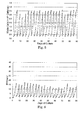
- the cells obtained by the preculture were transferred to a 5-L jar fermenter (Able) so as to make the viable cell density of about 2 x 10 5 cells/mL, and cultured at 37 °C under 5 % of CO 2 at an agitation rate of 40 rpm in the same medium as used in the preculture. Subculture of the cells was continued while replacing a 90-% part of the culture with a fresh medium once in every 3 to 6 days. The density of the viable cells was monitored with time ( Fig. 5 ). The density of the viable cells immediately after each medium exchange was about 2.5 x 10 5 - 4.5 x 10 5 cells/mL.
- the levels of maximum concentration of hEPO in the subcultures were largely uniform even when the medium exchange was repeated twenty one times, and retained in the range of from 11 to 17 mg/L. Neither a symptom of a loss of the cells' ability to produce hEPO nor the accelerated decomposition of hEPO, such as the decrease in the concentration of hEPO, was observed at all.
- the cells obtained by the preculture were transferred to a 5-L jar fermenter (Able) so as to make the viable cell density of about 2 x 10 5 cells/mL, and cultured at 37 °C under 5 % of CO 2 at an agitation rate of 40 rpm in the same medium as used in the preculture. Subculture of the cells was continued while repeating medium exchange once in every 3 to 6 days. The density of the viable cells was monitored with time ( Fig. 7 ).
- the amount of the culture medium to be exchanged was adjusted so that the density of the viable cells immediately after each medium exchange (i.e., the density of the viable cells which was left uncollected and then diluted into the original culture volume as a result of supplementation of a fresh portion of the medium) might come around 2.5 x 10 5 cells/mL.
- Small portions of the culture were sampled with time, centrifuged, and the concentration of hEPO in the obtained culture supernatant was measured by ELISA as described below ( Fig. 8 ).
- the collected culture medium in each medium exchange was centrifuged to obtain the supernatant of the culture by removing the cells.
- the culture supernatant was frozen stored, and all of the culture mediums were thawed and combined at the end of the whole culture schedule and provided for the purification of hEPO.
- the levels of maximum concentration of hEPO in the subcultures were largely uniform even when the medium exchange was repeated fifteen times, and retained in the range of from 15 to 19 mg/L. Neither a symptom of a loss of the cells' ability to produce hEPO nor the accelerated decomposition of hEPO, such as the decrease in the concentration of hEPO, was observed at all.
- the column was subsequently washed at the same flow rate with 150 mL of the above buffer, and then human erythropoietin was collected by elution with 20 mM phosphate buffer solution (pH 7.5) containing 0.005 %(w/v) of polysorbate 80.
- the diluted fraction was applied to a cation-exchange resin SP-Sepharose FF column (16 mm x 40 mm; 8 mL, Amersham) that had been pre-equilibrated with 0.05 M acetate buffer solution (pH5.0) containing 0.005 %(w/v) of polysorbate 80, at a flow rate of 40 mL/hour, thereby allowing human erythropoietin to be adsorbed by the resin.
- SP-Sepharose FF column 16 mm x 40 mm; 8 mL, Amersham
- the column was subsequently washed at the same flow rate with 0.05 M acetate buffer solution (pH5.0) containing 0.005% (w/v) of polysorbate 80 and 0.05M sodium chloride, and then human erythropoietin was collected by elution with 0.05 M acetate buffer solution (pH5.0) containing 0.005%(w/v) of polysorbate 80 and 0.3M sodium chloride.
- the eluted fraction from the above SP-Sepharose FF column chromatography was concentrated by membrane ultrafiltration (Exclusion limit: 8000) to 1 mL of volume. Then the concentrated fraction was applied to a Superdex 200pgXK16/60 column (16 mm x 600 mm; 120 mL, Amersham) that had been pre-equilibrated with 0.05M Tris buffer containing 0.005%(w/v) polysorbate 80 and 0.2M sodium chloride, and human erythropoietin was separated, and collected by gel-filtration at 30 mL/hr.
- B6D2F1(BDF1) strain mice (eight-week old, male (Charles River) were used.
- Test samples of human erythropoietin were subcutaneously administered to the animals at the back.
- 200 ⁇ L of blood was collected from the postcaval vein of the test animals and the number of erythrocytes (RBC, x 10 4 / ⁇ L), the number of blood reticulocytes (RET, x 10 4 / ⁇ L), and blood reticulocyte rate (RET%, %) were measured within 30 minutes on an automatic erythrocyte counter R-500 (Sysmex).
- the in vivo biological activity (U/mL) was calculated by comparison to that of a standard human erythropoietin (European Pharmacopoeia).
- Test samples of human erythropoietin were diluted five times by a mobile phase solution containing 5 mM potassium dihydrogen phosphate, 8.1 mM sodium dihydrogen phosphate, and 0.4M sodium chloride (pH7.4).
- the diluted samples were applied to TSK-gel G3000SW (7.5 mm x 600 mm, TOSOH) using a HPLC system LC-10A (SHIMAZU), gel-filtrated at a flow rate of 0.5 mL/minute at room temperature, and the absorbance at 214 nm was measured.
- Rabbit anti-hEPO antibody solution was prepared by a conventional method from the blood of a rabbit immunized with the hEPO prepared by the present inventors.
- One hundred ⁇ L of rabbit anti-hEPO antibody solution was added to each well of 96-well plate and stored at 4 °C for 1 hour for fixation. After discarding the solution, 100 ⁇ L of 1 % BSA/TBS-T solution (0.005 M Tris, 1% of BSA, 0.138 M sodium chloride, and 0.0027 M potassium chloride, pH8.0) containing 0.075% of Tween20 was added to the each well and stored at 4 °C for 1 hour for blocking.
- each well was washed with 100 ⁇ l of TBS-T solution containing 0.075% of Tween20 three times, and 100 ⁇ L of the sample solutions, after diluted to measurable concentrations, were added to the wells and stored at 37 °C for 1 hour. Simultaneously, to some wells were added standard solutions which had been prepared at concentrations of 1-16 ng/mL by diluting the hEPO prepared and determined, by Lowry method, by the present inventors. After discarding the solution, each well was washed as described above, and 100 ⁇ L of HRP-labeled mouse anti-hEPO monoclonal antibody (R&D) was added as the secondary antibody to each well and stored at 37 °C for 1 hour.
- R&D HRP-labeled mouse anti-hEPO monoclonal antibody
- Solution A consisting of 0.06% trifluoroacetic acid (TFA) and solution B consisting of 0.06% TFA/80% acetonitrile were provided.
- Test samples of human erythropoietin were applied to a butyl-silylated silica gel (Vydac214ATP54TM, Vydac) column and eluted at a flow rate of 1.0 mL/minute at 25 °C, with a concentration gradient employing solution B at a proportion of 50-75 %, using a HPLC system LC-10A (SHIMAZU).
- the human erythropoietin obtained by the above method was found to have the specific activity of not less than 1.5 x 10 5 U/mg, and it was revealed that about 45 % of the erythropoietin which had been contained in the culture was recovered. It was also found that the purified human erythropoietin obtained by the above method of the present invention was almost of 100 % purity, as it gave a single peak in either of the purity tests, i.e., by gel-filtration HPLC or reversed-phase HPLC.
- the present invention enables large scale production of human erythropoietin by an entirely serum-free process.
- the method therefore, makes it possible to stably supply human erythropoietin, which is substantially free of the risk of viral or prion contamination.
- the present invention can eliminates the risk of solvent-induced disturbance or the denaturation of human erythropoietin, which could otherwise occur during the process of its production.
- the present invention has economical advantages and also is desirable from the environmental point of view. Still further, when combined with the use of a serum-free medium in the culture dedicated to cell growth in preparation for starting the culture for hEPO production and collection, the present invention completely eliminates the risk of contamination with viruses and prions.
Landscapes
- Chemical & Material Sciences (AREA)
- Health & Medical Sciences (AREA)
- Life Sciences & Earth Sciences (AREA)
- Organic Chemistry (AREA)
- General Health & Medical Sciences (AREA)
- Gastroenterology & Hepatology (AREA)
- Biochemistry (AREA)
- Biophysics (AREA)
- Zoology (AREA)
- Genetics & Genomics (AREA)
- Medicinal Chemistry (AREA)
- Molecular Biology (AREA)
- Proteomics, Peptides & Aminoacids (AREA)
- Toxicology (AREA)
- Preparation Of Compounds By Using Micro-Organisms (AREA)
- Micro-Organisms Or Cultivation Processes Thereof (AREA)
Description
- The present invention relates to a method for production of human erythropoietin. More specifically, the present invention relates to a process for production of human erythropoietin by means of repetitive culture of erythropoietin-producing mammalian cells following a predetermined procedure of medium exchange, and a method for production, from human erythropoietin thus obtained in the culture supernatant, of human erythropoietin which is of such high purity as may be directly used as a medical drug, without using an organic solvent and in high yield.
- Human erythropoietin (hEPO) is a glycoprotein which boosts the production of erythrocytes by acting on erythroblast progenitor cells to promote their differentiation into erythrocytes. By this reason, human erythropoietin has been used as an agent for the treatment of human anemia, renal anemia among others, as well as for providing a stock of autologous blood in preparation for a surgery. Artificial production of human erythropoietin is currently performed using mammalian cells which are transformed with the gene coding for it, in which culture is generally carried out in a medium containing fetal bovine serum in order to accelerate cell growth (see Non-patent Document 1). However, since the cells are cultured in a serum-containing medium there, the method cannot be free of the risk that human erythropoietin thus obtained could be contaminated with viruses and prions that may have come from the serum.
- There have been reported methods in which cells are first precultured and grown in a serum-containing medium and then, after replacement of the medium with a serum-free medium, allowed to produce human erythropoietin, which is then subjected to a purification process (see
Patent Documents 1 and 2). According to these methods, the risk of contamination with viruses or prions might be reduced, because serum is used in the step of preculture only, and, in the following step of human erythropoietin production, the medium has already been replaced with a serum-free medium. However, this cannot eliminate the concern about possible contamination, for just a trace amount of serum components might still have been brought into the serum-free medium used in the step of erythropoietin production. Therefore, it is thought proper to conduct the step of preculture (i.e., a step dedicated to proliferation of the cells) also, if possible, using a serum-free medium. - With this regard, there is a report describing a method for production of erythropoietin using a serum-free medium (see Patent Document 3). However, as the serum contains molecules which strongly activate cell proliferation, using no serum actually is of great disadvantage for the growth of human erythropoietin-producing cells. Especially, in the case where mass production of human erythropoietin for medical use is attempted, no-use of serum would makes designing of the process impossible or impractical, for, by using no serum, gradual reduction in the growth rate of the cells would occur with time in the long term repetitive cell culture, which is necessary for performing mass production. For that reason, there is a need for a method which provides practical long term repetitive culture of human erythropoietin-producing cells without using serum.
- On the other hand, as mentioned above, there is a report of a method for production of erythropoietin using a serum-free medium (Patent Document 3). However, no description is given in the report as to a method for purification of erythropoietin produced in a serum-free medium.
- As "efficient" methods to purify human erythropoietin, those employing reversed-phase chromatography have been known (
Patent Documents 1 and 2). In the latter, a method is disclosed in which purification of erythropoietin, which has been produced by culture of the cells after replacement of the medium with a serum-free one, is performed using CM-sepharose chromatography and reversed-phase chromatography. Acetonitrile, however, is used there for elution of erythropoietin from the reversed-phase chromatography column. In this case, as 15.5 µg of erythropoietin was recovered out of 200 µg of it contained before the purification process was started, the yield of erythropoietin there can be calculated to be about 7.8%. And the purity of thus purified erythropoietin is no higher than 62%. Furthermore, inPatent Document 1, culture supernatant was applied to reversed-phase chromatography, in which ethanol was used for purification of erythropoietin. - As mentioned in
Patent Documents - Again, a method has been known for purification of erythropoietin from the supernatant of the cell culture performed in a serum-free medium, in which the supernatant is subjected to ultrafiltration, cation exchange chromatography, reversed phase chromatography, and gel filtration chromatography, in the order (Patent Document 4). In this process, 50∼80 % of aqueous ethanol was used to elute erythropoietin from a reversed-phase chromatography column. Since ethanol can denature proteins, there is a risk that conformation of erythropoietin may be disturbed during the process. And, although it is mentioned in the document that the yield of purified erythropoietin by the method was at least 50%, no description is given as to the level of purity of the erythropoietin obtained by the method.
- A method is disclosed for purification of erythropoietin from the supernatant of a cell culture based on a serum-free medium, in which the supernatant is consecutively subjected to dye affinity chromatography, hydrophobic chromatography, hydroxyapatite chromatography, reversed phase chromatography, and anion exchange chromatography (Patent Document 5). According to this method erythropoietin was purified at higher than 99 %. However, as organic solvents such as isopropanol and acetonitrile were used in the process of purification, there was a risk that the conformation of erythropoietin might be disturbed. Furthermore, the process is not desirable for industrial scale production of erythropoietin either from the economical or environmental point of view.
- A method is also known for purification of erythropoietin without using an organic solvent (Patent Document 6). In the method, the supernatant of the cell culture performed in a serum-free medium was consecutively subjected to phenylboronate chromatography, anion exchange chromatography, ultrafiltration, and gel filtration chromatography to obtain purified erythropoietin (Patent Document 6). However, the purity of erythropoietin thus recovered from the process for purification was no higher than 92 %, which is too low to allow the erythropoietin to be used as a medical drug.
- [Patent Document 1] Japanese Patent Publication
H4-35159 - [Patent Document 2] Japanese Patent Publication
H1-44317 - [Patent Document 3] Japanese Patent Application Publication
H5-252942 - [Patent Document 4] Japanese Patent Publication
H6-98019 - [Patent Document 5] Japanese Patent
3061200 - [Patent Document 6] Japanese Patent Application Publication
11-503726 - [Non-patent Document 1] Park JH., Biotechnol. Appl. Biochem. 32, 167-172, 2000
-
EP0267678 discloses the production of human recombinant EPO in mouse epitheloid 0127 stably transfected cell line in serum free medium. At a density of 1.75-2.5x10⁶ cells/ml, the cell medium is changed with serum free medium. Every 48hours 80% of the conditioned serum free medium is replaced with fresh serum free medium. The cell clone was still producing recombinant human EPO after 32 days. -
US 2002/146771 describes the use of hydroxyapatite column for the separation of recombinant human EPO after a triazine dye column chromatography step. -
EP1428878 discloses a method for production of human erythropoietin using a repeated batch process. - Accordingly, it is an objective of the present invention to provide a method which enables to perform a large scale production of human erythropoietin in a medium which substantially, or entirely, is free of serum.
- Another objective of the present invention is to provide a method for preparation, at high yield, of human erythropoietin having high enough a purity to allow it to be directly used as a medical drug, starting with the erythropoietin produced as above and without employing an organic solvent in the process of purification.
- The present inventors found that, even when a serum-free medium is used for culture of human erythropoietin-producing cells, repetitive medium exchange conducted under limited and predetermined conditions makes it possible to let the human erythropoietin-producing cells continuously grow at a substantially constant growth rate over an extended period of time, without causing a decline in the growth rate of the cells. In addition, the present inventors found that, starting with the erythropoietin thus obtained in the culture supernatant, highly purified human erythropoietin can be obtained through a purification process involving a combination of dye affinity chromatography, hydroxyapatite chromatography, cation exchange chromatography, and gel filtration column chromatography. The present invention has been completed based on these findings and further examinations. Thus the present invention provides what follows below.
-
- 1. A method for production of human erythropoietin comprising the steps of:
- (a) culturing human erythropoietin-producing mammalian cells in a serum-free medium with repetitive medium exchanges, wherein each of the medium exchanges is carried out by collecting 80 to 95% of the culture when the density of the viable cells in the culture has reached 2 x 10⁶ - 4 x 10⁶ cells/ml and combining the same amount of the fresh medium with the remaining part of the culture,
- (b) preparing culture supernatant containing human erythropoietin by removing the cells contained in the culture collected in step (a)
- (c) applying the culture supernatant obtained in step (b) to dye affinity column chromatography and collecting a fraction containing human erythropoietin activity,
- (d) applying the fraction collected in step (c) to hydroxyapatite column chromatography, and collecting a fraction containing human erythropoietin activity,
- (e) applying the fraction collected in step (d) above to cation exchange chromatography, and collecting a fraction containing human erythropoietin activity, and
- (f) applying the fraction collected in step (e) above to gel filtration column chromatography, and collecting a fraction containing human erythropoietin activity, in the order,
with the proviso that no organic solvent is used.- (2) The method as defined in (1) above, wherein the dye in the dye affinity column chromatography is blue triazine.
- The method for production of the present invention enables large scale production of human erythropoietin by serum-free process. The method, therefore, makes it possible to stably supply human erythropoietin which is substantially free of the risk of viral or prion contamination, which otherwise might be derived from the use of serum. Further, according to the method for purification of the present invention, no organic solvent is used in the process of purification, and, therefore, the risk of solvent-induced disturbance or the denaturation of human erythropoietin is eliminated. Furthermore, since an extra facility for treatment of the waste water containing organic solvent becomes no more necessary, the present invention has economical advantages and also is desirable from the environmental point of view. Still further, when serum-free medium is used, not only in the medium for production of human erythropoietin, but also in the medium for cell growth, the risk of contamination with viruses and prions, which otherwise might derived from the use of serum, is completely eliminated.
-
-
Fig. 1 illustrates vector pCI-neo into which a DNA encoding human erythropoietin is to be incorporated. -
Fig. 2 illustrates vector pCI-neo(hEPO) carrying incorporated a DNA encoding human erythropoietin. -
Fig. 3 is a graph showing the time-profile of the viable cell density in main culture-1. -
Fig. 4 is a graph showing the time-profile of the hEPO concentration in the culture supernatant in main culture-1. -
Fig. 5 is a graph showing the time-profile of the viable cell density in main culture-2. -
Fig. 6 is a graph showing the time-profile of the hEPO concentration in the culture supernatant in main culture-2. -
Fig. 7 is a graph showing the time-profile of the viable cell density in main culture-3. -
Fig. 8 is a graph showing the time-profile of the hEPO concentration in the culture supernatant in main culture-3. - The human erythropoietin-producing cells used in the present invention can be generated from the cells (preferably, mammalian cells such as CHO cells derived from Chinese hamster ovary) transformed by incorporation of human erythropoietin gene using the method well known to those skilled in the art, as described in the part of examples
- In the present invention, an example of a serum-free medium for performing the culture of human erythropoietin-producing cells consists of 3-700 mg/L of amino acids, 0.001-50 mg/L of vitamins, 0.3-10 g/L of monosaccharides, 0.1-10000 mg/L of inorganic salts, 0.001-0.1 mg/L of trace elements, 0.1-50 mg/L of nucleosides, 0.001-10 mg/L of fatty acids, 0.01-1 mg/L of biotin, 0.1-20 µg/L of hydrocortisone, 0.1-20 mg/L of insulin, 0.1-10 mg/L of vitamin B12, 0.01-1 mg/L of putrescine, 10-500 mg/L of sodium pyruvate, and water-soluble iron compounds. The medium may be supplemented with a conventionally used pH indicator and antibiotics.
- As a serum-free medium, DMEM/F12 medium (a mixture of DMEM and F12 medium) may also be used as a basal medium, which is well known to those skilled in the art. Further, as a serum-free medium, DMEM(HG)HAM modified (R5) medium, which consists of sodium hydrogen carbonate, L-glutamine, D-glucose, insulin, sodium selenite, diaminobutane, hydrocortisone, iron sulfate(II), asparagine, asparatic acid, serine, and polyvinyl alcohol, may be used. Still further, one of commercially available serum-free medium, such as CHO-S-SFM II (Invitrogen), IS CHO-V-GS (Irvine Scientific), EX-CELL302 (JRH) may also be used as a basal medium.
- In the present invention, "medium exchange" is carried out, preferably, by collecting 80 to 95% of the culture, more preferably by collecting 85 to 95% (e.g., 90%), and combining the same amount of the fresh medium as the collected amount with the remaining part of the culture, when the density of the viable cells in the culture has reached at 2 x 10⁶ ∼ 4 x 10⁶ cells/mL. As a result, successive culture is started under the condition where the density of viable cells in the serum-free medium is reduced to 5 to 20 percent of the density immediately before the medium exchange (more preferably, 5 to 15%, e.g., 10%), which makes it possible to prevent the decline in the growth rate of the cells from occurring in early stages as medium is exchanged repeatedly and, thus enabling to carry out repetitive culture for an extended length of time. The temperature for the culture may be what is conventional for mammalian cell culture, e.g., 37 °C. Medium exchange is carried out, more preferably, when the density of viable cells is 2.2 x 10⁶ ∼ 4 x 10⁶ cells/mL, and still more preferably 2.5 x 10⁶ ∼ 3.8 x 10⁶ cells/mL.
- Alternatively medium exchange may be carried out while adjusting the amount of the culture medium to be exchanged so that the density of viable cells immediately after each medium exchange (i.e., the density of the viable cells which was left uncollected and then diluted into the original culture volume as a result of supplementation of a fresh portion of the medium) might fall within the range of 1.5 x 10⁵ ∼ 2.5 x 10⁵ cells/mL (e.g., 2 x 10⁵ cells/mL). In this case, the culture (37 °C) following the medium exchange may be carried out either for, preferably 2-8 days, more preferably 2-6 days, and still more preferably 3-5 days, or until the density of the viable cells in the culture reaches, preferably, 2 x 10⁶ ∼4 x 10⁶ cells/mL, more preferably 2.2 x 10⁶ ∼ 4 x 10⁶ cells/mL, still more preferably 2.5 x 10⁶ ∼3.8 x 10⁶ cells/mL, and then the next medium exchange may follow.
- In the repetitive culture involving medium exchanges according to the present invention, medium exchange is carried out preferably at least 4 times, more preferably at least 6 times, still more preferably at least 10 times, and particularly preferably at least 15 times. According to the method of the present invention, decline in the cell growth rate is not observed even after a repetitive culture through a number of medium exchanges.
- In the present invention, all the chromatography steps for purification of hEPO are carried out in the presence of a nonionic surfactant in order to prevent nonspecific adsorption of proteins. Examples of preferred surfactants include, but are not limited to, polysorbate series surfactants, of which polysorbate 80 is particularly preferred. The concentration of a nonionic detergent is preferably 0.01 to 0.001 %(w/v), more preferably 0.005 %(w/v).
- Though the process for purification of hEPO may be carried out either at room temperature or at lower temperatures, it is preferably carried out at lower temperatures, inter alia, at 1 to 10 °C.
- Dye affinity chromatography, which is performed in the first step of purification, is mainly for removing of contaminants including proteases. While Blue triazine dye may preferably be used, other triazine dyes may also be properly used. A particularly preferable material for the stationary phase is Blue Sepharose 6 FF (Fast Flow) shown in the following schematic formula, which consists of Sepharose 6 Fast Flow matrix to which a dye, Cibacron™ Blue F3GA, is attached by a covalent bond.

- Human erythropoietin is loaded on a dye affinity chromatography column to allow it to be adsorbed by the column, which has been equilibrated around the neutral pH, and then is eluted with increasing salt concentration. Examples of the salts used for the elution include, but are not limited to, sodium chloride, whose concentration is preferably 0.2 to 1 mol/L, and more preferably 0.3 to 0.4 mol/L.
- In the second step of purification, hEPO is allowed to be adsorbed by a hydroxyapatite column which has been equilibrated around the neutral pH. After washing the column, hEPO is eluted with phosphate buffer solution. The concentration of the phosphate buffer in the solution is preferably 10 to 100 mM, more preferably 20 mM. In this step, hEPO is further separated from contaminant proteins which were not removed in the first step of the purification, and thus highly purified.
- After the first and the second steps of purification, a step of hydrophobic chromatography may be placed, as desired, using hydrophobic resin such as phenyl-sepharose. In that case, it is preferred that fractions containing hEPO have been adjusted in advance to pH 7.0 to 8.0 with Tris-HCl buffer and added sodium chloride at a concentration of 1.5 mol/L or more.
- Cation exchange chromatography in the third step of the purification is mainly for removing the dye. Examples of cation exchange resins include, but are not limited to, preferably ion-exchange cellulose, more preferably SP-Sepharose. The fractions containing hEPO preferably are adjusted to pH5 or lower, more preferably to pH4.5 to 5.0, by a buffer solution before their application to cation exchange chromatography. Examples of buffer solutions include, but are not limited to, acetate buffer. hEPO is adsorbed by the column which has been equilibrated to pH4.5 to 5.0 with the same buffer solution, and eluted, preferably, with increasing salt concentration. Examples of salts used for this include, but are not limited to, preferably sodium chloride, whose concentration is preferably 0.05 to 0.5 mol/L, more preferably 0.1 to 0.4 mol/L, and particularly preferably about 0.3 mol/L.
- Gel filtration column chromatography in the forth step of purification is mainly for removing multimeric or degraded hEPO, and it gives substantially pure hEPO.
- The present invention will be described in further detail below with reference to examples.
- cDNA encoding human erythropoietin was PCR amplified from human fetal liver cDNA library (Clontech) using the following set of primers:
- 5'-CCGAATTCATGGGGGTGCACGAATGTCC-3' (SEQ ID NO:1), and
- 5'- TCAAGCTTCTTAGATCTCAGAGTTGCTCTC -3' (SEQ ID NO:2).
- In the sequence set forth as SEQ ID NO: 1, nucleotides 3-8 correspond to an EcoRI site, and the nucleotides 9-28 correspond to the first 20 nucleotides of the coding region.
- In the sequence set forth as SEQ ID NO: 2, nucleotides 12-17 correspond to a BglII site, and nucleotides 18-30 correspond to the nucleotides 774-762 of the cDNA.
- PCR reaction was cycled 30 times with denaturation step at 95 °C for 1 minute, annealing step at 60 °C for 1 minute, and elongation step at 72 °C for 2 minutes. Amplified cDNA was digested with EcoRI and HindIII, and then subcloned between the EcoRI and HindIII sites of the multicloning site of pBluescript vector (pBS: Stratagene). The resulting vector was digested with BglII, then blunt-ended by T4 DNA polymerase, and subsequently a fragment of human erythropoietin gene was excised by EcoRI digestion. The nucleotide sequences of the obtained fragment of hEPO gene and the encoded amino acid sequence are shown in SEQ ID NO:3 and NO:4, respectively. In SEQ ID NO:3, the nucleotides 9-587 correspond to the region encoding amino acids, nucleotides 3-8 correspond to EcoRI site, and nucleotides 775 to 780 correspond to BglII site. The obtained fragment of hEPO gene was ligated between EcoRI and SmaI sites of pCI-neo vector (Promega,
Fig. 1 ) using DNA ligation kit ver.2 (TAKARA), and the resulting recombinant vector as shown inFig. 2 was used as human erythropoietin expression vector pCI-neo(hEPO). - CHO cells (CHO-K1) were purchased from RIKEN, Japan. 1 x 10⁷ CHO cells were transformed with 20 µg of the above human erythropoietin expression vector using Lipofectamine2000 (Invitrogen) in a conventional manner, then the cells were selective-cultured in the Ham-F12 medium (Invitrogen) supplemented with 10 % of fetal bovine serum (FBS) and 0.8 mg/mL of G418 (SIGMA) to obtain stable transformants which were resistant to neomycin. Then, for naturalization of the cells to a serum free medium, the cells were transferred to a commercially available serum-free EX-CELL302 medium (JRH) supplemented with 4 mM L-glutamine, 10 mg/L of hypoxanthine, 4 mg/L of thymidine, and 0.12 mg/mL of G418, and continuously cultured until the growth of cells became stable. The resulting cells were suspended in Ham-F12 medium supplemented with 10 % of FBS and 10 % of DMSO, and stored in liquid nitrogen as master cells.
- The master cells were diluted to the cell density of 2 x 10⁵ cells/mL and incubated at 37 °C under 5 % of CO2 in EX-CELL302 medium (JRH) supplemented with 4 mM L-glutamine, 10 mg/L of hypoxanthine, 4 mg/L of thymidine, and 0.12 mg/mL of G418 in 225 cm2 culture flask. The cells were successively subcultured every 3 to 4 days, and this was repeated 3 to 6 times until the total cell number reached at least 1 x 10⁹ cells, which were required to start a 5 L-scale culture. Using the cells thus obtained, the following three different types of main culture were performed.
- The cells obtained by the preculture were transferred to a 5-L jar fermenter (Able) so as to make the viable cell density of about 2 x 10⁵ cells/mL, and cultured at 37 °C under 5 % of CO2 at an agitation rate of 40 rpm in the same medium as used in the preculture. Subculture of the cells was continued while replacing a 70-% part of the culture with a fresh medium once in every 3 to 6 days. The density of the viable cells was monitored with time (
Fig. 3 ). The density of the viable cells immediately after each medium exchange was about 0.7-1.2 x10⁶ cells/mL. Small portions of the culture were sampled with time, centrifuged, and the concentration of hEPO in the obtained culture supernatant was measured by ELISA as described below (Fig. 4 ). The collected culture medium in each medium exchange was centrifuged to obtain the supernatant of the culture by removing the cells. The culture supernatant was frozen stored, and all of the culture mediums were thawed and combined at the end of the whole culture schedule and provided for the purification of hEPO. - During the course of culture, the maximum level of concentration of hEPO in culture supernatant was reached (about 37 mg/L) in the fifth round of subcultures. However, in the subsequent subcultures, it was found that the concentration of hEPO rapidly decreased as shown in
Fig. 4 , in spite that the overall viable cell density was not changed significantly. Furthermore, the levels of maximum concentration of hEPO in the subcultures were very unstable throughout the whole culture. Though the reason for this rapid decrease in the levels of maximum concentration of hEPO after the fifth round of subcultures was not clear, it may be due to the loss of the cells' ability to produce hEPO and/or decomposition of hEPO by enzymes such as proteases which were carried over through the process of medium exchange. - The cells obtained by the preculture were transferred to a 5-L jar fermenter (Able) so as to make the viable cell density of about 2 x 10⁵ cells/mL, and cultured at 37 °C under 5 % of CO2 at an agitation rate of 40 rpm in the same medium as used in the preculture. Subculture of the cells was continued while replacing a 90-% part of the culture with a fresh medium once in every 3 to 6 days. The density of the viable cells was monitored with time (
Fig. 5 ). The density of the viable cells immediately after each medium exchange was about 2.5 x 10⁵ - 4.5x 10⁵ cells/mL. Small portions of the culture were sampled with time, centrifuged, and the concentration of hEPO in the obtained culture supernatant was measured by ELISA as described below (Fig. 6 ). The collected culture medium in each medium exchange was centrifuged to obtain the supernatant of the culture by removing the cells. The culture supernatant was frozen stored, and all of the culture mediums were thawed and combined at the end of the whole culture schedule and provided for the purification of hEPO. - As shown in
Fig. 6 , the levels of maximum concentration of hEPO in the subcultures were largely uniform even when the medium exchange was repeated twenty one times, and retained in the range of from 11 to 17 mg/L. Neither a symptom of a loss of the cells' ability to produce hEPO nor the accelerated decomposition of hEPO, such as the decrease in the concentration of hEPO, was observed at all. - The cells obtained by the preculture were transferred to a 5-L jar fermenter (Able) so as to make the viable cell density of about 2 x 10⁵ cells/mL, and cultured at 37 °C under 5 % of CO2 at an agitation rate of 40 rpm in the same medium as used in the preculture. Subculture of the cells was continued while repeating medium exchange once in every 3 to 6 days. The density of the viable cells was monitored with time (
Fig. 7 ). Based on the density of viable cells measured at the time of each medium exchange, the amount of the culture medium to be exchanged was adjusted so that the density of the viable cells immediately after each medium exchange (i.e., the density of the viable cells which was left uncollected and then diluted into the original culture volume as a result of supplementation of a fresh portion of the medium) might come around 2.5 x 10⁵ cells/mL. Small portions of the culture were sampled with time, centrifuged, and the concentration of hEPO in the obtained culture supernatant was measured by ELISA as described below (Fig. 8 ). The collected culture medium in each medium exchange was centrifuged to obtain the supernatant of the culture by removing the cells. The culture supernatant was frozen stored, and all of the culture mediums were thawed and combined at the end of the whole culture schedule and provided for the purification of hEPO. - As shown in
Fig. 8 , the levels of maximum concentration of hEPO in the subcultures were largely uniform even when the medium exchange was repeated fifteen times, and retained in the range of from 15 to 19 mg/L. Neither a symptom of a loss of the cells' ability to produce hEPO nor the accelerated decomposition of hEPO, such as the decrease in the concentration of hEPO, was observed at all. - After the pH of the culture supernatant was adjusted to about 6.8, its conductivity was adjusted to not more than 13 mS/cm by the addition of distilled water containing 0.005 %(w/v) of
polysorbate 80. About 160 mL of the culture supernatant was applied to Blue-Sepharose FF (16 mm x 75 mm; 15 mL, Amersham) that had been pre-equilibrated in advance with 0.05 M Tris buffer (pH 7.5) containing 0.005%(w/v) ofpolysorbate 80, at a flow rate of 120 cm/hour, thereby allowing human erythropoietin to be adsorbed by the resin. Then, the column was washed with 75 mL of the above buffer, and, subsequently, human erythropoietin was collected by elution with 0.05 M Tris buffer (pH 7.5) containing 0.005 %(w/v) ofpolysorbate 80 and 0.4 M sodium chloride, at the same flow rate. - Then calcium chloride was added to the eluted fractions from the above Blue-Sepharose FF column chromatography in such a manner that its final concentration came to 2 mM, and, subsequently, the fraction was applied to a hydroxyapatite column (HA ULTROGEL: 26 mm x 56 mm; 30 mL, BioSepra) that had been pre-equilibrated with 0.05 M Tris buffer (pH 7.5) containing 1 M sodium chloride and 2 mM calcium chlorite, at a flow rate of 45 mL/hour, thereby allowing human erythropoietin to be adsorbed by the resin. The column was subsequently washed at the same flow rate with 150 mL of the above buffer, and then human erythropoietin was collected by elution with 20 mM phosphate buffer solution (pH 7.5) containing 0.005 %(w/v) of
polysorbate 80. - Then, 1/10 volume of 0.05 M acetate buffer solution (pH4.5) was added to the above eluted fraction from HA ULTROGEL column chromatography to adjust the pH to not higher than 5, then distilled water containing 0.005 %(w/v) of
polysorbate 80 was added further to adjust the conductivity of the fraction not more than 9 mS/cm. The diluted fraction was applied to a cation-exchange resin SP-Sepharose FF column (16 mm x 40 mm; 8 mL, Amersham) that had been pre-equilibrated with 0.05 M acetate buffer solution (pH5.0) containing 0.005 %(w/v) ofpolysorbate 80, at a flow rate of 40 mL/hour, thereby allowing human erythropoietin to be adsorbed by the resin. The column was subsequently washed at the same flow rate with 0.05 M acetate buffer solution (pH5.0) containing 0.005% (w/v) ofpolysorbate 80 and 0.05M sodium chloride, and then human erythropoietin was collected by elution with 0.05 M acetate buffer solution (pH5.0) containing 0.005%(w/v) ofpolysorbate 80 and 0.3M sodium chloride. - Then, the eluted fraction from the above SP-Sepharose FF column chromatography was concentrated by membrane ultrafiltration (Exclusion limit: 8000) to 1 mL of volume. Then the concentrated fraction was applied to a Superdex 200pgXK16/60 column (16 mm x 600 mm; 120 mL, Amersham) that had been pre-equilibrated with 0.05M Tris buffer containing 0.005%(w/v)
polysorbate 80 and 0.2M sodium chloride, and human erythropoietin was separated, and collected by gel-filtration at 30 mL/hr. - As test animals, B6D2F1(BDF1) strain mice (eight-week old, male (Charles River) were used. Test samples of human erythropoietin were subcutaneously administered to the animals at the back. On the 4th days after the administration, 200 µL of blood was collected from the postcaval vein of the test animals and the number of erythrocytes (RBC, x 104/µL), the number of blood reticulocytes (RET, x 104/µL), and blood reticulocyte rate (RET%, %) were measured within 30 minutes on an automatic erythrocyte counter R-500 (Sysmex). The in vivo biological activity (U/mL) was calculated by comparison to that of a standard human erythropoietin (European Pharmacopoeia).
- Test samples of human erythropoietin were diluted five times by a mobile phase solution containing 5 mM potassium dihydrogen phosphate, 8.1 mM sodium dihydrogen phosphate, and 0.4M sodium chloride (pH7.4). The diluted samples were applied to TSK-gel G3000SW (7.5 mm x 600 mm, TOSOH) using a HPLC system LC-10A (SHIMAZU), gel-filtrated at a flow rate of 0.5 mL/minute at room temperature, and the absorbance at 214 nm was measured.
- Rabbit anti-hEPO antibody solution was prepared by a conventional method from the blood of a rabbit immunized with the hEPO prepared by the present inventors. One hundred µL of rabbit anti-hEPO antibody solution was added to each well of 96-well plate and stored at 4 °C for 1 hour for fixation. After discarding the solution, 100 µL of 1 % BSA/TBS-T solution (0.005 M Tris, 1% of BSA, 0.138 M sodium chloride, and 0.0027 M potassium chloride, pH8.0) containing 0.075% of Tween20 was added to the each well and stored at 4 °C for 1 hour for blocking. After discarding the solution, each well was washed with 100 µl of TBS-T solution containing 0.075% of Tween20 three times, and 100 µL of the sample solutions, after diluted to measurable concentrations, were added to the wells and stored at 37 °C for 1 hour. Simultaneously, to some wells were added standard solutions which had been prepared at concentrations of 1-16 ng/mL by diluting the hEPO prepared and determined, by Lowry method, by the present inventors. After discarding the solution, each well was washed as described above, and 100 µL of HRP-labeled mouse anti-hEPO monoclonal antibody (R&D) was added as the secondary antibody to each well and stored at 37 °C for 1 hour. After washing each well as described above, HRP substrate (Promega) was added to each well and stored at 37 degrees for 15 minutes, and the reaction then was terminated by addition of HCl. Absorbance at 450 nm was measured by a microwell plate reader, and the concentrations of hEPO in the samples were calculated by comparison to the absorbance with the standard solutions.
- Solution A consisting of 0.06% trifluoroacetic acid (TFA) and solution B consisting of 0.06% TFA/80% acetonitrile were provided. Test samples of human erythropoietin were applied to a butyl-silylated silica gel (Vydac214ATP54™, Vydac) column and eluted at a flow rate of 1.0 mL/minute at 25 °C, with a concentration gradient employing solution B at a proportion of 50-75 %, using a HPLC system LC-10A (SHIMAZU).
- As a result of in vivo determination, the human erythropoietin obtained by the above method was found to have the specific activity of not less than 1.5 x 10⁵ U/mg, and it was revealed that about 45 % of the erythropoietin which had been contained in the culture was recovered. It was also found that the purified human erythropoietin obtained by the above method of the present invention was almost of 100 % purity, as it gave a single peak in either of the purity tests, i.e., by gel-filtration HPLC or reversed-phase HPLC.
- The present invention enables large scale production of human erythropoietin by an entirely serum-free process. The method, therefore, makes it possible to stably supply human erythropoietin, which is substantially free of the risk of viral or prion contamination. Further, the present invention can eliminates the risk of solvent-induced disturbance or the denaturation of human erythropoietin, which could otherwise occur during the process of its production. Furthermore, the present invention has economical advantages and also is desirable from the environmental point of view. Still further, when combined with the use of a serum-free medium in the culture dedicated to cell growth in preparation for starting the culture for hEPO production and collection, the present invention completely eliminates the risk of contamination with viruses and prions.
-
- <110> JCR Pharmaceuticals Co., Ltd. KAWASAKI, Atsuko MUKAI, Keisuke KIRIHARA, Sei
- <120> Method for Production of Human Erythropoietin
- <130> GP98-PCT
- <150>
JP2006-329501
<151> 2006-12-06 - <160> 4
- <170> PatentIn version 3.1
- <210> 1
<211> 28
<212> DNA
<213> Artificial - <220>
<223> Nucleotides 3-8 represent an EcoRI site. Nucleotides 9-28 corres pond to the first 20 nucleotides of the coding region. - <400> 1
ccgaattcat gggggtgcac gaatgtcc 28 - <210> 2
<211> 30
<212> DNA
<213> Artificial - <220>
<223> Nucleotides 12-17 represent a BglII site. Nucleotides 18-30 corr espond to nucleotides 774-762 of the cDNA. - <400> 2
tcaagcttct tagatctcag agttgctctc 30 - <210> 3
<211> 780
<212> DNA
<213> Homo sapiens - <400> 3


- <210> 4
<211> 193
<212> PRT
<213> Homo sapiens - <400> 4


Claims (2)
- A method for production of human erythropoietin comprising the steps of:(a) culturing human erythropoietin-producing mammalian cells in a serum-free medium with repetitive medium exchanges, wherein each of the medium exchanges is carried out by collecting 80 to 95% of the culture when the density of the viable cells in the culture has reached 2 x 10⁶ - 4 x 10⁶ cells/ml and combining the same amount of the fresh medium with the remaining part of the culture,(b) preparing culture supernatant containing human erythropoietin by removing the cells contained in the culture collected in step (a)(c) applying the culture supernatant obtained in step (b) to dye affinity column chromatography and collecting a fraction containing human erythropoietin activity,(d) applying the fraction collected in step (c) to hydroxyapatite column chromatography, and collecting a fraction containing human erythropoietin activity,(e) applying the fraction collected in step (d) above to cation exchange chromatography, and collecting a fraction containing human erythropoietin activity, and(f) applying the fraction collected in step (e) above to gel filtration column chromatography, and collecting a fraction containing human erythropoietin activity, in the order,
with the proviso that no organic solvent is used. - The method of claim 1, wherein the dye in the dye affinity column chromatography is blue triazine.
Applications Claiming Priority (2)
| Application Number | Priority Date | Filing Date | Title |
|---|---|---|---|
| JP2006329501 | 2006-12-06 | ||
| PCT/JP2006/325983 WO2008068879A1 (en) | 2006-12-06 | 2006-12-19 | Method for production of human erythropoietin |
Publications (2)
| Publication Number | Publication Date |
|---|---|
| EP2089424A1 EP2089424A1 (en) | 2009-08-19 |
| EP2089424B1 true EP2089424B1 (en) | 2015-07-01 |
Family
ID=38123959
Family Applications (1)
| Application Number | Title | Priority Date | Filing Date |
|---|---|---|---|
| EP06843366.3A Not-in-force EP2089424B1 (en) | 2006-12-06 | 2006-12-19 | Method for production of human erythropoietin |
Country Status (4)
| Country | Link |
|---|---|
| US (1) | US20110105734A1 (en) |
| EP (1) | EP2089424B1 (en) |
| JP (1) | JP5065391B2 (en) |
| WO (1) | WO2008068879A1 (en) |
Families Citing this family (31)
| Publication number | Priority date | Publication date | Assignee | Title |
|---|---|---|---|---|
| US8911964B2 (en) | 2006-09-13 | 2014-12-16 | Abbvie Inc. | Fed-batch method of making human anti-TNF-alpha antibody |
| MX353340B (en) | 2006-09-13 | 2018-01-09 | Abbvie Inc | Cell culture improvements. |
| SG195577A1 (en) | 2008-10-20 | 2013-12-30 | Abbott Lab | Viral inactivation during purification of antibodies |
| TW201024318A (en) | 2008-10-20 | 2010-07-01 | Abbott Lab | Isolation and purification of antibodies using protein A affinity chromatography |
| WO2012101671A1 (en) | 2011-01-25 | 2012-08-02 | Jcr Pharmaceuticals Co., Ltd. | Method for production of human recombinant iduronate 2-sulfatase |
| US9062106B2 (en) | 2011-04-27 | 2015-06-23 | Abbvie Inc. | Methods for controlling the galactosylation profile of recombinantly-expressed proteins |
| WO2013158273A1 (en) | 2012-04-20 | 2013-10-24 | Abbvie Inc. | Methods to modulate c-terminal lysine variant distribution |
| WO2013158279A1 (en) | 2012-04-20 | 2013-10-24 | Abbvie Inc. | Protein purification methods to reduce acidic species |
| US9067990B2 (en) | 2013-03-14 | 2015-06-30 | Abbvie, Inc. | Protein purification using displacement chromatography |
| EP2848687B1 (en) * | 2012-04-27 | 2017-09-13 | JCR Pharmaceuticals Co., Ltd. | Novel expression vector |
| US9249182B2 (en) | 2012-05-24 | 2016-02-02 | Abbvie, Inc. | Purification of antibodies using hydrophobic interaction chromatography |
| WO2013180809A1 (en) * | 2012-05-29 | 2013-12-05 | North Carolina Central University | Methods for the production of cytoprotective asialo-erythropoietin in plants and its purification from plant tissues |
| KR20150043523A (en) | 2012-09-02 | 2015-04-22 | 애브비 인코포레이티드 | Methods to control protein heterogeneity |
| US9512214B2 (en) | 2012-09-02 | 2016-12-06 | Abbvie, Inc. | Methods to control protein heterogeneity |
| SG11201507230PA (en) | 2013-03-12 | 2015-10-29 | Abbvie Inc | Human antibodies that bind human tnf-alpha and methods of preparing the same |
| US9017687B1 (en) | 2013-10-18 | 2015-04-28 | Abbvie, Inc. | Low acidic species compositions and methods for producing and using the same using displacement chromatography |
| US8921526B2 (en) | 2013-03-14 | 2014-12-30 | Abbvie, Inc. | Mutated anti-TNFα antibodies and methods of their use |
| WO2014151878A2 (en) | 2013-03-14 | 2014-09-25 | Abbvie Inc. | Methods for modulating protein glycosylation profiles of recombinant protein therapeutics using monosaccharides and oligosacharides |
| CN103205478B (en) * | 2013-04-03 | 2014-03-05 | 北京四环生物制药有限公司 | Method for industrially producing recombinant human erythropoietin |
| EP3052640A2 (en) | 2013-10-04 | 2016-08-10 | AbbVie Inc. | Use of metal ions for modulation of protein glycosylation profiles of recombinant proteins |
| US8946395B1 (en) | 2013-10-18 | 2015-02-03 | Abbvie Inc. | Purification of proteins using hydrophobic interaction chromatography |
| US9085618B2 (en) | 2013-10-18 | 2015-07-21 | Abbvie, Inc. | Low acidic species compositions and methods for producing and using the same |
| US9181337B2 (en) | 2013-10-18 | 2015-11-10 | Abbvie, Inc. | Modulated lysine variant species compositions and methods for producing and using the same |
| WO2015073884A2 (en) | 2013-11-15 | 2015-05-21 | Abbvie, Inc. | Glycoengineered binding protein compositions |
| AU2015338923B2 (en) | 2014-11-02 | 2021-10-21 | Arcturus Therapeutics, Inc. | Messenger UNA molecules and uses thereof |
| ES2800276T3 (en) * | 2015-07-17 | 2020-12-29 | Ares Trading Sa | Methods to modulate production profiles of recombinant proteins |
| JP6920280B2 (en) * | 2016-03-31 | 2021-08-18 | 株式会社カネカ | Method for Producing Purified Cat-Derived Erythropoietin |
| KR102318480B1 (en) | 2016-08-25 | 2021-10-28 | 제이씨알 파마 가부시키가이샤 | Method for preparing antibody fusion proteins |
| BR112023018268A2 (en) | 2021-03-09 | 2023-10-31 | Japan Chem Res | METHOD FOR PRODUCING A FUSION PROTEIN |
| CN113398251B (en) * | 2021-07-30 | 2022-08-05 | 宁波人健药业集团股份有限公司 | Recombinant human chorionic gonadotropin freeze-dried powder injection and preparation method thereof |
| CN115032317B (en) * | 2022-06-29 | 2024-03-26 | 科兴生物制药股份有限公司 | Method for detecting recombinant human erythropoietin |
Citations (1)
| Publication number | Priority date | Publication date | Assignee | Title |
|---|---|---|---|---|
| EP1428878A1 (en) * | 2002-12-13 | 2004-06-16 | Siegfried Ltd. | Process for the production and purification of erythropoietin |
Family Cites Families (8)
| Publication number | Priority date | Publication date | Assignee | Title |
|---|---|---|---|---|
| US4703008A (en) * | 1983-12-13 | 1987-10-27 | Kiren-Amgen, Inc. | DNA sequences encoding erythropoietin |
| NZ210501A (en) * | 1983-12-13 | 1991-08-27 | Kirin Amgen Inc | Erythropoietin produced by procaryotic or eucaryotic expression of an exogenous dna sequence |
| US4954437A (en) * | 1986-09-15 | 1990-09-04 | Integrated Genetics, Inc. | Cell encoding recombinant human erythropoietin |
| US5001065A (en) * | 1987-05-27 | 1991-03-19 | Cetus Corporation | Human cell line and triomas, antibodies, and transformants derived therefrom |
| JPH06105680A (en) * | 1992-09-29 | 1994-04-19 | Sumitomo Pharmaceut Co Ltd | Method and apparatus for culturing animal cells |
| IL118201A (en) * | 1995-05-11 | 2004-12-15 | Roche Diagnostics Gmbh | Preparation comprising a protein with human erythropoietin activity which is free of serum and non-recombinant mammalian protein and process for the preparation thereof |
| BR9905868A (en) * | 1998-11-06 | 2001-01-23 | Bio Sidus S A | Mass culture procedure for mammalian cells to obtain recombinant human erythropoietin and recombinant human erythropoietin obtained with such procedure |
| EP1548031A1 (en) * | 2003-12-22 | 2005-06-29 | Dubai Genetics FZ-LLC | Nature-identical erythropoietin |
-
2006
- 2006-12-19 EP EP06843366.3A patent/EP2089424B1/en not_active Not-in-force
- 2006-12-19 US US12/517,936 patent/US20110105734A1/en not_active Abandoned
- 2006-12-19 WO PCT/JP2006/325983 patent/WO2008068879A1/en not_active Ceased
- 2006-12-19 JP JP2009522471A patent/JP5065391B2/en active Active
Patent Citations (1)
| Publication number | Priority date | Publication date | Assignee | Title |
|---|---|---|---|---|
| EP1428878A1 (en) * | 2002-12-13 | 2004-06-16 | Siegfried Ltd. | Process for the production and purification of erythropoietin |
Also Published As
| Publication number | Publication date |
|---|---|
| WO2008068879A1 (en) | 2008-06-12 |
| JP5065391B2 (en) | 2012-10-31 |
| EP2089424A1 (en) | 2009-08-19 |
| JP2010511378A (en) | 2010-04-15 |
| US20110105734A1 (en) | 2011-05-05 |
Similar Documents
| Publication | Publication Date | Title |
|---|---|---|
| US20110105734A1 (en) | Method for production of human erythropoietin | |
| KR102644116B1 (en) | Preparation of alkaline phosphatase | |
| EP1957630B1 (en) | Improved production of glycoproteins using manganese | |
| AU2010303590B2 (en) | Methods of production of glycoproteins in mammalian cell cultures using glucocorticoids | |
| JP4541157B2 (en) | Mammalian cell culture methods for producing proteins | |
| EP2119727B1 (en) | Method for production of recombinant human FSH | |
| JP2020124216A (en) | Process for manipulating the level of glycan content of glycoproteins | |
| WO2018164995A1 (en) | Glycoprotein manufacturing process | |
| EP1907561B1 (en) | Cell lines for expressing enzyme useful in the preparation of amidated products | |
| RS52976B (en) | Cell clone produced by FSH | |
| WO2009088713A1 (en) | Substantially animal protein-free recombinant furin and methods for producing same | |
| EP3150699A1 (en) | Culture medium containing uridine and n-acetyl-d-mannosamine | |
| US10604779B2 (en) | Method for production of mutant-type human erythropoietin | |
| HU225591B1 (en) | Process for the purification of erythropoietin | |
| KR102653666B1 (en) | Method for producing darbepoetin composition and method for cultivating darbepoetin producing cells | |
| BR122020022720B1 (en) | MANUFACTURE OF ALKALINE PHOSPHATASES | |
| KR20160081699A (en) | A method for controlling glycosylation of recombinant glycoprotein | |
| HK1169125B (en) | Methods of production of glycoproteins in mammalian cell cultures using glucocorticoids | |
| HK1169125A (en) | Methods of production of glycoproteins in mammalian cell cultures using glucocorticoids | |
| BR112012007854B1 (en) | Cell Culture Production Process for the Production of a Recombinant CTLA4 Molecule |
Legal Events
| Date | Code | Title | Description |
|---|---|---|---|
| PUAI | Public reference made under article 153(3) epc to a published international application that has entered the european phase |
Free format text: ORIGINAL CODE: 0009012 |
|
| 17P | Request for examination filed |
Effective date: 20090610 |
|
| AK | Designated contracting states |
Kind code of ref document: A1 Designated state(s): AT BE BG CH CY CZ DE DK EE ES FI FR GB GR HU IE IS IT LI LT LU LV MC NL PL PT RO SE SI SK TR |
|
| DAX | Request for extension of the european patent (deleted) | ||
| 17Q | First examination report despatched |
Effective date: 20111124 |
|
| GRAP | Despatch of communication of intention to grant a patent |
Free format text: ORIGINAL CODE: EPIDOSNIGR1 |
|
| INTG | Intention to grant announced |
Effective date: 20150218 |
|
| GRAS | Grant fee paid |
Free format text: ORIGINAL CODE: EPIDOSNIGR3 |
|
| GRAA | (expected) grant |
Free format text: ORIGINAL CODE: 0009210 |
|
| AK | Designated contracting states |
Kind code of ref document: B1 Designated state(s): AT BE BG CH CY CZ DE DK EE ES FI FR GB GR HU IE IS IT LI LT LU LV MC NL PL PT RO SE SI SK TR |
|
| REG | Reference to a national code |
Ref country code: GB Ref legal event code: FG4D |
|
| REG | Reference to a national code |
Ref country code: AT Ref legal event code: REF Ref document number: 733919 Country of ref document: AT Kind code of ref document: T Effective date: 20150715 Ref country code: CH Ref legal event code: EP |
|
| REG | Reference to a national code |
Ref country code: IE Ref legal event code: FG4D |
|
| REG | Reference to a national code |
Ref country code: DE Ref legal event code: R096 Ref document number: 602006045860 Country of ref document: DE |
|
| REG | Reference to a national code |
Ref country code: AT Ref legal event code: MK05 Ref document number: 733919 Country of ref document: AT Kind code of ref document: T Effective date: 20150701 |
|
| REG | Reference to a national code |
Ref country code: NL Ref legal event code: MP Effective date: 20150701 |
|
| REG | Reference to a national code |
Ref country code: FR Ref legal event code: PLFP Year of fee payment: 10 |
|
| REG | Reference to a national code |
Ref country code: LT Ref legal event code: MG4D |
|
| PG25 | Lapsed in a contracting state [announced via postgrant information from national office to epo] |
Ref country code: FI Free format text: LAPSE BECAUSE OF FAILURE TO SUBMIT A TRANSLATION OF THE DESCRIPTION OR TO PAY THE FEE WITHIN THE PRESCRIBED TIME-LIMIT Effective date: 20150701 Ref country code: LV Free format text: LAPSE BECAUSE OF FAILURE TO SUBMIT A TRANSLATION OF THE DESCRIPTION OR TO PAY THE FEE WITHIN THE PRESCRIBED TIME-LIMIT Effective date: 20150701 Ref country code: LT Free format text: LAPSE BECAUSE OF FAILURE TO SUBMIT A TRANSLATION OF THE DESCRIPTION OR TO PAY THE FEE WITHIN THE PRESCRIBED TIME-LIMIT Effective date: 20150701 Ref country code: GR Free format text: LAPSE BECAUSE OF FAILURE TO SUBMIT A TRANSLATION OF THE DESCRIPTION OR TO PAY THE FEE WITHIN THE PRESCRIBED TIME-LIMIT Effective date: 20151002 |
|
| PG25 | Lapsed in a contracting state [announced via postgrant information from national office to epo] |
Ref country code: PL Free format text: LAPSE BECAUSE OF FAILURE TO SUBMIT A TRANSLATION OF THE DESCRIPTION OR TO PAY THE FEE WITHIN THE PRESCRIBED TIME-LIMIT Effective date: 20150701 Ref country code: ES Free format text: LAPSE BECAUSE OF FAILURE TO SUBMIT A TRANSLATION OF THE DESCRIPTION OR TO PAY THE FEE WITHIN THE PRESCRIBED TIME-LIMIT Effective date: 20150701 Ref country code: IS Free format text: LAPSE BECAUSE OF FAILURE TO SUBMIT A TRANSLATION OF THE DESCRIPTION OR TO PAY THE FEE WITHIN THE PRESCRIBED TIME-LIMIT Effective date: 20151101 Ref country code: AT Free format text: LAPSE BECAUSE OF FAILURE TO SUBMIT A TRANSLATION OF THE DESCRIPTION OR TO PAY THE FEE WITHIN THE PRESCRIBED TIME-LIMIT Effective date: 20150701 Ref country code: SE Free format text: LAPSE BECAUSE OF FAILURE TO SUBMIT A TRANSLATION OF THE DESCRIPTION OR TO PAY THE FEE WITHIN THE PRESCRIBED TIME-LIMIT Effective date: 20150701 Ref country code: PT Free format text: LAPSE BECAUSE OF FAILURE TO SUBMIT A TRANSLATION OF THE DESCRIPTION OR TO PAY THE FEE WITHIN THE PRESCRIBED TIME-LIMIT Effective date: 20151102 |
|
| REG | Reference to a national code |
Ref country code: DE Ref legal event code: R097 Ref document number: 602006045860 Country of ref document: DE |
|
| PG25 | Lapsed in a contracting state [announced via postgrant information from national office to epo] |
Ref country code: CZ Free format text: LAPSE BECAUSE OF FAILURE TO SUBMIT A TRANSLATION OF THE DESCRIPTION OR TO PAY THE FEE WITHIN THE PRESCRIBED TIME-LIMIT Effective date: 20150701 Ref country code: IT Free format text: LAPSE BECAUSE OF FAILURE TO SUBMIT A TRANSLATION OF THE DESCRIPTION OR TO PAY THE FEE WITHIN THE PRESCRIBED TIME-LIMIT Effective date: 20150701 Ref country code: DK Free format text: LAPSE BECAUSE OF FAILURE TO SUBMIT A TRANSLATION OF THE DESCRIPTION OR TO PAY THE FEE WITHIN THE PRESCRIBED TIME-LIMIT Effective date: 20150701 Ref country code: SK Free format text: LAPSE BECAUSE OF FAILURE TO SUBMIT A TRANSLATION OF THE DESCRIPTION OR TO PAY THE FEE WITHIN THE PRESCRIBED TIME-LIMIT Effective date: 20150701 Ref country code: EE Free format text: LAPSE BECAUSE OF FAILURE TO SUBMIT A TRANSLATION OF THE DESCRIPTION OR TO PAY THE FEE WITHIN THE PRESCRIBED TIME-LIMIT Effective date: 20150701 |
|
| PLBE | No opposition filed within time limit |
Free format text: ORIGINAL CODE: 0009261 |
|
| STAA | Information on the status of an ep patent application or granted ep patent |
Free format text: STATUS: NO OPPOSITION FILED WITHIN TIME LIMIT |
|
| PG25 | Lapsed in a contracting state [announced via postgrant information from national office to epo] |
Ref country code: RO Free format text: LAPSE BECAUSE OF FAILURE TO SUBMIT A TRANSLATION OF THE DESCRIPTION OR TO PAY THE FEE WITHIN THE PRESCRIBED TIME-LIMIT Effective date: 20150701 Ref country code: BE Free format text: LAPSE BECAUSE OF NON-PAYMENT OF DUE FEES Effective date: 20151231 |
|
| 26N | No opposition filed |
Effective date: 20160404 |
|
| PG25 | Lapsed in a contracting state [announced via postgrant information from national office to epo] |
Ref country code: LU Free format text: LAPSE BECAUSE OF FAILURE TO SUBMIT A TRANSLATION OF THE DESCRIPTION OR TO PAY THE FEE WITHIN THE PRESCRIBED TIME-LIMIT Effective date: 20151219 Ref country code: MC Free format text: LAPSE BECAUSE OF FAILURE TO SUBMIT A TRANSLATION OF THE DESCRIPTION OR TO PAY THE FEE WITHIN THE PRESCRIBED TIME-LIMIT Effective date: 20150701 |
|
| REG | Reference to a national code |
Ref country code: CH Ref legal event code: PL |
|
| PG25 | Lapsed in a contracting state [announced via postgrant information from national office to epo] |
Ref country code: SI Free format text: LAPSE BECAUSE OF FAILURE TO SUBMIT A TRANSLATION OF THE DESCRIPTION OR TO PAY THE FEE WITHIN THE PRESCRIBED TIME-LIMIT Effective date: 20150701 |
|
| REG | Reference to a national code |
Ref country code: IE Ref legal event code: MM4A |
|
| PG25 | Lapsed in a contracting state [announced via postgrant information from national office to epo] |
Ref country code: LI Free format text: LAPSE BECAUSE OF NON-PAYMENT OF DUE FEES Effective date: 20151231 Ref country code: IE Free format text: LAPSE BECAUSE OF NON-PAYMENT OF DUE FEES Effective date: 20151219 Ref country code: CH Free format text: LAPSE BECAUSE OF NON-PAYMENT OF DUE FEES Effective date: 20151231 |
|
| REG | Reference to a national code |
Ref country code: FR Ref legal event code: PLFP Year of fee payment: 11 |
|
| PG25 | Lapsed in a contracting state [announced via postgrant information from national office to epo] |
Ref country code: BE Free format text: LAPSE BECAUSE OF FAILURE TO SUBMIT A TRANSLATION OF THE DESCRIPTION OR TO PAY THE FEE WITHIN THE PRESCRIBED TIME-LIMIT Effective date: 20150701 |
|
| PG25 | Lapsed in a contracting state [announced via postgrant information from national office to epo] |
Ref country code: HU Free format text: LAPSE BECAUSE OF FAILURE TO SUBMIT A TRANSLATION OF THE DESCRIPTION OR TO PAY THE FEE WITHIN THE PRESCRIBED TIME-LIMIT; INVALID AB INITIO Effective date: 20061219 Ref country code: BG Free format text: LAPSE BECAUSE OF FAILURE TO SUBMIT A TRANSLATION OF THE DESCRIPTION OR TO PAY THE FEE WITHIN THE PRESCRIBED TIME-LIMIT Effective date: 20150701 |
|
| PG25 | Lapsed in a contracting state [announced via postgrant information from national office to epo] |
Ref country code: NL Free format text: LAPSE BECAUSE OF FAILURE TO SUBMIT A TRANSLATION OF THE DESCRIPTION OR TO PAY THE FEE WITHIN THE PRESCRIBED TIME-LIMIT Effective date: 20150701 Ref country code: CY Free format text: LAPSE BECAUSE OF FAILURE TO SUBMIT A TRANSLATION OF THE DESCRIPTION OR TO PAY THE FEE WITHIN THE PRESCRIBED TIME-LIMIT Effective date: 20150701 |
|
| PG25 | Lapsed in a contracting state [announced via postgrant information from national office to epo] |
Ref country code: TR Free format text: LAPSE BECAUSE OF FAILURE TO SUBMIT A TRANSLATION OF THE DESCRIPTION OR TO PAY THE FEE WITHIN THE PRESCRIBED TIME-LIMIT Effective date: 20150701 |
|
| REG | Reference to a national code |
Ref country code: FR Ref legal event code: PLFP Year of fee payment: 12 |
|
| PGFP | Annual fee paid to national office [announced via postgrant information from national office to epo] |
Ref country code: FR Payment date: 20211224 Year of fee payment: 16 Ref country code: GB Payment date: 20211222 Year of fee payment: 16 |
|
| PGFP | Annual fee paid to national office [announced via postgrant information from national office to epo] |
Ref country code: DE Payment date: 20211230 Year of fee payment: 16 |
|
| REG | Reference to a national code |
Ref country code: DE Ref legal event code: R119 Ref document number: 602006045860 Country of ref document: DE |
|
| GBPC | Gb: european patent ceased through non-payment of renewal fee |
Effective date: 20221219 |
|
| PG25 | Lapsed in a contracting state [announced via postgrant information from national office to epo] |
Ref country code: GB Free format text: LAPSE BECAUSE OF NON-PAYMENT OF DUE FEES Effective date: 20221219 Ref country code: DE Free format text: LAPSE BECAUSE OF NON-PAYMENT OF DUE FEES Effective date: 20230701 |
|
| PG25 | Lapsed in a contracting state [announced via postgrant information from national office to epo] |
Ref country code: FR Free format text: LAPSE BECAUSE OF NON-PAYMENT OF DUE FEES Effective date: 20221231 |