EP2081572B1 - Benzimidazole cannabinoid agonists bearing a substituted heterocyclic group - Google Patents
Benzimidazole cannabinoid agonists bearing a substituted heterocyclic group Download PDFInfo
- Publication number
- EP2081572B1 EP2081572B1 EP07786974A EP07786974A EP2081572B1 EP 2081572 B1 EP2081572 B1 EP 2081572B1 EP 07786974 A EP07786974 A EP 07786974A EP 07786974 A EP07786974 A EP 07786974A EP 2081572 B1 EP2081572 B1 EP 2081572B1
- Authority
- EP
- European Patent Office
- Prior art keywords
- alkyl
- evaporated
- mixture
- mol
- solvent
- Prior art date
- Legal status (The legal status is an assumption and is not a legal conclusion. Google has not performed a legal analysis and makes no representation as to the accuracy of the status listed.)
- Active
Links
- 0 CC(C1)C1C1=CC=C(CCCc2ccc(*I(CC3CC*CC3)C(C(C)(C)C)=N3)c3c2)CC1 Chemical compound CC(C1)C1C1=CC=C(CCCc2ccc(*I(CC3CC*CC3)C(C(C)(C)C)=N3)c3c2)CC1 0.000 description 16
- AJJIPIJPSFFBJD-UHFFFAOYSA-N CC(C)(C(CNCC1)C1CN1C2=CC3)C1=NC2=CC3S(C1=CC(C)=CCC=C1)(=O)=O Chemical compound CC(C)(C(CNCC1)C1CN1C2=CC3)C1=NC2=CC3S(C1=CC(C)=CCC=C1)(=O)=O AJJIPIJPSFFBJD-UHFFFAOYSA-N 0.000 description 1
- OXSZVTAHTMTHFP-UHFFFAOYSA-N CC(C)(C)C(Nc(cc(cc1)Br)c1NCCN1CCCC1)O Chemical compound CC(C)(C)C(Nc(cc(cc1)Br)c1NCCN1CCCC1)O OXSZVTAHTMTHFP-UHFFFAOYSA-N 0.000 description 1
- TUTWBQDGSVBYDZ-UHFFFAOYSA-N CC(C)(C)C(Nc(cc(cc1)C(Cc(cc2)ccc2OC)=C)c1NCC(CC1)CCC11OCCO1)=O Chemical compound CC(C)(C)C(Nc(cc(cc1)C(Cc(cc2)ccc2OC)=C)c1NCC(CC1)CCC11OCCO1)=O TUTWBQDGSVBYDZ-UHFFFAOYSA-N 0.000 description 1
- XTJUANHILLRSJA-UHFFFAOYSA-N CC(C)(C)C(Nc(cc(cc1)SCc(cc2)ccc2OC)c1N=O)=O Chemical compound CC(C)(C)C(Nc(cc(cc1)SCc(cc2)ccc2OC)c1N=O)=O XTJUANHILLRSJA-UHFFFAOYSA-N 0.000 description 1
- HUPOVOOPEWIGCY-UHFFFAOYSA-N CC(C)(C)C1=Nc2cc(S(c3ccc(C#N)[s]3)(=O)=O)ccc2C1CC1CCOCC1 Chemical compound CC(C)(C)C1=Nc2cc(S(c3ccc(C#N)[s]3)(=O)=O)ccc2C1CC1CCOCC1 HUPOVOOPEWIGCY-UHFFFAOYSA-N 0.000 description 1
- WBGNGAAZHNWUQT-JLHYYAGUSA-N CC(C)(C)c1nc(C=C(CC2)S(C3=CC(/C=C/Cl)=CCC=C3)(O)=O)c2cc1CC1CCOCC1 Chemical compound CC(C)(C)c1nc(C=C(CC2)S(C3=CC(/C=C/Cl)=CCC=C3)(O)=O)c2cc1CC1CCOCC1 WBGNGAAZHNWUQT-JLHYYAGUSA-N 0.000 description 1
- UBOATEFLJBPRDJ-UHFFFAOYSA-N CC(C)(C)c1nc(cc(cc2)S(C(C=C3)=NCCC3=O)(=O)=O)c2[n]1CC1CCOCC1 Chemical compound CC(C)(C)c1nc(cc(cc2)S(C(C=C3)=NCCC3=O)(=O)=O)c2[n]1CC1CCOCC1 UBOATEFLJBPRDJ-UHFFFAOYSA-N 0.000 description 1
- YSBCEGNDRWPLBO-UHFFFAOYSA-N CC(C)(C)c1nc2cc(S(c3ccc(C(C)(C)O)[s]3)(=O)=O)ccc2[n]1CC1CCOCC1 Chemical compound CC(C)(C)c1nc2cc(S(c3ccc(C(C)(C)O)[s]3)(=O)=O)ccc2[n]1CC1CCOCC1 YSBCEGNDRWPLBO-UHFFFAOYSA-N 0.000 description 1
- SPEJLJKMILFYAL-UHFFFAOYSA-N CC(C)(C)c1nc2cc(Sc(cn3)cnc3OC)ccc2[n]1CC1CCOCC1 Chemical compound CC(C)(C)c1nc2cc(Sc(cn3)cnc3OC)ccc2[n]1CC1CCOCC1 SPEJLJKMILFYAL-UHFFFAOYSA-N 0.000 description 1
- YKWLTAWDMYBEKM-UHFFFAOYSA-N CC(C)(C)c1nc2cc(Sc3ccnc(OC)c3)ccc2[n]1CC1CCOCC1 Chemical compound CC(C)(C)c1nc2cc(Sc3ccnc(OC)c3)ccc2[n]1CC1CCOCC1 YKWLTAWDMYBEKM-UHFFFAOYSA-N 0.000 description 1
- DYWNPRBWAVFZAD-UHFFFAOYSA-N CC(N)NCCOc1cc(Br)ccc1 Chemical compound CC(N)NCCOc1cc(Br)ccc1 DYWNPRBWAVFZAD-UHFFFAOYSA-N 0.000 description 1
- PQBGPZANJHZEBR-UHFFFAOYSA-N CC(c([s]1)ccc1S(c1ccc2[n](CC3CCOCC3)c(C(C)(C)C)nc2c1)(=O)=O)O Chemical compound CC(c([s]1)ccc1S(c1ccc2[n](CC3CCOCC3)c(C(C)(C)C)nc2c1)(=O)=O)O PQBGPZANJHZEBR-UHFFFAOYSA-N 0.000 description 1
- OKSDJGWHKXFVME-UHFFFAOYSA-N CCC(CC1)CCC1=O Chemical compound CCC(CC1)CCC1=O OKSDJGWHKXFVME-UHFFFAOYSA-N 0.000 description 1
- FYQBEBPGQCMQFN-NDEPHWFRSA-N CCCCC1=[I]C=CC(S(c2ccc([C@](C)(CC3CCNCC3)C(C(C)(C)C)=N3)c3c2)(=O)=O)=C1 Chemical compound CCCCC1=[I]C=CC(S(c2ccc([C@](C)(CC3CCNCC3)C(C(C)(C)C)=N3)c3c2)(=O)=O)=C1 FYQBEBPGQCMQFN-NDEPHWFRSA-N 0.000 description 1
Classifications
-
- C—CHEMISTRY; METALLURGY
- C07—ORGANIC CHEMISTRY
- C07D—HETEROCYCLIC COMPOUNDS
- C07D405/00—Heterocyclic compounds containing both one or more hetero rings having oxygen atoms as the only ring hetero atoms, and one or more rings having nitrogen as the only ring hetero atom
- C07D405/14—Heterocyclic compounds containing both one or more hetero rings having oxygen atoms as the only ring hetero atoms, and one or more rings having nitrogen as the only ring hetero atom containing three or more hetero rings
-
- C—CHEMISTRY; METALLURGY
- C07—ORGANIC CHEMISTRY
- C07D—HETEROCYCLIC COMPOUNDS
- C07D235/00—Heterocyclic compounds containing 1,3-diazole or hydrogenated 1,3-diazole rings, condensed with other rings
- C07D235/02—Heterocyclic compounds containing 1,3-diazole or hydrogenated 1,3-diazole rings, condensed with other rings condensed with carbocyclic rings or ring systems
- C07D235/04—Benzimidazoles; Hydrogenated benzimidazoles
- C07D235/06—Benzimidazoles; Hydrogenated benzimidazoles with only hydrogen atoms, hydrocarbon or substituted hydrocarbon radicals, directly attached in position 2
-
- A—HUMAN NECESSITIES
- A61—MEDICAL OR VETERINARY SCIENCE; HYGIENE
- A61K—PREPARATIONS FOR MEDICAL, DENTAL OR TOILETRY PURPOSES
- A61K31/00—Medicinal preparations containing organic active ingredients
- A61K31/33—Heterocyclic compounds
- A61K31/395—Heterocyclic compounds having nitrogen as a ring hetero atom, e.g. guanethidine or rifamycins
- A61K31/41—Heterocyclic compounds having nitrogen as a ring hetero atom, e.g. guanethidine or rifamycins having five-membered rings with two or more ring hetero atoms, at least one of which being nitrogen, e.g. tetrazole
- A61K31/4164—1,3-Diazoles
- A61K31/4184—1,3-Diazoles condensed with carbocyclic rings, e.g. benzimidazoles
-
- A—HUMAN NECESSITIES
- A61—MEDICAL OR VETERINARY SCIENCE; HYGIENE
- A61P—SPECIFIC THERAPEUTIC ACTIVITY OF CHEMICAL COMPOUNDS OR MEDICINAL PREPARATIONS
- A61P1/00—Drugs for disorders of the alimentary tract or the digestive system
- A61P1/04—Drugs for disorders of the alimentary tract or the digestive system for ulcers, gastritis or reflux esophagitis, e.g. antacids, inhibitors of acid secretion, mucosal protectants
-
- A—HUMAN NECESSITIES
- A61—MEDICAL OR VETERINARY SCIENCE; HYGIENE
- A61P—SPECIFIC THERAPEUTIC ACTIVITY OF CHEMICAL COMPOUNDS OR MEDICINAL PREPARATIONS
- A61P1/00—Drugs for disorders of the alimentary tract or the digestive system
- A61P1/08—Drugs for disorders of the alimentary tract or the digestive system for nausea, cinetosis or vertigo; Antiemetics
-
- A—HUMAN NECESSITIES
- A61—MEDICAL OR VETERINARY SCIENCE; HYGIENE
- A61P—SPECIFIC THERAPEUTIC ACTIVITY OF CHEMICAL COMPOUNDS OR MEDICINAL PREPARATIONS
- A61P1/00—Drugs for disorders of the alimentary tract or the digestive system
- A61P1/16—Drugs for disorders of the alimentary tract or the digestive system for liver or gallbladder disorders, e.g. hepatoprotective agents, cholagogues, litholytics
-
- A—HUMAN NECESSITIES
- A61—MEDICAL OR VETERINARY SCIENCE; HYGIENE
- A61P—SPECIFIC THERAPEUTIC ACTIVITY OF CHEMICAL COMPOUNDS OR MEDICINAL PREPARATIONS
- A61P11/00—Drugs for disorders of the respiratory system
-
- A—HUMAN NECESSITIES
- A61—MEDICAL OR VETERINARY SCIENCE; HYGIENE
- A61P—SPECIFIC THERAPEUTIC ACTIVITY OF CHEMICAL COMPOUNDS OR MEDICINAL PREPARATIONS
- A61P11/00—Drugs for disorders of the respiratory system
- A61P11/06—Antiasthmatics
-
- A—HUMAN NECESSITIES
- A61—MEDICAL OR VETERINARY SCIENCE; HYGIENE
- A61P—SPECIFIC THERAPEUTIC ACTIVITY OF CHEMICAL COMPOUNDS OR MEDICINAL PREPARATIONS
- A61P13/00—Drugs for disorders of the urinary system
- A61P13/10—Drugs for disorders of the urinary system of the bladder
-
- A—HUMAN NECESSITIES
- A61—MEDICAL OR VETERINARY SCIENCE; HYGIENE
- A61P—SPECIFIC THERAPEUTIC ACTIVITY OF CHEMICAL COMPOUNDS OR MEDICINAL PREPARATIONS
- A61P17/00—Drugs for dermatological disorders
- A61P17/06—Antipsoriatics
-
- A—HUMAN NECESSITIES
- A61—MEDICAL OR VETERINARY SCIENCE; HYGIENE
- A61P—SPECIFIC THERAPEUTIC ACTIVITY OF CHEMICAL COMPOUNDS OR MEDICINAL PREPARATIONS
- A61P19/00—Drugs for skeletal disorders
- A61P19/08—Drugs for skeletal disorders for bone diseases, e.g. rachitism, Paget's disease
-
- A—HUMAN NECESSITIES
- A61—MEDICAL OR VETERINARY SCIENCE; HYGIENE
- A61P—SPECIFIC THERAPEUTIC ACTIVITY OF CHEMICAL COMPOUNDS OR MEDICINAL PREPARATIONS
- A61P19/00—Drugs for skeletal disorders
- A61P19/08—Drugs for skeletal disorders for bone diseases, e.g. rachitism, Paget's disease
- A61P19/10—Drugs for skeletal disorders for bone diseases, e.g. rachitism, Paget's disease for osteoporosis
-
- A—HUMAN NECESSITIES
- A61—MEDICAL OR VETERINARY SCIENCE; HYGIENE
- A61P—SPECIFIC THERAPEUTIC ACTIVITY OF CHEMICAL COMPOUNDS OR MEDICINAL PREPARATIONS
- A61P21/00—Drugs for disorders of the muscular or neuromuscular system
-
- A—HUMAN NECESSITIES
- A61—MEDICAL OR VETERINARY SCIENCE; HYGIENE
- A61P—SPECIFIC THERAPEUTIC ACTIVITY OF CHEMICAL COMPOUNDS OR MEDICINAL PREPARATIONS
- A61P25/00—Drugs for disorders of the nervous system
-
- A—HUMAN NECESSITIES
- A61—MEDICAL OR VETERINARY SCIENCE; HYGIENE
- A61P—SPECIFIC THERAPEUTIC ACTIVITY OF CHEMICAL COMPOUNDS OR MEDICINAL PREPARATIONS
- A61P25/00—Drugs for disorders of the nervous system
- A61P25/02—Drugs for disorders of the nervous system for peripheral neuropathies
-
- A—HUMAN NECESSITIES
- A61—MEDICAL OR VETERINARY SCIENCE; HYGIENE
- A61P—SPECIFIC THERAPEUTIC ACTIVITY OF CHEMICAL COMPOUNDS OR MEDICINAL PREPARATIONS
- A61P25/00—Drugs for disorders of the nervous system
- A61P25/04—Centrally acting analgesics, e.g. opioids
-
- A—HUMAN NECESSITIES
- A61—MEDICAL OR VETERINARY SCIENCE; HYGIENE
- A61P—SPECIFIC THERAPEUTIC ACTIVITY OF CHEMICAL COMPOUNDS OR MEDICINAL PREPARATIONS
- A61P25/00—Drugs for disorders of the nervous system
- A61P25/08—Antiepileptics; Anticonvulsants
-
- A—HUMAN NECESSITIES
- A61—MEDICAL OR VETERINARY SCIENCE; HYGIENE
- A61P—SPECIFIC THERAPEUTIC ACTIVITY OF CHEMICAL COMPOUNDS OR MEDICINAL PREPARATIONS
- A61P29/00—Non-central analgesic, antipyretic or antiinflammatory agents, e.g. antirheumatic agents; Non-steroidal antiinflammatory drugs [NSAID]
-
- A—HUMAN NECESSITIES
- A61—MEDICAL OR VETERINARY SCIENCE; HYGIENE
- A61P—SPECIFIC THERAPEUTIC ACTIVITY OF CHEMICAL COMPOUNDS OR MEDICINAL PREPARATIONS
- A61P35/00—Antineoplastic agents
-
- A—HUMAN NECESSITIES
- A61—MEDICAL OR VETERINARY SCIENCE; HYGIENE
- A61P—SPECIFIC THERAPEUTIC ACTIVITY OF CHEMICAL COMPOUNDS OR MEDICINAL PREPARATIONS
- A61P37/00—Drugs for immunological or allergic disorders
- A61P37/02—Immunomodulators
-
- A—HUMAN NECESSITIES
- A61—MEDICAL OR VETERINARY SCIENCE; HYGIENE
- A61P—SPECIFIC THERAPEUTIC ACTIVITY OF CHEMICAL COMPOUNDS OR MEDICINAL PREPARATIONS
- A61P37/00—Drugs for immunological or allergic disorders
- A61P37/02—Immunomodulators
- A61P37/06—Immunosuppressants, e.g. drugs for graft rejection
-
- A—HUMAN NECESSITIES
- A61—MEDICAL OR VETERINARY SCIENCE; HYGIENE
- A61P—SPECIFIC THERAPEUTIC ACTIVITY OF CHEMICAL COMPOUNDS OR MEDICINAL PREPARATIONS
- A61P37/00—Drugs for immunological or allergic disorders
- A61P37/08—Antiallergic agents
-
- A—HUMAN NECESSITIES
- A61—MEDICAL OR VETERINARY SCIENCE; HYGIENE
- A61P—SPECIFIC THERAPEUTIC ACTIVITY OF CHEMICAL COMPOUNDS OR MEDICINAL PREPARATIONS
- A61P9/00—Drugs for disorders of the cardiovascular system
-
- A—HUMAN NECESSITIES
- A61—MEDICAL OR VETERINARY SCIENCE; HYGIENE
- A61P—SPECIFIC THERAPEUTIC ACTIVITY OF CHEMICAL COMPOUNDS OR MEDICINAL PREPARATIONS
- A61P9/00—Drugs for disorders of the cardiovascular system
- A61P9/10—Drugs for disorders of the cardiovascular system for treating ischaemic or atherosclerotic diseases, e.g. antianginal drugs, coronary vasodilators, drugs for myocardial infarction, retinopathy, cerebrovascula insufficiency, renal arteriosclerosis
-
- A—HUMAN NECESSITIES
- A61—MEDICAL OR VETERINARY SCIENCE; HYGIENE
- A61P—SPECIFIC THERAPEUTIC ACTIVITY OF CHEMICAL COMPOUNDS OR MEDICINAL PREPARATIONS
- A61P9/00—Drugs for disorders of the cardiovascular system
- A61P9/12—Antihypertensives
-
- C—CHEMISTRY; METALLURGY
- C07—ORGANIC CHEMISTRY
- C07D—HETEROCYCLIC COMPOUNDS
- C07D401/00—Heterocyclic compounds containing two or more hetero rings, having nitrogen atoms as the only ring hetero atoms, at least one ring being a six-membered ring with only one nitrogen atom
- C07D401/02—Heterocyclic compounds containing two or more hetero rings, having nitrogen atoms as the only ring hetero atoms, at least one ring being a six-membered ring with only one nitrogen atom containing two hetero rings
- C07D401/12—Heterocyclic compounds containing two or more hetero rings, having nitrogen atoms as the only ring hetero atoms, at least one ring being a six-membered ring with only one nitrogen atom containing two hetero rings linked by a chain containing hetero atoms as chain links
-
- C—CHEMISTRY; METALLURGY
- C07—ORGANIC CHEMISTRY
- C07D—HETEROCYCLIC COMPOUNDS
- C07D403/00—Heterocyclic compounds containing two or more hetero rings, having nitrogen atoms as the only ring hetero atoms, not provided for by group C07D401/00
- C07D403/02—Heterocyclic compounds containing two or more hetero rings, having nitrogen atoms as the only ring hetero atoms, not provided for by group C07D401/00 containing two hetero rings
- C07D403/12—Heterocyclic compounds containing two or more hetero rings, having nitrogen atoms as the only ring hetero atoms, not provided for by group C07D401/00 containing two hetero rings linked by a chain containing hetero atoms as chain links
-
- C—CHEMISTRY; METALLURGY
- C07—ORGANIC CHEMISTRY
- C07D—HETEROCYCLIC COMPOUNDS
- C07D409/00—Heterocyclic compounds containing two or more hetero rings, at least one ring having sulfur atoms as the only ring hetero atoms
- C07D409/14—Heterocyclic compounds containing two or more hetero rings, at least one ring having sulfur atoms as the only ring hetero atoms containing three or more hetero rings
-
- C—CHEMISTRY; METALLURGY
- C07—ORGANIC CHEMISTRY
- C07D—HETEROCYCLIC COMPOUNDS
- C07D413/00—Heterocyclic compounds containing two or more hetero rings, at least one ring having nitrogen and oxygen atoms as the only ring hetero atoms
- C07D413/14—Heterocyclic compounds containing two or more hetero rings, at least one ring having nitrogen and oxygen atoms as the only ring hetero atoms containing three or more hetero rings
-
- C—CHEMISTRY; METALLURGY
- C07—ORGANIC CHEMISTRY
- C07D—HETEROCYCLIC COMPOUNDS
- C07D417/00—Heterocyclic compounds containing two or more hetero rings, at least one ring having nitrogen and sulfur atoms as the only ring hetero atoms, not provided for by group C07D415/00
- C07D417/02—Heterocyclic compounds containing two or more hetero rings, at least one ring having nitrogen and sulfur atoms as the only ring hetero atoms, not provided for by group C07D415/00 containing two hetero rings
- C07D417/12—Heterocyclic compounds containing two or more hetero rings, at least one ring having nitrogen and sulfur atoms as the only ring hetero atoms, not provided for by group C07D415/00 containing two hetero rings linked by a chain containing hetero atoms as chain links
Definitions
- the present invention is related to novel benzimidazole compounds of formula (I) having selective cannabinoid receptor 2 agonistic properties, pharmaceutical compositions comprising these compounds, chemical processes for preparing these compounds and their use in the treatment of diseases linked to the mediation of the cannabinoid receptors in animals, in particular humans.
- Classical cannabinoids such as the marijuana derived cannabinoid ⁇ 9 -tetrahydro-cannabinol, ( ⁇ 9 -THC) produce their pharmacological effects via interaction with specific cannabinoid receptors in the body. So far, two cannabinoid receptors have been characterized : CB 1, a receptor found in the mammalian brain and peripheral tissues and CB2, a receptor found predominantly in the peripheral tissues. Compounds that are agonists or antagonists for one or both of these receptors have been shown to provide a variety of pharmacological effects.
- WO-2006/048754 discloses sulfonyl benzimidazole derivatives having CB2 agonistic activity.
- the compounds of the present invention differ structurally from the cited art known compounds by the presence of a heterocyclic moiety on the sulfonyl group which is always substituted.
- the compounds of the present invention unexpectedly have a higher ratio of CB2 agonism over CB1 agonism than the cited art known compounds. Hence the compounds of the present invention are more selective CB2 agonists than the art known compounds from WO-2006/048754 .
- the present invention relates to novel compounds of formula (I) the pharmaceutically acceptable acid addition salts and the stereochemically isomeric forms thereof, wherein
- the pharmaceutically acceptable acid addition salts as mentioned hereinabove are meant to comprise the therapeutically active non-toxic acid addition salt forms which the compounds of formula (I) are able to form.
- These pharmaceutically acceptable acid addition salts can conveniently be obtained by treating the base form with such appropriate acid.
- Appropriate acids comprise, for example, inorganic acids such as hydrohalic acids, e.g. hydrochloric or hydrobromic acid, sulfuric, nitric, phosphoric and the like acids; or organic acids such as, for example, acetic, propanoic, hydroxyacetic, lactic, pyruvic, oxalic ( i . e . ethanedioic), malonic, succinic ( i . e .
- butanedioic acid maleic, fumaric, malic, tartaric, citric, methanesulfonic, ethanesulfonic, benzenesulfonic, p -toluenesulfonic, cyclamic, salicylic, p -aminosalicylic, pamoic and the like acids.
- salt forms can be converted by treatment with an appropriate base into the free base form.
- the compounds of formula (I) may exist in both unsolvated and solvated forms.
- 'solvate' is used herein to describe a molecular complex comprising a compound of the invention and one or more pharmaceutically acceptable solvent molecules, e.g. ethanol.
- solvent molecules e.g. ethanol.
- 'hydrate' is used when said solvent is water.
- stereochemically isomeric forms as used hereinbefore defines all the possible isomeric forms which the compounds of formula (I) may possess. Unless otherwise mentioned or indicated, the chemical designation of compounds denotes the mixture of all possible stereochemically isomeric forms, said mixtures containing all diastereomers and enantiomers of the basic molecular structure. More in particular, stereogenic centers may have the R- or S-configuration; substituents on bivalent cyclic (partially) saturated radicals may have either the cis- or trans-configuration. Compounds encompassing double bonds can have an E or Z-stereochemistry at said double bond. Stereochemically isomeric forms of the compounds of formula (I) are obviously intended to be embraced within the scope of this invention.
- keto-form may be the mainly populated tautomer.
- a compound according to the invention it is also meant to include a compound according to the general formula (I) and a pro-drug thereof, or a isotopically labelled compound thereof.
- Pro-drugs are certain derivatives of pharmaceutically active compounds of formula (I) which may have little or no parmacological activity themselves which can, when administered into or onto the body, be converted into compounds of formula (I) having the desired pharmaceutical activity, e.g. by hydrolytic cleavage. Such derivatives are referred to as "pro-drugs”.
- the present invention relates to compounds of formula (I) wherein wherein
- the present invention relates to those compounds of formula (I), the N -oxides, the pharmaceutically acceptable acid addition salts and the stereochemically isomeric forms thereof, wherein n is an integer 1 or 2; R 1 is C 1-6 alkyl substituted with C 3-8 cycloalkyl or tetrahydropyranyl; R 2 is C 2-6 alkyl; R 3 is hydrogen; R 4 is N -oxy-pyridinyl, or R 4 is furanyl, thiophenyl, oxadiazolyl, pyridinyl, or pyridazinyl; each substituted with 1, 2 or 3 substituents each independently selected from halo; hydroxy; C 1-4 alkyl; C 1-4 alkyloxy; polyhaloC 1-4 alkyl; polyhaloC 1-4 alkyloxy; cyano; NR 9 R 10 ; R 11 -carbonyl; R 11 -SO 2 -; or oxadiazolyl optionally substituted with
- S-oxidation reactions can be performed using a 30% aqueous solution of hydrogen peroxide, or by other oxidizing agents such as, NaIO 4 tert -butyloxychloride, acyl nitrites, sodium perborate and peracids such as mCPBA (meta-chloroperbenzoic acid).
- Sulfides can be oxidized to sulfoxides which can be further oxidized to sulfones by addition of another equivalent of hydrogen peroxide, KMnO 4 , sodium perborate, potassium hydrogen persulfate, mCPBA or the like reagents. If enough oxidizing agent is present, sulfides can be converted directly to sulfones without isolation of the sulfoxides.
- the condensation reaction for obtaining compounds of formula (I-b) can be performed under acidic or basic conditions. Under acidic conditions, the condensation is done in the presence of an organic acid such as acetic acid, or an inorganic acid such as HCl or H 2 SO 4 , or a combination thereof, in a solvent such as acetic acid, H 2 O, methanol, ethanol, dioxane, toluene, or dichloroethane. Under basic conditions, the condensation reaction is performed in the presence of an inorganic base such as e.g. K 2 CO 3 in a reaction-inert solvent such as DMSO, or in an alcoholic NaOH solution The reaction may conveniently be carried out at a temperature ranging between room temperature and the reflux temperature of the reaction mixture. Reaction rate and yield may be enhanced by microwave assisted heating e.g. at 190°C in dichloroethane as solvent, possibly eliminating the need of an additionally added acid or base.
- an organic acid such as acetic acid, or an inorganic acid such as
- condensation reaction to obtained an intermediate of formula (A) can be performed under similar conditions as described in Scheme 1 for obtaining compounds of formula (I-b).
- Intermediate (A) can also be prepared by reacting intermediate (XVI) with the intermediate (XV), wherein L is a leaving group such as halo, methanesulfonyloxy, benzenesulfonyloxy, trifluoromethanesulfonyloxy and the like reactive leaving groups, in the presence of a suitable base such as Cs 2 CO 3 in a reaction-inert solvent such as e.g. 2-propanone or dioxane.
- a suitable base such as Cs 2 CO 3
- a reaction-inert solvent such as e.g. 2-propanone or dioxane.
- the reaction may also be performed in the presence of a catalyst such as Pd 2 (dba) 3 and a suitable ligand such as Xantphos.
- the compounds of formula (I) as prepared in the hereinabove described processes may be synthesized in the form of racemic mixtures of enantiomers which can be separated from one another following art-known resolution procedures.
- Those compounds of formula (I) that are obtained in racemic form may be converted into the corresponding diastereomeric salt forms by reaction with a suitable chiral acid.
- Said diastereomeric salt forms are subsequently separated, for example, by selective or fractional crystallization and the enantiomers are liberated therefrom by alkali.
- An alternative manner of separating the enantiomeric forms of the compounds of formula (I) involves liquid chromatography using a chiral stationary phase.
- Said pure stereochemically isomeric forms may also be derived from the corresponding pure stereochemically isomeric forms of the appropriate starting materials, provided that the reaction occurs stereospecifically.
- said compound will be synthesized by stereospecific methods of preparation. These methods will advantageously employ enantiomerically pure starting materials.
- CB2 cannabinoid recepter 2
- Pharmacological example C.1 describes the methodology to measure CB I and CB2 agonism and the ratio of CB2 agonism over CB I agonism is listed in Table C.1.
- the present compounds of formula (I) are useful as a medicine especially in the treatment of a condition or disease mediated by the cannabinoid 2 receptor, in particular CB2 agonistic activity. Subsequently the present compounds may be used for the manufacture of a medicine for treatment of a condition or a disease mediated by CB2 receptor activity, in particular CB2 agonistic activity.
- the present invention also provides the use of a compound of formula (I) or a pharmaceutically acceptable salt thereof for the manufacture of a medicament for the treatment of conditions or diseases selected from CB2 conditions or diseases.
- Cannabinoid receptor 2 mediated conditions or disorders are e.g. cardiovascular diseases, such as e.g. atherosclerosis, hypertension, myocardial ischemia; chronic pain disorders, such as e.g. hyperalgesia, neuropathic pain, peripheral pain, visceral pain, inflammatory pain, thermal hyperalgesia, nociceptive pain, fibromyalgia, chronic low back pain, and dental pain; inflammation, oedema, bladder inflammation, neuroinflammatory diseases, immune system disorders, autoimmune diseases, multiple sclerosis, rheumatoid arthritis, gastrointestinal disorders, intestinal motility disorders, irritable bowel syndrome (IBS), inflammatory bowel disease (IBD), Crohn's disease, chronic liver injury (cirrhosis), cancer, prostate cancer, cancer pain, glioma, allergy, nausea and vomiting, asthma, chronic obstructive pulmonary diseases, psoriasis, epilepsy, and bone loss disorders, such as e.g., osteoporosis (her
- treating and “treatment', as used herein, refers to curative, palliative and prophylactic treatment, including reversing, alleviating, inhibiting the progress of, or preventing the disease, disorder or condition to which such term applies, or one or more symptoms of such disease, disorder or condition.
- the compounds of the present invention may show less toxicity, good absorption, distribution, good solubility, less protein binding affinity other than CB2 receptor, and less drug-drug interaction by reduced interaction with CYP3A4 en 2D6.
- compositions comprising at least one pharmaceutically acceptable carrier and a therapeutically effective amount of a compound of formula (I).
- compositions of this invention an effective amount of the particular compound, in base or acid addition salt form, as the active ingredient is combined in intimate admixture with at least one pharmaceutically acceptable carrier, which carrier may take a wide variety of forms depending on the form of preparation desired for administration.
- pharmaceutically acceptable carrier which carrier may take a wide variety of forms depending on the form of preparation desired for administration.
- These pharmaceutical compositions are desirably in unitary dosage form suitable, preferably, for oral administration, rectal administration, percutaneous administration or parenteral injection.
- any of the usual liquid pharmaceutical carriers may be employed, such as for instance water, glycols, oils, alcohols and the like in the case of oral liquid preparations such as suspensions, syrups, elixirs and solutions; or solid pharmaceutical carriers such as starches, sugars, kaolin, lubricants, binders, disintegrating agents and the like in the case of powders, pills, capsules and tablets. Because of their easy administration, tablets and capsules represent the most advantageous oral dosage unit form, in which case solid pharmaceutical carriers are obviously employed.
- the pharmaceutical carrier will mainly comprise sterile water, although other ingredients may be included in order to improve solubility of the active ingredient.
- Injectable solutions may be prepared for instance by using a pharmaceutical carrier comprising a saline solution, a glucose solution or a mixture of both. Injectable suspensions may also be prepared by using appropriate liquid carriers, suspending agents and the like.
- the pharmaceutical carrier may optionally comprise a penetration enhancing agent and/or a suitable wetting agent, optionally combined with minor proportions of suitable additives which do not cause a significant deleterious effect to the skin. Said additives may be selected in order to facilitate administration of the active ingredient to the skin and/or be helpful for preparing the desired compositions.
- These topical compositions may be administered in various ways, e.g., as a transdermal patch, a spot-on or an ointment. Addition salts of the compounds of formula (I), due to their increased water solubility over the corresponding base form, are obviously more suitable in the preparation of aqueous compositions.
- Dosage unit form refers to physically discrete units suitable as unitary dosages, each unit containing a predetermined amount of active ingredient calculated to produce the desired therapeutic effect in association with the required pharmaceutical carrier.
- dosage unit forms are tablets (including scored or coated tablets), capsules, pills, powder packets, wafers, injectable solutions or suspensions, teaspoonfuls, tablespoonfuls and the like, and segregated multiples thereof.
- the pharmaceutical compositions of the present invention may take the form of solid dose forms, for example, tablets (both swallowable and chewable forms), capsules or gelcaps, prepared by conventional means with pharmaceutically acceptable excipients and carriers such as binding agents (e.g. pregelatinised maize starch, polyvinylpyrrolidone, hydroxypropylmethylcellulose and the like), fillers (e.g. lactose, microcrystalline cellulose, calcium phosphate and the like), lubricants (e.g. magnesium stearate, talc, silica and the like), disintegrating agents (e.g. potato starch, sodium starch glycollate and the like), wetting agents (e.g. sodium laurylsulphate) and the like.
- Such tablets may also be coated by methods well known in the art.
- Liquid preparations for oral administration may take the form of e.g. solutions, syrups or suspensions, or they may be formulated as a dry product for admixture with water and/or another suitable liquid carrier before use.
- Such liquid preparations may be prepared by conventional means, optionally with other pharmaceutically acceptable additives such as suspending agents (e.g. sorbitol syrup, methylcellulose, hydroxypropylmethylcellulose or hydrogenated edible fats), emulsifying agents (e.g. lecithin or acacia), non-aqueous carriers (e.g. almond oil, oily esters or ethyl alcohol), sweeteners, flavours, masking agents and preservatives (e.g. methyl or propyl p-hydroxybenzoates or sorbic acid).
- suspending agents e.g. sorbitol syrup, methylcellulose, hydroxypropylmethylcellulose or hydrogenated edible fats
- emulsifying agents e.g. lecithin or acacia
- Pharmaceutically acceptable sweeteners useful in the pharmaceutical compositions of the invention comprise preferably at least one intense sweetener such as aspartame, acesulfame potassium, sodium cyclamate, alitame, a dihydrochalcone sweetener, monellin, stevioside sucralose (4,1',6'-trichloro-4,1',6'-trideoxygalactosucrose) or, preferably, saccharin, sodium or calcium saccharin, and optionally at least one bulk sweetener such as sorbitol, mannitol, fructose, sucrose, maltose, isomalt, glucose, hydrogenated glucose syrup, xylitol, caramel or honey.
- intense sweetener such as aspartame, acesulfame potassium, sodium cyclamate, alitame, a dihydrochalcone sweetener, monellin, stevioside sucralose (4,1',6'-trichloro-4,
- Intense sweeteners are conveniently used in low concentrations.
- concentration may range from about 0.04% to 0.1% (weight/volume) of the final formulation.
- the bulk sweetener can effectively be used in larger concentrations ranging from about 10% to about 35%, preferably from about 10% to 15% (weight/volume).
- the pharmaceutically acceptable flavours which can mask the bitter tasting ingredients in the low-dosage formulations are preferably fruit flavours such as cherry, raspberry, black currant or strawberry flavour. A combination of two flavours may yield very good results.
- stronger pharmaceutically acceptable flavours may be required such as Caramel Chocolate, Mint Cool, Fantasy and the like.
- Each flavour may be present in the final composition in a concentration ranging from about 0.05% to 1% (weight/volume). Combinations of said strong flavours are advantageously used.
- a flavour is used that does not undergo any change or loss of taste and/or color under the circumstances of the formulation.
- the compounds of formula (I) may be formulated for parenteral administration by injection, conveniently intravenous, intra-muscular or subcutaneous injection, for example by bolus injection or continuous intravenous infusion.
- Formulations for injection may be presented in unit dosage form, e.g. in ampoules or multi-dose containers, including an added preservative. They may take such forms as suspensions, solutions or emulsions in oily or aqueous vehicles, and may contain formulating agents such as isotonizing, suspending, stabilizing and/or dispersing agents.
- the active ingredient may be present in powder form for mixing with a suitable vehicle, e.g. sterile pyrogen-free water, before use.
- the compounds of formula (I) may also be formulated in rectal compositions such as suppositories or retention enemas, e.g. containing conventional suppository bases such as cocoa butter and/or other glycerides.
- a therapeutically effective dose will be from about 0.001 mg/kg to about 50 mg/kg of body weight, more preferably from about 0.01 mg/kg to about 10 mg/kg of body weight of the patient to be treated. It may be appropriate to administer the therapeutically effective dose in the form of two or more sub-doses at appropriate intervals throughout the day. Said sub-doses may be formulated as unit dosage forms, for example each containing from about 0.1 mg to about 1000 mg, more particularly from about I to about 500 mg, of the active ingredient per unit dosage form.
- a "therapeutically effective amount" of a compound is the quantity of a compound which, when administered to an individual or animal, results in a sufficiently high level of that compound in the individual or animal to cause a discernible increase or decrease in stimulation of cannabinoid receptors.
- the exact dosage and frequency of administration depends on the particular compound of formula (I) used, the particular condition being treated, the severity of the condition being treated, the age, weight and general physical condition of the particular patient as well as the other medication, the patient may be taking, as is well known to those skilled in the art. Furthermore, said "therapeutically effective amount” may be lowered or increased depending on the response of the treated patient and/or depending on the evaluation of the physician prescribing the compounds of the instant invention. The effective daily amount ranges mentioned hereinabove are therefore only guidelines.
- 'DCM' means dichloromethane
- 'DMF' means N,N -dimelhyl-formamide
- 'THF' means tetrahydrofuran
- 'DIPE' means diisopropylether
- 'DMF' means N,N -dimethylformamide
- 'DMSO' means dimethyl sulfoxide 'NaBH 3 (CN)' means sodium cyanotrihydroborate
- 'mCPBA' means 3-chlorobenzenecarboperoxoic acid
- 'Cs 2 CO 3 ' means cesium carbonate
- 'MgSO 4 ' means magnesium sulphate
- 'NaHCO 3 ' means carbonic acid monosodium salt
- 'NaBH 4 ' means sodium tetrahydroborate(-I)
- 'Na 2 SO 4 ' means sodium sulfate
- 'NH 4 Cl' means ammonium chloride
- Isolute HM-N TM filter is a product of Argonaut, Foster City, CA 94404, USA, and is a short column comprising a modified form of diatomaceous earth that can remove water from a sample in combinatorial chemistry applications.
- Extrelut TM is a product of Merck KgaA, Darmstadt, Germany, and is a short column comprising diatomaceous earth.
- HPLC reversed phase high-performance liquid chromatography
- phase A a 0.25 % NH 4 HCO 3 solution in water
- phase B CH 3 OH
- phase C CH 3 CN
- 75 % A and 25 % B with a flow rate of 40 ml/min was hold for 0.5 minutes.
- a gradient was applied to 50 % B and 50 % C in 41 minutes with a flow rate of 80 ml/min.
- a gradient was applied to 100 % C in 20 minutes with a flow rate of 80 ml/min and hold for 4 minutes.
- phase A a 0.25 % NH 4 HCO 3 solution in water
- phase B CH 3 OH
- phase C CH 3 CN
- the product was purified by reversed-phase high-performance liquid chromatography (Shandon Hyperprep® C 18 BDS (Base Deactivated Silica) 8 ⁇ m, 250 g, I.D. 5 cm).
- Two mobile phases were used (phase A: a 0.25 % NH 4 HCO 3 solution in water; phase B: CH 3 CN).
- phase A a 0.25 % NH 4 HCO 3 solution in water
- phase B CH 3 CN
- a gradient was applied to 10 % A and 90 % B in 41 minutes with a flow rate of 80 ml/min.
- a gradient was applied to 100 % C in 20 minutes with a flow rate of 80 ml/min and hold for 4 minutes.
- Intermediate (102) was prepared in a similar procedure as intermediate (4) using tetrahydro-2 H -thiopyran-4-carboxaldehyde. Additionally, titanium (IV) isopropoxide (4:1) was added for the synthesis of intermediate (102). Intermediate (102) was also prepared in a similar procedure as intermediate (4) using methyl tetrahydro-2H-thiopyran-4-yl ketone.
- Intermediate (105) was prepared in a similar procedure as intermediate (4) using 1,4-dioxaspiro[4.5]decane-8-carboxaldehyde. Additionally, titanium (IV) isopropoxide (4: 1) was added for the synthesis of intermediate (105).
- Intermediate (92) was prepared in a similar procedure as intermediate (4) using cyclobutanecarboxaldehyde. Additionally, titanium (IV) isopropoxide (4:1) was added for the synthesis of intermediate (92).
- heterocyclic reagent 5-bromo-2-thiophenesulfonamide can be replaced by other heterocycles such as e.g. 5-bromo-2(1H)-pyridinone, 4-chloro-pyridine hydrochloride, 1-(6-chloro-3-pyridinyl-1-ethanone, 5-bromo-2-thiophenesulfonamide, 3-(bromo-3-thienyl)-5-methyl-1,2,4-oxadiazole, 2-(ethylsulfonyl)-5-iodo-thiophene, 4-bromo-1H-pyridin-2-one, 4-bromo-2-ethoxy-pyridine, 2,4,6-trichloropyridine, 4-chloro-2-methylpyridine, 3-chloro-6-methoxy-pyridazine, 4-chloro-3-(trifluoromethyl)pyridine hydrochloride, N-(4-chloro-2-pyridinyl)-acct
- the starting material intermediate (9) can be replaced by other intermediates such as e.g. intermediate (6), intermediate (14), intermediate (62), intermediate (66), intermediate (70), intermediate (78), intermediate (83), intermediate (98), intermediate (101), intermediate (104), intermediate (111), intermediate (118), intermediate (121), intermediate (124), intermediate (127) for the preparation of other compounds of the invention.
- intermediates such as e.g. intermediate (6), intermediate (14), intermediate (62), intermediate (66), intermediate (70), intermediate (78), intermediate (83), intermediate (98), intermediate (101), intermediate (104), intermediate (111), intermediate (118), intermediate (121), intermediate (124), intermediate (127) for the preparation of other compounds of the invention.
- intermediate (33) heterocycle 5-bromo-2-thiophenecarbonitrile intermediate (44) heterocycle: 3,5-dichloro-4-lodo-pyridine intermediate (45) heterocycle: 3,4-dibromopyridine intermediate (46) heterocycle: 4-bromo-2-methylpyridine intermediate (54) heterocycle: 4-chloro-3-(trifluoromethyl)-pyridine, hydrochloride intermediate (56) heterocycle: N -(6-chloro-3-pyridazinyl)-acetamide intermediate (117) heterocycle: intermediate (116)
- 1,1,1-Trifluoro-2-iodoethane (0.0075 mol) was added to a mixture of intermediate (26)(0.005 mol) and sodium hydride (0.006 mol) in DMF (5 ml). The reaction mixture was stirred at 0°C for 4 hours. The reaction mixture was partitioned between DCM and water. The separated organic layer was dried (MgSO 4 ), filtered and the solvent was evaporated. The residue was purified by reversed-phase HPLC (gradient elution with NH 4 HCO 3 buffer (0.25 % in water)/CH 3 OH/CH 3 CN). The desired product fractions were collected and worked-up, yielding 0.176 g of intermediate (48) (E-isomer) and 0.367 g intermediate (47) (Z-isomer).
- Intermediate (58) was prepared in a similar procedure as intermediate (55), starting from intermediate (23) and 1,1,2,2,3,3,4,4,4-nonafluoro-1-butanesulfonic acid, 2,2,2-trifluoroethyl ester.
- heterocyclic reagent 6-chloro-3-pyridinecarboxylic acid, methyl ester can be replaced by other heterocycles such as e.g. 2-chloro-5-(trifluoromethyl)pyridine, 2-chloro-3-pyridinecarbonitrile, 2-chloro-4-(trifluoromethyl)pyridine, 2-chloro-6-(trifluoromethyl)pyridine for the preparation of other intermediates.
- Reaction recipients made inert with N 2 .
- a mixture of intermediate (8) (0.002355 mol) in TFA (14 ml) was heated at reflux overnight. The solvent was evaporated.
- Degassed NaHCO 3 saturated aqueous solution (50 ml) and degassed toluene (80 ml) were added to the residue.
- the layers were separated in organic layer OL1 and in aqueous layer AL1.
- AL1 was 3 times re-extracted with toluene (40 ml) to obtain 3 separated organic layers OL2, OL3 and OL4.
- OL1, OL2, OL3 and OL4 were combined and was dried (Na 2 SO 4 ), filtered and the solvent was evaporated (vacuum, I hour) to obtain residue A.
- reaction recipients were made inert with N 2 .
- Cs 2 CO 3 (0.00471 mol; dried in vacuo) was added to a solution of 2-chloro-6-methylpyridine(0.003062 mol) dissolved in DMSO (14 ml) to obtain mixture A.
- residue A in DMSO (14 ml) was added to the mixture A.
- the reaction mixture was degassed for 15 minutes and then refluxed for 150 minutes. Ethyl acetate was added to the residue. This mixture was washed 4 times with water (125 ml) and 1 time with NaCl (100 ml). The separated organic layer was dried (Na 2 SO 4 ), filtered and the solvent was evaporated.
- Reaction recipients made inert with N 2 .
- a mixture of intermediate (8) (0.002355 mol) in TFA (14 ml) was stirred overnight at reflux. The solvent was evaporated. The residue was taken up in degassed toluene (80 ml) and in degassed NaHCO 3 saturated aqueous solution (50 ml). The layers were separated in organic layer OL1 and in aqueous layer AL1. AL1 was 3 times re-extracted with toluene (40 ml) to obtain 3 separated organic layers OL2, OL3 and OL4. OL1, OL2, OL3 and OL4 were combined and was dried (Na 2 SO 4 ), filtered and the solvent was evaporated (vacuum, I hour) to obtain residue A.
- Reaction B The second part of residue (1) was dissolved in DMF (3ml; dry). A suspension of sodium hydride (60%) (0.051 g) in DMF (2 ml; dry) was added at to the solution at 0°C. The mixture was reacted for 30 minutes at 0°C and subsequently a solution of 3-bromo-4,4-dimethoxy-2-butanone (0.450 g) in DMF (3 ml; dry) was added. The reaction mixture was reacted for 15 minutes at 0°C and was then warmed up to room temperature.
- reaction mixtures A and B were extracted with ethyl acetate, NaHCO 3 (saturated solution) and water. The separated organic layer was dried (Na 2 SO 4 ), filtered and the solvent was evaporated, yield 0.76 g crude product from reaction A and 0.74 g crude product from reaction B. Both crude products from reaction A and reaction B were combined and were purified by column chromatography over silica gel (eluent: ethyl acetate/hexane first 1/1, then 7/3). The desired fractions were collected and the solvent was evaporated, yielding intermediate (79).
- 2-Bromo-4-chloropyridine (0.0025 mol, 0.5 g), dichlorobis(triphenylphosphine)-palladium (0.055 g, 0.03 equiv.) and copper iodide (0.015 g, 0.03 equiv.) were combined under N 2 flow.
- Triethylamine (6 ml) and ethynyltrimethylsilane (0.407 ml, 1.1 equiv.) were added at 40°C. The mixture was stirred overnight at 40°C. The reaction was quenched by adding water. The mixture was partitioned between DCM and water. The organic layer was separated, dried (MgSO 4 ), filtered and the solvent was evaporated, yielding intermediate (93).
- Intermediate (129) was prepared in a similar procedure as intermediate (116) starting from intermediate (128). No triethylamine was used in the procedure for intermediate (129).
- heterocyclic reagent 4-chloropyridine-N-oxide can be replaced by other heterocycles such as e.g. 3,6-dichloropyridazine 1-(6-chloro-3-pyridinyl)ethanone, 6-chloro-3-pyridinecarboxamide for the preparation of other compounds of the invention.
- 3-Chloro-6-methoxypyridazine (0.006 mol) was dissolved in 1,4-dioxane (10 ml). Cs 2 CO 3 (2.1 g) was added and the mixture was degassed. A degassed solution of intermediate (19) (0.003 mol) in 1,4-dioxane (10 ml) was added. Pd 2 (dba) 3 (0.080 g) was added and the mixture was degassed. Xantphos (0.095 g) was added and the mixture was degassed. The reaction mixture was stirred for 20 hours at 100°C, then cooled and the solvent was evaporated. The residue was partitioned between ethylacetate and water.
- Product B The aqueous layer (NaOH) obtained after the extraction was also evaporated. The residue was triturated with chloroform in an ultra-sonic bath for 15 minutes, filtered and concentrated, yielding 0.040 g of compound (118).
- Compound (126) can be prepared in a similar way as compound (123) starting from compound (25) and using 3-methoxy-1-propanamine instead of N-(2-aminoethyl)-acetamide
- Triethylamine (0.06 ml) was added to a mixture of compound (139) (0.0002 mol) in DCM (5 ml) at 0°C.
- Acetyl chloride (0.0002 mol) was added to the reaction mixture and then stirred for 10 minutes at room temperature.
- the reaction mixture was washed with water and then filtered over Isolute.
- the filtrate's solvent was evaporated under a N 2 flow. The residue was taken up in ethyl acetate and in a solution of HCl in diethyl ether. The precipitate was filtered and dried, yielding 0.032 g of compound (141).
- the scavenger was removed by filtration.
- the filtrate was concentrated and purified on silica gel using DCM/CH 3 OH(7N NH3) (from 100:0 to 96:4) as eluent.
- the product fractions were collected and evaporated to dryness. The residue was used as such in the next reaction, yielding 0.21g of compound (157).
- Tables F-1 and F-2 lists the compounds that were prepared by analogy to one of the above Examples.
- the HPLC measurement was performed using an Alliance HT 2790 (Waters) system comprising a quaternary pump with degasser, an autosampler, a column oven (set at 40 °C, unless otherwise indicated), a diode-array detector (DAD) and a column as specified in the respective methods below.
- Flow from the column was split to a MS spectrometer.
- the MS detector was configured with an electrospray ionization source. Mass spectra were acquired by scanning from 100 to 1000 in 1 second using a dwell time of 0.1 second.
- the capillary needle voltage was 3 kV and the source temperature was maintained at 140 °C. Nitrogen was used as the nebulizer gas.
- Data acquisition was performed with a Waters-Micromass MassLynx-Openlynx data system.
- the LC measurement was performed using an Acquity UPLC (Waters) system comprising a binary pump, a sample organizer, a column heater (set at 55 °C), a diode-array detector (DAD) and a column as specified in the respective methods below.
- Flow from the column was split to a MS spectrometer.
- the MS detector was configured with an electrospray ionization source. Mass spectra were acquired by scanning from 100 to 1000 in 0.18 seconds using a dwell time of 0.02 seconds.
- the capillary needle voltage was 3.5 kV and the source temperature was maintained at 140 °C. Nitrogen was used as the nebulizer gas.
- Data acquisition was performed with a Waters-Micromass MassLynx-Openlynx data system.
- Reversed phase HPLC was carried out on an Xterra MS C18 column (3.5 ⁇ m, 4.6 x 100 mm) with a flow rate of 1.6 ml/min.
- Three mobile phases (mobile phase A: 95% 25 mM ammoniumacetate + 5 % acetonitrile; mobile phase B: acetonitrile; mobile phase C: methanol) were employed to run a gradient condition from 100 % A to 1 % A, 49 % B and 50 % C in 6.5 minutes, to I % A and 99 % B in 1 minute and hold these conditions for 1 minute and reequilibrate with 100 % A for 1.5 minutes.
- An injection volume of 10 ⁇ l was used.
- Cone voltage was 10 V for positive ionization mode and 20 V for negative ionization mode.
- Reversed phase HPLC was carried out on an Atlantis C18 column (3.5 ⁇ m, 4.6 x 100 mm) (3.5 ⁇ m, 4.6 x 100 mm) with a flow rate of 1.6 ml/min.
- Two mobile phases (mobile phase A: 70 % methanol + 30 % H 2 O; mobile phase B: 0.1 % formic acid in H 2 O/methanol 95/5) were employed to run a gradient condition from 100 % B to 5 % B + 95 % A in 12 minutes.
- An injection volume of 10 ⁇ l was used.
- Cone voltage was 10 V for positive ionization mode and 20 V for negative ionization mode.
- Reversed phase HPLC was carried out on a Chromolith (4.6 x 25 mm) with a flow rate of 3 ml/min.
- Three mobile phases (mobile phase A: 95 % 25 mM ammoniumacetate + 5 % acetonitrile; mobile phase B: acetonitrile; mobile phase C: methanol) were employed to run a gradient condition from 96 % A, 2 % B and 2 % C, to 49 % B and 49 % C in 0.9 minutes, to 100 % B in 0.3 minutes and hold for 0.2 minutes.
- An injection volume of 2 ⁇ l was used.
- Cone voltage was 10 V for positive ionization mode and 20 V for negative ionization mode.
- Reversed phase UPLC (Ultra Performance Liquid Chromatography) was carried out on a bridged ethylsiloxane/silica (BEH) C 18 column (1.7 ⁇ m, 2.1 x 50 mm) with a flow rate of 0.8 ml/min.
- Two mobile phases (mobile phase A: 0.1 % formic acid in H 2 O/methanol 95/5; mobile phase B: methanol) were used to run a gradient condition from 95 % A and 5 % B to 5 % A and 95 % B in 1.3 minutes and hold for 0.2 minutes.
- An injection volume of 0.5 ⁇ l was used.
- Cone voltage was 10 V for positive ionization mode and 20 V for negative ionization mode.
- Reversed phase HPLC was carried out on a Xbridge C18 column (3.5 ⁇ m, 4.6 x 100 mm) (3.5 ⁇ m, 4.6 x 100 mm) with a flow rate or 1.6 ml/min.
- Two mobile phases (mobile phase A: 70 % methanol + 30 % H 2 O; mobile phase B: 0.1 % formic acid in H 2 O/methanol 95/5) were employed to run a gradient condition from 100 % B to 5 % B + 95 % A in 12 minutes.
- An injection volume of 10 ⁇ l was used.
- Cone voltage was 10 V for positive ionization mode and 20 V for negative ionization mode.
- melting points were determined with a DSC823e (Mettler-Toledo). In this method, melting points were measured with a temperature gradient of 30°C/minute. Maximum temperature was 400 °C.
- melting points were obtained with a Kofler hot bench, consisting of a heated plate with linear temperature gradient, a sliding pointer and a temperature scale in degrees Celsius.
- test compounds Functional activity of the test compounds was assessed by measuring their potency to inhibit forskolin-activated cAMP production upon activation of the human CB1 (hCB1) or human CB2 (hCB2) receptor through homogenous time resolved fluorescence (HTRF) assays.
- hCB1 human CB1
- hCB2 human CB2
- CHO-K1 cells stably transfected with either hCB1 or hCB2 were grown up to 80-90% confluence in T175 Falcon flasks in DMEM/NUT MIX F-12 culture medium complemented with 2% Solution A (5.10 6 IU/I penicillin G, 5 g/l streptomycin sulphate, 5.5 g/l pyruvate, 14.6 g/l L-glutamine, 1M NaOH) and 10% foetal calf serum.
- each well of a 96 flat bottom black polystyrene assay plate (Costar) was filled with 25 ⁇ l stimulation buffer containing 6 ⁇ M forskolin and either test compound (in 2% DMSO), 2% DMSO or 2 ⁇ M CP55490 (in 2% DMSO). Then, 25 ⁇ l of the diluted cells was added (20,000 cells/well). After 30 minutes incubation in dark at room temperature, 25 ⁇ l cAMP-XL665 and 25 ⁇ l anti-cAMP cryptate (both at a final dilution of 1/80) was added to the cells.
- each well of a 384 flat bottom black polystyrene assay plate (Costar) was filled with 10 ⁇ l stimulation buffer containing 15 ⁇ M forskolin and either test compound (in 3% DMSO), 3% DMSO or 10 ⁇ M Win55212-2 (in 3% DMSO). Then, 20 ⁇ l of the diluted hCB2-CHO-K1 cells was added (20,000 cells/well). After 30 minutes incubation in dark at room temperature, 10 ⁇ l cAMP-XL665 and 10 ⁇ l anti-cAMP cryptate (both at a final dilution of 1/100) was added to the cells.
- Table C.2 lists a number of sulfonyl benzimidazole derivatives bearing an unsubstituted heterocyclic moiety on the sulfonyl group. These compounds are covered by reference WO-2006/048754 . Table C-2 Co. No.A Co. No.D Co. No.B Co. No.E Co. No.C
- the ratio of CB2 agonism over CB1 agonism of the compounds A to E was measured using the same procedures as described in Pharmacological Example C.1.
- Table C-3 lists the ratio of CB2 over CB 1 in comparison with the ratio of CB2 over CB 1 for the compounds of formula (I) that structurally differ by the presence of a substituent on the heterocyclic moiety on the sulfonyl group.
- Table C-3 comparison between art compounds A to E and compounds of the present invention Co. No. ratio CB2 over CB1 agonism Co. No.
- the compounds of the present invention are more selective CB2 agonists than the art compounds A to E.
Landscapes
- Health & Medical Sciences (AREA)
- Chemical & Material Sciences (AREA)
- Organic Chemistry (AREA)
- General Health & Medical Sciences (AREA)
- Life Sciences & Earth Sciences (AREA)
- Veterinary Medicine (AREA)
- Public Health (AREA)
- Medicinal Chemistry (AREA)
- Animal Behavior & Ethology (AREA)
- Pharmacology & Pharmacy (AREA)
- Bioinformatics & Cheminformatics (AREA)
- Nuclear Medicine, Radiotherapy & Molecular Imaging (AREA)
- Engineering & Computer Science (AREA)
- General Chemical & Material Sciences (AREA)
- Chemical Kinetics & Catalysis (AREA)
- Immunology (AREA)
- Physical Education & Sports Medicine (AREA)
- Neurology (AREA)
- Pulmonology (AREA)
- Rheumatology (AREA)
- Neurosurgery (AREA)
- Orthopedic Medicine & Surgery (AREA)
- Biomedical Technology (AREA)
- Pain & Pain Management (AREA)
- Cardiology (AREA)
- Heart & Thoracic Surgery (AREA)
- Urology & Nephrology (AREA)
- Otolaryngology (AREA)
- Gastroenterology & Hepatology (AREA)
- Dermatology (AREA)
- Hospice & Palliative Care (AREA)
- Transplantation (AREA)
- Vascular Medicine (AREA)
- Epidemiology (AREA)
- Pharmaceuticals Containing Other Organic And Inorganic Compounds (AREA)
- Plural Heterocyclic Compounds (AREA)
Abstract
Description
- The present invention is related to novel benzimidazole compounds of formula (I) having selective cannabinoid receptor 2 agonistic properties, pharmaceutical compositions comprising these compounds, chemical processes for preparing these compounds and their use in the treatment of diseases linked to the mediation of the cannabinoid receptors in animals, in particular humans.
- Classical cannabinoids such as the marijuana derived cannabinoid Δ9-tetrahydro-cannabinol, (Δ9-THC) produce their pharmacological effects via interaction with specific cannabinoid receptors in the body. So far, two cannabinoid receptors have been characterized : CB 1, a receptor found in the mammalian brain and peripheral tissues and CB2, a receptor found predominantly in the peripheral tissues. Compounds that are agonists or antagonists for one or both of these receptors have been shown to provide a variety of pharmacological effects. There is considerable interest in developing cannabinoid analogs that have selective CB2 agonistic activity since it is believed high selectivity for CB2 receptor may offer avenues for harnessing the beneficial effect of CB receptor agonists while avoiding the central adverse events seen with cannabinoid structures (see e.g. Expert Opinion on Investigational Drugs (2005), 14(6), 695-703).
-
WO-2006/048754 discloses sulfonyl benzimidazole derivatives having CB2 agonistic activity. - The compounds of the present invention differ structurally from the cited art known compounds by the presence of a heterocyclic moiety on the sulfonyl group which is always substituted.
- It was found the compounds of the present invention unexpectedly have a higher ratio of CB2 agonism over CB1 agonism than the cited art known compounds. Hence the compounds of the present invention are more selective CB2 agonists than the art known compounds from
WO-2006/048754 . - The present invention relates to novel compounds of formula (I)

- n is an integer 1 or 2;
- R1 is C2-6alkyl;
- C1-6alkyl substituted with 1, 2 or 3 substituents each independently selected from halo, hydroxy, C1-4alkyl, C1-4alkyloxy, cyano, nitro, amino, and mono- or di(C1-4alkyl)amino;
- C1-6alkyl substituted with a cyclic group selected from C3-8cycloalkyl, oxoC3-8cycloalkyl,C5-8cycloalkenyl, bicyclo[2.2.1]hept-2-enyl, bicyclo[2.2.2]octanyl and bicyclo[3.1.1.]heptanyl, wherein said cyclic group is optionally substituted with one or more substituents each independently selected from halo, hydroxy, C1-4alkyl, C1-4alkyloxy, cyano, nitro, NR5R6 or CONR5R6 wherein R5 and R6 are independently selected from hydrogen or C1-4alkyl; or
- C1-6alkyl substituted with a heterocycle selected from pyrrolidinyl, piperidinyl, homopiperidinyl, piperazinyl, morpholinyl, tetrahydrofuranyl, tetrahydropyranyl, 1,1-dioxo-tetrahydrothiopyranyl, [1,3]dioxolanyl, [1,4]dioxolanyl, [1,3]dioxanyl, 5-oxo-pyrrolidin-2-yl, or 2-oxo-oxepanyl; wherein said heterocycle is optionally substituted with one or two substituents each independently selected from C1-4alkyl, polyhaloC1-4alkyl, halo, hydroxy, C1-4alkyloxy, cyano, trifluoromethyl, COR5, COOR5, CONR5R6, SO2R5 wherein R5 and R6 are independently selected from hydrogen or C1-4alkyl or polyhaloC1-4alkyl;
- R2 is C2-6alkyl;
- C1-6alkyl substituted with 1, 2 or 3 substituents each independently selected from halo, hydroxy, C1-4alkyl, C3-6cycloalkyl, C1-4alkyloxy, polyhaloC1-4alkyloxy, trifluoromethyl, cyano, nitro, NR7R8, CONR7R8, or NHCOR7 wherein R7 and R8 are independently selected from hydrogen, C1-4alkyl or polyhaloC1-4alkyl;
- C3-6alkenyl;
- C3-6alkynyl;
- C3-6cycloalkyl; or
- cyclic group selected from pyrrolidininyl, piperidinyl, piperazinyl, morpholinyl, tetrahydrofuranyl, tetrahydropyranyl, [1,3]dioxolanyl, [1,3]dioxanyl, [1,4]dioxanyl, 5-oxo-pyrrolidin-2-yl, bicyclo[2.2.1]hept-2-enyl, and bicyclo[3.1.1]heptanyl; wherein said cyclic group is optionally substituted with one or two substituents each independently selected from C1-4alkyl, halo, hydroxy, C1-4alkyloxy, or trifluoromethyl;
- R3 is hydrogen, halo, C1-4alkyl, C1-4alkyloxy, trifluoromethyl or cyano;
- R4 is heteroaryl;
- heteroaryl is selected from N-oxy-pyridinyl, N-oxy-pyridazinyl, N-oxy-pyrimidinyl or
- N-oxy-pyrazinyl; or selected from furanyl, thiophenyl, pyrrolyl, pyrazolyl, imidazolyl, isoxazolyl, thiazolyl, triazolyl, tetrazolyl, isothiazolyl, thiadiazolyl, oxadiazolyl, pyridinyl, pyridazinyl, pyrimidinyl, pyrazinyl, triazinyl, N-oxy-pyridinyl, N-oxy-pyridazinyl, N-oxy-pyrimidinyl, N-oxy-pyrazinyl or 2-oxo-1,2-dihydro-pyridinyl, each substituted with 1, 2 or 3 substituents each independently selected from halo; hydroxy; C1-4alkyl; C3-6cycloalkyl; C2-6alkenyl; C2-6alkenyl substituted with 1 or 2 substituents selected from halo; C2-6alkynyl; C2-6alkynyl substituted with C1-4alkyloxy; C1-4alkyloxy; C1-4alkyloxyC1-4alkyl; polyhaloC1-4alkyl; polyhaloC1-4alkyloxy; cyano; nitro; NR9R 10; R11-carbonyl R11-SO2-; C1-4alkyl substituted with hydroxy, NR9R10, R11-carbonyl or R11-SO2-; oxadiazolyl optionally substituted with C1-4alkyl, polyhaloC1-4alkyl or C3-6cycloalkyl; dioxolanyl optionally substituted with 1 or 2 C1-4alkyl; C1-4alkyloxy substituted with hydroxy, C1-4alkyloxy, C1-4alkylcarbonylamino, C1-4alkyloxycarbonylamino, amino, di(C1-4alkyl)amino or morpholinyl; C1-4alkylcarbonylaminoC1-4alkylamino; C1-4alkyloxyC1-4alkylamino;
- wherein R9 and R10 are independently from another selected from hydrogen, C1-4alkyl, polyhaloC1-4alkyl, aminosulfonyl, or C1-8alkylsulfonyl; or R11-carbonyl;
- wherein R9 and R10 are taken together with the nitrogen atom bearing R9 and R10 may form a pyrrolidinyl, piperidinyl, piperazinyl or morpholinyl ring; and
- wherein R11 is C1-4alkyl, C1-4alkyloxy, hydroxy, amino, mono- or di-(C1-4alkyl)amino, (hydroxyC1-4alkyl)amino, (C1-4alkyloxyC1-4alkyl)amino, di(C1-4alkyl)aminoC1-4alkyl, pyrrolidinyl, piperidinyl, morpholinyl, N-methyl-pipcrazinyl, or C1-4alkyl substituted with hydroxy, C1-4alkyloxy, trifluoromethyl, C1-4alkyloxyC1-4alkyl, pyrrolidinyl, piperidinyl, morpholinyl, N-methyl-piperazinyl, or 2-oxo-imidazolidin-1-yl.
- As used in the foregoing definitions :
- halo is generic to fluoro, chloro, bromo and iodo;
- C1-4alkyl defines straight and branched chain saturated hydrocarbon radicals having from 1 to 4 carbon atoms such as, for example, methyl, ethyl, propyl, butyl, 1-methylethyl, 2-methylpropyl and the like;
- C1-6alkyl is meant to include C1-4alkyl and the higher homologues thereof having 5 or 6 carbon atoms, such as, for example, 2-methylbutyl, pentyl, hexyl and the like;
- C2-6alkyl defines straight and branched chain saturated hydrocarbon radicals having from 2 to 6 carbon atoms such as, for example, ethyl, propyl, butyl, 1-methylethyl, 2-methylpropyl 2-methylbutyl, pentyl, hexyl and the like;
- C1-8alkyl is meant to include C1-6alkyl and the higher homologues thereof having 7 to 8 carbon atoms, such as for instance heptyl, ethylhexyl, octyl, and the like;
- polyhaloC1-4alkyl is defined as polyhalosubstituted C1-4alkyl, in particular C1-4alkyl (as hereinabove defined) substituted with 2 to 6 halogen atoms such as difluoromethyl, trifluoromethyl, trifluoroethyl, and the like;
- C2-6alkenyl defines straight and branched chain hydrocarbon radicals containing one double bond and having from 2 to 6 carbon atoms such as, for example, ethenyl, 2-propenyl, 3-butenyl, 2-butenyl, 2-pentenyl, 3-pentenyl, 3-methyl-2-butenyl, 3-hexenyl, 2-hexenyl and the like;
- C3-6alkenyl defines straight and branched chain hydrocarbon radicals containing one double bond and having from 3 to 6 carbon atoms such as, for example, 2-propenyl, 3-butenyl, 2-butenyl, 2-pentenyl, 3-pentenyl, 3-methyl-2-butenyl, 3-hexenyl, 2-hexenyl and the like;
- C2-6alkynyl defines straight and branched chain hydrocarbon radicals containing one triple bond and having from 2 to 6 carbon atoms such as, for example, ethynyl, 2-propynyl, 3-butynyl, 2-butynyl, 2-pentynyl, 3-pentynyl, 3-methyl-2-butynyl, 3-hexynyl, 2-hexynyl and the like;
- C3-6alkynyl defines straight and branched chain hydrocarbon radicals containing one triple bond and having from 3 to 6 carbon atoms such as, for example, 2-propynyl, 3-butynyl, 2-butynyl, 2-pentynyl, 3-pentynyl, 3-methyl-2-butynyl, 3-hexynyl, 2-hexynyl and the like;
- C3-6cycloalkyl is generic to cyclopropyl, cyclobutyl, cyclopentyl, and cyclohexyl;
- C3-8cycloalkyl is generic to cyclopropyl, cyclobutyl, cyclopentyl, cyclohexyl, cycloheptyl and cyclooctyl;
- C6-8cycloalkyl is generic to cyclohexyl, cycloheptyl and cyclooctyl;
- C5-8cycloalkenyl is generic to cyclopentenyl, cyclohexenyl, cycloheptenyl and cyclooctenyl.
- The pharmaceutically acceptable acid addition salts as mentioned hereinabove are meant to comprise the therapeutically active non-toxic acid addition salt forms which the compounds of formula (I) are able to form. These pharmaceutically acceptable acid addition salts can conveniently be obtained by treating the base form with such appropriate acid. Appropriate acids comprise, for example, inorganic acids such as hydrohalic acids, e.g. hydrochloric or hydrobromic acid, sulfuric, nitric, phosphoric and the like acids; or organic acids such as, for example, acetic, propanoic, hydroxyacetic, lactic, pyruvic, oxalic (i.e. ethanedioic), malonic, succinic (i.e. butanedioic acid), maleic, fumaric, malic, tartaric, citric, methanesulfonic, ethanesulfonic, benzenesulfonic, p-toluenesulfonic, cyclamic, salicylic, p-aminosalicylic, pamoic and the like acids.
- Conversely said salt forms can be converted by treatment with an appropriate base into the free base form.
- The compounds of formula (I) may exist in both unsolvated and solvated forms. The term 'solvate' is used herein to describe a molecular complex comprising a compound of the invention and one or more pharmaceutically acceptable solvent molecules, e.g. ethanol. The term 'hydrate' is used when said solvent is water.
- The term "stereochemically isomeric forms" as used hereinbefore defines all the possible isomeric forms which the compounds of formula (I) may possess. Unless otherwise mentioned or indicated, the chemical designation of compounds denotes the mixture of all possible stereochemically isomeric forms, said mixtures containing all diastereomers and enantiomers of the basic molecular structure. More in particular, stereogenic centers may have the R- or S-configuration; substituents on bivalent cyclic (partially) saturated radicals may have either the cis- or trans-configuration. Compounds encompassing double bonds can have an E or Z-stereochemistry at said double bond. Stereochemically isomeric forms of the compounds of formula (I) are obviously intended to be embraced within the scope of this invention.
- The absolute stereochemical configuration of the compounds of formula (I) and of the intermediates used in their preparation may easily be determined by those skilled in the art while using well-known methods such as, for example, X-ray diffraction.
- Some of the compounds of formula (I) may also exist in their tautomeric form. Such forms although not explicitly indicated in the above formula are intended to be included within the scope of the present invention. For instance, when an aromatic heterocyclic ring is substituted with hydroxy, the keto-form may be the mainly populated tautomer.
- In the framework of this application, with the expression "a compound according to the invention" it is also meant to include a compound according to the general formula (I) and a pro-drug thereof, or a isotopically labelled compound thereof.
- Pro-drugs are certain derivatives of pharmaceutically active compounds of formula (I) which may have little or no parmacological activity themselves which can, when administered into or onto the body, be converted into compounds of formula (I) having the desired pharmaceutical activity, e.g. by hydrolytic cleavage. Such derivatives are referred to as "pro-drugs".
- In an embodiment, the present invention relates to compounds of formula (I) wherein
wherein - n is an integer 1 or 2;
- R1 is C2-6alkyl;
- C1-6alkyl substituted with 1, 2 or 3 substituents each independently selected from halo, hydroxy, C1-4alkyl, C1-4alkyloxy, cyano, nitro, amino, and mono- or di(C1-4alkyl)amino;
- C1-6alkyl substituted with a cyclic group selected from C3-8cycloalkyl, C5-8cycloalkenyl, bicyclo[2.2.1]hept-2-enyl, bicyclo[2.2.2]octanyl and bicyclo[3.1.1]heptanyl, wherein said cyclic group is optionally substituted with one or more substituents each independently selected from halo, hydroxy, C1-4alkyl, C1-4alkyloxy, cyano, nitro, NR5R6 or CONR5R6 wherein R5 and R6 are independently selected from hydrogen or C1-4alkyl; or
- C1-6alkyl substituted with a heterocycle selected from pyrrolidinyl, piperidinyl, homopiperidinyl, piperazinyl, morpholinyl, tetrahydrofuranyl, tetrahydropyranyl, 1,1-dioxo-tetrahydrothiopyranyl, [1,3]dioxolanyl, [1,4]dioxolanyl, [1,3]dioxanyl, 5-oxo-pyrrolidin-2-yl; wherein said heterocycle is optionally substituted with one or two substituents each independently selected from C1-4alkyl, polyhaloC1-4alkyl, halo, hydroxy, C1-4alkyloxy, cyano, trifluoromethyl, COR5, COOR5, CONR5R6, SO2R5 wherein R5 and R6 are independently selected from hydrogen or C1-4alkyl
- or polyhaloC1-4alkyl;
- R2 is C2-6alkyl;
- C1-6alkyl substituted with 1, 2 or 3 substituents each independently selected from halo, hydroxy, C1-4alkyl, C3-6cycloalkyl, C1-4alkyloxy, polyhaloC1-4alkyloxy, trifluoromethyl, cyano, nitro, NR7R8, CONR7R8, or NHCOR7 wherein R7 and R8 are independently selected from hydrogen, C1-4alkyl or polyhaloC1-4alkyl;
- C3-6alkenyl;
- C3-6alkynyl;
- C3-6cycloalkyl; or
- cyclic group selected from pyrrolidininyl, piperidinyl, piperazinyl, morpholinyl, tetrahydrofuranyl, tetrahydropyranyl, [1,3]dioxolanyl, [1,3]dioxanyl, [1,4]dioxanyl, 5-oxo-pyrrolidin-2-yl, bicyclo[2.2.1]hept-2-enyl, and bicyclo[3.1.1]heptanyl; wherein said cyclic group is optionally substituted with one or two substituents each independently selected from C1-4alkyl, halo, hydroxy, C1-4alkyloxy, or trifluoromethyl;
- R3 is hydrogen, halo, C1-4alkyl, C1-4alkyloxy, trifluoromethyl or cyano;
- R4 is heteroaryl;
- heteroaryl is selected from N-oxy-pyridinyl, N-oxy-pyridazinyl, N-oxy-pyrimidinyl or
- N-oxy-pyrazinyl; or
- selected from furanyl, thiophenyl, pyrrolyl, pyrazolyl, imidazolyl, isoxazolyl, thiazolyl, triazolyl, tetrazolyl, isothiazolyl, thiadiazolyl, oxadiazolyl, pyridinyl, pyridazinyl, pyrimidinyl, pyrazinyl, triazinyl, N-oxy-pyridinyl, N-oxy-pyridazinyl, N-oxy-pyrimidinyl or N-oxy-pyrazinyl, each substituted with 1, 2 or 3 substituents each independently selected from halo; hydroxy; C1-4alkyl; G3-6cycloalkyl; C2-6alkenyl; C2-6alkynyl; C1-4alkyloxy; C1-4alkyloxyC1-4alkyl; polyhaloC1-4alkyl; polyhaloC1-4alkyloxy; cyano; nitro; NR9R10; R11-carbonyl; R11-SO2-; C1-4alkyl substituted with hydroxy, NR9R10, R11-carbonyl or R11-SO2-; oxadiazolyl optionally substituted with C1-4alkyl, polyhaloC1-4alkyl or C3-6cycloalkyl; or dioxolanyl optionally substituted with 1 or 2 C1-4alkyl;
- wherein R9 and R10 are independently from another selected from hydrogen, C1-4alkyl, polyhaloC1-4alkyl, aminosulfonyl, or C1-8alkylsulfonyl; or R11-carbonyl;
- wherein R9 and R10 are taken together with the nitrogen atom bearing R9 and R10 may form a pyrrolidinyl, piperidinyl, piperazinyl or morpholinyl ring; and
- wherein R11 is C1-4alkyl, hydroxy, amino, mono- or di-(C1-4alkyl)amino, (hydroxyC1-4alkyl)amino, (C1-4alkyloxyC1-4alkyl)amino, di(C1-4alkyl)aminoC1-4alkyl, pyrrolidinyl, piperidinyl, morpholinyl, N-methyl-piperazinyl, or C1-4alkyl substituted with hydroxy, C1-4alkyloxy, C1-4alkyloxyC1-4alkyl, trifluoromethyl, pyrrolidinyl, piperidinyl, morpholinyl, N-methyl-piperazinyl, or 2-oxo-imidazolidin-1-yl.
- Interesting compounds of formula (I) are those compounds of formula (I) wherein one or more of the following restrictions apply :
- a) n is an integer 1, or n is an integer 2; or
- b) R1 is C1-6alkyl substituted with a cyclic group selected from C3-8cycloalkyl; or
- c) R1 is C1-6alkyl substituted with a heterocycle selected from tetrahydropyranyl; or
- d) R2 is C2-6alkyl, in particular R2 is tert-butyl or -CH2-tert-butyl; or
- e) R3 is hydrogen; or
- f) R4 is N-oxy-pyridinyl; or
- g) R4 is furanyl, thiophenyl, oxadiazolyl, pyridinyl, or pyridazinyl; each substituted with 1, 2 or 3 substituents each independently selected from halo; hydroxy; C1-4alkyl; C1-4alkyloxy; polyhaloC1-4alkyl; polyhaloC1-4alkyloxy; cyano; NR9R10; R11-carbonyl; R11-SO2-; or oxadiazolyl optionally substituted with C1-4alkyl; wherein R9 and R10 are independently from another selected from hydrogen or R11-carbonyl; and wherein R11 is C1-4alkyl, amino, or morpholinyl.
- In an embodiment, the present invention relates to those compounds of formula (I), the N-oxides, the pharmaceutically acceptable acid addition salts and the stereochemically isomeric forms thereof, wherein n is an integer 1 or 2; R1 is C1-6alkyl substituted with C3-8cycloalkyl or tetrahydropyranyl; R2 is C2-6alkyl; R3 is hydrogen; R4 is N-oxy-pyridinyl, or R4 is furanyl, thiophenyl, oxadiazolyl, pyridinyl, or pyridazinyl; each substituted with 1, 2 or 3 substituents each independently selected from halo; hydroxy; C1-4alkyl; C1-4alkyloxy; polyhaloC1-4alkyl; polyhaloC1-4alkyloxy; cyano; NR9R10; R11-carbonyl; R11-SO2-; or oxadiazolyl optionally substituted with C1-4alkyl; wherein R9 and R10 are independently from another selected from hydrogen or R11-carbonyl; and wherein R11 is C1-4alkyl, amino, or morpholinyl.
- Compounds of formula (I-a), defined as compounds of formula (I) wherein n represents 1, and compounds of formula (I-b), defined as compounds of formula (I) wherein n represents 2, can be prepared by art known S-oxidation of intermediates (A).

- S-oxidation reactions can be performed using a 30% aqueous solution of hydrogen peroxide, or by other oxidizing agents such as, NaIO4 tert-butyloxychloride, acyl nitrites, sodium perborate and peracids such as mCPBA (meta-chloroperbenzoic acid). Sulfides can be oxidized to sulfoxides which can be further oxidized to sulfones by addition of another equivalent of hydrogen peroxide, KMnO4, sodium perborate, potassium hydrogen persulfate, mCPBA or the like reagents. If enough oxidizing agent is present, sulfides can be converted directly to sulfones without isolation of the sulfoxides.
- Compounds of formula (I-b), defined as compounds of formula (I) wherein n is 2, can be prepared as described in Scheme 1.

- The condensation reaction for obtaining compounds of formula (I-b) can be performed under acidic or basic conditions. Under acidic conditions, the condensation is done in the presence of an organic acid such as acetic acid, or an inorganic acid such as HCl or H2SO4, or a combination thereof, in a solvent such as acetic acid, H2O, methanol, ethanol, dioxane, toluene, or dichloroethane. Under basic conditions, the condensation reaction is performed in the presence of an inorganic base such as e.g. K2CO3 in a reaction-inert solvent such as DMSO, or in an alcoholic NaOH solution The reaction may conveniently be carried out at a temperature ranging between room temperature and the reflux temperature of the reaction mixture. Reaction rate and yield may be enhanced by microwave assisted heating e.g. at 190°C in dichloroethane as solvent, possibly eliminating the need of an additionally added acid or base.
- Intermediates (A) can be prepared as set out below in Scheme 2.

- The condensation reaction to obtained an intermediate of formula (A) can be performed under similar conditions as described in Scheme 1 for obtaining compounds of formula (I-b).
- Intermediate (A) can also be prepared by reacting intermediate (XVI) with the intermediate (XV), wherein L is a leaving group such as halo, methanesulfonyloxy, benzenesulfonyloxy, trifluoromethanesulfonyloxy and the like reactive leaving groups, in the presence of a suitable base such as Cs2CO3 in a reaction-inert solvent such as e.g. 2-propanone or dioxane. Depending upon the type of substituents present in intermediate (XV) it may be necessary to introduce protecting groups in intermediate (XV) which can be removed after the coupling reaction. The reaction may also be performed in the presence of a catalyst such as Pd2(dba)3 and a suitable ligand such as Xantphos.

- The compounds of formula (I) as prepared in the hereinabove described processes may be synthesized in the form of racemic mixtures of enantiomers which can be separated from one another following art-known resolution procedures. Those compounds of formula (I) that are obtained in racemic form may be converted into the corresponding diastereomeric salt forms by reaction with a suitable chiral acid. Said diastereomeric salt forms are subsequently separated, for example, by selective or fractional crystallization and the enantiomers are liberated therefrom by alkali. An alternative manner of separating the enantiomeric forms of the compounds of formula (I) involves liquid chromatography using a chiral stationary phase. Said pure stereochemically isomeric forms may also be derived from the corresponding pure stereochemically isomeric forms of the appropriate starting materials, provided that the reaction occurs stereospecifically. Preferably if a specific stereoisomer is desired, said compound will be synthesized by stereospecific methods of preparation. These methods will advantageously employ enantiomerically pure starting materials.
- The compounds of formula (I), the pharmaceutically acceptable salts and stereoisomeric forms thereof possess selective cannabinoid recepter 2 (CB2) agonistic properties as demonstrated in the Pharmacological Examples. Pharmacological example C.1 describes the methodology to measure CB I and CB2 agonism and the ratio of CB2 agonism over CB I agonism is listed in Table C.1.
- Therefore the present compounds of formula (I) are useful as a medicine especially in the treatment of a condition or disease mediated by the cannabinoid 2 receptor, in particular CB2 agonistic activity. Subsequently the present compounds may be used for the manufacture of a medicine for treatment of a condition or a disease mediated by CB2 receptor activity, in particular CB2 agonistic activity.
- Preferably, the present invention also provides the use of a compound of formula (I) or a pharmaceutically acceptable salt thereof for the manufacture of a medicament for the treatment of conditions or diseases selected from CB2 conditions or diseases.
- Cannabinoid receptor 2 mediated conditions or disorders are e.g. cardiovascular diseases, such as e.g. atherosclerosis, hypertension, myocardial ischemia; chronic pain disorders, such as e.g. hyperalgesia, neuropathic pain, peripheral pain, visceral pain, inflammatory pain, thermal hyperalgesia, nociceptive pain, fibromyalgia, chronic low back pain, and dental pain; inflammation, oedema, bladder inflammation, neuroinflammatory diseases, immune system disorders, autoimmune diseases, multiple sclerosis, rheumatoid arthritis, gastrointestinal disorders, intestinal motility disorders, irritable bowel syndrome (IBS), inflammatory bowel disease (IBD), Crohn's disease, chronic liver injury (cirrhosis), cancer, prostate cancer, cancer pain, glioma, allergy, nausea and vomiting, asthma, chronic obstructive pulmonary diseases, psoriasis, epilepsy, and bone loss disorders, such as e.g., osteoporosis (hereinafter, referred as 'CB2 disorders or diseases').
- The term "treating" and "treatment', as used herein, refers to curative, palliative and prophylactic treatment, including reversing, alleviating, inhibiting the progress of, or preventing the disease, disorder or condition to which such term applies, or one or more symptoms of such disease, disorder or condition.
- The compounds of the present invention may show less toxicity, good absorption, distribution, good solubility, less protein binding affinity other than CB2 receptor, and less drug-drug interaction by reduced interaction with CYP3A4 en 2D6.
- Additionally the present invention provides pharmaceutical compositions comprising at least one pharmaceutically acceptable carrier and a therapeutically effective amount of a compound of formula (I).
- In order to prepare the pharmaceutical compositions of this invention, an effective amount of the particular compound, in base or acid addition salt form, as the active ingredient is combined in intimate admixture with at least one pharmaceutically acceptable carrier, which carrier may take a wide variety of forms depending on the form of preparation desired for administration. These pharmaceutical compositions are desirably in unitary dosage form suitable, preferably, for oral administration, rectal administration, percutaneous administration or parenteral injection.
- For example in preparing the compositions in oral dosage form, any of the usual liquid pharmaceutical carriers may be employed, such as for instance water, glycols, oils, alcohols and the like in the case of oral liquid preparations such as suspensions, syrups, elixirs and solutions; or solid pharmaceutical carriers such as starches, sugars, kaolin, lubricants, binders, disintegrating agents and the like in the case of powders, pills, capsules and tablets. Because of their easy administration, tablets and capsules represent the most advantageous oral dosage unit form, in which case solid pharmaceutical carriers are obviously employed. For parenteral injection compositions, the pharmaceutical carrier will mainly comprise sterile water, although other ingredients may be included in order to improve solubility of the active ingredient. Injectable solutions may be prepared for instance by using a pharmaceutical carrier comprising a saline solution, a glucose solution or a mixture of both. Injectable suspensions may also be prepared by using appropriate liquid carriers, suspending agents and the like. In compositions suitable for percutaneous administration, the pharmaceutical carrier may optionally comprise a penetration enhancing agent and/or a suitable wetting agent, optionally combined with minor proportions of suitable additives which do not cause a significant deleterious effect to the skin. Said additives may be selected in order to facilitate administration of the active ingredient to the skin and/or be helpful for preparing the desired compositions. These topical compositions may be administered in various ways, e.g., as a transdermal patch, a spot-on or an ointment. Addition salts of the compounds of formula (I), due to their increased water solubility over the corresponding base form, are obviously more suitable in the preparation of aqueous compositions.
- It is especially advantageous to formulate the pharmaceutical compositions of the invention in dosage unit form for ease of administration and uniformity of dosage. "Dosage unit form" as used herein refers to physically discrete units suitable as unitary dosages, each unit containing a predetermined amount of active ingredient calculated to produce the desired therapeutic effect in association with the required pharmaceutical carrier. Examples of such dosage unit forms are tablets (including scored or coated tablets), capsules, pills, powder packets, wafers, injectable solutions or suspensions, teaspoonfuls, tablespoonfuls and the like, and segregated multiples thereof.
- For oral administration, the pharmaceutical compositions of the present invention may take the form of solid dose forms, for example, tablets (both swallowable and chewable forms), capsules or gelcaps, prepared by conventional means with pharmaceutically acceptable excipients and carriers such as binding agents (e.g. pregelatinised maize starch, polyvinylpyrrolidone, hydroxypropylmethylcellulose and the like), fillers (e.g. lactose, microcrystalline cellulose, calcium phosphate and the like), lubricants (e.g. magnesium stearate, talc, silica and the like), disintegrating agents (e.g. potato starch, sodium starch glycollate and the like), wetting agents (e.g. sodium laurylsulphate) and the like. Such tablets may also be coated by methods well known in the art.
- Liquid preparations for oral administration may take the form of e.g. solutions, syrups or suspensions, or they may be formulated as a dry product for admixture with water and/or another suitable liquid carrier before use. Such liquid preparations may be prepared by conventional means, optionally with other pharmaceutically acceptable additives such as suspending agents (e.g. sorbitol syrup, methylcellulose, hydroxypropylmethylcellulose or hydrogenated edible fats), emulsifying agents (e.g. lecithin or acacia), non-aqueous carriers (e.g. almond oil, oily esters or ethyl alcohol), sweeteners, flavours, masking agents and preservatives (e.g. methyl or propyl p-hydroxybenzoates or sorbic acid).
- Pharmaceutically acceptable sweeteners useful in the pharmaceutical compositions of the invention comprise preferably at least one intense sweetener such as aspartame, acesulfame potassium, sodium cyclamate, alitame, a dihydrochalcone sweetener, monellin, stevioside sucralose (4,1',6'-trichloro-4,1',6'-trideoxygalactosucrose) or, preferably, saccharin, sodium or calcium saccharin, and optionally at least one bulk sweetener such as sorbitol, mannitol, fructose, sucrose, maltose, isomalt, glucose, hydrogenated glucose syrup, xylitol, caramel or honey. Intense sweeteners are conveniently used in low concentrations. For example, in the case of sodium saccharin, the said concentration may range from about 0.04% to 0.1% (weight/volume) of the final formulation. The bulk sweetener can effectively be used in larger concentrations ranging from about 10% to about 35%, preferably from about 10% to 15% (weight/volume).
- The pharmaceutically acceptable flavours which can mask the bitter tasting ingredients in the low-dosage formulations are preferably fruit flavours such as cherry, raspberry, black currant or strawberry flavour. A combination of two flavours may yield very good results. In the high-dosage formulations, stronger pharmaceutically acceptable flavours may be required such as Caramel Chocolate, Mint Cool, Fantasy and the like. Each flavour may be present in the final composition in a concentration ranging from about 0.05% to 1% (weight/volume). Combinations of said strong flavours are advantageously used. Preferably a flavour is used that does not undergo any change or loss of taste and/or color under the circumstances of the formulation.
- The compounds of formula (I) may be formulated for parenteral administration by injection, conveniently intravenous, intra-muscular or subcutaneous injection, for example by bolus injection or continuous intravenous infusion. Formulations for injection may be presented in unit dosage form, e.g. in ampoules or multi-dose containers, including an added preservative. They may take such forms as suspensions, solutions or emulsions in oily or aqueous vehicles, and may contain formulating agents such as isotonizing, suspending, stabilizing and/or dispersing agents. Alternatively, the active ingredient may be present in powder form for mixing with a suitable vehicle, e.g. sterile pyrogen-free water, before use.
- The compounds of formula (I) may also be formulated in rectal compositions such as suppositories or retention enemas, e.g. containing conventional suppository bases such as cocoa butter and/or other glycerides.
- Those of skill in the treatment of diseases linked to the mediation of the cannabinoid receptors will easily determine the therapeutically effective amount of a compound of formula (I) from the test results presented hereinafter. In general it is contemplated that a therapeutically effective dose will be from about 0.001 mg/kg to about 50 mg/kg of body weight, more preferably from about 0.01 mg/kg to about 10 mg/kg of body weight of the patient to be treated. It may be appropriate to administer the therapeutically effective dose in the form of two or more sub-doses at appropriate intervals throughout the day. Said sub-doses may be formulated as unit dosage forms, for example each containing from about 0.1 mg to about 1000 mg, more particularly from about I to about 500 mg, of the active ingredient per unit dosage form.
- As used herein, a "therapeutically effective amount" of a compound, is the quantity of a compound which, when administered to an individual or animal, results in a sufficiently high level of that compound in the individual or animal to cause a discernible increase or decrease in stimulation of cannabinoid receptors.
- The exact dosage and frequency of administration depends on the particular compound of formula (I) used, the particular condition being treated, the severity of the condition being treated, the age, weight and general physical condition of the particular patient as well as the other medication, the patient may be taking, as is well known to those skilled in the art. Furthermore, said "therapeutically effective amount" may be lowered or increased depending on the response of the treated patient and/or depending on the evaluation of the physician prescribing the compounds of the instant invention. The effective daily amount ranges mentioned hereinabove are therefore only guidelines.
- In the procedures described hereinafter the following abbreviations were used: 'DCM' means dichloromethane; 'DMF' means N,N-dimelhyl-formamide; 'THF' means tetrahydrofuran; 'DIPE' means diisopropylether, 'DMF' means N,N-dimethylformamide, 'DMSO' means dimethyl sulfoxide 'NaBH3(CN)' means sodium cyanotrihydroborate, 'mCPBA' means 3-chlorobenzenecarboperoxoic acid, 'Cs2CO3' means cesium carbonate, 'MgSO4' means magnesium sulphate, 'NaHCO3' means carbonic acid monosodium salt, 'NaBH4' means sodium tetrahydroborate(-I), 'Na2SO4' means sodium sulfate, 'NH4Cl' means ammonium chloride, 'K2CO3' means potassium carbonate, 'NH4HCO3' means carbonic acid mono-ammonium salt, 'NaOH' means sodium hydroxide, 'NaCl' stands for sodium chloride, 'NaHCO3' means sodium hydrogen carbonate, 'Pd2(dba)3' means tris[µ-[(1,2-η:4,5-η)-(1E,4E)-1,5-diphenyl-1,4-pentadien-3-one]]dipalladium, 'Xantphos' means (9,9-dimethyl-9H-xanthene-4,5-diyl)bis[diphenylphosphine], 'TFA' means trifluoroacetic acid, 'Et3N' means triethylamine, 'EtOAc' means ethyl acetate,'CH3OH' means methanol, 'PPTS' means pyridinium p-toluenesulfonate and 'PS' means polystyrene.
- Isolute HM-N™ filter is a product of Argonaut, Foster City, CA 94404, USA, and is a short column comprising a modified form of diatomaceous earth that can remove water from a sample in combinatorial chemistry applications. Extrelut™ is a product of Merck KgaA, Darmstadt, Germany, and is a short column comprising diatomaceous earth.
- For some compounds that were purified by reversed phase high-performance liquid chromatography (HPLC) the used method is described below (indicated in the compound procedure with HPLC method A, HPLC method B, HPLC method C). When necessary, these methods can be slightly adjusted by a person skilled in the art to obtain a more optimal result for the separation.
- The product was purified by reversed-phase high-performance liquid chromatography (Shandon Hyperprep® C18 BDS (Base Deactivated Silica) 8 µm, 250 g, I.D. 5 cm). Three mobile phases were used (phase A: a 0.25 % NH4HCO3 solution in water; phase B: CH3OH; phase C: CH3CN). First, 75 % A and 25 % B with a flow rate of 40 ml/min was hold for 0.5 minutes. Then a gradient was applied to 50 % B and 50 % C in 41 minutes with a flow rate of 80 ml/min. Then a gradient was applied to 100 % C in 20 minutes with a flow rate of 80 ml/min and hold for 4 minutes.
- The product was purified by reversed-phase high-performance liquid chromatography (Shandon Hyperprep® C 18 BDS (Base Deactivated Silica) 8 µm, 250 g, I.D. 5 cm). Three mobile phases were used (phase A: a 0.25 % NH4HCO3 solution in water; phase B: CH3OH; phase C: CH3CN). First, 75 % A and 25 % B with a flow rate of 40 ml/min was hold for 0.5 minutes. Then a gradient was applied to 100 % B in 41 minutes with a flow rate of 80 ml/min. Then a gradient was applied to 100 % C in 20 minutes with a flow rate of 80 ml/min and hold for 4 minutes.
- The product was purified by reversed-phase high-performance liquid chromatography (Shandon Hyperprep® C 18 BDS (Base Deactivated Silica) 8 µm, 250 g, I.D. 5 cm). Two mobile phases were used (phase A: a 0.25 % NH4HCO3 solution in water; phase B: CH3CN). First, 85 % A and 15 % B with a flow rate of 40 ml/min was hold for 0.5 minutes. Then a gradient was applied to 10 % A and 90 % B in 41 minutes with a flow rate of 80 ml/min. Then a gradient was applied to 100 % C in 20 minutes with a flow rate of 80 ml/min and hold for 4 minutes.
- a) Preparation of

- A mixture of 5-chloro-2-nitrobenzenamine (0.16 mol), 4-methoxybenzenemethanethiol (0.16 mol) and potassium hydroxide (0.30 mol) in ethanol (500 ml) was stirred and refluxed for 2 hours. The reaction mixture was cooled. The precipitate was filtered off, washed with ethanol and dried, yielding 48.5 g of intermediate (1).
- b) Preparation of

- 2,2-Dimethylpropanoyl chloride (0.14 mol) was added dropwise to a mixture of intermediate (1) (0.125 mol) and pyridine (500 ml). The reaction mixture was stirred and refluxed for 2 hours. The reaction mixture was cooled and the solvent was evaporated. The residue was taken up into DCM and washed with water. The organic layer was separated, dried, filtered and the solvent was evaporated. The residue was crystallized from DIPE with a drop of hexane. The precipitate was filtered off, washed and dried, yielding 28.9 g of intermediate (2).
- c) Preparation of

- A mixture of intermediate (2) (0.0748 mol), Fe powder (56 g) and acetic acid (10 ml) in water (500 ml) was stirred and refluxed for 4 hours. The mixture was cooled. The solvent was decanted. The residue was taken up into methanol and THF. The mixture was filtered over diatomite. The solvent was evaporated. The residue was taken up into DCM. The organic layer was separated and filtered over MgSO4 and diatomite. The solvent was evaporated. The residue was crystallized from DIPE. The precipitate was filtered off and dried, yielding 21 g of intermediate (3).
- d) Preparation of

- Nitrogen gas was bubbled through a mixture of intermediate (3) (0.03 mol), DCM (600 ml) and acetic acid (5 ml) at room temperature. Cyclohexanecarboxaldehyde (4 g) was added. After 5 minutes NaBH3(CN) (1.8 g) was added. The reaction mixture was stirred at room temperature for 1 hour. Water was added. The mixture was extracted. The organic layer was separated, dried, filtered and the solvent was evaporated. The residue was crystallized from DIPE. The precipitate was filtered off and dried, yielding 10.5 g of intermediate (4).
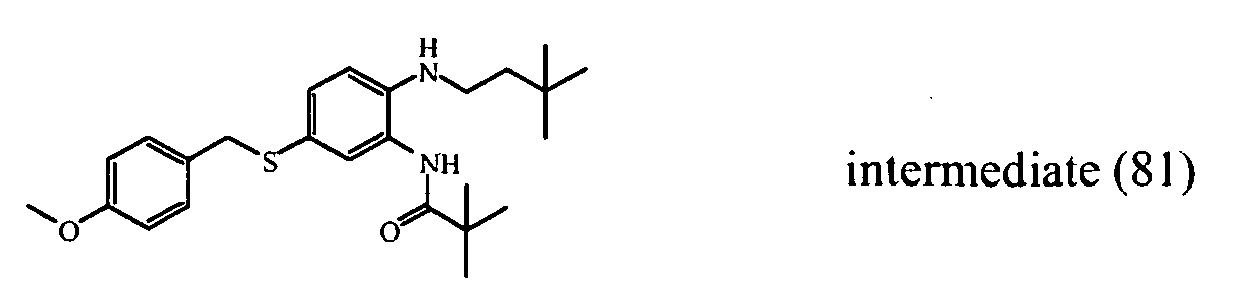
- Intermediate (81) was prepared in a similar procedure as intermediate (4) using 3,3-dimethylbutanal.
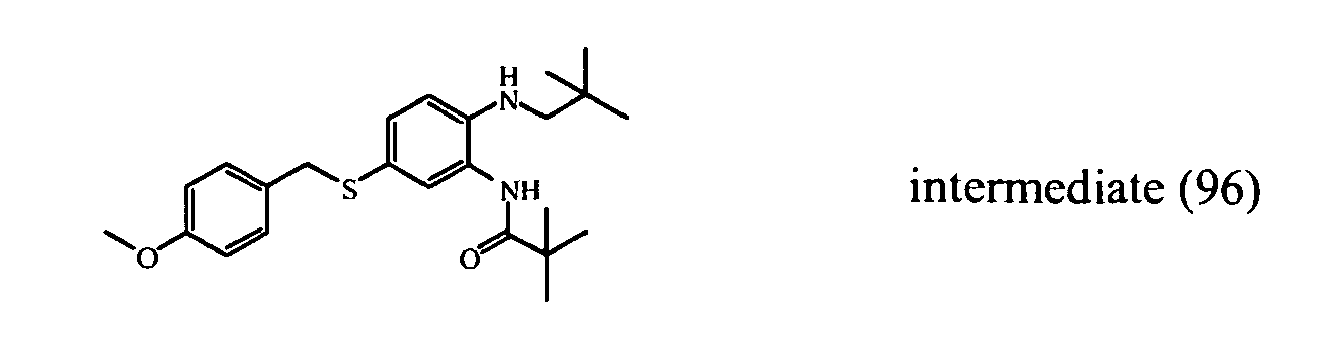

- Intermediate (99) was prepared in a similar procedure as intermediate (4) using tetrahydro-2H-pyran-4-acetaldehyde.
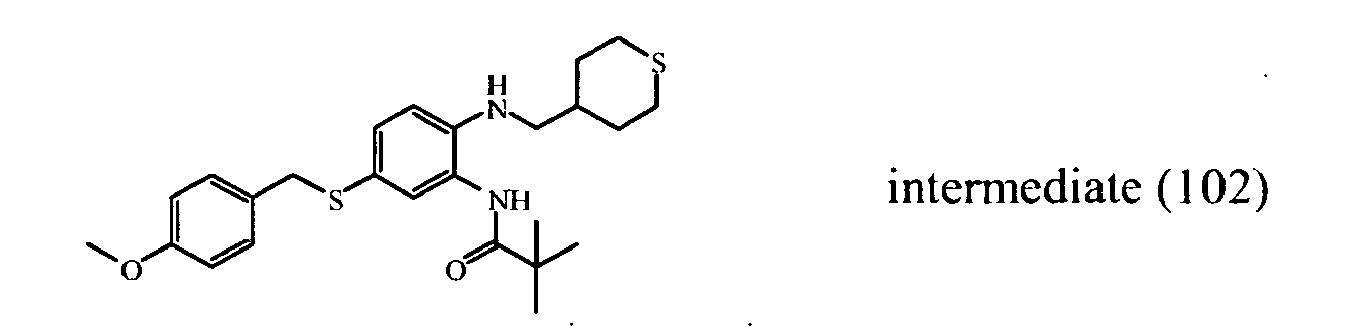
- Intermediate (102) was prepared in a similar procedure as intermediate (4) using tetrahydro-2H-thiopyran-4-carboxaldehyde. Additionally, titanium (IV) isopropoxide (4:1) was added for the synthesis of intermediate (102). Intermediate (102) was also prepared in a similar procedure as intermediate (4) using methyl tetrahydro-2H-thiopyran-4-yl ketone.

- Intermediate (105) was prepared in a similar procedure as intermediate (4) using 1,4-dioxaspiro[4.5]decane-8-carboxaldehyde. Additionally, titanium (IV) isopropoxide (4: 1) was added for the synthesis of intermediate (105).

- Intermediate (92) was prepared in a similar procedure as intermediate (4) using cyclobutanecarboxaldehyde. Additionally, titanium (IV) isopropoxide (4:1) was added for the synthesis of intermediate (92).

- Intermediate (119) was prepared in a similar procedure as intermediate (4) using 2-ethylbutanal.

- Intermediate (122) was prepared in a similar procedure as intermediate (4) using 2-methylpentanal.

- Intermediate (125) was prepared in a similar procedure as intermediate (4) using tetrahydro-2,2-dimethyl-2H-pyran-4-carboxaldehyde.
-
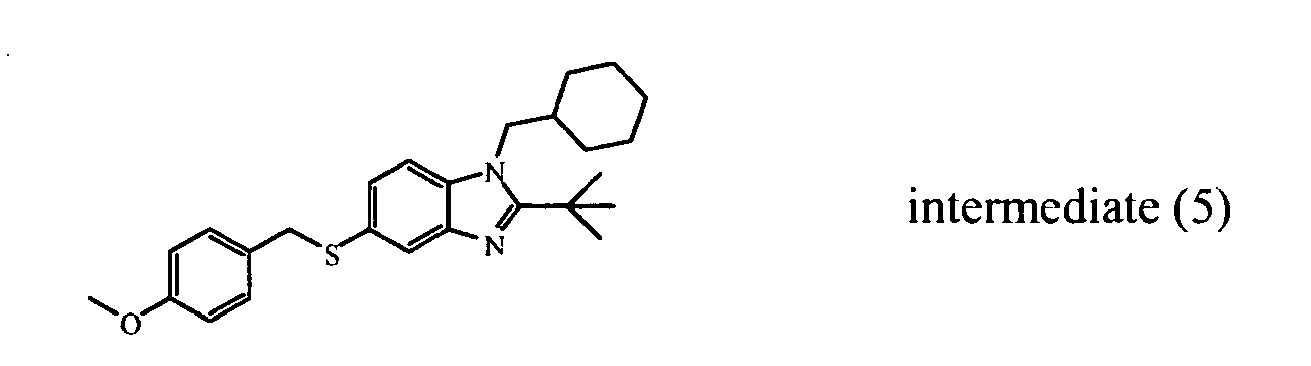
- A mixture of intermediate (4) (0.0045 mol) and acetic acid (40 ml) was stirred and refluxed for 6 hours. The mixture was cooled and the solvent was evaporated. The residue was taken up into DCM and water. The mixture was neutralized with NaHCO3. The organic layer was separated, dried, filtered and the solvent was evaporated. The residue was purified by column chromatography on silicagel (eluent: DCM/methanol 100/0 to 98/2). The product fractions were collected and the solvent was evaporated. The residue was crystallized from DIPE. The precipitate was filtered off, washed and dried, yielding 1 g of intermediate (5).

- Intermediate (82) was prepared in a similar procedure as intermediate (5) starting from intermediate (81).

- Intermediate (97) was prepared in a similar procedure as intermediate (5) starting from intermediate (96).

- Intermediate (100) was prepared in a similar procedure as intermediate (5) starting from intermediate (99).

- Intermediate (103) was prepared in a similar procedure as intermediate (5) starting from intermediate (102).

- Intermediate (106) was prepared in a similar procedure as intermediate (5) starting from intermediate (105).

- Intermediate (110) was prepared in a similar procedure as intermediate (5) starting from intermediates (92).

- Intermediate (120) was prepared in a similar procedure as intermediate (5) starting from intermediate (119).

- Intermediate (123) was prepared in a similar procedure as intermediate (5) starting from intermediate (122). Additionally, a few drops of HCl were added to the reaction mixture.

- Intermediate (126) was prepared in a similar procedure as intermediate (5) starting from intermediate (125).
- f) Preparation of

- A mixture of intermediate (5) (0.019 mol) and trifluoroacetic acid (200 ml) was stirred and refluxed for 5 hours. The mixture was cooled and the solvent was evaporated. The residue was taken up into ethyl acetate and water. The mixture was neutralized with NaHCO3. The organic layer was separated, dried, filtered and the solvent was evaporated, yielding 8 g of intermediate (6).

- Intermediate (83) was prepared in a similar procedure as intermediate (6) starting from intermediate (82).
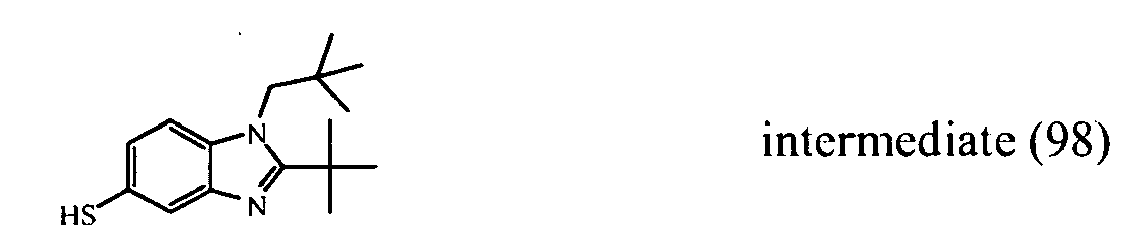
- Intermediate (98) was prepared in a similar procedure as intermediate (6) starting from intermediate (97).

- Intermediate (101) was prepared in a similar procedure as intermediate (6) starting from intermediate (100).

- Intermediate (104) was prepared in a similar procedure as intermediate (6) starting from intermediate (103).

- Intermediate (118) was prepared in a similar procedure as intermediate (6) starting from intermediate (106).
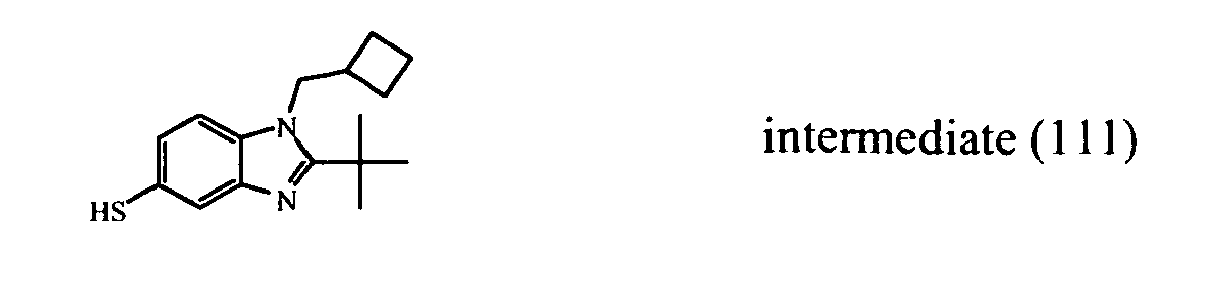
- Intermediate (111) was prepared in a similar procedure as intermediate (6) starting from intermediate (110).

- Intermediate (121) was prepared in a similar procedure as intermediate (6) starting from intermediate (120).

- Intermediate (124) was prepared in a similar procedure as intermediate (6) starting from intermediate (123).

- Intermediate (127) was prepared in a similar procedure as intermediate (6) starting from intermediate (126).
- a) Preparation of

- Nitrogen gas was bubbled through a mixture of intermediate (3) (0.032 mol), DCM (650 ml) and acetic acid (5 ml) at room temperature. Tetrahydro-2H-pyran-4-carboxaldehyde (0.039 mol) was added. After 5 minutes NaBH3(CN) (2 g) was added. The reaction mixture was stirred at room temperature for 1 hour. Water was added. The mixture was extracted. The organic layer was separated, dried, filtered and the solvent was evaporated. The residue was crystallized from DIPE. The precipitate was filtered off and dried, yielding 12 g of intermediate (7).
- b) Preparation of

- A mixture of intermediate (7) (0.027 mol) and acetic acid (200 ml) was stirred and refluxed for 6 hours. The mixture was cooled and the solvent was evaporated. The residue was taken up into DCM and water. The mixture was neutralized with NaHCO3. The organic layer was separated, dried, filtered and the solvent was evaporated. The residue was purified by column chromatography (eluent: DCM/CH3OH 100/0 to 96/4). The product fractions were collected and the solvent was evaporated. The residue was crystallized from DIPE. The precipitate was filtered off, washed and dried, yielding 8 g of intermediate (8):
- c) Preparation of

- A mixture of intermediate (8) (0.019 mol) in trifluoroacetic acid (200 ml) was stirred and refluxed for 5 hours. The mixture was cooled and the solvent was evaporated. The residue was taken up into ethyl acetate and water. The mixture was neutralized with NaHCO3. The organic layer was separated, dried, filtered and the solvent was evaporated, yielding 7 g of intermediate (9).
- a) Preparation of

- 3,3-Dimethylbutanoyl chloride (0.20 mol) was added dropwise to a mixture of intermediate (1) (0.16 mol) in pyridine (600 ml) at room temperature and stirred for 1 hour at room temperature. The solvent was evaporated. The residue was taken up in DCM. This mixture was washed with water, diluted HCl aqueous solution and with diluted NH4Cl aqueous solution. The separated organic layer was dried, filtered and the solvent was evaporated, yielding 62 g of intermediate (10).
- b) Preparation of

- A mixture of intermediate (10) (0.12 mol) in THF (500 ml) was hydrogenated at a temperature below 30°C with a mixture of platinum on activated carbon (5%) + vanadium pentoxide (0.5%) (5 g) as a catalyst. After uptake of hydrogen (3 equiv.), the catalyst was filtered off and the filtrate's solvent was evaporated. The residue was suspended in DIPE. The precipitate was filtered off, washed and dried, yielding 39 g of intermediate (11)
- c) Preparation of

- A mixture of intermediate (11) (0.07 mol) in DCM (1300 ml) and acetic acid (10 ml) at room temperature was bubbled with nitrogen. Tetrahydro-2H-pyran-4-carboxaldehyde (0.088 mol) was added at room temperature to the reaction mixture and stirred for 30 minutes at room temperature. Sodium cyanotrihydroborate (4.5 g) was added in 10 portions at room temperature. The reaction mixture was stirred for 30 minutes. Water was added and after extraction, the separated organic layer was dried, filtered and the solvent was evaporated. The residue was suspended in DIPE. The precipitate was filtered off, washed and dried, yielding 23.5g of intermediate (12).

- Intermediate (76) was prepared in a similar procedure as intermediate (12) using tetrahydro-2H-pyran-2-carboxaldehyde.
- d) Preparation of

- Intermediate (12) (0.051 mol) in acetic acid (500 ml) was stirred for 2 hours at reflux temperature. The reaction mixture was cooled and the solvent was evaporated. The residue was taken up in DCM and water. This mixture was neutralized to pH=7 with NaHCO3. After extraction, the separated organic layer was dried, filtered and the solvent was evaporated, yielding 23 g of intermediate (13).

- Intermediate (77) was prepared in a similar procedure as intermediate (13) starting from intermediate (76).
- e) Preparation of

- Intermediate (13) (0.0044 mol) in trifluoroacetic acid (20 ml) was heated in a microwave at 150°C for 15 minutes. The reaction mixture was cooled and the solvent was evaporated. The residue was taken up in ethyl acetate and water. This mixture was neutralized to pH=7 with NaHCO3. After extraction, the separated organic layer was dried, filtered and the solvent was evaporated, yielding 2.2 g of intermediate (14).

- Intermediate (78) was prepared in a similar procedure as intermediate (14) starting from intermediate (77).
- a) Preparation of

- 2,2-Dimethylbutyric acid chloride (0.2 mol) was added to intermediate (1) (0.18 mol) in pyridine (550 ml). The reaction mixture was stirred and refluxed for 2 hours. The reaction mixture was cooled and the solvent was evaporated. The residue was partitioned between water and DCM. The organic layer was separated, dried, filtered and the solvent was evaporated. The residue was suspended in DIPE. The resulting precipitate was filtered off and dried, yielding 62 g of intermediate (15).
- b) Preparation of

- A mixture of intermediate (15) (0.16 mol) in THF (500 ml) was hydrogenated at 25°C with platinum-on-carbon (5%, 5 g) as a catalyst in the presence of a small quantity of V2O5. After uptake of hydrogen, the catalyst was filtered off and to the filtrate, extra platinum-on-carbon (5%, 5 g) and a small quantity of V2O5 were added. The hydrogenation was continued until hydrogen (3 equiv.) were taken up. The catalyst was filtered off and the filtrate was evaporated. The residue was suspended in DIPE, filtered off and dried, yielding intermediate (16).
- c) Preparation of

- A mixture of intermediate (16) (0.056 mol) in acetic acid (300 ml) was stirred and refluxed for 3 hours, then cooled and the solvent was evaporated. The residue was partitioned between water and DCM. The mixture was neutralized with an aqueous NaHCO3 solution. The organic layer was separated, dried, filtered and the solvent was evaporated. Part (2.5 g) of the residue was dissolved in ethanol (50 ml). NaBH4 (0.160 g) was added and the reaction mixture was stirred and refluxed for 2 hours. Extra NaBH4 (0.500 g) was added and the reaction mixture was stirred and refluxed for 20 hours. The remaining residue was dissolved in ethanol. NaBH4 (6 g) was added and the reaction mixture was stirred and refluxed for 20 hours. The reaction mixture was cooled. Water was added The solvent was evaporated. The residue was partitioned between water and DCM. The organic layer was separated, dried, filtered and the solvent was evaporated. The residue was suspended in DIPE, filtered off and dried, yielding 15 g of intermediate (17).
- d) Preparation of

- Reaction under nitrogen atmosphere. A solution of intermediate (17) (0.021 mol) in THF (250 ml) was stirred. Sodiumhydride (0.025 mol) was added and the reaction mixture was stirred for 30 minutes at 40°C. Cyclobutylmethyl bromide (0.025 mol) was added and the reaction mixture was stirred for 2 hours at 40°C. More cyclobutylmethyl bromide (1 equiv.) was added and the reaction mixture was stirred for 20 hours at 60°C. More sodium hydride (0.3 g) was added. Extra cyclobutylmethyl bromide (1 g) was added and the reaction mixture was stirred for 20 hours at 60°C. Extra sodium hydride (0.3 g) was added, followed by addition of cyclobutylmethyl bromide (1 g).
- Upon reaction completion, the reaction mixture was cooled. The solvent was evaporated. The residue was partitioned between water and DCM. The organic layer was separated, dried, filtered and the solvent was evaporated. The residue was purified by column chromatography over silica gel (eluent : CH2Cl2/CH3OH 99/1). The product fractions were collected and the solvent was evaporated, yielding 1.2 g of intermediate (18).
- e) Preparation of

- Reaction in microwave oven. Intermediate (18) (0.003 mol) in trifluoroacetic acid (15 ml) was heated for 15 minutes at 110°C. The reaction mixture was cooled and the solvent was evaporated. The residue was partitioned between water and ethyl acetate. The mixture was neutralized with an aqueous NaHCO3 solution. The organic layer was separated, dried, filtered and the solvent was evaporated, yielding intermediate (19).
- Example A.5 Preparation of

- A mixture of morpholine (0.007 mol) in THF (30 ml) and triethylamine (0.800 g) was stirred at room temperature. A solution of 5-bromo-2-thiophenesulfonyl chloride (0.005 mol) in THF (10 ml) was added slowly at room temperature. The reaction mixture was stirred overnight at room temperature in a closed reaction vessel. Then, the mixture was taken up into ethyl acetate, washed with water, with 1 N HCl (20 ml), with a saturated aqueous NaHCO3 solution, then dried, filtered and the solvent was evaporated, yielding 1.6 g of intermediate (20).
- Preparation of

- Ammonia was bubbled in excess through a THF (20 ml) solution. A solution of 2-bromo-5-furancarbonyl chloride (0.005 mol) in THF (10 ml) was added dropwise. The resultant reaction mixture was stirred for 3 hours at 50°C. DCM (100 ml) was added. Water (40 ml) was added. The biphasic mixture was shaken for a while. The layers were separated. The organic layer was dried, filtered and the solvent was evaporated, yielding 0.970 g of intermediate (21).
- Preparation of

- Reaction under Argon flow. Intermediate (8) (0.00235 mol) was dissolved in degassed trifluoroacetic acid (20 ml) and stirred overnight at 80°C. The solvent was evaporated. The residue was taken up in degassed toluene. The mixture was washed with degassed saturated aqueous NaHCO3 solution. The organic layer was separated, dried, filtered and the solvent was evaporated. The residue was dissolved in degassed dioxane (20 ml). 3-Bromo-2,4-pentanedione (0.00235 mol) and Cs2CO3 (1.15 g) were added. The reaction mixture was stirred at 100°C for 3 hours. The reaction mixture was cooled and the solvent was evaporated. The residue was taken up in ethyl acetate. The organic layer was separated, washed with water and then with brine, dried, filtered and the solvent was evaporated. The residue was purified by column chromatography over silica gel (eluent : hexane/ethyl acetate 1/2). The product fractions were collected and the solvent was evaporated, yielding 0.090 g of intermediate (22).
- Preparation of
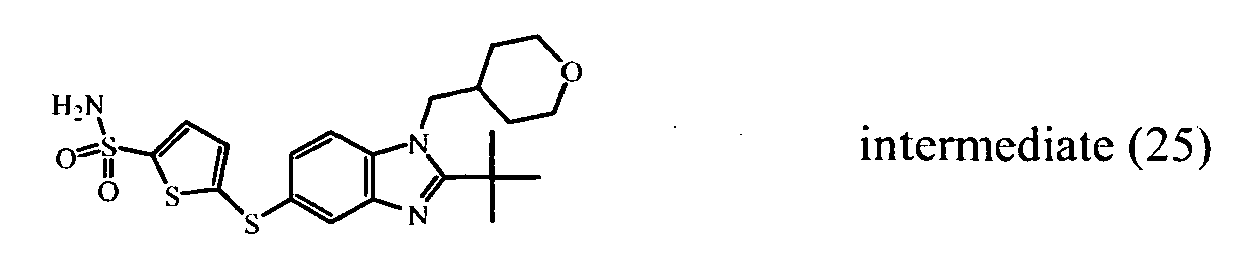
- A mixture of intermediate (9) (0.002 mol) and 5-bromo-2-thiophenesulfonamide (0.0025 mol) in dioxane (40 ml) was degassed and a flow of nitrogen was brought over the reaction mixture (3 times). Then Cs2CO3 (0.004 mol) was added and the mixture was degassed and nitrogen was brought over the reaction mixture again. (twice). Then Pd2(dba)3 (0.0001 mol) and Xantphos (0.0001 mol) were added and degassing and the nitrogen action were performed (twice). A nitrogen balloon was left on the reaction mixture and the mixture was stirred overnight at 100°C. The mixture was cooled, filtered and the filtrate was evaporated, yielding intermediate (25).
- The heterocyclic reagent 5-bromo-2-thiophenesulfonamide can be replaced by other heterocycles such as e.g. 5-bromo-2(1H)-pyridinone, 4-chloro-pyridine hydrochloride, 1-(6-chloro-3-pyridinyl-1-ethanone, 5-bromo-2-thiophenesulfonamide, 3-(bromo-3-thienyl)-5-methyl-1,2,4-oxadiazole, 2-(ethylsulfonyl)-5-iodo-thiophene, 4-bromo-1H-pyridin-2-one, 4-bromo-2-ethoxy-pyridine, 2,4,6-trichloropyridine, 4-chloro-2-methylpyridine, 3-chloro-6-methoxy-pyridazine, 4-chloro-3-(trifluoromethyl)pyridine hydrochloride, N-(4-chloro-2-pyridinyl)-acctamide, 4-bromo-2-methyl-pyridine, 4-bromo-2-fluoro-pyridine, 1-(5-bromopyridin-2-yl)ethanone, 2-methylsulfonyl-5-bromopyridine, intermediate (20), intermediate (21), 4-bromo-2-chloropyridine, 2-chloro-4-pyrimidinecarboxamide, 6-chloro-3-pyridinecarboxylic acid, methyl ester, 5-bromo-3-pyridinecarbonitrile, 5-bromo-2(1H)-pyridinone, 1-(5-bromo-2-thienyl)-ethanon, 5-bromo-2-lhiophenecarbonitrile, 5-bromo-2-pyridinecarbonitrile], 1-(4-iodophcnyl)-ethanone, 5-bromo-2-methoxy-pyridine, 2-(4-bromo-2-furanyl)-1,3-dioxolan, 5-bromo-2-(methylsulfonyl)pyridine, 2-bromo-5-(methylsulfonyl)thiophene, 5-bromo-N-ethyl-2-thiophenesulfonamide, 5-bromo-2-furancarbonitrile, intermediate 34, 4-[(4,5-dibromo-2-thienyl)sulfonyl]morpholine, 4-[(6-chloro-3-pyridinyl)sulfonyl]-morpholine, 2-chloro-5-(methylsulfonyl)pyridine, intermediate 36, 5-bromo-2-thiophenecarboxamide, 1-[(5-bromo-2-furanyl)carbonyl]pyrrolidine, 3-chlorobenzene-carboperoxoic acid, 4-[(5-bromo-2-thienyl)carbonyl]morpholine, 4-[(5-bromo-2-furanyl)carbonyl]morpholine, 5-bromo-4-methyl-2-thiophenecarboxylic acid, methyl ester, 4-[(4,5-dibromo-2-thienyl)sulfonyl]morpholine, 3-chloro-6-methoxypyridazine, 6-bromo-2-pyridinecarbonitrile, 4-bromo-2-methylpyridine, 4-chloro-2-methylpyrimidine, 4-bromo-2-fluoropyridine, 4-bromo-3-methoxypyridine, 3-iodo-2-(trifluoromethyl)pyridine, intermediate (84), intermediate (116), 4-chloropyridine hydrochloride (1:1), intermediate (129), intermediate (135), 2-chloro- 5-thiazole-carbonitrile, 4-bromo-2(1H)-pyridinone and 4-bromo-2-ethoxypyridine for the preparation of other compounds of the invention.
- The starting material intermediate (9) can be replaced by other intermediates such as e.g. intermediate (6), intermediate (14), intermediate (62), intermediate (66), intermediate (70), intermediate (78), intermediate (83), intermediate (98), intermediate (101), intermediate (104), intermediate (111), intermediate (118), intermediate (121), intermediate (124), intermediate (127) for the preparation of other compounds of the invention.
- The following intermediates are prepared according to a similar procedure as intermediate (25) (Example A.8) starting from intermediate (9) and a variable heterocyclic reagent as indicated were used.

intermediate (33) heterocycle: 5-bromo-2-thiophenecarbonitrile 
intermediate (44) heterocycle: 3,5-dichloro-4-lodo-pyridine 
intermediate (45) heterocycle: 3,4-dibromopyridine 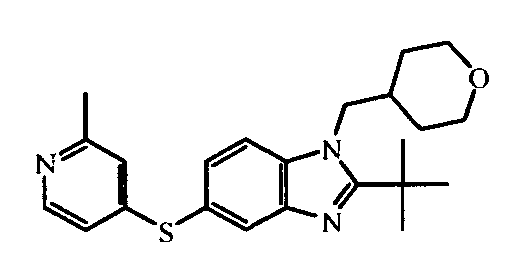
intermediate (46) heterocycle: 4-bromo-2-methylpyridine 
intermediate (54) heterocycle: 4-chloro-3-(trifluoromethyl)-pyridine, hydrochloride 
intermediate (56) heterocycle: N-(6-chloro-3-pyridazinyl)-acetamide 
intermediate (117) heterocycle: intermediate (116) - The following intermediate was also prepared according to a similar procedure as intermediate (25) (Example A.8), but starting from intermediate (111) and 4-bromo-2-fluoropyridine (as the heterocyclic reagent)

- a) Preparation of
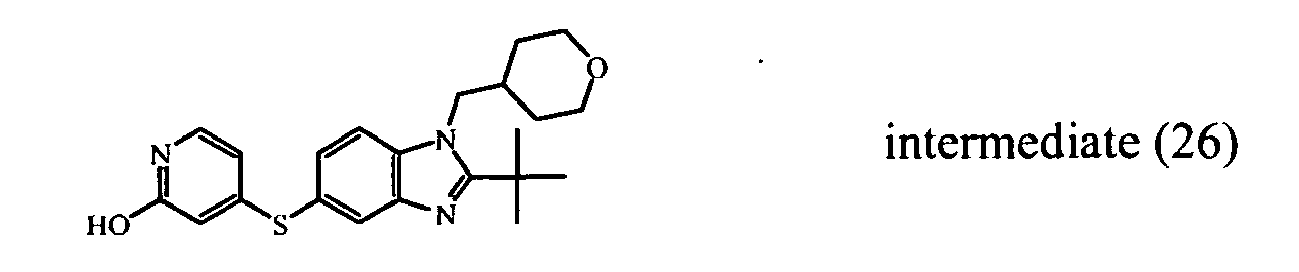
- Cs2CO3 (0.0061 mol) was added to 4-bromo-2(1H)-pyridinone (0.004 mol) in dioxane (10 ml). The mixture was degassed three times with nitrogen. A degassed solution of intermediate (9) (0.0023 mol) in dioxane (10 ml) was added. The reaction mixture was degassed once more. Pd2(dba)3 (0.047 g) and Xantphos (0.060 g) were added. The reaction mixture was degassed, then stirred overnight at 100°C. The reaction mixture was cooled. DCM (150 ml) was added. A 5% aqueous NH4Cl solution (150 ml) was added and mixed. The layers were separated. The aqueous phase was extracted with DCM (100 ml). The combined organic layers were dried, filtered and the solvent was evaporated. The residue was purified by CombiFlash flash column chromatography (eluent: CH2Cl2/CH3OH from 100/0 to 94/6). The product fractions were collected and the solvent was evaporated, yielding 0.93 g of intermediate (26).
- b-1) Preparation


- A mixture of intermediate (26) (0.005 mol), chlorodifluoroacetic acid sodium salt (0.01 mol) and K2CO3 (0.006 ml) in DMF/H2O (5 ml) was degassed for 15 minutes. The reaction mixture was stirred overnight at 100°C. The reaction mixture was cooled and a mixture (4 ml) of HCl 12N and water (ratio 1/1.5) was added. The separated organic layer was dried, filtered and the solvent was evaporated. The residue was purified by reversed-phase HPLC (gradient elution with NH4HCO3 buffer (0.25 % in water)/CH3OH/CH3CN). Two different product fractions were collected and worked-up, yielding crude intermediate (43) (used as such in the next reaction) and 0.221 g of intermediate (27).
- b-2) Preparation of


- 1,1,1-Trifluoro-2-iodoethane (0.0075 mol) was added to a mixture of intermediate (26)(0.005 mol) and sodium hydride (0.006 mol) in DMF (5 ml). The reaction mixture was stirred at 0°C for 4 hours. The reaction mixture was partitioned between DCM and water. The separated organic layer was dried (MgSO4), filtered and the solvent was evaporated. The residue was purified by reversed-phase HPLC (gradient elution with NH4HCO3 buffer (0.25 % in water)/CH3OH/CH3CN). The desired product fractions were collected and worked-up, yielding 0.176 g of intermediate (48) (E-isomer) and 0.367 g intermediate (47) (Z-isomer).
- b-3) Preparation of

- A mixture of intermediate (26) (0.000722 mol), 2,2,2-trifluoro-ethanol, 1-(4-methylbenzenesulfonate) (0.00144 mol) and potassium carbonate (0.132 g) in DMF (5 ml) was heated to 60 °C. The reaction mixture was extracted with DCM/water. The separated organic layer was dried, filtered and the solvent was evaporated. The residue was purified by reversed-phase HPLC (gradient elution with NH4HCO3 buffer (0.25 % in water)/CH3OH/CH3CN). The desired product fraction was collected and the solvent was evaporated, yielding 0.116 g of intermediate (55).
- Intermediate (58) was prepared in a similar procedure as intermediate (55), starting from intermediate (23) and 1,1,2,2,3,3,4,4,4-nonafluoro-1-butanesulfonic acid, 2,2,2-trifluoroethyl ester.

- Preparation of

- Hydroxylamine hydrochloride (0.000211 mol) and then water (0.5 ml) were added to a solution of intermediate (22) (0.000211 mol) dissolved in methanol (3.5 ml) and stirred overnight at a temperature between 60 °C and 70 °C. The reaction mixture was cooled and diluted with chloroform. The separated organic layer was dried, filtered and the solvent was evaporated. The residue was purified by column chromatography over silica gel (eluent: ethyl acetate/hexane 50/50). The product fractions were collected and the solvent was evaporated, yielding 0.050 g of intermediate (28).
- a) Preparation of

- Cs2CO3 (0.0032 mol) was added to 4-chloro-2-pyridinecarboxamide (0.00318 mol) in dioxane (10 ml). The mixture was degassed three times using nitrogen. A degassed solution of intermediate (9) (0.003 mol) in dioxane (10 ml) was added. The reaction mixture was degassed once more. Pd2(dba)3 (0.100 g) and Xantphos (0.130 g) were added. The reaction mixture was degassed, then put in a sealed reaction vessel under nitrogen atmosphere, then stirred overnight at 100°C. The reaction mixture was cooled, and water (200 ml) was added. This mixture was extracted with DCM (2 x 150 ml). The combined organic layers were dried, filtered and the solvent was evaporated. The residue was purified by reversed-phase HPLC. The product fractions were collected and the solvent was evaporated, yielding 0.6 g of intermediate (29).
- b) Preparation of
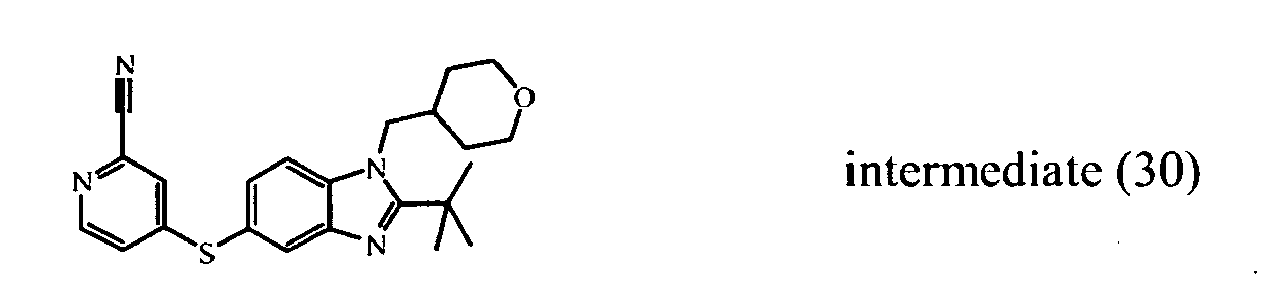
- Intermediate (29) (0.00075 mol) in DMF (5 ml) was cooled on an ice-bath. Phosphoric trichloride (0.0016 mol) was added dropwise. The reaction mixture was stirred for 4 hours at a temperature between 0°C and 5°C. The reaction mixture was poured out into ice-water (75 ml). The pH was neutralized by addition of NaHCO3. The resulting precipitate was filtered off, washed with water, and dried, yielding 0.270 g of intermediate (30).
- Preparation of
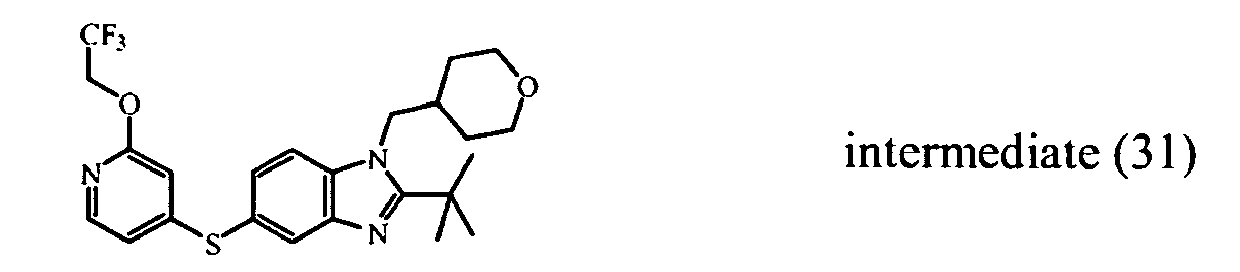
- A mixture of intermediate (26) (0.000722 mol), 2,2,2-trifluoroethanol, 4-methylbenzenesulfonate (0.00144 mol) and K2CO3 (0.132 g) in DMF (3 ml) was heated to 60°C. The reaction mixture was extracted using DCM and water. The separated organic layer was dried, filtered and the solvent was evaporated. The residue was purified by reversed-phase HPLC (gradient elution with NH4HCO3 buffer (0.25 % in water)/CH3OH/CH3CN). The product fractions were collected and the solvents were evaporated, yielding 0.085 g of intermediate (31).
- Preparation of

- A mixture of intermediate (9) (max. 0.0016 mol), 6-chloro-3-pyridinecarboxylic acid methyl ester (0.004 mol) and Cs2CO3 (0.003 mol) in dioxane (10 ml) was stirred overnight at room temperature. The solvent was evaporated under a stream of N2. The residue was partitioned between DCM and water. The separated organic layer was dried by passing through an Isolute filter and the solvent was evaporated. The residue was purified by reversed-phase HPLC. The product fractions were collected and the solvent was evaporated, yielding 0.344 g of intermediate (32)
- The heterocyclic reagent 6-chloro-3-pyridinecarboxylic acid, methyl ester can be replaced by other heterocycles such as e.g. 2-chloro-5-(trifluoromethyl)pyridine, 2-chloro-3-pyridinecarbonitrile, 2-chloro-4-(trifluoromethyl)pyridine, 2-chloro-6-(trifluoromethyl)pyridine for the preparation of other intermediates.
- Preparation of

- A mixture of sodium hydrogen carbonate (0.570 g) and sodium sulfite (0.800 g) in water (15 ml) was stirred. A solution of 4,5-dibromo-2-thiophenesulfonyl chloride (0.005 mol) in THF (10 ml) was added. The resultant mixture was stirred for 2 hours at 75°C. Then, the mixture was cooled to 30°C. Iodomethane (1.4 ml) was added and the resultant reaction mixture was stirred overnight at 50°C, then cooled, taken up into ethyl acetate, washed with water and the layers were separated. The aqueous phase was extracted once more with ethyl acetate. The organic layers were combined, dried, filtered and the solvent was evaporated, yielding 1.120 g of intermediate (34).
- a) Preparation of

- mCPBA (77%) (5.7 g) was added to a mixture of 2-methyl-3-(methylthio)furan (1.4 g, 0.011 mol) in chloroform (50 ml) at room temperature (slightly exothermic). The reaction mixture was stirred for 2 hours and was then washed with water and a NaOH solution (30 %). The separated organic layer was dried (MgSO4), filtered and the solvent was evaporated, yielding 1.75 g of intermediate (35).
- b) Preparation of

- Intermediate (35) (0.004 mol) was stirred in DMF (7 ml). 1-Bromo-2,5-pyrrolidinedione (0.0048 mol) was added carefully over a 2-minutes period. The reaction mixture was stirred for one hour. The mixture was poured out into water and this mixture was extracted with ethyl acetate. The separated organic layer was dried (MgSO4), filtered and the solvent evaporated, yielding 1.00 g of intermediate (36).
- Preparation of


- A mixture of intermediate (26) (0.00116 mol) and sodium hydride in mineral oil (60%) (0.0015 mol) in DMF (10 ml) was stirred for 30 minutes at 60°C. Then the mixture was cooled to room temperature. Iodomethane (0.0015 mol) was added and the resultant reaction mixture was shaken overnight at room temperature. Ethyl acetate (100 ml) was added. Water (100 ml) was added and the whole was mixed. The layers were separated. The aqueous phase was extracted with ethyl acetate (100 ml). The combined organic layers were dried (MgSO4), filtered and the solvent was evaporated. The residue was purified by reversed-phase HPLC. Two product fraction groups were collected and their solvent was evaporated, yielding 0.36 g of intermediate (37) and 0.015 g of intermediate (38).
- Preparation of

- A mixture of 2,4,6-trichloropyridine (0.01034 mol), Cs2CO3 (3.3 g), Pd2(dba)3 (0.130g) and Xantphos (0.163 g) in degassed dioxane was stirred. A solution of intermediate (9) (0.0047 mol) in dioxane was added. The reaction mixture was heated for 20 hours at 100°C, then cooled, filtered and the filtrate's solvent was evaporated. The residue was partitioned between water and DCM. The organic layer was separated, dried, filtered and the solvent evaporated, yielding of intermediate (39) as a mixture of region-isomers.
- Preparation of

- All apparatus was flushed with N2 and dried by heating. Reaction under Ar flow. Intermediate (8) (0.00187 mol) was dissolved in degassed TFA (15 ml), then stirred for 4 hours at 85°C. The mixture was cooled. The solvent was evaporated in vacuo. The residue was taken up into degassed toluene. The organic layer was separated, washed with a degassed aqueous NaHCO3 solution (2 x 50 ml), dried, filtered and the solvent was evaporated in vacuo to give a yellow foam (*). Under Ar, 4-bromo-5-fluoro-2-methoxypyridine (1.3 equiv.; 0.500g) was dissolved in degassed dioxane (10 ml). Cs2CO3 (0.914 g) was added to give suspension (**). A solution of the crude residual oil (*) in degassed dioxane (10 ml) was added to the suspension (**). Then, Pd2(dba)3 (0.029 g) and Xantphos (0.032 g) were added. The resultant brown reaction suspension was stirred overnight at 100°C. The reaction mixture was cooled, and the solvent was evaporated. The residue was dissolved in ethyl acetate, then washed with an aqueous NaHCO3 solution, and once with brine. The organic layer was separated, dried, filtered and the solvent was evaporated. The residue was purified by column chromatography over silica gel. The product fractions were collected and the solvent was evaporated, yielding 0.5113 g of intermediate (40).
- a) Preparation of

- A mixture of NaHCO3 (0.570 g) and sodium sulfite (0.800 g) in water (15 ml) was stirred. A solution of 5-bromo-6-chloro-3-pyridinesulfonyl chloride (0.005 mol) in THF (10 ml) was added. The resultant mixture was stirred for 2 hours at 75°C. Then, the mixture was cooled to 30°C. Iodomethane (1.4 ml) was added and the resultant reaction mixture was stirred overnight at 50°C, then cooled, taken up into ethyl acetate, washed with water and the layers were separated. The aqueous phase was extracted once more with ethyl acetate. The organic layers were combined, dried (MgSO4), filtered and the solvent was evaporated, yielding 1.400 g of intermediate (139).
- b) Preparation of

- Cs2CO3 (0.00307 mol) was added to intermediate (139) (0.003 mol) in dioxane (10 ml). The mixture was degassed ((3 x) vacuum, followed by N2 inlet). A degassed solution of intermediate (9) (0.0023 mol) in dioxane (10 ml) was added. The reaction mixture was degassed once more. Pd2(dba)3 (0.047 g) and Xantphos (0.060 g) were added. The reaction mixture was stirred overnight at 100°C. The reaction mixture was cooled. DCM (150 ml) was added. The organic layer was washed with water (150 ml). The aqueous layer was extracted again with DCM (150 ml). The combined organic layers were dried (MgSO4), filtered and the solvent was evaporated. The residue was purified by reversed-phase HPLC (gradient elution with NH4HCO3 buffer (0.25 % in water)/CH3OH/CH3CN). The product fractions were collected and the solvent was evaporated, yielding 0.83 g of intermediate (41) as a mixture of two compounds.
- Preparation of

- 4-Bromo-5-fluoro-2(1H)-pyridinone (0.0026 mol) was dissolved in degassed dioxane (10 ml). Cs2CO3 (0.00325 mol) was added. A solution of intermediate (9) (0.002167 mol) in dioxane (10 ml) was added and the mixture was stirred. Xantphos (0.040 g) and Pd2(dba)3 (0.120 g) were added and the resultant reaction mixture was stirred for 2 hours. The solvent was evaporated in vacuo. The residue was partitioned between chloroform (100 ml) and water (2 x 75 ml). The organic layer was separated, washed with brine (75 ml), dried (Na2SO4), filtered and the solvent was evaporated (vacuum pump). The residue was purified by column chromatography over silica gel (eluent: ethyl acetate/CH3OH 9/1). The product fractions were collected and the solvent was evaporated, yielding 0.474 g of intermediate (42).
- a) Preparation of

- Reaction under nitrogen flow. Phosphoric trichloride (21 ml) was added drop wise to a mixture at 0°C of intermediate (1) (0.13 mol) and 2-cyano-2-methyl-propanoic acid (0.17 mol) in pyridine (600 ml) while stirring vigorously at 0°C. The reaction mixture was allowed to warm up to room temperature. Water (1500 ml) was added. This mixture was extracted with ethyl acetate. The separated organic layer was dried (MgSO4), filtered and the solvent was evaporated, yielding 44 g of intermediate (49).
- b) Preparation of

- A mixture of intermediate (49) (0.010 mol) in THF (100 ml) was hydrogenated at room temperature with a mixture of palladium of activated carbon (10%) and vanadium pentoxide (0.5%) (5 g) as a catalyst in the presence of a thiophene in DIPE solution (4%) (1 ml). After uptake of hydrogen (3 equivalents), the catalyst was filtered off and the filtrate was diluted with methanol (300 ml). Acetic acid (2 ml) and then tetrahydro-2 H-pyran-4-carboxaldehyde (0.015 mol) were added to the mixture. Nitrogen was bubbled through the reaction mixture for 10 minutes. Sodium cyanotrihydroborate (400 mg) was added to the reaction mixture. The reaction mixture's solvent was evaporated to 1/3 of original volume. DCM (700 ml) and water (500 ml) was added to the concentrate. After extraction, the separated organic layer was dried (MgSO4), filtered and the solvent was evaporated, yielding 4.5 g of intermediate (50).
- c) Preparation of

- Intermediate (50) (0.0066 mol) in acetic acid (15 ml) was heated in a microwave at 160°C for 10 minutes. The solvent was evaporated. The reaction was performed 8 times). All residues were combined and then taken up in DCM. This mixture was washed with H2O/NaHCO3. After extraction, the separated organic layer was dried (MgSO4), filtered and the solvent was evaporated. The residue was purified by combiflash column chromatography over silica gel (eluent: DCM/CH3OH from 100/0 to 98/2). The product fractions were collected and the solvent was evaporated, yielding 10.5g of intermediate (51).
- d) Preparation of

- Intermediate (51) (0.0023 mol) in TFA (10 ml) was heated in a microwave at 150°C for 15 minutes. The reaction mixture was cooled and the solvent was evaporated. The residue was taken up in ethyl acetate and water and then neutralized with NaHCO3. After extraction, the separated organic layer was dried (MgSO4), filtered and the solvent was evaporated. This procedure was repeated another 2 times, resulting in a combined residue, yielding 3 g of intermediate (52).
- e) Preparation of
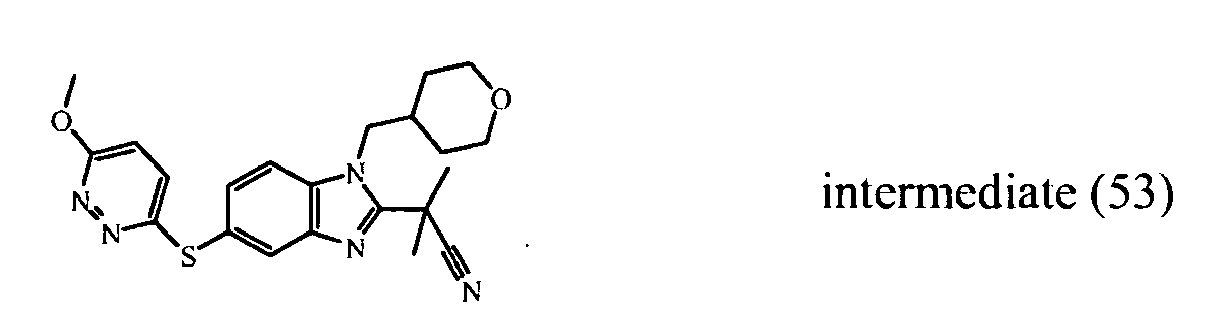
- First Pd2(dba)3 (200 mg), then Xantphos (130 mg) and finally Cs2CO3 (0.003 mol) were added to a mixture of 3-chloro-6-methoxypyridazine (0.007 mol) in dioxane (10 ml) in a sealed tube and degassed. Intermediate (52) (0.0023 mol; theoretical, crude) was added and again the reaction mixture was degassed with N2. The reaction mixture was stirred for 2 hours at 100°C. The reaction mixture was cooled and then filtered. The filtrate's solvent was evaporated. The residue was purified by combiflash column chromatography over silica gel (eluent: DCM/CH3OH from 100/0 to 99/1). The product fractions were collected and the solvent was evaporated, yielding 0.310 g of intermediate (53).
- Preparation of

- 4-Chloropyridine N-oxide (0.010 mol) and cesium carbonate (0.008) were added to a mixture of intermediate (14) (0.0042 mol) in dioxane (50 ml). The reaction mixture was degassed with nitrogen and stirred at reflux for 4 hours. The reaction mixture was filtered over dicalite. The filtrate's solvent was evaporated and the residue was dried, yielding 3 g of intermediate (57).
- a) Preparation

- Reaction under inert argon atmosphere. Intermediate (8) (0.5 g, 0.00117 mol) was dissolved in TFA (98%) (10 ml) and the mixture was heated overnight at 80°C. The resulting brown solution was concentrated in vacuo and the residue was taken up in degassed toluene. The organic layer was washed with NaHCO3 (saturated),dried (Na2SO4) and the solvent was evaporated to yield a thick yellow oil. This oil was dissolved in THF (5 ml) and this mixture was added drop wise to a solution of 1,1,1-trifluoro-5-[(tetrahydro-2H-pyran-2-yl)oxy]-3-pentyn-2-one (0.333 g, 1.2 eq) in THF (5 ml). The yellow mixture was then stirred for 2 hours at room temperature and then first PPTS (0.03 g, 0.1 eq) and then ethanol (10 ml) were added. The reaction mixture was stirred at room temperature and an additional amount of PPTS (0.4 eq) was added. The mixture was heated for 3 hours at 60°C. Then the solvent was evaporated and the residue was taken up in chloroform. The organic layer was washed with NaHCO3 (saturated), water and brine, dried (Na2SO4) and the solvent was evaporated, yielding a brown foam. The crude product was purified by column chromatography over silica gel (eluent: ethyl acetate/hexane 3/2). The desired fractions were collected and the solvent was evaporated, yielding 0.16 g of intermediate (72) as mixture of two products.
- b) Preparation of
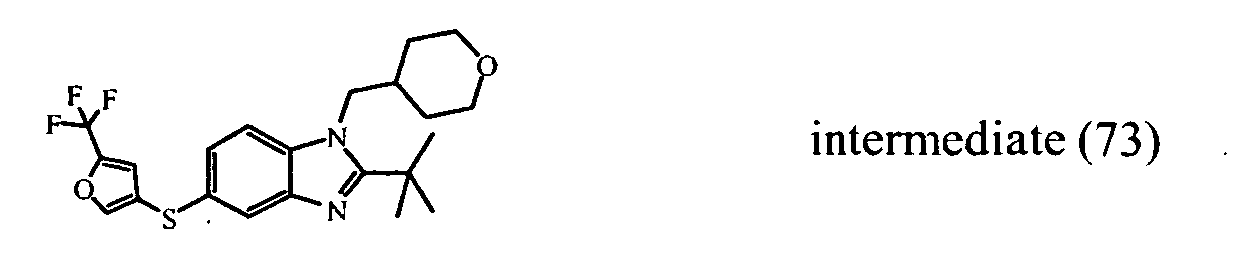
- Intermediate (72) (0.123 g; crude) was dissolved in DCM (4 ml) and the solution was cooled to 0°C. A solution of hydrobromic acid (33%) in glacial acetic acid was added dropwise (the yellow mixture turned to slightly brown). Then the reaction mixture was kept at 0°C for 2 hours and then the mixture was quenched with NaHCO3 (saturated). The crude product was extracted with DCM. The separated organic layer was washed with water and brine, dried (Na2SO4) and the solvent was evaporated to yield a brown foam. The crude product was purified by column chromatography over silica gel (eluent: hexane/ethyl acetate 1/1). The desired fractions were collected and the solvent was evaporated, yielding 0.044 g of intermediate (73).
- a) Preparation of

- To a mixture of intermediate (3) (0.0290 mol) in acetic acid (250 ml) were added 4-formyl-1-piperidinecarboxylic acid, 1,1-dimethylethyl ester (0.0468 mol), acetic acid (2 ml) and titanium (IV) isopropoxide (4:1) (3 g). The reaction mixture was stirred for 20 minutes. Then sodium cyanotrihydroborate (0.03 mol) was.added. The reaction mixture was stirred for 2 hours. Water was added to the reaction mixture. The organic layer was dried (MgSO4), filtered and evaporated, yielding 120 g of intermediate (59).
- b) Preparation of

- A mixture of intermediate (59) (0.071 mol), acetic acid (800 ml) and hydrochloric acid (40 ml) was stirred at reflux overnight. The reaction mixture was concentrated. The residue was taken up in DCM and water. Then the mixture was neutralized with NaHCO3. The organic layer was dried (MgSO4) , filtered and evaporated. The residue was used as such in the next reaction, yielding 35 g of intermediate (60).
- c-1) Preparation of

- A mixture of intermediate (60) (0.071 mol), acetic acid, 1,1'-anhydride (0.14 mol) and DCM (700 ml) was stirred at room temperature for 3 hours. An aqueous NaHCO3 solution was added and the mixture was stirred for 1 hour to destroy excess acetic acid, 1,1'-anhydride. The organic layer was dried (MgSO4) , filtered and evaporated. The residue was used as such in the next reaction, yielding 35g of intermediate (61).
- c-2) Preparation of

- A mixture of intermediate (60) (0.026 mol) in formic acid, methyl ester (300 ml) was stirred and refluxed overnight. The reaction mixture was cooled and the solvent was evaporated. Toluene was added and azeotroped on the rotary evaporator, yielding 12 g of intermediate (65).
- d) Preparation of

- A mixture of intermediate (61) (0.01 mol) and TFA (40 ml) was stirred in the microwave at 100°C for 25 minutes. The reaction mixture was cooled. The solvent was evaporated. The residue was taken up in ethyl acetate and then washed with a water/ NaHCO3 solution. The organic layer was dried (MgSO4), filtered and evaporated. The crude residue was used in the next step, yielding 4.7g of intermediate (62).
- e-1) Preparation of

- N2 atmosphere. A mixture of intermediate (62) (0.0021 mol), 5-bromo-2-thiophene-carbonitrile (0.004 mol), Xantphos (0.1g) and Pd2(dba)3 (0.13 g) in 1,4-dioxane (20 ml) was degassed. DIPE was added and the reaction mixture was degassed again. The reaction mixture was stirred at 80-90°C for 2 hours. After cooling, the reaction mixture was filtered over dicalite. The filtrate was concentrated and the residue was purified on silica gel using DCM/CH3OH(7N NH3) (from 100% to 99/1) as eluent. The product fractions were collected and evaporated to dryness. The residue was used as such in the next reaction, yielding 0.45g of intermediate (63).
- e-2) Preparation of

- N2 atmosphere. A mixture of intermediate (62) (0.004 mol), 4-iodo-1-methyl-1H-pyrazole (0.0035 mol), 1,4-dioxane (25 ml) and Cs2CO3 (1.6 g) in Xantphos (0.1 g)was degassed. Pd2(dba)3 (0.13g) was added and the reaction mixture was degassed again. The reaction mixture was stirred at 80-90°C for 2 hours. After cooling, the reaction mixture was filtered over dicalite. The filtrate was concentrated and the residue was purified on silica gel using DCM/CH3OH (from 100% to 96/4) as eluent. The product fractions were collected and evaporated to dryness. The residue was used as such in the next reaction, yielding 0.14g of intermediate (64).
- f) Preparation of

- A mixture of intermediate (65) (0.00155 mol) in TFA (18 ml) was stirred at 100°C for 25 minutes in a microwave oven. The reaction mixture was concentrated. The residue was partitioned between an aqueous NaHCO3 solution and ethyl acetate. The organic layer was separated, dried (MgSO4), filtered and the solvent was evaporated, yielding ± 0.7 g of intermediate (66).
- g) Preparation of

- To a mixture of 4-iodo-1-methyl-1H-pyrazole (0.003 mol) and Cs2CO3 (1 g) was added 10 ml dioxane. The mixture was degassed by applying alternating N2 atmosphere and vacuum. Intermediate (66) (0.0022 mol) was added in 10 ml dioxane, and degassed as above. Pd2(dba)3 (0.1 g) and Xantphos (0.13 g) were added, degassed again, and the reaction mixture was stirred under a N2-atmosphere at 100°C overnight. The reaction mixture was cooled, 150 ml water added, and extracted with 2 times with 150 ml of DCM. The combined organic layer was dried (MgSO4), filtered, and evaporated. The residue was purified by HPLC (HPLC method A). The residue was crystallized from DIPE, yielding 0.195 g of intermediate (67).
- a) Preparation of

- A mixture of intermediate (3) (0.03 mol) and acetic acid (5.2 ml) in DCM (500 ml) was stirred at room temperature under N2-bubbling. 4,4,4-Trifluorobutanal was added. After 15 minutes NaBH3(CN) was added and the reaction mixture was stirred for another hour. Water was added and the reaction mixture was extracted. The separated organic layers were collected, dried (MgSO4), filtered and the filtrate was evaporated. The residue was suspended in DIPE, yielding intermediate (68).
- b) Preparation of

- Intermediate (68) (0.04 mol) was dissolved in acetic acid (100 ml). The reaction mixture was stirred and refluxed overnight and the solvent was evaporated. The residue was extracted (DCM/NaHCO3), dried, filtered and the solvent was evaporated. The concentrate was suspended in DIPE and the precipitate was filtered off and dried, yielding intermediate (69).
- c) Preparation of

- Reaction was performed in microwave Intermediate (69) was dissolved in TFA. The reaction mixture was stirred for 30 minutes at 100°C (10% starting material left). The mixture was stirred again for 30 minutes at 100°C. The solvent was evaporated and the residue was extracted (ethyl acetate/NaHCO3), dried (MgSO4), filtered and evaporated. The concentrate was used crude, yielding intermediate (70).
- d) Preparation of
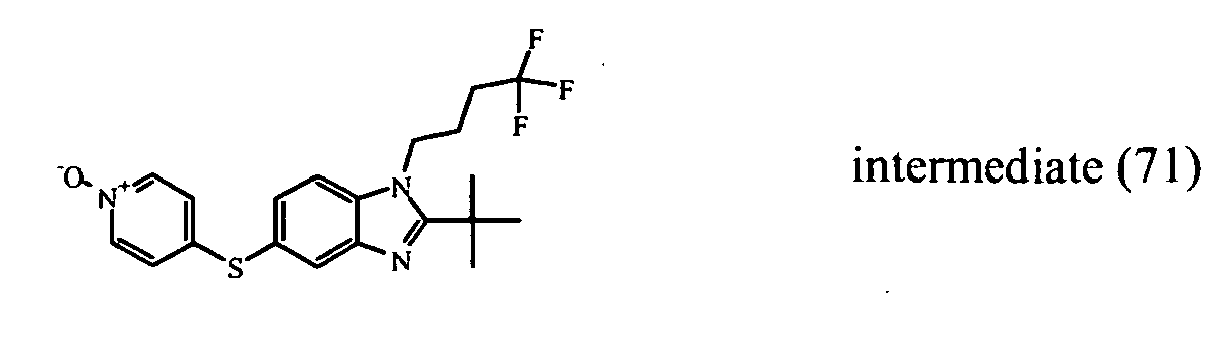
- A mixture of 4-chloropyridine, 1-oxide (0.0025 mol), Pd2(dba)3 (catalytic quantity), Xantphos (catalytic quantity) and Cs2CO3 (0.973 g) in dioxane (5ml) was degassed by applying alternating N2 atmosphere and vacuum. Intermediate (70) (0.0023 mol) in dioxane (15ml) was added under N2-atmosphere. The reaction mixture was stirred at 100°C for 2 hours. The mixture was extracted (DCM/H2O), dried, filtered and evaporated. The residue was used crude, yielding intermediate (71).
- a) Preparation of

- Reaction recipients made inert with N2. A mixture of intermediate (8) (0.002355 mol) in TFA (14 ml) was heated at reflux overnight. The solvent was evaporated. Degassed NaHCO3 saturated aqueous solution (50 ml) and degassed toluene (80 ml) were added to the residue. The layers were separated in organic layer OL1 and in aqueous layer AL1. AL1 was 3 times re-extracted with toluene (40 ml) to obtain 3 separated organic layers OL2, OL3 and OL4. OL1, OL2, OL3 and OL4 were combined and was dried (Na2SO4), filtered and the solvent was evaporated (vacuum, I hour) to obtain residue A. The reaction recipients were made inert with N2. Cs2CO3 (0.00471 mol; dried in vacuo) was added to a solution of 2-chloro-6-methylpyridine(0.003062 mol) dissolved in DMSO (14 ml) to obtain mixture A. Then residue A in DMSO (14 ml) was added to the mixture A. The reaction mixture was degassed for 15 minutes and then refluxed for 150 minutes. Ethyl acetate was added to the residue. This mixture was washed 4 times with water (125 ml) and 1 time with NaCl (100 ml). The separated organic layer was dried (Na2SO4), filtered and the solvent was evaporated. The residue was purified by column chromatography over silica gel (eluent: ethyl acetate/hexane 50/50 and 60/40). The product fractions were collected and the solvent was evaporated, yielding 0.097 g of intermediate (74).
- b) Preparation of

- Reaction recipients made inert with N2. A mixture of intermediate (8) (0.002355 mol) in TFA (14 ml) was stirred overnight at reflux. The solvent was evaporated. The residue was taken up in degassed toluene (80 ml) and in degassed NaHCO3 saturated aqueous solution (50 ml). The layers were separated in organic layer OL1 and in aqueous layer AL1. AL1 was 3 times re-extracted with toluene (40 ml) to obtain 3 separated organic layers OL2, OL3 and OL4. OL1, OL2, OL3 and OL4 were combined and was dried (Na2SO4), filtered and the solvent was evaporated (vacuum, I hour) to obtain residue A.
- Reaction recipients made inert with N2. Cs2CO3 (0.002037 mol; dried in vacuo) was added to a suspension of 5-bromo-2-methoxypyrimidine (0.003062 mol) in degassed dioxane (14 ml) to obtain mixture A. Then residue A in degassed dioxane (14 ml) was added to the mixture A. Finally Pd2(dba)3 (0.036 g), Xantphos (0.079 g) and then potassium fluoride (0.000479 mol) were added and the reaction mixture was degassed for 15 minutes. The reaction mixture was stirred at reflux for 19 hours. The solvent was evaporated. Chloroform was added to the residue. The mixture was washed 2 times with water and then 1 time with NaCl saturated aqueous solution. The separated organic layer was dried (Na2SO4), filtered and the solvent was evaporated. The residue was purified by column chromatography over silica gel (eluent: ethyl acetate/hexane 50/50 and 60/40). The product fractions were collected and the solvent was evaporated, yielding 0.255 gof intermediate (75).
- a) Preparation of
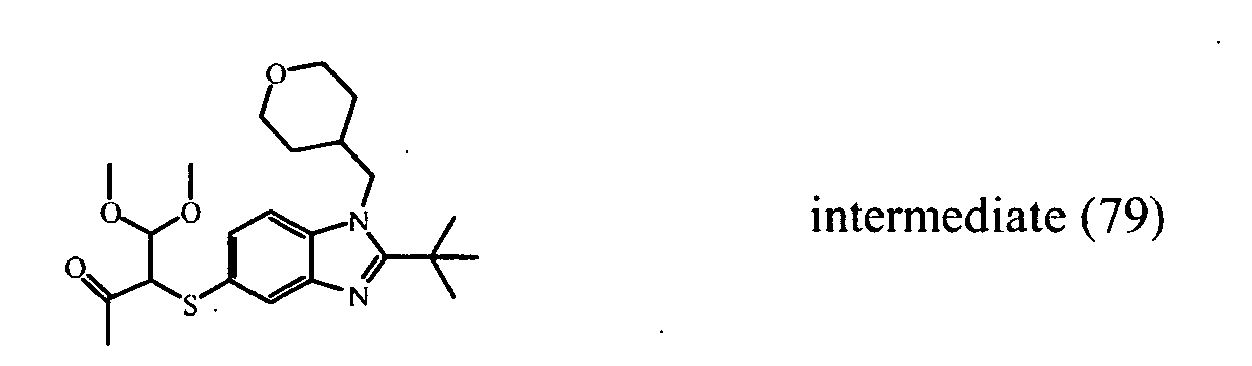
- Reaction under dry conditions and inert N2 atmosphere. A mixture of intermediate (8) (1.5 g, 0.003553 mol) in TFA (20 ml) was refluxed overnight. The reaction mixture was evaporated and an extraction procedure was done with NaHCO3 (degassed saturated solution) and toluene (4 x, degassed). The separated organic layer was dried (Na2SO4), filtered and the solvent was evaporated, yielding residue (1). The residue (1) was divided in 2 parts and each part was further treated in a different way.
- The first part of residue (1) was reacted with 3-bromo-4,4-dimethoxy-2-butanone (0.450 g) in DMF (8 ml; dry) at 0°C. Sodium hydride (60%) (0.051 g) was added. The mixture was reacted for 30 minutes at 0°C and then the mixture was warmed up to room temperature.
- Reaction B: The second part of residue (1) was dissolved in DMF (3ml; dry). A suspension of sodium hydride (60%) (0.051 g) in DMF (2 ml; dry) was added at to the solution at 0°C. The mixture was reacted for 30 minutes at 0°C and subsequently a solution of 3-bromo-4,4-dimethoxy-2-butanone (0.450 g) in DMF (3 ml; dry) was added. The reaction mixture was reacted for 15 minutes at 0°C and was then warmed up to room temperature.
- Both reaction mixtures A and B were extracted with ethyl acetate, NaHCO3 (saturated solution) and water. The separated organic layer was dried (Na2SO4), filtered and the solvent was evaporated, yield 0.76 g crude product from reaction A and 0.74 g crude product from reaction B. Both crude products from reaction A and reaction B were combined and were purified by column chromatography over silica gel (eluent: ethyl acetate/hexane first 1/1, then 7/3). The desired fractions were collected and the solvent was evaporated, yielding intermediate (79).
- b) Preparation of

- Hydrazine dihydrochloride (0.181 g, 0.001728 mol) was added to a solution of intermediate (79) (0.075 g, 0.000173 mol) and ethanol (4.5 ml) in a sealed tube and the reaction mixture was heated at 70-80°C. Subsequently, the mixture was evaporated and an extraction was done with chloroform, NaHCO3 (saturated solution) and water. The separated organic layer was dried (MgSO4), filtered and the solvent was evaporated, yielding 0.075 g of the crude product. The crude was purified by preparative HPLC, yielding 0.057 g of intermediate (80).
- Preparation of

- A mixture of N-(2-hydroxyethyl)acetamide (1 g), dioxane (10ml)and sodium hydride (60%)(0.46g.) was stirred for 30 minutes at 60°C. The reaction mixture was cooled. 4-Bromo-2-fluoropyridine (1 g) was added, and the reaction mixture was stirred for 90 minutes at 110°C. The reaction mixture was poured into 100 ml aq. sat. NH4Cl. The resulting precipitate was isolated by filtration, washed with water and dried in vacuo, yielding 1.16 g of intermediate (84).
- a) Preparation of

- A mixture of 4-bromo-2-fluoropyridine (1.1 equiv.), Pd2(dba)3 (1.7 g), Xantphos (2.2 g) and Cs2CO3 (33 g) in dioxane (q.s.) was degassed. A mixture of 4-chlorobenzenethiol (0.062 mol) in dioxane (q.s.) was added. The reaction mixture was stirred overnight at 100°C under N2 atmosphere. The mixture was filtered and the filtrate's solvent was evaporated. The residue was partitioned between DCM and water. The organic layer was separated, dried, filtered and the solvent evaporated. The residue was purified by flash column chromatography over silica gel (eluent: hexane/DCM 60/40). The product fractions were collected and the solvent was evaporated, yielding intermediate (85).
- b) Preparation of

- 3-Chlorobenzenecarboperoxoic acid (20 g) was added to a mixture of intermediate (85) (0.042 mol) in chloroform. The reaction mixture was stirred for 30 minutes at room temperature. This mixture was partitioned between DCM and an aqueous NaOH solution (2 x). The organic layer was separated, then filtered through Extrelut. The filtrate's solvent was evaporated. The residue was stirred in DIPE, filtered off and dried, yielding intermediate (86).
- c) Preparation of

- A mixture of intermediate (86) (0.011 mol) in sulphuric acid (conc.) (35 ml) was stirred and cooled to 0°C. A mixture of sulphuric acid (conc.) and nitric acid (conc.) (1/1) (5.6 ml) was added dropwise at 0°C. The resultant reaction mixture was stirred for 3 hours at room temperature, then poured out into ice-water. This mixture was extracted with DCM. The separated organic layer was dried (MgSO4), filtered and the solvent evaporated. The residue was suspended in DIPE, filtered off and dried (vacuum, 40°C), yielding 1.7 g of intermediate (87).
- d) Preparation of

- 4,4-Difluoro-cyclohexanemethanamine, trifluoroacetate (crude, 2 equiv.) in some DMSO was added to a mixture of intermediate (87) (0.0025 mol, 0.800 g) and N-ethyl-N-(1-methylethyl)-2-propanamine (0.834 ml) in DMSO (50 ml). The mixture was stirred for 24 hours at 50°C. Water was added. This mixture was extracted with ethyl acetate. The separated organic layer was dried, filtered, and the solvent was evaporated. The residue was purified by reversed-phase HPLC (gradient elution with (NH4OAc 0.5% in water/CH3CN 90/10)/CH3OH/CH3CN). The pure fractions were collected. The organic solvent was evaporated. The aqueous concentrate was extracted. The separated organic layer was dried, filtered and the solvent evaporated, yielding 0.129 g of intermediate (88).
- e) Preparation of

- A mixture of intermediate (88) (0.13 g, 0.0003 mol) in methanol (50 ml) was hydrogenated with a mixture of platinum on activated carbon (5%) and vanadium pentoxide (0.5%) (0.1 g) as a catalyst catalyst in the presence of a thiophene solution (0.1 ml). After uptake of hydrogen (3 equivalents), the catalyst was filtered off and the filtrate was evaporated, yielding intermediate (89).
- f) Preparation of

- Intermediate (89) (0.00024 mol, crude) was dissolved in a mixture of DCM (5 ml) and triethylamine (0.040 ml). 2,2-Dimethylpropanoyl chloride (0.035 ml) was added and the mixture was stirred during 30 minutes at room temperature. This mixture was extracted with DCM. The separated organic layer was washed with water, dried, filtered and the solvent evaporated, yielding intermediate (90).
- g) Preparation of

- A mixture of intermediate (90) (0.00024 mol, crude) in methanol (3 ml) was treated with sodium hydroxide (50%) (7 drops). The reaction mixture was heated in the microwave oven for 20 minutes at 70°C. The solvent was evaporated, yielding intermediate (91).
- a-1) Preparation of

- 2-Bromo-4-chloropyridine (0.0025 mol, 0.5 g), dichlorobis(triphenylphosphine)-palladium (0.055 g, 0.03 equiv.) and copper iodide (0.015 g, 0.03 equiv.) were combined under N2 flow. Triethylamine (6 ml) and ethynyltrimethylsilane (0.407 ml, 1.1 equiv.) were added at 40°C. The mixture was stirred overnight at 40°C. The reaction was quenched by adding water. The mixture was partitioned between DCM and water. The organic layer was separated, dried (MgSO4), filtered and the solvent was evaporated, yielding intermediate (93).
- a-2) Preparation of

- Intermediate (93) (0.0025 mol) was added to a mixture of potassium hydroxide (0.005 mol, 0.280 g) and methanol (4.25 ml) in DCM (2.25 ml). The reaction mixture was stirred during 2 hours at room temperature. The reaction was quenched with water and subsequently extracted with DCM. The separated organic layer was dried (MgSO4), filtered and the solvent evaporated, yielding intermediate (94).
- b) Preparation of

- A mixture of intermediate (94) (0.0025 mol, crude), Pd2(dba)3 (0.063 g, 0.03 equiv.), Xantphos (0.079 g, 0.06 equiv.) and Cs2CO3 (1.2 g, 1.5 equiv.) in 1,4-dioxane (20 ml) was degassed. Intermediate (9) (0.0023 mol) was added and the mixture was stirred overnight at 100°C. The mixture was cooled and filtered. The filtrate was evaporated. The residue was dissolved in DCM and this mixture was extracted with water. The separated organic layer was dried, filtered, and the solvent was evaporated, yielding intermediate (95).
- a) Preparation of
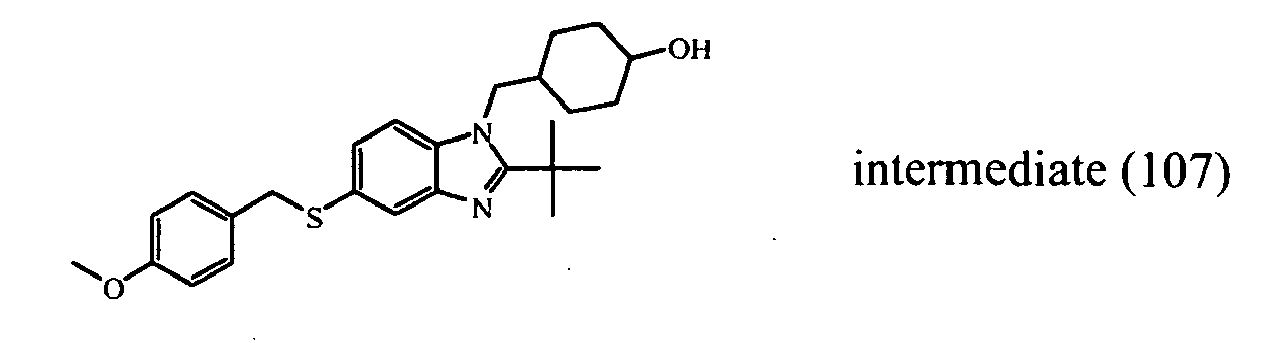
- A mixture of intermediate (106) (0.02 mol), NaBH4 (0.28 g)and methanol (100 ml) was stirred at room temperature for 1 hour. The solvent was evaporated. The residue was taken up in DCM and washed with water. The organic layer was dried (MgSO4), filtered and evaporated, yielding 0.6 g of intermediate (107).
- b) Preparation of

- Intermediate (107) (0.0013 mol) and TFA (10 ml) were stirred in the microwave at 100°C for 25 minutes. The reaction mixture was cooled. The solvent was evaporated. The residue was taken up in ethyl acetate and then washed with water/ NaHCO3 solution. The organic layer was dried (MgSO4), filtered and evaporated. The crude residue was used in the next step, yielding 0.6 g of intermediate (108).
- c) Preparation of

- N2 atmosphere. A mixture of intermediate (108) (0.007 mol), 4-bromo-2-fluoropyridine (0.01 mol), Xantphos (0.15 g) and Pd2(dba)3 (0.2 g) in dioxane (50 ml) was degassed. Cs2CO3 (3.3 g) was added and the reaction mixture was degassed again. The reaction mixture was stirred at 90°C for 1 hour. The reaction mixture was filtered over dicalite. The filtrate was concentrated. The residue was taken up in DCM and washed with water. The organic layer was dried (MgSO4), filtered and evaporated. The residue was purified on the combiflash system (normal phase silica gel) using DCM /CH3OH (100% to 96%/4%) as eluent. The product fractions were collected and evaporated, yielding a residue (1.8 g, mixture of CIS/TRANS 13/80). A part of this residue (0.35 g) of was purified by HPLC (HPLC method C) to separate the CIS/TRANS isomers. The desired product fractions (only the TRANS isomer was used in the next reaction step) were collected and evaporated until complete dryness, yielding 0.14 g of intermediate (109) (1,4-trans isomer (pure)).
- a) Preparation of

- Cs2CO3 was added and the reaction mixture was degassed again. The reaction mixture was stirred at 80-90°C for 2 hours. The reaction mixture was cooled and filtered over dicalite. The filtrate was evaporated. The residue was crystallized from DIPE and a little 2-propanol. The solid was filtered off, washed and dried, yielding 3.5 g of intermediate (113).
- b) Preparation of

- A mixture of intermediate (113) (0.0005 mol) and N-methyl-1-butanamine (10 ml) were stirred in the microwave for 12 hours at 150°C. The excess of N-methyl-1-butanamine was removed by evaporation. The residue was purified by column chromatography using DCM / MeOH:NH3 (100% to 98%/2%) as eluent. The product fractions were collected and evaporated. The residue was used as such in the next reaction, yielding 0.125 g of intermediate (114).
- a) Preparation of

- Reaction under N2 flow. Et3N (2.5 ml) and then 2-(3-butyn-1-yl)-1H-Isoindole-1,3(2H)-dione (0.0011 mol) were added at 40°C to a mixture of 2-bromo-4-chloropyridine (0.001 mol), dichlorobis(triphenylphosphine)-palladium (0.022 g) and copper iodide (0.006 g) and stirred for 10 hours at 40°C. The solvent was evaporated. The residue was partitioned between DCM and water. The mixture was filtered over Isolute and the filtrate's solvent was evaporated. The residue was purified by colum chromatography (eluent: DCM). The desired product fractions were collected and the solvent was evaporated. The residue was suspended in DIPE and the precipitate was filtered off, yielding 0.200 g of intermediate (115).

- Intermediate (128) was prepared in a similar procedure as intermediate (115) starting from 2,4-dichloropyridine and 3-methoxy-1-propyne.
- b) Preparation of

- A mixture of intermediate (115) (0.0026 mol) in methanol (50 ml) was hydrogenated with a catalyst platinum on activated carbon (5%) and a thiophene (4%) in DIPE solution in the presence triethylamine. After uptake of hydrogen (2 equiv.) the catalyst was filtered off and the solvent was evaporated, yielding 0.5 g of intermediate (116).

- Intermediate (129) was prepared in a similar procedure as intermediate (116) starting from intermediate (128). No triethylamine was used in the procedure for intermediate (129).
- a) Preparation of
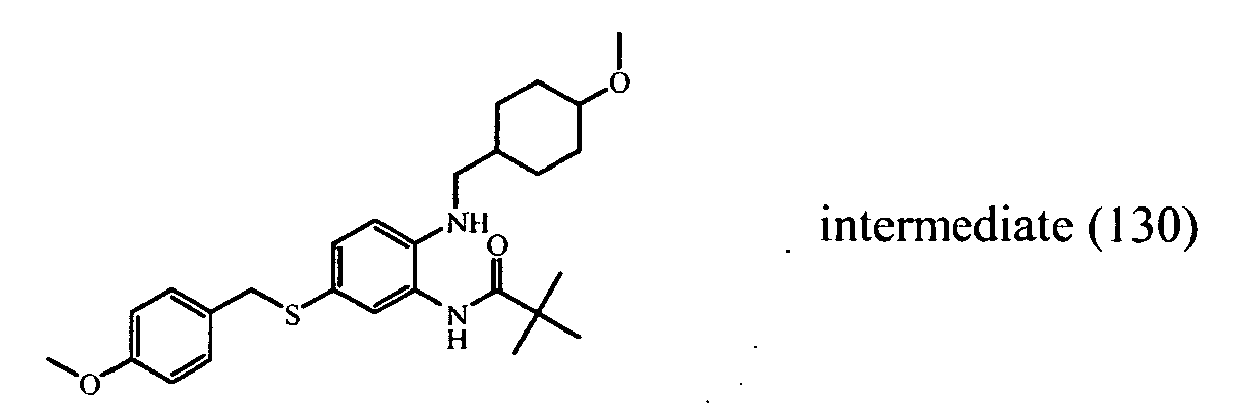
- This reaction was performed twice.
- A mixture of 4-methoxycyclohexanecarboxaldehyde (0.0063 mol) and intermediate (3) (0.0042 mol) was dissolved in ethanol with 1 equiv. hydrogen. After uptake of hydrogen, the reaction mixture was evaporated.
- The second time, the reaction was performed with less intermediate (3) (1.23g). The reaction mixture was extracted (DCM/water). The collected organic layers were dried, filtered and evaporated. Both residues were put together and purified by HPLC (HPLC method A). The desired fractions were collected and the solvent was evaporated, yielding intermediate (30).
- b) Preparation of
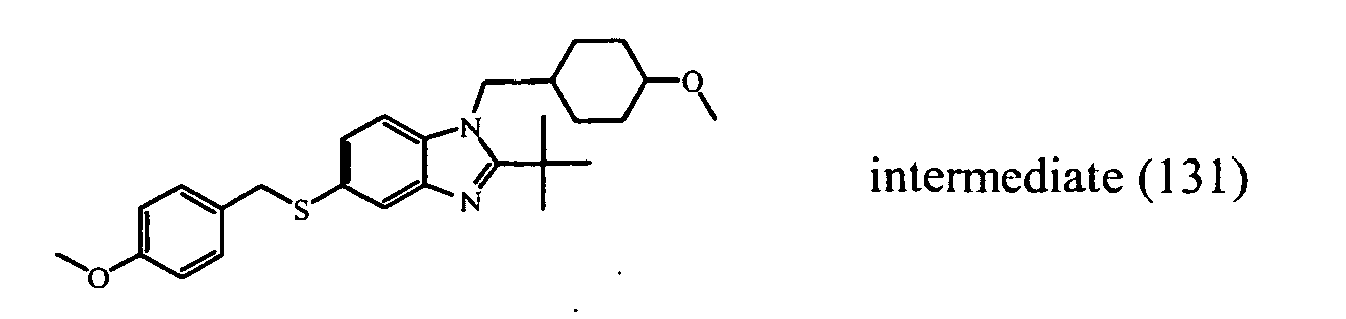
- A solution of intermediate (130) (0.042 mol) in acetic acid (q.s.) and I drop of hydrochloric acid was heated in microwave at 150°C for 40 minutes. Still some starting material left. Residue was heated again for 25 minutes at 150°C. The solvent was evaporated and residue was extracted (DCM/water). The organic layers were collected, dried (MgSO4), filtered and evaporated. The crude residue was used as such in the next reaction, yielding intermediate (131).
- c) Preparation of
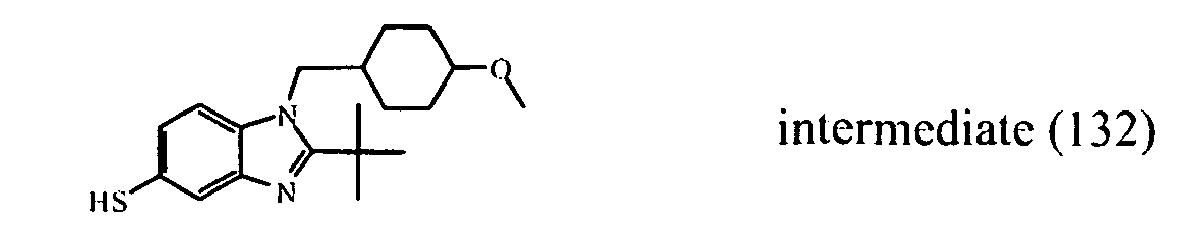
- Intermediate (31) (0.0042 mol) was dissolved in TFA (15 ml). The reaction mixture was stirred in microwave at 100°C for 30 minutes. The reaction mixture was evaporated. The residue was extracted twice (ethyl acetate/NaHCO3). The collected organic layers were dried (MgSO4), filtered and evaporated. The crude residue was used as such in the next reaction, yielding intermediate (132).
- d) Preparation


- A mixture of 4-bromo-2-fluoropyridine (0.635 g), Pd2(dba)3 (catalytic quantity), Xantphos (catalytic quantity) and Cs2CO3 (1.5 g) in 1,4-dioxane (5ml) was degassed by applying alternating N2 atmosphere and vacuum. Intermediate (132) in 1,4-dioxane (15ml) was added under N2-atmosphere. The reaction mixture was stirred at 100°C for 2 hours. The reaction mixture was filtrated. After extraction (DCM/water), the collected organic layers were dried (MgSO4), filtered and the filtrate was evaporated. The residue was purified by HPLC (HPLC method A). Two product fraction groups were collected and their solvents were evaporated, yielding intermediate (133) (trans; relative; mixture) and intermediate (134) (cis; relative; mixture).
- Preparation of

- Reaction under an inert Ar atmosphere. Sodium hydride (60%) (1.81 g, 1.1 equiv.) was suspended in DMF (60 ml) and the suspension was cooled to 0°C. A solution of 4-iodo-1H-pyrazole (8 g, 0.04124 mol) in DMF (20 ml) was slowly added to the cooled suspension and the reaction mixture was stirred for 30 minutes at 0°C and then at room temperature for 30 minutes. The mixture was cooled again to 0°C, and potassium iodide (6.8 g, 1 equiv.) was added, followed by the dropwise addition of 1-bromo-3-methoxypropane (9.47 g). The white suspension was stirred for 30 minutes at 0°C and then at room temperature for 3 hours. The mixture was cooled again to 0°C and was then quenched with water. The mixture was diluted with ethyl acetate and the organic layer was separated. The organic layer was washed with water and brine, dried (Na2SO4), filtered and the solvent was evaporated in vacuo (pale yellow oil). This oily residue was purified by column chromatography over silica gel (eluent: hexane/ethyl acetate 3/1). The desired fractions were collected and the solvent was evaporated, yielding 9.064 g of intermediate (135).
- a) Preparation of

- A mixture of intermediate (3) (0.05 mol) in acetic acid (400 ml) was stirred and refluxed for 3 hours. The reaction mixture was cooled and then the solvent was evaporated. The residue was extracted in DCM/water. The separated organic layer was dried (MgSO4), filtered and the solvent was evaporated, yielding 6.5 g of intermediate (136).
- b) Preparation of

- Reaction under inert Ar atmosphere.
- Intermediate (136) (1 g, 0.00306 mol) was dissolved in TFA (15 ml). The solution was stirred overnight at 100°C. The mixture was cooled and the deep black mixture was concentrated in vacuo. The residue was taken up in ethyl acetate. The organic layer was washed with NaHCO3 (saturated), Water and brine, dried (Na2SO4), filtered and the solvent was evaporated (green residue). This green solid was dissolved in dioxane (15 ml) under an inert atmosphere of Ar. 4-Bromo-2-fluoropyridine (0.00306 mol), Cs2CO3 (1.5 g, 1.5 equiv.), Xantphos (0.09 g) and Pd2(dba)3 (0.08 g) were added. The reaction was degassed for 15 minutes and was then heated for 30 minutes at 80°C. The cooled mixture was concentrated in vacuo and the resulting thick brown oil was taken up in chloroform. The organic layer was washed with NaHCO3 (saturated), water and brine, dried (Na2SO4), filtered and the solvent was evaporated to yield a brown solid. This solid was purified by column chromatography over silica gel (eluent: hexane/ethyl acetate 1/1). The desired fractions were collected and the solvent was evaporated, yielding 0.642 g of intermediate (137).
- c) Preparation of

- Reaction under inert Ar atmosphere.
- Intermediate (137) (0.645 g, 0.00214 mol) was dissolved in DMF. 2-(2-Bromoethyl)-1,3-dioxolane (0.002354 mol) was added and subsequently potassium iodide (0.002354 mol) was added. The brown mixture was cooled to 0°C and sodium hydride (60%) (0.129 g, 1.5 equiv.) was added dropwise. The brown reaction mixture was stirred for 30 minutes at 0°C, and then overnight at room temperature. The mixture was quenched with water and the crude product was extracted with ethyl acetate. The separated organic layer was washed with water and brine, dried (Na2SO4), filtered and the solvent was evaporated, to yield a pale green solid. This solid was taken up in ethyl acetate, and hexane was added. The precipitate (starting material) was filtered off and washed with hexane. The filtrate was concentrated in vacuo. The residue was worked up again, and a second amount of precipitate was filtered off (starting material). The filtrate was evaporated and the residue was purified by column chromatography over silica gel (eluent: hexane/ethyl acetate 1/1). The desired fractions were collected and the solvent was evaporated, yielding 0.302 g of intermediate (138) (mixture of isomers).
- a) Preparation of

- A mixture of4-bromo-N1-[2-(1-pyrrolidinyl)ethyl]-1,2-benzenediamine (0.0350 mol) in DCM (200 ml) was cooled to 0°C. 2,2-Dimethylpropanoyl chloride (0.0350 mol) and then triethylamine (5.8 ml) were added to the reaction mixture and stirred at room temperature for 3 hours. The reaction mixture was washed with water. The separated organic layer was dried (MgSO4), filtered and the solvent was evaporated. The residue was suspended in DIPE, the precipitate was filtered off and dried (vacuo, 40°C), yielding 8 g of intermediate (142).
- b) Preparation of

- A mixture of intermediate (142) (0.0059 mol) in acetic acid (30 ml) was heated for 20 minutes in a microwave at 150°C. The reaction mixture was cooled and the solvent was evaporated. The residue was partitioned between ethyl acetate and water. This mixture was neutralized with an aqueous NaHCO3 solution. The separated organic layer was dried (MgSO4), filtered and the solvent was evaporated, yielding 1.5 g of intermediate (143).
- c) Preparation of

- A mixture of intermediate (143) (0.0005 mol), 4-methoxybenzenemethanethiol (0.001 mol), Pd2(dba)3 (0.040 g) and Xantphos (0.040 g) in dioxane (10ml) was degassed. N-ethyl-N-(1-methylelhyl)-2-propanamine (0.001 mol) was added and the reaction mixture was degassed again. The reaction mixture was stirred at 100°C for 20 hours. The reaction mixture was cooled and the solvent was evaporated. The residue was taken up in DCM and water. The separated organic layer was dried (MgSO4), filtered and the solvent was evaporated. The residue was purified by column chromatography (eluent: DCM/methanol 99/1). The desired product fractions were collected and the solvent was evaporated, yielding 1.2 g of intermediate (144).
- d) Preparation of

- A mixture of intermediate (144) (0.0028 mol) in TFA (15 ml) was heated for 20 minutes in a microwave at 120°C. The solvent was evaporated. The residue was partitioned between ethyl acetate and water. This mixture was neutralized with an aqueous NaHCO3 solution. The separated organic layer was dried (MgSO4), filtered and the solvent was evaporated, yielding intermediate (145).
- e) Preparation of
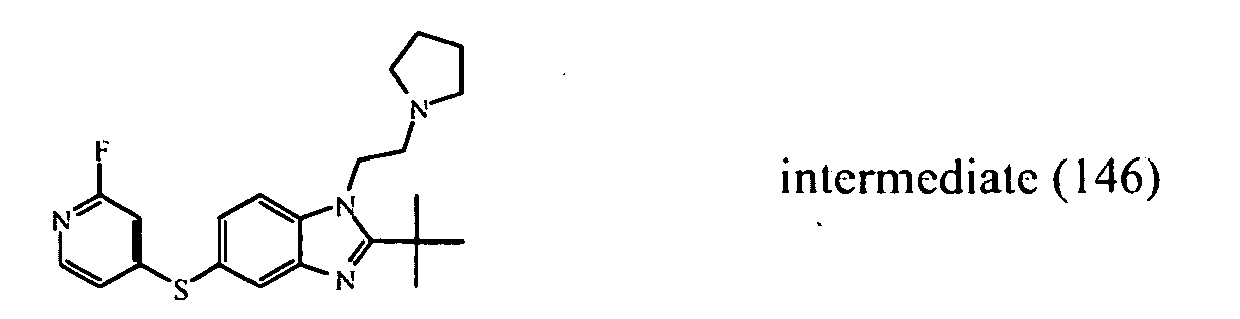
- A mixture of 4-bromo-2-fluoropyridine(0.0028 mol) and cesium carbonate (1.7 g) in dioxane (10 ml) was degassed. Intermediate (145) (theoretical maximum, crude) in dioxane (10 ml) was degassed and added to the reaction mixture. Then Pd2(dba)3 (0.110 g) and Xantphos (0.150 g) were added to the reaction mixture and the reaction mixture was degassed. The reaction mixture was stirred at 100°C for 1 hour. The reaction mixture was cooled and the solvent was evaporated. The residue was taken up in ethyl acetate and water. The separated organic layer was dried (MgSO4), filtered and the solvent was evaporated. The residue was purified by column chromatography (eluent: DCM/methanol 99/1). The desired product fractions were collected and the solvent was evaporated, yielding 0.450 g of residue. 0.100 g of residue was purified by high performance liquid chromatography (standard gradient elution with NH4HCO3 buffer). The desired product fractions were collected and the solvent was evaporated. The residue was suspended in DIPE, the precipitate was filtered off and dried (vacuo, 40°C), yielding 0.029 g of intermediate (146).
- Preparation of


- Cs2CO3 (1 g) was added to a mixture of 5-bromo-2(1H)-pyridinone (0.870 g) and dioxane (6 ml). The resulting mixture was degassed by alternating vacuum and nitrogen atmosphere (3 cycles). Then a mixture of intermediate (9) (0.00157 mol) in dioxane (4 ml) was added, followed by Xantphos (0.056 g) and Pd2(dba)3 (0.044 g). The resulting reaction mixture was degassed again by alternating vacuum and nitrogen atmosphere (3 cycles). The reaction mixture was shaken overnight in a closed vessel at 100°C. The mixture was then concentrated under a stream of nitrogen at 65°C. The residue was partitioned between DCM and water and filtered over an Isolute HM-N™ filter to remove the aqueous phase. The organic layer was concentrated under a stream of nitrogen. The residue was purified by reversed phase high-performance liquid chromatography. The product fractions were collected and the solvent was evaporated, yielding intermediate (23). A part of intermediate (23) (0.296 g) was dissolved in chloroform (15 ml) and mCPBA (0.405 g; 2.2 equiv.) was added. This mixture was shaken at room temperature overnight. The organic layer was washed with NaOH (1 N) and the product was in the water layer. Acetic acid was added to the water layer and an extraction was performed with DCM. The organic layer was filtered over an Isolute HM-N™ filter and the solvent was evaporated. The residue was purified by reversed phase high-performance liquid chromatograpy. The desired fractions were collected and the solvent was evaporated, yielding compound (1) (mp. 251°C).
- Preparation of



- Cs2CO3 (1 g) was added to a mixture of 4-chloropyridine-N-oxide (0.650 g) in dioxane (6 ml). Then a mixture of intermediate (9) (0.00156 mol) in dioxane (4 ml) was added. The resulting reaction mixture was shaken overnight at 80°C. The mixture was cooled and was then concentrated under a stream of nitrogen. The residue was partitioned between DCM and water and filtered over an Isolute HM-N™ filter to remove the aqueous phase. The residue was purified by reversed phase high-perfomiance liquid chromatography. The product fractions were collected and the solvent was evaporated, yielding intermediate (24) (mp. : 186-187°C). A part of intermediate (24) (0.370 g) was dissolved in chloroform (15 ml) and mCPBA (0.430 g; max. 2 equiv.) was added. This mixture was shaken at room temperature overnight. The organic layer was washed with NaOH (1 N), with water and the filtrate was filtered over an Isolute HM-N™ filter and concentrated under a stream of nitrogen. The residue was purified by reversed phase HPLC. Two different product fractions were collected and the solvent was evaporated, yielding 0.038 g compound (2) and 0.280 g of compound (3) (mp. 203°C).
- The heterocyclic reagent 4-chloropyridine-N-oxide can be replaced by other heterocycles such as e.g. 3,6-dichloropyridazine 1-(6-chloro-3-pyridinyl)ethanone, 6-chloro-3-pyridinecarboxamide for the preparation of other compounds of the invention.
- Preparation of

- Cs2CO3 (0.0075 mol) was added to a mixture of 5-acetyl-2-bromopyridine (0.0065 mol) in dioxane (10 ml). The mixture was degassed with nitrogen. Intermediate (9) (0.005 mol) dissolved in dioxane (10 ml) was added to the reaction mixture which was degassed again with nitrogen. Xantphos (0.115 g) and then Pd2(dba)3 (0.090 g) were added to the reaction mixture and degassed again with nitrogen. The reaction mixture was stirred overnight at 100°C. Water (150 ml) was added. This mixture was extracted twice with DCM (100 ml). The combined organic layers were dried, filtered and the solvent was evaporated. The residue was dissolved in chloroform (4 g) and then mCPBA (100 ml) was added. The reaction mixture was stirred overnight at room temperature. The reaction mixture was washed first twice with NaOH aqueous solution (IN, 100 ml), and then washed with water (100 ml). The separated organic layer was dried, filtered and the solvent was evaporated. The residue was purified by column chromatography over silica gel (eluent : CH2Cl2/(CH3OH/NH3) from 100/0 to 97/3). The product fractions were collected and the solvent was evaporated, yielding compound (4).
- Preparation of
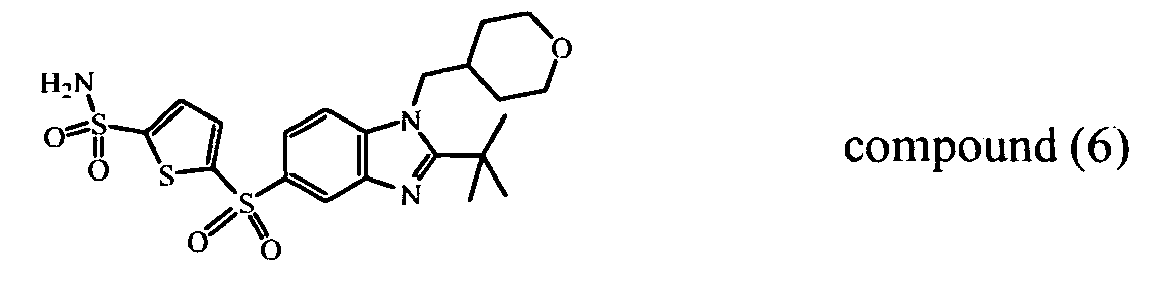
- A mixture of intermediate (25) (0.002 mol) and mCPBA (0.005 mol) in chloroform (50 ml) was stirred at room temperature for 30 minutes. Then water was added. The separated organic layer was dried, filtered and the solvent was evaporated. The residue was purified by reversed phase chromatography. The desired fractions were collected and the solvent was evaporated, yielding 0.30 g of compound (6).
- Preparation of

- A mixture of compound (18) (0.00021 mol) and NH3 in ethanol (5 ml) was stirred for two days at 120°C. The reaction mixture was extracted with DCM. The organic layer was removed, evaporated and the residue was purified by column chromatography over silica gel (eluent : CH2Cl2/CH3OH gradient from 100/0 to 96/4). The product fractions were collected and the solvent was evaporated, yielding 0.051 g of compound (19).
- Preparation of

- 3-Chloro-6-methoxypyridazine (0.006 mol) was dissolved in 1,4-dioxane (10 ml). Cs2CO3 (2.1 g) was added and the mixture was degassed. A degassed solution of intermediate (19) (0.003 mol) in 1,4-dioxane (10 ml) was added. Pd2(dba)3 (0.080 g) was added and the mixture was degassed. Xantphos (0.095 g) was added and the mixture was degassed. The reaction mixture was stirred for 20 hours at 100°C, then cooled and the solvent was evaporated. The residue was partitioned between ethylacetate and water. The organic layer was separated, dried, filtered and the solvent was evaporated. The residue was stirred in chloroform (30 ml). This mixture was treated with mCPBA (2.1 g). The reaction mixture was stirred for one hour at room temperature, then it was washed with 1 N NaOH (2 x). The organic layer was separated, dried, filtered and the solvent was evaporated. The residue was purified by column chromatography over silica gel (eluent: CH2Cl2/CH3OH 99/1). The product fractions were collected and the solvent was evaporated. The residue was purified by reversed-phase HPLC (gradient elution with NH4HCO3 buffer (0.25 % in water)/CH3OH/CH3CN). The product fractions were collected and the solvent was evaporated. Methanol was added and evaporated again. The residue was dissolved in diethyl ether and converted into the hydrochloric acid salt (1:1) with HCl/diethyl ether. The resulting precipitate was filtered off and dried, yielding 0.034 g of compound (26).
- Preparation of


- Cs2CO3 (1 g) was added to a mixture of 3-iodopyridine (1 g) and dioxane (6 ml). The resulting mixture was degassed by alternating vacuum and N2 atmosphere (3 cycles). Then a mixture of intermediate (9) (max. 0.00157 mol) in dioxane (4 ml) was added, followed by Xantphos (0.056 g) and Pd2(dba)3 (0.044 g). The resulting reaction mixture was degassed again by alternating vacuum and N2 atmosphere (3 cycles). The reaction mixture was shaken overnight in a closed vessel at 100°C. The mixture was concentrated under a stream of N2 at 65°C. The residue was partitioned between CH2Cl2 and H2O and filtered over an ISOLUTE HM-N filter to remove the aqueous phase. The organic layer was concentrated under a stream of N2. The residue was purified by reversed phase high-performance liquid chromatography. The product fractions were collected and the solvent was evaporated, yielding 0.240 g of intermediate (140). A part of intermediate (140) (0.215 g) was dissolved in chloroform (15 ml) and mCPBA (2.5 equiv.) was added. This mixture was shaken at room temperature overnight. The organic layer was washed 2x with NaOH (1 N, 5 ml), with H2O (5 ml) and the organic layer was filtered over an ISOLUTE HM-N filter. The filtrate was concentrated under a stream of N2. The residue was purified by reversed-phase HPLC. The desired product fraction was collected and the solvent was evaporated, yielding 0.028 g of compound (34).
- a) Preparation of
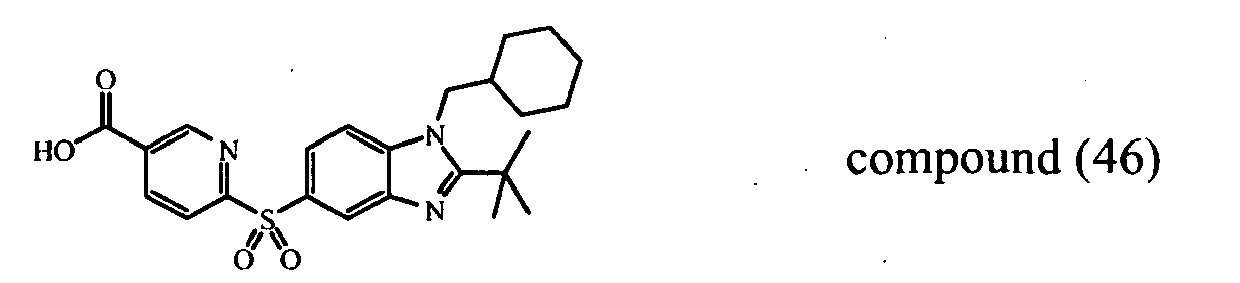
- A mixture of compound (35) (0.0021 mol) and a solution of lithium hydroxide in water (1N) (10 ml) in THF (40 ml) was stirred at room temperature overnight. The reaction mixture was neutralized to pH=7 with 1N HCl aqueous solution. The solvent was evaporated. The residue was purified by reversed-phase HPLC (gradient elution with NH4HCO3 buffer (0.25 % in water)/CH3OH/CH3CN). The product fractions were collected and worked-up, yielding 0.7 g of compound (46).
- b) Preparation of

- Compound (46) (0.00044 mol) was added to a mixture of triethylamine (0.00066 mol) in chloroform (10 ml). 2-Methoxy-ethanamine (0.0006 mol) was added and was shaken overnight at room temperature. DCM (100 ml) was added. This mixture was washed 2 times with water (100 ml). The separated organic layer was dried (MgSO4), filtered and the solvent was evaporated. The residue was purified by reversed-phase HPLC (gradient elution with NH4HCO3 buffer (0.25 % in water)/CH3OH/CH3CN). The product fractions were collected and and worked-up. The residue was triturated under acetonitril. The precipitate was filtered off, yielding 0.105 g compound (37) (mp. 206°C to 207°C).
- The following compound was prepared in a similar way using pyrrolidine instead of 2-methoxy-ethanamine as reagent

- Preparation of

- NaBH4 (0.003 mol) was added to a mixture of compound (40) (0.001 mol) in a mixture of methanol/ethanol(50/50) (20 ml), stirred at room temperature under N2 atmosphere. The reaction mixture was stirred overnight at room temperature. The reaction mixture was concentrated. DCM (100 ml) was added. Water (50 ml) was added. The organic layer was separated, dried (MgSO4), filtered and the solvent was evaporated. The residue was crystallized from DIPE/2-propanol. The precipitate was filtered off, washed and dried, yielding 0.290 g of compound (41).
- a) Preparation of

- NaBH4 (0.015 mol) was added to a mixture of compound (4) (0.001 mol) in ethanol (30 ml) and stirred at room temperature. DCM (30 ml) was added and stirred for 2 hours at room temperature. The reaction mixture was quenched with HCl 1N aqueous solution (10 ml). Water (100 ml), NH4OH aqueous solution (20 ml) and DCM (100 ml) were added to the reaction mixture. The mixture was separated into aqueous layer and organic layer. The aqueous layer was re-extracted with DCM (100 ml). The organic layers were combined and washed with brine. The separated organic layer was dried (MgSO4), filtered and the solvent was evaporated. The residue was purified by column chromatography over silica gel (eluent: DCM/(CH3OH/NH3) from 100/0 to 94/6). The product fractions were collected and the solvent was evaporated, yielding 0.36 gof product. This product (0.36 g) was triturated under DIPE/CH3CN. The precipitate was filtered off, yielding compound (42) (mp. 177°C to 179°C).
- b) Preparation of

- Sodium hydride (60%) (0.00125 mol) was added to a mixture of compound (42) (0.000656 mol) in THF (15 ml) and was stirred for 20 minutes at room temperature. Iodomethane (0.0014 mol) was added and stirred at room temperature overnight. Sodium hydride (60%) (0.00125 mol) was added again and stirred for 20 minutes at room temperature. Then iodomethane (0.0014 mol) was added again and stirred over the weekend at 40°C. Water (100 ml) and DCM (100 ml) were added. After extraction, the separated organic layer was dried (MgSO4), filtered and the solvent was evaporated. The residue was purified by reversed-phase HPLC (gradient elution with NH4HCO3 buffer (0.25 % in water)/CH3OH/CH3CN). The product fractions were collected and the solvent was evaporated. The residue was re-crystallized from DIPE/few drops of CH3CN and the precipitate was filtered off, yielding 0.110 g of compound (49) (mp. 140°C).
- Preparation of


- Cs2CO3 (0.015 mol) was added to a mixture of 5-bromo-3-pyridinecarbonitrile (0.013 mol) in dioxane (20 ml). The mixture was degassed with N2. Intermediate (9) (0.01 mol) in dioxane (20 ml) was added to the reaction mixture and degassed again with N2. Xantphos (0.230 g) and then Pd2(dba)3 (0.180 g) were added to the reaction mixture and degassed again with N2. The reaction mixture was stirred overnight at 100°C. Water (150 ml) was added. This mixture was extracted 2 times with DCM(100 ml). The combined organic layers were dried (MgSO4), filtered and the solvent was evaporated. The residue was purified by combiflash column chromatography over silica gel (eluent: DCM/(CH3OH/NH3) from 100/0 to 98/2). The product fractions were collected and the solvent was evaporated, yielding 2 g of intermediate (141). Intermediate (141) (2 g) was dissolved in chloroform (3 g) and then 3-chlorobenzene-carboperoxoic acid (50 ml) was added. The reaction mixture was stirred for 2 hours at room temperature. The reaction mixture was washed first 2 times with NaOH 1N aqueous solution (200 ml), and then washed with brine (200 ml). The separated organic layer was dried (MgSO4), filtered and the solvent was evaporated. The residue was purified by combiflash column chromatography over silica gel (eluent: DCM/(CH3OH/NH3) from 100/0 to 98/2). The product fractions were collected and the solvent was evaporated. The residue was re-crystallized from 2-propanol/CH3CN and the precipitate was filtered off, yielding 0.9 g of compound (43) (mp. 240°C).
- Preparation of

- Compound (43) (0.0006 mol) in sulfuric acid (4 ml) was stirred at 30°C-40°C for 5 hours. The reaction mixture was poured out on ice (100 ml). This mixture was extracted 4 times with DCM/CH3OH (100 ml). The combined organic layers were dried (MgSO4), filtered and the solvent was evaporated. The residue was re-crystallized from DCM and the precipitate was filtered off, yielding 0.170 g of compound (44) (mp. 259°C).
- Preparation of
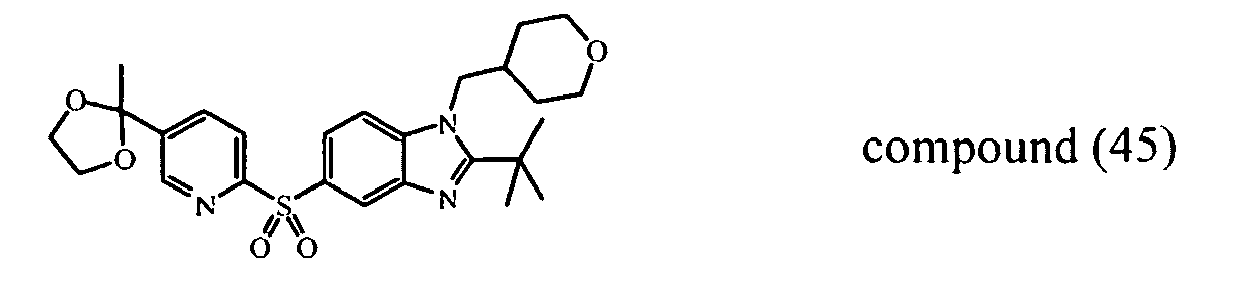
- A mixture of compound (4) (0.0032 mol), 1,2-ethanediol (1 ml) and 4-methylbenzenesulfonic acid (0.6 g) in toluene (70 ml) was stirred at reflux with a water separator. The reaction mixture washed with NaHCO3 saturated aqueous solution. The separated organic layer was dried (MgSO4), filtered and the solvent was evaporated. The residue was purified by reversed-phase HPLC (gradient elution with NH4HCO3 buffer (0.25 % in water)/GH3OH/CH3CN). The product fractions were collected and the solvent was evaporated. The residue was re-crystallized from DIPE/CH3CN and the precipitate was filtered off., yielding 0.606 g of compound (45) (mp. 191 °C).
- Preparation of

- A mixture of compound (6) (0.15 g, 0.0003 mol) and 2-propanol (10 ml) was heated. A mixture of 2-propanol and HCl (6N) (1 ml) was added. Then the mixture was cooled. The precipitate was filtered off, washed and dried, yielding 0.060 g of compound (47.
- Preparation of

- A mixture of intermediate (33) (0.013 mol) and 3-chlorobenzenecarboperoxoic acid (0.030 mol) in chloroform (150 ml) was stirred at room temperature for 30 minutes. Then water was added. The separated organic layer was dried (MgSO4), filtered and the solvent was evaporated. The residue was purified by column chromatography over silica gel (eluent: DCM/CH3OH from 100/0 to 98.5/1.5). The product fractions were collected and the solvent was evaporated. The residue was solidified in DIPE, then filtered off, washed and dried, yielding 3.3 g of compound (170).
- Preparation of

- A mixture of compound (170) (0.0045 mol), hydroxylamine (0.009 mol) and NaHCO3 (0.009 mol) in 2-propanol (40 ml) was stirred for 5 hours at 60°C, then cooled and the solvent was evaporated. The residue was taken up into DCM. The organic solution was washed with water, dried (MgSO4), filtered and the solvent was evaporated., yielding 1.36 g of compound (171).
- Preparation of

- A mixture of compound (171) (0.0011 mol) and trifluoro[1,1'-oxybis[ethane]]boron (0.200 ml) in trimethoxymethane (2 ml) was stirred for 2 hours at 80°C. The reaction mixture was cooled and the solvent was evaporated. The residue was taken up into DCM and the organic solution was washed with water, then dried (MgSO4), filtered and the solvent was evaporated. The residue was crystallized from DIPE with a small amount of 2-propanol. The precipitate was filtered off , washed and dried, yielding 0.325 g of compound (48).
- Preparation of

- A mixture of compound (40) (0.0011 mol) in diethyl ether (10 ml) and THF (5 ml) was stirred at room temperature under N2 atmosphere. A solution of bromomethylmagnesium in diethyl ether (3M) (0.0030 mol) was added dropwise. The reaction mixture was stirred overnight. Water was added carefully. More diethyl ether was added. The organic layer was separated, dried (MgSO4), filtered and the solvent was evaporated. The residue was purified by reversed-phase HPLC (gradient elution with NH4HCO3 buffer (0.25 % in water)/CH3OH/CH3CN). The product fractions were collected and the solvent was evaporated. Methanol was added and co-evaporated, yielding 0.445 g of compound (53).
- Preparation of

- Compound (62) (0.00021 mol) in 2-propanol (5 ml) was stirred at room temperature. Then methanesulfonyl chloride (0.00031 mol) was added. The reaction mixture was warmed up and then cooled. The precipitate was filtered off, washed and dried, yielding 0.077 g of compound (64).
- Preparation of


- A mixture of compound (69) (0.00025 mol) and a solution of sodium methylate in methanol(30%) (0.5 ml) in methanol (10 ml) was stirred overnight at room temperature. The solvent was evaporated. The residue was purified by reversed-phase HPLC. Two product fraction groups were collected and worked-up, yielding 0.015 g of compound (77) and 0.022 g of compound (78).
- Preparation of


- A mixture of intermediate (44) (0.00133 mol) and 3-chlorobenzene-carboperoxoic acid (0.0027 mol) in chloroform (15 ml) was shaken overnight at room temperature. The mixture was washed with 1 N NaOH (2 x 15 ml), once with water (15 ml). The organic phase was filtered through an Isolute HM-N filter, and the filtrate's solvent was evaporated under a stream of N2. The residue was purified by reversed-phase HPLC. Two product fractions were collected and their solvent was evaporated. Each fraction was crystallized from DIPE/2-propanol, filtered off and dried, yielding 0.155 g of compound (85) and 0.161 g of compound (84).
- Preparation of


- 3-Chlorobenzenecarboperoxoic acid (0.007 mol) was added portionwise to intermediate (45) (0.00348 mol) in chloroform (20 ml). The reaction mixture was shaken overnight at room temperature. The organic mixture was washed with 1 N NaOH (2 x 20 ml), once with water (20 ml), then filtered through an Isolute HM-N filter, and the filtrate's solvent was evaporated under a stream of N2. The residue was purified by reversed-phase HPLC. Different product fractions were collected and their solvent was evaporated. Each residue was crystallized from DIPE/2-propanol. Each precipitate was filtered off and dried, yielding 0.242 g of compound (86); 0.213 g of compound (87) and 0.1 g of compound (88).
- Preparation of

- A mixture of intermediate (46) (0.0043 mol) and 3-chlorobenzene-carboperoxoic acid (0.005 mol) in chloroform (80 ml) was shaken for one hour at room temperature. More 3-chlorobenzenecarbopcroxoic acid (0.005 mol) was added and the reaction mixture was shaken overnight at room temperature. The mixture was washed with 1 N NaOH (2 x 75 ml), once with water (75 ml). The organic phase was dried (MgSO4), filtered and the solvent was evaporated. The residue was purified by column chromatography over silica gel (eluent: DCM/(CH3OH/NH3) 97/3). The product fractions was collected and the solvent was evaporated. The residue (1.35 g) was purified further by reversed-phase HPLC. The desired fraction groups were collected and the solvent was evaporated. The residue of the desired product was crystallized from 2-propanol/DIPE, yielding0.646 g of compound (89).
- Preparation of

- A mixture of intermediate (30) (0.77 g, 0.0019 mol), mCPBA (70%)(1.17 g, 0.0047 mol) and chloroform (40 ml) was stirred at room temperature for 1 hour. Chloroform (100 ml) was added and the mixture was washed with a NaOH solution (1 N; 2 x 100 ml). The organic layer was dried (MgSO4), filtered and the solvent was evaporated. The residue was purified by column chromatography over silica gel (eluent: DCM/CH3OH(NH3) from 100/0 till 97/3. The desired fractions were collected and the solvent was evaporated. The residue was dissolved in 2-propanol (approx. 50 ml) and methylsulfonic acid (0.12 g was added). The methylsulfonate salt crystallized from this solution. The product was filtered off, washed with 2-propanol/DIPE and dried (in vacuo), yielding 0.63 g of compound (93).
- a) Preparation of

- A mixture of compound (11) (0.0036 mol, 1.6 g) in hydrochloric acid was stirred and refluxed for 1 hour. The reaction mixture was cooled and DCM was added. The organic layer was separated, dried, filtered and the solvent evaporated, yielding 1.108 g of compound (94).
- b) Preparation of

- A mixture of compound (94) (0.0005 mol, 0.200 g, 1 equiv.) and 1,1-dimcthoxy-N,N-dimethylmethanamine (0.100 ml, 1.5 equiv.) in DMF (1 ml) was stirred and refluxed until reaction was complete. Ice was added. Residue 1 precipitated from the mixture. The rest of the mixture was extracted with DCM. Water was added. The organic layer was separated, dried, filtered, and the solvent was evaporated, yielding residue 2. Residue 1 and 2 were combined and the mixture was triturated under 2-propanol. The precipitate was filtered off and dried in vacuo, yielding 0.125 g of compound (100).
- Preparation of
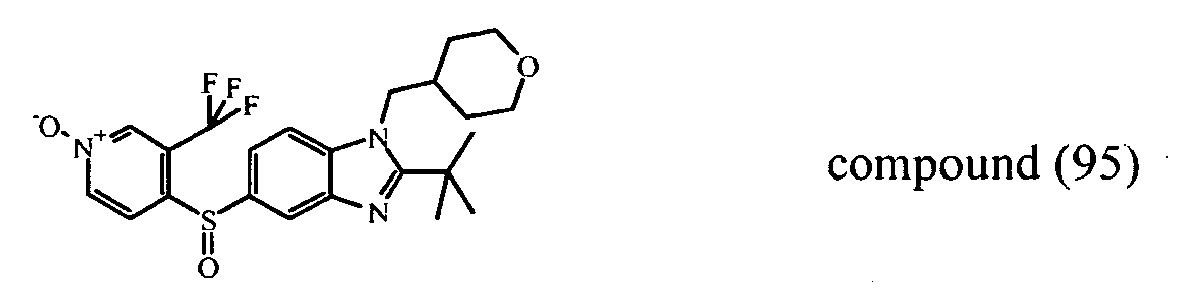
- A mixture of intermediate (54) (0.00122 mol) and 3-chlorobenzenecarboperoxoic acid (0.0027 mol) in chloroform (15 ml) was shaken for 3 hours at room temperature. More 3-chlorobenzenecarboperoxoic acid (0.32 g) was added and the reaction mixture was shaken overnight at room temperature. The mixture was washed with 1 N NaOH (2 x 15 ml), once with water (15 ml). Then the organic phase was filtered through an Isolute HM-N filter, and the filtrate's solvent was evaporated under a stream of N2. The residue was purified by reversed-phase HPLC. The product fraction was collected and worked-up, yielding 0.100 g of compound (95).
- Preparation of

- A mixture of intermediate (56) (0.00121 mol) and 3-chlorobenzenecarboperoxoic acid (0.00242 mol) in chloroform (18 ml) was shaken for 2 hours at room temperature. The mixture was washed with 1 N NaOH (2 x 15 ml), once with water (15 ml), then filtered through an Isolute HM-N filter, and the filtrate's solvent was evaporated under a stream of N2. The residue was purified by Combiflash flash column chromatography over silica gel (eluent: DCM/(CH3OH/NH3) from 100/0 to 96/4). The desired product fraction was collected and the solvent was evaporated, yielding 0.110 g of compound (101).
- Preparation of

- 3-Chlorobenzenecarboperoxoic acid (1g) was added in 2 portions to a solution of intermediate (63) (0.001 mol) in chloroform (40 ml) at room temperature. The reaction mixture was stirred at room temperature for 30 minutes. The reaction mixture was washed with water/NaOH. The organic layer was dried (MgSO4), filtered and evaporated. The residue was purified over a filter with silica gel using DCM/CH3OH(7N NH3) from 100/0 to 96/4 as eluent. The product fractions were collected and evaporated. The product was crystallized from DIPE and 2-propanol. The solid was filtered off, washed and dried, yielding 0.24g of compound (159).
- Preparation of

- 3-Chlorobenzenecarboperoxoic acid (0.2 g) was added in 2 portions to a solution of intermediate (64) (0.003 mol) in chloroform (20 ml) at room temperature. The reaction mixture was stirred at room temperature for 30 minutes. The reaction mixture was washed with water/NaOH. The organic layer was dried (MgSO4), filtered and evaporated. The residue was purified over a column with silica gel using DCM/CH3OH(7N NH3) from 100/0 to 98/2 as eluent. The product fractions were collected and evaporated. The residue was crystallized from 2-propanol and some DIPE. The solid was filtered off, washed and dried, yielding 0.058g of compound (168).
- Preparation of

- A mixture of intermediate (67) (0.0007 mol), 3-chlorobenzonecarboperoxoic acid (36 g) and chloroform (20 ml) was shaken at room temperature for 20 minutes. The reaction mixture was washed with 2x 15ml 1N aq. NaOH, 1x 15ml water, and filtered over an isolute HM-N filter. The solvent was removed under a stream of N2 at 50°C, and the residue crystallized from DIPE, yielding 0.2g of compound (156).
- Preparation of

- Intermediate (71) (0.0023 mol) was dissolved in chloroform (40 ml) at room temperature. 3-Chlorobenzenecarboperoxoic acid (0.567 g) was added slowly (exothermic reaction) and the mixture was stirred for 30 minutes. The reaction mixture was extracted twice with saturated NaHCO3 and once with 1N NaOH. The organic layers were washed with water and dried (MgSO4). The residue was purified by HPLC (HPLC method A). The desired fractions were collected and the solvent was evaporated, yielding compound (163).
- a) Preparation of

- A mixture of compound (51) (0.0003 mol), Raney nickel (0.02 g) and NH3 in methanol (50 ml) was catalytic hydrogenated under hydrogen atmosphere at 14°C. After uptake H2 (2 equivalents) the reaction mixture was filtered over dicalite, and concentrated. (During evaporation the reaction mixture turns dark green,). The residue was purified by reversed phase HPLC (gradient elution with NH4HCO3 buffer (0.25 % in water)/CH3OH/CH3CN), yielding 115 mg of compound (116).
- b) Preparation of

- A mixture of compound (116) (0.0002 mol), acetic acid 1,1'-anhydride (0.0003 mol) and DCM (10 ml) was shaken at room temperature for 2 hours. The organic layer was washed with 2 x 15ml sat. aq. NaHCO3 solution and 1x with 15ml water. The mixture was filtered over an isolute HM-N filter. The filtrate was dried under stream of nitrogen at 60°C. The residue was crystallized from DIPE/2-propanol, yielding 71 mg of compound (117).
- Preparation of


- A solution of intermediate (80) (0.07 g, 0.000182 mol) in chloroform (ethanol free) (3 ml) was cooled to 0°C. mCPBA (70%)(0.135 g, 0.000546 mol) was added. The mixture was stirred for 30 minutes at 0°C and then for 2 hours at room temperature. An extra amount of mCPBA (70%) (3 equiv.) was added and the mixture was stirred again for 90 minutes. Then the mixture was diluted with chloroform and an extraction procedure was done with NaOH (1 N); water and NaCl. After the extraction, two products (A and B) were obtained.
- Product A: The separated organic layer was evaporated, yielding 0.040 g of crude residue A. The crude was purified by column chromatography over silica gel. The desired fractions were collected and the solvent was evaporated, yielding 0.028 g of compound (137).
- Product B: The aqueous layer (NaOH) obtained after the extraction was also evaporated. The residue was triturated with chloroform in an ultra-sonic bath for 15 minutes, filtered and concentrated, yielding 0.040 g of compound (118).
- Preparation of

- A mixture of intermediate (91) (0.00024 mol, crude) in acetic acid (3 ml) was heated for 20 minutes at 150°C in a microwave oven. Hydrochloric acid (2 drops) was added and the reaction mixture was heated for 2 hours at 150°C (microwave oven). Upon cooling, the solvent was evaporated. The residue was partitioned between DCM and an aqueous NaHCO3 solution. The organic layer was separated, dried, filtered and the solvent evaporated. The residue was separated and purified by reversed-phase HPLC (gradient elution with (NH4OAc 0.5% in water/CH3CN 90/10)/CH3OH/CH3CN). The desired product fraction was collected and worked-up, yielding 0.006 g of compound (122).
- a) Preparation of
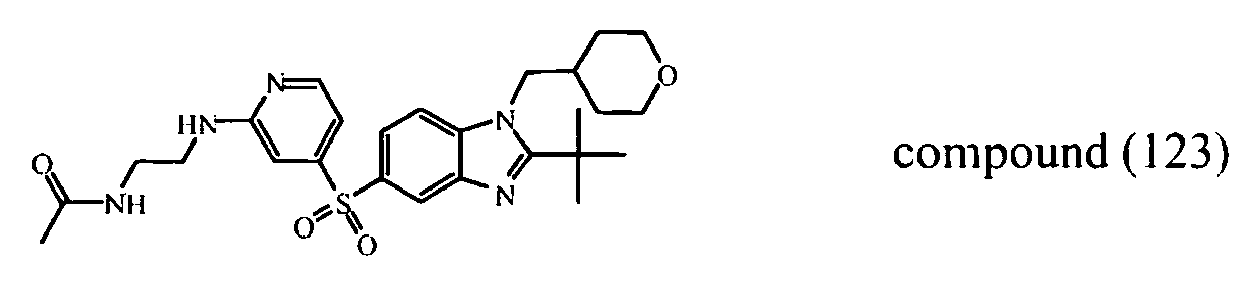
- A reaction mixture of compound (25) (0.0007 mol) and N-(2-aminoethyl)acetamide (0.0022 mol) in dioxane (15 ml) was stirred at 110°C for 20 hours. The reaction mixture was cooled and the solvent was evaporated. The residue was taken up in DCM and water. The separated organic layer was dried (MgSO4), filtered and the solvent was evaporated. The residue was purified by column chromatography (eluent: DCM/CH3OH from 100/0 to 98/2). The product fractions were collected and the solvent was evaporated. The residue was suspended in DIPE/ drop CH3CN. The precipitate was filtered off and dried (vacuo, 50°C), yielding 0.100g of compound (123).
- Compound (126) can be prepared in a similar way as compound (123) starting from compound (25) and using 3-methoxy-1-propanamine instead of N-(2-aminoethyl)-acetamide

- b) Preparation of

- Reaction under N2. Sodium hydride (60%) (0.001 mol) was added to compound (25)(0.0007 mol) in THF (5 ml) and stirred for 15 minutes at 40°C. Then 4-morpholine-propanol (0.001 mol) in THF (5 ml) was added. The reaction mixture was stirred at 50°C for 20 hours. The reaction mixture was cooled and the solvent was evaporated. The residue was taken up in DCM/water. The organic layer was separated, dried (MgSO4), filtered and the filtrate's solvent was evaporated. The residue was purified by reversed-phase HPLC (gradient elution with NH4HCO3 buffer (0.25 % in water)/CH3OH/CH3CN). The product fractions were collected and the solvent was evaporated. This residue was stirred at 0°C in ethyl acetate and HCl in 2-propanol. The precipitate was filtered off and dried (vacuo, 60°C), yielding 0.044 g of compound (135).
- c) Preparation of
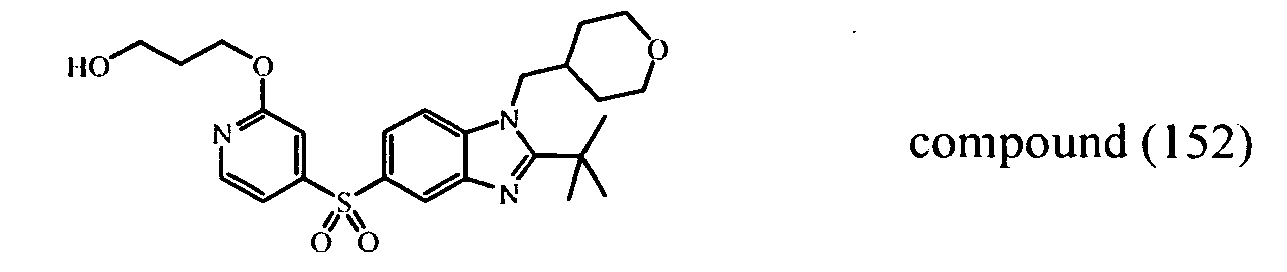
- A mixture of compound (25) (0.0016 mol), 1,3-propanediol (0.005 mol), 2-methyl-2-propanol, potassium salt in THF (1M)(2 ml) and dioxane (10 ml) was stirred at 80°C for 2 hours. The reaction mixture was cooled. Water (100 ml) was added and the mixture was extracted with 5x 80 ml DCM. The organic layer was dried (MgSO4), and concentrated, yielding 0.7g of residue. The residue was purified by reversed-phase HPLC (HPLC method B) and worked-up (crystallized from DIPE), yielding 0.170 g of compound (152).
- d) Preparation of

- A mixture of (3-hydroxypropyl)carbamic acid, 1,1-dimethylethyl ester (0.0033 mol) and sodium hydride in mineral oil (60%) (0.0033 mol) in dioxane (10 ml) was stirred at 60°C for 30 minutes. Compound (25) (0.00162 mol) was added and the reaction mixture was stirred overnight at 100°C. The reaction mixture was cooled. Water (100 ml) was added. This mixture was extracted with DCM (2x 100 ml). The separated organic layer was dried (MgSO4), filtered and the solvent was evaporated. The residue was purified by reversed-phase HPLC (gradient elution with NH4HCO3 buffer (0.25 % in water)/CH3OH/CH3CN). The product fractions were collected and the solvent was evaporated, yielding 0.225 g of compound (130).
- Other final compounds can be prepared in a similar way as compound (130) by replacing (3-hydroxypropyl)carbamic acid, 1,1-dimethylethyl ester with 3-(dimethylamino)-1-propanol, 3-methoxy-1-propanol, or 2-methoxyethanol.
- e) Preparation of

- A mixture of compound (130) (0.00036 mol) and TFA (5 ml) in DCM (5 ml) was stirred at room temperature for 20 minutes. The solvents were removed under a stream of N2. The residue was dissolved in DCM (12 ml), and washed with 1 N aq. NaOH (10 ml) and water (10 ml). The organic phase was filtered over an Isolute HM-N filter and the solvent was evaporated under a stream of N2, yielding 0.176g of compound (131).
- f) Preparation of

- A mixture of compound (131) (0.003 mol), acetic acid 1,1'-anhydride (0.067 g) and DCM (10 ml) was shaken at room temperature for 3 hours. The reaction mixture was washed with 2x10 ml 1N aq. NaOH, 1x 10 ml water, and filtered over an isolute HM-N filter. The filtrate was concentrated under a stream of N2 and crystallized as HCl salt in diethyl ether, yielding 14g of compound (132).
- Preparation of

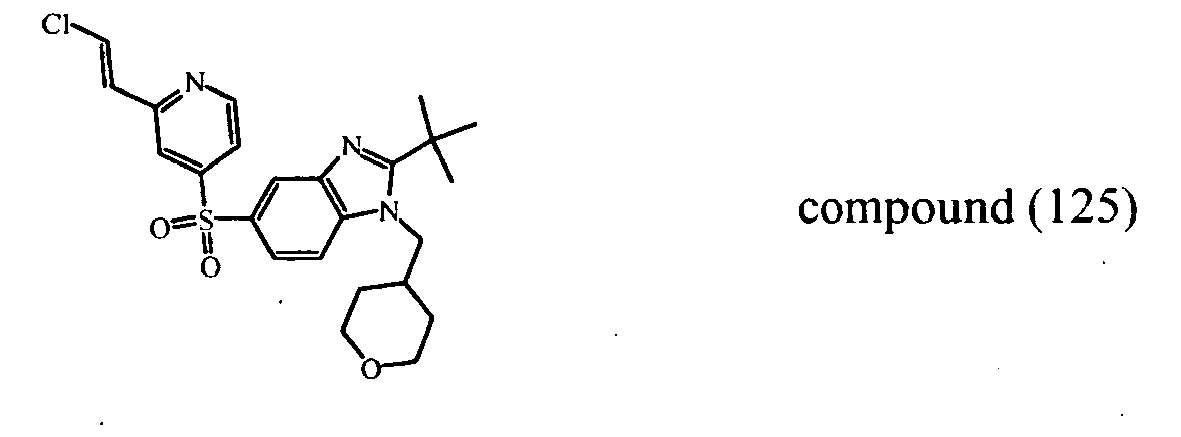
- Intermediate (95) (0.233 g, 0.000528 mol) was dissolved in chloroform. 3-Chorobenzenecarboperoxoic acid (0.260 g, 2 equiv.) was added. The mixture was partitioned between DCM and an aqueous NaHCO3 solution. The organic layer was separated, dried, filtered and the solvent evaporated. The residue (crude, 0.0005 mol) was dissolved in acetic acid (15 ml). Fe powder (0.215 g) was added. The reaction mixture was stirred for 2 hours at room temperature. The solvent was evaporated. The residue was partitioned between DCM and an aqueous NaHCO3 solution. The organic layer was separated, dried, filtered and the solvent evaporated. The residue was separated and purified by HPLC. Two product fraction groups were collected and worked-up, yielding 0.080 g of compound (124) and 0.030 g of compound (125).
- a) Preparation of

- 3-Chorobenzenecarboperoxoic acid (0.001 mol) was added in 2 portions to a solution of intermediate (109) (0.003 mol) in chloroform (20 ml) at room temperature. The reaction mixture was stirred at room temperature for 30 minutes. The reaction mixture was washed with water/NaOH. The organic layer was dried (MgSO4), filtered and evaporated. The residue was purified over a filter with silica gel using DCM/CH3OH(7N NH3) from 100/0 to 99/1 as eluent. The product fractions were collected and evaporated. The product was solidified from DIPE. The solid was filtered off, washed and dried, yielding 0.12g of compound (146) (1,4-TRANS; relative; mixture).
- b) Preparation of
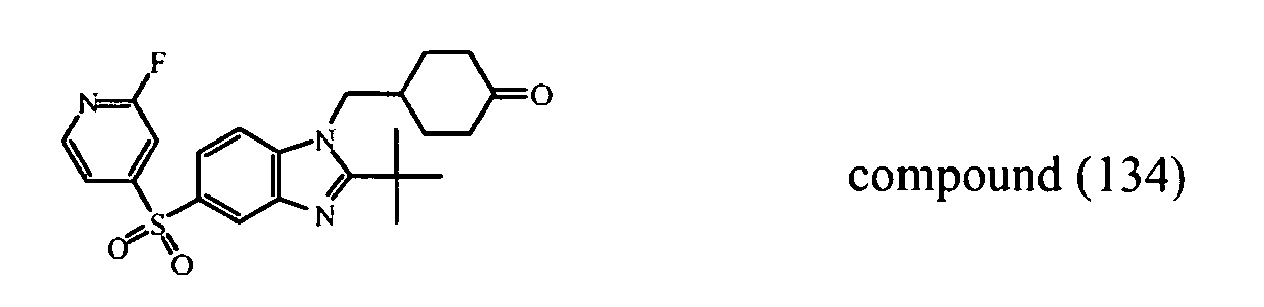
- To a mixture of 4Å molecular sieves (0.2g) in DCM (dry) ( 3 ml) and Pyridine, trioxochlorochromate(VI) under N2 atm., was added compound (146) (0.0002 mol) in DCM(1 ml). The reaction mixture was stirred at room temperature for 2 hours. The reaction mixture was poured over a filter with dicalite. The filtrate was concentrated. The residue was used crude, yielding compound (134).
- c) Preparation of

- Bromomethylmagnesium in diethyl ether (3.0 M) (0.2 ml) was added to diethyl ether (3 ml). The reaction mixture was cooled to -60°C. Compound (134) (0.0002 mol) in THF (1 ml) was added and the reaction mixture was allowed to reach room temperature. The solvent was evaporated, and the residue was taken into DCM/water. The organic layer was separated, filtered over an Isolute filter and the filtrate's solvent was evaporated. The residue was purified by reversed-phase HPLC purification (gradient elution with NH4HCO3 buffer (0.25 % in water)/CH3OH/CH3CN). The product fractions were collected and the solvent was evaporated. CH3OH was added and then evaporated. The residue was dried under vacuum at 50°C, yielding 8 mg of compound (153) (1,4-CIS; relative; mixture).
- Preparation of

- 3-Chorobenzenecarboperoxoic acid (0.003 mol) was added in 2 portions to a solution of intermediate (112) (0.009 mol) in chloroform (15 ml) at room temperature. The reaction mixture was stirred at room temperature for 30 minutes. The reaction mixture was washed with water/NaOH. The organic layer was dried (MgSO4), filtered and evaporated. The residue was purified by column chromatography using DCM /CH3OH:NH3 (100% to 98%/2%) as eluent. The product fractions were collected and evaporated. The residue was further purified by reversed-phase HPLC (gradient elution with NH4HCO3 buffer (0.25 % in water)/CH3OH/CH3CN). The product fractions were collected , evaporated and co-evaporated with CH3CN. The residue was solidified in diethyl ether by adding 1 ml of a HCl/ether solution (1M). The solid was filtered off, washed and dried, yielding 0.15g of compound (136).
- Preparation of

- 3-Chorobenzenecarboperoxoic acid (0.0009 mol) was added in 2 portions to a solution of intermediate (114) (0.0003 mol) in chloroform (10 ml) at room temperature. The reaction mixture was stirred at room temperature for 30 minutes. The reaction mixture was washed with water/NaOH. The organic layer was dried(MgSO4), filtered and evaporated. The residue was taken up in acetic acid (100%) (5 ml) and Fe powder (0.1 g). This mixture was stirred at 60°C for 1 hour. The residue was purified by column chromatography using DCM/CH3OH:NH3 (100% to 98%/2%) as eluent. The product fractions were collected and evaporated. The residue was further purified by reversed-phase HPLC (gradient elution with NH4HCO3 buffer (0.25 % in water)/CH3OH/CH3CN). The product fractions were collected, concentrated and then extracted with DCM. The organic layer was dried (MgSO4), filtered and evaporated: The residue was crystallized from DIPE, 2-propanol and HCl/ether 1M solution (0.5 ml). The solid was filtered off, washed and dried, yielding 0.04g of compound (138).
- a) Preparation of

- A mixture of intermediate (117) (0.0005 mol) in chloroform (20 ml) was cooled to 0°C. 3-Chorobenzenecarboperoxoic acid (0.210 g) was added and the reaction mixture and stirred for 2 hours. The separated organic layer was washed with NaOH aqueous solution (1M), dried (MgSO4), filtered and the solvent was evaporated. The residue was added to acetic acid (6 ml). Then Fe powder (0.280 g) was added. The mixture was stirred at 60°C for 90 minutes. The mixture was cooled and the solvent was evaporated. The residue was partitioned between DCM and water. This mixture was alkalized with NaHCO3. The separated organic layer was dried (MgSO4), filtered and the solvent was evaporated, yielding 0.220 g of compound (169).
- b) Preparation of

- A mixture of compound (169) (0.0003 mol) and hydrazine monohydrate (0.1 ml) in ethanol (4 ml) was stirred and refluxed for I hour. The reaction mixture was cooled and the solvent was evaporated. The residue was taken up in DCM and water. The separated organic layer was dried (MgSO4), filtered and the solvent was evaporated. The residue was purified by column chromatography (eluent : DCM/CH3OH 90/10). The desired product fractions were collected and the solvent was evaporated, yielding 0.105 g of compound (139).
- c) Preparation of

- Triethylamine (0.06 ml) was added to a mixture of compound (139) (0.0002 mol) in DCM (5 ml) at 0°C. Acetyl chloride (0.0002 mol) was added to the reaction mixture and then stirred for 10 minutes at room temperature. The reaction mixture was washed with water and then filtered over Isolute. The filtrate's solvent was evaporated under a N2 flow. The residue was taken up in ethyl acetate and in a solution of HCl in diethyl ether. The precipitate was filtered and dried, yielding 0.032 g of compound (141).
- a) Preparation of

- Compound (18) (0.0045 mol), tributylethenylstannane (0.0067 mol), tetrakis(triphenylphosphine)palladium (0.33 g) and DMF (50 ml) were degassed in a closed vessel. The reaction mixture was shaken at 80°C for 24 hours. 1,4-Dioxane (100 ml) and potassium fluoride (2 g) were added. The reaction mixture was filtered over dicalite. The filtrate was concentrated. The residue was taken up in DCM and washed with water. The organic layer was dried (MgSO4), filtered and evaporated. The residue was purified by reversed phase HPLC (gradient elution with NH4HCO3 buffer (0.25 % in water)/CH3OH/CH3CN). The product fractions were collected, evaporated and co-evaporated with methanol until complete dryness, yielding 0.75g of compound (142).
- b) Preparation of

- A mixture of compound (142) (0.0005 mol), 4-methoxybenzenemethanamine (0.014 mol) and N-ethyl-N-(1-methylethyl)- 2-propanamine (0.003 mol) in N,N-dimethyl-acetamide (5 ml) was stirred for 3 days at 110°C. After cooling the reaction mixture was taken up in water (20 ml) and ethyl acetate (50 ml). The organic layer was dried (MgSO4), filtered and evaporated. The residue was shaken overnight with scavenger PS-benzaldehyde (8 g)(capacity: 1.2 mmol/g) in DCM (200 ml). The scavenger was removed by filtration. The filtrate was concentrated and purified on silica gel using DCM/CH3OH(7N NH3) (from 100:0 to 96:4) as eluent. The product fractions were collected and evaporated to dryness. The residue was used as such in the next reaction, yielding 0.21g of compound (157).
- c) Preparation of

- A mixture of compound (157) (0.0003 mol) and N-ethyl-N-(1-methylethyl)- 2-propanamine (0.001 mol) in THF (10 ml) at room temperature, was added acetic acid 1,1'-anhydride (0.0005 mol). The reaction mixture was shaken in a closed vessel at 35°C for 1 hour. The reaction mixture was taken up in 100 ml DCM and then washed with 10 ml water. The organic layer was dried (MgSO4), filtered and evaporated. The residue was used as such in the next reaction, yielding 0.2g of compound (172).
- d) Preparation of

- TFA (10 ml) was added compound (172) (0.0003 mol) in DCM (1 ml) at room temperature. The vessel was closed. The reaction mixture was shaken for 1 week at 60°C. The reaction mixture was cooled and the solvent evaporated. The residue was taken up in DCM and washed with water. The organic layer was dried (MgSO4), filtered and evaporated. The residue was purified on silica gel using DCM/CH3OH(7N NH3) (from 100% to 96/4) as eluent. The product fractions were collected and evaporated to dryness. The residue was crystallized from DIPE and some 2-propanol. The solid was filtered off, washed and dried, yielding 0.095g of compound (158). Example B.40
- Preparation of

- A solution of intermediate (138) (0.3 g, 0.000747 mol) in chloroform (ethanol free) (10 ml) was cooled to 0°C. mCPBA (70%) (0.4 g, 3 equiv.) was added and the mixture was stirred for 30 minutes at 0°C, and then for 3 hours at room temperature. The reaction was quenched with NaOH (1 N) and the crude product was extracted with chloroform. The separated organic layer was washed with water and brine, dried (Na2SO4) and the solvent was evaporated to yield 0.286g of a white foam. The white foam was purified by reversed phase column chromatography. The desired product fraction was collected, worked-up and the solvent was evaporated, yielding 0.097g of compound (165).
- Preparation of

- A mixture of 2-tert-butyl-5-(2-fluoro-pyridine-4-sulfonyl)-1-[2-(1-oxy-pyrrolidin-1-yl)-ethyl]-1H-benzoimidazole (0.0003 mol) in THF (150 ml) was hydrogenated with palladium on activated carbon (10%) as a catalyst. After an uptake of hydrogen (3 equiv.) the catalyst was filtered off and the solvent was evaporated. The residue was partitioned between DCM (10 ml) and water (1 ml). This mixture was filtered over Isolute. The filtrate's solvent was evaporated (under N2 flow), yielding 0.135 g of residue. 0.100 g of residue was purified by reversed-phase HPLC (gradient elution with NH4HCO3 buffer (0.25 % in water)/CH3OH/CH3CN). The desired product fractions were collected and the solvent was evaporated. The residue was solidified in DIPE, the precipitate was filtered off and dried (vacuo, 40°C), yielding 0.025 g of compound (144).
- Tables F-1 and F-2 lists the compounds that were prepared by analogy to one of the above Examples.
Table F-1 

Co. No.1; Ex. B.1 Co. No.15; Ex. B.4 
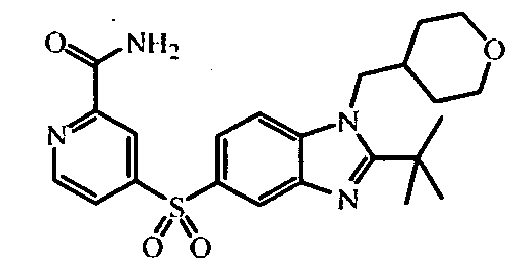
Co. No.2: Ex. B.2 Co. No.16, Ex. B.4 

Co. No.3; Ex. B.2 Co. No.17, Ex. B.4 

Co. No.4; Ex. B.3 Co. No.18; Ex. B.4 

Co. No. 5; Ex. B.1 Co. No.19; Ex. B.5 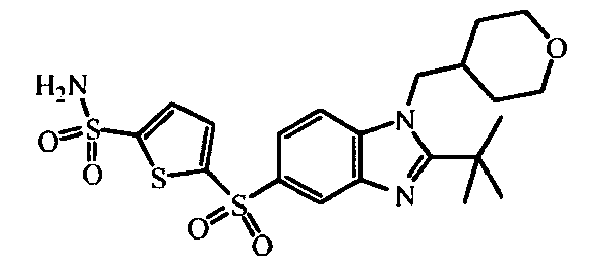

Co. No.6; Ex. B.4 Co. No.20; Ex. B.4 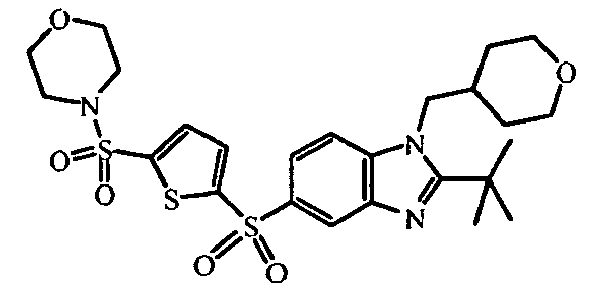

Co. No.7; Ex. B.4 Co. No.21; Ex. B.4 

Co. No.8; Ex. B.4 Co. No.22; Ex. B.4 
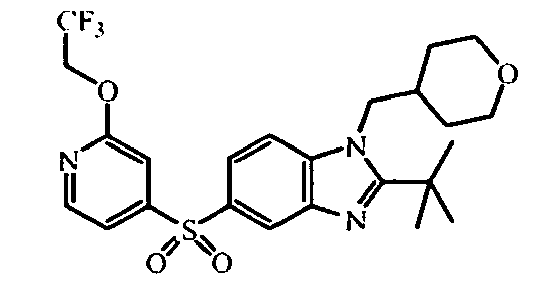
Co. No.9; Ex. B.4 Co. No.23; Ex. B.4 
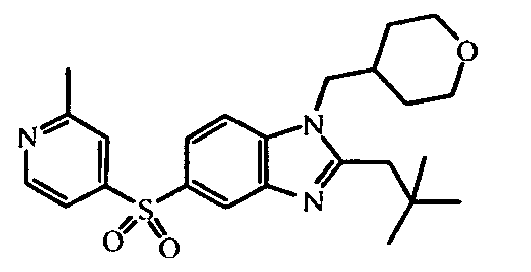
Co. No.10; Ex. B.4 Co. No.24; Ex. B.4 

Co. No.11; Ex. B.4 Co. No.25; Ex. B.4 

Co. No.12; Ex. B.4 Co. No.26; Ex. B.6 

Co. No.13; Ex. B.4 Co. No.27; Ex. B.4 

I Co. No.14; Ex. B.4 Co. No.28; Ex. B.4 

Co. No.29; Ex. B.4 Co. No.101; Ex. B.25 
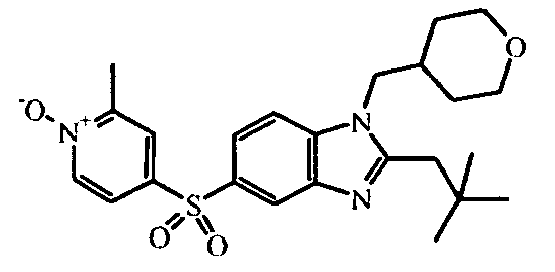
Co. No.30; Ex. B.4 Co. No.102; Ex. B.21 

Co. No.31; Ex. B.2 Co. No.103; Ex. B.4 
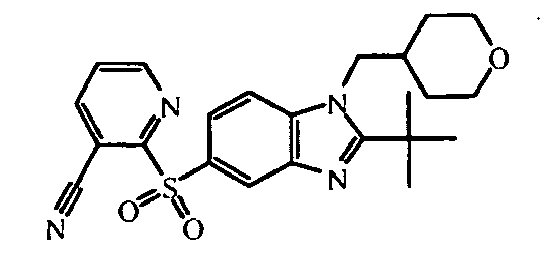
Co. No.32; Ex. B.2 Co. No.104; Ex. B.4 

Co. No.33; Ex. B.2 Co. No.105; Ex. B.4 

Co. No.34; Ex. B.7 Co. No.106; Ex. B.4 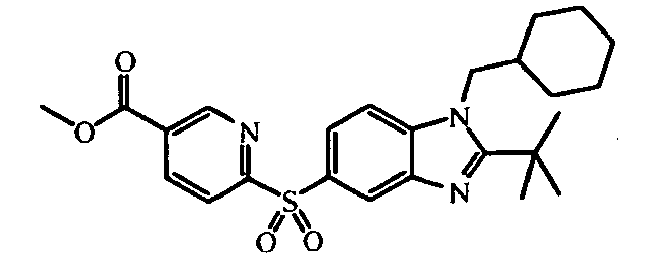

Co. No.35; Ex. B.4 Co. No.107; Ex. B.4 

I Co. No.36; Ex. B.4 Co. No.108; Ex. B.4 

Co. No.37; Ex. B.8b Co. No.109; Ex. B.4 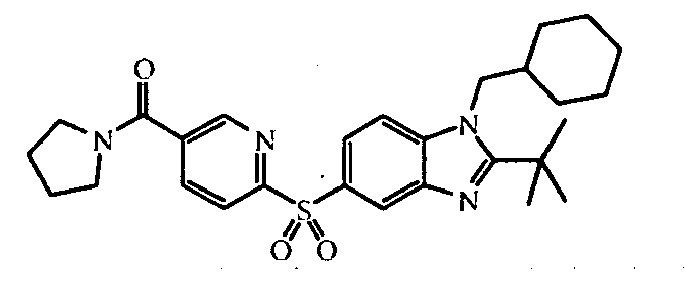

Co. No.38; Ex. B.8b Co. No.110; Ex. B.4 

Co. No.39; Ex. B.4 Co. No.111; Ex. B.4 
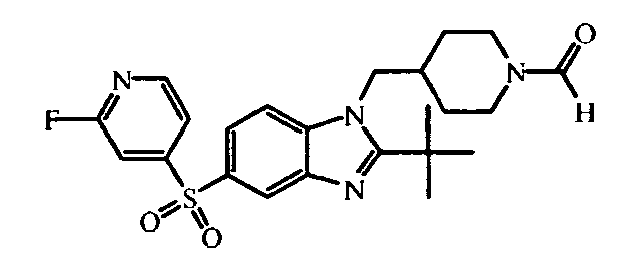
Co. No.40; Ex. B.4 Co. No.112; Ex. B.4 

Co. No.41; Ex. B.9 I Co. No.113; Ex. B.4 

Co. No.42; Ex. B.10a Co. No.114; Ex. B.4 

Co. No.43; Ex. B.11 Co. No.115; Ex. B.4 

Co. No.44; Ex. B.12 Go. No.116; Ex. B.30a 

Co. No.45; Ex. B.13 Co. No.117; Ex. B.30b 

Co. No.46; Ex. B.8a Co. No.118; Ex. B.31 

I Co. No.47; Ex. B.14; .HCl Co. No.119; Ex. B.4 

Co. No.48: Ex. B.15c Co. No.120; Ex. B.4 

Co. No.49; Ex. B.10b Go. No.121; Ex. B.4 
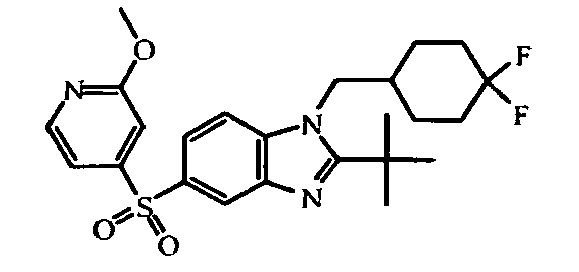
Co. No.50; Ex. B.4 Co. No.122; Ex. B.32 
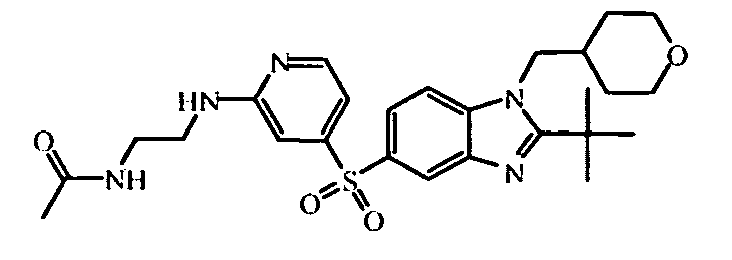
Co. No.51; Ex. B.4 Co. No.123; Ex. B.33a 

Co. No.52; Ex. B.4 Co. No.124; Ex. B.34 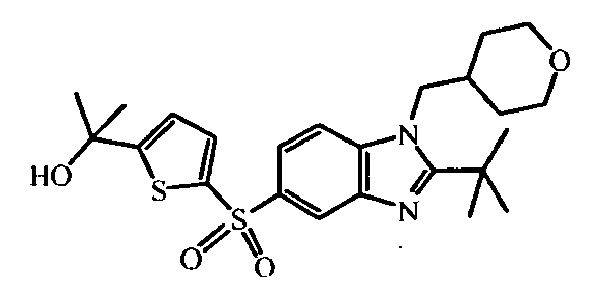

Co. No.53; Ex. B.16 I Co. No.125; Ex. B.34 

Co. No.54; Ex. B.4 Co. No.126; Ex. B.33a 

Co. No.55; Ex. B.4 Co. No.127; Ex. B.4 

Co. No.56; Ex. B.4 Co. No.128; Ex. B.4 

Co. No.57; Ex. B.4 Co. No.129; Ex. B.33d 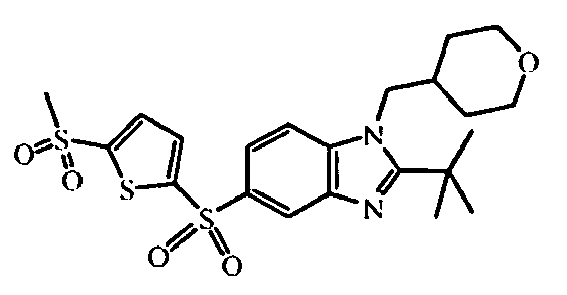

Co. No.58; Ex. B.14; .HCl Co. No.130; Ex. B.33d 

Co. No.59; Ex. B.4 Co. No.131; Ex. B.33d 

Co. No.60; Ex. B.4 Co. No.132; Ex. B.33f; .HCl 

Co. No.61; Ex. B.3 Co. No.133; Ex. B.4 

Co. No.62; Ex. B.4 Co. No.134; Ex. B.35b 

Co. No.63; Ex. B.14; .HCl Co. No.135; Ex. B.33b; .3HCl 

Co. No.64; Ex. B.17; .CH3SO2OH Co. No.136; Ex. B.36; .HCl .H2O 

Co. No.65: Ex. B.4 Co. No.137; Ex. B.31 

Co. No.66; Ex. B.4 Co. No.138; Ex. B.37; .2HCl .H2O .0.5Cl .0.5H4N 

Co. No.67; Ex. B.4 Co. No.139; Ex. B.38b 
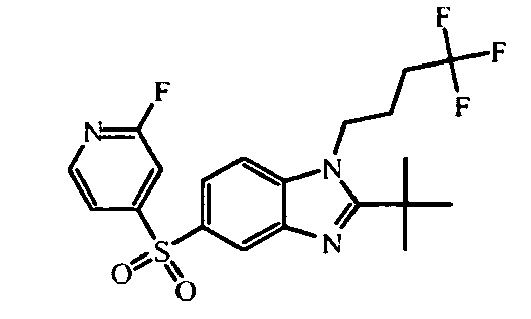
Co. No.68; Ex. B.4 Co. No.140; Ex. B.4 
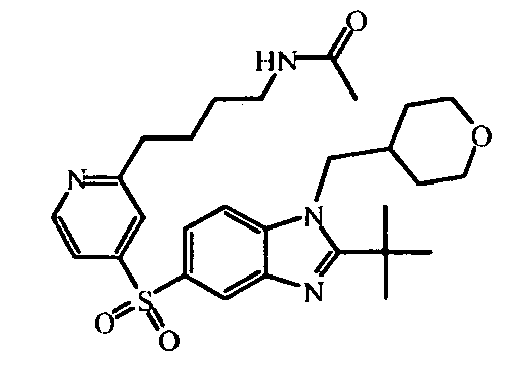
Co. No.69; Ex. B.4 Co. No.141; Ex. B.38c; 2H2O.2HCl 
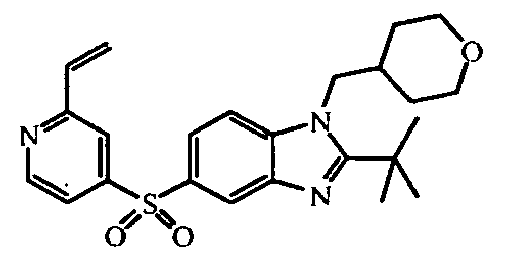
Co. No.70; Ex. B.4 I Co. No.142; Ex. B.39a 

Co. No.71; Ex. B.4 Co. No.143; Ex. B.21 

Co. No.72, Ex. B.4 Co. No.144; Ex. B.41 

Co. No.73; Ex. B.4 Co. No.145; Ex. B.4 

Co. No.74; Ex. B.4; .HCl Co. No.146; Ex. B.35a; 1,4-TRANS (relative; mixture) 

Co. No.75; Ex. B.4 Co. No.147; Ex. B.4 

Co. No.76; Ex. B.4 Co. No.148; Ex. B.4 
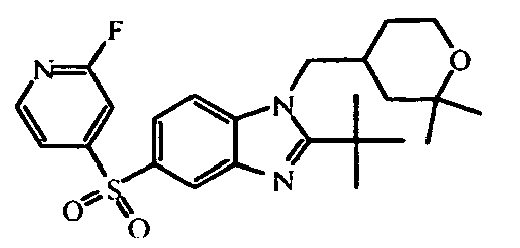
Co. No.77; Ex. B.18 Co. No.149; Ex. B.4 

Co. No.78; Ex. B.18 Co. No.150; Ex. B.33d 

Co. No.79; Ex. B.4 Co. No.151; Ex. B.33d 

Co. No.80; Ex. B.4 Co. No.152; Ex. B. 33c 

Co. No.81; Ex. B.4 Co. No.153; Ex. B.35c; 1,4-CIS (relative; mixture) 

Co. No.82; Ex. B.4 Co. No.154; Ex. B.21 

Co. No.83; Ex. B.4 Co. No.155; Ex. B.21 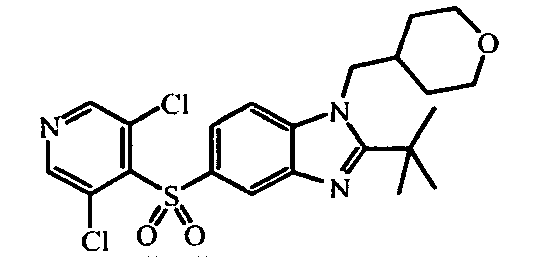

Co. No.84; Ex. B.19 Co. No.156; Ex. B.28 

Co. No.85; Ex. B.19 Co. No.157; Ex. B.39b 

Co. No.86; Ex. B.20 Co. No.158; Ex. B. 39d 

Co. No.87; Ex. B.20 Co. No.159; Ex. B.26 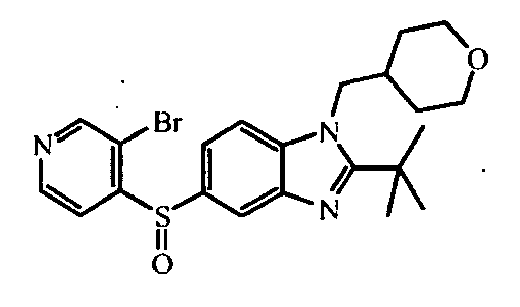

Co. No.88; Ex. B.20 Co. No.160; Ex. B.4; 1,4-TRANS (relative; mixture) 

Co. No.89; Ex. B.21 Co. No.161; Ex. B.4 

Co. No.90; Ex. B.4 Co. No.162; Ex. B.4; 1,4-CIS (relative; mixture) 

Co. No.91; Ex. B.4 Co. No.163; Ex. B.29 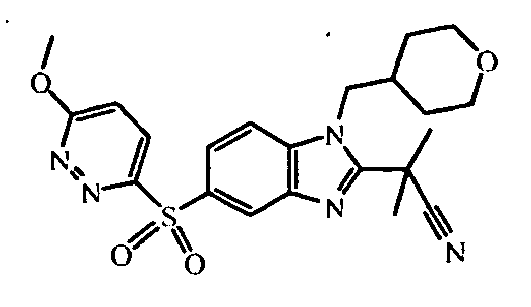

Co. No.92; Ex. B.4 Co. No.164; Ex. B.4 
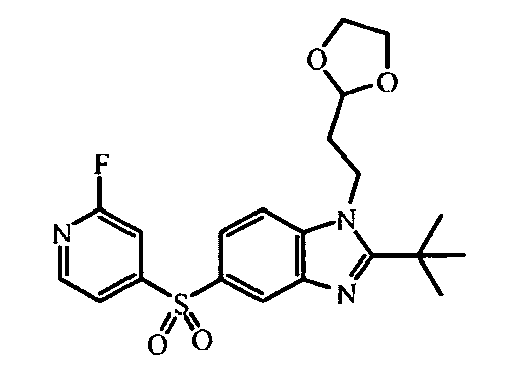
Co. No.93; Ex. B.22; .CH3SO2OH Co. No.165; Ex. B.40 

Co. No.94; Ex. B.23a Co. No.166; Ex. B.4 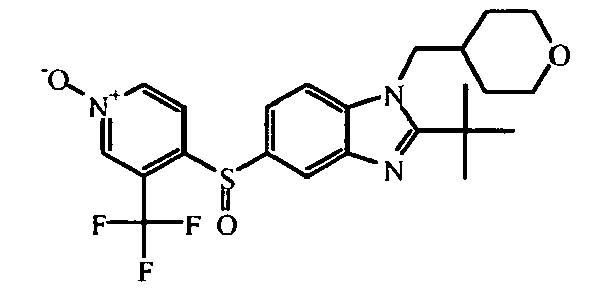

Co. No.95; Ex. B.24 Co. No.167; Ex. B.4 

Co. No.96; Ex. B.21 Co. No.168; Ex. B.27 
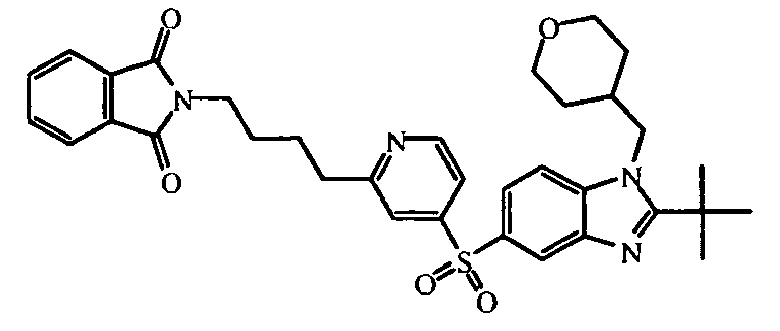
Co. No.97; Ex. B.4 Co. No.169; Ex. B.38a 

I Co. No.98; Ex. B.4 Co. No.170; Ex. B.15a 

Co. No.99; Ex. B.4 Co. No.171; Ex. B.15b 
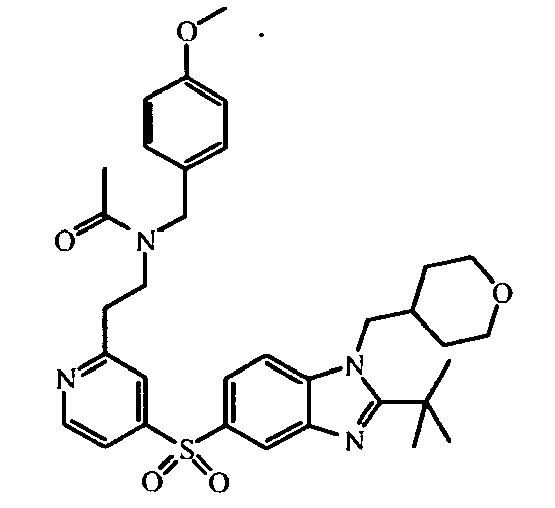
I Co. No.100; Ex. B.23b Co. No.172; Ex. B. 39c - The HPLC measurement was performed using an Alliance HT 2790 (Waters) system comprising a quaternary pump with degasser, an autosampler, a column oven (set at 40 °C, unless otherwise indicated), a diode-array detector (DAD) and a column as specified in the respective methods below. Flow from the column was split to a MS spectrometer. The MS detector was configured with an electrospray ionization source. Mass spectra were acquired by scanning from 100 to 1000 in 1 second using a dwell time of 0.1 second. The capillary needle voltage was 3 kV and the source temperature was maintained at 140 °C. Nitrogen was used as the nebulizer gas. Data acquisition was performed with a Waters-Micromass MassLynx-Openlynx data system.
- The LC measurement was performed using an Acquity UPLC (Waters) system comprising a binary pump, a sample organizer, a column heater (set at 55 °C), a diode-array detector (DAD) and a column as specified in the respective methods below. Flow from the column was split to a MS spectrometer. The MS detector was configured with an electrospray ionization source. Mass spectra were acquired by scanning from 100 to 1000 in 0.18 seconds using a dwell time of 0.02 seconds. The capillary needle voltage was 3.5 kV and the source temperature was maintained at 140 °C. Nitrogen was used as the nebulizer gas. Data acquisition was performed with a Waters-Micromass MassLynx-Openlynx data system.
- In addition to general procedure A: Reversed phase HPLC was carried out on an Xterra MS C18 column (3.5 µm, 4.6 x 100 mm) with a flow rate of 1.6 ml/min. Three mobile phases (mobile phase A: 95% 25 mM ammoniumacetate + 5 % acetonitrile; mobile phase B: acetonitrile; mobile phase C: methanol) were employed to run a gradient condition from 100 % A to 1 % A, 49 % B and 50 % C in 6.5 minutes, to I % A and 99 % B in 1 minute and hold these conditions for 1 minute and reequilibrate with 100 % A for 1.5 minutes. An injection volume of 10 µl was used. Cone voltage was 10 V for positive ionization mode and 20 V for negative ionization mode.
- In addition to general procedure A: Reversed phase HPLC was carried out on an Atlantis C18 column (3.5 µm, 4.6 x 100 mm) (3.5 µm, 4.6 x 100 mm) with a flow rate of 1.6 ml/min. Two mobile phases (mobile phase A: 70 % methanol + 30 % H2O; mobile phase B: 0.1 % formic acid in H2O/methanol 95/5) were employed to run a gradient condition from 100 % B to 5 % B + 95 % A in 12 minutes. An injection volume of 10 µl was used. Cone voltage was 10 V for positive ionization mode and 20 V for negative ionization mode.
- In addition to general procedure A: Reversed phase HPLC was carried out on a Chromolith (4.6 x 25 mm) with a flow rate of 3 ml/min. Three mobile phases (mobile phase A: 95 % 25 mM ammoniumacetate + 5 % acetonitrile; mobile phase B: acetonitrile; mobile phase C: methanol) were employed to run a gradient condition from 96 % A, 2 % B and 2 % C, to 49 % B and 49 % C in 0.9 minutes, to 100 % B in 0.3 minutes and hold for 0.2 minutes. An injection volume of 2 µl was used. Cone voltage was 10 V for positive ionization mode and 20 V for negative ionization mode.
- In addition to general procedure A: Column heater was set at 60 °C. Reversed phase HPLC was carried out on an Xterra MS C18 column (3.5 µm, 4.6 x 100 mm) with a flow rate of 1.6 ml/min. Three mobile phases (mobile phase A: 95% 25 mM ammoniumacetate + 5 % acetonitrile; mobile phase B: acetonitrile; mobile phase C: methanol) were employed to run a gradient condition from 100 % A to 50 % B and 50 % C in 6.5 minutes, to 100 % B in 0.5 minute and hold these conditions for 1 minute and reequilibrate with 100 % A for 1.5 minutes. An injection volume of 10 µl was used. Cone voltage was 10 V for positive ionization mode and 20 V for negative ionization mode.
- In addition to general procedure B: Reversed phase UPLC (Ultra Performance Liquid Chromatography) was carried out on a bridged ethylsiloxane/silica (BEH) C 18 column (1.7 µm, 2.1 x 50 mm) with a flow rate of 0.8 ml/min. Two mobile phases (mobile phase A: 0.1 % formic acid in H2O/methanol 95/5; mobile phase B: methanol) were used to run a gradient condition from 95 % A and 5 % B to 5 % A and 95 % B in 1.3 minutes and hold for 0.2 minutes. An injection volume of 0.5 µl was used. Cone voltage was 10 V for positive ionization mode and 20 V for negative ionization mode.
- In addition to general procedure A: Reversed phase HPLC was carried out on a Xbridge C18 column (3.5 µm, 4.6 x 100 mm) (3.5 µm, 4.6 x 100 mm) with a flow rate or 1.6 ml/min. Two mobile phases (mobile phase A: 70 % methanol + 30 % H2O; mobile phase B: 0.1 % formic acid in H2O/methanol 95/5) were employed to run a gradient condition from 100 % B to 5 % B + 95 % A in 12 minutes. An injection volume of 10 µl was used. Cone voltage was 10 V for positive ionization mode and 20 V for negative ionization mode.
- For a number of compounds, melting points were determined with a DSC823e (Mettler-Toledo). In this method, melting points were measured with a temperature gradient of 30°C/minute. Maximum temperature was 400 °C.
- For a number of compounds melting points were determined with a Büchi melting point apparatus (in open capillary tubes). The heating medium was a metal block. The melting of the sample was visually observed by a magnifying lense and a big light contrast. Melting points were measured with a temperature gradient of either 3 or 10 °C/minute. Maximum temperature was 300 °C.
- For a number of compounds, melting points were obtained with a Kofler hot bench, consisting of a heated plate with linear temperature gradient, a sliding pointer and a temperature scale in degrees Celsius.
- Values are either peak values or melt ranges, and are obtained with experimental uncertainties that are commonly associated with this analytical method.
Table F-3: Analytical data - Retention time (Rt in minutes), (MH)+ peak, LCMS procedure and physico-chemical data (m.p. is defined as melting point). Co. No. Rt (MH)+ Procedure Physico-chemical data 3 4.51 430 1 - 4 5.14 456 1 m.p.: >120 °C (Kofler) 5 5.92 501 1 m.p.: 192-193 °C (Kofler) 6 5.08 498 1 m.p.: 259 °C (Kofler) 7 1.19 568 5 m.p.: 198 °C (Kofler) 10 6.13 482 1 m.p.: 137.43 °C (DSC) 11 5.18 445 1 m.p.: 174-180 °C (Kofler) 12 1.01 446 5 m.p.: 234.8 °C (DSC) 13 5.26 428 1 m.p.: 180.1 °C (DSC) 14 5.47 480 4 - 15 1.19 432 5 - 16 4.87 457 1 m.p.: 247.1 °C (DSC) 17 5.51 439 1 m.p.. 201.2 °C (DSC) 18 5.77 448 1 m.p 201.0 °C (DSC) 19 4.85 429 1 m.p.: 235.9 °C (DSC) 20 1.05 481 5 m.p.: 165.2 °C (DSC) 21 5.24 498 1 m.p.: 205.8 °C (DSC) 22 4.56 471 4 m.p.: 262.3 °C (DSC) 23 5.79 512 4 m.p.. 166.7 °C (DSC) 24 1.19 442 5 m.p.: 207.1 °C(DSC) 26 6.29 429 1 HCl-salt 27 4.90 490 1 m.p.: 200 °C (Kofler) 28 4.70 444 1 m.p.: 170 °C (Kofler) 29 0.75 458 3 m.p.: 220-222 °C (Kofler) 30 0.87 472 3 m.p.: 195-197 °C (Kofler) 31 5.09 433 1 32 4.95 440 1 33 4.59 457 1 34 0.81 430 3 35 6.68 470 1 36 1.27 437 3 m.p.: 215-216 °C (Kofler) 37 6.33 513 1 m.p.: 206-207 °C (Kofler) 38 6.42 509 1 39 6.12 428 1 40 1.15 461 5 m.p.: 151 °C (Kofler) 41 1.08 463 5 m.p.: 192 °C Kofler) 42 4.79 458 1 m.p.: 177-179 °C (Kofler) 43 5.33 439 1 m.p.: 240 °C (Kofler) 44 4.63 457 1 m.p.: 259 °C (Kofler) 45 5.47 500 1 m.p.: 191 °C (Kofler) 46 5.57 456 1 47 5.11 498 1 m.p.: 255-260 °C (Kofler)
HCl-salt48 5.74 487 1 m.p.: 199 °C (Kofler) 49 5.35 472 1 m.p.: 140 °C (Kofler) 50 5.59 456 1 m.p.: 162 °C (Kofler) 51 5.43 439 1 m.p.: 228 °C (Kofler) 52 5.66 444 1 m.p.: 198 °C (Kofler) 53 5.35 477 1 m.p.: 258 °C (Kofler) 55 5.35 475 1 m.p.: 141.0 °C (Kofler) 56 1.05 492 5 m.p.: 150-160 °C (Kofler) 57 1.09 497 5 m.p.: 216°C (Kofler) 58 4.79 497 4 m.p.: 224.0 °C(DSC)
HCl-salt59 1.15 526 5 m.p.: 158 °C (Kofler) 60 1.17 428 5 m.p.: 145.5-145.7 °C (Buchi) 61 6.03 516 1 62 1.17 575 5 m.p.: 200 °C (Kofler) 63 see compound 62 (free base) m.p.: 219.36°C (DSC)
HCl-salt64 see compound 62 (free base) m.p.: 216.3 °C(DSC)
methanesulfonate-salt65 1.26 646 5 m.p.: 230 °C (Kofler) 66 1.11 563 5 m.p.: 224 °C (Kofler) 67 1.01 492 5 m.p.: 183 °C (Kofler) 68 5.35 495 1 m.p.: 204-205 °C (Kofler) 69 4.73 444 1 m.p.: 216 °C (Kofler) 70 5.79 444 1 71 5.53 482 4 m.p.: 198 °C (Kofler) 72 1.28 462 5 m.p.: 139.6-140.2 °C (Büchi) 73 1.02 462 5 m.p.: 209.4 °C (DSC) 74 1.14 500 5 m.p.: 108.5 °C (DSC)
HCI-salt75 1.04 460 5 m.p.: 231 °C (Kofler) 76 5.31 570 1 77 4.91 507 1 78 5.29 522 1 79 1.08 532 5 m.p.: 184.6 °C (DSC) 80 5.15 516 1 m.p.: 172.1 °C (DSC) 81 1.26 491 5 m.p.: 185.8 °C (DSC) 82 1.04 448 5 m.p.: 291.8-294.6 °C (Büchi) 83 4.89 480 4 84 5.98 482 m.p.: 242.9 °C (DSC) 85 5.65 466 1 m.p.: 192.9 °C (DSC) 86 4.40 492 1 87 4.89 508 1 m.p.: 205.3 °C (Büchi) 88 5.20 476 1 m.p.: 184.7 °C (DSG) 89 4.72 444 1 m.p.: 215.3 °C(DSC) 90 5.64 600 1 m.p.: 113.9 °C (DSC) 91 5.44 600 1 m.p.: 164.4 °C (DSC) 92 1.02 456 5 m.p.: 161.1 °C (DSC) 93 5.49 439 1 m.p.: 215.7 °C (DSC)
methanesulfonate-salt94 0.98 431 5 m.p.: 218.3 °C (DSC) 95 4.87 482 1 96 4.39 487 4 m.p.: 247.2 °C (DSC) 98 1.07 439 5 m.p.: 224.5-226.7 °C (Büchi) 99 1.23 482 5 m.p.: 140.5-142.3 °C (Büchi) 100 4.89 445 1 m.p.: 224.3 °C (DSC) 101 4.88 472 1 m.p.: 290.1 °C (DSC) 102 4.67 458 4 m.p.: 231.7 °C (DSC) 103 4.91 444 1 m.p.: 259.7 °C (DSC) 104 1.03 439 5 m.p.: 100.0-105.0 °C (Büchi) 105 1.23 482 5 m.p.: 139.5-141.0 °C (Büchi) 106 1.29 471 5 m.p.: 168.0-169.5 °C (Büchi) 107 5.06 429 1 m.p.: 179.7 °C (DSC) 108 1.30 512 5 110 1.19 482 5 m.p.: decomposition at 190 °C (Büchi) 111 1.13 445 5 m.p.: decomposition at 170 °C (Büchi) 112 5.06 459 1 m.p.: 196.7 °C (DSC) 113 5.74 446 4 m.p.: 179.8 °C (DSC) 114 5.17 473 1 m.p.: 193.9 °C (DSC) 115 4.07 460 4 116 3.87 443 4 117 4.61 485 1 m.p.: 199.4 °C (DSC) 118 0.99 417 5 119 1.28 482 5 120 6.79 418 1 m.p.: 131.5 °C (DSC) 121 5.04 515 1 m.p.: 182.3 °C (DSC) 122 5.65 478 4 123 4.24 514 4 m.p.: 217.2 °C (DSC) 124 5.43 474 1 125 5.94 474 1 126 4.83 501 4 m.p.: 148.3 °C (DSC) 127 5.58 404 4 m.p.: 135.4 °C (DSC) 128 5.09 446 4 m.p.: 177.8°C (DSC) 129 4.67 515 1 m.p.: 119.4 °C (DSC) 131 4.46 487 1 132 6.53 529 6 HCl-salt 133 5.77 480 6 m.p.: 220.8 °C (DSC) 134 1.18 444 5 m.p.: 164.8 °C (DSC) 136 8.02 402 6 HCl-salt
m.p.: 184.3 °C (DSC)137 0.99 417 5 138 5.73 499 4 2HCl . H2O . 0.5Cl . 0.5H4N 139 4.36 485 1 140 5.95 444 1 m.p.: 138.9 °C (DSC) 141 6.31 527 6 HCl-salt 142 7.03 440 6 143 4.97 471 6 144 5.76 431 1 m.p.: 115.5 °C (DSC) 145 5.13 460 1 146 7.17 446 2 m.p.: 163.6 °C (DSC) 147 6.68 418 1 m.p.: 130.9 °C (DSC) 148 1.41 418 5 149 5.70 460 4 m.p.: 159.4 °C (DSC) 150 7.08 488 6 m.p.: 142.9 °C (DSC) 151 7.51 502 6 m.p.: 106.5 °C (DSC) 152 6.62 488 6 m.p.: 161.5 °C (DSC) 154 6.89 486 6 m.p.: 143.4 °C (DSC) 155 6.32 502 6 156 4.74 444 6 m.p.: 213.9 °C (DSC) 157 5.16 577 1 158 4.60 499 1 m.p.: 160.3 °C (DSC) 159 6.74 485 2 m.p.: 181.2 °C (DSC) 160 5.91 460 1 161 1.08 475 5 162 6.14 460 1 m.p.: 133.5 °C (DSC) 163 5.15 442 1 m.p.: 201.5 °C (DSC) 164 5.97 457 1 m.p.: 122.0 °C (DSC) 165 1.20 434 5 166 5.16 442 1 m.p.: 277.5 °C (DSC) 167 6.41 470 1 m.p.: 137.7 °C (DSC) 168 5.95 458 2 m.p.: 166.2 °C (DSG) 170 1.02 444 3 m.p.: 156.0 °C (Kofler) 171 4.86 477 1 172 5.73 619 1 Co. No. Rt (MH)- Procedure Physico-chemical data 1 0.83 428 3 0.74 412 3 8 4.10 428 4 m.p.: >300 °C (Kofler) 97 4.89 510 4 m.p.: 152.9 °C (DSC) 9 6.16 456 1 m.p.: 174 °C (Kofler) 25 5.05 430 4 m.p.: 171.3 °C (DSC) - Functional activity of the test compounds was assessed by measuring their potency to inhibit forskolin-activated cAMP production upon activation of the human CB1 (hCB1) or human CB2 (hCB2) receptor through homogenous time resolved fluorescence (HTRF) assays.
- CHO-K1 cells stably transfected with either hCB1 or hCB2 were grown up to 80-90% confluence in T175 Falcon flasks in DMEM/NUT MIX F-12 culture medium complemented with 2% Solution A (5.106 IU/I penicillin G, 5 g/l streptomycin sulphate, 5.5 g/l pyruvate, 14.6 g/l L-glutamine, 1M NaOH) and 10% foetal calf serum. Before the experiments, medium was removed, cells were washed with PBS / EDTA (140 mM NaCl, 1 mM Na2-EDTA, 8 mM Na2HPO4.2H2O, 8.5 mM KH2PO4, 2.7 mM KCl, 21 mM glucose), resuspended in stimulation buffer (HBSS 1x, IBMX 1mM, Hepes 5mM, MgCl2 10mM, BSA 0.1 %, pH 7.4). Cells were diluted to a concentration of 8.105 cell/ml for hCB1 experiments and 106 cells/ml for hCB2 experiments. Assays were performed using the cAMP Dynamic HTRF kit (CIS bio international, France) according to the recommendations of the manufacturer.
- For CB1, each well of a 96 flat bottom black polystyrene assay plate (Costar) was filled with 25 µl stimulation buffer containing 6 µM forskolin and either test compound (in 2% DMSO), 2% DMSO or 2 µM CP55490 (in 2% DMSO). Then, 25 µl of the diluted cells was added (20,000 cells/well). After 30 minutes incubation in dark at room temperature, 25 µl cAMP-XL665 and 25 µl anti-cAMP cryptate (both at a final dilution of 1/80) was added to the cells.
- For CB2, each well of a 384 flat bottom black polystyrene assay plate (Costar) was filled with 10 µl stimulation buffer containing 15 µM forskolin and either test compound (in 3% DMSO), 3% DMSO or 10 µM Win55212-2 (in 3% DMSO). Then, 20 µl of the diluted hCB2-CHO-K1 cells was added (20,000 cells/well). After 30 minutes incubation in dark at room temperature, 10 µl cAMP-XL665 and 10 µl anti-cAMP cryptate (both at a final dilution of 1/100) was added to the cells.
- After equilibration of the reaction mixtures for 1 to 24 hours in dark at room temperature, fluorescence was measured at 665 nm and 620 nm using a Discovery microplate fluorescence counter (Perkin Elmer), and the signal ratio of 665 nm / 620 nm was calculated. The signal ratios of the test compounds were expressed relative to the signal ratios of the DMSO control (maximal signal ratio, no inhibition of cAMP) and CP55490 or WIN55212-2 for hCB1 and hCB2, respectively (minimal signal ratio, maximal inhibition of cAMP). From the dose response curves generated for each test compound, the dose at which 50% of the maximal inhibition of cAMP level is observed (EC50, expressed in the Tables as pEC50 = -log(EC50) values) and the level of inhibition reached with 10 µM of the test compound compared to CP55490 (for hCB1) or WIN55212-2 (for hCB2) was calculated.
Table C-1 : pEC50 values for CB-1 and CB-2 agonism Co. No. CB2 pEC50 CB1 pEC50 ratio CB2 agonism
over CB1 agonism1 8.30 <5 > 1995 2 7.42 <5 > 263 3 8.76 6.16 398 4 8.72 5.49 1679 5 9.43 6.59 676 7 8.74 <5 > 5495 8 8.51 5.33 1514 9 9.48 5.85 4266 10 9.13 5.02 12883 11 8.90 7.22 48 12 8.81 6.33 302 13 8.90 5.69 1622 14 9.11 5.42 4898 15 8.98 6.24 556 16 8.63 6.07 359 17 8.80 5.03 5821 18 9.17 6.20 933 19 8.95 6.14 638 20 8.90 6.36 347 21 8.42 5.00 2630 22 8.95 5.70 1758 23 8.99 6.39 398 24 8.66 6.05 407 25 9.09 6.39 495 26 9.10 6.27 676 27 9.15 <5 > 14125 28 8.54 <5 > 3467 29 8.50 5.88 417 30 8.77 5.28 3055 31 8.92 6.37 353 32 8.59 5.12 2951 33 8.51 5.24 1884 34 8.80 5.13 4732 35 9.39 7.49 79 36 9.17 7.14 108 37 9.03 < 5.00 > 10839 38 8.56 < 5.00 > 3631 39 8.77 5.69 1216 40 8.97 6.68 193 42 9.20 6.97 168 42 8.40 < 5.00 > 2512 43 9.00 5.79 1622 44 8.70 6.90 64 45 8.52 < 5.00 > 3311 46 8.98 5.41 3758 47 8.77 5.83 871 48 9.24 6.70 347 49 8.33 < 5.00 > 2138 50 9.16 5.35 6457 51 8.91 7.05 73 52 9.16 6.64 331 53 8.43 5.65 607 54 9.03 6.91 133 55 8.64 6.08 363 56 8.58 < 5.00 > 3802 57 8.96 5.84 1328 58 9.08 5.74 2188 59 8.95 5.64 2018 60 8.98 6.18 638 61 8.95 6.82 135 62 9.23 5.71 3299 63 9.01 5.55 2818 64 9.32 5.73 3920 65 8.53 < 5.00 > 3388 66 7.83 < 5.00 > 676 67 8.37 < 5.00 > 2344 68 8.51 6.44 116 69 8.76 6.16 398 70 9.26 5.85 2570 71 9.13 < 5.00 > 13490 72 9.17 5.99 1525 73 8.86 6.93 84 74 8.50 5.68 668 75 8.38 5.02 2291 76 7.92 < 5.00 > 832 77 8.71 5.59 1303 78 8.14 < 5.00 > 1380 79 8.53 5.80 543 80 8.38 4.98 2483 81 9.30 5.97 2138 82 8.41 5.80 407 83 8.70 6.39 209 84 8.90 6.21 490 85 9.03 6.08 891 86 7.92 < 5.00 > 832 87 8.67 5.64 1072 88 8.63 5.90 537 89 7.95 < 5.00 > 891 90 8.57 < 5.00 > 3715 91 8.30 5.00 1995 92 8.16 5.53 437 93 8.83 < 5.00 > 6761 94 8.60 5.57 1059 95 8.24 < 5.00 > 1738 96 8.70 < 5.00 > 5012 97 8.73 5.41 2065 98 9.02 6.13 794 99 8.88 6.03 700 100 8.80 6.00 631 101 8.60 6.83 58 102 8.30 5.04 1820 103 8.15 5.68 295 104 9.13 7.06 117 105 8.80 6.32 295 106 9.14 6.50 432 107 8.62 5.81 646 108 8.59 < 5.00 > 3890 109 9.09 6.58 324 110 9.26 5.98 1905 111 8.94 6.37 372 112 8.31 < 5.00 > 2030 113 8.58 6.10 302 115 8.43 5.44 977 116 8.23 5.24 966 117 8.35 6.01 219 118 8.75 6.11 437 119 8.15 < 5.00 > 1413 120 8.64 < 5.00 > 4365 121 8.51 5.55 912 122 9.01 7.00 102 123 8.38 < 5.00 > 2399 124 7.84 < 5.00 > 692 125 8.60 < 5.00 > 3981 126 9.07 6.02 1129 127 8.78 < 5.00 6026 128 8.68 < 5.00 > 4786 129 7.81 5.02 617 130 8.64 < 5.00 > 4315 131 7.80 < 5.00 > 631 132 8.85 < 5.00 > 7079 133 8.40 < 5.00 > 2512 134 8.86 5.42 2786 135 8.66 < 5.00 > 4571 136 9.36 < 5.00 > 22734 137 8.95 6.11 687 138 8.76 6.08 473 139 7.88 < 5.00 > 759 141 8.25 < 5.00 > 1792 142 9.02 5.87 1413 143 7.77 < 5.00 > 589 144 8.49 < 5.00 > 3090 145 8.49 < 5.00 > 3090 146 8.60 < 5.00 > 3981 147 9.02 < 5.00 > 10471 148 9.59 < 5.00 > 38905 149 8.90 < 5.00 > 8035 150 8.90 6.09 638 151 9.32 5.41 8035 152 8.93 5.44 3090 153 9.07 < 5.00 > 11749 154 8.95 < 5.00 > 9016 155 8.60 < 5.00 > 3951 156 8.39 5.60 617 157 8.46 < 5.00 > 2884 158 8.85 5.08 5888 159 8.67 < 5.00 > 4677 160 8.37 < 5.00 > 2344 161 8.74 5.28 2951 162 9.44 < 5.00 > 27542 165 7.97 < 5.00 > 923 168 8.09 < 5.00 > 1230 - Table C.2 lists a number of sulfonyl benzimidazole derivatives bearing an unsubstituted heterocyclic moiety on the sulfonyl group. These compounds are covered by reference
WO-2006/048754 .Table C-2 

Co. No.A Co. No.D 

Co. No.B Co. No.E 
- The ratio of CB2 agonism over CB1 agonism of the compounds A to E was measured using the same procedures as described in Pharmacological Example C.1. Table C-3 lists the ratio of CB2 over CB 1 in comparison with the ratio of CB2 over CB 1 for the compounds of formula (I) that structurally differ by the presence of a substituent on the heterocyclic moiety on the sulfonyl group.
Table C-3 : comparison between art compounds A to E and compounds of the present invention Co. No. ratio CB2 over
CB1 agonismCo. No. ratio CB2 over
CB1 agonismA 215 3 398 215 8 1514 215 9 4266 215 14 4898 215 17 5821 215 19 638 215 21 2630 215 22 1758 215 23 398 215 25 495 B 30 1 1995 30 28 3467 C 36 4 1679 36 10 12883 D 26 12 302 26 20 346 E 219 24 407 - The compounds of the present invention are more selective CB2 agonists than the art compounds A to E.
Claims (13)
- Compound of formula (I)
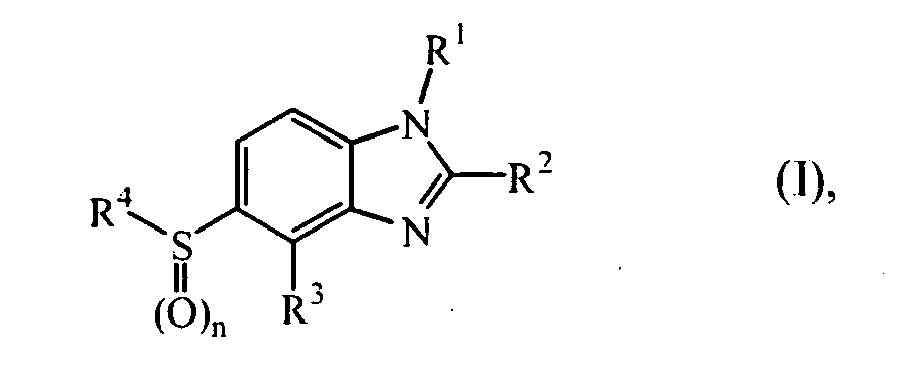 n is an integer I or 2;R1 is C2-6alkyl;C1-6alkyl substituted with 1, 2 or 3 substituents each independently selected from halo, hydroxy, C1-4alkyl, C1-4alkyloxy, cyano, nitro, amino, and mono- or di(C1-4alkyl)amino;C1-6alkyl substituted with a cyclic group selected from C3-8cycloalkyl, oxoC3-8cycloalkyl, C5-8cycloalkenyl, bicyclo[2.2.1]hept-2-enyl, bicyclo[2.2.2]octanyl and bicyclo[3.1.1]heptanyl, wherein said cyclic group is optionally substituted with one or more substituents each independently selected from halo, hydroxy, C1-4alkyl, C1-4alkyloxy, cyano, nitro, NR5R6 or CONR5R6 wherein R5 and R6 are independently selected from hydrogen or C1-4alkyl; orC1-6alkyl substituted with a heterocycle selected from pyrrolidinyl, piperidinyl, homopiperidinyl, piperazinyl, morpholinyl, tetrahydrofuranyl, tetrahydropyranyl, 1,1-dioxo-tetrahydrothiopyranyl, [1,3]dioxolanyl, [1,4]dioxolanyl, [1,3]dioxanyl, 5-oxopyrrolidin-2-yl, or 2-oxo-oxepanyl; wherein said heterocycle is optionally substituted with one or two substituents each independently selected from C1-4alkyl, polyhaloC1-4alkyl, halo, hydroxy, C1-4alkyloxy, cyano, trifluoromethyl, COR5, COOR5, CONR5R6, SO2R5 wherein R5 and R6 are independently selected from hydrogen or C1-4alkyl or polyhaloC1-4alkyl;R2 is C2-6alkyl;C1-6alkyl substituted with 1, 2 or 3 substituents each independently selected from halo, hydroxy, C1-4alkyl, C3-6cycloalkyl, C1-4alkyloxy, polyhaloC1-4alkyloxy, trifluoromethyl, cyano, nitro, NR7R8, CONR7R8, or NHCOR7 wherein R7 and R8 are independently selected from hydrogen, C1-4alkyl or polyhaloC1-4alkyl;C3-6alkenyl;C3-6alkynyl;C3-6cycloalkyl; orcyclic group selected from pyrrolidininyl, piperidinyl, piperazinyl, morpholinyl, tetrahydrofuranyl, tetrahydropyranyl, [1,3]dioxolanyl, [1,3]dioxanyl, [1,4]dioxanyl, 5-oxo-pyrrolidin-2-yl, bicyclo[2.2.1]hept-2-enyl, and bicyclo[3.1.1]heptanyl; wherein said cyclic group is optionally substituted with one or two substituents each independently selected from C1-4alkyl, halo, hydroxy, C1-4alkyloxy, or trifluoromethyl;R3 is hydrogen, halo, C 1-4alkyl, C 1-4alkyloxy, trifluoromethyl or cyano;R4 is heteroaryl;heteroaryl is selected from N-oxy-pyridinyl, N-oxy-pyridazinyl, N-oxy-pyrimidinyl or N-oxy-pyrazinyl; orselected from furanyl, thiophenyl, pyrrolyl, pyrazolyl, imidazolyl, isoxazolyl, thiazolyl, triazolyl, tetrazolyl, isothiazolyl, thiadiazolyl, oxadiazolyl, pyridinyl, pyridazinyl, pyrimidinyl, pyrazinyl, triazinyl, N-oxy-pyridinyl, N-oxy-pyridazinyl, N-oxy-pyrimidinyl, N-oxy-pyrazinyl or 2-oxo-1,2-dihydro-pyridinyl, each substituted with 1, 2 or 3 substituents each independently selected from halo; hydroxy; C1-4alkyl; C3-6cycloalkyl; C2-6alkenyl; C2-6alkenyl substituted with 1 or 2 substituents selected from halo; C2-6alkynyl; G2-6alkynyl substituted with C1-4alkyloxy; C1-4alkyloxy; C1-4alkyloxyC1-4alkyl; polyhaloC1-4alkyl; polyhaloC1-4alkyloxy; cyano; nitro; NR9R10; R11-carbonyl; R11-SO2-; C1-4alkyl substituted with hydroxy, NR9R10, R11-carbonyl or R11-SO2-; oxadiazolyl optionally substituted with C1-4alkyl, polyhaloC1-4alkyl or C3-6cycloalkyl; or dioxolanyl optionally substituted with 1 or 2 C1-4alkyl; C1-4alkyloxy substituted with hydroxy, C1-4alkyloxy, C1-4alkylcarbonylamino, C1-4alkyloxycarbonylamino, amino, di(C1-4alkyl)amino or morpholinyl; C1-4alkylcarbonylaminoC1-4alkylamino; C 1-4alkyloxyC1-4alkylamino;wherein R9 and R10 are independently from another selected from hydrogen, C1-4alkyl, polyhaloC1-4alkyl, aminosulfonyl, or C1-8alkylsulfonyl; or R11-carbonyl;wherein R9 and R10 are taken together with the nitrogen atom bearing R9 and R10 may form a pyrrolidinyl, piperidinyl, piperazinyl or morpholinyl ring; andwherein R11 is C1-4alkyl, C1-4alkyloxy, hydroxy, amino, mono- or di-(C1-4alkyl)amino, (hydroxyC1-4alkyl)amino, (C1-4alkyloxyC1-4alkyl)amino, di(C1-4alkyl)aminoC1-4alkyl, pyrrolidinyl, piperidinyl, morpholinyl, N-methyl-piperazinyl, or C1-4alkyl substituted with hydroxy, C1-4alkyloxy, trifluoromethyl, C1-4alkyloxyC1-4alkyl, pyrrolidinyl, piperidinyl, morpholinyl, N-methyl-piperazinyl, or 2-oxo-imidazolidin-1-yl.
 - A compound as claimed in claim 1 wherein n is 2.
- A compound as claimed in claim 1 wherein R1 is C1-6alkyl substituted with a cyclic group selected from C3-8cycloalkyl or tetrahydropyranyl.
- A compound as claimed in claim 1 wherein R2 is C2-6alkyl:
- A compound as claimed in claim 1 wherein R4 is N-oxy-pyridinyl.
- A compound as claimed in any of claims 1 to 5 wherein R4 is R4 is furanyl, thiophenyl, oxadiazolyl, pyridinyl, or pyridazinyl; each substituted with 1, 2 or 3 substituents each independently selected from halo; hydroxy; C1-4alkyl; C1-4alkyloxy; polyhaloC1-4alkyl; polyhaloC1-4alkyloxy; cyano; NR9R10; R11-carbonyl; R11-SO2-; or oxadiazolyl optionally substituted with C1-4alkyl; wherein R9 and R10 are independently from another selected from hydrogen or R11-carbonyl; and wherein R11 is C1-4alkyl, amino, or morpholinyl.
- A pharmaceutical composition comprising a pharmaceutically acceptable carrier and a therapeutically active amount of a compound as claimed in any of claims 1 to 6.
- A process for preparing a pharmaceutical composition as claimed in claim 7 wherein a therapeutically active amount of a compound as claimed in any of claims 1 to 6 is intimately mixed with a pharmaceutically acceptable carrier.
- A compound as claimed in any of claims 1 to 6 for use as a medicine.
- A compound as claimed in any of claims 1 to 6 for the manufacture of a medicament for the treatment of a condition or a disease mediated by cannabiniod receptor 2 activity, in particular CB2 agonistic activity.
- A process for preparing a compound of formula (I-a), defined as a compound of formula (I) as claimed in claim 1 wherein n is 1, by S-oxidizing an intermediate (A), wherein R1, R2, R3 and R4 are as defined in claim 1, with an oxidizing agent such as, NaIO4, tert-butyloxychloride, acyl nitrites, sodium perborate and peracids such as meta-chloroperbenzoic acid.

- A process for preparing a compound of formula (I-b), defined as a compound of formula (I) as claimed in claim 1 wherein n is 2, by S-oxidizing an intermediate (A) , wherein R1, R2, R3 and R4 are as defined in claim 1, with an oxidizing agent such as, NaIO4, tert-butyloxychloride, acyl nitrites, sodium perborate and peracids such as meta-chloroperbenzoic acid.

- A process for preparing a compound of formula (I-b), defined as a compound of formula (I) as claimed in claim 1 wherein n is 2, by subjecting an intermediate of formula (XIII), wherein R1, R2, R3 and R4 are as defined in claim 1, to a condensation reaction under acidic or basic conditions.

Priority Applications (4)
| Application Number | Priority Date | Filing Date | Title |
|---|---|---|---|
| PL07786974T PL2081572T3 (en) | 2006-07-04 | 2007-07-02 | Benzimidazole cannabinoid agonists bearing a substituted heterocyclic group |
| EP07786974A EP2081572B1 (en) | 2006-07-04 | 2007-07-02 | Benzimidazole cannabinoid agonists bearing a substituted heterocyclic group |
| SI200730225T SI2081572T1 (en) | 2006-07-04 | 2007-07-02 | Benzimidazole cannabinoid agonists bearing a substituted heterocyclic group |
| CY20101100493T CY1110342T1 (en) | 2006-07-04 | 2010-06-03 | CANNABINOID BENZIMIDAZOLIS AGRARANTS HAVING A SUBSTITUTED HYDROCYCLIC GROUP |
Applications Claiming Priority (3)
| Application Number | Priority Date | Filing Date | Title |
|---|---|---|---|
| EP06116564 | 2006-07-04 | ||
| EP07786974A EP2081572B1 (en) | 2006-07-04 | 2007-07-02 | Benzimidazole cannabinoid agonists bearing a substituted heterocyclic group |
| PCT/EP2007/056619 WO2008003665A1 (en) | 2006-07-04 | 2007-07-02 | Benzimidazole cannabinoid agonists bearing a substituted heterocyclic group |
Publications (2)
| Publication Number | Publication Date |
|---|---|
| EP2081572A1 EP2081572A1 (en) | 2009-07-29 |
| EP2081572B1 true EP2081572B1 (en) | 2010-03-03 |
Family
ID=37453123
Family Applications (1)
| Application Number | Title | Priority Date | Filing Date |
|---|---|---|---|
| EP07786974A Active EP2081572B1 (en) | 2006-07-04 | 2007-07-02 | Benzimidazole cannabinoid agonists bearing a substituted heterocyclic group |
Country Status (20)
| Country | Link |
|---|---|
| US (2) | US8524757B2 (en) |
| EP (1) | EP2081572B1 (en) |
| JP (1) | JP5345528B2 (en) |
| KR (1) | KR20090024789A (en) |
| CN (1) | CN101621998B (en) |
| AT (1) | ATE459352T1 (en) |
| AU (1) | AU2007271241A1 (en) |
| BR (1) | BRPI0714199A2 (en) |
| CA (1) | CA2654246A1 (en) |
| CY (1) | CY1110342T1 (en) |
| DE (1) | DE602007005160D1 (en) |
| DK (1) | DK2081572T3 (en) |
| EA (1) | EA200970080A1 (en) |
| ES (1) | ES2341188T3 (en) |
| IL (1) | IL196289A0 (en) |
| MX (1) | MX2009000149A (en) |
| PL (1) | PL2081572T3 (en) |
| PT (1) | PT2081572E (en) |
| SI (1) | SI2081572T1 (en) |
| WO (1) | WO2008003665A1 (en) |
Families Citing this family (18)
| Publication number | Priority date | Publication date | Assignee | Title |
|---|---|---|---|---|
| NZ552397A (en) | 2004-07-15 | 2011-04-29 | Amr Technology Inc | Aryl-and heteroaryl-substituted tetrahydroisoquinolines and use thereof to block reuptake of norepinephrine, dopamine, and serotonin |
| US7951829B2 (en) * | 2006-05-03 | 2011-05-31 | Janssen Pharmaceutica Nv | Benzimidazole modulators of VR1 |
| US8193369B2 (en) * | 2007-03-30 | 2012-06-05 | Janssen Pharmaceutica Nv | Benzimidazole cannabinoid agonists |
| JP5544299B2 (en) * | 2007-12-17 | 2014-07-09 | ジヤンセン・フアーマシユーチカ・ナームローゼ・フエンノートシヤツプ | Fluoroalkyl-substituted benzimidazole cannabinoid agonists |
| AR071997A1 (en) * | 2008-06-04 | 2010-07-28 | Bristol Myers Squibb Co | CRYSTAL FORM OF 6 - ((4S) -2-METHYL-4- (2-NAFTIL) -1,2,3,4-TETRAHYDROISOQUINOLIN-7-IL) PIRIDAZIN-3-AMINA |
| US9156812B2 (en) | 2008-06-04 | 2015-10-13 | Bristol-Myers Squibb Company | Crystalline form of 6-[(4S)-2-methyl-4-(2-naphthyl)-1,2,3,4-tetrahydroisoquinolin-7-yl]pyridazin-3-amine |
| CA2747801A1 (en) | 2009-01-22 | 2010-07-29 | Raqualia Pharma Inc. | N-substituted saturated heterocyclic sulfone compounds with cb2 receptor agonistic activity |
| WO2010132437A1 (en) | 2009-05-12 | 2010-11-18 | Albany Molecular Research, Inc. | Aryl, heteroaryl, and heterocycle substituted tetrahydroisoquinolines and use thereof |
| JP5735962B2 (en) * | 2009-07-23 | 2015-06-17 | バイエル・インテレクチュアル・プロパティ・ゲゼルシャフト・ミット・ベシュレンクテル・ハフツングBayer Intellectual Property GmbH | Novel alkoxy enones and enamino ketones and methods for their preparation |
| IN2012DN02474A (en) | 2009-08-28 | 2015-08-21 | Arena Pharm Inc | |
| AU2012222149B2 (en) | 2011-02-25 | 2017-06-29 | Arena Pharmaceuticals, Inc. | Cannabinoid receptor modulators |
| EP2678330A1 (en) | 2011-02-25 | 2014-01-01 | Arena Pharmaceuticals, Inc. | Crystalline forms and processes for the preparation of condensed azacycles ( cannabinoid receptor modulators) |
| US9597340B2 (en) | 2011-02-25 | 2017-03-21 | Arena Pharmaceuticals, Inc. | Cannabinoid receptor modulators |
| CN109689045A (en) | 2016-05-04 | 2019-04-26 | 因美制药公司 | Purposes of the topical formulations of cannboid in treatment epidermolysis bollosa and Related connective tissue illness |
| US20200078358A1 (en) | 2017-05-08 | 2020-03-12 | Arena Pharmaceuticals, Inc. | Compounds and Methods for Treatment of Visceral Pain |
| US12357604B2 (en) | 2017-09-22 | 2025-07-15 | Inmed Pharmaceuticals Inc. | Topical formulations of cannabinoids and use thereof in the treatment of pain |
| WO2025090587A1 (en) | 2023-10-23 | 2025-05-01 | Inmed Pharmaceuticals Inc. | Cannabinoids compounds and their use in the treatment of neuronal disorders |
| WO2025090133A1 (en) | 2023-10-23 | 2025-05-01 | Inmed Pharmaceuticals Inc. | Compositions and methods for use of cannabinol compounds in neuroprotection |
Family Cites Families (6)
| Publication number | Priority date | Publication date | Assignee | Title |
|---|---|---|---|---|
| JPH08272028A (en) * | 1995-03-30 | 1996-10-18 | Fuji Photo Film Co Ltd | Silver halide photographic sensitive material and its manufacture |
| JPH08283590A (en) | 1995-04-20 | 1996-10-29 | Fuji Photo Film Co Ltd | Cyanine compound and dye composition |
| JP2000026430A (en) * | 1998-07-02 | 2000-01-25 | Taisho Pharmaceut Co Ltd | 2,5,6-substituted benzimidazole compound derivatives |
| SE0101387D0 (en) * | 2001-04-20 | 2001-04-20 | Astrazeneca Ab | Novel compounds |
| ES2318556T3 (en) * | 2004-11-02 | 2009-05-01 | Pfizer, Inc. | DERIVATIVES OF SULFONIL BENCIMIDAZOL. |
| TW200808769A (en) * | 2006-04-18 | 2008-02-16 | Astrazeneca Ab | Therapeutic compounds |
-
2007
- 2007-07-02 AT AT07786974T patent/ATE459352T1/en active
- 2007-07-02 MX MX2009000149A patent/MX2009000149A/en not_active Application Discontinuation
- 2007-07-02 WO PCT/EP2007/056619 patent/WO2008003665A1/en not_active Ceased
- 2007-07-02 EP EP07786974A patent/EP2081572B1/en active Active
- 2007-07-02 ES ES07786974T patent/ES2341188T3/en active Active
- 2007-07-02 US US12/307,512 patent/US8524757B2/en not_active Expired - Fee Related
- 2007-07-02 DE DE602007005160T patent/DE602007005160D1/en active Active
- 2007-07-02 BR BRPI0714199-8A patent/BRPI0714199A2/en not_active Application Discontinuation
- 2007-07-02 SI SI200730225T patent/SI2081572T1/en unknown
- 2007-07-02 KR KR1020097000568A patent/KR20090024789A/en not_active Withdrawn
- 2007-07-02 PL PL07786974T patent/PL2081572T3/en unknown
- 2007-07-02 PT PT07786974T patent/PT2081572E/en unknown
- 2007-07-02 JP JP2009517236A patent/JP5345528B2/en not_active Expired - Fee Related
- 2007-07-02 DK DK07786974.1T patent/DK2081572T3/en active
- 2007-07-02 EA EA200970080A patent/EA200970080A1/en unknown
- 2007-07-02 CA CA002654246A patent/CA2654246A1/en not_active Abandoned
- 2007-07-02 CN CN2007800230162A patent/CN101621998B/en not_active Expired - Fee Related
- 2007-07-02 AU AU2007271241A patent/AU2007271241A1/en not_active Abandoned
-
2008
- 2008-12-31 IL IL196289A patent/IL196289A0/en unknown
-
2010
- 2010-06-03 CY CY20101100493T patent/CY1110342T1/en unknown
-
2013
- 2013-08-06 US US13/959,980 patent/US9284303B2/en not_active Expired - Fee Related
Also Published As
| Publication number | Publication date |
|---|---|
| US9284303B2 (en) | 2016-03-15 |
| EA200970080A1 (en) | 2009-06-30 |
| AU2007271241A1 (en) | 2008-01-10 |
| JP2009541453A (en) | 2009-11-26 |
| SI2081572T1 (en) | 2010-06-30 |
| JP5345528B2 (en) | 2013-11-20 |
| IL196289A0 (en) | 2009-09-22 |
| HK1139058A1 (en) | 2010-09-10 |
| EP2081572A1 (en) | 2009-07-29 |
| CN101621998A (en) | 2010-01-06 |
| ATE459352T1 (en) | 2010-03-15 |
| ES2341188T3 (en) | 2010-06-16 |
| WO2008003665A1 (en) | 2008-01-10 |
| US20090312339A1 (en) | 2009-12-17 |
| MX2009000149A (en) | 2009-01-23 |
| CN101621998B (en) | 2013-12-18 |
| CY1110342T1 (en) | 2015-01-14 |
| PL2081572T3 (en) | 2010-07-30 |
| CA2654246A1 (en) | 2008-01-10 |
| US20130324529A1 (en) | 2013-12-05 |
| US8524757B2 (en) | 2013-09-03 |
| DK2081572T3 (en) | 2010-06-07 |
| DE602007005160D1 (en) | 2010-04-15 |
| KR20090024789A (en) | 2009-03-09 |
| PT2081572E (en) | 2010-05-17 |
| BRPI0714199A2 (en) | 2012-12-25 |
Similar Documents
| Publication | Publication Date | Title |
|---|---|---|
| EP2081572B1 (en) | Benzimidazole cannabinoid agonists bearing a substituted heterocyclic group | |
| EP2234984B1 (en) | Fluoroalkyl substituted benzimidazole cannabinoid agonists | |
| AU2009253978B2 (en) | 3,4-dihydropyrimidine TRPA1 antagonists | |
| US7265120B2 (en) | Pyrazine derivatives and pharmaceutical use thereof | |
| EP2142531B1 (en) | Benzimidazole cannabinoid agonists | |
| EP2921480A1 (en) | Nitrogen-containing heterocyclic compound | |
| EP2148873B1 (en) | 4-alkoxypyridazine derivatives as fast dissociating dopamine 2 receptor antagonists | |
| EP4198034A1 (en) | Benzimidazole derivatives, preparation method therefor and medical use thereof | |
| EP1054881B1 (en) | Novel sulfonamide substituted chroman derivatives useful as beta-3 adrenoreceptor agonists | |
| HK1139058B (en) | Benzimidazole cannabinoid agonists bearing a substituted heterocyclic group |
Legal Events
| Date | Code | Title | Description |
|---|---|---|---|
| PUAI | Public reference made under article 153(3) epc to a published international application that has entered the european phase |
Free format text: ORIGINAL CODE: 0009012 |
|
| 17P | Request for examination filed |
Effective date: 20090204 |
|
| AK | Designated contracting states |
Kind code of ref document: A1 Designated state(s): AT BE BG CH CY CZ DE DK EE ES FI FR GB GR HU IE IS IT LI LT LU LV MC MT NL PL PT RO SE SI SK TR |
|
| AX | Request for extension of the european patent |
Extension state: AL BA HR MK RS |
|
| GRAP | Despatch of communication of intention to grant a patent |
Free format text: ORIGINAL CODE: EPIDOSNIGR1 |
|
| GRAS | Grant fee paid |
Free format text: ORIGINAL CODE: EPIDOSNIGR3 |
|
| GRAA | (expected) grant |
Free format text: ORIGINAL CODE: 0009210 |
|
| AK | Designated contracting states |
Kind code of ref document: B1 Designated state(s): AT BE BG CH CY CZ DE DK EE ES FI FR GB GR HU IE IS IT LI LT LU LV MC MT NL PL PT RO SE SI SK TR |
|
| AX | Request for extension of the european patent |
Extension state: AL BA HR MK RS |
|
| REG | Reference to a national code |
Ref country code: GB Ref legal event code: FG4D |
|
| REG | Reference to a national code |
Ref country code: CH Ref legal event code: EP |
|
| REG | Reference to a national code |
Ref country code: IE Ref legal event code: FG4D |
|
| REF | Corresponds to: |
Ref document number: 602007005160 Country of ref document: DE Date of ref document: 20100415 Kind code of ref document: P |
|
| REG | Reference to a national code |
Ref country code: PT Ref legal event code: SC4A Free format text: AVAILABILITY OF NATIONAL TRANSLATION Effective date: 20100510 |
|
| REG | Reference to a national code |
Ref country code: NL Ref legal event code: T3 |
|
| REG | Reference to a national code |
Ref country code: RO Ref legal event code: EPE |
|
| REG | Reference to a national code |
Ref country code: DK Ref legal event code: T3 |
|
| REG | Reference to a national code |
Ref country code: SE Ref legal event code: TRGR |
|
| REG | Reference to a national code |
Ref country code: EE Ref legal event code: FG4A Ref document number: E004145 Country of ref document: EE Effective date: 20100507 |
|
| REG | Reference to a national code |
Ref country code: ES Ref legal event code: FG2A Ref document number: 2341188 Country of ref document: ES Kind code of ref document: T3 |
|
| REG | Reference to a national code |
Ref country code: GR Ref legal event code: EP Ref document number: 20100401270 Country of ref document: GR |
|
| REG | Reference to a national code |
Ref country code: PL Ref legal event code: T3 |
|
| REG | Reference to a national code |
Ref country code: SK Ref legal event code: T3 Ref document number: E 7163 Country of ref document: SK |
|
| REG | Reference to a national code |
Ref country code: HU Ref legal event code: AG4A Ref document number: E008091 Country of ref document: HU |
|
| PLBE | No opposition filed within time limit |
Free format text: ORIGINAL CODE: 0009261 |
|
| STAA | Information on the status of an ep patent application or granted ep patent |
Free format text: STATUS: NO OPPOSITION FILED WITHIN TIME LIMIT |
|
| 26N | No opposition filed |
Effective date: 20101206 |
|
| PG25 | Lapsed in a contracting state [announced via postgrant information from national office to epo] |
Ref country code: MC Free format text: LAPSE BECAUSE OF NON-PAYMENT OF DUE FEES Effective date: 20100731 |
|
| REG | Reference to a national code |
Ref country code: FR Ref legal event code: PLFP Year of fee payment: 9 |
|
| REG | Reference to a national code |
Ref country code: FR Ref legal event code: PLFP Year of fee payment: 10 |
|
| REG | Reference to a national code |
Ref country code: FR Ref legal event code: PLFP Year of fee payment: 11 |
|
| PGFP | Annual fee paid to national office [announced via postgrant information from national office to epo] |
Ref country code: CZ Payment date: 20170609 Year of fee payment: 11 Ref country code: CH Payment date: 20170627 Year of fee payment: 11 Ref country code: LT Payment date: 20170623 Year of fee payment: 11 Ref country code: SK Payment date: 20170614 Year of fee payment: 11 Ref country code: RO Payment date: 20170615 Year of fee payment: 11 Ref country code: CZ Payment date: 20170614 Year of fee payment: 11 Ref country code: IS Payment date: 20170607 Year of fee payment: 11 Ref country code: EE Payment date: 20170627 Year of fee payment: 11 |
|
| PGFP | Annual fee paid to national office [announced via postgrant information from national office to epo] |
Ref country code: PL Payment date: 20170614 Year of fee payment: 11 Ref country code: LU Payment date: 20170626 Year of fee payment: 11 Ref country code: BG Payment date: 20170615 Year of fee payment: 11 Ref country code: NL Payment date: 20170628 Year of fee payment: 11 |
|
| PGFP | Annual fee paid to national office [announced via postgrant information from national office to epo] |
Ref country code: TR Payment date: 20170620 Year of fee payment: 11 |
|
| PGFP | Annual fee paid to national office [announced via postgrant information from national office to epo] |
Ref country code: LV Payment date: 20170711 Year of fee payment: 11 Ref country code: DK Payment date: 20170711 Year of fee payment: 11 Ref country code: AT Payment date: 20170626 Year of fee payment: 11 Ref country code: SI Payment date: 20170615 Year of fee payment: 11 Ref country code: PT Payment date: 20170703 Year of fee payment: 11 Ref country code: IE Payment date: 20170710 Year of fee payment: 11 Ref country code: HU Payment date: 20170622 Year of fee payment: 11 |
|
| REG | Reference to a national code |
Ref country code: FR Ref legal event code: PLFP Year of fee payment: 12 |
|
| PGFP | Annual fee paid to national office [announced via postgrant information from national office to epo] |
Ref country code: MT Payment date: 20170714 Year of fee payment: 11 |
|
| REG | Reference to a national code |
Ref country code: LT Ref legal event code: MM4D Effective date: 20180702 |
|
| PG25 | Lapsed in a contracting state [announced via postgrant information from national office to epo] |
Ref country code: CZ Free format text: LAPSE BECAUSE OF NON-PAYMENT OF DUE FEES Effective date: 20180702 |
|
| REG | Reference to a national code |
Ref country code: EE Ref legal event code: MM4A Ref document number: E004145 Country of ref document: EE Effective date: 20180731 |
|
| REG | Reference to a national code |
Ref country code: DK Ref legal event code: EBP Effective date: 20180731 |
|
| REG | Reference to a national code |
Ref country code: CH Ref legal event code: PL |
|
| REG | Reference to a national code |
Ref country code: NL Ref legal event code: MM Effective date: 20180801 |
|
| REG | Reference to a national code |
Ref country code: AT Ref legal event code: MM01 Ref document number: 459352 Country of ref document: AT Kind code of ref document: T Effective date: 20180702 |
|
| PG25 | Lapsed in a contracting state [announced via postgrant information from national office to epo] |
Ref country code: LU Free format text: LAPSE BECAUSE OF NON-PAYMENT OF DUE FEES Effective date: 20180702 |
|
| REG | Reference to a national code |
Ref country code: SK Ref legal event code: MM4A Ref document number: E 7163 Country of ref document: SK Effective date: 20180702 |
|
| REG | Reference to a national code |
Ref country code: IE Ref legal event code: MM4A |
|
| PG25 | Lapsed in a contracting state [announced via postgrant information from national office to epo] |
Ref country code: HU Free format text: LAPSE BECAUSE OF NON-PAYMENT OF DUE FEES Effective date: 20180703 Ref country code: CH Free format text: LAPSE BECAUSE OF NON-PAYMENT OF DUE FEES Effective date: 20180731 Ref country code: IS Free format text: LAPSE BECAUSE OF FAILURE TO SUBMIT A TRANSLATION OF THE DESCRIPTION OR TO PAY THE FEE WITHIN THE PRESCRIBED TIME-LIMIT Effective date: 20190201 Ref country code: EE Free format text: LAPSE BECAUSE OF NON-PAYMENT OF DUE FEES Effective date: 20180731 Ref country code: LI Free format text: LAPSE BECAUSE OF NON-PAYMENT OF DUE FEES Effective date: 20180731 Ref country code: CY Free format text: LAPSE BECAUSE OF NON-PAYMENT OF DUE FEES Effective date: 20180702 Ref country code: FI Free format text: LAPSE BECAUSE OF NON-PAYMENT OF DUE FEES Effective date: 20180702 Ref country code: LT Free format text: LAPSE BECAUSE OF NON-PAYMENT OF DUE FEES Effective date: 20180702 Ref country code: LV Free format text: LAPSE BECAUSE OF NON-PAYMENT OF DUE FEES Effective date: 20180702 Ref country code: RO Free format text: LAPSE BECAUSE OF NON-PAYMENT OF DUE FEES Effective date: 20180702 Ref country code: AT Free format text: LAPSE BECAUSE OF NON-PAYMENT OF DUE FEES Effective date: 20180702 Ref country code: IE Free format text: LAPSE BECAUSE OF NON-PAYMENT OF DUE FEES Effective date: 20180702 |
|
| REG | Reference to a national code |
Ref country code: SI Ref legal event code: KO00 Effective date: 20190305 |
|
| PG25 | Lapsed in a contracting state [announced via postgrant information from national office to epo] |
Ref country code: NL Free format text: LAPSE BECAUSE OF NON-PAYMENT OF DUE FEES Effective date: 20180801 Ref country code: GR Free format text: LAPSE BECAUSE OF NON-PAYMENT OF DUE FEES Effective date: 20190207 Ref country code: SI Free format text: LAPSE BECAUSE OF NON-PAYMENT OF DUE FEES Effective date: 20180703 Ref country code: PT Free format text: LAPSE BECAUSE OF NON-PAYMENT OF DUE FEES Effective date: 20190102 Ref country code: SK Free format text: LAPSE BECAUSE OF NON-PAYMENT OF DUE FEES Effective date: 20180702 |
|
| PG25 | Lapsed in a contracting state [announced via postgrant information from national office to epo] |
Ref country code: DK Free format text: LAPSE BECAUSE OF NON-PAYMENT OF DUE FEES Effective date: 20180731 |
|
| PG25 | Lapsed in a contracting state [announced via postgrant information from national office to epo] |
Ref country code: BG Free format text: LAPSE BECAUSE OF NON-PAYMENT OF DUE FEES Effective date: 20190430 |
|
| PG25 | Lapsed in a contracting state [announced via postgrant information from national office to epo] |
Ref country code: PL Free format text: LAPSE BECAUSE OF NON-PAYMENT OF DUE FEES Effective date: 20180702 |
|
| PG25 | Lapsed in a contracting state [announced via postgrant information from national office to epo] |
Ref country code: MT Free format text: LAPSE BECAUSE OF NON-PAYMENT OF DUE FEES Effective date: 20180702 |
|
| PG25 | Lapsed in a contracting state [announced via postgrant information from national office to epo] |
Ref country code: TR Free format text: LAPSE BECAUSE OF NON-PAYMENT OF DUE FEES Effective date: 20180702 |
|
| PGFP | Annual fee paid to national office [announced via postgrant information from national office to epo] |
Ref country code: SE Payment date: 20220615 Year of fee payment: 16 Ref country code: IT Payment date: 20220613 Year of fee payment: 16 Ref country code: GB Payment date: 20220606 Year of fee payment: 16 |
|
| PGFP | Annual fee paid to national office [announced via postgrant information from national office to epo] |
Ref country code: BE Payment date: 20220615 Year of fee payment: 16 |
|
| PGFP | Annual fee paid to national office [announced via postgrant information from national office to epo] |
Ref country code: FR Payment date: 20220609 Year of fee payment: 16 |
|
| PGFP | Annual fee paid to national office [announced via postgrant information from national office to epo] |
Ref country code: ES Payment date: 20220804 Year of fee payment: 16 Ref country code: DE Payment date: 20220531 Year of fee payment: 16 |
|
| REG | Reference to a national code |
Ref country code: DE Ref legal event code: R119 Ref document number: 602007005160 Country of ref document: DE |
|
| REG | Reference to a national code |
Ref country code: SE Ref legal event code: EUG |
|
| REG | Reference to a national code |
Ref country code: BE Ref legal event code: MM Effective date: 20230731 |
|
| GBPC | Gb: european patent ceased through non-payment of renewal fee |
Effective date: 20230702 |
|
| PG25 | Lapsed in a contracting state [announced via postgrant information from national office to epo] |
Ref country code: DE Free format text: LAPSE BECAUSE OF NON-PAYMENT OF DUE FEES Effective date: 20240201 Ref country code: GB Free format text: LAPSE BECAUSE OF NON-PAYMENT OF DUE FEES Effective date: 20230702 |
|
| PG25 | Lapsed in a contracting state [announced via postgrant information from national office to epo] |
Ref country code: SE Free format text: LAPSE BECAUSE OF NON-PAYMENT OF DUE FEES Effective date: 20230703 Ref country code: FR Free format text: LAPSE BECAUSE OF NON-PAYMENT OF DUE FEES Effective date: 20230731 Ref country code: BE Free format text: LAPSE BECAUSE OF NON-PAYMENT OF DUE FEES Effective date: 20230731 |
|
| REG | Reference to a national code |
Ref country code: ES Ref legal event code: FD2A Effective date: 20240826 |
|
| PG25 | Lapsed in a contracting state [announced via postgrant information from national office to epo] |
Ref country code: ES Free format text: LAPSE BECAUSE OF NON-PAYMENT OF DUE FEES Effective date: 20230703 |
|
| PG25 | Lapsed in a contracting state [announced via postgrant information from national office to epo] |
Ref country code: ES Free format text: LAPSE BECAUSE OF NON-PAYMENT OF DUE FEES Effective date: 20230703 |
|
| PG25 | Lapsed in a contracting state [announced via postgrant information from national office to epo] |
Ref country code: IT Free format text: LAPSE BECAUSE OF NON-PAYMENT OF DUE FEES Effective date: 20230702 |