EP2075329A1 - Composition for regeneration of periodontal hard tissue and method for regeneration of periodontal hard tissue - Google Patents
Composition for regeneration of periodontal hard tissue and method for regeneration of periodontal hard tissue Download PDFInfo
- Publication number
- EP2075329A1 EP2075329A1 EP07828282A EP07828282A EP2075329A1 EP 2075329 A1 EP2075329 A1 EP 2075329A1 EP 07828282 A EP07828282 A EP 07828282A EP 07828282 A EP07828282 A EP 07828282A EP 2075329 A1 EP2075329 A1 EP 2075329A1
- Authority
- EP
- European Patent Office
- Prior art keywords
- periodontal
- hard tissue
- preadipocyte
- culture medium
- salts
- Prior art date
- Legal status (The legal status is an assumption and is not a legal conclusion. Google has not performed a legal analysis and makes no representation as to the accuracy of the status listed.)
- Withdrawn
Links
Images

Classifications
-
- A—HUMAN NECESSITIES
- A61—MEDICAL OR VETERINARY SCIENCE; HYGIENE
- A61L—METHODS OR APPARATUS FOR STERILISING MATERIALS OR OBJECTS IN GENERAL; DISINFECTION, STERILISATION OR DEODORISATION OF AIR; CHEMICAL ASPECTS OF BANDAGES, DRESSINGS, ABSORBENT PADS OR SURGICAL ARTICLES; MATERIALS FOR BANDAGES, DRESSINGS, ABSORBENT PADS OR SURGICAL ARTICLES
- A61L27/00—Materials for grafts or prostheses or for coating grafts or prostheses
- A61L27/36—Materials for grafts or prostheses or for coating grafts or prostheses containing ingredients of undetermined constitution or reaction products thereof, e.g. transplant tissue, natural bone, extracellular matrix
- A61L27/38—Materials for grafts or prostheses or for coating grafts or prostheses containing ingredients of undetermined constitution or reaction products thereof, e.g. transplant tissue, natural bone, extracellular matrix containing added animal cells
- A61L27/3839—Materials for grafts or prostheses or for coating grafts or prostheses containing ingredients of undetermined constitution or reaction products thereof, e.g. transplant tissue, natural bone, extracellular matrix containing added animal cells characterised by the site of application in the body
- A61L27/3843—Connective tissue
- A61L27/3865—Dental/periodontal tissues
-
- A—HUMAN NECESSITIES
- A61—MEDICAL OR VETERINARY SCIENCE; HYGIENE
- A61L—METHODS OR APPARATUS FOR STERILISING MATERIALS OR OBJECTS IN GENERAL; DISINFECTION, STERILISATION OR DEODORISATION OF AIR; CHEMICAL ASPECTS OF BANDAGES, DRESSINGS, ABSORBENT PADS OR SURGICAL ARTICLES; MATERIALS FOR BANDAGES, DRESSINGS, ABSORBENT PADS OR SURGICAL ARTICLES
- A61L27/00—Materials for grafts or prostheses or for coating grafts or prostheses
- A61L27/36—Materials for grafts or prostheses or for coating grafts or prostheses containing ingredients of undetermined constitution or reaction products thereof, e.g. transplant tissue, natural bone, extracellular matrix
- A61L27/38—Materials for grafts or prostheses or for coating grafts or prostheses containing ingredients of undetermined constitution or reaction products thereof, e.g. transplant tissue, natural bone, extracellular matrix containing added animal cells
- A61L27/3804—Materials for grafts or prostheses or for coating grafts or prostheses containing ingredients of undetermined constitution or reaction products thereof, e.g. transplant tissue, natural bone, extracellular matrix containing added animal cells characterised by specific cells or progenitors thereof, e.g. fibroblasts, connective tissue cells, kidney cells
- A61L27/3834—Cells able to produce different cell types, e.g. hematopoietic stem cells, mesenchymal stem cells, marrow stromal cells, embryonic stem cells
-
- A—HUMAN NECESSITIES
- A61—MEDICAL OR VETERINARY SCIENCE; HYGIENE
- A61L—METHODS OR APPARATUS FOR STERILISING MATERIALS OR OBJECTS IN GENERAL; DISINFECTION, STERILISATION OR DEODORISATION OF AIR; CHEMICAL ASPECTS OF BANDAGES, DRESSINGS, ABSORBENT PADS OR SURGICAL ARTICLES; MATERIALS FOR BANDAGES, DRESSINGS, ABSORBENT PADS OR SURGICAL ARTICLES
- A61L27/00—Materials for grafts or prostheses or for coating grafts or prostheses
- A61L27/36—Materials for grafts or prostheses or for coating grafts or prostheses containing ingredients of undetermined constitution or reaction products thereof, e.g. transplant tissue, natural bone, extracellular matrix
- A61L27/38—Materials for grafts or prostheses or for coating grafts or prostheses containing ingredients of undetermined constitution or reaction products thereof, e.g. transplant tissue, natural bone, extracellular matrix containing added animal cells
- A61L27/3895—Materials for grafts or prostheses or for coating grafts or prostheses containing ingredients of undetermined constitution or reaction products thereof, e.g. transplant tissue, natural bone, extracellular matrix containing added animal cells using specific culture conditions, e.g. stimulating differentiation of stem cells, pulsatile flow conditions
-
- A—HUMAN NECESSITIES
- A61—MEDICAL OR VETERINARY SCIENCE; HYGIENE
- A61P—SPECIFIC THERAPEUTIC ACTIVITY OF CHEMICAL COMPOUNDS OR MEDICINAL PREPARATIONS
- A61P1/00—Drugs for disorders of the alimentary tract or the digestive system
- A61P1/02—Stomatological preparations, e.g. drugs for caries, aphtae, periodontitis
-
- A—HUMAN NECESSITIES
- A61—MEDICAL OR VETERINARY SCIENCE; HYGIENE
- A61P—SPECIFIC THERAPEUTIC ACTIVITY OF CHEMICAL COMPOUNDS OR MEDICINAL PREPARATIONS
- A61P21/00—Drugs for disorders of the muscular or neuromuscular system
-
- C—CHEMISTRY; METALLURGY
- C12—BIOCHEMISTRY; BEER; SPIRITS; WINE; VINEGAR; MICROBIOLOGY; ENZYMOLOGY; MUTATION OR GENETIC ENGINEERING
- C12N—MICROORGANISMS OR ENZYMES; COMPOSITIONS THEREOF; PROPAGATING, PRESERVING, OR MAINTAINING MICROORGANISMS; MUTATION OR GENETIC ENGINEERING; CULTURE MEDIA
- C12N5/00—Undifferentiated human, animal or plant cells, e.g. cell lines; Tissues; Cultivation or maintenance thereof; Culture media therefor
- C12N5/06—Animal cells or tissues; Human cells or tissues
- C12N5/0602—Vertebrate cells
- C12N5/0652—Cells of skeletal and connective tissues; Mesenchyme
- C12N5/0654—Osteocytes, Osteoblasts, Odontocytes; Bones, Teeth
-
- A—HUMAN NECESSITIES
- A61—MEDICAL OR VETERINARY SCIENCE; HYGIENE
- A61K—PREPARATIONS FOR MEDICAL, DENTAL OR TOILETRY PURPOSES
- A61K35/00—Medicinal preparations containing materials or reaction products thereof with undetermined constitution
- A61K35/12—Materials from mammals; Compositions comprising non-specified tissues or cells; Compositions comprising non-embryonic stem cells; Genetically modified cells
-
- A—HUMAN NECESSITIES
- A61—MEDICAL OR VETERINARY SCIENCE; HYGIENE
- A61L—METHODS OR APPARATUS FOR STERILISING MATERIALS OR OBJECTS IN GENERAL; DISINFECTION, STERILISATION OR DEODORISATION OF AIR; CHEMICAL ASPECTS OF BANDAGES, DRESSINGS, ABSORBENT PADS OR SURGICAL ARTICLES; MATERIALS FOR BANDAGES, DRESSINGS, ABSORBENT PADS OR SURGICAL ARTICLES
- A61L2430/00—Materials or treatment for tissue regeneration
- A61L2430/12—Materials or treatment for tissue regeneration for dental implants or prostheses
-
- C—CHEMISTRY; METALLURGY
- C12—BIOCHEMISTRY; BEER; SPIRITS; WINE; VINEGAR; MICROBIOLOGY; ENZYMOLOGY; MUTATION OR GENETIC ENGINEERING
- C12N—MICROORGANISMS OR ENZYMES; COMPOSITIONS THEREOF; PROPAGATING, PRESERVING, OR MAINTAINING MICROORGANISMS; MUTATION OR GENETIC ENGINEERING; CULTURE MEDIA
- C12N2500/00—Specific components of cell culture medium
- C12N2500/30—Organic components
- C12N2500/38—Vitamins
-
- C—CHEMISTRY; METALLURGY
- C12—BIOCHEMISTRY; BEER; SPIRITS; WINE; VINEGAR; MICROBIOLOGY; ENZYMOLOGY; MUTATION OR GENETIC ENGINEERING
- C12N—MICROORGANISMS OR ENZYMES; COMPOSITIONS THEREOF; PROPAGATING, PRESERVING, OR MAINTAINING MICROORGANISMS; MUTATION OR GENETIC ENGINEERING; CULTURE MEDIA
- C12N2500/00—Specific components of cell culture medium
- C12N2500/30—Organic components
- C12N2500/42—Organic phosphate, e.g. beta glycerophosphate
-
- C—CHEMISTRY; METALLURGY
- C12—BIOCHEMISTRY; BEER; SPIRITS; WINE; VINEGAR; MICROBIOLOGY; ENZYMOLOGY; MUTATION OR GENETIC ENGINEERING
- C12N—MICROORGANISMS OR ENZYMES; COMPOSITIONS THEREOF; PROPAGATING, PRESERVING, OR MAINTAINING MICROORGANISMS; MUTATION OR GENETIC ENGINEERING; CULTURE MEDIA
- C12N2501/00—Active agents used in cell culture processes, e.g. differentation
- C12N2501/30—Hormones
-
- C—CHEMISTRY; METALLURGY
- C12—BIOCHEMISTRY; BEER; SPIRITS; WINE; VINEGAR; MICROBIOLOGY; ENZYMOLOGY; MUTATION OR GENETIC ENGINEERING
- C12N—MICROORGANISMS OR ENZYMES; COMPOSITIONS THEREOF; PROPAGATING, PRESERVING, OR MAINTAINING MICROORGANISMS; MUTATION OR GENETIC ENGINEERING; CULTURE MEDIA
- C12N2501/00—Active agents used in cell culture processes, e.g. differentation
- C12N2501/30—Hormones
- C12N2501/38—Hormones with nuclear receptors
- C12N2501/39—Steroid hormones
-
- C—CHEMISTRY; METALLURGY
- C12—BIOCHEMISTRY; BEER; SPIRITS; WINE; VINEGAR; MICROBIOLOGY; ENZYMOLOGY; MUTATION OR GENETIC ENGINEERING
- C12N—MICROORGANISMS OR ENZYMES; COMPOSITIONS THEREOF; PROPAGATING, PRESERVING, OR MAINTAINING MICROORGANISMS; MUTATION OR GENETIC ENGINEERING; CULTURE MEDIA
- C12N2506/00—Differentiation of animal cells from one lineage to another; Differentiation of pluripotent cells
- C12N2506/13—Differentiation of animal cells from one lineage to another; Differentiation of pluripotent cells from connective tissue cells, from mesenchymal cells
- C12N2506/1346—Differentiation of animal cells from one lineage to another; Differentiation of pluripotent cells from connective tissue cells, from mesenchymal cells from mesenchymal stem cells
- C12N2506/1384—Differentiation of animal cells from one lineage to another; Differentiation of pluripotent cells from connective tissue cells, from mesenchymal cells from mesenchymal stem cells from adipose-derived stem cells [ADSC], from adipose stromal stem cells
Definitions
- the present invention relates to a culture method for causing preadipocytes to differentiate into a periodontal hard tissue. Furthermore, the present invention relates to a composition for periodontal hard tissue regeneration that is used in order to cause a periodontal hard tissue to regenerate, including bone, cartilage and periodontal ligament. Furthermore, the present invention relates to a therapeutic method for periodontal diseases.
- a periodontal hard tissue is constituted by a plurality of tissues, such as, alveolar bone, cementum, cartilage and periodontal ligament, such that when a periodontal hard tissue is damaged, high-level regenerative medicine techniques, which restore these tissues comprehensively, are required.
- stem cell sources for regenerative medicine those collected from bone marrow are used widely in prior art.
- collection of stem cells from bone marrow is considerably invasive to the body, and, in addition, there is the problem that the number of cells that can be collected is limited.
- fat tissue-derived preadipocytes have been reported as alternative cells to such bone marrow-derived stem cells. The present inventors have confirmed that preadipocytes not only have the advantages of adding little burden to the body when collected and excellent multiplication ability, but also have the ability to differentiate into bone and cartilage.
- preadipocytes to cause a periodontal hard tissue to regenerate efficiently and effectively have not been clarified.
- culture in a culture medium containing an adrenal cortical hormone such as dexamethasone has been adopted in prior art; however, it has been shown by the present inventors that preadipocytes cannot differentiate efficiently into periodontal hard tissue with such methods.
- An object of the present invention is to provide a technique for using a preadipocyte to restore comprehensively bone, cartilage and periodontal ligament to cause a periodontal hard tissue to regenerate.
- the present inventors carried out earnest studies to resolve the above issues and discovered that by culturing a preadipocyte using a culture medium containing (i) at least one member selected from the group consisting of glycerophosphate and salts thereof and (ii) at least one member selected from the group consisting of ascorbic acid, derivatives thereof and salts thereof, and not containing an adrenal cortical hormone in such an amount that promotes differentiation of a preadipocyte into a periodontal hard tissue cell, differentiation of the cell into a periodontal hard tissue cell can be induced efficiently.
- the inventors have discovered that combining a scaffold together with preadipocytes cultured with the above-mentioned culture medium for transplantation into a periodontal tissue that needs to be regenerated, allowed comprehensively bone, cartilage and periodontal ligament to be restored, regenerating a periodontal hard tissue.
- the inventors have discovered that such regeneration effect of periodontal hard tissue could be increased all the more in particular by selecting hydroxyapatite and/or fibrin gel as scaffold and useing this in combination with the preadipocytes cultured in the above-mentioned culture medium.
- the present invention has been completed by further rounds of improvement based on these observations.
- the present invention provides the following culture methods, compositions for periodontal hard tissue regeneration, therapeutic methods for periodontal disease, and uses.
- Item 1 A culture method for causing a preadipocyte to differentiate into a periodontal hard tissue cell, wherein a preadipocyte is cultured with a culture medium containing (i) at least one member selected from the group consisting of glycerophosphate and salts thereof, and (ii) at least one member selected from the group consisting of ascorbic acid, derivatives thereof and salts thereof, but not containing an adrenal cortical hormone in such a amount that promotes differentiation of a preadipocyte into a periodontal hard tissue cell.
- a culture medium containing (i) at least one member selected from the group consisting of glycerophosphate and salts thereof, and (ii) at least one member selected from the group consisting of ascorbic acid, derivatives thereof and salts thereof, but not containing an adrenal cortical hormone in such a amount that promotes differentiation of a preadipocyte into a periodontal hard tissue cell.
- Item 2 The method according to Item 1, wherein the preadipocyte is human-derived.
- Item 3 The method according to Item 1, wherein Component (i) is ⁇ glycerophosphate and Component (ii) is ascorbic acid.
- Item 4 The method according to Item 1, wherein the culture medium contains 0.1 to 100mg/mL of Component (i) and 1 to 1000 ⁇ g/mL of Component (ii).
- Item 5 The method according to Item 1, wherein the culture medium contains the adrenal cortical hormone in an amount of less than 10nM.
- a composition for periodontal hard tissue regeneration containing a scaffold, and preadipocytes cultured with a culture medium containing (i) at least one member selected from the group consisting of glycerophosphate and salts thereof, and (ii) at least one member selected from the group consisting of ascorbic acid, derivatives thereof and salts thereof, but not containing an adrenal cortical hormone in such a amount that promotes differentiation of a preadipocyte into a periodontal hard tissue cell.
- Item 7 The composition for periodontal hard tissue regeneration according to Item 6, wherein the scaffold is hydroxyapatite and/or fibrin gel.
- Item 8 The composition for periodontal hard tissue regeneration according to Item 6, wherein the preadipocyte is human-derived.
- Item 9 The composition for periodontal hard tissue regeneration according to Item 6, containing 1 to 4000mg of the scahold per 1.0 ⁇ 10 6 cells of the preadipocytes.
- a therapeutic method for periodontal disease comprising administering a therapeutically effective amount of a caffold and preadipocytes cultured with a culture medium containing (i) at least one member selected from the group consisting of glycerophosphate and salts thereof, and (ii) at least one member selected from the group consisting of ascorbic acid, derivatives thereof and salts thereof, but not containing an adrenal cortical hormone in such an amount that promotes differentiation of a preadipocyte into a periodontal hard tissue cell to a periodontal-diseased area of a patient affected by a periodontal disease.
- Item 11 The therapeutic method for periodontal disease according to Item 10, wherein a therapeutically effective amount of the composition for periodontal hard tissue regeneration of Item 6 is administered to a periodontal-diseased area of a patient affected by a periodontal disease.
- Item 12 Use of a culture medium containing (i) at least one member selected from the group consisting of glycerophosphate and salts thereof, and (ii) at least one member selected from the group consisting of ascorbic acid, derivatives thereof and salts thereof, but not containing an adrenal cortical hormone in such a amount that promotes differentiation of a preadipocyte into a periodontal hard tissue cell, for causing a preadipocyte to differentiate into a periodontal hard tissue cell.
- a culture medium containing (i) at least one member selected from the group consisting of glycerophosphate and salts thereof, and (ii) at least one member selected from the group consisting of ascorbic acid, derivatives thereof and salts thereof, but not containing an adrenal cortical hormone in such a amount that promotes differentiation of a preadipocyte into a periodontal hard tissue cell, for causing a preadipocyte to differentiate into a periodontal hard tissue cell.
- Item 13 Use of a scaffold and preadipocyte cultured with a culture medium containing (i) at least one member selected from the group consisting of glycerophosphate and salts thereof, and (ii) at least one member selected from the group consisting of ascorbic acid, derivatives thereof and salts thereof, but not containing an adrenal cortical hormone in such a amount that promotes differentiation of a preadipocyte into a periodontal hard tissue cell, for preparing a composition for periodontal hard tissue regeneration.
- a culture medium containing (i) at least one member selected from the group consisting of glycerophosphate and salts thereof, and (ii) at least one member selected from the group consisting of ascorbic acid, derivatives thereof and salts thereof, but not containing an adrenal cortical hormone in such a amount that promotes differentiation of a preadipocyte into a periodontal hard tissue cell, for preparing a composition for periodontal hard tissue regeneration.
- a preadipocyte obtained from fat tissue can be caused to induce differentiation efficiently into a cell constituting a periodontal hard tissue.
- composition for periodontal hard tissue regeneration of the present invention combining and using preadipocytes obtained from a fat tissue and a scaffold allows a bone, a cartilage or a periodontal ligament to be restored comprehensively to regenerate a periodontal hard tissue.
- such effect of regenerating a periodontal hard tissue is demonstrated all the more remarkably by adopting hydroxyapatite and/or fibrin gel as a scaffold.
- periodontal hard tissue regeneration of the present invention regeneration of periodontal hard tissue can be carried out efficiently also against severe periodontal infections accompanied by the destruction of alveolar bone, cementum or periodontal ligament, from which recovery was difficult in prior art. That is to say, according to the present invention, a novel therapeutic method contributing to the improvement of a patient's quality of life (QOL) can be provided, which is important good news for patients, and thus contributing to the improvement of people's well-being.
- QOL quality of life
- the present invention provides a culture method that causes a preadipocyte to differentiate into a periodontal hard tissue cell.
- the preadipocyte used in the present invention may be one separated from a mammal, for instance, one separated from a visceral fat tissue or a subcutaneous fat tissue according to a well known method, or may be one that has been induced to differentiate from a stem cell, such as, a mesenchymal stem cell or an ES cell.
- the origin of the preadipocyte used in the present invention is also not limited in particular and, for instance, human, mouse, rat, canine, rabbit, feline, bovine, monkey, etc., may be pointed out. Among these, those that are human-derived are preferred in the present invention as clinical application is possible.
- a culture medium containing at least one member selected from the group consisting of glycerophosphate, and salts thereof hereinafter, this may be indicated simply with Component (i)
- at least one member selected from the group consisting of ascorbic acid, derivatives thereof and salts thereof hereinafter, this may be indicated simply with Component (ii)
- glycerophosphate used as Component (i) it may be either of ⁇ -glycerophosphate and ⁇ -glycerophosphate, and more preferred is ⁇ -glycerophosphate.
- salts of glycerophosphate used as Component (i) for instance, sodium salt, potassium salt, manganese salt, magnesium salt, iron salt, and the like, may be cited. In the present invention, these salts may be used singly or in combination.
- Component (i) preferred are ⁇ -glycerophosphate and salts thereof, and more preferred is ⁇ -glycerophosphate.
- the above-mentioned glycerophosphate and salts thereof may be used singly or in combination.
- ascorbic acid 2-glucoside for instance, ascorbic acid 2-glucoside, ascorbic acid-2 phosphoric acid, ascorbic acid-2 sulfate, ascorbic acid 2,6-dipalmitate, ascorbic acid 6-stearate, ascorbic acid glucosamine, L-dehydroascorbic acid, ascorbic acid 6-palmitate, L-ascorbin tetraisopalmitate and the like, may be cited.
- salts of ascorbic acid and derivatives thereof used as Component (ii) for instance, sodium salt, potassium salt; calcium salt, magnesium salt and the like, may be cited. In the present invention, these salts may be used singly or combination.
- Component (ii) preferred is ascorbic acid and salts thereof, and more preferred is ascorbic acid.
- Component (i) although one species of compound may be used singly from among ascorbic acid, derivatives thereof and salts thereof, two or more species of compound may be used in combination from among these.
- culture medium containing 0.1 to 100mg/mL of Component (i) and 1 to 1000 ⁇ g/mL of the Component (ii); preferably a culture medium containing 0.5 to 50mg/mL of Component (i) and 20 to 150 ⁇ g/mL of Component (ii); more preferably a culture medium containing 0.5 to 10mg/mL of Component (i) and 20 to 80 ⁇ g/mL of Component (ii) are pointed out.
- the above culture medium it suffices for the above culture medium that the above-mentioned Components (i) and (ii) have been added in prescribed amounts to a culture medium used for cell culture (suspension culture) in general.
- a DMEM culture medium containing 5 to 20 percent in volume of human serum or calf serum albumin to which a prescribed amount of the above Components (i) and (ii) have been added may be cited as a preferred culture medium.
- the above-mentioned culture medium used in the present invention does not contain an adrenal cortical hormone such as dexamethasone in such an effective amount that promotes differentiation of a preadipocyte into a periodontal hard tissue cell.
- an adrenal cortical hormone such as dexamethasone
- a culture medium containing an adrenal cortical hormone is used in general.
- differentiation into a periodontal hard tissue cell with respect to a preadipocyte is allowed in a short time and effectively by using a culture medium containing the above-mentioned Components (i) and (ii), and with an amount of adrenal cortical hormone that is less than the effective dose for promoting differentiation of a preadipocyte into a periodontal hard tissue cell, which differs from the observations of prior art techniques.
- an effective amount of adrenal cortical hormone promoting the differentiation of a preadipocyte into a periodontal hard tissue cell is used, although differentiation of preadipocyte into periodontal hard tissue cell is observed, the rate of differentiation thereof is slow, differentiation into a periodontal hard tissue cell in a short time and effectively is disabled.
- a culture medium in which adrenal cortical hormone is less than 10nM, preferably less than 2nM, more preferably less than 1nM and particularly preferably less than 0.5nM, and more preferably, a culture medium substantially not containing an adrenal cortical hormone can be given as examples.
- the culture of the preadipocyte may be performed with the preadipocyte in a carrier-attached state in a culture medium, or may be performed with the preadipocyte in a suspended state in a low-adhesion culture dish.
- the present invention provides a composition for periodontal hard tissue regeneration containing a scaffold and preadipocytes cultured with a culture medium containing the above-mentioned Components (i) and (ii), but not containing an adrenal cortical hormone in such an amount that promotes differentiation of a preadipocyte into a periodontal hard tissue cell.
- the preadipocytes used in the composition for periodontal hard tissue regeneration of the present invention and the culture method thereof are the same as those described in the above article "I. Culture method for causing differentiation into periodontal hard tissue cell”.
- the scaffold used in the composition for periodontal hard tissue regeneration of the present invention is no particular limitation for the scaffold used in the composition for periodontal hard tissue regeneration of the present invention as long as it can be used for the regeneration of a hard tissue and, for instance, materials which are in gel-state or porous and biodegradable or bioresorbable are used.
- the scaffold may be used singly or in combination.
- hydroxyapatite and/or fibrin gel is a particularly preferred scaffold in the composition for periodontal hard tissue regeneration of the present invention.
- the mixing ratio of scaffold contained in the composition for periodontal hard tissue regeneration of the present invention setting it suitably according to the species or the like of the scaffold is sufficient, and, as one example, proportions of 1 to 4000mg, preferably 5 to 1000mg and preferably 10 to 800mg per 1.0 ⁇ 10 6 cells of the above-mentioned preadipocytes contained in the composition for periodontal hard tissue regeneration are given as example.
- a pharmaceutically acceptable carrier may be contained in the composition for periodontal hard tissue regeneration of the present invention, in addition to the preadipocyte and scaffold, as necessary.
- pharmaceutically acceptable carrier for instance, physiological saline, buffer solution and the like are given as examples.
- fibrinogen thrombin or the like may be added in the composition for periodontal hard tissue regeneration of the present invention, in addition to those described above.
- the composition for periodontal hard tissue regeneration of the present invention can be used as a dental therapeutic material, and is useful in particular for the treatment of periodontal diseases accompanied by the destruction of a periodontal hard tissue. Concretely, by administering the composition for periodontal hard tissue regeneration of the present invention to the periodontal-diseased area subjected to the treatment in a suitable amount using a syringe or the like, bone, cartilage and periodontal ligament can be restored comprehensively to regenerate a periodontal hard tissue in its entirety.
- the dosage of the composition for periodontal hard tissue regeneration of the present invention setting it suitably according to the extent of the symptoms of the disease, sex and age of the patient, and the like is sufficient and, for instance, it suffices to set the dosage of the composition for periodontal hard tissue regeneration so that the dose of the above-mentioned preadipocyte becomes in the range of 1.0 ⁇ 10 5 to 1.0 ⁇ 10 7 cells.
- the present invention also provides a "therapeutic method for periodontal disease", which is useful as a regeneration method for periodontal hard tissue.
- the therapeutic method comprises administering a therapeutically effective amount of scaffold and preadipocytes cultured in a culture medium containing (i) at least one member selected from the group consisting of glycerophosphate and salts thereof, and (ii) at least one member selected from the group consisting of ascorbic acid, derivatives thereof and salts thereof, but not containing an adrenal cortical hormone in such an amount that promotes differentiation of a preadipocyte into a periodontal hard tissue cell to a periodontal-diseased area of a patient affected by a periodontal disease.
- the preadipocyte used in the composition for periodontal hard tissue regeneration of the present invention and the culture method thereof are the same as those described in the above Article "I. Culture method for causing differentiation into periodontal hard tissue cell".
- the scaffolds used in the therapeutic method of the present invention are the same as those described in the above article “II. Composition for periodontal hard tissue regeneration”.
- the ratio of the scaffold and preadipocytes to be administered, dosage thereof, administration method thereof and target periodontal disease the contents described in the above article "II. Composition for periodontal hard tissue regeneration” are adopted.
- the therapeutic method of the present invention may administer the above-mentioned preadipocytes and the above-mentioned scaffold respectively sequentially or simultaneously to the periodontal-diseased area; however it simpler and preferred to use the composition for periodontal hard tissue regeneration and administer in a periodontal-diseased area.
- Preadipocytes collected from a human fat tissue according to well known methods were cultured in a D-MEM culture medium containing 10 mM ⁇ -glycerophosphate, 50 ⁇ g/ml ascorbic acid and 10 % by volume of FCS (fetal calf serum) (hereinafter abbreviated as "Hard Tissue Induction Culture Medium 1") or a culture medium in which dexamethasone was added to the Hard Tissue Induction Culture Medium 1 so as to obtain 10nM (hereinafter abbreviated as “Hard Tissue Induction Culture Medium 2”) at 37°C in the presence of 5% carbon dioxide, at 14 and 21 days of culture, alizarin red staining was carried out on cells in each culture solution according to methods described in the following to evaluate the state of mineralized nodule formation.
- FCS fetal calf serum
- ALPase alkaline phosphatase
- the recovered cells were washed two times with PBS, and then fixed in 100% ethyl alcohol for 10 minutes. With respect to cells fixed in this way, staining in alizarin red S solution for 5 minutes and then washing in distilled water were carried out. The portions stained in alizarin red S were observed with a phase contrast microscope.
- the recovered cells were washed two times with PBS, then, sonically disrupted in distilled water with handy sonic, and the liquid fraction was recovered.
- sodium paranitrophenol-2-phosphate (pNPP) was added to this liquid fraction so as to obtain 500 ⁇ M and reacted at 37°C for 30 minutes, the optical density O.D. 415 nm of the same solution was measured to determine the amount of hydrolyzed pNPP.
- the ALPase activity that hydrolyzes 1 nmol of pNPP in 30 minutes was taken as one unit (U), which was shown as unit values per 1 ⁇ g of DNA amount.
- Test Example 2 in vivo differentiation induction using SCID mouse
- Preadipocytes collected from a human fat tissue was cultured using Hard Tissue Induction Culture Medium 1 or Hard Tissue Induction Culture Medium 2 at 37°C in the presence of 5% carbon dioxide and the cells were recovered at 7 days of culture. After 1.5x10 6 cells of the recovered cells and 40 mg of hydroxyapatite or ⁇ -TCP were mixed and cultured at 37°C for 90 minutes, 15 ⁇ l each of fibrinogen and thrombin were added and transplanted under the dorsal skin of a six week-old SCID mouse. The transplant was taken out at four weeks after transplantation, and the amount of human osteocalcin mRNA expressed in the transplant was measured by the RT-PCR method. Note that as a control, measurements were carried out similarly with respect to the mRNA expression amount for Hypoxanthine phosphoribosyl transferase (HPRT).
- HPRT Hypoxanthine phosphoribosyl transferase
- Fig. 3 The results are shown in Fig. 3 .
- Fig. 3 As is apparent from Fig. 3 , when preadipocytes cultured using Hard Tissue Induction Culture Medium 1 were transplanted using hydroxyapatite as a scaffold, a remarkable human osteocalcin (differentiation marker for osteoblasts) expression was observed. From this result, it has become apparent that the regeneration of periodontal hard tissue by preadipocytes cultured using Hard Tissue Induction Culture Medium 1 may be carried out all the more effectively by using preadipocytes and hydroxyapatite in combination.
- Test Example 3 Transplantation of preadipocytes to a Beagle dog periodontal disease model and analysis thereof
- a mandibular artificial lesion of the secondary root bifurcation region of a two year-old Beagle dog was created, and simultaneously, dorsal mesogastrium was collected from the abdomen.
- Preadipocytes were isolated from the collected dorsal mesogastrium and conserved.
- the isolated and conserved preadipocytes were cultured in Hard Tissue Induction Culture Medium 1 at 37°C in the presence of 5% carbon dioxide, and the cells were recovered at 7 days of culture. Mixed were 1.5 ⁇ 10 5 cells of the recovered cells and 100 ⁇ l of fibrin gel, and this was transplanted on the experimental side of the root bifurcation region lesion of the above-mentioned Beagle dog at for weeks after the operation.
- fibrin gel alone was packed on the control side of the root bifurcation region lesion.
- the mandible was collected four weeks after the transplantation, and the periodontal hard tissue was photographed by microCT to evaluate the extent of regeneration thereof.
- Figs. 4 and 5 The results are shown in Figs. 4 and 5 .
- Fig. 4 the results when preadipocyte and fibrin gel were administered are shown in (A), and the results when fibrin gel alone was administered (control) is shown in (B).
- Fig. 5 the results when preadipocytes and fibrin gel were administered are shown in (A), and the results when fibrin gel alone was administered (control) is shown in (B). From these results, it was revealed that, along with bone regeneration, regeneration of cartilage and periodontal ligament was also observed in the root bifurcation region lesion site where preadipocytes and fibrin gel were administered, and that the root bifurcation region lesion site was regenerated as a periodontal hard tissue. On the other hand, regeneration of periodontal hard tissue was not observed when simply fibrin gel was administered.
Landscapes
- Health & Medical Sciences (AREA)
- Life Sciences & Earth Sciences (AREA)
- Engineering & Computer Science (AREA)
- Biomedical Technology (AREA)
- Chemical & Material Sciences (AREA)
- Cell Biology (AREA)
- Zoology (AREA)
- General Health & Medical Sciences (AREA)
- Animal Behavior & Ethology (AREA)
- Chemical Kinetics & Catalysis (AREA)
- Medicinal Chemistry (AREA)
- Public Health (AREA)
- Veterinary Medicine (AREA)
- Bioinformatics & Cheminformatics (AREA)
- Transplantation (AREA)
- Organic Chemistry (AREA)
- Epidemiology (AREA)
- Botany (AREA)
- Dermatology (AREA)
- Oral & Maxillofacial Surgery (AREA)
- Developmental Biology & Embryology (AREA)
- Wood Science & Technology (AREA)
- Genetics & Genomics (AREA)
- Biotechnology (AREA)
- Orthopedic Medicine & Surgery (AREA)
- Nuclear Medicine, Radiotherapy & Molecular Imaging (AREA)
- Biochemistry (AREA)
- Pharmacology & Pharmacy (AREA)
- Hematology (AREA)
- Urology & Nephrology (AREA)
- Rheumatology (AREA)
- General Chemical & Material Sciences (AREA)
- General Engineering & Computer Science (AREA)
- Microbiology (AREA)
- Vascular Medicine (AREA)
- Neurology (AREA)
- Physical Education & Sports Medicine (AREA)
- Materials For Medical Uses (AREA)
- Medicines Containing Material From Animals Or Micro-Organisms (AREA)
- Micro-Organisms Or Cultivation Processes Thereof (AREA)
Abstract
Description
- The present invention relates to a culture method for causing preadipocytes to differentiate into a periodontal hard tissue. Furthermore, the present invention relates to a composition for periodontal hard tissue regeneration that is used in order to cause a periodontal hard tissue to regenerate, including bone, cartilage and periodontal ligament. Furthermore, the present invention relates to a therapeutic method for periodontal diseases.
- In recent years, in the treatment of periodontal diseases which are accompanied by the destruction of periodontal hard tissue including alveolar bone, cementum and periodontal membrane, advances have been made in approaches that devise regeneration by activating the self-repairing ability of endogenous tissue-derived stem cells by some method (scaffold, cell growth factor or the like). Meanwhile, regenerative treatments, which cell-transplant into periodontal tissue stem cells, beginning with hematopoietic stem cells, mesenchymal line stem cells and ES (pluripotent stem cells), are also gathering attention as therapeutic methods for the periodontal diseases mentioned above.
- Although stem cells are also drawing attention as cell source for regenerative medicine due to having self-replication capability as well as differentiation capability to differentiate into many species of cells, details of practicality and usefulness thereof have not yet been clarified sufficiently. In addition, a periodontal hard tissue is constituted by a plurality of tissues, such as, alveolar bone, cementum, cartilage and periodontal ligament, such that when a periodontal hard tissue is damaged, high-level regenerative medicine techniques, which restore these tissues comprehensively, are required.
- In addition, as stem cell sources for regenerative medicine those collected from bone marrow are used widely in prior art. However, collection of stem cells from bone marrow is considerably invasive to the body, and, in addition, there is the problem that the number of cells that can be collected is limited. In recent years, fat tissue-derived preadipocytes have been reported as alternative cells to such bone marrow-derived stem cells. The present inventors have confirmed that preadipocytes not only have the advantages of adding little burden to the body when collected and excellent multiplication ability, but also have the ability to differentiate into bone and cartilage.
- However, concrete technical means for using preadipocytes to cause a periodontal hard tissue to regenerate efficiently and effectively have not been clarified. In addition, to induce differentiation of mesenchymal stem cells into bone or cartilage, culture in a culture medium containing an adrenal cortical hormone such as dexamethasone has been adopted in prior art; however, it has been shown by the present inventors that preadipocytes cannot differentiate efficiently into periodontal hard tissue with such methods.
-
Patent Reference 1
Published Japanese Translation of aPCT Application No. 2002-537849 - An object of the present invention is to provide a technique for using a preadipocyte to restore comprehensively bone, cartilage and periodontal ligament to cause a periodontal hard tissue to regenerate.
- The present inventors carried out earnest studies to resolve the above issues and discovered that by culturing a preadipocyte using a culture medium containing (i) at least one member selected from the group consisting of glycerophosphate and salts thereof and (ii) at least one member selected from the group consisting of ascorbic acid, derivatives thereof and salts thereof, and not containing an adrenal cortical hormone in such an amount that promotes differentiation of a preadipocyte into a periodontal hard tissue cell, differentiation of the cell into a periodontal hard tissue cell can be induced efficiently. Furthermore, the inventors have discovered that combining a scaffold together with preadipocytes cultured with the above-mentioned culture medium for transplantation into a periodontal tissue that needs to be regenerated, allowed comprehensively bone, cartilage and periodontal ligament to be restored, regenerating a periodontal hard tissue. The inventors have discovered that such regeneration effect of periodontal hard tissue could be increased all the more in particular by selecting hydroxyapatite and/or fibrin gel as scaffold and useing this in combination with the preadipocytes cultured in the above-mentioned culture medium. The present invention has been completed by further rounds of improvement based on these observations.
- That is to say, the present invention provides the following culture methods, compositions for periodontal hard tissue regeneration, therapeutic methods for periodontal disease, and uses.
-
Item 1. A culture method for causing a preadipocyte to differentiate into a periodontal hard tissue cell, wherein a preadipocyte is cultured with a culture medium containing (i) at least one member selected from the group consisting of glycerophosphate and salts thereof, and (ii) at least one member selected from the group consisting of ascorbic acid, derivatives thereof and salts thereof, but not containing an adrenal cortical hormone in such a amount that promotes differentiation of a preadipocyte into a periodontal hard tissue cell. -
Item 2. The method according toItem 1, wherein the preadipocyte is human-derived. - Item 3. The method according to
Item 1, wherein Component (i) is β glycerophosphate and Component (ii) is ascorbic acid. - Item 4. The method according to
Item 1, wherein the culture medium contains 0.1 to 100mg/mL of Component (i) and 1 to 1000µg/mL of Component (ii). - Item 5. The method according to
Item 1, wherein the culture medium contains the adrenal cortical hormone in an amount of less than 10nM. - Item 6. A composition for periodontal hard tissue regeneration, containing a scaffold, and preadipocytes cultured with a culture medium containing (i) at least one member selected from the group consisting of glycerophosphate and salts thereof, and (ii) at least one member selected from the group consisting of ascorbic acid, derivatives thereof and salts thereof, but not containing an adrenal cortical hormone in such a amount that promotes differentiation of a preadipocyte into a periodontal hard tissue cell.
-
Item 7. The composition for periodontal hard tissue regeneration according to Item 6, wherein the scaffold is hydroxyapatite and/or fibrin gel. - Item 8. The composition for periodontal hard tissue regeneration according to Item 6, wherein the preadipocyte is human-derived.
- Item 9. The composition for periodontal hard tissue regeneration according to Item 6, containing 1 to 4000mg of the scahold per 1.0×10⁶ cells of the preadipocytes.
- Item 10. A therapeutic method for periodontal disease, comprising administering a therapeutically effective amount of a caffold and preadipocytes cultured with a culture medium containing (i) at least one member selected from the group consisting of glycerophosphate and salts thereof, and (ii) at least one member selected from the group consisting of ascorbic acid, derivatives thereof and salts thereof, but not containing an adrenal cortical hormone in such an amount that promotes differentiation of a preadipocyte into a periodontal hard tissue cell to a periodontal-diseased area of a patient affected by a periodontal disease.
- Item 11. The therapeutic method for periodontal disease according to Item 10, wherein a therapeutically effective amount of the composition for periodontal hard tissue regeneration of Item 6 is administered to a periodontal-diseased area of a patient affected by a periodontal disease.
- Item 12. Use of a culture medium containing (i) at least one member selected from the group consisting of glycerophosphate and salts thereof, and (ii) at least one member selected from the group consisting of ascorbic acid, derivatives thereof and salts thereof, but not containing an adrenal cortical hormone in such a amount that promotes differentiation of a preadipocyte into a periodontal hard tissue cell, for causing a preadipocyte to differentiate into a periodontal hard tissue cell.
- Item 13. Use of a scaffold and preadipocyte cultured with a culture medium containing (i) at least one member selected from the group consisting of glycerophosphate and salts thereof, and (ii) at least one member selected from the group consisting of ascorbic acid, derivatives thereof and salts thereof, but not containing an adrenal cortical hormone in such a amount that promotes differentiation of a preadipocyte into a periodontal hard tissue cell, for preparing a composition for periodontal hard tissue regeneration.
- According to the culture method of the present invention, a preadipocyte obtained from fat tissue can be caused to induce differentiation efficiently into a cell constituting a periodontal hard tissue.
- In addition, according to the composition for periodontal hard tissue regeneration of the present invention, combining and using preadipocytes obtained from a fat tissue and a scaffold allows a bone, a cartilage or a periodontal ligament to be restored comprehensively to regenerate a periodontal hard tissue. In particular, such effect of regenerating a periodontal hard tissue is demonstrated all the more remarkably by adopting hydroxyapatite and/or fibrin gel as a scaffold.
- Consequently, according to the composition for periodontal hard tissue regeneration of the present invention, regeneration of periodontal hard tissue can be carried out efficiently also against severe periodontal infections accompanied by the destruction of alveolar bone, cementum or periodontal ligament, from which recovery was difficult in prior art. That is to say, according to the present invention, a novel therapeutic method contributing to the improvement of a patient's quality of life (QOL) can be provided, which is important good news for patients, and thus contributing to the improvement of people's well-being.
-
-
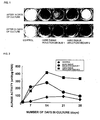
Fig. 1 is a photograph of cells stained with alizarin red after culture in Test Example 1; -
Fig. 2 is a figure showing the results of measurements of the amount of ALPase expression for cells after culture in Test Example 1; -
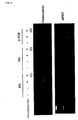
Fig. 3 shows the results of measurements by the RT-PCR method, after transplanting preadipocyte and hydroxyapatite (HA) or β-TCP under the dorsal skin of mouse, of the expression of human osteocalcin (differentiation marker for osteoblasts) and the expression of HPRT (control) in a transplant fragment four weeks later, in Test Example 2. InFig. 3 , the lanes where the preadipocyte field is "-" are experimental results for no preadipocyte addition, and the lanes with "+" are experimental results for preadipocyte addition. In addition, inFig. 3 , lanes displaying "(C)" are the results when Hard Tissue Induction Culture Medium 1 was used, and the lanes not displaying "(C)" are the results when Hard Tissue Induction Culture Medium 2 was used; -
Fig. 4 shows the results of transplantation to the root bifurcation region lesion site of a Beagle dog, which was administered with preadipocyte and fibrin gel, and three-dimensionally analyzing periodontal hard tissue after transplantation, four weeks later, in Test Example 3. The results when preadipocyte and fibrin gel were administered are shown in (A), and the results when fibrin gel alone was administered (control) is shown in (B); and -
Fig. 5 shows the results of transplantation to the root bifurcation region lesion site of a Beagle dog, which was administered with preadipocyte and fibrin gel, and observing periodontal hard tissue after transplantation, four weeks later, in Test Example 3. The results when preadipocyte and fibrin gel were administered are shown in (A), and the results when fibrin gel alone was administered (control) is shown in (B). - First, the present invention provides a culture method that causes a preadipocyte to differentiate into a periodontal hard tissue cell.
- The preadipocyte used in the present invention may be one separated from a mammal, for instance, one separated from a visceral fat tissue or a subcutaneous fat tissue according to a well known method, or may be one that has been induced to differentiate from a stem cell, such as, a mesenchymal stem cell or an ES cell.
- The origin of the preadipocyte used in the present invention is also not limited in particular and, for instance, human, mouse, rat, canine, rabbit, feline, bovine, monkey, etc., may be pointed out. Among these, those that are human-derived are preferred in the present invention as clinical application is possible.
- In the culture method of the present invention, for the culture medium for culturing the above-mentioned preadipocyte, a culture medium containing at least one member selected from the group consisting of glycerophosphate, and salts thereof (hereinafter, this may be indicated simply with Component (i)), and at least one member selected from the group consisting of ascorbic acid, derivatives thereof and salts thereof (hereinafter, this may be indicated simply with Component (ii)), is used.
- Here, as glycerophosphate used as Component (i), it may be either of α-glycerophosphate and β-glycerophosphate, and more preferred is β-glycerophosphate.
- In addition, as salts of glycerophosphate used as Component (i), for instance, sodium salt, potassium salt, manganese salt, magnesium salt, iron salt, and the like, may be cited. In the present invention, these salts may be used singly or in combination.
- Among Component (i), preferred are β-glycerophosphate and salts thereof, and more preferred is β-glycerophosphate.
- As Component (i), the above-mentioned glycerophosphate and salts thereof may be used singly or in combination.
- In addition, as derivatives of ascorbic acid used as Component (ii), for instance, ascorbic acid 2-glucoside, ascorbic acid-2 phosphoric acid, ascorbic acid-2 sulfate,
ascorbic acid 2,6-dipalmitate, ascorbic acid 6-stearate, ascorbic acid glucosamine, L-dehydroascorbic acid, ascorbic acid 6-palmitate, L-ascorbin tetraisopalmitate and the like, may be cited. - In addition, as salts of ascorbic acid and derivatives thereof used as Component (ii), for instance, sodium salt, potassium salt; calcium salt, magnesium salt and the like, may be cited. In the present invention, these salts may be used singly or combination.
- Among Component (ii), preferred is ascorbic acid and salts thereof, and more preferred is ascorbic acid.
- As Component (i), although one species of compound may be used singly from among ascorbic acid, derivatives thereof and salts thereof, two or more species of compound may be used in combination from among these.
- Although there are no particular limitations as far as the concentrations of the above Components (i) and (ii) in the culture medium used in the present invention, concretely, culture medium containing 0.1 to 100mg/mL of Component (i) and 1 to 1000µg/mL of the Component (ii); preferably a culture medium containing 0.5 to 50mg/mL of Component (i) and 20 to 150µg/mL of Component (ii); more preferably a culture medium containing 0.5 to 10mg/mL of Component (i) and 20 to 80µg/mL of Component (ii) are pointed out. Inclusion at such concentrations of the above-mentioned Components (i) and (ii) in the culture medium allows the induction of differentiation into periodontal hard tissue cell (bone-forming cell, cartilage-forming cell, periodontal ligament-forming cell, and the like) to be carried out all the more efficiently.
- In addition, it suffices for the above culture medium that the above-mentioned Components (i) and (ii) have been added in prescribed amounts to a culture medium used for cell culture (suspension culture) in general. For instance, a DMEM culture medium containing 5 to 20 percent in volume of human serum or calf serum albumin to which a prescribed amount of the above Components (i) and (ii) have been added may be cited as a preferred culture medium.
- However, it is essential that the above-mentioned culture medium used in the present invention does not contain an adrenal cortical hormone such as dexamethasone in such an effective amount that promotes differentiation of a preadipocyte into a periodontal hard tissue cell. In prior art, in order to cause a stem cell to differentiate into a chondrocyte, a bone-forming cell, a cartilage-forming cell or the like, a culture medium containing an adrenal cortical hormone is used in general. However, in the present invention, differentiation into a periodontal hard tissue cell with respect to a preadipocyte is allowed in a short time and effectively by using a culture medium containing the above-mentioned Components (i) and (ii), and with an amount of adrenal cortical hormone that is less than the effective dose for promoting differentiation of a preadipocyte into a periodontal hard tissue cell, which differs from the observations of prior art techniques. In contrast to this if a prior art culture medium for differentiation promotion containing, together with the above-mentioned Components (i) and (ii), an effective amount of adrenal cortical hormone promoting the differentiation of a preadipocyte into a periodontal hard tissue cell is used, although differentiation of preadipocyte into periodontal hard tissue cell is observed, the rate of differentiation thereof is slow, differentiation into a periodontal hard tissue cell in a short time and effectively is disabled. As the culture media used in the present invention, concretely, a culture medium in which adrenal cortical hormone is less than 10nM, preferably less than 2nM, more preferably less than 1nM and particularly preferably less than 0.5nM, and more preferably, a culture medium substantially not containing an adrenal cortical hormone can be given as examples.
- There are no particular limitations regarding the conditions for culturing the preadipocyte, and in general, and it suffices to carry out a culture at 37°C, in the presence of 5% carbon dioxide for 1 to 30 days, and preferably 2 to 14 days. By carrying out a culture in this way differentiation of the above-mentioned preadipocyte into a periodontal hard tissue cell can be induced.
- Note that the culture of the preadipocyte may be performed with the preadipocyte in a carrier-attached state in a culture medium, or may be performed with the preadipocyte in a suspended state in a low-adhesion culture dish.
- Second, the present invention provides a composition for periodontal hard tissue regeneration containing a scaffold and preadipocytes cultured with a culture medium containing the above-mentioned Components (i) and (ii), but not containing an adrenal cortical hormone in such an amount that promotes differentiation of a preadipocyte into a periodontal hard tissue cell.
- The preadipocytes used in the composition for periodontal hard tissue regeneration of the present invention and the culture method thereof are the same as those described in the above article "I. Culture method for causing differentiation into periodontal hard tissue cell".
- There is no particular limitation for the scaffold used in the composition for periodontal hard tissue regeneration of the present invention as long as it can be used for the regeneration of a hard tissue and, for instance, materials which are in gel-state or porous and biodegradable or bioresorbable are used. The scaffold may be used singly or in combination.
- In particular, in case of using hydroxyapatite and/or fibrin gel as the scaffold, periodontal hard tissue regeneration effect by the preadipocyte is displayed particularly remarkably, thus, hydroxyapatite and/or fibrin gel is a particularly preferred scaffold in the composition for periodontal hard tissue regeneration of the present invention.
- As far as the mixing ratio of scaffold contained in the composition for periodontal hard tissue regeneration of the present invention, setting it suitably according to the species or the like of the scaffold is sufficient, and, as one example, proportions of 1 to 4000mg, preferably 5 to 1000mg and preferably 10 to 800mg per 1.0×10⁶ cells of the above-mentioned preadipocytes contained in the composition for periodontal hard tissue regeneration are given as example.
- In addition, a pharmaceutically acceptable carrier may be contained in the composition for periodontal hard tissue regeneration of the present invention, in addition to the preadipocyte and scaffold, as necessary. Here, as pharmaceutically acceptable carrier, for instance, physiological saline, buffer solution and the like are given as examples.
- In addition, suitable amounts of fibrinogen, thrombin or the like may be added in the composition for periodontal hard tissue regeneration of the present invention, in addition to those described above.
- The composition for periodontal hard tissue regeneration of the present invention can be used as a dental therapeutic material, and is useful in particular for the treatment of periodontal diseases accompanied by the destruction of a periodontal hard tissue. Concretely, by administering the composition for periodontal hard tissue regeneration of the present invention to the periodontal-diseased area subjected to the treatment in a suitable amount using a syringe or the like, bone, cartilage and periodontal ligament can be restored comprehensively to regenerate a periodontal hard tissue in its entirety.
- In the treatment of periodontal diseases, regarding the dosage of the composition for periodontal hard tissue regeneration of the present invention, setting it suitably according to the extent of the symptoms of the disease, sex and age of the patient, and the like is sufficient and, for instance, it suffices to set the dosage of the composition for periodontal hard tissue regeneration so that the dose of the above-mentioned preadipocyte becomes in the range of 1.0×10⁵ to 1.0×10⁷ cells.
- Furthermore, the present invention also provides a "therapeutic method for periodontal disease", which is useful as a regeneration method for periodontal hard tissue. The therapeutic method comprises administering a therapeutically effective amount of scaffold and preadipocytes cultured in a culture medium containing (i) at least one member selected from the group consisting of glycerophosphate and salts thereof, and (ii) at least one member selected from the group consisting of ascorbic acid, derivatives thereof and salts thereof, but not containing an adrenal cortical hormone in such an amount that promotes differentiation of a preadipocyte into a periodontal hard tissue cell to a periodontal-diseased area of a patient affected by a periodontal disease.
- The preadipocyte used in the composition for periodontal hard tissue regeneration of the present invention and the culture method thereof are the same as those described in the above Article "I. Culture method for causing differentiation into periodontal hard tissue cell". In addition, the scaffolds used in the therapeutic method of the present invention are the same as those described in the above article "II. Composition for periodontal hard tissue regeneration". Furthermore, also regarding the ratio of the scaffold and preadipocytes to be administered, dosage thereof, administration method thereof and target periodontal disease, the contents described in the above article "II. Composition for periodontal hard tissue regeneration" are adopted.
- The therapeutic method of the present invention may administer the above-mentioned preadipocytes and the above-mentioned scaffold respectively sequentially or simultaneously to the periodontal-diseased area; however it simpler and preferred to use the composition for periodontal hard tissue regeneration and administer in a periodontal-diseased area.
- Hereinafter, the present invention will be described giving examples; however, the present invention is not limited to these examples.
- Preadipocytes collected from a human fat tissue according to well known methods were cultured in a D-MEM culture medium containing 10 mM β-glycerophosphate, 50 µg/ml ascorbic acid and 10 % by volume of FCS (fetal calf serum) (hereinafter abbreviated as "Hard Tissue
Induction Culture Medium 1") or a culture medium in which dexamethasone was added to the Hard TissueInduction Culture Medium 1 so as to obtain 10nM (hereinafter abbreviated as "Hard TissueInduction Culture Medium 2") at 37°C in the presence of 5% carbon dioxide, at 14 and 21 days of culture, alizarin red staining was carried out on cells in each culture solution according to methods described in the following to evaluate the state of mineralized nodule formation. In addition, at each time point of 0, 7, 14, 21 and 28 days of culture, measurements of DNA amount and alkaline phosphatase (hereinafter abbreviated as ALPase) activity were carried out according to the methods described in the following. Note that in the culture, Hard TissueInduction Culture Medium 1 and Hard TissueInduction Culture Medium 2 were replaced every 3 days. - After removing supernatant of the cell culture, the recovered cells were washed two times with PBS, and then fixed in 100% ethyl alcohol for 10 minutes. With respect to cells fixed in this way, staining in alizarin red S solution for 5 minutes and then washing in distilled water were carried out. The portions stained in alizarin red S were observed with a phase contrast microscope.
- After removing supernatant of the cell culture, the recovered cells were washed two times with PBS, then, sonically disrupted in distilled water with handy sonic, and the liquid fraction was recovered. After sodium paranitrophenol-2-phosphate (pNPP) was added to this liquid fraction so as to obtain 500µM and reacted at 37°C for 30 minutes, the optical density O.D. 415 nm of the same solution was measured to determine the amount of hydrolyzed pNPP. Note that the ALPase activity that hydrolyzes 1 nmol of pNPP in 30 minutes was taken as one unit (U), which was shown as unit values per 1 µg of DNA amount.
- The results of alizarin red staining are shown in
Fig. 1 and the ALPase activity measurement results inFig. 2 . From these result, the preadipocytes cultured in Hard TissueInduction Culture Medium 1 exhibited a high proportion of cells stained with alizarin red even at 14 days of culture, forming mineralized nodules and having differentiated into hard tissue cells (Fig. 1 ). On the other hand, with the Hard TissueInduction Culture Medium 2 containing dexamethasone, cells stained with alizarin red were almost not observed at 14 days of culture, revealing that nodule mineralization was not formed (Fig. 1 ). In addition, with Hard TissueInduction Culture Medium 1 and Hard TissueInduction Culture Medium 2, the expression amount of ALPase, which is one indicator for indicating differentiation into a hard tissue cell, demonstrated slightly different behaviors (refer toFig. 2 ). - Preadipocytes collected from a human fat tissue according to well known methods was cultured using Hard Tissue
Induction Culture Medium 1 or Hard TissueInduction Culture Medium 2 at 37°C in the presence of 5% carbon dioxide and the cells were recovered at 7 days of culture. After 1.5x10⁶ cells of the recovered cells and 40 mg of hydroxyapatite or β-TCP were mixed and cultured at 37°C for 90 minutes, 15 µl each of fibrinogen and thrombin were added and transplanted under the dorsal skin of a six week-old SCID mouse. The transplant was taken out at four weeks after transplantation, and the amount of human osteocalcin mRNA expressed in the transplant was measured by the RT-PCR method. Note that as a control, measurements were carried out similarly with respect to the mRNA expression amount for Hypoxanthine phosphoribosyl transferase (HPRT). - The results are shown in
Fig. 3 . As is apparent fromFig. 3 , when preadipocytes cultured using Hard TissueInduction Culture Medium 1 were transplanted using hydroxyapatite as a scaffold, a remarkable human osteocalcin (differentiation marker for osteoblasts) expression was observed. From this result, it has become apparent that the regeneration of periodontal hard tissue by preadipocytes cultured using Hard TissueInduction Culture Medium 1 may be carried out all the more effectively by using preadipocytes and hydroxyapatite in combination. - A mandibular artificial lesion of the secondary root bifurcation region of a two year-old Beagle dog was created, and simultaneously, dorsal mesogastrium was collected from the abdomen. Preadipocytes were isolated from the collected dorsal mesogastrium and conserved. The isolated and conserved preadipocytes were cultured in Hard Tissue
Induction Culture Medium 1 at 37°C in the presence of 5% carbon dioxide, and the cells were recovered at 7 days of culture. Mixed were 1.5×10⁵ cells of the recovered cells and 100µl of fibrin gel, and this was transplanted on the experimental side of the root bifurcation region lesion of the above-mentioned Beagle dog at for weeks after the operation. In addition, fibrin gel alone was packed on the control side of the root bifurcation region lesion. The mandible was collected four weeks after the transplantation, and the periodontal hard tissue was photographed by microCT to evaluate the extent of regeneration thereof. - The results are shown in
Figs. 4 and 5 . InFig. 4 , the results when preadipocyte and fibrin gel were administered are shown in (A), and the results when fibrin gel alone was administered (control) is shown in (B). In addition, inFig. 5 , the results when preadipocytes and fibrin gel were administered are shown in (A), and the results when fibrin gel alone was administered (control) is shown in (B). From these results, it was revealed that, along with bone regeneration, regeneration of cartilage and periodontal ligament was also observed in the root bifurcation region lesion site where preadipocytes and fibrin gel were administered, and that the root bifurcation region lesion site was regenerated as a periodontal hard tissue. On the other hand, regeneration of periodontal hard tissue was not observed when simply fibrin gel was administered.
Claims (13)
- A culture method for causing a preadipocyte to differentiate into a periodontal hard tissue cell, wherein a preadipocyte is cultured with a culture medium containing (i) at least one mamber selected from the group consisting of glycerophosphate and salts thereof, and (ii) at least one member selected from the group consisting of ascorbic acid, derivatives thereof and salts thereof, but not containing an adrenal cortical hormone in such an amount that promotes differentiation of a preadipocyte into a periodontal hard tissue cell.
- The method according to Claim 1, wherein the preadipocyte is human-derived.
- The method according to Claim 1, wherein Component (i) is β glycerophosphate and Component (ii) is ascorbic acid.
- The method according to Claim 1, wherein the culture medium contains 0.1 to 100 mg/mL of Component (i) and 1 to 1000 µg/mL of Component (ii).
- The method according to Claim 1, wherein the culture medium contains the adrenal cortical hormone in an amount of less than 10 nM.
- A composition for periodontal hard tissue regeneration, containing a scaffold, and preadipocytes cultured with a culture medium containing (i) at least one member selected from the group consisting of glycerophosphate and salts thereof, and (ii) at least one member selected from the group consisting of ascorbic acid, derivatives thereof and salts thereof, but not containing an adrenal cortical hormone in such an amount that promotes differentiation of a preadipocyte into a periodontal hard tissue cell.
- The composition for periodontal hard tissue regeneration according to Claim 6, wherein the scaffold is hydroxyapatite and/or fibrin gel.
- The composition for periodontal hard tissue regeneration according to Claim 6, wherein the preadipocyte is human-derived.
- The composition for periodontal hard tissue regeneration according to Claim 6, containing 1 to 4000mg of the scahold per 1.0×10⁶ cells of the preadipocytes.
- A therapeutic method for periodontal disease, comprising administering a therapeutically effective amount of scaffold and preadipocytes cultured with a culture medium containing (i) at least one member selected from the group consisting of glycerophosphate and salts thereof, and (ii) at least one member selected from the group consisting of ascorbic acid, derivatives thereof and salts thereof, but not containing an adrenal cortical hormone in such an amount that promotes differentiation of a preadipocyte into a periodontal hard tissue cell to a periodontal-diseased area of a patient affected by a periodontal disease.
- The therapeutic method for periodontal disease according to Claim 10, wherein a therapeutically effective amount of the composition for periodontal hard tissue regeneration of Claim 6 is administered to a periodontal-diseased area of a patient affected by a periodontal disease.
- Use of a culture medium containing (i) at least one member selected from the group consisting of glycerophosphate and salts thereof, and (ii) at least one member selected from the group consisting of ascorbic acid, derivatives thereof and salts thereof, but not containing an adrenal cortical hormone in such an amount that promotes differentiation of a preadipocyte into a periodontal hard tissue cell, for causing a preadipocyte to differentiate into a periodontal hard tissue cell.
- Use of a scaffold and preadipocyte cultured with a culture medium containing (i) at least one member selected from the group consisting of glycerophosphate and salts thereof, and (ii) at least one member selected from the group consisting of ascorbic acid, derivatives thereof and salts thereof, but not containing an adrenal cortical hormone in such an amount that promotes differentiation of a preadipocyte into a periodontal hard tissue cell, for preparing a composition for periodontal hard tissue regeneration.
Applications Claiming Priority (2)
| Application Number | Priority Date | Filing Date | Title |
|---|---|---|---|
| JP2006259717 | 2006-09-25 | ||
| PCT/JP2007/068287 WO2008038572A1 (en) | 2006-09-25 | 2007-09-20 | Composition for regeneration of periodontal hard tissue and method for regeneration of periodontal hard tissue |
Publications (2)
| Publication Number | Publication Date |
|---|---|
| EP2075329A1 true EP2075329A1 (en) | 2009-07-01 |
| EP2075329A4 EP2075329A4 (en) | 2010-10-20 |
Family
ID=39230006
Family Applications (1)
| Application Number | Title | Priority Date | Filing Date |
|---|---|---|---|
| EP07828282A Withdrawn EP2075329A4 (en) | 2006-09-25 | 2007-09-20 | COMPOSITION FOR REGENERATING PERIODONTAL DURUM TISSUE AND METHOD FOR REGENERATING PERIODONTAL DURUM TISSUE |
Country Status (4)
| Country | Link |
|---|---|
| US (1) | US20100068188A1 (en) |
| EP (1) | EP2075329A4 (en) |
| JP (1) | JP5191386B2 (en) |
| WO (1) | WO2008038572A1 (en) |
Families Citing this family (1)
| Publication number | Priority date | Publication date | Assignee | Title |
|---|---|---|---|---|
| WO2021076851A1 (en) * | 2019-10-16 | 2021-04-22 | Bioventures, Llc | Biologically synthesized hydroxyapatite for bone regeneration and tissue engineering |
Family Cites Families (2)
| Publication number | Priority date | Publication date | Assignee | Title |
|---|---|---|---|---|
| US6391297B1 (en) * | 1997-12-02 | 2002-05-21 | Artecel Sciences, Inc. | Differentiation of adipose stromal cells into osteoblasts and uses thereof |
| IL145002A0 (en) | 1999-03-10 | 2002-06-30 | Univ Pittsburgh | Adipose-derived stem cells and lattices |
-
2007
- 2007-09-20 JP JP2008536349A patent/JP5191386B2/en active Active
- 2007-09-20 EP EP07828282A patent/EP2075329A4/en not_active Withdrawn
- 2007-09-20 US US12/311,275 patent/US20100068188A1/en not_active Abandoned
- 2007-09-20 WO PCT/JP2007/068287 patent/WO2008038572A1/en not_active Ceased
Also Published As
| Publication number | Publication date |
|---|---|
| US20100068188A1 (en) | 2010-03-18 |
| JP5191386B2 (en) | 2013-05-08 |
| JPWO2008038572A1 (en) | 2010-01-28 |
| EP2075329A4 (en) | 2010-10-20 |
| WO2008038572A1 (en) | 2008-04-03 |
Similar Documents
| Publication | Publication Date | Title |
|---|---|---|
| Ozeki et al. | Not single but periodic injections of synovial mesenchymal stem cells maintain viable cells in knees and inhibit osteoarthritis progression in rats | |
| Zhang et al. | The effect of aging on the pluripotential capacity and regenerative potential of human periodontal ligament stem cells | |
| Dan et al. | The influence of cellular source on periodontal regeneration using calcium phosphate coated polycaprolactone scaffold supported cell sheets | |
| Zhang et al. | Composite cell sheet for periodontal regeneration: crosstalk between different types of MSCs in cell sheet facilitates complex periodontal-like tissue regeneration | |
| Gao et al. | The effect of the coumarin-like derivative osthole on the osteogenic properties of human periodontal ligament and jaw bone marrow mesenchymal stem cell sheets | |
| US8545888B2 (en) | Tendon stem cells | |
| CN102026546A (en) | Compositions and methods for cartilage repair | |
| US9937209B2 (en) | Glycosaminoglycan compositions in combination with stem cells | |
| WO2008100083A1 (en) | A composition of the injectable agents for tissues repaire containing mesenchymal stem cells and optimized culture media | |
| Fu et al. | Matrigel scaffolding enhances BMP9-induced bone formation in dental follicle stem/precursor cells | |
| JP2005532810A (en) | Methods for transplanting mesenchymal stem cells for tissue repair and tissue formation | |
| BE1021755B1 (en) | FORMULATIONS COMPRISING SOLVENT / DETERGENT-TREATED PLASMA (PLASMA S / D) AND USES THEREOF | |
| BR112016018704B1 (en) | process for the production of a transplantable cartilage material for tissue engineering | |
| TW202504624A (en) | Composition comprising mitochondria and use thereof for improving joint disease | |
| US11771803B2 (en) | Enhancement of osteogenic potential of bone grafts | |
| KR20200052302A (en) | Biomaterials containing adipose-derived stem cells and methods for producing the same | |
| US12540312B2 (en) | Use of G007-LK in promoting osteogenic differentiation of dental mesenchymal stem cells and bone tissue regeneration | |
| Eslaminejad et al. | In vivo bone formation by canine mesenchymal stem cells loaded onto HA/TCP scaffolds: qualitative and quantitative analysis | |
| US20100068188A1 (en) | Composition for regeneration of periodontal hard tissue and method for regeneration of periodontal hard tissue | |
| CA2278539A1 (en) | Bone regeneration in osteoporosis using human bone marrow mesenchymal cells | |
| CN118615319A (en) | Application of extracellular vesicles of dental pulp cells of adult exfoliated deciduous teeth in the preparation of a medicament for treating and/or preventing bone defects | |
| Zuliani et al. | SPHEROIDS FROM HUMAN AMNIOTIC FLUID STEM CELLS FOR OSTEOARTHRITIC CARTILAGE REGENERATIVE APPLICATIONS | |
| Ali | Stemness and osteogenic differentiation of induced pluripotent stem cells generated in xeno-free conditions | |
| Soumiya et al. | Molecular and morphological analyses of the osteogenic activity of rat cultured periosteum cells in vivo and in vitro | |
| Khalesseh | Growth and Osteogenic Properties of Dental Pulp Stem Cells from Deciduous vs. Permanent Teeth |
Legal Events
| Date | Code | Title | Description |
|---|---|---|---|
| PUAI | Public reference made under article 153(3) epc to a published international application that has entered the european phase |
Free format text: ORIGINAL CODE: 0009012 |
|
| 17P | Request for examination filed |
Effective date: 20090424 |
|
| AK | Designated contracting states |
Kind code of ref document: A1 Designated state(s): AT BE BG CH CY CZ DE DK EE ES FI FR GB GR HU IE IS IT LI LT LU LV MC MT NL PL PT RO SE SI SK TR |
|
| AX | Request for extension of the european patent |
Extension state: AL BA HR MK RS |
|
| A4 | Supplementary search report drawn up and despatched |
Effective date: 20100921 |
|
| 17Q | First examination report despatched |
Effective date: 20110913 |
|
| DAX | Request for extension of the european patent (deleted) | ||
| RIC1 | Information provided on ipc code assigned before grant |
Ipc: C12N 5/0775 20100101ALI20140930BHEP Ipc: A61L 27/38 20060101AFI20140930BHEP Ipc: A61K 35/12 20060101ALI20140930BHEP |
|
| GRAP | Despatch of communication of intention to grant a patent |
Free format text: ORIGINAL CODE: EPIDOSNIGR1 |
|
| INTG | Intention to grant announced |
Effective date: 20150130 |
|
| STAA | Information on the status of an ep patent application or granted ep patent |
Free format text: STATUS: THE APPLICATION IS DEEMED TO BE WITHDRAWN |
|
| 18D | Application deemed to be withdrawn |
Effective date: 20150610 |