EP2072324A2 - Child seat and method for monitoring installation of the child seat - Google Patents
Child seat and method for monitoring installation of the child seat Download PDFInfo
- Publication number
- EP2072324A2 EP2072324A2 EP08171458A EP08171458A EP2072324A2 EP 2072324 A2 EP2072324 A2 EP 2072324A2 EP 08171458 A EP08171458 A EP 08171458A EP 08171458 A EP08171458 A EP 08171458A EP 2072324 A2 EP2072324 A2 EP 2072324A2
- Authority
- EP
- European Patent Office
- Prior art keywords
- child seat
- tension value
- bladder
- signal
- child
- Prior art date
- Legal status (The legal status is an assumption and is not a legal conclusion. Google has not performed a legal analysis and makes no representation as to the accuracy of the status listed.)
- Granted
Links
- 238000000034 method Methods 0.000 title claims abstract description 31
- 238000009434 installation Methods 0.000 title claims abstract description 8
- 238000012544 monitoring process Methods 0.000 title claims abstract description 8
- 239000012530 fluid Substances 0.000 claims abstract description 31
- XUIMIQQOPSSXEZ-UHFFFAOYSA-N Silicon Chemical compound [Si] XUIMIQQOPSSXEZ-UHFFFAOYSA-N 0.000 claims 1
- 229920002635 polyurethane Polymers 0.000 claims 1
- 239000004814 polyurethane Substances 0.000 claims 1
- 229910052710 silicon Inorganic materials 0.000 claims 1
- 239000010703 silicon Substances 0.000 claims 1
- 239000000853 adhesive Substances 0.000 description 1
- 230000001070 adhesive effect Effects 0.000 description 1
- 239000003292 glue Substances 0.000 description 1
- 239000000463 material Substances 0.000 description 1
- 230000007246 mechanism Effects 0.000 description 1
- 238000012986 modification Methods 0.000 description 1
- 230000004048 modification Effects 0.000 description 1
Images


Classifications
-
- B—PERFORMING OPERATIONS; TRANSPORTING
- B60—VEHICLES IN GENERAL
- B60N—SEATS SPECIALLY ADAPTED FOR VEHICLES; VEHICLE PASSENGER ACCOMMODATION NOT OTHERWISE PROVIDED FOR
- B60N2/00—Seats specially adapted for vehicles; Arrangement or mounting of seats in vehicles
- B60N2/24—Seats specially adapted for vehicles; Arrangement or mounting of seats in vehicles for particular purposes or particular vehicles
- B60N2/26—Seats specially adapted for vehicles; Arrangement or mounting of seats in vehicles for particular purposes or particular vehicles for children
- B60N2/28—Seats readily mountable on, and dismountable from, existing seats or other parts of the vehicle
- B60N2/2803—Adaptations for seat belts
- B60N2/2806—Adaptations for seat belts for securing the child seat to the vehicle
-
- B—PERFORMING OPERATIONS; TRANSPORTING
- B60—VEHICLES IN GENERAL
- B60N—SEATS SPECIALLY ADAPTED FOR VEHICLES; VEHICLE PASSENGER ACCOMMODATION NOT OTHERWISE PROVIDED FOR
- B60N2/00—Seats specially adapted for vehicles; Arrangement or mounting of seats in vehicles
- B60N2/24—Seats specially adapted for vehicles; Arrangement or mounting of seats in vehicles for particular purposes or particular vehicles
- B60N2/26—Seats specially adapted for vehicles; Arrangement or mounting of seats in vehicles for particular purposes or particular vehicles for children
- B60N2/266—Seats specially adapted for vehicles; Arrangement or mounting of seats in vehicles for particular purposes or particular vehicles for children with detection or alerting means responsive to presence or absence of children; with detection or alerting means responsive to improper locking or installation of the child seats or parts thereof
- B60N2/268—Seats specially adapted for vehicles; Arrangement or mounting of seats in vehicles for particular purposes or particular vehicles for children with detection or alerting means responsive to presence or absence of children; with detection or alerting means responsive to improper locking or installation of the child seats or parts thereof detecting or alerting means responsive to the installation of the child seats in the vehicle
-
- B—PERFORMING OPERATIONS; TRANSPORTING
- B60—VEHICLES IN GENERAL
- B60N—SEATS SPECIALLY ADAPTED FOR VEHICLES; VEHICLE PASSENGER ACCOMMODATION NOT OTHERWISE PROVIDED FOR
- B60N2/00—Seats specially adapted for vehicles; Arrangement or mounting of seats in vehicles
- B60N2/24—Seats specially adapted for vehicles; Arrangement or mounting of seats in vehicles for particular purposes or particular vehicles
- B60N2/26—Seats specially adapted for vehicles; Arrangement or mounting of seats in vehicles for particular purposes or particular vehicles for children
- B60N2/266—Seats specially adapted for vehicles; Arrangement or mounting of seats in vehicles for particular purposes or particular vehicles for children with detection or alerting means responsive to presence or absence of children; with detection or alerting means responsive to improper locking or installation of the child seats or parts thereof
- B60N2/271—Seats specially adapted for vehicles; Arrangement or mounting of seats in vehicles for particular purposes or particular vehicles for children with detection or alerting means responsive to presence or absence of children; with detection or alerting means responsive to improper locking or installation of the child seats or parts thereof detecting or alerting means responsive to securing the child in the seat
-
- B—PERFORMING OPERATIONS; TRANSPORTING
- B60—VEHICLES IN GENERAL
- B60N—SEATS SPECIALLY ADAPTED FOR VEHICLES; VEHICLE PASSENGER ACCOMMODATION NOT OTHERWISE PROVIDED FOR
- B60N2/00—Seats specially adapted for vehicles; Arrangement or mounting of seats in vehicles
- B60N2/24—Seats specially adapted for vehicles; Arrangement or mounting of seats in vehicles for particular purposes or particular vehicles
- B60N2/26—Seats specially adapted for vehicles; Arrangement or mounting of seats in vehicles for particular purposes or particular vehicles for children
- B60N2/28—Seats readily mountable on, and dismountable from, existing seats or other parts of the vehicle
- B60N2/2803—Adaptations for seat belts
- B60N2/2812—Adaptations for seat belts for securing the child to the child seat
-
- B—PERFORMING OPERATIONS; TRANSPORTING
- B60—VEHICLES IN GENERAL
- B60N—SEATS SPECIALLY ADAPTED FOR VEHICLES; VEHICLE PASSENGER ACCOMMODATION NOT OTHERWISE PROVIDED FOR
- B60N2/00—Seats specially adapted for vehicles; Arrangement or mounting of seats in vehicles
- B60N2/24—Seats specially adapted for vehicles; Arrangement or mounting of seats in vehicles for particular purposes or particular vehicles
- B60N2/26—Seats specially adapted for vehicles; Arrangement or mounting of seats in vehicles for particular purposes or particular vehicles for children
- B60N2/28—Seats readily mountable on, and dismountable from, existing seats or other parts of the vehicle
- B60N2/2803—Adaptations for seat belts
- B60N2/2816—Adaptations for seat belts with additional belt accessories, e.g. belt tension detectors
-
- B—PERFORMING OPERATIONS; TRANSPORTING
- B60—VEHICLES IN GENERAL
- B60N—SEATS SPECIALLY ADAPTED FOR VEHICLES; VEHICLE PASSENGER ACCOMMODATION NOT OTHERWISE PROVIDED FOR
- B60N2230/00—Communication or electronic aspects
- B60N2230/10—Wired data transmission
Definitions
- Child seats have been utilized to hold infants or children therein within vehicles.
- During installation of child seats in a vehicle if a sufficient amount of tension is applied to the vehicle's seat belt webbing to secure the child seat, rotation of the child seat with respect to a vehicle seat is restricted which assists in protecting a child disposed in the child seat.
- the child seat may rotate more than desired during a sudden stop.
- the inventors herein have recognized a need for a child seat that can notify a person when a desired amount of tension is being applied to seat belt webbing when securing a child seat on a vehicle seat.
- the child seat includes a child seat frame configured to receive a child occupant.
- the child seat frame is configured to receive a seat belt webbing for securing the child seat frame to a vehicle seat.
- the child seat further includes a first bladder configured to contact the seat belt webbing.
- the first bladder has a fluid therein.
- the child seat further includes a first pressure sensor fluidly communicating with the fluid in the first bladder.
- the first pressure sensor is configured to output a first signal indicative of an amount of pressure in the first bladder.
- the child seat further includes a controller coupled to the child seat frame configured to receive the first signal and to compute a first tension value based on the first signal.
- the controller is further configured to generate a second signal to induce a first device disposed on the child seat frame to indicate when the first tension value is less than a first predetermined tension value.
- the child seat has a child seat frame configured to receive a child occupant.
- the child seat frame is configured to receive a seat belt webbing for securing the child seat frame to a vehicle seat.
- the child seat further includes a first bladder, a first pressure sensor, and a controller.
- the first bladder has a fluid therein and contacts the seat belt webbing.
- the first pressure sensor fluidly communicates with the fluid in the first bladder.
- the controller is operably coupled to the first pressure sensor.
- the method includes generating a first signal indicative of an amount of pressure in the first bladder contacting the seat belt webbing, utilizing the first pressure sensor.
- the method further includes determining a first tension value based on the first signal, utilizing the controller.
- the method further includes generating a second signal to induce a first device disposed on the child seat frame to indicate when the first tension value is less than a first predetermined tension value, utilizing the controller.
- the vehicle seat includes a vehicle seat frame configured to receive an occupant.
- the vehicle seat further includes a seat belt webbing coupled to the vehicle seat frame and configured to secure the occupant to the vehicle seat frame.
- the vehicle seat further includes a first bladder configured to contact the seat belt webbing.
- the first bladder has a fluid therein.
- the vehicle seat further includes a first pressure sensor fluidly communicating with the fluid in the first bladder.
- the first pressure sensor is configured to output a first signal indicative of an amount of pressure in the first bladder.
- the vehicle seat further includes a controller coupled to the vehicle seat frame.
- the controller is configured to receive the first signal and to compute a first tension value based on the first signal.
- the controller is further configured to generate a second signal to induce a first device disposed on the vehicle seat frame to indicate when the first tension value is less than a first predetermined tension value.
- a vehicle 10 includes a child seat 20 and a vehicle seat 22.
- the child seat 20 is configured to be secured to the vehicle seat 22 via the seat belt webbing 24.
- the child seat 20 is configured to secure a child thereon.
- the child seat 20 includes a child seat frame 40, a cushion 42, bladders 44, 46, child seat webbing 48, a buckle retainer 50, pressure sensors 52, 54, a controller 56, conduits 57, 58, light emitting diodes (LEDs) 60, 62, 64, 66, an electrical speaker 68, and a housing 70.
- LEDs light emitting diodes
- the child seat frame 40 is provided to support a child thereon.
- the child seat frame 40 includes a back portion 80 coupled to a seat portion 82.
- the back portion 80 is integral with seat portion 82 and is constructed from plastic.
- the back portion 80 defines apertures 84, 86 for receiving the seat belt webbing 24 therethrough.
- the cushion 42 is provided to cushion a child seated on the child seat 20.
- the cushion 42 is disposed on the back portion 80 and on the seat portion 82.
- the bladder 44 is configured to hold a fluid 102 therein.
- the bladder 44 includes a deformable outer wall 100 defining an interior region for holding the fluid 102 therein.
- the bladder 44 is disposed proximate the aperture 84 of the back portion 80.
- a conduit 57 extends from the interior region of the bladder 44 to the pressure sensor 54 disposed in the housing 70.
- the bladder 44 is attached to the back portion 80 utilizing a glue or other attachment mechanisms known to those skilled in the art.
- the pressure of the fluid 102 within the bladder 44 is indicative of an amount of tension applied to the seat belt webbing 24.
- the bladder 46 is configured to hold a fluid 120 therein.
- the bladder 44 includes a deformable outer wall 106 defining an interior region for holding the fluid 120 therein, and flanges portions 108, 110 disposed at opposite ends of the outer wall 106.
- the bladder 46 is disposed proximate an aperture 121 of the back portion 80.
- a conduit 58 extends from the interior region of the bladder 46 to the pressure sensor 56 disposed in the housing 70.
- the bladder 46 is attached to the back portion 80 utilizing screws 112, 114, 116. In an alternative embodiment, pushpins or adhesives could be used to attach the bladder 46 to the back portion 80.
- the screw 112 extends through an aperture in the flange 108 for attaching the bladder 46 to the back portion 80.
- the screws 114, 116 extend through apertures in the flange 110 for attaching the bladder 46 to the back portion 80.
- the child seat webbing 48 is provided to secure a child to the child seat 20.
- the child seat webbing 48 is fixedly attached to the back portion 80 of the child seat frame 40 and extends through the aperture 121 of the back portion 80. From the aperture 121, the child seat webbing 48 extends over a chest of a child to the buckle retainer 50.
- the pressure sensor 52 is provided to generate a signal indicative of an amount of pressure of the fluid 102 in the bladder 44, which is indicative of an amount of tension on the seat belt webbing 24.
- the pressure sensor 52 fluidly communicates with an interior region of the bladder 44 via the conduit 57. It should be noted that when the amount of tension of the seat belt webbing 24 is less than a first predetermined tension value, the child seat 20 has been incorrectly installed on the vehicle seat 10. In contrast, when the amount of tension of the seat belt webbing 24 is greater than or equal to the first predetermined tension value, the child seat 20 has been securely installed on the vehicle seat 10.
- the pressure sensor 54 is provided to generate a signal indicative of an amount of pressure of the fluid 120 in the bladder 46, which is indicative of an amount of tension on the child seat webbing 48.
- the pressure sensor 54 fluidly communicates with an interior region of the bladder 46 via the conduit 58. It should be noted that when the amount of tension of the child seat webbing 48 is less than a second predetermined tension value, a child has not been correctly secured on the child seat 20. In contrast, when the amount of tension of the child seat webbing 48 is greater than or equal to the second predetermined tension value, the child has been correctly secured on the child seat 20.
- the controller 56 is provided to generate control signals to induce devices to notify an operator as to whether the child seat 20 been correctly secured to the vehicle seat 22 and whether a child has been correctly secured in the child seat 20.
- the controller 56 is electrically coupled to the pressure sensors 52, 54, LEDs 60, 62, 64, 66 and the electrical speaker 68.
- the controller 56 is configured to determine first and second tension values associated with the seat belt webbing 24 and the child seat webbing 48, respectively, based on the signals from the pressure sensors 52, 54, respectively.
- the controller 56 is configured to generate a signal to induce the LED 62 to emit light having a first color or the electrical speaker 68 to emit a first sound, when the first tension value is less than the first threshold tension value.
- the LED 62 emitting light having the first color or the electrical speaker 68 emitting the first sound indicates that the child seat 20 has been incorrectly secured to the vehicle seat 22.
- the controller 56 is configured to generate a signal to induce the LED 60 to emit light having a second color or the electrical speaker 68 to emit a second sound, when the first tension value is greater than or equal to the first threshold tension value.
- the LED 60 emitting light having the second color or the electrical speaker 68 emitting the second sound indicates that the child seat 20 has been correctly secured to the vehicle seat 22.
- the controller 56 is configured to generate a signal to induce the LED 66 to emit light having a first color or the electrical speaker 68 to emit a third sound, when the second tension value is less than the second threshold tension value.
- the LED 66 emitting light having the first color or the electrical speaker 68 emitting the third sound indicates that the child has been incorrectly secured in the child seat 20.
- the controller 56 is configured to generate a signal to induce the LED 64 to emit light having a second color or the electrical speaker 68 to emit a fourth sound, when the second tension value is greater than or equal to the second threshold tension value.
- the LED 64 emitting light having the second color or the electrical speaker 68 emitting the fourth sound indicates that the child has been correctly secured in the child seat 20.
- the pressure sensor 52 generates a first signal indicative of an amount of pressure in the bladder 44 disposed on the child seat frame 40.
- the pressure sensor 52 fluidly communicates with the fluid 102 in the bladder 44.
- the bladder 44 contacts the seat belt webbing 24 for securing the child seat 20 to the vehicle seat 22.
- the controller 56 coupled to the child seat frame 40 receives the first signal and computes a first tension value based on the first signal.
- step 154 the controller 56 makes a determination as to whether the first tension value is less than a first predetermined tension value. If the value of step 154 equals "yes", the method advances to step 156. Otherwise, the method advances to step 158.
- step 156 the controller 56 generates a second signal to induce either the LED 62 or the electrical speaker 68 disposed on the child seat frame 40 to indicate that the first tension value is less than a first predetermined tension value.
- step 158 the controller 56 generates a third signal to induce either the first LED or the electrical speaker disposed on the child seat frame 40 to indicate that the first tension value is greater than or equal to the first predetermined tension value.
- the pressure sensor 54 generates a fourth signal indicative of an amount of pressure in the bladder 46 disposed on the child seat frame 40.
- the pressure sensor 54 fluidly communicates with the fluid 120 in the bladder 46.
- the bladder 46 contacts the child seat webbing 48 when securing the child in the child seat frame 40.
- the controller 56 coupled to the child seat frame 40 receives the fourth signal and computes a second tension value based on the fourth signal.
- step 164 the controller 56 makes a determination as to whether the second tension value is less than a second predetermined tension value. If the value of step 164 equals "yes", the method advances to step 166. Otherwise, the method advances to step 168.
- step 166 the controller 56 generates a fifth signal to induce either the LED 66 or the electrical speaker 68 disposed on the child seat frame 40 to indicate that the second tension value is less than the second predetermined tension value. After step 166, the method returns the step 150.
- step 168 the controller 56 generates a sixth signal to induce either the LED 64 or the electrical speaker 68 disposed on the child seat frame 40 to indicate that the second tension value is greater than or equal to the second predetermined tension value. After step 168, the method returns to step 150.
- a vehicle seat having a vehicle seat frame configured to receive an adult occupant could be utilized with the bladder 46 disposed thereon.
- the vehicle seat includes a seat belt webbing coupled to the vehicle seat frame.
- the bladder 46 would be configured to contact the seat belt webbing.
- the bladder 46 has a fluid therein.
- the vehicle seat includes a pressure sensor fluidly communicating with the fluid in the bladder 46.
- the pressure sensor is configured to output a first signal indicative of an amount of pressure in the bladder 46.
- the vehicle seat further includes a controller coupled to the vehicle seat frame.
- the controller is configured to receive the first signal and to compute a first tension value based on the first signal.
- the controller is further configured to generate a second signal to induce a first device disposed on the vehicle seat frame to indicate when the first tension value is less than a first predetermined tension value.
- the child seat and the method for monitoring installation of the child seat provide a substantial advantage over other child seats and methods.
- the child seat and the method utilize a pressure signal indicating a pressure of a bladder coupled to the child seat to determine whether the child seat has been correctly secured to the vehicle seat.
Landscapes
- Engineering & Computer Science (AREA)
- Health & Medical Sciences (AREA)
- Child & Adolescent Psychology (AREA)
- General Health & Medical Sciences (AREA)
- Aviation & Aerospace Engineering (AREA)
- Transportation (AREA)
- Mechanical Engineering (AREA)
- Seats For Vehicles (AREA)
- Automotive Seat Belt Assembly (AREA)
Abstract
Description
- Child seats have been utilized to hold infants or children therein within vehicles. During installation of child seats in a vehicle, if a sufficient amount of tension is applied to the vehicle's seat belt webbing to secure the child seat, rotation of the child seat with respect to a vehicle seat is restricted which assists in protecting a child disposed in the child seat. However, if an insufficient amount of tension is applied to the seat belt webbing when securing the child seat, the child seat may rotate more than desired during a sudden stop.
- Accordingly, the inventors herein have recognized a need for a child seat that can notify a person when a desired amount of tension is being applied to seat belt webbing when securing a child seat on a vehicle seat.
- A child seat in accordance with an exemplary embodiment is provided. The child seat includes a child seat frame configured to receive a child occupant. The child seat frame is configured to receive a seat belt webbing for securing the child seat frame to a vehicle seat. The child seat further includes a first bladder configured to contact the seat belt webbing. The first bladder has a fluid therein. The child seat further includes a first pressure sensor fluidly communicating with the fluid in the first bladder. The first pressure sensor is configured to output a first signal indicative of an amount of pressure in the first bladder. The child seat further includes a controller coupled to the child seat frame configured to receive the first signal and to compute a first tension value based on the first signal. The controller is further configured to generate a second signal to induce a first device disposed on the child seat frame to indicate when the first tension value is less than a first predetermined tension value.
- A method for monitoring installation of a child seat on a vehicle seat in accordance with another exemplary embodiment is provided. The child seat has a child seat frame configured to receive a child occupant. The child seat frame is configured to receive a seat belt webbing for securing the child seat frame to a vehicle seat. The child seat further includes a first bladder, a first pressure sensor, and a controller. The first bladder has a fluid therein and contacts the seat belt webbing. The first pressure sensor fluidly communicates with the fluid in the first bladder. The controller is operably coupled to the first pressure sensor. The method includes generating a first signal indicative of an amount of pressure in the first bladder contacting the seat belt webbing, utilizing the first pressure sensor. The method further includes determining a first tension value based on the first signal, utilizing the controller. The method further includes generating a second signal to induce a first device disposed on the child seat frame to indicate when the first tension value is less than a first predetermined tension value, utilizing the controller.
- A vehicle seat in accordance with another exemplary embodiment is provided. The vehicle seat includes a vehicle seat frame configured to receive an occupant. The vehicle seat further includes a seat belt webbing coupled to the vehicle seat frame and configured to secure the occupant to the vehicle seat frame. The vehicle seat further includes a first bladder configured to contact the seat belt webbing. The first bladder has a fluid therein. The vehicle seat further includes a first pressure sensor fluidly communicating with the fluid in the first bladder. The first pressure sensor is configured to output a first signal indicative of an amount of pressure in the first bladder. The vehicle seat further includes a controller coupled to the vehicle seat frame. The controller is configured to receive the first signal and to compute a first tension value based on the first signal. The controller is further configured to generate a second signal to induce a first device disposed on the vehicle seat frame to indicate when the first tension value is less than a first predetermined tension value.
-
-
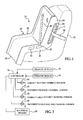
Figure 1 is a schematic of a child seat in accordance with an exemplary embodiment; -
Figure 2 is another schematic of the child seat ofFigure 1 ; -
Figure 3 is an electrical schematic associated with the child seat ofFigure 1 ; -
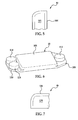
Figure 4 is an enlarged schematic of a portion of the child seat ofFigure 1 ; -
Figure 5 is a cross-sectional schematic of a portion of a first bladder utilized in the child seat ofFigure 1 ; -
Figure 6 is a schematic of a second bladder utilized in the child seat ofFigure 1 ; -
Figure 7 is a cross-sectional schematic of a portion of the second bladder ofFigure 6 ; and -
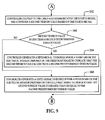
Figures 8-9 are flowcharts of a method for monitoring installation of the child seat ofFigure 1 in accordance with another exemplary embodiment. - Referring to
Figures 1-3 , avehicle 10 includes achild seat 20 and avehicle seat 22. Thechild seat 20 is configured to be secured to thevehicle seat 22 via theseat belt webbing 24. - The
child seat 20 is configured to secure a child thereon. Thechild seat 20 includes achild seat frame 40, acushion 42,bladders child seat webbing 48, abuckle retainer 50,pressure sensors controller 56,conduits electrical speaker 68, and ahousing 70. - Referring to
Figures 1 and2 , thechild seat frame 40 is provided to support a child thereon. Thechild seat frame 40 includes aback portion 80 coupled to aseat portion 82. In one exemplary embodiment, theback portion 80 is integral withseat portion 82 and is constructed from plastic. Theback portion 80 definesapertures seat belt webbing 24 therethrough. - The
cushion 42 is provided to cushion a child seated on thechild seat 20. Thecushion 42 is disposed on theback portion 80 and on theseat portion 82. - Referring to
Figures 1 ,2 and5 , thebladder 44 is configured to hold afluid 102 therein. In particular, thebladder 44 includes a deformableouter wall 100 defining an interior region for holding thefluid 102 therein. Thebladder 44 is disposed proximate theaperture 84 of theback portion 80. Aconduit 57 extends from the interior region of thebladder 44 to thepressure sensor 54 disposed in thehousing 70. Thebladder 44 is attached to theback portion 80 utilizing a glue or other attachment mechanisms known to those skilled in the art. When theseat belt webbing 24 is disposed adjacent thebladder 44, the pressure of thefluid 102 within thebladder 44 is indicative of an amount of tension applied to theseat belt webbing 24. - Referring to
Figures 2, 4 ,6 and 7 , thebladder 46 is configured to hold afluid 120 therein. In particular, thebladder 44 includes a deformableouter wall 106 defining an interior region for holding thefluid 120 therein, andflanges portions outer wall 106. Thebladder 46 is disposed proximate anaperture 121 of theback portion 80. Aconduit 58 extends from the interior region of thebladder 46 to thepressure sensor 56 disposed in thehousing 70. Thebladder 46 is attached to theback portion 80 utilizingscrews bladder 46 to theback portion 80. Thescrew 112 extends through an aperture in theflange 108 for attaching thebladder 46 to theback portion 80. Thescrews flange 110 for attaching thebladder 46 to theback portion 80. When thechild seat webbing 48 is disposed against thebladder 46, the pressure of the fluid 120 within thebladder 46 is indicative of an amount of tension applied to thechild seat webbing 48. - The
child seat webbing 48 is provided to secure a child to thechild seat 20. Thechild seat webbing 48 is fixedly attached to theback portion 80 of thechild seat frame 40 and extends through theaperture 121 of theback portion 80. From theaperture 121, thechild seat webbing 48 extends over a chest of a child to thebuckle retainer 50. - Referring to
Figures 2 and3 , thepressure sensor 52 is provided to generate a signal indicative of an amount of pressure of the fluid 102 in thebladder 44, which is indicative of an amount of tension on theseat belt webbing 24. Thepressure sensor 52 fluidly communicates with an interior region of thebladder 44 via theconduit 57. It should be noted that when the amount of tension of theseat belt webbing 24 is less than a first predetermined tension value, thechild seat 20 has been incorrectly installed on thevehicle seat 10. In contrast, when the amount of tension of theseat belt webbing 24 is greater than or equal to the first predetermined tension value, thechild seat 20 has been securely installed on thevehicle seat 10. - The
pressure sensor 54 is provided to generate a signal indicative of an amount of pressure of the fluid 120 in thebladder 46, which is indicative of an amount of tension on thechild seat webbing 48. Thepressure sensor 54 fluidly communicates with an interior region of thebladder 46 via theconduit 58. It should be noted that when the amount of tension of thechild seat webbing 48 is less than a second predetermined tension value, a child has not been correctly secured on thechild seat 20. In contrast, when the amount of tension of thechild seat webbing 48 is greater than or equal to the second predetermined tension value, the child has been correctly secured on thechild seat 20. - The
controller 56 is provided to generate control signals to induce devices to notify an operator as to whether thechild seat 20 been correctly secured to thevehicle seat 22 and whether a child has been correctly secured in thechild seat 20. Thecontroller 56 is electrically coupled to thepressure sensors LEDs electrical speaker 68. In particular, thecontroller 56 is configured to determine first and second tension values associated with theseat belt webbing 24 and thechild seat webbing 48, respectively, based on the signals from thepressure sensors - Further, the
controller 56 is configured to generate a signal to induce theLED 62 to emit light having a first color or theelectrical speaker 68 to emit a first sound, when the first tension value is less than the first threshold tension value. TheLED 62 emitting light having the first color or theelectrical speaker 68 emitting the first sound indicates that thechild seat 20 has been incorrectly secured to thevehicle seat 22. Further, thecontroller 56 is configured to generate a signal to induce the LED 60 to emit light having a second color or theelectrical speaker 68 to emit a second sound, when the first tension value is greater than or equal to the first threshold tension value. The LED 60 emitting light having the second color or theelectrical speaker 68 emitting the second sound indicates that thechild seat 20 has been correctly secured to thevehicle seat 22. Further, thecontroller 56 is configured to generate a signal to induce theLED 66 to emit light having a first color or theelectrical speaker 68 to emit a third sound, when the second tension value is less than the second threshold tension value. TheLED 66 emitting light having the first color or theelectrical speaker 68 emitting the third sound indicates that the child has been incorrectly secured in thechild seat 20. Further, thecontroller 56 is configured to generate a signal to induce theLED 64 to emit light having a second color or theelectrical speaker 68 to emit a fourth sound, when the second tension value is greater than or equal to the second threshold tension value. TheLED 64 emitting light having the second color or theelectrical speaker 68 emitting the fourth sound indicates that the child has been correctly secured in thechild seat 20. - Referring to
Figures 8 and9 , a flowchart of a method for monitoring installation of thechild seat 20 on thevehicle seat 22, and for monitoring securement of a child in thechild seat 20 will now be explained. - At
step 150, thepressure sensor 52 generates a first signal indicative of an amount of pressure in thebladder 44 disposed on thechild seat frame 40. Thepressure sensor 52 fluidly communicates with the fluid 102 in thebladder 44. Thebladder 44 contacts theseat belt webbing 24 for securing thechild seat 20 to thevehicle seat 22. - At
step 152, thecontroller 56 coupled to thechild seat frame 40 receives the first signal and computes a first tension value based on the first signal. - At step 154, the
controller 56 makes a determination as to whether the first tension value is less than a first predetermined tension value. If the value of step 154 equals "yes", the method advances to step 156. Otherwise, the method advances to step 158. - At
step 156, thecontroller 56 generates a second signal to induce either theLED 62 or theelectrical speaker 68 disposed on thechild seat frame 40 to indicate that the first tension value is less than a first predetermined tension value. Afterstep 156, the method advances to step 160. - At
step 158, thecontroller 56 generates a third signal to induce either the first LED or the electrical speaker disposed on thechild seat frame 40 to indicate that the first tension value is greater than or equal to the first predetermined tension value. Afterstep 158, the method advances to step 160. - At
step 160, thepressure sensor 54 generates a fourth signal indicative of an amount of pressure in thebladder 46 disposed on thechild seat frame 40. Thepressure sensor 54 fluidly communicates with the fluid 120 in thebladder 46. Thebladder 46 contacts thechild seat webbing 48 when securing the child in thechild seat frame 40. - At
step 162, thecontroller 56 coupled to thechild seat frame 40 receives the fourth signal and computes a second tension value based on the fourth signal. - At
step 164, thecontroller 56 makes a determination as to whether the second tension value is less than a second predetermined tension value. If the value ofstep 164 equals "yes", the method advances to step 166. Otherwise, the method advances to step 168. - At step 166, the
controller 56 generates a fifth signal to induce either theLED 66 or theelectrical speaker 68 disposed on thechild seat frame 40 to indicate that the second tension value is less than the second predetermined tension value. After step 166, the method returns thestep 150. - At
step 168, thecontroller 56 generates a sixth signal to induce either theLED 64 or theelectrical speaker 68 disposed on thechild seat frame 40 to indicate that the second tension value is greater than or equal to the second predetermined tension value. Afterstep 168, the method returns to step 150. - In an alternative embodiment, a vehicle seat having a vehicle seat frame configured to receive an adult occupant could be utilized with the
bladder 46 disposed thereon. The vehicle seat includes a seat belt webbing coupled to the vehicle seat frame. Thebladder 46 would be configured to contact the seat belt webbing. Thebladder 46 has a fluid therein. The vehicle seat includes a pressure sensor fluidly communicating with the fluid in thebladder 46. The pressure sensor is configured to output a first signal indicative of an amount of pressure in thebladder 46. The vehicle seat further includes a controller coupled to the vehicle seat frame. The controller is configured to receive the first signal and to compute a first tension value based on the first signal. The controller is further configured to generate a second signal to induce a first device disposed on the vehicle seat frame to indicate when the first tension value is less than a first predetermined tension value. - The child seat and the method for monitoring installation of the child seat provide a substantial advantage over other child seats and methods. In particular, the child seat and the method utilize a pressure signal indicating a pressure of a bladder coupled to the child seat to determine whether the child seat has been correctly secured to the vehicle seat.
- While the invention has been described with reference to exemplary embodiments, it will be understood by those skilled in the art that various changes may be made and equivalents may be substituted for elements thereof without departing from the scope of the invention. In addition, many modifications may be made to adapt a particular situation or material to the teachings of the invention without departing from the essential scope thereof. Therefore, it is intended that the invention not be limited to the particular embodiments disclosed for carrying out this invention, but that the invention will include all embodiments falling within the scope of the appended claims. Moreover, the use of the terms first, second, etc. do not denote any order or importance, but rather the terms first, second, etc. are used to distinguish one element from another. Further, the use of the terms a, an, etc. do not denote a limitation of quantity, but rather denote the presence of at least one of the referenced item.
Claims (15)
- A child seat (20), comprising:a child seat frame (40) configured to receive a child occupant, the child seat frame (40) configured to receive a seat belt webbing (24) for securing the child seat frame (40) to a vehicle seat (22);a first bladder (44) configured to contact the seat belt webbing (24), the first bladder (44) having a fluid therein;a first pressure sensor (52) fluidly communicating with the fluid in the first bladder (44), the first pressure sensor (52) configured to output a first signal indicative of an amount of pressure in the first bladder (44), anda controller (56) coupled to the child seat frame (40) configured to receive the first signal and to compute a first tension value based on the first signal, the controller (56) further configured to generate a second signal to induce a first device disposed on the child seat frame (40) to indicate when the first tension value is less than a first predetermined tension value.
- The child seat (20) of claim 1, wherein the first device comprises a light-emitting diode (62), the light-emitting diode (62) emitting light having a first color in response to the second signal; or the first device comprises an electrical speaker (68), the electrical speaker (68) emitting a first audible sound in response to the second signal.
- The child seat (20) of claim 1, wherein the controller (56) is further configured to generate a third signal to induce a second device to indicate when the first tension value is greater than or equal to the first predetermined tension value.
- The child seat (20) of claim 3, wherein the second device comprises a light-emitting diode (60), the light-emitting diode (60) emitting light having a first color in response to the third signal; or the second device comprises an electrical speaker (68), the electrical speaker (68) emitting a first audible sound in response to the third signal.
- The child seat (20) of claim 1, wherein the child seat frame (40) further includes a child seat frame webbing (48) for securing a child to the child seat frame (40), the child seat (20) further comprising:a second bladder (46) configured to contact the child seat frame webbing (40), the second bladder (46) having a fluid therein;a second pressure sensor (54) fluidly communicating with the fluid in the second bladder (46), the second pressure sensor (54) configured to output a third signal indicative of an amount of pressure in the second bladder (46), andthe controller (56) further configured to receive the third signal and to compute a second tension value based on the third signal, the controller (56) further configured to generate a fourth signal to induce a second device disposed on the child seat frame (40) to indicate when the second tension value is less than a second predetermined tension value.
- The child seat (20) of claim 5, wherein the controller (56) is further configured to generate a fifth signal to induce a third device to indicate when the first tension value is greater than or equal to the second predetermined tension value.
- The child seat (20) of claim 1, wherein the fluid comprises at least one of a polyurethane fluid and a silicon fluid.
- A method for monitoring installation of a child seat (20) on a vehicle seat (22), the child seat (20) having a child seat frame (40) configured to receive a child occupant, the child seat frame (40) configured to receive a seat belt webbing (24) for securing the child seat frame (40) to a vehicle seat (22), the child seat (20) further having a first bladder (44), a first pressure sensor (52), and a controller (56), the first bladder (44) having a fluid therein and contacting the seat belt webbing (24), the first pressure sensor (52) fluidly communicating with the fluid in the first bladder (44), the controller (56) operably coupled to the first pressure sensor (52), the method comprising:generating a first signal indicative of an amount of pressure in the first bladder (44) contacting the seat belt webbing (24), utilizing the first pressure sensor (52);determining a first tension value based on the first signal, utilizing the controller (56); andgenerating a second signal to induce a first device disposed on the child seat frame (40) to indicate when the first tension value is less than a first predetermined tension value, utilizing the controller (56).
- The method of claim 8, wherein the first device comprises a light-emitting diode (62), and indicating when the first tension value is less than the first predetermined tension value comprises emitting light having a first color from the light-emitting diode (62).
- The method of claim 8, wherein the first device comprises an electrical speaker (68), and indicating when the first tension value is less than the first predetermined tension value comprises emitting a first audible sound from the electrical speaker (68).
- The method of claim 8, further comprising generating a third signal to induce a second device to indicate when the first tension value is greater than or equal to the first predetermined tension value, utilizing the controller (56).
- The method of claim 11, wherein the second device comprises a light-emitting diode (60), the method further comprising emitting light having a first color from the light-emitting diode (60) in response to the third signal.
- The method of claim 11, wherein the second device comprises an electrical speaker (68), the method further comprising emitting a first audible sound from the electrical speaker (68) in response to the third signal.
- The method of claim 8, wherein the child seat frame (40) further includes a child seat frame webbing (48) for securing a child to the child seat frame (40), the child seat (20) further comprises a second bladder (46) and a second pressure sensor (54), the second bladder (46) configured to contact the child seat frame webbing (48), the second bladder (46) having a fluid therein, the second pressure sensor (54) fluidly communicating with the fluid in the second bladder (46), the method comprising:generating a third signal indicative of an amount of pressure in the second bladder (46) contacting the child seat frame webbing (48), utilizing the second pressure sensor (54);determining a second tension value based on the third signal, utilizing the controller (56); andgenerating a fourth signal to induce a second device disposed on the child seat frame (40) to indicate when the second tension value is less than a second predetermined tension value, utilizing the controller (56).
- The method of claim 14, further comprising generating a fifth signal to induce a third device to indicate when the first tension value is greater than or equal to the second predetermined tension value.
Applications Claiming Priority (1)
| Application Number | Priority Date | Filing Date | Title |
|---|---|---|---|
| US11/961,220 US7735920B2 (en) | 2007-12-20 | 2007-12-20 | Child seat and method for monitoring installation of the child seat |
Publications (3)
| Publication Number | Publication Date |
|---|---|
| EP2072324A2 true EP2072324A2 (en) | 2009-06-24 |
| EP2072324A3 EP2072324A3 (en) | 2015-11-11 |
| EP2072324B1 EP2072324B1 (en) | 2016-09-28 |
Family
ID=40451289
Family Applications (1)
| Application Number | Title | Priority Date | Filing Date |
|---|---|---|---|
| EP08171458.6A Active EP2072324B1 (en) | 2007-12-20 | 2008-12-12 | Child seat and method for monitoring installation of the child seat |
Country Status (2)
| Country | Link |
|---|---|
| US (1) | US7735920B2 (en) |
| EP (1) | EP2072324B1 (en) |
Cited By (2)
| Publication number | Priority date | Publication date | Assignee | Title |
|---|---|---|---|---|
| US8151654B2 (en) | 1998-04-01 | 2012-04-10 | Methode Electronics, Inc. | Sensor pad for controlling airbag deployment and associated support |
| ITTO20110825A1 (en) * | 2011-09-15 | 2013-03-16 | Sabelt Spa | BUCKLE FOR SAFETY BELTS OF CHILD SEAT SEATS |
Families Citing this family (14)
| Publication number | Priority date | Publication date | Assignee | Title |
|---|---|---|---|---|
| US8090504B2 (en) * | 2008-01-09 | 2012-01-03 | International Business Machines Corporation | Feedback loop system for passenger safety |
| US7994906B2 (en) * | 2008-02-27 | 2011-08-09 | Kelly Salazar | Pressure-responsive vehicle alarm pad |
| NO330660B1 (en) * | 2008-03-12 | 2011-06-06 | Tore Eide | Sensor unit and method for monitoring the condition of lashing material. |
| US8840184B2 (en) * | 2011-10-06 | 2014-09-23 | Thorley Industries Llc | Child restraint system with automated installation |
| US9751433B2 (en) | 2011-10-06 | 2017-09-05 | Thorley Industries Llc | Child restraint system with user interface |
| US9463720B2 (en) * | 2014-07-22 | 2016-10-11 | Inspired Products Group, LLC | Child safety seat with safety belt adjustment mechanism |
| US20160059745A1 (en) * | 2014-08-30 | 2016-03-03 | Christopher Carl Whitcombe | Automatic Child Car Seat Safety Harness Tightening and Indication Systems |
| US9539983B2 (en) | 2014-12-19 | 2017-01-10 | Jennifer Demeritte | Vehicle seat belt attachment apparatus for providing an automatic alert notification |
| CN105892375A (en) | 2016-06-08 | 2016-08-24 | 京东方科技集团股份有限公司 | Vehicle-mounted child safety seat and controller thereof, as well as vehicle-mounted child safety seat system |
| FR3069498B1 (en) * | 2017-07-28 | 2019-08-23 | Dorel France | CHILDREN'S AUTO SEAT WITH AUTOMATIC LIGHTING MEANS |
| EP4439485A1 (en) * | 2023-03-30 | 2024-10-02 | Aptiv Technologies AG | Interactive vision-based child seat mounting assistance |
| US12172553B1 (en) * | 2023-07-26 | 2024-12-24 | GM Global Technology Operations LLC | Child seat installation checking device |
| US12365270B2 (en) | 2023-07-26 | 2025-07-22 | GM Global Technology Operations LLC | Child seat installation with vehicle belt checking device |
| US12479341B2 (en) | 2023-10-27 | 2025-11-25 | Monahan Products, LLC | Car seat belt tension indicator |
Family Cites Families (8)
| Publication number | Priority date | Publication date | Assignee | Title |
|---|---|---|---|---|
| US6259042B1 (en) * | 2000-05-24 | 2001-07-10 | Trw Inc. | Weight determining system |
| US6662094B2 (en) * | 2002-02-15 | 2003-12-09 | Delphi Technologies, Inc. | Method of initially characterizing an occupant of a vehicle seat based on weight and seat belt tension |
| CN100509476C (en) * | 2002-10-11 | 2009-07-08 | 高田株式会社 | Child seats |
| US7233239B2 (en) * | 2003-11-04 | 2007-06-19 | Ford Global Technologies, Llc | Method and apparatus for detecting improper installation of child seat in a vehicle |
| US7188536B2 (en) * | 2003-11-10 | 2007-03-13 | Delphi Technologies, Inc. | Fluid-filled seat bladder having integral interface panel |
| US7422283B2 (en) * | 2004-06-07 | 2008-09-09 | Delphi Technologies, Inc. | Child restraint system and method for monitoring installation of the child restraint system |
| EP1755916B1 (en) * | 2004-06-07 | 2015-04-22 | Delphi Technologies Inc. | Child restraint system comprising weight sensor |
| US20080246316A1 (en) * | 2007-04-03 | 2008-10-09 | David Shaun Carine | Child restraint system including tension sensor and status indicator |
-
2007
- 2007-12-20 US US11/961,220 patent/US7735920B2/en active Active
-
2008
- 2008-12-12 EP EP08171458.6A patent/EP2072324B1/en active Active
Cited By (2)
| Publication number | Priority date | Publication date | Assignee | Title |
|---|---|---|---|---|
| US8151654B2 (en) | 1998-04-01 | 2012-04-10 | Methode Electronics, Inc. | Sensor pad for controlling airbag deployment and associated support |
| ITTO20110825A1 (en) * | 2011-09-15 | 2013-03-16 | Sabelt Spa | BUCKLE FOR SAFETY BELTS OF CHILD SEAT SEATS |
Also Published As
| Publication number | Publication date |
|---|---|
| US20090160232A1 (en) | 2009-06-25 |
| EP2072324A3 (en) | 2015-11-11 |
| US7735920B2 (en) | 2010-06-15 |
| EP2072324B1 (en) | 2016-09-28 |
Similar Documents
| Publication | Publication Date | Title |
|---|---|---|
| EP2072324B1 (en) | Child seat and method for monitoring installation of the child seat | |
| EP1755916B1 (en) | Child restraint system comprising weight sensor | |
| US7233239B2 (en) | Method and apparatus for detecting improper installation of child seat in a vehicle | |
| US7422283B2 (en) | Child restraint system and method for monitoring installation of the child restraint system | |
| US7410214B2 (en) | Apparatus for measuring child seat anchor tension | |
| US6509653B2 (en) | Apparatus and method for detecting a child seat | |
| US7466221B1 (en) | Warning system for child restraint system | |
| US20210229626A1 (en) | Anchor attachment detection sensors | |
| US10239487B2 (en) | Sensor device and device for checking the operational condition of a harness of a safety seat | |
| US20030074121A1 (en) | Occupant determining device for a vehicle seat | |
| US6447010B1 (en) | Seat belt force sensor system | |
| KR20210021352A (en) | Child safety seat equipped with an installation indication function and its installation indication method | |
| US9963045B2 (en) | Occupant sensing method and occupant sensing device | |
| US20050189805A1 (en) | Lower anchor and tethers for children (latch) detection and measurement device | |
| EP1491387B1 (en) | Frame-based bladder apparatus for seat occupant weight estimation | |
| US11396248B2 (en) | Anchor attachment detection sensors | |
| KR20150045717A (en) | Method and apparatus for detecting a driver change | |
| CN220199246U (en) | Force-sensing type safety belt lock catch, automobile safety belt and automobile control system | |
| JP4275496B2 (en) | Child seat wearing detection method and apparatus | |
| JPH10236276A (en) | Seated condition warning device | |
| CN118636829A (en) | Retrofitting seat belt monitoring system | |
| JP2002022578A (en) | Occupant identification system for automobiles |
Legal Events
| Date | Code | Title | Description |
|---|---|---|---|
| PUAI | Public reference made under article 153(3) epc to a published international application that has entered the european phase |
Free format text: ORIGINAL CODE: 0009012 |
|
| AK | Designated contracting states |
Kind code of ref document: A2 Designated state(s): AT BE BG CH CY CZ DE DK EE ES FI FR GB GR HR HU IE IS IT LI LT LU LV MC MT NL NO PL PT RO SE SI SK TR |
|
| AX | Request for extension of the european patent |
Extension state: AL BA MK RS |
|
| PUAL | Search report despatched |
Free format text: ORIGINAL CODE: 0009013 |
|
| AK | Designated contracting states |
Kind code of ref document: A3 Designated state(s): AT BE BG CH CY CZ DE DK EE ES FI FR GB GR HR HU IE IS IT LI LT LU LV MC MT NL NO PL PT RO SE SI SK TR |
|
| AX | Request for extension of the european patent |
Extension state: AL BA MK RS |
|
| RIC1 | Information provided on ipc code assigned before grant |
Ipc: B60N 2/28 20060101AFI20151006BHEP |
|
| 17P | Request for examination filed |
Effective date: 20151126 |
|
| RBV | Designated contracting states (corrected) |
Designated state(s): AT BE BG CH CY CZ DE DK EE ES FI FR GB GR HR HU IE IS IT LI LT LU LV MC MT NL NO PL PT RO SE SI SK TR |
|
| RBV | Designated contracting states (corrected) |
Designated state(s): AT BE BG CH CY CZ DE DK EE ES FI FR GB GR HR HU IE IS IT LI LT LU LV MC MT NL NO PL PT RO SE SI SK TR |
|
| GRAP | Despatch of communication of intention to grant a patent |
Free format text: ORIGINAL CODE: EPIDOSNIGR1 |
|
| INTG | Intention to grant announced |
Effective date: 20160420 |
|
| AKX | Designation fees paid |
Designated state(s): AT BE BG CH CY CZ DE DK EE ES FI FR GB GR HR HU IE IS IT LI LT LU LV MC MT NL NO PL PT RO SE SI SK TR |
|
| AXX | Extension fees paid |
Extension state: AL Extension state: MK Extension state: RS Extension state: BA |
|
| GRAS | Grant fee paid |
Free format text: ORIGINAL CODE: EPIDOSNIGR3 |
|
| GRAA | (expected) grant |
Free format text: ORIGINAL CODE: 0009210 |
|
| AK | Designated contracting states |
Kind code of ref document: B1 Designated state(s): AT BE BG CH CY CZ DE DK EE ES FI FR GB GR HR HU IE IS IT LI LT LU LV MC MT NL NO PL PT RO SE SI SK TR |
|
| REG | Reference to a national code |
Ref country code: GB Ref legal event code: FG4D |
|
| REG | Reference to a national code |
Ref country code: CH Ref legal event code: EP |
|
| REG | Reference to a national code |
Ref country code: AT Ref legal event code: REF Ref document number: 832430 Country of ref document: AT Kind code of ref document: T Effective date: 20161015 |
|
| REG | Reference to a national code |
Ref country code: IE Ref legal event code: FG4D |
|
| REG | Reference to a national code |
Ref country code: DE Ref legal event code: R096 Ref document number: 602008046476 Country of ref document: DE |
|
| REG | Reference to a national code |
Ref country code: FR Ref legal event code: PLFP Year of fee payment: 9 |
|
| REG | Reference to a national code |
Ref country code: LT Ref legal event code: MG4D |
|
| PG25 | Lapsed in a contracting state [announced via postgrant information from national office to epo] |
Ref country code: FI Free format text: LAPSE BECAUSE OF FAILURE TO SUBMIT A TRANSLATION OF THE DESCRIPTION OR TO PAY THE FEE WITHIN THE PRESCRIBED TIME-LIMIT Effective date: 20160928 Ref country code: LT Free format text: LAPSE BECAUSE OF FAILURE TO SUBMIT A TRANSLATION OF THE DESCRIPTION OR TO PAY THE FEE WITHIN THE PRESCRIBED TIME-LIMIT Effective date: 20160928 Ref country code: NO Free format text: LAPSE BECAUSE OF FAILURE TO SUBMIT A TRANSLATION OF THE DESCRIPTION OR TO PAY THE FEE WITHIN THE PRESCRIBED TIME-LIMIT Effective date: 20161228 Ref country code: HR Free format text: LAPSE BECAUSE OF FAILURE TO SUBMIT A TRANSLATION OF THE DESCRIPTION OR TO PAY THE FEE WITHIN THE PRESCRIBED TIME-LIMIT Effective date: 20160928 |
|
| REG | Reference to a national code |
Ref country code: NL Ref legal event code: MP Effective date: 20160928 |
|
| REG | Reference to a national code |
Ref country code: AT Ref legal event code: MK05 Ref document number: 832430 Country of ref document: AT Kind code of ref document: T Effective date: 20160928 |
|
| PG25 | Lapsed in a contracting state [announced via postgrant information from national office to epo] |
Ref country code: NL Free format text: LAPSE BECAUSE OF FAILURE TO SUBMIT A TRANSLATION OF THE DESCRIPTION OR TO PAY THE FEE WITHIN THE PRESCRIBED TIME-LIMIT Effective date: 20160928 Ref country code: LV Free format text: LAPSE BECAUSE OF FAILURE TO SUBMIT A TRANSLATION OF THE DESCRIPTION OR TO PAY THE FEE WITHIN THE PRESCRIBED TIME-LIMIT Effective date: 20160928 Ref country code: SE Free format text: LAPSE BECAUSE OF FAILURE TO SUBMIT A TRANSLATION OF THE DESCRIPTION OR TO PAY THE FEE WITHIN THE PRESCRIBED TIME-LIMIT Effective date: 20160928 Ref country code: GR Free format text: LAPSE BECAUSE OF FAILURE TO SUBMIT A TRANSLATION OF THE DESCRIPTION OR TO PAY THE FEE WITHIN THE PRESCRIBED TIME-LIMIT Effective date: 20161229 |
|
| PG25 | Lapsed in a contracting state [announced via postgrant information from national office to epo] |
Ref country code: EE Free format text: LAPSE BECAUSE OF FAILURE TO SUBMIT A TRANSLATION OF THE DESCRIPTION OR TO PAY THE FEE WITHIN THE PRESCRIBED TIME-LIMIT Effective date: 20160928 Ref country code: RO Free format text: LAPSE BECAUSE OF FAILURE TO SUBMIT A TRANSLATION OF THE DESCRIPTION OR TO PAY THE FEE WITHIN THE PRESCRIBED TIME-LIMIT Effective date: 20160928 |
|
| PG25 | Lapsed in a contracting state [announced via postgrant information from national office to epo] |
Ref country code: IS Free format text: LAPSE BECAUSE OF FAILURE TO SUBMIT A TRANSLATION OF THE DESCRIPTION OR TO PAY THE FEE WITHIN THE PRESCRIBED TIME-LIMIT Effective date: 20170128 Ref country code: PL Free format text: LAPSE BECAUSE OF FAILURE TO SUBMIT A TRANSLATION OF THE DESCRIPTION OR TO PAY THE FEE WITHIN THE PRESCRIBED TIME-LIMIT Effective date: 20160928 Ref country code: BG Free format text: LAPSE BECAUSE OF FAILURE TO SUBMIT A TRANSLATION OF THE DESCRIPTION OR TO PAY THE FEE WITHIN THE PRESCRIBED TIME-LIMIT Effective date: 20161228 Ref country code: AT Free format text: LAPSE BECAUSE OF FAILURE TO SUBMIT A TRANSLATION OF THE DESCRIPTION OR TO PAY THE FEE WITHIN THE PRESCRIBED TIME-LIMIT Effective date: 20160928 Ref country code: CZ Free format text: LAPSE BECAUSE OF FAILURE TO SUBMIT A TRANSLATION OF THE DESCRIPTION OR TO PAY THE FEE WITHIN THE PRESCRIBED TIME-LIMIT Effective date: 20160928 Ref country code: SK Free format text: LAPSE BECAUSE OF FAILURE TO SUBMIT A TRANSLATION OF THE DESCRIPTION OR TO PAY THE FEE WITHIN THE PRESCRIBED TIME-LIMIT Effective date: 20160928 Ref country code: ES Free format text: LAPSE BECAUSE OF FAILURE TO SUBMIT A TRANSLATION OF THE DESCRIPTION OR TO PAY THE FEE WITHIN THE PRESCRIBED TIME-LIMIT Effective date: 20160928 Ref country code: BE Free format text: LAPSE BECAUSE OF FAILURE TO SUBMIT A TRANSLATION OF THE DESCRIPTION OR TO PAY THE FEE WITHIN THE PRESCRIBED TIME-LIMIT Effective date: 20160928 Ref country code: PT Free format text: LAPSE BECAUSE OF FAILURE TO SUBMIT A TRANSLATION OF THE DESCRIPTION OR TO PAY THE FEE WITHIN THE PRESCRIBED TIME-LIMIT Effective date: 20170130 |
|
| REG | Reference to a national code |
Ref country code: DE Ref legal event code: R097 Ref document number: 602008046476 Country of ref document: DE |
|
| PG25 | Lapsed in a contracting state [announced via postgrant information from national office to epo] |
Ref country code: IT Free format text: LAPSE BECAUSE OF FAILURE TO SUBMIT A TRANSLATION OF THE DESCRIPTION OR TO PAY THE FEE WITHIN THE PRESCRIBED TIME-LIMIT Effective date: 20160928 |
|
| PG25 | Lapsed in a contracting state [announced via postgrant information from national office to epo] |
Ref country code: DK Free format text: LAPSE BECAUSE OF FAILURE TO SUBMIT A TRANSLATION OF THE DESCRIPTION OR TO PAY THE FEE WITHIN THE PRESCRIBED TIME-LIMIT Effective date: 20160928 |
|
| REG | Reference to a national code |
Ref country code: CH Ref legal event code: PL |
|
| PLBE | No opposition filed within time limit |
Free format text: ORIGINAL CODE: 0009261 |
|
| STAA | Information on the status of an ep patent application or granted ep patent |
Free format text: STATUS: NO OPPOSITION FILED WITHIN TIME LIMIT |
|
| 26N | No opposition filed |
Effective date: 20170629 |
|
| PG25 | Lapsed in a contracting state [announced via postgrant information from national office to epo] |
Ref country code: MC Free format text: LAPSE BECAUSE OF FAILURE TO SUBMIT A TRANSLATION OF THE DESCRIPTION OR TO PAY THE FEE WITHIN THE PRESCRIBED TIME-LIMIT Effective date: 20160928 |
|
| REG | Reference to a national code |
Ref country code: IE Ref legal event code: MM4A |
|
| PG25 | Lapsed in a contracting state [announced via postgrant information from national office to epo] |
Ref country code: CH Free format text: LAPSE BECAUSE OF NON-PAYMENT OF DUE FEES Effective date: 20161231 Ref country code: LU Free format text: LAPSE BECAUSE OF NON-PAYMENT OF DUE FEES Effective date: 20161212 Ref country code: LI Free format text: LAPSE BECAUSE OF NON-PAYMENT OF DUE FEES Effective date: 20161231 |
|
| PG25 | Lapsed in a contracting state [announced via postgrant information from national office to epo] |
Ref country code: IE Free format text: LAPSE BECAUSE OF NON-PAYMENT OF DUE FEES Effective date: 20161212 Ref country code: SI Free format text: LAPSE BECAUSE OF FAILURE TO SUBMIT A TRANSLATION OF THE DESCRIPTION OR TO PAY THE FEE WITHIN THE PRESCRIBED TIME-LIMIT Effective date: 20160928 |
|
| REG | Reference to a national code |
Ref country code: FR Ref legal event code: PLFP Year of fee payment: 10 |
|
| PG25 | Lapsed in a contracting state [announced via postgrant information from national office to epo] |
Ref country code: CY Free format text: LAPSE BECAUSE OF FAILURE TO SUBMIT A TRANSLATION OF THE DESCRIPTION OR TO PAY THE FEE WITHIN THE PRESCRIBED TIME-LIMIT Effective date: 20160928 Ref country code: HU Free format text: LAPSE BECAUSE OF FAILURE TO SUBMIT A TRANSLATION OF THE DESCRIPTION OR TO PAY THE FEE WITHIN THE PRESCRIBED TIME-LIMIT; INVALID AB INITIO Effective date: 20081212 |
|
| PG25 | Lapsed in a contracting state [announced via postgrant information from national office to epo] |
Ref country code: TR Free format text: LAPSE BECAUSE OF FAILURE TO SUBMIT A TRANSLATION OF THE DESCRIPTION OR TO PAY THE FEE WITHIN THE PRESCRIBED TIME-LIMIT Effective date: 20160928 |
|
| PG25 | Lapsed in a contracting state [announced via postgrant information from national office to epo] |
Ref country code: MT Free format text: LAPSE BECAUSE OF NON-PAYMENT OF DUE FEES Effective date: 20161212 |
|
| REG | Reference to a national code |
Ref country code: DE Ref legal event code: R081 Ref document number: 602008046476 Country of ref document: DE Owner name: APTIV TECHNOLOGIES LIMITED, BB Free format text: FORMER OWNER: DELPHI TECHNOLOGIES, INC., TROY, MICH., US |
|
| REG | Reference to a national code |
Ref country code: GB Ref legal event code: 732E Free format text: REGISTERED BETWEEN 20190117 AND 20190123 |
|
| REG | Reference to a national code |
Ref country code: GB Ref legal event code: 732E Free format text: REGISTERED BETWEEN 20190124 AND 20190130 |
|
| PGFP | Annual fee paid to national office [announced via postgrant information from national office to epo] |
Ref country code: GB Payment date: 20200102 Year of fee payment: 12 |
|
| GBPC | Gb: european patent ceased through non-payment of renewal fee |
Effective date: 20201212 |
|
| PG25 | Lapsed in a contracting state [announced via postgrant information from national office to epo] |
Ref country code: GB Free format text: LAPSE BECAUSE OF NON-PAYMENT OF DUE FEES Effective date: 20201212 |
|
| P01 | Opt-out of the competence of the unified patent court (upc) registered |
Effective date: 20230425 |
|
| PGFP | Annual fee paid to national office [announced via postgrant information from national office to epo] |
Ref country code: DE Payment date: 20241107 Year of fee payment: 17 |
|
| PGFP | Annual fee paid to national office [announced via postgrant information from national office to epo] |
Ref country code: FR Payment date: 20241129 Year of fee payment: 17 |
|
| REG | Reference to a national code |
Ref country code: DE Ref legal event code: R081 Ref document number: 602008046476 Country of ref document: DE Owner name: APTIV TECHNOLOGIES AG, CH Free format text: FORMER OWNER: APTIV TECHNOLOGIES LIMITED, ST. MICHAEL, BB |