EP2072053A1 - Method for decreasing abdominal girth by administering a bifidobacterium bacteria - Google Patents
Method for decreasing abdominal girth by administering a bifidobacterium bacteria Download PDFInfo
- Publication number
- EP2072053A1 EP2072053A1 EP07301736A EP07301736A EP2072053A1 EP 2072053 A1 EP2072053 A1 EP 2072053A1 EP 07301736 A EP07301736 A EP 07301736A EP 07301736 A EP07301736 A EP 07301736A EP 2072053 A1 EP2072053 A1 EP 2072053A1
- Authority
- EP
- European Patent Office
- Prior art keywords
- abdominal
- bacteria
- patients
- ibs
- subject
- Prior art date
- Legal status (The legal status is an assumption and is not a legal conclusion. Google has not performed a legal analysis and makes no representation as to the accuracy of the status listed.)
- Granted
Links
Images






Classifications
-
- A—HUMAN NECESSITIES
- A61—MEDICAL OR VETERINARY SCIENCE; HYGIENE
- A61K—PREPARATIONS FOR MEDICAL, DENTAL OR TOILETRY PURPOSES
- A61K35/00—Medicinal preparations containing materials or reaction products thereof with undetermined constitution
- A61K35/66—Microorganisms or materials therefrom
- A61K35/74—Bacteria
-
- A—HUMAN NECESSITIES
- A23—FOODS OR FOODSTUFFS; TREATMENT THEREOF, NOT COVERED BY OTHER CLASSES
- A23L—FOODS, FOODSTUFFS OR NON-ALCOHOLIC BEVERAGES, NOT OTHERWISE PROVIDED FOR; PREPARATION OR TREATMENT THEREOF
- A23L33/00—Modifying nutritive qualities of foods; Dietetic products; Preparation or treatment thereof
- A23L33/10—Modifying nutritive qualities of foods; Dietetic products; Preparation or treatment thereof using additives
- A23L33/135—Bacteria or derivatives thereof, e.g. probiotics
-
- A—HUMAN NECESSITIES
- A61—MEDICAL OR VETERINARY SCIENCE; HYGIENE
- A61K—PREPARATIONS FOR MEDICAL, DENTAL OR TOILETRY PURPOSES
- A61K35/00—Medicinal preparations containing materials or reaction products thereof with undetermined constitution
- A61K35/66—Microorganisms or materials therefrom
- A61K35/74—Bacteria
- A61K35/741—Probiotics
- A61K35/744—Lactic acid bacteria, e.g. enterococci, pediococci, lactococci, streptococci or leuconostocs
- A61K35/745—Bifidobacteria
-
- A—HUMAN NECESSITIES
- A61—MEDICAL OR VETERINARY SCIENCE; HYGIENE
- A61P—SPECIFIC THERAPEUTIC ACTIVITY OF CHEMICAL COMPOUNDS OR MEDICINAL PREPARATIONS
- A61P1/00—Drugs for disorders of the alimentary tract or the digestive system
-
- A—HUMAN NECESSITIES
- A61—MEDICAL OR VETERINARY SCIENCE; HYGIENE
- A61P—SPECIFIC THERAPEUTIC ACTIVITY OF CHEMICAL COMPOUNDS OR MEDICINAL PREPARATIONS
- A61P1/00—Drugs for disorders of the alimentary tract or the digestive system
- A61P1/06—Anti-spasmodics, e.g. drugs for colics, esophagic dyskinesia
-
- A—HUMAN NECESSITIES
- A61—MEDICAL OR VETERINARY SCIENCE; HYGIENE
- A61P—SPECIFIC THERAPEUTIC ACTIVITY OF CHEMICAL COMPOUNDS OR MEDICINAL PREPARATIONS
- A61P1/00—Drugs for disorders of the alimentary tract or the digestive system
- A61P1/14—Prodigestives, e.g. acids, enzymes, appetite stimulants, antidyspeptics, tonics, antiflatulents
-
- A—HUMAN NECESSITIES
- A61—MEDICAL OR VETERINARY SCIENCE; HYGIENE
- A61P—SPECIFIC THERAPEUTIC ACTIVITY OF CHEMICAL COMPOUNDS OR MEDICINAL PREPARATIONS
- A61P3/00—Drugs for disorders of the metabolism
- A61P3/04—Anorexiants; Antiobesity agents
-
- A—HUMAN NECESSITIES
- A23—FOODS OR FOODSTUFFS; TREATMENT THEREOF, NOT COVERED BY OTHER CLASSES
- A23V—INDEXING SCHEME RELATING TO FOODS, FOODSTUFFS OR NON-ALCOHOLIC BEVERAGES AND LACTIC OR PROPIONIC ACID BACTERIA USED IN FOODSTUFFS OR FOOD PREPARATION
- A23V2002/00—Food compositions, function of food ingredients or processes for food or foodstuffs
-
- A—HUMAN NECESSITIES
- A23—FOODS OR FOODSTUFFS; TREATMENT THEREOF, NOT COVERED BY OTHER CLASSES
- A23V—INDEXING SCHEME RELATING TO FOODS, FOODSTUFFS OR NON-ALCOHOLIC BEVERAGES AND LACTIC OR PROPIONIC ACID BACTERIA USED IN FOODSTUFFS OR FOOD PREPARATION
- A23V2400/00—Lactic or propionic acid bacteria
- A23V2400/51—Bifidobacterium
- A23V2400/515—Animalis
Definitions
- the present invention relates to a method for decreasing abdominal girth in a subject by administering a bacteria of the Bifidobacterium genus, said method being on one aspect of the invention a non therapeutic method, and according to another aspect of the invention being a method for treating IBS.
- IBS irritable bowel syndrome
- IBS Irritable bowel syndrome
- IBS-C constipation
- IBS-D diarrhoea
- IBS-M a mixture of both
- IBS-U a mixture of both
- probiotic preparations containing bacteria such as propionic bacteria, lactobacilli and/or bifidobacteria, makes it possible to modify the flora in the colon of certain patients (8, 9, 9bis).
- probiotics have been shown to modify gastrointestinal contractility or excessive flatulence, meteorism, or abdominal pain (10).
- An object of the present invention is therefore a method for decreasing abdominal girth in a subject comprising the step of administering to said subject at least about 1x 10 9 cfu of a bacteria chosen in the group of bacteria of the Bifidobacterium genus per day.
- said bacteria is administered during at least 15 days.
- abdominal girth is intended to mean the measurement of the distance around the abdomen at a specific point, usually at the level of the belly button (navel). Abdominal inductance plethysmography can be used to measure abdominal girth. The measurement of the abdominal girth may also be helpful in determining objective abdominal distention.
- bloating is a subjective sensation measured by a questionnaire submitted to the patient
- increase of abdominal girth can be measured by objective ways, such as abdominal inductance plethysmography.
- abdominal inductance plethysmography Numerous studies have shown that only approximately half of patients reporting the sensation of bloating exhibit objective abdominal distension beyond a 90% control range, as measured by the recently validated technique of Abdominal Inductance Plethysmography.
- administering is intended to mean “administering orally” i.e. that the subject will orally ingesting a bacteria according to the present invention or a composition comprising the bacteria according to the present invention, or “administering directly” i.e. that a bacteria according to the present invention or a composition comprising the bacteria according to the present invention will be directly administered in situ, in particular by coloscopy, or rectally via suppositories.
- said composition is a food composition which can be used in the production of new foods or food ingredients as defined in EC Regulation No. 258/97, and in particular in the manufacture of functional foods.
- a food may be considered to be functional if it is demonstrated satisfactorily that it exerts a beneficial effect on one or more target functions in the organism, beyond the usual nutritional effects, improving the state of health and of well-being and/or reducing the risk of a disease (12).
- said bacteria is administered in the form of a dairy product.
- the dairy product is a fermented dairy product and more particularly the fermented dairy product is a yoghourt.
- Said composition may in particular constitute a probiotic packaged, for example, in the form of a capsule or a gelatin capsule.
- said composition is a pharmaceutical composition, also combined with a pharmaceutically acceptable carrier, which may comprise excipients.
- the pharmaceutical composition also comprises at least one other agent active against IBS.
- composition is intended to mean “drug” or “OTC (Over The Counter)”.
- the decrease of abdominal girth of the subject is at least about 1 cm.
- the decrease of abdominal girth of the subject is at least about 1,5 cm.
- the decrease of abdominal girth is a decrease in the relative maximum abdominal distension.
- the term "relative decrease in maximum abdominal distension” is intended to mean “percentage of maximum abdominal distension reduction”.
- the "Maximum distension” or “maximum abdominal distension” or “maximum abdominal girth increase” is defined as the mean abdominal girth over one hour of recording at which girth was at its greatest.
- a patient having an abdominal girth of 81,5 cm in baseline conditions, and having a maximum abdominal girth increase of 6 cm, which would have a decrease of abdominal girth of 3 cm (i.e 3,7% of the abdominal girth) will show a decrease of the relative maximum abdominal distension of 50% (3cm/6cm).
- the decrease in the relative maximum abdominal distension is at least about 50%.
- the bacteria is chosen in the group of bacteria of the Bifidobacterium genus and is considered as a probiotic.
- probiotics is intended to mean dietary supplements containing potentially beneficial bacteria or yeasts. According to the currently adopted definition by FAO/WHO, probiotics are: 'Live microorganisms which when administered in adequate amounts confer a health benefit on the host'. Lactic acid bacteria are the most common type of microbes used. Lactic acid bacteria have been used in the food industry for many years, because they are able to convert sugars (including lactose) and other carbohydrates into lactic acid. This not only provides the characteristic sour taste of fermented dairy foods such as yogurt, but also by lowering the pH may create fewer opportunities for spoilage organisms to grow, hence creating huge health benefits on preventing gastrointestinal infections.
- Probiotic bacteria cultures are intended to assist the body's naturally occurring gut flora to reestablish themselves. They are sometimes recommended by doctors, and, more frequently, by nutritionists, after a course of antibiotics, or as part of the treatment for gut related candidiasis. Claims are made that probiotics strengthen the immune system to combat allergies and other immunal diseases.
- the bacteria is chosen in the group of Bifidobacterium animalis, Bifidobacterium infantis and Bifidobacterium lactis species.
- the bacteria is chosen in the group of B. infantis UCC 35624 (NCIMB 4100), B. animalis CNCM I-2494, B. lactis ATCC 27536 (other deposit numbers : NCC 2818, CNCM 1-3446, DSM 20215, DSM 10140).
- the B. infantis UCC 35624 has been deposited at the National Collections of Industrial and Marine Bacteria Limited (NCIMB) on January 13, 1999 under the accession number NCIMB 4100.
- NCIMB National Collections of Industrial and Marine Bacteria Limited
- lactis has been deposited at the german culture collection (Deutsche Sammlung von Mikroorganismen und Zellkulturen GmbH) under the numbers DSM20215 and DSM 10140, at CNCM (Collection Nationale de Cultures de Microorganismes - Institut Pasteur - 28, rue du Dr. Roux - 75724 Paris Cedex 15 - France) on June 7, 2005, under the number CNCM I-3446 and at ATCC (American Type Culture Collection) under the number ATCC 27536.
- the bacteria according to the present invention is a Bifidobacterium animalis . More preferably the bacteria according to the present invention is a Bifidobacterium animalis deposited under the number I-2494 at CNCM on June 20, 2000. This strain is known under the code DN-173 010 and is protected, with its use as glycosylation modulator of intestinal cell surface, by European Patent EP 1 297 176 .
- about 1x 10 10 cfu of bacteria per day is administered to the subject during at least 15 days, preferably at least 28 days. More preferably, 1,25x 10 10 cfu of bacteria is administered to the subject two times per day during at least 15 days, preferably at least 28 days.
- the subject can be a child, an adult or an elderly, preferably an adult.
- the subject is a female. Indeed it has been shown that female subjects has predisposition for increase of abdominal girth, abdominal distension and irritable bowel syndrome (1, 13). In a preferred embodiment, the subject has or is subjected to abdominal girth increase.
- the method is a non therapeutic method.
- the purpose of said non therapeutic method is to decrease the abdominal girth of healthy subjects of the population, in particular after meals.
- said non therapeutic method is to decrease the relative maximum distension of abdominal girth of said subjects.
- the method is for treating irritable bowel syndrome (IBS).
- IBS irritable bowel syndrome
- IBS irritable bowel syndrome
- spastic colon is a functional bowel disorder characterized by abdominal pain and changes in bowel habits which are not associated with any abnormalities seen on routine clinical testing. It is fairly common and makes up 20-50% of visits to gastroenterologists. Lower abdominal pain, and bloating associated with alteration of bowel habits and abdominal discomfort relieved with defecation are the most frequent symptoms.
- the abdominal pain type is usually described in a patient as either constipation-predominant (IBS-C) or diarrhoea-predominant (IBS-D), or a mixture of both (IBS-M) or none of these three characteristics (IBS-U ; U means "Unsubtype").
- the method according to the invention is for treating IBS-C (constipation-predominant).
- the method according to the invention is for treating subjects diagnosed according to ROME III criteria.
- ROME is a process developed to classify the functional gastrointestinal disorders based on clinical symptoms.
- the term "ROME III* criteria" is intended to mean criteria for irritable bowel syndrome as follows:
- IBS symptoms can occur at the same time - some symptoms may be more pronounced than others.
- the study was single-centre, randomized, double-blind, placebo-controlled, parallel-group in female patients with IBS-C assessing the effect of daily consumption of a fermented milk containing B.
- *animalis DN-173 010 (Activia®, test group) vs a control group.
- the individual's participation has lasted approximately 50 days.
- the first 11 days were used to obtain baseline values for the outcome parameters.
- the 4 subsequent weeks (D0 to D28) have constituted the experimental phase. During this period, the patients had to consume 2 products per day (during D0 to D27).
- 8pm the evening meal
- the study protocol was conducted in accordance with the Declaration of Helsinki and approved by South Manchester Medical Research Ethics Committee. All subjects gave written informed consent before inclusion in the study.
- the test product was a fermented milk (Activia®, Danone), containing Bifidobacterium animalis DN- 173 010 (1.25x10 10 colony forming unit (cfu) per pot) together with the two classical yoghurt starters, S. thermophilus and L. bulgaricus (1.2x10 9 cfu/pot).
- the test product was without flavour.
- the placebo control is a milk-based non-fermented dairy product without probiotics and with low content of lactose ⁇ 4 g/pot as in the test product.
- Each serving (one pot) of either test or placebo control product contained 125 g.
- Abdominal distension was measured using the technique of Abdominal Inductance Plethysmography (AIP) that has been described in detail elsewhere (13, 14-15) but briefly it works on the principle that a loop of wire forms an inductor, the inductance of which is dependent on the area enclosed by the loop.
- AIP Abdominal Inductance Plethysmography
- the wire is sewn into a band of elasticated fabric (approximately 8.5cm wide) in zig-zag fashion to allow for expansion (Respitrace inductive sensor, Ambulatory Monitoring Inc., New York, USA) and is worn like a belt around the abdomen.
- Attached to the wire is a small electronic circuit unit, which incorporates an inductor in a resonant circuit whose output frequency varies with the area enclosed by the band, and a small battery operated microprocessor "data logger” which records and stores the average frequency of the oscillator circuit for 30 seconds each minute.
- the data logger simultaneously records posture (standing, sitting and lying) via sealed mercury tilt switches (ASSEMtech Europe Ltd., Essex, UK) taped to the subject's chest and thigh.
- the cross sectional area of the abdomen recorded by the equipment is then converted into a circumferential measurement, as described previously.
- Maximum distension was defined as the mean girth over one hour of recording at which girth was at its greatest. Whether maximal girth was associated with the end of day, meal ingestion or no specific identifiable event will be noted.
- the trial sample size calculation was based on previous data obtained on abdominal girth studies (18, 14-15). With 17 patients per group (34 patients in all), the study will have an 80% power to detect differences (mean abdominal girth from the beginning to the end of day 1 referenced to the beginning of day 1) of 2cm or more, assuming a common SD (16) of 2.0 and that a simple 2-sample t-test is used with the conventional 5% significance level.
- the randomisation was stratified by menstrual cycle/menopausal status Randomised patients who dropped out before the second AIP and transit time assessment were replaced in order to reach the number of 34 evaluable patients. Two analyses will be carried out: one on the ITT population, and one on the PP population. The main analysis will be the analysis on the ITT.
- the analysis of the effect at each week was performed with a ANCOVA, or logistic regression models as appropriate, with appropriate adjustment for multiple testing, or a t-test if no covariate is taken into account.
- Figures 1 describes the flow of patients through the protocol.
- the mean rate of patients satisfied with their overall well being over the 4-week period of product consumption was 82% (12/15 patients) vs 65% (10/16 patients), for test and control groups respectively ( figure 10 ).
- This study was designed to investigate the effect of the fermented dairy product containing the strain B. animalis DN-173 010 and a yoghurt symbiosis (i.e. Activia®) on abdominal distension that is a particular intrusive symptoms in IBS. Global assessment of IBS symptoms were also done to determine the global effect of the product in a well characterised population of IBS women. The present study showed that the consumption of a fermented dairy product containing the strain B. animalis DN-173 010 and a yoghurt symbiosis (i.e.
- Activia® improves abdominal distension and as well as the overall global symptomatology of IBS (abdominal bloating, abdominal pain/discomfort, flatulence and overall IBS symptoms) in women with IBS-C.
- Primary endpoint, abdominal distension showed a significant larger percentage decrease in the relative maximum distension in the product group vs the control group. Indeed, a striking effect was observed in the decrease (-77%) of the maximal abdominal distension (relative expression). It's the first time that a study reports a positive effect of probiotics on abdominal distension. Interestingly, this effect on abdominal distension is associated with an improvement of both sensations of abdominal bloating and abdominal pain/discomfort during the same 12-h period of assessment.
Landscapes
- Health & Medical Sciences (AREA)
- Life Sciences & Earth Sciences (AREA)
- Chemical & Material Sciences (AREA)
- Mycology (AREA)
- Animal Behavior & Ethology (AREA)
- General Health & Medical Sciences (AREA)
- Veterinary Medicine (AREA)
- Medicinal Chemistry (AREA)
- Public Health (AREA)
- Pharmacology & Pharmacy (AREA)
- Microbiology (AREA)
- Engineering & Computer Science (AREA)
- Epidemiology (AREA)
- Molecular Biology (AREA)
- General Chemical & Material Sciences (AREA)
- Organic Chemistry (AREA)
- Nuclear Medicine, Radiotherapy & Molecular Imaging (AREA)
- Bioinformatics & Cheminformatics (AREA)
- Chemical Kinetics & Catalysis (AREA)
- Nutrition Science (AREA)
- Polymers & Plastics (AREA)
- Food Science & Technology (AREA)
- Child & Adolescent Psychology (AREA)
- Obesity (AREA)
- Hematology (AREA)
- Diabetes (AREA)
- Medicines Containing Material From Animals Or Micro-Organisms (AREA)
- Coloring Foods And Improving Nutritive Qualities (AREA)
Abstract
Description
- The present invention relates to a method for decreasing abdominal girth in a subject by administering a bacteria of the Bifidobacterium genus, said method being on one aspect of the invention a non therapeutic method, and according to another aspect of the invention being a method for treating IBS.
- Abdominal girth changes during the day in normal healthy individuals and seems to follow a particular pattern-namely that it increases as the day progresses, is more pronounced after meals and subsides at night.
Increase of abdominal girth, especially after meals, is, for a lot of people, an everyday or punctual discomfort that they would like to make disappear or at least to reduce. - Important increase of abdominal girth may also indicate functional bowel disorder like irritable bowel syndrome (IBS).
- Irritable bowel syndrome (IBS) is a functional bowel disorder in which abdominal pain or discomfort is associated with defecation or change in bowel habit and with features or disordered defecation.
- Patients can present with either constipation (IBS-C) or diarrhoea (IBS-D), or a mixture of both (IBS-M) or none of these three characteristics (IBS-U ; U means "Unsubtype") (1). IBS affects between 10% and 20% of the population (1-4), and results in significant work absenteeism and reduced quality of life (5-6). Although it accounts for nearly half of gastroenterology clinic referrals (7), the treatment available is far from adequate (1, 7).
- Thus there is need for means to reduce partially or totally small increases of abdominal girth for healthy subject but also to reduce partially or totally more important increases of abdominal girth for IBS patients.
- It has been shown that the use of certain probiotic preparations, containing bacteria such as propionic bacteria, lactobacilli and/or bifidobacteria, makes it possible to modify the flora in the colon of certain patients (8, 9, 9bis). Moreover, in both man and animal models, a number of probiotics have been shown to modify gastrointestinal contractility or excessive flatulence, meteorism, or abdominal pain (10).
- However, to date, no study has investigated the effect of using a probiotic on abdominal distension, or examined the relationship of the symptom of bloating, distension and/or gastrointestinal transit to modification of intestinal microflora composition in patients with IBS-C.
- Surprisingly, it has been found that administration of at least about 1x 10⁹ cfu of probiotic per day during at least 15 days can reduce significantly abdominal girth in a subject.
- An object of the present invention is therefore a method for decreasing abdominal girth in a subject comprising the step of administering to said subject at least about 1x 10⁹ cfu of a bacteria chosen in the group of bacteria of the Bifidobacterium genus per day.
- In a preferred embodiment of the invention said bacteria is administered during at least 15 days.
- The term "abdominal girth" is intended to mean the measurement of the distance around the abdomen at a specific point, usually at the level of the belly button (navel). Abdominal inductance plethysmography can be used to measure abdominal girth.
The measurement of the abdominal girth may also be helpful in determining objective abdominal distention. - For the comprehension of the invention, it has to be understood that increase of abdominal girth and bloating are not synonymous for the man state in the art, specialist in gastroenterology.
Until recently research into bloating and distention has been sparse and largely empirical as well as being based on the assumption that the two descriptors were describing the same phenomenon. Thus interpreting the data from older studies is difficult and even today patients and their physicians often use the terms synonymously. However, with the development of more objective ways of assessing it such as the gas challenge technique or abdominal inductance plethysmography, there is increasing evidence that bloating and distention may have different pathophysiological mechanisms. - While bloating is a subjective sensation measured by a questionnaire submitted to the patient, increase of abdominal girth can be measured by objective ways, such as abdominal inductance plethysmography. Numerous studies have shown that only approximately half of patients reporting the sensation of bloating exhibit objective abdominal distension beyond a 90% control range, as measured by the recently validated technique of Abdominal Inductance Plethysmography.
- Sensory mechanisms appear to be more important in bloating and thus this symptom may be eased by drugs affecting this modality (for example, tricyclic antidepressants have been suggested to be tested (11). In contrast, abdominal distension have more mechanical basis and it has been suggested to test laxatives and prokitenics, which are a class of drugs used on the digestive system (e.g. Alosetron or Tegaserod) (11).
Thus it has become apparent that not all individuals who feel bloated necessarily exhibit an increase in abdominal girth. This has led that the term bloating should be used to describe the sensation of increased abdominal pressure and the descriptor distension and abdominal girth should only be used when there is an actual change in abdominal circumference (11).
Complex mechanisms which sometimes overlapping seem to be involved in abdominal distension (11). Increase of abdominal girth is observed in both IBS-C and IBS-D, which are associated with opposite transit conditions, i.e. slow and rapid respectively (13). This is also supported by the fact that other mechanisms than transit are involved in the abdominal girth increased such as visceral sensation or gas handling as well as sex-related mechanisms that may have a role as higher prevalence is observed than in men among IBS patients (11). - The term "administering" is intended to mean "administering orally" i.e. that the subject will orally ingesting a bacteria according to the present invention or a composition comprising the bacteria according to the present invention, or "administering directly" i.e. that a bacteria according to the present invention or a composition comprising the bacteria according to the present invention will be directly administered in situ, in particular by coloscopy, or rectally via suppositories.
- Oral administration of composition comprising the bacteria according to the present invention may be in the form of gelatin capsules, of capsules, of tablets, of powders, of granules or of oral solutions or suspensions.
- In a preferred embodiment of the invention, said composition is a food composition which can be used in the production of new foods or food ingredients as defined in EC Regulation No. 258/97, and in particular in the manufacture of functional foods. A food may be considered to be functional if it is demonstrated satisfactorily that it exerts a beneficial effect on one or more target functions in the organism, beyond the usual nutritional effects, improving the state of health and of well-being and/or reducing the risk of a disease (12).
- In a preferred embodiment of the invention, said bacteria is administered in the form of a dairy product. In particular, the dairy product is a fermented dairy product and more particularly the fermented dairy product is a yoghourt.
- Said composition may in particular constitute a probiotic packaged, for example, in the form of a capsule or a gelatin capsule.
- In another preferred embodiment of the invention, said composition is a pharmaceutical composition, also combined with a pharmaceutically acceptable carrier, which may comprise excipients.
- Preferably, the pharmaceutical composition also comprises at least one other agent active against IBS.
- The term "pharmaceutical composition" is intended to mean "drug" or "OTC (Over The Counter)".
- According to the invention, the decrease of abdominal girth of the subject is at least about 1 cm.
Preferably, the decrease of abdominal girth of the subject is at least about 1,5 cm. - It is also possible to quantify the decrease of abdominal girth of the subject in percentage of decrease of the abdominal girth of the subject.
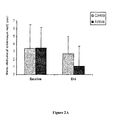
According to experiments done by the inventors (see "Examples" part), the mean values of abdominal girth in the subjects observed are about 81.5 cm in baseline conditions at the beginning of the day (i.e. morning) and the mean increase of abdominal girth during the day is 3,5 cm (figure 2A ). - In an embodiment of the invention, the decrease of abdominal girth is a decrease in the relative maximum abdominal distension.
- The term "relative decrease in maximum abdominal distension" is intended to mean "percentage of maximum abdominal distension reduction".
The "Maximum distension" or "maximum abdominal distension" or "maximum abdominal girth increase" is defined as the mean abdominal girth over one hour of recording at which girth was at its greatest. - For example, a patient having an abdominal girth of 81,5 cm in baseline conditions, and having a maximum abdominal girth increase of 6 cm, which would have a decrease of abdominal girth of 3 cm (i.e 3,7% of the abdominal girth) will show a decrease of the relative maximum abdominal distension of 50% (3cm/6cm).
- Preferably, the decrease in the relative maximum abdominal distension is at least about 50%.
- Moreover, it has to be noted that increases of this abdominal girth have been observed until 12 cm in some patients with IBS (13).
- The bacteria is chosen in the group of bacteria of the Bifidobacterium genus and is considered as a probiotic.
- The term "probiotics" is intended to mean dietary supplements containing potentially beneficial bacteria or yeasts. According to the currently adopted definition by FAO/WHO, probiotics are: 'Live microorganisms which when administered in adequate amounts confer a health benefit on the host'. Lactic acid bacteria are the most common type of microbes used. Lactic acid bacteria have been used in the food industry for many years, because they are able to convert sugars (including lactose) and other carbohydrates into lactic acid. This not only provides the characteristic sour taste of fermented dairy foods such as yogurt, but also by lowering the pH may create fewer opportunities for spoilage organisms to grow, hence creating huge health benefits on preventing gastrointestinal infections. Strains of the genera Lactobacillus and Bifidobacterium, are the most widely used probiotic bacteria.
Probiotic bacterial cultures are intended to assist the body's naturally occurring gut flora to reestablish themselves. They are sometimes recommended by doctors, and, more frequently, by nutritionists, after a course of antibiotics, or as part of the treatment for gut related candidiasis. Claims are made that probiotics strengthen the immune system to combat allergies and other immunal diseases. - Preferably the bacteria is chosen in the group of Bifidobacterium animalis, Bifidobacterium infantis and Bifidobacterium lactis species.
- More preferably the bacteria is chosen in the group of B. infantis UCC 35624 (NCIMB 4100), B. animalis CNCM I-2494, B. lactis ATCC 27536 (other deposit numbers : NCC 2818, CNCM 1-3446, DSM 20215, DSM 10140)..
The B. infantis UCC 35624 has been deposited at the National Collections of Industrial and Marine Bacteria Limited (NCIMB) on January 13, 1999 under the accession number NCIMB 4100.
The B. lactis has been deposited at the german culture collection (Deutsche Sammlung von Mikroorganismen und Zellkulturen GmbH) under the numbers DSM20215 and DSM 10140, at CNCM (Collection Nationale de Cultures de Microorganismes - Institut Pasteur - 28, rue du Dr. Roux - 75724 Paris Cedex 15 - France) on June 7, 2005, under the number CNCM I-3446 and at ATCC (American Type Culture Collection) under the number ATCC 27536.. - More preferably the bacteria according to the present invention is a Bifidobacterium animalis.
More preferably the bacteria according to the present invention is a Bifidobacterium animalis deposited under the number I-2494 at CNCM on June 20, 2000. This strain is known under the code DN-173 010 and is protected, with its use as glycosylation modulator of intestinal cell surface, byEuropean Patent EP 1 297 176 . - In a preferred embodiment of the invention, about
1x 10¹⁰ cfu of bacteria per day is administered to the subject during at least 15 days, preferably at least 28 days.
More preferably, 1,25x 10¹⁰ cfu of bacteria is administered to the subject two times per day during at least 15 days, preferably at least 28 days.
According to the invention, the subject can be a child, an adult or an elderly, preferably an adult.
In a preferred embodiment of the invention the subject is a female.
Indeed it has been shown that female subjects has predisposition for increase of abdominal girth, abdominal distension and irritable bowel syndrome (1, 13).
In a preferred embodiment, the subject has or is subjected to abdominal girth increase. - According to an embodiment of the invention, the method is a non therapeutic method.
The purpose of said non therapeutic method is to decrease the abdominal girth of healthy subjects of the population, in particular after meals. Preferably, said non therapeutic method is to decrease the relative maximum distension of abdominal girth of said subjects. - According to another embodiment of the invention, the method is for treating irritable bowel syndrome (IBS).
- In gastroenterology, irritable bowel syndrome (IBS) or spastic colon is a functional bowel disorder characterized by abdominal pain and changes in bowel habits which are not associated with any abnormalities seen on routine clinical testing. It is fairly common and makes up 20-50% of visits to gastroenterologists. Lower abdominal pain, and bloating associated with alteration of bowel habits and abdominal discomfort relieved with defecation are the most frequent symptoms. The abdominal pain type is usually described in a patient as either constipation-predominant (IBS-C) or diarrhoea-predominant (IBS-D), or a mixture of both (IBS-M) or none of these three characteristics (IBS-U ; U means "Unsubtype").
- Preferably, the method according to the invention is for treating IBS-C (constipation-predominant).
- Preferably, the method according to the invention is for treating subjects diagnosed according to ROME III criteria.
ROME is a process developed to classify the functional gastrointestinal disorders based on clinical symptoms.
The term "ROME III* criteria" is intended to mean criteria for irritable bowel syndrome as follows: - Recurrent abdominal pain or discomfort** at least 3 days per month in the last 3 months associated with 2 or more of the following:
- 1. Improvement with defecation
- 2. Onset associated with a change in frequency of stool
- 3. Onset associated with a change in form (appearance) of stool
- * Criteria fulfilled for the last 3 months with symptom onset at least 6 months prior to diagnosis.
- * * "Discomfort" means an uncomfortable sensation not described as pain.
- Other symptoms that are not essential but support the diagnosis of IBS:
- Abnormal stool frequency (greater than 3 bowel movements/day or less than 3 bowel movements/week);
- Abnormal stool form (lumpy/hard or loose/watery stool);
- Abnormal stool passage (straining, urgency, or feeling of incomplete bowel movement);
- Passage of mucus;
- Bloating or feeling of abdominal distension.
- Some or all of IBS symptoms can occur at the same time - some symptoms may be more pronounced than others.
-
-
FIGURE 1 describes the flow of patients through the protocol. From the 41 enrolled patients, 38 were randomised giving an ITT population of 38. Six patients have been excluded from the PP population (n=32). -
FIGURE 2A : shows that the mean distension was lower in the product group vs control at the end of the product consumption period (-1.5; 95% CI (-3.3, 0.3); p=0.096). A trend (p=0.069) was also observed in PP population (-1.7; 95% CI (-3.6, 0.1). Data are expressed as mean girth distension (cm) ± SD. These data correspond to AUC values over these standardized 12h period for each of the 2 days of recording (pre and postintervention). -
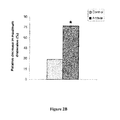
FIGURE 2B : Relative changes in maximum abdominal distension in ITT population. Data are expressed as relative change in maximal girth distension (cm) at the end of product comsumption vs baseline. Analysis of the difference between groups was done with Mann-Whitney-U test (* p<0.05). -
FIGURE 3 A-B : Subjective bloating over a standardized period of 12h before starting product consumption (baseline test, A) and at the end of study (B) in ITT population. Data are expressed as mean bloating score fromhour 1 tohour 13 allowing the determination of bloating score over the 13h period of the day. Bloating score was assessed with a 6-point likert scale (from none = 1 to very severe = 6). -
FIGURE 3 C: Mean bloating score (AUC 24h) in ITT population. Data are expressed as bloating score ± SD. These data correspond to the mean bloating score over the standardized 13h period for each of the 2 days of recording (pre and post-intervention). -
FIGURE 4 A-B : Subjective abdominal pain/discomfort over a standardized period of 12h before starting product consumption (baseline test, A) at the end of the study (B) in ITT population. Data are expressed as mean abdominal pain/discomfort score from hour1 tohour 13 allowing the determination of abdominal pain/discomfort score over the 13h period of the day. Abdominal pain/discomfort score was assessed with a 6-point likert scale (from none = 1 to very severe = 6). -
FIGURE 4 C: Abdominal pain/discomfort score (AUC 24h) in ITT population. Data are expressed as abdominal pain/discomfort score ± SD. These data correspond to the mean abdominal pain/discomfort score over the standardized 13h period for each of the 2 days of recording (pre and post-intervention). -
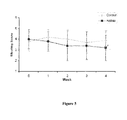
FIGURE 5 : Abdominal bloating score over 4-week period of product consumption in ITT population. Data are expressed as mean weekly bloating score ± SD. Bloating score was assessed with a 6-point likert scale (from none=1 to very severe=6). Ancova test (* p<0.05). -
FIGURE 6 : Abdominal pain/discomfort score over 4-week period of product consumption in ITT population. Data are expressed as mean weekly abdominal pain/discomfort score ± SD. Abdominal pain/discomfort score was assessed with a 6-point likert scale (from none=1 to very severe=6).). Ancova test (* p<0.05). -
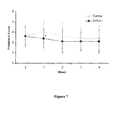
FIGURE 7 : Flatulence score over 4-week period of product consumption in ITT population. Data are expressed as mean weekly flatulence score ± SD. Flatulence score was assessed with a 6-point likert scale (from none=1 to very severe=6).). Ancova test (* p<0.05). -
FIGURE 8 : Overall IBS symptoms score over 4-week period of product consumption in ITT population. Data are expressed as mean weekly overall IBS symptoms score ± SD. Overall IBS symptoms score was assessed with a 6-point likert scale (from none=1 to very severe=6). Ancova test (* p<0.05). -
FIGURE 9 : Satisfaction with bowel habits over 4-week period of product consumption in ITT population. Data are expressed as percentage of patients satisfied with their bowel habits (slightly, moderately or completely) at each week. Chi-square test (** p<0.005; * p<0.05). -
FIGURE 10 : Overall well being over 4-week period of product consumption in ITT population. Data are expressed as percentage of patients satisfied with their overall well-being (slightly, moderately or completely) at each week. - The study was carried out in 38 female patients with IBS-C aged 18-70 years, diagnosed according to Rome III criteria (1) (19 per treatment group). Randomised patients who dropped out before the second AIP and transit assessment, as planned in the protocol were replaced in order to reach a total number of 34 patients with main criterion (i.e. abdominal distension) and transit assessment available for product efficacy analysis. Patients were recruited from the out patients departments of the University Hospitals of South Manchester (tertiary patients excluded), local general practices, advertisement in regional newspapers, and from an existing departmental volunteer pool of patients.
Patients fulfilled the Rome III criteria for IBS with predominant constipation based on the stool consistency pattern (1). Patients had to have a bowel frequency of at least 2 per week in order to exclude patients with severe constipation. Patients were excluded from the study if they had any significant illness other than IBS. Patients with history of laxative abuse were also excluded as well as patients taking antidepressive or analgesic drugs. Patients having taken antibiotics within 60 days prior the entry in the study were also excluded. Detailed inclusion and non inclusion criteria are described below: -
- ➢ Females between the ages of 18 and 70 years.
- ➢ Diagnostic criteria (Rome III)* for IBS-C will be as follows: Recurrent abdominal pain or discomfort** at least 3 days per month in the last 3 months associated with 2 or more of the following:
- Improvement with defecation.
- Onset associated with a change in frequency of stool.
- Onset associated with a change in form (appearance) of stool.
- Hard and lumpy stools (
Bristol Stool scale 1 and/or 2) ≥ 25% and loose (mushy) or watery stools (Bristol Stool scale 6 and/or 7 - fluffy pieces with ragged edges, a mushy stool or watery, no solid pieces, entirely liquid) < 25% of bowel movements.***
**Discomfort means an uncomfortable sensation not described as pain.
***In the absence of use of laxatives. - ➢ Patients who are able to communicate well with the investigator and to comply with the requirements for the entire study.
- ➢ Patients who provide written informed consent before participating in the study after being given a full description of the study.
- ➢ Patients of normal body weight or overweight ie. not obese (body mass index between 18 and 30 kg/m2).
-
- ➢ Any significant illness other than IBS will exclude patients from the study.
- ➢ Patients with severe constipation, defined as a bowel frequency of < 2 bowel movements per week. The patients must have a bowel frequency of at least 2 per week.
- ➢ Patients with evidence of cathartic colon or a history of laxative abuse, that in the Investigator's opinion is consistent with severe laxative dependence such that the patient is likely to require or use laxative during the study.
- ➢ Taking drugs that might modify gastrointestinal function.
- ➢ Taking antidepressive or analgesic drugs.
- ➢ Taking antibiotics within 60 days prior to entry into the study.
- ➢ Taking an investigational drug within the 30 days prior to entry into the study.
- ➢ Drinking alcohol above the recommended safe alcohol limit (<21 units/week).
- ➢ Fertile women* who are not currently taking oral birth control pills (at least 1 full monthly cycle prior to study medication administration and continued until 1 month following the last dose of study medication) should be using or complying with one of the other medically approved methods of contraception such as, but not exclusively, one of the following:
- Intra-uterine device (IUD)
- Double barrier methods (such as condoms and spermicide)
- Abstinence, when in the opinion of the investigator, their occupation or life style gives sufficient evidence that abstinence will be maintained throughout the study and for 1 month thereafter. In the case of abstinence, it should be recorded in the source documents that the patient was appropriately counselled.
- ➢ All medications and cigarette smoking will be prohibited for 48 hours prior to the study, whilst alcohol and caffeine containing drinks will be stopped for 24 hours before the study.
- ➢ Strenuous physical activity will be prohibited for 24 hours prior to the study.
- ➢ Patient with allergy or hypersensitivity to milk proteins.
- ➢ Patient having undergone a surgery in the month prior to inclusion.
- Throughout the study, the patients had not to consume any probiotic or fermented dairy products other than those provided. They were encouraged to continue with all the other aspects of their dietary and physical exercise habits.
- The study was single-centre, randomized, double-blind, placebo-controlled, parallel-group in female patients with IBS-C assessing the effect of daily consumption of a fermented milk containing B. *animalis DN-173 010 (Activia®, test group) vs a control group.
The individual's participation has lasted approximately 50 days. The first 11 days were used to obtain baseline values for the outcome parameters. The 4 subsequent weeks (D0 to D28) have constituted the experimental phase. During this period, the patients had to consume 2 products per day (during D0 to D27). The products must be consumed with a meal twice a day, preferably once at 8am and once at 8pm (with the exception of the first day of consumption (t=0), where the patients were asked to consume the 2 pots with their evening meal (i.e. 8pm)). In the case of patients forgetting to eat the product they were advised to consume it with their next meal. They have ceased consumption of the study product at the end of week 4 (D27), and were then contacted by telephone on 7th day after last visit (D35).
The study protocol was conducted in accordance with the Declaration of Helsinki and approved by South Manchester Medical Research Ethics Committee. All subjects gave written informed consent before inclusion in the study. - The test product was a fermented milk (Activia®, Danone), containing Bifidobacterium animalis DN- 173 010 (1.25x10¹⁰ colony forming unit (cfu) per pot) together with the two classical yoghurt starters, S. thermophilus and L. bulgaricus (1.2x10⁹ cfu/pot). The test product was without flavour. The placebo control is a milk-based non-fermented dairy product without probiotics and with low content of lactose < 4 g/pot as in the test product. Each serving (one pot) of either test or placebo control product contained 125 g.
- Abdominal distension was measured using the technique of Abdominal Inductance Plethysmography (AIP) that has been described in detail elsewhere (13, 14-15) but briefly it works on the principle that a loop of wire forms an inductor, the inductance of which is dependent on the area enclosed by the loop. For the purposes of AIP, the wire is sewn into a band of elasticated fabric (approximately 8.5cm wide) in zig-zag fashion to allow for expansion (Respitrace inductive sensor, Ambulatory Monitoring Inc., New York, USA) and is worn like a belt around the abdomen. Attached to the wire is a small electronic circuit unit, which incorporates an inductor in a resonant circuit whose output frequency varies with the area enclosed by the band, and a small battery operated microprocessor "data logger" which records and stores the average frequency of the oscillator circuit for 30 seconds each minute. The data logger simultaneously records posture (standing, sitting and lying) via sealed mercury tilt switches (ASSEMtech Europe Ltd., Essex, UK) taped to the subject's chest and thigh. The cross sectional area of the abdomen recorded by the equipment is then converted into a circumferential measurement, as described previously.
As previous studies have shown that there is no statistically significant difference between girth measurements taken in the standing and sitting positions, girth whether in the sitting or standing position will be averaged over one hour periods throughoutday 1.
With regards standardisation of record time, for each subject, if the length of record was different between the two evaluations, the shorter time was used as reference for the two records.
The length of record was specific to each subject and was thus not the same for all the subjects. It has varied from 11 to 14 hours.
AUC values, over these hourly data, for each of the two days of recording (pre and post intervention respectively) from the first hour after fitting the belt to the hour of retiring to bed in the evening, were calculated. The analysis of AUC were made on the same period, i.e. 12h period from hour 1 (baseline referenced as the beginning of the measurement at pre- or post- intervention sessions) tohour 13, in order to standardize the period of measurement for each patient and to have complete data for all time for all patients. This period corresponds to the minimal period with all AIP data available for all patients for pre- and post-intervention measurements. The main expression of this parameter was an incremental AUC.
In addition, mean abdominal girth from the beginning to end ofday 1 referenced to the beginning of day 1 (i.e. mean abdominal girth from the second hour of the study to the end ofday 1 minus mean girth for the first hour of the study) were determined. - Maximum distension was defined as the mean girth over one hour of recording at which girth was at its greatest. Whether maximal girth was associated with the end of day, meal ingestion or no specific identifiable event will be noted.
- The global assessment of IBS symptoms relief was done by one global question ("Do you consider that in the past week, you have had adequate relief of your IBS-symptoms (abdominal pain or discomfort, bloating or distension, altered bowel habit, overall well being) compared to the period before beginning the study yoghurt?"). If the answer to this question is yes, then the patient was asked to answer the following question: "How would you describe your relief?" "slight", "moderate", "a lot" or "complete". This assessment was done every 7th day after the start of the consumption of the study product.
- The satisfaction with bowel habits or with overall wellbeing was assessed by answering to two independent questions ("How satisfied have you been with your bowel habit in the past week, compared to the period before beginning the study yoghurt?" and "How satisfied have you been with your overall well-being in the past week, compared to the period before beginning the study yoghurt?"). The answer to each question could be "not satisfied", "slightly satisfied", "moderately satisfied" or "completely satisfied". This assessment was done every 7th day after the start of the consumption of the study product.
- The trial sample size calculation was based on previous data obtained on abdominal girth studies (18, 14-15). With 17 patients per group (34 patients in all), the study will have an 80% power to detect differences (mean abdominal girth from the beginning to the end of
day 1 referenced to the beginning of day 1) of 2cm or more, assuming a common SD (16) of 2.0 and that a simple 2-sample t-test is used with the conventional 5% significance level. The randomisation was stratified by menstrual cycle/menopausal status Randomised patients who dropped out before the second AIP and transit time assessment were replaced in order to reach the number of 34 evaluable patients.
Two analyses will be carried out: one on the ITT population, and one on the PP population. The main analysis will be the analysis on the ITT. Baseline for criteria measured several times before study product consumption were the mean over the last 11 days before study product consumption, standardized for 7 days when needed. Age and body mass index (BMI) were taking into account as confounding factors in the covariate analysis according to data literature. Changes of parameters hourly assessed during 24-h periods (abdominal distension, i.e. AUC, mean, maximal, abdominal pain/discomfort, bloating, flatulence, overall IBS-symptom, bowel frequency, stool consistency, straining, urgency, incomplete evacuation) were compared between groups using analyses of covariance with baseline readings as covariate.
The main expression of abdominal distension is an incremental AUC over a standardized 12-h period which was considered as the main criterion. For daily assessment of parameters (recorded throughout the study in the dairies), a repeated measures analysis over 4-week was performed (time=week) as the main analysis (averaging over 7 days of recording where appropriate) to compare test and control groups. The analysis of the effect of each parameter at each week was performed with a ANCOVA, with appropriate adjustment for multiple testing, or a t-test if no covariate was taken into account. A longitudinal analysis over the time period using generalised estimating equations was also carried out.
IBS symptoms relief will be weekly assessed except for baseline time. First one with a binomial response ("Yes"/"No") and if it is "Yes" with a multinomial response. Satisfaction with bowel habits and with overall well-being were also assessed each week. A repeated measures analysis was performed (time=week) as the main analysis. The analysis of the effect at each week was performed with a ANCOVA, or logistic regression models as appropriate, with appropriate adjustment for multiple testing, or a t-test if no covariate is taken into account. - Changes in IBS severity score between groups were compared using analyses of covariance with baseline readings as covariate. Comparison of the changes for bowel transit (small and large) between the two groups was carried out using ANCOVA.
- All results in tables and figures are the results on the ITT population. Results on PP population, when available, are given in the text following the description of the ITT results.
-
Figures 1 describes the flow of patients through the protocol. - Changes in maximal abdominal distension are shown in
figure 2B . There is a significant (p=0.029) larger percentage decrease in the relative maximum distension in the product group vs the control group, -77.1% vs -28.6 respectively. The effect was similar in the PP population (-77.1% vs -15.8%, p=0.022). - Results of the changes in abdominal bloating and abdominal pain/discomfort over the same period of recording of abdominal girth are shown in
figures 3A-C and4A-C , respectively.
The mean score of abdominal bloating was lower in the product group as compared to the control group at the end of product consumption period (-0.5; 95% CI (-1.0, 0.1); p=0.084) (figure 4C ). This effect was significant in the PP population (-0.5; 95% CI (-1.0, 0.0); p=0.042).
This lower abdominal pain/discomfort score was significantly different than the one observed in control group (-0.6; 95% CI (-1.2, -0.1); p=0.024) in the PP population. - Results of the changes in abdominal bloating, abdominal pain/discomfort, flatulence and overall IBS symptoms over the 4-week period of product consumption are shown in
figures 5 ,6 ,7 and8 , respectively.
Weekly analysis show that the improvement decrease in bloating score was significantly better (p=0.041, non-adjusted test) in product group at week 4 (Figure 5 ).
Abdominal pain/discomfort score was significantly (p=0.044) improved in the test group over the 4-week period of product consumption (mean overall difference between groups=-0.5; 95% (-1.0, 0.0) (figure 6 ). A significant improvement (p=0.039, non-adjusted test) is also observed in test group at the end of product consumption, i.e.week 4, when weekly analysis was performed.
Weekly analysis showed that the improvement decrease in flatulence score is significantly better (p=0.030, non-adjusted test) in product group at week 1 (Figure 7 ).
Overall IBS symptoms score was significantly (p=0.032) improved in the test group over the 4-week period of product consumption (mean overall difference between groups=-0.5; 95% (-1.0, -0.05) (figure 8 ). A significant improvement (p=0.031, non-adjusted test) was also observed in test group at the end of product consumption, i.e.week 4, when weekly analysis were done. - Weekly change of IBS symptoms relief showed significant higher rate of patients which were satisfied with their bowel habits (
figure 9 ) at week 1 (82.4% (14/17 patients) in test group vs 41.2% (7/17 patients) in control group; p=0.001) and week 2 (87.5% (14/16 patients) in test group vs 47.1% (8/17 patients) in control group; p=0.026). - Results of the analysis on overall 4-week period are not available yet. The mean rate of patients satisfied with their bowel habits over the 4-week period of product consumption was 85% (14/17 patients) vs 53% (9/17 patients), for test and control groups respectively.
- The mean rate of patients satisfied with their overall well being over the 4-week period of product consumption was 82% (12/15 patients) vs 65% (10/16 patients), for test and control groups respectively (
figure 10 ). - This study was designed to investigate the effect of the fermented dairy product containing the strain B. animalis DN-173 010 and a yoghurt symbiosis (i.e. Activia®) on abdominal distension that is a particular intrusive symptoms in IBS. Global assessment of IBS symptoms were also done to determine the global effect of the product in a well characterised population of IBS women.
The present study showed that the consumption of a fermented dairy product containing the strain B. animalis DN-173 010 and a yoghurt symbiosis (i.e. Activia®) improves abdominal distension and as well as the overall global symptomatology of IBS (abdominal bloating, abdominal pain/discomfort, flatulence and overall IBS symptoms) in women with IBS-C.
Primary endpoint, abdominal distension, showed a significant larger percentage decrease in the relative maximum distension in the product group vs the control group. Indeed, a striking effect was observed in the decrease (-77%) of the maximal abdominal distension (relative expression). It's the first time that a study reports a positive effect of probiotics on abdominal distension. Interestingly, this effect on abdominal distension is associated with an improvement of both sensations of abdominal bloating and abdominal pain/discomfort during the same 12-h period of assessment.
Analysis on PP population, which could be considered as analysis of sensitivity, showed a significant improvement of abdominal bloating and abdominal pain/discomfort. The analysis of the 4-week period of product consumption demonstrated also beneficial effects on overall symptomatology of IBS as showed by the significant improvement of overall IBS symptoms over this period. This effect is supported by a significant reduction of abdominal pain/discomfort and a tendency to an improvement of abdominal bloating and flatulence.
Although for the evaluation of the clinical relevance the small sample size has to be kept in mind, global assessments of IBS-symptoms relief, satisfaction with bowel habits and with overall well-being are in favour of an important clinical change for the patients having consumed the product. -
- 1. Longstreth GF, Thompson WG, Chey WD, Houghton LA, Mearin F, Spiller R. "Functional Bowel Disorders" ; Gastroenterology 2006; 130 (5): 1480-91.
- 2. Drossman DA, Li Z, Andruzzi E et al. "US Householder survey of functional gastrointestinal disorders: prevalence, sociodemography and health impact" ; Dig Dis Sci 1993, 38: 1569-1580.
- 3. Thompson WG. "A world view of IBS". In: Spiller R and Camilleri M, eds. "The Irritable Bowel Syndrome, Diagnosis and treatment" ; WB Saunders, 2002: 17-26.
- 4. Longstreth GF. "Definition and classification of IBS: current consensus and controversies" ; Gastroenterol Clin North Am 2005; 34: 173-187.
- 5. Longstreth GF, Bolus R, Naliboff B et al. "Impact of irritable bowel syndrome on patient lives: development and psychometric documentation of disease-specific measure for use in clinical trials" ; Eur J Gastroenterol Hepatol 2005; 17: 411-420.
- 6. Wilson A, Longstreth G, Knight K et al. "Quality of life in managed care patients with irritable bowel syndrome" ; Manage Care Interface 2004: 17: 24-28.
- 7. Spiller R, Aziz Q, Creed F, Emmanuel A, Houghton LA, Hungin P, Jones R, Kumar D, Rubin G, Trudghill N, Whorwell PJ. "Guidelines for the management of irritable bowel syndrome" ; Gut 2006 (in press).
- 8. Bougle et al. "Effect of Propionibacteria Supplementation on Fecal Bifidobacteria and Segmental Colonic Transit Time in Healthy Human Subjects" ; 1999 Scand. J. Gastroenterol. 34 p144.
- 9. Fioramonti J, Theodorou V and Bueno L. "Probiotics: what are they? What are their effects on gut physiology?" Best Pract Res Clin Gastroenterol 2003; 17:711-724.
- 9bis. Quigley EMM and Flourié B. Probiotics and irritable bowel syndrome: a rationale for their use and an assessment of the evidence to date. Neugastroenterol Motil 2007; 19:166-172.
- 10.
US 20030147858 - 11. Agrawal A. and Whorwell P.J., "Abdominal bloating and distension in functional gastrointestinal disorders: epidemiology and exploration of possible mechanisms" ; Aliment Pharmacol Ther. 2007; 27:2-10.
- 12. Diplock et al. "Scientific concepts of functional foods in Europe: consensus document" ; British Journal of Nutrition, 1999, 81, S1-S27
- 13. Houghton LA, Lea R, Agrawal A, Reilly B and Whorwell PJ. "Relationship of abdominal bloating to distension in irritable bowel syndrome and effect of bowel habit" ; Gastroenterology 2006; 131:1003-1010.
- 14. Lewis M, Reilly B, Houghton LA et al. « Ambulatory abdominal inductance plethysmography: towards objective assessment of abdominal distension in irritable bowel syndrome" ; Gut 2001; 48: 216-20.
- 15. Reilly B, Bolton M, Houghton LA et al. « A device for 24 hour ambulatory monitoring of abdominal girth using inductive plethysmography" ; Physiol Meas 2002; 23: 661-70.
- 16 Agrawal A, Whorwell PJ, Houghton LA. "Is abdominal distension related to delayed small and large bowel transit in patients with constipation predominant irritable bowel syndrome ?" ; Gastroenterology 2006; 130 (, 632.
Claims (16)
- Method for decreasing abdominal girth in a subject comprising the step of administering to said subject at least about 1x 10⁹ cfu of a bacteria chosen in the group of bacteria of the Bifidobacterium genus per day.
- Method according to claim 1, characterized in that the bacteria is administered during at least 15 days.
- Method according to claim 1, characterized in that the decrease of abdominal girth of the subject is at least about 1cm during the day.
- Method according to claim 1, characterized in that the decrease of abdominal girth is a decrease in the relative maximum abdominal distension.
- Method according to claim 4, characterized in that the decrease in the relative maximum abdominal distension is at least about 50%.
- Method according to claim 5, characterized in that said bacteria is chosen in the group of Bifidobacterium animalis species.
- Method according to claim 6, characterized in that the bacteria is Bifidobacterium animalis deposited under the number CNCM I-2494.
- Method according to any of claim 1 to 7, characterized in that about 1,25x 10¹⁰ cfu of said bacteria is administered to the subject two times per day during at least 28 days.
- Method according to any of claim 1 to 8, characterized in that the subject is a female.
- Method according to any of claim 1 to 9, characterized in that said bacteria is administered in the form of a dairy product, preferably a fermented dairy product.
- Method according to claim 10, characterized in that the fermented dairy product is a yoghourt.
- Method according to any of claim 1 to 11, characterized in that said method is a non therapeutic method.
- Method according to any of claim 1 to 9, characterized in that said bacteria is administered in the form of a pharmaceutical composition.
- Method according to any of claim 1 to 11 and 13, characterized in that said method is for treating irritable bowel syndrome (IBS).
- Method according to claim 14, characterized in that said method is for treating IBS-C.
- Method according to claim 14 or 15 characterized in that said subject is diagnosed according to ROME III criteria.
Priority Applications (13)
| Application Number | Priority Date | Filing Date | Title |
|---|---|---|---|
| PL07301736T PL2072053T3 (en) | 2007-12-21 | 2007-12-21 | Method for decreasing abdominal girth by administering a bifidobacterium bacteria |
| EP07301736A EP2072053B1 (en) | 2007-12-21 | 2007-12-21 | Method for decreasing abdominal girth by administering a bifidobacterium bacteria |
| ES07301736T ES2395838T3 (en) | 2007-12-21 | 2007-12-21 | Method to reduce the abdominal contour by administering a bacterium of the Bifidobacterium type |
| KR1020107016395A KR20100102178A (en) | 2007-12-21 | 2008-12-19 | Method for decreasing abdominal girth by administering a bifidobacterium bacteria |
| CN2008801273761A CN101977614A (en) | 2007-12-21 | 2008-12-19 | Method for reducing abdominal circumference by administering bacteria of the genus Bifidobacterium |
| RU2010130299/15A RU2491946C2 (en) | 2007-12-21 | 2008-12-19 | Method for reducing abdominal girth by administering bacteria bifidobacterium |
| US12/809,174 US20100303763A1 (en) | 2007-12-21 | 2008-12-19 | Method for decreasing abdominal girth by administering a bifidobacterium bacteria |
| PCT/EP2008/068125 WO2009080800A2 (en) | 2007-12-21 | 2008-12-19 | Method for decreasing abdominal girth by administering a bifidobacterium bacteria |
| KR1020167001100A KR20160011234A (en) | 2007-12-21 | 2008-12-19 | Method for decreasing abdominal girth by administering a bifidobacterium bacteria |
| EP08863726A EP2224935A2 (en) | 2007-12-21 | 2008-12-19 | Method for decreasing abdominal girth by administering a bifidobacterium bacteria |
| JP2010538783A JP2011507496A (en) | 2007-12-21 | 2008-12-19 | Method for reducing abdominal circumference by administering a Bifidobacterium bacterium |
| ARP080105678A AR069943A1 (en) | 2007-12-21 | 2008-12-22 | METHOD FOR REDUCING ABDOMINAL CIRCUMSTANCE BY ADMINISTRATION OF A BIFIDOBACTERIUM BACTERIA |
| JP2014003185A JP5850956B2 (en) | 2007-12-21 | 2014-01-10 | Method for reducing abdominal circumference by administering a Bifidobacterium bacterium |
Applications Claiming Priority (1)
| Application Number | Priority Date | Filing Date | Title |
|---|---|---|---|
| EP07301736A EP2072053B1 (en) | 2007-12-21 | 2007-12-21 | Method for decreasing abdominal girth by administering a bifidobacterium bacteria |
Publications (2)
| Publication Number | Publication Date |
|---|---|
| EP2072053A1 true EP2072053A1 (en) | 2009-06-24 |
| EP2072053B1 EP2072053B1 (en) | 2012-11-07 |
Family
ID=39327067
Family Applications (2)
| Application Number | Title | Priority Date | Filing Date |
|---|---|---|---|
| EP07301736A Active EP2072053B1 (en) | 2007-12-21 | 2007-12-21 | Method for decreasing abdominal girth by administering a bifidobacterium bacteria |
| EP08863726A Withdrawn EP2224935A2 (en) | 2007-12-21 | 2008-12-19 | Method for decreasing abdominal girth by administering a bifidobacterium bacteria |
Family Applications After (1)
| Application Number | Title | Priority Date | Filing Date |
|---|---|---|---|
| EP08863726A Withdrawn EP2224935A2 (en) | 2007-12-21 | 2008-12-19 | Method for decreasing abdominal girth by administering a bifidobacterium bacteria |
Country Status (10)
| Country | Link |
|---|---|
| US (1) | US20100303763A1 (en) |
| EP (2) | EP2072053B1 (en) |
| JP (2) | JP2011507496A (en) |
| KR (2) | KR20100102178A (en) |
| CN (1) | CN101977614A (en) |
| AR (1) | AR069943A1 (en) |
| ES (1) | ES2395838T3 (en) |
| PL (1) | PL2072053T3 (en) |
| RU (1) | RU2491946C2 (en) |
| WO (1) | WO2009080800A2 (en) |
Cited By (2)
| Publication number | Priority date | Publication date | Assignee | Title |
|---|---|---|---|---|
| US20100260720A1 (en) * | 2007-12-17 | 2010-10-14 | Nestec S.A. | Prevention of opportunistic infections in immune-compromised subjects |
| WO2011051760A1 (en) * | 2009-11-02 | 2011-05-05 | Compagnie Gervais Danone | Method for reducing gastro-intestinal inflammation using bifidobacterium animalis bacteria or a fermented dairy product comprising such bacteria |
Families Citing this family (10)
| Publication number | Priority date | Publication date | Assignee | Title |
|---|---|---|---|---|
| JP3121192B2 (en) | 1993-12-27 | 2000-12-25 | 信越化学工業株式会社 | Method for producing oxide single crystal |
| US10576110B2 (en) * | 2009-05-11 | 2020-03-03 | Societe Des Produits Nestle S.A. | Lactobacillus johnsonii La1 NCC533 (CNCM I-1225) and immune disorders |
| WO2011148219A1 (en) | 2010-05-28 | 2011-12-01 | Compagnie Gervais Danone | Probiotic strains for use in improving the enteric nervous system |
| WO2011148220A1 (en) | 2010-05-28 | 2011-12-01 | Compagnie Gervais Danone | Probiotic strains for use in improving transepithelial resistance |
| US9408878B2 (en) | 2010-12-17 | 2016-08-09 | Compagnie Gervais Danone | Lactococcus lactis strains for use in improving digestive condition |
| CN104822277A (en) * | 2012-11-29 | 2015-08-05 | 雀巢产品技术援助有限公司 | Synbiotic composition and use thereof |
| RU2673341C2 (en) * | 2014-02-14 | 2018-11-26 | Везаль Фарма Са | Use of compositions containing bifidobacterium animalis ssp. lactis lmg p-28149 |
| RU2613125C1 (en) * | 2016-04-11 | 2017-03-15 | Оксана Владимировна Крапивная | Method for treatment of irritable bowel syndrome with constipation, associated with bacterial overgrowth syndrome |
| RU2644634C1 (en) * | 2017-03-07 | 2018-02-13 | Федеральное государственное бюджетное образовательное учреждение высшего образования "Сибирский государственный медицинский университет" Министерства здравоохранения Российской Федерации (ФГБОУ ВО СибГМУ Минздрава России) | Method for treatment of patients with clinical manifestations of irritable bowel syndrome |
| US10376200B2 (en) * | 2017-09-28 | 2019-08-13 | Hong Min Kim | System for detecting and logging of flatulence for health indication |
Citations (2)
| Publication number | Priority date | Publication date | Assignee | Title |
|---|---|---|---|---|
| EP1297176A1 (en) | 2000-07-04 | 2003-04-02 | Compagnie Gervais Danone | Micro-organisms with glycosylation modulating action of intestinal cell surface |
| US20030147858A1 (en) | 2000-05-11 | 2003-08-07 | Michel Renaud | Use of hydrogenotrophic acetogenic strains for preventing or treating digestive disorders |
Family Cites Families (6)
| Publication number | Priority date | Publication date | Assignee | Title |
|---|---|---|---|---|
| ID29150A (en) * | 1999-01-15 | 2001-08-02 | Entpr Ireland Cs | USE OF LACTOBACILLUS SALIVARIUS |
| RU2223774C2 (en) * | 2002-04-11 | 2004-02-20 | Закрытое акционерное общество "Партнер" | Method for correcting dysbiotic disorders in small children suffering from diarrhea |
| EP1384483A1 (en) * | 2002-07-23 | 2004-01-28 | Nestec S.A. | Probiotics for treatment of irritable bowel disease (IBS) through improvement of gut neuromuscular function |
| RU2291194C2 (en) * | 2003-03-17 | 2007-01-10 | Федеральное государственное учреждение науки "Государственный научный центр вирусологии и биотехнологии "Вектор" Федеральной службы по надзору в сфере защиты прав потребителей и благополучия человека" | Consortium of bifidobacterium strains used in preparing liquid concentrate of bifidobacterium, fermented-milk, nonfermented, curative-prophylactic foodstuffs, biologically active supplements and bacterial preparations |
| US20060093592A1 (en) * | 2004-10-04 | 2006-05-04 | Nutracea | Synbiotics |
| EP1931363B1 (en) * | 2005-09-28 | 2015-11-18 | Nordisk Rebalance A/S | Treatment of ibd using both probiotic bacteria and fermented cereal as treatment effectors |
-
2007
- 2007-12-21 EP EP07301736A patent/EP2072053B1/en active Active
- 2007-12-21 ES ES07301736T patent/ES2395838T3/en active Active
- 2007-12-21 PL PL07301736T patent/PL2072053T3/en unknown
-
2008
- 2008-12-19 CN CN2008801273761A patent/CN101977614A/en active Pending
- 2008-12-19 RU RU2010130299/15A patent/RU2491946C2/en active
- 2008-12-19 WO PCT/EP2008/068125 patent/WO2009080800A2/en not_active Ceased
- 2008-12-19 EP EP08863726A patent/EP2224935A2/en not_active Withdrawn
- 2008-12-19 JP JP2010538783A patent/JP2011507496A/en active Pending
- 2008-12-19 KR KR1020107016395A patent/KR20100102178A/en not_active Ceased
- 2008-12-19 US US12/809,174 patent/US20100303763A1/en not_active Abandoned
- 2008-12-19 KR KR1020167001100A patent/KR20160011234A/en not_active Ceased
- 2008-12-22 AR ARP080105678A patent/AR069943A1/en unknown
-
2014
- 2014-01-10 JP JP2014003185A patent/JP5850956B2/en active Active
Patent Citations (2)
| Publication number | Priority date | Publication date | Assignee | Title |
|---|---|---|---|---|
| US20030147858A1 (en) | 2000-05-11 | 2003-08-07 | Michel Renaud | Use of hydrogenotrophic acetogenic strains for preventing or treating digestive disorders |
| EP1297176A1 (en) | 2000-07-04 | 2003-04-02 | Compagnie Gervais Danone | Micro-organisms with glycosylation modulating action of intestinal cell surface |
Non-Patent Citations (20)
Cited By (7)
| Publication number | Priority date | Publication date | Assignee | Title |
|---|---|---|---|---|
| US20100260720A1 (en) * | 2007-12-17 | 2010-10-14 | Nestec S.A. | Prevention of opportunistic infections in immune-compromised subjects |
| US9217133B2 (en) * | 2007-12-17 | 2015-12-22 | Nestec S.A. | Prevention of opportunistic infections in immune-compromised subjects |
| WO2011051760A1 (en) * | 2009-11-02 | 2011-05-05 | Compagnie Gervais Danone | Method for reducing gastro-intestinal inflammation using bifidobacterium animalis bacteria or a fermented dairy product comprising such bacteria |
| CN102711778A (en) * | 2009-11-02 | 2012-10-03 | 热尔韦法国达能公司 | Method for reducing gastro-intestinal inflammation using bifidobacterium animalis bacteria or a fermented dairy product comprising such bacteria |
| US8685388B2 (en) | 2009-11-02 | 2014-04-01 | Compagnie Gervais Danone | Method for reducing gastro-intestinal inflammation using Bifidobacterium animalis bacteria or a fermented dairy product comprising such bacteria |
| CN102711778B (en) * | 2009-11-02 | 2015-06-24 | 热尔韦法国达能公司 | Method for reducing gastro-intestinal inflammation using bifidobacterium animalis bacteria or a fermented dairy product comprising such bacteria |
| EA021890B1 (en) * | 2009-11-02 | 2015-09-30 | Компани Жервэ Данон | Method for prevention and/or treatment of inflammatory bowel disease, ulcerative colitis and crohn's disease |
Also Published As
| Publication number | Publication date |
|---|---|
| KR20100102178A (en) | 2010-09-20 |
| WO2009080800A3 (en) | 2010-04-22 |
| WO2009080800A2 (en) | 2009-07-02 |
| JP2014065743A (en) | 2014-04-17 |
| US20100303763A1 (en) | 2010-12-02 |
| EP2224935A2 (en) | 2010-09-08 |
| PL2072053T3 (en) | 2013-02-28 |
| RU2491946C2 (en) | 2013-09-10 |
| AR069943A1 (en) | 2010-03-03 |
| RU2010130299A (en) | 2012-01-27 |
| EP2072053B1 (en) | 2012-11-07 |
| ES2395838T3 (en) | 2013-02-15 |
| CN101977614A (en) | 2011-02-16 |
| KR20160011234A (en) | 2016-01-29 |
| JP5850956B2 (en) | 2016-02-03 |
| JP2011507496A (en) | 2011-03-10 |
Similar Documents
| Publication | Publication Date | Title |
|---|---|---|
| EP2072053B1 (en) | Method for decreasing abdominal girth by administering a bifidobacterium bacteria | |
| Banaszkiewicz et al. | Ineffectiveness of Lactobacillus GG as an adjunct to lactulose for the treatment of constipation in children: a double-blind, placebo-controlled randomized trial | |
| Waitzberg et al. | Effect of synbiotic in constipated adult women–a randomized, double-blind, placebo-controlled study of clinical response | |
| Yang et al. | Effect of a fermented milk containing Bifidobacterium lactis DN-173010 on Chinese constipated women | |
| Ohigashi et al. | Functional outcome, quality of life, and efficacy of probiotics in postoperative patients with colorectal cancer | |
| Agrawal et al. | Clinical trial: the effects of a fermented milk product containing Bifidobacterium lactis DN‐173 010 on abdominal distension and gastrointestinal transit in irritable bowel syndrome with constipation | |
| Guyonnet et al. | Fermented milk containing Bifidobacterium lactis DN-173 010 improves gastrointestinal well-being and digestive symptoms in women reporting minor digestive symptoms: a randomised, double-blind, parallel, controlled study | |
| Magro et al. | Effect of yogurt containing polydextrose, Lactobacillus acidophilus NCFM and Bifidobacterium lactis HN019: a randomized, double-blind, controlled study in chronic constipation | |
| Udani et al. | Effects of Kivia powder on gut health in patients with occasional constipation: a randomized, double-blind, placebo-controlled study | |
| Meance et al. | Recent advances in the use of functional foods: effects of the commercial fermented milk with Bifidobacterium animalis strain DN-173 010 and yoghurt strains on gut transit time in the elderly | |
| US20120308523A1 (en) | Method for Reducing Gastro-Intestinal Inflammation Using Bifidobacterium Animalis Bacteria or a Fermented Dairy Product Comprising Such Bacteria | |
| Rabiei et al. | The effects of symbiotic therapy on anthropometric measures, body composition and blood pressure in patient with metabolic syndrome: a triple blind RCT | |
| Lee et al. | Efficacy and safety of galacto-oligosaccharide in the treatment of functional constipation: randomized clinical trial | |
| Tulk et al. | Daily consumption of a synbiotic yogurt decreases energy intake but does not improve gastrointestinal transit time: a double-blind, randomized, crossover study in healthy adults | |
| Umeano et al. | Effectiveness of probiotic use in alleviating symptoms of irritable bowel syndrome: A systematic review | |
| Lee et al. | Bifidobacterium lactis IDCC 4301 (B. lactis Fit™) supplementation effects on body fat, serum triglyceride, and adipokine ratio in obese women: a randomized clinical trial | |
| RU2492869C2 (en) | METHOD FOR RELIEVING ABDOMINAL MURMUR BY INTRODUCING BACTERIA OF GENUS Bifidobacterium | |
| JP6908633B2 (en) | Bacillus coagrance MTCC 5856 for the management of major depressive disorder | |
| JP7072965B2 (en) | Agents for preventing or ameliorating stress disorders and compositions containing them | |
| JP7626688B2 (en) | Muscle strengthening agent and food composition | |
| EP2130543A1 (en) | Method for decreasing borborygmi by administering a bifidobacterium bacteria | |
| Shabbir et al. | Dietary options in irritable bowel syndrome: irritable bowel syndrome & Die1 | |
| BAO | Probiotics for Constipation | |
| Airaksinen et al. | The effect of a probiotic blend on gastrointestinal symptoms in | |
| Causebrook et al. | Constipation and nutrition |
Legal Events
| Date | Code | Title | Description |
|---|---|---|---|
| PUAI | Public reference made under article 153(3) epc to a published international application that has entered the european phase |
Free format text: ORIGINAL CODE: 0009012 |
|
| AK | Designated contracting states |
Kind code of ref document: A1 Designated state(s): AT BE BG CH CY CZ DE DK EE ES FI FR GB GR HU IE IS IT LI LT LU LV MC MT NL PL PT RO SE SI SK TR |
|
| AX | Request for extension of the european patent |
Extension state: AL BA HR MK RS |
|
| 17P | Request for examination filed |
Effective date: 20091218 |
|
| 17Q | First examination report despatched |
Effective date: 20100118 |
|
| AKX | Designation fees paid |
Designated state(s): AT BE BG CH CY CZ DE DK EE ES FI FR GB GR HU IE IS IT LI LT LU LV MC MT NL PL PT RO SE SI SK TR |
|
| GRAP | Despatch of communication of intention to grant a patent |
Free format text: ORIGINAL CODE: EPIDOSNIGR1 |
|
| RIC1 | Information provided on ipc code assigned before grant |
Ipc: A23L 1/30 20060101ALI20120510BHEP Ipc: A61K 35/74 20060101AFI20120510BHEP Ipc: A61P 1/00 20060101ALI20120510BHEP |
|
| GRAS | Grant fee paid |
Free format text: ORIGINAL CODE: EPIDOSNIGR3 |
|
| GRAA | (expected) grant |
Free format text: ORIGINAL CODE: 0009210 |
|
| AK | Designated contracting states |
Kind code of ref document: B1 Designated state(s): AT BE BG CH CY CZ DE DK EE ES FI FR GB GR HU IE IS IT LI LT LU LV MC MT NL PL PT RO SE SI SK TR |
|
| REG | Reference to a national code |
Ref country code: GB Ref legal event code: FG4D |
|
| REG | Reference to a national code |
Ref country code: CH Ref legal event code: EP Ref country code: AT Ref legal event code: REF Ref document number: 582711 Country of ref document: AT Kind code of ref document: T Effective date: 20121115 |
|
| REG | Reference to a national code |
Ref country code: IE Ref legal event code: FG4D |
|
| REG | Reference to a national code |
Ref country code: DE Ref legal event code: R096 Ref document number: 602007026519 Country of ref document: DE Effective date: 20130103 |
|
| REG | Reference to a national code |
Ref country code: NL Ref legal event code: T3 |
|
| REG | Reference to a national code |
Ref country code: ES Ref legal event code: FG2A Ref document number: 2395838 Country of ref document: ES Kind code of ref document: T3 Effective date: 20130215 |
|
| REG | Reference to a national code |
Ref country code: PL Ref legal event code: T3 |
|
| REG | Reference to a national code |
Ref country code: AT Ref legal event code: MK05 Ref document number: 582711 Country of ref document: AT Kind code of ref document: T Effective date: 20121107 |
|
| REG | Reference to a national code |
Ref country code: LT Ref legal event code: MG4D |
|
| PG25 | Lapsed in a contracting state [announced via postgrant information from national office to epo] |
Ref country code: SE Free format text: LAPSE BECAUSE OF FAILURE TO SUBMIT A TRANSLATION OF THE DESCRIPTION OR TO PAY THE FEE WITHIN THE PRESCRIBED TIME-LIMIT Effective date: 20121107 Ref country code: IS Free format text: LAPSE BECAUSE OF FAILURE TO SUBMIT A TRANSLATION OF THE DESCRIPTION OR TO PAY THE FEE WITHIN THE PRESCRIBED TIME-LIMIT Effective date: 20130307 Ref country code: FI Free format text: LAPSE BECAUSE OF FAILURE TO SUBMIT A TRANSLATION OF THE DESCRIPTION OR TO PAY THE FEE WITHIN THE PRESCRIBED TIME-LIMIT Effective date: 20121107 Ref country code: LT Free format text: LAPSE BECAUSE OF FAILURE TO SUBMIT A TRANSLATION OF THE DESCRIPTION OR TO PAY THE FEE WITHIN THE PRESCRIBED TIME-LIMIT Effective date: 20121107 |
|
| PG25 | Lapsed in a contracting state [announced via postgrant information from national office to epo] |
Ref country code: SI Free format text: LAPSE BECAUSE OF FAILURE TO SUBMIT A TRANSLATION OF THE DESCRIPTION OR TO PAY THE FEE WITHIN THE PRESCRIBED TIME-LIMIT Effective date: 20121107 Ref country code: CY Free format text: LAPSE BECAUSE OF FAILURE TO SUBMIT A TRANSLATION OF THE DESCRIPTION OR TO PAY THE FEE WITHIN THE PRESCRIBED TIME-LIMIT Effective date: 20121107 Ref country code: PT Free format text: LAPSE BECAUSE OF FAILURE TO SUBMIT A TRANSLATION OF THE DESCRIPTION OR TO PAY THE FEE WITHIN THE PRESCRIBED TIME-LIMIT Effective date: 20130307 Ref country code: GR Free format text: LAPSE BECAUSE OF FAILURE TO SUBMIT A TRANSLATION OF THE DESCRIPTION OR TO PAY THE FEE WITHIN THE PRESCRIBED TIME-LIMIT Effective date: 20130208 Ref country code: LV Free format text: LAPSE BECAUSE OF FAILURE TO SUBMIT A TRANSLATION OF THE DESCRIPTION OR TO PAY THE FEE WITHIN THE PRESCRIBED TIME-LIMIT Effective date: 20121107 |
|
| PG25 | Lapsed in a contracting state [announced via postgrant information from national office to epo] |
Ref country code: AT Free format text: LAPSE BECAUSE OF FAILURE TO SUBMIT A TRANSLATION OF THE DESCRIPTION OR TO PAY THE FEE WITHIN THE PRESCRIBED TIME-LIMIT Effective date: 20121107 |
|
| PG25 | Lapsed in a contracting state [announced via postgrant information from national office to epo] |
Ref country code: SK Free format text: LAPSE BECAUSE OF FAILURE TO SUBMIT A TRANSLATION OF THE DESCRIPTION OR TO PAY THE FEE WITHIN THE PRESCRIBED TIME-LIMIT Effective date: 20121107 Ref country code: CZ Free format text: LAPSE BECAUSE OF FAILURE TO SUBMIT A TRANSLATION OF THE DESCRIPTION OR TO PAY THE FEE WITHIN THE PRESCRIBED TIME-LIMIT Effective date: 20121107 Ref country code: EE Free format text: LAPSE BECAUSE OF FAILURE TO SUBMIT A TRANSLATION OF THE DESCRIPTION OR TO PAY THE FEE WITHIN THE PRESCRIBED TIME-LIMIT Effective date: 20121107 Ref country code: MC Free format text: LAPSE BECAUSE OF NON-PAYMENT OF DUE FEES Effective date: 20121231 Ref country code: BG Free format text: LAPSE BECAUSE OF FAILURE TO SUBMIT A TRANSLATION OF THE DESCRIPTION OR TO PAY THE FEE WITHIN THE PRESCRIBED TIME-LIMIT Effective date: 20130207 Ref country code: DK Free format text: LAPSE BECAUSE OF FAILURE TO SUBMIT A TRANSLATION OF THE DESCRIPTION OR TO PAY THE FEE WITHIN THE PRESCRIBED TIME-LIMIT Effective date: 20121107 |
|
| REG | Reference to a national code |
Ref country code: CH Ref legal event code: PL |
|
| PLBI | Opposition filed |
Free format text: ORIGINAL CODE: 0009260 |
|
| PG25 | Lapsed in a contracting state [announced via postgrant information from national office to epo] |
Ref country code: RO Free format text: LAPSE BECAUSE OF FAILURE TO SUBMIT A TRANSLATION OF THE DESCRIPTION OR TO PAY THE FEE WITHIN THE PRESCRIBED TIME-LIMIT Effective date: 20121107 |
|
| 26 | Opposition filed |
Opponent name: THE IAMS COMPANY Effective date: 20130807 |
|
| PLAX | Notice of opposition and request to file observation + time limit sent |
Free format text: ORIGINAL CODE: EPIDOSNOBS2 |
|
| REG | Reference to a national code |
Ref country code: IE Ref legal event code: MM4A |
|
| PG25 | Lapsed in a contracting state [announced via postgrant information from national office to epo] |
Ref country code: CH Free format text: LAPSE BECAUSE OF NON-PAYMENT OF DUE FEES Effective date: 20121231 Ref country code: LI Free format text: LAPSE BECAUSE OF NON-PAYMENT OF DUE FEES Effective date: 20121231 Ref country code: IE Free format text: LAPSE BECAUSE OF NON-PAYMENT OF DUE FEES Effective date: 20121221 |
|
| REG | Reference to a national code |
Ref country code: DE Ref legal event code: R026 Ref document number: 602007026519 Country of ref document: DE Effective date: 20130807 |
|
| PG25 | Lapsed in a contracting state [announced via postgrant information from national office to epo] |
Ref country code: MT Free format text: LAPSE BECAUSE OF FAILURE TO SUBMIT A TRANSLATION OF THE DESCRIPTION OR TO PAY THE FEE WITHIN THE PRESCRIBED TIME-LIMIT Effective date: 20121107 |
|
| PLAF | Information modified related to communication of a notice of opposition and request to file observations + time limit |
Free format text: ORIGINAL CODE: EPIDOSCOBS2 |
|
| PLBP | Opposition withdrawn |
Free format text: ORIGINAL CODE: 0009264 |
|
| PLBB | Reply of patent proprietor to notice(s) of opposition received |
Free format text: ORIGINAL CODE: EPIDOSNOBS3 |
|
| PLBD | Termination of opposition procedure: decision despatched |
Free format text: ORIGINAL CODE: EPIDOSNOPC1 |
|
| PG25 | Lapsed in a contracting state [announced via postgrant information from national office to epo] |
Ref country code: TR Free format text: LAPSE BECAUSE OF FAILURE TO SUBMIT A TRANSLATION OF THE DESCRIPTION OR TO PAY THE FEE WITHIN THE PRESCRIBED TIME-LIMIT Effective date: 20121107 |
|
| PG25 | Lapsed in a contracting state [announced via postgrant information from national office to epo] |
Ref country code: LU Free format text: LAPSE BECAUSE OF NON-PAYMENT OF DUE FEES Effective date: 20121221 |
|
| PG25 | Lapsed in a contracting state [announced via postgrant information from national office to epo] |
Ref country code: HU Free format text: LAPSE BECAUSE OF FAILURE TO SUBMIT A TRANSLATION OF THE DESCRIPTION OR TO PAY THE FEE WITHIN THE PRESCRIBED TIME-LIMIT Effective date: 20071221 |
|
| PLBM | Termination of opposition procedure: date of legal effect published |
Free format text: ORIGINAL CODE: 0009276 |
|
| STAA | Information on the status of an ep patent application or granted ep patent |
Free format text: STATUS: OPPOSITION PROCEDURE CLOSED |
|
| 27C | Opposition proceedings terminated |
Effective date: 20140426 |
|
| REG | Reference to a national code |
Ref country code: FR Ref legal event code: PLFP Year of fee payment: 9 |
|
| REG | Reference to a national code |
Ref country code: FR Ref legal event code: PLFP Year of fee payment: 10 |
|
| REG | Reference to a national code |
Ref country code: FR Ref legal event code: PLFP Year of fee payment: 11 |
|
| P01 | Opt-out of the competence of the unified patent court (upc) registered |
Effective date: 20230526 |
|
| PGFP | Annual fee paid to national office [announced via postgrant information from national office to epo] |
Ref country code: NL Payment date: 20251127 Year of fee payment: 19 |
|
| PGFP | Annual fee paid to national office [announced via postgrant information from national office to epo] |
Ref country code: GB Payment date: 20251229 Year of fee payment: 19 |
|
| PGFP | Annual fee paid to national office [announced via postgrant information from national office to epo] |
Ref country code: IT Payment date: 20251209 Year of fee payment: 19 |
|
| PGFP | Annual fee paid to national office [announced via postgrant information from national office to epo] |
Ref country code: FR Payment date: 20251121 Year of fee payment: 19 |
|
| PGFP | Annual fee paid to national office [announced via postgrant information from national office to epo] |
Ref country code: BE Payment date: 20251226 Year of fee payment: 19 |
|
| PGFP | Annual fee paid to national office [announced via postgrant information from national office to epo] |
Ref country code: PL Payment date: 20251125 Year of fee payment: 19 |
|
| PGFP | Annual fee paid to national office [announced via postgrant information from national office to epo] |
Ref country code: ES Payment date: 20260112 Year of fee payment: 19 |
|
| PGFP | Annual fee paid to national office [announced via postgrant information from national office to epo] |
Ref country code: DE Payment date: 20251231 Year of fee payment: 19 |