EP2071039A1 - Method for testing a subject thought to be predisposed to lung cancer - Google Patents
Method for testing a subject thought to be predisposed to lung cancer Download PDFInfo
- Publication number
- EP2071039A1 EP2071039A1 EP07301664A EP07301664A EP2071039A1 EP 2071039 A1 EP2071039 A1 EP 2071039A1 EP 07301664 A EP07301664 A EP 07301664A EP 07301664 A EP07301664 A EP 07301664A EP 2071039 A1 EP2071039 A1 EP 2071039A1
- Authority
- EP
- European Patent Office
- Prior art keywords
- lung cancer
- seq
- nucleotide
- allele
- polymorphism
- Prior art date
- Legal status (The legal status is an assumption and is not a legal conclusion. Google has not performed a legal analysis and makes no representation as to the accuracy of the status listed.)
- Granted
Links
- 206010058467 Lung neoplasm malignant Diseases 0.000 title claims abstract description 165
- 201000005202 lung cancer Diseases 0.000 title claims abstract description 165
- 208000020816 lung neoplasm Diseases 0.000 title claims abstract description 165
- 238000000034 method Methods 0.000 title claims description 30
- 238000012360 testing method Methods 0.000 title description 3
- 210000000349 chromosome Anatomy 0.000 claims abstract description 22
- 239000012472 biological sample Substances 0.000 claims abstract description 8
- 238000010998 test method Methods 0.000 claims abstract description 5
- 239000002773 nucleotide Substances 0.000 claims description 133
- 125000003729 nucleotide group Chemical group 0.000 claims description 133
- 108700028369 Alleles Proteins 0.000 claims description 103
- 108090000623 proteins and genes Proteins 0.000 claims description 65
- 102000004169 proteins and genes Human genes 0.000 claims description 29
- 230000000694 effects Effects 0.000 claims description 27
- 101000745175 Homo sapiens Neuronal acetylcholine receptor subunit alpha-5 Proteins 0.000 claims description 23
- 102100039907 Neuronal acetylcholine receptor subunit alpha-5 Human genes 0.000 claims description 23
- 101000745163 Homo sapiens Neuronal acetylcholine receptor subunit alpha-3 Proteins 0.000 claims description 22
- 102100039908 Neuronal acetylcholine receptor subunit alpha-3 Human genes 0.000 claims description 22
- -1 SEQ ID NO: 33 Proteins 0.000 claims description 22
- 102210039689 rs8034191 Human genes 0.000 claims description 18
- 101001041112 Homo sapiens Hydroxylysine kinase Proteins 0.000 claims description 17
- 101000577424 Homo sapiens Proteasome subunit alpha type-4 Proteins 0.000 claims description 17
- 102100021101 Hydroxylysine kinase Human genes 0.000 claims description 17
- 102000004902 Iron regulatory protein 2 Human genes 0.000 claims description 17
- 108090001028 Iron regulatory protein 2 Proteins 0.000 claims description 17
- 102100028813 Proteasome subunit alpha type-4 Human genes 0.000 claims description 17
- 102200051916 rs16969968 Human genes 0.000 claims description 13
- 101000678747 Homo sapiens Neuronal acetylcholine receptor subunit beta-4 Proteins 0.000 claims description 7
- 102100022728 Neuronal acetylcholine receptor subunit beta-4 Human genes 0.000 claims description 7
- 239000000523 sample Substances 0.000 claims description 7
- 108020004707 nucleic acids Proteins 0.000 claims description 6
- 102000039446 nucleic acids Human genes 0.000 claims description 6
- 150000007523 nucleic acids Chemical class 0.000 claims description 6
- 102220006047 rs1051730 Human genes 0.000 claims description 6
- 102210014742 rs10519203 Human genes 0.000 claims description 5
- 102210015017 rs1317286 Human genes 0.000 claims description 5
- 102210039680 rs17484235 Human genes 0.000 claims description 5
- 102210039820 rs2036527 Human genes 0.000 claims description 5
- 102210040098 rs2656052 Human genes 0.000 claims description 5
- 102210010217 rs8031948 Human genes 0.000 claims description 5
- 102210039832 rs931794 Human genes 0.000 claims description 5
- 210000004369 blood Anatomy 0.000 claims description 4
- 239000008280 blood Substances 0.000 claims description 4
- 102210014799 rs1504550 Human genes 0.000 claims description 3
- 102210015006 rs17405217 Human genes 0.000 claims description 3
- 102210014767 rs17483721 Human genes 0.000 claims description 3
- 102210039826 rs17483929 Human genes 0.000 claims description 3
- 102210039675 rs17484524 Human genes 0.000 claims description 3
- 102210041180 rs17486278 Human genes 0.000 claims description 3
- 102210039874 rs17487223 Human genes 0.000 claims description 3
- 102210039678 rs2009746 Human genes 0.000 claims description 3
- 102210010251 rs2568494 Human genes 0.000 claims description 3
- 102210015007 rs2656065 Human genes 0.000 claims description 3
- 102210015019 rs7180002 Human genes 0.000 claims description 3
- 102210014764 rs7181486 Human genes 0.000 claims description 3
- 102210039831 rs951266 Human genes 0.000 claims description 3
- 210000003917 human chromosome Anatomy 0.000 claims description 2
- 238000012544 monitoring process Methods 0.000 claims description 2
- 235000018102 proteins Nutrition 0.000 description 22
- 238000004458 analytical method Methods 0.000 description 20
- 208000037265 diseases, disorders, signs and symptoms Diseases 0.000 description 13
- 108020004999 messenger RNA Proteins 0.000 description 13
- 201000010099 disease Diseases 0.000 description 12
- 230000000391 smoking effect Effects 0.000 description 12
- 101150090987 Chrnb4 gene Proteins 0.000 description 11
- 238000003205 genotyping method Methods 0.000 description 10
- 210000004027 cell Anatomy 0.000 description 9
- 238000003556 assay Methods 0.000 description 8
- 102000054766 genetic haplotypes Human genes 0.000 description 8
- 241001465754 Metazoa Species 0.000 description 7
- 230000001186 cumulative effect Effects 0.000 description 7
- 206010028980 Neoplasm Diseases 0.000 description 6
- 241000208125 Nicotiana Species 0.000 description 6
- 235000002637 Nicotiana tabacum Nutrition 0.000 description 6
- 230000034994 death Effects 0.000 description 6
- 210000004408 hybridoma Anatomy 0.000 description 6
- 108091032973 (ribonucleotides)n+m Proteins 0.000 description 5
- 102000019315 Nicotinic acetylcholine receptors Human genes 0.000 description 5
- 108050006807 Nicotinic acetylcholine receptors Proteins 0.000 description 5
- 201000011510 cancer Diseases 0.000 description 5
- 230000008859 change Effects 0.000 description 5
- 238000001514 detection method Methods 0.000 description 5
- 238000009396 hybridization Methods 0.000 description 5
- 238000007477 logistic regression Methods 0.000 description 5
- 239000000047 product Substances 0.000 description 5
- SNICXCGAKADSCV-JTQLQIEISA-N (-)-Nicotine Chemical compound CN1CCC[C@H]1C1=CC=CN=C1 SNICXCGAKADSCV-JTQLQIEISA-N 0.000 description 4
- 108020004414 DNA Proteins 0.000 description 4
- 208000025569 Tobacco Use disease Diseases 0.000 description 4
- 238000009826 distribution Methods 0.000 description 4
- 238000013517 stratification Methods 0.000 description 4
- 102000004190 Enzymes Human genes 0.000 description 3
- 108090000790 Enzymes Proteins 0.000 description 3
- 206010057852 Nicotine dependence Diseases 0.000 description 3
- 235000001014 amino acid Nutrition 0.000 description 3
- 150000001413 amino acids Chemical group 0.000 description 3
- 239000002299 complementary DNA Substances 0.000 description 3
- 230000003247 decreasing effect Effects 0.000 description 3
- 210000003238 esophagus Anatomy 0.000 description 3
- 239000012530 fluid Substances 0.000 description 3
- 230000003834 intracellular effect Effects 0.000 description 3
- 210000000867 larynx Anatomy 0.000 description 3
- 210000000214 mouth Anatomy 0.000 description 3
- 229960002715 nicotine Drugs 0.000 description 3
- SNICXCGAKADSCV-UHFFFAOYSA-N nicotine Natural products CN1CCCC1C1=CC=CN=C1 SNICXCGAKADSCV-UHFFFAOYSA-N 0.000 description 3
- 210000003800 pharynx Anatomy 0.000 description 3
- 102000054765 polymorphisms of proteins Human genes 0.000 description 3
- 229920001184 polypeptide Polymers 0.000 description 3
- 102000004196 processed proteins & peptides Human genes 0.000 description 3
- 108090000765 processed proteins & peptides Proteins 0.000 description 3
- 239000000126 substance Substances 0.000 description 3
- 238000006467 substitution reaction Methods 0.000 description 3
- 102000040650 (ribonucleotides)n+m Human genes 0.000 description 2
- DCXYFEDJOCDNAF-UHFFFAOYSA-N Asparagine Natural products OC(=O)C(N)CC(N)=O DCXYFEDJOCDNAF-UHFFFAOYSA-N 0.000 description 2
- XEEYBQQBJWHFJM-UHFFFAOYSA-N Iron Chemical compound [Fe] XEEYBQQBJWHFJM-UHFFFAOYSA-N 0.000 description 2
- DCXYFEDJOCDNAF-REOHCLBHSA-N L-asparagine Chemical compound OC(=O)[C@@H](N)CC(N)=O DCXYFEDJOCDNAF-REOHCLBHSA-N 0.000 description 2
- 241000699666 Mus <mouse, genus> Species 0.000 description 2
- 108091034117 Oligonucleotide Proteins 0.000 description 2
- 206010036790 Productive cough Diseases 0.000 description 2
- 238000003491 array Methods 0.000 description 2
- 229960001230 asparagine Drugs 0.000 description 2
- 235000009582 asparagine Nutrition 0.000 description 2
- 235000003704 aspartic acid Nutrition 0.000 description 2
- CKLJMWTZIZZHCS-REOHCLBHSA-N aspartic acid group Chemical class N[C@@H](CC(=O)O)C(=O)O CKLJMWTZIZZHCS-REOHCLBHSA-N 0.000 description 2
- OQFSQFPPLPISGP-UHFFFAOYSA-N beta-carboxyaspartic acid Natural products OC(=O)C(N)C(C(O)=O)C(O)=O OQFSQFPPLPISGP-UHFFFAOYSA-N 0.000 description 2
- 239000000969 carrier Substances 0.000 description 2
- 230000002113 chemopreventative effect Effects 0.000 description 2
- 230000002068 genetic effect Effects 0.000 description 2
- 230000003053 immunization Effects 0.000 description 2
- 239000003446 ligand Substances 0.000 description 2
- 230000007246 mechanism Effects 0.000 description 2
- 230000035772 mutation Effects 0.000 description 2
- 238000003908 quality control method Methods 0.000 description 2
- 238000003127 radioimmunoassay Methods 0.000 description 2
- 102000005962 receptors Human genes 0.000 description 2
- 108020003175 receptors Proteins 0.000 description 2
- 230000007115 recruitment Effects 0.000 description 2
- 102210014778 rs9788721 Human genes 0.000 description 2
- 238000012216 screening Methods 0.000 description 2
- 210000003802 sputum Anatomy 0.000 description 2
- 208000024794 sputum Diseases 0.000 description 2
- 238000010561 standard procedure Methods 0.000 description 2
- 230000009897 systematic effect Effects 0.000 description 2
- 210000001519 tissue Anatomy 0.000 description 2
- 238000001262 western blot Methods 0.000 description 2
- RNAMYOYQYRYFQY-UHFFFAOYSA-N 2-(4,4-difluoropiperidin-1-yl)-6-methoxy-n-(1-propan-2-ylpiperidin-4-yl)-7-(3-pyrrolidin-1-ylpropoxy)quinazolin-4-amine Chemical compound N1=C(N2CCC(F)(F)CC2)N=C2C=C(OCCCN3CCCC3)C(OC)=CC2=C1NC1CCN(C(C)C)CC1 RNAMYOYQYRYFQY-UHFFFAOYSA-N 0.000 description 1
- POPPVIRYGJQIOF-UHFFFAOYSA-N 2-acetyloxyethyl(trimethyl)azanium;3-(1-methylpyrrolidin-2-yl)pyridine Chemical compound CC(=O)OCC[N+](C)(C)C.CN1CCCC1C1=CC=CN=C1 POPPVIRYGJQIOF-UHFFFAOYSA-N 0.000 description 1
- 241000283707 Capra Species 0.000 description 1
- 208000002177 Cataract Diseases 0.000 description 1
- 102000009660 Cholinergic Receptors Human genes 0.000 description 1
- 108010009685 Cholinergic Receptors Proteins 0.000 description 1
- 230000033616 DNA repair Effects 0.000 description 1
- 238000001712 DNA sequencing Methods 0.000 description 1
- 206010012335 Dependence Diseases 0.000 description 1
- 206010012689 Diabetic retinopathy Diseases 0.000 description 1
- 238000002965 ELISA Methods 0.000 description 1
- 108060002716 Exonuclease Proteins 0.000 description 1
- 108700039691 Genetic Promoter Regions Proteins 0.000 description 1
- 101000745167 Homo sapiens Neuronal acetylcholine receptor subunit alpha-4 Proteins 0.000 description 1
- 102000008394 Immunoglobulin Fragments Human genes 0.000 description 1
- 108010021625 Immunoglobulin Fragments Proteins 0.000 description 1
- 108091092195 Intron Proteins 0.000 description 1
- 108060001084 Luciferase Proteins 0.000 description 1
- 239000005089 Luciferase Substances 0.000 description 1
- 241000699660 Mus musculus Species 0.000 description 1
- 102100039909 Neuronal acetylcholine receptor subunit alpha-4 Human genes 0.000 description 1
- 241000283973 Oryctolagus cuniculus Species 0.000 description 1
- 208000001132 Osteoporosis Diseases 0.000 description 1
- 235000011464 Pachycereus pringlei Nutrition 0.000 description 1
- 240000006939 Pachycereus weberi Species 0.000 description 1
- 235000011466 Pachycereus weberi Nutrition 0.000 description 1
- 108010010677 Phosphodiesterase I Proteins 0.000 description 1
- 241000276498 Pollachius virens Species 0.000 description 1
- 108091030071 RNAI Proteins 0.000 description 1
- 108091027981 Response element Proteins 0.000 description 1
- 108091023040 Transcription factor Proteins 0.000 description 1
- 102000040945 Transcription factor Human genes 0.000 description 1
- 239000000654 additive Substances 0.000 description 1
- 208000009956 adenocarcinoma Diseases 0.000 description 1
- 230000004075 alteration Effects 0.000 description 1
- 229940024606 amino acid Drugs 0.000 description 1
- 230000003321 amplification Effects 0.000 description 1
- 238000010171 animal model Methods 0.000 description 1
- 210000000628 antibody-producing cell Anatomy 0.000 description 1
- 238000013459 approach Methods 0.000 description 1
- 210000003719 b-lymphocyte Anatomy 0.000 description 1
- 102000005936 beta-Galactosidase Human genes 0.000 description 1
- 108010005774 beta-Galactosidase Proteins 0.000 description 1
- 230000004071 biological effect Effects 0.000 description 1
- 238000001574 biopsy Methods 0.000 description 1
- 230000015572 biosynthetic process Effects 0.000 description 1
- 238000004364 calculation method Methods 0.000 description 1
- 150000001720 carbohydrates Chemical class 0.000 description 1
- 231100000504 carcinogenesis Toxicity 0.000 description 1
- 230000001364 causal effect Effects 0.000 description 1
- 238000006243 chemical reaction Methods 0.000 description 1
- 238000004590 computer program Methods 0.000 description 1
- 230000002596 correlated effect Effects 0.000 description 1
- 230000000875 corresponding effect Effects 0.000 description 1
- 239000012228 culture supernatant Substances 0.000 description 1
- 238000013461 design Methods 0.000 description 1
- 238000003745 diagnosis Methods 0.000 description 1
- 208000035475 disorder Diseases 0.000 description 1
- 238000009510 drug design Methods 0.000 description 1
- 230000009977 dual effect Effects 0.000 description 1
- 238000005516 engineering process Methods 0.000 description 1
- 230000007717 exclusion Effects 0.000 description 1
- 230000029142 excretion Effects 0.000 description 1
- 102000013165 exonuclease Human genes 0.000 description 1
- 239000012634 fragment Substances 0.000 description 1
- 230000009368 gene silencing by RNA Effects 0.000 description 1
- 102000054767 gene variant Human genes 0.000 description 1
- 210000003128 head Anatomy 0.000 description 1
- 201000010536 head and neck cancer Diseases 0.000 description 1
- 208000014829 head and neck neoplasm Diseases 0.000 description 1
- 239000005556 hormone Substances 0.000 description 1
- 229940088597 hormone Drugs 0.000 description 1
- 238000002649 immunization Methods 0.000 description 1
- 238000003018 immunoassay Methods 0.000 description 1
- 229940127121 immunoconjugate Drugs 0.000 description 1
- 238000000338 in vitro Methods 0.000 description 1
- 208000015181 infectious disease Diseases 0.000 description 1
- 229910052742 iron Inorganic materials 0.000 description 1
- 238000011813 knockout mouse model Methods 0.000 description 1
- 238000002898 library design Methods 0.000 description 1
- 230000004807 localization Effects 0.000 description 1
- 210000004072 lung Anatomy 0.000 description 1
- 239000003550 marker Substances 0.000 description 1
- 238000012986 modification Methods 0.000 description 1
- 230000004048 modification Effects 0.000 description 1
- 238000003032 molecular docking Methods 0.000 description 1
- 230000001537 neural effect Effects 0.000 description 1
- 238000003199 nucleic acid amplification method Methods 0.000 description 1
- 238000011275 oncology therapy Methods 0.000 description 1
- 210000002381 plasma Anatomy 0.000 description 1
- 238000003752 polymerase chain reaction Methods 0.000 description 1
- 108091033319 polynucleotide Proteins 0.000 description 1
- 102000040430 polynucleotide Human genes 0.000 description 1
- 239000002157 polynucleotide Substances 0.000 description 1
- 238000011176 pooling Methods 0.000 description 1
- 230000003334 potential effect Effects 0.000 description 1
- 230000002265 prevention Effects 0.000 description 1
- 238000000513 principal component analysis Methods 0.000 description 1
- 238000003753 real-time PCR Methods 0.000 description 1
- 239000002464 receptor antagonist Substances 0.000 description 1
- 229940044551 receptor antagonist Drugs 0.000 description 1
- 230000010076 replication Effects 0.000 description 1
- 238000012107 replication analysis Methods 0.000 description 1
- 238000011160 research Methods 0.000 description 1
- 230000004044 response Effects 0.000 description 1
- 238000007894 restriction fragment length polymorphism technique Methods 0.000 description 1
- 238000003757 reverse transcription PCR Methods 0.000 description 1
- 102210015578 rs8040868 Human genes 0.000 description 1
- 238000005070 sampling Methods 0.000 description 1
- 238000012163 sequencing technique Methods 0.000 description 1
- 210000002966 serum Anatomy 0.000 description 1
- 150000003384 small molecules Chemical class 0.000 description 1
- 239000000779 smoke Substances 0.000 description 1
- 239000007787 solid Substances 0.000 description 1
- 239000007790 solid phase Substances 0.000 description 1
- 241000894007 species Species 0.000 description 1
- 238000007619 statistical method Methods 0.000 description 1
- 239000000758 substrate Substances 0.000 description 1
- 230000004083 survival effect Effects 0.000 description 1
- 238000003786 synthesis reaction Methods 0.000 description 1
- 238000013518 transcription Methods 0.000 description 1
- 230000035897 transcription Effects 0.000 description 1
- 238000000844 transformation Methods 0.000 description 1
- 230000009466 transformation Effects 0.000 description 1
- 230000009261 transgenic effect Effects 0.000 description 1
- 238000011830 transgenic mouse model Methods 0.000 description 1
- 238000011269 treatment regimen Methods 0.000 description 1
- 210000002700 urine Anatomy 0.000 description 1
Images


Classifications
-
- C—CHEMISTRY; METALLURGY
- C12—BIOCHEMISTRY; BEER; SPIRITS; WINE; VINEGAR; MICROBIOLOGY; ENZYMOLOGY; MUTATION OR GENETIC ENGINEERING
- C12Q—MEASURING OR TESTING PROCESSES INVOLVING ENZYMES, NUCLEIC ACIDS OR MICROORGANISMS; COMPOSITIONS OR TEST PAPERS THEREFOR; PROCESSES OF PREPARING SUCH COMPOSITIONS; CONDITION-RESPONSIVE CONTROL IN MICROBIOLOGICAL OR ENZYMOLOGICAL PROCESSES
- C12Q1/00—Measuring or testing processes involving enzymes, nucleic acids or microorganisms; Compositions therefor; Processes of preparing such compositions
- C12Q1/68—Measuring or testing processes involving enzymes, nucleic acids or microorganisms; Compositions therefor; Processes of preparing such compositions involving nucleic acids
- C12Q1/6876—Nucleic acid products used in the analysis of nucleic acids, e.g. primers or probes
- C12Q1/6883—Nucleic acid products used in the analysis of nucleic acids, e.g. primers or probes for diseases caused by alterations of genetic material
- C12Q1/6886—Nucleic acid products used in the analysis of nucleic acids, e.g. primers or probes for diseases caused by alterations of genetic material for cancer
-
- C—CHEMISTRY; METALLURGY
- C12—BIOCHEMISTRY; BEER; SPIRITS; WINE; VINEGAR; MICROBIOLOGY; ENZYMOLOGY; MUTATION OR GENETIC ENGINEERING
- C12Q—MEASURING OR TESTING PROCESSES INVOLVING ENZYMES, NUCLEIC ACIDS OR MICROORGANISMS; COMPOSITIONS OR TEST PAPERS THEREFOR; PROCESSES OF PREPARING SUCH COMPOSITIONS; CONDITION-RESPONSIVE CONTROL IN MICROBIOLOGICAL OR ENZYMOLOGICAL PROCESSES
- C12Q2600/00—Oligonucleotides characterized by their use
- C12Q2600/172—Haplotypes
-
- Y—GENERAL TAGGING OF NEW TECHNOLOGICAL DEVELOPMENTS; GENERAL TAGGING OF CROSS-SECTIONAL TECHNOLOGIES SPANNING OVER SEVERAL SECTIONS OF THE IPC; TECHNICAL SUBJECTS COVERED BY FORMER USPC CROSS-REFERENCE ART COLLECTIONS [XRACs] AND DIGESTS
- Y10—TECHNICAL SUBJECTS COVERED BY FORMER USPC
- Y10T—TECHNICAL SUBJECTS COVERED BY FORMER US CLASSIFICATION
- Y10T436/00—Chemistry: analytical and immunological testing
- Y10T436/14—Heterocyclic carbon compound [i.e., O, S, N, Se, Te, as only ring hetero atom]
- Y10T436/142222—Hetero-O [e.g., ascorbic acid, etc.]
- Y10T436/143333—Saccharide [e.g., DNA, etc.]
Definitions
- the present invention relates to lung cancer, and more precisely to a method of testing a subject thought to be predisposed to lung cancer.
- Lung cancer is the most common cause of cancer death worldwide with over 1 million cases annually. This cancer is caused predominantly by tobacco smoking, with cessation of tobacco consumption being the primary method for prevention. The risk among those who quit smoking remains elevated (although less than those who continue to smoke), and former smokers make up an increasing proportion of lung cancer patients in countries where tobacco consumption has declined.
- lung cancer Since lung cancer has an important heritable component, then identifying genes that are involved in its etiology may suggest chemoprevention targets or allow for identification of groups at high risk.
- the present invention relates to a method of testing a human thought to be predisposed to having lung cancer which comprises the step of analyzing a biological sample from said human for detecting the presence of a polymorphism on chromosome 15q25 associated with lung cancer.
- said polymorphism on chromosome 15q25 associated with lung cancer corresponds to a single nucleotide polymorphism (SNP).
- SNP single nucleotide polymorphism
- said single nucleotide polymorphism is selected from the group comprising rs17483548 (nucleotide N at position 16 of SEQ ID NO:1, wherein allele A is associated to lung cancer), rs17405217 (nucleotide N at position 16 of SEQ ID NO:2, wherein allele T is associated to lung cancer) , rs17483721 (nucleotide N at position 16 of SEQ ID NO:3, wherein allele C is associated to lung cancer), rs2656052 (nucleotide N at position 16 of SEQ ID NO:4, wherein allele G is associated to lung cancer), rs2568494 (nucleotide N at position 16 of SEQ ID NO:5, wherein allele A is associated to lung cancer), rs7181486 (nucleotide N at position 16 of SEQ ID NO:6, wherein allele C is associated to lung cancer), rs17483929 (nucleotide N at
- kits that comprise, e.g., probes for identifying the polymorphism herein, e.g., packaged in suitable containers with instructions for correlating detected polymorphism to lung cancer predisposition.
- the present invention also relates to a method of identifying modulators of lung cancer comprising the step of contacting a potential modulator to a protein selected in the group comprising IREB2, such as SEQ ID NO: 33, LOC123688, such as SEQ ID NO: 34 and SEQ ID NO:35, PSMA4, such as SEQ ID NO: 36, CHRNA5, such as SEQ ID NO: 37, CHRNA3, such as SEQ ID NO: 38, and CHRNB4, such as SEQ ID NO: 39, or to a nucleic acid that encodes such a protein.
- An effect of the potential modulator on the gene or gene product is detected, thereby identifying whether the potential modulator modulates lung cancer.
- Figure 1 shows (a) the QQ plot for bottom 90% of p-value and (b) top 10% of p-value, as well as (c) scatter plot of p-value in -log scale from the trend test for 310,023 genotyped variants comparing 1,926 lung cancer cases and 2,522 controls.
- Figure 2 shows the lung cancer area of interest across 15q25.
- Figure 3 shows the Odds Ratio (OR) and 95% confidence interval (CI) for lung cancer comparing heterozygous (T/C) and homozygous (C/C) genotypes of rs8034191 to homozygous (T/T) genotype.
- Figure 4 shows the relevance of smoking and of rs8034191 genotype to cancer mortality depending of the subject age.
- Figure 5 shows the OR and 95% CI for upper aero-digestive for the rs8034191 variant.
- the present invention is based on the discovery by the present inventors that polymorphisms located on chromosome 15q25 are correlated with lung cancer predisposition.
- the present invention provides a method of testing a human thought to be predisposed to having lung cancer which comprises the step of analyzing a biological sample from said human for detecting the presence of a polymorphism on chromosome 15q25 associated with lung cancer.
- Said method by detecting the presence of a polymorphism on chromosome 15q25 associated with lung cancer in a human enables to confirm that said human has or is predisposed for having lung cancer.
- a polymorphism on chromosome 15q25 corresponds to a polymorphism located between position 76,480,000 and 76,800,000 of the human chromosome 15 (NC_000015), preferably between position 76,499,754 and 76,795,005, and most preferably between position 76,517,000 and 76,711,000.
- biological sample refers to solid tissues such as, for example, a lung biopsy; buccal swab, fluids and excretions such as for example, sputum, induced sputum, blood, serum, plasma, urine.
- said biological sample is a fluid sample and most preferably a blood sample.
- the polymorphism on chromosome 15q25 associated with lung cancer corresponds to a single nucleotide polymorphism (SNP), which corresponds to a mutation of a single base pair, which mutation can exist in the human population with a frequency inferior to 1%, to 0.1 %, to 0.01 %, and even inferior to 0.001 %.
- SNP single nucleotide polymorphism
- said single nucleotide polymorphism is selected from the group comprising rs17483548 (nucleotide N at position 16 of SEQ ID NO:1, wherein allele A is associated to lung cancer), rs17405217 (nucleotide N at position 16 of SEQ ID NO:2, wherein allele T is associated to lung cancer) , rs17483721 (nucleotide N at position 16 of SEQ ID NO:3, wherein allele C is associated to lung cancer), rs2656052 (nucleotide N at position 16 of SEQ ID NO:4, wherein allele G is associated to lung cancer), rs2568494 (nucleotide N at position 16 of SEQ ID NO:5, wherein allele A is associated to lung cancer), rs7181486 (nucleotide N at position 16 of SEQ ID NO:6, wherein allele C is associated to lung cancer), rs17483929 (nucleotide N at
- the single nucleotide polymorphism on chromosome 15q25 associated with lung cancer may also include a single nucleotide polymorphism selected in the group comprising rs7177092 (nucleotide N at position 16 of SEQ ID NO:40), rs8032410 (nucleotide N at position 16 of SEQ ID NO:41), rs2055588 (nucleotide N at position 16 of SEQ ID NO:42), rs954144 (nucleotide N at position 16 of SEQ ID NO:43), rs8033501(nucleotide N at position 16 of SEQ ID NO:44), rs3743080 (nucleotide N at position 16 of SEQ ID NO:45), rs3813571 (nucleotide N at position 16 of SEQ ID NO:46), rs1065640 (nucleotide N at position 16 of SEQ ID NO:47), rs11551787 (n
- said polymorphism is a single nucleotide polymorphism on chromosome 15q25 associated with lung cancer, wherein said single nucleotide polymorphism is selected from the group comprising rs2656052 (nucleotide N at position 16 of SEQ ID NO:4, wherein allele G is associated to lung cancer), rs17484235 (nucleotide N at position 16 of SEQ ID NO:10, wherein allele G is associated to lung cancer), rs8034191 (nucleotide N at position 16 of SEQ ID NO:14, wherein allele C is associated to lung cancer), rs10519203 (nucleotide N at position 16 of SEQ ID NO:15, wherein allele G is associated to lung cancer), rs8031948 (nucleotide N at position 16 of SEQ ID NO: 16, wherein allele T is associated to lung cancer), rs931794 (nucleotide N at position 31 of S
- Typical techniques for detecting a polymorphism may include restriction fragment length polymorphism, hybridization techniques, DNA sequencing, exonuclease resistance, microsequencing, solid phase extension using ddNTPs, extension in solution using ddNTPs, oligonucleotide ligation assays, methods for detecting single nucleotide polymorphisms such as dynamic allele-specific hybridization, ligation chain reaction, mini-sequencing, DNA"chips", allele-specific oligonucleotide hybridization with single or dual-labeled probes merged with PCR or with molecular beacons, and others.
- said technique for detecting a polymorphism is selected in the group comprising methods for detecting single nucleotide polymorphisms.
- the technique used for its detection can also be based on the analysis of mRNA transcript from a gene located on chromosome 15q25, if said polymorphism is also present in said mRNA sequence.
- said mRNA transcript is selected in the group comprising IREB2 mRNA, such as SEQ ID NO: 26, LOC123688 mRNA, such as SEQ ID NO: 27 and SEQ ID NO: 28, PSMA4 mRNA, such as SEQ ID NO: 29, CHRNA5 mRNA, such as SEQ ID NO: 30, CHRNA3 mRNA, such as SEQ ID NO: 31 , and CHRNB4 mRNA, such as SEQ ID NO: 32.
- rs16969968 and rs1051730 As an example of a single nucleotide polymorphism on chromosome 15q25 associated with lung cancer which is also present in the mRNA sequence, one can cite rs16969968 and rs1051730 .
- This polymorphism analysis can be assessed by preparing mRNA/cDNA from cells in a biological sample from a human, and hybridizing the mRNA/cDNA with a reference polynucleotide.
- the prepared mRNA/cDNA can be used in hybridization or amplification assays that include, but are not limited to, polymerase chain reaction analyses, such as quantitative PCR (TaqMan), and probes arrays such as GeneChip TM DNA Arrays (AFFYMETRIX).
- the technique used for its detection can also be based on the analysis of the protein translated from a gene located on chromosome 15q25, if said polymorphism is also present in said protein sequence.
- said protein is selected in the group comprising IREB2, such as SEQ ID NO: 33, LOC123688, such as SEQ ID NO: 34 and SEQ ID NO:35, PSMA4, such as SEQ ID NO: 36, CHRNA5, such as SEQ ID NO: 37, CHRNA3, such as SEQ ID NO: 38, and CHRNB4, such as SEQ ID NO: 39.
- rs16969968 substitution of aspartic acid (D) to asparagine (B) at amino acid position 398 (D398N) of the CHRNA5 protein.
- This polymorphism analysis can be assessed using an antibody ( e . g ., a radio-labeled, chromophore-labeled, fluorophore-labeled, or enzyme-labeled antibody), an antibody derivative ( e . g ., an antibody conjugate with a substrate or with the protein or ligand of a protein of a protein/ligand pair ( e .
- biotin-streptavidin e.g ., biotin-streptavidin
- an antibody fragment e . g ., a single-chain antibody, an isolated antibody hypervariable domain, etc .
- EIA enzyme immunoassay
- RIA radioimmunoassay
- ELISA enzyme linked immunoabsorbant assay
- Polyclonal antibodies can be prepared by immunizing a suitable animal, such as mouse, rabbit or goat, with a protein comprising the analyzed polymorphism, translated from a gene located on chromosome 15q25, or a fragment thereof.
- a suitable animal such as mouse, rabbit or goat
- the antibody titer in the immunized animal can be monitored over time by standard techniques, such as with an ELISA using immobilized polypeptide.
- immunization e.
- antibody producing cells can be obtained from the animal and used to prepare monoclonal antibodies (mAb) by standard techniques, such as the hybridoma technique originally described by KOHLER and MILSTEIN (Nature, vol.256, p:495-497, 1975 ), the human B cell hybridoma technique ( KOZBOR et al., Immunol., vol.4, p: 72, 1983 ), the EBV- hybridoma technique ( COLE et al., In Monoclonal Antibodies and Cancer Therapy, Alan R. Liss,Inc., p: 77-96, 1985 ) or trioma techniques.
- mAb monoclonal antibodies
- Hybridoma cells producing the desired monoclonal antibody are detected by screening the hybridoma culture supernatants for antibodies that bind the polypeptide of interest, e.g., using a standard ELISA.
- the present invention concerns a kit that comprise, e.g., probes for identifying the polymorphism herein, e.g., packaged in suitable containers with instructions for correlating detected polymorphism to lung cancer predisposition.
- the present invention concerns a method of identifying modulators of lung cancer comprising the step of contacting a potential modulator to a protein selected in the group comprising IREB2, such as SEQ ID NO: 33, LOC123688, such as SEQ ID NO: 34 and SEQ ID NO:35, PSMA4, such as SEQ ID NO: 36, CHRNA5, such as SEQ ID NO: 37, CHRNA3, such as SEQ ID NO: 38, and CHRNB4, such as SEQ ID NO: 39, or to a nucleic acid that encodes such a protein.
- IREB2 such as SEQ ID NO: 33, LOC123688, such as SEQ ID NO: 34 and SEQ ID NO:35
- PSMA4 such as SEQ ID NO: 36, CHRNA5, such as SEQ ID NO: 37, CHRNA3, such as SEQ ID NO: 38, and CHRNB4, such as SEQ ID NO: 39
- An effect of the potential modulator on the gene or gene product is detected, thereby identifying whether the potential modulator modulates lung cancer
- the gene or gene product that is contacted by the modulator can include any allelic form known for any of the IREB2, LOC123688, PSMA4, CHRNA5, CHRNA3 or the CHRNB4 gene. Any allelic forms, whether genes, RNAs or proteins, that positively correlate to lung cancer are preferred targets for modulator screening.
- Effects of interest that can be screened for include: (a) increased or decreased expression of any of the IREB2, LOC123688, PSMA4, CHRNA5, CHRNA3 or the CHRNB4 gene, and/or any protein encoded by these genes, in the presence of a modulator; (b) a change in the timing or location of expression of any of the IREB2, LOC123688, PSMA4, CHRNA5, CHRNA3 or the CHRNB4 gene, and/or any protein encoded by these genes, in the presence of the modulator; (c) a change in any activity (e.g.
- the precise format of the modulator screen will, of course, vary, depending on the effect(s) being detected and the equipment available.
- Northern analysis, quantitative RT- PCR and/or array-based detection formats can be used to distinguish expression levels or patterns of genes noted above.
- Protein expression levels can also be detected using available methods, such as western blotting, ELISA analysis, antibody hybridization, BIAcore, or the like. Any of these methods can be used to distinguish changes in expression levels of any of the IREB2, LOC123688, PSMA4, CHRNA5, CHRNA3 or the CHRNB4 gene, or the RNA or proteins encoded therein that result from a potential modulator.
- RNA modulators any of the IREB2, LOC123688, PSMA4, CHRNA5, CHRNA3 or the CHRNB4 gene and/or the RNA and protein encoded therein for activity or expression.
- potential modulators small molecules, RNAs (e.g., RNAi), organic molecules, inorganic molecules, proteins, hormones, transcription factors, or the like
- expression of any of the IREB2, LOC123688, PSMA4, CHRNA5, CHRNA3 or the CHRNB4 gene can be detected, e.g., via Northern analysis or quantitative (optionally real time) RT-PCR, before and after application of potential expression modulators.
- promoter regions of the various genes can be coupled to reporter constructs (CAT, beta-galactosidase, luciferase or any other available reporter) and can be similarly tested for expression activity modulation by the potential modulator.
- reporter constructs CAT, beta-galactosidase, luciferase or any other available reporter
- the assays can be performed in a high-throughput fashion, e.g., using automated fluid handling and/or detection systems, in serial or parallel fashion.
- activity modulators can be tested by contacting a potential modulator to an appropriate cell using any of the activity detection methods herein, regardless of whether the activity that is detected is the result of activity modulation, expression modulation or both.
- assays can be in vitro, cell-based, or can be screens for modulator activity performed on laboratory animals such as knock-out transgenic mice comprising a gene of interest.
- Whole animal assays can also be used to assess the effects of modulators on cells or whole animals (e.g., transgenic knock-out mice), e.g., by monitoring an effect on a cell-based phenomenon, a change in displayed animal phenotype, or the like.
- modulator libraries to be screened for effects on expression and/or activity are available. These libraries can be random, or can be targeted. For example, a modulator library may be screened for effects on expression of any of the IREB2, LOC123688, PSMA4, CHRNA5, CHRNA3 or the CHRNB4 gene.
- Targeted libraries include those designed using any form of a rational design technique that selects scaffolds or building blocks to generate combinatorial libraries. These techniques include a number of methods for the design and combinatorial synthesis of target-focused libraries, including morphing with bioisosteric transformations, analysis of target-specific privileged structures, and the like. In general, where information regarding structure of any of the IREB2, LOC123688, PSMA4, CHRNA5, CHRNA3 or the CHRNB4 gene or gene products is available, likely binding partners can be designed, e.g., using flexible docking approaches, or the like. Similarly, random libraries exist for a variety of basic chemical scaffolds.
- scaffolds and building blocks for chemical libraries are available, including those with polypeptide, nucleic acid, carbohydrate, and other backbones.
- libraries and library design services include those offered by CHEMICAL DIVERSITY (San Diego, CA), AFFYMETRIX (Santa Clara, CA), SIGMA (St. Louis MO), CHEMBRIDGE RESEARCH LABORATORIES (San Diego, CA), TIMTEC (Newark, DE), NUEVOLUTION A/S (Copenhagen, Denmark) and many others.
- each centre followed an identical protocol and was responsible for recruiting a consecutive group of newly diagnosed cases of lung cancer and a comparable group of hospital or population controls. All subjects were interviewed based on a standard questionnaire and information on lifestyle risk factors, occupational history; medical and family history has been collected. Written consent for participation was obtained from all study subjects and ethical approval has been obtained for all study centers as well as at IARC, the coordinating center. Controls in all centers except Warsaw were chosen among subjects admitted as in-patients or out-patients in the same hospital as the cases with conditions unrelated to tobacco including minor surgical conditions, benign disorders, common infections, eye conditions (except cataract or diabetic retinopathy) and common orthopeadic diseases (except osteoporosis). In Warsaw, population controls were selected by random sampling from the Polish Electronic List of residents.
- the population outliers were detected using a set of 8,155 markers with low linkage disequilibrium (R 2 ⁇ 0.001) to classify the subjects by Structure Association ( FALUSH et al., Genetics, vol.164 (4), p: 1567-87, 2003 ).
- a comparison of 310,023 SNPs between 1926 cases and 2522 controls were used in the final analysis.
- Each of the 310,023 SNPs was analyzed individually comparing common homozygotes to heterozygous and homozygous carriers of the variant allele by calculating p-values for trend (p trend ) in a logistic regression model and incorporating additional parameters including, country, age and sex.
- the association between the 310,023 variants and the disease risk was estimated by the OR and 95% CI using the multivariate unconditional logistic regression using PLINK ( PURCELL et al., Am J Hum. Genet., vol.81, p:559-575, 2007 ) assuming a co-dominant genetic model (the effect of the variant by log-additive model with 1 degree of freedom). Study matching variables of age, sex, and country of recruitment were included in the regression as covariates. The results that obtained a level of significance of p ⁇ 5X10 -7 were considered significant at a genome wide level.
- the figure 1 shows the (a) QQ plot for bottom 90% of p-values and (b) the top 10% of p-values, as well as (c) the scatter plot of p-values in -log scale from the trend test for the 310,023 genotyped variants comparing 1,926 lung cancer cases and 2,522 controls.
- the Table I identified the markers with p trend ⁇ 5x10 -5 in the genome-wide association study.
- genotyping for the study was performed using the 5' exonuclease assay (TAQMAN, APPLIED BIOSYSTEMS) at the IARC and TAQMAN and AMPLIFLUOR at CNG. Cases and controls were randomly mixed when genotyped and laboratory personnel were blinded to case/control status. A randomly selected 7% of the study subjects (both cases and controls) and re-genotyped for each polymorphism to examine the reliability of the genotyping assays. Internal duplicate concordance was >99.9% and genotyping success rate 97% or greater. Genotype distributions did not depart from HARDY-WEINBERG Equilibrium (HWE) in the controls. The concordance between the ILLUMINA and TAQMAN genotyping for rs8034191 was greater than 99.8% in the IARC central Europe study.
- TAQMAN 5' exonuclease assay
- the replication analysis was conducted using SAS 9.1 software.
- the association between the variants and the disease risk was estimated by the OR and 95% CI using the multivariate unconditional logistic regression estimated the effect of the variant by co-dominant and genotype-specific models.
- Stratification has been done by smoking status and histological subtypes to evaluate the effect modification by smoking status and the effect heterogeneity across histological subtypes.
- the principal component analysis of the ILLUMINA HUMANHAP300K genotyping data was conducted and included the eigen values of the first three axes. This analysis was conducted using EIGENSTRAT (PRICE et al ., abovementioned, 2006).
- this analysis consisted of two steps: (i) conducting principal components analysis to reduce the data into 3 axes, which refer to population subgroups (or ancestry); (ii) computing the association statistics adjusted for the inferred ancestry by including the eigen value into the logistic regression. As the results were almost identical with and without eigen values, it has been chosen to report the results without such eigen values adjustment.
- the figure 2 shows the lung cancer area of interest across 15q25.
- the panel A shows p-values for SNPs genotyped in the 15q25 region (76.4-76.8 Mb).
- the dotted line indicates the threshold of p ⁇ 5X10 -7 at which results were considered genome-wide significant. Points labeled with "rs" numbers have a p ⁇ 1X10 -9 .
- the panels B indicates the positions of the 6 known genes in the high LD genomic region approximately delineated by rs4887053 (76.49 Mb) and rs12594247 (76.73 Mb), which contains the SNPs strongly associated with lung cancer risk.
- the Table III show the five common haplotypes (frequency > 1%) across the 24 15q25 SNPps which achieved genome wide significance in the central Europe IARC study.
- the haplotype frequencies are shown combined and individually for each participating country.
- the alleles associated with increased risk (OR>1) are indicated in bold. It has to be noticed that the two predominant haplotypes account for 81 % of the haplotypes in the central Europe IARC study and that three rare recombinant haplotypes are also present at frequencies > 1%.
- one of the principal disease associated SNPs has been genotyped in 5 further independent studies of lung cancer. These were the EPIC cohort study (781 cases and 1578 controls), the CARET cohort study (764 cases and 1515 controls), the HUNT and Tromso cohort studies (235 cases and 392 controls), the Liverpool lung cancer case-control study (408 cases and 814 controls), and the Toronto lung cancer case-control study (330 cases and 453 controls).
- the figure 3 shows the OR and 95% CI for lung cancer comparing heterozygous (T/C) and homozygous (C/C) genotypes of rs8034191 to homozygous (T/T) genotype.
- the ORs are standardized by age, sex and country, and the overall OR is shown by the broken vertical line. Finally, the P-values are derived from the co-dominant model.
- the figure 4 shows the relevance of smoking and of rs8034191 genotype to lung cancer mortality in men aged 45-75 years. Cumulative risk (in the absence of other causes of death) based on national lung cancer death rates for men in Poland in the year 2000, assuming that the prevalence of smoking, former smoking, and never smoking are as in this study and that the relative risks for lung cancer incidence and mortality are similar.
- locus was associated with cancers of the head and neck including those of the oral cavity, larynx, pharynx and esophagus.
- rs8034191 was analyzed in two separate studies of head and neck cancer conducted in Europe, the first being conducted in 5 countries of central Europe (i.e., Russia, Czech Republic, Romania, Hungary and Tru) and overlapping with the lung cancer controls from 5 of the 6 countries included in the present genome-wide association study (726 cases including 238 oral cavity/pharynx, 312 larynx and 156 esophagus and 20 with an overlapping site, and 694 controls) and the second study being conducted in 8 countries of Europe (the ARCAGE study) and including 1536 cases (749 oral cavity/pharynx, 574 larynx, 159 esophagus and 54 cases with an overlapping site) and 1443 controls.
- the figure 5 shows the OR and 95% CI for upper aero-digestive cancer for the rs8034191 variant using the co-dominant model among 2,262 cases and 2,137 controls.
- the ORs are standardized by age, sex and country.
- the present study has identified markers associated with lung cancer, said disease-associated markers spanning six known genes, including the nicotinic acetylcholine receptor subunits CHRNA5, CHRNA3 and CHRNB4, the IREB2 iron sensing response element, PSMA4, which is implicated in DNA repair, and a gene of unknown function designated LOC123688 (see figure 2 ).
- CHRNA5, CHRNA3 and CHRNB4 are part of a large family of nicotinic acetylcholine receptor subunit. These genes encode proteins forming receptors present in neuronal and other tissues that bind nicotine and nicotine derivatives.
- the associated markers include the non-synonymous CHRNA5 SNP, rs16969968, which is one of the markers of lung cancer risk. This SNP introduces a substitution of aspartic acid (D) to asparagine (N) at amino acid position 398 (D398N) of the CHRNA5 protein, located in the central part of the second intracellular loop.
- nicotinic acetylcholine receptors may be involved in lung cancer through mechanisms other than tobacco dependence.
- nicotine acetylcholine receptors can be inhibited by nicotine receptor antagonists that, if confirmed to be involved in disease etiology through such a mechanism, imply possible chemoprevention opportunities for lung cancer.
Landscapes
- Chemical & Material Sciences (AREA)
- Life Sciences & Earth Sciences (AREA)
- Health & Medical Sciences (AREA)
- Organic Chemistry (AREA)
- Proteomics, Peptides & Aminoacids (AREA)
- Engineering & Computer Science (AREA)
- Immunology (AREA)
- Pathology (AREA)
- Analytical Chemistry (AREA)
- Zoology (AREA)
- Genetics & Genomics (AREA)
- Wood Science & Technology (AREA)
- Physics & Mathematics (AREA)
- Biotechnology (AREA)
- Microbiology (AREA)
- Molecular Biology (AREA)
- Hospice & Palliative Care (AREA)
- Biophysics (AREA)
- Oncology (AREA)
- Biochemistry (AREA)
- Bioinformatics & Cheminformatics (AREA)
- General Engineering & Computer Science (AREA)
- General Health & Medical Sciences (AREA)
- Measuring Or Testing Involving Enzymes Or Micro-Organisms (AREA)
Abstract
Description
- The present invention relates to lung cancer, and more precisely to a method of testing a subject thought to be predisposed to lung cancer.
- Lung cancer is the most common cause of cancer death worldwide with over 1 million cases annually. This cancer is caused predominantly by tobacco smoking, with cessation of tobacco consumption being the primary method for prevention. The risk among those who quit smoking remains elevated (although less than those who continue to smoke), and former smokers make up an increasing proportion of lung cancer patients in countries where tobacco consumption has declined.
- Actually treatment strategies are of limited efficacy, with an overall 5-year survival rate of about 15%.
- Since lung cancer has an important heritable component, then identifying genes that are involved in its etiology may suggest chemoprevention targets or allow for identification of groups at high risk.
- Nevertheless, and despite a large number of studies including both sporadic and multicase families, success in identifying genes that cause lung cancer has been extremely limited.
- The present invention relates to a method of testing a human thought to be predisposed to having lung cancer which comprises the step of analyzing a biological sample from said human for detecting the presence of a polymorphism on chromosome 15q25 associated with lung cancer.
- In a preferred embodiment, said polymorphism on chromosome 15q25 associated with lung cancer corresponds to a single nucleotide polymorphism (SNP).
- Preferably, said single nucleotide polymorphism is selected from the group comprising rs17483548 (nucleotide N at
position 16 of SEQ ID NO:1, wherein allele A is associated to lung cancer), rs17405217 (nucleotide N atposition 16 of SEQ ID NO:2, wherein allele T is associated to lung cancer) , rs17483721 (nucleotide N atposition 16 of SEQ ID NO:3, wherein allele C is associated to lung cancer), rs2656052 (nucleotide N atposition 16 of SEQ ID NO:4, wherein allele G is associated to lung cancer), rs2568494 (nucleotide N atposition 16 of SEQ ID NO:5, wherein allele A is associated to lung cancer), rs7181486 (nucleotide N atposition 16 of SEQ ID NO:6, wherein allele C is associated to lung cancer), rs17483929 (nucleotide N atposition 16 of SEQ ID NO:7, wherein allele A is associated to lung cancer), rs2656065 (nucleotide N atposition 16 of SEQ ID NO:8, wherein allele T is associated to lung cancer), rs2009746 (nucleotide N atposition 16 of SEQ ID NO:9, wherein allele C is associated to lung cancer), rs17484235 (nucleotide N atposition 16 of SEQ ID NO:10, wherein allele G is associated to lung cancer), rs1504550 (nucleotide N atposition 16 of SEQ ID NO:11, wherein allele C is associated to lung cancer), rs17484524 (nucleotide N atposition 16 of SEQ ID NO:12, wherein allele G is associated to lung cancer), rs9788721 (nucleotide N atposition 16 of SEQ ID NO:13, wherein allele C is associated to lung cancer), rs8034191 (nucleotide N atposition 16 of SEQ ID NO: 14, wherein allele C is associated to lung cancer), rs10519203 (nucleotide N atposition 16 of SEQ ID NO:15, wherein allele G is associated to lung cancer), rs8031948 (nucleotide N atposition 16 of SEQ ID NO:16, wherein allele T is associated to lung cancer), rs931794 (nucleotide N at position 31 of SEQ ID NO:17, wherein allele G is associated to lung cancer), rs2036527 (nucleotide N at position 31 of SEQ ID NO:18, wherein allele A is associated to lung cancer), rs17486278 (nucleotide N atposition 16 of SEQ ID NO:19, wherein allele C is associated to lung cancer), rs7180002 (nucleotide N atposition 16 of SEQ ID NO:20, wherein allele T is associated to lung cancer), rs951266 (nucleotide N atposition 16 of SEQ ID NO:21, wherein allele T is associated to lung cancer), rs16969968 (nucleotide N atposition 16 of SEQ ID NO:22, wherein allele A is associated to lung cancer), rs1051730 (nucleotide N at position 31 of SEQ ID NO:23, wherein allele A is associated to lung cancer), rs1317286 (nucleotide N atposition 16 of SEQ ID NO:24, wherein allele G is associated to lung cancer), and rs17487223 (nucleotide N atposition 16 of SEQ ID NO:25, wherein allele T is associated to lung cancer). - The present invention also relates to kits that comprise, e.g., probes for identifying the polymorphism herein, e.g., packaged in suitable containers with instructions for correlating detected polymorphism to lung cancer predisposition.
- Finally, the present invention also relates to a method of identifying modulators of lung cancer comprising the step of contacting a potential modulator to a protein selected in the group comprising IREB2, such as SEQ ID NO: 33, LOC123688, such as SEQ ID NO: 34 and SEQ ID NO:35, PSMA4, such as SEQ ID NO: 36, CHRNA5, such as SEQ ID NO: 37, CHRNA3, such as SEQ ID NO: 38, and CHRNB4, such as SEQ ID NO: 39, or to a nucleic acid that encodes such a protein. An effect of the potential modulator on the gene or gene product is detected, thereby identifying whether the potential modulator modulates lung cancer.
-
Figure 1 shows (a) the QQ plot forbottom 90% of p-value and (b) top 10% of p-value, as well as (c) scatter plot of p-value in -log scale from the trend test for 310,023 genotyped variants comparing 1,926 lung cancer cases and 2,522 controls. -
Figure 2 shows the lung cancer area of interest across 15q25. -
Figure 3 shows the Odds Ratio (OR) and 95% confidence interval (CI) for lung cancer comparing heterozygous (T/C) and homozygous (C/C) genotypes of rs8034191 to homozygous (T/T) genotype. -
Figure 4 shows the relevance of smoking and of rs8034191 genotype to cancer mortality depending of the subject age. -
Figure 5 shows the OR and 95% CI for upper aero-digestive for the rs8034191 variant. - The present invention is based on the discovery by the present inventors that polymorphisms located on chromosome 15q25 are correlated with lung cancer predisposition.
- Thus, in a first aspect, the present invention provides a method of testing a human thought to be predisposed to having lung cancer which comprises the step of analyzing a biological sample from said human for detecting the presence of a polymorphism on chromosome 15q25 associated with lung cancer.
- Said method, by detecting the presence of a polymorphism on chromosome 15q25 associated with lung cancer in a human enables to confirm that said human has or is predisposed for having lung cancer.
- Preferably, a polymorphism on chromosome 15q25 corresponds to a polymorphism located between position 76,480,000 and 76,800,000 of the human chromosome 15 (NC_000015), preferably between position 76,499,754 and 76,795,005, and most preferably between position 76,517,000 and 76,711,000.
- As used herein, the expression "biological sample" refers to solid tissues such as, for example, a lung biopsy; buccal swab, fluids and excretions such as for example, sputum, induced sputum, blood, serum, plasma, urine. Preferably, said biological sample is a fluid sample and most preferably a blood sample.
- Typically, the polymorphism on chromosome 15q25 associated with lung cancer corresponds to a single nucleotide polymorphism (SNP), which corresponds to a mutation of a single base pair, which mutation can exist in the human population with a frequency inferior to 1%, to 0.1 %, to 0.01 %, and even inferior to 0.001 %.
- Preferably, said single nucleotide polymorphism is selected from the group comprising rs17483548 (nucleotide N at
position 16 of SEQ ID NO:1, wherein allele A is associated to lung cancer), rs17405217 (nucleotide N atposition 16 of SEQ ID NO:2, wherein allele T is associated to lung cancer) , rs17483721 (nucleotide N atposition 16 of SEQ ID NO:3, wherein allele C is associated to lung cancer), rs2656052 (nucleotide N atposition 16 of SEQ ID NO:4, wherein allele G is associated to lung cancer), rs2568494 (nucleotide N atposition 16 of SEQ ID NO:5, wherein allele A is associated to lung cancer), rs7181486 (nucleotide N atposition 16 of SEQ ID NO:6, wherein allele C is associated to lung cancer), rs17483929 (nucleotide N atposition 16 of SEQ ID NO:7, wherein allele A is associated to lung cancer), rs2656065 (nucleotide N atposition 16 of SEQ ID NO:8, wherein allele T is associated to lung cancer), rs2009746 (nucleotide N atposition 16 of SEQ ID NO:9, wherein allele C is associated to lung cancer), rs17484235 (nucleotide N atposition 16 of SEQ ID NO:10, wherein allele G is associated to lung cancer), rs1504550 (nucleotide N atposition 16 of SEQ ID NO:11, wherein allele C is associated to lung cancer), rs17484524 (nucleotide N atposition 16 of SEQ ID NO:12, wherein allele G is associated to lung cancer), rs9788721 (nucleotide N atposition 16 of SEQ ID NO:13, wherein allele C is associated to lung cancer), rs8034191 (nucleotide N atposition 16 of SEQ ID NO:14, wherein allele C is associated to lung cancer), rs10519203 (nucleotide N atposition 16 of SEQ ID NO:15, wherein allele G is associated to lung cancer), rs8031948 (nucleotide N atposition 16 of SEQ ID NO:16, wherein allele T is associated to lung cancer), rs931794 (nucleotide N at position 31 of SEQ ID NO:17, wherein allele G is associated to lung cancer), rs2036527 (nucleotide N at position 31 of SEQ ID NO:18, wherein allele A is associated to lung cancer), rs17486278 (nucleotide N atposition 16 of SEQ ID NO:19, wherein allele C is associated to lung cancer), rs7180002 (nucleotide N atposition 16 of SEQ ID NO:20, wherein allele T is associated to lung cancer), rs951266 (nucleotide N atposition 16 of SEQ ID NO:21, wherein allele T is associated to lung cancer), rs16969968 (nucleotide N atposition 16 of SEQ ID NO:22, wherein allele A is associated to lung cancer), rs1051730 (nucleotide N at position 31 of SEQ ID NO:23, wherein allele A is associated to lung cancer), rs1317286 (nucleotide N atposition 16 of SEQ ID NO:24, wherein allele G is associated to lung cancer), and rs17487223 (nucleotide N atposition 16 of SEQ ID NO:25, wherein allele T is associated to lung cancer). - The single nucleotide polymorphism on chromosome 15q25 associated with lung cancer may also include a single nucleotide polymorphism selected in the group comprising rs7177092 (nucleotide N at
position 16 of SEQ ID NO:40), rs8032410 (nucleotide N atposition 16 of SEQ ID NO:41), rs2055588 (nucleotide N atposition 16 of SEQ ID NO:42), rs954144 (nucleotide N atposition 16 of SEQ ID NO:43), rs8033501(nucleotide N atposition 16 of SEQ ID NO:44), rs3743080 (nucleotide N atposition 16 of SEQ ID NO:45), rs3813571 (nucleotide N atposition 16 of SEQ ID NO:46), rs1065640 (nucleotide N atposition 16 of SEQ ID NO:47), rs11551787 (nucleotide N atposition 16 of SEQ ID NO:48), rs11551783 (nucleotide N atposition 16 of SEQ ID NO:49), rs11551782 (nucleotide N atposition 16 of SEQ ID NO:50), rs11551779 (nucleotide N atposition 16 of SEQ ID NO:51), rs11551781 (nucleotide N atposition 16 of SEQ ID NO:52), rs11551786 (nucleotide N atposition 16 of SEQ ID NO:53), rs11551784 (nucleotide N atposition 16 of SEQ ID NO:54), rs1052040 (nucleotide N atposition 16 of SEQ ID NO:55), rs1042500 (nucleotide N atposition 16 of SEQ ID NO:56), rs8040868 (nucleotide N atposition 16 of SEQ ID NO:57), rs1051731 (nucleotide N atposition 16 of SEQ ID NO:58), rs660652 (nucleotide N atposition 16 of SEQ ID NO:59), rs472054 (nucleotide N atposition 16 of SEQ ID NO:60), rs8029939 (nucleotide N atposition 16 of SEQ ID NO:61), rs12906406 (nucleotide N atposition 16 of SEQ ID NO:62), rs12906525 (nucleotide N atposition 16 of SEQ ID NO:63), and r s12904278 (nucleotide N atposition 16 of SEQ ID NO:64). - Most preferably, said polymorphism is a single nucleotide polymorphism on chromosome 15q25 associated with lung cancer, wherein said single nucleotide polymorphism is selected from the group comprising rs2656052 (nucleotide N at
position 16 of SEQ ID NO:4, wherein allele G is associated to lung cancer), rs17484235 (nucleotide N atposition 16 of SEQ ID NO:10, wherein allele G is associated to lung cancer), rs8034191 (nucleotide N atposition 16 of SEQ ID NO:14, wherein allele C is associated to lung cancer), rs10519203 (nucleotide N atposition 16 of SEQ ID NO:15, wherein allele G is associated to lung cancer), rs8031948 (nucleotide N atposition 16 of SEQ ID NO: 16, wherein allele T is associated to lung cancer), rs931794 (nucleotide N at position 31 of SEQ ID NO:17, wherein allele G is associated to lung cancer), rs2036527 (nucleotide N at position 31 of SEQ ID NO:18, wherein allele A is associated to lung cancer), rs16969968 (nucleotide N atposition 16 of SEQ ID NO:22, wherein allele A is associated to lung cancer), and rs1317286 (nucleotide N atposition 16 of SEQ ID NO:24, wherein allele G is associated to lung cancer. - Typical techniques for detecting a polymorphism may include restriction fragment length polymorphism, hybridization techniques, DNA sequencing, exonuclease resistance, microsequencing, solid phase extension using ddNTPs, extension in solution using ddNTPs, oligonucleotide ligation assays, methods for detecting single nucleotide polymorphisms such as dynamic allele-specific hybridization, ligation chain reaction, mini-sequencing, DNA"chips", allele-specific oligonucleotide hybridization with single or dual-labeled probes merged with PCR or with molecular beacons, and others.
- Preferably, said technique for detecting a polymorphism is selected in the group comprising methods for detecting single nucleotide polymorphisms.
- Depending on the polymorphism, the technique used for its detection can also be based on the analysis of mRNA transcript from a gene located on chromosome 15q25, if said polymorphism is also present in said mRNA sequence. As an example, said mRNA transcript is selected in the group comprising IREB2 mRNA, such as SEQ ID NO: 26, LOC123688 mRNA, such as SEQ ID NO: 27 and SEQ ID NO: 28, PSMA4 mRNA, such as SEQ ID NO: 29, CHRNA5 mRNA, such as SEQ ID NO: 30, CHRNA3 mRNA, such as SEQ ID NO: 31 , and CHRNB4 mRNA, such as SEQ ID NO: 32. As an example of a single nucleotide polymorphism on chromosome 15q25 associated with lung cancer which is also present in the mRNA sequence, one can cite rs16969968 and rs1051730. This polymorphism analysis can be assessed by preparing mRNA/cDNA from cells in a biological sample from a human, and hybridizing the mRNA/cDNA with a reference polynucleotide. The prepared mRNA/cDNA can be used in hybridization or amplification assays that include, but are not limited to, polymerase chain reaction analyses, such as quantitative PCR (TaqMan), and probes arrays such as GeneChip™ DNA Arrays (AFFYMETRIX).
- Still depending on the polymorphism, the technique used for its detection can also be based on the analysis of the protein translated from a gene located on chromosome 15q25, if said polymorphism is also present in said protein sequence. As an example, said protein is selected in the group comprising IREB2, such as SEQ ID NO: 33, LOC123688, such as SEQ ID NO: 34 and SEQ ID NO:35, PSMA4, such as SEQ ID NO: 36, CHRNA5, such as SEQ ID NO: 37, CHRNA3, such as SEQ ID NO: 38, and CHRNB4, such as SEQ ID NO: 39. As an example of a single nucleotide polymorphism on chromosome 15q25 associated with lung cancer which is also present in the protein sequence, one can cite rs16969968 (substitution of aspartic acid (D) to asparagine (B) at amino acid position 398 (D398N) of the CHRNA5 protein). This polymorphism analysis can be assessed using an antibody (e.g., a radio-labeled, chromophore-labeled, fluorophore-labeled, or enzyme-labeled antibody), an antibody derivative (e.g., an antibody conjugate with a substrate or with the protein or ligand of a protein of a protein/ligand pair (e.g., biotin-streptavidin), or an antibody fragment (e.g., a single-chain antibody, an isolated antibody hypervariable domain, etc.) which binds or does not bind specifically to the protein comprising the analyzed polymorphism.
- Said analysis can be assessed by a variety of techniques well known by one of skill in the art including, but not limited to, enzyme immunoassay (EIA), radioimmunoassay (RIA), Western blot analysis and enzyme linked immunoabsorbant assay (ELISA).
- Polyclonal antibodies can be prepared by immunizing a suitable animal, such as mouse, rabbit or goat, with a protein comprising the analyzed polymorphism, translated from a gene located on chromosome 15q25, or a fragment thereof. The antibody titer in the immunized animal can be monitored over time by standard techniques, such as with an ELISA using immobilized polypeptide. At an appropriate time after immunization, e.g., when the specific antibody titers are highest, antibody producing cells can be obtained from the animal and used to prepare monoclonal antibodies (mAb) by standard techniques, such as the hybridoma technique originally described by KOHLER and MILSTEIN (Nature, vol.256, p:495-497, 1975), the human B cell hybridoma technique (KOZBOR et al., Immunol., vol.4, p: 72, 1983), the EBV- hybridoma technique (COLE et al., In Monoclonal Antibodies and Cancer Therapy, Alan R. Liss,Inc., p: 77-96, 1985) or trioma techniques. The technology for producing hybridomas is well known (see generally Current Protocols in Immunology, COLIGAN et al. ed. , John Wiley & Sons, New York, 1994). Hybridoma cells producing the desired monoclonal antibody are detected by screening the hybridoma culture supernatants for antibodies that bind the polypeptide of interest, e.g., using a standard ELISA.
- In a second aspect, the present invention concerns a kit that comprise, e.g., probes for identifying the polymorphism herein, e.g., packaged in suitable containers with instructions for correlating detected polymorphism to lung cancer predisposition.
- In a third aspect, the present invention concerns a method of identifying modulators of lung cancer comprising the step of contacting a potential modulator to a protein selected in the group comprising IREB2, such as SEQ ID NO: 33, LOC123688, such as SEQ ID NO: 34 and SEQ ID NO:35, PSMA4, such as SEQ ID NO: 36, CHRNA5, such as SEQ ID NO: 37, CHRNA3, such as SEQ ID NO: 38, and CHRNB4, such as SEQ ID NO: 39, or to a nucleic acid that encodes such a protein. An effect of the potential modulator on the gene or gene product is detected, thereby identifying whether the potential modulator modulates lung cancer.
- The gene or gene product that is contacted by the modulator can include any allelic form known for any of the IREB2, LOC123688, PSMA4, CHRNA5, CHRNA3 or the CHRNB4 gene. Any allelic forms, whether genes, RNAs or proteins, that positively correlate to lung cancer are preferred targets for modulator screening.
- Effects of interest that can be screened for include: (a) increased or decreased expression of any of the IREB2, LOC123688, PSMA4, CHRNA5, CHRNA3 or the CHRNB4 gene, and/or any protein encoded by these genes, in the presence of a modulator; (b) a change in the timing or location of expression of any of the IREB2, LOC123688, PSMA4, CHRNA5, CHRNA3 or the CHRNB4 gene, and/or any protein encoded by these genes, in the presence of the modulator; (c) a change in any activity (e.g. increased or decreased activity) of the gene product of any of the IREB2, LOC123688, PSMA4, CHRNA5, CHRNA3 or the CHRNB4 gene in the presence of a modulator; and/or (d) a change in localization of proteins encoded by any of the IREB2, LOC123688, PSMA4, CHRNA5, CHRNA3 or the CHRNB4 gene in the presence of the modulator.
- The precise format of the modulator screen will, of course, vary, depending on the effect(s) being detected and the equipment available. Northern analysis, quantitative RT- PCR and/or array-based detection formats can be used to distinguish expression levels or patterns of genes noted above. Protein expression levels can also be detected using available methods, such as western blotting, ELISA analysis, antibody hybridization, BIAcore, or the like. Any of these methods can be used to distinguish changes in expression levels of any of the IREB2, LOC123688, PSMA4, CHRNA5, CHRNA3 or the CHRNB4 gene, or the RNA or proteins encoded therein that result from a potential modulator.
- Accordingly, one may screen for potential modulators of any of the IREB2, LOC123688, PSMA4, CHRNA5, CHRNA3 or the CHRNB4 gene and/or the RNA and protein encoded therein for activity or expression. For example, potential modulators (small molecules, RNAs (e.g., RNAi), organic molecules, inorganic molecules, proteins, hormones, transcription factors, or the like) can be contacted to a cell comprising an allele of interest and an effect on activity or expression (or both) of a gene, RNA or protein corresponding to any of the IREB2, LOC123688, PSMA4, CHRATA5, CHRNA3 or the CHRNB4 gene. For example, expression of any of the IREB2, LOC123688, PSMA4, CHRNA5, CHRNA3 or the CHRNB4 gene can be detected, e.g., via Northern analysis or quantitative (optionally real time) RT-PCR, before and after application of potential expression modulators. Similarly, promoter regions of the various genes (e.g., generally sequences in the region of the start site of transcription, e.g., within 5 kb of the start site, e.g., 1kb, or less e.g., within 500bp or 250bp or 100 bp of the start site) can be coupled to reporter constructs (CAT, beta-galactosidase, luciferase or any other available reporter) and can be similarly tested for expression activity modulation by the potential modulator. In either case, the assays can be performed in a high-throughput fashion, e.g., using automated fluid handling and/or detection systems, in serial or parallel fashion. Similarly, activity modulators can be tested by contacting a potential modulator to an appropriate cell using any of the activity detection methods herein, regardless of whether the activity that is detected is the result of activity modulation, expression modulation or both. These assays can be in vitro, cell-based, or can be screens for modulator activity performed on laboratory animals such as knock-out transgenic mice comprising a gene of interest.
- Whole animal assays can also be used to assess the effects of modulators on cells or whole animals (e.g., transgenic knock-out mice), e.g., by monitoring an effect on a cell-based phenomenon, a change in displayed animal phenotype, or the like.
- Potential modulator libraries to be screened for effects on expression and/or activity are available. These libraries can be random, or can be targeted. For example, a modulator library may be screened for effects on expression of any of the IREB2, LOC123688, PSMA4, CHRNA5, CHRNA3 or the CHRNB4 gene.
- Targeted libraries include those designed using any form of a rational design technique that selects scaffolds or building blocks to generate combinatorial libraries. These techniques include a number of methods for the design and combinatorial synthesis of target-focused libraries, including morphing with bioisosteric transformations, analysis of target-specific privileged structures, and the like. In general, where information regarding structure of any of the IREB2, LOC123688, PSMA4, CHRNA5, CHRNA3 or the CHRNB4 gene or gene products is available, likely binding partners can be designed, e.g., using flexible docking approaches, or the like. Similarly, random libraries exist for a variety of basic chemical scaffolds. In either case, many thousands of scaffolds and building blocks for chemical libraries are available, including those with polypeptide, nucleic acid, carbohydrate, and other backbones. Commercially available libraries and library design services include those offered by CHEMICAL DIVERSITY (San Diego, CA), AFFYMETRIX (Santa Clara, CA), SIGMA (St. Louis MO), CHEMBRIDGE RESEARCH LABORATORIES (San Diego, CA), TIMTEC (Newark, DE), NUEVOLUTION A/S (Copenhagen, Denmark) and many others.
- The present invention may be better understood by reference to the following nonlimiting Examples, which are provided as exemplary of the invention. The following examples are presented in order to more fully illustrate the preferred embodiments of the invention. They should in no way be construed, however, as limiting the broad scope of the invention.
- We conducted a genome-wide association study of lung cancer using the ILLUMINA SENTRIX® HumanHap300 BeadChip that contains 317,139 SNPs and is estimated to tag approximately 80% of common genomic variation (BARRETT & CARDON, Nat. Genet., vol.38, p:659-662, 2006).
- We initially genotyped 1989 cases and 2625 controls from the IARC central Europe lung cancer study.
- The IARC study of lung cancer in central Europe was conducted with cancer institutes in 6 countries including Czech Republic (Prague, Olomouc, Brno), Hungary (Borsod, Heves, Szabolcs, Szolnok, Budapest), Poland (Warsaw, Lodz), Romania (Bucharest), Russia (Moscow) and Slovakia (Banska Bystrica, Bratislava, Nitra) between 1999 and 2002.
- Briefly, each centre followed an identical protocol and was responsible for recruiting a consecutive group of newly diagnosed cases of lung cancer and a comparable group of hospital or population controls. All subjects were interviewed based on a standard questionnaire and information on lifestyle risk factors, occupational history; medical and family history has been collected. Written consent for participation was obtained from all study subjects and ethical approval has been obtained for all study centers as well as at IARC, the coordinating center. Controls in all centers except Warsaw were chosen among subjects admitted as in-patients or out-patients in the same hospital as the cases with conditions unrelated to tobacco including minor surgical conditions, benign disorders, common infections, eye conditions (except cataract or diabetic retinopathy) and common orthopeadic diseases (except osteoporosis). In Warsaw, population controls were selected by random sampling from the Polish Electronic List of Residents. This resulted in a total of 3052 potential controls. Cases and controls were frequency matched by sex, age (+/- 3 years), center, referral (or of residence) area and period of recruitment (+/- 6 months). The participation rates for both cases and controls were over 80% in all centers. Blood samples were collected from all subjects and DNA has been extracted. Candidate gene studies based on TAQMAN genotyping have been completed on over 100 candidate gene variants (BRENNAN et al., Hum. Mol. Genet., vol.16, 2007). 1989 lung cancer cases (434 adenocarcinoma, 815 squamous cell, 298 small cell and 379 of mixed cell or other histology) and 2625 controls had sufficient DNA amount and quality and was genotyped at Centre National Genotypage (CNG) with HUMANHAP300K BEADCHIP using the ILLUMINA INFINIUM PLATFORM, which included 317,139 SNPs (http://www.illumina.com/downloads/HUMAN HAP300Datasheet.pdf).
- A systematic quality control was conducted on the raw ILLUMINA HUMANHAP300K genotyping data. This quality control has resulted in the exclusion of:
- a) 6,107 variants with a genotype call rate of less than 95% were excluded, such as 50 individuals where the overall genotype completion rate was less than 90%.
- b) 972 variants as their genotype distributions clearly deviated from that expected by HARDY-WEINBERG Equilibrium (HWE) among controls (p-value of less than 10-7).
- c) 37 monomorphic variants.
- d) 42 individuals as they showed sex discrepancies based on the heterozygosity rate from chromosome X.
- e) 17 unexpected duplicates and 23 unexpected first degree relatives based on similarity of genotype.
- f) 29 individuals where the HumanHap300K Illumina genotyping and Taqman genotyping from a previous candidate gene study (BRENNAN et al., abovementioned, 2007) of 40 overlapping variants showed >5% discordance.
- The population outliers were detected using a set of 8,155 markers with low linkage disequilibrium (R2<0.001) to classify the subjects by Structure Association (FALUSH et al., Genetics, vol.164 (4), p: 1567-87, 2003). The data from the founders of the HapMap trios of YRI (N=60), CEU (n=60) and Asian (CHB/JPT combined); n=90) were used as the internal controls for this analysis assuming admixture model (individuals can have a mixed ancestry). 5 outliers were identified and excluded from the analysis. A comparison of 310,023 SNPs between 1926 cases and 2522 controls were used in the final analysis.
- Each of the 310,023 SNPs was analyzed individually comparing common homozygotes to heterozygous and homozygous carriers of the variant allele by calculating p-values for trend (ptrend) in a logistic regression model and incorporating additional parameters including, country, age and sex.
- For this analysis, the association between the 310,023 variants and the disease risk was estimated by the OR and 95% CI using the multivariate unconditional logistic regression using PLINK (PURCELL et al., Am J Hum. Genet., vol.81, p:559-575, 2007) assuming a co-dominant genetic model (the effect of the variant by log-additive model with 1 degree of freedom). Study matching variables of age, sex, and country of recruitment were included in the regression as covariates. The results that obtained a level of significance of p< 5X10⁻⁷ were considered significant at a genome wide level.
- The
figure 1 shows the (a) QQ plot for bottom 90% of p-values and (b) the top 10% of p-values, as well as (c) the scatter plot of p-values in -log scale from the trend test for the 310,023 genotyped variants comparing 1,926 lung cancer cases and 2,522 controls. - The results show that the distribution of the bottom 90% of p-values were similar to the expected distribution and the genomic control parameter was 1.03 implying that there was no systematic increase in false positive findings due to population stratification or any other form of bias (
Figure 1a ). However, the results established that there was a strong deviation between the observed and expected p-values among the top 10% (Figure 1b ). In particular, two SNPs on chromosome 15q25, rs1051730 and rs8034191, were strongly associated with disease (p=5x10⁻⁹ and p=9x10⁻¹⁰ respectively) exceeding the genome-wide significance level of 5x10⁻⁷ (Figure 1c ). - The principal components analysis implemented in the computer program EIGENSTRAT was used to control for potential effects of population stratification (PRICE et al., Nat. Genet., vol.38, p: 904-909, 2006). Adjustment of the logistic regression with principal components marginally decreased the significance of the disease associations for these markers (p=7x10⁻⁹ and p=1x10⁻⁹, respectively). Additional analyses were undertaken with potential outliers eliminated based on the principal components analysis, and again did not significantly modify the conclusions.
- The Table I identified the markers with ptrend<5x10⁻⁵ in the genome-wide association study.
- The results have indicated that population stratification was unlikely to account for the observation of the strong association with the 15q25 markers, and no other region contained markers exceeding the genome-wide significance level. However, the results show that several regions contained SNPs with significance that exceeded 5x10⁻⁵ (see Table I).
- The association was confirmed by genotyping 34 additional 15q25 markers that were selected as follows.
- First, the imputation methods proposed by ABECASIS and colleagues (http://www.sph.umich.edu/csg/abecasis/MACH/index.html) was used to identify additional genetic variants from the CEU Hapmap data that are likely to have a strong disease association, but that are not present in the HumanHap 300 panel. It was attempted to genotype the SNPs from the 15q25 region for which the p-value of the association statistic obtained from the imputed data was <10-6.
- Second, SNPs of CHRNA5 and CHRNA3 that had been included in a previous study of these genes in nicotine dependence (SACCONE et al., Hum. Mol. Genet., vol.16, p: 36-49, 2007) were included.
- Third, it was also attempted to genotype all non-synonymous SNPs in dbSNP from the six genes within or near the association region.
- Follow up genotyping for the study was performed using the 5' exonuclease assay (TAQMAN, APPLIED BIOSYSTEMS) at the IARC and TAQMAN and AMPLIFLUOR at CNG. Cases and controls were randomly mixed when genotyped and laboratory personnel were blinded to case/control status. A randomly selected 7% of the study subjects (both cases and controls) and re-genotyped for each polymorphism to examine the reliability of the genotyping assays. Internal duplicate concordance was >99.9% and genotyping success rate 97% or greater. Genotype distributions did not depart from HARDY-WEINBERG Equilibrium (HWE) in the controls. The concordance between the ILLUMINA and TAQMAN genotyping for rs8034191 was greater than 99.8% in the IARC central Europe study.
- The replication analysis was conducted using SAS 9.1 software. The association between the variants and the disease risk was estimated by the OR and 95% CI using the multivariate unconditional logistic regression estimated the effect of the variant by co-dominant and genotype-specific models. Stratification has been done by smoking status and histological subtypes to evaluate the effect modification by smoking status and the effect heterogeneity across histological subtypes. To evaluate whether there are any subtle differences among central Europeans, the principal component analysis of the ILLUMINA HUMANHAP300K genotyping data was conducted and included the eigen values of the first three axes. This analysis was conduced using EIGENSTRAT (PRICE et al., abovementioned, 2006). Briefly, this analysis consisted of two steps: (i) conducting principal components analysis to reduce the data into 3 axes, which refer to population subgroups (or ancestry); (ii) computing the association statistics adjusted for the inferred ancestry by including the eigen value into the logistic regression. As the results were almost identical with and without eigen values, it has been chosen to report the results without such eigen values adjustment.
- The results for all markers tested in the 15q25 region, including those in the HumanHap 300 panel, are shown in Table II. In this table, the closest gene is indicated for markers within or near a gene. HapMap frequencies are provided when available. Finally, ORs and 95% CIs were calculated for polymorphic markers.
- The
figure 2 shows the lung cancer area of interest across 15q25. In this figure, the panel A shows p-values for SNPs genotyped in the 15q25 region (76.4-76.8 Mb). The dotted line indicates the threshold of p<5X10⁻⁷ at which results were considered genome-wide significant. Points labeled with "rs" numbers have a p<1X10⁻⁹. The panels B indicates the positions of the 6 known genes in the high LD genomic region approximately delineated by rs4887053 (76.49 Mb) and rs12594247 (76.73 Mb), which contains the SNPs strongly associated with lung cancer risk. - The Table III show the five common haplotypes (frequency > 1%) across the 24 15q25 SNPps which achieved genome wide significance in the central Europe IARC study. The haplotype frequencies are shown combined and individually for each participating country. The alleles associated with increased risk (OR>1) are indicated in bold. It has to be noticed that the two predominant haplotypes account for 81 % of the haplotypes in the central Europe IARC study and that three rare recombinant haplotypes are also present at frequencies > 1%.
- The results established that twenty five of the additional genotyped markers showed evidence of association exceeding the genome-wide significance level of 5x10⁻⁷ (see
figure 2 ). These markers span more than 182 kb but are in strong linkage disequilibrium (pairwise D'>0.8 and r2>0.6) with two predominant haplotypes accounting for more than 89% of the haplotypes in patients and controls (see Table III). - In order to confirm the previous association, one of the principal disease associated SNPs (rs8034191) has been genotyped in 5 further independent studies of lung cancer. These were the EPIC cohort study (781 cases and 1578 controls), the CARET cohort study (764 cases and 1515 controls), the HUNT and Tromso cohort studies (235 cases and 392 controls), the Liverpool lung cancer case-control study (408 cases and 814 controls), and the Toronto lung cancer case-control study (330 cases and 453 controls).
- The
figure 3 shows the OR and 95% CI for lung cancer comparing heterozygous (T/C) and homozygous (C/C) genotypes of rs8034191 to homozygous (T/T) genotype. The ORs are standardized by age, sex and country, and the overall OR is shown by the broken vertical line. Finally, the P-values are derived from the co-dominant model. - The results established that a similar increased risk is observed for both heterozygous and homozygous variants of rs8034191 in all 5 replication studies to that observed in the central Europe study (see
figure 3 ). After pooling across all 6 studies, the ORs and 95% CIs were 1.21 (1.11-1.31) and 1.77 (1.58-2.00) for heterozygous and homozygous carriers respectively, the allelic OR was 1.30 (1.23-1.37) and the p-value for trend was 5x10-20. Adjustment for cumulative tobacco consumption (packyears) had little effect on these estimates (allelic OR=1.26, 1.18-1.34). There was no statistical evidence of heterogeneity in the increase in risk across the 6 studies and there were no major differences between the main histological subtypes of lung cancer. An increased risk was apparent for never smokers, former smokers and current smokers. A similar risk was observed after stratifying by age at diagnosis and smoking intensity (seefigure 3 ). The prevalence of the variant allele was 34% resulting in 66% of the control participants carrying at least one copy, and the percentage of lung cancer explained by carrying at least one allele (i.e. the population attributable risk) was 16%. - It has been previously estimated that the cumulative risk of lung cancer death among men in the 6 central European countries to be about 1% in never smokers, 5% among men who have quit smoking and 16% among continuing smokers (BRENNAN et al., Am. J. Epi., vol.164, p:1233-1241, 2006).
- To illustrate the strong impact of the 15q25 locus, we have calculated cumulative risks for different genotypes in smokers and former smokers compared to non-smokers, using Polish men as a representative example. These calculations of cumulative risk have involved combining national lung cancer mortality rates with the relative risks associated with various smoking patterns, and with the prevalence of those patterns among controls (BRENNAN et al., abovementioned, 2006).
- The
figure 4 shows the relevance of smoking and of rs8034191 genotype to lung cancer mortality in men aged 45-75 years. Cumulative risk (in the absence of other causes of death) based on national lung cancer death rates for men in Poland in the year 2000, assuming that the prevalence of smoking, former smoking, and never smoking are as in this study and that the relative risks for lung cancer incidence and mortality are similar. - The results show that the cumulative risks of lung cancer death by
age 75 are about 14% and 23% among smokers with the common and minor homozygous genotype respectively (seefigure 4 ). Similarly, among former smokers the cumulative risks are about 4% and 8% respectively. Interestingly, the risk haplotype is rare in the Asian (Japanese and Chinese) and not observed in African (Yoruba) data in the HapMap database and many of the risk alleles have varied allele frequencies (see Table II), which implicate a different contribution of the 15q25 locus to lung cancer risk in these ethnic groups. - It has been further investigated whether the locus was associated with cancers of the head and neck including those of the oral cavity, larynx, pharynx and esophagus.
- For this purpose, rs8034191 was analyzed in two separate studies of head and neck cancer conducted in Europe, the first being conducted in 5 countries of central Europe (i.e., Russia, Czech Republic, Romania, Hungary and Poland) and overlapping with the lung cancer controls from 5 of the 6 countries included in the present genome-wide association study (726 cases including 238 oral cavity/pharynx, 312 larynx and 156 esophagus and 20 with an overlapping site, and 694 controls) and the second study being conducted in 8 countries of Europe (the ARCAGE study) and including 1536 cases (749 oral cavity/pharynx, 574 larynx, 159 esophagus and 54 cases with an overlapping site) and 1443 controls.
- The
figure 5 shows the OR and 95% CI for upper aero-digestive cancer for the rs8034191 variant using the co-dominant model among 2,262 cases and 2,137 controls. The ORs are standardized by age, sex and country. - The results show that no effect with rs8034191 was observed in either of the two studies separately or combined or in any of the cancer subgroups (See
figure 5 ), implying that this association was specific for lung cancer. - The present study has identified markers associated with lung cancer, said disease-associated markers spanning six known genes, including the nicotinic acetylcholine receptor subunits CHRNA5, CHRNA3 and CHRNB4, the IREB2 iron sensing response element, PSMA4, which is implicated in DNA repair, and a gene of unknown function designated LOC123688 (see
figure 2 ). - It was not possible to identify the most likely causal alleles or genes based on the differences in the strength of the statistical association because of the strong linkage disequilibrium.
- However, the nicotinic acetylcholine receptor subunits are strong candidate genes. CHRNA5 was the only gene found to contain a non-synonymous variant (rs16969968 in exon 5) with a strong disease association (ptrend=1.4x10⁻¹⁰). CHRNA3 contained a synonymous variant in
exon 5 of CHRNA3 (rs1051730) that was also strongly associated with disease (ptrend=3x10⁻¹⁰). - While the other markers with strong disease-association either resided in introns or were inter-genic, it cannot be excluded that they could have a biological effect on one or more of the genes from the region.
- However, other lines of evidence support a possible role for the nicotinic acetylcholine receptor subunit genes.
- CHRNA5, CHRNA3 and CHRNB4 are part of a large family of nicotinic acetylcholine receptor subunit. These genes encode proteins forming receptors present in neuronal and other tissues that bind nicotine and nicotine derivatives. An association of CHRNA3 and CHRNA5 variants with nicotine dependence has been reported (SACCONE et al., abovementioned, 2007). The associated markers include the non-synonymous CHRNA5 SNP, rs16969968, which is one of the markers of lung cancer risk. This SNP introduces a substitution of aspartic acid (D) to asparagine (N) at amino acid position 398 (D398N) of the CHRNA5 protein, located in the central part of the second intracellular loop. While the function of the second intracellular loop and the possible biological consequences of the D398N alteration, creating a charge change, remain to be elucidated, this amino acid is highly conserved across species suggesting that it could have functional importance. A T529A substitution in the second intracellular loop of CHRNA4, another nicotinic aceltycholine receptor subunit, is known to lead to altered responses to nicotine exposure in the mouse.
- Within the ARCAGE study, all participants were asked a series of questions relating to tobacco addiction based on the FAGERSTROM tolerance questionnaire. No association between the genotyped marker of lung cancer risk, rs8034191, and any of the FAGERSTROM measures of nicotine addiction was observed, and similar results were observed for rs16969968.
- Consequently, nicotinic acetylcholine receptors may be involved in lung cancer through mechanisms other than tobacco dependence.
- Finally, the expression of nicotine acetylcholine receptors can be inhibited by nicotine receptor antagonists that, if confirmed to be involved in disease etiology through such a mechanism, imply possible chemoprevention opportunities for lung cancer.


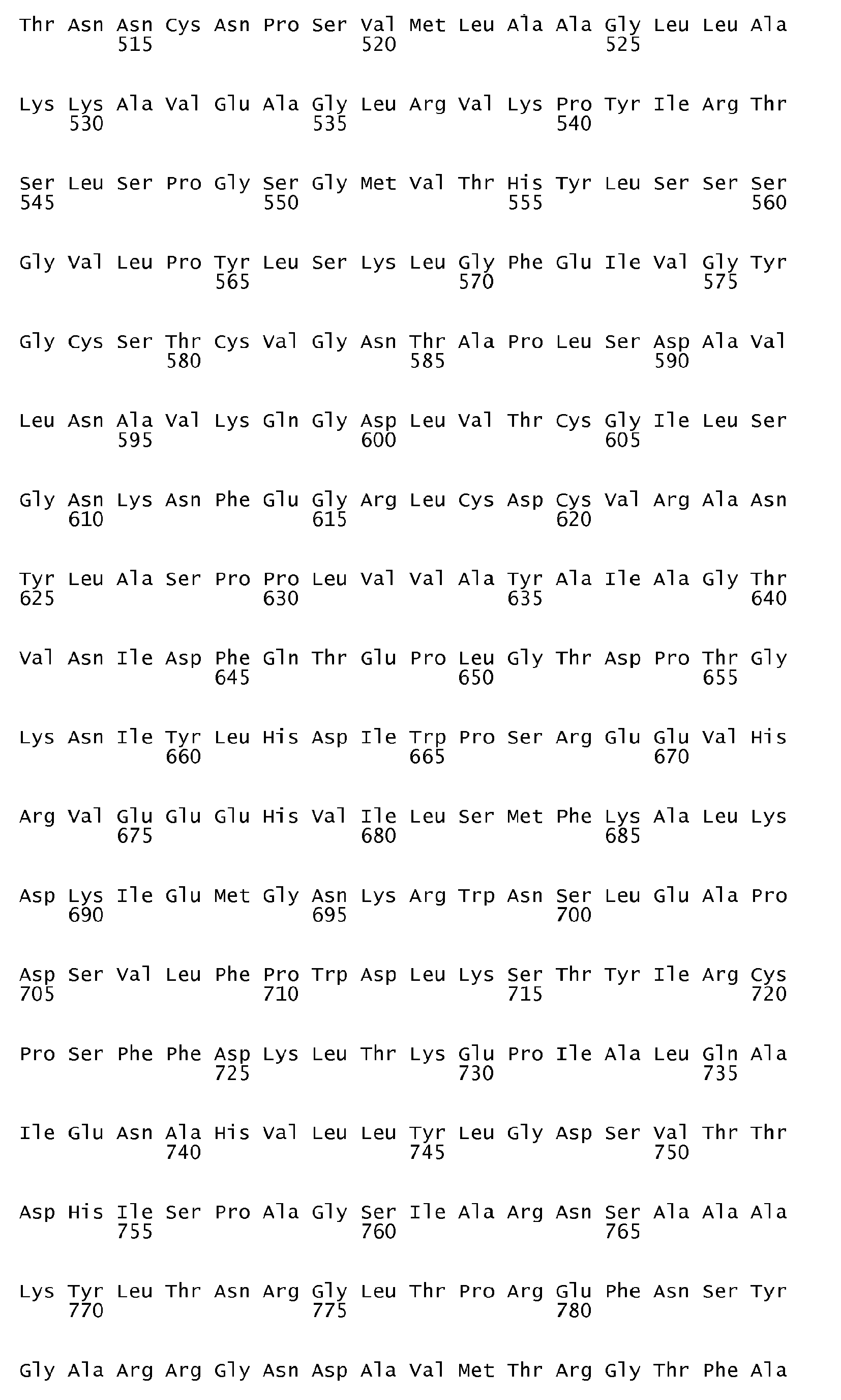


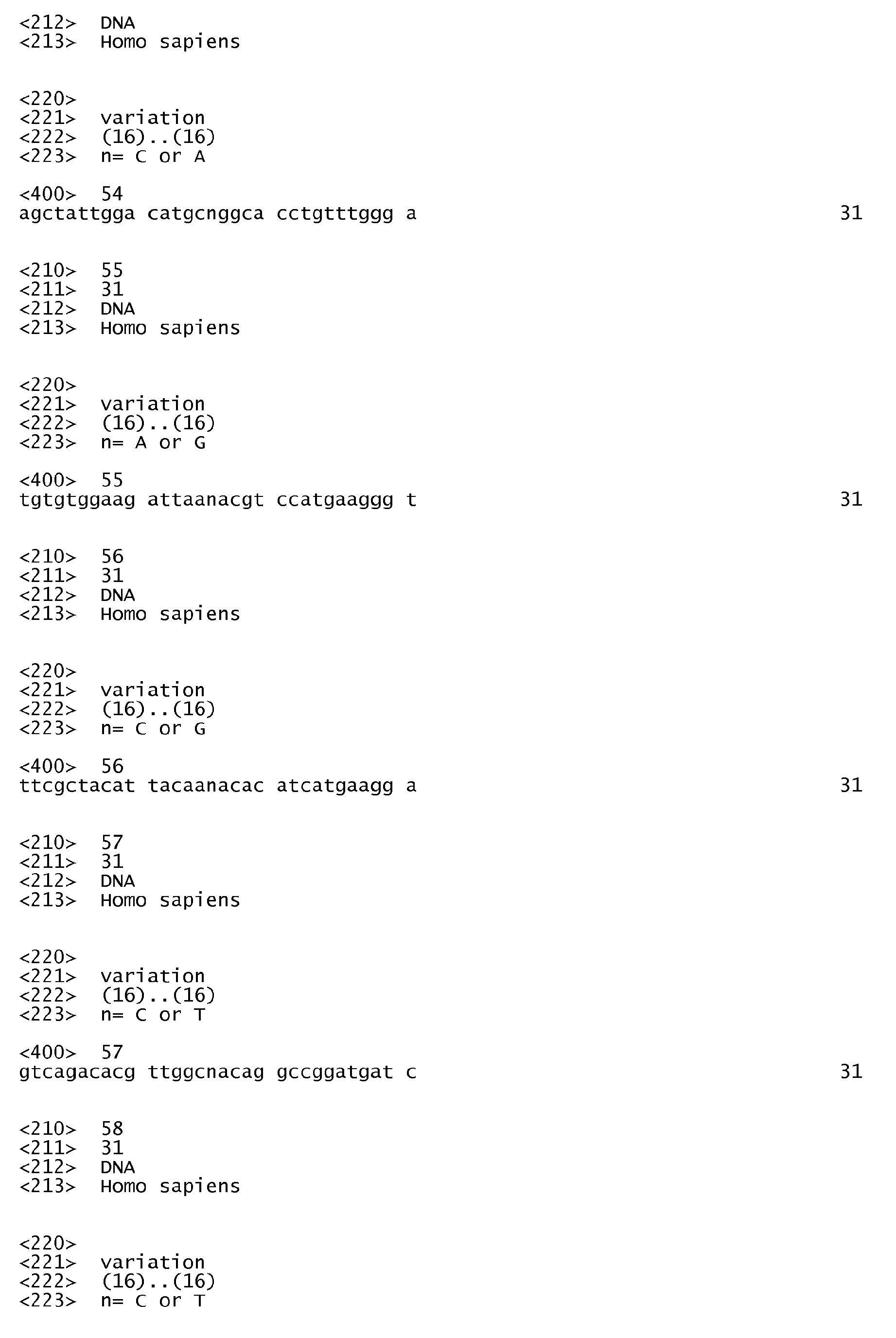
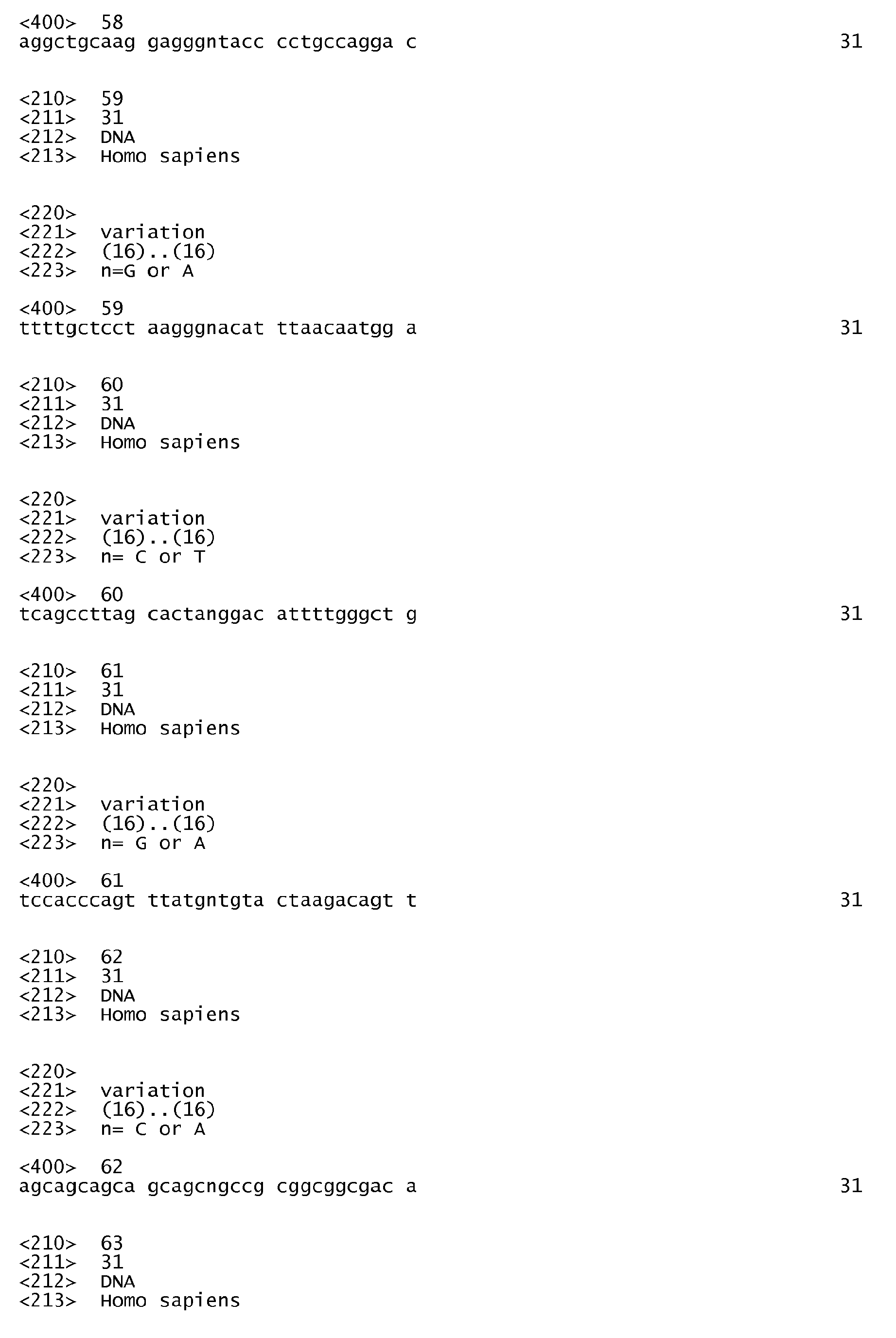

Claims (7)
- A method of testing a human thought to be predisposed to having lung cancer which comprises the step of analyzing a biological sample from said human for detecting the presence of a polymorphism on chromosome 15q25 associated with lung cancer.
- The method according to claim 1, wherein said polymorphism on chromosome 15q25 corresponds to a polymorphism located between position 76,480,000 and 76,800,000 of the human chromosome 15 (NC_000015), preferably between position 76,499,754 and 76,795,005.
- The method according to any one of the claims 1 or 2, wherein said biological sample is a blood sample.
- The method according to any one of the claim 1 to 3, wherein said polymorphism on chromosome 15q25 associated with lung cancer corresponds to a single nucleotide polymorphism (SNP).
- The method according to claim 4, wherein said single nucleotide polymorphism (SNP) on chromosome 15q25 associated with lung cancer is selected from the group comprising rs17483548 (nucleotide N at position 16 of SEQ ID NO:1, wherein allele A is associated to lung cancer), rs17405217 (nucleotide N at position 16 of SEQ ID NO:2, wherein allele T is associated to lung cancer) , rs17483721 (nucleotide N at position 16 of SEQ ID NO:3, wherein allele C is associated to lung cancer), rs2656052 (nucleotide N at position 16 of SEQ ID NO:4, wherein allele G is associated to lung cancer), rs2568494 (nucleotide N at position 16 of SEQ ID NO:5, wherein allele A is associated to lung cancer), rs7181486 (nucleotide N at position 16 of SEQ ID NO:6, wherein allele C is associated to lung cancer), rs17483929 (nucleotide N at position 16 of SEQ ID NO:7, wherein allele A is associated to lung cancer), rs2656065 (nucleotide N at position 16 of SEQ ID NO:8, wherein allele T is associated to lung cancer), rs2009746 (nucleotide N at position 16 of SEQ ID NO:9, wherein allele C is associated to lung cancer), rs17484235 (nucleotide N at position 16 of SEQ ID NO:10, wherein allele G is associated to lung cancer), rs1504550 (nucleotide N at position 16 of SEQ ID NO:11, wherein allele C is associated to lung cancer), rs17484524 (nucleotide N at position 16 of SEQ ID NO:12, wherein allele G is associated to lung cancer), rs9 788 721 (nucleotide N at position 16 of SEQ ID NO:13, wherein allele C is associated to lung cancer), rs8034191 (nucleotide N at position 16 of SEQ ID NO:14, wherein allele C is associated to lung cancer), rs10519203 (nucleotide N at position 16 of SEQ ID NO:15, wherein allele G is associated to lung cancer), rs8031948 (nucleotide N at position 16 of SEQ ID NO:16, wherein allele T is associated to lung cancer), rs931794 (nucleotide N at position 31 of SEQ ID NO:17, wherein allele G is associated to lung cancer), rs2036527 (nucleotide N at position 31 of SEQ ID NO:18, wherein allele A is associated to lung cancer), rs17486278 (nucleotide N at position 16 of SEQ ID NO:19, wherein allele C is associated to lung cancer), rs7180002 (nucleotide N at position 16 of SEQ ID NO:20, wherein allele T is associated to lung cancer), rs951266 (nucleotide N at position 16 of SEQ ID NO:21, wherein allele T is associated to lung cancer), rs16969968 (nucleotide N at position 16 of SEQ ID NO:22, wherein allele A is associated to lung cancer), rs1051730 (nucleotide N at position 31 of SEQ ID NO:23, wherein allele A is associated to lung cancer), rs1317286 (nucleotide N at position 16 of SEQ ID NO:24, wherein allele G is associated to lung cancer), and rs17487223 (nucleotide N at position 16 of SEQ ID NO:25, wherein allele T is associated to lung cancer).
- The method according to claim 5, wherein said single nucleotide polymorphism on chromosome 15q25 associated with lung cancer is selected from the group comprising rs2656052 (nucleotide N at position 16 of SEQ ID NO:4, wherein allele G is associated to lung cancer), rs17484235 (nucleotide N at position 16 of SEQ ID NO:10, wherein allele G is associated to lung cancer), rs8034191 (nucleotide N at position 16 of SEQ ID NO:14, wherein allele C is associated to lung cancer), rs10519203 (nucleotide N at position 16 of SEQ ID NO:15, wherein allele G is associated to lung cancer), rs8031948 (nucleotide N at position 16 of SEQ ID NO:16, wherein allele T is associated to lung cancer), rs931794 (nucleotide N at position 31 of SEQ ID NO:17, wherein allele G is associated to lung cancer), rs2036527 (nucleotide N at position 31 of SEQ ID NO:18, wherein allele A is associated to lung cancer), rs16969968 (nucleotide N at position 16 of SEQ ID NO:22, wherein allele A is associated to lung cancer), and rs1317286 (nucleotide N at position 16 of SEQ ID NO:24, wherein allele G is associated to lung cancer.
- A method of identifying a potential modulator of lung cancer, wherein said method comprising the steps of:* contacting a putative potential modulator to a protein selected in the group comprising IREB2, such as SEQ ID NO: 33, LOC123688, such as SEQ ID NO: 34 and SEQ ID NO:35, PSMA4, such as SEQ ID NO: 36, CHRNA5, such as SEQ ID NO: 37, CHRNA3, such as SEQ ID NO: 38, and CHRNB4, such as SEQ ID NO: 39, or to a nucleic acid that encodes such a protein; and* monitoring for an effect of the putative potential modulator on the protein or nucleic acid that encodes such protein, thereby identifying whether the putative potential modulator modulates the protein or the nucleic acid that encodes such protein and is therefore a potential modulator of lung cancer.
Priority Applications (3)
| Application Number | Priority Date | Filing Date | Title |
|---|---|---|---|
| EP07301664.4A EP2071039B1 (en) | 2007-12-12 | 2007-12-12 | Method for testing a subject thought to be predisposed to lung cancer |
| US12/735,037 US20110039344A1 (en) | 2007-12-12 | 2008-12-12 | Method and testing a subject thought to be predisposed to lung cancer |
| PCT/EP2008/067406 WO2009074673A1 (en) | 2007-12-12 | 2008-12-12 | Method for testing a subject thought to be predisposed to lung cancer |
Applications Claiming Priority (1)
| Application Number | Priority Date | Filing Date | Title |
|---|---|---|---|
| EP07301664.4A EP2071039B1 (en) | 2007-12-12 | 2007-12-12 | Method for testing a subject thought to be predisposed to lung cancer |
Publications (2)
| Publication Number | Publication Date |
|---|---|
| EP2071039A1 true EP2071039A1 (en) | 2009-06-17 |
| EP2071039B1 EP2071039B1 (en) | 2015-05-27 |
Family
ID=39401164
Family Applications (1)
| Application Number | Title | Priority Date | Filing Date |
|---|---|---|---|
| EP07301664.4A Not-in-force EP2071039B1 (en) | 2007-12-12 | 2007-12-12 | Method for testing a subject thought to be predisposed to lung cancer |
Country Status (3)
| Country | Link |
|---|---|
| US (1) | US20110039344A1 (en) |
| EP (1) | EP2071039B1 (en) |
| WO (1) | WO2009074673A1 (en) |
Cited By (1)
| Publication number | Priority date | Publication date | Assignee | Title |
|---|---|---|---|---|
| WO2011104730A1 (en) * | 2010-02-24 | 2011-09-01 | Decode Genetics Ehf | Genetic variants predictive of lung cancer risk |
Citations (1)
| Publication number | Priority date | Publication date | Assignee | Title |
|---|---|---|---|---|
| WO2006123955A2 (en) * | 2005-05-19 | 2006-11-23 | Synergenz Bioscience Limited | Methods for the assesssment of risk of developing lung cancer using analysis of genetic polymorphisms |
-
2007
- 2007-12-12 EP EP07301664.4A patent/EP2071039B1/en not_active Not-in-force
-
2008
- 2008-12-12 US US12/735,037 patent/US20110039344A1/en not_active Abandoned
- 2008-12-12 WO PCT/EP2008/067406 patent/WO2009074673A1/en not_active Ceased
Patent Citations (1)
| Publication number | Priority date | Publication date | Assignee | Title |
|---|---|---|---|---|
| WO2006123955A2 (en) * | 2005-05-19 | 2006-11-23 | Synergenz Bioscience Limited | Methods for the assesssment of risk of developing lung cancer using analysis of genetic polymorphisms |
Non-Patent Citations (21)
| Title |
|---|
| "Current Protocols in Immunology", 1994, JOHN WILEY & SONS |
| AMOS CHRISTOPHER I ET AL: "Genome-wide association scan of tag SNPs identifies a susceptibility locus for lung cancer at 15q25.1.", NATURE GENETICS MAY 2008, vol. 40, no. 5, May 2008 (2008-05-01), pages 616 - 622, XP009100741, ISSN: 1546-1718 * |
| ATEMWEGS- UND LUNGENKRANKHEITEN, vol. 24, no. SUPPL. 1, February 1998 (1998-02-01), pages S95 - S96, ISSN: 0341-3055 * |
| BARRETT; CARDON, NAT. GENET., vol. 38, 2006, pages 659 - 662 |
| BRENNAN ET AL., ABOVEMENTIONED, 2006 |
| BRENNAN ET AL., ABOVEMENTIONED, 2007 |
| BRENNAN ET AL., AM. J. EPI., vol. 1, no. 164, 2006, pages 1233 - 1241 |
| BRENNAN ET AL., HUM. MOL. GENET., vol. 16, 2007 |
| COLE ET AL.: "Monoclonal Antibodies and Cancer Therapy", 1985, ALAN R. LISS,INC., pages: 77 - 96 |
| DATABASE BIOSIS [online] BIOSCIENCES INFORMATION SERVICE, PHILADELPHIA, PA, US; February 1998 (1998-02-01), KUNZE U ET AL: "Preventive oncology and nicotine addition: First results of a field study among lung cancer patients", XP002482278, Database accession no. PREV199800305829 * |
| FALUSH ET AL., GENETICS, vol. 164, no. 4, 2003, pages 1567 - 87 |
| HUNG RAYJEAN J ET AL: "A susceptibility locus for lung cancer maps to nicotinic acetylcholine receptor subunit genes on 15q25", NATURE (LONDON), vol. 452, no. 7187, April 2008 (2008-04-01), pages 633 - 637, XP002482276, ISSN: 0028-0836 * |
| KOHLER; MILSTEIN, NATURE, vol. 256, 1975, pages 495 - 497 |
| KOZBOR ET AL., IMMUNOL., vol. 4, 1983, pages 72 |
| PRICE ET AL., ABOVEMENTIONED, 2006 |
| PRICE ET AL., NAT. GENET., vol. 38, 2006, pages 904 - 909 |
| PURCELL ET AL., AM J HUM. GENET., vol. 1, no. 81, 2007, pages 559 - 575 |
| SACCONE ET AL., ABOVEMENTIONED, 2007 |
| SACCONE ET AL., HUM. MOL. GENET., vol. 16, 2007, pages 36 - 49 |
| SACCONE SCOTT F ET AL: "Cholinergic nicotinic receptor genes implicated in a nicotine dependence association study targeting 348 candidate genes with 3713 SNPs.", HUMAN MOLECULAR GENETICS 1 JAN 2007, vol. 16, no. 1, 1 January 2007 (2007-01-01), pages 36 - 49, XP002482274, ISSN: 0964-6906 * |
| THORGEIRSSON THORGEIR E ET AL: "A variant associated with nicotine dependence, lung cancer and peripheral arterial disease", NATURE (LONDON), vol. 452, no. 7187, April 2008 (2008-04-01), pages 638, XP002482277, ISSN: 0028-0836 * |
Cited By (1)
| Publication number | Priority date | Publication date | Assignee | Title |
|---|---|---|---|---|
| WO2011104730A1 (en) * | 2010-02-24 | 2011-09-01 | Decode Genetics Ehf | Genetic variants predictive of lung cancer risk |
Also Published As
| Publication number | Publication date |
|---|---|
| EP2071039B1 (en) | 2015-05-27 |
| US20110039344A1 (en) | 2011-02-17 |
| WO2009074673A1 (en) | 2009-06-18 |
Similar Documents
| Publication | Publication Date | Title |
|---|---|---|
| CN102137938B (en) | Copy number variations predictive of risk of schizophrenia | |
| US8951735B2 (en) | Genetic variants for breast cancer risk assessment | |
| US20130296175A1 (en) | Genetic Variants as Markers for Use in Urinary Bladder Cancer Risk Assessment, Diagnosis, Prognosis and Treatment | |
| EP2247755B1 (en) | Susceptibility variants for lung cancer | |
| US20110269143A1 (en) | Genetic Variants as Markers for Use in Urinary Bladder Cancer Risk Assessment, Diagnosis, Prognosis and Treatment | |
| WO2007149798A2 (en) | Biomarkers for the progression of alzheimer's disease | |
| AU2017318669B2 (en) | Methods and composition for the prediction of the activity of enzastaurin | |
| WO2014074942A1 (en) | Risk variants of alzheimer's disease | |
| WO2009150255A2 (en) | Markers for predicting response and survival in anti-egfr treated patients | |
| EP2463387B1 (en) | Markers for breast cancer | |
| US20070065821A1 (en) | Methods for the prediction of suicidality during treatment | |
| EP2071039B1 (en) | Method for testing a subject thought to be predisposed to lung cancer | |
| US20120225786A1 (en) | Risk variants for cancer | |
| WO2011104730A1 (en) | Genetic variants predictive of lung cancer risk | |
| JP2008505060A (en) | Biomarkers for predicting response to clozapine treatment | |
| Okunola | Investigation of the role of vitamin D metabolism in South African breast cancer patients using a pathology-supported genetic testing platform | |
| Al-Saud | The genetics of obesity in Saudi Arabian population | |
| WO2010033825A2 (en) | Genetic variants associated with abdominal aortic aneurysms |
Legal Events
| Date | Code | Title | Description |
|---|---|---|---|
| PUAI | Public reference made under article 153(3) epc to a published international application that has entered the european phase |
Free format text: ORIGINAL CODE: 0009012 |
|
| AK | Designated contracting states |
Kind code of ref document: A1 Designated state(s): AT BE BG CH CY CZ DE DK EE ES FI FR GB GR HU IE IS IT LI LT LU LV MC MT NL PL PT RO SE SI SK TR |
|
| AX | Request for extension of the european patent |
Extension state: AL BA HR MK RS |
|
| 17P | Request for examination filed |
Effective date: 20091202 |
|
| 17Q | First examination report despatched |
Effective date: 20100115 |
|
| AKX | Designation fees paid |
Designated state(s): AT BE BG CH CY CZ DE DK EE ES FI FR GB GR HU IE IS IT LI LT LU LV MC MT NL PL PT RO SE SI SK TR |
|
| RAP1 | Party data changed (applicant data changed or rights of an application transferred) |
Owner name: CENTRE INTERNATIONAL DE RECHERCHE SUR LE CANCER Owner name: COMMISSARIAT A L'ENERGIE ATOMIQUE ET AUX ENERGIES |
|
| RAP1 | Party data changed (applicant data changed or rights of an application transferred) |
Owner name: COMMISSARIAT A L'ENERGIE ATOMIQUE ET AUX ENERGIES |
|
| GRAP | Despatch of communication of intention to grant a patent |
Free format text: ORIGINAL CODE: EPIDOSNIGR1 |
|
| INTG | Intention to grant announced |
Effective date: 20141201 |
|
| GRAS | Grant fee paid |
Free format text: ORIGINAL CODE: EPIDOSNIGR3 |
|
| GRAA | (expected) grant |
Free format text: ORIGINAL CODE: 0009210 |
|
| AK | Designated contracting states |
Kind code of ref document: B1 Designated state(s): AT BE BG CH CY CZ DE DK EE ES FI FR GB GR HU IE IS IT LI LT LU LV MC MT NL PL PT RO SE SI SK TR |
|
| REG | Reference to a national code |
Ref country code: GB Ref legal event code: FG4D |
|
| REG | Reference to a national code |
Ref country code: CH Ref legal event code: EP |
|
| REG | Reference to a national code |
Ref country code: AT Ref legal event code: REF Ref document number: 728904 Country of ref document: AT Kind code of ref document: T Effective date: 20150615 |
|
| REG | Reference to a national code |
Ref country code: IE Ref legal event code: FG4D |
|
| REG | Reference to a national code |
Ref country code: DE Ref legal event code: R096 Ref document number: 602007041563 Country of ref document: DE |
|
| REG | Reference to a national code |
Ref country code: AT Ref legal event code: MK05 Ref document number: 728904 Country of ref document: AT Kind code of ref document: T Effective date: 20150527 |
|
| REG | Reference to a national code |
Ref country code: LT Ref legal event code: MG4D |
|
| PG25 | Lapsed in a contracting state [announced via postgrant information from national office to epo] |
Ref country code: PT Free format text: LAPSE BECAUSE OF FAILURE TO SUBMIT A TRANSLATION OF THE DESCRIPTION OR TO PAY THE FEE WITHIN THE PRESCRIBED TIME-LIMIT Effective date: 20150928 Ref country code: LT Free format text: LAPSE BECAUSE OF FAILURE TO SUBMIT A TRANSLATION OF THE DESCRIPTION OR TO PAY THE FEE WITHIN THE PRESCRIBED TIME-LIMIT Effective date: 20150527 Ref country code: ES Free format text: LAPSE BECAUSE OF FAILURE TO SUBMIT A TRANSLATION OF THE DESCRIPTION OR TO PAY THE FEE WITHIN THE PRESCRIBED TIME-LIMIT Effective date: 20150527 Ref country code: FI Free format text: LAPSE BECAUSE OF FAILURE TO SUBMIT A TRANSLATION OF THE DESCRIPTION OR TO PAY THE FEE WITHIN THE PRESCRIBED TIME-LIMIT Effective date: 20150527 |
|
| REG | Reference to a national code |
Ref country code: NL Ref legal event code: MP Effective date: 20150527 |
|
| PG25 | Lapsed in a contracting state [announced via postgrant information from national office to epo] |
Ref country code: BG Free format text: LAPSE BECAUSE OF FAILURE TO SUBMIT A TRANSLATION OF THE DESCRIPTION OR TO PAY THE FEE WITHIN THE PRESCRIBED TIME-LIMIT Effective date: 20150827 Ref country code: AT Free format text: LAPSE BECAUSE OF FAILURE TO SUBMIT A TRANSLATION OF THE DESCRIPTION OR TO PAY THE FEE WITHIN THE PRESCRIBED TIME-LIMIT Effective date: 20150527 Ref country code: GR Free format text: LAPSE BECAUSE OF FAILURE TO SUBMIT A TRANSLATION OF THE DESCRIPTION OR TO PAY THE FEE WITHIN THE PRESCRIBED TIME-LIMIT Effective date: 20150828 Ref country code: LV Free format text: LAPSE BECAUSE OF FAILURE TO SUBMIT A TRANSLATION OF THE DESCRIPTION OR TO PAY THE FEE WITHIN THE PRESCRIBED TIME-LIMIT Effective date: 20150527 Ref country code: IS Free format text: LAPSE BECAUSE OF FAILURE TO SUBMIT A TRANSLATION OF THE DESCRIPTION OR TO PAY THE FEE WITHIN THE PRESCRIBED TIME-LIMIT Effective date: 20150927 |
|
| REG | Reference to a national code |
Ref country code: FR Ref legal event code: PLFP Year of fee payment: 9 |
|
| PG25 | Lapsed in a contracting state [announced via postgrant information from national office to epo] |
Ref country code: EE Free format text: LAPSE BECAUSE OF FAILURE TO SUBMIT A TRANSLATION OF THE DESCRIPTION OR TO PAY THE FEE WITHIN THE PRESCRIBED TIME-LIMIT Effective date: 20150527 Ref country code: DK Free format text: LAPSE BECAUSE OF FAILURE TO SUBMIT A TRANSLATION OF THE DESCRIPTION OR TO PAY THE FEE WITHIN THE PRESCRIBED TIME-LIMIT Effective date: 20150527 |
|
| PG25 | Lapsed in a contracting state [announced via postgrant information from national office to epo] |
Ref country code: SK Free format text: LAPSE BECAUSE OF FAILURE TO SUBMIT A TRANSLATION OF THE DESCRIPTION OR TO PAY THE FEE WITHIN THE PRESCRIBED TIME-LIMIT Effective date: 20150527 Ref country code: CZ Free format text: LAPSE BECAUSE OF FAILURE TO SUBMIT A TRANSLATION OF THE DESCRIPTION OR TO PAY THE FEE WITHIN THE PRESCRIBED TIME-LIMIT Effective date: 20150527 Ref country code: RO Free format text: LAPSE BECAUSE OF NON-PAYMENT OF DUE FEES Effective date: 20150527 Ref country code: PL Free format text: LAPSE BECAUSE OF FAILURE TO SUBMIT A TRANSLATION OF THE DESCRIPTION OR TO PAY THE FEE WITHIN THE PRESCRIBED TIME-LIMIT Effective date: 20150527 |
|
| REG | Reference to a national code |
Ref country code: DE Ref legal event code: R097 Ref document number: 602007041563 Country of ref document: DE |
|
| PLBE | No opposition filed within time limit |
Free format text: ORIGINAL CODE: 0009261 |
|
| STAA | Information on the status of an ep patent application or granted ep patent |
Free format text: STATUS: NO OPPOSITION FILED WITHIN TIME LIMIT |
|
| PG25 | Lapsed in a contracting state [announced via postgrant information from national office to epo] |
Ref country code: IT Free format text: LAPSE BECAUSE OF FAILURE TO SUBMIT A TRANSLATION OF THE DESCRIPTION OR TO PAY THE FEE WITHIN THE PRESCRIBED TIME-LIMIT Effective date: 20150527 |
|
| 26N | No opposition filed |
Effective date: 20160301 |
|
| PG25 | Lapsed in a contracting state [announced via postgrant information from national office to epo] |
Ref country code: BE Free format text: LAPSE BECAUSE OF NON-PAYMENT OF DUE FEES Effective date: 20151231 Ref country code: SI Free format text: LAPSE BECAUSE OF FAILURE TO SUBMIT A TRANSLATION OF THE DESCRIPTION OR TO PAY THE FEE WITHIN THE PRESCRIBED TIME-LIMIT Effective date: 20150527 |
|
| PG25 | Lapsed in a contracting state [announced via postgrant information from national office to epo] |
Ref country code: MC Free format text: LAPSE BECAUSE OF FAILURE TO SUBMIT A TRANSLATION OF THE DESCRIPTION OR TO PAY THE FEE WITHIN THE PRESCRIBED TIME-LIMIT Effective date: 20150527 Ref country code: LU Free format text: LAPSE BECAUSE OF FAILURE TO SUBMIT A TRANSLATION OF THE DESCRIPTION OR TO PAY THE FEE WITHIN THE PRESCRIBED TIME-LIMIT Effective date: 20151212 |
|
| REG | Reference to a national code |
Ref country code: CH Ref legal event code: PL |
|
| PG25 | Lapsed in a contracting state [announced via postgrant information from national office to epo] |
Ref country code: BE Free format text: LAPSE BECAUSE OF FAILURE TO SUBMIT A TRANSLATION OF THE DESCRIPTION OR TO PAY THE FEE WITHIN THE PRESCRIBED TIME-LIMIT Effective date: 20150527 |
|
| REG | Reference to a national code |
Ref country code: IE Ref legal event code: MM4A |
|
| PG25 | Lapsed in a contracting state [announced via postgrant information from national office to epo] |
Ref country code: IE Free format text: LAPSE BECAUSE OF NON-PAYMENT OF DUE FEES Effective date: 20151212 Ref country code: CH Free format text: LAPSE BECAUSE OF NON-PAYMENT OF DUE FEES Effective date: 20151231 Ref country code: LI Free format text: LAPSE BECAUSE OF NON-PAYMENT OF DUE FEES Effective date: 20151231 |
|
| REG | Reference to a national code |
Ref country code: FR Ref legal event code: PLFP Year of fee payment: 10 |
|
| PGFP | Annual fee paid to national office [announced via postgrant information from national office to epo] |
Ref country code: GB Payment date: 20161221 Year of fee payment: 10 |
|
| PGFP | Annual fee paid to national office [announced via postgrant information from national office to epo] |
Ref country code: FR Payment date: 20161207 Year of fee payment: 10 |
|
| PGFP | Annual fee paid to national office [announced via postgrant information from national office to epo] |
Ref country code: DE Payment date: 20161221 Year of fee payment: 10 |
|
| PG25 | Lapsed in a contracting state [announced via postgrant information from national office to epo] |
Ref country code: HU Free format text: LAPSE BECAUSE OF FAILURE TO SUBMIT A TRANSLATION OF THE DESCRIPTION OR TO PAY THE FEE WITHIN THE PRESCRIBED TIME-LIMIT; INVALID AB INITIO Effective date: 20071212 |
|
| PG25 | Lapsed in a contracting state [announced via postgrant information from national office to epo] |
Ref country code: SE Free format text: LAPSE BECAUSE OF FAILURE TO SUBMIT A TRANSLATION OF THE DESCRIPTION OR TO PAY THE FEE WITHIN THE PRESCRIBED TIME-LIMIT Effective date: 20150527 Ref country code: CY Free format text: LAPSE BECAUSE OF FAILURE TO SUBMIT A TRANSLATION OF THE DESCRIPTION OR TO PAY THE FEE WITHIN THE PRESCRIBED TIME-LIMIT Effective date: 20150527 Ref country code: NL Free format text: LAPSE BECAUSE OF FAILURE TO SUBMIT A TRANSLATION OF THE DESCRIPTION OR TO PAY THE FEE WITHIN THE PRESCRIBED TIME-LIMIT Effective date: 20150527 |
|
| PG25 | Lapsed in a contracting state [announced via postgrant information from national office to epo] |
Ref country code: TR Free format text: LAPSE BECAUSE OF FAILURE TO SUBMIT A TRANSLATION OF THE DESCRIPTION OR TO PAY THE FEE WITHIN THE PRESCRIBED TIME-LIMIT Effective date: 20150527 Ref country code: MT Free format text: LAPSE BECAUSE OF FAILURE TO SUBMIT A TRANSLATION OF THE DESCRIPTION OR TO PAY THE FEE WITHIN THE PRESCRIBED TIME-LIMIT Effective date: 20150527 |
|
| REG | Reference to a national code |
Ref country code: DE Ref legal event code: R119 Ref document number: 602007041563 Country of ref document: DE |
|
| GBPC | Gb: european patent ceased through non-payment of renewal fee |
Effective date: 20171212 |
|
| REG | Reference to a national code |
Ref country code: FR Ref legal event code: ST Effective date: 20180831 |
|
| PG25 | Lapsed in a contracting state [announced via postgrant information from national office to epo] |
Ref country code: FR Free format text: LAPSE BECAUSE OF NON-PAYMENT OF DUE FEES Effective date: 20180102 Ref country code: DE Free format text: LAPSE BECAUSE OF NON-PAYMENT OF DUE FEES Effective date: 20180703 |
|
| PG25 | Lapsed in a contracting state [announced via postgrant information from national office to epo] |
Ref country code: GB Free format text: LAPSE BECAUSE OF NON-PAYMENT OF DUE FEES Effective date: 20171212 |