EP2062897B9 - Demethylation of 14-hydroxy substituted alkaloid derivatives - Google Patents
Demethylation of 14-hydroxy substituted alkaloid derivatives Download PDFInfo
- Publication number
- EP2062897B9 EP2062897B9 EP08169873A EP08169873A EP2062897B9 EP 2062897 B9 EP2062897 B9 EP 2062897B9 EP 08169873 A EP08169873 A EP 08169873A EP 08169873 A EP08169873 A EP 08169873A EP 2062897 B9 EP2062897 B9 EP 2062897B9
- Authority
- EP
- European Patent Office
- Prior art keywords
- acid
- reaction
- formula
- compound
- temperature
- Prior art date
- Legal status (The legal status is an assumption and is not a legal conclusion. Google has not performed a legal analysis and makes no representation as to the accuracy of the status listed.)
- Active
Links
Images


Classifications
-
- C—CHEMISTRY; METALLURGY
- C07—ORGANIC CHEMISTRY
- C07D—HETEROCYCLIC COMPOUNDS
- C07D489/00—Heterocyclic compounds containing 4aH-8, 9 c- Iminoethano-phenanthro [4, 5-b, c, d] furan ring systems, e.g. derivatives of [4, 5-epoxy]-morphinan of the formula:
- C07D489/06—Heterocyclic compounds containing 4aH-8, 9 c- Iminoethano-phenanthro [4, 5-b, c, d] furan ring systems, e.g. derivatives of [4, 5-epoxy]-morphinan of the formula: with a hetero atom directly attached in position 14
- C07D489/08—Oxygen atom
Definitions
- Naltrexone is an opioid receptor antagonist used primarily in the management of alcohol dependence and opioid dependence. It is available on the market in form of its hydrochloric salt, i.e. naltrexone hydrochloride. Naltrexone and its active metabolite 6- ⁇ -naltrexol are competitive antagonists at ⁇ - and ⁇ -opioid receptors, and to a lesser extent at ⁇ -opioid receptors. The plasma halflife of naltrexone is about 4 hours, for 6- ⁇ -naltrexol 13 hours.
- naltrexone One important step in the synthesis of naltrexone is a demethylation step for removing the methyl group from the nitrogen atom of the alkaloid molecule, as it is present for example in oxycodone and oxymorphone.
- GB-1,124,441 One way to achieve this demethylation step is disclosed in GB-1,124,441 .
- a process of removing a methyl group from a tertiary nitrogen atom of an alkaloid molecule comprising reacting the methylated compound with a lower alkyl azodicarboxylate, wherein the lower alkyl group has from 1-8 carbon atoms, for a time sufficient to bring about a reaction and to provide a demethylated alkaloid derivative.
- the patent specification is only related to alkaloid compounds, which do not carry an OH-group at C14 of the alkaloid backbone.
- GB-1,124,441 is silent on how to perform a demethylation on oxycodone and oxymorphone, respectively.
- EP 0 295 783 discloses diethyl azodicarboxylate for demethylating alkaloids.
- diethyl azodicarboxylate in acetonitrile for the N-dealkylation of a compound of the indicated formula.
- a bridging group is introduced between 2N-atoms as it can be seen from formula (VII).
- EP 0 295 783 is not related to alkaloids having a 14-OH group.
- GB-1,179,479 discloses removing a methyl group by treatment with a di-lower alkyl azodicarboxylate, wherein the lower alkyl group has from 1-4 carbon atoms, followed by treatment of delute mineral acid.
- This reaction is disclosed in the context of general formula (I) as indicated in GB-1,179,479 , which does not possess a 14-OH group.
- oxycodone may be reacted with Ac 2 O in order to achieve acetyloxycodone (having a protected OH-group) which is further converted by well-known demethylating agents (BrCN/H 2 SO 4 ) to nor oxycodone (which is demethylated).
- 14-acetoxy-N-cyanonorcodeine acetate may be produced by reacting 14-acetoxycodeine acetate with cyanogen bromide and may be converted to 14-hydroxynorcodeine by means of lithium aluminium hydride.
- azodicarboxylic acid dialkyl ester compounds as, for example, DIAD or DEAD, substances, which are potentially harmful to the environment (like BrCN) may be avoided.
- Figure 3 describes the reaction of the present invention.
- oxycodone is converted directly to nor oxycodone, as it is also the case for oxymorphone to nor oxymorphone (see Figure 4 ).
- the yield of this reaction step is quite high, for example, for the conversion of oxymorphone to nor oxymorphone the yield is about 80-90%.
- the present invention is directed to the following:
- Salts of the above compound of formula (I) include carboxylate salts and others that are within a reasonable benefit/risk ratio, pharmacologically effective and suitable for contact with the tissues of patients without undue toxicity, irritation, or allergic response.
- Representative salts include hydrobromide, hydrochloride, sulfate, bisulfate, nitrate, acetate, oxalate, valerate, oleate, palmitate, stearate, laurate, borate, benzoate, lactate, phosphate, tosylate, citrate, maleate, fumarate, succinate, tartrate, naphthylale, mesylate, glucoheptonate, lactiobionate, and laurylsulfonate. See for example, S. M. Berge, et al., "Pharmaceutical Salts," J. Pharm. Sci., J.977, 66:1-19 .
- the hydrochloride salt is preferred.
- DEAD diethyl azodicarboxylate
- DIAD diisopropyl azodicarboxylate
- these compounds preferably are used in an amount of 1.5 to 3.0 eq.
- the solvent is an aprotic polar or dipolar solvent and is preferably selected from methanol, ethanol, acetone, toluene, dimethylformamide, N,N-dimethylacetamide, acetonitrile, acetic acid ethylester and methyl-tert-butylether.
- Other solvents which fall into this category are methylene chloride, chloroform, tetrahydrofuran, dioxane, 1,3-dimethyl-2-imidazolidinone, dimethylsulfoxide, nitromethane or hexamethylphosphoric triamide.
- the starting material may be completely or partly dissolved within the aprotic polar or dipolar solvent.
- the most preferred solvent is dimethylformamide.
- the above demethylation reaction from a compound of formula (II) to a compound of formula (I) preferably is performed at a temperature in the range of room temperature (20°C) to 100°C, preferably in the range of from 30-90°C, more preferably in the range of from 40-80°C and most preferably, in the range of 50-70°C.
- This temperature is maintained for at least one hour, preferably at least two hours, more preferably at least three hours and most preferably at least four hours.
- reaction solution is supplemented with 5,5-dimethylcyclohexane-1,3-dione (dimedone) or hydrazines and methanol.
- dimedone or hydrazines The reason for using dimedone or hydrazines is that during the demethylation reaction an aminal is formed, which is hydrolized with methanol to yield the secondary amine (N-H) and formaldehyde-dimethylacetal (or formaldehyde following hydrolysation).
- N-H secondary amine
- formaldehyde-dimethylacetal or formaldehyde following hydrolysation
- Dimedone preferably is used in an amount of at least 2 Eq, for example 2-3.5 Eq regarding the presumed amount of formaldehyde (-dimethylacetal).
- An example of a preferred amount is about 3.0. Eq.
- the reaction solution is maintained at a temperature in the range of room temperature (20°C) to 100°C, preferably in the range of 30-80°C, more preferably in the range of 40-70°C over a time of 1-10 hours, preferably 2-5 hours after adding dimedone/hydrazines and methanol.
- a most preferred temperature range is 50-65°C.
- an acid is added to the reaction solution.
- the reason for adding an acid is to protonate the reaction product in order to bring it in the polar (water) phase.
- the remaining substances for example DEAD or DIAD
- the aqueous phase in turn receives the reaction product as a hydrochloride, and, thus, is separating it from the reaction mixture.
- hydrochloric acid preferably has a concentration of about 5% V/V.
- the reaction solution further comprises at least one antioxidant.
- an antioxydant can prevent the formation of oxidative by-products.
- oxidative by-products can be formed, depending on the reaction conditions. The removal of these by-products might require additional purification steps. Especially difficult to remove are 2,2'-bis(14-hydroxy-14-methyl-4.5-epoxymorphinane-6-one)-derivatives which can only be removed by tedious purification procedures.
- the amount of antioxidants in the reaction mixture is 1 to 50 mol-%, 5 to 40 mol-% or 10 to 30 mol-%. The addition of antioxidants can thus significantly improve the purity of the reaction product and reduce the process steps and costs of the reaction.
- Suitable antioxidants are ascorbic acid, citric acid, tartric acid, polyhydroxy butyric acid (PHB) esters, butylated hydroxyanisol (BHA) and butylated hydroxytoluene (BHT), preferably 2,6-di-tert-butyl-4-methylphenol.
- PHB polyhydroxy butyric acid
- BHA butylated hydroxyanisol
- BHT butylated hydroxytoluene
- antioxidants are selected from the group consisting of organic acids and carboxylic acids, acid salts of amino acids, sodium metabisulphite, malic acid, isoascorbic acid, sodium sulphite, sodium bisulphate, tocopherol, water-and fat-soluble derivatives of tocopherol, sulphites, bisulphites and hydrogen sulphites, 2,6-di-t-butyl-alpha-dimethylamino-p-cresol, t-butylhydroquinone, di-t-amylhydroquinone, di-t-butylhydroquinone, butylhydroxytoluene, pyrocatechol, pyrogallol, propyl/gallate, and nordihydroguaiaretic acid, phosphoric acids, sorbic and benzoic acids, esters and derivatives thereof.
- Oxymorphone 1 50.0 g Oxymorphone are solved at room temperature in 233.0 g dimethylformamide at room temperature and supplemented with 62.6 g diisopropylazodicarboxylate. The solution is heated to 55°C and a yellow to red mixture is formed. The solution is stirred for 4 hours at this temperature. 2 Progress of the reaction is controlled by HPLC for example. 3 To the reaction mixture 65.1 g dimedone and 19.8 g methanol are added starting at 55°C. 4 The mixture is kept at a temperature of 60°C whereas viscosity drops. The reaction mixture is stirred for 4 hours at a temperature of 60°C.
- the reaction mixture is kept at a temperature of 20°C and is supplemented with 460.0 g dichlormethane, 200.0 g deionised water and 27.4 g hydrochloric acid 32% and is stirred for at least 5min.
- Two clear phases are formed: a redish organic and a yellow aqueous phase. 6
- the aqueous phase is separated. 7
- the aqueous phase is washed with 150.0 g dichlormethane.
- the phases are separated.
- To the aqueous phase 26.2 g aqueuos ammonia solution (25% w/w) are added at 20°C under stirring. A suspension is formed.
- the further steps in the procedure comprise purification as used in chemistry.
- the steps described illustrate a possible way.
- the suspension is brought to a temperature of 15°C and stirred for at least two hours.
- the suspension is vacuum-filtered, dried and the residue is slurried with 250.0 g water at a temperature of 20°C.
- the suspension is vacuum-filtered and dried well by aspiration.
- 12 100.0 g
- the filter residue is slurried with acetone at a temperature of 20°C, vacuum-filtered and is dried well by aspiration.
- 13 20.0 g The filter residue is again washed with acetone and well dried by aspiration.
- the product is dried in a vacuum drying oven at 60°C. 15 42.6 g product is yielded as a fawn solid.
Landscapes
- Chemical & Material Sciences (AREA)
- Organic Chemistry (AREA)
- Pharmaceuticals Containing Other Organic And Inorganic Compounds (AREA)
Description
- The present invention is directed to a method for demethylating 14-hydroxy substituted alkaloid derivatives, in particular of 14-hydroxy-17-methyl-4,5-epoxymorphinane-6-on-derivatives. This is achieved by reacting a starting compound with a compound of general formula R1OOC-N=N-COOR2 in a suitable solvent.
- Naltrexone is an opioid receptor antagonist used primarily in the management of alcohol dependence and opioid dependence. It is available on the market in form of its hydrochloric salt, i.e. naltrexone hydrochloride. Naltrexone and its active metabolite 6-β-naltrexol are competitive antagonists at µ- and κ-opioid receptors, and to a lesser extent at δ-opioid receptors. The plasma halflife of naltrexone is about 4 hours, for 6-β-naltrexol 13 hours.
- One important step in the synthesis of naltrexone is a demethylation step for removing the methyl group from the nitrogen atom of the alkaloid molecule, as it is present for example in oxycodone and oxymorphone.
- One way to achieve this demethylation step is disclosed in
GB-1,124,441 GB-1,124,441 - The paper titled "Reactions of Azodicarboxylic Esters with Amines" of S. HOSZTAFI, Österreichische Apotheker-Verlagsges.m.b.H., Wien, 1987, describes the reactions of aliphatic and aromatic amines and alkaloids with azodicarboxylic esters.
- Further documents are available which are related to the demethylation of alkaloids, for example,
EP 0 295 783 discloses diethyl azodicarboxylate for demethylating alkaloids. On page 8 of the description, it is disclosed to use diethyl azodicarboxylate in acetonitrile for the N-dealkylation of a compound of the indicated formula. However, in the course of this reaction, a bridging group is introduced between 2N-atoms as it can be seen from formula (VII). Furthermore,EP 0 295 783 is not related to alkaloids having a 14-OH group. - The like,
GB-1,179,479 GB-1,179,479 - In the prior art, there are also chemical processes disclosed, which allow the demethylation of alkaloid compounds which are carrying an OH-group at C14. In these methods, however, the OH group is being protected in order to avoid a reaction with the usual demethylation agents.
- For example, oxycodone may be reacted with Ac2O in order to achieve acetyloxycodone (having a protected OH-group) which is further converted by well-known demethylating agents (BrCN/H2SO4) to noroxycodone (which is demethylated).
- The same step can be performed in the synthesis of noroxymorphone, starting from oxymorphone. There, oxymorphone is reacted with Ac2O resulting in a protected OH-group at C14 (oxymorphone diacetate). After reacting with BrCN and H2SO4, noroxymorphone is yielded. The conversion by means of BrCN is described in IIJIMA et al., "Studies in the (+)-Morphinan Series. 5. Synthesis and Biological Properties of (+)-Naloxone", Journal of Medicinal Chemistry, 1978, Vol. 21, No. 4.
- However, there is not any disclosure in the art for a process for demethylating alkaloid derivatives which are carrying the 14-OH group, which 14-OH group is not being protected during the reaction. This might be due to the fact that conventional demethylating agents, such as BrCN, do not function under these circumstances as proper demethylating agents: The free OH group at C14 is too close to the cyanide and can perform a 5-exo-dig-cyclization which would not allow a proper performance of the reaction. See in this connection, CURRIE, A.C.; NEWBOLD, G.T. et al., Roy. Coll. Sci., Technol., Glasgow, UK, Journal of the Chemical Society, abstracts (1961), 4693-4700.
- Further, see also
GB-975,601, published in 1964 - Iijima et al "Studies in the (+) morphinan series. V. Synthesis and biological properties of (+) naloxone "JOURNAL OF MEDICINAL CHEMISTRY; AMERICAN CHEMICAL SOCIETY; WASHINGTON; US, vol. 21, no. 4, 1 January 1978 (1978-01-01) and
WO 2006/084389 are directed to the conversion of 3, 14-diahydroxydihydromorphinone into 3, 14 dihydroxyhydronormorphinone. 3, 14-diacetoxydihydromorphinone is reacted with either BrCN or ethylchloroformate. - There is no indication that azodicarboxylic acid dialkyl ester should be used as a reagent in this conversion reaction.
- Therefore, there is a need remaining to provide a method of demethylating 14-OH substituted alkaloid derivatives, and in particular, oxycodone and oxymorphone without the need of protecting/deprotecting the 14-OH group. Furthermore, it is an object of the present invention to provide a method of demethylating alkaloid derivatives which is environment-friendly and allows a conversion of 14-OH-alkaloid derivatives to the respective nor-alkaloid-derivatives in a high yield.
- These problems are solved by the subject-matter of the independent claim. Embodiments are set forth in the dependent claims.
- By the present invention, for the first time, a way of demethylating alkaloid derivatives having a 14-OH group is provided without the need of protecting the OH group during the reaction. This, surprisingly, could be achieved by using azodicarboxylic acid dialkyl esters of general formula R1OOC-N=N-COOR2 in a suitable solvent. This is insofar surprising as the prior art teaches that the 14-OH group is too reactive for using the conventional demethylating agents as discussed above without having protected the 14-OH group before.
- By the new process of demethylation, two additional steps can be avoided, i.e. protecting and deprotecting the 14-OH-group of the alkaloid derivative. Furthermore, by using azodicarboxylic acid dialkyl ester compounds as, for example, DIAD or DEAD, substances, which are potentially harmful to the environment (like BrCN) may be avoided.
- In order to give an overview over the improvements achieved by the present invention, it is referred to the enclosed
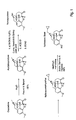
Figures 1 and2 showing two conventional ways for the synthesis of naltrexone base. Here, oxycodone is converted to acetyloxycodone in order to provide a protective group for 14 OH, and, then, demethylation is achieved by means of BrCN in order to achieve noroxycodone or noroxymorphone, respectively. -
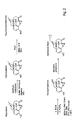
Figure 3 describes the reaction of the present invention. Here, oxycodone is converted directly to noroxycodone, as it is also the case for oxymorphone to noroxymorphone (seeFigure 4 ). - It could be shown by the inventors that the yield of this reaction step is quite high, for example, for the conversion of oxymorphone to noroxymorphone the yield is about 80-90%.
- In particular, the present invention is directed to the following:
- According to a first aspect, the invention is directed to a method of producing a compound of formula (I)

reacting a compound of formula (II)
- X is selected from H, alkyl, silyl or acetyl;
- R1 and R2 are independently selected from linear or branched substituted or unsubstituted alkyl, preferably C1-C6-alkyl, more preferably methyl, ethyl, n-propyl, iso-propyl, n-butyl, sec-butyl, tert-butyl, pentyl, hexyl, benzyl and
- Salts of the above compound of formula (I) include carboxylate salts and others that are within a reasonable benefit/risk ratio, pharmacologically effective and suitable for contact with the tissues of patients without undue toxicity, irritation, or allergic response. Representative salts include hydrobromide, hydrochloride, sulfate, bisulfate, nitrate, acetate, oxalate, valerate, oleate, palmitate, stearate, laurate, borate, benzoate, lactate, phosphate, tosylate, citrate, maleate, fumarate, succinate, tartrate, naphthylale, mesylate, glucoheptonate, lactiobionate, and laurylsulfonate. See for example, S. M. Berge, et al., "Pharmaceutical Salts," J. Pharm. Sci., J.977, 66:1-19.
- The hydrochloride salt is preferred.
- The azodicarboxylic acid dialkyl ester of formula R1OOC-N=N-COOR2 preferably is selected from compounds, wherein R1 and R2 are each ethyl or isopropyl, respectively, termed diethyl azodicarboxylate (DEAD) and diisopropyl azodicarboxylate (DIAD), or mixtures thereof.
- In the reaction mixture, these compounds preferably are used in an amount of 1.5 to 3.0 eq.
- In a further embodiment, the solvent is an aprotic polar or dipolar solvent and is preferably selected from methanol, ethanol, acetone, toluene, dimethylformamide, N,N-dimethylacetamide, acetonitrile, acetic acid ethylester and methyl-tert-butylether. Other solvents which fall into this category are methylene chloride, chloroform, tetrahydrofuran, dioxane, 1,3-dimethyl-2-imidazolidinone, dimethylsulfoxide, nitromethane or hexamethylphosphoric triamide. The starting material may be completely or partly dissolved within the aprotic polar or dipolar solvent.
- The most preferred solvent is dimethylformamide.
- The above demethylation reaction from a compound of formula (II) to a compound of formula (I) preferably is performed at a temperature in the range of room temperature (20°C) to 100°C, preferably in the range of from 30-90°C, more preferably in the range of from 40-80°C and most preferably, in the range of 50-70°C.
- This temperature is maintained for at least one hour, preferably at least two hours, more preferably at least three hours and most preferably at least four hours.
- In a further preferred embodiment, after reacting the compound of formula (II) with an azodicarboxylic acid dialkyl ester, the reaction solution is supplemented with 5,5-dimethylcyclohexane-1,3-dione (dimedone) or hydrazines and methanol.
- The reason for using dimedone or hydrazines is that during the demethylation reaction an aminal is formed, which is hydrolized with methanol to yield the secondary amine (N-H) and formaldehyde-dimethylacetal (or formaldehyde following hydrolysation). In order to remove formaldehyde from the reaction mixture, a compound suitable for capturing the same will enhance the purity of the reaction. Any other compound suitable of capturing formaldehyde may be used in addition or in place of dimedone or a hydrazines.
- Dimedone preferably is used in an amount of at least 2 Eq, for example 2-3.5 Eq regarding the presumed amount of formaldehyde (-dimethylacetal). An example of a preferred amount is about 3.0. Eq.
- Preferably, the reaction solution is maintained at a temperature in the range of room temperature (20°C) to 100°C, preferably in the range of 30-80°C, more preferably in the range of 40-70°C over a time of 1-10 hours, preferably 2-5 hours after adding dimedone/hydrazines and methanol. A most preferred temperature range is 50-65°C.
- In a further preferred embodiment, following reacting the compound of formula (II) and optionally reacting with dimedone and methanol, an acid is added to the reaction solution. The reason for adding an acid is to protonate the reaction product in order to bring it in the polar (water) phase. The remaining substances (for example DEAD or DIAD) are separated into the organic phase and, thus, removed.
- In more detail, when the reaction of the compound of formula II with R1OOC-N=N-COOR2 is complete, an acid as mentioned above (for example hydrochloric acid), water and an organic solvent is added. The organic solvent is not restricted in its kind and is preferably methylenchloride. Thus, two phases arise, wherein the organic phase (for example methylenchloride) will incorporate the remaining amounts of R1OOC-N=N-COOR2 (DIAD or DEAD, for example) and formaldehyde/dimedone.
- The aqueous phase in turn receives the reaction product as a hydrochloride, and, thus, is separating it from the reaction mixture.
- Basically, any conceivable type of acid may be used for this purpose, however, hydrochloric acid turned out to be most promising. The hydrochloric acid preferably has a concentration of about 5% V/V.
- In a preferred embodiment of the invention, the reaction solution further comprises at least one antioxidant. It was found that the addition an antioxydant can prevent the formation of oxidative by-products. In the inventive method, oxidative by-products can be formed, depending on the reaction conditions. The removal of these by-products might require additional purification steps. Especially difficult to remove are 2,2'-bis(14-hydroxy-14-methyl-4.5-epoxymorphinane-6-one)-derivatives which can only be removed by tedious purification procedures. In preferred embodiments, the amount of antioxidants in the reaction mixture is 1 to 50 mol-%, 5 to 40 mol-% or 10 to 30 mol-%. The addition of antioxidants can thus significantly improve the purity of the reaction product and reduce the process steps and costs of the reaction.
- Suitable antioxidants are ascorbic acid, citric acid, tartric acid, polyhydroxy butyric acid (PHB) esters, butylated hydroxyanisol (BHA) and butylated hydroxytoluene (BHT), preferably 2,6-di-tert-butyl-4-methylphenol. Further suitable antioxidants are selected from the group consisting of organic acids and carboxylic acids, acid salts of amino acids, sodium metabisulphite, malic acid, isoascorbic acid, sodium sulphite, sodium bisulphate, tocopherol, water-and fat-soluble derivatives of tocopherol, sulphites, bisulphites and hydrogen sulphites, 2,6-di-t-butyl-alpha-dimethylamino-p-cresol, t-butylhydroquinone, di-t-amylhydroquinone, di-t-butylhydroquinone, butylhydroxytoluene, pyrocatechol, pyrogallol, propyl/gallate, and nordihydroguaiaretic acid, phosphoric acids, sorbic and benzoic acids, esters and derivatives thereof.
- Throughout this specification the word "comprise", or variations such as "comprises" or "comprising", will be understood to imply the inclusion of a stated element, integer or step, or group of elements, integers or steps, but not the exclusion of any other element, integer or step, or group of elements, integers or steps.
- The present invention now is described in more detail by means of Figures and Examples.
- In the Figures, the following is shown:
-
Fig. 1 shows a reaction scheme showing one conventional way of the synthesis of naltrexone base. The demethylation step from acetyloxycodone to noroxycodone is done by means of conventional means (BrCN/H2SO4). The 14 OH-group is protected before the demethylation step is performed. -
Fig. 2 shows a further reaction scheme showing one conventional way of the synthesis of naltrexone base. The demethylation step from acetyloxymorphone to noroxymorphone is done by means of conventional means (BrCN/H2SO4). The 14 OH-group is protected before the demethylation step is performed. -
Fig. 3 shows a reaction scheme showing an example of the synthesis of the present invention. The demethylation step from acetyloxycodone to noroxycodone is done by means of DEAD or DIAD. The 14 OH-group is not protected before the demethylation step is performed. -
Fig. 4 shows a reaction scheme showing a further example of the synthesis of the present invention. The demethylation step from acetyloxymorphone to noroxymorphone is done by means of DEAD or DIAD. The 14 OH-group the like is not protected before the demethylation step is performed. -
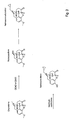
Fig. 5 shows a comparison of a way of synthesis according to a conventional approach (1st synthesis) and according to one embodiment of the present invention (2nd synthesis). - The following is an illustration of one way to carry out the invention. The Example is related to the demethylation of oxymorphone, however can also be performed for any conceivable compound reflected by formula (II).
- N-demethylation with an azodicarboxylate:

-
Amount in g Name of material mmol Content in % 50.0 Oxymorphone 154.8 93,3w/w 233.0 Dimethyl formamide pure 62.6 Diisopropylazodicarboxylat (DIAD) 309.6 65.1 5,5-Dimethylcyclohexane-1,3-dione (Dimedone) 464.3 19.8 Methanol pure 618.8 610.0 Dichlormethane 27.4 Hydrochloride acid approximately 32% technical 240.5 32 450.0 Deionised water 26.2 Ammonia solution approximately 25%, pure 384.6 25 120.0 Acetone 1664.1 Sum --- --- -
Amount in g Name of material mol Content in % 1 42.6 Noroxymorphone 130.3 87.9 287.31 -
1 50.0 g Oxymorphone are solved at room temperature in 233.0 g dimethylformamide at room temperature and supplemented with 62.6 g diisopropylazodicarboxylate. The solution is heated to 55°C and a yellow to red mixture is formed. The solution is stirred for 4 hours at this temperature. 2 Progress of the reaction is controlled by HPLC for example. 3 To the reaction mixture 65.1 g dimedone and 19.8 g methanol are added starting at 55°C. 4 The mixture is kept at a temperature of 60°C whereas viscosity drops. The reaction mixture is stirred for 4 hours at a temperature of 60°C. 5 The reaction mixture is kept at a temperature of 20°C and is supplemented with 460.0 g dichlormethane, 200.0 g deionised water and 27.4 g hydrochloric acid 32% and is stirred for at least 5min. Two clear phases are formed: a redish organic and a yellow aqueous phase. 6 The aqueous phase is separated. 7 The aqueous phase is washed with 150.0 g dichlormethane. The phases are separated. 8 To the aqueous phase 26.2 g aqueuos ammonia solution (25% w/w) are added at 20°C under stirring. A suspension is formed. - The further steps in the procedure comprise purification as used in chemistry. The steps described illustrate a possible way.
-
9 The suspension is brought to a temperature of 15°C and stirred for at least two hours. 10 The suspension is vacuum-filtered, dried and the residue is slurried with 250.0 g water at a temperature of 20°C. 11 The suspension is vacuum-filtered and dried well by aspiration. 12 100.0 g The filter residue is slurried with acetone at a temperature of 20°C, vacuum-filtered and is dried well by aspiration. 13 20.0 g The filter residue is again washed with acetone and well dried by aspiration. 14 The product is dried in a vacuum drying oven at 60°C. 15 42.6 g product is yielded as a fawn solid. - As it can be derived from table 1, showing the influence of the solvents and the amount of DIAD on the yield of demethylated products, dimethylacetamide, dimethylformamide and mixtures of dimethylformamide/toluene brought about the highest reaction yield. Further, the amount of DIAD used preferably was in the range of 1.5 to 3.0 eq.
Table 1 Noroxycodone : Examining the influence of the solvent and eq DIAD at 50 °C. Data indicated as analysed by HLPC. Solvent
Solvent Systemconc. of educt eq DIAD HPLC after Educt Product Toluene 10% 1.6 2.5 h 82.4% 11.1% 20 h 19.7% 61.4% Toluene 10% 2.5 2.5 h 72.2% 26.2% 20 h 1.7% 66.7% Toluene 10% 4.1 2.5 h 57.3% 38.3% 20 h 0.00% 79.8% Acetone 10% 1.6 2.5 h 72.1% 25.0% 20 h 11.0% 76.2% Acetone 10% 2.5 2.5 h 52.0% 42.3% 20 h 0.00% 86.0% Acetone 10% 4.1 2.5 h 36.0% 56.1% 20 h 1.2% 86.3% Methanol 10% 1.6 2.5 h 47.1% 20.3% 20 h 37.3% 8.5% Methanol 10% 2.5 2.5 h 3.0% 41.6% 20 h 1.5% 18.8% Methanol 10% 4.1 2.5 h 2.5% 50.4% 20 h 1.4% 20.0% Ethanol 10% 1.6 2.5 h 36.3% 38.5% 20 h 2.1% 31.8% Ethanol 10% 2.5 2.5 h 13.4% 56.0% 20 h 0.00% 26.0% Ethanol 10% 4.1 2.5 h 8.3% 63.2% MTBE 10% 3.0 16 h 26.5% 69.3% DMF 17% 3.0 16 h 1.0% 86.3% 42 h 1.6% 84.5% DMAc 17% 3.0 16 h 0.7% 91.0% 42 h 0.5% 92.5% ACN 17% 3.0 16 h 1.0% 80.0% EE 17% 3.0 16 h 3.5% 81.0% Toluene 33% 2.0 16 h 4.0% 69.0% Toluene 7% 2.0 16 h 28.0% 62.0% Toluene 33% 4.0 16 h 1.0% 71.0% 42 h 1.0% 58.0% Toluene 7% 4.0 16 h 7.0% 79.0% Toluene 20% 3.0 5d 20°C 2.0% 83.0% DMF 17% 3.0 17 h 1.0% 79.0% DMF 10% 3.0 17 h 1.0% 91.0% DMF 28% 3.0 17 h 1.0% 85.0% DMF 17% 2.0 17 h 1.0% 89.0% 1DMF 17% 1.5 17 h 1.0% 89.0% DMF/Toluene 6/1 (w/w) 15% 3.0 17 h 1.0% 88.0% DMF/Toluene 1/1 (w/w) 15% 3.0 17 h 1.0% 86.0% DMF/Toluene 1/6 (w/w) 15% 3.0 17 h 2.0% 85.0% DMF/Toluene 1/1 (w/w) 15% 1.5 16 h 0.0% 89.0% DMF/Toluene 1/1 (w/w) 15% 2.0 16 h 1.0% 89.0% DMF/Toluene 1/6 (w/w) 15% 1.5 16 h 11.0% 76.0% DMF/Toluene 1/6 (w/w) 15% 2.0 16 h 3.0% 83.0% DMF/Toluene 1/1 (w/w) 7% 1.5 16 h 4.0% 90.0% DMF/Toluene 1/1 (w/w) 7% 2.0 16 h 0.0% 92.0% DMF/Toluene 1/6 (w/w) 7% 1.5 16 h 23.0% 70.0% DMF/Toluene 1/6 (w/w) 7% 2.0 16 h 12.0% 81.0% DMF 15% 1.0 16 h 9.0% 83.0% Toluene dry 7% 2.0 20 h 5.0% 69.0% Toluene/water 95/5 (w/w) 7% 2.0 20 h 11.0% 62.0% DMF/water 98/2 (w/w) 14% 2.0 16 h 0.7% 79.7% Table 2 Noroxycodone : Examining the influence of the solvent and eq DEAD at 50 °C. Data indicated as analysed by HLPC. Solvent conc. of educt eq DEAD HPLC after Educt Product Toluene 10% 2.0 16 h 10.0% 64.0% Table 3 Noroxymorphone : Examining the influence of the solvent and eq DIAD at 50 °C. Data indicated as analysed by HLPC. Solvent conc. of educt eq DIAD HPLC after Educt Product DMF 13% 2.0 17 h 4.6% 89.1% DMF 13% 2.0 16 h 1.5% 73.2% - As shown in the table 4 below 2,2'-bisnoroxymorphone is formed as an unwanted side-product in the tranformation of oxymorphone to noroxymorphone following the method described above. The amount of the by-products depends on the reaction conditions. In the presence of 25 mol-% of butylated hydroxytoluene (BHT), the formation of by-products, especially of 2,2'-bisnoroxymorphone, which is hard to remove otherwise, can be suppressed.
Addition of BHT Reaction time Noroxymorphone (reaction product) 2,2'-Bisnoroxymorphone (impurity) Yes 4h 92.6 %*) 0.0 %*) No 4h 90.9 % 0.7 % Yes 16h 92.7 % 0.0 % No 16h 89.7 % 1.5 % *) =area-% with HPLC
in order to obtain the compound of formula (I).
Claims (15)
- A method of producing a compound of formula (I)
 reacting a compound of formula (II)
 with an azodicarboxylic acid dialkyl ester of general formula R1OOC-N=N-COOR2 in a suitable solvent whereinX is selected from H, alkyl, silyl or acetyl;R1 and R2 are independently selected from linear or branched substituted or unsubstituted alkyl; andwherein the bond between atoms 7 and 8 is single or a double bond.
 - The method according to claim 1, wherein R1 and/or R2 are independently selected from C1-C6-alkyl, methyl, ethyl, n-propyl, iso-propyl, n-butyl, sec-butyl, tert-butyl, pentyl, hexyl, benzyl or are independently selected from isopropyl and ethyl.
- The method of claim 2, wherein R1 and R2 are identical.
- The method of one or more of the preceding claims, wherein the solvent is an aprotic dipolar solvent.
- The method of claim 4, wherein the solvent is selected from methanol, ethanol, acetone, toluene, dimethylformamide, N,N-dimethylacetamide, acetonitrile, acetic acid ethylester and methyl-tert-butylether.
- The method of one or more of the preceding claims, wherein the reaction is performed at a temperature in the range of room temperature (20°C) to 100°C.
- The method of claim 6, wherein the reaction is performed at a temperature in the range of from 30-90°C.
- The method of claim 6 or 7, wherein the temperature is maintained for at least one hour.
- The method of one or more of the preceding claims, wherein after reacting the compound of formula (II) with an azodicarboxylic acid dialkyl ester, the reaction solution is supplemented with 5,5-dimethylcyclohexane-1,3-dione (dimedone) and methanol or hydrazines and methanol.
- The method of claim 9, wherein the reaction solution is maintained at a temperature in the range of room temperature (20°C) to 100°C.
- The method of one or more of the preceding claims, wherein following reacting the compound of formula (II) and optionally reacting with dimedone/hydrazines and methanol, an acid is added to the reaction solution.
- The method of claim 11, wherein the acid is a hydrochloric acid.
- The method of one or more of the preceding claims, wherein the hydrochloric acid has a concentration of about 5% V/V.
- The method of one or more of the preceding claims, wherein the reaction solution further comprises at least one antioxidant.
- The method of one or more of the preceding claims, wherein the antioxidant is selected from the group consisting of ascorbic acid, citric acid, tartric acid, polyhydroxy butyric acid (PHB) esters, butylated hydroxyanisol (BHA) and butylated hydroxytoluene (BHT), or 2,6-di-tert-butyl-4-methylphenol.
Priority Applications (2)
| Application Number | Priority Date | Filing Date | Title |
|---|---|---|---|
| EP08169873A EP2062897B9 (en) | 2007-11-26 | 2008-11-25 | Demethylation of 14-hydroxy substituted alkaloid derivatives |
| PL08169873T PL2062897T3 (en) | 2007-11-26 | 2008-11-25 | Demethylation of 14-hydroxy substituted alkaloid derivatives |
Applications Claiming Priority (2)
| Application Number | Priority Date | Filing Date | Title |
|---|---|---|---|
| EP07121537A EP2062896A1 (en) | 2007-11-26 | 2007-11-26 | Demethylation of 14-hydroxy substituted alkaloid derivatives |
| EP08169873A EP2062897B9 (en) | 2007-11-26 | 2008-11-25 | Demethylation of 14-hydroxy substituted alkaloid derivatives |
Publications (3)
| Publication Number | Publication Date |
|---|---|
| EP2062897A1 EP2062897A1 (en) | 2009-05-27 |
| EP2062897B1 EP2062897B1 (en) | 2012-09-19 |
| EP2062897B9 true EP2062897B9 (en) | 2012-12-05 |
Family
ID=39472812
Family Applications (2)
| Application Number | Title | Priority Date | Filing Date |
|---|---|---|---|
| EP07121537A Withdrawn EP2062896A1 (en) | 2007-11-26 | 2007-11-26 | Demethylation of 14-hydroxy substituted alkaloid derivatives |
| EP08169873A Active EP2062897B9 (en) | 2007-11-26 | 2008-11-25 | Demethylation of 14-hydroxy substituted alkaloid derivatives |
Family Applications Before (1)
| Application Number | Title | Priority Date | Filing Date |
|---|---|---|---|
| EP07121537A Withdrawn EP2062896A1 (en) | 2007-11-26 | 2007-11-26 | Demethylation of 14-hydroxy substituted alkaloid derivatives |
Country Status (6)
| Country | Link |
|---|---|
| US (1) | US7619088B2 (en) |
| EP (2) | EP2062896A1 (en) |
| CA (2) | CA2640316A1 (en) |
| DK (1) | DK2062897T3 (en) |
| ES (1) | ES2391223T3 (en) |
| PL (1) | PL2062897T3 (en) |
Families Citing this family (4)
| Publication number | Priority date | Publication date | Assignee | Title |
|---|---|---|---|---|
| US8158793B2 (en) * | 2007-11-26 | 2012-04-17 | Siegfried Ltd. | Demethylation of 14-hydroxy substituted alkaloid derivatives |
| EP2477984B1 (en) * | 2009-09-16 | 2016-08-03 | Monash University | A method for the n-demethylation of n-methyl heterocycles |
| GB201313915D0 (en) * | 2013-08-02 | 2013-09-18 | Johnson Matthey Plc | Process |
| WO2021132637A1 (en) * | 2019-12-27 | 2021-07-01 | 日本ケミファ株式会社 | Method for producing cyclic secondary amine |
Family Cites Families (6)
| Publication number | Priority date | Publication date | Assignee | Title |
|---|---|---|---|---|
| GB975601A (en) | 1961-11-28 | 1964-11-18 | Edinburgh Pharmaceutical Ind L | Derivatives of 14-hydroxynorcodeine and their production |
| US3342824A (en) | 1964-12-07 | 1967-09-19 | Lilly Co Eli | Normorphines |
| GB1179479A (en) | 1967-06-20 | 1970-01-28 | Reckitt & Sons Ltd | Derivatives of Thebaine |
| US4141897A (en) * | 1976-12-20 | 1979-02-27 | Research Corporation | N-dealkylation of N-alkyl-14-hydroxymorphinans and derivatives thereof |
| GB8711558D0 (en) | 1987-05-15 | 1987-06-17 | Reckitt & Colmann Prod Ltd | Derivative of codeine |
| WO2006084389A1 (en) * | 2005-02-11 | 2006-08-17 | Cilag Ltd. | Method for purifying noroxymorphone compounds |
-
2007
- 2007-11-26 EP EP07121537A patent/EP2062896A1/en not_active Withdrawn
-
2008
- 2008-10-02 CA CA002640316A patent/CA2640316A1/en not_active Abandoned
- 2008-10-29 US US12/289,492 patent/US7619088B2/en active Active
- 2008-11-25 CA CA2644881A patent/CA2644881C/en active Active
- 2008-11-25 EP EP08169873A patent/EP2062897B9/en active Active
- 2008-11-25 ES ES08169873T patent/ES2391223T3/en active Active
- 2008-11-25 PL PL08169873T patent/PL2062897T3/en unknown
- 2008-11-25 DK DK08169873.0T patent/DK2062897T3/en active
Also Published As
| Publication number | Publication date |
|---|---|
| EP2062896A1 (en) | 2009-05-27 |
| US20090137809A1 (en) | 2009-05-28 |
| US7619088B2 (en) | 2009-11-17 |
| PL2062897T3 (en) | 2013-01-31 |
| EP2062897B1 (en) | 2012-09-19 |
| CA2644881A1 (en) | 2009-05-26 |
| ES2391223T3 (en) | 2012-11-22 |
| CA2644881C (en) | 2013-02-19 |
| CA2640316A1 (en) | 2009-05-26 |
| EP2062897A1 (en) | 2009-05-27 |
| DK2062897T3 (en) | 2012-10-15 |
Similar Documents
| Publication | Publication Date | Title |
|---|---|---|
| EP2121699B1 (en) | Process for preparing oxycodone having reduced levels of 14-hydroxycodeinone | |
| EP2121698B1 (en) | Process for reducing impurities in oxycodone base | |
| EP1994034B1 (en) | Processes for preparing morphinan-6-one products with low levels of alpha, beta-unsaturated ketone compounds | |
| EP1562953B1 (en) | Process for the preparation of quaternary n-alkyl morphinan alkaloid salts | |
| US6262266B1 (en) | Method for preparing oxycodone | |
| US8134002B2 (en) | Process for preparing oxymorphone | |
| US20080161570A1 (en) | Processes for Synthesizing Quaternary 4,5-Epoxy-Morphinan Analogs and Isolating their N-Stereoisomers | |
| JPH07121946B2 (en) | Analgesics for oral administration | |
| US20140051861A1 (en) | Process for preparing oxymorphone, naltrexone, and buprenorphine | |
| US20150315203A1 (en) | Process for improved opioid synthesis | |
| JP2008530036A (en) | Method for purifying noroxymorphone compounds | |
| EP2062897B1 (en) | Demethylation of 14-hydroxy substituted alkaloid derivatives | |
| JP6215399B2 (en) | Method for producing naltrexone | |
| US8158793B2 (en) | Demethylation of 14-hydroxy substituted alkaloid derivatives | |
| EP3186256B1 (en) | Improved process for making 14-hydroxycodeinone | |
| EP2039696A1 (en) | Process for the preparation of quaternary N-alkyl morphine or morphinane alkaloid derivatives | |
| EP2970320B1 (en) | Morphine sulfate methanolic solvate, processes for making same and related compositions and methods for treating pain | |
| US20210147434A1 (en) | Process for the preparation of morphinane compounds | |
| HK1188996B (en) | Method for the manufacturing of naltrexone | |
| HK1188996A (en) | Method for the manufacturing of naltrexone |
Legal Events
| Date | Code | Title | Description |
|---|---|---|---|
| PUAI | Public reference made under article 153(3) epc to a published international application that has entered the european phase |
Free format text: ORIGINAL CODE: 0009012 |
|
| AK | Designated contracting states |
Kind code of ref document: A1 Designated state(s): AT BE BG CH CY CZ DE DK EE ES FI FR GB GR HR HU IE IS IT LI LT LU LV MC MT NL NO PL PT RO SE SI SK TR |
|
| AX | Request for extension of the european patent |
Extension state: AL BA MK RS |
|
| 17P | Request for examination filed |
Effective date: 20090522 |
|
| RIC1 | Information provided on ipc code assigned before grant |
Ipc: C07D 489/08 20060101AFI20090623BHEP |
|
| 17Q | First examination report despatched |
Effective date: 20090706 |
|
| AKX | Designation fees paid |
Designated state(s): AT BE BG CH CY CZ DE DK EE ES FI FR GB GR HR HU IE IS IT LI LT LU LV MC MT NL NO PL PT RO SE SI SK TR |
|
| GRAP | Despatch of communication of intention to grant a patent |
Free format text: ORIGINAL CODE: EPIDOSNIGR1 |
|
| GRAS | Grant fee paid |
Free format text: ORIGINAL CODE: EPIDOSNIGR3 |
|
| GRAA | (expected) grant |
Free format text: ORIGINAL CODE: 0009210 |
|
| RAP1 | Party data changed (applicant data changed or rights of an application transferred) |
Owner name: SIEGFRIED AG |
|
| AK | Designated contracting states |
Kind code of ref document: B1 Designated state(s): AT BE BG CH CY CZ DE DK EE ES FI FR GB GR HR HU IE IS IT LI LT LU LV MC MT NL NO PL PT RO SE SI SK TR |
|
| REG | Reference to a national code |
Ref country code: GB Ref legal event code: FG4D |
|
| REG | Reference to a national code |
Ref country code: CH Ref legal event code: EP |
|
| REG | Reference to a national code |
Ref country code: IE Ref legal event code: FG4D |
|
| REG | Reference to a national code |
Ref country code: DK Ref legal event code: T3 Ref country code: AT Ref legal event code: REF Ref document number: 575969 Country of ref document: AT Kind code of ref document: T Effective date: 20121015 |
|
| REG | Reference to a national code |
Ref country code: DE Ref legal event code: R096 Ref document number: 602008018843 Country of ref document: DE Effective date: 20121115 |
|
| REG | Reference to a national code |
Ref country code: ES Ref legal event code: FG2A Ref document number: 2391223 Country of ref document: ES Kind code of ref document: T3 Effective date: 20121122 |
|
| REG | Reference to a national code |
Ref country code: NL Ref legal event code: T3 |
|
| PG25 | Lapsed in a contracting state [announced via postgrant information from national office to epo] |
Ref country code: CY Free format text: LAPSE BECAUSE OF FAILURE TO SUBMIT A TRANSLATION OF THE DESCRIPTION OR TO PAY THE FEE WITHIN THE PRESCRIBED TIME-LIMIT Effective date: 20120919 Ref country code: FI Free format text: LAPSE BECAUSE OF FAILURE TO SUBMIT A TRANSLATION OF THE DESCRIPTION OR TO PAY THE FEE WITHIN THE PRESCRIBED TIME-LIMIT Effective date: 20120919 Ref country code: HR Free format text: LAPSE BECAUSE OF FAILURE TO SUBMIT A TRANSLATION OF THE DESCRIPTION OR TO PAY THE FEE WITHIN THE PRESCRIBED TIME-LIMIT Effective date: 20120919 Ref country code: NO Free format text: LAPSE BECAUSE OF FAILURE TO SUBMIT A TRANSLATION OF THE DESCRIPTION OR TO PAY THE FEE WITHIN THE PRESCRIBED TIME-LIMIT Effective date: 20121219 |
|
| PGFP | Annual fee paid to national office [announced via postgrant information from national office to epo] |
Ref country code: LT Payment date: 20121115 Year of fee payment: 5 |
|
| REG | Reference to a national code |
Ref country code: PL Ref legal event code: T3 |
|
| PG25 | Lapsed in a contracting state [announced via postgrant information from national office to epo] |
Ref country code: SE Free format text: LAPSE BECAUSE OF FAILURE TO SUBMIT A TRANSLATION OF THE DESCRIPTION OR TO PAY THE FEE WITHIN THE PRESCRIBED TIME-LIMIT Effective date: 20120919 Ref country code: GR Free format text: LAPSE BECAUSE OF FAILURE TO SUBMIT A TRANSLATION OF THE DESCRIPTION OR TO PAY THE FEE WITHIN THE PRESCRIBED TIME-LIMIT Effective date: 20121220 Ref country code: SI Free format text: LAPSE BECAUSE OF FAILURE TO SUBMIT A TRANSLATION OF THE DESCRIPTION OR TO PAY THE FEE WITHIN THE PRESCRIBED TIME-LIMIT Effective date: 20120919 |
|
| PGFP | Annual fee paid to national office [announced via postgrant information from national office to epo] |
Ref country code: PL Payment date: 20121022 Year of fee payment: 5 Ref country code: LV Payment date: 20121113 Year of fee payment: 5 |
|
| PG25 | Lapsed in a contracting state [announced via postgrant information from national office to epo] |
Ref country code: BE Free format text: LAPSE BECAUSE OF FAILURE TO SUBMIT A TRANSLATION OF THE DESCRIPTION OR TO PAY THE FEE WITHIN THE PRESCRIBED TIME-LIMIT Effective date: 20120919 Ref country code: IS Free format text: LAPSE BECAUSE OF FAILURE TO SUBMIT A TRANSLATION OF THE DESCRIPTION OR TO PAY THE FEE WITHIN THE PRESCRIBED TIME-LIMIT Effective date: 20130119 Ref country code: EE Free format text: LAPSE BECAUSE OF FAILURE TO SUBMIT A TRANSLATION OF THE DESCRIPTION OR TO PAY THE FEE WITHIN THE PRESCRIBED TIME-LIMIT Effective date: 20120919 Ref country code: RO Free format text: LAPSE BECAUSE OF FAILURE TO SUBMIT A TRANSLATION OF THE DESCRIPTION OR TO PAY THE FEE WITHIN THE PRESCRIBED TIME-LIMIT Effective date: 20120919 |
|
| PG25 | Lapsed in a contracting state [announced via postgrant information from national office to epo] |
Ref country code: PT Free format text: LAPSE BECAUSE OF FAILURE TO SUBMIT A TRANSLATION OF THE DESCRIPTION OR TO PAY THE FEE WITHIN THE PRESCRIBED TIME-LIMIT Effective date: 20130121 Ref country code: SK Free format text: LAPSE BECAUSE OF FAILURE TO SUBMIT A TRANSLATION OF THE DESCRIPTION OR TO PAY THE FEE WITHIN THE PRESCRIBED TIME-LIMIT Effective date: 20120919 |
|
| PLBE | No opposition filed within time limit |
Free format text: ORIGINAL CODE: 0009261 |
|
| STAA | Information on the status of an ep patent application or granted ep patent |
Free format text: STATUS: NO OPPOSITION FILED WITHIN TIME LIMIT |
|
| PG25 | Lapsed in a contracting state [announced via postgrant information from national office to epo] |
Ref country code: BG Free format text: LAPSE BECAUSE OF FAILURE TO SUBMIT A TRANSLATION OF THE DESCRIPTION OR TO PAY THE FEE WITHIN THE PRESCRIBED TIME-LIMIT Effective date: 20121219 |
|
| 26N | No opposition filed |
Effective date: 20130620 |
|
| REG | Reference to a national code |
Ref country code: DE Ref legal event code: R097 Ref document number: 602008018843 Country of ref document: DE Effective date: 20130620 |
|
| PGFP | Annual fee paid to national office [announced via postgrant information from national office to epo] |
Ref country code: MT Payment date: 20121022 Year of fee payment: 5 |
|
| PG25 | Lapsed in a contracting state [announced via postgrant information from national office to epo] |
Ref country code: MC Free format text: LAPSE BECAUSE OF NON-PAYMENT OF DUE FEES Effective date: 20121130 |
|
| PG25 | Lapsed in a contracting state [announced via postgrant information from national office to epo] |
Ref country code: LU Free format text: LAPSE BECAUSE OF NON-PAYMENT OF DUE FEES Effective date: 20121125 |
|
| REG | Reference to a national code |
Ref country code: LT Ref legal event code: MM4D Effective date: 20131125 |
|
| PG25 | Lapsed in a contracting state [announced via postgrant information from national office to epo] |
Ref country code: LT Free format text: LAPSE BECAUSE OF NON-PAYMENT OF DUE FEES Effective date: 20131125 Ref country code: HU Free format text: LAPSE BECAUSE OF FAILURE TO SUBMIT A TRANSLATION OF THE DESCRIPTION OR TO PAY THE FEE WITHIN THE PRESCRIBED TIME-LIMIT Effective date: 20081125 |
|
| PG25 | Lapsed in a contracting state [announced via postgrant information from national office to epo] |
Ref country code: LV Free format text: LAPSE BECAUSE OF NON-PAYMENT OF DUE FEES Effective date: 20131125 |
|
| REG | Reference to a national code |
Ref country code: AT Ref legal event code: MM01 Ref document number: 575969 Country of ref document: AT Kind code of ref document: T Effective date: 20131125 |
|
| PG25 | Lapsed in a contracting state [announced via postgrant information from national office to epo] |
Ref country code: AT Free format text: LAPSE BECAUSE OF NON-PAYMENT OF DUE FEES Effective date: 20131125 Ref country code: PL Free format text: LAPSE BECAUSE OF NON-PAYMENT OF DUE FEES Effective date: 20131125 |
|
| PG25 | Lapsed in a contracting state [announced via postgrant information from national office to epo] |
Ref country code: MT Free format text: LAPSE BECAUSE OF NON-PAYMENT OF DUE FEES Effective date: 20131130 |
|
| REG | Reference to a national code |
Ref country code: FR Ref legal event code: PLFP Year of fee payment: 8 |
|
| REG | Reference to a national code |
Ref country code: FR Ref legal event code: PLFP Year of fee payment: 9 |
|
| REG | Reference to a national code |
Ref country code: FR Ref legal event code: PLFP Year of fee payment: 10 |
|
| PG25 | Lapsed in a contracting state [announced via postgrant information from national office to epo] |
Ref country code: MT Free format text: LAPSE BECAUSE OF NON-PAYMENT OF DUE FEES Effective date: 20131125 |
|
| PGFP | Annual fee paid to national office [announced via postgrant information from national office to epo] |
Ref country code: NL Payment date: 20231120 Year of fee payment: 16 |
|
| PGFP | Annual fee paid to national office [announced via postgrant information from national office to epo] |
Ref country code: GB Payment date: 20231123 Year of fee payment: 16 |
|
| PGFP | Annual fee paid to national office [announced via postgrant information from national office to epo] |
Ref country code: TR Payment date: 20231123 Year of fee payment: 16 Ref country code: IT Payment date: 20231124 Year of fee payment: 16 Ref country code: IE Payment date: 20231121 Year of fee payment: 16 Ref country code: FR Payment date: 20231120 Year of fee payment: 16 Ref country code: DK Payment date: 20231124 Year of fee payment: 16 Ref country code: DE Payment date: 20231130 Year of fee payment: 16 Ref country code: CZ Payment date: 20231116 Year of fee payment: 16 Ref country code: CH Payment date: 20231201 Year of fee payment: 16 |
|
| PGFP | Annual fee paid to national office [announced via postgrant information from national office to epo] |
Ref country code: ES Payment date: 20240126 Year of fee payment: 16 |
|
| REG | Reference to a national code |
Ref country code: DE Ref legal event code: R119 Ref document number: 602008018843 Country of ref document: DE |
|
| REG | Reference to a national code |
Ref country code: DK Ref legal event code: EBP Effective date: 20241130 |
|
| REG | Reference to a national code |
Ref country code: CH Ref legal event code: PL |
|
| REG | Reference to a national code |
Ref country code: NL Ref legal event code: MM Effective date: 20241201 |
|
| REG | Reference to a national code |
Ref country code: CH Ref legal event code: PL |
|
| GBPC | Gb: european patent ceased through non-payment of renewal fee |
Effective date: 20241125 |
|
| PG25 | Lapsed in a contracting state [announced via postgrant information from national office to epo] |
Ref country code: CH Free format text: LAPSE BECAUSE OF NON-PAYMENT OF DUE FEES Effective date: 20241130 |
|
| PG25 | Lapsed in a contracting state [announced via postgrant information from national office to epo] |
Ref country code: CZ Free format text: LAPSE BECAUSE OF NON-PAYMENT OF DUE FEES Effective date: 20241125 |
|
| PG25 | Lapsed in a contracting state [announced via postgrant information from national office to epo] |
Ref country code: NL Free format text: LAPSE BECAUSE OF NON-PAYMENT OF DUE FEES Effective date: 20241201 |
|
| PG25 | Lapsed in a contracting state [announced via postgrant information from national office to epo] |
Ref country code: DE Free format text: LAPSE BECAUSE OF NON-PAYMENT OF DUE FEES Effective date: 20250603 Ref country code: DK Free format text: LAPSE BECAUSE OF NON-PAYMENT OF DUE FEES Effective date: 20241130 |
|
| PG25 | Lapsed in a contracting state [announced via postgrant information from national office to epo] |
Ref country code: IT Free format text: LAPSE BECAUSE OF NON-PAYMENT OF DUE FEES Effective date: 20241125 |
|
| PG25 | Lapsed in a contracting state [announced via postgrant information from national office to epo] |
Ref country code: GB Free format text: LAPSE BECAUSE OF NON-PAYMENT OF DUE FEES Effective date: 20241125 |
|
| PG25 | Lapsed in a contracting state [announced via postgrant information from national office to epo] |
Ref country code: FR Free format text: LAPSE BECAUSE OF NON-PAYMENT OF DUE FEES Effective date: 20241130 |
|
| PG25 | Lapsed in a contracting state [announced via postgrant information from national office to epo] |
Ref country code: IE Free format text: LAPSE BECAUSE OF NON-PAYMENT OF DUE FEES Effective date: 20241125 |
|
| REG | Reference to a national code |
Ref country code: ES Ref legal event code: FD2A Effective date: 20260105 |
|
| PG25 | Lapsed in a contracting state [announced via postgrant information from national office to epo] |
Ref country code: ES Free format text: LAPSE BECAUSE OF NON-PAYMENT OF DUE FEES Effective date: 20241126 |