EP2059082A1 - Blocking devices from a carrier network - Google Patents
Blocking devices from a carrier network Download PDFInfo
- Publication number
- EP2059082A1 EP2059082A1 EP07120404A EP07120404A EP2059082A1 EP 2059082 A1 EP2059082 A1 EP 2059082A1 EP 07120404 A EP07120404 A EP 07120404A EP 07120404 A EP07120404 A EP 07120404A EP 2059082 A1 EP2059082 A1 EP 2059082A1
- Authority
- EP
- European Patent Office
- Prior art keywords
- carrier
- combination filter
- parameter values
- mobile handheld
- unauthorized combination
- Prior art date
- Legal status (The legal status is an assumption and is not a legal conclusion. Google has not performed a legal analysis and makes no representation as to the accuracy of the status listed.)
- Granted
Links
Images



Classifications
-
- H—ELECTRICITY
- H04—ELECTRIC COMMUNICATION TECHNIQUE
- H04W—WIRELESS COMMUNICATION NETWORKS
- H04W48/00—Access restriction; Network selection; Access point selection
- H04W48/02—Access restriction performed under specific conditions
-
- H—ELECTRICITY
- H04—ELECTRIC COMMUNICATION TECHNIQUE
- H04L—TRANSMISSION OF DIGITAL INFORMATION, e.g. TELEGRAPHIC COMMUNICATION
- H04L63/00—Network architectures or network communication protocols for network security
- H04L63/10—Network architectures or network communication protocols for network security for controlling access to devices or network resources
- H04L63/102—Entity profiles
-
- H—ELECTRICITY
- H04—ELECTRIC COMMUNICATION TECHNIQUE
- H04L—TRANSMISSION OF DIGITAL INFORMATION, e.g. TELEGRAPHIC COMMUNICATION
- H04L63/00—Network architectures or network communication protocols for network security
- H04L63/10—Network architectures or network communication protocols for network security for controlling access to devices or network resources
- H04L63/107—Network architectures or network communication protocols for network security for controlling access to devices or network resources wherein the security policies are location-dependent, e.g. entities privileges depend on current location or allowing specific operations only from locally connected terminals
-
- H—ELECTRICITY
- H04—ELECTRIC COMMUNICATION TECHNIQUE
- H04L—TRANSMISSION OF DIGITAL INFORMATION, e.g. TELEGRAPHIC COMMUNICATION
- H04L63/00—Network architectures or network communication protocols for network security
- H04L63/08—Network architectures or network communication protocols for network security for authentication of entities
-
- H—ELECTRICITY
- H04—ELECTRIC COMMUNICATION TECHNIQUE
- H04W—WIRELESS COMMUNICATION NETWORKS
- H04W8/00—Network data management
- H04W8/22—Processing or transfer of terminal data, e.g. status or physical capabilities
Definitions
- the present invention relates generally to a system and method for blocking a device from a carrier network.
- Suppliers of communication services may provide various types of services that may be offered to mobile handheld device subscribers on various carriers. Such services may include, for example, electronic mail (email), voice communications, instant text messaging, Internet browsing, music downloading, and various services that may become available with the introduction of a new communication device. With the addition of new types of services and features, it may be necessary to upgrade network software versions, which may make certain devices incompatible with certain carrier networks. A solution is required to effectively manage access to a carrier network for these devices.
- EP1796421 relates to a method for locking a terminal home, which may ensure that in a preferential activity of the network operator, a gift, discounted or rented terminal may be used when it is limited in a designated area or network, so that "sales across regions" in the prior art may be prevented.
- network operator information and home information related to a terminal are preset. After the terminal starts up, whether the terminal is within the preset network of the network operator is determined, and whether the current home is the preset home is determined. The terminal may only be used normally in the preset network of the network operator and in a specific area.
- US2004198319 discloses a system for enforcing configuration requirements for hardware and software on mobile units operating on Wireless Local Area Networks (WLAN).
- WLAN Wireless Local Area Networks
- the system allows the configuration policy to change dynamically with the access point or sub-network association. Whenever a mobile unit connects to a new sub-network or access point, the system invokes and then verifies the proper configuration profile for that sub-network or access point. Thus the system ensures the configuration of the mobile unit meets the requirements for the sub-network being used.
- a method of blocking a mobile handheld device from a carrier network comprising: defining an unauthorized combination filter including one or more device parameters; attaching the unauthorized combination filter to a carrier registration subsystem; comparing the device parameter values in the unauthorized combination filter to device parameter values stored in the device; if the device parameter values stored in the device match the device parameter values in the unauthorized combination filter, then blocking the device from accessing the carrier network; and permitting the mobile handheld device (100) to access the carrier network (200A) when the parameter values stored in the mobile handheld device (100) are updated so as to no longer match the device parameter values in the unauthorised combination filter.
- the method may further comprise retrieving and storing the ESN or PIN for each blocked device.
- attaching the unauthorized combination filter to a carrier may comprise providing a carrier identifier and attaching the unauthorized combination filter to a carrier's registration subsystem.
- the method may further comprise detaching the unauthorized combination filter from the carrier registration subsystem; and permitting any previously blocked devices to access the carrier network.
- a system for blocking a mobile handheld device from a carrier network comprising: processing means adapted to define an unauthorized combination filter including one or more device parameters; processing means adapted to attach the unauthorized combination filter to a carrier registration subsystem; processing means adapted to compare the device parameter values in the unauthorized combination filter to device parameter values stored in the device; and processing means adapted to compare the device parameter values in the device with one or more device parameter values in the unauthorized combination filter, and to block the device from accessing the carrier network if the device parameter values match.
- the device parameter values stored in the device may comprise one or more of a device type value, a device operating system version value, and a device application version value, and the system further comprises processing means adapted to compare these one or more values to corresponding device parameter values in the unauthorized combination filter.
- the device may be blocked from accessing the carrier network if a combination of a device type value, a device operating system version value, and a device application version value is matched.
- system may further comprise processing means adapted to send an error message to the device upon blocking to explain the reason for the block.
- system may further comprise processing means adapted to retrieve and storing the ESN or PIN for each blocked device.
- processing means for attaching the unauthorized combination filter to a carrier may comprise processing means adapted to provide a carrier identifier and to attach the unauthorized combination filter to a carrier's registration subsystem.
- system may further comprise: processing means adapted to detach the unauthorized combination filter from the carrier registration subsystem; and processing means adapted to permit any previously blocked devices to access the carrier network.
- a data processor readable medium storing data processor code that when loaded onto a carrier registration subsystem adapts the subsystem to block a mobile handheld device from a carrier network
- the data processor readable medium comprising: code for defining an unauthorized combination filter including one or more device parameters; code for attaching the unauthorized combination filter to a carrier registration subsystem; code for comparing the device parameter values in the unauthorized combination filter to device parameter values stored in the device; and code for blocking the device from accessing the carrier network if the device parameter values stored in the device match the device parameter values in the unauthorized combination filter.
- the device parameter values stored in the device may comprise one or more of a device type value, a device operating system version value, and a device application version value
- the data processor readable medium further comprises code for comparing these one or more values to corresponding device parameter values in the unauthorized combination filter.
- the data processor readable medium may further comprise code for blocking the device from accessing the carrier network if a combination of a device type value, a device operating system version value, and a device application version value is matched.
- the data processor readable medium may further comprise code for sending an error message to the device upon blocking to explain the reason for the block.
- the data processor readable medium may further comprise code for retrieving and storing the ESN or PIN for each blocked device.
- the data processor readable medium may further comprise code for attaching the unauthorized combination filter to a carrier comprises code for providing a carrier identifier and code for attaching the unauthorized combination filter to a carrier's registration subsystem.
- the present invention relates to a system and method for blocking a device from a carrier network.
- FIG. 1 Shown in FIG. 1 is a schematic block diagram of an illustrative mobile handheld device 100.
- the handheld device 100 may comprise a number of components, including a main processor 102 which controls the overall operation of device 100.
- Various communication functions, including data and voice communications, Internet browsing, instant text messaging, etc. may be performed through a communication subsystem 104 via wireless network 200.
- the main processor 102 may also interact with additional subsystems such as a random access memory (RAM) 106, a flash memory 108, a display 110, an auxiliary input/output (I/O) subsystem 112, a data port 114, a keyboard 116, a speaker 118, a microphone 120, short-range communications 122 and other device subsystems 124.
- the device 100 may be a battery-powered device and may include a battery interface 132 for receiving one or more rechargeable batteries 130 and for powering the various subsystems described above.
- Operating system software used by the main processor 102 is typically stored in a persistent store such as flash memory 108.
- a persistent store such as flash memory 108.
- the operating system, specific device applications, or parts thereof, may be temporarily loaded into a volatile store such as the RAM 106.
- Handheld device 100 may also include a read-only memory (ROM) 107 that may store a non-alterable electronic serial number or ESN which may be burned into ROM 107 at the time of manufacture of device 100.
- ROM read-only memory
- ESN electronic serial number
- handheld device 100 may have a unique product identification number (PIN) stored in the ROM 107, or in another memory store in device 100.
- PIN unique product identification number
- the main processor 102 in addition to its operating system functions, enables execution of software applications 134 on the device 100.
- the software applications 134 may control various device features and services, and may be installed on the device 100 during its manufacture, or may be subsequently loaded onto the device 100 as a software update through one of the wireless network 200, the auxiliary I/O subsystem 112, the data port 114, the short-range communications subsystem 122, or another subsystem 124.
- the software applications 134 may include, for example, various communication service modules 136 (e.g. email, instant text messaging, Internet browsing, music downloading, etc.), and a password approval module 138.
- the software applications 134 may also include a device service management module 137 for managing the service applications provisioned for device 100 on a carrier network.
- the handheld device 100 may also include a carrier network access module 139 that may be suitably adapted to manage access to a carrier network for the handheld device 100. Carrier network access module 139 will be described in more detail below.
- the handheld device 100 may further include a device state module 140, an address book 142, a personal information manager (PIM) 144, and various other modules 146.
- PIM personal information manager
- the communication subsystem 104 may comprise a receiver 210 and a transmitter 212, as well as associated components such as one or more embedded or internal antenna elements 214, 216, Local Oscillators (LOs) 218, and a processing module such as a Digital Signal Processor (DSP) 220.
- LOs Local Oscillators
- DSP Digital Signal Processor
- Signals received by the antenna 214 through the wireless network 200 are input to the receiver 210, which can perform such common receiver functions as signal amplification, frequency down conversion, filtering, channel selection, and analog-to-digital (A/D) conversion.
- A/D conversion of a received signal allows more complex communication functions such as demodulation and decoding to be performed in the DSP 220.
- signals to be transmitted are processed, including modulation and encoding, by the DSP 220.
- These DSP-processed signals are input to the transmitter 212 for digital-to-analog (D/A) conversion, frequency up conversion, filtering, amplification and transmission over the wireless network 200 via the antenna 216.
- D/A digital-to-analog
- wireless networks 200A, 200B of mobile carrier A 310 and mobile carrier B 320 may be configured to access various services available through wireless networks 200A and 200B.
- each of the wireless networks 200A, 200B may have subsystems 314, 324 for registering and provisioning various wireless services for devices 100 on their respective wireless networks 310, 320.
- the supplier 330 may offer various communication services via network connections to the supplier 330's own network 332.
- the communication services may include, for example, wireless email, voice communication, instant text messaging, Internet browsing, music downloading, and various other services to subscribers on wireless networks 200A, 200B.
- the supplier 330's network 332 may connect to a provisioning system 334 maintained by the supplier 330 and which may be appropriately configured to interact with subsystems 314, 324 provided on each of the wireless networks 200A, 200B. If connected through the Internet, for example, the connections between provisioning system 334 and subsystems 314, 324 may be by way of XML, or a web services interface. With a suitable network connection, subsystems 314 and 324 may be configured to interact with the supplier 330's provisioning system 334 to request activation, deactivation, suspension or modification of a subscriber's services on their respective wireless networks 200A, 200B.
- Provisioning system 334 may maintain a database 336 of services that have been provisioned for each of the devices 100 on the wireless networks 200A, 200B of mobile carrier A 310, and mobile carrier B 320.
- each of the devices 100 may be uniquely identified, for example, by the unique ESN burned into the ROM 107 of each device 100.
- each device 100 may be uniquely identified by the unique PIN identifier stored in ROM 107, or in another memory store in device 100. Records in database 336 may contain the unique ESN or PIN retrieved from ROM 107 or another memory store on each device 100.
- Each device 100 may thus be uniquely recognized by the supplier's provisioning system 334.
- Records in database 336 may also store information for the owning mobile carrier (e.g. mobile carrier A 310, or mobile carrier B 320), and this information may be linked to the unique ESN or PIN of device 100.
- each device 100 may include a carrier network access module 139 ( FIG. 1 ) which is adapted to store various device properties or parameters, such as device type, device operating system ("OS") version, and a device application version. Furthermore, the carrier network access module 139 may store a value indicating the carrier to which the device 100 is linked or assigned. As will be explained in more detail further below, these various device parameters or properties may be used individually or in combination to block a device 100 or a plurality of devices 100 from accessing a particular carrier network.
- a carrier network access module 139 FIG. 1
- the carrier network access module 139 may store a value indicating the carrier to which the device 100 is linked or assigned.
- these various device parameters or properties may be used individually or in combination to block a device 100 or a plurality of devices 100 from accessing a particular carrier network.
- a first mobile handheld device 100A may have a carrier network access module 139A storing values for each device parameter, such as device type value 402A of "6800", a device OS version value 404A of "4.0.1", a device application value 406A of "3.1.1”, and a carrier identifier 408A of "Carrier A".
- carrier network access module 139A may also have access to the device ESN value 410A retrieved from ROM 107 of device 100A.
- a second mobile handheld device 100B may have a carrier network access module 139B storing values for each device parameter, such as a device type value 402B of "6700", a device OS version value 404B of "3.0.1", a device application version of "2.1.1”, and a carrier identifier 408B of "Carrier A".
- carrier network access module 139B may also have access to the device ESN value 410B retrieved from ROM 107 of device 100B.
- FIG. 5 in an illustrative example, shown is a user interface that may be accessed by an administrator for defining an unauthorized combination filter 500 of device parameters that may be used to block a device or a plurality of devices from accessing carrier network 200A.
- the term "unauthorized combination" is used in the present disclosure to define device parameters for a group of devices to be blocked from a particular carrier network. More particularly, the device parameters may be a combination of a number of device parameters, including one or more of such device parameters as described above.
- each unauthorized combination filter 500 may include an unauthorized device type field 502, an unauthorized device OS version field 504, and an unauthorized device application version field 506.
- the regular expression fields in the unauthorized combination 500 are used to determine the group or class of devices to be blocked from a carrier as defined in carrier identifier 508.
- each unauthorized combination filter 500 may include a name field 510 which contains a unique name for the unauthorized combination filter 500 (e.g. such as "6XXX Blocking Filter - Carrier A"), and which may be used to uniquely identify the unauthorized combination filter 500.
- a name field 510 which contains a unique name for the unauthorized combination filter 500 (e.g. such as "6XXX Blocking Filter - Carrier A"), and which may be used to uniquely identify the unauthorized combination filter 500.
- a description field 512 may also be included to provide a more detailed description for the unauthorized combination filter 500, such as "Unauthorized combination for new network update on carrier A" in the current illustrative example.
- the unauthorized combination filter 500 thus defines a group or class of devices to be blocked, and may be attached to a carrier via carrier identifier 508. By mapping the unauthorized combination filter 500 to a carrier's unique identifier 508, the blocking mechanism may take affect.
- the unauthorized combination filter 500 is attached to one carrier (e.g. carrier A), it will be appreciated that the unauthorized combination filter 500 may be attached to more than one carrier. As well, a carrier may have more than one unauthorized combination filter blocking more than one group or class of devices based on different filtering criteria.
- FIG. 6 shown is a block diagram 600 of an illustrative example of how a defined unauthorized combination filter 500 may be attached to a carrier to block a group or class of devices from accessing a carrier network.
- the unauthorized combination filter 500 may be defined and attached to mobile carrier A subsystem 314 such that the device parameters for any device attempting to register on mobile carrier A's network is tested against the device parameter values in the unauthorized combination filter 500.
- a first mobile handheld device 610A and a second mobile handheld device 610B may be provisioned to access the carrier network of mobile carrier A shown at 310.
- the device parameter values in the carrier network access module 139 of each device is compared against the device parameter values in the unauthorized combination filter 500 that is attached to a mobile carrier A's subsystem 314.
- each of the device type values 402A and 402B may be compared against a number of unauthorized device types as defined in the unauthorized device type field 502, and each of the device OS version values 404A and 404B may be compared against a minimum OS version as defined in the unauthorized device OS version field 504.
- the device will be blocked.
- the first mobile handheld device 610A is successfully registered and is able to access the carrier network 200A for mobile carrier A as there is no complete match.
- the second mobile handheld device 610B attempts to register on the carrier network 200A, it is unable to access the carrier network 200A as it is blocked by the defined unauthorized combination filter 500 attached to mobile carrier A's subsystem 314 (i.e. there is a match of the device parameters).
- unauthorized combination filter 500 instead of populating all of the fields of unauthorized combination filter 500, only some of the fields may be populated so that the unauthorized combination filter 500 is less specific (and thus is able to block a larger group or class of devices).
- a carrier subsystem e.g. mobile carrier A's subsystem 314.
- the device ESN when a device is unable to access the carrier network 200A, the device ESN (e.g. as may be provided in the carrier network access module 139) may be recorded for device management purposes.
- the device user may be notified of the problem and instructed to seek a remedy, such as upgrading the device OS version and/or the device application version, by attaching the device to a computer attached to the Internet.
- the device OS version and the device application version may be updated as needed for support by a carrier network.
- the software on the network may be further updated to improve compatibility with more devices and versions.
- the unauthorized combination filter may be detached from the carrier's registration and provisioning subsystem, such that subsequent attempts to register on the carrier network will be successful.
- Method 700 starts at block 702, where method 700 defines an unauthorized combination filter.
- the unauthorized combination filter may include values for one or more device parameters as defined by an administrator, including a device type, device OS version, a device application version, a carrier identifier, and a unique name for the unauthorized combination filter.
- the unauthorized combination filter may further include a description field for entering a fuller description of the unauthorized combination filter.
- Method 700 then proceeds to block 704, where method 700 attaches the unauthorized combination filter to a carrier.
- the unauthorized combination filter By attaching the unauthorized combination filter to a carrier, the blocking function of the unauthorized combination is activated.
- method 700 proceeds to block 706, where method 700 compares the device parameter values in the unauthorized combination filter to the device parameter values as stored in a carrier network access module in each device.
- Method 700 then proceeds to decision block 708, where method 700 determines if the device parameter values match. If yes, method 700 proceeds to block 710 where method 700 optionally sends an error message to the device to explain why the device is being blocked. Method 700 may then proceed to block 712 to block access to the carrier network and prevent the device from registering. Method 700 then ends.
- method 700 proceeds to block 714 where method 700 permits access to the carrier network and allows the device to function normally. Method 700 then ends.
Landscapes
- Engineering & Computer Science (AREA)
- Computer Security & Cryptography (AREA)
- Computer Networks & Wireless Communication (AREA)
- Signal Processing (AREA)
- Computer Hardware Design (AREA)
- Computing Systems (AREA)
- General Engineering & Computer Science (AREA)
- Mobile Radio Communication Systems (AREA)
- Data Exchanges In Wide-Area Networks (AREA)
- Computer And Data Communications (AREA)
- Materials For Medical Uses (AREA)
- Absorbent Articles And Supports Therefor (AREA)
Abstract
Description
- The present invention relates generally to a system and method for blocking a device from a carrier network.
- Suppliers of communication services may provide various types of services that may be offered to mobile handheld device subscribers on various carriers. Such services may include, for example, electronic mail (email), voice communications, instant text messaging, Internet browsing, music downloading, and various services that may become available with the introduction of a new communication device. With the addition of new types of services and features, it may be necessary to upgrade network software versions, which may make certain devices incompatible with certain carrier networks. A solution is required to effectively manage access to a carrier network for these devices.
-
EP1796421 relates to a method for locking a terminal home, which may ensure that in a preferential activity of the network operator, a gift, discounted or rented terminal may be used when it is limited in a designated area or network, so that "sales across regions" in the prior art may be prevented. According to the embodiments of the invention, network operator information and home information related to a terminal are preset. After the terminal starts up, whether the terminal is within the preset network of the network operator is determined, and whether the current home is the preset home is determined. The terminal may only be used normally in the preset network of the network operator and in a specific area.
US2004198319 discloses a system for enforcing configuration requirements for hardware and software on mobile units operating on Wireless Local Area Networks (WLAN). The system allows the configuration policy to change dynamically with the access point or sub-network association. Whenever a mobile unit connects to a new sub-network or access point, the system invokes and then verifies the proper configuration profile for that sub-network or access point. Thus the system ensures the configuration of the mobile unit meets the requirements for the sub-network being used. - In an aspect, there is preferably provided a method of blocking a mobile handheld device from a carrier network, comprising: defining an unauthorized combination filter including one or more device parameters; attaching the unauthorized combination filter to a carrier registration subsystem; comparing the device parameter values in the unauthorized combination filter to device parameter values stored in the device; if the device parameter values stored in the device match the device parameter values in the unauthorized combination filter, then blocking the device from accessing the carrier network; and permitting the mobile handheld device (100) to access the carrier network (200A) when the parameter values stored in the mobile handheld device (100) are updated so as to no longer match the device parameter values in the unauthorised combination filter.
Other aspects will be appreciated from the dependent claims. - In another embodiment, the method may further comprise retrieving and storing the ESN or PIN for each blocked device.
- In another embodiment, attaching the unauthorized combination filter to a carrier may comprise providing a carrier identifier and attaching the unauthorized combination filter to a carrier's registration subsystem.
- In another embodiment, the method may further comprise detaching the unauthorized combination filter from the carrier registration subsystem; and permitting any previously blocked devices to access the carrier network.
- In another aspect, there may be provided a system for blocking a mobile handheld device from a carrier network, comprising: processing means adapted to define an unauthorized combination filter including one or more device parameters; processing means adapted to attach the unauthorized combination filter to a carrier registration subsystem; processing means adapted to compare the device parameter values in the unauthorized combination filter to device parameter values stored in the device; and processing means adapted to compare the device parameter values in the device with one or more device parameter values in the unauthorized combination filter, and to block the device from accessing the carrier network if the device parameter values match.
- In an embodiment, the device parameter values stored in the device may comprise one or more of a device type value, a device operating system version value, and a device application version value, and the system further comprises processing means adapted to compare these one or more values to corresponding device parameter values in the unauthorized combination filter.
- In an embodiment, the device may be blocked from accessing the carrier network if a combination of a device type value, a device operating system version value, and a device application version value is matched.
- In an embodiment, the system may further comprise processing means adapted to send an error message to the device upon blocking to explain the reason for the block.
- In another embodiment, the system may further comprise processing means adapted to retrieve and storing the ESN or PIN for each blocked device.
- In another embodiment, the processing means for attaching the unauthorized combination filter to a carrier may comprise processing means adapted to provide a carrier identifier and to attach the unauthorized combination filter to a carrier's registration subsystem.
- In another embodiment, the system may further comprise: processing means adapted to detach the unauthorized combination filter from the carrier registration subsystem; and processing means adapted to permit any previously blocked devices to access the carrier network.
- In another aspect, there may be provided a data processor readable medium storing data processor code that when loaded onto a carrier registration subsystem adapts the subsystem to block a mobile handheld device from a carrier network, the data processor readable medium comprising: code for defining an unauthorized combination filter including one or more device parameters; code for attaching the unauthorized combination filter to a carrier registration subsystem; code for comparing the device parameter values in the unauthorized combination filter to device parameter values stored in the device; and code for blocking the device from accessing the carrier network if the device parameter values stored in the device match the device parameter values in the unauthorized combination filter.
- In an embodiment, the device parameter values stored in the device may comprise one or more of a device type value, a device operating system version value, and a device application version value, and the data processor readable medium further comprises code for comparing these one or more values to corresponding device parameter values in the unauthorized combination filter.
- In another embodiment, the data processor readable medium may further comprise code for blocking the device from accessing the carrier network if a combination of a device type value, a device operating system version value, and a device application version value is matched.
- In another embodiment, the data processor readable medium may further comprise code for sending an error message to the device upon blocking to explain the reason for the block.
- In another embodiment, the data processor readable medium may further comprise code for retrieving and storing the ESN or PIN for each blocked device.
- In another embodiment, the data processor readable medium may further comprise code for attaching the unauthorized combination filter to a carrier comprises code for providing a carrier identifier and code for attaching the unauthorized combination filter to a carrier's registration subsystem.
- In the figures which illustrate exemplary embodiments:
-
FIG. 1 is an illustration of a mobile handheld device in accordance with an embodiment; -
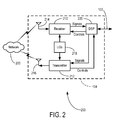
FIG. 2 is a schematic diagram of a communication subsystem component in the device ofFIG. 1 ; -
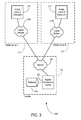
FIG. 3 is a schematic diagram of illustrative wireless networks; -
FIG. 4A and FIG. 4B show illustrative device parameter values stored in first and second devices; -
FIG. 5 shows a schematic diagram of a user interface for setting device parameter values for an unauthorized combination filter; -
FIG. 6 shows an illustrative example of a device being blocked from a carrier network; a and -
FIG. 7 is an illustrative flowchart of a method in accordance with an embodiment. - As noted above, the present invention relates to a system and method for blocking a device from a carrier network.
- Shown in
FIG. 1 is a schematic block diagram of an illustrative mobilehandheld device 100. Thehandheld device 100 may comprise a number of components, including amain processor 102 which controls the overall operation ofdevice 100. Various communication functions, including data and voice communications, Internet browsing, instant text messaging, etc. may be performed through acommunication subsystem 104 viawireless network 200. - The
main processor 102 may also interact with additional subsystems such as a random access memory (RAM) 106, aflash memory 108, adisplay 110, an auxiliary input/output (I/O)subsystem 112, adata port 114, akeyboard 116, aspeaker 118, amicrophone 120, short-range communications 122 andother device subsystems 124. Thedevice 100 may be a battery-powered device and may include abattery interface 132 for receiving one or morerechargeable batteries 130 and for powering the various subsystems described above. - Operating system software used by the
main processor 102 is typically stored in a persistent store such asflash memory 108. Those skilled in the art will appreciate that the operating system, specific device applications, or parts thereof, may be temporarily loaded into a volatile store such as theRAM 106. -
Handheld device 100 may also include a read-only memory (ROM) 107 that may store a non-alterable electronic serial number or ESN which may be burned intoROM 107 at the time of manufacture ofdevice 100. In addition,handheld device 100 may have a unique product identification number (PIN) stored in theROM 107, or in another memory store indevice 100. - The
main processor 102, in addition to its operating system functions, enables execution ofsoftware applications 134 on thedevice 100. Thesoftware applications 134 may control various device features and services, and may be installed on thedevice 100 during its manufacture, or may be subsequently loaded onto thedevice 100 as a software update through one of thewireless network 200, the auxiliary I/O subsystem 112, thedata port 114, the short-range communications subsystem 122, or anothersubsystem 124. - The
software applications 134 may include, for example, various communication service modules 136 (e.g. email, instant text messaging, Internet browsing, music downloading, etc.), and apassword approval module 138. Thesoftware applications 134 may also include a deviceservice management module 137 for managing the service applications provisioned fordevice 100 on a carrier network. Thehandheld device 100 may also include a carriernetwork access module 139 that may be suitably adapted to manage access to a carrier network for thehandheld device 100. Carriernetwork access module 139 will be described in more detail below. Thehandheld device 100 may further include adevice state module 140, anaddress book 142, a personal information manager (PIM) 144, and variousother modules 146. - Referring now to
FIG. 2 , a block diagram of thecommunication subsystem component 104 ofFIG. 1 is shown. Thecommunication subsystem 104 may comprise areceiver 210 and atransmitter 212, as well as associated components such as one or more embedded orinternal antenna elements - Signals received by the
antenna 214 through thewireless network 200 are input to thereceiver 210, which can perform such common receiver functions as signal amplification, frequency down conversion, filtering, channel selection, and analog-to-digital (A/D) conversion. A/D conversion of a received signal allows more complex communication functions such as demodulation and decoding to be performed in theDSP 220. In a similar manner, signals to be transmitted are processed, including modulation and encoding, by theDSP 220. These DSP-processed signals are input to thetransmitter 212 for digital-to-analog (D/A) conversion, frequency up conversion, filtering, amplification and transmission over thewireless network 200 via theantenna 216. - Now referring to
FIG. 3 , shown is an illustrative schematic block diagram ofwireless networks mobile carrier A 310 andmobile carrier B 320, respectively. With the various components and subsystems described above,device 100 may be configured to access various services available throughwireless networks wireless networks subsystems devices 100 on theirrespective wireless networks supplier 330 may offer various communication services via network connections to thesupplier 330'sown network 332. The communication services may include, for example, wireless email, voice communication, instant text messaging, Internet browsing, music downloading, and various other services to subscribers onwireless networks - The
supplier 330'snetwork 332 may connect to aprovisioning system 334 maintained by thesupplier 330 and which may be appropriately configured to interact withsubsystems wireless networks provisioning system 334 andsubsystems subsystems supplier 330'sprovisioning system 334 to request activation, deactivation, suspension or modification of a subscriber's services on theirrespective wireless networks -
Provisioning system 334 may maintain adatabase 336 of services that have been provisioned for each of thedevices 100 on thewireless networks mobile carrier A 310, andmobile carrier B 320. In thedatabase 336 ofprovisioning system 334, each of thedevices 100 may be uniquely identified, for example, by the unique ESN burned into theROM 107 of eachdevice 100. Alternatively, eachdevice 100 may be uniquely identified by the unique PIN identifier stored inROM 107, or in another memory store indevice 100. Records indatabase 336 may contain the unique ESN or PIN retrieved fromROM 107 or another memory store on eachdevice 100. Eachdevice 100 may thus be uniquely recognized by the supplier'sprovisioning system 334. Records indatabase 336 may also store information for the owning mobile carrier (e.g.mobile carrier A 310, or mobile carrier B 320), and this information may be linked to the unique ESN or PIN ofdevice 100. - In an embodiment, each
device 100 may include a carrier network access module 139 (FIG. 1 ) which is adapted to store various device properties or parameters, such as device type, device operating system ("OS") version, and a device application version. Furthermore, the carriernetwork access module 139 may store a value indicating the carrier to which thedevice 100 is linked or assigned. As will be explained in more detail further below, these various device parameters or properties may be used individually or in combination to block adevice 100 or a plurality ofdevices 100 from accessing a particular carrier network. - Now referring to
FIG. 4A , in an illustrative example, a first mobile handheld device 100A may have a carriernetwork access module 139A storing values for each device parameter, such asdevice type value 402A of "6800", a deviceOS version value 404A of "4.0.1", adevice application value 406A of "3.1.1", and acarrier identifier 408A of "Carrier A". As shown, carriernetwork access module 139A may also have access to thedevice ESN value 410A retrieved fromROM 107 of device 100A. - Now referring to
FIG. 4B , in another illustrative example, a second mobile handheld device 100B may have a carriernetwork access module 139B storing values for each device parameter, such as adevice type value 402B of "6700", a deviceOS version value 404B of "3.0.1", a device application version of "2.1.1", and acarrier identifier 408B of "Carrier A". As shown, carriernetwork access module 139B may also have access to thedevice ESN value 410B retrieved fromROM 107 of device 100B. - Now referring to
FIG. 5 , in an illustrative example, shown is a user interface that may be accessed by an administrator for defining anunauthorized combination filter 500 of device parameters that may be used to block a device or a plurality of devices from accessingcarrier network 200A. The term "unauthorized combination" is used in the present disclosure to define device parameters for a group of devices to be blocked from a particular carrier network. More particularly, the device parameters may be a combination of a number of device parameters, including one or more of such device parameters as described above. - As illustrated in
FIG. 5 , eachunauthorized combination filter 500 may include an unauthorizeddevice type field 502, an unauthorized deviceOS version field 504, and an unauthorized deviceapplication version field 506. The regular expression fields in theunauthorized combination 500 are used to determine the group or class of devices to be blocked from a carrier as defined incarrier identifier 508. - Furthermore, each
unauthorized combination filter 500 may include aname field 510 which contains a unique name for the unauthorized combination filter 500 (e.g. such as "6XXX Blocking Filter - Carrier A"), and which may be used to uniquely identify theunauthorized combination filter 500. - Optionally, a
description field 512 may also be included to provide a more detailed description for theunauthorized combination filter 500, such as "Unauthorized combination for new network update on carrier A" in the current illustrative example. Theunauthorized combination filter 500 thus defines a group or class of devices to be blocked, and may be attached to a carrier viacarrier identifier 508. By mapping theunauthorized combination filter 500 to a carrier'sunique identifier 508, the blocking mechanism may take affect. - While the above embodiments describe an example where the
unauthorized combination filter 500 is attached to one carrier (e.g. carrier A), it will be appreciated that theunauthorized combination filter 500 may be attached to more than one carrier. As well, a carrier may have more than one unauthorized combination filter blocking more than one group or class of devices based on different filtering criteria. - Now referring to
FIG. 6 , shown is a block diagram 600 of an illustrative example of how a definedunauthorized combination filter 500 may be attached to a carrier to block a group or class of devices from accessing a carrier network. For example, theunauthorized combination filter 500 may be defined and attached to mobilecarrier A subsystem 314 such that the device parameters for any device attempting to register on mobile carrier A's network is tested against the device parameter values in theunauthorized combination filter 500. - As shown, a first mobile
handheld device 610A and a second mobilehandheld device 610B may be provisioned to access the carrier network of mobile carrier A shown at 310. As the first and second mobilehandheld devices network access module 139 of each device is compared against the device parameter values in theunauthorized combination filter 500 that is attached to a mobile carrier A'ssubsystem 314. - For example, each of the device type values 402A and 402B may be compared against a number of unauthorized device types as defined in the unauthorized
device type field 502, and each of the deviceOS version values OS version field 504. - In an embodiment, at mobile carrier A's registration and
provisioning subsystem 314, if the device's device type, device OS version and device application version match the corresponding unauthorized device type, unauthorized device OS version, and unauthorized device application version fields as defined in theunauthorized combination filter 500, the device will be blocked. Thus, as shown, the first mobilehandheld device 610A is successfully registered and is able to access thecarrier network 200A for mobile carrier A as there is no complete match. On the other hand, when the second mobilehandheld device 610B attempts to register on thecarrier network 200A, it is unable to access thecarrier network 200A as it is blocked by the definedunauthorized combination filter 500 attached to mobile carrier A's subsystem 314 (i.e. there is a match of the device parameters). - In another embodiment, instead of populating all of the fields of
unauthorized combination filter 500, only some of the fields may be populated so that theunauthorized combination filter 500 is less specific (and thus is able to block a larger group or class of devices). As will be appreciated, by defining one or more of the unauthorized device parameters, and by attaching the definedunauthorized combination filter 500 to a carrier subsystem (e.g. mobile carrier A's subsystem 314), a group or class of devices may be blocked from accessing the carrier network, thereby allowing effective network management. - In an embodiment, when a device is unable to access the
carrier network 200A, the device ESN (e.g. as may be provided in the carrier network access module 139) may be recorded for device management purposes. Thus, for example, if mobilehandheld device 610B is temporarily being blocked from mobile carrier A'scarrier network 200A due to an incompatibility with upgraded software on the network, the device user may be notified of the problem and instructed to seek a remedy, such as upgrading the device OS version and/or the device application version, by attaching the device to a computer attached to the Internet. Thus, the device OS version and the device application version may be updated as needed for support by a carrier network. Alternatively, the software on the network may be further updated to improve compatibility with more devices and versions. - Once the reason for blocking a group or class of devices has disappeared, the unauthorized combination filter may be detached from the carrier's registration and provisioning subsystem, such that subsequent attempts to register on the carrier network will be successful.
- Now referring to
FIG. 7 , shown is anillustrative method 700 for blocking a device from a carrier network corresponding to the system as described above.Method 700 starts atblock 702, wheremethod 700 defines an unauthorized combination filter. As described earlier, the unauthorized combination filter may include values for one or more device parameters as defined by an administrator, including a device type, device OS version, a device application version, a carrier identifier, and a unique name for the unauthorized combination filter. Optionally, the unauthorized combination filter may further include a description field for entering a fuller description of the unauthorized combination filter. -
Method 700 then proceeds to block 704, wheremethod 700 attaches the unauthorized combination filter to a carrier. By attaching the unauthorized combination filter to a carrier, the blocking function of the unauthorized combination is activated. - Next,
method 700 proceeds to block 706, wheremethod 700 compares the device parameter values in the unauthorized combination filter to the device parameter values as stored in a carrier network access module in each device. -
Method 700 then proceeds to decision block 708, wheremethod 700 determines if the device parameter values match. If yes,method 700 proceeds to block 710 wheremethod 700 optionally sends an error message to the device to explain why the device is being blocked.Method 700 may then proceed to block 712 to block access to the carrier network and prevent the device from registering.Method 700 then ends. - If at
decision block 708 the answer is no, thenmethod 700 proceeds to block 714 wheremethod 700 permits access to the carrier network and allows the device to function normally.Method 700 then ends. - While illustrative embodiments have been described above, it will be appreciated that various changes and modifications may be made. More generally, the scope of the invention is defined by the following claims.
Claims (15)
- A method of blocking a mobile handheld device from a carrier network, comprising:defining an unauthorized combination filter comprising one or more device parameters;attaching the unauthorized combination filter to a carrier registration subsystem;comparing the device parameter values in the unauthorized combination filter to device parameter values stored in a mobile handheld device; andif the device parameter values stored in the mobile handheld device match the device parameter values in the unauthorized combination filter, then blocking the device from accessing the carrier network.
- The method of claim 1, wherein the device parameter values stored in the mobile handheld device comprise one or more of a device type value, a device operating system version value, and a device application version value, and the method further comprises comparing these one or more values to corresponding device parameter values in the unauthorized combination filter.
- The method of claim 2, wherein the mobile handheld device is blocked from accessing the carrier network if a combination of a device type value, a device operating system version value, and a device application version value is matched.
- The method of any one of the preceding claims, further comprising sending an error message to the mobile handheld device upon blocking to explain the reason for the block.
- The method of any one of the preceding claims, further comprising retrieving and storing the electronic serial number 'ESN' or product identification number 'PIN' for each blocked mobile handheld device.
- The method of any one of the preceding claims, wherein attaching the unauthorized combination filter to a carrier comprises providing a carrier identifier and attaching the unauthorized combination filter to a carrier's registration subsystem.
- The method of any one of the preceding claims, further comprising:detaching the unauthorized combination filter from the carrier registration subsystem; andpermitting any previously blocked mobile handheld devices to access the carrier network.
- A system for blocking a mobile handheld device from a carrier network, comprising:processing means adapted to define an unauthorized combination filter comprising one or more device parameters;processing means adapted to attach the unauthorized combination filter to a carrier registration subsystem;processing means adapted to compare the device parameter values in the unauthorized combination filter to device parameter values stored in a mobile handheld device; andprocessing means adapted to compare the device parameter values in the mobile handheld device with one or more device parameter values in the unauthorized combination filter, and to block the mobile handheld device from accessing the carrier network if the device parameter values match.
- The system of claim 8, wherein the device parameter values stored in the mobile handheld device comprise one or more of a device type value, a device operating system version value, and a device application version value, and the system further comprises processing means adapted to compare these one or more values to corresponding device parameter values in the unauthorized combination filter.
- The system of claim 9, wherein the system is arranged to block the mobile handheld device from accessing the carrier network if a combination of a device type value, a device operating system version value, and a device application version value is matched.
- The system of any one of claims 8 to 10, further comprising processing means adapted to send an error message to the mobile handheld device upon blocking to explain the reason for the block.
- The system of any one of claims 8 to 11, further comprising processing means adapted to retrieve and store the electronic serial number 'ESN' or product identification number 'PIN' for each blocked mobile handheld device.
- The system of any one of claims 8 to 12, wherein the processing means for attaching the unauthorized combination filter to a carrier comprises processing means adapted to provide a carrier identifier and to attach the unauthorized combination filter to a carrier's registration subsystem.
- The system of any one of claims 8 to 13, further comprising:processing means adapted to detach the unauthorized combination filter from the carrier registration subsystem; andprocessing means adapted to permit any previously blocked mobile handheld devices to access the carrier network.
- A data processor readable medium storing data processor code that when loaded onto a carrier registration subsystem adapts the subsystem to block a mobile handheld device from a carrier network by causing said subsystem to perform the steps of the method of any one of claims 1 to 7.
Priority Applications (4)
| Application Number | Priority Date | Filing Date | Title |
|---|---|---|---|
| AT07120404T ATE486477T1 (en) | 2007-11-09 | 2007-11-09 | LOCKING DEVICES IN A CARRIER NETWORK |
| DE602007010161T DE602007010161D1 (en) | 2007-11-09 | 2007-11-09 | Lock devices in a carrier network |
| EP07120404A EP2059082B1 (en) | 2007-11-09 | 2007-11-09 | Blocking devices from a carrier network |
| CA2643499A CA2643499C (en) | 2007-11-09 | 2008-11-07 | System and method for blocking devices from a carrier network |
Applications Claiming Priority (1)
| Application Number | Priority Date | Filing Date | Title |
|---|---|---|---|
| EP07120404A EP2059082B1 (en) | 2007-11-09 | 2007-11-09 | Blocking devices from a carrier network |
Publications (2)
| Publication Number | Publication Date |
|---|---|
| EP2059082A1 true EP2059082A1 (en) | 2009-05-13 |
| EP2059082B1 EP2059082B1 (en) | 2010-10-27 |
Family
ID=39316413
Family Applications (1)
| Application Number | Title | Priority Date | Filing Date |
|---|---|---|---|
| EP07120404A Active EP2059082B1 (en) | 2007-11-09 | 2007-11-09 | Blocking devices from a carrier network |
Country Status (4)
| Country | Link |
|---|---|
| EP (1) | EP2059082B1 (en) |
| AT (1) | ATE486477T1 (en) |
| CA (1) | CA2643499C (en) |
| DE (1) | DE602007010161D1 (en) |
Cited By (1)
| Publication number | Priority date | Publication date | Assignee | Title |
|---|---|---|---|---|
| WO2012035349A1 (en) * | 2010-09-14 | 2012-03-22 | Vodafone Ip Licensing Limited | Method and device for controlling access to mobile telecommunications networks |
Citations (3)
| Publication number | Priority date | Publication date | Assignee | Title |
|---|---|---|---|---|
| US20040198319A1 (en) | 2002-08-09 | 2004-10-07 | Robert Whelan | Mobile unit configuration management for WLANS |
| US20050149443A1 (en) * | 2004-01-05 | 2005-07-07 | Marko Torvinen | Method and system for conditional acceptance to a group |
| EP1796421A1 (en) | 2005-03-09 | 2007-06-13 | Huawei Technologies Co., Ltd. | A method for restricting the terminal to predetermined area or operator |
-
2007
- 2007-11-09 DE DE602007010161T patent/DE602007010161D1/en active Active
- 2007-11-09 EP EP07120404A patent/EP2059082B1/en active Active
- 2007-11-09 AT AT07120404T patent/ATE486477T1/en not_active IP Right Cessation
-
2008
- 2008-11-07 CA CA2643499A patent/CA2643499C/en active Active
Patent Citations (3)
| Publication number | Priority date | Publication date | Assignee | Title |
|---|---|---|---|---|
| US20040198319A1 (en) | 2002-08-09 | 2004-10-07 | Robert Whelan | Mobile unit configuration management for WLANS |
| US20050149443A1 (en) * | 2004-01-05 | 2005-07-07 | Marko Torvinen | Method and system for conditional acceptance to a group |
| EP1796421A1 (en) | 2005-03-09 | 2007-06-13 | Huawei Technologies Co., Ltd. | A method for restricting the terminal to predetermined area or operator |
Non-Patent Citations (1)
| Title |
|---|
| VALES-ALONSO J ET AL: "Selective interceptors for the UMTS terrestrial radio access network", VEHICULAR TECHNOLOGY CONFERENCE, 2004. VTC2004-FALL. 2004 IEEE 60TH LOS ANGELES, CA, USA 26-29 SEPT. 2004, PISCATAWAY, NJ, USA,IEEE, 26 September 2004 (2004-09-26), pages 5265 - 5270, XP010790410, ISBN: 0-7803-8521-7 * |
Cited By (2)
| Publication number | Priority date | Publication date | Assignee | Title |
|---|---|---|---|---|
| WO2012035349A1 (en) * | 2010-09-14 | 2012-03-22 | Vodafone Ip Licensing Limited | Method and device for controlling access to mobile telecommunications networks |
| US9210174B2 (en) | 2010-09-14 | 2015-12-08 | Vodafone Ip Licensing Limited | Method and device for controlling access to mobile telecommunications networks |
Also Published As
| Publication number | Publication date |
|---|---|
| CA2643499A1 (en) | 2009-05-09 |
| DE602007010161D1 (en) | 2010-12-09 |
| CA2643499C (en) | 2013-03-26 |
| EP2059082B1 (en) | 2010-10-27 |
| ATE486477T1 (en) | 2010-11-15 |
Similar Documents
| Publication | Publication Date | Title |
|---|---|---|
| EP1746767B1 (en) | A method for configuration management to the customer premises equipment and the system thereof | |
| US7809366B2 (en) | Mobile device client | |
| KR101030185B1 (en) | Management method of terminal devices | |
| RU2355025C2 (en) | Bootable configuring application software for wireless device | |
| US7529197B2 (en) | System and method for continuously provisioning a mobile device | |
| US8799442B2 (en) | System and method for device management | |
| US20110010705A1 (en) | System and Method of Owner Application Control of Electronic Devices | |
| US20160286335A1 (en) | Method, software and apparatus for performing actions on a wireless device using action lists and versioning | |
| EP2587418A1 (en) | Multiplatform management system and method for mobile devices | |
| US20080052383A1 (en) | System and method for mobile device application management | |
| CN111416827B (en) | Method for discovering network function NF according to security level | |
| US8155585B2 (en) | System and method for blocking devices from a carrier network | |
| US20040015272A1 (en) | Method for integrating a device into a vehicle communications network | |
| US7986947B2 (en) | Device management network with support for roaming | |
| EP2059082B1 (en) | Blocking devices from a carrier network | |
| US20230007465A1 (en) | Backlog mechanism for subscriber profiles on euiccs | |
| JP4571298B2 (en) | Home and roaming provisioning methods for mobile terminals | |
| US8886170B2 (en) | Systems and methods for managing services for carrier subscribers and migrating them to service bundles | |
| US8838754B1 (en) | Mobile device with a management forest in a device management network | |
| CN102742350A (en) | Communication device and method thereof | |
| US8457630B2 (en) | System and method for transferring a device between mobile carriers | |
| EP2224687B1 (en) | System and method for provisioning mobile communication device upgrades | |
| CA2606036C (en) | Access control system and method for wireless application provisioning | |
| ES2371211T3 (en) | PROCEDURE FOR DYNAMICALLY CONNECTING A COMPUTER, AN UPDATE SERVER, A COMPUTER PROGRAM PRODUCT AND A SYSTEM. | |
| CA2598151C (en) | System and method for transferring a device between mobile carriers |
Legal Events
| Date | Code | Title | Description |
|---|---|---|---|
| PUAI | Public reference made under article 153(3) epc to a published international application that has entered the european phase |
Free format text: ORIGINAL CODE: 0009012 |
|
| 17P | Request for examination filed |
Effective date: 20071109 |
|
| AK | Designated contracting states |
Kind code of ref document: A1 Designated state(s): AT BE BG CH CY CZ DE DK EE ES FI FR GB GR HU IE IS IT LI LT LU LV MC MT NL PL PT RO SE SI SK TR |
|
| AX | Request for extension of the european patent |
Extension state: AL BA HR MK RS |
|
| AKX | Designation fees paid |
Designated state(s): AT BE BG CH CY CZ DE DK EE ES FI FR GB GR HU IE IS IT LI LT LU LV MC MT NL PL PT RO SE SI SK TR |
|
| AXX | Extension fees paid |
Extension state: RS Payment date: 20071109 Extension state: HR Payment date: 20071109 Extension state: BA Payment date: 20071109 Extension state: AL Payment date: 20071109 Extension state: MK Payment date: 20071109 |
|
| GRAP | Despatch of communication of intention to grant a patent |
Free format text: ORIGINAL CODE: EPIDOSNIGR1 |
|
| GRAS | Grant fee paid |
Free format text: ORIGINAL CODE: EPIDOSNIGR3 |
|
| GRAA | (expected) grant |
Free format text: ORIGINAL CODE: 0009210 |
|
| AK | Designated contracting states |
Kind code of ref document: B1 Designated state(s): AT BE BG CH CY CZ DE DK EE ES FI FR GB GR HU IE IS IT LI LT LU LV MC MT NL PL PT RO SE SI SK TR |
|
| AX | Request for extension of the european patent |
Extension state: AL BA HR MK RS |
|
| REG | Reference to a national code |
Ref country code: GB Ref legal event code: FG4D |
|
| REG | Reference to a national code |
Ref country code: CH Ref legal event code: EP |
|
| REG | Reference to a national code |
Ref country code: IE Ref legal event code: FG4D |
|
| REF | Corresponds to: |
Ref document number: 602007010161 Country of ref document: DE Date of ref document: 20101209 Kind code of ref document: P |
|
| REG | Reference to a national code |
Ref country code: NL Ref legal event code: VDEP Effective date: 20101027 |
|
| LTIE | Lt: invalidation of european patent or patent extension |
Effective date: 20101027 |
|
| PG25 | Lapsed in a contracting state [announced via postgrant information from national office to epo] |
Ref country code: LT Free format text: LAPSE BECAUSE OF FAILURE TO SUBMIT A TRANSLATION OF THE DESCRIPTION OR TO PAY THE FEE WITHIN THE PRESCRIBED TIME-LIMIT Effective date: 20101027 |
|
| PG25 | Lapsed in a contracting state [announced via postgrant information from national office to epo] |
Ref country code: AT Free format text: LAPSE BECAUSE OF FAILURE TO SUBMIT A TRANSLATION OF THE DESCRIPTION OR TO PAY THE FEE WITHIN THE PRESCRIBED TIME-LIMIT Effective date: 20101027 Ref country code: FI Free format text: LAPSE BECAUSE OF FAILURE TO SUBMIT A TRANSLATION OF THE DESCRIPTION OR TO PAY THE FEE WITHIN THE PRESCRIBED TIME-LIMIT Effective date: 20101027 Ref country code: IS Free format text: LAPSE BECAUSE OF FAILURE TO SUBMIT A TRANSLATION OF THE DESCRIPTION OR TO PAY THE FEE WITHIN THE PRESCRIBED TIME-LIMIT Effective date: 20110227 Ref country code: PT Free format text: LAPSE BECAUSE OF FAILURE TO SUBMIT A TRANSLATION OF THE DESCRIPTION OR TO PAY THE FEE WITHIN THE PRESCRIBED TIME-LIMIT Effective date: 20110228 Ref country code: BG Free format text: LAPSE BECAUSE OF FAILURE TO SUBMIT A TRANSLATION OF THE DESCRIPTION OR TO PAY THE FEE WITHIN THE PRESCRIBED TIME-LIMIT Effective date: 20110127 Ref country code: NL Free format text: LAPSE BECAUSE OF FAILURE TO SUBMIT A TRANSLATION OF THE DESCRIPTION OR TO PAY THE FEE WITHIN THE PRESCRIBED TIME-LIMIT Effective date: 20101027 Ref country code: SE Free format text: LAPSE BECAUSE OF FAILURE TO SUBMIT A TRANSLATION OF THE DESCRIPTION OR TO PAY THE FEE WITHIN THE PRESCRIBED TIME-LIMIT Effective date: 20101027 Ref country code: SI Free format text: LAPSE BECAUSE OF FAILURE TO SUBMIT A TRANSLATION OF THE DESCRIPTION OR TO PAY THE FEE WITHIN THE PRESCRIBED TIME-LIMIT Effective date: 20101027 Ref country code: LV Free format text: LAPSE BECAUSE OF FAILURE TO SUBMIT A TRANSLATION OF THE DESCRIPTION OR TO PAY THE FEE WITHIN THE PRESCRIBED TIME-LIMIT Effective date: 20101027 |
|
| PG25 | Lapsed in a contracting state [announced via postgrant information from national office to epo] |
Ref country code: GR Free format text: LAPSE BECAUSE OF FAILURE TO SUBMIT A TRANSLATION OF THE DESCRIPTION OR TO PAY THE FEE WITHIN THE PRESCRIBED TIME-LIMIT Effective date: 20110128 Ref country code: MC Free format text: LAPSE BECAUSE OF NON-PAYMENT OF DUE FEES Effective date: 20101130 Ref country code: BE Free format text: LAPSE BECAUSE OF FAILURE TO SUBMIT A TRANSLATION OF THE DESCRIPTION OR TO PAY THE FEE WITHIN THE PRESCRIBED TIME-LIMIT Effective date: 20101027 |
|
| PG25 | Lapsed in a contracting state [announced via postgrant information from national office to epo] |
Ref country code: CZ Free format text: LAPSE BECAUSE OF FAILURE TO SUBMIT A TRANSLATION OF THE DESCRIPTION OR TO PAY THE FEE WITHIN THE PRESCRIBED TIME-LIMIT Effective date: 20101027 Ref country code: EE Free format text: LAPSE BECAUSE OF FAILURE TO SUBMIT A TRANSLATION OF THE DESCRIPTION OR TO PAY THE FEE WITHIN THE PRESCRIBED TIME-LIMIT Effective date: 20101027 Ref country code: ES Free format text: LAPSE BECAUSE OF FAILURE TO SUBMIT A TRANSLATION OF THE DESCRIPTION OR TO PAY THE FEE WITHIN THE PRESCRIBED TIME-LIMIT Effective date: 20110207 |
|
| PG25 | Lapsed in a contracting state [announced via postgrant information from national office to epo] |
Ref country code: DK Free format text: LAPSE BECAUSE OF FAILURE TO SUBMIT A TRANSLATION OF THE DESCRIPTION OR TO PAY THE FEE WITHIN THE PRESCRIBED TIME-LIMIT Effective date: 20101027 Ref country code: PL Free format text: LAPSE BECAUSE OF FAILURE TO SUBMIT A TRANSLATION OF THE DESCRIPTION OR TO PAY THE FEE WITHIN THE PRESCRIBED TIME-LIMIT Effective date: 20101027 Ref country code: RO Free format text: LAPSE BECAUSE OF FAILURE TO SUBMIT A TRANSLATION OF THE DESCRIPTION OR TO PAY THE FEE WITHIN THE PRESCRIBED TIME-LIMIT Effective date: 20101027 Ref country code: SK Free format text: LAPSE BECAUSE OF FAILURE TO SUBMIT A TRANSLATION OF THE DESCRIPTION OR TO PAY THE FEE WITHIN THE PRESCRIBED TIME-LIMIT Effective date: 20101027 |
|
| PLBE | No opposition filed within time limit |
Free format text: ORIGINAL CODE: 0009261 |
|
| STAA | Information on the status of an ep patent application or granted ep patent |
Free format text: STATUS: NO OPPOSITION FILED WITHIN TIME LIMIT |
|
| 26N | No opposition filed |
Effective date: 20110728 |
|
| PG25 | Lapsed in a contracting state [announced via postgrant information from national office to epo] |
Ref country code: IE Free format text: LAPSE BECAUSE OF NON-PAYMENT OF DUE FEES Effective date: 20101109 |
|
| REG | Reference to a national code |
Ref country code: DE Ref legal event code: R097 Ref document number: 602007010161 Country of ref document: DE Effective date: 20110728 |
|
| PG25 | Lapsed in a contracting state [announced via postgrant information from national office to epo] |
Ref country code: MT Free format text: LAPSE BECAUSE OF FAILURE TO SUBMIT A TRANSLATION OF THE DESCRIPTION OR TO PAY THE FEE WITHIN THE PRESCRIBED TIME-LIMIT Effective date: 20101027 Ref country code: IT Free format text: LAPSE BECAUSE OF FAILURE TO SUBMIT A TRANSLATION OF THE DESCRIPTION OR TO PAY THE FEE WITHIN THE PRESCRIBED TIME-LIMIT Effective date: 20101027 |
|
| REG | Reference to a national code |
Ref country code: CH Ref legal event code: PL |
|
| PG25 | Lapsed in a contracting state [announced via postgrant information from national office to epo] |
Ref country code: CH Free format text: LAPSE BECAUSE OF NON-PAYMENT OF DUE FEES Effective date: 20111130 Ref country code: LI Free format text: LAPSE BECAUSE OF NON-PAYMENT OF DUE FEES Effective date: 20111130 |
|
| PG25 | Lapsed in a contracting state [announced via postgrant information from national office to epo] |
Ref country code: CY Free format text: LAPSE BECAUSE OF FAILURE TO SUBMIT A TRANSLATION OF THE DESCRIPTION OR TO PAY THE FEE WITHIN THE PRESCRIBED TIME-LIMIT Effective date: 20101027 |
|
| PG25 | Lapsed in a contracting state [announced via postgrant information from national office to epo] |
Ref country code: LU Free format text: LAPSE BECAUSE OF NON-PAYMENT OF DUE FEES Effective date: 20101109 Ref country code: HU Free format text: LAPSE BECAUSE OF FAILURE TO SUBMIT A TRANSLATION OF THE DESCRIPTION OR TO PAY THE FEE WITHIN THE PRESCRIBED TIME-LIMIT Effective date: 20110428 |
|
| PG25 | Lapsed in a contracting state [announced via postgrant information from national office to epo] |
Ref country code: TR Free format text: LAPSE BECAUSE OF FAILURE TO SUBMIT A TRANSLATION OF THE DESCRIPTION OR TO PAY THE FEE WITHIN THE PRESCRIBED TIME-LIMIT Effective date: 20101027 |
|
| REG | Reference to a national code |
Ref country code: DE Ref legal event code: R082 Ref document number: 602007010161 Country of ref document: DE Representative=s name: MERH-IP MATIAS ERNY REICHL HOFFMANN, DE |
|
| REG | Reference to a national code |
Ref country code: DE Ref legal event code: R081 Ref document number: 602007010161 Country of ref document: DE Owner name: BLACKBERRY LIMITED, WATERLOO, CA Free format text: FORMER OWNER: RESEARCH IN MOTION LTD., WATERLOO, ONTARIO, CA Effective date: 20140925 Ref country code: DE Ref legal event code: R082 Ref document number: 602007010161 Country of ref document: DE Representative=s name: MERH-IP MATIAS ERNY REICHL HOFFMANN, DE Effective date: 20140925 Ref country code: DE Ref legal event code: R082 Ref document number: 602007010161 Country of ref document: DE Representative=s name: MERH-IP MATIAS ERNY REICHL HOFFMANN PATENTANWA, DE Effective date: 20140925 |
|
| REG | Reference to a national code |
Ref country code: FR Ref legal event code: PLFP Year of fee payment: 9 |
|
| REG | Reference to a national code |
Ref country code: FR Ref legal event code: PLFP Year of fee payment: 10 |
|
| REG | Reference to a national code |
Ref country code: FR Ref legal event code: PLFP Year of fee payment: 11 |
|
| REG | Reference to a national code |
Ref country code: DE Ref legal event code: R082 Ref document number: 602007010161 Country of ref document: DE Ref country code: DE Ref legal event code: R081 Ref document number: 602007010161 Country of ref document: DE Owner name: MALIKIE INNOVATIONS LTD., IE Free format text: FORMER OWNER: BLACKBERRY LIMITED, WATERLOO, ONTARIO, CA |
|
| PGFP | Annual fee paid to national office [announced via postgrant information from national office to epo] |
Ref country code: DE Payment date: 20251126 Year of fee payment: 19 |
|
| PGFP | Annual fee paid to national office [announced via postgrant information from national office to epo] |
Ref country code: GB Payment date: 20251125 Year of fee payment: 19 |
|
| PGFP | Annual fee paid to national office [announced via postgrant information from national office to epo] |
Ref country code: FR Payment date: 20251125 Year of fee payment: 19 |