EP2055783A1 - Insect inhibiting plant serpin mutants - Google Patents
Insect inhibiting plant serpin mutants Download PDFInfo
- Publication number
- EP2055783A1 EP2055783A1 EP07119602A EP07119602A EP2055783A1 EP 2055783 A1 EP2055783 A1 EP 2055783A1 EP 07119602 A EP07119602 A EP 07119602A EP 07119602 A EP07119602 A EP 07119602A EP 2055783 A1 EP2055783 A1 EP 2055783A1
- Authority
- EP
- European Patent Office
- Prior art keywords
- serpin
- mutant
- insect
- spp
- inhibition
- Prior art date
- Legal status (The legal status is an assumption and is not a legal conclusion. Google has not performed a legal analysis and makes no representation as to the accuracy of the status listed.)
- Ceased
Links
- 108050000761 Serpin Proteins 0.000 title claims abstract description 104
- 102000008847 Serpin Human genes 0.000 title claims abstract description 103
- 239000003001 serine protease inhibitor Substances 0.000 title claims abstract description 103
- 241000238631 Hexapoda Species 0.000 title claims abstract description 56
- 230000002401 inhibitory effect Effects 0.000 title description 20
- 241000196324 Embryophyta Species 0.000 claims abstract description 32
- 238000000034 method Methods 0.000 claims abstract description 8
- 230000005764 inhibitory process Effects 0.000 claims description 60
- 241000258937 Hemiptera Species 0.000 claims description 12
- 241000255777 Lepidoptera Species 0.000 claims description 12
- 241000254173 Coleoptera Species 0.000 claims description 11
- 240000005979 Hordeum vulgare Species 0.000 claims description 10
- 235000007340 Hordeum vulgare Nutrition 0.000 claims description 10
- 241000238876 Acari Species 0.000 claims description 8
- 230000009261 transgenic effect Effects 0.000 claims description 7
- 235000021307 Triticum Nutrition 0.000 claims description 6
- YYJNOYZRYGDPNH-MFKUBSTISA-N fenpyroximate Chemical compound C=1C=C(C(=O)OC(C)(C)C)C=CC=1CO/N=C/C=1C(C)=NN(C)C=1OC1=CC=CC=C1 YYJNOYZRYGDPNH-MFKUBSTISA-N 0.000 claims description 6
- 241000219195 Arabidopsis thaliana Species 0.000 claims description 5
- 101100150256 Arabidopsis thaliana At1g47710 gene Proteins 0.000 claims description 5
- 230000035772 mutation Effects 0.000 claims description 5
- 244000061456 Solanum tuberosum Species 0.000 claims description 4
- 235000002595 Solanum tuberosum Nutrition 0.000 claims description 4
- 150000001413 amino acids Chemical class 0.000 claims description 4
- 240000002791 Brassica napus Species 0.000 claims description 3
- 241000219146 Gossypium Species 0.000 claims description 3
- 238000001228 spectrum Methods 0.000 claims description 3
- 241000253988 Acyrthosiphon Species 0.000 claims description 2
- 241000254123 Bemisia Species 0.000 claims description 2
- 235000011293 Brassica napus Nutrition 0.000 claims description 2
- 240000008100 Brassica rapa Species 0.000 claims description 2
- 235000011292 Brassica rapa Nutrition 0.000 claims description 2
- 241000207199 Citrus Species 0.000 claims description 2
- 240000008067 Cucumis sativus Species 0.000 claims description 2
- 235000009849 Cucumis sativus Nutrition 0.000 claims description 2
- 235000009438 Gossypium Nutrition 0.000 claims description 2
- 241001263083 Helianthus paradoxus Species 0.000 claims description 2
- 241000258915 Leptinotarsa Species 0.000 claims description 2
- 235000007688 Lycopersicon esculentum Nutrition 0.000 claims description 2
- 244000061176 Nicotiana tabacum Species 0.000 claims description 2
- 235000002637 Nicotiana tabacum Nutrition 0.000 claims description 2
- 240000007594 Oryza sativa Species 0.000 claims description 2
- 235000007164 Oryza sativa Nutrition 0.000 claims description 2
- 241001147397 Ostrinia Species 0.000 claims description 2
- 241000218982 Populus nigra Species 0.000 claims description 2
- 241000931987 Sesamia Species 0.000 claims description 2
- 240000003768 Solanum lycopersicum Species 0.000 claims description 2
- 241000256248 Spodoptera Species 0.000 claims description 2
- 241001454294 Tetranychus Species 0.000 claims description 2
- 241000254086 Tribolium <beetle> Species 0.000 claims description 2
- 241000906445 Triphysaria versicolor Species 0.000 claims description 2
- 240000006365 Vitis vinifera Species 0.000 claims description 2
- 235000014787 Vitis vinifera Nutrition 0.000 claims description 2
- 230000001055 chewing effect Effects 0.000 claims description 2
- 235000020971 citrus fruits Nutrition 0.000 claims description 2
- 235000002532 grape seed extract Nutrition 0.000 claims description 2
- 238000005507 spraying Methods 0.000 claims description 2
- 101000984946 Hordeum vulgare Serpin-Z7 Proteins 0.000 claims 1
- 101000663403 Hordeum vulgare Serpin-ZX Proteins 0.000 claims 1
- 244000098338 Triticum aestivum Species 0.000 claims 1
- 101000829411 Triticum aestivum Serpin-Z2B Proteins 0.000 claims 1
- 101000663402 Arabidopsis thaliana Serpin-ZX Proteins 0.000 abstract description 57
- 102000035195 Peptidases Human genes 0.000 abstract description 26
- 108091005804 Peptidases Proteins 0.000 abstract description 26
- 239000004365 Protease Substances 0.000 abstract description 22
- 239000000137 peptide hydrolase inhibitor Substances 0.000 abstract description 10
- 239000003112 inhibitor Substances 0.000 abstract description 8
- 229940019748 antifibrinolytic proteinase inhibitors Drugs 0.000 abstract description 5
- 230000000694 effects Effects 0.000 description 78
- 239000000284 extract Substances 0.000 description 28
- 108090000631 Trypsin Proteins 0.000 description 19
- 102000004142 Trypsin Human genes 0.000 description 19
- 108090000623 proteins and genes Proteins 0.000 description 19
- 241000607479 Yersinia pestis Species 0.000 description 18
- 235000019419 proteases Nutrition 0.000 description 17
- 102000004225 Cathepsin B Human genes 0.000 description 15
- 108090000712 Cathepsin B Proteins 0.000 description 15
- 102000004172 Cathepsin L Human genes 0.000 description 15
- 108090000624 Cathepsin L Proteins 0.000 description 15
- 239000012588 trypsin Substances 0.000 description 15
- 235000018102 proteins Nutrition 0.000 description 13
- 102000004169 proteins and genes Human genes 0.000 description 13
- 239000000758 substrate Substances 0.000 description 13
- 108090000317 Chymotrypsin Proteins 0.000 description 12
- 229960002376 chymotrypsin Drugs 0.000 description 12
- 235000013339 cereals Nutrition 0.000 description 10
- 241000253994 Acyrthosiphon pisum Species 0.000 description 8
- 241000661452 Sesamia nonagrioides Species 0.000 description 8
- 230000000749 insecticidal effect Effects 0.000 description 8
- 102000004190 Enzymes Human genes 0.000 description 7
- 108090000790 Enzymes Proteins 0.000 description 7
- 241000258916 Leptinotarsa decemlineata Species 0.000 description 7
- 241001147398 Ostrinia nubilalis Species 0.000 description 7
- 241000256250 Spodoptera littoralis Species 0.000 description 7
- 229940088598 enzyme Drugs 0.000 description 7
- 238000005259 measurement Methods 0.000 description 7
- 241001124076 Aphididae Species 0.000 description 6
- 241000254127 Bemisia tabaci Species 0.000 description 6
- 241000256259 Noctuidae Species 0.000 description 6
- 241000254113 Tribolium castaneum Species 0.000 description 6
- 238000004519 manufacturing process Methods 0.000 description 6
- 238000012360 testing method Methods 0.000 description 6
- 241000193830 Bacillus <bacterium> Species 0.000 description 5
- 241000193388 Bacillus thuringiensis Species 0.000 description 5
- 108010067372 Pancreatic elastase Proteins 0.000 description 5
- 102000016387 Pancreatic elastase Human genes 0.000 description 5
- 241001454295 Tetranychidae Species 0.000 description 5
- 241000209140 Triticum Species 0.000 description 5
- 230000014509 gene expression Effects 0.000 description 5
- 108010035462 phloem serpin 1 Proteins 0.000 description 5
- 240000003949 Sporobolus virginicus Species 0.000 description 4
- 241001454293 Tetranychus urticae Species 0.000 description 4
- 238000004458 analytical method Methods 0.000 description 4
- 229940097012 bacillus thuringiensis Drugs 0.000 description 4
- 230000012010 growth Effects 0.000 description 4
- 235000019833 protease Nutrition 0.000 description 4
- 230000004083 survival effect Effects 0.000 description 4
- 244000075850 Avena orientalis Species 0.000 description 3
- 235000007319 Avena orientalis Nutrition 0.000 description 3
- 241000721621 Myzus persicae Species 0.000 description 3
- 235000001014 amino acid Nutrition 0.000 description 3
- 210000004027 cell Anatomy 0.000 description 3
- 238000003898 horticulture Methods 0.000 description 3
- 238000000338 in vitro Methods 0.000 description 3
- 239000002917 insecticide Substances 0.000 description 3
- 238000000746 purification Methods 0.000 description 3
- 241000894007 species Species 0.000 description 3
- 108010088751 Albumins Proteins 0.000 description 2
- 102000009027 Albumins Human genes 0.000 description 2
- 241000254124 Aleyrodidae Species 0.000 description 2
- 235000007558 Avena sp Nutrition 0.000 description 2
- 241000894006 Bacteria Species 0.000 description 2
- 241001124134 Chrysomelidae Species 0.000 description 2
- 206010010144 Completed suicide Diseases 0.000 description 2
- 241000123989 Crambidae Species 0.000 description 2
- 235000009854 Cucurbita moschata Nutrition 0.000 description 2
- 240000001980 Cucurbita pepo Species 0.000 description 2
- 235000009852 Cucurbita pepo Nutrition 0.000 description 2
- 241000255925 Diptera Species 0.000 description 2
- 229940122858 Elastase inhibitor Drugs 0.000 description 2
- 241000579835 Merops Species 0.000 description 2
- 241001465754 Metazoa Species 0.000 description 2
- 235000007238 Secale cereale Nutrition 0.000 description 2
- 101710181917 Serine proteinase inhibitor 1 Proteins 0.000 description 2
- FAPWRFPIFSIZLT-UHFFFAOYSA-M Sodium chloride Chemical compound [Na+].[Cl-] FAPWRFPIFSIZLT-UHFFFAOYSA-M 0.000 description 2
- 241000254107 Tenebrionidae Species 0.000 description 2
- 238000002835 absorbance Methods 0.000 description 2
- 230000009471 action Effects 0.000 description 2
- 235000004279 alanine Nutrition 0.000 description 2
- 238000003556 assay Methods 0.000 description 2
- 238000012512 characterization method Methods 0.000 description 2
- 238000003776 cleavage reaction Methods 0.000 description 2
- 238000010367 cloning Methods 0.000 description 2
- 244000038559 crop plants Species 0.000 description 2
- 230000007123 defense Effects 0.000 description 2
- 238000013461 design Methods 0.000 description 2
- 239000003602 elastase inhibitor Substances 0.000 description 2
- ZDXPYRJPNDTMRX-UHFFFAOYSA-N glutamine Natural products OC(=O)C(N)CCC(N)=O ZDXPYRJPNDTMRX-UHFFFAOYSA-N 0.000 description 2
- 239000000463 material Substances 0.000 description 2
- 244000052769 pathogen Species 0.000 description 2
- 230000000361 pesticidal effect Effects 0.000 description 2
- 108010025221 plasma protein Z Proteins 0.000 description 2
- 229920001184 polypeptide Polymers 0.000 description 2
- 102000004196 processed proteins & peptides Human genes 0.000 description 2
- 108090000765 processed proteins & peptides Proteins 0.000 description 2
- 239000011541 reaction mixture Substances 0.000 description 2
- 230000007017 scission Effects 0.000 description 2
- 235000020354 squash Nutrition 0.000 description 2
- 230000000638 stimulation Effects 0.000 description 2
- 239000006273 synthetic pesticide Substances 0.000 description 2
- 239000003053 toxin Substances 0.000 description 2
- 231100000765 toxin Toxicity 0.000 description 2
- 108700012359 toxins Proteins 0.000 description 2
- YVLSGBSYDZMGBO-UHFFFAOYSA-N 2-amino-2-benzoyl-5-(diaminomethylideneamino)-n-(4-nitrophenyl)pentanamide Chemical compound C=1C=CC=CC=1C(=O)C(N)(CCCNC(=N)N)C(=O)NC1=CC=C([N+]([O-])=O)C=C1 YVLSGBSYDZMGBO-UHFFFAOYSA-N 0.000 description 1
- LKDMKWNDBAVNQZ-UHFFFAOYSA-N 4-[[1-[[1-[2-[[1-(4-nitroanilino)-1-oxo-3-phenylpropan-2-yl]carbamoyl]pyrrolidin-1-yl]-1-oxopropan-2-yl]amino]-1-oxopropan-2-yl]amino]-4-oxobutanoic acid Chemical compound OC(=O)CCC(=O)NC(C)C(=O)NC(C)C(=O)N1CCCC1C(=O)NC(C(=O)NC=1C=CC(=CC=1)[N+]([O-])=O)CC1=CC=CC=C1 LKDMKWNDBAVNQZ-UHFFFAOYSA-N 0.000 description 1
- 241000256118 Aedes aegypti Species 0.000 description 1
- 241000256186 Anopheles <genus> Species 0.000 description 1
- 239000004475 Arginine Substances 0.000 description 1
- 108700003918 Bacillus Thuringiensis insecticidal crystal Proteins 0.000 description 1
- 235000011303 Brassica alboglabra Nutrition 0.000 description 1
- 235000006008 Brassica napus var napus Nutrition 0.000 description 1
- 240000007124 Brassica oleracea Species 0.000 description 1
- 235000011302 Brassica oleracea Nutrition 0.000 description 1
- 108090000617 Cathepsin G Proteins 0.000 description 1
- 102000004173 Cathepsin G Human genes 0.000 description 1
- 229920000742 Cotton Polymers 0.000 description 1
- 241000256059 Culex pipiens Species 0.000 description 1
- 241001306100 Culex univittatus Species 0.000 description 1
- 102100028007 Cystatin-SA Human genes 0.000 description 1
- 101710144510 Cysteine proteinase inhibitor Proteins 0.000 description 1
- 241001198387 Escherichia coli BL21(DE3) Species 0.000 description 1
- 241000233866 Fungi Species 0.000 description 1
- 244000068988 Glycine max Species 0.000 description 1
- 235000010469 Glycine max Nutrition 0.000 description 1
- 101000823116 Homo sapiens Alpha-1-antitrypsin Proteins 0.000 description 1
- 241000061363 Laccotrephes griseus Species 0.000 description 1
- 101710179053 Metacaspase-9 Proteins 0.000 description 1
- 241000663868 Nepidae Species 0.000 description 1
- 102100033174 Neutrophil elastase Human genes 0.000 description 1
- 241000219843 Pisum Species 0.000 description 1
- 240000004713 Pisum sativum Species 0.000 description 1
- 235000010582 Pisum sativum Nutrition 0.000 description 1
- 241000209056 Secale Species 0.000 description 1
- 206010040047 Sepsis Diseases 0.000 description 1
- 102000012479 Serine Proteases Human genes 0.000 description 1
- 108010022999 Serine Proteases Proteins 0.000 description 1
- 101710187074 Serine proteinase inhibitor Proteins 0.000 description 1
- 241000551459 Uranotaenia unguiculata Species 0.000 description 1
- 240000006677 Vicia faba Species 0.000 description 1
- 235000010749 Vicia faba Nutrition 0.000 description 1
- DLELKZFCVLJXKZ-GOTSBHOMSA-N Z-Arg-Arg-NHMec Chemical compound N([C@@H](CCCN=C(N)N)C(=O)N[C@@H](CCCN=C(N)N)C(=O)NC1=CC=2OC(=O)C=C(C=2C=C1)C)C(=O)OCC1=CC=CC=C1 DLELKZFCVLJXKZ-GOTSBHOMSA-N 0.000 description 1
- 240000008042 Zea mays Species 0.000 description 1
- 235000005824 Zea mays ssp. parviglumis Nutrition 0.000 description 1
- 235000002017 Zea mays subsp mays Nutrition 0.000 description 1
- 238000001042 affinity chromatography Methods 0.000 description 1
- 108010027597 alpha-chymotrypsin Proteins 0.000 description 1
- 150000001408 amides Chemical class 0.000 description 1
- 238000013459 approach Methods 0.000 description 1
- 230000001580 bacterial effect Effects 0.000 description 1
- 210000004666 bacterial spore Anatomy 0.000 description 1
- 108010085937 benzyloxycarbonyl-phenylalanylarginine-4-methylcoumaryl-7-amide Proteins 0.000 description 1
- 239000012681 biocontrol agent Substances 0.000 description 1
- 230000031018 biological processes and functions Effects 0.000 description 1
- 150000001647 brassinosteroids Chemical class 0.000 description 1
- 210000000692 cap cell Anatomy 0.000 description 1
- 210000000170 cell membrane Anatomy 0.000 description 1
- 230000004186 co-expression Effects 0.000 description 1
- 239000002299 complementary DNA Substances 0.000 description 1
- 238000012790 confirmation Methods 0.000 description 1
- 238000010276 construction Methods 0.000 description 1
- 235000005822 corn Nutrition 0.000 description 1
- 238000012272 crop production Methods 0.000 description 1
- 239000002852 cysteine proteinase inhibitor Substances 0.000 description 1
- 230000009089 cytolysis Effects 0.000 description 1
- 230000034994 death Effects 0.000 description 1
- 235000005911 diet Nutrition 0.000 description 1
- 230000037213 diet Effects 0.000 description 1
- 230000009274 differential gene expression Effects 0.000 description 1
- 108091007735 digestive proteases Proteins 0.000 description 1
- 201000010099 disease Diseases 0.000 description 1
- 208000037265 diseases, disorders, signs and symptoms Diseases 0.000 description 1
- 239000002158 endotoxin Substances 0.000 description 1
- 230000007613 environmental effect Effects 0.000 description 1
- 210000002919 epithelial cell Anatomy 0.000 description 1
- 238000002474 experimental method Methods 0.000 description 1
- 102000051631 human SERPINA1 Human genes 0.000 description 1
- 235000003642 hunger Nutrition 0.000 description 1
- 238000011534 incubation Methods 0.000 description 1
- BPHPUYQFMNQIOC-NXRLNHOXSA-N isopropyl beta-D-thiogalactopyranoside Chemical compound CC(C)S[C@@H]1O[C@H](CO)[C@H](O)[C@H](O)[C@H]1O BPHPUYQFMNQIOC-NXRLNHOXSA-N 0.000 description 1
- 230000000974 larvacidal effect Effects 0.000 description 1
- 230000013011 mating Effects 0.000 description 1
- 229910021645 metal ion Inorganic materials 0.000 description 1
- 230000000813 microbial effect Effects 0.000 description 1
- 244000005700 microbiome Species 0.000 description 1
- 231100000350 mutagenesis Toxicity 0.000 description 1
- 238000002703 mutagenesis Methods 0.000 description 1
- 231100000219 mutagenic Toxicity 0.000 description 1
- 230000003505 mutagenic effect Effects 0.000 description 1
- 239000006225 natural substrate Substances 0.000 description 1
- 230000031787 nutrient reservoir activity Effects 0.000 description 1
- 108090000155 pancreatic elastase II Proteins 0.000 description 1
- 230000001717 pathogenic effect Effects 0.000 description 1
- 239000000575 pesticide Substances 0.000 description 1
- 239000013612 plasmid Substances 0.000 description 1
- 238000002264 polyacrylamide gel electrophoresis Methods 0.000 description 1
- 239000002243 precursor Substances 0.000 description 1
- 244000062645 predators Species 0.000 description 1
- 239000000047 product Substances 0.000 description 1
- 108060006613 prolamin Proteins 0.000 description 1
- 239000012268 protein inhibitor Substances 0.000 description 1
- 229940121649 protein inhibitor Drugs 0.000 description 1
- 230000006798 recombination Effects 0.000 description 1
- 238000005215 recombination Methods 0.000 description 1
- 230000001105 regulatory effect Effects 0.000 description 1
- 238000003757 reverse transcription PCR Methods 0.000 description 1
- 208000013223 septicemia Diseases 0.000 description 1
- 239000011780 sodium chloride Substances 0.000 description 1
- 238000002415 sodium dodecyl sulfate polyacrylamide gel electrophoresis Methods 0.000 description 1
- 230000037351 starvation Effects 0.000 description 1
- 239000000126 substance Substances 0.000 description 1
- 239000006228 supernatant Substances 0.000 description 1
- 231100000331 toxic Toxicity 0.000 description 1
- 230000002588 toxic effect Effects 0.000 description 1
- 231100000419 toxicity Toxicity 0.000 description 1
- 230000001988 toxicity Effects 0.000 description 1
- 230000009105 vegetative growth Effects 0.000 description 1
Images



Classifications
-
- C—CHEMISTRY; METALLURGY
- C07—ORGANIC CHEMISTRY
- C07K—PEPTIDES
- C07K14/00—Peptides having more than 20 amino acids; Gastrins; Somatostatins; Melanotropins; Derivatives thereof
- C07K14/81—Protease inhibitors
- C07K14/8107—Endopeptidase (E.C. 3.4.21-99) inhibitors
- C07K14/811—Serine protease (E.C. 3.4.21) inhibitors
- C07K14/8121—Serpins
-
- C—CHEMISTRY; METALLURGY
- C12—BIOCHEMISTRY; BEER; SPIRITS; WINE; VINEGAR; MICROBIOLOGY; ENZYMOLOGY; MUTATION OR GENETIC ENGINEERING
- C12N—MICROORGANISMS OR ENZYMES; COMPOSITIONS THEREOF; PROPAGATING, PRESERVING, OR MAINTAINING MICROORGANISMS; MUTATION OR GENETIC ENGINEERING; CULTURE MEDIA
- C12N15/00—Mutation or genetic engineering; DNA or RNA concerning genetic engineering, vectors, e.g. plasmids, or their isolation, preparation or purification; Use of hosts therefor
- C12N15/09—Recombinant DNA-technology
- C12N15/63—Introduction of foreign genetic material using vectors; Vectors; Use of hosts therefor; Regulation of expression
- C12N15/79—Vectors or expression systems specially adapted for eukaryotic hosts
- C12N15/82—Vectors or expression systems specially adapted for eukaryotic hosts for plant cells, e.g. plant artificial chromosomes (PACs)
- C12N15/8241—Phenotypically and genetically modified plants via recombinant DNA technology
- C12N15/8261—Phenotypically and genetically modified plants via recombinant DNA technology with agronomic (input) traits, e.g. crop yield
- C12N15/8271—Phenotypically and genetically modified plants via recombinant DNA technology with agronomic (input) traits, e.g. crop yield for stress resistance, e.g. heavy metal resistance
- C12N15/8279—Phenotypically and genetically modified plants via recombinant DNA technology with agronomic (input) traits, e.g. crop yield for stress resistance, e.g. heavy metal resistance for biotic stress resistance, pathogen resistance, disease resistance
- C12N15/8286—Phenotypically and genetically modified plants via recombinant DNA technology with agronomic (input) traits, e.g. crop yield for stress resistance, e.g. heavy metal resistance for biotic stress resistance, pathogen resistance, disease resistance for insect resistance
-
- Y—GENERAL TAGGING OF NEW TECHNOLOGICAL DEVELOPMENTS; GENERAL TAGGING OF CROSS-SECTIONAL TECHNOLOGIES SPANNING OVER SEVERAL SECTIONS OF THE IPC; TECHNICAL SUBJECTS COVERED BY FORMER USPC CROSS-REFERENCE ART COLLECTIONS [XRACs] AND DIGESTS
- Y02—TECHNOLOGIES OR APPLICATIONS FOR MITIGATION OR ADAPTATION AGAINST CLIMATE CHANGE
- Y02A—TECHNOLOGIES FOR ADAPTATION TO CLIMATE CHANGE
- Y02A40/00—Adaptation technologies in agriculture, forestry, livestock or agroalimentary production
- Y02A40/10—Adaptation technologies in agriculture, forestry, livestock or agroalimentary production in agriculture
- Y02A40/146—Genetically Modified [GMO] plants, e.g. transgenic plants
Definitions
- the present invention relates to a method to limit insect and/or mite damage in plants, by the use of mutant plant proteinase inhibitors. More specifically, it relates to the use of mutant serpins of which the reactive centre loop has been replaced by an artificial sequence.
- said mutant serpins use an Arabidopsis thaliana serpin-1 backbone, or a homologue thereof.
- Said mutant serpins have a specificity other than the wild type serpins, and by modulating the reactive loop center, specific inhibitors against specific insect and/or mite proteases can be developed.
- Those mutant serpins can be used to inhibit or limit insect and/or mite damage, such as the damage caused by insect feeding.
- Insect pests are a serious problem in agriculture. They destroy millions of acres of staple crops such as corn, soybeans, peas, and cotton. farmers must apply millions of liters of synthetic pesticides to combat these pests. However, synthetic pesticides pose many problems. They are expensive, force the emergence of insecticide-resistant pests, and they constitute a serious risk for the environment.
- crop growers have introduced natural predators of the species sought to be controlled, such as non-native insects, fungi, and bacteria like Bacillus thuringiensis.
- crop growers have introduced large colonies of sterile insect pests in the hope that mating between the sterilized insects and fecund wild insects would decrease the insect population.
- none of these methods have been really successful.
- Bacillus is known to possess pesticidal activity against a broad range of insect pests including Lepidoptera (Dulmage et al., 1981), Diptera (Goldberg and Margalit, 1977), Coleoptera (Krieg et al ., 1987) and Hemiptera (Mathavan et al., 1987).
- Bacillus thuringiensis is probably the most successful biocontrol agents discovered to date.
- Pesticidal activity appears to be concentrated in parasporal crystalline protein inclusions, although insecticidal proteins have also been isolated from the vegetative growth stage of Bacillus.
- genes encoding these insecticidal proteins have been isolated and characterized. As a non limiting example, such genes have been disclosed in W09116432 , WO9421795 and US5366892 .
- Microbial pesticides particularly those obtained from Bacillus strains, have played an important role in agriculture as alternatives to chemical pest control.
- Insecticidal proteins isolated from strains of Bacillus thuringiensis known as 8-endotoxins or Cry toxins, are initially produced in an inactive protoxin form. These protoxins are proteolytically converted into an active toxin through the action of proteases in the insect gut.
- the Cry toxin binds with high affinity to receptors on epithelial cells in the insect gut, thereby creating leakage channels in the cell membrane, lysis of the insect gut, and subsequent insect death through starvation and septicemia.
- serpins have drawn some interest as possible pest inhibitors. Plant serpins have been studied intensively over the past years. In cereals, serpins are collectively called Z proteins, and constitute 5% of the total albumin in grains (Hejgaard, 1982). Several serpins from wheat, barley, rye, and oat have been identified and characterized (Rasmussen, 1993; ⁇ stergaard et al ., 2000; Brandt et al ., 1990; Lungaard and Svensson, 1989; Rosenkrands et al .
- serpins are known to be involved in fundamental biological processes (Patston, 2000; van Gent et al ., 2003) no precise role has yet been assigned to plant serpins.
- the high abundance of serpins in cereal seeds has led to the hypothesis that they could be involved in defense of storage tissue against insect feeding ( ⁇ stergaard et al ., 2000; Hejgaard and Hauge, 2002).
- WO9413810 discloses the use of a Nicotania alata type II serine proteinase inhibitor precursor with at least four domains for increasing plant resistance to pest, but the effect is limited to a retardation in growth of the nymphs tested.
- US2003/0018990 discloses the use of a serine proteinase of Brassica oleracea for obtaining resistance to herbivorous insects. Depending upon the parameters measured, and the insects used, the results obtained are comparable or less efficient than the results obtained with Bt. Yoo et al .
- the reactive centre loop (RCL) of serpins is essential for their specificity.
- the reactive centre loop as defined here, is defined by the P1 position after which the target proteinase is cleaving the proteinase inhibitor.
- the RCL as defined here encompasses at least 4 amino acids, including the P1 and aminoterminal of the cleavage site, i.e. P1 is the carboxyterminal amino acid after cleavage. Mutations in the RCL are supposed to block the activity of the serpin, as the RCL acts as substrate for the protease and is exerts its inhibiting activity by competition with the natural substrate. Indeed, Vercammen et al (2006) demonstrated that mutation of the RCL loop into an IKLA or a VRPR sequence resulted in a significant loss of inhibitory activity.
- mutant serpins do have an inhibiting activity against insect proteases, and that this activity may be far pronounced that the activity of the wild type serpin.
- Mutations of the RCL, without - or with limited - changes in the backbone of the serpin allows to design insect specific serpins, and opens the possibility to design plants with a specific resistance against some insects, without affecting non target organisms.
- a first aspect of the invention is the use of a recombinant serpin, comprising a mutant reactive center loop, for limiting insect and/or mite provoked damage in plants.
- a mutant RCL as used here means that the RCL differs from the sequence that occurs in the corresponding wild type serpin.
- said serpin belongs to the inhibitor family IA, as determined by MEROPS (http://merops.sanger.ac.uk), showing sequence homology to human alpha1-antitrypsin.
- said serpin is selected of the group consisting of Arabidopsis thaliana serpin At1g47710, Barley serpin BZx, Barley serpin BZ7, Wheat serpin WZ2b, Cucumis sativus serpin gi
- said backbone of said serpin is derived from SEQ ID N° 1 (At1g47710).
- said mutant serpin comprises a RCL comprising a sequence selected from the group consisting of IKLA, VRPR and IKLK.
- said mutant serpin comprises a RCL comprising IKLA.
- said insect and/or mite caused damage is caused by a chewing insect. More preferably, said insect or mite belongs to an order selected from the group consisting of the orders orders Lepidoptera, Coleoptera, Homoptera and Acari.
- said insect or mite is selected from the group consisting of Spodoptera spp, Sesamia spp., Ostrinia spp., Leptinotarsa spp., Tribolium spp., Acyrthosiphon spp., Bemisia spp. and Tetranychus spp.
- said insects or mites belong to the species Spodoptera littoralis, Sesamia nonagroides, Ostrinia nubilalis, Leptinotarsa decemlineata, Tribolium castaneum, Acyrthosiphon pisum, Bemisia tabaci and/or Tetranychus urticae.
- a preferred embodiment is the use of said serpin, whereby said serpin is applied by spraying.
- Another preferred embodiment is the use of said serpin, whereby said serpin is overexpressed in a plant.
- the concentration in the plant material is preferably at least 0.65mg/kg wet weight, even more preferably at least 6.5 mg/kg wet weight, most preferably at least 65mg/kg wet weight.
- Still another aspect of the invention is a method to develop new mutant serpins with a specific inhibition spectrum, comprising the mutation of one or more amino acids of the RCL.
- a specific inhibition spectrum as used here means the the mutant serpin inhibits other proteinases than the wild type serpin, or shows a significantly higher inhibition towards a proteinase that is inhibited by the wild type serpin.
- Significantly higher as used here means that the inhibition occurs at significantly lower concentration of the serpin, and/or that a significantly higher inhibition percentage is reached.
- Another aspect of the invention is a transgenic plant, expressing a recombinant serpin, comprising according to the invention.
- said plant is used to limit insect damage caused by insects feeding on the plant.
- Atserpin1 production and purification was done as described in Vercammen et al., 2006.
- the cDNA for the ORF of At1g47710 was obtained by RT-PCR with the following forward and reverse primers, provided with the adequate 5' extensions for GatewayTM cloning (Invitrogen): 5'-ATGGACGTGCGTGAATC-3' and 5'-TTAATGCAACGGATCAACAAC-3'.
- the plasmid was introduced into E. coli strain BL21 (DE3)pLysE and production of the HIS6-tagged protein induced by incubation in 0.2 mM isopropyl- ⁇ -D-thiogalactopyranoside for 24 h.
- the protein was purified by metal ion affinity chromatography (TALONTM; BD, Franklin Lakes, NJ). Protein concentration and purity were checked by Bradford analysis (BioRAD) and SDS-polyacrylamide gel electrophoresis (PAGE). Point mutagenesis of AtSerpin1 was done using the "megaprimer” method.
- the reverse mutagenic primers used were: IKLA, 5'- CTCCATAAGCAATCCTGCTAGCTTTATAACTCC-3'; IKLK, 5'- CTCCATAAGCAATCCTTTTAGCTTTATAACTCC-3'; and VRPR, 5'- CATAAGCAATCCTCTTGGCCTTACAACTCCAGCTGATGC-3'. Bacterial production and purification were performed as described for wild-type AtSerpin1.
- AtSerpins A selection of economically important pest insects was made to support the insecticide potency and wide target pest range of AtSerpins.
- the selected Lepidoptera (caterpillars) and Coleoptera (beetles) are representative pest insects with biting-chewing mouth paths and important in agriculture, horticulture, forestry and stored products.
- the selected Homoptera (aphids, whiteflies) and Acari (mites) are good representatives for piercing-sucking pests, being very important in agriculture, horticulture, forestry.
- the cotton leafworm is a polyphagous noctuid species of world economic importance in agriculture and horticulture. Such caterpillars cause high levels of damage in at least 87 crop species belonging to 40 families distributed all over the world. Also many populations developed high levels of resistance towards most insecticide groups (Alford, 2000).
- Colorado potato beetles Leptinotarsa decemlineata (CPB) (Coleoptera: Chrysomelidae) were reared on freshly-cut potato foliage, Solanum tuberosum, collected and frozen at -20°C until analysis.
- Adults of the red flour beetle, Tribolium castaneum (Coleoptera: Tenebrionidae) were selected from a colony maintained in the laboratory at standard conditions, frozen and stored at -20°C until needed.
- Homoptera A laboratory colony of the pea aphid Acyrthosiphon pisum (PA) (Homoptera: Aphididae) was reared on pea plants, Vicia faba. Adults were selected, frozen en stored at -20°C until needed. Green peach aphid adults, Myzus persicae (Homoptera: Aphididae) were selected, frozen and stored at -20°C until needed. Adults of the sweetpotato whitefly, Bemisia tabaci (Homoptera: Aleyrodidae) were selected, frozen and stored at -20°C until needed.
- PA Acyrthosiphon pisum
- Spider mites, Tetranychus urticae were selected from a colony maintained in the laboratory at standard conditions, frozen en stored at -20°C until needed.
- Inhibitory activity of wild-type Serpin1 from Arabidopsis thaliana and its derived variant IKLA were tested in vitro against serine-like protease activities from CLW, MCB (trypsin and chymotrypsin) and ECB (trypsin and elastase), and against cysteine-like protease activities (cathepsin-B and cathepsin-L) from PA and CPB.
- A. thaliana serpins were preincubated at room temperature with the gut extracts for 15 min, prior to addition of substrate. Serpin concentrations varied from 0.02-20 ⁇ M.
- Standard fluorometric substrates used were Z-Arg-Arg-amc, Z-Phe- Arg-amc, and N-Suc-Leu-Leu-Val-Tyr-4-Methylcoumaryl-7-amide, from Bachem.
- the colorimetric substrate Sa2PppNa N-succinyl-(alanine)2-prolinephenylalanin-p-nitroanilide
- All assays were carried out in duplicate with pooled gut extracts. Fluorescence was monitored for 30 min at ⁇ ex of 380 nm and ⁇ em of 460 nm in a microtiterplate reader.
- the colorimetric substrate Sa2PppNa N-succinyl-(alanine)2-proline-phenylalanin-p-nitroanilide
- Absorbance was measured at 410 nm for elastase activity in a microplate reader. Insect protease activities were determined at 30°C, at pH 10.5 for CLW, MCB and ECB, and at pH 7.5 for PA and CPB, in 100 ⁇ l of reaction mixture.
- Inhibitory activity of the derived variants IKLK and VRPR were also tested in vitro against trypsin activity of CLW and cathepsin B activity of PA.
- Standard colorimetric substrates used were BApNa ( N ⁇ -benzoyl-DL-arginine-p-nitroanilide) and ZAA2MNA (N-carbobenzoxyalanine-alanine-arginine 4-methoxy- ⁇ -naphthyi amide), from Sigma. All assays were carried out in triplicate with pooled gut extracts. Serpin concentrations were 5 and 10 ⁇ M. Absorbance was measured at 410 nm for trypsin activity and 520 nm for cathepsin B activity in a microplate reader. Insect protease activities were determined at 30 °C, at pH 10.5 for CLW and at pH 7.5 for PA, in 100 ⁇ l of reaction mixture.
- Example 1 inhibition of enzymes of the Cotton leafworm, Spodoptera littoralis (Lepidoptera: Noctuidae)
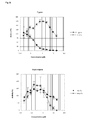
- AtSerpin1 exerts a clear inhibition of serine-like trypsin activities already at low concentration with 50% inhibition at about 1 ⁇ M concentrations. Maximal inhibition of trypsin activity was scored with ⁇ 10 ⁇ M. In contrast the IKLA mutant did not show potency to inhibit the trypsin protease activities of S. littoralis. Here fluorometric substrate was employed to measure trypsin activities.
- AtSerpin1 For chymotrypsin activity inhibition the concentration of AtSerpin1 needed to inhibit 50% was estimated at 10-20 ⁇ M (Figure 10). For the IKLA derived variant of AtSerpin1, its potency to inhibit trypsin activity was lower than the original AtSerpin1, but its activity against chymotrypsin was similar.
- table 1 confirms the high potency of AtSerpin1 to inhibit trypsin protease activities from S. littoralis extracts.
- table 1 confirms the high potency of AtSerpin1 to inhibit trypsin protease activities from S. littoralis extracts.
- the three different derived variants mutant IKLA, IKLK and VRPR
- the tests for inhibition of chymotrypsin activities with AtSerpin1 and the IKLA mutant showed limited activity with 40-56% inhibition with the highest concentration tested (10 ⁇ M).
- Table 1 Inhibition of serine-like protease activities from S. littoralis extracts by the AtSerpin1 and its derived variants.
- Example 2 inhibition of the enzymes of the Mediterranean corn borer, Sesamia nonagrioides (Lepidoptera: Noctuidae)
- Figure 11 demonstrates a very strong inhibition by AtSerpin1 of trypsin activities already at low concentration with 50% inhibition at about 0.1 ⁇ M concentrations. Maximal inhibition of trypsin activity was scored already with 0.5-1 ⁇ M. The IKLA derived variant scored low inhibitory activity.
- AtSerpin1 For chymotrypsin activity inhibition the concentration of AtSerpin1 needed to inhibit >50% was estimated at ⁇ 10 ⁇ M. Interestingly, for the IKLA derived variant of AtSerpin1, its potency to inhibit chymotrypsin activity was higher than the original AtSerpin1.
- Table 2 clearly provides confirmation of the high potency of AtSerpin1 to inhibit trypsin protease activities from S. nonagrioides extracts. With the derived IKLA variant the activity was lost. The tests for inhibition of chymotrypsin activities with AtSerpin1 showed no activity; however with the mutant IKLA a high activity with 70% inhibition was scored at 10 ⁇ M. Table 2. Inhibition of serine-like protease activities from S. nonagrioides extracts by the AtSerpin1 and its derived variant IKLA.
- Example 3 Inhibition of the enzymes of the European corn borer, Ostrinia nubilalis (Lepidoptera: Crambidae)
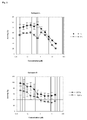
- Example 4 Inhibition of the enzymes of the Colorado potato beetle, Leptinotarsa decemlineata (Coleoptera: Chrysomelidae)
- AtSerpin1 provokes 50% inhibition of cysteine-like cathepsin-L protease activities at ⁇ 10 ⁇ M in the Colorado potato beetle gut extracts.
- AtSerpin1 For the cathepsin-B activity inhibition, the concentration of AtSerpin1 needed to inhibit 50% was estimated >10 ⁇ M.
- IKLA derived variant of AtSerpin1 For the IKLA derived variant of AtSerpin1, its potency to inhibit both cysteine-like protease activities, cathepsin-B and cathepsin-Lactivity, was higher than the original AtSerpin1 ( Figure 12).
- AtSerpin1 inhibits cathepsin-B protease activities with 40% already at relatively low concentrations of 1.25 ⁇ M (Table 4).
- the potency of AtSerpin1 for inhibition was lower, yielding 4% at 1.25 and increasing up to 48% at 10 ⁇ M.
- the activity was higher as with the original AtSerpin1 (Table 4).
- the tests for inhibition of cathepsin-L activities with IKLA scored 66% at 10 ⁇ M. Table 4. Inhibition of cysteine-like protease activities from L.
- decemlineata extracts by the AtSerpin1 and its derived variant IKLA.
- % Inhibition Cathepsin B Cathepsin L 1.25 ⁇ M 5 ⁇ M 10 ⁇ M 1.25 ⁇ M 5 ⁇ M 10 ⁇ M AtSerpin1 40 ⁇ 8 47 ⁇ 8 46 ⁇ 11 4 ⁇ 10 34 ⁇ 4 48 ⁇ 4 Mutant IKLA 62 ⁇ 5 77 ⁇ 3 70 ⁇ 2 18 ⁇ 2 44 ⁇ 2 66 ⁇ 1
- Example 5 Inhibition of the enzymes of the Red flour beetle, Tribolium castaneum (Coleoptera: Tenebrionidae)
- IC50 yielded 0.2-0.3 uM to inhibit 50% of cathepsin-L activity.
- cathepsin-B activities no inhibitory activity was scored with IKLA derived mutant of AtSerpin1 when tested up to 20 ⁇ M.
- Example 6 inhibition of the enzymes of the Pea aphid, Acyrthosiphon pisum (Homoptera: Aphididae)
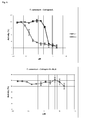
- AtSerpin1 exerts inhibition of cysteine-like cathepsin-L protease activities. However, it was strange in this experiment that the effect with AtSerpin1 flattened around 60% inhibition. Otherwise it was clear that the inhibitory activity of AtSerpin1 was stronger than for the IKLA mutant.
- table 4 confirms the high potency of AtSerpin1 to inhibit cathepsin-B protease activities from A. pisum aphid extracts (Table 5). 50% inhibition of cathepsin-B was scored with relatively low concentrations of 1.25 ⁇ M. For cathepsin-L activities the % of inhibition was somewhat lower yielding 39-42% at 1.25-10 ⁇ M.
- Example 7 Inhibition of the enzymes of the Sweetpotato whitefly, Bemisia tabaci (Homoptera: Aleyrodidae)
- Figure 15 demonstrates that the cysteine-like cathepsin-L activity is inhibited by the AtSerpin1 with the highest concentration tested (20 ⁇ M) 45% inhibition was scored. Very interestingly, the IKLA mutant is about 5-10 times more active and the estimated IC50 is around 5 ⁇ M to inhibit 50% of cathepsin-L activity.
- Example 8 Spider mites, Tetranychus urticae (Acari: Tetranychidae)
- AtSerpin1 is active to inhibit cathepsin-L protease activities with 50% inhibition at about 2 ⁇ M (Figure 16). Very interesting, the IKLA derived mutant of AtSerpin1 is even more active with an IC50 ⁇ 1 ⁇ M; which is 2-3 times higher in activity. For the cathepsin-B activities, no inhibitory activity was scored with IKLA derived mutant of AtSerpin1 when tested up to 20 ⁇ M.
Landscapes
- Health & Medical Sciences (AREA)
- Genetics & Genomics (AREA)
- Life Sciences & Earth Sciences (AREA)
- Chemical & Material Sciences (AREA)
- Organic Chemistry (AREA)
- Engineering & Computer Science (AREA)
- Molecular Biology (AREA)
- Bioinformatics & Cheminformatics (AREA)
- Wood Science & Technology (AREA)
- General Health & Medical Sciences (AREA)
- Zoology (AREA)
- Biophysics (AREA)
- General Engineering & Computer Science (AREA)
- Biotechnology (AREA)
- Biomedical Technology (AREA)
- Biochemistry (AREA)
- Physics & Mathematics (AREA)
- Cell Biology (AREA)
- Pest Control & Pesticides (AREA)
- Insects & Arthropods (AREA)
- Plant Pathology (AREA)
- Gastroenterology & Hepatology (AREA)
- Microbiology (AREA)
- Medicinal Chemistry (AREA)
- Proteomics, Peptides & Aminoacids (AREA)
- Agricultural Chemicals And Associated Chemicals (AREA)
- Breeding Of Plants And Reproduction By Means Of Culturing (AREA)
- Peptides Or Proteins (AREA)
Abstract
The present invention relates to a method to limit insect and/or mite damage in plants, by the use of mutant plant proteinase inhibitors. More specifically, it relates to the use of mutant serpins of which the reactive centre loop has been replaced by an artificial sequence. Preferably, said mutant serpins use an Arabidopsis thaliana serpin-1 backbone, or a homologue thereof. Said mutant serpins have a specificity other than the wild type serpins, and by modulating the reactive loop center, specific inhibitors against specific insect and/or mite proteases can be developed. Those mutant serpins can be used to inhibit or limit insect and/or mite damage, such as the damage caused by insect feeding.
Description
- The present invention relates to a method to limit insect and/or mite damage in plants, by the use of mutant plant proteinase inhibitors. More specifically, it relates to the use of mutant serpins of which the reactive centre loop has been replaced by an artificial sequence. Preferably, said mutant serpins use an Arabidopsis thaliana serpin-1 backbone, or a homologue thereof. Said mutant serpins have a specificity other than the wild type serpins, and by modulating the reactive loop center, specific inhibitors against specific insect and/or mite proteases can be developed. Those mutant serpins can be used to inhibit or limit insect and/or mite damage, such as the damage caused by insect feeding.
- Insect pests are a serious problem in agriculture. They destroy millions of acres of staple crops such as corn, soybeans, peas, and cotton. Farmers must apply millions of liters of synthetic pesticides to combat these pests. However, synthetic pesticides pose many problems. They are expensive, force the emergence of insecticide-resistant pests, and they constitute a serious risk for the environment.
- In order to develop a more economic and environmental pest control, biological approaches to pest control have been tried. In some cases, crop growers have introduced natural predators of the species sought to be controlled, such as non-native insects, fungi, and bacteria like Bacillus thuringiensis. Alternatively, crop growers have introduced large colonies of sterile insect pests in the hope that mating between the sterilized insects and fecund wild insects would decrease the insect population. However, none of these methods have been really successful.
- As mentioned above, certain species of microorganisms of the genus Bacillus are known to possess pesticidal activity against a broad range of insect pests including Lepidoptera (Dulmage et al., 1981), Diptera (Goldberg and Margalit, 1977), Coleoptera (Krieg et al., 1987) and Hemiptera (Mathavan et al., 1987). Bacillus thuringiensis is probably the most successful biocontrol agents discovered to date. Pesticidal activity appears to be concentrated in parasporal crystalline protein inclusions, although insecticidal proteins have also been isolated from the vegetative growth stage of Bacillus. Several genes encoding these insecticidal proteins have been isolated and characterized. As a non limiting example, such genes have been disclosed in
W09116432 WO9421795 US5366892 . - Microbial pesticides, particularly those obtained from Bacillus strains, have played an important role in agriculture as alternatives to chemical pest control. Insecticidal proteins isolated from strains of Bacillus thuringiensis, known as 8-endotoxins or Cry toxins, are initially produced in an inactive protoxin form. These protoxins are proteolytically converted into an active toxin through the action of proteases in the insect gut.
- Once activated, the Cry toxin binds with high affinity to receptors on epithelial cells in the insect gut, thereby creating leakage channels in the cell membrane, lysis of the insect gut, and subsequent insect death through starvation and septicemia.
- During recent years, agricultural scientists have developed crop plants with enhanced insect resistance by genetically engineering crop plants to produce insecticidal proteins from Bacillus. Such plants have been disclosed in, amongst others,
WO9116432 WO9421795 - One possibility to enhance the insect resistance is the co-expression of the Bt insecticidal proteins with another polypeptide having insecticidal activity, as disclosed in
WO2005083095 . Alternatively, the application of other broad spectrum insect inhibitory polypeptides, such as proteinase inhibitors has been studied. An overview of proteinase inhibitor genes used in combat against insects, pest and pathogens is given by Haq et al. (2004). However, the pH dependency and specificity of the proteinase inhibitor is extremely important and not all proteinases inhibitors are successful. In some cases, the transgenic plants overexpressing the proteinase inhibitor caused a growth stimulation of the larvae (Girard et al., 1998), although the inhibitor used was capable of inhibiting the digestive proteases of the larvae. This indicates that a selection of a proteinase inhibitor purely on in vitro characteristics is very difficult, if not impossible. - Within the group of proteinase inhibitors, plant proteinase inhibitors and within this group, serpins have drawn some interest as possible pest inhibitors. Plant serpins have been studied intensively over the past years. In cereals, serpins are collectively called Z proteins, and constitute 5% of the total albumin in grains (Hejgaard, 1982). Several serpins from wheat, barley, rye, and oat have been identified and characterized (Rasmussen, 1993; Østergaard et al., 2000; Brandt et al., 1990; Lungaard and Svensson, 1989; Rosenkrands et al. 1994; Rasmussen et al., 1996; Dahl et al., 1996; Hejgaard, 2001; Hejgaard and Hauge, 2002) Biochemical studies with plant serpins from cereals have demonstrated their inhibitory action against different animal proteases such as trypsin, chymotrypsin, cathepsin G, and elastase (Østergaard et al., 2000; Dahl et al., 1996; Hejgaard, 2001; Hejgaard and Hauge, 2002). Also the serpin isolated from squash phloem was reported to be an elastase inhibitor (Yoo et al., 2000)
- Whereas in animals, serpins are known to be involved in fundamental biological processes (Patston, 2000; van Gent et al., 2003) no precise role has yet been assigned to plant serpins. The high abundance of serpins in cereal seeds has led to the hypothesis that they could be involved in defense of storage tissue against insect feeding (Østergaard et al., 2000; Hejgaard and Hauge, 2002). Although direct feeding of aphids with CmPS-1 did not affect their survival, the negative correlation between the survival of aphids feeding on squash leaves and expression levels of the phloem serpin CmPS-1 supports the defense theory (Yoo et al., 2000) Gene expression studies in barley have revealed that serpin transcripts are present in developing grain, but also in vegetative tissues, such as roots, shoots, and leaves. Serpin protein could be detected in phloem cells, meristem, and root cap cells of the young root, and in root cap, coleorhiza, and apical meristem of embryonic roots. Also in young leaves some phloem cells produced serpin proteins (Roberts et al., 2003). Although these expression patterns are intriguing, complete insight into the precise functional role of plant serpins is still lacking.
- Based on this possible protection, several serpins have been tested as insect inhibitors, but none of those have been extremely effective.
WO9413810 US2003/0018990 discloses the use of a serine proteinase of Brassica oleracea for obtaining resistance to herbivorous insects. Depending upon the parameters measured, and the insects used, the results obtained are comparable or less efficient than the results obtained with Bt. Yoo et al. (2000) described the use of Cucurbita maxima phloem serpin-1 for inhibiting the piercing-sucking aphid Myzus persicae. Although they claim to see a decrease in survival on the transgenic plants in function of the time, they could not demonstrate any toxicity when using the phloem and the effects of survival on the transgenic plants might be due to other factors. - The reactive centre loop (RCL) of serpins is essential for their specificity. The reactive centre loop, as defined here, is defined by the P1 position after which the target proteinase is cleaving the proteinase inhibitor. The RCL as defined here encompasses at least 4 amino acids, including the P1 and aminoterminal of the cleavage site, i.e. P1 is the carboxyterminal amino acid after cleavage. Mutations in the RCL are supposed to block the activity of the serpin, as the RCL acts as substrate for the protease and is exerts its inhibiting activity by competition with the natural substrate. Indeed, Vercammen et al (2006) demonstrated that mutation of the RCL loop into an IKLA or a VRPR sequence resulted in a significant loss of inhibitory activity.
- Surprisingly we found that those mutant serpins do have an inhibiting activity against insect proteases, and that this activity may be far pronounced that the activity of the wild type serpin. Mutations of the RCL, without - or with limited - changes in the backbone of the serpin allows to design insect specific serpins, and opens the possibility to design plants with a specific resistance against some insects, without affecting non target organisms.
- A first aspect of the invention is the use of a recombinant serpin, comprising a mutant reactive center loop, for limiting insect and/or mite provoked damage in plants. A mutant RCL as used here means that the RCL differs from the sequence that occurs in the corresponding wild type serpin. Preferably, said serpin belongs to the inhibitor family IA, as determined by MEROPS (http://merops.sanger.ac.uk), showing sequence homology to human alpha1-antitrypsin. Preferably said serpin is selected of the group consisting of Arabidopsis thaliana serpin At1g47710, Barley serpin BZx, Barley serpin BZ7, Wheat serpin WZ2b, Cucumis sativus serpin gi|58416137, Oryza sativa serpin gil37700305, Citrus x paradise serpin gi|26224736, Solanum tuberosum serpin gi|62950609, Lycopersicon esculentum serpin gi|14685955, Nicotiana tabacum serpin gi|52837819, Brassica rapa serpin gi|54416864, Vitis vinifera serpin gi|33401535, Antirrhinus majus serpin gi|51113970, Triphysaria versicolor serpin gi|68033793, Helianthus paradoxus serpin gi|33123072, Gossypium arboretum serpin gi|13245345, Populus nigra serpin gi|60218046 and Brassica napus (SEQ ID N° 2). Even more preferably, said the backbone of said serpin is derived from SEQ ID N° 1 (At1g47710). Preferably, said mutant serpin comprises a RCL comprising a sequence selected from the group consisting of IKLA, VRPR and IKLK. Even more preferably, said mutant serpin comprises a RCL comprising IKLA. Preferably, said insect and/or mite caused damage is caused by a chewing insect. More preferably, said insect or mite belongs to an order selected from the group consisting of the orders orders Lepidoptera, Coleoptera, Homoptera and Acari. Even more preferably, said insect or mite is selected from the group consisting of Spodoptera spp, Sesamia spp., Ostrinia spp., Leptinotarsa spp.,Tribolium spp., Acyrthosiphon spp., Bemisia spp. and Tetranychus spp. Most preferably said insects or mites belong to the species Spodoptera littoralis, Sesamia nonagroides, Ostrinia nubilalis, Leptinotarsa decemlineata, Tribolium castaneum, Acyrthosiphon pisum, Bemisia tabaci and/or Tetranychus urticae.
- A preferred embodiment is the use of said serpin, whereby said serpin is applied by spraying. Another preferred embodiment is the use of said serpin, whereby said serpin is overexpressed in a plant. In case of overexpressing, the concentration in the plant material is preferably at least 0.65mg/kg wet weight, even more preferably at least 6.5 mg/kg wet weight, most preferably at least 65mg/kg wet weight.
- Still another aspect of the invention is a method to develop new mutant serpins with a specific inhibition spectrum, comprising the mutation of one or more amino acids of the RCL. A specific inhibition spectrum as used here means the the mutant serpin inhibits other proteinases than the wild type serpin, or shows a significantly higher inhibition towards a proteinase that is inhibited by the wild type serpin. Significantly higher as used here means that the inhibition occurs at significantly lower concentration of the serpin, and/or that a significantly higher inhibition percentage is reached.
- Another aspect of the invention is a transgenic plant, expressing a recombinant serpin, comprising according to the invention. Preferably, said plant is used to limit insect damage caused by insects feeding on the plant.
-
-
Figure 1 : Inhibition of serine-like protease activities from S. littoralis extracts by AtSerpin1 (WT) and its derived variant IKLA. Data are the mean ± SE of duplicate measurements from a unique pool of gut extracts. -
Figure 2 : Inhibition of serine-like protease activities from S. nonagrioides extracts by AtSerpin1 (WT) and its derived variant IKLA. Data are the mean ± SE of duplicate measurements from a unique pool of gut extracts. -
Figure 3 : Inhibition of cysteine-like protease activities from L. decemlineata extracts by AtSerpin1 (WT) and its derived variant IKLA. Data are the mean ± SE of duplicate measurements from a unique pool of gut extracts. -
Figure 4 : Inhibition of cysteine-like protease activities from T. castaneum extracts by AtSerpin1 (WT) and its derived variant IKLA. Data are the mean ± SE of duplicate measurements from a unique pool of gut extracts. -
Figure 5 : Inhibition of cysteine-like protease activities from A. pisum extracts by AtSerpin1 (WT) and its derived variant IKLA. Data are the mean ± SE of duplicate measurements from a unique pool of gut extracts. -
Figure 6 : Inhibition of cysteine-like cathepsin-L protease activities from B. tabaci extracts by AtSerpin1 (WT) and its derived variant IKLA. Data are the mean ± SE of duplicate measurements from a unique pool of gut extracts. -
Figure 7 : Inhibition of cysteine-like protease activities from T. urticae extracts by AtSerpin1 (WT) and its derived variant IKLA. Data are the mean ± SE of duplicate measurements from a unique pool of gut extracts. - Recombinant Atserpin1 production and purification was done as described in Vercammen et al., 2006.
- The cDNA for the ORF of At1g47710 was obtained by RT-PCR with the following forward and reverse primers, provided with the adequate 5' extensions for Gateway™ cloning (Invitrogen): 5'-ATGGACGTGCGTGAATC-3' and 5'-TTAATGCAACGGATCAACAAC-3'. After recombination in pDEST17, the plasmid was introduced into E. coli strain BL21 (DE3)pLysE and production of the HIS6-tagged protein induced by incubation in 0.2 mM isopropyl-β-D-thiogalactopyranoside for 24 h. The protein was purified by metal ion affinity chromatography (TALON™; BD, Franklin Lakes, NJ). Protein concentration and purity were checked by Bradford analysis (BioRAD) and SDS-polyacrylamide gel electrophoresis (PAGE). Point mutagenesis of AtSerpin1 was done using the "megaprimer" method. The reverse mutagenic primers used were: IKLA, 5'- CTCCATAAGCAATCCTGCTAGCTTTATAACTCC-3'; IKLK, 5'- CTCCATAAGCAATCCTTTTAGCTTTATAACTCC-3'; and VRPR, 5'- CATAAGCAATCCTCTTGGCCTTACAACTCCAGCTGATGC-3'. Bacterial production and purification were performed as described for wild-type AtSerpin1.
- A selection of economically important pest insects was made to support the insecticide potency and wide target pest range of AtSerpins. The selected Lepidoptera (caterpillars) and Coleoptera (beetles) are representative pest insects with biting-chewing mouth paths and important in agriculture, horticulture, forestry and stored products. The selected Homoptera (aphids, whiteflies) and Acari (mites) are good representatives for piercing-sucking pests, being very important in agriculture, horticulture, forestry.
- A colony of the cotton leafworm Spodoptera littoralis (CLW) (Lepidoptera: Noctuidae) was reared on a semi-artificial diet at standard conditions in the laboratory. Larvae were collected and frozen at -20°C until analysis.
- For the artificial feeding tests, newly moulted (0-6h) 3rd instar larvae of the cotton leafworm Spodoptera littoralis (Lepidoptera: Noctuidae) (CLW) were selected from a continuous stock colony in the Laboratory of Agrozoology at Ghent University, Belgium, that was kept at standard conditions of 23±2°C; 65±5% relative humidity and a 16:8 (light:dark) regime (Smagghe et al., 2002).
- The cotton leafworm is a polyphagous noctuid species of world economic importance in agriculture and horticulture. Such caterpillars cause high levels of damage in at least 87 crop species belonging to 40 families distributed all over the world. Also many populations developed high levels of resistance towards most insecticide groups (Alford, 2000).
- Larvae of Mediterranean corn borer, Sesamia nonagroides (MCB) (Lepidoptera: Noctuidae), were frozen and stored at -20°C until needed.
- Larvae of European corn borer, Ostrinia nubilalis (Lepidoptera: Crambidae) (ECB), were collected and frozen at -20°C until analysis.
- Colorado potato beetles Leptinotarsa decemlineata (CPB) (Coleoptera: Chrysomelidae) were reared on freshly-cut potato foliage, Solanum tuberosum, collected and frozen at -20°C until analysis. Adults of the red flour beetle, Tribolium castaneum (Coleoptera: Tenebrionidae) were selected from a colony maintained in the laboratory at standard conditions, frozen and stored at -20°C until needed.
- Homoptera: A laboratory colony of the pea aphid Acyrthosiphon pisum (PA) (Homoptera: Aphididae) was reared on pea plants, Vicia faba. Adults were selected, frozen en stored at -20°C until needed. Green peach aphid adults, Myzus persicae (Homoptera: Aphididae) were selected, frozen and stored at -20°C until needed. Adults of the sweetpotato whitefly, Bemisia tabaci (Homoptera: Aleyrodidae) were selected, frozen and stored at -20°C until needed.
- Spider mites, Tetranychus urticae (Acari: Tetranychidae) were selected from a colony maintained in the laboratory at standard conditions, frozen en stored at -20°C until needed.
- Complete guts from CLW, MCB, ECB and CPB larvae were dissected and subsequently homogenized in 0.15 M NaCl, centrifuged at 10,000g for 5 min, and the supernatants pooled and stored frozen (-20°C). For PA, whole insect bodies were used.
- Inhibitory activity of wild-type Serpin1 from Arabidopsis thaliana and its derived variant IKLA were tested in vitro against serine-like protease activities from CLW, MCB (trypsin and chymotrypsin) and ECB (trypsin and elastase), and against cysteine-like protease activities (cathepsin-B and cathepsin-L) from PA and CPB. A. thaliana serpins were preincubated at room temperature with the gut extracts for 15 min, prior to addition of substrate. Serpin concentrations varied from 0.02-20 µM. Standard fluorometric substrates used were Z-Arg-Arg-amc, Z-Phe- Arg-amc, and N-Suc-Leu-Leu-Val-Tyr-4-Methylcoumaryl-7-amide, from Bachem. For measuring elastase activity the colorimetric substrate Sa2PppNa (N-succinyl-(alanine)2-prolinephenylalanin-p-nitroanilide) were used, from Sigma. All assays were carried out in duplicate with pooled gut extracts. Fluorescence was monitored for 30 min at λex of 380 nm and λem of 460 nm in a microtiterplate reader. For measuring the elastase activity in ECB, the colorimetric substrate Sa2PppNa (N-succinyl-(alanine)2-proline-phenylalanin-p-nitroanilide) were used, from Sigma.
- Absorbance was measured at 410 nm for elastase activity in a microplate reader. Insect protease activities were determined at 30°C, at pH 10.5 for CLW, MCB and ECB, and at pH 7.5 for PA and CPB, in 100 µl of reaction mixture.
- Inhibitory activity of the derived variants IKLK and VRPR were also tested in vitro against trypsin activity of CLW and cathepsin B activity of PA. Standard colorimetric substrates used were BApNa (Nα-benzoyl-DL-arginine-p-nitroanilide) and ZAA2MNA (N-carbobenzoxyalanine-alanine-arginine 4-methoxy-β-naphthyi amide), from Sigma. All assays were carried out in triplicate with pooled gut extracts. Serpin concentrations were 5 and 10 µM. Absorbance was measured at 410 nm for trypsin activity and 520 nm for cathepsin B activity in a microplate reader. Insect protease activities were determined at 30 °C, at pH 10.5 for CLW and at pH 7.5 for PA, in 100 µl of reaction mixture.
- As shown in Figure 10, AtSerpin1 exerts a clear inhibition of serine-like trypsin activities already at low concentration with 50% inhibition at about 1 µM concentrations. Maximal inhibition of trypsin activity was scored with ≥10 µM. In contrast the IKLA mutant did not show potency to inhibit the trypsin protease activities of S. littoralis. Here fluorometric substrate was employed to measure trypsin activities.
- For chymotrypsin activity inhibition the concentration of AtSerpin1 needed to inhibit 50% was estimated at 10-20 µM (Figure 10). For the IKLA derived variant of AtSerpin1, its potency to inhibit trypsin activity was lower than the original AtSerpin1, but its activity against chymotrypsin was similar.
- With the use of colorimetric substrates, table 1 confirms the high potency of AtSerpin1 to inhibit trypsin protease activities from S. littoralis extracts. With the three different derived variants (mutant IKLA, IKLK and VRPR) the activity was not present. The tests for inhibition of chymotrypsin activities with AtSerpin1 and the IKLA mutant showed limited activity with 40-56% inhibition with the highest concentration tested (10 µM).
Table 1. Inhibition of serine-like protease activities from S. littoralis extracts by the AtSerpin1 and its derived variants. % Inhibition Trypsin Chymotrypsin 1.25 µM 5 µM 10 µM 1.25 µM 5 µM 10 µM AtSerpin1 52 ± 1 83 ± 1 90 ± 1 10 ± 21 31 ± 20 40 ± 15 Mutant IKLA 18±1 1 32 ± 2 40 ± 2 11 ± 16 41 ± 5 56 ± 5 Mutant IKLK nc 64 ± 2 69 ± 3 nc nc nc Mutant VRPR nc 33 ± 1 34 ± 3 nc nc nc nc= not calculated - Figure 11 demonstrates a very strong inhibition by AtSerpin1 of trypsin activities already at low concentration with 50% inhibition at about 0.1 µM concentrations. Maximal inhibition of trypsin activity was scored already with 0.5-1 µM. The IKLA derived variant scored low inhibitory activity.
- For chymotrypsin activity inhibition the concentration of AtSerpin1 needed to inhibit >50% was estimated at ≥10 µM. Interestingly, for the IKLA derived variant of AtSerpin1, its potency to inhibit chymotrypsin activity was higher than the original AtSerpin1.
- Table 2 clearly provides confirmation of the high potency of AtSerpin1 to inhibit trypsin protease activities from S. nonagrioides extracts. With the derived IKLA variant the activity was lost. The tests for inhibition of chymotrypsin activities with AtSerpin1 showed no activity; however with the mutant IKLA a high activity with 70% inhibition was scored at 10 µM.
Table 2. Inhibition of serine-like protease activities from S. nonagrioides extracts by the AtSerpin1 and its derived variant IKLA. % Inhibition Trypsin Chymotrypsin 1.25 µM 5 µM 10 µM 1.25 µM 5 µM 10 µM AtSerpin1 90 ± 1 97 ± 1 98 ± 1 ni ni ni Mutant IKLA ni ni ni ni 32 ± 10 70 ± 20 ni= no inhibition - With use of colorimetric substrates for trypsin and chymotrypsin activities, AtSerpin1 shows limited potency to inhibit trypsin protease activities from O. nubilalis extracts with 28% at 2 µM (Table 3). With the derived IKLA variant the activity was much higher reaching 51% inhibition at 2 µM. The tests for inhibition of chymotrypsin activities with AtSerpin1 showed no activity, whereas the mutant IKLA exerted 21% inhibition at 2 µM.
Table 3. Inhibition of serine-like protease activities from O. nubilalis extracts by AtSerpin1 and its derived variant IKLA. % Inhibition Trypsin Elastase 2 µM 2 µM AtSerpin1 28 ± 2 ni Mutant IKLA 51 ± 1 21 ± 1 ni= no inhibition - As shown in Figure 12 with use of fluorometric substrates, AtSerpin1 provokes 50% inhibition of cysteine-like cathepsin-L protease activities at ≥10 µM in the Colorado potato beetle gut extracts.
- For the cathepsin-B activity inhibition, the concentration of AtSerpin1 needed to inhibit 50% was estimated >10 µM. For the IKLA derived variant of AtSerpin1, its potency to inhibit both cysteine-like protease activities, cathepsin-B and cathepsin-Lactivity, was higher than the original AtSerpin1 (Figure 12).
- With use of colorimetric substrates, AtSerpin1 inhibits cathepsin-B protease activities with 40% already at relatively low concentrations of 1.25 µM (Table 4). For cathepsin-L activities the potency of AtSerpin1 for inhibition was lower, yielding 4% at 1.25 and increasing up to 48% at 10 µM. Interestingly with the derived variant IKLA the activity was higher as with the original AtSerpin1 (Table 4). With the lowest concentration tested (1.25 µM) already 62% inhibition of cathepsin-B was scored. The tests for inhibition of cathepsin-L activities with IKLA scored 66% at 10 µM.
Table 4. Inhibition of cysteine-like protease activities from L. decemlineata extracts by the AtSerpin1 and its derived variant IKLA. % Inhibition Cathepsin B Cathepsin L 1.25 µM 5 µM 10 µM 1.25 µM 5 µM 10 µM AtSerpin1 40 ± 8 47 ± 8 46 ± 11 4 ± 10 34 ± 4 48 ± 4 Mutant IKLA 62 ± 5 77 ± 3 70 ± 2 18 ± 2 44 ± 2 66 ± 1 - Figure 13 shows that the cysteine-like cathepsin-L activity is inhibited by the AtSerpin1 with an IC50=4 µM. Very interestingly, the IKLA mutant is >10 times more active and the estimated
- IC50 yielded 0.2-0.3 uM to inhibit 50% of cathepsin-L activity. For the cathepsin-B activities, no inhibitory activity was scored with IKLA derived mutant of AtSerpin1 when tested up to 20 µM.
- As shown in Figure 14, AtSerpin1 exerts inhibition of cysteine-like cathepsin-L protease activities. However, it was strange in this experiment that the effect with AtSerpin1 flattened around 60% inhibition. Otherwise it was clear that the inhibitory activity of AtSerpin1 was stronger than for the IKLA mutant.
- For the cysteine-like cathepsin-B activity inhibition of aphid A. pisum extracts the concentration of AtSerpin1 needed to inhibit 50% was estimated at around 1 µM (Figure 14). For the IKLA derived variant of AtSerpin1, its potency to inhibit cathepsin-B activity was lower than the original AtSerpin1.
- With use of colorimetric substrates, table 4 confirms the high potency of AtSerpin1 to inhibit cathepsin-B protease activities from A. pisum aphid extracts (Table 5). 50% inhibition of cathepsin-B was scored with relatively low concentrations of 1.25 µM. For cathepsin-L activities the % of inhibition was somewhat lower yielding 39-42% at 1.25-10 µM.
- As shown in table 5, with the derived variant IKLK the activity was similar as with the original AtSerpin1, whereas with IKLA and VRPR the activities were lower. The tests for inhibition of cathepsin-L activities with IKLA scored somewhat similar as AtSerpin1.
Table 5. Inhibition of cysteine-like protease activities from A. pisum extracts by the AtSerpin1 and its derived variants. % Inhibition Cathepsin B Cathepsin L 1.25 µM 5 µM 10 µM 1.25 µM 5 µM 10 µM AtSerpin1 50 ± 1 55 ± 5 55 ± 2 42 ± 3 42 ± 2 39 ± 4 Mutant IKLA 24 ± 6 31 ± 1 36 ± 3 24 ± 6 34 ± 4 45 ± 1 Mutant IKLK nc 49 ± 4 66 ± 4 nc nc nc Mutant VRPR nc 14 ± 2 23 ± 1 nc nc nc nc= non calculated - Figure 15 demonstrates that the cysteine-like cathepsin-L activity is inhibited by the AtSerpin1 with the highest concentration tested (20 µM) 45% inhibition was scored. Very interestingly, the IKLA mutant is about 5-10 times more active and the estimated IC50 is around 5 µM to inhibit 50% of cathepsin-L activity.
- In spider mites, AtSerpin1 is active to inhibit cathepsin-L protease activities with 50% inhibition at about 2 µM (Figure 16). Very interesting, the IKLA derived mutant of AtSerpin1 is even more active with an IC50 <1 µM; which is 2-3 times higher in activity. For the cathepsin-B activities, no inhibitory activity was scored with IKLA derived mutant of AtSerpin1 when tested up to 20 µM.
-
- - Alford D.V. (2000). Pest and disease management handbook. British Crop Protection Council. Blackwell Science. Oxford. 615 pp.
- - Brandt, A., Svendsen, I. and Hejgaard, J. (1990). A plant serpin gene. Structure, organisation and expression of the gene encoding barley protein Z. Eur. J. Biochem. 194, 499-505.
- - Dahl, S., Rasmussen, S.W. and Hejgaard, J. (1996). Heterologous expression of three plant serpins with distinct inhibitory specificities. J. Biol. Chem. 271, 25083-25088.
- - Dulmage, H.T. (1981) Production of bacteria for biological control of insects. In "Biological control in crop production", Paparrizas, D.C. ed., pp 129-141.
- - Girard, C., Le Metayer, M., Zaccomer, B, Barlet, B., Barlet, E., Williams, I., Bonade-Bottino, M., Pham-Delegue, M.H. and Jouanin, L. (1998). Growth stimulation of beetle larvae reared on a transgenic oilseed rape expressin a cysteine proteinase inhibitor. J. Insect Physiol., 44, 263-270.
- - Goldberg, L.J. and Margalit, J. (1977). A bacterial spore demonstrating rapid larvicidal activity against Anopheles segentii, Uranotaenia unguiculata, Culex univittatus, Aedes aegypti and Culex pipiens. Mosquito News, 37, 355-358.
- - Hejgaard, J. (1982). Purification and properties of protein Z - a major albumin of barley endosperm. Physiol. Plant, 54, 174-182.
- - Hejgaard, J. (2001). Inhibitory serpins from rye grain with glutamine as P1 and P2 residues in the reactive center. FEBS lett. 488, 149-163.
- - Hejgaard, J. and Hauge, S. (2002) Serpins of oat (Avena sativa) grain with distinct reactive centres and inhibitory activity. Physiol. Plant 116, 155-163.
- - Haq, S.K., Atif, S.M. and Khan, R.H. (2004) Protein inhibitor genes in combat against insects, pest, and pathogens: natural and engineered phytoprotection. Arch. Biochem. Biophys. 431, 145-159.
- - Krieg, A., Huger, A.M. and Schnetter, W. (1987). Bacillus thuringiensis var san diego strain M-7 is identical to the formerly in Germany isolated strain BI 256-82, B. thuringiensis subsp. Tenebrionis, which is pathogenic to coleopteran insects. Z. Angew. Ent. 104, 417-425
- - Lungard, R. and Svensson, B. (1989). A 39kD barley seed protein of the serpin superfamily inhibits alpha-chymotrypsin. Carlsberg Res. Commun. 54, 173-180.
- - Mathavan, S., Velpandi, A., Johnson, J.C. (1987). Sub toxic effects of Bacillus spaericus 1593 M on feeding growth and reproduction of Laccotrephes griseus (Hemiptera: Nepidae). Exp. Biol. 46, 149-153.
- - 0stergaard, H., Rasmussen, S.K. Roberts, T.H. and Hejgaard, J. (2000). Inhibitory serpins from wheat grain with reactive centers resembling glutamine-rich repeats of prolamin storage proteins. Cloning and characterization of five major molecular forms. J. Biol. Chem. 275, 33272-33279.
- - Patston, P.A. (2000) Serpins and other serine protease inhibitors. Immunol. Today 21, 345-354.
- - Rasmussen, S.K. (1993) A gene coding for a new plant serpin. Biochim. Biophys. Acta 1172, 151-154.
- - Rasmussen, S.K., Dahl, S.W., Nørgard, A. And Hejgaard, J. (1996). A recombinant wheat serpin with inhibitory activity. Plant Mol. Biol. 30, 673-677.
- - Roberts, T.H., Martilla, S., Rasmussen, S.K. and Hejgaard, J. (2003). Differential gene expression for suicide substrate serine proteinase inhibitors (serpins) in vegetative and grain tissues of barley. J. Exp. Bot. 54, 2251-2263.
- - Rosenkrands, I. Heygaard, J., Rasmussen, S.K. and Bjørn, S.E. (1994). Serpins from wheat grain, FEBS lett. 343, 75-80.
- - Smagghe, G., Decombel, L., Carton, B., Voigt, B., Adam, G. and Tirry, L. (2002). Action of brassinosteroids in the cotton leafworm Spodoptera littoralis. Insect Biochemistry and Molecular Biology 32, 199-204.
- - Van Gent, D., Sharp, P., Morgan, K. And Kalsheker, N. (2003). Serpins: structure, function and molecular evolution. Int. J. Biochem. Cell. Biol. 35, 1536-1547.
- - Vercammen, D., Belenghi, B., van de Cotte, B., Beunens, T., Gavigan, J.A., De Rycke, R., Brackenier, A., Inzé, D., Harris, J.L. and Van Breusegem, F. (2006). .
- - Yoo, B.C., Aoki, K., Xiang, Y., Campbell, L.R., Hull, R.J., Xoconostle-Cazares, B., Monzer, J., Lee, J.Y., Ullman, D.E. and Lucas, W.J. (2000). Characterization of Cucurbita maxima Phloem Serpin-1 (CmPS-1). A developmentally regulated elastase inhibitor. J. Biol. Chem. 275, 35122-35128.


Claims (12)
- The use of a recombinant serpin, comprising a mutant reactive centre loop for limiting insect and/or mite provoked damage in plants.
- The use according to claim 1, whereby said mutant serpin is selected of the group consisting of Arabidopsis thaliana serpin At1g47710, Barley serpin BSZx, Barley serpin BSZ7, Wheat serpin WSZ2b, Cucumis sativus serpin gi|58416137, Oryza sativa serpin gi|37700305, Citrus x paradise serpin gi|26224736, Solanum tuberosum serpin gi|62950609, Lycopersicon esculentum serpin gi|14685955, Nicotiana tabacum serpin gi|52837819, Brassica rapa serpin gi|54416864, Vitis vinifera serpin gi|33401535, Antirrhinus majus serpin gi|51113970, Triphysaria versicolor serpin gi|68033793, Helianthus paradoxus serpin g|33123072, Gossypium arboretum serpin gi|13245345, Populus nigra serpin g|60218046 and Brassica napus (SEQ ID N° 2).
- The use according to claim 2, whereby said mutant serpin is derived from SEQ ID N° 1 (At1g47710)
- The use of a recombinant serpin, comprising a reactive centre loop comprising a sequence selected from the group consisting of IKLA, VRPR and IKLK for limiting insect and/or mite provoked damage in plants
- The use according to any of the previous claims, whereby said insect and/or mite provoked damage is caused by a chewing insect.
- The use according to claim 5, whereby said insect or mite belongs to an order selected from the group consisting of the orders orders Lepidoptera, Coleoptera, Homoptera and Acari.
- The use according to claim 6, whereby said insect or mite is selected from the group consisting of Spodoptera spp, Sesamia spp., Ostrinia spp., Leptinotarsa spp.,Tribolium spp., Acyrthosiphon spp., Bemisia spp. and Tetranychus spp.
- The use according to any of the previous claims, where by said mutant serpin is applied by spraying.
- The use according to claim 1-6, whereby said serpin is overexpressed in a plant.
- A method to develop new mutant serpins with a specific inhibition spectrum, comprising the mutation of one or more amino acids of the reactive centre loop
- A transgenic plant, expressing a recombinant serpin, comprising a mutant reactive center loop.
- A transgenic plant, according to claim 11, whereby said recombinant serpin comprises a reactive center loop comprising a sequence selected from the group consisting of IKLA, VRPR and IKLK.
Priority Applications (6)
| Application Number | Priority Date | Filing Date | Title |
|---|---|---|---|
| EP07119602A EP2055783A1 (en) | 2007-10-30 | 2007-10-30 | Insect inhibiting plant serpin mutants |
| EP08845039A EP2215237A1 (en) | 2007-10-30 | 2008-10-30 | Insect inhibiting plant serpin mutants |
| US12/734,383 US20100333236A1 (en) | 2007-10-30 | 2008-10-30 | Insect inhibiting plant serpin mutants |
| AU2008320872A AU2008320872A1 (en) | 2007-10-30 | 2008-10-30 | Insect inhibiting plant serpin mutants |
| PCT/EP2008/064728 WO2009056597A1 (en) | 2007-10-30 | 2008-10-30 | Insect inhibiting plant serpin mutants |
| CA2704065A CA2704065A1 (en) | 2007-10-30 | 2008-10-30 | Insect inhibiting plant serpin mutants |
Applications Claiming Priority (1)
| Application Number | Priority Date | Filing Date | Title |
|---|---|---|---|
| EP07119602A EP2055783A1 (en) | 2007-10-30 | 2007-10-30 | Insect inhibiting plant serpin mutants |
Publications (1)
| Publication Number | Publication Date |
|---|---|
| EP2055783A1 true EP2055783A1 (en) | 2009-05-06 |
Family
ID=38984538
Family Applications (2)
| Application Number | Title | Priority Date | Filing Date |
|---|---|---|---|
| EP07119602A Ceased EP2055783A1 (en) | 2007-10-30 | 2007-10-30 | Insect inhibiting plant serpin mutants |
| EP08845039A Withdrawn EP2215237A1 (en) | 2007-10-30 | 2008-10-30 | Insect inhibiting plant serpin mutants |
Family Applications After (1)
| Application Number | Title | Priority Date | Filing Date |
|---|---|---|---|
| EP08845039A Withdrawn EP2215237A1 (en) | 2007-10-30 | 2008-10-30 | Insect inhibiting plant serpin mutants |
Country Status (5)
| Country | Link |
|---|---|
| US (1) | US20100333236A1 (en) |
| EP (2) | EP2055783A1 (en) |
| AU (1) | AU2008320872A1 (en) |
| CA (1) | CA2704065A1 (en) |
| WO (1) | WO2009056597A1 (en) |
Families Citing this family (3)
| Publication number | Priority date | Publication date | Assignee | Title |
|---|---|---|---|---|
| GB201322091D0 (en) | 2013-12-13 | 2014-01-29 | Cambridge Entpr Ltd | Modified serpins for the treatment of bleeding disorders |
| CN111500674A (en) * | 2020-04-21 | 2020-08-07 | 华侨大学 | A kind of method for screening anti-aphid Cry protein |
| CN113564174B (en) * | 2021-07-16 | 2023-07-25 | 山西大学 | Aphis citricola Cat-B gene and preparation method and application of nucleic acid interfering agent thereof |
Citations (2)
| Publication number | Priority date | Publication date | Assignee | Title |
|---|---|---|---|---|
| US5436392A (en) * | 1990-01-12 | 1995-07-25 | Arizona Technology Development Corporation | Transgenic plants expressing M. sexta protease inhibitor |
| WO2001020008A2 (en) * | 1999-09-16 | 2001-03-22 | Universiteit Leiden | Vascular-specific promoters |
Family Cites Families (2)
| Publication number | Priority date | Publication date | Assignee | Title |
|---|---|---|---|---|
| US5277905A (en) * | 1991-01-16 | 1994-01-11 | Mycogen Corporation | Coleopteran-active bacillus thuringiensis isolate |
| US6927322B2 (en) * | 2001-03-30 | 2005-08-09 | Cornell Research Foundation, Inc. | Cabbage proteinase inhibitor gene confers resistance against plant pests |
-
2007
- 2007-10-30 EP EP07119602A patent/EP2055783A1/en not_active Ceased
-
2008
- 2008-10-30 EP EP08845039A patent/EP2215237A1/en not_active Withdrawn
- 2008-10-30 WO PCT/EP2008/064728 patent/WO2009056597A1/en not_active Ceased
- 2008-10-30 AU AU2008320872A patent/AU2008320872A1/en not_active Abandoned
- 2008-10-30 US US12/734,383 patent/US20100333236A1/en not_active Abandoned
- 2008-10-30 CA CA2704065A patent/CA2704065A1/en not_active Abandoned
Patent Citations (2)
| Publication number | Priority date | Publication date | Assignee | Title |
|---|---|---|---|---|
| US5436392A (en) * | 1990-01-12 | 1995-07-25 | Arizona Technology Development Corporation | Transgenic plants expressing M. sexta protease inhibitor |
| WO2001020008A2 (en) * | 1999-09-16 | 2001-03-22 | Universiteit Leiden | Vascular-specific promoters |
Non-Patent Citations (2)
| Title |
|---|
| VERCAMMEN DOMINIQUE ET AL: "Serpin1 of Arabidopsis thaliana is a suicide inhibitor for metacaspase 9", JOURNAL OF MOLECULAR BIOLOGY, LONDON, GB, vol. 364, no. 4, 8 September 2006 (2006-09-08), pages 625 - 636, XP002425099, ISSN: 0022-2836 * |
| YOO BYUNG-CHUN ET AL: "Characterization of Cucurbita maxima phloem serpin-1 (CmPS-1): A developmentally regulated elastase inhibitor", JOURNAL OF BIOLOGICAL CHEMISTRY, vol. 275, no. 45, 10 November 2000 (2000-11-10), pages 35122 - 35128, XP002467834, ISSN: 0021-9258 * |
Also Published As
| Publication number | Publication date |
|---|---|
| CA2704065A1 (en) | 2009-05-07 |
| US20100333236A1 (en) | 2010-12-30 |
| EP2215237A1 (en) | 2010-08-11 |
| AU2008320872A1 (en) | 2009-05-07 |
| WO2009056597A1 (en) | 2009-05-07 |
Similar Documents
| Publication | Publication Date | Title |
|---|---|---|
| Gatehouse et al. | Approaches to insect resistance using transgenic plants | |
| Gatehouse et al. | Potential of plant-derived genes in the genetic manipulation of crops for insect resistance | |
| Falco et al. | Expression of soybean proteinase inhibitors in transgenic sugarcane plants: effects on natural defense against Diatraea saccharalis | |
| Jamal et al. | Serine protease inhibitors in plants: nature’s arsenal crafted for insect predators | |
| Sharma et al. | Genetic transformation of crops for insect resistance: potential and limitations | |
| Hilder et al. | Transgenic Plants Conferring Insect | |
| Álvarez-Alfageme et al. | Effects of potato plants expressing a barley cystatin on the predatory bug Podisus maculiventris via herbivorous prey feeding on the plant | |
| Charity et al. | Transgenic tobacco and peas expressing a proteinase inhibitor from Nicotiana alata have increased insect resistance | |
| NZ335358A (en) | CryIC protein fragment from Bacillus thuringiensis for insecticidal activity against Lepidopteran insects | |
| Gatehouse et al. | Genetic Engineering of Plants | |
| US5436392A (en) | Transgenic plants expressing M. sexta protease inhibitor | |
| US20100333236A1 (en) | Insect inhibiting plant serpin mutants | |
| Watt et al. | Current and future transgenic control strategies to vine weevil and other insect resistance in strawberry | |
| Gatehouse et al. | Genetic manipulation of crops for insect resistance | |
| Bhattacharjee et al. | Exploring Plantproteinase Inhibitors | |
| Gatehouse et al. | Genetic engineering of plants for insect resistance | |
| US20100093619A1 (en) | Insect Inhibition by Plant Serpin | |
| Balestrazzi et al. | A trypsin inhibitor cDNA from a novel source, snail medic (Medicago scutellata L.): cloning and functional expression in response to wounding, herbivore, jasmonic and salicylic acid | |
| EP0991769B1 (en) | A method for plant protection against insects or nematodes | |
| Hegedus et al. | Genetic Engineering and | |
| Angharad | Potential of plant-derived genes in the genetic manipulation of crops for | |
| Armas et al. | A barley cystatin stably expressed in rice exhibits strong in vitro inhibitory activity against gut proteinases of rice water weevil | |
| Kumar et al. | Role of Proteinase Inhibitors in Insect Control | |
| Patankar | Biochemical and molecular analysis of the defense mechanism in chickpea against biotic stress | |
| Armas et al. | La expresión en arroz de una cistatina de cebada inhibe significativamente la actividad proteinasa digestiva del picudo acuático del arroz in vitro |
Legal Events
| Date | Code | Title | Description |
|---|---|---|---|
| PUAI | Public reference made under article 153(3) epc to a published international application that has entered the european phase |
Free format text: ORIGINAL CODE: 0009012 |
|
| AK | Designated contracting states |
Kind code of ref document: A1 Designated state(s): AT BE BG CH CY CZ DE DK EE ES FI FR GB GR HU IE IS IT LI LT LU LV MC MT NL PL PT RO SE SI SK TR |
|
| AX | Request for extension of the european patent |
Extension state: AL BA HR MK RS |
|
| STAA | Information on the status of an ep patent application or granted ep patent |
Free format text: STATUS: THE APPLICATION HAS BEEN REFUSED |
|
| 18R | Application refused |
Effective date: 20090528 |