EP2053407A1 - The protein serum amyloid P-component (SAP, SAMP) as prognostic and diagnostic marker for the prenatal diagnosis of Trisomy 21 (Down syndrome) - Google Patents
The protein serum amyloid P-component (SAP, SAMP) as prognostic and diagnostic marker for the prenatal diagnosis of Trisomy 21 (Down syndrome) Download PDFInfo
- Publication number
- EP2053407A1 EP2053407A1 EP08386023A EP08386023A EP2053407A1 EP 2053407 A1 EP2053407 A1 EP 2053407A1 EP 08386023 A EP08386023 A EP 08386023A EP 08386023 A EP08386023 A EP 08386023A EP 2053407 A1 EP2053407 A1 EP 2053407A1
- Authority
- EP
- European Patent Office
- Prior art keywords
- protein
- sap
- samp
- component
- swissprot
- Prior art date
- Legal status (The legal status is an assumption and is not a legal conclusion. Google has not performed a legal analysis and makes no representation as to the accuracy of the status listed.)
- Granted
Links
- 108010045517 Serum Amyloid P-Component Proteins 0.000 title claims abstract description 53
- 102100036202 Serum amyloid P-component Human genes 0.000 title claims abstract description 53
- 201000010374 Down Syndrome Diseases 0.000 title claims abstract description 31
- BWSIKGOGLDNQBZ-LURJTMIESA-N (2s)-2-(methoxymethyl)pyrrolidin-1-amine Chemical compound COC[C@@H]1CCCN1N BWSIKGOGLDNQBZ-LURJTMIESA-N 0.000 title claims abstract description 26
- 239000003550 marker Substances 0.000 title abstract description 6
- 238000003793 prenatal diagnosis Methods 0.000 title description 18
- 238000000034 method Methods 0.000 claims abstract description 51
- 108090000623 proteins and genes Proteins 0.000 claims abstract description 45
- 102000004169 proteins and genes Human genes 0.000 claims abstract description 41
- 210000005259 peripheral blood Anatomy 0.000 claims abstract description 17
- 239000011886 peripheral blood Substances 0.000 claims abstract description 17
- 210000003754 fetus Anatomy 0.000 claims abstract description 16
- 238000003745 diagnosis Methods 0.000 claims abstract description 12
- 208000036830 Normal foetus Diseases 0.000 claims abstract description 6
- 238000004393 prognosis Methods 0.000 claims abstract 11
- 210000002381 plasma Anatomy 0.000 claims description 15
- 230000035935 pregnancy Effects 0.000 claims description 15
- 239000012634 fragment Substances 0.000 claims description 11
- 238000001514 detection method Methods 0.000 claims description 10
- 238000004949 mass spectrometry Methods 0.000 claims description 8
- 210000001161 mammalian embryo Anatomy 0.000 claims description 7
- 239000013060 biological fluid Substances 0.000 claims description 5
- 238000001962 electrophoresis Methods 0.000 claims description 5
- 238000012360 testing method Methods 0.000 claims description 5
- 238000001262 western blot Methods 0.000 claims description 5
- 210000004381 amniotic fluid Anatomy 0.000 claims description 4
- 238000000816 matrix-assisted laser desorption--ionisation Methods 0.000 claims description 3
- 125000003275 alpha amino acid group Chemical group 0.000 claims 9
- 108091005573 modified proteins Proteins 0.000 claims 9
- 102000035118 modified proteins Human genes 0.000 claims 9
- 239000000126 substance Substances 0.000 claims 4
- 238000004885 tandem mass spectrometry Methods 0.000 claims 4
- 239000003153 chemical reaction reagent Substances 0.000 claims 3
- 238000004451 qualitative analysis Methods 0.000 claims 3
- 238000004445 quantitative analysis Methods 0.000 claims 3
- 238000002965 ELISA Methods 0.000 claims 2
- 108091034117 Oligonucleotide Proteins 0.000 claims 2
- JLCPHMBAVCMARE-UHFFFAOYSA-N [3-[[3-[[3-[[3-[[3-[[3-[[3-[[3-[[3-[[3-[[3-[[5-(2-amino-6-oxo-1H-purin-9-yl)-3-[[3-[[3-[[3-[[3-[[3-[[5-(2-amino-6-oxo-1H-purin-9-yl)-3-[[5-(2-amino-6-oxo-1H-purin-9-yl)-3-hydroxyoxolan-2-yl]methoxy-hydroxyphosphoryl]oxyoxolan-2-yl]methoxy-hydroxyphosphoryl]oxy-5-(5-methyl-2,4-dioxopyrimidin-1-yl)oxolan-2-yl]methoxy-hydroxyphosphoryl]oxy-5-(6-aminopurin-9-yl)oxolan-2-yl]methoxy-hydroxyphosphoryl]oxy-5-(6-aminopurin-9-yl)oxolan-2-yl]methoxy-hydroxyphosphoryl]oxy-5-(6-aminopurin-9-yl)oxolan-2-yl]methoxy-hydroxyphosphoryl]oxy-5-(6-aminopurin-9-yl)oxolan-2-yl]methoxy-hydroxyphosphoryl]oxyoxolan-2-yl]methoxy-hydroxyphosphoryl]oxy-5-(5-methyl-2,4-dioxopyrimidin-1-yl)oxolan-2-yl]methoxy-hydroxyphosphoryl]oxy-5-(4-amino-2-oxopyrimidin-1-yl)oxolan-2-yl]methoxy-hydroxyphosphoryl]oxy-5-(5-methyl-2,4-dioxopyrimidin-1-yl)oxolan-2-yl]methoxy-hydroxyphosphoryl]oxy-5-(5-methyl-2,4-dioxopyrimidin-1-yl)oxolan-2-yl]methoxy-hydroxyphosphoryl]oxy-5-(6-aminopurin-9-yl)oxolan-2-yl]methoxy-hydroxyphosphoryl]oxy-5-(6-aminopurin-9-yl)oxolan-2-yl]methoxy-hydroxyphosphoryl]oxy-5-(4-amino-2-oxopyrimidin-1-yl)oxolan-2-yl]methoxy-hydroxyphosphoryl]oxy-5-(4-amino-2-oxopyrimidin-1-yl)oxolan-2-yl]methoxy-hydroxyphosphoryl]oxy-5-(4-amino-2-oxopyrimidin-1-yl)oxolan-2-yl]methoxy-hydroxyphosphoryl]oxy-5-(6-aminopurin-9-yl)oxolan-2-yl]methoxy-hydroxyphosphoryl]oxy-5-(4-amino-2-oxopyrimidin-1-yl)oxolan-2-yl]methyl [5-(6-aminopurin-9-yl)-2-(hydroxymethyl)oxolan-3-yl] hydrogen phosphate Polymers Cc1cn(C2CC(OP(O)(=O)OCC3OC(CC3OP(O)(=O)OCC3OC(CC3O)n3cnc4c3nc(N)[nH]c4=O)n3cnc4c3nc(N)[nH]c4=O)C(COP(O)(=O)OC3CC(OC3COP(O)(=O)OC3CC(OC3COP(O)(=O)OC3CC(OC3COP(O)(=O)OC3CC(OC3COP(O)(=O)OC3CC(OC3COP(O)(=O)OC3CC(OC3COP(O)(=O)OC3CC(OC3COP(O)(=O)OC3CC(OC3COP(O)(=O)OC3CC(OC3COP(O)(=O)OC3CC(OC3COP(O)(=O)OC3CC(OC3COP(O)(=O)OC3CC(OC3COP(O)(=O)OC3CC(OC3COP(O)(=O)OC3CC(OC3COP(O)(=O)OC3CC(OC3COP(O)(=O)OC3CC(OC3COP(O)(=O)OC3CC(OC3CO)n3cnc4c(N)ncnc34)n3ccc(N)nc3=O)n3cnc4c(N)ncnc34)n3ccc(N)nc3=O)n3ccc(N)nc3=O)n3ccc(N)nc3=O)n3cnc4c(N)ncnc34)n3cnc4c(N)ncnc34)n3cc(C)c(=O)[nH]c3=O)n3cc(C)c(=O)[nH]c3=O)n3ccc(N)nc3=O)n3cc(C)c(=O)[nH]c3=O)n3cnc4c3nc(N)[nH]c4=O)n3cnc4c(N)ncnc34)n3cnc4c(N)ncnc34)n3cnc4c(N)ncnc34)n3cnc4c(N)ncnc34)O2)c(=O)[nH]c1=O JLCPHMBAVCMARE-UHFFFAOYSA-N 0.000 claims 2
- 238000004587 chromatography analysis Methods 0.000 claims 2
- 238000004128 high performance liquid chromatography Methods 0.000 claims 2
- 238000004895 liquid chromatography mass spectrometry Methods 0.000 claims 2
- 238000001294 liquid chromatography-tandem mass spectrometry Methods 0.000 claims 2
- 238000001906 matrix-assisted laser desorption--ionisation mass spectrometry Methods 0.000 claims 2
- 238000005497 microtitration Methods 0.000 claims 2
- 238000010844 nanoflow liquid chromatography Methods 0.000 claims 2
- 238000000955 peptide mass fingerprinting Methods 0.000 claims 2
- 238000001920 surface-enhanced laser desorption--ionisation mass spectrometry Methods 0.000 claims 2
- 238000004519 manufacturing process Methods 0.000 claims 1
- 230000004481 post-translational protein modification Effects 0.000 claims 1
- 210000002966 serum Anatomy 0.000 claims 1
- 210000002700 urine Anatomy 0.000 claims 1
- 239000000499 gel Substances 0.000 description 17
- 230000008774 maternal effect Effects 0.000 description 14
- 208000031404 Chromosome Aberrations Diseases 0.000 description 10
- 108090000765 processed proteins & peptides Proteins 0.000 description 9
- 206010008805 Chromosomal abnormalities Diseases 0.000 description 8
- 238000000926 separation method Methods 0.000 description 8
- 102000004196 processed proteins & peptides Human genes 0.000 description 7
- 206010044688 Trisomy 21 Diseases 0.000 description 6
- 230000002159 abnormal effect Effects 0.000 description 6
- 230000001605 fetal effect Effects 0.000 description 6
- HRPVXLWXLXDGHG-UHFFFAOYSA-N Acrylamide Chemical compound NC(=O)C=C HRPVXLWXLXDGHG-UHFFFAOYSA-N 0.000 description 5
- 238000004458 analytical method Methods 0.000 description 4
- 229920002401 polyacrylamide Polymers 0.000 description 4
- 238000000575 proteomic method Methods 0.000 description 4
- 150000002500 ions Chemical class 0.000 description 3
- 238000002955 isolation Methods 0.000 description 3
- 239000012528 membrane Substances 0.000 description 3
- 239000007921 spray Substances 0.000 description 3
- 238000000539 two dimensional gel electrophoresis Methods 0.000 description 3
- 108091061744 Cell-free fetal DNA Proteins 0.000 description 2
- NTYJJOPFIAHURM-UHFFFAOYSA-N Histamine Chemical compound NCCC1=CN=CN1 NTYJJOPFIAHURM-UHFFFAOYSA-N 0.000 description 2
- 150000001413 amino acids Chemical group 0.000 description 2
- 238000002669 amniocentesis Methods 0.000 description 2
- 238000013459 approach Methods 0.000 description 2
- 239000000090 biomarker Substances 0.000 description 2
- 238000001574 biopsy Methods 0.000 description 2
- 210000004556 brain Anatomy 0.000 description 2
- 210000004027 cell Anatomy 0.000 description 2
- 201000010099 disease Diseases 0.000 description 2
- 208000037265 diseases, disorders, signs and symptoms Diseases 0.000 description 2
- 238000005516 engineering process Methods 0.000 description 2
- 238000011156 evaluation Methods 0.000 description 2
- 210000004700 fetal blood Anatomy 0.000 description 2
- 231100000562 fetal loss Toxicity 0.000 description 2
- OVBPIULPVIDEAO-LBPRGKRZSA-N folic acid Chemical compound C=1N=C2NC(N)=NC(=O)C2=NC=1CNC1=CC=C(C(=O)N[C@@H](CCC(O)=O)C(O)=O)C=C1 OVBPIULPVIDEAO-LBPRGKRZSA-N 0.000 description 2
- 238000011835 investigation Methods 0.000 description 2
- 239000000463 material Substances 0.000 description 2
- 238000001840 matrix-assisted laser desorption--ionisation time-of-flight mass spectrometry Methods 0.000 description 2
- 230000001575 pathological effect Effects 0.000 description 2
- 239000006228 supernatant Substances 0.000 description 2
- 230000001225 therapeutic effect Effects 0.000 description 2
- 210000002993 trophoblast Anatomy 0.000 description 2
- KDCGOANMDULRCW-UHFFFAOYSA-N 7H-purine Chemical class N1=CNC2=NC=NC2=C1 KDCGOANMDULRCW-UHFFFAOYSA-N 0.000 description 1
- 238000009010 Bradford assay Methods 0.000 description 1
- 108020004414 DNA Proteins 0.000 description 1
- 102000004190 Enzymes Human genes 0.000 description 1
- 108090000790 Enzymes Proteins 0.000 description 1
- WQZGKKKJIJFFOK-GASJEMHNSA-N Glucose Natural products OC[C@H]1OC(O)[C@H](O)[C@@H](O)[C@@H]1O WQZGKKKJIJFFOK-GASJEMHNSA-N 0.000 description 1
- FFEARJCKVFRZRR-BYPYZUCNSA-N L-methionine Chemical compound CSCC[C@H](N)C(O)=O FFEARJCKVFRZRR-BYPYZUCNSA-N 0.000 description 1
- OVBPIULPVIDEAO-UHFFFAOYSA-N N-Pteroyl-L-glutaminsaeure Natural products C=1N=C2NC(N)=NC(=O)C2=NC=1CNC1=CC=C(C(=O)NC(CCC(O)=O)C(O)=O)C=C1 OVBPIULPVIDEAO-UHFFFAOYSA-N 0.000 description 1
- 101710167853 N-methyltransferase Proteins 0.000 description 1
- 239000000020 Nitrocellulose Substances 0.000 description 1
- FAPWRFPIFSIZLT-UHFFFAOYSA-M Sodium chloride Chemical compound [Na+].[Cl-] FAPWRFPIFSIZLT-UHFFFAOYSA-M 0.000 description 1
- 241000376353 Stips Species 0.000 description 1
- 239000007983 Tris buffer Substances 0.000 description 1
- 102000004142 Trypsin Human genes 0.000 description 1
- 108090000631 Trypsin Proteins 0.000 description 1
- WQZGKKKJIJFFOK-VFUOTHLCSA-N beta-D-glucose Chemical compound OC[C@H]1O[C@@H](O)[C@H](O)[C@@H](O)[C@@H]1O WQZGKKKJIJFFOK-VFUOTHLCSA-N 0.000 description 1
- 230000001413 cellular effect Effects 0.000 description 1
- 230000002759 chromosomal effect Effects 0.000 description 1
- 230000003247 decreasing effect Effects 0.000 description 1
- 238000011161 development Methods 0.000 description 1
- 238000002405 diagnostic procedure Methods 0.000 description 1
- 238000010790 dilution Methods 0.000 description 1
- 239000012895 dilution Substances 0.000 description 1
- 239000000975 dye Substances 0.000 description 1
- 230000005684 electric field Effects 0.000 description 1
- 238000011067 equilibration Methods 0.000 description 1
- 229960000304 folic acid Drugs 0.000 description 1
- 235000019152 folic acid Nutrition 0.000 description 1
- 239000011724 folic acid Substances 0.000 description 1
- 239000008103 glucose Substances 0.000 description 1
- 229960001340 histamine Drugs 0.000 description 1
- 150000002632 lipids Chemical class 0.000 description 1
- 238000005259 measurement Methods 0.000 description 1
- 230000004060 metabolic process Effects 0.000 description 1
- 229930182817 methionine Natural products 0.000 description 1
- 239000008267 milk Substances 0.000 description 1
- 210000004080 milk Anatomy 0.000 description 1
- 235000013336 milk Nutrition 0.000 description 1
- 229920001220 nitrocellulos Polymers 0.000 description 1
- 239000000047 product Substances 0.000 description 1
- 238000012163 sequencing technique Methods 0.000 description 1
- 239000011780 sodium chloride Substances 0.000 description 1
- 241000894007 species Species 0.000 description 1
- 208000011580 syndromic disease Diseases 0.000 description 1
- 210000001519 tissue Anatomy 0.000 description 1
- LENZDBCJOHFCAS-UHFFFAOYSA-N tris Chemical compound OCC(N)(CO)CO LENZDBCJOHFCAS-UHFFFAOYSA-N 0.000 description 1
- 239000012588 trypsin Substances 0.000 description 1
Images

Classifications
-
- G—PHYSICS
- G01—MEASURING; TESTING
- G01N—INVESTIGATING OR ANALYSING MATERIALS BY DETERMINING THEIR CHEMICAL OR PHYSICAL PROPERTIES
- G01N33/00—Investigating or analysing materials by specific methods not covered by groups G01N1/00 - G01N31/00
- G01N33/48—Biological material, e.g. blood, urine; Haemocytometers
- G01N33/50—Chemical analysis of biological material, e.g. blood, urine; Testing involving biospecific ligand binding methods; Immunological testing
- G01N33/68—Chemical analysis of biological material, e.g. blood, urine; Testing involving biospecific ligand binding methods; Immunological testing involving proteins, peptides or amino acids
- G01N33/689—Chemical analysis of biological material, e.g. blood, urine; Testing involving biospecific ligand binding methods; Immunological testing involving proteins, peptides or amino acids related to pregnancy or the gonads
-
- G—PHYSICS
- G01—MEASURING; TESTING
- G01N—INVESTIGATING OR ANALYSING MATERIALS BY DETERMINING THEIR CHEMICAL OR PHYSICAL PROPERTIES
- G01N33/00—Investigating or analysing materials by specific methods not covered by groups G01N1/00 - G01N31/00
- G01N33/48—Biological material, e.g. blood, urine; Haemocytometers
- G01N33/50—Chemical analysis of biological material, e.g. blood, urine; Testing involving biospecific ligand binding methods; Immunological testing
- G01N33/68—Chemical analysis of biological material, e.g. blood, urine; Testing involving biospecific ligand binding methods; Immunological testing involving proteins, peptides or amino acids
-
- G—PHYSICS
- G01—MEASURING; TESTING
- G01N—INVESTIGATING OR ANALYSING MATERIALS BY DETERMINING THEIR CHEMICAL OR PHYSICAL PROPERTIES
- G01N33/00—Investigating or analysing materials by specific methods not covered by groups G01N1/00 - G01N31/00
- G01N33/48—Biological material, e.g. blood, urine; Haemocytometers
- G01N33/50—Chemical analysis of biological material, e.g. blood, urine; Testing involving biospecific ligand binding methods; Immunological testing
- G01N33/53—Immunoassay; Biospecific binding assay; Materials therefor
-
- G—PHYSICS
- G01—MEASURING; TESTING
- G01N—INVESTIGATING OR ANALYSING MATERIALS BY DETERMINING THEIR CHEMICAL OR PHYSICAL PROPERTIES
- G01N2800/00—Detection or diagnosis of diseases
- G01N2800/38—Pediatrics
- G01N2800/385—Congenital anomalies
- G01N2800/387—Down syndrome; Trisomy 18; Trisomy 13
Definitions
- the present invention refers to the protein Serum amyloid P-component (SAP, SAMP) which could became a target and used as marker for the prenatal diagnosis and evaluation of trisomy 21 (Down syndrome) by non-invasive methods. More specific in the peripheral blood of women carrying fetus with trisomy 21 (Down syndrome) was found that the protein Serum amyloid P-component (SAP, SAMP) appeared qualitative and / or quantitative differences in amniotic fluid samples obtained from pregnancies carrying fetuses with Down syndrome as compared to those with chromosomally normal fetuses.
- SAP protein Serum amyloid P-component
- fetal chromosomal abnormalities Today the methodology used for the prenatal diagnosis of fetal chromosomal abnormalities includes invasive and non-invasive techniques. Invasive procedures (amniocentesis, trophoblast biopsy and fetal blood) carry a significant risk for the mother and the fetus and for this reason they are recommended only in pregnant women in whom the risk to obtain a chromosomally abnormal child is higher than the risk of fetal loss due to the invasive technique.
- Non invasive prenatal diagnosis methods routinely used today for chromosomal abnormalities are recommended to low risk pregnancies. These methods include both biochemical and ultrasonographic markers which after algorithmic estimation are used only to evaluate the risk for chromosomal abnormalities. In cases with abnormal biochemical or ultrasonographic markers further investigation is recommended by invasive prenatal diagnosis. Additionally these markers are not specific for Trisomy 21 and are associated with a 5% false positive detection rate, leading to an increase in the number of women undergoing prenatal diagnosis.
- New non-invasive techniques for prenatal diagnosis based on the isolation of fetal cells or cell free fetal DNA from maternal peripheral blood seem to be difficult to be applied into clinical practice due to lack of the specific characteristics to distinguish between fetal and maternal material.
- proteomic analysis is widely used for the detection of biological markers related to diseases.
- This technology can use all types of biological fluids and tissues as well as peripheral blood, leading to the development of fast, accurate and low cost clinical tests which can dramatically alter current diagnostic procedures and therapeutic approaches.
- proteomic analysis is a versatile approach for the detection of markers related to pathological conditions during pregnancy and these proteins/peptides can be used as markers of these conditions.
- Peripheral blood plasma samples obtained from pregnant women carrying fetuses with Trisomy 21 (Down syndrome) and from cases carrying chromosomally normal ones were analyzed using proteomic techniques as described in details below.
- Proteomic analysis includes proteins separation by two dimensional gel electrophoresis and protein identification by mass spectrometry.
- Protein identification procedure apart from analytical techniques, includes specific software which is used to analyze two dimensional gels and to store obtained information into data bases.
- the technique is based on the simultaneous separation of proteins by their charge and molecular weight resulting in the isolation within the gel of hundreds of proteins.
- a study includes the protein separation by their charge (isoelectic focusing, IEF) followed by further separation based on their molecular weight.
- the IEF is an equilibration procedure by which proteins move by the action of a high voltage electric field, across an acrylamide gel with differential pH, containing immobilines (IPG strips overlaid). During their movement across the strip proteins stabilize and focuse on areas of the strip in which their charge is neutralized.
- the IPG stips are available in a great range of pH (such as 3-10) and size (7-24cm), as well as to more closed pH ranges (such as 4.5-5.5). IPG strips have the advantage to analyze a relatively high amount of sample. Elecrophoresis conditions for IEF are related to the amount of the sample, the method used for the application of the sample on the strip, voltage and time of focusing.
- protein separation is based on the molecular weight. It takes place on constant or gradient polyacrylamide gel depending on the approximate size of proteins. Commonly constant 12% acrylamide and gradient 9-16% acrylamide gels are used for protein separation between 5-200kDa.
- each protein can be represented on the two dimensional gel by more than one spot, resulting in the identification of a higher number of gene products (proteins) than this of coded genes.
- proteins gene products
- eukaryotics it is known that 5-20 different proteins can be translated by the same gene.
- proteins are identified either by 1) Mass Spectrometry (Matrix-assisted laser desorption-ionization, MALDI-TOF-MS) or 2) Ion spray techniques
- Protein spots are excised from acrylamide gel, distained and treated with trypsin. All deriving peptides, from all spots are collected and analyzed by mass spectrometry and amino acid sequence determination of each peptide. Sophisticated software are used to compare the masses of detected peptides to the theoretical masses of all available protein data sets of all species. Protein identification is normally based on the detection of more than five peptides matching for each protein (up to twenty peptides are sometimes matched in cases of large protein molecules). Thus false detection rate is estimated to be less than 10 -6 .
- Ion spray technique may provide safe results in amino acid sequencing of peptide with a probability of false rate less than 10 -10 , related to the number of peptides used for the analysis.
- MALDI-TOF-MS technique allows rapid analysis of a large number of protein spots.
- ion spray technique is more reliable for protein identification. Those two techniques are usually used simultaneously and in tight correlation with each other in order to identify significant differences in protein expression between health and disease state and to determine their use as biological markers of therapeutic targets.
- the methodology currently used for the prenatal diagnosis of fetal chromosomal abnormalities includes invasive and non-invasive techniques. Invasive procedures (amniocentesis, trophoblast biopsy and fetal blood) carry a significant risk for the mother and the fetus and for this reason they are recommended only in pregnant women in whom the risk to obtain a chromosomally abnormal child is higher than the risk of fetal loss due to the invasive technique.
- Non invasive prenatal diagnosis methods routinely used today for chromosomal abnormalities are recommended to low risk pregnancies. These methods include both biochemical and ultrasonographic markers which after algorithmic estimation are used only to evaluate the risk for chromosomal abnormalities. In cases with abnormal biochemical or ultrasonographic markers further investigation is recommended by invasive prenatal diagnosis. Additionally these markers are not specific for Trisomy 21 and are associated with a 5% false positive detection rate, leading to an increase in the number of women undergoing prenatal diagnosis.
- New non-invasive techniques for prenatal diagnosis based on the isolation of fetal cells or cell free fetal DNA from maternal peripheral blood seem to be difficult to be applied into clinical practice due to lack of the specific characteristics to distinguish between fetal and maternal material.
- the protein Serum amyloid P-component (SAP, SAMP, SwissProt No: P02473) was detected and identified in the peripheral blood plasma of women carrying fetuses with trisomy 21 (Down syndrome) compared to the maternal plasma of normal fetuses. That protein shown difference in the quality and/or in the quantity in the maternal plasma of trisomy 21 fetuses compared to normal. That protein as whole molecule or its fragments, can be a target and be used originally as marker for non-invasive prenatal diagnosis of trisomy 21 (DOWN syndrome) from all women independently of the risk for having a chromosomally abnormal fetus in contrast to the available methods.
- SAP serum amyloid P-component
- IMAGE 1 Representative images of two dimensional polyacrylamide gels of peripheral blood plasma, produced by the application of the relevant methodologies. Each spot on the gel represents one protein.
- A Gel of maternal peripheral blood plasma from a women carrying normal fetus
- B Gel of maternal peripheral blood plasma from a women carrying fetus with trisomy 21 (Down syndrome).
- IMAGE 2 Comparison of two dimensional polyacrylamide gel of amniotic fluid obtained from gestation of a chromosomal normal embryo (A) and of two dimensional polyacrylamide gel obtained from a gestation of a Trisomy 21 pathological embryo (B). 1A and 1B indicate the regions of importance which further analysed in detail. Arrows indicated the spots showing differencies between the gels and in which Serum amyloid P-component (SAP, SAMP, SwissProt No: P02473) was identified by mass spectrometry.
- SAP Serum amyloid P-component
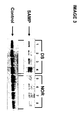
- IMAGE 3 Western blot analysis of the protein Serum amyloid P-component (SAP, SAMP, SwissProt No: P02473) in the maternal plasma of pregnant women. 10 ⁇ g of total protein was electrophoresed and the detection of the protein Serum amyloid P-component (SAP, SAMP, SwissProt No: P02473) was effected by the SAP antibody clone E-14.
- SAP, SAMP, SwissProt No: P02473 was found increased in the cases with trisomy 21 embryo compared to normal ones.
- Peripheral blood obtained from women from 15 th up to 18 th week of gestation is centrifuged in 3000 rpm for 15min in order to precipitate all cellular components and to obtain supernatant (plasma) for further analysis.
- the sample's supernatant can also be stored in -80°C until further process.
- measurement of the protein concentration of the sample follows using Bradford assay and through nanocapillary electrophoresis in nano-cartridges using Bioanalyzer 2100 (Agilent Tech).
- the protein Serum amyloid P-component (SAP, SAMP, SwissProt No: P02473) in the peripheral blood of pregnant women is possible to detected by Western blot.
- the proteins transferred to a nitrocellulose membrane at 290mA for 1.5h at 4°C nad the membrane treated with the polyclonal antibody E-14 specific for the protein Serum amyloid P-component (SAP, SAMP, SwissProt No: P02473), diluted 1:200 in Tris Buffer Saline pH 7.4 with 5% fatty free milk for 18h at 4°C.
- the membrane treated with the a secondary antibody (dilution 1:70000) and the bound antibody was detected by chemiluminescence on an X-Ray film for different time of exposure.
Landscapes
- Life Sciences & Earth Sciences (AREA)
- Health & Medical Sciences (AREA)
- Engineering & Computer Science (AREA)
- Immunology (AREA)
- Molecular Biology (AREA)
- Biomedical Technology (AREA)
- Chemical & Material Sciences (AREA)
- Urology & Nephrology (AREA)
- Hematology (AREA)
- Medicinal Chemistry (AREA)
- Pathology (AREA)
- Cell Biology (AREA)
- Biotechnology (AREA)
- Food Science & Technology (AREA)
- Microbiology (AREA)
- Physics & Mathematics (AREA)
- Analytical Chemistry (AREA)
- Biochemistry (AREA)
- General Health & Medical Sciences (AREA)
- General Physics & Mathematics (AREA)
- Proteomics, Peptides & Aminoacids (AREA)
- Gynecology & Obstetrics (AREA)
- Pregnancy & Childbirth (AREA)
- Reproductive Health (AREA)
- Investigating Or Analysing Biological Materials (AREA)
- Magnetic Resonance Imaging Apparatus (AREA)
- Medicines Containing Antibodies Or Antigens For Use As Internal Diagnostic Agents (AREA)
- Peptides Or Proteins (AREA)
- Other Investigation Or Analysis Of Materials By Electrical Means (AREA)
Abstract
Description
- The present invention refers to the protein Serum amyloid P-component (SAP, SAMP) which could became a target and used as marker for the prenatal diagnosis and evaluation of trisomy 21 (Down syndrome) by non-invasive methods. More specific in the peripheral blood of women carrying fetus with trisomy 21 (Down syndrome) was found that the protein Serum amyloid P-component (SAP, SAMP) appeared qualitative and / or quantitative differences in amniotic fluid samples obtained from pregnancies carrying fetuses with Down syndrome as compared to those with chromosomally normal fetuses.
- Today the methodology used for the prenatal diagnosis of fetal chromosomal abnormalities includes invasive and non-invasive techniques. Invasive procedures (amniocentesis, trophoblast biopsy and fetal blood) carry a significant risk for the mother and the fetus and for this reason they are recommended only in pregnant women in whom the risk to obtain a chromosomally abnormal child is higher than the risk of fetal loss due to the invasive technique.
- Since the risk for chromosomal abnormalities increases with maternal age, prenatal diagnosis is recommended for women over 35 years of age. As a result, fewer children with Down syndrome are born from older women. However, 70% of the children with this chromosomal abnormality are born to women 35 years of age for whose prenatal diagnosis is not recommended.
- Non invasive prenatal diagnosis methods routinely used today for chromosomal abnormalities are recommended to low risk pregnancies. These methods include both biochemical and ultrasonographic markers which after algorithmic estimation are used only to evaluate the risk for chromosomal abnormalities. In cases with abnormal biochemical or ultrasonographic markers further investigation is recommended by invasive prenatal diagnosis. Additionally these markers are not specific for Trisomy 21 and are associated with a 5% false positive detection rate, leading to an increase in the number of women undergoing prenatal diagnosis.
- New non-invasive techniques for prenatal diagnosis based on the isolation of fetal cells or cell free fetal DNA from maternal peripheral blood seem to be difficult to be applied into clinical practice due to lack of the specific characteristics to distinguish between fetal and maternal material.
- Nowadays, proteomic analysis is widely used for the detection of biological markers related to diseases. This technology can use all types of biological fluids and tissues as well as peripheral blood, leading to the development of fast, accurate and low cost clinical tests which can dramatically alter current diagnostic procedures and therapeutic approaches.
- A limited number of published data on proteomic analysis of amniotic fluid and peripheral blood of pregnant women are related to the detection of proteins and peptides during gestation as a result of the molecular disturbances in DNA or RNA level. These studies show that proteomic analysis is a versatile approach for the detection of markers related to pathological conditions during pregnancy and these proteins/peptides can be used as markers of these conditions.
- Studies of the brain from fetuses and adults with DOWN syndrome showed disturbances of enzymes participating in the metabolism of glucose, lipids, purins, folic acid and methionine, decreased N-methyltransferase of histamine, and disturbances in the expression of PRXIII of the brain, implying that more than one gene encodes for proteins related to the phenotype of the syndrome. In the present invention we detected and identified a protein, which as whole or fragments from their sequence, can be targets and be used originally as marker for the non-invasive prenatal diagnosis of Down syndrome, from all the women independently of risk for having a chromosomally abnormal fetus.
- Peripheral blood plasma samples obtained from pregnant women carrying fetuses with Trisomy 21 (Down syndrome) and from cases carrying chromosomally normal ones were analyzed using proteomic techniques as described in details below.
- Proteomic analysis includes proteins separation by two dimensional gel electrophoresis and protein identification by mass spectrometry. Protein identification procedure, apart from analytical techniques, includes specific software which is used to analyze two dimensional gels and to store obtained information into data bases.
- The technique is based on the simultaneous separation of proteins by their charge and molecular weight resulting in the isolation within the gel of hundreds of proteins. Thus, such a study includes the protein separation by their charge (isoelectic focusing, IEF) followed by further separation based on their molecular weight.
- The IEF is an equilibration procedure by which proteins move by the action of a high voltage electric field, across an acrylamide gel with differential pH, containing immobilines (IPG strips overlaid). During their movement across the strip proteins stabilize and focuse on areas of the strip in which their charge is neutralized. The IPG stips are available in a great range of pH (such as 3-10) and size (7-24cm), as well as to more closed pH ranges (such as 4.5-5.5). IPG strips have the advantage to analyze a relatively high amount of sample. Elecrophoresis conditions for IEF are related to the amount of the sample, the method used for the application of the sample on the strip, voltage and time of focusing.
- At the second dimension, protein separation is based on the molecular weight. It takes place on constant or gradient polyacrylamide gel depending on the approximate size of proteins. Commonly constant 12% acrylamide and gradient 9-16% acrylamide gels are used for protein separation between 5-200kDa.
- Finally gels are stained with dyes. Coumassie blue is usually selected when proteins have to be further identified by mass spectrometry.
- Given the heterogeneity of proteins, each protein can be represented on the two dimensional gel by more than one spot, resulting in the identification of a higher number of gene products (proteins) than this of coded genes. In eukaryotics, it is known that 5-20 different proteins can be translated by the same gene.
- Following separation by two dimensional electrophoresis, proteins are identified either by 1) Mass Spectrometry (Matrix-assisted laser desorption-ionization, MALDI-TOF-MS) or 2) Ion spray techniques
- Protein spots are excised from acrylamide gel, distained and treated with trypsin. All deriving peptides, from all spots are collected and analyzed by mass spectrometry and amino acid sequence determination of each peptide. Sophisticated software are used to compare the masses of detected peptides to the theoretical masses of all available protein data sets of all species. Protein identification is normally based on the detection of more than five peptides matching for each protein (up to twenty peptides are sometimes matched in cases of large protein molecules). Thus false detection rate is estimated to be less than 10-6.
- Ion spray technique may provide safe results in amino acid sequencing of peptide with a probability of false rate less than 10-10, related to the number of peptides used for the analysis.
- In conclusion, MALDI-TOF-MS technique allows rapid analysis of a large number of protein spots. However, ion spray technique is more reliable for protein identification. Those two techniques are usually used simultaneously and in tight correlation with each other in order to identify significant differences in protein expression between health and disease state and to determine their use as biological markers of therapeutic targets.
- All technologies mentioned above, were used to analyze peripheral blood plasma samples obtained from pregnancies carrying fetuses with trisomy 21 (Down syndrome) and from cases carrying chromosomally normal ones (IMAGE 1). The comparison of the two dimensional gels indicated a quantitative difference of the protein Serum amyloid P-component (SAP, SAMP, SwissProt No: P02473) (IMAGE 2). Namely, in the plasma of women carrying fetuses with trisomy 21 (Down syndrome) the quantity of protein Serum Amyloid P-component (SAP, SAMP, SwissProt No: P02473) was found increased compared to the cases carrying chromosomally normal fetuses. The above result was further verified by Western Blot analysis using a special antibody (IMAGE 3). These results suggested that the protein Serum amyloid P-component (SAP, SAMP, SwissProt No: P02473) could be a marker and could used for the prenatal check (diagnosis and/or evaluation) of the trisomy 21 (Down syndrome) with non-invasive methods.
- The methodology currently used for the prenatal diagnosis of fetal chromosomal abnormalities includes invasive and non-invasive techniques. Invasive procedures (amniocentesis, trophoblast biopsy and fetal blood) carry a significant risk for the mother and the fetus and for this reason they are recommended only in pregnant women in whom the risk to obtain a chromosomally abnormal child is higher than the risk of fetal loss due to the invasive technique.
- Since the risk for chromosomal abnormalities increases with maternal age, prenatal diagnosis is recommended for women over 35 years of age. As a result, fewer children with Down syndrome are born from older women. However, 70% of the children with this chromosomal abnormality are born to women 35 years of age for whose prenatal diagnosis is not recommended.
- Non invasive prenatal diagnosis methods routinely used today for chromosomal abnormalities are recommended to low risk pregnancies. These methods include both biochemical and ultrasonographic markers which after algorithmic estimation are used only to evaluate the risk for chromosomal abnormalities. In cases with abnormal biochemical or ultrasonographic markers further investigation is recommended by invasive prenatal diagnosis. Additionally these markers are not specific for Trisomy 21 and are associated with a 5% false positive detection rate, leading to an increase in the number of women undergoing prenatal diagnosis.
- New non-invasive techniques for prenatal diagnosis based on the isolation of fetal cells or cell free fetal DNA from maternal peripheral blood seem to be difficult to be applied into clinical practice due to lack of the specific characteristics to distinguish between fetal and maternal material.
- In the current invention, the protein Serum amyloid P-component (SAP, SAMP, SwissProt No: P02473) was detected and identified in the peripheral blood plasma of women carrying fetuses with trisomy 21 (Down syndrome) compared to the maternal plasma of normal fetuses. That protein shown difference in the quality and/or in the quantity in the maternal plasma of trisomy 21 fetuses compared to normal. That protein as whole molecule or its fragments, can be a target and be used originally as marker for non-invasive prenatal diagnosis of trisomy 21 (DOWN syndrome) from all women independently of the risk for having a chromosomally abnormal fetus in contrast to the available methods.
-
IMAGE 1. Representative images of two dimensional polyacrylamide gels of peripheral blood plasma, produced by the application of the relevant methodologies. Each spot on the gel represents one protein. (A) Gel of maternal peripheral blood plasma from a women carrying normal fetus, (B) Gel of maternal peripheral blood plasma from a women carrying fetus with trisomy 21 (Down syndrome). -
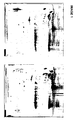
IMAGE 2. Comparison of two dimensional polyacrylamide gel of amniotic fluid obtained from gestation of a chromosomal normal embryo (A) and of two dimensional polyacrylamide gel obtained from a gestation of a Trisomy 21 pathological embryo (B). 1A and 1B indicate the regions of importance which further analysed in detail. Arrows indicated the spots showing differencies between the gels and in which Serum amyloid P-component (SAP, SAMP, SwissProt No: P02473) was identified by mass spectrometry. -
IMAGE 3. Western blot analysis of the protein Serum amyloid P-component (SAP, SAMP, SwissProt No: P02473) in the maternal plasma of pregnant women. 10µg of total protein was electrophoresed and the detection of the protein Serum amyloid P-component (SAP, SAMP, SwissProt No: P02473) was effected by the SAP antibody clone E-14. Four maternal peripheral blood plasma from women carrying fetus with trisomy 21 (Down syndrome) (lanes 1-4) and four maternal plasma from women with normal embryo (lanes 5-8) were analyzed. Serum amyloid P-component (SAP, SAMP, SwissProt No: P02473) was found increased in the cases with trisomy 21 embryo compared to normal ones. - Peripheral blood obtained from women from 15th up to 18th week of gestation is centrifuged in 3000 rpm for 15min in order to precipitate all cellular components and to obtain supernatant (plasma) for further analysis. The sample's supernatant can also be stored in -80°C until further process. Next, measurement of the protein concentration of the sample follows using Bradford assay and through nanocapillary electrophoresis in nano-cartridges using Bioanalyzer 2100 (Agilent Tech).
- The protein Serum amyloid P-component (SAP, SAMP, SwissProt No: P02473) in the peripheral blood of pregnant women is possible to detected by Western blot. In that case, 10µg of total protein from maternal plasma electrophoresed in 12% acrylamide gel for 1 h at 150V. The proteins transferred to a nitrocellulose membrane at 290mA for 1.5h at 4°C nad the membrane treated with the polyclonal antibody E-14 specific for the protein Serum amyloid P-component (SAP, SAMP, SwissProt No: P02473), diluted 1:200 in Tris Buffer Saline pH 7.4 with 5% fatty free milk for 18h at 4°C. Then the membrane treated with the a secondary antibody (dilution 1:70000) and the bound antibody was detected by chemiluminescence on an X-Ray film for different time of exposure.
- In the case that a pregnant woman carries embryo with trisomy 21 the spot corelated to the protein Serum amyloid P-component (SAP, SAMP, SwissProt No: P02473) appeared to the X-Ray film more intense than in the cases with normal embryo (IMAGE 3).
Claims (16)
- A method for prognosis and/or diagnosis of Trisomy 21 (Down syndrome) in fetuses including:a. The qualitative and quantitative detection of the protein Serum amyloid P-component (SAP, SAMP, SwissProt No: P02473) in a biological fluid from a pregnant woman andb. The comparison of value of that protein obtained in stage (a) with reference value of that protein for the same biological fluid in women carrying chromosomically normal fetuses.
- A method which, according to claim 1, is characterized by the detection of the hole Serum amyloid P-component (SAP, SAMP, SwissProt No: P02473) or fragments of it's amino acid sequence or of the modified protein as result of post-translation modifications.
- A method which, according to claims 1 or 2, is characterized by the fact that the result for the prognosis and/or diagnosis is positive if the quantity of protein Serum amyloid P-component (SAP, SAMP, SwissProt No: P02473) or fragment of it's amino acid sequence or of the modified protein is different than it's quantity mentioned as normal.
- A method which, according to claims 1 to 3, is characterized by the fact that the result for the prognosis and/or diagnosis is positive if the quantity of protein Serum amyloid P-component (SAP, SAMP, SwissProt No: P02473) or fragment of it's amino acid sequence or of the modified protein is different than it's quantity in the same biological fluid of women carrying normal embryo.
- A method which, according to claims 1 to 4, is characterized by the fact that the result for the prognosis and/or diagnosis is positive if the quantity of protein Serum amyloid P-component (SAP, SAMP, SwissProt No: P02473) or fragment of it's amino acid sequence or of the modified protein is different (higher or lower) than the quantity of a reference protein.
- A method which, according to each of the claims 1 to 5, is characterized by the fact that the biological fluid is peripheral blood, plasma, serum, urines, or amniotic fluid.
- A method which, according to each of the claims 1 to 6, is characterized by the fact that the qualitative and/or quantitative analysis is performed using one of the following methods: nanotechnology, nanocapilary electrophoresis in a microchip, electrophoresis (of one or two dimensions), Western blot, microtitration (simple and/or multiple ELISA), chromatography (HPLC, LC, nanoLC, GC etc), mass spectrometry [peptide mass fingerprinting, post source decay, MALDI MS, MALDI MS-MS, LC-MS, LC-MS-MS, TANDEM-MS, TANDEM MS-MS, SELDI MS etc] or combination of these techniques.
- A method which, according to each of the claims 1 to 8, is characterized by the fact that qualitative and/or quantitative analysis is performed using fluorescent substances or isotopes or antibodies or oligonucleotides or combination of these substances.
- The use of the protein Serum amyloid P-component (SAP, SAMP, SwissProt No: P02473) or fragments of their amino acid sequence, or the modified protein, for prognosis and/or diagnosis of Trisomy 21 (Down syndrome) during pregnancy.
- The use, according to claim 9, of the protein Serum amyloid P-component (SAP, SAMP, SwissProt No: P02473) or fragments of their amino acid sequence, or the modified protein, for prognosis and/or diagnosis of Trisomy 21 (Down syndrome) during pregnancy by non-invasive methods.
- The use of the protein Serum amyloid P-component (SAP, SAMP, SwissProt No: P02473) or fragments of their amino acid sequence, or the modified protein, for the production of a product appropriate for the prognosis and/or diagnosis of Trisomy 21 (Down syndrome) during pregnancy.
- The use, according to the claim 11, of the protein Serum amyloid P-component (SAP, SAMP, SwissProt No: P02473) or fragments of their amino acid sequence, or the modified protein, for the prognosis and/or diagnosis of Trisomy 21 (Down syndrome) during pregnancy by non-invasive methods.
- A method (test) and a kit for the prognosis and/or diagnosis of the trisomy 21 (Down syndrome) during pregnancy, which characterized by including reagents and factors bounding to and/or detect the protein Serum amyloid P-component (SAP, SAMP, SwissProt No: P02473) or fragments of their amino acid sequence, or the modified protein.
- A method (test) and a kit, which according to the claim 13, including reagents and factors for the prognosis and/or diagnosis of the trisomy 21 (Down syndrome) during pregnancy by non-invasive methods.
- A method (test) and a kit, which according to the claims 13 and 14, including reagents and factors appropriate for the qualitative and/or quantitative analysis of the protein Serum amyloid P-component (SAP, SAMP, SwissProt No: P02473) using one of the following methods: nanotechnology, nanocapilary electrophoresis in a microchip, electrophoresis (of one or two dimensions), Western blot, microtitration (simple and/or multiple ELISA), chromatography (HPLC, LC, nanoLC, GC etc), mass spectrometry [peptide mass fingerprinting, post source decay, MALDI MS, MALDI MS-MS, LC-MS, LC-MS-MS, TANDEM-MS, TANDEM MS-MS, SELDI MS etc] or combination of these techniques.
- A method (test) and a kit, which according to any claim from 13 to 15, including fluorescent substances or isotopes or antibodies or oligonucleotides or combination of these substances.
Priority Applications (3)
| Application Number | Priority Date | Filing Date | Title |
|---|---|---|---|
| SI200830247T SI2053407T1 (en) | 2007-10-26 | 2008-10-13 | The protein serum amyloid P-component (SAP, SAMP) as prognostic and diagnostic marker for the prenatal diagnosis of Trisomy 21 (Down syndrome) |
| PL08386023T PL2053407T3 (en) | 2007-10-26 | 2008-10-13 | The protein serum amyloid P-component (SAP, SAMP) as prognostic and diagnostic marker for the prenatal diagnosis of Trisomy 21 (Down syndrome) |
| CY20111100524T CY1112415T1 (en) | 2007-10-26 | 2011-05-31 | THE PROTEIN SERUM AMYLOID P-COMPONENT (SAP, SAMP) AS A PREDICTIVE AND DIAGNOSTIC INDEX FOR TRISCAL 21 CHILDREN'S CHECK (DOWN SYNDROME) |
Applications Claiming Priority (1)
| Application Number | Priority Date | Filing Date | Title |
|---|---|---|---|
| GR20070100651A GR1006121B (en) | 2007-10-26 | 2007-10-26 | Serum amyloid p-component (sap, samp) protein as predictive and diagnostic indicator for the prenatal screening of trisomy 21 (down syndrome). |
Publications (2)
| Publication Number | Publication Date |
|---|---|
| EP2053407A1 true EP2053407A1 (en) | 2009-04-29 |
| EP2053407B1 EP2053407B1 (en) | 2011-03-02 |
Family
ID=40030173
Family Applications (1)
| Application Number | Title | Priority Date | Filing Date |
|---|---|---|---|
| EP08386023A Not-in-force EP2053407B1 (en) | 2007-10-26 | 2008-10-13 | The protein serum amyloid P-component (SAP, SAMP) as prognostic and diagnostic marker for the prenatal diagnosis of Trisomy 21 (Down syndrome) |
Country Status (11)
| Country | Link |
|---|---|
| EP (1) | EP2053407B1 (en) |
| AT (1) | ATE500513T1 (en) |
| CY (1) | CY1112415T1 (en) |
| DE (1) | DE602008005228D1 (en) |
| DK (1) | DK2053407T3 (en) |
| ES (1) | ES2362051T3 (en) |
| GR (1) | GR1006121B (en) |
| HR (1) | HRP20110371T1 (en) |
| PL (1) | PL2053407T3 (en) |
| PT (1) | PT2053407E (en) |
| SI (1) | SI2053407T1 (en) |
Cited By (2)
| Publication number | Priority date | Publication date | Assignee | Title |
|---|---|---|---|---|
| CN104849471A (en) * | 2015-04-22 | 2015-08-19 | 戴勇 | Down's syndrome map model construction method |
| CN112924686A (en) * | 2019-12-05 | 2021-06-08 | 复旦大学 | Immunochromatography test strip for detecting serum amyloid A and preparation and detection methods thereof |
Citations (3)
| Publication number | Priority date | Publication date | Assignee | Title |
|---|---|---|---|---|
| US20030027216A1 (en) | 2001-07-02 | 2003-02-06 | Kiernan Urban A. | Analysis of proteins from biological fluids using mass spectrometric immunoassay |
| WO2005021793A1 (en) | 2003-08-29 | 2005-03-10 | Pantarhei Bioscience B.V. | Prenatal diagnosis of down syndrome by detection of fetal rna markers in maternal blood |
| US20070172900A1 (en) | 2004-02-16 | 2007-07-26 | Proteosys Ag | Diagnostic marker for cancer |
-
2007
- 2007-10-26 GR GR20070100651A patent/GR1006121B/en not_active IP Right Cessation
-
2008
- 2008-10-13 SI SI200830247T patent/SI2053407T1/en unknown
- 2008-10-13 DE DE602008005228T patent/DE602008005228D1/en active Active
- 2008-10-13 AT AT08386023T patent/ATE500513T1/en active
- 2008-10-13 EP EP08386023A patent/EP2053407B1/en not_active Not-in-force
- 2008-10-13 PL PL08386023T patent/PL2053407T3/en unknown
- 2008-10-13 PT PT08386023T patent/PT2053407E/en unknown
- 2008-10-13 ES ES08386023T patent/ES2362051T3/en active Active
- 2008-10-13 DK DK08386023.9T patent/DK2053407T3/en active
-
2011
- 2011-05-19 HR HR20110371T patent/HRP20110371T1/en unknown
- 2011-05-31 CY CY20111100524T patent/CY1112415T1/en unknown
Patent Citations (3)
| Publication number | Priority date | Publication date | Assignee | Title |
|---|---|---|---|---|
| US20030027216A1 (en) | 2001-07-02 | 2003-02-06 | Kiernan Urban A. | Analysis of proteins from biological fluids using mass spectrometric immunoassay |
| WO2005021793A1 (en) | 2003-08-29 | 2005-03-10 | Pantarhei Bioscience B.V. | Prenatal diagnosis of down syndrome by detection of fetal rna markers in maternal blood |
| US20070172900A1 (en) | 2004-02-16 | 2007-07-26 | Proteosys Ag | Diagnostic marker for cancer |
Non-Patent Citations (4)
| Title |
|---|
| HEEGAARD N H ET AL: "Ligand-binding sites in human serum amyloid P component.", EUROPEAN JOURNAL OF BIOCHEMISTRY / FEBS 1 AUG 1996, vol. 239, no. 3, 1 August 1996 (1996-08-01), pages 850 - 856, XP002510940, ISSN: 0014-2956 * |
| HEEGAARD N.H.H. ET AL.: "ligand-binding sites in human serum amyloid P component", EUR. J. BIOCHEM., vol. 239, 1996, pages 850 - 856, XP002510940, DOI: doi:10.1111/j.1432-1033.1996.0850u.x |
| KOLIALEXI A ET AL.: "Application of proteomics for the identification of differentially expressed protein markers for Down syndrome in maternal plasma", PRENATAL DIAGN., vol. 28, 2008, pages 691 - 698 |
| KOLIALEXI AGGELIKI ET AL: "Application of proteomics for the identification of differentially expressed protein markers for Down syndrome in maternal plasma.", PRENATAL DIAGNOSIS AUG 2008, vol. 28, no. 8, August 2008 (2008-08-01), pages 691 - 698, XP002510941, ISSN: 0197-3851 * |
Cited By (2)
| Publication number | Priority date | Publication date | Assignee | Title |
|---|---|---|---|---|
| CN104849471A (en) * | 2015-04-22 | 2015-08-19 | 戴勇 | Down's syndrome map model construction method |
| CN112924686A (en) * | 2019-12-05 | 2021-06-08 | 复旦大学 | Immunochromatography test strip for detecting serum amyloid A and preparation and detection methods thereof |
Also Published As
| Publication number | Publication date |
|---|---|
| CY1112415T1 (en) | 2015-12-09 |
| ATE500513T1 (en) | 2011-03-15 |
| SI2053407T1 (en) | 2011-06-30 |
| EP2053407B1 (en) | 2011-03-02 |
| DE602008005228D1 (en) | 2011-04-14 |
| ES2362051T3 (en) | 2011-06-27 |
| GR1006121B (en) | 2008-10-24 |
| DK2053407T3 (en) | 2011-06-20 |
| HRP20110371T1 (en) | 2011-06-30 |
| PL2053407T3 (en) | 2011-07-29 |
| PT2053407E (en) | 2011-05-10 |
Similar Documents
| Publication | Publication Date | Title |
|---|---|---|
| US12422433B2 (en) | Blood biomarker that predicts persistent cognitive dysfunction after concussion | |
| Ruiz-Romero et al. | Proteomics role in the search for improved diagnosis, prognosis and treatment of osteoarthritis | |
| Coon et al. | CE‐MS analysis of the human urinary proteome for biomarker discovery and disease diagnostics | |
| JP6596555B2 (en) | SRM assay to indicate cancer therapy | |
| JP6670288B2 (en) | SRM assay for chemotherapeutic targets | |
| AU2011352231B2 (en) | cMET protein SRM/MRM assay | |
| JP7285215B2 (en) | Biomarkers for detecting colorectal cancer | |
| EP3182126A2 (en) | Biomarker test for prediction or early detection of preeclampsia and/or hellp syndrome | |
| JP6612414B2 (en) | SRM assay for PD-L1 | |
| US20060068452A1 (en) | Differential protein expression patterns related to disease states | |
| Meyer et al. | High‐performance proteomics as a tool in biomarker discovery | |
| WO2003014737A1 (en) | Quantification of low molecular weight and low abundance proteins using high resolution two-dimensional electrophoresis and mass spectrometry | |
| JP2015505055A (en) | SRM / MRM assay for insulin receptor protein | |
| Xu et al. | Analysis of biofluids for biomarker research | |
| EP2053407B1 (en) | The protein serum amyloid P-component (SAP, SAMP) as prognostic and diagnostic marker for the prenatal diagnosis of Trisomy 21 (Down syndrome) | |
| US20160018413A1 (en) | Methods of Prognosing Preeclampsia | |
| EP3339861A1 (en) | Biomarker test for prediction or early detection of preeclampsia and/or hellp syndrome | |
| EP2772759B1 (en) | Composition for diagnosis of lung cancer | |
| Hassan et al. | Proteomic analysis of human amniotic fluid from Rh− pregnancy | |
| JP2017521663A (en) | SRM / MRM assay for GTPase KRas protein (KRas) | |
| EP1666885A2 (en) | Proteins with prognostic, diagnostic and therapeutic importance in trisomy 21 (Down syndrome) | |
| Gupta et al. | Altered proteome profiles in maternal plasma in pregnancies with fetal growth restriction: Haptoglobin α2 isoform as a potential biomarker | |
| JP2015522258A (en) | Biomarker testing for the prediction or early detection of pre-eclampsia and / or HELLP syndrome | |
| JP2014527187A (en) | SRM / MRM assay for fatty acid synthase protein | |
| Mischak et al. | Urinary proteome analysis using capillary electrophoresis coupled to mass spectrometry: a powerful tool in clinical diagnosis, prognosis and therapy evaluation |
Legal Events
| Date | Code | Title | Description |
|---|---|---|---|
| PUAI | Public reference made under article 153(3) epc to a published international application that has entered the european phase |
Free format text: ORIGINAL CODE: 0009012 |
|
| AK | Designated contracting states |
Kind code of ref document: A1 Designated state(s): AT BE BG CH CY CZ DE DK EE ES FI FR GB GR HR HU IE IS IT LI LT LU LV MC MT NL NO PL PT RO SE SI SK TR |
|
| AX | Request for extension of the european patent |
Extension state: AL BA MK RS |
|
| 17P | Request for examination filed |
Effective date: 20090924 |
|
| 17Q | First examination report despatched |
Effective date: 20091204 |
|
| AKX | Designation fees paid |
Designated state(s): AT BE BG CH CY CZ DE DK EE ES FI FR GB GR HR HU IE IS IT LI LT LU LV MC MT NL NO PL PT RO SE SI SK TR |
|
| GRAP | Despatch of communication of intention to grant a patent |
Free format text: ORIGINAL CODE: EPIDOSNIGR1 |
|
| GRAS | Grant fee paid |
Free format text: ORIGINAL CODE: EPIDOSNIGR3 |
|
| GRAA | (expected) grant |
Free format text: ORIGINAL CODE: 0009210 |
|
| AK | Designated contracting states |
Kind code of ref document: B1 Designated state(s): AT BE BG CH CY CZ DE DK EE ES FI FR GB GR HR HU IE IS IT LI LT LU LV MC MT NL NO PL PT RO SE SI SK TR |
|
| REG | Reference to a national code |
Ref country code: GB Ref legal event code: FG4D |
|
| REG | Reference to a national code |
Ref country code: CH Ref legal event code: EP |
|
| REG | Reference to a national code |
Ref country code: IE Ref legal event code: FG4D |
|
| REF | Corresponds to: |
Ref document number: 602008005228 Country of ref document: DE Date of ref document: 20110414 Kind code of ref document: P |
|
| REG | Reference to a national code |
Ref country code: DE Ref legal event code: R096 Ref document number: 602008005228 Country of ref document: DE Effective date: 20110414 |
|
| REG | Reference to a national code |
Ref country code: RO Ref legal event code: EPE |
|
| REG | Reference to a national code |
Ref country code: PT Ref legal event code: SC4A Free format text: AVAILABILITY OF NATIONAL TRANSLATION Effective date: 20110503 |
|
| REG | Reference to a national code |
Ref country code: CH Ref legal event code: NV Representative=s name: E. BLUM & CO. AG PATENT- UND MARKENANWAELTE VSP |
|
| REG | Reference to a national code |
Ref country code: HR Ref legal event code: TUEP Ref document number: P20110371 Country of ref document: HR |
|
| REG | Reference to a national code |
Ref country code: NL Ref legal event code: T3 |
|
| REG | Reference to a national code |
Ref country code: DK Ref legal event code: T3 |
|
| REG | Reference to a national code |
Ref country code: ES Ref legal event code: FG2A Ref document number: 2362051 Country of ref document: ES Kind code of ref document: T3 Effective date: 20110627 |
|
| REG | Reference to a national code |
Ref country code: SE Ref legal event code: TRGR |
|
| REG | Reference to a national code |
Ref country code: HR Ref legal event code: T1PR Ref document number: P20110371 Country of ref document: HR |
|
| REG | Reference to a national code |
Ref country code: NO Ref legal event code: T2 Effective date: 20110302 |
|
| REG | Reference to a national code |
Ref country code: PL Ref legal event code: T3 |
|
| REG | Reference to a national code |
Ref country code: SK Ref legal event code: T3 Ref document number: E 9420 Country of ref document: SK |
|
| REG | Reference to a national code |
Ref country code: GR Ref legal event code: EP Ref document number: 20110401308 Country of ref document: GR Effective date: 20110714 |
|
| REG | Reference to a national code |
Ref country code: HR Ref legal event code: ODRP Ref document number: P20110371 Country of ref document: HR Payment date: 20111014 Year of fee payment: 4 |
|
| REG | Reference to a national code |
Ref country code: HU Ref legal event code: AG4A Ref document number: E011268 Country of ref document: HU |
|
| PLBE | No opposition filed within time limit |
Free format text: ORIGINAL CODE: 0009261 |
|
| STAA | Information on the status of an ep patent application or granted ep patent |
Free format text: STATUS: NO OPPOSITION FILED WITHIN TIME LIMIT |
|
| PGFP | Annual fee paid to national office [announced via postgrant information from national office to epo] |
Ref country code: BG Payment date: 20111013 Year of fee payment: 4 Ref country code: EE Payment date: 20111017 Year of fee payment: 4 Ref country code: FI Payment date: 20111024 Year of fee payment: 4 Ref country code: CZ Payment date: 20111013 Year of fee payment: 4 Ref country code: LU Payment date: 20111026 Year of fee payment: 4 Ref country code: ES Payment date: 20111124 Year of fee payment: 4 Ref country code: DK Payment date: 20111025 Year of fee payment: 4 Ref country code: FR Payment date: 20111115 Year of fee payment: 4 Ref country code: LT Payment date: 20111013 Year of fee payment: 4 Ref country code: IS Payment date: 20111012 Year of fee payment: 4 Ref country code: IE Payment date: 20111026 Year of fee payment: 4 Ref country code: HU Payment date: 20111209 Year of fee payment: 4 Ref country code: MC Payment date: 20111102 Year of fee payment: 4 Ref country code: SE Payment date: 20111031 Year of fee payment: 4 Ref country code: NL Payment date: 20111027 Year of fee payment: 4 Ref country code: PT Payment date: 20111013 Year of fee payment: 4 Ref country code: NO Payment date: 20111025 Year of fee payment: 4 |
|
| 26N | No opposition filed |
Effective date: 20111205 |
|
| REG | Reference to a national code |
Ref country code: DE Ref legal event code: R097 Ref document number: 602008005228 Country of ref document: DE Effective date: 20111205 |
|
| PGFP | Annual fee paid to national office [announced via postgrant information from national office to epo] |
Ref country code: BE Payment date: 20111124 Year of fee payment: 4 |
|
| PGFP | Annual fee paid to national office [announced via postgrant information from national office to epo] |
Ref country code: DE Payment date: 20120102 Year of fee payment: 4 |
|
| PGFP | Annual fee paid to national office [announced via postgrant information from national office to epo] |
Ref country code: MT Payment date: 20111019 Year of fee payment: 4 |
|
| REG | Reference to a national code |
Ref country code: HR Ref legal event code: PBON Ref document number: P20110371 Country of ref document: HR Effective date: 20121014 |
|
| REG | Reference to a national code |
Ref country code: PT Ref legal event code: MM4A Free format text: LAPSE DUE TO NON-PAYMENT OF FEES Effective date: 20130415 |
|
| BERE | Be: lapsed |
Owner name: FOUNDATION OF BIOMEDICAL RESEARCH OF THE ACADEMY Effective date: 20121031 Owner name: TSANGARIS, GEORGE Effective date: 20121031 |
|
| REG | Reference to a national code |
Ref country code: NL Ref legal event code: V1 Effective date: 20130501 |
|
| REG | Reference to a national code |
Ref country code: LT Ref legal event code: MM4D Effective date: 20121013 Ref country code: NO Ref legal event code: MMEP |
|
| PG25 | Lapsed in a contracting state [announced via postgrant information from national office to epo] |
Ref country code: MC Free format text: LAPSE BECAUSE OF NON-PAYMENT OF DUE FEES Effective date: 20121031 |
|
| REG | Reference to a national code |
Ref country code: CH Ref legal event code: PL |
|
| REG | Reference to a national code |
Ref country code: DK Ref legal event code: EBP |
|
| REG | Reference to a national code |
Ref country code: EE Ref legal event code: MM4A Ref document number: E005572 Country of ref document: EE Effective date: 20121031 |
|
| GBPC | Gb: european patent ceased through non-payment of renewal fee |
Effective date: 20121013 |
|
| REG | Reference to a national code |
Ref country code: SI Ref legal event code: KO00 Effective date: 20130515 |
|
| REG | Reference to a national code |
Ref country code: SK Ref legal event code: MM4A Ref document number: E 9420 Country of ref document: SK Effective date: 20121013 |
|
| REG | Reference to a national code |
Ref country code: IE Ref legal event code: MM4A |
|
| REG | Reference to a national code |
Ref country code: FR Ref legal event code: ST Effective date: 20130628 |
|
| PG25 | Lapsed in a contracting state [announced via postgrant information from national office to epo] |
Ref country code: CY Free format text: LAPSE BECAUSE OF NON-PAYMENT OF DUE FEES Effective date: 20121013 Ref country code: SK Free format text: LAPSE BECAUSE OF NON-PAYMENT OF DUE FEES Effective date: 20121013 Ref country code: LI Free format text: LAPSE BECAUSE OF NON-PAYMENT OF DUE FEES Effective date: 20121031 Ref country code: CH Free format text: LAPSE BECAUSE OF NON-PAYMENT OF DUE FEES Effective date: 20121031 Ref country code: LT Free format text: LAPSE BECAUSE OF NON-PAYMENT OF DUE FEES Effective date: 20121013 Ref country code: IS Free format text: LAPSE BECAUSE OF FAILURE TO SUBMIT A TRANSLATION OF THE DESCRIPTION OR TO PAY THE FEE WITHIN THE PRESCRIBED TIME-LIMIT Effective date: 20130501 Ref country code: DE Free format text: LAPSE BECAUSE OF NON-PAYMENT OF DUE FEES Effective date: 20130501 Ref country code: NO Free format text: LAPSE BECAUSE OF NON-PAYMENT OF DUE FEES Effective date: 20121031 Ref country code: EE Free format text: LAPSE BECAUSE OF NON-PAYMENT OF DUE FEES Effective date: 20121031 Ref country code: SE Free format text: LAPSE BECAUSE OF NON-PAYMENT OF DUE FEES Effective date: 20121014 Ref country code: BE Free format text: LAPSE BECAUSE OF NON-PAYMENT OF DUE FEES Effective date: 20121031 Ref country code: GB Free format text: LAPSE BECAUSE OF NON-PAYMENT OF DUE FEES Effective date: 20121013 Ref country code: IE Free format text: LAPSE BECAUSE OF NON-PAYMENT OF DUE FEES Effective date: 20121013 Ref country code: CZ Free format text: LAPSE BECAUSE OF NON-PAYMENT OF DUE FEES Effective date: 20121013 |
|
| REG | Reference to a national code |
Ref country code: DE Ref legal event code: R119 Ref document number: 602008005228 Country of ref document: DE Effective date: 20130501 |
|
| PG25 | Lapsed in a contracting state [announced via postgrant information from national office to epo] |
Ref country code: LV Free format text: LAPSE BECAUSE OF NON-PAYMENT OF DUE FEES Effective date: 20121013 Ref country code: HU Free format text: LAPSE BECAUSE OF NON-PAYMENT OF DUE FEES Effective date: 20121014 Ref country code: PT Free format text: LAPSE BECAUSE OF NON-PAYMENT OF DUE FEES Effective date: 20130415 Ref country code: FR Free format text: LAPSE BECAUSE OF NON-PAYMENT OF DUE FEES Effective date: 20121031 Ref country code: SI Free format text: LAPSE BECAUSE OF NON-PAYMENT OF DUE FEES Effective date: 20121014 Ref country code: NL Free format text: LAPSE BECAUSE OF NON-PAYMENT OF DUE FEES Effective date: 20130501 Ref country code: RO Free format text: LAPSE BECAUSE OF NON-PAYMENT OF DUE FEES Effective date: 20121013 Ref country code: FI Free format text: LAPSE BECAUSE OF NON-PAYMENT OF DUE FEES Effective date: 20121013 Ref country code: IT Free format text: LAPSE BECAUSE OF NON-PAYMENT OF DUE FEES Effective date: 20121013 |
|
| PG25 | Lapsed in a contracting state [announced via postgrant information from national office to epo] |
Ref country code: HR Free format text: LAPSE BECAUSE OF NON-PAYMENT OF DUE FEES Effective date: 20121014 |
|
| PG25 | Lapsed in a contracting state [announced via postgrant information from national office to epo] |
Ref country code: DK Free format text: LAPSE BECAUSE OF NON-PAYMENT OF DUE FEES Effective date: 20121031 |
|
| PG25 | Lapsed in a contracting state [announced via postgrant information from national office to epo] |
Ref country code: PL Free format text: LAPSE BECAUSE OF NON-PAYMENT OF DUE FEES Effective date: 20121013 |
|
| PG25 | Lapsed in a contracting state [announced via postgrant information from national office to epo] |
Ref country code: LU Free format text: LAPSE BECAUSE OF NON-PAYMENT OF DUE FEES Effective date: 20121013 Ref country code: TR Free format text: LAPSE BECAUSE OF NON-PAYMENT OF DUE FEES Effective date: 20121013 |
|
| REG | Reference to a national code |
Ref country code: ES Ref legal event code: FD2A Effective date: 20140602 |
|
| PG25 | Lapsed in a contracting state [announced via postgrant information from national office to epo] |
Ref country code: ES Free format text: LAPSE BECAUSE OF NON-PAYMENT OF DUE FEES Effective date: 20121014 |
|
| PG25 | Lapsed in a contracting state [announced via postgrant information from national office to epo] |
Ref country code: BG Free format text: LAPSE BECAUSE OF NON-PAYMENT OF DUE FEES Effective date: 20121031 |
|
| REG | Reference to a national code |
Ref country code: AT Ref legal event code: MM01 Ref document number: 500513 Country of ref document: AT Kind code of ref document: T Effective date: 20131013 |
|
| PG25 | Lapsed in a contracting state [announced via postgrant information from national office to epo] |
Ref country code: AT Free format text: LAPSE BECAUSE OF NON-PAYMENT OF DUE FEES Effective date: 20131013 |
|
| PG25 | Lapsed in a contracting state [announced via postgrant information from national office to epo] |
Ref country code: MT Free format text: LAPSE BECAUSE OF NON-PAYMENT OF DUE FEES Effective date: 20121031 |
|
| PGFP | Annual fee paid to national office [announced via postgrant information from national office to epo] |
Ref country code: CY Payment date: 20170913 Year of fee payment: 10 |
|
| PG25 | Lapsed in a contracting state [announced via postgrant information from national office to epo] |
Ref country code: MT Free format text: LAPSE BECAUSE OF NON-PAYMENT OF DUE FEES Effective date: 20121013 |
|
| PG25 | Lapsed in a contracting state [announced via postgrant information from national office to epo] |
Ref country code: CY Free format text: LAPSE BECAUSE OF NON-PAYMENT OF DUE FEES Effective date: 20181013 |
|
| PGFP | Annual fee paid to national office [announced via postgrant information from national office to epo] |
Ref country code: GR Payment date: 20220207 Year of fee payment: 14 |
|
| PG25 | Lapsed in a contracting state [announced via postgrant information from national office to epo] |
Ref country code: GR Free format text: LAPSE BECAUSE OF NON-PAYMENT OF DUE FEES Effective date: 20230508 |