EP2053041A2 - 1,3,5-Trisubstituted 2(1H)-pyridones as AMPA receptor inhibitors useful for the treatment of eg Parkinson's disease - Google Patents
1,3,5-Trisubstituted 2(1H)-pyridones as AMPA receptor inhibitors useful for the treatment of eg Parkinson's disease Download PDFInfo
- Publication number
- EP2053041A2 EP2053041A2 EP09000287A EP09000287A EP2053041A2 EP 2053041 A2 EP2053041 A2 EP 2053041A2 EP 09000287 A EP09000287 A EP 09000287A EP 09000287 A EP09000287 A EP 09000287A EP 2053041 A2 EP2053041 A2 EP 2053041A2
- Authority
- EP
- European Patent Office
- Prior art keywords
- group
- pyridyl
- dihydropyridin
- compound
- salt
- Prior art date
- Legal status (The legal status is an assumption and is not a legal conclusion. Google has not performed a legal analysis and makes no representation as to the accuracy of the status listed.)
- Withdrawn
Links
- 208000018737 Parkinson disease Diseases 0.000 title claims description 8
- 102000003678 AMPA Receptors Human genes 0.000 title abstract description 27
- 108090000078 AMPA Receptors Proteins 0.000 title abstract description 27
- -1 1,3,5-Trisubstituted 2(1H)-pyridones Chemical class 0.000 title description 379
- 239000003112 inhibitor Substances 0.000 title description 6
- 150000001875 compounds Chemical class 0.000 claims abstract description 379
- 150000003839 salts Chemical class 0.000 claims abstract description 157
- 125000003118 aryl group Chemical group 0.000 claims abstract description 60
- 150000004677 hydrates Chemical class 0.000 claims abstract description 54
- 125000004169 (C1-C6) alkyl group Chemical group 0.000 claims abstract description 51
- 125000005843 halogen group Chemical group 0.000 claims abstract description 50
- 125000006615 aromatic heterocyclic group Chemical group 0.000 claims abstract description 48
- 125000004435 hydrogen atom Chemical group [H]* 0.000 claims abstract description 29
- 125000003161 (C1-C6) alkylene group Chemical group 0.000 claims abstract description 10
- 125000001424 substituent group Chemical group 0.000 claims description 71
- 125000002887 hydroxy group Chemical group [H]O* 0.000 claims description 32
- 125000002560 nitrile group Chemical group 0.000 claims description 26
- 125000001997 phenyl group Chemical group [H]C1=C([H])C([H])=C(*)C([H])=C1[H] 0.000 claims description 26
- 125000003277 amino group Chemical group 0.000 claims description 21
- 125000004191 (C1-C6) alkoxy group Chemical group 0.000 claims description 19
- 125000003545 alkoxy group Chemical group 0.000 claims description 19
- 125000006319 alkynyl amino group Chemical group 0.000 claims description 19
- 239000008194 pharmaceutical composition Substances 0.000 claims description 17
- 125000006552 (C3-C8) cycloalkyl group Chemical group 0.000 claims description 16
- 125000006553 (C3-C8) cycloalkenyl group Chemical group 0.000 claims description 15
- 125000002541 furyl group Chemical group 0.000 claims description 15
- 125000004076 pyridyl group Chemical group 0.000 claims description 15
- 125000000714 pyrimidinyl group Chemical group 0.000 claims description 15
- 125000001544 thienyl group Chemical group 0.000 claims description 15
- WKBOTKDWSSQWDR-UHFFFAOYSA-N Bromine atom Chemical compound [Br] WKBOTKDWSSQWDR-UHFFFAOYSA-N 0.000 claims description 14
- 125000000882 C2-C6 alkenyl group Chemical group 0.000 claims description 14
- 125000003601 C2-C6 alkynyl group Chemical group 0.000 claims description 14
- 125000006323 alkenyl amino group Chemical group 0.000 claims description 14
- 125000003710 aryl alkyl group Chemical group 0.000 claims description 14
- 125000003785 benzimidazolyl group Chemical group N1=C(NC2=C1C=CC=C2)* 0.000 claims description 12
- 125000001164 benzothiazolyl group Chemical group S1C(=NC2=C1C=CC=C2)* 0.000 claims description 12
- 125000004541 benzoxazolyl group Chemical group O1C(=NC2=C1C=CC=C2)* 0.000 claims description 12
- GDTBXPJZTBHREO-UHFFFAOYSA-N bromine Substances BrBr GDTBXPJZTBHREO-UHFFFAOYSA-N 0.000 claims description 12
- 229910052794 bromium Inorganic materials 0.000 claims description 12
- 125000000609 carbazolyl group Chemical group C1(=CC=CC=2C3=CC=CC=C3NC12)* 0.000 claims description 12
- 125000001041 indolyl group Chemical group 0.000 claims description 12
- 125000005956 isoquinolyl group Chemical group 0.000 claims description 12
- 125000002098 pyridazinyl group Chemical group 0.000 claims description 12
- 125000005493 quinolyl group Chemical group 0.000 claims description 12
- 125000000335 thiazolyl group Chemical group 0.000 claims description 12
- 125000001624 naphthyl group Chemical group 0.000 claims description 11
- 125000003373 pyrazinyl group Chemical group 0.000 claims description 11
- 125000002102 aryl alkyloxo group Chemical group 0.000 claims description 10
- 125000005945 imidazopyridyl group Chemical group 0.000 claims description 10
- 125000000449 nitro group Chemical group [O-][N+](*)=O 0.000 claims description 10
- 125000004890 (C1-C6) alkylamino group Chemical group 0.000 claims description 9
- 125000006590 (C2-C6) alkenylene group Chemical group 0.000 claims description 9
- 125000006591 (C2-C6) alkynylene group Chemical group 0.000 claims description 9
- 125000004739 (C1-C6) alkylsulfonyl group Chemical group 0.000 claims description 8
- 125000005137 alkenylsulfonyl group Chemical group 0.000 claims description 8
- 125000005139 alkynylsulfonyl group Chemical group 0.000 claims description 8
- 229910052801 chlorine Inorganic materials 0.000 claims description 8
- 125000001495 ethyl group Chemical group [H]C([H])([H])C([H])([H])* 0.000 claims description 8
- 229910052731 fluorine Inorganic materials 0.000 claims description 8
- 125000006700 (C1-C6) alkylthio group Chemical group 0.000 claims description 7
- 206010015037 epilepsy Diseases 0.000 claims description 7
- 125000001449 isopropyl group Chemical group [H]C([H])([H])C([H])(*)C([H])([H])[H] 0.000 claims description 7
- 125000004123 n-propyl group Chemical group [H]C([H])([H])C([H])([H])C([H])([H])* 0.000 claims description 7
- 125000000168 pyrrolyl group Chemical group 0.000 claims description 7
- 125000005108 alkenylthio group Chemical group 0.000 claims description 6
- 125000000113 cyclohexyl group Chemical group [H]C1([H])C([H])([H])C([H])([H])C([H])(*)C([H])([H])C1([H])[H] 0.000 claims description 6
- 125000001511 cyclopentyl group Chemical group [H]C1([H])C([H])([H])C([H])([H])C([H])(*)C1([H])[H] 0.000 claims description 6
- 125000004193 piperazinyl group Chemical group 0.000 claims description 6
- 125000003386 piperidinyl group Chemical group 0.000 claims description 6
- 125000000719 pyrrolidinyl group Chemical group 0.000 claims description 6
- 125000004845 (C1-C6) alkylsulfonylamino group Chemical group 0.000 claims description 5
- 125000003320 C2-C6 alkenyloxy group Chemical group 0.000 claims description 5
- 125000005115 alkyl carbamoyl group Chemical group 0.000 claims description 5
- 125000005196 alkyl carbonyloxy group Chemical group 0.000 claims description 5
- 125000005109 alkynylthio group Chemical group 0.000 claims description 5
- 229910052799 carbon Inorganic materials 0.000 claims description 5
- 125000000596 cyclohexenyl group Chemical group C1(=CCCCC1)* 0.000 claims description 5
- 125000000597 dioxinyl group Chemical group 0.000 claims description 5
- 201000006417 multiple sclerosis Diseases 0.000 claims description 5
- 125000004738 (C1-C6) alkyl sulfinyl group Chemical group 0.000 claims description 4
- 125000004916 (C1-C6) alkylcarbonyl group Chemical group 0.000 claims description 4
- 125000006619 (C1-C6) dialkylamino group Chemical group 0.000 claims description 4
- ZAMOUSCENKQFHK-UHFFFAOYSA-N Chlorine atom Chemical compound [Cl] ZAMOUSCENKQFHK-UHFFFAOYSA-N 0.000 claims description 4
- PXGOKWXKJXAPGV-UHFFFAOYSA-N Fluorine Chemical compound FF PXGOKWXKJXAPGV-UHFFFAOYSA-N 0.000 claims description 4
- UFHFLCQGNIYNRP-UHFFFAOYSA-N Hydrogen Chemical compound [H][H] UFHFLCQGNIYNRP-UHFFFAOYSA-N 0.000 claims description 4
- 206010034010 Parkinsonism Diseases 0.000 claims description 4
- 125000005073 adamantyl group Chemical group C12(CC3CC(CC(C1)C3)C2)* 0.000 claims description 4
- 125000005090 alkenylcarbonyl group Chemical group 0.000 claims description 4
- 125000005136 alkenylsulfinyl group Chemical group 0.000 claims description 4
- 125000005087 alkynylcarbonyl group Chemical group 0.000 claims description 4
- 125000005133 alkynyloxy group Chemical group 0.000 claims description 4
- 125000005134 alkynylsulfinyl group Chemical group 0.000 claims description 4
- 125000002915 carbonyl group Chemical group [*:2]C([*:1])=O 0.000 claims description 4
- 239000000460 chlorine Substances 0.000 claims description 4
- 239000011737 fluorine Substances 0.000 claims description 4
- 239000001257 hydrogen Substances 0.000 claims description 4
- 229910052739 hydrogen Inorganic materials 0.000 claims description 4
- 125000001820 oxy group Chemical group [*:1]O[*:2] 0.000 claims description 4
- 125000001981 tert-butyldimethylsilyl group Chemical group [H]C([H])([H])[Si]([H])(C([H])([H])[H])[*]C(C([H])([H])[H])(C([H])([H])[H])C([H])([H])[H] 0.000 claims description 4
- 125000005193 alkenylcarbonyloxy group Chemical group 0.000 claims description 3
- 125000005198 alkynylcarbonyloxy group Chemical group 0.000 claims description 3
- 125000002485 formyl group Chemical group [H]C(*)=O 0.000 claims description 3
- 125000002029 aromatic hydrocarbon group Chemical group 0.000 claims description 2
- 125000004093 cyano group Chemical group *C#N 0.000 claims description 2
- 125000000392 cycloalkenyl group Chemical group 0.000 claims description 2
- 229910052760 oxygen Inorganic materials 0.000 abstract description 15
- 230000002401 inhibitory effect Effects 0.000 abstract description 10
- 229910052717 sulfur Inorganic materials 0.000 abstract description 9
- VLSMHEGGTFMBBZ-OOZYFLPDSA-M Kainate Chemical compound CC(=C)[C@H]1C[NH2+][C@H](C([O-])=O)[C@H]1CC([O-])=O VLSMHEGGTFMBBZ-OOZYFLPDSA-M 0.000 abstract description 2
- HEDRZPFGACZZDS-MICDWDOJSA-N Trichloro(2H)methane Chemical compound [2H]C(Cl)(Cl)Cl HEDRZPFGACZZDS-MICDWDOJSA-N 0.000 description 634
- XEKOWRVHYACXOJ-UHFFFAOYSA-N Ethyl acetate Chemical compound CCOC(C)=O XEKOWRVHYACXOJ-UHFFFAOYSA-N 0.000 description 372
- 238000005160 1H NMR spectroscopy Methods 0.000 description 359
- VLKZOEOYAKHREP-UHFFFAOYSA-N n-Hexane Chemical compound CCCCCC VLKZOEOYAKHREP-UHFFFAOYSA-N 0.000 description 159
- ZMXDDKWLCZADIW-UHFFFAOYSA-N N,N-Dimethylformamide Chemical compound CN(C)C=O ZMXDDKWLCZADIW-UHFFFAOYSA-N 0.000 description 150
- 238000006243 chemical reaction Methods 0.000 description 149
- 239000002904 solvent Substances 0.000 description 149
- 238000000034 method Methods 0.000 description 122
- YMWUJEATGCHHMB-UHFFFAOYSA-N Dichloromethane Chemical compound ClCCl YMWUJEATGCHHMB-UHFFFAOYSA-N 0.000 description 99
- 239000000203 mixture Substances 0.000 description 93
- XLYOFNOQVPJJNP-UHFFFAOYSA-N water Substances O XLYOFNOQVPJJNP-UHFFFAOYSA-N 0.000 description 90
- 239000000243 solution Substances 0.000 description 89
- 238000004519 manufacturing process Methods 0.000 description 86
- CSNNHWWHGAXBCP-UHFFFAOYSA-L Magnesium sulfate Chemical compound [Mg+2].[O-][S+2]([O-])([O-])[O-] CSNNHWWHGAXBCP-UHFFFAOYSA-L 0.000 description 73
- IAZDPXIOMUYVGZ-WFGJKAKNSA-N Dimethyl sulfoxide Chemical compound [2H]C([2H])([2H])S(=O)C([2H])([2H])[2H] IAZDPXIOMUYVGZ-WFGJKAKNSA-N 0.000 description 72
- KDLHZDBZIXYQEI-UHFFFAOYSA-N Palladium Chemical compound [Pd] KDLHZDBZIXYQEI-UHFFFAOYSA-N 0.000 description 70
- 238000010898 silica gel chromatography Methods 0.000 description 66
- 238000003756 stirring Methods 0.000 description 65
- RTZKZFJDLAIYFH-UHFFFAOYSA-N ether Substances CCOCC RTZKZFJDLAIYFH-UHFFFAOYSA-N 0.000 description 58
- 239000002585 base Substances 0.000 description 55
- WYURNTSHIVDZCO-UHFFFAOYSA-N Tetrahydrofuran Chemical compound C1CCOC1 WYURNTSHIVDZCO-UHFFFAOYSA-N 0.000 description 54
- ZMANZCXQSJIPKH-UHFFFAOYSA-N Triethylamine Chemical group CCN(CC)CC ZMANZCXQSJIPKH-UHFFFAOYSA-N 0.000 description 54
- 238000001816 cooling Methods 0.000 description 53
- 239000012044 organic layer Substances 0.000 description 52
- YXFVVABEGXRONW-UHFFFAOYSA-N Toluene Chemical compound CC1=CC=CC=C1 YXFVVABEGXRONW-UHFFFAOYSA-N 0.000 description 51
- 238000005859 coupling reaction Methods 0.000 description 50
- 239000003054 catalyst Substances 0.000 description 46
- BWHMMNNQKKPAPP-UHFFFAOYSA-L potassium carbonate Chemical compound [K+].[K+].[O-]C([O-])=O BWHMMNNQKKPAPP-UHFFFAOYSA-L 0.000 description 46
- 239000002994 raw material Substances 0.000 description 46
- 150000001543 aryl boronic acids Chemical class 0.000 description 37
- OKKJLVBELUTLKV-UHFFFAOYSA-N Methanol Chemical compound OC OKKJLVBELUTLKV-UHFFFAOYSA-N 0.000 description 36
- 239000012267 brine Substances 0.000 description 36
- HPALAKNZSZLMCH-UHFFFAOYSA-M sodium;chloride;hydrate Chemical compound O.[Na+].[Cl-] HPALAKNZSZLMCH-UHFFFAOYSA-M 0.000 description 36
- 229910052763 palladium Inorganic materials 0.000 description 35
- HEMHJVSKTPXQMS-UHFFFAOYSA-M Sodium hydroxide Chemical compound [OH-].[Na+] HEMHJVSKTPXQMS-UHFFFAOYSA-M 0.000 description 33
- 239000012299 nitrogen atmosphere Substances 0.000 description 33
- UIIMBOGNXHQVGW-UHFFFAOYSA-M Sodium bicarbonate Chemical class [Na+].OC([O-])=O UIIMBOGNXHQVGW-UHFFFAOYSA-M 0.000 description 30
- 239000003795 chemical substances by application Substances 0.000 description 28
- HXITXNWTGFUOAU-UHFFFAOYSA-N phenylboronic acid Chemical compound OB(O)C1=CC=CC=C1 HXITXNWTGFUOAU-UHFFFAOYSA-N 0.000 description 28
- 239000007864 aqueous solution Substances 0.000 description 27
- 238000010438 heat treatment Methods 0.000 description 27
- 239000011541 reaction mixture Substances 0.000 description 27
- YLQBMQCUIZJEEH-UHFFFAOYSA-N tetrahydrofuran Natural products C=1C=COC=1 YLQBMQCUIZJEEH-UHFFFAOYSA-N 0.000 description 27
- JUJWROOIHBZHMG-UHFFFAOYSA-N Pyridine Chemical compound C1=CC=NC=C1 JUJWROOIHBZHMG-UHFFFAOYSA-N 0.000 description 26
- CDBYLPFSWZWCQE-UHFFFAOYSA-L Sodium Carbonate Chemical compound [Na+].[Na+].[O-]C([O-])=O CDBYLPFSWZWCQE-UHFFFAOYSA-L 0.000 description 26
- UHOVQNZJYSORNB-UHFFFAOYSA-N monobenzene Natural products C1=CC=CC=C1 UHOVQNZJYSORNB-UHFFFAOYSA-N 0.000 description 26
- NFHFRUOZVGFOOS-UHFFFAOYSA-N palladium;triphenylphosphane Chemical compound [Pd].C1=CC=CC=C1P(C=1C=CC=CC=1)C1=CC=CC=C1.C1=CC=CC=C1P(C=1C=CC=CC=1)C1=CC=CC=C1.C1=CC=CC=C1P(C=1C=CC=CC=1)C1=CC=CC=C1.C1=CC=CC=C1P(C=1C=CC=CC=1)C1=CC=CC=C1 NFHFRUOZVGFOOS-UHFFFAOYSA-N 0.000 description 26
- 239000005749 Copper compound Substances 0.000 description 25
- 150000001880 copper compounds Chemical class 0.000 description 25
- 238000010992 reflux Methods 0.000 description 25
- 208000037265 diseases, disorders, signs and symptoms Diseases 0.000 description 23
- 229910000027 potassium carbonate Inorganic materials 0.000 description 23
- 239000003153 chemical reaction reagent Substances 0.000 description 22
- QTBSBXVTEAMEQO-UHFFFAOYSA-N Acetic acid Chemical compound CC(O)=O QTBSBXVTEAMEQO-UHFFFAOYSA-N 0.000 description 21
- 230000008569 process Effects 0.000 description 21
- 201000010099 disease Diseases 0.000 description 20
- 229910052943 magnesium sulfate Inorganic materials 0.000 description 20
- 235000019341 magnesium sulphate Nutrition 0.000 description 20
- FJDQFPXHSGXQBY-UHFFFAOYSA-L caesium carbonate Chemical group [Cs+].[Cs+].[O-]C([O-])=O FJDQFPXHSGXQBY-UHFFFAOYSA-L 0.000 description 19
- 229910000024 caesium carbonate Inorganic materials 0.000 description 19
- HEDRZPFGACZZDS-UHFFFAOYSA-N Chloroform Chemical compound ClC(Cl)Cl HEDRZPFGACZZDS-UHFFFAOYSA-N 0.000 description 18
- 239000013078 crystal Substances 0.000 description 18
- 239000000843 powder Substances 0.000 description 18
- 102000000079 Kainic Acid Receptors Human genes 0.000 description 17
- 108010069902 Kainic Acid Receptors Proteins 0.000 description 17
- PCLIMKBDDGJMGD-UHFFFAOYSA-N N-bromosuccinimide Chemical compound BrN1C(=O)CCC1=O PCLIMKBDDGJMGD-UHFFFAOYSA-N 0.000 description 17
- 239000000126 substance Substances 0.000 description 17
- LFQSCWFLJHTTHZ-UHFFFAOYSA-N Ethanol Chemical compound CCO LFQSCWFLJHTTHZ-UHFFFAOYSA-N 0.000 description 16
- VEXZGXHMUGYJMC-UHFFFAOYSA-N Hydrochloric acid Chemical compound Cl VEXZGXHMUGYJMC-UHFFFAOYSA-N 0.000 description 16
- CTQNGGLPUBDAKN-UHFFFAOYSA-N O-Xylene Chemical compound CC1=CC=CC=C1C CTQNGGLPUBDAKN-UHFFFAOYSA-N 0.000 description 16
- VYPSYNLAJGMNEJ-UHFFFAOYSA-N Silicium dioxide Chemical compound O=[Si]=O VYPSYNLAJGMNEJ-UHFFFAOYSA-N 0.000 description 16
- FAPWRFPIFSIZLT-UHFFFAOYSA-M Sodium chloride Chemical class [Na+].[Cl-] FAPWRFPIFSIZLT-UHFFFAOYSA-M 0.000 description 16
- RIOQSEWOXXDEQQ-UHFFFAOYSA-N triphenylphosphine Chemical compound C1=CC=CC=C1P(C=1C=CC=CC=1)C1=CC=CC=C1 RIOQSEWOXXDEQQ-UHFFFAOYSA-N 0.000 description 16
- 239000008096 xylene Substances 0.000 description 16
- WEVYAHXRMPXWCK-UHFFFAOYSA-N Acetonitrile Chemical compound CC#N WEVYAHXRMPXWCK-UHFFFAOYSA-N 0.000 description 15
- 150000001642 boronic acid derivatives Chemical class 0.000 description 15
- 239000000706 filtrate Substances 0.000 description 14
- 238000005658 halogenation reaction Methods 0.000 description 14
- 229920006395 saturated elastomer Polymers 0.000 description 14
- 235000017557 sodium bicarbonate Nutrition 0.000 description 14
- 229910000030 sodium bicarbonate Inorganic materials 0.000 description 14
- 208000016192 Demyelinating disease Diseases 0.000 description 13
- WHUUTDBJXJRKMK-VKHMYHEASA-N L-glutamic acid Chemical compound OC(=O)[C@@H](N)CCC(O)=O WHUUTDBJXJRKMK-VKHMYHEASA-N 0.000 description 13
- OPQARKPSCNTWTJ-UHFFFAOYSA-L copper(ii) acetate Chemical compound [Cu+2].CC([O-])=O.CC([O-])=O OPQARKPSCNTWTJ-UHFFFAOYSA-L 0.000 description 13
- 229930195712 glutamate Natural products 0.000 description 13
- UMJSCPRVCHMLSP-UHFFFAOYSA-N pyridine Natural products COC1=CC=CN=C1 UMJSCPRVCHMLSP-UHFFFAOYSA-N 0.000 description 13
- 229910000029 sodium carbonate Inorganic materials 0.000 description 13
- GSESXDVCGLBTLD-UHFFFAOYSA-N 3-bromo-1-phenyl-5-pyridin-2-ylpyridin-2-one Chemical compound O=C1C(Br)=CC(C=2N=CC=CC=2)=CN1C1=CC=CC=C1 GSESXDVCGLBTLD-UHFFFAOYSA-N 0.000 description 12
- LQZMLBORDGWNPD-UHFFFAOYSA-N N-iodosuccinimide Chemical compound IN1C(=O)CCC1=O LQZMLBORDGWNPD-UHFFFAOYSA-N 0.000 description 12
- WQDUMFSSJAZKTM-UHFFFAOYSA-N Sodium methoxide Chemical group [Na+].[O-]C WQDUMFSSJAZKTM-UHFFFAOYSA-N 0.000 description 12
- 239000007858 starting material Substances 0.000 description 12
- 230000001154 acute effect Effects 0.000 description 11
- OAYLNYINCPYISS-UHFFFAOYSA-N ethyl acetate;hexane Chemical compound CCCCCC.CCOC(C)=O OAYLNYINCPYISS-UHFFFAOYSA-N 0.000 description 11
- ZCYVEMRRCGMTRW-UHFFFAOYSA-N 7553-56-2 Chemical group [I] ZCYVEMRRCGMTRW-UHFFFAOYSA-N 0.000 description 10
- NLXLAEXVIDQMFP-UHFFFAOYSA-N Ammonia chloride Chemical compound [NH4+].[Cl-] NLXLAEXVIDQMFP-UHFFFAOYSA-N 0.000 description 10
- VHUUQVKOLVNVRT-UHFFFAOYSA-N Ammonium hydroxide Chemical compound [NH4+].[OH-] VHUUQVKOLVNVRT-UHFFFAOYSA-N 0.000 description 10
- QGZKDVFQNNGYKY-UHFFFAOYSA-N ammonia Natural products N QGZKDVFQNNGYKY-UHFFFAOYSA-N 0.000 description 10
- 235000011114 ammonium hydroxide Nutrition 0.000 description 10
- 229910052740 iodine Chemical group 0.000 description 10
- 230000004770 neurodegeneration Effects 0.000 description 10
- 125000002524 organometallic group Chemical group 0.000 description 10
- CTSLXHKWHWQRSH-UHFFFAOYSA-N oxalyl chloride Chemical compound ClC(=O)C(Cl)=O CTSLXHKWHWQRSH-UHFFFAOYSA-N 0.000 description 10
- 230000001225 therapeutic effect Effects 0.000 description 10
- 229910052723 transition metal Inorganic materials 0.000 description 10
- 150000003624 transition metals Chemical class 0.000 description 10
- QVGXLLKOCUKJST-UHFFFAOYSA-N atomic oxygen Chemical group [O] QVGXLLKOCUKJST-UHFFFAOYSA-N 0.000 description 9
- 208000015122 neurodegenerative disease Diseases 0.000 description 9
- 239000001301 oxygen Substances 0.000 description 9
- 230000003449 preventive effect Effects 0.000 description 9
- 238000006722 reduction reaction Methods 0.000 description 9
- MZRVEZGGRBJDDB-UHFFFAOYSA-N N-Butyllithium Chemical group [Li]CCCC MZRVEZGGRBJDDB-UHFFFAOYSA-N 0.000 description 8
- 239000012298 atmosphere Substances 0.000 description 8
- VVXKYYDFGPZSOZ-UHFFFAOYSA-L chlorocopper;n,n,n',n'-tetramethylethane-1,2-diamine;dihydrate Chemical compound O.O.[Cu]Cl.[Cu]Cl.CN(C)CCN(C)C.CN(C)CCN(C)C VVXKYYDFGPZSOZ-UHFFFAOYSA-L 0.000 description 8
- 239000002274 desiccant Substances 0.000 description 8
- 238000001914 filtration Methods 0.000 description 8
- 150000002366 halogen compounds Chemical class 0.000 description 8
- UBQKCCHYAOITMY-UHFFFAOYSA-N pyridin-2-ol Chemical group OC1=CC=CC=N1 UBQKCCHYAOITMY-UHFFFAOYSA-N 0.000 description 8
- 239000007787 solid Substances 0.000 description 8
- VAYWXCQNXGTBAQ-UHFFFAOYSA-N 2-[1-(3-aminophenyl)-2-oxo-5-pyridin-2-ylpyridin-3-yl]benzonitrile Chemical compound NC1=CC=CC(N2C(C(C=3C(=CC=CC=3)C#N)=CC(=C2)C=2N=CC=CC=2)=O)=C1 VAYWXCQNXGTBAQ-UHFFFAOYSA-N 0.000 description 7
- 208000024827 Alzheimer disease Diseases 0.000 description 7
- 206010028570 Myelopathy Diseases 0.000 description 7
- KWYHDKDOAIKMQN-UHFFFAOYSA-N N,N,N',N'-tetramethylethylenediamine Chemical compound CN(C)CCN(C)C KWYHDKDOAIKMQN-UHFFFAOYSA-N 0.000 description 7
- 206010029216 Nervousness Diseases 0.000 description 7
- 208000002193 Pain Diseases 0.000 description 7
- GQDCUDAXOMFYFV-UHFFFAOYSA-N [Zn]C1=CC=CC=C1 Chemical compound [Zn]C1=CC=CC=C1 GQDCUDAXOMFYFV-UHFFFAOYSA-N 0.000 description 7
- 239000002253 acid Substances 0.000 description 7
- 206010002026 amyotrophic lateral sclerosis Diseases 0.000 description 7
- 239000000543 intermediate Substances 0.000 description 7
- 239000011630 iodine Chemical group 0.000 description 7
- 125000002496 methyl group Chemical group [H]C([H])([H])* 0.000 description 7
- 208000008795 neuromyelitis optica Diseases 0.000 description 7
- 239000008177 pharmaceutical agent Substances 0.000 description 7
- ODOPKAJVFRHHGM-UHFFFAOYSA-N phenyltin Chemical compound [Sn]C1=CC=CC=C1 ODOPKAJVFRHHGM-UHFFFAOYSA-N 0.000 description 7
- 239000000047 product Substances 0.000 description 7
- UUDAMDVQRQNNHZ-UHFFFAOYSA-N (S)-AMPA Chemical compound CC=1ONC(=O)C=1CC(N)C(O)=O UUDAMDVQRQNNHZ-UHFFFAOYSA-N 0.000 description 6
- NSMXWIBVWJWRAA-UHFFFAOYSA-N 2-(2-cyanophenyl)-4H-1,3,2-dioxaborinine-4-carboxylic acid Chemical compound O1C=CC(C(=O)O)OB1C1=CC=CC=C1C#N NSMXWIBVWJWRAA-UHFFFAOYSA-N 0.000 description 6
- WFDIJRYMOXRFFG-UHFFFAOYSA-N Acetic anhydride Chemical compound CC(=O)OC(C)=O WFDIJRYMOXRFFG-UHFFFAOYSA-N 0.000 description 6
- 206010019196 Head injury Diseases 0.000 description 6
- 241000725303 Human immunodeficiency virus Species 0.000 description 6
- 208000023105 Huntington disease Diseases 0.000 description 6
- ISWSIDIOOBJBQZ-UHFFFAOYSA-N Phenol Chemical compound OC1=CC=CC=C1 ISWSIDIOOBJBQZ-UHFFFAOYSA-N 0.000 description 6
- QJTAAHJJXWYZSK-UHFFFAOYSA-N [Br].CC(O)=O Chemical compound [Br].CC(O)=O QJTAAHJJXWYZSK-UHFFFAOYSA-N 0.000 description 6
- 238000005893 bromination reaction Methods 0.000 description 6
- GBRBMTNGQBKBQE-UHFFFAOYSA-L copper;diiodide Chemical compound I[Cu]I GBRBMTNGQBKBQE-UHFFFAOYSA-L 0.000 description 6
- 201000002491 encephalomyelitis Diseases 0.000 description 6
- 230000002964 excitative effect Effects 0.000 description 6
- 238000006192 iodination reaction Methods 0.000 description 6
- 210000005036 nerve Anatomy 0.000 description 6
- 239000000825 pharmaceutical preparation Substances 0.000 description 6
- 230000009467 reduction Effects 0.000 description 6
- 239000000741 silica gel Substances 0.000 description 6
- 229910002027 silica gel Inorganic materials 0.000 description 6
- 239000012279 sodium borohydride Substances 0.000 description 6
- 229910000033 sodium borohydride Inorganic materials 0.000 description 6
- 208000020431 spinal cord injury Diseases 0.000 description 6
- CXWXQJXEFPUFDZ-UHFFFAOYSA-N tetralin Chemical compound C1=CC=C2CCCCC2=C1 CXWXQJXEFPUFDZ-UHFFFAOYSA-N 0.000 description 6
- WRECIMRULFAWHA-UHFFFAOYSA-N trimethyl borate Chemical compound COB(OC)OC WRECIMRULFAWHA-UHFFFAOYSA-N 0.000 description 6
- HKRPIELNADUEDQ-UHFFFAOYSA-N 3-amino-1-phenyl-5-pyridin-2-ylpyridin-2-one Chemical compound O=C1C(N)=CC(C=2N=CC=CC=2)=CN1C1=CC=CC=C1 HKRPIELNADUEDQ-UHFFFAOYSA-N 0.000 description 5
- PEDCQBHIVMGVHV-UHFFFAOYSA-N Glycerol Natural products OCC(O)CO PEDCQBHIVMGVHV-UHFFFAOYSA-N 0.000 description 5
- 206010021143 Hypoxia Diseases 0.000 description 5
- KFZMGEQAYNKOFK-UHFFFAOYSA-N Isopropanol Chemical compound CC(C)O KFZMGEQAYNKOFK-UHFFFAOYSA-N 0.000 description 5
- 206010029350 Neurotoxicity Diseases 0.000 description 5
- KEAYESYHFKHZAL-UHFFFAOYSA-N Sodium Chemical compound [Na] KEAYESYHFKHZAL-UHFFFAOYSA-N 0.000 description 5
- 206010044221 Toxic encephalopathy Diseases 0.000 description 5
- 150000001298 alcohols Chemical class 0.000 description 5
- 235000019270 ammonium chloride Nutrition 0.000 description 5
- 150000007942 carboxylates Chemical class 0.000 description 5
- 150000001732 carboxylic acid derivatives Chemical class 0.000 description 5
- 230000003197 catalytic effect Effects 0.000 description 5
- 208000026106 cerebrovascular disease Diseases 0.000 description 5
- 235000014113 dietary fatty acids Nutrition 0.000 description 5
- 239000003814 drug Substances 0.000 description 5
- 125000004185 ester group Chemical group 0.000 description 5
- 125000001301 ethoxy group Chemical group [H]C([H])([H])C([H])([H])O* 0.000 description 5
- MHYCRLGKOZWVEF-UHFFFAOYSA-N ethyl acetate;hydrate Chemical compound O.CCOC(C)=O MHYCRLGKOZWVEF-UHFFFAOYSA-N 0.000 description 5
- 239000000194 fatty acid Substances 0.000 description 5
- 229930195729 fatty acid Natural products 0.000 description 5
- 230000007954 hypoxia Effects 0.000 description 5
- 230000006872 improvement Effects 0.000 description 5
- 208000015181 infectious disease Diseases 0.000 description 5
- 230000002458 infectious effect Effects 0.000 description 5
- 125000003253 isopropoxy group Chemical group [H]C([H])([H])C([H])(O*)C([H])([H])[H] 0.000 description 5
- 239000010410 layer Substances 0.000 description 5
- 239000000463 material Substances 0.000 description 5
- 125000000956 methoxy group Chemical group [H]C([H])([H])O* 0.000 description 5
- 125000006606 n-butoxy group Chemical group 0.000 description 5
- 125000004108 n-butyl group Chemical group [H]C([H])([H])C([H])([H])C([H])([H])C([H])([H])* 0.000 description 5
- 125000003506 n-propoxy group Chemical group [H]C([H])([H])C([H])([H])C([H])([H])O* 0.000 description 5
- 201000001119 neuropathy Diseases 0.000 description 5
- 230000007823 neuropathy Effects 0.000 description 5
- 230000007135 neurotoxicity Effects 0.000 description 5
- 231100000228 neurotoxicity Toxicity 0.000 description 5
- 239000002858 neurotransmitter agent Substances 0.000 description 5
- YJVFFLUZDVXJQI-UHFFFAOYSA-L palladium(ii) acetate Chemical compound [Pd+2].CC([O-])=O.CC([O-])=O YJVFFLUZDVXJQI-UHFFFAOYSA-L 0.000 description 5
- 208000033808 peripheral neuropathy Diseases 0.000 description 5
- 125000006239 protecting group Chemical group 0.000 description 5
- 230000035484 reaction time Effects 0.000 description 5
- 102000005962 receptors Human genes 0.000 description 5
- 108020003175 receptors Proteins 0.000 description 5
- 239000012312 sodium hydride Substances 0.000 description 5
- 229910000104 sodium hydride Inorganic materials 0.000 description 5
- 238000006467 substitution reaction Methods 0.000 description 5
- 125000004213 tert-butoxy group Chemical group [H]C([H])([H])C(O*)(C([H])([H])[H])C([H])([H])[H] 0.000 description 5
- 125000000999 tert-butyl group Chemical group [H]C([H])([H])C(*)(C([H])([H])[H])C([H])([H])[H] 0.000 description 5
- GYUURHMITDQTRU-UHFFFAOYSA-N tributyl(pyridin-2-yl)stannane Chemical compound CCCC[Sn](CCCC)(CCCC)C1=CC=CC=N1 GYUURHMITDQTRU-UHFFFAOYSA-N 0.000 description 5
- MECNIGGKZPCOJT-UHFFFAOYSA-N 2-(5-bromo-2-oxo-1-phenylpyridin-3-yl)benzonitrile Chemical compound O=C1N(C=2C=CC=CC=2)C=C(Br)C=C1C1=CC=CC=C1C#N MECNIGGKZPCOJT-UHFFFAOYSA-N 0.000 description 4
- XJEGKWQBBPBZBM-UHFFFAOYSA-N 2-[5-(2-formylthiophen-3-yl)-2-oxo-1-phenylpyridin-3-yl]benzonitrile Chemical compound S1C=CC(C2=CN(C(=O)C(C=3C(=CC=CC=3)C#N)=C2)C=2C=CC=CC=2)=C1C=O XJEGKWQBBPBZBM-UHFFFAOYSA-N 0.000 description 4
- PAYRUJLWNCNPSJ-UHFFFAOYSA-N Aniline Chemical compound NC1=CC=CC=C1 PAYRUJLWNCNPSJ-UHFFFAOYSA-N 0.000 description 4
- 206010008025 Cerebellar ataxia Diseases 0.000 description 4
- 208000030939 Chronic inflammatory demyelinating polyneuropathy Diseases 0.000 description 4
- 206010013654 Drug abuse Diseases 0.000 description 4
- 208000035895 Guillain-Barré syndrome Diseases 0.000 description 4
- WTDHULULXKLSOZ-UHFFFAOYSA-N Hydroxylamine hydrochloride Chemical compound Cl.ON WTDHULULXKLSOZ-UHFFFAOYSA-N 0.000 description 4
- 208000013016 Hypoglycemia Diseases 0.000 description 4
- 201000009906 Meningitis Diseases 0.000 description 4
- 206010049567 Miller Fisher syndrome Diseases 0.000 description 4
- 208000008238 Muscle Spasticity Diseases 0.000 description 4
- 206010069350 Osmotic demyelination syndrome Diseases 0.000 description 4
- 229920003171 Poly (ethylene oxide) Polymers 0.000 description 4
- 208000021386 Sjogren Syndrome Diseases 0.000 description 4
- VMHLLURERBWHNL-UHFFFAOYSA-M Sodium acetate Chemical compound [Na+].CC([O-])=O VMHLLURERBWHNL-UHFFFAOYSA-M 0.000 description 4
- 208000010112 Spinocerebellar Degenerations Diseases 0.000 description 4
- 238000006887 Ullmann reaction Methods 0.000 description 4
- XPOVEKCCCRWVQZ-UHFFFAOYSA-N [6-[5-(2-cyanophenyl)-6-oxo-1-phenylpyridin-3-yl]pyridin-3-yl] acetate Chemical compound N1=CC(OC(=O)C)=CC=C1C1=CN(C=2C=CC=CC=2)C(=O)C(C=2C(=CC=CC=2)C#N)=C1 XPOVEKCCCRWVQZ-UHFFFAOYSA-N 0.000 description 4
- 208000002552 acute disseminated encephalomyelitis Diseases 0.000 description 4
- 229940024606 amino acid Drugs 0.000 description 4
- 150000001413 amino acids Chemical class 0.000 description 4
- 239000003963 antioxidant agent Substances 0.000 description 4
- 235000006708 antioxidants Nutrition 0.000 description 4
- 150000004945 aromatic hydrocarbons Chemical group 0.000 description 4
- 125000001797 benzyl group Chemical group [H]C1=C([H])C([H])=C(C([H])=C1[H])C([H])([H])* 0.000 description 4
- 230000031709 bromination Effects 0.000 description 4
- 125000001246 bromo group Chemical group Br* 0.000 description 4
- 208000009885 central pontine myelinolysis Diseases 0.000 description 4
- 230000008859 change Effects 0.000 description 4
- 125000001309 chloro group Chemical group Cl* 0.000 description 4
- 230000001684 chronic effect Effects 0.000 description 4
- 201000005795 chronic inflammatory demyelinating polyneuritis Diseases 0.000 description 4
- 239000003086 colorant Substances 0.000 description 4
- 206010014599 encephalitis Diseases 0.000 description 4
- 125000001153 fluoro group Chemical group F* 0.000 description 4
- 125000000524 functional group Chemical group 0.000 description 4
- 239000008187 granular material Substances 0.000 description 4
- 229910052736 halogen Inorganic materials 0.000 description 4
- 230000002140 halogenating effect Effects 0.000 description 4
- 230000026030 halogenation Effects 0.000 description 4
- 150000002367 halogens Chemical class 0.000 description 4
- 125000005842 heteroatom Chemical group 0.000 description 4
- 230000003301 hydrolyzing effect Effects 0.000 description 4
- 230000002218 hypoglycaemic effect Effects 0.000 description 4
- 239000007924 injection Substances 0.000 description 4
- 238000002347 injection Methods 0.000 description 4
- 230000026045 iodination Effects 0.000 description 4
- PNDPGZBMCMUPRI-UHFFFAOYSA-N iodine Chemical compound II PNDPGZBMCMUPRI-UHFFFAOYSA-N 0.000 description 4
- 125000002510 isobutoxy group Chemical group [H]C([H])([H])C([H])(C([H])([H])[H])C([H])([H])O* 0.000 description 4
- 125000000959 isobutyl group Chemical group [H]C([H])([H])C([H])(C([H])([H])[H])C([H])([H])* 0.000 description 4
- 125000005921 isopentoxy group Chemical group 0.000 description 4
- UKVIEHSSVKSQBA-UHFFFAOYSA-N methane;palladium Chemical compound C.[Pd] UKVIEHSSVKSQBA-UHFFFAOYSA-N 0.000 description 4
- QUXXZRRPAXEXNG-UHFFFAOYSA-N methyl 5-bromo-6-oxo-1-phenylpyridine-3-carboxylate Chemical compound C1=C(C(=O)OC)C=C(Br)C(=O)N1C1=CC=CC=C1 QUXXZRRPAXEXNG-UHFFFAOYSA-N 0.000 description 4
- 239000012046 mixed solvent Substances 0.000 description 4
- 125000001298 n-hexoxy group Chemical group [H]C([H])([H])C([H])([H])C([H])([H])C([H])([H])C([H])([H])C([H])([H])O* 0.000 description 4
- 125000001280 n-hexyl group Chemical group C(CCCCC)* 0.000 description 4
- 125000003935 n-pentoxy group Chemical group [H]C([H])([H])C([H])([H])C([H])([H])C([H])([H])C([H])([H])O* 0.000 description 4
- 125000000740 n-pentyl group Chemical group [H]C([H])([H])C([H])([H])C([H])([H])C([H])([H])C([H])([H])* 0.000 description 4
- 125000001971 neopentyl group Chemical group [H]C([*])([H])C(C([H])([H])[H])(C([H])([H])[H])C([H])([H])[H] 0.000 description 4
- LQNUZADURLCDLV-UHFFFAOYSA-N nitrobenzene Chemical compound [O-][N+](=O)C1=CC=CC=C1 LQNUZADURLCDLV-UHFFFAOYSA-N 0.000 description 4
- 229910052757 nitrogen Inorganic materials 0.000 description 4
- PRMWGUBFXWROHD-UHFFFAOYSA-N perampanel Chemical compound O=C1C(C=2C(=CC=CC=2)C#N)=CC(C=2N=CC=CC=2)=CN1C1=CC=CC=C1 PRMWGUBFXWROHD-UHFFFAOYSA-N 0.000 description 4
- 201000006292 polyarteritis nodosa Diseases 0.000 description 4
- 239000002244 precipitate Substances 0.000 description 4
- 238000002360 preparation method Methods 0.000 description 4
- 206010036807 progressive multifocal leukoencephalopathy Diseases 0.000 description 4
- 201000000306 sarcoidosis Diseases 0.000 description 4
- 125000005920 sec-butoxy group Chemical group 0.000 description 4
- 239000000377 silicon dioxide Substances 0.000 description 4
- 239000001632 sodium acetate Substances 0.000 description 4
- 235000017281 sodium acetate Nutrition 0.000 description 4
- QDRKDTQENPPHOJ-UHFFFAOYSA-N sodium ethoxide Chemical compound [Na+].CC[O-] QDRKDTQENPPHOJ-UHFFFAOYSA-N 0.000 description 4
- GEHJYWRUCIMESM-UHFFFAOYSA-L sodium sulfite Chemical compound [Na+].[Na+].[O-]S([O-])=O GEHJYWRUCIMESM-UHFFFAOYSA-L 0.000 description 4
- 208000018198 spasticity Diseases 0.000 description 4
- 208000011117 substance-related disease Diseases 0.000 description 4
- 150000003606 tin compounds Chemical class 0.000 description 4
- RRCMGJCFMJBHQC-UHFFFAOYSA-N (2-chlorophenyl)boronic acid Chemical compound OB(O)C1=CC=CC=C1Cl RRCMGJCFMJBHQC-UHFFFAOYSA-N 0.000 description 3
- NAWVENJTRMIKRW-UHFFFAOYSA-N 2-(2-oxo-5-pyridin-2-yl-1h-pyridin-3-yl)benzonitrile Chemical compound O=C1NC=C(C=2N=CC=CC=2)C=C1C1=CC=CC=C1C#N NAWVENJTRMIKRW-UHFFFAOYSA-N 0.000 description 3
- IDKGFKZUFQXJIQ-UHFFFAOYSA-N 2-(5-nitro-2-oxo-1-phenylpyridin-3-yl)benzonitrile Chemical compound O=C1N(C=2C=CC=CC=2)C=C([N+](=O)[O-])C=C1C1=CC=CC=C1C#N IDKGFKZUFQXJIQ-UHFFFAOYSA-N 0.000 description 3
- IEEWWCIQFGXEKC-UHFFFAOYSA-N 2-[1-(3-formylphenyl)-2-oxo-5-pyridin-2-ylpyridin-3-yl]benzonitrile Chemical compound O=CC1=CC=CC(N2C(C(C=3C(=CC=CC=3)C#N)=CC(=C2)C=2N=CC=CC=2)=O)=C1 IEEWWCIQFGXEKC-UHFFFAOYSA-N 0.000 description 3
- SRIBOAOQCACOFW-UHFFFAOYSA-N 2-[1-(3-hydroxyphenyl)-2-oxo-5-pyridin-2-ylpyridin-3-yl]benzonitrile Chemical compound OC1=CC=CC(N2C(C(C=3C(=CC=CC=3)C#N)=CC(=C2)C=2N=CC=CC=2)=O)=C1 SRIBOAOQCACOFW-UHFFFAOYSA-N 0.000 description 3
- UZUVMMADDOPENK-UHFFFAOYSA-N 2-[1-(3-nitrophenyl)-2-oxo-5-pyridin-2-ylpyridin-3-yl]benzonitrile Chemical compound [O-][N+](=O)C1=CC=CC(N2C(C(C=3C(=CC=CC=3)C#N)=CC(=C2)C=2N=CC=CC=2)=O)=C1 UZUVMMADDOPENK-UHFFFAOYSA-N 0.000 description 3
- SBAHNGRZWCURSP-UHFFFAOYSA-N 2-[1-(4-methylsulfanylphenyl)-2-oxo-5-pyridin-2-ylpyridin-3-yl]benzonitrile Chemical compound C1=CC(SC)=CC=C1N1C(=O)C(C=2C(=CC=CC=2)C#N)=CC(C=2N=CC=CC=2)=C1 SBAHNGRZWCURSP-UHFFFAOYSA-N 0.000 description 3
- WEUSJAFAAPHFIY-UHFFFAOYSA-N 2-[2-oxo-1-(piperidin-4-ylmethyl)-5-pyridin-2-ylpyridin-3-yl]benzonitrile Chemical compound O=C1C(C=2C(=CC=CC=2)C#N)=CC(C=2N=CC=CC=2)=CN1CC1CCNCC1 WEUSJAFAAPHFIY-UHFFFAOYSA-N 0.000 description 3
- BRCNPMJCWOUFRG-UHFFFAOYSA-N 2-[5-(6-methylpyridin-2-yl)-2-oxo-1-phenylpyridin-3-yl]benzonitrile Chemical compound CC1=CC=CC(C2=CN(C(=O)C(C=3C(=CC=CC=3)C#N)=C2)C=2C=CC=CC=2)=N1 BRCNPMJCWOUFRG-UHFFFAOYSA-N 0.000 description 3
- 125000000094 2-phenylethyl group Chemical group [H]C1=C([H])C([H])=C(C([H])=C1[H])C([H])([H])C([H])([H])* 0.000 description 3
- 125000003903 2-propenyl group Chemical group [H]C([*])([H])C([H])=C([H])[H] 0.000 description 3
- 125000004105 2-pyridyl group Chemical group N1=C([*])C([H])=C([H])C([H])=C1[H] 0.000 description 3
- YWVMGZYXPNDLRV-UHFFFAOYSA-N 3-(2-chlorophenyl)-1-(4-hydroxyphenyl)-5-pyridin-2-ylpyridin-2-one Chemical compound C1=CC(O)=CC=C1N1C(=O)C(C=2C(=CC=CC=2)Cl)=CC(C=2N=CC=CC=2)=C1 YWVMGZYXPNDLRV-UHFFFAOYSA-N 0.000 description 3
- AISWTIWIIAADRP-UHFFFAOYSA-N 3-(2-chloropyridin-3-yl)-1-phenyl-5-pyridin-2-ylpyridin-2-one Chemical compound ClC1=NC=CC=C1C(C1=O)=CC(C=2N=CC=CC=2)=CN1C1=CC=CC=C1 AISWTIWIIAADRP-UHFFFAOYSA-N 0.000 description 3
- SAISPIQEZDOAKC-UHFFFAOYSA-N 3-bromo-5-pyridin-2-yl-1-pyridin-3-ylpyridin-2-one Chemical compound O=C1C(Br)=CC(C=2N=CC=CC=2)=CN1C1=CC=CN=C1 SAISPIQEZDOAKC-UHFFFAOYSA-N 0.000 description 3
- PEQPGOOJLLJRPM-UHFFFAOYSA-N 3-bromo-5-pyridin-2-yl-1h-pyridin-2-one Chemical compound N1C(=O)C(Br)=CC(C=2N=CC=CC=2)=C1 PEQPGOOJLLJRPM-UHFFFAOYSA-N 0.000 description 3
- NHQDETIJWKXCTC-UHFFFAOYSA-N 3-chloroperbenzoic acid Chemical compound OOC(=O)C1=CC=CC(Cl)=C1 NHQDETIJWKXCTC-UHFFFAOYSA-N 0.000 description 3
- SPRHGLXBYNZUBD-UHFFFAOYSA-N 3-nitro-1-phenyl-5-pyridin-2-ylpyridin-2-one Chemical compound O=C1C([N+](=O)[O-])=CC(C=2N=CC=CC=2)=CN1C1=CC=CC=C1 SPRHGLXBYNZUBD-UHFFFAOYSA-N 0.000 description 3
- KCLSASGVLPGAIB-UHFFFAOYSA-N 5-bromo-3-iodo-1-phenylpyridin-2-one Chemical compound C1=C(Br)C=C(I)C(=O)N1C1=CC=CC=C1 KCLSASGVLPGAIB-UHFFFAOYSA-N 0.000 description 3
- 208000019901 Anxiety disease Diseases 0.000 description 3
- WVDDGKGOMKODPV-UHFFFAOYSA-N Benzyl alcohol Chemical compound OCC1=CC=CC=C1 WVDDGKGOMKODPV-UHFFFAOYSA-N 0.000 description 3
- 229910021595 Copper(I) iodide Inorganic materials 0.000 description 3
- 206010012289 Dementia Diseases 0.000 description 3
- 206010016952 Food poisoning Diseases 0.000 description 3
- 208000019331 Foodborne disease Diseases 0.000 description 3
- 108010010803 Gelatin Proteins 0.000 description 3
- 208000010412 Glaucoma Diseases 0.000 description 3
- CPELXLSAUQHCOX-UHFFFAOYSA-N Hydrogen bromide Chemical compound Br CPELXLSAUQHCOX-UHFFFAOYSA-N 0.000 description 3
- XEEYBQQBJWHFJM-UHFFFAOYSA-N Iron Chemical compound [Fe] XEEYBQQBJWHFJM-UHFFFAOYSA-N 0.000 description 3
- HOKKHZGPKSLGJE-GSVOUGTGSA-N N-Methyl-D-aspartic acid Chemical compound CN[C@@H](C(O)=O)CC(O)=O HOKKHZGPKSLGJE-GSVOUGTGSA-N 0.000 description 3
- 206010028813 Nausea Diseases 0.000 description 3
- 229930040373 Paraformaldehyde Natural products 0.000 description 3
- DNIAPMSPPWPWGF-UHFFFAOYSA-N Propylene glycol Chemical compound CC(O)CO DNIAPMSPPWPWGF-UHFFFAOYSA-N 0.000 description 3
- 206010047700 Vomiting Diseases 0.000 description 3
- WMJMABVHDMRMJA-UHFFFAOYSA-M [Cl-].[Mg+]C1CCCCC1 Chemical compound [Cl-].[Mg+]C1CCCCC1 WMJMABVHDMRMJA-UHFFFAOYSA-M 0.000 description 3
- 125000000217 alkyl group Chemical group 0.000 description 3
- 150000001412 amines Chemical class 0.000 description 3
- 230000003042 antagnostic effect Effects 0.000 description 3
- 239000003242 anti bacterial agent Substances 0.000 description 3
- 229940088710 antibiotic agent Drugs 0.000 description 3
- 230000003078 antioxidant effect Effects 0.000 description 3
- 230000036506 anxiety Effects 0.000 description 3
- 239000011230 binding agent Substances 0.000 description 3
- 125000004432 carbon atom Chemical group C* 0.000 description 3
- 229920002678 cellulose Polymers 0.000 description 3
- 239000001913 cellulose Substances 0.000 description 3
- 235000010980 cellulose Nutrition 0.000 description 3
- 208000011235 central nervous system lupus Diseases 0.000 description 3
- 208000010353 central nervous system vasculitis Diseases 0.000 description 3
- 206010008118 cerebral infarction Diseases 0.000 description 3
- 238000007796 conventional method Methods 0.000 description 3
- LSXDOTMGLUJQCM-UHFFFAOYSA-M copper(i) iodide Chemical compound I[Cu] LSXDOTMGLUJQCM-UHFFFAOYSA-M 0.000 description 3
- 206010061811 demyelinating polyneuropathy Diseases 0.000 description 3
- 239000000945 filler Substances 0.000 description 3
- 239000008273 gelatin Substances 0.000 description 3
- 229920000159 gelatin Polymers 0.000 description 3
- 229940014259 gelatin Drugs 0.000 description 3
- 235000019322 gelatine Nutrition 0.000 description 3
- 235000011852 gelatine desserts Nutrition 0.000 description 3
- 125000002883 imidazolyl group Chemical group 0.000 description 3
- 125000001972 isopentyl group Chemical group [H]C([H])([H])C([H])(C([H])([H])[H])C([H])([H])C([H])([H])* 0.000 description 3
- 239000000314 lubricant Substances 0.000 description 3
- QARBMVPHQWIHKH-UHFFFAOYSA-N methanesulfonyl chloride Chemical compound CS(Cl)(=O)=O QARBMVPHQWIHKH-UHFFFAOYSA-N 0.000 description 3
- ANLYIGWSUNQHRI-UHFFFAOYSA-N methyl 2-oxo-1-phenyl-5-pyridin-2-ylpyridine-3-carboxylate Chemical compound O=C1C(C(=O)OC)=CC(C=2N=CC=CC=2)=CN1C1=CC=CC=C1 ANLYIGWSUNQHRI-UHFFFAOYSA-N 0.000 description 3
- XAEMOTNPVLUMRS-UHFFFAOYSA-N methyl 3-[3-(2-cyanophenyl)-2-oxo-5-pyridin-2-ylpyridin-1-yl]benzoate Chemical compound COC(=O)C1=CC=CC(N2C(C(C=3C(=CC=CC=3)C#N)=CC(=C2)C=2N=CC=CC=2)=O)=C1 XAEMOTNPVLUMRS-UHFFFAOYSA-N 0.000 description 3
- SCFLONUNSORRGI-UHFFFAOYSA-N methyl 5-(2-chlorophenyl)-6-oxo-1-phenylpyridine-3-carboxylate Chemical compound O=C1N(C=2C=CC=CC=2)C=C(C(=O)OC)C=C1C1=CC=CC=C1Cl SCFLONUNSORRGI-UHFFFAOYSA-N 0.000 description 3
- XSYUDOXRZMNSKB-UHFFFAOYSA-N methyl 5-(2-cyanophenyl)-6-oxo-1-phenylpyridine-3-carboxylate Chemical compound O=C1N(C=2C=CC=CC=2)C=C(C(=O)OC)C=C1C1=CC=CC=C1C#N XSYUDOXRZMNSKB-UHFFFAOYSA-N 0.000 description 3
- 229920000609 methyl cellulose Polymers 0.000 description 3
- 235000010981 methylcellulose Nutrition 0.000 description 3
- 239000001923 methylcellulose Substances 0.000 description 3
- 125000002950 monocyclic group Chemical group 0.000 description 3
- 125000004998 naphthylethyl group Chemical group C1(=CC=CC2=CC=CC=C12)CC* 0.000 description 3
- 125000004923 naphthylmethyl group Chemical group C1(=CC=CC2=CC=CC=C12)C* 0.000 description 3
- 230000008693 nausea Effects 0.000 description 3
- 208000004296 neuralgia Diseases 0.000 description 3
- IJGRMHOSHXDMSA-UHFFFAOYSA-N nitrogen Substances N#N IJGRMHOSHXDMSA-UHFFFAOYSA-N 0.000 description 3
- 239000003002 pH adjusting agent Substances 0.000 description 3
- 229920002866 paraformaldehyde Polymers 0.000 description 3
- 239000010773 plant oil Substances 0.000 description 3
- 229920000642 polymer Polymers 0.000 description 3
- 125000003226 pyrazolyl group Chemical group 0.000 description 3
- 201000000980 schizophrenia Diseases 0.000 description 3
- FVAUCKIRQBBSSJ-UHFFFAOYSA-M sodium iodide Chemical compound [Na+].[I-] FVAUCKIRQBBSSJ-UHFFFAOYSA-M 0.000 description 3
- 239000003381 stabilizer Substances 0.000 description 3
- 239000004094 surface-active agent Substances 0.000 description 3
- 208000024891 symptom Diseases 0.000 description 3
- 238000003786 synthesis reaction Methods 0.000 description 3
- 125000005922 tert-pentoxy group Chemical group 0.000 description 3
- 238000002560 therapeutic procedure Methods 0.000 description 3
- 125000002023 trifluoromethyl group Chemical group FC(F)(F)* 0.000 description 3
- 150000003752 zinc compounds Chemical class 0.000 description 3
- VLSDXINSOMDCBK-BQYQJAHWSA-N (E)-1,1'-azobis(N,N-dimethylformamide) Chemical compound CN(C)C(=O)\N=N\C(=O)N(C)C VLSDXINSOMDCBK-BQYQJAHWSA-N 0.000 description 2
- KZPYGQFFRCFCPP-UHFFFAOYSA-N 1,1'-bis(diphenylphosphino)ferrocene Chemical compound [Fe+2].C1=CC=C[C-]1P(C=1C=CC=CC=1)C1=CC=CC=C1.C1=CC=C[C-]1P(C=1C=CC=CC=1)C1=CC=CC=C1 KZPYGQFFRCFCPP-UHFFFAOYSA-N 0.000 description 2
- 125000005923 1,2-dimethylpropyloxy group Chemical group 0.000 description 2
- OBRUTSCSGNDVDC-UHFFFAOYSA-N 1,3-diphenyl-5-pyridin-2-ylpyridin-2-one Chemical compound O=C1C(C=2C=CC=CC=2)=CC(C=2N=CC=CC=2)=CN1C1=CC=CC=C1 OBRUTSCSGNDVDC-UHFFFAOYSA-N 0.000 description 2
- OCJBOOLMMGQPQU-UHFFFAOYSA-N 1,4-dichlorobenzene Chemical compound ClC1=CC=C(Cl)C=C1 OCJBOOLMMGQPQU-UHFFFAOYSA-N 0.000 description 2
- WVGIKURDIHJELC-UHFFFAOYSA-N 1,5-dipyridin-2-ylpyridin-2-one Chemical compound O=C1C=CC(C=2N=CC=CC=2)=CN1C1=CC=CC=N1 WVGIKURDIHJELC-UHFFFAOYSA-N 0.000 description 2
- HBVRDIGMVDCZRS-UHFFFAOYSA-N 1-(3-fluorophenyl)-3-(2-fluoropyridin-3-yl)-5-pyridin-2-ylpyridin-2-one Chemical compound FC1=CC=CC(N2C(C(C=3C(=NC=CC=3)F)=CC(=C2)C=2N=CC=CC=2)=O)=C1 HBVRDIGMVDCZRS-UHFFFAOYSA-N 0.000 description 2
- NUWRPCHEZDSDPK-UHFFFAOYSA-N 1-(3-fluorophenyl)-3-phenyl-5-pyridin-2-ylpyridin-2-one Chemical compound FC1=CC=CC(N2C(C(C=3C=CC=CC=3)=CC(=C2)C=2N=CC=CC=2)=O)=C1 NUWRPCHEZDSDPK-UHFFFAOYSA-N 0.000 description 2
- 125000006017 1-propenyl group Chemical group 0.000 description 2
- 125000000530 1-propynyl group Chemical group [H]C([H])([H])C#C* 0.000 description 2
- TTYWSMWHPYKDEW-UHFFFAOYSA-N 1-pyridin-2-ylpyridin-2-one Chemical compound O=C1C=CC=CN1C1=CC=CC=N1 TTYWSMWHPYKDEW-UHFFFAOYSA-N 0.000 description 2
- UQNAFPHGVPVTAL-UHFFFAOYSA-N 2,3-Dihydroxy-6-nitro-7-sulfamoyl-benzo(f)quinoxaline Chemical compound N1C(=O)C(=O)NC2=C1C=C([N+]([O-])=O)C1=C2C=CC=C1S(=O)(=O)N UQNAFPHGVPVTAL-UHFFFAOYSA-N 0.000 description 2
- ORJCITCNJVUPSP-UHFFFAOYSA-N 2-(1-benzyl-2-oxo-5-pyridin-2-ylpyridin-3-yl)benzonitrile Chemical compound O=C1C(C=2C(=CC=CC=2)C#N)=CC(C=2N=CC=CC=2)=CN1CC1=CC=CC=C1 ORJCITCNJVUPSP-UHFFFAOYSA-N 0.000 description 2
- VYCZAYGGPNQENW-UHFFFAOYSA-N 2-(1-naphthalen-1-yl-2-oxo-5-pyridin-2-ylpyridin-3-yl)benzonitrile Chemical compound C=1N(C=2C3=CC=CC=C3C=CC=2)C(=O)C(C=2C(=CC=CC=2)C#N)=CC=1C1=CC=CC=N1 VYCZAYGGPNQENW-UHFFFAOYSA-N 0.000 description 2
- GGQSLBIBYNRLMT-UHFFFAOYSA-N 2-(1-naphthalen-2-yl-2-oxo-5-pyridin-2-ylpyridin-3-yl)benzonitrile Chemical compound C=1N(C=2C=C3C=CC=CC3=CC=2)C(=O)C(C=2C(=CC=CC=2)C#N)=CC=1C1=CC=CC=N1 GGQSLBIBYNRLMT-UHFFFAOYSA-N 0.000 description 2
- JRUJPPXXVNKJNI-UHFFFAOYSA-N 2-(2-methoxy-5-pyridin-2-ylpyridin-3-yl)benzonitrile Chemical compound COC1=NC=C(C=2N=CC=CC=2)C=C1C1=CC=CC=C1C#N JRUJPPXXVNKJNI-UHFFFAOYSA-N 0.000 description 2
- UXUALQPGAMIQLC-UHFFFAOYSA-N 2-(2-oxo-1,5-diphenylpyridin-3-yl)benzonitrile Chemical compound O=C1C(C=2C(=CC=CC=2)C#N)=CC(C=2C=CC=CC=2)=CN1C1=CC=CC=C1 UXUALQPGAMIQLC-UHFFFAOYSA-N 0.000 description 2
- HAWPVMCOOMZUTD-UHFFFAOYSA-N 2-(2-oxo-1-phenyl-5-pyrimidin-2-ylpyridin-3-yl)benzonitrile Chemical compound O=C1C(C=2C(=CC=CC=2)C#N)=CC(C=2N=CC=CN=2)=CN1C1=CC=CC=C1 HAWPVMCOOMZUTD-UHFFFAOYSA-N 0.000 description 2
- VSSVPRRVRYAVQU-UHFFFAOYSA-N 2-(2-oxo-1-phenyl-5-thiophen-2-ylpyridin-3-yl)benzonitrile Chemical compound O=C1C(C=2C(=CC=CC=2)C#N)=CC(C=2SC=CC=2)=CN1C1=CC=CC=C1 VSSVPRRVRYAVQU-UHFFFAOYSA-N 0.000 description 2
- PYEKXHCYVSBIMU-UHFFFAOYSA-N 2-(2-oxo-1-phenyl-5-thiophen-3-ylpyridin-3-yl)benzonitrile Chemical compound O=C1C(C=2C(=CC=CC=2)C#N)=CC(C2=CSC=C2)=CN1C1=CC=CC=C1 PYEKXHCYVSBIMU-UHFFFAOYSA-N 0.000 description 2
- OWGUJMFIWYHPNC-UHFFFAOYSA-N 2-(2-oxo-1-phenyl-5-tributylstannylpyridin-3-yl)benzonitrile Chemical compound O=C1N(C=2C=CC=CC=2)C=C([Sn](CCCC)(CCCC)CCCC)C=C1C1=CC=CC=C1C#N OWGUJMFIWYHPNC-UHFFFAOYSA-N 0.000 description 2
- ALLWLWLGHPVIEP-UHFFFAOYSA-N 2-(2-oxo-1-pyridin-3-yl-5-pyrimidin-2-ylpyridin-3-yl)benzonitrile Chemical compound O=C1C(C=2C(=CC=CC=2)C#N)=CC(C=2N=CC=CN=2)=CN1C1=CC=CN=C1 ALLWLWLGHPVIEP-UHFFFAOYSA-N 0.000 description 2
- BDAUQVDIEIVKDH-UHFFFAOYSA-N 2-(2-oxo-5-phenyl-1-pyridin-2-ylpyridin-3-yl)benzonitrile Chemical compound O=C1C(C=2C(=CC=CC=2)C#N)=CC(C=2C=CC=CC=2)=CN1C1=CC=CC=N1 BDAUQVDIEIVKDH-UHFFFAOYSA-N 0.000 description 2
- UYJJATPPJOSNFM-UHFFFAOYSA-N 2-(2-oxo-5-pyridin-2-yl-1-pyridin-3-ylpyridin-3-yl)benzonitrile Chemical compound O=C1C(C=2C(=CC=CC=2)C#N)=CC(C=2N=CC=CC=2)=CN1C1=CC=CN=C1 UYJJATPPJOSNFM-UHFFFAOYSA-N 0.000 description 2
- UNSTVPJCWLUIPT-UHFFFAOYSA-N 2-(2-oxo-5-pyridin-2-yl-1-pyridin-4-ylpyridin-3-yl)benzonitrile Chemical compound O=C1C(C=2C(=CC=CC=2)C#N)=CC(C=2N=CC=CC=2)=CN1C1=CC=NC=C1 UNSTVPJCWLUIPT-UHFFFAOYSA-N 0.000 description 2
- GKRLAACEQJTILE-UHFFFAOYSA-N 2-(2-oxo-5-pyridin-2-yl-1-pyrimidin-5-ylpyridin-3-yl)benzonitrile Chemical compound O=C1C(C=2C(=CC=CC=2)C#N)=CC(C=2N=CC=CC=2)=CN1C1=CN=CN=C1 GKRLAACEQJTILE-UHFFFAOYSA-N 0.000 description 2
- OVMRJNJAFNMBJT-UHFFFAOYSA-N 2-(2-oxo-5-pyridin-2-yl-1-thiophen-3-ylpyridin-3-yl)benzonitrile Chemical compound O=C1C(C=2C(=CC=CC=2)C#N)=CC(C=2N=CC=CC=2)=CN1C=1C=CSC=1 OVMRJNJAFNMBJT-UHFFFAOYSA-N 0.000 description 2
- LKMJVFRMDSNFRT-UHFFFAOYSA-N 2-(methoxymethyl)oxirane Chemical compound COCC1CO1 LKMJVFRMDSNFRT-UHFFFAOYSA-N 0.000 description 2
- KORDQHHCNIQTCL-UHFFFAOYSA-N 2-[1-(1-benzyl-3,6-dihydro-2h-pyridin-5-yl)-2-oxo-5-pyridin-2-ylpyridin-3-yl]benzonitrile Chemical compound O=C1C(C=2C(=CC=CC=2)C#N)=CC(C=2N=CC=CC=2)=CN1C(C1)=CCCN1CC1=CC=CC=C1 KORDQHHCNIQTCL-UHFFFAOYSA-N 0.000 description 2
- RPXOWGJZXRBGDS-UHFFFAOYSA-N 2-[1-(2-amino-1,3-benzothiazol-6-yl)-2-oxo-5-pyridin-2-ylpyridin-3-yl]benzonitrile Chemical compound C1=C2SC(N)=NC2=CC=C1N(C1=O)C=C(C=2N=CC=CC=2)C=C1C1=CC=CC=C1C#N RPXOWGJZXRBGDS-UHFFFAOYSA-N 0.000 description 2
- OJBKXQJKVPRFNR-UHFFFAOYSA-N 2-[1-(2-formylphenyl)-2-oxo-5-pyridin-2-ylpyridin-3-yl]benzonitrile Chemical compound O=CC1=CC=CC=C1N1C(=O)C(C=2C(=CC=CC=2)C#N)=CC(C=2N=CC=CC=2)=C1 OJBKXQJKVPRFNR-UHFFFAOYSA-N 0.000 description 2
- PXKNDCRXLYKBJZ-UHFFFAOYSA-N 2-[1-(2-methoxyphenyl)-2-oxo-5-pyridin-2-ylpyridin-3-yl]benzonitrile Chemical compound COC1=CC=CC=C1N1C(=O)C(C=2C(=CC=CC=2)C#N)=CC(C=2N=CC=CC=2)=C1 PXKNDCRXLYKBJZ-UHFFFAOYSA-N 0.000 description 2
- FSVBNVCEZCRHIY-UHFFFAOYSA-N 2-[1-(3-amino-4-methylphenyl)-2-oxo-5-pyridin-2-ylpyridin-3-yl]benzonitrile Chemical compound C1=C(N)C(C)=CC=C1N1C(=O)C(C=2C(=CC=CC=2)C#N)=CC(C=2N=CC=CC=2)=C1 FSVBNVCEZCRHIY-UHFFFAOYSA-N 0.000 description 2
- AWPTWYZHDCDVGD-UHFFFAOYSA-N 2-[1-(3-aminophenyl)-2-oxo-5-pyrimidin-2-ylpyridin-3-yl]benzonitrile Chemical compound NC1=CC=CC(N2C(C(C=3C(=CC=CC=3)C#N)=CC(=C2)C=2N=CC=CN=2)=O)=C1 AWPTWYZHDCDVGD-UHFFFAOYSA-N 0.000 description 2
- KNFHMGXRIPWLDL-UHFFFAOYSA-N 2-[1-(3-chlorophenyl)-2-oxo-5-pyridin-2-ylpyridin-3-yl]benzonitrile Chemical compound ClC1=CC=CC(N2C(C(C=3C(=CC=CC=3)C#N)=CC(=C2)C=2N=CC=CC=2)=O)=C1 KNFHMGXRIPWLDL-UHFFFAOYSA-N 0.000 description 2
- TVYAIBSGGCSTFQ-UHFFFAOYSA-N 2-[1-(3-fluorophenyl)-2-oxo-5-pyridin-2-ylpyridin-3-yl]benzonitrile Chemical compound FC1=CC=CC(N2C(C(C=3C(=CC=CC=3)C#N)=CC(=C2)C=2N=CC=CC=2)=O)=C1 TVYAIBSGGCSTFQ-UHFFFAOYSA-N 0.000 description 2
- UYDWRKIMEHMHMK-UHFFFAOYSA-N 2-[1-(3-methoxyphenyl)-2-oxo-5-pyridin-2-ylpyridin-3-yl]benzonitrile Chemical compound COC1=CC=CC(N2C(C(C=3C(=CC=CC=3)C#N)=CC(=C2)C=2N=CC=CC=2)=O)=C1 UYDWRKIMEHMHMK-UHFFFAOYSA-N 0.000 description 2
- ZZHSASAPKFAMAN-UHFFFAOYSA-N 2-[1-(3-methylphenyl)-2-oxo-5-pyridin-2-ylpyridin-3-yl]benzonitrile Chemical compound CC1=CC=CC(N2C(C(C=3C(=CC=CC=3)C#N)=CC(=C2)C=2N=CC=CC=2)=O)=C1 ZZHSASAPKFAMAN-UHFFFAOYSA-N 0.000 description 2
- MTKNBZLFVHRRGB-UHFFFAOYSA-N 2-[1-(3-nitrophenyl)-2-oxo-5-pyrimidin-2-ylpyridin-3-yl]benzonitrile Chemical compound [O-][N+](=O)C1=CC=CC(N2C(C(C=3C(=CC=CC=3)C#N)=CC(=C2)C=2N=CC=CN=2)=O)=C1 MTKNBZLFVHRRGB-UHFFFAOYSA-N 0.000 description 2
- GXSSHSBGGFTCBQ-UHFFFAOYSA-N 2-[1-(4-aminophenyl)-2-oxo-5-pyridin-2-ylpyridin-3-yl]benzonitrile Chemical compound C1=CC(N)=CC=C1N1C(=O)C(C=2C(=CC=CC=2)C#N)=CC(C=2N=CC=CC=2)=C1 GXSSHSBGGFTCBQ-UHFFFAOYSA-N 0.000 description 2
- WGGKBQUXECUXRN-UHFFFAOYSA-N 2-[1-(4-fluorophenyl)-2-oxo-5-pyridin-2-ylpyridin-3-yl]benzonitrile Chemical compound C1=CC(F)=CC=C1N1C(=O)C(C=2C(=CC=CC=2)C#N)=CC(C=2N=CC=CC=2)=C1 WGGKBQUXECUXRN-UHFFFAOYSA-N 0.000 description 2
- ZAZNCROEFXCCQV-UHFFFAOYSA-N 2-[1-(4-formylphenyl)-2-oxo-5-pyridin-2-ylpyridin-3-yl]benzonitrile Chemical compound C1=CC(C=O)=CC=C1N1C(=O)C(C=2C(=CC=CC=2)C#N)=CC(C=2N=CC=CC=2)=C1 ZAZNCROEFXCCQV-UHFFFAOYSA-N 0.000 description 2
- KZYPCFXPJZHGFD-UHFFFAOYSA-N 2-[1-(4-methoxyphenyl)-2-oxo-5-pyridin-2-ylpyridin-3-yl]benzonitrile Chemical compound C1=CC(OC)=CC=C1N1C(=O)C(C=2C(=CC=CC=2)C#N)=CC(C=2N=CC=CC=2)=C1 KZYPCFXPJZHGFD-UHFFFAOYSA-N 0.000 description 2
- KQYHSOWCKOKJQP-UHFFFAOYSA-N 2-[1-(4-methylphenyl)-2-oxo-5-pyridin-2-ylpyridin-3-yl]benzonitrile Chemical compound C1=CC(C)=CC=C1N1C(=O)C(C=2C(=CC=CC=2)C#N)=CC(C=2N=CC=CC=2)=C1 KQYHSOWCKOKJQP-UHFFFAOYSA-N 0.000 description 2
- UPMSVPRHAFICPZ-UHFFFAOYSA-N 2-[1-(4-methylsulfonylphenyl)-2-oxo-5-pyridin-2-ylpyridin-3-yl]benzonitrile Chemical compound C1=CC(S(=O)(=O)C)=CC=C1N1C(=O)C(C=2C(=CC=CC=2)C#N)=CC(C=2N=CC=CC=2)=C1 UPMSVPRHAFICPZ-UHFFFAOYSA-N 0.000 description 2
- WQICGROGZZWOKU-UHFFFAOYSA-N 2-[1-(4-nitrophenyl)-2-oxo-5-pyridin-2-ylpyridin-3-yl]benzonitrile Chemical compound C1=CC([N+](=O)[O-])=CC=C1N1C(=O)C(C=2C(=CC=CC=2)C#N)=CC(C=2N=CC=CC=2)=C1 WQICGROGZZWOKU-UHFFFAOYSA-N 0.000 description 2
- XVHFNFSNCDXUMG-UHFFFAOYSA-N 2-[1-(5-methoxypyridin-3-yl)-2-oxo-5-pyridin-2-ylpyridin-3-yl]benzonitrile Chemical compound COC1=CN=CC(N2C(C(C=3C(=CC=CC=3)C#N)=CC(=C2)C=2N=CC=CC=2)=O)=C1 XVHFNFSNCDXUMG-UHFFFAOYSA-N 0.000 description 2
- FPDVRZPKNRGEFZ-UHFFFAOYSA-N 2-[1-(6-chloropyridin-3-yl)-2-oxo-5-pyridin-2-ylpyridin-3-yl]benzonitrile Chemical compound C1=NC(Cl)=CC=C1N1C(=O)C(C=2C(=CC=CC=2)C#N)=CC(C=2N=CC=CC=2)=C1 FPDVRZPKNRGEFZ-UHFFFAOYSA-N 0.000 description 2
- BALOECZIFSUQJX-UHFFFAOYSA-N 2-[1-(6-ethylsulfanylpyridin-3-yl)-2-oxo-5-pyridin-2-ylpyridin-3-yl]benzonitrile Chemical compound C1=NC(SCC)=CC=C1N1C(=O)C(C=2C(=CC=CC=2)C#N)=CC(C=2N=CC=CC=2)=C1 BALOECZIFSUQJX-UHFFFAOYSA-N 0.000 description 2
- YDKPVJSTXZAHAV-UHFFFAOYSA-N 2-[1-(6-fluoropyridin-3-yl)-2-oxo-5-pyridin-2-ylpyridin-3-yl]benzonitrile Chemical compound C1=NC(F)=CC=C1N1C(=O)C(C=2C(=CC=CC=2)C#N)=CC(C=2N=CC=CC=2)=C1 YDKPVJSTXZAHAV-UHFFFAOYSA-N 0.000 description 2
- JKANAXFKIKOPLH-UHFFFAOYSA-N 2-[1-[2-(cyanomethyl)phenyl]-2-oxo-5-pyridin-2-ylpyridin-3-yl]benzonitrile Chemical compound O=C1C(C=2C(=CC=CC=2)C#N)=CC(C=2N=CC=CC=2)=CN1C1=CC=CC=C1CC#N JKANAXFKIKOPLH-UHFFFAOYSA-N 0.000 description 2
- MTKBHZFBGWUNCH-UHFFFAOYSA-N 2-[1-[2-(hydroxymethyl)phenyl]-2-oxo-5-pyridin-2-ylpyridin-3-yl]benzonitrile Chemical compound OCC1=CC=CC=C1N1C(=O)C(C=2C(=CC=CC=2)C#N)=CC(C=2N=CC=CC=2)=C1 MTKBHZFBGWUNCH-UHFFFAOYSA-N 0.000 description 2
- HVLJWTVLYUVFJC-UHFFFAOYSA-N 2-[1-[3-(1-acetylpiperidin-4-yl)oxyphenyl]-2-oxo-5-pyridin-2-ylpyridin-3-yl]benzonitrile Chemical compound C1CN(C(=O)C)CCC1OC1=CC=CC(N2C(C(C=3C(=CC=CC=3)C#N)=CC(=C2)C=2N=CC=CC=2)=O)=C1 HVLJWTVLYUVFJC-UHFFFAOYSA-N 0.000 description 2
- HPWJAFXTTZHDRZ-UHFFFAOYSA-N 2-[1-[3-(cyanomethyl)phenyl]-2-oxo-5-pyridin-2-ylpyridin-3-yl]benzonitrile Chemical compound O=C1C(C=2C(=CC=CC=2)C#N)=CC(C=2N=CC=CC=2)=CN1C1=CC=CC(CC#N)=C1 HPWJAFXTTZHDRZ-UHFFFAOYSA-N 0.000 description 2
- CHFMJQYTCOYAGH-UHFFFAOYSA-N 2-[1-[3-(dimethylamino)phenyl]-2-oxo-5-pyridin-2-ylpyridin-3-yl]benzonitrile Chemical compound CN(C)C1=CC=CC(N2C(C(C=3C(=CC=CC=3)C#N)=CC(=C2)C=2N=CC=CC=2)=O)=C1 CHFMJQYTCOYAGH-UHFFFAOYSA-N 0.000 description 2
- RFDCHWAANADQJF-UHFFFAOYSA-N 2-[1-[3-(hydroxymethyl)phenyl]-2-oxo-5-pyridin-2-ylpyridin-3-yl]benzonitrile Chemical compound OCC1=CC=CC(N2C(C(C=3C(=CC=CC=3)C#N)=CC(=C2)C=2N=CC=CC=2)=O)=C1 RFDCHWAANADQJF-UHFFFAOYSA-N 0.000 description 2
- ZVEWTPBUDSVPJC-UHFFFAOYSA-N 2-[1-[3-(methylamino)phenyl]-2-oxo-5-pyridin-2-ylpyridin-3-yl]benzonitrile Chemical compound CNC1=CC=CC(N2C(C(C=3C(=CC=CC=3)C#N)=CC(=C2)C=2N=CC=CC=2)=O)=C1 ZVEWTPBUDSVPJC-UHFFFAOYSA-N 0.000 description 2
- YFBHWKLDFOTNNQ-UHFFFAOYSA-N 2-[1-[3-[2-(dimethylamino)ethoxy]phenyl]-2-oxo-5-pyridin-2-ylpyridin-3-yl]benzonitrile Chemical compound CN(C)CCOC1=CC=CC(N2C(C(C=3C(=CC=CC=3)C#N)=CC(=C2)C=2N=CC=CC=2)=O)=C1 YFBHWKLDFOTNNQ-UHFFFAOYSA-N 0.000 description 2
- PAYYJKPPKZKVFV-UHFFFAOYSA-N 2-[1-[3-[5-(methoxymethyl)-2-oxo-1,3-oxazolidin-3-yl]phenyl]-2-oxo-5-pyridin-2-ylpyridin-3-yl]benzonitrile Chemical compound O=C1OC(COC)CN1C1=CC=CC(N2C(C(C=3C(=CC=CC=3)C#N)=CC(=C2)C=2N=CC=CC=2)=O)=C1 PAYYJKPPKZKVFV-UHFFFAOYSA-N 0.000 description 2
- KDUNQKMBIWJXIE-UHFFFAOYSA-N 2-[2-oxo-1-(3-phenylmethoxyphenyl)-5-pyridin-2-ylpyridin-3-yl]benzonitrile Chemical compound O=C1C(C=2C(=CC=CC=2)C#N)=CC(C=2N=CC=CC=2)=CN1C(C=1)=CC=CC=1OCC1=CC=CC=C1 KDUNQKMBIWJXIE-UHFFFAOYSA-N 0.000 description 2
- YHUWBIBLNSGDIR-UHFFFAOYSA-N 2-[2-oxo-1-[3-(2-piperidin-1-ylethoxy)phenyl]-5-pyridin-2-ylpyridin-3-yl]benzonitrile Chemical compound O=C1C(C=2C(=CC=CC=2)C#N)=CC(C=2N=CC=CC=2)=CN1C(C=1)=CC=CC=1OCCN1CCCCC1 YHUWBIBLNSGDIR-UHFFFAOYSA-N 0.000 description 2
- ADVIPHAPALQTAR-UHFFFAOYSA-N 2-[2-oxo-1-[5-(phenylmethoxymethyl)pyridin-3-yl]-5-pyridin-2-ylpyridin-3-yl]benzonitrile Chemical compound O=C1C(C=2C(=CC=CC=2)C#N)=CC(C=2N=CC=CC=2)=CN1C(C=1)=CN=CC=1COCC1=CC=CC=C1 ADVIPHAPALQTAR-UHFFFAOYSA-N 0.000 description 2
- GNCBHCMFBLHDMD-UHFFFAOYSA-N 2-[2-oxo-5-pyridin-2-yl-1-[3-(2-pyrrolidin-1-ylethoxy)phenyl]pyridin-3-yl]benzonitrile Chemical compound O=C1C(C=2C(=CC=CC=2)C#N)=CC(C=2N=CC=CC=2)=CN1C(C=1)=CC=CC=1OCCN1CCCC1 GNCBHCMFBLHDMD-UHFFFAOYSA-N 0.000 description 2
- ORTQXUXPELXLAB-UHFFFAOYSA-N 2-[2-oxo-5-pyridin-2-yl-1-[4-(trifluoromethyl)phenyl]pyridin-3-yl]benzonitrile Chemical compound C1=CC(C(F)(F)F)=CC=C1N1C(=O)C(C=2C(=CC=CC=2)C#N)=CC(C=2N=CC=CC=2)=C1 ORTQXUXPELXLAB-UHFFFAOYSA-N 0.000 description 2
- JBHDUXNXMAVMMD-UHFFFAOYSA-N 2-[5-(2-aminophenyl)-2-oxo-1-phenylpyridin-3-yl]benzonitrile Chemical compound NC1=CC=CC=C1C1=CN(C=2C=CC=CC=2)C(=O)C(C=2C(=CC=CC=2)C#N)=C1 JBHDUXNXMAVMMD-UHFFFAOYSA-N 0.000 description 2
- DRCIUZZYDGCZKC-UHFFFAOYSA-N 2-[5-(2-fluorophenyl)-2-oxo-1-phenylpyridin-3-yl]benzonitrile Chemical compound FC1=CC=CC=C1C1=CN(C=2C=CC=CC=2)C(=O)C(C=2C(=CC=CC=2)C#N)=C1 DRCIUZZYDGCZKC-UHFFFAOYSA-N 0.000 description 2
- FHTHYQLXZUMHOH-UHFFFAOYSA-N 2-[5-(2-nitrophenyl)-2-oxo-1-phenylpyridin-3-yl]benzonitrile Chemical compound [O-][N+](=O)C1=CC=CC=C1C1=CN(C=2C=CC=CC=2)C(=O)C(C=2C(=CC=CC=2)C#N)=C1 FHTHYQLXZUMHOH-UHFFFAOYSA-N 0.000 description 2
- ILIMNTJQKZLNSO-UHFFFAOYSA-N 2-[5-(3,4-dimethoxyphenyl)-2-oxo-1-phenylpyridin-3-yl]benzonitrile Chemical compound C1=C(OC)C(OC)=CC=C1C1=CN(C=2C=CC=CC=2)C(=O)C(C=2C(=CC=CC=2)C#N)=C1 ILIMNTJQKZLNSO-UHFFFAOYSA-N 0.000 description 2
- NMRYXQCGTCYCFV-UHFFFAOYSA-N 2-[5-(3-hydroxypyridin-2-yl)-2-oxo-1-phenylpyridin-3-yl]benzonitrile Chemical compound OC1=CC=CN=C1C1=CN(C=2C=CC=CC=2)C(=O)C(C=2C(=CC=CC=2)C#N)=C1 NMRYXQCGTCYCFV-UHFFFAOYSA-N 0.000 description 2
- QWVZEPOFQXVCIF-UHFFFAOYSA-N 2-[5-(5-methylpyridin-2-yl)-2-oxo-1-phenylpyridin-3-yl]benzonitrile Chemical compound N1=CC(C)=CC=C1C1=CN(C=2C=CC=CC=2)C(=O)C(C=2C(=CC=CC=2)C#N)=C1 QWVZEPOFQXVCIF-UHFFFAOYSA-N 0.000 description 2
- PYVOGFYBFQSKNV-UHFFFAOYSA-N 2-[5-(6-aminopyridin-2-yl)-2-oxo-1-phenylpyridin-3-yl]benzonitrile Chemical compound NC1=CC=CC(C2=CN(C(=O)C(C=3C(=CC=CC=3)C#N)=C2)C=2C=CC=CC=2)=N1 PYVOGFYBFQSKNV-UHFFFAOYSA-N 0.000 description 2
- HLPXMQNKYVXIFS-UHFFFAOYSA-N 2-[5-(6-bromopyridin-2-yl)-2-oxo-1-phenylpyridin-3-yl]benzonitrile Chemical compound BrC1=CC=CC(C2=CN(C(=O)C(C=3C(=CC=CC=3)C#N)=C2)C=2C=CC=CC=2)=N1 HLPXMQNKYVXIFS-UHFFFAOYSA-N 0.000 description 2
- MIIUNJUGFYQMDE-UHFFFAOYSA-N 2-[5-(6-methoxypyridin-2-yl)-2-oxo-1-phenylpyridin-3-yl]benzonitrile Chemical compound COC1=CC=CC(C2=CN(C(=O)C(C=3C(=CC=CC=3)C#N)=C2)C=2C=CC=CC=2)=N1 MIIUNJUGFYQMDE-UHFFFAOYSA-N 0.000 description 2
- JTSHGRSOCKDKSD-UHFFFAOYSA-N 2-[5-[2-(diethylaminomethyl)thiophen-3-yl]-2-oxo-1-phenylpyridin-3-yl]benzonitrile Chemical compound S1C=CC(C2=CN(C(=O)C(C=3C(=CC=CC=3)C#N)=C2)C=2C=CC=CC=2)=C1CN(CC)CC JTSHGRSOCKDKSD-UHFFFAOYSA-N 0.000 description 2
- DYPSTMQSGHFEFJ-UHFFFAOYSA-N 2-[5-[2-(hydroxymethyl)thiophen-3-yl]-2-oxo-1-phenylpyridin-3-yl]benzonitrile Chemical compound S1C=CC(C2=CN(C(=O)C(C=3C(=CC=CC=3)C#N)=C2)C=2C=CC=CC=2)=C1CO DYPSTMQSGHFEFJ-UHFFFAOYSA-N 0.000 description 2
- DTQULZGXSSNUCP-UHFFFAOYSA-N 2-[5-[6-(diethylaminomethyl)pyridin-2-yl]-2-oxo-1-phenylpyridin-3-yl]benzonitrile Chemical compound CCN(CC)CC1=CC=CC(C2=CN(C(=O)C(C=3C(=CC=CC=3)C#N)=C2)C=2C=CC=CC=2)=N1 DTQULZGXSSNUCP-UHFFFAOYSA-N 0.000 description 2
- CDAWCLOXVUBKRW-UHFFFAOYSA-N 2-aminophenol Chemical compound NC1=CC=CC=C1O CDAWCLOXVUBKRW-UHFFFAOYSA-N 0.000 description 2
- 125000003858 2-ethylbutoxy group Chemical group [H]C([H])([H])C([H])([H])C([H])(C([H])([H])O*)C([H])([H])C([H])([H])[H] 0.000 description 2
- 125000006176 2-ethylbutyl group Chemical group [H]C([H])([H])C([H])([H])C([H])(C([H])([H])*)C([H])([H])C([H])([H])[H] 0.000 description 2
- 125000004493 2-methylbut-1-yl group Chemical group CC(C*)CC 0.000 description 2
- 125000005916 2-methylpentyl group Chemical group 0.000 description 2
- 125000005924 2-methylpentyloxy group Chemical group 0.000 description 2
- 125000001494 2-propynyl group Chemical group [H]C#CC([H])([H])* 0.000 description 2
- MBMQYTQCUCQJEH-UHFFFAOYSA-N 3,5-dibromo-2-methoxypyridine Chemical compound COC1=NC=C(Br)C=C1Br MBMQYTQCUCQJEH-UHFFFAOYSA-N 0.000 description 2
- ZXIJHKPFDOGHRH-UHFFFAOYSA-N 3,5-diphenyl-1-pyridin-2-ylpyridin-2-one Chemical compound O=C1C(C=2C=CC=CC=2)=CC(C=2C=CC=CC=2)=CN1C1=CC=CC=N1 ZXIJHKPFDOGHRH-UHFFFAOYSA-N 0.000 description 2
- HPNOKFAMDVBHDE-UHFFFAOYSA-N 3-(2,6-dimethylphenyl)-5-pyridin-2-yl-1-pyridin-3-ylpyridin-2-one Chemical compound CC1=CC=CC(C)=C1C(C1=O)=CC(C=2N=CC=CC=2)=CN1C1=CC=CN=C1 HPNOKFAMDVBHDE-UHFFFAOYSA-N 0.000 description 2
- FCZNKYPVTAHPCO-UHFFFAOYSA-N 3-(2-chlorophenyl)-1-(3-hydroxyphenyl)-5-pyridin-2-ylpyridin-2-one Chemical compound OC1=CC=CC(N2C(C(C=3C(=CC=CC=3)Cl)=CC(=C2)C=2N=CC=CC=2)=O)=C1 FCZNKYPVTAHPCO-UHFFFAOYSA-N 0.000 description 2
- YFPVYPPCNYJAIE-UHFFFAOYSA-N 3-(2-chlorophenyl)-1-(3-methoxyphenyl)-5-pyridin-2-ylpyridin-2-one Chemical compound COC1=CC=CC(N2C(C(C=3C(=CC=CC=3)Cl)=CC(=C2)C=2N=CC=CC=2)=O)=C1 YFPVYPPCNYJAIE-UHFFFAOYSA-N 0.000 description 2
- JGYAGDDTSSVEAG-UHFFFAOYSA-N 3-(2-chlorophenyl)-1-(4-fluorophenyl)-5-pyridin-2-ylpyridin-2-one Chemical compound C1=CC(F)=CC=C1N1C(=O)C(C=2C(=CC=CC=2)Cl)=CC(C=2N=CC=CC=2)=C1 JGYAGDDTSSVEAG-UHFFFAOYSA-N 0.000 description 2
- AEULIBWHJUAKRE-UHFFFAOYSA-N 3-(2-chlorophenyl)-1-(4-methoxyphenyl)-5-pyridin-2-ylpyridin-2-one Chemical compound C1=CC(OC)=CC=C1N1C(=O)C(C=2C(=CC=CC=2)Cl)=CC(C=2N=CC=CC=2)=C1 AEULIBWHJUAKRE-UHFFFAOYSA-N 0.000 description 2
- OPRUKMXXVPQIOF-UHFFFAOYSA-N 3-(2-chlorophenyl)-1-[2-[3-(dimethylamino)propoxy]phenyl]-5-pyridin-2-ylpyridin-2-one Chemical compound CN(C)CCCOC1=CC=CC=C1N1C(=O)C(C=2C(=CC=CC=2)Cl)=CC(C=2N=CC=CC=2)=C1 OPRUKMXXVPQIOF-UHFFFAOYSA-N 0.000 description 2
- AANFFKAQYYILPX-UHFFFAOYSA-N 3-(2-chlorophenyl)-1-[3-[2-(dimethylamino)ethoxy]phenyl]-5-pyridin-2-ylpyridin-2-one Chemical compound CN(C)CCOC1=CC=CC(N2C(C(C=3C(=CC=CC=3)Cl)=CC(=C2)C=2N=CC=CC=2)=O)=C1 AANFFKAQYYILPX-UHFFFAOYSA-N 0.000 description 2
- QLYBJSAIVVWOPP-UHFFFAOYSA-N 3-(2-chlorophenyl)-1-phenyl-5-pyridin-2-ylpyridin-2-one Chemical compound ClC1=CC=CC=C1C(C1=O)=CC(C=2N=CC=CC=2)=CN1C1=CC=CC=C1 QLYBJSAIVVWOPP-UHFFFAOYSA-N 0.000 description 2
- YPIXMLSZYTWWFI-UHFFFAOYSA-N 3-(2-chlorophenyl)-5-(hydroxymethyl)-1-phenylpyridin-2-one Chemical compound O=C1N(C=2C=CC=CC=2)C=C(CO)C=C1C1=CC=CC=C1Cl YPIXMLSZYTWWFI-UHFFFAOYSA-N 0.000 description 2
- MRTOEHCBCUGICH-UHFFFAOYSA-N 3-(2-chlorophenyl)-5-pyridin-2-yl-1-pyridin-3-ylpyridin-2-one Chemical compound ClC1=CC=CC=C1C(C1=O)=CC(C=2N=CC=CC=2)=CN1C1=CC=CN=C1 MRTOEHCBCUGICH-UHFFFAOYSA-N 0.000 description 2
- UXIVBSREKRCXPW-UHFFFAOYSA-N 3-(2-fluorophenyl)-1-phenyl-5-pyridin-2-ylpyridin-2-one Chemical compound FC1=CC=CC=C1C(C1=O)=CC(C=2N=CC=CC=2)=CN1C1=CC=CC=C1 UXIVBSREKRCXPW-UHFFFAOYSA-N 0.000 description 2
- FJAUTYUZNMXHDC-UHFFFAOYSA-N 3-(2-fluoropyridin-3-yl)-1-(3-methoxyphenyl)-5-pyridin-2-ylpyridin-2-one Chemical compound COC1=CC=CC(N2C(C(C=3C(=NC=CC=3)F)=CC(=C2)C=2N=CC=CC=2)=O)=C1 FJAUTYUZNMXHDC-UHFFFAOYSA-N 0.000 description 2
- BMXYEXPMZDKGCR-UHFFFAOYSA-N 3-(2-fluoropyridin-3-yl)-1-phenyl-5-pyridin-2-ylpyridin-2-one Chemical compound FC1=NC=CC=C1C(C1=O)=CC(C=2N=CC=CC=2)=CN1C1=CC=CC=C1 BMXYEXPMZDKGCR-UHFFFAOYSA-N 0.000 description 2
- BGTNYGOBNLWJRT-UHFFFAOYSA-N 3-(2-fluoropyridin-3-yl)-5-pyridin-2-yl-1-pyridin-3-ylpyridin-2-one Chemical compound FC1=NC=CC=C1C(C1=O)=CC(C=2N=CC=CC=2)=CN1C1=CC=CN=C1 BGTNYGOBNLWJRT-UHFFFAOYSA-N 0.000 description 2
- CRKADRRMBRCTCT-UHFFFAOYSA-N 3-(2-nitrophenyl)-1-phenyl-5-pyridin-2-ylpyridin-2-one Chemical compound [O-][N+](=O)C1=CC=CC=C1C(C1=O)=CC(C=2N=CC=CC=2)=CN1C1=CC=CC=C1 CRKADRRMBRCTCT-UHFFFAOYSA-N 0.000 description 2
- PLIZTYWVQASSAE-UHFFFAOYSA-N 3-(2-oxo-1-phenyl-5-pyridin-2-ylpyridin-3-yl)pyridine-2-carbonitrile Chemical compound O=C1C(C=2C(=NC=CC=2)C#N)=CC(C=2N=CC=CC=2)=CN1C1=CC=CC=C1 PLIZTYWVQASSAE-UHFFFAOYSA-N 0.000 description 2
- KTUDVOUKZFBMAG-UHFFFAOYSA-N 3-(2-oxo-1-phenyl-5-pyridin-2-ylpyridin-3-yl)thiophene-2-carbaldehyde Chemical compound S1C=CC(C=2C(N(C=3C=CC=CC=3)C=C(C=2)C=2N=CC=CC=2)=O)=C1C=O KTUDVOUKZFBMAG-UHFFFAOYSA-N 0.000 description 2
- BLOWTBSEUQDRSS-UHFFFAOYSA-N 3-(2-oxo-1-phenyl-5-pyrimidin-2-ylpyridin-3-yl)pyridine-2-carbonitrile Chemical compound O=C1C(C=2C(=NC=CC=2)C#N)=CC(C=2N=CC=CN=2)=CN1C1=CC=CC=C1 BLOWTBSEUQDRSS-UHFFFAOYSA-N 0.000 description 2
- ZMNWXHZSYLBCIG-UHFFFAOYSA-N 3-(2-oxo-5-pyridin-2-yl-1-pyridin-3-ylpyridin-3-yl)thiophene-2-carbonitrile Chemical compound O=C1C(C2=C(SC=C2)C#N)=CC(C=2N=CC=CC=2)=CN1C1=CC=CN=C1 ZMNWXHZSYLBCIG-UHFFFAOYSA-N 0.000 description 2
- PRLHAVDZPLRJBB-UHFFFAOYSA-N 3-(4-methoxypyridin-3-yl)-1-phenyl-5-pyridin-2-ylpyridin-2-one Chemical compound COC1=CC=NC=C1C(C1=O)=CC(C=2N=CC=CC=2)=CN1C1=CC=CC=C1 PRLHAVDZPLRJBB-UHFFFAOYSA-N 0.000 description 2
- SXSXFQVSHNSDRZ-UHFFFAOYSA-N 3-(6-methoxypyridin-2-yl)-1-phenyl-5-pyridin-2-ylpyridin-2-one Chemical compound COC1=CC=CC(C=2C(N(C=3C=CC=CC=3)C=C(C=2)C=2N=CC=CC=2)=O)=N1 SXSXFQVSHNSDRZ-UHFFFAOYSA-N 0.000 description 2
- JKWYRKMVVXFLJR-UHFFFAOYSA-N 3-(6-oxo-1h-pyridin-2-yl)-1-phenyl-5-pyridin-2-ylpyridin-2-one Chemical compound OC1=CC=CC(C=2C(N(C=3C=CC=CC=3)C=C(C=2)C=2N=CC=CC=2)=O)=N1 JKWYRKMVVXFLJR-UHFFFAOYSA-N 0.000 description 2
- QUCLLVDPQMXLMA-UHFFFAOYSA-N 3-[2-(5-methyl-1,2,4-oxadiazol-3-yl)phenyl]-1-phenyl-5-pyridin-2-ylpyridin-2-one Chemical compound O1C(C)=NC(C=2C(=CC=CC=2)C=2C(N(C=3C=CC=CC=3)C=C(C=2)C=2N=CC=CC=2)=O)=N1 QUCLLVDPQMXLMA-UHFFFAOYSA-N 0.000 description 2
- BMYNFMYTOJXKLE-UHFFFAOYSA-N 3-azaniumyl-2-hydroxypropanoate Chemical compound NCC(O)C(O)=O BMYNFMYTOJXKLE-UHFFFAOYSA-N 0.000 description 2
- PNLNIKRPSUFJBD-UHFFFAOYSA-N 3-bromo-1,5-dipyridin-2-ylpyridin-2-one Chemical compound O=C1C(Br)=CC(C=2N=CC=CC=2)=CN1C1=CC=CC=N1 PNLNIKRPSUFJBD-UHFFFAOYSA-N 0.000 description 2
- MNAKGQPPTHUTAK-UHFFFAOYSA-N 3-bromo-5-nitro-1-phenylpyridin-2-one Chemical compound C1=C([N+](=O)[O-])C=C(Br)C(=O)N1C1=CC=CC=C1 MNAKGQPPTHUTAK-UHFFFAOYSA-N 0.000 description 2
- HCOPIUVJCIZALB-UHFFFAOYSA-N 3-bromopyridine-2-carbonitrile Chemical compound BrC1=CC=CN=C1C#N HCOPIUVJCIZALB-UHFFFAOYSA-N 0.000 description 2
- 125000003542 3-methylbutan-2-yl group Chemical group [H]C([H])([H])C([H])(*)C([H])(C([H])([H])[H])C([H])([H])[H] 0.000 description 2
- 125000005917 3-methylpentyl group Chemical group 0.000 description 2
- 125000005925 3-methylpentyloxy group Chemical group 0.000 description 2
- BEXNRNCLRFMBCV-UHFFFAOYSA-N 3-nitro-1-phenylpyridin-2-one Chemical compound O=C1C([N+](=O)[O-])=CC=CN1C1=CC=CC=C1 BEXNRNCLRFMBCV-UHFFFAOYSA-N 0.000 description 2
- IFSJBYIVJYAKOF-UHFFFAOYSA-N 3-phenyl-5-pyridin-2-yl-1-pyridin-3-ylpyridin-2-one Chemical compound O=C1C(C=2C=CC=CC=2)=CC(C=2N=CC=CC=2)=CN1C1=CC=CN=C1 IFSJBYIVJYAKOF-UHFFFAOYSA-N 0.000 description 2
- CFKMVGJGLGKFKI-UHFFFAOYSA-N 4-chloro-m-cresol Chemical compound CC1=CC(O)=CC=C1Cl CFKMVGJGLGKFKI-UHFFFAOYSA-N 0.000 description 2
- MHNGZUMJWHZABH-UHFFFAOYSA-N 5-bromo-1-pyridin-2-ylpyridin-2-one Chemical compound C1=C(Br)C=CC(=O)N1C1=CC=CC=N1 MHNGZUMJWHZABH-UHFFFAOYSA-N 0.000 description 2
- IZKLQVNYCYAPCH-UHFFFAOYSA-N 5-bromo-2-methoxy-3-pyridin-2-ylpyridine Chemical compound COC1=NC=C(Br)C=C1C1=CC=CC=N1 IZKLQVNYCYAPCH-UHFFFAOYSA-N 0.000 description 2
- WAUPPDAXWKLNNU-UHFFFAOYSA-N 5-bromo-3-iodo-1h-pyridin-2-one Chemical compound BrC1=CNC(=O)C(I)=C1 WAUPPDAXWKLNNU-UHFFFAOYSA-N 0.000 description 2
- XPERZSKJGNUSHI-UHFFFAOYSA-N 5-bromo-3-iodopyridin-2-amine Chemical compound NC1=NC=C(Br)C=C1I XPERZSKJGNUSHI-UHFFFAOYSA-N 0.000 description 2
- AXLVAFBQYXYXQN-UHFFFAOYSA-N 5-bromo-3-nitro-1-phenylpyridin-2-one Chemical compound O=C1C([N+](=O)[O-])=CC(Br)=CN1C1=CC=CC=C1 AXLVAFBQYXYXQN-UHFFFAOYSA-N 0.000 description 2
- WGOLHUGPTDEKCF-UHFFFAOYSA-N 5-bromopyridin-2-amine Chemical compound NC1=CC=C(Br)C=N1 WGOLHUGPTDEKCF-UHFFFAOYSA-N 0.000 description 2
- YMHILRBBRCVQJU-UHFFFAOYSA-N 5-nitro-1-phenylpyridin-2-one Chemical compound C1=C([N+](=O)[O-])C=CC(=O)N1C1=CC=CC=C1 YMHILRBBRCVQJU-UHFFFAOYSA-N 0.000 description 2
- CJHGRUUVFRQBQY-UHFFFAOYSA-N 5-phenyl-3-pyridin-2-yl-1h-pyridin-2-one Chemical compound O=C1NC=C(C=2C=CC=CC=2)C=C1C1=CC=CC=N1 CJHGRUUVFRQBQY-UHFFFAOYSA-N 0.000 description 2
- XLOBLKSBINMEPZ-UHFFFAOYSA-N 5-pyridin-2-yl-1-pyridin-3-yl-3-thiophen-3-ylpyridin-2-one Chemical compound O=C1C(C2=CSC=C2)=CC(C=2N=CC=CC=2)=CN1C1=CC=CN=C1 XLOBLKSBINMEPZ-UHFFFAOYSA-N 0.000 description 2
- 208000030507 AIDS Diseases 0.000 description 2
- 244000215068 Acacia senegal Species 0.000 description 2
- 206010001014 Acute polyneuropathies Diseases 0.000 description 2
- CIWBSHSKHKDKBQ-JLAZNSOCSA-N Ascorbic acid Chemical compound OC[C@H](O)[C@H]1OC(=O)C(O)=C1O CIWBSHSKHKDKBQ-JLAZNSOCSA-N 0.000 description 2
- 241000416162 Astragalus gummifer Species 0.000 description 2
- 201000006474 Brain Ischemia Diseases 0.000 description 2
- VTYYLEPIZMXCLO-UHFFFAOYSA-L Calcium carbonate Chemical compound [Ca+2].[O-]C([O-])=O VTYYLEPIZMXCLO-UHFFFAOYSA-L 0.000 description 2
- OKTJSMMVPCPJKN-UHFFFAOYSA-N Carbon Chemical compound [C] OKTJSMMVPCPJKN-UHFFFAOYSA-N 0.000 description 2
- 206010008120 Cerebral ischaemia Diseases 0.000 description 2
- RYGMFSIKBFXOCR-UHFFFAOYSA-N Copper Chemical compound [Cu] RYGMFSIKBFXOCR-UHFFFAOYSA-N 0.000 description 2
- FBPFZTCFMRRESA-FSIIMWSLSA-N D-Glucitol Natural products OC[C@H](O)[C@H](O)[C@@H](O)[C@H](O)CO FBPFZTCFMRRESA-FSIIMWSLSA-N 0.000 description 2
- FBPFZTCFMRRESA-JGWLITMVSA-N D-glucitol Chemical compound OC[C@H](O)[C@@H](O)[C@H](O)[C@H](O)CO FBPFZTCFMRRESA-JGWLITMVSA-N 0.000 description 2
- 239000004375 Dextrin Substances 0.000 description 2
- 229920001353 Dextrin Polymers 0.000 description 2
- XTHFKEDIFFGKHM-UHFFFAOYSA-N Dimethoxyethane Chemical group COCCOC XTHFKEDIFFGKHM-UHFFFAOYSA-N 0.000 description 2
- IAZDPXIOMUYVGZ-UHFFFAOYSA-N Dimethylsulphoxide Chemical compound CS(C)=O IAZDPXIOMUYVGZ-UHFFFAOYSA-N 0.000 description 2
- 239000004129 EU approved improving agent Substances 0.000 description 2
- UEXCJVNBTNXOEH-UHFFFAOYSA-N Ethynylbenzene Chemical group C#CC1=CC=CC=C1 UEXCJVNBTNXOEH-UHFFFAOYSA-N 0.000 description 2
- WQZGKKKJIJFFOK-GASJEMHNSA-N Glucose Natural products OC[C@H]1OC(O)[C@H](O)[C@@H](O)[C@@H]1O WQZGKKKJIJFFOK-GASJEMHNSA-N 0.000 description 2
- 229920000084 Gum arabic Polymers 0.000 description 2
- 208000016621 Hearing disease Diseases 0.000 description 2
- 241000598436 Human T-cell lymphotropic virus Species 0.000 description 2
- WTDRDQBEARUVNC-LURJTMIESA-N L-DOPA Chemical compound OC(=O)[C@@H](N)CC1=CC=C(O)C(O)=C1 WTDRDQBEARUVNC-LURJTMIESA-N 0.000 description 2
- WTDRDQBEARUVNC-UHFFFAOYSA-N L-Dopa Natural products OC(=O)C(N)CC1=CC=C(O)C(O)=C1 WTDRDQBEARUVNC-UHFFFAOYSA-N 0.000 description 2
- CKLJMWTZIZZHCS-REOHCLBHSA-N L-aspartic acid Chemical compound OC(=O)[C@@H](N)CC(O)=O CKLJMWTZIZZHCS-REOHCLBHSA-N 0.000 description 2
- 241001465754 Metazoa Species 0.000 description 2
- 239000012359 Methanesulfonyl chloride Substances 0.000 description 2
- BAVYZALUXZFZLV-UHFFFAOYSA-N Methylamine Chemical compound NC BAVYZALUXZFZLV-UHFFFAOYSA-N 0.000 description 2
- 241000699670 Mus sp. Species 0.000 description 2
- 102000004868 N-Methyl-D-Aspartate Receptors Human genes 0.000 description 2
- 108090001041 N-Methyl-D-Aspartate Receptors Proteins 0.000 description 2
- 208000029067 Neuromyelitis optica spectrum disease Diseases 0.000 description 2
- 206010029333 Neurosis Diseases 0.000 description 2
- DFPAKSUCGFBDDF-UHFFFAOYSA-N Nicotinamide Chemical compound NC(=O)C1=CC=CN=C1 DFPAKSUCGFBDDF-UHFFFAOYSA-N 0.000 description 2
- MUBZPKHOEPUJKR-UHFFFAOYSA-N Oxalic acid Chemical compound OC(=O)C(O)=O MUBZPKHOEPUJKR-UHFFFAOYSA-N 0.000 description 2
- 241000169594 Paropsia Species 0.000 description 2
- 239000002202 Polyethylene glycol Substances 0.000 description 2
- 229920001213 Polysorbate 20 Polymers 0.000 description 2
- PMZURENOXWZQFD-UHFFFAOYSA-L Sodium Sulfate Chemical compound [Na+].[Na+].[O-]S([O-])(=O)=O PMZURENOXWZQFD-UHFFFAOYSA-L 0.000 description 2
- UIIMBOGNXHQVGW-DEQYMQKBSA-M Sodium bicarbonate-14C Chemical compound [Na+].O[14C]([O-])=O UIIMBOGNXHQVGW-DEQYMQKBSA-M 0.000 description 2
- 229920002125 Sokalan® Polymers 0.000 description 2
- 208000032851 Subarachnoid Hemorrhage Diseases 0.000 description 2
- ATJFFYVFTNAWJD-UHFFFAOYSA-N Tin Chemical compound [Sn] ATJFFYVFTNAWJD-UHFFFAOYSA-N 0.000 description 2
- 229920001615 Tragacanth Polymers 0.000 description 2
- LVAILVUXOFTKOY-UHFFFAOYSA-N [3-[3-(2-cyanophenyl)-2-oxo-5-pyridin-2-ylpyridin-1-yl]phenyl]methyl acetate Chemical compound CC(=O)OCC1=CC=CC(N2C(C(C=3C(=CC=CC=3)C#N)=CC(=C2)C=2N=CC=CC=2)=O)=C1 LVAILVUXOFTKOY-UHFFFAOYSA-N 0.000 description 2
- 235000010489 acacia gum Nutrition 0.000 description 2
- 239000000205 acacia gum Substances 0.000 description 2
- 125000003172 aldehyde group Chemical group 0.000 description 2
- 229910052783 alkali metal Inorganic materials 0.000 description 2
- 150000001340 alkali metals Chemical group 0.000 description 2
- 125000004450 alkenylene group Chemical group 0.000 description 2
- 125000005336 allyloxy group Chemical group 0.000 description 2
- 239000010775 animal oil Substances 0.000 description 2
- 230000002421 anti-septic effect Effects 0.000 description 2
- 229940009098 aspartate Drugs 0.000 description 2
- 125000004429 atom Chemical group 0.000 description 2
- 125000003828 azulenyl group Chemical group 0.000 description 2
- PASDCCFISLVPSO-UHFFFAOYSA-N benzoyl chloride Chemical compound ClC(=O)C1=CC=CC=C1 PASDCCFISLVPSO-UHFFFAOYSA-N 0.000 description 2
- FFBHFFJDDLITSX-UHFFFAOYSA-N benzyl N-[2-hydroxy-4-(3-oxomorpholin-4-yl)phenyl]carbamate Chemical compound OC1=C(NC(=O)OCC2=CC=CC=C2)C=CC(=C1)N1CCOCC1=O FFBHFFJDDLITSX-UHFFFAOYSA-N 0.000 description 2
- AGEZXYOZHKGVCM-UHFFFAOYSA-N benzyl bromide Chemical compound BrCC1=CC=CC=C1 AGEZXYOZHKGVCM-UHFFFAOYSA-N 0.000 description 2
- WQZGKKKJIJFFOK-VFUOTHLCSA-N beta-D-glucose Chemical compound OC[C@H]1O[C@@H](O)[C@H](O)[C@@H](O)[C@@H]1O WQZGKKKJIJFFOK-VFUOTHLCSA-N 0.000 description 2
- 125000006267 biphenyl group Chemical group 0.000 description 2
- 229920001400 block copolymer Polymers 0.000 description 2
- ODWXUNBKCRECNW-UHFFFAOYSA-M bromocopper(1+) Chemical compound Br[Cu+] ODWXUNBKCRECNW-UHFFFAOYSA-M 0.000 description 2
- FNAQSUUGMSOBHW-UHFFFAOYSA-H calcium citrate Chemical compound [Ca+2].[Ca+2].[Ca+2].[O-]C(=O)CC(O)(CC([O-])=O)C([O-])=O.[O-]C(=O)CC(O)(CC([O-])=O)C([O-])=O FNAQSUUGMSOBHW-UHFFFAOYSA-H 0.000 description 2
- 239000001354 calcium citrate Substances 0.000 description 2
- 239000002775 capsule Substances 0.000 description 2
- 239000004359 castor oil Substances 0.000 description 2
- 235000019438 castor oil Nutrition 0.000 description 2
- 210000004027 cell Anatomy 0.000 description 2
- 208000013677 cerebrovascular dementia Diseases 0.000 description 2
- IJOOHPMOJXWVHK-UHFFFAOYSA-N chlorotrimethylsilane Chemical compound C[Si](C)(C)Cl IJOOHPMOJXWVHK-UHFFFAOYSA-N 0.000 description 2
- 230000002860 competitive effect Effects 0.000 description 2
- 229910052802 copper Inorganic materials 0.000 description 2
- 239000010949 copper Substances 0.000 description 2
- ORTQZVOHEJQUHG-UHFFFAOYSA-L copper(II) chloride Chemical compound Cl[Cu]Cl ORTQZVOHEJQUHG-UHFFFAOYSA-L 0.000 description 2
- 125000001995 cyclobutyl group Chemical group [H]C1([H])C([H])([H])C([H])(*)C1([H])[H] 0.000 description 2
- 125000000582 cycloheptyl group Chemical group [H]C1([H])C([H])([H])C([H])([H])C([H])([H])C([H])(*)C([H])([H])C1([H])[H] 0.000 description 2
- 125000000298 cyclopropenyl group Chemical group [H]C1=C([H])C1([H])* 0.000 description 2
- 125000001559 cyclopropyl group Chemical group [H]C1([H])C([H])([H])C1([H])* 0.000 description 2
- 230000002354 daily effect Effects 0.000 description 2
- 235000019425 dextrin Nutrition 0.000 description 2
- 229940117389 dichlorobenzene Drugs 0.000 description 2
- ZBQUMMFUJLOTQC-UHFFFAOYSA-N dichloronickel;3-diphenylphosphaniumylpropyl(diphenyl)phosphanium Chemical compound Cl[Ni]Cl.C=1C=CC=CC=1[PH+](C=1C=CC=CC=1)CCC[PH+](C=1C=CC=CC=1)C1=CC=CC=C1 ZBQUMMFUJLOTQC-UHFFFAOYSA-N 0.000 description 2
- FAMRKDQNMBBFBR-BQYQJAHWSA-N diethyl azodicarboxylate Substances CCOC(=O)\N=N\C(=O)OCC FAMRKDQNMBBFBR-BQYQJAHWSA-N 0.000 description 2
- NOPFSRXAKWQILS-UHFFFAOYSA-N docosan-1-ol Chemical compound CCCCCCCCCCCCCCCCCCCCCCO NOPFSRXAKWQILS-UHFFFAOYSA-N 0.000 description 2
- 206010013990 dysuria Diseases 0.000 description 2
- 239000010696 ester oil Substances 0.000 description 2
- FAMRKDQNMBBFBR-UHFFFAOYSA-N ethyl n-ethoxycarbonyliminocarbamate Chemical compound CCOC(=O)N=NC(=O)OCC FAMRKDQNMBBFBR-UHFFFAOYSA-N 0.000 description 2
- 125000002534 ethynyl group Chemical group [H]C#C* 0.000 description 2
- 239000003889 eye drop Substances 0.000 description 2
- 229940012356 eye drops Drugs 0.000 description 2
- 230000006870 function Effects 0.000 description 2
- 239000008103 glucose Substances 0.000 description 2
- ZEMPKEQAKRGZGQ-XOQCFJPHSA-N glycerol triricinoleate Natural products CCCCCC[C@@H](O)CC=CCCCCCCCC(=O)OC[C@@H](COC(=O)CCCCCCCC=CC[C@@H](O)CCCCCC)OC(=O)CCCCCCCC=CC[C@H](O)CCCCCC ZEMPKEQAKRGZGQ-XOQCFJPHSA-N 0.000 description 2
- 208000007386 hepatic encephalopathy Diseases 0.000 description 2
- 125000002192 heptalenyl group Chemical group 0.000 description 2
- 125000005114 heteroarylalkoxy group Chemical group 0.000 description 2
- 125000004446 heteroarylalkyl group Chemical group 0.000 description 2
- 125000003707 hexyloxy group Chemical group [H]C([H])([H])C([H])([H])C([H])([H])C([H])([H])C([H])([H])C([H])([H])O* 0.000 description 2
- XMBWDFGMSWQBCA-UHFFFAOYSA-N hydrogen iodide Chemical compound I XMBWDFGMSWQBCA-UHFFFAOYSA-N 0.000 description 2
- 239000005457 ice water Substances 0.000 description 2
- 125000002636 imidazolinyl group Chemical group 0.000 description 2
- 125000003454 indenyl group Chemical group C1(C=CC2=CC=CC=C12)* 0.000 description 2
- 230000003993 interaction Effects 0.000 description 2
- 125000000555 isopropenyl group Chemical group [H]\C([H])=C(\*)C([H])([H])[H] 0.000 description 2
- 125000001786 isothiazolyl group Chemical group 0.000 description 2
- VYHKPWZYULRPRX-UHFFFAOYSA-L magnesium diperiodate Chemical compound [Mg++].[O-][I](=O)(=O)=O.[O-][I](=O)(=O)=O VYHKPWZYULRPRX-UHFFFAOYSA-L 0.000 description 2
- HQKMJHAJHXVSDF-UHFFFAOYSA-L magnesium stearate Chemical compound [Mg+2].CCCCCCCCCCCCCCCCCC([O-])=O.CCCCCCCCCCCCCCCCCC([O-])=O HQKMJHAJHXVSDF-UHFFFAOYSA-L 0.000 description 2
- 229910052751 metal Inorganic materials 0.000 description 2
- 239000002184 metal Substances 0.000 description 2
- XJOJWQKENXRJQP-UHFFFAOYSA-N methyl 2-(2-oxo-1-phenyl-5-pyridin-2-ylpyridin-3-yl)benzoate Chemical compound COC(=O)C1=CC=CC=C1C(C1=O)=CC(C=2N=CC=CC=2)=CN1C1=CC=CC=C1 XJOJWQKENXRJQP-UHFFFAOYSA-N 0.000 description 2
- 125000002757 morpholinyl group Chemical group 0.000 description 2
- WPHURXZUZWMENM-UHFFFAOYSA-N n-[2-[5-(2-cyanophenyl)-6-oxo-1-phenylpyridin-3-yl]phenyl]methanesulfonamide Chemical compound CS(=O)(=O)NC1=CC=CC=C1C1=CN(C=2C=CC=CC=2)C(=O)C(C=2C(=CC=CC=2)C#N)=C1 WPHURXZUZWMENM-UHFFFAOYSA-N 0.000 description 2
- IWGNKNLLKIQVNT-UHFFFAOYSA-N n-[3-[3-(2-cyanophenyl)-2-oxo-5-pyridin-2-ylpyridin-1-yl]phenyl]methanesulfonamide Chemical compound CS(=O)(=O)NC1=CC=CC(N2C(C(C=3C(=CC=CC=3)C#N)=CC(=C2)C=2N=CC=CC=2)=O)=C1 IWGNKNLLKIQVNT-UHFFFAOYSA-N 0.000 description 2
- KWQIRBDGJOQBFU-UHFFFAOYSA-N n-[[3-[3-(2-cyanophenyl)-2-oxo-5-pyridin-2-ylpyridin-1-yl]phenyl]methyl]acetamide Chemical compound CC(=O)NCC1=CC=CC(N2C(C(C=3C(=CC=CC=3)C#N)=CC(=C2)C=2N=CC=CC=2)=O)=C1 KWQIRBDGJOQBFU-UHFFFAOYSA-N 0.000 description 2
- ZEFQWJGOTCWVCO-UHFFFAOYSA-N n-[[3-[3-(2-cyanophenyl)-2-oxo-5-pyridin-2-ylpyridin-1-yl]phenyl]methyl]methanesulfonamide Chemical compound CS(=O)(=O)NCC1=CC=CC(N2C(C(C=3C(=CC=CC=3)C#N)=CC(=C2)C=2N=CC=CC=2)=O)=C1 ZEFQWJGOTCWVCO-UHFFFAOYSA-N 0.000 description 2
- 210000002569 neuron Anatomy 0.000 description 2
- 208000015238 neurotic disease Diseases 0.000 description 2
- 125000004433 nitrogen atom Chemical group N* 0.000 description 2
- 230000036963 noncompetitive effect Effects 0.000 description 2
- 125000004430 oxygen atom Chemical group O* 0.000 description 2
- 239000001814 pectin Substances 0.000 description 2
- 235000010987 pectin Nutrition 0.000 description 2
- 229920001277 pectin Polymers 0.000 description 2
- JGOFIIZNFBCVAV-UHFFFAOYSA-N periodic acid;hydrate Chemical compound O.OI(=O)(=O)=O JGOFIIZNFBCVAV-UHFFFAOYSA-N 0.000 description 2
- BASFCYQUMIYNBI-UHFFFAOYSA-N platinum Chemical compound [Pt] BASFCYQUMIYNBI-UHFFFAOYSA-N 0.000 description 2
- 229920001223 polyethylene glycol Polymers 0.000 description 2
- 235000010486 polyoxyethylene sorbitan monolaurate Nutrition 0.000 description 2
- 239000000256 polyoxyethylene sorbitan monolaurate Substances 0.000 description 2
- 235000010482 polyoxyethylene sorbitan monooleate Nutrition 0.000 description 2
- 239000000244 polyoxyethylene sorbitan monooleate Substances 0.000 description 2
- 229920000137 polyphosphoric acid Polymers 0.000 description 2
- 229940068968 polysorbate 80 Drugs 0.000 description 2
- 229920000053 polysorbate 80 Polymers 0.000 description 2
- 239000001267 polyvinylpyrrolidone Substances 0.000 description 2
- 229920000036 polyvinylpyrrolidone Polymers 0.000 description 2
- 235000013855 polyvinylpyrrolidone Nutrition 0.000 description 2
- NTTOTNSKUYCDAV-UHFFFAOYSA-N potassium hydride Chemical compound [KH] NTTOTNSKUYCDAV-UHFFFAOYSA-N 0.000 description 2
- 229910000105 potassium hydride Inorganic materials 0.000 description 2
- CUQOHAYJWVTKDE-UHFFFAOYSA-N potassium;butan-1-olate Chemical compound [K+].CCCC[O-] CUQOHAYJWVTKDE-UHFFFAOYSA-N 0.000 description 2
- 208000020016 psychiatric disease Diseases 0.000 description 2
- 125000005412 pyrazyl group Chemical group 0.000 description 2
- 125000001422 pyrrolinyl group Chemical group 0.000 description 2
- 229920005989 resin Polymers 0.000 description 2
- 239000011347 resin Substances 0.000 description 2
- 125000002914 sec-butyl group Chemical group [H]C([H])([H])C([H])([H])C([H])(*)C([H])([H])[H] 0.000 description 2
- 125000003548 sec-pentyl group Chemical group [H]C([H])([H])C([H])([H])C([H])([H])C([H])(*)C([H])([H])[H] 0.000 description 2
- 235000012239 silicon dioxide Nutrition 0.000 description 2
- 229920002545 silicone oil Polymers 0.000 description 2
- LPXPTNMVRIOKMN-UHFFFAOYSA-M sodium nitrite Chemical compound [Na+].[O-]N=O LPXPTNMVRIOKMN-UHFFFAOYSA-M 0.000 description 2
- 235000010265 sodium sulphite Nutrition 0.000 description 2
- MFRIHAYPQRLWNB-UHFFFAOYSA-N sodium tert-butoxide Chemical compound [Na+].CC(C)(C)[O-] MFRIHAYPQRLWNB-UHFFFAOYSA-N 0.000 description 2
- 239000012321 sodium triacetoxyborohydride Substances 0.000 description 2
- SYXYWTXQFUUWLP-UHFFFAOYSA-N sodium;butan-1-olate Chemical compound [Na+].CCCC[O-] SYXYWTXQFUUWLP-UHFFFAOYSA-N 0.000 description 2
- 239000000600 sorbitol Substances 0.000 description 2
- PRAKJMSDJKAYCZ-UHFFFAOYSA-N squalane Chemical compound CC(C)CCCC(C)CCCC(C)CCCCC(C)CCCC(C)CCCC(C)C PRAKJMSDJKAYCZ-UHFFFAOYSA-N 0.000 description 2
- 150000005846 sugar alcohols Polymers 0.000 description 2
- 125000004434 sulfur atom Chemical group 0.000 description 2
- QAOWNCQODCNURD-UHFFFAOYSA-N sulfuric acid Substances OS(O)(=O)=O QAOWNCQODCNURD-UHFFFAOYSA-N 0.000 description 2
- 239000000375 suspending agent Substances 0.000 description 2
- 239000000725 suspension Substances 0.000 description 2
- 239000006188 syrup Substances 0.000 description 2
- 235000020357 syrup Nutrition 0.000 description 2
- 239000003826 tablet Substances 0.000 description 2
- 238000012360 testing method Methods 0.000 description 2
- 229910052718 tin Inorganic materials 0.000 description 2
- 230000001988 toxicity Effects 0.000 description 2
- 231100000419 toxicity Toxicity 0.000 description 2
- 235000010487 tragacanth Nutrition 0.000 description 2
- 239000000196 tragacanth Substances 0.000 description 2
- 229940116362 tragacanth Drugs 0.000 description 2
- VZCYOOQTPOCHFL-UHFFFAOYSA-N trans-butenedioic acid Natural products OC(=O)C=CC(O)=O VZCYOOQTPOCHFL-UHFFFAOYSA-N 0.000 description 2
- CFQJBWKKHCMCGJ-UHFFFAOYSA-N tributyl(pyridin-3-yl)stannane Chemical compound CCCC[Sn](CCCC)(CCCC)C1=CC=CN=C1 CFQJBWKKHCMCGJ-UHFFFAOYSA-N 0.000 description 2
- 235000013337 tricalcium citrate Nutrition 0.000 description 2
- 229910052721 tungsten Inorganic materials 0.000 description 2
- 230000002485 urinary effect Effects 0.000 description 2
- 125000000391 vinyl group Chemical group [H]C([*])=C([H])[H] 0.000 description 2
- 239000001993 wax Substances 0.000 description 2
- GVJHHUAWPYXKBD-IEOSBIPESA-N α-tocopherol Chemical compound OC1=C(C)C(C)=C2O[C@@](CCC[C@H](C)CCC[C@H](C)CCCC(C)C)(C)CCC2=C1C GVJHHUAWPYXKBD-IEOSBIPESA-N 0.000 description 2
- NOOLISFMXDJSKH-UTLUCORTSA-N (+)-Neomenthol Chemical compound CC(C)[C@@H]1CC[C@@H](C)C[C@@H]1O NOOLISFMXDJSKH-UTLUCORTSA-N 0.000 description 1
- DTGKSKDOIYIVQL-WEDXCCLWSA-N (+)-borneol Chemical compound C1C[C@@]2(C)[C@@H](O)C[C@@H]1C2(C)C DTGKSKDOIYIVQL-WEDXCCLWSA-N 0.000 description 1
- REPVLJRCJUVQFA-UHFFFAOYSA-N (-)-isopinocampheol Natural products C1C(O)C(C)C2C(C)(C)C1C2 REPVLJRCJUVQFA-UHFFFAOYSA-N 0.000 description 1
- VCGRFBXVSFAGGA-UHFFFAOYSA-N (1,1-dioxo-1,4-thiazinan-4-yl)-[6-[[3-(4-fluorophenyl)-5-methyl-1,2-oxazol-4-yl]methoxy]pyridin-3-yl]methanone Chemical compound CC=1ON=C(C=2C=CC(F)=CC=2)C=1COC(N=C1)=CC=C1C(=O)N1CCS(=O)(=O)CC1 VCGRFBXVSFAGGA-UHFFFAOYSA-N 0.000 description 1
- VRDAOVQZVXYRNH-UHFFFAOYSA-N (2-chloropyridin-3-yl)boronic acid Chemical compound OB(O)C1=CC=CN=C1Cl VRDAOVQZVXYRNH-UHFFFAOYSA-N 0.000 description 1
- SFUIGUOONHIVLG-UHFFFAOYSA-N (2-nitrophenyl)boronic acid Chemical compound OB(O)C1=CC=CC=C1[N+]([O-])=O SFUIGUOONHIVLG-UHFFFAOYSA-N 0.000 description 1
- DOMQFIFVDIAOOT-ROUUACIJSA-N (2S,3R)-N-[4-(2,6-dimethoxyphenyl)-5-(5-methylpyridin-3-yl)-1,2,4-triazol-3-yl]-3-(5-methylpyrimidin-2-yl)butane-2-sulfonamide Chemical compound COC1=C(C(=CC=C1)OC)N1C(=NN=C1C=1C=NC=C(C=1)C)NS(=O)(=O)[C@@H](C)[C@H](C)C1=NC=C(C=N1)C DOMQFIFVDIAOOT-ROUUACIJSA-N 0.000 description 1
- MAYZWDRUFKUGGP-VIFPVBQESA-N (3s)-1-[5-tert-butyl-3-[(1-methyltetrazol-5-yl)methyl]triazolo[4,5-d]pyrimidin-7-yl]pyrrolidin-3-ol Chemical compound CN1N=NN=C1CN1C2=NC(C(C)(C)C)=NC(N3C[C@@H](O)CC3)=C2N=N1 MAYZWDRUFKUGGP-VIFPVBQESA-N 0.000 description 1
- NWKLWOGUAXAQGW-UHFFFAOYSA-N (6-chloropyridin-3-yl) acetate Chemical compound CC(=O)OC1=CC=C(Cl)N=C1 NWKLWOGUAXAQGW-UHFFFAOYSA-N 0.000 description 1
- 125000004178 (C1-C4) alkyl group Chemical group 0.000 description 1
- 125000000229 (C1-C4)alkoxy group Chemical group 0.000 description 1
- 125000005913 (C3-C6) cycloalkyl group Chemical group 0.000 description 1
- UKGJZDSUJSPAJL-YPUOHESYSA-N (e)-n-[(1r)-1-[3,5-difluoro-4-(methanesulfonamido)phenyl]ethyl]-3-[2-propyl-6-(trifluoromethyl)pyridin-3-yl]prop-2-enamide Chemical compound CCCC1=NC(C(F)(F)F)=CC=C1\C=C\C(=O)N[C@H](C)C1=CC(F)=C(NS(C)(=O)=O)C(F)=C1 UKGJZDSUJSPAJL-YPUOHESYSA-N 0.000 description 1
- ZGYIXVSQHOKQRZ-COIATFDQSA-N (e)-n-[4-[3-chloro-4-(pyridin-2-ylmethoxy)anilino]-3-cyano-7-[(3s)-oxolan-3-yl]oxyquinolin-6-yl]-4-(dimethylamino)but-2-enamide Chemical compound N#CC1=CN=C2C=C(O[C@@H]3COCC3)C(NC(=O)/C=C/CN(C)C)=CC2=C1NC(C=C1Cl)=CC=C1OCC1=CC=CC=N1 ZGYIXVSQHOKQRZ-COIATFDQSA-N 0.000 description 1
- MOWXJLUYGFNTAL-DEOSSOPVSA-N (s)-[2-chloro-4-fluoro-5-(7-morpholin-4-ylquinazolin-4-yl)phenyl]-(6-methoxypyridazin-3-yl)methanol Chemical compound N1=NC(OC)=CC=C1[C@@H](O)C1=CC(C=2C3=CC=C(C=C3N=CN=2)N2CCOCC2)=C(F)C=C1Cl MOWXJLUYGFNTAL-DEOSSOPVSA-N 0.000 description 1
- 125000004906 1,1-dimethylbutylamino group Chemical group CC(CCC)(C)N* 0.000 description 1
- MMWRGWQTAMNAFC-UHFFFAOYSA-N 1,2-dihydropyridine Chemical class C1NC=CC=C1 MMWRGWQTAMNAFC-UHFFFAOYSA-N 0.000 description 1
- 125000005918 1,2-dimethylbutyl group Chemical group 0.000 description 1
- 125000005926 1,2-dimethylbutyloxy group Chemical group 0.000 description 1
- 125000004901 1,2-dimethylpropylamino group Chemical group CC(C(C)C)N* 0.000 description 1
- GEYOCULIXLDCMW-UHFFFAOYSA-N 1,2-phenylenediamine Chemical compound NC1=CC=CC=C1N GEYOCULIXLDCMW-UHFFFAOYSA-N 0.000 description 1
- 125000004908 1,3-dimethylbutylamino group Chemical group CC(CC(C)C)N* 0.000 description 1
- TYRFPEGGQFFLGC-UHFFFAOYSA-N 1-(1-benzyl-3,6-dihydro-2h-pyridin-5-yl)-3-bromo-5-pyridin-2-ylpyridin-2-one Chemical compound O=C1C(Br)=CC(C=2N=CC=CC=2)=CN1C(C1)=CCCN1CC1=CC=CC=C1 TYRFPEGGQFFLGC-UHFFFAOYSA-N 0.000 description 1
- APWRZPQBPCAXFP-UHFFFAOYSA-N 1-(1-oxo-2H-isoquinolin-5-yl)-5-(trifluoromethyl)-N-[2-(trifluoromethyl)pyridin-4-yl]pyrazole-4-carboxamide Chemical compound O=C1NC=CC2=C(C=CC=C12)N1N=CC(=C1C(F)(F)F)C(=O)NC1=CC(=NC=C1)C(F)(F)F APWRZPQBPCAXFP-UHFFFAOYSA-N 0.000 description 1
- MJUVRTYWUMPBTR-MRXNPFEDSA-N 1-(2,2-difluoro-1,3-benzodioxol-5-yl)-n-[1-[(2r)-2,3-dihydroxypropyl]-6-fluoro-2-(1-hydroxy-2-methylpropan-2-yl)indol-5-yl]cyclopropane-1-carboxamide Chemical compound FC=1C=C2N(C[C@@H](O)CO)C(C(C)(CO)C)=CC2=CC=1NC(=O)C1(C=2C=C3OC(F)(F)OC3=CC=2)CC1 MJUVRTYWUMPBTR-MRXNPFEDSA-N 0.000 description 1
- STHAMXUCSSZJQW-UHFFFAOYSA-N 1-(4-fluorophenyl)-3-(2-fluoropyridin-3-yl)-5-pyridin-2-ylpyridin-2-one Chemical compound C1=CC(F)=CC=C1N1C(=O)C(C=2C(=NC=CC=2)F)=CC(C=2N=CC=CC=2)=C1 STHAMXUCSSZJQW-UHFFFAOYSA-N 0.000 description 1
- SYJCJFOFBGNDES-UHFFFAOYSA-N 1-(4-fluorophenyl)-3-(2-hydroxyphenyl)-5-pyridin-2-ylpyridin-2-one Chemical compound OC1=CC=CC=C1C(C1=O)=CC(C=2N=CC=CC=2)=CN1C1=CC=C(F)C=C1 SYJCJFOFBGNDES-UHFFFAOYSA-N 0.000 description 1
- QJKMOSJQNOEOST-UHFFFAOYSA-N 1-(4-fluorophenyl)-3-(2-methoxyphenyl)-5-pyridin-2-ylpyridin-2-one Chemical compound COC1=CC=CC=C1C(C1=O)=CC(C=2N=CC=CC=2)=CN1C1=CC=C(F)C=C1 QJKMOSJQNOEOST-UHFFFAOYSA-N 0.000 description 1
- LSNIALXTJNQQLI-UHFFFAOYSA-N 1-(4-fluorophenyl)-3-phenyl-5-pyridin-2-ylpyridin-2-one Chemical compound C1=CC(F)=CC=C1N1C(=O)C(C=2C=CC=CC=2)=CC(C=2N=CC=CC=2)=C1 LSNIALXTJNQQLI-UHFFFAOYSA-N 0.000 description 1
- ABDDQTDRAHXHOC-QMMMGPOBSA-N 1-[(7s)-5,7-dihydro-4h-thieno[2,3-c]pyran-7-yl]-n-methylmethanamine Chemical compound CNC[C@@H]1OCCC2=C1SC=C2 ABDDQTDRAHXHOC-QMMMGPOBSA-N 0.000 description 1
- 125000004973 1-butenyl group Chemical group C(=CCC)* 0.000 description 1
- 125000004972 1-butynyl group Chemical group [H]C([H])([H])C([H])([H])C#C* 0.000 description 1
- 125000006039 1-hexenyl group Chemical group 0.000 description 1
- 125000004895 1-methylbutylamino group Chemical group CC(CCC)N* 0.000 description 1
- 125000004891 1-methylpropylamino group Chemical group CC(CC)N* 0.000 description 1
- 125000001637 1-naphthyl group Chemical group [H]C1=C([H])C([H])=C2C(*)=C([H])C([H])=C([H])C2=C1[H] 0.000 description 1
- 125000006023 1-pentenyl group Chemical group 0.000 description 1
- OCMPXVJMKPVOAZ-UHFFFAOYSA-N 1-phenyl-3,5-dipyridin-2-ylpyridin-2-one Chemical compound O=C1C(C=2N=CC=CC=2)=CC(C=2N=CC=CC=2)=CN1C1=CC=CC=C1 OCMPXVJMKPVOAZ-UHFFFAOYSA-N 0.000 description 1
- RYSHLMSQZJDGST-UHFFFAOYSA-N 1-phenyl-3-(2-phenylethynyl)-5-pyridin-2-ylpyridin-2-one Chemical compound O=C1C(C#CC=2C=CC=CC=2)=CC(C=2N=CC=CC=2)=CN1C1=CC=CC=C1 RYSHLMSQZJDGST-UHFFFAOYSA-N 0.000 description 1
- FNBMQEANBBQMAF-UHFFFAOYSA-N 1-phenyl-3-pyridazin-3-yl-5-pyridin-2-ylpyridin-2-one Chemical compound O=C1C(C=2N=NC=CC=2)=CC(C=2N=CC=CC=2)=CN1C1=CC=CC=C1 FNBMQEANBBQMAF-UHFFFAOYSA-N 0.000 description 1
- GDYFZSCHWYGTKZ-UHFFFAOYSA-N 1-phenyl-3-pyridazin-4-yl-5-pyridin-2-ylpyridin-2-one Chemical compound O=C1C(C=2C=NN=CC=2)=CC(C=2N=CC=CC=2)=CN1C1=CC=CC=C1 GDYFZSCHWYGTKZ-UHFFFAOYSA-N 0.000 description 1
- CTBDFLWZBWNKEF-UHFFFAOYSA-N 1-phenyl-5-pyridin-2-yl-3-(1,3-thiazol-2-yl)pyridin-2-one Chemical compound O=C1C(C=2SC=CN=2)=CC(C=2N=CC=CC=2)=CN1C1=CC=CC=C1 CTBDFLWZBWNKEF-UHFFFAOYSA-N 0.000 description 1
- GBRSIPWQGXDUMU-UHFFFAOYSA-N 1-phenyl-5-pyridin-2-yl-3-(1,3-thiazol-4-yl)pyridin-2-one Chemical compound O=C1C(C=2N=CSC=2)=CC(C=2N=CC=CC=2)=CN1C1=CC=CC=C1 GBRSIPWQGXDUMU-UHFFFAOYSA-N 0.000 description 1
- TZXQCFJFHJSFMZ-UHFFFAOYSA-N 1-phenyl-5-pyridin-2-yl-3-(2-pyridin-2-ylethenyl)pyridin-2-one Chemical compound C=1C(C=2N=CC=CC=2)=CN(C=2C=CC=CC=2)C(=O)C=1C=CC1=CC=CC=N1 TZXQCFJFHJSFMZ-UHFFFAOYSA-N 0.000 description 1
- SLRKSBXXGJBHCA-UHFFFAOYSA-N 1-phenyl-5-pyridin-2-yl-3-(6-pyrrolidin-1-ylpyridin-3-yl)pyridin-2-one Chemical compound O=C1C(C=2C=NC(=CC=2)N2CCCC2)=CC(C=2N=CC=CC=2)=CN1C1=CC=CC=C1 SLRKSBXXGJBHCA-UHFFFAOYSA-N 0.000 description 1
- STAOZLZHJVMCCI-UHFFFAOYSA-N 1-phenyl-5-pyridin-2-yl-3-(pyridin-2-ylamino)pyridin-2-one Chemical compound C=1C(C=2N=CC=CC=2)=CN(C=2C=CC=CC=2)C(=O)C=1NC1=CC=CC=N1 STAOZLZHJVMCCI-UHFFFAOYSA-N 0.000 description 1
- BLLFYTIASVHQER-UHFFFAOYSA-N 1-phenyl-5-pyridin-2-yl-3-pyridin-3-ylpyridin-2-one Chemical compound O=C1C(C=2C=NC=CC=2)=CC(C=2N=CC=CC=2)=CN1C1=CC=CC=C1 BLLFYTIASVHQER-UHFFFAOYSA-N 0.000 description 1
- VGVWMEFSYRZWHL-UHFFFAOYSA-N 1-phenyl-5-pyridin-2-yl-3-pyridin-4-ylpyridin-2-one Chemical compound O=C1C(C=2C=CN=CC=2)=CC(C=2N=CC=CC=2)=CN1C1=CC=CC=C1 VGVWMEFSYRZWHL-UHFFFAOYSA-N 0.000 description 1
- JOBXNCMMPSACLG-UHFFFAOYSA-N 1-phenyl-5-pyridin-2-yl-3-pyrimidin-2-ylpyridin-2-one Chemical compound O=C1C(C=2N=CC=CN=2)=CC(C=2N=CC=CC=2)=CN1C1=CC=CC=C1 JOBXNCMMPSACLG-UHFFFAOYSA-N 0.000 description 1
- RSKQATJCMHLJOD-UHFFFAOYSA-N 1-phenyl-5-pyridin-2-yl-3-pyrimidin-4-ylpyridin-2-one Chemical compound O=C1C(C=2N=CN=CC=2)=CC(C=2N=CC=CC=2)=CN1C1=CC=CC=C1 RSKQATJCMHLJOD-UHFFFAOYSA-N 0.000 description 1
- PSXHIHFKGSJZPM-UHFFFAOYSA-N 1-phenyl-5-pyridin-2-yl-3-pyrimidin-5-ylpyridin-2-one Chemical compound O=C1C(C=2C=NC=NC=2)=CC(C=2N=CC=CC=2)=CN1C1=CC=CC=C1 PSXHIHFKGSJZPM-UHFFFAOYSA-N 0.000 description 1
- PSMBSUMUGNJKMO-UHFFFAOYSA-N 1-phenyl-5-pyridin-2-yl-3-pyrrol-1-ylpyridin-2-one Chemical compound O=C1C(N2C=CC=C2)=CC(C=2N=CC=CC=2)=CN1C1=CC=CC=C1 PSMBSUMUGNJKMO-UHFFFAOYSA-N 0.000 description 1
- HUZSJYQINGHCLB-UHFFFAOYSA-N 1-phenyl-5-pyridin-2-yl-3-quinolin-8-ylpyridin-2-one Chemical compound O=C1C(C=2C3=NC=CC=C3C=CC=2)=CC(C=2N=CC=CC=2)=CN1C1=CC=CC=C1 HUZSJYQINGHCLB-UHFFFAOYSA-N 0.000 description 1
- RBLXWIPBPPVLPU-UHFFFAOYSA-N 1-phenylpentane-1,4-dione Chemical compound CC(=O)CCC(=O)C1=CC=CC=C1 RBLXWIPBPPVLPU-UHFFFAOYSA-N 0.000 description 1
- 125000006322 1-propynyl amino group Chemical group 0.000 description 1
- 125000004909 2,2-dimethylbutylamino group Chemical group CC(CN*)(CC)C 0.000 description 1
- BBHYMJRPJFVNPI-UHFFFAOYSA-N 2,3,5-tribromopyridine Chemical compound BrC1=CN=C(Br)C(Br)=C1 BBHYMJRPJFVNPI-UHFFFAOYSA-N 0.000 description 1
- WWJLJUAHQHXDGM-UHFFFAOYSA-N 2,5-dibromo-4-methylpyridine Chemical compound CC1=CC(Br)=NC=C1Br WWJLJUAHQHXDGM-UHFFFAOYSA-N 0.000 description 1
- CJULECNSDMJARF-UHFFFAOYSA-N 2-(1-cyclopentyl-2-oxo-5-pyridin-2-ylpyridin-3-yl)benzonitrile Chemical compound O=C1C(C=2C(=CC=CC=2)C#N)=CC(C=2N=CC=CC=2)=CN1C1CCCC1 CJULECNSDMJARF-UHFFFAOYSA-N 0.000 description 1
- UBGYSLDXSFWRRT-UHFFFAOYSA-N 2-(2-oxo-1,5-dipyridin-2-ylpyridin-3-yl)benzonitrile Chemical compound O=C1C(C=2C(=CC=CC=2)C#N)=CC(C=2N=CC=CC=2)=CN1C1=CC=CC=N1 UBGYSLDXSFWRRT-UHFFFAOYSA-N 0.000 description 1
- ZJDIVWKOBHRAEY-UHFFFAOYSA-N 2-(2-oxo-1,5-dipyridin-3-ylpyridin-3-yl)benzonitrile Chemical compound O=C1C(C=2C(=CC=CC=2)C#N)=CC(C=2C=NC=CC=2)=CN1C1=CC=CN=C1 ZJDIVWKOBHRAEY-UHFFFAOYSA-N 0.000 description 1
- WRIQQNRLOAZUCM-UHFFFAOYSA-N 2-(2-oxo-1-phenyl-5-pyridazin-3-ylpyridin-3-yl)benzonitrile Chemical compound O=C1C(C=2C(=CC=CC=2)C#N)=CC(C=2N=NC=CC=2)=CN1C1=CC=CC=C1 WRIQQNRLOAZUCM-UHFFFAOYSA-N 0.000 description 1
- ZERDHJWZXCXAEV-UHFFFAOYSA-N 2-(2-oxo-1-phenyl-5-pyridazin-4-ylpyridin-3-yl)benzonitrile Chemical compound O=C1C(C=2C(=CC=CC=2)C#N)=CC(C=2C=NN=CC=2)=CN1C1=CC=CC=C1 ZERDHJWZXCXAEV-UHFFFAOYSA-N 0.000 description 1
- QWXWKENPMNTMCA-UHFFFAOYSA-N 2-(2-oxo-1-phenyl-5-pyridin-2-ylpyridin-3-yl)benzamide Chemical compound NC(=O)C1=CC=CC=C1C(C1=O)=CC(C=2N=CC=CC=2)=CN1C1=CC=CC=C1 QWXWKENPMNTMCA-UHFFFAOYSA-N 0.000 description 1
- FOCKQWMAYPOCNF-UHFFFAOYSA-N 2-(2-oxo-1-phenyl-5-pyridin-3-ylpyridin-3-yl)benzonitrile Chemical compound O=C1C(C=2C(=CC=CC=2)C#N)=CC(C=2C=NC=CC=2)=CN1C1=CC=CC=C1 FOCKQWMAYPOCNF-UHFFFAOYSA-N 0.000 description 1
- DCIMISQWWLKMKI-UHFFFAOYSA-N 2-(2-oxo-1-phenyl-5-pyridin-4-ylpyridin-3-yl)benzonitrile Chemical compound O=C1C(C=2C(=CC=CC=2)C#N)=CC(C=2C=CN=CC=2)=CN1C1=CC=CC=C1 DCIMISQWWLKMKI-UHFFFAOYSA-N 0.000 description 1
- BBHAWOMJLOILAI-UHFFFAOYSA-N 2-(2-oxo-1-phenyl-5-pyrimidin-4-ylpyridin-3-yl)benzonitrile Chemical compound O=C1C(C=2C(=CC=CC=2)C#N)=CC(C=2N=CN=CC=2)=CN1C1=CC=CC=C1 BBHAWOMJLOILAI-UHFFFAOYSA-N 0.000 description 1
- QHFADEMAEKPSGO-UHFFFAOYSA-N 2-(2-oxo-1-phenyl-5-pyrimidin-5-ylpyridin-3-yl)benzonitrile Chemical compound O=C1C(C=2C(=CC=CC=2)C#N)=CC(C=2C=NC=NC=2)=CN1C1=CC=CC=C1 QHFADEMAEKPSGO-UHFFFAOYSA-N 0.000 description 1
- UUCCVMUOMSGEEO-UHFFFAOYSA-N 2-(2-oxo-1-pyridin-3-yl-5-quinolin-8-ylpyridin-3-yl)benzonitrile Chemical compound O=C1C(C=2C(=CC=CC=2)C#N)=CC(C=2C3=NC=CC=C3C=CC=2)=CN1C1=CC=CN=C1 UUCCVMUOMSGEEO-UHFFFAOYSA-N 0.000 description 1
- LIMAJPURYNDVHR-UHFFFAOYSA-N 2-(2-oxo-3-phenyl-5-pyridin-2-ylpyridin-1-yl)benzonitrile Chemical compound O=C1C(C=2C=CC=CC=2)=CC(C=2N=CC=CC=2)=CN1C1=CC=CC=C1C#N LIMAJPURYNDVHR-UHFFFAOYSA-N 0.000 description 1
- CRZHVMKYXBKPMB-UHFFFAOYSA-N 2-(2-oxo-5-phenyl-1-pyridin-3-ylpyridin-3-yl)benzonitrile Chemical compound O=C1C(C=2C(=CC=CC=2)C#N)=CC(C=2C=CC=CC=2)=CN1C1=CC=CN=C1 CRZHVMKYXBKPMB-UHFFFAOYSA-N 0.000 description 1
- YZKAEKFPIPJUAE-UHFFFAOYSA-N 2-(2-oxo-5-phenyl-3-pyridin-2-ylpyridin-1-yl)benzonitrile Chemical compound O=C1C(C=2N=CC=CC=2)=CC(C=2C=CC=CC=2)=CN1C1=CC=CC=C1C#N YZKAEKFPIPJUAE-UHFFFAOYSA-N 0.000 description 1
- FZOXJYYXUTYYHG-UHFFFAOYSA-N 2-(4-methyl-2-oxo-1-phenyl-5-pyridin-2-ylpyridin-3-yl)benzonitrile Chemical compound O=C1C(C=2C(=CC=CC=2)C#N)=C(C)C(C=2N=CC=CC=2)=CN1C1=CC=CC=C1 FZOXJYYXUTYYHG-UHFFFAOYSA-N 0.000 description 1
- OTLMKEZITRUOTD-UHFFFAOYSA-N 2-(5-naphthalen-1-yl-2-oxo-1-pyridin-3-ylpyridin-3-yl)benzonitrile Chemical compound O=C1C(C=2C(=CC=CC=2)C#N)=CC(C=2C3=CC=CC=C3C=CC=2)=CN1C1=CC=CN=C1 OTLMKEZITRUOTD-UHFFFAOYSA-N 0.000 description 1
- SUKAIHJGDZVFNI-UHFFFAOYSA-N 2-(5-naphthalen-2-yl-2-oxo-1-pyridin-3-ylpyridin-3-yl)benzonitrile Chemical compound O=C1C(C=2C(=CC=CC=2)C#N)=CC(C=2C=C3C=CC=CC3=CC=2)=CN1C1=CC=CN=C1 SUKAIHJGDZVFNI-UHFFFAOYSA-N 0.000 description 1
- WPCDGUBJERWHIH-UHFFFAOYSA-N 2-(6-oxo-1-phenyl-5-pyridin-2-ylpyridin-3-yl)benzonitrile Chemical compound O=C1C(C=2N=CC=CC=2)=CC(C=2C(=CC=CC=2)C#N)=CN1C1=CC=CC=C1 WPCDGUBJERWHIH-UHFFFAOYSA-N 0.000 description 1
- UMYMOSFVWFEHOK-UHFFFAOYSA-N 2-(6-oxo-5-phenyl-1-pyridin-2-ylpyridin-3-yl)benzonitrile Chemical compound O=C1C(C=2C=CC=CC=2)=CC(C=2C(=CC=CC=2)C#N)=CN1C1=CC=CC=N1 UMYMOSFVWFEHOK-UHFFFAOYSA-N 0.000 description 1
- UEYQJQVBUVAELZ-UHFFFAOYSA-N 2-Hydroxynicotinic acid Chemical compound OC(=O)C1=CC=CN=C1O UEYQJQVBUVAELZ-UHFFFAOYSA-N 0.000 description 1
- MTZOLTPNBYLIAB-UHFFFAOYSA-N 2-[(2-oxo-1-phenyl-5-pyridin-2-ylpyridin-3-yl)amino]benzonitrile Chemical compound C=1C(C=2N=CC=CC=2)=CN(C=2C=CC=CC=2)C(=O)C=1NC1=CC=CC=C1C#N MTZOLTPNBYLIAB-UHFFFAOYSA-N 0.000 description 1
- LDYONEXWIFKQCZ-UHFFFAOYSA-N 2-[1-(2-cyanophenyl)-2-oxo-5-pyridin-2-ylpyridin-3-yl]benzonitrile Chemical compound O=C1C(C=2C(=CC=CC=2)C#N)=CC(C=2N=CC=CC=2)=CN1C1=CC=CC=C1C#N LDYONEXWIFKQCZ-UHFFFAOYSA-N 0.000 description 1
- QDWLKQDRLSHCQO-UHFFFAOYSA-N 2-[1-(3-acetylphenyl)-2-oxo-5-pyridin-2-ylpyridin-3-yl]benzonitrile Chemical compound CC(=O)C1=CC=CC(N2C(C(C=3C(=CC=CC=3)C#N)=CC(=C2)C=2N=CC=CC=2)=O)=C1 QDWLKQDRLSHCQO-UHFFFAOYSA-N 0.000 description 1
- GDQVXOXDIDKEGP-UHFFFAOYSA-N 2-[1-(3-cyanophenyl)-2-oxo-5-pyridin-2-ylpyridin-3-yl]benzonitrile Chemical compound O=C1C(C=2C(=CC=CC=2)C#N)=CC(C=2N=CC=CC=2)=CN1C1=CC=CC(C#N)=C1 GDQVXOXDIDKEGP-UHFFFAOYSA-N 0.000 description 1
- WJKGNHGCQBHHNP-UHFFFAOYSA-N 2-[1-(4-cyanophenyl)-2-oxo-5-pyridin-2-ylpyridin-3-yl]benzonitrile Chemical compound O=C1C(C=2C(=CC=CC=2)C#N)=CC(C=2N=CC=CC=2)=CN1C1=CC=C(C#N)C=C1 WJKGNHGCQBHHNP-UHFFFAOYSA-N 0.000 description 1
- UNEJYMOVVWSWIF-UHFFFAOYSA-N 2-[1-(4-methyl-3-nitrophenyl)-2-oxo-5-pyridin-2-ylpyridin-3-yl]benzonitrile Chemical compound C1=C([N+]([O-])=O)C(C)=CC=C1N1C(=O)C(C=2C(=CC=CC=2)C#N)=CC(C=2N=CC=CC=2)=C1 UNEJYMOVVWSWIF-UHFFFAOYSA-N 0.000 description 1
- PDSPXEZPYKMWED-UHFFFAOYSA-N 2-[1-(6-ethylpyridin-3-yl)-2-oxo-5-pyridin-2-ylpyridin-3-yl]benzonitrile Chemical compound C1=NC(CC)=CC=C1N1C(=O)C(C=2C(=CC=CC=2)C#N)=CC(C=2N=CC=CC=2)=C1 PDSPXEZPYKMWED-UHFFFAOYSA-N 0.000 description 1
- PVECTQZDJBLFIC-UHFFFAOYSA-N 2-[1-(6-ethylsulfonylpyridin-3-yl)-2-oxo-5-pyridin-2-ylpyridin-3-yl]benzonitrile Chemical compound C1=NC(S(=O)(=O)CC)=CC=C1N1C(=O)C(C=2C(=CC=CC=2)C#N)=CC(C=2N=CC=CC=2)=C1 PVECTQZDJBLFIC-UHFFFAOYSA-N 0.000 description 1
- VGDOZYUYQRLOBW-UHFFFAOYSA-N 2-[1-(6-methoxypyridin-3-yl)-2-oxo-5-pyridin-2-ylpyridin-3-yl]benzonitrile Chemical compound C1=NC(OC)=CC=C1N1C(=O)C(C=2C(=CC=CC=2)C#N)=CC(C=2N=CC=CC=2)=C1 VGDOZYUYQRLOBW-UHFFFAOYSA-N 0.000 description 1
- WIYQFARKYOPQEN-UHFFFAOYSA-N 2-[1-(cyclopentylmethyl)-2-oxo-5-pyridin-2-ylpyridin-3-yl]benzonitrile Chemical compound O=C1C(C=2C(=CC=CC=2)C#N)=CC(C=2N=CC=CC=2)=CN1CC1CCCC1 WIYQFARKYOPQEN-UHFFFAOYSA-N 0.000 description 1
- JZZKWUIPDCYWCM-UHFFFAOYSA-N 2-[1-[(1-acetylpiperidin-4-yl)methyl]-2-oxo-5-pyridin-2-ylpyridin-3-yl]benzonitrile Chemical compound C1CN(C(=O)C)CCC1CN1C(=O)C(C=2C(=CC=CC=2)C#N)=CC(C=2N=CC=CC=2)=C1 JZZKWUIPDCYWCM-UHFFFAOYSA-N 0.000 description 1
- CAAGDMRCEBQTNK-UHFFFAOYSA-N 2-[1-[(1-benzoylpiperidin-4-yl)methyl]-2-oxo-5-pyridin-2-ylpyridin-3-yl]benzonitrile Chemical compound C=1C=CC=CC=1C(=O)N(CC1)CCC1CN(C1=O)C=C(C=2N=CC=CC=2)C=C1C1=CC=CC=C1C#N CAAGDMRCEBQTNK-UHFFFAOYSA-N 0.000 description 1
- SYVKVYHCQHKKFQ-UHFFFAOYSA-N 2-[1-[3-(1-benzoylpiperidin-4-yl)oxyphenyl]-2-oxo-5-pyridin-2-ylpyridin-3-yl]benzonitrile Chemical compound C=1C=CC=CC=1C(=O)N(CC1)CCC1OC(C=1)=CC=CC=1N(C1=O)C=C(C=2N=CC=CC=2)C=C1C1=CC=CC=C1C#N SYVKVYHCQHKKFQ-UHFFFAOYSA-N 0.000 description 1
- DLGYCYJSVYNVRM-UHFFFAOYSA-N 2-[1-[3-(1-methylpiperidin-4-yl)oxyphenyl]-2-oxo-5-pyridin-2-ylpyridin-3-yl]benzonitrile Chemical compound C1CN(C)CCC1OC1=CC=CC(N2C(C(C=3C(=CC=CC=3)C#N)=CC(=C2)C=2N=CC=CC=2)=O)=C1 DLGYCYJSVYNVRM-UHFFFAOYSA-N 0.000 description 1
- VXQMJLXBYHGHHV-UHFFFAOYSA-N 2-[1-[3-(2-morpholin-4-ylethoxy)phenyl]-2-oxo-5-pyridin-2-ylpyridin-3-yl]benzonitrile Chemical compound O=C1C(C=2C(=CC=CC=2)C#N)=CC(C=2N=CC=CC=2)=CN1C(C=1)=CC=CC=1OCCN1CCOCC1 VXQMJLXBYHGHHV-UHFFFAOYSA-N 0.000 description 1
- JDLZLUDSNBAOJA-UHFFFAOYSA-N 2-[1-[3-[(4-acetylpiperazin-1-yl)methyl]phenyl]-2-oxo-5-pyridin-2-ylpyridin-3-yl]benzonitrile Chemical compound C1CN(C(=O)C)CCN1CC1=CC=CC(N2C(C(C=3C(=CC=CC=3)C#N)=CC(=C2)C=2N=CC=CC=2)=O)=C1 JDLZLUDSNBAOJA-UHFFFAOYSA-N 0.000 description 1
- VCEACWVJRLMQLN-UHFFFAOYSA-N 2-[1-[3-[2-(diethylamino)ethoxy]phenyl]-2-oxo-5-pyridin-2-ylpyridin-3-yl]benzonitrile Chemical compound CCN(CC)CCOC1=CC=CC(N2C(C(C=3C(=CC=CC=3)C#N)=CC(=C2)C=2N=CC=CC=2)=O)=C1 VCEACWVJRLMQLN-UHFFFAOYSA-N 0.000 description 1
- FFDRPQQWGJPRKM-UHFFFAOYSA-N 2-[1-[3-[2-[di(propan-2-yl)amino]ethoxy]phenyl]-2-oxo-5-pyridin-2-ylpyridin-3-yl]benzonitrile Chemical compound CC(C)N(C(C)C)CCOC1=CC=CC(N2C(C(C=3C(=CC=CC=3)C#N)=CC(=C2)C=2N=CC=CC=2)=O)=C1 FFDRPQQWGJPRKM-UHFFFAOYSA-N 0.000 description 1
- MZJLWZDTYCPUSD-UHFFFAOYSA-N 2-[1-[3-[3-(dimethylamino)propoxy]phenyl]-2-oxo-5-pyridin-2-ylpyridin-3-yl]benzonitrile Chemical compound CN(C)CCCOC1=CC=CC(N2C(C(C=3C(=CC=CC=3)C#N)=CC(=C2)C=2N=CC=CC=2)=O)=C1 MZJLWZDTYCPUSD-UHFFFAOYSA-N 0.000 description 1
- SHEYBDVSKOWDMA-UHFFFAOYSA-N 2-[1-[4-(cyanomethyl)phenyl]-2-oxo-5-pyridin-2-ylpyridin-3-yl]benzonitrile Chemical compound O=C1C(C=2C(=CC=CC=2)C#N)=CC(C=2N=CC=CC=2)=CN1C1=CC=C(CC#N)C=C1 SHEYBDVSKOWDMA-UHFFFAOYSA-N 0.000 description 1
- CXWJWMFSCOAAMG-UHFFFAOYSA-N 2-[1-[5-[[tert-butyl(dimethyl)silyl]oxymethyl]pyridin-3-yl]-2-oxo-5-pyridin-2-ylpyridin-3-yl]benzonitrile Chemical compound CC(C)(C)[Si](C)(C)OCC1=CN=CC(N2C(C(C=3C(=CC=CC=3)C#N)=CC(=C2)C=2N=CC=CC=2)=O)=C1 CXWJWMFSCOAAMG-UHFFFAOYSA-N 0.000 description 1
- JOMCTYCPCQAVAA-UHFFFAOYSA-N 2-[1-[6-(4-benzylpiperazin-1-yl)pyridin-3-yl]-2-oxo-5-pyridin-2-ylpyridin-3-yl]benzonitrile Chemical compound O=C1C(C=2C(=CC=CC=2)C#N)=CC(C=2N=CC=CC=2)=CN1C(C=N1)=CC=C1N(CC1)CCN1CC1=CC=CC=C1 JOMCTYCPCQAVAA-UHFFFAOYSA-N 0.000 description 1
- BGNLUFYNWRRFDX-UHFFFAOYSA-N 2-[1-[6-(4-methylpiperazin-1-yl)pyridin-3-yl]-2-oxo-5-pyridin-2-ylpyridin-3-yl]benzonitrile Chemical compound C1CN(C)CCN1C1=CC=C(N2C(C(C=3C(=CC=CC=3)C#N)=CC(=C2)C=2N=CC=CC=2)=O)C=N1 BGNLUFYNWRRFDX-UHFFFAOYSA-N 0.000 description 1
- MFCXSICKYLPRKZ-UHFFFAOYSA-N 2-[1-[[1-(benzenesulfonyl)piperidin-4-yl]methyl]-2-oxo-5-pyridin-2-ylpyridin-3-yl]benzonitrile Chemical compound O=C1C(C=2C(=CC=CC=2)C#N)=CC(C=2N=CC=CC=2)=CN1CC(CC1)CCN1S(=O)(=O)C1=CC=CC=C1 MFCXSICKYLPRKZ-UHFFFAOYSA-N 0.000 description 1
- NGNBDVOYPDDBFK-UHFFFAOYSA-N 2-[2,4-di(pentan-2-yl)phenoxy]acetyl chloride Chemical compound CCCC(C)C1=CC=C(OCC(Cl)=O)C(C(C)CCC)=C1 NGNBDVOYPDDBFK-UHFFFAOYSA-N 0.000 description 1
- KYWNKKBKXWWDGV-UHFFFAOYSA-N 2-[2-oxo-1-(1-phenylethyl)-5-pyridin-2-ylpyridin-3-yl]benzonitrile Chemical compound C(#N)C1=C(C=CC=C1)C=1C(N(C=C(C1)C1=NC=CC=C1)C(C)C1=CC=CC=C1)=O KYWNKKBKXWWDGV-UHFFFAOYSA-N 0.000 description 1
- DXRBWXJOIFYTNT-UHFFFAOYSA-N 2-[2-oxo-1-(phenylmethoxymethyl)-5-pyridin-2-ylpyridin-3-yl]benzonitrile Chemical compound O=C1C(C=2C(=CC=CC=2)C#N)=CC(C=2N=CC=CC=2)=CN1COCC1=CC=CC=C1 DXRBWXJOIFYTNT-UHFFFAOYSA-N 0.000 description 1
- TYVHONRXLLFICA-UHFFFAOYSA-N 2-[2-oxo-1-[3-(3-piperidin-1-ylpropoxy)phenyl]-5-pyridin-2-ylpyridin-3-yl]benzonitrile Chemical compound O=C1C(C=2C(=CC=CC=2)C#N)=CC(C=2N=CC=CC=2)=CN1C(C=1)=CC=CC=1OCCCN1CCCCC1 TYVHONRXLLFICA-UHFFFAOYSA-N 0.000 description 1
- PZGWHOWDAZFUJO-UHFFFAOYSA-N 2-[2-oxo-1-phenyl-5-(1,3-thiazol-2-yl)pyridin-3-yl]benzonitrile Chemical compound O=C1C(C=2C(=CC=CC=2)C#N)=CC(C=2SC=CN=2)=CN1C1=CC=CC=C1 PZGWHOWDAZFUJO-UHFFFAOYSA-N 0.000 description 1
- AZUJASVKHIHZFO-UHFFFAOYSA-N 2-[2-oxo-1-phenyl-5-(1,3-thiazol-4-yl)pyridin-3-yl]benzonitrile Chemical compound O=C1C(C=2C(=CC=CC=2)C#N)=CC(C=2N=CSC=2)=CN1C1=CC=CC=C1 AZUJASVKHIHZFO-UHFFFAOYSA-N 0.000 description 1
- INILDJQTNATUMO-UHFFFAOYSA-N 2-[2-oxo-1-phenyl-5-(1-phenylbenzimidazol-2-yl)pyridin-3-yl]benzonitrile Chemical compound O=C1C(C=2C(=CC=CC=2)C#N)=CC(C=2N(C3=CC=CC=C3N=2)C=2C=CC=CC=2)=CN1C1=CC=CC=C1 INILDJQTNATUMO-UHFFFAOYSA-N 0.000 description 1
- HCTDSPJRESEWMZ-UHFFFAOYSA-N 2-[2-oxo-1-phenyl-5-[5-(trifluoromethyl)pyridin-2-yl]pyridin-3-yl]benzonitrile Chemical compound N1=CC(C(F)(F)F)=CC=C1C1=CN(C=2C=CC=CC=2)C(=O)C(C=2C(=CC=CC=2)C#N)=C1 HCTDSPJRESEWMZ-UHFFFAOYSA-N 0.000 description 1
- BTCZBKGWSPORSG-UHFFFAOYSA-N 2-[2-oxo-5-(3-oxocyclohexen-1-yl)-1-phenylpyridin-3-yl]benzonitrile Chemical compound O=C1CCCC(C2=CN(C(=O)C(C=3C(=CC=CC=3)C#N)=C2)C=2C=CC=CC=2)=C1 BTCZBKGWSPORSG-UHFFFAOYSA-N 0.000 description 1
- RETHIGXEJPKZQZ-UHFFFAOYSA-N 2-[2-oxo-5-pyridin-2-yl-1-(1h-pyrrol-3-yl)pyridin-3-yl]benzonitrile Chemical compound O=C1C(C=2C(=CC=CC=2)C#N)=CC(C=2N=CC=CC=2)=CN1C=1C=CNC=1 RETHIGXEJPKZQZ-UHFFFAOYSA-N 0.000 description 1
- TZKBXZJJBVQDBP-UHFFFAOYSA-N 2-[2-oxo-5-pyridin-2-yl-1-(6-pyrrolidin-1-ylpyridin-3-yl)pyridin-3-yl]benzonitrile Chemical compound O=C1C(C=2C(=CC=CC=2)C#N)=CC(C=2N=CC=CC=2)=CN1C(C=N1)=CC=C1N1CCCC1 TZKBXZJJBVQDBP-UHFFFAOYSA-N 0.000 description 1
- WPFOSHJXMCAZAI-UHFFFAOYSA-N 2-[2-oxo-5-pyridin-2-yl-1-[3-(pyrrolidin-1-ylmethyl)phenyl]pyridin-3-yl]benzonitrile Chemical compound O=C1C(C=2C(=CC=CC=2)C#N)=CC(C=2N=CC=CC=2)=CN1C(C=1)=CC=CC=1CN1CCCC1 WPFOSHJXMCAZAI-UHFFFAOYSA-N 0.000 description 1
- SWOWDEFHSSXPMX-UHFFFAOYSA-N 2-[2-oxo-5-pyridin-2-yl-1-[3-(trifluoromethyl)phenyl]pyridin-3-yl]benzonitrile Chemical compound FC(F)(F)C1=CC=CC(N2C(C(C=3C(=CC=CC=3)C#N)=CC(=C2)C=2N=CC=CC=2)=O)=C1 SWOWDEFHSSXPMX-UHFFFAOYSA-N 0.000 description 1
- YPMLDAHSPQSHHE-UHFFFAOYSA-N 2-[5-(2,3-dihydro-1,4-dioxin-5-yl)-2-oxo-1-phenylpyridin-3-yl]benzonitrile Chemical compound O=C1C(C=2C(=CC=CC=2)C#N)=CC(C=2OCCOC=2)=CN1C1=CC=CC=C1 YPMLDAHSPQSHHE-UHFFFAOYSA-N 0.000 description 1
- AFRYYSYVWHFASU-UHFFFAOYSA-N 2-[5-(2,4-dimethoxypyrimidin-5-yl)-2-oxo-1-phenylpyridin-3-yl]benzonitrile Chemical compound COC1=NC(OC)=NC=C1C1=CN(C=2C=CC=CC=2)C(=O)C(C=2C(=CC=CC=2)C#N)=C1 AFRYYSYVWHFASU-UHFFFAOYSA-N 0.000 description 1
- BGVAZWHWNRMMCN-UHFFFAOYSA-N 2-[5-(2-cyanophenyl)-2-oxo-1-phenylpyridin-3-yl]benzonitrile Chemical compound O=C1C(C=2C(=CC=CC=2)C#N)=CC(C=2C(=CC=CC=2)C#N)=CN1C1=CC=CC=C1 BGVAZWHWNRMMCN-UHFFFAOYSA-N 0.000 description 1
- ZUAYLKNBQAKHOH-UHFFFAOYSA-N 2-[5-(2-cyanophenyl)-2-oxo-1-pyridin-2-ylpyridin-3-yl]benzonitrile Chemical compound O=C1C(C=2C(=CC=CC=2)C#N)=CC(C=2C(=CC=CC=2)C#N)=CN1C1=CC=CC=N1 ZUAYLKNBQAKHOH-UHFFFAOYSA-N 0.000 description 1
- PNRVQMKGCIHJTK-UHFFFAOYSA-N 2-[5-(2-methoxyphenyl)-2-oxo-1-phenylpyridin-3-yl]benzonitrile Chemical compound COC1=CC=CC=C1C1=CN(C=2C=CC=CC=2)C(=O)C(C=2C(=CC=CC=2)C#N)=C1 PNRVQMKGCIHJTK-UHFFFAOYSA-N 0.000 description 1
- INVIRGZOYNPPGY-UHFFFAOYSA-N 2-[5-(3-aminopyridin-2-yl)-2-oxo-1-phenylpyridin-3-yl]benzonitrile Chemical compound NC1=CC=CN=C1C1=CN(C=2C=CC=CC=2)C(=O)C(C=2C(=CC=CC=2)C#N)=C1 INVIRGZOYNPPGY-UHFFFAOYSA-N 0.000 description 1
- UPOVVAJMRPMUEH-UHFFFAOYSA-N 2-[5-(3-nitropyridin-2-yl)-2-oxo-1-phenylpyridin-3-yl]benzonitrile Chemical compound [O-][N+](=O)C1=CC=CN=C1C1=CN(C=2C=CC=CC=2)C(=O)C(C=2C(=CC=CC=2)C#N)=C1 UPOVVAJMRPMUEH-UHFFFAOYSA-N 0.000 description 1
- RKLYTZVMTSFDQJ-UHFFFAOYSA-N 2-[5-(4-methylpyridin-2-yl)-2-oxo-1-phenylpyridin-3-yl]benzonitrile Chemical compound CC1=CC=NC(C2=CN(C(=O)C(C=3C(=CC=CC=3)C#N)=C2)C=2C=CC=CC=2)=C1 RKLYTZVMTSFDQJ-UHFFFAOYSA-N 0.000 description 1
- XRKNDSDPEDELSD-UHFFFAOYSA-N 2-[5-(5-aminopyridin-2-yl)-2-oxo-1-phenylpyridin-3-yl]benzonitrile Chemical compound N1=CC(N)=CC=C1C1=CN(C=2C=CC=CC=2)C(=O)C(C=2C(=CC=CC=2)C#N)=C1 XRKNDSDPEDELSD-UHFFFAOYSA-N 0.000 description 1
- ANABGQBVYPBTIS-UHFFFAOYSA-N 2-[5-(5-hydroxypyridin-2-yl)-2-oxo-1-phenylpyridin-3-yl]benzonitrile Chemical compound N1=CC(O)=CC=C1C1=CN(C=2C=CC=CC=2)C(=O)C(C=2C(=CC=CC=2)C#N)=C1 ANABGQBVYPBTIS-UHFFFAOYSA-N 0.000 description 1
- NRLUSZRDEZJOIW-UHFFFAOYSA-N 2-[5-(5-nitropyridin-2-yl)-2-oxo-1-phenylpyridin-3-yl]benzonitrile Chemical compound N1=CC([N+](=O)[O-])=CC=C1C1=CN(C=2C=CC=CC=2)C(=O)C(C=2C(=CC=CC=2)C#N)=C1 NRLUSZRDEZJOIW-UHFFFAOYSA-N 0.000 description 1
- DCLXJYDAAVHLKL-UHFFFAOYSA-N 2-[5-(6-methoxypyridin-3-yl)-2-oxo-1-phenylpyridin-3-yl]benzonitrile Chemical compound C1=NC(OC)=CC=C1C1=CN(C=2C=CC=CC=2)C(=O)C(C=2C(=CC=CC=2)C#N)=C1 DCLXJYDAAVHLKL-UHFFFAOYSA-N 0.000 description 1
- XUYIERGENNCVQI-UHFFFAOYSA-N 2-[5-(6-morpholin-4-ylpyridin-2-yl)-2-oxo-1-phenylpyridin-3-yl]benzonitrile Chemical compound O=C1C(C=2C(=CC=CC=2)C#N)=CC(C=2N=C(C=CC=2)N2CCOCC2)=CN1C1=CC=CC=C1 XUYIERGENNCVQI-UHFFFAOYSA-N 0.000 description 1
- HDSWXJWAMYALCE-UHFFFAOYSA-N 2-[5-(benzylamino)-2-oxo-1-phenylpyridin-3-yl]benzonitrile Chemical compound C=1N(C=2C=CC=CC=2)C(=O)C(C=2C(=CC=CC=2)C#N)=CC=1NCC1=CC=CC=C1 HDSWXJWAMYALCE-UHFFFAOYSA-N 0.000 description 1
- VNKITSVVXPROST-UHFFFAOYSA-N 2-[5-[3-(benzenesulfonyl)-1h-indol-2-yl]-2-oxo-1-pyridin-3-ylpyridin-3-yl]benzonitrile Chemical compound O=C1C(C=2C(=CC=CC=2)C#N)=CC(C2=C(C3=CC=CC=C3N2)S(=O)(=O)C=2C=CC=CC=2)=CN1C1=CC=CN=C1 VNKITSVVXPROST-UHFFFAOYSA-N 0.000 description 1
- VUMZNLOQJGKGNE-UHFFFAOYSA-N 2-amino-5-methylbenzenethiol Chemical compound CC1=CC=C(N)C(S)=C1 VUMZNLOQJGKGNE-UHFFFAOYSA-N 0.000 description 1
- 150000005762 2-bromopyridine Chemical class 0.000 description 1
- IMRWILPUOVGIMU-UHFFFAOYSA-N 2-bromopyridine Chemical compound BrC1=CC=CC=N1 IMRWILPUOVGIMU-UHFFFAOYSA-N 0.000 description 1
- 125000004974 2-butenyl group Chemical group C(C=CC)* 0.000 description 1
- 125000000069 2-butynyl group Chemical group [H]C([H])([H])C#CC([H])([H])* 0.000 description 1
- WQMAANNAZKNUDL-UHFFFAOYSA-N 2-dimethylaminoethyl chloride Chemical compound CN(C)CCCl WQMAANNAZKNUDL-UHFFFAOYSA-N 0.000 description 1
- 125000004913 2-ethylbutylamino group Chemical group C(C)C(CN*)CC 0.000 description 1
- GDHXJNRAJRCGMX-UHFFFAOYSA-N 2-fluorobenzonitrile Chemical compound FC1=CC=CC=C1C#N GDHXJNRAJRCGMX-UHFFFAOYSA-N 0.000 description 1
- 125000006020 2-methyl-1-propenyl group Chemical group 0.000 description 1
- 125000006022 2-methyl-2-propenyl group Chemical group 0.000 description 1
- LBLYYCQCTBFVLH-UHFFFAOYSA-M 2-methylbenzenesulfonate Chemical compound CC1=CC=CC=C1S([O-])(=O)=O LBLYYCQCTBFVLH-UHFFFAOYSA-M 0.000 description 1
- 125000004896 2-methylbutylamino group Chemical group CC(CN*)CC 0.000 description 1
- 125000004903 2-methylpentylamino group Chemical group CC(CN*)CCC 0.000 description 1
- QTWJRLJHJPIABL-UHFFFAOYSA-N 2-methylphenol;3-methylphenol;4-methylphenol Chemical compound CC1=CC=C(O)C=C1.CC1=CC=CC(O)=C1.CC1=CC=CC=C1O QTWJRLJHJPIABL-UHFFFAOYSA-N 0.000 description 1
- NFCPRRWCTNLGSN-UHFFFAOYSA-N 2-n-phenylbenzene-1,2-diamine Chemical compound NC1=CC=CC=C1NC1=CC=CC=C1 NFCPRRWCTNLGSN-UHFFFAOYSA-N 0.000 description 1
- 125000001622 2-naphthyl group Chemical group [H]C1=C([H])C([H])=C2C([H])=C(*)C([H])=C([H])C2=C1[H] 0.000 description 1
- BGRXBNZMPMGLQI-UHFFFAOYSA-N 2-octyldodecyl tetradecanoate Chemical compound CCCCCCCCCCCCCC(=O)OCC(CCCCCCCC)CCCCCCCCCC BGRXBNZMPMGLQI-UHFFFAOYSA-N 0.000 description 1
- FRICBZWJFIRJOB-UHFFFAOYSA-N 2-piperazin-1-ylbenzonitrile Chemical compound N#CC1=CC=CC=C1N1CCNCC1 FRICBZWJFIRJOB-UHFFFAOYSA-N 0.000 description 1
- 125000006325 2-propenyl amino group Chemical group [H]C([H])=C([H])C([H])([H])N([H])* 0.000 description 1
- 125000006321 2-propynyl amino group Chemical group [H]C#CC([H])([H])N([H])* 0.000 description 1
- KGIGUEBEKRSTEW-UHFFFAOYSA-N 2-vinylpyridine Chemical compound C=CC1=CC=CC=N1 KGIGUEBEKRSTEW-UHFFFAOYSA-N 0.000 description 1
- RXLYZWKVWAAJPW-UHFFFAOYSA-N 3-(1-adamantyl)-1-phenyl-5-pyridin-2-ylpyridin-2-one Chemical compound O=C1C(C23CC4CC(CC(C4)C2)C3)=CC(C=2N=CC=CC=2)=CN1C1=CC=CC=C1 RXLYZWKVWAAJPW-UHFFFAOYSA-N 0.000 description 1
- KBMSGGYYUBOLDJ-UHFFFAOYSA-N 3-(1h-benzimidazol-2-yl)-1-phenyl-5-pyridin-2-ylpyridin-2-one Chemical compound O=C1C(C=2NC3=CC=CC=C3N=2)=CC(C=2N=CC=CC=2)=CN1C1=CC=CC=C1 KBMSGGYYUBOLDJ-UHFFFAOYSA-N 0.000 description 1
- GZFRPOBNLQQQBB-UHFFFAOYSA-N 3-(2,2-dichloro-1-hydroxyheptyl)-1-phenyl-5-pyridin-2-ylpyridin-2-one Chemical compound O=C1C(C(O)C(Cl)(Cl)CCCCC)=CC(C=2N=CC=CC=2)=CN1C1=CC=CC=C1 GZFRPOBNLQQQBB-UHFFFAOYSA-N 0.000 description 1
- JPQGYORYUQIISF-UHFFFAOYSA-N 3-(2,3-dihydro-1,4-dioxin-5-yl)-1-phenyl-5-pyridin-2-ylpyridin-2-one Chemical compound O=C1C(C=2OCCOC=2)=CC(C=2N=CC=CC=2)=CN1C1=CC=CC=C1 JPQGYORYUQIISF-UHFFFAOYSA-N 0.000 description 1
- YUEDQHPZMWJQED-UHFFFAOYSA-N 3-(2,4-dichlorophenyl)-5-pyridin-2-yl-1-pyridin-3-ylpyridin-2-one Chemical compound ClC1=CC(Cl)=CC=C1C(C1=O)=CC(C=2N=CC=CC=2)=CN1C1=CC=CN=C1 YUEDQHPZMWJQED-UHFFFAOYSA-N 0.000 description 1
- NAEJWAFXVOXQBO-UHFFFAOYSA-N 3-(2,4-dimethoxyphenyl)-1-phenyl-5-pyridin-2-ylpyridin-2-one Chemical compound COC1=CC(OC)=CC=C1C(C1=O)=CC(C=2N=CC=CC=2)=CN1C1=CC=CC=C1 NAEJWAFXVOXQBO-UHFFFAOYSA-N 0.000 description 1
- YYXRZCZLEQLUSG-UHFFFAOYSA-N 3-(2,5-dimethylpyrrol-1-yl)-1-phenyl-5-pyridin-2-ylpyridin-2-one Chemical compound CC1=CC=C(C)N1C(C1=O)=CC(C=2N=CC=CC=2)=CN1C1=CC=CC=C1 YYXRZCZLEQLUSG-UHFFFAOYSA-N 0.000 description 1
- HCDMJFOHIXMBOV-UHFFFAOYSA-N 3-(2,6-difluoro-3,5-dimethoxyphenyl)-1-ethyl-8-(morpholin-4-ylmethyl)-4,7-dihydropyrrolo[4,5]pyrido[1,2-d]pyrimidin-2-one Chemical compound C=1C2=C3N(CC)C(=O)N(C=4C(=C(OC)C=C(OC)C=4F)F)CC3=CN=C2NC=1CN1CCOCC1 HCDMJFOHIXMBOV-UHFFFAOYSA-N 0.000 description 1
- XCXVMIAKKSJLPZ-UHFFFAOYSA-N 3-(2-acetylphenyl)-1-phenyl-5-pyridin-2-ylpyridin-2-one Chemical compound CC(=O)C1=CC=CC=C1C(C1=O)=CC(C=2N=CC=CC=2)=CN1C1=CC=CC=C1 XCXVMIAKKSJLPZ-UHFFFAOYSA-N 0.000 description 1
- QSSBULVYXONWDD-UHFFFAOYSA-N 3-(2-aminophenyl)-1-phenyl-5-pyridin-2-ylpyridin-2-one Chemical compound NC1=CC=CC=C1C(C1=O)=CC(C=2N=CC=CC=2)=CN1C1=CC=CC=C1 QSSBULVYXONWDD-UHFFFAOYSA-N 0.000 description 1
- QSQAWDLDFQXCGX-UHFFFAOYSA-N 3-(2-chlorophenyl)-1-[4-[2-(dimethylamino)ethoxy]phenyl]-5-pyridin-2-ylpyridin-2-one Chemical compound C1=CC(OCCN(C)C)=CC=C1N1C(=O)C(C=2C(=CC=CC=2)Cl)=CC(C=2N=CC=CC=2)=C1 QSQAWDLDFQXCGX-UHFFFAOYSA-N 0.000 description 1
- CLCXDNTWHAIPRX-UHFFFAOYSA-N 3-(2-chlorophenyl)-5-(phenoxymethyl)-1-phenylpyridin-2-one Chemical compound ClC1=CC=CC=C1C(C1=O)=CC(COC=2C=CC=CC=2)=CN1C1=CC=CC=C1 CLCXDNTWHAIPRX-UHFFFAOYSA-N 0.000 description 1
- DSFRODNYVFDMED-UHFFFAOYSA-N 3-(2-chlorophenyl)-5-cyclohexyl-1-phenylpyridin-2-one Chemical compound ClC1=CC=CC=C1C(C1=O)=CC(C2CCCCC2)=CN1C1=CC=CC=C1 DSFRODNYVFDMED-UHFFFAOYSA-N 0.000 description 1
- PGWXDUSHISOCFL-UHFFFAOYSA-N 3-(2-fluoropyridin-3-yl)-1-(4-methoxypyridin-3-yl)-5-pyridin-2-ylpyridin-2-one Chemical compound COC1=CC=NC=C1N1C(=O)C(C=2C(=NC=CC=2)F)=CC(C=2N=CC=CC=2)=C1 PGWXDUSHISOCFL-UHFFFAOYSA-N 0.000 description 1
- GJOCLAAJFGTGRV-UHFFFAOYSA-N 3-(2-fluoropyridin-3-yl)-1-(4-methylsulfanylphenyl)-5-pyridin-2-ylpyridin-2-one Chemical compound C1=CC(SC)=CC=C1N1C(=O)C(C=2C(=NC=CC=2)F)=CC(C=2N=CC=CC=2)=C1 GJOCLAAJFGTGRV-UHFFFAOYSA-N 0.000 description 1
- LPTRRIGMVNTZAU-UHFFFAOYSA-N 3-(2-fluoropyridin-3-yl)-1-(4-methylsulfonylphenyl)-5-pyridin-2-ylpyridin-2-one Chemical compound C1=CC(S(=O)(=O)C)=CC=C1N1C(=O)C(C=2C(=NC=CC=2)F)=CC(C=2N=CC=CC=2)=C1 LPTRRIGMVNTZAU-UHFFFAOYSA-N 0.000 description 1
- HAPXITMJHWWHNQ-UHFFFAOYSA-N 3-(2-fluoropyridin-3-yl)-1-phenyl-5-pyrimidin-2-ylpyridin-2-one Chemical compound FC1=NC=CC=C1C(C1=O)=CC(C=2N=CC=CN=2)=CN1C1=CC=CC=C1 HAPXITMJHWWHNQ-UHFFFAOYSA-N 0.000 description 1
- OOLTYILVCQHZJJ-UHFFFAOYSA-N 3-(2-fluoropyridin-3-yl)-5-phenyl-1-pyridin-3-ylpyridin-2-one Chemical compound FC1=NC=CC=C1C(C1=O)=CC(C=2C=CC=CC=2)=CN1C1=CC=CN=C1 OOLTYILVCQHZJJ-UHFFFAOYSA-N 0.000 description 1
- BFPOTWPKWPOMMN-UHFFFAOYSA-N 3-(2-fluoropyridin-3-yl)-5-pyridin-2-yl-1-pyrimidin-5-ylpyridin-2-one Chemical compound FC1=NC=CC=C1C(C1=O)=CC(C=2N=CC=CC=2)=CN1C1=CN=CN=C1 BFPOTWPKWPOMMN-UHFFFAOYSA-N 0.000 description 1
- FDNWYUONOKRJMK-UHFFFAOYSA-N 3-(2-hydroxyphenyl)-1-phenyl-5-pyridin-2-ylpyridin-2-one Chemical compound OC1=CC=CC=C1C(C1=O)=CC(C=2N=CC=CC=2)=CN1C1=CC=CC=C1 FDNWYUONOKRJMK-UHFFFAOYSA-N 0.000 description 1
- RBCTZAFVHDBCAO-UHFFFAOYSA-N 3-(2-methoxyphenyl)-1-phenyl-5-pyridin-2-ylpyridin-2-one Chemical compound COC1=CC=CC=C1C(C1=O)=CC(C=2N=CC=CC=2)=CN1C1=CC=CC=C1 RBCTZAFVHDBCAO-UHFFFAOYSA-N 0.000 description 1
- LLGZBRFGRAWEET-UHFFFAOYSA-N 3-(2-methoxyphenyl)-5-pyridin-2-yl-1-pyridin-3-ylpyridin-2-one Chemical compound COC1=CC=CC=C1C(C1=O)=CC(C=2N=CC=CC=2)=CN1C1=CC=CN=C1 LLGZBRFGRAWEET-UHFFFAOYSA-N 0.000 description 1
- IBZLSLDJHCKJPU-UHFFFAOYSA-N 3-(2-methoxypyridin-3-yl)-1-phenyl-5-pyridin-2-ylpyridin-2-one Chemical compound COC1=NC=CC=C1C(C1=O)=CC(C=2N=CC=CC=2)=CN1C1=CC=CC=C1 IBZLSLDJHCKJPU-UHFFFAOYSA-N 0.000 description 1
- ITZSWOZYEGKASO-UHFFFAOYSA-N 3-(2-methyl-5-phenylpyrrol-1-yl)-1-phenyl-5-pyridin-2-ylpyridin-2-one Chemical compound C=1C(C=2N=CC=CC=2)=CN(C=2C=CC=CC=2)C(=O)C=1N1C(C)=CC=C1C1=CC=CC=C1 ITZSWOZYEGKASO-UHFFFAOYSA-N 0.000 description 1
- DZHLAHOIYQLAQU-UHFFFAOYSA-N 3-(2-methylphenyl)-1-phenyl-5-pyridin-2-ylpyridin-2-one Chemical compound CC1=CC=CC=C1C(C1=O)=CC(C=2N=CC=CC=2)=CN1C1=CC=CC=C1 DZHLAHOIYQLAQU-UHFFFAOYSA-N 0.000 description 1
- POQXROXRTVUBHE-UHFFFAOYSA-N 3-(2-oxo-1-phenyl-5-pyridin-2-ylpyridin-3-yl)benzonitrile Chemical compound O=C1C(C=2C=C(C=CC=2)C#N)=CC(C=2N=CC=CC=2)=CN1C1=CC=CC=C1 POQXROXRTVUBHE-UHFFFAOYSA-N 0.000 description 1
- ADZNLYKWRFRXBN-UHFFFAOYSA-N 3-(2-oxo-1-phenyl-5-pyridin-2-ylpyridin-3-yl)thiophene-2-carbonitrile Chemical compound O=C1C(C2=C(SC=C2)C#N)=CC(C=2N=CC=CC=2)=CN1C1=CC=CC=C1 ADZNLYKWRFRXBN-UHFFFAOYSA-N 0.000 description 1
- CCSPXFNHBWYSLB-UHFFFAOYSA-N 3-(2-oxo-1-pyridin-3-yl-5-pyrimidin-2-ylpyridin-3-yl)pyridine-2-carbonitrile Chemical compound O=C1C(C=2C(=NC=CC=2)C#N)=CC(C=2N=CC=CN=2)=CN1C1=CC=CN=C1 CCSPXFNHBWYSLB-UHFFFAOYSA-N 0.000 description 1
- RTIRYKDWQJJJPH-UHFFFAOYSA-N 3-(2-oxo-5-pyridin-2-yl-1-pyridin-3-ylpyridin-3-yl)pyridine-2-carbonitrile Chemical compound O=C1C(C=2C(=NC=CC=2)C#N)=CC(C=2N=CC=CC=2)=CN1C1=CC=CN=C1 RTIRYKDWQJJJPH-UHFFFAOYSA-N 0.000 description 1
- PLYVIVXHJZVWLF-UHFFFAOYSA-N 3-(2-oxo-5-pyridin-2-yl-1-pyridin-3-ylpyridin-3-yl)thiophene-2-carbaldehyde Chemical compound S1C=CC(C=2C(N(C=3C=NC=CC=3)C=C(C=2)C=2N=CC=CC=2)=O)=C1C=O PLYVIVXHJZVWLF-UHFFFAOYSA-N 0.000 description 1
- MVOOIVJKHPZTEW-UHFFFAOYSA-N 3-(3-aminophenyl)-1-phenyl-5-pyridin-2-ylpyridin-2-one Chemical compound NC1=CC=CC(C=2C(N(C=3C=CC=CC=3)C=C(C=2)C=2N=CC=CC=2)=O)=C1 MVOOIVJKHPZTEW-UHFFFAOYSA-N 0.000 description 1
- GPFGOUDKDQZNRC-UHFFFAOYSA-N 3-(3-chlorophenyl)-1-phenyl-5-pyridin-2-ylpyridin-2-one Chemical compound ClC1=CC=CC(C=2C(N(C=3C=CC=CC=3)C=C(C=2)C=2N=CC=CC=2)=O)=C1 GPFGOUDKDQZNRC-UHFFFAOYSA-N 0.000 description 1
- XFNJYCJCHQWPJF-UHFFFAOYSA-N 3-(3-fluorophenyl)-1-phenyl-5-pyridin-2-ylpyridin-2-one Chemical compound FC1=CC=CC(C=2C(N(C=3C=CC=CC=3)C=C(C=2)C=2N=CC=CC=2)=O)=C1 XFNJYCJCHQWPJF-UHFFFAOYSA-N 0.000 description 1
- GDTFBTWKVFAQQQ-UHFFFAOYSA-N 3-(3-hydroxyphenyl)-1-phenyl-5-pyridin-2-ylpyridin-2-one Chemical compound OC1=CC=CC(C=2C(N(C=3C=CC=CC=3)C=C(C=2)C=2N=CC=CC=2)=O)=C1 GDTFBTWKVFAQQQ-UHFFFAOYSA-N 0.000 description 1
- ZBDFTJGMHCMNNO-UHFFFAOYSA-N 3-(3-methoxyphenyl)-1-phenyl-5-pyridin-2-ylpyridin-2-one Chemical compound COC1=CC=CC(C=2C(N(C=3C=CC=CC=3)C=C(C=2)C=2N=CC=CC=2)=O)=C1 ZBDFTJGMHCMNNO-UHFFFAOYSA-N 0.000 description 1
- DASSHPWJFXIELZ-UHFFFAOYSA-N 3-(3-nitrophenyl)-1-phenyl-5-pyridin-2-ylpyridin-2-one Chemical compound [O-][N+](=O)C1=CC=CC(C=2C(N(C=3C=CC=CC=3)C=C(C=2)C=2N=CC=CC=2)=O)=C1 DASSHPWJFXIELZ-UHFFFAOYSA-N 0.000 description 1
- ZWAPQIUUXWTYPB-UHFFFAOYSA-N 3-(3-oxocyclohexen-1-yl)-1-phenyl-5-pyridin-2-ylpyridin-2-one Chemical compound O=C1CCCC(C=2C(N(C=3C=CC=CC=3)C=C(C=2)C=2N=CC=CC=2)=O)=C1 ZWAPQIUUXWTYPB-UHFFFAOYSA-N 0.000 description 1
- YCYYWNLAJOWPFB-UHFFFAOYSA-N 3-(4-aminophenyl)-1-phenyl-5-pyridin-2-ylpyridin-2-one Chemical compound C1=CC(N)=CC=C1C(C1=O)=CC(C=2N=CC=CC=2)=CN1C1=CC=CC=C1 YCYYWNLAJOWPFB-UHFFFAOYSA-N 0.000 description 1
- BYHQTRFJOGIQAO-GOSISDBHSA-N 3-(4-bromophenyl)-8-[(2R)-2-hydroxypropyl]-1-[(3-methoxyphenyl)methyl]-1,3,8-triazaspiro[4.5]decan-2-one Chemical compound C[C@H](CN1CCC2(CC1)CN(C(=O)N2CC3=CC(=CC=C3)OC)C4=CC=C(C=C4)Br)O BYHQTRFJOGIQAO-GOSISDBHSA-N 0.000 description 1
- QZIJXMBHEVMECD-UHFFFAOYSA-N 3-(4-chlorophenyl)-1-phenyl-5-pyridin-2-ylpyridin-2-one Chemical compound C1=CC(Cl)=CC=C1C(C1=O)=CC(C=2N=CC=CC=2)=CN1C1=CC=CC=C1 QZIJXMBHEVMECD-UHFFFAOYSA-N 0.000 description 1
- MSSPAWXVRSQXPS-UHFFFAOYSA-N 3-(4-fluorophenyl)-1-phenyl-5-pyridin-2-ylpyridin-2-one Chemical compound C1=CC(F)=CC=C1C(C1=O)=CC(C=2N=CC=CC=2)=CN1C1=CC=CC=C1 MSSPAWXVRSQXPS-UHFFFAOYSA-N 0.000 description 1
- VTEOCZPAMRVYKL-UHFFFAOYSA-N 3-(4-hydroxyphenyl)-1-phenyl-5-pyridin-2-ylpyridin-2-one Chemical compound C1=CC(O)=CC=C1C(C1=O)=CC(C=2N=CC=CC=2)=CN1C1=CC=CC=C1 VTEOCZPAMRVYKL-UHFFFAOYSA-N 0.000 description 1
- ZILOJVYQJRVBPI-UHFFFAOYSA-N 3-(4-methoxyphenyl)-1-phenyl-5-pyridin-2-ylpyridin-2-one Chemical compound C1=CC(OC)=CC=C1C(C1=O)=CC(C=2N=CC=CC=2)=CN1C1=CC=CC=C1 ZILOJVYQJRVBPI-UHFFFAOYSA-N 0.000 description 1
- SPMYOKHEZRNZEO-UHFFFAOYSA-N 3-(4-nitrophenyl)-1-phenyl-5-pyridin-2-ylpyridin-2-one Chemical compound C1=CC([N+](=O)[O-])=CC=C1C(C1=O)=CC(C=2N=CC=CC=2)=CN1C1=CC=CC=C1 SPMYOKHEZRNZEO-UHFFFAOYSA-N 0.000 description 1
- NKSXERSUWMQAAO-UHFFFAOYSA-N 3-(6-chloro-1h-benzimidazol-2-yl)-1-phenyl-5-pyridin-2-ylpyridin-2-one Chemical compound N1C2=CC(Cl)=CC=C2N=C1C(C1=O)=CC(C=2N=CC=CC=2)=CN1C1=CC=CC=C1 NKSXERSUWMQAAO-UHFFFAOYSA-N 0.000 description 1
- ZIBJDUBXNZJSMB-UHFFFAOYSA-N 3-(6-chloropyridin-3-yl)-1-phenyl-5-pyridin-2-ylpyridin-2-one Chemical compound C1=NC(Cl)=CC=C1C(C1=O)=CC(C=2N=CC=CC=2)=CN1C1=CC=CC=C1 ZIBJDUBXNZJSMB-UHFFFAOYSA-N 0.000 description 1
- MXFZCTDWGFTCKZ-UHFFFAOYSA-N 3-(6-ethylsulfanylpyridin-3-yl)-1-phenyl-5-pyridin-2-ylpyridin-2-one Chemical compound C1=NC(SCC)=CC=C1C(C1=O)=CC(C=2N=CC=CC=2)=CN1C1=CC=CC=C1 MXFZCTDWGFTCKZ-UHFFFAOYSA-N 0.000 description 1
- HPJJZEKBWATTFL-UHFFFAOYSA-N 3-(6-fluoropyridin-3-yl)-1-phenyl-5-pyridin-2-ylpyridin-2-one Chemical compound C1=NC(F)=CC=C1C(C1=O)=CC(C=2N=CC=CC=2)=CN1C1=CC=CC=C1 HPJJZEKBWATTFL-UHFFFAOYSA-N 0.000 description 1
- MYIHJNHAJHTZDP-UHFFFAOYSA-N 3-(benzylamino)-1-phenyl-5-pyridin-2-ylpyridin-2-one Chemical compound C=1C(C=2N=CC=CC=2)=CN(C=2C=CC=CC=2)C(=O)C=1NCC1=CC=CC=C1 MYIHJNHAJHTZDP-UHFFFAOYSA-N 0.000 description 1
- FTJDERFAFFOHMW-UHFFFAOYSA-N 3-(dibenzylamino)-1-phenyl-5-pyridin-2-ylpyridin-2-one Chemical compound O=C1C(N(CC=2C=CC=CC=2)CC=2C=CC=CC=2)=CC(C=2N=CC=CC=2)=CN1C1=CC=CC=C1 FTJDERFAFFOHMW-UHFFFAOYSA-N 0.000 description 1
- RUOFXNWTIMLQKY-UHFFFAOYSA-N 3-(isoquinolin-1-ylamino)-1-phenyl-5-pyridin-2-ylpyridin-2-one Chemical compound O=C1C(NC=2C3=CC=CC=C3C=CN=2)=CC(C=2N=CC=CC=2)=CN1C1=CC=CC=C1 RUOFXNWTIMLQKY-UHFFFAOYSA-N 0.000 description 1
- YGYGASJNJTYNOL-CQSZACIVSA-N 3-[(4r)-2,2-dimethyl-1,1-dioxothian-4-yl]-5-(4-fluorophenyl)-1h-indole-7-carboxamide Chemical compound C1CS(=O)(=O)C(C)(C)C[C@@H]1C1=CNC2=C(C(N)=O)C=C(C=3C=CC(F)=CC=3)C=C12 YGYGASJNJTYNOL-CQSZACIVSA-N 0.000 description 1
- LIQWSSNIMMLXBV-UHFFFAOYSA-N 3-[2-(1,3-oxazol-5-yl)phenyl]-1-phenyl-5-pyridin-2-ylpyridin-2-one Chemical compound O=C1C(C=2C(=CC=CC=2)C=2OC=NC=2)=CC(C=2N=CC=CC=2)=CN1C1=CC=CC=C1 LIQWSSNIMMLXBV-UHFFFAOYSA-N 0.000 description 1
- GKPFYPIDECPKHB-UHFFFAOYSA-N 3-[2-(1,3-oxazol-5-yl)thiophen-3-yl]-1-phenyl-5-pyridin-2-ylpyridin-2-one Chemical compound O=C1C(C2=C(SC=C2)C=2OC=NC=2)=CC(C=2N=CC=CC=2)=CN1C1=CC=CC=C1 GKPFYPIDECPKHB-UHFFFAOYSA-N 0.000 description 1
- ZYMSIUQVGFOPSH-UHFFFAOYSA-N 3-[2-(dimethylamino)pyridin-3-yl]-1-phenyl-5-pyridin-2-ylpyridin-2-one Chemical compound CN(C)C1=NC=CC=C1C(C1=O)=CC(C=2N=CC=CC=2)=CN1C1=CC=CC=C1 ZYMSIUQVGFOPSH-UHFFFAOYSA-N 0.000 description 1
- DGULFZFFRHWWQR-UHFFFAOYSA-N 3-[2-(hydroxymethyl)phenyl]-1-phenyl-5-pyridin-2-ylpyridin-2-one Chemical compound OCC1=CC=CC=C1C(C1=O)=CC(C=2N=CC=CC=2)=CN1C1=CC=CC=C1 DGULFZFFRHWWQR-UHFFFAOYSA-N 0.000 description 1
- QCCXXJZLTSVHRA-UHFFFAOYSA-N 3-[2-[(dimethylamino)methyl]phenyl]-1-phenyl-5-pyridin-2-ylpyridin-2-one;dihydrochloride Chemical compound Cl.Cl.CN(C)CC1=CC=CC=C1C(C1=O)=CC(C=2N=CC=CC=2)=CN1C1=CC=CC=C1 QCCXXJZLTSVHRA-UHFFFAOYSA-N 0.000 description 1
- KYLNQFFKALLDPF-UHFFFAOYSA-N 3-[3-(2-cyanophenyl)-2-oxo-5-pyridin-2-ylpyridin-1-yl]-n-methylbenzamide Chemical compound CNC(=O)C1=CC=CC(N2C(C(C=3C(=CC=CC=3)C#N)=CC(=C2)C=2N=CC=CC=2)=O)=C1 KYLNQFFKALLDPF-UHFFFAOYSA-N 0.000 description 1
- PKQWOOZPWKCOQD-UHFFFAOYSA-N 3-[3-(2-oxopyridin-1-yl)-5-pyridin-2-ylphenyl]pyridine-2-carboxamide Chemical compound NC(=O)C1=NC=CC=C1C1=CC(C=2N=CC=CC=2)=CC(N2C(C=CC=C2)=O)=C1 PKQWOOZPWKCOQD-UHFFFAOYSA-N 0.000 description 1
- KQCNVDMFHPHLEC-UHFFFAOYSA-N 3-[3-(benzenesulfonyl)-1h-indol-2-yl]-1-phenyl-5-pyridin-2-ylpyridin-2-one Chemical compound O=C1C(C2=C(C3=CC=CC=C3N2)S(=O)(=O)C=2C=CC=CC=2)=CC(C=2N=CC=CC=2)=CN1C1=CC=CC=C1 KQCNVDMFHPHLEC-UHFFFAOYSA-N 0.000 description 1
- WNEODWDFDXWOLU-QHCPKHFHSA-N 3-[3-(hydroxymethyl)-4-[1-methyl-5-[[5-[(2s)-2-methyl-4-(oxetan-3-yl)piperazin-1-yl]pyridin-2-yl]amino]-6-oxopyridin-3-yl]pyridin-2-yl]-7,7-dimethyl-1,2,6,8-tetrahydrocyclopenta[3,4]pyrrolo[3,5-b]pyrazin-4-one Chemical compound C([C@@H](N(CC1)C=2C=NC(NC=3C(N(C)C=C(C=3)C=3C(=C(N4C(C5=CC=6CC(C)(C)CC=6N5CC4)=O)N=CC=3)CO)=O)=CC=2)C)N1C1COC1 WNEODWDFDXWOLU-QHCPKHFHSA-N 0.000 description 1
- OHHPKHDVPWTUHJ-UHFFFAOYSA-N 3-[3-[2-(dimethylamino)ethoxy]phenyl]-1-phenyl-5-pyridin-2-ylpyridin-2-one Chemical compound CN(C)CCOC1=CC=CC(C=2C(N(C=3C=CC=CC=3)C=C(C=2)C=2N=CC=CC=2)=O)=C1 OHHPKHDVPWTUHJ-UHFFFAOYSA-N 0.000 description 1
- SRVXSISGYBMIHR-UHFFFAOYSA-N 3-[3-[3-(2-amino-2-oxoethyl)phenyl]-5-chlorophenyl]-3-(5-methyl-1,3-thiazol-2-yl)propanoic acid Chemical compound S1C(C)=CN=C1C(CC(O)=O)C1=CC(Cl)=CC(C=2C=C(CC(N)=O)C=CC=2)=C1 SRVXSISGYBMIHR-UHFFFAOYSA-N 0.000 description 1
- CTSSSJMFRDQJSY-UHFFFAOYSA-N 3-[4-(dimethylamino)phenyl]-1-phenyl-5-pyridin-2-ylpyridin-2-one Chemical compound C1=CC(N(C)C)=CC=C1C(C1=O)=CC(C=2N=CC=CC=2)=CN1C1=CC=CC=C1 CTSSSJMFRDQJSY-UHFFFAOYSA-N 0.000 description 1
- GQJKXFMJYNIQGQ-UHFFFAOYSA-N 3-[4-[2-(dimethylamino)ethoxy]phenyl]-1-phenyl-5-pyridin-2-ylpyridin-2-one Chemical compound C1=CC(OCCN(C)C)=CC=C1C(C1=O)=CC(C=2N=CC=CC=2)=CN1C1=CC=CC=C1 GQJKXFMJYNIQGQ-UHFFFAOYSA-N 0.000 description 1
- QMEANMGCADMRFJ-UHFFFAOYSA-N 3-anilino-1-phenyl-5-pyridin-2-ylpyridin-2-one Chemical compound C=1C(C=2N=CC=CC=2)=CN(C=2C=CC=CC=2)C(=O)C=1NC1=CC=CC=C1 QMEANMGCADMRFJ-UHFFFAOYSA-N 0.000 description 1
- OKQPBNYFLNFWST-UHFFFAOYSA-N 3-bromo-1-(3-hydroxyphenyl)-5-pyridin-2-ylpyridin-2-one Chemical compound OC1=CC=CC(N2C(C(Br)=CC(=C2)C=2N=CC=CC=2)=O)=C1 OKQPBNYFLNFWST-UHFFFAOYSA-N 0.000 description 1
- KVWUZXBTRWEPRO-UHFFFAOYSA-N 3-bromo-1-(3-methoxyphenyl)-5-pyridin-2-ylpyridin-2-one Chemical compound COC1=CC=CC(N2C(C(Br)=CC(=C2)C=2N=CC=CC=2)=O)=C1 KVWUZXBTRWEPRO-UHFFFAOYSA-N 0.000 description 1
- VGRVFGIQMXZJOC-UHFFFAOYSA-N 3-bromo-1-cyclopentyl-5-pyridin-2-ylpyridin-2-one Chemical compound O=C1C(Br)=CC(C=2N=CC=CC=2)=CN1C1CCCC1 VGRVFGIQMXZJOC-UHFFFAOYSA-N 0.000 description 1
- ZAJDJVMELGYWQC-UHFFFAOYSA-N 3-bromo-2-methoxy-5-pyridin-2-ylpyridine Chemical compound C1=C(Br)C(OC)=NC=C1C1=CC=CC=N1 ZAJDJVMELGYWQC-UHFFFAOYSA-N 0.000 description 1
- SHZMPEDWLZHZJT-UHFFFAOYSA-N 3-bromo-5-(1-methyl-3,6-dihydro-2h-pyridin-2-yl)-1-phenylpyridin-2-one Chemical compound CN1CC=CCC1C1=CN(C=2C=CC=CC=2)C(=O)C(Br)=C1 SHZMPEDWLZHZJT-UHFFFAOYSA-N 0.000 description 1
- 125000004975 3-butenyl group Chemical group C(CC=C)* 0.000 description 1
- 125000000474 3-butynyl group Chemical group [H]C#CC([H])([H])C([H])([H])* 0.000 description 1
- QOKNUKKAUXFFDJ-UHFFFAOYSA-N 3-cyclohexyl-1-phenyl-5-pyridin-2-ylpyridin-2-one Chemical compound O=C1C(C2CCCCC2)=CC(C=2N=CC=CC=2)=CN1C1=CC=CC=C1 QOKNUKKAUXFFDJ-UHFFFAOYSA-N 0.000 description 1
- YBEJJYLAYJGAQA-UHFFFAOYSA-N 3-indazol-1-yl-1-phenyl-5-pyridin-2-ylpyridin-2-one Chemical compound O=C1C(N2C3=CC=CC=C3C=N2)=CC(C=2N=CC=CC=2)=CN1C1=CC=CC=C1 YBEJJYLAYJGAQA-UHFFFAOYSA-N 0.000 description 1
- XBBPVPSGSVJFIW-UHFFFAOYSA-N 3-indol-1-yl-1-phenyl-5-pyridin-2-ylpyridin-2-one Chemical compound O=C1C(N2C3=CC=CC=C3C=C2)=CC(C=2N=CC=CC=2)=CN1C1=CC=CC=C1 XBBPVPSGSVJFIW-UHFFFAOYSA-N 0.000 description 1
- USOPIZYLQLRAAQ-UHFFFAOYSA-N 3-iodo-1-phenyl-5-pyridin-2-ylpyridin-2-one Chemical compound O=C1C(I)=CC(C=2N=CC=CC=2)=CN1C1=CC=CC=C1 USOPIZYLQLRAAQ-UHFFFAOYSA-N 0.000 description 1
- CPAHJXMTWDCYNT-UHFFFAOYSA-N 3-methoxy-2-(2-oxo-5-pyridin-2-yl-1-pyridin-3-ylpyridin-3-yl)benzonitrile Chemical compound COC1=CC=CC(C#N)=C1C(C1=O)=CC(C=2N=CC=CC=2)=CN1C1=CC=CN=C1 CPAHJXMTWDCYNT-UHFFFAOYSA-N 0.000 description 1
- 125000004904 3-methylpentylamino group Chemical group CC(CCN*)CC 0.000 description 1
- CNEKMLLMRIXMJI-UHFFFAOYSA-N 3-naphthalen-1-yl-1-phenyl-5-pyridin-2-ylpyridin-2-one Chemical compound O=C1C(C=2C3=CC=CC=C3C=CC=2)=CC(C=2N=CC=CC=2)=CN1C1=CC=CC=C1 CNEKMLLMRIXMJI-UHFFFAOYSA-N 0.000 description 1
- HBZCASFJOHYEDE-UHFFFAOYSA-N 3-naphthalen-1-yl-5-pyridin-2-yl-1-pyridin-3-ylpyridin-2-one Chemical compound O=C1C(C=2C3=CC=CC=C3C=CC=2)=CC(C=2N=CC=CC=2)=CN1C1=CC=CN=C1 HBZCASFJOHYEDE-UHFFFAOYSA-N 0.000 description 1
- ZDMDGXIGJLTRDB-UHFFFAOYSA-N 3-naphthalen-2-yl-1-phenyl-5-pyridin-2-ylpyridin-2-one Chemical compound O=C1C(C=2C=C3C=CC=CC3=CC=2)=CC(C=2N=CC=CC=2)=CN1C1=CC=CC=C1 ZDMDGXIGJLTRDB-UHFFFAOYSA-N 0.000 description 1
- QLTCBLDEUINACH-UHFFFAOYSA-N 3-naphthalen-2-yl-5-pyridin-2-yl-1-pyridin-3-ylpyridin-2-one Chemical compound O=C1C(C=2C=C3C=CC=CC3=CC=2)=CC(C=2N=CC=CC=2)=CN1C1=CC=CN=C1 QLTCBLDEUINACH-UHFFFAOYSA-N 0.000 description 1
- BOAFCICMVMFLIT-UHFFFAOYSA-N 3-nitro-1h-pyridin-2-one Chemical compound OC1=NC=CC=C1[N+]([O-])=O BOAFCICMVMFLIT-UHFFFAOYSA-N 0.000 description 1
- BOJFHYYBZGOAPT-UHFFFAOYSA-N 3-phenoxy-1-phenyl-5-pyridin-2-ylpyridin-2-one Chemical compound C=1C(C=2N=CC=CC=2)=CN(C=2C=CC=CC=2)C(=O)C=1OC1=CC=CC=C1 BOJFHYYBZGOAPT-UHFFFAOYSA-N 0.000 description 1
- OWXDDQDHCVYARP-UHFFFAOYSA-N 4-(2-oxo-1-phenyl-5-pyridin-2-ylpyridin-3-yl)benzonitrile Chemical compound O=C1C(C=2C=CC(=CC=2)C#N)=CC(C=2N=CC=CC=2)=CN1C1=CC=CC=C1 OWXDDQDHCVYARP-UHFFFAOYSA-N 0.000 description 1
- VJPPLCNBDLZIFG-ZDUSSCGKSA-N 4-[(3S)-3-(but-2-ynoylamino)piperidin-1-yl]-5-fluoro-2,3-dimethyl-1H-indole-7-carboxamide Chemical compound C(C#CC)(=O)N[C@@H]1CN(CCC1)C1=C2C(=C(NC2=C(C=C1F)C(=O)N)C)C VJPPLCNBDLZIFG-ZDUSSCGKSA-N 0.000 description 1
- YFCIFWOJYYFDQP-PTWZRHHISA-N 4-[3-amino-6-[(1S,3S,4S)-3-fluoro-4-hydroxycyclohexyl]pyrazin-2-yl]-N-[(1S)-1-(3-bromo-5-fluorophenyl)-2-(methylamino)ethyl]-2-fluorobenzamide Chemical compound CNC[C@@H](NC(=O)c1ccc(cc1F)-c1nc(cnc1N)[C@H]1CC[C@H](O)[C@@H](F)C1)c1cc(F)cc(Br)c1 YFCIFWOJYYFDQP-PTWZRHHISA-N 0.000 description 1
- XYWIPYBIIRTJMM-IBGZPJMESA-N 4-[[(2S)-2-[4-[5-chloro-2-[4-(trifluoromethyl)triazol-1-yl]phenyl]-5-methoxy-2-oxopyridin-1-yl]butanoyl]amino]-2-fluorobenzamide Chemical compound CC[C@H](N1C=C(OC)C(=CC1=O)C1=C(C=CC(Cl)=C1)N1C=C(N=N1)C(F)(F)F)C(=O)NC1=CC(F)=C(C=C1)C(N)=O XYWIPYBIIRTJMM-IBGZPJMESA-N 0.000 description 1
- KVCQTKNUUQOELD-UHFFFAOYSA-N 4-amino-n-[1-(3-chloro-2-fluoroanilino)-6-methylisoquinolin-5-yl]thieno[3,2-d]pyrimidine-7-carboxamide Chemical compound N=1C=CC2=C(NC(=O)C=3C4=NC=NC(N)=C4SC=3)C(C)=CC=C2C=1NC1=CC=CC(Cl)=C1F KVCQTKNUUQOELD-UHFFFAOYSA-N 0.000 description 1
- HIQIXEFWDLTDED-UHFFFAOYSA-N 4-hydroxy-1-piperidin-4-ylpyrrolidin-2-one Chemical compound O=C1CC(O)CN1C1CCNCC1 HIQIXEFWDLTDED-UHFFFAOYSA-N 0.000 description 1
- PSJGTXIYVQSTBT-UHFFFAOYSA-N 4-methyl-1,3-diphenyl-5-pyridin-2-ylpyridin-2-one Chemical compound O=C1C(C=2C=CC=CC=2)=C(C)C(C=2N=CC=CC=2)=CN1C1=CC=CC=C1 PSJGTXIYVQSTBT-UHFFFAOYSA-N 0.000 description 1
- SUOPYDUVUDZULR-UHFFFAOYSA-N 5-(1,3-benzothiazol-2-yl)-3-(2-chlorophenyl)-1-phenylpyridin-2-one Chemical compound ClC1=CC=CC=C1C(C1=O)=CC(C=2SC3=CC=CC=C3N=2)=CN1C1=CC=CC=C1 SUOPYDUVUDZULR-UHFFFAOYSA-N 0.000 description 1
- WDNAUTHNUVVBCC-UHFFFAOYSA-N 5-(1,3-benzoxazol-2-yl)-3-(2-chlorophenyl)-1-phenylpyridin-2-one Chemical compound ClC1=CC=CC=C1C(C1=O)=CC(C=2OC3=CC=CC=C3N=2)=CN1C1=CC=CC=C1 WDNAUTHNUVVBCC-UHFFFAOYSA-N 0.000 description 1
- HHCRZAALJYIJHD-UHFFFAOYSA-N 5-(2-cyanophenyl)-6-oxo-n,1-diphenylpyridine-3-carboxamide Chemical compound C1=C(C=2C(=CC=CC=2)C#N)C(=O)N(C=2C=CC=CC=2)C=C1C(=O)NC1=CC=CC=C1 HHCRZAALJYIJHD-UHFFFAOYSA-N 0.000 description 1
- IRPVABHDSJVBNZ-RTHVDDQRSA-N 5-[1-(cyclopropylmethyl)-5-[(1R,5S)-3-(oxetan-3-yl)-3-azabicyclo[3.1.0]hexan-6-yl]pyrazol-3-yl]-3-(trifluoromethyl)pyridin-2-amine Chemical compound C1=C(C(F)(F)F)C(N)=NC=C1C1=NN(CC2CC2)C(C2[C@@H]3CN(C[C@@H]32)C2COC2)=C1 IRPVABHDSJVBNZ-RTHVDDQRSA-N 0.000 description 1
- AIDOPECDAOBJQE-UHFFFAOYSA-N 5-bromo-3-(2-chlorophenyl)-1-phenylpyridin-2-one Chemical compound ClC1=CC=CC=C1C(C1=O)=CC(Br)=CN1C1=CC=CC=C1 AIDOPECDAOBJQE-UHFFFAOYSA-N 0.000 description 1
- XKWSQIMYNVLGBO-UHFFFAOYSA-N 5-nitro-1h-pyridin-2-one Chemical compound OC1=CC=C([N+]([O-])=O)C=N1 XKWSQIMYNVLGBO-UHFFFAOYSA-N 0.000 description 1
- QLJIDZFJNALBLL-UHFFFAOYSA-N 5-pyridin-2-yl-1-pyridin-3-yl-3-[2-(trifluoromethyl)phenyl]pyridin-2-one Chemical compound FC(F)(F)C1=CC=CC=C1C(C1=O)=CC(C=2N=CC=CC=2)=CN1C1=CC=CN=C1 QLJIDZFJNALBLL-UHFFFAOYSA-N 0.000 description 1
- LYZXLGOROGAPHD-UHFFFAOYSA-N 5-pyridin-2-yl-1-pyridin-3-yl-3-quinolin-8-ylpyridin-2-one Chemical compound O=C1C(C=2C3=NC=CC=C3C=CC=2)=CC(C=2N=CC=CC=2)=CN1C1=CC=CN=C1 LYZXLGOROGAPHD-UHFFFAOYSA-N 0.000 description 1
- NHWKTZWOSIVHOL-UHFFFAOYSA-N 5-pyridin-2-yl-1h-pyridin-2-one Chemical compound N1C(=O)C=CC(C=2N=CC=CC=2)=C1 NHWKTZWOSIVHOL-UHFFFAOYSA-N 0.000 description 1
- GUKQHZSWRZSOSB-UHFFFAOYSA-N 6-(2-oxo-1-phenyl-5-pyridin-2-ylpyridin-3-yl)pyridine-2-carbonitrile Chemical compound O=C1C(C=2N=C(C=CC=2)C#N)=CC(C=2N=CC=CC=2)=CN1C1=CC=CC=C1 GUKQHZSWRZSOSB-UHFFFAOYSA-N 0.000 description 1
- BIAFEAOXJTYHBN-UHFFFAOYSA-N 6-(2-oxo-5-phenyl-1-pyridin-3-ylpyridin-3-yl)pyridine-2-carbonitrile Chemical compound O=C1C(C=2N=C(C=CC=2)C#N)=CC(C=2C=CC=CC=2)=CN1C1=CC=CN=C1 BIAFEAOXJTYHBN-UHFFFAOYSA-N 0.000 description 1
- KCBWAFJCKVKYHO-UHFFFAOYSA-N 6-(4-cyclopropyl-6-methoxypyrimidin-5-yl)-1-[[4-[1-propan-2-yl-4-(trifluoromethyl)imidazol-2-yl]phenyl]methyl]pyrazolo[3,4-d]pyrimidine Chemical compound C1(CC1)C1=NC=NC(=C1C1=NC=C2C(=N1)N(N=C2)CC1=CC=C(C=C1)C=1N(C=C(N=1)C(F)(F)F)C(C)C)OC KCBWAFJCKVKYHO-UHFFFAOYSA-N 0.000 description 1
- OFAKHNFLHDWLCG-UHFFFAOYSA-N 6-[5-(2-cyanophenyl)-6-oxo-1-phenylpyridin-3-yl]pyridine-2-carbonitrile Chemical compound O=C1C(C=2C(=CC=CC=2)C#N)=CC(C=2N=C(C=CC=2)C#N)=CN1C1=CC=CC=C1 OFAKHNFLHDWLCG-UHFFFAOYSA-N 0.000 description 1
- BLHCMGRVFXRYRN-UHFFFAOYSA-N 6-hydroxynicotinic acid Chemical compound OC(=O)C1=CC=C(O)N=C1 BLHCMGRVFXRYRN-UHFFFAOYSA-N 0.000 description 1
- 125000004939 6-pyridyl group Chemical group N1=CC=CC=C1* 0.000 description 1
- UNQYAAAWKOOBFQ-UHFFFAOYSA-N 7-[(4-chlorophenyl)methyl]-8-[4-chloro-3-(trifluoromethoxy)phenoxy]-1-(3-hydroxypropyl)-3-methylpurine-2,6-dione Chemical compound C=1C=C(Cl)C=CC=1CN1C=2C(=O)N(CCCO)C(=O)N(C)C=2N=C1OC1=CC=C(Cl)C(OC(F)(F)F)=C1 UNQYAAAWKOOBFQ-UHFFFAOYSA-N 0.000 description 1
- CYJRNFFLTBEQSQ-UHFFFAOYSA-N 8-(3-methyl-1-benzothiophen-5-yl)-N-(4-methylsulfonylpyridin-3-yl)quinoxalin-6-amine Chemical compound CS(=O)(=O)C1=C(C=NC=C1)NC=1C=C2N=CC=NC2=C(C=1)C=1C=CC2=C(C(=CS2)C)C=1 CYJRNFFLTBEQSQ-UHFFFAOYSA-N 0.000 description 1
- ZRPZPNYZFSJUPA-UHFFFAOYSA-N ARS-1620 Chemical compound Oc1cccc(F)c1-c1c(Cl)cc2c(ncnc2c1F)N1CCN(CC1)C(=O)C=C ZRPZPNYZFSJUPA-UHFFFAOYSA-N 0.000 description 1
- QTBSBXVTEAMEQO-UHFFFAOYSA-M Acetate Chemical compound CC([O-])=O QTBSBXVTEAMEQO-UHFFFAOYSA-M 0.000 description 1
- 229920001817 Agar Polymers 0.000 description 1
- 102000013455 Amyloid beta-Peptides Human genes 0.000 description 1
- 108010090849 Amyloid beta-Peptides Proteins 0.000 description 1
- 208000032116 Autoimmune Experimental Encephalomyelitis Diseases 0.000 description 1
- BVKZGUZCCUSVTD-UHFFFAOYSA-M Bicarbonate Chemical compound OC([O-])=O BVKZGUZCCUSVTD-UHFFFAOYSA-M 0.000 description 1
- LSNNMFCWUKXFEE-UHFFFAOYSA-M Bisulfite Chemical compound OS([O-])=O LSNNMFCWUKXFEE-UHFFFAOYSA-M 0.000 description 1
- 206010058019 Cancer Pain Diseases 0.000 description 1
- 239000004215 Carbon black (E152) Substances 0.000 description 1
- BVKZGUZCCUSVTD-UHFFFAOYSA-L Carbonate Chemical compound [O-]C([O-])=O BVKZGUZCCUSVTD-UHFFFAOYSA-L 0.000 description 1
- 208000000094 Chronic Pain Diseases 0.000 description 1
- 244000223760 Cinnamomum zeylanicum Species 0.000 description 1
- KRKNYBCHXYNGOX-UHFFFAOYSA-K Citrate Chemical compound [O-]C(=O)CC(O)(CC([O-])=O)C([O-])=O KRKNYBCHXYNGOX-UHFFFAOYSA-K 0.000 description 1
- 229920002261 Corn starch Polymers 0.000 description 1
- FBPFZTCFMRRESA-KVTDHHQDSA-N D-Mannitol Chemical compound OC[C@@H](O)[C@@H](O)[C@H](O)[C@H](O)CO FBPFZTCFMRRESA-KVTDHHQDSA-N 0.000 description 1
- NOOLISFMXDJSKH-UHFFFAOYSA-N DL-menthol Natural products CC(C)C1CCC(C)CC1O NOOLISFMXDJSKH-UHFFFAOYSA-N 0.000 description 1
- FEWJPZIEWOKRBE-JCYAYHJZSA-N Dextrotartaric acid Chemical compound OC(=O)[C@H](O)[C@@H](O)C(O)=O FEWJPZIEWOKRBE-JCYAYHJZSA-N 0.000 description 1
- LCGLNKUTAGEVQW-UHFFFAOYSA-N Dimethyl ether Chemical group COC LCGLNKUTAGEVQW-UHFFFAOYSA-N 0.000 description 1
- 102000004190 Enzymes Human genes 0.000 description 1
- 108090000790 Enzymes Proteins 0.000 description 1
- 239000001856 Ethyl cellulose Substances 0.000 description 1
- ZZSNKZQZMQGXPY-UHFFFAOYSA-N Ethyl cellulose Chemical compound CCOCC1OC(OC)C(OCC)C(OCC)C1OC1C(O)C(O)C(OC)C(CO)O1 ZZSNKZQZMQGXPY-UHFFFAOYSA-N 0.000 description 1
- GISRWBROCYNDME-PELMWDNLSA-N F[C@H]1[C@H]([C@H](NC1=O)COC1=NC=CC2=CC(=C(C=C12)OC)C(=O)N)C Chemical compound F[C@H]1[C@H]([C@H](NC1=O)COC1=NC=CC2=CC(=C(C=C12)OC)C(=O)N)C GISRWBROCYNDME-PELMWDNLSA-N 0.000 description 1
- KRHYYFGTRYWZRS-UHFFFAOYSA-N Fluorane Chemical compound F KRHYYFGTRYWZRS-UHFFFAOYSA-N 0.000 description 1
- VZCYOOQTPOCHFL-OWOJBTEDSA-N Fumaric acid Chemical compound OC(=O)\C=C\C(O)=O VZCYOOQTPOCHFL-OWOJBTEDSA-N 0.000 description 1
- 108091006027 G proteins Proteins 0.000 description 1
- 102000030782 GTP binding Human genes 0.000 description 1
- 108091000058 GTP-Binding Proteins 0.000 description 1
- 102000003886 Glycoproteins Human genes 0.000 description 1
- 108090000288 Glycoproteins Proteins 0.000 description 1
- 239000004354 Hydroxyethyl cellulose Substances 0.000 description 1
- 229920000663 Hydroxyethyl cellulose Polymers 0.000 description 1
- 229920002153 Hydroxypropyl cellulose Polymers 0.000 description 1
- 206010061218 Inflammation Diseases 0.000 description 1
- 102000004310 Ion Channels Human genes 0.000 description 1
- 108090000862 Ion Channels Proteins 0.000 description 1
- 108010076876 Keratins Proteins 0.000 description 1
- 102000011782 Keratins Human genes 0.000 description 1
- GUBGYTABKSRVRQ-QKKXKWKRSA-N Lactose Natural products OC[C@H]1O[C@@H](O[C@H]2[C@H](O)[C@@H](O)C(O)O[C@@H]2CO)[C@H](O)[C@@H](O)[C@H]1O GUBGYTABKSRVRQ-QKKXKWKRSA-N 0.000 description 1
- 229930195725 Mannitol Natural products 0.000 description 1
- AFVFQIVMOAPDHO-UHFFFAOYSA-N Methanesulfonic acid Chemical compound CS(O)(=O)=O AFVFQIVMOAPDHO-UHFFFAOYSA-N 0.000 description 1
- 208000019695 Migraine disease Diseases 0.000 description 1
- 238000006751 Mitsunobu reaction Methods 0.000 description 1
- 239000004909 Moisturizer Substances 0.000 description 1
- 208000001089 Multiple system atrophy Diseases 0.000 description 1
- AYCPARAPKDAOEN-LJQANCHMSA-N N-[(1S)-2-(dimethylamino)-1-phenylethyl]-6,6-dimethyl-3-[(2-methyl-4-thieno[3,2-d]pyrimidinyl)amino]-1,4-dihydropyrrolo[3,4-c]pyrazole-5-carboxamide Chemical compound C1([C@H](NC(=O)N2C(C=3NN=C(NC=4C=5SC=CC=5N=C(C)N=4)C=3C2)(C)C)CN(C)C)=CC=CC=C1 AYCPARAPKDAOEN-LJQANCHMSA-N 0.000 description 1
- FEYNFHSRETUBEM-UHFFFAOYSA-N N-[3-(1,1-difluoroethyl)phenyl]-1-(4-methoxyphenyl)-3-methyl-5-oxo-4H-pyrazole-4-carboxamide Chemical compound COc1ccc(cc1)N1N=C(C)C(C(=O)Nc2cccc(c2)C(C)(F)F)C1=O FEYNFHSRETUBEM-UHFFFAOYSA-N 0.000 description 1
- MBBZMMPHUWSWHV-BDVNFPICSA-N N-methylglucamine Chemical compound CNC[C@H](O)[C@@H](O)[C@H](O)[C@H](O)CO MBBZMMPHUWSWHV-BDVNFPICSA-N 0.000 description 1
- 229910002651 NO3 Inorganic materials 0.000 description 1
- 102000004108 Neurotransmitter Receptors Human genes 0.000 description 1
- 108090000590 Neurotransmitter Receptors Proteins 0.000 description 1
- NHNBFGGVMKEFGY-UHFFFAOYSA-N Nitrate Chemical compound [O-][N+]([O-])=O NHNBFGGVMKEFGY-UHFFFAOYSA-N 0.000 description 1
- IDRGFNPZDVBSSE-UHFFFAOYSA-N OCCN1CCN(CC1)c1ccc(Nc2ncc3cccc(-c4cccc(NC(=O)C=C)c4)c3n2)c(F)c1F Chemical compound OCCN1CCN(CC1)c1ccc(Nc2ncc3cccc(-c4cccc(NC(=O)C=C)c4)c3n2)c(F)c1F IDRGFNPZDVBSSE-UHFFFAOYSA-N 0.000 description 1
- 229910019142 PO4 Inorganic materials 0.000 description 1
- 239000004743 Polypropylene Substances 0.000 description 1
- 229920001214 Polysorbate 60 Polymers 0.000 description 1
- 239000004372 Polyvinyl alcohol Substances 0.000 description 1
- KJTLSVCANCCWHF-UHFFFAOYSA-N Ruthenium Chemical compound [Ru] KJTLSVCANCCWHF-UHFFFAOYSA-N 0.000 description 1
- 206010039966 Senile dementia Diseases 0.000 description 1
- 229920001800 Shellac Polymers 0.000 description 1
- 208000009415 Spinocerebellar Ataxias Diseases 0.000 description 1
- 229920002472 Starch Polymers 0.000 description 1
- 208000006011 Stroke Diseases 0.000 description 1
- CZMRCDWAGMRECN-UGDNZRGBSA-N Sucrose Chemical compound O[C@H]1[C@H](O)[C@@H](CO)O[C@@]1(CO)O[C@@H]1[C@H](O)[C@@H](O)[C@H](O)[C@@H](CO)O1 CZMRCDWAGMRECN-UGDNZRGBSA-N 0.000 description 1
- 229930006000 Sucrose Natural products 0.000 description 1
- QAOWNCQODCNURD-UHFFFAOYSA-L Sulfate Chemical compound [O-]S([O-])(=O)=O QAOWNCQODCNURD-UHFFFAOYSA-L 0.000 description 1
- NINIDFKCEFEMDL-UHFFFAOYSA-N Sulfur Chemical group [S] NINIDFKCEFEMDL-UHFFFAOYSA-N 0.000 description 1
- 244000299461 Theobroma cacao Species 0.000 description 1
- 235000009470 Theobroma cacao Nutrition 0.000 description 1
- DTQVDTLACAAQTR-UHFFFAOYSA-M Trifluoroacetate Chemical compound [O-]C(=O)C(F)(F)F DTQVDTLACAAQTR-UHFFFAOYSA-M 0.000 description 1
- 206010047571 Visual impairment Diseases 0.000 description 1
- 238000007239 Wittig reaction Methods 0.000 description 1
- HCHKCACWOHOZIP-UHFFFAOYSA-N Zinc Chemical compound [Zn] HCHKCACWOHOZIP-UHFFFAOYSA-N 0.000 description 1
- LXRZVMYMQHNYJB-UNXOBOICSA-N [(1R,2S,4R)-4-[[5-[4-[(1R)-7-chloro-1,2,3,4-tetrahydroisoquinolin-1-yl]-5-methylthiophene-2-carbonyl]pyrimidin-4-yl]amino]-2-hydroxycyclopentyl]methyl sulfamate Chemical compound CC1=C(C=C(S1)C(=O)C1=C(N[C@H]2C[C@H](O)[C@@H](COS(N)(=O)=O)C2)N=CN=C1)[C@@H]1NCCC2=C1C=C(Cl)C=C2 LXRZVMYMQHNYJB-UNXOBOICSA-N 0.000 description 1
- YKTSYUJCYHOUJP-UHFFFAOYSA-N [O--].[Al+3].[Al+3].[O-][Si]([O-])([O-])[O-] Chemical compound [O--].[Al+3].[Al+3].[O-][Si]([O-])([O-])[O-] YKTSYUJCYHOUJP-UHFFFAOYSA-N 0.000 description 1
- 230000002159 abnormal effect Effects 0.000 description 1
- 229940124532 absorption promoter Drugs 0.000 description 1
- 238000009825 accumulation Methods 0.000 description 1
- 125000000738 acetamido group Chemical group [H]C([H])([H])C(=O)N([H])[*] 0.000 description 1
- DPXJVFZANSGRMM-UHFFFAOYSA-N acetic acid;2,3,4,5,6-pentahydroxyhexanal;sodium Chemical compound [Na].CC(O)=O.OCC(O)C(O)C(O)C(O)C=O DPXJVFZANSGRMM-UHFFFAOYSA-N 0.000 description 1
- 230000002378 acidificating effect Effects 0.000 description 1
- 125000000641 acridinyl group Chemical group C1(=CC=CC2=NC3=CC=CC=C3C=C12)* 0.000 description 1
- 230000009471 action Effects 0.000 description 1
- 239000012190 activator Substances 0.000 description 1
- 239000013543 active substance Substances 0.000 description 1
- PTWVHBHYYPLVCD-UHFFFAOYSA-M adamantan-1-ide;bromozinc(1+) Chemical compound Br[Zn+].C1C(C2)CC3CC1C[C-]2C3 PTWVHBHYYPLVCD-UHFFFAOYSA-M 0.000 description 1
- 238000007259 addition reaction Methods 0.000 description 1
- 239000008272 agar Substances 0.000 description 1
- 235000010419 agar Nutrition 0.000 description 1
- 230000001476 alcoholic effect Effects 0.000 description 1
- 229910052784 alkaline earth metal Inorganic materials 0.000 description 1
- 150000001342 alkaline earth metals Chemical class 0.000 description 1
- 125000003342 alkenyl group Chemical group 0.000 description 1
- 125000003302 alkenyloxy group Chemical group 0.000 description 1
- 150000004703 alkoxides Chemical class 0.000 description 1
- 125000000033 alkoxyamino group Chemical group 0.000 description 1
- 125000003282 alkyl amino group Chemical group 0.000 description 1
- 125000000304 alkynyl group Chemical group 0.000 description 1
- 125000004419 alkynylene group Chemical group 0.000 description 1
- 229940087168 alpha tocopherol Drugs 0.000 description 1
- 229940009868 aluminum magnesium silicate Drugs 0.000 description 1
- WMGSQTMJHBYJMQ-UHFFFAOYSA-N aluminum;magnesium;silicate Chemical compound [Mg+2].[Al+3].[O-][Si]([O-])([O-])[O-] WMGSQTMJHBYJMQ-UHFFFAOYSA-N 0.000 description 1
- DKNWSYNQZKUICI-UHFFFAOYSA-N amantadine Chemical compound C1C(C2)CC3CC2CC1(N)C3 DKNWSYNQZKUICI-UHFFFAOYSA-N 0.000 description 1
- SOIFLUNRINLCBN-UHFFFAOYSA-N ammonium thiocyanate Chemical compound [NH4+].[S-]C#N SOIFLUNRINLCBN-UHFFFAOYSA-N 0.000 description 1
- 150000008064 anhydrides Chemical class 0.000 description 1
- 125000002178 anthracenyl group Chemical group C1(=CC=CC2=CC3=CC=CC=C3C=C12)* 0.000 description 1
- 230000000049 anti-anxiety effect Effects 0.000 description 1
- 230000000844 anti-bacterial effect Effects 0.000 description 1
- 230000001773 anti-convulsant effect Effects 0.000 description 1
- 230000000843 anti-fungal effect Effects 0.000 description 1
- 229940121363 anti-inflammatory agent Drugs 0.000 description 1
- 239000002260 anti-inflammatory agent Substances 0.000 description 1
- 229940121375 antifungal agent Drugs 0.000 description 1
- 229940064004 antiseptic throat preparations Drugs 0.000 description 1
- 239000002249 anxiolytic agent Substances 0.000 description 1
- 235000010323 ascorbic acid Nutrition 0.000 description 1
- 239000011668 ascorbic acid Substances 0.000 description 1
- 229960005070 ascorbic acid Drugs 0.000 description 1
- 210000001130 astrocyte Anatomy 0.000 description 1
- 239000003899 bactericide agent Substances 0.000 description 1
- 235000015278 beef Nutrition 0.000 description 1
- 150000001555 benzenes Chemical group 0.000 description 1
- SRSXLGNVWSONIS-UHFFFAOYSA-M benzenesulfonate Chemical compound [O-]S(=O)(=O)C1=CC=CC=C1 SRSXLGNVWSONIS-UHFFFAOYSA-M 0.000 description 1
- 229940077388 benzenesulfonate Drugs 0.000 description 1
- 125000004618 benzofuryl group Chemical group O1C(=CC2=C1C=CC=C2)* 0.000 description 1
- 125000004196 benzothienyl group Chemical group S1C(=CC2=C1C=CC=C2)* 0.000 description 1
- 125000003354 benzotriazolyl group Chemical group N1N=NC2=C1C=CC=C2* 0.000 description 1
- LWWNPEZWOUNMRX-UHFFFAOYSA-N benzyl 4-[3-(2-cyanophenyl)-4-methyl-2-oxo-5-pyridin-2-ylpyridin-1-yl]piperidine-1-carboxylate Chemical compound O=C1C(C=2C(=CC=CC=2)C#N)=C(C)C(C=2N=CC=CC=2)=CN1C(CC1)CCN1C(=O)OCC1=CC=CC=C1 LWWNPEZWOUNMRX-UHFFFAOYSA-N 0.000 description 1
- GRDPYTMHGSXCAT-UHFFFAOYSA-N benzyl 4-[3-(3-bromo-2-oxo-5-pyridin-2-ylpyridin-1-yl)phenoxy]piperidine-1-carboxylate Chemical compound O=C1C(Br)=CC(C=2N=CC=CC=2)=CN1C(C=1)=CC=CC=1OC(CC1)CCN1C(=O)OCC1=CC=CC=C1 GRDPYTMHGSXCAT-UHFFFAOYSA-N 0.000 description 1
- JMRDBJLJZSUXPY-UHFFFAOYSA-N benzyl 4-[3-[3-(2-cyanophenyl)-2-oxo-5-pyridin-2-ylpyridin-1-yl]phenoxy]piperidine-1-carboxylate Chemical compound C1CC(OC=2C=C(C=CC=2)N2C(C(C=3C(=CC=CC=3)C#N)=CC(=C2)C=2N=CC=CC=2)=O)CCN1C(=O)OCC1=CC=CC=C1 JMRDBJLJZSUXPY-UHFFFAOYSA-N 0.000 description 1
- MVXFLQKOCQKJNF-UHFFFAOYSA-N benzyl 4-[[3-(2-cyanophenyl)-2-oxo-5-pyridin-2-ylpyridin-1-yl]methyl]piperidine-1-carboxylate Chemical compound C1CC(CN2C(C(C=3C(=CC=CC=3)C#N)=CC(=C2)C=2N=CC=CC=2)=O)CCN1C(=O)OCC1=CC=CC=C1 MVXFLQKOCQKJNF-UHFFFAOYSA-N 0.000 description 1
- JKIUUDJOCYHIGY-UHFFFAOYSA-N benzyl 4-hydroxypiperidine-1-carboxylate Chemical compound C1CC(O)CCN1C(=O)OCC1=CC=CC=C1 JKIUUDJOCYHIGY-UHFFFAOYSA-N 0.000 description 1
- 235000019445 benzyl alcohol Nutrition 0.000 description 1
- KCXMKQUNVWSEMD-UHFFFAOYSA-N benzyl chloride Chemical compound ClCC1=CC=CC=C1 KCXMKQUNVWSEMD-UHFFFAOYSA-N 0.000 description 1
- 229940073608 benzyl chloride Drugs 0.000 description 1
- 125000000051 benzyloxy group Chemical group [H]C1=C([H])C([H])=C(C([H])=C1[H])C([H])([H])O* 0.000 description 1
- YNHIGQDRGKUECZ-UHFFFAOYSA-L bis(triphenylphosphine)palladium(ii) dichloride Chemical compound [Cl-].[Cl-].[Pd+2].C1=CC=CC=C1P(C=1C=CC=CC=1)C1=CC=CC=C1.C1=CC=CC=C1P(C=1C=CC=CC=1)C1=CC=CC=C1 YNHIGQDRGKUECZ-UHFFFAOYSA-L 0.000 description 1
- 230000017531 blood circulation Effects 0.000 description 1
- 230000037396 body weight Effects 0.000 description 1
- 229940116229 borneol Drugs 0.000 description 1
- CKDOCTFBFTVPSN-UHFFFAOYSA-N borneol Natural products C1CC2(C)C(C)CC1C2(C)C CKDOCTFBFTVPSN-UHFFFAOYSA-N 0.000 description 1
- 210000004556 brain Anatomy 0.000 description 1
- BRTFVKHPEHKBQF-UHFFFAOYSA-N bromocyclopentane Chemical compound BrC1CCCC1 BRTFVKHPEHKBQF-UHFFFAOYSA-N 0.000 description 1
- 239000000872 buffer Substances 0.000 description 1
- 125000000480 butynyl group Chemical group [*]C#CC([H])([H])C([H])([H])[H] 0.000 description 1
- 229910000019 calcium carbonate Inorganic materials 0.000 description 1
- 235000010216 calcium carbonate Nutrition 0.000 description 1
- 230000010221 calcium permeability Effects 0.000 description 1
- 159000000007 calcium salts Chemical class 0.000 description 1
- 150000001720 carbohydrates Chemical class 0.000 description 1
- 150000001721 carbon Chemical group 0.000 description 1
- PFKFTWBEEFSNDU-UHFFFAOYSA-N carbonyldiimidazole Chemical compound C1=CN=CN1C(=O)N1C=CN=C1 PFKFTWBEEFSNDU-UHFFFAOYSA-N 0.000 description 1
- 239000001768 carboxy methyl cellulose Substances 0.000 description 1
- 229940084030 carboxymethylcellulose calcium Drugs 0.000 description 1
- 229960001777 castor oil Drugs 0.000 description 1
- 210000003169 central nervous system Anatomy 0.000 description 1
- 230000002490 cerebral effect Effects 0.000 description 1
- 210000001175 cerebrospinal fluid Anatomy 0.000 description 1
- 229940082500 cetostearyl alcohol Drugs 0.000 description 1
- 239000002738 chelating agent Substances 0.000 description 1
- KXZJHVJKXJLBKO-UHFFFAOYSA-N chembl1408157 Chemical compound N=1C2=CC=CC=C2C(C(=O)O)=CC=1C1=CC=C(O)C=C1 KXZJHVJKXJLBKO-UHFFFAOYSA-N 0.000 description 1
- DGLFSNZWRYADFC-UHFFFAOYSA-N chembl2334586 Chemical compound C1CCC2=CN=C(N)N=C2C2=C1NC1=CC=C(C#CC(C)(O)C)C=C12 DGLFSNZWRYADFC-UHFFFAOYSA-N 0.000 description 1
- 229960002242 chlorocresol Drugs 0.000 description 1
- 238000004587 chromatography analysis Methods 0.000 description 1
- 235000017803 cinnamon Nutrition 0.000 description 1
- 239000002734 clay mineral Substances 0.000 description 1
- 238000004440 column chromatography Methods 0.000 description 1
- 238000013329 compounding Methods 0.000 description 1
- 238000009833 condensation Methods 0.000 description 1
- 230000005494 condensation Effects 0.000 description 1
- 238000006482 condensation reaction Methods 0.000 description 1
- 238000011109 contamination Methods 0.000 description 1
- DOBRDRYODQBAMW-UHFFFAOYSA-N copper(i) cyanide Chemical compound [Cu+].N#[C-] DOBRDRYODQBAMW-UHFFFAOYSA-N 0.000 description 1
- 239000008120 corn starch Substances 0.000 description 1
- 239000002537 cosmetic Substances 0.000 description 1
- 229930003836 cresol Natural products 0.000 description 1
- 229940013361 cresol Drugs 0.000 description 1
- 125000004122 cyclic group Chemical group 0.000 description 1
- 125000000753 cycloalkyl group Chemical group 0.000 description 1
- 125000004144 cyclobuten-1-yl group Chemical group [H]C1=C(*)C([H])([H])C1([H])[H] 0.000 description 1
- 125000001047 cyclobutenyl group Chemical group C1(=CCC1)* 0.000 description 1
- 125000000323 cyclohepten-1-yl group Chemical group [H]C1=C(*)C([H])([H])C([H])([H])C([H])([H])C([H])([H])C1([H])[H] 0.000 description 1
- 125000001162 cycloheptenyl group Chemical group C1(=CCCCCC1)* 0.000 description 1
- 125000000584 cycloocten-1-yl group Chemical group [H]\C1=C(*)\C([H])([H])C([H])([H])C([H])([H])C([H])([H])C([H])([H])C1([H])[H] 0.000 description 1
- 125000000640 cyclooctyl group Chemical group [H]C1([H])C([H])([H])C([H])([H])C([H])([H])C([H])(*)C([H])([H])C([H])([H])C1([H])[H] 0.000 description 1
- 125000004145 cyclopenten-1-yl group Chemical group [H]C1=C(*)C([H])([H])C([H])([H])C1([H])[H] 0.000 description 1
- 125000002433 cyclopentenyl group Chemical group C1(=CCCC1)* 0.000 description 1
- 230000007812 deficiency Effects 0.000 description 1
- 230000002950 deficient Effects 0.000 description 1
- 238000010511 deprotection reaction Methods 0.000 description 1
- CDHICTNQMQYRSM-UHFFFAOYSA-N di(propan-2-yl)alumane Chemical compound CC(C)[AlH]C(C)C CDHICTNQMQYRSM-UHFFFAOYSA-N 0.000 description 1
- 206010012601 diabetes mellitus Diseases 0.000 description 1
- 125000004663 dialkyl amino group Chemical group 0.000 description 1
- HPNMFZURTQLUMO-UHFFFAOYSA-N diethylamine Chemical compound CCNCC HPNMFZURTQLUMO-UHFFFAOYSA-N 0.000 description 1
- 230000004069 differentiation Effects 0.000 description 1
- 125000004852 dihydrofuranyl group Chemical group O1C(CC=C1)* 0.000 description 1
- 125000005043 dihydropyranyl group Chemical group O1C(CCC=C1)* 0.000 description 1
- 238000007865 diluting Methods 0.000 description 1
- SZXQTJUDPRGNJN-UHFFFAOYSA-N dipropylene glycol Chemical compound OCCCOCCCO SZXQTJUDPRGNJN-UHFFFAOYSA-N 0.000 description 1
- DTGKSKDOIYIVQL-UHFFFAOYSA-N dl-isoborneol Natural products C1CC2(C)C(O)CC1C2(C)C DTGKSKDOIYIVQL-UHFFFAOYSA-N 0.000 description 1
- 229960000735 docosanol Drugs 0.000 description 1
- 239000002552 dosage form Substances 0.000 description 1
- 239000006196 drop Substances 0.000 description 1
- 229940079593 drug Drugs 0.000 description 1
- 239000003221 ear drop Substances 0.000 description 1
- 229940047652 ear drops Drugs 0.000 description 1
- 230000002526 effect on cardiovascular system Effects 0.000 description 1
- 239000003995 emulsifying agent Substances 0.000 description 1
- CCIVGXIOQKPBKL-UHFFFAOYSA-M ethanesulfonate Chemical compound CCS([O-])(=O)=O CCIVGXIOQKPBKL-UHFFFAOYSA-M 0.000 description 1
- BEFDCLMNVWHSGT-UHFFFAOYSA-N ethenylcyclopentane Chemical compound C=CC1CCCC1 BEFDCLMNVWHSGT-UHFFFAOYSA-N 0.000 description 1
- 150000002170 ethers Chemical group 0.000 description 1
- SRCZQMGIVIYBBJ-UHFFFAOYSA-N ethoxyethane;ethyl acetate Chemical compound CCOCC.CCOC(C)=O SRCZQMGIVIYBBJ-UHFFFAOYSA-N 0.000 description 1
- 125000005448 ethoxyethyl group Chemical group [H]C([H])([H])C([H])([H])OC([H])([H])C([H])([H])* 0.000 description 1
- 125000005745 ethoxymethyl group Chemical group [H]C([H])([H])C([H])([H])OC([H])([H])* 0.000 description 1
- CZVJGEWQTDYGNY-UHFFFAOYSA-N ethyl 3-[3-(2-oxo-1-phenyl-5-pyridin-2-ylpyridin-3-yl)thiophen-2-yl]prop-2-enoate Chemical compound S1C=CC(C=2C(N(C=3C=CC=CC=3)C=C(C=2)C=2N=CC=CC=2)=O)=C1C=CC(=O)OCC CZVJGEWQTDYGNY-UHFFFAOYSA-N 0.000 description 1
- 235000019325 ethyl cellulose Nutrition 0.000 description 1
- 229920001249 ethyl cellulose Polymers 0.000 description 1
- 125000000031 ethylamino group Chemical group [H]C([H])([H])C([H])([H])N([H])[*] 0.000 description 1
- NUVBSKCKDOMJSU-UHFFFAOYSA-N ethylparaben Chemical compound CCOC(=O)C1=CC=C(O)C=C1 NUVBSKCKDOMJSU-UHFFFAOYSA-N 0.000 description 1
- 125000006125 ethylsulfonyl group Chemical group 0.000 description 1
- 125000004705 ethylthio group Chemical group C(C)S* 0.000 description 1
- 125000005290 ethynyloxy group Chemical group C(#C)O* 0.000 description 1
- 238000001704 evaporation Methods 0.000 description 1
- 230000005284 excitation Effects 0.000 description 1
- 239000003885 eye ointment Substances 0.000 description 1
- 150000004665 fatty acids Chemical class 0.000 description 1
- 239000012467 final product Substances 0.000 description 1
- 239000010419 fine particle Substances 0.000 description 1
- 125000003983 fluorenyl group Chemical group C1(=CC=CC=2C3=CC=CC=C3CC12)* 0.000 description 1
- 235000013305 food Nutrition 0.000 description 1
- 238000004108 freeze drying Methods 0.000 description 1
- 125000003838 furazanyl group Chemical group 0.000 description 1
- 238000004817 gas chromatography Methods 0.000 description 1
- 125000005456 glyceride group Chemical group 0.000 description 1
- 230000002440 hepatic effect Effects 0.000 description 1
- 125000001072 heteroaryl group Chemical group 0.000 description 1
- 125000005553 heteroaryloxy group Chemical group 0.000 description 1
- UBHWBODXJBSFLH-UHFFFAOYSA-N hexadecan-1-ol;octadecan-1-ol Chemical compound CCCCCCCCCCCCCCCCO.CCCCCCCCCCCCCCCCCCO UBHWBODXJBSFLH-UHFFFAOYSA-N 0.000 description 1
- 125000005980 hexynyl group Chemical group 0.000 description 1
- 229930195733 hydrocarbon Natural products 0.000 description 1
- 150000002430 hydrocarbons Chemical class 0.000 description 1
- 229910000042 hydrogen bromide Inorganic materials 0.000 description 1
- 239000012433 hydrogen halide Substances 0.000 description 1
- 229910000039 hydrogen halide Inorganic materials 0.000 description 1
- 238000005984 hydrogenation reaction Methods 0.000 description 1
- XLYOFNOQVPJJNP-UHFFFAOYSA-M hydroxide Chemical compound [OH-] XLYOFNOQVPJJNP-UHFFFAOYSA-M 0.000 description 1
- 235000019447 hydroxyethyl cellulose Nutrition 0.000 description 1
- 235000010977 hydroxypropyl cellulose Nutrition 0.000 description 1
- 239000001863 hydroxypropyl cellulose Substances 0.000 description 1
- 235000010979 hydroxypropyl methyl cellulose Nutrition 0.000 description 1
- 239000001866 hydroxypropyl methyl cellulose Substances 0.000 description 1
- 229920003088 hydroxypropyl methyl cellulose Polymers 0.000 description 1
- UFVKGYZPFZQRLF-UHFFFAOYSA-N hydroxypropyl methyl cellulose Chemical compound OC1C(O)C(OC)OC(CO)C1OC1C(O)C(O)C(OC2C(C(O)C(OC3C(C(O)C(O)C(CO)O3)O)C(CO)O2)O)C(CO)O1 UFVKGYZPFZQRLF-UHFFFAOYSA-N 0.000 description 1
- 125000002632 imidazolidinyl group Chemical group 0.000 description 1
- 125000004857 imidazopyridinyl group Chemical group N1C(=NC2=C1C=CC=N2)* 0.000 description 1
- 238000001727 in vivo Methods 0.000 description 1
- 125000003453 indazolyl group Chemical group N1N=C(C2=C1C=CC=C2)* 0.000 description 1
- 125000003406 indolizinyl group Chemical group C=1(C=CN2C=CC=CC12)* 0.000 description 1
- 230000001939 inductive effect Effects 0.000 description 1
- 230000004054 inflammatory process Effects 0.000 description 1
- 239000004615 ingredient Substances 0.000 description 1
- 229910052742 iron Inorganic materials 0.000 description 1
- 125000006316 iso-butyl amino group Chemical group [H]N(*)C([H])([H])C([H])(C([H])([H])[H])C([H])([H])[H] 0.000 description 1
- 125000000904 isoindolyl group Chemical group C=1(NC=C2C=CC=CC12)* 0.000 description 1
- 125000000842 isoxazolyl group Chemical group 0.000 description 1
- 239000008101 lactose Substances 0.000 description 1
- 239000003446 ligand Substances 0.000 description 1
- 239000007788 liquid Substances 0.000 description 1
- 229940057995 liquid paraffin Drugs 0.000 description 1
- 230000033001 locomotion Effects 0.000 description 1
- 239000006210 lotion Substances 0.000 description 1
- 159000000003 magnesium salts Chemical class 0.000 description 1
- 235000019359 magnesium stearate Nutrition 0.000 description 1
- VZCYOOQTPOCHFL-UPHRSURJSA-N maleic acid Chemical compound OC(=O)\C=C/C(O)=O VZCYOOQTPOCHFL-UPHRSURJSA-N 0.000 description 1
- 239000000594 mannitol Substances 0.000 description 1
- 235000010355 mannitol Nutrition 0.000 description 1
- 230000007246 mechanism Effects 0.000 description 1
- 229960003194 meglumine Drugs 0.000 description 1
- 230000015654 memory Effects 0.000 description 1
- 239000001525 mentha piperita l. herb oil Substances 0.000 description 1
- 229940041616 menthol Drugs 0.000 description 1
- 239000002207 metabolite Substances 0.000 description 1
- LVWZTYCIRDMTEY-UHFFFAOYSA-N metamizole Chemical group O=C1C(N(CS(O)(=O)=O)C)=C(C)N(C)N1C1=CC=CC=C1 LVWZTYCIRDMTEY-UHFFFAOYSA-N 0.000 description 1
- 125000004184 methoxymethyl group Chemical group [H]C([H])([H])OC([H])([H])* 0.000 description 1
- IUJPWWXIGWZLRG-UHFFFAOYSA-N methyl 5-bromo-2-oxo-1-phenylpyridine-3-carboxylate Chemical compound O=C1C(C(=O)OC)=CC(Br)=CN1C1=CC=CC=C1 IUJPWWXIGWZLRG-UHFFFAOYSA-N 0.000 description 1
- TXZVFXMZHYRSDN-UHFFFAOYSA-N methyl 5-bromo-2-oxo-1h-pyridine-3-carboxylate Chemical compound COC(=O)C1=CC(Br)=CNC1=O TXZVFXMZHYRSDN-UHFFFAOYSA-N 0.000 description 1
- KKMVACLRBBJYIJ-UHFFFAOYSA-N methyl 5-bromo-6-oxo-1h-pyridine-3-carboxylate Chemical compound COC(=O)C1=CNC(=O)C(Br)=C1 KKMVACLRBBJYIJ-UHFFFAOYSA-N 0.000 description 1
- MSNDPDPQLFUXOH-UHFFFAOYSA-N methyl 6-[5-(2-cyanophenyl)-6-oxo-1-phenylpyridin-3-yl]pyridine-2-carboxylate Chemical compound COC(=O)C1=CC=CC(C2=CN(C(=O)C(C=3C(=CC=CC=3)C#N)=C2)C=2C=CC=CC=2)=N1 MSNDPDPQLFUXOH-UHFFFAOYSA-N 0.000 description 1
- CZXGXYBOQYQXQD-UHFFFAOYSA-N methyl benzenesulfonate Chemical compound COS(=O)(=O)C1=CC=CC=C1 CZXGXYBOQYQXQD-UHFFFAOYSA-N 0.000 description 1
- 125000000250 methylamino group Chemical group [H]N(*)C([H])([H])[H] 0.000 description 1
- LXCFILQKKLGQFO-UHFFFAOYSA-N methylparaben Chemical compound COC(=O)C1=CC=C(O)C=C1 LXCFILQKKLGQFO-UHFFFAOYSA-N 0.000 description 1
- 125000002816 methylsulfanyl group Chemical group [H]C([H])([H])S[*] 0.000 description 1
- 125000006216 methylsulfinyl group Chemical group [H]C([H])([H])S(*)=O 0.000 description 1
- 125000004170 methylsulfonyl group Chemical group [H]C([H])([H])S(*)(=O)=O 0.000 description 1
- 206010027599 migraine Diseases 0.000 description 1
- 239000002480 mineral oil Substances 0.000 description 1
- 235000010446 mineral oil Nutrition 0.000 description 1
- 150000007522 mineralic acids Chemical class 0.000 description 1
- 239000011259 mixed solution Substances 0.000 description 1
- 230000001333 moisturizer Effects 0.000 description 1
- 125000004573 morpholin-4-yl group Chemical group N1(CCOCC1)* 0.000 description 1
- 210000003205 muscle Anatomy 0.000 description 1
- WLQDTBLFAACGES-UHFFFAOYSA-N n-(2-oxo-1-phenyl-5-pyridin-2-ylpyridin-3-yl)-3-pyrrolidin-1-ylpropanamide Chemical compound C=1C(C=2N=CC=CC=2)=CN(C=2C=CC=CC=2)C(=O)C=1NC(=O)CCN1CCCC1 WLQDTBLFAACGES-UHFFFAOYSA-N 0.000 description 1
- SVDGWDPACQABEX-UHFFFAOYSA-N n-(2-oxo-1-phenyl-5-pyridin-2-ylpyridin-3-yl)benzamide Chemical compound C=1C=CC=CC=1C(=O)NC(C1=O)=CC(C=2N=CC=CC=2)=CN1C1=CC=CC=C1 SVDGWDPACQABEX-UHFFFAOYSA-N 0.000 description 1
- YEFUBBOQNDRPKG-UHFFFAOYSA-N n-(2-oxo-1-phenyl-5-pyridin-2-ylpyridin-3-yl)benzenesulfonamide Chemical compound C=1C(C=2N=CC=CC=2)=CN(C=2C=CC=CC=2)C(=O)C=1NS(=O)(=O)C1=CC=CC=C1 YEFUBBOQNDRPKG-UHFFFAOYSA-N 0.000 description 1
- FMASTMURQSHELY-UHFFFAOYSA-N n-(4-fluoro-2-methylphenyl)-3-methyl-n-[(2-methyl-1h-indol-4-yl)methyl]pyridine-4-carboxamide Chemical compound C1=CC=C2NC(C)=CC2=C1CN(C=1C(=CC(F)=CC=1)C)C(=O)C1=CC=NC=C1C FMASTMURQSHELY-UHFFFAOYSA-N 0.000 description 1
- JXTPJDDICSTXJX-UHFFFAOYSA-N n-Triacontane Natural products CCCCCCCCCCCCCCCCCCCCCCCCCCCCCC JXTPJDDICSTXJX-UHFFFAOYSA-N 0.000 description 1
- QQENOLFQZSIVBG-UHFFFAOYSA-N n-[2-(2-oxo-1-phenyl-5-pyridin-2-ylpyridin-3-yl)phenyl]acetamide Chemical compound CC(=O)NC1=CC=CC=C1C(C1=O)=CC(C=2N=CC=CC=2)=CN1C1=CC=CC=C1 QQENOLFQZSIVBG-UHFFFAOYSA-N 0.000 description 1
- WQVMTQJRQCFONZ-UHFFFAOYSA-N n-[3-(2-oxo-1-phenyl-5-pyridin-2-ylpyridin-3-yl)phenyl]acetamide Chemical compound CC(=O)NC1=CC=CC(C=2C(N(C=3C=CC=CC=3)C=C(C=2)C=2N=CC=CC=2)=O)=C1 WQVMTQJRQCFONZ-UHFFFAOYSA-N 0.000 description 1
- JCYVNMOJNFZAPM-UHFFFAOYSA-N n-[3-(2-oxo-1-phenyl-5-pyridin-2-ylpyridin-3-yl)phenyl]methanesulfonamide Chemical compound CS(=O)(=O)NC1=CC=CC(C=2C(N(C=3C=CC=CC=3)C=C(C=2)C=2N=CC=CC=2)=O)=C1 JCYVNMOJNFZAPM-UHFFFAOYSA-N 0.000 description 1
- ODYAEZCJHINDGL-UHFFFAOYSA-N n-[3-(2-oxo-5-pyridin-2-yl-1-pyridin-3-ylpyridin-3-yl)phenyl]acetamide Chemical compound CC(=O)NC1=CC=CC(C=2C(N(C=3C=NC=CC=3)C=C(C=2)C=2N=CC=CC=2)=O)=C1 ODYAEZCJHINDGL-UHFFFAOYSA-N 0.000 description 1
- SYSQUGFVNFXIIT-UHFFFAOYSA-N n-[4-(1,3-benzoxazol-2-yl)phenyl]-4-nitrobenzenesulfonamide Chemical class C1=CC([N+](=O)[O-])=CC=C1S(=O)(=O)NC1=CC=C(C=2OC3=CC=CC=C3N=2)C=C1 SYSQUGFVNFXIIT-UHFFFAOYSA-N 0.000 description 1
- TURIGTCIZXTEEY-UHFFFAOYSA-N n-[4-(2-oxo-1-phenyl-5-pyridin-2-ylpyridin-3-yl)phenyl]acetamide Chemical compound C1=CC(NC(=O)C)=CC=C1C(C1=O)=CC(C=2N=CC=CC=2)=CN1C1=CC=CC=C1 TURIGTCIZXTEEY-UHFFFAOYSA-N 0.000 description 1
- VPQIATVPUZCMAK-UHFFFAOYSA-N n-[4-(2-oxo-1-phenyl-5-pyridin-2-ylpyridin-3-yl)phenyl]methanesulfonamide Chemical compound C1=CC(NS(=O)(=O)C)=CC=C1C(C1=O)=CC(C=2N=CC=CC=2)=CN1C1=CC=CC=C1 VPQIATVPUZCMAK-UHFFFAOYSA-N 0.000 description 1
- NUEVPVXNLQFZCJ-UHFFFAOYSA-N n-[5-(2-cyanophenyl)-6-oxo-1-phenylpyridin-3-yl]benzenesulfonamide Chemical compound C=1N(C=2C=CC=CC=2)C(=O)C(C=2C(=CC=CC=2)C#N)=CC=1NS(=O)(=O)C1=CC=CC=C1 NUEVPVXNLQFZCJ-UHFFFAOYSA-N 0.000 description 1
- SVKKCYQRGLWCEU-UHFFFAOYSA-N n-[5-(2-cyanophenyl)-6-oxo-1-phenylpyridin-3-yl]pyridine-2-carboxamide Chemical compound C=1C=CC=NC=1C(=O)NC(=CN(C1=O)C=2C=CC=CC=2)C=C1C1=CC=CC=C1C#N SVKKCYQRGLWCEU-UHFFFAOYSA-N 0.000 description 1
- RMMOTIPPKFFKND-UHFFFAOYSA-N n-acetyl-n-[2-(2-oxo-1-phenyl-5-pyridin-2-ylpyridin-3-yl)phenyl]acetamide Chemical compound CC(=O)N(C(C)=O)C1=CC=CC=C1C(C1=O)=CC(C=2N=CC=CC=2)=CN1C1=CC=CC=C1 RMMOTIPPKFFKND-UHFFFAOYSA-N 0.000 description 1
- 125000006095 n-butyl sulfinyl group Chemical group 0.000 description 1
- 125000006126 n-butyl sulfonyl group Chemical group 0.000 description 1
- 125000002004 n-butylamino group Chemical group [H]N(*)C([H])([H])C([H])([H])C([H])([H])C([H])([H])[H] 0.000 description 1
- 125000004708 n-butylthio group Chemical group C(CCC)S* 0.000 description 1
- NNKPHNTWNILINE-UHFFFAOYSA-N n-cyclopropyl-3-fluoro-4-methyl-5-[3-[[1-[2-[2-(methylamino)ethoxy]phenyl]cyclopropyl]amino]-2-oxopyrazin-1-yl]benzamide Chemical compound CNCCOC1=CC=CC=C1C1(NC=2C(N(C=3C(=C(F)C=C(C=3)C(=O)NC3CC3)C)C=CN=2)=O)CC1 NNKPHNTWNILINE-UHFFFAOYSA-N 0.000 description 1
- 125000004718 n-hexylthio group Chemical group C(CCCCC)S* 0.000 description 1
- VGBWXRBLDXADBF-UHFFFAOYSA-N n-methyl-2-(2-oxo-1-phenyl-5-pyridin-2-ylpyridin-3-yl)benzamide Chemical compound CNC(=O)C1=CC=CC=C1C(C1=O)=CC(C=2N=CC=CC=2)=CN1C1=CC=CC=C1 VGBWXRBLDXADBF-UHFFFAOYSA-N 0.000 description 1
- 125000004712 n-pentylthio group Chemical group C(CCCC)S* 0.000 description 1
- 125000004888 n-propyl amino group Chemical group [H]N(*)C([H])([H])C([H])([H])C([H])([H])[H] 0.000 description 1
- 125000006093 n-propyl sulfinyl group Chemical group 0.000 description 1
- 125000006124 n-propyl sulfonyl group Chemical group 0.000 description 1
- 125000004706 n-propylthio group Chemical group C(CC)S* 0.000 description 1
- KDBNUOFZWMPPKI-UHFFFAOYSA-N n-tert-butyl-4-(2-oxo-1-phenyl-5-pyridin-2-ylpyridin-3-yl)benzenesulfonamide Chemical compound C1=CC(S(=O)(=O)NC(C)(C)C)=CC=C1C(C1=O)=CC(C=2N=CC=CC=2)=CN1C1=CC=CC=C1 KDBNUOFZWMPPKI-UHFFFAOYSA-N 0.000 description 1
- JVRQBXVGWOOFTE-UHFFFAOYSA-N n-tert-butyl-4-[5-(2-cyanophenyl)-6-oxo-1-pyridin-3-ylpyridin-3-yl]benzenesulfonamide Chemical compound C1=CC(S(=O)(=O)NC(C)(C)C)=CC=C1C1=CN(C=2C=NC=CC=2)C(=O)C(C=2C(=CC=CC=2)C#N)=C1 JVRQBXVGWOOFTE-UHFFFAOYSA-N 0.000 description 1
- 229940037525 nasal preparations Drugs 0.000 description 1
- 210000004498 neuroglial cell Anatomy 0.000 description 1
- 230000000324 neuroprotective effect Effects 0.000 description 1
- 235000005152 nicotinamide Nutrition 0.000 description 1
- 239000011570 nicotinamide Substances 0.000 description 1
- 150000002825 nitriles Chemical class 0.000 description 1
- QJGQUHMNIGDVPM-UHFFFAOYSA-N nitrogen group Chemical group [N] QJGQUHMNIGDVPM-UHFFFAOYSA-N 0.000 description 1
- 229940073665 octyldodecyl myristate Drugs 0.000 description 1
- 239000002674 ointment Substances 0.000 description 1
- 208000031237 olivopontocerebellar atrophy Diseases 0.000 description 1
- 230000003287 optical effect Effects 0.000 description 1
- 150000002900 organolithium compounds Chemical class 0.000 description 1
- 150000002901 organomagnesium compounds Chemical class 0.000 description 1
- 125000001715 oxadiazolyl group Chemical group 0.000 description 1
- 125000005968 oxazolinyl group Chemical group 0.000 description 1
- 125000002971 oxazolyl group Chemical group 0.000 description 1
- 238000007254 oxidation reaction Methods 0.000 description 1
- 230000036542 oxidative stress Effects 0.000 description 1
- PIBWKRNGBLPSSY-UHFFFAOYSA-L palladium(II) chloride Chemical compound Cl[Pd]Cl PIBWKRNGBLPSSY-UHFFFAOYSA-L 0.000 description 1
- 206010033675 panniculitis Diseases 0.000 description 1
- 239000012188 paraffin wax Substances 0.000 description 1
- 230000007170 pathology Effects 0.000 description 1
- 125000003538 pentan-3-yl group Chemical group [H]C([H])([H])C([H])([H])C([H])(*)C([H])([H])C([H])([H])[H] 0.000 description 1
- 125000005981 pentynyl group Chemical group 0.000 description 1
- 235000019477 peppermint oil Nutrition 0.000 description 1
- VLTRZXGMWDSKGL-UHFFFAOYSA-M perchlorate Inorganic materials [O-]Cl(=O)(=O)=O VLTRZXGMWDSKGL-UHFFFAOYSA-M 0.000 description 1
- VLTRZXGMWDSKGL-UHFFFAOYSA-N perchloric acid Chemical compound OCl(=O)(=O)=O VLTRZXGMWDSKGL-UHFFFAOYSA-N 0.000 description 1
- 239000002304 perfume Substances 0.000 description 1
- 125000005327 perimidinyl group Chemical group N1C(=NC2=CC=CC3=CC=CC1=C23)* 0.000 description 1
- 125000001828 phenalenyl group Chemical group C1(C=CC2=CC=CC3=CC=CC1=C23)* 0.000 description 1
- 125000001792 phenanthrenyl group Chemical group C1(=CC=CC=2C3=CC=CC=C3C=CC12)* 0.000 description 1
- 125000004934 phenanthridinyl group Chemical group C1(=CC=CC2=NC=C3C=CC=CC3=C12)* 0.000 description 1
- 125000004625 phenanthrolinyl group Chemical group N1=C(C=CC2=CC=C3C=CC=NC3=C12)* 0.000 description 1
- 229960003742 phenol Drugs 0.000 description 1
- 125000001484 phenothiazinyl group Chemical group C1(=CC=CC=2SC3=CC=CC=C3NC12)* 0.000 description 1
- 125000001644 phenoxazinyl group Chemical group C1(=CC=CC=2OC3=CC=CC=C3NC12)* 0.000 description 1
- DGTNSSLYPYDJGL-UHFFFAOYSA-N phenyl isocyanate Chemical compound O=C=NC1=CC=CC=C1 DGTNSSLYPYDJGL-UHFFFAOYSA-N 0.000 description 1
- NBIIXXVUZAFLBC-UHFFFAOYSA-K phosphate Chemical compound [O-]P([O-])([O-])=O NBIIXXVUZAFLBC-UHFFFAOYSA-K 0.000 description 1
- 239000010452 phosphate Substances 0.000 description 1
- 150000003904 phospholipids Chemical class 0.000 description 1
- 125000005542 phthalazyl group Chemical group 0.000 description 1
- 125000005543 phthalimide group Chemical group 0.000 description 1
- 230000001766 physiological effect Effects 0.000 description 1
- 125000000587 piperidin-1-yl group Chemical group [H]C1([H])N(*)C([H])([H])C([H])([H])C([H])([H])C1([H])[H] 0.000 description 1
- 229910052697 platinum Inorganic materials 0.000 description 1
- 239000004584 polyacrylic acid Substances 0.000 description 1
- 229920002503 polyoxyethylene-polyoxypropylene Polymers 0.000 description 1
- 229920001155 polypropylene Polymers 0.000 description 1
- 229920002451 polyvinyl alcohol Polymers 0.000 description 1
- 229920001289 polyvinyl ether Polymers 0.000 description 1
- LZMJNVRJMFMYQS-UHFFFAOYSA-N poseltinib Chemical compound C1CN(C)CCN1C(C=C1)=CC=C1NC1=NC(OC=2C=C(NC(=O)C=C)C=CC=2)=C(OC=C2)C2=N1 LZMJNVRJMFMYQS-UHFFFAOYSA-N 0.000 description 1
- XAEFZNCEHLXOMS-UHFFFAOYSA-M potassium benzoate Chemical compound [K+].[O-]C(=O)C1=CC=CC=C1 XAEFZNCEHLXOMS-UHFFFAOYSA-M 0.000 description 1
- 125000001844 prenyl group Chemical group [H]C([*])([H])C([H])=C(C([H])([H])[H])C([H])([H])[H] 0.000 description 1
- 238000012746 preparative thin layer chromatography Methods 0.000 description 1
- 239000003755 preservative agent Substances 0.000 description 1
- 230000002335 preservative effect Effects 0.000 description 1
- 125000002924 primary amino group Chemical group [H]N([H])* 0.000 description 1
- 239000000651 prodrug Substances 0.000 description 1
- 229940002612 prodrug Drugs 0.000 description 1
- 125000001042 pteridinyl group Chemical group N1=C(N=CC2=NC=CN=C12)* 0.000 description 1
- 125000004309 pyranyl group Chemical group O1C(C=CC=C1)* 0.000 description 1
- 125000005495 pyridazyl group Chemical group 0.000 description 1
- ABMYEXAYWZJVOV-UHFFFAOYSA-N pyridin-3-ylboronic acid Chemical compound OB(O)C1=CC=CN=C1 ABMYEXAYWZJVOV-UHFFFAOYSA-N 0.000 description 1
- 125000005344 pyridylmethyl group Chemical group [H]C1=C([H])C([H])=C([H])C(=N1)C([H])([H])* 0.000 description 1
- 125000002112 pyrrolidino group Chemical group [*]N1C([H])([H])C([H])([H])C([H])([H])C1([H])[H] 0.000 description 1
- 125000002294 quinazolinyl group Chemical group N1=C(N=CC2=CC=CC=C12)* 0.000 description 1
- SEPKUNXLGWMPHL-UHFFFAOYSA-N quinoxaline-2,3-dione Chemical group C1=CC=CC2=NC(=O)C(=O)N=C21 SEPKUNXLGWMPHL-UHFFFAOYSA-N 0.000 description 1
- 125000001567 quinoxalinyl group Chemical group N1=C(C=NC2=CC=CC=C12)* 0.000 description 1
- 150000003254 radicals Chemical class 0.000 description 1
- 238000001953 recrystallisation Methods 0.000 description 1
- 238000006268 reductive amination reaction Methods 0.000 description 1
- 230000029058 respiratory gaseous exchange Effects 0.000 description 1
- 238000012552 review Methods 0.000 description 1
- 229910052703 rhodium Inorganic materials 0.000 description 1
- 239000010948 rhodium Substances 0.000 description 1
- MHOVAHRLVXNVSD-UHFFFAOYSA-N rhodium atom Chemical compound [Rh] MHOVAHRLVXNVSD-UHFFFAOYSA-N 0.000 description 1
- 229910052707 ruthenium Inorganic materials 0.000 description 1
- XIIOFHFUYBLOLW-UHFFFAOYSA-N selpercatinib Chemical compound OC(COC=1C=C(C=2N(C=1)N=CC=2C#N)C=1C=NC(=CC=1)N1CC2N(C(C1)C2)CC=1C=NC(=CC=1)OC)(C)C XIIOFHFUYBLOLW-UHFFFAOYSA-N 0.000 description 1
- 230000035807 sensation Effects 0.000 description 1
- 230000035945 sensitivity Effects 0.000 description 1
- 238000000926 separation method Methods 0.000 description 1
- 239000004208 shellac Substances 0.000 description 1
- ZLGIYFNHBLSMPS-ATJNOEHPSA-N shellac Chemical compound OCCCCCC(O)C(O)CCCCCCCC(O)=O.C1C23[C@H](C(O)=O)CCC2[C@](C)(CO)[C@@H]1C(C(O)=O)=C[C@@H]3O ZLGIYFNHBLSMPS-ATJNOEHPSA-N 0.000 description 1
- 229940113147 shellac Drugs 0.000 description 1
- 235000013874 shellac Nutrition 0.000 description 1
- RMAQACBXLXPBSY-UHFFFAOYSA-N silicic acid Chemical compound O[Si](O)(O)O RMAQACBXLXPBSY-UHFFFAOYSA-N 0.000 description 1
- 229920002050 silicone resin Polymers 0.000 description 1
- XGVXKJKTISMIOW-ZDUSSCGKSA-N simurosertib Chemical compound N1N=CC(C=2SC=3C(=O)NC(=NC=3C=2)[C@H]2N3CCC(CC3)C2)=C1C XGVXKJKTISMIOW-ZDUSSCGKSA-N 0.000 description 1
- 239000011734 sodium Substances 0.000 description 1
- 229910052708 sodium Inorganic materials 0.000 description 1
- 235000019812 sodium carboxymethyl cellulose Nutrition 0.000 description 1
- 229920001027 sodium carboxymethylcellulose Polymers 0.000 description 1
- 235000009518 sodium iodide Nutrition 0.000 description 1
- 235000010288 sodium nitrite Nutrition 0.000 description 1
- 159000000000 sodium salts Chemical class 0.000 description 1
- AKHNMLFCWUSKQB-UHFFFAOYSA-L sodium thiosulfate Chemical compound [Na+].[Na+].[O-]S([O-])(=O)=S AKHNMLFCWUSKQB-UHFFFAOYSA-L 0.000 description 1
- 235000019345 sodium thiosulphate Nutrition 0.000 description 1
- 230000003381 solubilizing effect Effects 0.000 description 1
- 239000004334 sorbic acid Substances 0.000 description 1
- 235000010199 sorbic acid Nutrition 0.000 description 1
- 229940075582 sorbic acid Drugs 0.000 description 1
- 239000003549 soybean oil Substances 0.000 description 1
- 235000012424 soybean oil Nutrition 0.000 description 1
- 229940032094 squalane Drugs 0.000 description 1
- 235000019698 starch Nutrition 0.000 description 1
- 239000008107 starch Substances 0.000 description 1
- KZNICNPSHKQLFF-UHFFFAOYSA-N succinimide Chemical group O=C1CCC(=O)N1 KZNICNPSHKQLFF-UHFFFAOYSA-N 0.000 description 1
- 239000005720 sucrose Substances 0.000 description 1
- 229940124530 sulfonamide Drugs 0.000 description 1
- 239000011593 sulfur Substances 0.000 description 1
- 239000000829 suppository Substances 0.000 description 1
- 230000002194 synthesizing effect Effects 0.000 description 1
- 239000000454 talc Substances 0.000 description 1
- 229910052623 talc Inorganic materials 0.000 description 1
- 239000003760 tallow Substances 0.000 description 1
- 229940095064 tartrate Drugs 0.000 description 1
- SSJUQXPDXBRSMB-UHFFFAOYSA-N tert-butyl 2-(2-oxo-5-pyridin-2-yl-1-pyridin-3-ylpyridin-3-yl)pyrrole-1-carboxylate Chemical compound CC(C)(C)OC(=O)N1C=CC=C1C(C1=O)=CC(C=2N=CC=CC=2)=CN1C1=CC=CN=C1 SSJUQXPDXBRSMB-UHFFFAOYSA-N 0.000 description 1
- 125000006318 tert-butyl amino group Chemical group [H]N(*)C(C([H])([H])[H])(C([H])([H])[H])C([H])([H])[H] 0.000 description 1
- 125000001973 tert-pentyl group Chemical group [H]C([H])([H])C([H])([H])C(*)(C([H])([H])[H])C([H])([H])[H] 0.000 description 1
- 125000003718 tetrahydrofuranyl group Chemical group 0.000 description 1
- 125000001412 tetrahydropyranyl group Chemical group 0.000 description 1
- OULAJFUGPPVRBK-UHFFFAOYSA-N tetratriacontyl alcohol Natural products CCCCCCCCCCCCCCCCCCCCCCCCCCCCCCCCCCO OULAJFUGPPVRBK-UHFFFAOYSA-N 0.000 description 1
- 125000003831 tetrazolyl group Chemical group 0.000 description 1
- 125000005301 thienylmethyl group Chemical group [H]C1=C([H])C([H])=C(S1)C([H])([H])* 0.000 description 1
- 238000004809 thin layer chromatography Methods 0.000 description 1
- 239000011135 tin Substances 0.000 description 1
- 229960000984 tocofersolan Drugs 0.000 description 1
- JOXIMZWYDAKGHI-UHFFFAOYSA-N toluene-4-sulfonic acid Chemical compound CC1=CC=C(S(O)(=O)=O)C=C1 JOXIMZWYDAKGHI-UHFFFAOYSA-N 0.000 description 1
- 239000003053 toxin Substances 0.000 description 1
- 231100000765 toxin Toxicity 0.000 description 1
- 125000001425 triazolyl group Chemical group 0.000 description 1
- REDSKZBUUUQMSK-UHFFFAOYSA-N tributyltin Chemical compound CCCC[Sn](CCCC)CCCC.CCCC[Sn](CCCC)CCCC REDSKZBUUUQMSK-UHFFFAOYSA-N 0.000 description 1
- 125000006168 tricyclic group Chemical group 0.000 description 1
- ITMCEJHCFYSIIV-UHFFFAOYSA-M triflate Chemical compound [O-]S(=O)(=O)C(F)(F)F ITMCEJHCFYSIIV-UHFFFAOYSA-M 0.000 description 1
- 125000000876 trifluoromethoxy group Chemical group FC(F)(F)O* 0.000 description 1
- COIOYMYWGDAQPM-UHFFFAOYSA-N tris(2-methylphenyl)phosphane Chemical compound CC1=CC=CC=C1P(C=1C(=CC=CC=1)C)C1=CC=CC=C1C COIOYMYWGDAQPM-UHFFFAOYSA-N 0.000 description 1
- 239000011782 vitamin Substances 0.000 description 1
- 229940088594 vitamin Drugs 0.000 description 1
- 235000013343 vitamin Nutrition 0.000 description 1
- 229930003231 vitamin Natural products 0.000 description 1
- 230000008673 vomiting Effects 0.000 description 1
- 239000011701 zinc Substances 0.000 description 1
- 229910052725 zinc Inorganic materials 0.000 description 1
- 239000002076 α-tocopherol Substances 0.000 description 1
- 235000004835 α-tocopherol Nutrition 0.000 description 1
Classifications
-
- C—CHEMISTRY; METALLURGY
- C07—ORGANIC CHEMISTRY
- C07D—HETEROCYCLIC COMPOUNDS
- C07D213/00—Heterocyclic compounds containing six-membered rings, not condensed with other rings, with one nitrogen atom as the only ring hetero atom and three or more double bonds between ring members or between ring members and non-ring members
- C07D213/02—Heterocyclic compounds containing six-membered rings, not condensed with other rings, with one nitrogen atom as the only ring hetero atom and three or more double bonds between ring members or between ring members and non-ring members having three double bonds between ring members or between ring members and non-ring members
- C07D213/04—Heterocyclic compounds containing six-membered rings, not condensed with other rings, with one nitrogen atom as the only ring hetero atom and three or more double bonds between ring members or between ring members and non-ring members having three double bonds between ring members or between ring members and non-ring members having no bond between the ring nitrogen atom and a non-ring member or having only hydrogen or carbon atoms directly attached to the ring nitrogen atom
- C07D213/60—Heterocyclic compounds containing six-membered rings, not condensed with other rings, with one nitrogen atom as the only ring hetero atom and three or more double bonds between ring members or between ring members and non-ring members having three double bonds between ring members or between ring members and non-ring members having no bond between the ring nitrogen atom and a non-ring member or having only hydrogen or carbon atoms directly attached to the ring nitrogen atom with hetero atoms or with carbon atoms having three bonds to hetero atoms with at the most one bond to halogen, e.g. ester or nitrile radicals, directly attached to ring carbon atoms
- C07D213/62—Oxygen or sulfur atoms
- C07D213/70—Sulfur atoms
-
- A—HUMAN NECESSITIES
- A61—MEDICAL OR VETERINARY SCIENCE; HYGIENE
- A61P—SPECIFIC THERAPEUTIC ACTIVITY OF CHEMICAL COMPOUNDS OR MEDICINAL PREPARATIONS
- A61P1/00—Drugs for disorders of the alimentary tract or the digestive system
- A61P1/08—Drugs for disorders of the alimentary tract or the digestive system for nausea, cinetosis or vertigo; Antiemetics
-
- A—HUMAN NECESSITIES
- A61—MEDICAL OR VETERINARY SCIENCE; HYGIENE
- A61P—SPECIFIC THERAPEUTIC ACTIVITY OF CHEMICAL COMPOUNDS OR MEDICINAL PREPARATIONS
- A61P13/00—Drugs for disorders of the urinary system
-
- A—HUMAN NECESSITIES
- A61—MEDICAL OR VETERINARY SCIENCE; HYGIENE
- A61P—SPECIFIC THERAPEUTIC ACTIVITY OF CHEMICAL COMPOUNDS OR MEDICINAL PREPARATIONS
- A61P13/00—Drugs for disorders of the urinary system
- A61P13/02—Drugs for disorders of the urinary system of urine or of the urinary tract, e.g. urine acidifiers
-
- A—HUMAN NECESSITIES
- A61—MEDICAL OR VETERINARY SCIENCE; HYGIENE
- A61P—SPECIFIC THERAPEUTIC ACTIVITY OF CHEMICAL COMPOUNDS OR MEDICINAL PREPARATIONS
- A61P21/00—Drugs for disorders of the muscular or neuromuscular system
- A61P21/04—Drugs for disorders of the muscular or neuromuscular system for myasthenia gravis
-
- A—HUMAN NECESSITIES
- A61—MEDICAL OR VETERINARY SCIENCE; HYGIENE
- A61P—SPECIFIC THERAPEUTIC ACTIVITY OF CHEMICAL COMPOUNDS OR MEDICINAL PREPARATIONS
- A61P25/00—Drugs for disorders of the nervous system
-
- A—HUMAN NECESSITIES
- A61—MEDICAL OR VETERINARY SCIENCE; HYGIENE
- A61P—SPECIFIC THERAPEUTIC ACTIVITY OF CHEMICAL COMPOUNDS OR MEDICINAL PREPARATIONS
- A61P25/00—Drugs for disorders of the nervous system
- A61P25/02—Drugs for disorders of the nervous system for peripheral neuropathies
-
- A—HUMAN NECESSITIES
- A61—MEDICAL OR VETERINARY SCIENCE; HYGIENE
- A61P—SPECIFIC THERAPEUTIC ACTIVITY OF CHEMICAL COMPOUNDS OR MEDICINAL PREPARATIONS
- A61P25/00—Drugs for disorders of the nervous system
- A61P25/04—Centrally acting analgesics, e.g. opioids
-
- A—HUMAN NECESSITIES
- A61—MEDICAL OR VETERINARY SCIENCE; HYGIENE
- A61P—SPECIFIC THERAPEUTIC ACTIVITY OF CHEMICAL COMPOUNDS OR MEDICINAL PREPARATIONS
- A61P25/00—Drugs for disorders of the nervous system
- A61P25/08—Antiepileptics; Anticonvulsants
-
- A—HUMAN NECESSITIES
- A61—MEDICAL OR VETERINARY SCIENCE; HYGIENE
- A61P—SPECIFIC THERAPEUTIC ACTIVITY OF CHEMICAL COMPOUNDS OR MEDICINAL PREPARATIONS
- A61P25/00—Drugs for disorders of the nervous system
- A61P25/14—Drugs for disorders of the nervous system for treating abnormal movements, e.g. chorea, dyskinesia
-
- A—HUMAN NECESSITIES
- A61—MEDICAL OR VETERINARY SCIENCE; HYGIENE
- A61P—SPECIFIC THERAPEUTIC ACTIVITY OF CHEMICAL COMPOUNDS OR MEDICINAL PREPARATIONS
- A61P25/00—Drugs for disorders of the nervous system
- A61P25/14—Drugs for disorders of the nervous system for treating abnormal movements, e.g. chorea, dyskinesia
- A61P25/16—Anti-Parkinson drugs
-
- A—HUMAN NECESSITIES
- A61—MEDICAL OR VETERINARY SCIENCE; HYGIENE
- A61P—SPECIFIC THERAPEUTIC ACTIVITY OF CHEMICAL COMPOUNDS OR MEDICINAL PREPARATIONS
- A61P25/00—Drugs for disorders of the nervous system
- A61P25/18—Antipsychotics, i.e. neuroleptics; Drugs for mania or schizophrenia
-
- A—HUMAN NECESSITIES
- A61—MEDICAL OR VETERINARY SCIENCE; HYGIENE
- A61P—SPECIFIC THERAPEUTIC ACTIVITY OF CHEMICAL COMPOUNDS OR MEDICINAL PREPARATIONS
- A61P25/00—Drugs for disorders of the nervous system
- A61P25/22—Anxiolytics
-
- A—HUMAN NECESSITIES
- A61—MEDICAL OR VETERINARY SCIENCE; HYGIENE
- A61P—SPECIFIC THERAPEUTIC ACTIVITY OF CHEMICAL COMPOUNDS OR MEDICINAL PREPARATIONS
- A61P25/00—Drugs for disorders of the nervous system
- A61P25/28—Drugs for disorders of the nervous system for treating neurodegenerative disorders of the central nervous system, e.g. nootropic agents, cognition enhancers, drugs for treating Alzheimer's disease or other forms of dementia
-
- A—HUMAN NECESSITIES
- A61—MEDICAL OR VETERINARY SCIENCE; HYGIENE
- A61P—SPECIFIC THERAPEUTIC ACTIVITY OF CHEMICAL COMPOUNDS OR MEDICINAL PREPARATIONS
- A61P25/00—Drugs for disorders of the nervous system
- A61P25/30—Drugs for disorders of the nervous system for treating abuse or dependence
-
- A—HUMAN NECESSITIES
- A61—MEDICAL OR VETERINARY SCIENCE; HYGIENE
- A61P—SPECIFIC THERAPEUTIC ACTIVITY OF CHEMICAL COMPOUNDS OR MEDICINAL PREPARATIONS
- A61P27/00—Drugs for disorders of the senses
- A61P27/02—Ophthalmic agents
-
- A—HUMAN NECESSITIES
- A61—MEDICAL OR VETERINARY SCIENCE; HYGIENE
- A61P—SPECIFIC THERAPEUTIC ACTIVITY OF CHEMICAL COMPOUNDS OR MEDICINAL PREPARATIONS
- A61P27/00—Drugs for disorders of the senses
- A61P27/02—Ophthalmic agents
- A61P27/06—Antiglaucoma agents or miotics
-
- A—HUMAN NECESSITIES
- A61—MEDICAL OR VETERINARY SCIENCE; HYGIENE
- A61P—SPECIFIC THERAPEUTIC ACTIVITY OF CHEMICAL COMPOUNDS OR MEDICINAL PREPARATIONS
- A61P27/00—Drugs for disorders of the senses
- A61P27/16—Otologicals
-
- A—HUMAN NECESSITIES
- A61—MEDICAL OR VETERINARY SCIENCE; HYGIENE
- A61P—SPECIFIC THERAPEUTIC ACTIVITY OF CHEMICAL COMPOUNDS OR MEDICINAL PREPARATIONS
- A61P29/00—Non-central analgesic, antipyretic or antiinflammatory agents, e.g. antirheumatic agents; Non-steroidal antiinflammatory drugs [NSAID]
-
- A—HUMAN NECESSITIES
- A61—MEDICAL OR VETERINARY SCIENCE; HYGIENE
- A61P—SPECIFIC THERAPEUTIC ACTIVITY OF CHEMICAL COMPOUNDS OR MEDICINAL PREPARATIONS
- A61P37/00—Drugs for immunological or allergic disorders
-
- A—HUMAN NECESSITIES
- A61—MEDICAL OR VETERINARY SCIENCE; HYGIENE
- A61P—SPECIFIC THERAPEUTIC ACTIVITY OF CHEMICAL COMPOUNDS OR MEDICINAL PREPARATIONS
- A61P39/00—General protective or antinoxious agents
- A61P39/02—Antidotes
-
- A—HUMAN NECESSITIES
- A61—MEDICAL OR VETERINARY SCIENCE; HYGIENE
- A61P—SPECIFIC THERAPEUTIC ACTIVITY OF CHEMICAL COMPOUNDS OR MEDICINAL PREPARATIONS
- A61P43/00—Drugs for specific purposes, not provided for in groups A61P1/00-A61P41/00
-
- A—HUMAN NECESSITIES
- A61—MEDICAL OR VETERINARY SCIENCE; HYGIENE
- A61P—SPECIFIC THERAPEUTIC ACTIVITY OF CHEMICAL COMPOUNDS OR MEDICINAL PREPARATIONS
- A61P9/00—Drugs for disorders of the cardiovascular system
- A61P9/10—Drugs for disorders of the cardiovascular system for treating ischaemic or atherosclerotic diseases, e.g. antianginal drugs, coronary vasodilators, drugs for myocardial infarction, retinopathy, cerebrovascula insufficiency, renal arteriosclerosis
-
- C—CHEMISTRY; METALLURGY
- C07—ORGANIC CHEMISTRY
- C07D—HETEROCYCLIC COMPOUNDS
- C07D213/00—Heterocyclic compounds containing six-membered rings, not condensed with other rings, with one nitrogen atom as the only ring hetero atom and three or more double bonds between ring members or between ring members and non-ring members
- C07D213/02—Heterocyclic compounds containing six-membered rings, not condensed with other rings, with one nitrogen atom as the only ring hetero atom and three or more double bonds between ring members or between ring members and non-ring members having three double bonds between ring members or between ring members and non-ring members
- C07D213/04—Heterocyclic compounds containing six-membered rings, not condensed with other rings, with one nitrogen atom as the only ring hetero atom and three or more double bonds between ring members or between ring members and non-ring members having three double bonds between ring members or between ring members and non-ring members having no bond between the ring nitrogen atom and a non-ring member or having only hydrogen or carbon atoms directly attached to the ring nitrogen atom
- C07D213/60—Heterocyclic compounds containing six-membered rings, not condensed with other rings, with one nitrogen atom as the only ring hetero atom and three or more double bonds between ring members or between ring members and non-ring members having three double bonds between ring members or between ring members and non-ring members having no bond between the ring nitrogen atom and a non-ring member or having only hydrogen or carbon atoms directly attached to the ring nitrogen atom with hetero atoms or with carbon atoms having three bonds to hetero atoms with at the most one bond to halogen, e.g. ester or nitrile radicals, directly attached to ring carbon atoms
- C07D213/62—Oxygen or sulfur atoms
- C07D213/63—One oxygen atom
- C07D213/64—One oxygen atom attached in position 2 or 6
-
- C—CHEMISTRY; METALLURGY
- C07—ORGANIC CHEMISTRY
- C07D—HETEROCYCLIC COMPOUNDS
- C07D213/00—Heterocyclic compounds containing six-membered rings, not condensed with other rings, with one nitrogen atom as the only ring hetero atom and three or more double bonds between ring members or between ring members and non-ring members
- C07D213/02—Heterocyclic compounds containing six-membered rings, not condensed with other rings, with one nitrogen atom as the only ring hetero atom and three or more double bonds between ring members or between ring members and non-ring members having three double bonds between ring members or between ring members and non-ring members
- C07D213/04—Heterocyclic compounds containing six-membered rings, not condensed with other rings, with one nitrogen atom as the only ring hetero atom and three or more double bonds between ring members or between ring members and non-ring members having three double bonds between ring members or between ring members and non-ring members having no bond between the ring nitrogen atom and a non-ring member or having only hydrogen or carbon atoms directly attached to the ring nitrogen atom
- C07D213/60—Heterocyclic compounds containing six-membered rings, not condensed with other rings, with one nitrogen atom as the only ring hetero atom and three or more double bonds between ring members or between ring members and non-ring members having three double bonds between ring members or between ring members and non-ring members having no bond between the ring nitrogen atom and a non-ring member or having only hydrogen or carbon atoms directly attached to the ring nitrogen atom with hetero atoms or with carbon atoms having three bonds to hetero atoms with at the most one bond to halogen, e.g. ester or nitrile radicals, directly attached to ring carbon atoms
- C07D213/62—Oxygen or sulfur atoms
- C07D213/63—One oxygen atom
- C07D213/65—One oxygen atom attached in position 3 or 5
-
- C—CHEMISTRY; METALLURGY
- C07—ORGANIC CHEMISTRY
- C07D—HETEROCYCLIC COMPOUNDS
- C07D213/00—Heterocyclic compounds containing six-membered rings, not condensed with other rings, with one nitrogen atom as the only ring hetero atom and three or more double bonds between ring members or between ring members and non-ring members
- C07D213/02—Heterocyclic compounds containing six-membered rings, not condensed with other rings, with one nitrogen atom as the only ring hetero atom and three or more double bonds between ring members or between ring members and non-ring members having three double bonds between ring members or between ring members and non-ring members
- C07D213/04—Heterocyclic compounds containing six-membered rings, not condensed with other rings, with one nitrogen atom as the only ring hetero atom and three or more double bonds between ring members or between ring members and non-ring members having three double bonds between ring members or between ring members and non-ring members having no bond between the ring nitrogen atom and a non-ring member or having only hydrogen or carbon atoms directly attached to the ring nitrogen atom
- C07D213/60—Heterocyclic compounds containing six-membered rings, not condensed with other rings, with one nitrogen atom as the only ring hetero atom and three or more double bonds between ring members or between ring members and non-ring members having three double bonds between ring members or between ring members and non-ring members having no bond between the ring nitrogen atom and a non-ring member or having only hydrogen or carbon atoms directly attached to the ring nitrogen atom with hetero atoms or with carbon atoms having three bonds to hetero atoms with at the most one bond to halogen, e.g. ester or nitrile radicals, directly attached to ring carbon atoms
- C07D213/62—Oxygen or sulfur atoms
- C07D213/69—Two or more oxygen atoms
-
- C—CHEMISTRY; METALLURGY
- C07—ORGANIC CHEMISTRY
- C07D—HETEROCYCLIC COMPOUNDS
- C07D213/00—Heterocyclic compounds containing six-membered rings, not condensed with other rings, with one nitrogen atom as the only ring hetero atom and three or more double bonds between ring members or between ring members and non-ring members
- C07D213/02—Heterocyclic compounds containing six-membered rings, not condensed with other rings, with one nitrogen atom as the only ring hetero atom and three or more double bonds between ring members or between ring members and non-ring members having three double bonds between ring members or between ring members and non-ring members
- C07D213/04—Heterocyclic compounds containing six-membered rings, not condensed with other rings, with one nitrogen atom as the only ring hetero atom and three or more double bonds between ring members or between ring members and non-ring members having three double bonds between ring members or between ring members and non-ring members having no bond between the ring nitrogen atom and a non-ring member or having only hydrogen or carbon atoms directly attached to the ring nitrogen atom
- C07D213/60—Heterocyclic compounds containing six-membered rings, not condensed with other rings, with one nitrogen atom as the only ring hetero atom and three or more double bonds between ring members or between ring members and non-ring members having three double bonds between ring members or between ring members and non-ring members having no bond between the ring nitrogen atom and a non-ring member or having only hydrogen or carbon atoms directly attached to the ring nitrogen atom with hetero atoms or with carbon atoms having three bonds to hetero atoms with at the most one bond to halogen, e.g. ester or nitrile radicals, directly attached to ring carbon atoms
- C07D213/72—Nitrogen atoms
- C07D213/73—Unsubstituted amino or imino radicals
-
- C—CHEMISTRY; METALLURGY
- C07—ORGANIC CHEMISTRY
- C07D—HETEROCYCLIC COMPOUNDS
- C07D213/00—Heterocyclic compounds containing six-membered rings, not condensed with other rings, with one nitrogen atom as the only ring hetero atom and three or more double bonds between ring members or between ring members and non-ring members
- C07D213/02—Heterocyclic compounds containing six-membered rings, not condensed with other rings, with one nitrogen atom as the only ring hetero atom and three or more double bonds between ring members or between ring members and non-ring members having three double bonds between ring members or between ring members and non-ring members
- C07D213/04—Heterocyclic compounds containing six-membered rings, not condensed with other rings, with one nitrogen atom as the only ring hetero atom and three or more double bonds between ring members or between ring members and non-ring members having three double bonds between ring members or between ring members and non-ring members having no bond between the ring nitrogen atom and a non-ring member or having only hydrogen or carbon atoms directly attached to the ring nitrogen atom
- C07D213/60—Heterocyclic compounds containing six-membered rings, not condensed with other rings, with one nitrogen atom as the only ring hetero atom and three or more double bonds between ring members or between ring members and non-ring members having three double bonds between ring members or between ring members and non-ring members having no bond between the ring nitrogen atom and a non-ring member or having only hydrogen or carbon atoms directly attached to the ring nitrogen atom with hetero atoms or with carbon atoms having three bonds to hetero atoms with at the most one bond to halogen, e.g. ester or nitrile radicals, directly attached to ring carbon atoms
- C07D213/72—Nitrogen atoms
- C07D213/74—Amino or imino radicals substituted by hydrocarbon or substituted hydrocarbon radicals
-
- C—CHEMISTRY; METALLURGY
- C07—ORGANIC CHEMISTRY
- C07D—HETEROCYCLIC COMPOUNDS
- C07D213/00—Heterocyclic compounds containing six-membered rings, not condensed with other rings, with one nitrogen atom as the only ring hetero atom and three or more double bonds between ring members or between ring members and non-ring members
- C07D213/02—Heterocyclic compounds containing six-membered rings, not condensed with other rings, with one nitrogen atom as the only ring hetero atom and three or more double bonds between ring members or between ring members and non-ring members having three double bonds between ring members or between ring members and non-ring members
- C07D213/04—Heterocyclic compounds containing six-membered rings, not condensed with other rings, with one nitrogen atom as the only ring hetero atom and three or more double bonds between ring members or between ring members and non-ring members having three double bonds between ring members or between ring members and non-ring members having no bond between the ring nitrogen atom and a non-ring member or having only hydrogen or carbon atoms directly attached to the ring nitrogen atom
- C07D213/60—Heterocyclic compounds containing six-membered rings, not condensed with other rings, with one nitrogen atom as the only ring hetero atom and three or more double bonds between ring members or between ring members and non-ring members having three double bonds between ring members or between ring members and non-ring members having no bond between the ring nitrogen atom and a non-ring member or having only hydrogen or carbon atoms directly attached to the ring nitrogen atom with hetero atoms or with carbon atoms having three bonds to hetero atoms with at the most one bond to halogen, e.g. ester or nitrile radicals, directly attached to ring carbon atoms
- C07D213/72—Nitrogen atoms
- C07D213/75—Amino or imino radicals, acylated by carboxylic or carbonic acids, or by sulfur or nitrogen analogues thereof, e.g. carbamates
-
- C—CHEMISTRY; METALLURGY
- C07—ORGANIC CHEMISTRY
- C07D—HETEROCYCLIC COMPOUNDS
- C07D213/00—Heterocyclic compounds containing six-membered rings, not condensed with other rings, with one nitrogen atom as the only ring hetero atom and three or more double bonds between ring members or between ring members and non-ring members
- C07D213/02—Heterocyclic compounds containing six-membered rings, not condensed with other rings, with one nitrogen atom as the only ring hetero atom and three or more double bonds between ring members or between ring members and non-ring members having three double bonds between ring members or between ring members and non-ring members
- C07D213/04—Heterocyclic compounds containing six-membered rings, not condensed with other rings, with one nitrogen atom as the only ring hetero atom and three or more double bonds between ring members or between ring members and non-ring members having three double bonds between ring members or between ring members and non-ring members having no bond between the ring nitrogen atom and a non-ring member or having only hydrogen or carbon atoms directly attached to the ring nitrogen atom
- C07D213/60—Heterocyclic compounds containing six-membered rings, not condensed with other rings, with one nitrogen atom as the only ring hetero atom and three or more double bonds between ring members or between ring members and non-ring members having three double bonds between ring members or between ring members and non-ring members having no bond between the ring nitrogen atom and a non-ring member or having only hydrogen or carbon atoms directly attached to the ring nitrogen atom with hetero atoms or with carbon atoms having three bonds to hetero atoms with at the most one bond to halogen, e.g. ester or nitrile radicals, directly attached to ring carbon atoms
- C07D213/72—Nitrogen atoms
- C07D213/76—Nitrogen atoms to which a second hetero atom is attached
-
- C—CHEMISTRY; METALLURGY
- C07—ORGANIC CHEMISTRY
- C07D—HETEROCYCLIC COMPOUNDS
- C07D213/00—Heterocyclic compounds containing six-membered rings, not condensed with other rings, with one nitrogen atom as the only ring hetero atom and three or more double bonds between ring members or between ring members and non-ring members
- C07D213/02—Heterocyclic compounds containing six-membered rings, not condensed with other rings, with one nitrogen atom as the only ring hetero atom and three or more double bonds between ring members or between ring members and non-ring members having three double bonds between ring members or between ring members and non-ring members
- C07D213/04—Heterocyclic compounds containing six-membered rings, not condensed with other rings, with one nitrogen atom as the only ring hetero atom and three or more double bonds between ring members or between ring members and non-ring members having three double bonds between ring members or between ring members and non-ring members having no bond between the ring nitrogen atom and a non-ring member or having only hydrogen or carbon atoms directly attached to the ring nitrogen atom
- C07D213/60—Heterocyclic compounds containing six-membered rings, not condensed with other rings, with one nitrogen atom as the only ring hetero atom and three or more double bonds between ring members or between ring members and non-ring members having three double bonds between ring members or between ring members and non-ring members having no bond between the ring nitrogen atom and a non-ring member or having only hydrogen or carbon atoms directly attached to the ring nitrogen atom with hetero atoms or with carbon atoms having three bonds to hetero atoms with at the most one bond to halogen, e.g. ester or nitrile radicals, directly attached to ring carbon atoms
- C07D213/78—Carbon atoms having three bonds to hetero atoms, with at the most one bond to halogen, e.g. ester or nitrile radicals
- C07D213/81—Amides; Imides
-
- C—CHEMISTRY; METALLURGY
- C07—ORGANIC CHEMISTRY
- C07D—HETEROCYCLIC COMPOUNDS
- C07D213/00—Heterocyclic compounds containing six-membered rings, not condensed with other rings, with one nitrogen atom as the only ring hetero atom and three or more double bonds between ring members or between ring members and non-ring members
- C07D213/02—Heterocyclic compounds containing six-membered rings, not condensed with other rings, with one nitrogen atom as the only ring hetero atom and three or more double bonds between ring members or between ring members and non-ring members having three double bonds between ring members or between ring members and non-ring members
- C07D213/04—Heterocyclic compounds containing six-membered rings, not condensed with other rings, with one nitrogen atom as the only ring hetero atom and three or more double bonds between ring members or between ring members and non-ring members having three double bonds between ring members or between ring members and non-ring members having no bond between the ring nitrogen atom and a non-ring member or having only hydrogen or carbon atoms directly attached to the ring nitrogen atom
- C07D213/60—Heterocyclic compounds containing six-membered rings, not condensed with other rings, with one nitrogen atom as the only ring hetero atom and three or more double bonds between ring members or between ring members and non-ring members having three double bonds between ring members or between ring members and non-ring members having no bond between the ring nitrogen atom and a non-ring member or having only hydrogen or carbon atoms directly attached to the ring nitrogen atom with hetero atoms or with carbon atoms having three bonds to hetero atoms with at the most one bond to halogen, e.g. ester or nitrile radicals, directly attached to ring carbon atoms
- C07D213/78—Carbon atoms having three bonds to hetero atoms, with at the most one bond to halogen, e.g. ester or nitrile radicals
- C07D213/84—Nitriles
-
- C—CHEMISTRY; METALLURGY
- C07—ORGANIC CHEMISTRY
- C07D—HETEROCYCLIC COMPOUNDS
- C07D213/00—Heterocyclic compounds containing six-membered rings, not condensed with other rings, with one nitrogen atom as the only ring hetero atom and three or more double bonds between ring members or between ring members and non-ring members
- C07D213/02—Heterocyclic compounds containing six-membered rings, not condensed with other rings, with one nitrogen atom as the only ring hetero atom and three or more double bonds between ring members or between ring members and non-ring members having three double bonds between ring members or between ring members and non-ring members
- C07D213/89—Heterocyclic compounds containing six-membered rings, not condensed with other rings, with one nitrogen atom as the only ring hetero atom and three or more double bonds between ring members or between ring members and non-ring members having three double bonds between ring members or between ring members and non-ring members with hetero atoms directly attached to the ring nitrogen atom
-
- C—CHEMISTRY; METALLURGY
- C07—ORGANIC CHEMISTRY
- C07D—HETEROCYCLIC COMPOUNDS
- C07D401/00—Heterocyclic compounds containing two or more hetero rings, having nitrogen atoms as the only ring hetero atoms, at least one ring being a six-membered ring with only one nitrogen atom
- C07D401/02—Heterocyclic compounds containing two or more hetero rings, having nitrogen atoms as the only ring hetero atoms, at least one ring being a six-membered ring with only one nitrogen atom containing two hetero rings
- C07D401/04—Heterocyclic compounds containing two or more hetero rings, having nitrogen atoms as the only ring hetero atoms, at least one ring being a six-membered ring with only one nitrogen atom containing two hetero rings directly linked by a ring-member-to-ring-member bond
-
- C—CHEMISTRY; METALLURGY
- C07—ORGANIC CHEMISTRY
- C07D—HETEROCYCLIC COMPOUNDS
- C07D401/00—Heterocyclic compounds containing two or more hetero rings, having nitrogen atoms as the only ring hetero atoms, at least one ring being a six-membered ring with only one nitrogen atom
- C07D401/14—Heterocyclic compounds containing two or more hetero rings, having nitrogen atoms as the only ring hetero atoms, at least one ring being a six-membered ring with only one nitrogen atom containing three or more hetero rings
-
- C—CHEMISTRY; METALLURGY
- C07—ORGANIC CHEMISTRY
- C07D—HETEROCYCLIC COMPOUNDS
- C07D405/00—Heterocyclic compounds containing both one or more hetero rings having oxygen atoms as the only ring hetero atoms, and one or more rings having nitrogen as the only ring hetero atom
- C07D405/02—Heterocyclic compounds containing both one or more hetero rings having oxygen atoms as the only ring hetero atoms, and one or more rings having nitrogen as the only ring hetero atom containing two hetero rings
- C07D405/04—Heterocyclic compounds containing both one or more hetero rings having oxygen atoms as the only ring hetero atoms, and one or more rings having nitrogen as the only ring hetero atom containing two hetero rings directly linked by a ring-member-to-ring-member bond
-
- C—CHEMISTRY; METALLURGY
- C07—ORGANIC CHEMISTRY
- C07D—HETEROCYCLIC COMPOUNDS
- C07D405/00—Heterocyclic compounds containing both one or more hetero rings having oxygen atoms as the only ring hetero atoms, and one or more rings having nitrogen as the only ring hetero atom
- C07D405/14—Heterocyclic compounds containing both one or more hetero rings having oxygen atoms as the only ring hetero atoms, and one or more rings having nitrogen as the only ring hetero atom containing three or more hetero rings
-
- C—CHEMISTRY; METALLURGY
- C07—ORGANIC CHEMISTRY
- C07D—HETEROCYCLIC COMPOUNDS
- C07D409/00—Heterocyclic compounds containing two or more hetero rings, at least one ring having sulfur atoms as the only ring hetero atoms
- C07D409/02—Heterocyclic compounds containing two or more hetero rings, at least one ring having sulfur atoms as the only ring hetero atoms containing two hetero rings
- C07D409/04—Heterocyclic compounds containing two or more hetero rings, at least one ring having sulfur atoms as the only ring hetero atoms containing two hetero rings directly linked by a ring-member-to-ring-member bond
-
- C—CHEMISTRY; METALLURGY
- C07—ORGANIC CHEMISTRY
- C07D—HETEROCYCLIC COMPOUNDS
- C07D409/00—Heterocyclic compounds containing two or more hetero rings, at least one ring having sulfur atoms as the only ring hetero atoms
- C07D409/14—Heterocyclic compounds containing two or more hetero rings, at least one ring having sulfur atoms as the only ring hetero atoms containing three or more hetero rings
-
- C—CHEMISTRY; METALLURGY
- C07—ORGANIC CHEMISTRY
- C07D—HETEROCYCLIC COMPOUNDS
- C07D413/00—Heterocyclic compounds containing two or more hetero rings, at least one ring having nitrogen and oxygen atoms as the only ring hetero atoms
- C07D413/02—Heterocyclic compounds containing two or more hetero rings, at least one ring having nitrogen and oxygen atoms as the only ring hetero atoms containing two hetero rings
- C07D413/04—Heterocyclic compounds containing two or more hetero rings, at least one ring having nitrogen and oxygen atoms as the only ring hetero atoms containing two hetero rings directly linked by a ring-member-to-ring-member bond
-
- C—CHEMISTRY; METALLURGY
- C07—ORGANIC CHEMISTRY
- C07D—HETEROCYCLIC COMPOUNDS
- C07D413/00—Heterocyclic compounds containing two or more hetero rings, at least one ring having nitrogen and oxygen atoms as the only ring hetero atoms
- C07D413/14—Heterocyclic compounds containing two or more hetero rings, at least one ring having nitrogen and oxygen atoms as the only ring hetero atoms containing three or more hetero rings
-
- C—CHEMISTRY; METALLURGY
- C07—ORGANIC CHEMISTRY
- C07D—HETEROCYCLIC COMPOUNDS
- C07D417/00—Heterocyclic compounds containing two or more hetero rings, at least one ring having nitrogen and sulfur atoms as the only ring hetero atoms, not provided for by group C07D415/00
- C07D417/02—Heterocyclic compounds containing two or more hetero rings, at least one ring having nitrogen and sulfur atoms as the only ring hetero atoms, not provided for by group C07D415/00 containing two hetero rings
- C07D417/04—Heterocyclic compounds containing two or more hetero rings, at least one ring having nitrogen and sulfur atoms as the only ring hetero atoms, not provided for by group C07D415/00 containing two hetero rings directly linked by a ring-member-to-ring-member bond
-
- C—CHEMISTRY; METALLURGY
- C07—ORGANIC CHEMISTRY
- C07D—HETEROCYCLIC COMPOUNDS
- C07D417/00—Heterocyclic compounds containing two or more hetero rings, at least one ring having nitrogen and sulfur atoms as the only ring hetero atoms, not provided for by group C07D415/00
- C07D417/14—Heterocyclic compounds containing two or more hetero rings, at least one ring having nitrogen and sulfur atoms as the only ring hetero atoms, not provided for by group C07D415/00 containing three or more hetero rings
-
- C—CHEMISTRY; METALLURGY
- C07—ORGANIC CHEMISTRY
- C07D—HETEROCYCLIC COMPOUNDS
- C07D471/00—Heterocyclic compounds containing nitrogen atoms as the only ring hetero atoms in the condensed system, at least one ring being a six-membered ring with one nitrogen atom, not provided for by groups C07D451/00 - C07D463/00
- C07D471/02—Heterocyclic compounds containing nitrogen atoms as the only ring hetero atoms in the condensed system, at least one ring being a six-membered ring with one nitrogen atom, not provided for by groups C07D451/00 - C07D463/00 in which the condensed system contains two hetero rings
- C07D471/04—Ortho-condensed systems
-
- C—CHEMISTRY; METALLURGY
- C07—ORGANIC CHEMISTRY
- C07D—HETEROCYCLIC COMPOUNDS
- C07D471/00—Heterocyclic compounds containing nitrogen atoms as the only ring hetero atoms in the condensed system, at least one ring being a six-membered ring with one nitrogen atom, not provided for by groups C07D451/00 - C07D463/00
- C07D471/02—Heterocyclic compounds containing nitrogen atoms as the only ring hetero atoms in the condensed system, at least one ring being a six-membered ring with one nitrogen atom, not provided for by groups C07D451/00 - C07D463/00 in which the condensed system contains two hetero rings
- C07D471/06—Peri-condensed systems
-
- C—CHEMISTRY; METALLURGY
- C07—ORGANIC CHEMISTRY
- C07F—ACYCLIC, CARBOCYCLIC OR HETEROCYCLIC COMPOUNDS CONTAINING ELEMENTS OTHER THAN CARBON, HYDROGEN, HALOGEN, OXYGEN, NITROGEN, SULFUR, SELENIUM OR TELLURIUM
- C07F7/00—Compounds containing elements of Groups 4 or 14 of the Periodic Table
- C07F7/02—Silicon compounds
- C07F7/08—Compounds having one or more C—Si linkages
- C07F7/18—Compounds having one or more C—Si linkages as well as one or more C—O—Si linkages
- C07F7/1804—Compounds having Si-O-C linkages
Definitions
- the present invention relates to a novel compound, a salt thereof and hydrates thereof, and to a method for manufacturing the same. More specifically, it relates to a pyridone compound, a salt thereof and hydrates thereof which are useful as inhibitors to non-NMDA receptors, particularly to AMPA receptor.
- Glutamate and aspartate are important amino acids which participate in nerve functions such as recognition, memory, movement, respiration, cardiovascular adjustment and sensation and are called excitatory neurotransmitters as well.
- an interaction with a specific receptor is important and, generally, two types of receptors - an ion channel type and a G-protein coupled type - have been known.
- the former is further classified into N-methyl-D-aspartate (NMDA) receptor, ⁇ -amino-3-hydroxy-5-methyl-4-isoxazole propionic acid (AMPA) receptor, kainate receptor, etc.
- NMDA N-methyl-D-aspartate
- AMPA ⁇ -amino-3-hydroxy-5-methyl-4-isoxazole propionic acid
- kainate receptor etc.
- the amino acid as an excitatory neurotransmitter has been known to induce neurotoxicity by, for example, abnormal excitation of central nerves.
- Main nervous diseases which have been known are cerebral ischemia, head injury, spinal cord injury, Alzheimer's disease, Parkinson's disease, amyotrophic lateral sclerosis (ALS), Huntington's chorea, AIDS nervous disturbance, epilepsy, neurodegenaration observed after the state of hypoxia, mental disorder, mobility disturbance, pain, spasticity, nervous disturbance by toxin in food, various neurodegenerative diseases, various mental diseases, chronic pain, migraine, cancer pain and pain caused by diabetic nervous disturbance. They are serious diseases where many mechanisms of onset, etc.
- gp 120 which is a glycoprotein in an envelope of HIV virus suppresses the uptake of glutamate by astrocytes ( Dreyer, E. B., Eur. J. Neurosci., 1995, 7:2502-2507 ; Ushijima, H., et. al., Eur. J. Neurosci., 1995, 7:1353-1359 ) while a substance which inhibits the release of glutamate suppresses the neurodegeneration by gp 120 ( Sindou, P., et. al., J. Neurosci. 1994, 126:133-137 ; Muller, W. E. G., et. al., Eur. J. Pharmacol. Molec.
- the substances showing an antagonistic action to excitatory neurotransmitter receptors are useful for the therapy of the above-mentioned nerve diseases.
- the usefulness of the substances having an antagonistic action to non-NMDA receptors such as AMPA receptor and kainate receptor is particularly expected.
- inhibitors of the interaction of glutamate with the AMPA and/or kainate receptor complex are useful in treating demyelinating disorders such as encephalitis, acute disseminated encephalomyelitis, acute demyelinating polyneuropathy (Guillain Barre syndrome), chronic inflammatory demyelinating polyneuropathy, multiple sclerosis, Marchifava-Bignami disease, central pontine myelinolysis, Devic syndrome, Balo disease, HIV- or HTLV-myelopathy, progressive multifocal leucoencephalopathy, a secondary demyelinating disorder; for example, CNS lupus erythematodes, polyarteritis nodosa, Sjogren syndrome, sarcoidosis, isolated cerebral vasculitis, etc. as secondary demyelinating disorders, etc. in WO00/01376 .
- the compound having an inhibitory action to AMPA receptor and kainate receptor there are reports for the following compounds for example
- R is a hydrogen atom, a C 1-6 alkyl group, a C 2-6 alkenyl group, a C 2-6 alkynyl group, a C 1-6 alkoxy group, etc.
- V is CH or N
- W is O or S
- X is a phenyl group which is unsubstituted or substituted with one or more group (s) selected from a C 1-6 alkyl group, CF 3 , a cyano group, a nitro group, halogen, etc.
- Y is a hydrogen atom, a C 1-6 alkyl group, a C 2-6 alkenyl group, a C 2-6 alkynyl group, an aryl group, etc.
- Z is halogen, a C 3-6 cycloalkyl group, a C 1-6 alkylthio group, a C 2-6 alkenylthio group, an aryl group, etc.] or salts thereof as a ligand for GABA A ⁇ subunit in WO 98/55480 and the compounds represented by the formula [in the formula, n is 0, 1, 2, 3, 4 or 5;
- X is a hydrogen atom, a C 1-4 alkyl group, a C 1-4 alkoxy group, a trifluoromethyl group, a trifluoromethoxy group or halogen;
- A is an amino group, a
- an object of the present invention is to investigate and find a compound which inhibits AMPA receptor and/or kainate receptor which suppresses the neurotoxicity of excitatory neurotransmitters and achieves an excellent neuroprotective action as pharmaceutical agents being useful as therapeutic/preventing/improving agents for various nerve diseases.
- the present inventors have carried out an intensive study and, as a result, they have succeeded in synthesizing a novel compound represented by the formula (I), a salt thereof or hydrates thereof, and have found an excellent method for producing the compound or a salt thereof, and useful intermediate in the method. Further, quite surprisingly, they have found that the above compound (I), a salt or hydrates thereof shows an excellent antagonistic action to AMPA receptor, whereupon the present invention has been accomplished.
- a compound represented by the following formula, a salt thereof or hydrates thereof A compound represented by the following formula, a salt thereof or hydrates thereof.
- Q indicates NH, O or S; and R 1 , R 2 , R 3 , R 4 and R 5 are the same as or different from each other and each indicates hydrogen atom, a halogen atom, a C 1-6 alkyl group or a group represented by the formula -X-A (wherein X indicates a single bond, an optionally substituted C 1-6 alkylene group an optionally substituted C 2-6 alkenylene group, an optionally substituted C 2-6 alkynylene group, -O-, -S-, -CO-, -SO-, -SO 2 -, -N(R 6 )-, -N(R 7 )-CO-, -CO-N(R 8 )-, -N(R 9 )-CH 2 -, -CH 2 -N(R 10 )-,-CH 2 -CO-, -CO-CH 2 -, -N(R 11 )-S(O) m -, -
- the present invention relates to (1) the compound represented by the above formula (I), a salt thereof or hydrates thereof; (2) the compound according to the above (1), a salt thereof or hydrates thereof, which is represented by the formula: wherein Q indicates NH, O or S; X 1 , X 2 and X 3 are the same as or different from each other and each indicates a single bond, an optionally substituted C 1-6 alkylene group, an optionally substituted C 2-6 alkenylene group, an optionally substituted C 2-6 alkynylene group, -O-, -S-, -CO-, -SO-, -SO 2 -, -N(R 6 )-, - N(R 7 )-CO-, -CO-N(R 8 )-, -N(R 9 )-CH 2 -, -CH 2 -N(R 10 )-, -CH 2 -CO-, - CO-CH 2 -, -N(R 11 )-S
- the present invention provides a process for preventing or treating diseases in which AMPA receptor or kainate receptor is participated, by dosing a pharmacologically effective dose of the compound represented by the formula (I), a salt thereof or hydrates thereof to a patient.
- the present invention provides use of the compound represented by the formula (I), a salt thereof or hydrates thereof for producing a therapeutic or preventive agent for diseases in which AMPA receptor or kainate receptor is participated.
- the diseases in which AMPA receptor or kainate receptor is participated include acute neurodegenerative disease; cerebrovascular disorders at acute stage; head injury; spinal cord injury; and neuropathies due to hypoxia or hypoglycemia; chronic neurodegenerative disease; Alzheimer's disease; Parkinson s disease; Huntington's chorea; amyotrophic lateral sclerosis; spinocerebellar degeneration; epilepsy; hepatic encephalopathy; peripheral neuropathy; Parkinson's syndrome; spasticity; pain; neuralgia; schizophrenia; anxiety; drug abuse; nausea; emesis; dysuria; paropsia caused by glaucoma; paracusis caused by antibiotics; food poisoning; ; infectious encephalomyelitis; cerebrovascular dementia; dementia or neurosis caused by meningitis; and demyelinating diseases.
- acute neurodegenerative disease for example, cerebrovascular disorders at acute stage (subarachnoid hemorrhage, cerebral infarction and the like), head injury, spinal cord injury, and neuropathies due to hypoxia or hypoglycemia; and the like are mentioned.
- chronic neurodegenerative disease for example, Alzheimer's disease, Parkinson's disease, Huntington's chorea, amyotrophic lateral sclerosis, spinocerebellar degeneration and the like are mentioned.
- infectious encephalomyelitis for example, HIV encephalomyelitis
- demyelinating disease for example, encephalitis, acute disseminated encephalomyelitis, multiple sclerosis, acute polyradiculoneuritis, acute demyelinating polyneuropathy, Guillain-Barre syndrome, chronic inflammatory demyelinating polyneuropathy, Marchifava-Bignami disease, central pontine myelinolysis, neuromyelitis optica, Devic disease, Balo disease, HIV myelopathy, HTLV myelopathy, progressive multifocal leukoencephalopathy, secondary demyelinating disease and the like are mentioned.
- the secondary demyelinating disease for example, CNS lupus erythematodes, polyarteritis nodosa, Sjoegren's syndrome, sarcoidosis, isolated cerebral vasculitis and the like are mentioned.
- the present invention covers all isomers such as geometrical isomers resulted from the structure of the compound, optical isomers due to asymmetric carbon, rotamers, stereo isomers and tautomers as well as a mixture of isomers and the present invention is not limited to the description of the formula given for the sake of convenience but may be another isomer or may be a mixture. Accordingly, although it is possible that an asymmetric carbon atom is present in a molecule and accordingly that optically active substance and racemic substance may be present, the present invention is not limited thereto but covers any of them.
- crystal polymorphism may be present but, again, there is no limitation but any of single crystal form or a mixture will do.
- the compound (I) or its salt related to the present invention may be an anhydride or a hydrate, and either of them are included in the scope of claim for patent in the present invention.
- the metabolite which is generated by decomposing the compound (I) related to the present invention in vivo , and the prodrug of the compound (I) or its salt related to the present invention produce are also included in the scope of claim for patent in the present invention.
- halogen atom used in the present invention indicates fluorine, chlorine, bromine, iodine and the like, and the preferable atom include fluorine, chlorine and bromine.
- C 1-6 alkyl group used in the present invention indicates an alkyl group having 1 to 6 carbons, and examples include linear chain or branched chain alkyl groups such as methyl group, ethyl group, n-propyl group, iso-propyl group, n-butyl group, iso-butyl group, sec-butyl group, tert-butyl group, n-pentyl group, 1,1-dimethylpropyl group, 1,2-dimethylpropyl group, 2,2-dimethylpropyl group, 1-ethylpropyl group, 2-ethylpropyl group, n-hexyl group, 1-methyl-2-ethylpropyl group, 1-ethyl-2-methylpropyl group, 1,1,2-trimethylpropyl group, 1-propylpropyl group, 1-methylbutyl group, 2-methylbutyl group, 1,1-dimethylbutyl group, 1,2-dimethylbutyl group, 2,2-d
- the "C 2-6 alkenyl group” used in the present invention indicates an alkenyl group having 2 to 6 carbons, and examples of the preferable group include vinyl group, allyl group, 1-propenyl group, 2-propenyl group, iso-propenyl group, 2-methyl-1-propenyl group, 3-methyl-1-propenyl group, 2-methyl-2-propenyl group, 3-methyl-2-propenyl group, 1-butenyl group, 2-butenyl group, 3-butenyl group, 1-pentenyl group, 1-hexenyl group, 1,3-hexadienyl group, 1,6-hexadienyl group, and the like.
- the "C 2-6 alkynyl group” used in the present invention indicates an alkynyl group having 2 to 6 carbons, and examples of the preferable group include ethynyl group, 1-propynyl group, 2-propynyl group, 1-butynyl group, 2-butynyl group, 3-butynyl group, 3-methyl-1-propynyl group, 1-ethynyl-2-propynyl group, 2-methyl-3-propynyl group, 1-pentynyl group, 1-hexynyl group, 1,3-hexadiynyl group, 1,6-hexadiynyl group, and the like.
- C 1-6 alkoxy group used in the present invention indicates an alkoxy group having 1 to 6 carbons, and examples include methoxy group, ethoxy group, n-propoxy group, iso-propoxy group, sec-propoxy group, n-butoxy group, iso-butoxy group, sec-butoxy group, tert-butoxy group, n-pentyloxy group, iso-pentyloxy group, sec-pentyloxy group, n-hexoxy group, iso-hexoxy group, 1,1-dimethylpropoxy group, 1,2-dimethylpropoxy group, 2,2-dimethylpropoxy group, 2-ethylpropoxy group, 1-methyl-2-ethylpropoxy group, 1-ethyl-2-methylpropoxy group, 1,1,2-trimethylpropoxy group, 1,1,2-trimethylpropoxy group, 1,1-dimethylbutoxy group, 1,2-dimethylbutoxy group, 2,2-dimethylbutoxy group, 2,3-dimethylbutoxy group, 1,3-di
- the "C 2-6 alkenyloxy group” used in the present invention indicates an alkenyloxy group having 2 to 6 carbons, and examples of the preferable group include vinyloxy group, allyloxy group, 1-propenyloxy group, 2-propenyloxy group, iso-propenyloxy group, 2-methyl-1-propenyloxy group, 3-methyl-1-propenyloxy group, 2-methyl-2-propenyloxy group, 3-methyl-2-propenyloxy group, 1-butenyloxy group, 2-butenyloxy group, 3-butenyloxy group, 1-pentenyloxy group, 1-hexenyloxy group, 1,3-hexadienyloxy group, 1,6-hexadienyloxy group, and the like.
- C 3-8 cycloalkyl group used in the present invention indicates a cycloalkyl group composed of 3 to 8 carbon atoms, and examples include cyclopropyl group, cyclobutyl group, cyclopentyl group, cyclohexyl group, cycloheptyl group, cyclooctyl group, and the like.
- C 3-8 cycloalkenyl group used in the present invention indicates a C 3-8 cycloalkenyl group composed of 3 to 8 carbon atoms, and examples include cyclopropen-1-yl, cyclopropen-3-yl, cyclobuten-1-yl, cyclobuten-3-yl, 1,3-cyclobutadien-1-yl, cyclopenten-1-yl, cyclopenten-3-yl, cyclopenten-4-yl, 1,3-cyclopentadien-1-yl, 1,3-cyclopentadien-2-yl, 1,3-cyclopentadien-5-yl, cyclohexen-1-yl, cyclohexen-3-yl, cyclohexen-4-yl, 1,3-cyclohexadien-1-yl, 1,3-cyclohexadien-2-yl, 1,3-cyclohexadien-5-yl, 1,4-cyclohexa
- the "5 to 14 membered non-aromatic heterocyclic group" used in the present invention means a mono-cyclic type, di-cyclic type, or tri-cyclic type 5 to 14 membered non-aromatic heterocyclic group which contains one or more of hetero atoms selected from a group which consists of nitrogen atom, sulfur atom and oxygen atom.
- group examples include, for example, pyrrolidinyl group, pyrrolyl group, piperidinyl group, piperazinyl group, imidazolyl group, pyrazolidyl group, imidazolidyl group, morpholyl group, tetrahydrofuryl group, tetrahydropyranyl group, pyrrolinyl group, dihydrofuryl group, dihydropyranyl group, imidazolinyl group, oxazolinyl group, and the like.
- a group derived from a pyridone ring and a non-aromatic condensed ring are also included in the non-aromatic heterocyclic group.
- C 6-14 aromatic hydrocarbocyclic group and the "aryl group” used in the present invention mean an aromatic hydrocarbocyclic group having which is composed of 6 to 14 carbon atoms, and a mono-cyclic group, and a condensed group of a di-cyclic group, a tri-cyclic group and the like are also included.
- group examples include phenyl group, indenyl group, 1-naphthyl group, 2-naphthyl group, azulenyl group, heptalenyl group, biphenyl group, indathenyl group, acenaphthyl group, fluorenyl group, phenalenyl group, phenanthrenyl group, anthracenyl group, cyclopentacyclooctenyl group, benzocyclooctenyl group etc.
- the "5 to 14 membered aromatic heterocyclic group” and the “heteroaryl group” used in the present invention mean a mono-cyclic type, di-cyclic type, or tri-cyclic type 5 to 14 membered aromatic heterocyclic group which contains one or more of hetero atoms selected from a group which consists of nitrogen atom, sulfur atom and oxygen atom.
- specific examples in the group include 1) aromatic heterocyclic groups containing nitrogen such as pyrrolyl group, pyridyl group, pyridazinyl group, pyrimidinyl group, pyrazinyl group, triazolyl group, tetrazolyl group, benzotriazolyl group, pyrazolyl group, imidazolyl group, benzimidazolyl group, indolyl group, iso-indolyl group, indolizinyl group, prenyl group, indazolyl group, quinolyl group, iso-quinolyl group, quinoliziyl group, phthalazyl group, naphthylidinyl group, quinoxalyl group, quinazolinyl group, cynnolinyl group, pteridinyl group, imidazotriazinyl group, pyrazinopyridazinyl group, acridinyl group, phenanthoxy-
- the groups indicated by A, A 1 , A 2 and A 3 in the formula (I) in the present invention indicate independently an optionally substituted C 3-8 cycloalkyl group, an optionally substituted C 3-8 cycloalkenyl group, an optionally substituted 5 to 14 membered non-aromatic heterocyclic group, an optionally substituted C 6-14 aromatic hydrocarbocyclic group or an optionally substituted 5 to 14 membered aromatic heterocyclic group, and each of the groups has the same meanings as the above definitions, respectively.
- the preferable group in A, A 1 , A 2 and A 3 is not specifically limited, but the more preferable group includes phenyl group, pyrrolyl group, pyridyl group, pyridazinyl group, pyrimidinyl group, pyrazinyl group, thienyl group, thiazolyl group, furyl group, naphthyl group, quinolyl group, iso-quinolyl group, indolyl group, benzimidazolyl group, benzothiazolyl group, benzoxazolyl group, imidazopyridyl group, carbazolyl group, cyclopentyl group, cyclohexyl group, cyclohexenyl group, dioxinyl group, adamantyl group, pyrrolidinyl group, piperidinyl group, piperazinyl group and morpholinyl group which may be substituted, respectively, etc.
- the more preferable group includes a group
- Examples of the preferable group in the "substituents" of the groups indicated by A, A 1 , A 2 and A 3 in the formula (I) include a group such as hydroxy group, a halogen atom, nitrile group, nitro group, a C 1-6 alkyl group, C 2-6 alkenyl group, C 2-6 alkynyl group, C 1-6 alkoxy group, C 2-6 alkenyloxy group, C 2-6 alkynyloxy group, C 1-6 alkylthio group, C 2-6 alkenylthio group, C 2-6 alkynylthio group, amino group, a substituted carbonyl group, C 1-6 alkylsulfonyl group, C 2-6 alkenylsulfonyl group, C 2-6 alkynylsulfonyl group, C 1-6 alkylsulfinyl group, C 2-6 alkenylsulfinyl group, C 2-6 alkynylsulf
- halogen atom examples include fluorine atom, chlorine atom, bromine atom, iodine atom etc., and the more preferable example includes fluorine atom, chlorine atom and bromine atom.
- Examples of the preferable group in the "C 1-6 alkyl group which may optionally have substituents" include methyl group, ethyl group, n-propyl group, iso-propyl group, n-butyl group, iso-butyl group, tert-butyl group, n-pentyl group, iso-pentyl group, neopentyl group, n-hexyl group, 1-methylpropyl group, 1,2-dimethylpropyl group, 2-ethylpropyl group, 1-methyl-2-ethylpropyl group, 1-ethyl-2-methylpropyl group, 1,1,2-trimethylpropyl group, 1-methylbutyl group, 2-methylbutyl group, 1,1-dimethylbutyl group, 2,2-dimethylbutyl group, 2-ethylbutyl group, 1,3-dimethylbutyl group, 2-methylpentyl group, 3-methylpentyl group etc.
- Examples of the preferable group in the "C 2-6 alkenyl group which may optionally have substituents" include a vinyl group, allyl group, 1-propenyl group, iso-propenyl group, 1-buten-1-yl group, 1-buten-2-yl group, 1-buten-3-yl group, 2-buten-1-yl group, 2-buten-2-yl group etc., which may be substituted,respectively.
- Examples of the preferable group in the "C 2-6 alkynyl group which may optionally have substituents respectively" include an ethynyl group, 1-propynyl group, 2-propynyl group, butynyl group, pentynyl group, hexynyl group etc., which may be substituted, respectively.
- preferable examples of the "substituents" in the "which may optionally have substituents” include 1 or more groups selected from hydroxy group, nitrile group, a halogen atom, an N-C 1-6 alkylamino group, an N,N-di-C 1-6 alkylamino group, an N-C 2-6 alkenylamino group, an N,N-di-C 2-6 alkenylamino group, an N-C 2-6 alkynylamino group, an N,N-di-C 2-6 alkynylamino group, a C 6-14 aromatic hydrocarbocyclic group (for example, phenyl group etc.), a 5 to 14 membered aromatic heterocyclic group (for example, thienyl group, furyl group, pyridyl group, pyridazyl group, pyrimidinyl group, pyrazyl group etc.), an aralkyloxy group, a heteroaryloxy group,
- C 1-6 alkoxy group which may optionally have substituents
- substituents include methoxy group, ethoxy group, n-propoxy group, iso-propoxy group, sec-propoxy group, n-butoxy group, iso-butoxy group, sec-butoxy group, tert-butoxy group, n-pentoxy group, iso-pentoxy group, sec-pentoxy group, tert-pentoxy group, n-hexoxy group, iso-hexoxy group, 1,2-dimethylpropoxy group, 2-ethylpropoxy group, 1-methyl-2-ethylpropoxy group, 1-ethyl-2-methylpropoxy group, 1,1,2-trimethylpropoxy group, 1,1-dimethylbutoxy group, 2,2-dimethylbutoxy group, 2-ethylbutoxy group, 1,3-dimethylbutoxy group, 2-methylpentoxy group, 3-methylpentoxy group, hexyloxy group etc.
- C 2-6 alkenyloxy group which may optionally have substituents include vinyloxy group, allyloxy group, 1-propenyloxy group, iso-propenyloxy group, 1-buten-1-yloxy group, 1-buten-2-yloxy group, 1-buten-3-yloxy group, 2-buten-1-yloxy group, 2-buten-2-yloxy group etc.
- Preferable examples in the "C 2-6 alkynyloxy group which may optionally have substituents” include ethynyloxy group, 1-propynyloxy group, 2-propynyloxy group, butynyloxy group, pentynyloxy group, hexynyloxy group etc.
- preferable examples of the "substituents" in the "which may optionally have substituents” include 1 or more groups selected from an C 1-6 alkylamino group, an aralkyloxy group, hydroxy group, and the like.
- C 1-6 alkylthio group which may optionally have substituents include a C 1-6 alkylthio group (for example, methylthio group, ethylthio group, n-propylthio group, iso-propylthio group, n-butylthio group, iso-butylthio group, tert-butylthio group, n-pentylthio group, iso-pentylthio group, neopentylthio group, n-hexylthio group etc.), a C 2-6 alkenylthio group (for example, vinylthio group, allylthio group, 1-propenylthio group, iso-propenylthio group, 1-buten-1-ylthio group,
- Examples in the "carbonyl group which was substituted" include a group which is represented by the formula -CO-W (examples of W in the formula include a C 1-6 alkyl group, a C 2-6 alkenyl group, a C 2-6 alkynyl group, a C 1-6 alkoxy group, amino group, an N-C 1-6 alkylamino group, an N,N-di (C 1-6 alkyl)amino group, an N-C 2-6 alkenylamino group, an N,N-di(C 2-6 alkenyl)amino group, an N-C 2-6 alkynylamino group, an N,N-di(C 2-6 alkynyl)amino group, an N-C 1-6 alkyl-N-C 2-6 alkenylamino group, an N-C 1-6 alkyl-N-C 2-6 alkenylamino group, an N-C 1-6 alkyl-N-C 2-6 alkeny
- Examples of the "substituents" in the "amino group which may optionally have substituents” include 1 or 2 groups selected from a C 1-6 alkyl group, C 2-6 alkenyl group, C 2-6 alkynyl group, C 1-6 alkylsulfonyl group, C 2-6 alkenylsulfonyl group, C 2-6 alkynylsulfonyl group, C 1-6 alkylcarbonyl group, C 2-6 alkenylcarbonyl group, C 2-6 alkynylcarbonyl group etc., which may be substituted, respectively.
- Preferable examples in the "substituents" of the C 1-6 alkyl group, C 2-6 alkenyl group, C 2-6 alkynyl group, C 1-6 alkylsulfonyl group, C 2-6 alkenylsulfonyl group, C 2-6 alkynylsulfonyl group, C 1-6 alkylcarbonyl group, C 2-6 alkenylcarbonyl group and C 2-6 alkynylcarbonyl group include hydroxy group, a halogen atom, nitrile group, a C 1-6 alkoxy group, a C 1-6 alkylthio group etc.
- amino group which may optionally have substituents in particular include methylamino group, ethylamino group, n-propylamino group, iso-propylamino group, n-butylamino group, iso-butylamino group, tert-butylamino group, n-pentylamino group, iso-pentylamino group, neopentylamino group, n-hexylamino group, 1-methylpropylamino group, 1,2-dimethylpropylamino group, 2-ethylpropylamino group, 1-methyl-2-ethylpropylamino group, 1-ethyl-2-methylpropylamino group, 1,1,2-trimethylpropylamino group, 1-methylbutylamino group, 2-methylbutylamino group, 1,1-dimethylbutylamino group, 2,2-dimethylbutylamino group, 2-e
- C 1-6 alkylsulfonyl group which may optionally have substituents include methylsulfonyl group, ethylsulfonyl group, n-propylsulfonyl group, iso-propylsulfonyl group, n-butylsulfonyl group, tert-butylsulfonyl group, vinylsulfonyl group, allylsulfonyl group, iso
- aralkyl group and “heteroarylalkyl group” include benzyl group, phenethyl group, naphthylmethyl group, naphthylethyl group, pyridylmethyl group, pyridylethyl group, thienylmethyl group, thienylethyl group etc.
- preferable examples in the "aralkyloxy group” include benzyloxy group, phenethyloxy group, phenylpropoxy group, naphthylmethyloxy group, naphthylethyloxy group, naphthylpropyloxy group etc.
- preferable examples in the "heteroarylalkyloxy group” include pyridylmethyloxy group, pyrazinylmethyloxy group, pyrimidinylmethyloxy group, pyrrolylmethyloxy group, imidazolylmethyloxy group, pyrazolylmethyloxy group, quinolylmethyloxy group, iso
- C 3-8 cycloalkyl group which may optionally have substituents and "C 3-8 cycloalkenyl group which may optionally have a substituent” include a C 3-8 cycloalkyl group (for example, cyclopropyl group, cyclobutyl group, cyclopentyl group, cyclohexyl group, cycloheptyl group, and the like) and a C 3-8 cycloalkenyl group (for example, cyclopropenyl group, cyclopropenyl group, cyclobutenyl group, cyclopentenyl group, cyclohexenyl group, cycloheptenyl group, and the like) which may be optionally substituted respectively by 1 or more groups selected from hydroxy group, a halogen atom, nitrile group, a C 1-6 alkyl group (for example, methyl group, ethyl group, n-propyl group, is
- the "5 to 14 membered non-aromatic heterocyclic group", "C 6-14 aromatic hydrocarbocyclic group” and “5 to 14 membered aromatic heterocyclic group” in “an optionally substituted 5 to 14 membered non-aromatic heterocyclic group”, “an optionally substituted C 6-14 aromatic hydrocarbocyclic group” and “an optionally substituted 5 to 14 membered aromatic heterocyclic group” are not specifically limited, but the more preferable "5 to 14 membered non-aromatic heterocyclic group” includes pyrrolidinyl group, pyrrolinyl group, piperidinyl group, piperazinyl group, imidazolinyl group, pyrazolyl group, imidazolidinyl group, morpholinyl group, phthalimidoyl group, a succinimidoyl group etc.; the more preferable "C 6-14 aromatic hydrocarbocyclic group” includes phenyl group, indenyl group, naphth
- substituents include 1 or more groups selected from hydroxy group, a halogen atom (for example, fluorine atom, chlorine atom, bromine atom, iodine atom etc.), nitrile group, a C 1-6 alkyl group (for example, methyl group, ethyl group, n-propyl group, iso-propyl group, n-butyl group, iso-butyl group, tert-butyl group, n-pentyl group, iso-pentyl group, neopentyl group, n-hexyl group etc.), a C 1-6 alkoxy group (methoxy group, ethoxy group, n-propoxy group, iso-propoxy group, sec-propoxy group, n-butoxy group, iso-butoxy group, sec-butoxy group, tert-butoxy group, n-
- Q indicates NH, O or S in the formula (I), and is preferably O.
- the groups indicated by X, X 1 , X 2 and X 3 in the present invention indicate the same or different single bonding, an optionally substituted C 1-6 alkylene group, an optionally substituted C 2-6 alkenylene group, an optionally substituted C 2-6 alkynylene group, -O-, -S-, -CO-, -SO-, -SO 2 -, -N(R 6 )-, - N(R 7 )-CO-, -CO-N(R 8 )-, -N(R 9 )-CH 2 -, -CH 2 -N(R 10 )-, -CH 2 -CO-, - CO-CH 2 -, -N(R 11 )-S(O) m -, -S(O) n -N(R 12 )-, -CH 2 -S(O) p -, -S(O) q -CH 2 -, -CH 2 -O
- C 1-6 alkylene group is an alkenylene group having 1 to 3 carbons, and examples include -CH 2 -, -(CH 2 ) 2 -, -CH (CH 3 )-, -(CH 2 ) 3 -, - CH(CH 3 )-NH 2 -, -CH 2 -CH(CH 3 )- etc.
- C 2-6 alkynylene group is an alkynylene group having 2 or 3 carbons, and examples include -C ⁇ C-, -C ⁇ C-CH 2 -, -CH 2 -C ⁇ C- etc.
- substituents indicated by X, X 1 , X 2 and X 3 in the "C 1-6 alkylene group which may optionally have substituents" include a halogen atom (for example, fluorine atom, chlorine atom, bromine atom, iodine atom etc.), hydroxy group, nitrile group, nitro group etc.
- the preferable C 1-6 alkyl group represented by the R 6 , R 7 , R 8 , R 9 , R 10 , R 11 , R 12 , R 13 , R 14 , R 15 and R 16 includes methyl group, ethyl group, n-propyl group, iso-propyl group, n-butyl group, tert-butyl group etc.
- the preferable C 2-6 alkyoxy group includes methoxy group, ethoxy group, n-propoxy group, iso-propoxy group, n-butoxy group, tert-butoxy group etc.
- the preferable mode includes the compound, a salt thereof or hydrates thereof, wherein R 1 (namely, 1-position of a pyridone ring) is a group represented by the formula -X-A (X and A have the same meanings as defined above), two of the residual R 2 , R 3 , R 4 and R 5 are a group represented by the formula -X-A (X and A have the same meanings as defined above), and the other two are hydrogen atom, a halogen atom or a C 1-6 alkyl group; namely, the compound represented by the formula: (wherein Q, X 1 , X 2 , X 3 , A 1 , A 2 , A 3 , R 17 and R 18 have the same meanings as defined
- the more preferable mode includes the compound, a salt thereof or hydrates thereof, wherein Q is oxygen in the above formula (II); namely, the pyridone compound represented by the formula: (wherein X 1 , X 2 , X 3 , A 1 , A 2 , A 3 , R 17 and R 18 have the same meanings as defined above), a salt thereof or hydrates thereof.
- the further preferable mode includes the compound, a salt thereof or hydrates thereof, wherein R 17 and R 18 are hydrogen atoms in the above formula (III); namely, 1,3,5-substituted pyridone compound represented by the formula: (wherein X 1 , X 2 , X 3 , A 1 , A 2 and A 3 have the same meanings as defined above), a salt thereof or hydrates thereof.
- the most preferable mode includes the compound, a salt thereof or hydrates thereof, wherein X 1 , X 2 and X 3 are single bonds in the above formula (IV); namely, 1,3,5-substituted pyridone compound represented by the formula: (wherein A 1 , A 2 and A 3 have the same meanings as defined above), a salt thereof or hydrates thereof.
- the preferable groups in A 1 , A 2 and A 3 are as in the above exemplification.
- salt with a hydrogen halide such as hydrofluoride, hydrochloride, hydrobromide or hydroiodide
- salt with an inorganic acid such as sulfate, nitrate, perchlorate, phosphate, carbonate or bicarbonate
- salt with an organic carboxylic acid such as acetate, trifluoroacetate, oxalate, maleate, tartrate, fumarate or citrate
- salt with an organic sulfonic acid such as methanesulfonate, trifluoromethanesulfonate, ethanesulfonate, benzenesulfonate, toluenesulfonate or camphor-sulfonate
- salt with an amino acid such as aspartate or glutamate
- a 1 , A 2 and A 3 may be the same as or different from each other and each indicates optionally substituted C 3-8 cycloalkyl group, the C 3-8 cycloalkenyl group, 5- to 14-membered non-aromatic heterocyclic group, C 6-14 aromatic hydrocarbocyclic group or 5- to 14-membered aromatic heterocyclic group;
- Z 1 and Z 2 are the same as or different from each other and each represents halogen atoms;
- X 1 , X 2 and X 3 have the same meanings as defined above.
- the most preferable A 1 , A 2 and A 3 are optionally substituted C 6-14 aromatic hydrocarbocyclic group or 5- to 14-membered aromatic heterocyclic group.
- the above-mentioned production process 1 is a process of producing the compound (I-1) which is related to the present invention, by introducing A 1 , A 2 and A 3 in the pyridone compound which has the substituents Z 1 and Z 2 .
- the compound (I-1) which is related to the present invention can be produced by the process that the pyridone compound (i) which has the substituents Z 1 and Z 2 and an aryl boronic acid derivative are provided to a coupling reaction using a copper compound to obtain the compound (ii), and then A 2 and A 3 are introduced in the compound (ii) by carrying out the coupling reaction with an organometallic reagent using a transition metal catalyst or an organoboron compound, preferably carrying out the coupling reaction with an aryl tin derivative, an aryl zinc derivative or an aryl boronic acid derivative, using a palladium catalyst.
- the preferable aryl boronic acid derivative which is used for the reaction of producing the compound (ii) differs depending on a starting raw material, a solvent used and the like, and is not specifically limited unless the reaction is not disturbed, but the aryl boronic acid derivative which has a group corresponding to A 1 introduced as an aryl group, such as preferably a phenyl boronic acid derivative which may be optionally substituted, a heterocyclic boronic acid derivative which may be optionally substituted, or the like, can be used.
- Preferable result can be also obtained by the present reaction in the presence of a base, and at this time, the base used differs depending on a starting raw material, a solvent used and the like.
- the base When the base is used in the coupling reaction of the present reaction, it is not specifically limited, and preferably triethylamine, pyridine, tetramethylethylenediamine and the like.
- the copper compound used include copper acetate, di- ⁇ -hydroxo-bis[(N,N,N',N'-tetramethylethylenediamine)copper (II)] chloride, and the like.
- the more preferable result can be obtained by carrying out the reaction of producing the compound (ii) from (i) in the presence of a solvent.
- the solvent used differs usually depending on a starting raw material, a reagent and the like, and is not specifically limited so long as it is inert to the reaction and dissolves the raw material in a certain amount.
- dichloromethane tetrahydrofuran, ethyl acetate and the like may be proposed.
- the present reaction is preferably carried out under atmosphere of oxygen or in air flow, and good results (the reduction of the reaction time and the improvement of yield etc.) can be obtained thereby.
- the aryl tin compound, the aryl zinc compound or the aryl boronic acid derivative which is used for the reaction of producing the compound (I-1) by introducing A 2 and A 3 in the compound (ii) differs depending on a starting raw material, a solvent used and the like, and is not specifically limited unless the reaction is not disturbed, but a phenyl tin compound which may be optionally substituted, a heterocyclic tin compound which may be optionally substituted, a phenyl zinc compound which may be optionally substituted, a heterocyclic zinc compound which may be optionally substituted, a phenyl boronic acid derivative, a heterocyclic boronic acid derivative which may be optionally substituted, an aryl tin compound, an aryl zinc compound or an aryl boronic acid derivative which has a group corresponding to A 2 or A 3 introduced as an aryl group, can be preferably used.
- Preferable result can be also obtained by the present reaction in the presence of a base, and at this time, the base used differs depending on a starting raw material, a solvent used and the like. Further, it is not specifically limited, unless the reaction is not disturbed, and preferably cesium carbonate, sodium carbonate, potassium carbonate, and the like.
- the palladium catalyst used is not specifically limited in usual, and known palladium catalysts such as tetrakistriphenylphosphine palladium and the like are preferably mentioned.
- the reaction of producing the compound (I-1) by introducing A 2 and A 3 in the compound (ii) is preferably carried out in the presence of a solvent from the viewpoints of operation property and stirring property, and the solvent used is not specifically limited in usual, but dimethylformamide, toluene, xylene, benzene and the like are preferably mentioned.
- the reaction temperature is not specifically limited, and usually room temperature, or under refluxing by heating, and preferably 50 to 160°C.
- the compound (I-1) related to the present invention can be also produced by the process that the pyridone compound (iii) after introduction of A 1 and A 2a is introduced to an organoboron compound or an organometallic reagent, preferably a boronic acid derivative, a tin compound or a zinc compound, and the derivative is provided to a coupling reaction with a halogenated aryl derivative using a transition metal catalyst, preferably a palladium catalyst.
- X 1 , X 2 , X 3 , A 1 , A 2 , A 3 , Z 1 and Z 2 indicate the same meanings as defined above; and Z 3 indicates a protecting group of hydroxy group of an alcohol (for example, a C 1-6 alkyl group, a benzyl group and the like) .
- the most preferable A 1 , A 2 and A 3 are optionally substituted C 6-14 aromatic hydrocarbocyclic group or 5- to 14-membered aromatic heterocyclic group.
- the compound (I-1) according to the present invention can be also produced by introducing A 1 , A 2 and A 3 to the pyridine compound (iv) having substituents Z 1 and -OZ 3 .
- the reaction of producing the compound (V) by introducing A 3 to the compound (iv) can be carried out by providing to the coupling reaction with an organometallic reagent or an organoboron compound using a transition metal catalyst, preferably by providing the compound (iv) to the coupling reaction with an aryl tin derivative, an aryl zinc derivative, or an aryl boronic acid derivative in the presence of a base, using a palladium catalyst.
- the aryl tin derivative, the aryl zinc derivative or the aryl boronic acid derivative used for the present reaction differs depending on a starting raw material, a solvent used and the like, and is not specifically limited unless the reaction is not disturbed, but a phenyl tin derivative which may be optionally substituted, a heterocyclic tin derivative which may be optionally substituted, a phenyl zinc derivative which may be optionally substituted, a heterocyclic zinc derivative which may be optionally substituted, a phenyl boronic acid derivative, a heterocyclic boronic acid derivative which may be optionally substituted, an aryl tin derivative, an aryl zinc derivative or an aryl boronic acid derivative which has a group corresponding to A 3 introduced as an aryl group, can be preferably used.
- the base used differs depending on a starting raw material, a solvent used and the like and is not specifically limited unless the reaction is not disturbed, but preferably cesium carbonate, sodium carbonate, potassium carbonate, and the like.
- the palladium catalyst used is not specifically limited in usual, and known palladium complex such as tetrakistriphenylphosphine palladium and the like are preferably mentioned. Further, the present reaction is preferably carried out in the presence of a solvent from the viewpoints of operation property and stirring property.
- the solvent used differs depending on a starting material, a solvent used and the like, and those which dissolve the starting material to a certain degree are not specifically limited unless the reaction is not disturbed, but dimethylformamide, toluene, xylene, benzene and the like are preferably mentioned.
- the reaction temperature is not specifically limited, and usually room temperature, or under refluxing by heating, and preferably 50 to 160°C.
- the reaction of producing the pyridone compound (vi) by de-protecting of Z 3 can be carried out by some known processes, and for example, a conventional process described in T.W.Greene and P.G.M.Wuts "Protecting groups in organic synthesis 2 nd Edition (1991) " is mentioned as the representative process.
- the reaction of producing the pyridone compound (vii) by introducing the substituent Z 2 to the compound (vi) can be usually carried out by a known halogenation method.
- the halogenating agent differs depending on a starting raw material, a solvent used and the like and is not specifically limited unless the reaction is not disturbed, but a bromination agent such as acetic acid-bromine, N-bromosuccinimide or the like, an iodination agent such as iodine, N-iodosuccinimide or the like, and the like are preferably used.
- the compound (viii) can be produced by providing the compound (vii) and an aryl boronic acid derivative to the coupling reaction using a copper compound and by introducing A 1 .
- the aryl boronic acid derivative used is not specifically limited in usual, and an aryl boronic acid derivative which may be optionally substituted, a heterocyclic boronic acid derivative which may be optionally substituted, and an aryl boronic acid derivative which has a group corresponding to A 1 introduced as an aryl group, can be used.
- Preferable result can be also obtained by the present reaction in the presence of a base, and at this time, the base used differs depending on a starting raw material, a solvent used and the like.
- the base is not specifically limited, and preferably triethylamine, pyridine, tetramethylethylenediamine and the like.
- the copper compound used include copper acetate, di- ⁇ -hydroxo-bis[(N,N,N',N'-tetramethylethylenediamine)copper (II)] chloride, and the like.
- the present reaction is preferably carried out in the presence of a solvent.
- the solvent used differs usually depending on a starting raw material, a reagent and the like, and is not specifically limited so long as it is inert to the reaction and dissolves the starting materials in a certain amount, but is preferably dichloromethane, tetrahydrofuran, ethyl acetate and the like.
- the present reaction is preferably carried out under atmosphere of oxygen or in air flow, and good results (the reduction of the reaction time and the improvement of yield etc.) can be obtained thereby.
- the final step of producing the compound (I-1) related to the present invention can be carried out by providing the compound (viii) to the coupling reaction with an organometallic reagent or an organoboron compound using a transition metal catalyst, preferably by providing to the coupling reaction with an aryl tin derivative, an aryl zinc derivative or an aryl boronic acid derivative using a palladium catalyst, and by introducing A 2 to the compound (viii) .
- the aryl tin derivative, the aryl zinc derivative or the aryl boronic acid derivative which is used is not specifically limited usually, and a phenyl tin derivative which may be optionally substituted, a heterocyclic tin derivative which may be optionally substituted, a phenyl zinc derivative which may be optionally substituted, a heterocyclic zinc derivative which may be optionally substituted, a phenyl boronic acid derivative, a heterocyclic boronic acid derivative which may be optionally substituted, an aryl tin derivative, an aryl zinc derivative or an aryl boronic acid derivative which has a group corresponding to A 2 introduced as an aryl group, can be preferably used.
- the sequential reaction of producing (I-1) from (viii) which was mentioned in the production process 2 can also obtain a preferable result in the presence of a base, and at this time, the base used differs depending on a starting raw material, a solvent used and the like. Further, it is not specifically limited, unless the reaction is not disturbed, and preferably cesium carbonate, sodium carbonate, potassium carbonate, and the like.
- the palladium catalyst used is not specifically limited in usual, and known palladium catalysts such as tetrakistriphenylphosphine palladium and the like are preferably mentioned.
- a more preferable result can be obtained by carrying out the present reaction in the presence of a solvent
- the solvent used is not specifically limited in usual, and the solvent used differs depending on a starting raw material, a reagent and the like, and the solvent which does not disturb the reaction and dissolves the starting raw material to a certain degree is not specifically limited, but is preferably dimethylformamide, toluene, xylene, benzene and the like.
- the reaction temperature is not specifically limited, and usually room temperature, or under refluxing by heating, and preferably 50 to 160°C.
- the compound (I-1) related to the present invention can be also produced by the process that the pyridone compound (viii) after introduction of A 1a is introduced to an organoboron compound or an organometallic reagent, preferably a boronic acid derivative, a tin compound or a zinc compound, and the derivative is provided to a coupling reaction with a halogenated aryl derivative using a transition metal catalyst, preferably a palladium catalyst.
- X 1 , X 2 , X 3 , A 1 , A 2 , A 3 , Z 1 and Z 2 have the same meanings as defined above, and each of the most preferable group of A 1 , A 2 and A 3 in the present production process is the C 6-14 aromatic hydrocarbocyclic group or the 5 to 14 membered aromatic heterocyclic group which may optionally have substituents, respectively.
- the compound (I-1) according to the present invention can be also produced by introducing A 1 , A 2 and A 3 to 2-hydroxypyridine.
- the reaction of producing the compound (ix) can be conducted by providing an aryl boronic acid derivative to the coupling reaction using a copper compound, the Ullmann reaction with a halogenated aryl derivative, or a substitution reaction for the halogenated aryl derivative and by introducing A 1 to 2-hydroxypyridine.
- the aryl boronic acid derivative used in the coupling reaction differs usually depending on a starting raw material, a reagent and the like, and is not specifically limited unless the reaction is not disturbed.
- the aryl boronic acid derivative having a group corresponding to A 1 introduced as an aryl group such as a phenyl boronic acid derivative which may be optionally substituted, a heterocyclic boronic acid derivative which may be optionally substituted, and the like can be preferably used.
- Preferable result can be also obtained by the present reaction in the presence of a base, and at this time, the base used differs depending on a starting raw material, a solvent used and the like. Further, the base is not specifically limited unless the reaction is not disturbed, but is preferably triethylamine, pyridine, tetramethylethylenediamine and the like.
- the copper compound used include copper acetate, di- ⁇ -hydroxo-bis[(N,N,N',N'- tetramethylethylenediamine) copper (II)] chloride, and the like.
- the present reaction is preferably carried out in the presence of a solvent.
- the solvent used differs usually depending on a starting raw material, a reagent and the like, and the solvent which does not disturb the reaction and dissolves the starting raw material to a certain degree is not specifically limited, but is preferably dichloromethane, tetrahydrofuran, ethyl acetate and the like.
- the present reaction is preferably carried out under atmosphere of oxygen or in air flow, and good results (the reduction of the reaction time and the improvement of yield etc.) can be obtained thereby.
- the Ullmann reaction is carried out at 60°C to under refluxing by heating, preferably 100 to 200°C in the presence of a base such as potassium carbonate, sodium carbonate or sodium acetate, using copper or a copper compound such as copper iodide, copper chloride, copper bromide or the like, which is not specifically limited usually.
- the solvent used differs depending on a starting raw material, a reagent and the like, and the solvent which does not disturb the reaction and dissolves the starting raw material to a certain degree is not specifically limited, but is preferably dimethylformamide, toluene, xylene, tetralin, dichlorobenzene, nitrobenzene and the like.
- the substitution reaction with the halogenated aryl derivative is not specifically limited, but carried out under ice-cooling to under refluxing by heating, preferably at room temperature to 60°C in a solvent such as tetrahydrofuran or dimethylformamide or the like, using a base such as potassium carbonate, sodium hydride, potassium hydride, sodium butoxide, or potassium butoxide or the like.
- the reaction of producing the compound (x) by introducing the substituent Z 1 to the compound (ix) can be usually carried out by known halogenation method.
- the halogenating agent used differs depending on a starting raw material, a solvent used and the like, and is not specifically limited, unless the reaction is not disturbed, but a bromination agent such as acetic acid-bromine, N-bromosuccinimide or the like, an iodination agent such as iodine, N-iodosuccinimide or the like, and the like are preferably used.
- the reaction of producing the compound (xi) by introducing A 3 to the compound (x) can be usually carried out by providing the compound (x) to the coupling reaction with an organometallic reagent or an organoboron compound using a transition metal catalyst, preferably by providing it to the coupling reaction with an aryl tin derivative, an aryl zinc derivative, or an aryl boronic acid derivative in the presence of a base, using a palladium catalyst.
- the aryl tin derivative, the aryl zinc derivative or the aryl boronic acid derivative which is used for the present reaction is not specifically limited usually, but an aryl tin derivative, an aryl zinc derivative or an aryl boronic acid derivative having a group corresponding to A 3 introduced as an aryl group such as a phenyl tin derivative which may be optionally substituted, a heterocyclic tin derivative which may be optionally substituted, a phenyl zinc derivative which may be optionally substituted, a heterocyclic zinc derivative which may be optionally substituted, a phenyl boronic acid derivative, a heterocyclic boronic acid derivative which may be optionally substituted, can be preferably used.
- the base used differs depending on a starting raw material, a solvent used and the like and is not specifically limited unless the reaction is not disturbed, but preferably cesium carbonate, sodium carbonate, potassium carbonate, and the like.
- the palladium catalyst used is not specifically limited in usual, and known palladium catalysts such as tetrakistriphenylphosphine palladium and the like are preferably mentioned. Further, the present reaction is preferably carried out in the presence of a solvent from the viewpoints of operation property and stirring property.
- the solvent used differs depending on a starting material, a solvent used and the like, and the solvent which does not disturb the reaction and dissolves the starting material to a certain degree is not specifically limited, but is preferably dimethylformamide, toluene, xylene, benzene and the like.
- the reaction temperature is not specifically limited, and usually room temperature, or under refluxing by heating, and preferably 50 to 160°C.
- the reaction of producing the compound (xii) by introducing the substituent Z 2 to the compound (xi) can be usually carried out by known halogenation method.
- the halogenating agent used differs depending on a starting raw material, a solvent used and the like, and is not specifically limited, unless the reaction is not disturbed, but a bromination agent such as acetic acid-bromine, N-bromosuccinimide or the like, an iodination agent such as iodine, N-iodosuccinimide or the like, and the like are preferably used.
- the final step of producing the compound (I-1) related to the present invention can be carried out by providing the compound (xii) to the coupling reaction with an organometallic reagent or an organoboron compound using a transition metal catalyst, preferably by providing it to the coupling reaction with an aryl tin derivative, an aryl zinc derivative or an aryl boronic acid derivative using a palladium catalyst, and by introducing A 2 to the compound (xii) .
- the aryl tin derivative, the aryl zinc derivative or the aryl boronic acid derivative which is used differs depending on a starting raw material, a solvent used and the like, and is not specifically limited unless the reaction is not disturbed.
- the aryl tin derivative, aryl zinc derivative or aryl boronic acid derivative having a group corresponding to A 2a introduced as an aryl group such as a phenyl tin derivative which may be optionally substituted, a heterocyclic tin derivative which may be optionally substituted, a phenyl zinc derivative which may be optionally substituted, a heterocyclic zinc derivative which may be optionally substituted, a phenyl boronic acid derivative, a heterocyclic boronic acid derivative which may be optionally substituted, can be used.
- the base used differs depending on a starting raw material, a solvent used and the like, and is not specifically limited unless the reaction is not disturbed, but is preferably cesium carbonate, sodium carbonate, potassium carbonate, and the like.
- the palladium catalyst used differs depending on a starting raw material, a solvent used and the like, and is not specifically limited unless the reaction is not disturbed, but known palladium catalysts such as tetrakistriphenylphosphine palladium and the like are mentioned. Further, a more preferable result can be obtained by carrying out the present reaction in the presence of a solvent, and the solvent used is not specifically limited in usual, but is preferably dimethylformamide, toluene, xylene, benzene and the like.
- the reaction temperature is not specifically limited, and usually room temperature, or under refluxing by heating, and preferably 50 to 160°C.
- the compound (I-1) related to the present invention can be also produced by the process that the compound (xii) is introduced to an organoboron compound or an organometallic reagent, preferably a boronic acid derivative, a tin compound or a zinc compound or the like, and the derivative is provided to a coupling reaction with a halogenated aryl derivative using a transition metal catalyst, preferably a palladium catalyst.
- X 1 , X 2 , X 3 , A 1 , A 2 , A 3 , Z 1 , Z 2 and Z 3 have the same meanings as defined above, and each of the most preferable group of A 1 , A 2 and A 3 in the present production process is the C 6- 14 aromatic hydrocarbocyclic group or the 5 to 14 membered aromatic heterocyclic group which may optionally have substituents, respectively.
- the compound (I-1) related to the present invention can be also produced by introducing A 1 , A 2 and A 3 to the compound (xiii) having the substituents Z 1 , Z 2 and -OZ 3 .
- the reaction of producing the compound (xiv) by introducing A 2 to the compound (xiii) can be conducted by providing the compound (xiii) to the coupling reaction with an organometallic reagent or an organoboron compound using a transition metal catalyst, preferably by providing it to the coupling reaction with an aryl tin derivative, an aryl zinc derivative, or an aryl boronic acid derivative in the presence of a base, using a palladium catalyst.
- the aryl tin compound, aryl zinc compound or aryl boronic acid derivative used in the present reaction differs usually depending on a starting raw material, a reagent and the like, and is not specifically limited unless the reaction is not disturbed.
- the ary tin compound, aryl zinc compound or aryl boronic acid derivative having a group corresponding to A 2 introduced as an aryl group such as a phenyl tin derivative which may be optionally substituted, a heterocyclic tin derivative which may be optionally substituted, a phenyl zinc derivative which may be optionally substituted, a heterocyclic zinc derivative which may be optionally substituted, a phenyl boronic acid derivative, a heterocyclic boronic acid derivative which may be optionally substituted and the like can be used.
- the base used differs depending on a starting raw material, a solvent used and the like and is not specifically limited unless the reaction is not disturbed, but is cesium carbonate, sodium carbonate, potassium carbonate, and the like.
- the palladium catalyst used differs depending on a starting raw material, a solvent used and the like and is not specifically limited unless the reaction is not disturbed, but known palladium catalysts such as tetrakistriphenylphosphine palladium and the like are mentioned. Further, the present reaction is preferably carried out in the presence of a solvent from the viewpoints of operation property and stirring property.
- the solvent used differs depending on a starting material, a solvent used and the like, and the solvent which does not disturb the reaction and dissolves the starting material to a certain degree is not specifically limited, but is preferably dimethylformamide, toluene, xylene, benzene and the like.
- the reaction temperature is not specifically limited, and usually room temperature, or under refluxing by heating, and preferably 50 to 160°C.
- the reaction of producing the compound (xv) by introducing the substituent A 3 to the compound (xiv) can be carried out by providing the compound (xiv) to the coupling reaction with an organometallic reagent or an organoboron compound using a transition metal catalyst, preferably by providing it to the coupling reaction with an aryl tin compound, aryl zinc compound, or aryl boronic acid derivative in the presence of a base, using a palladium catalyst.
- the aryl tin compound, aryl zinc compound or aryl boronic acid derivative used in the present reaction differs usually depending on a starting raw material, a reagent and the like, and is not specifically limited unless the reaction is not disturbed.
- the aryl tin compound, aryl zinc compound or aryl boronic acid derivative having a group corresponding to A 3 introduced as an aryl group such as a phenyl tin derivative which may be optionally substituted, a heterocyclic tin derivative which may be optionally substituted, a phenyl zinc derivative which may be optionally substituted, a heterocyclic zinc derivative which may be optionally substituted, a phenyl boronic acid derivative, a heterocyclic boronic acid derivative which may be optionally substituted and the like can be preferably used.
- the base used differs depending on a starting raw material, a solvent used and the like and is not specifically limited unless the reaction is not disturbed, but is preferably cesium carbonate, sodium carbonate, potassium carbonate, and the like.
- the palladium catalyst used is not specifically limited usually, but known palladium catalysts such as tetrakistriphenylphosphine palladium and the like are preferably mentioned. Further, the present reaction is preferably carried out in the presence of a solvent from the viewpoints of operation property and stirring property.
- the solvent used differs depending on a starting material, a solvent used and the like, and the solvent which does not disturb the reaction and dissolves the starting material to a certain degree is not specifically limited, but is preferably dimethylformamide, toluene, xylene, benzene and the like.
- the reaction temperature is not specifically limited, and usually room temperature, or under refluxing by heating, and preferably 50 to 160°C.
- the reaction of producing the pyridone compound (xvi) by de-protecting the removal of Z 3 can be carried out by some known processes, and for example, a conventional process described in T.W.Greene and P.G.M.Wuts "Protecting groups in organic synthesis 2nd Edition (1991 )" is mentioned as the representative process.
- the final step of producing the compound (I-1) related to the present invention can be conducted by providing the compound (xvi) and an aryl boronic acid derivative to the coupling reaction using a copper compound, the Ullmann reaction with a halogenated aryl derivative, or a substitution reaction for the halogenated aryl derivative and by introducing A 1 .
- the aryl boronic acid derivative used differs depending on a starting raw material, a solvent used and the like, and is not specifically limited unless the reaction is not disturbed.
- the aryl boronic acid derivative having a group corresponding to A 1 introduced as an aryl group such as a phenyl boronic acid derivative which may be optionally substituted, a heterocyclic boronic acid derivative which may be optionally substituted and the like can be used.
- Preferable result can be also obtained by the present reaction in the presence of a base, and at this time, the base used differs depending on a starting raw material, a solvent used and the like. Further, the base is not specifically limited unless the reaction is not disturbed, but is preferably triethylamine, pyridine, tetramethylethylenediamine and the like.
- the copper compound used include copper acetate, di- ⁇ -hydroxo-bis[(N,N,N',N'-tetramethylethylenediamine) copper (II)] chloride, and the like.
- the present reaction is preferably carried out in the presence of a solvent.
- the solvent used differs usually depending on a starting raw material, a reagent and the like, and the solvent which does not disturb the reaction and dissolves the starting raw material to a certain degree is not specifically limited, but is preferably dichloromethane, tetrahydrofuran, ethyl acetate and the like.
- the present reaction is preferably carried out under atmosphere of oxygen or in air flow, and good results (the reduction of the reaction time and the improvement of yield etc.) can be obtained thereby.
- the Ullmann reaction is carried out at 60°C to under refluxing by heating, preferably 100 to 200°C in the presence of a base such as potassium carbonate, sodium carbonate or sodium acetate, using copper or a copper compound such as copper iodide, copper chloride, copper bromide or the like, which is not specifically limited usually.
- the solvent used differs depending on a starting raw material, a reagent and the like, and the solvent which does not disturb the reaction and dissolves the starting raw material to a certain degree is not specifically limited, but is preferably dimethylformamide, toluene, xylene, tetralin, dichlorobenzene, nitrobenzene and the like.
- the substitution reaction with the halogenated aryl derivative is not specifically limited, but carried out under ice-cooling to under refluxing by heating, preferably at room temperature to 60°C in a solvent such as tetrahydrofuran or dimethylformamide or the like, using a base such as potassium carbonate, sodium hydride, potassium hydride, sodium butoxide, or potassium butoxide or the like.
- the production intermediate represented by the formula: (wherein A 1a , A 3a and W have the same meanings as defined above) can be also produced by the following method (Production process 5).
- the compound (XII) can be easily produced according to known methods or corresponding methods, and further, can be easily obtained as a commercially available substance.
- the step of producing the compound (XI) from the compound (XII) is a step of reacting the compound (XII) with the base represented by the formula Z 3 OM (M indicates an alkali metal atom).
- the base differs depending on a starting raw material, a solvent used and the like, and is not specifically limited unless the reaction is not disturbed, but is preferably sodium alkoxide, and preferably sodium methoxide, sodium ethoxide and the like in particular.
- the step of producing the compound (X) from the compound (XI) is a step of reacting the compound (XI) with trimethoxyborane in the presence of a base.
- the base used differs depending on a starting raw material, a solvent used and the like, and is not specifically limited unless the reaction is not disturbed, but is preferably n-butyllithium and the like.
- the solvent used differs depending on a starting raw material, a solvent used and the like, and the solvent which does not disturb the reaction and dissolves the starting material to a certain degree is not specifically limited, but is preferably ethers such as tetrahydrofuran, and the like.
- n-butyllithium is used as a base, the reaction can be terminated by an acid such as hydrochloric acid, or the like according to a conventional method.
- the step of producing the compound (IX) from the compound (X) is a step of carrying out the coupling reaction of the compound (X) with a halogenoaryl or a halogenoheteroaryl which corresponds to the substituent A 3a introduced, in the presence of a base and a palladium catalyst and producing the compound (IX).
- the palladium catalyst used is not specifically limited, but palladium acetate/triphenylphosphine catalyst and the like can be mentioned as the preferable example.
- the base used differs depending on a starting raw material, a solvent used and the like, and is not specifically limited unless the reaction is not disturbed, but is preferably cesium carbonate, sodium carbonate, potassium carbonate, and the like.
- the present step is preferably carried out in the presence of a solvent from the viewpoints of operation property and stirring property.
- the solvent used differs depending on a starting raw material, a solvent used and the like, and the solvent which does not disturb the reaction and dissolves the starting material to a certain degree is not specifically limited, but is preferably 1,2-dimethoxyethane, dimethylformamide, toluene, xylene, benzene and the like.
- the reaction temperature is not specifically limited, and usually room temperature, or under refluxing by heating, and preferably 50 to 160°C.
- the step of producing the compound (VIII) from the compound (IX) is a step of submitting to the reaction of protecting the removal of Z 3 of the compound (IX).
- the present step can be carried out by some known processes, and for example, a method of refluxing the compound (IX) by heating in the presence of an acid (preferably, hydrochloric acid and the like) is mentioned. Additionally, for example, a conventional process described in T.W.Greene and P.G.M.Wuts "Protecting groups in organic synthesis 2 nd Edition (1991)" is mentioned as the representative process.
- the step of producing the compound (VI) from the compound (VIII) is a step of submitting the compound (VIII) and the aryl boronic acid derivative represented by the formula A 1a B(OH) 2 to the coupling reaction using a copper compound and introducing A 1a .
- the aryl boronic acid derivative used is not specifically limited usually.
- the aryl boronic acid derivative which has a group corresponding to A 1a introduced as an aryl group, such as a phenyl boronic acid derivative which may be optionally substituted, a heterocyclic boronic acid derivative which may be optionally substituted and the like can be used.
- the base used differs depending on a starting raw material, a solvent used and the like.
- the base is not specifically limited unless the reaction is not disturbed, but is preferably triethylamine, pyridine, tetramethylethylenediamine and the like.
- the copper compound used include copper acetate, di- ⁇ -hydroxobis[(N,N,N',N'- tetramethylethylenediamine)copper (II)] chloride, and the like.
- the present reaction is preferably carried out in the presence of a solvent.
- the solvent used differs usually depending on a starting raw material, a reagent and the like, and the solvent which does not disturb the reaction and dissolves the starting raw material to a certain degree is not specifically limited, but is preferably N,N-dimethylformamide, dichloromethane, tetrahydrofuran, ethyl acetate and the like. Further, the present reaction is preferably carried out under atmosphere of oxygen or in air flow, and good results (the reduction of the reaction time and the improvement of yield etc.) can be obtained thereby.
- the step of producing the compound (VII) from the compound (VI) is a step of submitting the compound (VI) to the halogenation reaction.
- the halogenation reaction can be usually carried out by known halogenation methods.
- the halogenating agent used differs depending on a starting raw material, a solvent used and the like, and is not specifically limited unless the reaction is not disturbed, but is preferably a bromination agent such as acetic acid-bromine, N-bromosuccinimide or the like, an iodination agent such as iodine, N-iodosuccinimide or the like, and the like.
- the production intermediates (VI) and (VII) can be produced in high yield. Further, when the production intermediates the production intermediates of the compounds related to the present invention are produced according to the production processes, the contamination of a copper compound to the final product can be easily prevented, and the compounds of the present invention satisfying the point of safety (toxicity and the like) can be provided. Accordingly, the production processes are extremely excellent production processes from the viewpoints of yield and safety, experimentally and industrially.
- novel compound represented by the formula: (wherein A 1a and A 3a are the same as or different from each other and each indicates a C 6-14 aromatic hydrocarbocyclic group or 5 to 14 membered aromatic heterocyclic group which may optionally have a substituent, respectively; and R indicates hydrogen atom or a halogen atom) or a salt thereof is useful as the production intermediate in the production of the compound (I) according to the present invention or a salt thereof.
- the preferable examples in A 1a and A 3a may be the same as or different from each other, and each includes phenyl group, pyridyl group, pyridazinyl group, pyrimidinyl group, pyrazyl group, thienyl group, thiazolyl group, furyl group, naphthyl group, quinolyl group, iso-quinolyl group, indolyl group, benzimidazolyl group, benzothiazolyl group, benzoxazolyl group, imidazopyridyl group, carbazolyl group etc., which may optionally have substituents, respectively.
- the more preferable examples may be the same as or different from each other, and each includes a phenyl group, pyridyl group, pyrimidinyl group, thienyl group, furyl group etc., which may optionally have substituents, respectively.
- the preferable examples in R in particular are hydrogen atom or bromine atom.
- a 1 , A 2 and A 3 in the compound represented by the formula: (wherein Q, X 1 , X 2 , X 3 , A 1 , A 2 and A 3 have the same meanings as defined above; Y 1 , Y 2 and Y 3 indicates the same or different substituents; and each of the most preferable group in A 1 , A 2 and A 3 is a C 6-14 aromatic hydrocarbocyclic group or 5 to 14 membered aromatic heterocyclic group which may optionally have substituents, respectively) can be converted by various reactions.
- the representative processes are as below.
- Y 1 , Y 2 and/or Y 3 are/is alkoxy group(s), an example for changing to a functional group from an alkoxy group is a method to change to an alcohol derivative by means of deprotection.
- the alcohol derivative which is prepared by the said method may be easily changed to an ester compound by a dehydrating condensation with carboxylic acid derivative or by a reaction with an acid chloride or may be easily changed to an ether compound by a Mitsunobu reaction or by a condensation reaction with a halogen compound.
- Y 1 , Y 2 and/or Y 3 are/is aldehyde group(s)
- various reactions are known for changing to a functional group from an aldehyde group and, although there is no particular limitation for the method therefor and the resulting substance by the change, an example is a method of changing to a carboxylic acid derivative by an oxidation reaction.
- the carboxylic acid derivative prepared by the said method may be easily changed further to an ester compound, a ketone compound, etc.
- Y 1 , Y 2 and/or Y 3 are/is halogen atom(s)
- an example for changing to a functional group from a halogen atom as a substituent is a method of changing to a nitrile derivative by a substitution reaction.
- it is also possible to easily change to various kinds of compounds via, for example, an organolithium compound, an organomagnesium compound, an organotin compound or an organoboronic acid derivative etc.
- the above-mentioned methods is the method for the manufacture of the compound (I) of the present invention.
- the starting compound in the above-mentioned methods may form a salt or a hydrate and there is no particular limitation for such salt and hydrate so far as they do not inhibit the reaction.
- the compound (I) of the present invention When the compound (I) of the present invention is obtained in a free substance, it may be changed to a state of a salt by conventional methods.
- various isomers for example, a geometrical isomer, an enantiomer based on an asymmetric carbon, a rotamer, a stereoisomer, a tautomer, and the like
- a geometrical isomer for example, a geometrical isomer, an enantiomer based on an asymmetric carbon, a rotamer, a stereoisomer, a tautomer, and the like
- various chromatographies for example, thin layer chromatography, column chromatography, gas chromatography, and the like
- the compound of the present invention represented by the above formula (I), a salt thereof or hydrates thereof may be made into pharmaceutical preparations such as tablets, diluted powder, fine granules, granules, coated tablets, capsules, syrup, troche, inhalation preparation, suppositories, injections, ointments, eye ointments, eye drops, nasal preparations, ear drops, cataplasma or lotions by means of conventional methods.
- the manufacture of the pharmaceutical preparations it is possible to use commonly used fillers, binders, disintegrating agent, lubricants, coloring agents, corrigents and, if necessary, stabilizers, emulsifiers, absorption promoters, surfactant, pH adjusting agents, antiseptics, antioxidants, etc. and, after compounding with the ingredients commonly used as materials for the pharmaceutical preparations, it is made into pharmaceutical preparations by a common method.
- Examples of the components therefor are 1) animal and plant oil such as soybean oil, beef tallow or synthetic glyceride; 2) hydrocarbon such as liquid paraffin, squalane or solid paraffin; 3) ester oil such as octyldodecyl myristate or isopropyl myristate; 4) higher alcohol such as cetostearyl alcohol or behenyl alcohol; 5) silicone resin; 6) silicone oil; 7)surfactant such as polyoxyethylene fatty acid ester, sorbitan fatty acid ester, glycerol fatty acid ester, polyoxyethylene sorbitan fatty acid ester, polyoxyethylene hydrogenated castor oil or polyoxyethylene-polyoxypropylene block copolymer; 8) water-soluble high-molecular substance such as hydroxyethyl cellulose, polyacrylic acid, carboxyvinyl polymer, polyethylene glycol, polyvinylpyrrolidone or methylcellulose; 9) lower alcohol such as ethanol or isopropanol
- a filler are lactose, corn starch, pure sugar, glucose, mannitol, sorbitol, crystalline cellulose, silicon dioxide etc.
- a binder are polyvinyl alcohol, polyvinyl ether, methyl cellulose, ethyl cellulose, gum arabic, tragacanth, gelatin, shellac, hydroxypropyl methyl cellulose, hydroxypropyl cellulose, polyvinylpyrrolidone, polypropylene glycol-polyoxyethylene block copolymer, meglumine, calcium citrate, dextrin, pectin etc.
- a disintegrating agent are starch, agar, gelatin powder, crystalline cellulose, calcium carbonate, sodium bicarbonate, calcium citrate, dextrin, pectin, carboxymethyl cellulose calcium etc.
- those of (4) a lubricant are magnesium stearate, talc, polyethylene glycol, silica, hydrogenated plant oil etc.
- the compound of the present invention or a pharmacologically acceptable salt is mixed with a filler and, if necessary, further with a binder, a disintegrating agent, a lubricant, a coloring agent, a corrigent, etc. and the mixture is made into diluted powder, fine particles, granules, tablets, coated tablets, capsules, etc. by a common method.
- Preferable examples in a suspending agent include methyl cellulose, polysorbate 80, hydoxyethyl cellulose, gum arabic, tragacanth powder, sodium carboxymethyl cellulose, polyoxyethylene sorbitan monolaurate, and the like; preferable examples in a resolving aid include polyoxyethylene hardened castor oil, polysorbate 80, nicotinic acid amide, polyoxyethylene sorbitan monolaurate, and the like; preferable examples in a stabilizer include sodium sulfite, meta sodium sulfite, ether, and the like; preferable examples in a preservative include methyl p-oxybenzoate, ethyl p-oxybenzoate, sorbic acid, phenol, cresol, chlorocresol and the like.
- a method of manufacturing a pharmaceutical preparation there is no particular limitation for a method of manufacturing a pharmaceutical preparation, but a common method is used for the manufacture.
- a base material used various materials which are commonly used for pharmaceuticals, quasi drugs, cosmetics, etc. may be used.
- Specific examples of the base material used are animal/plant oil, mineral oil, ester oil, waxes, higher alcohols, fatty acids, silicone oil, surfactant, phospholipids, alcohols, polyhydric alcohols, water-soluble high-molecular substances, clay minerals and pure water and, if necessary, it is possible to add pH adjusting agent, antioxidant, chelating agent, antiseptic antifungal, coloring agent, perfume, etc.
- it is further possible to compound other components such as a component having a differentiation-inducing action, blood flow promoter, bactericide, anti-inflammatory agent, cell activator, vitamins, amino acid, moisturizer and keratin solubilizing agent.
- Dose of the pharmaceutical agent according to the present invention varies depending upon degree of symptom, age, sex, body weight, dosage form, type of salt, sensitivity to the pharmaceuticals, specific type of the disease, etc. and, in the case of adults, the daily dose is usually about 30 ⁇ g to 10 g, preferably, 100 ⁇ g to 5 g or, more preferably, 100 ⁇ g to 100 mg in the case of oral administration while, in the case of administration by injection, it is usually about 30 ⁇ g to 1 g, preferably 100 ⁇ g to 500 mg or, more preferably, 100 ⁇ g to 30 mg. That is administered once daily or in several portions a day.
- a novel compound (I) which show an excellent inhibiting action to AMPA receptor and/or kainate receptor and are useful as pharmaceutical agents.
- a useful production process for producing the compound or its salt and a production intermediate could be provided. According to this process, the compound relating to the present invention can be obtained in high yield, and the highly safe compound can be obtained.
- the compound (I) of the present invention suppress the neurotoxicity of excitatory neurotransmitters and is able to achieve an excellent neuroprotecting action as a pharmaceutical agent.
- the compounds of the present invention are useful as therapeutic, preventive and improving agents for various nervous diseases and are useful, for example, as therapeutic and preventive agents for acute neurodegenerative diseases (such as cerebrovascular disorders at acute stage, subarachnoid hemorrhag, head injury, spinal cord injury, neuropathy caused by hypoxia or hypoglycemia etc.), chronic neurodegenerative diseases (such as Alzheimer's disease, Parkinson's disease, Huntington's chorea, amyotrophic lateral sclerosis or spinocerebellar degeneration), epilepsy, hepatic enephalopathy, peripheral neuropathy, Parkinson's syndrome, spasticity, pain, neuralgia, schizophrenia, anxiety, drug abuse, nausea, vomiting, urinary disturbance, visual disturbance due to glaucoma, auditory disturbance due to antibiotics, food poisoning, infectious cerebrospinal meningitis (such as HIV cerebrospinal meningtitis), cerebrovascular dementia, or dementia or nervous symptoms due to meningitis.
- acute neurodegenerative diseases such as cerebrovascular disorders at
- the compound of the present invention is useful as an agent for treating or preventing demyelinating disorder (such as encephalitis, acute disseminated encephalomyelitis, multiple sclerosis, acute demyelinating polyneuropathy, Guillain Barre syndrome, chronic inflammatory demyelinating polyneuropathy, Marchifava-Bignami disease, central pontine myelinolysis, neuromyelitis optica, Devic syndrome, Balo disease, HIV-myelopathy, HTLV-myelopathy, progressive multifocal leucoencephalopathy and a secondary demyelinating disorder (such as CNS lupus erythematodes, polyarteritis nodosa, Sjogren syndrome, sarcoidosis and isolated cerebral vasulitis)).
- demyelinating disorder such as encephalitis, acute disseminated encephalomyelitis, multiple sclerosis, acute demyelinating polyneuropathy, Guillain Barre syndrome, chronic
- 2-Amino-5-bromopyridine (CAS No. 1072-97-5) (300 g) was dissolved in a mixed solvent consisting of 1000 ml of acetic acid and 200 ml of water, 30 ml of concentrated sulfuric acid were gradually dropped thereinto under stirring. Then, 79.1 g of periodic acid hydrate and 176 g of iodine were added thereto, followed by stirring at 80°C for 4 hours. To the reaction mixture were added periodic acid hydrate (40g) and iodine (22g), followed by further stirring at 80°C for 2 hours. After cooling to room temperature, the reaction mixture was poured onto ice (3000ml) and neutralized to pH 7.0 with 5N aqueous sodium hydroxide.
- 2,5-Diboromopyridine [CAS No. 624-28-2] (400 g) was added to 3500 ml of a 28% methanolic solution of sodium methoxide, the mixture was stirred at 60°C for 3 hours and allowed to cool, the reaction solution was poured into 3 liters of water, the mixture was extracted with 9000 ml of diethyl ether, the extract was washed with a saturated saline solution for three times and dried over anhydrous magnesium sulfate and the solvent was evaporated in vacuo. The residue was dissolved in 2 liters of dimethylformamide, 900 g of tri-N-butyl-(2-pyridyl) tin [CAS No.
- reaction solution was washed with 3 liters of diethyl ether, poured into 2 liters of ice, adjusted to pH 11.0 with a 5N sodium hydroxide solution and washed with 3 liters of diethyl ether again.
- the aqueous layer was adjusted to pH 7.0 and extracted with dichloromethane.
- the crude crystals prepared by evaporating the solvent in vauco were washed with a mixed solvent consisting of diethyl ether and hexane to give 201.5 g (yield: 69%) of the title compound.
- reaction solution was poured into water, the mixture was extracted with ethyl acetate, the extract was dried over anhydrous magnesium sulfate, the solvent was evaporated in vacuo and the residue was purified by a silica gel column chromatography (hexane-ethyl acetate system) to give 143 mg of the title compound.
- Tetrakistriphenylphosphine palladium (0.15 g) was added to a mixed solution of 0.50 g of 5-(2-pyridyl)-3-bromo-2-methoxypyridine, 0.42 g of 2-(2-cyanophenyl)-1,3,2-dioxaborinate, 0.82 g of cesium carbonate and 20 ml of dimethylformamide and the mixture was stirred at 140°C in a nitrogen atmosphere for 5 hours. After cooling to room temperature, ethyl acetate was added thereto, the mixture was washed with water and a saturated saline solution and dried over magnesium sulfate.
- Chlorotrimethylsilane (0.1 ml) was added to a suspension of 0.20 g of 3-(2-cyanophenyl)-5-(2-pyridyl)-2-methoxypyridine and 0.12 g of sodium iodide in 10 ml of acetonitrile and the mixture was stirred at room temperature for 3 hours. A saturated sodium bicarbonate solution was added to the mixture followed by extracting with ethyl acetate. The ethyl acetate layer was washed with water and a saturated saline solution and dried over magnesium sulfate.
- Iron powder (180 mg) and 342 mg of ammonium chloride were added to a solution of 317 mg of 3-(2-cyanophenyl)-5-(2-pyridyl)-1-(3-nitrophenyl)-1,2-dihydropyridin-2-one in a mixture of 10 ml of 2-propanol and 5 ml of water followed by refluxing for 4 hours.
- the reaction mixture was concentrated, partitioned in ethyl acetate-water, the organic layer was washed with water, dried and concentrated and the residue was purified by a silica gel column chromatography (ethyl acetate/hexane system) to give 235 mg of the title compound as a pale yellow solid.
- Triethylamine (0.2 ml) was added to a solution of 31 mg of 3-(2-cyanophenyl)-5-(2-pyridyl)-1-(3-aminophenyl)-1,2-dihydropyridin-2-one in 2 ml of tetrahydrofuran, 0.1 ml of methanesulfonic acid chloride was dropped thereinto with ice cooling and the mixture was stirred for 10 minutes.
- Paraformaldehyde (41 mg) and 119 mg of triacetoxy sodium borohydride were added to a solution of 50 mg of 3-(2-cyanophenyl)-5-(2-pyridyl)-1-(3-aminophenyl)-1,2-dihydropyridin-2-one in 3 ml of acetic acid followed by stirring at room temperature for 6 hours.
- Glycidyl methyl ether (0.01 ml) and 22 mg of magnesium periodate were added to a solution of 38 mg of 3-(2-cyanophenyl)-5-(2-pyridyl)-1-(3-aminophenyl)-1,2-dihydropyridin-2-one in 6 ml of acetonitrile followed by stirring at room temperature. After 2 hours, 0.01 ml of glycidyl methyl ether and 22 mg of magnesium periodate were further added thereto and the mixture was stirred at room temperature for 1 hours and then stirred at 50°C for 1 hour more.
- reaction mixture was partitioned to ethyl acetate-water, the organic layer was washed with water, dried and concentrated, the residue was dissolved in 6 ml of tetrahydrofuran, 32 mg of carbonyldiimidazole were added thereto and the mixture was heated to reflux for 2 hours.
- This was partitioned to ethyl acetate-water, the organic layer was washed with water, dried and concentrated and the residue was purified by a preparative thin layer chromatography (ethyl acetate/hexane system) to give 21 mg of the title compound as a pale yellow solid.
- reaction solution was cooled to room temperature, aqueous ammonia and ethyl acetate were added, the organic layer was partitioned, washed with water and dried over anhydrous sodium sulfate, the drying agent was filtered off, the filtrate was concentrated in vacuo and the residue was purified by a silica gel column chromatography (hexane-ethyl acetate system) to give 120 mg of the title compound as a colorless amorphous substance.
- 3-Bromo-5-(2-pyridyl)-1-phenyl-1,2-dihydropyridin-2-one (2.9 g) synthesized by the same method as mentioned in Referential Example 6 was dissolved in 200 ml of xylene, 5 ml of bis(tributyl tin) and 400 mg of tetrakistriphenylphosphine palladium were added and the mixture was stirred at 140°C for 2 hours.
- 3-Bromo-2-cyanopyridine (3.2 g) and 100 mg of tetrakistriphenylphosphine palladium were added thereto and the mixture was stirred at 140°C for 2 hours.
- Tetrakistriphenylphosphine palladium (1.0 g) and 800 mg of copper iodide were divided into four and added every 1 hour, then 2 g of 3-bromo-2-cyanopyridine were added thereto and the mixture was stirred at 140°C for one night.
- reaction solution was cooled to room temperature, water and ethyl acetate were added thereto, the organic layer was partitioned, washed with water and dried over anhydrous sodium sulfate, the drying agent was filtered off, the filtrate was concentrated in vacuo and the residue was purified by a silica gel column chromatography (hexane-ethyl acetate system) to give 1.8 g of the title compound as a colorless amorphous substance.
- the drying agent was filtered off, the filtrate was concentrated in vacuo , the resulting residue was dissolved in 1 ml of dimethyl sulfoxide, 3 mg of sodium cyanide were added and the mixture was stirred at room temperature for 1 hour.
- the reaction solution was diluted with ethyl acetate, washed with an aqueous solution of sodium bicarbonate and a saturated saline solution and dried over anhydrous magnesium sulfate.
- the drying agent was filtered off, the filtrate was concentrated in vacuo and the resulting crude crystals were recrystallized from ethyl acetate-diethyl ether-hexane to give 12 mg of the title compound.
- a 70% m-chloroperbenzoic acid (500 mg) was added little by little during 2 hours to a solution of 50 mg of 3-(2-cyanophenyl)-5-(2-pyridyl)-1-(4-methylthiophenyl)-1,2-dihydropyridin-2-one in 4 ml of methylene chloride followed by stirring with ice cooling.
- a saturated aqueous solution of sodium bicarbonate was added thereto, the mixture was partitioned to ethyl acetate-water, the organic layer was washed with water, dried and concentrated and the residue was purified by a silica gel column chromatography (ethyl acetate/hexane system) to give 5 mg of the title compound as a yellow solid.
- reaction solution was cooled to room temperature, water and ethyl acetate were added thereto, the organic layer was partitioned, washed with water and dried over anhydrous magnesium sulfate, the drying agent was filtered off, the filtrate was concentrated in vacuo and the residue was purified by a silica gel column chromatography (hexane-ethyl acetate system) to give 4.8 g of the title compound as a colorless amorphous substance.
- a mixture of 0.05g of 1-(2-pyridyl)-5-(2-pyridyl)-3-bromo-1,2-dihydropyridin-2-one, 0.04g of 2-(2-cyanophenyl)-1,3,2-dioxaborinate, 0.02g of tetrakistriphenylphosphine palladium and 0.1g of cesium carbonate was stirred at 120°C in a nitrogen atmosphere for 2 hours in dimethylformamide. The mixture was diluted with water, and extracted with ethyl acetate. The organic layer was washed with water and then saturated saline water, and dried by magnesium sulfate anhydride.
- the subject compound was obtained, at a yield of 27%, in accordance with the method for Referential Examples 4, 5 and 6 and Example 32 from 2,5-dibromo-4-methylpyridine.
- 1 H-NMR 400MHz,CDCl 3 ); ⁇ (ppm) 2.10(s, 3H), 7.27(ddd, 1H), 7.30-7.51(m, 12H), 7.76(ddd, 1H), 8.66-8.70(m, 1H).
- reaction solution was concentrated under a vacuum and refined by silica gel chromatography (ethyl acetate/hexane-based solvent) to obtain 0.98g of 1- ⁇ 3-[N-(benzyloxycarbonyl)piperidin-4-yl-oxy]phenyl ⁇ -3-bromo-5-(2-pyridyl)-1,2-dihydropyridin-2-one, from which 0.85g of the subject compound was obtained in accordance with the method for Example 32.
- the solution was added dropwise into a solution of 13mg of aniline and 0.03ml of triethylamine in dichloromethane under ice-cooling. After heating to room temperature, it was stirred in nitrogen atmosphere for 3 hours. Under ice-cooling, the mixture was poured into a saturated aqueous solution of sodium hydrogen carbonate, followed by extracting with ethyl acetate. The organic layer was washed with brine, and then dried over anhydrous magnesium sulfate. The solvent was evaporated, and the residue was purified by silica gel chromatography (hexane/ethyl acetate system), to give 11mg of the title compound as white crystals.
- reaction mixture was neutralized with 1N aqueous solution of sodium hydroxide and saturated aqueous solution of sodium hydrogen carbonate under ice-cooling and extracted with ethyl acetate.
- the organic layer was washed with brine and dried over anhydrous magnesium sulfate.
- the solvent was evaporated, and the residue was purified by silica gel chromatography (hexane/ethyl acetate system), to give 4mg of the title compound as white crystals.
- reaction mixture was neutralized with 1N aqueous solution of sodium hydroxide and saturated aqueous solution of sodium hydrogen carbonate under ice-cooling.
- the mixture was extracted with ethyl acetate, and the resulting organic layer was washed with brine and dried over anhydrous magnesium sulfate.
- the solvent was evaporated, and the residue was purified by silica gel chromatography (hexane/ethyl acetate system), to give 3mg of the title compound as white crystals.
Landscapes
- Organic Chemistry (AREA)
- Chemical & Material Sciences (AREA)
- Health & Medical Sciences (AREA)
- Engineering & Computer Science (AREA)
- Bioinformatics & Cheminformatics (AREA)
- Animal Behavior & Ethology (AREA)
- Public Health (AREA)
- Medicinal Chemistry (AREA)
- Nuclear Medicine, Radiotherapy & Molecular Imaging (AREA)
- Chemical Kinetics & Catalysis (AREA)
- Pharmacology & Pharmacy (AREA)
- Life Sciences & Earth Sciences (AREA)
- Veterinary Medicine (AREA)
- General Health & Medical Sciences (AREA)
- General Chemical & Material Sciences (AREA)
- Neurology (AREA)
- Biomedical Technology (AREA)
- Neurosurgery (AREA)
- Psychiatry (AREA)
- Urology & Nephrology (AREA)
- Ophthalmology & Optometry (AREA)
- Pain & Pain Management (AREA)
- Psychology (AREA)
- Hospice & Palliative Care (AREA)
- Heart & Thoracic Surgery (AREA)
- Physical Education & Sports Medicine (AREA)
- Vascular Medicine (AREA)
- Rheumatology (AREA)
- Toxicology (AREA)
- Immunology (AREA)
- Addiction (AREA)
- Otolaryngology (AREA)
- Orthopedic Medicine & Surgery (AREA)
- Cardiology (AREA)
- Pharmaceuticals Containing Other Organic And Inorganic Compounds (AREA)
- Plural Heterocyclic Compounds (AREA)
- Hydrogenated Pyridines (AREA)
- Pyridine Compounds (AREA)
- Low-Molecular Organic Synthesis Reactions Using Catalysts (AREA)
- Nitrogen Condensed Heterocyclic Rings (AREA)
Abstract
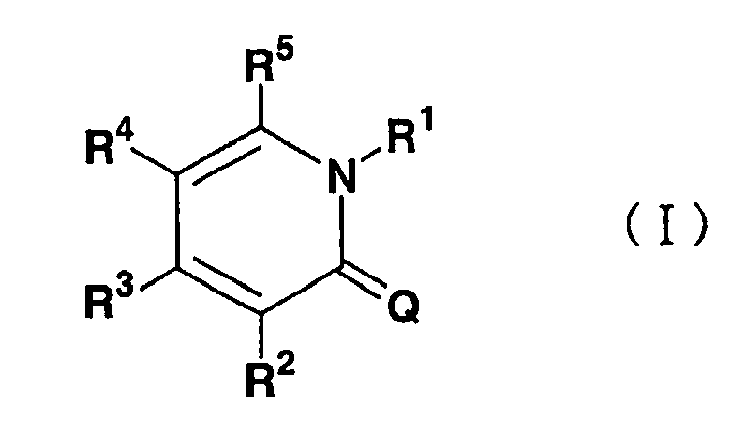
Description
- The present invention relates to a novel compound, a salt thereof and hydrates thereof, and to a method for manufacturing the same. More specifically, it relates to a pyridone compound, a salt thereof and hydrates thereof which are useful as inhibitors to non-NMDA receptors, particularly to AMPA receptor.
- Glutamate and aspartate are important amino acids which participate in nerve functions such as recognition, memory, movement, respiration, cardiovascular adjustment and sensation and are called excitatory neurotransmitters as well. In the expression of their physiological activities, an interaction with a specific receptor is important and, generally, two types of receptors - an ion channel type and a G-protein coupled type - have been known. The former is further classified into N-methyl-D-aspartate (NMDA) receptor, α-amino-3-hydroxy-5-methyl-4-isoxazole propionic acid (AMPA) receptor, kainate receptor, etc. On the other hand, the amino acid as an excitatory neurotransmitter has been known to induce neurotoxicity by, for example, abnormal excitation of central nerves. It has been noted that the said toxicity is as serious as being accompanied by the death of nerve cells causing various nervous diseases. Main nervous diseases which have been known are cerebral ischemia, head injury, spinal cord injury, Alzheimer's disease, Parkinson's disease, amyotrophic lateral sclerosis (ALS), Huntington's chorea, AIDS nervous disturbance, epilepsy, neurodegenaration observed after the state of hypoxia, mental disorder, mobility disturbance, pain, spasticity, nervous disturbance by toxin in food, various neurodegenerative diseases, various mental diseases, chronic pain, migraine, cancer pain and pain caused by diabetic nervous disturbance. They are serious diseases where many mechanisms of onset, etc. have not been clarified yet and pharmaceutical agents which are effective for the therapy have not been found yet but it is believed that they are closely related to excessive release/accumulation of excitatory neurotransmitters, changes in expressing pattern of receptors, etc. For example, it has been reported that glutamate concentration in cerebrospinal fluid and plasma increases in stroke, cerebral ischemia, head injury and spinal cord injury (Castillo, J., Dazalos, A. and Noya, M., Lancet, 1997, 346:79-83; etc.). There is a report that neuropathy occurs when glutamate, NMDA, AMPA, kainate, etc. are excessively applied to nerve cells (Meldrum, B., Brain Res. Reviews, 18, 293, 1993) . There are reports that, in Alzheimer's disease, β-amyloid protein enhances the neurotoxicity of glutamate and that it promotes the release of glutamate (Arias, C., Arrieta, I. and Tapia, R., J. Neurosci. Res., 1995, 41:561-566; etc.). In the case of Parkinson's disease, there are reports that L-dopa hydroxide activates the AMPA receptor (Cha, J. J., et. al., Neurosci. Lett., 1991, 132:55-58) and enhances the neurotoxicity (Olney, J. W., et. al., 1990, 108:269-272; Rosenberg, P. A., et. al., Proc. Natl. Acad. Sci. USA, 1991, 88:4865-4869). There is another report that L-dopa promotes the generation of free radicals resulting in a rise of oxidative stress (Smith, T. S., et. al., Neuroreport, 1994, 5:1009-1011). In the case of Huntington's chorea, it is reported that a substance which inhibits the release of glutamate is effective in improving the symptoms. In the case of ALS, there are many reports showing the participation of glutamate in its pathology. There are some cases where the AIDS patients suffer from recognition nerve function deficiency and, even in such a nerve disease, participation of glutamate is suggested. For example, it is reported that gp 120 which is a glycoprotein in an envelope of HIV virus suppresses the uptake of glutamate by astrocytes (Dreyer, E. B., Eur. J. Neurosci., 1995, 7:2502-2507; Ushijima, H., et. al., Eur. J. Neurosci., 1995, 7:1353-1359) while a substance which inhibits the release of glutamate suppresses the neurodegeneration by gp 120 (Sindou, P., et. al., J. Neurosci. 1994, 126:133-137; Muller, W. E. G., et. al., Eur. J. Pharmacol. Molec. Pharmacol., 1992, 226:209-214; Lipton, S. A., Neurology, 1992, 42:1403-1405). With regard to allergic encephalomyelitis, there is a report that, in the mice where the said inflammation takes place, enzyme which decomposes glutamate incorporated from outside of cells is deficient (Hardin-Pouzet, H., Glia., 1997, 20:79-85). Olivopontocerebellar atrophy is a disease which is sometimes combined with Parkinson' s disease and an antibody to GluR2 which is a subunit constituting the AMPA receptor has been found (Gahring, L. C., Neurology, 1997, 48:494-500) and the relation between olivopontocerebellar atrophy and AMPA receptor is suggested. With regard to a report for epilepsy, it is reported that, in the mice which are unable to construct the GluR2 in AMPA receptor, Ca2+ permeability of the AMPA receptor increases whereby it is apt to cause a sudden onset resulting in death (Brusa, R., Science, 1995, 270:1677-1680). Besides the above, it is reported that NBQX (2,3-dihydroxy-6-nitro-7-sulfamoylbenz [f] quinoxaline; Sheardown, et al., Science, 247, 571, 1990) and other inhibiting compounds to AMPA receptors have antianxiety and anticonvulsant action (J.Pharmacol. Exp. Ther., 260, 742, 1992; Pharmacol. Biochem. Behavior, 1998, 60:119-124) and there are also reports for the connection of AMPA receptor/kainate receptor with urinary disturbance, drug abuse, pain, etc. (J. Pharmacol. Exp. Ther., 280, 894-904, 1997; Neuroscience Letters, 268:127-130, 1999).
- It can be expected that the substances showing an antagonistic action to excitatory neurotransmitter receptors are useful for the therapy of the above-mentioned nerve diseases. At present, the usefulness of the substances having an antagonistic action to non-NMDA receptors such as AMPA receptor and kainate receptor is particularly expected. For example, it is reported that inhibitors of the interaction of glutamate with the AMPA and/or kainate receptor complex are useful in treating demyelinating disorders such as encephalitis, acute disseminated encephalomyelitis, acute demyelinating polyneuropathy (Guillain Barre syndrome), chronic inflammatory demyelinating polyneuropathy, multiple sclerosis, Marchifava-Bignami disease, central pontine myelinolysis, Devic syndrome, Balo disease, HIV- or HTLV-myelopathy, progressive multifocal leucoencephalopathy, a secondary demyelinating disorder; for example, CNS lupus erythematodes, polyarteritis nodosa, Sjogren syndrome, sarcoidosis, isolated cerebral vasculitis, etc. as secondary demyelinating disorders, etc. in
WO00/01376 - (1) Competitive AMPA receptor-inhibiting compounds represented by the following formulae.


- (2) Non-competitive AMPA receptor-inhibiting compounds represented by the following formulae.


- (3) Besides the above, there are reports on competitive AMPA receptor-inhibiting compounds having a quinoxalinedione skeleton in
WO 94/25469 WO 96/10023 US 5356902 , etc. and there are reports on non-competitive AMPA receptor-inhibiting compounds inWO 95/01357 WO 97/28135 WO 97/18163 WO 97/43276 WO 97/34878 WO 98/38173 EP 802195 DE 19643037 , etc. - On the other hand, with regard to 1,2-dihydropyridine compounds, there have been several reports for them such as the compounds represented by the formula

WO 98/55480 
WO 00/07988 - As such, there has been a brisk demand for the compounds which inhibit AMPA receptor/kainate receptor and are useful as pharmaceutical agents. However, the compounds which exhibit an excellent inhibiting action to AMPA receptor and/or kainate receptor and are highly useful as pharmaceutical agents effectively acting in clinical field have not been found yet. Thus, an object of the present invention is to investigate and find a compound which inhibits AMPA receptor and/or kainate receptor which suppresses the neurotoxicity of excitatory neurotransmitters and achieves an excellent neuroprotective action as pharmaceutical agents being useful as therapeutic/preventing/improving agents for various nerve diseases.
- Under such circumstances, the present inventors have carried out an intensive study and, as a result, they have succeeded in synthesizing a novel compound represented by the formula (I), a salt thereof or hydrates thereof, and have found an excellent method for producing the compound or a salt thereof, and useful intermediate in the method. Further, quite surprisingly, they have found that the above compound (I), a salt or hydrates thereof shows an excellent antagonistic action to AMPA receptor, whereupon the present invention has been accomplished.
- A compound represented by the following formula, a salt thereof or hydrates thereof.

- In the formula, Q indicates NH, O or S; and R1, R2, R3, R4 and R5 are the same as or different from each other and each indicates hydrogen atom, a halogen atom, a C1-6 alkyl group or a group represented by the formula -X-A (wherein X indicates a single bond, an optionally substituted C1-6 alkylene group an optionally substituted C2-6 alkenylene group, an optionally substituted C2-6 alkynylene group, -O-, -S-, -CO-, -SO-, -SO2-, -N(R6)-, -N(R7)-CO-, -CO-N(R8)-, -N(R9)-CH2-, -CH2-N(R10)-,-CH2-CO-, -CO-CH2-, -N(R11)-S(O)m-, -S(O)n-N(R12)-, -CH2-S(O)p-, -S(O)q-CH2-, -CH2-O-, -O-CH2-, -N(R13)-CO-N(R14)- Or -N(R15)-CS-N(R16)- (wherein R6, R7, R8, R9, R10, R11, R12, R13, R14, R15 and R16 indicate hydrogen atom, a C1-6 alkyl group or a C1-6 alkoxy group; and m, n, p and q indicates an integer of 0, 1 or 2 independently) ; and A indicates a C3-8 cycloalkyl group, a C3-8 cycloalkenyl group, a 5 to 14 membered non-aromatic heterocyclic group, a C6-14 aromatic hydrocarbocyclic group, or a 5 to 14 membered aromatic heterocyclic group which may be substituted respectively, provided that 3 groups among R1, R2, R3, R4 and R5 are always the same as or different from each other and each indicates -X-A; and the residual 2 groups always indicate hydrogen atom, a halogen atom or a C1-6 alkyl group), provided that in the above-mentioned definition, the cases where (1) Q is O; R1 and R5 are hydrogen atoms; and R2, R3 and R4 are phenyl groups, (2) Q is O; R1 and R4 are hydrogen atoms; and R2, R3 and R5 are phenyl groups, and (3) Q is O; R1 and R2 are hydrogen atoms; and R3, R4 and R5 are phenyl groups, are excluded.
- That is, the present invention relates to (1) the compound represented by the above formula (I), a salt thereof or hydrates thereof; (2) the compound according to the above (1), a salt thereof or hydrates thereof, which is represented by the formula:


tetramethylethylenediamine)copper (II)] chloride; (36) the production process according to any of the above (24) to (29), wherein the coupling reaction using the compound (VIII) or a salt thereof is carried out in the presence of a base; (37) the production process according to the above (36), wherein the base is triethylamine, pyridine or tetramethylethylenediamine; (38) the production process according to any of the above (24) to (29), wherein the coupling reaction using the compound (VIII) or a salt thereof is carried out using N,N-dimethylformamide as a solvent; (39) the production process according to any of the above (25) to (29), wherein Z3 is a C1-6 alkyl group or a C1-6 aralkyl group; (40) the production process according to the above (25) to (29), wherein the reaction of de-protection of the compound (IX) or a salt thereof is carried out in the presence of an acid; (41) the production process according to the above (40), wherein the acid is hydrochloric acid; (42) the production process according to the above (26) to (29), wherein a catalyst in the coupling reaction using the compound (X) or a salt thereof is palladium acetate and triphenylphosphine; (43) the production process according to the above (26) to (29), wherein the coupling reaction using the compound (X) or a salt thereof is carried out in the presence of a base; (44) the production process according to the above (43), wherein the base is cesium carbonate, sodium carbonate or potassium carbonate; (45) the production process according to any of the above (27) to (29), wherein W' is bromine; (46) the production process according to the above (27) to (29), wherein the base used for the reaction of the compound (XI) or a salt thereof with trimethoxyborane is n-butyllithium; (47) the production process according to the above (28) or (29), wherein W' and W" are bromine; (48) the production process according to the above (28) or (29), wherein the compound represented by the formula Z3OM is sodium methoxide or sodium ethoxide; (49) a process for producing a compound represented by the formula:


- The present invention provides a process for preventing or treating diseases in which AMPA receptor or kainate receptor is participated, by dosing a pharmacologically effective dose of the compound represented by the formula (I), a salt thereof or hydrates thereof to a patient.
- The present invention provides use of the compound represented by the formula (I), a salt thereof or hydrates thereof for producing a therapeutic or preventive agent for diseases in which AMPA receptor or kainate receptor is participated.
- In the present invention, "the diseases in which AMPA receptor or kainate receptor is participated" include acute neurodegenerative disease; cerebrovascular disorders at acute stage; head injury; spinal cord injury; and neuropathies due to hypoxia or hypoglycemia; chronic neurodegenerative disease; Alzheimer's disease; Parkinson s disease; Huntington's chorea; amyotrophic lateral sclerosis; spinocerebellar degeneration; epilepsy; hepatic encephalopathy; peripheral neuropathy; Parkinson's syndrome; spasticity; pain; neuralgia; schizophrenia; anxiety; drug abuse; nausea; emesis; dysuria; paropsia caused by glaucoma; paracusis caused by antibiotics; food poisoning; ; infectious encephalomyelitis; cerebrovascular dementia; dementia or neurosis caused by meningitis; and demyelinating diseases.
- As hereunder, meanings of the symbols, terms, etc. mentioned in the specification of this application will be explained, whereby the present invention will be illustrated in detail.
- As "acute neurodegenerative disease" in the present invention, for example, cerebrovascular disorders at acute stage (subarachnoid hemorrhage, cerebral infarction and the like), head injury, spinal cord injury, and neuropathies due to hypoxia or hypoglycemia; and the like are mentioned. As "chronic neurodegenerative disease", for example, Alzheimer's disease, Parkinson's disease, Huntington's chorea, amyotrophic lateral sclerosis, spinocerebellar degeneration and the like are mentioned. As "infectious encephalomyelitis", for example, HIV encephalomyelitis is mentioned, and as "demyelinating disease", for example, encephalitis, acute disseminated encephalomyelitis, multiple sclerosis, acute polyradiculoneuritis, acute demyelinating polyneuropathy, Guillain-Barre syndrome, chronic inflammatory demyelinating polyneuropathy, Marchifava-Bignami disease, central pontine myelinolysis, neuromyelitis optica, Devic disease, Balo disease, HIV myelopathy, HTLV myelopathy, progressive multifocal leukoencephalopathy, secondary demyelinating disease and the like are mentioned. As "the secondary demyelinating disease" mentioned above, for example, CNS lupus erythematodes, polyarteritis nodosa, Sjoegren's syndrome, sarcoidosis, isolated cerebral vasculitis and the like are mentioned.
- The term "and/or" used in the present invention is used in the meaning that both cases in case of "and" and in case of "or" are included.
- Incidentally, in the specification of this application, although structural formula of a compound may express a certain isomer for the sake of convenience, the present invention covers all isomers such as geometrical isomers resulted from the structure of the compound, optical isomers due to asymmetric carbon, rotamers, stereo isomers and tautomers as well as a mixture of isomers and the present invention is not limited to the description of the formula given for the sake of convenience but may be another isomer or may be a mixture. Accordingly, although it is possible that an asymmetric carbon atom is present in a molecule and accordingly that optically active substance and racemic substance may be present, the present invention is not limited thereto but covers any of them. Further, crystal polymorphism may be present but, again, there is no limitation but any of single crystal form or a mixture will do. The compound (I) or its salt related to the present invention may be an anhydride or a hydrate, and either of them are included in the scope of claim for patent in the present invention. The metabolite which is generated by decomposing the compound (I) related to the present invention in vivo, and the prodrug of the compound (I) or its salt related to the present invention produce are also included in the scope of claim for patent in the present invention.
- The "halogen atom" used in the present invention indicates fluorine, chlorine, bromine, iodine and the like, and the preferable atom include fluorine, chlorine and bromine.
- The "C1-6 alkyl group" used in the present invention indicates an alkyl group having 1 to 6 carbons, and examples include linear chain or branched chain alkyl groups such as methyl group, ethyl group, n-propyl group, iso-propyl group, n-butyl group, iso-butyl group, sec-butyl group, tert-butyl group, n-pentyl group, 1,1-dimethylpropyl group, 1,2-dimethylpropyl group, 2,2-dimethylpropyl group, 1-ethylpropyl group, 2-ethylpropyl group, n-hexyl group, 1-methyl-2-ethylpropyl group, 1-ethyl-2-methylpropyl group, 1,1,2-trimethylpropyl group, 1-propylpropyl group, 1-methylbutyl group, 2-methylbutyl group, 1,1-dimethylbutyl group, 1,2-dimethylbutyl group, 2,2-dimethylbutyl group, 1,3-dimethylbutyl group, 2,3-dimethylbutyl group, 2-ethylbutyl group, 2-methylpentyl group, 3-methylpentyl group, and the like.
- The "C2-6 alkenyl group" used in the present invention indicates an alkenyl group having 2 to 6 carbons, and examples of the preferable group include vinyl group, allyl group, 1-propenyl group, 2-propenyl group, iso-propenyl group, 2-methyl-1-propenyl group, 3-methyl-1-propenyl group, 2-methyl-2-propenyl group, 3-methyl-2-propenyl group, 1-butenyl group, 2-butenyl group, 3-butenyl group, 1-pentenyl group, 1-hexenyl group, 1,3-hexadienyl group, 1,6-hexadienyl group, and the like.
- The "C2-6 alkynyl group" used in the present invention indicates an alkynyl group having 2 to 6 carbons, and examples of the preferable group include ethynyl group, 1-propynyl group, 2-propynyl group, 1-butynyl group, 2-butynyl group, 3-butynyl group, 3-methyl-1-propynyl group, 1-ethynyl-2-propynyl group, 2-methyl-3-propynyl group, 1-pentynyl group, 1-hexynyl group, 1,3-hexadiynyl group, 1,6-hexadiynyl group, and the like.
- The "C1-6 alkoxy group" used in the present invention indicates an alkoxy group having 1 to 6 carbons, and examples include methoxy group, ethoxy group, n-propoxy group, iso-propoxy group, sec-propoxy group, n-butoxy group, iso-butoxy group, sec-butoxy group, tert-butoxy group, n-pentyloxy group, iso-pentyloxy group, sec-pentyloxy group, n-hexoxy group, iso-hexoxy group, 1,1-dimethylpropoxy group, 1,2-dimethylpropoxy group, 2,2-dimethylpropoxy group, 2-ethylpropoxy group, 1-methyl-2-ethylpropoxy group, 1-ethyl-2-methylpropoxy group, 1,1,2-trimethylpropoxy group, 1,1,2-trimethylpropoxy group, 1,1-dimethylbutoxy group, 1,2-dimethylbutoxy group, 2,2-dimethylbutoxy group, 2,3-dimethylbutoxy group, 1,3-dimethylbutoxy group, 2-ethylbutoxy group, 1,3-dimethylbutoxy group, 2-methylpentoxy group, 3-methylpentoxy group, hexyloxy group, and the like.
- The "C2-6 alkenyloxy group" used in the present invention indicates an alkenyloxy group having 2 to 6 carbons, and examples of the preferable group include vinyloxy group, allyloxy group, 1-propenyloxy group, 2-propenyloxy group, iso-propenyloxy group, 2-methyl-1-propenyloxy group, 3-methyl-1-propenyloxy group, 2-methyl-2-propenyloxy group, 3-methyl-2-propenyloxy group, 1-butenyloxy group, 2-butenyloxy group, 3-butenyloxy group, 1-pentenyloxy group, 1-hexenyloxy group, 1,3-hexadienyloxy group, 1,6-hexadienyloxy group, and the like.
- The "C3-8 cycloalkyl group" used in the present invention indicates a cycloalkyl group composed of 3 to 8 carbon atoms, and examples include cyclopropyl group, cyclobutyl group, cyclopentyl group, cyclohexyl group, cycloheptyl group, cyclooctyl group, and the like.
- The "C3-8 cycloalkenyl group" used in the present invention indicates a C3-8 cycloalkenyl group composed of 3 to 8 carbon atoms, and examples include cyclopropen-1-yl, cyclopropen-3-yl, cyclobuten-1-yl, cyclobuten-3-yl, 1,3-cyclobutadien-1-yl, cyclopenten-1-yl, cyclopenten-3-yl, cyclopenten-4-yl, 1,3-cyclopentadien-1-yl, 1,3-cyclopentadien-2-yl, 1,3-cyclopentadien-5-yl, cyclohexen-1-yl, cyclohexen-3-yl, cyclohexen-4-yl, 1,3-cyclohexadien-1-yl, 1,3-cyclohexadien-2-yl, 1,3-cyclohexadien-5-yl, 1,4-cyclohexadien-3-yl, 1,4-cyclohexadien-1-yl, cyclohepten-1-yl, cyclohepten-3-yl, cyclohepten-4-yl, cyclohepten-5-yl, 1,3-cyclohepten-2-yl, 1,3-cyclohepten-1-yl, 1,3-cycloheptadien-5-yl, 1,3-cycloheptadien-6-yl, 1,4-cycloheptadien-3-yl, 1,4-cycloheptadien-2-yl, 1,4-cycloheptadien-1-yl, 1,4-cycloheptadien-6-yl, 1,3,5-cycloheptatrien-3-yl, 1,3,5-cycloheptatrien-2-yl, 1,3,5-cycloheptatrien-1-yl, 1,3,5-cycloheptatrien-7-yl, cycloocten-1-yl, cycloocten-3-yl, cycloocten-4-yl, cycloocten-5-yl, 1,3-cyclooctadien-2-yl, 1,3-cyclooctadien-1-yl, 1,3-cyclooctadien-5-yl, 1,3-cyclooctadien-6-yl, 1,4-cyclooctadien-3-yl, 1,4-cyclooctadien-2-yl, 1,4-cyclooctadien-1-yl, 1,4-cyclooctadien-6-yl, 1,4-cyclooctadien-7-yl, 1,5-cyclooctadien-3-yl, 1,5-cyclooctadien-2-yl, 1,3,5-cyclooctatrien-3-yl, 1,3,5-cyclooctatrien-2-yl, 1,3,5-cyclooctatrien-1-yl, 1,3,5-cyclooctatrien-7-yl, 1,3,6-cyclooctatrien-2-yl, 1,3,6-cyclooctatrien-1-yl, 1,3,6-cyclooctatrien-5-yl, 1,3,6-cyclooctatrien-6-yl group, and the like.
- The "5 to 14 membered non-aromatic heterocyclic group" used in the present invention means a mono-cyclic type, di-cyclic type, or tri-cyclic type 5 to 14 membered non-aromatic heterocyclic group which contains one or more of hetero atoms selected from a group which consists of nitrogen atom, sulfur atom and oxygen atom. Specific examples in the group include, for example, pyrrolidinyl group, pyrrolyl group, piperidinyl group, piperazinyl group, imidazolyl group, pyrazolidyl group, imidazolidyl group, morpholyl group, tetrahydrofuryl group, tetrahydropyranyl group, pyrrolinyl group, dihydrofuryl group, dihydropyranyl group, imidazolinyl group, oxazolinyl group, and the like. Further, a group derived from a pyridone ring and a non-aromatic condensed ring (for example, a group derived from a phthalimide ring, a succinimide ring, and the like) are also included in the non-aromatic heterocyclic group.
- The "C6-14 aromatic hydrocarbocyclic group" and the "aryl group" used in the present invention mean an aromatic hydrocarbocyclic group having which is composed of 6 to 14 carbon atoms, and a mono-cyclic group, and a condensed group of a di-cyclic group, a tri-cyclic group and the like are also included. Specific examples in the group include phenyl group, indenyl group, 1-naphthyl group, 2-naphthyl group, azulenyl group, heptalenyl group, biphenyl group, indathenyl group, acenaphthyl group, fluorenyl group, phenalenyl group, phenanthrenyl group, anthracenyl group, cyclopentacyclooctenyl group, benzocyclooctenyl group etc.
- The "5 to 14 membered aromatic heterocyclic group" and the "heteroaryl group" used in the present invention mean a mono-cyclic type, di-cyclic type, or tri-cyclic type 5 to 14 membered aromatic heterocyclic group which contains one or more of hetero atoms selected from a group which consists of nitrogen atom, sulfur atom and oxygen atom. For example, specific examples in the group include 1) aromatic heterocyclic groups containing nitrogen such as pyrrolyl group, pyridyl group, pyridazinyl group, pyrimidinyl group, pyrazinyl group, triazolyl group, tetrazolyl group, benzotriazolyl group, pyrazolyl group, imidazolyl group, benzimidazolyl group, indolyl group, iso-indolyl group, indolizinyl group, prenyl group, indazolyl group, quinolyl group, iso-quinolyl group, quinoliziyl group, phthalazyl group, naphthylidinyl group, quinoxalyl group, quinazolinyl group, cynnolinyl group, pteridinyl group, imidazotriazinyl group, pyrazinopyridazinyl group, acridinyl group, phenanthridinyl group, carbazolyl group, carbazolinyl group, perimidinyl group, phenanthrolinyl group, phenacinyl group, imidazopyridinyl group, imidazopyrimidinyl group, pyrazolopyridinyl group, pyrazolopyridinyl group etc; 2) aromatic heterocyclic groups containing sulfur such as thienyl group or benzothienyl group; 3) aromatic heterocyclic groups containing oxygen such as furyl group, pyranyl group, cyclopentapyranyl group, benzofuryl group or iso-benzofuryl group; and 4) aromatic heterocyclic groups containing 2 or more of different hetero atoms such as thiazolyl group, iso-thiazolyl group, benzothiazolyl group, benzthiadiazolyl group, phenothiazinyl group, isoxazolyl group, furazanyl group, phenoxazinyl group, oxazolyl group, isoxazoyl group, benzoxazolyl group, oxadiazolyl group, pyrazoloxadiazolyl group, imidazothiazolyl group, thienofuranyl group, furopyrrolyl group or pyridoxadinyl group.
- The groups indicated by A, A1, A2 and A3 in the formula (I) in the present invention indicate independently an optionally substituted C3-8 cycloalkyl group, an optionally substituted C3-8 cycloalkenyl group, an optionally substituted 5 to 14 membered non-aromatic heterocyclic group, an optionally substituted C6-14 aromatic hydrocarbocyclic group or an optionally substituted 5 to 14 membered aromatic heterocyclic group, and each of the groups has the same meanings as the above definitions, respectively. The preferable group in A, A1, A2 and A3 is not specifically limited, but the more preferable group includes phenyl group, pyrrolyl group, pyridyl group, pyridazinyl group, pyrimidinyl group, pyrazinyl group, thienyl group, thiazolyl group, furyl group, naphthyl group, quinolyl group, iso-quinolyl group, indolyl group, benzimidazolyl group, benzothiazolyl group, benzoxazolyl group, imidazopyridyl group, carbazolyl group, cyclopentyl group, cyclohexyl group, cyclohexenyl group, dioxinyl group, adamantyl group, pyrrolidinyl group, piperidinyl group, piperazinyl group and morpholinyl group which may be substituted, respectively, etc. The more preferable group includes a group represented by the formula:


- Examples of the preferable group in the "substituents" of the groups indicated by A, A1, A2 and A3 in the formula (I) include a group such as hydroxy group, a halogen atom, nitrile group, nitro group, a C1-6 alkyl group, C2-6 alkenyl group, C2-6 alkynyl group, C1-6 alkoxy group, C2-6 alkenyloxy group, C2-6 alkynyloxy group, C1-6 alkylthio group, C2-6 alkenylthio group, C2-6 alkynylthio group, amino group, a substituted carbonyl group, C1-6 alkylsulfonyl group, C2-6 alkenylsulfonyl group, C2-6 alkynylsulfonyl group, C1-6 alkylsulfinyl group, C2-6 alkenylsulfinyl group, C2-6 alkynylsulfinyl group, formyl group, aralkyl group, heteroarylalkyl group, aralkyloxy group, heteroarylalkyloxy group, C3-8 cycloalkyl group, C3-8 cycloalkenyl group, 5 to 14 membered non-aromatic heterocyclic group, C6-14 aromatic hydrocarbon group, 5 to 14 membered aromatic heterocyclic group etc., which may be substituted, respectively.
- Examples of the preferable group in the "halogen atom" include fluorine atom, chlorine atom, bromine atom, iodine atom etc., and the more preferable example includes fluorine atom, chlorine atom and bromine atom.
- Examples of the preferable group in the "C1-6 alkyl group which may optionally have substituents" include methyl group, ethyl group, n-propyl group, iso-propyl group, n-butyl group, iso-butyl group, tert-butyl group, n-pentyl group, iso-pentyl group, neopentyl group, n-hexyl group, 1-methylpropyl group, 1,2-dimethylpropyl group, 2-ethylpropyl group, 1-methyl-2-ethylpropyl group, 1-ethyl-2-methylpropyl group, 1,1,2-trimethylpropyl group, 1-methylbutyl group, 2-methylbutyl group, 1,1-dimethylbutyl group, 2,2-dimethylbutyl group, 2-ethylbutyl group, 1,3-dimethylbutyl group, 2-methylpentyl group, 3-methylpentyl group etc. Examples of the preferable group in the "C2-6 alkenyl group which may optionally have substituents" include a vinyl group, allyl group, 1-propenyl group, iso-propenyl group, 1-buten-1-yl group, 1-buten-2-yl group, 1-buten-3-yl group, 2-buten-1-yl group, 2-buten-2-yl group etc., which may be substituted,respectively. Examples of the preferable group in the "C2-6 alkynyl group which may optionally have substituents respectively" include an ethynyl group, 1-propynyl group, 2-propynyl group, butynyl group, pentynyl group, hexynyl group etc., which may be substituted, respectively. Further, preferable examples of the "substituents" in the "which may optionally have substituents" include 1 or more groups selected from hydroxy group, nitrile group, a halogen atom, an N-C1-6 alkylamino group, an N,N-di-C1-6 alkylamino group, an N-C2-6 alkenylamino group, an N,N-di-C2-6 alkenylamino group, an N-C2-6 alkynylamino group, an N,N-di-C2-6 alkynylamino group, a C6-14 aromatic hydrocarbocyclic group (for example, phenyl group etc.), a 5 to 14 membered aromatic heterocyclic group (for example, thienyl group, furyl group, pyridyl group, pyridazyl group, pyrimidinyl group, pyrazyl group etc.), an aralkyloxy group, a heteroaryloxy group, a TBDMS-oxy group, a C1-6 alkylsulfonylamino group, a C2-6 alkenylsulfonylamino group, a C2-6 alkynylsulfonylamino group, a C1-6 alkylcarbonyloxy group, a C2-6 alkenylcarbonyloxy group, a C2-6 alkynylcarbonyloxy group, a C1-6 alkylcarbamoyl group, a C2-6 alkenylcarbamoyl group, a C2-6 alkynylcarbamoyl group, and the like.
- Preferable examples in the "C1-6 alkoxy group which may optionally have substituents" include methoxy group, ethoxy group, n-propoxy group, iso-propoxy group, sec-propoxy group, n-butoxy group, iso-butoxy group, sec-butoxy group, tert-butoxy group, n-pentoxy group, iso-pentoxy group, sec-pentoxy group, tert-pentoxy group, n-hexoxy group, iso-hexoxy group, 1,2-dimethylpropoxy group, 2-ethylpropoxy group, 1-methyl-2-ethylpropoxy group, 1-ethyl-2-methylpropoxy group, 1,1,2-trimethylpropoxy group, 1,1-dimethylbutoxy group, 2,2-dimethylbutoxy group, 2-ethylbutoxy group, 1,3-dimethylbutoxy group, 2-methylpentoxy group, 3-methylpentoxy group, hexyloxy group etc. Preferable examples in the "C2-6 alkenyloxy group which may optionally have substituents" include vinyloxy group, allyloxy group, 1-propenyloxy group, iso-propenyloxy group, 1-buten-1-yloxy group, 1-buten-2-yloxy group, 1-buten-3-yloxy group, 2-buten-1-yloxy group, 2-buten-2-yloxy group etc. Preferable examples in the "C2-6 alkynyloxy group which may optionally have substituents" include ethynyloxy group, 1-propynyloxy group, 2-propynyloxy group, butynyloxy group, pentynyloxy group, hexynyloxy group etc. Further, preferable examples of the "substituents" in the "which may optionally have substituents" include 1 or more groups selected from an C1-6 alkylamino group, an aralkyloxy group, hydroxy group, and the like.
- Respectively preferable examples in the "C1-6 alkylthio group which may optionally have substituents", "C2-6 alkenylthio group which may optionally have substituents" and "C2-6 alkynylthio group which may optionally have substituents" include a C1-6 alkylthio group (for example, methylthio group, ethylthio group, n-propylthio group, iso-propylthio group, n-butylthio group, iso-butylthio group, tert-butylthio group, n-pentylthio group, iso-pentylthio group, neopentylthio group, n-hexylthio group etc.), a C2-6 alkenylthio group (for example, vinylthio group, allylthio group, 1-propenylthio group, iso-propenylthio group, 1-buten-1-ylthio group, 1-buten-2-ylthio group, 1-buten-3-ylthio group, 2-buten-1-ylthio group, 2-buten-2-ylthio group etc.) and a C2-6 alkynylthio group (for example, ethynylthio group, 1-propynylthio group, 2-propynylthio group, butynylthio group, pentynylthio group, hexynylthio group etc.), which may be optionally substituted by 1 or more groups selected from the group comsisting of hydroxy group, a halogen atom, nitrile group and nitro group.
- Preferable examples in the "carbonyl group which was substituted" include a group which is represented by the formula -CO-W (examples of W in the formula include a C1-6 alkyl group, a C2-6 alkenyl group, a C2-6 alkynyl group, a C1-6 alkoxy group, amino group, an N-C1-6 alkylamino group, an N,N-di (C1-6 alkyl)amino group, an N-C2-6 alkenylamino group, an N,N-di(C2-6 alkenyl)amino group, an N-C2-6 alkynylamino group, an N,N-di(C2-6 alkynyl)amino group, an N-C1-6 alkyl-N-C2-6 alkenylamino group, an N-C1-6 alkyl-N-C2-6 alkynylamino group, an N-C2-6 alkenyl-N-C2-6 alkynylamino group etc.).
- Examples of the "substituents" in the "amino group which may optionally have substituents" include 1 or 2 groups selected from a C1-6 alkyl group, C2-6 alkenyl group, C2-6 alkynyl group, C1-6 alkylsulfonyl group, C2-6 alkenylsulfonyl group, C2-6 alkynylsulfonyl group, C1-6 alkylcarbonyl group, C2-6 alkenylcarbonyl group, C2-6 alkynylcarbonyl group etc., which may be substituted, respectively. Preferable examples in the "substituents" of the C1-6 alkyl group, C2-6 alkenyl group, C2-6 alkynyl group, C1-6 alkylsulfonyl group, C2-6 alkenylsulfonyl group, C2-6 alkynylsulfonyl group, C1-6 alkylcarbonyl group, C2-6 alkenylcarbonyl group and C2-6 alkynylcarbonyl group include hydroxy group, a halogen atom, nitrile group, a C1-6 alkoxy group, a C1-6 alkylthio group etc. Specifically preferable examples in the "amino group which may optionally have substituents" in particular include methylamino group, ethylamino group, n-propylamino group, iso-propylamino group, n-butylamino group, iso-butylamino group, tert-butylamino group, n-pentylamino group, iso-pentylamino group, neopentylamino group, n-hexylamino group, 1-methylpropylamino group, 1,2-dimethylpropylamino group, 2-ethylpropylamino group, 1-methyl-2-ethylpropylamino group, 1-ethyl-2-methylpropylamino group, 1,1,2-trimethylpropylamino group, 1-methylbutylamino group, 2-methylbutylamino group, 1,1-dimethylbutylamino group, 2,2-dimethylbutylamino group, 2-ethylbutylamino group, 1,3-dimethylbutylamino group, 2-methylpentylamino group, 3-methylpentylamino group, N,N-dimethylamino group, N,N-diethylamino group, N,N-di(n-propyl)amino group, N,N-di(iso-propyl)amino group, N,N-di(n-butyl)amino group, N,N-di(iso-butyl)amino group, N,N-di(tert-butyl)amino group, N,N-di(n-pentyl)amino group, N,N-di(iso-pentyl)amino group, N,N-di(neopentyl)amino group, N,N-di(n-hexyl)amino group, N,N-di(1-methylpropyl)amino group, N,N-di(1,2-dimethylpropyl)amino group, N-methyl-N-ethylamino group, N-ethyl-N-(n-propyl)amino group, N-ethyl-N-(iso-propyl)amino group, vinylamino group, allylamino group, (1-propenyl)amino group, iso-propenylamino group, (1-buten-1-yl)amino group, (1-buten-2-yl)amino group, (1-buten-3-yl)amino group, (2-buten-1-yl)amino group, (2-buten-2-yl)amino group, N,N-divinylamino group, N,N-diallylamino group, N,N-di(1-propenyl)amino group, N,N-di(iso-propenyl)amino group, N-vinyl-N-allylamino group, ethynylamino group, 1-propynylamino group, 2-propynylamino group, butynylamino group, pentynylamino group, hexynylamino group, N,N-diethynylamino group, N,N-di(1-propynyl)amino group, N,N-di(2-propynyl)amino group, N,N-dibutynylamino group, N,N-dipentynylamino group, N,N-dihexynylamino group, hydroxymethylamino group, 1-hydroxyethylamino group, 2-hydroxyethylamino group, 3-hydroxy-n-propylamino group, methylsulfonylamino group, ethylsulfonylamino group, n-propylsulfonylamino group, iso-propylsulfonylamino group, n-butylsulfonylamino group, tert-butylsulfonylamino group, vinylsulfonylamino group, allylsulfonylamino group, iso-propenylsulfonylamino group, iso-pentenylsulfonylamino group, ethynylsulfonylamino group, methylcarbonylamino group, ethylcarbonylamino group, n-propylcarbonylamino group, iso-propylcarbonylamino group, n-butylcarbonylamino group, tert-butylcarbonylamino group, vinylcarbonylamino group, allylcarbonylamino group, iso-propenylcarbonylamino group, iso-pentenylcarbonylamino group, ethynylcarbonylamino group etc.
- Respectively preferable examples in the "C1-6 alkylsulfonyl group which may optionally have substituents", "C2-6 alkenylsulfonyl group which may optionally have substituents", "C2-6 alkynylsulfonyl group which may optionally have substituents", "C1-6 alkylsulfinyl group which may optionally have substituents", "C2-6 alkenylsulfinyl group which may optionally have substituents" and "C2-6 alkynylsulfinyl group which may optionally have substituents" include methylsulfonyl group, ethylsulfonyl group, n-propylsulfonyl group, iso-propylsulfonyl group, n-butylsulfonyl group, tert-butylsulfonyl group, vinylsulfonyl group, allylsulfonyl group, iso-propenylsulfonyl group, iso-pentenylsulfonyl group, ethynylsulfonyl group, methylsulfinyl group, ethylsulfinyl group, n-propylsulfinyl group, iso-propylsulfinyl group, n-butylsulfinyl group, tert-butylsulfinyl group, vinylsulfinyl group, allylsulfinyl group, iso-propenylsulfinylgroup, iso-pentenylsulfinyl group, ethynylsulfinyl group etc.
- Preferable examples in the "aralkyl group" and "heteroarylalkyl group" include benzyl group, phenethyl group, naphthylmethyl group, naphthylethyl group, pyridylmethyl group, pyridylethyl group, thienylmethyl group, thienylethyl group etc., preferable examples in the "aralkyloxy group" include benzyloxy group, phenethyloxy group, phenylpropoxy group, naphthylmethyloxy group, naphthylethyloxy group, naphthylpropyloxy group etc., and preferable examples in the "heteroarylalkyloxy group" include pyridylmethyloxy group, pyrazinylmethyloxy group, pyrimidinylmethyloxy group, pyrrolylmethyloxy group, imidazolylmethyloxy group, pyrazolylmethyloxy group, quinolylmethyloxy group, iso-quinolylmethyloxy group, fulfuryloxy group, thienylmethyloxy group, thiazolylmethyloxy group etc.
- Preferable examples in the "C3-8 cycloalkyl group which may optionally have substituents" and "C3-8 cycloalkenyl group which may optionally have a substituent" include a C3-8 cycloalkyl group (for example, cyclopropyl group, cyclobutyl group, cyclopentyl group, cyclohexyl group, cycloheptyl group, and the like) and a C3-8 cycloalkenyl group (for example, cyclopropenyl group, cyclopropenyl group, cyclobutenyl group, cyclopentenyl group, cyclohexenyl group, cycloheptenyl group, and the like) which may be optionally substituted respectively by 1 or more groups selected from hydroxy group, a halogen atom, nitrile group, a C1-6 alkyl group (for example, methyl group, ethyl group, n-propyl group, iso-propyl group, n-butyl group, iso-butyl group, tert-butyl group, n-pentyl group, iso-pentyl group, neopentyl group, n-hexyl group etc.), a C1-6 alkoxy group (for example, methoxy group, ethoxy group, n-propoxy group, iso-propoxy group, sec-propoxy group, n-butoxy group, iso-butoxy group, sec-butoxy group, tert-butoxy group, n-pentoxy group, iso-pentoxy group, sec-pentoxy group, tert-pentoxy group, n-hexoxy group etc.), a C1-6 alkoxy C1-6 alkyl group, an aralkyl group (for example, benzyl group, phenethyl group, naphthylmethyl group, naphthylethyl group etc.), and the like.
- Preferable examples of the "5 to 14 membered non-aromatic heterocyclic group", "C6-14 aromatic hydrocarbocyclic group" and "5 to 14 membered aromatic heterocyclic group" in "an optionally substituted 5 to 14 membered non-aromatic heterocyclic group", "an optionally substituted C6-14 aromatic hydrocarbocyclic group" and "an optionally substituted 5 to 14 membered aromatic heterocyclic group" are not specifically limited, but the more preferable "5 to 14 membered non-aromatic heterocyclic group" includes pyrrolidinyl group, pyrrolinyl group, piperidinyl group, piperazinyl group, imidazolinyl group, pyrazolyl group, imidazolidinyl group, morpholinyl group, phthalimidoyl group, a succinimidoyl group etc.; the more preferable "C6-14 aromatic hydrocarbocyclic group" includes phenyl group, indenyl group, naphthyl group, azulenyl group, heptalenyl group, biphenyl group etc.; the more preferable "5 to 14 membered aromatic heterocyclic group" includes pyrrolyl group, pyridyl group, pyridazinyl group, pyrimidinyl group, pyrazinyl group, pyrazolyl group, imidazolyl group, thienyl group, furyl group, thiazolyl group, iso-thiazolyl group, quinolyl group, iso-quinolyl group, indolyl group, benzimidazolyl group, benzothiazolyl group, benzoxazolyl group, carbazolyl group, dioxinyl group etc., respectively. Further, preferable examples of the "substituents" in the "which may optionally have substituents" include 1 or more groups selected from hydroxy group, a halogen atom (for example, fluorine atom, chlorine atom, bromine atom, iodine atom etc.), nitrile group, a C1-6 alkyl group (for example, methyl group, ethyl group, n-propyl group, iso-propyl group, n-butyl group, iso-butyl group, tert-butyl group, n-pentyl group, iso-pentyl group, neopentyl group, n-hexyl group etc.), a C1-6 alkoxy group (methoxy group, ethoxy group, n-propoxy group, iso-propoxy group, sec-propoxy group, n-butoxy group, iso-butoxy group, sec-butoxy group, tert-butoxy group, n-pentoxy group, iso-pentoxy group, sec-pentoxy group, tert-pentoxy group, n-hexoxy group etc.), a C1-6 alkoxy C1-6 alkyl group (for example, methoxymethyl group, methoxyethyl group, ethoxymethyl group, ethoxyethyl group etc.), an aralkyl group (for example, benzyl group, phenethyl group, naphthylmethyl group, naphthylethyl group etc.), and the like. Further, an amino group, a cyclic amino group, and an alkoxyamino group which may optionally have substituents are also preferable as the substituents.
- Q indicates NH, O or S in the formula (I), and is preferably O.
- The groups indicated by X, X1, X2 and X3 in the present invention indicate the same or different single bonding, an optionally substituted C1-6 alkylene group, an optionally substituted C2-6 alkenylene group, an optionally substituted C2-6 alkynylene group, -O-, -S-, -CO-, -SO-, -SO2-, -N(R6)-, - N(R7)-CO-, -CO-N(R8)-, -N(R9)-CH2-, -CH2-N(R10)-, -CH2-CO-, - CO-CH2-, -N(R11)-S(O)m-, -S(O)n-N(R12)-, -CH2-S(O)p-, -S(O)q-CH2-, -CH2-O-, -O-CH2-, -N(R13)-CO-N(R14)- or -N(R15)-CS-N(R16)-(wherein R6, R7, R8, R9, R10, R11, R12, R13, R14, R15 and R16 indicate hydrogen atom, a C1-6 alkyl group or a C1-6 alkoxy group; and m, n, p and q indicates an integer of 0, 1 or 2 independently).
- Specifically preferable examples in the above "C1-6 alkylene group" is an alkenylene group having 1 to 3 carbons, and examples include -CH2-, -(CH2)2-, -CH (CH3)-, -(CH2)3-, - CH(CH3)-NH2-, -CH2-CH(CH3)- etc. Specifically preferable examples in the above "C2-6 alkenylene group" is an alkenylene group having 2 or 3 carbons, and examples include -CH=CH-, -CH=CH-CH2-, -CH2-CH=CH-, -C(CH3)=CH-, -CH=C(CH3)- etc. Specifically preferable examples in the above "C2-6 alkynylene group" is an alkynylene group having 2 or 3 carbons, and examples include -C≡C-, -C≡C-CH2-, -CH2-C≡C- etc. Preferable examples in the substituents indicated by X, X1, X2 and X3 in the "C1-6 alkylene group which may optionally have substituents", "C2-6 alkenylene group which may optionally have substituents" or "C2-6 alkynylene group which may optionally have substituents" include a halogen atom (for example, fluorine atom, chlorine atom, bromine atom, iodine atom etc.), hydroxy group, nitrile group, nitro group etc.
- The preferable C1-6 alkyl group represented by the R6, R7, R8, R9, R10, R11, R12, R13, R14, R15 and R16 includes methyl group, ethyl group, n-propyl group, iso-propyl group, n-butyl group, tert-butyl group etc., and the preferable C2-6 alkyoxy group includes methoxy group, ethoxy group, n-propoxy group, iso-propoxy group, n-butoxy group, tert-butoxy group etc.
- The preferable group in X, X1, X2 and X3 in the above formula (I) includes single bond, -CH2-, -CH (OH)-, -CH (CN)-, -CH2-CH2-, -CH(OH)-CH2-, -CH (CN) -CH2-, -CH2-CH(OH)-, -CH2-CH(CN)-, -CH=CH-, -CH=CH-CH2-, -CH=CH-CH(OH)-, -CH=CH-CH(CN)-, -CH(OH)-CH=CH-, -CH(CN)-CH=CH-, -C≡C-, -O-, -S-, -SO-, -SO2-, -CO-, -NH-CO-NH-, -NH-CS-NH-, and the like; the more preferable group includes single bond, -CH2-, -CH(OH)-, -CH (CN) -, -CH2-CH2-, -CH(OH)-CH2-, -CH(CN)-CH2-, -CH2-CH(OH)-, -CH2-CH(CN)-, -CH=CH-, -C≡C-, - CO-, and the like; the further preferable group are -CH2-, -CH(OH)-, -CO-, and a single bond is most preferable.
- The preferable mode of in the compound according to the present invention represented by the formula:


- There is no particular limitation for "a salt" in the specification of the present application so far as it forms a salt with the compound of the present invention and is a pharmacologically acceptable one. Preferably, salt with a hydrogen halide (such as hydrofluoride, hydrochloride, hydrobromide or hydroiodide), salt with an inorganic acid (such as sulfate, nitrate, perchlorate, phosphate, carbonate or bicarbonate), salt with an organic carboxylic acid (such as acetate, trifluoroacetate, oxalate, maleate, tartrate, fumarate or citrate), salt with an organic sulfonic acid (such as methanesulfonate, trifluoromethanesulfonate, ethanesulfonate, benzenesulfonate, toluenesulfonate or camphor-sulfonate), salt with an amino acid (such as aspartate or glutamate), salt with a quaternary amine, salt with an alkaline metal (such as sodium salt or potassium salt) and salt with an alkaline earth metal (such as magnesium salt or calcium salt). More preferred examples of the "pharmacologically acceptable salt" are hydrochloride, oxalate etc.
- Representative manufacturing methods for the compounds represented by the above formula (I) according to the present invention will be illustrated as hereunder.
- Production process 1

- Production process 2

- Production process 3


tetramethylethylenediamine) copper (II)] chloride, and the like. Further, the present reaction is preferably carried out in the presence of a solvent. The solvent used differs usually depending on a starting raw material, a reagent and the like, and the solvent which does not disturb the reaction and dissolves the starting raw material to a certain degree is not specifically limited, but is preferably dichloromethane, tetrahydrofuran, ethyl acetate and the like. Further, the present reaction is preferably carried out under atmosphere of oxygen or in air flow, and good results (the reduction of the reaction time and the improvement of yield etc.) can be obtained thereby. The Ullmann reaction is carried out at 60°C to under refluxing by heating, preferably 100 to 200°C in the presence of a base such as potassium carbonate, sodium carbonate or sodium acetate, using copper or a copper compound such as copper iodide, copper chloride, copper bromide or the like, which is not specifically limited usually. The solvent used differs depending on a starting raw material, a reagent and the like, and the solvent which does not disturb the reaction and dissolves the starting raw material to a certain degree is not specifically limited, but is preferably dimethylformamide, toluene, xylene, tetralin, dichlorobenzene, nitrobenzene and the like. The substitution reaction with the halogenated aryl derivative is not specifically limited, but carried out under ice-cooling to under refluxing by heating, preferably at room temperature to 60°C in a solvent such as tetrahydrofuran or dimethylformamide or the like, using a base such as potassium carbonate, sodium hydride, potassium hydride, sodium butoxide, or potassium butoxide or the like. The reaction of producing the compound (x) by introducing the substituent Z1 to the compound (ix) can be usually carried out by known halogenation method. The halogenating agent used differs depending on a starting raw material, a solvent used and the like, and is not specifically limited, unless the reaction is not disturbed, but a bromination agent such as acetic acid-bromine, N-bromosuccinimide or the like, an iodination agent such as iodine, N-iodosuccinimide or the like, and the like are preferably used. The reaction of producing the compound (xi) by introducing A3 to the compound (x) can be usually carried out by providing the compound (x) to the coupling reaction with an organometallic reagent or an organoboron compound using a transition metal catalyst, preferably by providing it to the coupling reaction with an aryl tin derivative, an aryl zinc derivative, or an aryl boronic acid derivative in the presence of a base, using a palladium catalyst. The aryl tin derivative, the aryl zinc derivative or the aryl boronic acid derivative which is used for the present reaction is not specifically limited usually, but an aryl tin derivative, an aryl zinc derivative or an aryl boronic acid derivative having a group corresponding to A3 introduced as an aryl group such as a phenyl tin derivative which may be optionally substituted, a heterocyclic tin derivative which may be optionally substituted, a phenyl zinc derivative which may be optionally substituted, a heterocyclic zinc derivative which may be optionally substituted, a phenyl boronic acid derivative, a heterocyclic boronic acid derivative which may be optionally substituted, can be preferably used. The base used differs depending on a starting raw material, a solvent used and the like and is not specifically limited unless the reaction is not disturbed, but preferably cesium carbonate, sodium carbonate, potassium carbonate, and the like. The palladium catalyst used is not specifically limited in usual, and known palladium catalysts such as tetrakistriphenylphosphine palladium and the like are preferably mentioned. Further, the present reaction is preferably carried out in the presence of a solvent from the viewpoints of operation property and stirring property. The solvent used differs depending on a starting material, a solvent used and the like, and the solvent which does not disturb the reaction and dissolves the starting material to a certain degree is not specifically limited, but is preferably dimethylformamide, toluene, xylene, benzene and the like. The reaction temperature is not specifically limited, and usually room temperature, or under refluxing by heating, and preferably 50 to 160°C. The reaction of producing the compound (xii) by introducing the substituent Z2 to the compound (xi) can be usually carried out by known halogenation method. The halogenating agent used differs depending on a starting raw material, a solvent used and the like, and is not specifically limited, unless the reaction is not disturbed, but a bromination agent such as acetic acid-bromine, N-bromosuccinimide or the like, an iodination agent such as iodine, N-iodosuccinimide or the like, and the like are preferably used. The final step of producing the compound (I-1) related to the present invention can be carried out by providing the compound (xii) to the coupling reaction with an organometallic reagent or an organoboron compound using a transition metal catalyst, preferably by providing it to the coupling reaction with an aryl tin derivative, an aryl zinc derivative or an aryl boronic acid derivative using a palladium catalyst, and by introducing A2 to the compound (xii) . The aryl tin derivative, the aryl zinc derivative or the aryl boronic acid derivative which is used differs depending on a starting raw material, a solvent used and the like, and is not specifically limited unless the reaction is not disturbed. The aryl tin derivative, aryl zinc derivative or aryl boronic acid derivative having a group corresponding to A2a introduced as an aryl group, such as a phenyl tin derivative which may be optionally substituted, a heterocyclic tin derivative which may be optionally substituted, a phenyl zinc derivative which may be optionally substituted, a heterocyclic zinc derivative which may be optionally substituted, a phenyl boronic acid derivative, a heterocyclic boronic acid derivative which may be optionally substituted, can be used. At this time, the base used differs depending on a starting raw material, a solvent used and the like, and is not specifically limited unless the reaction is not disturbed, but is preferably cesium carbonate, sodium carbonate, potassium carbonate, and the like. The palladium catalyst used differs depending on a starting raw material, a solvent used and the like, and is not specifically limited unless the reaction is not disturbed, but known palladium catalysts such as tetrakistriphenylphosphine palladium and the like are mentioned. Further, a more preferable result can be obtained by carrying out the present reaction in the presence of a solvent, and the solvent used is not specifically limited in usual, but is preferably dimethylformamide, toluene, xylene, benzene and the like. The reaction temperature is not specifically limited, and usually room temperature, or under refluxing by heating, and preferably 50 to 160°C. In addition to them, the compound (I-1) related to the present invention can be also produced by the process that the compound (xii) is introduced to an organoboron compound or an organometallic reagent, preferably a boronic acid derivative, a tin compound or a zinc compound or the like, and the derivative is provided to a coupling reaction with a halogenated aryl derivative using a transition metal catalyst, preferably a palladium catalyst. - Production process 4

- In the above production process, the production intermediate represented by the formula:

- Production process 5


- The compound (XII) can be easily produced according to known methods or corresponding methods, and further, can be easily obtained as a commercially available substance. The step of producing the compound (XI) from the compound (XII) is a step of reacting the compound (XII) with the base represented by the formula Z3OM (M indicates an alkali metal atom). The base differs depending on a starting raw material, a solvent used and the like, and is not specifically limited unless the reaction is not disturbed, but is preferably sodium alkoxide, and preferably sodium methoxide, sodium ethoxide and the like in particular. In this case, it is preferable to carry out the reaction in an alcohol corresponding to the alkoxide used, and for example, it is preferable to carry out in methanol in case of using sodium methoxide and ethanol in case of using sodium ethoxide, etc.
- The step of producing the compound (X) from the compound (XI) is a step of reacting the compound (XI) with trimethoxyborane in the presence of a base. The base used differs depending on a starting raw material, a solvent used and the like, and is not specifically limited unless the reaction is not disturbed, but is preferably n-butyllithium and the like. The solvent used differs depending on a starting raw material, a solvent used and the like, and the solvent which does not disturb the reaction and dissolves the starting material to a certain degree is not specifically limited, but is preferably ethers such as tetrahydrofuran, and the like. When n-butyllithium is used as a base, the reaction can be terminated by an acid such as hydrochloric acid, or the like according to a conventional method.
- The step of producing the compound (IX) from the compound (X) is a step of carrying out the coupling reaction of the compound (X) with a halogenoaryl or a halogenoheteroaryl which corresponds to the substituent A3a introduced, in the presence of a base and a palladium catalyst and producing the compound (IX). The palladium catalyst used is not specifically limited, but palladium acetate/triphenylphosphine catalyst and the like can be mentioned as the preferable example. The base used differs depending on a starting raw material, a solvent used and the like, and is not specifically limited unless the reaction is not disturbed, but is preferably cesium carbonate, sodium carbonate, potassium carbonate, and the like. Further, the present step is preferably carried out in the presence of a solvent from the viewpoints of operation property and stirring property. The solvent used differs depending on a starting raw material, a solvent used and the like, and the solvent which does not disturb the reaction and dissolves the starting material to a certain degree is not specifically limited, but is preferably 1,2-dimethoxyethane, dimethylformamide, toluene, xylene, benzene and the like. The reaction temperature is not specifically limited, and usually room temperature, or under refluxing by heating, and preferably 50 to 160°C.
- The step of producing the compound (VIII) from the compound (IX) is a step of submitting to the reaction of protecting the removal of Z3 of the compound (IX). The present step can be carried out by some known processes, and for example, a method of refluxing the compound (IX) by heating in the presence of an acid (preferably, hydrochloric acid and the like) is mentioned. Additionally, for example, a conventional process described in T.W.Greene and P.G.M.Wuts "Protecting groups in organic synthesis 2nd Edition (1991)" is mentioned as the representative process.
- The step of producing the compound (VI) from the compound (VIII) is a step of submitting the compound (VIII) and the aryl boronic acid derivative represented by the formula A1aB(OH)2 to the coupling reaction using a copper compound and introducing A1a. The aryl boronic acid derivative used is not specifically limited usually. The aryl boronic acid derivative which has a group corresponding to A1a introduced as an aryl group, such as a phenyl boronic acid derivative which may be optionally substituted, a heterocyclic boronic acid derivative which may be optionally substituted and the like can be used. Preferable result can be also obtained by the present reaction in the presence of a base, and at this time, the base used differs depending on a starting raw material, a solvent used and the like. Further, the base is not specifically limited unless the reaction is not disturbed, but is preferably triethylamine, pyridine, tetramethylethylenediamine and the like. Preferable examples of the copper compound used include copper acetate, di-µ-hydroxobis[(N,N,N',N'-
tetramethylethylenediamine)copper (II)] chloride, and the like. Further, the present reaction is preferably carried out in the presence of a solvent. The solvent used differs usually depending on a starting raw material, a reagent and the like, and the solvent which does not disturb the reaction and dissolves the starting raw material to a certain degree is not specifically limited, but is preferably N,N-dimethylformamide, dichloromethane, tetrahydrofuran, ethyl acetate and the like. Further, the present reaction is preferably carried out under atmosphere of oxygen or in air flow, and good results (the reduction of the reaction time and the improvement of yield etc.) can be obtained thereby. - The step of producing the compound (VII) from the compound (VI) is a step of submitting the compound (VI) to the halogenation reaction. The halogenation reaction can be usually carried out by known halogenation methods. The halogenating agent used differs depending on a starting raw material, a solvent used and the like, and is not specifically limited unless the reaction is not disturbed, but is preferably a bromination agent such as acetic acid-bromine, N-bromosuccinimide or the like, an iodination agent such as iodine, N-iodosuccinimide or the like, and the like.
- According to the above production process 5, the production intermediates (VI) and (VII) can be produced in high yield. Further, when the production intermediates the production intermediates of the compounds related to the present invention are produced according to the production processes, the contamination of a copper compound to the final product can be easily prevented, and the compounds of the present invention satisfying the point of safety (toxicity and the like) can be provided. Accordingly, the production processes are extremely excellent production processes from the viewpoints of yield and safety, experimentally and industrially. The novel compound represented by the formula:

- The substituents on A1, A2 and A3 in the compound represented by the formula:

- The above-mentioned methods is the method for the manufacture of the compound (I) of the present invention. The starting compound in the above-mentioned methods may form a salt or a hydrate and there is no particular limitation for such salt and hydrate so far as they do not inhibit the reaction. When the compound (I) of the present invention is obtained in a free substance, it may be changed to a state of a salt by conventional methods. Further, various isomers (for example, a geometrical isomer, an enantiomer based on an asymmetric carbon, a rotamer, a stereoisomer, a tautomer, and the like) which are obtained for the compound (I) related to the present invention are purified by using usual separation procedures, for example, such as recrystallization, a diastereomer salt method, an enzymolysis method, various chromatographies (for example, thin layer chromatography, column chromatography, gas chromatography, and the like), and can be separated.
- The compound of the present invention represented by the above formula (I), a salt thereof or hydrates thereof may be made into pharmaceutical preparations such as tablets, diluted powder, fine granules, granules, coated tablets, capsules, syrup, troche, inhalation preparation, suppositories, injections, ointments, eye ointments, eye drops, nasal preparations, ear drops, cataplasma or lotions by means of conventional methods. In the manufacture of the pharmaceutical preparations, it is possible to use commonly used fillers, binders, disintegrating agent, lubricants, coloring agents, corrigents and, if necessary, stabilizers, emulsifiers, absorption promoters, surfactant, pH adjusting agents, antiseptics, antioxidants, etc. and, after compounding with the ingredients commonly used as materials for the pharmaceutical preparations, it is made into pharmaceutical preparations by a common method. Examples of the components therefor are 1) animal and plant oil such as soybean oil, beef tallow or synthetic glyceride; 2) hydrocarbon such as liquid paraffin, squalane or solid paraffin; 3) ester oil such as octyldodecyl myristate or isopropyl myristate; 4) higher alcohol such as cetostearyl alcohol or behenyl alcohol; 5) silicone resin; 6) silicone oil; 7)surfactant such as polyoxyethylene fatty acid ester, sorbitan fatty acid ester, glycerol fatty acid ester, polyoxyethylene sorbitan fatty acid ester, polyoxyethylene hydrogenated castor oil or polyoxyethylene-polyoxypropylene block copolymer; 8) water-soluble high-molecular substance such as hydroxyethyl cellulose, polyacrylic acid, carboxyvinyl polymer, polyethylene glycol, polyvinylpyrrolidone or methylcellulose; 9) lower alcohol such as ethanol or isopropanol; 10) polyhydric alcohol such as glycerol, propylene glycol, dipropylene glycol or sorbitol; 11) saccharide such as glucose or sucrose; 12) inorganic powder such as silicic acid anhydride, aluminum magnesium silicate or aluminum silicate; 13) pure water and the like. Applicable examples of (1) a filler are lactose, corn starch, pure sugar, glucose, mannitol, sorbitol, crystalline cellulose, silicon dioxide etc.; those of (2) a binder are polyvinyl alcohol, polyvinyl ether, methyl cellulose, ethyl cellulose, gum arabic, tragacanth, gelatin, shellac, hydroxypropyl methyl cellulose, hydroxypropyl cellulose, polyvinylpyrrolidone, polypropylene glycol-polyoxyethylene block copolymer, meglumine, calcium citrate, dextrin, pectin etc.; those of (3) a disintegrating agent are starch, agar, gelatin powder, crystalline cellulose, calcium carbonate, sodium bicarbonate, calcium citrate, dextrin, pectin, carboxymethyl cellulose calcium etc.; those of (4) a lubricant are magnesium stearate, talc, polyethylene glycol, silica, hydrogenated plant oil etc.; those of (5) a coloring agent are those which are allowed to add to pharmaceuticals; those of (6) a corrigent are cocoa powder, menthol, aromatic powder, peppermint oil, borneol and cinnamon powder; and those of (7) an antioxidant are those which are permitted to be added to pharmaceuticals, such as ascorbic acid, α-tocopherol and the like, are respectively used.
- (1) In the manufacture of preparations for oral use, the compound of the present invention or a pharmacologically acceptable salt is mixed with a filler and, if necessary, further with a binder, a disintegrating agent, a lubricant, a coloring agent, a corrigent, etc. and the mixture is made into diluted powder, fine particles, granules, tablets, coated tablets, capsules, etc. by a common method. (2) In case of tablets and coated tablets, there is of course no problem that such tablets and granules are sugar-coated, gelatin-coated, or appropriately coated upon necessity. (3) In case of the manufacture of liquid preparations such as syrup, injection preparations and eye drops, a pH adjusting agent, a solubilizer, an isotonizing agent, etc. and, if necessary, a solubilizing aid, a stabilizer, buffer, suspending agent, antioxidant etc. are added, and then made into pharmaceutical preparations by a common method. It can be made as a freeze drying product, and a injections can be dosed in vena, subcutis, and muscle. Preferable examples in a suspending agent include methyl cellulose, polysorbate 80, hydoxyethyl cellulose, gum arabic, tragacanth powder, sodium carboxymethyl cellulose, polyoxyethylene sorbitan monolaurate, and the like; preferable examples in a resolving aid include polyoxyethylene hardened castor oil, polysorbate 80, nicotinic acid amide, polyoxyethylene sorbitan monolaurate, and the like; preferable examples in a stabilizer include sodium sulfite, meta sodium sulfite, ether, and the like; preferable examples in a preservative include methyl p-oxybenzoate, ethyl p-oxybenzoate, sorbic acid, phenol, cresol, chlorocresol and the like. Further, (4) in case of external use, there is no particular limitation for a method of manufacturing a pharmaceutical preparation, but a common method is used for the manufacture. Thus, with regard to a base material used, various materials which are commonly used for pharmaceuticals, quasi drugs, cosmetics, etc. may be used. Specific examples of the base material used are animal/plant oil, mineral oil, ester oil, waxes, higher alcohols, fatty acids, silicone oil, surfactant, phospholipids, alcohols, polyhydric alcohols, water-soluble high-molecular substances, clay minerals and pure water and, if necessary, it is possible to add pH adjusting agent, antioxidant, chelating agent, antiseptic antifungal, coloring agent, perfume, etc. If necessary, it is further possible to compound other components such as a component having a differentiation-inducing action, blood flow promoter, bactericide, anti-inflammatory agent, cell activator, vitamins, amino acid, moisturizer and keratin solubilizing agent.
- Dose of the pharmaceutical agent according to the present invention varies depending upon degree of symptom, age, sex, body weight, dosage form, type of salt, sensitivity to the pharmaceuticals, specific type of the disease, etc. and, in the case of adults, the daily dose is usually about 30µg to 10 g, preferably, 100µg to 5 g or, more preferably, 100µg to 100 mg in the case of oral administration while, in the case of administration by injection, it is usually about 30µg to 1 g, preferably 100µg to 500 mg or, more preferably, 100µg to 30 mg. That is administered once daily or in several portions a day.
- In accordance with the present invention, it is possible to provide a novel compound (I) which show an excellent inhibiting action to AMPA receptor and/or kainate receptor and are useful as pharmaceutical agents. Further, a useful production process for producing the compound or its salt and a production intermediate could be provided. According to this process, the compound relating to the present invention can be obtained in high yield, and the highly safe compound can be obtained. The compound (I) of the present invention suppress the neurotoxicity of excitatory neurotransmitters and is able to achieve an excellent neuroprotecting action as a pharmaceutical agent. Accordingly, the compounds of the present invention are useful as therapeutic, preventive and improving agents for various nervous diseases and are useful, for example, as therapeutic and preventive agents for acute neurodegenerative diseases (such as cerebrovascular disorders at acute stage, subarachnoid hemorrhag, head injury, spinal cord injury, neuropathy caused by hypoxia or hypoglycemia etc.), chronic neurodegenerative diseases (such as Alzheimer's disease, Parkinson's disease, Huntington's chorea, amyotrophic lateral sclerosis or spinocerebellar degeneration), epilepsy, hepatic enephalopathy, peripheral neuropathy, Parkinson's syndrome, spasticity, pain, neuralgia, schizophrenia, anxiety, drug abuse, nausea, vomiting, urinary disturbance, visual disturbance due to glaucoma, auditory disturbance due to antibiotics, food poisoning, infectious cerebrospinal meningitis (such as HIV cerebrospinal meningtitis), cerebrovascular dementia, or dementia or nervous symptoms due to meningitis. Further, the compound of the present invention is useful as an agent for treating or preventing demyelinating disorder (such as encephalitis, acute disseminated encephalomyelitis, multiple sclerosis, acute demyelinating polyneuropathy, Guillain Barre syndrome, chronic inflammatory demyelinating polyneuropathy, Marchifava-Bignami disease, central pontine myelinolysis, neuromyelitis optica, Devic syndrome, Balo disease, HIV-myelopathy, HTLV-myelopathy, progressive multifocal leucoencephalopathy and a secondary demyelinating disorder (such as CNS lupus erythematodes, polyarteritis nodosa, Sjogren syndrome, sarcoidosis and isolated cerebral vasulitis)).
- The following Reference Examples, Examples and Test Examples are exemplary, and not intended to limit the present invention. One skilled in the art may make various variations of Reference Examples, Examples and Test Examples as well as claims of the invention to fully utilize the invention. These variations shall be included in claims of the invention.
-
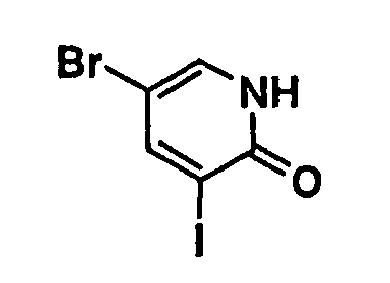
1H-NMR (400 MHz, CDCl3); δ (ppm) 7.60 (d, 1H), 8.14 (d, 1H). Referential Example 2. -

- 5-Bromo-3-iodo-1,2-dihydropyridin-2-one (10.0 g) obtained in Referential Example 1, 10.0 g of phenylboronic acid and 8.1 g of copper acetate were suspended in 500 ml of dichloromethane. 15 ml of triethylamine were added thereto, followed by stirring at room temperature for 5 days and nights. To the reaction solution were added 200 ml of water and 50 ml of aqueous ammonia, followed by stirring vigorously. Then the insoluble matters were filtered off through Celite, the filtrate was extracted with dichloromethane, the extract was dried over anhydrous magnesium sulfate. The solvent was evaporated, and the residue was recrystallized from ethyl acetate/hexane, to give 6.54 g (yield: 52%) of the title compound.
1H-NMR (400 MHz, CDCl3); δ (ppm) 7.34-7.38 (m, 2H), 7.44-7.52 (m, 3H), 7.53 (d, 1H), 8.10 (d, 1H). -

- 5-Bromo-1-phenyl-3-iodo-1,2-dihydropyridin-2-one (11.69 g) obtained in Referential Example 2, 8.0 g of 2-(2-cyanophenyl)-1,3,2-dioxaborinate and 16.0 g of cesium carbonate were suspended in 150 ml of dimethylformamide. 3.0 g of tetrakistriphenylphosphine palladium were added thereto, followed by stirring at 80°C in nitrogen atmosphere for 2 hours. The reaction solution was poured into water, the mixture was extracted with ethyl acetate, the extract was successively washed with water and brine and dried over anhydrous magnesium sulfate. Then, the solvent was evaporated, and the residue was purified by a silica gel column chromatography (hexane/ethyl acetate system), followed by recrystallizing from ethyl acetate/hexane, to give 5.67 g (yield: 52%) of the title compound.
1H-NMR (400 MHz, CDCl3); δ (ppm) 7.42-7.54 (m, 6H), 7.61-7.65 (m, 4H), 7.66 (d, 1H), 7.74-7.77 (m, 1H). -

- 2,5-Diboromopyridine [CAS No. 624-28-2] (400 g) was added to 3500 ml of a 28% methanolic solution of sodium methoxide, the mixture was stirred at 60°C for 3 hours and allowed to cool, the reaction solution was poured into 3 liters of water, the mixture was extracted with 9000 ml of diethyl ether, the extract was washed with a saturated saline solution for three times and dried over anhydrous magnesium sulfate and the solvent was evaporated in vacuo. The residue was dissolved in 2 liters of dimethylformamide, 900 g of tri-N-butyl-(2-pyridyl) tin [CAS No. 59020-10-9] and 20 g of tetrakistriphenylphosphine palladium and mixture was stirred at 120°C in a nitrogen atmosphere for 3 hours. The reaction solution was allowed to cool and poured into 3 liters of water, the mixture was extracted with 10 liters of diethyl ether, the extract was successively washed with a saturated sodium bicarbonate solution and a saturated saline solution and the solvent was evaporated in vacuo. A 48% aqueous solution (800 ml) of hydrogen bromide was added to the residue and the mixture was stirred at 110°C for 3 hours. After allowing to cool, the reaction solution was washed with 3 liters of diethyl ether, poured into 2 liters of ice, adjusted to pH 11.0 with a 5N sodium hydroxide solution and washed with 3 liters of diethyl ether again. The aqueous layer was adjusted to pH 7.0 and extracted with dichloromethane. The crude crystals prepared by evaporating the solvent in vauco were washed with a mixed solvent consisting of diethyl ether and hexane to give 201.5 g (yield: 69%) of the title compound. 1H-NMR (400MHz,CDCl3); δ (ppm) 6.72 (d, 1H), 7.20 (ddd, 1H), 7.50-7.54 (m,1H), 7.73 (dt,1H), 8.12-8.15 (m,1H), 8.19 (dd,1H), 8.60-8.64 (m, 1H).
-

- 5-(2-Pyridyl)-1,2-dihydropyridin-2-one (201.5 g) obtained in Referential Example 4 was dissolved in 1300 ml of dimethylformamide, 208.3 g of N-bromosuccimide were added thereto and the mixture was stirred at room temperature for 2 hours. The reaction mixture was poured into 4 liters of ice water and the precipitate was filtered and dried with warm air at 50°C for two days and nights to give 230 g (yield: 79%) of the title compound.
1H-NMR (400 MHz, CDCl3); δ (ppm) 7.21-7.26 (m, 1H), 7.52 (d, 1H), 7.75 (dt, 1H), 8.21 (d, 1H), 8.61-8.64 (m, 1H), 8.67 (d, 1H). -

- Dichloromethane (300 ml) was added to 18.75 g of 3-bromo-5-(2-pyridyl)-1,2-dihydropyridin-2-one obtained in Referential Example 5 and 18.36 of 3-pyridineboronic acid, then 3.47 g of di-µ-hydroxo-bis[(N,N,N',N'-tetramethylethylenediamine) copper (II)] chloride were added and the mixture was stirred in an oxygen atmosphere for 4 days and nights. The reaction solution was purified by an NH silica gel short column (eluted by ethyl acetate), the solvent was evaporated in vacuo and the resulting crude crystals were washed with diethyl ether to give 24.26 g (yield: 99%) of the title compound.
1H-NMR (400MHz, CDCl3); δ (ppm) 7.23-7.26(m,1H), 7.47-7.51(m,1H), 7.52-7.56(m,1H), 7.77 (dt, 1H), 7.87-7.91 (m, 1H), 8.19 (d, 1H), 8.53 (d, 1H), 8.59-8.62 (m, 1H), 8.71-8.75 (m, 2H). -

- 25ml of a dimethylformamide solution containing 4.00g of 2(1H)-pyridone and 8.00g of 2-bromopyridine was incorporated with 3.80g of potassium carbonate and 0.51g of cupurous iodide, followed by stirring at 120°C for 2 hours. After the mixture was returned to room temperature, water was added thereto. The mixture was extracted with ethyl acetate, and the ethyl acetate layer was washed with water and brine, and then dried over magnesium sulfate. The solvent was evaporated, and the residue was purified by silica gel chromatography (ethyl acetate/hexane=1:1), to give 1.58g of the title compound as a pale yellow wax.
1H-NMR(400MHz, CDCl3); δ (ppm) 6.31(dt, 1H), 6.67(d, 1H), 7.33(ddd, 1H), 7.40(ddd, 1H), 7.82-7.90(m, 2H), 7.96(dd, 1H), 8.57(dd, 1H). -

- Under ice-cooling, 15ml of a dimethylformamide solution containing 1.50g of 1-(2-pyridyl)-1,2-dihydropyridin-2-one was incorporated with 1. 60g of N-bromosuccinic acid imide. The mixture was stirred at room temperature for 2 hours, and then diluted with water and extracted with ethyl acetate. The organic layer was washed with water and brine, and then dried over magnesium sulfate. The solvent was evaporated, and the residue was purified by silica gel chromatography (ethyl acetate/hexane=1:3), to give 1.13g of the title compound as a pale brown powder.
1H-NMR (400MHz,CDCl3); δ (ppm) 6.57(d,1H), 7.34(ddd,1H), 7.42(dd,1H), 7.85(dt,1H), 7.97(dd,1H), 8.10(d,1H), 8.57(dd,1H). -

- 2.5ml of a dimethylformamide solution containing 0.10g of 1-(2-Pyridyl)-5-bromo-1,2-dihydropyridin-2-one and 0.30g of 2-tributyl stannyl pyridine was incorporated with 0.05g of dichlorobistriphenylphosphine palladium, followed by stirring at 130°C for 2 hours. The mixture was returned to room temperature, followed by diluting with water and extracting with ethyl acetate. The organic layer was washed with water and brine, and then dried over magnesium sulfate. The solvent was evaporated, and the residue was purified by silica gel chromatography (ethyl acetate), to give 0.076g of the title compound as a pale yellow powder.
1H-NMR (400MHz, CDCl3); δ(ppm) 6.77(d,1H), 7.22(dd,1H), 7.36(dd,1H), 7.61(d,1H), 7.76(dt,1H), 7.87(dt,1H), 7.97(d,1H), 8.12(dd,1H), 8.60-8.65(m,2H), 8.67(d,1H). -

- 2ml of a dimethylformamide solution containing 0.07g of 1-(2-pyridyl)-5-(2-pyridyl)-1,2-dihydropyridin-2-one was incorporated with 0.07g of N-bromosuccinic acid imide, under stirring and ice-cooling. After stirring the mixture at room temperature for 2 hours, it was diluted with water and extracted with ethyl acetate. The organic layer was washed with water and brine, and then dried over magnesium sulfate. The solvent was evaporated, and the residue was purified by silica gel chromatography (ethyl acetate/hexane=3:1), to give 0.05g of the title compound as a pale brown powder.
1H-NMR (400MHz,DMSO-d6); δ (ppm) 7.33 (ddd, 1H), 7.58(ddd, 1H), 7.83-7.88(m, 2H), 7.97(dd, 1H), 8.07(dt, 1H), 8.59-8.62(m, 1H), 8.65-8.80(m, 1H), 8.72(d, 1H), 8.81(d, 1H). -

- 80ml of a 28% sodium methoxide solution was incorporated with 30.0g of 2,3,5-tribromopyridine under ice-cooling, followed by stirring at 50°C for 2 hours. The reaction solution was diluted with water and extracted with diethyl ether. The organic layer was washed with brine, and then dried over anhydrous magnesium sulfate. The solvent was evaporated, and the residue was purified by silica gel chromatography (ethyl acetate/hexane=1:20), to give 18.5g of the title compound. 1H-NMR (400MHz,CDCl3); δ(ppm) 3.99(s,3H), 7.93(d,1H), 8.14(d,1H).
-

- 100ml of a dimethylformamide solution containing 6.3g of 3,5-dibromo-2-methoxypyridine and 8.1g of 2-tributyl stannyl pyridine was incorporated with 1.0g of tetrakistriphenylphosphine palladium, followed by stirring at 120°C for 2 hours in nitrogen atmosphere. After the mixture was returned to room temperature, the solvent was evaporated, and the residue was extracted with ethyl acetate. The organic layer was washed with water and brine, and then dried over magnesium sulfate. The solvent was evaporated, and the residue was purified by silica gel chromatography (ethyl acetate/hexane=1:3), to give 2.8g of the title compound as a pale yellow powder.
1H-NMR (400MHz,CDCl3); δ(ppm) 4.02(s,3H), 7.31(dd,1H), 7.80(dt,1H), 8.02(ddd,1H), 8.25(d,1H), 8.40(d,1H), 8.71-8.74(m,1H). -
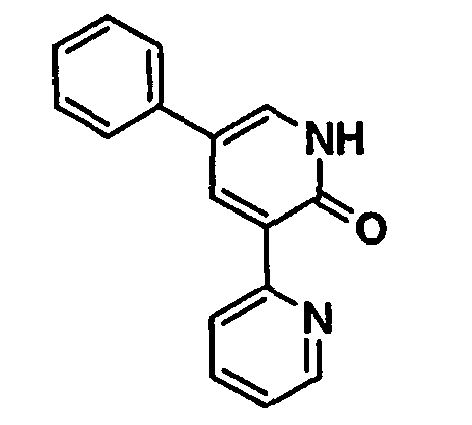
- A mixture of 1.0g of 3-(2-pyridyl)-5-bromo-2-methoxypyridine, 0.9g of phenylboronic acid, 0.3g of dichlorobistriphenylphosphine palladium and 2ml of triethylamine was stirred at 120°C for 1.5 hours in 30ml of xylene in nitrogen atomosphere. The mixture was returned to room temperature, diluted with ethyl acetate, washed with water and brine, and dried over magnesium sulfate. The solvent was evaporated, and the residue was incorporated with 47% hydrobromic acid and heated at 70°C for 1 hour. The reaction solution was ice-cooled, diluted with water, and neutralized with potassium carbonate. The resulting precipitates were collected by filtration, washed with water and ether, and then air-dried, to give 0.5g of the title compound as a pale yellow powder.
1H-NMR(400MHz, DMSO-d6); δ(ppm) 7.30-7.37(m, 2H), 7.43 (dd, 2H), 7.62(d, 2H), 7.82-7.90(m, 1H), 7.87(d, 1H), 8.64-8.69(m, 2H), 8.57(d, 1H), 12.30(brs, 1H). -

- 5g of 2-hydroxy-3-nitropyridine, 7.14g of phenylboronic acid, 2.6g of copper (II) acetate, 9.9ml of triethylamine and 5.8ml of pyridine were added to 100ml of tetrahydrofuran, followed by stirring overnight. The reaction mixture was poured into aqueous ammonia, and extracted with ethyl acetate. The organic layer was washed with water, dried, and concentrated. The residue was suspended into ether, and collected by filtration, to give 4.71g of the title compound.
1H-NMR (400MHz,CDCl3); δ(ppm) 6.39(dd, 1H), 7.36-7.40(m, 2H), 7.49-7.54(m, 3H), 7.73(dd, 1H), 8.38(dd, 1H). - 10ml of a dimethylformamide solution containing 1g of 3-nitro-1-phenyl-1,2-dihydropyridin-2-one was incorporated with 988mg of N-bromosuccinimide, followed by stirring at room temperature overnight. Further, it was stirred at 50°C for 3 hours. The reaction mixture was poured into ice-water, and the resulting precipitates were collected by filtration, to give 1.27g of the title compound.
1H-NMR (400MHz,CDCl3); δ(ppm) 7.36-7.39(m,2H), 7.50-7.57(m,3H), 7.88(d, 1H), 8.42(d, 1H). - 1.27g of 5-bromo-3-nitro-1-phenyl-1,2-dihydropyridin-2-one, 2.38g of 2-tri-n-butyl stannyl pyridine and 248mg of tetrakistriphenylphosphine palladium were added to 20ml of xylene, followed by stirring at 120°C overnight in nitrogen atmosphere. The reaction mixture was purified by silica gel chromatography (ethyl acetate/hexane system), to give 638mg of the title compound.
1H-NMR (400MHz, CDCl3) ; δ(ppm) 7.28(ddd,1H), 7.45-7.63(m, 6H), 7.80(dt, 1H), 8.61(ddd, 1H), 8.63(d, 1H), 9.03(d, 1H). -

- 100mg of 10% palladium-carbon was added to 20ml of an ethanol solution containing 546mg of 3-nitro-1-phenyl-5-(pyridin-2-yl)-1,2-dihydropyridin-2-one, followed by stirring overnight in hydrogen atmophsre. The reaction mixture was filtered through silica gel and concentrated, to give 411mg of the title compound.
1H-NMR (400MHz, CDCl3); δ(ppm) 4.36-4.42(m, 1H), 7.18(dd, 1H), 7.28(d, 1H), 7.44-7.54(m, 6H), 7.61(d, 1H), 7.70(dt, 1H), 8.57-8.60(m, 1H). -

- 6g of methyl 5-bromo-6-hydroxynicotinate synthesized by a known method from 6-hydroxynicotinic acid, and 6.3g of phenylboronic acid were dissolved in 200ml of tetrahydrofuran. To the mixture were added 939mg of copper acetate and 1ml of pyridine, followed by stirring at room temperature for 3 nights. Aqueous ammonia was added to the reaction solution, and the solution was extracted with chloroform. The organic layer was washed with brine, and then dried over anhydrous magnesium sulfate. The solvent was evaporated, and the residue obtained as a solid was washed with diethyl ether, to give 7.35g of 3-bromo-5-(methoxycarbonyl)-1-phenyl-1,2-dihydropyridin-2-one as whit crystals. 5g of the product was dissolved in 100ml of dimethylformamide, followed by adding 4.6g of 2-(2-cyanophenyl)-1,3,2-dioxaborinate, 7.9g of cesium carbonate and 375mg of tetrakistriphenylphosphine palladium, and stirring at 140°C for 1 hour in nitrogen atmosphere. After cooling to room temperature, the reaction mixture was poured into water, and extracted with ethyl acetate. Then, the extract was successively washed with water and brine, and dried over anhydrous magnesium sulfate. Then, the solvent was evaporated, and the residue was purified by silica gel chromatography (hexane/ethyl acetate system), to give 3.23g of the title compound.
1H-NMR (400MHz, CDCl3); δ(ppm) 3.89 (s, 3H), 7.42-7.55 (m, 6H), 7.61-7.66 (m, 2H), 7.75 (dd, 1H), 8.14 (d, 1H), 8.35 (d, 1H). -

- 36mg of 3-(2-chlorophenyl)-5-methoxycarbonyl-1-phenyl-1,2-dihydropyridin-2-one synthesized by the method of Referential Example 3 from 3-bromo-5-methoxycarbonyl-1-phenyl-1,2-dihydropyridin-2-one and 2-chloroboronic acid, was dissolved in 20ml of toluene. After cooling to -78°C, 0.1ml diisopropyl aluminum hydride (1.5M tetrahydrofuran solution) was added dropwise thereinto. While heating from -78°C to room temperature, the mixture was stirred overnight. Then, 1N hydrochloric acid was added thereto, followed by stirring. The mixture was neutralized with an aqueous solution of sodium hydrogen carbonate, and then extracted with ethyl acetate. Then, the extract was successively washed with water and brine, and dried over anhydrous magnesium sulfate. Then, the solvent was evaporated, and the residue was purified by silica gel chromatography (hexane/ethyl acetate system), to give 12mg of the title compound.
1H-NMR (400MHz, CDCl3); δ(ppm) 4.48 (s, 2H), 7.25-7.29 (m, 3H), 7.37-7.51 (m, 8H).
ESI-Mass; 312 [M++H] -

- 4.5g of methyl 5-bromo-2-hydroxynicotinate synthesized by a known method from 2-hydroxynicotinic acid, and 4.7g of phenylboronic acid were dissolved in 200ml of tetrahydrofuran. To the mixture were added 705mg of copper acetate and 1ml of pyridine, followed by stirring at room temperature for 3 nights in a flow of air. Aqueous ammonia was added to the reaction solution, and the solution was extracted with chloroform. The organic layer was washed with brine, and dried over anhydrous magnesium sulfate. The solvent was evaporated, and the residue obtained as a solid was washed with diethyl ether, to obtain 3.59g of 5-bromo-3-methoxycarbonyl-1-phenyl-1,2-dihydropyridin-2-one as white crystals. 3.2g of the product was dissolved in 100ml of dimethylformamide, to which 7.7g of tri-N-butyl-(2-pyridyl)tin [CAS No.59020-10-9] and 240mg of tetrakistriphenylphosphine palladium were added, followed by stirring at 110°C for 3 hours in nitrogen atmosphere. After cooling to room temperature, the reaction solution was poured into water, extracted with ethyl acetate. Then, the extract was successively washed with water and brine, dried over anhydrous magnesium sulfate, and then filtered through NH silica gel and silica gel. Then, the filtrate was evaporated, and the resulting precipitates were washed with ether and hexane, and dried, to give 1.59g of the title compound.
1H-NMR (400MHz, CDCl3); δ(ppm) 3.95 (s, 3H), 7.22 (ddd, 1H), 7.42-7.54 (m, 5H), 7.62 (dt, 1H), 7.76 (td, 1H), 8.52 (d, 1H), 8.58 (ddd, 1H), 8.85 (d, 1H). -

- 5.93g of the title compound was obtained in accordance with the method used for Referential Example (14-1), from 5g of 2-hydroxy-5-nitropyridine.
1H-NMR (400MHz, CDCl3) ; δ(ppm) 6.67(d, 1H), 7.39-7.43(m, 2H), 7.53-7.59(m, 3H), 8.18(dd, 1H), 8.68(dd, 1H). - 4.72g of the title compound was obtained in accordance with the method used for Referential Example (14-2), from 5. 93g of 5-nitro-1-phenyl-1,2-dihydropyridin-2-one.
1H-NMR (400MHz, CDCl3) ; δ(ppm) 7.38-7.42(m, 2H), 7.54-7.58(m, 3H), 8.59-8.61(m, 1H), 8.66-8.68(m, 1H). - 758mg of the title compound was obtained in accordance with the method used for Referential Example 3, from 3g of 3-bromo-5-nitro-1-phenyl-1,2-dihydropyridin-2-one.
1H-NMR (400MHz, CDCl3) ; δ(ppm) 7.47-7.63(m, 7H), 7.68(dt, 1H), 7.80(ddd, 1H), 8.38(d, 1H), 8.78(d, 1H). -

- 414mg of the title compound was obtained in accordance with the method used for Referential Example 15, from 708mg of 5-nitro-3-(2-cyanophenyl)-1-phenyl-1,2-dihydropyridin-2-one.
1H-NMR (400MHz, CDCl3) ; δ(ppm) 6.99(d, 1H), 7.39-7.49(m, 7H), 7.60(dt, 1H), 7.73(d, 1H), 7.75(d, 1H). - 5-Bromo-3-(2-cyanophenyl)-1-phenyl-1,2-dihydropyridin-2-one (100 mg), 60 mg of 2-nitrophenylboronic acid and 130 mg of cesium carbonate were suspended in 10 ml of dimethylformamide, then 20 mg of tetrakistriphenylphosphine palladium were added and the mixture was stirred at 120°C in a nitrogen atmosphere for 4 hours. After allowing to cool, the reaction solution was poured into water, the mixture was extracted with ethyl acetate, the extract was dried over anhydrous magnesium sulfate, the solvent was evaporated in vacuo and the residue was purified by a silica gel column chromatography (hexane-ethyl acetate system) to give 35 mg of the title compound.
1H-NMR (400 MHz,CDCl3); δ(ppm) 7.40-7.80 (m, 14H), 7.97 (dd, 1H). - 3-(2-Cyanophenyl)-5-(2-nitrophenyl)-1-phenyl-1,2-dihydropyridin-2-one (32 mg) was dissolved in 15 ml of ethyl acetate, 5 mg of 10% palladium-carbon (water-containing substance) were added and the mixture was stirred at room temperature in a hydrogen atmosphere for 15 minutes. The catalyst was filtered off and the solvent was evaporated in vacuo to give 20 mg of the title compound.
1H-NMR (400 MHz, CDCl3); δ(ppm) 3.95 (bs, 2H), 6.76 (dd, 1H), 6.80 (dt, 1H), 7.14 (dd, 1H), 7.17 (dt, 1H), 7.41-7.55 (m, 6H), 7.59 (d, 1H), 7.62 (dt, 1H), 7.74-7.82 (m, 2H), 7.88 (d, 1H). - 5-(2-Aminophenyl)-3-(2-cyanophenyl)-1-phenyl-1,2-dihydropyridin-2-one (16 mg) was dissolved in 10 ml of dimethylformamide, then 0.05 ml of triethylamine and 3 drops of methanesulfonyl chloride were added and the mixture was stirred at room temperature for one hour. Ethyl acetate was added to the reaction solution, the mixture was washed with water and a saturated saline solution, the solvent was evaporated in vacuo and the residue was purified by a silica gel column chromatography (hexane-ethyl acetate system) to give 5 mg of the title compound.
1H-NMR (400 MHz, CDCl3); δ(ppm) 2.19 (s, 3H), 6.88-6.95 (m, 1H), 7.08-7.15(m,1H), 7.38-7.55(m,8H), 7.61(dt,1H), 7.69-7.76(m,3H), 7.91 (d, 1H), 7.92-7.97 (m, 1H). - 3-Iodo-5-(2-pyridyl)-1-phenyl-1,2-dihydropyridin-2-one (200 mg) synthesized by the same method as mentioned in Referential Example 6, 130 mg of 2-chloro-3-pyridyl boronic acid and 250 mg of cesium carbonate were suspended in 10 ml of dimethylformamide, 40 mg of tetrakistriphenylphosphine palladium were added and the mixture was stirred at 100°C in a nitrogen atmosphere for 3 hours. After allowing to cool, the reaction solution was poured into water, the mixture was extracted with ethyl acetate, the extract was dried over anhydrous magnesium sulfate, the solvent was evaporated in vacuo and the residue was purified by a silica gel column chromatography (hexane-ethyl acetate system) to give 143 mg of the title compound.
1H-NMR (400 MHz,CDCl3); δ(ppm) 7.20-7.24 (m, 1H), 7.31 (dd, 1H), 7.44-7.59(m, 6H), 7.75 (dt, 1H), 7.91 (dd, 1H), 8.25 (d, 1H), 8.33 (d, 1H), 8.41 (dd, 1H), 8.59-9.62 (m, 1H). -

- Tetrakistriphenylphosphine palladium (0.15 g) was added to a mixed solution of 0.50 g of 5-(2-pyridyl)-3-bromo-2-methoxypyridine, 0.42 g of 2-(2-cyanophenyl)-1,3,2-dioxaborinate, 0.82 g of cesium carbonate and 20 ml of dimethylformamide and the mixture was stirred at 140°C in a nitrogen atmosphere for 5 hours. After cooling to room temperature, ethyl acetate was added thereto, the mixture was washed with water and a saturated saline solution and dried over magnesium sulfate. The solvent was concentrated in vacuo and the residue was purified by a silica gel column chromatography (ethyl acetate:hexane = 1:3) to give 0.36 of the title compound as pale yellow powder.
1H-NMR (CDCl3,400MHz); δ (ppm) 4.03 (3H, s), 7.24-7.28 (1H, m), 7.46-7.51 (1H, ddd), 7.57 (1H, dd), 7.65-7.69 (1H, ddd), 7.72-7.82 (3H,m), 8.31 (1H,d), 8.66-8.69 (1H,m), 8.83 (1H,d). - Chlorotrimethylsilane (0.1 ml) was added to a suspension of 0.20 g of 3-(2-cyanophenyl)-5-(2-pyridyl)-2-methoxypyridine and 0.12 g of sodium iodide in 10 ml of acetonitrile and the mixture was stirred at room temperature for 3 hours. A saturated sodium bicarbonate solution was added to the mixture followed by extracting with ethyl acetate. The ethyl acetate layer was washed with water and a saturated saline solution and dried over magnesium sulfate. The solvent was concentrated in vacuo and the residue was purified by a silica gel column chromatography (ethyl acetate :hexane =1:1) to give 0.11 g of the title compound in pale yellow powder.
1H-NMR (DMSO-d6,400 MHz); δ(ppm) 7.26-7.30(1H,ddd), 7.55-7.60(1H,ddd), 7.66(1H,dd), 7.74-7.79(1H,ddd), 7.80-7.86(1H,ddd), 7.89-7.94(2H,m), 8.28(1H,d), 8.37(1H,d), 8.56-8.59(1H,m). - A suspension of 0.11 g of 3-(2-cyanophenyl)-5-(2-pyridyl)-2(1H)-pyridone, 0.12 g of phenyl boronic acid 0.1 g of copper acetate and 0.3 ml of triethylamine in 10 ml of methylene chloride was stirred at room temperature for overnight. To this were added 5 ml of concentrated aqueous ammonia, 10 ml of water and 40 ml of ethyl acetate and the organic layer was separated, washed with water and a saturated saline solution and dried over magnesium sulfate. The solvent was concentrated in vacuo and the residue was purified by a silica gel column chromatography (ethyl acetate : hexane = 1:2) to give 0.06 g of the title product as pale yellow powder.
1H-NMR (DMSO-d6,400MHz); δ(ppm) 7.29-7.33(1H,m), 7.48-7.63(6H,m), 7.71-7.75(1H,dd), 7.76-7.88(2H,m), 7.92-7.95(1H,m), 8.01(1H,d), 8.48(1H,d), 8.54(1H,d), 8.58-8.61(1H,m). - The title compound was obtained in the same manner as in Example 7.
1H-NMR (400 MHz,CDCl3); δ (ppm) 7.24-7.28 (m, 1H), 7.49 (dt, 1H), 7.63-7.81(m,6H), 7.95-7.98(m,1H), 8.31-8.37(m,3H), 8.45(t,1H), 8.60-8.63(m,1H). - Iron powder (180 mg) and 342 mg of ammonium chloride were added to a solution of 317 mg of 3-(2-cyanophenyl)-5-(2-pyridyl)-1-(3-nitrophenyl)-1,2-dihydropyridin-2-one in a mixture of 10 ml of 2-propanol and 5 ml of water followed by refluxing for 4 hours. The reaction mixture was concentrated, partitioned in ethyl acetate-water, the organic layer was washed with water, dried and concentrated and the residue was purified by a silica gel column chromatography (ethyl acetate/hexane system) to give 235 mg of the title compound as a pale yellow solid.
1H-NMR (400MHz, CDCl3); δ(ppm) 3.84 (s, 2H), 6.75 (dd, 1H), 6.82-6.87 (m, 2H), 7.20 (dd, 1H), 7.26-7.30 (m, 1H), 7.45 (td,1H), 7.59-7.65(m,2H), 7.72-7.80(m,3H), 8.29(s,2H), 8.56-8.61(m,1H) - Triethylamine (0.2 ml) was added to a solution of 31 mg of 3-(2-cyanophenyl)-5-(2-pyridyl)-1-(3-aminophenyl)-1,2-dihydropyridin-2-one in 2 ml of tetrahydrofuran, 0.1 ml of methanesulfonic acid chloride was dropped thereinto with ice cooling and the mixture was stirred for 10 minutes. To this were added 2 ml of 2N sodium hydroxide, the mixture was stirred at room temperature for 5 minutes and partitioned to ethyl acetate-water, the organic layer was washed with water, dried and concentrated and the residue was purified by a silica gel column chromatography (ethyl acetate-hexane system) to give 38 mg of the title compound as a pale yellow amorphous substance.
1H-NMR (400MHz, CDCl3); δ(ppm) 7.22-7.31 (m, 3H), 7.36 (t, 1H), 7.43 (t, 1H), 7.46 (dd, 1H), 7.61 (dt, 1H), 7.65 (td, 1H), 7.73-7.78 (m,3H), 8.27 (d, 1H), 8.31 (d, 1H), 8.59-8.61 (m, 1H). - Paraformaldehyde (41 mg) and 119 mg of triacetoxy sodium borohydride were added to a solution of 50 mg of 3-(2-cyanophenyl)-5-(2-pyridyl)-1-(3-aminophenyl)-1,2-dihydropyridin-2-one in 3 ml of acetic acid followed by stirring at room temperature for one night. To this was added an aqueous solution of sodium bicarbonate, the mixture was extracted with ethyl acetate, the organic layer was washed with water, dried and concentrated and the residue was purified by a silica gel column chromatography (ethyl acetate/hexane system) to give 11 mg of the title compound as a pale yellow solid.
1H-NMR (400 MHz, CDCl3); δ (ppm) 2.00 (s, 3H), 7.11-7.14 (m, 1H), 7.21 (ddd, 1H), 7.35 (t, 1H), 7.44-7.49 (m, 2H), 7.59 (d, 1H), 7.66 (td, 1H), 7.70-7.77 (m, 4H), 8.25 (d, 1H), 8.51 (s, 1H), 8.58-8.61 (m, 1H). - Paraformaldehyde (41 mg) and 119 mg of triacetoxy sodium borohydride were added to a solution of 50 mg of 3-(2-cyanophenyl)-5-(2-pyridyl)-1-(3-aminophenyl)-1,2-dihydropyridin-2-one in 3 ml of acetic acid followed by stirring at room temperature for 6 hours. To this were further added 41 mg of paraformaldehyde and 119 mg of triacetoxy sodium borohydride, the mixture was stirred for one night, an aqueous solution of sodium bicarbonate was added thereto, the mixture was extracted with ethyl acetate, the organic layer was washed with water, dried and concentrated and the residue was purified by a silica gel column chromatography (ethyl acetate/hexane system) to give 38 mg of the title compound as a pale yellow amorphous substance.
1H-NMR (400MHz, CDCl3); δ(ppm) 2.99 (s, 6H), 6.77-6.80 (m, 3H), 7.18-7.21(m,1H), 7.32-7.37(m,1H), 7.44(t,1H), 7.59-7.64(m,1H), 7.71-7.83 (m, 3H), 8.32 (s, 2H), 8.58-8.60 (m, 1H). - Glycidyl methyl ether (0.01 ml) and 22 mg of magnesium periodate were added to a solution of 38 mg of 3-(2-cyanophenyl)-5-(2-pyridyl)-1-(3-aminophenyl)-1,2-dihydropyridin-2-one in 6 ml of acetonitrile followed by stirring at room temperature. After 2 hours, 0.01 ml of glycidyl methyl ether and 22 mg of magnesium periodate were further added thereto and the mixture was stirred at room temperature for 1 hours and then stirred at 50°C for 1 hour more. The reaction mixture was partitioned to ethyl acetate-water, the organic layer was washed with water, dried and concentrated, the residue was dissolved in 6 ml of tetrahydrofuran, 32 mg of carbonyldiimidazole were added thereto and the mixture was heated to reflux for 2 hours. This was partitioned to ethyl acetate-water, the organic layer was washed with water, dried and concentrated and the residue was purified by a preparative thin layer chromatography (ethyl acetate/hexane system) to give 21 mg of the title compound as a pale yellow solid.
1H-NMR (400MHz,CDCl3); δ(ppm) 3.43 (s, 3H), 3.64 (dd, 2H), 3.97(dd, 1H), 4.09 (t, 1H), 4.77 (ddd, 1H), 7.22 (ddd, 1H), 7.29 (ddd, 1H), 7.46 (td, 1H), 7.53 (t, 1H), 7.59-7.79 (m, 5H), 8.30 (d, 1H), 8.31 (d, 1H), 8.58-8.61 (m, 1H). - The title compound was obtained in the same manner as in Example 7.
1H-NMR (400 MHz, CDCl3); δ (ppm) 3.94 (s, 3H), 7.23 (ddd, 1H), 7.47 (td, 1H), 7.59-7.68 (m, 4H), 7.73-7.80 (m, 3H), 7.88-7.91 (m, 2H), 8.31 (d, 1H), 8.32 (d, 1H), 8.59-8.61 (m, 1H). - 3-(2-Cyanophenyl)-5-(2-pyridyl)-1-(3-methoxycarbonylphenyl)-1,2-dihydropyridin-2-one (10 mg) was added to 6 ml of a 40% methanolic solution of methylamine followed by stirring at room temperature for one night. The reaction solution was concentrated in vacuo to give 10 mg of the title compound as a pale yellow solid.
1H-NMR (400MHz,CDCl3); δ(ppm) 3.00 (d, 3H), 6.51 (brs, 1H), 7.23 (ddd, 1H), 7.47 (td, 1H), 7.58-7.68 (m, 4H), 7.73-7.80 (m, 3H), 7.88-7.91 (m,2H), 8.31 (d, 1H), 8.32 (d, 1H), 8.59-8.61 (m, 1H). - 3-(2-Chloro-3-pyridyl)-5-(2-pyridyl)-1-phenyl-1,2-dihydropyridin-2-one (281 mg) was dissolved in 20 ml of dimethylformamide, 170 mg of copper cyanide were added and the mixture was stirred at 130°C for 10 hours. The reaction solution was cooled to room temperature, aqueous ammonia and ethyl acetate were added, the organic layer was partitioned, washed with water and dried over anhydrous sodium sulfate, the drying agent was filtered off, the filtrate was concentrated in vacuo and the residue was purified by a silica gel column chromatography (hexane-ethyl acetate system) to give 120 mg of the title compound as a colorless amorphous substance.
- 3-Bromo-5-(2-pyridyl)-1-phenyl-1,2-dihydropyridin-2-one (2.9 g) synthesized by the same method as mentioned in Referential Example 6 was dissolved in 200 ml of xylene, 5 ml of bis(tributyl tin) and 400 mg of tetrakistriphenylphosphine palladium were added and the mixture was stirred at 140°C for 2 hours. 3-Bromo-2-cyanopyridine (3.2 g) and 100 mg of tetrakistriphenylphosphine palladium were added thereto and the mixture was stirred at 140°C for 2 hours. Tetrakistriphenylphosphine palladium (1.0 g) and 800 mg of copper iodide were divided into four and added every 1 hour, then 2 g of 3-bromo-2-cyanopyridine were added thereto and the mixture was stirred at 140°C for one night. The reaction solution was cooled to room temperature, water and ethyl acetate were added thereto, the organic layer was partitioned, washed with water and dried over anhydrous sodium sulfate, the drying agent was filtered off, the filtrate was concentrated in vacuo and the residue was purified by a silica gel column chromatography (hexane-ethyl acetate system) to give 1.8 g of the title compound as a colorless amorphous substance.
1H-NMR (400MHz,CDCl3); δ(ppm) 7.24 (ddd, 1H), 7.47-5.57 (m, 6H), 7.63 (d, 1H), 7.68 (td, 1H), 8.22 (dd, 1H), 8.37 (dd, 1H), 8.43 (d, 1H), 8.59-8.61 (m, 1H), 8.69 (dd, 1H).
ESI-Mass; 351 [M+ + H] - The title compound was obtained in the same manner as in Example 4.
1H-NMR (400 MHz, CDCl3); δ (ppm) 3.84 (s, 3H), 6.98-7.03 (m, 2H), 7.19 (ddd, 1H), 7.28-7.33 (m, 2H), 7.40-7.46 (m, 2H), 7.46-7.51 (m, 2H), 7.53-7.57 (m, 1H), 7.72 (ddd, 1H), 8.12 (d, 1H), 8.29 (d, 1H), 8.57-8.61 (m, 1H). - 3-(2-Chlorophenyl)-5-(2-pyridyl)-1-(4-methoxyphenyl)-1,2-dihydropyridin-2-one (440 mg) was dissolved in 5 ml of 48% hydrobromic acid and heated to reflux for 1 hours. After the reaction solution was allowed to cool at room temperature, it was diluted with a saturated aqueous solution of sodium bicarbonate and extracted with ethyl acetate. The organic layer was washed with water and dried over anhydrous magnesium sulfate. The drying agent was filtered off and the filtrate was concentrated in vacuo and purified by a silica gel column chromatography (hexane-ethyl acetate system) to give 292 mg of the title compound.
1H-NMR (400MHz,CDCl3); δ(ppm) 6.67-6.73(m,2H), 7.12-7.18(m,2H), 7.19-7.24(m,1H), 7.30-7.38(m,2H), 7.47-7.53(m,2H), 7.56(d,1H), 7.70 (s, 1H), 7.73 (ddd, 1H), 8.18 (d, 1H), 8.26 (d, 1H), 8.57-8.62 (m, 1H). - 3-(2-Chlorophenyl)-5-(2-pyridyl)-1-(4-hydroxyphenyl)-1,2-dihydropyridin-2-one (82 mg) and 57 mg of N,N-dimethylaminoethyl chloride were dissolved in 2 ml of dimethylformamide, 55 mg of potassium carbonate were added thereto at 60°C and the mixture was stirred for one night. The reaction solution was diluted with water and extracted with ethyl acetate. The organic layer was washed with a saturated saline solution and dried over anhydrous magnesium sulfate. The drying agent was filtered off and the filtrate was concentrated in vacuo and purified by an NH silica gel column chromatography (hexane-ethyl acetate system) to give 27 mg of the title compound.
1H-NMR (400MHz, CDCl3); δ(ppm) 2.55 (s, 6H), 2.76 (t, 2H), 4.11 (t, 2H), 6.99-7.05 (m, 2H), 7.19 (ddd, 1H), 7.26-7.34 (m, 2H), 7.39-7.45(m,2H), 7.45-7.51(m,2H), 7.55(d,1H), 7.72(ddd,1H), 8.12 (d, 1H), 8.28 (d, 1H), 8.57-8.61 (m, 1H). - The title compound was obtained in the same manner as in Example 7.
1H-NMR (400 MHz, CDCl3); δ (ppm) 7.24 (ddd, 1H), 7.84 (ddd, 1H), 7.63 (d, 1H), 7.66 (ddd, 1H), 7.72 (dd, 1H), 7.75-7.82 (m, 3H), 7.84-7.88 (m, 1H), 8.00 (ddd, 1H), 8.05-8.08 (m, 1H), 8.32 (d, 1H), 8.35 (d, 1H), 8.59-8.62 (m, 1H), 10.08 (s, 1H). - 3-(2-Cyanophenyl)-5-(2-pyridyl)-1-(3-formylphenyl)-1,2-dihydropyridin-2-one (585 mg) was dissolved in 20 ml of methanol, 260 mg of sodium borohydride were added with ice cooling and the mixture was stirred at room temperature for one night. The reaction solution was diluted with ethyl acetate, washed with a saturated saline solution and dried over anhydrous magnesium sulfate. The drying agent was filtered off and the filtrate was concentrated in vacuo and purified by an NH silica gel column chromatography (ethyl acetate). The resulting crude crystals were recrystallized from ethyl acetate-diethyl ether to give 320 mg of the title compound.
1H-NMR (400 MHz,DMSO-d6); δ(ppm) 4.60 (d, 2H), 5.37 (t, 1H), 7.29-7.33 (m, 1H), 7.42-7.47 (m, 2H), 7.48-7.55 (m, 2H), 7.59 (ddd, 1H), 7.73 (dd, 1H), 7.78 (dd, 1H), 7.83 (ddd, 1H), 7.94 (dd, 1H), 8.01 (d, 1H), 8.48 (d, 1H), 8.52 (d, 1H), 8.57-8.61 (m, 1H). - 3-(2-Cyanophenyl)-5-(2-pyridyl)-1-(3-hydroxyphenyl)-1,2-dihydropyridin-2-one (53 mg) was dissolved in 2 ml of tetrahydrofuran, then 60 ml of triethylamine and 20 ml of methanesulfonyl chloride were added thereto with ice cooling and the mixture was stirred at room temperature for 3 hours. The reaction solution was diluted with an aqueous solution of sodium bicarbonate and extracted with ethyl acetate and the extract was dried over anhydrous magnesium sulfate. The drying agent was filtered off, the filtrate was concentrated in vacuo, the resulting residue was dissolved in 1 ml of dimethyl sulfoxide, 3 mg of sodium cyanide were added and the mixture was stirred at room temperature for 1 hour. The reaction solution was diluted with ethyl acetate, washed with an aqueous solution of sodium bicarbonate and a saturated saline solution and dried over anhydrous magnesium sulfate. The drying agent was filtered off, the filtrate was concentrated in vacuo and the resulting crude crystals were recrystallized from ethyl acetate-diethyl ether-hexane to give 12 mg of the title compound.
1H-NMR (400 MHz, CDCl3); δ (ppm) 3.85 (s, 2H), 7.21-7.26 (m, 1H), 7.41-7.81 (m, 10H), 8.29-8.32 (m, 2H), 8.59-8.62 (m, 1H). - The following compounds were prepared by the same manner as in the above Example 22.
- 1H-NMR (400 MHz, CDCl3); δ (ppm) 2.04 (s, 3H) 4.47-4.52 (m, 2H), 7.22 (ddd, 1H), 7.37-7.53 (m, 5H), 7.61 (d, 1H), 7.65 (ddd, 1H), 7.72-7.81 (m, 3H), 8.28 (d, 1H), 8.31(d, 1H), 8.59-8.62 (m, 1H).
- 1H-NMR (400 MHz, CDCl3); δ (ppm) 2.91 (s, 3H), 4.36 (d, 2H), 5.00-5.06 (m, 1H), 7.22 (ddd, 1H), 7.43-7.49 (m, 3H), 7.50-7.55 (m, 2H), 7.61 (ddd, 1H), 7.64 (ddd, 1H), 7.73-7.79 (m, 3H), 8.28-8.31 (m, 2H), 8.60 (ddd, 1H).
- To 56 mg of 3-(2-cyanophenyl)-5-(2-pyridyl)-1-(3-hydroxyphenyl)-1,2-dihydropyridin-2-one were added 1 ml of acetic anhydride and 1 ml of pyridine and the mixture was stirred at room temperature for one night. The reaction solution was concentrated in vacuo and purified by an NH silica gel chromatography (hexane-ethyl acetate system) to give 30 mg of the title compound.
1H-NMR (400MHz,CDCl3); δ (ppm) 2.13(s,3H), 5.18(s,2H), 7.23(ddd,1H), 7.44-7.56(m,5H), 7.60-7.67(m,2H), 7.73-7.81(m,3H), 8.30-8.33(m,2H), 8.59-8.62(m,1H). - The title compound was obtained in the same manner as in Example 7.
1H-NMR (400 MHz, CDCl3); δ (ppm) 2.53 (s, 1H), 7.21-7.24 (m, 1H), 7.36-8.79 (m, 10H), 8.28-8.32 (m, 2H), 8.59-8.61 (m, 1H). - A 70% m-chloroperbenzoic acid (500 mg) was added little by little during 2 hours to a solution of 50 mg of 3-(2-cyanophenyl)-5-(2-pyridyl)-1-(4-methylthiophenyl)-1,2-dihydropyridin-2-one in 4 ml of methylene chloride followed by stirring with ice cooling. A saturated aqueous solution of sodium bicarbonate was added thereto, the mixture was partitioned to ethyl acetate-water, the organic layer was washed with water, dried and concentrated and the residue was purified by a silica gel column chromatography (ethyl acetate/hexane system) to give 5 mg of the title compound as a yellow solid.
1H-NMR (400 MHz, CDCl3); δ (ppm) 3.11 (s, 3H), 7.24-7.28 (m, 1H), 7.50(dt,1H), 7.61-7.82(m,7H), 8.20(d,2H), 8.30-8.33(m,2H), 8.60-8.63(m,1H). - The title compound was prepared according to Example 1.
1H-NMR (400 MHz, CDCl3); δ (ppm) 7.29 (d, 1H), 7.42-7.57 (m, 6H), 7.65 (dt, 1H), 7.71 (d, 1H), 7.77-7.82 (m, 3H), 7.85 (d, 1H), 10.10 (s, 1H). - A solution of 20 mg of 3-(2-cyanophenyl)-5-(2-formylthiophen-3-yl)-1-phenyl-1,2-dihydropyridin-2-one, 0.1 ml of a 2M solution of diethylamine in tetrahydrofuran and 0.1 ml acetic acid in 2 ml of tetrahydrofuran was stirred at room temperature for 15 minutes, 20 mg of sodium triacetoxyborohydride were added and the mixture was stirred for 3 hours more. A 2N aqueous solution of sodium hydroxide was added thereto, the mixture was extracted with ethyl acetate and the organic layer was washed with water and a saturated saline solution and dried over magnesium sulfate. The solvent was concentrated in vacuo and the residue was purified by an NH silica gel column chromatography to give 15 mg of the title compound as white powder.
1H-NMR (400 MHz, CDCl3); δ (ppm) 1.38 (t, 6H), 2.99-3.20 (m, 4H), 4.57 (d,2H), 7.07 (d, 1H), 7.40-7.58 (m, 8H), 7.60-7.67 (m, 2H), 7.77 (d, 1H), 7.87 (d, 1H). - Sodium triacetoxyborohydride (10 mg) was added to a solution of 10 mg of 3-(2-cyanophenyl)-5-(2-formylthiophen-3-yl)-1-phenyl-1,2-dihydropyridin-2-one in 2 ml of tetrahydrofuran and the mixture was stirred for 1 hour. A 10% aqueous solution of sodium carbonate was added thereto, the mixture was extracted with ethyl acetate and the organic layer was washed with water and a saturated saline solution and dried over magnesium sulfate. The solvent was concentrated in vacuo and the residue was purified by an NH silica gel column chromatography to give 8 mg of the title compound as white powder.
1H-NMR (400 MHz, CDCl3); δ (ppm) 4.86 (s, 2H), 7.11 (d, 1H), 7.33 (d, 1H), 7.42-7.54(m, 6H), 7.60-7.65(m, 1H), 7.75(d, 1H), 7.76-7.79(m, 1H), 7.81-7.84(m, 1H), 7.91(d, 1H).
MS (ESI): 385 (MH+) - 3-(2-Cyanophenyl)-5-(2-pyridyl)-2(1H)-pyridone (46 mg), 36 mg of benzyl alcohol and 88 mg of triphenylphosphine were dissolved in 2 ml of tetrahydrofuran, 147 mg of a 40% solution of diethylazo dicarboxylate in toluene were added with ice cooling and the mixture was stirred at room temperature for 1 hour. The reaction solution was concentrated in vacuo and purified by a silica gel chromatography (hexane-ethyl acetate system) to give 12 mg of the title compound.
1H-NMR (400 MHz, CDCl3); δ (ppm) 5.33 (s, 2H), 7.18 (ddd, 1H), 7.31-7.40 (m,3H), 7.42-7.48 (m,3H), 7.53 (dd,1H), 7.64 (ddd,1H), 7.68-7.79 (m,3H), 8.18 (d, 1H), 8.30 (d, 1H), 8.56-8.60 (m, 1H). - 3-Bromo-5-(2-pyridyl)-1-(3-pyridyl)-1,2-dihydropyridin-2-one (5.39 g) was dissolved in 200 ml of dimethylformamide, then 6.42 g of cesium carbonate, 3.69 g of 2-(2'-cyanophenyl)-1,3,2-dioxaborian and 949 mg of tetrakistriphenylphosphine palladium were added thereto and the mixture was stirred at 120°C for 1 hour. The reaction solution was cooled to room temperature, water and ethyl acetate were added thereto, the organic layer was partitioned, washed with water and dried over anhydrous magnesium sulfate, the drying agent was filtered off, the filtrate was concentrated in vacuo and the residue was purified by a silica gel column chromatography (hexane-ethyl acetate system) to give 4.8 g of the title compound as a colorless amorphous substance.
1H-NMR (400MHz,CDCl3); δ (ppm) 7.22-7.26(m,1H), 7.46-7.52(m,2H), 7.62(dt,1H), 7.66(td,1H), 7.74-7.81(m,3H), 7.97(ddd,1H), 8.32(s,2H), 8.61(ddd,1H), 8.72(dd,1H), 8.80-8.81(m,1H).
ESI-Mass; 351 [M+ + H] - The following compounds were synthesized by the same method as mentioned in Example 1.
- 1H-NMR (400 MHz, DMSO-d6); δ (ppm) 7.35-7.40 (1H, m), 7.49-7.64 (5H, m), 7.77-7.81 (2H, m), 7.86 (1H, dt), 7.96 (1H, d), 8.22 (1H, d), 8.51 (1H, d), 8.66-8.71 (2H, m).
- 1H-NMR (400 MHz, CDCl3); δ (ppm) 7.38 (dd, 1H), 7.45-7.58 (m, 6H), 7.65 (ddd, 1H), 7.72 (d, 1H), 7.77-7.86 (m, 3H), 7.94 (d, 1H), 8.60 (dd, 1H), 8.79 (d, 1H).
- 1H-NMR (400 MHz, CDCl3); δ (ppm) 7.44 (dd,2H), 7.46-7.58(m,6H), 7.66(ddd,1H), 7.81(dd,2H), 7.84(d,1H), 8.01(d,1H), 8.66(dd,2H).
- 1H-NMR(400MHz,CDCl3); δ(ppm) 7.26-7.59(m,7H), 7.62-7.72(m,3H), 7.76-7.80(m,2H), 7.82-7.84(m,1H), 7.86-7.88(m,2H).
ESI-Mass; 374 [M++H] - 1H-NMR (400 MHz, DMSO-d6); δ (ppm) 7.36-7.40 (3H, m), 7.41-7.47 (4H, m), 7.52-7.56 (2H, m), 7.74-7.78 (2H, m), 7.84-7.90 (2H, m), 7.98-8.01 (1H, m), 8.11 (1H, d), 8.61-8.63 (1H, m).
- 1H-NMR (400 MHz, DMSO-d6); δ (ppm) 7.34-7.40 (2H, m), 7.40-7.50 (3H, m), 7.53 (2H, dd), 7.67 (1H, dt), 7.75-7.81 (2H, m), 7.83 (1H, d), 7.88 (1H, dt), 8.02 (1H, d), 8.15 (1H, d), 8.59-8.62 (1H, m).
- 1H-NMR (400 MHz, DMSO-d6); δ (ppm) 7.33-7.40 (2H, m), 7.41-7.50 (3H, m), 7.54-7.59 (2H, m), 7.65 (1H, dt), 7.75 (1H, dd), 7.80 (1H, dd), 7.88 (1H, dt), 7.96 (1H, d), 8.03 (1H, d), 8.23 (1H, d), 8.60-8.64 (1H, m).
- 1H-NMR (400 MHz, DMSO-d6); δ (ppm) 7.36-7.40 (1H, m), 7.45-7.51 (2H, m), 7.61-7.66 (1H, m), 7.66-7.71 (2H, m), 7.75-7.80 (3H, m), 7.86-7.91 (2H, m), 8.05-8.09 (1H, m), 8.34 (1H, d), 8.59-8.62 (1H, m).
- 1H-NMR (400 MHz, CDCl3); δ (ppm) 7.32-7.37 (m, 1H), 7.41-7.56 (m, 10H), 7.63 (td, 1H), 7.69 (d, 1H), 7.77-7.82 (m, 2H), 7.98 (d, 1H).
ESI-Mass; 349 [M+ + H] - 1H-NMR (400 MHz, CDCl3); δ (ppm) 3.88 (s, 3H), 6.95-7.04 (m, 3H), 7.29-7.54 (m, 7H), 7.58-7.64 (m, 1H), 7.71 (d, 1H), 7.74-7.79 (m, 2H), 7.95 (d, 1H).
- 1H-NMR (400 MHz, CDCl3); δ (ppm) 3.91 (s, 3H), 3.94 (s, 3H), 6.92 (d, 1H), 7.00-7.02 (m, 1H), 7.04 (dd, 1H), 7.40-7.59 (m, 6H), 7.60-7.68 (m, 2H), 7.76-7.79 (m, 1H), 7.82-7.86 (m, 1H), 7.97 (d, 1H).
- 1H-NMR (400 MHz, CDCl3); δ (ppm) 7.24 (dd, 1H), 7.35 (dd, 1H), 7.41 (dd, 1H), 7.43-7.56 (m, 6H), 7.63 (dt, 1H), 7.70 (d, 1H), 7.76-7.81 (m, 2H), 7.96 (d, 1H).
- 1H-NMR (400 MHz, CDCl3); δ (ppm) 7.16 (ddd, 1H), 7.23 (dt, 1H), 7.29-7.36 (m, 1H), 7.42-7.54 (m, 6H), 7.60-7.67 (m, 2H), 7.74-7.81 (m, 3H), 7.92 (dd, 1H).
- 1H-NMR (400 MHz, CDCl3) ; δ (ppm) 7.07 (dd, 1H), 7.17 (dd, 1H), 7.25-7.28 (m, 1H), 7.43-7.56 (m, 6H), 7.64 (dt, 1H), 7.72 (d, 1H), 7.74-7.80 (m, 2H), 7.93 (d, 1H).
- 1H-NMR (400 MHz, DMSO-d6); δ (ppm) 7.32-7.39 (1H, m), 7.41-7.47 (2H, m),7.52-7.65 (2H, m), 7.73-7.80 (4H, m), 7.94 (1H, d), 8.06-8.11 (1H, m), 8.20 (1H, d), 8.25 (1H, d), 8.68 (1H, dd), 8.83 (1H, d).
- 1H-NMR (400 MHz, CDCl3); δ (ppm) 6.55 (dd, 1H), 7.42-7.56 (m, 7H), 7.58 (d, 1H), 7.60-7.67 (m, 2H), 7.74-7.79 (m, 2H), 7.82 (d, 1H).
- 1H-NMR (400 MHz, CDCl3); δ (ppm) 7.12-7.24 (m, 2H), 7.42-7.55 (m, 6H), 7.58-7.65 (m, 3H), 7.66 (d, 1H), 7.74-7.77 (m, 2H).
- 1H-NMR (400 MHz, CDCl3); δ (ppm) 4.03 (s, 3H), 4.07 (s, 3H), 7.42-7.57 (m, 5H), 7.60-7.70 (m, 3H), 7.75-7.80 (m, 2H), 7.86 (d, 1H), 8.29 (s, 1H).
- 1H-NMR (400 MHz, CDCl3); δ (ppm) 3.92 (s, 3H), 7.30-7.34 (m, 1H), 7.44-7.58 (m, 6H), 7.65 (ddd, 1H), 7.72 (d, 1H), 7.77-7.84 (m, 2H), 7.95 (d, 1H), 8.28-8.33 (m, 1H), 8.36-8.40 (m, 1H).
- 1H-NMR(400MHz, CDCl3); δ(ppm) 3.89(s,3H), 7.00(d,1H), 7.03-7.08(ddd,1H), 7.35-7.40(m, 2H), 7.46-7.51(ddd, 1H), 7.63-7.72(m, 2H), 7.72(d, 1H), 7.77-7.80(dd, 1H), 7.82-7.88(m, 1H), 7.95(d, 1H), 8.47-8.52(d, 1H), 8.75-8.80(m, 1H), 8.96(brs, 1H).
- 1H-NMR(400MHz, CDCl3); δ(ppm) 3.97(s, 3H), 7.12(d, 1H), 7.41-7.50(m, 2H), 7.54-7.62(m, 3H), 7.62-7.68(ddd, 2H), 7.70-7.80(m, 4H), 8.03 (d, 1H), 8.32-8.38 (m, 1H), 8.71-8.76(m, 1H), 8.93(brs, 1H).
- 1H-NMR(400MHz, CDCl3); δ(ppm) 2.56 (s, 3H), 7.42-7.70(m, 10H), 7.71-7.78(m, 2H), 7.89-7.93(m, 1H), 8.46-8.54(m, 1H).
- The following compounds were synthesized by the method which is the same as or according to the method mentioned in Example 4.
- 1H-NMR (DMSO-d6, 400 MHz); δ (ppm) 3.76 (3H, s), 7.00 (1H, dt), 7.09 (1H, d), 7.25-7.40 (3H, m), 7.46-7.60 (4H, m), 7.76-7.84 (2H, m), 7.94 (1H, d), 8.23 (1H, d), 8.38 (1H, d), 8.55-8.58 (1H, m).
- 1H-NMR (CDCl3, 400 MHz); δ (ppm) 3.82 (3H, s), 6.97-7.05 (2H, m), 7.16-7.23 (2H, m), 7.24-7.32 (1H, m), 7.36 (1H, dt), 7.44 (1H, dd), 7.50-7.66 (2H, m), 7.74-7.90 (1H, m), 8.02-8.08 (1H, m), 8.18-8.45 (2H, m), 8.58-8.64 (1H, m).
- 1H-NMR(CDCl3,400MHz); δ (ppm) 6.76-6.81(2H,m), 6.86-6.91 (1H,m), 7.17-7.22 (2H, m), 7.26-7.75 (5H, m), 7.61 (1H, d), 7.78-7.86 (1H, m), 8.11 (1H, d), 8.41 (1H, brs), 8.60-8.64 (1H, m).
- 1H-NMR (DMSO-d6, 400 MHz) ; δ (ppm) 3.65 (3H, s), 7.28-7.32 (1H, m), 7.47-7.71 (8H, m), 7.78-7.86 (2H, m), 8.01-8.20 (1H, m), 8.33 (1H, d), 8.42 (1H, d), 8.58-8.60 (1H, m).
- 1H-NMR (DMSO-d6, 400 MHz); δ (ppm) 2.65 (3H, d), 7.26-7.31 (1H, m), 7.40-7.45 (1H, m), 7.46-7.53 (5H, m), 7.53-7.59(2H, m), 7.80-7.86 (1H, m), 7.96 (1H, d), 8.06-8.12 (1H, m), 8.22 (1H, d), 8.37 (1H, d), 8.57-8.60 (1H, m).
- 1H-NMR (DMSO-d6, 400 MHz) ; δ (ppm) 2.24 (3H, s), 7.22-7.34 (4H, m), 7.47-7.60 (5H, m), 7.78-7.84 (1H, m), 7.99 (1H, d), 8.21-8.24 (1H, m), 8.44-8.47 (1H, m), 8.55-8.59 (1H, m).
- 1H-NMR (DMSO-d6, 400 MHz); δ (ppm) 7.28-7.32 (1H, m), 7.35-7.40 (1H, m), 7.41-7.47 (2H, m), 7.49-7.54 (2H, m), 7.56-7.60 (3H, m), 7.76-7.86 (3H, m), 8.02 (1H, dd), 8.42 (1H, d), 8.44 (1H, d), 8.58-8.61 (1H, m).
- 1H-NMR (DMSO-d6, 400 MHz); δ (ppm) 7.29-7.40 (2H, m), 7.50-7.63 (5H, m), 7.80-7.88 (2H, m), 7.99 (1H, d), 8.50 (1H, d), 8.54 (1H, d), 8.62-8.66 (1H, m), 8.70-8.74 (1H, m), 9.31 (1H, d).
- 1H-NMR (CDCl3, 400 MHz); δ (ppm) 7.24 (ddd, 1H), 7.46-7.66 (m, 8H), 7.78 (td, 1H), 8.10 (dt, 1H), 8.16 (t, 1H), 8.25 (d, 1H), 8.31 (d, 1H), 8.61-8.63 (m, 1H).
- 1H-NMR (CDCl3, 400 MHz); δ (ppm) 7.22-7.26 (m, 1H), 7.47-7.60 (m, 6H), 7.70-7.78 (m, 3H), 7.95-7.98 (m, 2H), 8.26 (d, 1H), 8.33 (d, 1H), 8.61-8.63 (m, 1H).
- 1H-NMR (CDCl3, 400 MHz); δ (ppm) 7.21-7.36 (m, 3H), 7.47-7.76 (m, 5H), 7.58-7.60 (m, 1H), 7.71-7.75 (m, 2H), 7.85 (m, 1H), 8.23-8.26 (m, 2H), 8.60-8.63 (m, 1H).
ESI-Mass; 359 [M+ + H] - 1H-NMR (CDCl3, 400 MHz); δ (ppm) 7.22 (ddd, 1H), 7.37-7.41 (m, 2H), 7.44-7.60 (m, 5H), 7.72-7.80 (m, 3H), 8.12-8.16 (m, 1H), 8.21-8.25 (m, 2H), 8.62 (ddd, 1H).
ESI-Mass; 359 [M+ + H] - 1H-NMR (CDCl3, 400 MHz); δ (ppm) 7.22-7.52 (m, 1H), 7.33-7.37 (m, 1H), 7.45-7.57 (m, 5H), 7.59-7.61 (m, 1H), 7.56 (td, 1H), 8.24-8.27 (m, 2H), 8.30 (d, 1H), 8.59 (dd, 1H), 8.61-8.63 (m, 1H), 8.95-8.96 (m, 1H).
ESI-Mass; 326 [M+ + H] - 1H-NMR (CDCl3, 400MHz); δ (ppm) 5.46 (brs, 1H), 7.19 (ddd, 1H), 7.39-7.53 (m, 6H), 7.55-7.58 (m, 1H), 7.58 (brs, 1H), 7.71 (ddd, 1H), 7.82 (dd, 1H), 8.08 (d, 1H), 8.21 (d, 1H), 8.57 (dd, 1H), 8.59 (ddd, 1H).
- 1H-NMR (CDCl3, 400 MHz); δ (ppm) 3.84 (s, 3H), 6.92 (ddd, 1H), 7.20 (ddd, 1H), 7.31-7.38 (m, 2H), 7.42-7.55 (m, 6H), 7.57-7.59 (m, 1H), 7.73 (td, 1H), 8.23 (d, 1H), 8.24 (d, 1H), 8.60 (ddd, 1H).
ESI-Mass; 355 [M+ + H] - 1H-NMR (CDCl3, 400 MHz); δ (ppm) 3.85 (s, 3H), 6.94-6.98 (m, 2H), 7.20 (ddd, 1H), 7.42-7.55 (m, 5H), 7.57-7.60 (m, 1H), 7.73 (td, 1H), 7.77-7.81 (m, 2H), 8.18-8.20 (m, 2H), 8.59-8.20 (m, 1H). ESI-Mass; 355 [M+ + H]
- 1H-NMR (CDCl3, 400 MHz); δ (ppm) 7.13-7.22 (m, 3H), 7.31-7.59 (m, 7H), 7.66 (td, 1H), 7:74 (td, 1H), 8.22 (dd, 1H), 8.29(d,1H), 8.58-8.60 (m, 1H).
- 1H-NMR (CDCl3, 400 MHz); δ (ppm) 7.03-7.08 (m, 1H), 7.21 (ddd,1H), 7.35-7.63 (m, 9H), 7.74 (td, 1H), 8.23 (d, 1H), 8.27 (d, 1H), 8.59-8.62 (m, 1H).
- 1H-NMR (CDCl3, 400 MHz); δ (ppm) 7.08-7.14 (m, 2H), 7.21 (ddd, 1H), 7.44-7.60 (m, 6H), 7.74 (td, 1H), 7.78-7.83 (m, 2H), 8.21 (d, 1H), 8.22(d, 1H) 8.60-8.62 (m, 1H).
- 1H-NMR (CDCl3, 400 MHz) ; δ (ppm) 3.84 (s, 3H), 6.96-7.01 (m, 1H), 7.04-7.11 (m, 2H), 7.17-7.23 (m, 1H), 7.26-7.34 (m, 2H), 7.40 (dd, 1H), 7.46-7.53 (m, 2H), 7.54-7.58 (m, 1H), 7.73 (ddd, 1H), 8.14 (d, 1H), 8.29 (d, 1H), 8.57-8.62 (m, 1H).
- 1H-NMR (CDCl3, 400 MHz); δ (ppm) 3.93 (s, 6H), 6.93 (d, 1H), 7.19-7.23 (m, 1H), 7.33 (dd, 1H), 7.41-7.57 (m, 6H), 7.58-7.60 (m, 1H), 7.74 (td, 1H), 8.19 (d, 1H), 8.22 (d, 1H), 8.60-8.62 (m, 1H).
ESI-Mass; 385 [M+ + H] - 1H-NMR (CDCl3, 400 MHz); δ (ppm) 7.20-7.28 (m, 2H), 7.44-7.56 (m, 5H), 7.56-7.60 (m, 1H), 7.75 (td, 1H), 8.19-8.21 (m, 1H), 8.26 (ddd, 1H), 8.30 (d, 1H), 8.34 (t, 1H), 8.59-8.61 (m, 1H)
ESI-Mass; 344 [M+ + H] - 1H-NMR (CDCl3, 400 MHz); δ (ppm) 3.98 (s, 3H), 6.80 (d, 1H), 7.22 (ddd, 1H), 7.44-7.59 (m, 6H), 7.72-7.77 (m, 1H), 8.15 (dd, 1H), 8.21 (s, 2H), 8.50-8.52 (m, 1H), 8.59-8.62 (m, 1H).
ESI-Mass; 356 [M+ + H] - 1H-NMR (DMSO-d6, 400MHz): δ (ppm) 7.30-7.34(ddd, 1H), 7.49-7.57(m, 1H), 7.57-7.62(m, 4H), 7.62-7.66(dd, 1H), 7.82-7.87(ddd, 1H), 8.02(d, 1H), 8.39-8.43(dd, 1H), 8.59-8.62(m, 1H), 8.63(d, 1H), 8.65(d, 1H), 8.94-8.96(dd, 1H).
- 1H-NMR (DMSO-d6, 400MHz) : δ (ppm) 7.33-7.38(m, 1H), 7.44(d, 1H), 7.46(d, 1H), 7.64(d, 1H), 7.65(d, 1H), 7.72-7.76(dd, 2H), 8.07-8.11(m, 1H), 8.30(d, 1H), 8.34(d, 1H), 8.42(dd, 1H), 8.68-8.71(dd, 1H), 8.82-8.84(dd, 1H), 8.93-8.86(dd, 1H).
- 1H-NMR (CDCl3, 400MHz); δ (ppm) 3.85 (s, 3H), 6.99-7.10 (m, 3H), 7.20-7.31(m,2H), 7.40-7.47(m,1H), 7.58(d,1H), 7.76(ddd,1H), 8.18-8.23 (m, 1H), 8.23-8.32 (m, 2H), 8.32-8.37 (m, 1H), 8.58-8.64(m,1H).
- 1H-NMR (CDCl3, 400 MHz); δ (ppm) 3.98 (s, 3H), 6.96 (dd, 1H), 7.18-7.22 (m, 1H), 7.44-7.59 (m, 6H), 7.74(dt,1H), 7.90(dd, 1H), 8.17 (dd, 1H), 8.25-8.28 (m, 2H), 8.58-8.61 (m, 1H).
- 1H-NMR(CDCl3,400MHz); δ (ppm) 7.18-7.30(m,4H), 7.46-7.52(m,2H), 7.58(d, 1H), 7.76 (ddd, 1H), 8.20-8.27 (m, 2H), 8.29 (d,1H), 8.31-8.35 (m, 1H), 8.59-8.64 (m, 1H).
- 1H-NMR(CDCl3,400 MHz); δ (ppm) 7.25-7.32 (m,2H), 7.61 (d, 1H), 7.79(ddd,1H), 8.16-8.22(m,1H), 8.24-8.27(m,1H), 8.29(d,1H), 8.34-8.37 (m, 1H), 8.61-8.64 (m, 1H), 9.01 (s, 2H), 9.32(s, 1H).
- 1H-NMR(CDCl3, 400 MHz); δ (ppm) 2.53 (s, 3H), 7.20-7.28 (m, 2H), 7.36-7.43 (m, 4H), 7.57 (d, 1H), 7.75 (td,1H), 8.19-8.27(m, 2H), 8.28 (d, 1H), 8.33 (t, 1H), 8.59-8.61(m, 1H).
ESI-Mass; 390 [M+ + H] - 1H-NMR (CDCl3, 400 MHz); δ (ppm) 6.67 (d, 1H), 7.21-7.26 (m, 1H), 7.45-7.59 (m, 6H), 7.75 (td, 1H), 7.96 (dd, 1H), 8.14 (d, 1H), 8.26 (d, 1H), 8.32 (m, 1H), 8.62 (m, 1H).
ESI-Mass; 342 [M+ + H] - 1H-NMR (CDCl3, 400 MHz); δ (ppm) 4.00 (s, 3H), 6.88 (dd, 1H), 7.22-7.29 (m, 2H), 7.44-7.79 (m, 5H), 8.20-8.24(m, 1H), 8.27-8.29(m, 1H), 8.33-8.36(m,1H), 8.61(ddd, 1H).
- 1H-NMR (DMSO-d6, 400MHz): δ (ppm) 7.31-7.37(m, 1H), 7.41-7.48(m, 2H), 7.52-7.66(m, 2H), 7.71-7.76(d, 2H), 8.06-8.10(m, 1H), 8.16-8.28(m, 4H), 8.66-8.70(dd, 1H), 8.80-8.82(d, 1H).
- 1H-NMR (CDCl3, 400 MHz); δ (ppm) 7.17-7.33 (m, 5H), 7.48-7.55 (m, 1H), 7.56-7.61 (m, 1H), 7.76 (ddd, 1H), 8.20-8.27 (m, 2H), 8.29 (d, 1H), 8.32-8.35 (m, 1H), 8.59-8.63 (m, 1H).
- 1H-NMR (CDCl3, 400MHz): δ (ppm) 1.70(s, 6H), 7.19(ddd, 1H), 7.41-7.60(m, 7H), 7.71(td, 1H), 7.82(d, 1H), 8.08(d, 1H), 8.21(d, 1H), 8.57(dd, 1H), 8.58-8.60(m, 1H).
ESI-Mass; 369 [M+ + H] - The following compounds were synthesized by the same method as mentioned in Example 7.
- 1H-NMR(400MHz,CDCl3); δ (ppm) 7.33-7.40(3H,m), 7.41-7.47(4H,m), 7.54(2H, dd), 7.76(2H, dd), 7.86-7.90(2H, m), 7.99(1H, ddd), 8.11(1H, d), 8.61-8.64(1H, m).
- 1H-NMR (400 MHz, CDCl3); δ (ppm) 7.18-7.25 (m, 3H), 7.44-7.55 (m, 3H), 7.59-7.67 (m, 2H), 7.72-7.81 (m, 3H), 8.27-8.33 (m, 2H), 8.58-8.63 (m, 1H).
- 1H-NMR (400 MHz, CDCl3); δ (ppm) 7.15-7.25 (m, 2H), 7.28-7.36 (m, 2H), 7.44-7.54 (m, 2H), 7.58-7.68 (m, 2H), 7.72-7.82 (m, 3H), 8.28-8.33 (m, 2H), 8.57-8.63 (m, 1H).
- 1H-NMR (400MHz, CDCl3); δ (ppm) 7.23-7.26(m, 1H), 7.49 (dt, 1H), 7.61-7.86 (m, 9H), 7.28-8.30 (m, 2H), 8.60-8.62 (m, 1H).
- 1H-NMR (400 MHz, CDCl3); δ (ppm) 7.23-7.26 (m, 1H), 7.49 (dt, 1H), 7.61-7.89 (m, 9H), 8.30 (s, 2H), 8.60-8.62 (m, 1H).
- 1H-NMR(400MHz,CDCl3); δ(ppm) 3.86 (s,3H), 7.02(d,2H), 7.21(ddd,1H), 7.42-7.80(m,8H), 8.29(d,1H), 8.31(d,1H), 8.58-8.60(m,1H).
- 1H-NMR (400 MHz, CDCl3); δ (ppm) 3.85 (s, 3H), 6.95-7.03 (m, 1H), 7.06-7.10(m,2H), 7.20-7.22(m,1H), 7.41-7.81(m,7H), 8.31(s,2H), 8.59-8.61 (m, 1H).
- 1H-NMR (400 MHz, CDCl3); δ (ppm) 7.15-7.24 (m, 2H), 7.26-7.33 (m, 2H), 7.34-7.40 (m, 1H), 7.40-7.53 (m, 3H), 7.57-7.62(m, 1H), 7.72-7.82 (m, 3H), 8.20-8.23 (m, 2H), 8.59-8.63 (m, 1H).
- 1H-NMR (400 MHz, CDCl3); δ (ppm) 7.18-7.24 (m, 3H), 7.34-7.39 (m, 1H), 7.40-7.45 (m, 2H), 7.46-7.52 (m, 2H), 7.57-7.61 (m, 1H), 7.72-7.77 (m, 1H), 7.77-7.82 (m, 2H), 8.19-8.23 (m, 2H), 8.59-8.62 (m, 1H).
- 1H-NMR (400 MHz, CDCl3); δ (ppm) 7.16-7.24 (m, 3H), 7.29-7.35 (m, 2H), 7.45-7.54(m,4H), 7.56(d,1H), 7.70-7.76(m,1H), 8.12 (d,1H), 8.28 (d, 1H), 8.58-8.62 (m, 1H).
- 1H-NMR (400 MHz, CDCl3); δ (ppm) 7.22-7.27 (m, 1H), 7.48(ddd,1H), 7.60-7.69 (m, 2H), 7.72-7.82 (m, 5H), 8.03-8.09 (m, 2H), 8.29 (d, 1H), 8.33 (d, 1H), 8.58-8.62 (m, 1H), 10.10 (s, 1H).
- 1H-NMR (400 MHz, CDCl3); δ (ppm) 7.20-7.25 (m, 1H), 7.44-7.52 (m, 2H), 7.61-7.70 (m, 3H), 7.73-7.83 (m, 4H), 8.06 (dd, 1H), 8.31 (d, 1H), 8.36 (d, 1H), 8.57-8.60 (m, 1H), 10.05 (s, 1H).
- 1H-NMR (400 MHz, CDCl3); δ (ppm) 7.21-7.25 (m, 1H), 7.43-7.50 (m, 4H), 7.55-7.58 (m, 1H), 7.59-7.68 (m, 2H), 7.73-7.81(m, 3H), 8.27-8.31 (m, 2H), 8.58-8.62 (m, 1H).
- 1H-NMR (400 MHz, CDCl3); δ (ppm) 2.43 (s, 3H), 7.20-7.23 (m, 1H), 7.26-7.35 (m, 3H), 7.39-7.48 (m, 2H), 7.60-7.66 (m, 2H), 7.72-7.81 (m, 3H), 8.31 (s, 2H), 8.58-8.61 (m, 1H).
- 1H-NMR (400 MHz, CDCl3); δ (ppm) 7.22-7.25 (m, 1H), 7.47 (t, 1H), 7.61-7.82 (m, 9H), 8.31 (s, 2H), 8.59-8.62 (m, 1H).
- 1H-NMR (400 MHz, CDCl3); δ (ppm) 7.22-7.25 (m, 1H), 7.37-7.49 (m, 3H), 7.59-7.67 (m, 3H), 7.74-7.80 (m, 3H), 8.27 (d, 1H), 8.40 (d, 1H), 8.60-8.62 (m, 1H).
- 1H-NMR (400 MHz, CDCl3); δ (ppm) 6.83-6.86 (m, 1H), 7.19-7.26 (m, 1H), 7.48 (ddd, 1H), 7.52 (dd, 1H), 7.60-7.69 (m, 2H), 7.73-7.82 (m,3H), 8.21(d,1H), 8.27-8.30(m,1H), 8.47(d,1H), 8.61-8.65(m,1H).
- 1H-NMR (400 MHz, CDCl3); δ (ppm) 2.41 (s, 3H), 7.18-7.22 (m, 1H), 7.30-7.46 (m, 5H), 7.59-7.65 (m, 2H), 7.71-7.80 (m, 3H), 8.29 (d, 1H), 8.31 (d, 1H), 8.58-8.60 (m, 1H).
- 1H-NMR (400 MHz, CDCl3); δ (ppm) 7.22-7.25 (m, 1H), 7.48 (td, 1H), 7.61-7.82 (m, 9H), 8.30 (d, 1H), 8.32 (d, 1H), 8.59-8.61 (m, 1H).
- 1H-NMR (400 MHz, CDCl3); δ (ppm) 4.00 (s, 3H), 6.88 (d, 1H), 7.23 (ddd, 1H), 7.47 (td, 1H), 7.59-7.62 (m, 1H), 7.65 (td, 1H), 7.73-7.82 (m, 4H), 8.28-8.31 (m, 3H), 8.60 (ddd, 1H).
ESI-Mass; 381 [M+ + H] - 1H-NMR (400 MHz, CDCl3); δ (ppm) 7.26-7.35 (m, 2H), 7.52-7.58 (m, 2H), 7.64-7.71 (m, 2H), 7.72-7.85 (m, 5H), 8.51 (d, 1H), 8.68-8.72 (m, 1H), 8.77 (d, 1H).
- 1H-NMR (400 MHz, CDCl3); δ (ppm) 7.24-7.32 (m, 1H), 7.48-7.54 (m, 1H), 7.61-7.72 (m,2H), 7.73-7.85(m,3H), 8.31(d,1H), 8.33 (d,1H), 8.60-8.65 (m, 1H), 9.04 (s, 2H), 9.32 (s, 1H).
- 1H-NMR (400 MHz, CDCl3); δ (ppm) 2.01-2.07 (m, 4H), 3.49-3.52 (m, 4H), 6.44 (dd, 1H), 7.21 (ddd, 1H), 7.45 (td, 1H), 7.58-7.67 (m, 3H), 7.72 (dd, 1H), 7.76-7.88 (m, 2H), 8.23 (dd, 1H), 8.28 (dd, 2H), 8.59 (ddd, 1H).
ESI-Mass; 420 [M+ + H] - 1H-NMR (400 MHz, CDCl3); δ (ppm) 2.57 (t, 4H), 3 . 63 (t, 4H), 3.57 (s, 2H), 6.70 (d, 1H), 7.21 (ddd, 1H), 7.25-7.38 (m, 5H), 7.45 (td, 1H), 7.58 (d, 1H), 7.63 (td, 1H), 7.68 (dd, 1H), 7.73(dd,1H), 7.75-7.79 (m, 2H), 8.26-8.29 (m, 3H), 8.58-8.60 (m, 1H).
- 1H-NMR(400MHz,CDCl3); δ(ppm) 3.84-3.87(m, 2H), 4.55-4.58 (m, 2H), 4.64 (s, 2H), 6.93 (d, 1H), 7.23 (ddd, 1H), 7.25-7.40 (m, 5H), 7.47 (td, 1H), 7.60 (d, 1H), 7.65 (td, 1H), 7.74-7.82 (m, 4H), 8.27 (d, 1H), 8.28 (d, 1H), 8.30 (d, 1H), 8.59-8.61 (m, 1H). ESI-Mass; 501 [M+ + H]
- 1H-NMR (400 MHz, CDCl3); δ (ppm) 4.64 (s, 2H), 4.66 (s, 2H), 7.23-7.26 (m, 1H), 7.26-7.38 (m, 5H), 7.48 (td, 1H), 7.61 (d,1H), 7.68(td,1H), 7.74-7.81(m,3H), 7.95-7.98 (m,1H), 8.29(d,1H), 8.32 (d,1H), 8.61 (d, 1H), 8.69 (d, 1H), 8.72 (d, 1H).
ESI-Mass; 471 [M+ + H] - 1H-NMR (400 MHz, CDCl3); δ (ppm) 1.41 (t, 3H), 3.23 (q, 2H), 7.23 (ddd, 1H), 7.29 (dd, 1H), 7.47 (td, 1H), 7.60 (dt, 1H), 7.65 (td, 1H), 7.72 (dd, 1H), 7.74-7.80 (m, 3H), 8.28 (d, 1H), 8.30 (d, 1H), 8.57 (dd, 1H), 8.60 (ddd, 1H).
- 1H-NMR(400 MHz, CDCl3); δ (ppm) 7.23-7.26 (m, 1H), 7.49 (td, 1H), 7.55-7.57 (m, 2H), 7.61 (d, 1H), 7.67(td,1H), 7.73-7.81 (m, 3H), 8.29 (d, 1H), 8.30 (d, 1H), 8.61 (ddd, 1H), 8.82 (d, 2H).
ESI-Mass; 351 [M+ + H] - 1H-NMR (400 MHz, CDCl3); δ (ppm) 3.91 (s, 3H), 7.22-7.27 (m, 1H), 7.46-7.51(m,2H), 7.60-7.64(m,1H), 7.66(ddd,1H), 7.74-7.82 (m,3H), 8.30 (d, 1H), 8.32 (d, 1H), 8.38 (d, 1H), 8.43 (d, 1H), 8.60-8.63 (m, 1H).
- 1H-NMR (400 MHz, CDCl3); δ (ppm) 3.04 (brs, 1H), 3.97-4.03 (m, 2H), 4.51-4.54 (m, 2H), 6.93 (d, 1H), 7.23 (dd, 1H), 7.47 (td, 1H), 7.61 (dd, 1H), 7.65 (td, 1H), 7.74-7.80 (m, 3H), 7.84 (dd, 1H), 8.27-8.30 (m, 3H), 8.61 (ddd, 1H).
ESI-Mass; 411 [M+ + H] - 1H-NMR (400 MHz, CDCl3); δ (ppm) 7.23-7.28 (m, 1H), 7.47-7.52 (m, 2H), 7.61 (d, 1H), 7.67 (t, 1H), 7.72-7.81 (m, 3H), 7.95 (dd, 1H), 8.28 (d, 1H), 8.30 (d, 1H), 8.59 (d, 1H), 8.61 (dt,1H).
ESI-Mass; 385 [M+ + H] - 1H-NMR (400 MHz, CDCl3); δ (ppm) 2.37 (s, 3H), 2.54 (t, 4H), 3.66 (t, 4H), 6.73 (d, 1H), 7.21 (ddd,1H), 7.46 (td,1H), 7.59(d, 1H), 7.64(td,1H), 7.70(dd,1H), 7.72-7.79 (m, 3H), 8.27-8.29 (m, 3H), 8.58-8.60 (m, 1H).
ESI-Mass; 449 [M+ + H] - 1H-NMR (400 MHz, CDCl3); δ (ppm) 0.13 (s, 6H), 0.95 (s, 9H), 4.85 (s, 2H), 7.24 (dd, 1H), 7.45-7.81 (m, 7H), 7.88 (s, 1H), 8.29 (d, 1H), 8.32 (d, 1H), 8.61 (dd, 1H), 8.68 (d, 1H).
- 1H-NMR(400MHz, CDCl3); δ (ppm) 7.11(dd, 1H), 7.25 (ddd, 1H), 7.42-7.84(m, 6H), 8.08(ddd, 1H), 8.30(t, 2H), 8.41(dd, 1H), 8.61(ddd, 1H).
ESI-Mass; 369 [M+ + H] - 1H-NMR(400MHz,CDCl3); δ(ppm) 1.36(t,3H), 2.91(q,2H), 7.23(m,1H), 7.33(d,1H), 7.47(td,1H), 7.60(d,1H), 7.65(td,1H), 7.73-7.80(m,3H), 7.86(dd,1H), 8.30(d,1H), 8.31(d,1H), 8.60(d,1H), 8.68(d,1H).
ESI-Mass; 379 [M+ + H] - 1H-NMR (DMSO-d6, 400MHz); δ(ppm) 7.24-7.54(6H,m), 7.62-7.81(4H,m), 7.93(1H,dt), 8.11(1H,d), 8.57(1H,d), 8.69-8.72(1H,m), 8.89-8.94(1H,m).
- 1H-NMR (DMSO-d6, 400MHz); δ (ppm) 3.80(3H,s), 7.12(1H,t), 7.24-7.33(2H,m), 7.44(1H,dd), 7.49(1H,dt), 7.59(1H,dt), 7.71(1H,d), 7.75-7.86(2H,m), 7.90-8.00(2H,m), 8.42(1H,d), 8.47(1H,d), 8.56-8.60(1H,m).
- The following compounds were synthesized by the same method as mentioned in Example 32.
- 1H-NMR (400MHz, CDCl3); δ (ppm) 7.23(ddd,1H), 7.36-7.50(m,4H), 7.60(td,1H), 7.75(dd,1H), 7.76-7.80(m,2H), 7.94(ddd,1H), 8.22(d,1H), 8.24(d,1H), 8.62(ddd,1H), 8.71(dd,1H), 8.75-8.79(m,1H).
ESI-Mass; 326 [M+ + H] - 1H-NMR (400MHz, CDCl3); δ (ppm) 7.23(ddd,1H), 7.31-7.36(m,2H), 7.41-7.51(m,3H), 7.56-7.59(m,1H), 7.75(td,1H), 7.95(ddd,1H), 8.15(d,1H), 8.30(d,1H), 8.60-8.62(m,1H), 8.69(dd,1H), 8.80(d,1H).
ESI-Mass; 360 [M+ + H] - 1H-NMR (400MHz, CDCl3); δ (ppm) 3.84(s,3H), 6.98-7.05(m,2H), 7.21(ddd,1H), 7.37(td,1H), 7.41-7.49(m,2H), 7.56(d,1H), 7.74(td,1H), 7.94-7.97(m,1H), 8.13(d,1H), 8.25(d,1H), 8.58-8.60(m,1H), 8.67(dd,1H), 8.79(d,1H).
ESI-Mass; 356 [M+ + H] - 1H-NMR (400MHz, CDCl3); δ (ppm) 7.24-7.28(m,1H), 7.46-7.52(m,2H), 7.57(d,1H), 7.50-7.79(m,2H), 7.92-7.96(m,1H), 8.24(d,1H), 8.30(d,1H), 8.61-8.63(m,1H), 8.74(dd,1H), 8.79(d,1H), 9.99 (d, 1H).
- 1H-NMR (400MHz, CDCl3); δ (ppm) 7.22-7.25(m,1H), 7.32(dd,1H), 7.41-7.61(m,4H), 7.74-7.79(m,1H), 7.93-7.96(m,1H), 8.15(d,1H), 8.29(d,1H), 8.59-8.63(m,1H), 8.69-8.72(m,1H), 8,79(d,1H).
ESI-Mass; 394 [M+ + H] - 1H-NMR (400MHz, CDCl3); δ (ppm) 7.22(ddd,1H), 7.44-7.56(m,4H), 7.59-7.63(m,2H), 7.72-7.78(m,1H), 7.94(ddd,1H), 8.04(d,1H), 8.30(d,1H), 8.59-8.61(m,1H), 8.69(dd,1H), 8.78-8.79(m,1H). ESI-Mass; 394 [M+ + H]
- 1H-NMR (400MHz, CDCl3); δ (ppm) 7.24(ddd,1H), 7.39(dd,1H), 7.50(dd,1H), 7.60-7.63(m,1H), 7.65(dd,1H), 7.77(td,1H), 7.93(ddd,1H), 8.15(d,1H), 8.32(dd,1H), 8.44(d,1H), 8.62-8.64(m,1H), 8.72-8.73(m,1H), 8.77(d,1H).
ESI-Mass; 332 [M+ + H] - 1H-NMR (400MHz, CDCl3); δ (ppm) 1.47(s,9H), 6.25(t,1H), 6.36-6.34(m,1H), 7.21(dd,1H), 7.37(dd,1H), 7.43-7.48(m,1H), 7.57(d,1H), 7.72-7.77(m,1H), 7.88-7.92(m,1H), 8.06(d,1H), 8.22(d,1H), 8.59-8.61(m,1H), 8.68(dd,1H), 8.76(d,1H).
ESI-Mass; 415 [M+ + H] - 1H-NMR(400MHz, CDCl3); δ (ppm) 2.23(s,6H), 7.11-7.27(m,3H), 7.45-7.55(m,3H), 7.65-8.02(m,2H), 8.20-8.33(m,1H), 8.59-8.61(m,1H), 8.68-8.81(m,3H).
ESI-Mass; 354 [M+ + H] - 1H-NMR (400MHz, CDCl3); δ (ppm) 2.08(s,3H), 7.21-7.26(m,1H), 7.34(d,1H), 7.44-7.49(m,2H), 7.58-7.61(m,2H), 7.75(td,1H), 7.82(brs,1H), 7.86(m,1H), 7.89-7.92(m,1H), 8.20-8.23(m,2H), 8.59-8.61(m,1H), 8.69-8.71(m,1H), 8.77-8.78(m,1H).
ESI-Mass; 383 [M+ + H] - 1H-NMR (400MHz, CDCl3); δ (ppm) 7.23-7.26(m,1H), 7.50(dd,1H), 7.61-7.74(m,3H), 7.79(td,1H), 7.91-7.94(m,1H), 8.36(d,1H), 8.57(d,1H), 8.60-8.61(m,1H), 8.74(dd,1H), 8.79(d,1H).
ESI-Mass; 357 [M+ + H] - 1H-NMR (400MHz, CDCl3): δ (ppm) 3.82(s,3H), 7.18-7.27(m,2H), 7.35-7.38(dd,1H), 7.43-7.50(m,2H), 7.60(d,1H), 7.74-7.80(ddd,1H), 7.98-8.02(m,1H), 8.16(d,1H), 8.35(d,1H), 8.59-8.62(m,1H), 8.67-8.72(dd,1H), 8.83(d,1H).
- 1H-NMR (400MHz, CDCl3); δ (ppm) 7.21-7.29(m,2H), 7.45-7.52(m,1H), 7.59(d,1H), 7.78(dt,1H), 7.91-7.95(m,1H), 8.19-8.25(m,2H), 8.30(d,1H), 8.35(t,1H), 8.60-8.63(m,1H), 8.70-8.73 (m,1H), 8.79 (d, 1H) .
- The following compound was synthesized by the same method as mentioned in Example 15.
- 1H-NMR (DMSO-d6, 400MHz); δ (ppm) 7.17(1H,brs), 7.26-7.31(1H,m), 7.40-7.64(10H,m), 7.82(1H,dt), 7.96(1H,d), 8.21(1H,d), 8.36(1H,d), 8.56-8.59(1H,m).
- The following compounds were synthesized by the same method as mentioned in Example 18.
- 1H-NMR (DMSO-d6, 400MHz); δ (ppm) 6.87-6.93(2H,m), 7.22(1H,dt), 7.30(1H,ddd), 7.38(1H,dd), 7.48-7.60(5H,m), 7.82(1H,dt), 7.99(1H,d), 8.41(1H,d), 8.45(1H,d), 8.57-8.60(1H,m), 9.43(1H,s).
- 1H-NMR (DMSO-d6, 400MHz); δ (ppm) 6.86-6.93(2H,m), 7.22(1H,dt), 7.30(1H,ddd), 7.36-7.44(3H,m), 7.62-7.68(2H,m), 7.83(1H,dt), 7.98(1H,d), 8.40(1H,d), 8.45(1H,d), 8.57-8.60(1H,m), 9.40(1H,s).
- 1H-NMR (400MHz, CDCl3) δ (ppm) 6.71-6.76(m,1H), 6.85-6.91(m,2H), 7.19-7.34(m,4H), 7.41-7.50(m,2H), 7.56(d,1H), 7.74(ddd,1H), 8.17(d,1H), 8.23(d,1H), 8.58-8.62(m,1H).
- The following compounds were synthesized by the same method as mentioned in Example 19.
- 1H-NMR (400MHz, CDCl3); δ (ppm) 2.89(s,6H), 3.41(t,2H), 4.54(t,2H), 6.99-7.04(m,1H), 7.13(dd,1H), 7.14-7.18(m,1H), 7.21(ddd,1H), 7.30-7.35(m,2H), 7.43-7.51(m,3H), 7.58(d,1H), 7.74(ddd,1H), 8.15(d,1H), 8.28(d,1H), 8.59-8.62(m,1H).
- 1H-NMR (400MHz, CDCl3); δ (ppm) 1.98(tt,2H), 2.26(s,6H), 2.46(t,2H), 4.06(t,2H), 6.97-7.03(m,2H), 7.19(ddd,1H), 7.28-7.33(m,2H), 7.39-7.44(m,2H), 7.46-7.51(m,2H), 7.53-7.58(m,1H), 7.72(ddd,1H), 8.12(d,1H), 8.28(d,1H), 8.58-8.61(m,1H).
- 1H-NMR (400MHz, CDCl3); δ (ppm) 1.96(tt,2H), 2.25(s,6H), 2.44(t,2H), 4.05(t,2H), 6.95-7.01(m,1H), 7.04-7.11(m,2H), 7.17-7.24(m,1H), 7.28-7.35(m,2H), 7.36-7.43(m,1H), 7.45-7.53(m,2H), 7.56(d,1H), 7.73 (ddd,1H), 8.14(d,1H), 8.29 (d,1H), 8.58-8.63(m,1H).
- The following compounds were synthesized by the same method as mentioned in Example 21.
- 1H-NMR (DMSO-d6; 400MHz); δ (ppm) 4.46(2H,d), 5.04(1H,t), 7.24-7.60(10H,m), 7.78-7.84(1H,m), 7.96-8.00(1H,m), 8.25(1H,d), 8.45(1H,d), 8.55-8.59(1H,m).
- 1H-NMR(400MHz, CDCl3); δ (ppm) 1.81(t,1H), 4.78(d,2H), 7.19-7.24(m,1H), 7.46(ddd,1H), 7.51-7.55(m,4H), 7.59-7.66(m,2H), 7.72-7.80(m,3H), 8.28-8.32(m,2H), 8.58-8.61(m,1H).
- 1H-NMR (400MHz, CDCl3); δ (ppm) 3.35(dd,1H), 4.52(dd,1H), 4.62(dd,1H), 7.21-7.24(m,1H), 7.35(dd,1H), 7.46-7.57(m,3H), 7.60-7.69(m,3H), 7.72-7.81(m,3H), 8.26(d,1H), 8.36(d,1H), 8.58-8.62(m,1H).
- The following compounds were synthesized by the same method as mentioned in Example 22.
- 1H-NMR (400MHz, CDCl3); δ (ppm) 3.84(s,2H), 7.23(ddd,1H), 7.47(ddd,1H), 7.49-7.54(m,2H), 7.55-7.63(m,3H), 7.65(ddd,1H), 7.73-7.81(m,3H), 8.28-8.32(m,2H), 8.58-8.62(m,1H).
- 1H-NMR (400MHz, CDCl3); δ (ppm) 3.81(d,1H), 3.91(d,1H), 7.24(ddd,1H), 7.39-7.44(m,1H), 7.46-7.58(m,3H), 7.62(d,1H), 7.64-7.71(m,3H), 7.73-7.81(m,2H), 8.22(d,1H), 8.34(d,1H), 8.59-8.63(m,1H).
- The following compounds were synthesized by the same method as mentioned in Example 27.
- 1H-NMR (400MHz, CDCl3); δ (ppm) 1.36(t,3H), 3.47(q,2H), 7.26-7.29(m,1H), 7.51(td,1H), 7.63(d,1H), 7.68(td,1H), 7.71-7.82(m,3H), 8.23-8.29(m,2H), 8.31-8.33(m,2H), 8.61-8.63(m,1H), 8.97-8.98(m,1H).
ESI-Mass; 443 [M+ + H] - 1H-NMR (400MHz, CDCl3); δ (ppm) 3.11(s,3H), 7.24-7.30(m,2H), 7.60(d,1H), 7.75-7.80(m,3H), 8.12(t,1H), 8.14(t,1H), 8.17-8.24(m,2H), 8.30(d,1H), 8.35(t,1H), 8.61-8.63(m,1H). ESI-Mass; 422 [M+ + H]
- The following compounds were synthesized by the same manner as mentioned in Example 29.
- 1H-NMR (DMSO-d6, 400MHz); δ (ppm) 2.06(6H,s), 3.37(2H,s), 7.25-7.39(4H,m), 7.44-7.61(6H,m), 7.81(1H,dt), 7.96(1H,d), 8.24(1H,d), 8.43(1H,d), 8.55-8.58(1H,m).
- 1H-NMR (400MHz, CDCl3); δ (ppm) 2.16(s,6H), 3.30(d,1H), 3.46(d,1H), 7.18-7.23(m,1H), 7.34-7.38(m,1H), 7.40-7.49(m,3H), 7.55-7.66(m,3H), 7.70-7.79(m,3H), 8.21(d,1H), 8.37(d,1H), 8.58-8.61(m,1H).
- 1H-NMR (400MHz, CDCl3); δ (ppm) 2.28(s,6H), 3.49(s,2H), 7.22(ddd,1H), 7.43-7.49(m,5H), 7.59-7.66(m,2H), 7.72-7.81(m,3H), 8.30(d,1H), 8.33(d,1H), 8.58-8.61(m,1H).
- 1H-NMR (400MHz, CDCl3); δ (ppm) 1.49(6H,t), 3.10-3.33(4H,m), 4.36(2H,brs), 7.46-7.60(7H,m), 7.63-7.68(2H,m), 7.79-7.89(3H,m), 8.28(1H,d), 8.39(1H,d).
- The following compound was synthesized by the same method as mentioned in Example 31.
- 1H-NMR (400MHz, CDCl3); δ (ppm) 3.18(t,2H), 4.33(t,2H), 7.19(ddd,1H), 7.22-7.34(m,3H), 7.39(d,1H), 7.43-7.50(m,3H), 7.62-7.74(m,4H), 7.96(d,1H), 8.18(d,1H), 8.56-8.60(m,1H).
- A mixture of 0.05g of 1-(2-pyridyl)-5-(2-pyridyl)-3-bromo-1,2-dihydropyridin-2-one, 0.04g of 2-(2-cyanophenyl)-1,3,2-dioxaborinate, 0.02g of tetrakistriphenylphosphine palladium and 0.1g of cesium carbonate was stirred at 120°C in a nitrogen atmosphere for 2 hours in dimethylformamide. The mixture was diluted with water, and extracted with ethyl acetate. The organic layer was washed with water and then saturated saline water, and dried by magnesium sulfate anhydride. The solvent was concentrated under a vacuum, and the residue was refined by silica gel chromatography (ethyl acetate/hexane=3:1), to obtain 0.04g of the white, powdery subject compound.
1H-NMR (400MHz, DMSO-d6); δ(ppm) 7.33 (dd, 1H), 7.56-7.64(m, 2H), 7.75(d, 1H), 7.78-7.83(m, 1H), 7.84-7.90(m, 2H), 7.95(d, 1H), 8.00(d,1H), 8.07(dt, 1H), 8.50(d, 1H), 8.61(d, 1H), 8.70 (d, 1H), 8.83(d, 1H). - 5ml of a dimethylformamide solution containing 0.26g of 3-(2-pyridyl)-5-phenyl-2(1H)-pyridone was incorporated with 0.04g of sodium hydride. After 15 minutes, the solution was further incorporated with 0.15g of 2-fluorobenzonitrile and 0.10g of cuprous iodide, and vigorously stirred at 100°C for 2 hours. The solution was cooled to room temperature, diluted with water, and extracted with ethyl acetate. The organic layer was washed with water and then saturated saline water, and dried by magnesium sulfate anhydride. The solvent was distilled off under a vacuum. The residue was refined by silica gel chromatography (ethyl acetate/hexane=1:2), to obtain 0.03g of the light yellow, powdery subject compound.
1H-NMR (400MHz, DMSO-d6); δ(ppm) 7.34-7.42(m,2H), 7.45-7.50(m,2H), 7.70-7.78(m, 3H), 7.84-7.90(m, 2H), 7.96(dt, 1H), 8.11(d, 1H), 8.31(d, 1H), 8.47(dd, 1H), 8.71-8.74(m, 1H), 8.88(d, 1H). - 100mg of 3-bromo-1-phenyl-5-(pyridin-2-yl)-1,2-dihydropyridin-2-one, 55mg of phenylacetylene, 1mg of copper (I) iodide and 4mg of dichlorobis(triphenylphosphine) palladium were added to a mixed solvent of 1.5ml of triethylamine and 1ml of dimethylformamide, and stirred at 50°C in a nitrogen atmosphere for a night. The reaction mixture was distributed into the ethyl acetate and water layers. The organic layer was washed with water, dried and concentrated, and the residue was refined by silica gel chromatography (ethyl acetate/hexane-based solvent), to obtain 7mg of the subject compound.
1H-NMR (400MHz, CDCl3) ; δ(ppm) 7.22(dd, 1H), 7.33-7.35(m, 3H), 7.46-7.60(m, 8H), 7.75(dt, 1H), 8.26(d, 1H), 8.34(d, 1H), 8.60(ddd, 1H). - 5.50g of 5-bromo-3-(2-cyanophenyl)-1-phenyl-1,2-dihydropyridin-2-one, 45.5g of bistributyl tin and 907mg of tetrakistriphenylphosphine palladium were added to 60ml of xylene, and the mixture was stirred at 120°C in a nitrogen atmosphere for 40 minutes. The reaction mixture was refined by silica gel chromatography (ethyl acetate/hexane-based solvent), to obtain 3.42g of the subject compound.
1H-NMR (400MHz, CDCl3) ; δ(ppm) 0.90(t, 9H), 1.07-1.11(m, 6H), 1.30-1.39(m, 6H), 1.52-1.60(m, 6H), 7.29(d, 1H), 7.39-7.47(m,5H), 7.49-7.52(m, 2H), 7.60(d, 1H), 7.71-7.75(m, 2H). - 3.42g of 3-(2-cyanophenyl)-1-phenyl-5-(tri-n-butyl stannyl)-1,2-dihydropyridin-2-one, 1.57g of 5-acetoxy-2-chloropyridine and 352mg of tetrakistriphenylphosphine palladium were added to 40ml of xylene, and the mixture was stirred at 120°C in a nitrogen atmosphere for 8.5 hours. The reaction mixture was refined by silica gel chromatography (ethyl acetate/hexane-based solvent), to obtain 953mg of the subject compound.
1H-NMR (400MHz, CDCl3): δ(ppm) 2.36(s,3H), 7.44-7.56(m,6H), 7.62-7.68(m,3H), 7.77-7.80(m,2H), 8.27(d,1H), 8.28(d,1H), 8.40(dd,1H). - 953mg of 5-(5-acetoxypyridin-2-yl)-3-(2-cyanophenyl)-1-phenyl-1,2-dihydropyridin-2-one and 192mg of potassium carbonate were added to 50ml of methanol, and the mixture was stirred at room temperature for 30 minutes. The mixture was further incoporated with 50ml of methanol, and stirred at 40°C for 15 minutes. The reaction mixture was diluted with ethyl acetate, and filtered by silica gel. The filtrate was concentrated under a vacuum and washed with a ether/methanol-based solvent, to obtain 786mg of the subject compound.
1H-NMR (400MHz, DMSO-d6); δ(ppm) 7.19 (dd, 1H), 7.49-7.52 (m, 1H), 7.55-7.61(m, 5H), 7.71(dd, 1H), 7.78(dt, 1H), 7.82(d, 1H), 7.93(dd, 1H), 8.14(d, 1H), 8.34(d, 1H), 8.37(d, 1H). - 63mg of 2-tributyl tin pyrimidine, prepared in accordance with Tetrahedron 50(1), 275, (1994), 50mg of 5-bromo-3-(2-cyanophenyl)-1-phenyl-1,2-dihydropyridin-2-one and 5mg tetrakistriphenylphosphine palladium were added to 2ml of xylene, and the mixture was stirred at 120°C in a nitrogen atmosphere for a night. The reaction mixture was refined by silica gel chromatography (ethyl acetate/hexane-based solvent), to obtain 10mg of the subject compound.
1H-NMR (400MHz,CDCl3); δ(ppm) 7.15(t, 1H), 7.44-7.54(m, 6H), 7.64(dt, 1H), 7.72-7.78(m, 2H), 8.70(s, 1H), 8.71(s, 1H), 8.72(d, 1H), 8.76(d, 1H). - 20mg of 3-(2-methoxypyridin-6-yl)-1-phenyl-5-(pyridin-2-yl)-1,2-dihydropyridin-2-one is added to 3ml of 5N hydrochloric acid. The mixture was heated under reflux for 3 hours, to which 0.5ml of concentrated hydrochloric acid was added, and further stirred for 1 hour. The reaction mixture was concentrated under a vacuum and washed with ether, to quantitatively obtain the subject compound.
1H-NMR (400MHz,DMSO-d6); δ(ppm) 6.44(d, 1H), 7.08(brs, 1H), 7.47(dd, 1H), 7.52-7.62(m, 6H), 8.02-8.06(m, 1H), 8.18(d, 1H), 8.62(d, 1H), 8.68(dd, 1H), 8.82(dd, 1H). - 150mg of 1-(3-aminophenyl)-3-(2-cyanophenyl)-5-(2-pyridyl)-1,2-dihydropyridin-2-one and 63mg of ammonium thiocyanate were added to 2ml of acetic acid. The mixture was stirred at room temperature for 1 hour, to which 0.022ml of bromine was added, and further stirred for 1 hour. The reaction mixture was distributed into the ethyl acetate and water layers, and neutralized with 20% aqueous solution of potassium carbonate. The organic layer was washed with water, dried and concentrated, and the residue was refined by silica gel chromatography (ethyl acetate/hexane-based solvent), to obtain 58mg of the subject compound.
1H-NMR (400MHz, CDCl3); δ(ppm) 5.37(brs, 1H), 6.76(d, 1H), 7.20-7.24(m,1H), 7.41-7.80(m,8H), 8.28-9.40(m,2H), 8.59-8.61(m,1H). - The subject compound was obtained, at a yield of 27%, in accordance with the method for Referential Examples 4, 5 and 6 and Example 32 from 2,5-dibromo-4-methylpyridine.
1H-NMR (400MHz,CDCl3); δ(ppm) 2.10(s, 3H), 7.27(ddd, 1H), 7.30-7.51(m, 12H), 7.76(ddd, 1H), 8.66-8.70(m, 1H). - 50mg of 3-amino-1-phenyl-5-(2-pyridyl)-1,2-dihydropyridin-2-one and 25mg of phenyl isocyanate were dissolved in 1ml of tetrahydrofuran, and the solution was stirred at room temperature for 2 hours and at 60°C for 2 hours. The reaction solution was left to cool to room temperature, to which diethyl ether was added. The resultant crystal was separated by filtration, to obtain 30mg of the subject compound. 1H-NMR (400MHz, CDCl3); δ(ppm) 7.03-7.14(m,3H), 7.17-7.33(m,4H), 7.38-7.44(m,2H), 7.45-7.50(m,2H), 7.59(br s,1H), 7.68-7.76(m,2H), 8.02(d,1H), 8.54-8.57(m,1H), 8.58(br s,1H), 9.00(d,1H).
- 30mg of 3-amino-1-phenyl-5-(2-pyridyl)-1,2-dihydropyridin-2-one was dissolved in 1ml of methylene chloride and 1ml of pyridine, to which 19mg of benzoyl chloride was added with cooling with ice, and the mixture was stirred at room temperature for a night. The reaction mixture was concentrated, diluted with ethyl acetate, and washed with a saturated aqueous solution of sodium bicarbonate. The organic layer was dried by magnesium sulfate, and refined by NH silica gel chromatography (ethyl acetate). The solvent was concentrated, and the resultant crude crystal was washed with ethyl acetate/hexane, to obtain 35mg of the subject compound.
1H-NMR (400MHz, CDCl3); δ(ppm) 7.23(ddd, 1H), 7.47-7.60(m, 8H), 7.70-7.80(m,2H), 7.95-8.00(m,2H), 8.12(d,1H), 8.57-8.61(m,1H), 9.28(d,1H), 9.35(br s,1H). - 40mg of 3-amino-1-phenyl-5-(2-pyridyl)-1,2-dihydropyridin-2-one and 10mg of sodium hydride were added to 1ml of toluene, to which 30mg of benzyl chloride was added dropwise at 70°C. The mixture was stirred for 30 minutes, and heated for 1 hour under reflux. The reaction mixture was left to cool to room temperature, diluted with ethyl acetate, and washed with a water and a saturated saline water. The organic layer was dried by magnesium sulfate, and refined by NH silica gel chromatography (ethyl acetate/hexane-based solvent), to obtain 13mg of the subject compound.
1H-NMR (400MHz, CDCl3) ; δ(ppm) 4.48(d, 2H), 5.60(br t, 1H), 6.86(d, 1H), 7.15(ddd, 1H), 7.26-7.32(m, 1H), 7.34-7.40(m, 2H), 7.40-7.56(m, 9H), 7.66(ddd, 1H), 8.55-8.58(m, 1H). - 2.00g of 3-bromo-5-(2-pyridyl)-1,2-dihydropyridin-2-one as the stock material was N-alkylated by the normal method with 5.94g of bromocyclopentane and 5.50g of potassium carbonate, to obtain 506mg of 3-bromo-1-cyclopentyl-5-(2-pyridyl)-1,2-dihydropyridin-2-one, 150mg of which was treated in accordance with the method for Example 32, to obtain 120mg of the subject compound.
1H-NMR (400MHz, CDCl3) ; δ(ppm) 1.73-2.02(m,6H), 2.23-2.35(m,2H), 5.37 (quintet, 1H), 7.20(ddd, 1H), 7.45(ddd, 1H), 7. 57 (d, 1H), 7.64(ddd, 1H), 7.70-7.79(m, 3H), 8.11(d, 1H), 8.36(d, 1H), 8.59-8.63 (m, 1H). - 0.99g of 3-bromo-1-(3-hydroxyphenyl)-5-(2-pyridyl)-1,2-dihydropyridin-2-one was obtained in accordance with the method for Example 18 from 1.02g of 3-bromo-1-(3-methoxyphenyl)-5-(2-pyridyl)-1,2-dihydropyridin-2-one, synthesized in accordance with the method for Referential Example 6. It was dissolved 30ml of tetrahydrofuran and 10ml of N, N-dimethylformamide, to which 1. 52g of triphenyl phosphine and 1.36g of N-benzyloxycarbonyl-4-piperidinol were added, and further 2.52g of a 40% toluene solution of diethylazodicarboxylate was added dropwise with cooling with ice, and the mixture was stirred at room temperature for a night. The reaction solution was concentrated under a vacuum and refined by silica gel chromatography (ethyl acetate/hexane-based solvent) to obtain 0.98g of 1-{3-[N-(benzyloxycarbonyl)piperidin-4-yl-oxy]phenyl}-3-bromo-5-(2-pyridyl)-1,2-dihydropyridin-2-one, from which 0.85g of the subject compound was obtained in accordance with the method for Example 32.
1H-NMR (400MHz, CDCl3); δ(ppm) 1.73-1.87 (m,2H), 1.88-2.02 (m,2H), 3.43-3.52(m,2H), 3.70-3.80(m,2H), 4.50-4.58(m,1H), 5.14(s,2H), 6.98-7.02(m, 1H), 7.06-7.11(m, 2H), 7.22(dd, 1H), 7.30-7.38(m,5H), 7.40-7.49(m,2H), 7.60 (ddd, 1H), 7.64 (ddd, 1H), 7.72-7.80(m, 3H), 8.29(d, 1H), 8.31(d, 1H), 8.58-8.61(m, 1H). - 1.00g of 3-(2-cyanophenyl)-5-(2-pyridyl)-1-phenyl-1,2-dihydropyridin-2-one was dissolved in 30ml of chloroform, to which 0.99g of 60% m-chloroperbenzoic acid was added, and the mixture was stirred at room temperature for 2 hours. Another 1.00g of 60% m-chloroperbenzoic acid was added to the mixture, and the mixture was stirred for 3 hours. The reaction solution was incorporated with 50ml of an aqueous solution of 1N sodium hydroxide, and extracted with ethyl acetate. The organic layer was washed with saturated saline water, dried by magnesium sulfate anhydride, and the solvent was distilled off under a vacuum. The residue was recrystallized from ethyl acetate/diethyl ether, to obtain 0.46g of the subject compound.
1H-NMR(400MHz, CDCl3); δ(ppm) 7.21-7.27(m, 1H), 7.36(dt, 1H), 7.43-7.48(m, 2H), 7.50-7.54(m,4H), 7.61(dd, 1H), 7.63(dt, 1H), 7.78(dd, 1H), 7.81-7.85(m, 1H), 8.10(d, 1H), 8.21(dd, 1H), 8.83(d, 1H). - 53mg of 3-bromo-5-(2-pyridyl)-1-phenyl-1,2-dihydropyridin-2-one and 23mg of aniline were dissolved in 10ml of toluene, to which 2mg of palladium acetate, 7mg of 1,1'-bis(diphenylphosphino)ferrocene and 23mg of sodium tert-butoxide were added, and the mixture was stirred at 110°C for a night. The reaction solution was cooled to room temperature, filtered by silica gel and washed with ether, and the filtrate was distilled under a vacuum to remove the solvent. The residue was refined by silica gel chromatography (NH silica) (hexane/ethyl acetate-based solvent), to obtain 47mg of the subject compound.
1H-NMR (400MHz,CDCl3); δ(ppm) 7.06(tt, 1H), 7.15-7.19(m, 2H), 7.29-7.31(m, 2H), 7.38(tt, 2H), 7.43-7.56(m, 5H), 7.67(d, 1H), 7.69(td, 1H), 7.75(d, 1H), 8.58(ddd, 1H).
ESI-Mass; 340 [M++H] - 100mg of 3-bromo-5-(2-pyridyl)-1-phenyl-1,2-dihydropyridin-2-one and 58mg of phenol were dissolved in 10ml of dimethylformamide, to which 84mg of potassium carbonate and 6mg of copper iodide were added, and the mixture was stirred at 150°C for 5 hours. The reaction solution was cooled to room temperature, to which ammonia water was added, and extracted with ethyl acetate. The organic layer was washed with saturated saline water and dried by magnesium sulfate anhydride, and the solvent was distilled off under a vacuum. The residue was refined by silica gel chromatography (hexane/ethyl acetate-based solvent), to obtain 66mg of the subject compound. 1H-NMR (400MHz, CDCl3) ; δ(ppm) 7.13-7.19(m,3H), 7.26-7.27(m,2H), 7.36-7.54(m,7H), 7.60-7.61(m,1H), 7.66-7.71(m,1H), 8.03-8.04(m,1H), 8.54-8.57(m,1H).
ESI-Mass; 341 [M++H] - 27mg of 3-bromo-5-(2-pyridyl)-1-phenyl-1,2-dihydropyridin-2-one and 130mg of 1-adamantylamine were dissolved in 10ml of dimethylformamide. To the mixture was added 20mg of sodium hydride, followed by stirring at 130°C in nitrogen atmosphere. After the reaction solution was cooled to room temperature, a saturated aqueous solution of ammonium chloride and water were added thereto, followed by extracting with ethyl acetate. The organic layer was washed with brine and dried over anhydrous magnesium sulfate. The solvent was evaporated, and the residue was purified by silica gel chromatography (hexane/ethyl acetate system), to give 3mg of the title compound.
1H-NMR(400MHz,CDCl3); δ(ppm) 1.19-2.29(m,16H), 7.06-7.33(m,3H), 7.34-7.61(m,5H), 7.66-7.69(m,1H), 8.08-8.11(m,2H). ESI-Mass; 398 [M++H] - 29mg of 3-bromo-5-(2-pyridyl)-1-phenyl-1,2-dihydropyridin-2-one was dissolved in 200mg of 1-(2-cyanophenyl)piperazine, followed by heating at 130°C for 72 hours. After the reaction solution was cooled to room temperature, water was added thereto, followed by extracting with ethyl acetate. The organic layer was washed with brine and dried over anhydrous magnesium sulfate. The solvent was evaporated, and the residue was purified by silica gel chromatography (hexane/ethyl acetate system), to give 8mg of the title compound.
1H-NMR (400MHz, CDCl3) ; δ(ppm) 3.20-3.22(m,4H), 3.50-3.56(m,4H), 7.00-7.13(m,3H), 7.32-7.61(m,10H), 7.79-7.84(m,2H). ESI-Mass; 434 [M++H] - 40mg of 3-bromo-5-(2-pyridyl)-1-phenyl-1,2-dihydropyridin-2-one was dissolved in 10ml of tetrahydrofuran. To the mixture were added 5mg of [1,1-bis(diphenylphosphino)ferrocene]dichloropalladium (II) and 1.2mg of copper (I) iodide. While stirring the mixture at room temperature in nitrogen atmosphere overnight, 0.4ml of 1-adamantyl zinc bromide (0.5M tetrahydrofuran solution) was added dropwise thereinto. After stirring in nitrogen atmosphere overnight, an aqueous ammonia was added thereto, followed by extracting with ethyl acetate. The organic layer was washed with brine and dried over anhydrous magnesium sulfate. The solvent was evaporated, and the residue was purified by silica gel chromatography (hexane/ethyl acetate system), to give 12mg of the title compound.
1H-NMR (400MHz, CDCl3) ; δ(ppm) 1.44-2.19(m,15H), 7.13(ddd,1H), 7.31-7.55(m,6H), 7.66(td,1H), 7.93(d,1H), 8.05(d,1H), 8.55-8.58(m,1H).
ESI-Mass; 383 [M++H] - 13mg of 3-methoxycarbonyl-5-(2-pyridyl)-1-phenyl-1,2-dihydropyridin-2-one was dissolved in 20ml of tetrahydrofuran, followed by the dropwise addition of 0.05ml of cyclohexyl magnesiumchloride (2.0M diethyl ether solution) in nitrogen atmosphere, under ice-cooling and stirring. After the mixture was stirred for 3hr while heating to room temperature, a saturated aqueous solution of ammonium chloride was added thereto, followed by extracting with ethyl acetate. The organic layer was washed with brine and dried over anhydrous magnesium sulfate. The solvent was evaporated, and the residue was purified by silica gel chromatography (hexane/ethyl acetate system), to give 8mg of the title compound.
1H-NMR (400MHz, CDCl3); δ(ppm) 0.89-1.84(m,20H), 2.72-2.90(m,2H), 7.12-7.06(m,1H), 7.25-7.49(m,8H), 7.59-7.68(m,1H), 8.50-8.54(m,1H).
ESI-Mass; 443 [M++H] - 718mg of 3-bromo-5-(2-pyridyl)-1-(3-pyridyl)-1,2-dihydropyridin-2-one was dissolved in 40ml of acetonitrile. 383mg of benzyl bromide was added thereto, followed by stirring at 70°C overnight. Further, 383mg of benzyl bromide was added thereto, followed by stirring at 70°C for 2 nights. After cooling to room temperature, the mixture was evaporated. The residue was dissolved in 30ml of methanol, followed by cooling to 0°C under stirring. 265mg of sodium borohydride was added thereto, followed by stirring overnight under heating from 0°C to room temperature. Water was added thereto, the solvent was evaporated, and then the residue was extracted with ethyl acetate. The organic layer was washed with brine and dried over anhydrous magnesium sulfate. The solvent was evaporated, and the residue was purified by silica gel chromatography (hexane/ethyl acetate system), to give 550mg of 3-bromo-5-(2-pyridyl)-1-(1-benzyl-1,2,3,6-tetrahydropyridin-5-yl)-1,2-dihydropyridin-2-one. 270mg of the product was dissolved in 20ml of dimethylformamide. 179mg of 2-(2-cyanophenyl)-1,3,2-dioxaborinate, 313mg of cesium carbonate and 15mg of tetrakistriphenylphosphine palladium were added thereto, followed by stirring at 120°C for 1 hour. After cooling to room temperature, water was added thereto, followed by extracting with ethyl acetate. The organic layer was washed with brine and dried over magnesium sulfate. The solvent was evaporated, and the residue was purified by silica gel chromatography (hexane/ethyl acetate system), to give 174mg of the title compound.
1H-NMR (400MHz, CDCl3) ; δ(ppm) 2.40(m,2H), 2.70(t,2H), 3.43(d,2H), 3.68(s, 2H), 6.05(t, 1H), 7.21(dd, 1H), 7.24(m, 1H), 7.30(t, 2H), 7.36(d, 2H), 7.44(t, 1H), 7.54(d, 1H), 7.63(t, 1H), 7.70-7.77(m, 3H), 8.19(d, 1H), 8.23(d, 1H), 8.60(dd, 1H). - 41mg of carboxylate obtained by hydrolyzing the ester group of 3-(2-cyanophenyl)-5-(methoxycarbonyl)-1-phenyl-1,2-dihydropyridin-2-one was dissolved in 5ml of dichloromethane. Under ice-cooling, a solution of 25mg of oxalyl chloride in dichloromethane was added dropwise thereinto and a catalytic amount of dimethylformamide was added thereto, followed by stirring at room temperature in nitrogen atmosphere for 1 hour. The reaction solution was evaporated, and the residue was dissolved in dichloromethane. The solution was added dropwise into a solution of 13mg of aniline and 0.03ml of triethylamine in dichloromethane under ice-cooling. After heating to room temperature, it was stirred in nitrogen atmosphere for 3 hours. Under ice-cooling, the mixture was poured into a saturated aqueous solution of sodium hydrogen carbonate, followed by extracting with ethyl acetate. The organic layer was washed with brine, and then dried over anhydrous magnesium sulfate. The solvent was evaporated, and the residue was purified by silica gel chromatography (hexane/ethyl acetate system), to give 11mg of the title compound as white crystals.
1H-NMR (400MHz, CDCl3); δ(ppm) 7.15(tt, 1H), 7.33-7.39(m, 2H), 7.55-7.42(m,6H), 7.56-7.60(m,2H), 7.65(td,1H), 7.73-7.79(m,2H), 7.85(brs,1H), 8.06(d,1H), 8.25(d,1H). - 24mg of carboxylate obtained by hydrolyzing the ester group of 3-(2-cyanophenyl)-5-(methoxycarbonyl)-1-phenyl-1,2-dihydropyridin-2-one was dissolved in 20ml of dichloromethane. Under ice-cooling, a solution of 16mg of oxalyl chloride in dichloromethane was added dropwise thereinto. A catalytic amount of dimethylformamide was added thereto, followed by stirring at room temperature in nitrogen atmosphere for 1 hour. The reaction solution was evaporated, and the residue was dissolved in dichloromethane. The solution was added dropwise into a solution of 21mg of N-phenyl-1,2-phenylenediamine in dichloromethane, under ice-cooling. The mixture was heated to room temperature, followed by stirring in nitrogen atmosphere overnight. Dichlotomethane was evaporated, 10ml of acetic acid was added, and the mixture was stirred at 100°C for 5 hours. After cooling to room temperature, acetic acid was evaporated. Under ice-cooling, the residue was poured into a saturated aqueous solution of sodium hydrogen carbonate, followed by extracting with ethyl acetate. The organic layer was washed with brine and dried over anhydrous magnesium sulfate. The solvent was evaporated, and the residue was purified by silica gel chromatography (hexane/ethyl acetate system), to give 18mg of the title compound as white crystals.
1H-NMR (400MHz, CDCl3); δ(ppm) 7.19-7.30(m,4H), 7.33-7.37(m,1H), 7.39-7.43(m,4H), 7.44-7.45(m,1H), 7.46-7.47(m,1H), 7.55-7.61(m,3H), 7.61-7.66(m,2H), 7.68(d,1H), 7.71(dd,1H), 7.81-7.84(m,1H), 7.87(d,1H).
ESI-Mass; 465 [M++H] - 19mg of carboxylate obtained by hydrolyzing the ester group of 3-(2-chlorophenyl)-5-(methoxycarbonyl)-1-phenyl-1,2-dihydropyridin-2-one (synthesized from 3-bromo-5-(methoxycarbonyl)-1-phenyl-1,2-dihydropyridin-2-one and 2-chlorophenylboronic acid in accordance with the method for Referential Example 3) was dissolved in 20ml of dichloromethane. Under ice-cooling, a solution of 11mg of oxalyl chloride in dichloromethane was added dropwise thereinto and a catalytic amount of dimethylformamide was added thereto, followed by stirring at room temperature in nitrogen atmosphere for 1 hour. The reaction solution was evaporated, and the residue was dissolved in dichloromethane. The solution was added dropwise into a solution of 22mg of 2-aminobenzothiol in dichloromethane under ice-cooling. After heating to room temperature, dichlotomethane was evaporated. To the residue was added 1ml of polyphosphoric acid, followed by stirring at 180°C overnight. After cooling to room temperature, the reaction mixture was neutralized with 1N aqueous solution of sodium hydroxide and saturated aqueous solution of sodium hydrogen carbonate under ice-cooling and extracted with ethyl acetate. The organic layer was washed with brine and dried over anhydrous magnesium sulfate. The solvent was evaporated, and the residue was purified by silica gel chromatography (hexane/ethyl acetate system), to give 4mg of the title compound as white crystals.
1H-NMR (400MHz, CDCl3); δ(ppm) 7.32-7.35(m,2H), 7.37-7.41(m,1H), 7.46-7.51(m,4H), 7.51-7.55(m,4H), 7.87-7.89(m,1H), 8.00(d,1H), 8.14(d,1H), 8.42(d,1H).
ESI-Mass; 415 [M++H] - 19mg of carboxylate obtained by hydrolyzing the ester group of 3-(2-chlorophenyl)-5-(methoxycarbonyl)-1-phenyl-1,2-dihydropyridin-2-one (synthesized from 3-bromo-5-(methoxycarbonyl)-1-phenyl-1,2-dihydropyridin-2-one and 2-chlorophenylboronic acid in accordance with the method of Referential Example 3) was dissolved in 20ml of dichloromethane. Under ice-cooling, a solution of 11mg of oxalyl chloride in dichloromethane was added dropwise thereinto and a catalytic amount of dimethylformamide was added thereto, followed by stirring at room temperature in nitrogen atmosphere for 1 hour. The reaction solution was evaporeted, and the residue was dissolved in dichloromethane. The solution was added dropwise into a solution of 19mg of 2-aminophenol in dichloromethane under ice-cooling. After heating to room temperature, dichlotomethane was evaporated. To the residue was added 1ml of polyphosphoric acid, followed by stirring at 180°C overnight. After cooling to room temperature, the reaction mixture was neutralized with 1N aqueous solution of sodium hydroxide and saturated aqueous solution of sodium hydrogen carbonate under ice-cooling. The mixture was extracted with ethyl acetate, and the resulting organic layer was washed with brine and dried over anhydrous magnesium sulfate. The solvent was evaporated, and the residue was purified by silica gel chromatography (hexane/ethyl acetate system), to give 3mg of the title compound as white crystals.
1H-NMR (400MHz, CDCl3); δ(ppm) 7.31-7.38(m,4H), 7.45.7.57(m,8H), 7.69-7.71(m,1H), 8.29(d,1H), 8.49(d,1H). ESI-Mass; 399 [M++H] - 24mg of 3-(2-Chlorophenyl)-5-hydroxymethyl-1-phenyl-1,2-dihydropyridin-2-one was dissolved in 10ml of tetrahydrofuran. 9.4mg of phenol, 33mg of triphenylphosphine polymer (3mmol/g resin) and 17mg of 1,1'-azobis(N,N-dimethylformamide) were added thereto, followed by stirring at 60°C overnight. Further, 50mg of triphenylphosphine polymer (3mmol/g resin) and 30mg of 1,1'-azobis(N,N-dimethylformamide) were added, followed by stirring at 60°C overnight. After cooling to room temperature, ethyl acetate was added thereto and the triphenylphosphine polymer was removed by filtration through Celite. The filtrate was washed with water and 1N aqueous solution of sodium hydroxide. The organic layer was washed with brine and dried over anhydrous magnesium sulfate. The solvent was evaporated, and the residue was purified by silica gel chromatography (hexane/ethyl acetate system), to give 12mg of the title compound.
1H-NMR (400MHz, CDCl3); δ(ppm) 4.87(s, 2H), 6.97(dd, 2H), 7.01(dd,1H), 7.26-7.34(m,4H), 7.40-7.51(m,7H), 7.54-7.56(m,1H), 7.60(d,1H).
ESI-Mass; 388 [M++H] - 99mg of 3-bromo-5-(2-pyridyl)-1-phenyl-1,2-dihydropyridin-2-one was dissolved in 10ml of acetonitrile. 2ml of methyl benzenesulfonate was added thereto, followed by stirring at 100°C for 2 nights. After cooling to room temperature, the solvent was evaporated. The residue was dissolved in 10ml of methanol, followed by cooled to 0°C under stirring. Sodium borohydride was added 5 times at intervals of 5 hours, 1g for each time, followed by further stirring at 0°C overnight. Then the solvent was evaporated and a saturated aqueous solution of ammonium chloride was added to the residue, followed by extracting with ethyl acetate. The organic layer was washed with brine and dried over anhydrous magnesium sulfate. The solvent was evaporated, and the residue was purified by silica gel chromatography (hexane/ethyl acetate system), to give 107mg of 3-bromo-5-(1-methyl-1,2,3,6-tetrahydropyridin-2-yl)-1-phenyl-1,2-dihydropyridin-2-one. The product was dissolved in 10ml of dimethylformamide. 81mg of 2-(2-cyanophenyl)-1,3,2-dioxaborinate, 142mg of cesium carbonate and 7mg of tetrakistriphenylphosphine palladium were added thereto, followed by stirring at 140°C for 2 hours. After cooling to room temperature, water was added thereto, followed by extracting with ethyl acetate. The organic layer was washed with brine and dried over anhydrous magnesium sulfate. The solvent was evaporated, and the residue was purified by silica gel chromatography (hexane/ethyl acetate system), to give 41mg of the title compound.
1H-NMR (400MHz, CDCl3); δ(ppm) 2.26(s,3H), 2.30-2.50(m,1H), 2.90-2.98(m,1H), 3.15(dd,1H), 3.31-3.40(m,1H), 3.85(t,1H), 5.72-5.78(m,1H), 5.79-5.85(m,1H), 7.40(d,1H), 7.40-7.57(m,5H), 7.60(td,1H), 7.64-7.70(m,1H), 7.72-7.73(m,1H), 7.74-7.75(m,1H), 7.76(d,1H). - 23mg of 3-bromo-5-(2-pyridyl)-1-phenyl-1,2-dihydropyridin-2-one was dissolved in 20ml of acetonitrile.
- To the mixture were added 0.2mg of palladium acetate, 4.3mg of tri-o-tolylphosphine and 0.04ml of triethylamine, followed by stirring at 110°C in nitrogen atmosphere overnight. To the mixture was added 9.2mg of 2-vinylpyridine, followed by stirring at 110°C in nitrogen atmosphere for 5 hours. After cooling to room temperature, the reaction mixture was poured into water, followed by extracting with ethyl acetate. The organic layer was washed with brine and dried over anhydrous magnesium sulfate. The solvent was evaporated, and the residue was purified by silica gel chromatography (hexane/ethyl acetate system), to give 2mg of the title compound.
1H-NMR (400MHz, CDCl3); δ(ppm) 7.12-7.16(m,1H), 7.18-7.23(m,1H), 7.36(d,1H), 7.44-7.51(m,3H), 7.51-7.55(m,2H), 7.57-7.60(m,1H), 7.64(dt,1H), 7.70-7.79(m,1H), 7.78-7.82(m,1H), 8.03-8.07(m,1H), 8.24(d,1H), 8.28(d,1H), 8.57-8.63(m,2H).
ESI-Mass; 352 [M++H] - 25mg of 3-bromo-5-(2-pyridyl)-1-phenyl-1,2-dihydropyridin-2-one was dissolved in 20ml of dimethylformamide. To the mixture were added 3mg of sodium hydroxide and 2mg of copper iodide, followed by stirring at 150°C in nitrogen atmosphere overnight. After cooling to room temperature, the reaction mixture was poured into water. An aqueous ammonia was added thereto, followed by extracting with ethyl acetate. The organic layer was washed with brine and dried over anhydrous magnesium sulfate. The solvent was evaporated, and the residue was purified by silica gel chromatography (hexane/ethyl acetate system), to give 8mg of the title compound.
1H-NMR (400MHz, CDCl3); δ(ppm) 7.17(ddd,1H), 7.30(d,1H), 7.39-7.56(m,9H), 7.61(d,1H), 7.67(td,1H), 8.08(d,1H), 8.52-8.54(m,1H).
ESI-Mass; 391 [M++H] - 30mg of 5-bromo-3-(2-chlorophenyl)-1-phenyl-1,2-dihydropyridin-2-one synthesized from 5-bromo-1-phenyl-3-iodo-1,2-dihydropyridin-2-one and 2-chlorophenyl boronic acid in accordance with the method of Referential Example 3 was dissolved in 20ml of tetrahydrofuran, followed by adding 1mg of [1,3-bis(diphenylphosphino)propane] nickel (II) chloride. Under stirring in nitrogen atmosphere, 0.1ml of cyclohexyl magnesium chloride (2.0M ether solution) was added dropwise thereinto. After stirring at room temperature in nitrogen atmosphere overnight, the mixture was heated under reflux for 1 hour. After cooling to room temperature, a saturated aqueous solution of ammonium chloride was added thereto, followed by extracting with ethyl acetate. The organic layer was washed with brine and dried over anhydrous magnesium sulfate. The solvent was evaporated, and the residue was purified by silica gel chromatography (chloroform/methanol system), to give 6mg of the title compound.
1H-NMR (400MHz, CDCl3); δ(ppm) 1.15-1.47(m,5H), 1.53-1.93(m,5H), 2.35(m,1H), 6.99-7.34(m,3H), 7.36-7.60(m,8H).
ESI-Mass; 364 [M++H] - 25mg of carboxylate obtained by de-protecting the ester group of 3-methoxycarbonyl-5-(2-pyridyl)-1-phenyl-1,2-dihydropyridin-2-one in a convention manner was dissolved in 20ml of dichloromethane. Under ice-cooling, a solution of 16mg of oxalyl chloride in dichloromethane was added dropwise thereinto and a catalytic amount of dimethylformamide was added thereto, followed by stirring at room temperature in nitrogen atmosphere for 1 hour. The reaction solution was evaporated, and to the residue was added dichloromethane. The solution was added dropwise into a solution of 17mg of o-phenylenediamine in dichloromethane under ice-cooling. After heating to room temperature, the mixture was stirred in nitrogen atmosphere overnight. Dichloromethane was evaporated, followed by adding methanol and heating under reflux for 5 hours. After cooling to room temperature, the reaction mixture was poured into an ice-cooled saturated aqueous solution of sodium hydrogen carbonate, followed by extracting with ethyl acetate. The organic layer was washed with brine and dried over anhydrous magnesium sulfate. The solvent was evaporated, and the residue was refined by silica gel chromatography (hexane/ethyl acetate system), to give 1. 3mg of the title compound as white crystals.
1H-NMR (400MHz, CDCl3) ; δ(ppm) 7.10-7.94(m,13H), 8.57(d,1H), 8.60(m,1H), 9.43(d,1H).
ESI-Mass; 365 [M++H] - 40mg of 3-bromo-5-(2-pyridyl)-1-phenyl-1,2-dihydropyridin-2-one and 23mg of 2-hydroxypyridine were dissolved in 10ml of dimethylformamide. 34mg of potassium carbonate and 3mg of copper iodide were added thereto, followed by stirring at 140°C overnight. After cooling the reaction mixture to room temperature, an aqueous ammonia was added thereto, followed by extracting with ethyl acetate. The organic layer was washed with brine and dried over magnesium sulfate. The solvent was evaporated, and the residue was purified by silica gel chromatography (NH silica) (chloroform/methanol system), to give 10mg of the title compound.
1H-NMR (400MHz, CDCl3) ; δ(ppm) 6.24(td,1H), 6.69(dd,1H), 7.22(dd,1H), 7.37-7.42(m,2H), 7.45-7.57(m,6H), 7.73(td,1H), 8.33(d,1H), 8.36(d,1H), 8.58-8.60(m,1H). - 34mg of 3-bromo-5-(2-pyridyl)-1-phenyl-1,2-dihydropyridin-2-one was dissolved in 10ml of tetrahydrofuran, followed by adding 1mg of [1,3-bis(diphenylphosphino)propane] nickel (II) chloride. Under stirring in nitrogen atmosphere, 0.1ml of cyclohexyl magnesium chloride (2.0M ether solution) was added dropwise thereinto. The mixutre was stirred at room temperature in nitrogen atmosphere for 1 hour, followed by heating under reflux for 72 hours. After cooling to room temperature, water was added thereto, followed by extracting with ethyl acetate. The organic layer was washed with brine, and then dried over anhydrous magnesium sulfate. The solvent was evaporated, and the residue was purified by silica gel chromatography (chloroform/methanol system), to give 5mg of the title compound.
1H-NMR (400MHz, CDCl3) ; δ(ppm) 1.22-1.52(m,5H), 1.73-1.80(m,1H), 1.81-1.89(m,2H),1.97- 2.04(m,2H), 2.90-2.99(m,1H), 7.18(ddd,1H), 7.53-7.55(m,6H), 7.71(td,1H), 7.78(dd,1H), 8.04(d,1H), 8.59(ddd,1H). - 53mg of 3-(2-cyanophenyl)-5-(2-pyridyl)-1-phenyl-1,2-dihydropyridin-2-one was dissolved in 10ml of ethanol containing 20% of water. 19mg of hydroxylamine hydrochloride and 17mg of sodium acetate were added thereto, followed by heating under reflux for 24 hours. Further, 19mg of hydroxylamine hydrochloride and 17mg of sodium acetate were added thereto, followed by heating under reflux for 36 hours. After cooling to room temperature, the mixture was evaporated, and the resulting crystals were washed with water, dried, and 50mg of amidoxime compound was collected by filtration. 20mg of the product was dissolved in 4ml of toluene. 16mg of acetic anhydride was added thereto, followed by heating under reflux for 96 hours. After cooling to room temperature, the mixture was neutralized with potassium carbonate under ice-cooling. After extracting with ethyl acetate, the extract was successively washed with water and brine, and dried over anhydrous magnesium sulfate. The solvent was evaporated, and the residue was purified by silica gel chromatography (hexane/ethyl acetate system), to give 4mg of the title compound.
1H-NMR (400MHz, CDCl3) ; δ(ppm) 2.56(s, 3H), 7.18(ddd, 1H), 7.38-7.59(m, 8H), 7.72 (ddd, 1H), 7.71 (ddd, 1H), 8.08(ddd, 1H), 8.11(d, 1H), 8.27(d, 1H), 8.58(ddd, 1H).
ESI-Mass; 410 [M++H] - The following compounds were synthesized by the methods similar to, or in accordance with, the method for Example 1.
- 1H-NMR (400MHz, CDCl3) ; δ(ppm) 4.01(s, 3H), 7.46-7.56(m, 8H), 7.62-7.68(m, 3H), 7.78-7.81(m, 2H).
- 1H-NMR (400MHz, CDCl3); δ(ppm) 2.56 (s, 3H), 7.07(d, 1H), 7.40-7.66(m, 9H), 7.76-7.80(m, 2H), 8.28(d, 1H), 8.30(d, 1H).
- 1H-NMR (400MHz, CDCl3); δ(ppm) 2.36(s, 3H), 7.42-7.56(m, 8H), 7.63(dt, 1H), 7.76-7.80(m, 2H), 8.26(d, 1H), 8.28(d, 1H), 8.41-8.42(m, 1H).
- 1H-NMR (400MHz, CDCl3); δ(ppm) 2.36(s, 1H), 7.43-7.57(m, 8H), 7.63(dt, 1H), 7.77-7.80(m, 2H), 8.27(d, 1H), 8.28(d, 1H), 8.41-8.42(m, 1H).
- 1H-NMR (400MHz, CDCl3); δ(ppm) 7.20(dd, 1H), 7.31(dd, 1H), 7.51-7.60(m, 6H), 7.68(dd, 1H), 7.75(dt, 1H), 7.83(dd, 1H), 8.11(dd, 1H), 8.51(d, 1H), 8.55(d, 1H).
- 1H-NMR (400MHz, CDCl3) ; δ(ppm) 7.46-7.57 (m, 6H), 7.66 (dt, 1H), 7.75-7.81(m, 2H), 8.33(d, 1H), 8.35(d, 1H), 8.50(d, 1H), 8.55(dd, 1H), 8.93(d, 1H).
- 1H-NMR (400MHz, CDCl3); δ(ppm) 3.69(s,3H), 6.67(d,1H), 7.18(d,1H), 7.44-7.66(m,8H), 7.78-7.81(m,2H), 8.27(d,1H), 8.34(d,1H).
- 1H-NMR (400MHz, CDCl3); δ(ppm) 7.31(d,1H), 7.45-7.56(m,6H), 7.65(dt,1H), 7.72(dd,1H), 7.77-7.80(m,2H), 8.18(d,1H), 8.25(d,1H).
- 1H-NMR (400MHz, CDCl3); δ(ppm) 7.46-7.59(m,7H), 7.66(dt,1H), 7.76-7.81(m,2H), 8.31(d,1H), 8.56(d,1H), 8.74(d,1H), 9.16(d,1H).
- 1H-NMR (400MHz, CDCl3); δ(ppm) 7.47-7.58(m,6H), 7.66(dt,1H), 7.75(d,1H), 7.78-7.81(m,2H), 7.92(d,1H), 8.92(s,2H), 9.22(s,1H).
- 1H-NMR (400MHz, CDCl3); δ(ppm) 7.46-7.56(m,7H), 7.66(dt,1H), 7.77-7.83(m,3H), 8.32(d,1H), 8.54(d,1H), 9.15(dd,1H).
- 1H-NMR (400MHz, CDCl3); δ(ppm) 7.48-7.61(m, 7H), 7.67(dt, 1H), 7.79-7.83(m, 2H), 7.92(d, 1H), 8.00(d, 1H), 9.23(dd, 1H), 9.40(dd, 1H).
- 1H-NMR (400MHz, CDCl3); δ(ppm) 3.96(s, 3H), 6.67(dd, 1H), 7.18(dd, 1H), 7.44-7.66(m, 8H), 7.77-7.81(m, 2H), 8.27(d, 1H), 8.33(d, 1H).
- 1H-NMR (400MHz, CDCl3) ; δ(ppm) 7.46-7.57(m, 6H), 7.66(ddd, 1H), 7.72-7.81(m, 3H), 7.87(d, 1H), 7.97(s, 1H), 8.76(s, 1H).
- 1H-NMR (400MHz, CDCl3); δ(ppm) 2.12-2.19(m,2H), 2.46-2.50(m,2H), 2.65-2.69(m,2H), 6.36(s,1H), 7.45-7.57(m,6H), 7.62-7.70(m,2H), 7.76-7.79(m,2H), 7.88(d,1H).
- 1H-NMR (400MHz, CDCl3); δ(ppm) 4.12-4.14(m,2H), 4.21-4.23(m,2H), 7.42-7.78(m,12H).
- 1H-NMR (400MHz, CDCl3); δ(ppm) 7.41-7.67(m,9H), 7.55-7.83(m,2H), 7.88-7.94(m,2H), 8.02(ddd,1H), 8.11(d,1H) 8.70(d,1H), 8.83(d,1H).
ESI-Mass; 400 [M++H] - 1H-NMR (400MHz, CDCl3); δ(ppm) 7.44-7.58(m,4H), 7.61-7.70(m,3H), 7.78-7.82(m,2H), 7.83-7.90(m,2H), 7.92(d,1H), 7.95-7.96(m,1H), 8.00(ddd,1H), 8.12(d,1H), 8.72(dd,1H), 8.83(d,1H).
ESI-Mass; 400 [M++H] - 1H-NMR (400MHz, CDCl3); δ(ppm) 7.43-7.50(m,3H), 7.60-7.69(m,2H), 7.77(m,1H), 7.81-7.87(m,2H), 8.03-8.10(m,2H), 8.18(d,1H), 8.23(dd,1H), 8.68-8.72(m,2H), 8.87(d,1H), 8.98(dd,1H).
ESI-Mass; 401 [M++H] - 1H-NMR (400MHz, DMSO-d6); δ(ppm) 7.45-7.51 (m, 1H), 7.59 (ddd, 1H), 7.64(dd, 1H), 7.75-7.82(m, 2H), 7.94(d, 1H), 8.10(ddd, 1H), 8.15-8.20(m,1H), 8.28(d,1H), 8.39-8.41(m,1H), 8.53-8.56(m,1H), 8.69(dd, 1H), 8.84(d, 1H), 8.98-8.90(m, 1H).
ESI-Mass; 351 [M++H] - 1H-NMR (400MHz, CDCl3); δ(ppm) 6.70(d, 1H), 7.23-7.43 (m, 4H), 7.45-7.56(m, 5H), 7.65(d, 1H), 7.68(td, 2H), 7.78(td, 2H), 7.83(d,1H), 8.02(ddd,1H), 8.30(dd,1H), 8.72(dd,1H), 8.79(d,1H).
ESI-Mass; 529 [M++H] - The following compounds were synthesized by the methods similar to, or in accordance with, the method for Example 2.
- 1H-NMR (400MHz, CDCl3); δ(ppm) 3.86(brs, 1H), 6.76(td, 2H), 7.20(ddd, 1H), 7.28(td, 2H), 7.44(dt, 1H), 7.60(td, 1H), 7.64(dd, 1H), 7.71-7.80(m, 3H), 8.28(d, 1H), 8.29(d, 1H), 8.60(ddd, 1H).
- 1H-NMR (400MHz, CDCl3); δ(ppm) 4.05(br s,2H), 7.07-7.08(m,2H), 7.42-7.47(m,2H), 7.51-7.53(m,4H), 7.62(ddd,1H), 7.75-7.78(m,1H), 7.79-7.82(m,1H), 7.99(dd,1H), 8.06(dd,1H), 8.15(dd,1H).
- 1H-NMR (400MHz, CDCl3); δ(ppm) 3.77(brs,2H), 7.04(dd,1H), 7.39-7.52(m,7H), 7.60-7.64(m,1H), 7.76-7.80(m,2H), 8.08(dd,1H), 8.13(d,1H), 8.22(d,1H).
- 1H-NMR (400MHz, CDCl3); δ(ppm) 3.85(brs, 2H), 6.76(ddd, 1H), 6.84(t, 1H), 6.86(ddd, 1H), 7.14(t, 1H), 7.27-7.31(m, 1H), 7.45(dt, 1H), 7.63(dt, 1H), 7.71-7.78(m, 2H), 8.69-8.71(m, 3H), 8.75(d, 1H).
- 1H-NMR (400MHz, DMSO-d6); δ(ppm) 7.23-7.37(m,3H), 7.40-7.47(m,1H), 7.47-7.56(m,2H), 7.56-7.66(m,5H), 7.88(ddd,1H), 8.08(d,1H), 8.46(d,1H), 8.58(d,1H), 8.59-8.64(m,1H).
- 1H-NMR (400MHz, CDCl3); δ(ppm) 3.70 (br s,2H), 6.68-6.72(m,1H), 7.13-7.26(m,3H), 7.42-7.56(m,5H), 7.56-7.60(m,1H), 7.64-7.76(m,2H), 8.22(s,2H), 8.58-8.61(m,1H).
- 1H-NMR (400MHz, CDCl3); δ(ppm) 3.77(br s, 2H), 6.70-6.76(m,2H), 7.17-7.21(m,1H), 7.42-7.60(m,6H), 7.64-7.75(m,3H), 8.15(s,2H), 8.58-8.61(m,1H).
- 1H-NMR (400MHz, CDCl3); δ(ppm) 2.21(s, 3H), 3.76(s, 2H), 6.78-6.83(m, 2H), 7.17(d, 1H), 7.20(ddd, 1H), 7.44(td, 1H), 7.58(d,1H), 7.63(td,1H), 7.73(td,1H), 7.78(td,2H), 8.29(s,2H), 8.59(ddd,1H).
ESI-Mass; 379 [M++H] - The following compounds were synthesized by the methods similar to, or in accordance with, the method for Example 3.
- 1H-NMR (400MHz, CDCl3); δ(ppm) 7.22(ddd, 1H), 7.31-7.33(m, 2H), 7.44-7.60(m, 7H), 7.76(dt, 1H), 7.92-7.95(m, 2H), 7.97(d, 1H), 8.21(d, 1H), 8.56-8.58(m, 1H).
- 1H-NMR (400MHz, CDCl3); δ(ppm) 7.26-7.27(m,1H), 7.30-7.33(m,2H), 7.41-7.65(m,10H), 7.70-7.73(m,1H), 7.83-7.86(m,2H).
- 1H-NMR (400MHz, CDCl3); δ(ppm) 3.40(s,3H), 7.43-7.48(m,4H), 7.50-7.54(m,4H), 7.64-7.66(m,2H), 7.74(dd,1H), 7.95(d,1H), 8.20(d,1H), 8.77(dd,1H).
- 1H-NMR (400MHz, CDCl3); δ(ppm) 2.96(s,3H), 7.25(ddd,1H), 7.30-7.35(m,1H), 7.43-7.63(m,9H), 7.76(ddd,1H), 8.30(brs,1H), 8.33(d,1H), 8.39(d,1H), 8.60-8.64(m,1H).
- 1H-NMR (400MHz, CDCl3); δ(ppm) 3.01(s, 3H), 6.57(br s, 1H), 7.20-7.28(m,3H), 7.45-7.61(m,6H), 7.77(ddd,1H), 7.79-7.85(m,2H), 8.22(d,1H), 8.24(d,1H), 8.60-8.64(m,1H).
- 1H-NMR (400MHz, CDCl3); δ(ppm) 2.92(s,3H), 6.98(br s,1H), 7.20-7.32(m,2H), 7.36-7.61(m,8H), 7.69-7.78(m,2H), 8.22(d,1H), 8.26(d,1H), 8.59-8.63(m,1H).
- The following compounds were synthesized by the methods similar to, or in accordance with, the method for Example 11.
- 1H-NMR (400MHz, CDCl3); δ(ppm) 2.22(s,3H), 7.33(dd,1H), 7.44-7.80(m,10H), 7.85(d,1H), 8.08-8.12(m,1H), 8.24(d,1H), 8.28(d, 1H).
- 1H-NMR (400MHz, DMSO-d6); δ(ppm) 1.96(s,3H), 7.19-7.26(m,1H), 7.30(ddd,1H), 7.34-7.40(m,1H), 7.40-7.46(m,1H), 7.48-7.56(m,1H), 7.56-7.64(m,4H), 7.72(d,1H), 7.83(ddd,1H), 8.01(d,1H), 8.32(d,1H), 8.50(d,1H), 8.57-8.61(m,1H), 9.16(br s,1H).
- 1H-NMR (400MHz, CDCl3) ; δ(ppm) 2.28(s, 6H), 7.18(ddd, 1H), 7.23-7.27(m, 1H) ,7.42-7.60(m, 9H), 7.71(ddd,1H), 7.95(d,1H), 8.35(d, 1H), 8.54-8.58(m, 1H).
- 1H-NMR (400MHz, CDCl3); δ(ppm) 2.11(s,3H), 7.19-7.23(m,1H), 7.34-7.40(m,1H), 7.42-7.56(m,6H), 7.60(d,1H), 7.64-7.77(m,3H), 7.83-7.87(m,1H), 8.24(d,1H), 8.26(d,1H), 8.58-8.62(m,1H).
- 1H-NMR (400MHz, CDCl3); δ(ppm) 2.15(s, 3H), 7.21(ddd, 1H), 7.34(brs, 1H), 7.44-7.57(m, 8H), 7.59(ddd, 1H), 7.74(ddd, 1H), 7.80(d, 1H), 8.21(s, 2H), 8.59-8.62(m, 1H).
- The following compound was synthesized by the method similar to, or in accordance with, the method for Example 12.
- 1H-NMR (400MHz, CDCl3); δ(ppm) 3.00(s, 6H), 6.75-6.80(m, 2H), 7.19(ddd,1H), 7.41-7.54(m,5H), 7.57-7.60(m,1H), 7.73(ddd,1H), 7.76-7.81(m, 2H), 8.14-8.17(m, 2H), 8.58-8.61(m, 1H).
- The following compound was synthesized by the method similar to, or in accordance with, the method for Example 15.
- 1H-NMR (400MHz, CDCl3); δ(ppm) 7.46-7.60(m, 6H), 7.64(dt, 1H), 7.74(dd,1H), 7.80-7.83(m,1H), 7.91-7.95(m,2H), 8.14-8.17 (m,2H), 8. 52 (d, 1H) .
- The following compounds were synthesized by the methods similar to, or in accordance with, the method of Example 16, Route 1.
- 1H-NMR (400MHz, CDCl3); δ(ppm) 7.46-7.57 (m, 6H), 7.60(dd, 1H), 7.66(dt, 1H), 7.79-7.83(m, 3H), 7.89(dd, 1H), 8.29(d, 1H), 8.41(d, 1H).
- 1H-NMR (400MHz, DMSO-d6); δ(ppm) 6.74-6.78(m,1H), 7.15-7.26(m,3H), 7.27-7.32(m, 1H), 7.47-7.61(m, 5H), 7.83(ddd, 1H), 8.02(d, 1H), 8.41(s, 2H), 8.57-8.62(m, 1H), 9.43(br s, 1H).
- 1H-NMR (400MHz, DMSO-d6); δ(ppm) 6.79-6.84(m, 2H), 7.28(ddd, 1H), 7.47-7.59(m, 5H), 7.61-7.66(m,2H), 7.82(ddd, 1H), 8. 00 (d, 1H), 8.33(d, 1H), 8.35(d, 1H), 8.57-8.61(m, 1H), 9.57(br s, 1H).
- The following compounds were synthesized by the same methods as in Example 19.
- 1H-NMR (400MHz, CDCl3); δ(ppm) 2.34(s, 6H), 2.74 (t, 2H), 4.10(t, 2H), 7.01-7.05(m, 1H), 7.07-7.11(m, 2H), 7.21(ddd, 1H), 7.42 (dd, 1H), 7.45(ddd, 1H), 7.59-7.66(m, 2H), 7.72-7.81(m, 3H), 8.30(s, 2H), 8.58-8.61(m, 1H).
- 1H-NMR (400MHz, CDCl3); δ(ppm) 1.39-1.48(m,2H), 1.56-1.64(m,4H), 2.46-2.56(m,4H), 2.78(t,2H), 4.14(t,2H), 6.99-7.03(m,1H), 7.06-7.11(m, 2H), 7.21(ddd, 1H), 7.41(dd, 1H), 7.45(ddd, 1H), 7.59-7.66(m, 2H), 7.72-7.81(m, 3H), 8.30(s, 2H), 8.58-8.61(m, 1H).
- 1H-NMR (400MHz, CDCl3); δ(ppm) 1.76-1.86(m,4H), 2.57-2.70(m,4H), 2.92(t,2H), 4.16(t,2H), 7.03(ddd,1H), 7.06-7.11(m,2H), 7.21(ddd,1H), 7.41(dd,1H), 7.45(ddd,1H), 7.59-7.66(m,2H), 7.72-7.81(m,3H), 8.30(s,2H), 8.58-8.61(m,1H).
- 1H-NMR (400MHz, CDCl3); δ(ppm) 1.03(d,12H), 2.83(t,2H), 3.04(heptet,2H), 3.92(t,2H), 6.97-7.01(m,1H), 7.04(dd,1H), 7.07(ddd,1H), 7.21(ddd,1H), 7.41(dd,1H), 7.45(ddd,1H), 7.59-7.66(m,2H), 7.72-7.82(m,3H), 8.29-8.32(m,2H), 8.58-8.61(m,1H).
- 1H-NMR (400MHz, CDCl3); δ(ppm) 1.96(tt,2H), 2.24(s,6H), 2.44(t,2H), 4.05(t,2H), 7.00(ddd,1H), 7.05-7.09(m,2H), 7.21(ddd,1H), 7.41(dd,1H), 7.45(ddd,1H), 7.59-7.66(m,2H), 7.72-7.81(m,3H), 8.30(s,2H), 8.58-8.61(m,1H).
- 1H-NMR (400MHz, CDCl3); δ(ppm) 1.37-1.50(m,2H), 1.53-1.64(m,4H), 1,97(tt,2H), 2.30-2.45(m,4H), 2.47(t,2H), 4.04(t,2H), 6.97-7.02(m,1H), 7.04-7.09(m,2H), 7.21(ddd,1H), 7.41(dd,1H), 7.45(ddd,1H), 7.59-7.66(m,2H), 7.70-7.82(m,3H), 8.31(s,2H), 8.58-8.62(m,1H).
- 1H-NMR (400MHz, CDCl3); δ(ppm) 2.48-2.65(m,4H), 2.81(t,2H), 3.68-3.80(m,4H), 4.15(t,2H), 6.99-7.04(m,1H), 7.06-7.13(m,2H), 7.22(ddd,1H), 7.42(dd,1H), 7.46(ddd,1H), 7.61(dd,1H), 7.64(ddd,1H), 7.74(ddd,1H), 7.78(dd,2H), 8.28-8.33(m,2H), 8.58-8.62(m,1H).
- 1H-NMR (400MHz, CDCl3); δ(ppm) 1.07(t,6H), 2.64(q,4H), 2.89(t,2H), 4.08(t,2H), 7.01(ddd,1H), 7.05-7.10(m,2H), 7.21(ddd,1H), 7.41(dd,1H), 7.45(ddd,1H), 7.59-7.66(m,2H), 7.72-7.81(m,3H), 8.31(s,2H), 8.58-8.61(m,1H).
- 1H-NMR (400MHz, CDCl3); δ(ppm) 2.34(s,6H), 2.74(t,2H), 4.13(t,2H), 6.92-6.98(m,1H), 7.19-7.24(m,1H), 7.33(dd,1H), 7.37-7.42(m,1H), 7.44-7.56(m,6H), 7.57-7.62(m,1H), 7.75(ddd,1H), 8.25(s,2H), 8.59-8.63(m,1H).
- 1H-NMR (400MHz, CDCl3); δ(ppm) 2.35(s,6H), 2.76(t,2H), 4.12(t,2H), 6.95-7.00(m,2H), 7.20(ddd,1H), 7.43-7.54(m,5H), 7.59(ddd,1H), 7.73(ddd,1H), 7.76-7.81(m,2H), 8.17-8.20(m,2H), 8.59-8.62(m,1H).
- 1H-NMR (400MHz, CDCl3); δ(ppm) 1.38-1.46(m,2H), 1.54-1.61(m,4H), 1.62-1.71(m,2H), 1.75-1.83(m,2H), 2.30-2.43(m,6H), 4.01(t,2H), 6.97-7.01(m,1H), 7.03-7.08(m,2H), 7.21(ddd,1H), 7.40(dd,1H), 7.45(ddd,1H), 7.59-7.66(m,2H), 7.72-7.82(m,3H), 8.30(s,2H), 8.58-8.61(m,1H).
- The following compounds were synthesized by the methods similar to, or in accordance with, the method for Example 29.
- 1H-NMR (400MHz, CDCl3); δ(ppm) 1.74-1.84(m,4H), 2.48-2.58(m,4H), 3.69(s,2H), 7.14-7.25(m,2H), 7.38-7.51(m,4H), 7.61(d,1H), 7.63(ddd,1H), 7.72-7.82(m,3H), 8.30(d,1H), 8.32(d,1H), 8.58-8.62(m.1H).
- 1H-NMR (400MHz, CDCl3); δ(ppm) 2.07(s,3H), 2.45(dd,4H), 3.45(dd,2H), 3.58(s,2H), 3.63(dd,2H), 7.22(ddd,1H), 7.40-7.54(m,5H), 7.60-7.67(m,2H), 7.73-7.80(m,3H), 8.29(d,1H), 8.33(d,1H), 8.58-8.62(m,1H).
- The following compounds were synthesized by the methods similar to, or in accordance with, the method for Example 32.
- 1H-NMR (400MHz, CDCl3); δ(ppm) 7.24-7.30 (m, 1H), 7.47-7.52 (m,1H), 7.61-7.82(m,7H), 8.31(dd,1H), 8.42(d,1H), 8.60-8.63(m,1H).
- 1H-NMR (400MHz, CDCl3); δ(ppm) 7.21-7.25(m,1H), 7.49-7.59(m,5H), 7.72-7.79(m,2H), 8.46(d,1H), 8.54(d,1H), 8.61(ddd,1H), 8.65(dd,1H), 9.14(d,1H), 9.87(d,1H).
- 1H-NMR (400MHz, CDCl3); δ(ppm) 7.20(ddd,1H), 7.25(t,1H), 7.44-7.54(m,4H), 7.66(d,1H), 7.75(dt,1H), 8.45(d,1H), 8.58-8.60(m,1H), 8.82(d,1H), 8.88(s,1H), 8.89(s,1H).
- 1H-NMR (400MHz, CDCl3); δ(ppm) 7.22-7.26(m,1H), 7.48-7.57(m,6H), 7.78-7.80(m,1H), 8.00(dd,1H), 8.52(dd,1H), 8.59-8.61(m,1H), 9.29(d,1H).
- 1H-NMR (400MHz, CDCl3); δ(ppm) 7.22-7.26(m,1H), 7.48-7.59(m,5H), 7.77-7.82(m,2H), 8.53(d,1H), 8.60-8.62(m,1H), 8.73-8.77(m,2H), 9.27(dd,1H), 9.40(d,1H).
- 1H-NMR (400MHz, CDCl3); δ(ppm) 7.24-7.27(m,1H), 7.48-7.61(m,7H), 7.77(dt,1H), 8.28(d,1H), 8.37(d,1H), 8.63(ddd,1H), 9.21(d,1H), 9.22(s,1H).
- 1H-NMR (400MHz, CDCl3); δ(ppm) 7.22-7.25(m,1H), 7.48-7.58(m,6H), 8.55(d,1H), 8.60(m,1H), 8.78(dd,1H), 9.14(dd,1H), 9.34(d,1H).
- 1H-NMR (400MHz, CDCl3); δ(ppm) 7.24-7.28(m,1H), 7.47-7.62 (m, 6H), 7.78 (dt, 1H), 8.16 (dd, 1H), 8.33 (d, 1H), 8.53 (d,1H), 8.63-8.65(m,1H), 9.23(dd,1H), 9.62(dd,1H).
- 1H-NMR (400MHz, CDCl3); δ(ppm) 4.07(s,3H), 6.73(dd,1H), 7.46-7.56(m,5H), 7.62-7.70(m,2H), 7.78(ddd,1H), 8.35(dd,1H), 8.39(d,1H), 8.66(ddd,1H), 9.21(d,1H).
- 1H-NMR (400MHz, CDCl3); δ(ppm) 7.18(t,1H) 7.46-7.52(m,2H), 7.65(dt,1H), 7.71(dd,1H), 7.74-7.80(m,1H), 7.99(ddd,1H), 8.72-8.75(m,5H), 8.82(dd,1H).
- 1H-NMR (400MHz, CDCl3); δ(ppm) 7.16(t,1H), 7.24-7.27(m,2H), 7.48-7.57(m,5H), 8.19-8.23(m,2H), 8.69-8.76(m,3H).
- 1H-NMR (400MHz, CDCl3); δ(ppm) 7.19(t,1H), 7.26-7.30(m,1H), 7.47-7.52(m,1H), 7.94(ddd,1H), 8.17(ddd,1H), 8.70-8.80(m,7H).
- 1H-NMR (400MHz, CDCl3); δ(ppm) 7.17(t,1H), 7.47-7.56(m,6H), 8.14(dd,1H), 8.70(dd,1H), 8.72(d,1H), 8.80(d,1H), 8.85(d,1H).
- 1H-NMR (400MHz, CDCl3); δ(ppm) 7.20(t, 1H), 7.52(ddd, 1H), 7.58(dd, 1H), 7.97(ddd, 1H), 8.11(dd, 1H), 8.71-8.76(m, 4H), 8.78(d, 1H), 8.81(dd, 1H), 8.66(d, 1H).
- 1H-NMR (400MHz, CDCl3); δ(ppm) 7.20(t, 1H), 7.49(ddd, 1H), 7.65-7.80(m, 5H), 7.98(ddd, 1H), 8.36(ddd, 1H), 8.46(t, 1H), 8.73-8.77(m, 4H).
- 1H-NMR (400MHz, CDCl3); δ(ppm) 7.24-7.28 (m, 1H), 7.48-7.58 (m, 5H), 7.64(td,1H), 7.79(dt,1H), 8.23(d,1H), 8.58(d,1H), 8.64-8.66 (m,2H), 8.85 (d,1H).
- 1H-NMR (400MHz, CDCl3); δ(ppm) 2.09-2.16(m,2H), 2.48-2.51(m,2H), 2.87-2.91(m, 2H), 6.53(t, 1H), 7.22(ddd, 1H), 7.43-7.57(m, 6H), 7.75(dt, 1H), 8.17(d, 1H), 8.25(d, 1H), 8.60(ddd, 1H).
- 1H-NMR (400MHz, CDCl3); δ(ppm) 4.18-4.20(m,2H), 4.30-4.32(m,2H), 7.19(ddd,1H), 7.41-7.54(m,5H), 7.63(td,1H), 7.73(dt,1H), 8.02(s,1H), 8.28(d,1H), 8.58(ddd,1H).
- 1H-NMR (400MHz, CDCl3); δ(ppm) 7.22(ddd,1H), 7.40-7.61(m,8H), 7.68(ddd,1H), 7.74(ddd,1H), 8.06(dd,1H), 8.22-8.25(m,2H), 8.60-8.63(m,1H).
- 1H-NMR (400MHz, CDCl3); δ(ppm) 7.20-7.25(m,1H), 7.33-7.40(m,1H), 7.42-7.57(m,6H), 7.60-7.79(m,7H), 7.90-7.95(m,2H), 8.25(d,1H), 8.30(d,1H), 8.60-8.64(m,1H).
- 1H-NMR (400MHz, CDCl3); δ(ppm) 2.59(s,3H), 7.16-7.21(m,1H), 7.40-7.60(m,8H), 7.63-7.67(m,1H), 7.68-7.75(m,1H), 8.16(d,1H), 8.22(d,1H), 8.57-8.61(m,1H).
- 1H-NMR (400MHz, CDCl3); δ(ppm) 7.24(ddd, 1H), 7.46-7.64(m, 7H), 7.76(ddd, 1H), 8.20-8.26(m, 2H), 8.27(d, 1H), 8.37(d, 1H), 8.61-8.65(m, 1H), 8.69(dd, 1H).
- 1H-NMR (400MHz, CDCl3); δ(ppm) 7.24 (ddd, 1H), 7.46-7.62 (m, 6H), 7.73-7.81(m, 3H), 8.28(d, 1H), 8.39(d, 1H), 8.61-8.64(m, 1H), 8.66 (dd, 2H).
- 1H-NMR (400MHz,CDCl3); δ(ppm) 7.22-7.26 (m,1H), 7.47-7.58(m,5H), 7.60(ddd,1H), 7.76(ddd,1H), 8.01-8.06(m,2H), 8.26-8.31(m,3H), 8.38(d,1H), 8.61-8.65(m,1H).
- 1H-NMR (400MHz,CDCl3); δ(ppm) 5.10(s,2H), 7.05-7.14(m,2H), 7.17(dd,1H), 7.21(ddd,1H), 7.30-7.48(m, 7H), 7.60(ddd, 1H), 7.64(ddd,1H), 7.71-7.81(m,3H), 8.29-8.32(m,2H), 8.58-8.61(m,1H).
- 1H-NMR (400MHz, CDCl3); δ(ppm) 2.66(s, 3H), 7.24(ddd, 1H), 7.48(ddd,1H), 7.61-7.69(m,3H), 7.74-7.81(m,4H), 8.07 (ddd,1H), 8.11(ddd, 1H), 8.32(d, 1H), 8.34(d, 1H), 8.59-8.62(m, 1H).
- 1H-NMR (400MHz, CDCl3); δ(ppm) 1.26(s, 9H), 4.46(s, 1H), 7.24(ddd,1H), 7.46-7.58(m,5H), 7.58-7.61(m,1H), 7.76(ddd,1H), 7.90-7.99(m, 4H), 8.26(d, 1H), 8.33(d, 1H), 8.61-8.64(m, 1H).
- 1H-NMR (400MHz, CDCl3); δ(ppm) 7.21(dd, 1H), 7.42-7.50(m, 3H), 7.51-7.61(m,3H), 7.71(td,1H), 7.81-7.85(m,1H), 7.87-7.90(m,2H), 7.96-7.99(m,1H), 8.20(d,1H), 8.37(d,1H), 8.60(d,1H), 8.67(d,1H), 8.84(d,1H).
ESI-Mass; 376 [M++H] - 1H-NMR (400MHz, CDCl3); δ(ppm) 7.19(ddd, 1H), 7.38-7.59(m, 9H), 7.71(td, 2H), 7.84-7.89(m, 3H), 8.18(d, 1H), 8.39(d, 1H), 8.59(ddd, 1H).
ESI-Mass; 375 [M++H] - 1H-NMR (400MHz, CDCl3); δ(ppm) 7-18-7.23 (m, 1H), 7.38-7.56(m,3H), 7.84-7.58(m,3H), 7.86-8.01(m,3H), 8.19-8.23(m,1H), 8.30-8.36(m,2H), 8.56-8.62(m,1H), 8.66-8.70(m,1H), 8.91-8.97(m,1H).
ESI-Mass; 377 [M++H] - 1H-NMR (400MHz, CDCl3) δ(ppm) 7.18(dd, 1H), 7.39-7.54(m, 4H), 7.55-7.65(m, 3H), 7.66-7.73(m, 2H), 7.85(dd, 1H), 7.98(dd, 1H), 8.2(dd,1H), 8.34(d,1H), 8.36(d, 1H), 8.58(d, 1H), 8.94(dd, 1H). ESI-Mass; 376 [M++H]
- 1H-NMR (400MHz, CDCl3); δ(ppm) 7.23-7.28(m,1H), 7.48-7.53(m,3H), 7.64(dt, 1H), 7.78(td, 1H), 7.85-7.91(m, 4H), 7.97(ddd, 1H), 8.25(d,1H), 8.35(s,1H), 8.38(d,1H), 8.64(ddd,1H), 8.72(d,1H), 8.81(d,1H).
ESI-Mass; 376 [M++H] - 1H-NMR (400MHz, CDCl3); δ(ppm) 7.21(dd,1H), 7.44-7.50(m,4H), 7.53-7.56(m,3H), 7.62(dd,1H), 7.72-7.77(m,1H), 7.83-7.91 (m,2H), 7.92 (td,2H), 8.25 (d,1H), 8. 37 (d,1H), 8.39 (brs, 1H), 8.61-8.64(m,1H).
- 1H-NMR (400MHz, CDCl3); δ(ppm) 2.00-2.04(m,4H), 3.50(t,4H), 7.74-7.78(m,9H), 8.03(d,1H), 8.06(d,1H), 8.21(d,1H), 8.57-8.60(m,2H).
ESI-Mass; 396 [M++H] - 1H-NMR (400MHz, CDCl3); δ(ppm) 7.21-7.29(m,2H), 7.46-7.57(m,6H), 7.73(d,1H), 7.75(td,1H), 8.22(d,1H), 8.31(d,1H), 8.60-8.62(m,1H), 10.00(s,1H).
ESI-Mass; 359 [M++H] - 1H-NMR (400MHz, CDCl3); δ(ppm) 7.24(ddd,1H), 7.37(d,1H), 7.44-7.51(m,3H), 7.53-7.60(m,2H), 7.64-7.70(m,1H), 7.76(td,1H), 8.24(d,1H), 8.26(t,1H), 8.31(d,1H), 8.62(ddd,1H), 8.75(d,1H).
ESI-Mass; 360 [M++H] - 1H-NMR (400MHz, CDCl3); δ(ppm) 6.99(dd, 1H), 7.24(dd, 1H), 7.47-7.57(m, 5H), 7.59(dd, 1H), 7.76(tdd, 1H), 8.25(dd, 1H), 8.30(dd, 1H), 8.37(td, 1H), 8.57-8.58(m, 1H), 8.63(dt, 1H).
- 1H-NMR (400MHz, CDCl3); δ(ppm) 1.39(t, 3H), 3.20(q, 2H), 7.20-7.24(m,2H), 7.44-7.59 (m, 6H), 7.75(td, 1H), 8.08(dd, 1H), 8.23(d, 1H), 8.26(d, 1H), 8.61(ddd, 1H), 8.78(d, 1H). ESI-Mass; 386 [M++H]
- 1H-NMR (400MHz, CDCl3); δ(ppm) 7.22(ddd, 1H), 7.47(td, 1H), 7.53-7.60(m, 2H), 7.62-7.67(m, 3H), 7.76(td, 1H), 7.81(td, 2H), 7.88-7.94(m, 2H), 7.98(d, 1H), 7.99(s, 1H), 8.34(d, 1H), 8.43(d,1H), 8.60(ddd, 1H).
ESI-Mass; 400 (M++H] - 1H-NMR (400MHz, CDCl3); δ(ppm) 7.21(ddd,1H), 7.45(td,1H), 7.54-7.65(m,6H), 7.65-7.83(m,4H), 7.93-8.02(m,2H), 8.30(d,1H), 8.46(d,1H), 8.57(ddd,1H).
ESI-Mass; 400 [M++H] - 1H-NMR (400MHz, CDCl3); δ(ppm) 7.18(ddd,1H), 7.43(td,1H), 7.48(dd,1H), 7.61(td,1H), 7.63(d,1H), 7.69(dd,1H), 7.72(td,1H), 7.78(dd,1H), 7.86(dd,1H), 7.92(dd,1H), 7.98(dd,1H), 8.26(dd,1H), 8.36(d,1H), 8.43(d,1H), 8.55-8.57(m,1H), 8.95(dd,1H).
- 1H-NMR (400MHz, CDCl3); δ(ppm) 6.95(d, 1H), 7.21(ddd, 1H), 7.22(ddd, 1H), 7.26-7.33 (m, 3H), 7.42 (dt, 1H), 7.44-7.49(m, 2H), 7.50-7.56(m, 4H), 7.60(dt, 1H), 7.71-7.77(m, 3H), 8.07(dd, 1H), 8.20(d, 1H), 8.34(d, 1H), 8.60(ddd, 1H).
- 1H-NMR (400MHz, CDCl3) ; δ(ppm) 7.20-7.28(m, 1H), 7.51(dd, 1H), 7.58(dd, 1H), 7.64(d, 1H), 7.79(td, 1H), 7.94-7.97(m, 1H), 8.18(dd, 1H), 8.35(d, 1H), 8.44(d, 1H), 8.60-8.63(m, 1H), 8.72(dd, 1H), 8.74(dd, 1H), 8.81(d, 1H).
ESI-Mass; 352 [M++H] - 1H-NMR (400MHz, CDCl3); δ(ppm) 6.46-6.50(m, 1H), 6.79(dd, 1H), 7.21(dd, 1H), 7.29-7.32(m, 1H), 7.45(t, 1H), 7.60-7.66(m, 2H), 7.72-7.80(m, 3H), 8.23(d, 1H), 8.47(d, 1H), 8.61(d, 1H), 8.72(brs, 1H).
- The following compounds were synthesized by the methods similar to, or in accordance with, the method for Example 162.
- 1H-NMR (400MHz, CDCl3); δ(ppm) 7.43-7.54 (m,7H), 7.62-7.67 (m,2H), 7.73-7.76(m, 2H), 8.03(d, 1H), 8.24(dd, 1H), 8.82(dd, 1H).
- 1H-NMR (400MHz, CDCl3); δ(ppm) 2.17(s,6H), 5.91(s,2H), 7.12(dd,1H), 7.45-7.56(m, 6H), 7.61(dd, 1H), 7.65(dd, 1H), 7.78-7.80(m, 1H), 7.88(t, 1H), 8.35(d, 1H), 8.40(d, 1H).
- 1H-NMR (400MHz, CDCl3); δ(ppm) 4.44(brs, 2H), 6.43(dd, 1H), 6.96(d, 1H), 7.42-7.54(m, 7H), 7.63(dt, 1H), 7.76-7.78(m, 1H), 8.24(d, 1H), 8.26(d, 1H).
- 1H-NMR (400MHz, CDCl3); δ(ppm) 7.47-7.59(m, 6H), 7.67(dt, 1H), 7.75-7.82(m, 3H), 8.35(d, 1H), 8.52(dd, 1H), 8.55(d, 1H), 9.39(dd, 1H).
- 1H-NMR (400MHz, CDCl3); δ(ppm) 7.39(dd, 1H), 7.45-7.67(m, 9H), 7.78-7.80(m, 2H), 8.23(d, 1H), 8.34(d, 1H).
- 1H-NMR (400MHz, CDCl3); δ(ppm) 7.46-7.58(m,6H), 7.63-7.68(m,1H), 7.72(d, 1H), 7.78-7.81(m, 1H), 7.97(ddd, 1H), 8.33(d, 1H), 8.44(d, 1H), 8.83-8.84(m, 1H).
- 1H-NMR (400MHz, CDCl3); δ(ppm) 3.55(t,2H), 3.83(t,2H), 6.57(d,1H), 6.97(d,1H), 7.43-7.66(m,8H), 7.77-7.80(m,2H), 8.18(d,1H), 8.31(d,1H).
- 1H-NMR (400MHz, CDCl3); δ(ppm) 3.99(s, 3H), 7.44-7.57 (m, 6H), 7.65(dt, 1H), 7.78-7.81(m, 3H), 7.91(t, 1H), 8.04(dd, 1H), 8.30(d, 1H), 8.37(d, 1H).
- The following compound was synthesized by the method similar to, or in accordance with, the method for Example 164.
- 1H-NMR (400MHz, CDCl3); δ(ppm) 1.25(s, 9H), 4.72 (br s, 1H), 7.47-7.54(m,2H), 7.60-7.71(m,4H), 7.73-7.83(m,2H), 7.93-8.02(m,4H), 8.73(dd,1H), 8.79(d,1H).
- The following compound was synthesized by the method similar to, or in accordance with, the method for Example 167.
- 1H-NMR (400MHz, CDCl3); δ(ppm) 2.12(s,3H), 7.28(ddd,1H), 7.38-7.52(m,8H), 7.59(s,1H), 7.66(ddd,1H), 7.75-7.80(m,2H), 8.66-8.70(m,1H).
- The following compounds were synthesized by the methods similar to, or in accordance with, the method for Example 168.
- 1H-NMR (400MHz, CDCl3); δ(ppm) 7.19-7.24 (m,1H), 7.26-7.36 (m, 3H), 7.37-7.54(m, 7H), 7.70 (d, 1H), 7.78 (ddd, 1H), 7.92 (br s, 1H), 8.09(d, 1H), 8.55-8.59(m, 1H), 9.33(br s, 1H), 10.03(d, 1H).
- 1H-NMR (400MHz, DMSO-d6); δ(ppm) 6.95(dd, 1H), 7.25(dd, 1H), 7.41-7.61(m, 8H), 7.65(d, 1H), 7.71(d, 1H), 7.77(dd, 1H), 7.92(d, 1H), 8.03(d, 1H), 8.56-8.66(m, 1H), 9.02-9.10(m, 1H).
- 1H-NMR (400MHz, DMSO-d6); δ(ppm) 0.90(t,3H), 1.32(tt, 2H), 1.42(tt,2H), 3.09(dt,2H), 6.16(br t,1H), 7.29(dd,1H), 7.44(d,2H), 7.47-7.54(m,1H), 7.54-7.60(m,4H), 7.69(d,2H), 7.82(ddd,1H), 8.02(d,1H), 8.35(d,1H), 8.39(d,1H), 8.53(br s,1H), 8.58-8.61(m,1H).
- The following compounds were synthesized by the methods similar to, or in accordance with, the method for Example 169.
- 1H-NMR (400MHz, CDCl3); δ(ppm) 7.42-7.54(m,7H), 7.63(ddd,1H), 7.74-7.79(m,3H), 7.92(ddd,1H), 8.20(d,1H), 8.58(d,1H), 8.59-8.62(m,1H), 9.80(br s,1H).
- 1H-NMR (400MHz, CDCl3); δ(ppm) 1.78-1.86(m,4H), 2.66-2.74(m,4H), 3.36(s,2H), 7.20(ddd,1H), 7.44-7.56(m,5H), 7.66(d,1H), 7.75(ddd,1H), 8.07(d,1H), 8.54-8.58(m,1H), 9.12(d,1H), 10.15(br s,1H).
- 1H-NMR (400MHz, CDCl3); δ(ppm) 2.66(t,2H), 2.69-2.76(m,4H), 2.80(t,2H), 3.30-3.36(m,4H), 6.81-6.86(m,1H), 6.90-6.97(m,2H), 7.18(ddd,1H), 7.22-7.29(m,2H), 7.40-7.53(m,5H), 7.62-7.67(m,1H), 7.73(ddd,1H), 8.03(d,1H), 8.53-8.57(m,1H), 9.11(d,1H), 10.56(br s,1H).
- 1H-NMR (400MHz, CDCl3); δ(ppm) 1.80-1.88(m,4H), 2.58-2.67(m,6H), 2.86(t,2H), 7.17(ddd,1H), 7.42-7.54(m,5H), 7.65(d,1H), 7.73(ddd,1H), 8.03(d,1H), 8.53-8.57(m,1H), 9.11(d,1H), 10.91(br s,1H).
- The following compounds were synthesized by the methods similar to, or in accordance with, the method for Example 170.
- 1H-NMR (400MHz, CDCl3); δ(ppm) 4.15(s,2H), 6.70(d,1H), 7.30-7.36(m,1H), 7.36-7.43(m,8H), 7.43-7.49(m,3H), 7.59(ddd,1H), 7.72-7.77(m,2H).
- 1H-NMR (400MHz, CDCl3); δ(ppm) 4.52(s,4H), 7.12(ddd,1H), 7.16-7.33(m,10H), 7.37-7.54(m,7H), 7.63(ddd,1H), 7.80(d,1H), 8.50-8.54(m,1H).
- 52mg of 1-[3-(benzyloxy)phenyl]-3-(2-cyanophenyl)-5-(2-pyridyl)-1,2-dihydropyridin-2-one and 20mg of 5% palladium-carbon were added to 3ml of methanol, followed by stirring at room temperature in hydrogen atmosphere overnight. After the resulting insoluble matters were filtered off, the filtrate was evaporated. The residue was purified by silica gel chromatography (ethyl acetate/hexane system), to give 26mg the title compound.
1H-NMR (400MHz, CDCl3); δ(ppm) 6.76(dd,1H), 6.87-6.92(m,1H), 6.93(dd,1H), 7.22-7.30(m,2H), 7.44(ddd,1H), 7.60-7.67(m,2H), 7.73-7.80(m,3H), 8.25(d,1H), 8.32(d,1H), 8.33(br s,1H), 8.59-8.63(m,1H). - The following compounds were synthesized by the methods similar to, or in accordance with, the method for Example 171.
- 1H-NMR (400MHz, CDCl3); δ(ppm) 4.76(s,2H), 5.63(s,2H), 7.22(ddd,1H), 7.26-7.42(m,5H), 7.47(ddd,1H), 7.57(d,1H), 7.64-7.80(m,4H), 8.23(d,1H), 8.34(d,1H), 8.60-8.64(m,1H).
- 1H-NMR (400MHz, CDCl3); δ(ppm) 1.32-1.42(m,2H), 1.55-1.64(m,2H), 1.65-1.75(m,2H), 1.76-1.86(m,2H), 2.53(ddd,1H), 4.10(d,2H), 7.21(ddd,1H), 7.45(ddd,1H), 7.58(d,1H), 7.64(ddd,1H), 7.71-7.79(m,3H), 8.16(d,1H), 8.28(d,1H), 8.59-8.63(m,1H).
- 1H-NMR (400MHz, CDCl3); δ(ppm) 1.22-1.35(m,2H), 1.45(s,9H), 1.68-1.78(m,2H), 2.14-2.27(m,1H), 2.61-2.76(m,2H), 3.90-4.25(m,4H), 7.22(ddd,1H), 7.46(ddd,1H), 7.58(ddd,1H), 7.65(ddd,1H), 7.73(ddd,2H), 7.78(dd,1H), 8.17(d,1H), 8.21(d,1H), 8.59-8.63(m,1H).
- 1H-NMR (400MHz, CDCl3); δ(ppm) 1.25-1.38(m,2H), 1.68-1.81(m,2H), 2.17-2.30(m,1H), 2.70-2.86(m,2H), 3.92-4.08(m,2H), 4.15-4.32(m,2H), 5.12(s,2H), 7.22(ddd,1H), 7.28-7.38(m,5H), 7.46(ddd,1H), 7.57(d,1H), 7.65(ddd,1H), 7.69-7.79(m,3H), 8.17(d,1H), 8.20(d,1H), 8.59-8.62(m,1H).
- The following compounds were synthesized by the methods similar to, or in accordance with, the method for Example 174.
- 1H-NMR (400MHz, CDCl3); δ(ppm) 6.33(t,2H), 7.22(ddd,1H), 7.36(t,2H), 7.45-7.57(m,6H), 7.74(td,1H), 8.10(d,1H), 8.12(d,1H), 8.61(ddd,1H).
ESI-Mass; 314 [M++H] - 1H-NMR (400MHz, CDCl3); δ(ppm) 7.06(ddd,1H), 7.21(ddd,1H), 7.41-7.65(m,9H), 7.71(td,1H), 7.76(d,1H), 7.88(d,1H), 8.60(ddd,1H).
ESI-Mass; 365 [M++H] - 1H-NMR (400MHz, CDCl3); δ(ppm) 6.80-6.86(m, 2H), 7.20(dd, 1H), 7.44-7.58(m, 6H), 7.70(d, 1H), 7.77(td, 1H), 7.87(d, 1H), 7.96(s, 1H), 8.37(d, 1H), 8.59(d, 1H), 9.29(d, 1H). ESI-Mass; 341 [M++H]
- 1H-NMR (400MHz, CDCl3); δ(ppm) 7.15-7.24(m,3H), 7.46-7.59(m,5H), 7.66(t,1H), 7.77(d,2H), 7.80(td,1H), 7.97(d,1H), 8.10(d,1H), 8.25(d,1H), 8.61(d,1H), 9.11(s,1H), 9.60(d,1H). ESI-Mass; 391 [M++H]
- 1H-NMR (400MHz, CDCl3); δ(ppm) 6.52(dt,1H), 7.06(ddd,1H), 7.22(ddd,1H), 7.31(td,1H), 7.36(ddd,1H), 7.43-7.57(m,7H), 7.75(dt,1H), 8.03(s,1H), 8.09(d,1H), 8.50(dd,1H).
ESI-Mass; 365 [M++H] - 1H-NMR (400MHz, CDCl3); δ(ppm) 7.22-7.29(m,4H), 7.35-7.63(m,9H), 7.52-7.57(m,1H), 8.12(dd,2H), 8.43(dd,1H), 8.46(dd,1H), 8.61(ddd,1H).
- 1H-NMR (400MHz, CDCl3); δ(ppm) 6.68(d, 1H), 7.17(td, 1H), 7.20-7.26(m, 2H), 7.47-7.55(m, 7H), 7.62(d, 1H), 7.66(d, 1H), 7.74(td, 1H), 8.27(d, 1H), 8.34(d, 1H), 8.61(ddd, 1H). ESI-Mass; 364 [M++H]
- 25mg of 3-amino-1-phenyl-5-(2-pyridyl)-1,2-dihydropyridin-2-one was dissolved in 10ml of toluene. To the mixture were added 20mg of 1-phenyl-1,4-pentandione and 0.2mg of p-toluenesulfonate (hydrate), followed by heating under reflux for 1 hour. After cooling to room temperature, the reaction mixture was poured into a saturated aqueous solution of sodium hydrogen carbonate, followed by extracting with ethyl acetate. The organic layer was washed with brine and dried over anhydrous magnesium sulfate. The solvent was evaporated, and the residue was purified by silica gel chromatography (hexane/ethyl acetate system), to give 12mg of the title compound.
1H-NMR (400MHz, CDCl3); δ(ppm) 2.26(s,3H), 6.10(d,1H), 6.34(d,1H), 7.21(tt, 1H), 7.17(ddd , 1H), 7.21-7.27(m, 2H), 7.28-7.32(m, 3H), 7.39-7.54(m, 5H), 7.66(td, 1H), 7.83(d, 1H), 8.31(d, 1H), 8.53 (ddd, 1H). - The following compounds were synthesized by the method similar to, or in accordance with, the method for Example 327.
- 1H-NMR (400MHz, CDCl3); δ(ppm) 2.16(s, 6H), 5.92(s, 2H), 7.22(ddd, 1H), 7.56-7.43(m, 6H), 7.75(td, 1H), 8.07(d, 1H), 8.37(d, 1H), 8.60(ddd, 1H).
- The titled compound (382mg) was obtained by catalytically hydrogenating 590mg of 1-[1-(benzyloxycarbonyl)piperidin-4-yl] methyl-3-(2-cyanophenyl)-5-(2-pyridyl)-1,2-dihydropyridin-2-one using in a conventional manner using 10% palladium-carbon.
1H-NMR (400MHz, CDCl3); δ(ppm) 1.22-1.34(m,2H), 1.62-1.77(m,2H), 2.08-2.20(m,1H), 2.55-2.63(m,2H), 3.05-3.13(m,2H), 4.00(d,2H), 7.21(ddd,1H), 7.45(ddd,1H), 7.58(ddd,1H), 7.64(ddd,1H), 7.70-7.79(m,3H), 8.17(d,1H), 8.21(d,1H), 8.59-8.63(m,1H). - The following compound was synthesized by the method similar to, or in accordance with, the method for Example 329.
- 1H-NMR (400MHz, CDCl3); δ(ppm) 1.60-1.73(m,2H), 1.98-2.07(m,2H), 2.69-2.77(m,2H), 3.08-3.17(m,2H), 4.39-4.46(m,1H), 6.98-7.02(m,1H), 7.04-7.09(m,2H), 7.21(ddd,1H), 7.38-7.48(m,2H), 7.58-7.67(m,2H), 7.72-7.81(m,3H), 8.29-8.32(m,2H), 8.58-8.61(m,1H).
- 30mg of 3-(2-cyanophenyl)-1-(piperidin-4-yl)methyl-5-(2-pyridyl)-1,2-dihydropyridin-2-one was dissolved in 2ml of chloroform. Under ice-cooling, 0.04ml of triethylamine and 19mg of benzoyl chloride were added thereto, followed by stirring at room temperature for 2 hours. The reaction solution was diluted with chloroform, and washed with a saturated aqueous solution of sodium hydrogen carbonate and brine. The organic layer was dried over magnesium sulfate, and then evaporated and the residue was purified by silica gel chromatography (ethyl acetate/hexane), to give 25mg of the title compound. 1H-NMR (400MHz, CDCl3); δ(ppm) 1.22-1.52(m,2H), 1.65-1.78(m,1H), 1.80-1.98(m,1H), 2.28-2.41(m,1H), 2.70-2.86(m,1H), 2.88-3.06(m,1H), 3.70-3.88(m,1H), 3.90-4.23(m,2H), 4.65-4.87(m,1H), 7.22(dd,1H), 7.36-7.42(m,5H), 7.46(dd,1H), 7.55-7.60(m,1H), 7.62-7.72(m,2H), 7.72-7.79(m,2H), 8.16(d,1H), 8.22(d,1H), 8.59-8.63(m,1H).
- The following compounds were synthesized by the methods similar to, or in accordance with, the method for Example 331.
- 1H-NMR (400MHz, CDCl3); δ(ppm) 1.22-1.38(m,2H), 1.75-1.86(m,2H), 2.08(s,3H), 2.20-2.35(m,1H), 2.50-2.60(m,1H), 2.98-3.08(m,1H), 3.79-3.87(m,1H), 3.95(dd,1H), 4.05-4.15(m,1H), 4.61-4.70(m,1H), 7.23(ddd,1H), 7.47(ddd,1H), 7.58(d,1H), 7.63-7.71(m,2H), 7.72-7.80(m,2H), 8.17(d,1H), 8.21(d,1H), 8.59-8.63(m,1H).
- 1H-NMR (400MHz, CDCl3); δ(ppm) 1.77-2.02(m,4H), 2.12(s,3H), 3.37-3.45(m,1H), 3.59-3.72(m,2H), 3.75-3.83(m,1H), 4.57-4.62(m,1H), 7.01(ddd, 1H), 7.07-7.12(m, 2H), 7.22(ddd, 1H), 7.43(dd,1H), 7.46(ddd,1H), 7.61(ddd,1H), 7.64(ddd,1H), 7.72-7.80(m, 3H), 8.29(d, 1H), 8.31(d, 1H), 8.58-8.62(m, 1H).
- 1H-NMR (400MHz, CDCl3); δ(ppm) 1.75-2.13(m,4H), 3.30-3.47(m,1H), 3.58-3.72(m,1H), 3.75-3.87(m,1H), 3.88-4.03(m,1H), 4.56-4.68(m,1H), 6.99-7.03(m,1H), 7.07-7.13(m,2H), 7.20-7.25(m,1H), 7.38-7.49(m,7H), 7.59-7.67(m,2H), 7.72-7.80(m,3H), 8.28(d,1H), 8.31(d,1H), 8.58-8.62(m,1H).
- 30mg of 3-(2-cyanophenyl)-1-(piperidin-4-yl)methyl-5-(2-pyridyl)-1,2-dihydropyridin-2-one was dissolved in 2ml of chloroform. Under ice-cooling, 0.04ml of triethylamine and 23mg of benzenesulfonyl chloride were added thereto, followed by stirring at room temperature for 2 hours. The reaction solution was diluted with chloroform, and washed with a saturated aqueous solution of sodium hydrogen carbonate and brine. The organic layer was dried over magnesium sulfate, and then evaporated and the residue was purified by silica gel chromatography (ethyl acetate/hexane), to give 30mg of the title compound. 1H-NMR (400MHz, CDCl3); δ(ppm) 1.41-1.60(m,2H), 1.77-1.85(m,2H), 1.95-2.06(m,1H), 2.20-2.31(m,2H), 3.80-3.88(m,2H), 3.98(d,2H), 7.22(dd,1H), 7.45(ddd,1H), 7.48-7.68(m,6H), 7.70-7.79(m,4H), 8.15(d,1H), 8.17(d,1H), 8.59-8.63(m,1H).
- The following compounds were synthesized by the methods similar to, or in accordance with, the method for Example 335.
- 1H-NMR (400MHz, CDCl3); δ(ppm) 1.43-1.56(m,2H), 1.83-1.92(m,2H), 2.17-2.30(m,1H), 2.63-2.72(m,2H), 2.77(s,3H), 3.80-3.88(m,2H), 4.03(d,2H), 7.20-7.26(m,1H), 7.44-7.51(m,1H), 7.55-7.61(m,1H), 7.63-7.72(m,2H), 7.73-7.82(m,2H), 8.17(d,1H), 8.21(d,1H), 8.59-8.64(m,1H).
- 1H-NMR (400MHz, CDCl3); δ(ppm) 1.90-2.10(m,4H), 3.10-3.23(m,4H), 4.38-4.45(m,1H), 6.87-6.92(m,1H), 6.98(dd,1H), 7.05(ddd,1H), 7,22(ddd,1H), 7.38(dd,1H), 7.46(ddd,1H), 7.52-7.66(m,5H), 7.72-7.80(m,5H), 8.25-8.28(m,2H), 8.57-8.60(m,1H).
- 1H-NMR (400MHz, CDCl3); δ(ppm) 1.98-2.10(m, 4H), 2.81(s, 3H), 3.30-3.41(m, 4H), 4.56-4.62(m, 1H), 6.98-7.02(m, 1H), 7.08-7.13(m, 2H), 7.23(ddd, 1H), 7.44(dd, 1H), 7.47(ddd, 1H), 7.61(ddd, 1H), 7.65(ddd, 1H), 7.73-7.80(m, 3H), 8.28(d, 1H), 8.32(d, 1H), 8.59-8.62(m, 1H).
- 80mg of 3-(2-cyanophenyl)-1-(piperidin-4-yl)methyl-5-(2-pyridyl)-1,2-dihydropyridin-2-one was dissolved in 2ml of chloroform. To the mixture were added 73mg of benzaldehyde, 97mg of triacetoxy sodium borohydride and 41mg of acetic acid, followed by stirring at room temperature for 4 hours. The reaction solution was diluted with chloroform, and washed with a saturated aqueous solution of sodium hydrogen carbonate and brine. The organic layer was dried over magnesium sulfate. Then the mixture was evaporated, and the residue was purified by NH silica gel chromatography (hexane/ethyl acetate system), to give 80mg of the title compound.
1H-NMR (400MHz, CDCl3); δ(ppm) 1.44(ddd,2H), 1.68-1.76(m,2H), 1.92-2.06(m,3H), 2.37-2.93(m,2H), 3.48(s,2H), 4.01(d,2H), 7.18-7.25(m,2H), 7.27-7.32(m,4H), 7.45(ddd,1H), 7.56(d,1H), 7.64(ddd,1H), 7.70-7.78(m,3H), 8.16(d,1H), 8.19(d,1H), 8.58-8.61(m,1H). - The following compounds were synthesized by the methods similar to, or in accordance with, the method for Example 339.
- 1H-NMR (400MHz, CDCl3); δ(ppm) 1.38-1.50(m,2H), 1.65-1.80(m,2H), 1.88-2.05(m,3H), 2.25(s,3H), 2.82-2.92(m,2H), 4.01(d,2H), 7.19-7.24(m,1H), 7.43-7.49(m,1H), 7.56-7.60(m,1H), 7.62-7.68(m,1H), 7.70-7.80(m,3H), 8.17(d,1H), 8.20(d,1H), 8.59-8.63(m,1H).
- 1H-NMR (400MHz, CDCl3); δ(ppm) 1.80-1.93(m,2H), 1.97-2.08(m,2H), 2.23-2.37(m,5H), 2.60-2.73(m,2H), 4.33-4.42(m,1H), 6.97-7.02(m,1H), 7.04-7.10(m,2H), 7.19-7.24(m,1H), 7.38-7.49(m,2H), 7.58-7.68(m,2H), 7.72-7.82(m,3H), 8.28-8.33(m,2H), 8.58-8.62(m,1H).
- 1H-NMR (400MHz, CDCl3); δ(ppm) 1.78-1.88 (m, 2H), 1.97-2.06 (m,2H), 2.26-2.35(m, 2H), 2.58-2.76(m, 2H), 4.33-4.41(m, 1H), 6.97-7.01(m, 1H), 7.04-7.08(m, 2H), 7.21(ddd, 1H), 7.24-7.28(m, 1H), 7.30-7.34(m, 4H), 7.40(dd, 1H), 7.46(ddd, 1H), 7.60(ddd, 1H), 7.64(ddd, 1H), 7.72-7.80(m, 3H), 8.30 (s, 2H), 8.58-8.61(m, 1H).
- 80mg of 3-[4-(tert-butylaminosulfonyl)phenyl]-1-phenyl-5-(2-pyridyl)-1,2-dihydropyridin-2-one was dissolved in 3ml of trifluoroacetic acid, followed by heating under reflux for 1 hour. It was left to cool to room temperature, and then the reaction mixture was diluted with ethyl acetate/tetrahydrofuran, and washed with a saturated aqueous solution of sodium hydrogen carbonate and brine. The organic layer was dried over magnesium sulfate, and then evaporated. The resulting crude crystals were washed with ethyl acetate, to give 60mg of the title compound.
1H-NMR (400MHz, DMSO-d6); δ(ppm) 7.31(ddd, 1H), 7.49-7.61(m, 5H), 7.82-7.90(m, 3H), 7.97-8.02(m, 2H), 8.03-8.07(m, 1H), 8.48(d,1H), 8.54(d, 1H), 8.59-8.62(m, 1H). - The following compounds were synthesized by the methods similar to, or in accordance with, the method for Example 181.
- 1H-NMR (400MHz, CDCl3); δ(ppm) 1.12-2.10(m,10H), 3.97-4.04(m,1H), 7.23(ddd,1H), 7.43-7.58(m,1H), 7.49-7.59(m,4H), 7.74-7.77(m,1H), 7.79(td,1H), 8.55-8.56(m,1H), 8.57(d,1H), 9.18(d,1H), 9.64(d,1H).
ESI-Mass; 374 [M++H] - 1H-NMR (400MHz, CDCl3); δ(ppm) 1.77-1.56(m,7H), 1.97-2.15(m,8H), 5.63(s, 1H), 7.42-7.54(m, 6H), 7.63(td, 1H), 7.74-7.78(m, 2H), 7.88(d, 1H), 8.12(d, 1H).
- 1H-NMR (400MHz, CDCl3); δ(ppm) 1.50-1.72 (m, 12H), 1.99-2.15 (m, 3H), 7.21-7.29(m,1H), 7.43-7.49(m,2H), 7.48-7.60(m,4H), 7.75-7.80(m, 1H), 8.47(d, 1H), 8.55(d, 1H), 8.60(ddd, 1H).
- 1H-NMR (400MHz, CDCl3); δ(ppm) 3.12-3.31(m,4H), 3.59-3.79(m,4H), 6.99-7.06(m,2H), 7.22(dd,1H), 7.27-7.62(m,8H), 7.75(td,1H), 8.29(d,1H), 8.37(d,1H), 8.58(ddd,1H).
ESI-Mass; 462 [M++H] - 1H-NMR (400MHz, CDCl3); δ(ppm) 6.53(d,1H), 6.89(t,1H), 6.94(d,2H), 7.20-7.30(m,3H), 7.62-7.47(m,5H), 7.71-7.77(m,1H), 7.80(dd,1H), 8.56-8.57(m,1H), 8.64(d,1H), 9.16(d,1H), 11.23(d,1H).
ESI-Mass; 383 [M++H] - 1H-NMR (40OMHz, CDCl3); δ(ppm) 7.06-7.17 (m,1H), 7.23-7.28(m,1H), 7.31-7.37(m, 2H), 7.46-7.62(m, 5H), 7.73-7.83(m, 4H), 8.58(ddd,1H), 8.63(d, 1H), 9.29(d, 1H), 11.86(brs, 1H).
- 38mg of 3-(2-chlorophenyl)-5-(4-chlorophenylthio)-1-(3-pyridyl)-1,2-dihydropyridin-2-one was dissolved in 10ml of dichloromethane. Under ice-cooling, 15.4mg of m-chloroperbenzoic acid was added thereto, followed by stirring at the same temperature for 1 hour. Further, 10mg of m-chloroperbenzoic acid was added thereto, followed by stirring for 2 hours under ice-cooling. Then, the mixture was diluted with 30ml of ethyl acetate, and washed with an aqueous solution of 1N sodium hydroxide. The organic layer was washed with brine, and then dried over anhydrous magnesium sulfate. The solvent was evaporated, and the residue was purified by silica gel chromatography (hexane/ethyl acetate system), to give 9mg of 3-(2-chlorophenyl)-5-(4-chlorobenzenesulfinyl)-1-(3-pyridyl)-1,2-dihydropyridin-2-one and 6mg of 3-(2-chlorophenyl)-5-(4-chlorobenzenesulfonyl)-1-(3-pyridyl)-1,2-dihydropyridin-2-one as the title compounds.
- 1H-NMR (400MHz, CDCl3); δ(ppm) 7.27-7.33(m,3H), 7.36(d,1H), 7.40-7.44(m,1H), 7.48-7.57(m,3H), 7.63-7.67(m,2H), 7.87-7.92(m,1H), 7.97(d,1H), 8.70-8.76(m,2H).
ESI-Mass; 441 [M++H] - 1H-NMR (400MHz, CDCl3); δ(ppm) 7.30-7.37(m,2H), 7.44-7.52(m,3H), 7.56(t,1H), 7.58(t,1H), 7.34(d,1H), 7.84-7.88(m,1H), 7.89(t,1H), 7.92(t,1H), 8.24(d,1H), 8.71(dd,1H), 8.75(dd,1H). ESI-Mass; 457 [M++H]
- The following compounds were synthesized by the methods similar to, or in accordance with, the method for Example 182.
- 1H-NMR (400MHz, CDCl3); δ(ppm) 2.45(s, 3H), 7.05(d, 1H), 7.34-7.43(m, 7H), 7.57(td, 2H), 7.62(ddd, 1H), 7.68(ddd, 1H), 8.18(d, 1H), 8.27(d, 1H).
ESI-Mass; 403 [M++H] - 1H-NMR (400MHz, CDCl3); δ(ppm) 2.50(brs, 1.5H), 2.63 (brs, 1.5H), 7.02(d, 1H), 7.14(t, 1H), 7.30-7.40(m, 7H), 7.52-7.58(m, 2H), 7.65(d, 1H), 8.18-8.23(m, 1H), 8.24(d, 1H).
ESI-Mass; 403 [M++H] - 1H-NMR (400MHz, CDCl3); δ(ppm) 7.39-7.49(m,6H), 7.52-7.54(m,1H), 7.60-7.66(m,2H), 7.70-7.72(m,1H), 7.72-7.74(m,1H), 8.21 (d, 1H), 8.37 (d, 1H).
ESI-Mass; 457 [M++H] - 1H-NMR (400MHz, CDCl3); δ(ppm) 7.27(ddd, 1H), 7.48-7.63(m, 6H), 7.82(td, 1H), 7.83-7.89(m, 2H), 8.59(d, 1H), 8.60(dt, 1H), 9.38(d, 1H), 12.15(s, 1H).
ESI-Mass; 433 [M++H] - 1H-NMR (400MHz, CDCl3); δ(ppm) 7.22-7.28(m,2H), 7.50-7.63(m,6H), 7.78-7.88(m,3H), 8.58(dd,1H), 8.61(ddd,1H), 9.40(d,1H). ESI-Mass; 399 [M++H]
- 1H-NMR (400MHz, CDCl3); δ(ppm) 7.10-7.13 (m, 2H), 7.22-7.28 (m, 2H), 7.31-7.46(m, 8H), 7.69(dt, 1H), 7.77(td, 1H), 7.91(dt, 1H), 8.43(d, 1H), 8.59(ddd, 1H), 8.73-8.75(m, 2H).
ESI-Mass; 442 [M++H] - 1H-NMR (400MHz, CDCl3); δ(ppm) 2.01-2.20(m,4H), 2.56-2.66(m,2H), 3.02-3.07(m, 2H), 3.58(s, 2H), 4.09-4.18(m, 1H), 7.21(ddd, 1H), 7.24-7.30(m, 3H), 7.31-7.36(m, 2H), 7.45-7.50(m, 4H), 7.52-7.60(m, 3H), 7.64(d, 1H), 7.74(td, 1H), 7.77-7.84(m, 2H), 8.48(d, 1H), 8.49(d, 1H), 8.58(ddd, 1H).
ESI-Mass; 538 [M++H] - 1H-NMR(400MHz, CDCl3); δ(ppm) 2.30(qu,2H), 3.02(t,2H), 4.47(t,2H), 7.04(dd,1H), 7.20(dd,1H), 7.45-7.57(m,7H), 7.65(td,1H), 7.79(dd,1H), 7.81(dd,1H), 8.10(d,1H), 8.22(d,1H).
ESI-Mass; 429 [M++H] - 1H-NMR (400MHz, CDCl3); δ(ppm) 2.20(qu,2H), 2.98(t,2H), 4.35(t,2H), 7.03(d, 1H), 7.18-7.23(m, 2H), 7.44-7.58(m, 5H), 7.62(d,1H), 7.70(d,1H), 7.75(dt,1H), 8.52(d,1H), 8.57 (ddd, 1H), 8.70(d,1H).
ESI-Mass; 405 [M++H] - 1H-NMR (400MHz, CDCl3); δ(ppm) 7.05-7.21(m,3H), 7.25-7.45(m,6H), 7.47-7.65(m,7H), 8.10(d,1H), 8.54-8.59(m,1H), 8.85-8.95 (m, 1H), 9.22 (d,1H).
ESI-Mass; 441 [M++H] - 1H-NMR (400MHz, CDCl3); δ(ppm) 6.92(td,1H), 6.97-7.07(m,4H), 7.11-7.14(m,2H), 7.18-7.24(m,3H), 7.25-7.29(m,2H), 7.94(d,1H), 8.24(d,1H).
ESI-Mass; 432 [M++H] - 1H-NMR (400MHz, CDCl3); δ(ppm) 7.04-7.09(m,1H), 7.28-7.31(m,1H), 7.44-7.60(m,5H), 7.66-7.70(m,2H), 7.74-7.78(m,1H), 7.80(d,1H), 7.93-7.96(m,1H), 8.01(d,1H), 8.40(d,1H), 8.51(d,1H).
ESI-Mass; 390 [M++H] - 1H-NMR (400MHz, CDCl3) ; δ(ppm) 2.50(s, 3H), 7.08-7.15(m, 1H), 7.23-7.26(m, 1H), 7.45-7.69(m, 7H), 7.81(td, 1H), 7.88(d, 1H), 8.56(d, 1H), 8.59(ddd, 1H), 9.40(d, 1H), 11.95-12.07(m, 1H). ESI-Mass; 379 [M++H]
- 1H-NMR (400MHz, CDCl3); δ(ppm) 2.49(s, 3H), 7.12(t, 1H), 7.24-7.27(m, 1H), 7.31-7.72(m, 7H), 7.80(td, 1H), 7.87(d, 1H), 8.56(d, 1H), 8.59(ddd, 1H), 9.40(d, 1H), 11.94-12.07(m, 1H). ESI-Mass; 379 [M++H]
- 1H-NMR (400MHz, CDCl3); δ(ppm) 1.92(dd,2H), 2.36(t,2H), 2.75(ddd,2H), 3.05(d,2H), 3.62(s,2H), 4.58(tt,1H), 7.26-7.41(m,7H), 7.44-7.51(m,2H), 7.52-7.56(m,4H), 7.65(td,1H), 7.70(dd,1H), 7.72(d,1H), 7.73-7.81(m,3H), 8.01(d,1H). ESI-Mass; 562 [M++H]
- 1H-NMR (400MHz, CDCl3); δ(ppm) 3.83(s, 3H), 6.85(dd, 1H), 7.24-7.47(m, 8H), 7.50(d, 2H), 7.60(dt, 1H), 8.15(s, 1H), 8.16(s, 1H).
ESI-Mass; 419 [M++H] - 1H-NMR (400MHz, CDCl3); δ(ppm) 7.19-7.28(m,1H), 7.48-7.63(m,4H), 7.69-7.90(m, 2H), 8.08(d, 1H), 8.12(d, 1H), 8.16-8.22(m, 1H), 8.34(d, 1H), 8.59(d, 1H), 8.58-8.62(m, 1H), 9.44(d, 1H), 12.20(brs, 1H).
ESI-Mass; 366 [M++H] - 1H-NMR (400MHz,CDCl3); δ(ppm) 7.29-7.34(m,4H), 7.35-7.51(m,8H), 7.59(td,1H), 7.69(d,1H), 7.73(dd,1H), 7.82(d,1H), 7.84(dt,1H), 8.91(dd,2H). ESI-Mass; 466 [M++H]
- The following compounds were synthesized by the methods similar to, or in accordance with, the method for Example 183.
- 1H-NMR (400MHz,CDCl3); δ(ppm) 7.32-7.37(m,2H), 7.47-7.58(m,7H), 7.61(ddd, 1H), 7.99(d, 1H), 8.14(d, 1H), 8.21-8.23(m, 1H), 8.39(d, 1H).
ESI-Mass; 483 [M++H] - 1H-NMR (400MHz,CDCl3); δ(ppm) 7.26-7.30(m,1H), 7.51-7.64(m,6H), 7.81-7.87(m, 2H), 8.08(d, 1H), 8.39(s, 1H), 8.63(d, 1H), 8.64(t,1H), 9.50(d,1H).
ESI-Mass; 450 [M++H] - 1H-NMR (400MHz, CDCl3) ; δ(ppm) 7.26-7.30(m, 1H), 7.41(t, 1H), 7.50-7.60(m, 6H), 7.84(t, 1H), 7.88-7.94(m, 1H), 7.98(d, 1H), 8.12(d, 1H), 8.60-8.63(m, 2H), 9.48-9.52(m, 1H).
ESI-Mass; 382 [M++H] - 1H-NMR (400MHz,CDCl3) δ(ppm) 7.09-7.14(m,2H), 7.25-7.33(m,4H), 7.37(td,1H), 7.42(td,1H), 7.46-7.52(m,4H), 7.80(ddt,2H), 7.90(ddt,2H), 7.95(d,1H), 8.12(d,1H), 8.30(d,1H). ESI-Mass; 514 [M++H]
- The following compounds were synthesized by the methods similar to, or in accordance with, the method for Example 184.
- 1H-NMR (400MHz,CDCl3); δ(ppm) 7.22-7.42 (m,7H), 7.44-7.73(m,9H), 8.26(d,1H), 8.34(d,1H), 8.48(d,1H).
ESI-Mass; 482 [M++H] - 1H-NMR (400MHz,CDCl3) δ(ppm) 7.22-7.28(m,1H), 7.29-7.32(m,2H), 7.42-7.46(m,2H), 7.48-7.50(m,3H), 7.54-7.58(m,1H), 7.70-7.80(m,3H), 8.55-8.60(m,2H), 9.03(d,1H).
ESI-Mass; 366 [M++H] - 1H-NMR (400MHz,CDCl3); δ(ppm) 7.27-7.35(m,3H), 7.41-7.51(m,4H), 7.52-7.57(m, 4H), 7.67(d, 1H), 8.25(d, 1H), 8.49(d, 1H). ESI-Mass; 433 [M++H]
- 1H-NMR (400MHz, CDCl3); δ(ppm) 7.26(ddd, 1H), 7.33(dd, 1H), 7.47-7.58(m, 6H), 7.72(dt, 1H), 7.79(d, 1H), 7.79(td, 1H), 8.55(d, 1H), 8.62(ddd, 1H), 9.12(d, 1H). ESI-Mass; 340 [M++H]
- The following compounds were synthesized by the methods similar to, or in accordance with, the method for Example 315.
- 1H-NMR (400MHz,CDCl3); δ(ppm) 2.01-2.15(m,2H), 2.42-2.52(m,2H), 2.66-2.84(m, 2H), 3.20-3.30(m, 2H), 4.21-4.40(m, 1H), 7.19-7.83(m, 12H), 8.49(d, 1H), 8.52(d, 1H), 8.56-8.59(m, 1H). ESI-Mass; 448 [M++H]
- 1H-NMR (400MHz, CDCl3); δ(ppm) 1.90-2.02 (m, 2H), 2.65(ddd, 2H), 3.01(t, 2H), 3.28(d, 2H), 4.69(tt, 1H), 7.27-7.29(m, 2H), 7.47-7.55(m, 6H), 7.67(td, 1H), 7.71(d, 1H), 7.67-7.83(m, 4H), 8.05(d, 1H).
ESI-Mass; 472 [M++H] - 1H-NMR (400MHz,CDCl3); δ(ppm) 1.90-2.00(m,2H), 2.35-2.40(m,2H), 2.41(s, 3H), 2.73-2.87(m, 2H), 3.00-3.10(m,2H), 4.51-4.62(m,1H), 7.26-7.30(m, 2H), 7.44-7.54(m, 6H), 7.65(td, 1H), 7.70-7.83(m, 5H), 8.03(d, 1H).
ESI-Mass; 486 [M++H] - 1H-NMR (400MHz,CDCl3); δ(ppm) 1.90-2.05(m,2H), 2.13-2.22(m,1H), 2.35-2.44(m, 1H), 2.70(td, 1H), 3.05-3.12(m, 1H), 3.37(d, 1H), 3.60-3.72(m, 1H), 4.97-5.05(m, 1H), 7.21(ddd, 1H), 7.45(td, 1H), 7.57(d, 1H), 7.64(td, 1H), 7.68-7.78(m, 3H), 8.13(d, 1H), 8.48(d, 1H), 8.62(ddd, 1H).
ESI-Mass; 357 [M++H] - 1H-NMR (400MHz,CDCl3); δ(ppm) 1.65-1.75 (m,2H), 1 . 92-2 . 05 (m,2H), 2.45-2.60(m, 2H), 2.70-2.80(m, 1H), 2.97(dd, 1H), 3.55(s, 2H), 5.15-5.20(m, 1H), 7.22(ddd, 1H), 7.27-7.32(m, 1H), 7.40-7.49(m,4H), 7.52-7.5(m, 2H), 7.61-7.77(m, 5H), 8.15(d, 1H), 8.65(ddd, 1H).
ESI-Mass; 447 [M++H] - 1H-NMR (400MHz,CDCl3); δ(ppm) 1.24-1.39(m,2H), 1.73-1.85(m,2H) 2.04-2.14(m,3H), 2.16(s,3H), 2.63(dd,1H), 3.00(d,1H), 7.37-7.56(m,5H), 7.59(td,1H), 7.64-7.70(m,2H), 7.72-7.74(m,1H), 7.74-7.76(m,2H). ESI-Mass; 370 [M++H]
- The following compound was synthesized by the method similar to the method for Example 7.
- 1H-NMR (400MHz,CDCl3); δ(ppm) 2.69(s,3H), 7.23-7.28(m,1H), 7.48(td,1H), 7.56-7.51(m,1H), 7.62(d,1H), 7.66(t,1H), 7.74-7.81(m,4H), 8.21(d,1H), 8.30(d,1H), 8.32(d,1H), 8.61(d,1H).
- 6mg of 3-(4-chlorophenylthio)-5-(2-pyridyl)-1-phenyl-1,2-dihydropyridin-2-one was dissolved in 3ml of dichloromethane. Under ice-cooling, 3mg of m-chloroperbenzoic acid was added thereto, followed by stirring at the same temperature for 30 minutes. After stirring at room temperature for 5 hours, the mixture was diluted with 10ml of ethyl acetate, and washed with a 1N aqueous solution of sodium hydroxide. The organic layer was washed with brine, and then dried over anhydrous magnesium sulfate. The solvent was evaporated, and the residue was purified by silica gel chromatography (hexane/ethyl acetate system), to give 1.2mg of 3-(4-chlorobenzenesulfinyl)-5-(2-pyridyl)-1-phenyl-1,2-dihydropyridin-2-one and 1.5mg of 3-(4-chlorobenzenesulfonyl)-5-(2-pyridyl)-1-phenyl-1,2-dihydropyridin-2-one as the title compounds.
- 1H-NMR (400MHz,CDCl3); δ(ppm) 7.23-7. 29 (m,2H), 7.37-7.54(m,6H), 7.72(dt,1H), 7.79(td,1H), 7.87(t,1H), 7.89(t,1H), 8.44(d,1H), 8.57-8.60(m,1H), 8.69(d,1H).
ESI-Mass; 407 [M++H] - 1H-NMR (400MHz,CDCl3); δ(ppm) 7.22-7.30 (m,2H), 7.37-7.40(m,2H), 7.42-7.52(m,4H), 7.67(dt,1H), 7.80(td,1H), 8.09(t,1H), 8.11(t,1H), 8.58(d,1H), 8.60(ddd,1H), 9.06(d,1H). ESI-Mass; 423 [M++H]
- The following compounds were synthesized by the methods similar to, or in accordance with, the method for Example 382.
- 1H-NMR (400MHz, CDCl3); δ(ppm) 1.24(t, 3H), 2.96(dt, 1H), 3.21(dt, 1H), 7.23-7.27(m, 1H), 7.48-7.58(m, 5H), 7.60(d, 1H), 7.77(td,1H), 8.03(d,1H), 8.28(d,1H), 8.38(d,1H), 8.44(dd,1H), 8.64(ddd, 1H), 9.04(d, 1H).
ESI-Mass; 402 [M++H] - 1H-NMR (400MHz, CDCl3) ; δ(ppm) 1.33(t, 3H), 3.44(q, 2H), 7.25-7.28(m, 1H), 7.49-7.62(m, 6H), 7.78(dd, 1H), 8.14(d, 1H), 8.31(d,1H), 8.41(d,1H), 8.51(dd,1H), 8.64(ddd,1H), 9.13(d,1H).
ESI-Mass; 418 [M++H] - 13mg of 3-(2-chloropyridin-5-yl)-5-(2-pyridyl)-1-phenyl-1,2-dihydropyridin-2-one was dissolved in 20ml of dimethylformamide, followed by the addition of 10mg of potassium carbonate and 2mg of tetrakistriphenylphosphine palladium. Under stirring at room temperature in nitrogen atmosphere, triethylborane (1.0M tetrahydrofuran solution) was added dropwise thereinto, followed by heating under stirring at 100°C for 1 hour in nitrogen atmosphere. After the reaction mixture was cooled to room temperature, water was added thereto, and extracted with ethyl acetate. The organic layer was washed with brine, and then dried over anhydrous magnesium sulfate. The solvent was evaporated, and the residue was purified by silica gel chromatography (hexane/ethyl acetate system), to give 4mg of the title compound.
1H-NMR (400MHz, CDCl3); δ(ppm) 1.33(t, 3H), 2.87 (q, 2H), 7.20-7.24(m,2H), 7.44-7.60(m,5H), 7.64-7.70(m,1H), 7.75(td,1H), 8.18(dd,1H), 8.25(d,1H), 8.26(d,1H), 8.61(m,1H), 8.84(d,1H). - The title compound was synthesized by the method similar to the method for Example 188.
1H-NMR (400MHz, CDCl3); δ(ppm) 7.23-7.50(m,8H), 7.52(d,1H), 7.55-7.58(m,1H), 7.72(d,1H), 7.86-7.93(m,1H), 8.66-8.76(m,2H). - The above compound was synthesized by the method similar to the method for Example 190.
1H-NMR (400MHz, CDCl3); δ(ppm) 7.22-7.28(m,2H), 7.32-7.50(m,7H), 7.54-7.76(m, 4H), 8.20-8.21(m, 1H), 8.28-8.34(m, 1H). ESI-Mass; 389 [M++H] - The above compound was synthesized by the method similar to the method for Example 178.
1H-NMR (400MHz, CDCl3) ; δ(ppm) 1.21-2.06(m, 12H), 2.48(s, 2H), 3.25(s, 1H), 7.18(ddd, 1H), 7.33-7.52(m, 5H), 7.54(d, 1H), 7.72(td, 1H), 8.09(d, 1H), 8.11-8.13(m, 1H), 8.60(ddd, 1H). - 3mg of 3-(2-cyanophenyl)-5-(1H-imidazo[4,5-c]pyridin-2-yl)-1-phenyl-1,2-dihydropyridin-2-one was dissolved in 3ml of acetone. To the mixture was added 2ml of methyl iodide, followed by stirring at room temperature overnight. The mixture was evaporated, and the residue was diluted with 1ml of water. To the mixture was added 20mg of sodium hydroxide, followed by stirring at room temperature for 4 hours. The reaction solution was extracted with ethyl acetate. The organic layer was washed with water and brine, dried over anhydrous magnesium sulfate, and filtered. The filtrate was evaporated, and the residue was purified by silica gel chromatography (NH silica) (hexane/ethyl acetate system), to give 2mg of the title compound.
1H-NMR (400MHz, CDCl3); δ(ppm) 4.31(s,3H), 7.07(dd,1H), 7.43-7.61 (m,7H), 7.64 (td, 1H), 7.72 (dd,1H), 7.76 (dd, 1H), 8.09 (d,1H), 8.71(d,1H), 8.73(d, 1H).
ESI-Mass; 404 [M++H] - 31mg of carboxylic acid, obtained by hydrolyzing 3-(2-cyanophenyl)-5-(methoxycarbonyl)-1-phenyl-1,2-dihydropyridin-2-one was dissolved in 20ml of dichloromethane, followed by the dropwise addition of a solution of 20mg of oxalyl chloride in dichloromethan under ice-cooling. A catalytic amount of dimethylformamide was added thereto, followed by stirring at room temperature for 1 hour in nitrogen atmosphere. The reaction solution was evaporated, and the residue was dissolved in dichloromethane. The mixture was added dropwise into a solution of 16mg of benzamidoxime and 0.05ml of triethylamine in toluene, under ice-cooling. After heating to room temperature, it was stirred in nitrogen atmosphere overnight. It was heated to 100°C for 1 hour, cooled to room temperature, and then washed with water. The organic layer was washed with brine, and then dried over anhydrous magnesium sulfate. The solvent was evaporated, and 28mg of the residue was dissolved in 10ml of toluene, followed by heating under reflux for 5 hours. After cooling to room temperature, the solvent was evaporated, to give 24mg of the title compound as white crystals.
1H-NMR (400MHz, CDCl3); δ(ppm) 7.40-7.66(m, 9H), 7.68(dd, 2H), 7.80(dd, 1H), 8.12(dd, 2H), 8.32(dd, 1H), 8.52(dd, 1H). - The above compound was synthesized by the method similar to the method for Example 389.
1H-NMR (400MHz, CDCl3); δ(ppm) 7.25-7.29(m,2H), 7.46-7.59(m,7H), 7.70(d, 1H), 7.81(td, 1H), 8.20-8.23(m, 2H), 8.59(d, 1H), 8.63(ddd, 1H), 9.14(d, 1H). - 22 mg of 3-(2-formylthiophen-3-yl)-5-(2-pyridyl)-1-phenyl-1,2-dihydropyridin-2-one was dissolved in 20ml of ethanol. To the mixture were added 6.4mg of hydroxylamine hydrochloride and 10.1mg of sodium acetate, followed by heating at 80°C for 3 hours. After cooling the reaction mixture to room temperature, it was poured into a saturated aqueous solution of sodium hydrogen carbonate, followed by extracting with ethyl acetate. The organic layer was washed with brine, and then dried over anhydrous magnesium sulfate. The solvent was evaporated, and the resulting residue (25mg) obtained as an oxime compound was dissolved in 10ml of dimethylformamide, followed by adding 0.02ml of triethylamine. Under ice-cooling, 43mg of 1,1'-carbonyldiimidazole was added thereto, followed by stirring at 60°C for 1 hour. Then, it was cooled to room temperature, water was added thereto, and the mixture was extracted with ethyl acetate. The organic layer was washed with brine, and then dried over anhydrous magnesium sulfate. The solvent was evaporated, and the residue was purified by silica gel chromatography (hexane/ethyl acetate system), to give 15mg of the title compound as white crystals.
1H-NMR (400MHz, CDCl3); δ(ppm) 7.23(ddd, 1H), 7.46-7.58(m, 5H), 7.59(d,1H), 7.65(d, 1H), 7.77(td, 1H), 7.78(d, 1H), 8.38(d, 1H), 8.57(d, 1H), 8.59(ddd, 1H).
ESI-Mass; 356 [M++H] - 13mg of 3-(2-formylphenyl)-5-(2-pyridyl)-1-phenyl-1,2-dihydropyridin-2-one was dissolved in 10ml of methanol. To the mixture were added 11mg of tosylmethylisocyanide and 8mg of potassium carbonate, followed by heating under reflux overnight. After the reaction solution was cooled to room temperature, water was added, and the mixture was extracted with ethyl acetate. The organic layer was washed with water and brine, and then dried over anhydrous magnesium sulfate. It was filtered through NH silica gel and silica gel, and the filtrate was evaporated. The resulting precipitates were washed with ether and dried, to give 9mg of the title compound. 1H-NMR (400MHz, CDCl3) ; δ(ppm) 6.98(s, 1H), 7.20(ddd, 1H), 7.36-7.51(m, 7H), 7.54(dt, 2H), 7.72(ddd, 2H), 7.84(s, 1H), 8.11(d, 1H), 8.30(d, 1H), 8.59(ddd, 1H).
- The title compound was synthesized by the method similar to the method for Example 392.
1H-NMR (400MHz, CDCl3); δ(ppm) 7.14(s, 1H), 7.16-7.76(m, 10H), 7.82(s, 1H), 8.16(d, 1H), 8.29(d, 1H), 8.58(d, 1H). - 50ml of a tetrahydrofuran solution containing 3.00g of 2-methoxy-5-bromopyridine was cooled to -78°C, followed by the dropwise addition of 10ml of n-butyl lithium (1.6M hexane solution). After the completion of the dropwise addition, 1.70g of picoline aldehyde was immediately added thereto, followed by stirring at -78°C for 1 hour, to return the mixture slowly to room temperature. To the mixture was added a saturated aqueous solution of ammonium chloride, and then it was extracted with ethyl acetate. The ethyl acetate layer was washed with water and brine, and then dried over magnesium sulfate. The solvent was evaporated, and the resulting residue was purified by silica gel chromatography (ethyl acetate), to give 1.53g of the title compound as a pale yellow solid. 1H-NMR (400MHz, CDCl3); δ(ppm) 3.93 (s,3H), 5.87 (brs,1H), 6.72(d, 1H), 7.24(d, 1H), 7.31-7.36(dd, 1H), 7.55-7.59(dd, 1H), 7.74-7.80(dd, 1H), 8.21(d, 1H), 8.62(d, 1H).
- To a solution of 0.83g of α-(2-methoxypyridin-5-yl)-2-pyridinemethanol in 20ml of an acetone was added 1.70g of activated manganese dioxide, followed by vigorously stirring at room temperature for 30 minutes. The resulting precipitates were filtered off and washed with acetone. Then, the filtrate was concentrated, to give 0.80g of the title compound as a white solid.
1H-NMR (400MHz, CDCl3) ; δ(ppm) 4.04(s, 3H), 6.84(dd, 1H), 7.48-7.54(ddd, 1H), 7.89-7.95(ddd, 1H), 8.09(d, 1H), 8.36-8.40(dd, 1H), 8.70-8.74(m, 1H), 9.09(d, 1H). - 0.79g of 5-(2-pyridinecarbonyl)-2-methoxypyridine was dissolved in 5.0ml of 48% hydrobromic acid, and the mixture was stirred at 70°C for 30 minutes. It was ice-cooled, diluted with water and neutralized with potassium carbonate. The resulting precipitates were collected by filtration, washed with water and hexane, and dried, to give 0.51g of the title compound as a white powder.
1H-NMR (400MHz,DMSO-d6); δ(ppm) 6.45(d, 1H), 7.65-7.70(ddd, 1H), 7.95-8.00(dd,1H), 8.05-8.20(m,2H), 8.68-8.75(m,2H), 12.17 (brs,1H). - To a solution of 0.23g of 5-(2-pyridinecarbonyl)-1,2-dihydropyridin-2(1H)-one in 2.0ml of dimethylformamide was added 0.21g of N-bromosuccinimide at room temperature, followed by stirring for 1 hour. The mixture was diluted with water, and the resulting precipitates were collected by filtration, washed with water and dried, to give 0.26g of the title compound as a pale yellow powder.
1H-NMR (400MHz,DMSO-d6); δ(ppm) 7.67-7.71(ddd,1H), 7.99-8.03(ddd, 1H), 8.04-8.08(dd, 1H), 8.47 (d, 1H), 8.73-8.75(m, 1H) 8.79(brs, 1H), 12.72 (brs, 1H). - A suspension of 0.24g of 5-(2-pyridinecarbonyl)-3-bromo-1,2-dihydropyridin-2(1H)-one, 0.23g of phenylboronic acid, 0.30g of copper acetate and 1ml of triethylamine in 10ml of tetrahydrofuran was stirred at room temperature overnight. To the mixture were added concentrated aqueous ammonium (3ml), water (30ml) and ethyl acetate (100ml), to separate the organic layer. It was washed with water and brine, and then dried over magnesium sulfate. The solvent was evaporated, and the residue was purified by silica gel chromatography (ethyl acetate/hexane), to give 0.21g of the title compound as a white powder.
1H-NMR (400MHz,DMSO-d6); b(ppm) 7.50-7.60(m,5H), 7.64-7.68(ddd,1H), 8.02-8.09(m, 1H), 8.57(d, 1H), 8.66-8.70(m, 1H), 9.00(d, 1H). - To a mixed liquid of 200mg of 5-(2-pyridinecarbonyl)-1-phenyl-3-bromo-1,2-dihydropyridin-2-one, 130mg of 2-(2-cyanophenyl)-1,3,2-dioxaborinate, 400mg of cesium carbonate and 6ml of dimethylformamide was added 60mg of tetrakistriphenylphosphine palladium, followed by stirring at 130°C for 5 hours in nitrogen atmosphere. After cooling to room temperature, ethyl acetate was added thereto. The extract was washed with water and brine, and dried over magnesium sulfate. The solvent was evaporated, and the residue was purified by silica gel chromatography (ethyl acetate/hexane), to give 45mg of the title compound as a pale yellow powder.
1H-NMR (400MHz,CDCl3); δ(ppm) 7.40-7.58 (m,8H), 7 .62-7.68 (m,1H), 7.75-7.78(d,1H), 7.89-7.94(m,1H), 8.11-8.15(d,1H), 8.47(d,1H), 8.65-8.68(m,1H), 9.16(d,1H). - A mixed liquid of 10mg of 5-(2-pyridinecarbonyl)-1-phenyl-3-bromo-1,2-dihydropyridin-2-one, 10mg of phenylboronic acid, 40mg of cesium carbonate, 6mg of tetrakistriphenylphosphine palladium and 1ml of dimethylformamide was stirred at 130°C for 2 hours in nitrogen atmosphere. After cooling to room temperature, ethyl acetate was added thereto. The extract was washed with water and brine, and dried over magnesium sulfate. The solvent was evaporated, and the residue was purified by silica gel chromatography (ethyl acetate/hexane), to give 6mg of the title compound as a pale yellow powder.
1H-NMR (400MHz,CDCl3); δ(ppm) 7.32-7.58(m,8H), 7.75-7.79(m,2H), 7.88-7.94(ddd,1H), 8.09-8.13(m,1H), 8.42(d,1H), 8.63-8.66(m,1H), 9.01(d, 1H). - To a solution of 25mg of 3-(2-cyanophenyl)-5-(2-pyridinecarbonyl)-1-phenyl-1,2-dihydropyridin-2-one in 5ml of methanol was added 2mg of sodium borohydride under ice-cooling. After 30 minutes, the mixture was diluted with a saturated aqueous solution of sodium hydrogen carbonate, followed by extracting with ethyl acetate. The ethyl acetate layer was washed with water and brine, and dried over magnesium sulfate. The solvent was evaporated, and the residue was purified by silica gel chromatography (ethyl acetate), to give 15mg of the title compound as a pale yellow powder. 1H-NMR (400MHz,CDCl3) δ(ppm) 5.72 (brs, 1H), 7.32-7.72 (m, 13H), 7.80-7.92 (m, 1H), 8.57-8.65 (m, 1H).
- A mixed liquid of 100mg of 3-(2-cyanophenyl)-1-phenyl-5-bromo-1,2-dihydropyridin-2-one, 100mg of 2-vinylpyridine, 6mg of palladium acetate, 17mg of tri-(o-tolyl)phosphine and 3ml of triethylamine was stirred at 130°C for 2 hours in nitrogen atmosphere. After cooling to room temperature, ethyl acetate was added thereto. The extract was washed with water and brine, and dried over magnesium sulfate. The solvent was evaporated, and the residue was purified by silica gel chromatography (ethyl acetate/hexane), to give 16mg of the title compound as a white powder.
1H-NMR (400MHz,CDCl3); δ(ppm) 6.95-7.00(d,1H), 7.16-7.21(m,1H), 7.26-7.35(m,1H), 7.44-7.60(m,7H), 7.62-7.81(m,5H), 8.03(d,1H), 8.57-8.61(m,1H). - To a solution of 7.5mg of ethyl diethylphosphonoacetate in tetrahydrofuran was added 1. 3mg of sodium hydride in nitrogen atmosphere under ice-cooling, followed by the dropwise addition of a solution of 10mg of 3-(2-formylthiophen-3-yl)-5-(2-pyridyl)-1-phenyl-1,2-dihydropyridin-2-one in tetrahydrofuran. After stirring the mixture at room temperature for 1 hour in nitrogen atmosphere, water was added thereto. Then, it was extracted with ethyl acetate. The organic layer was washed with brine, and then dried over anhydrous magnesium sulfate. The solvent was evaporated, and the residue was purified by silica gel chromatography (hexane/ethyl acetate system), to give 4mg of the title compound.
1H-NMR (400MHz,CDCl3); δ(ppm) 1.28(t,3H), 4.21(q,2H), 6.34(d,1H), 7.19-7.23(m,2H), 7.34-7.41(m,2H), 7.43-7.56(m,5H), 7.74(td,1H), 7.88(d,1H), 8.00(d,1H), 8.30(d,1H), 8.58-8.60(m,1H).
ESI-Mass; 429 [M++H] - 5-Bromo-2-methoxypyridine

1H-NMR (400MHz,CDCl3); δ(ppm) 3.91 (3H, s), 6.66 (1H, d), 7.64 (1H, dd), 8.20 (1H, d).
MS: MH+ 188, 190 - 6-Methoxy-3-pyridylboronic acid

- 2-Methoxy-5-pyridin-2-yl-pyridine

1H-NMR (CDCl3,400MHz): 4.00(3H,s), 6.85(1H,d), 7.21-7.26(1H,m), 7.67(1H,d), 7.75(1H,dt), 8.25(1H,dd), 8.66-8.70(1H,m), 8.74(1H,d).
MS: MH+ 187 - 5-Pyridin-2-yl-2(1H)-pyridone

- 1-Phenyl-5-pyridin-2-yl-2(1H)-pyridone

MS: MH+ 249 - 3-Bromo-1-phenyl-5-pyridin-2-yl-2(1H)-pyridone

- Among the above Examples, the particularly preferable compounds include 3-(2-cyanophenyl)-5-(2-methylsulfonylaminophenyl)-1-phenyl-1,2-dihydropyridin-2-one; 3-(2-chloro-3-pyridyl)-5-(2-pyridyl)-1-phenyl-1,2-dihydropyridin-2-one; 3-(2-cyanophenyl)-5-(2-pyridyl)-1-phenyl-1,2-dihydropyridin-2-one; 3-(2-cyanophenyl)-5-(2-pyridyl)-1-(3-nitrophenyl)-1,2-dihydropyridin-2-one; 3-(2-cyanophenyl)-5-(2-pyridyl)-1-(3-aminophenyl)-1,2-dihydropyridin-2-one; 3-(2-cyanophenyl)-5-(2-pyridyl)-1-(3-methylsulfonylaminophenyl)-1,2-dihydropyridin-2-one; 3-(2-cyanophenyl)-5-(2-pyridyl)-1-(3-methylaminophenyl)-1,2-dihydropyridin-2-one; 3-(2-cyanophenyl)-5-(2-pyridyl)-1-(3-dimethylaminophenyl)-1,2-dihydropyridin-2-one; 3-(2-cyanophenyl)-5-(2-pyridyl)-1-[3-(5-methoxymethyl-2-oxazolidinon-3-yl)-phenyl]-1,2-dihydropyridin-2-one; 3-(2-cyanophenyl)-5-(2-pyridyl)-1-(3-methoxycarbonylphenyl)-1,2-dihydropyridin-2-one; 3-(2-cyanophenyl)-5-(2-pyridyl)-1-(3-methylaminocarbonylphenyl)-1,2-dihydropyridin-2-one; 3-(2-cyano-3-pyridyl)-5-(2-pyridyl)-1-phenyl-1,2-dihydropyridin-2-one; 3-(2-chlorophenyl)-5-(2-pyridyl)-1-(4-hydroxyphenyl)-1,2-dihydropyridin-2-one; 3-(2-chlorophenyl)-5-(2-pyridyl)-1-(4-dimethylaminoethoxyphenyl)-1,2-dihydropyridin-2-one; 3-(2-cyanophenyl)-5-(2-pyridyl)-1-(3-formylphenyl)-1,2-dihydropyridin-2-one; 3-(2-cyanophenyl)-5-(2-pyridyl)-1-(3-hydroxymethylphenyl)-1,2-dihydropyridin-2-one; 3-(2-cyanophenyl)-5-(2-pyridyl)-1-(3-cyanomethylphenyl)-1,2-dihydropyridine-2-one; 3-(2-cyanophenyl)-5-(2-pyridyl)-1-(3-acetylaminomethylphenyl)-1,2-dihydropyridin-2-one; 3-(2-cyanophenyl)-5-(2-pyridyl)-1-(3-methylsulfonylaminomethylphenyl)-1,2-dihydropyridin-2-one; 3-(2-cyanophenyl)-5-(2-pyridyl)-1-(3-acetoxymethylphenyl)-1,2-dihydropyridin-2-one; 3-(2-cyanophenyl)-5-(2-pyridyl)-1-(4-methylthiophenyl)-1,2-dihydropyridin-2-one; 3-(2-cyanophenyl)-5-(2-pyridyl)-1-(4-methylsulfonylphenyl)-1,2-dihydropyridin-2-one; 3-(2-cyanophenyl)-5-(2-formylthiophen-3-yl)-1-phenyl-1,2-dihydropyridin-2-one; 3-(2-cyanophenyl)-5-(2-diethylaminomethylthiophen-3-yl)-1-phenyl-1,2-dihydropyridin-2-one; 3-(2-cyanophenyl)-5-(2-hydroxymethylthiophen-3-yl)-1-phenyl-1,2-dihydropyridine-2-one; 3-(2-cyanophenyl)-5-(2-pyridyl)-1-benzyl-1,2-dihydropyridin-2-one; 3-(2-cyanophenyl)-5-(2-pyridyl)-1-(3-pyridyl)-1,2-dihydropyridin-2-one; 3-(2-cyanophenyl)-5-phenyl-(2-pyridyl)-1,2-dihydropyridin-2-one; 3-(2-cyanophenyl)-1,5-diphenyl-1,2-dihydropyridin-2-one; 3-(2-cyanophenyl)-5-(2-methoxyphenyl)-1-phenyl-1,2-dihydropyridin-2-one; 3-(2-cyanophenyl)-5-(3,4-dimethoxyphenyl)-1-phenyl-1,2-dihydropyridin-2-one; 3-(2-cyanophenyl)-5-(thiophen-3-yl)-1-phenyl-1,2-dihydropyridin-2-one; 3-(2-cyanophenyl)-5-(2-fluorophenyl)-1-phenyl-1,2-dihydropyridin-2-one; 3-(2-cyanophenyl)-5-(thiophen-2-yl)-1-phenyl-1,2-dihydropyridin-2-one; 3-(2-cyanophenyl)-5-(3-furfuryl)-1-phenyl-1,2-dihydropyridin-2-one; 3-(2-cyanophenyl)-5-(2-furfuryl)-1-phenyl-1,2-dihydropyridin-2-one; 3-(2-chlorophenyl)-5-(2-pyridyl)-1-phenyl-1,2-dihydropyridin-2-on, 3-(2-methoxycarbonylphenyl)-5-(2-pyridyl)-1-phenyl-1,2-dihydropyridin-2-one; 3-phenyl-5-(2-pyridyl)-1-phenyl-1,2-dihydropyridin-2-one; 3-(2-fluorophenyl)-5-(2-pyridyl)-1-phenyl-1,2-dihydropyridin-2-one; 3-(2-chlorophenyl)-5-(2-pyridyl)-1-(3-methoxyphenyl)-1,2-dihydropyridin-2-one; 3-(2-fluoro-3-pyridyl)-5-(2-pyridyl)-1-phenyl-1,2-dihydropyridin-2-one; 3-(4-methoxy-3-pyridyl)-5-(2-pyridyl)-1-phenyl-1,2-dihydropyridin-2-one; 3-(2-fluoro-3-pyridyl)-5-(2-pyridyl)-1-(3-methoxyphenyl)-1,2-dihydropyridin-2-one; 3-(2-fluoro-3-pyridyl)-5-(2-pyridyl)-1-(3-fluorophenyl)-1,2-dihydropyridin-2-one; 3-(2-cyanophenyl)-5-(2-pyridyl)-1-(4-fluorophenyl)-1,2-dihydropyridin-2-one; 3-(2-cyanophenyl)-5-(2-pyridyl)-1-(3-fluorophenyl)-1,2-dihydropyridin-2-one; 3-(2-cyanophenyl)-5-(2-pyridyl)-1-(4-methoxyphenyl)-1,2-dihydropyridin-2-one; 3-(2-cyanophenyl)-5-(2-pyridyl)-1-(3-methoxyphenyl)-1,2-dihydropyridin-2-one; 3-phenyl-5-(2-pyridyl)-1-(3-fluorophenyl)-1,2-dihydropyridin-2-one; 3-(2-chlorophenyl)-5-(2-pyridyl)-1-(4-fluorophenyl)-1,2-dihydropyridin-2-one; 3-(2-cyanophenyl)-5-(2-pyridyl)-1-(4-formylphenyl)-1,2-dihydropyridin-2-one; 3-(2-cyanophenyl)-5-(2-pyridyl)-1-(2-formylphenyl)-1,2-dihydropyridin-2-one; 3-(2-cyanophenyl)-5-(2-pyridyl)-1-(3-chlorophenyl)-1,2-dihydropyridin-2-one; 3-(2-cyanophenyl)-5-(2-pyridyl)-1-(3-tolyl)-1,2-dihydropyridin-2-one; 3-(2-cyanophenyl)-5-(2-pyridyl)-1-(3-trifluoromethylphenyl)-1,2-dihydropyridin-2-one; 3-(2-cyanophenyl)-5-(2-pyridyl)-1-(thiophen-3-yl)-1,2-dihydropyridin-2-one; 3-(2-cyanophenyl)-5-(2-pyridyl)-1-(3-furfuryl)-1,2-dihydropyridin-2-one; 3-(2-cyanophenyl)-5-(2-pyridyl)-1-(4-tolyl)-1,2-dihydropyridin-2-one; 3-(2-cyanophenyl)-5-(2-pyridyl)-1-(4-trifluoromethylphenyl)-1,2-dihydropyridin-2-one; 3-(2-cyanophenyl)-5-(2-pyridyl)-1-(2-methoxypyridin-5-yl)-1,2-dihydropyridin-2-one; 3-(2-cyanophenyl)-5-(2-pyridyl)-1-(pyrimidin-5-yl)-1,2-dihydropyridin-2-one; 3-(2-cyanophenyl)-5-(2-pyridyl)-1-(3-benzyloxymethylpyridin-5-yl)-1,2-dihydropyridin-2-one; 3-(2-cyanophenyl)-5-(2-pyridyl)-1-(2-ethylthiopyridin-5-yl)-1,2-dihydropyridin-2-one; 3-(2-cyanophenyl)-5-(2-pyridyl)-1-(4-pyridyl)-1,2-dihydropyridin-2-one; 3-(2-cyanophenyl)-5-(2-pyridyl)-1-(3-methoxypyridin-5-yl)-1,2-dihydropyridin-2-one; 3-(2-cyanophenyl)-5-(2-pyridyl)-1-(2-chloropyridin-5-yl)-1,2-dihydropyridin-2-one; 3-(2-cyanophenyl)-5-(2-pyridyl)-1-(2-fluoropyridin-5-yl)-1,2-dihydropyridin-2-one; 3-(2-cyanophenyl)-5-(2-pyridyl)-1-(2-methoxyphenyl)-1,2-dihydropyridin-2-one; 3-phenyl-5-(2-pyridyl)-1-(3-pyridyl)-1,2-dihydropyridin-2-one; 3-(2-chlorophenyl)-5-(2-pyridyl)-1-(3-pyridyl)-1,2-dihydropyridin-2-one; 3-(thiophen-3-yl)-5-(2-pyridyl)-1-(3-pyridyl)-1,2-dihydropyridin-2-one; 3-(2,6-dimethylphenyl)-5-(2-pyridyl)-1-(3-pyridyl)-1,2-dihydropyridin-2-one; 3-(2-cyanothiophen-3-yl)-5-(2-pyridyl)-1-(3-pyridyl)-1,2-dihydropyridin-2-one; 3-(2-fluoro-3-pyridyl)-5-(2-pyridyl)-1-(3-pyridyl)-1,2-dihydropyridin-2-one; 3-(2-chlorophenyl)-5-(2-pyridyl)-1-(3-hydroxyphenyl)-1,2-dihydropyridin-2-one; 3-(2-chlorophenyl)-5-(2-pyridyl)-1-(3-dimethylaminoethoxyphenyl)-1,2-dihydropyridin-2-one; 3-(2-chlorophenyl)-5-(2-pyridyl)-1-(3-dimethylaminopropoxyphenyl)-1,2-dihydropyridin-2-one; 3-(2-cyanophenyl)-5-(2-pyridyl)-1-(2-hydroxymethylphenyl)-1,2-dihydropyridin-2-one; 3-(2-cyanophenyl)-5-(2-pyridyl)-1-(4-cyanomethylphenyl)-1,2-dihydropyridin-2-one; 3-(2-cyanophenyl)-5-(2-pyridyl)-1-(2-cyanomethylphenyl)-1,2-dihydropyridin-2-one; 3-(2-cyanophenyl)-5-(6-diethylaminomethyl-2-pyridyl)-1-phenyl-1,2-dihydropyridin-2-one; 3-(2-cyanophenyl)-1-phenyl-5-(2-pyrimidinyl)-1,2-dihydropyridin-2-one; 3-(2-hydroxypyridin-6-yl)-1-phenyl-5-(2-pyridyl)-1,2-dihydropyridin-2-one; 1-(2-aminobenzothiazol-6-yl)-3-(2-cyanophenyl)-5-(2-pyridyl)-1,2-dihydropyridin-2-one; 3-(2-cyanophenyl)-5-(2-pyridyl)-1-(1-benzyl-1,2,3,6-tetrahydropyridin-5-yl)-1,2-dihydropyridin-2-one; 3-[2-(5-methyl-1,2,4-oxadiazol-3-yl)phenyl]-1-phenyl-5-(2-pyridyl)-1,2-dihydropyridin-2-one; 3-(2-cyanophenyl)-5-(6-methylpyridin-2-y1)-1-phenyl-1,2-dihydropyridin-2-one; 3-(2-cyanophenyl)-5-(5-methylpyridin-2-yl)-1-phenyl-1,2-dihydropyridin-2-one; 3-(2-cyanophenyl)-5-(3-hydroxypyridin-2-yl)-1-phenyl-1,2-dihydropyridin-2-one; 3-(2-cyanophenyl)-1-phenyl-5-(2-thiazoyl)-1,2-dihydropyridin-2-one; 3-(2-cyanophenyl)-5-(2-methoxypyridin-6-yl)-1-phenyl-1,2-dihydropyridin-2-one; 1-(4-aminophenyl)-3-(2-cyanophenyl)-5-(2-pyridyl)-1,2-dihydropyridin-2-one; 1-(3-aminophenyl)-3-(2-cyanophenyl)-5-(2-pyrimidinyl)-1,2-dihydropyridin-2-one; 3-(2-cyanophenyl)-5-(2-pyridyl)-1-(2-aminotoluen-4-yl)-1,2-dihydropyridin-2-one; 3-(2-cyanophenyl)-1-[3-(dimethylaminoethoxy)phenyl]-5-(2-pyridyl)-1,2-dihydropyridin-2-one; 3-(2-cyanophenyl)-2-[3-(piperidinoethoxy)phenyl]-5-(2-pyridyl)-1,2-dihydropyridin-2-one; 3-(2-cyanophenyl)-1-[3-(pyrrolidinoethoxy)phenyl]-5-(2-pyridyl)-1,2-dihydropyridin-2-one; 3-(2-cyanophenyl)-1-[3-(diisoproylaminoethoxy)phenyl]-5-(2-pyridyl)-1,2-dihydropyridin-2-one; 3-(2-cyanophenyl)-1-[3-(4-piperidinobutyl-1-oxy)phenyl]-5-(2-pyridyl)-1,2-dihydropyridin-2-one; 3-(2-cyanophenyl)-1-(4-nitrophenyl)-5-(2-pyridyl)-1,2-dihydropyridin-2-one; 1-phenyl-5-(2-pyridyl)-3-(2-thiazoyl)-1,2-dihydropyridin-2-one; 3-(2-cyanophenyl)-1-(3-pyridyl)-5-(2-pyrimidinyl)-1,2-dihydropyridin-2-one; 3-(2-fluoropyridin-3-yl)-1-phenyl-5-(2-pyrimidinyl)-1,2-dihydropyridin-2-one; 3-(2-cyanopyridin-3-yl)-1-phenyl-5-(2-pyrimidinyl)-1,2-dihydropyridin-2-one; 3-(2-cyanophenyl)-1-(3-nitrophenyl)-5-(2-pyrimidinyl)-1,2-dihydropyridin-2-one; 3-(2-nitrophenyl)-1-phenyl-5-(2-pyridyl)-1,2-dihydropyridin-2-one; 3-(2-formylthiophen-3-yl)-5-(2-pyridyl)-1-phenyl-1,2-dihydropyridin-2-one; 3-(2-cyanophenyl)-5-(2-pyridyl)-1-(2-naphthyl)-1,2-dihydropyridin-2-one; 3-(2-cyanophenyl)-5-(2-pyridyl)-1-(1-naphthyl)-1,2-dihydropyridin-2-one; 5-(2-aminopyridin-6-yl)-3-(2-cyanophenyl)-1-phenyl-1,2-dihydropyridin-2-one; 5-(2-bromopyridin-6-yl)-3-(2-cyanophenyl)-1-phenyl-1,2-dihydropyridin-2-one; 3-(2-cyanophenyl)-5-(2-morphorinopyridin-6-yl)-1-phenyl-1,2-dihydropyridin-2-one; 3-(2-cyanophenyl)-1-(3-hydoxyphenyl)-5-(2-pyridyl)-1,2-dihydropyridin-2-one; 3-(2-cyanophenyl)-1-[3-(4-piperidyloxy)]phenyl-5-(2-pyridyl)-1,2-dihydropyridin-2-one; 1-[3-(N-acetylpiperidin-4-yl-oxy)phenyl]-3-(2-cyanophenyl)-5-(2-pyridyl)-1,2-dihydropyridin-2-one; 3-(2-cyanophenyl)-1-{3-[1-(methanesufonyl)piperidin-4-yl-oxy]phenyl}-5-(2-pyridyl)-1,2-dihydropyridin-2-one; 1-[3-(N-methylpiperidin-4-yl-oxy)phenyl]-3-(2-cyanophenyl)-5-(2-pyridyl)-1,2-dihydropyridin-2-one; 3-(6-chloro-1H-benzimidazol-2-yl)-5-(2-pyridyl)-1-phenyl-1,2-dihydropyridin-2-one; 3-(2-cyanophenyl)-5-(2-pyridyl)-1-(2-nitrotoluen-4-yl)-1,2-dihydropyridin-2-one; 3-(2-cyanothiophen-3-yl)-5-(2-pyridyl)-1-phenyl-1,2-dihydropyridin-2-one; 3-[2-(5-oxazolyl)phenyl]-1-phenyl-5-(2-pyridyl)-1,2-dihydropyridin-2-one; 3-[2-(5-oxazolyl)thiophen-3-yl]-1-phenyl-5-(2-pyridyl)-1,2-dihydropyridin-2-one; and 3-[(2-ethoxycarbonyl)vinylthiophen-3-yl]-5-(2-pyridyl) -1-phenyl-1,2-dihydropyridin-2-one.

Example a b c 1 


2 

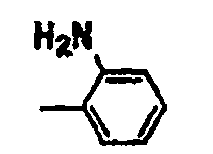
3 


4 

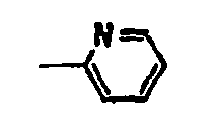
6 H 

7 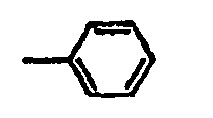


8 


9 


10 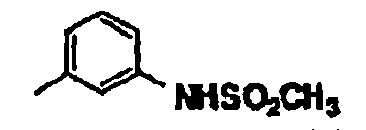


11 


12 


13 


14 


15 


16 


17 


18 


19 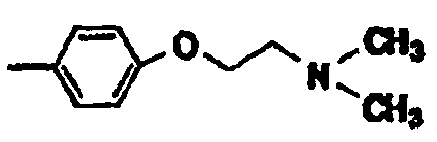


20 


21 


22 


23 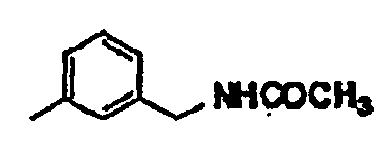


24 

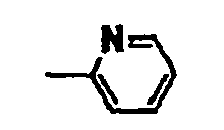
25 


26 


27 

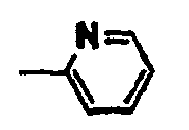
28 


29 


30 
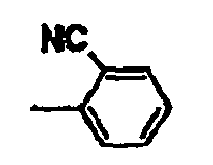

32 


33 


34 


35 
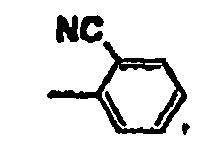

36 
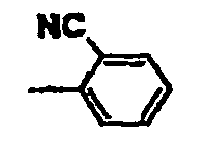

37 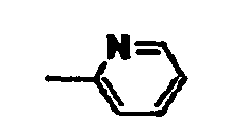


38 
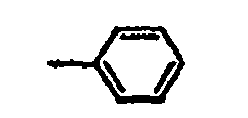

39 


40 


41 


42 


43 


44 
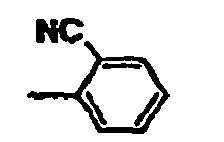

45 


46 


47 


48 


49 


50 


51 


52 


53 


54 


55 


56 


57 
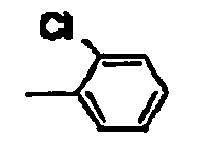

58 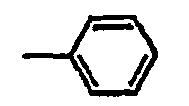


59 


60 


61 
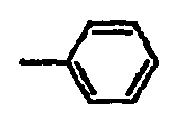

62 


63 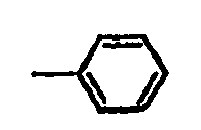


64 


65 

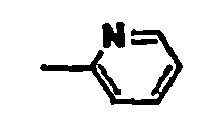
66 
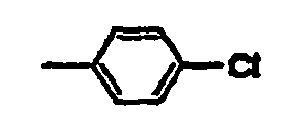

67 


68 


69 


70 


71 


72 


73 

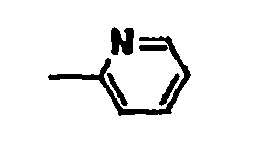
74 


75 

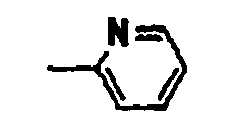
76 


77 


78 


79 


80 


81 


82 


83 


84 


85 


86 


87 
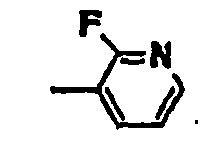

88 
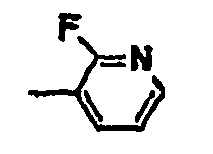
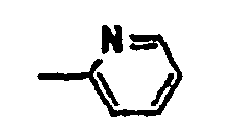
89 


90 


91 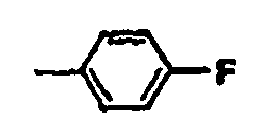


92 


93 


94 


95 


96 


97 


98 


99 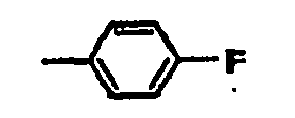
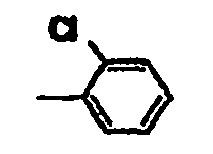

100 


101 


102 


103 


104 


105 


106 


107 
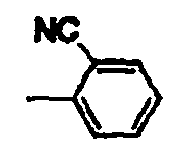

108 


109 
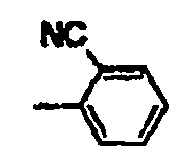

110 


111 


112 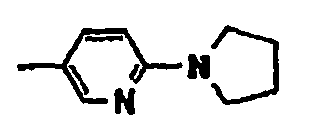


113 


114 


115 


116 


117 


118 


119 


120 


121 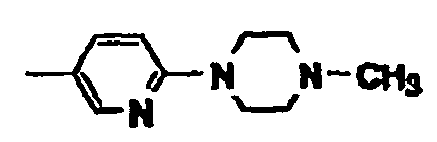


122 


123 


124 


125 

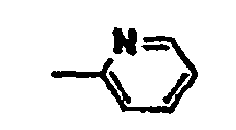
126 
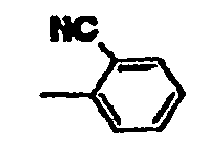

127 


128 

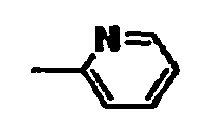
129 
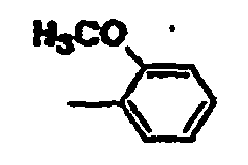

130 


131 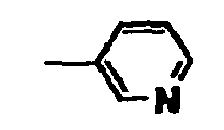


132 


133 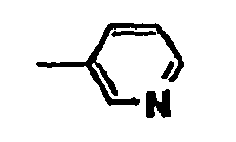


134 


135 

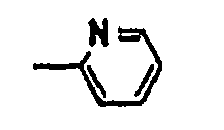
136 
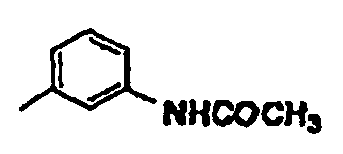

137 

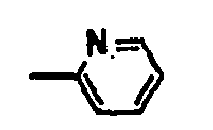
138 


139 


140 


141 


142 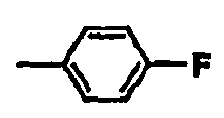


143 


144 
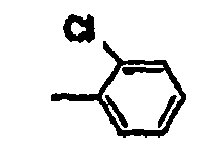

145 


146 


147 


148 


149 


150 


151 


152 


153 


154 


155 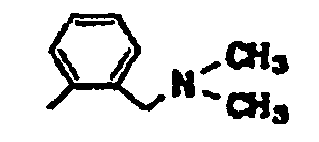


156 


157 

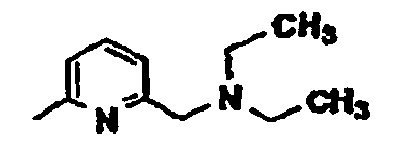
159 


160 


162 


163 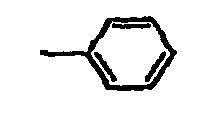


164 


165 


166 


171 


172 


173 


177 


178 


180 


182 

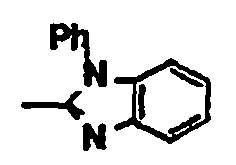
183 


184 


186 


189 


190 


191 


192 


193 


194 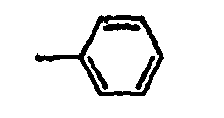


195 


196 


197 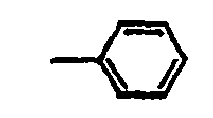


198 


199 


200 


201 


202 


203 


204 


205 


206 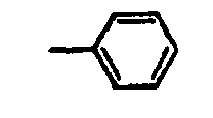


207 


208 


209 


210 


211 


212 


213 


214 


215 


216 


217 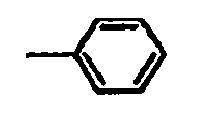


218 


219 


220 


221 


222 


225 


226 


227 


228 


229 


230 


231 


232 


233 


234 


235 


236 


237 


238 


239 


240 


241 


242 


243 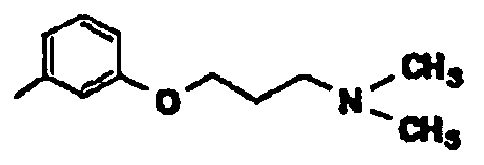


244 


245 


246 


247 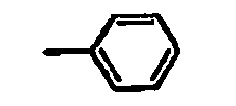


248 


249 


250 


251 


252 


253 

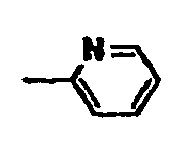
254 


255 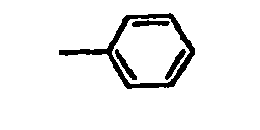


256 
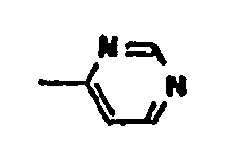

257 


258 


259 


260 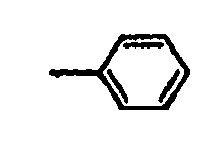


261 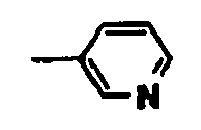


262 

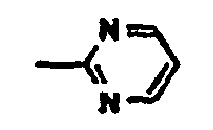
263 


264 


265 


266 


267 


268 


269 


270 


271 


272 


273 


274 


275 


276 


277 


278 


279 


280 


281 


282 


283 


284 


285 


286 


287 


288 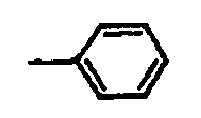
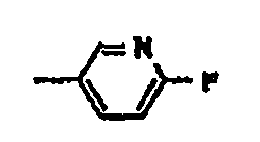
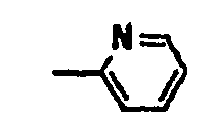
289 


290 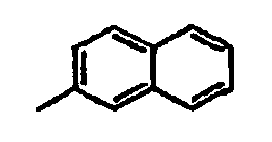


291 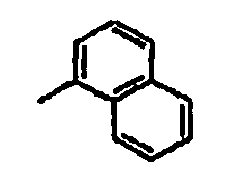


292 


293 


294 
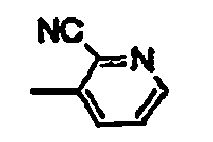

295 


296 
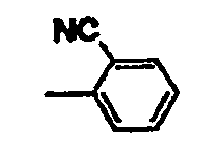

297 


298 


299 


300 


301 

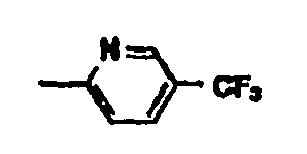
302 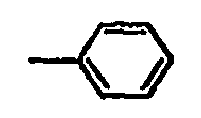


303 


304 


308 
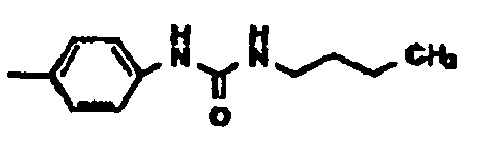

315 


320 


324 


325 


326 

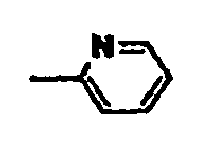
327 


328 

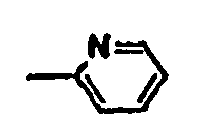
330 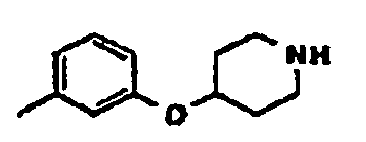


333 


334 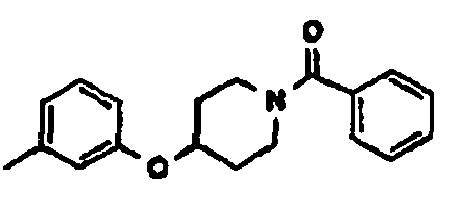


337 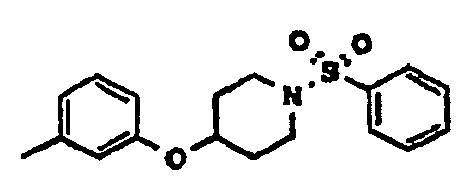


338 


341 

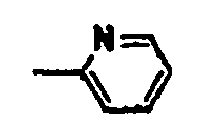
342 


343 


351 
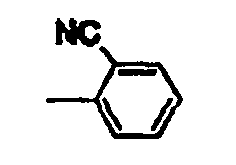

352 


353 


354 


355 
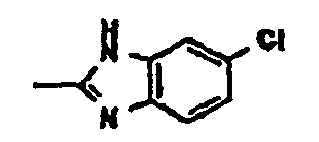

356 


357 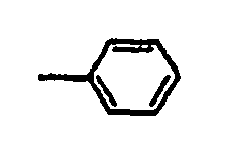


358 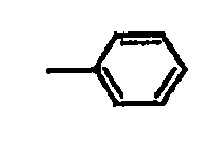


359 


360 

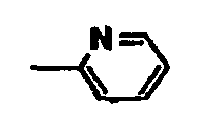
361 


362 


363 


364 


365 


366 


367 


368 


369 


370 


371 


372 


373 


374 


375 


376 

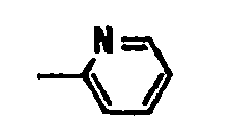
377 


378-A) 


378-B) 
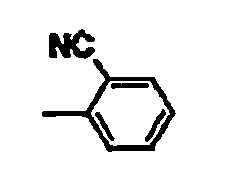

379-A) 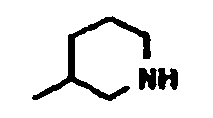


379-B) 


380 


381 


383-A) 


383-B) 


384 


386 


387 


388 


389 
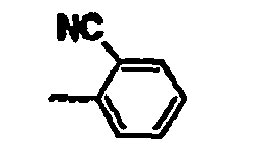

390 


391 


392 


393 


398 


Example a b c x1 31 

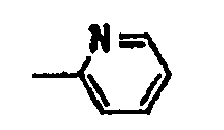
-CH2- 158 


-CH2CH2- 316 


317 


-CH2- 318 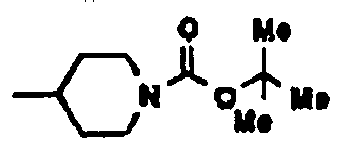


-CH2- 319 


-CH2- 329 


-CH2- 331 


-CH2- 332 


-CH2- 335 


-CH2- 336 


-CH2- 339 


-CH2- 340 


-CH2- 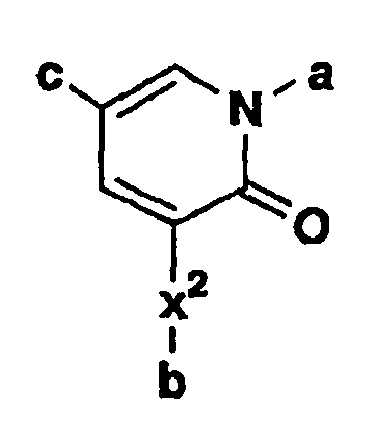
Example a b c x2 161 


-CeC- 168 

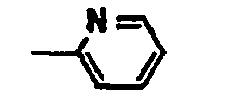

169 


170 


174 


175 


176 


179 
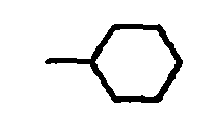


187 


188 


-s- 223 


306 


310 


311 


312 


314 


321 


322 


323 


344 


346 


347 


348 


349 


382-A 


382-B 


Example a b c x3 181 


185 


224 


307 


309 


313 


345 


350-A 


350-B 


385 


-s- 394 


395 


396 


397 


Example a b c d 167 


CH3- 305 


CH3- - The suppressing action of the compounds of the present invention to calcium influx into nerve cells induced by AMPA was investigated using the primary culture system of nerve cells of cerebral cortex of embryo of rat.
- Cerebral cortex was cut out from the brain of rat of gestational 18 days and treated with trypsin and DNase to disperse the cells. The cells were flown by MEM containing 10% of serum, sown in a culture bottle and astrocytes were proliferated. The astrocytes were re-dispersed by trypsin and sown in a 96-well plate. After incubation for one week, it was confirmed that the astrocytes covered all over the bottom and then the nerve cells of cerebral cortex which was dispersed by the above method were sown thereupon. After incubation for 24 hours, the medium was changed, the incubation was carried out for one week and, after that, the medium was changed to that containing 1µM of MK-801. Nerve cells which were incubated for not shorter than 8 to 10 days were used.
- Calcium influx into the cells was measured using Fura2-AM which was a calcium-sensitive fluorescent dye. It was treated in a medium containing Fura2-AM for 1 hour, incorporated into the cells, exchanged to a Tyrode solution containing 1µM MK-801 and stimulation was carried out using 2µM AMPA. Change in the amount of calcium flown into the cells were measured as the change in the fluorescent intensity at the exciting wave length of 340/380 nm. Effect of the test compound was evaluated using the reaction resulted in the AMPA added to a Tyrode solution containing no compound as a control. Results are shown in Tables 1 to 3.
- GYKI 52446 (Le Peillet, et al., Brain Res., 571, 115, 1992) was used as a control compound. IC50 of GYKI 52466 was 9.02µM.
- A test compound was suspended in a 0.5% methyl cellulose solution or in sesame oil and was orally administered (25 mg/kg) to male mice of ddy strain. After 30 minutes or 1 hour from the oral administration, AMPA was continuously injected (2 nmole/5µl/minute/mouse) into lateral ventricle to induce the convulsions. The effect was judged by a time-extending action until the convulsion takes place by a continuous injection of AMPA.
- The compound represented by the above formula (I) according to the present invention showed an excellent anticonvulsant action. For example, the compounds of Examples 4, 7, 9, 12, 16, 32, 41, 47, 57, 61, 76, 78, 91, 126, 128, 137, 139, 164, 199, 261, 262, 264, 270 and 298 showed a significant anticonvulsant action.
- The usefulness of the compound related to the present invention in the remedy of cerebral vascular accident acute stage was confirmed by the test below. Namely, the cerebral bloodstream of midcerebral arteries was blocked by inserting a nylon suture thread of 4-0 specification whose edge was crashed with flame, by 17mm from the branch of internal carotid artery, through internal carotid artery from the external carotid artery of a male Sprange Dawley rat, and cerebral infarction was prepared (Zea Longa et al., Storke 20:84-91, 1989). The size of the cerebral infarction was evaluated by preparing the intersection slice of brain having a thickness of 2mm and measuring the area of a portion which was not stained by TTC staining. The effect of the tested substance was carried out in this model by comparing the infarction nidus size between a group treated with a solvent and a group treated with the tested substance.
- As a result, the compound related to the present invention revealed an excellent effect as the therapeutic agent of cerebral vascular accident acute stage.
- (S)-(+)-N,α-dimethylphenetylamine (hereinafter, referred to as "methamphetamine") was dosed intraperitoneal injection to a rat or mouse to which the tested compound was dosed, and a quantity of active movement was measured using an active movement measuring apparatus (SCANET SV-10; manufactured by TOYO Sangyo Co., Ltd.). The activity as the therapeutic agent of schizophrenia was evaluated using the hyperdynamic effect control of active movement caused by methamphetamine as an index (K.E.Vanover, Psychopharmacology 136: 123-131, 1998). The effect of the tested substance was confirmed by the control effect of a quantity of active movement accentuation in comparison with the group dosed with a solvent.
- As a result, the compound related to the present invention revealed an excellent methamphetamine effect.
- An animal model in which the myotony of anteroposterior limbs was provoked was prepared by electrically freezing between the upper cumulus and the lower cumulus of a rat. Myorelaxation effect was evaluated based on the effect of controlling the increase of muscle discharge which is generated when the posterior limbs in this model are moved back and forth. The effect of the tested substance was confirmed by the changes of muscle discharge amount before dosing the tested substance and muscle discharge amount after dosing it.
- The compound related to the present invention revealed an excellent myorelaxation effect.
- A mouse is put in a dark box which is composed of two light and dark boxes which are linked by a tunnel, and items below were recorded concerning the behavior of the mouse for 5 minutes after that.
- 1. A time for remaining in the light and dark boxes.
- 2. Times by which the mouse went and came back between the light box and the dark box.
- 3. Times by which the mouse went until the entrance of the light box.
- The antianxiety effect of the tested compound was detected as the elongation of the time remaining in the light and dark boxes, the increase of times by which the mouse went and came back between the light box and the dark box, and the increase of times by which the mouse went until the entrance of the light box, for the group dosed with a solvent (Hascoet M., Bourin M., Pharm. Biochem. Behav. 60: 645-653, 1998).
- According to the present test, it was confirmed that the compound related to the present invention has an excellent antianxiety effect.
- 10mg/kg of L-Dihydroxyphenylalanine (L-DOPA) (twice per day) was dosed every day in the abdomen of a rat whose one side of nigra neurocyte was destroyed by injecting 6-hydroxydopamine (6-OHDA) into nigra, therefore the increase of rotational motion to the reverse side of encephalopathy was provoked (C.Marin et al, Synapse 36(4):267-274, 2000). After the solvent or the tested compound was dosed to the rat, influence on the provoked rotational motion was studied. The tested compound delayed the time until primitive rotational motion shows the maximum value after dosing L-DOPA, and increased the time of showing rotation which is a half or more of the maximum rotational number.
- Anguishing condition under which the lower half of rat's body was twisted, its abdomen was dented and its hind legs were extended was provoked by injecting 0.6% acetic acid saline in the abdomen of the rats. After the tested compound and the solvent were dosed, the acetic acid saline was injected in the abdomen, and analgesic effect was evaluated by comparing the times of these abnormal actions within an observation time (5 to 15 minutes after the dose of acetic acid) which occur after the dosing (Basic Pharmacology Experiment, edited by Kazuhiko Kubota, pages 45-47, Nankoh-do).
- As a result, it could be confirmed that the compound related to the present invention controls the times of the abnormal actions significantly and has an excellent analgesic effect.
- A catheter for venoclysis was buried in a ferret, and the rat was postoperatively recovered. Then, vomiting reaction was provoked by injecting 10mg/kg of cis-diaminedichloroplatinum (cisplatin) (A.Fink-Jensen et al., Neuroscience Letters 137: 173-177, 1992). Cisplatin (10mg/kg) was injected a ferret which was preliminarily treated with the tested compound or the solvent, then the ferret was put in an observation cage, and the time (latent time) and times until the rhythmical contraction of abdomen (defined as vomiting) occurs during the observation period of 240 minutes were measured.
- As a result, the compound related to the present invention reduced the latent time and the vomiting times significantly.
- Female Lewis rats (205 ± 10 g) obtained from Charles River, Kent UK, were housed in pairs under environmentally controlled conditions (6:00a.m.-6:00p.m. light/dark cycle; 22-24°C; 45-55% humidity) and allowed free access to food and water. Experimental groups consisted of 9-12 animals. Rats were immunised in each hind foot with 20-50 µl of inoculum containing 50 µg guinea pig myelin basic protein (MBP; final concentration 2 mg/ml), emulsified in Freund's complete adjuvant (CFA; Sigma, UK) containing Mycobacterium tuberculosis H37Ra (final concentration 5.5 mg/ml; Difco Laboratories, UK). Animals were weighed and monitored daily and clinical disease scored as (0) no clinical signs; (1) flaccid tail and weight loss; (2) hind limb hypotonia with further weight loss; (3) complete hind limb paralysis; (4) paraplegia and (5) death. In addition, intermediate scores were assigned to animals which showed a loss of tonicity in the distal half of the tail (score = 0.5), paralysis of one hind limb (score = 2.5) or complete hind limb paralysis with forelimb weakness (score = 3.5). During the period of compound administration (10-16 days post immunisation; dpi) animals were scored 15h after injection of vehicle or compound to avoid any acute effect of treatment on disease score. Compounds were dissolved/suspended in 0.5% methyl cellulose using a hand held Polytron homogeniser (PT1200; 2 min). Rats were dosed p.o. with either methyl cellulose vehicle (2.5 ml/kg) or compound at 5, 10 and 20 mg/kg. Results: the compound of the invention is improved in view of experimental autoimmune encephalomyelitis. The compounds of Examples 7, 32, 76, 139, 164, 261, 262 and 264 are for example provided with a superior effect to the vehicle-administered group.
Table 1 Example IC50 (µM) Example IC50 (µM) Example IC50 (µM) 1 0.8 42 0.2 92 0.05 2 1.8 43 0.5 93 1.9 3 0.3 44 0.3 94 1.5 4 0.1 45 0.2 95 0.3 5 0.6 46 0.4 96 0.06 6 9.3 47 0.6 97 0.4 7 0.1 48 0.04 98 0.8 8 0.1 49 0.2 99 0.1 9 0.03 52 1.1 100 0.4 10 0.05 55 0.8 101 0.2 11 0.06 56 3.2 102 0.02 12 0.1 57 0.2 103 0.03 13 0.2 58 0.1 104 0.2 14 0.1 60 1.7 105 0.03 15 0.05 61 0.2 106 0.07 16 0.1 62 3.1 107 0.07 17 0.7 63 1.1 108 0.03 18 0.02 64 2.8 109 0.01 19 0.08 65 0.6 110 2.0 20 0.04 66 2.4 111 0.4 21 0.03 67 6.5 112 0.6 22 0.06 69 0.9 113 1.2 23 0.2 70 3.1 114 0.6 24 0.2 71 0.05 115 0.06 2 5 0.03 72 0.7 116 0.2 26 0.02 73 1.2 117 0.4 27 0.05 74 0.2 118 0.1 28 0.2 76 0.1 119 1.7 29 0.1 77 0.02 120 0.2 3 0 0.04 78 1. 4 121 0.6 31 0.1 79 2.6 123 0.2 32 0.1 80 0.3 124 0.7 33 0.7 81 2.7 126 0.3 34 3.7 82 0.8 127 0.4 35 3.1 84 0.9 128 0.07 36 1.1 86 1.9 129 2.6 37 0.7 87 1.2 2 130 0.9 38 6.3 88 0.3 131 3.7 39 0.3 90 0.7 132 3.1 41 0.08 91 0.05 133 0.3 Table 2 Example IC50 (µM) Example IC50 (µM) Example IC50 (µM) 135 0.04 199 0.7 251 0.9 137 0.05 200 2.0 252 0.3 139 0.3 201 0.2 253 4.7 140 6.6 202 0.7 255 0.5 141 0.7 204 1.6 256 1.2 142 2.2 206 0.5 257 3.7 143 0.1 209 7.0 259 2.0 144 0.01 210 5.2 260 2.7 146 0.2 211 3.6 261 0.08 147 1.6 215 0.1 262 0.3 148 0.8 216 2.4 263 1.0 149 0.1 217 1.3 264 0.05 150 0.3 218 0.1 265 0.7 151 0.3 219 3.7 266 0.1 - 152 4.0 220 0.6 267 1.0 154 5.0 221 7.1 268 4.2- 157 0.5 222 0.2 269 1.9 159 1.6 226 9.5 270 0.14 163 8.2 227 1.8 272 3.3 164 0.08 228 2.7 275 6.1 165 0.4 229 4.2 276 1.9 166 0.3 230 4.0 277 0.6 171 2.3 232 4.3 278 2.8 173 4.2 234 0.9 279 3.7 174 3.3 235 4.4 280 1.3 176 5.4 236 0.6 282 9.0 178 2.0 237 1.5 284 2.8 180 0.5 238 0.6 286 7.2 182 6.0 239 0.3 286 0.3 184 2.3 240 0.1 287 5.6 185 1.7 241 0.4 288 1.2 187 6.1 242 0.5 290 0.2 188 8.5 243 1.2 291 0.14 190 0.6 244 1.8 292 3.3 192 1.1 245 1.2 293 3.3 193 0.4 246 1.1 294 0.8 195 0.2 247 3.6 297 4.2 196 0.3 248 3.4 298 0.3 197 2.9 249 0.3 299 4.4 198 0.3 250 0.9 300 0.3 
Claims (16)
- A compound, a salt thereof or hydrates thereof, which is represented by the formula:

- The compound according to claim 1, a salt thereof or a hydrate thereof, wherein R17 and R18 represent hydrogen and wherein one of X1, X2 and X3 is other than a single bond and the remainder of X1, X2 and X3 indicate a single bond.
- The compound according to claim 1 or 2, a salt thereof or hydrates thereof, wherein X1, X2 and X3 are (1) single bond, (2) a C1-6 alkylene group, a C2-6 alkenylene group or a C2-6 alkynylene group which may be optionally substituted respectively with one or more groups selected from the following substituent group a, (3) -O-, (4) -S-, (5) -CO-, (6) -SO-, (7) -SO2-, (8) -N(R6)-, (9) -N(R7)-CO-, (10) -CO-N(R8)-, (11) -N(R9)-CH2-, (12) -CH2-N(R10)-, (13) -CH2-CO-, (14) -CO-CH2-, (15) -N(R11)-S(O)m-, (16) - S(O)n-N(R12)-, (17) -CH2-S(O)p-, (18) -S(O)q-CH2-, (19) - CH2-O-, (20) -O-CH2-, (21) -N(R13)-CO-N(R14)- or (22) - N(R15)-CS-N(R16)- (wherein R6, R7, R8, R9, R10, R11, R12, R13, R14, R15 and R16, m, n, p and q have the same meanings as defined in the above Claim 1); and A1, A2 and A3 are a C3-8 cycloalkyl group, a C3-8 cycloalkenyl group, a 5- to 14-membered non-aromatic heterocyclic group, a C6-14 aromatic hydrocarbocyclic group or a 5- to 14-membered aromatic heterocyclic group which may be optionally substituted with one or more groups selected from the following substituent group b:
The substituent group a: the group consisting of hydroxy group, a halogen atom and cyano group
The substituent group b: the group consisting of (1) hydroxy group, (2) a halogen atom, (3) nitrile group, (4) nitro group, (5) a C1-6 alkyl group, a C2-6 alkenyl group or a C2-6 alkynyl group which may be optionally substituted respectively with one or more groups selected from the group consisting of hydroxy group, nitrile group, a halogen atom, a C1-6 alkylamino group, a di- (C1-6 alkyl) amino group, a C2-6 alkenylamino group, a di (C2-6 alkenylamino) group, a C2-6 alkynylamino group, a di (C2-6 alkynylamino) group, an N-C1-6 alkyl-N-C2-6 alkenylamino group, an N-C1-6 alkyl-N-C2-6 alkynylamino group, an N-C2-6 alkenyl-N-C2-6 alkynylamino group, an aralkyloxy group, a TBDMS oxy group, a C1-6 alkylsulfonylamino group, a C1-6 alkylcarbonyloxy group, a C2-6 alkenylcarbonyloxy group, a C2-6 alkynylcarbonyloxy group, an N-C1-6 alkylcarbamoyl group, an N-C2-6 alkenylcarbamoyl group and an N-C1-6 alkynylcarbamoyl group, (6) a C1-6 alkoxy group, a C2-6 alkenyloxy group or a C2-6 alkynyloxy group which may be optionally substituted respectively with one or more groups selected from the group consisting of a C1-6 alkylamino group, an aralkyloxy group and hydroxy group, (7) a C1-6 alkylthio group, a C2-6 alkenylthio group or a C2-6 alkynylthio group which may be optionally substituted respectively with one or more groups selected from the group consisting of hydroxy group, nitrile group, a halogen atom, a C1-6 alkylamino group, an aralkyloxy group, a TBDMS oxy group, a C1-6 alkylsulfonylamino group, a C1-6 alkylcarbonyloxy group and a C1-6 alkylcarbamoyl group, (8) a carbonyl group substituted with a group selected from the group consisting of a C1-6 alkoxy group, amino group, a C1-6 alkylamino group, a di (C1-6 alkyl) amino group, a C2-6 alkenylamino group, a di (C2-6 alkenyl) amino group, a C2-6 alkynylamino group, a di (C2-6 alkynyl) amino group, an N-C1-6 alkyl-N-C2-6 alkenylamino group, an N-C1-6 alkyl-N-C2-6 alkynylamino group and an N-C2-6 alkenyl-N-C2-6 alkynylamino group, (9) amino group which may be optionally substituted with one or two groups selected from the group consisting of a C1-6 alkyl group, a C2-6 alkenyl group, a C2-6 alkynyl group, a C1-6 alkylsulfonyl group, a C2-6 alkenylsulfonyl group, a C2-6 alkynylsulfonyl group, a C1-6 alkylcarbonyl group, a C2-6 alkenylcarbonyl group and a C2-6 alkynylcarbonyl group, (10) a C1-6 alkylsulfonyl group, (11) a C2-6 alkenylsulfonyl group, (12) a C2-6 alkynylsulfonyl group, (13) a C1-6 alkylsulfinyl group, (14) a C2-6 alkenylsulfinyl group, (15) a C2-6 alkynylsulfinyl group, (16) a formyl group, (17) a C3-8 cycloalkyl group or a C3-8 cycloalkenyl group which may be optionally substituted respectively with one or more groups selected from the group consisting of hydroxy group, a halogen atom, nitrile group, a C1-6 alkyl group, a C1-6 alkyloxy group, a C1-6 alkyloxy C1-6 alkyl group and an aralkyl group, (18) a 5- to 14-membered non-aromatic heterocyclic group which may be optionally substituted with one or more groups selected from the group consisting of hydroxy group, a halogen atom, nitrile group, a C1-6 alkyl group, a C1-6 alkyloxy group, a C1-6 alkyloxy C1-6 alkyl group and an aralkyl group, (19) a C6-14 aromatic hydrocarbocyclic group which may be optionally substituted with one or more groups selected from the group consisting of hydroxy group, a halogen atom, nitrile group, a C1-6 alkyl group, a C1-6 alkyloxy group, a C1-6 alkyloxy C1-6 alkyl group and an aralkyl group, and (20) a 5- to 14-membered aromatic heterocyclic group which may be optionally substituted with one or more groups selected from the group consisting of hydroxy group, a halogen atom, nitrile group, a C1-6 alkyl group, a C1-6 alkyloxy group, a C1-6 alkyloxy C1-6 alkyl group and an aralkyl group. - The compound according to Claim 1 or 2, a salt thereof or hydrates thereof, wherein at least one of A1, A2 and A3 are the same as or different from each other and each is an optionally substituted C3-8 cycloalkyl, C3-8 cycloalkenyl or 5- to 14-membered non-aromatic heteroring.
- The compound according to Claim 1 or 2, a salt thereof or hydrates thereof, wherein at least one of A1, A2 and A3 are the same as or different from each other and each is an optionally substituted C6-14 aromatic hydrocarbon ring or a 5- to 14-membered aromatic heteroring.
- The compound according to claim 1 or 2, a salt thereof or hydrates thereof, wherein A1, A2 and A3 are the same as or different from each other and each represents phenyl group, pyrrolyl group, pyridyl group, pyridazinyl group, pyrimidinyl group, pyrazinyl group, thienyl group, thiazolyl group, furyl group, naphthyl group, quinolyl group, iso-quinolyl group, indolyl group, benzimidazolyl group, benzothiazolyl group, benzoxazolyl group, imidazopyridyl group, carbazolyl group, cyclopentyl group, cyclohexyl group, cyclohexenyl group, dioxinyl group, adamantyl group, pyrrolidinyl group, piperidinyl group, piperazinyl group or morpholyl group which may optionally have a substituent, respectively.
- The compound according to Claim 1 or 2, a salt thereof or hydrates thereof, wherein A1, A2 and A3 are the same as or different from each other and each is a group represented by the formula:


- The compound according to Claim 1 or 2, a salt thereof or hydrates thereof, wherein A1, A2 and A3 are the same as or different from each other and each is optionally substituted with hydroxyl group, a halogen atom, amino group or nitrile group.
- The compound according to Claim 7, a salt therof or hydrates thereof, wherein the substituents of A1, A2 and A3 are the same as or different from each other and each is hydroxyl group, a halogen atom or, amino group, nitrile group or nitro group.
- The compound according to Claim 1 or 2, a salt thereof, hydrates thereof, wherein X1, X2 and X3 are the same as or different from each other and each represents single bond, -CH2-, -CH(OH)-, -CH2-CH2-, -CH=CH-, -C≡C-, - O- or -CO-.
- The compound according to Claim 1, a salt thereof or hydrates thereof, wherein R17 and R18 are the same as or different from each other and each represents hydrogen atom, fluorine, chlorine, bromine, iodine, methyl group, ethyl group, n-propyl group or iso-propyl group.
- The compound according to Claim 1, a salt thereof or hydrates thereof, wherein R17 and R18 represent hydrogen atom.
- The compound according to Claim 1 or 2, a salt thereof or hydrates thereof, wherein the bonding site of the substituent at A1, A2 and/or A3 are α-position of the carbon atom bonding to the group X1, X2 and X3, respectively.
- A pharmaceutical composition comprising the compound according to any of claims 1 to 13, a salt thereof or a hydrate thereof.
- A compound according to any of claims 1 to 13, a salt thereof or a hydrate thereof, for use preventing or treating Parkinson's disease, epilepsy, Parkinson's syndrome or multiple sclerosis.
- A compound represented by the formula:

Priority Applications (1)
| Application Number | Priority Date | Filing Date | Title |
|---|---|---|---|
| EP09015363A EP2177520A1 (en) | 2000-06-12 | 2001-06-08 | 1,5-Di(aryl or heteroaryl)-3-halo-2(1H)-pyridones as intermediates for the preparation of AMPA receptor inhibitors |
Applications Claiming Priority (3)
| Application Number | Priority Date | Filing Date | Title |
|---|---|---|---|
| JP2000175966 | 2000-06-12 | ||
| GB0022483A GB0022483D0 (en) | 2000-09-13 | 2000-09-13 | 1 2 Dihydropyridine compounds manufacturing method thereof and use thereof |
| EP01936920A EP1300396B1 (en) | 2000-06-12 | 2001-06-08 | 1,2-dihydropyridine compounds, process for preparation of the same and use thereof |
Related Parent Applications (1)
| Application Number | Title | Priority Date | Filing Date |
|---|---|---|---|
| EP01936920A Division EP1300396B1 (en) | 2000-06-12 | 2001-06-08 | 1,2-dihydropyridine compounds, process for preparation of the same and use thereof |
Publications (2)
| Publication Number | Publication Date |
|---|---|
| EP2053041A2 true EP2053041A2 (en) | 2009-04-29 |
| EP2053041A3 EP2053041A3 (en) | 2009-07-29 |
Family
ID=26244997
Family Applications (3)
| Application Number | Title | Priority Date | Filing Date |
|---|---|---|---|
| EP01936920A Expired - Lifetime EP1300396B1 (en) | 2000-06-12 | 2001-06-08 | 1,2-dihydropyridine compounds, process for preparation of the same and use thereof |
| EP09000287A Withdrawn EP2053041A3 (en) | 2000-06-12 | 2001-06-08 | 1,3,5-Trisubstituted 2(1H)-pyridones as AMPA receptor inhibitors useful for the treatment of eg Parkinson's disease |
| EP09015363A Withdrawn EP2177520A1 (en) | 2000-06-12 | 2001-06-08 | 1,5-Di(aryl or heteroaryl)-3-halo-2(1H)-pyridones as intermediates for the preparation of AMPA receptor inhibitors |
Family Applications Before (1)
| Application Number | Title | Priority Date | Filing Date |
|---|---|---|---|
| EP01936920A Expired - Lifetime EP1300396B1 (en) | 2000-06-12 | 2001-06-08 | 1,2-dihydropyridine compounds, process for preparation of the same and use thereof |
Family Applications After (1)
| Application Number | Title | Priority Date | Filing Date |
|---|---|---|---|
| EP09015363A Withdrawn EP2177520A1 (en) | 2000-06-12 | 2001-06-08 | 1,5-Di(aryl or heteroaryl)-3-halo-2(1H)-pyridones as intermediates for the preparation of AMPA receptor inhibitors |
Country Status (26)
| Country | Link |
|---|---|
| US (3) | US6949571B2 (en) |
| EP (3) | EP1300396B1 (en) |
| JP (3) | JP3922368B2 (en) |
| KR (3) | KR100904011B1 (en) |
| CN (1) | CN1245386C (en) |
| AT (1) | ATE420862T1 (en) |
| AU (2) | AU2001262723C1 (en) |
| BE (1) | BE2013C003I2 (en) |
| BR (1) | BRPI0111596B8 (en) |
| CA (1) | CA2412172C (en) |
| CY (2) | CY1108969T1 (en) |
| DE (1) | DE60137426D1 (en) |
| DK (1) | DK1300396T3 (en) |
| ES (1) | ES2320973T3 (en) |
| FR (1) | FR12C0074I2 (en) |
| HU (2) | HU1300187D0 (en) |
| IL (5) | IL152848A0 (en) |
| LU (1) | LU92113I2 (en) |
| MX (1) | MXPA02012314A (en) |
| NL (1) | NL300565I1 (en) |
| NO (2) | NO325160B1 (en) |
| NZ (1) | NZ522773A (en) |
| PT (1) | PT1300396E (en) |
| TW (2) | TWI292757B (en) |
| WO (1) | WO2001096308A1 (en) |
| ZA (1) | ZA200209270B (en) |
Cited By (1)
| Publication number | Priority date | Publication date | Assignee | Title |
|---|---|---|---|---|
| US8772497B2 (en) | 2004-07-06 | 2014-07-08 | Eisai R&D Management Co., Ltd. | Method for producing 1, 2-dihydropyridine-2-one compound |
Families Citing this family (148)
| Publication number | Priority date | Publication date | Assignee | Title |
|---|---|---|---|---|
| PT1300396E (en) | 2000-06-12 | 2009-04-20 | Eisai R&D Man Co Ltd | 1,2-dihydropyridine compounds, process for preparation of the same and use thereof |
| HUP0500543A2 (en) * | 2000-11-20 | 2005-09-28 | Bristol-Myers Squibb Company | Pyridone derivatives as ap2 inhibitors and pharmaceutical compositions containing them |
| US20030105144A1 (en) | 2001-04-17 | 2003-06-05 | Ping Gao | Stabilized oral pharmaceutical composition |
| JP4119114B2 (en) * | 2001-11-28 | 2008-07-16 | 広栄化学工業株式会社 | Novel dihydroxy (3-pyridyl) boranes |
| GB0129260D0 (en) * | 2001-12-06 | 2002-01-23 | Eisai London Res Lab Ltd | Pharmaceutical compositions and their uses |
| AU2002351412B2 (en) | 2001-12-21 | 2010-05-20 | Exelixis Patent Company Llc | Modulators of LXR |
| US7482366B2 (en) | 2001-12-21 | 2009-01-27 | X-Ceptor Therapeutics, Inc. | Modulators of LXR |
| AU2003220401A1 (en) | 2002-03-18 | 2003-10-08 | Bristol-Myers Squibb Company | Uracil derivatives as inhibitors of tnf-alpha converting enzyme (tace) and matrix metalloproteinases |
| EP1497265B1 (en) * | 2002-04-19 | 2009-02-18 | Glaxo Group Limited | Compounds having affinity at 5ht2c receptor and use thereof in therapy |
| JP4208512B2 (en) * | 2002-07-23 | 2009-01-14 | 株式会社クラレ | Process for producing 5- (2'-pyridyl) -2-pyridone derivative |
| WO2004035563A1 (en) * | 2002-10-17 | 2004-04-29 | Syngenta Participations Ag | 3-heterocyclylpyridine derivatives useful as herbicides |
| CN1726209B (en) * | 2002-12-16 | 2011-04-13 | 三菱制药株式会社 | 3-substituted-4-pyrimidone derivatives |
| WO2004063151A2 (en) | 2003-01-03 | 2004-07-29 | Bristol-Myers Squibb Company | Novel tyrosine kinase inhibitors |
| GB0305024D0 (en) * | 2003-03-05 | 2003-04-09 | Glaxo Group Ltd | Compounds |
| SE0302323D0 (en) * | 2003-08-28 | 2003-08-28 | Astrazeneca Ab | Novel compounds |
| SE0302324D0 (en) * | 2003-08-28 | 2003-08-28 | Astrazeneca Ab | Novel compounds |
| SE0302486D0 (en) * | 2003-09-18 | 2003-09-18 | Astrazeneca Ab | Novel compounds |
| US7897607B2 (en) | 2004-04-07 | 2011-03-01 | Takeda Pharmaceutical Company Limited | Cyclic compounds |
| JP2007099781A (en) * | 2004-07-06 | 2007-04-19 | Eisai R & D Management Co Ltd | Method for producing crystal of 1,2-dihydropyridine compound |
| GB0420722D0 (en) * | 2004-09-17 | 2004-10-20 | Addex Pharmaceuticals Sa | Novel allosteric modulators |
| US20060069260A1 (en) * | 2004-09-28 | 2006-03-30 | Huiping Zhang | Preparation of N-aryl pyridones |
| AU2005316540A1 (en) * | 2004-12-16 | 2006-06-22 | Vertex Pharmaceuticals Incorporated | Pyrid-2-ones useful as inhibitors of Tec family protein kinases for the treatment of inflammatory, proliferative and immunologically-mediated diseases |
| US20060188938A1 (en) * | 2005-01-07 | 2006-08-24 | Mullan Michael J | Compounds for inhibiting beta-amyloid production and methods of identifying the compounds |
| TW200700392A (en) * | 2005-03-16 | 2007-01-01 | Astrazeneca Ab | Novel compounds |
| ATE511843T1 (en) | 2005-04-04 | 2011-06-15 | Eisai R&D Man Co Ltd | DIHYDROPYRIDINE COMPOUNDS FOR NEURODEGENERATIVE DISEASES AND DEMENTIA |
| JPWO2006109876A1 (en) * | 2005-04-08 | 2008-11-20 | エーザイ・アール・アンド・ディー・マネジメント株式会社 | Involuntary movement therapy |
| MX2007014114A (en) * | 2005-05-10 | 2008-03-14 | Intermune Inc | DERIVATIVES OF PIRIDONA TO MODULATE THE SYSTEM OF PROTEIN KINASE ACTIVATED BY STRESS. |
| GB0510141D0 (en) * | 2005-05-18 | 2005-06-22 | Addex Pharmaceuticals Sa | Novel compounds B3 |
| CA2617413A1 (en) * | 2005-08-02 | 2007-02-08 | Lexicon Pharmaceuticals, Inc. | 2-aminoaryl pyridines as protein kinases inhibitors |
| ATE528302T1 (en) | 2005-08-29 | 2011-10-15 | Vertex Pharma | 3,5-DISUBSTITUTED PYRID-2-ONES USEFUL AS INHIBITORS OF THE TEC FAMILY OF NON-RECEPTOR TYROSINE KINASES |
| DE602006020293D1 (en) * | 2005-08-29 | 2011-04-07 | Vertex Pharma | 3,5-DISUBSTITUTED PYRID-2-ONE, WHICH ARE USES AS INHIBITORS OF THE TEC FAMILY OF NON-RECEPTOR TYROSINE KINASES |
| ATE548363T1 (en) * | 2005-08-29 | 2012-03-15 | Vertex Pharma | 3,5-DISUBSTITUTED PYRID-2-ONES, WHICH ARE SUITABLE AS INHIBITORS OF THE TEC FAMILY OF NON-RECEPTOR TYROSINE KINASES |
| KR20080068839A (en) * | 2005-10-03 | 2008-07-24 | 오노 야꾸힝 고교 가부시키가이샤 | Nitrogen-containing heterocyclic compounds and their pharmaceutical uses |
| US20090088574A1 (en) * | 2005-12-21 | 2009-04-02 | Eisai R&D Management Co., Ltd. | Crystal of 1,2-dihydropyridine compound (type iv) |
| AU2006328385B2 (en) * | 2005-12-21 | 2011-08-25 | Eisai R & D Management Co., Ltd. | Amorphous form of 1,2-dihydropyridine compound |
| JP4865337B2 (en) * | 2006-01-24 | 2012-02-01 | 富士フイルムファインケミカルズ株式会社 | Process for producing 2,3'-bipyridyl-6'-one |
| TWI417095B (en) | 2006-03-15 | 2013-12-01 | Janssen Pharmaceuticals Inc | 1,4-disubstituted 3-cyano-pyridone derivatives and their use as positive allosteric modulators of mglur2-receptors |
| WO2007126060A1 (en) * | 2006-04-28 | 2007-11-08 | Eisai R & D Management Co., Ltd | Salt of 1,2-dihydropyridine compound |
| TW200808763A (en) | 2006-05-08 | 2008-02-16 | Astrazeneca Ab | Novel compounds I |
| TW200808771A (en) | 2006-05-08 | 2008-02-16 | Astrazeneca Ab | Novel compounds II |
| US20080108622A1 (en) * | 2006-10-19 | 2008-05-08 | Eisenach James C | Combination therapy for the treatment of pain |
| US20080108603A1 (en) * | 2006-10-19 | 2008-05-08 | Eisenach James C | Combination therapy for the treatment of pain |
| US20100099714A1 (en) * | 2007-03-05 | 2010-04-22 | Eisai R&D Management Co., Ltd. | AMPA and NMDA Receptor Antagonists for Neurodegenerative Diseases |
| TW200900065A (en) | 2007-03-07 | 2009-01-01 | Janssen Pharmaceutica Nv | 3-cyano-4-(4-pyridinyloxy-phenyl)-pyridin-2-one derivatives |
| TW200845978A (en) | 2007-03-07 | 2008-12-01 | Janssen Pharmaceutica Nv | 3-cyano-4-(4-tetrahydropyran-phenyl)-pyridin-2-one derivatives |
| US20100130537A1 (en) * | 2007-04-26 | 2010-05-27 | Eisai R&D Management Co., Ltd | Cinnamide compounds for dementia |
| EP2164488A1 (en) * | 2007-07-13 | 2010-03-24 | Eisai R&D Management Co., Ltd. | Ampa receptor antagonists and aldose reductase inhibitors for neuropathic pain |
| EP2164489A2 (en) * | 2007-07-13 | 2010-03-24 | Eisai R&D Management Co., Ltd. | Combination of ampa receptor antagonists and acetylcholinesterase inhibitors for the treatment of neuropathic pain |
| CA2696948C (en) | 2007-09-14 | 2013-04-30 | Jose Maria Cid-Nunez | 1',3'-disubstituted-4-phenyl-3,4,5,6-tetrahydro-2h,1'h-[1,4']bipyridinyl-2'-ones |
| KR20100080597A (en) | 2007-09-14 | 2010-07-09 | 오르토-맥닐-얀센 파마슈티칼스 인코포레이티드 | 1,3-disubstituted-4-phenyl-1h-pyridin-2-ones |
| KR20100065191A (en) | 2007-09-14 | 2010-06-15 | 오르토-맥닐-얀센 파마슈티칼스 인코포레이티드 | 1,3-disubstituted 4-(aryl-x-phenyl)-1h-pyridin-2-ones |
| WO2009054544A1 (en) * | 2007-10-26 | 2009-04-30 | Eisai R & D Management Co., Ltd. | Ampa receptor antagonists for parkinson's disease and movement disorders |
| CA2703996A1 (en) | 2007-11-06 | 2009-05-14 | Astrazeneca Ab | Some 2-pyrazinone derivatives and their use as inhibitors of neutrophile elastase |
| EP2220083B1 (en) | 2007-11-14 | 2017-07-19 | Janssen Pharmaceuticals, Inc. | Imidazo[1,2-a]pyridine derivatives and their use as positive allosteric modulators of mglur2 receptors |
| WO2009081872A1 (en) | 2007-12-21 | 2009-07-02 | Kuraray Co., Ltd. | Method for producing 6-halogeno-3-arylpyridine derivative |
| US20100256191A1 (en) * | 2007-12-26 | 2010-10-07 | Eisai R&D Management Co., Ltd. | Ampa receptor antagonists and zonisamide for epilepsy |
| JP2011507800A (en) * | 2007-12-26 | 2011-03-10 | エーザイ・アール・アンド・ディー・マネジメント株式会社 | AMPA receptor antagonists for epilepsy, mental disorders, or sensory organ disorders |
| CN102083794A (en) * | 2008-05-05 | 2011-06-01 | 安姆根有限公司 | Urea compounds as gamma secretase modulators |
| JP5627574B2 (en) * | 2008-06-03 | 2014-11-19 | インターミューン, インコーポレイテッド | Compounds and methods for treating inflammatory and fibrotic diseases |
| US8859760B2 (en) | 2008-07-29 | 2014-10-14 | Frontier Scientific, Inc. | Compositions for killing or preventing the growth of microbes |
| CA2735764C (en) | 2008-09-02 | 2016-06-14 | Ortho-Mcneil-Janssen Pharmaceuticals, Inc. | 3-azabicyclo[3.1.0]hexyl derivatives as modulators of metabotropic glutamate receptors |
| AU2009304293B2 (en) | 2008-10-16 | 2012-04-26 | Addex Pharma S.A. | Indole and benzomorpholine derivatives as modulators of metabotropic glutamate receptors |
| US8598209B2 (en) * | 2008-10-31 | 2013-12-03 | Merck Sharp & Dohme Corp. | P2X3, receptor antagonists for treatment of pain |
| BRPI0921333A2 (en) | 2008-11-28 | 2015-12-29 | Addex Pharmaceuticals Sa | indole and benzoxazine derivatives as metabotropic glutamate receptor modulators |
| US8153808B2 (en) | 2008-12-23 | 2012-04-10 | Roche Palo Alto Llc | Dihydropyridone amides as P2X7 modulators |
| EP2393781B1 (en) | 2008-12-23 | 2014-03-12 | F. Hoffmann-La Roche AG | Dihydropyridone ureas as p2x7 modulators |
| BRPI0923488A2 (en) | 2008-12-23 | 2019-09-24 | Hoffmann La Roche | didropyridone amides as modular p2x7 |
| JP5478637B2 (en) | 2008-12-23 | 2014-04-23 | エフ.ホフマン−ラ ロシュ アーゲー | Dihydropyridone amide as a P2X7 modulator |
| CA2745952A1 (en) | 2008-12-23 | 2010-07-01 | F.Hoffmann-La Roche Ag | Dihydropyridone amides as p2x7 modulators |
| TW201036957A (en) | 2009-02-20 | 2010-10-16 | Astrazeneca Ab | Novel salt 628 |
| US8410144B2 (en) | 2009-03-31 | 2013-04-02 | Arqule, Inc. | Substituted indolo-pyridinone compounds |
| EA020671B1 (en) | 2009-05-12 | 2014-12-30 | Янссен Фармасьютикалз, Инк. | 1,2,4-TRIAZOLO[4,3-a]PYRIDINE DERIVATIVES AND THEIR USE AS POSITIVE ALLOSTERIC MODULATORS OF mGluR2 RECEPTORS |
| MY153913A (en) | 2009-05-12 | 2015-04-15 | Janssen Pharmaceuticals Inc | 7-aryl-1,2,4-triazolo[4,3-a]pyridine derivatives and their use as positive allosteric modulators of mglur2 receptors |
| NZ596078A (en) | 2009-05-12 | 2013-06-28 | Janssen Pharmaceuticals Inc | 1,2,4-TRIAZOLO [4,3-a] PYRIDINE DERIVATIVES AND THEIR USE FOR THE TREATMENT OR PREVENTION OF NEUROLOGICAL AND PSYCHIATRIC DISORDERS |
| RU2012116877A (en) | 2009-10-02 | 2013-11-10 | Астразенека Аб | COMPOUNDS OF 2-PYRIDONE USED AS NEUTROPHIL ELASTASE INHIBITORS |
| JP2013234123A (en) * | 2010-09-03 | 2013-11-21 | Taisho Pharmaceutical Co Ltd | 3-pyrazolyl-2-pyridone derivative |
| CA2815002C (en) | 2010-11-08 | 2019-10-22 | Janssen Pharmaceuticals, Inc. | 1,2,4-triazolo[4,3-a]pyridine derivatives and their use as positive allosteric modulators of mglur2 receptors |
| CN103298810B (en) | 2010-11-08 | 2016-03-16 | 杨森制药公司 | The purposes of 1,2,4-triazolo [4,3-a] pyridine derivate and the positive allosteric modulators as MGLUR2 acceptor thereof |
| EP2643320B1 (en) | 2010-11-08 | 2015-03-04 | Janssen Pharmaceuticals, Inc. | 1,2,4-TRIAZOLO[4,3-a]PYRIDINE DERIVATIVES AND THEIR USE AS POSITIVE ALLOSTERIC MODULATORS OF MGLUR2 RECEPTORS |
| CA2819889C (en) * | 2010-12-06 | 2020-12-15 | Confluence Life Sciences, Inc. | Substituted pyridinone-pyridinyl compounds |
| CN103687849B (en) | 2011-03-04 | 2016-08-17 | 耶鲁大学 | (-)-Huperzine A methods and related compositions and methods of treatment |
| ITMI20111952A1 (en) | 2011-10-27 | 2013-04-28 | Italiana Sint Spa | PROCEDURE FOR THE PREPATION OF 2-METHOXY-5- (PIRIDIN-2-IL) PYRIDINE, AN INTERMEDIATE OF THE PERAMPANEL |
| US9096574B2 (en) | 2012-01-03 | 2015-08-04 | Mapi Pharma Ltd. | Polymorphs of perampanel |
| WO2013148174A1 (en) * | 2012-03-31 | 2013-10-03 | University Of Georgia Research Foundation, Inc. | New anti-mycobacterial drugs against tuberculosis |
| ES2716008T3 (en) | 2012-07-18 | 2019-06-07 | Sunshine Lake Pharma Co Ltd | Heterocyclic nitrogen derivatives and their application in drugs |
| ITMI20121390A1 (en) | 2012-08-06 | 2014-02-07 | F I S Fabbrica Italiana Sint P A | PROCEDURE FOR THE PREPARATION OF 2-CYANOPHENYLBORONIC ACID AND ITS ESTERS, INTERMEDIATE OF THE PERAMPANEL OR E2040 |
| AR092742A1 (en) | 2012-10-02 | 2015-04-29 | Intermune Inc | ANTIFIBROTIC PYRIDINONES |
| JO3225B1 (en) * | 2012-11-27 | 2018-03-08 | Lilly Co Eli | 6-((s)-1-{1-[5-(2-hydroxy-ethoxy)-pyridin-2-yl]-1h-pyrazol-3-yl}-ethyl)-3h-1,3-benzothiazol-2-one as a tarp-gamma 8 dependent ampa receptor antagonist |
| TW201441193A (en) | 2012-12-06 | 2014-11-01 | Kyowa Hakko Kirin Co Ltd | Pyridone compound |
| US9242969B2 (en) | 2013-03-14 | 2016-01-26 | Novartis Ag | Biaryl amide compounds as kinase inhibitors |
| US20160045625A1 (en) * | 2013-04-04 | 2016-02-18 | Eisai R&D Management Co., Ltd. | [11c] and [18f] labeled 1,3-diphenyl-5-(pyrimidin-2-yl)-pyridin-2(1h)-one derivatives and their use for pet imaging of the ampa receptor |
| JO3368B1 (en) | 2013-06-04 | 2019-03-13 | Janssen Pharmaceutica Nv | 6, 7- dihydropyrazolu [5,1-a] pyrazine-4 (5 hands) -on compounds and their use as negative excretory regulators of Miglore 2 receptors. |
| CN103274993A (en) * | 2013-06-13 | 2013-09-04 | 南京工业大学 | New synthesis method of dihydropyridine and pyrrole heterocycles |
| WO2015013520A1 (en) * | 2013-07-25 | 2015-01-29 | IVAX International GmbH | Process for the preparation of perampanel |
| JO3367B1 (en) | 2013-09-06 | 2019-03-13 | Janssen Pharmaceutica Nv | 1,2,4-TRIAZOLO[4,3-a]PYRIDINE COMPOUNDS AND THEIR USE AS POSITIVE ALLOSTERIC MODULATORS OF MGLUR2 RECEPTORS |
| RS58321B1 (en) | 2013-10-29 | 2019-03-29 | Takeda Pharmaceuticals Co | Heterocyclic compound |
| CN103664756A (en) * | 2013-11-26 | 2014-03-26 | 苏州晶云药物科技有限公司 | Perampanel new type crystal A and preparation method thereof |
| CN104706604A (en) * | 2013-12-12 | 2015-06-17 | 北京星昊医药股份有限公司 | Perampanel freeze-dried oral disintegrating tablet and preparation method thereof |
| CN104725301A (en) * | 2013-12-20 | 2015-06-24 | 北京蓝贝望生物医药科技股份有限公司 | Preparation method of 1,2-dihydropyridin-2-one derivative |
| LT3431106T (en) | 2014-01-21 | 2021-02-10 | Janssen Pharmaceutica Nv | Combinations comprising positive allosteric modulators of metabotropic glutamatergic receptor subtype 2 and their use |
| KR102414246B1 (en) | 2014-01-21 | 2022-06-27 | 얀센 파마슈티카 엔.브이. | Combinations comprising positive allosteric modulators or orthosteric agonists of metabotropic glutamatergic receptor subtype 2 and their use |
| US10233195B2 (en) | 2014-04-02 | 2019-03-19 | Intermune, Inc. | Anti-fibrotic pyridinones |
| CN105085382B (en) * | 2014-05-14 | 2019-10-18 | 江苏豪森药业集团有限公司 | Pyrrole Lun Panai isomers crystal form and its preparation method and application |
| TW201609719A (en) | 2014-05-28 | 2016-03-16 | 美國禮來大藥廠 | 6-substituted-3H-1,3-benzothiazol-2-one compounds as TARP-gamma 8 dependent AMPA receptor antagonists |
| CN103980188B (en) * | 2014-05-30 | 2016-01-27 | 浙江永宁药业股份有限公司 | The synthetic method of a kind of pyrrole Lun Panai and the synthetic method of intermediate and intermediate thereof |
| UY36294A (en) | 2014-09-12 | 2016-04-29 | Novartis Ag | COMPOUNDS AND COMPOSITIONS AS QUINASA INHIBITORS |
| SG11201705952SA (en) | 2015-02-04 | 2017-09-28 | Beyondbio Inc | Heterocyclic compound and pharmaceutical composition comprising same |
| EP3259262A4 (en) | 2015-02-17 | 2018-08-01 | Mapi Pharma Limited | Process and intermediates for the preparation of perampanel |
| AR104259A1 (en) * | 2015-04-15 | 2017-07-05 | Celgene Quanticel Res Inc | BROMODOMINUM INHIBITORS |
| WO2016172333A1 (en) | 2015-04-21 | 2016-10-27 | Teva Pharmaceuticals International Gmbh | A solid state form of perampanel |
| DK3321252T3 (en) | 2015-07-06 | 2020-11-16 | Public Univ Corp Yokohama City Univ | NEW CONNECTION THAT SPECIFICALLY BINDS TO AMPA RECEPTOR |
| CN105085383B (en) * | 2015-08-19 | 2017-09-01 | 四川大学 | 5-methyl-2 (1H) pyridone derivatives and their preparation methods and uses |
| CN108349989B (en) * | 2015-11-13 | 2021-01-01 | 卫材R&D管理有限公司 | Pyranodipyridine compounds |
| KR101652750B1 (en) * | 2015-12-03 | 2016-08-31 | 김종선 | Purification method of pyridine and pyridine derivatives |
| EP3515446B1 (en) | 2016-09-19 | 2023-12-20 | Novartis AG | Therapeutic combinations comprising a raf inhibitor and a erk inhibitor |
| JP2019533022A (en) | 2016-10-24 | 2019-11-14 | ユマニティ セラピューティクス,インコーポレーテッド | Compounds and uses thereof |
| EP3541785A4 (en) | 2016-11-18 | 2020-04-01 | Dow Agrosciences Llc | 4-((6-bromopyridin-3-yl)oxy)benzonitrile and processes of preparation |
| EP3558407B1 (en) * | 2016-12-22 | 2023-03-15 | Biotronik AG | Drug releasing coatings for medical devices and methods of making same |
| CA3049010A1 (en) | 2017-01-06 | 2018-07-12 | Yumanity Therapeutics, Inc. | Methods for the treatment of neurological disorders |
| JP6241974B1 (en) | 2017-01-11 | 2017-12-06 | 公立大学法人横浜市立大学 | Imaging method, program and screening method for AMPA receptor in brain of primate organism |
| GB201702221D0 (en) | 2017-02-10 | 2017-03-29 | Univ Of Sussex | Compounds |
| US11266653B2 (en) | 2017-05-02 | 2022-03-08 | Novartis Ag | Combination therapy |
| JP7360171B2 (en) * | 2017-07-31 | 2023-10-12 | ワシントン・ユニバーシティ | Pirfenidone derivatives for regulation of B lymphocyte activity and organ protection |
| CA3083000A1 (en) | 2017-10-24 | 2019-05-02 | Yumanity Therapeutics, Inc. | Compounds and uses thereof |
| CN110028442B (en) * | 2018-01-11 | 2020-07-17 | 新发药业有限公司 | Simple preparation method of Perampanel |
| GB201803340D0 (en) * | 2018-03-01 | 2018-04-18 | Univ Of Sussex | Compounds |
| CA3094527A1 (en) | 2018-03-23 | 2019-09-26 | Yumanity Therapeutics, Inc. | Compounds and uses thereof |
| EP3560934A1 (en) | 2018-04-26 | 2019-10-30 | F.I.S.- Fabbrica Italiana Sintetici S.p.A. | Process for the preparation of pure 2-cyanophenylboronic acid and esters thereof, intermediates of perampanel or of e2040 |
| CN113226286B (en) | 2018-12-14 | 2024-08-20 | 卫材R&D管理有限公司 | Water-based pharmaceutical preparations of 1,2-dihydropyridine compounds |
| US12098146B2 (en) | 2019-01-24 | 2024-09-24 | Janssen Pharmaceutica Nv | Compounds and uses thereof |
| ES3025633T3 (en) | 2019-05-13 | 2025-06-09 | Novartis Ag | New crystalline forms of n-(3-(2-(2-hydroxyethoxy)-6-morpholinopyridin-4-yl)-4-methvlphenyl)-2(trifluoromethyl)isonicotinamide as raf inhibitors for the treatment of cancer |
| CN110483563B (en) * | 2019-09-06 | 2021-12-28 | 山西医科大学 | Preparation method and application of novel ionic beta-naphthoic aldehyde Schiff base zirconium complex |
| EP4037770A1 (en) * | 2019-10-04 | 2022-08-10 | Institut National De La Sante Et De La Recherche Medicale (Inserm) | Novel pyridin-2(1h)one derivatives, their preparation and their use for the treatment of pain |
| EA202192047A1 (en) | 2019-11-13 | 2021-12-08 | Юманити Терапьютикс, Инк. | COMPOUNDS AND THEIR APPLICATIONS |
| KR102392825B1 (en) | 2020-02-18 | 2022-04-29 | 명인제약주식회사 | Co-crystal compound of 2-(2-oxo-1-phenyl-5-pyridin-2-ylpyridin-3-yl)benzonitrile and L-malic acid, and manufacturing method thereof |
| CN111362930B (en) * | 2020-04-15 | 2023-02-03 | 安徽医科大学 | 1,2,4-oxadiazole-pyridine compound and application thereof |
| WO2022150584A1 (en) * | 2021-01-08 | 2022-07-14 | Yale University | Non-covalent inhibitors of the main protease of sars-cov-2 and methods of use |
| JP2024506858A (en) | 2021-02-02 | 2024-02-15 | リミナル・バイオサイエンシーズ・リミテッド | GPR84 antagonists and their uses |
| KR20230153387A (en) | 2021-02-02 | 2023-11-06 | 리미널 바이오사이언시스 리미티드 | GPR84 antagonists and their uses |
| JPWO2023042888A1 (en) | 2021-09-15 | 2023-03-23 | ||
| US20240398775A1 (en) | 2021-09-15 | 2024-12-05 | University Of The Ryukyus | Pharmaceutical composition for use in treating cognitive decline or for use in treating overweight or obesity |
| CN116265440B (en) * | 2021-12-16 | 2024-09-27 | 贵州大学 | A salicylic acid spliced pyridone compound and its preparation method and application |
| CN114057630B (en) * | 2021-12-23 | 2023-06-02 | 郑州大学 | Pirfenidone derivatives and their synthetic methods and applications |
| KR20250040894A (en) | 2022-05-25 | 2025-03-25 | 이케나 온콜로지, 인코포레이티드 | MEK inhibitors and uses thereof |
| WO2024010585A1 (en) * | 2022-07-07 | 2024-01-11 | Yale University | Non-covalent inhibitors of the main protease of sars-cov-2 and methods of use |
| KR102768044B1 (en) * | 2022-07-12 | 2025-02-17 | 이화여자대학교 산학협력단 | Method of preparing perampanel derivatives including a continuous flow process |
| US11958832B1 (en) | 2023-10-12 | 2024-04-16 | King Faisal University | 2-alkoxy[4,3:6,3-terpyridine]-3-carbonitriles as antimicrobial compounds |
| KR20250129557A (en) | 2024-02-22 | 2025-08-29 | 단국대학교 천안캠퍼스 산학협력단 | Composition for preventing or treating neurological disease comprising doxazosin |
Citations (13)
| Publication number | Priority date | Publication date | Assignee | Title |
|---|---|---|---|---|
| US5356902A (en) | 1992-11-06 | 1994-10-18 | Eli Lilly And Company | Decahydroisoquinoline compounds as excitatory amino acid receptor antagonists |
| WO1994025469A1 (en) | 1993-04-28 | 1994-11-10 | Schering Aktiengesellschaft | Quinoxalindione derivatives, their preparation and their use in drugs |
| WO1995001357A1 (en) | 1993-07-02 | 1995-01-12 | Gyógyszerkutató Intézet Kft. | Optically active 1-(4-nitrophenyl)-4-methyl-7,8-methylenedioxy-3,4-dihydro-5h-2,3-benzodiazepine and process for preparing same |
| WO1996010023A1 (en) | 1994-09-27 | 1996-04-04 | Yamanouchi Pharmaceutical Co., Ltd. | 1,2,3,4-tetrahydroquinoxalindione derivative |
| WO1997018163A1 (en) | 1995-11-15 | 1997-05-22 | California Institute Of Technology | Synthesis of zeolites by hydrothermal reaction of zeolite p1 |
| WO1997028135A1 (en) | 1996-02-01 | 1997-08-07 | Schering Aktiengesellschaft | 2,3-benzodiazepine derivatives and their use as ampa-receptor inhibitors |
| WO1997034878A1 (en) | 1996-03-21 | 1997-09-25 | Cocensys, Inc. | Substituted 2,3-benzodiazepin-4-ones and the use thereof |
| EP0802195A2 (en) | 1996-04-04 | 1997-10-22 | Egis Gyogyszergyar Rt. | Substituted 2,3-benzodiazepine derivatives, process and intermediates for their preparation and pharmaceutical compositions comprising them as well as their use |
| WO1997043276A1 (en) | 1996-05-15 | 1997-11-20 | Pfizer Inc. | Novel 2,3 disubstituted-4(3h)-quinazolinones |
| DE19643037A1 (en) | 1996-10-18 | 1998-04-23 | Boehringer Ingelheim Kg | New oxadiazoles, processes for their preparation and their use as medicines |
| WO1998038173A1 (en) | 1997-02-28 | 1998-09-03 | Pfizer Products Inc. | Atropisomers of 3-aryl-4(3h)-quinazolinones and their use as ampa-receptor antagonists |
| WO1998055480A1 (en) | 1997-06-06 | 1998-12-10 | Merck Sharp & Dohme Limited | Substituted 1h-pyridinyl-2-ones as gabaaalpha 2/3 ligands |
| WO2000007988A1 (en) | 1998-08-07 | 2000-02-17 | Arzneimittelwerk Dresden Gmbh | New 4-amino-1-aryl-pyridine-2-ones with anticonvulsive action and method for producing same |
Family Cites Families (10)
| Publication number | Priority date | Publication date | Assignee | Title |
|---|---|---|---|---|
| JPS5283761A (en) * | 1976-01-01 | 1977-07-12 | Yamanouchi Pharmaceut Co Ltd | Novel pyridone derivative |
| JPS5531072A (en) * | 1979-07-30 | 1980-03-05 | Rikagaku Kenkyusho | Preparation of 2-pyridone compound |
| DE4003541C1 (en) | 1990-02-06 | 1991-08-08 | Alter S.A., Madrid, Es | |
| US5948785A (en) * | 1995-04-27 | 1999-09-07 | The Green Cross Corporation | Heterocyclic amide compounds and pharmaceutical use of the same |
| HUP0001140A3 (en) | 1996-12-05 | 2002-05-28 | Amgen Inc Thousand Oaks | Substituted pyrimidinone and pyridone compounds and methods of use |
| GB9708945D0 (en) | 1997-05-01 | 1997-06-25 | Merck Sharp & Dohme | Therapeutic agents |
| WO1999031062A1 (en) * | 1997-12-17 | 1999-06-24 | Shionogi & Co., Ltd. | Novel pyridine compounds |
| WO2000001376A2 (en) | 1998-07-02 | 2000-01-13 | Eisai Co., Ltd | Pharmaceutical compositions and their uses for treatment of demyelinating disorders |
| PT1300396E (en) | 2000-06-12 | 2009-04-20 | Eisai R&D Man Co Ltd | 1,2-dihydropyridine compounds, process for preparation of the same and use thereof |
| GB0129260D0 (en) | 2001-12-06 | 2002-01-23 | Eisai London Res Lab Ltd | Pharmaceutical compositions and their uses |
-
2001
- 2001-06-08 PT PT01936920T patent/PT1300396E/en unknown
- 2001-06-08 HU HUP1300187 patent/HU1300187D0/en unknown
- 2001-06-08 DK DK01936920T patent/DK1300396T3/en active
- 2001-06-08 KR KR1020077020875A patent/KR100904011B1/en not_active Expired - Lifetime
- 2001-06-08 EP EP01936920A patent/EP1300396B1/en not_active Expired - Lifetime
- 2001-06-08 AU AU2001262723A patent/AU2001262723C1/en active Active
- 2001-06-08 CN CNB018110525A patent/CN1245386C/en not_active Expired - Lifetime
- 2001-06-08 ES ES01936920T patent/ES2320973T3/en not_active Expired - Lifetime
- 2001-06-08 KR KR1020027016890A patent/KR100850728B1/en not_active Expired - Lifetime
- 2001-06-08 IL IL15284801A patent/IL152848A0/en active IP Right Grant
- 2001-06-08 WO PCT/JP2001/004857 patent/WO2001096308A1/en not_active Ceased
- 2001-06-08 JP JP2002510451A patent/JP3922368B2/en not_active Expired - Lifetime
- 2001-06-08 AT AT01936920T patent/ATE420862T1/en active
- 2001-06-08 CA CA2412172A patent/CA2412172C/en not_active Expired - Lifetime
- 2001-06-08 BR BRPI0111596A patent/BRPI0111596B8/en not_active IP Right Cessation
- 2001-06-08 DE DE60137426T patent/DE60137426D1/en not_active Expired - Lifetime
- 2001-06-08 AU AU6272301A patent/AU6272301A/en active Pending
- 2001-06-08 US US10/296,719 patent/US6949571B2/en not_active Expired - Lifetime
- 2001-06-08 HU HU0303398A patent/HU229553B1/en active Protection Beyond IP Right Term
- 2001-06-08 KR KR1020077020877A patent/KR100869271B1/en not_active Expired - Lifetime
- 2001-06-08 EP EP09000287A patent/EP2053041A3/en not_active Withdrawn
- 2001-06-08 EP EP09015363A patent/EP2177520A1/en not_active Withdrawn
- 2001-06-08 NZ NZ522773A patent/NZ522773A/en not_active IP Right Cessation
- 2001-06-08 MX MXPA02012314A patent/MXPA02012314A/en active IP Right Grant
- 2001-06-12 TW TW090114146A patent/TWI292757B/zh not_active IP Right Cessation
- 2001-06-12 TW TW096134645A patent/TW200815402A/en not_active IP Right Cessation
-
2002
- 2002-11-14 IL IL152848A patent/IL152848A/en active Protection Beyond IP Right Term
- 2002-11-14 ZA ZA2002/09270A patent/ZA200209270B/en unknown
- 2002-12-11 NO NO20025955A patent/NO325160B1/en not_active IP Right Cessation
-
2005
- 2005-07-06 US US11/174,514 patent/US7563811B2/en not_active Expired - Lifetime
-
2006
- 2006-12-13 JP JP2006335187A patent/JP5068069B2/en not_active Expired - Fee Related
-
2007
- 2007-07-18 IL IL184687A patent/IL184687A/en active IP Right Grant
- 2007-07-18 IL IL184686A patent/IL184686A/en active IP Right Grant
-
2008
- 2008-07-03 IL IL192605A patent/IL192605A/en active IP Right Grant
-
2009
- 2009-02-27 US US12/395,378 patent/US7939549B2/en not_active Expired - Lifetime
- 2009-04-10 CY CY20091100419T patent/CY1108969T1/en unknown
-
2012
- 2012-05-21 JP JP2012115592A patent/JP2012207021A/en not_active Withdrawn
- 2012-12-10 FR FR12C0074C patent/FR12C0074I2/en active Active
- 2012-12-12 LU LU92113C patent/LU92113I2/en unknown
- 2012-12-18 NO NO2012021C patent/NO2012021I2/en unknown
- 2012-12-18 CY CY2012032C patent/CY2012032I2/en unknown
- 2012-12-21 NL NL300565C patent/NL300565I1/nl unknown
-
2013
- 2013-01-03 BE BE2013C003C patent/BE2013C003I2/fr unknown
Patent Citations (13)
| Publication number | Priority date | Publication date | Assignee | Title |
|---|---|---|---|---|
| US5356902A (en) | 1992-11-06 | 1994-10-18 | Eli Lilly And Company | Decahydroisoquinoline compounds as excitatory amino acid receptor antagonists |
| WO1994025469A1 (en) | 1993-04-28 | 1994-11-10 | Schering Aktiengesellschaft | Quinoxalindione derivatives, their preparation and their use in drugs |
| WO1995001357A1 (en) | 1993-07-02 | 1995-01-12 | Gyógyszerkutató Intézet Kft. | Optically active 1-(4-nitrophenyl)-4-methyl-7,8-methylenedioxy-3,4-dihydro-5h-2,3-benzodiazepine and process for preparing same |
| WO1996010023A1 (en) | 1994-09-27 | 1996-04-04 | Yamanouchi Pharmaceutical Co., Ltd. | 1,2,3,4-tetrahydroquinoxalindione derivative |
| WO1997018163A1 (en) | 1995-11-15 | 1997-05-22 | California Institute Of Technology | Synthesis of zeolites by hydrothermal reaction of zeolite p1 |
| WO1997028135A1 (en) | 1996-02-01 | 1997-08-07 | Schering Aktiengesellschaft | 2,3-benzodiazepine derivatives and their use as ampa-receptor inhibitors |
| WO1997034878A1 (en) | 1996-03-21 | 1997-09-25 | Cocensys, Inc. | Substituted 2,3-benzodiazepin-4-ones and the use thereof |
| EP0802195A2 (en) | 1996-04-04 | 1997-10-22 | Egis Gyogyszergyar Rt. | Substituted 2,3-benzodiazepine derivatives, process and intermediates for their preparation and pharmaceutical compositions comprising them as well as their use |
| WO1997043276A1 (en) | 1996-05-15 | 1997-11-20 | Pfizer Inc. | Novel 2,3 disubstituted-4(3h)-quinazolinones |
| DE19643037A1 (en) | 1996-10-18 | 1998-04-23 | Boehringer Ingelheim Kg | New oxadiazoles, processes for their preparation and their use as medicines |
| WO1998038173A1 (en) | 1997-02-28 | 1998-09-03 | Pfizer Products Inc. | Atropisomers of 3-aryl-4(3h)-quinazolinones and their use as ampa-receptor antagonists |
| WO1998055480A1 (en) | 1997-06-06 | 1998-12-10 | Merck Sharp & Dohme Limited | Substituted 1h-pyridinyl-2-ones as gabaaalpha 2/3 ligands |
| WO2000007988A1 (en) | 1998-08-07 | 2000-02-17 | Arzneimittelwerk Dresden Gmbh | New 4-amino-1-aryl-pyridine-2-ones with anticonvulsive action and method for producing same |
Non-Patent Citations (20)
| Title |
|---|
| ARIAS, C.; ARRIETA, I.; TAPIA, R., J. NEUROSCI. RES., vol. 41, 1995, pages 561 - 566 |
| BRUSA, R., SCIENCE, vol. 270, 1995, pages 1677 - 1680 |
| CASTILLO, J.; DAZALOS, A.; NOYA, M., LANCET, vol. 346, 1997, pages 79 - 83 |
| CHA, J. J., NEUROSCI. LETT., vol. 132, 1991, pages 55 - 58 |
| DREYER, E. B., EUR. J. NEUROSCI., vol. 7, 1995, pages 2502 - 2507 |
| GAHRING, L. C., NEUROLOGY, vol. 48, 1997, pages 494 - 500 |
| HARDIN-POUZET, H., GLIA., vol. 20, 1997, pages 79 - 85 |
| J. PHARMACOL. EXP. THER., vol. 260, 1992, pages 742 |
| J. PHARMACOL. EXP. THER., vol. 280, 1997, pages 894 - 904 |
| LIPTON, S. A., NEUROLOGY, vol. 42, 1992, pages 1403 - 1405 |
| MELDRUM, B., BRAIN RES. REVIEWS, vol. 18, 1993, pages 293 |
| MULLER, W. E. G., EUR. J. PHARMACOL. MOLEC. PHARMACOL., vol. 226, 1992, pages 209 - 214 |
| NEUROSCIENCE LETTERS, vol. 268, 1999, pages 127 - 130 |
| PHARMACOL. BIOCHEM. BEHAVIOR, vol. 60, 1998, pages 119 - 124 |
| ROSENBERG, P. A., PROC. NATL. ACAD. SCI. USA, vol. 88, 1991, pages 4865 - 4869 |
| SHEARDOWN, SCIENCE, vol. 247, 1990, pages 571 |
| SINDOU, P., J. NEUROSCI., vol. 126, 1994, pages 133 - 137 |
| SMITH, T. S., NEUROREPORT, vol. 5, 1994, pages 1009 - 1011 |
| T.W.GREENE; P.G.M.WUTS: "Protecting groups in organic synthesis", 1991 |
| USHIJIMA, H., EUR. J. NEUROSCI., vol. 7, 1995, pages 1353 - 1359 |
Cited By (2)
| Publication number | Priority date | Publication date | Assignee | Title |
|---|---|---|---|---|
| US8772497B2 (en) | 2004-07-06 | 2014-07-08 | Eisai R&D Management Co., Ltd. | Method for producing 1, 2-dihydropyridine-2-one compound |
| US9045426B2 (en) | 2004-07-06 | 2015-06-02 | Eisai R&D Management Co., Ltd. | Method for producing 1,2-dihydropyridine-2-one compound |
Also Published As
Similar Documents
| Publication | Publication Date | Title |
|---|---|---|
| EP1300396B1 (en) | 1,2-dihydropyridine compounds, process for preparation of the same and use thereof | |
| EP1465626B1 (en) | Pharmaceutical compositions (kit) comprising dihydropyridinone compounds and an immunoregulatory (or an antiinflammatory) agent and their uses | |
| EP1319659B1 (en) | Triazinones and medicinal use thereof | |
| HK1139410A (en) | 1,5-di(aryl or heteroaryl)-3-halo-2(1h)-pyridones as intermediates for the preparation of ampa receptor inhibitors | |
| HK1056871B (en) | 1,2-dihydropyridine compounds, process for preparation of the same and use thereof | |
| RU2265015C2 (en) | 1,2-dihydropyridine compounds, method for their preparing and their using |
Legal Events
| Date | Code | Title | Description |
|---|---|---|---|
| PUAI | Public reference made under article 153(3) epc to a published international application that has entered the european phase |
Free format text: ORIGINAL CODE: 0009012 |
|
| AC | Divisional application: reference to earlier application |
Ref document number: 1300396 Country of ref document: EP Kind code of ref document: P |
|
| AK | Designated contracting states |
Kind code of ref document: A2 Designated state(s): AT BE CH CY DE DK ES FI FR GB GR IE IT LI LU MC NL PT SE TR |
|
| RIN1 | Information on inventor provided before grant (corrected) |
Inventor name: RIVERS, LEANNE Inventor name: SMITH, TERENCE Inventor name: OGO, MAKOTO Inventor name: NAGATO, SATOSHI Inventor name: GROOM, ANTHONY JOHN Inventor name: KAWANO, KOKI Inventor name: URAWA, YOSHIO Inventor name: HANADA, TAKAHISA Inventor name: NAKA, HIROYUKI Inventor name: HATAKEYAMA, SHINJI Inventor name: NORIMINE, YOSHIHIKO Inventor name: AMINO, HIROYUKI Inventor name: ITO, KOICHI Inventor name: UENO, KOHSHI Inventor name: UENO, MASATAKA |
|
| PUAL | Search report despatched |
Free format text: ORIGINAL CODE: 0009013 |
|
| AK | Designated contracting states |
Kind code of ref document: A3 Designated state(s): AT BE CH CY DE DK ES FI FR GB GR IE IT LI LU MC NL PT SE TR |
|
| RIN1 | Information on inventor provided before grant (corrected) |
Inventor name: AMINO, HIROYUKI Inventor name: UENO, MASATAKA Inventor name: SMITH, TERENCE Inventor name: NAKA, HIROYUKI Inventor name: NAGATO, SATOSHI Inventor name: GROOM, ANTHONY JOHN Inventor name: UENO, KOHSHI Inventor name: RIVERS, LEANNE Inventor name: HATAKEYAMA, SHINJI Inventor name: KAWANO, KOKI Inventor name: NORIMINE, YOSHIHIKO Inventor name: URAWA, YOSHIO Inventor name: HANADA, TAKAHISA Inventor name: ITO, KOICHI Inventor name: OGO, MAKOTO |
|
| RIN1 | Information on inventor provided before grant (corrected) |
Inventor name: UENO, KOHSHI Inventor name: ITO, KOICHI Inventor name: NAKA, HIROYUKI Inventor name: HANADA, TAKAHISA Inventor name: AMINO, HIROYUKI Inventor name: SMITH, TERENCE Inventor name: RIVERS, LEANNE Inventor name: GROOM, ANTHONY JOHN Inventor name: HATAKEYAMA, SHINJI Inventor name: OGO, MAKOTO Inventor name: UENO, MASATAKA Inventor name: NORIMINE, YOSHIHIKO Inventor name: KAWANO, KOKI Inventor name: URAWA, YOSHIO Inventor name: NAGATO, SATOSHI |
|
| 17P | Request for examination filed |
Effective date: 20090825 |
|
| 17Q | First examination report despatched |
Effective date: 20091012 |
|
| AKX | Designation fees paid |
Designated state(s): AT BE CH CY DE DK ES FI FR GB GR IE IT LI LU MC NL PT SE TR |
|
| GRAP | Despatch of communication of intention to grant a patent |
Free format text: ORIGINAL CODE: EPIDOSNIGR1 |
|
| INTG | Intention to grant announced |
Effective date: 20141202 |
|
| STAA | Information on the status of an ep patent application or granted ep patent |
Free format text: STATUS: THE APPLICATION IS DEEMED TO BE WITHDRAWN |
|
| 18D | Application deemed to be withdrawn |
Effective date: 20150414 |