EP2051998B1 - Polymeric micellar clusters and their uses in formulating drugs - Google Patents
Polymeric micellar clusters and their uses in formulating drugs Download PDFInfo
- Publication number
- EP2051998B1 EP2051998B1 EP07789150.5A EP07789150A EP2051998B1 EP 2051998 B1 EP2051998 B1 EP 2051998B1 EP 07789150 A EP07789150 A EP 07789150A EP 2051998 B1 EP2051998 B1 EP 2051998B1
- Authority
- EP
- European Patent Office
- Prior art keywords
- drug
- polymeric micellar
- polymer
- aggregate
- micellar aggregate
- Prior art date
- Legal status (The legal status is an assumption and is not a legal conclusion. Google has not performed a legal analysis and makes no representation as to the accuracy of the status listed.)
- Active
Links
- 0 CC(*I)C(*)(*)C1NC(C*)C(*)C(*)*C1N Chemical compound CC(*I)C(*)(*)C1NC(C*)C(*)C(*)*C1N 0.000 description 1
Images



Classifications
-
- C—CHEMISTRY; METALLURGY
- C08—ORGANIC MACROMOLECULAR COMPOUNDS; THEIR PREPARATION OR CHEMICAL WORKING-UP; COMPOSITIONS BASED THEREON
- C08B—POLYSACCHARIDES; DERIVATIVES THEREOF
- C08B37/00—Preparation of polysaccharides not provided for in groups C08B1/00 - C08B35/00; Derivatives thereof
- C08B37/0006—Homoglycans, i.e. polysaccharides having a main chain consisting of one single sugar, e.g. colominic acid
- C08B37/0024—Homoglycans, i.e. polysaccharides having a main chain consisting of one single sugar, e.g. colominic acid beta-D-Glucans; (beta-1,3)-D-Glucans, e.g. paramylon, coriolan, sclerotan, pachyman, callose, scleroglucan, schizophyllan, laminaran, lentinan or curdlan; (beta-1,6)-D-Glucans, e.g. pustulan; (beta-1,4)-D-Glucans; (beta-1,3)(beta-1,4)-D-Glucans, e.g. lichenan; Derivatives thereof
- C08B37/0027—2-Acetamido-2-deoxy-beta-glucans; Derivatives thereof
- C08B37/003—Chitin, i.e. 2-acetamido-2-deoxy-(beta-1,4)-D-glucan or N-acetyl-beta-1,4-D-glucosamine; Chitosan, i.e. deacetylated product of chitin or (beta-1,4)-D-glucosamine; Derivatives thereof
-
- A—HUMAN NECESSITIES
- A61—MEDICAL OR VETERINARY SCIENCE; HYGIENE
- A61K—PREPARATIONS FOR MEDICAL, DENTAL OR TOILETRY PURPOSES
- A61K31/00—Medicinal preparations containing organic active ingredients
- A61K31/70—Carbohydrates; Sugars; Derivatives thereof
- A61K31/715—Polysaccharides, i.e. having more than five saccharide radicals attached to each other by glycosidic linkages; Derivatives thereof, e.g. ethers, esters
- A61K31/716—Glucans
- A61K31/722—Chitin, chitosan
-
- A—HUMAN NECESSITIES
- A61—MEDICAL OR VETERINARY SCIENCE; HYGIENE
- A61P—SPECIFIC THERAPEUTIC ACTIVITY OF CHEMICAL COMPOUNDS OR MEDICINAL PREPARATIONS
- A61P43/00—Drugs for specific purposes, not provided for in groups A61P1/00-A61P41/00
Definitions
- the present invention relates to polymeric micellar clusters formed from amphiphilic carbohydrate polymers and their uses in formulating drugs, in particular drugs that are poorly soluble.
- Drugs with poor aqueous solubility are defined by the British Pharmacopoeia as "very slightly soluble” and such drugs have an aqueous solubility of less than 1mg per millilitre of solvent ( Medicines Commission, British Pharmacopoeia, The Stationary Office, London, 2002 ).
- Block copolymer micelles are conventional single micelle entities with a diameter of 12-36 nm [29, 30].
- micellar phases have been used to solubilise drugs in aqueous media and the stability of the drug solubilising micellar core, according to the phase separation model is a function of its critical micellar concentration (CMC, Equation 1) - the concentration at which micellar aggregates begin to form.
- CMC critical micellar concentration
- compositions typically possess CMC values in the mM concentration range and are inefficient in carrying hydrophobic drugs as molar amphiphile/drug ratios are typically in excess of 10: 1 and frequently extend to 1000: 1 [4, 8-10].
- the solubilisation of drugs within micellar cores for a fixed mole of solubilising micelle is dependent on the log P of the solubilisate [11], molecular volume of the solubilisate [11] and relative size of the hydrophobic nanodomain formed by the association colloid [12, 13].
- a high log P/ molar volume ratio favours partitioning into micelles and a large hydrophobic volume within the micelle favours the encapsulation of drugs within the micelle.
- solubilising carbohydrate polymers Previously, we have disclosed solubilising carbohydrate polymers and shown that they can be employed to formulate hydrophobic drugs which are added to an aqueous phase in the presence of the solubilising carbohydrate polymers ( WO04/026912 ).
- the molar percentage of palmitoyl groups was between 3.0% and 83.2% and the molar percentage of quaternary ammonium groups was between 7.9% and 19.0%.
- the present invention is based on the unexpected finding that amphiphilic carbohydrate polymers are capable of self assembling to form micellar clusters in which the carbohydrate amphiphiles aggregate into hierarchically organised micellar clusters of individual aggregates. These micellar clusters formed by the aggregation of individual micelles may be contrasted with the individual micelles that were produced using the polymers and conditions described in WO 2004/026912 .
- the present invention discloses that these micellar clusters may be transformed into stable nanoparticles with drugs, especially hydrophobic drugs that have poor aqueous solubility. In preferred embodiments, this helps to provide molar polymer/drug ratios that are greater than the ratios observed with the prior art use of the Pluronic block copolymers.
- micellar clusters may improve the transfer of hydrophobic drugs across biological barriers by an order of magnitude.
- the present invention provides a polymeric micellar aggregate as defined in claim 1 having a mean particle size between 20nm and 500nm formed from an amphiphilic carbohydrate polymer, wherein the carbohydrate polymer is a derivatised chitosan comprising a plurality of linked monomer units and wherein (i) amine groups of a first portion of the monomer units are derivatised with a hydrophobic group as defined in claim 1 and (ii) amine groups of a second portion of the monomer units are derivatised to provide a group possessing a quaternary ammonium group, a -N + R 1 R 2 R 3 group, where each R group may be hydrogen or a functional group as described below.
- the carbohydrate polymer is a derivatised chitosan comprising a plurality of linked monomer units and wherein (i) amine groups of a first portion of the monomer units are derivatised with a hydrophobic group as defined in claim 1 and (ii)
- the derivatised chitosan polymer may comprise a third portion of monomer units in which the amines are derivatised in a different manner to the first or second group or are underivatised.
- the-CH 2 -OH groups present on the C6 atoms of the first and/or second and/or third portions of the monomer units may be derivatised, for example by reacting one or more of these hydroxyl groups of the chitosan monomer units to form O-linked groups such as an ether.
- the present invention provides a polymeric micellar aggregate having a mean particle size as measured by photon correlation spectroscopy between 20nm and 500nm formed from an amphiphilic carbohydrate polymer, wherein the carbohydrate polymer is a random copolymer and is represented by the general formula:
- the a, b and c units may be arranged in any order and are random.
- the * in the formula is used to indicate the continuing polymer chain.
- the derivatised carbohydrate polymers employed in the present invention have higher proportions of hydrophobic groups compared to the polymers disclosed in the prior art.
- the molar proportion of the c units is at least 0.110, more preferably is at least 0.120, more preferably is at least 0.150, more preferably is at least 0.180, more preferably is at least 0.200 or in some embodiments is at least 0.250.
- the molar proportion of the c unit is 0.400 or less, and more preferably is 0.350 or less.
- the molar proportions of the a unit is between 0.050 and 0.800, and more preferably between 0.100 and 0.400.
- the molar proportions of the b unit is between 0.200 and 0.850, and more preferably between 0.200 and 0.750.
- the b units may optionally be absent.
- the c units provide the first portion of the monomer units that are derivatised with a hydrophobic group, and the a units provide the second portion of the monomer units are derivatised with a quaternary nitrogen group .
- the b units provide the third group of monomer units in which the amine groups are derivatised in a different manner to the first or second group, or else are underivatised.
- a particularly preferred class of X substituents are linked to the chitosan monomer unit via an amide group, for example as represented by the formula CH 3 (CH 2 ) n CO-NH-, where n is between 4 and 30.
- amide groups are produced by the coupling of carboxylic acids to the amine group of chitosan.
- R 1 , R 2 and R 3 are preferably independently selected from hydrogen or methyl, ethyl or propyl groups.
- the R 7 group may be present or absent in the general formula. When absent, it provides a quaternary ammonium functional group that is directly linked to the chitosan ring of the a monomer unit. When the R 7 group is present it may be represented by the formula -(CH 2 ) n -, an amine group as represented by the formula -NH-(CH 2 ) n -, or an amide group as represented by the formula -NH-CO-(CH 2 ) n -, where n is 1 to 10 and is preferably 1 to 4.
- R 7 -N + R 1 R 2 R 3 substituent is provided by coupling betaine ( - OOC-CH 2 -N + (CH 3 ) 3 ) to the amine substituent of the a unit providing an amide group such as in betaine, -NH-CO-CH 2 -N + R 1 R 2 R 3 .
- the polymeric micellar aggregates of the present invention are formed by the aggregation of individual micelles and have a mean particle size between 20nm and 500nm.
- the mean particle size can readily be determined microscopically or by using photon correlation spectroscopy and is conveniently determined in aqueous solution prior to filtration. More preferably, the polymeric micellar aggregates have a minimum mean particle size of at least 100nm, and more preferably at least 175nm, and a maximum mean particle size which is preferably 400nm or less. After filtration, the mean particle size typically reduces to a preferred range between about 100nm and 250nm, see for example, Table 1.
- carbohydrate polymer used is depolymerised to produce the polymer that is then derivatised, for example to include the hydrophobic groups and the quaternary ammonium groups.
- carbohydrate polymer has a molecular weight between about 1.5 kDa and about 250 kDa, more preferably between about 1.5 kDa and 100 kDa and more preferably between about 2 kDa and about 25 kDa.
- HI hydrophobicity index
- NMR nuclear magnetic resonance
- the polymers include one or more counter ions. Typically, this is a result of the quaternary ammonium groups present in the polymer and the counter ion will be a negatively charged ion such as chloride, iodide, acetate or glutamate ions.
- the polymers and compositions provided herein may also be in the form of a salt, such as a pharmaceutically acceptable salt.
- the present invention provides a composition comprising a polymeric micellar aggregate defined above.
- Preferred compositions include pharmaceutical compositions formed from the polymeric micellar aggregates as defined herein and a drug, more preferably a hydrophobic drug.
- the polymeric micellar aggregates form nanoparticles with the drug molecule, the nanoparticles having mean diameters between about 20nm and about 2 ⁇ m, and more preferably between about 20nm and 200nm.
- the present invention provides advantageously high molar ratios of polymer/ drug compared to the prior art of at least 1:10, more preferably at least 1: 20 and most preferably at least 1:40.
- drugs may be loaded to form the nanoparticles by a homogenization method such as sonication and mixing or high pressure homogenization.
- hydrophobic drugs examples include prednisolone, propofol, cyclosporine, oestradiol, testosterone, drugs with multi cyclic ring structures which lack polar groups such as paclitaxel and drugs such as etoposide, amphotericin B, steroids and other multicyclic compounds.
- the present invention provides a pharmaceutical composition as defined herein for use in therapy.
- the present invention provides the use of a polymeric micellar aggregate as defined herein and a drug for the preparation of a medicament for delivery of the drug to a patient.
- the drug is poorly soluble in water.
- micellar polymeric aggregates of the present invention may be used to solubilise drugs and in particular hydrophobic drugs.
- hydrophobic drug as used herein includes drugs which are very slightly soluble in water.
- very slightly soluble is used by the British Pharmacopoeia and is defined as a situation where 1g of such material requires more than 1,000 millilitres of solvent (e. g. water) to be solubilised or alternatively a material which has a solubility of less than 1.0 mg mL -1 in water.
- hydrophobic drugs examples include prednisolone, propofol, cyclosporine, oestradiol, testosterone, drugs with multicyclic ring structures which lack polar groups such as paclitaxel and drugs such as etoposide, amphotericin B, steroids and other multicyclic compounds.
- Preferred hydrophobic drugs include prednisolone, propofol or cyclosporine.
- Prednisolone is asynthetic adrenal corticosteroid and is used, for example, as an ocular anti-inflammatory drug.
- Propofol is a short-acting intravenous anesthetic agent used for the induction of general anesthesia in adult patients and pediatric patients older than 3 years of age; maintenance of general anesthesia in adult patients and pediatric patients older than 2 months of age; and intensive care unit sedation for intubated, mechanically ventilated adults.
- Cyclosporine also known as ciclosporin or cyclosporin
- Cyclosporine is a cyclic nonribosomal peptide of 11 amino acids (an undecapeptide) produced by the fungus Hypocladium inflatum gams.
- the pharmaceutical compositions may be delivered by a range of delivery routes including, but not limited to: gastrointestinal delivery, including orally and per rectum; parenteral delivery, including injection, patches, creams etc; mucosal delivery, including nasal, inhalation and via pessary.
- the pharmaceutical compositions are administered via parenteral, oral or topical routes.
- the pharmaceutical compositions may comprise a pharmaceutically acceptable excipient, carrier, diluent, buffer, stabiliser or other materials well known to those skilled in the art. Such materials should be non- toxic and should not interfere with the efficacy of the composition.
- the precise nature of the carrier or other material may depend on the route of administration, e.g. parenteral, oral or topical routes.
- compositions for oral administration may be in tablet, capsule, powder or liquid form.
- a tablet may include a solid carrier such as gelatin or an adjuvant.
- Liquid pharmaceutical compositions generally include a liquid carrier such as water, petroleum, animal or vegetable oils, mineral oil or synthetic oil. Physiological saline solution, dextrose or other saccharide solution or glycols such as ethylene glycol, propylene glycol or polyethylene glycol may be included.
- the active ingredient will be in the form of a parenterally acceptable aqueous solution which is pyrogen-free and has suitable pH, isotonicity and stability.
- a parenterally acceptable aqueous solution which is pyrogen-free and has suitable pH, isotonicity and stability.
- Those of relevant skill in the art are well able to prepare suitable solutions using, for example, isotonic vehicles such as sodium chloride for injection.
- Preservatives, stabilisers, buffers, antioxidants and/or other additives may be included, as required.
- the present invention is based on the surprising finding that carbohydrate amphiphiles aggregate into a hierarchically organised micellar clusters of individual aggregates and that these micellar clusters transform to stable nanoparticles with molar polymer / hydrophobic drug ratios as high as 1:67 (drug/polymer weight ratios as low as 0.8:1) which is 20 times the level seen with the Pluronic triblock block copolymers.
- micellar clusters improve the transfer of hydrophobic drugs across biological barriers by an order of magnitude.
- micellar clusters formed by the amphiphilic carbohydrate polymers are distinct from the micelles [5, 22], vesicles [23, 24] and dense amorphous nanoparticles [22, 25, 26] previously described for block copolymers and grafted polymer amphiphiles. This can be deduced, for example, from the fact that the size of the micellar clusters ranges from 100-400 nm prior to filtration and 100-300 nm in size post filtration (45 ⁇ m). In contrast, the diameter of the conventional single micelle entities formed by block copolymers, for example, is 12-36 nm [29, 30] and cholesteryl pullulans are also believed to exist as single micelles with a diameter of 25 nm [31].
- micellar clusters consist of smaller 10-30 nm aggregates and the nanopolarity of their hydrophobic domains and drug incorporation efficiency can be tailored by varying the degree of lipidic derivatisation and molecular weight of the carbohydrate.
- carrier compounds which increase the bioavailability of drugs with limited or no aqueous solubility are of paramount importance in the pharmaceutical industry.
- One advantage of such carrier compounds is that they reduce the amount of a drug with limited or no aqueous solubility that must be administered to an animal in order to treat a given medical condition.
- GCPQ Quaternary ammonium palmitoyl glycol chitosan
- GC samples were prepared by adapting a previously published method of GC degradation [47].
- GC Mw ⁇ 250 kDa, 1g
- acetic acid (2.5% v/v, 50 mL,).
- Dissolved oxygen was removed by bubbling N 2 gas through the solution for 5 min.
- a freshly prepared solution of NaNO 2 (9.5 mg ML -1 , 2 mL) was added, and the reaction was allowed to proceed for 15 h at 4 °C in the dark and without stirring.
- the product was neutralised with concentrated aqueous ammonia.
- NaBH 4 (20 mg) in divided portions and the reaction mixture was once again left stirring overnight at room temperature.
- the crude palmitoyl glycol chitosan (PGC) was dissolved in an N-methyl pyrrolidone solution of sodium iodide (0.011M, 90 mL) by stirring over night and to this solution was added an ethanol solution of sodium hydroxide (0.25 M, 18 mL) and methyl iodide at the level indicated in Table 1.
- the mixture was stirred under nitrogen gas at 36 °C for 4 h, the product precipitated in diethyl ether (400 mL) and washed twice with diethyl ether (2 X 300 mL).
- the molecular weight of degraded GC was determined by gel permeation chromatography - multi-angle laser light scattering [23] and the level of both palmitoylation and methylation determined by 1 H NMR by comparing the palmitoyl methyl protons (0.8 ppm, palmitoyl) and the quaternary ammonium methyl protons (3.35 ppm, quaternary ammonium glycol chitosan) respectively with the sugar methine protons (3.1 and 3.5 - 5.5 ppm) [20].
- HI Q L
- Q molar fraction of quaternary ammonium groups per monomer
- L molar fraction of palmitoyl groups per monomer
- HLB M 1 Q + M 2 1 ⁇ Q + L + M 3 L
- M 3 molecular weight of CH 2 CO- amino sugar monomer
- M 4 molecular weight of tetradecyl moiety M 1 - molecular weight of quaternary ammonium sugar monomer
- Methyl orange serves as a solvatochromic probe by undergoing a hypsochromic shift of its long wavelength band on movement from a polar to a non polar domain [22, 27], such as that resulting from polymer aggregation [22].
- Alkaline solutions of methyl orange were used to probe for polymer aggregation, by measuring the degree of the hypsochromic shift with increase in polymer aqueous concentration [22].
- the CMC was taken as the first inflection point in the methyl orange wavelength of maximum absorbance concentration curve.
- GCPQ NMR and GC GPC-MALLS data were used to calculate the molecular weight of the polymers in order to obtain molar CMC data.
- Photon correlation spectroscopy was used to record aggregate size before and after filtration (0.45 ⁇ m) [25] and both freeze fracture electron microscopy [49] and negative stained transmission electron microscopy [23] used to record images of the aggregates.
- Drug loading on the aggregates was achieved by probe sonicating [25] a mixture of the drug and the polymer in aqueous media. Drug levels contained in the aggregates were measured after filtration of the aggregates (0.45 ⁇ m) and analyses by high performance liquid chromatography (HPLC).
- HPLC high performance liquid chromatography
- polymer/ drug samples were filtered, diluted with the mobile phase (water/ acetonitrile 640 mL: 360 mL) and chromatographed (20 ⁇ L) over a reverse phase 3.5 ⁇ m C18 column Symmetry (4.6 X 75 mm, Waters Instruments, UK) at a mobile phase flow rate of 1 mL min -1 .
- the internal standard was 6 ⁇ -methyl prednisolone (50 ng mL -1 ), the limit of detection was 5 ng mL -1 and the linear peak area ratio - concentration curve over the range 10 - 250 ng mL -1 had a correlation coefficient of 0.9991.
- polymer/ drug samples were filtered (0.45 ⁇ m), diluted with the mobile phase (water/, methanol 200 mL, 800 mL) and chromatographed (20 ⁇ L) over an ODS2 5 ⁇ m column (4.6 X 250 mm, Waters Instruments, UK), at a mobile phase flow rate of 1 mL min -1 and using the same instrumentation as used above but with the wavelength set at 229 nm.
- the limit of detection was 0.25 ⁇ g mL -1 and the linear peak area - concentration curve over the range 1 - 250 ⁇ g mL -1 had a correlation coefficient of 0.9997.
- Block copolymer micelles are conventional single micelle entities with a diameter of 12 - 36 nm [29, 30] and micelles prepared from cholesteryl pullulans are also believed to exist as single micelles of 25nm in diameter [31].
- the molar CMCs of the current polymers when compared to CMC values recorded for other amphiphiles with even lower HLBs reveal that the current aggregates are more stable than other amphiphilic aggregates, such as F127 (Tables 1 & 2).
- carbohydrate drug nanoparticles offer a key advantage over the block copolymers in that molar drug encapsulation levels are at least an order of magnitude higher with the current systems (Table 2 and Figure 3 ). Without wishing to be limited by theory, we propose that these higher drug encapsulation levels are due to the nature of the aggregate: namely the formation of a micellar cluster as opposed to single micelles.
- Figures 4 and 5 present data on the transport of drugs across biological barriers with these new carbohydrate particles. Drug bioavailability is enhanced quite significantly using these carbohydrate formulations.
- Two model drugs were chosen: the ocular anti-inflammatory drug prednisolone and the intravenous anaesthetic propofol.
- aqueous humour levels with 0.35 mg of prednisolone, formulated with the carbohydrate amphiphiles are statistically indistinguishable at early time points from drug levels obtained using 3.5 mg of prednisolone in Prednisolone Forte®. Dilution of Prednisolone Forte was not carried out so as not to destabilise the formulation.
- the sleep time obtained with the carbohydrate propofol formulations are up to ten times those obtained when using either the commercial Fresenius or Diprivan® formulations.
- a loss of righting reflex time could not be recorded with the GCPQ formulations as animals were asleep by the end of the injection administration period (See legend of Figure 4b ); evidence that delivery of the centrally acting drug across the blood brain barrier is rapid and efficient.
- carbohydrate amphiphiles have been synthesised and found to self-assemble into micellar clusters which provide an enhanced carrying capacity for hydrophobic drug molecules and facilitate the transport of drug molecules across biological barriers, thus enhancing their bioavailability.
- the current technology offers a solution to pharmaceutical formulators of hydrophobic drugs.
- Variants of the amphiphilic carbohydrates were synthesised with quaternary betaine groups replacing the quaternary ammonium groups on the a unit.
- Some of the derivatised carbohydrates described below consisted of a and c units, omitting the b units present in some embodiments of the present invention.
- glycol chitosan (GC) was dissolved in 110 ml 4 M HCl and kept at 50 °C for 48 hours in a shaking water bath. The solution was dialyzed against 5L water (6 changes) and the dialysate was lyophilised to give a white fibrous solid (523 mg).
- 0.129 g betaine was dissolved in 10ml water. To this was added 1.0g N -Ethyl- N' -(3-dimethylaminopropyl) carbodiimide hydrochloride (EDAC) and the reaction stirred for 15 minutes. Next 0.36 g GC (MW ⁇ 15 - 21 kDa) in 40 ml distilled water was added and the reaction stirred for a further 24 hours at 25 °C. HCl was added to the solution to the final concentration 0.1 M and the reaction kept stirring for yet another 30 minutes. The reaction solution was dialyzed against 5L water (6 changes). The dialysate was lyophilised to give a white fibrous solid. The yield was 391 mg.
- EDAC N -Ethyl- N' -(3-dimethylaminopropyl) carbodiimide hydrochloride
- GCB Betaine Glycol chitosan
- 20 ml water was dissolved in 20 ml water and mixed with sodium bicarbonate solution (150 mg in 20 ml water) to which was added absolute ethanol (30 ml).
- Ethanol was evaporated under reduced pressure and the solution extracted with diethyl ether (3 times, 60 ml each), dialysed against 5L water (6 changes), and then lyophilized to give oleyl betaine glycol chitosan (GCBO). The yield was 72 mg.
- GCB (180 mg) was dissolved in 20 ml water and mixed with sodium bicarbonate solution (150 mg in 20 ml water) to which was added absolute ethanol (30 ml).
- Ethanol was evaporated under reduced pressure and the solution extracted with diethyl ether (3 times, 60 ml each), dialysed against 5L water (6 changes), and then lyophilized to give palmitoyl betaine glycol chitosan (GCBP). The yield was 76 mg.
- the molecular weight of the degraded glycol chitosan was determined by multi-angle laser light scattering and gel permeation chromatography (GPC/ MALLS, Mini Dawn, Wyatt, USA), using acetate buffer as mobile phase (23).
- a solution of methyl orange (25 ⁇ M) was prepared in borate buffer (0.02 M, pH 9.4) and used as a diluent in preparing a high concentration of GCBO and GCBP (15 mg mL -1 ) by probe sonication. These GCBO and GCBP formulations were subsequently diluted with the methyl orange solution and the dilutions were incubated for 1 h at room temperature before their ultra-violet absorption spectra were recorded (300 - 600 nm) using a UV spectrophotometer (UNICAM UV 300, Thermo Spectronic, UK).
- Formulations of GCBO (2mg/ml) and GCBP (1.92 mg/ml) in water were prepared by probe sonication and demicellisation enthalpograms were recorded using a Microcal isothermal titration calorimeter (MICROCALTM VP -ITC, UK).
- the betaine levels of the polymer were determined using 1 H NMR and calculating the ratio of quaternised betaine CH 3 groups ( ⁇ 3.1, 9H) to the sugar groups (H-2 to H -11, ⁇ 3.5 - 4.5, 10H). It was found that the molar proportion of the monomer units conjugated to betaine was 0.122.
- the level of oleyl or palmitoyl groups conjugated to betaine glycol chitosan was determined using 1 H NMR by calculating the ratio of CH 3 groups in the palmitoyl or oleyl chains ( ⁇ 0.880, 3H) to the sugar groups (H-2 to H-11, ⁇ 3.5 - 4.5, 10H).
- the molar proportion of monomer units conjugated to oleyl groups in oleyl betaine glycol chitosan was found to be 0.198 and the molar proportion of monomer units conjugated to palmitoyl groups in palmitoyl betaine glycol chitosan was found to be 0.296.
- CMC Critical Micelle Concentration
- CMCs critical micelle concentrations
- ITC isothermal titration calorimetry
- UV/VIS spectrophotometry UV/VIS spectrophotometry
- the precipitate was washed with diethyl ether, washed subsequently with ethanol, redissolved in water and dialyzed against 5L 0.1M NaCl (3 changes) and 5L water (6 changes).
- the dialysate was lyophilised to give GCQ as a white fibrous solid. The yield was 282 mg.
- GCQ 134 mg was used to prepare oleyl and palmitoyl conjugates of GCQ using an analogous method to that used to prepare oleyl and palmitoyl derivatives of betaine glycol chitosan.
- Characterization of the GCQO and GCQP was carried out as described above to determine the molecular weight of glycol chitosan and the level of glycol chitosan substitution using gel permeation chromatography with multi- angle laser light scattering and 1 H NMR spectrometry respectively.
- glycol chitosan The molecular weight of glycol chitosan was 17- 21 kDa.
- the quaternisation level of the polymer was determined using 1 H NMR to calculate the ratio of quaternary ammonium methyl protons (CH 3 , ⁇ 3.31, 3H) to the level of sugar protons (H-2 to H-11, ⁇ 3.5 - 4.5, 10H).
- the molar proportion of quaternary ammonium groups per monomer unit was 0.097.
- the molar proportion of oleyl groups per monomer in quaternary ammonium oleyl glycol chitosan was found to be 0.319.
- the palmitoyl level in quaternary ammonium palmitoyl glycol chitosan was determined using 1 H NMR by calculating the ratio of methyl protons in the palmitoyl chains ( ⁇ 0.88, 3H) to the methine/ methylene protons in the sugar groups (H-2 to H-11, ⁇ 3 .5 - 4.5, 10H).
- the molar proportion of palmitoyl groups per monomer in quaternary ammonium palmitoyl glycol chitosan was 0.381.
- mice Male six week old MFI mice were injected intravenously via the tail vein with various propofol formulations and both the time to loss of righting reflex and the sleep time were recorded. The loss of righting reflex was confirmed in animals immediately after dosing, by an animal failing to right itself when placed on its back and animals which failed to sleep were recorded as having a sleep time of 0 min.
- CsA Cyclosporine A
- GCPQ was synthesized as described herein and the polymer characteristics are depicted in Table 4.
- Table 7 Characterisation of GCPQ Polymer MW Glycol chitosan starting material (kDa) CMC (g L -1 ) Polymer - drug particle mean size (mm) Mole % Palmitoyl groups Mole% Quaternary Ammonium groups GCPQ 17 2.27 254 15.52 16.91
- Formulations were then prepared by dispersing of GCPQ (20 mgmL 1 ) and Cyclosporine A (CsA, 5 mg mL -1 ) using probe sonication (probe sonication on ice for 10 minutes with the instrument set at 75% of its maximum output). Both liquid and freeze-dried formulations were stored at 8 - 10°C for 6 months. At one month time intervals, reconstituted freeze-dried samples (reconstituted in distilled water) and liquid samples were filtered (0.45 ⁇ m) and analysed by HPLC.
- GCPQ-CsA tablets were prepared by direct compression. All powders were sieved (35 -mesh) and compressed into 5 mm diameter tablets (EKO model single-punch tablet machine, Erweka, Germany) The compression force was adjusted separately for each formulation so that the corresponding crushing strengths of tablets were at a maximum level.
- Dissolution testing was performed on three tablets from each of the above formulations using a modified USP24-NF19 method: USP apparatus 2 (Erweka DT6R Dissolution Tester) at a stirring speed of 30 rpm, with 1000 mL distilled water as the dissolution medium. Samples were taken after 5, 10, 20, 40, 60, 80 and 120 minutes filtered (0.45 ⁇ m) and subsequently analysed by HPLC as described above. Results are given in Figure 8 below.
Landscapes
- Health & Medical Sciences (AREA)
- Chemical & Material Sciences (AREA)
- Life Sciences & Earth Sciences (AREA)
- Medicinal Chemistry (AREA)
- General Health & Medical Sciences (AREA)
- Molecular Biology (AREA)
- Engineering & Computer Science (AREA)
- Veterinary Medicine (AREA)
- Chemical Kinetics & Catalysis (AREA)
- Pharmacology & Pharmacy (AREA)
- Public Health (AREA)
- Organic Chemistry (AREA)
- Animal Behavior & Ethology (AREA)
- Biochemistry (AREA)
- Polymers & Plastics (AREA)
- Materials Engineering (AREA)
- Epidemiology (AREA)
- Nuclear Medicine, Radiotherapy & Molecular Imaging (AREA)
- General Chemical & Material Sciences (AREA)
- Bioinformatics & Cheminformatics (AREA)
- Pharmaceuticals Containing Other Organic And Inorganic Compounds (AREA)
- Medicinal Preparation (AREA)
- Medicines That Contain Protein Lipid Enzymes And Other Medicines (AREA)
- Acyclic And Carbocyclic Compounds In Medicinal Compositions (AREA)
Description
- The present invention relates to polymeric micellar clusters formed from amphiphilic carbohydrate polymers and their uses in formulating drugs, in particular drugs that are poorly soluble.
- The combination of both polar and apolar segments in a molecule allows the manipulation of immiscible liquids in a manner that is applicable to a wide variety of processes: ranging from the use of detergents for environmental clean up activities to the processing of foods. In the pharmaceutical industry, the formulation of drugs that are immiscible with water is often fraught with failure [1, 2] despite the availability of amphiphilic compounds with approved excipient status [3]. However, ensuring sufficient bioavailability from drugs with poor aqueous solubility, i.e. hydrophobic drugs, is of great importance in drug development. Drugs with poor aqueous solubility are defined by the British Pharmacopoeia as "very slightly soluble" and such drugs have an aqueous solubility of less than 1mg per millilitre of solvent (Medicines Commission, British Pharmacopoeia, The Stationary Office, London, 2002).
- Bioavailability of hydrophobic drugs has been improved in the past by the addition of block copolymers [14-18]. It is known that both block copolymer and grafted polymer amphiphiles self assemble into polymeric micelles [5, 22], vesicles [23,24] and dense amorphous nanoparticles [22, 25, 26]. Block copolymer micelles are conventional single micelle entities with a diameter of 12-36 nm [29, 30].
- Micellar phases have been used to solubilise drugs in aqueous media and the stability of the drug solubilising micellar core, according to the phase separation model is a function of its critical micellar concentration (CMC, Equation 1) - the concentration at which micellar aggregates begin to form.

- Pharmaceutically approved low molecular weight surfactants [4] and block copolymers [5-7] typically possess CMC values in the mM concentration range and are inefficient in carrying hydrophobic drugs as molar amphiphile/drug ratios are typically in excess of 10: 1 and frequently extend to 1000: 1 [4, 8-10]. The solubilisation of drugs within micellar cores for a fixed mole of solubilising micelle is dependent on the log P of the solubilisate [11], molecular volume of the solubilisate [11] and relative size of the hydrophobic nanodomain formed by the association colloid [12, 13]. A high log P/ molar volume ratio favours partitioning into micelles and a large hydrophobic volume within the micelle favours the encapsulation of drugs within the micelle.
- Increasing the hydrophobic volume of a particle by increasing the aggregation number of the individual monomers to yield larger particles is thus a possible means of increasing the level of drug that may be solubilised within colloidal aggregates. However care must be taken to avoid excessive aggregation which would lead to precipitation of the colloid forming molecules and the drug.
- Previously, we have disclosed solubilising carbohydrate polymers and shown that they can be employed to formulate hydrophobic drugs which are added to an aqueous phase in the presence of the solubilising carbohydrate polymers (
WO04/026912 - However, there remains a continuing need in the art for further ways to formulate drugs to improve their delivery, in particular to increase the bioavailability of hydrophobic drugs.
- Broadly, the present invention is based on the unexpected finding that amphiphilic carbohydrate polymers are capable of self assembling to form micellar clusters in which the carbohydrate amphiphiles aggregate into hierarchically organised micellar clusters of individual aggregates. These micellar clusters formed by the aggregation of individual micelles may be contrasted with the individual micelles that were produced using the polymers and conditions described in
WO 2004/026912 . The present invention discloses that these micellar clusters may be transformed into stable nanoparticles with drugs, especially hydrophobic drugs that have poor aqueous solubility. In preferred embodiments, this helps to provide molar polymer/drug ratios that are greater than the ratios observed with the prior art use of the Pluronic block copolymers. - Finally, the present invention also demonstrates that drug formulations formed from the micellar clusters may improve the transfer of hydrophobic drugs across biological barriers by an order of magnitude.
- Accordingly, in a first aspect, the present invention provides a polymeric micellar aggregate as defined in
claim 1 having a mean particle size between 20nm and 500nm formed from an amphiphilic carbohydrate polymer, wherein the carbohydrate polymer is a derivatised chitosan comprising a plurality of linked monomer units and wherein (i) amine groups of a first portion of the monomer units are derivatised with a hydrophobic group as defined inclaim 1 and (ii) amine groups of a second portion of the monomer units are derivatised to provide a group possessing a quaternary ammonium group, a -N+R1R2R3 group, where each R group may be hydrogen or a functional group as described below. Optionally, the derivatised chitosan polymer may comprise a third portion of monomer units in which the amines are derivatised in a different manner to the first or second group or are underivatised. Additionally or alternatively, the-CH2-OH groups present on the C6 atoms of the first and/or second and/or third portions of the monomer units may be derivatised, for example by reacting one or more of these hydroxyl groups of the chitosan monomer units to form O-linked groups such as an ether. - More specifically, the present invention provides a polymeric micellar aggregate having a mean particle size as measured by photon correlation spectroscopy between 20nm and 500nm formed from an amphiphilic carbohydrate polymer, wherein the carbohydrate polymer is a random copolymer and is represented by the general formula:

- wherein a + b + c = 1.000 and
- a is between 0.010 and 0.890,
- b is between 0.000 and 0.880, and
- c is between 0.110 and 0.990;
- X is a hydrophobic group represented by the formulae CH3(CH2)n-CO-, or CH3(CH2)n-, or CH3(CH2)p-CH=CH-(CH2)q-CO-NH-, or CH3(CH2)nCONH-, wherein n is between 4 and 30, and p and q may be the same or different and are between 3 and 15;
- R1, R2 and R3 are independently selected from hydrogen, methyl, ethyl and propyl groups;
- R4, R5 and R6 are independently selected from groups represented by the formula -(CH2)p-OH, wherein p is between 1 and 10,
and -(CH2)p-CHq(CH2-OH)r, wherein p is between 1 and 10, and q is between 0 and 3 and r is between 1 and 3 and the sum of q + r = 3;
R7 may be present or absent and, when present, is selected from an alkyl group represented by the formula -(CH2)n-,
an amine group represented by the formula -NH-(CH2)n-,
or an amide group represented by the formula -NH-CO-(CH2)n-, wherein n is 1 to 10; - In the above general formula, the a, b and c units may be arranged in any order and are random. The * in the formula is used to indicate the continuing polymer chain. The derivatised carbohydrate polymers employed in the present invention have higher proportions of hydrophobic groups compared to the polymers disclosed in the prior art. The molar proportion of the c units is at least 0.110, more preferably is at least 0.120, more preferably is at least 0.150, more preferably is at least 0.180, more preferably is at least 0.200 or in some embodiments is at least 0.250.
Generally, the molar proportion of the c unit is 0.400 or less, and more preferably is 0.350 or less. - Preferably, the molar proportions of the a unit is between 0.050 and 0.800, and more preferably between 0.100 and 0.400.
- Preferably, the molar proportions of the b unit is between 0.200 and 0.850, and more preferably between 0.200 and 0.750.
- As can be seen from the above formula, the b units may optionally be absent. The c units provide the first portion of the monomer units that are derivatised with a hydrophobic group, and the a units provide the second portion of the monomer units are derivatised with a quaternary nitrogen group . When present, the b units provide the third group of monomer units in which the amine groups are derivatised in a different manner to the first or second group, or else are underivatised.
- In the present invention, the hydrophobic group X is represented by the formulae CH3(CH2)n-CO-NH-, CH3(CH2)n-CO-, or CH3C(CH2)n- or the alkeneoic acid CH3(CH2)p-CH=CH-(CH2)q-CO-NH-, where n is between 4 and 30, and more preferably between 6 and 20, and p and q may be the same or different and are between 3 and 15, and more preferably 5 and 10. A particularly preferred class of X substituents are linked to the chitosan monomer unit via an amide group, for example as represented by the formula CH3(CH2)nCO-NH-, where n is between 4 and 30. Examples of amide groups are produced by the coupling of carboxylic acids to the amine group of chitosan. Preferred examples are fatty acid derivatives such as those based on lauric acid (n = 10), myristic acid (n = 12), palmitic acid (n = 14), stearic acid (n = 16) or arachidic acid (n=18).
- In the above formula, R1, R2 and R3 are preferably independently selected from hydrogen or methyl, ethyl or propyl groups.
- In the above formula, R4, R5 and R6 present on the C6 of the sugar units are independently selected from groups represented by the formulae -(CH2)p-OH, where p is between 1 and 10, and is preferably between 2 and 4, or -(CH2)p-CHq(CH2-OH)r, where p is between 1 and 10, and q is between 0 and 3 and r is between 1 and 3 and the sum of q + r = 3.
- The R7 group may be present or absent in the general formula. When absent, it provides a quaternary ammonium functional group that is directly linked to the chitosan ring of the a monomer unit. When the R7 group is present it may be represented by the formula -(CH2)n-, an amine group as represented by the formula -NH-(CH2)n-, or an amide group as represented by the formula -NH-CO-(CH2)n-, where n is 1 to 10 and is preferably 1 to 4. A preferred example of the R7-N+R1R2R3 substituent is provided by coupling betaine (-OOC-CH2-N+(CH3)3) to the amine substituent of the a unit providing an amide group such as in betaine, -NH-CO-CH2-N+R1R2R3.
- As discussed above, the polymeric micellar aggregates of the present invention are formed by the aggregation of individual micelles and have a mean particle size between 20nm and 500nm.
- The mean particle size can readily be determined microscopically or by using photon correlation spectroscopy and is conveniently determined in aqueous solution prior to filtration. More preferably, the polymeric micellar aggregates have a minimum mean particle size of at least 100nm, and more preferably at least 175nm, and a maximum mean particle size which is preferably 400nm or less. After filtration, the mean particle size typically reduces to a preferred range between about 100nm and 250nm, see for example, Table 1.
- As disclosed in the protocol in the examples, the carbohydrate polymer used is depolymerised to produce the polymer that is then derivatised, for example to include the hydrophobic groups and the quaternary ammonium groups. Preferably, carbohydrate polymer has a molecular weight between about 1.5 kDa and about 250 kDa, more preferably between about 1.5 kDa and 100 kDa and more preferably between about 2 kDa and about 25 kDa.
- In further embodiments, the polymeric micellar aggregates of the present invention have a hydrophobicity index (HI) of between about 0.5 to 6, and more preferably between about 0.8 to 4.4, as determined by using 1H nuclear magnetic resonance (NMR) spectrometry to measure the molar level of hydrophobic substituents and the molar level of hydrophilic (quaternary ammonium) substituents on the carbohydrate; where

- Those skilled in the art will also recognise the fact that polymer synthesis and derivatisation reactions are not exact. As a result, there will be variations within any given sample of a polymer both with regard to the size of the polymer, the molar proportions of the a, b and c monomer units present in a polymer and the arrangement of the a, b and c monomer units within each polymer within the sample. Hence, the possible ranges and values given above represent averages over a polymer sample as a whole. In addition, the order of the different types of monomer units in the polymer may be ordered in a regular pattern or as a block copolymer or may be random.
- In addition, where the polymers are charged, they include one or more counter ions. Typically, this is a result of the quaternary ammonium groups present in the polymer and the counter ion will be a negatively charged ion such as chloride, iodide, acetate or glutamate ions. The polymers and compositions provided herein may also be in the form of a salt, such as a pharmaceutically acceptable salt.
- In a further aspect, the present invention provides a composition comprising a polymeric micellar aggregate defined above. Preferred compositions include pharmaceutical compositions formed from the polymeric micellar aggregates as defined herein and a drug, more preferably a hydrophobic drug. In a preferred embodiment, in the pharmaceutical compositions, the polymeric micellar aggregates form nanoparticles with the drug molecule, the nanoparticles having mean diameters between about 20nm and about 2µm, and more preferably between about 20nm and 200nm.
- In preferred embodiments, the present invention provides advantageously high molar ratios of polymer/ drug compared to the prior art of at least 1:10, more preferably at least 1: 20 and most preferably at least 1:40. Conveniently, drugs may be loaded to form the nanoparticles by a homogenization method such as sonication and mixing or high pressure homogenization.
- Examples of hydrophobic drugs include prednisolone, propofol, cyclosporine, oestradiol, testosterone, drugs with multi cyclic ring structures which lack polar groups such as paclitaxel and drugs such as etoposide, amphotericin B, steroids and other multicyclic compounds.
- In a further aspect, the present invention provides a pharmaceutical composition as defined herein for use in therapy.
- In a further aspect, the present invention provides the use of a polymeric micellar aggregate as defined herein and a drug for the preparation of a medicament for delivery of the drug to a patient. In preferred embodiments the drug is poorly soluble in water.
- Embodiments of the present invention will now be described by way of example and not limitation with reference to the accompanying figures.
-
-
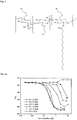
Figure 1 : A schematic structure of a quaternary ammonium palmitoyl glycol chitosan. -
Figure 2a : Effect of polymer hydrophobicity and molecular weight on polymer aggregation as probed by measuring the hypsochromic shift in methyl orange solutions. On location within an apolar environment methyl orange undergoes a hypsochromic shift. Polymer CMC is determined as the first inflexion point (arrowed for A1). For polymer details: hydrophobicity index (HI), approximated hydrophobic lipophilic balance (HLB) and CMC values see Table 1. -
Figure 2b : Freeze fracture electron micrograph of E5 (5.0 mg mL-1) in water. -
Figure 2c : Negative stained transmission electron micrograph of C5 (5 mg mL-1) in water. -
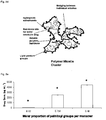
Figure 2d : Schematic representation of the self assembled polymer micellar cluster. -
Figure 3a : Effect of palmitoylation levels on propofol encapsulation. Initial drug concentration = 10 mg mL-1, initial polymer concentration = 5mg mL-1, * = statistically significant difference (p < 0.05, n = 4), data represent mean ± s. d. -
Figure 3b : The effect of palmitoylation on the encapsulation of propofol (initial polymer concentration = 5 mg mL-1, initial drug concentration = 10 mg mL-1) ; • = G19 + propofol, ◆ = GE1 + propofol. For HI, approximate HLB and CMC values (where available) see Table 1. * = statistically significantly different (p < 0.05). 1 mole of G19 encapsulates 48 moles of propofol. Samples were stored at room temperature. -
Figure 3c : The effect of polymer molecular weight on drug encapsulation, drug concentration was measured by HPLC after filtration (0.45µm); ■ = G19 (5 mg mL-1), □ = G19 (2.5 mg mL-1), • = G4 (5 mg mL-1), ○ = G4 (2.5 mg mL-1) , ▲ = propofol in water. * = statistically significant difference between polymers at a concentration of 5 mg mL-1 and # = statistically significant difference between polymers at a concentration of 2.5 mg mL-1 (p < 0.05). -
Figure 4a : Prednisolone concentrations (mean ± s. d.) in the aqueous humour of rabbits dosed with either Prednisolone Forte (white bar, prednisolone acetate suspension, 10 mg mL-1, 35 µL, Allergan, USA) or a GCPQ (quaternary ammonium palmitoyl glycol chitosan) formulation of prednisolone (black bar, G2 - 1 mg mL-1, NaHCO3 - 0.01M, prednisolone - 1 mg mL-1 NaHCO3 - 0.01M, prednisolone - 1 mg mL-1, 35 µL) * = statistically significant difference (p < 0.05, n = 4). -
Figure 4b : negative stained transmission electron micrograph of prednisolone formulation. -
Figure 5a : Pharmacodynamic activity (sleep time, mean ± s. d., n ≥ 4) of propofol formulations after tail vein dosing to male MF1 mice. Mice were dosed as described below. i) 0.2mg animals were dosed with 0.2 mg propofol in a 100 µL volume administered as either propofol emulsion (10 mg mL-1, Fresenius, Germany) diluted to 2 mg mL-1 with phosphate buffered saline (PBS, pH = 7.4) or a filtered GCPQ formulation (G19 - 5 mg mL-1, propofol 1.9 mg mL-1 in PBS - pH = 7.4). ii) 0.4 mg animals were dosed with 0.4 mg of propofol in a 100 µL volume administered as either Diprivan diluted in glycerol (0.24 M - TEM of formulation shown inFigure 5b ) to a concentration of 4 mg mL-1 or a filtered GCPQ formulation of propofol (G41 - 5 mg mL-1, propofol 4.2 mg mL-1,lecithin 2 mg mL-1, in glycerol - 0.24 M - TEM of formulation shown inFigure 5c ). iii) 0.5 mg animals were dosed with 0.5 mg propofol administered in a 50 µL volume as either Diprivan (10 mg mL-1) or propofol emulsion (Fresenius, 10 mg mL-1). A loss of righting reflex time was only observed in animals receiving a low dose of the commercial emulsion formulations (0.37 ± 0.19 min in the 0.2 Fresenius animals). No sleep times were recorded in animals receiving the polymer alone. * = statistically significantly different (p < 0.05). -
Figure 6a : Blood levels of cyclosporine A (CsA) following the oral administration of carbohydrate formulations. Animals were dosed with 7.5 mg kg-1 CSA and drug, polymer ratio 6.7: 1. * = statistically significantly different from CsA in water (p <0.05). -
Figure 6b : Blood levels of CsA following the oral administration of carbohydrate formulations. Animals were dosed with 7.5 mg kg-1 CSA and drug, polymer ratio = 10:1. * = statistically significantly different from CsA in water (p < 0.05). -
Figure 6c : Blood levels of CsA following the oral administration of carbohydrate formulations. Animals were dosed with 7.5 mg kg-1 CsA and drug, polymer ratio = 13.3: 1. -
Figure 7 : Percentage recovery of CsA from GCPQ-CsA formulations. The means are not statistically significantly different (p > 0.05). -
Figure 8 : CSA release profiles from various GCPQ-CsA tablets (n=3, mean ± SD) - The micellar polymeric aggregates of the present invention may be used to solubilise drugs and in particular hydrophobic drugs. The term "hydrophobic drug" as used herein includes drugs which are very slightly soluble in water. The definition of "very slightly soluble" is used by the British Pharmacopoeia and is defined as a situation where 1g of such material requires more than 1,000 millilitres of solvent (e. g. water) to be solubilised or alternatively a material which has a solubility of less than 1.0 mg mL-1 in water.
- Examples of hydrophobic drugs include prednisolone, propofol, cyclosporine, oestradiol, testosterone, drugs with multicyclic ring structures which lack polar groups such as paclitaxel and drugs such as etoposide, amphotericin B, steroids and other multicyclic compounds.
- Preferred hydrophobic drugs include prednisolone, propofol or cyclosporine. Prednisolone is asynthetic adrenal corticosteroid and is used, for example, as an ocular anti-inflammatory drug. Propofol is a short-acting intravenous anesthetic agent used for the induction of general anesthesia in adult patients and pediatric patients older than 3 years of age; maintenance of general anesthesia in adult patients and pediatric patients older than 2 months of age; and intensive care unit sedation for intubated, mechanically ventilated adults. Cyclosporine (also known as ciclosporin or cyclosporin), is an immunosuppressant drug. It is widely used post-allogeneic organ transplant to reduce the activity of the patient's immune system and so the risk of organ rejection. It has been studied in transplants of skin, heart, kidney, lung, pancreas, bone marrow and small intestine. Cyclosporine is a cyclic nonribosomal peptide of 11 amino acids (an undecapeptide) produced by the fungus Hypocladium inflatum gams.
- The pharmaceutical compositions may be delivered by a range of delivery routes including, but not limited to: gastrointestinal delivery, including orally and per rectum; parenteral delivery, including injection, patches, creams etc; mucosal delivery, including nasal, inhalation and via pessary. In a preferred embodiment, the pharmaceutical compositions are administered via parenteral, oral or topical routes.
- In addition to the polymeric micellar aggregates and drugs as described above, the pharmaceutical compositions may comprise a pharmaceutically acceptable excipient, carrier, diluent, buffer, stabiliser or other materials well known to those skilled in the art. Such materials should be non- toxic and should not interfere with the efficacy of the composition. The precise nature of the carrier or other material may depend on the route of administration, e.g. parenteral, oral or topical routes.
- Pharmaceutical compositions for oral administration may be in tablet, capsule, powder or liquid form. A tablet may include a solid carrier such as gelatin or an adjuvant. Liquid pharmaceutical compositions generally include a liquid carrier such as water, petroleum, animal or vegetable oils, mineral oil or synthetic oil. Physiological saline solution, dextrose or other saccharide solution or glycols such as ethylene glycol, propylene glycol or polyethylene glycol may be included.
- For intravenous, cutaneous or subcutaneous injection, or injection at the site of affliction, the active ingredient will be in the form of a parenterally acceptable aqueous solution which is pyrogen-free and has suitable pH, isotonicity and stability. Those of relevant skill in the art are well able to prepare suitable solutions using, for example, isotonic vehicles such as sodium chloride for injection. Preservatives, stabilisers, buffers, antioxidants and/or other additives may be included, as required.
- The present invention is based on the surprising finding that carbohydrate amphiphiles aggregate into a hierarchically organised micellar clusters of individual aggregates and that these micellar clusters transform to stable nanoparticles with molar polymer / hydrophobic drug ratios as high as 1:67 (drug/polymer weight ratios as low as 0.8:1) which is 20 times the level seen with the Pluronic triblock block copolymers.
- In addition, these micellar clusters improve the transfer of hydrophobic drugs across biological barriers by an order of magnitude.
- The micellar clusters formed by the amphiphilic carbohydrate polymers are distinct from the micelles [5, 22], vesicles [23, 24] and dense amorphous nanoparticles [22, 25, 26] previously described for block copolymers and grafted polymer amphiphiles. This can be deduced, for example, from the fact that the size of the micellar clusters ranges from 100-400 nm prior to filtration and 100-300 nm in size post filtration (45 µm). In contrast, the diameter of the conventional single micelle entities formed by block copolymers, for example, is 12-36 nm [29, 30] and cholesteryl pullulans are also believed to exist as single micelles with a diameter of 25 nm [31].
- The micellar clusters consist of smaller 10-30 nm aggregates and the nanopolarity of their hydrophobic domains and drug incorporation efficiency can be tailored by varying the degree of lipidic derivatisation and molecular weight of the carbohydrate.
- On intravenous injection of a carbohydrate propofol formulation, the pharmacodynamic activity of the model drug is increased by an order of magnitude when compared to a commercial coarse emulsion formulation and on topical ocular application of a carbohydrate prednisolone formulation, the initial levels of drug found in the aqueous humour are similar to those found with a ten fold dose of prednisolone suspension. Hence, these novel polymer micellar clusters can be used to increase the bioavailability of hydrophobic drugs.
- Higher levels of drugs with limited or no aqueous solubility have to be administered than are necessary for drugs with higher aqueous solubility. Therefore, provision of carrier compounds which increase the bioavailability of drugs with limited or no aqueous solubility are of paramount importance in the pharmaceutical industry. One advantage of such carrier compounds is that they reduce the amount of a drug with limited or no aqueous solubility that must be administered to an animal in order to treat a given medical condition.
- Quaternary ammonium palmitoyl glycol chitosan (GCPQ) samples were synthesised using a modification of the method previously reported [20], as described below. All reagents were used as received and supplied by Sigma Aldrich, Co. UK, unless otherwise stated. Organic solvents were supplied by the Department of Pure and Applied Chemistry, University of
Strathclyde. Glycol chitosan (GC - Mw ∼ 250 kDa) with a degree of acetylation below the level of detection using 1H NMR (signal at 2 ppm) was degraded for 48 h by heating at 50 °C in a solution of hydrochloric acid (4 M) [23] to give 10 - 15 kDa GC samples. Alternatively, 4 kDa GC samples were prepared by adapting a previously published method of GC degradation [47]. GC (Mw ∼ 250 kDa, 1g) was dissolved in acetic acid (2.5% v/v, 50 mL,). Dissolved oxygen was removed by bubbling N2 gas through the solution for 5 min. After cooling to 0 - 4 °C, a freshly prepared solution of NaNO2 (9.5 mg ML-1, 2 mL) was added, and the reaction was allowed to proceed for 15 h at 4 °C in the dark and without stirring. The product was neutralised with concentrated aqueous ammonia. To the resulting mixture was added NaBH4 (20 mg) in divided portions and the reaction mixture was once again left stirring overnight at room temperature. At the end of this period the product was carefully precipitated by adding acetone (150 mL) at room temperature. The resulting precipitate was separated by centrifugation (9,000g X 10 min), washed three times with methanol (50 mL), redissolved in water, dialyzed exhaustively as described below and the dialysate freeze dried. The yield was 400 mg. - Degraded GC (300 mg) was dissolved in a sodium bicarbonate solution (0.057M), a solution of palmitic acid N hydroxysuccinimide (120 mL) added at the level given in Table 1 and the mixture stirred for 72 h. Ethanol was removed by evaporation under reduced pressure and the reaction mixture extracted with diethyl ether (3
X 100 mL). The crude palmitoyl glycol chitosan (PGC) was dissolved in an N-methyl pyrrolidone solution of sodium iodide (0.011M, 90 mL) by stirring over night and to this solution was added an ethanol solution of sodium hydroxide (0.25 M, 18 mL) and methyl iodide at the level indicated in Table 1. The mixture was stirred under nitrogen gas at 36 °C for 4 h, the product precipitated in diethyl ether (400 mL) and washed twice with diethyl ether (2 X 300 mL). Finally the product was dissolved in water (100 mL) and dialysed exhaustively against an aqueous sodium chloride solution (0.1M, 5L) to give a protonated polymer (chitosan pKa ∼ 7) or an aqueous solution (5L) containing sodium bicarbonate (0.01 M) and sodium chloride (0.1M); the latter giving a deprotonated polymer. Both dialysis media described above were changed 3 times (over 4.5 h) and followed by dialysis against water (5L) with 6 changes (over 24 h). The synthetic yield for all polymers was ∼ 120 mg. Protonated and deprotonated versions of G19 were prepared. All other polymers were dialysed against water (5L with 6 changes over 24 h) and passed through an ion exchange column equilibrated with chloride ions (IRA 93 CI-1) [20] prior to freeze drying. - The molecular weight of degraded GC was determined by gel permeation chromatography - multi-angle laser light scattering [23] and the level of both palmitoylation and methylation determined by 1H NMR by comparing the palmitoyl methyl protons (0.8 ppm, palmitoyl) and the quaternary ammonium methyl protons (3.35 ppm, quaternary ammonium glycol chitosan) respectively with the sugar methine protons (3.1 and 3.5 - 5.5 ppm) [20]. The Hydrophobicity Index (HI) was calculated using equation 2:


- Methyl orange serves as a solvatochromic probe by undergoing a hypsochromic shift of its long wavelength band on movement from a polar to a non polar domain [22, 27], such as that resulting from polymer aggregation [22]. Alkaline solutions of methyl orange were used to probe for polymer aggregation, by measuring the degree of the hypsochromic shift with increase in polymer aqueous concentration [22]. The CMC was taken as the first inflection point in the methyl orange wavelength of maximum absorbance concentration curve. GCPQ NMR and GC GPC-MALLS data were used to calculate the molecular weight of the polymers in order to obtain molar CMC data. Photon correlation spectroscopy was used to record aggregate size before and after filtration (0.45µm) [25] and both freeze fracture electron microscopy [49] and negative stained transmission electron microscopy [23] used to record images of the aggregates.
- Drug loading on the aggregates was achieved by probe sonicating [25] a mixture of the drug and the polymer in aqueous media. Drug levels contained in the aggregates were measured after filtration of the aggregates (0.45 µm) and analyses by high performance liquid chromatography (HPLC). For prednisolone: polymer/ drug samples were filtered, diluted with the mobile phase (water/ acetonitrile 640 mL: 360 mL) and chromatographed (20 µL) over a reverse phase 3.5 µm C18 column Symmetry (4.6 X 75 mm, Waters Instruments, UK) at a mobile phase flow rate of 1 mL min-1. Chromatography was achieved using a Waters 515 isocratic pump, a Waters 717 autosampler and sample detection was achieved using a Waters 486 variable wavelength ultraviolet wavelength detector (λ = 243 nm). The internal standard was 6α-methyl prednisolone (50 ng mL-1), the limit of detection was 5 ng mL-1 and the linear peak area ratio - concentration curve over the range 10 - 250 ng mL-1 had a correlation coefficient of 0.9991. For propofol: polymer/ drug samples were filtered (0.45 µm), diluted with the mobile phase (water/,
methanol 200 mL, 800 mL) and chromatographed (20 µL) over an ODS2 5 µm column (4.6 X 250 mm, Waters Instruments, UK), at a mobile phase flow rate of 1 mL min-1 and using the same instrumentation as used above but with the wavelength set at 229 nm. The limit of detection was 0.25 µg mL-1 and the linear peak area - concentration curve over the range 1 - 250 µg mL-1 had a correlation coefficient of 0.9997. - Statistical analysis was performed using the students' t-test; significant differences were indicated by a p value of less than 0.05.
- Glycol chitosan (GC) samples of three molecular weights (Table 1), obtained by acid degradation, were used to prepare the amphiphilic polymers. Syntheses of quaternary ammonium palmitoyl glycol chitosan (GCPQ) samples (
Figure 1 ) were confirmed by 1H NMR [20] (0.90 ppm = CH3 - palmitoyl, 1.25 ppm = CH2 - palmitoyl, 1.60 ppm = CH2 - palmitoyl β to carbonyl, 2.25 ppm = CH2 - palmitoyl α to carbonyl, 3.02 ppm = CH3 monomethyl and dimethyl amino, 3.12 ppm CH - C2 unsubstituted glycol chitosan, 3.35 ppm = CH3 trimethyl amino, 3.5 - 5.5 ppm = CH glycol chitosan). 13 different amphiphiles were prepared with various levels of palmitoylation and quaternisation (Table 1). - Coarse control on palmitoylation levels were achieved by controlling the feed ratio of palmitic acid N-hydroxysuccinimide (PNS), while methyl quaternary ammonium levels largely remained similar so long as gravimetric methyl iodide/ GC ratios remained at 14.14 or below.
- Polymer aggregation was probed with methyl orange [22, 27] (
Figure 2a ) and the more hydrophobic polymers (Hydrophobicity Index [HI] = 1 - 2, Hydrophobic Lipophilic Balance [HLB] = 17 - 18) produced more stable aggregates, as evidenced by their low CMCs (< 10 µM,Figure 2a , Table 1). The more hydrophobic polymers also produced more apolar hydrophobic cores as evidenced by the extent of the post micellisation methyl orange hypsochromic shift (λmax < 430 nm, Table 1). Polymer aggregates were 100 - 300 nm in diameter (Table 1), a size inconsistent with the unimolecular aggregation proposed by some authors [28] and both freeze fracture and negative stained transmission electron microscopy revealed a cluster of smaller 10 - 30 nm aggregates hierarchically organised into larger aggregates (Figures 2b and 2c ) and, without wishing to be limited by theory, such structures consistent with the model proposed inFigure 2d . This clustering arrangement is an unusual aggregate for amphiphilic polymers. Block copolymer micelles, for example, are conventional single micelle entities with a diameter of 12 - 36 nm [29, 30] and micelles prepared from cholesteryl pullulans are also believed to exist as single micelles of 25nm in diameter [31]. - The molar CMCs of the current polymers when compared to CMC values recorded for other amphiphiles with even lower HLBs reveal that the current aggregates are more stable than other amphiphilic aggregates, such as F127 (Tables 1 & 2). The CMCs of the current polymers differ by 1 to 3 orders of magnitude from those recorded for the Pluronic block copolymer F127 (HLB = 14, CMC 550 µM [6]) and polysorbate 20 (HLB 16.7, CMC = 53 µM [4]).
- Without wishing to be limited by theory, the present inventors believe that this more favourable aggregation phenomenon is consistent with the model proposed in
Figure 2d as the ability of the polymer to form multiple inter - and intra - polymer hydrophobic and hydrogen bond associations would contribute to the entropy gain associated with the aggregation event in addition to the loss of water structure accompanying the micellisation event. Additionally an increase in molecular weight favours aggregation (Figure 2a ), once again an observation consistent with the hypothesis that multiple inter and intramolecular contacts stabilise the micellar clusters. - The formation of more apolar domains, favours hydrophobic drug encapsulation and thus the more hydrophobic polymers encapsulate greater amounts of drug (
Figures 3a and3b ). Encapsulation levels are high: 5mg mL-1 G42 (Table 1) encapsulates 4.43 ± 0.12 mg mL-1 propofol. The micellar clusters transformed to nanoparticle formulations on incorporation of drugs with a high log P such as propofol. Propofol (log P = 4.1) resulted in the production of larger particles from the micellar clusters which appeared as dense 50 - 150 nm particles on electron micrographs (Figure 5c ), while prednisolone (log P = 1.4) resulted in isotropic liquids with particle sizes of 10 - 100 nm in the case of prednisolone - a mixture of drug swollen particles and micellar clusters (insetFigure 4b ). - We have found that an increase in poly (ethylenimine) amphiphile aggregation number is seen in the presence of the hydrophobic molecule - cholesterol [22] and without wishing to be limited by theory, we postulate that the presence of a more hydrophobic drug shifts polymer aggregation from a micellar cluster to a more dense nanoparticle. Propofol levels in the carbohydrate formulations are maintained at above 75% of the initial value for at least 30 days (
Figure 3b ). Table 3 shows that if ionisation of the amine groups is suppressed by dialysing the polymer against alkaline media, drug encapsulation levels also increase. Removing the work associated with overcoming electrostatic repulsions, which dominate the early phase of the aggregation step, thus increases drug encapsulation levels. - The increase in drug encapsulation with increase in polymer hydrophobicity has been observed with block copolymers [32, 33]. However, the formation of nanoparticles from block copolymers in the presence of hydrophobic drugs has, to our knowledge, not been reported and hence is a novel feature of the current amphiphiles. For example propofol and F127 (1.78 mg mL-1 propofol and 40mg mL-1 F127) form micelles that are 20 - 40 nm in diameter [33].
- In addition to polymer HLB/ HI (Table 1,
Figure 2a ), polymer molecular weight also impacts on micelle stability. An increase in molecular weight increases micelle stability (Figure 2a ) and this improvement in stability is reflected in the influence of molecular weight on drug encapsulation (Figure 3c ). The drug/ polymer molar ratio increases 10 fold with a 2.5 fold increase in molecular weight (Table 2). Without wishing to be limited by theory, this observation is once again in agreement with the model proposed inFigure 2d , as multiple hydrophobic inter and intra molecular contacts are only possible with a lengthy polymer chain. - These carbohydrate drug nanoparticles offer a key advantage over the block copolymers in that molar drug encapsulation levels are at least an order of magnitude higher with the current systems (Table 2 and
Figure 3 ). Without wishing to be limited by theory, we propose that these higher drug encapsulation levels are due to the nature of the aggregate: namely the formation of a micellar cluster as opposed to single micelles. - It is important to consider not only the efficiency of the amphiphile in incorporating hydrophobic materials into aqueous media but also the maximum level of drug incorporated into aqueous media - a clinically relevant parameter. The latter is also high compared to the block copolymer systems (Table 2). The exceptional drug loading achieved with these carbohydrate amphiphiles approaches 45%w/w, higher than that achieved with other polymeric particles loaded with hydrophobic drugs [19, 34, 35].
- Previous studies on hydrophobised carbohydrates have focused on their viscosity enhancing properties [36-38], their ability to form gels [20, 39] and aqueous insoluble aggregates [21, 23, 31, 40-43]. With respect to water soluble carbohydrate amphiphile aggregates [20, 21, 28], characterisation of their ultrastructure and/ or bioavailability enhancing effects have not been reported. Here we show that the aggregation behaviour involves a hierarchical organisation of micelles into self repellent colloidal clusters for the first time with direct micrograph evidence supported by dynamic light scattering evidence.
-
Figures 4 and 5 present data on the transport of drugs across biological barriers with these new carbohydrate particles. Drug bioavailability is enhanced quite significantly using these carbohydrate formulations. Two model drugs were chosen: the ocular anti-inflammatory drug prednisolone and the intravenous anaesthetic propofol. On topical application to the eye, aqueous humour levels with 0.35 mg of prednisolone, formulated with the carbohydrate amphiphiles are statistically indistinguishable at early time points from drug levels obtained using 3.5 mg of prednisolone in Prednisolone Forte®. Dilution of Prednisolone Forte was not carried out so as not to destabilise the formulation. No drug was detected with any of the prednisolone formulations in the vitreous humour. These carbohydrate nanoparticles facilitate drug absorption across the cornea to the aqueous humour but fail to deliver drug to the back of the eye. However this is unsurprising in view of the topical mode of delivery and characteristics of the drug [44]. - The sleep time obtained with the carbohydrate propofol formulations are up to ten times those obtained when using either the commercial Fresenius or Diprivan® formulations. A loss of righting reflex time could not be recorded with the GCPQ formulations as animals were asleep by the end of the injection administration period (See legend of
Figure 4b ); evidence that delivery of the centrally acting drug across the blood brain barrier is rapid and efficient. In order to compare the formulations, the amount of propofol giving rise to each minute of sleep time were compared: values were 0.426 and 0.032 mg min-1 with 0.2 mg propofol per mouse (0.1 mL dose volume) of the Fresenius and G19 formulations respectively, 0.134 and 0.023 mg min-1 with 0.4 mg propofol per mouse of the Diprivan® and G41 formulations respectively (0.1 mL dose volume), and 152 and 111 mg min-1 with 0.5 mg propofol per mouse with the undiluted (10 mg mL-1) Fresenius and Diprivan® formulations respectively (0.05 mL dose volume) . While this strategy may offer anaesthetic induction benefits to propofol as rapid induction is desirable [45], principally these experiments demonstrate that this technology may prove beneficial for the central nervous system delivery of behaviour modification therapies or therapies to treat specific brain diseases. - From the current study, the mechanism by which these carbohydrate amphiphiles improve drug delivery to the CNS or indeed across the cornea is not fully understood, however with respect to the CNS, some indicators may be found in an analysis of the physical properties of the formulations. The particle size and particle size distribution of the commercial propofol formulation, as exemplified with Diprivan® (
Figure 5b ), is larger than that seen with the carbohydrate formulation (Figure 5c ). The formulation shown inFigures 5c was filtered, however unfiltered carbohydrate formulations show no bioavailability efficiency gains when compared to the commercial emulsion formulations (data not shown). Since filtration of polymer aggregates results in a decrease in particle size (Table 1), we hypothesise, without wishing to be held by theory, that the reduced particle size is responsible in part for the drug delivery activity of these carbohydrate nanoparticles. Furthermore lipid free formulations of propofol have been reported to be accompanied by an increase in potency [46], presumably due to a lack of a lipid reservoir in the blood which would favour partitioning into the brain. It is possible that the lack of a lipid reservoir in the blood with the carbohydrate formulations is also responsible for the increased potency of this formulation observed here. - In conclusion, carbohydrate amphiphiles have been synthesised and found to self-assemble into micellar clusters which provide an enhanced carrying capacity for hydrophobic drug molecules and facilitate the transport of drug molecules across biological barriers, thus enhancing their bioavailability. The current technology offers a solution to pharmaceutical formulators of hydrophobic drugs.
- Variants of the amphiphilic carbohydrates were synthesised with quaternary betaine groups replacing the quaternary ammonium groups on the a unit. Some of the derivatised carbohydrates described below consisted of a and c units, omitting the b units present in some embodiments of the present invention.
- 1.5g glycol chitosan (GC) was dissolved in 110 ml 4 M HCl and kept at 50 °C for 48 hours in a shaking water bath. The solution was dialyzed against 5L water (6 changes) and the dialysate was lyophilised to give a white fibrous solid (523 mg).
- 0.129 g betaine was dissolved in 10ml water. To this was added 1.0g N-Ethyl-N'-(3-dimethylaminopropyl) carbodiimide hydrochloride (EDAC) and the reaction stirred for 15 minutes. Next 0.36 g GC (MW∼15 - 21 kDa) in 40 ml distilled water was added and the reaction stirred for a further 24 hours at 25 °C. HCl was added to the solution to the final concentration 0.1 M and the reaction kept stirring for yet another 30 minutes. The reaction solution was dialyzed against 5L water (6 changes). The dialysate was lyophilised to give a white fibrous solid. The yield was 391 mg.
- Betaine Glycol chitosan (GCB, 180 mg) was dissolved in 20 ml water and mixed with sodium bicarbonate solution (150 mg in 20 ml water) to which was added absolute ethanol (30 ml). An ethanolic solution of oleic acid N-hydroxy succinimide (ONS, 5 mg mL-1, 30 ml) was added drop wise to this solution and the mixture left stirring for 72 h at room temperature. Ethanol was evaporated under reduced pressure and the solution extracted with diethyl ether (3 times, 60 ml each), dialysed against 5L water (6 changes), and then lyophilized to give oleyl betaine glycol chitosan (GCBO). The yield was 72 mg.
- GCB (180 mg) was dissolved in 20 ml water and mixed with sodium bicarbonate solution (150 mg in 20 ml water) to which was added absolute ethanol (30 ml). An ethanolic solution of palmitic acid N-hydroxysuccinimide (PNS, 5.28
mg mL -1 30 ml) was added drop wise to this solution and the mixture left stirring for 72 h at room temperature. Ethanol was evaporated under reduced pressure and the solution extracted with diethyl ether (3 times, 60 ml each), dialysed against 5L water (6 changes), and then lyophilized to give palmitoyl betaine glycol chitosan (GCBP). The yield was 76 mg. - The molecular weight of the degraded glycol chitosan was determined by multi-angle laser light scattering and gel permeation chromatography (GPC/ MALLS, Mini Dawn, Wyatt, USA), using acetate buffer as mobile phase (23).
- 1H NMR spectra were recorded using a Bruker AMX 400 MHz spectrometer (Bruker Instruments, UK). D2O was used as the solvent for depolymerised glycol chitosan, whereas CD3OD was used for the derivatised polymers.
- A solution of methyl orange (25 µM) was prepared in borate buffer (0.02 M, pH 9.4) and used as a diluent in preparing a high concentration of GCBO and GCBP (15 mg mL-1) by probe sonication. These GCBO and GCBP formulations were subsequently diluted with the methyl orange solution and the dilutions were incubated for 1 h at room temperature before their ultra-violet absorption spectra were recorded (300 - 600 nm) using a UV spectrophotometer (UNICAM UV 300, Thermo Spectronic, UK).
- Formulations of GCBO (2mg/ml) and GCBP (1.92 mg/ml) in water were prepared by probe sonication and demicellisation enthalpograms were recorded using a Microcal isothermal titration calorimeter (MICROCAL™ VP -ITC, UK).
- Particle size and surface charge measurements were carried out with a
Zetasizer 3000 HS (Malvern Instruments, Worcs., UK) at 25°C. Scattered light was detected at a 90° angle. All samples were passed through a membrane filter (pore size: 450 nm, Millipore) prior to filtration. - 4M HCl was used to degrade the glycol chitosan for 48 hours. The molecular weight of the degraded GC was 15k - 21 kDa as determined by gel permeation chromatography.
- The betaine levels of the polymer were determined using 1H NMR and calculating the ratio of quaternised betaine CH3 groups (δ 3.1, 9H) to the sugar groups (H-2 to H -11, δ 3.5 - 4.5, 10H). It was found that the molar proportion of the monomer units conjugated to betaine was 0.122.
- The level of oleyl or palmitoyl groups conjugated to betaine glycol chitosan was determined using 1H NMR by calculating the ratio of CH3 groups in the palmitoyl or oleyl chains (δ 0.880, 3H) to the sugar groups (H-2 to H-11, δ 3.5 - 4.5, 10H). The molar proportion of monomer units conjugated to oleyl groups in oleyl betaine glycol chitosan was found to be 0.198 and the molar proportion of monomer units conjugated to palmitoyl groups in palmitoyl betaine glycol chitosan was found to be 0.296.
- The critical micelle concentrations (CMCs) of GCBO and GCBP were determined by isothermal titration calorimetry (ITC) and UV/VIS spectrophotometry, the latter using methyl orange as a probe. Using ITC the CMCs of GCBO and GCBP were measured as 0.06 mg mL-1 and 0.087 mg mL-1 respectively. While, using the methyl orange probe, the CMCs of GCBO and GCBP were measured as 2.4 mg mL-1 and 0.78 mg mL-1 respectively. The differences in the values stem from the different methods used. All CMC data is shown in Table 5.
Table 5. Data of GCBO and GCBP Sample Molar proportion of betaine groups per monomer Molar proportion of hydrophobic substituents per monomer CMC (g L-1) Methyl Orange Xmax (nm) GCBO 0.122 Oleyl = 0.198 0.06* / 2.4# 433 GCBP 0.122 Palmitoyl = 0.296 0.087*/0.78# 423 * = Determination using ITC
# = Determination using the hypsochromic shift of methyl orange - The sizes and surface charges of GCBO and GCBP aggregates are listed in Table 6. For GCBO samples, two peaks were detected indicating that two types of aggregates are formed for this polymer. For the GCBP samples only one broad peak was detected. Both polymer samples showed larger aggregates in water than in borate buffer, due presumably to charge repulsion of the polymer positive charges at the lower pH and all particles reported a slight positive zeta potential.
Table 6. Sizes and surface charge of GCBO and GCBP Sample Particle size (nm), Concentration = 3 g L-1 Particle surface charge (mV), Concentration = 3 g L-1 In H2O In Borax in H2O In Borax GCBO 67.5/300 nm 92/250 nm 3.1 3.1 GCBP 360 nm 180 nm 3.0 3.1 - 0.75 g of GC which had been degraded in 4M HCL (as detailed above but for 15 h instead of 48 h) was stirred for 2 h in 225 ml of N -methyl pyrrolidone containing 2 mg mL-1 sodium iodide. 45 ml of ethanolic sodium hydroxide was added (10 mg mL-1) and typically 4 .6 mL of methyl iodide. The mixture was stirred under nitrogen at 36 °C for 4 h before being precipitated using excess diethyl ether. The precipitate was washed with diethyl ether, washed subsequently with ethanol, redissolved in water and dialyzed against 5L 0.1M NaCl (3 changes) and 5L water (6 changes). The dialysate was lyophilised to give GCQ as a white fibrous solid. The yield was 282 mg.
- GCQ (134 mg) was used to prepare oleyl and palmitoyl conjugates of GCQ using an analogous method to that used to prepare oleyl and palmitoyl derivatives of betaine glycol chitosan. The yield of quaternary ammonium oleyl glycol chitosan (GCQO) was 165 mg and the yield of quaternary ammonium palmitoyl glycol chitosan (GCQP) was 87 mg.
- Characterization of the GCQO and GCQP was carried out as described above to determine the molecular weight of glycol chitosan and the level of glycol chitosan substitution using gel permeation chromatography with multi- angle laser light scattering and 1H NMR spectrometry respectively.
- The molecular weight of glycol chitosan was 17- 21 kDa.
- The quaternisation level of the polymer was determined using 1H NMR to calculate the ratio of quaternary ammonium methyl protons (CH3, δ 3.31, 3H) to the level of sugar protons (H-2 to H-11, δ 3.5 - 4.5, 10H). The molar proportion of quaternary ammonium groups per monomer unit was 0.097.
- The oleyl levels of the polymer were determined using 1H NMR to calculate the ratio of CH=CH groups in the oleyl substituent (δ 5.3, 2H) to the sugar groups (H-2 to H-11, δ 3.5 - 4.5, 10H). The molar proportion of oleyl groups per monomer in quaternary ammonium oleyl glycol chitosan was found to be 0.319. The palmitoyl level in quaternary ammonium palmitoyl glycol chitosan was determined using 1H NMR by calculating the ratio of methyl protons in the palmitoyl chains (δ 0.88, 3H) to the methine/ methylene protons in the sugar groups (H-2 to H-11,
δ 3 .5 - 4.5, 10H). The molar proportion of palmitoyl groups per monomer in quaternary ammonium palmitoyl glycol chitosan was 0.381. - Male New Zealand White rabbits (n = 4, Harlan, UK) were dosed with prednisolone formulations (35 µL) into the lower cuI de sac of each eye using an air displacement pipette. At 1 h, 2 h and 4 h after dosing, animals were killed and the aqueous humour sampled with a syringe. The vitreous humour was then collected and all biological samples immediately frozen in liquid nitrogen. Samples of aqueous humour were thawed and analysed by diluting 50 µL of aqueous humour with 150 µL of mobile phase containing the internal standard. These diluted samples were analysed by HPLC as described above. Samples of vitreous humour (0.5 mL) were also thawed and extracted with ethyl acetate [50] prior to analysis.
- Male six week old MFI mice were injected intravenously via the tail vein with various propofol formulations and both the time to loss of righting reflex and the sleep time were recorded. The loss of righting reflex was confirmed in animals immediately after dosing, by an animal failing to right itself when placed on its back and animals which failed to sleep were recorded as having a sleep time of 0 min.
- The oral absorption potential of carbohydrate amphiphiles was assessed. Cyclosporine A (CsA) carbohydrate micellar formulations were prepared as described above using a carbohydrate amphiphile with a nominal molecular weight of 15 -30 kDa with a molar proportion of quaternary ammonium groups per monomer of 0.169 and a molar proportion of palmitoyl groups per monomer of 0.155.
- Adult male Wistar rats [(Harlan Olac, UK), weight 240 - 280g, n=4] were fasted for 12 h before the intragastric administration of CsA (2 mg mL-1, ∼ 1mL, 7.5 mg kg-1) and for a further 4 h thereafter. CsA was administered either as a dispersion of the drug in water (dispersed by probe sonication), a polymer formulation or the commercial liquid formulation Neoral® (100 mg mL-1) which had been diluted with distilled water to give a solution of 2 mg mL-1. At various time intervals blood (200 µL) was sampled from the tail vein of anaesthetised rats and CsA blood levels analysed using a monoclonal antibody radioimmunoassay kit (Cyclo-Trac SP-Whole Blood Radioimmunoassay Kit, Diasorin, UK) in accordance with the manufacturers instructions.
- These results are shown in
Figure 6a to 6c and demonstrate that quaternary ammonium palmitoyl glycol chitosan improves the oral absorption of CsA by increasing blood levels by between 100 and 350%. - GCPQ was synthesized as described herein and the polymer characteristics are depicted in Table 4.
Table 7: Characterisation of GCPQ Polymer MW Glycol chitosan starting material (kDa) CMC (g L-1) Polymer - drug particle mean size (mm) Mole % Palmitoyl groups Mole% Quaternary Ammonium groups GCPQ 17 2.27 254 15.52 16.91 - Formulations were then prepared by dispersing of GCPQ (20 mgmL1) and Cyclosporine A (CsA, 5 mg mL-1) using probe sonication (probe sonication on ice for 10 minutes with the instrument set at 75% of its maximum output). Both liquid and freeze-dried formulations were stored at 8 - 10°C for 6 months. At one month time intervals, reconstituted freeze-dried samples (reconstituted in distilled water) and liquid samples were filtered (0.45 µm) and analysed by HPLC.
- High performance liquid chromatography analysis was carried out using a Waters 515 HPLC Pump, Waters 717 plus Autosampler and Waters 468 Tunable Absorbance Detector. Samples were chromatographed on a reversed phase column (Waters Assymetry Spherisorb ODS2, 5 µm particle size, 250 x 4.6 mm) which was maintained at 80 °C with a Jones Chromatography Column Heater model 7971. The mobile phase was acetonitrile, water, tert-butyl-methyl-ether, phosphoric acid (600: 350:50:1) at a flow rate of 1.2 mL min-1. CsA peak detection was at 210 nm. Data was analyzed using Waters Empower software. Results are shown in
Figure 7 . - Various GCPQ-CsA tablets were prepared by direct compression. All powders were sieved (35 -mesh) and compressed into 5 mm diameter tablets (EKO model single-punch tablet machine, Erweka, Germany) The compression force was adjusted separately for each formulation so that the corresponding crushing strengths of tablets were at a maximum level.
- Dissolution testing was performed on three tablets from each of the above formulations using a modified USP24-NF19 method: USP apparatus 2 (Erweka DT6R Dissolution Tester) at a stirring speed of 30 rpm, with 1000 mL distilled water as the dissolution medium. Samples were taken after 5, 10, 20, 40, 60, 80 and 120 minutes filtered (0.45µm) and subsequently analysed by HPLC as described above. Results are given in
Figure 8 below.Table 8: CsA Tablet formulations Composition for 1 tablet Formula 1 (mg) Without polymer Formula 2 (mg) CsA, GCPQ = 1:1 Formula 3 (mg) CsA, GCPQ = 1:2 Formula 4 (mg) CsA, GCPQ = 1:5 CsA 5 5 5 5 Mannitol 100 100 100 100 Avicel 100 100 100 100 Stearic acid 5 5 5 5 SDS 2 2 2 2 GCPQ - 5 10 25 Table 1 Sample Mw of glycol chitosan starting material (kDa) Initial gravimetric feed ratio of PNS: GC Molar proportion of palmitoyl groups per monomer (L) Initial gravimetric feed ratio of methyl iodide: GC Molar proportion of quaternary ammonium groups per monomer (Q) HI HLB CMC Carbohydrate aggregate mean particle size/ polydispersity Mean particle size after filtration/ polydispersity Mean Particle size polydispersity after drog loading and filtration Final Methyl orange λmax (nm) (g L-1/ µM) A1 * 15 0.26 0.0215 5.02 0.1074 -5 19.7 1.76/ 106 259/0.16 184/0.09 163/0.07 442 A5 15 2.11 0.1508 5.02 0.1649 1.09 17.9 0.17/ 8.93 241/0.14 200/ 201/0.12 n.d. 426 C3 15 1.06 0.1028 9.58 0.2015 2.22 18.5 0.09/ 0.27 178/0.22 n.d. 428 E1 * 15 0.26 0.0196 14.14 0.1189 5.69 19.7 0.80/ 47.9 303/0.37 172/0.06 170/0.13 438 E5 15 2.11 0.117 14.14 0.13 1.11 18.3 230/0.39 163/0.33 209/0.10 426 C5 19 2.11 0.123 9.58 0.221 1.8 - - - - - - G2 15 0.79 0.168 18.24 0.743 4.4 17.8 0.08/ 4.0 348 147 154 432 G3 15 1.58 0.134 9.13 0.337 2.3 18 0.11/ 6.1 315 152 - 429 G19 10 2.11 0.134 14.14 0.134 1 18 - - - - - G42 10 2.11 0.16 14.14 0.137 1.17 17.6 - - - - - G41 10 2.11 0.185 14.14 - - - - - - - - GE1 * 10 0.26 0.02 14.14 -0.119 5.95 19.7 - - - - - G4 4 2.11 0.151 '14.14 0.1263 0.84 17.7 0.363/ 76.8 - 132/0.63 - 432 * Comparative Examples Table 2 Drug Log p Amphiphile Mw (kDa) HI-B CMC (µM) Moles drug encapsulated per mole of polymer Drug Concentration (g L-1) Propofol 4.1 G19 11.7 18 - 48 3.6 G4 4.7 17.7 76.8 3.2 0.61 F127 12.6 14 550 [6] 3 [33] 1.78 2-hydroxypropyl-β-cyclodextrin 1.3 - - 0.75 [10] 38.7 Prednisolone 1.4 G2 19.9 17.8 4 67 1.2 F127 12.6 14 550 0.21 0.5 Table 3 Disperse Phase Drug concentration (mg mL-1) encapsulated in G19 (5mg mL-1) dialysed against sodium chloride solution (0.1M) and water. Initial drug concentration = 10 mg mL-1, mean ± s.d. (n = 4) Drug concentration encapsulated in G19 (5mg mL-1) dialysed against alkaline sodium chloride solution (sodium chloride - 0.1M, sodium bicarbonate - 0.01M). Initial drug concentration = 10 mg mL-1, mean ± s.d. (n = 4) Water 1.52 ± 0.47 3.45 ± 0.02 * Phosphate Buffered Saline (pH = 7.4) 1.32 ± 0.07 2.16 ± 0.04* Glucose (5% w/v) 0.35 ± 0.05 1.75 ± 0.04* * = statistically significant difference between alkaline and neutral dispersions (p < 0.05) -
- 1. Kilpatrick P. Pressures in the pipeline. Nature Drug Discovery 2,337 (2003)
- 2. Wenlock M.C., Austin R.P., Barton P., Davis A.M. & Leeson P.D. A comparison of physicochemical property profiles of development and marketed oral drugs. J. Med. Chem. 46, 1250-1256 (2003)
- 3. Rowe R. C., Sheskey P. J. & Weller P. J., Handbook of Pharmaceutical Excipients. 2003, London: Pharmaceutical Press.
- 4. Florence A.T. & Attwood D., Physicochemical Principles of Pharmacy. 1998, Basingstoke: Macmillan Press.
- 5. Cheng H. Y. & Holl W. W. Micellar aggregation of Poloxamer 213 and its interaction with cholesterol derivatives. J. Pharm. Sci. 79, 907-912 (1990)
- 6. Alexandridis P., Holzwarth J. F. & Hatton T. A. Micellization of Poly (Ethylene Oxide) - Poly (Propylene Oxide) - Poly (Ethylene Oxide) Triblock Copolymers in Aqueous-Solutions - Thermodynamics of Copolymer Association. Macromolecules 27, 2414-2425 (1994)
- 7. Nam Y. S. et al. New micelle-like polymer aggregates made from PEI- PLGA diblock copolymers: micellar characteristics and cellular uptake. Biomaterials 24, 2053-2059 (2003)
- 8. Krishna A. K. & Flanagan D. R. Micellar solubilisation of a new antimalarial drug, b-arteether. J. Pharm. Sci. 78, 574-576 (1989)
- 9. Strickley R. G. Solubilizing excipients in oral and injectable formulations. Pharm. Res. 21, 201-230 (2004)
- 10. Trapani G., Lopedota A., Franco M., Latrofa A. & Liso G. Effect of 2-hydroxypropyl-b-cyclodextrin on the aqueous solubility of the anaesthetic agent, propofol (2, 6-diisopropylphenol). Int. J. Pharm. 139, 215-218 (1996)
- 11. Arnanson T. & Elworthy P. H. Effects of structural variables of non- ionic surfactants on micellar properties of solubilisation: surfactants based on erucyl and behenyl (C22) alcohols. J. Pharm. Pharmacol. 32, 381-385 (1980)
- 12. Ong J. T. H. & Manoukian E. Micellar solubilisation of timobesone acetate in aqueous and aqueous propylene glycol solutions of non-ionic surfactants. Pharm. Res. 5, 704-708 (1988)
- 13. Shuai X., Ai H., Nasongkla N., Kim S. & Gao J. Micellar carriers based on block copolymers of poly (e-caprolactone) and poly(ethylene glycol) for doxorubicin delivery. J. Control. Rel. 98, 415-426 (2004)
- 14. Kwon G. S. & Kataoka K. Block copolymer micelles as long-circulation drug vesicles. Adv. Drug Del. Rev. 16, 295-309 (1995)
- 15. Allen C., Maysinger D. & Eisenberg A. Nano-engineering block copolymer aggregates for drug delivery. Coll. Surfaces. B: Biointerfaces. 16, 3-27 (1999)
- 16. Jones M. C. & Leroux J. C. Polymeric micelles - a new generation of colloidal drug carriers. Eur. J. Pharm. Biopharm. 48, 101-111 (1999)
- 17. Torchilin V. P. Structure and design of polymeric surfactant based drug delivery systems. J. Control. Rel. 73, 137-172 (2001)
- 18. Savic R., Luo L., Eisenberg A. & Maysinger D. Micellar nanocontainers distribute to defined cytoplasmic organelles. Science 300, 615-618 (2003)
- 19. Francis M. F., Lavoie L., Winnik F. M. & Leroux J. C. Solubilization of cyclosporin A in dextran-g-polyethyleneglycolalkyl ether polymeric micelles. Eur. J. Pharm. Biopharm. 56, 337-346 (2003)
- 20. Uchegbu I. F. et al. Quarternary ammonium palmitoyl glycol chitosan- a new polysoap for drug delivery. Int. J. Pharm. 224, 185-199 (2001)
- 21. Miwa A. et al. Development of novel chitosan derivatives as micellar carriers of taxol. Pharm. Res. 15, 1844-1850 (1998)
- 22. Wang W., Qu X., Gray A. I., Tetley L. & Uchegbu I. F. Self assembly of cetyl linear polyethylenimine to give micelles, vesicles and nanoparticles is controlled by the hydrophobicity of the polymer. Macromolecules 37, 9114-9122 (2004)
- 23. Wang W., Mcconaghy A. M., Tetley L. & Uchegbu I. F. Controls on polymer molecular weight may be used to control the size of palmitoyl glycol chitosan polymeric vesicles. Langmuir 17, 631-636 (2001)
- 24. Discher D. E. & Eisenberg A. Polymer vesicles. Science 297, 967-973 (2002)
- 25. Wang W., Tetley L. & Uchegbu I. F. A new class of amphiphilic poly-L-lysine based polymers forms nanoparticles on probe sonication in aqueous media. )
- 26. Gref R. et al. Biodegradeable long circulating polymeric nanospheres. Science 263, 1600-1603 (1994)
- 27. Wang G. J. & Engberts J. Synthesis and Catalytic Properties of Cross-Linked Hydrophobically Associating Poly(Alkylmethyldiallylammonium Bromides). J. Org. Chem. 59, 4076-4081 (1994)
- 28. Yoshioka H., Nonaka K., Fukuda K. & Kazama S. Chitosan-Derived Polymer-Surfactants and Their Micellar Properties. Biosci. Biotechnol. Biochem. 59, 1901-1904 (1995)
- 29. Kabanov A. V. et al. A New Class of Drug Carriers - Micelles of Poly (Oxyethylene) - Poly (Oxypropylene) Block Copolymers as Microcontainers for Drug Targeting from Blood in Brain. J. Control. Rel. 22, 141-158 (1992)
- 30. Yu B. G., Okano T., Kataoka K. & Kwon G. Polymeric micelles for drug delivery: solubilization and haemolytic activity of amphotericin B. J. Control. Rel. 53, 131-6. (1998)
- 31. Akiyoshi K., Deguchi S., Moriguchi N., Yamaguchi S. & Sunamoto J. Self-aggregates of hydrophobized polysaccharides in water, formation and characteristics of nanoparticles. Macromolecules 26, 3062-3068 (1993)
- 32. Rekatas C. J. et al. The effect of hydrophobe chemical structure and chain length on the solubilisation of griseofulvin in aqueous micellar solutions of block copoly (oxyalkylene)s. Phys. Chem. Chem. Phys. 3, 4769-4773 (2001)
- 33. Dwyer C., Viebke C. & Meadows J. Propofol induced micelle formation in aqueous block copolymer solutions. Coll. Surfaces A: Eng. Aspects 254, 23-30 (2005)
- 34. Kim S. Y. & Lee M. Y. Taxol-loaded block copolymer nanospheres composed of methoxy poly (ethylene glycol) and poly (ecaprolactone) as novel anticancer drug carriers. Biomaterials 22, 1697-1704 (2001)
- 35. Francis M. F., Piredda M. & Winnik F. M. Solubilization of poorly water soluble drugs in micelles of hydrophobically modified hydroxypropylcellulose copolymers. J. Control. Rel. 93, 59-68 (2003)
- 36. Landoll L. M. Nonionic polymer surfactants. J. Polymer Sci. Polymer Chem. Ed. 20, 443-455 (1982).
- 37. Kjoniksen A. L. et al. Viscosity of dilute aqueous solutions of hydrophobically modified chitosan and its unmodified analogue at different concentrations of salt and surfactant concentrations. Langmuir 13, 4948-4952 (1997)
- 38. Philppova O. E. et al. Two types of hydrophobic aggregates in aqueous solutions of chitosan and its hydrophobic derivative. )
- 39. Noble L., Gray A. I., Sadiq L. & Uchegbu I. F. A non-covalently cross-linked chitosan based hydrogel. Int. J. Pharm. 192, 173182 (1999)
- 40. Wakita M. & Hashimoto M. Bilayer Vesicle Formation of N-Octadecylchitosan. Kobun. Ronbun. 52, 589-593. (1995)
- 41. Uchegbu I. F. et al. Polymeric chitosan-based vesicles for drug delivery. J. Pharm. Pharmacol. 50, 453-8 (1998)
- 42. Lee K. Y., Jo W. H., Kwon I. C., Kim Y. H. & Jeong S. Y. Physicochemical characteristics of self-aggregates of hydrophobically modified chitosans. )
- 43. Kwon S. et al. Physicochemical characteristics of self-assembled nanoparticles based on )
- 44. Hughes P. M., Olejnik O., Chang-Lin J. E. & Wilson C. G. Topical and systemic drug delivery to the posterior segments. Adv. Drug Del. Rev. 57, 2010-2032 (2005)
- 45. Langley M. S. & Heel R. C. Propofol: A review of its pharmacodynamic and pharmacokinetic properties and use as an intravenous anaesthetic. Drugs 35, 334-372 (1988)
- 46. Dutta S. & Ebling W. F. Formulation-dependent pharmacokinetics and pharmacodynamics of propofol in rats. J. Pharm. Pharmacol. 50, 37-42 (1998)
- 47. Furusaki E., Ueon Y., Sakairi N., Nishi N. & Tokura S. Facile preparation and inclusion ability of a chitosan derivative bearing carboxymethyl-B-cycdextrin. Carbohydr. Polymer 29, 29-34 (1996)
- 48. Griffin W . C. J. Soc. Cosmetic Chem. 1, 311 (1949)
- 49. Kan P. L. et al. Highly hydrophilic fused aggregates (microsponges) from a C12 spermine bolaamphiphile. J. Phys. Chem. B. 108, 8129-8135 (2004)
- 50. Rocci M. L. & Jusko W. J. Analysis of prednisone, prednisolone and their 20b-hydroxylated metabolites by high performance liquid chromatography. J. Chromatogr. 224, 221-227 (1981)
Claims (18)
- A polymeric micellar aggregate having a mean particle size as measured by photon correlation spectroscopy between 20nm and 500nm formed from an amphiphilic carbohydrate polymer, wherein the carbohydrate polymer is a random copolymer and is represented by the general formula:
 wherein a + b + c = 1.000 anda is between 0.010 and 0.890,b is between 0.000 and 0.880, andc is between 0.110 and 0.990;and wherein:X is a hydrophobic group represented by the formulae CH3(CH2)n-CO-, or CH3(CH2)n-, or CH3(CH2)p-CH=CH-(CH2)q-CO-NH-, or CH3(CH2)nCONH-, wherein n is between 4 and 30, and p and q may be the same or different and are between 3 and 15;R1, R2 and R3 are independently selected from hydrogen, methyl, ethyl and propyl groups;R4, R5 and R6 are independently selected from groups represented by the formula-(CH2)p-OH, wherein p is between 1 and 10,or a salt thereof.
and -(CH2)p-CHq(CH2-OH)r, wherein p is between 1 and 10, and q is between 0 and 3 and r is between 1 and 3 and the sum of q + r = 3;
R7 may be present or absent and, when present, is selected from an alkyl group represented by the formula -(CH2)n-,
an amine group represented by the formula -NH-(CH2)n-,
or an amide group represented by the formula -NH-CO-(CH2)n-, wherein n is 1 to 10; - The polymeric micellar aggregate of claim 1, wherein the molar proportion of the c unit of the carbohydrate polymer is greater than 0.110 and less than 0.400; and/or the molar proportion of the a unit of the carbohydrate polymer is between 0.050 and 0.800; and/or the molar proportion of the b unit of the carbohydrate polymer is between 0.200 and 0.850.
- The polymeric micellar aggregate of claim 1, wherein the b unit of the carbohydrate polymer is absent from the formula.
- The polymeric micellar aggregate of any one of claims 1 to 3, wherein the hydrophobic group X is produced by coupling a carboxylic acid to an amine group of chitosan, wherein the carboxylic acid is preferably a fatty acid, preferably lauric acid (n = 10), myristic acid (n = 12), palmitic acid (n = 14), stearic acid (n = 16) or arachidic acid (n= 18).
- The polymeric micellar aggregate of any one of the preceding claims, wherein R7 group is absent.
- The polymeric micellar aggregate of any one of claims 1 to 4, wherein R7 is present and is part of a betaine group (-NH-CO-CH2-N+R1R2R3), wherein R7 is -NH-CO-CH2-.
- The polymeric micellar aggregate of any one of the preceding claims, wherein polymeric micellar aggregates have a minimum mean particle size of at least 100nm and a maximum mean particle size of 400nm or less.
- The polymeric micellar aggregate of any one of the preceding claims, wherein the carbohydrate polymer has a molecular weight between about 1.5 kDa and about 250 kDa.
- The polymeric micellar aggregate of any one of the preceding claims, wherein the aggregate is a salt, which is preferably formed with a negatively charged ion selected from chloride, iodide, acetate or glutamate ions.
- A composition comprising a polymeric micellar aggregate of any one of the preceding claims.
- The composition of claim 10, wherein the polymeric micellar aggregate is formulated with a drug, preferably a hydrophobic drug, most preferably prednisolone, propofol, cyclosporine, oestradiol, testosterone, a drug with a multicyclic ring structure lacking polar groups such as paclitaxel, etoposide, amphotericin B, a steroid or a multicyclic compound.
- The composition of claim 11, wherein the polymeric micellar aggregate forms nanoparticles with the drug, wherein the nanoparticles have mean diameters between about 20nm and about 2µm.
- The composition of claim 11, wherein the ratio of the polymer/drug in the composition is at least 1: 10.
- A method of making a nanoparticle formulation of a polymeric micellar aggregate and a drug, the method comprising mixing and homogenizing the drug and a polymeric micellar aggregate of any one of claims 1 to 9.
- A polymeric micellar aggregate according to any of claims 1-9 or a composition of any one of claims 10 to 13 for use in therapy.
- Use of a polymeric micellar aggregate of any one of claims 1 to 9 and a drug for the preparation of a medicament for delivery of the drug to a patient, preferably for oral delivery.
- The use of claim 16, wherein the drug is a hydrophobic drug, preferably prednisolone, propofol, cyclosporine, oestradiol, testosterone, a drug with a multicyclic ring structure lacking polar groups such as paclitaxel, etoposide, amphotericin B, a steroid or a multicyclic compound
- The use of claim 16, wherein the carbohydrate polymer increases the bioavailability of the drug.
Applications Claiming Priority (2)
| Application Number | Priority Date | Filing Date | Title |
|---|---|---|---|
| GBGB0615834.9A GB0615834D0 (en) | 2006-08-09 | 2006-08-09 | Polymeric micellar clusters and their uses in formulating drugs |
| PCT/GB2007/003016 WO2008017839A1 (en) | 2006-08-09 | 2007-08-08 | Polymeric micellar clusters and their uses in formulating drugs |
Publications (2)
| Publication Number | Publication Date |
|---|---|
| EP2051998A1 EP2051998A1 (en) | 2009-04-29 |
| EP2051998B1 true EP2051998B1 (en) | 2019-02-13 |
Family
ID=37056090
Family Applications (1)
| Application Number | Title | Priority Date | Filing Date |
|---|---|---|---|
| EP07789150.5A Active EP2051998B1 (en) | 2006-08-09 | 2007-08-08 | Polymeric micellar clusters and their uses in formulating drugs |
Country Status (5)
| Country | Link |
|---|---|
| US (1) | US8470371B2 (en) |
| EP (1) | EP2051998B1 (en) |
| JP (1) | JP5469458B2 (en) |
| GB (1) | GB0615834D0 (en) |
| WO (1) | WO2008017839A1 (en) |
Families Citing this family (18)
| Publication number | Priority date | Publication date | Assignee | Title |
|---|---|---|---|---|
| GB0615834D0 (en) | 2006-08-09 | 2006-09-20 | Univ Glasgow | Polymeric micellar clusters and their uses in formulating drugs |
| WO2008094675A2 (en) * | 2007-01-31 | 2008-08-07 | Photobiomed Corporation | Novel biomaterials and methods for making and using same |
| WO2009042114A2 (en) | 2007-09-21 | 2009-04-02 | The Johns Hopkins University | Phenazine derivatives and uses thereof |
| GB0903559D0 (en) | 2009-03-02 | 2009-04-08 | Univ London Pharmacy | Oral delivery of hydrophilic drugs to the brain |
| CN103491950A (en) * | 2011-02-24 | 2014-01-01 | 普渡研究基金会 | Nanomedicines for early nerve repair |
| US8834861B2 (en) | 2011-03-10 | 2014-09-16 | International Business Machines Corporation | Polycarbonates for delivery of drugs and methods of preparation thereof |
| GB201319437D0 (en) * | 2013-11-04 | 2013-12-18 | Nanomerics Ltd | Delivery of drugs |
| US9458268B2 (en) | 2014-04-02 | 2016-10-04 | International Business Machines Corporation | Lactide-functionalized polymer |
| US9228044B2 (en) | 2014-04-02 | 2016-01-05 | International Business Machines Corporation | Versatile, facile and scalable route to polylactic acid-backbone graft and bottlebrush copolymers |
| US9187597B1 (en) | 2014-10-21 | 2015-11-17 | International Business Machines Corporation | Flame-retardant polylactic acid (PLA) by grafting through of phosphorus-containing polymers directly to PLA backbone |
| US9505858B2 (en) | 2014-10-21 | 2016-11-29 | International Business Machines Corporation | Polylactic acid (PLA) with low moisture vapor transmission rates by grafting through of hydrophobic polymers directly to PLA backbone |
| US9193818B1 (en) | 2014-10-29 | 2015-11-24 | International Business Machines Corporation | Toughened polylactic acid (PLA) by grafting through of impact-modifying polymers directly to PLA backbone |
| GB201419540D0 (en) | 2014-11-03 | 2014-12-17 | Nanomerics Ltd | Delivery of drugs |
| CA3129068A1 (en) * | 2018-09-19 | 2020-03-26 | Aron H. BLAESI | Dosage form comprising structured solid-solution framework of sparingly-soluble drug and method for manufacture thereof |
| CN110938156B (en) * | 2019-12-16 | 2021-11-19 | 中国热带农业科学院农产品加工研究所 | Amphiphilic chitosan, preparation method thereof and amphiphilic chitosan-based nano microcapsule applying amphiphilic chitosan |
| GB202007703D0 (en) | 2020-05-22 | 2020-07-08 | Nanomerics Ltd | Amphiphilic carbohydrate compounds |
| US20230330132A1 (en) | 2020-08-24 | 2023-10-19 | Nanomerics Limited | Viral inhibitors |
| CN115463249A (en) * | 2022-08-11 | 2022-12-13 | 中南大学湘雅医院 | Platelet-rich plasma-loaded hydrogel and preparation method thereof |
Family Cites Families (2)
| Publication number | Priority date | Publication date | Assignee | Title |
|---|---|---|---|---|
| GB0221941D0 (en) * | 2002-09-20 | 2002-10-30 | Univ Strathclyde | Polysoaps |
| GB0615834D0 (en) | 2006-08-09 | 2006-09-20 | Univ Glasgow | Polymeric micellar clusters and their uses in formulating drugs |
-
2006
- 2006-08-09 GB GBGB0615834.9A patent/GB0615834D0/en not_active Ceased
-
2007
- 2007-08-08 WO PCT/GB2007/003016 patent/WO2008017839A1/en not_active Ceased
- 2007-08-08 US US12/376,827 patent/US8470371B2/en active Active
- 2007-08-08 EP EP07789150.5A patent/EP2051998B1/en active Active
- 2007-08-08 JP JP2009523342A patent/JP5469458B2/en active Active
Non-Patent Citations (1)
| Title |
|---|
| None * |
Also Published As
| Publication number | Publication date |
|---|---|
| EP2051998A1 (en) | 2009-04-29 |
| WO2008017839A1 (en) | 2008-02-14 |
| US8470371B2 (en) | 2013-06-25 |
| US20100159014A1 (en) | 2010-06-24 |
| JP2010506827A (en) | 2010-03-04 |
| GB0615834D0 (en) | 2006-09-20 |
| JP5469458B2 (en) | 2014-04-16 |
Similar Documents
| Publication | Publication Date | Title |
|---|---|---|
| US8470371B2 (en) | Polymeric micellar clusters and their uses in formulating drugs | |
| Qu et al. | Carbohydrate-based micelle clusters which enhance hydrophobic drug bioavailability by up to 1 order of magnitude | |
| Santos et al. | Cyclodextrin-based delivery systems for in vivo-tested anticancer therapies | |
| EP1543040B1 (en) | Solubilising chitosan polymer substituted with hydrophilic and hydrophobic groups | |
| Breitenbach et al. | Amphiphilic polysaccharide block copolymers for pH-responsive micellar nanoparticles | |
| Laza-Knoerr et al. | Cyclodextrins for drug delivery | |
| Qiu et al. | Application of cyclodextrins in cancer treatment | |
| Pardeshi et al. | Mannose-anchored N, N, N-trimethyl chitosan nanoparticles for pulmonary administration of etofylline | |
| Jena et al. | Polymeric micelles of amphiphilic graft copolymer of α-tocopherol succinate-g-carboxymethyl chitosan for tamoxifen delivery: Synthesis, characterization and in vivo pharmacokinetic study | |
| Zhang et al. | Hydrophobic pharmaceuticals mediated self-assembly of β-cyclodextrin containing hydrophilic copolymers: Novel chemical responsive nano-vehicles for drug delivery | |
| Zhang et al. | Doxorubicin-loaded folate-mediated pH-responsive micelle based on Bletilla striata polysaccharide: Release mechanism, cellular uptake mechanism, distribution, pharmacokinetics, and antitumor effects | |
| Ravi et al. | Modified pullulan nanoparticles for oral delivery of lopinavir: Formulation and pharmacokinetic evaluation | |
| Das et al. | Utility of Sulfobutyl Ether β-Cyclodextrin Inclusion Complexes in Drug Delivery: A Review. | |
| Shen et al. | The preliminary evaluation on cholesterol-modified pullulan as a drug nanocarrier | |
| Laha et al. | Novel propyl karaya gum nanogels for bosentan: In vitro and in vivo drug delivery performance | |
| Arima et al. | Recent findings on safety profiles of cyclodextrins, cyclodextrin conjugates, and polypseudorotaxanes | |
| Bostanudin et al. | Engineering butylglyceryl-modified polysaccharides towards nanomedicines for brain drug delivery | |
| Zhu et al. | Highly efficient nanomedicines assembled via polymer–drug multiple interactions: Tissue-selective delivery carriers | |
| Wang et al. | Improved oral absorption of doxorubicin by amphiphilic copolymer of lysine-linked ditocopherol polyethylene glycol 2000 succinate: in vitro characterization and in vivo evaluation | |
| KR20080104928A (en) | Anticancer drugs that simultaneously diagnose and treat cancer | |
| Muankaew et al. | Self-assembly of cyclodextrin complexes: Detection, obstacles and benefits | |
| WO2009016663A1 (en) | Amphiphilic dextrin conjugates and their use in pharmaceutical formulations as complexing agents for hydrophobic drugs to improve the aqueous solubility and consequently the therapeutic efficacy of the complexed drugs | |
| Zhang et al. | Therapeutic carrier based on solanesol and hyaluronate for synergistic tumor treatment | |
| Na et al. | Self-organized pullulan/deoxycholic acid nanogels: Physicochemical characterization and anti-cancer drug-releasing behavior | |
| EP3065779B1 (en) | Delivery of drugs |
Legal Events
| Date | Code | Title | Description |
|---|---|---|---|
| PUAI | Public reference made under article 153(3) epc to a published international application that has entered the european phase |
Free format text: ORIGINAL CODE: 0009012 |
|
| 17P | Request for examination filed |
Effective date: 20090309 |
|
| AK | Designated contracting states |
Kind code of ref document: A1 Designated state(s): AT BE BG CH CY CZ DE DK EE ES FI FR GB GR HU IE IS IT LI LT LU LV MC MT NL PL PT RO SE SI SK TR |
|
| AX | Request for extension of the european patent |
Extension state: AL BA HR MK RS |
|
| DAX | Request for extension of the european patent (deleted) | ||
| RAP1 | Party data changed (applicant data changed or rights of an application transferred) |
Owner name: UNIVERSITY COLLEGE LONDON |
|
| STAA | Information on the status of an ep patent application or granted ep patent |
Free format text: STATUS: EXAMINATION IS IN PROGRESS |
|
| 17Q | First examination report despatched |
Effective date: 20161025 |
|
| REG | Reference to a national code |
Ref country code: DE Ref legal event code: R079 Ref document number: 602007057586 Country of ref document: DE Free format text: PREVIOUS MAIN CLASS: C08B0037080000 Ipc: A61K0031722000 |
|
| GRAP | Despatch of communication of intention to grant a patent |
Free format text: ORIGINAL CODE: EPIDOSNIGR1 |
|
| STAA | Information on the status of an ep patent application or granted ep patent |
Free format text: STATUS: GRANT OF PATENT IS INTENDED |
|
| RIC1 | Information provided on ipc code assigned before grant |
Ipc: A61K 31/722 20060101AFI20180823BHEP Ipc: C08B 37/08 20060101ALI20180823BHEP |
|
| INTG | Intention to grant announced |
Effective date: 20180920 |
|
| GRAS | Grant fee paid |
Free format text: ORIGINAL CODE: EPIDOSNIGR3 |
|
| GRAA | (expected) grant |
Free format text: ORIGINAL CODE: 0009210 |
|
| STAA | Information on the status of an ep patent application or granted ep patent |
Free format text: STATUS: THE PATENT HAS BEEN GRANTED |
|
| AK | Designated contracting states |
Kind code of ref document: B1 Designated state(s): AT BE BG CH CY CZ DE DK EE ES FI FR GB GR HU IE IS IT LI LT LU LV MC MT NL PL PT RO SE SI SK TR |
|
| REG | Reference to a national code |
Ref country code: GB Ref legal event code: FG4D |
|
| REG | Reference to a national code |
Ref country code: CH Ref legal event code: EP Ref country code: AT Ref legal event code: REF Ref document number: 1095816 Country of ref document: AT Kind code of ref document: T Effective date: 20190215 |
|
| REG | Reference to a national code |
Ref country code: IE Ref legal event code: FG4D |
|
| REG | Reference to a national code |
Ref country code: DE Ref legal event code: R096 Ref document number: 602007057586 Country of ref document: DE |
|
| REG | Reference to a national code |
Ref country code: LT Ref legal event code: MG4D |
|
| REG | Reference to a national code |
Ref country code: NL Ref legal event code: MP Effective date: 20190213 |
|
| PG25 | Lapsed in a contracting state [announced via postgrant information from national office to epo] |
Ref country code: PT Free format text: LAPSE BECAUSE OF FAILURE TO SUBMIT A TRANSLATION OF THE DESCRIPTION OR TO PAY THE FEE WITHIN THE PRESCRIBED TIME-LIMIT Effective date: 20190613 Ref country code: SE Free format text: LAPSE BECAUSE OF FAILURE TO SUBMIT A TRANSLATION OF THE DESCRIPTION OR TO PAY THE FEE WITHIN THE PRESCRIBED TIME-LIMIT Effective date: 20190213 Ref country code: NL Free format text: LAPSE BECAUSE OF FAILURE TO SUBMIT A TRANSLATION OF THE DESCRIPTION OR TO PAY THE FEE WITHIN THE PRESCRIBED TIME-LIMIT Effective date: 20190213 Ref country code: LT Free format text: LAPSE BECAUSE OF FAILURE TO SUBMIT A TRANSLATION OF THE DESCRIPTION OR TO PAY THE FEE WITHIN THE PRESCRIBED TIME-LIMIT Effective date: 20190213 Ref country code: FI Free format text: LAPSE BECAUSE OF FAILURE TO SUBMIT A TRANSLATION OF THE DESCRIPTION OR TO PAY THE FEE WITHIN THE PRESCRIBED TIME-LIMIT Effective date: 20190213 |
|
| PG25 | Lapsed in a contracting state [announced via postgrant information from national office to epo] |
Ref country code: BG Free format text: LAPSE BECAUSE OF FAILURE TO SUBMIT A TRANSLATION OF THE DESCRIPTION OR TO PAY THE FEE WITHIN THE PRESCRIBED TIME-LIMIT Effective date: 20190513 Ref country code: GR Free format text: LAPSE BECAUSE OF FAILURE TO SUBMIT A TRANSLATION OF THE DESCRIPTION OR TO PAY THE FEE WITHIN THE PRESCRIBED TIME-LIMIT Effective date: 20190514 Ref country code: IS Free format text: LAPSE BECAUSE OF FAILURE TO SUBMIT A TRANSLATION OF THE DESCRIPTION OR TO PAY THE FEE WITHIN THE PRESCRIBED TIME-LIMIT Effective date: 20190613 Ref country code: LV Free format text: LAPSE BECAUSE OF FAILURE TO SUBMIT A TRANSLATION OF THE DESCRIPTION OR TO PAY THE FEE WITHIN THE PRESCRIBED TIME-LIMIT Effective date: 20190213 |
|
| REG | Reference to a national code |
Ref country code: AT Ref legal event code: MK05 Ref document number: 1095816 Country of ref document: AT Kind code of ref document: T Effective date: 20190213 |
|
| PG25 | Lapsed in a contracting state [announced via postgrant information from national office to epo] |
Ref country code: IT Free format text: LAPSE BECAUSE OF FAILURE TO SUBMIT A TRANSLATION OF THE DESCRIPTION OR TO PAY THE FEE WITHIN THE PRESCRIBED TIME-LIMIT Effective date: 20190213 Ref country code: RO Free format text: LAPSE BECAUSE OF FAILURE TO SUBMIT A TRANSLATION OF THE DESCRIPTION OR TO PAY THE FEE WITHIN THE PRESCRIBED TIME-LIMIT Effective date: 20190213 Ref country code: CZ Free format text: LAPSE BECAUSE OF FAILURE TO SUBMIT A TRANSLATION OF THE DESCRIPTION OR TO PAY THE FEE WITHIN THE PRESCRIBED TIME-LIMIT Effective date: 20190213 Ref country code: SK Free format text: LAPSE BECAUSE OF FAILURE TO SUBMIT A TRANSLATION OF THE DESCRIPTION OR TO PAY THE FEE WITHIN THE PRESCRIBED TIME-LIMIT Effective date: 20190213 Ref country code: ES Free format text: LAPSE BECAUSE OF FAILURE TO SUBMIT A TRANSLATION OF THE DESCRIPTION OR TO PAY THE FEE WITHIN THE PRESCRIBED TIME-LIMIT Effective date: 20190213 Ref country code: DK Free format text: LAPSE BECAUSE OF FAILURE TO SUBMIT A TRANSLATION OF THE DESCRIPTION OR TO PAY THE FEE WITHIN THE PRESCRIBED TIME-LIMIT Effective date: 20190213 Ref country code: EE Free format text: LAPSE BECAUSE OF FAILURE TO SUBMIT A TRANSLATION OF THE DESCRIPTION OR TO PAY THE FEE WITHIN THE PRESCRIBED TIME-LIMIT Effective date: 20190213 |
|
| REG | Reference to a national code |
Ref country code: DE Ref legal event code: R097 Ref document number: 602007057586 Country of ref document: DE |
|
| PG25 | Lapsed in a contracting state [announced via postgrant information from national office to epo] |
Ref country code: PL Free format text: LAPSE BECAUSE OF FAILURE TO SUBMIT A TRANSLATION OF THE DESCRIPTION OR TO PAY THE FEE WITHIN THE PRESCRIBED TIME-LIMIT Effective date: 20190213 |
|
| PLBE | No opposition filed within time limit |
Free format text: ORIGINAL CODE: 0009261 |
|
| STAA | Information on the status of an ep patent application or granted ep patent |
Free format text: STATUS: NO OPPOSITION FILED WITHIN TIME LIMIT |
|
| PG25 | Lapsed in a contracting state [announced via postgrant information from national office to epo] |
Ref country code: AT Free format text: LAPSE BECAUSE OF FAILURE TO SUBMIT A TRANSLATION OF THE DESCRIPTION OR TO PAY THE FEE WITHIN THE PRESCRIBED TIME-LIMIT Effective date: 20190213 |
|
| 26N | No opposition filed |
Effective date: 20191114 |
|
| PG25 | Lapsed in a contracting state [announced via postgrant information from national office to epo] |
Ref country code: SI Free format text: LAPSE BECAUSE OF FAILURE TO SUBMIT A TRANSLATION OF THE DESCRIPTION OR TO PAY THE FEE WITHIN THE PRESCRIBED TIME-LIMIT Effective date: 20190213 |
|
| PG25 | Lapsed in a contracting state [announced via postgrant information from national office to epo] |
Ref country code: TR Free format text: LAPSE BECAUSE OF FAILURE TO SUBMIT A TRANSLATION OF THE DESCRIPTION OR TO PAY THE FEE WITHIN THE PRESCRIBED TIME-LIMIT Effective date: 20190213 |
|
| PG25 | Lapsed in a contracting state [announced via postgrant information from national office to epo] |
Ref country code: LU Free format text: LAPSE BECAUSE OF NON-PAYMENT OF DUE FEES Effective date: 20190808 Ref country code: CH Free format text: LAPSE BECAUSE OF NON-PAYMENT OF DUE FEES Effective date: 20190831 Ref country code: LI Free format text: LAPSE BECAUSE OF NON-PAYMENT OF DUE FEES Effective date: 20190831 Ref country code: MC Free format text: LAPSE BECAUSE OF FAILURE TO SUBMIT A TRANSLATION OF THE DESCRIPTION OR TO PAY THE FEE WITHIN THE PRESCRIBED TIME-LIMIT Effective date: 20190213 |
|
| REG | Reference to a national code |
Ref country code: BE Ref legal event code: MM Effective date: 20190831 |
|
| PG25 | Lapsed in a contracting state [announced via postgrant information from national office to epo] |
Ref country code: IE Free format text: LAPSE BECAUSE OF NON-PAYMENT OF DUE FEES Effective date: 20190808 |
|
| PG25 | Lapsed in a contracting state [announced via postgrant information from national office to epo] |
Ref country code: BE Free format text: LAPSE BECAUSE OF NON-PAYMENT OF DUE FEES Effective date: 20190831 |
|
| PG25 | Lapsed in a contracting state [announced via postgrant information from national office to epo] |
Ref country code: CY Free format text: LAPSE BECAUSE OF FAILURE TO SUBMIT A TRANSLATION OF THE DESCRIPTION OR TO PAY THE FEE WITHIN THE PRESCRIBED TIME-LIMIT Effective date: 20190213 |
|
| PG25 | Lapsed in a contracting state [announced via postgrant information from national office to epo] |
Ref country code: HU Free format text: LAPSE BECAUSE OF FAILURE TO SUBMIT A TRANSLATION OF THE DESCRIPTION OR TO PAY THE FEE WITHIN THE PRESCRIBED TIME-LIMIT; INVALID AB INITIO Effective date: 20070808 Ref country code: MT Free format text: LAPSE BECAUSE OF FAILURE TO SUBMIT A TRANSLATION OF THE DESCRIPTION OR TO PAY THE FEE WITHIN THE PRESCRIBED TIME-LIMIT Effective date: 20190213 |
|
| P01 | Opt-out of the competence of the unified patent court (upc) registered |
Effective date: 20230522 |
|
| P02 | Opt-out of the competence of the unified patent court (upc) changed |
Effective date: 20230526 |
|
| PGFP | Annual fee paid to national office [announced via postgrant information from national office to epo] |
Ref country code: DE Payment date: 20250827 Year of fee payment: 19 |
|
| PGFP | Annual fee paid to national office [announced via postgrant information from national office to epo] |
Ref country code: GB Payment date: 20250826 Year of fee payment: 19 |
|
| PGFP | Annual fee paid to national office [announced via postgrant information from national office to epo] |
Ref country code: FR Payment date: 20250819 Year of fee payment: 19 |