EP2048855A2 - Information transmitting system, information processing apparatus, information managing apparatus, and information transmitting method - Google Patents
Information transmitting system, information processing apparatus, information managing apparatus, and information transmitting method Download PDFInfo
- Publication number
- EP2048855A2 EP2048855A2 EP08152322A EP08152322A EP2048855A2 EP 2048855 A2 EP2048855 A2 EP 2048855A2 EP 08152322 A EP08152322 A EP 08152322A EP 08152322 A EP08152322 A EP 08152322A EP 2048855 A2 EP2048855 A2 EP 2048855A2
- Authority
- EP
- European Patent Office
- Prior art keywords
- data
- information
- meta
- processing apparatus
- information processing
- Prior art date
- Legal status (The legal status is an assumption and is not a legal conclusion. Google has not performed a legal analysis and makes no representation as to the accuracy of the status listed.)
- Withdrawn
Links
Images





Classifications
-
- H—ELECTRICITY
- H04—ELECTRIC COMMUNICATION TECHNIQUE
- H04L—TRANSMISSION OF DIGITAL INFORMATION, e.g. TELEGRAPHIC COMMUNICATION
- H04L67/00—Network arrangements or protocols for supporting network services or applications
- H04L67/01—Protocols
- H04L67/10—Protocols in which an application is distributed across nodes in the network
- H04L67/104—Peer-to-peer [P2P] networks
-
- G—PHYSICS
- G06—COMPUTING OR CALCULATING; COUNTING
- G06F—ELECTRIC DIGITAL DATA PROCESSING
- G06F16/00—Information retrieval; Database structures therefor; File system structures therefor
- G06F16/20—Information retrieval; Database structures therefor; File system structures therefor of structured data, e.g. relational data
- G06F16/25—Integrating or interfacing systems involving database management systems
- G06F16/256—Integrating or interfacing systems involving database management systems in federated or virtual databases
-
- G—PHYSICS
- G06—COMPUTING OR CALCULATING; COUNTING
- G06F—ELECTRIC DIGITAL DATA PROCESSING
- G06F16/00—Information retrieval; Database structures therefor; File system structures therefor
- G06F16/90—Details of database functions independent of the retrieved data types
- G06F16/907—Retrieval characterised by using metadata, e.g. metadata not derived from the content or metadata generated manually
-
- H—ELECTRICITY
- H04—ELECTRIC COMMUNICATION TECHNIQUE
- H04L—TRANSMISSION OF DIGITAL INFORMATION, e.g. TELEGRAPHIC COMMUNICATION
- H04L67/00—Network arrangements or protocols for supporting network services or applications
- H04L67/01—Protocols
- H04L67/06—Protocols specially adapted for file transfer, e.g. file transfer protocol [FTP]
-
- H—ELECTRICITY
- H04—ELECTRIC COMMUNICATION TECHNIQUE
- H04L—TRANSMISSION OF DIGITAL INFORMATION, e.g. TELEGRAPHIC COMMUNICATION
- H04L67/00—Network arrangements or protocols for supporting network services or applications
- H04L67/01—Protocols
- H04L67/10—Protocols in which an application is distributed across nodes in the network
- H04L67/104—Peer-to-peer [P2P] networks
- H04L67/1061—Peer-to-peer [P2P] networks using node-based peer discovery mechanisms
- H04L67/1063—Discovery through centralising entities
-
- H—ELECTRICITY
- H04—ELECTRIC COMMUNICATION TECHNIQUE
- H04L—TRANSMISSION OF DIGITAL INFORMATION, e.g. TELEGRAPHIC COMMUNICATION
- H04L67/00—Network arrangements or protocols for supporting network services or applications
- H04L67/50—Network services
- H04L67/56—Provisioning of proxy services
- H04L67/568—Storing data temporarily at an intermediate stage, e.g. caching
-
- H—ELECTRICITY
- H04—ELECTRIC COMMUNICATION TECHNIQUE
- H04L—TRANSMISSION OF DIGITAL INFORMATION, e.g. TELEGRAPHIC COMMUNICATION
- H04L67/00—Network arrangements or protocols for supporting network services or applications
- H04L67/01—Protocols
- H04L67/10—Protocols in which an application is distributed across nodes in the network
- H04L67/104—Peer-to-peer [P2P] networks
- H04L67/1044—Group management mechanisms
- H04L67/1051—Group master selection mechanisms
-
- H—ELECTRICITY
- H04—ELECTRIC COMMUNICATION TECHNIQUE
- H04L—TRANSMISSION OF DIGITAL INFORMATION, e.g. TELEGRAPHIC COMMUNICATION
- H04L67/00—Network arrangements or protocols for supporting network services or applications
- H04L67/01—Protocols
- H04L67/10—Protocols in which an application is distributed across nodes in the network
- H04L67/104—Peer-to-peer [P2P] networks
- H04L67/1059—Inter-group management mechanisms, e.g. splitting, merging or interconnection of groups
Definitions
- an information transmitting method applied to an information transmitting system including a plurality of information processing apparatuses in which a first information processing apparatus transmits information to a second information processing apparatus via a network.
- the information transmitting method includes selecting, from the information processing apparatuses, at least one information managing apparatus that manages meta-data representing attributes of information; transmitting position information of the information managing apparatus to the information processing apparatuses; the second information processing apparatus transmitting a request to the information managing apparatus to transmit meta-data representing attributes of information to obtain when the information is updated; the second information processing apparatus receiving the meta-data from the information managing apparatus; the second information processing apparatus obtaining the information based on the meta-data; the information managing apparatus receiving the meta-data from the first information processing apparatus; the information managing apparatus storing the meta-data in a storage unit; the information managing apparatus receiving the request from the second information processing apparatus; the information managing apparatus transmitting the meta-data to the second information processing apparatus when the meta-data has been updated; the first information processing apparatus storing the information in
- each of the peers 1A to 1I belongs to at least one of the peer groups 3A to 3C.
- Each of the peers 1A to 1I can belong to only one of the peer groups 3A to 3C, or can belong to any plurality of the peer groups 3A to 3C.
- a data search in the P2P network NT1 is performed, and the peer 1B obtains from the other peers 1 search results indicating the presence or absence of the relevant data.
- the peer 1A selects the desired data from the search results. It is assumed herein that the selected data is held in the peer 1A.
- the peer 1B requests the peer 1A to transmit the relevant data.
- the peer 1B then obtains the data transmitted in response to the request from the peer 1A (step S2).
- the process at steps S1 and S2 can be achieved by using a conventional P2P system.
- the peer 1B upon receipt of the search result transmitted from the data-management server 5, the peer 1B selects desired data from the search result. It is assumed herein that the selected data is held in the peer 1A. The peer 1B requests the peer 1A to transmit the relevant data. The peer 1B then obtains the data transmitted in response to the request from the peer 1A (step S2). To keep the data obtained at step S2 updated, the peer 1B then transmits a meta-data subscription request of the data to the data-management server 5 (step S3).
- Fig. 11 is a schematic diagram of a P2P network NT3 that constitutes an information transmitting system according to a third embodiment of the present invention.
- Like reference numerals refer to constituents corresponding to those previously described in the first and second embodiments, and the same explanation is not repeated.
Landscapes
- Engineering & Computer Science (AREA)
- Databases & Information Systems (AREA)
- Computer Networks & Wireless Communication (AREA)
- Signal Processing (AREA)
- Theoretical Computer Science (AREA)
- General Engineering & Computer Science (AREA)
- Physics & Mathematics (AREA)
- General Physics & Mathematics (AREA)
- Data Mining & Analysis (AREA)
- Library & Information Science (AREA)
- Information Transfer Between Computers (AREA)
- Information Retrieval, Db Structures And Fs Structures Therefor (AREA)
- Computer And Data Communications (AREA)
Abstract
Description
- The present application claims priority to and incorporates by reference the entire contents of Japanese priority document
2007-071510 filed in Japan on March 19, 2007 - The present invention relates to a technology for peer-to-peer data transmission.
- Peer-to-peer (hereinafter, "P2P") systems have been used for data transmission. For example, Japanese Patent Application Laid-Open No.
2006-178752 - Japanese Patent Application Laid-Open No.
2006-178751 - Japanese Patent Application Laid-Open No.
2006-178749 - In the conventional P2P system disclosed in Japanese Patent Application Laid-Open No.
2006-178752 - In the conventional P2P system disclosed in Japanese Patent Application Laid-Open No.
2006-178751 - In the conventional P2P system disclosed in Japanese Patent Application Laid-Open No.
2006-178749 - It is an object of the present invention to at least partially solve the problems in the conventional technology.
- According to an aspect of the present invention, there is provided an information transmitting system including a plurality of information processing apparatuses, in which a first information processing apparatus transmits information to a second information processing apparatus via a network. The information transmitting system includes a selecting unit that selects, from the information processing apparatuses, at least one information managing apparatus that manages meta-data representing attributes of information; and a position-information transmitting unit that transmits position information of the information managing apparatus to the information processing apparatuses. The second information processing apparatus includes a requesting unit that transmits a request to the information managing apparatus to transmit meta-data representing attributes of information to obtain when the information is updated; a meta-data receiving unit that receives the meta-data from the information managing apparatus; and an obtaining unit that obtains the information based on the meta-data. The information managing apparatus includes a meta-data receiving unit that receives the meta-data from the first information processing apparatus; a storage unit that stores therein the meta-data; a managing unit that manages the meta-data stored in the storage unit; a request receiving unit that receives the request from the requesting unit; and a meta-data transmitting unit that transmits the meta-data to the second information processing apparatus when the managing unit determines that the meta-data has been updated. The first information processing apparatus includes an information storage unit that stores therein the information; a generating unit that generates, when information is newly stored in the information storage unit or when the information stored in the information storage unit is updated, meta-data of the information; and a meta-data transmitting unit that transmits the meta-data generated by the generating unit to the information managing apparatus.
- According to another aspect of the present invention, there is provided an information processing apparatus that transmits information to another information processing apparatus via a network. The information processing apparatus includes a storage unit that stores therein information to be transmitted to another information processing apparatus; a request receiving unit that receives a request to transmit meta-data representing attributes of the information when the information is updated; a generating unit that generates, when information is newly stored in the storage unit or when the information stored in the storage unit is updated, meta-data of the information; a managing unit that manages the meta-data generated by the generating unit; and a meta-data transmitting unit that transmits the meta-data to the other information processing apparatus when the managing unit determines that the meta-data has been updated.
- According to still another aspect of the present invention, there is provided an information managing apparatus that is connected to a network and manages meta-data representing attributes of information to be transmitted from a first information processing apparatus to a second information processing apparatus. The information managing apparatus includes a meta-data receiving unit that receives the meta-data from the first information processing apparatus; a storage unit that stores therein the meta-data; a managing unit that manages the meta-data stored in the storage unit; a request receiving unit that receives from the second information processing apparatus a request to transmit the meta-data when the information is updated; and a meta-data transmitting unit that transmits the meta-data to the second information processing apparatus when the managing unit determines that the meta-data has been updated.
- According to still another aspect of the present invention, there is provided an information transmitting method applied to an information transmitting system including a plurality of information processing apparatuses in which a first information processing apparatus transmits information to a second information processing apparatus via a network. The information transmitting method includes selecting, from the information processing apparatuses, at least one information managing apparatus that manages meta-data representing attributes of information; transmitting position information of the information managing apparatus to the information processing apparatuses; the second information processing apparatus transmitting a request to the information managing apparatus to transmit meta-data representing attributes of information to obtain when the information is updated; the second information processing apparatus receiving the meta-data from the information managing apparatus; the second information processing apparatus obtaining the information based on the meta-data; the information managing apparatus receiving the meta-data from the first information processing apparatus; the information managing apparatus storing the meta-data in a storage unit; the information managing apparatus receiving the request from the second information processing apparatus; the information managing apparatus transmitting the meta-data to the second information processing apparatus when the meta-data has been updated; the first information processing apparatus storing the information in an information storage unit; the first information processing apparatus generating, when information is newly stored in the information storage unit or when the information stored in the information storage unit is updated, meta-data of the information; and the first information processing apparatus transmitting the meta-data generated to the information managing apparatus.
- The above and other objects, features, advantages and technical and industrial significance of this invention will be better understood by reading the following detailed description of presently preferred embodiments of the invention, when considered in connection with the accompanying drawings.
-
-
Fig. 1 is a schematic diagram of a P2P network that constitutes an information transmitting system according to a first embodiment of the present invention; -
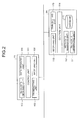
Fig. 2 is a functional block diagram of peers shown inFig. 1 ; -
Fig. 3 is an example of a data structure of meta-data according to the first embodiment; -
Fig. 4 is a flowchart of a data searching and obtaining process performed by a peer shown inFig. 1 ; -
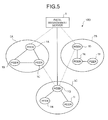
Fig. 5 is a schematic diagram of a P2P network that constitutes an information transmitting system according to a second embodiment of the present invention; -
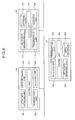
Fig. 6 is a functional block diagram of peers and a data-management server shown inFig. 5 ; -
Fig. 7 is a flowchart of the operation of the data-management server in the data searching and obtaining process; -
Fig. 8 is a flowchart of a data/meta-data generating process performed by a peer according to the second embodiment; -
Fig. 9 is a schematic diagram for conceptually explaining a flow of data when peers transmit a meta-data subscription request including specifying information for the same data; -
Fig. 10 is a schematic diagram for conceptually explaining a flow of data when part of attributes included in meta-data are updated; -
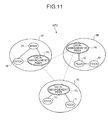
Fig. 11 is a schematic diagram of a P2P network that constitutes an information transmitting system according to a third embodiment of the present invention; and -
Fig. 12 is a functional block diagram of peers and a data-management peer shown inFig. 11 . - Exemplary embodiments of the present invention are explained in detail below with reference to the accompanying drawings.
-
Fig. 1 is a schematic diagram of a P2P network NT1 that constitutes an information transmitting system according to a first embodiment of the present invention. The P2P network NT1 forms a P2Psystem including peers 1A to 1I connected with one another. Thepeers 1A to 1I represent information processing apparatuses. That is, the P2P network NT1 constitutes a P2P system that includes information processing apparatuses as peers. Each of thepeers 1A to 1I can be under access restriction by a firewall, or can be address-converted by a network address translator (NAT). Also, Transmission Control Protocol (TCP) using IPv4 and IPv6, User Datagram Protocol (UDP), HyperText Transfer Protocol (HTTP), extensible Messaging and Presence Protocol (XMPP), Session Initiation Protocol (SIP), or the like can be used as a scheme of connection among peers. To the basic configuration and operation principles of the P2P system, any known configuration and method can be applied. In the following, therefore, the basic configuration and operation of the P2P system are schematically explained. - The
peers 1A to 1I each include a control device such as a central processing unit (CPU), a storage device such as a read only memory (ROM) and random access memory (RAM), an external storage device such as a hard disk drive (HDD) and a compact disk (CD) drive device, a display device, an input device such as a keyboard and a mouse, and a communication interface (I/F), which are connected by a bus (all not shown), having a hardware configuration of a general personal computer. In the external storage device, various data and various computer programs are stored. - For example, the
peers 1A to 1I are explained herein as personal computers. However, thepeers 1A to 1I can be network-connectable hardware, such as Personal Digital Assistants (PDAs), cellular phones, telephones, facsimile machines, printers, copiers, and multifunction products (MFPs) that combines any or all of functions of a printer, a copier, a scanner, and a facsimile machine. Thepeers 1A to 1I can also be software implementing these functions. In the following, when thepeers 1A to 1I are not required to be distinguished from one another, letters "A" to "I" are omitted for explanation. - It is assumed herein that the P2P network NT1 is a pure P2P network without a server, and the
peer 1A has a server function instead. - In the P2P network NT1, a group (hereinafter, "peer group") is formed for each of the plurality of
peers 1. InFig. 1 , apeer group 3A is formed for thepeers 1A to 1C, apeer group 3B is formed for thepeers 1D to 1F, and apeer group 3C is formed for thepeers 1G to 1I. In the following, when thepeer groups 3A to 3C are not required to be distinguished from one another, characters "A" to "C" are omitted for explanation. Each of thesepeer groups 3 is formed of, for example, users having the same objective and task or peers 1 used by the users. Thepeer group 3 can be arbitrarily formed among the plurality ofpeers 1 and also can be arbitrarily dissolved. In the P2P network NT1, each of thepeers 1A to 1I belongs to at least one of thepeer groups 3A to 3C. Each of thepeers 1A to 1I can belong to only one of thepeer groups 3A to 3C, or can belong to any plurality of thepeer groups 3A to 3C. - Described below is functions of the
peer 1, which is implemented by the CPU of thepeer 1 executing a computer program stored in the ROM.Fig. 2 is a functional block diagram of thepeers 1. Thepeers 1B to 1I are of like configuration and thus but one of them, for example, thepeer 1B, is described along with thepeer 1A. Thepeer 1B includes a meta-data obtaining unit 100, acontrol unit 101, a transmittingunit 102, a receivingunit 103, and adata obtaining unit 104. The transmittingunit 102 transmits a meta-data subscription request for reporting to thepeer 1A update by meta data of data to be transmitted. The receivingunit 103 receives the data to be transmitted and meta-data, which will be explained further below. The meta-data obtaining unit 100 obtains via the receivingunit 103 the meta-data transmitted in response to the meta-data subscription request. Thedata obtaining unit 104 obtains via the receivingunit 103 the data to be transmitted corresponding to the meta-data. Thecontrol unit 101 provides various services in the P2P network NT1, such as a data sharing service or a search service. - On the other hand, the
peer 1A includes a receivingunit 110, a meta-data generating unit 111, a meta-data managing unit 112, a transmittingunit 113, acontrol unit 114, and adatabase 115. Thedatabase 115 is formed, for example, in the external storage device, and stores therein data to be transmitted. The receivingunit 110 receives a search request and a meta-data subscription request transmitted fromother peers 1. The meta-data generating unit 111 generates meta-data for data to be transmitted in thedatabase 115. The meta-data generating unit 111 also generates meta-data for data to be transmitted in thedatabase 115 every time the data is updated. -
Fig. 3 is an example of a data structure of the meta-data. The meta-data represents various attributes of data to be transmitted Examples of attributes include identifier (ID), name, type, storage location, size, generation date and time, update date and time, use state, generator, administrator (manager), category, keyword, summary, comment, version, revision number, access right to related information, disclosure range, state, compatibility, and reference to related information.Fig. 3 depicts, as meta-data, a value for each attribute: "ID", "name", "storage location", and "size". - The meta-
data managing unit 112 manages the meta-data generated by the meta-data generating unit 111. The transmittingunit 113 transmits the meta-data generated by the meta-data generating unit 111 in association with update of the data to be transmitted, to theother peer 1 that transmitted the meta-data subscription request. Thecontrol unit 114 provides various services in the P2P network NT1, such as a data sharing service and a search service. - For example, upon receipt via the receiving
unit 110 of a search request transmitted from another peer 1 (hereinafter, "search-requesting peer"), thecontrol unit 114 searches whether the relevant data is stored in thedatabase 115, and then transmits a search result to the search-requesting peer via the transmittingunit 113. Also, upon receipt via the receivingunit 110 of a data obtaining request transmitted from the search-requesting peer, thecontrol unit 114 obtains the relevant data stored in thedatabase 115 in response to the data obtaining request, and then transmits the relevant data to the search-requesting peer via the transmittingunit 113. Thecontrol unit 114 updates the data stored in thedatabase 115 as appropriate, and requests the meta-data generating unit 111 to generate meta-data for the updated data. -
Fig. 4 is a flowchart of a data searching and obtaining process performed by thepeer 1. It is assumed herein for explanation that thepeer 1B is a search-requesting peer that requests a data search. - The
peer 1B searches the P2P network NT1 for data desired by the user or data specified in advance (step S1). Specifically, thepeer 1B transmits a search request for a data search to an adjacent peer 1 (for example, thepeer 1C) in the P2P network NT1 and, if thepeer 1 that have received the search request holds the relevant data, thepeer 1 returns a search result to notify thepeer 1B of this. If thepeer 1 that have received the search request does not hold the relevant data, the search request is further transferred to an adjacent peer 1 (for example, any one of thepeers 1D to 1F and thepeer 1G to 1I) in the P2P network NT1. In this manner, a data search in the P2P network NT1 is performed, and thepeer 1B obtains from theother peers 1 search results indicating the presence or absence of the relevant data. Thepeer 1A then selects the desired data from the search results. It is assumed herein that the selected data is held in thepeer 1A. Thepeer 1B requests thepeer 1A to transmit the relevant data. Thepeer 1B then obtains the data transmitted in response to the request from thepeer 1A (step S2). The process at steps S1 and S2 can be achieved by using a conventional P2P system. - The
peer 1B then transmits a meta-data subscription request for the relevant data to keep the data obtained at step S2 updated (step S3). On the other hand, if the data is updated, thepeer 1A that has received the meta-data subscription request generates meta data for the update data, and then transmits the meta-data to thepeer 1B. Upon receipt of the meta-data (step S4), thepeer 1B requests thepeer 1A to transmit the data corresponding to the meta-data, and then obtains the data from thepeer 1A in response to the request (step S5). - As described above, according to the first embodiment, at the time of updating data to be transmitted, meta-data for the data is generated, and is transmitted to a peer that has issued a meta-data subscription request. With this, an increase in communication amount in the P2P network NT1 can be suppressed, which suppresses an increase in load on network traffic. Also, with a peer having a server function, a P2P network can be configured without a specific server. Thus, the configuration of the entire P2P network can be simplified.
- Furthermore, since meta-data can be constructed by using basic attributes of the information, it is easy to interpret the meta-data and manage the information.
-
Fig. 5 is a schematic diagram of a P2P network NT2 that constitutes an information transmitting system according to a second embodiment of the present invention. Like reference numerals refer to constituents corresponding to those previously described in the first embodiment, and the same explanation is not repeated. - The P2P network NT2 is different from the P2P network NT1 in that the P2P network NT2 is in a hybrid P2P network to which is connected a data-
management server 5 that manages data held by thepeers 1. The data-management server 5 has a function of the meta-data managing unit 112 included in thepeer 1A of the first embodiment. -
Fig. 6 is a functional block diagram of the data-management server 5 and thepeers peer 1B is of basically the same configuration and operates in the same manner as that of the first embodiment. Thepeers 1C to 1I are similar to thepeer 1B. Thecontrol unit 101 of thepeers 1B to 1I transmits to the data-management server 5 a search request for data desired by the user or data specified in advance. Thecontrol unit 101 then receives from the data-management server 5 a search result in response to the search request. - The
peer 1A of the second embodiment does not include the meta-data managing unit 112 differently from that of the first embodiment. When data to be distributed is newly generated, the meta-data generating unit 111 newly generates meta-data for that data. The transmittingunit 113 transmits to the data-management server 5 the meta-data newly generated by the meta-data generating unit 111. Also, when the data stored in thedatabase 115 is updated, the meta-data generating unit 111 updates the meta-data. When the data stored in thedatabase 115 is updated by the meta-data generating unit 111, thecontrol unit 114 transmits the meta-data updated by the meta-data generating unit 111 to the data-management server 5 via the transmittingunit 113 if the data is publishable. Here, the data stored in thedatabase 115 is associated with a publication flag indicative of whether the data is to be published, for example. By referring to this publication flag, thecontrol unit 114 determines whether the data is publishable. Thecontrol unit 114 includes position information of thepeer 1A and a data disclosure condition in the meta-data, and the transmittingunit 113 transmits the meta-data to the data-management server 5. The position information is, for example, an Internet Protocol (IP) address. The data disclosure condition is a condition regarding a data-transmission target. Specifically, the data disclosure condition specifies, from among the target peers 1 andpeer groups 3, apeer 1 for which data transmission is enabled, apeer 1 for which data transmission is disabled, a peer group for which data transmission is enabled, or a peer group for which data transmission is disabled. This data disclosure condition is set in advance by the user. Thecontrol unit 114 transmits a delete instruction message for instruction of deletion to the data-management server 5 via the transmittingunit 113 when the meta-data already transmitted to the data-management server 5 is deleted. In response to this delete instruction message, the meta-data is deleted from the data-management server 5. - The data-
management server 5 includes a receivingunit 500, a transmittingunit 501, acontrol unit 502, a meta-data managing unit 503, and a meta-database 504. The receivingunit 500 receives a search request and a meta-data subscription request transmitted fromother peers 1, and also receives meta-data transmitted from thepeer 1A. The transmittingunit 501 transmits, in response to a meta-data subscription request, meta-data updated in association with update of data to be transmitted, to anotherpeer 1 transmitting the meta-data subscription request. The meta-database 504 stores the meta-data received by the receivingunit 500. Thecontrol unit 502 provides various services in the P2P network NT1, such as a data sharing service and a search service. For example, upon receipt of a search request from any one of thepeers 1B to 1I (here, it is referred to as a search-requesting peer), thecontrol unit 502 searches for the relevant data by using the meta-data stored in the meta-database 504. The meta-data managing unit 503 manages the meta-data stored in the meta-database 504. For example, upon receipt of meta-data transmitted from thepeer 1A via the receivingunit 500, the meta-data managing unit 503 updates the meta-data stored in the meta-database 504. Also, when meta-data of the data that matches a search request includes a data disclosure condition, the meta-data managing unit 503 determines whether the search-requesting peer satisfies the data disclosure condition and, when the determination result is positive, determines that the meta-data is transmitted as being included in the search result, thereby causing the transmittingunit 501 to transmit the search result to thepeer 1B. - A data disclosure condition different from the data disclosure condition explained above is set to the meta-data. This is set by a network administrator, for example. It is assumed herein that, to distinguish the data disclosure condition included in the meta-data from the data disclosure condition set by the network administrator, the former is referred to as a
data disclosure condition 1, whilst the latter as adata disclosure condition 2. For example, thedata disclosure condition 2 is a condition such that data relevant to meta-data including an attribute "category" set with a value indicative of "confidential" is allowed to be disclosed to any of thepeer groups 3A to 3C that is set in advance as an employee group. In this manner, even when thedata disclosure condition 1 is not set by the user, a data disclosure condition can be appropriately set by setting thedata disclosure condition 2, thereby appropriately restricting a data disclosure range. Suchdata disclosure condition 2 is stored in the meta-database 504, for example. The meta-data managing unit 503 accesses the meta-database 504 to determine whether the search-requesting peer satisfies the data disclosure condition set to the meta data to be processed when such the data disclose condition is set and, when the determination result is positive, causes the meta-data to be transmitted to the search-requiring peer as being included in the search result. - Also, when the receiving
unit 500 receives a delete instruction message transmitted from thepeer 1A, the meta-data managing unit 503 deletes the meta-data stored in the meta-database 504 in response to the delete message. -
Fig. 7 is a flowchart of the operation of the data-management server 5 in the data searching and obtaining process performed by thepeer 1. It is assumed herein for explanation that thepeer 1B is a search-requesting peer that requests a data search. - At step S1 in
Fig. 4 , thepeer 1B transmits to the data-management server 5 a search request for searching for data desired by the user or data specified in advance. - In
Fig. 7 , upon receipt of the search request (step S20 and Yes at step S21), the data-management server 5 searches for the relevant data by using the meta-data stored in the meta-database 504 (step S22). Upon detecting the meta-data for the relevant data, the data-management server 5 performs a condition-matching process in a manner as explained above (step S23). In the condition-matching process, when thedisclosure condition 1 is included in the meta-data or thedisclosure condition 2 is set to the meta-data, the data-management server 5 determines whether thepeer 1B satisfies thedata disclosure condition 1 or the data disclosure condition 2 (step S24). When the determination result is positive (Yes at step S24), the meta-data is transmitted as being included in the search result to thepeer 1B (step S25). - Referring back to
Fig. 4 , upon receipt of the search result transmitted from the data-management server 5, thepeer 1B selects desired data from the search result. It is assumed herein that the selected data is held in thepeer 1A. Thepeer 1B requests thepeer 1A to transmit the relevant data. Thepeer 1B then obtains the data transmitted in response to the request from thepeer 1A (step S2). To keep the data obtained at step S2 updated, thepeer 1B then transmits a meta-data subscription request of the data to the data-management server 5 (step S3). - Upon receipt of the meta-data subscription request (Yes at step S26), the data-
management server 5 monitors the update state of the meta-data for the data stored in the meta-database 504. When the meta-data is updated, the data-management server 5 then performs the condition-matching process at step S23 in a manner as explained above. The meta-data stored in the meta-database 504 is updated, as explained below, by updating meta-data updated by thepeer 1A and transmitted therefrom in the meta-database 504. When the determination result in the condition-matching process is positive (step S24), the data-management server 5 transmits the meta-data to thepeer 1B (step S25). - Referring back to
Fig. 4 , upon receipt of the meta-data (step S4), thepeer 1B requests thepeer 1A to transmit data correspond to the meta-data, and obtains the data from thepeer 1A in response to the request (step S5). A file server can additionally be provided that stores data to be distributed in the P2P network NT2, so that thepeer 1B can obtain the relevant data from the file server. Furthermore, the relevant data can be stored in advance in thepeer 1B. -
Fig. 8 is a flowchart of a data/meta-data generating process performed by thepeer 1A. After generating data to be transmitted and storing the data in the database 115 (step S40), thepeer 1A generates meta-data for the data (step S41), and then transmits the meta-data to the data-management server 5 (step S42). When the data stored in thedatabase 115 is updated, thepeer 1A updates the meta-data for the data (step S43), and transmits the meta-data to the data-management server 5 (step S44). - Referring back to
Fig. 7 , upon receipt of the meta-data transmitted from thepeer 1A (Yes at step S27), the data-management server 5 stores the meta-data in the meta-database 504. The data-management server 5 then determines whether a meta-data subscription request is present for the meta-data (step S29). When the determination result is positive (Yes at step S29), the process control goes to step S23. - As explained above, according to the second embodiment, meta-data can be managed at the data-
management server 5 in a centralized manner, and the latest data for data to be transmitted can be efficiently transmitted to thepeer 1. - Because the data-
management server 5 can search for relevant data by searching for the meta-data, thepeer 1 is not required to previously store a storage location of the data and the meta-data for the data. - Moreover, an information processing apparatus holding data or a network administrator can determine a data disclosure range in advance and can set a data disclosure condition in advance. Therefore, data confidentiality can be ensured.
- Upon receipt of meta-data for data from generating peers that hold the same data, the data-
management server 5 analyzes the meta-data and determines which is the latest. Specifically, it is determined whether data held by a generating peer is newer than the data held by another one of generating peers in consideration of attributes included in meta-data, such as version, revision number, and updating date and time. Based on determination result, the data-management server 5 transmits the meta-data received from the generating peer to the other generating peer. - Furthermore, it is possible to report only when the version of data to be transmitted is updated. It is also possible for the user to freely set a data update criterion.
-
Fig. 11 is a schematic diagram of a P2P network NT3 that constitutes an information transmitting system according to a third embodiment of the present invention. Like reference numerals refer to constituents corresponding to those previously described in the first and second embodiments, and the same explanation is not repeated. - The P2P network NT3 is different from the P2P network NT1 and the P2P network NT2 in that the P2P network NT3 is a pure P2P network including a plurality of special peers (hereinafter, "data-management peers") that manage data held by other peers. These data-management peers behave as a single information server. The data-management peers may be referred to as supernodes. For example, in the P2P network NT3, a selecting unit (not shown) is further provided, and this selecting unit selects data-management peers from among peers. Each of the selected data-management peers manages data held by peers within its management range. A method of selecting data-management peers, a method of determining a responsible range of each of the data-management peers, and a method of reporting a position information of the data-management peer are similar to those in the existing super-node P2P network. For example, in the P2P network NT3, a position-information transmitting unit (not shown) is further provided, and that position-information transmitting unit transmits a position information list representing position information of data-
management peers 2 to thepeers 1 connected to the P2P network NT3, thereby reporting the position information of the data-management peers. The supernodes are generally selected from peers having high processing performance. The number of supernodes is adjusted so as to occupy a predetermined ratio to the total number of peers. A supernode can be changed to a normal peer, or vice versa. The management range of the supernode is determined by a virtual peer group. Also, each peer can know the position information of the supernode when joining the peer group. A data-management peer 2A belongs to thepeer group 3A, and manages the data held by thepeers management peer 2B belongs to thepeer group 3B, and manages the data held by thepeers management peer 2C belongs to thepeer group 3C, and manages the data held by thepeers 1H and 1I. Here, in the following explanation, when the data-management peers 2A to 2C are not required to be distinguished from one another, characters "A" to "C" are omitted. Also, when thepeers peer groups 3A to 3C are not required to be distinguished from one another, characters "A" to "C" are omitted. -
Fig. 12 is a functional block diagram of the data-management peer 2 and thepeers 1 of the third embodiment. The configuration of thepeers database 115 is updated by the meta-data generating unit 111, if the data is allowed to be published, thecontrol unit 114 of thepeer 1A transmits meta-data updated by the meta-data generating unit 111 to the data-management peer 2 via the transmittingunit 113. Also, thecontrol unit 114 causes the meta-data including the position information of thepeer 1A and the data disclosure condition, and the transmittingunit 113 then transmits the meta-data to the data-management peer 2. When the meta-data already transmitted to the data-management peer 2 is deleted, thecontrol unit 114 transmits a delete instruction message for delete instruction to the data-management peer 2 via the transmittingunit 113. In response to this delete instruction message, the meta-data is deleted from the data-management peer 2. - The configuration of the data-
management peer 2 is basically similar to that of the data-management server 5, and includes a receivingunit 200, a transmittingunit 201, acontrol unit 202, a meta-data managing unit 203, and a meta-database 204. Here, the meta-data managing unit 203 receives the meta data from thepeer 1A via the receivingunit 200, and causes the meta-data to be stored in the meta-database 204. - Next, a data searching and obtaining process performed by the
peer 1 according to the third embodiment is explained. The data searching and obtaining process of the third embodiment is similar to that previously described in connection withFig. 4 . The operation of the data-management peer 2 is similar to that previously described in connection withFig. 7 . It is assumed herein that thepeer 1B is a search-requesting peer that requests data search. Part of the process different from that in the first or second embodiment is explained below. - At step S1 in
Fig. 4 , thepeer 1B transmits a search request to the data-management peer 2A. Upon receipt of the search request (Yes at step S21 inFig. 7 ), the data-management peer 2A searches for the relevant data by using the meta-data stored in the meta-database 204 in a manner similar to that of the data-management server 5 (step S22). The following process is similar to that previously described in the second embodiment. - Referring back to
Fig. 4 , at step S3, thepeer 1B transmits a meta-data subscription request to the data-management peer 2A. Upon receipt of the meta-data subscription request (Yes at step S26 inFig. 7 ), the data-management peer 2A monitors an update state of the meta-data stored in the meta-database 204 for the target data in a manner similar to that of the data-management server 5. The following process is similar to that previously described in the second embodiment. - As explained above, according to the third embodiment, without provision of an data-management server in the P2P network NT3, information can be managed in a centralized manner by selecting a data-management peer having a server function from the peers configuring the P2P network NT3.
- The following is a description of a first modification of the above embodiments. In the first embodiment, when meta-data is newly generated, the
peer 1A may transmit all attributes represented by the meta-data, or may transmits only the updated attributes. When only the updated attributes are transmitted, for example, thepeer 1A causes the meta-data generated by the meta-data generating unit 111 to be stored in an external storage device or the like. Then, when the meta-data generating unit 111 newly generates meta-data, the meta-data managing unit 112 may read meta-data already stored in the external storage device as meta-data representing various attributes of data corresponding to the meta-data, compare the former meta-data with the latter meta-data to specify which attribute included in the meta-data has been updated, and transmit meta-data representing the specified attributed as partial meta-data to thetarget peer 1 via the transmittingunit 113. - The following is a description of a second modification. In the second embodiment, the meta-data subscription request transmitted from the
peer 1 to the data-management server 5 can include information (hereinafter, specifying information) that specifies part of attributes included in the meta-data as a transmission target. This makes it possible to obtain values of the part of attributes included in the meta-data only when any of these values is changed. For example, when the meta-data is configured to be written in the extensible Markup Language (XML), XPath is used to allow the part of attributes included in the meta-data to be specified. In such a configuration, when the meta-data subscription request received by the receivingunit 500 includes specifying information, upon determination that any of the part of attributes specified by the specifying information is updated, the meta-data managing unit 503 of the data-management server 5 determines that meta-data representing the part of attributes (hereinafter, "partial meta-data") is to be transmitted. According to this determination, the transmittingunit 501 transmits to thepeer 1A generating meta-data a partial update report request for transmitting the partial meta-data representing the part of attributes at the time of updating the part of attributes. - On the other hand, upon receipt of the partial update report request from the data-
management server 5, when any of the part of attributes included in the meta-data specified by the specifying information is updated is association with update of the data stored in thedatabase 115, thepeer 1A transmits to the data-management server 5 partial meta-data representing the part of attributes. Upon receipt of the partial data, the data-management server 5 update the partial attribute represented by the partial meta-data for the meta-data stored in the meta-database 504. Then, the data-management server 5 transmits partial meta-data representing part of attributes of the meta-data to the peer transmitting the meta-data subscription request including the specifying information. Here, when transmitting meta-data to the relevant peer for the first time, the data-management server 5 transmits all pieces of data included in the meta-data. Also, when specifying information is not included in the meta-data subscription request, the data-management server 5 performs a process similar to that explained in the above embodiments with all attributes included in the meta-data being taken as a transmission target. When newly generating data, thepeer 1 transmits all attributes of the meta-data for that data to the data-management server 5 in a manner similar to that explained in the above embodiments. - With this configuration, when specifying information is included in the meta-data subscription request, it is enough to monitor only the update state of the part of attributes included in the meta-data specified by the specifying information. Also, the
peer 1 obtains minimum meta-data required for information management, thereby holding information in the latest state and efficiently managing the information. The data-management server 5 transmits only the portion updated from the part of attributes included in the meta-data, thereby suppressing an increase in communication amount in the P2P network NT2 and suppressing an increase in traffic of the network. - Without using specifying information for the meta-data subscription request, the data-
management server 5 can analyze which attribute has been updated from among the attributes included in the meta-data. For example, upon receipt of meta-data from thepeer 1A, the data-management server 5 may read the meta-data already stored in the meta-database 504 as meta-data representing various attributes of data corresponding to the meta-data, compare the former meta-data with the latter meta-data to specify which attribute included in the meta-data has been updated, and transmit the specified attribute as partial meta-data to thepeer 1. - When the receiving
unit 500 receives meta-data subscription requests for the same data from a plurality of peers (any two or more of thepeers 1B to 1I), the meta-data managing unit 503 of the data-management server 5 may find a sum of part of attributes specified by the specifying information included in each of the meta-data subscription requests and transmit to thepeer 1A a partial update report request for transmission of partial meta-data representing attributes that belong to the obtained sum of the part of the data.Fig. 9 is a schematic diagram conceptually depicting a flow of data when meta-data subscription requests each including specifying information for the same data are transmitted from thepeers Fig. 10 is a schematic diagram conceptually depicting a flow of data when part of attributes included in the meta-data are updated. InFig. 9 , for example, thepeer 1B transmits to the data-management server 5 a meta-data subscription request including specifying information that specifies "ID" and "name" as part of attributes included in the meta-data. Thepeer 1C transmits to the data-management server 5 a meta-data subscription request including specifying information that specifies "name" and "storage location" as part of attributes included in the meta-data. The data-management server 5 obtains "ID", "name", and "storage location" as a sum of attributes specified by the specifying information included in these meta-data subscription requests, and transmits to thepeer 1A a partial update report request at the time of update of any of "ID", "name", and "storage location" of the meta-data. On the other hand, inFig. 10 , for example, when the data to be transmitted is updated and "ID" and "storage location" of the meta-data for the data are updated, upon receipt of the partial update report request, thepeer 1A transmits "ID" and "storage location" to the data-management server 5 as part of attributes included in the meta-data. Based on the specifying information, the data-management server 5 transmits "ID" to thepeer 1B and "storage location" to thepeer 1C. - In the above description, one peer (the
peer 1A) generates meta data. Alternatively, a plurality of peers (hereinafter, "generating peers") can have a function of generating meta-data. In this case, the data-management server 5 transmits a partial update report request to each of the generating peers. Upon receipt of the partial update report request, when the data stored in thedatabase 115 is updated, each generating peer updates the meta-data for that data. When part of attributes specified by the received partial update report request are updated, the generating peer transmits partial meta-data representing the part of attributes to the data-management server 5. Upon receipt of the partial meta-data, the data-management server 5 transmits the partial meta-data to the target peer - With this configuration, minimum meta-data required for data management is obtained, and thereby data can be efficiently managed.
- The following is a description of a third modification. In the first embodiment, as in the second modification, a meta-data subscription request can include specifying information that specifies part of attributes included in the meta-data. In this case, as with the data-
management server 5 in the second modification, thepeer 1A transmits partial meta-data representing the part of attributes specified by the specifying information to the target peer at the time of updating the attributes. - Also in the third embodiment, the configuration may be such that the
peer 1 causes, for transmission, specifying information that specifies part of attributes included in the mete-data to be included in the meta-data subscription request as the transmission target that is to be transmitted to the data-management peer 2. The data-management peer 2 can be configured to be similar to the data-management server 5 in the second modification. With this configuration, when specifying information is included in the meta-data subscription request, it is enough for the data-management peer 2 to monitor only the update state of the part of attributes specified by the specifying information. The data-management peer 2 transmits only the updated portions of the part of attributes included in the meta-data, thereby suppressing an increase in communication amount in the P2P network NT2 and suppressing an increase in network traffic. - In the embodiments explained above, the number of peers connected to the P2P network is cited merely by way of example and without limitation.
- As examples of the information managing apparatus, the data-
management server 5 is taken in the second embodiment, whilst the data-management peer 2 is taken in the third embodiment. However, the information managing apparatus is not restricted to these. - In the embodiments explained above, to avoid subscription from being effective indefinitely when the
peer 1B transmitting the meta-data subscription request abruptly leaves the relevant one of the P2P networks NT1 to NT3, a subscription time limit may be set to the meta-data subscription request. This time limit may be set by thepeer 1A. When such a time limit is set, thepeer 1B resends a meta-data subscription request at predetermined time intervals to extend the time limit. - In the embodiments explained above, the configuration may be such that, upon receipt of meta-data, the
peer 1 transmitting the meta-data subscription request (hereinafter, "subscription-requesting peer") analyzes the meta-data and determines whether data corresponding to the meta-data is obtained. Specifically, for example, the subscription-requesting peer stores the received meta-data in an external storage device or the like and also determines whether meta-data representing various attributes of data corresponding to the meta-data has already been stored in the external storage device before the receipt. When the determination result is negative, the subscription-requesting peer obtains the data corresponding to the meta-data. Also, when the determination result is negative, the subscription-requesting peer compares the received meta-data with the meta-data already stored in the external storage device before receipt and, when determining that at least one attribute as explained above included in the received meta-data has been updated, obtains the data corresponding to the meta-data. - According to an embodiment of the present invention, the present invention, an information processing apparatus can always obtain via a network the latest information from another information processing apparatus. Thus, network load can be reduced.
- Although the invention has been described with respect to specific embodiments for a complete and clear disclosure the appended claims are not to be thus limited but are to be construed as embodying all modifications and alternative constructions that may occur to one skilled in the art that fairly fall within the basic teaching herein set forth.
Claims (19)
- An information transmitting system including a plurality of information processing apparatuses (1A, 1B, 1C, 1D, 1E, 1F, 1G, 1H, 1I), in which a first information processing apparatus (1A) transmits information to a second information processing apparatus (1B) via a network, the system comprising:a selecting unit that selects, from the information processing apparatuses, at least one information managing apparatus (5, 2A) that manages meta-data representing attributes of information; anda position-information transmitting unit that transmits position information of the information managing apparatus to the information processing apparatuses, whereinthe second information processing apparatus (1B) includesa requesting unit (102) that transmits a request to the information managing apparatus to transmit meta-data representing attributes of information to obtain when the information is updated;a meta-data receiving unit (103) that receives the meta-data from the information managing apparatus; andan obtaining unit (104) that obtains the information based on the meta-data,the information managing apparatus (5, 2A) includesa meta-data receiving unit (500, 200) that receives the meta-data from the first information processing apparatus (1A);a storage unit (504, 204) that stores therein the meta-data;a managing unit (503, 203) that manages the meta-data stored in the storage unit (504, 204);a request receiving unit (500, 200) that receives the request from the requesting unit (102); anda meta-data transmitting unit (501, 201) that transmits the meta-data to the second information processing apparatus (1B) when the managing unit (503, 203) determines that the meta-data has been updated, andthe first information processing apparatus (1A) includesan information storage unit (115) that stores therein the information;a generating unit (111) that generates, when information is newly stored in the information storage unit (115) or when the information stored in the information storage unit (115) is updated, meta-data of the information; anda meta-data transmitting unit (113) that transmits the meta-data generated by the generating unit (111) to the information managing apparatus.
- The information transmitting system according to claim 1, wherein the attributes of the information includes at least one of identifier, name, type, location where the information is stored, size, date and time of creation of the information, date and time of updating the information, use state of the information, creator, administrator, category, keyword, summary, comment, version, revision number, access right, disclosure range, state of the information, compatibility, and reference to related information.
- An information processing apparatus that transmits information to another information processing apparatus (1B) via a network, the apparatus comprising:a storage unit (115) that stores therein information to be transmitted to another information processing apparatus (1B);a request receiving unit (110) that receives a request to transmit meta-data representing attributes of the information when the information is updated;a generating unit (111) that generates, when information is newly stored in the storage unit (115) or when the information stored in the storage unit (115) is updated, meta-data of the information;a managing unit that manages the meta-data generated by the generating unit (111); anda meta-data transmitting unit (113) that transmits the meta-data to the other information processing apparatus (1B) when the managing unit determines that the meta-data has been updated.
- The information processing apparatus according to claim 3, wherein the meta-data generated by the generating unit (111) includes position information of the information processing apparatus.
- The information processing apparatus according to claim 3, whereinthe generating unit (111) generates new meta-data of the information correspondingly to updating of the information, andthe managing unit determines that the meta-data has been updated when the generating unit (111) generates the new meta-data.
- The information processing apparatus according to claim 3, whereinthe generating unit (111) updates the meta-data of the information correspondingly to updating of the information to generate update meta-data,the managing unit extracts, upon determining that the meta-data has been updated, partial meta-data from the update meta-data, the partial meta-data representing an attribute that has changed due to updating of the meta-data, andthe meta-data transmitting unit (113) transmits the partial meta-data to the other information processing apparatus (1B).
- The information processing apparatus according to claim 3, whereinthe request includes specifying information that specifies at least one of the attributes of the information, andthe meta-data transmitting unit (113) transmits, when the managing unit determines that part of the meta-data representing the attribute specified by the specifying information has been updated, the part of the meta-data to the other information processing apparatus (1B).
- The information processing apparatus according to claim 3, further comprising a searching unit that searches for at least one of the information and the meta-data corresponding to the information when a search for the information is requested from the other information processing apparatus (1B).
- The information processing apparatus according to claim 3, whereinthe meta-data includes disclosure information on disclosure of the information,the managing unit determines, upon determining that the meta-data has been updated, whether the meta-data is to be transmitted to the other information processing apparatus (1B) based on the disclosure information, andthe meta-data transmitting unit (113) transmits the meta-data to the other information processing apparatus (1B) when the managing unit determines that the meta-data is to be transmitted to the other information processing apparatus (1B).
- The information processing apparatus according to claim 3, further comprising a disclosure-information storage unit that stores therein disclosure information on disclosure of the information, whereinthe managing unit determines, upon determining that the meta-data has been updated, whether the meta-data is to be transmitted to the other information processing apparatus (1B) based on the disclosure information, andthe meta-data transmitting unit (113) transmits the meta-data to the other information processing apparatus (1B) when the managing unit determines that the meta-data is to be transmitted to the other information processing apparatus (1B) .
- The information processing apparatus according to claim 3, further comprising a disclosing unit that enables disclosure of the information to allow the other information processing apparatus (1B) that has received the meta-data to obtain the information corresponding to the meta-data.
- An information managing apparatus that is connected to a network and manages meta-data representing attributes of information to be transmitted from a first information processing apparatus (1A) to a second information processing apparatus (1B), the apparatus comprising:a meta-data receiving unit (503) that receives the meta-data from the first information processing apparatus (1A);a storage unit (504, 204) that stores therein the meta-data;a managing unit (503, 203) that manages the meta-data stored in the storage unit (504, 204);a request receiving unit (500, 200) that receives from the second information processing apparatus (1B) a request to transmit the meta-data when the information is updated; anda meta-data transmitting unit (501, 201) that transmits the meta-data to the second information processing apparatus (1B) when the managing unit (503, 203) determines that the meta-data has been updated.
- The information managing apparatus according to claim 12, whereinthe managing unit (503, 203) determines, when the request includes specifying information that specifies at least one of the attributes of the information and part of the meta-data representing the attribute specified by the specifying information has been updated, to transmit the part of the meta-data to the second information processing apparatus (1B), andthe meta-data transmitting unit (501, 201) transmits the part of the meta-data to the second information processing apparatus (1B).
- The information managing apparatus according to claim 12, whereinthe managing unit (503, 203) includesa request generating unit that, when the request receiving unit (500, 200) receives requests each including specifying information that specifies at least one of the attributes of the information from a plurality of information processing apparatuses, obtains a set of attributes specified by the specifying information, and generates a partial meta-data request including second specifying information specifying the set of attributes to request transmission of partial meta-data representing the set of attributes when any one of the attributes is updated; anda request transmitting unit that transmits the partial meta-data request to the first information processing apparatus (1A), andthe meta-data receiving unit (503) receives the partial meta-data transmitted from the first information processing apparatus (1A) in response to the partial meta-data request.
- The information managing apparatus according to claim 12, further comprising a searching unit that searches for at least one of the information and the meta-data corresponding to the information when a search for the information is requested from the second information processing apparatus (1B).
- The information managing apparatus according to claim 12, whereinthe meta-data includes disclosure information on disclosure of the information,the managing unit (503, 203) determines, upon determining that the meta-data has been updated, whether the meta-data is to be transmitted to the second information processing apparatus (1B) based on the disclosure information, andthe meta-data transmitting unit (501, 201) transmits the meta-data to the second information processing apparatus (1B) when the managing unit (503, 203) determines that the meta-data is to be transmitted to the second information processing apparatus (1B).
- The information managing apparatus according to claim 12, further comprising a disclosure-information storage unit that stores therein disclosure information on disclosure of the information, whereinthe managing unit (503, 203) determines, upon determining that the meta-data has been updated, whether the meta-data is to be transmitted to the second information processing apparatus (1B) based on the disclosure information, andthe meta-data transmitting unit (501, 201) transmits the meta-data to the second information processing apparatus (1B) when the managing unit (503, 203) determines that the meta-data is to be transmitted to the second information processing apparatus (1B).
- The information managing apparatus according to claim 12, whereinthe generating unit (111) updates the meta-data of the information correspondingly to updating of the information to generate update meta-data,the managing unit (503, 203) extracts, upon determining that the meta-data has been updated, partial meta-data from the update meta-data, the partial meta-data representing an attribute that has changed due to updating of the meta-data, andthe meta-data transmitting unit (501, 201) transmits the partial meta-data to the second information processing apparatus (1B).
- An information transmitting method applied to an information transmitting system including a plurality of information processing apparatuses in which a first information processing apparatus transmits information to a second information processing apparatus via a network, the method comprising:selecting, from the information processing apparatuses, at least one information managing apparatus that manages meta-data representing attributes of information;transmitting position information of the information managing apparatus to the information processing apparatuses;the second information processing apparatus transmitting a request to the information managing apparatus to transmit meta-data representing attributes of information to obtain when the information is updated;the second information processing apparatus receiving the meta-data from the information managing apparatus;the second information processing apparatus obtaining the information based on the meta-data;the information managing apparatus receiving the meta-data from the first information processing apparatus;the information managing apparatus storing the meta-data in a storage unit;the information managing apparatus receiving the request from the second information processing apparatus;the information managing apparatus transmitting the meta-data to the second information processing apparatus when the meta-data has been updated;the first information processing apparatus storing the information in an information storage unit;the first information processing apparatus generating, when information is newly stored in the information storage unit or when the information stored in the information storage unit is updated, meta-data of the information; andthe first information processing apparatus transmitting the meta-data generated to the information managing apparatus.
Applications Claiming Priority (1)
| Application Number | Priority Date | Filing Date | Title |
|---|---|---|---|
| JP2007071510A JP2008234206A (en) | 2007-03-19 | 2007-03-19 | Information transmission system, information processing apparatus, information management apparatus, and information transmission method |
Publications (2)
| Publication Number | Publication Date |
|---|---|
| EP2048855A2 true EP2048855A2 (en) | 2009-04-15 |
| EP2048855A3 EP2048855A3 (en) | 2009-06-03 |
Family
ID=39906913
Family Applications (1)
| Application Number | Title | Priority Date | Filing Date |
|---|---|---|---|
| EP08152322A Withdrawn EP2048855A3 (en) | 2007-03-19 | 2008-03-05 | Information transmitting system, information processing apparatus, information managing apparatus, and information transmitting method |
Country Status (2)
| Country | Link |
|---|---|
| EP (1) | EP2048855A3 (en) |
| JP (1) | JP2008234206A (en) |
Cited By (3)
| Publication number | Priority date | Publication date | Assignee | Title |
|---|---|---|---|---|
| WO2011048550A1 (en) * | 2009-10-21 | 2011-04-28 | Telefonaktiebolaget L M Ericsson (Publ) | Method and apparatus for data exchange in a distributed system |
| US9888510B2 (en) | 2009-02-23 | 2018-02-06 | Empire Technology Development Llc | Mobile peer-to-peer content sharing method and system |
| CN111602034A (en) * | 2018-02-13 | 2020-08-28 | 欧姆龙株式会社 | Output management device, output management method, and program |
Families Citing this family (7)
| Publication number | Priority date | Publication date | Assignee | Title |
|---|---|---|---|---|
| US20100262924A1 (en) * | 2009-04-08 | 2010-10-14 | Kalu Onuka Kalu | System and method for linking items to a group |
| JP4957830B2 (en) * | 2010-05-14 | 2012-06-20 | 船井電機株式会社 | Communication method, display device, moderator terminal device, user terminal device, and multi-user communication system including them |
| JP5062291B2 (en) * | 2010-05-14 | 2012-10-31 | 船井電機株式会社 | COMMUNICATION METHOD, INFORMATION TERMINAL DEVICE, DISPLAY DEVICE, AND COMMUNICATION SYSTEM PROVIDED WITH THE SAME |
| WO2014020641A1 (en) * | 2012-07-31 | 2014-02-06 | 株式会社スクウェア・エニックス | Content provision system, content provision device, content playback device, control method, program, and recording medium |
| JP5920245B2 (en) * | 2013-02-28 | 2016-05-18 | ブラザー工業株式会社 | Information communication system, node device, and program |
| JP5932892B2 (en) * | 2014-06-24 | 2016-06-08 | 株式会社スクウェア・エニックス | CONTENT PROVIDING SYSTEM, CONTENT PROVIDING DEVICE, CONTENT REPRODUCING DEVICE, CONTROL METHOD, PROGRAM, AND RECORDING MEDIUM |
| CN110012300B (en) * | 2018-01-04 | 2021-07-09 | 华为技术有限公司 | Video live broadcast method and device |
Citations (4)
| Publication number | Priority date | Publication date | Assignee | Title |
|---|---|---|---|---|
| JP2006178749A (en) | 2004-12-22 | 2006-07-06 | Fuji Xerox Co Ltd | Information processor, network system, method, and program |
| JP2006178752A (en) | 2004-12-22 | 2006-07-06 | Fuji Xerox Co Ltd | Information delivery method, network, information delivery device, information delivery program, information processor, and information processing program |
| JP2006178751A (en) | 2004-12-22 | 2006-07-06 | Fuji Xerox Co Ltd | Network, data processing method, data processing program and peripheral device |
| JP2007071510A (en) | 2005-09-09 | 2007-03-22 | Koyo Thermo System Kk | Dust-proofing device in roller hearth type heat treatment furnace |
Family Cites Families (2)
| Publication number | Priority date | Publication date | Assignee | Title |
|---|---|---|---|---|
| US6757684B2 (en) * | 2001-10-01 | 2004-06-29 | Ipac Acquisition Subsidiary I, Llc | Network-based photosharing architecture |
| US7567987B2 (en) * | 2003-10-24 | 2009-07-28 | Microsoft Corporation | File sharing in P2P group shared spaces |
-
2007
- 2007-03-19 JP JP2007071510A patent/JP2008234206A/en active Pending
-
2008
- 2008-03-05 EP EP08152322A patent/EP2048855A3/en not_active Withdrawn
Patent Citations (4)
| Publication number | Priority date | Publication date | Assignee | Title |
|---|---|---|---|---|
| JP2006178749A (en) | 2004-12-22 | 2006-07-06 | Fuji Xerox Co Ltd | Information processor, network system, method, and program |
| JP2006178752A (en) | 2004-12-22 | 2006-07-06 | Fuji Xerox Co Ltd | Information delivery method, network, information delivery device, information delivery program, information processor, and information processing program |
| JP2006178751A (en) | 2004-12-22 | 2006-07-06 | Fuji Xerox Co Ltd | Network, data processing method, data processing program and peripheral device |
| JP2007071510A (en) | 2005-09-09 | 2007-03-22 | Koyo Thermo System Kk | Dust-proofing device in roller hearth type heat treatment furnace |
Cited By (5)
| Publication number | Priority date | Publication date | Assignee | Title |
|---|---|---|---|---|
| US9888510B2 (en) | 2009-02-23 | 2018-02-06 | Empire Technology Development Llc | Mobile peer-to-peer content sharing method and system |
| US10462832B2 (en) | 2009-02-23 | 2019-10-29 | Empire Technology Development Llc | Mobile peer-to-peer content sharing method and system |
| WO2011048550A1 (en) * | 2009-10-21 | 2011-04-28 | Telefonaktiebolaget L M Ericsson (Publ) | Method and apparatus for data exchange in a distributed system |
| US8429138B2 (en) | 2009-10-21 | 2013-04-23 | Telefonaktiebolaget L M Ericsson (Publ) | Method and apparatus for data exchange in a distributed system |
| CN111602034A (en) * | 2018-02-13 | 2020-08-28 | 欧姆龙株式会社 | Output management device, output management method, and program |
Also Published As
| Publication number | Publication date |
|---|---|
| JP2008234206A (en) | 2008-10-02 |
| EP2048855A3 (en) | 2009-06-03 |
Similar Documents
| Publication | Publication Date | Title |
|---|---|---|
| RU2432610C2 (en) | Managing extended collections of presence | |
| US9888089B2 (en) | Client side cache management | |
| RU2409846C2 (en) | Organising resources into collections to facilitate efficient and reliable resource access | |
| RU2471227C2 (en) | Peer-to-peer synchronisation assisted with service unit | |
| CN100504858C (en) | Associated shared computer object | |
| KR101150146B1 (en) | System and method for managing cached objects using notification bonds | |
| US20100057835A1 (en) | Information on availability of services provided by publish-subscribe service | |
| US10235384B2 (en) | Servicing database operations using a messaging server | |
| US20090327358A1 (en) | Resolving conflicts in content management systems | |
| US20080104661A1 (en) | Managing Policy Settings for Remote Clients | |
| US8768886B2 (en) | Using AMQP for replication | |
| JP2008234206A (en) | Information transmission system, information processing apparatus, information management apparatus, and information transmission method | |
| US20030163552A1 (en) | Document distribution and storagre system | |
| US20190158574A1 (en) | Sharing network addresses | |
| JP5360457B2 (en) | Distributed directory server, distributed directory system, distributed directory method, and program | |
| US20090157829A1 (en) | Peer-to-peer service system and method using e-mail service | |
| KR20080108484A (en) | A computer readable medium containing a system for updating multiple presence publications in a single request and instructions for performing the method, a system for subscribing multiple publication types in a single request. | |
| KR20080106557A (en) | A computer readable medium including a system for expiring the presence information issued from the presence server and instructions for performing the method, and a system for publishing the presence information to the presence server. | |
| KR101497167B1 (en) | Management of external hardware appliances in a distributed operating system | |
| KR20040091675A (en) | Dynamic addressing in transient networks | |
| US20100325208A1 (en) | Methods and apparatus to forward documents in a communication network | |
| JP2009505555A (en) | XDM service information management system and method | |
| US8316213B1 (en) | Management of object mapping information corresponding to a distributed storage system | |
| US8621182B1 (en) | Management of object mapping information corresponding to a distributed storage system | |
| Kumar et al. | A literature survey on web service discovery |
Legal Events
| Date | Code | Title | Description |
|---|---|---|---|
| PUAI | Public reference made under article 153(3) epc to a published international application that has entered the european phase |
Free format text: ORIGINAL CODE: 0009012 |
|
| AK | Designated contracting states |
Kind code of ref document: A2 Designated state(s): AT BE BG CH CY CZ DE DK EE ES FI FR GB GR HR HU IE IS IT LI LT LU LV MC MT NL NO PL PT RO SE SI SK TR |
|
| AX | Request for extension of the european patent |
Extension state: AL BA MK RS |
|
| PUAL | Search report despatched |
Free format text: ORIGINAL CODE: 0009013 |
|
| AK | Designated contracting states |
Kind code of ref document: A3 Designated state(s): AT BE BG CH CY CZ DE DK EE ES FI FR GB GR HR HU IE IS IT LI LT LU LV MC MT NL NO PL PT RO SE SI SK TR |
|
| AX | Request for extension of the european patent |
Extension state: AL BA MK RS |
|
| RIC1 | Information provided on ipc code assigned before grant |
Ipc: H04L 29/08 20060101ALI20090430BHEP Ipc: G06F 17/30 20060101AFI20090430BHEP |
|
| 17P | Request for examination filed |
Effective date: 20091130 |
|
| AKX | Designation fees paid |
Designated state(s): DE ES FR GB IT NL |
|
| 17Q | First examination report despatched |
Effective date: 20120113 |
|
| STAA | Information on the status of an ep patent application or granted ep patent |
Free format text: STATUS: THE APPLICATION IS DEEMED TO BE WITHDRAWN |
|
| 18D | Application deemed to be withdrawn |
Effective date: 20151001 |