EP2048231A1 - Plasmid, transformant, and method for production of 3-carboxymuconolactone - Google Patents
Plasmid, transformant, and method for production of 3-carboxymuconolactone Download PDFInfo
- Publication number
- EP2048231A1 EP2048231A1 EP07792616A EP07792616A EP2048231A1 EP 2048231 A1 EP2048231 A1 EP 2048231A1 EP 07792616 A EP07792616 A EP 07792616A EP 07792616 A EP07792616 A EP 07792616A EP 2048231 A1 EP2048231 A1 EP 2048231A1
- Authority
- EP
- European Patent Office
- Prior art keywords
- gene
- acid
- cis
- recombinant plasmid
- carboxymuconolactone
- Prior art date
- Legal status (The legal status is an assumption and is not a legal conclusion. Google has not performed a legal analysis and makes no representation as to the accuracy of the status listed.)
- Granted
Links
Images



Classifications
-
- C—CHEMISTRY; METALLURGY
- C12—BIOCHEMISTRY; BEER; SPIRITS; WINE; VINEGAR; MICROBIOLOGY; ENZYMOLOGY; MUTATION OR GENETIC ENGINEERING
- C12N—MICROORGANISMS OR ENZYMES; COMPOSITIONS THEREOF; PROPAGATING, PRESERVING, OR MAINTAINING MICROORGANISMS; MUTATION OR GENETIC ENGINEERING; CULTURE MEDIA
- C12N9/00—Enzymes; Proenzymes; Compositions thereof; Processes for preparing, activating, inhibiting, separating or purifying enzymes
- C12N9/10—Transferases (2.)
- C12N9/1003—Transferases (2.) transferring one-carbon groups (2.1)
- C12N9/1007—Methyltransferases (general) (2.1.1.)
-
- C—CHEMISTRY; METALLURGY
- C12—BIOCHEMISTRY; BEER; SPIRITS; WINE; VINEGAR; MICROBIOLOGY; ENZYMOLOGY; MUTATION OR GENETIC ENGINEERING
- C12N—MICROORGANISMS OR ENZYMES; COMPOSITIONS THEREOF; PROPAGATING, PRESERVING, OR MAINTAINING MICROORGANISMS; MUTATION OR GENETIC ENGINEERING; CULTURE MEDIA
- C12N9/00—Enzymes; Proenzymes; Compositions thereof; Processes for preparing, activating, inhibiting, separating or purifying enzymes
- C12N9/0004—Oxidoreductases (1.)
- C12N9/0008—Oxidoreductases (1.) acting on the aldehyde or oxo group of donors (1.2)
-
- C—CHEMISTRY; METALLURGY
- C12—BIOCHEMISTRY; BEER; SPIRITS; WINE; VINEGAR; MICROBIOLOGY; ENZYMOLOGY; MUTATION OR GENETIC ENGINEERING
- C12N—MICROORGANISMS OR ENZYMES; COMPOSITIONS THEREOF; PROPAGATING, PRESERVING, OR MAINTAINING MICROORGANISMS; MUTATION OR GENETIC ENGINEERING; CULTURE MEDIA
- C12N9/00—Enzymes; Proenzymes; Compositions thereof; Processes for preparing, activating, inhibiting, separating or purifying enzymes
- C12N9/0004—Oxidoreductases (1.)
- C12N9/0069—Oxidoreductases (1.) acting on single donors with incorporation of molecular oxygen, i.e. oxygenases (1.13)
-
- C—CHEMISTRY; METALLURGY
- C12—BIOCHEMISTRY; BEER; SPIRITS; WINE; VINEGAR; MICROBIOLOGY; ENZYMOLOGY; MUTATION OR GENETIC ENGINEERING
- C12P—FERMENTATION OR ENZYME-USING PROCESSES TO SYNTHESISE A DESIRED CHEMICAL COMPOUND OR COMPOSITION OR TO SEPARATE OPTICAL ISOMERS FROM A RACEMIC MIXTURE
- C12P17/00—Preparation of heterocyclic carbon compounds with only O, N, S, Se or Te as ring hetero atoms
- C12P17/02—Oxygen as only ring hetero atoms
- C12P17/04—Oxygen as only ring hetero atoms containing a five-membered hetero ring, e.g. griseofulvin, vitamin C
Definitions
- the present invention relates to a recombinant plasmid comprising genes coding for enzymes participating in a multistage reaction process for fermentative production of 3-carboxy-cis,cis-muconic acid and/or 3-carboxymuconolactone from vanillin, vanillic acid, protocatechuic acid or combinations thereof, which are found in low molecularized mixtures of plant aromatic components, to transformants incorporating the recombinant plasmid, and to a process for industrial production of 3-carboxy-cis,cis-muconic acid and/or 3-carboxymuconolactone using the same.
- Lignin a major component of plants, is a biomass resource that is ubiquitously present as an aromatic high molecular compound in plant cell walls.
- plant-derived aromatic components composed mainly of lignin are composed of components with various chemical structures and have complex macromolecular structures.
- the known utilization technologies involve separation and production of vanillin as a material for perfumes, from low molecular aromatic decomposition products of alkaline decomposition or other chemical decomposition of aromatic components.
- vanillin as a material for perfumes
- no method is known for effective use of large amounts of low molecular aromatic substances, other than vanillin, that are produced by chemical decomposition. Consequently, lignin produced in mass by paper-making processes has been burned as a substitute for heavy oil, without being effectively utilized.
- plant aromatic components such as lignin are converted to low molecular mixtures containing vanillin, syringaldehyde, vanillic acid, syringic acid, protocatechuic acid or the like by chemical decomposition methods such as hydrolysis, oxidative decomposition or solvent decomposition, or physicochemical decomposition methods with supercritical water or supercritical organic solvents, and that these five compounds are converted to the single intermediate substance 2-pyrone-4,6-dicarboxylic acid, which can serve as starting materials for functional plastics or chemical products.
- chemical decomposition methods such as hydrolysis, oxidative decomposition or solvent decomposition, or physicochemical decomposition methods with supercritical water or supercritical organic solvents
- the present inventors have also reported a method of producing 2-pyrone-4,6-dicarboxylic acid from vanillin, syringaldehyde, vanillic acid, syringic acid or protocatechuic acid using transformants carrying genes coding for 4 different enzymes (benzaldehyde dehydrogenase, demethylase, protocatechuate 4,5-dioxygenase and 4-carboxy-2-hydroxy-6-semialdehyde muconate dehydrogenase) that participate in a multistage process for fermentative production of 2-pyrone-4,6-dicarboxylic acid (see Japanese Unexamined Patent Publication No. 2005-278549 , for example).
- the invention provides the following.
- Recombinant plasmid pKTVDHG of the invention is a plasmid obtained by inserting a benzaldehyde dehydrogenase gene (ligV gene) at the ligABC gene site of the known recombinant plasmid pKTVLABC (Fig. 15 of Japanese Unexamined Patent Publication (kokai) No.
- ligV gene benzaldehyde dehydrogenase gene
- 2005-278549 which contains genes coding for enzymes (vanA, vanB, ligA, ligB and ligC) that catalyze a multistage process for production of 2-pyrone-4,6-dicarboxylic acid from vanillin or the like, and further downstream from it, by inserting a gene (pcaHG genes) coding for protocatechuate 3,4-dehydrogenase which cleaves protocatechuic acid rings.
- enzymes vanA, vanB, ligA, ligB and ligC
- Recombinant plasmid pKTVDHG of the invention has a wide host range including Pseudomonas bacteria, and transformants incorporating the recombinant plasmid are capable of coordinated expression of the ligV gene, vanAB genes and pcaHG genes to produce 3-carboxy-cis,cis-muconic acid and/or 3-carboxymuconolactone from either plant- or petroleum-derived or chemically synthesized vanillin, vanillic acid, protocatechuic acid or a mixture thereof.
- protocatechuic acid is not converted to 2-pyrone-4,6-dicarboxylic acid but rather the protocatechuic acid ring is opened to yield 3-carboxy-cis,cis-muconic acid, as a precursor of 3-carboxymuconolactone.
- the vanAB genes incorporated into plasmid pKTVLABC is (i) the vanillate demethylase gene from Pseudomonas putida PpY101 (SEQ ID NO: 1 of said publication) or (ii) a DNA molecule coding for vanillate demethylase (SEQ ID NO: 2 and/or 3 of said publication).
- Preferred of these vanAB genes is the vanillate demethylase gene from Pseudomonas putida PpY101, which is herein set forth in SEQ ID NO: 7.
- the ligV gene used for the invention may be a DNA molecule listed in Japanese Unexamined Patent Publication (kokai) No. 2005-278549 , selected from among (i) the benzaldehyde dehydrogenase gene from Sphingomonas paucimobilis SYK-6 (SEQ ID NO: 21 of said publication), (ii) a DNA molecule coding for benzaldehyde dehydrogenase (SEQ ID NO: 22 of said publication), (iii) a DNA molecule that hybridizes under stringent conditions with the DNA molecule set forth in SEQ ID NO: 21 of said publication or a DNA molecule composed of its complementary sequence and that codes for a polypeptide with benzaldehyde dehydrogenase activity, or (iv) a DNA molecule that comprises the amino acid sequence set forth in SEQ ID NO: 22 of said publication with a deletion, substitution and/or addition of one or more amino acids and that codes for a protein with benzaldehyde
- Preferred of these ligV genes is the benzaldehyde dehydrogenase gene from Sphingomonas paucimobilis SYK-6, which is herein set forth in SEQ ID NO: 8.
- SEQ ID NO: 8 SEQ ID NO: 8.
- the pcaHG genes used for the invention may be obtained with reference to J Bacteriol. 1989 Nov; 171(11): 5915-21 or the total genome data of Pseudomonas putida KT2440 (NCBI accession number: NC_002947).
- the genomic DNA may be extracted from strain KT2440 and cleaved with a restriction enzyme or the like to obtain DNA fragments, and the restriction enzyme used to create restriction enzyme ends allowing insertion of the genomic DNA fragments, from vector DNA such as phage or plasmid.
- the recombinant vector may be constructed from the genomic DNA fragments and vector DNA using known DNA ligase. The recombinant vector may then be introduced into suitable host cells, transformants retaining the recombinant vector of interest selected and the recombinant vector of interest separated from the transformants.
- the genome extraction may be accomplished by ordinary methods. For example, it is preferably accomplished by collecting cultured cells of a microorganism and, after bacteriolysis with protease K, for example, carrying out a combination of appropriate methods such as deproteinization treatment by phenol extraction, protease treatment, ribonuclease treatment, genomic DNA precipitation with an alcohol and centrifugal separation.
- the plasmid used is preferably pUC18, pUC19, pUC118, pUC119, pKT230 MC, Bluescript or the like, with E. coli as the host. After cleavage with the restriction enzyme, the cleaved ends may be dephosphorylated as appropriate.
- T4 DNA ligase may be mentioned as an example of a known DNA ligase.
- nucleotide sequence of the open reading frame of the PcaH gene obtained from Pseudomonas putida KT2440 is set forth in SEQ ID NO: 1, its amino acid sequence is set forth in SEQ ID NO: 2, the nucleotide sequence of the reading frame of the PcaG gene is set forth in SEQ ID NO: 3 and its amino acid sequence is set forth in SEQ ID NO: 4.
- the recombinant plasmid pKTVDHG of the invention may be constructed in the following manner, for example.
- microorganisms that may be used as hosts for high-yield production of 3-carboxy-cis,cis-muconic acid and/or 3-carboxymuconolactone are not particularly restricted so long as they allow replication of the recombinant plasmid of the invention and can express enzyme genes that participate in production of 3-carboxy-cis,cis-muconic acid and/or 3-carboxymuconolactone, but it is necessary to use transformants whose host is a microorganism that is permeable to plant-derived, chemically synthesized or petroleum-derived vanillin, vanillic acid or protocatechuic acid, and has lost the catabolic enzyme function from any of these to 2-pyrone-4,6-dicarboxylic acid, as well as catabolic enzyme function for 3-carboxy-cis,cis-muconic acid and/or 3-carboxymuconolactone.
- Preferred microorganisms of this type are Pseudomonas bacteria,
- a known method such as a protoplast method, competent cell method or electroporation method may be used to transform the host microorganism using the recombinant plasmid.
- Selection of transformants may be accomplished based on a selective marker for the plasmid used, such as drug resistance acquired by DNA recombination in the transformants.
- the transformants containing the recombinant plasmid of interest are preferably selected from among the transformants by colony hybridization using a partial DNA fragment of the gene as the probe. Labeling of the probe may be carried out using a radioactive isotope, digoxigenin, an enzyme or the like.
- the obtained transformants may be cultured under appropriate conditions using medium containing a carbon source, a nitrogen source, metal salts, minerals, vitamins and the like.
- the pH of the medium may be a pH in a range that allows growth of the transformants, and the pH is preferably adjusted to about 6.0 to 8.0.
- the culturing conditions may be shake culturing or submerged culturing for 2 to 7 days at between 15 and 40°C and preferably between 28 and 37°C.
- the culture solution containing the 3-carboxy-cis,cis-3-muconic acid obtained by the culturing may be subjected to acid treatment for efficient conversion to 3-carboxymuconolactone.
- the acid used is preferably hydrochloric acid at about pH 1 to 2.
- the 3-carboxy-cis,cis-muconic acid and/or 3-carboxymuconolactone obtained by the production process of the invention can exhibit functions different from 2-pyrone-4,6-dicarboxylic acid or higher functions thereof, and therefore can serve as a useful plastic material.
Landscapes
- Chemical & Material Sciences (AREA)
- Life Sciences & Earth Sciences (AREA)
- Health & Medical Sciences (AREA)
- Organic Chemistry (AREA)
- Engineering & Computer Science (AREA)
- Zoology (AREA)
- Wood Science & Technology (AREA)
- Genetics & Genomics (AREA)
- Bioinformatics & Cheminformatics (AREA)
- General Health & Medical Sciences (AREA)
- Biochemistry (AREA)
- General Engineering & Computer Science (AREA)
- Microbiology (AREA)
- Biotechnology (AREA)
- Medicinal Chemistry (AREA)
- Molecular Biology (AREA)
- Biomedical Technology (AREA)
- Chemical Kinetics & Catalysis (AREA)
- General Chemical & Material Sciences (AREA)
- Micro-Organisms Or Cultivation Processes Thereof (AREA)
- Preparation Of Compounds By Using Micro-Organisms (AREA)
Abstract
Description
- The present invention relates to a recombinant plasmid comprising genes coding for enzymes participating in a multistage reaction process for fermentative production of 3-carboxy-cis,cis-muconic acid and/or 3-carboxymuconolactone from vanillin, vanillic acid, protocatechuic acid or combinations thereof, which are found in low molecularized mixtures of plant aromatic components, to transformants incorporating the recombinant plasmid, and to a process for industrial production of 3-carboxy-cis,cis-muconic acid and/or 3-carboxymuconolactone using the same.
- Lignin, a major component of plants, is a biomass resource that is ubiquitously present as an aromatic high molecular compound in plant cell walls. However, since plant-derived aromatic components composed mainly of lignin are composed of components with various chemical structures and have complex macromolecular structures, no effective technology has been developed for their use. The known utilization technologies involve separation and production of vanillin as a material for perfumes, from low molecular aromatic decomposition products of alkaline decomposition or other chemical decomposition of aromatic components. Currently, however, no method is known for effective use of large amounts of low molecular aromatic substances, other than vanillin, that are produced by chemical decomposition. Consequently, lignin produced in mass by paper-making processes has been burned as a substitute for heavy oil, without being effectively utilized.
- The present inventors have found that plant aromatic components such as lignin are converted to low molecular mixtures containing vanillin, syringaldehyde, vanillic acid, syringic acid, protocatechuic acid or the like by chemical decomposition methods such as hydrolysis, oxidative decomposition or solvent decomposition, or physicochemical decomposition methods with supercritical water or supercritical organic solvents, and that these five compounds are converted to the single intermediate substance 2-pyrone-4,6-dicarboxylic acid, which can serve as starting materials for functional plastics or chemical products.
- The present inventors have also reported a method of producing 2-pyrone-4,6-dicarboxylic acid from vanillin, syringaldehyde, vanillic acid, syringic acid or protocatechuic acid using transformants carrying genes coding for 4 different enzymes (benzaldehyde dehydrogenase, demethylase,
protocatechuate 4,5-dioxygenase and 4-carboxy-2-hydroxy-6-semialdehyde muconate dehydrogenase) that participate in a multistage process for fermentative production of 2-pyrone-4,6-dicarboxylic acid (see Japanese Unexamined Patent Publication No.2005-278549 - However, while numerous intermediates in addition to 2-pyrone-4,6-dicarboxylic acid are known to be obtained by fermentative production from vanillin, syringaldehyde, vanillic acid, syringic acid and protocatechuic acid, their fermentative production processes have not been reported.
- It is therefore an object of the present invention to provide a process for industrial-scale fermentative production of 3-carboxy-cis,cis-muconic acid and/or 3-carboxymuconolactone, as plant-derived components, from low molecular mixtures derived from plant components such as vanillin, vanillic acid and protocatechuic acid, via a multistage enzyme reaction.
- As a result of much diligent research in light of the current state of the art, the present inventors have completed this invention upon finding that when transformants carrying a recombinant plasmid containing a demethylase gene (vanAB gene) and benzaldehyde dehydrogenase gene (ligV gene), as well as a gene (pcaHG gene) coding for protocatechuate 3,4-dioxygenase which cleaves the protocatechuic acid ring, are cultured in the presence of vanillin or the like, the corresponding 3-carboxy-cis,cis-muconic acid molecules are produced, and further that treatment of the 3-carboxy-cis or cis-muconic acid with an acid can produce 3-carboxymuconolactone at high yield and low cost.
- Specifically, the invention provides the following.
- (1) A recombinant plasmid containing a vanillate demethylase gene (vanAB genes), benzaldehyde dehydrogenase gene (ligV gene) and protocatechuate 3,4-dioxygenase gene (pcaHG gene).
- (2) The recombinant plasmid according to (1) above, wherein the vanAB genes are the DNA molecule set forth in SEQ ID NO: 7.
- (3) The recombinant plasmid according to (1) or (2) above, wherein the ligV gene is the DNA molecule set forth in SEQ ID NO: 8.
- (4) The recombinant plasmid according to any one of (1)-(3) above, wherein the pcaH gene is the DNA molecule set forth in SEQ ID NO: 1 and the pcaG gene is the DNA molecule set forth in SEQ ID NO: 3.
- (5) A transformant incorporating a recombinant plasmid according to any one of (1)-(4) above.
- (6) The transformant according to (5), wherein the recombinant plasmid according to any one of (1)-(4) is introduced into Pseudomonas putida PpY1100.
- (7) A process for production of 3-carboxy-cis,cis-muconic acid and/or 3-carboxymuconolactone, characterized by culturing a transformant according to (5) or (6) above in the presence of vanillin, vanillic acid, protocatechuic acid or a mixture of two or more thereof.
- According to the invention it is possible to accomplish high-yield and inexpensive fermentative production of simple 3-carboxy-cis,cis-muconic acid and/or 3-carboxymuconolactone from vanillin, vanillic acid or protocatechuic acid.
-
-
Fig. 1 is a drawing illustrating the method of constructing recombinant plasmid pULVHG. -
Fig. 2 is a drawing illustrating the method of constructing recombinant plasmid pKTVDHG of the invention. -
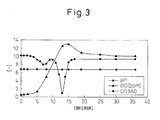
Fig. 3 is a graph showing an OD increase curve (increase in cell count) during the course of production of 3-carboxy-cis,cis-muconic acid by culturing of Pseudomonas putida PpY1100. -
Fig. 4 is a TLC showing the course of conversion reaction from vanillin, vanillic acid or protocatechuic acid to 3-carboxy-cis,cis-muconic acid.Fig. 4 shows the conversion (12 hours) from (a): vanillin, (b): vanillic acid, (c): protocatechuic acid, (d): 3-carboxymuconolactone and (e): vanillin, the conversion (12 hours) from (f): vanillic acid and the conversion (12 hours) from (g): protocatechuic acid. - Recombinant plasmid pKTVDHG of the invention is a plasmid obtained by inserting a benzaldehyde dehydrogenase gene (ligV gene) at the ligABC gene site of the known recombinant plasmid pKTVLABC (Fig. 15 of Japanese Unexamined Patent Publication (kokai) No.
2005-278549 - Recombinant plasmid pKTVDHG of the invention has a wide host range including Pseudomonas bacteria, and transformants incorporating the recombinant plasmid are capable of coordinated expression of the ligV gene, vanAB genes and pcaHG genes to produce 3-carboxy-cis,cis-muconic acid and/or 3-carboxymuconolactone from either plant- or petroleum-derived or chemically synthesized vanillin, vanillic acid, protocatechuic acid or a mixture thereof.
- That is, due to the presence of the pcaHG genes, protocatechuic acid is not converted to 2-pyrone-4,6-dicarboxylic acid but rather the protocatechuic acid ring is opened to yield 3-carboxy-cis,cis-muconic acid, as a precursor of 3-carboxymuconolactone.
- A method for preparation of recombinant plasmid pKTVLABC is described in detail in Japanese Unexamined Patent Publication (kokai) No.
2005-278549 - The ligV gene used for the invention may be a DNA molecule listed in Japanese Unexamined Patent Publication (kokai) No.
2005-278549 - The pcaHG genes used for the invention may be obtained with reference to J Bacteriol. 1989 Nov; 171(11): 5915-21 or the total genome data of Pseudomonas putida KT2440 (NCBI accession number: NC_002947).
- There are no particular restrictions on the specific method of obtaining the pcaHG genes, and as an example, the genomic DNA may be extracted from strain KT2440 and cleaved with a restriction enzyme or the like to obtain DNA fragments, and the restriction enzyme used to create restriction enzyme ends allowing insertion of the genomic DNA fragments, from vector DNA such as phage or plasmid. The recombinant vector may be constructed from the genomic DNA fragments and vector DNA using known DNA ligase. The recombinant vector may then be introduced into suitable host cells, transformants retaining the recombinant vector of interest selected and the recombinant vector of interest separated from the transformants.
- The genome extraction may be accomplished by ordinary methods. For example, it is preferably accomplished by collecting cultured cells of a microorganism and, after bacteriolysis with protease K, for example, carrying out a combination of appropriate methods such as deproteinization treatment by phenol extraction, protease treatment, ribonuclease treatment, genomic DNA precipitation with an alcohol and centrifugal separation.
- The plasmid used is preferably pUC18, pUC19, pUC118, pUC119, pKT230 MC, Bluescript or the like, with E. coli as the host. After cleavage with the restriction enzyme, the cleaved ends may be dephosphorylated as appropriate. T4 DNA ligase may be mentioned as an example of a known DNA ligase.
- The nucleotide sequence of the open reading frame of the PcaH gene obtained from Pseudomonas putida KT2440 is set forth in SEQ ID NO: 1, its amino acid sequence is set forth in SEQ ID NO: 2, the nucleotide sequence of the reading frame of the PcaG gene is set forth in SEQ ID NO: 3 and its amino acid sequence is set forth in SEQ ID NO: 4.
- The recombinant plasmid pKTVDHG of the invention may be constructed in the following manner, for example.
- (1) First, a known ligase is used to link the ligV gene set forth in SEQ ID NO: 21 in Japanese Unexamined Patent Publication (kokai) No. 2005-278549 at a restriction enzyme XbaI-cleaved site within the multicloning site in a gene coding for the α fragment of LacZ located downstream from the LacZ promoter of a suitable plasmid such as Bluescript, to construct recombinant plasmid pBluescript II SK-/ligV.
- (2) The pcaHG gene is then linked at a restriction enzyme XbaI-cleavage site in the multicloning site of a suitable plasmid to construct recombinant plasmid pBluescript II SK-/pcaHG.
- (3) Next, a DNA fragment of a plasmid containing the LacZ promoter region, obtained by cutting of the recombinant plasmid pBluescriptII SK-/pcaHG with restriction enzymes PvuII and BamHI followed by end treatment, and a DNA fragment obtained by cutting of the recombinant plasmid pBluescriptII SK-/ligV with restriction enzyme FbaI followed by end treatment, are linked with a known ligase to construct recombinant plasmid pBluescriptII SK-/pcaHG-LigV. Also, a DNA fragment obtained by cutting of pBluescriptII SK-/pcaHG-LigV with XbaI and a DNA fragment obtained by cutting of the known recombinant plasmid pKTVLABC with restriction enzyme XbaI followed by end treatment were linked with a known ligase to construct recombinant plasmid pKTVDHG.
- The microorganisms that may be used as hosts for high-yield production of 3-carboxy-cis,cis-muconic acid and/or 3-carboxymuconolactone are not particularly restricted so long as they allow replication of the recombinant plasmid of the invention and can express enzyme genes that participate in production of 3-carboxy-cis,cis-muconic acid and/or 3-carboxymuconolactone, but it is necessary to use transformants whose host is a microorganism that is permeable to plant-derived, chemically synthesized or petroleum-derived vanillin, vanillic acid or protocatechuic acid, and has lost the catabolic enzyme function from any of these to 2-pyrone-4,6-dicarboxylic acid, as well as catabolic enzyme function for 3-carboxy-cis,cis-muconic acid and/or 3-carboxymuconolactone. Preferred microorganisms of this type are Pseudomonas bacteria, and especially Pseudomonas putida PpY1100.
- A known method such as a protoplast method, competent cell method or electroporation method may be used to transform the host microorganism using the recombinant plasmid.
- Selection of transformants may be accomplished based on a selective marker for the plasmid used, such as drug resistance acquired by DNA recombination in the transformants. The transformants containing the recombinant plasmid of interest are preferably selected from among the transformants by colony hybridization using a partial DNA fragment of the gene as the probe. Labeling of the probe may be carried out using a radioactive isotope, digoxigenin, an enzyme or the like.
- The obtained transformants may be cultured under appropriate conditions using medium containing a carbon source, a nitrogen source, metal salts, minerals, vitamins and the like. The pH of the medium may be a pH in a range that allows growth of the transformants, and the pH is preferably adjusted to about 6.0 to 8.0. The culturing conditions may be shake culturing or submerged culturing for 2 to 7 days at between 15 and 40°C and preferably between 28 and 37°C.
- The culture solution containing the 3-carboxy-cis,cis-3-muconic acid obtained by the culturing may be subjected to acid treatment for efficient conversion to 3-carboxymuconolactone. The acid used is preferably hydrochloric acid at about pH 1 to 2.
- The 3-carboxy-cis,cis-muconic acid and/or 3-carboxymuconolactone obtained by the production process of the invention, as a plastic material, chemical product material or the like, can exhibit functions different from 2-pyrone-4,6-dicarboxylic acid or higher functions thereof, and therefore can serve as a useful plastic material.
- The present invention will now be described in greater detail by examples, with the understanding that the invention is not limited to these examples.
-
- (1) Construction of recombinant plasmid pKTVLABC
Recombinant plasmid pKTVLABC was constructed by the method described in Japanese Unexamined Patent Publication (kokai) No.2005-278549 - (2) Construction of recombinant plasmid pULV
Recombinant plasmid pULV was constructed by the method described in Japanese Unexamined Patent Publication (kokai) No.2005-278549 - (3) Construction of recombinant plasmid pBluescriptII SK-/pcaHG
Using the universal primer: 5'-GGTGTCAGGCAAAGGTGTTAAGAC-3' (SEQ ID NO: 5) and reverse primer: 5'-AGTGGGGTTCTGCTGGTTCGGC-3' (SEQ ID NO: 6) as PCR primers, pcaHG was amplified from the genome of strain KT2440 and linked to a DNA fragment obtained by cleaving pBluescriptII SK- with XbaI, so that it was inframe with Lac. - (4) Construction of recombinant plasmid pULVHG
A DNA fragment of a plasmid containing the LacZ promoter region, obtained by cutting of the recombinant plasmid pBluescriptII SK-/pcaHG with restriction enzymes PvuII and BamHI followed by end treatment, and a DNA fragment obtained by cutting of the recombinant plasmid pULV with restriction enzyme BamHI followed by end treatment, were linked with a known ligase to construct recombinant plasmid pULVHG. - (5) Construction of recombinant plasmid pKTVDHG
A DNA fragment obtained by cutting of pULVHG with XbaI and SacI followed by end treatment and a DNA fragment obtained by cutting of the known recombinant plasmid pKTVLABC with restriction enzyme XbaI followed by end treatment were linked with a known ligase to construct recombinant plasmid pKTVDHG. -
- (1) Conversion from vanillin to 3-carboxy-cis,cis-muconic acid
- (1-1) Recombinant plasmid pKTVDHG constructed in Example 1 was used to transform E. coli HB101, and the transformants were shake cultured at 37°C for 18 hours in LB medium (100 ml) containing 25 mg/L ampicillin, after which the recombinant plasmid pKTVDHG was extracted from the proliferated cultured cells.
- (1-2) Pseudomonas putida PpY1100, a microorganism that has lost the catabolic enzyme function from plant-derived, chemically synthesized or petroleum-derived vanillin, syringaldehyde, vanillic acid, syringic acid, protocatechuic acid, p-hydroxybenzaldehyde or p-hydroxybenzoic acid to 2-pyrone-4,6-dicarboxylic acid, as well as catabolic enzyme function for 3-carboxymuconolactone, 3-carboxy-cis,cis-muconic acid, was cultured in 500 ml of LB liquid medium at 28°C for 23 hours, and then cooled in ice for 30 minutes. The cells were collected by 10,000 rpm centrifugation at 4°C for 10 minutes, and after mild rinsing with 500 ml of 0°C distilled water, they were re-centrifuged. This was followed by additional mild rinsing with 250 ml of 0°C distilled water and re-centrifugation. This was followed by still further mild rinsing with 125 ml of 0°C distilled water and re-centrifugation. The collected microorganic cells were suspended in distilled water containing 10% glycerol and stored at 0°C.
- (1-3) After placing 4 µl of distilled water containing about 0.05 µg of plasmid pKTVDHG DNA in a 0.2 cm cuvette, 40 µl of the cell solution suspended in distilled water containing 10% glycerol obtained in (1-2) above was added, and the mixture was subjected to electroporation under conditions of 25 µF, 2500 V, 12 msec.
- (1-4) The total amount of cells obtained in (1-3) above was seeded in 10 ml of LB liquid medium and cultured at 28°C for 6 hours. The cells were recovered by centrifugation after culturing, and then spread on an LB plate containing 25 mg/L kanamycin and cultured at 28°C for 48 hours, and transformants carrying plasmid pKTVDHG and exhibiting kanamycin resistance were obtained. This cell line was named Pseudomonas putida PpY1100(pKTVDHG).
- (1-5) Pseudomonas putida PpY1100(pKTVDHG) was seeded in 200 ml of LB liquid medium (containing 25 mg/L kanamycin) and cultured at 28°C for 16 hours to obtain a preliminary cultured cell suspension. Next, 5 L of LB liquid medium and 3 ml of an antifoaming agent (Antiform A) were prepared using a 10 L-volume jar fermenter, and 200 ml of the preliminary cultured cell suspension of Pseudomonas putida PpY1100(pKTVLABC) was mixed therewith and cultured to OD660 13-14 with aerated stirring at 28°C, 500 rpm/min (10 hours-12 hours).
Fig. 3 shows the OD increase curve (increase in cell volume) (-black triangle-) for production of 3-carboxy-cis,cis-muconic acid. InFig. 3 , the -black square- symbols represent oxygen concentration (81 ppm/min flow rate), and the -black diamond- symbols represent preparation to pH 6.5 with aqueous hydrochloric acid and sodium hydroxide. - (1-6) When the OD660 reached 13-14 with culturing using a 10 L-volume jar fermenter, 500 ml of culture solution was removed from the fermenter into an Erlenmeyer flask and stored on ice.
- (1-7) Next, 500 ml of a 0.1 N NaOH solution (adjusted to pH 8.5) containing 50 g of vanillin as substrate was added to the culture solution in the fermenter that had reached OD660 13-14, using a peristaltic pump over a period of 5 to 7 hours. In order to prevent reduction in pH of the culture solution with production of 3-carboxy-cis,cis-muconic acid as the reaction proceeded, a 0.1 N NaOH solution was added with a peristaltic pump connected to a pH sensor to maintain the pH of the culture solution.
After 16 hours, when virtually all of the added vanillin was confirmed to have disappeared by TLC analysis, 500 ml of the ice-cooled cell suspension prepared in (1-6) above was added to the culture solution in the fermenter and culturing was continued for 12 hours. Progression of the reaction was confirmed by thin-layer chromatography (TLC).
- (2) Conversion from 3-carboxy-cis,cis-muconic acid to 3-carboxymuconolactone
Upon completion of the reaction, the medium in the fermenter was transferred to a plastic container (bucket). The cell component was precipitated and removed from the culture solution by centrifugal separation (6000 rpm, 20°C), hydrochloric acid was added to the obtained supernatant to lower the pH to below 1.0, and the mixture was stored at low temperature for conversion of the 3-carboxy-cis,cis-muconic acid to 3-carboxymuconolactone. Complete conversion to 3-carboxymuconolactone was confirmed by TLC, HPLC and GC-MS.Fig. 4(e) shows TLC with spotting of the solution extracted with ethyl acetate after hydrochloric acid treatment. After confirming complete conversion to 3-carboxymuconolactone, an organic solvent was used for extraction of the 3-carboxymuconolactone. Approximately 1.9 g of 3-carboxymuconolactone was extracted and dried from 200 ml of culture solution, which was a yield of about 88.5% as the ratio of added substrate based on the total culture solution volume of 5.7 L. The obtained 3-carboxymuconolactone was further purified by active carbon treatment or the like and the structure was confirmed by its NMR spectrum.
1H-NMR (400 MHz, DMSOd6) δ (ppm) : 2.67, 3.10, 5.55, 6.81, 12.5-13.0
13C-NMR (100 MHz, DMSOd6) δ(ppm): 36.5, 78.5, 125.9, 157.9, 162.1, 170.4, 170.8
Ms m/z: 402 (M+) (as TMS (trimethylsilyl) form of 3-carboxymuconolactone) - Following the same procedure as in Example 2, except for using vanillic acid as the substrate, 3-carboxymuconolactone was obtained at a yield of about 88.5% in terms of the ratio of added substrate.
- Following the same procedure as in Example 2, except for using protocatechuic acid as the substrate, 3-carboxymuconolactone was obtained at a yield of about 88.5% in terms of the ratio of added substrate.


Claims (7)
- A recombinant plasmid containing a vanillate demethylase gene (vanAB gene), benzaldehyde dehydrogenase gene (ligV gene) and protocatechuate 3,4-dioxygenase gene (pcaHG gene).
- The recombinant plasmid according to claim 1, wherein the vanAB genes are the DNA molecule set forth in SEQ ID NO: 7.
- The recombinant plasmid according to claim 1 or 2, wherein the ligV gene is the DNA molecule set forth in SEQ ID NO: 8.
- The recombinant plasmid according to any one of claims 1 to 3, wherein the pcaH gene is the DNA molecule set forth in SEQ ID NO: 1 and the pcaG gene is the DNA molecule set forth in SEQ ID NO: 3.
- A transformant incorporating a recombinant plasmid according to any one of claims 1 to 4.
- The transformant according to claim 5, wherein the recombinant plasmid according to any one of claims 1 to 4 is introduced into Pseudomonas putida PpY1100.
- A process for production of 3-carboxy-cis,cis-muconic acid and/or 3-carboxymuconolactone, characterized by culturing a transformant according to claim 5 or 6 in the presence of vanillin, vanillic acid, protocatechuic acid or a mixture of two or more thereof.
Applications Claiming Priority (2)
| Application Number | Priority Date | Filing Date | Title |
|---|---|---|---|
| JP2006218524 | 2006-08-10 | ||
| PCT/JP2007/065989 WO2008018640A1 (en) | 2006-08-10 | 2007-08-10 | Plasmid, transformant, and method for production of 3-carboxymuconolactone |
Publications (3)
| Publication Number | Publication Date |
|---|---|
| EP2048231A1 true EP2048231A1 (en) | 2009-04-15 |
| EP2048231A4 EP2048231A4 (en) | 2010-02-03 |
| EP2048231B1 EP2048231B1 (en) | 2013-11-06 |
Family
ID=39033151
Family Applications (1)
| Application Number | Title | Priority Date | Filing Date |
|---|---|---|---|
| EP07792616.0A Active EP2048231B1 (en) | 2006-08-10 | 2007-08-10 | Plasmid, transformant, and method for production of 3-carboxymuconolactone |
Country Status (4)
| Country | Link |
|---|---|
| US (1) | US8211683B2 (en) |
| EP (1) | EP2048231B1 (en) |
| JP (1) | JP5268064B2 (en) |
| WO (1) | WO2008018640A1 (en) |
Cited By (1)
| Publication number | Priority date | Publication date | Assignee | Title |
|---|---|---|---|---|
| EP2147973A4 (en) * | 2007-05-11 | 2010-06-09 | Toyota Jidoshokki Kk | GENETICALLY MODIFIED STRAIN, RECOMBINANT PLASMID, TRANSFORMED BACTERIUM, AND PROCESS FOR PRODUCING 3-CARBOXYMUCONOLACTONE |
Families Citing this family (5)
| Publication number | Priority date | Publication date | Assignee | Title |
|---|---|---|---|---|
| US20120196339A1 (en) * | 2011-01-31 | 2012-08-02 | Los Alamos National Security Llc | Production of industrially relevant compounds in prokaryotic organisms |
| US10266852B2 (en) | 2013-12-06 | 2019-04-23 | Alliance For Sustainable Energy, Llc | Lignin conversion to fuels, chemicals and materials |
| US10017792B2 (en) | 2014-07-18 | 2018-07-10 | Alliance For Sustainable Energy, Llc | Biomass conversion to fuels and chemicals |
| US11136601B2 (en) | 2018-08-02 | 2021-10-05 | Alliance For Sustainable Energy, Llc | Conversion of S-lignin compounds to useful intermediates |
| CN112430616A (en) * | 2020-11-03 | 2021-03-02 | 厦门大学 | Construction method and application of engineering bacteria for producing muconic acid by using lignin derivatives |
Family Cites Families (3)
| Publication number | Priority date | Publication date | Assignee | Title |
|---|---|---|---|---|
| US5487987A (en) * | 1993-09-16 | 1996-01-30 | Purdue Research Foundation | Synthesis of adipic acid from biomass-derived carbon sources |
| DE19935087A1 (en) * | 1999-07-27 | 2001-02-08 | Inst Genomic Res Tigr Rockvill | DNA sequences encoding oxygenases |
| JP4658244B2 (en) * | 2004-03-30 | 2011-03-23 | 義博 片山 | Gene for producing 2-pyrone-4,6-dicarboxylic acid by fermentation, plasmid containing said gene, transformant containing said plasmid, and method for producing 2-pyrone-4,6-dicarboxylic acid |
-
2007
- 2007-08-10 JP JP2008528917A patent/JP5268064B2/en active Active
- 2007-08-10 WO PCT/JP2007/065989 patent/WO2008018640A1/en not_active Ceased
- 2007-08-10 US US12/310,095 patent/US8211683B2/en not_active Expired - Fee Related
- 2007-08-10 EP EP07792616.0A patent/EP2048231B1/en active Active
Cited By (1)
| Publication number | Priority date | Publication date | Assignee | Title |
|---|---|---|---|---|
| EP2147973A4 (en) * | 2007-05-11 | 2010-06-09 | Toyota Jidoshokki Kk | GENETICALLY MODIFIED STRAIN, RECOMBINANT PLASMID, TRANSFORMED BACTERIUM, AND PROCESS FOR PRODUCING 3-CARBOXYMUCONOLACTONE |
Also Published As
| Publication number | Publication date |
|---|---|
| JP5268064B2 (en) | 2013-08-21 |
| EP2048231B1 (en) | 2013-11-06 |
| EP2048231A4 (en) | 2010-02-03 |
| US8211683B2 (en) | 2012-07-03 |
| US20100075388A1 (en) | 2010-03-25 |
| JPWO2008018640A1 (en) | 2010-01-07 |
| WO2008018640A1 (en) | 2008-02-14 |
Similar Documents
| Publication | Publication Date | Title |
|---|---|---|
| Overhage et al. | Biochemical and genetic analyses of ferulic acid catabolism in Pseudomonas sp. strain HR199 | |
| Witholt et al. | Bioconversions of aliphatic compounds byPseudomonas oleovorans in multiphase bioreactors: background and economic potential | |
| Bühler et al. | Use of the two‐liquid phase concept to exploit kinetically controlled multistep biocatalysis | |
| US8211683B2 (en) | Plasmid, transformants and process for production of 3- carboxymuconolactone | |
| CN114008211B (en) | Method for producing high value-added compounds from polyethylene terephthalate | |
| CN111647616B (en) | Construction method and application of escherichia coli engineering bacteria for producing protocatechuic acid | |
| JP4658244B2 (en) | Gene for producing 2-pyrone-4,6-dicarboxylic acid by fermentation, plasmid containing said gene, transformant containing said plasmid, and method for producing 2-pyrone-4,6-dicarboxylic acid | |
| EP2147973A1 (en) | Gene-disrupted strain, recombinant plasmid, transformant and method of producing 3-carboxymuconolactone | |
| AU2017202804B2 (en) | Microbial production of n-butyraldehyde | |
| AU764460B2 (en) | Method for the production of para-hydroxybenzoate in pseudomonas mendocina | |
| JP2007533319A (en) | Microbial production of aromatic acids | |
| JP5807867B2 (en) | Production of PDC using feruloyl CoA synthetase gene and feruloyl CoA hydratase / lyase gene | |
| Hölscher et al. | Production of the chiral compound (R)-3-hydroxybutyrate by a genetically engineered methylotrophic bacterium | |
| US9340809B2 (en) | Microbial conversion of sugar acids and means therein | |
| EP2126059B1 (en) | Method for producing aromatic molecules in streptomyces | |
| JP4914041B2 (en) | Method for producing 2-pyrone-4,6-dicarboxylic acid from gallic acid, recombinant plasmid for producing 2-pyrone-4,6-dicarboxylic acid from gallic acid used in the method, and 2-pyrone-4 from gallic acid Transformed cells having the ability to produce 1,6-dicarboxylic acid | |
| JP5812235B2 (en) | Production of PDC by introduction of 3-methylgallic acid 3,4-dioxygenase gene | |
| US20160348136A1 (en) | Method for producing phenyl propane-based compounds using enzymes | |
| Otsuka | Tetrahydrofolate-dependent vanillate and syringateO-demethylation links tightly to one-carbon metabolic pathway associated with amino acid synthesis and DNA methylation in the lignin metabolism ofSphingomonas paucimobilis SYK-6 |
Legal Events
| Date | Code | Title | Description |
|---|---|---|---|
| PUAI | Public reference made under article 153(3) epc to a published international application that has entered the european phase |
Free format text: ORIGINAL CODE: 0009012 |
|
| 17P | Request for examination filed |
Effective date: 20090209 |
|
| AK | Designated contracting states |
Kind code of ref document: A1 Designated state(s): AT BE BG CH CY CZ DE DK EE ES FI FR GB GR HU IE IS IT LI LT LU LV MC MT NL PL PT RO SE SI SK TR |
|
| AX | Request for extension of the european patent |
Extension state: AL BA HR MK RS |
|
| A4 | Supplementary search report drawn up and despatched |
Effective date: 20100107 |
|
| 17Q | First examination report despatched |
Effective date: 20100415 |
|
| GRAP | Despatch of communication of intention to grant a patent |
Free format text: ORIGINAL CODE: EPIDOSNIGR1 |
|
| INTG | Intention to grant announced |
Effective date: 20130627 |
|
| RAP1 | Party data changed (applicant data changed or rights of an application transferred) |
Owner name: FORESTRY AND FOREST PRODUCTS RESEARCH INSTITUTE |
|
| GRAS | Grant fee paid |
Free format text: ORIGINAL CODE: EPIDOSNIGR3 |
|
| GRAA | (expected) grant |
Free format text: ORIGINAL CODE: 0009210 |
|
| AK | Designated contracting states |
Kind code of ref document: B1 Designated state(s): AT BE BG CH CY CZ DE DK EE ES FI FR GB GR HU IE IS IT LI LT LU LV MC MT NL PL PT RO SE SI SK TR |
|
| AX | Request for extension of the european patent |
Extension state: AL BA HR MK RS |
|
| REG | Reference to a national code |
Ref country code: GB Ref legal event code: FG4D |
|
| REG | Reference to a national code |
Ref country code: CH Ref legal event code: EP |
|
| REG | Reference to a national code |
Ref country code: AT Ref legal event code: REF Ref document number: 639525 Country of ref document: AT Kind code of ref document: T Effective date: 20131215 |
|
| REG | Reference to a national code |
Ref country code: IE Ref legal event code: FG4D |
|
| REG | Reference to a national code |
Ref country code: DE Ref legal event code: R096 Ref document number: 602007033677 Country of ref document: DE Effective date: 20140102 |
|
| REG | Reference to a national code |
Ref country code: NL Ref legal event code: VDEP Effective date: 20131106 |
|
| REG | Reference to a national code |
Ref country code: AT Ref legal event code: MK05 Ref document number: 639525 Country of ref document: AT Kind code of ref document: T Effective date: 20131106 |
|
| REG | Reference to a national code |
Ref country code: LT Ref legal event code: MG4D |
|
| PG25 | Lapsed in a contracting state [announced via postgrant information from national office to epo] |
Ref country code: FI Free format text: LAPSE BECAUSE OF FAILURE TO SUBMIT A TRANSLATION OF THE DESCRIPTION OR TO PAY THE FEE WITHIN THE PRESCRIBED TIME-LIMIT Effective date: 20131106 Ref country code: NL Free format text: LAPSE BECAUSE OF FAILURE TO SUBMIT A TRANSLATION OF THE DESCRIPTION OR TO PAY THE FEE WITHIN THE PRESCRIBED TIME-LIMIT Effective date: 20131106 Ref country code: LT Free format text: LAPSE BECAUSE OF FAILURE TO SUBMIT A TRANSLATION OF THE DESCRIPTION OR TO PAY THE FEE WITHIN THE PRESCRIBED TIME-LIMIT Effective date: 20131106 Ref country code: IS Free format text: LAPSE BECAUSE OF FAILURE TO SUBMIT A TRANSLATION OF THE DESCRIPTION OR TO PAY THE FEE WITHIN THE PRESCRIBED TIME-LIMIT Effective date: 20140306 Ref country code: SE Free format text: LAPSE BECAUSE OF FAILURE TO SUBMIT A TRANSLATION OF THE DESCRIPTION OR TO PAY THE FEE WITHIN THE PRESCRIBED TIME-LIMIT Effective date: 20131106 |
|
| PG25 | Lapsed in a contracting state [announced via postgrant information from national office to epo] |
Ref country code: LV Free format text: LAPSE BECAUSE OF FAILURE TO SUBMIT A TRANSLATION OF THE DESCRIPTION OR TO PAY THE FEE WITHIN THE PRESCRIBED TIME-LIMIT Effective date: 20131106 Ref country code: AT Free format text: LAPSE BECAUSE OF FAILURE TO SUBMIT A TRANSLATION OF THE DESCRIPTION OR TO PAY THE FEE WITHIN THE PRESCRIBED TIME-LIMIT Effective date: 20131106 Ref country code: ES Free format text: LAPSE BECAUSE OF FAILURE TO SUBMIT A TRANSLATION OF THE DESCRIPTION OR TO PAY THE FEE WITHIN THE PRESCRIBED TIME-LIMIT Effective date: 20131106 Ref country code: BE Free format text: LAPSE BECAUSE OF FAILURE TO SUBMIT A TRANSLATION OF THE DESCRIPTION OR TO PAY THE FEE WITHIN THE PRESCRIBED TIME-LIMIT Effective date: 20131106 |
|
| PG25 | Lapsed in a contracting state [announced via postgrant information from national office to epo] |
Ref country code: PT Free format text: LAPSE BECAUSE OF FAILURE TO SUBMIT A TRANSLATION OF THE DESCRIPTION OR TO PAY THE FEE WITHIN THE PRESCRIBED TIME-LIMIT Effective date: 20140306 |
|
| PG25 | Lapsed in a contracting state [announced via postgrant information from national office to epo] |
Ref country code: EE Free format text: LAPSE BECAUSE OF FAILURE TO SUBMIT A TRANSLATION OF THE DESCRIPTION OR TO PAY THE FEE WITHIN THE PRESCRIBED TIME-LIMIT Effective date: 20131106 |
|
| REG | Reference to a national code |
Ref country code: DE Ref legal event code: R097 Ref document number: 602007033677 Country of ref document: DE |
|
| PG25 | Lapsed in a contracting state [announced via postgrant information from national office to epo] |
Ref country code: PL Free format text: LAPSE BECAUSE OF FAILURE TO SUBMIT A TRANSLATION OF THE DESCRIPTION OR TO PAY THE FEE WITHIN THE PRESCRIBED TIME-LIMIT Effective date: 20131106 Ref country code: IT Free format text: LAPSE BECAUSE OF FAILURE TO SUBMIT A TRANSLATION OF THE DESCRIPTION OR TO PAY THE FEE WITHIN THE PRESCRIBED TIME-LIMIT Effective date: 20131106 Ref country code: SK Free format text: LAPSE BECAUSE OF FAILURE TO SUBMIT A TRANSLATION OF THE DESCRIPTION OR TO PAY THE FEE WITHIN THE PRESCRIBED TIME-LIMIT Effective date: 20131106 Ref country code: CZ Free format text: LAPSE BECAUSE OF FAILURE TO SUBMIT A TRANSLATION OF THE DESCRIPTION OR TO PAY THE FEE WITHIN THE PRESCRIBED TIME-LIMIT Effective date: 20131106 Ref country code: RO Free format text: LAPSE BECAUSE OF FAILURE TO SUBMIT A TRANSLATION OF THE DESCRIPTION OR TO PAY THE FEE WITHIN THE PRESCRIBED TIME-LIMIT Effective date: 20131106 |
|
| PLBE | No opposition filed within time limit |
Free format text: ORIGINAL CODE: 0009261 |
|
| STAA | Information on the status of an ep patent application or granted ep patent |
Free format text: STATUS: NO OPPOSITION FILED WITHIN TIME LIMIT |
|
| PG25 | Lapsed in a contracting state [announced via postgrant information from national office to epo] |
Ref country code: DK Free format text: LAPSE BECAUSE OF FAILURE TO SUBMIT A TRANSLATION OF THE DESCRIPTION OR TO PAY THE FEE WITHIN THE PRESCRIBED TIME-LIMIT Effective date: 20131106 |
|
| 26N | No opposition filed |
Effective date: 20140807 |
|
| REG | Reference to a national code |
Ref country code: DE Ref legal event code: R097 Ref document number: 602007033677 Country of ref document: DE Effective date: 20140807 |
|
| PG25 | Lapsed in a contracting state [announced via postgrant information from national office to epo] |
Ref country code: SI Free format text: LAPSE BECAUSE OF FAILURE TO SUBMIT A TRANSLATION OF THE DESCRIPTION OR TO PAY THE FEE WITHIN THE PRESCRIBED TIME-LIMIT Effective date: 20131106 |
|
| PG25 | Lapsed in a contracting state [announced via postgrant information from national office to epo] |
Ref country code: LU Free format text: LAPSE BECAUSE OF FAILURE TO SUBMIT A TRANSLATION OF THE DESCRIPTION OR TO PAY THE FEE WITHIN THE PRESCRIBED TIME-LIMIT Effective date: 20140810 Ref country code: MC Free format text: LAPSE BECAUSE OF FAILURE TO SUBMIT A TRANSLATION OF THE DESCRIPTION OR TO PAY THE FEE WITHIN THE PRESCRIBED TIME-LIMIT Effective date: 20131106 |
|
| REG | Reference to a national code |
Ref country code: CH Ref legal event code: PL |
|
| PG25 | Lapsed in a contracting state [announced via postgrant information from national office to epo] |
Ref country code: LI Free format text: LAPSE BECAUSE OF NON-PAYMENT OF DUE FEES Effective date: 20140831 Ref country code: CH Free format text: LAPSE BECAUSE OF NON-PAYMENT OF DUE FEES Effective date: 20140831 |
|
| REG | Reference to a national code |
Ref country code: IE Ref legal event code: MM4A |
|
| PG25 | Lapsed in a contracting state [announced via postgrant information from national office to epo] |
Ref country code: IE Free format text: LAPSE BECAUSE OF NON-PAYMENT OF DUE FEES Effective date: 20140810 |
|
| PG25 | Lapsed in a contracting state [announced via postgrant information from national office to epo] |
Ref country code: BG Free format text: LAPSE BECAUSE OF FAILURE TO SUBMIT A TRANSLATION OF THE DESCRIPTION OR TO PAY THE FEE WITHIN THE PRESCRIBED TIME-LIMIT Effective date: 20131106 |
|
| PG25 | Lapsed in a contracting state [announced via postgrant information from national office to epo] |
Ref country code: MT Free format text: LAPSE BECAUSE OF FAILURE TO SUBMIT A TRANSLATION OF THE DESCRIPTION OR TO PAY THE FEE WITHIN THE PRESCRIBED TIME-LIMIT Effective date: 20131106 Ref country code: CY Free format text: LAPSE BECAUSE OF FAILURE TO SUBMIT A TRANSLATION OF THE DESCRIPTION OR TO PAY THE FEE WITHIN THE PRESCRIBED TIME-LIMIT Effective date: 20131106 Ref country code: GR Free format text: LAPSE BECAUSE OF FAILURE TO SUBMIT A TRANSLATION OF THE DESCRIPTION OR TO PAY THE FEE WITHIN THE PRESCRIBED TIME-LIMIT Effective date: 20140207 |
|
| PG25 | Lapsed in a contracting state [announced via postgrant information from national office to epo] |
Ref country code: HU Free format text: LAPSE BECAUSE OF FAILURE TO SUBMIT A TRANSLATION OF THE DESCRIPTION OR TO PAY THE FEE WITHIN THE PRESCRIBED TIME-LIMIT; INVALID AB INITIO Effective date: 20070810 Ref country code: TR Free format text: LAPSE BECAUSE OF FAILURE TO SUBMIT A TRANSLATION OF THE DESCRIPTION OR TO PAY THE FEE WITHIN THE PRESCRIBED TIME-LIMIT Effective date: 20131106 |
|
| REG | Reference to a national code |
Ref country code: FR Ref legal event code: PLFP Year of fee payment: 10 |
|
| REG | Reference to a national code |
Ref country code: FR Ref legal event code: PLFP Year of fee payment: 11 |
|
| REG | Reference to a national code |
Ref country code: FR Ref legal event code: PLFP Year of fee payment: 12 |
|
| PGFP | Annual fee paid to national office [announced via postgrant information from national office to epo] |
Ref country code: GB Payment date: 20220630 Year of fee payment: 16 |
|
| PGFP | Annual fee paid to national office [announced via postgrant information from national office to epo] |
Ref country code: DE Payment date: 20220629 Year of fee payment: 16 |
|
| PGFP | Annual fee paid to national office [announced via postgrant information from national office to epo] |
Ref country code: FR Payment date: 20220822 Year of fee payment: 16 |
|
| REG | Reference to a national code |
Ref country code: DE Ref legal event code: R119 Ref document number: 602007033677 Country of ref document: DE |
|
| GBPC | Gb: european patent ceased through non-payment of renewal fee |
Effective date: 20230810 |
|
| PG25 | Lapsed in a contracting state [announced via postgrant information from national office to epo] |
Ref country code: GB Free format text: LAPSE BECAUSE OF NON-PAYMENT OF DUE FEES Effective date: 20230810 |
|
| PG25 | Lapsed in a contracting state [announced via postgrant information from national office to epo] |
Ref country code: GB Free format text: LAPSE BECAUSE OF NON-PAYMENT OF DUE FEES Effective date: 20230810 Ref country code: FR Free format text: LAPSE BECAUSE OF NON-PAYMENT OF DUE FEES Effective date: 20230831 Ref country code: DE Free format text: LAPSE BECAUSE OF NON-PAYMENT OF DUE FEES Effective date: 20240301 |