EP2044953A1 - Viral antigens - Google Patents
Viral antigens Download PDFInfo
- Publication number
- EP2044953A1 EP2044953A1 EP08171147A EP08171147A EP2044953A1 EP 2044953 A1 EP2044953 A1 EP 2044953A1 EP 08171147 A EP08171147 A EP 08171147A EP 08171147 A EP08171147 A EP 08171147A EP 2044953 A1 EP2044953 A1 EP 2044953A1
- Authority
- EP
- European Patent Office
- Prior art keywords
- hpv
- vlps
- vaccine
- vaccine composition
- protein
- Prior art date
- Legal status (The legal status is an assumption and is not a legal conclusion. Google has not performed a legal analysis and makes no representation as to the accuracy of the status listed.)
- Withdrawn
Links
- 239000000427 antigen Substances 0.000 title claims description 28
- 102000036639 antigens Human genes 0.000 title claims description 28
- 108091007433 antigens Proteins 0.000 title claims description 28
- 230000003612 virological effect Effects 0.000 title description 2
- 108090000623 proteins and genes Proteins 0.000 claims abstract description 103
- 102000004169 proteins and genes Human genes 0.000 claims abstract description 100
- 229960005486 vaccine Drugs 0.000 claims abstract description 87
- 239000000203 mixture Substances 0.000 claims abstract description 37
- 208000022361 Human papillomavirus infectious disease Diseases 0.000 claims description 33
- 238000000034 method Methods 0.000 claims description 24
- 239000002671 adjuvant Substances 0.000 claims description 19
- 238000002360 preparation method Methods 0.000 claims description 12
- 206010008342 Cervix carcinoma Diseases 0.000 claims description 10
- 208000006105 Uterine Cervical Neoplasms Diseases 0.000 claims description 10
- 201000010881 cervical cancer Diseases 0.000 claims description 10
- 238000004519 manufacturing process Methods 0.000 claims description 10
- 238000002156 mixing Methods 0.000 claims description 10
- 230000028993 immune response Effects 0.000 claims description 9
- 239000012634 fragment Substances 0.000 claims description 8
- 208000037265 diseases, disorders, signs and symptoms Diseases 0.000 claims description 7
- 208000015181 infectious disease Diseases 0.000 claims description 7
- 208000009608 Papillomavirus Infections Diseases 0.000 claims description 6
- WNROFYMDJYEPJX-UHFFFAOYSA-K aluminium hydroxide Chemical group [OH-].[OH-].[OH-].[Al+3] WNROFYMDJYEPJX-UHFFFAOYSA-K 0.000 claims description 6
- 229910021502 aluminium hydroxide Inorganic materials 0.000 claims description 6
- 159000000013 aluminium salts Chemical group 0.000 claims description 6
- 229910000329 aluminium sulfate Inorganic materials 0.000 claims description 6
- 201000010099 disease Diseases 0.000 claims description 6
- 230000002265 prevention Effects 0.000 claims description 6
- 230000004044 response Effects 0.000 claims description 4
- 238000011282 treatment Methods 0.000 claims description 3
- 241000606161 Chlamydia Species 0.000 claims description 2
- 208000019802 Sexually transmitted disease Diseases 0.000 claims description 2
- 241000701806 Human papillomavirus Species 0.000 description 112
- FAPWRFPIFSIZLT-UHFFFAOYSA-M Sodium chloride Chemical compound [Na+].[Cl-] FAPWRFPIFSIZLT-UHFFFAOYSA-M 0.000 description 30
- 239000000872 buffer Substances 0.000 description 16
- DGVVWUTYPXICAM-UHFFFAOYSA-N β‐Mercaptoethanol Chemical compound OCCS DGVVWUTYPXICAM-UHFFFAOYSA-N 0.000 description 16
- 239000011780 sodium chloride Substances 0.000 description 15
- 230000005875 antibody response Effects 0.000 description 14
- 229910052588 hydroxylapatite Inorganic materials 0.000 description 12
- XYJRXVWERLGGKC-UHFFFAOYSA-D pentacalcium;hydroxide;triphosphate Chemical compound [OH-].[Ca+2].[Ca+2].[Ca+2].[Ca+2].[Ca+2].[O-]P([O-])([O-])=O.[O-]P([O-])([O-])=O.[O-]P([O-])([O-])=O XYJRXVWERLGGKC-UHFFFAOYSA-D 0.000 description 12
- 238000000746 purification Methods 0.000 description 12
- 238000000108 ultra-filtration Methods 0.000 description 12
- 238000010828 elution Methods 0.000 description 11
- 238000005571 anion exchange chromatography Methods 0.000 description 10
- 241000341655 Human papillomavirus type 16 Species 0.000 description 9
- 238000005349 anion exchange Methods 0.000 description 9
- 210000004027 cell Anatomy 0.000 description 9
- 238000001914 filtration Methods 0.000 description 9
- -1 methyl amino ethyl Chemical group 0.000 description 9
- AJPJDKMHJJGVTQ-UHFFFAOYSA-M sodium dihydrogen phosphate Chemical compound [Na+].OP(O)([O-])=O AJPJDKMHJJGVTQ-UHFFFAOYSA-M 0.000 description 9
- 229910000162 sodium phosphate Inorganic materials 0.000 description 9
- 206010028980 Neoplasm Diseases 0.000 description 8
- UEEJHVSXFDXPFK-UHFFFAOYSA-N N-dimethylaminoethanol Chemical compound CN(C)CCO UEEJHVSXFDXPFK-UHFFFAOYSA-N 0.000 description 7
- 230000015572 biosynthetic process Effects 0.000 description 7
- 229940001442 combination vaccine Drugs 0.000 description 7
- 238000009826 distribution Methods 0.000 description 7
- 239000003638 chemical reducing agent Substances 0.000 description 6
- 230000008569 process Effects 0.000 description 6
- 239000007983 Tris buffer Substances 0.000 description 5
- 239000004411 aluminium Substances 0.000 description 5
- 229910052782 aluminium Inorganic materials 0.000 description 5
- XAGFODPZIPBFFR-UHFFFAOYSA-N aluminium Chemical compound [Al] XAGFODPZIPBFFR-UHFFFAOYSA-N 0.000 description 5
- 150000001413 amino acids Chemical class 0.000 description 5
- 239000000284 extract Substances 0.000 description 5
- LENZDBCJOHFCAS-UHFFFAOYSA-N tris Chemical compound OCC(N)(CO)CO LENZDBCJOHFCAS-UHFFFAOYSA-N 0.000 description 5
- BFSVOASYOCHEOV-UHFFFAOYSA-N 2-diethylaminoethanol Chemical compound CCN(CC)CCO BFSVOASYOCHEOV-UHFFFAOYSA-N 0.000 description 4
- 241000700605 Viruses Species 0.000 description 4
- 238000004587 chromatography analysis Methods 0.000 description 4
- 238000000605 extraction Methods 0.000 description 4
- 239000012528 membrane Substances 0.000 description 4
- 239000002245 particle Substances 0.000 description 4
- 238000002255 vaccination Methods 0.000 description 4
- GUPXYSSGJWIURR-UHFFFAOYSA-N 3-octoxypropane-1,2-diol Chemical compound CCCCCCCCOCC(O)CO GUPXYSSGJWIURR-UHFFFAOYSA-N 0.000 description 3
- PEDCQBHIVMGVHV-UHFFFAOYSA-N Glycerine Chemical compound OCC(O)CO PEDCQBHIVMGVHV-UHFFFAOYSA-N 0.000 description 3
- 210000004899 c-terminal region Anatomy 0.000 description 3
- 201000011510 cancer Diseases 0.000 description 3
- 102000037865 fusion proteins Human genes 0.000 description 3
- 108020001507 fusion proteins Proteins 0.000 description 3
- 238000004191 hydrophobic interaction chromatography Methods 0.000 description 3
- 230000008696 hypoxemic pulmonary vasoconstriction Effects 0.000 description 3
- 238000002347 injection Methods 0.000 description 3
- 239000007924 injection Substances 0.000 description 3
- 230000035800 maturation Effects 0.000 description 3
- 108090000765 processed proteins & peptides Proteins 0.000 description 3
- 239000000243 solution Substances 0.000 description 3
- 238000001179 sorption measurement Methods 0.000 description 3
- 238000011146 sterile filtration Methods 0.000 description 3
- 101100209958 Borrelia hermsii vlp18 gene Proteins 0.000 description 2
- 241000701828 Human papillomavirus type 11 Species 0.000 description 2
- 241000699670 Mus sp. Species 0.000 description 2
- 241001631646 Papillomaviridae Species 0.000 description 2
- 239000004695 Polyether sulfone Substances 0.000 description 2
- 241000580858 Simian-Human immunodeficiency virus Species 0.000 description 2
- 238000004458 analytical method Methods 0.000 description 2
- 238000013459 approach Methods 0.000 description 2
- 208000019065 cervical carcinoma Diseases 0.000 description 2
- 238000005352 clarification Methods 0.000 description 2
- 238000009295 crossflow filtration Methods 0.000 description 2
- 238000009472 formulation Methods 0.000 description 2
- 229910001679 gibbsite Inorganic materials 0.000 description 2
- 230000002163 immunogen Effects 0.000 description 2
- 230000005847 immunogenicity Effects 0.000 description 2
- 238000007918 intramuscular administration Methods 0.000 description 2
- 238000002356 laser light scattering Methods 0.000 description 2
- 229910021645 metal ion Inorganic materials 0.000 description 2
- 125000002347 octyl group Chemical group [H]C([*])([H])C([H])([H])C([H])([H])C([H])([H])C([H])([H])C([H])([H])C([H])([H])C([H])([H])[H] 0.000 description 2
- 229960002566 papillomavirus vaccine Drugs 0.000 description 2
- 229920006393 polyether sulfone Polymers 0.000 description 2
- 238000011045 prefiltration Methods 0.000 description 2
- 102000004196 processed proteins & peptides Human genes 0.000 description 2
- 230000001681 protective effect Effects 0.000 description 2
- 230000001105 regulatory effect Effects 0.000 description 2
- 238000002415 sodium dodecyl sulfate polyacrylamide gel electrophoresis Methods 0.000 description 2
- 238000010561 standard procedure Methods 0.000 description 2
- 238000003756 stirring Methods 0.000 description 2
- 239000006228 supernatant Substances 0.000 description 2
- 230000001225 therapeutic effect Effects 0.000 description 2
- 229910000406 trisodium phosphate Inorganic materials 0.000 description 2
- RYFMWSXOAZQYPI-UHFFFAOYSA-K trisodium phosphate Chemical compound [Na+].[Na+].[Na+].[O-]P([O-])([O-])=O RYFMWSXOAZQYPI-UHFFFAOYSA-K 0.000 description 2
- 206010059313 Anogenital warts Diseases 0.000 description 1
- 108090000565 Capsid Proteins Proteins 0.000 description 1
- 102100023321 Ceruloplasmin Human genes 0.000 description 1
- 108020004705 Codon Proteins 0.000 description 1
- 208000000907 Condylomata Acuminata Diseases 0.000 description 1
- 241000588724 Escherichia coli Species 0.000 description 1
- 241000238631 Hexapoda Species 0.000 description 1
- 101000641175 Human papillomavirus type 18 Major capsid protein L1 Proteins 0.000 description 1
- 241000709701 Human poliovirus 1 Species 0.000 description 1
- 101150075239 L1 gene Proteins 0.000 description 1
- 102000001109 Leukocyte L1 Antigen Complex Human genes 0.000 description 1
- 108010069316 Leukocyte L1 Antigen Complex Proteins 0.000 description 1
- 241000235061 Pichia sp. Species 0.000 description 1
- 240000004808 Saccharomyces cerevisiae Species 0.000 description 1
- 241000700584 Simplexvirus Species 0.000 description 1
- 241000255993 Trichoplusia ni Species 0.000 description 1
- 208000000260 Warts Diseases 0.000 description 1
- 230000002159 abnormal effect Effects 0.000 description 1
- 238000004220 aggregation Methods 0.000 description 1
- 230000002776 aggregation Effects 0.000 description 1
- 238000013019 agitation Methods 0.000 description 1
- 229940037003 alum Drugs 0.000 description 1
- 150000001399 aluminium compounds Chemical class 0.000 description 1
- ILRRQNADMUWWFW-UHFFFAOYSA-K aluminium phosphate Chemical compound O1[Al]2OP1(=O)O2 ILRRQNADMUWWFW-UHFFFAOYSA-K 0.000 description 1
- 229940001007 aluminium phosphate Drugs 0.000 description 1
- 229910000147 aluminium phosphate Inorganic materials 0.000 description 1
- 208000025009 anogenital human papillomavirus infection Diseases 0.000 description 1
- 201000004201 anogenital venereal wart Diseases 0.000 description 1
- 210000003719 b-lymphocyte Anatomy 0.000 description 1
- 210000000234 capsid Anatomy 0.000 description 1
- 238000011072 cell harvest Methods 0.000 description 1
- 201000003565 cervix uteri carcinoma in situ Diseases 0.000 description 1
- 230000008859 change Effects 0.000 description 1
- 238000011210 chromatographic step Methods 0.000 description 1
- 239000000287 crude extract Substances 0.000 description 1
- 238000012217 deletion Methods 0.000 description 1
- 230000037430 deletion Effects 0.000 description 1
- 230000001419 dependent effect Effects 0.000 description 1
- 229940079593 drug Drugs 0.000 description 1
- 239000003814 drug Substances 0.000 description 1
- 238000001493 electron microscopy Methods 0.000 description 1
- 230000007613 environmental effect Effects 0.000 description 1
- 238000002474 experimental method Methods 0.000 description 1
- 230000004927 fusion Effects 0.000 description 1
- 239000001963 growth medium Substances 0.000 description 1
- 238000003780 insertion Methods 0.000 description 1
- 230000037431 insertion Effects 0.000 description 1
- 230000003902 lesion Effects 0.000 description 1
- 239000007788 liquid Substances 0.000 description 1
- 238000011068 loading method Methods 0.000 description 1
- 230000004807 localization Effects 0.000 description 1
- 230000036210 malignancy Effects 0.000 description 1
- 238000005259 measurement Methods 0.000 description 1
- 239000000178 monomer Substances 0.000 description 1
- 229940031348 multivalent vaccine Drugs 0.000 description 1
- 238000009595 pap smear Methods 0.000 description 1
- 239000012466 permeate Substances 0.000 description 1
- 239000004033 plastic Substances 0.000 description 1
- 239000000047 product Substances 0.000 description 1
- 230000000069 prophylactic effect Effects 0.000 description 1
- 238000011321 prophylaxis Methods 0.000 description 1
- 239000012465 retentate Substances 0.000 description 1
- 238000012552 review Methods 0.000 description 1
- 241000894007 species Species 0.000 description 1
- 230000002269 spontaneous effect Effects 0.000 description 1
- 208000022159 squamous carcinoma in situ Diseases 0.000 description 1
- 239000003381 stabilizer Substances 0.000 description 1
- 238000003860 storage Methods 0.000 description 1
- 238000007920 subcutaneous administration Methods 0.000 description 1
- 238000006467 substitution reaction Methods 0.000 description 1
- 239000000829 suppository Substances 0.000 description 1
- 238000001356 surgical procedure Methods 0.000 description 1
- 239000000725 suspension Substances 0.000 description 1
- 229940031351 tetravalent vaccine Drugs 0.000 description 1
- 230000000699 topical effect Effects 0.000 description 1
- 230000002103 transcriptional effect Effects 0.000 description 1
- 238000009281 ultraviolet germicidal irradiation Methods 0.000 description 1
- 241000701447 unidentified baculovirus Species 0.000 description 1
- 238000011144 upstream manufacturing Methods 0.000 description 1
- 208000022625 uterine cervix carcinoma in situ Diseases 0.000 description 1
- 210000005253 yeast cell Anatomy 0.000 description 1
Images




Classifications
-
- C—CHEMISTRY; METALLURGY
- C12—BIOCHEMISTRY; BEER; SPIRITS; WINE; VINEGAR; MICROBIOLOGY; ENZYMOLOGY; MUTATION OR GENETIC ENGINEERING
- C12N—MICROORGANISMS OR ENZYMES; COMPOSITIONS THEREOF; PROPAGATING, PRESERVING, OR MAINTAINING MICROORGANISMS; MUTATION OR GENETIC ENGINEERING; CULTURE MEDIA
- C12N7/00—Viruses; Bacteriophages; Compositions thereof; Preparation or purification thereof
-
- A—HUMAN NECESSITIES
- A61—MEDICAL OR VETERINARY SCIENCE; HYGIENE
- A61K—PREPARATIONS FOR MEDICAL, DENTAL OR TOILETRY PURPOSES
- A61K39/00—Medicinal preparations containing antigens or antibodies
- A61K39/12—Viral antigens
-
- A—HUMAN NECESSITIES
- A61—MEDICAL OR VETERINARY SCIENCE; HYGIENE
- A61P—SPECIFIC THERAPEUTIC ACTIVITY OF CHEMICAL COMPOUNDS OR MEDICINAL PREPARATIONS
- A61P15/00—Drugs for genital or sexual disorders; Contraceptives
-
- A—HUMAN NECESSITIES
- A61—MEDICAL OR VETERINARY SCIENCE; HYGIENE
- A61P—SPECIFIC THERAPEUTIC ACTIVITY OF CHEMICAL COMPOUNDS OR MEDICINAL PREPARATIONS
- A61P31/00—Antiinfectives, i.e. antibiotics, antiseptics, chemotherapeutics
- A61P31/12—Antivirals
-
- A—HUMAN NECESSITIES
- A61—MEDICAL OR VETERINARY SCIENCE; HYGIENE
- A61P—SPECIFIC THERAPEUTIC ACTIVITY OF CHEMICAL COMPOUNDS OR MEDICINAL PREPARATIONS
- A61P31/00—Antiinfectives, i.e. antibiotics, antiseptics, chemotherapeutics
- A61P31/12—Antivirals
- A61P31/14—Antivirals for RNA viruses
- A61P31/18—Antivirals for RNA viruses for HIV
-
- A—HUMAN NECESSITIES
- A61—MEDICAL OR VETERINARY SCIENCE; HYGIENE
- A61P—SPECIFIC THERAPEUTIC ACTIVITY OF CHEMICAL COMPOUNDS OR MEDICINAL PREPARATIONS
- A61P31/00—Antiinfectives, i.e. antibiotics, antiseptics, chemotherapeutics
- A61P31/12—Antivirals
- A61P31/20—Antivirals for DNA viruses
-
- A—HUMAN NECESSITIES
- A61—MEDICAL OR VETERINARY SCIENCE; HYGIENE
- A61P—SPECIFIC THERAPEUTIC ACTIVITY OF CHEMICAL COMPOUNDS OR MEDICINAL PREPARATIONS
- A61P35/00—Antineoplastic agents
-
- A—HUMAN NECESSITIES
- A61—MEDICAL OR VETERINARY SCIENCE; HYGIENE
- A61P—SPECIFIC THERAPEUTIC ACTIVITY OF CHEMICAL COMPOUNDS OR MEDICINAL PREPARATIONS
- A61P37/00—Drugs for immunological or allergic disorders
- A61P37/02—Immunomodulators
- A61P37/04—Immunostimulants
-
- C—CHEMISTRY; METALLURGY
- C07—ORGANIC CHEMISTRY
- C07K—PEPTIDES
- C07K14/00—Peptides having more than 20 amino acids; Gastrins; Somatostatins; Melanotropins; Derivatives thereof
- C07K14/005—Peptides having more than 20 amino acids; Gastrins; Somatostatins; Melanotropins; Derivatives thereof from viruses
-
- C—CHEMISTRY; METALLURGY
- C07—ORGANIC CHEMISTRY
- C07K—PEPTIDES
- C07K14/00—Peptides having more than 20 amino acids; Gastrins; Somatostatins; Melanotropins; Derivatives thereof
- C07K14/005—Peptides having more than 20 amino acids; Gastrins; Somatostatins; Melanotropins; Derivatives thereof from viruses
- C07K14/01—DNA viruses
- C07K14/025—Papovaviridae, e.g. papillomavirus, polyomavirus, SV40, BK virus, JC virus
-
- C—CHEMISTRY; METALLURGY
- C12—BIOCHEMISTRY; BEER; SPIRITS; WINE; VINEGAR; MICROBIOLOGY; ENZYMOLOGY; MUTATION OR GENETIC ENGINEERING
- C12N—MICROORGANISMS OR ENZYMES; COMPOSITIONS THEREOF; PROPAGATING, PRESERVING, OR MAINTAINING MICROORGANISMS; MUTATION OR GENETIC ENGINEERING; CULTURE MEDIA
- C12N7/00—Viruses; Bacteriophages; Compositions thereof; Preparation or purification thereof
- C12N7/04—Inactivation or attenuation; Producing viral sub-units
-
- A—HUMAN NECESSITIES
- A61—MEDICAL OR VETERINARY SCIENCE; HYGIENE
- A61K—PREPARATIONS FOR MEDICAL, DENTAL OR TOILETRY PURPOSES
- A61K39/00—Medicinal preparations containing antigens or antibodies
- A61K2039/51—Medicinal preparations containing antigens or antibodies comprising whole cells, viruses or DNA/RNA
- A61K2039/525—Virus
- A61K2039/5258—Virus-like particles
-
- A—HUMAN NECESSITIES
- A61—MEDICAL OR VETERINARY SCIENCE; HYGIENE
- A61K—PREPARATIONS FOR MEDICAL, DENTAL OR TOILETRY PURPOSES
- A61K39/00—Medicinal preparations containing antigens or antibodies
- A61K2039/555—Medicinal preparations containing antigens or antibodies characterised by a specific combination antigen/adjuvant
- A61K2039/55505—Inorganic adjuvants
-
- A—HUMAN NECESSITIES
- A61—MEDICAL OR VETERINARY SCIENCE; HYGIENE
- A61K—PREPARATIONS FOR MEDICAL, DENTAL OR TOILETRY PURPOSES
- A61K39/00—Medicinal preparations containing antigens or antibodies
- A61K2039/555—Medicinal preparations containing antigens or antibodies characterised by a specific combination antigen/adjuvant
- A61K2039/55511—Organic adjuvants
- A61K2039/55572—Lipopolysaccharides; Lipid A; Monophosphoryl lipid A
-
- A—HUMAN NECESSITIES
- A61—MEDICAL OR VETERINARY SCIENCE; HYGIENE
- A61K—PREPARATIONS FOR MEDICAL, DENTAL OR TOILETRY PURPOSES
- A61K39/00—Medicinal preparations containing antigens or antibodies
- A61K2039/70—Multivalent vaccine
-
- C—CHEMISTRY; METALLURGY
- C12—BIOCHEMISTRY; BEER; SPIRITS; WINE; VINEGAR; MICROBIOLOGY; ENZYMOLOGY; MUTATION OR GENETIC ENGINEERING
- C12N—MICROORGANISMS OR ENZYMES; COMPOSITIONS THEREOF; PROPAGATING, PRESERVING, OR MAINTAINING MICROORGANISMS; MUTATION OR GENETIC ENGINEERING; CULTURE MEDIA
- C12N2710/00—MICROORGANISMS OR ENZYMES; COMPOSITIONS THEREOF; PROPAGATING, PRESERVING, OR MAINTAINING MICROORGANISMS; MUTATION OR GENETIC ENGINEERING; CULTURE MEDIA dsDNA viruses
- C12N2710/00011—Details
- C12N2710/20011—Papillomaviridae
- C12N2710/20022—New viral proteins or individual genes, new structural or functional aspects of known viral proteins or genes
-
- C—CHEMISTRY; METALLURGY
- C12—BIOCHEMISTRY; BEER; SPIRITS; WINE; VINEGAR; MICROBIOLOGY; ENZYMOLOGY; MUTATION OR GENETIC ENGINEERING
- C12N—MICROORGANISMS OR ENZYMES; COMPOSITIONS THEREOF; PROPAGATING, PRESERVING, OR MAINTAINING MICROORGANISMS; MUTATION OR GENETIC ENGINEERING; CULTURE MEDIA
- C12N2710/00—MICROORGANISMS OR ENZYMES; COMPOSITIONS THEREOF; PROPAGATING, PRESERVING, OR MAINTAINING MICROORGANISMS; MUTATION OR GENETIC ENGINEERING; CULTURE MEDIA dsDNA viruses
- C12N2710/00011—Details
- C12N2710/20011—Papillomaviridae
- C12N2710/20023—Virus like particles [VLP]
-
- C—CHEMISTRY; METALLURGY
- C12—BIOCHEMISTRY; BEER; SPIRITS; WINE; VINEGAR; MICROBIOLOGY; ENZYMOLOGY; MUTATION OR GENETIC ENGINEERING
- C12N—MICROORGANISMS OR ENZYMES; COMPOSITIONS THEREOF; PROPAGATING, PRESERVING, OR MAINTAINING MICROORGANISMS; MUTATION OR GENETIC ENGINEERING; CULTURE MEDIA
- C12N2710/00—MICROORGANISMS OR ENZYMES; COMPOSITIONS THEREOF; PROPAGATING, PRESERVING, OR MAINTAINING MICROORGANISMS; MUTATION OR GENETIC ENGINEERING; CULTURE MEDIA dsDNA viruses
- C12N2710/00011—Details
- C12N2710/20011—Papillomaviridae
- C12N2710/20034—Use of virus or viral component as vaccine, e.g. live-attenuated or inactivated virus, VLP, viral protein
Definitions
- the present invention relates to vaccines against HPV.
- the invention relates to vaccines comprising virus like particles (VLPs), especially virus like particles comprising proteins from human papilloma virus (HPV).
- VLPs virus like particles
- HPV human papilloma virus
- Papillomaviruses are small DNA tumour viruses, which are highly species specific. So far, over 100 individual human papillomavirus (HPV) genotypes have been described. HPVs are generally specific either for the skin (e.g. HPV-1 and -2) or mucosal surfaces (e.g. HPV-6 and -11) and usually cause benign tumours (warts) that persist for several months or years. Such benign tumours may be distressing for the individuals concerned but tend not to be life threatening, with a few exceptions.
- HPVs human papillomavirus
- HPVs are also associated with cancers.
- the strongest positive association between an HPV and human cancer is that which exists between HPV-16 and HPV-18 and cervical carcinoma. Cervical cancer is the most common malignancy in developing countries, with about 500,000 new cases occurring in the world each year. It is now technically feasible to actively combat primary HPV-16 infections, and even established HPV-16-containing cancers, using vaccines.
- For a review on the prospects for prophylactic and therapeutic vaccination against HPV-16 see Cason J., Clin. Immunother. 1994; 1(4) 293-306 and Hagenesee M.E., Infections in Medicine 1997 14(7) 555-556,559-564 .
- HPVs genomes described have at least eight early genes, E1 to E8 and two late genes L1 and L2.
- an upstream regulatory region harbors the regulatory sequences which appear to control most transcriptional events of the HPV genome.
- HPV L1 based vaccines are disclosed in WO94/00152 , WO94/20137 , WO93/02184 and WO94/05792 .
- Such a vaccine can comprise the L1 antigen as a monomer, a capsomer or a virus like particle.
- Methods for the preparation of VLPs are well known in the art, and include VLP disassembly-reassembly approaches to provide enhanced homogeneity, for example as described in W09913056 and US6245568 .
- Such particles may additionally comprise L2 proteins.
- L2 based vaccines are described, for example, in WO93/00436 .
- Other HPV vaccines are based on the Early proteins, such as E7 or fusion proteins such as L2-E7.
- the present invention relates to an improved vaccine against human papilloma virus.
- the present invention relates to a vaccine composition
- a vaccine composition comprising VLPs containing L1 proteins or functional L1 protein derivatives from HPV 16, HPV 18, HPV 31 and HPV 45.
- the invention also relates to a method of vaccine production, the method comprising combining VLPs containing L1 proteins or functional L1 protein derivatives from HPV 16, HPV 18, HPV 31 and HPV 45.
- the invention further relates to use of a mixture of VLPs containing L1 proteins or functional L1 protein derivatives from HPV 16, HPV 18, HPV 31 and HPV 45 in the preparation of a vaccine for the prevention of cervical cancer.
- the invention further relates to a method of preventing cervical cancer, the method comprising delivering to an individual at risk of cervical cancer an effective amount of a vaccine as described above, such as a vaccine comprising a mixture of HPV 16, HPV 18, HPV31 and HPV 45 VLPs.
- VLPs of the present invention can be formed from either the full length HPV L1 protein or certain L1 derivatives using standard methods in the art, for example as disclosed in WO99/13056 incorporated herein by reference.
- the L1 protein used to form the VLP is a truncated L1 protein.
- at least one of the VLPs comprises a truncated L1 protein, and preferably all the L1 proteins in the combination vaccine are truncated L1 proteins.
- the truncation removes a nuclear localisation signal.
- the truncation is a C-terminal truncation.
- the C-terminal truncation removes fewer than 50 amino acids, more preferably fewer than 40 amino acids. Most preferably the C terminal truncation removes 34 amino acids from HPV 16 and 35 amino acids from HPV 18.
- Truncated L1 proteins are suitably functional L1 protein derivatives.
- Functional L1 protein derivatives are capable of raising an immune response (if necessary, when suitably adjuvanted), said immune response being capable of recognising a VLP consisting of the full length L1 protein and/or the HPV type from which the L1 protein was derived.
- VLPs of the invention may also comprise other types of functional protein derivatives, including mutants of the full length or truncated HPV L1 proteins such as deletion, substitution, or insertion mutants. Suitable derivatives also include codon optimised sequences.
- the L1 protein or derivative may also be a fusion protein, such as the fusion of the L1 protein with L2 or an early protein. Preferably fusion proteins comprise proteins from only one HPV genotype. VLPs made from chimaeric L1 proteins in which L1 proteins from one genotype are linked to L1 proteins from other genotypes are not preferred.
- the L1 protein or functional protein derivative is suitably able to form a VLP, and VLP formation can be assessed by standard techniques such as, for example, electron microscopy and dynamic laser light scattering.
- the polydispersity of the VLPs is less than 0.15, most preferably less than 0.1 and more preferably less than 0.08 when measured using a Malvern Zetasizer 3000HS under conditions as described herein.
- the vaccine of the invention has only four VLP types - HPV 16, HPV 18, HPV 31 and HPV 45 VLPs.
- the VLPs are L1-only VLPs from each of these 4 genotypes.
- the vaccine comprises an additional HPV valency, making a pentavalent vaccine.
- the additional valency is a VLP comprising an L1 protein or functional derivative, as above, from one of HPV 52, 53, 58, 33, 35, 56, and 59.
- the 5 th genotype is HPV 33 when the vaccine is for use in South America or HPV 52, 53 or 58 when the vaccine is for use in Asia.
- the present invention also extends to vaccines comprising 2 or more additional valencies, to provide a vaccine with 6 or more genotypes.
- the combination excludes VLPs from HPV 6a, 6b or HPV 11 genotypes.
- the vaccine of the invention is at least 55% effective in preventing cervical cancer, more preferably 60%, 65%, 70%, 75% preferably 80% or even more effective in prevention of cervical cancer.
- % efficacy in prevention of cervical cancer means protection against all cervical cancer induced by HPV infection, and not just protection against cancer caused by one genotype. Prevention may be suitably assessed over 1 year post initial vaccination, although preferred vaccines are equally effective over 2, 3, 4 ,5 or more years. The % efficacy can be increased by selecting appropriate HPV genotypes to target the vaccine formulation to specific geographical areas.
- the combination of VLPs within the vaccine does not reduce the immunogenicity of each VLP type.
- there is no interference between HPV VLPs in the combination of the invention such that the combined VLP vaccine of the invention is able to offer effective protection against infection by each HPV genotype represented in the vaccine.
- the immune response against a given VLP type in the combination is at least 50 % of the immune response of that same VLP type when measured individually, preferably 100% or substantially 100%.
- the combined vaccine of the invention preferably stimulates an immune response which is at least 50% of that provided by a combined HPV 16 / HPV 18 VLP vaccine.
- the immune response generated by the vaccine of the invention is at a level in which the protective effect of each VLP type is still seen.
- the immune response may suitably be measured, for example, by antibody responses, as illustrated herein.
- the vaccine of the invention may be used to treat or prevent HPV infection and/or disease.
- the vaccine may be used therapeutically to reduce viral load and/or infections that lead to cervical carcinoma or CIN III sequelae.
- the invention thus relates to use of the vaccine of the invention in the therapeutic treatment of diseases related to HPV infection and in prophylaxis of infection or disease.
- the invention also relates to use of the VLP combination of the invention in generation of an immune response against HPV 16, 18, 31 and 45.
- the vaccine of the invention may optionally be formulated with VLPs which provide protection against genital warts, such as VLPs containing L1 protein from HPV 6a, 6b and/or HPV 11 genotypes.
- VLPs comprise the HPV L1 protein only and no L2 protein or protein fragment.
- Vaccines of the invention may comprise other proteins or protein fragments in addition to the L1 protein or derivative. Proteins/peptides may be delivered in chimaeric form with the L1 protein in the VLP, encapsulated within a VLP or co-formulated in a mixture with the VLP's. Other proteins or peptides may also be co-administered with the vaccine of the invention.
- the vaccine comprises an HPV L2 protein or L2 derivative such as an L2 peptide, for example as disclosed in K. Kawana et al Vaccine 19, (2001) p1496-1502 , incorporated herein by reference.
- the vaccine of the invention may be formulated with HPV early antigens such as E1, E2, E3, E4, E5, E6,E7, E8 or immunologically active derivatives thereof.
- HPV early antigens such as E1, E2, E3, E4, E5, E6,E7, E8 or immunologically active derivatives thereof.
- an immunogenic fragment of about 30-60 amino acids of the early antigen.
- the vaccine may also be formulated or co-administered with non-HPV antigens.
- these antigens can provide protection against other diseases, most preferably sexually transmitted diseases such as herpes simplex virus, chlamydia and HIV.
- the vaccine comprises gD or a truncate thereof from HSV, preferably the gD2t protein as described in WO 99/45957 . In this way the vaccine provides protection against both HPV and HSV.
- Preferred HIV antigens are described in WO/9916884 and WO/0154719 .
- the present invention generally relates to a mixture of VLPs containing capsid proteins from HPV16, 18, 31 and 45, such as L1-only VLPs.
- the invention provides a vaccine comprising a mixture of HPV 16 VLPs, HPV 18 VLPs, HPV 31 VLPs and HPV 45 VLPs.
- Reference herein to 'HPV 16 VLP' for example, is a reference to an L1 VLP wherein the L1 protein or L1 derivative is from HPV 16.
- the same nomenclature principle applies, by extension, to other VLPs described herein, such as HPV 18, HPV 31 and HPV 45 VLPs.
- each VLP contains L1 protein from only 1 HPV genotype.
- Such a vaccine may be formulated by production of individual VLPs from HPV 16, 18, 31 and 45, followed by combination of such VLPs.
- VLPs containing proteins from only one HPV genotype such as VLPs with L1 and L2 from HPV 16.
- the VLPs may be mixed VLPs, a mixed VLP comprising L1 protein from one genotype in combination with L1 protein from a second genotype, wherein the different L1 proteins are not chimaeric L1 proteins, but associate together within the same capsid structure to form immunogenic VLPs.
- Preferred combinations include any permutation of genotypes 16, 18, 31 and 45 - for example, the invention may comprise a mixed HPV 16/HPV 18 VLP in combination with a mixed HPV31/HPV 45 VLP, or mixed 16/31 VLPS in combination with mixed 18/45 VLPs. Combinations of more than 2 L1 genotypes within 1 VLP are also contemplated.
- Mixed VLPs may be produced by separate expression of the individual L1 proteins followed by combination to form VLPs, as exemplified herein.
- multiple L1 proteins may be expressed within the same cell, from one or more DNA constructs.
- multiple DNA constructs may be transformed or transfected into host cells, each vector encoding a different L1 protein.
- a single vector having multiple L1 genes, controlled by a shared promoter or multiple individual promoters, may be used.
- IRES elements may also be incorporated into the vector, where appropriate. Using such expression strategies the co-expressed L1 proteins may be co-purified for subsequent VLP formation, or may spontaneously form mixed VLPs which can then be purified.
- a preferred process for mixed VLP production comprises preparation of VLP L1 proteins or derivatives, such as L1 proteins, from different papillomavirus genotypes, mixing the proteins if necessary and assembly of the proteins to produce mixed VLPs.
- the L1 proteins may be in the form of a crude extract, be partially purified or purified prior to mixing. Preferably the proteins are at least partially purified before being combined. Optionally, further purification of the mixed VLPs may be carried out after assembly. Where additional antigens are used, then these may be added where appropriate.
- mixed VLPs may be made by disassembly of 2 or more VLPs, followed by combination of the disassembled VLP components at any suitable point prior to reassembly. This approach is suitable when VLPs spontaneously form when the L1 protein is expressed, as occurs for example, in some yeast strains. Where the expression of the L1 protein does not lead to spontaneous VLP formation, preparations of L1 proteins or capsomers may be combined before assembly into VLPs.
- Assembly of VLPs is generally achieved by removal of a reducing agent.
- the mixing of proteins preferably takes place prior to the removal of a reducing agent from the mixture of proteins.
- the production of mixed VLPs comprises the step of mixed VLP formation from a mixture of dissociated L1 proteins by removal of a reducing agent from the mixture under conditions that allow VLPs to form.
- the reassembly process results from removal of a reducing agent such as ⁇ -mercaptoethanol.
- VLP formation is dependent upon pH, metal ions and salinity as well as the presence of a reducing agent.
- VLPs might form in the presence of a reducing agent. It is only important to the invention that mixing of the proteins from different genotypes occurs prior to the change in environmental condition that allows the mixed VLPs to form, whether this is pH, metal ions, salinity, reducing environment or combination of these.
- mixed VLPs are used, preferably the components of the VLPs are mixed in the proportions in which they are desired in the final mixed VLP.
- a mixture of the same amount of a partially purified L1 protein from HPV 16 and HPV 18 provides a mixed VLP with approximately equal amounts of each protein.
- Vaccine solutions comprising mixed VLPs may be stabilised by compositions known in the art, such as those of WO 98/44944 , WO0045841 , incorporated herein by reference.
- the vaccine is used for the vaccination of adolescent girls aged 10-15, preferably 10-13 years.
- the vaccine may also be administered to women following an abnormal pap smear or after surgery following removal of a lesion caused by HPV.
- the vaccine is delivered in a 2 or 3 dose regime, for example in a 0, 1 month regime or 0,1 and 6 month regime respectively.
- the vaccination regime incorporates a booster injection after 5 to 10 years, preferably 10 years.
- the vaccine is a liquid vaccine formulation, although the vaccine may be lyophilised and reconstituted prior to administration.
- the vaccines of the invention may also comprise adjuvants in combination with the VLPs.
- the VLPs of the invention are used in combination with aluminium, and are suitably adsorbed or partially adsorbed onto aluminium adjuvants.
- adjuvants which stimulate a Th1 type response such as 3DMPL or QS21.
- the adjuvant is an aluminium salt, preferably in combination with 3D MPL, such as aluminium phosphate and 3D-MPL.
- a preferred adjuvant is aluminium hydroxide, with the combination of aluminium hydroxide with 3D-MPL especially preferred.
- the adjuvant is preferably added before mixing of the VLPs to form the final vaccine product.
- the vaccine may also comprise aluminium or an aluminium compound as a stabiliser, and the present invention also relates to a stabilised combination vaccine wherein the VLPs are adsorbed onto an aluminium salt.
- the VLPs are more stable over time after adsorption onto an aluminium salt than in the absence of aluminium.
- stabilised VLPs are obtained or obtainable by methods according to example 1 section C3.
- the vaccines of the invention may be provided by any of a variety of routes such as oral, topical, subcutaneous, musosal (typically intravaginal), intraveneous, intramuscular, intranasal, sublingual,intradermal and via suppository. Intramuscular and intradermal delivery are preferred.
- each vaccine dose comprises 1-100 ⁇ g of each VLP, preferably 5-80 ⁇ g, more preferably 5- 30 ⁇ g each VLP, most preferably 5-20 ⁇ g of each VLP with 5 ⁇ g, 6 ⁇ g, 10 ⁇ g, 15 ⁇ g or 20 ⁇ g especially preferred.
- the multivalent vaccine of the present invention is suitably produced by combining purified L1 VLPs.
- Methods for the production of L1 VLPs are well known in the art, and include for example methods given in W09531532 , WO9615247 , WO00/09671 and US5888526 , the whole contents of which are incorporated herein.
- VLPs of the invention are made by disassembly and reassembly of VLPs, to provide homogenous and pure VLPs. Examples of suitable processes are given in WO0057906 , US6245568 and WO9913056 .
- VLPs are prepared from insect cells such as Sf9 or Hi-5 cells, although any suitable cells such as E. coli or yeast cells, for example, S . cerevisiae S . pombe or Pichia sp .may also be used.
- the purification of VLPs after L1 expression includes one or more of the steps of anion exchange chromatography (Di methyl amino ethyl - DMAE), anion exchange chromatography (tri methyl amino ethyl - TMAE), hydroxyapatite chromatography, filtration such as nanometric filtration or ultrafiltration, or hydrophobic interaction chromatography.
- anion exchange chromatography Di methyl amino ethyl - DMAE
- anion exchange chromatography tri methyl amino ethyl - TMAE
- hydroxyapatite chromatography filtration such as nanometric filtration or ultrafiltration
- hydrophobic interaction chromatography Preferably at least one anion exchange step is performed during purification, and more preferably 2 anion exchange steps are used.
- at least one anion exchange purification step is performed prior to mixing the proteins.
- a UV irradiation step may be employed.
- HPV 16 and HPV 18 L1 VLPs are detailed herein. L1 proteins from other HPV genotypes may be readily produced by similar methods, already known in the art.
- HPV 16 and HPV 18 VLPs were carried out using standard protocols - for example, see W09913056 .
- HPV 16/18 proteins were expressed in Trichoplusia ni (High Five TM ) cells (at a density of ⁇ 350000 cells/ml) infected with recombinant Baculovirus (MOI of 0.3) encoding the HPV 16 or 18 L1 gene of interest. Cells were harvested approximately 72 hours post infection.
- the antigen (L1-16/18) was extracted from Hi5 cells in a three step process of concentration, extraction, clarification.
- the concentration step consists removes up to 90% of the culture medium, and was performed by tangential flow filtration.
- the extraction step was performed with a hypotonic buffer (Tris 20mM, pH 8.5). A volume equal to the culture volume was used to perform the extraction. A contact time of minimum half an hour under smooth agitation was used.
- the clarification was performed by tangential flow filtration.
- the purification process was carried out at room temperature.
- ⁇ -mercaptoethanol (4% w/w) was added to the extract in order to disassemble the VLP's into capsomers, for both antigens, L1-16/18.
- Glycerol was added up to a concentration of w/w 10% just prior to the addition of ⁇ -mercaptoethanol.
- the clarified extract (protein at a concentration of ⁇ 1 g/ml, with the L1 protein at - 150 mg/ml) is applied to an anion exchange column (Di Methyl Amino Ethyl). Elution is performed with (Tris 20mM
- the eluate of the first step is diluted with 1 volume of H 2 O/BME 4%.
- the diluted eluate is then applied to a second anion exchange column (Tri Methyl Amino Ethyl). Elution is performed with (20mM Tris
- the antigen is eluted in approximately 4 column volumes and the elution profile is monitored at 280 nm.
- the eluate of the TMAE step is applied to a hydroxyapatite (HA) column.
- HA hydroxyapatite
- the gel is eluted with approximately 2.5 column volumes of (NaH 2 PO 4 100mM
- the HA eluate is diluted in order to reach the following conditions: (NaH 2 PO 4 25mM
- the ultrafiltration is performed with a tangential flow ultrafiltration system equipped with polyethersulfone membranes (Centramate cassette 0.1 m 2 , 100kD).
- the Planova eluate is treated to reach the following conditions: (NaH 2 PO 4 100mM
- the ultrafiltration permeate is applied to an Octyl Sepharose column.
- This chromatography step is run in the negative mode with approximately 5 column volumes of (Na 3 PO 4 20mM
- the purified L1-18 antigen solution is sterilised by filtration on a 0.22 ⁇ m membrane.
- the clarified extract is applied to an anion exchange column (Di Methyl Amino Ethyl). Elution is performed with (Tris 20mM
- the eluate of the first step is diluted with 1 volume of H 2 O/BME 4%.
- the diluted eluate is then applied to a second anion exchange column (Tri Methyl Amino Ethyl). Elution is performed with (20mM Tris
- the antigen is eluted in approximately 5 column volumes and the elution profile is monitored at 280 nm.
- the eluate of the TMAE step is applied to a HA column. After sample application, the gel is eluted with approximately 3 column volumes of (NaH 2 PO 4 100mM
- the HA eluate is diluted in order to reach the following conditions: (NaH 2 PO 4 25mM
- the ultrafiltration is performed with a tangential flow ultrafiltration system equipped with polyethersulfone membranes (Centramate cassette 0.1 m 2 , 100kD).
- the Planova eluate is treated to reach the following conditions: (NaH 2 PO 4 100mM
- the ultrafiltration eluate is adjusted to the conductivity of the equilibrium buffer, (Na 3 PO 4 20mM
- the antigen is eluted in approximately 3 column volumes and the elution profile is monitored at 280 nm.
- the purified L1-16 antigen solution is sterilised by filtration on a 0.22 ⁇ m membrane.
- Each VLP type is adsorbed independently to produce a concentrated adsorbed monovalent.
- VLP16 concentrated adsorbed monovalent 60 ⁇ g of purified VLPs from HPV16 are adsorbed on 150 ⁇ g Al 3+ from Al(OH) 3 , at a pH of 6.0 ⁇ 0.2, for one hour at room temperature with gentle stirring. This concentrated adsorbed monovalent is stored at +4°C. Adsorption is checked by centrifuging the preparation and quantifying VLPs in the supernatant.
- VLP18 concentrated adsorbed monovalent 60 ⁇ g of purified VLPs from HPV18 are adsorbed on 150 ⁇ g Al 3+ from Al(OH) 3 , at a pH of 6.0 ⁇ 0.2, for one hour at room temperature with gentle stirring. This concentrated adsorbed monovalent is stored at +4°C. Adsorption is checked by centrifuging the preparation and quantifying VLPs in the supernatant.
- Concentrated adsorbed monovalents prepared by the above method were combined to form a suspension containing 20 ⁇ g each VLP per dose.
- Final vaccine is stored at +4°C.
- VLPs from HPV 31 and 45 at a concentration of 20 ⁇ g each VLP completes the tetravalent vaccine.
- the combined adsorbed bulks, or individual adsorbed bulks may be further mixed with adjuvants such as 3D-MPL.
- the process of the invention involves dissassembly and then reassembly of the HPV 16 and 18 VLPs such that the reassembly of HPV L1 16 and 18 is carried out together to permit the formation of a mixed VLP.
- HPV 16 and 18 VLPs may be combined at any suitable point in the above process prior to the point at which the VLPs are reassembled.
- the same flow sheet is applied but the mixing is performed at the DMAE step instead of the UF step.
- the concentration used for elution at the anion exchange DMAE TMAE steps is 200 mM.
- the purity of the mixed VLP's was as good as both "classical” HPV 16 or HPV 18 bulks.
- the purity of the bulks was higher than 95%.
- the size distribution of the VLP's were determined using a Malvern Zetasizer 3000 HS.
- the samples were measured undiluted into a plastic cuvette for Malvern analysis (800 ⁇ l/cuvette).
- Lot n°. 31B167B was made up from lots E18L1C005 ( HPV18 ) and 39B167 ( HPV16).
- the purity of the mixed VLP's was as good as both "classical" bulks.
- the purity of the bulks was higher than 95%.
- the size distribution of the VLP's were determined by using a Malvern Zetasizer 3000 HS.
- Example 3 Production of a mixed HPV 16, 18, 31, 45 combination vaccine.
- mice 4 groups of 10 mice were immunised twice intramuscularly on day 0 and 21 respectively with:
- Antibody responses against VLPs 16, 18, 31 and 45 were monitored on sera taken at day 35 (14 days post dose II).
- VLPs16, 18, 31 & 45 No interference is observed when the four VLPs (VLPs16, 18, 31 & 45) are delivered as a combination.
Landscapes
- Health & Medical Sciences (AREA)
- Life Sciences & Earth Sciences (AREA)
- Chemical & Material Sciences (AREA)
- Organic Chemistry (AREA)
- Virology (AREA)
- General Health & Medical Sciences (AREA)
- Medicinal Chemistry (AREA)
- Immunology (AREA)
- Animal Behavior & Ethology (AREA)
- Pharmacology & Pharmacy (AREA)
- Public Health (AREA)
- Veterinary Medicine (AREA)
- Genetics & Genomics (AREA)
- Engineering & Computer Science (AREA)
- Bioinformatics & Cheminformatics (AREA)
- Chemical Kinetics & Catalysis (AREA)
- Nuclear Medicine, Radiotherapy & Molecular Imaging (AREA)
- Biochemistry (AREA)
- General Chemical & Material Sciences (AREA)
- Zoology (AREA)
- Wood Science & Technology (AREA)
- Microbiology (AREA)
- Molecular Biology (AREA)
- Biotechnology (AREA)
- Oncology (AREA)
- Epidemiology (AREA)
- Proteomics, Peptides & Aminoacids (AREA)
- Biophysics (AREA)
- Communicable Diseases (AREA)
- General Engineering & Computer Science (AREA)
- Gastroenterology & Hepatology (AREA)
- Biomedical Technology (AREA)
- Mycology (AREA)
- Reproductive Health (AREA)
- Endocrinology (AREA)
- AIDS & HIV (AREA)
- Tropical Medicine & Parasitology (AREA)
- Medicines Containing Antibodies Or Antigens For Use As Internal Diagnostic Agents (AREA)
- Peptides Or Proteins (AREA)
- Micro-Organisms Or Cultivation Processes Thereof (AREA)
Abstract
Description
- The present invention relates to vaccines against HPV. In particular the invention relates to vaccines comprising virus like particles (VLPs), especially virus like particles comprising proteins from human papilloma virus (HPV).
- Papillomaviruses are small DNA tumour viruses, which are highly species specific. So far, over 100 individual human papillomavirus (HPV) genotypes have been described. HPVs are generally specific either for the skin (e.g. HPV-1 and -2) or mucosal surfaces (e.g. HPV-6 and -11) and usually cause benign tumours (warts) that persist for several months or years. Such benign tumours may be distressing for the individuals concerned but tend not to be life threatening, with a few exceptions.
- Some HPVs are also associated with cancers. The strongest positive association between an HPV and human cancer is that which exists between HPV-16 and HPV-18 and cervical carcinoma. Cervical cancer is the most common malignancy in developing countries, with about 500,000 new cases occurring in the world each year. It is now technically feasible to actively combat primary HPV-16 infections, and even established HPV-16-containing cancers, using vaccines. For a review on the prospects for prophylactic and therapeutic vaccination against HPV-16 see Cason J., Clin. Immunother. 1994; 1(4) 293-306 and Hagenesee M.E., Infections in Medicine 1997 14(7) 555-556,559-564.
- Although minor variations do occur, all HPVs genomes described have at least eight early genes, E1 to E8 and two late genes L1 and L2. In addition, an upstream regulatory region harbors the regulatory sequences which appear to control most transcriptional events of the HPV genome.
- HPV L1 based vaccines are disclosed in
WO94/00152 WO94/20137 WO93/02184 WO94/05792 W09913056 US6245568 . Such particles may additionally comprise L2 proteins. L2 based vaccines are described, for example, inWO93/00436 - Despite the work on HPV vaccines there is still no broadly effective vaccine against cervical cancer.
- The present invention relates to an improved vaccine against human papilloma virus.
- In a first aspect the present invention relates to a vaccine composition comprising VLPs containing L1 proteins or functional L1 protein derivatives from
HPV 16,HPV 18, HPV 31 and HPV 45. - The invention also relates to a method of vaccine production, the method comprising combining VLPs containing L1 proteins or functional L1 protein derivatives from
HPV 16, HPV 18, HPV 31 and HPV 45. - The invention further relates to use of a mixture of VLPs containing L1 proteins or functional L1 protein derivatives from
HPV 16, HPV 18, HPV 31 and HPV 45 in the preparation of a vaccine for the prevention of cervical cancer. - The invention further relates to a method of preventing cervical cancer, the method comprising delivering to an individual at risk of cervical cancer an effective amount of a vaccine as described above, such as a vaccine comprising a mixture of
HPV 16,HPV 18, HPV31 and HPV 45 VLPs. - The VLPs of the present invention can be formed from either the full length HPV L1 protein or certain L1 derivatives using standard methods in the art, for example as disclosed in
WO99/13056 - It is preferred that the L1 protein used to form the VLP is a truncated L1 protein. Preferably at least one of the VLPs comprises a truncated L1 protein, and preferably all the L1 proteins in the combination vaccine are truncated L1 proteins. Preferably the truncation removes a nuclear localisation signal. Preferably the truncation is a C-terminal truncation. Preferably the C-terminal truncation removes fewer than 50 amino acids, more preferably fewer than 40 amino acids. Most preferably the C terminal truncation removes 34 amino acids from
HPV 16 and 35 amino acids fromHPV 18. - Truncated L1 proteins are suitably functional L1 protein derivatives. Functional L1 protein derivatives are capable of raising an immune response (if necessary, when suitably adjuvanted), said immune response being capable of recognising a VLP consisting of the full length L1 protein and/or the HPV type from which the L1 protein was derived.
- VLPs of the invention may also comprise other types of functional protein derivatives, including mutants of the full length or truncated HPV L1 proteins such as deletion, substitution, or insertion mutants. Suitable derivatives also include codon optimised sequences. The L1 protein or derivative may also be a fusion protein, such as the fusion of the L1 protein with L2 or an early protein. Preferably fusion proteins comprise proteins from only one HPV genotype. VLPs made from chimaeric L1 proteins in which L1 proteins from one genotype are linked to L1 proteins from other genotypes are not preferred.
- The L1 protein or functional protein derivative is suitably able to form a VLP, and VLP formation can be assessed by standard techniques such as, for example, electron microscopy and dynamic laser light scattering.
- Preferably the polydispersity of the VLPs is less than 0.15, most preferably less than 0.1 and more preferably less than 0.08 when measured using a Malvern Zetasizer 3000HS under conditions as described herein.
- Use of the term 'protein' or reference to a specific protein e.g. 'L1' is hereinafter taken to include reference to functional protein derivatives, unless otherwise indicated or obviously apparent from the context.
- In a preferred aspect of the invention the vaccine of the invention has only four VLP types -
HPV 16,HPV 18, HPV 31 and HPV 45 VLPs. Preferably the VLPs are L1-only VLPs from each of these 4 genotypes. - Alternatively, and most preferred, the vaccine comprises an additional HPV valency, making a pentavalent vaccine. Preferably the additional valency is a VLP comprising an L1 protein or functional derivative, as above, from one of HPV 52, 53, 58, 33, 35, 56, and 59. Preferably the 5th genotype is HPV 33 when the vaccine is for use in South America or HPV 52, 53 or 58 when the vaccine is for use in Asia.
- The present invention also extends to vaccines comprising 2 or more additional valencies, to provide a vaccine with 6 or more genotypes.
- In one preferred embodiment the combination excludes VLPs from HPV 6a, 6b or HPV 11 genotypes.
- Preferably the vaccine of the invention is at least 55% effective in preventing cervical cancer, more preferably 60%, 65%, 70%, 75% preferably 80% or even more effective in prevention of cervical cancer. For the avoidance of doubt, % efficacy in prevention of cervical cancer means protection against all cervical cancer induced by HPV infection, and not just protection against cancer caused by one genotype. Prevention may be suitably assessed over 1 year post initial vaccination, although preferred vaccines are equally effective over 2, 3, 4 ,5 or more years. The % efficacy can be increased by selecting appropriate HPV genotypes to target the vaccine formulation to specific geographical areas.
- Preferably the combination of VLPs within the vaccine does not reduce the immunogenicity of each VLP type. In particular it is preferred that there is no interference between HPV VLPs in the combination of the invention, such that the combined VLP vaccine of the invention is able to offer effective protection against infection by each HPV genotype represented in the vaccine. Suitably the immune response against a given VLP type in the combination is at least 50 % of the immune response of that same VLP type when measured individually, preferably 100% or substantially 100%. For responses to the
HPV 16 andHPV 18 VLPs, the combined vaccine of the invention preferably stimulates an immune response which is at least 50% of that provided by a combinedHPV 16 /HPV 18 VLP vaccine. Suitably the immune response generated by the vaccine of the invention is at a level in which the protective effect of each VLP type is still seen. The immune response may suitably be measured, for example, by antibody responses, as illustrated herein. - The vaccine of the invention may be used to treat or prevent HPV infection and/or disease. For example the vaccine may be used therapeutically to reduce viral load and/or infections that lead to cervical carcinoma or CIN III sequelae. The invention thus relates to use of the vaccine of the invention in the therapeutic treatment of diseases related to HPV infection and in prophylaxis of infection or disease. The invention also relates to use of the VLP combination of the invention in generation of an immune response against
HPV - The vaccine of the invention may optionally be formulated with VLPs which provide protection against genital warts, such as VLPs containing L1 protein from HPV 6a, 6b and/or HPV 11 genotypes.
- Preferably the VLPs comprise the HPV L1 protein only and no L2 protein or protein fragment.
- Vaccines of the invention may comprise other proteins or protein fragments in addition to the L1 protein or derivative. Proteins/peptides may be delivered in chimaeric form with the L1 protein in the VLP, encapsulated within a VLP or co-formulated in a mixture with the VLP's. Other proteins or peptides may also be co-administered with the vaccine of the invention.
- In one aspect the vaccine comprises an HPV L2 protein or L2 derivative such as an L2 peptide, for example as disclosed in K. Kawana et al Vaccine 19, (2001) p1496-1502, incorporated herein by reference. In a further preferred embodiment the vaccine of the invention may be formulated with HPV early antigens such as E1, E2, E3, E4, E5, E6,E7, E8 or immunologically active derivatives thereof. When delivered in chimaeric form it is preferable to utilise an immunogenic fragment of about 30-60 amino acids of the early antigen.
- Optionally the vaccine may also be formulated or co-administered with non-HPV antigens. Suitably these antigens can provide protection against other diseases, most preferably sexually transmitted diseases such as herpes simplex virus, chlamydia and HIV. We particularly prefer that the vaccine comprises gD or a truncate thereof from HSV, preferably the gD2t protein as described in
WO 99/45957 WO/9916884 WO/0154719 - The present invention generally relates to a mixture of VLPs containing capsid proteins from HPV16, 18, 31 and 45, such as L1-only VLPs.
- In a particularly preferred embodiment, the invention provides a vaccine comprising a mixture of
HPV 16 VLPs,HPV 18 VLPs, HPV 31 VLPs and HPV 45 VLPs. Reference herein to 'HPV 16 VLP', for example, is a reference to an L1 VLP wherein the L1 protein or L1 derivative is fromHPV 16. The same nomenclature principle applies, by extension, to other VLPs described herein, such asHPV 18, HPV 31 and HPV 45 VLPs. - Preferably each VLP contains L1 protein from only 1 HPV genotype. Such a vaccine may be formulated by production of individual VLPs from
HPV - Also preferred are VLPs containing proteins from only one HPV genotype, such as VLPs with L1 and L2 from
HPV 16. - However, in an alternative embodiment of the invention, the VLPs may be mixed VLPs, a mixed VLP comprising L1 protein from one genotype in combination with L1 protein from a second genotype, wherein the different L1 proteins are not chimaeric L1 proteins, but associate together within the same capsid structure to form immunogenic VLPs.
- Preferred combinations include any permutation of
genotypes mixed HPV 16/HPV 18 VLP in combination with a mixed HPV31/HPV 45 VLP, or mixed 16/31 VLPS in combination with mixed 18/45 VLPs. Combinations of more than 2 L1 genotypes within 1 VLP are also contemplated. - Mixed VLPs may be produced by separate expression of the individual L1 proteins followed by combination to form VLPs, as exemplified herein. Alternatively multiple L1 proteins may be expressed within the same cell, from one or more DNA constructs. For example, multiple DNA constructs may be transformed or transfected into host cells, each vector encoding a different L1 protein. Alternatively a single vector having multiple L1 genes, controlled by a shared promoter or multiple individual promoters, may be used. IRES elements may also be incorporated into the vector, where appropriate. Using such expression strategies the co-expressed L1 proteins may be co-purified for subsequent VLP formation, or may spontaneously form mixed VLPs which can then be purified.
- Where mixed VLPs are used, a preferred process for mixed VLP production comprises preparation of VLP L1 proteins or derivatives, such as L1 proteins, from different papillomavirus genotypes, mixing the proteins if necessary and assembly of the proteins to produce mixed VLPs. The L1 proteins may be in the form of a crude extract, be partially purified or purified prior to mixing. Preferably the proteins are at least partially purified before being combined. Optionally, further purification of the mixed VLPs may be carried out after assembly. Where additional antigens are used, then these may be added where appropriate.
- In one embodiment mixed VLPs may be made by disassembly of 2 or more VLPs, followed by combination of the disassembled VLP components at any suitable point prior to reassembly. This approach is suitable when VLPs spontaneously form when the L1 protein is expressed, as occurs for example, in some yeast strains. Where the expression of the L1 protein does not lead to spontaneous VLP formation, preparations of L1 proteins or capsomers may be combined before assembly into VLPs.
- Assembly of VLPs is generally achieved by removal of a reducing agent. As such, in mixed VLP production, the mixing of proteins preferably takes place prior to the removal of a reducing agent from the mixture of proteins. Preferably the production of mixed VLPs comprises the step of mixed VLP formation from a mixture of dissociated L1 proteins by removal of a reducing agent from the mixture under conditions that allow VLPs to form.
- Preferably the reassembly process results from removal of a reducing agent such as β-mercaptoethanol.
- It is, however, known that VLP formation is dependent upon pH, metal ions and salinity as well as the presence of a reducing agent. As such, under certain circumstances, it may be envisaged that VLPs might form in the presence of a reducing agent. It is only important to the invention that mixing of the proteins from different genotypes occurs prior to the change in environmental condition that allows the mixed VLPs to form, whether this is pH, metal ions, salinity, reducing environment or combination of these.
- Where mixed VLPs are used, preferably the components of the VLPs are mixed in the proportions in which they are desired in the final mixed VLP. For example, a mixture of the same amount of a partially purified L1 protein from
HPV 16 andHPV 18 provides a mixed VLP with approximately equal amounts of each protein. - Vaccine solutions comprising mixed VLPs may be stabilised by compositions known in the art, such as those of
WO 98/44944 WO0045841 - For all vaccines of the invention, it is preferred that the vaccine is used for the vaccination of adolescent girls aged 10-15, preferably 10-13 years. The vaccine may also be administered to women following an abnormal pap smear or after surgery following removal of a lesion caused by HPV.
- Preferably the vaccine is delivered in a 2 or 3 dose regime, for example in a 0, 1 month regime or 0,1 and 6 month regime respectively. Suitably the vaccination regime incorporates a booster injection after 5 to 10 years, preferably 10 years.
- Preferably the vaccine is a liquid vaccine formulation, although the vaccine may be lyophilised and reconstituted prior to administration.
- The vaccines of the invention may also comprise adjuvants in combination with the VLPs. Suitably the VLPs of the invention are used in combination with aluminium, and are suitably adsorbed or partially adsorbed onto aluminium adjuvants. Also preferred are adjuvants which stimulate a Th1 type response such as 3DMPL or QS21. Suitably the adjuvant is an aluminium salt, preferably in combination with 3D MPL, such as aluminium phosphate and 3D-MPL.
- A preferred adjuvant is aluminium hydroxide, with the combination of aluminium hydroxide with 3D-MPL especially preferred.
- When VLPs are adsorbed on to aluminium containing adjuvants, the adjuvant is preferably added before mixing of the VLPs to form the final vaccine product.
- The vaccine may also comprise aluminium or an aluminium compound as a stabiliser, and the present invention also relates to a stabilised combination vaccine wherein the VLPs are adsorbed onto an aluminium salt. Suitably the VLPs are more stable over time after adsorption onto an aluminium salt than in the absence of aluminium. Preferably stabilised VLPs are obtained or obtainable by methods according to example 1 section C3.
- The vaccines of the invention may be provided by any of a variety of routes such as oral, topical, subcutaneous, musosal (typically intravaginal), intraveneous, intramuscular, intranasal, sublingual,intradermal and via suppository. Intramuscular and intradermal delivery are preferred.
- The dosage of VLP and other proteins will vary with the condition, sex, age and weight of the individual, the administration route and HPV of the vaccine. The quantity may also be varied with the number of VLP types. Suitably the delivery is of an amount of VLP suitable to generate an immunologically protective response. Suitably each vaccine dose comprises 1-100 µg of each VLP, preferably 5-80µg, more preferably 5- 30 µg each VLP, most preferably 5-20 µg of each VLP with 5µg, 6µg, 10µg, 15 µg or 20µg especially preferred.
- The multivalent vaccine of the present invention is suitably produced by combining purified L1 VLPs. Methods for the production of L1 VLPs are well known in the art, and include for example methods given in
W09531532 WO9615247 WO00/09671 US5888526 , the whole contents of which are incorporated herein. - Suitably the VLPs of the invention are made by disassembly and reassembly of VLPs, to provide homogenous and pure VLPs. Examples of suitable processes are given in
WO0057906 US6245568 andWO9913056 - Preferably the VLPs are prepared from insect cells such as Sf9 or Hi-5 cells, although any suitable cells such as E. coli or yeast cells, for example, S. cerevisiae S. pombe or Pichia sp.may also be used.
- Preferably the purification of VLPs after L1 expression includes one or more of the steps of anion exchange chromatography (Di methyl amino ethyl - DMAE), anion exchange chromatography (tri methyl amino ethyl - TMAE), hydroxyapatite chromatography, filtration such as nanometric filtration or ultrafiltration, or hydrophobic interaction chromatography. Preferably at least one anion exchange step is performed during purification, and more preferably 2 anion exchange steps are used. Preferably at least one anion exchange purification step is performed prior to mixing the proteins. Optionally a UV irradiation step may be employed.
- For the avoidance of doubt, the entire teaching of all documents referred to herein is incorporated by reference.
- The present invention is illustrated by the following non-limiting Examples and Figures, wherein:
-
Figure 1 illustrates mixed VLPs in comparison withHPV 16 VLPs as assessed by EM; -
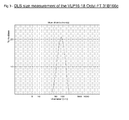
Figures 2 and3 illustrate size distribution of mixed VLPs; -
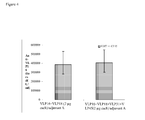
Figure 4 illustrates antibody responses againstVLP 16 in amixed HPV HPV 16 control; -
Figure 5 illustrates antibody responses againstVLP 18 in amixed HPV HPV 18 control; -
Figure 6 illustrates antibody responses against VLP 31 in amixed HPV -
Figure 7 illustrates antibody responses against VLP 45 in amixed HPV - The combination of
HPV 16 andHPV 18 L1 VLPs is detailed herein. L1 proteins from other HPV genotypes may be readily produced by similar methods, already known in the art. - Production of
HPV 16 andHPV 18 VLPs was carried out using standard protocols - for example, seeW09913056 HPV 16/18 proteins were expressed in Trichoplusia ni (High Five™) cells (at a density of ∼ 350000 cells/ml) infected with recombinant Baculovirus (MOI of 0.3) encoding theHPV - The antigen (L1-16/18) was extracted from Hi5 cells in a three step process of concentration, extraction, clarification. The concentration step consists removes up to 90% of the culture medium, and was performed by tangential flow filtration. The extraction step was performed with a hypotonic buffer (Tris 20mM, pH 8.5). A volume equal to the culture volume was used to perform the extraction. A contact time of minimum half an hour under smooth agitation was used. The clarification was performed by tangential flow filtration.
- The purification process was carried out at room temperature. β-mercaptoethanol (4% w/w) was added to the extract in order to disassemble the VLP's into capsomers, for both antigens, L1-16/18. Glycerol was added up to a concentration of w/
w 10% just prior to the addition of β-mercaptoethanol. - All buffers used were filtered on 0.22µm filters prior to storage at 2°C-8°C. Prior to each purification run, gel matrixes are sanitised and equilibrated with appropriate buffer before sample loading.
- Purification regiemes are given for the separate purification of L1 from both
HPV - Anion exchange chromatography (Di methyl amino ethyl - DMAE),
- Anion exchange chromatography (tri methyl amino ethyl - TMAE),
- Hydroxyapatite chromatography,
- Nanometric filtration (Planova),
- Ultrafiltration,
- Hydrophobic interaction chromatography (using Octyl Sepharose) for
HPV 18 or Anion exchange chromatography (DEAE) forHPV 16; and - Sterile filtration.
- The clarified extract (protein at a concentration of ∼ 1 g/ml, with the L1 protein at - 150 mg/ml) is applied to an anion exchange column (Di Methyl Amino Ethyl). Elution is performed with (Tris 20mM | NaCl 200mM | 4% β-mercaptoethanol BME) buffer, pH 7.9 ± 0.2 . The antigen is eluted in approximately 5 column volumes and the elution profile is monitored at 280 nm.
- The eluate of the first step is diluted with 1 volume of H2O/BME 4%. The diluted eluate is then applied to a second anion exchange column (Tri Methyl Amino Ethyl).
Elution is performed with (20mM Tris | NaCl 200mM | 4%BME) buffer, pH 7.9 ± 0.2. The antigen is eluted in approximately 4 column volumes and the elution profile is monitored at 280 nm. - The eluate of the TMAE step is applied to a hydroxyapatite (HA) column. After sample application, the gel is eluted with approximately 2.5 column volumes of (NaH2PO4 100mM | NaCl 30mM | 4%BME) buffer, pH 6.0 ± 0.2 .
- The HA eluate is diluted in order to reach the following conditions: (NaH2PO4 25mM | NaCl 10mM | 4%BME) buffer, pH 7.5 ± 0.2 .
Then it is filtered successively on a 0.2 µm prefilter and on a Planova 15N filter of 0.12 m2 . The filtration is performed at constant pressure 200 mbar ± 20 mbar. - The ultrafiltration is performed with a tangential flow ultrafiltration system equipped with polyethersulfone membranes (Centramate cassette 0.1 m2, 100kD).
The Planova eluate is treated to reach the following conditions: (NaH2PO4 100mM | NaCl 30mM | 4%BME) , pH 6.0 ± 0.2 ; then it is loaded in the system, concentrated 5 fold and dia-filtrated with continuous injection of∼10 starting volumes of (NaH2PO4 20mM | NaCl 500mM) buffer, pH 6.0 ± 0.2 . - The ultrafiltration permeate is applied to an Octyl Sepharose column.
This chromatography step is run in the negative mode with approximately 5 column volumes of (Na3PO4 20mM | NaCl 500mM) buffer, pH 6.0 ± 0.2 . - The purified L1-18 antigen solution is sterilised by filtration on a 0.22 µm membrane.
- The clarified extract is applied to an anion exchange column (Di Methyl Amino Ethyl).
Elution is performed with (Tris 20mM | NaCl 180mM | 4%BME) buffer, pH 7.9 ± 0.2. The antigen is eluted in approximately 4 column volumes and the elution profile is monitored at 280 nm. - The eluate of the first step is diluted with 1 volume of H2O/BME 4%. The diluted eluate is then applied to a second anion exchange column (Tri Methyl Amino Ethyl). Elution is performed with (20mM Tris | NaCl 180mM | 4%BME) buffer, pH 7.9 ± 0.2 . The antigen is eluted in approximately 5 column volumes and the elution profile is monitored at 280 nm.
- The eluate of the TMAE step is applied to a HA column. After sample application, the gel is eluted with approximately 3 column volumes of (NaH2PO4 100mM | NaCl 30mM | 4%BME) buffer, pH 6.0 ± 0.2 .
- The HA eluate is diluted in order to reach the following conditions: (NaH2PO4 25mM | NaCl 10mM 4%BME) buffer, pH 7.5 ± 0.2 .
Then it is filtered successively on a 0.2 µm prefilter and on a Planova 15N filter of 0.12 m2 . The filtration is performed at constant pressure 200 mbar ± 20 mbar. - The ultrafiltration is performed with a tangential flow ultrafiltration system equipped with polyethersulfone membranes (Centramate cassette 0.1 m2, 100kD).
The Planova eluate is treated to reach the following conditions: (NaH2PO4 100mM | NaCl 30mM | 4%BME) , pH 6.0 ± 0.2 ; then it is loaded in the system, concentrated 5 fold and dia-filtrated with continuous injection of ∼10 starting volumes of (NaH2PO4 20mM | NaCl 500mM) buffer, pH 6.0 ± 0.2 . - The ultrafiltration eluate is adjusted to the conductivity of the equilibrium buffer, (Na3PO4 20mM | NaCl 250mM) , pH 6.0 ± 0.2 and applied on an anion exchange column (Di Ethyl Amino Ethyl).
Elution is performed with (NaH2PO4 20mM | NaCl 500mM) buffer, pH 6.0 ± 0.2. The antigen is eluted in approximately 3 column volumes and the elution profile is monitored at 280 nm. - The purified L1-16 antigen solution is sterilised by filtration on a 0.22 µm membrane.
- Each VLP type is adsorbed independently to produce a concentrated adsorbed monovalent.
- Preparation of VLP16 concentrated adsorbed monovalent:
60 µg of purified VLPs from HPV16 are adsorbed on 150 µg Al3+ from Al(OH)3, at a pH of 6.0 ± 0.2, for one hour at room temperature with gentle stirring. This concentrated adsorbed monovalent is stored at +4°C. Adsorption is checked by centrifuging the preparation and quantifying VLPs in the supernatant. - Preparation of VLP18 concentrated adsorbed monovalent:
60 µg of purified VLPs from HPV18 are adsorbed on 150 µg Al3+ from Al(OH)3, at a pH of 6.0 ± 0.2, for one hour at room temperature with gentle stirring. This concentrated adsorbed monovalent is stored at +4°C. Adsorption is checked by centrifuging the preparation and quantifying VLPs in the supernatant. - Concentrated adsorbed monovalents prepared by the above method were combined to form a suspension containing 20 µg each VLP per dose. Final vaccine is stored at +4°C.
- Addition of VLPs from HPV 31 and 45 at a concentration of 20µg each VLP completes the tetravalent vaccine.
- The combined adsorbed bulks, or individual adsorbed bulks, may be further mixed with adjuvants such as 3D-MPL.
- Production of
HPV 16 andHPV 18 VLPs was carried out using standard protocols - as above - The process of the invention involves dissassembly and then reassembly of the
HPV HPV L1 - The
HPV - By way of example 2 specific strategies have been tested:
- 1 mixing of both antigens after the HA step. Based on the L1 concentration in HA pools, the two components are mixed to reach an equal concentration of
HPV HPV 18 purification followed by a DEAE step as performed in theHPV 16 procedure. - 2 mixing of both extracts and copurify. Based on the L1 concentration in Extracts, the two valences are mixed to reach an equal concentration of HPV16 and 18 to start the DMAE step. Again, after the ultrafiltration step an Octyl speharose step is performed as for
HPV 18 followed by a DEAE step as performed in theHPV 16 procedure.
- The same flow sheet is applied but the mixing is performed at the DMAE step instead of the UF step. The concentration used for elution at the anion exchange DMAE TMAE steps is 200 mM.
- 2 lots of mixed VLPs (lot numbers 31b165c and 31b166c) were produced by combining
HPV 16 andHPV 18 L1 proteins. - The purity of the mixed VLP's was as good as both "classical"
HPV 16 orHPV 18 bulks. The purity of the bulks was higher than 95%. - The EM of 31B165C (UF Retentate after maturation) was compared to a classical HPV16 lot (39B122c). VLP's were well formed, homogeneous in size, without aggregation; some ribbons of capsomeres are present in both experiments.
- The size distribution of the VLP's were determined using a Malvern Zetasizer 3000 HS.
- The samples were measured undiluted into a plastic cuvette for Malvern analysis (800 µl/cuvette).
- The technical conditions were:
- laser wavelength: 532 nm,
- laser power: 50 mW,
- scattered light detected at 90°,
- temperature: 25°C,
- duration: automatic determination by the software,
- number: 3 consecutive measurements,
- z-average diameter: by cumulants analysis,
- Classical results for HPV18 L1-VLP's are: 70-80 nm with good polydispersity (< 0.1) Classical results for
HPV 16 L1-VLP's are: 60-70 nm with good polydispersity (< 0.1) - For mixed VLP's, the following results were obtained:
31 B165c : 85 nm with good polydispersity (0.08). VLP's are almost completely formed at the beginning of maturation
31 B166c : 76 nm with good polydispersity (0.08 ). - The size distribution of lot 31 B165c and 31 B166c as measured by dynamic laser light scattering is shown in
Figures 2 and3 . - Lot n°. 31B167B was made up from lots E18L1C005 ( HPV18 ) and 39B167 ( HPV16).
- The purity of the mixed VLP's was as good as both "classical" bulks.
The purity of the bulks was higher than 95%. - The size distribution of the VLP's were determined by using a Malvern Zetasizer 3000 HS.
- Classical results for HPV18 L1-VLP's are: 70-80 nm with good polydispersity (< 0.1)
- Classical results for
HPV 16 L1-VLP's are: 60-70 nm with good polydispersity (< 0.1) - For mixed VLP's, the following results were obtained:
- HPV16-HPV18 31B167B : 74 nm with good polydispersity (0.07). VLP's were almost completely formed at the beginning of maturation
- An immunogenicity study was performed in Balb/C mice using a combination of C-terminally
truncated L1 VLPs - 4 groups of 10 mice were immunised twice intramuscularly on
day 0 and 21 respectively with: - 1. VLP 31 (2µg) / adjuvant A
- 2. VLP 45 (2µg) / adjuvant A
- 3. VLP 16 (2µg) and VLP 18 (2µg) / adjuvant A
- 4. VLP 16 (2µg), VLP 18 (2µg), VLP 31 (2µg), VLP 45 (2µg) / adjuvant A
- Antibody responses against
VLPs -
- Strong antibody responses are induced in post II sera by either
VLP 16 formulated withVLP 18 on adjuvant A (group 3) or by the full combo (group 4) - Similar level of antibodies directed against
VLP 16 are measured in both groups and no interference is observed. -
- Strong antibody responses are induced in post II sera by either VLP18 formulated with
VLP 16 on adjuvant A (group 3) or by the full combo (group 4). - Similar level of antibodies directed against
VLP 18 are measured in both groups (less than 1.5 fold difference) and no interference was observed. -
- Strong antibody responses are induced in post II sera by either VLP31 formulated alone on adjuvant A(group 1) or by the full combo (group 4).
- Similar level of antibodies directed against VLP 31 are measured in both groups, therefore no interference is observed.
-
- Strong antibody responses are induced in post II by either VLP 45 formulated alone on adjuvant A (group 2) or by the full combo (group 4).
- Similar level of antibodies directed against VLP 45 are measured in both groups, thus no interference is observed.
- No interference is observed when the four VLPs (VLPs16, 18, 31 & 45) are delivered as a combination.
Claims (24)
- A vaccine composition comprising VLPs containing L1 proteins or functional L1 protein derivatives from HPV 16, HPV 18, HPV 31 and HPV 45 genotypes.
- A vaccine according to claim 1 comprising a mixture of HPV 16 VLPs, HPV 18 VLPs, HPV 31 VLPs and HPV 45 VLPs, each VLP comprising L1 proteins or functional L1 protein derivatives from only 1 HPV genotype.
- A vaccine according to claim 2 wherein the VLPs are L1-only VLPs comprising HPV L1 protein or functional L1 protein derivatives and no other HPV protein.
- A vaccine composition according to any preceding claim comprising VLPs consisting essentially only of proteins from HPV 16, HPV 18, HPV 31 and HPV 45.
- A vaccine composition according to any preceding claim wherein at least one L1 protein is a truncated L1 protein.
- A vaccine composition according to any preceding claim wherein the composition comprises a VLP containing an L1 protein or functional derivative thereof from an additional HPV genotype.
- A vaccine composition according to claim 6 wherein the additional VLP comprises an L1 protein or functional L1 protein derivative selected from one of HPV 33, 52, 53, 58, 35, 56, and 59.
- A vaccine composition according to any preceding claim which is at least 60% effective in preventing cervical cancer.
- A vaccine composition according to any preceding claim additionally comprising an HPV early antigen or immunologically active fragment thereof selected from E1, E2, E3, E4, E5, E6, E7 or E8.
- A vaccine composition according to any preceding claim formulated with an antigen derived from an organism causing a sexually transmitted disease.
- A vaccine composition according to claim 10 wherein the antigen is an HSV antigen or immunologically active fragment thereof.
- A vaccine composition according to claim 10 wherein the antigen is an HIV antigen or immunologically active fragment thereof.
- A vaccine composition according to claim 10 wherein the antigen is a chlamydia antigen or immunologically active fragment thereof.
- A vaccine composition according to any preceding claim comprising an HPV L2 protein or fragment thereof.
- A vaccine composition according to any preceding claim additionally comprising an adjuvant.
- A vaccine composition according to claim 15 wherein the adjuvant is an aluminium salt.
- A vaccine composition according to claim 16 wherein the aluminium salt is aluminium hydroxide.
- A vaccine composition according to claim 16 or 17 additionally comprising 3D-MPL.
- A vaccine composition according to any of claims 1-18 wherein the VLPs contain L1 proteins which are not chimaeric.
- A method of vaccine production, the method comprising combining VLPs containing L1 proteins or functional L1 protein derivatives from HPV 16, HPV 18, HPV 31 and HPV 45 to form a vaccine as claimed in any of claims 1-19.
- Use of a mixture of HPV 16, HPV 18, HPV 31 and HPV 45 VLPs comprising the L1 protein or functional derivative thereof in the preparation of a vaccine for the prevention or treatment of a disorder related to HPV infection.
- A method of prevention of HPV infection or treatment of disease related to HPV infection, the method comprising delivering to an individual at risk of infection or disease an effective amount of a vaccine composition according to any preceding claim.
- A stabilised vaccine composition comprising a vaccine according to any of claims 1-18 wherein the VLPs from HPV 16, 18, 31 and 45 are adsorbed onto aluminium hydroxide before mixing.
- A vaccine composition, method or use according to any of claims 1-23 wherein the immune response against a given VLP type in the vaccine is at least 50 % that of the response of that same VLP type when measured individually.
Applications Claiming Priority (2)
| Application Number | Priority Date | Filing Date | Title |
|---|---|---|---|
| GBGB0206360.0A GB0206360D0 (en) | 2002-03-18 | 2002-03-18 | Viral antigens |
| EP03712047A EP1492562A2 (en) | 2002-03-18 | 2003-03-17 | Virus-like particles of human papillomavirus |
Related Parent Applications (1)
| Application Number | Title | Priority Date | Filing Date |
|---|---|---|---|
| EP03712047A Division EP1492562A2 (en) | 2002-03-18 | 2003-03-17 | Virus-like particles of human papillomavirus |
Publications (1)
| Publication Number | Publication Date |
|---|---|
| EP2044953A1 true EP2044953A1 (en) | 2009-04-08 |
Family
ID=9933201
Family Applications (2)
| Application Number | Title | Priority Date | Filing Date |
|---|---|---|---|
| EP08171147A Withdrawn EP2044953A1 (en) | 2002-03-18 | 2003-03-17 | Viral antigens |
| EP03712047A Ceased EP1492562A2 (en) | 2002-03-18 | 2003-03-17 | Virus-like particles of human papillomavirus |
Family Applications After (1)
| Application Number | Title | Priority Date | Filing Date |
|---|---|---|---|
| EP03712047A Ceased EP1492562A2 (en) | 2002-03-18 | 2003-03-17 | Virus-like particles of human papillomavirus |
Country Status (25)
| Country | Link |
|---|---|
| US (3) | US7217419B2 (en) |
| EP (2) | EP2044953A1 (en) |
| JP (2) | JP2005524674A (en) |
| KR (2) | KR20050002868A (en) |
| CN (1) | CN100528226C (en) |
| AP (1) | AP1872A (en) |
| AR (1) | AR039005A1 (en) |
| AU (1) | AU2003218787B2 (en) |
| BR (1) | BR0308444A (en) |
| CA (1) | CA2479304C (en) |
| EA (1) | EA011477B1 (en) |
| EC (1) | ECSP045300A (en) |
| GB (1) | GB0206360D0 (en) |
| IL (2) | IL163814A0 (en) |
| IS (1) | IS7426A (en) |
| MX (1) | MXPA04009060A (en) |
| MY (1) | MY139031A (en) |
| NO (1) | NO20044326L (en) |
| NZ (1) | NZ535085A (en) |
| OA (1) | OA12787A (en) |
| PL (1) | PL212981B1 (en) |
| TW (1) | TW200400046A (en) |
| UA (1) | UA85536C2 (en) |
| WO (1) | WO2003077942A2 (en) |
| ZA (1) | ZA200407029B (en) |
Families Citing this family (41)
| Publication number | Priority date | Publication date | Assignee | Title |
|---|---|---|---|---|
| US8956621B2 (en) * | 1994-11-08 | 2015-02-17 | The Trustees Of The University Of Pennsylvania | Compositions and methods for treatment of cervical dysplasia |
| US8791237B2 (en) * | 1994-11-08 | 2014-07-29 | The Trustees Of The University Of Pennsylvania | Compositions and methods for treatment of non-hodgkins lymphoma |
| AU750587B2 (en) * | 1998-10-16 | 2002-07-25 | Smithkline Beecham Biologicals (Sa) | Adjuvant systems and vaccines |
| US8771702B2 (en) | 2001-03-26 | 2014-07-08 | The Trustees Of The University Of Pennsylvania | Non-hemolytic LLO fusion proteins and methods of utilizing same |
| GB0206360D0 (en) * | 2002-03-18 | 2002-05-01 | Glaxosmithkline Biolog Sa | Viral antigens |
| US7858098B2 (en) * | 2002-12-20 | 2010-12-28 | Glaxosmithkline Biologicals, S.A. | Vaccine |
| ES2381964T3 (en) * | 2003-03-24 | 2012-06-04 | Merck Sharp & Dohme Corp. | Optimized expression of L1 of HPV 31 in yeast |
| MY140664A (en) | 2003-09-29 | 2010-01-15 | Merck Sharp & Dohme | Optimized expression of hpv 45 l1 in yeast |
| US20080160040A1 (en) * | 2004-04-15 | 2008-07-03 | Ghim Shin-Je | Plant-produced compositions for treating papillomavirus infection and related methods |
| US7758866B2 (en) * | 2004-06-16 | 2010-07-20 | Glaxosmithkline Biologicals, S.A. | Vaccine against HPV16 and HPV18 and at least another HPV type selected from HPV 31, 45 or 52 |
| PE20060434A1 (en) * | 2004-06-16 | 2006-06-08 | Glaxosmithkline Biolog Sa | IMMUNOGENIC COMPOSITION INCLUDING PLV OR CAPSOMERS OF HPV 16, HPV 18 AND AT LEAST ANOTHER TYPE OF HPV CANCER |
| GB0413510D0 (en) * | 2004-06-16 | 2004-07-21 | Glaxosmithkline Biolog Sa | Vaccine |
| GB0417430D0 (en) * | 2004-08-05 | 2004-09-08 | Uc3 | A novel HPV vaccine comprising peptides from host cell proteins |
| US8399610B2 (en) * | 2004-08-05 | 2013-03-19 | University College Cardiff Consultants Limited | HPV vaccine comprising peptides from host cell proteins |
| CA2596698C (en) | 2005-02-01 | 2017-05-16 | The Government Of The United States Of America, As Represented By The Secretary, Department Of Health And Human Services | Papillomavirus l2 n-terminal peptides for the induction of broadly cross-neutralizing antibodies |
| EP1877087B1 (en) | 2005-04-15 | 2013-02-20 | GOVERNMENT OF THE UNITED STATES OF AMERICA, as represented by THE SECRETARY, DEPARTMENT OF HEALTH AND HUMAN SERVICES | Methods and compositions for producing an enhanced immune response to a human papillomavirus immunogen |
| SG159529A1 (en) * | 2005-04-26 | 2010-03-30 | Glaxosmithkline Biolog Sa | Vaccine |
| WO2006114312A2 (en) * | 2005-04-26 | 2006-11-02 | Glaxosmithkline Biologicals S.A. | Vaccine |
| CN1328287C (en) * | 2005-12-29 | 2007-07-25 | 西安交通大学 | HPV16L1 protein analogous peptide and application for preparing HPV16 diagnostic agent and vaccine |
| US8101342B2 (en) | 2006-08-28 | 2012-01-24 | Sungkyunkwan University Foundation For Corporate Collaboration | DNA vaccine for treating or preventing cervical cancer comprising a gene encoding HPV protein |
| ES2577833T3 (en) | 2006-09-29 | 2016-07-19 | Takeda Vaccines, Inc. | Norovirus vaccine formulations |
| WO2008140474A1 (en) * | 2006-10-26 | 2008-11-20 | Johns Hopkins University | Recombinant adenovirus vaccines |
| WO2008115631A2 (en) * | 2007-02-08 | 2008-09-25 | University Of Louisville Research Foundation, Inc. | Plant-produced compositions for treating papillomavirus infection and related methods |
| CN101622008A (en) * | 2007-03-09 | 2010-01-06 | 默克公司 | Papillomavirus vaccine compositions |
| US9428555B2 (en) | 2007-04-29 | 2016-08-30 | Beijing Wantai Biological Pharmacy Enterprise Co., Ltd. | Truncated L1 protein of Human Papillomavirus type 16 |
| DK2147926T3 (en) * | 2007-04-29 | 2016-11-28 | Beijing Wantai Biological Pharmacy Entpr Co Ltd | Truncated human papillomavirus type 18 L1 protein |
| US8748127B2 (en) * | 2007-05-29 | 2014-06-10 | Xiamen University | Truncated L1 protein of human papillomavirus type 6 |
| JP5545209B2 (en) * | 2007-06-18 | 2014-07-09 | 上海▲沢▼▲潤▼安珂生物▲製▼▲薬▼有限公司 | Substance with immunogenicity |
| US8088392B2 (en) * | 2007-06-18 | 2012-01-03 | Yunxu Cao | Capsid proteins and uses therefore |
| US20100266636A1 (en) | 2007-09-18 | 2010-10-21 | Ligocyte Pharmaceuticals, Inc. | Method of conferring a protective immune response to norovirus |
| SG10201601660YA (en) | 2007-09-18 | 2016-04-28 | Takeda Vaccines Inc | Method of conferring a protective immune response to norovirus |
| US8100843B2 (en) * | 2009-03-24 | 2012-01-24 | GM Global Technology Operations LLC | Shape memory polymer medical cast |
| CN102497880A (en) | 2009-06-25 | 2012-06-13 | 葛兰素史密丝克莱恩生物有限公司 | Novel human papillomavirus (HPV) protein constructs and their use in preventing HPV diseases |
| CN102178944A (en) * | 2010-09-17 | 2011-09-14 | 大连雅立峰生物制药有限公司 | Expression and application of human papilloma viruses type 16 and 18 L1 proteins in inset cells |
| EP3299030B1 (en) | 2011-07-11 | 2022-06-08 | Takeda Vaccines, Inc. | Parenteral norovirus vaccine formulations |
| CN102552897B (en) * | 2012-01-18 | 2013-10-30 | 广东华南联合疫苗开发院有限公司 | Prophylactic VLP (Virus-like Particle) vaccine for cervical carcinoma |
| KR101559622B1 (en) | 2012-07-30 | 2015-10-13 | 중앙대학교 산학협력단 | An Efficient Method for Purifying Virus-Like Particles of Human Papillomavirus |
| CN104211782B (en) * | 2013-06-04 | 2017-11-17 | 厦门大学 | The type L1 albumen of HPV 45 of truncation |
| JP6663438B2 (en) * | 2014-10-24 | 2020-03-11 | エイチピーブイヴァックス, リミテッド ライアビリティー カンパニー.Hpvvax, Llc. | Treatment of cancer and skin lesions |
| US10799574B2 (en) * | 2014-10-24 | 2020-10-13 | Hpvvax. Llc | Method and composition for treating cancer or skin lesion using a vaccine |
| BR112018067550A2 (en) * | 2016-02-27 | 2019-10-01 | Hpvvax, Llc. | methods for treating a patient who has skin cancer, benign or cancerous tumor or a human papillomavirus (hpv) -associated lesion, and pharmaceutical composition |
Citations (18)
| Publication number | Priority date | Publication date | Assignee | Title |
|---|---|---|---|---|
| WO1993000436A1 (en) | 1991-06-26 | 1993-01-07 | Cancer Research Campaign Technology Limited | Papillomavirus l2 protein |
| WO1993002184A1 (en) | 1991-07-19 | 1993-02-04 | The University Of Queensland | Papilloma virus vaccine |
| WO1994000152A1 (en) | 1992-06-25 | 1994-01-06 | Georgetown University | Papillomavirus vaccines |
| WO1994005792A1 (en) | 1992-09-03 | 1994-03-17 | The Government Of The United States Of America, As Represented By The Secretary, Department Of Health And Human Services | Self-assembling recombinant papillomavirus capsid proteins |
| WO1994020137A1 (en) | 1993-03-09 | 1994-09-15 | University Of Rochester | Production of human papillomavirus capsid protein and virus-like particles |
| WO1995031532A1 (en) | 1994-05-16 | 1995-11-23 | Merck & Co., Inc. | Papillomavirus vaccines |
| WO1996015247A1 (en) | 1994-11-14 | 1996-05-23 | Merck & Co., Inc. | Purified papillomavirus proteins |
| WO1998044944A2 (en) | 1997-04-08 | 1998-10-15 | Merck & Co., Inc. | Stabilized human papillomavirus formulations |
| WO1999013056A1 (en) | 1997-09-05 | 1999-03-18 | Medimmune, Inc. | IN VITRO METHOD FOR DISASSEMBLY/REASSEMBLY OF PAPILLOMAVIRUS VIRUS-LIKE PARTICLES (VLPs) |
| US5888526A (en) | 1996-04-05 | 1999-03-30 | Mitsubishi Paper Mills Limited | Antibacterial antifungal agent and fibrous material containing the same |
| WO1999016884A1 (en) | 1997-09-26 | 1999-04-08 | Smithkline Beecham Biologicals S.A. | Fusion proteins comprising hiv-1 tat and/or nef proteins |
| WO1999045957A2 (en) | 1998-03-09 | 1999-09-16 | Smithkline Beecham Biologicals S.A. | Combined vaccine compositions |
| WO2000009671A1 (en) | 1998-08-14 | 2000-02-24 | Merck & Co., Inc. | Process for purifying human papillomavirus virus-like particles |
| US6066324A (en) * | 1994-10-07 | 2000-05-23 | Loyola University Of Chicago | Carboxyl terminal of papilloma virus L1 region is not required for formation of virus-like particles |
| WO2000045841A2 (en) | 1999-02-05 | 2000-08-10 | Merck & Co., Inc. | Human papilloma virus vaccine formulations |
| WO2000057906A1 (en) | 1999-03-26 | 2000-10-05 | Merck & Co., Inc. | Human papillomavirus vaccine with disassembled and reassembled virus-like particles |
| WO2001017551A2 (en) * | 1999-09-07 | 2001-03-15 | Smithkline Beecham Biologicals S.A. | Combined vaccine compositions |
| WO2001054719A2 (en) | 2000-01-31 | 2001-08-02 | Smithkline Beecham Biologicals S.A. | Vaccine for the prophylactic or therapeutic immunization against hiv |
Family Cites Families (15)
| Publication number | Priority date | Publication date | Assignee | Title |
|---|---|---|---|---|
| US5618536A (en) | 1992-09-03 | 1997-04-08 | The United States Of America As Represented By The Department Of Health And Human Services | Chimeric papillomavirus-like particles |
| SG48309A1 (en) | 1993-03-23 | 1998-04-17 | Smithkline Beecham Biolog | Vaccine compositions containing 3-0 deacylated monophosphoryl lipid a |
| GB9326253D0 (en) | 1993-12-23 | 1994-02-23 | Smithkline Beecham Biolog | Vaccines |
| GB9806666D0 (en) | 1998-03-27 | 1998-05-27 | Stanley Margaret | Antigen preparation and use |
| WO2000009699A2 (en) | 1998-08-14 | 2000-02-24 | Chiron Corporation | Method for producing yeast expressed hpv types 6 and 16 capsid proteins |
| AU750587B2 (en) | 1998-10-16 | 2002-07-25 | Smithkline Beecham Biologicals (Sa) | Adjuvant systems and vaccines |
| GB9921147D0 (en) | 1999-09-07 | 1999-11-10 | Smithkline Beecham Biolog | Novel composition |
| US6908613B2 (en) | 2000-06-21 | 2005-06-21 | Medimmune, Inc. | Chimeric human papillomavirus (HPV) L1 molecules and uses therefor |
| ATE418997T1 (en) * | 2000-07-06 | 2009-01-15 | Univ Georgetown | STABLE (FIXED) FORMS OF VIRAL L1 CAPSID PROTEINS, THEIR FUSION PROTEINS, AND THEIR USES |
| GB0110431D0 (en) * | 2001-04-27 | 2001-06-20 | Glaxosmithkline Biolog Sa | Novel compounds |
| US7041500B2 (en) * | 2002-02-14 | 2006-05-09 | Novavax, Inc. | Insect cell line |
| GB0206359D0 (en) * | 2002-03-18 | 2002-05-01 | Glaxosmithkline Biolog Sa | Viral antigens |
| GB0206360D0 (en) | 2002-03-18 | 2002-05-01 | Glaxosmithkline Biolog Sa | Viral antigens |
| KR101361769B1 (en) | 2002-12-20 | 2014-02-10 | 글락소스미스클라인 바이오로지칼즈 에스.에이. | Hpv-16 and -18 l1 vlp vaccine |
| MY140664A (en) | 2003-09-29 | 2010-01-15 | Merck Sharp & Dohme | Optimized expression of hpv 45 l1 in yeast |
-
2002
- 2002-03-18 GB GBGB0206360.0A patent/GB0206360D0/en not_active Ceased
-
2003
- 2003-03-17 EP EP08171147A patent/EP2044953A1/en not_active Withdrawn
- 2003-03-17 WO PCT/EP2003/002826 patent/WO2003077942A2/en not_active Ceased
- 2003-03-17 CN CNB038063476A patent/CN100528226C/en not_active Expired - Lifetime
- 2003-03-17 AP APAP/P/2004/003136A patent/AP1872A/en active
- 2003-03-17 IL IL16381403A patent/IL163814A0/en unknown
- 2003-03-17 US US10/508,222 patent/US7217419B2/en not_active Expired - Lifetime
- 2003-03-17 KR KR10-2004-7014693A patent/KR20050002868A/en not_active Ceased
- 2003-03-17 MY MYPI20030925A patent/MY139031A/en unknown
- 2003-03-17 KR KR1020107028371A patent/KR20110009249A/en not_active Ceased
- 2003-03-17 OA OA1200400239A patent/OA12787A/en unknown
- 2003-03-17 MX MXPA04009060A patent/MXPA04009060A/en active IP Right Grant
- 2003-03-17 NZ NZ535085A patent/NZ535085A/en not_active IP Right Cessation
- 2003-03-17 EA EA200401064A patent/EA011477B1/en active Protection Beyond IP Right Term
- 2003-03-17 PL PL372937A patent/PL212981B1/en unknown
- 2003-03-17 CA CA2479304A patent/CA2479304C/en not_active Expired - Lifetime
- 2003-03-17 UA UA20040907208A patent/UA85536C2/en unknown
- 2003-03-17 JP JP2003575995A patent/JP2005524674A/en active Pending
- 2003-03-17 EP EP03712047A patent/EP1492562A2/en not_active Ceased
- 2003-03-17 AU AU2003218787A patent/AU2003218787B2/en active Active
- 2003-03-17 BR BR0308444-2A patent/BR0308444A/en not_active Application Discontinuation
- 2003-03-18 AR ARP030100944A patent/AR039005A1/en unknown
- 2003-03-18 TW TW092105904A patent/TW200400046A/en unknown
-
2004
- 2004-08-26 IS IS7426A patent/IS7426A/en unknown
- 2004-08-30 IL IL163814A patent/IL163814A/en active Protection Beyond IP Right Term
- 2004-09-02 ZA ZA2004/07029A patent/ZA200407029B/en unknown
- 2004-09-17 EC EC2004005300A patent/ECSP045300A/en unknown
- 2004-10-12 NO NO20044326A patent/NO20044326L/en not_active Application Discontinuation
-
2007
- 2007-05-10 US US11/746,841 patent/US7416846B2/en not_active Expired - Lifetime
-
2008
- 2008-07-18 US US12/175,874 patent/US7815915B2/en not_active Expired - Lifetime
-
2009
- 2009-12-10 JP JP2009280524A patent/JP2010090158A/en active Pending
Patent Citations (19)
| Publication number | Priority date | Publication date | Assignee | Title |
|---|---|---|---|---|
| WO1993000436A1 (en) | 1991-06-26 | 1993-01-07 | Cancer Research Campaign Technology Limited | Papillomavirus l2 protein |
| WO1993002184A1 (en) | 1991-07-19 | 1993-02-04 | The University Of Queensland | Papilloma virus vaccine |
| WO1994000152A1 (en) | 1992-06-25 | 1994-01-06 | Georgetown University | Papillomavirus vaccines |
| WO1994005792A1 (en) | 1992-09-03 | 1994-03-17 | The Government Of The United States Of America, As Represented By The Secretary, Department Of Health And Human Services | Self-assembling recombinant papillomavirus capsid proteins |
| WO1994020137A1 (en) | 1993-03-09 | 1994-09-15 | University Of Rochester | Production of human papillomavirus capsid protein and virus-like particles |
| WO1995031532A1 (en) | 1994-05-16 | 1995-11-23 | Merck & Co., Inc. | Papillomavirus vaccines |
| US6066324A (en) * | 1994-10-07 | 2000-05-23 | Loyola University Of Chicago | Carboxyl terminal of papilloma virus L1 region is not required for formation of virus-like particles |
| WO1996015247A1 (en) | 1994-11-14 | 1996-05-23 | Merck & Co., Inc. | Purified papillomavirus proteins |
| US5888526A (en) | 1996-04-05 | 1999-03-30 | Mitsubishi Paper Mills Limited | Antibacterial antifungal agent and fibrous material containing the same |
| WO1998044944A2 (en) | 1997-04-08 | 1998-10-15 | Merck & Co., Inc. | Stabilized human papillomavirus formulations |
| WO1999013056A1 (en) | 1997-09-05 | 1999-03-18 | Medimmune, Inc. | IN VITRO METHOD FOR DISASSEMBLY/REASSEMBLY OF PAPILLOMAVIRUS VIRUS-LIKE PARTICLES (VLPs) |
| WO1999016884A1 (en) | 1997-09-26 | 1999-04-08 | Smithkline Beecham Biologicals S.A. | Fusion proteins comprising hiv-1 tat and/or nef proteins |
| WO1999045957A2 (en) | 1998-03-09 | 1999-09-16 | Smithkline Beecham Biologicals S.A. | Combined vaccine compositions |
| WO2000009671A1 (en) | 1998-08-14 | 2000-02-24 | Merck & Co., Inc. | Process for purifying human papillomavirus virus-like particles |
| WO2000045841A2 (en) | 1999-02-05 | 2000-08-10 | Merck & Co., Inc. | Human papilloma virus vaccine formulations |
| WO2000057906A1 (en) | 1999-03-26 | 2000-10-05 | Merck & Co., Inc. | Human papillomavirus vaccine with disassembled and reassembled virus-like particles |
| US6245568B1 (en) | 1999-03-26 | 2001-06-12 | Merck & Co., Inc. | Human papilloma virus vaccine with disassembled and reassembled virus-like particles |
| WO2001017551A2 (en) * | 1999-09-07 | 2001-03-15 | Smithkline Beecham Biologicals S.A. | Combined vaccine compositions |
| WO2001054719A2 (en) | 2000-01-31 | 2001-08-02 | Smithkline Beecham Biologicals S.A. | Vaccine for the prophylactic or therapeutic immunization against hiv |
Non-Patent Citations (12)
| Title |
|---|
| CASON J., CLIN. IMMUNOTHER., vol. 1, no. 4, 1994, pages 293 - 306 |
| CHAN S Y ET AL: "Analysis of genomic sequences of 95 papillomavirus types: uniting typing, phylogeny, and taxonomy.", JOURNAL OF VIROLOGY MAY 1995, vol. 69, no. 5, May 1995 (1995-05-01), pages 3074 - 3083, XP002516724, ISSN: 0022-538X * |
| FREY SHARON ET AL: "Interference of antibody production to hepatitis B surface antigen in a combination hepatitis A/hepatitis B vaccine", JOURNAL OF INFECTIOUS DISEASES, vol. 180, no. 6, December 1999 (1999-12-01), pages 2018 - 2022, XP002516723, ISSN: 0022-1899 * |
| GARLAND SUZANNE M ET AL: "Noninferiority of antibody response to human papillomavirus type 16 in subjects vaccinated with monovalent and quadrivalent L1 virus-like particle vaccines", CLINICAL AND VACCINE IMMUNOLOGY, vol. 14, no. 6, June 2007 (2007-06-01), pages 792 - 795, XP002516721, ISSN: 1556-6811 * |
| GIULIANO ANNA R ET AL: "Human papillomavirus infection at the United States-Mexico border: Implications for cervical cancer prevention and control.", CANCER EPIDEMIOLOGY BIOMARKERS & PREVENTION, vol. 10, no. 11, November 2001 (2001-11-01), pages 1129 - 1136, XP001154185, ISSN: 1055-9965 * |
| HAGENESEE M.E., INFECTIONS IN MEDICINE, vol. 14, no. 7, 1997, pages 555 - 556 |
| HARRO C D ET AL: "Safety and immunogenicity trial in adult volunteers of a human papillomavirus 16 L1 virus-like particle vaccine.", JOURNAL OF THE NATIONAL CANCER INSTITUTE 21 FEB 2001, vol. 93, no. 4, 21 February 2001 (2001-02-21), pages 284 - 292, XP002516722, ISSN: 0027-8874 * |
| K. KAWANA ET AL., VACCINE, vol. 19, 2001, pages 1496 - 1502 |
| KOUTSKY L A ET AL: "A controlled trial of a human papillomavirus type 16 vaccine", NEW ENGLAND JOURNAL OF MEDICINE 20021121 US, vol. 347, no. 21, 21 November 2002 (2002-11-21), pages 1645 - 1651, XP002516725, ISSN: 0028-4793 * |
| PALKER T J ET AL: "Antibody, cytokine and cytotoxic T lymphocyte responses in chimpanzees immunized with human papillomavirus virus-like particles", VACCINE, BUTTERWORTH SCIENTIFIC. GUILDFORD, GB, vol. 19, no. 27, 14 June 2001 (2001-06-14), pages 3733 - 3743, XP004241792, ISSN: 0264-410X * |
| RODEN R B S ET AL: "ASSESSMENT OF THE SEROLOGICAL RELATEDNESS OF GENITAL HUMAN PAPILLOMAVIRUSES BY HEMAGGLUTINATION INHIBITION", JOURNAL OF VIROLOGY, THE AMERICAN SOCIETY FOR MICROBIOLOGY, US, vol. 70, no. 5, May 1996 (1996-05-01), pages 3298 - 3301, XP002946729, ISSN: 0022-538X * |
| WHEELER C M: "Preventive vaccines for cervical cancer", SALUD PUBLICA DE MEXICO 1997 MEXICO, vol. 39, no. 4, 1997, pages 283 - 287, XP009016363, ISSN: 0036-3634 * |
Also Published As
Similar Documents
| Publication | Publication Date | Title |
|---|---|---|
| US7416846B2 (en) | Vaccine composition comprising virus-like particles of human papillomavirus | |
| US7205125B2 (en) | Mixed Virus-like particles | |
| EP2318042B1 (en) | Vaccine against hpv | |
| WO2004052395A1 (en) | L2-peptide of the human papillomavirus associated with virus-like particles | |
| KR20020047195A (en) | Vaccine | |
| US8101342B2 (en) | DNA vaccine for treating or preventing cervical cancer comprising a gene encoding HPV protein | |
| HK1128872A (en) | Viral antigens |
Legal Events
| Date | Code | Title | Description |
|---|---|---|---|
| PUAI | Public reference made under article 153(3) epc to a published international application that has entered the european phase |
Free format text: ORIGINAL CODE: 0009012 |
|
| 17P | Request for examination filed |
Effective date: 20081210 |
|
| AC | Divisional application: reference to earlier application |
Ref document number: 1492562 Country of ref document: EP Kind code of ref document: P |
|
| AK | Designated contracting states |
Kind code of ref document: A1 Designated state(s): AT BE BG CH CY CZ DE DK EE ES FI FR GB GR HU IE IT LI LU MC NL PT RO SE SI SK TR |
|
| AX | Request for extension of the european patent |
Extension state: LT LV |
|
| REG | Reference to a national code |
Ref country code: HK Ref legal event code: DE Ref document number: 1128872 Country of ref document: HK |
|
| 17Q | First examination report despatched |
Effective date: 20091021 |
|
| AKX | Designation fees paid |
Designated state(s): AT BE BG CH CY CZ DE DK EE ES FI FR GB GR HU IE IT LI LU MC NL PT RO SE SI SK TR |
|
| AXX | Extension fees paid |
Extension state: LV Payment date: 20081210 Extension state: LT Payment date: 20081210 |
|
| STAA | Information on the status of an ep patent application or granted ep patent |
Free format text: STATUS: THE APPLICATION IS DEEMED TO BE WITHDRAWN |
|
| 18D | Application deemed to be withdrawn |
Effective date: 20160419 |
|
| REG | Reference to a national code |
Ref country code: HK Ref legal event code: WD Ref document number: 1128872 Country of ref document: HK |