EP2034758A1 - Base station, mobile station, and communication method - Google Patents
Base station, mobile station, and communication method Download PDFInfo
- Publication number
- EP2034758A1 EP2034758A1 EP07745201A EP07745201A EP2034758A1 EP 2034758 A1 EP2034758 A1 EP 2034758A1 EP 07745201 A EP07745201 A EP 07745201A EP 07745201 A EP07745201 A EP 07745201A EP 2034758 A1 EP2034758 A1 EP 2034758A1
- Authority
- EP
- European Patent Office
- Prior art keywords
- channel
- broadcast channel
- control
- information
- control channel
- Prior art date
- Legal status (The legal status is an assumption and is not a legal conclusion. Google has not performed a legal analysis and makes no representation as to the accuracy of the status listed.)
- Granted
Links
Images




Classifications
-
- H—ELECTRICITY
- H04—ELECTRIC COMMUNICATION TECHNIQUE
- H04L—TRANSMISSION OF DIGITAL INFORMATION, e.g. TELEGRAPHIC COMMUNICATION
- H04L1/00—Arrangements for detecting or preventing errors in the information received
- H04L1/0001—Systems modifying transmission characteristics according to link quality, e.g. power backoff
- H04L1/0009—Systems modifying transmission characteristics according to link quality, e.g. power backoff by adapting the channel coding
- H04L1/001—Systems modifying transmission characteristics according to link quality, e.g. power backoff by adapting the channel coding applied to control information
-
- H—ELECTRICITY
- H04—ELECTRIC COMMUNICATION TECHNIQUE
- H04W—WIRELESS COMMUNICATION NETWORKS
- H04W72/00—Local resource management
- H04W72/12—Wireless traffic scheduling
- H04W72/1263—Mapping of traffic onto schedule, e.g. scheduled allocation or multiplexing of flows
- H04W72/1273—Mapping of traffic onto schedule, e.g. scheduled allocation or multiplexing of flows of downlink data flows
-
- H—ELECTRICITY
- H04—ELECTRIC COMMUNICATION TECHNIQUE
- H04B—TRANSMISSION
- H04B7/00—Radio transmission systems, i.e. using radiation field
- H04B7/14—Relay systems
- H04B7/15—Active relay systems
- H04B7/155—Ground-based stations
-
- H—ELECTRICITY
- H04—ELECTRIC COMMUNICATION TECHNIQUE
- H04L—TRANSMISSION OF DIGITAL INFORMATION, e.g. TELEGRAPHIC COMMUNICATION
- H04L1/00—Arrangements for detecting or preventing errors in the information received
- H04L1/0001—Systems modifying transmission characteristics according to link quality, e.g. power backoff
- H04L1/0009—Systems modifying transmission characteristics according to link quality, e.g. power backoff by adapting the channel coding
-
- H—ELECTRICITY
- H04—ELECTRIC COMMUNICATION TECHNIQUE
- H04L—TRANSMISSION OF DIGITAL INFORMATION, e.g. TELEGRAPHIC COMMUNICATION
- H04L1/00—Arrangements for detecting or preventing errors in the information received
- H04L1/0078—Avoidance of errors by organising the transmitted data in a format specifically designed to deal with errors, e.g. location
- H04L1/0079—Formats for control data
-
- H—ELECTRICITY
- H04—ELECTRIC COMMUNICATION TECHNIQUE
- H04W—WIRELESS COMMUNICATION NETWORKS
- H04W88/00—Devices specially adapted for wireless communication networks, e.g. terminals, base stations or access point devices
- H04W88/02—Terminal devices
-
- H—ELECTRICITY
- H04—ELECTRIC COMMUNICATION TECHNIQUE
- H04L—TRANSMISSION OF DIGITAL INFORMATION, e.g. TELEGRAPHIC COMMUNICATION
- H04L5/00—Arrangements affording multiple use of the transmission path
- H04L5/0001—Arrangements for dividing the transmission path
- H04L5/0003—Two-dimensional division
- H04L5/0005—Time-frequency
- H04L5/0007—Time-frequency the frequencies being orthogonal, e.g. OFDM(A) or DMT
-
- H—ELECTRICITY
- H04—ELECTRIC COMMUNICATION TECHNIQUE
- H04L—TRANSMISSION OF DIGITAL INFORMATION, e.g. TELEGRAPHIC COMMUNICATION
- H04L5/00—Arrangements affording multiple use of the transmission path
- H04L5/003—Arrangements for allocating sub-channels of the transmission path
- H04L5/0053—Allocation of signalling, i.e. of overhead other than pilot signals
-
- H—ELECTRICITY
- H04—ELECTRIC COMMUNICATION TECHNIQUE
- H04L—TRANSMISSION OF DIGITAL INFORMATION, e.g. TELEGRAPHIC COMMUNICATION
- H04L5/00—Arrangements affording multiple use of the transmission path
- H04L5/0091—Signalling for the administration of the divided path, e.g. signalling of configuration information
- H04L5/0092—Indication of how the channel is divided
-
- H—ELECTRICITY
- H04—ELECTRIC COMMUNICATION TECHNIQUE
- H04W—WIRELESS COMMUNICATION NETWORKS
- H04W48/00—Access restriction; Network selection; Access point selection
- H04W48/08—Access restriction or access information delivery, e.g. discovery data delivery
- H04W48/12—Access restriction or access information delivery, e.g. discovery data delivery using downlink control channel
Definitions
- the present invention relates to a technical field of radio communications. More specifically, the present invention relates to a base station, a mobile station, and a communication method used for a communication system in which multicarrier transmission is performed.
- a multicarrier scheme more specifically an Orthogonal Frequency Division Multiplexing (OFDM) scheme, is considered promising from the viewpoint of performing high speed and large capacity communications while effectively suppressing multipath fading.
- OFDM Orthogonal Frequency Division Multiplexing
- a frequency bandwidth used in the system is divided into multiple resource blocks (divided into three resource blocks in Fig. 1 ), and each of the resource blocks includes one or more subcarriers.
- the resource block is also referred to as a frequency chunk or a frequency block.
- One or more resource blocks are allocated to a mobile station.
- the technology for dividing a frequency band into multiple resource blocks is described in P. Chow, J. Cioffi, J. Bingham, "A Practical Discrete Multitone Transceiver Loading Algorithm for Data Transmission over Spectrally Shaped Channel", IEEE Trans. Commun. vol. 43, No. 2/3/4, February/March/April 1995 , for example.
- an L1/L2 (Layer 1/Layer 2) control channel is multiplexed into a portion of a subframe.
- the following information is transmitted on the L1/L2 control channel.
- a broadcast channel is a common control channel received by all mobile stations (UE: User Equipment) including idle mobile stations.
- the broadcast channel is typically transmitted with fixed radio resources (resource blocks) and a fixed modulation scheme and a fixed coding rate.
- H-ARQ is not used for the broadcast channel.
- the L1/L2 control channel corresponding to the broadcast channel is wasted in the subframe.
- the L1/L2 control channel is used for transmitting control information for the shared data channel with these eight resource blocks. Accordingly, the L1/L2 control channel is not wasted.
- three resource blocks among the eight resource blocks are used for the broadcast channel, three-eighths of the resource blocks used for the L1/L2 control channel are wasted.
- a base station for transmitting a radio frame where an L1/L2 control channel is multiplexed into a portion of a subframe to transmit data on a shared data channel including:
- a mobile station for receiving a radio frame where an L1/L2 control channel is multiplexed into a portion of a subframe to receive data on a shared data channel including:
- a communication method in which a base station transmits a radio frame where an L1/L2 control channel is multiplexed into a portion of a subframe to transmit data on a shared data channel; including the steps of:
- a control channel can be efficiently used when resource blocks are allocated to a broadcast channel.
- the maximum number of users (mobile stations) placed on a shared data channel in the case where a BCH is multiplexed into a subframe is smaller than the maximum number of users in the case where the BCH is not multiplexed into the subframe.
- the subframe including the BCH smaller radio resources are available for the shared data channel. Accordingly, it is necessary to decrease the maximum number of users placed on the subframe and to prevent available radio resources per user in the subframe including the BCH from becoming smaller than available radio resources in other subframes.
- the maximum number of users placed on an L1/L2 control channel becomes smaller and the corresponding radio resources on the L1/L2 control channels are unallocated.
- an approach is described below for transmitting BCH control information on the L1/L2 control channel corresponding to the BCH resource blocks and reducing waste on the L1/L2 control channel.
- the following information is transmitted as BCH control information on the L1/L2 control channel.
- Transmitting L3 control information on the L1/L2 control channel can substantially increase the field of the BCH.
- BCH control information transmitted on the L1/L2 control channel includes (1) the update flag, (2) allocation information, or (3) L3 control information. It should be noted that the combination of (1)-(3) may be used for the BCH control information.
- the base station may transmit nothing on the L1/L2 control channel corresponding to the BCH, instead of transmitting the aforementioned (1)-(3).
- the base station may suspend radio waves for the L1/L2 control channel corresponding to the BCH. Suspending radio waves can decrease control channel power and reduce interference with other cells.
- Fig. 5 shows a structure of a base station 10 in accordance with an embodiment of the present invention.
- the base station 10 includes a broadcast channel generating unit 101, an L1/L2 control channel generating unit 103, a shared data channel generating unit 105, a mapping unit 107, a multiplexing unit 109, and a transmission unit 111.
- the broadcast channel generating unit 101 generates a broadcast channel and supplies broadcast channel control information (an update flag indicating whether information on the broadcast channel is modified, broadcast channel allocation information, or L3 control information for the broadcast channel) to the L1/L2 control channel generating unit 103.
- the L1/L2 control channel generating unit 103 generates an L1/L2 control channel corresponding to the broadcast channel using the broadcast channel control information and generates an L1/L2 control channel corresponding to the shared data channel.
- the mapping unit 107 allocates (maps) radio resources to the broadcast channel generated by the broadcast channel generating unit 101, to the L1/L2 control channel generated by the L1/L2 control channel generating unit 103, and to a shared data channel generated by the shared data channel generating unit 105.
- the mapping unit 107 may first (preferentially) allocate radio resources to the shared data channel.
- the mapping unit 107 may first (preferentially) allocate radio resources to the broadcast channel, in order to achieve a diversity effect on the broadcast channel.
- the multiplexing unit 109 multiplexes the broadcast channel, the L1/L2 control channel, and the shared data channel into a subframe.
- the transmission unit 111 transmits a radio frame to the mobile station.
- the base station 10 generates the update flag and the allocation information as broadcast channel control information transmitted on the L1/L2 control channel.
- the broadcast channel generating unit 101 generates a broadcast channel (S101). If broadcast channel information is modified (S103), a counter as the update flag is incremented (S105). Otherwise, the counter is not incremented. Meanwhile, the mapping unit 107 allocates resource blocks to the broadcast channel (S107). The base station generates broadcast channel control information using the counter and the allocation information (S109). Meanwhile, the shared data channel generating unit 105 generates a shared data channel (S111).
- the L1/L2 control channel generating unit 103 generates shared control information and dedicated control information as L1/L2 control channel information for the shared data channel (S113).
- the L1/L2 control channel generating unit 103 combines the broadcast channel control information and the L1/L2 control channel information for the shared data channel to generate an L1/L2 control channel (S115).
- Fig. 7 shows a structure of a mobile station 20 in accordance with an embodiment of the present invention.
- the mobile station 20 includes a reception unit 201, a demultiplexing unit 203, an L1/L2 control channel processing unit 205, a shared data channel processing unit 207, and a broadcast channel processing unit 209.
- the demultiplexing unit 203 demultiplexes a radio frame received by the reception unit 201 into an L1/L2 control channel, a shared data channel, and a broadcast channel.
- the L1/L2 control channel processing unit 205 extracts an update flag, allocation information, or L3 control information from the L1/L2 control channel.
- the broadcast channel processing unit 209 processes the broadcast channel based on them.
- the shared data channel processing unit 207 checks the L1/L2 control channel for the shared data channel and processes data transmitted to the mobile station 20.
- the mobile station 20 receives the update flag and the allocation information as broadcast channel control information on the L1/L2 control channel and processes the broadcast channel.
- the mobile station 20 finds the L1/L2 control channel (S201), and checks whether the counter as the update flag is modified (S203). If the counter is not modified, the mobile station 20 need not process the broadcast channel and terminates the method. Otherwise, the mobile station 20 extracts allocation information from the L1/L2 control channel (S205). The mobile station 20 extracts and processes the broadcast channel from the radio frame based on the allocation information (S207).
- the aforementioned embodiment is also applicable to the case where both a primary BCH and a secondary BCH are used.
- three resource blocks are allocated to the primary BCH. Accordingly, the L1/L2 control channel corresponding to the three resource blocks can be efficiently used for primary BCH control information.
- the primary BCH control information may include an update flag, allocation information, or L3 control information as described above.
- the L1/L2 control channel can be efficiently used when resource blocks are allocated to the broadcast channel.
Landscapes
- Engineering & Computer Science (AREA)
- Computer Networks & Wireless Communication (AREA)
- Signal Processing (AREA)
- Quality & Reliability (AREA)
- Mobile Radio Communication Systems (AREA)
Abstract
Description
- The present invention relates to a technical field of radio communications. More specifically, the present invention relates to a base station, a mobile station, and a communication method used for a communication system in which multicarrier transmission is performed.
- In this technical field, it is becoming more and more important to realize wideband radio access for efficiently performing high speed and large capacity communications. As for downlink channels, a multicarrier scheme, more specifically an Orthogonal Frequency Division Multiplexing (OFDM) scheme, is considered promising from the viewpoint of performing high speed and large capacity communications while effectively suppressing multipath fading.
- As shown in
Fig. 1 , a frequency bandwidth used in the system is divided into multiple resource blocks (divided into three resource blocks inFig. 1 ), and each of the resource blocks includes one or more subcarriers. The resource block is also referred to as a frequency chunk or a frequency block. One or more resource blocks are allocated to a mobile station. The technology for dividing a frequency band into multiple resource blocks is described in P. Chow, J. Cioffi, J. Bingham, "A Practical Discrete Multitone Transceiver Loading Algorithm for Data Transmission over Spectrally Shaped Channel", IEEE Trans. Commun. vol. 43, No. 2/3/4, February/March/April 1995, for example. - The case where a frequency band is divided into multiple resource blocks is discussed below. As shown in
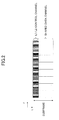
Fig. 2 , when data are transmitted on a shared data channel, an L1/L2 (Layer 1/Layer 2) control channel is multiplexed into a portion of a subframe. When data are transmitted on the shared data channel, the following information is transmitted on the L1/L2 control channel. - shared control information: transmission allocation information (information about a destination (mobile station) to which data are transmitted; information about radio resources for the shared data channel on which data are transmitted)
- dedicated control information: information about a modulation scheme and a coding rate used for the shared data channel; control information used for H-ARQ (Hybrid Automatic Repeat Request); etc.
- On the other hand, a broadcast channel (BCH) is a common control channel received by all mobile stations (UE: User Equipment) including idle mobile stations. The broadcast channel is typically transmitted with fixed radio resources (resource blocks) and a fixed modulation scheme and a fixed coding rate. In addition, H-ARQ is not used for the broadcast channel.
- As shown in
Fig. 3 , when the broadcast channel is conventionally placed on resource blocks used for the shared data channel, there is a problem in that the L1/L2 control channel corresponding to the broadcast channel is wasted in the subframe. As shown inFig.2 , for example, when all of eight resource blocks are used for the shared data channel, the L1/L2 control channel is used for transmitting control information for the shared data channel with these eight resource blocks. Accordingly, the L1/L2 control channel is not wasted. On the contrary, as shown inFig. 3 , three resource blocks among the eight resource blocks are used for the broadcast channel, three-eighths of the resource blocks used for the L1/L2 control channel are wasted. - In view of the aforementioned problem, it is a general object of the present invention to efficiently use a control channel when resource blocks are allocated to a broadcast channel.
- In one aspect of the present invention, there is provided a base station for transmitting a radio frame where an L1/L2 control channel is multiplexed into a portion of a subframe to transmit data on a shared data channel, including:
- a broadcast channel generating unit configured to generate a broadcast channel;
- an L1/L2 control channel generating unit configured to generate the L1/L2 control channel corresponding to the broadcast channel, which includes at least one broadcast channel control information from the group consisting of:
- an update flag indicating whether information on the broadcast channel is modified,
- broadcast channel allocation information, and
- L3 control information for the broadcast channel; and
- a multiplexing unit configured to multiplex the broadcast channel, the shared data channel, and the L1/L2 control channel into the subframe.
- In another aspect of the present invention, there is provided a mobile station for receiving a radio frame where an L1/L2 control channel is multiplexed into a portion of a subframe to receive data on a shared data channel, including:
- a demultiplexing unit configured to demultiplex the radio frame into the L1/L2 control channel, the shared data channel, and a broadcast channel;
- an L1/L2 control channel processing unit configured to check whether information on the broadcast channel is modified by referring to the L1/L2 control channel; and
- a broadcast channel processing unit configured to process the broadcast channel, if the information on the broadcast channel is modified.
- In another aspect of the present invention, there is provided a communication method in which a base station transmits a radio frame where an L1/L2 control channel is multiplexed into a portion of a subframe to transmit data on a shared data channel; including the steps of:
- generating a broadcast channel;
- generating the L1/L2 control channel corresponding to the broadcast channel, which includes at least one broadcast channel control information from the group consisting of:
- an update flag indicating whether information on the broadcast channel is modified,
- broadcast channel allocation information, and
- L3 control information for the broadcast channel; and
- multiplexing the broadcast channel and the L1/L2 control channel into the subframe.
- According to an embodiment of the present invention, a control channel can be efficiently used when resource blocks are allocated to a broadcast channel.
-
-
Fig. 1 shows an example of dividing a frequency bandwidth into multiple resource blocks. -
Fig. 2 shows a diagram where a shared data channel and an L1/L2 control channel are multiplexed into a subframe. -
Fig. 3 shows a diagram where a broadcast channel, a shared data channel, and an L1/L2 control channel are multiplexed into a subframe. -
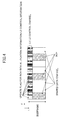
Fig. 4 shows broadcast channel control information included in the L1/L2 control channel in the subframe shown inFig. 3 . -
Fig. 5 shows a base station in accordance with an embodiment of the present invention. -
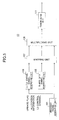
Fig. 6 shows a flowchart for generating a L1/L2 control channel in accordance with an embodiment of the present invention. -
Fig. 7 shows a mobile station in accordance with an embodiment of the present invention. -
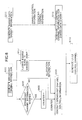
Fig. 8 shows a flowchart for processing a broadcast channel in accordance with an embodiment of the present invention. -
Fig. 9 shows a radio frame including both a primary BCH and a secondary BCH. -
- 10
- base station
- 101
- broadcast channel generating unit
- 103
- L1/L2 control channel generating unit
- 105
- shared data channel generating unit
- 107
- mapping unit
- 109
- multiplexing unit
- 111
- transmission unit
- 20
- mobile station
- 201
- reception unit
- 203
- demultiplexing unit
- 205
- L1/L2 control channel processing unit
- 207
- shared data channel processing unit
- 209
- broadcast channel processing unit
- With reference to the accompanying drawings, a description is given below with regard to preferred embodiments of the present invention.
- As shown in
Fig. 3 , the maximum number of users (mobile stations) placed on a shared data channel in the case where a BCH is multiplexed into a subframe is smaller than the maximum number of users in the case where the BCH is not multiplexed into the subframe. In other words, regarding the subframe including the BCH, smaller radio resources are available for the shared data channel. Accordingly, it is necessary to decrease the maximum number of users placed on the subframe and to prevent available radio resources per user in the subframe including the BCH from becoming smaller than available radio resources in other subframes. At the same time, the maximum number of users placed on an L1/L2 control channel becomes smaller and the corresponding radio resources on the L1/L2 control channels are unallocated. With reference toFig. 4 , an approach is described below for transmitting BCH control information on the L1/L2 control channel corresponding to the BCH resource blocks and reducing waste on the L1/L2 control channel. - The following information is transmitted as BCH control information on the L1/L2 control channel.
- (1) Update flag indicating whether information on the BCH is modified
Information transmitted on the BCH may not be frequently modified. If information on the BCH is not modified, the mobile station need not process the information on the BCH whenever the mobile station receives information on the BCH. Accordingly, an update flag indicating whether information on the BCH is modified is transmitted on the L1/L2 control channel corresponding to the BCH.
For example, the base station uses a modulo-N counter as the update flag and increments the counter when BCH information is updated. The mobile station can recognize whether the BCH information is updated by merely referring to the counter. - (2) Allocation information indicating radio resources for the BCH in the case where resource blocks are not statically allocated but dynamically allocated to the BCH (part of information transmitted on the L1/L2 control channel corresponding to the shared data channel)
As described above, the base station uses fixed resource blocks for the BCH. However, resource blocks may not be statically allocated, but may be dynamically allocated to the BCH. When resource blocks are dynamically allocated, allocation information indicating radio resources for the BCH is transmitted on the L1/L2 control channel corresponding to the BCH.
When resource blocks are dynamically allocated to the BCH, the base station may first allocate radio resources to the shared data channel, and then may allocate the remaining radio resources to the BCH. Since the BCH are received by mobile stations within the whole cell area, scheduling or allocating suitable resource blocks to the BCH is less needed. Therefore, any radio resource may be allocated to the BCH.
Particularly when multiple resource blocks are allocated to the BCH, it is preferable that resource blocks spaced in the frequency direction should be allocated to the BCH, in order to achieve a frequency diversity effect. For this reason, the base station may first allocate radio resources to the BCH, and then may allocate the remaining radio resources to the shared data channel. Alternatively, the base station may first allocate radio resources to the shared data channel with some restrictions so as to achieve a desired frequency diversity effect, and then may allocate the remaining radio resources to the BCH.
The base station transmits user IDs for the allocated radio resources, as shared control information included in the L1/L2 control channel corresponding to the shared data channel. When radio resources are dynamically allocated to the BCH, the base station may determine an unassigned user ID (for example, #0) for the BCH in advance. The use of the unassigned user ID allows for a common format between information included in the L1/L2 control channel corresponding to the BCH and shared control information included in the typical L1/L2 control channel. - (3) Part of L3 control information transmitted on the BCH
- Transmitting L3 control information on the L1/L2 control channel can substantially increase the field of the BCH.
- As described above, BCH control information transmitted on the L1/L2 control channel includes (1) the update flag, (2) allocation information, or (3) L3 control information. It should be noted that the combination of (1)-(3) may be used for the BCH control information.
- The base station may transmit nothing on the L1/L2 control channel corresponding to the BCH, instead of transmitting the aforementioned (1)-(3). For example, the base station may suspend radio waves for the L1/L2 control channel corresponding to the BCH. Suspending radio waves can decrease control channel power and reduce interference with other cells.
-
Fig. 5 shows a structure of abase station 10 in accordance with an embodiment of the present invention. Thebase station 10 includes a broadcastchannel generating unit 101, an L1/L2 controlchannel generating unit 103, a shared datachannel generating unit 105, amapping unit 107, amultiplexing unit 109, and atransmission unit 111. - The broadcast
channel generating unit 101 generates a broadcast channel and supplies broadcast channel control information (an update flag indicating whether information on the broadcast channel is modified, broadcast channel allocation information, or L3 control information for the broadcast channel) to the L1/L2 controlchannel generating unit 103. The L1/L2 controlchannel generating unit 103 generates an L1/L2 control channel corresponding to the broadcast channel using the broadcast channel control information and generates an L1/L2 control channel corresponding to the shared data channel. - The
mapping unit 107 allocates (maps) radio resources to the broadcast channel generated by the broadcastchannel generating unit 101, to the L1/L2 control channel generated by the L1/L2 controlchannel generating unit 103, and to a shared data channel generated by the shared datachannel generating unit 105. Themapping unit 107 may first (preferentially) allocate radio resources to the shared data channel. Alternatively, themapping unit 107 may first (preferentially) allocate radio resources to the broadcast channel, in order to achieve a diversity effect on the broadcast channel. - The
multiplexing unit 109 multiplexes the broadcast channel, the L1/L2 control channel, and the shared data channel into a subframe. Thetransmission unit 111 transmits a radio frame to the mobile station. - With reference to
Fig. 6 , a method is described below in which thebase station 10 generates the update flag and the allocation information as broadcast channel control information transmitted on the L1/L2 control channel. First, the broadcastchannel generating unit 101 generates a broadcast channel (S101). If broadcast channel information is modified (S103), a counter as the update flag is incremented (S105). Otherwise, the counter is not incremented. Meanwhile, themapping unit 107 allocates resource blocks to the broadcast channel (S107). The base station generates broadcast channel control information using the counter and the allocation information (S109). Meanwhile, the shared datachannel generating unit 105 generates a shared data channel (S111). The L1/L2 controlchannel generating unit 103 generates shared control information and dedicated control information as L1/L2 control channel information for the shared data channel (S113). The L1/L2 controlchannel generating unit 103 combines the broadcast channel control information and the L1/L2 control channel information for the shared data channel to generate an L1/L2 control channel (S115). -
Fig. 7 shows a structure of amobile station 20 in accordance with an embodiment of the present invention. Themobile station 20 includes areception unit 201, ademultiplexing unit 203, an L1/L2 controlchannel processing unit 205, a shared datachannel processing unit 207, and a broadcastchannel processing unit 209. - The
demultiplexing unit 203 demultiplexes a radio frame received by thereception unit 201 into an L1/L2 control channel, a shared data channel, and a broadcast channel. The L1/L2 controlchannel processing unit 205 extracts an update flag, allocation information, or L3 control information from the L1/L2 control channel. The broadcastchannel processing unit 209 processes the broadcast channel based on them. The shared datachannel processing unit 207 checks the L1/L2 control channel for the shared data channel and processes data transmitted to themobile station 20. - With reference to
Fig. 8 , a method is described below in which themobile station 20 receives the update flag and the allocation information as broadcast channel control information on the L1/L2 control channel and processes the broadcast channel. First, themobile station 20 finds the L1/L2 control channel (S201), and checks whether the counter as the update flag is modified (S203). If the counter is not modified, themobile station 20 need not process the broadcast channel and terminates the method. Otherwise, themobile station 20 extracts allocation information from the L1/L2 control channel (S205). Themobile station 20 extracts and processes the broadcast channel from the radio frame based on the allocation information (S207). - The aforementioned embodiment is also applicable to the case where both a primary BCH and a secondary BCH are used. As shown in
Fig. 9 , three resource blocks are allocated to the primary BCH. Accordingly, the L1/L2 control channel corresponding to the three resource blocks can be efficiently used for primary BCH control information. The primary BCH control information may include an update flag, allocation information, or L3 control information as described above. - According to an embodiment of the present invention, the L1/L2 control channel can be efficiently used when resource blocks are allocated to the broadcast channel.
- This international patent application is based on Japanese Priority Application No.
2006-169444 filed on June 19, 2006
Claims (5)
- A base station for transmitting a radio frame where an L1/L2 control channel is multiplexed into a portion of a subframe to transmit data on a shared data channel, comprising:a broadcast channel generating unit configured to generate a broadcast channel;an L1/L2 control channel generating unit configured to generate the L1/L2 control channel corresponding to the broadcast channel, which includes at least one broadcast channel control information from the group consisting of:an update flag indicating whether information on the broadcast channel is modified,broadcast channel allocation information, andL3 control information for the broadcast channel; anda multiplexing unit configured to multiplex the broadcast channel, the shared data channel, and the L1/L2 control channel into the subframe.
- The base station as claimed in Claim 1, wherein:the L1/L2 control channel generating unit generates the L1/L2 control channel which includes the broadcast channel allocation information, andthe base station further comprises a mapping unit configured to allocate to the broadcast channel a resource block on which the shared data channel is not placed.
- The base station as claimed in Claim 1, wherein:the L1/L2 control channel generating unit generates the L1/L2 control channel which includes the broadcast channel allocation information, andthe base station further comprises a mapping unit configured to allocate to the broadcast channel resource blocks spaced in a frequency direction.
- A mobile station for receiving a radio frame where an L1/L2 control channel is multiplexed into a portion of a subframe to receive data on a shared data channel, comprising:a demultiplexing unit configured to demultiplex the radio frame into the L1/L2 control channel, the shared data channel, and a broadcast channel;an L1/L2 control channel processing unit configured to check whether information on the broadcast channel is modified by referring to the L1/L2 control channel; anda broadcast channel processing unit configured to process the broadcast channel, if the information on the broadcast channel is modified.
- A communication method in which a base station transmits a radio frame where an L1/L2 control channel is multiplexed into a portion of a subframe to transmit data on a shared data channel; comprising the steps of:generating a broadcast channel;generating the L1/L2 control channel corresponding to the broadcast channel, which includes at least one broadcast channel control information from the group consisting of:an update flag indicating whether information on the broadcast channel is modified,broadcast channel allocation information, andL3 control information for the broadcast channel; andmultiplexing the broadcast channel and the L1/L2 control channel into the subframe.
Applications Claiming Priority (2)
| Application Number | Priority Date | Filing Date | Title |
|---|---|---|---|
| JP2006169444A JP4776451B2 (en) | 2006-06-19 | 2006-06-19 | Base station, mobile station and communication method |
| PCT/JP2007/061934 WO2007148585A1 (en) | 2006-06-19 | 2007-06-13 | Base station, mobile station, and communication method |
Publications (3)
| Publication Number | Publication Date |
|---|---|
| EP2034758A1 true EP2034758A1 (en) | 2009-03-11 |
| EP2034758A4 EP2034758A4 (en) | 2013-04-17 |
| EP2034758B1 EP2034758B1 (en) | 2014-04-23 |
Family
ID=38833327
Family Applications (1)
| Application Number | Title | Priority Date | Filing Date |
|---|---|---|---|
| EP07745201.9A Active EP2034758B1 (en) | 2006-06-19 | 2007-06-13 | Base station, mobile station, and communication method |
Country Status (13)
| Country | Link |
|---|---|
| US (1) | US8605663B2 (en) |
| EP (1) | EP2034758B1 (en) |
| JP (1) | JP4776451B2 (en) |
| KR (1) | KR101392415B1 (en) |
| CN (1) | CN101485224B (en) |
| AU (1) | AU2007262179B2 (en) |
| BR (1) | BRPI0713666A2 (en) |
| CA (1) | CA2654925A1 (en) |
| ES (1) | ES2468226T3 (en) |
| MX (1) | MX2008015916A (en) |
| RU (1) | RU2421913C2 (en) |
| TW (1) | TW200810398A (en) |
| WO (1) | WO2007148585A1 (en) |
Cited By (3)
| Publication number | Priority date | Publication date | Assignee | Title |
|---|---|---|---|---|
| EP2182669A1 (en) * | 2008-10-31 | 2010-05-05 | LG Electronics Inc. | Apparatus and method for transmitting and receiving a broadcasting signal |
| EP2273838A4 (en) * | 2008-04-28 | 2011-05-18 | Ntt Docomo Inc | BASE STATION, MOBILE STATION, AND COMMUNICATION METHOD OF COMMON INFORMATION |
| CN102780519B (en) * | 2011-05-13 | 2017-02-01 | 中兴通讯股份有限公司 | Radio frame sending method and device and communication network element |
Families Citing this family (9)
| Publication number | Priority date | Publication date | Assignee | Title |
|---|---|---|---|---|
| WO2007083728A1 (en) * | 2006-01-23 | 2007-07-26 | Sharp Kabushiki Kaisha | Base station device, mobile station device, mobile station identifier allocation method, program, and recording medium |
| WO2009104927A2 (en) | 2008-02-21 | 2009-08-27 | Samsung Electronics Co., Ltd. | Apparatus and method for transmitting and receiving a frame including control information in a broadcasting system |
| KR101162805B1 (en) * | 2008-02-21 | 2012-07-05 | 삼성전자주식회사 | Device and method for transmitting / receiving control information in wireless digital broadcasting system |
| JP5068691B2 (en) * | 2008-04-28 | 2012-11-07 | 株式会社エヌ・ティ・ティ・ドコモ | Base station, mobile station, and common information communication method |
| JP2010074372A (en) * | 2008-09-17 | 2010-04-02 | Fujitsu Ltd | Base station apparatus, mobile station apparatus, and transmission and reception method of broadcast information |
| CN101742615B (en) * | 2008-11-27 | 2012-10-10 | 中兴通讯股份有限公司 | Large bandwidth multi-carrier system and broadcast information updating method thereof |
| WO2011060584A1 (en) * | 2009-11-19 | 2011-05-26 | 中兴通讯股份有限公司 | Method and system for acquiring frame mapping mode |
| WO2015033977A1 (en) | 2013-09-03 | 2015-03-12 | 株式会社 東芝 | Communication processing device, integrated circuit, wireless communication terminal, memory card, wireless communication device, and wireless communication method |
| JP7041231B2 (en) * | 2020-11-12 | 2022-03-23 | 三菱電機株式会社 | Wireless communication system, terminal wireless device, and headquarters device |
Family Cites Families (10)
| Publication number | Priority date | Publication date | Assignee | Title |
|---|---|---|---|---|
| FI105993B (en) * | 1997-08-20 | 2000-10-31 | Nokia Mobile Phones Ltd | Procedures and systems for controlling radio communication systems and radio network controllers |
| JP2000151641A (en) * | 1998-11-13 | 2000-05-30 | Sony Corp | Transmission control method and transmission device |
| WO2001072080A1 (en) * | 2000-03-23 | 2001-09-27 | Siemens Information And Communication Networks S.P.A. | Access channel scheduling in a radio communication system |
| JP2002027521A (en) * | 2000-07-03 | 2002-01-25 | Toyota Motor Corp | Mobile communication device |
| US6967944B2 (en) * | 2001-03-30 | 2005-11-22 | Koninklijke Philips Electronics N.V. | Increasing link capacity via concurrent transmissions in centralized wireless LANs |
| US6904265B1 (en) * | 2001-04-11 | 2005-06-07 | Hughes Electronics Corporation | Capacity management in a broadband satellite communications system |
| US20030065823A1 (en) * | 2001-09-13 | 2003-04-03 | Paul Kim | Digital data adapter (DDA) for connecting a digital satellite receiver and a personal computer |
| FR2851384B1 (en) * | 2003-02-17 | 2009-12-18 | Wavecom | METHOD FOR TRANSMITTING RADIO DATA, SIGNAL, SYSTEM AND DEVICES THEREFOR. |
| US7197341B2 (en) | 2003-12-22 | 2007-03-27 | Interdigital Technology Corporation | Precise sleep timer using a low-cost and low-accuracy clock |
| JP4412603B2 (en) | 2004-12-17 | 2010-02-10 | 東レコーテックス株式会社 | Napped leather-like sheet-like material using a polycarbonate-based polyurethane resin composition |
-
2006
- 2006-06-19 JP JP2006169444A patent/JP4776451B2/en active Active
-
2007
- 2007-06-13 US US12/304,273 patent/US8605663B2/en active Active
- 2007-06-13 ES ES07745201.9T patent/ES2468226T3/en active Active
- 2007-06-13 CA CA002654925A patent/CA2654925A1/en not_active Abandoned
- 2007-06-13 RU RU2009100415/09A patent/RU2421913C2/en not_active IP Right Cessation
- 2007-06-13 MX MX2008015916A patent/MX2008015916A/en active IP Right Grant
- 2007-06-13 CN CN2007800257095A patent/CN101485224B/en active Active
- 2007-06-13 AU AU2007262179A patent/AU2007262179B2/en not_active Ceased
- 2007-06-13 EP EP07745201.9A patent/EP2034758B1/en active Active
- 2007-06-13 BR BRPI0713666-8A patent/BRPI0713666A2/en not_active IP Right Cessation
- 2007-06-13 WO PCT/JP2007/061934 patent/WO2007148585A1/en not_active Ceased
- 2007-06-15 TW TW096121771A patent/TW200810398A/en not_active IP Right Cessation
-
2008
- 2008-12-29 KR KR1020087031833A patent/KR101392415B1/en not_active Expired - Fee Related
Non-Patent Citations (4)
| Title |
|---|
| "Definitions and Characteristics of Multicast Channels", TSG RAN WORKING GROUP 2 (RADIO LAYER 2 AND RADIO LAYER 3), XX, XX, 8 March 1999 (1999-03-08), pages 1-11, XP002275698, * |
| NTT DOCOMO ET AL: "Broadcast Channel Structure for E-UTRA Downlink", 3GPP DRAFT; R1-061198 DL BROADCAST CHANNEL, 3RD GENERATION PARTNERSHIP PROJECT (3GPP), MOBILE COMPETENCE CENTRE ; 650, ROUTE DES LUCIOLES ; F-06921 SOPHIA-ANTIPOLIS CEDEX ; FRANCE, vol. RAN WG1, no. Shanghai, China; 20060502, 2 May 2006 (2006-05-02), XP050102083, [retrieved on 2006-05-02] * |
| NTT DOCOMO ET AL: "MBMS Channel Structure for E-UTRA Downlink", 3GPP DRAFT; R1-060035 DL MBMS CHANNEL, 3RD GENERATION PARTNERSHIP PROJECT (3GPP), MOBILE COMPETENCE CENTRE ; 650, ROUTE DES LUCIOLES ; F-06921 SOPHIA-ANTIPOLIS CEDEX ; FRANCE, vol. RAN WG1, no. Helsinki, Finland; 20060123, 19 January 2006 (2006-01-19), XP050417422, [retrieved on 2006-01-19] * |
| See also references of WO2007148585A1 * |
Cited By (6)
| Publication number | Priority date | Publication date | Assignee | Title |
|---|---|---|---|---|
| EP2273838A4 (en) * | 2008-04-28 | 2011-05-18 | Ntt Docomo Inc | BASE STATION, MOBILE STATION, AND COMMUNICATION METHOD OF COMMON INFORMATION |
| US8958374B2 (en) | 2008-04-28 | 2015-02-17 | Ntt Docomo, Inc. | Base station, mobile station and common information communicating method |
| EP2182669A1 (en) * | 2008-10-31 | 2010-05-05 | LG Electronics Inc. | Apparatus and method for transmitting and receiving a broadcasting signal |
| US9806861B2 (en) | 2008-10-31 | 2017-10-31 | Lg Electronics Inc. | Apparatus for transmitting and receiving a signal and method of transmitting and receiving a signal |
| US10153872B2 (en) | 2008-10-31 | 2018-12-11 | Lg Electronics Inc. | Apparatus for transmitting and receiving a signal and method of transmitting and receiving a signal |
| CN102780519B (en) * | 2011-05-13 | 2017-02-01 | 中兴通讯股份有限公司 | Radio frame sending method and device and communication network element |
Also Published As
| Publication number | Publication date |
|---|---|
| EP2034758A4 (en) | 2013-04-17 |
| ES2468226T3 (en) | 2014-06-16 |
| JP2007336493A (en) | 2007-12-27 |
| AU2007262179A1 (en) | 2007-12-27 |
| US20090190539A1 (en) | 2009-07-30 |
| CA2654925A1 (en) | 2007-12-27 |
| KR20090031378A (en) | 2009-03-25 |
| TWI347099B (en) | 2011-08-11 |
| CN101485224A (en) | 2009-07-15 |
| RU2009100415A (en) | 2010-07-27 |
| CN101485224B (en) | 2011-07-13 |
| WO2007148585A1 (en) | 2007-12-27 |
| TW200810398A (en) | 2008-02-16 |
| US8605663B2 (en) | 2013-12-10 |
| BRPI0713666A2 (en) | 2012-10-23 |
| RU2421913C2 (en) | 2011-06-20 |
| JP4776451B2 (en) | 2011-09-21 |
| AU2007262179B2 (en) | 2011-08-11 |
| EP2034758B1 (en) | 2014-04-23 |
| MX2008015916A (en) | 2009-03-16 |
| KR101392415B1 (en) | 2014-05-08 |
Similar Documents
| Publication | Publication Date | Title |
|---|---|---|
| US8605663B2 (en) | Base station, mobile station, and communication method | |
| CN101536584B (en) | Provide resource allocation information to user equipment in the data channel | |
| US9445405B2 (en) | Uplink synchronization management in wireless networks | |
| CN101940008B (en) | Techniques for link utilization for half-duplex and full-duplex stations in a wireless network | |
| EP2702819B1 (en) | Apparatus and method of resource allocation for data and control channels in a wireless communication system | |
| CN101485118B (en) | The resource allocation of co-existin networks | |
| US20080101211A1 (en) | Method of assigning uplink acknowledgement channels in scheduled packet data systems | |
| US10004068B2 (en) | Method, device and system for uplink resource allocation | |
| JP2015173509A (en) | Method, apparatus and system for assigning ACK channels to users | |
| CN101822120A (en) | base station device | |
| CN101771939B (en) | Method and device for sending control information of unicast service | |
| CN101005345A (en) | Method for realizing down physical layer control channel of orthogonal frequency division multiplex system | |
| EP1974567B1 (en) | Method of scheduling groups of mobile low rate data users | |
| CN102056083B (en) | Resource allocation methods and base station | |
| JP4731605B2 (en) | CDMA channel allocation method | |
| JP4932879B2 (en) | Base station, mobile station, communication method, communication system | |
| CN102217401A (en) | Base station, communication method, subcarrier allocation method, and subcarrier allocation program |
Legal Events
| Date | Code | Title | Description |
|---|---|---|---|
| PUAI | Public reference made under article 153(3) epc to a published international application that has entered the european phase |
Free format text: ORIGINAL CODE: 0009012 |
|
| 17P | Request for examination filed |
Effective date: 20081218 |
|
| AK | Designated contracting states |
Kind code of ref document: A1 Designated state(s): AT BE BG CH CY CZ DE DK EE ES FI FR GB GR HU IE IS IT LI LT LU LV MC MT NL PL PT RO SE SI SK TR |
|
| AX | Request for extension of the european patent |
Extension state: AL BA HR MK RS |
|
| RIC1 | Information provided on ipc code assigned before grant |
Ipc: H04J 11/00 20060101ALI20090217BHEP Ipc: H04W 16/00 20090101AFI20090217BHEP |
|
| DAX | Request for extension of the european patent (deleted) | ||
| A4 | Supplementary search report drawn up and despatched |
Effective date: 20130315 |
|
| RIC1 | Information provided on ipc code assigned before grant |
Ipc: H04W 72/04 20090101AFI20130311BHEP Ipc: H04L 5/00 20060101ALI20130311BHEP |
|
| REG | Reference to a national code |
Ref country code: DE Ref legal event code: R079 Ref document number: 602007036247 Country of ref document: DE Free format text: PREVIOUS MAIN CLASS: H04W0016000000 Ipc: H04W0072040000 |
|
| GRAP | Despatch of communication of intention to grant a patent |
Free format text: ORIGINAL CODE: EPIDOSNIGR1 |
|
| RIC1 | Information provided on ipc code assigned before grant |
Ipc: H04W 72/04 20090101AFI20131218BHEP Ipc: H04L 5/00 20060101ALI20131218BHEP |
|
| INTG | Intention to grant announced |
Effective date: 20140117 |
|
| GRAS | Grant fee paid |
Free format text: ORIGINAL CODE: EPIDOSNIGR3 |
|
| GRAA | (expected) grant |
Free format text: ORIGINAL CODE: 0009210 |
|
| AK | Designated contracting states |
Kind code of ref document: B1 Designated state(s): AT BE BG CH CY CZ DE DK EE ES FI FR GB GR HU IE IS IT LI LT LU LV MC MT NL PL PT RO SE SI SK TR |
|
| REG | Reference to a national code |
Ref country code: GB Ref legal event code: FG4D |
|
| REG | Reference to a national code |
Ref country code: CH Ref legal event code: EP |
|
| REG | Reference to a national code |
Ref country code: AT Ref legal event code: REF Ref document number: 664451 Country of ref document: AT Kind code of ref document: T Effective date: 20140515 |
|
| REG | Reference to a national code |
Ref country code: IE Ref legal event code: FG4D |
|
| REG | Reference to a national code |
Ref country code: DE Ref legal event code: R096 Ref document number: 602007036247 Country of ref document: DE Effective date: 20140605 |
|
| REG | Reference to a national code |
Ref country code: ES Ref legal event code: FG2A Ref document number: 2468226 Country of ref document: ES Kind code of ref document: T3 Effective date: 20140616 |
|
| REG | Reference to a national code |
Ref country code: NL Ref legal event code: T3 |
|
| REG | Reference to a national code |
Ref country code: GR Ref legal event code: EP Ref document number: 20140401069 Country of ref document: GR Effective date: 20140718 |
|
| REG | Reference to a national code |
Ref country code: AT Ref legal event code: MK05 Ref document number: 664451 Country of ref document: AT Kind code of ref document: T Effective date: 20140423 |
|
| REG | Reference to a national code |
Ref country code: LT Ref legal event code: MG4D |
|
| PG25 | Lapsed in a contracting state [announced via postgrant information from national office to epo] |
Ref country code: BG Free format text: LAPSE BECAUSE OF FAILURE TO SUBMIT A TRANSLATION OF THE DESCRIPTION OR TO PAY THE FEE WITHIN THE PRESCRIBED TIME-LIMIT Effective date: 20140723 Ref country code: CY Free format text: LAPSE BECAUSE OF FAILURE TO SUBMIT A TRANSLATION OF THE DESCRIPTION OR TO PAY THE FEE WITHIN THE PRESCRIBED TIME-LIMIT Effective date: 20140423 Ref country code: LT Free format text: LAPSE BECAUSE OF FAILURE TO SUBMIT A TRANSLATION OF THE DESCRIPTION OR TO PAY THE FEE WITHIN THE PRESCRIBED TIME-LIMIT Effective date: 20140423 Ref country code: IS Free format text: LAPSE BECAUSE OF FAILURE TO SUBMIT A TRANSLATION OF THE DESCRIPTION OR TO PAY THE FEE WITHIN THE PRESCRIBED TIME-LIMIT Effective date: 20140823 |
|
| PG25 | Lapsed in a contracting state [announced via postgrant information from national office to epo] |
Ref country code: SE Free format text: LAPSE BECAUSE OF FAILURE TO SUBMIT A TRANSLATION OF THE DESCRIPTION OR TO PAY THE FEE WITHIN THE PRESCRIBED TIME-LIMIT Effective date: 20140423 Ref country code: LV Free format text: LAPSE BECAUSE OF FAILURE TO SUBMIT A TRANSLATION OF THE DESCRIPTION OR TO PAY THE FEE WITHIN THE PRESCRIBED TIME-LIMIT Effective date: 20140423 Ref country code: PL Free format text: LAPSE BECAUSE OF FAILURE TO SUBMIT A TRANSLATION OF THE DESCRIPTION OR TO PAY THE FEE WITHIN THE PRESCRIBED TIME-LIMIT Effective date: 20140423 Ref country code: AT Free format text: LAPSE BECAUSE OF FAILURE TO SUBMIT A TRANSLATION OF THE DESCRIPTION OR TO PAY THE FEE WITHIN THE PRESCRIBED TIME-LIMIT Effective date: 20140423 |
|
| REG | Reference to a national code |
Ref country code: HU Ref legal event code: AG4A Ref document number: E021018 Country of ref document: HU |
|
| PG25 | Lapsed in a contracting state [announced via postgrant information from national office to epo] |
Ref country code: PT Free format text: LAPSE BECAUSE OF FAILURE TO SUBMIT A TRANSLATION OF THE DESCRIPTION OR TO PAY THE FEE WITHIN THE PRESCRIBED TIME-LIMIT Effective date: 20140825 |
|
| REG | Reference to a national code |
Ref country code: DE Ref legal event code: R097 Ref document number: 602007036247 Country of ref document: DE |
|
| PG25 | Lapsed in a contracting state [announced via postgrant information from national office to epo] |
Ref country code: EE Free format text: LAPSE BECAUSE OF FAILURE TO SUBMIT A TRANSLATION OF THE DESCRIPTION OR TO PAY THE FEE WITHIN THE PRESCRIBED TIME-LIMIT Effective date: 20140423 Ref country code: BE Free format text: LAPSE BECAUSE OF FAILURE TO SUBMIT A TRANSLATION OF THE DESCRIPTION OR TO PAY THE FEE WITHIN THE PRESCRIBED TIME-LIMIT Effective date: 20140423 Ref country code: CZ Free format text: LAPSE BECAUSE OF FAILURE TO SUBMIT A TRANSLATION OF THE DESCRIPTION OR TO PAY THE FEE WITHIN THE PRESCRIBED TIME-LIMIT Effective date: 20140423 Ref country code: MC Free format text: LAPSE BECAUSE OF FAILURE TO SUBMIT A TRANSLATION OF THE DESCRIPTION OR TO PAY THE FEE WITHIN THE PRESCRIBED TIME-LIMIT Effective date: 20140423 Ref country code: RO Free format text: LAPSE BECAUSE OF FAILURE TO SUBMIT A TRANSLATION OF THE DESCRIPTION OR TO PAY THE FEE WITHIN THE PRESCRIBED TIME-LIMIT Effective date: 20140423 Ref country code: SK Free format text: LAPSE BECAUSE OF FAILURE TO SUBMIT A TRANSLATION OF THE DESCRIPTION OR TO PAY THE FEE WITHIN THE PRESCRIBED TIME-LIMIT Effective date: 20140423 Ref country code: DK Free format text: LAPSE BECAUSE OF FAILURE TO SUBMIT A TRANSLATION OF THE DESCRIPTION OR TO PAY THE FEE WITHIN THE PRESCRIBED TIME-LIMIT Effective date: 20140423 Ref country code: LU Free format text: LAPSE BECAUSE OF FAILURE TO SUBMIT A TRANSLATION OF THE DESCRIPTION OR TO PAY THE FEE WITHIN THE PRESCRIBED TIME-LIMIT Effective date: 20140613 |
|
| REG | Reference to a national code |
Ref country code: CH Ref legal event code: PL |
|
| PLBE | No opposition filed within time limit |
Free format text: ORIGINAL CODE: 0009261 |
|
| STAA | Information on the status of an ep patent application or granted ep patent |
Free format text: STATUS: NO OPPOSITION FILED WITHIN TIME LIMIT |
|
| REG | Reference to a national code |
Ref country code: IE Ref legal event code: MM4A |
|
| REG | Reference to a national code |
Ref country code: FR Ref legal event code: ST Effective date: 20150227 |
|
| PG25 | Lapsed in a contracting state [announced via postgrant information from national office to epo] |
Ref country code: IT Free format text: LAPSE BECAUSE OF FAILURE TO SUBMIT A TRANSLATION OF THE DESCRIPTION OR TO PAY THE FEE WITHIN THE PRESCRIBED TIME-LIMIT Effective date: 20140423 |
|
| 26N | No opposition filed |
Effective date: 20150126 |
|
| PG25 | Lapsed in a contracting state [announced via postgrant information from national office to epo] |
Ref country code: CH Free format text: LAPSE BECAUSE OF NON-PAYMENT OF DUE FEES Effective date: 20140630 Ref country code: LI Free format text: LAPSE BECAUSE OF NON-PAYMENT OF DUE FEES Effective date: 20140630 Ref country code: IE Free format text: LAPSE BECAUSE OF NON-PAYMENT OF DUE FEES Effective date: 20140613 |
|
| REG | Reference to a national code |
Ref country code: DE Ref legal event code: R097 Ref document number: 602007036247 Country of ref document: DE Effective date: 20150126 |
|
| PG25 | Lapsed in a contracting state [announced via postgrant information from national office to epo] |
Ref country code: FR Free format text: LAPSE BECAUSE OF NON-PAYMENT OF DUE FEES Effective date: 20140630 |
|
| PG25 | Lapsed in a contracting state [announced via postgrant information from national office to epo] |
Ref country code: SI Free format text: LAPSE BECAUSE OF FAILURE TO SUBMIT A TRANSLATION OF THE DESCRIPTION OR TO PAY THE FEE WITHIN THE PRESCRIBED TIME-LIMIT Effective date: 20140423 |
|
| PG25 | Lapsed in a contracting state [announced via postgrant information from national office to epo] |
Ref country code: MT Free format text: LAPSE BECAUSE OF FAILURE TO SUBMIT A TRANSLATION OF THE DESCRIPTION OR TO PAY THE FEE WITHIN THE PRESCRIBED TIME-LIMIT Effective date: 20140423 |
|
| PG25 | Lapsed in a contracting state [announced via postgrant information from national office to epo] |
Ref country code: TR Free format text: LAPSE BECAUSE OF FAILURE TO SUBMIT A TRANSLATION OF THE DESCRIPTION OR TO PAY THE FEE WITHIN THE PRESCRIBED TIME-LIMIT Effective date: 20140423 |
|
| P01 | Opt-out of the competence of the unified patent court (upc) registered |
Effective date: 20230517 |
|
| PGFP | Annual fee paid to national office [announced via postgrant information from national office to epo] |
Ref country code: FI Payment date: 20250627 Year of fee payment: 19 |
|
| PGFP | Annual fee paid to national office [announced via postgrant information from national office to epo] |
Ref country code: DE Payment date: 20250618 Year of fee payment: 19 |
|
| PGFP | Annual fee paid to national office [announced via postgrant information from national office to epo] |
Ref country code: GB Payment date: 20250618 Year of fee payment: 19 |
|
| PGFP | Annual fee paid to national office [announced via postgrant information from national office to epo] |
Ref country code: NL Payment date: 20250618 Year of fee payment: 19 |
|
| PGFP | Annual fee paid to national office [announced via postgrant information from national office to epo] |
Ref country code: HU Payment date: 20250620 Year of fee payment: 19 |
|
| PGFP | Annual fee paid to national office [announced via postgrant information from national office to epo] |
Ref country code: GR Payment date: 20250620 Year of fee payment: 19 |
|
| PGFP | Annual fee paid to national office [announced via postgrant information from national office to epo] |
Ref country code: ES Payment date: 20250728 Year of fee payment: 19 |