EP2027115B1 - Dioxaspiroketal derivatives, process for their preparation and uses thereof - Google Patents
Dioxaspiroketal derivatives, process for their preparation and uses thereof Download PDFInfo
- Publication number
- EP2027115B1 EP2027115B1 EP07736845A EP07736845A EP2027115B1 EP 2027115 B1 EP2027115 B1 EP 2027115B1 EP 07736845 A EP07736845 A EP 07736845A EP 07736845 A EP07736845 A EP 07736845A EP 2027115 B1 EP2027115 B1 EP 2027115B1
- Authority
- EP
- European Patent Office
- Prior art keywords
- derivatives
- anyone
- medical field
- dioxaspiroketal
- acceptable salts
- Prior art date
- Legal status (The legal status is an assumption and is not a legal conclusion. Google has not performed a legal analysis and makes no representation as to the accuracy of the status listed.)
- Not-in-force
Links
- 0 CCCCC(*CC(C)(*)CCN)(C(C=C1)O)OC1(*)O Chemical compound CCCCC(*CC(C)(*)CCN)(C(C=C1)O)OC1(*)O 0.000 description 8
Images







Classifications
-
- C—CHEMISTRY; METALLURGY
- C07—ORGANIC CHEMISTRY
- C07D—HETEROCYCLIC COMPOUNDS
- C07D407/00—Heterocyclic compounds containing two or more hetero rings, at least one ring having oxygen atoms as the only ring hetero atoms, not provided for by group C07D405/00
- C07D407/02—Heterocyclic compounds containing two or more hetero rings, at least one ring having oxygen atoms as the only ring hetero atoms, not provided for by group C07D405/00 containing two hetero rings
- C07D407/04—Heterocyclic compounds containing two or more hetero rings, at least one ring having oxygen atoms as the only ring hetero atoms, not provided for by group C07D405/00 containing two hetero rings directly linked by a ring-member-to-ring-member bond
-
- A—HUMAN NECESSITIES
- A61—MEDICAL OR VETERINARY SCIENCE; HYGIENE
- A61P—SPECIFIC THERAPEUTIC ACTIVITY OF CHEMICAL COMPOUNDS OR MEDICINAL PREPARATIONS
- A61P35/00—Antineoplastic agents
-
- A—HUMAN NECESSITIES
- A61—MEDICAL OR VETERINARY SCIENCE; HYGIENE
- A61P—SPECIFIC THERAPEUTIC ACTIVITY OF CHEMICAL COMPOUNDS OR MEDICINAL PREPARATIONS
- A61P35/00—Antineoplastic agents
- A61P35/02—Antineoplastic agents specific for leukemia
-
- C—CHEMISTRY; METALLURGY
- C07—ORGANIC CHEMISTRY
- C07D—HETEROCYCLIC COMPOUNDS
- C07D493/00—Heterocyclic compounds containing oxygen atoms as the only ring hetero atoms in the condensed system
- C07D493/02—Heterocyclic compounds containing oxygen atoms as the only ring hetero atoms in the condensed system in which the condensed system contains two hetero rings
- C07D493/10—Spiro-condensed systems
Definitions
- the present invention concerns dioxaspiroketal derivatives, process for their preparation, uses thereof in medical field, particularly as anti-tumour, anti-microbial and anti-fungal medicaments.
- Dioxaspiroketal derivatives are present in several natural substances processed by a broad multiplicity of plants, bugs, microbes, fungi and sea organisms displaying interesting biological activities. They also belong to important macrolide spirane sub-units of polycyclic molecules with anti-fungal, anti-neoplastic and anti-helmintic, antibiotic, and insecticide activity, and they act as bioactive pheromones; in this group of substances there are spongistatins, avermectines, ionophor macrolides as calcimycin, bug pheromones and various marine origin derivatives among which BISTRAMMIDI and siphonarins (Smith et al, 2002; Perron, F. et al., 1989; Young et al., 2000; Gallagher et al., 2002).
- spongistatins are macrocyclic lactones containing six variously substituted pyrane rings, four of which are incorporated within two dioxaspirane subunits [5,5]. This group of cytotoxic macrolides is extracted in small amounts from different marine sponges.
- Spongistatin 1 Cl
- Cl Cl
- R 1 H
- R 2 COCH 3 Spongistatin 4
- Cl Cl
- R 1 COCH 3
- R 2 H Spongistatin 6
- H COCH 3
- R 2 H Spongistatin 5
- R 1 COCH 3
- the high anti-neoplastic activity of the spongistatins is correlated to their capacity in inhibiting the microtubules assembling and therefore the tubulin polymerization, in addition to the interactions of tubulin itself with vinca nucleotides and the alkaloids, which would occur in absence of such natural substance.
- the microtubules consisting of 2 globular polypeptides, i.e. ⁇ and ⁇ tubulins, play a key role in the formation of the mitotic spindle.
- ⁇ and ⁇ tubulins play a key role in the formation of the mitotic spindle.
- tubulin ⁇ dimer By means of a 3D atomic model of tubulin ⁇ dimer, it has been possible to identify the putative binding site of spongistatins with the tubulin. The bond of spongistatin with this site therefore can affect the interaction between the tubulin dimers resulting therefore in the de-polymerization thereof.
- the anomalous tubulin polymerization prevents the formation of the microtubule and mitotic division is stopped.
- BISTRAMMIDI are naturally occurring substances extracted from marine sources, among which tunicates from Didemnidae Ascidiacea species (Biard et al., 1994). Particularly from Lissoclinu bistratum colony five similar compounds, named BISTRAMMIDI, A, B, C, D and K have been isolated. BISTRAMMIDI B, C and D differ from A due to the oxidation states in the region of C2-C4 and C36-C39 terminal bonds.
- the A-D structures consist of a tetrahydropiran ring and a dioxaspiroacetal unit, bonded together with ⁇ -amino acid peptide chain (Gallagher et al., 2002).
- BISTRAMMIDE A also named Bistratene A, displays high anti-tumour activity in vitro, penetrates the cellular wall and is the unique substance reported as a specific activator of C ⁇ protein kinase, a PKCs isoform (Watters et al., 1998).
- Spiroketals having anti-cancer activity are disclosed also in WO 00/00514 and JP 10/007557 .
- All PKCs are involved in the signal translation for the cell proliferation, differentiation and apoptosis, processes having remarkable importance in anti-cancer therapy.
- the activity of this substance has been tested on cell lines of human melanoma (MM96E) and, by means of biological assays, its capacity to induce both morphologic and functional differentiations on such cells has been confirmed.
- the most frequently employed synthetic strategy is one using as an attachment point a carbonyl group, that will subsequently become the spirane carbon atom.
- the three classes are following:
- This synthetic strategy can be used in order to obtain both symmetric and asymmetric compounds, depending on the used precursors.
- the basic differentiation is based on the precursors used to obtain spiroketal; one of these approaches uses 1,3-dithianes or equivalent acyl anions as reagents to bind two hydroxyl alkyl groups to a pro-carbonyl group that will become the spirane carbon atom.
- 1,3-dithianes or equivalent acyl anions as reagents to bind two hydroxyl alkyl groups to a pro-carbonyl group that will become the spirane carbon atom.
- Another approach involves the alkylation of vinyl ethers: generally an already formed ring is used to which second ring members are added, and then the latter will be obtained by means of acid-catalysed spiro-cyclization.
- An example the synthesis according to Amouroux (Amouroux R., et al., 1984) is reported, wherein dihydropyran is de-protonated using BuLi and then alkylated using a protected alcohol iodide. Alcohol deprotection allows the second ring formation, resulting in the generation of [4.5], or [5.5] spiro system, according to the alkyl chain length of the starting alcohol.
- C-D sub-unit is obtained through several synthetic steps and using not easily commercially available reagents thus resulting in high final costs.
- Oxidative rearrangement of 2-furyl carbinols to dihydropiranones can be carried out starting from several reagents, like molecular bromine, per-acids, PCC.
- the cell cycle starts with G1 step, believed to be the growth step wherein the cell regenerates the enzymatic kit and repairs the damages.
- Step S Synthesis
- G2 step wherein the cell produces the organelles indispensable for the division (centrioles), follows.
- step M mitosis
- Apoptosis is a cell typical phenomenon of pluri-cellular organisms and essentially consist of a "scheduled cell death", whose function is to contribute, together with mitosis, to the maintenance of numerical homeostasis
- Apoptosis death involves a complex network of intercellular signals. Volume of apoptotic cell quickly diminishes by condensation, the cell rapidly detaches from the next ones and the nucleus is fragmented. The resulting fragments reach later the plasmatic membrane wherein they are enclosed in evaginations of the same membrane conferring a bubble cell appearance.
- Telomeres represent the end of eukaryote linear chromosomes and they are essential elements for chromosome stability, their duty being to protect the same during cell division.
- Telomerase is RNA-dependent polymerase with reverse transcriptase activity; it adds repetitive hexamer sequences (TTAGGG) to chromosome ends in dividing cells.
- TTAGGG repetitive hexamer sequences
- telomerase provides chromosome stability and prevents cellular aging.
- the regulation of the telomerase activity in the cells plays a very important role in the carcinogenesis. In the tumour but not in differentiated cells or healthy tissues high telomerase activity is detected.
- telomeres In the healthy cells, in the absence of telomerase activity, the telomeric sequences during the cell division are progressively shortened, until the cell does not proliferate any more. Most tumour cells with indefinite proliferation capacity, maintain the telomeres by expressing telomerase activity always associated with the expression of the reverse transcriptase catalytic sub-unit of human telomerase (hTERT).
- a further aspect of the invention concerns dioxaspiroketal derivatives representing a new class of synthetic compounds to be advantageously used as anti-tumour, anti-microbial and anti-fungal medicaments.
- dioxaspiroketal derivatives having the formula (I): wherein R, can be selected from the group consisting of H, straight or branched chain C 1 -C 6 alkyl, C 1 -C 6 alkoxy, C 2 -C 6 alkenyl, cycloalkyl, heterocyclyl, phenyl, optionally para-, meta- or ortho-substituted with 0 to 3 substituent selected from the group consisting of halogen, -CN, -NH2, -OH, -NO 2 , COOR 2 , wherein R 2 is selected from H and C 1 -C 6 alkyl, n can be 1 or 2, X is heteroatom selected from O and S, R 1 can be selected from H, OH, halogen, C 1 -C 6 alkyl, C 1 -C 6 alkoxy, COOR 3 , wherein R 3 can be selected from H and C 1 -C 6 alkyl, or physiologically acceptable salts
- Heterocycle in the context of the present invention means pyrrole, furan, thiazole, pyridine, indole, benzofuran.
- n 2
- X is O
- R is H
- R 1 is H
- n 2
- X is O
- R is H
- R 1 is CH 3 .
- n is 1, X is S, R is H and R 1 is H.
- n is 1, X is O, R is phenyl and R 1 is H.
- the present invention concerns further derivatives wherein preferably n is 1, X is O, R is CH 3 and R 1 is H.
- n is 2
- X is O
- R is pentyl and R 1 is H.
- the derivatives according to the invention are preferably compounds wherein n is 2, X is O, R is CH 3 and R 1 is H.
- n 2
- X is O
- R is CH 3
- R 1 is CH 3 .
- R when R is other than H it is preferable R to be in position 2 of the ring.
- said dioxaspiroketal derivatives are selected from the group consisting of 1,7 dioxa spiro [5,5] undec-5-oxa-3-en-2-ol, 1,7 dioxa spiro [5,5]]-10-methyl-5-oxa-undec-3-en-2-ol, 1,7 dioxa I spiro [5,5] undec-5-oxa-3-en-2-methyl-2-ol, 1,6 dioxa spiro [4,5]-3-methyl-1 0-oxa-dec-8-en-7-ol, 1,7 dioxa spiro [5,5]-10-pentyl-5-oxa-undec-3-en-2-ol, 1,7 dioxa spiro [5,5]-8,10-dimethyl-7,9-dien-5-oxa-undec-3-en-2-ol, 1,6 dioxa spiro [4,5]-3-phenyl-10-
- a further object of the present invention is the use of compounds according to formula (I) for the preparation of a medicament for the treatment of the solid or liquid tumours.
- said solid tumours are carcinomas, selected from the group consisting of ovary, thyroid, colon, pancreas, breast, gastric, prostate, lung carcinoma.
- Said liquid tumours I are leukemias.
- Another object of the present invention is pharmaceutical composition
- a further object of the present invention is a process for the preparation of dioxaspiran and/or dioxaspiroketal derivatives of formula (I), comprising the following steps:
- NBS is a widely employed oxidant for brominating reactions, both for radical substitutions and electrophilic additions. In fact it is suitable to generate bromine in situ, which is hardly usable such it is because of remarkable solution instability (Watters et al., 1999).
- NBS The role of the NBS in step b) is fundamental because it acts as nucleophilic agent and therefore indispensable in order to introduce the hydroxyl group.
- the NBS oxidative property allowing to promote the simultaneous rearrangement and spiroketalization of furylcarbinols having ⁇ -oxygen are affected from the number and the type of substituents in side chain in the reaction centre and functional groups on forming cycles.
- the substituent is a C 5 or more hydrocarbon chain the spiroketalization process does not occur possibly due to steric effects but anyway the product can be obtained in good yields by addition of catalytic amount of an acid catalyst as camphorsulfonic acid (Baker, 1989).
- NBS allows the direct synthesis of dioxaspiranes starting from furan derivatives by means of a transposition mechanism with a radical in addition to cationic component.
- the solvent used in step b) is preferably THF (very pure) and H 2 O, pH 7, preferably buffered, mixture at 4:1 ratio; the reaction must be carried out at low temperature (preferably below 5°C) by NBS addition to reaction mixture in solid portions (2:1 ratio) very slowly and only when yellow-orange colour, indicating bromine in excess, has disappeared. Exceeding NBS then must be destroyed before the organic solvent evaporation.
- the step a) is carried out by addition to furan of BuLi (1-2 M) and TMEDA at 1:1 ratio with respect to furan in anhydrous ether and stirring the mixture for 3 hours.
- TMEDA presence is necessary for n-BuLi de-polymerization from the hexameric to the monomeric form, through the coordination of Li atom to bidentate ligand nitrogen.
- step b) can additionally comprises the addition of another acid catalyst, preferably camphorsulfonic acid (CSA).
- CSA is preferably added as CH 2 Cl 2 solution.
- the progress of the reactions can be monitored by means of thin layer chromatography TLC) eluting with Epet/AcOEt at different ratios and spots detected by means of UV lamp and H 2 SO 4 5N.
- the reaction mixture has been then washed with Na 2 S 2 O 3 and Na 2 HCO 3 saturated solution, subsequently extracted with CH 2 Cl 2 , washed again with NaCl saturated solution and finally again extracted with CH 2 Cl 2 . Finally the products are identified using 1 H NMR analysis.
- said lithiating agent is BuLi 1,6 M
- said solvent is anhydrous diethyl ether and said inert atmosphere is generated using nitrogen.
- the furan nucleus is selected from furan and C 1-6 alkyl group substituted furan and the carbonyl compound selected from ⁇ -valerolactone and C 1-6 alkyl group substituted ⁇ -valerolactone.
- the compounds of general formula (II) represent the intermediates of the derivatives according to the present invention: wherein R and R 1 are defined as above.
- NBS oxidation properties are highly dependent on the substituent type in side chain at the reaction centre and functional moieties on the forming cycles.
- catalytic amounts of another catalyst preferably camphorsulfonic acid (CSA), as adjuvant for the spiroketalization, because it has been assumed that the failing in the second ring formation was due to substituent steric hindrance.
- CSA camphorsulfonic acid
- these catalytic amounts of catalyst are added in portions until a maximum of 40-45% with respect to NBS.
- Theoretical yield calculated by gas-chromatography is 92-98% depending on the product.
- the chromatographic yields of the products are variable from 58 to 70%. This is principally due to the fact that furylcarbinols are very reactive and unstable compounds and the formation of the product is affected from furylcarbinol oxidation potential, and steric hindrance limiting the furan ring opening and subsequent rearrangement to pyrane system.
- Spiroketals are oily, photosensitive, thermounstable, variably coloured, namely from intense yellow to the dark orange, compounds, whereby their processing must be carried out at low temperature.
- 1,7-dioxaspiro [5,5] undecane compound is easily identifiable by 1 H-NMR and 13 C-NMR, the molecule is symmetrical and displays only half of signals due to overlapping thereof.
- 1 H-NMR spectra (CDCl 3 ) are characterised by four signals having the following chemical shifts (ppm): 1.30 (m, 8), 1.64 (m, 2), 1.93 (m, 2), 3.60 (m, 4); 13 C-NMR spectra present five signals: 19.1, 25.8, 36.2, 60.2, 94.9.
- Spectroscopic analysis The characterisation of the furyilcarbinols has been carried out by 1 H NMR analysis; recorded spectra are reported in the following. Typical chemical shift values of basic furyilcarbinol are 6.55, 7.25, 7.55 ppm for protons on the furan ring; 3.7 ppm for methylene in oxygen atom ⁇ -position of lactone ring. If methyl group occurs on furan ring a 2.2 ppm signal will be present; when the latter is on lactone ring a 1.38 ppm signal will be present.
- oxidation products in fact, are susceptible to transformations: i.e. epimerization and ketal nucleus opening. These phenomena are generally observed when the product is stored in weakly acid solvents or in the presence of substituents promoting the ring opening. Based on spectroscopic data it is possible to assume that the main reaction product is one wherein the dioxaspirane rings are orthogonal each to other.
- spiranes The biological activity of spiranes has been studied in various human and murine tumour cell lines, evaluating the effects of these compounds on cell growth, death, apoptosis induction, cellular cycle and telomerase.
- methyl-spirane (1,7-dioxaspiro (5,5)-10-methyl-undecen-3-en-5-oxa-2-ol, MS) (MW: 168,22) was dissolved in methanol and subsequently diluted in PBS phosphate buffer, obtaining a final concentration of 1 mg/ml.
- the compound was stored at -80°C until the use.
- Methanol (CH 3 OH) concentration in the final solution was 2.5%.
- MCF-7 breast carcinoma human
- M14 human
- B16 murine
- H125 human
- pulmonary carcinoma human
- HT-29 human
- colon carcinoma human
- HL-60 human promyelocytic leukemia
- HL-60 Cell suspensions (HL-60) have been harvested and counted. Plastic adherent cells, in semi-confluence condition, have been detached by a short exposure at 0.025% trypsin with 0,01% EDTA and counted.
- All used tumor cells have been harvested, suspended in CM and seeded in 24-well plates at 10 5 cell concentration in a final volume of 2 ml/well. For adherent cells a pre-incubation for 18 hours has been carried out in order to promote the adhesion to plastic. Subsequently cells have been treated with serial concentrations of methyl-spirane (MS) from 0,0125 ⁇ g/ml tol 100 ⁇ g/ml (0.0125, 0.125, 1.25, 12.5, 25, 50, 100 ⁇ g/ml) at culture times varying from 24 to 120 hours. Every treatment has been carried out in triplicate. The cell proliferation, viability and death have been determined by means of cell counts in trypan blue (dye exclusion test) using a hemocytometer.
- MS methyl-spirane
- control or various concentration MS treated cells have been removed from the culture by means of trypsinization, re-suspended in PBS, washed two times with cold PBS and fixed with 50% of acetone and methanol (1:4) in PBS at 4°C. Fixed cells then were washed in PBS and stained with propidium iodide 50 ⁇ g/ml (PI) in the presence of RNase A 100 KU/ml.
- PI propidium iodide 50 ⁇ g/ml
- This cell fraction is representative for those having a PI decreasing coloration, considered a marker of DNA fragmentation, phenomenon associated to cell death by apoptosis.
- the analysis of cell cycle distribution after 24, 48 and 72 hours of MS treatment has been carried out using ModFitLT software (Becton Dickinson Immunocytometry Systems).
- Telomerasic activity was evaluated using TeloTAGGG Telomerase PCR ELISA kit, photometric enzymatic immunoassay from Roche (Mannheim, Germany). At time of the test, frozen pellet was lysed directly in the tests-tube using 80 ⁇ l of cold extraction buffer. Telomerase amplification was carried out by PCR (30 cycles, 94°C 30 sec; 52°C 30 sec; 72°C 45 sec). Telomerasic activity was determined on the cell extracts according to the protocol recommended by the supplier. Sample absorbance (OD, optical density) was measured at 450 nm in a multi-well plate reader (SpectraCount, Pakard, Meriden, CT, USA).
- telomerasic activity MCF-7, H-125 and M14 tumor cells were treated for 48 hours with serial doses of methyl-spirane (from 1.25 ⁇ g/ml to 50 ⁇ g/ml) as above described. Subsequently, the cells have been detached from culture plates by trypsinization, centrifuged, pelletized, and stored at -80°C until the use.
- the effects of spiranes on cell cycle of the analyzed tumor cells show a response uniformity for the different analyzed cell lines. Generally after 24 hours of incubation in the presence of compounds, the cell- cycle is stopped, depending on the used concentration, at level of the passage from G1 to S step. As an example, the effect of methyl-spirane on M14 malignant melanoma cells wherein it is pointed out, starting from 10 ⁇ g/ml dose, an increment of the G1 step after 24 hours of treatment ( Figure 7 ).
- Results relating to apoptosis induction show that in cell lines treated with spiranes (0.0125, 0.125, 1.25, 12.5, 25, 50, 100 ⁇ g/ml), for variable culture times from 24 to 120 hours, are not detectable at low concentrations' (0.0125 ⁇ g/ml - 1.25 ⁇ g/ml) substantial changes in comparison to control, for all examined incubation times. At concentrations higher than 1.25 g/ml a variable apoptosis induction from 25 to 40 % is observed. In the tumor cell lines examined at low concentrations (up to 1.25 ⁇ g/ml) no remarkable necrosis induction is observed, while from 12.5 ⁇ g/ml on a concentration-dependent increase up to 50 % is observed.
- telomerase As to telomerase, the cells have been exposed in vitro at 1.25, 12.5, 25, 50 ⁇ g/ml of methyl-spirane and evaluated for telomerasic activity (TLMA) using ELISA assay, 48 hours after the treatment. Generally in all the examined cell lines a concentration-dependent reduction of the telomerasic activity is observed. Particularly, in the figure 10 , panels A-C, the effects at various concentrations (1.25, 12.5, 25, 50) of methyl-spirane on MCF-7, H-125 and M14 cell lines after 48 hours of treatment are shown.
- results of ELISA assay indicate that methyl-spirane at dose of 12.5 ⁇ g/ml results in a telomerase inhibition of 43%, 50% and 61% in comparison to control.
- the telomerase inhibition is 64%, 68% and 75%, respectively.
- the inhibition is 80% and 75%, respectively.
- concentration of the 1.25 ⁇ g/ml the enzymatic activity is very scarcely influenced in MCF-7 and H-125 cell lines.
- EXAMPLE 3 Analysis for spirane toxicity on not tumor healthy human cells at various concentrations
- Lymphocytes from 4 peripheral blood samples of healthy donors, separated by centrifugation on Fycoll gradient, have been treated with methyl-spirane at various concentrations: 12.5, 25, 50, 100 ⁇ g/ml. After 24 and 48 hours of culture, treated lymphocytes have been analyzed using supravital propidium iodide method (PI).
- PI supravital propidium iodide method
- this system is based on the use of propidium iodide, a fluorescent marker for the cellular DNA that normally penetrates only into the fixed or permeable made cells.
- PI supravital method is based on the principle that supravital exposure to propidium (high concentration of propidium for some hours at 37°C) of not previously permeable made cells identifies in the population apoptotic cells clearly distinguishing them from necrotic or viable ones.
- Cells labeled with 40 ⁇ g/ml of propidium iodide directly in culture plates, are incubated at 37° for 1 hour and 30 minutes and analyzed using the flow cytometer.
- Table 1 shows the values representative of a peripheral humans (PBL) lymphocyte sample from healthy donors treated for 48 hours with increasing concentrations of methyl-spirane
- Table 1 PBL treatment with methyl-spirane % viable % apoptotic % necrotic Control 78.4 5.2 16.3 3.15 ⁇ g/ml 81.5 2.5 16 6.25 ⁇ g/ml 78 6.4 15.6 12.5 ⁇ g/ml 29.7 30.1 40.0 25 ⁇ g/ml 10.0 33.1 56.6 50 ⁇ g/ml 8.2 21.7 70.0 100 ⁇ g/ml 1.0 15.0 84.0
Landscapes
- Chemical & Material Sciences (AREA)
- Organic Chemistry (AREA)
- Health & Medical Sciences (AREA)
- Chemical Kinetics & Catalysis (AREA)
- General Chemical & Material Sciences (AREA)
- Medicinal Chemistry (AREA)
- Nuclear Medicine, Radiotherapy & Molecular Imaging (AREA)
- Pharmacology & Pharmacy (AREA)
- Life Sciences & Earth Sciences (AREA)
- Animal Behavior & Ethology (AREA)
- General Health & Medical Sciences (AREA)
- Public Health (AREA)
- Veterinary Medicine (AREA)
- Hematology (AREA)
- Oncology (AREA)
- Pharmaceuticals Containing Other Organic And Inorganic Compounds (AREA)
- Heterocyclic Carbon Compounds Containing A Hetero Ring Having Oxygen Or Sulfur (AREA)
- Hydrogenated Pyridines (AREA)
Abstract
Description
- The present invention concerns dioxaspiroketal derivatives, process for their preparation, uses thereof in medical field, particularly as anti-tumour, anti-microbial and anti-fungal medicaments.
- Dioxaspiroketal derivatives are present in several natural substances processed by a broad multiplicity of plants, bugs, microbes, fungi and sea organisms displaying interesting biological activities. They also belong to important macrolide spirane sub-units of polycyclic molecules with anti-fungal, anti-neoplastic and anti-helmintic, antibiotic, and insecticide activity, and they act as bioactive pheromones; in this group of substances there are spongistatins, avermectines, ionophor macrolides as calcimycin, bug pheromones and various marine origin derivatives among which BISTRAMMIDI and siphonarins (Smith et al, 2002; Perron, F. et al., 1989; Young et al., 2000; Gallagher et al., 2002).
- The important bioactivity of this metabolites containing dioxaspirane subunits induced remarkable interest both from the synthetic and pharmacological point of view. From above, in addition to the fact that generally the extraction processes from natural sources are often very tedious and with limited yields, various synthetic strategies, also recently under development and refining, have been tried (Paterson et al., 2002).
- Particularly, spongistatins are macrocyclic lactones containing six variously substituted pyrane rings, four of which are incorporated within two dioxaspirane subunits [5,5]. This group of cytotoxic macrolides is extracted in small amounts from different marine sponges.

Spongistatin 2 R= H, R1= R2= COCH3
Spongistatin 3 R= Cl, R1=H, R2= COCH3
Spongistatin 4 R= Cl, R1= COCH3, R2= H
Spongistatin 6 R= H, R1= COCH3, R2= H
Spongistatin 7 R= H, R1=H
Spongistatin 8 R= H, R1= COCH3
Spongistatin 9 R= Cl, R1= COCH3 - Recently Uckun (Uckun et al., 2000) and its co-workers extracted spongistatin 1 from marine sponges of Hytrios genus occurring in Indian Ocean. The latter displayed elevated cytotoxicity with IC50 sub-nanomolar values against 60, both haematological and epithelial human cancer cell lines belonging to a NCI panel (National Cancer Institute).
- The high anti-neoplastic activity of the spongistatins is correlated to their capacity in inhibiting the microtubules assembling and therefore the tubulin polymerization, in addition to the interactions of tubulin itself with vinca nucleotides and the alkaloids, which would occur in absence of such natural substance.
- The microtubules, consisting of 2 globular polypeptides, i.e. α and β tubulins, play a key role in the formation of the mitotic spindle. By means of a 3D atomic model of tubulin αβ dimer, it has been possible to identify the putative binding site of spongistatins with the tubulin. The bond of spongistatin with this site therefore can affect the interaction between the tubulin dimers resulting therefore in the de-polymerization thereof. The anomalous tubulin polymerization prevents the formation of the microtubule and mitotic division is stopped.
- BISTRAMMIDI are naturally occurring substances extracted from marine sources, among which tunicates from Didemnidae Ascidiacea species (Biard et al., 1994). Particularly from Lissoclinu bistratum colony five similar compounds, named BISTRAMMIDI, A, B, C, D and K have been isolated. BISTRAMMIDI B, C and D differ from A due to the oxidation states in the region of C2-C4 and C36-C39 terminal bonds. The A-D structures consist of a tetrahydropiran ring and a dioxaspiroacetal unit, bonded together with γ-amino acid peptide chain (Gallagher et al., 2002).


- BISTRAMMIDE A, also named Bistratene A, displays high anti-tumour activity in vitro, penetrates the cellular wall and is the unique substance reported as a specific activator of Cδ protein kinase, a PKCs isoform (Watters et al., 1998).
- Spiroketals having anti-cancer activity are disclosed also in
WO 00/00514 JP 10/007557 - The interest in synthetic chemistry is particularly focused on the synthesis of dioxaspiroketal fragments whose basic ring is among the following ones; these, in fact, are found with greater frequency in most of the natural substances (Perron. et al., 1989).

- a) 1,7-dioxaspiro [5.5] undecane
- b) 1.6-dioxspiro [4,5] decane
- c) 1,6-dioxaspiro [4,4] nonane.
- Papers about the synthesis of the dioxaspiranes are various and comprise the most different methodologies (Perron et al., 1989). In order to show a concise and clear picture comprising almost all synthetic routes, we believe to be useful to include the same in three very broad and general classes, based on the formation of the bond for the production of the precursor to be cyclized.
- Generally the most frequently employed synthetic strategy is one using as an attachment point a carbonyl group, that will subsequently become the spirane carbon atom.
- The three classes are following:
- 1) formation of the Cα- Cspiro bond
- 2) formation of the Cα-Cβ bond
- 3) oxidative rearrangement of furan and derivatives thereof.
- It is worthy to point out that, although various synthetic strategies for the spiroketal synthesis have been developed, the acid-catalysed cyclization of dihydroxyketone or similar molecules still is the most important and most widely used process
- The individual methodologies are detailed in the following.
-

- This synthetic strategy can be used in order to obtain both symmetric and asymmetric compounds, depending on the used precursors.
- In this class various very different synthetic approaches are included: the basic differentiation is based on the precursors used to obtain spiroketal; one of these approaches uses 1,3-dithianes or equivalent acyl anions as reagents to bind two hydroxyl alkyl groups to a pro-carbonyl group that will become the spirane carbon atom. As an example the synthesis according to Thomas (Smith et al., 2002) involving the step of alkylation-dithian epoxide ring opening followed by hydroxyl alcohol groups de-protection and spiro-cyclization in acid environment is reported.
- Another approach involves the alkylation of vinyl ethers: generally an already formed ring is used to which second ring members are added, and then the latter will be obtained by means of acid-catalysed spiro-cyclization. An example the synthesis according to Amouroux (Amouroux R., et al., 1984) is reported, wherein dihydropyran is de-protonated using BuLi and then alkylated using a protected alcohol iodide. Alcohol deprotection allows the second ring formation, resulting in the generation of [4.5], or [5.5] spiro system, according to the alkyl chain length of the starting alcohol.
- Another most representative synthesis to produce bistratene spiroketal fragment is as reported by Gallagher and co-workers (Gallagher et al., 2002): the precursor is open chain ketoalcohol which is alkylated using dioxolane iodide. The resulting product is spiro-cyclized in acid environment.
- From above described reactions it is apparent that, although numerous, many involve a great number of steps and often yields thereof are not elevated; moreover, as it is clear in Thomas synthesis, in order to obtain variously functionalised dioxaspiranes it is not always possible to modify a basic strategy, but it is often necessary to re-formulate the same using new starting materials and different reaction conditions. It is apparent that this involves numerous disadvantages for the production resulting in longer reaction times and increased cost.
-
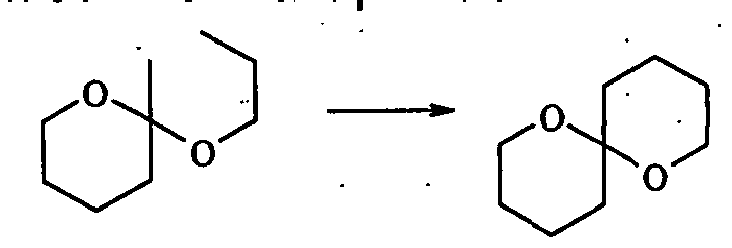
- Many of the strategies in this class involve the use of enolate or similar anions, wherein carboxyl group will be in the final product the spirane carbon atom.
- An example is the synthesis according to Still and Kishi (Perron et al., 1989), based on the joining of two large fragments by means of aldol type condensation, in order to obtain a precursor which is then cyclised. As it is shown in the following reaction scheme, it is necessary to modify the cyclization reactions conditions depending on the different functional groups on the chains.

- When
R1= SiEt3 1) H2/Pd/ C Et2O R2= SiEt3 2) pTsOH/CH2Cl2/Et2O/H2O R3= Bz 3) NaOH/MeOHaq - When
R1= Bz 1) H2/Pd/C CH3OH/HOAc R2= H 2) CSA/CH2Cl2/Et2O (3:1) room temperature, 30 minutes R3= H 3) NaOH 1N/CH3OH - One of the syntheses according to a quite general route is according to Paterson (Amouroux R., 1984), provided to obtain spongistatin 1 spiroacetal C-D subunit. This synthesis involves a tedious construction of the carbon backbone, essentially by means of aldol condensation reactions; thus obtained linear fragment by treatment with aqueous HF in acetonitrile is cyclised resulting in spiroacetal sub-unit.
- In conclusion, C-D sub-unit is obtained through several synthetic steps and using not easily commercially available reagents thus resulting in high final costs.
- This type of synthesis, differently than above described, involves the use of more easily available reagents, like furan derivatives, and molecules containing few carbon atoms
- Oxidative rearrangement of 2-furyl carbinols to dihydropiranones can be carried out starting from several reagents, like molecular bromine, per-acids, PCC.
- This approach, using an oxidation for the synthesis of dioxaspiroketals, has been used by De-Shong (Smith et al., 2002). According to it appropriately functionalized 2-furylcarbinols are obtained from furan by α-metalation followed by alkylation; the subsequent oxidative transposition with m-CPBA results in emi-acetal that by treatment with HF in acetonitrile, is de-protected and spiro-cyclised.

- In order to obtain variously functionalised and with higher number of oxygen atoms dioxaspiranes, the strategy according to De-Shong has been modified by Perron (Perron et al., 1989), who uses previously alkylated furans for subsequent lactone alkylation.
- In these reaction conditions the resulting precursor can only exist in open chain form. The treatment of the latter with NBS in aqueous THF results in the chain closure and furan rearrangement in order to obtain dioxaspirane.

- Although this last approach is, among those up to now described, the unique that allows the formation of the dioxaspiran system through simple reactions, few steps and in high yields using easily commercially available and cheap reagents, yet displays disadvantages. The first and most apparent is that using alkyl substituted furan derivatives yields are lowered. Further during the reaction the lactone ring is opened and this does not allow the ring functionalization necessary for the introduction of substituents present in pharmacologically active macrolides. This strategy proves to be not suitable when in α position at the reaction centre an oxygen atom is present, because no usual oxidant is suitable to transform furan into pyrane nucleus.
- Almost all currently available chemotherapeutics kill cancer cells by blocking DNA synthesis, i.e. interfering on mitosis or blocking other functions of the cell cycle or inducing cell apoptosis.
- The cell cycle starts with G1 step, believed to be the growth step wherein the cell regenerates the enzymatic kit and repairs the damages. Step S (Synthesis) follows wherein DNA is doubled by DNA polymerase enzyme. G2 step, wherein the cell produces the organelles indispensable for the division (centrioles), follows. In the step M (mitosis), the last one, cell division occurs.
- Apoptosis is a cell typical phenomenon of pluri-cellular organisms and essentially consist of a "scheduled cell death", whose function is to contribute, together with mitosis, to the maintenance of numerical homeostasis Apoptosis death involves a complex network of intercellular signals. Volume of apoptotic cell quickly diminishes by condensation, the cell rapidly detaches from the next ones and the nucleus is fragmented. The resulting fragments reach later the plasmatic membrane wherein they are enclosed in evaginations of the same membrane conferring a bubble cell appearance.
- Telomeres represent the end of eukaryote linear chromosomes and they are essential elements for chromosome stability, their duty being to protect the same during cell division. Telomerase is RNA-dependent polymerase with reverse transcriptase activity; it adds repetitive hexamer sequences (TTAGGG) to chromosome ends in dividing cells. By means of such mechanism, telomerase provides chromosome stability and prevents cellular aging. The regulation of the telomerase activity in the cells plays a very important role in the carcinogenesis. In the tumour but not in differentiated cells or healthy tissues high telomerase activity is detected. In the healthy cells, in the absence of telomerase activity, the telomeric sequences during the cell division are progressively shortened, until the cell does not proliferate any more. Most tumour cells with indefinite proliferation capacity, maintain the telomeres by expressing telomerase activity always associated with the expression of the reverse transcriptase catalytic sub-unit of human telomerase (hTERT).
- From above it is apparent the need of providing a new process for the synthesis of dioxaspirane sub-units, also variously functonalized on both rings, analogous to those occurring on above said macrolides, allowing to circumvent the drawbacks of previously described synthetic routes. It is also felt the need for the availability of new active principles to be used advantageously as anti-tumour, antibiotic medicaments, as an alternative to currently available anti-tumour compounds, suitable to act at the telomerase level, in order to overcome the drug-resistance and toxicity problems against healthy cells.
- The authors of the present invention have found now a process for the preparation of dioxaspirane sub-units by means of oxidative transposition starting from furan and lactone derivatives, which, otherwise than the synthetic methodologies of known art, allows the skeleton of dioxaspirane fragment, starting from easily available reagents (furylcarbinols and lactone derivatives), to be obtained, through few and simple reaction steps and in high yields. Further it is possible to functionalise both rings of dioxaspirane derivatives in such way to allow subsequent transformations to be carried out in order to introduce necessary substituents so that such systems are as similar as possible to those present in the natural macrolides. The products are obtained as diastereomeric mixtures and it has been possible to assess the predominance of a particular structure, as evidenced by means of spectroscopic analysis (see Example 1).
- Using this process it is possible to promote simultaneously rearrangement and spiroketalization of furylcarbinols with oxygen in α-position. In fact, the provided oxidation conditions allow alcohols having an oxygen atom in α-position to be used as substrates because currently there are no classical oxidants suitable for direct oxidative rearrangement. Various oxidants useful to be used for promoting furan ring rearrangement to pyrane system in furylcarbinols are available, like m-CPBA, iodobenzene diacetate (BAIB), pyridinium chlorochromate (PCC) and various peroxides (March, 1992). Everyone of these displays limiting oxidation activity when tertiary furyl alcohol has α-oxygen substituent while, when the heteroatom is present on the ring in other positions, the reaction proceeds with high yields. Therefore the direct synthesis of dioxapiranes starting from furan derivatives is not currently possible, being possible only through several steps.
- The characteristic differentiating our synthesis route from those known in the art is the possibility to obtain variously functionalised dioxapyranes merely by means of not important modifications on starting reagents, without the need to re-adapt the reaction conditions based on the designed final product. The possibility that variously functionalised intermediates to be synthesised further allows biochemical screening assays to be carried out in order to evaluate various ring substituent effect on the bioactivity of these compounds.
- A further aspect of the invention concerns dioxaspiroketal derivatives representing a new class of synthetic compounds to be advantageously used as anti-tumour, anti-microbial and anti-fungal medicaments.
- Therefore it is an object of the present invention dioxaspiroketal derivatives having the formula (I):

X is heteroatom selected from O and S,
R1 can be selected from H, OH, halogen, C1-C6 alkyl, C1-C6 alkoxy, COOR3, wherein R3 can be selected from H and C1-C6 alkyl,
or physiologically acceptable salts thereof for use in medical field. - Heterocycle in the context of the present invention means pyrrole, furan, thiazole, pyridine, indole, benzofuran.
- In a preferred embodiment of the invention n is 2, X is O, R is H, and R1 is H.
- According to another embodiment of the present invention, n is 2, X is O, R is H and R1 is CH3.
- In a preferred embodiment of compounds according to the invention, n is 1, X is S, R is H and R1 is H.
- According to a further embodiment of inventive derivatives, n is 1, X is O, R is phenyl and R1 is H.
- The present invention concerns further derivatives wherein preferably n is 1, X is O, R is CH3 and R1 is H.
- In a further preferred embodiment of the inventive derivatives, n is 2, X is O, R is pentyl and R1 is H.
- The derivatives according to the invention are preferably compounds wherein n is 2, X is O, R is CH3 and R1 is H.
- Alternatively in a preferred embodiment of the present inventive derivatives n is 2, X is O, R is CH3 and R1 is CH3.
- In the preferred embodiments of the inventive derivatives, when R is other than H it is preferable R to be in position 2 of the ring.
- In a further embodiment of the invention, when R is CH3 and it is in 2 position of the ring, the hydrogen in position 4 of dioxaspiroketal derivatives having formula (I) is replaced with a methyl group. Therefore, the present invention refers to the subject matter of claim 11.
- In a further embodiment of the inventive derivatives in the above reported embodiments the double bond is optionally replaced with halogen or OH group. Therefore, the present invention refers to the subject matter of claims 12-13.
- Preferably, said dioxaspiroketal derivatives are selected from the group consisting of 1,7 dioxa spiro [5,5] undec-5-oxa-3-en-2-ol, 1,7 dioxa spiro [5,5]]-10-methyl-5-oxa-undec-3-en-2-ol, 1,7 dioxa I spiro [5,5] undec-5-oxa-3-en-2-methyl-2-ol, 1,6 dioxa spiro [4,5]-3-methyl-1 0-oxa-dec-8-en-7-ol, 1,7 dioxa spiro [5,5]-10-pentyl-5-oxa-undec-3-en-2-ol, 1,7 dioxa spiro [5,5]-8,10-dimethyl-7,9-dien-5-oxa-undec-3-en-2-ol, 1,6 dioxa spiro [4,5]-3-phenyl-10-oxa-dec-8-en-7-ol, oxa-6-tio spiro [4,5] - 10-oxa-dec-8-en-7-ol.
- A further object of the present invention is the use of compounds according to formula (I) for the preparation of a medicament for the treatment of the solid or liquid tumours. Preferably said solid tumours are carcinomas, selected from the group consisting of ovary, thyroid, colon, pancreas, breast, gastric, prostate, lung carcinoma. Said liquid tumours I are leukemias.
- Further the invention concerns the use of compounds of formula (I) for the preparation of antibacterial or antifungal medicament.
- Another object of the present invention is pharmaceutical composition comprising at least one of above described compounds according to formula (I), as active principles, together with one or more pharmacologically acceptable adjuvants and/or excipients. Further objects of the present invention are the subject matter of claims 21-28.
- A further object of the present invention is a process for the preparation of dioxaspiran and/or dioxaspiroketal derivatives of formula (I), comprising the following steps:
- a) formation of the furan derivative through the bonding of a carbonyl compound to furan nucleus by means of lithiation with a lithiating agent, preferably BuLi, in the presence of inert atmosphere, anhydrous solvent, basic catalyst, preferably TMEDA, to obtain a tertiary alcohol;
- b) rearrangement of the product obtained in step a) by means of oxidation with NBS in THF/H2O. Preferably, said THF/H2O mixture is at 4:1 ratio.
- NBS is a widely employed oxidant for brominating reactions, both for radical substitutions and electrophilic additions. In fact it is suitable to generate bromine in situ, which is hardly usable such it is because of remarkable solution instability (Watters et al., 1999).
- The role of the NBS in step b) is fundamental because it acts as nucleophilic agent and therefore indispensable in order to introduce the hydroxyl group. The NBS oxidative property allowing to promote the simultaneous rearrangement and spiroketalization of furylcarbinols having α-oxygen are affected from the number and the type of substituents in side chain in the reaction centre and functional groups on forming cycles. When the substituent is a C5 or more hydrocarbon chain the spiroketalization process does not occur possibly due to steric effects but anyway the product can be obtained in good yields by addition of catalytic amount of an acid catalyst as camphorsulfonic acid (Baker, 1989). NBS allows the direct synthesis of dioxaspiranes starting from furan derivatives by means of a transposition mechanism with a radical in addition to cationic component.
- The solvent used in step b) is preferably THF (very pure) and H2O,
pH 7, preferably buffered, mixture at 4:1 ratio; the reaction must be carried out at low temperature (preferably below 5°C) by NBS addition to reaction mixture in solid portions (2:1 ratio) very slowly and only when yellow-orange colour, indicating bromine in excess, has disappeared. Exceeding NBS then must be destroyed before the organic solvent evaporation. - According to a preferred embodiment the step a) is carried out by addition to furan of BuLi (1-2 M) and TMEDA at 1:1 ratio with respect to furan in anhydrous ether and stirring the mixture for 3 hours. TMEDA presence is necessary for n-BuLi de-polymerization from the hexameric to the monomeric form, through the coordination of Li atom to bidentate ligand nitrogen.

- Then the lactone in anhydrous ether solution is added thereto at 0°C. The reaction progress can be monitored by means of thin layer chromatography (TLC) plates eluting with Etpet/AcOEt at various ratios using UV lamp and H2SO4 5N for detection. The mixture is treated with NH4Cl aqueous saturated solution and extracted with diethyl ether. Products are identified using 1H NMR analysis.
- According to a particular embodiment of the present invention step b) can additionally comprises the addition of another acid catalyst, preferably camphorsulfonic acid (CSA). CSA is preferably added as CH2Cl2 solution.
- The progress of the reactions can be monitored by means of thin layer chromatography TLC) eluting with Epet/AcOEt at different ratios and spots detected by means of UV lamp and H2SO4 5N. The reaction mixture has been then washed with Na2S2O3 and Na2HCO3 saturated solution, subsequently extracted with CH2Cl2, washed again with NaCl saturated solution and finally again extracted with CH2Cl2. Finally the products are identified using 1H NMR analysis.
- In a preferred embodiment of the preparation process according to the invention in step a) said lithiating agent is BuLi 1,6 M, said solvent is anhydrous diethyl ether and said inert atmosphere is generated using nitrogen.
- According to a preferred embodiment of the step a) in the preparation process according to the present invention the furan nucleus is selected from furan and C1-6 alkyl group substituted furan and the carbonyl compound selected from δ-valerolactone and C1-6 alkyl group substituted δ-valerolactone.
- The compounds of general formula (II) represent the intermediates of the derivatives according to the present invention:

- It is necessary yet to point out that NBS oxidation properties are highly dependent on the substituent type in side chain at the reaction centre and functional moieties on the forming cycles.
- In the preparation of third compounds it has been necessary to add catalytic amounts of another catalyst, preferably camphorsulfonic acid (CSA), as adjuvant for the spiroketalization, because it has been assumed that the failing in the second ring formation was due to substituent steric hindrance. Preferably, these catalytic amounts of catalyst are added in portions until a maximum of 40-45% with respect to NBS.
- The present invention now will be described by illustrative, but not limitative way, according to preferred embodiments, with particular reference to the enclosed drawings wherein:
-
figure 1 , shows results referring to assays of proliferation and viability of cells treated with control and methyl-spirane at different concentrations (0.0125, 0.125, 1.25, 12.5, 25, 50 µg/ml), respectively, carried out on breast carcinoma MCF-7 cell line; -
figure 2 , shows results referring to assays of proliferation and viability of cells treated, with control and methyl-spirane at different concentrations (0.0125, 0.125, 1.25, 12.5, 25, 50 µg/ml), respectively, carried out on pulmonary carcinoma H125 cell line; -
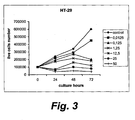
figure 3 , shows results referring to assays of proliferation and viability of cells treated with control and methyl-spirane at different concentrations (0.0125, 0.125, 1.25, 12.5, 25, 50 µg/ml), respectively, carried out on colon carcinoma HT-29 cell line; -
figure 4 , shows results referring to assays of proliferation and viability of cells treated with control and methyl-spirane at different concentrations (0.0125, 0.125, 1.25, 12.5, 25, 50 µg/ml), respectively, carried out on human melanoma M14 cell line; -
figure 5 , shows results referring to assays of proliferation and viability of cells treated with control and methyl-spirane at different concentrations (0.0125, 0.125, 1.25, 12.5, 25, 50 µg/ml), respectively, carried out on murine melanoma B16 cell line; -
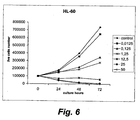
figure 6 , shows results referring to assays of proliferation and viability of cells treated with control and methyl-spirane at different concentrations (0.0125, 0.125, 1.25, 12.5, 25, 50 µg/ml), respectively, carried out on promyelocytic leukemia HL-60cell line; -
figure 7 shows the effect of the methyl spirane (MS) at various concentrations (10, 100 µg/ml) on cellular cycle of malignant melanoma M14 cell line wherein, starting from a 10 µg/ml dose an increment of G1 step is already detected after 24 hours treatment; -
figure 8 shows the effect of methyl spirane (MS) on apoptosis induction at various concentrations (25, 50, 75 µg/ml) in malignant melanoma M14 cell line, wherein, starting from a 10 µg/ml dose an increment of G1 step is already detected after 24 hours treatment; -
figure 9 shows the effect of methyl spirane (MS) on apoptosis induction and necrosis at various concentrations (25, 50, 75 µg/ml) in malignant melanoma M14 cell line, wherein, at concentrations higher than 1.25 µg/ml an apoptosis increment, concentration dependent, after 72 hours treatment is detected; -
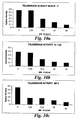
figure 10 shows the effect of methyl-spirane on telomerasic activity at various concentrations (1.25, 12.5, 25, 50 µg/ml) of MCF-7 (panel A), H-125 (panel B) and M14 (panel C) cell lines after 48 hours treatment; -
figure 11 , panels A-B, shows the comparison of spirane and methyl spirane effect at various concentrations (panel A,: 10, 100 mcg; panel B: 25, 50, 75 mcg) on the growth of M14 melanoma cells. - MATERIALS AND METHODS: 1H NMR spectra have been registered using a Varian Gemini 200 MHz spectrometer.
Merck 60 silica gel and Merck 60 F245 silica gel 0.25 mm thick plates were used for column and thin layer (TLC) chromatography, respectively. Carl Erba RPE grade solvents were used. -

-
Preparation 0,98 ml BuLi (1,6 M) are added at 0°C to mixture of 1.28 ml (p = 0.936) furan (1.5 mmol) and 0.22 ml (ρ=0.774) TMEDA (1.51 mmol) in 10 ml anhydrous diethyl ether under stirring in inert atmosphere, at room temperature. After 3 hours the reaction mixture is cooled at -78°C and 0.20 ml (p=1.079) δ-valerolactone (2.10 mmol) in approximately 2 ml anhydrous diethyl ether are added. After approximately 1 hour the mixture is washed with NH4Cl saturated solution, the aqueous layer is extracted three times with Et2O and the ether extracts are dried on anhydrous Na2SO4 and cold evaporated under reduced pressure. The product is isolated by silica gel chromatography eluting with petroleum ether/ethyl acetate 2:1. The yield is 87%. - 1H-NMR data:
- δ= 1.6 (m, 2H); δ 1.8 (m, 2H); δ=2.35 (s, 1h); δ= 2.9 (t, 2H); δ= 3.7 (t, 2H); δ= 6.55 (dd, 1 H); δ= 7.25 (d, 1 H); δ=7.6 (d, 1 H).
-

- Preparation: BuLi (1,6 m) is added at 0°c to a mixture of furan and TMEDA in anhydrous diethyl ether under stirring in inert atmosphere at room temperature. After 3 hours the reaction mixture is cooled at -78°c and δ-esanolactone in anhydrous diethyl ether is added. After approximately 1 hour the mixture is washed with NH4Cl saturated solution, the aqueous layer is extracted three times with Et2O and the ether extracts are dried on anhydrous Na2SO4 and cold evaporated under reduced pressure. The product is isolated by silica gel chromatography eluting with petroleum ether/ethyl acetate 2:1. The yield is 89%.
- 1H-NMR data
- δ = 1.3-1.4 (d,3H); δ = 1.5 (m, 2H); δ 1.85 (m, 2H); δ= 2.8 (t, 2H); δ= 3.8 (q, 1 H); δ= 6.55 (dd, 1 H); δ= 7.2 (d,1H); δ= 7.6 (d, 1H).
-

- Preparation: 9.50 ml BuLi (1,6M) are added at 0°C to a mixture of 1.28 ml (p= 0.916) methylfuran (14.3 mmol) and 2.18 ml (ρ=0.774) TMEDA (14.5 mmol) in 40 ml anhydrous diethyl ether under stirring in inert atmosphere, at room temperature. After 3 hours the reaction mixture is cooled at -78°C and 1.86 ml (p=1.079) δ-valerolactone (20 mmol) in approximately 2 ml anhydrous diethyl ether are added. After approximately 1 hour the mixture is washed with NH4Cl saturated solution, the aqueous layer is extracted three times with Et2O and the ether extracts are dried on anhydrous Na2SO4 and cold evaporated under reduced pressure. The product is isolated by silica gel chromatography eluting with petroleum ether/ethyl acetate 2:1. The yield is 61 %.
- 1H-NMR data:
- δ= 1.65 (m, 2H); δ 1.8 (m, 2H); δ=2.1 (s, 1 H); δ= 2.85 (t, 2H); δ= 3.7 (t, 2H); δ= 6.2 (dd, 1 H); δ= 7.5 (d, 1 H).
-
- a) 1,7-dioxaspiro [5,5] - undecen-3-en-5-oxa-2-ol

- b) 1,7-dioxaspiro [5,5] - 8-methyl-undecen-3-en-5-oxa-2-ol

- c) 1,7-dioxaspiro [5,5] - undecen-3-en-5-oxa-2-ol-2-methyl

- General procedure: A suitably calculated amount of NBS at 0°C is added at 2:1 ratio to furylcarbinol in THF/H2O (pH=7) 4:1 under stirring and the reaction mixture is stirred for approximately 1 hour and 30 minutes.
- The following scheme depicts the synthesis process according to the invention:
- step a)

- step b)

- Particularly, for above reported compounds. i.e. a), b) and c), the reaction steps have been carried out according to the following scheme:


- After TLC control and neutralisation reaction mixtures are extracted three times with CH2Cl2. The organic layer is washed with NaCl saturated solution and finally again extracted with CH2Cl2; the resulting residues are dried on anhydrous Na2SO4 and cold evaporated at reduced pressure. The product is isolated by silica gel chromatography eluting with petroleum ether/ethyl acetate at different ratios depending on the substrate.
- Theoretical yield calculated by gas-chromatography is 92-98% depending on the product. The chromatographic yields of the products, however, are variable from 58 to 70%. This is principally due to the fact that furylcarbinols are very reactive and unstable compounds and the formation of the product is affected from furylcarbinol oxidation potential, and steric hindrance limiting the furan ring opening and subsequent rearrangement to pyrane system.
- Also in this case the yields are substantially dependent on the accuracy of the reaction conditions and operation carrying out.
- Dioxaspirane structures have been identified by means of 1H NMR and characteristic data have been previously reported.
- Spiroketals are oily, photosensitive, thermounstable, variably coloured, namely from intense yellow to the dark orange, compounds, whereby their processing must be carried out at low temperature. 1,7-dioxaspiro [5,5] undecane compound is easily identifiable by 1H-NMR and 13C-NMR, the molecule is symmetrical and displays only half of signals due to overlapping thereof. 1H-NMR spectra (CDCl3) are characterised by four signals having the following chemical shifts (ppm): 1.30 (m, 8), 1.64 (m, 2), 1.93 (m, 2), 3.60 (m, 4); 13C-NMR spectra present five signals: 19.1, 25.8, 36.2, 60.2, 94.9. Other characteristic data are: MW= 156.23; bp= 193°C; nd 20=1.4640; ρ= 1.020; fp= 147°F.
- Spectroscopic analysis: The characterisation of the furyilcarbinols has been carried out by 1H NMR analysis; recorded spectra are reported in the following. Typical chemical shift values of basic furyilcarbinol are 6.55, 7.25, 7.55 ppm for protons on the furan ring; 3.7 ppm for methylene in oxygen atom α-position of lactone ring. If methyl group occurs on furan ring a 2.2 ppm signal will be present; when the latter is on lactone ring a 1.38 ppm signal will be present.
- In some cases It has been possible to detect the presence of the diastereoisomers, as it is apparent from the spectrum wherein a 1.4 ppm signal relative to diastereoisomeric methyl is present.
- The characterisation of the dioxaspirani has been carried out again by 1H NMR analysis. Typical chemical shift values of basic dioxaspirane, i.e. 1,7-dioxaspiro [5,5] - undecen-3-en-5-oxa-2-ol, are: 6.95 and 6,15 ppm relative to olefinic protons, 5.57 ppm for proton in alcoholic group α-position, and finally 3.82 ppm for methylenic protons. If a methyl group is present in oxygen α-position on the ring resulting from the lactone, a 1.82 ppm signal will be observed when the methyl group is on the ring resulting from the furan a 1.52 ppm signal will be present. As before it has been possible to detect the presence of diastereoisomers.
- The oxidation products, in fact, are susceptible to transformations: i.e. epimerization and ketal nucleus opening. These phenomena are generally observed when the product is stored in weakly acid solvents or in the presence of substituents promoting the ring opening. Based on spectroscopic data it is possible to assume that the main reaction product is one wherein the dioxaspirane rings are orthogonal each to other.
- The biological activity of spiranes has been studied in various human and murine tumour cell lines, evaluating the effects of these compounds on cell growth, death, apoptosis induction, cellular cycle and telomerase.
- After the synthesis, methyl-spirane (1,7-dioxaspiro (5,5)-10-methyl-undecen-3-en-5-oxa-2-ol, MS) (MW: 168,22) was dissolved in methanol and subsequently diluted in PBS phosphate buffer, obtaining a final concentration of 1 mg/ml. The compound was stored at -80°C until the use. Methanol (CH3OH) concentration in the final solution was 2.5%. As a control cells were treated only with same CH3OH concentration and no toxicity effects were detected.
- The study has been carried out using representative tumor cell lines with different histological origin: MCF-7 breast carcinoma (human), M14 (human) and B16 (murine) melanomas, H125 (human) pulmonary carcinoma, HT-29 (human) colon carcinoma, HL-60 (human) promyelocytic leukemia.
- All cell lines have been cultured in RPMI-1640 (Hyclone Europe, Cramlington, UK) medium supplemented with 10% of heat inactivated (56°C, 30 minutes) bovine fetal serum (Hyclone Laboratories, Logan, UT), 2 mM L-glutamine and antibiotics (Life Technologies Ltd., Paisley, Scotland) (complete medium, CM). Cells have been stored at 37°C in humidified atmosphere with 5% CO2.
- Cell suspensions (HL-60) have been harvested and counted. Plastic adherent cells, in semi-confluence condition, have been detached by a short exposure at 0.025% trypsin with 0,01% EDTA and counted.
- All used tumor cells have been harvested, suspended in CM and seeded in 24-well plates at 105 cell concentration in a final volume of 2 ml/well. For adherent cells a pre-incubation for 18 hours has been carried out in order to promote the adhesion to plastic. Subsequently cells have been treated with serial concentrations of methyl-spirane (MS) from 0,0125 µg/ml tol 100 µg/ml (0.0125, 0.125, 1.25, 12.5, 25, 50, 100 µg/ml) at culture times varying from 24 to 120 hours. Every treatment has been carried out in triplicate. The cell proliferation, viability and death have been determined by means of cell counts in trypan blue (dye exclusion test) using a hemocytometer.
- For apoptosis and cellular cycle analysis, control or various concentration MS treated cells have been removed from the culture by means of trypsinization, re-suspended in PBS, washed two times with cold PBS and fixed with 50% of acetone and methanol (1:4) in PBS at 4°C. Fixed cells then were washed in PBS and stained with
propidium iodide 50 µg/ml (PI) in the presence ofRNase A 100 KU/ml. - Samples have been analyzed using a FACScan cytometer and fluorescence propidium red signals have been registered on linear scale. Cell fluorescence has been analyzed using a FACScan flow cytometer (Becton Dickinson, USA) using a 488 nm emitting argon laser. Data have been analyzed electronically excluding detritus and cell aggregates. In the red fluorescence, that is proportional to the DNA cell content, the apoptotic cells are represented by hypodiploid peak (cells with DNA fractioned content), easy distinguishable from the healthy cell DNA diploid peak. The fraction of the apoptotic cells is calculated integrating the pre-G1 peak. This cell fraction is representative for those having a PI decreasing coloration, considered a marker of DNA fragmentation, phenomenon associated to cell death by apoptosis. The analysis of cell cycle distribution after 24, 48 and 72 hours of MS treatment has been carried out using ModFitLT software (Becton Dickinson Immunocytometry Systems).
- For the necrosis evaluation, an aliquot of not fixed cells (1 × 10⁶) was incubated with 40 µg/ml PI for 1.5 hour at 37°C. The samples, directly in their coloring solution, have been then analyzed using FACScan flow. Cytometer. Apoptotic cells have been detected by FSC/PI dot plot as PIdim peak, meanwhile P- and PIbright represent viable and necrotic cells, respectively.
- Telomerasic activity was evaluated using TeloTAGGG Telomerase PCR ELISA kit, photometric enzymatic immunoassay from Roche (Mannheim, Germany). At time of the test, frozen pellet was lysed directly in the tests-tube using 80 µl of cold extraction buffer. Telomerase amplification was carried out by PCR (30 cycles, 94°C 30 sec; 52°C 30 sec; 72°C 45 sec). Telomerasic activity was determined on the cell extracts according to the protocol recommended by the supplier. Sample absorbance (OD, optical density) was measured at 450 nm in a multi-well plate reader (SpectraCount, Pakard, Meriden, CT, USA). In order to evaluate telomerasic activity, MCF-7, H-125 and M14 tumor cells were treated for 48 hours with serial doses of methyl-spirane (from 1.25 µg/ml to 50 µg/ml) as above described. Subsequently, the cells have been detached from culture plates by trypsinization, centrifuged, pelletized, and stored at -80°C until the use.
- Cell proliferation results show that cell lines treated with spiranes at different concentrations (0.0125, 0.125, 1.25, 12.5, 25, 50, 100 µg/ml), for culture times varying from 24 to 120 hours, the compounds always induce in all treated lines a remarkable inhibition of cell proliferation, depending on culture time and concentration.
- In particular, results for cellular proliferation and viability of the cells treated with methyl-spirane are reported in
Figures 1 - 6 , for MCF-7 breast carcinoma, H125 pulmonary carcinoma, HT-29 colon carcinoma, M14 human melanoma, B16 murine melanoma, HL-60 promyelocytic leukemia cell lines. InFigure 11 the effects of methyl-spirane in comparison to spirane on proliferation of human melanoma M14 cell line are shown. - The effects of spiranes on cell cycle of the analyzed tumor cells show a response uniformity for the different analyzed cell lines. Generally after 24 hours of incubation in the presence of compounds, the cell- cycle is stopped, depending on the used concentration, at level of the passage from G1 to S step. As an example, the effect of methyl-spirane on M14 malignant melanoma cells wherein it is pointed out, starting from 10 µg/ml dose, an increment of the G1 step after 24 hours of treatment (
Figure 7 ). - Results relating to apoptosis induction show that in cell lines treated with spiranes (0.0125, 0.125, 1.25, 12.5, 25, 50, 100 µg/ml), for variable culture times from 24 to 120 hours, are not detectable at low concentrations' (0.0125 µg/ml - 1.25 µg/ml) substantial changes in comparison to control, for all examined incubation times. At concentrations higher than 1.25 g/ml a variable apoptosis induction from 25 to 40 % is observed. In the tumor cell lines examined at low concentrations (up to 1.25 µg/ml) no remarkable necrosis induction is observed, while from 12.5 µg/ml on a concentration-dependent increase up to 50 % is observed. As an example, the effect of methyl-spirane (MS) on M14 cell line (melanoma) is reported, wherein apoptosis is already observed after 24 hours at MS concentration of 25 µg/ml (
Figure 8 ). Again with reference to M14 cell line inFigure 9 results relating to the induction of apoptosis and necrosis after 72 hours of treatment are reported, wherein it is observed, at concentrations higher than 1.25 µg/ml, a concentration-dependent increase of apoptosis (30-50%). - As to telomerase, the cells have been exposed in vitro at 1.25, 12.5, 25, 50 µg/ml of methyl-spirane and evaluated for telomerasic activity (TLMA) using ELISA assay, 48 hours after the treatment. Generally in all the examined cell lines a concentration-dependent reduction of the telomerasic activity is observed. Particularly, in the
figure 10 , panels A-C, the effects at various concentrations (1.25, 12.5, 25, 50) of methyl-spirane on MCF-7, H-125 and M14 cell lines after 48 hours of treatment are shown. - Results of ELISA assay indicate that methyl-spirane at dose of 12.5 µg/ml results in a telomerase inhibition of 43%, 50% and 61% in comparison to control. At dose of 25 µg/ml, again in comparison to the control, the telomerase inhibition is 64%, 68% and 75%, respectively. At a dose of 50 µg/ml the inhibition is 80% and 75%, respectively. At concentration of the 1.25 µg/ml the enzymatic activity is very scarcely influenced in MCF-7 and H-125 cell lines.
- These results clearly show that spiranes are suitable to display antitumor activity against tumor cells of various nature and histotype. Such activity in such cells is displayed through:
- dose and time dependent inhibition of the growth,
- dose and time dependent inhibition of the apoptosis,
- dose and time dependent induction of cell cycle variation,
- induction of a cell cycle stop at G1 step level.
- Lymphocytes (PBML) from 4 peripheral blood samples of healthy donors, separated by centrifugation on Fycoll gradient, have been treated with methyl-spirane at various concentrations: 12.5, 25, 50, 100 µg/ml. After 24 and 48 hours of culture, treated lymphocytes have been analyzed using supravital propidium iodide method (PI).
- IN short this system is based on the use of propidium iodide, a fluorescent marker for the cellular DNA that normally penetrates only into the fixed or permeable made cells. PI supravital method is based on the principle that supravital exposure to propidium (high concentration of propidium for some hours at 37°C) of not previously permeable made cells identifies in the population apoptotic cells clearly distinguishing them from necrotic or viable ones. Cells labeled with 40 µg/ml of propidium iodide directly in culture plates, are incubated at 37° for 1 hour and 30 minutes and analyzed using the flow cytometer.
- Results point out that in all the samples treated with spiranes there is a concentration- and time-dependent increase of the necrotic cells, starting from 12.5 mcg/ml with simultaneous decrease of viable cell percentage. Obtained results evidence that at low concentrations the compound (for example, 1.25 µg/ml) displays inhibiting effects on the tumour cell growth in vitro (see MCF-7 cells) while on human lymphocytes (as model of not neoplastic healthy cells) no increase of necrosis with respect to the control is observed. Table 1 shows the values representative of a peripheral humans (PBL) lymphocyte sample from healthy donors treated for 48 hours with increasing concentrations of methyl-spirane
Table 1 PBL treatment with methyl-spirane % viable % apoptotic % necrotic Control 78.4 5.2 16.3 3.15 µg/ml 81.5 2.5 16 6.25µg/ml 78 6.4 15.6 12.5 µg/ml 29.7 30.1 40.0 25 µg/ml 10.0 33.1 56.6 50 µg/ml 8.2 21.7 70.0 100 µg/ml 1.0 15.0 84.0 - Presumably at low doses, although therapeutic and antiproliferative effect is maintained, toxic effects on healthy cells will not occur.
-
- Smith et al. the Bioorganic & Medicinal Chemistry Letters 2002, 12, 2039-2042.
- Perron, F.; Albizati, K. Chemical Reviews, 1989, 86, 1617-1661.
- Young et al. Synthesis, 2000, 13, 1956-1978.
- Gallagher et al. Tetrahedron Letters, 2002, 43, 531-535.
- Paterson et al. Organic Letters, 2002, 4, 391-394.
- Brimble et al. Tetrahedron, 1999, 55, 7661-7706.
- Malatesta et al. Encyclopaedia of chemistry, 1997, 6, 52-25, ISEDI.
- Deslongchamps, P. Stereoelettronic effects in organic chemistry, 1983, Pergamon, Oxford.
- Pouchert et al. The Aldrich Library of 13C and 1H-NMR Spectra, 1993, 1, 407.
- Pettit, G. Journal of Natural Products, 1996, 59, 812-821.
- Uckun et al. Bioorganic & Medicinal Chemistry Lefters, 2000, 10, 541-545.
- Biard et al. Journal of Natural Products, 1994, 57, 1336-1345.
- Watters et al. Biochemical Pharmacology, 1998, 55, 1691-98.
- Amouroux R. Heterocycles, 1984, 22, 1489-92.
- Georgiadis et al. J. Org. Chem. 1986, 51, 2725 - 2727.
- Uckun et al. Current Pharmaceutical Design, 2001,7, 1291-96.
- Uckun F. Current Pharmaceutical Design, 2001, 7, 1627-39.
- Watters et al. Biochemical Pharmacology, 1999, 58, 383-88.
- Skoog West Holler. Analitical Chemistry, 1992, 387-90.
- March, Advanced Organic Chemistry, 1992, 4 ed., Wiley Interscience.
- Baker, J. Org. Chem. 1982, 47, 1292-12998.
- Carey Sundberg, Advanced Organic Chemistry, 4 ed, 2002, part B, KA/PP.
- Goodmann Gilmann, Le Basi Farmacologiche della Terapia, 9 ed, McGraw Hill, 1997.
- Voet, Voet, Pratt, Fondamenti di Biochinica, 1 ed, Zanichelli Editore, 2001.
- 1999 Silverstein, Webster Identificazione spettroscopica di composti organici, 1 edz, Ambrosiana.
Claims (39)
- Dioxaspiroketal derivatives of formula (I):

n is 1 or 2,
X is 0 or S,
R1 can be selected from H, OH, halogen, C1-C6 alkyl, C1-C6 alkoxy, COOR3, wherein R3 is selected from H and C1-C6 alkyl,
or physiologically acceptable salts thereof, for use in medical field. - Derivatives for use in medical field according to claim 1 wherein n is 2, X is O, R is H, and R1 is H.
- Derivatives for use in medical field according to claim 1 wherein n is 2, X is O, R is H and R1 is CH3.
- Derivatives for use in medical field according to claim 1 wherein n is 1, X is S, R is H and R1 is H.
- Derivatives for use in medical field according to claim 1 wherein n is 1, X is O, R is phenyl and R1 is H.
- Derivatives for use in medical field according to claim 1 or 2 wherein n is 1, X is O,
R is CH3 and R1 is H. - Derivatives for use in medical field according to claim 1 wherein n is 2, X is O, R is pentyl and R1 is H.
- Derivatives for use in medical field according to claim 1 wherein n is 2, X is O, R is CH3 and R1 is H.
- Derivatives for use in medical field according to claim 1 wherein n is 2, X is O, R is
CH3 and R1 is CH3. - Derivatives for use in medical field according to anyone of claims from 5 to 9 wherein R is in position 2 of the ring.
- Dioxaspiroketal derivatives of formula (III):

- Dioxaspiroketal derivatives of formula (IV):

- Dioxaspiroketal derivatives of formula (V):

- Derivatives for use in medical field according to anyone of claims from 1 to 12, said dioxaspiroketal derivatives being selected from the group consisting of 1,7 dioxa spiro [5,5] undec-5-oxa-3-en-2-ol, 1,7 dioxa spiro [5,5]]-10-methyl-5-oxa-undec-3-en-2-ol, 1,7 dioxa spiro [5,5] undec-5-oxa-3-en-2-methyl-2-ol, 1,6 dioxa spiro [4,5]-3-methyl-10-oxa-dec-8-en-7-ol, 1,7 dioxa spiro [5,5]-10-pentyl-5-oxa-undec-3-en-2-ol, 1,7 dioxa spiro [5,5]-8,10-dimethyl-7,9-dien-5-oxa-undec-3-en-2-ol, 1,6 dioxa spiro [4,5]-3-phenyl-10-oxa-dec-8-en-7-ol, oxa-6-tio spiro [4,5] - 10-oxa-dec-8-en-7-ol.
- Use of compounds according to anyone of claims from 1 to 14 for the preparation of a medicament for the treatment of the solid or liquid tumours.
- Use according to claim 15 wherein said solid tumours are carcinomas, selected from the group consisting of ovary, thyroid, colon, pancreas, breast, gastric, lung, prostate carcinoma.
- Use according to claim 15 wherein said liquid tumours are selected among leukemia.
- Use of compounds according to anyone of claims from 1 to 14 for the preparation of antibiotic medicament.
- Use of compounds according to anyone of claims from 1 to 14 for the preparation of antifungal medicament.
- Pharmaceutical composition comprising at least one of compounds as defined according to anyone of claims from 1 to 14 as active principles, together with one or more pharmacologically acceptable adjuvants and/or excipients.
- Dioxaspiroketal derivative of formula (I):

or physiologically acceptable salts thereof. - Derivative according to formula (I) as defined in claim 21 wherein n is 1, X is O, R is phenyl and R1 is H or physiologically acceptable salts thereof.
- Derivative according to formula (I) as defined in claim 21 wherein n is 2, X is O, R is pentyl and R1 is H or physiologically acceptable salts thereof.
- Derivatives according to formula (I) as defined in claim 21 wherein n is 2, X is O, R is CH3 and R1 is H or CH3 or physiologically acceptable salts thereof.
- Derivatives according to anyone of claims 22 -24 wherein R is in position 2 of the ring or physiologically acceptable salts thereof.
- Dioxaspiroketal derivatives of formula (III):
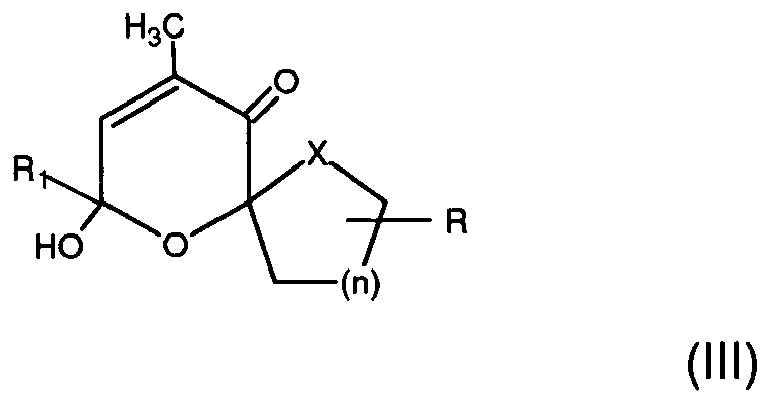
- Dioxaspiroketal derivatives of formula (IV):

- Dioxaspiroketal derivatives of formula (V):

- Process for the preparation of dioxaspiroketal derivatives according to anyone of the claim 21-28, comprising the following steps:a) formation of the furan derivative through the bonding of a carbonyl compound to furan nucleus by means of lithiation with a lithiating agent carried out in inert atmosphere, in the presence of anhydrous solvent, basic catalyst to obtain a tertiary alcohol;b) rearrangement of tertiary alcohol obtained in step a) by oxidation with NBS in THF/H2O mixture until the yellow-orange colour, indicating exceeding bromine, disappears.
- Process according to claim 29, wherein said THF/H2O mixture is in 4:1 ratio.
- Process according to claim 29 or 30, wherein in the step a) said lithiating agent is BuLi (1-2 M).
- Process according to anyone of claims from 29 to 31, wherein said basic catalyst it is TMEDA in 1:1 ratio with furan.
- Process according to anyone of claims from 29 to 32 wherein said solvent is anhydrous ether.
- Process according to anyone of claims from 29 to 33 wherein said inert atmosphere it is generated using nitrogen or argon.
- Process according to anyone of claims from 29 to 34, wherein in step a) said furan nucleus it is selected between furan and furan substituted with C1-6 alkyl group and the carbonyl compound is selected between δ-valerolactone and δ-valerolactone substituted with C1-6 alkyl group.
- Process according to claim 35, wherein said carbonyl compound is added as anhydrous ether solution at 0°C.
- Process according to anyone of claims from 29 to 36, wherein said step b) can further comprise the addition of acid catalyst.
- Process according to claim 37, wherein said catalyst is camphorsulfonic acid.
- Process according to anyone of claims from 29 to 38 wherein in step a) said lithiating agent is BuLi 1,6 M, said basic catalyst is TMEDA, said solvent is anhydrous ether and said inert atmosphere is generated using nitrogen.
Applications Claiming Priority (2)
| Application Number | Priority Date | Filing Date | Title |
|---|---|---|---|
| IT000257A ITRM20060257A1 (en) | 2006-05-15 | 2006-05-15 | DIOSSASPIROCHETAL DERIVATIVES PREPARATION PROCEDURE AND RELATIVE USES |
| PCT/IT2007/000342 WO2007132496A1 (en) | 2006-05-15 | 2007-05-10 | Dioxaspiroketal derivatives, process for their preparation and uses thereof |
Publications (2)
| Publication Number | Publication Date |
|---|---|
| EP2027115A1 EP2027115A1 (en) | 2009-02-25 |
| EP2027115B1 true EP2027115B1 (en) | 2012-01-11 |
Family
ID=38474426
Family Applications (1)
| Application Number | Title | Priority Date | Filing Date |
|---|---|---|---|
| EP07736845A Not-in-force EP2027115B1 (en) | 2006-05-15 | 2007-05-10 | Dioxaspiroketal derivatives, process for their preparation and uses thereof |
Country Status (6)
| Country | Link |
|---|---|
| US (1) | US8916717B2 (en) |
| EP (1) | EP2027115B1 (en) |
| AT (1) | ATE540946T1 (en) |
| CA (1) | CA2652705A1 (en) |
| IT (1) | ITRM20060257A1 (en) |
| WO (1) | WO2007132496A1 (en) |
Family Cites Families (2)
| Publication number | Priority date | Publication date | Assignee | Title |
|---|---|---|---|---|
| JPH107557A (en) | 1996-06-17 | 1998-01-13 | Banyu Pharmaceut Co Ltd | Spirolaxine, an antitumor substance |
| AU4845499A (en) | 1998-06-29 | 2000-01-17 | Parker Hughes Institute | Synthetic spiroketal pyranes as potent anti-cancer agents |
-
2006
- 2006-05-15 IT IT000257A patent/ITRM20060257A1/en unknown
-
2007
- 2007-05-10 US US12/227,228 patent/US8916717B2/en not_active Expired - Fee Related
- 2007-05-10 AT AT07736845T patent/ATE540946T1/en active
- 2007-05-10 WO PCT/IT2007/000342 patent/WO2007132496A1/en not_active Ceased
- 2007-05-10 EP EP07736845A patent/EP2027115B1/en not_active Not-in-force
- 2007-05-10 CA CA002652705A patent/CA2652705A1/en not_active Abandoned
Also Published As
| Publication number | Publication date |
|---|---|
| ITRM20060257A1 (en) | 2007-11-16 |
| CA2652705A1 (en) | 2007-11-22 |
| US8916717B2 (en) | 2014-12-23 |
| US20100227919A1 (en) | 2010-09-09 |
| ATE540946T1 (en) | 2012-01-15 |
| WO2007132496A1 (en) | 2007-11-22 |
| EP2027115A1 (en) | 2009-02-25 |
Similar Documents
| Publication | Publication Date | Title |
|---|---|---|
| Hill et al. | Norcantharimides, synthesis and anticancer activity: Synthesis of new norcantharidin analogues and their anticancer evaluation | |
| Pan et al. | Rocaglamide, silvestrol and structurally related bioactive compounds from Aglaia species | |
| Fang et al. | Three new bioactive styryllactones from Goniothalamus giganteus (Annonaceae) | |
| Bringmann et al. | The first sorbicillinoid alkaloids, the antileukemic sorbicillactones A and B, from a sponge-derived Penicillium chrysogenum strain | |
| Qin et al. | Two telomerase-targeting Pt (II) complexes of jatrorrhizine and berberine derivatives induce apoptosis in human bladder tumor cells | |
| Zakharova et al. | Synthesis and evaluation of aryliden-and hetarylidenfuranone derivatives of usnic acid as highly potent Tdp1 inhibitors | |
| Lokesh et al. | Synthesis and biological activity of novel 2, 5-dichloro-3-acetylthiophene chalcone derivatives | |
| WO2000004023A9 (en) | Anhydride modified cantharidin analogues useful in the treatment of cancer | |
| Abdel-Mageed et al. | Laurefurenynes A–F, new cyclic ether acetogenins from a marine red alga, Laurencia sp. | |
| Huang et al. | Synthesis and biological evaluation of dehydroabietic acid-pyrimidine hybrids as antitumor agents | |
| Roldán et al. | Synthesis and biological evaluation of simplified pironetin analogues with modifications in the side chain and the lactone ring | |
| Yang et al. | l-Proline catalyzed three-component synthesis of para-naphthoquinone–4-aza-podophyllotoxin hybrids as potent antitumor agents | |
| Laurentiz et al. | Synthesis and antibacterial activity of new lactone 1, 4-dihydroquinoline derivatives | |
| Suzuki et al. | (+)-Arctigenin, a lignan from Wikstroemia indica | |
| Nagireddy et al. | 9‐Ethynyl noscapine induces G2/M arrest and apoptosis by disrupting tubulin polymerization in cervical cancer | |
| Martín‐Gálvez et al. | An array of bengamide E analogues modified at the terminal olefinic position: Synthesis and antitumor properties | |
| Wang et al. | Synthesis and biological evaluation of Oblongifolin C derivatives as c-Met inhibitors | |
| US8916717B2 (en) | Dioxaspiroketal derivatives, process for their preparation and uses thereof | |
| Song et al. | Cytotoxic cyclolignans from Koelreuteria henryi | |
| Banwell et al. | Synthesis, x-ray crystal structure, and antimitotic properties of 6-chloro-2-methoxy-5-(2', 3', 4'-trimethoxyphenyl) cyclohepta-2, 4, 6-trien-1-one, a bicyclic analog of colchicine | |
| Maigali et al. | Chemistry of phosphorus ylides 31: Reaction of azidocoumarin with active phosphonium ylides, synthesis and antitumour activities of chromenones | |
| Srinivas et al. | Synthesis and in Vitro Anticancer Activity of Triazole Derivatives of Crassalactone B | |
| Bennett et al. | Synthesis and biological activity of analogues of batzelladine F | |
| Devendar et al. | Highly selective one pot synthesis and biological evaluation of novel 3-(allyloxy)-propylidene acetals of some natural terpenoids | |
| Miao et al. | Synthesis and bioevaluation of novel oxa-caged garcinia xanthones as anti-tumour agents |
Legal Events
| Date | Code | Title | Description |
|---|---|---|---|
| PUAI | Public reference made under article 153(3) epc to a published international application that has entered the european phase |
Free format text: ORIGINAL CODE: 0009012 |
|
| 17P | Request for examination filed |
Effective date: 20081107 |
|
| AK | Designated contracting states |
Kind code of ref document: A1 Designated state(s): AT BE BG CH CY CZ DE DK EE ES FI FR GB GR HU IE IS IT LI LT LU LV MC MT NL PL PT RO SE SI SK TR |
|
| AX | Request for extension of the european patent |
Extension state: AL BA HR MK RS |
|
| 17Q | First examination report despatched |
Effective date: 20100730 |
|
| GRAP | Despatch of communication of intention to grant a patent |
Free format text: ORIGINAL CODE: EPIDOSNIGR1 |
|
| DAX | Request for extension of the european patent (deleted) | ||
| GRAS | Grant fee paid |
Free format text: ORIGINAL CODE: EPIDOSNIGR3 |
|
| GRAL | Information related to payment of fee for publishing/printing deleted |
Free format text: ORIGINAL CODE: EPIDOSDIGR3 |
|
| GRAS | Grant fee paid |
Free format text: ORIGINAL CODE: EPIDOSNIGR3 |
|
| GRAA | (expected) grant |
Free format text: ORIGINAL CODE: 0009210 |
|
| AK | Designated contracting states |
Kind code of ref document: B1 Designated state(s): AT BE BG CH CY CZ DE DK EE ES FI FR GB GR HU IE IS IT LI LT LU LV MC MT NL PL PT RO SE SI SK TR |
|
| REG | Reference to a national code |
Ref country code: GB Ref legal event code: FG4D |
|
| REG | Reference to a national code |
Ref country code: CH Ref legal event code: EP |
|
| REG | Reference to a national code |
Ref country code: AT Ref legal event code: REF Ref document number: 540946 Country of ref document: AT Kind code of ref document: T Effective date: 20120115 |
|
| REG | Reference to a national code |
Ref country code: IE Ref legal event code: FG4D |
|
| REG | Reference to a national code |
Ref country code: DE Ref legal event code: R096 Ref document number: 602007019980 Country of ref document: DE Effective date: 20120315 |
|
| REG | Reference to a national code |
Ref country code: SE Ref legal event code: TRGR |
|
| REG | Reference to a national code |
Ref country code: NL Ref legal event code: VDEP Effective date: 20120111 |
|
| PG25 | Lapsed in a contracting state [announced via postgrant information from national office to epo] |
Ref country code: SI Free format text: LAPSE BECAUSE OF FAILURE TO SUBMIT A TRANSLATION OF THE DESCRIPTION OR TO PAY THE FEE WITHIN THE PRESCRIBED TIME-LIMIT Effective date: 20120111 |
|
| LTIE | Lt: invalidation of european patent or patent extension |
Effective date: 20120111 |
|
| PG25 | Lapsed in a contracting state [announced via postgrant information from national office to epo] |
Ref country code: BG Free format text: LAPSE BECAUSE OF FAILURE TO SUBMIT A TRANSLATION OF THE DESCRIPTION OR TO PAY THE FEE WITHIN THE PRESCRIBED TIME-LIMIT Effective date: 20120411 Ref country code: IS Free format text: LAPSE BECAUSE OF FAILURE TO SUBMIT A TRANSLATION OF THE DESCRIPTION OR TO PAY THE FEE WITHIN THE PRESCRIBED TIME-LIMIT Effective date: 20120511 Ref country code: BE Free format text: LAPSE BECAUSE OF FAILURE TO SUBMIT A TRANSLATION OF THE DESCRIPTION OR TO PAY THE FEE WITHIN THE PRESCRIBED TIME-LIMIT Effective date: 20120111 Ref country code: LT Free format text: LAPSE BECAUSE OF FAILURE TO SUBMIT A TRANSLATION OF THE DESCRIPTION OR TO PAY THE FEE WITHIN THE PRESCRIBED TIME-LIMIT Effective date: 20120111 Ref country code: NL Free format text: LAPSE BECAUSE OF FAILURE TO SUBMIT A TRANSLATION OF THE DESCRIPTION OR TO PAY THE FEE WITHIN THE PRESCRIBED TIME-LIMIT Effective date: 20120111 |
|
| PG25 | Lapsed in a contracting state [announced via postgrant information from national office to epo] |
Ref country code: FI Free format text: LAPSE BECAUSE OF FAILURE TO SUBMIT A TRANSLATION OF THE DESCRIPTION OR TO PAY THE FEE WITHIN THE PRESCRIBED TIME-LIMIT Effective date: 20120111 Ref country code: PT Free format text: LAPSE BECAUSE OF FAILURE TO SUBMIT A TRANSLATION OF THE DESCRIPTION OR TO PAY THE FEE WITHIN THE PRESCRIBED TIME-LIMIT Effective date: 20120511 Ref country code: PL Free format text: LAPSE BECAUSE OF FAILURE TO SUBMIT A TRANSLATION OF THE DESCRIPTION OR TO PAY THE FEE WITHIN THE PRESCRIBED TIME-LIMIT Effective date: 20120111 Ref country code: GR Free format text: LAPSE BECAUSE OF FAILURE TO SUBMIT A TRANSLATION OF THE DESCRIPTION OR TO PAY THE FEE WITHIN THE PRESCRIBED TIME-LIMIT Effective date: 20120412 Ref country code: LV Free format text: LAPSE BECAUSE OF FAILURE TO SUBMIT A TRANSLATION OF THE DESCRIPTION OR TO PAY THE FEE WITHIN THE PRESCRIBED TIME-LIMIT Effective date: 20120111 |
|
| REG | Reference to a national code |
Ref country code: AT Ref legal event code: MK05 Ref document number: 540946 Country of ref document: AT Kind code of ref document: T Effective date: 20120111 |
|
| PG25 | Lapsed in a contracting state [announced via postgrant information from national office to epo] |
Ref country code: CY Free format text: LAPSE BECAUSE OF FAILURE TO SUBMIT A TRANSLATION OF THE DESCRIPTION OR TO PAY THE FEE WITHIN THE PRESCRIBED TIME-LIMIT Effective date: 20120111 |
|
| PG25 | Lapsed in a contracting state [announced via postgrant information from national office to epo] |
Ref country code: EE Free format text: LAPSE BECAUSE OF FAILURE TO SUBMIT A TRANSLATION OF THE DESCRIPTION OR TO PAY THE FEE WITHIN THE PRESCRIBED TIME-LIMIT Effective date: 20120111 Ref country code: RO Free format text: LAPSE BECAUSE OF FAILURE TO SUBMIT A TRANSLATION OF THE DESCRIPTION OR TO PAY THE FEE WITHIN THE PRESCRIBED TIME-LIMIT Effective date: 20120111 Ref country code: DK Free format text: LAPSE BECAUSE OF FAILURE TO SUBMIT A TRANSLATION OF THE DESCRIPTION OR TO PAY THE FEE WITHIN THE PRESCRIBED TIME-LIMIT Effective date: 20120111 Ref country code: CZ Free format text: LAPSE BECAUSE OF FAILURE TO SUBMIT A TRANSLATION OF THE DESCRIPTION OR TO PAY THE FEE WITHIN THE PRESCRIBED TIME-LIMIT Effective date: 20120111 |
|
| PLBE | No opposition filed within time limit |
Free format text: ORIGINAL CODE: 0009261 |
|
| STAA | Information on the status of an ep patent application or granted ep patent |
Free format text: STATUS: NO OPPOSITION FILED WITHIN TIME LIMIT |
|
| PG25 | Lapsed in a contracting state [announced via postgrant information from national office to epo] |
Ref country code: IT Free format text: LAPSE BECAUSE OF FAILURE TO SUBMIT A TRANSLATION OF THE DESCRIPTION OR TO PAY THE FEE WITHIN THE PRESCRIBED TIME-LIMIT Effective date: 20120111 Ref country code: SK Free format text: LAPSE BECAUSE OF FAILURE TO SUBMIT A TRANSLATION OF THE DESCRIPTION OR TO PAY THE FEE WITHIN THE PRESCRIBED TIME-LIMIT Effective date: 20120111 |
|
| 26N | No opposition filed |
Effective date: 20121012 |
|
| PG25 | Lapsed in a contracting state [announced via postgrant information from national office to epo] |
Ref country code: MC Free format text: LAPSE BECAUSE OF NON-PAYMENT OF DUE FEES Effective date: 20120531 |
|
| PG25 | Lapsed in a contracting state [announced via postgrant information from national office to epo] |
Ref country code: AT Free format text: LAPSE BECAUSE OF FAILURE TO SUBMIT A TRANSLATION OF THE DESCRIPTION OR TO PAY THE FEE WITHIN THE PRESCRIBED TIME-LIMIT Effective date: 20120111 |
|
| REG | Reference to a national code |
Ref country code: DE Ref legal event code: R097 Ref document number: 602007019980 Country of ref document: DE Effective date: 20121012 |
|
| REG | Reference to a national code |
Ref country code: IE Ref legal event code: MM4A |
|
| PG25 | Lapsed in a contracting state [announced via postgrant information from national office to epo] |
Ref country code: ES Free format text: LAPSE BECAUSE OF FAILURE TO SUBMIT A TRANSLATION OF THE DESCRIPTION OR TO PAY THE FEE WITHIN THE PRESCRIBED TIME-LIMIT Effective date: 20120422 Ref country code: IE Free format text: LAPSE BECAUSE OF NON-PAYMENT OF DUE FEES Effective date: 20120510 |
|
| PG25 | Lapsed in a contracting state [announced via postgrant information from national office to epo] |
Ref country code: MT Free format text: LAPSE BECAUSE OF FAILURE TO SUBMIT A TRANSLATION OF THE DESCRIPTION OR TO PAY THE FEE WITHIN THE PRESCRIBED TIME-LIMIT Effective date: 20120111 |
|
| PGFP | Annual fee paid to national office [announced via postgrant information from national office to epo] |
Ref country code: SE Payment date: 20130513 Year of fee payment: 7 Ref country code: CH Payment date: 20130514 Year of fee payment: 7 |
|
| PG25 | Lapsed in a contracting state [announced via postgrant information from national office to epo] |
Ref country code: TR Free format text: LAPSE BECAUSE OF FAILURE TO SUBMIT A TRANSLATION OF THE DESCRIPTION OR TO PAY THE FEE WITHIN THE PRESCRIBED TIME-LIMIT Effective date: 20120111 |
|
| PG25 | Lapsed in a contracting state [announced via postgrant information from national office to epo] |
Ref country code: LU Free format text: LAPSE BECAUSE OF NON-PAYMENT OF DUE FEES Effective date: 20120510 |
|
| PG25 | Lapsed in a contracting state [announced via postgrant information from national office to epo] |
Ref country code: HU Free format text: LAPSE BECAUSE OF FAILURE TO SUBMIT A TRANSLATION OF THE DESCRIPTION OR TO PAY THE FEE WITHIN THE PRESCRIBED TIME-LIMIT Effective date: 20070510 |
|
| PGFP | Annual fee paid to national office [announced via postgrant information from national office to epo] |
Ref country code: GB Payment date: 20140604 Year of fee payment: 8 |
|
| PGFP | Annual fee paid to national office [announced via postgrant information from national office to epo] |
Ref country code: DE Payment date: 20140625 Year of fee payment: 8 |
|
| PGFP | Annual fee paid to national office [announced via postgrant information from national office to epo] |
Ref country code: FR Payment date: 20140530 Year of fee payment: 8 |
|
| REG | Reference to a national code |
Ref country code: CH Ref legal event code: PL |
|
| PG25 | Lapsed in a contracting state [announced via postgrant information from national office to epo] |
Ref country code: CH Free format text: LAPSE BECAUSE OF NON-PAYMENT OF DUE FEES Effective date: 20140531 Ref country code: LI Free format text: LAPSE BECAUSE OF NON-PAYMENT OF DUE FEES Effective date: 20140531 Ref country code: SE Free format text: LAPSE BECAUSE OF NON-PAYMENT OF DUE FEES Effective date: 20140511 |
|
| REG | Reference to a national code |
Ref country code: SE Ref legal event code: EUG |
|
| REG | Reference to a national code |
Ref country code: DE Ref legal event code: R119 Ref document number: 602007019980 Country of ref document: DE |
|
| GBPC | Gb: european patent ceased through non-payment of renewal fee |
Effective date: 20150510 |
|
| REG | Reference to a national code |
Ref country code: FR Ref legal event code: ST Effective date: 20160129 |
|
| PG25 | Lapsed in a contracting state [announced via postgrant information from national office to epo] |
Ref country code: GB Free format text: LAPSE BECAUSE OF NON-PAYMENT OF DUE FEES Effective date: 20150510 Ref country code: DE Free format text: LAPSE BECAUSE OF NON-PAYMENT OF DUE FEES Effective date: 20151201 |
|
| PG25 | Lapsed in a contracting state [announced via postgrant information from national office to epo] |
Ref country code: FR Free format text: LAPSE BECAUSE OF NON-PAYMENT OF DUE FEES Effective date: 20150601 |