EP2019693B1 - High molecular weight chelation structure - Google Patents
High molecular weight chelation structure Download PDFInfo
- Publication number
- EP2019693B1 EP2019693B1 EP07761090.5A EP07761090A EP2019693B1 EP 2019693 B1 EP2019693 B1 EP 2019693B1 EP 07761090 A EP07761090 A EP 07761090A EP 2019693 B1 EP2019693 B1 EP 2019693B1
- Authority
- EP
- European Patent Office
- Prior art keywords
- group
- backbone
- chelator
- chelation
- polymer
- Prior art date
- Legal status (The legal status is an assumption and is not a legal conclusion. Google has not performed a legal analysis and makes no representation as to the accuracy of the status listed.)
- Not-in-force
Links
- 230000009920 chelation Effects 0.000 title claims description 117
- 239000002738 chelating agent Substances 0.000 claims description 164
- 229920000642 polymer Polymers 0.000 claims description 125
- BOFQWVMAQOTZIW-UHFFFAOYSA-N deferasirox Chemical compound C1=CC(C(=O)O)=CC=C1N1C(C=2C(=CC=CC=2)O)=NC(C=2C(=CC=CC=2)O)=N1 BOFQWVMAQOTZIW-UHFFFAOYSA-N 0.000 claims description 55
- 229920001223 polyethylene glycol Polymers 0.000 claims description 52
- XEEYBQQBJWHFJM-UHFFFAOYSA-N iron Substances [Fe] XEEYBQQBJWHFJM-UHFFFAOYSA-N 0.000 claims description 32
- -1 poly(ethylene glycol) Polymers 0.000 claims description 23
- 238000010560 atom transfer radical polymerization reaction Methods 0.000 claims description 20
- 238000000034 method Methods 0.000 claims description 20
- 238000010526 radical polymerization reaction Methods 0.000 claims description 20
- 239000000126 substance Substances 0.000 claims description 19
- 229910052742 iron Inorganic materials 0.000 claims description 17
- 150000003254 radicals Chemical class 0.000 claims description 17
- 241000124008 Mammalia Species 0.000 claims description 16
- 125000002887 hydroxy group Chemical group [H]O* 0.000 claims description 14
- 230000002194 synthesizing effect Effects 0.000 claims description 14
- 125000003396 thiol group Chemical group [H]S* 0.000 claims description 14
- 230000001988 toxicity Effects 0.000 claims description 14
- 231100000419 toxicity Toxicity 0.000 claims description 14
- 125000000217 alkyl group Chemical group 0.000 claims description 13
- 125000003277 amino group Chemical group 0.000 claims description 13
- 125000003118 aryl group Chemical group 0.000 claims description 13
- 125000001797 benzyl group Chemical group [H]C1=C([H])C([H])=C(C([H])=C1[H])C([H])([H])* 0.000 claims description 13
- NIXOWILDQLNWCW-UHFFFAOYSA-M acrylate group Chemical group C(C=C)(=O)[O-] NIXOWILDQLNWCW-UHFFFAOYSA-M 0.000 claims description 12
- 125000004435 hydrogen atom Chemical group [H]* 0.000 claims description 12
- 125000003178 carboxy group Chemical group [H]OC(*)=O 0.000 claims description 10
- 125000004185 ester group Chemical group 0.000 claims description 10
- 125000002228 disulfide group Chemical group 0.000 claims description 9
- 125000004036 acetal group Chemical group 0.000 claims description 8
- 210000001723 extracellular space Anatomy 0.000 claims description 8
- 208000014674 injury Diseases 0.000 claims description 8
- 210000003093 intracellular space Anatomy 0.000 claims description 8
- 208000027418 Wounds and injury Diseases 0.000 claims description 7
- 125000003172 aldehyde group Chemical group 0.000 claims description 7
- 125000002009 alkene group Chemical group 0.000 claims description 7
- 125000002355 alkine group Chemical group 0.000 claims description 7
- 125000003368 amide group Chemical group 0.000 claims description 7
- 229910052802 copper Inorganic materials 0.000 claims description 7
- 230000006378 damage Effects 0.000 claims description 7
- 150000002009 diols Chemical group 0.000 claims description 7
- 125000003700 epoxy group Chemical group 0.000 claims description 7
- 125000000468 ketone group Chemical group 0.000 claims description 7
- FQPSGWSUVKBHSU-UHFFFAOYSA-N methacrylamide Chemical group CC(=C)C(N)=O FQPSGWSUVKBHSU-UHFFFAOYSA-N 0.000 claims description 7
- CERQOIWHTDAKMF-UHFFFAOYSA-M methacrylate group Chemical group C(C(=C)C)(=O)[O-] CERQOIWHTDAKMF-UHFFFAOYSA-M 0.000 claims description 7
- QAOWNCQODCNURD-UHFFFAOYSA-L sulfate group Chemical group S(=O)(=O)([O-])[O-] QAOWNCQODCNURD-UHFFFAOYSA-L 0.000 claims description 7
- 125000001174 sulfone group Chemical group 0.000 claims description 7
- 206010065973 Iron Overload Diseases 0.000 claims description 5
- 238000012546 transfer Methods 0.000 claims description 5
- 229910052723 transition metal Inorganic materials 0.000 claims description 5
- 150000003624 transition metals Chemical class 0.000 claims description 5
- 229910052770 Uranium Inorganic materials 0.000 claims description 4
- 238000013467 fragmentation Methods 0.000 claims description 4
- 238000006062 fragmentation reaction Methods 0.000 claims description 4
- 229910052748 manganese Inorganic materials 0.000 claims description 4
- 230000001404 mediated effect Effects 0.000 claims description 4
- 229910052753 mercury Inorganic materials 0.000 claims description 4
- 230000002265 prevention Effects 0.000 claims description 4
- 229910052725 zinc Inorganic materials 0.000 claims description 4
- 230000001154 acute effect Effects 0.000 claims description 3
- 239000003814 drug Substances 0.000 claims description 3
- 229910052733 gallium Inorganic materials 0.000 claims description 3
- 229920000058 polyacrylate Polymers 0.000 claims description 3
- 108090000765 processed proteins & peptides Chemical group 0.000 claims description 3
- 238000007342 radical addition reaction Methods 0.000 claims description 3
- 210000001519 tissue Anatomy 0.000 claims description 3
- 208000007848 Alcoholism Diseases 0.000 claims description 2
- 208000002903 Thalassemia Diseases 0.000 claims description 2
- 206010001584 alcohol abuse Diseases 0.000 claims description 2
- 208000025746 alcohol use disease Diseases 0.000 claims description 2
- 125000000539 amino acid group Chemical group 0.000 claims description 2
- 208000029028 brain injury Diseases 0.000 claims description 2
- 125000000837 carbohydrate group Chemical group 0.000 claims description 2
- 125000005843 halogen group Chemical group 0.000 claims description 2
- 201000004792 malaria Diseases 0.000 claims description 2
- 230000004770 neurodegeneration Effects 0.000 claims description 2
- 208000015122 neurodegenerative disease Diseases 0.000 claims description 2
- 238000011275 oncology therapy Methods 0.000 claims description 2
- 238000002360 preparation method Methods 0.000 claims description 2
- 208000007056 sickle cell anemia Diseases 0.000 claims description 2
- 125000002924 primary amino group Chemical group [H]N([H])* 0.000 claims 2
- 125000000467 secondary amino group Chemical group [H]N([*:1])[*:2] 0.000 claims 2
- 125000001302 tertiary amino group Chemical group 0.000 claims 2
- RTZKZFJDLAIYFH-UHFFFAOYSA-N Diethyl ether Chemical compound CCOCC RTZKZFJDLAIYFH-UHFFFAOYSA-N 0.000 description 99
- ZMXDDKWLCZADIW-UHFFFAOYSA-N N,N-Dimethylformamide Chemical compound CN(C)C=O ZMXDDKWLCZADIW-UHFFFAOYSA-N 0.000 description 53
- OKKJLVBELUTLKV-UHFFFAOYSA-N Methanol Chemical compound OC OKKJLVBELUTLKV-UHFFFAOYSA-N 0.000 description 39
- 229910052751 metal Inorganic materials 0.000 description 35
- 239000002184 metal Substances 0.000 description 35
- 239000000203 mixture Substances 0.000 description 32
- GRUVVLWKPGIYEG-UHFFFAOYSA-N 2-[2-[carboxymethyl-[(2-hydroxyphenyl)methyl]amino]ethyl-[(2-hydroxyphenyl)methyl]amino]acetic acid Chemical compound C=1C=CC=C(O)C=1CN(CC(=O)O)CCN(CC(O)=O)CC1=CC=CC=C1O GRUVVLWKPGIYEG-UHFFFAOYSA-N 0.000 description 27
- 238000006116 polymerization reaction Methods 0.000 description 26
- 210000004027 cell Anatomy 0.000 description 19
- 230000000875 corresponding effect Effects 0.000 description 19
- 238000005160 1H NMR spectroscopy Methods 0.000 description 18
- 230000002792 vascular Effects 0.000 description 18
- UBQYURCVBFRUQT-UHFFFAOYSA-N N-benzoyl-Ferrioxamine B Chemical compound CC(=O)N(O)CCCCCNC(=O)CCC(=O)N(O)CCCCCNC(=O)CCC(=O)N(O)CCCCCN UBQYURCVBFRUQT-UHFFFAOYSA-N 0.000 description 16
- 230000015572 biosynthetic process Effects 0.000 description 16
- 238000007334 copolymerization reaction Methods 0.000 description 15
- 238000003786 synthesis reaction Methods 0.000 description 15
- ADFXKUOMJKEIND-UHFFFAOYSA-N 1,3-dicyclohexylurea Chemical compound C1CCCCC1NC(=O)NC1CCCCC1 ADFXKUOMJKEIND-UHFFFAOYSA-N 0.000 description 14
- 150000003278 haem Chemical class 0.000 description 14
- 239000003054 catalyst Substances 0.000 description 13
- YMWUJEATGCHHMB-UHFFFAOYSA-N Dichloromethane Chemical compound ClCCl YMWUJEATGCHHMB-UHFFFAOYSA-N 0.000 description 12
- 229960000958 deferoxamine Drugs 0.000 description 12
- 125000002496 methyl group Chemical group [H]C([H])([H])* 0.000 description 12
- XLYOFNOQVPJJNP-UHFFFAOYSA-N water Substances O XLYOFNOQVPJJNP-UHFFFAOYSA-N 0.000 description 12
- XYHKNCXZYYTLRG-UHFFFAOYSA-N 1h-imidazole-2-carbaldehyde Chemical compound O=CC1=NC=CN1 XYHKNCXZYYTLRG-UHFFFAOYSA-N 0.000 description 11
- GWYFCOCPABKNJV-UHFFFAOYSA-M 3-Methylbutanoic acid Natural products CC(C)CC([O-])=O GWYFCOCPABKNJV-UHFFFAOYSA-M 0.000 description 11
- GWYFCOCPABKNJV-UHFFFAOYSA-N beta-methyl-butyric acid Natural products CC(C)CC(O)=O GWYFCOCPABKNJV-UHFFFAOYSA-N 0.000 description 11
- 238000005227 gel permeation chromatography Methods 0.000 description 11
- 230000014759 maintenance of location Effects 0.000 description 11
- XLQDQRMFMXYSQS-UHFFFAOYSA-N dichloromethane;hydrochloride Chemical compound Cl.ClCCl XLQDQRMFMXYSQS-UHFFFAOYSA-N 0.000 description 10
- 239000003999 initiator Substances 0.000 description 10
- 239000000178 monomer Substances 0.000 description 10
- DWFKOMDBEKIATP-UHFFFAOYSA-N n'-[2-[2-(dimethylamino)ethyl-methylamino]ethyl]-n,n,n'-trimethylethane-1,2-diamine Chemical compound CN(C)CCN(C)CCN(C)CCN(C)C DWFKOMDBEKIATP-UHFFFAOYSA-N 0.000 description 10
- HRPVXLWXLXDGHG-UHFFFAOYSA-N Acrylamide Chemical group NC(=O)C=C HRPVXLWXLXDGHG-UHFFFAOYSA-N 0.000 description 9
- 239000010949 copper Substances 0.000 description 8
- 210000003734 kidney Anatomy 0.000 description 8
- 239000011572 manganese Substances 0.000 description 8
- 230000035699 permeability Effects 0.000 description 8
- 230000009257 reactivity Effects 0.000 description 8
- 238000004448 titration Methods 0.000 description 8
- 239000002253 acid Substances 0.000 description 7
- 229920002959 polymer blend Polymers 0.000 description 7
- 230000008569 process Effects 0.000 description 7
- 239000000047 product Substances 0.000 description 7
- 238000000870 ultraviolet spectroscopy Methods 0.000 description 7
- 108010054404 Adenylyl-sulfate kinase Proteins 0.000 description 6
- 238000005481 NMR spectroscopy Methods 0.000 description 6
- 102100039024 Sphingosine kinase 1 Human genes 0.000 description 6
- 230000007423 decrease Effects 0.000 description 6
- 229910052739 hydrogen Inorganic materials 0.000 description 6
- 239000001257 hydrogen Substances 0.000 description 6
- 150000002739 metals Chemical class 0.000 description 6
- 229920002401 polyacrylamide Polymers 0.000 description 6
- 241000894007 species Species 0.000 description 6
- HIZCIEIDIFGZSS-UHFFFAOYSA-L trithiocarbonate Chemical compound [S-]C([S-])=S HIZCIEIDIFGZSS-UHFFFAOYSA-L 0.000 description 6
- 239000012989 trithiocarbonate Substances 0.000 description 6
- 238000006243 chemical reaction Methods 0.000 description 5
- 150000001875 compounds Chemical class 0.000 description 5
- 150000003141 primary amines Chemical group 0.000 description 5
- 150000003335 secondary amines Chemical group 0.000 description 5
- 239000000243 solution Substances 0.000 description 5
- 150000003512 tertiary amines Chemical group 0.000 description 5
- 229910021591 Copper(I) chloride Inorganic materials 0.000 description 4
- 229910021592 Copper(II) chloride Inorganic materials 0.000 description 4
- 238000002835 absorbance Methods 0.000 description 4
- 150000001412 amines Chemical group 0.000 description 4
- 210000000170 cell membrane Anatomy 0.000 description 4
- 239000003153 chemical reaction reagent Substances 0.000 description 4
- OXBLHERUFWYNTN-UHFFFAOYSA-M copper(I) chloride Chemical compound [Cu]Cl OXBLHERUFWYNTN-UHFFFAOYSA-M 0.000 description 4
- ORTQZVOHEJQUHG-UHFFFAOYSA-L copper(II) chloride Chemical compound Cl[Cu]Cl ORTQZVOHEJQUHG-UHFFFAOYSA-L 0.000 description 4
- IDDIJAWJANBQLJ-UHFFFAOYSA-N desferrioxamine B mesylate Chemical compound [H+].CS([O-])(=O)=O.CC(=O)N(O)CCCCCNC(=O)CCC(=O)N(O)CCCCCNC(=O)CCC(=O)N(O)CCCCCN IDDIJAWJANBQLJ-UHFFFAOYSA-N 0.000 description 4
- 238000009826 distribution Methods 0.000 description 4
- 210000003743 erythrocyte Anatomy 0.000 description 4
- 125000000956 methoxy group Chemical group [H]C([H])([H])O* 0.000 description 4
- JLEJCNOTNLZCHQ-UHFFFAOYSA-N methyl 2-chloropropanoate Chemical compound COC(=O)C(C)Cl JLEJCNOTNLZCHQ-UHFFFAOYSA-N 0.000 description 4
- 230000005855 radiation Effects 0.000 description 4
- 239000002904 solvent Substances 0.000 description 4
- WHTVZRBIWZFKQO-AWEZNQCLSA-N (S)-chloroquine Chemical compound ClC1=CC=C2C(N[C@@H](C)CCCN(CC)CC)=CC=NC2=C1 WHTVZRBIWZFKQO-AWEZNQCLSA-N 0.000 description 3
- XSHISXQEKIKSGC-UHFFFAOYSA-N 2-aminoethyl 2-methylprop-2-enoate;hydron;chloride Chemical compound Cl.CC(=C)C(=O)OCCN XSHISXQEKIKSGC-UHFFFAOYSA-N 0.000 description 3
- UFHFLCQGNIYNRP-UHFFFAOYSA-N Hydrogen Chemical compound [H][H] UFHFLCQGNIYNRP-UHFFFAOYSA-N 0.000 description 3
- 241000699670 Mus sp. Species 0.000 description 3
- 239000004372 Polyvinyl alcohol Substances 0.000 description 3
- DNIAPMSPPWPWGF-UHFFFAOYSA-N Propylene glycol Chemical group CC(O)CO DNIAPMSPPWPWGF-UHFFFAOYSA-N 0.000 description 3
- 125000003158 alcohol group Chemical group 0.000 description 3
- 230000007541 cellular toxicity Effects 0.000 description 3
- 230000001419 dependent effect Effects 0.000 description 3
- 229940099217 desferal Drugs 0.000 description 3
- 150000002431 hydrogen Chemical class 0.000 description 3
- 230000004048 modification Effects 0.000 description 3
- 238000012986 modification Methods 0.000 description 3
- 150000002482 oligosaccharides Polymers 0.000 description 3
- 229920000223 polyglycerol Polymers 0.000 description 3
- 229920001451 polypropylene glycol Polymers 0.000 description 3
- 229920001282 polysaccharide Polymers 0.000 description 3
- 229920002451 polyvinyl alcohol Polymers 0.000 description 3
- 238000012712 reversible addition−fragmentation chain-transfer polymerization Methods 0.000 description 3
- 230000001225 therapeutic effect Effects 0.000 description 3
- 229920003169 water-soluble polymer Polymers 0.000 description 3
- 239000011701 zinc Substances 0.000 description 3
- GLDQAMYCGOIJDV-UHFFFAOYSA-N 2,3-dihydroxybenzoic acid Chemical compound OC(=O)C1=CC=CC(O)=C1O GLDQAMYCGOIJDV-UHFFFAOYSA-N 0.000 description 2
- OZAIFHULBGXAKX-UHFFFAOYSA-N 2-(2-cyanopropan-2-yldiazenyl)-2-methylpropanenitrile Chemical compound N#CC(C)(C)N=NC(C)(C)C#N OZAIFHULBGXAKX-UHFFFAOYSA-N 0.000 description 2
- SMZOUWXMTYCWNB-UHFFFAOYSA-N 2-(2-methoxy-5-methylphenyl)ethanamine Chemical compound COC1=CC=C(C)C=C1CCN SMZOUWXMTYCWNB-UHFFFAOYSA-N 0.000 description 2
- NIXOWILDQLNWCW-UHFFFAOYSA-N 2-Propenoic acid Natural products OC(=O)C=C NIXOWILDQLNWCW-UHFFFAOYSA-N 0.000 description 2
- 0 CCC*(C(NCC*(C)OC**(C)*)=O)I* Chemical compound CCC*(C(NCC*(C)OC**(C)*)=O)I* 0.000 description 2
- RYGMFSIKBFXOCR-UHFFFAOYSA-N Copper Chemical compound [Cu] RYGMFSIKBFXOCR-UHFFFAOYSA-N 0.000 description 2
- MVORZMQFXBLMHM-QWRGUYRKSA-N Gly-His-Lys Chemical compound NCCCC[C@@H](C(O)=O)NC(=O)[C@@H](NC(=O)CN)CC1=CN=CN1 MVORZMQFXBLMHM-QWRGUYRKSA-N 0.000 description 2
- GQPLMRYTRLFLPF-UHFFFAOYSA-N Nitrous Oxide Chemical compound [O-][N+]#N GQPLMRYTRLFLPF-UHFFFAOYSA-N 0.000 description 2
- 230000004913 activation Effects 0.000 description 2
- 230000001413 cellular effect Effects 0.000 description 2
- BQYIXOPJPLGCRZ-REZTVBANSA-N chembl103111 Chemical compound CC1=NC=C(CO)C(\C=N\NC(=O)C=2C=CN=CC=2)=C1O BQYIXOPJPLGCRZ-REZTVBANSA-N 0.000 description 2
- 239000003795 chemical substances by application Substances 0.000 description 2
- 229960003677 chloroquine Drugs 0.000 description 2
- WHTVZRBIWZFKQO-UHFFFAOYSA-N chloroquine Natural products ClC1=CC=C2C(NC(C)CCCN(CC)CC)=CC=NC2=C1 WHTVZRBIWZFKQO-UHFFFAOYSA-N 0.000 description 2
- 230000001684 chronic effect Effects 0.000 description 2
- 230000002596 correlated effect Effects 0.000 description 2
- 230000003247 decreasing effect Effects 0.000 description 2
- 238000009792 diffusion process Methods 0.000 description 2
- 229940079593 drug Drugs 0.000 description 2
- 239000012467 final product Substances 0.000 description 2
- 230000037406 food intake Effects 0.000 description 2
- 210000002216 heart Anatomy 0.000 description 2
- 238000010505 homolytic fission reaction Methods 0.000 description 2
- 238000001727 in vivo Methods 0.000 description 2
- 230000003834 intracellular effect Effects 0.000 description 2
- 208000028867 ischemia Diseases 0.000 description 2
- 239000003446 ligand Substances 0.000 description 2
- 210000004185 liver Anatomy 0.000 description 2
- 229920001427 mPEG Polymers 0.000 description 2
- 229920002521 macromolecule Polymers 0.000 description 2
- 238000003032 molecular docking Methods 0.000 description 2
- 239000002245 particle Substances 0.000 description 2
- 239000002244 precipitate Substances 0.000 description 2
- 102000004169 proteins and genes Human genes 0.000 description 2
- 108090000623 proteins and genes Proteins 0.000 description 2
- 230000002441 reversible effect Effects 0.000 description 2
- 238000002560 therapeutic procedure Methods 0.000 description 2
- 238000010200 validation analysis Methods 0.000 description 2
- 210000005166 vasculature Anatomy 0.000 description 2
- BMKDZUISNHGIBY-ZETCQYMHSA-N (+)-dexrazoxane Chemical compound C([C@H](C)N1CC(=O)NC(=O)C1)N1CC(=O)NC(=O)C1 BMKDZUISNHGIBY-ZETCQYMHSA-N 0.000 description 1
- LJRDOKAZOAKLDU-UDXJMMFXSA-N (2s,3s,4r,5r,6r)-5-amino-2-(aminomethyl)-6-[(2r,3s,4r,5s)-5-[(1r,2r,3s,5r,6s)-3,5-diamino-2-[(2s,3r,4r,5s,6r)-3-amino-4,5-dihydroxy-6-(hydroxymethyl)oxan-2-yl]oxy-6-hydroxycyclohexyl]oxy-4-hydroxy-2-(hydroxymethyl)oxolan-3-yl]oxyoxane-3,4-diol;sulfuric ac Chemical compound OS(O)(=O)=O.N[C@@H]1[C@@H](O)[C@H](O)[C@H](CN)O[C@@H]1O[C@H]1[C@@H](O)[C@H](O[C@H]2[C@@H]([C@@H](N)C[C@@H](N)[C@@H]2O)O[C@@H]2[C@@H]([C@@H](O)[C@H](O)[C@@H](CO)O2)N)O[C@@H]1CO LJRDOKAZOAKLDU-UDXJMMFXSA-N 0.000 description 1
- SNUSZUYTMHKCPM-UHFFFAOYSA-N 1-hydroxypyridin-2-one Chemical compound ON1C=CC=CC1=O SNUSZUYTMHKCPM-UHFFFAOYSA-N 0.000 description 1
- 229940082044 2,3-dihydroxybenzoic acid Drugs 0.000 description 1
- SJBOEHIKNDEHHO-UHFFFAOYSA-N 2-[2-aminoethyl(carboxymethyl)amino]acetic acid Chemical compound NCCN(CC(O)=O)CC(O)=O SJBOEHIKNDEHHO-UHFFFAOYSA-N 0.000 description 1
- ROFVEXUMMXZLPA-UHFFFAOYSA-N Bipyridyl Chemical group N1=CC=CC=C1C1=CC=CC=N1 ROFVEXUMMXZLPA-UHFFFAOYSA-N 0.000 description 1
- KFOPEWWBCABDTL-UHFFFAOYSA-N CC(C)(C(NI)=O)[IH]C Chemical compound CC(C)(C(NI)=O)[IH]C KFOPEWWBCABDTL-UHFFFAOYSA-N 0.000 description 1
- BAVDNPWUOWTNLP-UHFFFAOYSA-N CC(C)C(NI)=O Chemical compound CC(C)C(NI)=O BAVDNPWUOWTNLP-UHFFFAOYSA-N 0.000 description 1
- VMQMZMRVKUZKQL-UHFFFAOYSA-N Cu+ Chemical compound [Cu+] VMQMZMRVKUZKQL-UHFFFAOYSA-N 0.000 description 1
- 229920002307 Dextran Polymers 0.000 description 1
- 239000012988 Dithioester Substances 0.000 description 1
- LFQSCWFLJHTTHZ-UHFFFAOYSA-N Ethanol Chemical compound CCO LFQSCWFLJHTTHZ-UHFFFAOYSA-N 0.000 description 1
- TZXKOCQBRNJULO-UHFFFAOYSA-N Ferriprox Chemical compound CC1=C(O)C(=O)C=CN1C TZXKOCQBRNJULO-UHFFFAOYSA-N 0.000 description 1
- 206010053759 Growth retardation Diseases 0.000 description 1
- 102000013271 Hemopexin Human genes 0.000 description 1
- 108010026027 Hemopexin Proteins 0.000 description 1
- 208000002972 Hepatolenticular Degeneration Diseases 0.000 description 1
- 241000282412 Homo Species 0.000 description 1
- 241001465754 Metazoa Species 0.000 description 1
- AFVFQIVMOAPDHO-UHFFFAOYSA-M Methanesulfonate Chemical compound CS([O-])(=O)=O AFVFQIVMOAPDHO-UHFFFAOYSA-M 0.000 description 1
- 229920000881 Modified starch Polymers 0.000 description 1
- 208000018737 Parkinson disease Diseases 0.000 description 1
- 239000002202 Polyethylene glycol Substances 0.000 description 1
- 208000006011 Stroke Diseases 0.000 description 1
- 208000018839 Wilson disease Diseases 0.000 description 1
- HCHKCACWOHOZIP-UHFFFAOYSA-N Zinc Chemical compound [Zn] HCHKCACWOHOZIP-UHFFFAOYSA-N 0.000 description 1
- 230000002411 adverse Effects 0.000 description 1
- 125000005262 alkoxyamine group Chemical group 0.000 description 1
- 150000001350 alkyl halides Chemical class 0.000 description 1
- 238000004458 analytical method Methods 0.000 description 1
- 150000008064 anhydrides Chemical group 0.000 description 1
- 239000007864 aqueous solution Substances 0.000 description 1
- 230000008901 benefit Effects 0.000 description 1
- 230000008276 biophysical mechanism Effects 0.000 description 1
- 229920001400 block copolymer Polymers 0.000 description 1
- 210000004556 brain Anatomy 0.000 description 1
- 230000005779 cell damage Effects 0.000 description 1
- 208000037887 cell injury Diseases 0.000 description 1
- 230000004663 cell proliferation Effects 0.000 description 1
- 230000004700 cellular uptake Effects 0.000 description 1
- 239000013522 chelant Substances 0.000 description 1
- OEUUFNIKLCFNLN-LLVKDONJSA-N chembl432481 Chemical compound OC(=O)[C@@]1(C)CSC(C=2C(=CC(O)=CC=2)O)=N1 OEUUFNIKLCFNLN-LLVKDONJSA-N 0.000 description 1
- 238000003776 cleavage reaction Methods 0.000 description 1
- 229910017052 cobalt Inorganic materials 0.000 description 1
- 239000010941 cobalt Substances 0.000 description 1
- GUTLYIVDDKVIGB-UHFFFAOYSA-N cobalt atom Chemical compound [Co] GUTLYIVDDKVIGB-UHFFFAOYSA-N 0.000 description 1
- 230000001276 controlling effect Effects 0.000 description 1
- 230000009849 deactivation Effects 0.000 description 1
- 238000011161 development Methods 0.000 description 1
- 229960000605 dexrazoxane Drugs 0.000 description 1
- 125000005022 dithioester group Chemical group 0.000 description 1
- 230000002124 endocrine Effects 0.000 description 1
- 230000007613 environmental effect Effects 0.000 description 1
- 150000002148 esters Chemical group 0.000 description 1
- 125000001033 ether group Chemical group 0.000 description 1
- 230000029142 excretion Effects 0.000 description 1
- 229920005570 flexible polymer Polymers 0.000 description 1
- 230000001434 glomerular Effects 0.000 description 1
- 125000003827 glycol group Chemical group 0.000 description 1
- 125000003563 glycoside group Chemical group 0.000 description 1
- 108010038983 glycyl-histidyl-lysine Proteins 0.000 description 1
- 231100000001 growth retardation Toxicity 0.000 description 1
- 150000004820 halides Chemical group 0.000 description 1
- 210000003494 hepatocyte Anatomy 0.000 description 1
- 231100000304 hepatotoxicity Toxicity 0.000 description 1
- 238000006897 homolysis reaction Methods 0.000 description 1
- 238000000338 in vitro Methods 0.000 description 1
- 229910052738 indium Inorganic materials 0.000 description 1
- 238000002347 injection Methods 0.000 description 1
- 239000007924 injection Substances 0.000 description 1
- 238000001990 intravenous administration Methods 0.000 description 1
- 150000002500 ions Chemical class 0.000 description 1
- 230000007056 liver toxicity Effects 0.000 description 1
- WPBNNNQJVZRUHP-UHFFFAOYSA-L manganese(2+);methyl n-[[2-(methoxycarbonylcarbamothioylamino)phenyl]carbamothioyl]carbamate;n-[2-(sulfidocarbothioylamino)ethyl]carbamodithioate Chemical compound [Mn+2].[S-]C(=S)NCCNC([S-])=S.COC(=O)NC(=S)NC1=CC=CC=C1NC(=S)NC(=O)OC WPBNNNQJVZRUHP-UHFFFAOYSA-L 0.000 description 1
- 238000004519 manufacturing process Methods 0.000 description 1
- 239000012528 membrane Substances 0.000 description 1
- QSHDDOUJBYECFT-UHFFFAOYSA-N mercury Chemical compound [Hg] QSHDDOUJBYECFT-UHFFFAOYSA-N 0.000 description 1
- 230000004060 metabolic process Effects 0.000 description 1
- 231100000783 metal toxicity Toxicity 0.000 description 1
- 235000019426 modified starch Nutrition 0.000 description 1
- XHIRWEVPYCTARV-UHFFFAOYSA-N n-(3-aminopropyl)-2-methylprop-2-enamide;hydrochloride Chemical compound Cl.CC(=C)C(=O)NCCCN XHIRWEVPYCTARV-UHFFFAOYSA-N 0.000 description 1
- 229910052759 nickel Inorganic materials 0.000 description 1
- 229910052757 nitrogen Inorganic materials 0.000 description 1
- QJGQUHMNIGDVPM-UHFFFAOYSA-N nitrogen group Chemical group [N] QJGQUHMNIGDVPM-UHFFFAOYSA-N 0.000 description 1
- 239000001272 nitrous oxide Substances 0.000 description 1
- 210000000056 organ Anatomy 0.000 description 1
- 239000007800 oxidant agent Substances 0.000 description 1
- 230000003647 oxidation Effects 0.000 description 1
- 238000007254 oxidation reaction Methods 0.000 description 1
- 230000001590 oxidative effect Effects 0.000 description 1
- 238000012856 packing Methods 0.000 description 1
- 230000001575 pathological effect Effects 0.000 description 1
- 229960001639 penicillamine Drugs 0.000 description 1
- 208000027232 peripheral nervous system disease Diseases 0.000 description 1
- 208000033808 peripheral neuropathy Diseases 0.000 description 1
- 150000002978 peroxides Chemical class 0.000 description 1
- 230000000144 pharmacologic effect Effects 0.000 description 1
- 239000011148 porous material Substances 0.000 description 1
- 230000009467 reduction Effects 0.000 description 1
- 230000010410 reperfusion Effects 0.000 description 1
- 229910052707 ruthenium Inorganic materials 0.000 description 1
- 239000000523 sample Substances 0.000 description 1
- 230000007017 scission Effects 0.000 description 1
- NNMHYFLPFNGQFZ-UHFFFAOYSA-M sodium polyacrylate Chemical compound [Na+].[O-]C(=O)C=C NNMHYFLPFNGQFZ-UHFFFAOYSA-M 0.000 description 1
- 230000003595 spectral effect Effects 0.000 description 1
- 239000013589 supplement Substances 0.000 description 1
- 229920001897 terpolymer Polymers 0.000 description 1
- 150000007970 thio esters Chemical class 0.000 description 1
- 231100000331 toxic Toxicity 0.000 description 1
- 230000002588 toxic effect Effects 0.000 description 1
- 231100000440 toxicity profile Toxicity 0.000 description 1
- 230000008733 trauma Effects 0.000 description 1
- 210000004881 tumor cell Anatomy 0.000 description 1
- JFALSRSLKYAFGM-UHFFFAOYSA-N uranium(0) Chemical compound [U] JFALSRSLKYAFGM-UHFFFAOYSA-N 0.000 description 1
- JOYRKODLDBILNP-UHFFFAOYSA-N urethane group Chemical group NC(=O)OCC JOYRKODLDBILNP-UHFFFAOYSA-N 0.000 description 1
- 230000035899 viability Effects 0.000 description 1
Images









Classifications
-
- A—HUMAN NECESSITIES
- A61—MEDICAL OR VETERINARY SCIENCE; HYGIENE
- A61K—PREPARATIONS FOR MEDICAL, DENTAL OR TOILETRY PURPOSES
- A61K31/00—Medicinal preparations containing organic active ingredients
- A61K31/74—Synthetic polymeric materials
- A61K31/785—Polymers containing nitrogen
-
- A—HUMAN NECESSITIES
- A61—MEDICAL OR VETERINARY SCIENCE; HYGIENE
- A61K—PREPARATIONS FOR MEDICAL, DENTAL OR TOILETRY PURPOSES
- A61K47/00—Medicinal preparations characterised by the non-active ingredients used, e.g. carriers or inert additives; Targeting or modifying agents chemically bound to the active ingredient
- A61K47/50—Medicinal preparations characterised by the non-active ingredients used, e.g. carriers or inert additives; Targeting or modifying agents chemically bound to the active ingredient the non-active ingredient being chemically bound to the active ingredient, e.g. polymer-drug conjugates
- A61K47/51—Medicinal preparations characterised by the non-active ingredients used, e.g. carriers or inert additives; Targeting or modifying agents chemically bound to the active ingredient the non-active ingredient being chemically bound to the active ingredient, e.g. polymer-drug conjugates the non-active ingredient being a modifying agent
- A61K47/56—Medicinal preparations characterised by the non-active ingredients used, e.g. carriers or inert additives; Targeting or modifying agents chemically bound to the active ingredient the non-active ingredient being chemically bound to the active ingredient, e.g. polymer-drug conjugates the non-active ingredient being a modifying agent the modifying agent being an organic macromolecular compound, e.g. an oligomeric, polymeric or dendrimeric molecule
- A61K47/58—Medicinal preparations characterised by the non-active ingredients used, e.g. carriers or inert additives; Targeting or modifying agents chemically bound to the active ingredient the non-active ingredient being chemically bound to the active ingredient, e.g. polymer-drug conjugates the non-active ingredient being a modifying agent the modifying agent being an organic macromolecular compound, e.g. an oligomeric, polymeric or dendrimeric molecule obtained by reactions only involving carbon-to-carbon unsaturated bonds, e.g. poly[meth]acrylate, polyacrylamide, polystyrene, polyvinylpyrrolidone, polyvinylalcohol or polystyrene sulfonic acid resin
-
- A—HUMAN NECESSITIES
- A61—MEDICAL OR VETERINARY SCIENCE; HYGIENE
- A61K—PREPARATIONS FOR MEDICAL, DENTAL OR TOILETRY PURPOSES
- A61K47/00—Medicinal preparations characterised by the non-active ingredients used, e.g. carriers or inert additives; Targeting or modifying agents chemically bound to the active ingredient
- A61K47/50—Medicinal preparations characterised by the non-active ingredients used, e.g. carriers or inert additives; Targeting or modifying agents chemically bound to the active ingredient the non-active ingredient being chemically bound to the active ingredient, e.g. polymer-drug conjugates
- A61K47/51—Medicinal preparations characterised by the non-active ingredients used, e.g. carriers or inert additives; Targeting or modifying agents chemically bound to the active ingredient the non-active ingredient being chemically bound to the active ingredient, e.g. polymer-drug conjugates the non-active ingredient being a modifying agent
- A61K47/56—Medicinal preparations characterised by the non-active ingredients used, e.g. carriers or inert additives; Targeting or modifying agents chemically bound to the active ingredient the non-active ingredient being chemically bound to the active ingredient, e.g. polymer-drug conjugates the non-active ingredient being a modifying agent the modifying agent being an organic macromolecular compound, e.g. an oligomeric, polymeric or dendrimeric molecule
- A61K47/59—Medicinal preparations characterised by the non-active ingredients used, e.g. carriers or inert additives; Targeting or modifying agents chemically bound to the active ingredient the non-active ingredient being chemically bound to the active ingredient, e.g. polymer-drug conjugates the non-active ingredient being a modifying agent the modifying agent being an organic macromolecular compound, e.g. an oligomeric, polymeric or dendrimeric molecule obtained otherwise than by reactions only involving carbon-to-carbon unsaturated bonds, e.g. polyureas or polyurethanes
- A61K47/60—Medicinal preparations characterised by the non-active ingredients used, e.g. carriers or inert additives; Targeting or modifying agents chemically bound to the active ingredient the non-active ingredient being chemically bound to the active ingredient, e.g. polymer-drug conjugates the non-active ingredient being a modifying agent the modifying agent being an organic macromolecular compound, e.g. an oligomeric, polymeric or dendrimeric molecule obtained otherwise than by reactions only involving carbon-to-carbon unsaturated bonds, e.g. polyureas or polyurethanes the organic macromolecular compound being a polyoxyalkylene oligomer, polymer or dendrimer, e.g. PEG, PPG, PEO or polyglycerol
-
- A—HUMAN NECESSITIES
- A61—MEDICAL OR VETERINARY SCIENCE; HYGIENE
- A61P—SPECIFIC THERAPEUTIC ACTIVITY OF CHEMICAL COMPOUNDS OR MEDICINAL PREPARATIONS
- A61P39/00—General protective or antinoxious agents
- A61P39/04—Chelating agents
-
- Y—GENERAL TAGGING OF NEW TECHNOLOGICAL DEVELOPMENTS; GENERAL TAGGING OF CROSS-SECTIONAL TECHNOLOGIES SPANNING OVER SEVERAL SECTIONS OF THE IPC; TECHNICAL SUBJECTS COVERED BY FORMER USPC CROSS-REFERENCE ART COLLECTIONS [XRACs] AND DIGESTS
- Y02—TECHNOLOGIES OR APPLICATIONS FOR MITIGATION OR ADAPTATION AGAINST CLIMATE CHANGE
- Y02A—TECHNOLOGIES FOR ADAPTATION TO CLIMATE CHANGE
- Y02A50/00—TECHNOLOGIES FOR ADAPTATION TO CLIMATE CHANGE in human health protection, e.g. against extreme weather
- Y02A50/30—Against vector-borne diseases, e.g. mosquito-borne, fly-borne, tick-borne or waterborne diseases whose impact is exacerbated by climate change
Definitions
- the present invention relates to a chelation structure, a method of forming the chelation structure, and a method of using the chelation structure to bind metal and/or heme in a mammal.
- Desferal ® also commonly referred to as desferrioxamine methane sulphonate, or simply desferrioxamine
- DFO desferal ®
- whose chemical name is N-[5-(3-[(5-aminopentyl)-hydroxycarbamoyl]-propionamido)pentyl]-3-([5-(N-hydroxyacetamido)-pentyl]-carbamoyl)-propionohydroxamic acid monomethane sulphonate).
- Desferal ® has been used clinically since the late 1960's and remains the drug of first choice for iron chelation despite it's high cost.
- the therapeutic dosage of desferal ® is sufficient to cause significant injury to the patient receiving the compound which can be demonstrated by growth retardation, peripheral neuropathies, and, in mice, LD50's ( ⁇ 250 mg/kg) only slight above that of the typical therapeutic dosage (20-60 mg/kg) in humans. It is estimated that DFO therapy costs the typical thalassemic patient in excess of $10,000 /year in US dollars.
- the toxicity of current metal chelators derives, in part, from the ability of these chelator compounds to diffuse rapidly into cells and chelate essential intracellular metal (e.g., iron) stores. In the absence of these essential trace metals, the viability of the cell is adversely affected. Between the loss of the chelator into cells and their rapid clearance via the kidney, the vascular retention time of current chelators is also very poor. Again, this is readily exemplified by DFO. Upon intravascular administration, DFO undergoes complete clearance from the vasculature within approximately 20 minutes due to cellular uptake and kidney clearance.
- essential intracellular metal e.g., iron
- United States patent 5,185,368, issued February 9, 1993 to Peter et al. discloses desferrioxamine B derivatives, and metal complexes thereof, that exhibit a much slower rate of excretion and thus a much longer residence time in an organism, as compared with desferrioxamine B, after being administered to the organism, wherein the desferrioxamine B derivatives have long polyethylene glycol chains in the N-acyl radical.
- the present invention provides a chelation structure according to claim 1, a method for synthesizing such chelation structure according to claim 9 and the use of such chelation structure according to claim 12.
- Subject-matter which is not covered by the claims is not part of the invention.
- the present invention provides a chelation structure, comprising: a backbone structured as R 0 ( ⁇ A 1 -A 2 - ... —A N ) ⁇ R 1 , wherein N > 2, wherein A 1 -A 2 - ... -A N is a linearly connected sequence of N monomeric backbone units, wherein for A representing one of A 1 , A 2 , ...
- a N , -A- is structured as bonding structures (B) each covalently bonded to a corresponding monomeric backbone unit A in a form of A-B, wherein A-B is structured as at least one poly(ethylene glycol) (PEG) structure (P), wherein each PEG structure P is covalently coupled to the corresponding monomeric backbone unit A by a corresponding bonding structure B P of the bonding structures B according to A-B P -P such that B P -P is a polymer side chain covalently bonded to the backbone at A; at least one chelator L for binding a substance, wherein each chelator L of the at least one chelator L has a log stability constant K L no less than 15 for binding said substance and is ICL670, wherein the substance comprises at least one of Fe, Cu, Co, Zn, Mn, U, Hg and Ga, and wherein each chelator is covalently coupled to the corresponding monomeric backbone unit A by a corresponding bonding structure B L of
- Also disclosed is a method for forming a chelation structure comprising synthesizing the chelation structure, said chelation structure comprising:
- a chelation method for reducing an amount of a substance in a mammal comprising introducing a chelation structure into the mammal, said chelation structure comprising:
- the present invention advantageously provides a metal chelator that causes less toxicity and is characterized by increased vascular retention in comparison with current metal chelators in the prior art.
- FIGS. 1-3 depict a chelation structure 10, in accordance with embodiments of the present invention.
- FIGS. 1-3 show different details of the chelation structure 10.
- FIG. 1 depicts the chelation structure 10 as comprising the modular components of a backbone 12, bonds 21 and 22, a water-soluble polymer structure (P) 16, and a chelator (L) 18.
- the backbone 12 is a linear polymer comprising n units represented as (A 1 — A 2 ) n , wherein A 1 and A 2 are monomeric backbone units, and wherein n is a positive integer in the range 1 ⁇ n ⁇ .
- the linear polymer may be a block copolymer or a terpolymer.
- a 1 and A 2 independently comprise the structural form shown in FIG. 2 , described infra.
- the backbone has a molecular weight in a range of 200 to 50000 daltons.
- the backbone 12 also comprises end groups R 0 and R 1 .
- R 0 and R 1 may each independently comprise a hydrogen group, an alkyl group, an alkene group, an alkyne group, a benzyl group, an aryl group, an acetal group, an aldehyde group, a ketone group, an active sulfone group, a primary amine group, a secondary amine group, a tertiary amine group, a quaternary amine group, a protected amine group, a thiol group, a protected thiol group, a disulfide group, a carboxyl group, a hydroxyl group, a diol group, a protected hydroxyl group, a sulfate group, an amide group, an acrylate group, a methacrylate group, a methacrylamide group, an ester group, or an epoxide group.
- Bonds 21 and 22 are covalently bonded to corresponding monomeric backbone units A 1 and A 2 , respectively, and also to the polymer structure 16 and the chelator 18, respectively.
- Bond 21 and polymer structure 16 collectively form a polymer side chain attached to the backbone 12 at monomeric backbone unit A 1 .
- Bond 22 and chelator 18 collectively form a chelator side chain attached to the backbone 12 at monomeric backbone unit A 2 .
- Bonds 21 and 22 are independently biogradable (denoted as B1 if biogradable) or non-biodegradable (denoted as B2 if non-biogradable).
- Each biodegradable bond B1 may independently comprise an ester group, a substituted esters group, a disulfide group, a substituted disulfide group, an acetal group, a ketal group, a glycoside group, an anhydride group, a peptide group, or a urethane group.
- Each non-biodegradable bonds B2 may independently comprise a N-substituted amide group, a benzyl group, an aryl group, an alkyl group, or an ether group.
- Polymer structure 16 (P) can contain one or more reactive sites (depicted as R 4 , and R 3 in FIG. 2 , and as S in FIG. 3 ) which can be used to provide added functionality to the aggregate chelation structure 10.
- Chelator 18 (denoted as L) is adapted to bind a substance (e.g., a metal or heme). Examples of chelators represented by L are depicted in FIG. 4 , described infra.
- the combination of the backbone 12 and one or more polymer structure 16 serves as a molecular carrier for the chelator 18.
- the chelator 18 provides the active metal binding site of the chelation structure 10. As shown, each monomeric backbone unit (i.e., A 1 , A 2 , ...) can be covalently coupled (via bond 21 or 22) to either the polymer structure 16 or the chelator 18.
- the number of reactive sites (e.g., A 1 and A 2 ) along the backbone 12 increase correspondingly and can serve as attachment sites for additional polymer side chains and/or chelator 18 side chains, using either biodegradable (B1) or non-biodegradable (B2) covalent bonds.
- B1 and B2 biodegradable and non-biodegradable characteristic of bonds B1 and B2, respectively, affects the clearance rate of the chelation structure 10 from the vascular space of a mammal into which the chelation structure 10 has been introduced.
- the mammal may be a human being or a non-human mammal.
- B1 (biodegradable) bonds will allow for more rapid clearance while B2 (non-biodegradable) bonds will result in enhanced vascular retention.
- Each bond 21 and 22 along the backbone 12 is independently biodegradable (B1) or non-biodegradable (B2).
- B1 and B2 biodegradable bonds
- Variable combinations of biodegradability and non-biodegradabillity i.e., of B1 and B2 can be present in the chelation structure 10.
- the chelation structure 10 has a relatively high molecular weight as compared with the molecular weight of the chelator 18 (L), due to the aggregate molecular weight of the backbone 12 and polymer structure16.
- the combined molecular weight and composition of the backbone 12 and polymer structure16 governs the Stokes radius of the chelation structure 10.
- the Stokes radius of a molecule is the effective radius of the molecule as the molecule tumbles rapidly in solution.
- a long, extended molecule has a larger Stokes radius than a compact molecule.
- the Stokes radius is increased as the number of monomeric backbone units (i.e., A 1 , A 2 , ...) in the backbone 10 is increased, and as size of the polymer structure 16 attached to the monomeric backbone unit A 1 increases.
- the molecular weight of the backbone 12 and/or the polymer structure 16 (P) can be manipulated to increase or decrease the aggregate molecular weight of the chelation structure 10, and to increase or decrease the Stokes radius of the chelation structure 10.
- FIG. 1 depicts two monomeric backbone units A 1 and A 2
- the backbone 12 may generally comprise N such monomeric backbone units for any positive integer N of at least 2, as illustrated in FIG. 2 .
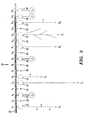
- FIG. 2 depicts the chelation structure 10 of FIG. 1 , wherein specific chemical structures are shown for A 1 , A 2 , and P as shown.
- Letting A represent one of the monomeric backbone units A 1 , A 2 , ..., A N subject to N ⁇ 2, the structure -A- is represented as:
- R 2 may independently differ or not differ in different monomeric units A 1 , A 2 , ..., A N along the backbone 12.
- R 2 may independently comprise a hydrogen group, an alkyl group, a benzyl group, or an aryl group.
- the chelator 18 (L) is covalently coupled to monomeric backbone unit A 2 via bond 22 as in FIG. 1 .
- the polymer structure 16 has the structural form of R 4 -( ⁇ R 5 ) ⁇ m R 3 , wherein m is a positive integer in the range 1 ⁇ m ⁇ ⁇ .
- the polymer structure 16 is a poly(ethylene glycol) (PEG) group if R 4 is CH 2 -CH 2 , R 5 is O-H 2 -CH 2 , and R 3 is OH (i.e., a PEG group is CH 2 -CH 2 -(O-CH 2 -CH 2 -) m OH).
- the polymer structure 16 is a modified PEG group if R 4 is modified CH 2 -CH 2 and/or R 5 is substituted O—CH 2 —CH 2 as described infra.
- the polymer structure 16 is a "PEG structure” if the polymer structure 16 is a PEG group or a modified PEG group.
- R 4 is covalently bonded to both the repeating units (O-CH 2 —CH 2 ) m and the bond (B P ) 21 in a structural configuration of B P -R 4 ( ⁇ O-CH 2 -CH 2 ) ⁇ m R 3 .
- R 4 may be CH 2 -CH 2 or modified CH 2 -CH 2 .
- Modified CH 2 -CH 2 is substituted CH 2 -CH 2 , expanded CH 2 -CH 2 , or truncated CH 2 -CH 2 .
- Substituted CH 2 -CH 2 has a group replacement for at least one H in CH 2 -CH 2 , such as CH 2 -CH (OH)-.
- Expanded CH 2 -CH 2 has at least one group added to CH 2 -CH 2 (e.g., CH 2 -CH 2 —N- having an added nitrogen group).
- Truncated CH 2 -CH 2 is CH 2 .
- R 5 is represented as O-CH 2 -CH 2 in FIG. 2 .
- R 5 may denote substituted O-CH 2 -CH 2 .
- Substituted O-CH 2 -CH 2 has a group replacement for at least one H in O-CH 2 -CH 2 .
- the substituted O-CH 2 -CH 2 may include: -O-CH 2 -CH(CH 2 -O)-O-.
- R 3 may include a hydrogen group, an alkyl group, an alkene group, an alkyne group, a benzyl group, an aryl group, an acetal group, an aldehyde group, a ketone group, an active sulfone group, a primary amine group, a secondary amine group, a tertiary amine group, a quaternary amine group, a protected amine group, a thiol group, a protected thiol group, a disulfide group, a carboxyl group, a hydroxyl group, a diol group, a protected hydroxyl group, a sulfate group, an amide group, an acrylate group, a methacrylate group, a methacrylamide group, an ester group, an epoxide group, a halide group, an amino acid group, a carbohydrate group, or a peptide group.
- P is one of a poly(ethylene glycol) (PEG) structure, a poly(propylene glycol) group, a poly(acrylamide) group, a N-substituted polyacrylamides group, a carbohydrate polymer group, an oligosaccharide group, a polyvinyl alcohol group, a polyglycerol group, or a polyvinylpyrolidone group.
- P is of the form R 4 ( ⁇ R 5 ) ⁇ m R 3 if P is a PEG structure, as described supra.
- FIG. 3 depicts the chelation structure 10 of FIG. 2 for depicting the monomeric backbone units A 1 , A 2 , A 3 , ...,A 17 sequenced along the backbone 12.
- Each of the monomeric backbone units A 1 , A 2 , A 3 , ..., A 17 has the chemical structure that is depicted for A 1 , A 2 , and A N in FIG. 2 .
- Some monomeric backbone units (A 2 , A 4 , A 7 , A 8 A 10 , A 14 ) do not have an attached side chain, but instead have hydrogen (H) 23 attached thereto.
- the monomeric backbone unit A 12 is attached to bond 24 but does not have hydrogen or a side chain attached thereto.
- bond B P 21 of the polymer side chain, bond B L 22 of the chelator side chain, the hydrogen (H) 23, and bond 24 are sequenced in the order of 21, 23, 22, 23, 21, 21, 23, 23, 22, 23, 21, 24, 21, 23, 21, 22, 22 as attached to the monomeric backbone units A 1 , A 2 , A 3 , A 4 , A 5 , A 6 , A 7 , A 8 , A 9 , A 10 , A 11 , A 12 , A 13 , A 14 , A 15 , A 16 , A 17 , respectively, along the backbone 12.
- the polymer side chains, the chelator side chains, the attached hydrogen (H), and bonds without attached hydrogen or side chains may be sequenced in a random order, or in any predetermined order, along the backbone 12, via exercise of appropriate controls (e.g., the amount of each component used for the polymerization, copolymerization reactivity ratio of each component, temperature, ionic strength, pH, catalyst composition, catalyst concentration, catalyst reactivity, and solvent composition) during the synthesis of the chelation structure 10 as explained infra.
- the polymer structures may be linear (e.g., P 1 , P 2 , P 3 , P 4 , P 6 ) or branched (e.g., P 5 ).
- the bonds 21, 22, and 24 may be independently biodegradable or non-biodegradable.
- the polymer structures comprise end groups R 4 and R 3 as discussed supra in conjunction with FIG. 2 .
- R 2 (see FIG. 2 ) is a same group for all of said monomeric backbone units A 1 , A 2 , A 3 , ..., A 17 . In one embodiment, R 2 is a different group for at least two monomeric backbone units of monomeric backbone units A 1 , A 2 , A 3 , ..., A 17 .
- the polymer structures P 1 , P 3 , and P 6 have replacement structures S in modification of the repeating units O—CH 2 —CH 2 (see FIG. 2 ).
- the presence of S denotes that S replaces a hydrogen (H) in the repeating units O—CH 2 —CH 2 , which transforms O-CH 2 -CH 2 to a substituted O-CH 2 -CH 2 .
- One or more such replacement structures S may replace H in one or more repeating units O—CH 2 —CH 2 .
- the polymer structures P 2 , P 4 , and P 5 do not have such replacement structures S within the repeating units O—CH 2 —CH 2 .
- S may substitute for H in R 3 (see FIG. 2 ).
- S is such that one or more polymer side chains confer special functionality (fluorescent tag, radiolabel, etc.). In one embodiment, S is such that one or more polymer side chains improve biocompatibility in linear polymer structures (e.g., P 1 , P 2 , P 3 , P 4 , P 6 ) and/or branched polymer structures (e.g., P 5 ). In one embodiment, S is such that one or more polymer side chains facilitate transport of the chelation structure 10 to a specified body site within a mammal after the chelation structure 10 has been introduced into the mammal.
- linear polymer structures e.g., P 1 , P 2 , P 3 , P 4 , P 6
- branched polymer structures e.g., P 5
- S is such that one or more polymer side chains facilitate transport of the chelation structure 10 to a specified body site within a mammal after the chelation structure 10 has been introduced into the mammal.
- each polymer structure independently has a molecular weight in a range of 200 to 50000 daltons.
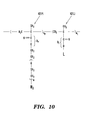
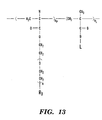
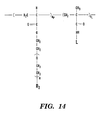
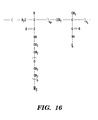
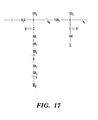
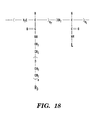
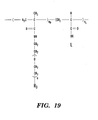
- FIGS. 10-19 depict chelation structures showing different combinations of monomric backbone units and biodegradable/non-biodegradable linkages between the backbone and both the polymer side chains and the chelator side chains, in accordance with embodiments of the present invention.
- the polymer side chains are poly(ethylene glycol) (PEG) side chains.
- the monomeric backbone units linked to the PEG side chains, and the chelator side chains have group R2(P) and R2(L) respectively representing CH 3 and CH 3 in FIG. 10 .
- the PEG side chains and the chelator side chains are attached to the monomeric backbone units via bonds B P and B L , respectively, wherein the bonds B P and B L the bonds may independently be biodegradable (B1) or non-biodegradable (B2), as shown infra in Table 1.
- Table 1 FIG. Bp B L R2(P) R2(L) 10 B1 B1 CH 3 CH 3 11 B1 B1 H H 12 B1 B1 CH 3 H 13 B1 B1 H CH 3 14 B1 B2 H CH 3 15 B2 B1 H CH 3 16 B2 B2 H CH 3 17 B2 B2 CH 3 CH 3 18 B2 B2 H H 19 B2 B2 CH 3 H
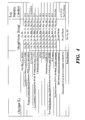
- FIG. 4 is a table depicting chelators which may be utilized in the chelation structures 10 of FIGS. 1-3 .
- FIG. 4 indicates substances (i.e., metal(s) and/or heme) that may be bound to the chelator according to the metal/heme's affinity to the chelator.
- the affinity of the metal/heme to the chelator is governed by K, wherein K is the log stability constant for the binding of the metal/heme to the chelator.
- Stability of a complex in solution refers to the degree of association between the two species involved in the state of equilibrium (e.g., iron and chelator).
- the magnitude of the equilibrium constant (stability or formation) for the association quantitatively expresses the stability.
- the metal-chelator binding process is represented by a series of stepwise equilibria which lead to stability constants that may vary numerically from hundreds to enormous values such as 10 35 and more. For this reason, the logarithm of the stability, rather than the stability itself, is commonly reported.
- the chelator (L) has a log stability constant no less than about 15.
- the chelators in FIG. 4 are merely illustrative and numerous other transition metal chelators can be similarly utilized.
- the metal(s) to be bound to the chelator (L) may comprise at least one of Cu, Fe, Co, Zn, Mn, U, Hg, and Ga, wherein the chelator may comprise at least one of: Gly-His-Lys (GHK); 2,3-Dihydroxybenzoic acid; Pyridoxal isonicotinoyl hydrazone (PIH) and derivatives therof; 2,2'-bipyridyl; 1,2-dimethyl-3-hydroxypyrid-4-one and derivatives thereof; 1-hydroxypyridine 2-one; CP502; 4-[3,5-bis(2-hydroxyphenyl)-1,2,4-triazol-1-yl]-benzoic acid (ICL670); Dexrazoxane (ADR-925); N , N bis(2-hydroxybenzyl)ethylenediamine- N , N- diacetic acid (HBED); O-Trensox; and Desferrioxamine (GHK); 2,3-Di
- the metal(s) and/or heme to be bound to the chelator (L) may comprise at least one of Fe and heme, wherein the chelator may comprise at least one of Hemopexin, Chloroquine (CQ), and Chloroquine derivatives.
- the metal(s) to be bound to the chelator (L) may comprises at least one of Fe, Cu, and Mn, wherein the chelator may comprise Penicillamine.
- the chelators listed in FIG. 4 and generally the chelator 18 (L) used in the chelation structure 10, have a significantly lower molecular weight than does the overall chelation structure 10, due to the potentiality of relatively high molecular weight contributions from backbone 12 and the polymer structures 16.
- ICL670 has a molecular weight of 373.4 daltons
- HBED has a molecular weight of 386 daltons.
- the backbone 12 may have molecular weight in a range of 200 to 50000 daltons
- each polymer structure 16 may have molecular weight in a range of 200 to 50000 daltons.
- FIG. 5 depicts a shuttle chelator system, in accordance with embodiments of the present invention.
- FIG. 5 depicts a cellular environment (e.g., an environment of a red blood cell) comprising a cell membrane 32 interposed between an extracellular space 31 and intracellular space 33.
- the shuttle chelator system of FIG. 5 employs both the chelation structure 10 (described supra in conjunction with FIGS. 1-3 ) and shuttle chelators 26.
- the shuttle chelators 26 are essentially the same chelators as the chelators 18 in FIGS. 1-3 , except that the shuttle chelators 26 are free and not integrated into the chelation structure 10 as are the chelators 18.
- FIG. 4 provides examples of the shuttle chelators 26.
- the chelation structure 10 is called a "docking chelation structure".
- the shuttle chelators 26 have a relatively low molecular weight in comparison with the molecular weight of the chelation structure 10 as explained supra.
- the relatively low molecular weight of the shuttle chelators 26 makes the shuttle chelators 26 cell permeable; i.e., capable of migrating through the cell membrane 32 so as to move from the extracellular space 31 to the intracellular space 33, and from the intracellular space 33 to the extracellular space 31.
- the shuttle chelators 26 may enter the intracellular space 33 of the cell through the membrane 32 via random diffusion but may alternatively enter the intracellular space 33 via an active process.
- the shuttle chelators 26 bind metal(s)/heme 35 wherein the metals 35 are free or loosely complexed and capable of causing cell injury. Examples of such metals 35 are listed in FIG. 4 .
- the relatively high molecular weight of the chelation structure 10 inhibits the chelation structure 10 from migrating through the cell membrane 32.
- the chelation structure 10 is disposed primarily in the extracellular space 31.
- the shuttle chelators 26 After binding the metal(s)/heme 35, the shuttle chelators 26 leave the intracellular space 33 (via random diffusion or by an active process) and enter the vascular or extracellular space 31 after passing through the cell membrane 32. Within the vascular or extracellular space 31, the chelation structure 10 has a higher affinity for the metal(s)/heme than does the shuttle chelator 26 (i.e., the log stability constant K L of the chelator L 18 in the docking chelation structure 10 exceeds the log stability constant K S of the shuttle chelator 26).
- the chelation structure 10 subsequently pulls and then binds (i.e., chelates) the metal(s)/heme 35 from the shuttle chelators 26 and are subsequently cleared, along with the shuttle chelators 26, from the body (primarily via the kidneys) of the mammal.
- the shuttle chelator system of the present invention provides efficient removal of toxic metals to prevent/delay injury to cells (e.g., erythrocyte, hepatic cell) and organs (e.g., liver, heart, kidney, brain).
- the Stokes radius is the effective radius a molecule as the molecule tumbles rapidly in solution.
- a long, extended molecule has a larger Stokes radius than a compact molecule, even if the extended molecule and the compact molecule have the same molecular mass.
- the Stokes radius increases, though this is somewhat dependent on the packing/density of the substance (protein, polymer, etc).
- the present invention utilizes the concepts described above in a novel manner to: reduce the toxicity of the low molecular weight chelators, improve vascular retention of the low molecular weight chelators, and increase water/plasma solubility of existing and future low molecular weight metal chelators for clinical use.
- the vascular retention time, cell permeability, water/plasma solubility and toxicity profiles of the described novel chelation structure 10 of the present invention are readily manipulated by concurrently or independently changing any or all of the following parameters: the molecular weight (size) of the backbone; the number of the polymer side chains; the size (molecular weight) of the polymer side-chains; the shape of the PEG side chains (linear vs. branched).
- the backbone 12 which may be a polyacrylate or acrylamide-derived backbone, is a linear macromolecule (i.e., a polymer).
- the Stokes radius of a particle is the effective radius a molecule as it tumbles rapidly in solution. A long, extended molecule has a larger Stokes radius than a compact molecule. Because of this relationship, the Stokes radius of the molecule is increased according to the number (n) of monomeric backbone units) in the backbone.
- the Stokes radius of the molecule is further influenced by the physical nature of polymer structure (P).
- polymer structure (P) may be linear or branched as shown in FIG. 3 .
- a branched polymer structure increases the Stokes radius less than a linear polymer structure of the same molecular weight, since the branched polymer structure is more compact than the linear polymer structure and interacts less with the surrounding medium.
- the chelator (L) e.g., as listed in FIG. 4 ) minimally impacts the aggregate Stokes radius of the molecule due to the relatively smaller size of the chelator (L) in comparison with the backbone 12 and/or the polymer structure (P) 16.
- the chelation structure 10 is non-permeable to cells due to its large size and exerts less toxicity relative to the cell permeable low molecular weight form of the chelators of the prior art.
- increasing the Stokes radius of the chelation structure 10 decreases cell permeability, decreases cell toxicity, decreases renal clearance, and increases vascular retention.
- the chelation structure 10 of the present invention may have the following clinical uses, inter alia: prevention of iron-mediated free radical injury (oxidant generating drugs, ischemia reperfusion); prevention of toxicity due to other transition metal (e.g., copper, cobalt, manganese, zinc); use in primary and secondary tissue (e.g., liver, kidneys, heart, endocrine) iron overload states; use in acute iron toxicity cases ( e.g., neonatal ingestion of iron supplement tablets); use in cancer therapy (iron deprivation prevents tumour cell proliferation); use in Sickle Cell Anemia (RBC injury and secondary iron overload); use in Thalassemia (RBC injury and secondary iron overload); use in brain injury ( e.g., trauma, stroke, ischemia-reperfusion); use in alcohol abuse (liver toxicity due to alcohol metabolism: iron-acetaldehyde toxicity); use in the treatment of malaria; use in the treatment of neurodegenerative diseases (e.g., Parkinsons disease).
- iron-mediated free radical injury oxidant
- the chelation structure 10 of the present invention may be synthesized by any of the following methods: Radical Addition Fragmentation Transfer (RAFT); Atom Transfer Radical Polymerization (ATRP); and Free Radical Polymerization (FRP).
- RAFT Radical Addition Fragmentation Transfer
- ATRP Atom Transfer Radical Polymerization
- FRP Free Radical Polymerization
- Controlled polymerizations are based on establishing a rapid dynamic equilibrium between a small amount of reactive radical components (e.g., the polymer structure (P) 16 and the chelator (L) in the preformed polymer synthesis schemes for the present invention) and a large majority of the dormant species (A) or (A)-(P) as described supra.
- the dormant chains may be alkyl halides, as in ATRP, thioesters, as in reversible addition fragmentation chain transfer (RAFT) polymerization or alkoxyamines, as in nitrous oxide mediated polymerization.
- FRP Free Radical polymerization
- radicals are generated by homolytic cleavage of a radical initiator (e.g., benozyl peroxide, azobisisobutyronitrile, azobisisovaleric acid) and addition of monomer.
- a radical initiator e.g., benozyl peroxide, azobisisobutyronitrile, azobisisovaleric acid
- Chain transfer reagents e.g.dithioesters
- Polymer chains grow in a fashion similar to conventional polymerization by the addition of monomers to radicals. The polymerization is controlled by the reaction of CTA to the radicals and generation of dormant species.
- a mixture of PEG acrylate/acylamide and functionalized L monomers along with S,S'-( ⁇ , ⁇ '-dimethyl, ⁇ "-dicarboxylic) trithiocarbonate as CTA agent and a radical initiator (e.g., azobis isovaleric acid ) is used.
- a radical initiator e.g., azobis isovaleric acid
- Polymerization is initiated by the thermal cleavage by a radical initiator (e.g., azobis isovaleric acid but many others exist).
- Molecular weight of the polymer is controlled by the copolymerization conditions, i.e., the amount of each component used for the polymerization, copolymerization reactivity ratio of each component, temperature, ionic strength, pH, catalyst composition, catalyst concentration, catalyst reactivity, and solvent composition.
- radicals or active species are generated through a reversible redox processes catalyzed by a transition metal complex ( Mt n -Y/Ligand, where Y may be another ligand or counter ion and M may be Cu, Fe, Ru or Ni) which undergoes one electron oxidation with concomitant abstraction of a halogen atom X from a dormant species R-X.
- Mt n -Y/Ligand transition metal complex
- Y may be another ligand or counter ion and M may be Cu, Fe, Ru or Ni
- Cu(I)Cl and 1,1,4,7,10,10-hexamethyl triethylene tetramine (HMTETA) is used catalyst.
- PEG acrylate or acrylamide and a functionalized L-monomer can be copolymerized using, for example, methyl-2-chloropropionate as initiator.
- Polymer molecular weight and composition is controlled by the copolymerization conditions; i.e., the amount of each component used for the polymerization, copolymerization reactivity ratio of each component, temperature, ionic strength, pH, catalyst composition, catalyst concentration, catalyst reactivity, and solvent composition..
- FRP Free Radical Polymerization
- radicals are generated by the homolytic cleavage of azobisisovaleric acid (radical initiator), and polymer chains grow by the addition of monomers to radicals. Polymerization and molecular weight is not controlled by FRP.
- PEG monomers PEG acrylate/acrylamide
- functional monomers were copolymerized using azobisisovaleric acid as radical initiator to produce the chelation structure 10.
- the chelation structure 10 of the present invention can be synthesized (using RAFT, ATRP, or FRP) via (1) bonding the chelators to a preformed backbone; or (2) copolymerization of the backbone, the polymer structures, and the chelators, as illustrated infra using PEG structures for the polymer structures.
- Bonding the chelators to a preformed backbone comprises synthesizing a modified backbone (e.g., a pegylated backbone if the polymer structures comprise a PEG structure), followed by covalently bonding the at least one chelator to the corresponding bonding structures B L to form the chelation structure 10.
- the synthesized modified backbone comprises the backbone 12, the bonding structures B P and B L covalently bonded to the backbone at the corresponding monomeric backbone units, and the polymer structures covalently bonded to the corresponding bonding structure B P .
- RAFT was used to bond an ICL670 chelator to a preformed backbone by synthesizing the backbone with a biodegradable bond, followed by covalent bonding of the ICL670 chelator to the synthesized backbone with a biodegradable bond.
- the polymer (mPEG-C-Amine) was dried in vacuum and analyzed by 1 H NMR and GPC and titration.
- the Nuclear Magnetic Resonance (NMR) data regarding composition of the synthesized backbone are: 1 H-NMR - CH 3 - 0.5 - 1.4 ppm , CH 2 - 1.5 - 2.3 ppm, CH 2 -N 2.6- 2.8 ppm, OCH 3 3.35 ppm, -CH 2 -O-CH 2 - 3.5-3.9 ppm, CH 2 -O-CO 4.1 ppm.
- GPC data of backbone are: GPC- Mn - 50500, Mw/Mn - 1.1, wherein Mw represents the weight-average molecular weight and Mn represents the number-average molecular weight of a polymer.
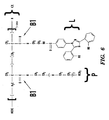
- the preceding process resulted in the synthesized chelation structure depicted in FIG. 6 , in accordance with embodiments of the present invention.
- the chelation structure in FIG. 6 is characterized by biodegradable (B1) bonds between the acrylate/acrylamide backbone ( ⁇ ) and both the polymer (P) and the ICL-670 chelator (L) subunits.
- RAFT was used to bond an ICL670 chelator to a preformed backbone by synthesizing the backbone with a biodegradable bond, followed by covalent bonding of the ICL670 chelator to the synthesized backbone with a non-biodegradable bond.
- the precipitated polymer (mPEG-NC-Amine) was dissolved in methanol (5 ml) and again precipitated from diethyl ether (150 ml). The polymer was dried in vacuum and analyzed by 1 H NMR and GPC and titration.
- the NMR data regarding composition of the synthesized backbone are: 1 H-NMR - CH 3 - 0.5 - 1.4 ppm , OCH 2 - 1.5 - 2.3 ppm, CH 2 -N 2.7- 3.1 ppm, OCH 3 3.35 ppm, -CH 2 -O-CH 2 - 3.5-3.9 ppm, CH 2 -O-CO 4.1 ppm.
- Gel permeation chromatography data of backbone are: GPC- Mn - 55500, Mw/Mn - 1.15.
- the preceding process resulted in the synthesized chelation structure depicted in FIG. 7 , in accordance with embodiments of the present invention.
- the chelation structure in FIG. 7 is characterized by biodegradable (B1) bonds between the polymer (P) and the acrylate/acrylamide backbone ( ⁇ ), and a non-biodegradable (B2) bond between the backbone ( ⁇ ) and the ICL-670 chelator (L) subunits.
- RAFT was used to bond an HBED chelator to a preformed backbone by synthesizing the backbone with a biodegradable bond, followed by covalent bonding of the HBED chelator to the synthesized backbone with a non-biodegradable bond.
- HBED-NC-Acid (0.650 g) and carboxyl protected amine functionalized HBED (HBED-Amine) (0.300 g) were dissolved in mixture of DMF (5 ml) and dichloromethane (5 ml).
- DCC Dicyclohexylcarbodiamide
- 5 ml of dichloromethane chloride was added slowly at 0 °C to the polymer mixture and stirred for 24 h at room temperature.
- the product was precipitated twice from diethyl ether and characterized by 1 HNMR and UV-VIS spectroscopy. From the intensity of peaks for HBED, a molar ratio of HBED to PEG units was calculated to be 1: 12 in the polymer.
- ATRP was used to bond an ICL670 chelator to a preformed backbone by synthesizing the backbone with a biodegradable bond, followed by covalent bonding of the ICL670 chelators to the synthesized backbone with a nonbiodegradable bond.
- ATRP was used to bond an HBED chelator to a preformed backbone by synthesizing the backbone with a biodegradable bond, followed by covalent bonding of the HBED chelator to the synthesized backbone with a nonbiodegradable bond.
- FRP was used to bond an ICL670 chelator to a preformed backbone by synthesizing the backbone with a biodegradable bond, followed by covalent bonding of the ICL670 chelators to the synthesized backbone with a biodegradable bond.
- PEG-C-Amine (A-P) (0.70 g) and ICL-670 (0.500g) were dissolved in mixture of DMF (5 ml) and dichloromethane chloride (5 ml).
- Dicyclohexylcarbodiamide(DCC) (0.5 g) dissolved in 5 ml of dichloromethane chloride was added slowly at 0 °C to the polymer mixture and stirred for 24 h at room temprature.
- the product was precipitated twice from diethyl ether and characterized by 1 HNMR and UV-VIS spectroscopy. From the intensity of peaks for ICL-670, a molar ratio of ICL-670 to PEG units was calculated to be 1: 4 in the polymer.
- FRP was used to bond an HBED chelator to a preformed backbone by synthesizing the backbone with a biodegradable bond, followed by covalent bonding of the HBED chelators to the synthesized backbone with a nonbiodegradable bond.
- the copolymerization methodology involves a single step synthesis utilizing monomeric units of (P), (L).
- (P) and (L) are derivatized to incorporate the backbone subunit associated with monomeric units A1 and A2 of FIG. 1 .
- A1 and A2 react to form a covalent A1-A2 bond forming the backbone macromolecule.
- Multiple means of synthesis can be used. These include RAFT, ATRP and FRT.
- FIGS. 8 and 9 show the general scheme of synthesis for ICL-670 ( FIG. 8 ) and HBED ( FIG. 9 ) chelation structures of the present invention.
- FIG. 8 depicts a general single step synthesis of a chelation structure using an ICL-670 chelator, in accordance with embodiments of the present invention.
- the example shown utilizes ICL-670 (L) and a PEG derivative [(P); methoxypoly(ethylene glycol)].
- Chelator (L) and PEG structure (P) are covalently bound to the A1 and A2 subunits via non-biodegradable bonds (B2) in this example of synthesis.
- FIG. 9 depicts a general single step synthesis of a chelation structure using an HBED chelator.
- the example shown utilizes HBED (L) and a PEG derivative [(P); methoxypoly(ethylene glycol)].
- Chelator (L) and PEG structure (P) are covalently bound to the A1 and A2 subunits of the backbone.
- (P) is bound via a biodegradable (B1) bond while (L) is covalently bound via a non-biodegradable bond (B2) in this example of synthesis.
- RAFT was used to copolymerize the chelation structure, using an ICL-670 chelator.
- ICL-670 acrylamide (0.4g), NMEG 350 -acrylate ( 3.0 g), S,S'-( ⁇ , ⁇ '-dimethyl, ⁇ "-dicarboxylic) Trithiocarbonate ( 26.7 mg)
- Azobis isovaleric acid ( 4 mg) was dissolved in dimethyl formamide (12 ml) and heated to 70 °C in an oil bath. Polymerization was continued for 24 h. The resulting polymer was precipitated in diethyl ether (150 ml). The precipitated polymer was dissolved in methanol (5 ml) and again precipitated from diethyl ether (150 ml). The polymer was dried in vacuum and analyzed by 1 H NMR and GPC and titration.
- RAFT was used to copolymerize the chelation structure, using an HBED chelator.
- HBED- acrylamide 0.5g
- MPEG 350 -acrylate 3.0 g
- S,S'-( ⁇ , ⁇ '-dimethyl, ⁇ "-dicarboxylic) Trithiocarbonate 26.7 mg
- Azobis isovaleric acid 4 mg
- the resulting polymer was precipitated in diethyl ether (150 ml).
- the precipitated polymer was dissolved in methanol (5 ml) and again precipitated from diethyl ether (150 ml).
- the polymer was dried in vacuum and analyzed by 1 H NMR and GPC and titration.
- ATRP was used to copolymerize the chelation structure, using an ICL-670 chelator.
- ICL-670 acrylamide (0.4g), MPEG 350 -acrylate ( 3.0 g), 1,1,4,7,10,10-hexamethyl triethylene tetramine (Aldrich, 97%) (HMTETA), CuCl, CuCl 2 were used.
- Methyl 2-chloropropionate was used as initiator. All the reagents were dissolved in dimethyl formamide (12 ml) and reaction was conducted at 50 °C in an oil bath. Polymerization was continued for 24 h. Resulting polymer was precipitated in diethyl ether (150 ml). The precipitated polymer was dissolved in methanol (5 ml) and again precipitated from diethyl ether (150 ml). The polymer was dried in vacuum and analyzed by 1 H NMR and GPC and titration.
- ATRP was used to copolymerize the chelation structure, using an HBED chelator.
- HBED- acrylamide 0.5g
- MPEG 350 -acrylate 3.0 g
- 1,1,4,7,10,10-hexamethyl triethylene tetramine Aldrich, 97%)
- Methyl 2-chloropropionate was used as initiator. All the reagents were dissolved in dimethyl formamide (12 ml) and reaction was conducted at 50 °C in an oil bath. Polymerization was continued for 24 h. Theresulting polymer was precipitated in diethyl ether (150 ml). The precipitated polymer was dissolved in methanol (5 ml) and again precipitated from diethyl ether (150 ml). The polymer was dried in vacuum and analyzed by 1 H NMR and GPC and titration.
- FRP was used to copolymerize the chelation structure, using an ICL-670 chelator.
- Azobis isovaleric acid (4 mg) was dissolved in dimethyl formamide (12 ml) and heated to 70 °C in an oil bath. Polymerization was continued for 24 h. The resulting polymer was precipitated in diethyl ether (150 ml). The precipitated polymer was dissolved in methanol (5 ml) and again precipitated from diethyl ether (150 ml). The polymer was dried in vacuum and analyzed by 1 H NMR and GPC and titration.
- FRP was used to copolymerize the chelation structure, using an HBED chelator.
- HBED- acrylamide 0.5g
- MPEG 350 -acrylate 3.0 g
- Azobis isovaleric acid 4 mg
- Polymerization was continued for 24 h.
- the resulting polymer was precipitated in diethyl ether (150 ml).
- the precipitated polymer was dissolved in methanol (5 ml) and again precipitated from diethyl ether (150 ml).
- the polymer was dried in vacuum and analyzed by 1 H NMR and GPC and titration.
- biodegradable bond B1, non- biodegradable bond B2, PEG structure P, and chelator L along the backbone in the chelation structure of the present invention is dependent upon the synthesis route. However, in all routes of synthesis, the distribution of P and L as well as B1 and B2 along the backbone is controlled by the copolymerization conditions; i.e., the amount of each component used for the polymerization, copolymerization reactivity ratio of each component, temperature, ionic strength, pH, catalyst composition, catalyst concentration, catalyst reactivity, and solvent composition. Control of the copolymerization conditions is next illustrated for the embodiments of using a preformed backbone and of using copolymerization of individual monomeric components.
- the backbone contains the B1 and B2 reactive binding sites to which P reacts. By manipulating the treatment conditions of the backbone, the ratio of B1 to B2 on the backbone can be controlled. After binding P, L is then added at the desired concentrations and the added L reacts with remaining B1 or B2 sites.
- the backbone can have: only B1 sites; only B2 sites; or a mixture of B1 and B2 sites.
- pre-modification of P dictates if the P binds to a B1 site, a B 2 site, or both a B1 site and a B2 site.
- pre-modification of L dictates if the L binds to a B1 site, a B2 site, or both a B1 site and a B2 site.
- B1 or B2 are present on the P or L subunits. For both P and L, there may be: all B1; all B2; or a combination of B1 and B2. The combination of B1 and B2 may be achieved by mixing B1 and B2 modified monomers.
- P could be linked entirely to B1, B2, or a mixture of B1 and B2, whereas L could be linked entirely to B1, B2, or a mixture of B1 and B2.
- a chelator can be designed where, for example, all P modules are bound by a B1 linkage to facilitate biological clearance, while all L modules are bound by a B2 linkage to the stable backbone for eventual clearance and to prevent metal mediated injury.
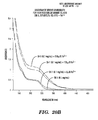
- FIGS. 20A and 20B are plots of absorbance of radiation in water versus wavelength of the radiation, for low molecular weight ICL670 (3mg/ml) and the chelation structure of the present invention (denoted as HMW) dissolved in the water, in accordance with embodiments of the present invention.
- FIG. 20A shows plots for the chelator ICL-670 and the chelation structure SK-1 (i.e., the high molecular weight (HWM) chelation structure of the present invention using the chelator ICL-670).
- FIG. 20B shows plots for SK-1 plus Fe 3+ .
- the measured absorbance increases with increasing concentration of the chelators/chelation structures dissolved in the water and is thus a measure of the solubility of the chelators/chelation structures in the water.
- preparation of the HWM chelation structure of the present invention using ICL-670 dramatically improves its solubility in water (shown) and plasma (not shown).
- the equivalent ICL-670 content in SK-1 (5v mg/mL) in comparisin with the 1 mg/mL for ICL-670 shows vastly improved solubility.
- improved therapeutic dosages can be achieved by the chelation structure of the present invention.
- the improved solubility of the IC-670 in the chelation structure of the present invention is dependent upon both the monomeric backbone units (A 1 , A 2 , ..., A N ) and the PEG structures P.
- FIG. 20A shows that the low molecular weight ICL670 is insoluble in water with large amounts of precipitates (ppt.) present.
- the High Molecular Weight (HMW) form of ICL-670 of the present invention demonstrates full solubility in water at high concentrations.
- the HMW-ICL-670 used was 20% (by weight) ICL-670. At no concentration were precipitates noted in the samples used for analysis for the HMW-ICL-670. Linearity is lost at absorbance values greater than 2, thought the improved solubility is further noted by the tail located between wavelengths of 360-640 nm for the highest concentrations of the HMW-ICL670.
- FIG. 20B shows the spectral shift of SK-1 as the SK-1 binds iron demonstrating that the iron chelation ability of ICL-670 is not lost upon covalent linkage to the SK-1 backbone.
Landscapes
- Health & Medical Sciences (AREA)
- Public Health (AREA)
- Veterinary Medicine (AREA)
- Chemical & Material Sciences (AREA)
- Medicinal Chemistry (AREA)
- Pharmacology & Pharmacy (AREA)
- General Health & Medical Sciences (AREA)
- Life Sciences & Earth Sciences (AREA)
- Animal Behavior & Ethology (AREA)
- Epidemiology (AREA)
- Bioinformatics & Cheminformatics (AREA)
- Engineering & Computer Science (AREA)
- Toxicology (AREA)
- Chemical Kinetics & Catalysis (AREA)
- General Chemical & Material Sciences (AREA)
- Nuclear Medicine, Radiotherapy & Molecular Imaging (AREA)
- Organic Chemistry (AREA)
- Medicinal Preparation (AREA)
- Addition Polymer Or Copolymer, Post-Treatments, Or Chemical Modifications (AREA)
- Polymerisation Methods In General (AREA)
Description
- The present invention relates to a chelation structure, a method of forming the chelation structure, and a method of using the chelation structure to bind metal and/or heme in a mammal.
- Current metal chelators are beset by problems of toxicity, short vascular retention time, and high cost. These problems are exemplified by Desferal® (DFO; also commonly referred to as desferrioxamine methane sulphonate, or simply desferrioxamine) whose chemical name is N-[5-(3-[(5-aminopentyl)-hydroxycarbamoyl]-propionamido)pentyl]-3-([5-(N-hydroxyacetamido)-pentyl]-carbamoyl)-propionohydroxamic acid monomethane sulphonate). Desferal® has been used clinically since the late 1960's and remains the drug of first choice for iron chelation despite it's high cost. The therapeutic dosage of desferal® is sufficient to cause significant injury to the patient receiving the compound which can be demonstrated by growth retardation, peripheral neuropathies, and, in mice, LD50's (~250 mg/kg) only slight above that of the typical therapeutic dosage (20-60 mg/kg) in humans. It is estimated that DFO therapy costs the typical thalassemic patient in excess of $10,000 /year in US dollars.
- The toxicity of current metal chelators derives, in part, from the ability of these chelator compounds to diffuse rapidly into cells and chelate essential intracellular metal (e.g., iron) stores. In the absence of these essential trace metals, the viability of the cell is adversely affected. Between the loss of the chelator into cells and their rapid clearance via the kidney, the vascular retention time of current chelators is also very poor. Again, this is readily exemplified by DFO. Upon intravascular administration, DFO undergoes complete clearance from the vasculature within approximately 20 minutes due to cellular uptake and kidney clearance.
- United States patent
5,185,368, issued February 9, 1993 to Peter et al. , discloses desferrioxamine B derivatives, and metal complexes thereof, that exhibit a much slower rate of excretion and thus a much longer residence time in an organism, as compared with desferrioxamine B, after being administered to the organism, wherein the desferrioxamine B derivatives have long polyethylene glycol chains in the N-acyl radical. - Thus, there is a need for a metal chelator that causes less toxicity and is characterized by increased vascular retention time in comparison with current metal chelators in the prior art.
- The present invention provides a chelation structure according to
claim 1, a method for synthesizing such chelation structure according to claim 9 and the use of such chelation structure according toclaim 12. Subject-matter which is not covered by the claims is not part of the invention. - The present invention provides a chelation structure, comprising: a backbone structured as R0(̵A1-A2- ... —AN)̵R1, wherein N > 2, wherein A1-A2- ... -AN is a linearly connected sequence of N monomeric backbone units, wherein for A representing one of A1, A2, ... AN, -A- is structured as


at least one chelator L for binding a substance, wherein each chelator L of the at least one chelator L has a log stability constant KL no less than 15 for binding said substance and is ICL670, wherein the substance comprises at least one of Fe, Cu, Co, Zn, Mn, U, Hg and Ga, and wherein each chelator is covalently coupled to the corresponding monomeric backbone unit A by a corresponding bonding structure BL of the bonding structures B such that BL-L is a chelator side chain covalently bonded to the backbone at A;
wherein R0 and R1 are independently selected from the group consisting of a hydrogen group, an alkyl group, an alkene group, an alkyne group, a benzyl group, an aryl group, an acetal group, an aldehyde group, a ketone group, an active sulfone group, a primary amine group, a secondary amine group, a tertiary amine group, a quaternary amine group, a protected amine group, a thiol group, a protected thiol group, a disulfide group, a carboxyl group, a hydroxyl group, a diol group, a protected hydroxyl group, a sulfate group, an amide group, an acrylate group, a methacrylate group, a methacrylamide group, an ester group, and an epoxide group;
wherein for each monomeric unit, R2 is independently selected from the group consisting of a hydrogen group, an alkyl group, a benzyl group, and an aryl group;
wherein each bonding structure BP and each bonding structure BL is independently either a biodegradable ester group or a non-biodegradable N-substituted amide group, and wherein the backbone together with the bonding structures B represents an acrylic polymer. - Also disclosed is a method for forming a chelation structure, said method comprising synthesizing the chelation structure, said chelation structure comprising:
- a backbone structured as R0(̵A1-A2- ... -AN)̵R1, wherein N≥ 2, wherein A1-A2- ... -AN is a linearly connected sequence of N monomeric backbone units, wherein for A representing one of A1, A2, ... AN, -A- is structured as

- bonding structures (B) each covalently bonded to a corresponding monomeric backbone unit A in a form of A-B, wherein A-B is structured as

- at least one water-soluble polymer structure (P), wherein each polymer structure P is covalently coupled to the corresponding monomeric backbone unit A by a corresponding bonding structure (BP) of the bonding structures (B) according to A-BP-P such that BP-P is a polymer side chain covalently bonded to the backbone at A, and wherein BP is independently biodegradable or non-biodegradable for each polymer side chain BP-P;
- at least one chelator (L), wherein each chelator L is covalently coupled to the corresponding monomeric backbone unit A by a corresponding bonding structure (BL) of the bonding structures (B) such that BL-L is a chelator side chain covalently bonded to the backbone at A, and wherein BL is independently biodegradable or non-biodegradable for each P chelator side chain B1—L;
- wherein R0 and R1 are independently selected from the group consisting of a hydrogen group, an alkyl group, an alkene group, an alkyne group, a benzyl group, an aryl group, an acetal group, an aldehyde group, a ketone group, an active sulfone group, a primary amine group, a secondary amine group, a tertiary amine group, a quaternary amine, group, a protected amine group, a thiol group, a protected thiol group, a disulfide group, a carboxyl group, a hydroxyl group, a diol group, a protected hydroxyl group, a sulfate group, an amide group, an acrylate group, a methacrylate group, a methacrylamide group, an ester group, and an epoxide group;
- wherein for each monomeric unit, R2 is independently selected from the group consisting of hydrogen group, an alkyl group, a benzyl group, and an aryl group;
- wherein for each polymer side chain, P is independently selected from the group consisting of a poly(ethylene glycol) (PEG) structure, a poly(propylene glycol) group, a poly(acrylamide) group, a N-substituted polyacrylamides group, a carbohydrate polymer group, an oligosaccharide group, a polyvinyl alcohol group, a polyglycerol group, and a polyvinylpyrolidone group; and
- wherein for each chelator side chain, the chelator L has a log stability constant KL no less than 15 for binding a substance selected from the group consisting of at least one metal, heme, and a combination thereof.
- Also disclosed is a chelation method for reducing an amount of a substance in a mammal, said method comprising introducing a chelation structure into the mammal, said chelation structure comprising:
- a backbone structured as R0(̵A1—A2— ... —AN)̵R1), wherein N ≥ 2, wherein A1-A2- ... -AN is a linearly connected sequence of N monomeric backbone units, wherein for A representing one of A1, A2, ... AN, -A- is structured as

- bonding structures (B) each covalently bonded to a corresponding monomeric backbone unit A in a form of A-B, wherein A-B is structured as

- at least one water-soluble polymer structure (P), wherein each polymer structure P is covalently coupled to the corresponding monomeric backbone unit A by a corresponding bonding structure (BP) of the bonding structures (B) according to A-BP-P such that BP-P is a polymer side chain covalently bonded to the backbone at A, and wherein BP is independently biodegradable or non-biodegradable for each polymer side chain BP-P;
- at least one chelator (L), wherein each chelator L is covalently coupled to the corresponding monomeric backbone unit A by a corresponding bonding structure (BL) of the bonding structures (B) such that BL-L is a chelator side chain covalently bonded to the backbone at A, and wherein BL is independently biodegradable or non-biodegradable for each P chelator side chain BL-L;
- wherein R0 and R1 are independently selected from the group consisting of a hydrogen group, an alkyl group, an alkene group, an alkyne group, a benzyl group, an aryl group, an acetal group, an aldehyde group, a ketone group, an active sulfone group, a primary amine group, a secondary amine group, a tertiary amine group, a quaternary amine group, a protected amine group, a thiol group, a protected thiol group, a disulfide group, a carboxyl group, a hydroxyl group, a diol group, a protected hydroxyl group, a sulfate group, an amide group, an acrylate group, a methacrylate group, a methacrylamide group, an ester group, and an epoxide group;
- wherein for each monomeric unit, R2 is independently selected from the group consisting of a hydrogen group, an alkyl group, a benzyl group, and an aryl group;
- wherein for each polymer side chain, P is independently selected from the group consisting of a poly(ethylene glycol) (PEG) structure, a poly(propylene glycol) group, a poly(acrylamide) group, a N-substituted polyacrylamides group, a carbohydrate polymer group, an oligosaccharide group, a polyvinyl alcohol group, a polyglycerol group, and a polyvinylpyrolidone group; and
- wherein for each chelator side chain, the chelator L has a log stability constant KL no less than 15 for binding the substance, said substance being selected from the group consisting of at least one metal, heme, and a combination thereof.
- The present invention advantageously provides a metal chelator that causes less toxicity and is characterized by increased vascular retention in comparison with current metal chelators in the prior art.
-
-
FIGS. 1-3 depict chelation structures, in accordance with embodiments of the present invention. -
FIG. 4 is a table depicting metal chelators which may be utilized in the chelation structures ofFIGS. 1-3 . -
FIG. 5 depicts a shuttle chelator system, in accordance with embodiments of the present invention. -
FIG. 6 depicts a synthesized chelation structure characterized by biodegradable bonds between the backbone and both the polymer and ICL-670 chelator subunits, in accordance with embodiments of the present invention. -
FIG. 7 depicts a synthesized chelation structure characterized by biodegradable bonds between the backbone and the polymer, and non-biodegradable bonds between the backbone and the ICL-670 chelator subunits, in accordance with embodiments of the present invention. -
FIG. 8 depicts a general single step synthesis of a chelation structure using an ICL-670 chelator, in accordance with embodiments of the present invention. -
FIG. 9 depicts a general single step synthesis of a chelation structure using an HBED chelator. -
FIGS. 10-19 depict chelation structures showing different combinations of monomeric backbone units and biodegradable/non-biodegradable linkages between the backbone and both the poly(ethylene glycol) (PEG) side chains and the chelator side chains, in accordance with embodiments of the present invention. -
FIGS. 20A and20B are plots of absorbance of radiation versus wavelength of the radiation in water for various chelators dissolved in the water, in accordance with embodiments of the present invention. - The detailed description of the invention is divided into the following sections:
- 1. Structure and Function of the Chelation Structure;
- 2. Synthesis of the Chelation Structure; and
- 3. Validation of Chelation Structure Functionality.
-
FIGS. 1-3 depict achelation structure 10, in accordance with embodiments of the present invention.FIGS. 1-3 show different details of thechelation structure 10. -
FIG. 1 depicts thechelation structure 10 as comprising the modular components of abackbone 12,bonds backbone 12 is a linear polymer comprising n units represented as (A1— A2)n, wherein A1 and A2 are monomeric backbone units, and wherein n is a positive integer in therange 1≤n<∞. - The linear polymer may be a block copolymer or a terpolymer. A1 and A2 independently comprise the structural form shown in
FIG. 2 , described infra. In one embodiment, the backbone has a molecular weight in a range of 200 to 50000 daltons. - The
backbone 12 also comprises end groups R0 and R1. R0 and R1 may each independently comprise a hydrogen group, an alkyl group, an alkene group, an alkyne group, a benzyl group, an aryl group, an acetal group, an aldehyde group, a ketone group, an active sulfone group, a primary amine group, a secondary amine group, a tertiary amine group, a quaternary amine group, a protected amine group, a thiol group, a protected thiol group, a disulfide group, a carboxyl group, a hydroxyl group, a diol group, a protected hydroxyl group, a sulfate group, an amide group, an acrylate group, a methacrylate group, a methacrylamide group, an ester group, or an epoxide group. - Bonds 21 (denoted as BP) and 22 (denoted as BL) are covalently bonded to corresponding monomeric backbone units A1 and A2, respectively, and also to the
polymer structure 16 and thechelator 18, respectively.Bond 21 andpolymer structure 16 collectively form a polymer side chain attached to thebackbone 12 at monomeric backbone unit A1. Bond 22 andchelator 18 collectively form a chelator side chain attached to thebackbone 12 at monomeric backbone unit A2. Bonds 21 and 22 are independently biogradable (denoted as B1 if biogradable) or non-biodegradable (denoted as B2 if non-biogradable). Each biodegradable bond B1 may independently comprise an ester group, a substituted esters group, a disulfide group, a substituted disulfide group, an acetal group, a ketal group, a glycoside group, an anhydride group, a peptide group, or a urethane group. Each non-biodegradable bonds B2 may independently comprise a N-substituted amide group, a benzyl group, an aryl group, an alkyl group, or an ether group. - Polymer structure 16 (P) can contain one or more reactive sites (depicted as R4, and R3 in
FIG. 2 , and as S inFIG. 3 ) which can be used to provide added functionality to theaggregate chelation structure 10. Chelator 18 (denoted as L) is adapted to bind a substance (e.g., a metal or heme). Examples of chelators represented by L are depicted inFIG. 4 , described infra. The combination of thebackbone 12 and one ormore polymer structure 16 serves as a molecular carrier for thechelator 18. Thechelator 18 provides the active metal binding site of thechelation structure 10. As shown, each monomeric backbone unit (i.e., A1, A2, ...) can be covalently coupled (viabond 21 or 22) to either thepolymer structure 16 or thechelator 18. - As the molecular weight of the
backbone 12 increases, the number of reactive sites (e.g., A1 and A2) along thebackbone 12 increase correspondingly and can serve as attachment sites for additional polymer side chains and/orchelator 18 side chains, using either biodegradable (B1) or non-biodegradable (B2) covalent bonds. The biodegradable and non-biodegradable characteristic of bonds B1 and B2, respectively, affects the clearance rate of thechelation structure 10 from the vascular space of a mammal into which thechelation structure 10 has been introduced. The mammal may be a human being or a non-human mammal. B1 (biodegradable) bonds will allow for more rapid clearance while B2 (non-biodegradable) bonds will result in enhanced vascular retention. Eachbond backbone 12 is independently biodegradable (B1) or non-biodegradable (B2). Variable combinations of biodegradability and non-biodegradabillity (i.e., of B1 and B2) can be present in thechelation structure 10. - The
chelation structure 10 has a relatively high molecular weight as compared with the molecular weight of the chelator 18 (L), due to the aggregate molecular weight of thebackbone 12 and polymer structure16. The combined molecular weight and composition of thebackbone 12 and polymer structure16 governs the Stokes radius of thechelation structure 10. As defined, the Stokes radius of a molecule is the effective radius of the molecule as the molecule tumbles rapidly in solution. A long, extended molecule has a larger Stokes radius than a compact molecule. Because of this relationship, the Stokes radius is increased as the number of monomeric backbone units (i.e., A1, A2, ...) in thebackbone 10 is increased, and as size of thepolymer structure 16 attached to the monomeric backbone unit A1 increases. Thus, the molecular weight of thebackbone 12 and/or the polymer structure 16 (P) can be manipulated to increase or decrease the aggregate molecular weight of thechelation structure 10, and to increase or decrease the Stokes radius of thechelation structure 10. - While
FIG. 1 depicts two monomeric backbone units A1 and A2, thebackbone 12 may generally comprise N such monomeric backbone units for any positive integer N of at least 2, as illustrated inFIG. 2 . -
FIG. 2 depicts thechelation structure 10 ofFIG. 1 , wherein specific chemical structures are shown for A1, A2, and P as shown. Letting A represent one of the monomeric backbone units A1, A2, ..., AN subject to N ≥ 2, the structure -A- is represented as:
- Letting B represent BP or BL (wherein BP and BL are each independently biodegradable or non-biodegradable as discussed supra), the structure A-B is represented as:

- R2 may independently differ or not differ in different monomeric units A1, A2, ..., AN along the
backbone 12. In each monomeric backbone unit A, R2 may independently comprise a hydrogen group, an alkyl group, a benzyl group, or an aryl group. - The chelator 18 (L) is covalently coupled to monomeric backbone unit A2 via
bond 22 as inFIG. 1 . - The
polymer structure 16 has the structural form of R4 -(̵R5)̵m R3, wherein m is a positive integer in therange 1 ≤m < ∞. Thepolymer structure 16 is a poly(ethylene glycol) (PEG) group if R4 is CH2-CH2, R5 is O-H2-CH2, and R3 is OH (i.e., a PEG group is CH2-CH2-(O-CH2-CH2-)mOH). Thepolymer structure 16 is a modified PEG group if R4 is modified CH2-CH2 and/or R5 is substituted O—CH2—CH2 as described infra. Thepolymer structure 16 is a "PEG structure" if thepolymer structure 16 is a PEG group or a modified PEG group. - R4 is covalently bonded to both the repeating units (O-CH2—CH2)m and the bond (BP) 21 in a structural configuration of BP-R4(̵O-CH2-CH2)̵mR3. R4 may be CH2-CH2 or modified CH2-CH2. Modified CH2-CH2 is substituted CH2-CH2, expanded CH2-CH2, or truncated CH2-CH2. Substituted CH2-CH2 has a group replacement for at least one H in CH2-CH2, such as CH2-CH (OH)-. Expanded CH2-CH2 has at least one group added to CH2-CH2 (e.g., CH2-CH2—N- having an added nitrogen group). Truncated CH2-CH2 is CH2.
- R5 is represented as O-CH2-CH2 in
FIG. 2 . R5 may denote substituted O-CH2-CH2. Substituted O-CH2-CH2 has a group replacement for at least one H in O-CH2-CH2. The substituted O-CH2-CH2 may include: -O-CH2-CH(CH2-O)-O-. - - Generally, R3 may include a hydrogen group, an alkyl group, an alkene group, an alkyne group, a benzyl group, an aryl group, an acetal group, an aldehyde group, a ketone group, an active sulfone group, a primary amine group, a secondary amine group, a tertiary amine group, a quaternary amine group, a protected amine group, a thiol group, a protected thiol group, a disulfide group, a carboxyl group, a hydroxyl group, a diol group, a protected hydroxyl group, a sulfate group, an amide group, an acrylate group, a methacrylate group, a methacrylamide group, an ester group, an epoxide group, a halide group, an amino acid group, a carbohydrate group, or a peptide group.
- Generally, P is one of a poly(ethylene glycol) (PEG) structure, a poly(propylene glycol) group, a poly(acrylamide) group, a N-substituted polyacrylamides group, a carbohydrate polymer group, an oligosaccharide group, a polyvinyl alcohol group, a polyglycerol group, or a polyvinylpyrolidone group.
- Note that P is of the form R4 (̵R5)̵m R3 if P is a PEG structure, as described supra.
-
FIG. 3 depicts thechelation structure 10 ofFIG. 2 for depicting the monomeric backbone units A1, A2, A3, ...,A17 sequenced along thebackbone 12. Each of the monomeric backbone units A1, A2, A3, ..., A17 has the chemical structure that is depicted for A1, A2, and AN inFIG. 2 . Some monomeric backbone units (A2, A4, A7, A8 A10, A14) do not have an attached side chain, but instead have hydrogen (H) 23 attached thereto. Moreover, the monomeric backbone unit A12 is attached to bond 24 but does not have hydrogen or a side chain attached thereto. As shown,bond B P 21 of the polymer side chain,bond B L 22 of the chelator side chain, the hydrogen (H) 23, andbond 24 are sequenced in the order of 21, 23, 22, 23, 21, 21, 23, 23, 22, 23, 21, 24, 21, 23, 21, 22, 22 as attached to the monomeric backbone units A1, A2, A3, A4, A5, A6, A7, A8, A9, A10, A11, A12, A13, A14, A15, A16, A17, respectively, along thebackbone 12. In general, the polymer side chains, the chelator side chains, the attached hydrogen (H), and bonds without attached hydrogen or side chains may be sequenced in a random order, or in any predetermined order, along thebackbone 12, via exercise of appropriate controls (e.g., the amount of each component used for the polymerization, copolymerization reactivity ratio of each component, temperature, ionic strength, pH, catalyst composition, catalyst concentration, catalyst reactivity, and solvent composition) during the synthesis of thechelation structure 10 as explained infra. As shown inFIG. 3 , the polymer structures may be linear (e.g., P1, P2, P3, P4, P6) or branched (e.g., P5). Thebonds FIG. 3 , the polymer structures comprise end groups R4 and R3 as discussed supra in conjunction withFIG. 2 . - In one embodiment, R2 (see
FIG. 2 ) is a same group for all of said monomeric backbone units A1, A2, A3, ..., A17. In one embodiment, R2 is a different group for at least two monomeric backbone units of monomeric backbone units A1, A2, A3, ..., A17. - In
FIG. 3 , the polymer structures P1, P3, and P6 have replacement structures S in modification of the repeating units O—CH2—CH2 (seeFIG. 2 ). The presence of S denotes that S replaces a hydrogen (H) in the repeating units O—CH2—CH2, which transforms O-CH2-CH2 to a substituted O-CH2-CH2. One or more such replacement structures S may replace H in one or more repeating units O—CH2—CH2. The polymer structures P2, P4, and P5 do not have such replacement structures S within the repeating units O—CH2—CH2. In one embodiment, S may substitute for H in R3 (seeFIG. 2 ). - In one embodiment, S is such that one or more polymer side chains confer special functionality (fluorescent tag, radiolabel, etc.). In one embodiment, S is such that one or more polymer side chains improve biocompatibility in linear polymer structures (e.g., P1, P2, P3, P4, P6) and/or branched polymer structures (e.g., P5). In one embodiment, S is such that one or more polymer side chains facilitate transport of the
chelation structure 10 to a specified body site within a mammal after thechelation structure 10 has been introduced into the mammal. - In one embodiment, each polymer structure independently has a molecular weight in a range of 200 to 50000 daltons.
-
FIGS. 10-19 depict chelation structures showing different combinations of monomric backbone units and biodegradable/non-biodegradable linkages between the backbone and both the polymer side chains and the chelator side chains, in accordance with embodiments of the present invention. InFIGS. 10-19 , the polymer side chains are poly(ethylene glycol) (PEG) side chains. InFIGS. 10-19 , the monomeric backbone units linked to the PEG side chains, and the chelator side chains have group R2(P) and R2(L) respectively representing CH3 and CH3 inFIG. 10 . The PEG side chains and the chelator side chains are attached to the monomeric backbone units via bonds BP and BL, respectively, wherein the bonds BP and BL the bonds may independently be biodegradable (B1) or non-biodegradable (B2), as shown infra in Table 1.Table 1 FIG. Bp BL R2(P) R2(L) 10 B1 B1 CH3 CH3 11 B1 B1 H H 12 B1 B1 CH3 H 13 B1 B1 H CH3 14 B1 B2 H CH3 15 B2 B1 H CH 3 16 B2 B2 H CH3 17 B2 B2 CH3 CH3 18 B2 B2 H H 19 B2 B2 CH3 H -
FIG. 4 is a table depicting chelators which may be utilized in thechelation structures 10 ofFIGS. 1-3 . For each chelator (L) listed,FIG. 4 indicates substances (i.e., metal(s) and/or heme) that may be bound to the chelator according to the metal/heme's affinity to the chelator. The affinity of the metal/heme to the chelator is governed by K, wherein K is the log stability constant for the binding of the metal/heme to the chelator. Stability of a complex in solution refers to the degree of association between the two species involved in the state of equilibrium (e.g., iron and chelator). Qualitatively, the greater the association between metal and chelator, the greater will be the stability of the complex in solution. The magnitude of the equilibrium constant (stability or formation) for the association, quantitatively expresses the stability. Usually the metal-chelator binding process is represented by a series of stepwise equilibria which lead to stability constants that may vary numerically from hundreds to enormous values such as 1035 and more. For this reason, the logarithm of the stability, rather than the stability itself, is commonly reported. In one embodiment the chelator (L) has a log stability constant no less than about 15. The chelators inFIG. 4 are merely illustrative and numerous other transition metal chelators can be similarly utilized. - In one embodiment in
FIG. 4 , the metal(s) to be bound to the chelator (L) may comprise at least one of Cu, Fe, Co, Zn, Mn, U, Hg, and Ga, wherein the chelator may comprise at least one of: Gly-His-Lys (GHK); 2,3-Dihydroxybenzoic acid; Pyridoxal isonicotinoyl hydrazone (PIH) and derivatives therof; 2,2'-bipyridyl; 1,2-dimethyl-3-hydroxypyrid-4-one and derivatives thereof; 1-hydroxypyridine 2-one; CP502; 4-[3,5-bis(2-hydroxyphenyl)-1,2,4-triazol-1-yl]-benzoic acid (ICL670); Dexrazoxane (ADR-925); N,N bis(2-hydroxybenzyl)ethylenediamine-N,N-diacetic acid (HBED); O-Trensox; and Desferrioxamine (DFO). - In one embodiment in
FIG. 4 , the metal(s) and/or heme to be bound to the chelator (L) may comprise at least one of Fe and heme, wherein the chelator may comprise at least one of Hemopexin, Chloroquine (CQ), and Chloroquine derivatives. - In one embodiment in
FIG. 4 , the metal(s) to be bound to the chelator (L) may comprises at least one of Fe, Cu, and Mn, wherein the chelator may comprise Penicillamine. - Current clinical needs for chelators are typically focused on iron (Fe) and copper (Cu) as both of these essential trace metals are associated with common pathological conditions. A wide variety of transition metals (e.g., uranium (U), mercury (Hg)), however, have been shown to exert significant toxicity both in vitro and in vivo. Metal toxicity can arise from acute ingestion (e.g., iron tablets), heredity (e.g., hemachromatosis (Fe); Wilson's disease (Cu)), or consequent to chronic transfusion therapy (i.e., secondary iron overload) or chronic environmental/industrial exposure (e.g., Hg, U).
- The chelators listed in
FIG. 4 , and generally the chelator 18 (L) used in thechelation structure 10, have a significantly lower molecular weight than does theoverall chelation structure 10, due to the potentiality of relatively high molecular weight contributions frombackbone 12 and thepolymer structures 16. For example, ICL670 has a molecular weight of 373.4 daltons and HBED has a molecular weight of 386 daltons. Thebackbone 12 may have molecular weight in a range of 200 to 50000 daltons, and eachpolymer structure 16 may have molecular weight in a range of 200 to 50000 daltons. -
FIG. 5 depicts a shuttle chelator system, in accordance with embodiments of the present invention.FIG. 5 depicts a cellular environment (e.g., an environment of a red blood cell) comprising acell membrane 32 interposed between anextracellular space 31 andintracellular space 33. The shuttle chelator system ofFIG. 5 employs both the chelation structure 10 (described supra in conjunction withFIGS. 1-3 ) andshuttle chelators 26. The shuttle chelators 26 are essentially the same chelators as thechelators 18 inFIGS. 1-3 , except that the shuttle chelators 26 are free and not integrated into thechelation structure 10 as are thechelators 18.FIG. 4 provides examples of theshuttle chelators 26. In the shuttle chelator system ofFIG. 5 , thechelation structure 10 is called a "docking chelation structure". - The shuttle chelators 26 have a relatively low molecular weight in comparison with the molecular weight of the
chelation structure 10 as explained supra. The relatively low molecular weight of the shuttle chelators 26 makes the shuttle chelators 26 cell permeable; i.e., capable of migrating through thecell membrane 32 so as to move from theextracellular space 31 to theintracellular space 33, and from theintracellular space 33 to theextracellular space 31. The shuttle chelators 26 may enter theintracellular space 33 of the cell through themembrane 32 via random diffusion but may alternatively enter theintracellular space 33 via an active process. In theintracellular space 33 of the cell, the shuttle chelators 26 bind metal(s)/heme 35 wherein themetals 35 are free or loosely complexed and capable of causing cell injury. Examples ofsuch metals 35 are listed inFIG. 4 . - In contrast, the relatively high molecular weight of the
chelation structure 10 inhibits thechelation structure 10 from migrating through thecell membrane 32. Thus, thechelation structure 10 is disposed primarily in theextracellular space 31. - After binding the metal(s)/
heme 35, the shuttle chelators 26 leave the intracellular space 33 (via random diffusion or by an active process) and enter the vascular orextracellular space 31 after passing through thecell membrane 32. Within the vascular orextracellular space 31, thechelation structure 10 has a higher affinity for the metal(s)/heme than does the shuttle chelator 26 (i.e., the log stability constant KL of thechelator L 18 in thedocking chelation structure 10 exceeds the log stability constant KS of the shuttle chelator 26). Therefore in the vascular orextracellular space 31, thechelation structure 10 subsequently pulls and then binds (i.e., chelates) the metal(s)/heme 35 from the shuttle chelators 26 and are subsequently cleared, along with the shuttle chelators 26, from the body (primarily via the kidneys) of the mammal. Thus the shuttle chelator system of the present invention provides efficient removal of toxic metals to prevent/delay injury to cells (e.g., erythrocyte, hepatic cell) and organs (e.g., liver, heart, kidney, brain). - Studies over a wide range of pharmacological compounds demonstrate that, as a general principle, as the aggregate molecular weight of an agent increases, cell permeability and cellular/organismal toxicity decreases while vascular retention increases. These teachings are demonstrated by the example of free DFO and high molecular weight dextran and starch derivatives of DFO (D-DFO and S-DFO; United States Patent No.
6,479,468 issued 11/12/2002 to Hedlund et al. ). As a consequence of the increase in molecular weight and Stokes radius of the D-/S-DFO molecule, cell permeability of the D-/S-DFO molecules is decreased. This results in dramatically reduced toxicity to cells and animals (e.g., mammals) as exemplified by the finding that the LD50 in mice of free DFO is -250 mg/kg, while the LD50 of the S-DFO is > 4000 mg DFO Equivalents/kg. Similarly, as the Stokes radius of the S-DO increases, kidney clearance and vascular retention is improved. Indeed, while DFO undergoes complete clearance from the vasculature within approximately 20 minutes, the high molecular weight D/S-DFO are detectable >5 days post injection. See Hedlund et al., United States Patent No.6,479,468 issued 11/12/2002 to Hedlund et al. See, also, Dragsten PR, Hallaway PE, Hanson GJ, Berger AE, Bernard B, Hedlund BE (2000), First human studies with a high-molecular-weight iron chelator, J Lab Clin Med. 135:57-65. - An underlying biophysical mechanism relating to the inverse relationship between. molecular weight and cell toxicity, cell permeability, and renal clearance (i.e., low molecular weight results in high oxicity/cell permeability/renal clearance) relates to the Stoke's radius of the molecule. The Stokes radius is the effective radius a molecule as the molecule tumbles rapidly in solution. A long, extended molecule has a larger Stokes radius than a compact molecule, even if the extended molecule and the compact molecule have the same molecular mass. As molecular weight increases, the Stokes radius increases, though this is somewhat dependent on the packing/density of the substance (protein, polymer, etc). Furthermore, as the Stokes radius of a molecule increases, there is a reduction in cell permeability. Since cell permeability for low molecular weight chelators is associated with chelation of intracellular metals, cellular toxicity is similarly decreased. In addition, because larger molecules are more slowly cleared from the vascular space by the kidney, particles (e.g., proteins) with increasing stokes radius (related to increasing molecular weight) exhibit improved vascular retention.
- The present invention utilizes the concepts described above in a novel manner to: reduce the toxicity of the low molecular weight chelators, improve vascular retention of the low molecular weight chelators, and increase water/plasma solubility of existing and future low molecular weight metal chelators for clinical use. The vascular retention time, cell permeability, water/plasma solubility and toxicity profiles of the described
novel chelation structure 10 of the present invention are readily manipulated by concurrently or independently changing any or all of the following parameters: the molecular weight (size) of the backbone; the number of the polymer side chains; the size (molecular weight) of the polymer side-chains; the shape of the PEG side chains (linear vs. branched). - The
backbone 12, which may be a polyacrylate or acrylamide-derived backbone, is a linear macromolecule (i.e., a polymer). The Stokes radius of a particle is the effective radius a molecule as it tumbles rapidly in solution. A long, extended molecule has a larger Stokes radius than a compact molecule. Because of this relationship, the Stokes radius of the molecule is increased according to the number (n) of monomeric backbone units) in the backbone. - The Stokes radius of the molecule is further influenced by the physical nature of polymer structure (P). The more polymer structures (P) attached to the backbone, the higher the molecular weight of the
aggregate chelation structure 10 and the Stokes radius. As the molecular weight of the polymer structure (P) increases, so does the Stokes radius of theaggregate chelation structure 10. Furthermore, polymer structure (P) may be linear or branched as shown inFIG. 3 . A branched polymer structure increases the Stokes radius less than a linear polymer structure of the same molecular weight, since the branched polymer structure is more compact than the linear polymer structure and interacts less with the surrounding medium. Note that the chelator (L) (e.g., as listed inFIG. 4 ) minimally impacts the aggregate Stokes radius of the molecule due to the relatively smaller size of the chelator (L) in comparison with thebackbone 12 and/or the polymer structure (P) 16. - The manipulations described supra (i.e., the molecular weight of the backbone; the number of the polymer side chains; the molecular weight of the polymer side-chains; the shape of the polymer side chains) dramatically affect the Stokes radius of the resulting
chelation structure 10. The increase in the Stokes radius correlates directly correlated with the in vivo vascular half-life of a pegylated compound and is inversely correlated with the rate of renal clearance, both of which govern exit of the pegylated compound from the vascular space via the kidney or into cells. See Yamaoka T, Tabata Y, Ikada Y (1994), Distribution and tissue uptake of poly(ethylene glycol) with different molecular weights after intravenous administration to mice, J Pharm Sci. 83:601-6. See, also, Jorgensen KE, Moller JV (1979), Use of flexible polymers as probes of glomerular pore size, Am J Physiol. 236:F103-11. Thus, thechelation structure 10 is non-permeable to cells due to its large size and exerts less toxicity relative to the cell permeable low molecular weight form of the chelators of the prior art. - Thus, increasing the Stokes radius of the chelation structure 10: decreases cell permeability, decreases cell toxicity, decreases renal clearance, and increases vascular retention.
- The
chelation structure 10 of the present invention may have the following clinical uses, inter alia: prevention of iron-mediated free radical injury (oxidant generating drugs, ischemia reperfusion); prevention of toxicity due to other transition metal (e.g., copper, cobalt, manganese, zinc); use in primary and secondary tissue (e.g., liver, kidneys, heart, endocrine) iron overload states; use in acute iron toxicity cases (e.g., neonatal ingestion of iron supplement tablets); use in cancer therapy (iron deprivation prevents tumour cell proliferation); use in Sickle Cell Anemia (RBC injury and secondary iron overload); use in Thalassemia (RBC injury and secondary iron overload); use in brain injury (e.g., trauma, stroke, ischemia-reperfusion); use in alcohol abuse (liver toxicity due to alcohol metabolism: iron-acetaldehyde toxicity); use in the treatment of malaria; use in the treatment of neurodegenerative diseases (e.g., Parkinsons disease). - The
chelation structure 10 of the present invention may be synthesized by any of the following methods: Radical Addition Fragmentation Transfer (RAFT); Atom Transfer Radical Polymerization (ATRP); and Free Radical Polymerization (FRP). - Controlled polymerizations (examples of which include RAFT and ATRP) are based on establishing a rapid dynamic equilibrium between a small amount of reactive radical components (e.g., the polymer structure (P) 16 and the chelator (L) in the preformed polymer synthesis schemes for the present invention) and a large majority of the dormant species (A) or (A)-(P) as described supra. The dormant chains may be alkyl halides, as in ATRP, thioesters, as in reversible addition fragmentation chain transfer (RAFT) polymerization or alkoxyamines, as in nitrous oxide mediated polymerization. Conventional Free Radical polymerization (FRP) utilizes free radical species of individual subunits generated via homolysis of radical initiators. An advantage of controlled polymerization techniques such as RAFT and ATRP is that most often polymer properties such as molecular weight, molecular weight distribution and composition can be predetermined and closely controlled in contrast with free radical polymerization Thus, use of RAFT and/or ATRP facilitates a production of high molecular weight chelation structures with precise molecular parameters.
- In Radical Addition Fragmentation Transfer (RAFT), radicals are generated by homolytic cleavage of a radical initiator (e.g., benozyl peroxide, azobisisobutyronitrile, azobisisovaleric acid) and addition of monomer. Chain transfer reagents (CTA) (e,g.dithioesters) will be added to this to form a dormant species. Polymer chains grow in a fashion similar to conventional polymerization by the addition of monomers to radicals. The polymerization is controlled by the reaction of CTA to the radicals and generation of dormant species. In a typical polymerization, a mixture of PEG acrylate/acylamide and functionalized L monomers along with S,S'-(α, α'-dimethyl, α"-dicarboxylic) trithiocarbonate as CTA agent and a radical initiator (e.g., azobis isovaleric acid ) is used. Polymerization is initiated by the thermal cleavage by a radical initiator (e.g., azobis isovaleric acid but many others exist). Molecular weight of the polymer is controlled by the copolymerization conditions, i.e., the amount of each component used for the polymerization, copolymerization reactivity ratio of each component, temperature, ionic strength, pH, catalyst composition, catalyst concentration, catalyst reactivity, and solvent composition.
- In Atom Transfer Radical Polymerization (ATRP), radicals or active species are generated through a reversible redox processes catalyzed by a transition metal complex ( Mtn-Y/Ligand, where Y may be another ligand or counter ion and M may be Cu, Fe, Ru or Ni) which undergoes one electron oxidation with concomitant abstraction of a halogen atom X from a dormant species R-X. This process occurs with a rate constant of activation, Kact and deactivation, Kdeact. Polymer chains grow by the addition of intermediate radicals to monomers similar to conventional radical polymerization with propagation rate constant Kp. In this invention Cu(I)Cl and 1,1,4,7,10,10-hexamethyl triethylene tetramine (HMTETA) is used catalyst. PEG acrylate or acrylamide and a functionalized L-monomer can be copolymerized using, for example, methyl-2-chloropropionate as initiator. Polymer molecular weight and composition is controlled by the copolymerization conditions; i.e., the amount of each component used for the polymerization, copolymerization reactivity ratio of each component, temperature, ionic strength, pH, catalyst composition, catalyst concentration, catalyst reactivity, and solvent composition..
- In Free Radical Polymerization (FRP), radicals are generated by the homolytic cleavage of azobisisovaleric acid (radical initiator), and polymer chains grow by the addition of monomers to radicals. Polymerization and molecular weight is not controlled by FRP. In the present case PEG monomers (PEG acrylate/acrylamide) and functional monomers were copolymerized using azobisisovaleric acid as radical initiator to produce the
chelation structure 10. - The
chelation structure 10 of the present invention can be synthesized (using RAFT, ATRP, or FRP) via (1) bonding the chelators to a preformed backbone; or (2) copolymerization of the backbone, the polymer structures, and the chelators, as illustrated infra using PEG structures for the polymer structures. - Bonding the chelators to a preformed backbone comprises synthesizing a modified backbone (e.g., a pegylated backbone if the polymer structures comprise a PEG structure), followed by covalently bonding the at least one chelator to the corresponding bonding structures BL to form the
chelation structure 10. The synthesized modified backbone comprises thebackbone 12, the bonding structures BP and BL covalently bonded to the backbone at the corresponding monomeric backbone units, and the polymer structures covalently bonded to the corresponding bonding structure BP. - Examples of bonding the chelators to a preformed backbone are next presented using RAFT, ATRP, and FRP.
- In a first example, RAFT was used to bond an ICL670 chelator to a preformed backbone by synthesizing the backbone with a biodegradable bond, followed by covalent bonding of the ICL670 chelator to the synthesized backbone with a biodegradable bond.
- To synthesize the backbone with a biodegradable bond, a mixture of 2-aminoethyl methacrylate hydrochloride (0.370g), mPEG350-acrylate (3.0 g), S,S'-(α, α'-dimethyl, α"-dicarboxylic) Trithiocarbonate (26.7 mg), Azobis isovaleric acid (4 mg) was dissolved in dimethyl formamide (12 ml) and heated to 70 °C in an oil bath. Polymerization was continued for 24 h. The resulting polymer was precipitated in diethyl ether (150 ml). The precipitated polymer was dissolved in methanol (5 ml) and again precipitated from diethyl ether (150 ml). The polymer (mPEG-C-Amine) was dried in vacuum and analyzed by 1H NMR and GPC and titration. The Nuclear Magnetic Resonance (NMR) data regarding composition of the synthesized backbone are: 1H-NMR - CH3 - 0.5 - 1.4 ppm , CH2- 1.5 - 2.3 ppm, CH2-N 2.6- 2.8 ppm, OCH3 3.35 ppm, -CH2-O-CH2- 3.5-3.9 ppm, CH2-O-CO 4.1 ppm. Gel permeation chromatography (GPC) data of backbone are: GPC- Mn - 50500, Mw/Mn - 1.1, wherein Mw represents the weight-average molecular weight and Mn represents the number-average molecular weight of a polymer..
- To covalently bond the ICL670 chelator to the synthesized backbone via a biodegradable bond, PEG-C-Amine (0.70 g), ICL-670 (0.500g) was dissolved in mixture of DMF (5 ml) and dichloromethane chloride (5 ml). Dicyclohexylcarbodiamide(DCC) (0.5 g) dissolved in 5 ml of dichloromethane chloride was added slowly at 0 °C to the polymer mixture and stirred for 24 h at room temprature. The product was precipitated twice from diethyl ether and characterized by 1HNMR and UV-VIS spectroscopy. From the intensity of peaks for ICL-670 a molar ratio of ICL-670 to PEG units was calculated to be 1: 4 in the polymer. The NMR data regarding composition of final product are: 1H-NMR - CH3 - 0.5 - 1.4 ppm , CH2- 1.5 - 2.3 ppm, CH2-N 2.6- 2.8 ppm, OCH3 3.35 ppm , -CH2-O-CH2- 3.5-3.9 ppm CH2-O-CO 4.1 ppm , ICL-670 peaks ( 7.1, 7.3, 7.7, 7.9 & 8.2 ppm).
- The preceding process resulted in the synthesized chelation structure depicted in
FIG. 6 , in accordance with embodiments of the present invention. The chelation structure inFIG. 6 is characterized by biodegradable (B1) bonds between the acrylate/acrylamide backbone (α) and both the polymer (P) and the ICL-670 chelator (L) subunits. - In a second example, RAFT was used to bond an ICL670 chelator to a preformed backbone by synthesizing the backbone with a biodegradable bond, followed by covalent bonding of the ICL670 chelator to the synthesized backbone with a non-biodegradable bond.
- To synthesize the backbone with a biodegradable bond, a mixture of N-(3-Aminopropyl)methacrylamide hydrochloride (0.399g ), mPEG350-acrylate (3.0 g), S,S'-(α, α,-dimethyl, α"-dicarboxylic) Trithiocarbonate (28.6 mg), Azobis isovaleric acid (4.2 mg) was dissolved in dimethyl formamide (12 ml) and heated to 70 °C in an oil bath. Polymerization was continued for 24 h. Resulting polymer was precipitated in diethyl ether (150 ml). The precipitated polymer (mPEG-NC-Amine) was dissolved in methanol (5 ml) and again precipitated from diethyl ether (150 ml). The polymer was dried in vacuum and analyzed by 1H NMR and GPC and titration. The NMR data regarding composition of the synthesized backbone are: 1H-NMR - CH3 - 0.5 - 1.4 ppm , OCH2- 1.5 - 2.3 ppm, CH2-N 2.7- 3.1 ppm, OCH3 3.35 ppm, -CH2-O-CH2- 3.5-3.9 ppm, CH2-O-CO 4.1 ppm. Gel permeation chromatography data of backbone are: GPC- Mn - 55500, Mw/Mn - 1.15.
- To covalently bond the ICL670 chelator to the synthesized backbone via a non-biodegradable bond, PEG-NC-Amine (0.590 g), ICL-670 (0.280g) was dissolved in mixture of DMF (5 ml) and dichloromethane (5 ml). Dicyclohexylcarbodiamide(DCC) (0.40g) dissolved in 5 ml of dichloromethane chloride was added slowly at 0 °C to the polymer mixture and stirred for 24 h at room temperature. The product was precipitated twice from diethyl ether and characterized by 1HNMR and UV-VIS spectroscopy. From the intensity of peaks for ICL-670 a molar ratio of ICL-670 to PEG units was calculated to be 1: 16 in the polymer. The NMR data regarding composition of final product are: 1H-NMR - CH3 - 0.5 - 1.4 ppm , CH2- 1.5 - 2.3 ppm, CH2-N 2.6- 2.8 ppm, OCH3 3.35 ppm, -CH2-O-CH2- 3.5-3.9 ppm, CH2-O-CO 4.1 ppm, ICL-670 peaks (broad peak from 7.1- 8.6 ppm).
- The preceding process resulted in the synthesized chelation structure depicted in
FIG. 7 , in accordance with embodiments of the present invention. The chelation structure inFIG. 7 is characterized by biodegradable (B1) bonds between the polymer (P) and the acrylate/acrylamide backbone (α), and a non-biodegradable (B2) bond between the backbone (α) and the ICL-670 chelator (L) subunits. - In a third example, RAFT was used to bond an HBED chelator to a preformed backbone by synthesizing the backbone with a biodegradable bond, followed by covalent bonding of the HBED chelator to the synthesized backbone with a non-biodegradable bond.
- To synthesize the backbone with a biodegradable bond, a mixture of acrylic acid (0.300g), MPEG350-acrylate (3.0 g), S,S'-(α, α-dimethyl, α"-dicarboxylic) Trithiocarbonate (28.6 mg), Azobis isovaleric acid (4.2 mg) were dissolved in dimethyl formamide (12 ml) and heated to 70 °C in an oil bath. Polymerization was continued for 24 h. The resulting polymer (mPEG-NC-Acid) was precipitated in diethyl ether (150 ml). The precipitated polymer was dissolved in methanol (5 ml) and again precipitated from diethyl ether (150 ml).
- To covalently bond the HBED chelator to the synthesized backbone via a non-biodegradable bond, PEG-NC-Acid (0.650 g) and carboxyl protected amine functionalized HBED (HBED-Amine) (0.300 g) were dissolved in mixture of DMF (5 ml) and dichloromethane (5 ml). Dicyclohexylcarbodiamide (DCC) (0.40g) dissolved in 5 ml of dichloromethane chloride was added slowly at 0 °C to the polymer mixture and stirred for 24 h at room temperature. The product was precipitated twice from diethyl ether and characterized by 1HNMR and UV-VIS spectroscopy. From the intensity of peaks for HBED, a molar ratio of HBED to PEG units was calculated to be 1: 12 in the polymer.
- In a first example, ATRP was used to bond an ICL670 chelator to a preformed backbone by synthesizing the backbone with a biodegradable bond, followed by covalent bonding of the ICL670 chelators to the synthesized backbone with a nonbiodegradable bond.
- To synthesize the backbone with a bioderadable bond, 2-aminoethyl methacrylate hydrochloride (0.4 g), MPEG350-acrylate (3.0 g), 1,1,4,7,10,10-hexamethyl triethylene tetramine (Aldrich, 97%) (HMTETA), CuCl and CuCl2 were used. Methyl 2-chloropropionate was used as initiator. All the reagents were dissolved in dimethyl formamide (12 ml) and the reaction was conducted at 50 °C in an oil bath. Polymerization was continued for 24 h. The resulting polymer was precipitated in diethyl ether (150 ml). The precipitated polymer was dissolved in methanol (5 ml) and again precipitated from diethyl ether (150 ml). The polymer was dried in vacuum.
- To covalently bond the ICL670 chelator to the synthesized backbone via a nonbiodegradable bond, PEG-C-Amine (A-P) (0.80 g) and ICL-670 (0.600g) were dissolved in mixture of DMF (5 ml) and dichloromethane chloride (5 ml). Dicyclohexylcarbodiamide (DCC) (0.5 g) dissolved in 5 ml of dichloromethane chloride was added slowly at 0 °C to the polymer mixture and stirred for 24 h at room temprature. The product was precipitated twice from diethyl ether and characterized by 1NMR and UV-VIS spectroscopy. From the intensity of peaks for ICL-670, a molar ratio of ICL-670 to PEG units was calculated to be 1: 4 in the polymer.
- In a second example, ATRP was used to bond an HBED chelator to a preformed backbone by synthesizing the backbone with a biodegradable bond, followed by covalent bonding of the HBED chelator to the synthesized backbone with a nonbiodegradable bond.
- To synthesize the backbone with a biodegradable bond, a mixture of acrylic acid sodium salt ( 0.350g ), MPEG350-acrylamide ( 3.0 g), 1,1,4,7,10,10-hexamethyl triethylene tetramine (Aldrich, 97%) (HMTETA), CuCl and CuCl2 were dissolved in dimethyl formamide (12 ml) and heated to 70 °C in an oil bath. Polymerization was continued for 24 h. The resulting polymer was precipitated in diethyl ether (150 ml). The precipitated polymer was dissolved in methanol (5 ml) and again precipitated from diethyl ether (150 ml). The polymer was dried in vacuum.
- To covalently bond the HBED chelator to the synthesized backbone via a nonbiodegradable bond, MPEG- -Acid (A-P) (1.0 g), carboxyl protected amine functionalized HBED (HBED-Amine) (0.500 g) were dissolved in mixture of DMF (10 ml) and dichloromethane (5 ml). Dicyclohexylcarbodiamide (DCC) (0.80g) dissolved in 5 ml of dichloromethane chloride was added slowly at 0 °C to the polymer mixture and stirred for 24 h at room temperature. The product was precipitated twice from diethyl ether and characterized by 1HNMR and UV-VIS spectroscopy. From the intensity of peaks for HBED, a molar ratio of HBED to PEG units was calculated to be 1: 10 in the polymer.
- In a first example, FRP was used to bond an ICL670 chelator to a preformed backbone by synthesizing the backbone with a biodegradable bond, followed by covalent bonding of the ICL670 chelators to the synthesized backbone with a biodegradable bond.
- To synthesize the backbone with a biodegradable bond, a mixture of 2-aminoethyl methacrylate hydrochloride (0.4 g), mPEG350-acrylate (3.0 g) and Azobis isovaleric acid ( 4 mg) were dissolved in dimethyl formamide (12 ml) and heated to 70 °C in an oil bath. Polymerization was continued for 24 h. The resulting polymer was precipitated in diethyl ether (150 ml). The precipitated polymer was dissolved in methanol (5 ml) and again precipitated from diethyl ether (150 ml). The polymer was dried in vacuum.
- To covalently bond the ICL670 chelator to the synthesized backbone via a biodegradable bond, PEG-C-Amine (A-P) (0.70 g) and ICL-670 (0.500g) were dissolved in mixture of DMF (5 ml) and dichloromethane chloride (5 ml). Dicyclohexylcarbodiamide(DCC) (0.5 g) dissolved in 5 ml of dichloromethane chloride was added slowly at 0 °C to the polymer mixture and stirred for 24 h at room temprature. The product was precipitated twice from diethyl ether and characterized by 1HNMR and UV-VIS spectroscopy. From the intensity of peaks for ICL-670, a molar ratio of ICL-670 to PEG units was calculated to be 1: 4 in the polymer.
- In a second example, FRP was used to bond an HBED chelator to a preformed backbone by synthesizing the backbone with a biodegradable bond, followed by covalent bonding of the HBED chelators to the synthesized backbone with a nonbiodegradable bond.
- To synthesize the backbone with a biodegradable bond, a mixture of acrylic acid (0.300g), MPEG350-acrylamide (3.0 g) and Azobis isovaleric acid were dissolved in dimethyl formamide (12 ml) and heated to 70 °C in an oil bath. Polymerization was continued for 24 h. The resulting polymer was precipitated in diethyl ether (150 ml). The precipitated polymer was dissolved in methanol (5 ml) and again precipitated from diethyl ether (150 ml). The polymer was dried in vacuum.
- To covalently bond the HBED chelator to the synthesized backbone via a nonbiodegradable bond, MPEG- -Acid (A-P) (1.0 g) and carboxyl protected amine functionalized HBED (HBED-Amine) (0.600 g) were dissolved in mixture of DMF ( 10 ml) and dichloromethane (5 ml). Dicyclohexylcarbodiamide (DCC) (0.80g) dissolved in 5 ml of dichloromethane chloride was added slowly at 0 °C to the polymer mixture and stirred for 24 h at room temperature. The product was precipitated twice from diethyl ether and characterized by 1HNMR and UV-VIS spectroscopy. From the intensity of peaks for HBED, a molar ratio of HBED to PEG units was calculated to be 1: 8 in the polymer.
- The copolymerization methodology involves a single step synthesis utilizing monomeric units of (P), (L). (P) and (L) are derivatized to incorporate the backbone subunit associated with monomeric units A1 and A2 of
FIG. 1 . A1 and A2 react to form a covalent A1-A2 bond forming the backbone macromolecule. Multiple means of synthesis can be used. These include RAFT, ATRP and FRT.FIGS. 8 and9 show the general scheme of synthesis for ICL-670 (FIG. 8 ) and HBED (FIG. 9 ) chelation structures of the present invention. -
FIG. 8 depicts a general single step synthesis of a chelation structure using an ICL-670 chelator, in accordance with embodiments of the present invention. The example shown utilizes ICL-670 (L) and a PEG derivative [(P); methoxypoly(ethylene glycol)]. Chelator (L) and PEG structure (P) are covalently bound to the A1 and A2 subunits via non-biodegradable bonds (B2) in this example of synthesis. -
FIG. 9 depicts a general single step synthesis of a chelation structure using an HBED chelator. The example shown utilizes HBED (L) and a PEG derivative [(P); methoxypoly(ethylene glycol)]. Chelator (L) and PEG structure (P) are covalently bound to the A1 and A2 subunits of the backbone. (P) is bound via a biodegradable (B1) bond while (L) is covalently bound via a non-biodegradable bond (B2) in this example of synthesis. - Examples of generating the chelator structure by copolymerization are next presented using RAFT, ATRP, and FRP.
- In a first example, RAFT was used to copolymerize the chelation structure, using an ICL-670 chelator. ICL-670 acrylamide (0.4g), NMEG350-acrylate ( 3.0 g), S,S'-(α, α'-dimethyl, α"-dicarboxylic) Trithiocarbonate ( 26.7 mg) , Azobis isovaleric acid ( 4 mg) was dissolved in dimethyl formamide (12 ml) and heated to 70 °C in an oil bath. Polymerization was continued for 24 h. The resulting polymer was precipitated in diethyl ether (150 ml). The precipitated polymer was dissolved in methanol (5 ml) and again precipitated from diethyl ether (150 ml). The polymer was dried in vacuum and analyzed by 1H NMR and GPC and titration.
- In a second example, RAFT was used to copolymerize the chelation structure, using an HBED chelator. HBED- acrylamide (0.5g), MPEG350-acrylate ( 3.0 g), S,S'-(α, α'-dimethyl, α"-dicarboxylic) Trithiocarbonate (26.7 mg), Azobis isovaleric acid (4 mg) was dissolved in dimethyl formamide (12 ml) and heated to 70 °C in an oil bath. Polymerization was continued for 24 h. The resulting polymer was precipitated in diethyl ether (150 ml). The precipitated polymer was dissolved in methanol (5 ml) and again precipitated from diethyl ether (150 ml). The polymer was dried in vacuum and analyzed by 1H NMR and GPC and titration.
- In a first example, ATRP was used to copolymerize the chelation structure, using an ICL-670 chelator. ICL-670 acrylamide (0.4g), MPEG350-acrylate ( 3.0 g), 1,1,4,7,10,10-hexamethyl triethylene tetramine (Aldrich, 97%) (HMTETA), CuCl, CuCl2 were used. Methyl 2-chloropropionate was used as initiator. All the reagents were dissolved in dimethyl formamide (12 ml) and reaction was conducted at 50 °C in an oil bath. Polymerization was continued for 24 h. Resulting polymer was precipitated in diethyl ether (150 ml). The precipitated polymer was dissolved in methanol (5 ml) and again precipitated from diethyl ether (150 ml). The polymer was dried in vacuum and analyzed by 1H NMR and GPC and titration.
- In a second example, ATRP was used to copolymerize the chelation structure, using an HBED chelator. HBED- acrylamide (0.5g), MPEG350-acrylate (3.0 g), 1,1,4,7,10,10-hexamethyl triethylene tetramine (Aldrich, 97%) (HMTETA), CuCl, CuCl2 were used. Methyl 2-chloropropionate was used as initiator. All the reagents were dissolved in dimethyl formamide (12 ml) and reaction was conducted at 50 °C in an oil bath. Polymerization was continued for 24 h. Theresulting polymer was precipitated in diethyl ether (150 ml). The precipitated polymer was dissolved in methanol (5 ml) and again precipitated from diethyl ether (150 ml). The polymer was dried in vacuum and analyzed by 1H NMR and GPC and titration.
- In a first example, FRP was used to copolymerize the chelation structure, using an ICL-670 chelator. ICL-670 acrylamide (0.4g), MPEG350-acrylate (3.0 g), Azobis isovaleric acid (4 mg) was dissolved in dimethyl formamide (12 ml) and heated to 70 °C in an oil bath. Polymerization was continued for 24 h. The resulting polymer was precipitated in diethyl ether (150 ml). The precipitated polymer was dissolved in methanol (5 ml) and again precipitated from diethyl ether (150 ml). The polymer was dried in vacuum and analyzed by 1H NMR and GPC and titration.
- In a second example, FRP was used to copolymerize the chelation structure, using an HBED chelator. HBED- acrylamide (0.5g), MPEG350-acrylate ( 3.0 g), Azobis isovaleric acid (4 mg) was dissolved in dimethyl formamide (12 ml) and heated to 70 °C in an oil bath. Polymerization was continued for 24 h. The resulting polymer was precipitated in diethyl ether (150 ml). The precipitated polymer was dissolved in methanol (5 ml) and again precipitated from diethyl ether (150 ml). The polymer was dried in vacuum and analyzed by 1H NMR and GPC and titration.
- The distribution of biodegradable bond B1, non- biodegradable bond B2, PEG structure P, and chelator L along the backbone in the chelation structure of the present invention is dependent upon the synthesis route. However, in all routes of synthesis, the distribution of P and L as well as B1 and B2 along the backbone is controlled by the copolymerization conditions; i.e., the amount of each component used for the polymerization, copolymerization reactivity ratio of each component, temperature, ionic strength, pH, catalyst composition, catalyst concentration, catalyst reactivity, and solvent composition. Control of the copolymerization conditions is next illustrated for the embodiments of using a preformed backbone and of using copolymerization of individual monomeric components.
- P is binded to a preformed backbone of variable length.. The backbone contains the B1 and B2 reactive binding sites to which P reacts. By manipulating the treatment conditions of the backbone, the ratio of B1 to B2 on the backbone can be controlled. After binding P, L is then added at the desired concentrations and the added L reacts with remaining B1 or B2 sites. The backbone can have: only B1 sites; only B2 sites; or a mixture of B1 and B2 sites. Thus pre-modification of P dictates if the P binds to a B1 site, a B2 site, or both a B1 site and a B2 site. Similarly, pre-modification of L dictates if the L binds to a B1 site, a B2 site, or both a B1 site and a B2 site.
- Using copolymerization of individual monomeric components, no backbone is initially present but is formed by the reaction of modified P and L monomers. The final size of generated backbone is governed by the number of L and P linked together by the backbone. B1 or B2 are present on the P or L subunits. For both P and L, there may be: all B1; all B2; or a combination of B1 and B2. The combination of B1 and B2 may be achieved by mixing B1 and B2 modified monomers. Furthermore, P could be linked entirely to B1, B2, or a mixture of B1 and B2, whereas L could be linked entirely to B1, B2, or a mixture of B1 and B2. Thus a chelator can be designed where, for example, all P modules are bound by a B1 linkage to facilitate biological clearance, while all L modules are bound by a B2 linkage to the stable backbone for eventual clearance and to prevent metal mediated injury.
- Current low molecular weight metal chelators under development for clinical usage are beset by problems on insolubility in aqueous solutions such as water and physiological plasma. The chelation structure of the present invention, however, is not best by such solubility problems, as illustrated in
FIG. 20 . -
FIGS. 20A and20B are plots of absorbance of radiation in water versus wavelength of the radiation, for low molecular weight ICL670 (3mg/ml) and the chelation structure of the present invention (denoted as HMW) dissolved in the water, in accordance with embodiments of the present invention.FIG. 20A shows plots for the chelator ICL-670 and the chelation structure SK-1 (i.e., the high molecular weight (HWM) chelation structure of the present invention using the chelator ICL-670).FIG. 20B shows plots for SK-1 plus Fe3+. The measured absorbance increases with increasing concentration of the chelators/chelation structures dissolved in the water and is thus a measure of the solubility of the chelators/chelation structures in the water. - As shown, preparation of the HWM chelation structure of the present invention using ICL-670 dramatically improves its solubility in water (shown) and plasma (not shown). In addition as denoted by the arrow in
FIG. 20A , the equivalent ICL-670 content in SK-1 (5v mg/mL) in comparisin with the 1 mg/mL for ICL-670 shows vastly improved solubility. Consequent to its improved solubility characteristics, improved therapeutic dosages can be achieved by the chelation structure of the present invention. The improved solubility of the IC-670 in the chelation structure of the present invention is dependent upon both the monomeric backbone units (A1, A2, ..., AN) and the PEG structures P. -
FIG. 20A shows that the low molecular weight ICL670 is insoluble in water with large amounts of precipitates (ppt.) present. In contrast, the High Molecular Weight (HMW) form of ICL-670 of the present invention demonstrates full solubility in water at high concentrations. The HMW-ICL-670 used was 20% (by weight) ICL-670. At no concentration were precipitates noted in the samples used for analysis for the HMW-ICL-670. Linearity is lost at absorbance values greater than 2, thought the improved solubility is further noted by the tail located between wavelengths of 360-640 nm for the highest concentrations of the HMW-ICL670. -
FIG. 20B shows the spectral shift of SK-1 as the SK-1 binds iron demonstrating that the iron chelation ability of ICL-670 is not lost upon covalent linkage to the SK-1 backbone.
Claims (14)
- A chelation structure, comprising:a backbone structured as R0(̵A1—A2— ... —AN)̵R1, wherein N > 2 and A1-A2- ... -AN is a linearly connected sequence of N monomeric backbone units,wherein for A representing one of A1, A2, ... AN, -A- is structured as
 bonding structures B each covalently bonded to a corresponding monomeric backbone unit A in a form of A-B, wherein A-B is structured as
 at least one poly(ethylene glycol) (PEG) structure P, wherein each PEG structure P is covalently coupled to the corresponding monomeric backbone unit A by a corresponding bonding structure BP of the bonding structures B according to A-BP-P such that BP-P is a polymer side chain covalently bonded to the backbone at A;at least one chelator L for binding a substance, wherein each chelator of the at least one chelator L has a log stability constant KL no less than 15 for binding said substance and is ICL670, wherein the substance comprises at least one of Fe, Cu, Co, Zn, Mn, U, Hg, and Ga, and wherein each chelator L is covalently coupled to the corresponding monomeric backbone unit A by a corresponding bonding structure BL of the bonding structures B such that BL-L is a chelator side chain covalently bonded to the backbone at A;wherein R0 and R1 are independently selected from the group consisting of a hydrogen group, an alkyl group, an alkene group, an alkyne group, a benzyl group, an aryl group, an acetal group, an aldehyde group, a ketone group, an active sulfone group, a primary amine group, a secondary amine group, a tertiary amine group, a quaternary amine group, a protected amine group, a thiol group, a protected thiol group, a disulfide group, a carboxyl group, a hydroxyl group, a diol group, a protected hydroxyl group, a sulfate group, an amide group, an acrylate group, a methacrylate group, a methacrylamide group, an ester group, and an epoxide group;wherein for each monomeric unit, R2 is independently selected from the group consisting of a hydrogen group, an alkyl group, a benzyl group, and an aryl group; andwherein each bonding structure BP and each bonding structure BL is independently either a biodegradable ester group or a non-biodegradable N-substituted amide group, and wherein the backbone together with the bonding structures B represents an acrylic polymer.
- The chelation structure of claim 1, wherein the PEG structure has a form of R4 (̵-R5)̵m R3, wherein R4 is CH2-CH2, wherein R5 is O—CH2—CH2, wherein m a positive integer, and wherein R3 is selected from the group consisting of a hydrogen group, an alkyl group, an alkene group, an alkyne group, a benzyl group, an aryl group, an acetal group, an aldehyde group, a ketone group, an active sulfone group, a primary amine group, a secondary amine group, a tertiary amine group, a quaternary amine group, a protected amine group, a thiol group, a protected thiol group, a disulfide group, a carboxyl group, a hydroxyl group, a diol group, a protected hydroxyl group, a sulfate group, an amide group, an acrylate group, a methacrylate group, a methacrylamide group, an ester group, an epoxide group, a halide group, an amino acid group, a carbohydrate group, and a peptide group.
- The chelation structure of claim 2, wherein the PEG structure forms a fluorescent tag.
- The chelation structure of claim 2, wherein the PEG structure facilitates transport of the chelation structure to a specified body site within a mammal after the chelation structure has been introduced into the mammal.
- The chelation structure of claim 2, wherein R3 is OH.
- The chelation structure of claim 1, wherein at least one monomeric backbone unit of monomeric backbone units A1, A2, ... AN does not have a side chain attached thereto.
- The chelation structure of claim 1, wherein the backbone has a molecular weight in a range of 200 daltons to 10000 daltons.
- The chelation structure of claim 1, wherein a polymer structure P has a molecular weight in a range of 200 to 50000 daltons.
- A method for synthesizing a chelation structure of any of claims 1 to 8, comprising:synthesizing a modified backbone, said modified backbone comprising the backbone, the bonding structures BP and BL covalently bonded to the backbone at the corresponding monomeric backbone units, and each polymer structure covalently bonded to the corresponding bonding structure Bp; andafter said synthesizing, covalently bonding the at least one chelator to the corresponding bonding structures BL to form the chelation structure.
- The method of claim 9, comprising:copolymerizing the monomeric backbone units, the at least one polymer structure, and the at least one chelator to form the chelation structure.
- The method of claim 9, wherein said synthesizing the chelation structure is performed by at least one of Radical Addition Fragmentation Transfer (RAFT), Atom Transfer Radical Polymerization (ATRP), and free radical polymerization (FRP).
- Use of a chelation structure according to any of claims 1 to 8 for the preparation of a medicament for reducing an amount of a substance in a mammal for prevention of iron-mediated free radical injury; prevention of toxicity due to a transition metal; treatment of primary and secondary tissue iron overload states; treatment of acute iron toxicity; use in cancer therapy; treatment of sickle cell anemia; treatment of thalassemia; treatment of brain injury, treatment of alcohol abuse; treatment of malaria; and treatment of neurodegenerative diseases.
- The use of claim 12, wherein the use further comprises introducing at least one shuttle chelator into the mammal, each shuttle chelator having a log stability constant KS for binding the substance within an intracellular space of the mammal, said KL exceeding said KS for said at least one chelator (L) resulting in said chelation structure pulling the substance from the at least one shuttle chelator within an extracellular space of the mammal.
- The use of claim 12, wherein the mammal is at least one of a human being and a non-human mammal.
Applications Claiming Priority (2)
| Application Number | Priority Date | Filing Date | Title |
|---|---|---|---|
| US11/441,359 US8454934B2 (en) | 2006-05-25 | 2006-05-25 | High molecular weight chelation structure |
| PCT/US2007/067179 WO2007140059A2 (en) | 2006-05-25 | 2007-04-23 | High molecular weight chelation structure |
Publications (3)
| Publication Number | Publication Date |
|---|---|
| EP2019693A2 EP2019693A2 (en) | 2009-02-04 |
| EP2019693A4 EP2019693A4 (en) | 2010-04-07 |
| EP2019693B1 true EP2019693B1 (en) | 2014-10-29 |
Family
ID=38749749
Family Applications (1)
| Application Number | Title | Priority Date | Filing Date |
|---|---|---|---|
| EP07761090.5A Not-in-force EP2019693B1 (en) | 2006-05-25 | 2007-04-23 | High molecular weight chelation structure |
Country Status (5)
| Country | Link |
|---|---|
| US (1) | US8454934B2 (en) |
| EP (1) | EP2019693B1 (en) |
| CA (1) | CA2645888C (en) |
| DK (1) | DK2019693T3 (en) |
| WO (1) | WO2007140059A2 (en) |
Families Citing this family (11)
| Publication number | Priority date | Publication date | Assignee | Title |
|---|---|---|---|---|
| US20100092533A1 (en) * | 2008-10-15 | 2010-04-15 | Joshua Stopek | Bioabsorbable Surgical Composition |
| JP2013525268A (en) | 2010-03-02 | 2013-06-20 | ユニバーシティ・オブ・カンザス | Polyamine-dihydroxybenzoic acid conjugate hydrogel as iron chelator |
| WO2012096183A1 (en) * | 2011-01-14 | 2012-07-19 | 株式会社ダステック | Polymeric iron chelating agent |
| CA3149018A1 (en) | 2011-07-18 | 2013-01-24 | President And Fellows Of Harvard College | Engineered microbe-targeting molecules and uses thereof |
| CN102603964B (en) * | 2012-01-15 | 2014-03-05 | 浙江工商大学 | Water-soluble polymer iron chelator as well as preparation method and application thereof |
| EP3848045A1 (en) | 2013-05-21 | 2021-07-14 | President and Fellows of Harvard College | Engineered heme-binding compositions and uses thereof |
| US9446142B2 (en) * | 2013-05-28 | 2016-09-20 | Mimedx Group, Inc. | Polymer chelator conjugates |
| JP7387429B2 (en) * | 2016-08-26 | 2023-11-28 | キレーション パートナーズ インコーポレイテッド | Polymeric metal chelate compositions and methods for their preparation for controlling growth and activity of living cells and organisms |
| TW202310925A (en) * | 2021-05-04 | 2023-03-16 | 美商沙坎公司 | Strong binding metal-chelating resins |
| KR20240069235A (en) | 2022-11-11 | 2024-05-20 | 주식회사 다운컴퍼니 | Digitial agency-based growth hacking testing platform |
| CN119875006B (en) * | 2025-01-16 | 2025-11-28 | 河北工业大学 | Method for preparing degradable polyacrylamide fracturing fluid through RAFT polymerization method |
Family Cites Families (9)
| Publication number | Priority date | Publication date | Assignee | Title |
|---|---|---|---|---|
| US4666697A (en) | 1982-12-08 | 1987-05-19 | Nihon Medi-Physics Co., Ltd. | Radioactive diagnostic agent |
| US4863964A (en) * | 1985-07-02 | 1989-09-05 | Biomedical Frontiers, Inc. | Method for the stabilization of deferoxamine to chelate free ions in physiological fluid |
| US6251278B1 (en) * | 1987-06-08 | 2001-06-26 | Chromatochem, Inc. | Process for separating a substance from a mixture |
| MX12394A (en) | 1987-07-23 | 1993-12-01 | Ciba Geigy Ag | PROCEDURE FOR OBTAINING POLYETHYLENE GLYCOL CARBAMATES. |
| JPH0253803A (en) * | 1988-08-19 | 1990-02-22 | Hitachi Chem Co Ltd | Styrenic microgel manufacturing method, coating performance improver. Rheology control agent and thermoplastic resin modifier |
| IL127621A (en) * | 1998-12-17 | 2002-05-23 | Yissum Res Dev Co | Method for measuring non-bound metal in serum and biological fluids |
| WO2002042259A2 (en) * | 2000-11-27 | 2002-05-30 | University Of Maryland, Baltimore | Methods of synthesizing and using derivatives of [2-(2-aminoethoxy)ethoxy] acetic acid |
| US6982324B1 (en) | 2001-11-13 | 2006-01-03 | University Of Utah Research Foundation | Degradable macromolecular magnetic resonance imaging contrast agents and methods thereof |
| US7728038B2 (en) * | 2004-08-04 | 2010-06-01 | University Of Utah Research Foundation | Methods for chelation therapy |
-
2006
- 2006-05-25 US US11/441,359 patent/US8454934B2/en not_active Expired - Fee Related
-
2007
- 2007-04-23 WO PCT/US2007/067179 patent/WO2007140059A2/en not_active Ceased
- 2007-04-23 EP EP07761090.5A patent/EP2019693B1/en not_active Not-in-force
- 2007-04-23 DK DK07761090.5T patent/DK2019693T3/en active
- 2007-04-23 CA CA2645888A patent/CA2645888C/en active Active
Non-Patent Citations (4)
| Title |
|---|
| CHEN B ET AL: "The influence of polymer topology on pharmacokinetics: Differences between cyclic and linear PEGylated poly(acrylic acid) comb polymers", JOURNAL OF CONTROLLED RELEASE, ELSEVIER, AMSTERDAM, NL, vol. 140, no. 3, 16 December 2009 (2009-12-16), pages 203 - 209, XP026778494, ISSN: 0168-3659, [retrieved on 20090522], DOI: 10.1016/J.JCONREL.2009.05.021 * |
| MUHAMMAD IMRAN UL-HAQ ET AL: "Influence of architecture of high molecular weight linear and branched polyglycerols on their biocompatibility and biodistribution", BIOMATERIALS, vol. 33, no. 35, 1 December 2012 (2012-12-01), pages 9135 - 9147, XP055115293, ISSN: 0142-9612, DOI: 10.1016/j.biomaterials.2012.09.007 * |
| NORASED NASONGKLA ET AL: "Dependence of Pharmacokinetics and Biodistribution on Polymer Architecture: Effect of Cyclic versus Linear Polymers", JOURNAL OF THE AMERICAN CHEMICAL SOCIETY, vol. 131, no. 11, 25 March 2009 (2009-03-25), pages 3842 - 3843, XP055115291, ISSN: 0002-7863, DOI: 10.1021/ja900062u * |
| XIANGJI CHEN ET AL: "Polymeric Phosphorylcholine-Camptothecin Conjugates Prepared by Controlled Free Radical Polymerization and Click Chemistry", BIOCONJUGATE CHEMISTRY, vol. 20, no. 12, 16 December 2009 (2009-12-16), pages 2331 - 2341, XP055115294, ISSN: 1043-1802, DOI: 10.1021/bc900339x * |
Also Published As
| Publication number | Publication date |
|---|---|
| WO2007140059A2 (en) | 2007-12-06 |
| EP2019693A2 (en) | 2009-02-04 |
| US8454934B2 (en) | 2013-06-04 |
| CA2645888A1 (en) | 2007-12-06 |
| EP2019693A4 (en) | 2010-04-07 |
| WO2007140059A3 (en) | 2008-11-06 |
| DK2019693T3 (en) | 2015-02-09 |
| CA2645888C (en) | 2012-07-10 |
| US20070274945A1 (en) | 2007-11-29 |
Similar Documents
| Publication | Publication Date | Title |
|---|---|---|
| DK2019693T3 (en) | Chelatstruktur high molecular weight | |
| Nishiyama et al. | Cisplatin-loaded polymer-metal complex micelle with time-modulated decaying property as a novel drug delivery system | |
| Lammers et al. | Simultaneous delivery of doxorubicin and gemcitabine to tumors in vivo using prototypic polymeric drug carriers | |
| Chen et al. | PolyMPC–doxorubicin prodrugs | |
| US20060008529A1 (en) | Use of additive sites to control nitric oxide release from nitric oxide donors contained within polymers | |
| US10039836B2 (en) | Polyamine-dihydroxybenzoic acid conjugate hydrogels as iron chelators | |
| EP1971622B1 (en) | A biocompatible, non-biodegradable, non-toxic polymer useful for nanoparticle pharmaceutical compositions | |
| JP7046321B2 (en) | Modified styrene-maleic anhydride copolymer and its use | |
| CA3046541A1 (en) | Biocompatible and hydrophilic polymer conjugate for targeted delivery of an agent | |
| EP0187844A1 (en) | Polymeric iron chelators | |
| WO2013111801A1 (en) | Triblock copolymer and use thereof | |
| Bertrand et al. | New pharmaceutical applications for macromolecular binders | |
| Buwalda et al. | Reversibly core-crosslinked PEG-P (HPMA) micelles: Platinum coordination chemistry for competitive-ligand-regulated drug delivery | |
| US20240374630A1 (en) | Composition for capturing lead and/or cadmium in a dialysis fluid | |
| CN118063689B (en) | Polymer-drug conjugate with charge reversal caused by hydrolysis of fibroblast activation protein-α response and preparation method and application thereof | |
| Maiti et al. | Methionine-based carbon monoxide releasing polymer for the prevention of biofilm formation | |
| KR20250052399A (en) | Injectable thermoresponsive hydrogel for the western release of iron nanochelators | |
| US20080300389A1 (en) | Metal-polysaccharide conjugates: compositions, synthesis and methods for cancer therapy | |
| US20160184344A1 (en) | Stimuli responsive compositions for iron chelation | |
| Zhukova et al. | Preparation of a Doxorubicin Conjugate with (Co) Polymers of Methacrylic acid for Targeted Tumor Therapy | |
| Rossi et al. | Iron Chelating Macromolecules for Intravascular Iron Chelation Therapy | |
| Casolaro et al. | Multiple Stimuli-responsive Hydrogels Based on α-Amino Acid Residues for Drug Delivery | |
| WO2005072752A1 (en) | Preventive or therapeutic agents for hyperphosphatemia | |
| Page | Functional Phosphorylcholine Polymers: Prodrugs and Biomaterials | |
| Niesyto et al. | Dual-Drug Delivery via the Self-Assembled Conjugates of Choline-Functionalized Graft Copolymers. Materials 2022, 15, 4457 |
Legal Events
| Date | Code | Title | Description |
|---|---|---|---|
| PUAI | Public reference made under article 153(3) epc to a published international application that has entered the european phase |
Free format text: ORIGINAL CODE: 0009012 |
|
| 17P | Request for examination filed |
Effective date: 20080212 |
|
| AK | Designated contracting states |
Kind code of ref document: A2 Designated state(s): AT BE BG CH CY CZ DE DK EE ES FI FR GB GR HU IE IS IT LI LT LU LV MC MT NL PL PT RO SE SI SK TR |
|
| AX | Request for extension of the european patent |
Extension state: AL BA HR MK RS |
|
| RIN1 | Information on inventor provided before grant (corrected) |
Inventor name: SCOTT, MARK, D. Inventor name: KIZHAKKEDATHU, JAYACHANDRAN, N. |
|
| DAX | Request for extension of the european patent (deleted) | ||
| A4 | Supplementary search report drawn up and despatched |
Effective date: 20100308 |
|
| RIC1 | Information provided on ipc code assigned before grant |
Ipc: A61K 47/48 20060101AFI20100301BHEP |
|
| 17Q | First examination report despatched |
Effective date: 20100727 |
|
| REG | Reference to a national code |
Ref country code: DE Ref legal event code: R079 Ref document number: 602007039043 Country of ref document: DE Free format text: PREVIOUS MAIN CLASS: A61K0051000000 Ipc: A61K0047480000 |
|
| GRAP | Despatch of communication of intention to grant a patent |
Free format text: ORIGINAL CODE: EPIDOSNIGR1 |
|
| INTG | Intention to grant announced |
Effective date: 20140515 |
|
| RIC1 | Information provided on ipc code assigned before grant |
Ipc: A61P 39/04 20060101ALI20140506BHEP Ipc: A61K 31/785 20060101ALI20140506BHEP Ipc: A61K 47/48 20060101AFI20140506BHEP |
|
| GRAS | Grant fee paid |
Free format text: ORIGINAL CODE: EPIDOSNIGR3 |
|
| GRAA | (expected) grant |
Free format text: ORIGINAL CODE: 0009210 |
|
| AK | Designated contracting states |
Kind code of ref document: B1 Designated state(s): AT BE BG CH CY CZ DE DK EE ES FI FR GB GR HU IE IS IT LI LT LU LV MC MT NL PL PT RO SE SI SK TR |
|
| REG | Reference to a national code |
Ref country code: GB Ref legal event code: FG4D |
|
| REG | Reference to a national code |
Ref country code: CH Ref legal event code: EP |
|
| REG | Reference to a national code |
Ref country code: AT Ref legal event code: REF Ref document number: 693231 Country of ref document: AT Kind code of ref document: T Effective date: 20141115 |
|
| REG | Reference to a national code |
Ref country code: IE Ref legal event code: FG4D |
|
| REG | Reference to a national code |
Ref country code: DE Ref legal event code: R096 Ref document number: 602007039043 Country of ref document: DE Effective date: 20141211 |
|
| REG | Reference to a national code |
Ref country code: NL Ref legal event code: T3 |
|
| REG | Reference to a national code |
Ref country code: CH Ref legal event code: NV Representative=s name: E. BLUM AND CO. AG PATENT- UND MARKENANWAELTE , CH |
|
| REG | Reference to a national code |
Ref country code: DK Ref legal event code: T3 Effective date: 20150203 |
|
| REG | Reference to a national code |
Ref country code: AT Ref legal event code: MK05 Ref document number: 693231 Country of ref document: AT Kind code of ref document: T Effective date: 20141029 |
|
| REG | Reference to a national code |
Ref country code: LT Ref legal event code: MG4D |
|
| REG | Reference to a national code |
Ref country code: FR Ref legal event code: PLFP Year of fee payment: 9 |
|
| PG25 | Lapsed in a contracting state [announced via postgrant information from national office to epo] |
Ref country code: LT Free format text: LAPSE BECAUSE OF FAILURE TO SUBMIT A TRANSLATION OF THE DESCRIPTION OR TO PAY THE FEE WITHIN THE PRESCRIBED TIME-LIMIT Effective date: 20141029 Ref country code: FI Free format text: LAPSE BECAUSE OF FAILURE TO SUBMIT A TRANSLATION OF THE DESCRIPTION OR TO PAY THE FEE WITHIN THE PRESCRIBED TIME-LIMIT Effective date: 20141029 Ref country code: IS Free format text: LAPSE BECAUSE OF FAILURE TO SUBMIT A TRANSLATION OF THE DESCRIPTION OR TO PAY THE FEE WITHIN THE PRESCRIBED TIME-LIMIT Effective date: 20150228 Ref country code: ES Free format text: LAPSE BECAUSE OF FAILURE TO SUBMIT A TRANSLATION OF THE DESCRIPTION OR TO PAY THE FEE WITHIN THE PRESCRIBED TIME-LIMIT Effective date: 20141029 Ref country code: PT Free format text: LAPSE BECAUSE OF FAILURE TO SUBMIT A TRANSLATION OF THE DESCRIPTION OR TO PAY THE FEE WITHIN THE PRESCRIBED TIME-LIMIT Effective date: 20150302 |
|
| PG25 | Lapsed in a contracting state [announced via postgrant information from national office to epo] |
Ref country code: CY Free format text: LAPSE BECAUSE OF FAILURE TO SUBMIT A TRANSLATION OF THE DESCRIPTION OR TO PAY THE FEE WITHIN THE PRESCRIBED TIME-LIMIT Effective date: 20141029 Ref country code: GR Free format text: LAPSE BECAUSE OF FAILURE TO SUBMIT A TRANSLATION OF THE DESCRIPTION OR TO PAY THE FEE WITHIN THE PRESCRIBED TIME-LIMIT Effective date: 20150130 Ref country code: SE Free format text: LAPSE BECAUSE OF FAILURE TO SUBMIT A TRANSLATION OF THE DESCRIPTION OR TO PAY THE FEE WITHIN THE PRESCRIBED TIME-LIMIT Effective date: 20141029 Ref country code: PL Free format text: LAPSE BECAUSE OF FAILURE TO SUBMIT A TRANSLATION OF THE DESCRIPTION OR TO PAY THE FEE WITHIN THE PRESCRIBED TIME-LIMIT Effective date: 20141029 Ref country code: AT Free format text: LAPSE BECAUSE OF FAILURE TO SUBMIT A TRANSLATION OF THE DESCRIPTION OR TO PAY THE FEE WITHIN THE PRESCRIBED TIME-LIMIT Effective date: 20141029 Ref country code: LV Free format text: LAPSE BECAUSE OF FAILURE TO SUBMIT A TRANSLATION OF THE DESCRIPTION OR TO PAY THE FEE WITHIN THE PRESCRIBED TIME-LIMIT Effective date: 20141029 |
|
| REG | Reference to a national code |
Ref country code: DE Ref legal event code: R097 Ref document number: 602007039043 Country of ref document: DE |
|
| PG25 | Lapsed in a contracting state [announced via postgrant information from national office to epo] |
Ref country code: RO Free format text: LAPSE BECAUSE OF FAILURE TO SUBMIT A TRANSLATION OF THE DESCRIPTION OR TO PAY THE FEE WITHIN THE PRESCRIBED TIME-LIMIT Effective date: 20141029 Ref country code: SK Free format text: LAPSE BECAUSE OF FAILURE TO SUBMIT A TRANSLATION OF THE DESCRIPTION OR TO PAY THE FEE WITHIN THE PRESCRIBED TIME-LIMIT Effective date: 20141029 Ref country code: EE Free format text: LAPSE BECAUSE OF FAILURE TO SUBMIT A TRANSLATION OF THE DESCRIPTION OR TO PAY THE FEE WITHIN THE PRESCRIBED TIME-LIMIT Effective date: 20141029 Ref country code: CZ Free format text: LAPSE BECAUSE OF FAILURE TO SUBMIT A TRANSLATION OF THE DESCRIPTION OR TO PAY THE FEE WITHIN THE PRESCRIBED TIME-LIMIT Effective date: 20141029 |
|
| PGFP | Annual fee paid to national office [announced via postgrant information from national office to epo] |
Ref country code: CH Payment date: 20150414 Year of fee payment: 9 Ref country code: DE Payment date: 20150414 Year of fee payment: 9 Ref country code: DK Payment date: 20150410 Year of fee payment: 9 Ref country code: GB Payment date: 20150422 Year of fee payment: 9 |
|
| PGFP | Annual fee paid to national office [announced via postgrant information from national office to epo] |
Ref country code: NL Payment date: 20150409 Year of fee payment: 9 Ref country code: FR Payment date: 20150408 Year of fee payment: 9 Ref country code: IT Payment date: 20150414 Year of fee payment: 9 |
|
| PLBE | No opposition filed within time limit |
Free format text: ORIGINAL CODE: 0009261 |
|
| STAA | Information on the status of an ep patent application or granted ep patent |
Free format text: STATUS: NO OPPOSITION FILED WITHIN TIME LIMIT |
|
| 26N | No opposition filed |
Effective date: 20150730 |
|
| PG25 | Lapsed in a contracting state [announced via postgrant information from national office to epo] |
Ref country code: LU Free format text: LAPSE BECAUSE OF FAILURE TO SUBMIT A TRANSLATION OF THE DESCRIPTION OR TO PAY THE FEE WITHIN THE PRESCRIBED TIME-LIMIT Effective date: 20150423 Ref country code: MC Free format text: LAPSE BECAUSE OF FAILURE TO SUBMIT A TRANSLATION OF THE DESCRIPTION OR TO PAY THE FEE WITHIN THE PRESCRIBED TIME-LIMIT Effective date: 20141029 |
|
| REG | Reference to a national code |
Ref country code: IE Ref legal event code: MM4A |
|
| PG25 | Lapsed in a contracting state [announced via postgrant information from national office to epo] |
Ref country code: SI Free format text: LAPSE BECAUSE OF FAILURE TO SUBMIT A TRANSLATION OF THE DESCRIPTION OR TO PAY THE FEE WITHIN THE PRESCRIBED TIME-LIMIT Effective date: 20141029 |
|
| PG25 | Lapsed in a contracting state [announced via postgrant information from national office to epo] |
Ref country code: IE Free format text: LAPSE BECAUSE OF NON-PAYMENT OF DUE FEES Effective date: 20150423 |
|
| REG | Reference to a national code |
Ref country code: DE Ref legal event code: R119 Ref document number: 602007039043 Country of ref document: DE |
|
| REG | Reference to a national code |
Ref country code: DK Ref legal event code: EBP Effective date: 20160430 |
|
| REG | Reference to a national code |
Ref country code: DE Ref legal event code: R079 Ref document number: 602007039043 Country of ref document: DE Free format text: PREVIOUS MAIN CLASS: A61K0047480000 Ipc: A61K0047500000 |
|
| REG | Reference to a national code |
Ref country code: CH Ref legal event code: PL |
|
| REG | Reference to a national code |
Ref country code: NL Ref legal event code: MM Effective date: 20160501 |
|
| GBPC | Gb: european patent ceased through non-payment of renewal fee |
Effective date: 20160423 |
|
| PG25 | Lapsed in a contracting state [announced via postgrant information from national office to epo] |
Ref country code: MT Free format text: LAPSE BECAUSE OF FAILURE TO SUBMIT A TRANSLATION OF THE DESCRIPTION OR TO PAY THE FEE WITHIN THE PRESCRIBED TIME-LIMIT Effective date: 20141029 |
|
| REG | Reference to a national code |
Ref country code: FR Ref legal event code: ST Effective date: 20161230 |
|
| PG25 | Lapsed in a contracting state [announced via postgrant information from national office to epo] |
Ref country code: LI Free format text: LAPSE BECAUSE OF NON-PAYMENT OF DUE FEES Effective date: 20160430 Ref country code: CH Free format text: LAPSE BECAUSE OF NON-PAYMENT OF DUE FEES Effective date: 20160430 Ref country code: FR Free format text: LAPSE BECAUSE OF NON-PAYMENT OF DUE FEES Effective date: 20160502 Ref country code: GB Free format text: LAPSE BECAUSE OF NON-PAYMENT OF DUE FEES Effective date: 20160423 Ref country code: DE Free format text: LAPSE BECAUSE OF NON-PAYMENT OF DUE FEES Effective date: 20161101 Ref country code: NL Free format text: LAPSE BECAUSE OF NON-PAYMENT OF DUE FEES Effective date: 20160501 |
|
| PG25 | Lapsed in a contracting state [announced via postgrant information from national office to epo] |
Ref country code: IT Free format text: LAPSE BECAUSE OF NON-PAYMENT OF DUE FEES Effective date: 20160423 |
|
| PG25 | Lapsed in a contracting state [announced via postgrant information from national office to epo] |
Ref country code: DK Free format text: LAPSE BECAUSE OF NON-PAYMENT OF DUE FEES Effective date: 20160430 Ref country code: HU Free format text: LAPSE BECAUSE OF FAILURE TO SUBMIT A TRANSLATION OF THE DESCRIPTION OR TO PAY THE FEE WITHIN THE PRESCRIBED TIME-LIMIT; INVALID AB INITIO Effective date: 20070423 Ref country code: BG Free format text: LAPSE BECAUSE OF FAILURE TO SUBMIT A TRANSLATION OF THE DESCRIPTION OR TO PAY THE FEE WITHIN THE PRESCRIBED TIME-LIMIT Effective date: 20141029 |
|
| PG25 | Lapsed in a contracting state [announced via postgrant information from national office to epo] |
Ref country code: TR Free format text: LAPSE BECAUSE OF FAILURE TO SUBMIT A TRANSLATION OF THE DESCRIPTION OR TO PAY THE FEE WITHIN THE PRESCRIBED TIME-LIMIT Effective date: 20141029 |
|
| PG25 | Lapsed in a contracting state [announced via postgrant information from national office to epo] |
Ref country code: BE Free format text: LAPSE BECAUSE OF FAILURE TO SUBMIT A TRANSLATION OF THE DESCRIPTION OR TO PAY THE FEE WITHIN THE PRESCRIBED TIME-LIMIT Effective date: 20141029 |