EP2011508B1 - Use of trap protein per se as active ingredient for manufacturing a medicament for the treatment of staphylococcus aureus infection - Google Patents
Use of trap protein per se as active ingredient for manufacturing a medicament for the treatment of staphylococcus aureus infection Download PDFInfo
- Publication number
- EP2011508B1 EP2011508B1 EP07720819A EP07720819A EP2011508B1 EP 2011508 B1 EP2011508 B1 EP 2011508B1 EP 07720819 A EP07720819 A EP 07720819A EP 07720819 A EP07720819 A EP 07720819A EP 2011508 B1 EP2011508 B1 EP 2011508B1
- Authority
- EP
- European Patent Office
- Prior art keywords
- trap
- staphylococcus aureus
- sequence
- use according
- seq
- Prior art date
- Legal status (The legal status is an assumption and is not a legal conclusion. Google has not performed a legal analysis and makes no representation as to the accuracy of the status listed.)
- Not-in-force
Links
- 206010041925 Staphylococcal infections Diseases 0.000 title claims abstract description 42
- 238000004519 manufacturing process Methods 0.000 title claims abstract description 30
- 239000003814 drug Substances 0.000 title claims abstract description 24
- 108090000623 proteins and genes Proteins 0.000 title claims abstract description 20
- 239000004480 active ingredient Substances 0.000 title claims abstract description 15
- 102000004169 proteins and genes Human genes 0.000 title claims abstract description 15
- 208000015339 staphylococcus aureus infection Diseases 0.000 title abstract description 12
- 208000035896 Twin-reversed arterial perfusion sequence Diseases 0.000 claims abstract description 20
- 241000191967 Staphylococcus aureus Species 0.000 claims description 71
- 239000012634 fragment Substances 0.000 claims description 12
- -1 troches Substances 0.000 claims description 12
- FWMNVWWHGCHHJJ-SKKKGAJSSA-N 4-amino-1-[(2r)-6-amino-2-[[(2r)-2-[[(2r)-2-[[(2r)-2-amino-3-phenylpropanoyl]amino]-3-phenylpropanoyl]amino]-4-methylpentanoyl]amino]hexanoyl]piperidine-4-carboxylic acid Chemical compound C([C@H](C(=O)N[C@H](CC(C)C)C(=O)N[C@H](CCCCN)C(=O)N1CCC(N)(CC1)C(O)=O)NC(=O)[C@H](N)CC=1C=CC=CC=1)C1=CC=CC=C1 FWMNVWWHGCHHJJ-SKKKGAJSSA-N 0.000 claims description 10
- 239000008194 pharmaceutical composition Substances 0.000 claims description 10
- 239000000843 powder Substances 0.000 claims description 10
- 239000000725 suspension Substances 0.000 claims description 9
- 108020001507 fusion proteins Proteins 0.000 claims description 7
- 102000037865 fusion proteins Human genes 0.000 claims description 7
- 239000000243 solution Substances 0.000 claims description 7
- 239000003937 drug carrier Substances 0.000 claims description 6
- 239000000839 emulsion Substances 0.000 claims description 5
- 239000006188 syrup Substances 0.000 claims description 4
- 235000020357 syrup Nutrition 0.000 claims description 4
- 239000003826 tablet Substances 0.000 claims description 4
- 108010010803 Gelatin Proteins 0.000 claims description 3
- 239000000443 aerosol Substances 0.000 claims description 3
- 239000006071 cream Substances 0.000 claims description 3
- 239000006185 dispersion Substances 0.000 claims description 3
- 229920000159 gelatin Polymers 0.000 claims description 3
- 235000019322 gelatine Nutrition 0.000 claims description 3
- 235000011852 gelatine desserts Nutrition 0.000 claims description 3
- 239000008187 granular material Substances 0.000 claims description 3
- 239000007937 lozenge Substances 0.000 claims description 3
- 239000002674 ointment Substances 0.000 claims description 3
- 238000007911 parenteral administration Methods 0.000 claims description 3
- 239000007901 soft capsule Substances 0.000 claims description 3
- 239000000126 substance Substances 0.000 claims description 3
- 239000000829 suppository Substances 0.000 claims description 3
- 241000295644 Staphylococcaceae Species 0.000 claims description 2
- 239000002552 dosage form Substances 0.000 claims description 2
- 239000008298 dragée Substances 0.000 claims description 2
- 239000007902 hard capsule Substances 0.000 claims description 2
- 239000007943 implant Substances 0.000 claims description 2
- 239000006187 pill Substances 0.000 claims description 2
- 239000003607 modifier Substances 0.000 claims 1
- 101710154413 Signal transduction protein TRAP Proteins 0.000 description 118
- 239000002095 exotoxin Substances 0.000 description 21
- 231100000776 exotoxin Toxicity 0.000 description 21
- 230000000694 effects Effects 0.000 description 13
- 241000699670 Mus sp. Species 0.000 description 12
- 238000000034 method Methods 0.000 description 12
- 239000000203 mixture Substances 0.000 description 12
- 238000002360 preparation method Methods 0.000 description 12
- 210000004027 cell Anatomy 0.000 description 11
- 230000004083 survival effect Effects 0.000 description 11
- 108090000765 processed proteins & peptides Proteins 0.000 description 10
- 239000000546 pharmaceutical excipient Substances 0.000 description 9
- 238000012360 testing method Methods 0.000 description 9
- 108091030066 RNAIII Proteins 0.000 description 8
- 150000001413 amino acids Chemical class 0.000 description 8
- 238000009472 formulation Methods 0.000 description 8
- 238000001727 in vivo Methods 0.000 description 8
- 239000007924 injection Substances 0.000 description 7
- 238000002347 injection Methods 0.000 description 7
- 239000002504 physiological saline solution Substances 0.000 description 7
- 238000002864 sequence alignment Methods 0.000 description 7
- 241000894006 Bacteria Species 0.000 description 6
- 241000282414 Homo sapiens Species 0.000 description 6
- 108060008646 TRPA Proteins 0.000 description 6
- 235000014113 dietary fatty acids Nutrition 0.000 description 6
- 208000037265 diseases, disorders, signs and symptoms Diseases 0.000 description 6
- 239000000194 fatty acid Substances 0.000 description 6
- 229930195729 fatty acid Natural products 0.000 description 6
- 150000004665 fatty acids Chemical class 0.000 description 6
- 239000007788 liquid Substances 0.000 description 6
- 102000004196 processed proteins & peptides Human genes 0.000 description 6
- 239000007859 condensation product Substances 0.000 description 5
- 201000010099 disease Diseases 0.000 description 5
- 229940079593 drug Drugs 0.000 description 5
- 150000002148 esters Chemical class 0.000 description 5
- 230000002401 inhibitory effect Effects 0.000 description 5
- 239000007787 solid Substances 0.000 description 5
- 208000024891 symptom Diseases 0.000 description 5
- XLYOFNOQVPJJNP-UHFFFAOYSA-N water Substances O XLYOFNOQVPJJNP-UHFFFAOYSA-N 0.000 description 5
- 206010059866 Drug resistance Diseases 0.000 description 4
- IAYPIBMASNFSPL-UHFFFAOYSA-N Ethylene oxide Chemical compound C1CO1 IAYPIBMASNFSPL-UHFFFAOYSA-N 0.000 description 4
- 241001465754 Metazoa Species 0.000 description 4
- 241000699666 Mus <mouse, genus> Species 0.000 description 4
- 230000009471 action Effects 0.000 description 4
- 238000010171 animal model Methods 0.000 description 4
- 239000007900 aqueous suspension Substances 0.000 description 4
- 238000012258 culturing Methods 0.000 description 4
- 239000002270 dispersing agent Substances 0.000 description 4
- 239000000796 flavoring agent Substances 0.000 description 4
- 235000013355 food flavoring agent Nutrition 0.000 description 4
- 235000003599 food sweetener Nutrition 0.000 description 4
- 238000000338 in vitro Methods 0.000 description 4
- 208000015181 infectious disease Diseases 0.000 description 4
- 239000006228 supernatant Substances 0.000 description 4
- 239000003765 sweetening agent Substances 0.000 description 4
- 230000001225 therapeutic effect Effects 0.000 description 4
- 239000000080 wetting agent Substances 0.000 description 4
- 244000215068 Acacia senegal Species 0.000 description 3
- 108020004414 DNA Proteins 0.000 description 3
- 229920000084 Gum arabic Polymers 0.000 description 3
- 235000019483 Peanut oil Nutrition 0.000 description 3
- 108010026552 Proteome Proteins 0.000 description 3
- 241000191963 Staphylococcus epidermidis Species 0.000 description 3
- 108091085833 TRAP family Proteins 0.000 description 3
- 235000010489 acacia gum Nutrition 0.000 description 3
- 239000000205 acacia gum Substances 0.000 description 3
- 239000003242 anti bacterial agent Substances 0.000 description 3
- 229940088710 antibiotic agent Drugs 0.000 description 3
- 230000001580 bacterial effect Effects 0.000 description 3
- 244000052616 bacterial pathogen Species 0.000 description 3
- 239000000969 carrier Substances 0.000 description 3
- 239000003085 diluting agent Substances 0.000 description 3
- 230000012010 growth Effects 0.000 description 3
- 230000001965 increasing effect Effects 0.000 description 3
- 239000003112 inhibitor Substances 0.000 description 3
- 239000000463 material Substances 0.000 description 3
- 239000003921 oil Substances 0.000 description 3
- 235000019198 oils Nutrition 0.000 description 3
- 239000004006 olive oil Substances 0.000 description 3
- 235000008390 olive oil Nutrition 0.000 description 3
- 230000001717 pathogenic effect Effects 0.000 description 3
- 239000000312 peanut oil Substances 0.000 description 3
- 150000003904 phospholipids Chemical class 0.000 description 3
- 229920001184 polypeptide Polymers 0.000 description 3
- 238000011160 research Methods 0.000 description 3
- 238000013518 transcription Methods 0.000 description 3
- 230000035897 transcription Effects 0.000 description 3
- 239000013598 vector Substances 0.000 description 3
- 239000000304 virulence factor Substances 0.000 description 3
- 230000007923 virulence factor Effects 0.000 description 3
- 108091032973 (ribonucleotides)n+m Proteins 0.000 description 2
- IIZPXYDJLKNOIY-JXPKJXOSSA-N 1-palmitoyl-2-arachidonoyl-sn-glycero-3-phosphocholine Chemical compound CCCCCCCCCCCCCCCC(=O)OC[C@H](COP([O-])(=O)OCC[N+](C)(C)C)OC(=O)CCC\C=C/C\C=C/C\C=C/C\C=C/CCCCC IIZPXYDJLKNOIY-JXPKJXOSSA-N 0.000 description 2
- CIWBSHSKHKDKBQ-JLAZNSOCSA-N Ascorbic acid Chemical compound OC[C@H](O)[C@H]1OC(=O)C(O)=C1O CIWBSHSKHKDKBQ-JLAZNSOCSA-N 0.000 description 2
- 238000011725 BALB/c mouse Methods 0.000 description 2
- 241000588724 Escherichia coli Species 0.000 description 2
- 206010040047 Sepsis Diseases 0.000 description 2
- 241000191940 Staphylococcus Species 0.000 description 2
- 229930006000 Sucrose Natural products 0.000 description 2
- CZMRCDWAGMRECN-UGDNZRGBSA-N Sucrose Chemical compound O[C@H]1[C@H](O)[C@@H](CO)O[C@@]1(CO)O[C@@H]1[C@H](O)[C@@H](O)[C@H](O)[C@@H](CO)O1 CZMRCDWAGMRECN-UGDNZRGBSA-N 0.000 description 2
- 238000004458 analytical method Methods 0.000 description 2
- 230000001413 cellular effect Effects 0.000 description 2
- HVYWMOMLDIMFJA-DPAQBDIFSA-N cholesterol Chemical compound C1C=C2C[C@@H](O)CC[C@]2(C)[C@@H]2[C@@H]1[C@@H]1CC[C@H]([C@H](C)CCCC(C)C)[C@@]1(C)CC2 HVYWMOMLDIMFJA-DPAQBDIFSA-N 0.000 description 2
- 238000010367 cloning Methods 0.000 description 2
- 150000001875 compounds Chemical class 0.000 description 2
- ATDGTVJJHBUTRL-UHFFFAOYSA-N cyanogen bromide Chemical compound BrC#N ATDGTVJJHBUTRL-UHFFFAOYSA-N 0.000 description 2
- 238000007865 diluting Methods 0.000 description 2
- 239000003995 emulsifying agent Substances 0.000 description 2
- 230000004927 fusion Effects 0.000 description 2
- 229930182470 glycoside Natural products 0.000 description 2
- 230000001939 inductive effect Effects 0.000 description 2
- 230000005764 inhibitory process Effects 0.000 description 2
- 238000007918 intramuscular administration Methods 0.000 description 2
- 238000007913 intrathecal administration Methods 0.000 description 2
- 238000001990 intravenous administration Methods 0.000 description 2
- BPHPUYQFMNQIOC-NXRLNHOXSA-N isopropyl beta-D-thiogalactopyranoside Chemical compound CC(C)S[C@@H]1O[C@H](CO)[C@H](O)[C@H](O)[C@H]1O BPHPUYQFMNQIOC-NXRLNHOXSA-N 0.000 description 2
- 235000010445 lecithin Nutrition 0.000 description 2
- 239000000787 lecithin Substances 0.000 description 2
- 229940067606 lecithin Drugs 0.000 description 2
- 239000002502 liposome Substances 0.000 description 2
- 229940057995 liquid paraffin Drugs 0.000 description 2
- HQKMJHAJHXVSDF-UHFFFAOYSA-L magnesium stearate Chemical compound [Mg+2].CCCCCCCCCCCCCCCCCC([O-])=O.CCCCCCCCCCCCCCCCCC([O-])=O HQKMJHAJHXVSDF-UHFFFAOYSA-L 0.000 description 2
- 239000002480 mineral oil Substances 0.000 description 2
- 235000010446 mineral oil Nutrition 0.000 description 2
- 238000002156 mixing Methods 0.000 description 2
- 239000002773 nucleotide Substances 0.000 description 2
- 125000003729 nucleotide group Chemical group 0.000 description 2
- 239000003960 organic solvent Substances 0.000 description 2
- 231100000255 pathogenic effect Toxicity 0.000 description 2
- 230000007918 pathogenicity Effects 0.000 description 2
- 230000037361 pathway Effects 0.000 description 2
- 235000010482 polyoxyethylene sorbitan monooleate Nutrition 0.000 description 2
- 239000000244 polyoxyethylene sorbitan monooleate Substances 0.000 description 2
- 229920000053 polysorbate 80 Polymers 0.000 description 2
- 230000001105 regulatory effect Effects 0.000 description 2
- 239000011347 resin Substances 0.000 description 2
- 229920005989 resin Polymers 0.000 description 2
- 230000028327 secretion Effects 0.000 description 2
- 239000012453 solvate Substances 0.000 description 2
- 239000005720 sucrose Substances 0.000 description 2
- 239000000375 suspending agent Substances 0.000 description 2
- 238000013268 sustained release Methods 0.000 description 2
- 239000012730 sustained-release form Substances 0.000 description 2
- 238000003786 synthesis reaction Methods 0.000 description 2
- 239000003053 toxin Substances 0.000 description 2
- 231100000765 toxin Toxicity 0.000 description 2
- 108700012359 toxins Proteins 0.000 description 2
- 230000001131 transforming effect Effects 0.000 description 2
- 239000002691 unilamellar liposome Substances 0.000 description 2
- 235000015112 vegetable and seed oil Nutrition 0.000 description 2
- 239000008158 vegetable oil Substances 0.000 description 2
- LNAZSHAWQACDHT-XIYTZBAFSA-N (2r,3r,4s,5r,6s)-4,5-dimethoxy-2-(methoxymethyl)-3-[(2s,3r,4s,5r,6r)-3,4,5-trimethoxy-6-(methoxymethyl)oxan-2-yl]oxy-6-[(2r,3r,4s,5r,6r)-4,5,6-trimethoxy-2-(methoxymethyl)oxan-3-yl]oxyoxane Chemical compound CO[C@@H]1[C@@H](OC)[C@H](OC)[C@@H](COC)O[C@H]1O[C@H]1[C@H](OC)[C@@H](OC)[C@H](O[C@H]2[C@@H]([C@@H](OC)[C@H](OC)O[C@@H]2COC)OC)O[C@@H]1COC LNAZSHAWQACDHT-XIYTZBAFSA-N 0.000 description 1
- DNIAPMSPPWPWGF-GSVOUGTGSA-N (R)-(-)-Propylene glycol Chemical compound C[C@@H](O)CO DNIAPMSPPWPWGF-GSVOUGTGSA-N 0.000 description 1
- 102000040650 (ribonucleotides)n+m Human genes 0.000 description 1
- ZORQXIQZAOLNGE-UHFFFAOYSA-N 1,1-difluorocyclohexane Chemical compound FC1(F)CCCCC1 ZORQXIQZAOLNGE-UHFFFAOYSA-N 0.000 description 1
- IXPNQXFRVYWDDI-UHFFFAOYSA-N 1-methyl-2,4-dioxo-1,3-diazinane-5-carboximidamide Chemical compound CN1CC(C(N)=N)C(=O)NC1=O IXPNQXFRVYWDDI-UHFFFAOYSA-N 0.000 description 1
- VBICKXHEKHSIBG-UHFFFAOYSA-N 1-monostearoylglycerol Chemical compound CCCCCCCCCCCCCCCCCC(=O)OCC(O)CO VBICKXHEKHSIBG-UHFFFAOYSA-N 0.000 description 1
- 208000007788 Acute Liver Failure Diseases 0.000 description 1
- 206010000804 Acute hepatic failure Diseases 0.000 description 1
- 229920001817 Agar Polymers 0.000 description 1
- 208000035143 Bacterial infection Diseases 0.000 description 1
- 108091003079 Bovine Serum Albumin Proteins 0.000 description 1
- 244000060011 Cocos nucifera Species 0.000 description 1
- 235000013162 Cocos nucifera Nutrition 0.000 description 1
- 229920000858 Cyclodextrin Polymers 0.000 description 1
- 239000006144 Dulbecco’s modified Eagle's medium Substances 0.000 description 1
- 101710146739 Enterotoxin Proteins 0.000 description 1
- 206010016952 Food poisoning Diseases 0.000 description 1
- 208000019331 Foodborne disease Diseases 0.000 description 1
- 235000010469 Glycine max Nutrition 0.000 description 1
- 244000068988 Glycine max Species 0.000 description 1
- GUBGYTABKSRVRQ-QKKXKWKRSA-N Lactose Natural products OC[C@H]1O[C@@H](O[C@H]2[C@H](O)[C@@H](O)C(O)O[C@@H]2CO)[C@H](O)[C@@H](O)[C@H]1O GUBGYTABKSRVRQ-QKKXKWKRSA-N 0.000 description 1
- 108010052285 Membrane Proteins Proteins 0.000 description 1
- RJQXTJLFIWVMTO-TYNCELHUSA-N Methicillin Chemical compound COC1=CC=CC(OC)=C1C(=O)N[C@@H]1C(=O)N2[C@@H](C(O)=O)C(C)(C)S[C@@H]21 RJQXTJLFIWVMTO-TYNCELHUSA-N 0.000 description 1
- 108091028043 Nucleic acid sequence Proteins 0.000 description 1
- REYJJPSVUYRZGE-UHFFFAOYSA-N Octadecylamine Chemical compound CCCCCCCCCCCCCCCCCCN REYJJPSVUYRZGE-UHFFFAOYSA-N 0.000 description 1
- 108091000080 Phosphotransferase Proteins 0.000 description 1
- 206010035664 Pneumonia Diseases 0.000 description 1
- 229920003171 Poly (ethylene oxide) Polymers 0.000 description 1
- 239000002202 Polyethylene glycol Substances 0.000 description 1
- 102000007056 Recombinant Fusion Proteins Human genes 0.000 description 1
- 108010008281 Recombinant Fusion Proteins Proteins 0.000 description 1
- 241000293869 Salmonella enterica subsp. enterica serovar Typhimurium Species 0.000 description 1
- 206010040070 Septic Shock Diseases 0.000 description 1
- 238000012300 Sequence Analysis Methods 0.000 description 1
- FAPWRFPIFSIZLT-UHFFFAOYSA-M Sodium chloride Chemical compound [Na+].[Cl-] FAPWRFPIFSIZLT-UHFFFAOYSA-M 0.000 description 1
- 241000751182 Staphylococcus epidermidis ATCC 12228 Species 0.000 description 1
- 235000021355 Stearic acid Nutrition 0.000 description 1
- 102400000368 Surface protein Human genes 0.000 description 1
- 101150093541 TRAP gene Proteins 0.000 description 1
- 206010044248 Toxic shock syndrome Diseases 0.000 description 1
- 231100000650 Toxic shock syndrome Toxicity 0.000 description 1
- 108010059993 Vancomycin Proteins 0.000 description 1
- 206010052428 Wound Diseases 0.000 description 1
- 208000027418 Wounds and injury Diseases 0.000 description 1
- WERKSKAQRVDLDW-ANOHMWSOSA-N [(2s,3r,4r,5r)-2,3,4,5,6-pentahydroxyhexyl] (z)-octadec-9-enoate Chemical compound CCCCCCCC\C=C/CCCCCCCC(=O)OC[C@H](O)[C@@H](O)[C@H](O)[C@H](O)CO WERKSKAQRVDLDW-ANOHMWSOSA-N 0.000 description 1
- DPXJVFZANSGRMM-UHFFFAOYSA-N acetic acid;2,3,4,5,6-pentahydroxyhexanal;sodium Chemical compound [Na].CC(O)=O.OCC(O)C(O)C(O)C(O)C=O DPXJVFZANSGRMM-UHFFFAOYSA-N 0.000 description 1
- 230000003213 activating effect Effects 0.000 description 1
- 238000004115 adherent culture Methods 0.000 description 1
- 239000002671 adjuvant Substances 0.000 description 1
- 238000001261 affinity purification Methods 0.000 description 1
- 239000008272 agar Substances 0.000 description 1
- 235000010419 agar Nutrition 0.000 description 1
- 239000003570 air Substances 0.000 description 1
- 150000005215 alkyl ethers Chemical class 0.000 description 1
- 125000002947 alkylene group Chemical group 0.000 description 1
- 230000003698 anagen phase Effects 0.000 description 1
- 239000003963 antioxidant agent Substances 0.000 description 1
- 230000003078 antioxidant effect Effects 0.000 description 1
- 235000006708 antioxidants Nutrition 0.000 description 1
- 239000007864 aqueous solution Substances 0.000 description 1
- 229960005070 ascorbic acid Drugs 0.000 description 1
- 235000010323 ascorbic acid Nutrition 0.000 description 1
- 239000011668 ascorbic acid Substances 0.000 description 1
- 230000035578 autophosphorylation Effects 0.000 description 1
- 208000022362 bacterial infectious disease Diseases 0.000 description 1
- 235000013871 bee wax Nutrition 0.000 description 1
- 239000012166 beeswax Substances 0.000 description 1
- 230000008901 benefit Effects 0.000 description 1
- 239000003782 beta lactam antibiotic agent Substances 0.000 description 1
- 230000008827 biological function Effects 0.000 description 1
- 230000033228 biological regulation Effects 0.000 description 1
- 230000015572 biosynthetic process Effects 0.000 description 1
- 238000009835 boiling Methods 0.000 description 1
- 210000004899 c-terminal region Anatomy 0.000 description 1
- 239000002775 capsule Substances 0.000 description 1
- 229920003123 carboxymethyl cellulose sodium Polymers 0.000 description 1
- 229940063834 carboxymethylcellulose sodium Drugs 0.000 description 1
- 238000004113 cell culture Methods 0.000 description 1
- 210000000170 cell membrane Anatomy 0.000 description 1
- 235000010980 cellulose Nutrition 0.000 description 1
- 239000001913 cellulose Substances 0.000 description 1
- 229920002678 cellulose Polymers 0.000 description 1
- 235000012000 cholesterol Nutrition 0.000 description 1
- 239000011248 coating agent Substances 0.000 description 1
- 238000000576 coating method Methods 0.000 description 1
- 229940110456 cocoa butter Drugs 0.000 description 1
- 235000019868 cocoa butter Nutrition 0.000 description 1
- 230000008878 coupling Effects 0.000 description 1
- 238000010168 coupling process Methods 0.000 description 1
- 238000005859 coupling reaction Methods 0.000 description 1
- 230000034994 death Effects 0.000 description 1
- 231100000517 death Toxicity 0.000 description 1
- 238000001514 detection method Methods 0.000 description 1
- FPAFDBFIGPHWGO-UHFFFAOYSA-N dioxosilane;oxomagnesium;hydrate Chemical compound O.[Mg]=O.[Mg]=O.[Mg]=O.O=[Si]=O.O=[Si]=O.O=[Si]=O.O=[Si]=O FPAFDBFIGPHWGO-UHFFFAOYSA-N 0.000 description 1
- 208000035475 disorder Diseases 0.000 description 1
- 230000008030 elimination Effects 0.000 description 1
- 238000003379 elimination reaction Methods 0.000 description 1
- 206010014665 endocarditis Diseases 0.000 description 1
- 238000012407 engineering method Methods 0.000 description 1
- 239000002702 enteric coating Substances 0.000 description 1
- 238000009505 enteric coating Methods 0.000 description 1
- 239000000147 enterotoxin Substances 0.000 description 1
- 231100000655 enterotoxin Toxicity 0.000 description 1
- 239000012091 fetal bovine serum Substances 0.000 description 1
- 239000000945 filler Substances 0.000 description 1
- 230000006870 function Effects 0.000 description 1
- 239000008273 gelatin Substances 0.000 description 1
- 239000007903 gelatin capsule Substances 0.000 description 1
- 238000010353 genetic engineering Methods 0.000 description 1
- UHUSDOQQWJGJQS-UHFFFAOYSA-N glycerol 1,2-dioctadecanoate Chemical compound CCCCCCCCCCCCCCCCCC(=O)OCC(CO)OC(=O)CCCCCCCCCCCCCCCCC UHUSDOQQWJGJQS-UHFFFAOYSA-N 0.000 description 1
- 239000010440 gypsum Substances 0.000 description 1
- 229910052602 gypsum Inorganic materials 0.000 description 1
- 230000036541 health Effects 0.000 description 1
- MAHXCOMHJBHBGO-RTKIROINSA-N hematoxin Chemical compound C12=CC(O)=C(O)C=C2C[C@]2(O)[C@H](OC)C11C=CC(=O)C(O)=C1OC2 MAHXCOMHJBHBGO-RTKIROINSA-N 0.000 description 1
- FBPFZTCFMRRESA-UHFFFAOYSA-N hexane-1,2,3,4,5,6-hexol Chemical compound OCC(O)C(O)C(O)C(O)CO FBPFZTCFMRRESA-UHFFFAOYSA-N 0.000 description 1
- 238000004128 high performance liquid chromatography Methods 0.000 description 1
- 235000010979 hydroxypropyl methyl cellulose Nutrition 0.000 description 1
- 239000001866 hydroxypropyl methyl cellulose Substances 0.000 description 1
- 229920003088 hydroxypropyl methyl cellulose Polymers 0.000 description 1
- UFVKGYZPFZQRLF-UHFFFAOYSA-N hydroxypropyl methyl cellulose Chemical compound OC1C(O)C(OC)OC(CO)C1OC1C(O)C(O)C(OC2C(C(O)C(OC3C(C(O)C(O)C(CO)O3)O)C(CO)O2)O)C(CO)O1 UFVKGYZPFZQRLF-UHFFFAOYSA-N 0.000 description 1
- 208000026278 immune system disease Diseases 0.000 description 1
- 230000001976 improved effect Effects 0.000 description 1
- 230000037041 intracellular level Effects 0.000 description 1
- 230000000622 irritating effect Effects 0.000 description 1
- 235000015110 jellies Nutrition 0.000 description 1
- 239000008101 lactose Substances 0.000 description 1
- 239000008297 liquid dosage form Substances 0.000 description 1
- 239000006193 liquid solution Substances 0.000 description 1
- 239000006194 liquid suspension Substances 0.000 description 1
- 235000019359 magnesium stearate Nutrition 0.000 description 1
- 239000011159 matrix material Substances 0.000 description 1
- 229920000609 methyl cellulose Polymers 0.000 description 1
- 239000001923 methylcellulose Substances 0.000 description 1
- 235000010981 methylcellulose Nutrition 0.000 description 1
- 229960003085 meticillin Drugs 0.000 description 1
- 230000002906 microbiologic effect Effects 0.000 description 1
- 230000035772 mutation Effects 0.000 description 1
- 239000013642 negative control Substances 0.000 description 1
- 230000003472 neutralizing effect Effects 0.000 description 1
- 238000010899 nucleation Methods 0.000 description 1
- 230000000474 nursing effect Effects 0.000 description 1
- QIQXTHQIDYTFRH-UHFFFAOYSA-N octadecanoic acid Chemical compound CCCCCCCCCCCCCCCCCC(O)=O QIQXTHQIDYTFRH-UHFFFAOYSA-N 0.000 description 1
- OQCDKBAXFALNLD-UHFFFAOYSA-N octadecanoic acid Natural products CCCCCCCC(C)CCCCCCCCC(O)=O OQCDKBAXFALNLD-UHFFFAOYSA-N 0.000 description 1
- 239000012188 paraffin wax Substances 0.000 description 1
- 235000010987 pectin Nutrition 0.000 description 1
- 239000001814 pectin Substances 0.000 description 1
- 229920001277 pectin Polymers 0.000 description 1
- 239000008188 pellet Substances 0.000 description 1
- 229940023041 peptide vaccine Drugs 0.000 description 1
- 206010034674 peritonitis Diseases 0.000 description 1
- WTJKGGKOPKCXLL-RRHRGVEJSA-N phosphatidylcholine Chemical compound CCCCCCCCCCCCCCCC(=O)OC[C@H](COP([O-])(=O)OCC[N+](C)(C)C)OC(=O)CCCCCCCC=CCCCCCCCC WTJKGGKOPKCXLL-RRHRGVEJSA-N 0.000 description 1
- 230000026731 phosphorylation Effects 0.000 description 1
- 238000006366 phosphorylation reaction Methods 0.000 description 1
- 102000020233 phosphotransferase Human genes 0.000 description 1
- 229920001223 polyethylene glycol Polymers 0.000 description 1
- 108091033319 polynucleotide Proteins 0.000 description 1
- 102000040430 polynucleotide Human genes 0.000 description 1
- 239000002157 polynucleotide Substances 0.000 description 1
- 239000001267 polyvinylpyrrolidone Substances 0.000 description 1
- 235000013855 polyvinylpyrrolidone Nutrition 0.000 description 1
- 229920000036 polyvinylpyrrolidone Polymers 0.000 description 1
- 238000004321 preservation Methods 0.000 description 1
- 239000003755 preservative agent Substances 0.000 description 1
- 230000008569 process Effects 0.000 description 1
- 230000002035 prolonged effect Effects 0.000 description 1
- 230000002685 pulmonary effect Effects 0.000 description 1
- 230000009467 reduction Effects 0.000 description 1
- HFHDHCJBZVLPGP-UHFFFAOYSA-N schardinger α-dextrin Chemical compound O1C(C(C2O)O)C(CO)OC2OC(C(C2O)O)C(CO)OC2OC(C(C2O)O)C(CO)OC2OC(C(O)C2O)C(CO)OC2OC(C(C2O)O)C(CO)OC2OC2C(O)C(O)C1OC2CO HFHDHCJBZVLPGP-UHFFFAOYSA-N 0.000 description 1
- 208000013223 septicemia Diseases 0.000 description 1
- 210000002966 serum Anatomy 0.000 description 1
- 239000008159 sesame oil Substances 0.000 description 1
- 235000011803 sesame oil Nutrition 0.000 description 1
- 230000019491 signal transduction Effects 0.000 description 1
- 235000010413 sodium alginate Nutrition 0.000 description 1
- 239000000661 sodium alginate Substances 0.000 description 1
- 229940005550 sodium alginate Drugs 0.000 description 1
- 239000011780 sodium chloride Substances 0.000 description 1
- 239000002689 soil Substances 0.000 description 1
- 239000007909 solid dosage form Substances 0.000 description 1
- 235000011069 sorbitan monooleate Nutrition 0.000 description 1
- 239000001593 sorbitan monooleate Substances 0.000 description 1
- 229940035049 sorbitan monooleate Drugs 0.000 description 1
- 125000006850 spacer group Chemical group 0.000 description 1
- 239000008117 stearic acid Substances 0.000 description 1
- 239000008174 sterile solution Substances 0.000 description 1
- 230000004936 stimulating effect Effects 0.000 description 1
- 238000003860 storage Methods 0.000 description 1
- 238000002560 therapeutic procedure Methods 0.000 description 1
- 239000002562 thickening agent Substances 0.000 description 1
- 230000000699 topical effect Effects 0.000 description 1
- 238000013519 translation Methods 0.000 description 1
- MYPYJXKWCTUITO-LYRMYLQWSA-N vancomycin Chemical compound O([C@@H]1[C@@H](O)[C@H](O)[C@@H](CO)O[C@H]1OC1=C2C=C3C=C1OC1=CC=C(C=C1Cl)[C@@H](O)[C@H](C(N[C@@H](CC(N)=O)C(=O)N[C@H]3C(=O)N[C@H]1C(=O)N[C@H](C(N[C@@H](C3=CC(O)=CC(O)=C3C=3C(O)=CC=C1C=3)C(O)=O)=O)[C@H](O)C1=CC=C(C(=C1)Cl)O2)=O)NC(=O)[C@@H](CC(C)C)NC)[C@H]1C[C@](C)(N)[C@H](O)[C@H](C)O1 MYPYJXKWCTUITO-LYRMYLQWSA-N 0.000 description 1
- 229960003165 vancomycin Drugs 0.000 description 1
- MYPYJXKWCTUITO-UHFFFAOYSA-N vancomycin Natural products O1C(C(=C2)Cl)=CC=C2C(O)C(C(NC(C2=CC(O)=CC(O)=C2C=2C(O)=CC=C3C=2)C(O)=O)=O)NC(=O)C3NC(=O)C2NC(=O)C(CC(N)=O)NC(=O)C(NC(=O)C(CC(C)C)NC)C(O)C(C=C3Cl)=CC=C3OC3=CC2=CC1=C3OC1OC(CO)C(O)C(O)C1OC1CC(C)(N)C(O)C(C)O1 MYPYJXKWCTUITO-UHFFFAOYSA-N 0.000 description 1
- 230000001018 virulence Effects 0.000 description 1
- 239000001993 wax Substances 0.000 description 1
- 239000002132 β-lactam antibiotic Substances 0.000 description 1
- 229940124586 β-lactam antibiotics Drugs 0.000 description 1
Images


Classifications
-
- A—HUMAN NECESSITIES
- A61—MEDICAL OR VETERINARY SCIENCE; HYGIENE
- A61K—PREPARATIONS FOR MEDICAL, DENTAL OR TOILETRY PURPOSES
- A61K38/00—Medicinal preparations containing peptides
- A61K38/16—Peptides having more than 20 amino acids; Gastrins; Somatostatins; Melanotropins; Derivatives thereof
-
- A—HUMAN NECESSITIES
- A61—MEDICAL OR VETERINARY SCIENCE; HYGIENE
- A61K—PREPARATIONS FOR MEDICAL, DENTAL OR TOILETRY PURPOSES
- A61K38/00—Medicinal preparations containing peptides
- A61K38/16—Peptides having more than 20 amino acids; Gastrins; Somatostatins; Melanotropins; Derivatives thereof
- A61K38/164—Peptides having more than 20 amino acids; Gastrins; Somatostatins; Melanotropins; Derivatives thereof from bacteria
-
- A—HUMAN NECESSITIES
- A61—MEDICAL OR VETERINARY SCIENCE; HYGIENE
- A61K—PREPARATIONS FOR MEDICAL, DENTAL OR TOILETRY PURPOSES
- A61K39/00—Medicinal preparations containing antigens or antibodies
- A61K39/02—Bacterial antigens
- A61K39/085—Staphylococcus
-
- A—HUMAN NECESSITIES
- A61—MEDICAL OR VETERINARY SCIENCE; HYGIENE
- A61P—SPECIFIC THERAPEUTIC ACTIVITY OF CHEMICAL COMPOUNDS OR MEDICINAL PREPARATIONS
- A61P31/00—Antiinfectives, i.e. antibiotics, antiseptics, chemotherapeutics
- A61P31/04—Antibacterial agents
Definitions
- the present invention belongs to the biological pharmacy field. Specifically, the present invention relates to the use of TRAP protein per se as an active ingredient for the manufacture of a medicament for the treatment of Staphylococcus aureus infection.
- Staphylococcus aureus belongs to Staphylococcus and is a major pathogenic bacterium that causes severe infections of pneumonia, endocarditis, burn and war wound, septicemia, and toxic shock, etc.
- Staphylococcus aureus is one kind of bacterium that causes food-poisoning.
- Staphylococcus aureus widely exists in air, soil, water and feeding utensils, and animal and human beings are main vectors. Staphylococcus aureus can be transmitted through spit and contact on a large scale in anthills. There are more than millions of patients suffering with Staphylococcus aureus infections only in hospital per year.
- Staphylococcus aureus is a major pathogenic bacterium that causes Gram-positive sepsis, infections of burn wound and acute hepatic failure.
- RNAIII activates the gene transcription of virulence factors and regulates the translation of virulence factors by base complementarity.
- RNAIII level is relatively lower during the early log phase of bacterial growth, but increases 40 times during the late log phase of bacterial growth, while the level of RNA III is regulated by the protein RAP (RNA III activating protein) secreted by Staphylococcus aureus per se, so that RAP is also called as Staphylococcus aureus virulence stimulating factor.
- RAP RNA III activating protein
- Staphylococcus aureus continuously secretes RAP, and RAP activates the production of virulenece factors only when RAP reaches a certain concentration. Staphylococcus aureus without the production of RAP does not cause diseases ( Balaban N. et al, Science 1995, 280, 438-440 ).
- TRAP consists of 167 amino acids and has His kinase activity. TRAP is phosphorylated during the early phase of the growth of Staphylococcus aureus, and reaches the maximum level during the middle log growth phase. After the RAP action, the signal transduction is performed by autophosphorylation, thereby increasing the intracellular level of RNAIII and accelerating the secretion of Staphylococcus aureus exotoxins ( Namomi B. et al, J. Biol. Chem., 2001, 276: 2658-2667 ). TRAP is a surface protein of Staphylococcus aureus and is highly conserved in Staphylococcus.
- TRAP The main biological function of TRAP is to participate in the regulation of Staphylococcus aureus exotoxins.
- the level of Staphylococcus aureus exotoxins is up-regulated with the increase of phosphorylation level of TRAP ( Gov Y et al , J. Biol. Chem., 2004, 279: 14665-72 ).
- TRAP proteins can be divided into three families and they have a homology more than 80% between each other ( Yang G. et al, J. Biol. Chem., 2005, 280: 27431-27435 ). Specifically, it has been found in accordance with the sequence alignment, TRAP proteins are highly conserved in Staphylococcus aureus and Staphylococcus epidermidis. At present, there are TRAP sequences of 10 Staphylococcus aureus strains and 2 Staphylococcus epidermidis strains logged in Gene Bank.
- TRAP proteins are divided into following 3 families on the basis of sequence conservation: Family 1 includes 7 TRPA proteins from Staphylococcus aureus which have an identity of 99.49% based on the analysis by DNAMAN ( Figure 1 ); Family 2 includes 3 TRPA proteins from Staphylococcus aureus which have an identity of 99.80% based on the analysis by DNAMAN ( Figure 2 ); and Family 3 includes 2 TRAP proteins from Staphylococcus epidermidis which have an identity of 98.20% ( Figure 3 ).
- the TRAP proteins from Staphylococcus aureus RN6390B, Staphylococcus aureus 04018 and Staphylococcus epidermidis ATCC12228 in said three families have an identity of 84.72 % based on the sequence alignment analysis by DNAMAN ( Figure 4 ).
- RAP and TRAP inhibitors such as small molecular inhibiting peptides (RNAS III inhibiting peptide, hereafter called RIP) and antibodies can effectively reduce the secretion of Staphylococcus aureus exotoxins.
- the C-terminal of TRAP can be used as an effective peptide vaccine to protect organisms from the Staphylococcus aureus infections ( Oleny V. et al, Peptides, 2001, 22: 1621-1627 ; Yang G. et al, Peptides, 2003, 24, 1823-1828 ; Yang G. et al, J. Biol. Chem., 2005, 280: 27431-27435 ).
- the Staphylococcus aureus infections are mainly treated by inhibiting the pathways for the production of Staphylococcus aureus toxins described above to reduce the production of Staphylococcus aureus toxin, such as via RIP, RAP antibodies and the like, thereby reducing the pathogenic effect of Staphylococcus aureus.
- RNAIII-activating protein from Staphylococcus aureus RN6390B is known in the art ( USP6689878 ).
- TRAP RNAIII-activating protein
- USP6747129 RNAIII-activating protein
- the drug resistance of pathogenic bacteria including Staphylococcus aureus is continuously generated and increased due to the abuse of antibiotics, and many antibiotics are ineffective to the drug resistant strains, including Methicillin resistant S.aureus (MRSA) that is resistant to ⁇ -lactam antibiotics, glycolpeptide resistant S.aureus (GISA) that is resistant to glycolpeptide antibiotics, and vancomycin resistant S.aureus (VRSA), etc.
- MRSA Methicillin resistant S.aureus
- GISA glycolpeptide resistant S.aureus
- VRSA vancomycin resistant S.aureus
- the present invention relates to the use of TRAP per se as an active ingredient for the manufacture of a medicament for the treatment of Staphylococcus aureus infection, wherein TRAP has a sequence as defined in the claims.
- an exogenous TRAP per se can effectively inhibit the production of Staphylococcus aureus exotoxins in the cell model and animal model.
- the exogenous TRAP per se can be used as an active ingredient to treat Staphylococcus aureus infections and reduce the pathopoiesis, and its therapeutic effect is similar to that of polyclonal antibodies against TRAP.
- exogenous TRAP refers to the TRAP proteins added or administrated artificially for the treatment of Staphylococcus aureus infections with respect to endogenous TRAPs produced in said cell or animal model of Staphylococcus aureus infection during the production of Staphylococcus aureus exotoxins after Staphylococcus aureus infection.
- an isolated TRAP that is extracted by manual work from Staphylococcus aureus or recombinantly expressed by genetic engineering, whether it directly come from a specific Staphylococcus aureus strain causing Staphylococcus aureus infections or a strain having a high homology thereto, if only said isolated TRPA is additionally added or administrated for the treatment of the Staphylococcus aureus infection, it is recognized as an exogenous TRAP.
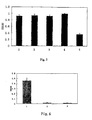
- MDBK cell model is employed, and an exogenous TRAP is or is not added to the MDBK cell culture liquid at the time when Staphylococcus aureus is added to said liquid.
- the results show that the production of Staphylococcus aureus exotoxins can be effectively inhibited by the addition of an exogenous TRAP.
- an exogenous TRAP protein is or is not injected, and the survival time and status of each group of mice are observed.
- mice The results show that the Staphylococcus aureus infection in mice is reduced by the injection of an exogenous TRAP, thereby increasing the survival rate of mice.
- said TRAP proteins include native TRAP proteins from different kinds of Staphylococcus aureus, recombinant TRAP proteins or fusion TRAP proteins prepared by such as a gene engineering method, and TRAP proteins and/or chemically modified TRAP protein derivatives obtained by such as a chemical synthesis method.
- the TRAP proteins of the present invention also include biologically active fragments derived from an intact TRAP protein which retain fully or partially biological active. Said fragments of TRAP proteins can also be used to treat Staphylococcus aureus infections.
- said TRAP proteins refer to the proteins have a sequence identity to SEQ ID NO: 2 or SEQ ID NO: 4, or the orthologs thereof, including the proteins that have a sequence identity of at least 70%, at least 80%, at least 95%, at least 98% or 100% thereto.
- said TRAP protein is selected from the sequences as shown in SEQ ID NO: 2, SEQ ID NO: 4, and the TRAP proteins from 12 different origins belonging to 3 different protein families as shown in Figures 1-3 .
- the identity percentage between two amino acid sequences can be determined by such as Needelman-Wunsch alignment which can be used in the alignment of protein and DNA.
- the default scoring matrix used is BLOSUM50 in which the penalty of one residue in spacer is -12, while that of other residues is -2, and the alignment can be carried out by FASTA package, an alignment software of Version v20u6 ( W.R.Pearson and D.J.Lipman, "Improved tools for Biological Sequence Analysis", PNAS, 2005, 85: 2444-2448 ; and W.R.Pearson, "Rapid and Sensitive Sequence Comparison using FASTP and FASTA", Methods in Enzymology, 1990, 183: 63-98 ).
- the TRAP proteins of the present invention may be selected from any known TRAP proteins. With respect to the structure and origin, said TRAP proteins may be the same as or different from the endogenous TRAP proteins produced by Staphylococcus aureus that causes Staphylococcus aureus infection to be treated. The inventors discover that the TRAP proteins from multiple kinds of different Staphylococcus aureus strains have the same or similar effects on the inhibition of the production of Staphylococcus aureus exotoxins and the reduction of pathogenicity of Staphylococcus aureus.
- the TRAP protein as shown in SEQ ID NO: 2 from Staphylococcus aureus RN6390B (which corresponds to the nucleotide sequence AF202641 in GenBank TM ) is employed as an active ingredient to effectively inhibit the production of Staphylococcus aureus exotoxins in an in vitro test and in vivo test.
- the TRAP protein as shown in SEQ ID NO: 4 from Staphylococcus aureus 04018 (which corresponds to the nucleotide sequence AY248703 in GenBank TM ) as an active ingredient to inhibit the production of Staphylococcus aureus exotoxins in an in vitro test and in vivo test, thereby treating Staphylococcus aureus infections.
- a fusion protein consisting of TRAP protein and a polypeptide of 12 amino acids is used to inhibit the productionof Staphylococcus aureus exotoxins in an in vitro test and in vivo test, thereby treating Staphylococcus aureus infections.
- a pharmaceutical composition comprising an above said TRAP protein as an active ingredient and an optionally pharmaceutically acceptable carrier or excipient.
- the TRAP proteins or fragments thereof for the treatment of Staphylococcus aureus infections may be administrated alone in a single dose or multiple doses, or is administrated in combination with a pharmaceutically acceptable carrier or excipient.
- composition comprising a TRAP protein or an active fragment thereof for the treatment of Staphylococcus aureus infections in the present invention
- a pharmaceutically acceptable carrier or diluent and any known adjuvant or excipient by the traditional techniques as disclosed in the book ( Remongton, Science and Practice of Pharmacology, 19th edition, Genearo, Ed., Mack Piblishing Co., Easton, PA, 1995 ), and is in a traditional form such as solution, suspension, freeze-dried powder, capsule, tablet or aerosol, etc.
- the pharmaceutical composition can be specifically formulated to be administrated in any suitable route, such as parenteral (which includes subcutaeous, intramuscular, intrathecal, intravenous and intradermal), oral, rectal, nasal, pulmonary, topical (which includes buccal and subglossal), curtaneous, intracisternal, endoperitoneal and vaginal routes.
- parenteral which includes subcutaeous, intramuscular, intrathecal, intravenous and intradermal
- oral, rectal, nasal, pulmonary topical (which includes buccal and subglossal), curtaneous, intracisternal, endoperitoneal and vaginal routes.
- topical which includes buccal and subglossal
- curtaneous, intracisternal, endoperitoneal and vaginal routes e.g., curtaneous, intracisternal, endoperitoneal and vaginal routes.
- the administration route may be any one of routes, if only the
- the pharmaceutical composition for parenteral administration includes sterile aqueous or non-aqueous injectable solutions, dispersions, suspensions or emulsions, and sterile powders or freeze-dried powders, which are reconstructed in a sterile solution for injection or dispersion before they are used.
- the storage formulations for injection are also within this scope of the present invention.
- the pharmaceutical composition for oral administration includes solid dosage form, such as hard or soft capsules, tablets, troches, sugar-coated pills, pills, lozenges, powders or granules. If suitable, they can be provided with a coating, such as enteric coating, or formulated by any the known techniques in the art to control the release of active ingredient, such as sustained release or prolonged release.
- the liquid dosage form for oral administration includes solutions, emulsions, aqueous or oily suspensions, syrups and elixirs.
- Suitable dosage forms including suppositories, aerosols, ointments, creams, gelatins, inhalations, pasters for skin, and implants, etc.
- the typical administration dosage is in a range from about 0.001 to about 100 mg per kg weight per day, such as from about 0.01 to about 50 mg per kg weight per day such as from about 0.05 to 10 mg per kg weight are administrated per day, in one or more doses such as 1 to 3 doses.
- the exact dosage depends on the status of Staphylococcus aureus infections to be treated, administration frequency and way, the gender, age and general condition of an object who accepts the treatment, the kind and severity of the symptom to be treated, any concomitant disease to be treated and other factors known by a person skilled in the art in the art.
- the formulation may expediently exhibit a unit-dose form by a method known in the art.
- the formulation for parenteral administration such as intrathecal, intravenous and intramuscular administration and the like is administrated at one or more times a day (such as once to trice a day) in a typical dosage ranging from about 0.001 to about 1000 mg, for example, from about 0.01 to about 500 mg such as from about 0.1 mg to about 100 mg.
- the formulation for oral administration is administrated at one or more times a day (such as once to trice a day) in a typical dosage ranging from about 0.05 to about 1000 mg, for example, from about 0.1 to about 500 mg such as from about 0.5 mg to about 200 mg.
- the suitable pharmaceutically acceptable carrier includes inert solid diluents or fillers, sterile aqueous solution and multiple organic solvents.
- the solid carriers include lactose, gypsum powder, sucrose, cyclodextrin, talcum powder, gelatin, agar, pectin, gum Arabic, magnesium stearate, stearic acid and cellulose lower alkyl ether.
- liquid carriers are syrup, peanut oil, olive oil, phospholipids, fatty acid, fatty acid amide, polyoxyethelene and water.
- carriers or diluents may include any sustained release substance known in the art, such as monostearin or distearin, which is used alone or in combination with a wax.
- composition of the present invention that is obtained by the combination of a TRAP protein or a fragment thereof with a pharmaceutically acceptable carrier and used for the treatment of Staphylococcus aureus infections may be expediently administrated by any disclosed administration routes in a multiple-dose form.
- the formulation may expediently exhibit a unit-dose form by a method known in the art.
- the aqueous suspensions may comprise a TRAP protein or a fragment thereof which is mixed with an excipient suitable for the production of an aqueous suspension.
- the excipient is a suspending agent, such as carboxymethyl cellulose sodium, methylcellulose, hydroxypropyl methylcellulose, sodium alginate, polyvinylpyrrolidone, bassora gum and gum Arabic; dispersing or wetting agent may be native phospholipids, such as lecithin, or a condensation product of an alkylene oxide and a fatty acid, such as polyoxyethylene stearate, or a condensation product of ethylene oxide and a long chain aliphatic alcohol such as heptadecanylethyleneoxyhexadecanol, or a condensation product of ethylene oxide and a partial ester derived from fatty acid and hexitol, such as polyoxyethylene sorbitol monooleate, or a condensation product of ethylene oxide and a partial ester derived from fatty acid and
- the oily suspension may be prepared by dispersing an active ingredient to vegetable oil (such as peanut oil, olive oil, sesame oil or cocoanut oil) or a mineral oil (such as liquid paraffin).
- the oily suspension may comprise a thickening agent such as beeswax, hard paraffin or spermol.
- a thickening agent such as beeswax, hard paraffin or spermol.
- an antioxidant such as ascorbic acid
- the dispersible powders or granules suitable for preparing an aqueous suspension by adding water are obtained by mixing an active ingredient, dispersing or wetting agent, suspending agent and one or more preservatives.
- the above mentioned dispersing or wetting agent may be used as examples of suitable dispersing or wetting agent.
- Other excipients, toners, flavoring agents and sweetening agents may be added to the suspension.
- the pharmaceutical composition comprising a TRAP protein or a fragment thereof for the treatment of Staphylococcus aureus infections may be present in an oil in water emusion, wherein the oil phase may be vegetable oil (such as olive oil or peanut oil), or a mineral oil (such as liquid paraffin), or a mixture thereof.
- the suitable emulsifying agent may be a native gum such as gum Arabic, bassora gum, a native phospholipid such as soya and lecithin, an ester or partial ester derived from a fatty acid and hexitol glycoside such as sorbitan monooleate, and a condensation product of said partial ester and ethylene oxide such as polyoxyethylene sorbitan monooleate.
- the emulsifying agent may comprise sweetening agents and flavoring agents.
- the composition may be in present in a suppository form for rectal administration.
- This composition may be prepared by mixing drugs and a suitable non-irritative excipient, wherein the excipient is a solid at general temperature but is liquefied at rectal temperature, so that it can be thawed in recta to release drugs.
- a suitable non-irritative excipient includes cocoa butter and polyethylene glycol, etc.
- the creams, ointments, jellys and suspensions comprising the compound of the present invention are contemplated.
- the dentilaves and gargarismas are also comprised therein.
- TRAP proteins or fragments thereof for the treatment of Staphylococcus aureus infections may be administrated through a liposome delivery system, such as small monolayer vesicles, big monolayer vesicles or multilaminar vesicles, wherein the liposome may consist of different phosphatides such as cholesterol, stearyl amine or phosphatidyl choline.
- part of TRAP proteins or fragments thereof for the treatment of Staphylococcus aureus infections may be mixed with water or a general organic solvent to form solvates.
- solvates are involved in the scope of the present invention.
- the formulation may be in form of a tablet, a hard gelatin capsule in which drugs in a powder or pellet form are placed into, a troche or a lozenge.
- the amount of a solid carrier varies greatly, but it is generally from about 25 mg to about 1 g.
- the formulation may be in form of a syrup, emulsion, soft capsule of geltin or sterile injectable liquid, such as aqueous or non-aqueous liquid suspensions or solutions.
- TRAP proteins or active fragments thereof for the treatment of Staphylococcus aureus infections may be administrated to a mammalian in need of such treatment, in particular a human being.
- Said mammalian also includes animals, whether they are tamed ones (e.g. domestic pets) or non-tamed ones (e.g. wild animals).
- the pharmaceutical composition comprising a compound as described herein may be administrated at once or more times a day or a week.
- the effective amount of the pharmaceutical composition is one that arrives at the clinically significant effect. Such dosage partially depends on the specific symptom needed to be treated, the age, weight and general health conition of a subject and other factors obviously considered by a person skilled in the art.
- treatment refers to the treatment or nursing of a patient to help him against Staphylococcus aureus infections. This term aims to cover the entire scope of the treatment of Staphylococcus aureus infections including the alleviation and abatement of symptoms and complications, and/or cure or elimination of diseases, disorders and symptoms.
- the subjects who accept such treatment are preferably mammalian, in particular, human beings.
- the term "therapeutically effective amount” refers to an amount sufficient for the treatment of status of said diseases, and it can vary based on a patient, a disease to be treated and a treatment method used.
- said therapeutically effective amount refers to an amount sufficient to successfully prevent or eliminate said infections after the occurrence of infections.
- TRAP proteins or biological active fragments thereof for the treatment of Staphylococcus aureus infections may be administrated alone or in combination with other established therapeutic methods.
- TRAP has double effects against Staphylococcus aureus infections, i.e., the protein per se and an inhibitor thereof or a neutralizing antibody thereof have the same effects, which will represent a kind of novel action mode of medicaments.
- TRAP is used to treat Staphylococcus aureus infections, it certainly induces the production of antibodies against TRAP in a human body, because TRAP is an exogenous protein which is from bacteria.
- TRAP is an exogenous protein which is from bacteria.
- the production of antibodies means the inhibition of the effects of medicament.
- the production of antibodies is useful.
- TRPA proteins (GenBank TM Accession Nos.: AF202641 and AY248703)
- Two TRAP proteins were separately obtained by designing primers in accordance with base sequence in Genbank by a method disclosed by Yang G. et al (2005), amplifying TRAP gene from genome of strain RN6390B or 04018 by PCR process, respectively and cloning them into PET-28a vector, transforming E. coli, inducing expression via IPTG, and purifying with a Ni 2+ affinity resin.
- the polyclonal antibodies were prepared with recombinant TRAP proteins.
- Recombinant TRAP proteins were coupled with Sepherose 4B activated by CNBr to prepare purified antibodies with affinity column.
- the purified native TRAP proteins having a purity of higher than 95% were obtained by coupling the purified antibodies with Sepherose4B activated by CNBr, purifying TRAP proteins from sonicated supernatant of Staphylococcus aureus RN6390B by affinity purification and further purifying by HPLC.
- a fusion protein consisting of a TRAP protein and a polypeptide of 12 amino acids
- a fusion protein consisting of a TRAP protein and a polypeptide of 12 amino acids was prepared by selecting an unrelated peptide sequence ( TPSIPSLWWTTP, Shen Tong et al., Journal of Cellular and Molecular Immunology, 2002, 18: 623-626 ), designing primes, obtaining a gene sequence expressing a fusion protein of TRAP-untelated peptide by PCR, cloning it into pET-28a vector, inducing expression via IPTG, transforming E. coli, and purifying with Ni 2+ affinity resin.
- a high OD value means a high survival rate of cells and a low generation rate of Staphylococcus aureus exotoxins
- BALB/c mice bought from Animal Center of the Academy of Military Medical Sciences; and other materials: being the same as those in preparation examples 1 and 3.
- the concrete detecting steps are as follows:
- TRPA proteins can effectively reduce Staphylococcus aureus infections in mice and increase the survival rate of infected mice (see Table 1).
- Table 1 The therapeutic effect of TRAP protein on Staphylococcus aureus infection test group Number of Deaths 1-3 days 3-5days 5-7days survival 1 0 6 0 14 2 0 5 0 15 3 0 7 1 12 4 5 13 0 2
- group 1 represents the group treated with the TRAP protein (GenBank TM Accession No.: AF202641)
- group 2 represents the group treated with the TRAP protein (GenBank TM Accession No.: AY248703)
- Group 3 represents the group treated with the fusion protein consisting of a TRAP protein and a peptide of 12 amino acids
- group 4 represents the control group treated with physiological saline.
Landscapes
- Health & Medical Sciences (AREA)
- Life Sciences & Earth Sciences (AREA)
- Animal Behavior & Ethology (AREA)
- Veterinary Medicine (AREA)
- Chemical & Material Sciences (AREA)
- Public Health (AREA)
- General Health & Medical Sciences (AREA)
- Medicinal Chemistry (AREA)
- Pharmacology & Pharmacy (AREA)
- Immunology (AREA)
- Epidemiology (AREA)
- Proteomics, Peptides & Aminoacids (AREA)
- Bioinformatics & Cheminformatics (AREA)
- Engineering & Computer Science (AREA)
- Gastroenterology & Hepatology (AREA)
- General Chemical & Material Sciences (AREA)
- Oncology (AREA)
- Chemical Kinetics & Catalysis (AREA)
- Communicable Diseases (AREA)
- Nuclear Medicine, Radiotherapy & Molecular Imaging (AREA)
- Organic Chemistry (AREA)
- Microbiology (AREA)
- Mycology (AREA)
- Medicines That Contain Protein Lipid Enzymes And Other Medicines (AREA)
- Peptides Or Proteins (AREA)
- Medicines Containing Antibodies Or Antigens For Use As Internal Diagnostic Agents (AREA)
- Pharmaceuticals Containing Other Organic And Inorganic Compounds (AREA)
Abstract
Description
- The present invention belongs to the biological pharmacy field. Specifically, the present invention relates to the use of TRAP protein per se as an active ingredient for the manufacture of a medicament for the treatment of Staphylococcus aureus infection.
- Staphylococcus aureus belongs to Staphylococcus and is a major pathogenic bacterium that causes severe infections of pneumonia, endocarditis, burn and war wound, septicemia, and toxic shock, etc. In addition, Staphylococcus aureus is one kind of bacterium that causes food-poisoning. Staphylococcus aureus widely exists in air, soil, water and feeding utensils, and animal and human beings are main vectors. Staphylococcus aureus can be transmitted through spit and contact on a large scale in anthills. There are more than millions of patients suffering with Staphylococcus aureus infections only in hospital per year. Staphylococcus aureus is a major pathogenic bacterium that causes Gram-positive sepsis, infections of burn wound and acute hepatic failure.
- The main pathogenic substances of Staphylococcus aureus are exotoxins, including hematoxin, lueocidin, enterotoxin, etc. The recent researches indicate that the synthesis of these virulence factors in Staphylococcus aureus is controlled by a regulatable RNA molecule, i.e., RNA III. RNAIII activates the gene transcription of virulence factors and regulates the translation of virulence factors by base complementarity. The RNAIII level is relatively lower during the early log phase of bacterial growth, but increases 40 times during the late log phase of bacterial growth, while the level of RNA III is regulated by the protein RAP (RNA III activating protein) secreted by Staphylococcus aureus per se, so that RAP is also called as Staphylococcus aureus virulence stimulating factor. Staphylococcus aureus continuously secretes RAP, and RAP activates the production of virulenece factors only when RAP reaches a certain concentration. Staphylococcus aureus without the production of RAP does not cause diseases (Balaban N. et al, Science 1995, 280, 438-440). The recent researches show that RAP activates the transcription of RNA III through the mediation of a 21 KD protein TRAP (Target of RNA III-activating protein). When the gene encoding TRAP is inactivated by mutation, RAP cannot activate the transcription of RNAIII.
- TRAP consists of 167 amino acids and has His kinase activity. TRAP is phosphorylated during the early phase of the growth of Staphylococcus aureus, and reaches the maximum level during the middle log growth phase. After the RAP action, the signal transduction is performed by autophosphorylation, thereby increasing the intracellular level of RNAIII and accelerating the secretion of Staphylococcus aureus exotoxins (Namomi B. et al, J. Biol. Chem., 2001, 276: 2658-2667). TRAP is a surface protein of Staphylococcus aureus and is highly conserved in Staphylococcus. The main biological function of TRAP is to participate in the regulation of Staphylococcus aureus exotoxins. The level of Staphylococcus aureus exotoxins is up-regulated with the increase of phosphorylation level of TRAP (Gov Y et al , J. Biol. Chem., 2004, 279: 14665-72).
- Based on sequence alignment analysis, it has been found at present that TRAP proteins can be divided into three families and they have a homology more than 80% between each other (Yang G. et al, J. Biol. Chem., 2005, 280: 27431-27435). Specifically, it has been found in accordance with the sequence alignment, TRAP proteins are highly conserved in Staphylococcus aureus and Staphylococcus epidermidis. At present, there are TRAP sequences of 10 Staphylococcus aureus strains and 2 Staphylococcus epidermidis strains logged in Gene Bank.
- TRAP proteins are divided into following 3 families on the basis of sequence conservation:
Family 1 includes 7 TRPA proteins from Staphylococcus aureus which have an identity of 99.49% based on the analysis by DNAMAN (Figure 1 );Family 2 includes 3 TRPA proteins from Staphylococcus aureus which have an identity of 99.80% based on the analysis by DNAMAN (Figure 2 ); andFamily 3 includes 2 TRAP proteins from Staphylococcus epidermidis which have an identity of 98.20% (Figure 3 ). In addition, the TRAP proteins from Staphylococcus aureus RN6390B, Staphylococcus aureus 04018 and Staphylococcus epidermidis ATCC12228 in said three families have an identity of 84.72 % based on the sequence alignment analysis by DNAMAN (Figure 4 ). - The recent researches show that the pathogenic effect of Staphylococcus aureus can be effectively reduced by inhibiting the pathways for the production of Staphylococcus aureus exotoxins by using exogenous RAP and TRAP inhibitors. The known RAP and TRAP inhibitors such as small molecular inhibiting peptides (RNAS III inhibiting peptide, hereafter called RIP) and antibodies can effectively reduce the secretion of Staphylococcus aureus exotoxins. The C-terminal of TRAP can be used as an effective peptide vaccine to protect organisms from the Staphylococcus aureus infections (Oleny V. et al, Peptides, 2001, 22: 1621-1627; Yang G. et al, Peptides, 2003, 24, 1823-1828; Yang G. et al, J. Biol. Chem., 2005, 280: 27431-27435).
- At present, the Staphylococcus aureus infections are mainly treated by inhibiting the pathways for the production of Staphylococcus aureus toxins described above to reduce the production of Staphylococcus aureus toxin, such as via RIP, RAP antibodies and the like, thereby reducing the pathogenic effect of Staphylococcus aureus.
- The DNA sequence and amino acid sequence of a target of RNAIII-activating protein (TRAP) from Staphylococcus aureus RN6390B is known in the art (
USP6689878 ). In addition, it has been reported that said TRAP is used to induce the production of an antibody and said antibody can be used as a medicament (USP6747129 ), wherein function of TRAP is inhibited by monoclonal or polyclonal antibodies against TRAP to inhibit the occurrence of Staphylococcus aureus infections. - On the one hand, the drug resistance of pathogenic bacteria including Staphylococcus aureus is continuously generated and increased due to the abuse of antibiotics, and many antibiotics are ineffective to the drug resistant strains, including Methicillin resistant S.aureus (MRSA) that is resistant to β-lactam antibiotics, glycolpeptide resistant S.aureus (GISA) that is resistant to glycolpeptide antibiotics, and vancomycin resistant S.aureus (VRSA), etc. On the other hand, Staphylococcus aureus per se readily develop drug resistance.
- To solve the above problems existing in the treatment of Staphylococcus aureus infections at present, it is urgent to develop a method that can effectively control the Staphylococcus aureus infections but cannot make Staphylococcus aureus readily develops drug resistance.
- On one aspect, the present invention relates to the use of TRAP per se as an active ingredient for the manufacture of a medicament for the treatment of Staphylococcus aureus infection, wherein TRAP has a sequence as defined in the claims.
- Specifically, it is surprisedly found, from an in vitro test (MDBK cell model) and in vivo test (animal model of Staphylococcus aureus infection), that an exogenous TRAP per se can effectively inhibit the production of Staphylococcus aureus exotoxins in the cell model and animal model. The exogenous TRAP per se can be used as an active ingredient to treat Staphylococcus aureus infections and reduce the pathopoiesis, and its therapeutic effect is similar to that of polyclonal antibodies against TRAP.
- In the present invention, the term "exogenous TRAP" refers to the TRAP proteins added or administrated artificially for the treatment of Staphylococcus aureus infections with respect to endogenous TRAPs produced in said cell or animal model of Staphylococcus aureus infection during the production of Staphylococcus aureus exotoxins after Staphylococcus aureus infection. In the present invention, as to an isolated TRAP that is extracted by manual work from Staphylococcus aureus or recombinantly expressed by genetic engineering, whether it directly come from a specific Staphylococcus aureus strain causing Staphylococcus aureus infections or a strain having a high homology thereto, if only said isolated TRPA is additionally added or administrated for the treatment of the Staphylococcus aureus infection, it is recognized as an exogenous TRAP.
- Specifically, in one embodiment of the present invention, MDBK cell model is employed, and an exogenous TRAP is or is not added to the MDBK cell culture liquid at the time when Staphylococcus aureus is added to said liquid. The results show that the production of Staphylococcus aureus exotoxins can be effectively inhibited by the addition of an exogenous TRAP. In another embodiment of the present invention, after Staphylococcus aureus is peritoneally injected to mice, then an exogenous TRAP protein is or is not injected, and the survival time and status of each group of mice are observed.
- The results show that the Staphylococcus aureus infection in mice is reduced by the injection of an exogenous TRAP, thereby increasing the survival rate of mice.
- In the present invention, said TRAP proteins include native TRAP proteins from different kinds of Staphylococcus aureus, recombinant TRAP proteins or fusion TRAP proteins prepared by such as a gene engineering method, and TRAP proteins and/or chemically modified TRAP protein derivatives obtained by such as a chemical synthesis method. The TRAP proteins of the present invention also include biologically active fragments derived from an intact TRAP protein which retain fully or partially biological active. Said fragments of TRAP proteins can also be used to treat Staphylococcus aureus infections.
- In
USP6689878 andUSP6747129 the amino acid sequences of TRAP proteins and the polynucleotide sequences encoding them are disclosed in these documents. - In the present application, said TRAP proteins refer to the proteins have a sequence identity to SEQ ID NO: 2 or SEQ ID NO: 4, or the orthologs thereof, including the proteins that have a sequence identity of at least 70%, at least 80%, at least 95%, at least 98% or 100% thereto.
- In one embodiment of the present invention, said TRAP protein is selected from the sequences as shown in SEQ ID NO: 2, SEQ ID NO: 4, and the TRAP proteins from 12 different origins belonging to 3 different protein families as shown in
Figures 1-3 . - The identity percentage between two amino acid sequences can be determined by such as Needelman-Wunsch alignment which can be used in the alignment of protein and DNA. As to the protein alignment, the default scoring matrix used is BLOSUM50 in which the penalty of one residue in spacer is -12, while that of other residues is -2, and the alignment can be carried out by FASTA package, an alignment software of Version v20u6 (W.R.Pearson and D.J.Lipman, "Improved tools for Biological Sequence Analysis", PNAS, 2005, 85: 2444-2448; and W.R.Pearson, "Rapid and Sensitive Sequence Comparison using FASTP and FASTA", Methods in Enzymology, 1990, 183: 63-98).
- The TRAP proteins of the present invention may be selected from any known TRAP proteins. With respect to the structure and origin, said TRAP proteins may be the same as or different from the endogenous TRAP proteins produced by Staphylococcus aureus that causes Staphylococcus aureus infection to be treated. The inventors discover that the TRAP proteins from multiple kinds of different Staphylococcus aureus strains have the same or similar effects on the inhibition of the production of Staphylococcus aureus exotoxins and the reduction of pathogenicity of Staphylococcus aureus.
- In one embodiment of the present invention, the TRAP protein as shown in SEQ ID NO: 2 from Staphylococcus aureus RN6390B (which corresponds to the nucleotide sequence AF202641 in GenBank™) is employed as an active ingredient to effectively inhibit the production of Staphylococcus aureus exotoxins in an in vitro test and in vivo test. In another embodiment, the TRAP protein as shown in SEQ ID NO: 4 from Staphylococcus aureus 04018 (which corresponds to the nucleotide sequence AY248703 in GenBank™) as an active ingredient to inhibit the production of Staphylococcus aureus exotoxins in an in vitro test and in vivo test, thereby treating Staphylococcus aureus infections. In another embodiment of the present invention, a fusion protein consisting of TRAP protein and a polypeptide of 12 amino acids is used to inhibit the productionof Staphylococcus aureus exotoxins in an in vitro test and in vivo test, thereby treating Staphylococcus aureus infections.
- Also described in the application is a pharmaceutical composition comprising an above said TRAP protein as an active ingredient and an optionally pharmaceutically acceptable carrier or excipient. According to the present invention, the TRAP proteins or fragments thereof for the treatment of Staphylococcus aureus infections may be administrated alone in a single dose or multiple doses, or is administrated in combination with a pharmaceutically acceptable carrier or excipient. The pharmaceutical composition comprising a TRAP protein or an active fragment thereof for the treatment of Staphylococcus aureus infections in the present invention can be formulated together with a pharmaceutically acceptable carrier or diluent and any known adjuvant or excipient by the traditional techniques as disclosed in the book (Remongton, Science and Practice of Pharmacology, 19th edition, Genearo, Ed., Mack Piblishing Co., Easton, PA, 1995), and is in a traditional form such as solution, suspension, freeze-dried powder, capsule, tablet or aerosol, etc.
- The pharmaceutical composition can be specifically formulated to be administrated in any suitable route, such as parenteral (which includes subcutaeous, intramuscular, intrathecal, intravenous and intradermal), oral, rectal, nasal, pulmonary, topical (which includes buccal and subglossal), curtaneous, intracisternal, endoperitoneal and vaginal routes. It should be understood that the preferred route depends on the general conlition and age of an object who accepts the treatment, the kind of symptom to be treated, and the active ingredient used. The administration route may be any one of routes, if only the active ingredient can be effectively transported to suitable or expected action sites by such route.
- The pharmaceutical composition for parenteral administration includes sterile aqueous or non-aqueous injectable solutions, dispersions, suspensions or emulsions, and sterile powders or freeze-dried powders, which are reconstructed in a sterile solution for injection or dispersion before they are used. The storage formulations for injection are also within this scope of the present invention.
- The pharmaceutical composition for oral administration includes solid dosage form, such as hard or soft capsules, tablets, troches, sugar-coated pills, pills, lozenges, powders or granules. If suitable, they can be provided with a coating, such as enteric coating, or formulated by any the known techniques in the art to control the release of active ingredient, such as sustained release or prolonged release.
- The liquid dosage form for oral administration includes solutions, emulsions, aqueous or oily suspensions, syrups and elixirs.
- Other suitable dosage forms including suppositories, aerosols, ointments, creams, gelatins, inhalations, pasters for skin, and implants, etc.
- The typical administration dosage is in a range from about 0.001 to about 100 mg per kg weight per day, such as from about 0.01 to about 50 mg per kg weight per day such as from about 0.05 to 10 mg per kg weight are administrated per day, in one or more doses such as 1 to 3 doses. The exact dosage depends on the status of Staphylococcus aureus infections to be treated, administration frequency and way, the gender, age and general condition of an object who accepts the treatment, the kind and severity of the symptom to be treated, any concomitant disease to be treated and other factors known by a person skilled in the art in the art.
- The formulation may expediently exhibit a unit-dose form by a method known in the art. The formulation for parenteral administration, such as intrathecal, intravenous and intramuscular administration and the like is administrated at one or more times a day (such as once to trice a day) in a typical dosage ranging from about 0.001 to about 1000 mg, for example, from about 0.01 to about 500 mg such as from about 0.1 mg to about 100 mg.
- The formulation for oral administration is administrated at one or more times a day (such as once to trice a day) in a typical dosage ranging from about 0.05 to about 1000 mg, for example, from about 0.1 to about 500 mg such as from about 0.5 mg to about 200 mg.
- The suitable pharmaceutically acceptable carrier includes inert solid diluents or fillers, sterile aqueous solution and multiple organic solvents. For example, the solid carriers include lactose, gypsum powder, sucrose, cyclodextrin, talcum powder, gelatin, agar, pectin, gum Arabic, magnesium stearate, stearic acid and cellulose lower alkyl ether. Examples of liquid carriers are syrup, peanut oil, olive oil, phospholipids, fatty acid, fatty acid amide, polyoxyethelene and water. Similarly, carriers or diluents may include any sustained release substance known in the art, such as monostearin or distearin, which is used alone or in combination with a wax. The pharmaceutical composition of the present invention that is obtained by the combination of a TRAP protein or a fragment thereof with a pharmaceutically acceptable carrier and used for the treatment of Staphylococcus aureus infections may be expediently administrated by any disclosed administration routes in a multiple-dose form. The formulation may expediently exhibit a unit-dose form by a method known in the art.
- The aqueous suspensions may comprise a TRAP protein or a fragment thereof which is mixed with an excipient suitable for the production of an aqueous suspension. The excipient is a suspending agent, such as carboxymethyl cellulose sodium, methylcellulose, hydroxypropyl methylcellulose, sodium alginate, polyvinylpyrrolidone, bassora gum and gum Arabic; dispersing or wetting agent may be native phospholipids, such as lecithin, or a condensation product of an alkylene oxide and a fatty acid, such as polyoxyethylene stearate, or a condensation product of ethylene oxide and a long chain aliphatic alcohol such as heptadecanylethyleneoxyhexadecanol, or a condensation product of ethylene oxide and a partial ester derived from fatty acid and hexitol, such as polyoxyethylene sorbitol monooleate, or a condensation product of ethylene oxide and a partial ester derived from fatty acid and hexitol glycoside, such as polyoxyethylene sorbitan monooleate. The aqueous suspension may further comprise one or more toners, one or more flavoring agents and one or more sweetening agents such as sucrose or glucide.
- The oily suspension may be prepared by dispersing an active ingredient to vegetable oil (such as peanut oil, olive oil, sesame oil or cocoanut oil) or a mineral oil (such as liquid paraffin). The oily suspension may comprise a thickening agent such as beeswax, hard paraffin or spermol. The above sweetening agents and flavoring agents may be added to obtain a palatable oral formulation. In addition, an antioxidant (such as ascorbic acid) may be added to the compositions for preservation.
- The dispersible powders or granules suitable for preparing an aqueous suspension by adding water are obtained by mixing an active ingredient, dispersing or wetting agent, suspending agent and one or more preservatives. The above mentioned dispersing or wetting agent may be used as examples of suitable dispersing or wetting agent. Other excipients, toners, flavoring agents and sweetening agents may be added to the suspension.
- According to the present invention, the pharmaceutical composition comprising a TRAP protein or a fragment thereof for the treatment of Staphylococcus aureus infections may be present in an oil in water emusion, wherein the oil phase may be vegetable oil (such as olive oil or peanut oil), or a mineral oil (such as liquid paraffin), or a mixture thereof. The suitable emulsifying agent may be a native gum such as gum Arabic, bassora gum, a native phospholipid such as soya and lecithin, an ester or partial ester derived from a fatty acid and hexitol glycoside such as sorbitan monooleate, and a condensation product of said partial ester and ethylene oxide such as polyoxyethylene sorbitan monooleate. The emulsifying agent may comprise sweetening agents and flavoring agents.
- The composition may be in present in a suppository form for rectal administration. This composition may be prepared by mixing drugs and a suitable non-irritative excipient, wherein the excipient is a solid at general temperature but is liquefied at rectal temperature, so that it can be thawed in recta to release drugs. Such excipient includes cocoa butter and polyethylene glycol, etc.
- As to the external use, the creams, ointments, jellys and suspensions comprising the compound of the present invention are contemplated. For this application purpose, the dentilaves and gargarismas are also comprised therein.
- According to the present invention, TRAP proteins or fragments thereof for the treatment of Staphylococcus aureus infections may be administrated through a liposome delivery system, such as small monolayer vesicles, big monolayer vesicles or multilaminar vesicles, wherein the liposome may consist of different phosphatides such as cholesterol, stearyl amine or phosphatidyl choline.
- In addition, according to the present invention, part of TRAP proteins or fragments thereof for the treatment of Staphylococcus aureus infections may be mixed with water or a general organic solvent to form solvates. Such solvates are involved in the scope of the present invention.
- If a solid carrier is for oral administration, the formulation may be in form of a tablet, a hard gelatin capsule in which drugs in a powder or pellet form are placed into, a troche or a lozenge. The amount of a solid carrier varies greatly, but it is generally from about 25 mg to about 1 g. If a liquid carrier is used, the formulation may be in form of a syrup, emulsion, soft capsule of geltin or sterile injectable liquid, such as aqueous or non-aqueous liquid suspensions or solutions.
- According to the present invention, TRAP proteins or active fragments thereof for the treatment of Staphylococcus aureus infections may be administrated to a mammalian in need of such treatment, in particular a human being. Said mammalian also includes animals, whether they are tamed ones (e.g. domestic pets) or non-tamed ones (e.g. wild animals).
- The pharmaceutical composition comprising a compound as described herein may be administrated at once or more times a day or a week. The effective amount of the pharmaceutical composition is one that arrives at the clinically significant effect. Such dosage partially depends on the specific symptom needed to be treated, the age, weight and general health conition of a subject and other factors obviously considered by a person skilled in the art.
- The term "treatment" herein refers to the treatment or nursing of a patient to help him against Staphylococcus aureus infections. This term aims to cover the entire scope of the treatment of Staphylococcus aureus infections including the alleviation and abatement of symptoms and complications, and/or cure or elimination of diseases, disorders and symptoms. The subjects who accept such treatment are preferably mammalian, in particular, human beings.
- In the present invention, the term "therapeutically effective amount" refers to an amount sufficient for the treatment of status of said diseases, and it can vary based on a patient, a disease to be treated and a treatment method used. As to bacterial infections, especially Staphylococcus aureus infections, said therapeutically effective amount refers to an amount sufficient to successfully prevent or eliminate said infections after the occurrence of infections.
- According to the present invention, TRAP proteins or biological active fragments thereof for the treatment of Staphylococcus aureus infections may be administrated alone or in combination with other established therapeutic methods.
- It is discovered in the present invention that TRAP has double effects against Staphylococcus aureus infections, i.e., the protein per se and an inhibitor thereof or a neutralizing antibody thereof have the same effects, which will represent a kind of novel action mode of medicaments.
- It is also discovered in the present invention when TRAP is used to treat Staphylococcus aureus infections, it certainly induces the production of antibodies against TRAP in a human body, because TRAP is an exogenous protein which is from bacteria. As to a traditional medicament, the production of antibodies means the inhibition of the effects of medicament. However, as to TRAP, the production of antibodies is useful.
- The advantages of the present invention are as follows.
- (1) The novel use of TRAP in the manufacture of a medicament is discovered, and a novel field relating to the use of a protein associated with bacterial cell membranes for preparing therapeutic medicament is developed, which represents a new medicament mode.
- (2) No homologous sequence of the TRAP proteins of the present invention is found in human genome, so that the medicaments of TRAP cannot cause human immunologic diseases.
- (3) TRAP also stimulates a body to produce corresponding antibodies at the time when it inhibits the production of Staphylococcus aureus exotoxins, and the produced antibodies can further inhibit the generation of Staphylococcus aureus exotoxins. The mode that TRAP firstly effects and then the produced antibodies further play the same role provides a novel medicament action mode.
- (4) When a medicament comprising a TRAP protein is used to treat Staphylococcus aureus infections, since it mainly inhibits the production of exotoxins to reduce the pathogenicity of Staphylococcus aureus, it does not affect the survival of bacteria and it is not easy to cause the generation of drug resistance. Thus, the medicament can also effect on the drug-resistant staphylococci.
-
-
Fig.1 : the sequence alignment results of 7 kinds of TRAP proteins from different origins inTRAP family 1 -
Fig.2 : the sequence alignment results of 3 kinds of TRAP proteins from different origins inTRAP family 2 -
Fig.3 : the sequence alignment results of 2 kinds of TRAP proteins from different origins inTRAP family 3 -
Fig.4 : the sequence alignment results of TRAP proteins from three different strains in three TRAP families -
Fig.5 : the histogram of the effect of exogenous proteins from different origins on the production of Staphylococcus aureus exotoxins, wherein the numerals respectively represent the origins of TRAP, i.e., 1 represents the proteome with GenBank™ Accession No.: AF202641; 2 represents the proteome with GenBank™ Accession No.: AY248703; 3 represents the native TRAP proteome purified from Staphylococcus aureus; 4 represents fusion pretein consisting of TRAP pretein and a polyeptide of 12 aminacids; 5 represents normal cells control; and 6 presents physiological saline control group. -
Fig.6 : the histogram of the effects of exogenous TRAP proteins on the productions of antibodies against TRAP, wherein 1 represents the group treated with TRAP; 2 represents the saline control group; and 3 represents the negative control. - The present application is further illustrated in detail by the following several examples, but they do not limit the present invention in any form.
- The preparation of two TRPA proteins of Staphylococcus aureus family (TRAP proteins (GenBank™ Accession Nos.: AF202641 and AY248703)). Two TRAP proteins were separately obtained by designing primers in accordance with base sequence in Genbank by a method disclosed by Yang G. et al (2005), amplifying TRAP gene from genome of strain RN6390B or 04018 by PCR process, respectively and cloning them into PET-28a vector, transforming E. coli, inducing expression via IPTG, and purifying with a Ni2+ affinity resin.
- The polyclonal antibodies were prepared with recombinant TRAP proteins. Recombinant TRAP proteins were coupled with Sepherose 4B activated by CNBr to prepare purified antibodies with affinity column. The purified native TRAP proteins having a purity of higher than 95% were obtained by coupling the purified antibodies with Sepherose4B activated by CNBr, purifying TRAP proteins from sonicated supernatant of Staphylococcus aureus RN6390B by affinity purification and further purifying by HPLC.
- A fusion protein consisting of a TRAP protein and a polypeptide of 12 amino acids was prepared by selecting an unrelated peptide sequence (TPSIPSLWWTTP, Shen Tong et al., Journal of Cellular and Molecular Immunology, 2002, 18: 623-626), designing primes, obtaining a gene sequence expressing a fusion protein of TRAP-untelated peptide by PCR, cloning it into pET-28a vector, inducing expression via IPTG, transforming E. coli, and purifying with Ni2+affinity resin.
- The concrete steps were as follows:
- (1) culturing Staphylococcus aureus at 37°C for overnight; dissolving various proteins prepared and purified in preparation examples 1, 2 or 3 into physiological saline, respectively, to obtain a solution with a final concentration of 2µg/µl;
- (2) centrifugating the overnight cultured Staphylococcus aureus at 5000 rpm/5min to collect bacteria, re-suspending and diluting with THB media (Todd Hewitt Broth, Difico Corporation) to OD600nm = 8, inoculating in 0.9 ml THB media at a ratio of 1:100;
- (3) adding 100 µl of TRAP protein prepared in step (1) to the media inoculated with Staphylococcus aureus obtained in step (2), using 100 µl of physiological saline as a control, and incubating at 37°C for 6 hours;
- (4) contrifugating at 10000 rpm/5min to collect supernatant, boiling for 10 minutes, and contrifugating at 10000 rpm/5min to collect supernatant again;
- (5) seeding MDBK cell in a 96-well plate (wherein the culture solution is DMEM comprising 10% of fetal bovine serum) at 1 x 10⁴/well, conducting adherent culture at 37°C for 4 hours in a CO2 incubator;
- (6) adding the supernatant obtained from step (4) to the MDBK culture liquid (10µl/well), and culturing at 37°C for 24 hours in a CO2 incubator; and
- (7) detecting the survival status of cells by MTT.
- In
Fig. 5 , the ordinate represents the survival status of cells, wherein a high OD value means a high survival rate of cells and a low generation rate of Staphylococcus aureus exotoxins, - It can be seen from
Fig.5 that each group of cells with exogenous TRAP proteins shows a higher survival rate, while that without exogenous TRAP proteins shows a lower survival rate, which demonstrates that the exogenous TRAP proteins can reduce the generation of Staphylococcus aureus exotoxins. In addition, there is no significant difference among TRAP proteins from different origins with respect to the effect of inhibiting the generation of Staphylococcus aureus exotoxins. - BALB/c mice: bought from Animal Center of the Academy of Military Medical Sciences; and other materials: being the same as those in preparation examples 1 and 3.
- The concrete detecting steps are as follows:
- (1) culturing Staphylococcus aureus at 37°C overnight; dissolving two genetically engineered recombinant proteins prepared and purified in preparation example 1 and the TRAP fusion protein prepared and purified in preparation example 3 into physiological saline, respectively, to obtain a solution with a final concentration of 2µg/µl;
- (2) centrifugating the overnight cultured Staphylococcus aureus in step (1) at 5000 rpm/5min to collect bacteria, re-suspending and diluting with THB media(Todd Hewitt Broth, Difico Corporation) to OD600nm = 8, inoculating in 1 ml THB media at a ratio of 1:100, culturing at 37°C to OD600nm = 5, contrifugating to collect bacteria, and re-suspending with an equal-volume physiological saline;
- (3) grouping BALB/c mice (20-25g, male) to 4 groups, wherein each group has 20 mice;
- (4) peritoneally injecting 100µl of Staphylococcus aureus to mice, after 5 hours, peritoneally injecting various TRAP proteins to the mice, and using physiological saline as a control; and
- (5) recoding the survival time and status of each group of mice.
- The results show that TRPA proteins can effectively reduce Staphylococcus aureus infections in mice and increase the survival rate of infected mice (see Table 1).
Table 1 The therapeutic effect of TRAP protein on Staphylococcus aureus infection test group Number of Deaths 1-3 days 3-5days 5- 7days survival 1 0 6 0 14 2 0 5 0 15 3 0 7 1 12 4 5 13 0 2 Note: group 1 represents the group treated with the TRAP protein (GenBank ™Accession No.: AF202641);group 2 represents the group treated with the TRAP protein (GenBank ™ Accession No.: AY248703);Group 3 represents the group treated with the fusion protein consisting of a TRAP protein and a peptide of 12 amino acids; andgroup 4 represents the control group treated with physiological saline. - The effect of multiple injections of TRPA on the production of antibodies in vivo in mice
- (1) The materials and methods are the same as those in the preparation examples 1 and 2, and the difference lies in that the TRAP protein (GenBank™ Accession No.: AF202641) was administrated to mice for three times by peritoneal injection, once every 7 days. After 1 month, the mouse serum was collected, and the production of antibodies against TRAP in vivo in mouse was detected.
- (2) Results: multiple injections of TRAP can induce the production of antibodies against TRAP in vivo in mouse, while there is almost no antibody produced in mouse which didn't undergo such injection, indicating that an exogenous TRAP can induce animals to produce antibodies against TRAP in vivo (see
Figure 6 ). -
- 1. Balaban et al, Science, 1998, Vol.280: 438-440
- 2. Naomi B, et al, J. Biol. Chem., 2001, 276: 2658-2667
- 3. Yang G. et al, J. Biol.-Chem., 2005, 280: 27431-27435
- 4. Sheng Tong et al, Journal of Cellular and Molecular Immunology, 2002, 18: 623-626
-
- <110> INSTITUTE OF BASIC MEDICAL SCIENCES, ACADEMY OF MILITARY MEDICAL SCIENCES HAINAN GT-UNIPUL PHARMACEUTICAL CO.LTD.
- <120> Use of TRAP protein per se as an active ingredient for the manufacture of a medicament for the treatment of Staphylococcus aureus infection
- <130> IEC060027PCT
- <150>
200610075638.7
<151> 2006-04-17 - <160> 4
- <170> PatentIn version 3.3
- <210> 1
<211> 504
<212> DNA
<213> Staphylococcus aureus - <400> 1

- <210> 2
<211> 167
<212> PRT
<213> Staphylococcus aureus - <400> 2


- <210> 3
<211> 504
<212> DNA
<213> Staphylococcus aureus - <400> 3

- <210> 4
<211> 167
<212> PRT
<213> Staphylococcus aureus - <400> 4


Claims (12)
- Use of TRAP per se as an active ingredient in the manufacture of a medicament for the treatment of Staphylococcus aureus infections, wherein said TRAP has a sequence identity of at least 70% to the sequence as shown in SEQ ID NO: 2 or 4.
- The use according to claim 1, wherein said TRAP is selected from the group consisting of native TRAP, recombinant TRAP, intact TRAP, fusion proteins comprising TRAP, chemical modifiers of TRAP, or biologically active fragments thereof.
- The use according to claim 1, wherein said TRAP is from Staphylococci.
- The use according to claim 3, wherein said TRAP protein is from Staphylococcus aureus.
- The use according to claim 1, wherein said TRAP has a sequence identity of at least 80% to the sequence as shown in SEQ ID NO: 2 or 4.
- The use according to claim 5, wherein said TRAP has a sequence identity of at least 90% to the sequence as shown in SEQ ID NO: 2 or 4.
- The use according to claim 6, wherein said TRAP has a sequence identity of at least 95% to the sequence as shown in SEQ ID NO: 2 or 4.
- The use according to claim 7, wherein said TRAP has a sequence identity of more than 95% to the sequence as shown in SEQ ID NO: 2 or 4.
- The use according to claim 8, wherein said TRAP has a sequence identity of more than 98% to the sequence as shown in SEQ ID NO: 2 or 4.
- The use according to claim 9, wherein said TRAP has a sequence identity of 100% to the sequence as shown in SEQ ID NO: 2 or 4.
- The use according to claim 1, wherein said medicament is a pharmaceutical composition comprising TRAP and a pharmaceutically acceptable carrier.
- The use according to claim 1, wherein said medicament is present in a dosage form including: sterile aqueous or non-aqueous injectable solutions, dispersions, suspensions or emulsions, sterile powders and freeze-dried powders for parenteral administration; hard or soft capsules, tablets, troches, sugar-coated pills, pills, lozenges, powders and granules for oral administration; emulsions, aqueous or oily suspensions, syrups and elixirs; and suppositories, aerosols, ointments, creams, gelatins, inhalations, pasters for skin and implants for external use.
Applications Claiming Priority (2)
| Application Number | Priority Date | Filing Date | Title |
|---|---|---|---|
| CNB2006100756387A CN100540047C (en) | 2006-04-17 | 2006-04-17 | Application of TRAP protein in the preparation of medicines for treating Staphylococcus aureus infection |
| PCT/CN2007/001246 WO2007118431A1 (en) | 2006-04-17 | 2007-04-16 | Use of trap protein as active ingredient for manufacturing a medicament for the treatment of staphylococcus aureus infection |
Publications (3)
| Publication Number | Publication Date |
|---|---|
| EP2011508A1 EP2011508A1 (en) | 2009-01-07 |
| EP2011508A4 EP2011508A4 (en) | 2010-11-03 |
| EP2011508B1 true EP2011508B1 (en) | 2012-08-22 |
Family
ID=37483043
Family Applications (1)
| Application Number | Title | Priority Date | Filing Date |
|---|---|---|---|
| EP07720819A Not-in-force EP2011508B1 (en) | 2006-04-17 | 2007-04-16 | Use of trap protein per se as active ingredient for manufacturing a medicament for the treatment of staphylococcus aureus infection |
Country Status (7)
| Country | Link |
|---|---|
| US (1) | US20090305975A1 (en) |
| EP (1) | EP2011508B1 (en) |
| JP (1) | JP2009533478A (en) |
| KR (1) | KR101443233B1 (en) |
| CN (1) | CN100540047C (en) |
| CA (1) | CA2649768A1 (en) |
| WO (1) | WO2007118431A1 (en) |
Families Citing this family (2)
| Publication number | Priority date | Publication date | Assignee | Title |
|---|---|---|---|---|
| KR101855594B1 (en) | 2016-10-17 | 2018-06-08 | 국방과학연구소 | Staphylococcal enterotoxin b vaccine of staphylococcal enterotoxin b mutant inhibiting toxic activity and method thereof |
| CN115927674A (en) * | 2022-08-12 | 2023-04-07 | 中国科学院大学宁波华美医院 | CDA primer group and kit for detecting staphylococcus aureus and application of CDA primer group and kit |
Family Cites Families (38)
| Publication number | Priority date | Publication date | Assignee | Title |
|---|---|---|---|---|
| US5694546A (en) * | 1994-05-31 | 1997-12-02 | Reisman; Richard R. | System for automatic unattended electronic information transport between a server and a client by a vendor provided transport software with a manifest list |
| JPH10326289A (en) * | 1997-03-28 | 1998-12-08 | Nippon Telegr & Teleph Corp <Ntt> | Information providing method, system and storage medium storing the program |
| US7323179B2 (en) * | 1997-12-19 | 2008-01-29 | Naomi Balaban | Methods and compositions for the treatment and prevention of Staphylococcus and other bacterial infections |
| US6747129B1 (en) * | 1998-09-15 | 2004-06-08 | The Regents Of The University Of California | Target of RNAIII activating protein(TRAP) |
| US7219123B1 (en) * | 1999-10-08 | 2007-05-15 | At Road, Inc. | Portable browser device with adaptive personalization capability |
| US7630986B1 (en) * | 1999-10-27 | 2009-12-08 | Pinpoint, Incorporated | Secure data interchange |
| KR100357261B1 (en) * | 1999-12-30 | 2002-10-18 | 엘지전자 주식회사 | Multimedia browser and structure to define and express the importance of a multimedia segment based on the semantic entities and the importance of a semantic entity based on the multimedia segments |
| EP1168223A1 (en) * | 2000-06-27 | 2002-01-02 | YYY Net Co. Ltd. | Internet advertisement system |
| JP3527211B2 (en) * | 2000-08-01 | 2004-05-17 | 日立マクセル株式会社 | Electronic coupon system |
| US20020083145A1 (en) * | 2000-12-22 | 2002-06-27 | Nortel Networks Limited | Method and system for online/offline services |
| GB0107661D0 (en) * | 2001-03-27 | 2001-05-16 | Chiron Spa | Staphylococcus aureus |
| US7099871B2 (en) * | 2001-05-04 | 2006-08-29 | Sun Microsystems, Inc. | System and method for distributed real-time search |
| US20030130887A1 (en) * | 2001-10-03 | 2003-07-10 | Thurston Nathaniel | Non-deterministic method and system for the optimization of a targeted content delivery |
| US6996579B2 (en) * | 2001-11-02 | 2006-02-07 | At&T Corp. | E-coupon service for location-aware mobile commerce which determines whether to supply requested e-coupons based on the number of requests received in a processing cycle, and a threshold number of requests required to make expected returns from redeemed coupons greater than advertising fees |
| US7286651B1 (en) * | 2002-02-12 | 2007-10-23 | Sprint Spectrum L.P. | Method and system for multi-modal interaction |
| US8095589B2 (en) * | 2002-03-07 | 2012-01-10 | Compete, Inc. | Clickstream analysis methods and systems |
| CA2500297C (en) * | 2002-09-26 | 2012-03-20 | Video Furnace, Inc. | Digital content delivery and viewing system and method |
| US20060235938A1 (en) * | 2002-11-12 | 2006-10-19 | Pennell Mark E | System and method for delivery of information based on web page content |
| US7155405B2 (en) * | 2002-12-31 | 2006-12-26 | Symbol Technologies, Inc. | System for communicating product and service related information to a user based on direction of movement |
| US7110792B2 (en) * | 2003-05-19 | 2006-09-19 | Einar Rosenberg | Apparatus and method for increased security of wireless transactions |
| KR100456134B1 (en) * | 2003-06-17 | 2004-11-10 | 김성수 | one-way sending time expiring coupon operating method for sale of unsold perishable resources |
| CN1569893A (en) * | 2003-07-21 | 2005-01-26 | 中国人民解放军军事医学科学院基础医学研究所 | Antigen epitope of gold staphylococcus virulence factor regulatory protein and its mimic epitope and use thereof |
| US7693827B2 (en) * | 2003-09-30 | 2010-04-06 | Google Inc. | Personalization of placed content ordering in search results |
| US7418472B2 (en) * | 2003-09-30 | 2008-08-26 | Microsoft Corporation | Systems and methods for determining remote device media capabilities |
| US8073895B2 (en) * | 2004-06-01 | 2011-12-06 | Globaltel Media, Inc. | System and method for delivering web content to a mobile device |
| JP2006012020A (en) * | 2004-06-29 | 2006-01-12 | Aimnet Co Ltd | Order confirmation system and method using calling number display, and online results authentication method of transaction results using this |
| US7689458B2 (en) * | 2004-10-29 | 2010-03-30 | Microsoft Corporation | Systems and methods for determining bid value for content items to be placed on a rendered page |
| US20060178932A1 (en) * | 2005-02-07 | 2006-08-10 | Lang Brook W | Method and distribution system for location based wireless presentation of electronic coupons |
| US8359611B2 (en) * | 2005-03-08 | 2013-01-22 | International Business Machines Corporation | Searchable television commercials |
| US7437368B1 (en) * | 2005-07-05 | 2008-10-14 | Chitika, Inc. | Method and system for interactive product merchandizing |
| US7660581B2 (en) * | 2005-09-14 | 2010-02-09 | Jumptap, Inc. | Managing sponsored content based on usage history |
| US7912458B2 (en) * | 2005-09-14 | 2011-03-22 | Jumptap, Inc. | Interaction analysis and prioritization of mobile content |
| US20070083611A1 (en) * | 2005-10-07 | 2007-04-12 | Microsoft Corporation | Contextual multimedia advertisement presentation |
| US20070100690A1 (en) * | 2005-11-02 | 2007-05-03 | Daniel Hopkins | System and method for providing targeted advertisements in user requested multimedia content |
| US20070113243A1 (en) * | 2005-11-17 | 2007-05-17 | Brey Thomas A | Targeted advertising system and method |
| US7739358B2 (en) * | 2008-02-11 | 2010-06-15 | The Go Daddy Group, Inc. | Systems and methods for recommending website hosting applications |
| US7729940B2 (en) * | 2008-04-14 | 2010-06-01 | Tra, Inc. | Analyzing return on investment of advertising campaigns by matching multiple data sources |
| WO2011094734A2 (en) * | 2010-02-01 | 2011-08-04 | Jumptap, Inc. | Integrated advertising system |
-
2006
- 2006-04-17 CN CNB2006100756387A patent/CN100540047C/en not_active Expired - Lifetime
-
2007
- 2007-04-16 US US12/226,491 patent/US20090305975A1/en not_active Abandoned
- 2007-04-16 EP EP07720819A patent/EP2011508B1/en not_active Not-in-force
- 2007-04-16 CA CA002649768A patent/CA2649768A1/en not_active Abandoned
- 2007-04-16 WO PCT/CN2007/001246 patent/WO2007118431A1/en not_active Ceased
- 2007-04-16 KR KR1020087027806A patent/KR101443233B1/en not_active Expired - Fee Related
- 2007-04-16 JP JP2009505708A patent/JP2009533478A/en active Pending
Also Published As
| Publication number | Publication date |
|---|---|
| CA2649768A1 (en) | 2007-10-25 |
| KR101443233B1 (en) | 2014-09-22 |
| JP2009533478A (en) | 2009-09-17 |
| KR20090012237A (en) | 2009-02-02 |
| EP2011508A4 (en) | 2010-11-03 |
| EP2011508A1 (en) | 2009-01-07 |
| CN1872335A (en) | 2006-12-06 |
| CN100540047C (en) | 2009-09-16 |
| US20090305975A1 (en) | 2009-12-10 |
| WO2007118431A8 (en) | 2009-07-30 |
| WO2007118431A1 (en) | 2007-10-25 |
Similar Documents
| Publication | Publication Date | Title |
|---|---|---|
| US20040208863A1 (en) | Anti-inflammatory activity from lactic acid bacteria | |
| JP2023545458A (en) | Compositions and methods for improving skin health and treating and preventing diseases, disorders and diseases associated with fungi and other pathogenic microbes | |
| JP5784078B2 (en) | Respiratory disease treatment methods | |
| JP5394233B2 (en) | Evaluation method and screening method for substances having action to activate / inhibit innate immune mechanism, drug for activating / inhibiting innate immune mechanism, food, and production method thereof | |
| EP4019036A1 (en) | Reg3alpha for use in the protection of oxygen sensitive gram-positive bacteria | |
| EP3737402B1 (en) | Modified protein | |
| JPH03501330A (en) | Monoclonal antibody that reacts with cachectin | |
| JP5709800B2 (en) | Interferon with altered spatial structure and its application | |
| KR20190016934A (en) | Method and therapeutic use of aggregate-free monomeric diphtheria toxin fusion protein | |
| US8287852B2 (en) | Treatment of viral diseases with recombinant interferon α | |
| Ishii et al. | Silkworm fungal infection model for identification of virulence genes in pathogenic fungus and screening of novel antifungal drugs | |
| TWI380993B (en) | Use of recombinant super compound interferon | |
| EP2011508A1 (en) | Use of trap protein as active ingredient for manufacturing a medicament for the treatment of staphylococcus aureus infection | |
| US20240075083A1 (en) | Materials and methods for inhibiting a viral infection, including a coronavirus infection | |
| KR101431172B1 (en) | Uses of Interferons With Altered Spatial Structure | |
| WO2022115503A1 (en) | Treatment and prevention of coronavirus infection | |
| CN118632705A (en) | Materials and methods for preventing or reducing the toxicity of organophosphates and other toxic materials | |
| EP1290137B1 (en) | Virulence genes, proteins, and their use | |
| US20240226156A1 (en) | Anti-fibrotic tissue resident memory t cells and uses thereof | |
| US20240018207A1 (en) | Interferon tau fc-fusion proteins and methods for treating coronavirus infections | |
| WO2026050164A1 (en) | Novel compound | |
| KR20110100759A (en) | Peptide compound having infection or proliferation inhibitory activity of Tsutsugamu strain and pharmaceutical composition for improving Tsutsugamus disease using the same | |
| CN116763902A (en) | Use of anti-coronavirus lipopeptides for the treatment and prevention of influenza | |
| CN119506315A (en) | A recombinant Salmonella choleraesuis nuclease regulatory vector and its construction method and application | |
| ITRM20070481A1 (en) | "BIOACTIVE PEPTIDIC SEQUENCE TO BE USED IN REPLACEMENT OF HUMAN CALCITONIN" |
Legal Events
| Date | Code | Title | Description |
|---|---|---|---|
| PUAI | Public reference made under article 153(3) epc to a published international application that has entered the european phase |
Free format text: ORIGINAL CODE: 0009012 |
|
| 17P | Request for examination filed |
Effective date: 20081104 |
|
| AK | Designated contracting states |
Kind code of ref document: A1 Designated state(s): AT BE BG CH CY CZ DE DK EE ES FI FR GB GR HU IE IS IT LI LT LU LV MC MT NL PL PT RO SE SI SK TR |
|
| AX | Request for extension of the european patent |
Extension state: AL BA HR MK RS |
|
| RAP1 | Party data changed (applicant data changed or rights of an application transferred) |
Owner name: HAINAN GT-UNIPUT PHARMACEUTICAL CO. LTD. |
|
| RAP1 | Party data changed (applicant data changed or rights of an application transferred) |
Owner name: HAINAN GT-UNIPUL PHARMACEUTICAL CO. LTD |
|
| A4 | Supplementary search report drawn up and despatched |
Effective date: 20100930 |
|
| RIC1 | Information provided on ipc code assigned before grant |
Ipc: A61K 39/085 20060101ALI20110627BHEP Ipc: A61K 38/16 20060101AFI20110627BHEP Ipc: A61P 31/04 20060101ALI20110627BHEP |
|
| GRAP | Despatch of communication of intention to grant a patent |
Free format text: ORIGINAL CODE: EPIDOSNIGR1 |
|
| DAX | Request for extension of the european patent (deleted) | ||
| GRAS | Grant fee paid |
Free format text: ORIGINAL CODE: EPIDOSNIGR3 |
|
| GRAA | (expected) grant |
Free format text: ORIGINAL CODE: 0009210 |
|
| AK | Designated contracting states |
Kind code of ref document: B1 Designated state(s): AT BE BG CH CY CZ DE DK EE ES FI FR GB GR HU IE IS IT LI LT LU LV MC MT NL PL PT RO SE SI SK TR |
|
| REG | Reference to a national code |
Ref country code: GB Ref legal event code: FG4D |
|
| REG | Reference to a national code |
Ref country code: CH Ref legal event code: EP |
|
| REG | Reference to a national code |
Ref country code: IE Ref legal event code: FG4D |
|
| REG | Reference to a national code |
Ref country code: AT Ref legal event code: REF Ref document number: 571579 Country of ref document: AT Kind code of ref document: T Effective date: 20120915 |
|
| REG | Reference to a national code |
Ref country code: DE Ref legal event code: R096 Ref document number: 602007024931 Country of ref document: DE Effective date: 20121018 |
|
| REG | Reference to a national code |
Ref country code: NL Ref legal event code: T3 |
|
| REG | Reference to a national code |
Ref country code: AT Ref legal event code: MK05 Ref document number: 571579 Country of ref document: AT Kind code of ref document: T Effective date: 20120822 |
|
| REG | Reference to a national code |
Ref country code: LT Ref legal event code: MG4D Effective date: 20120822 |
|
| PG25 | Lapsed in a contracting state [announced via postgrant information from national office to epo] |
Ref country code: CY Free format text: LAPSE BECAUSE OF FAILURE TO SUBMIT A TRANSLATION OF THE DESCRIPTION OR TO PAY THE FEE WITHIN THE PRESCRIBED TIME-LIMIT Effective date: 20120822 Ref country code: LT Free format text: LAPSE BECAUSE OF FAILURE TO SUBMIT A TRANSLATION OF THE DESCRIPTION OR TO PAY THE FEE WITHIN THE PRESCRIBED TIME-LIMIT Effective date: 20120822 Ref country code: FI Free format text: LAPSE BECAUSE OF FAILURE TO SUBMIT A TRANSLATION OF THE DESCRIPTION OR TO PAY THE FEE WITHIN THE PRESCRIBED TIME-LIMIT Effective date: 20120822 Ref country code: IS Free format text: LAPSE BECAUSE OF FAILURE TO SUBMIT A TRANSLATION OF THE DESCRIPTION OR TO PAY THE FEE WITHIN THE PRESCRIBED TIME-LIMIT Effective date: 20121222 Ref country code: AT Free format text: LAPSE BECAUSE OF FAILURE TO SUBMIT A TRANSLATION OF THE DESCRIPTION OR TO PAY THE FEE WITHIN THE PRESCRIBED TIME-LIMIT Effective date: 20120822 |
|
| PG25 | Lapsed in a contracting state [announced via postgrant information from national office to epo] |
Ref country code: PT Free format text: LAPSE BECAUSE OF FAILURE TO SUBMIT A TRANSLATION OF THE DESCRIPTION OR TO PAY THE FEE WITHIN THE PRESCRIBED TIME-LIMIT Effective date: 20121224 Ref country code: BE Free format text: LAPSE BECAUSE OF FAILURE TO SUBMIT A TRANSLATION OF THE DESCRIPTION OR TO PAY THE FEE WITHIN THE PRESCRIBED TIME-LIMIT Effective date: 20120822 Ref country code: GR Free format text: LAPSE BECAUSE OF FAILURE TO SUBMIT A TRANSLATION OF THE DESCRIPTION OR TO PAY THE FEE WITHIN THE PRESCRIBED TIME-LIMIT Effective date: 20121123 Ref country code: LV Free format text: LAPSE BECAUSE OF FAILURE TO SUBMIT A TRANSLATION OF THE DESCRIPTION OR TO PAY THE FEE WITHIN THE PRESCRIBED TIME-LIMIT Effective date: 20120822 Ref country code: SI Free format text: LAPSE BECAUSE OF FAILURE TO SUBMIT A TRANSLATION OF THE DESCRIPTION OR TO PAY THE FEE WITHIN THE PRESCRIBED TIME-LIMIT Effective date: 20120822 Ref country code: SE Free format text: LAPSE BECAUSE OF FAILURE TO SUBMIT A TRANSLATION OF THE DESCRIPTION OR TO PAY THE FEE WITHIN THE PRESCRIBED TIME-LIMIT Effective date: 20120822 |
|
| PG25 | Lapsed in a contracting state [announced via postgrant information from national office to epo] |
Ref country code: ES Free format text: LAPSE BECAUSE OF FAILURE TO SUBMIT A TRANSLATION OF THE DESCRIPTION OR TO PAY THE FEE WITHIN THE PRESCRIBED TIME-LIMIT Effective date: 20121203 Ref country code: DK Free format text: LAPSE BECAUSE OF FAILURE TO SUBMIT A TRANSLATION OF THE DESCRIPTION OR TO PAY THE FEE WITHIN THE PRESCRIBED TIME-LIMIT Effective date: 20120822 Ref country code: EE Free format text: LAPSE BECAUSE OF FAILURE TO SUBMIT A TRANSLATION OF THE DESCRIPTION OR TO PAY THE FEE WITHIN THE PRESCRIBED TIME-LIMIT Effective date: 20120822 Ref country code: CZ Free format text: LAPSE BECAUSE OF FAILURE TO SUBMIT A TRANSLATION OF THE DESCRIPTION OR TO PAY THE FEE WITHIN THE PRESCRIBED TIME-LIMIT Effective date: 20120822 Ref country code: RO Free format text: LAPSE BECAUSE OF FAILURE TO SUBMIT A TRANSLATION OF THE DESCRIPTION OR TO PAY THE FEE WITHIN THE PRESCRIBED TIME-LIMIT Effective date: 20120822 |
|
| PG25 | Lapsed in a contracting state [announced via postgrant information from national office to epo] |
Ref country code: SK Free format text: LAPSE BECAUSE OF FAILURE TO SUBMIT A TRANSLATION OF THE DESCRIPTION OR TO PAY THE FEE WITHIN THE PRESCRIBED TIME-LIMIT Effective date: 20120822 Ref country code: PL Free format text: LAPSE BECAUSE OF FAILURE TO SUBMIT A TRANSLATION OF THE DESCRIPTION OR TO PAY THE FEE WITHIN THE PRESCRIBED TIME-LIMIT Effective date: 20120822 |
|
| PLBE | No opposition filed within time limit |
Free format text: ORIGINAL CODE: 0009261 |
|
| STAA | Information on the status of an ep patent application or granted ep patent |
Free format text: STATUS: NO OPPOSITION FILED WITHIN TIME LIMIT |
|
| 26N | No opposition filed |
Effective date: 20130523 |
|
| PG25 | Lapsed in a contracting state [announced via postgrant information from national office to epo] |
Ref country code: BG Free format text: LAPSE BECAUSE OF FAILURE TO SUBMIT A TRANSLATION OF THE DESCRIPTION OR TO PAY THE FEE WITHIN THE PRESCRIBED TIME-LIMIT Effective date: 20121122 |
|
| REG | Reference to a national code |
Ref country code: DE Ref legal event code: R097 Ref document number: 602007024931 Country of ref document: DE Effective date: 20130523 |
|
| PG25 | Lapsed in a contracting state [announced via postgrant information from national office to epo] |
Ref country code: MC Free format text: LAPSE BECAUSE OF FAILURE TO SUBMIT A TRANSLATION OF THE DESCRIPTION OR TO PAY THE FEE WITHIN THE PRESCRIBED TIME-LIMIT Effective date: 20120822 |
|
| REG | Reference to a national code |
Ref country code: CH Ref legal event code: PL |
|
| REG | Reference to a national code |
Ref country code: IE Ref legal event code: MM4A |
|
| PG25 | Lapsed in a contracting state [announced via postgrant information from national office to epo] |
Ref country code: CH Free format text: LAPSE BECAUSE OF NON-PAYMENT OF DUE FEES Effective date: 20130430 Ref country code: LI Free format text: LAPSE BECAUSE OF NON-PAYMENT OF DUE FEES Effective date: 20130430 |
|
| PG25 | Lapsed in a contracting state [announced via postgrant information from national office to epo] |
Ref country code: IE Free format text: LAPSE BECAUSE OF NON-PAYMENT OF DUE FEES Effective date: 20130416 |
|
| PG25 | Lapsed in a contracting state [announced via postgrant information from national office to epo] |
Ref country code: MT Free format text: LAPSE BECAUSE OF FAILURE TO SUBMIT A TRANSLATION OF THE DESCRIPTION OR TO PAY THE FEE WITHIN THE PRESCRIBED TIME-LIMIT Effective date: 20120822 |
|
| PG25 | Lapsed in a contracting state [announced via postgrant information from national office to epo] |
Ref country code: TR Free format text: LAPSE BECAUSE OF FAILURE TO SUBMIT A TRANSLATION OF THE DESCRIPTION OR TO PAY THE FEE WITHIN THE PRESCRIBED TIME-LIMIT Effective date: 20120822 |
|
| PG25 | Lapsed in a contracting state [announced via postgrant information from national office to epo] |
Ref country code: LU Free format text: LAPSE BECAUSE OF NON-PAYMENT OF DUE FEES Effective date: 20130416 Ref country code: HU Free format text: LAPSE BECAUSE OF FAILURE TO SUBMIT A TRANSLATION OF THE DESCRIPTION OR TO PAY THE FEE WITHIN THE PRESCRIBED TIME-LIMIT; INVALID AB INITIO Effective date: 20070416 |
|
| REG | Reference to a national code |
Ref country code: FR Ref legal event code: PLFP Year of fee payment: 10 |
|
| REG | Reference to a national code |
Ref country code: FR Ref legal event code: PLFP Year of fee payment: 11 |
|
| REG | Reference to a national code |
Ref country code: FR Ref legal event code: PLFP Year of fee payment: 12 |
|
| PGFP | Annual fee paid to national office [announced via postgrant information from national office to epo] |
Ref country code: GB Payment date: 20180329 Year of fee payment: 12 |
|
| PGFP | Annual fee paid to national office [announced via postgrant information from national office to epo] |
Ref country code: FR Payment date: 20180327 Year of fee payment: 12 |
|
| PGFP | Annual fee paid to national office [announced via postgrant information from national office to epo] |
Ref country code: NL Payment date: 20180412 Year of fee payment: 12 |
|
| PGFP | Annual fee paid to national office [announced via postgrant information from national office to epo] |
Ref country code: DE Payment date: 20180404 Year of fee payment: 12 |
|
| PGFP | Annual fee paid to national office [announced via postgrant information from national office to epo] |
Ref country code: IT Payment date: 20180420 Year of fee payment: 12 |
|
| REG | Reference to a national code |
Ref country code: DE Ref legal event code: R119 Ref document number: 602007024931 Country of ref document: DE |
|
| REG | Reference to a national code |
Ref country code: NL Ref legal event code: MM Effective date: 20190501 |
|
| GBPC | Gb: european patent ceased through non-payment of renewal fee |
Effective date: 20190416 |
|
| PG25 | Lapsed in a contracting state [announced via postgrant information from national office to epo] |
Ref country code: GB Free format text: LAPSE BECAUSE OF NON-PAYMENT OF DUE FEES Effective date: 20190416 Ref country code: DE Free format text: LAPSE BECAUSE OF NON-PAYMENT OF DUE FEES Effective date: 20191101 Ref country code: NL Free format text: LAPSE BECAUSE OF NON-PAYMENT OF DUE FEES Effective date: 20190501 |
|
| PG25 | Lapsed in a contracting state [announced via postgrant information from national office to epo] |
Ref country code: FR Free format text: LAPSE BECAUSE OF NON-PAYMENT OF DUE FEES Effective date: 20190430 |
|
| PG25 | Lapsed in a contracting state [announced via postgrant information from national office to epo] |
Ref country code: IT Free format text: LAPSE BECAUSE OF NON-PAYMENT OF DUE FEES Effective date: 20190416 |