EP2005954A2 - Kit for cancer therapy and pharmaceutical composition for cancer therapy - Google Patents
Kit for cancer therapy and pharmaceutical composition for cancer therapy Download PDFInfo
- Publication number
- EP2005954A2 EP2005954A2 EP07737319A EP07737319A EP2005954A2 EP 2005954 A2 EP2005954 A2 EP 2005954A2 EP 07737319 A EP07737319 A EP 07737319A EP 07737319 A EP07737319 A EP 07737319A EP 2005954 A2 EP2005954 A2 EP 2005954A2
- Authority
- EP
- European Patent Office
- Prior art keywords
- chemotherapeutic agent
- kit
- cancer treatment
- pharmaceutically acceptable
- drug
- Prior art date
- Legal status (The legal status is an assumption and is not a legal conclusion. Google has not performed a legal analysis and makes no representation as to the accuracy of the status listed.)
- Granted
Links
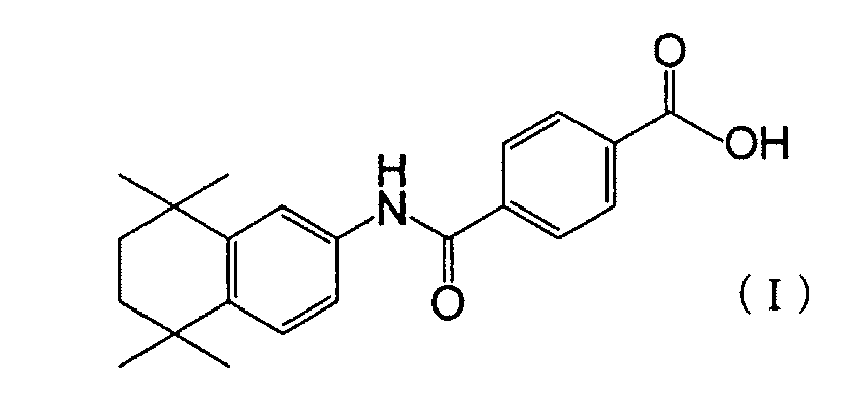
- MUTNCGKQJGXKEM-UHFFFAOYSA-N CC(C)(CCC(C)(C)c1c2)c1ccc2NC(c(cc1)ccc1C(O)=O)=O Chemical compound CC(C)(CCC(C)(C)c1c2)c1ccc2NC(c(cc1)ccc1C(O)=O)=O MUTNCGKQJGXKEM-UHFFFAOYSA-N 0.000 description 1
Images


Classifications
-
- A—HUMAN NECESSITIES
- A61—MEDICAL OR VETERINARY SCIENCE; HYGIENE
- A61K—PREPARATIONS FOR MEDICAL, DENTAL OR TOILETRY PURPOSES
- A61K45/00—Medicinal preparations containing active ingredients not provided for in groups A61K31/00 - A61K41/00
- A61K45/06—Mixtures of active ingredients without chemical characterisation, e.g. antiphlogistics and cardiaca
-
- A—HUMAN NECESSITIES
- A61—MEDICAL OR VETERINARY SCIENCE; HYGIENE
- A61K—PREPARATIONS FOR MEDICAL, DENTAL OR TOILETRY PURPOSES
- A61K31/00—Medicinal preparations containing organic active ingredients
- A61K31/185—Acids; Anhydrides, halides or salts thereof, e.g. sulfur acids, imidic, hydrazonic or hydroximic acids
- A61K31/19—Carboxylic acids, e.g. valproic acid
- A61K31/195—Carboxylic acids, e.g. valproic acid having an amino group
- A61K31/196—Carboxylic acids, e.g. valproic acid having an amino group the amino group being directly attached to a ring, e.g. anthranilic acid, mefenamic acid, diclofenac, chlorambucil
-
- A—HUMAN NECESSITIES
- A61—MEDICAL OR VETERINARY SCIENCE; HYGIENE
- A61K—PREPARATIONS FOR MEDICAL, DENTAL OR TOILETRY PURPOSES
- A61K31/00—Medicinal preparations containing organic active ingredients
- A61K31/185—Acids; Anhydrides, halides or salts thereof, e.g. sulfur acids, imidic, hydrazonic or hydroximic acids
- A61K31/19—Carboxylic acids, e.g. valproic acid
- A61K31/195—Carboxylic acids, e.g. valproic acid having an amino group
- A61K31/197—Carboxylic acids, e.g. valproic acid having an amino group the amino and the carboxyl groups being attached to the same acyclic carbon chain, e.g. gamma-aminobutyric acid [GABA], beta-alanine, epsilon-aminocaproic acid or pantothenic acid
- A61K31/198—Alpha-amino acids, e.g. alanine or edetic acid [EDTA]
-
- A—HUMAN NECESSITIES
- A61—MEDICAL OR VETERINARY SCIENCE; HYGIENE
- A61K—PREPARATIONS FOR MEDICAL, DENTAL OR TOILETRY PURPOSES
- A61K31/00—Medicinal preparations containing organic active ingredients
- A61K31/185—Acids; Anhydrides, halides or salts thereof, e.g. sulfur acids, imidic, hydrazonic or hydroximic acids
- A61K31/19—Carboxylic acids, e.g. valproic acid
- A61K31/20—Carboxylic acids, e.g. valproic acid having a carboxyl group bound to a chain of seven or more carbon atoms, e.g. stearic, palmitic, arachidic acids
-
- A—HUMAN NECESSITIES
- A61—MEDICAL OR VETERINARY SCIENCE; HYGIENE
- A61K—PREPARATIONS FOR MEDICAL, DENTAL OR TOILETRY PURPOSES
- A61K31/00—Medicinal preparations containing organic active ingredients
- A61K31/33—Heterocyclic compounds
- A61K31/335—Heterocyclic compounds having oxygen as the only ring hetero atom, e.g. fungichromin
- A61K31/337—Heterocyclic compounds having oxygen as the only ring hetero atom, e.g. fungichromin having four-membered rings, e.g. taxol
-
- A—HUMAN NECESSITIES
- A61—MEDICAL OR VETERINARY SCIENCE; HYGIENE
- A61K—PREPARATIONS FOR MEDICAL, DENTAL OR TOILETRY PURPOSES
- A61K31/00—Medicinal preparations containing organic active ingredients
- A61K31/33—Heterocyclic compounds
- A61K31/395—Heterocyclic compounds having nitrogen as a ring hetero atom, e.g. guanethidine or rifamycins
- A61K31/495—Heterocyclic compounds having nitrogen as a ring hetero atom, e.g. guanethidine or rifamycins having six-membered rings with two or more nitrogen atoms as the only ring heteroatoms, e.g. piperazine or tetrazines
- A61K31/505—Pyrimidines; Hydrogenated pyrimidines, e.g. trimethoprim
- A61K31/513—Pyrimidines; Hydrogenated pyrimidines, e.g. trimethoprim having oxo groups directly attached to the heterocyclic ring, e.g. cytosine
-
- A—HUMAN NECESSITIES
- A61—MEDICAL OR VETERINARY SCIENCE; HYGIENE
- A61K—PREPARATIONS FOR MEDICAL, DENTAL OR TOILETRY PURPOSES
- A61K31/00—Medicinal preparations containing organic active ingredients
- A61K31/33—Heterocyclic compounds
- A61K31/395—Heterocyclic compounds having nitrogen as a ring hetero atom, e.g. guanethidine or rifamycins
- A61K31/53—Heterocyclic compounds having nitrogen as a ring hetero atom, e.g. guanethidine or rifamycins having six-membered rings with three nitrogens as the only ring hetero atoms, e.g. chlorazanil, melamine
-
- A—HUMAN NECESSITIES
- A61—MEDICAL OR VETERINARY SCIENCE; HYGIENE
- A61K—PREPARATIONS FOR MEDICAL, DENTAL OR TOILETRY PURPOSES
- A61K31/00—Medicinal preparations containing organic active ingredients
- A61K31/56—Compounds containing cyclopenta[a]hydrophenanthrene ring systems; Derivatives thereof, e.g. steroids
- A61K31/57—Compounds containing cyclopenta[a]hydrophenanthrene ring systems; Derivatives thereof, e.g. steroids substituted in position 17 beta by a chain of two carbon atoms, e.g. pregnane or progesterone
- A61K31/573—Compounds containing cyclopenta[a]hydrophenanthrene ring systems; Derivatives thereof, e.g. steroids substituted in position 17 beta by a chain of two carbon atoms, e.g. pregnane or progesterone substituted in position 21, e.g. cortisone, dexamethasone, prednisone or aldosterone
-
- A—HUMAN NECESSITIES
- A61—MEDICAL OR VETERINARY SCIENCE; HYGIENE
- A61K—PREPARATIONS FOR MEDICAL, DENTAL OR TOILETRY PURPOSES
- A61K31/00—Medicinal preparations containing organic active ingredients
- A61K31/70—Carbohydrates; Sugars; Derivatives thereof
- A61K31/7028—Compounds having saccharide radicals attached to non-saccharide compounds by glycosidic linkages
- A61K31/7034—Compounds having saccharide radicals attached to non-saccharide compounds by glycosidic linkages attached to a carbocyclic compound, e.g. phloridzin
- A61K31/704—Compounds having saccharide radicals attached to non-saccharide compounds by glycosidic linkages attached to a carbocyclic compound, e.g. phloridzin attached to a condensed carbocyclic ring system, e.g. sennosides, thiocolchicosides, escin, daunorubicin
-
- A—HUMAN NECESSITIES
- A61—MEDICAL OR VETERINARY SCIENCE; HYGIENE
- A61K—PREPARATIONS FOR MEDICAL, DENTAL OR TOILETRY PURPOSES
- A61K33/00—Medicinal preparations containing inorganic active ingredients
- A61K33/24—Heavy metals; Compounds thereof
- A61K33/36—Arsenic; Compounds thereof
-
- A—HUMAN NECESSITIES
- A61—MEDICAL OR VETERINARY SCIENCE; HYGIENE
- A61P—SPECIFIC THERAPEUTIC ACTIVITY OF CHEMICAL COMPOUNDS OR MEDICINAL PREPARATIONS
- A61P35/00—Antineoplastic agents
-
- A—HUMAN NECESSITIES
- A61—MEDICAL OR VETERINARY SCIENCE; HYGIENE
- A61P—SPECIFIC THERAPEUTIC ACTIVITY OF CHEMICAL COMPOUNDS OR MEDICINAL PREPARATIONS
- A61P35/00—Antineoplastic agents
- A61P35/02—Antineoplastic agents specific for leukemia
-
- A—HUMAN NECESSITIES
- A61—MEDICAL OR VETERINARY SCIENCE; HYGIENE
- A61P—SPECIFIC THERAPEUTIC ACTIVITY OF CHEMICAL COMPOUNDS OR MEDICINAL PREPARATIONS
- A61P43/00—Drugs for specific purposes, not provided for in groups A61P1/00-A61P41/00
Definitions
- the present invention relates to a kit for inhibiting the growth of tumors and cancers in mammals, and more specifically relates to a kit for cancer treatment and a pharmaceutical composition for cancer treatment for inhibiting the growth of cancers and tumors in mammals, in particular, human and warm-blooded animals.
- Cancers are the leading cause of death in animals and human. Many types of chemotherapeutic agents have been shown to be effective against cancer and tumor cells, but unfortunately, many of these agents have a problem that they also destroy normal cells. Despite improvements in the field of cancer treatment, the leading therapies to date are surgery, radiation, and chemotherapy.
- Chemotherapeutic approaches are recognized to be effective against cancers that are metastatic or are particularly progressive. The exact mechanism for the action of these chemotherapeutic agents are not always known. Moreover, while some chemotherapeutic agents significantly reduce tumor masses after treatment with such agents, it happens often that they unfortunately cannot be administered again to the same patients when the tumors recurred. In addition, since the width between a therapeutically effective dose and a maximum tolerated dose of chemotherapeutic agents is generally narrow, the administration amount must be determined meticulously.
- Non-Patent Document 1 retinoids suppress Th1 expression on T cells and enhance Th2 expression.
- Non-Patent Document 2 a combination use of an antiangiogenic drug and a chemotherapeutic agent shows a high effectiveness
- retinoids cause various immune reactions and a combination use of an agent targeting tumor vessels and a chemotherapeutic agent shows a high effectiveness on tumor cells as a target, it is expected to reduce toxicity against normal cells in order to enhance specificity to tumor cells.
- an administration method that does not act on normal cells but enhances cytotoxicity against tumor cells more than ever is highly expected.
- kits for cancer treatment and a pharmaceutical composition for cancer treatment for inhibiting the growth of tumors and cancers in mammals more than ever.
- the present inventor has conducted intensive studies for solving the above-mentioned problems and has found that a synthetic retinoid is particularly useful for suppression of the growth of cancers and tumors and further found that a high effectiveness can be obtained by formulating the synthetic retinoid to a kit preparation that is sequentially used in a combination with another chemotherapeutic agent that is effective for reducing tumor size (debulking), and side effects of the kit preparation are milder compared to those in a combination use of only chemotherapeutic agents.
- the present invention has been thus completed.
- the present invention relates to the following (1) to (12):
- a synthetic retinoid is first administered and then a chemotherapeutic agent is administered, and thereby the chemotherapeutic agent showing cytotoxicity can reduce or contract the size of a tumor mass more than ever.
- the method of simultaneously administering a synthetic retinoid and a chemotherapeutic agent is useful.
- blood cancers such as acute myelocytic leukemia, acute lymphocytic leukemia, multiple myeloma, and non-Hodgkin's lymphoma
- lung cancer digestive cancers such as colon cancer, gastric cancer, liver cancer, pancreatic cancer, and bile duct cancer
- breast cancer prostate cancer
- ovary cancer such as uterine cancer.
- examples of the synthetic retinoid or a pharmaceutically acceptable organic or inorganic acid addition salt thereof contained in the first drug are preferably benzoic acid derivatives or pharmaceutically acceptable organic or inorganic acid addition salts thereof and particularly preferably a benzoic acid derivative represented by the following formula (I): or a pharmaceutically acceptable organic or inorganic acid addition salt thereof.
- the synthetic retinoid can be an agonist or an antagonist of a retinoic acid receptor (RAR ⁇ , ⁇ , or ⁇ ) or a retinoid receptor (RXR ⁇ , ⁇ , or ⁇ ), or a pharmaceutically acceptable organic or inorganic acid addition salt thereof.
- RAR ⁇ , ⁇ , or ⁇ retinoic acid receptor
- RXR ⁇ , ⁇ , or ⁇ retinoid receptor
- examples of the DNA interactive agent as the chemotherapeutic agent contained in the second drug include alkylation agents such as cyclophosphamide, isophamide, melphalan, thiotepa, busulfan, carmustine, lomustine, cisplatin, and carboplatin; DNA topoisomerase I inhibitors such as camptothecine; and DNA topoisomerase II inhibitors such as etoposide, teniposide, daunorubicin, doxorubicin, and mitoxantrone, and are preferably orally available DNA interactive agents: cyclophosphamide, melphalan, cisplatin, camptothecine, etoposide, and doxorubicin.
- alkylation agents such as cyclophosphamide, isophamide, melphalan, thiotepa, busulfan, carmustine, lomustine, cisplatin, and carboplatin
- Some of the antimetabolites as the chemotherapeutic agents inhibit DNA replication by inhibiting biosynthesis of deoxyribonucleoside triphosphate, which is the immediate precursor of DNA synthesis. Some of the antimetabolites are sufficiently similar to purine or pyrimidines to be able to substitute for them in the anabolic nucleotide pathways. In general, these analogs can then be substituted into the DNA and RNA instead of their normal counterparts.
- antimetabolites useful herein include folate antagonists such as methotrexate and trimetrexate; pyrimidine antagonists such as 5-fluorouracil, fluorodeoxyuridine, Azacitidine, cytarabine, and floxuridine; purine antagonists such as mercaptopurine, 6-thioguanine, Fludarabine, and Pentostatin; and ribonucleotide reductase inhibitors such as hydroxyurea, and are preferably orally available methotrexate, 5-fluorouracil, cytarabine, and Fludarabine.
- DNA methylation inhibitors include 5-aza-2'-deoxycytidine (hereinafter, abbreviated to "5-AZ").
- tubulin interactive agents as the chemotherapeutic agents act by binding to specific sites on tubulin, namely, a protein that polymerizes to form cellular microtubules.
- tubulin interactive agents include vincristine and vinblastine, which both are alkaloids, and Paclitaxel and docetaxel, and are preferably orally available Paclitaxel and docetaxel.
- anticancer antibiotic examples include bleomycin having a DNA-cleaving activity, mitomycin acting as a bioreduction alkylation agent, and doxorubicin acting as a DNA-intercalating agent. Doxorubicin is preferred.
- valproic acid used as an antiepileptic agent and arsenous acid, which inhibits membrane permeability of mitochondria can be also used as the anticancer antibiotic as the chemotherapeutic agents.
- Examples of the enzyme inhibitor as the chemotherapeutic agent include cyclooxygenase-2 inhibitors such as celecoxib, rofecoxib, and curcumin; histone deacetylase inhibitors such as valproic acid, FK-228, and MS-275; farnesyl transferase inhibitors such as R115777 and BMS214662; and DNA methylation inhibitors such as 5-AZ, and are preferably orally available celecoxib, valproic acid, FK-228, and 5-AZ.
- cyclooxygenase-2 inhibitors such as celecoxib, rofecoxib, and curcumin
- histone deacetylase inhibitors such as valproic acid, FK-228, and MS-275
- farnesyl transferase inhibitors such as R115777 and BMS214662
- DNA methylation inhibitors such as 5-AZ, and are preferably orally available celecoxib, valproic acid, FK-228, and 5-AZ.
- growth-promoting-signal inhibitor examples include EGFR tyrosine kinase inhibitors such as gefinitib and erlotinib; and Bcr-abl tyrosine kinase inhibitors such as imanitib, and are preferably orally available gefinitib and imanitib.
- Luteinizing hormone-releasing hormone agents and gonadotropin-releasing hormone antagonists as the chemotherapeutic agents are mainly used for treatment of prostate cancer. These agents include leuprolide acetate and goserelin acetate.
- anti-hormone agents include anti-estrogen agents such as Tamoxifen; anti-androgen agents such as Flutamide and bicalutamide; and anti-adrenal gland agents such as mitotane and aminogluthetimide, and are preferably orally available Tamoxifen, Flutamide, bicalutamide, and anti-adrenal gland agents.
- Examples of the steroids used in hormone therapy include dexamethasone, and examples of the hormone or anti-hormone antagonist include Prednisolone.
- the first drug and the second drug in the kit of the present invention are useful for inhibiting the growth of cancers and other tumors in human or animals by administering effective doses of them orally, rectally, topically, or parenterally, or by injection to a vein or a tumor.
- Each drug of such a unit may be a solid such as pills, tablets, capsules, or liposome; gel; or a liquid that is suitable for oral, rectal, topical, intravascular, or parental administration, or for injection to the inside or near tumor cells (refer to Cancer Chemotherapy Handbook, 2nd edition, pp. 15-34, Appleton & Lange (Connecticut, 1994 )).
- the kit of the present invention preferably includes the first drug containing a synthetic retinoid or a pharmaceutically acceptable organic or inorganic acid addition salt thereof at a dosage for 21 days or 28 days and the second drug containing a chemotherapeutic agent at a dosage for treatment for 1 to 21 days or 28 days.
- a synthetic retinoid is administered first to reduce the size of a cancer or tumor mass. In general, it takes from two to eight weeks. The reduction of the tumor or cancer cells in size is less than 50% of the original. Then, when the reduction of the tumor in size is observed, a chemotherapeutic agent is administered. Since the synthetic retinoid is relatively safe, it can be administered for from two weeks to one year, if necessary, for maintaining the effectiveness for suppressing cancer regrowth.
- Tamibarotene (hereinafter, simply abbreviated to “TM-411”) was used as a synthetic retinoid and was also used in the following other Examples.
- Taxotere (hereinafter, abbreviated to "DXL”), which is a general name of that manufactured by sanofi-aventis K.K., was used as a chemotherapeutic agent.
- a tumor cell mass of human breast cancer Br-10 was subcutaneously transplanted in dorsal portions of 6-week-old BALB/cAJcl-nu nude mice through a trocar. When the tumor volume reached 100 to 300 mm 3 , the administration was started.
- TM-411 was orally administered once a day at a dose of 1 mg/kg for 28 days every day.
- DXL was intravenously administered from the first day at a dose of 7.5 mg/kg every 4 days three times.
- each agent was administered at the same amount and the same administration route as those in the single administration. Tumor diameters were measured every day from the day of the start of the administration (the 1st day) to the next day of the completion of the administration (the 29th day), and effect on suppression of the growth was investigated. Table 1 shows the results. In a control group, physiological saline was administered at the same amount and the same administration route as those in the single administration of each agent.
- TM-411, DXL, or a combination of TM-411 and DXL was administered to the nude mice transplanted with human breast cancer Br-10. Though the growth of the tumor was significantly suppressed by the administration of TM-411 or DXL, the effect of the combination use of TM-411 and DXL exceeded the effect of single administration of each agent and showed a synergistic effect.
- 5-FU Fluorouracil
- a tumor cell mass of human liver cancer JHH-7 was subcutaneously transplanted in dorsal portions of 6-week-old BALB/cAJcl-nu nude mice through a trocar. When the tumor volume reached 100 to 300 mm 3 , the administration was started.
- TM-411 was orally administered once a day at a dose of 3 mg/kg for 20 days every day.
- 5-FU was orally administered at a dose of 15.2 mg/kg for 5 days every day from the 8th day to the 12th day.
- each agent was administered at the same amount and the same administration route as those in the single administration. Tumor diameters were measured every day from the day of the start of the administration (the 1st day) to the next day of the completion of the administration (the 21st day), and effect on suppression of the growth was investigated. Table 2 shows the results. In a control group, physiological saline was administered at the same amount and the same administration route as those in the single administration of each agent.
- TM-411, 5-FU, or a combination of TM-411 and 5-FU was administered to the nude mice transplanted with human liver cancer JHH-7. Though the growth of the tumor was suppressed by TM-411 or 5-FU, the effect of the combination use of TM-411 and 5-FU exceeded the effect of single administration of each agent and showed a synergistic effect.
- ADR Doxorubicin
- TM-411 was orally administered at a dose of 1 mg/kg for 20 days every day from the first day.
- ADR was intravenously administered at a dose of 5 mg/kg once on the first day.
- each agent was administered at the same amount and the same administration route as those in the single administration. Tumor diameters were measured every day from the day of the start of the administration (the 1st day) to the day of the completion of the administration (the 20th day), and effect on suppression of the growth was investigated. Table 3 shows the results. In a control group, physiological saline was administered at the same amount and the same administration route as those in the single administration of each agent.
- TM-411 and ADR suppressed the growth of the tumor by administering TM-411 or ADR to the nude mice transplanted with human liver cancer HePG2.
- the effect of the combination use of TM-411 and ADR exceeded the effect of single administration of each agent and showed a synergistic effect.
- Prednisolone (hereinafter, abbreviated to "PSL”), which is a general name of that manufactured by Shionogi & Co., Ltd., was used as a chemotherapeutic agent.
- NOG mice Seven-week-old NOD/SCID/ ⁇ c null (NOG) mice were divided into five groups of ten mice each (nine mice only in a control group), and 2 ⁇ 16 6 cells of multiple myeloma cell line U266 were transplanted to each mouse via tail vein injection (the 0th day).
- the first group was used as a non-treated control group; in the second group, 1 mg/kg of TM-411 was orally administered for 28 days from the first day; in the third group, 3 mg/kg of TM-411 was orally administered for 28 days from the first day; in the fourth group, 7.5 mg/kg of PSL was orally administered for 8 days from the 21st day; and in the fifth group, 1 mg/kg of TM-411 was orally administered for 28 days from the first day and 7.5 mg/kg of PSL was orally administered in addition to the TM-411 for 8 days from the 21st day.
- Blood concentration of human IgE was measured 6 weeks after the transplantation of U266. Table 4 shows the results.
- both TM-411 and PSL decreased blood concentration of human IgE by administering TM-411 or PSL to the NOG mice transplanted with human multiple myeloma U266.
- the combination use of TM-411 and PSL showed a synergistic effect on the decrease of the blood concentration of human IgE.
- Arsenous acid (hereinafter, abbreviated to "As 2 O 3 ”) manufactured by Sigma-aldrich Japan K.K. was used as a chemotherapeutic agent.
- Human acute promyelocytic leukemia cell line HL-60 cells were cultured in Iscove's modified Dulbecco's medium (GIBCO Laboratories) containing 20% bovine fetal serum, and then TM-411 and As 2 O 3 were added thereto. The synergistic effect on the growth-suppressing activity was verified by MTT (5% thiazolyl blue tetrazolium bromide) assay.
- the horizontal axis denotes the ratio when the concentration at a point of ED 50 in the growth suppression curve of TM-411 is assumed to be 1
- the vertical axis denotes the ratio when the concentration at a point of ED 50 in the growth suppression curve of As 2 O 3 is assumed to be 1.
- Points on the straight line connecting the points of 1.0 on both axes mean an additive effect, and points on the underside of the line mean a synergistic effect.
- TM-411 and As 2 O 3 had a synergistic effect on the growth-suppressing activity in human acute promyelocytic leukemia cell line HL-60.
- 5-AZ manufactured by CALBIOCHEM was used as a DNA methylation inhibitor.
- the horizontal axis denotes the ratio when the concentration at a point of ED 50 in the growth suppression curve of TM-411 is assumed to be 1
- the vertical axis denotes the ratio when the concentration at a point of ED 50 in the growth suppression curve of 5-AZ is assumed to be 1.
- Points on the straight line connecting the points of 1.0 on both axes mean an additive effect, and points on the underside of the line mean a synergistic effect.
- TM-411 and 5-AZ had a synergistic effect on the growth-suppressing activity in human acute promyelocytic leukemia cell line HL-60.
- Melphalan (hereinafter, abbreviated to "Mel”) was used as a chemotherapeutic agent.
- Human multiple myeloma cell line RPMI8226 cells were cultured in RPMI1640 medium containing 10% bovine fetal serum, and then TM-411 and Mel were added thereto. The synergistic effect in the growth-suppressing activity was verified.
- the horizontal axis denotes the ratio when the concentration at a point of ED 50 in the growth suppression curve of TM-411 is assumed to be 1
- the vertical axis denotes the ratio when the concentration at a point of ED 50 in the growth suppression curve of Mel is assumed to be 1.
- Points on the straight line connecting the points of 1.0 on both axes mean an additive effect, and points on the underside of the line mean a synergistic effect.
- TM-411 and Mel had an additive to synergistic effect on the growth-suppressing activity in human multiple myeloma cell line RPMI8226.
- PSL was used as a chemotherapeutic agent.
- the horizontal axis denotes the ratio when the concentration at a point of ED 50 in the growth suppression curve of TM-411 is assumed to be 1
- the vertical axis denotes the ratio when the concentration at a point of ED 50 in the growth suppression curve of PSL is assumed to be 1.
- Points on the straight line connecting the points of 1.0 on both axes mean an additive effect, and points on the underside of the line mean a synergistic effect.
- TM-411 and PSL had a synergistic effect on the growth-suppressing activity in human multiple myeloma cell line RPMI8226.
- Dexamethasone (hereinafter, abbreviated to "DEX”) was used as a chemotherapeutic agent.
- the horizontal axis denotes the ratio when the concentration at a point of ED 50 in the growth suppression curve of TM-411 is assumed to be 1
- the vertical axis denotes the ratio when the concentration at a point of ED 50 in the growth suppression curve of DEX is assumed to be 1.
- Points on the straight line connecting the points of 1.0 on both axes mean an additive effect, and points on the underside of the line mean a synergistic effect.
- TM-411 and DEX had a synergistic effect on the growth-suppressing activity in human multiple myeloma cell line RPMI8226.
- 5-AZ was used as a methylation inhibitor.
- the horizontal axis denotes the ratio when the concentration at a point of ED 50 in the growth suppression curve of TM-411 is assumed to be 1
- the vertical axis denotes the ratio when the concentration at a point of ED 50 in the growth suppression curve of 5-AZ is assumed to be 1.
- Points on the straight line connecting the points of 1.0 on both axes mean an additive effect, and points on the underside of the line mean a synergistic effect.
- TM-411 and 5-AZ had a synergistic effect on the growth-suppressing activity in human multiple myeloma cell line RPMI8226.
- Valproic acid (hereinafter, abbreviated to "VPA”) was used as a chemotherapeutic agent.
- the horizontal axis denotes the ratio when the concentration at a point of ED 50 in the growth suppression curve of TM-411 is assumed to be 1
- the vertical axis denotes the ratio when the concentration at a point of ED 50 in the growth suppression curve of VPA is assumed to be 1.
- Points on the straight line connecting the points of 1.0 on both axes mean an additive effect, and points on the underside of the line mean a synergistic effect.
- TM-411 and VPA had an additive to synergistic effect on the growth-suppressing activity in human hepatocellular carcinoma cell line JHH-7.
Landscapes
- Health & Medical Sciences (AREA)
- Life Sciences & Earth Sciences (AREA)
- General Health & Medical Sciences (AREA)
- Chemical & Material Sciences (AREA)
- Veterinary Medicine (AREA)
- Medicinal Chemistry (AREA)
- Public Health (AREA)
- Pharmacology & Pharmacy (AREA)
- Animal Behavior & Ethology (AREA)
- Epidemiology (AREA)
- Nuclear Medicine, Radiotherapy & Molecular Imaging (AREA)
- Organic Chemistry (AREA)
- General Chemical & Material Sciences (AREA)
- Chemical Kinetics & Catalysis (AREA)
- Inorganic Chemistry (AREA)
- Molecular Biology (AREA)
- Hematology (AREA)
- Oncology (AREA)
- Engineering & Computer Science (AREA)
- Bioinformatics & Cheminformatics (AREA)
- Acyclic And Carbocyclic Compounds In Medicinal Compositions (AREA)
- Pharmaceuticals Containing Other Organic And Inorganic Compounds (AREA)
- Medicines That Contain Protein Lipid Enzymes And Other Medicines (AREA)
Abstract

Description
- The present invention relates to a kit for inhibiting the growth of tumors and cancers in mammals, and more specifically relates to a kit for cancer treatment and a pharmaceutical composition for cancer treatment for inhibiting the growth of cancers and tumors in mammals, in particular, human and warm-blooded animals.
- Cancers are the leading cause of death in animals and human. Many types of chemotherapeutic agents have been shown to be effective against cancer and tumor cells, but unfortunately, many of these agents have a problem that they also destroy normal cells. Despite improvements in the field of cancer treatment, the leading therapies to date are surgery, radiation, and chemotherapy.
- Chemotherapeutic approaches are recognized to be effective against cancers that are metastatic or are particularly progressive. The exact mechanism for the action of these chemotherapeutic agents are not always known. Moreover, while some chemotherapeutic agents significantly reduce tumor masses after treatment with such agents, it happens often that they unfortunately cannot be administered again to the same patients when the tumors recurred. In addition, since the width between a therapeutically effective dose and a maximum tolerated dose of chemotherapeutic agents is generally narrow, the administration amount must be determined meticulously.
- Today, retinoids are known to be involved in signal transduction systems of immune cells and cause various immune reactions. Recently, it has been reported that retinoids suppress Th1 expression on T cells and enhance Th2 expression (Non-Patent Document 1).
- Furthermore, it has been recently reported that a combination use of an antiangiogenic drug and a chemotherapeutic agent shows a high effectiveness (Non-Patent Document 2).
- Non-Patent Document 1: M. Iwata, et al., Retinoic acids exert direct effects on T cells to suppress Th1 development and enhance Th2 development via retinoic acid receptors. International Immunology, 15(8): pp.1017-1025, 2003.
- Non-Patent Document 2: Sengupta, S., et al., Temporal atrgeting of tumor cells and neovasculature with a nanoscale delivery system. Nature, 436: pp.568-572, 2005.
- As described above, since that retinoids cause various immune reactions and a combination use of an agent targeting tumor vessels and a chemotherapeutic agent shows a high effectiveness on tumor cells as a target, it is expected to reduce toxicity against normal cells in order to enhance specificity to tumor cells. However, at the same time, an administration method that does not act on normal cells but enhances cytotoxicity against tumor cells more than ever is highly expected.
- Accordingly, it is an object of the present invention to provide a kit for cancer treatment and a pharmaceutical composition for cancer treatment for inhibiting the growth of tumors and cancers in mammals more than ever.
- The present inventor has conducted intensive studies for solving the above-mentioned problems and has found that a synthetic retinoid is particularly useful for suppression of the growth of cancers and tumors and further found that a high effectiveness can be obtained by formulating the synthetic retinoid to a kit preparation that is sequentially used in a combination with another chemotherapeutic agent that is effective for reducing tumor size (debulking), and side effects of the kit preparation are milder compared to those in a combination use of only chemotherapeutic agents. The present invention has been thus completed.
- That is, the present invention relates to the following (1) to (12):
- (1) A kit for cancer treatment including a combination of two different drugs in a kit formulation, wherein a first drug contains a synthetic retinoid or a pharmaceutically acceptable organic or inorganic acid addition salt thereof, and a second drug contains a chemotherapeutic agent for cancer treatment;
- (2) In the kit for cancer treatment according to the above (1), the synthetic retinoid is a benzoic acid derivative represented by the following formula (I):

- (3) In the kit for cancer treatment according to the above (1) or (2), the synthetic retinoid is an agonist or an antagonist of a retinoic acid receptor (RAR α, β, or γ) or a retinoid receptor (RXR α, β, or γ), or a pharmaceutically acceptable organic or inorganic acid addition salt thereof;
- (4) In the kit for cancer treatment according to any of the above (1) to (3), the first drug contains a synthetic retinoid or a pharmaceutically acceptable organic or inorganic acid addition salt thereof at 0.5 to 30 mg per human or animal, and the second drug contains a chemotherapeutic agent at 1.0 to 1000 mg per human or animal;
- (5) In the kit for cancer treatment according to any of the above (1) to (4), the chemotherapeutic agent is selected from the group consisting of DNA interactive agents, antimetabolites, tubulin interactive agents, anticancer antibiotics, enzyme inhibitors, growth-promoting-signal inhibitors, and anti-hormone agents;
- (6) In the kit for cancer treatment according to the above (5), the chemotherapeutic agent is selected from the group consisting of steroids, asparaginases, hydroxyureas, cisplatins, cyclophosphamides, altretamine, bleomycins, dactinomycins, doxorubicins, etoposides, and teniposides;
- (7) In the kit for cancer treatment according to the above (5), the chemotherapeutic agent is selected from the group consisting of methotrexate, fluorouracil, fluorodeoxyuridine, azacitidine, cytarabine, mercaptopurine, 6-thioguanine, pentostatin, and fludarabine;
- (8) In the kit for cancer treatment according to the above (5), the chemotherapeutic agent is selected from the group consisting of vinca alkaloids and taxanes;
- (9) In the kit for cancer treatment according to the above (5), the chemotherapeutic agent is selected from the group consisting of growth factor receptor tyrosine kinase inhibitors, cyclooxygenase-2 inhibitors, histone deacetylase inhibitors, and DNA methylation inhibitors;
- (10) In the kit for cancer treatment according to the above (5), the chemotherapeutic agent is a steroid agent, an anti-estrogen agent, or an anti-androgen agent;
- (11) In the kit for cancer treatment according to any of the above (1) to (10), the first drug contains a synthetic retinoid or a pharmaceutically acceptable organic or inorganic acid addition salt thereof at a dosage for 21 days or 28 days, and the second drug contains a chemotherapeutic agent at a dosage for treatment for 1 to 21 days or 28 days; and
- (12) A pharmaceutical composition for cancer treatment including a first drug and a second drug in the kit according to any of the above (1) to (11).
- According to the present invention, a synthetic retinoid is first administered and then a chemotherapeutic agent is administered, and thereby the chemotherapeutic agent showing cytotoxicity can reduce or contract the size of a tumor mass more than ever. In addition, the method of simultaneously administering a synthetic retinoid and a chemotherapeutic agent is useful. Examples of cancers that are treated with the present invention include blood cancers such as acute myelocytic leukemia, acute lymphocytic leukemia, multiple myeloma, and non-Hodgkin's lymphoma; lung cancer; digestive cancers such as colon cancer, gastric cancer, liver cancer, pancreatic cancer, and bile duct cancer; breast cancer; prostate cancer; ovary cancer; and uterine cancer.
-
-
Fig. 1 is a graph showing a synergistic effect on growth-suppressing activity in a combination use of TM-411 and As2O3 for human acute promyelocytic leukemia cell line HL-60. -
Fig. 2 is a graph showing a synergistic effect on growth-suppressing activity in a combination use of TM-411 and 5-AZ for human acute promyelocytic leukemia cell line HL-60. -
Fig. 3 is a graph showing an additive effect and a synergistic effect on growth-suppressing activity in a combination use of TM-411 and Mel for human multiple myeloma cell line RPMI8226. -
Fig. 4 is a graph showing a synergistic effect on growth-suppressing activity in a combination use of TM-411 and PSL for human multiple myeloma cell line RPMI8226. -
Fig. 5 is a graph showing a synergistic effect on growth-suppressing activity in a combination use of TM-411 and DEX for human multiple myeloma cell line RPMI8226. -
Fig. 6 is a graph showing a synergistic effect on growth-suppressing activity in a combination use of TM-411 and 5-AZ for human multiple myeloma cell line RPMI8226. -
Fig. 7 is a graph showing an additive effect and a synergistic effect on growth-suppressing activity in a combination use of TM-411 and VPA for human hepatocellular carcinoma cell line JHH-7. - In the kit of the present invention, examples of the synthetic retinoid or a pharmaceutically acceptable organic or inorganic acid addition salt thereof contained in the first drug are preferably benzoic acid derivatives or pharmaceutically acceptable organic or inorganic acid addition salts thereof and particularly preferably a benzoic acid derivative represented by the following formula (I):
- The synthetic retinoid can be an agonist or an antagonist of a retinoic acid receptor (RAR α, β, or γ) or a retinoid receptor (RXR α, β, or γ), or a pharmaceutically acceptable organic or inorganic acid addition salt thereof.
- In addition, in the kit of the present invention, examples of the DNA interactive agent as the chemotherapeutic agent contained in the second drug include alkylation agents such as cyclophosphamide, isophamide, melphalan, thiotepa, busulfan, carmustine, lomustine, cisplatin, and carboplatin; DNA topoisomerase I inhibitors such as camptothecine; and DNA topoisomerase II inhibitors such as etoposide, teniposide, daunorubicin, doxorubicin, and mitoxantrone, and are preferably orally available DNA interactive agents: cyclophosphamide, melphalan, cisplatin, camptothecine, etoposide, and doxorubicin.
- Some of the antimetabolites as the chemotherapeutic agents inhibit DNA replication by inhibiting biosynthesis of deoxyribonucleoside triphosphate, which is the immediate precursor of DNA synthesis. Some of the antimetabolites are sufficiently similar to purine or pyrimidines to be able to substitute for them in the anabolic nucleotide pathways. In general, these analogs can then be substituted into the DNA and RNA instead of their normal counterparts. Examples of the antimetabolites useful herein include folate antagonists such as methotrexate and trimetrexate; pyrimidine antagonists such as 5-fluorouracil, fluorodeoxyuridine, Azacitidine, cytarabine, and floxuridine; purine antagonists such as mercaptopurine, 6-thioguanine, Fludarabine, and Pentostatin; and ribonucleotide reductase inhibitors such as hydroxyurea, and are preferably orally available methotrexate, 5-fluorouracil, cytarabine, and Fludarabine. In addition, examples of DNA methylation inhibitors include 5-aza-2'-deoxycytidine (hereinafter, abbreviated to "5-AZ").
- The tubulin interactive agents as the chemotherapeutic agents act by binding to specific sites on tubulin, namely, a protein that polymerizes to form cellular microtubules. Examples of the tubulin interactive agents include vincristine and vinblastine, which both are alkaloids, and Paclitaxel and docetaxel, and are preferably orally available Paclitaxel and docetaxel.
- Examples of the anticancer antibiotic as the chemotherapeutic agent include bleomycin having a DNA-cleaving activity, mitomycin acting as a bioreduction alkylation agent, and doxorubicin acting as a DNA-intercalating agent. Doxorubicin is preferred. In addition, valproic acid used as an antiepileptic agent and arsenous acid, which inhibits membrane permeability of mitochondria, can be also used as the anticancer antibiotic as the chemotherapeutic agents.
- Examples of the enzyme inhibitor as the chemotherapeutic agent include cyclooxygenase-2 inhibitors such as celecoxib, rofecoxib, and curcumin; histone deacetylase inhibitors such as valproic acid, FK-228, and MS-275; farnesyl transferase inhibitors such as R115777 and BMS214662; and DNA methylation inhibitors such as 5-AZ, and are preferably orally available celecoxib, valproic acid, FK-228, and 5-AZ.
- Examples of the growth-promoting-signal inhibitor as the chemotherapeutic agent include EGFR tyrosine kinase inhibitors such as gefinitib and erlotinib; and Bcr-abl tyrosine kinase inhibitors such as imanitib, and are preferably orally available gefinitib and imanitib.
- Luteinizing hormone-releasing hormone agents and gonadotropin-releasing hormone antagonists as the chemotherapeutic agents are mainly used for treatment of prostate cancer. These agents include leuprolide acetate and goserelin acetate. Examples of the anti-hormone agents include anti-estrogen agents such as Tamoxifen; anti-androgen agents such as Flutamide and bicalutamide; and anti-adrenal gland agents such as mitotane and aminogluthetimide, and are preferably orally available Tamoxifen, Flutamide, bicalutamide, and anti-adrenal gland agents. Examples of the steroids used in hormone therapy include dexamethasone, and examples of the hormone or anti-hormone antagonist include Prednisolone.
- The first drug and the second drug in the kit of the present invention are useful for inhibiting the growth of cancers and other tumors in human or animals by administering effective doses of them orally, rectally, topically, or parenterally, or by injection to a vein or a tumor. Each drug of such a unit may be a solid such as pills, tablets, capsules, or liposome; gel; or a liquid that is suitable for oral, rectal, topical, intravascular, or parental administration, or for injection to the inside or near tumor cells (refer to Cancer Chemotherapy Handbook, 2nd edition, pp. 15-34, Appleton & Lange (Connecticut, 1994)).
- The kit of the present invention preferably includes the first drug containing a synthetic retinoid or a pharmaceutically acceptable organic or inorganic acid addition salt thereof at a dosage for 21 days or 28 days and the second drug containing a chemotherapeutic agent at a dosage for treatment for 1 to 21 days or 28 days.
- Specifically, when such a kit is used for therapy, effective amounts can be appropriately determined according to the therapy of a specific cancer or tumor type to be treated, and the route of applying the effective amount also varies depending on the tumor to be treated. Preferably, a synthetic retinoid is administered first to reduce the size of a cancer or tumor mass. In general, it takes from two to eight weeks. The reduction of the tumor or cancer cells in size is less than 50% of the original. Then, when the reduction of the tumor in size is observed, a chemotherapeutic agent is administered. Since the synthetic retinoid is relatively safe, it can be administered for from two weeks to one year, if necessary, for maintaining the effectiveness for suppressing cancer regrowth.
- The present invention will now be described with reference to Examples. It should be understood that the following Examples are illustrative and are not intended to restrict the scope of the present invention.
- Tamibarotene (hereinafter, simply abbreviated to "TM-411") was used as a synthetic retinoid and was also used in the following other Examples. Taxotere (hereinafter, abbreviated to "DXL"), which is a general name of that manufactured by sanofi-aventis K.K., was used as a chemotherapeutic agent.
- A tumor cell mass of human breast cancer Br-10 was subcutaneously transplanted in dorsal portions of 6-week-old BALB/cAJcl-nu nude mice through a trocar. When the tumor volume reached 100 to 300 mm3, the administration was started. TM-411 was orally administered once a day at a dose of 1 mg/kg for 28 days every day. DXL was intravenously administered from the first day at a dose of 7.5 mg/kg every 4 days three times.
- In a combination use group of TM-411 and DXL, each agent was administered at the same amount and the same administration route as those in the single administration. Tumor diameters were measured every day from the day of the start of the administration (the 1st day) to the next day of the completion of the administration (the 29th day), and effect on suppression of the growth was investigated. Table 1 shows the results. In a control group, physiological saline was administered at the same amount and the same administration route as those in the single administration of each agent.

- TM-411, DXL, or a combination of TM-411 and DXL was administered to the nude mice transplanted with human breast cancer Br-10. Though the growth of the tumor was significantly suppressed by the administration of TM-411 or DXL, the effect of the combination use of TM-411 and DXL exceeded the effect of single administration of each agent and showed a synergistic effect.
- Fluorouracil (hereinafter, abbreviated to "5-FU"), which is a general name of that manufactured by Kyowa Hakko Kogyo Co., Ltd., was used as a chemotherapeutic agent.
- A tumor cell mass of human liver cancer JHH-7 was subcutaneously transplanted in dorsal portions of 6-week-old BALB/cAJcl-nu nude mice through a trocar. When the tumor volume reached 100 to 300 mm3, the administration was started. TM-411 was orally administered once a day at a dose of 3 mg/kg for 20 days every day. 5-FU was orally administered at a dose of 15.2 mg/kg for 5 days every day from the 8th day to the 12th day.
- In a combination use group of TM-411 and 5-FU, each agent was administered at the same amount and the same administration route as those in the single administration. Tumor diameters were measured every day from the day of the start of the administration (the 1st day) to the next day of the completion of the administration (the 21st day), and effect on suppression of the growth was investigated. Table 2 shows the results. In a control group, physiological saline was administered at the same amount and the same administration route as those in the single administration of each agent.

- TM-411, 5-FU, or a combination of TM-411 and 5-FU was administered to the nude mice transplanted with human liver cancer JHH-7. Though the growth of the tumor was suppressed by TM-411 or 5-FU, the effect of the combination use of TM-411 and 5-FU exceeded the effect of single administration of each agent and showed a synergistic effect.
- Doxorubicin (hereinafter, abbreviated to "ADR"), which is a general name of that manufactured by Kyowa Hakko Kogyo Co., Ltd., was used as a chemotherapeutic agent.
- About 2 x 2 x 2 mm of a tumor cell mass of human liver cancer HePG2 was subcutaneously transplanted in dorsal portions of 6-week-old BALB/cAJcl-nu nude mice through a trocar. The administration was started on the day (defined as the first day) two days after the transplantation. TM-411 was orally administered at a dose of 1 mg/kg for 20 days every day from the first day. ADR was intravenously administered at a dose of 5 mg/kg once on the first day.
- In a combination use group of TM-411 and ADR, each agent was administered at the same amount and the same administration route as those in the single administration. Tumor diameters were measured every day from the day of the start of the administration (the 1st day) to the day of the completion of the administration (the 20th day), and effect on suppression of the growth was investigated. Table 3 shows the results. In a control group, physiological saline was administered at the same amount and the same administration route as those in the single administration of each agent.


- Both TM-411 and ADR suppressed the growth of the tumor by administering TM-411 or ADR to the nude mice transplanted with human liver cancer HePG2. The effect of the combination use of TM-411 and ADR exceeded the effect of single administration of each agent and showed a synergistic effect.
- Prednisolone (hereinafter, abbreviated to "PSL"), which is a general name of that manufactured by Shionogi & Co., Ltd., was used as a chemotherapeutic agent.
- Seven-week-old NOD/SCID/γcnull (NOG) mice were divided into five groups of ten mice each (nine mice only in a control group), and 2 × 166 cells of multiple myeloma cell line U266 were transplanted to each mouse via tail vein injection (the 0th day). The first group was used as a non-treated control group; in the second group, 1 mg/kg of TM-411 was orally administered for 28 days from the first day; in the third group, 3 mg/kg of TM-411 was orally administered for 28 days from the first day; in the fourth group, 7.5 mg/kg of PSL was orally administered for 8 days from the 21st day; and in the fifth group, 1 mg/kg of TM-411 was orally administered for 28 days from the first day and 7.5 mg/kg of PSL was orally administered in addition to the TM-411 for 8 days from the 21st day. Blood concentration of human IgE was measured 6 weeks after the transplantation of U266. Table 4 shows the results.

- As shown in Table 4, both TM-411 and PSL decreased blood concentration of human IgE by administering TM-411 or PSL to the NOG mice transplanted with human multiple myeloma U266. The combination use of TM-411 and PSL showed a synergistic effect on the decrease of the blood concentration of human IgE.
- Arsenous acid (hereinafter, abbreviated to "As2O3") manufactured by Sigma-aldrich Japan K.K. was used as a chemotherapeutic agent.
- Human acute promyelocytic leukemia cell line HL-60 cells were cultured in Iscove's modified Dulbecco's medium (GIBCO Laboratories) containing 20% bovine fetal serum, and then TM-411 and As2O3 were added thereto. The synergistic effect on the growth-suppressing activity was verified by MTT (5% thiazolyl blue tetrazolium bromide) assay.
- In
Fig. 1 , the horizontal axis denotes the ratio when the concentration at a point of ED50 in the growth suppression curve of TM-411 is assumed to be 1, and the vertical axis denotes the ratio when the concentration at a point of ED50 in the growth suppression curve of As2O3 is assumed to be 1. Points on the straight line connecting the points of 1.0 on both axes mean an additive effect, and points on the underside of the line mean a synergistic effect. As shown inFig. 1 , it was observed that the combination use of TM-411 and As2O3 had a synergistic effect on the growth-suppressing activity in human acute promyelocytic leukemia cell line HL-60. - 5-AZ manufactured by CALBIOCHEM was used as a DNA methylation inhibitor.
- The synergistic effect on the growth-suppressing activity in the addition of TM-411 and 5-AZ was investigated by the same technique as that in Example 5.
- In
Fig. 2 , the horizontal axis denotes the ratio when the concentration at a point of ED50 in the growth suppression curve of TM-411 is assumed to be 1, and the vertical axis denotes the ratio when the concentration at a point of ED50 in the growth suppression curve of 5-AZ is assumed to be 1. Points on the straight line connecting the points of 1.0 on both axes mean an additive effect, and points on the underside of the line mean a synergistic effect. As shown inFig. 2 , it was observed that the combination use of TM-411 and 5-AZ had a synergistic effect on the growth-suppressing activity in human acute promyelocytic leukemia cell line HL-60. - Melphalan (hereinafter, abbreviated to "Mel") was used as a chemotherapeutic agent.
- Human multiple myeloma cell line RPMI8226 cells were cultured in RPMI1640 medium containing 10% bovine fetal serum, and then TM-411 and Mel were added thereto. The synergistic effect in the growth-suppressing activity was verified.
- In
Fig. 3 , the horizontal axis denotes the ratio when the concentration at a point of ED50 in the growth suppression curve of TM-411 is assumed to be 1, and the vertical axis denotes the ratio when the concentration at a point of ED50 in the growth suppression curve of Mel is assumed to be 1. Points on the straight line connecting the points of 1.0 on both axes mean an additive effect, and points on the underside of the line mean a synergistic effect. As shown inFig. 3 , it was observed that the combination use of TM-411 and Mel had an additive to synergistic effect on the growth-suppressing activity in human multiple myeloma cell line RPMI8226. - PSL was used as a chemotherapeutic agent.
- The synergistic effect on the growth-suppressing activity in the addition of TM-411 and PSL was verified by the same technique as that in Example 7.
- In
Fig. 4 , the horizontal axis denotes the ratio when the concentration at a point of ED50 in the growth suppression curve of TM-411 is assumed to be 1, and the vertical axis denotes the ratio when the concentration at a point of ED50 in the growth suppression curve of PSL is assumed to be 1. Points on the straight line connecting the points of 1.0 on both axes mean an additive effect, and points on the underside of the line mean a synergistic effect. As shown inFig. 4 , it was observed that the combination use of TM-411 and PSL had a synergistic effect on the growth-suppressing activity in human multiple myeloma cell line RPMI8226. - Dexamethasone (hereinafter, abbreviated to "DEX") was used as a chemotherapeutic agent.
- The synergistic effect on the growth-suppressing activity in the addition of TM-411 and DEX was verified by the same technique as that in Example 7.
- In
Fig. 5 , the horizontal axis denotes the ratio when the concentration at a point of ED50 in the growth suppression curve of TM-411 is assumed to be 1, and the vertical axis denotes the ratio when the concentration at a point of ED50 in the growth suppression curve of DEX is assumed to be 1. Points on the straight line connecting the points of 1.0 on both axes mean an additive effect, and points on the underside of the line mean a synergistic effect. As shown inFig. 5 , it was observed that the combination use of TM-411 and DEX had a synergistic effect on the growth-suppressing activity in human multiple myeloma cell line RPMI8226. - 5-AZ was used as a methylation inhibitor.
- The synergistic effect on the growth-suppressing activity in the addition of TM-411 and 5-AZ was verified by the same technique as that in Example 7.
- In
Fig. 6 , the horizontal axis denotes the ratio when the concentration at a point of ED50 in the growth suppression curve of TM-411 is assumed to be 1, and the vertical axis denotes the ratio when the concentration at a point of ED50 in the growth suppression curve of 5-AZ is assumed to be 1. Points on the straight line connecting the points of 1.0 on both axes mean an additive effect, and points on the underside of the line mean a synergistic effect. As shown inFig. 6 , it was observed that the combination use of TM-411 and 5-AZ had a synergistic effect on the growth-suppressing activity in human multiple myeloma cell line RPMI8226. - Valproic acid (hereinafter, abbreviated to "VPA") was used as a chemotherapeutic agent.
- The additive and synergistic effect on the growth-suppressing activity in the addition of TM-411 and VPA was verified by the same technique as that in Example 7.
- In
Fig. 7 , the horizontal axis denotes the ratio when the concentration at a point of ED50 in the growth suppression curve of TM-411 is assumed to be 1, and the vertical axis denotes the ratio when the concentration at a point of ED50 in the growth suppression curve of VPA is assumed to be 1. Points on the straight line connecting the points of 1.0 on both axes mean an additive effect, and points on the underside of the line mean a synergistic effect. As shown inFig. 7 , it was observed that the combination use of TM-411 and VPA had an additive to synergistic effect on the growth-suppressing activity in human hepatocellular carcinoma cell line JHH-7.
Claims (24)
- A kit for cancer treatment comprising a combination of two different drugs in a kit formulation, wherein a first drug contains a synthetic retinoid or a pharmaceutically acceptable organic or inorganic acid addition salt thereof, and a second drug contains a chemotherapeutic agent for cancer treatment.
- The kit for cancer treatment according to Claim 1, wherein the synthetic retinoid is a benzoic acid derivative represented by the following formula (I):

- The kit for cancer treatment according to Claim 1 or 2, wherein the synthetic retinoid is an agonist or an antagonist of a retinoic acid receptor (RAR α, β, or γ) or a retinoid receptor (RXR α, β, or γ), or a pharmaceutically acceptable organic or inorganic acid addition salt thereof.
- The kit for cancer treatment according to any one of Claims 1 to 3, wherein the first drug contains a synthetic retinoid or a pharmaceutically acceptable organic or inorganic acid addition salt thereof at 0.5 to 30 mg per human or animal, and the second drug contains a chemotherapeutic agent at 1.0 to 1000 mg per human or animal.
- The kit for cancer treatment according to any one of Claims 1 to 4, wherein the chemotherapeutic agent is selected from the group consisting of DNA interactive agents, antimetabolites, tubulin interactive agents, anticancer antibiotics, enzyme inhibitors, growth-promoting-signal inhibitors, and anti-hormone agents.
- The kit for cancer treatment according to Claim 5, wherein the chemotherapeutic agent is selected from the group consisting of steroids, asparaginases, hydroxyureas, cisplatins, cyclophosphamides, altretamine, bleomycins, dactinomycins, doxorubicins, etoposides, and teniposides.
- The kit for cancer treatment according to Claim 5, wherein the chemotherapeutic agent is selected from the group consisting of methotrexate, fluorouracil, fluorodeoxyuridine, azacitidine, cytarabine, mercaptopurine, 6-thioguanine, pentostatin, and fludarabine.
- The kit for cancer treatment according to Claim 5, wherein the chemotherapeutic agent is selected from the group consisting of vinca alkaloids and taxanes.
- The kit for cancer treatment according to Claim 5, wherein the chemotherapeutic agent is selected from the group consisting of growth factor receptor tyrosine kinase inhibitors, cyclooxygenase-2 inhibitors, histone deacetylase inhibitors, and DNA methylation inhibitors.
- The kit for cancer treatment according to Claim 5, wherein the chemotherapeutic agent is a steroid agent, an anti-estrogen agent, or an anti-androgen agent.
- The kit for cancer treatment according to any one of Claims 1 to 10, wherein the first drug contains a synthetic retinoid or a pharmaceutically acceptable organic or inorganic acid addition salt thereof at a dosage for 21 days or 28 days, and the second drug contains a chemotherapeutic agent at a dosage for treatment for 1 to 21 days or 28 days.
- A pharmaceutical composition for cancer treatment, comprising a first drug and a second drug in the kit according to any one of Claims 1 to 11.
- A method of treating cancer comprising administering a first drug containing a synthetic retinoid or a pharmaceutically acceptable organic or inorganic acid addition salt thereof; and then administering a second drug containing a chemotherapeutic agent for cancer treatment.
- The method of treating cancer according to Claim 13, wherein the second drug is administered after the administration of the first drug and observation of a reduction in tumor size.
- The method of treating cancer according to Claim 13 or 14, wherein the synthetic retinoid is a benzoic acid derivative represented by the following formula (I):

- The method of treating cancer according to any one of Claims 13 to 15, wherein the synthetic retinoid is an agonist or an antagonist of a retinoic acid receptor (RAR α, β, or γ) or a retinoid receptor (RXR α, β, or γ), or a pharmaceutically acceptable organic or inorganic acid addition salt thereof.
- The method of treating cancer according to any one of Claims 13 to 16, wherein the first drug contains a synthetic retinoid or a pharmaceutically acceptable organic or inorganic acid addition salt thereof at 0.5 to 30 mg per human or animal, and the second drug contains a chemotherapeutic agent at 1.0 to 1000 mg per human or animal.
- The method of treating cancer according to any one of Claims 13 to 17, wherein the chemotherapeutic agent is selected from the group consisting of DNA interactive agents, antimetabolites, tubulin interactive agents, anticancer antibiotics, enzyme inhibitors, growth-promoting-signal inhibitors, and anti-hormone agents.
- The method of treating cancer according to Claim 18, wherein the chemotherapeutic agent is selected from the group consisting of steroids, asparaginases, hydroxyureas, cisplatins, cyclophosphamides, altretamine, bleomycins, dactinomycins, doxorubicins, etoposides, and teniposides.
- The method of treating cancer according to Claim 18, wherein the chemotherapeutic agent is selected from the group consisting of methotrexate, fluorouracil, fluorodeoxyuridine, azacitidine, cytarabine, mercaptopurine, 6-thioguanine, pentostatin, and fludarabine.
- The method of treating cancer according to Claim 18, wherein the chemotherapeutic agent is selected from the group consisting of vinca alkaloids and taxanes.
- The method of treating cancer according to Claim 18, wherein the chemotherapeutic agent is selected from the group consisting of growth factor receptor tyrosine kinase inhibitors, cyclooxygenase-2 inhibitors, histone deacetylase inhibitors, and DNA methylation inhibitors.
- The method of treating cancer according to Claim 18, wherein the chemotherapeutic agent is a steroid, an anti-estrogen agent, or an anti-androgen agent.
- The method of treating cancer according to any one of Claims 13 to 23, wherein the first drug contains a synthetic retinoid or a pharmaceutically acceptable organic or inorganic acid addition salt thereof at a dosage for 21 days or 28 days, and the second drug contains a chemotherapeutic agent at a dosage for treatment for 1 to 21 days or 28 days.
Priority Applications (1)
| Application Number | Priority Date | Filing Date | Title |
|---|---|---|---|
| EP11184021A EP2404596A1 (en) | 2006-03-23 | 2007-02-22 | Kit for Cancer Treatment and Pharmaceutical Composition for Cancer Treatment |
Applications Claiming Priority (3)
| Application Number | Priority Date | Filing Date | Title |
|---|---|---|---|
| JP2006080691 | 2006-03-23 | ||
| JP2007032777 | 2007-02-13 | ||
| PCT/JP2007/053326 WO2007108272A1 (en) | 2006-03-23 | 2007-02-22 | Kit for cancer therapy and pharmaceutical composition for cancer therapy |
Related Child Applications (2)
| Application Number | Title | Priority Date | Filing Date |
|---|---|---|---|
| EP11184021A Division-Into EP2404596A1 (en) | 2006-03-23 | 2007-02-22 | Kit for Cancer Treatment and Pharmaceutical Composition for Cancer Treatment |
| EP11184021.1 Division-Into | 2011-10-05 |
Publications (5)
| Publication Number | Publication Date |
|---|---|
| EP2005954A2 true EP2005954A2 (en) | 2008-12-24 |
| EP2005954A9 EP2005954A9 (en) | 2009-07-15 |
| EP2005954A4 EP2005954A4 (en) | 2009-08-05 |
| EP2005954B1 EP2005954B1 (en) | 2012-10-24 |
| EP2005954B8 EP2005954B8 (en) | 2012-11-28 |
Family
ID=38522308
Family Applications (2)
| Application Number | Title | Priority Date | Filing Date |
|---|---|---|---|
| EP11184021A Withdrawn EP2404596A1 (en) | 2006-03-23 | 2007-02-22 | Kit for Cancer Treatment and Pharmaceutical Composition for Cancer Treatment |
| EP07737319A Active EP2005954B8 (en) | 2006-03-23 | 2007-02-22 | Kit for cancer therapy and pharmaceutical composition for cancer therapy |
Family Applications Before (1)
| Application Number | Title | Priority Date | Filing Date |
|---|---|---|---|
| EP11184021A Withdrawn EP2404596A1 (en) | 2006-03-23 | 2007-02-22 | Kit for Cancer Treatment and Pharmaceutical Composition for Cancer Treatment |
Country Status (5)
| Country | Link |
|---|---|
| US (2) | US20090117203A1 (en) |
| EP (2) | EP2404596A1 (en) |
| JP (1) | JP5113038B2 (en) |
| ES (1) | ES2395401T3 (en) |
| WO (1) | WO2007108272A1 (en) |
Cited By (3)
| Publication number | Priority date | Publication date | Assignee | Title |
|---|---|---|---|---|
| EP2329817A1 (en) * | 2009-09-04 | 2011-06-08 | Ernst-Moritz-Arndt-Universität Greifswald | Retinoic acid receptor antagonists, miR-10a inhibitors and inhibitors of HOXB1 or HOXB3 repressors for treating pancreatic cancer |
| WO2015101618A1 (en) * | 2013-12-30 | 2015-07-09 | INSERM (Institut National de la Santé et de la Recherche Médicale) | Combination of an arsenic compound and at least one retinoid for treating acute myeloid leukemia |
| CN106456770A (en) * | 2014-05-21 | 2017-02-22 | 国立研究开发法人产业技术综合研究所 | Cancer stem cell proliferation inhibitor |
Families Citing this family (5)
| Publication number | Priority date | Publication date | Assignee | Title |
|---|---|---|---|---|
| ES2975123T3 (en) * | 2010-09-01 | 2024-07-03 | Univ Jefferson | Retinoic acid receptor gamma agonists for muscle repair and regeneration |
| EA028614B1 (en) * | 2014-05-22 | 2017-12-29 | Общество С Ограниченной Ответственностью "Русские Фармацевтические Технологии" | Selective inhibitors interfering with fibroblast growth factor receptor and frs2 interaction for the prevention and treatment of cancer |
| JP6952604B2 (en) | 2015-03-31 | 2021-10-20 | サイロス ファーマシューティカルズ, インコーポレイテッド | How to stratify patients for treatment with retinoic acid receptor-α agonists |
| CN115737821B (en) * | 2016-04-08 | 2024-04-12 | 赛罗斯制药有限公司 | RARA agonists for the treatment of AML and MDS |
| US9868994B2 (en) | 2016-04-08 | 2018-01-16 | Syros Pharmaceuticals, Inc. | Methods of stratifying patients for treatment with retinoic acid receptor-α agonists |
Family Cites Families (15)
| Publication number | Priority date | Publication date | Assignee | Title |
|---|---|---|---|---|
| GB8910069D0 (en) * | 1989-05-03 | 1989-06-21 | Janssen Pharmaceutica Nv | Method of topically treating acne vulgaris |
| US5484612A (en) * | 1993-09-22 | 1996-01-16 | The Board Of Trustees Of The Leland Stanford Junior University | Method of treating a mammal having a solid tumor susceptible to treatment with cisplatin |
| US5821254A (en) * | 1995-02-17 | 1998-10-13 | The United States Of America As Represented By The Department Of Health And Human Services | Uses of 9-cis-retinoic acids and derivatives thereof alone or in combination with antineoplastic agents in the prevention or treatment of cancer |
| CA2223489A1 (en) * | 1995-07-17 | 1997-02-06 | Joseph A. Fontana | Method for treating cancer using ahpn |
| US20040072889A1 (en) * | 1997-04-21 | 2004-04-15 | Pharmacia Corporation | Method of using a COX-2 inhibitor and an alkylating-type antineoplastic agent as a combination therapy in the treatment of neoplasia |
| JPH1112175A (en) * | 1997-06-27 | 1999-01-19 | Nisshin Flour Milling Co Ltd | Therapeutic agent for leukemia |
| US6624154B1 (en) * | 1999-04-23 | 2003-09-23 | Bristol-Myers Squibb Company | Compositions and methods for treatment of hyperproliferative diseases |
| US20020143062A1 (en) * | 2000-10-17 | 2002-10-03 | Board Of Regents, The University Of Texas System | Method to incorporate N-(4-hydroxyphenyl) retinamide in liposomes |
| US6613753B2 (en) * | 2001-02-21 | 2003-09-02 | Supergen, Inc. | Restore cancer-suppressing functions to neoplastic cells through DNA hypomethylation |
| CN1498105A (en) * | 2001-03-22 | 2004-05-19 | ����˹�ж�-����˹˹������˾ | Synergistic combination system for the treatment of cancer comprising a retinoid receptor ligand and a selected cytotoxic agent |
| CZ20022216A3 (en) * | 2001-07-02 | 2003-05-14 | Warner-Lambert Company | Compound chemotherapy |
| EP1293205A1 (en) * | 2001-09-18 | 2003-03-19 | G2M Cancer Drugs AG | Valproic acid and derivatives thereof for the combination therapy of human cancers, for the treatment of tumour metastasis and minimal residual disease |
| US20040209924A1 (en) * | 2001-09-26 | 2004-10-21 | Barry Hart | Substituted 3-pyridyl imidazoles as c17,20 lyase inhibitors |
| WO2005027842A2 (en) * | 2003-09-18 | 2005-03-31 | Combinatorx, Incorporated | Combinations of drugs for the treatment of neoplasms |
| WO2005039490A2 (en) * | 2003-10-16 | 2005-05-06 | The Administrators Of The Tulane Educational Fund | Methods and compositions for treating cancer |
-
2007
- 2007-02-22 US US12/293,912 patent/US20090117203A1/en not_active Abandoned
- 2007-02-22 EP EP11184021A patent/EP2404596A1/en not_active Withdrawn
- 2007-02-22 ES ES07737319T patent/ES2395401T3/en active Active
- 2007-02-22 EP EP07737319A patent/EP2005954B8/en active Active
- 2007-02-22 JP JP2008506203A patent/JP5113038B2/en active Active
- 2007-02-22 WO PCT/JP2007/053326 patent/WO2007108272A1/en not_active Ceased
-
2012
- 2012-07-12 US US13/547,758 patent/US20120277295A1/en not_active Abandoned
Cited By (7)
| Publication number | Priority date | Publication date | Assignee | Title |
|---|---|---|---|---|
| EP2329817A1 (en) * | 2009-09-04 | 2011-06-08 | Ernst-Moritz-Arndt-Universität Greifswald | Retinoic acid receptor antagonists, miR-10a inhibitors and inhibitors of HOXB1 or HOXB3 repressors for treating pancreatic cancer |
| WO2011026912A3 (en) * | 2009-09-04 | 2011-08-25 | Ernst-Moritz-Arndt-Universität Greifswald | Retinoic acid receptor antagonists, mir-10a inhibitors and inhibitors of hoxb1 or hoxb3 repressors for treating pancreatic cancer |
| WO2015101618A1 (en) * | 2013-12-30 | 2015-07-09 | INSERM (Institut National de la Santé et de la Recherche Médicale) | Combination of an arsenic compound and at least one retinoid for treating acute myeloid leukemia |
| US11077139B2 (en) | 2013-12-30 | 2021-08-03 | Inserm (Institut National De La Sante Et De La Recherche Medicale) | Combination of an arsenic compound and at least one retinoid for treating acute myeloid leukemia |
| CN106456770A (en) * | 2014-05-21 | 2017-02-22 | 国立研究开发法人产业技术综合研究所 | Cancer stem cell proliferation inhibitor |
| EP3146978A4 (en) * | 2014-05-21 | 2017-12-20 | National Institute of Advanced Industrial Science and Technology | Cancer stem cell proliferation inhibitor |
| CN114392252A (en) * | 2014-05-21 | 2022-04-26 | 国立研究开发法人产业技术综合研究所 | Cancer stem cell proliferation inhibitor |
Also Published As
| Publication number | Publication date |
|---|---|
| US20120277295A1 (en) | 2012-11-01 |
| US20090117203A1 (en) | 2009-05-07 |
| JP5113038B2 (en) | 2013-01-09 |
| WO2007108272A1 (en) | 2007-09-27 |
| EP2005954A4 (en) | 2009-08-05 |
| EP2404596A1 (en) | 2012-01-11 |
| EP2005954A9 (en) | 2009-07-15 |
| JPWO2007108272A1 (en) | 2009-08-06 |
| EP2005954B1 (en) | 2012-10-24 |
| EP2005954B8 (en) | 2012-11-28 |
| ES2395401T3 (en) | 2013-02-12 |
Similar Documents
| Publication | Publication Date | Title |
|---|---|---|
| US20120277295A1 (en) | Kit for cancer treatment and pharmaceutical composition for cancer treatment | |
| EP2786756B1 (en) | Combination therapy with a topoisomerase inhibitor | |
| ES2877629T3 (en) | Administration of hypoxia-activated prodrugs and antiangiogenic agents for the treatment of cancer | |
| JP6787792B2 (en) | Combination treatment for the treatment of cancer | |
| ES2881928T3 (en) | Etoposide prodrugs for use in targeting cancer stem cells | |
| EP2694062A2 (en) | Methods for treating cancer | |
| BG107281A (en) | Combnination chemotherapy | |
| JP2003528920A (en) | Combination therapy with vascular damaging activity | |
| CN109843329A (en) | Use the combination therapy of MDM2 inhibitor and dnmt rna inhibitor | |
| US20100249231A1 (en) | HSP90 Inhibitors of Protein-Protein Interaction HSP90 Chaperone Complexes and Therapeutic Uses Thereof | |
| JP2026012832A (en) | Pharmaceutical composition for tumor treatment | |
| JP2023509191A (en) | Combination therapy to treat cancer | |
| EP1658084A2 (en) | Compositions comprising zd6126 together with 5-fu, cpt-11 or 5-fu and cpt-11 having vascular damaging activity for treating e.g. colorectal cancer | |
| da Silva et al. | Drugs Used in Chemotherapy | |
| CN117224688A (en) | Application of a pharmaceutical composition with GL-V9 and chemotherapy drugs as active ingredients in the treatment of tumors | |
| AU2015101671A4 (en) | Combination therapy comprising a PI3, AKT kinase or mTOR inhibitors | |
| HK1188572B (en) | Combination therapy with an antitumor alkaloid | |
| US20060058260A1 (en) | Combination therapy with gemcitabine and zd6126 | |
| POJANI et al. | HISTONE DEACETYLASE INHIBITORS; AN OVERVIEW OF THE CLINICAL STUDIES IN HEMATOLOGICAL MALIGNANCIES AND SOLID TUMORS | |
| HK1202423B (en) | Combination therapy with a topoisomerase inhibitor | |
| HK1202419B (en) | Combination therapy with a mitotic inhibitor | |
| HK1202421B (en) | Combination therapy with an antitumor antibiotic | |
| AU2009230499A1 (en) | Anti-tumor agent comprising cytidine derivative and carboplatin |
Legal Events
| Date | Code | Title | Description |
|---|---|---|---|
| PUAI | Public reference made under article 153(3) epc to a published international application that has entered the european phase |
Free format text: ORIGINAL CODE: 0009012 |
|
| PUAB | Information related to the publication of an a document modified or deleted |
Free format text: ORIGINAL CODE: 0009199EPPU |
|
| 17P | Request for examination filed |
Effective date: 20081023 |
|
| AK | Designated contracting states |
Kind code of ref document: A2 Designated state(s): AT BE BG CH CY CZ DE DK EE ES FI FR GB GR HU IE IS IT LI LT LU LV MC NL PL PT RO SE SI SK TR |
|
| A4 | Supplementary search report drawn up and despatched |
Effective date: 20090703 |
|
| 17Q | First examination report despatched |
Effective date: 20091005 |
|
| GRAP | Despatch of communication of intention to grant a patent |
Free format text: ORIGINAL CODE: EPIDOSNIGR1 |
|
| DAX | Request for extension of the european patent (deleted) | ||
| GRAS | Grant fee paid |
Free format text: ORIGINAL CODE: EPIDOSNIGR3 |
|
| GRAA | (expected) grant |
Free format text: ORIGINAL CODE: 0009210 |
|
| RAP1 | Party data changed (applicant data changed or rights of an application transferred) |
Owner name: TMRC CO., LTD. |
|
| AK | Designated contracting states |
Kind code of ref document: B1 Designated state(s): AT BE BG CH CY CZ DE DK EE ES FI FR GB GR HU IE IS IT LI LT LU LV MC NL PL PT RO SE SI SK TR |
|
| REG | Reference to a national code |
Ref country code: GB Ref legal event code: FG4D |
|
| REG | Reference to a national code |
Ref country code: CH Ref legal event code: EP |
|
| RAP2 | Party data changed (patent owner data changed or rights of a patent transferred) |
Owner name: TMRC CO., LTD. |
|
| REG | Reference to a national code |
Ref country code: AT Ref legal event code: REF Ref document number: 580524 Country of ref document: AT Kind code of ref document: T Effective date: 20121115 |
|
| REG | Reference to a national code |
Ref country code: IE Ref legal event code: FG4D |
|
| REG | Reference to a national code |
Ref country code: DE Ref legal event code: R096 Ref document number: 602007026251 Country of ref document: DE Effective date: 20121227 |
|
| REG | Reference to a national code |
Ref country code: ES Ref legal event code: FG2A Ref document number: 2395401 Country of ref document: ES Kind code of ref document: T3 Effective date: 20130212 |
|
| REG | Reference to a national code |
Ref country code: AT Ref legal event code: MK05 Ref document number: 580524 Country of ref document: AT Kind code of ref document: T Effective date: 20121024 |
|
| REG | Reference to a national code |
Ref country code: NL Ref legal event code: VDEP Effective date: 20121024 |
|
| PG25 | Lapsed in a contracting state [announced via postgrant information from national office to epo] |
Ref country code: FI Free format text: LAPSE BECAUSE OF FAILURE TO SUBMIT A TRANSLATION OF THE DESCRIPTION OR TO PAY THE FEE WITHIN THE PRESCRIBED TIME-LIMIT Effective date: 20121024 Ref country code: NL Free format text: LAPSE BECAUSE OF FAILURE TO SUBMIT A TRANSLATION OF THE DESCRIPTION OR TO PAY THE FEE WITHIN THE PRESCRIBED TIME-LIMIT Effective date: 20121024 Ref country code: SE Free format text: LAPSE BECAUSE OF FAILURE TO SUBMIT A TRANSLATION OF THE DESCRIPTION OR TO PAY THE FEE WITHIN THE PRESCRIBED TIME-LIMIT Effective date: 20121024 Ref country code: IS Free format text: LAPSE BECAUSE OF FAILURE TO SUBMIT A TRANSLATION OF THE DESCRIPTION OR TO PAY THE FEE WITHIN THE PRESCRIBED TIME-LIMIT Effective date: 20130224 |
|
| PG25 | Lapsed in a contracting state [announced via postgrant information from national office to epo] |
Ref country code: GR Free format text: LAPSE BECAUSE OF FAILURE TO SUBMIT A TRANSLATION OF THE DESCRIPTION OR TO PAY THE FEE WITHIN THE PRESCRIBED TIME-LIMIT Effective date: 20130125 Ref country code: PT Free format text: LAPSE BECAUSE OF FAILURE TO SUBMIT A TRANSLATION OF THE DESCRIPTION OR TO PAY THE FEE WITHIN THE PRESCRIBED TIME-LIMIT Effective date: 20130225 Ref country code: LV Free format text: LAPSE BECAUSE OF FAILURE TO SUBMIT A TRANSLATION OF THE DESCRIPTION OR TO PAY THE FEE WITHIN THE PRESCRIBED TIME-LIMIT Effective date: 20121024 Ref country code: SI Free format text: LAPSE BECAUSE OF FAILURE TO SUBMIT A TRANSLATION OF THE DESCRIPTION OR TO PAY THE FEE WITHIN THE PRESCRIBED TIME-LIMIT Effective date: 20121024 Ref country code: CY Free format text: LAPSE BECAUSE OF FAILURE TO SUBMIT A TRANSLATION OF THE DESCRIPTION OR TO PAY THE FEE WITHIN THE PRESCRIBED TIME-LIMIT Effective date: 20121024 Ref country code: BE Free format text: LAPSE BECAUSE OF FAILURE TO SUBMIT A TRANSLATION OF THE DESCRIPTION OR TO PAY THE FEE WITHIN THE PRESCRIBED TIME-LIMIT Effective date: 20121024 Ref country code: PL Free format text: LAPSE BECAUSE OF FAILURE TO SUBMIT A TRANSLATION OF THE DESCRIPTION OR TO PAY THE FEE WITHIN THE PRESCRIBED TIME-LIMIT Effective date: 20121024 |
|
| PG25 | Lapsed in a contracting state [announced via postgrant information from national office to epo] |
Ref country code: AT Free format text: LAPSE BECAUSE OF FAILURE TO SUBMIT A TRANSLATION OF THE DESCRIPTION OR TO PAY THE FEE WITHIN THE PRESCRIBED TIME-LIMIT Effective date: 20121024 |
|
| PG25 | Lapsed in a contracting state [announced via postgrant information from national office to epo] |
Ref country code: CZ Free format text: LAPSE BECAUSE OF FAILURE TO SUBMIT A TRANSLATION OF THE DESCRIPTION OR TO PAY THE FEE WITHIN THE PRESCRIBED TIME-LIMIT Effective date: 20121024 Ref country code: DK Free format text: LAPSE BECAUSE OF FAILURE TO SUBMIT A TRANSLATION OF THE DESCRIPTION OR TO PAY THE FEE WITHIN THE PRESCRIBED TIME-LIMIT Effective date: 20121024 Ref country code: BG Free format text: LAPSE BECAUSE OF FAILURE TO SUBMIT A TRANSLATION OF THE DESCRIPTION OR TO PAY THE FEE WITHIN THE PRESCRIBED TIME-LIMIT Effective date: 20130124 Ref country code: SK Free format text: LAPSE BECAUSE OF FAILURE TO SUBMIT A TRANSLATION OF THE DESCRIPTION OR TO PAY THE FEE WITHIN THE PRESCRIBED TIME-LIMIT Effective date: 20121024 Ref country code: EE Free format text: LAPSE BECAUSE OF FAILURE TO SUBMIT A TRANSLATION OF THE DESCRIPTION OR TO PAY THE FEE WITHIN THE PRESCRIBED TIME-LIMIT Effective date: 20121024 |
|
| PG25 | Lapsed in a contracting state [announced via postgrant information from national office to epo] |
Ref country code: RO Free format text: LAPSE BECAUSE OF FAILURE TO SUBMIT A TRANSLATION OF THE DESCRIPTION OR TO PAY THE FEE WITHIN THE PRESCRIBED TIME-LIMIT Effective date: 20121024 |
|
| PLBE | No opposition filed within time limit |
Free format text: ORIGINAL CODE: 0009261 |
|
| STAA | Information on the status of an ep patent application or granted ep patent |
Free format text: STATUS: NO OPPOSITION FILED WITHIN TIME LIMIT |
|
| PG25 | Lapsed in a contracting state [announced via postgrant information from national office to epo] |
Ref country code: MC Free format text: LAPSE BECAUSE OF NON-PAYMENT OF DUE FEES Effective date: 20130228 |
|
| REG | Reference to a national code |
Ref country code: CH Ref legal event code: PL |
|
| 26N | No opposition filed |
Effective date: 20130725 |
|
| PG25 | Lapsed in a contracting state [announced via postgrant information from national office to epo] |
Ref country code: LI Free format text: LAPSE BECAUSE OF NON-PAYMENT OF DUE FEES Effective date: 20130228 Ref country code: CH Free format text: LAPSE BECAUSE OF NON-PAYMENT OF DUE FEES Effective date: 20130228 |
|
| REG | Reference to a national code |
Ref country code: DE Ref legal event code: R097 Ref document number: 602007026251 Country of ref document: DE Effective date: 20130725 |
|
| REG | Reference to a national code |
Ref country code: IE Ref legal event code: MM4A |
|
| PG25 | Lapsed in a contracting state [announced via postgrant information from national office to epo] |
Ref country code: IE Free format text: LAPSE BECAUSE OF NON-PAYMENT OF DUE FEES Effective date: 20130222 |
|
| PG25 | Lapsed in a contracting state [announced via postgrant information from national office to epo] |
Ref country code: LT Free format text: LAPSE BECAUSE OF FAILURE TO SUBMIT A TRANSLATION OF THE DESCRIPTION OR TO PAY THE FEE WITHIN THE PRESCRIBED TIME-LIMIT Effective date: 20121024 |
|
| PG25 | Lapsed in a contracting state [announced via postgrant information from national office to epo] |
Ref country code: TR Free format text: LAPSE BECAUSE OF FAILURE TO SUBMIT A TRANSLATION OF THE DESCRIPTION OR TO PAY THE FEE WITHIN THE PRESCRIBED TIME-LIMIT Effective date: 20121024 |
|
| PG25 | Lapsed in a contracting state [announced via postgrant information from national office to epo] |
Ref country code: HU Free format text: LAPSE BECAUSE OF FAILURE TO SUBMIT A TRANSLATION OF THE DESCRIPTION OR TO PAY THE FEE WITHIN THE PRESCRIBED TIME-LIMIT; INVALID AB INITIO Effective date: 20070222 Ref country code: LU Free format text: LAPSE BECAUSE OF NON-PAYMENT OF DUE FEES Effective date: 20130222 |
|
| REG | Reference to a national code |
Ref country code: FR Ref legal event code: PLFP Year of fee payment: 10 |
|
| REG | Reference to a national code |
Ref country code: FR Ref legal event code: PLFP Year of fee payment: 11 |
|
| REG | Reference to a national code |
Ref country code: FR Ref legal event code: PLFP Year of fee payment: 12 |
|
| PGFP | Annual fee paid to national office [announced via postgrant information from national office to epo] |
Ref country code: ES Payment date: 20240325 Year of fee payment: 18 |
|
| PGFP | Annual fee paid to national office [announced via postgrant information from national office to epo] |
Ref country code: DE Payment date: 20240219 Year of fee payment: 18 Ref country code: GB Payment date: 20240219 Year of fee payment: 18 |
|
| PGFP | Annual fee paid to national office [announced via postgrant information from national office to epo] |
Ref country code: IT Payment date: 20240228 Year of fee payment: 18 Ref country code: FR Payment date: 20240220 Year of fee payment: 18 |
|
| REG | Reference to a national code |
Ref country code: DE Ref legal event code: R119 Ref document number: 602007026251 Country of ref document: DE |
|
| GBPC | Gb: european patent ceased through non-payment of renewal fee |
Effective date: 20250222 |
|
| PG25 | Lapsed in a contracting state [announced via postgrant information from national office to epo] |
Ref country code: DE Free format text: LAPSE BECAUSE OF NON-PAYMENT OF DUE FEES Effective date: 20250902 |
|
| PG25 | Lapsed in a contracting state [announced via postgrant information from national office to epo] |
Ref country code: GB Free format text: LAPSE BECAUSE OF NON-PAYMENT OF DUE FEES Effective date: 20250222 |
|
| PG25 | Lapsed in a contracting state [announced via postgrant information from national office to epo] |
Ref country code: FR Free format text: LAPSE BECAUSE OF NON-PAYMENT OF DUE FEES Effective date: 20250228 Ref country code: IT Free format text: LAPSE BECAUSE OF NON-PAYMENT OF DUE FEES Effective date: 20250222 |