EP2001187A1 - Method of and system for delivering data packets in a data network - Google Patents
Method of and system for delivering data packets in a data network Download PDFInfo
- Publication number
- EP2001187A1 EP2001187A1 EP07011168A EP07011168A EP2001187A1 EP 2001187 A1 EP2001187 A1 EP 2001187A1 EP 07011168 A EP07011168 A EP 07011168A EP 07011168 A EP07011168 A EP 07011168A EP 2001187 A1 EP2001187 A1 EP 2001187A1
- Authority
- EP
- European Patent Office
- Prior art keywords
- mobile node
- network
- address
- home
- local mobile
- Prior art date
- Legal status (The legal status is an assumption and is not a legal conclusion. Google has not performed a legal analysis and makes no representation as to the accuracy of the status listed.)
- Ceased
Links
- 238000000034 method Methods 0.000 title claims abstract description 24
- 230000027455 binding Effects 0.000 claims description 37
- 238000009739 binding Methods 0.000 claims description 37
- 230000007246 mechanism Effects 0.000 claims description 11
- 238000005538 encapsulation Methods 0.000 claims description 5
- 230000000644 propagated effect Effects 0.000 claims description 4
- 230000005641 tunneling Effects 0.000 claims description 2
- 230000008901 benefit Effects 0.000 description 2
- 230000001419 dependent effect Effects 0.000 description 1
- 230000003993 interaction Effects 0.000 description 1
- 239000000523 sample Substances 0.000 description 1
Images


Classifications
-
- H—ELECTRICITY
- H04—ELECTRIC COMMUNICATION TECHNIQUE
- H04W—WIRELESS COMMUNICATION NETWORKS
- H04W8/00—Network data management
- H04W8/02—Processing of mobility data, e.g. registration information at HLR [Home Location Register] or VLR [Visitor Location Register]; Transfer of mobility data, e.g. between HLR, VLR or external networks
- H04W8/04—Registration at HLR or HSS [Home Subscriber Server]
-
- H—ELECTRICITY
- H04—ELECTRIC COMMUNICATION TECHNIQUE
- H04W—WIRELESS COMMUNICATION NETWORKS
- H04W40/00—Communication routing or communication path finding
- H04W40/34—Modification of an existing route
-
- H—ELECTRICITY
- H04—ELECTRIC COMMUNICATION TECHNIQUE
- H04W—WIRELESS COMMUNICATION NETWORKS
- H04W80/00—Wireless network protocols or protocol adaptations to wireless operation
- H04W80/04—Network layer protocols, e.g. mobile IP [Internet Protocol]
-
- H—ELECTRICITY
- H04—ELECTRIC COMMUNICATION TECHNIQUE
- H04W—WIRELESS COMMUNICATION NETWORKS
- H04W84/00—Network topologies
- H04W84/005—Moving wireless networks
Definitions
- the present invention relates to a method of and a system for delivering data packets in a data network.
- the currently available standard NEMO does not provide a mechanism where the local mobile node fails to receive packets destined to it due to an inconsistency in routing.
- Figs 1-4 describe how the local mobile node moves with the mobile network to a first foreign network, and how the local mobile node leaves the mobile network and moves via a second foreign network back to its home network. The last movement leads to the above mentioned problem.
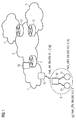
- Fig. 1 schematically shows a data network system wherein a mobile network is attached to a home network.
- a mobile network 5 comprising a mobile router (MR) 30, a local fixed node (LFN) 32 and a local mobile node (LMN) 31.
- the mobile network 5 is attached to the home network 1 by means of access point 20.
- the local fixed node 32 is only introduced to have also a mobile network 5 after the local mobile node 31 has left the mobile network 5; the mobile network 5 then comprises the mobile router 30 and the local fixed node 32.
- Fig. 1 further shows that the home network 1 comprises an access router 11 connecting the home network 1 to the Internet 2.
- Another access router 12 connects a first foreign network 3 to the Internet 2.
- Still another access router 13 connects a second foreign network 4 to the Internet 2.
- the invention focuses on the local mobile node 31 and the problem, which arises out of its movement.
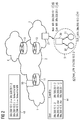
- Fig. 2 schematically shows the data network system of Fig. 1 wherein the mobile network moves to a first foreign network.
- Fig. 2 shows the binding cache 43 and the routing table 44 of a home agent 50 of this mobile network 5 when the whole mobile network 5 attaches to a first foreign network 3 by means of an access point 21.
- the mobile router 30 gets a care-of address (CoA) 45 and sends a binding update (BU) to the home agent 50. After the home agent 50 has received this binding update, the home agent 50 adds entries to its binding cache 43 and updates its routing table 44 to deliver packets to the mobile router 30.
- CoA care-of address
- BU binding update
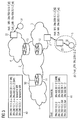
- Fig. 3 schematically shows the data network system of Fig. 1 and 2 wherein the local mobile node leaves the mobile network and attaches on its own to a second foreign network.
- Fig.3 illustrates the situation when the local mobile node 31 belonging to the mobile router 30 moves and attaches to a second foreign network 4 via an access point 22.
- this local mobile node 31 acts as a standard MIPv6 client and sends a corresponding binding update to its home agent 50.
- the home agent 50 adds this binding entry to its binding cache 43 and modifies the routing table 44 accordingly.
- a further probe shows that the home agent 50 has a routing entry to the local mobile node 31 (by way of example: 3ffe:200:10:3::2/128 tunnel to 3ffe:400:30:1::2) and at the same time, the home agent 50 has another routing entry to the subnet of the local mobile node in the mobile network 5 (by way of example: 3ffe:200:10:3::/64 tunnel to 3ffe:300:20:1::2). But even with this routing inconsistency, a packet destined to the local mobile node 31 will be delivered correctly as it will take the first route entry (by way of example: 3ffe:200:10:3:2/128 tunnel to 3ffe:400:30:1::2) to reach the current location of the local mobile node 31.
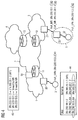
- Fig. 4 schematically shows the data network system of Fig. 1 to 3 wherein the local mobile node attaches itself directly back at the home network.
- Fig.4 illustrates the situation where the local mobile node 31 moves back to its home network 1 on its own, while the mobile network 5 is still connected to a foreign network (for example to the first foreign network 3).
- the problem arises with packet delivery destined to this local mobile node 31:
- the local mobile node 31 deregisters with its home agent 50.
- the home agent 50 removes the binding and the individual routes (host routes) associated with the local mobile node 31.
- the packets destined to the local mobile node 31, however, will be delivered incorrectly to the mobile router 30 because the local mobile node 31 subnet route is still valid in the binding cache 43 and the routing table 44 (by way of example: 3ffe:200:10:3::/64 tunnel to 3ffe:300:20:1::2).
- the home agent 50 delivers data traffic to the local mobile node 31 by taking the route as encircled in the bottom line of routing table 44 in Fig. 4 .
- an object of the present invention is to provide an improved method of and an improved system for delivering data packets in data networks.
- data packets are delivered in a data network, the data network comprising:
- the present invention is principally based on the idea of a dedicated data packet delivery mechanism for local mobile nodes attached directly to the home network, preferably using an extension of proxy neighbour discovery (PND) in MIPv6. More specifically, the home agent keeps bindings for the local mobile node's subnet entry in the mobile network in parallel to the local mobile node's individual entry of the network attachment in the home network. Further the proxy neighbour discovery preferably takes control for the local mobile node(s) in the home network.
- PND proxy neighbour discovery
- the home agent delivers the data packets to the local mobile node(s) correctly when the local mobile node(s) is/are directly attached to its/their home network and the corresponding mobile network is attached to the home network or to a foreign network.
- attaching the local mobile node to the home network can be based on an extension of proxy neighbour discovery in MIPv6 and is followed by
- the local mobile node can recognize when to
- the home network advertises both, a local mobile node's address prefix or local mobile node's home address (HoA) used in the mobile network as well as an address prefix to configure the care-of address of the local mobile node.
- HoA local mobile node's home address
- registering the local mobile node at the home agent as reachable via the care-of address can be performed by
- Favourably tunneling these data packets to the care-of address of the local mobile node by the home agent can be performed by
- the home agent can accept that the care-of address of the local mobile node has the same network prefix as its own.
- the routing table entry for reaching the local mobile node, attached to the home network can be chosen for forwarding data packets to the local mobile node based on the rule of longest match.
- routing table entry for reaching the local mobile node can be at top of the routing table.
- the home agent reconfigures the access router by using a dynamic routing protocol to alter the routing table of the access router so that the access router considers that data packets arriving for the local mobile node are to be delivered to the home network and not to the mobile router.
- data packets are delivered in a data network, the data network comprising:
- the means for attaching the mobile network to the foreign network further can comprise
- the means for attaching the local mobile node to the home network can be based on an extension of proxy neighbour discovery in MIPv6 and further can comprise
- the local mobile node can comprise
- the home network can advertise both, a local mobile nodes address prefix or local mobile node's home address (HoA) used in the mobile network as well as an address prefix to configure the care-of address of the local mobile node.
- HoA local mobile node's home address
- the means for requesting for the local mobile node a care-of address from the access router in the home network can comprise
- the means for registering the local mobile node at the home agent as reachable via the care-of address can comprise
- the means for receiving data packets destined to a home address of the local mobile node on the home network can comprise means for performing a proxy neighbour discovery by the home agent for the home address of the local mobile node connected to the home network, and in particular can comprise
- the means for tunnelling these data packets to the care-of address of the local mobile node by the home agent can comprise
- the home agent can accept that the care-of address of the local mobile node has the same network prefix as its own.
- the system can comprise means for choosing the routing table entry for reaching the local mobile node, attached to the home network, for forwarding data packets to the local mobile node based on the rule of longest match.
- routing table entry for reaching the local mobile node can be at top of the routing table.
- the access router and the home agent are separately located (in other words: not colocated) and the home agent reconfigures the access router by using a dynamic routing protocol to alter the routing table of the access router so that the access router considers that data packets arriving for the local mobile node are to be delivered to the home network and not to the mobile router.
- the method according to the present invention as well as the system according to the present invention lead to the advantage that a mechanism is introduced to allow home agents to deliver data packets to local mobile nodes when the local mobile nodes are directly attached to the home network and the mobile network is still attached to the home network or to the foreign network.
- This data packet delivery mechanism is expediently implemented by use of an extension of proxy neighbour discovery (PND) in MIPv6.
- PND proxy neighbour discovery
- Fig. 5a illustrates the proposed delivery mechanism for local mobile nodes 31 attached directly to the home network 1, depicting the proposed solution in the context of an IETF (Internet Engineering Task Force) environment.
- IETF Internet Engineering Task Force
- This proposed packet delivery mechanism uses an extension of proxy neighbour discovery (PND) in MIPv6 and specifies that, when a local mobile node 31 is (via attachment by means of access point 20) in its home network 1 on its own (i.e. without the mobile router 30) and its mobile network 5 is currently attached to a foreign network 3, by means of an access point 21, the local mobile node 31 will act as if it is in a foreign network.
- the local mobile node 31 instead of performing a deregistration, acquires a care-of address 46 and creates a binding with its home agent 50 through which the home agent 50 tunnels packets to local mobile node 31 even though the local mobile node 31 is attached to its home network 1.
- the sequence of actions is as follows, wherein the sequence only addresses the interactions within the home network 1:
- the local mobile node 31 detects that it is attached to the access router (AR) 11 in the home network 1 directly by checking the network prefix in the route advertisement message broadcasts.
- the mobile network 5 in this case, can either be attached to the foreign network 3 or to the home network 1 (in this second case, the present solution can be applicable when both, the local mobile node 31 and its mobile network 5, are in the home network 1, but the local mobile node 31, for some reason, cannot hear the route advertisements from its mobile network 5 and attaches directly to the home network 1).
- the local mobile node 31 acquires the care-of address 46 in the home network 1 as if it would be located in a foreign network (as described in standard MIPv6).
- This care-of address 46 has to be different from the home address (HoA) 41 of the local mobile node 31.
- the local mobile node 31 registers with the home agent 50 as described in standard MIPv6.
- the home agent 50 captures packets destined to the home address 41 of the local mobile node 31 and tunnels them to the care-of address 46 of the local mobile node 31.
- This solution requires that the home agent 50 is designed to consider that the care-of address 46 can have the same network prefix as its own. This is due to the local mobile node 31 acquiring a care-of address 46 while being in the home network 1. However, as soon as the local mobile node 31 detects that it has attached to its mobile router 30, the local mobile node 31 has to deregister with the home agent 50 allowing the packets to go through the mobile router 30 to reach the local mobile node 31. In this case, mobility is invisible to the local mobile node 31 regardless of whether the mobile router 30 is in its home network 1 or in a foreign network.
- this invention proposes changes to the NEMO protocol in the following manner.
- the NEMO protocol has to be adapted to support bindings for the local mobile node 31 even though it is in its home network 1.
- the local mobile node 31 acquires a care-of address 46 from its home network 1 when the local mobile node 31 detects that it is not attached to its mobile router 30.
- the care-of address 46 is different from the home address 41.
- the address acquisition can be through address auto-configuration mechanism or through some other means, for example receiving its care-of address 46 from a DHCPv6-Server or composing its care-of address 46 from the network prefix received from the router advertisement message broadcasts and from an interface indicator, such as the MAC-address.
- the home agent 50 performs the proxy neighbour discovery for the local mobile node's 31 home address 41 even though the local mobile node 31 is located in the home network 1.
- the neighbour discovery protocol behaviour in the local mobile node 31 is adapted so that the local mobile node 31 will never respond to any neighbour solicitation for its home address 41 in case that the local mobile node 31 attaches directly to the home network 1.
- the sequence of actions that the local mobile node 31 follows is as follows:
- the home network 1 advertises both, the local mobile node's 31 address prefix, which can also be called local mobile node's 31 home address or local mobile node's 31 HoA, used in the mobile network 5 (by way of example: 3ffe:200:10:3::/64) as well as the address prefix to configure the new care-of address 46 (by way of example: 3ffe:200:20:3::/64) for the local mobile node 31.
- MR-flag mobile router-flag
- the mobile router-flag is only contained in the route advertisement message broadcasts in the mobile network 5.
- the local mobile node 31 knows when to acquire a care-of address 46 in the home network 1, when to register or deregister at the home agent 50 and when to reply for neighbour solicitations to its home address 41.
- Fig. 5b shows a system 100' according to a second embodiment of the present invention.
- This second embodiment differs from the first embodiment as shown in Fig. 5a in that the access router 11' and the home agent 50' are not colocated. For this reason, the home agent 50' reconfigures the access router 11' by communicating via a dynamic routing protocol to alter the routing table of the access router 11'. Because of that the access router 11' considers that data packets arriving for the local mobile node 31 should be delivered to the home network 1 and not to the mobile router 30.
- Fig. 6 shows the sequence of steps 201 to 207 in order to deliver successfully data packets to the local mobile node 31 attached to the home network 1, while the corresponding mobile network 5 is attached to a foreign network 3 or to its home network 1 and the local mobile node 31 directly attaches to its home network 1:
Landscapes
- Engineering & Computer Science (AREA)
- Databases & Information Systems (AREA)
- Computer Networks & Wireless Communication (AREA)
- Signal Processing (AREA)
- Data Exchanges In Wide-Area Networks (AREA)
- Mobile Radio Communication Systems (AREA)
Abstract
In order to improve a method of and a system for delivering data packets in a data network 100, 100', the data network 100, 100' comprising:
-at least one home network 1 with at least one home agent 50, 50' and with at least one access router 11, 11',
-at least one foreign network 3,4,
-at least one mobile network 5 with at least one mobile router 30, the mobile network 5 being connectable via the mobile router 30 to the home network 1 or to the foreign network 3,4,
-at least one local mobile node 31 being registerable with the home agent 50, 50', the following is proposed:
-attaching 201 the mobile network 5 comprising the mobile router 30 and the local mobile node 31 to the foreign network 3,4,
-detaching 202 the local mobile node 31 from the mobile network 5,
-attaching 203 the local mobile node 31 to the home network 1,
-requesting 204 for the local mobile node 31 a care-of address 46 from the access router 11, 11',
-registering 205 the local mobile node 31 at the home agent 50, 50' as reachable via the care-of address 46,
-receiving 206 data packets destined to a home address 41 of the local mobile node 31 on the home agent 50, 50',
-tunnelling 207 these data packets to the care-of address 46 of the local mobile node 31 by the home agent 50, 50'.
-at least one home network 1 with at least one home agent 50, 50' and with at least one access router 11, 11',
-at least one foreign network 3,4,
-at least one mobile network 5 with at least one mobile router 30, the mobile network 5 being connectable via the mobile router 30 to the home network 1 or to the foreign network 3,4,
-at least one local mobile node 31 being registerable with the home agent 50, 50', the following is proposed:
-attaching 201 the mobile network 5 comprising the mobile router 30 and the local mobile node 31 to the foreign network 3,4,
-detaching 202 the local mobile node 31 from the mobile network 5,
-attaching 203 the local mobile node 31 to the home network 1,
-requesting 204 for the local mobile node 31 a care-of address 46 from the access router 11, 11',
-registering 205 the local mobile node 31 at the home agent 50, 50' as reachable via the care-of address 46,
-receiving 206 data packets destined to a home address 41 of the local mobile node 31 on the home agent 50, 50',
-tunnelling 207 these data packets to the care-of address 46 of the local mobile node 31 by the home agent 50, 50'.
Description
- The present invention relates to a method of and a system for delivering data packets in a data network.
- Mobile networks as described in V. Devarapalli, R. Wakikawa, A. Petrescu, and P. Thubert, "Network Mobility (NEMO) Basic Support Protocol", RFC 3963, IETF January 2005, http://www.ietf.org/rfc/rfc3963.txt, 2005, wherein in the following description the "Network Mobility Basic Support Protocol" is called "NEMO", specify that local mobile nodes (LMN) in mobile networks (MN) are able to move in and out of the mobile networks. Considering a situation where a local mobile node moves back to its home network (HN) while the mobile network (associated with the local mobile node) is still connected to a foreign network (FN), the currently available standard NEMO does not provide a mechanism where the local mobile node fails to receive packets destined to it due to an inconsistency in routing.
- To illustrate this problem of background art occurring when applying standard NEMO, the following
Figs 1-4 describe how the local mobile node moves with the mobile network to a first foreign network, and how the local mobile node leaves the mobile network and moves via a second foreign network back to its home network. The last movement leads to the above mentioned problem. -
Fig. 1 schematically shows a data network system wherein a mobile network is attached to a home network.
In more detail,Fig. 1 shows amobile network 5 comprising a mobile router (MR) 30, a local fixed node (LFN) 32 and a local mobile node (LMN) 31. Themobile network 5 is attached to thehome network 1 by means ofaccess point 20. The localfixed node 32 is only introduced to have also amobile network 5 after the localmobile node 31 has left themobile network 5; themobile network 5 then comprises themobile router 30 and the localfixed node 32.Fig. 1 further shows that thehome network 1 comprises anaccess router 11 connecting thehome network 1 to the Internet 2. Anotheraccess router 12 connects a firstforeign network 3 to the Internet 2. Still anotheraccess router 13 connects a secondforeign network 4 to the Internet 2.
The invention focuses on the localmobile node 31 and the problem, which arises out of its movement. -
Fig. 2 schematically shows the data network system ofFig. 1 wherein the mobile network moves to a first foreign network. In more detail,Fig. 2 shows thebinding cache 43 and the routing table 44 of ahome agent 50 of thismobile network 5 when the wholemobile network 5 attaches to a firstforeign network 3 by means of anaccess point 21. Themobile router 30 gets a care-of address (CoA) 45 and sends a binding update (BU) to thehome agent 50. After thehome agent 50 has received this binding update, thehome agent 50 adds entries to itsbinding cache 43 and updates its routing table 44 to deliver packets to themobile router 30. -
Fig. 3 schematically shows the data network system ofFig. 1 and2 wherein the local mobile node leaves the mobile network and attaches on its own to a second foreign network. - In more detail,
Fig.3 illustrates the situation when the localmobile node 31 belonging to themobile router 30 moves and attaches to a secondforeign network 4 via anaccess point 22. In this situation, this localmobile node 31 acts as a standard MIPv6 client and sends a corresponding binding update to itshome agent 50. Thehome agent 50 adds this binding entry to itsbinding cache 43 and modifies the routing table 44 accordingly. A further probe shows that thehome agent 50 has a routing entry to the local mobile node 31 (by way of example: 3ffe:200:10:3::2/128 tunnel to 3ffe:400:30:1::2) and at the same time, thehome agent 50 has another routing entry to the subnet of the local mobile node in the mobile network 5 (by way of example:
3ffe:200:10:3::/64 tunnel to 3ffe:300:20:1::2). But even with this routing inconsistency, a packet destined to the localmobile node 31 will be delivered correctly as it will take the first route entry (by way of example:
3ffe:200:10:3::2/128 tunnel to 3ffe:400:30:1::2) to reach the current location of the localmobile node 31. -
Fig. 4 schematically shows the data network system ofFig. 1 to 3 wherein the local mobile node attaches itself directly back at the home network.
In more detail,Fig.4 illustrates the situation where the localmobile node 31 moves back to itshome network 1 on its own, while themobile network 5 is still connected to a foreign network (for example to the first foreign network 3). The problem arises with packet delivery destined to this local mobile node 31:
When the localmobile node 31 is in thehome network 1, the localmobile node 31 deregisters with itshome agent 50. Thehome agent 50 removes the binding and the individual routes (host routes) associated with the localmobile node 31. Applying standard NEMO to this situation, the packets destined to the localmobile node 31, however, will be delivered incorrectly to themobile router 30 because the localmobile node 31 subnet route is still valid in thebinding cache 43 and the routing table 44 (by way of example:
3ffe:200:10:3::/64 tunnel to 3ffe:300:20:1::2). In this context, thehome agent 50 delivers data traffic to the localmobile node 31 by taking the route as encircled in the bottom line of routing table 44 inFig. 4 . - Starting from the disadvantages of the background art as described above an object of the present invention is to provide an improved method of and an improved system for delivering data packets in data networks.
- The object of the present invention is accomplished by a method comprising the features of
claim 1 as well as by a system comprising the features of claim 14. Advantageous embodiments and expedient improvements of the present invention are disclosed in the dependent claims. - According to the present invention, data packets are delivered in a data network, the data network comprising:
- at least one home network with at least one home agent and with at least one access router,
- at least one foreign network,
- at least one mobile network with at least one mobile router, the mobile network being connectable via the mobile router to the home network or to the foreign network,
- at least one local mobile node being registerable with the home agent,
- attaching the mobile network comprising the mobile router and the local mobile node to the foreign network,
- detaching the local mobile node from the mobile network,
- attaching the local mobile node to the home network,
- requesting for the local mobile node a care-of address from the access router,
- registering the local mobile node at the home agent as reachable via the care-of address,
- receiving data packets destined to a home address of the local mobile node on the home agent,
- tunnelling these data packets to the care-of address of the local mobile node by the home agent.
- The present invention is principally based on the idea of a dedicated data packet delivery mechanism for local mobile nodes attached directly to the home network, preferably using an extension of proxy neighbour discovery (PND) in MIPv6. More specifically, the home agent keeps bindings for the local mobile node's subnet entry in the mobile network in parallel to the local mobile node's individual entry of the network attachment in the home network. Further the proxy neighbour discovery preferably takes control for the local mobile node(s) in the home network.
- The home agent delivers the data packets to the local mobile node(s) correctly when the local mobile node(s) is/are directly attached to its/their home network and the corresponding mobile network is attached to the home network or to a foreign network.
- According to an advantageous embodiment of the present invention attaching the mobile network to the foreign network can be followed by
- acquiring a care-of address by the mobile router,
- sending a binding update to the home agent,
- updating a binding cache of the home agent by means of the binding update and correspondingly updating a routing table of the home agent.
- According to a preferred implementation of the present invention attaching the local mobile node to the home network can be based on an extension of proxy neighbour discovery in MIPv6 and is followed by
- listening of the local mobile node to route advertisement message broadcasts,
- recognizing of the local mobile node that it is connected to the home network, in particular to the access router or to the home agent, by checking the network prefix in the route advertisement message broadcasts, and/or by checking if the received route advertisement message broadcasts contain a mobile router flag as only route advertisement message broadcasts containing such mobile router flag are propagated within mobile networks.
- When introducing the mobile router flag in route advertisement message broadcasts, the local mobile node can recognize when to
- acquire the care-of address in the home network
- register at the home agent
- deregister at the home agent, and/or
- reply for neighbour solicitations to its home address.
- Favourably the home network advertises both, a local mobile node's address prefix or local mobile node's home address (HoA) used in the mobile network as well as an address prefix to configure the care-of address of the local mobile node.
- According to an advantageous implementation of the present invention requesting for the local mobile node a care-of address from the access router in the home network can be performed by
- adapting a network mobility protocol to support bindings for local mobile nodes being in their home network,
- adapting the network mobility protocol to support the care-of address which is different from the respective home address, when the local mobile node detects that it is not attached to its mobile router,
- using an address auto-configuration mechanism wherein the local mobile node either receives its care-of address from a DHCPv6-Server or composes its care-of address from the network prefix received from the router advertisement message broadcasts and from an interface indicator, such as the MAC-address.
- Expediently, registering the local mobile node at the home agent as reachable via the care-of address can be performed by
- creating a binding of the care-of address with its home agent,
- updating the binding cache in the home agent,
- correspondingly updating the routing table in the home agent.
- receiving a data packet destined to the home address of the local mobile node by the access router in the home network,
- multicasting a neighbour solicitation by the access router,
- replying of the home agent with a proxy neighbour advertisement as the neighbour discovery protocol behaviour in the local mobile node is adapted such that the local mobile node will not respond to this proxy neighbour advertisement.
- Favourably tunneling these data packets to the care-of address of the local mobile node by the home agent can be performed by
- attaching a new IP header with the care-of address by way of an IP-IP encapsulation of these data packets,
- multicasting a neighbour solicitation for this care-of address,
- replying with a neighbour advertisement by the local mobile node,
- delivering these data packets to the local mobile node
- decapsulating these data packets by the local mobile node.
- In an advantageous manner the home agent can accept that the care-of address of the local mobile node has the same network prefix as its own.
- Preferably the routing table entry for reaching the local mobile node, attached to the home network, can be chosen for forwarding data packets to the local mobile node based on the rule of longest match.
- Favourably the routing table entry for reaching the local mobile node can be at top of the routing table.
- According to a preferred implementation of the present method in case that the access router and the home agent are separately located (in other words: not colocated), the home agent reconfigures the access router by using a dynamic routing protocol to alter the routing table of the access router so that the access router considers that data packets arriving for the local mobile node are to be delivered to the home network and not to the mobile router.
- According to the present invention, data packets are delivered in a data network, the data network comprising:
- at least one home network with at least one home agent and with at least one access router,
- at least one foreign network,
- at least one mobile network with at least one mobile router, the mobile network being connectable via the mobile router to the home network or to the foreign network,
- at least one local mobile node being registerable with the home agent,
- means for attaching the mobile network comprising the mobile router and the local mobile node to the foreign network,
- means for detaching the local mobile node from the mobile network,
- means for attaching the local mobile node to the home network,
- means for requesting for the local mobile node a care-of address from the access router,
- means for registering the local mobile node at the home agent as reachable via the care-of address,
- means for receiving data packets destined to a home address of the local mobile node on the home agent,
- means for tunnelling these data packets to the care-of address of the local mobile node by the home agent.
- According to a preferred implementation of the present invention the means for attaching the mobile network to the foreign network further can comprise
- means for acquiring a care-of address by the mobile router,
- means for sending a binding update to the home agent,
- means for updating a binding cache of the home agent by means of the binding update and correspondingly updating a routing table of the home agent.
- Favourably the means for attaching the local mobile node to the home network can be based on an extension of proxy neighbour discovery in MIPv6 and further can comprise
- means for listening of the local mobile node to route advertisement message broadcasts,
- means for enabling the local mobile node to recognize that it is connected to the home network, in particular to the access router or to the home agent, by checking the network prefix in the route advertisement message broadcasts, and/or by checking if the received route advertisement message broadcasts contain a mobile router flag as only route advertisement message broadcasts containing such mobile router flag are propagated within mobile networks.
- Preferably the local mobile node can comprise
- means for acquiring the care-of address in the home network
- means for registering at the home agent
- means for deregistering at the home agent, and/or
- means for replying for neighbour solicitations to its home address
- acquire the care-of address in the home network
- register at the home agent
- deregister at the home agent, and/or
- reply for neighbour solicitations to its home address by introducing the mobile router flag in route advertisement message broadcasts.
- According to an advantageous implementation of the present invention the home network can advertise both, a local mobile nodes address prefix or local mobile node's home address (HoA) used in the mobile network as well as an address prefix to configure the care-of address of the local mobile node.
- Favourably the means for requesting for the local mobile node a care-of address from the access router in the home network can comprise
- means for adapting a network mobility protocol to support bindings for local mobile nodes being in their home network,
- means for adapting the network mobility protocol to support the care-of address which is different from the respective home address, when the local mobile node detects that it is not attached to its mobile router,
- means for using an address auto-configuration mechanism
- Preferably the means for registering the local mobile node at the home agent as reachable via the care-of address can comprise
- means for creating a binding of the care-of address with its home agent,
- means for updating the binding cache in the home agent,
- means for correspondingly updating the routing table in the home agent.
- According to a preferred implementation of the invention the means for receiving data packets destined to a home address of the local mobile node on the home network can comprise means for performing a proxy neighbour discovery by the home agent for the home address of the local mobile node connected to the home network, and in particular can comprise
- means for receiving a data packet destined to the home address of the local mobile node by the access router in the home network,
- means for multicasting a neighbour solicitation by the access router,
- means for replying of the home agent with a proxy neighbour advertisement as the neighbour discovery protocol behaviour in the local mobile node is adapted such that the local mobile node will not respond to this proxy neighbour advertisement.
- Preferably the means for tunnelling these data packets to the care-of address of the local mobile node by the home agent can comprise
- means for attaching a new IP header with the care-of address by way of an IP-IP encapsulation of these data packets,
- means for multicasting a neighbour solicitation for this care-of address,
- means for replying with a neighbour advertisement by the local mobile node,
- means for delivering these data packets to the local mobile node
- means for decapsulating these data packets by the local mobile node.
- Favourably the home agent can accept that the care-of address of the local mobile node has the same network prefix as its own.
- Preferably the system can comprise means for choosing the routing table entry for reaching the local mobile node, attached to the home network, for forwarding data packets to the local mobile node based on the rule of longest match.
- Favourably the routing table entry for reaching the local mobile node can be at top of the routing table.
- According to a preferred implementation of the present system the access router and the home agent are separately located (in other words: not colocated) and the home agent reconfigures the access router by using a dynamic routing protocol to alter the routing table of the access router so that the access router considers that data packets arriving for the local mobile node are to be delivered to the home network and not to the mobile router.
- The method according to the present invention as well as the system according to the present invention lead to the advantage that a mechanism is introduced to allow home agents to deliver data packets to local mobile nodes when the local mobile nodes are directly attached to the home network and the mobile network is still attached to the home network or to the foreign network.
- This data packet delivery mechanism is expediently implemented by use of an extension of proxy neighbour discovery (PND) in MIPv6.
- Advantages, features and improvements of the present invention are explained below in more detail with reference to two preferred embodiments by way of example and to the accompanying drawings.
-
Fig. 5a schematically shows a first embodiment of the system according to the present invention, -
Fig. 5b schematically shows a second embodiment of the system according to the present invention, and -
Fig. 6 schematically shows the method, in particular the sequence of method steps according to the present invention. -
Fig. 5a illustrates the proposed delivery mechanism for localmobile nodes 31 attached directly to thehome network 1, depicting the proposed solution in the context of an IETF (Internet Engineering Task Force) environment. - This proposed packet delivery mechanism uses an extension of proxy neighbour discovery (PND) in MIPv6 and specifies that, when a local
mobile node 31 is (via attachment by means of access point 20) in itshome network 1 on its own (i.e. without the mobile router 30) and itsmobile network 5 is currently attached to aforeign network 3, by means of anaccess point 21, the localmobile node 31 will act as if it is in a foreign network.
In this case, the localmobile node 31, instead of performing a deregistration, acquires a care-ofaddress 46 and creates a binding with itshome agent 50 through which thehome agent 50 tunnels packets to localmobile node 31 even though the localmobile node 31 is attached to itshome network 1.
The sequence of actions is as follows, wherein the sequence only addresses the interactions within the home network 1: - Firstly the local
mobile node 31 detects that it is attached to the access router (AR) 11 in thehome network 1 directly by checking the network prefix in the route advertisement message broadcasts. Themobile network 5 in this case, can either be attached to theforeign network 3 or to the home network 1 (in this second case, the present solution can be applicable when both, the localmobile node 31 and itsmobile network 5, are in thehome network 1, but the localmobile node 31, for some reason, cannot hear the route advertisements from itsmobile network 5 and attaches directly to the home network 1). Secondly the localmobile node 31 acquires the care-ofaddress 46 in thehome network 1 as if it would be located in a foreign network (as described in standard MIPv6). This care-ofaddress 46 has to be different from the home address (HoA) 41 of the localmobile node 31. Thirdly the localmobile node 31 registers with thehome agent 50 as described in standard MIPv6. Fourthly thehome agent 50 captures packets destined to thehome address 41 of the localmobile node 31 and tunnels them to the care-ofaddress 46 of the localmobile node 31. - This solution requires that the
home agent 50 is designed to consider that the care-ofaddress 46 can have the same network prefix as its own. This is due to the localmobile node 31 acquiring a care-ofaddress 46 while being in thehome network 1. However, as soon as the localmobile node 31 detects that it has attached to itsmobile router 30, the localmobile node 31 has to deregister with thehome agent 50 allowing the packets to go through themobile router 30 to reach the localmobile node 31. In this case, mobility is invisible to the localmobile node 31 regardless of whether themobile router 30 is in itshome network 1 or in a foreign network. - In other words this invention proposes changes to the NEMO protocol in the following manner. Firstly the NEMO protocol has to be adapted to support bindings for the local
mobile node 31 even though it is in itshome network 1. Secondly the localmobile node 31 acquires a care-ofaddress 46 from itshome network 1 when the localmobile node 31 detects that it is not attached to itsmobile router 30. The care-ofaddress 46 is different from thehome address 41. The address acquisition can be through address auto-configuration mechanism or through some other means, for example receiving its care-ofaddress 46 from a DHCPv6-Server or composing its care-ofaddress 46 from the network prefix received from the router advertisement message broadcasts and from an interface indicator, such as the MAC-address. Thirdly thehome agent 50 performs the proxy neighbour discovery for the local mobile node's 31home address 41 even though the localmobile node 31 is located in thehome network 1. - According to another aspect of the invention as also exemplified in
Fig. 5a , the neighbour discovery protocol behaviour in the localmobile node 31 is adapted so that the localmobile node 31 will never respond to any neighbour solicitation for itshome address 41 in case that the localmobile node 31 attaches directly to thehome network 1. The sequence of actions that the localmobile node 31 follows is as follows: - Firstly the
access router 11, which is colocated (in other words: located together) with thehome agent 50 in thehome network 1, receives a packet destined to thehome address 41 of the local mobile node 31 (in this context, "colocated" means the location of theaccess router 11 and of thehome agent 50 in a single host computer under the control of a single instance of one operating system). Secondly theaccess router 11 multicasts a neighbour solicitation. Thirdly thehome agent 50 replies with a proxy neighbour advertisement wherein the localmobile node 31 will not respond to this advertisement. Fourthly thehome agent 50 attaches the new IP-header containing the care-ofaddress 46, being different from thehome address 41 of the localmobile node 31, by way of IP-IP-encapsulation. Fifthly thehome agent 50 multicasts a neighbour solicitation for this care-ofaddress 46. Sixthly the localmobile node 31 replies with a neighbour advertisement. Seventhly thehome agent 50 delivers packets to the localmobile node 31. Eightly the localmobile node 31 decapsulates the packet. - According to still another aspect of the invention as also exemplified in
Fig. 5a thehome network 1 advertises both, the local mobile node's 31 address prefix, which can also be called local mobile node's 31 home address or local mobile node's 31 HoA, used in the mobile network 5 (by way of example: 3ffe:200:10:3::/64) as well as the address prefix to configure the new care-of address 46 (by way of example: 3ffe:200:20:3::/64) for the localmobile node 31. Since the localmobile node 31 is unaware whether it has attached to theaccess router 11 of thehome network 1 or to itsmobile router 30, a flag called the mobile router-flag (MR-flag) can be used. The mobile router-flag is only contained in the route advertisement message broadcasts in themobile network 5. As a result, the localmobile node 31 knows when to acquire a care-ofaddress 46 in thehome network 1, when to register or deregister at thehome agent 50 and when to reply for neighbour solicitations to itshome address 41. -
Fig. 5b shows a system 100' according to a second embodiment of the present invention. This second embodiment differs from the first embodiment as shown inFig. 5a in that the access router 11' and the home agent 50' are not colocated. For this reason, the home agent 50' reconfigures the access router 11' by communicating via a dynamic routing protocol to alter the routing table of the access router 11'. Because of that the access router 11' considers that data packets arriving for the localmobile node 31 should be delivered to thehome network 1 and not to themobile router 30. -
Fig. 6 shows the sequence ofsteps 201 to 207 in order to deliver successfully data packets to the localmobile node 31 attached to thehome network 1, while the correspondingmobile network 5 is attached to aforeign network 3 or to itshome network 1 and the localmobile node 31 directly attaches to its home network 1: - In the
first step 201, themobile network 5 comprising themobile router 30 and the localmobile node 31 is attached to theforeign network 3. In thesecond step 202, the localmobile node 31 is detached from themobile network 5. In thethird step 203, the localmobile node 31 is attached to thehome network 1. In thefourth step 204, a care-ofaddress 46 for the localmobile node 31 is requested from theaccess router 11, 11'. In thefifth step 205, the localmobile node 31 is registered at thehome agent 50 as reachable via the care-ofaddress 46. In thesixth step 206, data packets destined to ahome address 41 of the localmobile node 31 are received on thehome agent 50. In theseventh step 207, these data packets are tunnelled to the care-ofaddress 46 of the localmobile node 31 by thehome agent 50. -
- 1
- home network
- 2
- Internet
- 3
- first foreign network
- 4
- second foreign network
- 5
- mobile network
- 11
- access router connecting the
home network 1 to theInternet 2 and being colocated with the home agent 50 (cf.Fig. 5a ) - 11'
- access router connecting the
home network 1 to theInternet 2 and being not colocated with the home agent 50' (cf.Fig. 5b ) - 12
- access router connecting the first
foreign network 3 to theInternet 2 - 13
- access router connecting the second
foreign network 4 to theInternet 2 - 20
- access point connecting the
mobile network 5, in particular the localmobile node 31, to thehome network 1 - 21
- access point connecting the
mobile network 5 to the firstforeign network 3 - 22
- access point connecting the local
mobile node 31 to the secondforeign network 4 - 30
- mobile router
- 31
- local mobile node
- 32
- local fixed node
- 40
- example of IPv6 home address of the
mobile router 30 - 41
- example of IPv6 home address of the local
mobile node 31 - 42
- example of IPv6 home address of the local fixed
node 32 - 43
- binding cache with examples of entries
- 44
- routing table with examples of entries
- 45
- example of IPv6 care-of address of the
mobile router 30 - 46
- example of IPv6 care-of address of the local
mobile node 31 - 50
- home agent in the
home network 1, being colocated with the access router 11 (cf.Fig. 5a ) - 50'
- home agent in the
home network 1, being not colocated with the access router 11' (cf.Fig. 5b ) - 100
- data network system (cf.
Fig. 5a ) - 100'
- data network system (cf.
Fig. 5b ) - 201
- attaching the
mobile network 5 to theforeign network 3 - 202
- detaching the local
mobile node 31 from themobile network 5 - 203
- attaching the local
mobile node 31 to thehome network 1 - 204
- requesting for the local mobile node 31 a care-of
address 46 - 205
- registering the local
mobile node 31 at thehome agent 50, 50' - 206
- receiving data packets destined to the
home address 41 of the localmobile node 31 on thehome agent 50, 50' - 207
- tunnelling the data packets to the care-of
address 46 of the localmobile node 31
Claims (26)
- A method of delivering data packets in a data network (100; 100'), the data network (100; 100') comprising:- at least one home network (1) with at least one home agent (50; 50') and with at least one access router (11; 11'),- at least one foreign network (3,4),- at least one mobile network (5) with at least one mobile router (30), the mobile network (5) being connectable via the mobile router (30) to the home network (1) or to the foreign network (3,4),- at least one local mobile node (31) being registerable with the home agent (50; 50'),wherein the method comprises the steps of- attaching (201) the mobile network (5) comprising the mobile router (30) and the local mobile node (31) to the foreign network (3,4),- detaching (202) the local mobile node (31) from the mobile network (5),- attaching (203) the local mobile node (31) to the home network (1),- requesting (204) for the local mobile node (31) a care-of address (46) from the access router (11; 11'),- registering (205) the local mobile node (31) at the home agent (50; 50') as reachable via the care-of address (46),- receiving (206) data packets destined to a home address (41) of the local mobile node (31) on the home agent (50; 50'),- tunnelling (207) these data packets to the care-of address (46) of the local mobile node (31) by the home agent (50; 50').
- The method according to claim 1, characterized in that the step of attaching (201) the mobile network (5) to the foreign network (3,4) is followed by- acquiring a care-of address (45) by the mobile router (30),- sending a binding update to the home agent (50; 50'),- updating a binding cache (43) of the home agent (50; 50') by means of the binding update and correspondingly updating a routing table (44) of the home agent (50; 50').
- The method according to claim 1 or 2, characterized in that the step of attaching (203) the local mobile node (31) to the home network (1) is based on an extension of proxy neighbour discovery in MIPv6 and is followed by- listening of the local mobile node (31) to route advertisement message broadcasts,- recognizing of the local mobile node (31) that it is connected to the home network (1), in particular to the access router (11; 11') or to the home agent (50; 50'), by checking the network prefix in the route advertisement message broadcasts, and/or by checking if the received route advertisement message broadcasts contain a mobile router flag as only route advertisement message broadcasts containing such mobile router flag are propagated within mobile networks (5).
- The method according to claim 3, characterized in that, by introducing the mobile router flag in route advertisement message broadcasts, the local mobile node (31) recognizes when to- acquire the care-of address (46) in the home network (1)- register at the home agent (50; 50')- deregister at the home agent (50; 50'), and/or- reply for neighbour solicitations to its home address (41).
- The method according to at least one of the preceding claims, characterized in that the home network (1) advertises both, a local mobile nodes (31) address prefix or local mobile node's home address (HoA) used in the mobile network (5) as well as an address prefix to configure the care-of address (46) of the local mobile node (31).
- The method according to at least one of the preceding claims, characterized in that the step of requesting (204) for the local mobile node (31) a care-of address (46) from the access router (11; 11') in the home network (1) is performed by- adapting a network mobility protocol to support bindings for local mobile nodes (31) being in their home network (1),- adapting the network mobility protocol to support the care-of address (46) which is different from the respective home address (41), when the local mobile node (31) detects that it is not attached to its mobile router (30),- using an address auto-configuration mechanism wherein the local mobile node (31) either receives its care-of address (46) from a DHCPv6-Server or composes its care-of address (46) from the network prefix received from the router advertisement message broadcasts and from an interface indicator, such as the MAC-address.
- The method according to at least one of the preceding claims, characterized in that the step of registering (205) the local mobile node (31) at the home agent (50; 50') as reachable via the care-of address (46) is performed by- creating a binding of the care-of address (46) with its home agent (50; 50'),- updating the binding cache (43) in the home agent (50; 50'),- correspondingly updating the routing table (44) in the home agent (50; 50').
- The method according to at least one of the preceding claims, characterized in that the step of receiving (206) data packets destined to a home address (41) of the local mobile node (31) on the home network (1) is performed through proxy neighbour discovery by the home agent (50; 50') for the home address (41) of the local mobile node (31) connected to the home network (1), in particular by- receiving a data packet destined to the home address (41) of the local mobile node (31) by the access router (11; 11') in the home network (1),- multicasting a neighbour solicitation by the access router (11; 11'),- replying of the home agent (50; 50') with a proxy neighbour advertisement as the neighbour discovery protocol behaviour in the local mobile node (31) is adapted such that the local mobile node (31) will not respond to this proxy neighbour advertisement.
- The method according to at least one of the preceding claims, characterized in that the step of tunnelling (207) these data packets to the care-of address (46) of the local mobile node (31) by the home agent (50; 50') is performed by- attaching a new IP header with the care-of address (46) by way of an IP-IP encapsulation of these data packets,- multicasting a neighbour solicitation for this care-of address (46),- replying with a neighbour advertisement by the local mobile node (31),- delivering these data packets to the local mobile node (31)- decapsulating these data packets by the local mobile node (31).
- The method according to at least one of the preceding claims, characterized in that the home agent (50; 50') accepts that the care-of address (46) of the local mobile node (31) has the same network prefix as its own.
- The method according to at least one of the preceding claims, characterized in that the routing table (44) entry for reaching the local mobile node (31), attached to the home network (1), is chosen for forwarding data packets to the local mobile node (31) based on the rule of longest match.
- The method according to claim 11, characterized in that the routing table (44) entry for reaching the local mobile node (31) is at top of the routing table (44).
- The method according to at least one of the preceding claims, characterized in that in case that the access router (11') and the home agent (50') are separately located, the home agent (50') reconfigures the access router (11') by using a dynamic routing protocol to alter the routing table of the access router (11') so that the access router (11') considers that data packets arriving for the local mobile node (31) are to be delivered to the home network (1) and not to the mobile router (30).
- A system of delivering data packets in a data network (100; 100'), the data network (100; 100') comprising:- at least one home network (1) with at least one home agent (50; 50') and with at least one access router (11; 11'),- at least one foreign network (3,4),- at least one mobile network (5) with at least one mobile router (30), the mobile network (5) being connectable via the mobile router (30) to the home network (1) or to the foreign network (3,4),- at least one local mobile node (31) being registerable with the home agent (50; 50'),wherein the system comprises- means for attaching (201) the mobile network (5) comprising the mobile router (30) and the local mobile node (31) to the foreign network (3,4),- means for detaching (202) the local mobile node (31) from the mobile network (5),- means for attaching (203) the local mobile node (31) to the home network (1),- means for requesting (204) for the local mobile node (31) a care-of address (46) from the access router (11; 11'),- means for registering (205) the local mobile node (31) at the home agent (50; 50') as reachable via the care-of address (46),- means for receiving (206) data packets destined to a home address (41) of the local mobile node (31) on the home agent (50; 50'),- means for tunneling (207) these data packets to the care-of address (46) of the local mobile node (31) by the home agent (50; 50').
- The system according to claim 14, characterized in that the means for attaching (201) the mobile network (5) to the foreign network (3,4) further comprises- means for acquiring a care-of address (45) by the mobile router (30),- means for sending a binding update to the home agent (50; 50'),- means for updating a binding cache (43) of the home agent (50; 50') by means of the binding update and correspondingly updating a routing table (44) of the home agent (50; 50').
- The system according to claim 14 or 15, characterized in that the means for attaching (203) the local mobile node (31) to the home network (1) is based on an extension of proxy neighbour discovery in MIPv6 and further comprises- means for listening of the local mobile node (31) to route advertisement message broadcasts,- means for enabling the local mobile node (31) to recognize that it is connected to the home network (1), in particular to the access router (11; 11') or to the home agent (50; 50'), by checking the network prefix in the route advertisement message broadcasts, and/or by checking if the received route advertisement message broadcasts contain a mobile router flag as only route advertisement message broadcasts containing such mobile router flag are propagated within mobile networks (5).
- The system according to claim 16, characterized in that the local mobile node (31) comprises- means for acquiring the care-of address (46) in the home network (1)- means for registering at the home agent (50; 50')- means for deregistering at the home agent (50; 50'), and/or- means for replying for neighbour solicitations to its home address (41)in order to recognize when to- acquire the care-of address (46) in the home network (1)- register at the home agent (50; 50')- deregister at the home agent (50; 50'), and/or- reply for neighbour solicitations to its home address (41)by introducing the mobile router flag in route advertisement message broadcasts.
- The system according to at least one of the preceding claims, characterized in that the home network (1) advertises both, a local mobile nodes (31) address prefix or local mobile node's home address (HoA) used in the mobile network (5) as well as an address prefix to configure the care-of address (46) of the local mobile node (31).
- The system according to at least one of the preceding claims, characterized in that means for requesting (204) for the local mobile node (31) a care-of address (46) from the access router (11; 11') in the home network (1) comprises- means for adapting a network mobility protocol to support bindings for local mobile nodes (31) being in their home network (1),- means for adapting the network mobility protocol to support the care-of address (46) which is different from the respective home address (41), when the local mobile node (31) detects that it is not attached to its mobile router (30),- means for using an address auto-configuration mechanism wherein the local mobile node (31) either receives its care-of address (46) from a DHCPv6-Server or composes its care-of address (46) from the network prefix received from the router advertisement message broadcasts and from an interface indicator, such as the MAC-address.
- The system according to at least one of the preceding claims, characterized in that the means for registering (205) the local mobile node (31) at the home agent (50; 50') as reachable via the care-of address (46) comprises- means for creating a binding of the care-of address (46) with its home agent (50; 50'),- means for updating the binding cache (43) in the home agent (50; 50'),- means for correspondingly updating the routing table (44) in the home agent (50; 50').
- The system according to at least one of the preceding claims, characterized in that the means for receiving (206) data packets destined to a home address (41) of the local mobile node (31) on the home network (1) comprises means for performing a proxy neighbour discovery by the home agent (50; 50') for the home address (41) of the local mobile node (31) connected to the home network (1), and in particular comprises- means for receiving a data packet destined to the home address (41) of the local mobile node (31) by the access router (11; 11') in the home network (1),- means for multicasting a neighbour solicitation by the access router (11; 11'),- means for replying of the home agent (50; 50') with a proxy neighbour advertisement as the neighbour discovery protocol behaviour in the local mobile node (31) is adapted such that the local mobile node (31) will not respond to this proxy neighbour advertisement.
- The system according to at least one of the preceding claims, characterized in that the means for tunnelling (207) these data packets to the care-of address (46) of the local mobile node (31) by the home agent (50; 50') comprises- means for attaching a new IP header with the care-of address (46) by way of an IP-IP encapsulation of these data packets,- means for multicasting a neighbour solicitation for this care-of address (46),- means for replying with a neighbour advertisement by the local mobile node (31),- means for delivering these data packets to the local mobile node (31)- means for decapsulating these data packets by the local mobile node (31).
- The system according to at least one of the preceding claims, characterized in that the home agent (50; 50') accepts that the care-of address (46) of the local mobile node (31) has the same network prefix as its own.
- The system according to at least one of the preceding claims, characterized by means for choosing the routing table (44) entry for reaching the local mobile node (31), attached to the home network (1), for forwarding data packets to the local mobile node (31) based on the rule of longest match.
- The system according to claim 24, characterized in that the routing table (44) entry for reaching the local mobile node (31) is at top of the routing table (44).
- The system according to at least one of the preceding claims, characterized in- that the access router (11') and the home agent (50') are separately located and- that the home agent (50') reconfigures the access router (11') by using a dynamic routing protocol to alter the routing table of the access router (11') so that the access router (11') considers that data packets arriving for the local mobile node (31) are to be delivered to the home network (1) and not to the mobile router (30).
Priority Applications (1)
| Application Number | Priority Date | Filing Date | Title |
|---|---|---|---|
| EP07011168A EP2001187A1 (en) | 2007-06-06 | 2007-06-06 | Method of and system for delivering data packets in a data network |
Applications Claiming Priority (1)
| Application Number | Priority Date | Filing Date | Title |
|---|---|---|---|
| EP07011168A EP2001187A1 (en) | 2007-06-06 | 2007-06-06 | Method of and system for delivering data packets in a data network |
Publications (1)
| Publication Number | Publication Date |
|---|---|
| EP2001187A1 true EP2001187A1 (en) | 2008-12-10 |
Family
ID=38596102
Family Applications (1)
| Application Number | Title | Priority Date | Filing Date |
|---|---|---|---|
| EP07011168A Ceased EP2001187A1 (en) | 2007-06-06 | 2007-06-06 | Method of and system for delivering data packets in a data network |
Country Status (1)
| Country | Link |
|---|---|
| EP (1) | EP2001187A1 (en) |
Cited By (1)
| Publication number | Priority date | Publication date | Assignee | Title |
|---|---|---|---|---|
| WO2013162608A1 (en) * | 2012-04-27 | 2013-10-31 | Hewlett Packard Development Company, L.P. | Home network packet delivery |
Citations (1)
| Publication number | Priority date | Publication date | Assignee | Title |
|---|---|---|---|---|
| US20060221921A1 (en) * | 2005-04-05 | 2006-10-05 | Kniveton Timothy J | Routing transformation, security, and authorization for delegated prefixes |
-
2007
- 2007-06-06 EP EP07011168A patent/EP2001187A1/en not_active Ceased
Patent Citations (1)
| Publication number | Priority date | Publication date | Assignee | Title |
|---|---|---|---|---|
| US20060221921A1 (en) * | 2005-04-05 | 2006-10-05 | Kniveton Timothy J | Routing transformation, security, and authorization for delegated prefixes |
Non-Patent Citations (2)
| Title |
|---|
| DEVARAPALLI NOKIA R WAKIKAWA KEIO UNIVERSITY A PETRESCU MOTOROLA P THUBERT CISCO SYSTEMS V: "Network Mobility (NEMO) Basic Support Protocol; rfc3963.txt;", IETF STANDARD, INTERNET ENGINEERING TASK FORCE, IETF, CH, January 2005 (2005-01-01), XP015009735, ISSN: 0000-0003 * |
| DROMS P THUBERT CISCO R: "DHCPv6 Prefix Delegation for NEMO; draft-ietf-nemo-dhcpv6-pd-02.txt", IETF STANDARD-WORKING-DRAFT, INTERNET ENGINEERING TASK FORCE, IETF, CH, vol. nemo, no. 2, 28 September 2006 (2006-09-28), XP015046849, ISSN: 0000-0004 * |
Cited By (1)
| Publication number | Priority date | Publication date | Assignee | Title |
|---|---|---|---|---|
| WO2013162608A1 (en) * | 2012-04-27 | 2013-10-31 | Hewlett Packard Development Company, L.P. | Home network packet delivery |
Similar Documents
| Publication | Publication Date | Title |
|---|---|---|
| US9654444B1 (en) | Communication control method, communication node, and mobile node | |
| US7894407B2 (en) | Method and apparatus for seamless roaming for wireless networks | |
| EP1516472B1 (en) | Connection of next generation mobile nodes across previous generation networks to next generation networks | |
| EP2160067A1 (en) | Detection of the mobility management function used by the network | |
| CN101199189A (en) | Network address translation for home network domains over mobile networks | |
| WO2003090408A1 (en) | Tunneling between different addressing domains | |
| US8649352B2 (en) | Packet forwarding methods for use in handoffs | |
| WO2006106389A1 (en) | Routing transformation, security, and authorization for delegated prefixes | |
| US8824353B2 (en) | Mobility route optimization in a network having distributed local mobility anchors | |
| Muslam et al. | Network-based mobility and host identity protocol | |
| JP5975881B2 (en) | Method and system for routing data to mobile nodes in a foreign network | |
| Bernardos et al. | NEMO: Network Mobility. Bringing ubiquity to the Internet access | |
| Ren et al. | Implementation and test of PMIPv6 dual stack protocol | |
| Malekian | Mobile IP network mobility | |
| Al-Kasasbeh et al. | Indirect routing of mobile ip: A non-encapsulation approach | |
| Kim et al. | A Network Mobility Management Architecture for IPv4 and IPv6 Environments | |
| EP2237629A1 (en) | Multiple interface support in Proxy Mobile IPv6 | |
| Hsu et al. | Design and implementation of two-tier MANETs with seamless roaming and load-balancing routing capability | |
| HK1069698B (en) | Connection of next generation mobile nodes across previous generation networks to next generation networks | |
| GB2436664A (en) | Establishing communication between mobile station and unidirectional network |
Legal Events
| Date | Code | Title | Description |
|---|---|---|---|
| PUAI | Public reference made under article 153(3) epc to a published international application that has entered the european phase |
Free format text: ORIGINAL CODE: 0009012 |
|
| AK | Designated contracting states |
Kind code of ref document: A1 Designated state(s): AT BE BG CH CY CZ DE DK EE ES FI FR GB GR HU IE IS IT LI LT LU LV MC MT NL PL PT RO SE SI SK TR |
|
| AX | Request for extension of the european patent |
Extension state: AL BA HR MK RS |
|
| STAA | Information on the status of an ep patent application or granted ep patent |
Free format text: STATUS: THE APPLICATION HAS BEEN REFUSED |
|
| 18R | Application refused |
Effective date: 20090410 |
|
| AKX | Designation fees paid |