EP1990934A1 - Wireless communication system, communication terminal, transmission power control method and program for the comunication terminal - Google Patents
Wireless communication system, communication terminal, transmission power control method and program for the comunication terminal Download PDFInfo
- Publication number
- EP1990934A1 EP1990934A1 EP07713501A EP07713501A EP1990934A1 EP 1990934 A1 EP1990934 A1 EP 1990934A1 EP 07713501 A EP07713501 A EP 07713501A EP 07713501 A EP07713501 A EP 07713501A EP 1990934 A1 EP1990934 A1 EP 1990934A1
- Authority
- EP
- European Patent Office
- Prior art keywords
- tpc
- transmission power
- unit
- judgment
- received signal
- Prior art date
- Legal status (The legal status is an assumption and is not a legal conclusion. Google has not performed a legal analysis and makes no representation as to the accuracy of the status listed.)
- Granted
Links
Images



Classifications
-
- H—ELECTRICITY
- H04—ELECTRIC COMMUNICATION TECHNIQUE
- H04W—WIRELESS COMMUNICATION NETWORKS
- H04W52/00—Power management, e.g. Transmission Power Control [TPC] or power classes
- H04W52/04—Transmission power control [TPC]
- H04W52/54—Signalisation aspects of the TPC commands, e.g. frame structure
- H04W52/56—Detection of errors of TPC bits
-
- H—ELECTRICITY
- H04—ELECTRIC COMMUNICATION TECHNIQUE
- H04B—TRANSMISSION
- H04B2201/00—Indexing scheme relating to details of transmission systems not covered by a single group of H04B3/00 - H04B13/00
- H04B2201/69—Orthogonal indexing scheme relating to spread spectrum techniques in general
- H04B2201/707—Orthogonal indexing scheme relating to spread spectrum techniques in general relating to direct sequence modulation
- H04B2201/70701—Orthogonal indexing scheme relating to spread spectrum techniques in general relating to direct sequence modulation featuring pilot assisted reception
Definitions
- the present invention relates to a technique of controlling power while judging reliability of a transmission power control signal, so as to prevent a base station from being brought into unexpected power control.
- excessively raised transmission power of a communication terminal device may cause, by its nature, large interference with signals sent by other users, and excessively lowered transmission power may make signals non-discriminatable as being buried in interference among communication terminal devices, only to fail in sending the signals to a base station as a destination.
- CDMA Code Division Multiple Access
- TPC Transmitter Power Control
- the TPC has no means of detecting error in received data, unlike the general symbol data, and carries out unmodified power control even if the TPC symbol should contain an error, so that the situation, if sustained, might adversely affect keeping of connection, or result in large interference with other users.
- the present invention is conceived after considering the above-described situation, wherein an object of which is to enable power control while judging reliability of a TPC by confirming that a symbol position of a common pilot channel (referred to as "CPICH", hereinafter) which resides on the same time axis, used as a material for judging the reliability of TPC sent from a base station, is correct, so as to prevent the base station from being brought into unexpected power control.
- CPICH common pilot channel
- a first wireless communication system of the present invention is a wireless communication system of a communication terminal device receiving, by wireless, a signal containing a TPC and a CPICH from a plurality of base stations, and sending, by wireless, a signal under a variable transmission power to the base stations, the system includes a detection unit detecting timing information of path timing from the received signal; a de-spreading unit de-spreading the received signal based on the detected timing information and a code specified corresponding to the received signal; a combiner unit extracting a symbol data of the CPICH from the de-spread received signal, based on channel estimation on the same time axis with a symbol data of the TPC for each of the base stations; a judgment unit judging, depending on whether the extracted symbol data of the CPICH falls in a predetermined region of judgment, whether the correspondent TPC is valid or invalid; and a transmission power control unit controlling the transmission power corresponding to the TPC judged as being valid.
- a second wireless communication system of the present invention is a wireless communication system of a communication terminal device receiving, by wireless, a signal containing a TPC and a DPCH from a plurality of base stations, and sending, by wireless, a signal under a variable transmission power to the base stations, the system includes a detection unit detecting timing information of path timing from the received signal; a de-spreading unit de-spreading the received signal based on the detected timing information and a code specified corresponding to the received signal; a combiner unit extracting a pilot symbol of the DPCH from the de-spread received signal, based on channel estimation on the same time axis with a symbol data of the TPC for each of the base stations; a judgment unit judging, depending on whether the extracted pilot symbol of the DPCH falls in a predetermined region of judgment, whether the correspondent TPC is valid or invalid; and a transmission power control unit controlling the transmission power corresponding to the TPC judged as being valid.
- a third wireless communication system of the present invention includes a converter unit executing A/D conversion of a received signal; a detection unit inputting the signal after A/D conversion to a predetermined circuit to thereby detect a correct path timing, and posting the timing information to a de-spreading unit; the de-spreading unit de-spreading the signal from the converter unit, based on the accepted timing information, and using a code specified corresponding thereto; a combiner unit sending, from the re-spread signal, a symbol data of a CPICH for which channel estimation has been completed on the same time axis with a symbol data of a TPC for each base station to a judgment unit; the judgment unit judging whether the accepted symbol data of the CPICH falls on a correct symbol position or not, and deciding it as a valid TPC data only when it falls on the correct position; and a transmission power control unit controlling transmission power of the converter unit, so as to attain transmission power adapted to the TPC result determined by the judgment unit and accepted from the judgment unit.
- a communication terminal device of the present invention is a communication terminal device receiving, by wireless, a signal containing a TPC and a DPCH from a plurality of base stations, and sending, by wireless, a signal under a variable transmission power to the base stations, and has the wireless communication system of the present invention.
- a first method of wireless communication is a method of wireless communication for a communication terminal device receiving, by wireless, a signal containing a TPC and a CPICH from a plurality of base stations, and sending, by wireless, a signal under a variable transmission power to the base stations, the method includes detecting timing information of path timing from the received signal; de-spreading the received signal based on the detected timing information and a code specified corresponding to the received signal; extracting a symbol data of the CPICH from the de-spread received signal, based on channel estimation on the same time axis with a symbol data of the TPC for each of the base stations; judging, depending on whether the extracted symbol data of the CPICH falls in a predetermined region of judgment, whether the correspondent TPC is valid or invalid; and controlling the transmission power corresponding to the TPC judged as being valid.
- a second method of wireless communication is a method of wireless communication for a communication terminal device receiving, by wireless, a signal containing a TPC and a DPCH from a plurality of base stations, and sending, by wireless, a signal under a variable transmission power to the base stations, the method includes detecting timing information of path timing from the received signal; de-spreading the received signal based on the detected timing information and a code specified corresponding to the received signal; extracting a pilot symbol of the DPCH from the de-spread received signal, based on channel estimation on the same time axis with a symbol data of the TPC for each of the base stations; judging, depending on whether the extracted pilot symbol of the DPCH falls in a predetermined region of judgment, whether the correspondent TPC is valid or invalid; and controlling the transmission power corresponding to the TPC judged as being valid.
- a third method of controlling transmission power includes a step of allowing a converter unit to carry out A/D conversion of a received signal; a step of allowing a path timing detection unit to input a signal after A/D conversion into a predetermined circuit and to detect a correct path timing, and posting the timing information to a de-spreading unit; a step of de-spreading a signal received from the converter unit using a specified code, based on timing information accepted by the de-spreading unit; a step of allowing a combiner unit to send, from the re-spread signal, a symbol data of a CPICH for which channel estimation has been completed on the same time axis with a symbol data of a TPC for each base station to a judgment unit; a step of allowing the judgment unit to judge whether the accepted symbol data of the CPICH falls on a correct symbol position or not, and to decide it as a valid TPC data only when it falls on the correct position; and a step of allowing a transmission power control unit to
- a first computer program of the present invention is a computer program for a communication terminal device receiving, by wireless, a signal containing a TPC and a CPICH from a plurality of base stations, and sending, by wireless, a signal under a variable transmission power to the base stations, the program allowing the communication terminal device to execute a detection process detecting timing information of path timing from the received signal; a de-spreading process de-spreading the received signal based on the detected timing information and a code specified corresponding to the received signal; a combining process extracting a symbol data of the CPICH from the de-spread received signal, based on channel estimation on the same time axis with a symbol data of the TPC for each of the base stations; a judgment process judging, depending on whether the extracted symbol data of the CPICH falls in a predetermined region of judgment, whether the correspondent TPC is valid or invalid; and a transmission power control process controlling the transmission power corresponding to the TPC judged as being valid.
- a second computer program of the present invention is a computer program for a communication terminal device receiving, by wireless, a signal containing a TPC and a DPCH from a plurality of base stations, and sending, by wireless, a signal under a variable transmission power to the base stations, the program allowing the communication terminal device to execute a detection process detecting timing information of path timing from the received signal; a de-spreading process de-spreading the received signal based on the detected timing information and a code specified corresponding to the received signal; a combining process extracting a pilot symbol of the DPCH from the de-spread received signal, based on channel estimation on the same time axis with a symbol data of the TPC for each of the base stations; a judgment process judging, depending on whether the extracted pilot symbol of the DPCH falls in a predetermined region of judgment, whether the correspondent TPC is valid or invalid; and a transmission power control process controlling the transmission power corresponding to the TPC judged as being valid.
- a third computer program of the present invention provides a program allowing a computer of a communication terminal device to execute a process capable of realizing the functions of the wireless communication system of the present invention.
- correct power control may be enabled by excluding a less reliable TPC from objects to be judged, and thereby an ability of keeping connection may be prevented from degrading.
- the wireless communication system of this embodiment is incorporated in a communication terminal device.
- the communication terminal device receives, by wireless, a signal containing a TPC and a CPICH from a plurality of base stations, and sends, by wireless, a signal under a variable transmission power to the base stations.
- the wireless communication system of this embodiment has a path search circuit 103 as a detection unit detecting timing information of path timing from the received signal; a de-spreading unit 104 as a de-spreading unit de-spreading the received signal based on the detected timing information and a code specified corresponding to the received signal; a combiner unit 105 as a combiner unit extracting a symbol data of the CPICH from the de-spread received signal, based on channel estimation on the same time axis with a symbol data of the TPC for each of the base stations; a TPC judgment unit 106 as a judgment unit judging, depending on whether the extracted symbol data of the CPICH falls in a predetermined region of judgment, whether the correspondent TPC is valid or invalid; and a transmission power control unit 107 as a transmission power control unit controlling the transmission power corresponding to the TPC judged as being valid.
- the wireless communication system of the communication terminal device of this embodiment is configured by an antenna 101, an RF unit 102, a path search circuit 103, de-spreading units 104-1 to 104-n (n is an arbitrary positive integer), a combiner unit 105, a TPC judgment unit 106, a transmission power control unit 107, and a spreading unit 108.
- the RF unit 102 functions as carrying out A/D conversion of signals received through the antenna 101.
- the path search circuit 103 functions as detecting a correct reception timing of path timing of the converted signals.
- the de-spreading units 104-1 to 104-n function as multiplying a signal from the RF 102 by a specified code as being adapted to the timing information.
- the combiner unit 105 functions as sending, from the de-spread signals, TPC symbol data of the individual base stations and symbol data of the CPICH to the TPC judgment unit 106.
- the TPC judgment unit 106 functions as judging whether the TPCs from the individual base stations are correctly reported based on a position of the symbol data of the CPICH, and thereby judging whether the TPCs are valid.
- the transmission power control unit 107 functions as controlling transmission power at the RF unit 102 so as to attain transmission power adapted to the TPC result.
- the timing information of the path timing is detected from the received signal.
- the received signal is de-spread, based on the detected timing information and a code specified corresponding to the received signal.
- a symbol data of the CPICH is extracted from the de-spread received signal, based on channel estimation on the same time axis with a symbol data of the TPC for each of the base stations.
- a symbol data of the CPICH is extracted from the de-spread received signal, based on channel estimation on the same time axis with a symbol data of the TPC for each of the base stations.
- This system herein is on the premise of taking part in WCDMA communication between any of base stations and a communication terminal device.
- a signal sent from a target base station enters through the antenna 101 to the RF unit 102.
- received signal is subjected to processes including A/D conversion by the RF unit 102.
- the signal after the A/D conversion process is input to the path search circuit 103 and the de-spreading units 104-1 to 104-n.
- the path search circuit 103 executes calculation for allocating timing of the signal sent from the base stations to the de-spreading units 104-1 to 104-n, and posts the results to the de-spreading units 104.
- Each of the de-spreading units 104-1 to 104-n carries out de-spreading by multiplying the received signal by a code determined as being adapted to the timing specified by the path search circuit 103.
- the de-spread received signals are sent to the combiner unit 105.
- the combiner unit 105 having the signals received from the individual de-spreading units combines symbol data of the TPC and symbol data of the CPICH for every base station, and posts the results to the TPC judgment unit 106 (A1).
- the TPC judgment unit 106 having received symbol data confirms to what point a symbol data of the CPICH corresponded to a single base resides on the IQ plane (A2).
- A2 the TPC of the base station under current judgment is judged as being valid, and added to objects to be judged as a valid TPC.
- the TPC is highly probable to err, and is not added to objects to be judged as a valid TPC (A3, A4).
- step A4 If all of the base stations have judged, and if a valid TPC determined in step A4 is available, the final UP/DOWN judgment is carried out using only such valid TPC, and the result is posted to the transmission power control unit 107 (A6 ⁇ A8).
- step A4 If there is not a single valid TPC determined in step A4, all target TPCs are re-judged as being valid, the final UP/DOWN judgment is carried out, and the result is posted to the transmission power control unit 107 (A6 ⁇ A7 ⁇ A8).
- the individual symbol data of the TPC and CPICH herein are presupposed that they are subjected to judgment-by-quadrant after being corrected by channel estimation.
- the symbol data of the CPICH sent from the combiner unit 105 to the TPC judgment unit 106 may sometimes be sent from an antenna 2 while being kept in the third quadrant of the IQ plane. In this case, the first quadrant is corrected, and the then combined with an antenna 1 before being sent to the TPC judgment unit 106.
- the TPC judgment unit 106 (A2, A3) made a judgment of "valid” by confirming position in quadrant of the symbol data of the CPICH and when the position was found in the first quadrant, whereas position of judgment may be modified as shown in Fig. 3 in place of using judgment-by-quadrant, without any limitation in setting position where "valid" is judged.
- the number of the de-spreading units 104 shown in Fig. 1 may arbitrarily be increased or decreased on the design basis.
- the number of the base stations sending TPC to the communication terminal device is not necessarily unity, and may be set without limitation.
- the symbol data of the CPICH may be averaged over a certain period for the purpose of improving reliability, where the averaged period may be unlimited.
- correct power control may be enabled by excluding less reliable TPC(s) from objects to be judged, and thereby an ability of keeping connection may be prevented from degrading.
- correct power control may be enabled by excluding less reliable TPC(s) from objects to be judged, and thereby interference with other users may be avoidable.
- correct power control may be enabled by excluding less reliable TPC(s) from objects to be judged, and thereby excessive increase in power consumption of the communication terminal device may be avoidable.
- this embodiment additionally has a step of re-judging the valid TPC under conditions eased from those in the judgment-by-quadrant in step A3, in place of judging all TPCs as valid when all TPCs were determined as invalid in step A6.
- step A6 in Fig. 4 operations up to step A6 in Fig. 4 are similar to those in the first embodiment, so that the explanation therefor will not be repeated.
- the TPC of the base station under current judgment is judged as being valid, and added to objects to be judged as a valid TPC.
- the TPC is highly probable to err, and is not added to objects to be judged as a valid TPC (B1, B2).
- step B2 If all of the base stations have judged, and if a valid TPC determined in step B2 is available, the final UP/DOWN judgment is carried out using only such valid TPC, and the result is posted to the transmission power control unit 107 (B4 ⁇ A8).
- step B2 If there is not a single valid TPC determined in step B2, all target TPCs are re-judged as being valid, the final UP/DOWN judgment is carried out, and the result is posted to the transmission power control unit 107 (B4 ⁇ B5 ⁇ A8).
- TPC The region of judgment of TPC, having been divided in two stages, is not limited in the way of division.
- reliability of TPC may step-wisely determined, allowing exclusion of only extremely unreliable TPC(s) from judgment of transmission power.
- the wireless communication system may be good enough to have a detection unit detecting timing information of path timing from the received signal; a de-spreading unit de-spreading the received signal based on the detected timing information, and a code specified corresponding to the received signal; a combiner unit extracting a pilot symbol of the DPCH from the de-spread received signal, based on channel estimation on the same time axis with a symbol data of the TPC for each of the base stations; a judgment unit judging, depending on whether the extracted pilot symbol of the DPCH falls in a predetermined region of judgment, whether the correspondent TPC is valid or invalid; and a transmission power control unit controlling the transmission power corresponding to the TPC judged as being valid (not shown).
- the individual units of the wireless communication system are realized by dedicated hardware.
- a process of realizing the functions of the individual units may be executed, by allowing the individual units to read programs which realize functions of the wireless communication systems in the above-described embodiments.
- the computer program may be good enough if it is described as making a communication terminal device execute, for example, a detection process detecting timing information of path timing from the received signal; a de-spreading process de-spreading the received signal based on the detected timing information and a code specified corresponding to the received signal; a combining process extracting a symbol data of the CPICH from the de-spread received signal, based on channel estimation on the same time axis with a symbol data of the TPC for each of the base stations; a judgment process judging, depending on whether the extracted symbol data of the CPICH falls in a predetermined region of judgment, whether the correspondent TPC is valid or invalid; and a transmission power control process controlling the transmission power corresponding to the TPC judged as being valid.
- a detection process detecting timing information of path timing from the received signal
- a de-spreading process de-spreading the received signal based on the detected timing information and a code specified corresponding to the received signal
- a combining process extracting
- the program may be transmitted to other computer system, while being mediated by a computer-readable recording medium such as CD-ROM, magneto-optical disk or the like, or as being carried by transmission wave through transmission media such as the Internet, telephone line or the like.
- a computer-readable recording medium such as CD-ROM, magneto-optical disk or the like
Landscapes
- Engineering & Computer Science (AREA)
- Computer Networks & Wireless Communication (AREA)
- Signal Processing (AREA)
- Mobile Radio Communication Systems (AREA)
Abstract
Description
- The present invention relates to a technique of controlling power while judging reliability of a transmission power control signal, so as to prevent a base station from being brought into unexpected power control.
- In communication based on the CDMA (Code Division Multiple Access) system excessively raised transmission power of a communication terminal device may cause, by its nature, large interference with signals sent by other users, and excessively lowered transmission power may make signals non-discriminatable as being buried in interference among communication terminal devices, only to fail in sending the signals to a base station as a destination.
- For this reason, communication is established by appropriately controlling, on the base station side, transmission power using a transmission power control signal (referred to as "TPC (Transmitter Power Control)", hereinafter), so as to enable reception of signals from the individual communication terminal devices.
- There has been proposed a technique of reducing mean transmission power, when reception error of a symbol other than a pilot symbol is detected in the process of controlling transmission power based on results of comparison between a result of measurement of reception quality of a pilot symbol in a received symbol and a target value for reception quality, by configuring a communication device on the reception side taking part in control so as to elevate the target value for reception quality, typically by an error detection unit for pilot symbol reception detecting an error in reception of the pilot symbol based on a known pilot symbol pattern, and an upstream TPC symbol generation unit performing transmission power control basted on not only transmission power control based on result of comparison of reception quality, but also on result of detection of reception error of pilot symbol (see Patent Document 1, for example).
- [Patent Document 1] Japanese Laid-Open Patent Publication No.
2005-328355 - The above-described conventional example has, however, been suffering from the problem below.
- The TPC has no means of detecting error in received data, unlike the general symbol data, and carries out unmodified power control even if the TPC symbol should contain an error, so that the situation, if sustained, might adversely affect keeping of connection, or result in large interference with other users.
- The present invention is conceived after considering the above-described situation, wherein an object of which is to enable power control while judging reliability of a TPC by confirming that a symbol position of a common pilot channel (referred to as "CPICH", hereinafter) which resides on the same time axis, used as a material for judging the reliability of TPC sent from a base station, is correct, so as to prevent the base station from being brought into unexpected power control.
- A first wireless communication system of the present invention is a wireless communication system of a communication terminal device receiving, by wireless, a signal containing a TPC and a CPICH from a plurality of base stations, and sending, by wireless, a signal under a variable transmission power to the base stations, the system includes a detection unit detecting timing information of path timing from the received signal; a de-spreading unit de-spreading the received signal based on the detected timing information and a code specified corresponding to the received signal; a combiner unit extracting a symbol data of the CPICH from the de-spread received signal, based on channel estimation on the same time axis with a symbol data of the TPC for each of the base stations; a judgment unit judging, depending on whether the extracted symbol data of the CPICH falls in a predetermined region of judgment, whether the correspondent TPC is valid or invalid; and a transmission power control unit controlling the transmission power corresponding to the TPC judged as being valid.
- A second wireless communication system of the present invention is a wireless communication system of a communication terminal device receiving, by wireless, a signal containing a TPC and a DPCH from a plurality of base stations, and sending, by wireless, a signal under a variable transmission power to the base stations, the system includes a detection unit detecting timing information of path timing from the received signal; a de-spreading unit de-spreading the received signal based on the detected timing information and a code specified corresponding to the received signal; a combiner unit extracting a pilot symbol of the DPCH from the de-spread received signal, based on channel estimation on the same time axis with a symbol data of the TPC for each of the base stations; a judgment unit judging, depending on whether the extracted pilot symbol of the DPCH falls in a predetermined region of judgment, whether the correspondent TPC is valid or invalid; and a transmission power control unit controlling the transmission power corresponding to the TPC judged as being valid.
- A third wireless communication system of the present invention includes a converter unit executing A/D conversion of a received signal; a detection unit inputting the signal after A/D conversion to a predetermined circuit to thereby detect a correct path timing, and posting the timing information to a de-spreading unit; the de-spreading unit de-spreading the signal from the converter unit, based on the accepted timing information, and using a code specified corresponding thereto; a combiner unit sending, from the re-spread signal, a symbol data of a CPICH for which channel estimation has been completed on the same time axis with a symbol data of a TPC for each base station to a judgment unit; the judgment unit judging whether the accepted symbol data of the CPICH falls on a correct symbol position or not, and deciding it as a valid TPC data only when it falls on the correct position; and a transmission power control unit controlling transmission power of the converter unit, so as to attain transmission power adapted to the TPC result determined by the judgment unit and accepted from the judgment unit.
- A communication terminal device of the present invention is a communication terminal device receiving, by wireless, a signal containing a TPC and a DPCH from a plurality of base stations, and sending, by wireless, a signal under a variable transmission power to the base stations, and has the wireless communication system of the present invention.
- A first method of wireless communication is a method of wireless communication for a communication terminal device receiving, by wireless, a signal containing a TPC and a CPICH from a plurality of base stations, and sending, by wireless, a signal under a variable transmission power to the base stations, the method includes detecting timing information of path timing from the received signal; de-spreading the received signal based on the detected timing information and a code specified corresponding to the received signal; extracting a symbol data of the CPICH from the de-spread received signal, based on channel estimation on the same time axis with a symbol data of the TPC for each of the base stations; judging, depending on whether the extracted symbol data of the CPICH falls in a predetermined region of judgment, whether the correspondent TPC is valid or invalid; and controlling the transmission power corresponding to the TPC judged as being valid.
- A second method of wireless communication is a method of wireless communication for a communication terminal device receiving, by wireless, a signal containing a TPC and a DPCH from a plurality of base stations, and sending, by wireless, a signal under a variable transmission power to the base stations, the method includes detecting timing information of path timing from the received signal; de-spreading the received signal based on the detected timing information and a code specified corresponding to the received signal; extracting a pilot symbol of the DPCH from the de-spread received signal, based on channel estimation on the same time axis with a symbol data of the TPC for each of the base stations; judging, depending on whether the extracted pilot symbol of the DPCH falls in a predetermined region of judgment, whether the correspondent TPC is valid or invalid; and controlling the transmission power corresponding to the TPC judged as being valid.
- A third method of controlling transmission power includes a step of allowing a converter unit to carry out A/D conversion of a received signal; a step of allowing a path timing detection unit to input a signal after A/D conversion into a predetermined circuit and to detect a correct path timing, and posting the timing information to a de-spreading unit; a step of de-spreading a signal received from the converter unit using a specified code, based on timing information accepted by the de-spreading unit; a step of allowing a combiner unit to send, from the re-spread signal, a symbol data of a CPICH for which channel estimation has been completed on the same time axis with a symbol data of a TPC for each base station to a judgment unit; a step of allowing the judgment unit to judge whether the accepted symbol data of the CPICH falls on a correct symbol position or not, and to decide it as a valid TPC data only when it falls on the correct position; and a step of allowing a transmission power control unit to control transmission power of the converter unit, so as to attain transmission power adapted to the TPC result determined by the judgment unit and accepted from the judgment unit.
- A first computer program of the present invention is a computer program for a communication terminal device receiving, by wireless, a signal containing a TPC and a CPICH from a plurality of base stations, and sending, by wireless, a signal under a variable transmission power to the base stations, the program allowing the communication terminal device to execute a detection process detecting timing information of path timing from the received signal; a de-spreading process de-spreading the received signal based on the detected timing information and a code specified corresponding to the received signal; a combining process extracting a symbol data of the CPICH from the de-spread received signal, based on channel estimation on the same time axis with a symbol data of the TPC for each of the base stations; a judgment process judging, depending on whether the extracted symbol data of the CPICH falls in a predetermined region of judgment, whether the correspondent TPC is valid or invalid; and a transmission power control process controlling the transmission power corresponding to the TPC judged as being valid.
- A second computer program of the present invention is a computer program for a communication terminal device receiving, by wireless, a signal containing a TPC and a DPCH from a plurality of base stations, and sending, by wireless, a signal under a variable transmission power to the base stations, the program allowing the communication terminal device to execute a detection process detecting timing information of path timing from the received signal; a de-spreading process de-spreading the received signal based on the detected timing information and a code specified corresponding to the received signal; a combining process extracting a pilot symbol of the DPCH from the de-spread received signal, based on channel estimation on the same time axis with a symbol data of the TPC for each of the base stations; a judgment process judging, depending on whether the extracted pilot symbol of the DPCH falls in a predetermined region of judgment, whether the correspondent TPC is valid or invalid; and a transmission power control process controlling the transmission power corresponding to the TPC judged as being valid.
- A third computer program of the present invention provides a program allowing a computer of a communication terminal device to execute a process capable of realizing the functions of the wireless communication system of the present invention.
- According to the present invention, correct power control may be enabled by excluding a less reliable TPC from objects to be judged, and thereby an ability of keeping connection may be prevented from degrading.
- The above and other objects, advantages and features of the present invention will be more apparent from the following description of certain preferred embodiments taken in conjunction with the accompanying drawings.
- [
Fig. 1 ] A drawing showing a configuration of a wireless communication system in a first embodiment of the present invention. - [
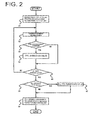
Fig. 2 ] A flow chart showing process operations in the first embodiment of the present invention. - [
Fig. 3 ] A drawing showing a setting of valid position of judgment in the first embodiment of the present invention. - [
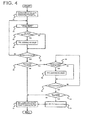
Fig. 4 ] A flow chart showing process operations in a second embodiment of the present invention. - [
Fig. 5 ] A flow chart showing a setting of valid position of judgment in the second embodiment of the present invention. - The first embodiment of the present invention will be detailed referring to the attached drawings. The wireless communication system of this embodiment is incorporated in a communication terminal device. The communication terminal device receives, by wireless, a signal containing a TPC and a CPICH from a plurality of base stations, and sends, by wireless, a signal under a variable transmission power to the base stations.
- The wireless communication system of this embodiment has a path search circuit 103 as a detection unit detecting timing information of path timing from the received signal; a
de-spreading unit 104 as a de-spreading unit de-spreading the received signal based on the detected timing information and a code specified corresponding to the received signal; acombiner unit 105 as a combiner unit extracting a symbol data of the CPICH from the de-spread received signal, based on channel estimation on the same time axis with a symbol data of the TPC for each of the base stations; aTPC judgment unit 106 as a judgment unit judging, depending on whether the extracted symbol data of the CPICH falls in a predetermined region of judgment, whether the correspondent TPC is valid or invalid; and a transmissionpower control unit 107 as a transmission power control unit controlling the transmission power corresponding to the TPC judged as being valid. - For more details, referring now to
Fig. 1 , the wireless communication system of the communication terminal device of this embodiment is configured by anantenna 101, anRF unit 102, a path search circuit 103, de-spreading units 104-1 to 104-n (n is an arbitrary positive integer), acombiner unit 105, aTPC judgment unit 106, a transmissionpower control unit 107, and a spreadingunit 108. - The
RF unit 102 functions as carrying out A/D conversion of signals received through theantenna 101. - The path search circuit 103 functions as detecting a correct reception timing of path timing of the converted signals.
- The de-spreading units 104-1 to 104-n function as multiplying a signal from the
RF 102 by a specified code as being adapted to the timing information. - The
combiner unit 105 functions as sending, from the de-spread signals, TPC symbol data of the individual base stations and symbol data of the CPICH to the TPCjudgment unit 106. - The TPC
judgment unit 106 functions as judging whether the TPCs from the individual base stations are correctly reported based on a position of the symbol data of the CPICH, and thereby judging whether the TPCs are valid. - The transmission
power control unit 107 functions as controlling transmission power at theRF unit 102 so as to attain transmission power adapted to the TPC result. - In the above-described configuration, according to a method of wireless communication using the wireless communication system of the communication terminal device, the timing information of the path timing is detected from the received signal. Next, the received signal is de-spread, based on the detected timing information and a code specified corresponding to the received signal.
- Next, a symbol data of the CPICH is extracted from the de-spread received signal, based on channel estimation on the same time axis with a symbol data of the TPC for each of the base stations. Next, depending on whether the extracted symbol data of the CPICH falls in a predetermined region of judgment, whether the correspondent TPC is valid or invalid is judged. The transmission power is controlled corresponding to the TPC judged as being valid.
- Operations in this embodiment will more specifically be described below, referring to
Fig. 1 andFig. 2 . This system herein is on the premise of taking part in WCDMA communication between any of base stations and a communication terminal device. - First, a signal sent from a target base station enters through the
antenna 101 to theRF unit 102. Thus received signal is subjected to processes including A/D conversion by theRF unit 102. - The signal after the A/D conversion process is input to the path search circuit 103 and the de-spreading units 104-1 to 104-n.
- The path search circuit 103 executes calculation for allocating timing of the signal sent from the base stations to the de-spreading units 104-1 to 104-n, and posts the results to the
de-spreading units 104. - Each of the de-spreading units 104-1 to 104-n carries out de-spreading by multiplying the received signal by a code determined as being adapted to the timing specified by the path search circuit 103.
- The de-spread received signals are sent to the
combiner unit 105. - The
combiner unit 105 having the signals received from the individual de-spreading units combines symbol data of the TPC and symbol data of the CPICH for every base station, and posts the results to the TPC judgment unit 106 (A1). - The TPC
judgment unit 106 having received symbol data confirms to what point a symbol data of the CPICH corresponded to a single base resides on the IQ plane (A2). When the position falls in the first quadrant of the IQ plane, the TPC of the base station under current judgment is judged as being valid, and added to objects to be judged as a valid TPC. When the position falls outside the first quadrant, the TPC is highly probable to err, and is not added to objects to be judged as a valid TPC (A3, A4). - If the TPC judgment has not been completed for all of the base stations, the process goes back to A2, and is repeated for completion (A5).
- If all of the base stations have judged, and if a valid TPC determined in step A4 is available, the final UP/DOWN judgment is carried out using only such valid TPC, and the result is posted to the transmission power control unit 107 (A6→A8).
- If there is not a single valid TPC determined in step A4, all target TPCs are re-judged as being valid, the final UP/DOWN judgment is carried out, and the result is posted to the transmission power control unit 107 (A6→A7→A8).
- According to the control described in the above, only reliable TPCs out of those sent from the individual base stations may be used, by excluding TPC(s) highly suspicious to cause error, and exclusion of any erroneous power control prevents degradation of connection keeping ability, interference with other users, and excessive increase in power consumption of the communication terminal device.
- The individual symbol data of the TPC and CPICH herein are presupposed that they are subjected to judgment-by-quadrant after being corrected by channel estimation. Alternatively in transmit diversity, the symbol data of the CPICH sent from the
combiner unit 105 to theTPC judgment unit 106 may sometimes be sent from an antenna 2 while being kept in the third quadrant of the IQ plane. In this case, the first quadrant is corrected, and the then combined with an antenna 1 before being sent to theTPC judgment unit 106. - Now an extended example of this embodiment will be shown. First of all, the TPC judgment unit 106 (A2, A3) made a judgment of "valid" by confirming position in quadrant of the symbol data of the CPICH and when the position was found in the first quadrant, whereas position of judgment may be modified as shown in
Fig. 3 in place of using judgment-by-quadrant, without any limitation in setting position where "valid" is judged. - The number of the
de-spreading units 104 shown inFig. 1 may arbitrarily be increased or decreased on the design basis. - The number of the base stations sending TPC to the communication terminal device is not necessarily unity, and may be set without limitation.
- The symbol data of the CPICH, assumed as being on the same time axis with the TPC, may be averaged over a certain period for the purpose of improving reliability, where the averaged period may be unlimited.
- According to this embodiment described in the above, correct power control may be enabled by excluding less reliable TPC(s) from objects to be judged, and thereby an ability of keeping connection may be prevented from degrading.
- In addition, correct power control may be enabled by excluding less reliable TPC(s) from objects to be judged, and thereby interference with other users may be avoidable.
- In addition, correct power control may be enabled by excluding less reliable TPC(s) from objects to be judged, and thereby excessive increase in power consumption of the communication terminal device may be avoidable.
- Next, a second embodiment of the present invention will be detailed, referring to
Fig. 4 . - Referring now to
Fig. 4 , in comparison withFig. 2 relevant to the above-described first embodiment, this embodiment additionally has a step of re-judging the valid TPC under conditions eased from those in the judgment-by-quadrant in step A3, in place of judging all TPCs as valid when all TPCs were determined as invalid in step A6. - For more details, operations up to step A6 in
Fig. 4 are similar to those in the first embodiment, so that the explanation therefor will not be repeated. - In this embodiment, if all TPCs were judged as invalid in steps A2 to A4, validity of the TPCs are re-judged under conditions of judgment eased from those in step A3, based on the position of the symbol of CPICH acquired in step A2 (see B1 in
Fig. 5 ). - When the symbol position is judged as valid, the TPC of the base station under current judgment is judged as being valid, and added to objects to be judged as a valid TPC. When the symbol position is judged as invalid, the TPC is highly probable to err, and is not added to objects to be judged as a valid TPC (B1, B2).
- If the TPC judgment has not been completed for all of the base stations, the process goes back to B1, and is repeated for completion (B3).
- If all of the base stations have judged, and if a valid TPC determined in step B2 is available, the final UP/DOWN judgment is carried out using only such valid TPC, and the result is posted to the transmission power control unit 107 (B4→A8).
- If there is not a single valid TPC determined in step B2, all target TPCs are re-judged as being valid, the final UP/DOWN judgment is carried out, and the result is posted to the transmission power control unit 107 (B4→B5→A8).
- The region of judgment of TPC, having been divided in two stages, is not limited in the way of division.
- By incorporating these processes (B1 to B5) into the above-described first embodiment, reliability of TPC may step-wisely determined, allowing exclusion of only extremely unreliable TPC(s) from judgment of transmission power.
- The individual embodiments described in the above are preferred embodiments of the present invention, and may be modified in various ways without departing from the spirit of the present invention. For example, judgment of reliability was made based on the symbol data of the CPICH in the wireless communication system of the above-described embodiments, but may be made based on the pilot symbol of the DPCH (Dedicated Physical Channel).
- In this case, the wireless communication system may be good enough to have a detection unit detecting timing information of path timing from the received signal; a de-spreading unit de-spreading the received signal based on the detected timing information, and a code specified corresponding to the received signal; a combiner unit extracting a pilot symbol of the DPCH from the de-spread received signal, based on channel estimation on the same time axis with a symbol data of the TPC for each of the base stations; a judgment unit judging, depending on whether the extracted pilot symbol of the DPCH falls in a predetermined region of judgment, whether the correspondent TPC is valid or invalid; and a transmission power control unit controlling the transmission power corresponding to the TPC judged as being valid (not shown).
- In the above-described embodiments, the individual units of the wireless communication system are realized by dedicated hardware. Alternatively, a process of realizing the functions of the individual units may be executed, by allowing the individual units to read programs which realize functions of the wireless communication systems in the above-described embodiments.
- In this case, the computer program may be good enough if it is described as making a communication terminal device execute, for example, a detection process detecting timing information of path timing from the received signal; a de-spreading process de-spreading the received signal based on the detected timing information and a code specified corresponding to the received signal; a combining process extracting a symbol data of the CPICH from the de-spread received signal, based on channel estimation on the same time axis with a symbol data of the TPC for each of the base stations; a judgment process judging, depending on whether the extracted symbol data of the CPICH falls in a predetermined region of judgment, whether the correspondent TPC is valid or invalid; and a transmission power control process controlling the transmission power corresponding to the TPC judged as being valid.
- Still alternatively, the program may be transmitted to other computer system, while being mediated by a computer-readable recording medium such as CD-ROM, magneto-optical disk or the like, or as being carried by transmission wave through transmission media such as the Internet, telephone line or the like.
Claims (21)
- A wireless communication system of a communication terminal device receiving, by wireless, a signal containing a TPC and a CPICH from a plurality of base stations, and sending, by wireless, a signal under a variable transmission power to said base stations, the system comprising:a detection unit detecting timing information of path timing from the received signal;a de-spreading unit de-spreading said received signal based on said detected timing information and a code specified corresponding to said received signal;a combiner unit extracting a symbol data of said CPICH from said de-spread received signal, based on channel estimation on the same time axis with a symbol data of said TPC for each of said base stations;a judgment unit judging, depending on whether the extracted symbol data of said CPICH falls in a predetermined region of judgment, whether said correspondent TPC is valid or invalid; anda transmission power control unit controlling said transmission power corresponding to said TPC judged as being valid.
- A wireless communication system of a communication terminal device receiving, by wireless, a signal containing a TPC and a DPCH from a plurality of base stations, and sending, by wireless, a signal under a variable transmission power to said base stations, the system comprising:a detection unit detecting timing information of path timing from the received signal;a de-spreading unit de-spreading said received signal based on said detected timing information and a code specified corresponding to said received signal;a combiner unit extracting a pilot symbol of said DPCH from said de-spread received signal, based on channel estimation on the same time axis with a symbol data of said TPC for each of said base stations;a judgment unit judging, depending on whether the extracted pilot symbol of said DPCH falls in a predetermined region of judgment, whether said correspondent TPC is valid or invalid; anda transmission power control unit controlling said transmission power corresponding to said TPC judged as being valid.
- The wireless communication system as claimed in Claim 1 or 2, wherein said transmission power control unit does not use said TPC judged as being invalid for control of said transmission power.
- The wireless communication system as claimed in any one of Claims 1 to 3, wherein, if said TPC is judged as being invalid, said judgment unit step-wisely expands said region of judgment.
- The wireless communication system as claimed in any one of Claims 1 to 3, wherein, if all of said TPCs of said plurality of base stations are judged as being invalid, said judgment unit turns all of said TPCs into valid.
- A communication terminal device receiving, by wireless, a signal containing a TPC and a DPCH from a plurality of base stations, and sending, by wireless, a signal under a variable transmission power to said base stations,
having the wireless communication system described in any one of Claims 1 to 5. - A method of wireless communication for a communication terminal device receiving, by wireless, a signal containing a TPC and a CPICH from a plurality of base stations, and sending, by wireless, a signal under a variable transmission power to said base stations, the method comprising:detecting timing information of path timing from the received signal;de-spreading said received signal based on said detected timing information and a code specified corresponding to said received signal;extracting a symbol data of said CPICH from said de-spread received signal, based on channel estimation on the same time axis with a symbol data of said TPC for each of said base stations;judging, depending on whether the extracted symbol data of said CPICH falls in a predetermined region of judgment, whether said correspondent TPC is valid or invalid; andcontrolling said transmission power corresponding to said TPC judged as being valid.
- A method of wireless communication for a communication terminal device receiving, by wireless, a signal containing a TPC and a DPCH from a plurality of base stations, and sending, by wireless, a signal under a variable transmission power to said base stations, the method comprising:detecting timing information of path timing from the received signal;de-spreading said received signal based on said detected timing information and a code specified corresponding to said received signal;extracting a pilot symbol of said DPCH from said de-spread received signal, based on channel estimation on the same time axis with a symbol data of said TPC for each of said base stations;judging, depending on whether the extracted pilot symbol of said DPCH falls in a predetermined region of judgment, whether said correspondent TPC is valid or invalid; andcontrolling said transmission power corresponding to said TPC judged as being valid.
- A computer program for a communication terminal device receiving, by wireless, a signal containing a TPC and a CPICH from a plurality of base stations, and sending, by wireless, a signal under a variable transmission power to said base stations, the program allowing said communication terminal device to execute:a detection process detecting timing information of path timing from the received signal;a de-spreading process de-spreading said received signal based on said detected timing information and a code specified corresponding to said received signal;a combining process extracting a symbol data of said CPICH from said de-spread received signal, based on channel estimation on the same time axis with a symbol data of said TPC for each of said base stations;a judgment process judging, depending on whether the extracted symbol data of said CPICH falls in a predetermined region of judgment, whether said correspondent TPC is valid or invalid; anda transmission power control process controlling said transmission power corresponding to said TPC judged as being valid.
- A computer program for a communication terminal device receiving, by wireless, a signal containing a TPC and a DPCH from a plurality of base stations, and sending, by wireless, a signal under a variable transmission power to said base stations, the program allowing said communication terminal device to execute:a detection process detecting timing information of path timing from the received signal;a de-spreading process de-spreading said received signal based on said detected timing information and a code specified corresponding to said received signal;a combining process extracting a pilot symbol of said DPCH from said de-spread received signal, based on channel estimation on the same time axis with a symbol data of said TPC for each of said base stations;a judgment process judging, depending on whether the extracted pilot symbol of said DPCH falls in a predetermined region of judgment, whether said correspondent TPC is valid or invalid; anda transmission power control process controlling said transmission power corresponding to said TPC judged as being valid.
- A wireless communication system comprising:a converter unit executing A/D conversion of a received signal;a detection unit inputting the signal after A/D conversion to a predetermined circuit to thereby detect a correct path timing, and posting the timing information to a de-spreading unit;said de-spreading unit de-spreading the signal from said converter unit, based on the accepted timing information, and using a code specified corresponding thereto;a combiner unit sending, from said re-spread signal, a symbol data of a CPICH for which channel estimation has been completed on the same time axis with a symbol data of a TPC for each base station to a judgment unit;said judgment unit judging whether the accepted symbol data of the CPICH falls on a correct symbol position or not, and deciding it as a valid TPC data only when it falls on the correct position; anda transmission power control unit controlling transmission power of said converter unit, so as to attain transmission power adapted to the TPC result determined by said judgment unit and accepted from said judgment units.
- The wireless communication system as claimed in Claim 11, step-wisely expanding said region of judgment allowed for validity, if CPICH validity is low.
- The wireless communication system as claimed in Claim 11 or 12, wherein, if validity of a TPC is denied by said judgment unit, the TPC received from the base station is not used for judgment of transmission power control.
- The wireless communication system as claimed in any one of Claims 11. to 13, wherein, if said judgment unit judged all TPCs as invalid, all TPCs sent from target base stations are turned into valid.
- The wireless communication system as claimed in any one of Claims 11 to 14, wherein all of said judgments made based on CPICH are replaced with pilot symbols of DPCH.
- A method of controlling transmission power comprising:a step of allowing a converter unit to carry out A/D conversion of a received signal;a step of allowing a path timing detection unit to input a signal after A/D conversion into a predetermined circuit and to detect a correct path timing, and posting the timing information to a de-spreading unit;a step of de-spreading a signal received from said converter unit using a specified code, based on timing information accepted by said de-spreading unit;a step of allowing a combiner unit to send, from said re-spread signal, a symbol data of a CPICH for which channel estimation has been completed on the same time axis with a symbol data of a TPC for each base station to a judgment unit;a step of allowing said judgment unit to judge whether the accepted symbol data of the CPICH falls on a correct symbol position or not, and to decide it as a valid TPC data only when it falls on the correct position; anda step of allowing a transmission power control unit to control transmission power of said converter unit, so as to attain transmission power adapted to the TPC result determined by said judgment unit and accepted from said judgment unit.
- The wireless communication system as claimed in Claim 16, step-wisely expanding said region of judgment allowed for validity, if CPICH validity is low.
- The wireless communication system as claimed in Claim 16 or 17, wherein, if validity of a TPC is denied by said judgment unit, the TPC received from the base station is not used for judgment of transmission power control.
- The wireless communication system as claimed in any one of Claims 16 to 18, wherein, if said judgment unit judged all TPCs as invalid, all TPCs sent from target base stations are turned into valid.
- The wireless communication system as claimed in any one of Claims 16 to 19, wherein all of said judgments made based on CPICH are replaced with pilot symbols of DPCH.
- A program allowing a computer to execute a process capable of realizing the functions described in any one of Claims 11 to 15.
Applications Claiming Priority (2)
| Application Number | Priority Date | Filing Date | Title |
|---|---|---|---|
| JP2006054439 | 2006-03-01 | ||
| PCT/JP2007/000119 WO2007099699A1 (en) | 2006-03-01 | 2007-02-23 | Wireless communication system, communication terminal, transmission power control method and program for the comunication terminal |
Publications (3)
| Publication Number | Publication Date |
|---|---|
| EP1990934A1 true EP1990934A1 (en) | 2008-11-12 |
| EP1990934A4 EP1990934A4 (en) | 2013-01-02 |
| EP1990934B1 EP1990934B1 (en) | 2014-11-19 |
Family
ID=38458820
Family Applications (1)
| Application Number | Title | Priority Date | Filing Date |
|---|---|---|---|
| EP07713501.0A Not-in-force EP1990934B1 (en) | 2006-03-01 | 2007-02-23 | Wireless communication system, communication terminal, transmission power control method and program for the comunication terminal |
Country Status (5)
| Country | Link |
|---|---|
| US (1) | US8417278B2 (en) |
| EP (1) | EP1990934B1 (en) |
| JP (1) | JP4867988B2 (en) |
| CN (1) | CN101395822B (en) |
| WO (1) | WO2007099699A1 (en) |
Families Citing this family (5)
| Publication number | Priority date | Publication date | Assignee | Title |
|---|---|---|---|---|
| CN101674639B (en) * | 2009-10-14 | 2011-12-07 | 华为终端有限公司 | Detection method, device and system of channel quality |
| CN102045722A (en) * | 2009-10-16 | 2011-05-04 | 大唐移动通信设备有限公司 | Method, system and device for carrying out physical layer regulation |
| US20120084559A1 (en) | 2010-09-30 | 2012-04-05 | Hunt Technologies, Llc | Communications Source Authentication |
| WO2012050507A1 (en) * | 2010-10-12 | 2012-04-19 | Telefonaktiebolaget L M Ericsson (Publ) | Uplink power control |
| CN104105183A (en) * | 2013-04-03 | 2014-10-15 | 华为技术有限公司 | Downlink transmission power control method, device and system |
Family Cites Families (11)
| Publication number | Priority date | Publication date | Assignee | Title |
|---|---|---|---|---|
| US6621880B1 (en) * | 1999-05-21 | 2003-09-16 | Northrop Grumman Corporation | Digital IF receiver |
| US6831943B1 (en) * | 1999-08-13 | 2004-12-14 | Texas Instruments Incorporated | Code division multiple access wireless system with closed loop mode using ninety degree phase rotation and beamformer verification |
| US7454222B2 (en) * | 2000-11-22 | 2008-11-18 | Dragonwave, Inc. | Apparatus and method for controlling wireless communication signals |
| JP4005796B2 (en) * | 2001-11-30 | 2007-11-14 | 富士通株式会社 | Power control circuit and wireless transmission device |
| JP3528837B2 (en) * | 2002-01-22 | 2004-05-24 | 株式会社デンソー | Wireless terminal and its failure determination method |
| KR20040060274A (en) * | 2002-12-30 | 2004-07-06 | 엘지전자 주식회사 | method for controlling a power of the radio links |
| JP2005123658A (en) * | 2003-08-18 | 2005-05-12 | Nec Corp | Method of determining transmission power control information |
| JP2005328355A (en) | 2004-05-14 | 2005-11-24 | Mitsubishi Electric Corp | Communication equipment |
| JP2006180146A (en) * | 2004-12-22 | 2006-07-06 | Nec Corp | CDMA receiver and path search method used therefor |
| JP4557762B2 (en) * | 2005-03-17 | 2010-10-06 | 富士通株式会社 | Method for measuring communication environment of mobile station and mobile station |
| US7640034B2 (en) * | 2005-12-22 | 2009-12-29 | Intel Corporation | System, apparatus and method of estimating quality of signal |
-
2007
- 2007-02-23 US US12/281,366 patent/US8417278B2/en not_active Expired - Fee Related
- 2007-02-23 JP JP2008502658A patent/JP4867988B2/en not_active Expired - Fee Related
- 2007-02-23 EP EP07713501.0A patent/EP1990934B1/en not_active Not-in-force
- 2007-02-23 CN CN2007800072582A patent/CN101395822B/en not_active Expired - Fee Related
- 2007-02-23 WO PCT/JP2007/000119 patent/WO2007099699A1/en not_active Ceased
Also Published As
| Publication number | Publication date |
|---|---|
| JPWO2007099699A1 (en) | 2009-07-16 |
| EP1990934B1 (en) | 2014-11-19 |
| EP1990934A4 (en) | 2013-01-02 |
| US8417278B2 (en) | 2013-04-09 |
| CN101395822B (en) | 2013-09-18 |
| JP4867988B2 (en) | 2012-02-01 |
| WO2007099699A1 (en) | 2007-09-07 |
| US20090137264A1 (en) | 2009-05-28 |
| CN101395822A (en) | 2009-03-25 |
Similar Documents
| Publication | Publication Date | Title |
|---|---|---|
| US6834197B2 (en) | Base station apparatus, mobile communication system, and method of controlling transmission power | |
| EP2385663B1 (en) | Frequency offset compensation for multi-carrier communication systems | |
| EP1990934A1 (en) | Wireless communication system, communication terminal, transmission power control method and program for the comunication terminal | |
| JP2004531985A (en) | Output power control decision in spread spectrum communication systems. | |
| US20050032523A1 (en) | Radio communication apparatus used in CDMA communication system, which has fingers and is designed to perform rake reception, and power consumption control method therefor | |
| CN101124761A (en) | Acknowledgment/Negative Acknowledgment Detection in Wireless Communications | |
| US8160633B2 (en) | Transmitted power control method and mobile terminal device | |
| KR20040060274A (en) | method for controlling a power of the radio links | |
| US7099667B2 (en) | Base station search method and mobile terminal apparatus | |
| US7529555B2 (en) | Transmission rate determination method, and base station apparatus, terminal apparatus, and communication system using the same | |
| EP1424788A1 (en) | Transmission power control method in wireless mobile device | |
| US6507743B1 (en) | Wireless communications receiver employing quick paging channel symbols and noise power estimates to facilitate detection of a primary paging channel | |
| JP4387239B2 (en) | Reception quality judgment method and receiving apparatus | |
| WO2013152329A1 (en) | Power control with dynamic timing update | |
| EP1993305B1 (en) | Estimation of moving speed of mobile terminal | |
| JP2008529372A (en) | Interference estimation in the presence of frequency error | |
| EP2009945B1 (en) | Mobile communication terminal, synchronization judging circuit used in the mobile communication terminal, control method, and synchronization judging control program | |
| JP4004877B2 (en) | Mobile station equipment | |
| AU2793801A (en) | Wireless communications receiver employing quick paging channel symbols | |
| JP4175161B2 (en) | Mobile phone system, base station, mobile device, and transmission diversity method used therefor | |
| JP2000209128A (en) | Receiver | |
| JP2003188814A (en) | Mobile radio terminal | |
| KR100866759B1 (en) | Power control method and apparatus applied thereto in the TD-SCDMA system | |
| JP2000197095A (en) | Mobile communication system and method | |
| JP4077255B2 (en) | Wireless communication device |
Legal Events
| Date | Code | Title | Description |
|---|---|---|---|
| PUAI | Public reference made under article 153(3) epc to a published international application that has entered the european phase |
Free format text: ORIGINAL CODE: 0009012 |
|
| 17P | Request for examination filed |
Effective date: 20080812 |
|
| AK | Designated contracting states |
Kind code of ref document: A1 Designated state(s): DE FR GB IT |
|
| RBV | Designated contracting states (corrected) |
Designated state(s): DE FR GB IT |
|
| DAX | Request for extension of the european patent (deleted) | ||
| REG | Reference to a national code |
Ref country code: DE Ref legal event code: R079 Ref document number: 602007039328 Country of ref document: DE Free format text: PREVIOUS MAIN CLASS: H04B0007260000 Ipc: H04B0001707000 |
|
| A4 | Supplementary search report drawn up and despatched |
Effective date: 20121130 |
|
| RIC1 | Information provided on ipc code assigned before grant |
Ipc: H04B 1/707 20110101AFI20121126BHEP Ipc: H04W 52/56 20090101ALI20121126BHEP |
|
| 17Q | First examination report despatched |
Effective date: 20130124 |
|
| GRAP | Despatch of communication of intention to grant a patent |
Free format text: ORIGINAL CODE: EPIDOSNIGR1 |
|
| INTG | Intention to grant announced |
Effective date: 20140704 |
|
| GRAS | Grant fee paid |
Free format text: ORIGINAL CODE: EPIDOSNIGR3 |
|
| GRAA | (expected) grant |
Free format text: ORIGINAL CODE: 0009210 |
|
| AK | Designated contracting states |
Kind code of ref document: B1 Designated state(s): DE FR GB IT |
|
| REG | Reference to a national code |
Ref country code: GB Ref legal event code: FG4D |
|
| REG | Reference to a national code |
Ref country code: DE Ref legal event code: R096 Ref document number: 602007039328 Country of ref document: DE Effective date: 20141231 |
|
| REG | Reference to a national code |
Ref country code: FR Ref legal event code: PLFP Year of fee payment: 9 |
|
| REG | Reference to a national code |
Ref country code: DE Ref legal event code: R097 Ref document number: 602007039328 Country of ref document: DE |
|
| PLBE | No opposition filed within time limit |
Free format text: ORIGINAL CODE: 0009261 |
|
| STAA | Information on the status of an ep patent application or granted ep patent |
Free format text: STATUS: NO OPPOSITION FILED WITHIN TIME LIMIT |
|
| 26N | No opposition filed |
Effective date: 20150820 |
|
| PG25 | Lapsed in a contracting state [announced via postgrant information from national office to epo] |
Ref country code: IT Free format text: LAPSE BECAUSE OF FAILURE TO SUBMIT A TRANSLATION OF THE DESCRIPTION OR TO PAY THE FEE WITHIN THE PRESCRIBED TIME-LIMIT Effective date: 20141119 |
|
| REG | Reference to a national code |
Ref country code: FR Ref legal event code: PLFP Year of fee payment: 10 |
|
| PGFP | Annual fee paid to national office [announced via postgrant information from national office to epo] |
Ref country code: FR Payment date: 20160108 Year of fee payment: 10 |
|
| PGFP | Annual fee paid to national office [announced via postgrant information from national office to epo] |
Ref country code: DE Payment date: 20170214 Year of fee payment: 11 |
|
| PGFP | Annual fee paid to national office [announced via postgrant information from national office to epo] |
Ref country code: GB Payment date: 20170222 Year of fee payment: 11 |
|
| REG | Reference to a national code |
Ref country code: FR Ref legal event code: ST Effective date: 20171031 |
|
| PG25 | Lapsed in a contracting state [announced via postgrant information from national office to epo] |
Ref country code: FR Free format text: LAPSE BECAUSE OF NON-PAYMENT OF DUE FEES Effective date: 20170228 |
|
| REG | Reference to a national code |
Ref country code: DE Ref legal event code: R119 Ref document number: 602007039328 Country of ref document: DE |
|
| GBPC | Gb: european patent ceased through non-payment of renewal fee |
Effective date: 20180223 |
|
| PG25 | Lapsed in a contracting state [announced via postgrant information from national office to epo] |
Ref country code: DE Free format text: LAPSE BECAUSE OF NON-PAYMENT OF DUE FEES Effective date: 20180901 |
|
| PG25 | Lapsed in a contracting state [announced via postgrant information from national office to epo] |
Ref country code: GB Free format text: LAPSE BECAUSE OF NON-PAYMENT OF DUE FEES Effective date: 20180223 |