EP1989312B1 - Use of trehalose-6-phosphate synthase to modulate plant growth - Google Patents
Use of trehalose-6-phosphate synthase to modulate plant growth Download PDFInfo
- Publication number
- EP1989312B1 EP1989312B1 EP07703096A EP07703096A EP1989312B1 EP 1989312 B1 EP1989312 B1 EP 1989312B1 EP 07703096 A EP07703096 A EP 07703096A EP 07703096 A EP07703096 A EP 07703096A EP 1989312 B1 EP1989312 B1 EP 1989312B1
- Authority
- EP
- European Patent Office
- Prior art keywords
- trehalose
- plant
- tps
- phosphate synthase
- gene
- Prior art date
- Legal status (The legal status is an assumption and is not a legal conclusion. Google has not performed a legal analysis and makes no representation as to the accuracy of the status listed.)
- Not-in-force
Links
- 108010020589 trehalose-6-phosphate synthase Proteins 0.000 title claims abstract description 63
- 230000008635 plant growth Effects 0.000 title claims abstract description 14
- 230000001965 increasing effect Effects 0.000 claims abstract description 23
- 230000002779 inactivation Effects 0.000 claims description 17
- 230000015572 biosynthetic process Effects 0.000 claims description 11
- 229920002472 Starch Polymers 0.000 claims description 7
- 235000019698 starch Nutrition 0.000 claims description 7
- 239000008107 starch Substances 0.000 claims description 7
- 238000003786 synthesis reaction Methods 0.000 claims description 7
- 230000002786 root growth Effects 0.000 claims description 4
- 230000000694 effects Effects 0.000 abstract description 21
- 239000002028 Biomass Substances 0.000 abstract description 12
- 230000001105 regulatory effect Effects 0.000 abstract description 3
- 241000196324 Embryophyta Species 0.000 description 67
- 108090000623 proteins and genes Proteins 0.000 description 52
- 239000013615 primer Substances 0.000 description 26
- 230000014509 gene expression Effects 0.000 description 22
- 101000610582 Arabidopsis thaliana Alpha,alpha-trehalose-phosphate synthase [UDP-forming] 5 Proteins 0.000 description 21
- 101000799521 Arabidopsis thaliana Probable alpha,alpha-trehalose-phosphate synthase [UDP-forming] 8 Proteins 0.000 description 19
- LABSPYBHMPDTEL-JGZVXCDNSA-N trehalose-6-phosphate Chemical compound O[C@H]1[C@H](O)[C@@H](O)[C@H](CO)O[C@@H]1O[C@@H]1[C@@H](O)[C@H](O)[C@@H](O)[C@H](COP(O)(O)=O)O1 LABSPYBHMPDTEL-JGZVXCDNSA-N 0.000 description 19
- 102000004169 proteins and genes Human genes 0.000 description 16
- HDTRYLNUVZCQOY-UHFFFAOYSA-N α-D-glucopyranosyl-α-D-glucopyranoside Natural products OC1C(O)C(O)C(CO)OC1OC1C(O)C(O)C(O)C(CO)O1 HDTRYLNUVZCQOY-UHFFFAOYSA-N 0.000 description 14
- HDTRYLNUVZCQOY-WSWWMNSNSA-N Trehalose Natural products O[C@@H]1[C@@H](O)[C@@H](O)[C@@H](CO)O[C@@H]1O[C@@H]1[C@H](O)[C@@H](O)[C@@H](O)[C@@H](CO)O1 HDTRYLNUVZCQOY-WSWWMNSNSA-N 0.000 description 14
- HDTRYLNUVZCQOY-LIZSDCNHSA-N alpha,alpha-trehalose Chemical compound O[C@@H]1[C@@H](O)[C@H](O)[C@@H](CO)O[C@@H]1O[C@@H]1[C@H](O)[C@@H](O)[C@H](O)[C@@H](CO)O1 HDTRYLNUVZCQOY-LIZSDCNHSA-N 0.000 description 14
- 241000219195 Arabidopsis thaliana Species 0.000 description 13
- 238000003780 insertion Methods 0.000 description 12
- 230000037431 insertion Effects 0.000 description 12
- 108020004414 DNA Proteins 0.000 description 11
- 229930006000 Sucrose Natural products 0.000 description 11
- CZMRCDWAGMRECN-UGDNZRGBSA-N Sucrose Chemical compound O[C@H]1[C@H](O)[C@@H](CO)O[C@@]1(CO)O[C@@H]1[C@H](O)[C@@H](O)[C@H](O)[C@@H](CO)O1 CZMRCDWAGMRECN-UGDNZRGBSA-N 0.000 description 11
- 238000000034 method Methods 0.000 description 11
- 239000005720 sucrose Substances 0.000 description 11
- 150000001413 amino acids Chemical class 0.000 description 9
- 230000012010 growth Effects 0.000 description 9
- 239000002609 medium Substances 0.000 description 9
- 241000219194 Arabidopsis Species 0.000 description 8
- 108090000608 Phosphoric Monoester Hydrolases Proteins 0.000 description 8
- 102000004160 Phosphoric Monoester Hydrolases Human genes 0.000 description 8
- 241000218976 Populus trichocarpa Species 0.000 description 7
- 108090000765 processed proteins & peptides Proteins 0.000 description 7
- 102000004196 processed proteins & peptides Human genes 0.000 description 7
- 229920001184 polypeptide Polymers 0.000 description 6
- 238000006467 substitution reaction Methods 0.000 description 6
- 230000035784 germination Effects 0.000 description 5
- 229930027917 kanamycin Natural products 0.000 description 5
- 229960000318 kanamycin Drugs 0.000 description 5
- SBUJHOSQTJFQJX-NOAMYHISSA-N kanamycin Chemical compound O[C@@H]1[C@@H](O)[C@H](O)[C@@H](CN)O[C@@H]1O[C@H]1[C@H](O)[C@@H](O[C@@H]2[C@@H]([C@@H](N)[C@H](O)[C@@H](CO)O2)O)[C@H](N)C[C@@H]1N SBUJHOSQTJFQJX-NOAMYHISSA-N 0.000 description 5
- 229930182823 kanamycin A Natural products 0.000 description 5
- 238000004519 manufacturing process Methods 0.000 description 5
- 150000007523 nucleic acids Chemical class 0.000 description 5
- 108020003272 trehalose-phosphatase Proteins 0.000 description 5
- 101000795074 Homo sapiens Tryptase alpha/beta-1 Proteins 0.000 description 4
- 240000007594 Oryza sativa Species 0.000 description 4
- 235000007164 Oryza sativa Nutrition 0.000 description 4
- 240000004808 Saccharomyces cerevisiae Species 0.000 description 4
- 102100029639 Tryptase alpha/beta-1 Human genes 0.000 description 4
- 238000009825 accumulation Methods 0.000 description 4
- 125000003275 alpha amino acid group Chemical group 0.000 description 4
- 210000004027 cell Anatomy 0.000 description 4
- 239000002299 complementary DNA Substances 0.000 description 4
- 230000003247 decreasing effect Effects 0.000 description 4
- 230000030279 gene silencing Effects 0.000 description 4
- 239000000463 material Substances 0.000 description 4
- 230000002018 overexpression Effects 0.000 description 4
- 230000009467 reduction Effects 0.000 description 4
- 238000012360 testing method Methods 0.000 description 4
- 101150065751 tps gene Proteins 0.000 description 4
- 238000013519 translation Methods 0.000 description 4
- 108091032973 (ribonucleotides)n+m Proteins 0.000 description 3
- 241000589158 Agrobacterium Species 0.000 description 3
- 101100329268 Isodon rubescens CPS4 gene Proteins 0.000 description 3
- 241000219000 Populus Species 0.000 description 3
- 108091030071 RNAI Proteins 0.000 description 3
- 235000014680 Saccharomyces cerevisiae Nutrition 0.000 description 3
- 101150066071 TPS5 gene Proteins 0.000 description 3
- 238000012217 deletion Methods 0.000 description 3
- 230000037430 deletion Effects 0.000 description 3
- 230000003828 downregulation Effects 0.000 description 3
- 230000009368 gene silencing by RNA Effects 0.000 description 3
- 230000000415 inactivating effect Effects 0.000 description 3
- 239000003550 marker Substances 0.000 description 3
- 239000006870 ms-medium Substances 0.000 description 3
- 108020004707 nucleic acids Proteins 0.000 description 3
- 102000039446 nucleic acids Human genes 0.000 description 3
- 239000002689 soil Substances 0.000 description 3
- 241000894007 species Species 0.000 description 3
- 101150057676 tps8 gene Proteins 0.000 description 3
- 239000013598 vector Substances 0.000 description 3
- 229920001817 Agar Polymers 0.000 description 2
- 101100100097 Arabidopsis thaliana TPS5 gene Proteins 0.000 description 2
- 108091035707 Consensus sequence Proteins 0.000 description 2
- 239000003155 DNA primer Substances 0.000 description 2
- 102000053187 Glucuronidase Human genes 0.000 description 2
- 108010060309 Glucuronidase Proteins 0.000 description 2
- 108091028043 Nucleic acid sequence Proteins 0.000 description 2
- 101000662819 Physarum polycephalum Terpene synthase 1 Proteins 0.000 description 2
- 101000830822 Physarum polycephalum Terpene synthase 2 Proteins 0.000 description 2
- 108700008625 Reporter Genes Proteins 0.000 description 2
- 241000611223 Selaginella lepidophylla Species 0.000 description 2
- 240000008042 Zea mays Species 0.000 description 2
- 235000002017 Zea mays subsp mays Nutrition 0.000 description 2
- 239000008272 agar Substances 0.000 description 2
- 125000000539 amino acid group Chemical group 0.000 description 2
- 239000002551 biofuel Substances 0.000 description 2
- 239000007844 bleaching agent Substances 0.000 description 2
- 238000012512 characterization method Methods 0.000 description 2
- 230000004186 co-expression Effects 0.000 description 2
- 150000001875 compounds Chemical class 0.000 description 2
- 230000008030 elimination Effects 0.000 description 2
- 238000003379 elimination reaction Methods 0.000 description 2
- 238000002474 experimental method Methods 0.000 description 2
- 235000013305 food Nutrition 0.000 description 2
- 230000004927 fusion Effects 0.000 description 2
- 230000003834 intracellular effect Effects 0.000 description 2
- 230000004060 metabolic process Effects 0.000 description 2
- 238000003757 reverse transcription PCR Methods 0.000 description 2
- 235000009566 rice Nutrition 0.000 description 2
- 230000035882 stress Effects 0.000 description 2
- 230000009261 transgenic effect Effects 0.000 description 2
- MJYQFWSXKFLTAY-OVEQLNGDSA-N (2r,3r)-2,3-bis[(4-hydroxy-3-methoxyphenyl)methyl]butane-1,4-diol;(2r,3r,4s,5s,6r)-6-(hydroxymethyl)oxane-2,3,4,5-tetrol Chemical compound OC[C@H]1O[C@@H](O)[C@H](O)[C@@H](O)[C@@H]1O.C1=C(O)C(OC)=CC(C[C@@H](CO)[C@H](CO)CC=2C=C(OC)C(O)=CC=2)=C1 MJYQFWSXKFLTAY-OVEQLNGDSA-N 0.000 description 1
- 108020005544 Antisense RNA Proteins 0.000 description 1
- 101100059375 Arabidopsis thaliana CYCD3-1 gene Proteins 0.000 description 1
- 101000799504 Arabidopsis thaliana Probable alpha,alpha-trehalose-phosphate synthase [UDP-forming] 7 Proteins 0.000 description 1
- 101000903690 Arabidopsis thaliana Probable xyloglucan galactosyltransferase GT20 Proteins 0.000 description 1
- 101100261178 Arabidopsis thaliana TPS8 gene Proteins 0.000 description 1
- 241000894006 Bacteria Species 0.000 description 1
- 235000011303 Brassica alboglabra Nutrition 0.000 description 1
- 240000002791 Brassica napus Species 0.000 description 1
- 240000007124 Brassica oleracea Species 0.000 description 1
- 235000011302 Brassica oleracea Nutrition 0.000 description 1
- 235000004977 Brassica sinapistrum Nutrition 0.000 description 1
- 102100036008 CD48 antigen Human genes 0.000 description 1
- 244000025254 Cannabis sativa Species 0.000 description 1
- 235000012766 Cannabis sativa ssp. sativa var. sativa Nutrition 0.000 description 1
- 235000012765 Cannabis sativa ssp. sativa var. spontanea Nutrition 0.000 description 1
- 241001656516 Cypripedium parviflorum Species 0.000 description 1
- NBSCHQHZLSJFNQ-GASJEMHNSA-N D-Glucose 6-phosphate Chemical compound OC1O[C@H](COP(O)(O)=O)[C@@H](O)[C@H](O)[C@H]1O NBSCHQHZLSJFNQ-GASJEMHNSA-N 0.000 description 1
- 101100437104 Drosophila melanogaster AttB gene Proteins 0.000 description 1
- 102000004190 Enzymes Human genes 0.000 description 1
- 108090000790 Enzymes Proteins 0.000 description 1
- 101100437498 Escherichia coli (strain K12) uidA gene Proteins 0.000 description 1
- 108700024394 Exon Proteins 0.000 description 1
- 241000233866 Fungi Species 0.000 description 1
- VFRROHXSMXFLSN-UHFFFAOYSA-N Glc6P Natural products OP(=O)(O)OCC(O)C(O)C(O)C(O)C=O VFRROHXSMXFLSN-UHFFFAOYSA-N 0.000 description 1
- 244000068988 Glycine max Species 0.000 description 1
- 235000010469 Glycine max Nutrition 0.000 description 1
- 241000238631 Hexapoda Species 0.000 description 1
- 101000716130 Homo sapiens CD48 antigen Proteins 0.000 description 1
- 206010020649 Hyperkeratosis Diseases 0.000 description 1
- 108010025815 Kanamycin Kinase Proteins 0.000 description 1
- 108700005092 MHC Class II Genes Proteins 0.000 description 1
- 241000219823 Medicago Species 0.000 description 1
- 229930193140 Neomycin Natural products 0.000 description 1
- 102000015636 Oligopeptides Human genes 0.000 description 1
- 108010038807 Oligopeptides Proteins 0.000 description 1
- 108700026244 Open Reading Frames Proteins 0.000 description 1
- 241001520808 Panicum virgatum Species 0.000 description 1
- 108700001094 Plant Genes Proteins 0.000 description 1
- 240000000111 Saccharum officinarum Species 0.000 description 1
- 235000007201 Saccharum officinarum Nutrition 0.000 description 1
- 241000124033 Salix Species 0.000 description 1
- 108091081024 Start codon Proteins 0.000 description 1
- HSCJRCZFDFQWRP-JZMIEXBBSA-N UDP-alpha-D-glucose Chemical compound O[C@@H]1[C@@H](O)[C@H](O)[C@@H](CO)O[C@@H]1OP(O)(=O)OP(O)(=O)OC[C@@H]1[C@@H](O)[C@@H](O)[C@H](N2C(NC(=O)C=C2)=O)O1 HSCJRCZFDFQWRP-JZMIEXBBSA-N 0.000 description 1
- HSCJRCZFDFQWRP-UHFFFAOYSA-N Uridindiphosphoglukose Natural products OC1C(O)C(O)C(CO)OC1OP(O)(=O)OP(O)(=O)OCC1C(O)C(O)C(N2C(NC(=O)C=C2)=O)O1 HSCJRCZFDFQWRP-UHFFFAOYSA-N 0.000 description 1
- 241001464837 Viridiplantae Species 0.000 description 1
- 235000005824 Zea mays ssp. parviglumis Nutrition 0.000 description 1
- 235000016383 Zea mays subsp huehuetenangensis Nutrition 0.000 description 1
- 230000036579 abiotic stress Effects 0.000 description 1
- 239000008186 active pharmaceutical agent Substances 0.000 description 1
- 230000000692 anti-sense effect Effects 0.000 description 1
- 238000003556 assay Methods 0.000 description 1
- 230000004071 biological effect Effects 0.000 description 1
- 230000033228 biological regulation Effects 0.000 description 1
- 238000005422 blasting Methods 0.000 description 1
- 210000004899 c-terminal region Anatomy 0.000 description 1
- 235000009120 camo Nutrition 0.000 description 1
- 230000025938 carbohydrate utilization Effects 0.000 description 1
- 108700021031 cdc Genes Proteins 0.000 description 1
- 235000005607 chanvre indien Nutrition 0.000 description 1
- 238000006243 chemical reaction Methods 0.000 description 1
- 239000007795 chemical reaction product Substances 0.000 description 1
- 230000002759 chromosomal effect Effects 0.000 description 1
- 239000003184 complementary RNA Substances 0.000 description 1
- 235000005822 corn Nutrition 0.000 description 1
- 230000030609 dephosphorylation Effects 0.000 description 1
- 238000006209 dephosphorylation reaction Methods 0.000 description 1
- 238000011161 development Methods 0.000 description 1
- 150000002016 disaccharides Chemical class 0.000 description 1
- 235000021186 dishes Nutrition 0.000 description 1
- 238000010494 dissociation reaction Methods 0.000 description 1
- 230000005593 dissociations Effects 0.000 description 1
- 210000002257 embryonic structure Anatomy 0.000 description 1
- 235000004426 flaxseed Nutrition 0.000 description 1
- 230000005714 functional activity Effects 0.000 description 1
- 238000012226 gene silencing method Methods 0.000 description 1
- 230000002068 genetic effect Effects 0.000 description 1
- 238000011331 genomic analysis Methods 0.000 description 1
- 230000009036 growth inhibition Effects 0.000 description 1
- 101150054900 gus gene Proteins 0.000 description 1
- 238000003306 harvesting Methods 0.000 description 1
- 239000011487 hemp Substances 0.000 description 1
- 230000001939 inductive effect Effects 0.000 description 1
- 238000005304 joining Methods 0.000 description 1
- -1 knock out lines (KO) Proteins 0.000 description 1
- 235000009973 maize Nutrition 0.000 description 1
- 210000001161 mammalian embryo Anatomy 0.000 description 1
- 238000005259 measurement Methods 0.000 description 1
- 230000007246 mechanism Effects 0.000 description 1
- 230000001404 mediated effect Effects 0.000 description 1
- 230000000442 meristematic effect Effects 0.000 description 1
- 230000035772 mutation Effects 0.000 description 1
- 229960004927 neomycin Drugs 0.000 description 1
- 210000000056 organ Anatomy 0.000 description 1
- 230000008723 osmotic stress Effects 0.000 description 1
- 230000008121 plant development Effects 0.000 description 1
- 230000017363 positive regulation of growth Effects 0.000 description 1
- 230000008569 process Effects 0.000 description 1
- 239000000047 product Substances 0.000 description 1
- 230000001737 promoting effect Effects 0.000 description 1
- 210000001938 protoplast Anatomy 0.000 description 1
- 239000002994 raw material Substances 0.000 description 1
- 238000003753 real-time PCR Methods 0.000 description 1
- 230000006798 recombination Effects 0.000 description 1
- 238000005215 recombination Methods 0.000 description 1
- 238000012827 research and development Methods 0.000 description 1
- 230000005082 stem growth Effects 0.000 description 1
- 238000004114 suspension culture Methods 0.000 description 1
- 230000002194 synthesizing effect Effects 0.000 description 1
- 230000002103 transcriptional effect Effects 0.000 description 1
- 108010045348 trehalose synthase Proteins 0.000 description 1
- 230000003827 upregulation Effects 0.000 description 1
Images






Classifications
-
- C—CHEMISTRY; METALLURGY
- C12—BIOCHEMISTRY; BEER; SPIRITS; WINE; VINEGAR; MICROBIOLOGY; ENZYMOLOGY; MUTATION OR GENETIC ENGINEERING
- C12N—MICROORGANISMS OR ENZYMES; COMPOSITIONS THEREOF; PROPAGATING, PRESERVING, OR MAINTAINING MICROORGANISMS; MUTATION OR GENETIC ENGINEERING; CULTURE MEDIA
- C12N15/00—Mutation or genetic engineering; DNA or RNA concerning genetic engineering, vectors, e.g. plasmids, or their isolation, preparation or purification; Use of hosts therefor
- C12N15/09—Recombinant DNA-technology
- C12N15/63—Introduction of foreign genetic material using vectors; Vectors; Use of hosts therefor; Regulation of expression
- C12N15/79—Vectors or expression systems specially adapted for eukaryotic hosts
- C12N15/82—Vectors or expression systems specially adapted for eukaryotic hosts for plant cells, e.g. plant artificial chromosomes (PACs)
- C12N15/8241—Phenotypically and genetically modified plants via recombinant DNA technology
- C12N15/8261—Phenotypically and genetically modified plants via recombinant DNA technology with agronomic (input) traits, e.g. crop yield
-
- C—CHEMISTRY; METALLURGY
- C12—BIOCHEMISTRY; BEER; SPIRITS; WINE; VINEGAR; MICROBIOLOGY; ENZYMOLOGY; MUTATION OR GENETIC ENGINEERING
- C12N—MICROORGANISMS OR ENZYMES; COMPOSITIONS THEREOF; PROPAGATING, PRESERVING, OR MAINTAINING MICROORGANISMS; MUTATION OR GENETIC ENGINEERING; CULTURE MEDIA
- C12N9/00—Enzymes; Proenzymes; Compositions thereof; Processes for preparing, activating, inhibiting, separating or purifying enzymes
- C12N9/10—Transferases (2.)
- C12N9/1048—Glycosyltransferases (2.4)
- C12N9/1051—Hexosyltransferases (2.4.1)
-
- Y—GENERAL TAGGING OF NEW TECHNOLOGICAL DEVELOPMENTS; GENERAL TAGGING OF CROSS-SECTIONAL TECHNOLOGIES SPANNING OVER SEVERAL SECTIONS OF THE IPC; TECHNICAL SUBJECTS COVERED BY FORMER USPC CROSS-REFERENCE ART COLLECTIONS [XRACs] AND DIGESTS
- Y02—TECHNOLOGIES OR APPLICATIONS FOR MITIGATION OR ADAPTATION AGAINST CLIMATE CHANGE
- Y02A—TECHNOLOGIES FOR ADAPTATION TO CLIMATE CHANGE
- Y02A40/00—Adaptation technologies in agriculture, forestry, livestock or agroalimentary production
- Y02A40/10—Adaptation technologies in agriculture, forestry, livestock or agroalimentary production in agriculture
- Y02A40/146—Genetically Modified [GMO] plants, e.g. transgenic plants
Definitions
- the present invention relates to the use of the inactivation of a plant trehalose-6-phosphate synthase class II to promote plant growth. More specifically, it relates to the use of the inactivation of a class II trehalose-6-phosphate synthase, comprising both a synthase-like and a phosphatase-like part to promote plant growth.
- the activity of the class II trehalose-6-phosphate synthase is downregulated to obtain an increased plant biomass yield.
- Trehalose is a widespread disaccharide, occurring in bacteria, fungi, insects and plants. In microbes, trehalose accumulation is generally associated with stress resistance, not at least with desiccation and osmotic stress resistance. In plants, however, except for some resurrection plants such as Selaginella lepidophylla, the role of trehalose is less clear.
- trehalose synthesis is a two-step process in which trehalose-6-phosphate synthase (TPS) synthesizes trehalose-6-phosphate (T6P), followed by a dephosphorylation to trehalose by T6P phosphatase (TPP).
- TPS trehalose-6-phosphate synthase
- TPP T6P phosphatase
- Trehalose accumulation obtained in transgenic plants, transformed with heterologues trehalose biosynthesis genes leads to an improved abiotic stress tolerance (Garg et al., 2002; Jang et al., 2003).
- the absence of significant trehalose accumulation in most plants, in spite of the presence of multiple trehalose biosynthesis genes argues for a regulatory role of the gene products, rather than for a role of trehalose as stress protectant.
- TPS Avonce et al 2004
- T6P in sugar metabolism
- Eastmond et al., 2003 starch synthesis
- T6P is indispensable for carbohydrate utilization and growth (Schluepmann et al., 2003), but accumulation of T6P seems to cause growth inhibition in seedlings (Schluepmann et al., 2004).
- the present data are sometimes conflicting and the role of the trehalose biosynthesis genes is still far from clear. None of these publications makes a link with a possible role of plant TPS, in particular class II plant TPS in plant growth and yield.
- EP0901527 discloses the regulation of plant metabolism by modifying the level of T6P. More specifically, they claim an increase in the yield of plants by increasing the intracellular availability of trehalose-6-phosphate. However, rather conflicting, they claim also the stimulation of growth of a plant cell or tissue by decreasing the intracellular availability of trehalose-6-phosphate. Again, as shown in the recent literature, this is indicating that the T6P balance is very delicate and far from straightforward. The inventors realized the modulation of the T6P content by expressing heterologous TPS and TPP genes in the plant.
- AtTPS7 and AtTPS8 no synthase nor phosphatase activity could be detected (Vogel et al., 2001; Eastmond et al., 2003), implying that a manipulations of these genes would not affect the T6P content of the plant at all.
- a first aspect of the invention is the use of the inactivation of a plant class II TPS for the promotion of plant growth.
- plant as used herein encompasses whole plants, ancestors and progeny of the plants and plant parts, including seeds, shoots, stems, leaves, roots (including tubers), flowers, and tissues and organs, wherein each of the aforementioned comprise the gene/nucleic acid of interest.
- plant also encompasses plant cells, suspension cultures, callus tissue, embryos, meristematic regions, gametophytes, sporophytes, pollen and microspores, again wherein each of the aforementioned comprises the gene/nucleic acid of interest.
- Plants that are particularly useful in the methods of the invention include all plants which belong to the superfamily Viridiplantae, in particular monocotyledonous and dicotyledonous plants.
- it may be a crop used for food or fodder, whereby increase of roots, leaves, stem or seed biomass is increasing the crop yield.
- the crop may be used for ornamental or industrial purposes, such as starch production, or it may be used as raw material for biofuel production.
- Crops known for biofuel are known to the person skilled in the art and include, but are not limited to food crops such as corn, soybean, flaxseed, rapeseed, sugar cane, industrial crops such as hemp and switchgrass but also woody biomass such as poplar and willow.
- TPS refers to the structural homology of the gene and protein with other members of the trehalose-6-phosphate family, but does not imply that the protein has an effective trehalose-6-phosphate synthesizing activity.
- said TPS has a domain homologous to the glycosyltransferase 20 (pfam00982.12).
- domain refers to a set of amino acids conserved at specific positions along an alignment of sequences of evolutionarily related proteins. While amino acids at other positions can vary between homologues, amino acids that are highly conserved at specific positions indicate amino acids that are likely essential in the structure, stability or activity of a protein.
- TPS as used here may have a T6P phosphatase activity, or a combination of synthase and phosphatase activity.
- the use of the inactivation of TPS covers the use of the inactivation of the gene, the use of the inactivation of the protein, as well as the use of compounds decreasing the activity of the protein.
- a compound decreasing the activity of the TPS may be an inactivating TPS antibody.
- said TPS is a class II TPS, according to the classification in Arabidopsis thaliana.
- a class II TPS comprises both a trehalose-6-phosphate synthase like domain, as well as a trehalose-6-phosphate phosphatase like domain (Leyman et al, 2001, Vogel et al., 2001), preferably said class II TPS comprises a trehalose-6-phosphate synthase like domain, as well as a trehalose-6-phosphate phosphatase like domain comprising a phosphatase box with the sequence LDYD (G/D) T and/or a phosphatase box with the sequence GDD(R/Q)SD, more preferably said class II TPS comprises both a trehalose-6-phosphate synthase like domain, as well as a trehalose-6-phosphate phosphatase like domain comprising at least one, preferably two phosphatase boxes as described by Leyman et al
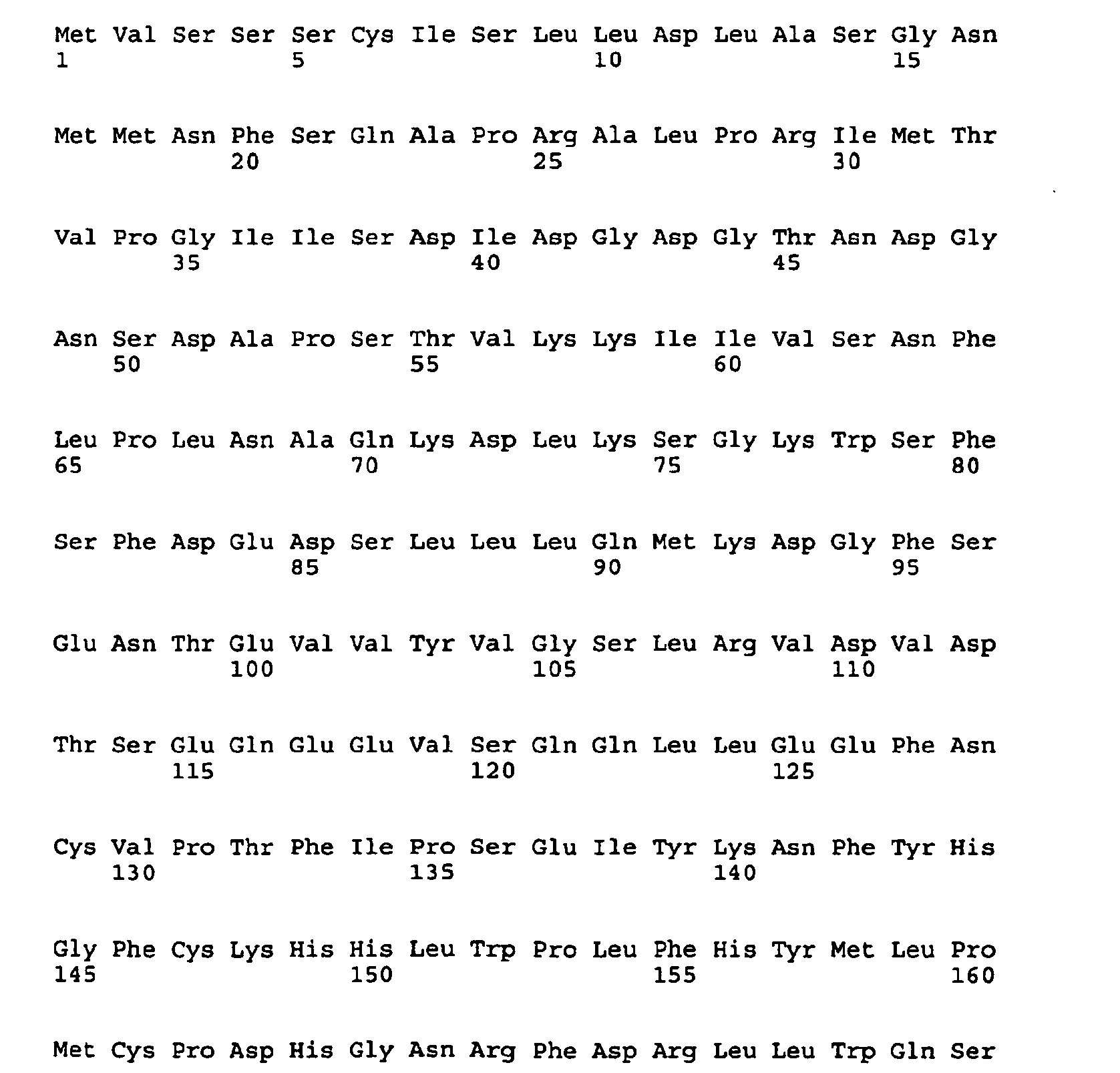
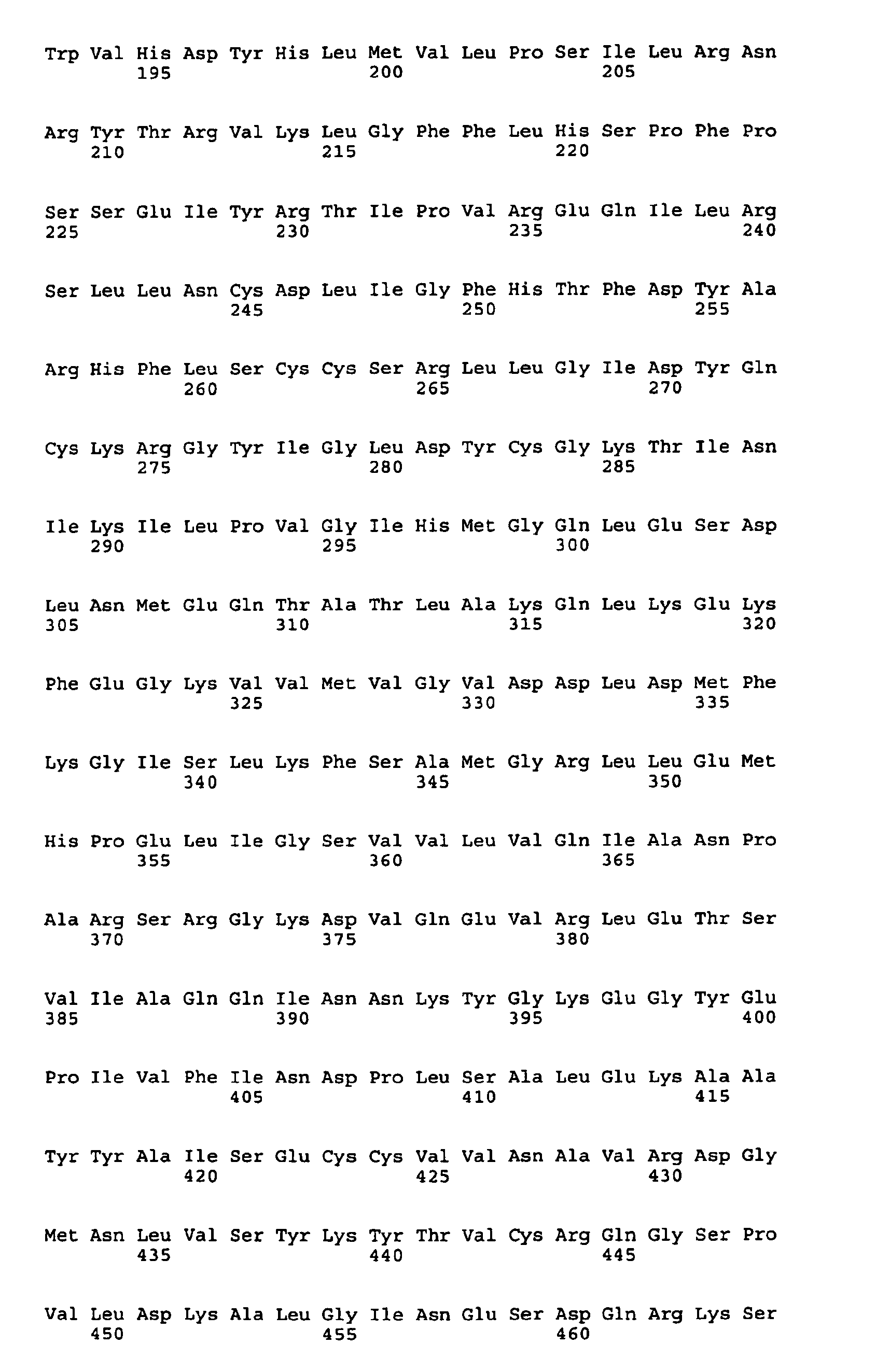
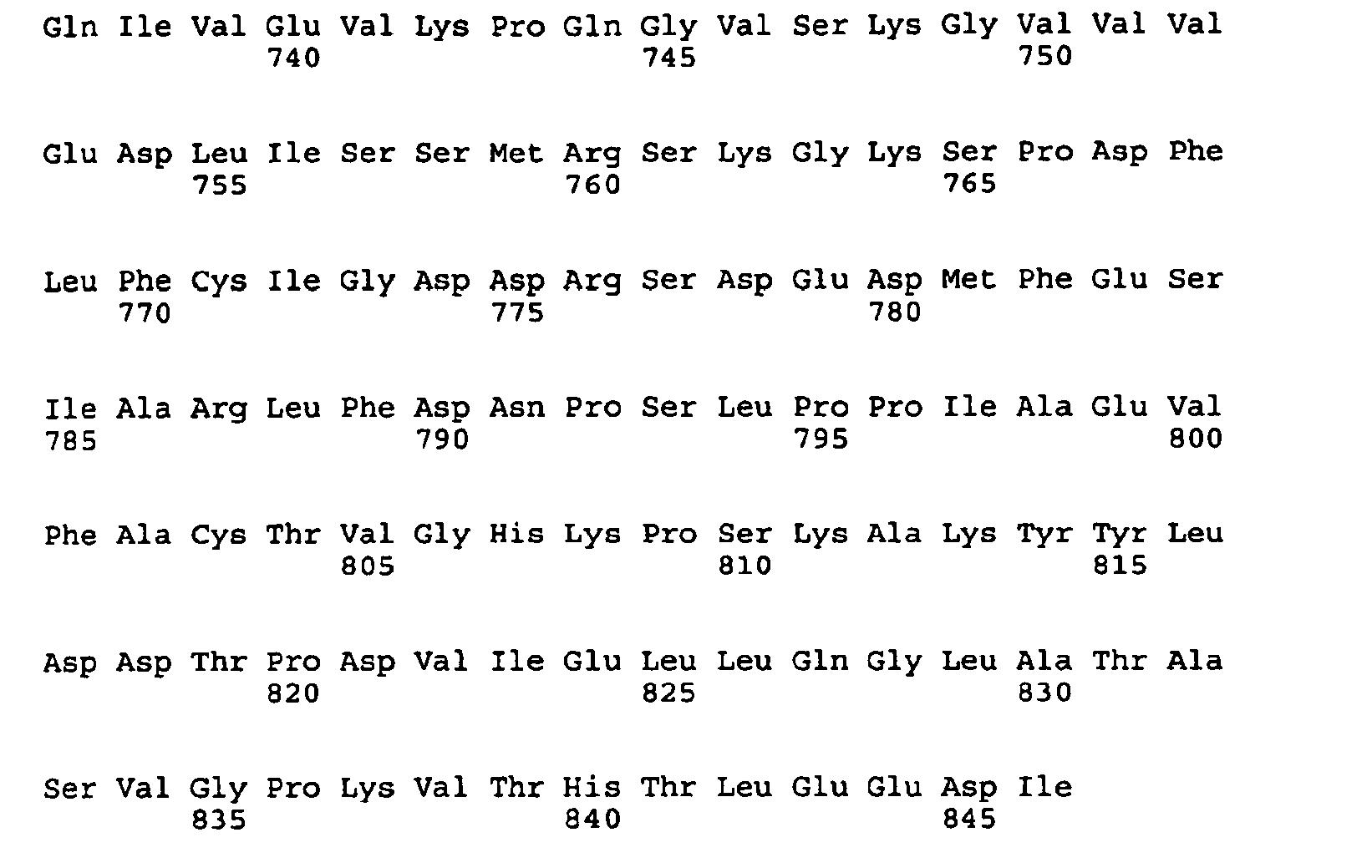
- said TPS is selected from the group consisting of SEQ ID N° 1-15 (AtTPSS-11, rice orthologue, poplar orthologues), or homologues, orthologues or paralogues thereof.
- "Homologues" of a protein encompass peptides, oligopeptides, polypeptides, proteins and enzymes having amino acid substitutions, deletions and/or insertions relative to the unmodified protein in question and having similar biological and functional activity as the unmodified protein from which they are derived.
- a deletion refers to removal of one or more amino acids from a protein.
- An insertion refers to one or more amino acid residues being introduced into a predetermined site in a protein.
- Insertions may comprise N-terminal and/or C-terminal fusions as well as intra-sequence insertions of single or multiple amino acids.
- a substitution refers to replacement of amino acids of the protein with other amino acids having similar properties (such as similar hydrophobicity, hydrophilicity, antigenicity, propensity to form or break ⁇ -helical structures or ( ⁇ -sheet structures).
- Amino acid substitutions are typically of single residues, but may be clustered depending upon functional constraints placed upon the polypeptide; insertions will usually be of the order of about 1 to 10 amino acid residues.
- the amino acid substitutions are preferably conservative amino acid substitutions. Conservative substitution tables are well known in the art.
- Orthologues and paralogues encompass evolutionary concepts used to describe the ancestral relationships of genes. Paralogues are genes within the same species that have originated through duplication of an ancestral gene and orthologues are genes from different organisms that have originated through speciation. Orthologues and paralogues may easily be found by performing a so-called reciprocal blast search. Typically, this involves a first BLAST involving BLASTing SEQ ID N° 1 or SEQ ID N° 4 as query sequence, using BLASTP or TBLASTN (using standard default values). The BLAST results may optionally be filtered.
- the full-length sequences of either the filtered results or non-filtered results are then BLASTed back (second BLAST) against sequences from the organism from which the query sequence is derived (where the query sequence corresponds to AtTPS8 or AtTPS5, the second BLAST would therefore be against Arabidopsis thaliana sequences).
- the results of the first and second BLASTs are then compared.
- a paralogue is identified if a high-ranking hit from the first blast is from the same species as from which the query sequence is derived, a BLAST back then ideally results in the query sequence amongst the highest hit; an orthologue is identified if a high-ranking hit in the first BLAST is not from the same species as from which the query sequence is derived, and preferably results upon BLAST back in the query sequence being among the highest hits.
- High-ranking hits are those having a low E-value. The lower the E-value, the more significant the score (or in other words the lower the chance that the hit was found by chance). Computation of the E-value is well known in the art. In addition to E-values, comparisons are also scored by percentage identity.
- Percentage identity refers to the number of identical amino acids between the two compared polypeptide sequences over a particular length. In the case of large families, ClustalW may be used, followed by a neighbour joining tree, to help visualize clustering of related genes and to identify orthologues and paralogues. Alternatively, homologues, orthologues and paralogues may be identified by domain searches for a trehalose synthase domain, and for one of the phosphatase domains. The full length protein sequence is then compared with SEQ ID N° 4, using bl2seq (Tatusova and Madden, 1999). Using this alignment, an orthologue or paralogue has at least 50% identities, preferably 55% identities, more preferably 60% identities.
- AtTPS8 orthologues are present in Oryza sativa (Genpept accession numbers ABF94728, BAF06162 and BAF11342), Brassica oleracea (Genpepts accession number ABD65165), Medicago trunculata (Genpept accession number ABE86430), Cypripedium parviflorum (genpept accession number AAN86570) and Ginlo biloba (genbank accession number AAX16015.
- said TPS it AtTPS8 (SEQ ID N° 4). In another preferred embodiment, said TPS is AtTPS5 (SEQ ID N° 1).
- said use is an inactivation of the TPS activity
- said promotion is an increase in plant biomass and/or plant yield.
- Methods to inactivate the TPS activity are known to the person skilled in the art and include, but are not limited to the knock out of the gene, the use of RNAi, gene silencing, knock out of the TPS promoter, inactivating mutations in the TPS promoter or in the coding region, or the synthesis by the plant of inactivating antibodies against TPS.
- increase of plant biomass and/or plant yield is realized by increased root growth, increased stem thickness, increased leave number and/or increased seed size.
- One preferred embodiment is the use of the inactivation of TPS to promote plant growth, whereby said modulation is obtained in absence of light.
- yield in general means a measurable produce of economic value, typically related to a specified crop, to an area, and to a period of time. Individual plant parts directly contribute to yield based on their number, size and/or weight, or the actual yield is the yield per acre for a crop and year, which is determined by dividing total production (includes both harvested and appraised production) by planted acres.
- the terms “increase”, “improve” or “enhance” are interchangeable and shall mean in the sense of the application at least a 5%, 6%, 7%, 8%, 9% or 10%, preferably at least 15% or 20%, more preferably 25%, 30%, 35% or 40% more yield and/or growth in comparison to control plants as defined herein.
- Increased seed yield may manifest itself as one or more of the following: a) an increase in seed biomass (total seed weight) which may be on an individual seed basis and/or per plant and/or per hectare or acre; b) increased number of flowers per plant; c) increased number of (filled) seeds; d) increased seed filling rate (which is expressed as the ratio between the number of filled seeds divided by the total number of seeds); e) increased harvest index, which is expressed as a ratio of the yield of harvestable parts, such as seeds, divided by the total biomass; and f) increased thousand kernel weight (TKW), which is extrapolated from the number of filled seeds counted and their total weight.
- An increased TKW may result from an increased seed size and/or seed weight, and may also result from an increase in embryo and/or endosperm size.
- TPS inactivation of a plant class II TPS, as defined above, for the promotion of starch synthesis.
- said promotion is an increase in starch synthesis.
- said TPS is a class II TPS, according to the classification in Arabidopsis thaliana.
- a class II TPS comprises both a trehalose-6-phosphate synthase like domain, as well as a trehalose-6-phosphate phosphatase like domain (Leyman et al, 2001, Vogel et al., 2001).
- said TPS is selected from the group consisting of SEQ ID N° 1-15 (TPS5-11, rice orthologue, poplar orthologue).
- said TPS it AtTPS8 (SEQ ID N° 4).
- said TPS is AtTPS5 (SEQ ID N° 1)
- Still another aspect of the invention is a method for improving various yield-related traits in plants relative to control plants, comprising modulating expression and/or translation in a plant of a Class II TPS nucleic acid and/or a Class II TPS polypeptide, wherein said modulated expression consists of a reduction or substantial elimination of expression and/or translation of an endogenous Class II TPS gene in a plant.
- said reduction or substantial elimination may be obtained by RNA-mediated silencing of gene expression, by co-expression, by the use of antisense class II TPS nucleic acid sequences or by the use of
- Still another aspect of the invention is the method for the production of a transgenic plant having increased yield relative to control plants, which method comprises:
- Control sequences are sequences that influence the expression and/or translation of the class II TPS gene are known to the person skilled in the art and include but are not limited to sequences causing co-expression, sequences encoding antisense RNA, and RNAi.
- a plant obtainable according to the method of the invention, whereby said plant has reduced expression of an endogenous Class II TPS gene due introduction into a plant of a Class II TPS control nucleic acid sequence.
- Reduced expression is an expression that is substantially decreased when the expession is compared, with a non transfonmed controf plant grown under the same conditions. Methods to measure expression are know to the person skilled in the art; a substantial reduction is a reduction with preferably 10%, more preferably 20%, even more preferably 30%
- Wild type Arabidopsis plants (Columbia) were transformed with silencing and overexpression constructs (see further).
- a Gene Trap line (GT13138, Landsberg erecta) was obtained through Martienssen's lab at Cold Spring Harbor Laboratory.
- GT13138 Landsberg erecta
- GT13138 Landsberg erecta
- AtTPS8 (At1g70290) in Arabidopsis
- the Gateway vectors, pDONR207 and pK7GWIWG2 were used.
- 149bp of an AtTPS8 specific sequence was amplified with two primers containing the recombination sites AttB1 and AttB2.
- Forward primer GGGGACAAGTTTGTACAAAAAAGCAGGC-TCCGAAGTAACTTCTACCTCC
- Reverse primer GGGGACCACTTTGTACAAG-AAAGCTGGGTCCCATCTCTAAGTTGTAACTG.
- the construct was transformed in competent Agrobacterium cells (strain C58C1), and transformed in WT Arabidopsis plants using the flower dip method (Clough, 2005). T0 seeds were selected on kanamycin and transferred to soil to set seeds. These T1 seeds were again selected on kanamycin and screened for homozygous T2 lines.
- AtTPS8 The overexpression construct of AtTPS8 was made using a PCB302 plant vector. Full length AtTPS8 was amplified from protoplast cDNA with the following primers: forward primer, CGGGATCCATGGTGTCAAGATCTTGTGCTAA; reverse primer, AAGGCC-TAACGATGCTTTCAAATGCAACTT. The construct was transformed in Agrobacterium and plants as described above.
- the gene trap line (GT13138, Landsberg erecta) was obtained from Martienssen's lab at Cold Spring Harbor Laboratory.
- Glucuronidase assays revealed insertions into exons of different genes. Insertion sites were then amplified by TAIL PCR (Liu et al, 1995) and sequenced. These sequences were validated and annotated according to the sequence of the Arabidopsis genome.
- SALK line 'SALK 144791' (Arabidopsis thaliana, ecotype Colombia ) was available from the Alonso/Crosby/Ecker Agrobacterium T-DNA transformed plant collection and was ordered at NASC/ABRC.
- the T-DNA flanking DNA sequence was recovered and sequenced by the Salk Institute Genomic analysis Laboratory (SIGnAL), USA and was predicted to be in the first exon of the AtTPS5 gene (At4g17770).
- the ordered sequence-indexed lines were segregating T3 lines.
- NTPII marker kanamycin resistance
- PCR homozygous plants were selected, hereinafter referred to as line 070(2) (forward primer: 5'TCCTGCTTATATCCCACCTGAGC3'; and reverse primer: 5'GCGCCGCTTAAAGAAGGAGAA3'). Sequences were obtained with the left border T-DNA primer (Lba1: 5'TGGTTCACGTAGTGGGCCATCG3'), and the T-DNA was found at position 923 relative to the START codon in the cDNA of AtTPS5.
- Genetrap line GT12622 Arabidopsis thaliana, ecotype Landsberg erecta was ordered from the collection of transposon insertion lines produced at the Martienssen lab of Cold Spring Harbor Laboratory, USA (Sundaresan et al., 1995; Martienssen, 1998). The line was generated using the Dissociation transposons (Ds) from maize, engineered to carry a uidA ( ⁇ -glucuronidase (GUS)) reporter gene and an NPTII (neomycin phophotransferase) kanamycin resistance gene.
- Ds Dissociation transposons
- GUS ⁇ -glucuronidase
- NPTII neomycin phophotransferase
- the gene trap construct has a multiple splice acceptor fused to the GUS gene. Based on the flanking sequences of the insertion site obtained by TAIL-PCR, line GT12622 was predicted by CSHL to carry a unique insertion of a genetrap transposable DS element somewhere at the end of the first exon of the AtTPS5 gene (At4g17770).
- the delivered sequence-indexed lines were F3 seeds. With the kanamycin marker and PCR, homozygous AtTPS5 knock-out lines (F5) were obtained, hereinafter referred to as line GT4.1 I and GT6.2.
- Gene-specific primers (forward primer: 5'TTGGGCGCGTAGCTTTATAC3' and reverse primer: 5'CAAGAAGATATGAAAACAGCCTCA3') were designed, together with primers at the borders of the gene trap construct, to amplify specific flanking sequences of the insertion site.
- the accurate insertion place is at position 1930 (in the first exon) in the cDNA sequence of AtTPS5.
- Example 1 TPS8 knock out lines show enhanced growth under different growth conditions
- trehalose is synthesized in two reactions from UDP-glucose and glucose-6-phosphate by trehalose-6-phosphate synthase (encoded by TPS1 ) and trehalose-6-phosphate phosphatase (encoded by TPS2 ).
- TPS1 trehalose-6-phosphate synthase
- TPS2 trehalose-6-phosphate phosphatase
- TPS1 trehalose-6-phosphate synthase
- TPS2 trehalose-6-phosphate phosphatase
- the lines were tested on 1x Murashige and Skoog medium (Duchefa) solidified with purified agar (Duchefa) (MS), with or without addition of sucrose. Representative knock out lines were analyzed after 10 days of germination. The results for the AtTPS8 KO are summarized in Figure 1 . Independent of the growth conditions, the KO line showed always a significant increase in root length, although the effect is slightly more pronounced when sucrose was present in the medium.
- Wild type and AtTPS8 KO seedlings were put in soil, and were grown for 30 days, to compare the phenotypes of the adult plants.
- Adult AtTPS8 KO seedlings grow faster in soil, they have more but smaller rosette leaves and the inflorescence stem is twice as thick and the one in wild type.
- the KO has approximately two times as much siliques as wt.
- the cauline leaves of the KO are much larger and look more like rosette leaves ( Figure 3 ). This leads to a higher seed yield and a higher overall biomass yield of the plant.
- RT-PCR experiments (Forward primer: 5'GCACTCCTCAACGCTGATTT3' and Reverse primer: 5'AAGCCCTATGGTTCCACGTT3') on cDNA demonstrated dramatic downregulation of AtTPS5 expression ( figure 4 ).
- seeds of line 070(2) were damp-sterilized (100 ml bleach + 3 ml HCL 37%) for 4-6 hours and imbibed/stratified for two days in constant light at 4°C.
- RT-PCR Forward primer: 5'GCACTCCTCAACGCTGATTT3' and Reverse primer: 5'AAGCCCTATGGTTCCACGTT3'
- Seeds were damp-sterilized 100 ml bleach + 3 ml HCL 37%) for 4-6 hours and imbibed/stratified for two days in constant light at 4°C.
Landscapes
- Health & Medical Sciences (AREA)
- Life Sciences & Earth Sciences (AREA)
- Genetics & Genomics (AREA)
- Engineering & Computer Science (AREA)
- Chemical & Material Sciences (AREA)
- Zoology (AREA)
- Bioinformatics & Cheminformatics (AREA)
- Wood Science & Technology (AREA)
- Organic Chemistry (AREA)
- General Engineering & Computer Science (AREA)
- Biomedical Technology (AREA)
- Biotechnology (AREA)
- Molecular Biology (AREA)
- Microbiology (AREA)
- Biochemistry (AREA)
- General Health & Medical Sciences (AREA)
- Medicinal Chemistry (AREA)
- Cell Biology (AREA)
- Physics & Mathematics (AREA)
- Biophysics (AREA)
- Plant Pathology (AREA)
- Breeding Of Plants And Reproduction By Means Of Culturing (AREA)
- Preparation Of Compounds By Using Micro-Organisms (AREA)
- Enzymes And Modification Thereof (AREA)
Abstract
Description
- The present invention relates to the use of the inactivation of a plant trehalose-6-phosphate synthase class II to promote plant growth. More specifically, it relates to the use of the inactivation of a class II trehalose-6-phosphate synthase, comprising both a synthase-like and a phosphatase-like part to promote plant growth. Preferably, the activity of the class II trehalose-6-phosphate synthase is downregulated to obtain an increased plant biomass yield. Trehalose is a widespread disaccharide, occurring in bacteria, fungi, insects and plants. In microbes, trehalose accumulation is generally associated with stress resistance, not at least with desiccation and osmotic stress resistance. In plants, however, except for some resurrection plants such as Selaginella lepidophylla, the role of trehalose is less clear.
- In most cases, trehalose synthesis is a two-step process in which trehalose-6-phosphate synthase (TPS) synthesizes trehalose-6-phosphate (T6P), followed by a dephosphorylation to trehalose by T6P phosphatase (TPP). Although in most plants trehalose is hardly detectable, multiple homologues of both TPS and TPP genes are present, e.g. in Arabidopsis (Vogel et al.,2001; Leyman et al., 2001; Eastmond et al., 2003). Trehalose accumulation obtained in transgenic plants, transformed with heterologues trehalose biosynthesis genes leads to an improved abiotic stress tolerance (Garg et al., 2002; Jang et al., 2003). However, the absence of significant trehalose accumulation in most plants, in spite of the presence of multiple trehalose biosynthesis genes argues for a regulatory role of the gene products, rather than for a role of trehalose as stress protectant. Indeed, several authors suggest a regulatory role for TPS (Avonce et al 2004) and its gene product T6P in sugar metabolism (Eastmond et al., 2003) and starch synthesis (Kolbe et al., 2005). T6P is indispensable for carbohydrate utilization and growth (Schluepmann et al., 2003), but accumulation of T6P seems to cause growth inhibition in seedlings (Schluepmann et al., 2004). The present data are sometimes conflicting and the role of the trehalose biosynthesis genes is still far from clear. None of these publications makes a link with a possible role of plant TPS, in particular class II plant TPS in plant growth and yield.
-
EP0901527 discloses the regulation of plant metabolism by modifying the level of T6P. More specifically, they claim an increase in the yield of plants by increasing the intracellular availability of trehalose-6-phosphate. However, rather conflicting, they claim also the stimulation of growth of a plant cell or tissue by decreasing the intracellular availability of trehalose-6-phosphate. Again, as shown in the recent literature, this is indicating that the T6P balance is very delicate and far from straightforward. The inventors realized the modulation of the T6P content by expressing heterologous TPS and TPP genes in the plant. Although the patent mentions that similar results can be obtained by up or down regulation of the endogenous genes, one would expect that, due to the large number of plant genes, the deletion or overexpression of one of those genes has only a limited effect on the T6P concentration, if any effect at all. This is especially true for the class II TPS genes, where both a synthase-like domain and a phosphatase-like domain are present. If both domains are active, trehalose, rather than T6P would be the end product. Moreover, for at least two Arabidopsis class II TPS genes, AtTPS7 and AtTPS8, no synthase nor phosphatase activity could be detected (Vogel et al.,2001; Eastmond et al., 2003), implying that a manipulations of these genes would not affect the T6P content of the plant at all. - Surprisingly, we found that the inactivation of a plant class II TPS can be used to promote plant growth and biomass yield. Indeed, contrary to what would be expected on the base of the literature, inactivation of plant TPS activity leads to increased stem and root growth, and increased plant biomass.
- A first aspect of the invention is the use of the inactivation of a plant class II TPS for the promotion of plant growth. The term "plant" as used herein encompasses whole plants, ancestors and progeny of the plants and plant parts, including seeds, shoots, stems, leaves, roots (including tubers), flowers, and tissues and organs, wherein each of the aforementioned comprise the gene/nucleic acid of interest. The term "plant" also encompasses plant cells, suspension cultures, callus tissue, embryos, meristematic regions, gametophytes, sporophytes, pollen and microspores, again wherein each of the aforementioned comprises the gene/nucleic acid of interest. Plants that are particularly useful in the methods of the invention include all plants which belong to the superfamily Viridiplantae, in particular monocotyledonous and dicotyledonous plants. As a non limiting example, it may be a crop used for food or fodder, whereby increase of roots, leaves, stem or seed biomass is increasing the crop yield. Alternatively, the crop may be used for ornamental or industrial purposes, such as starch production, or it may be used as raw material for biofuel production. Crops known for biofuel are known to the person skilled in the art and include, but are not limited to food crops such as corn, soybean, flaxseed, rapeseed, sugar cane, industrial crops such as hemp and switchgrass but also woody biomass such as poplar and willow.
- TPS as used here, refers to the structural homology of the gene and protein with other members of the trehalose-6-phosphate family, but does not imply that the protein has an effective trehalose-6-phosphate synthesizing activity. Preferably, said TPS has a domain homologous to the glycosyltransferase 20 (pfam00982.12). The term "domain" refers to a set of amino acids conserved at specific positions along an alignment of sequences of evolutionarily related proteins. While amino acids at other positions can vary between homologues, amino acids that are highly conserved at specific positions indicate amino acids that are likely essential in the structure, stability or activity of a protein. Identified by their high degree of conservation in aligned sequences of a family of protein homologues, they can be used as identifiers to determine if any polypeptide in question belongs to a previously identified polypeptide family. As a non-limiting example, due to its structure, TPS as used here may have a T6P phosphatase activity, or a combination of synthase and phosphatase activity. The use of the inactivation of TPS, as mentioned here, covers the use of the inactivation of the gene, the use of the inactivation of the protein, as well as the use of compounds decreasing the activity of the protein. As a non-limiting example, a compound decreasing the activity of the TPS may be an inactivating TPS antibody.
- Preferably, said TPS is a class II TPS, according to the classification in Arabidopsis thaliana. A class II TPS comprises both a trehalose-6-phosphate synthase like domain, as well as a trehalose-6-phosphate phosphatase like domain (Leyman et al, 2001, Vogel et al., 2001), preferably said class II TPS comprises a trehalose-6-phosphate synthase like domain, as well as a trehalose-6-phosphate phosphatase like domain comprising a phosphatase box with the sequence LDYD (G/D) T and/or a phosphatase box with the sequence GDD(R/Q)SD, more preferably said class II TPS comprises both a trehalose-6-phosphate synthase like domain, as well as a trehalose-6-phosphate phosphatase like domain comprising at least one, preferably two phosphatase boxes as described by Leyman et al. (2001),. Even more preferably, said TPS is selected from the group consisting of SEQ ID N° 1-15 (AtTPSS-11, rice orthologue, poplar orthologues), or homologues, orthologues or paralogues thereof. "Homologues" of a protein encompass peptides, oligopeptides, polypeptides, proteins and enzymes having amino acid substitutions, deletions and/or insertions relative to the unmodified protein in question and having similar biological and functional activity as the unmodified protein from which they are derived. A deletion refers to removal of one or more amino acids from a protein. An insertion refers to one or more amino acid residues being introduced into a predetermined site in a protein. Insertions may comprise N-terminal and/or C-terminal fusions as well as intra-sequence insertions of single or multiple amino acids. A substitution refers to replacement of amino acids of the protein with other amino acids having similar properties (such as similar hydrophobicity, hydrophilicity, antigenicity, propensity to form or break α-helical structures or (β-sheet structures). Amino acid substitutions are typically of single residues, but may be clustered depending upon functional constraints placed upon the polypeptide; insertions will usually be of the order of about 1 to 10 amino acid residues. The amino acid substitutions are preferably conservative amino acid substitutions. Conservative substitution tables are well known in the art.
- "Orthologues" and "paralogues" encompass evolutionary concepts used to describe the ancestral relationships of genes. Paralogues are genes within the same species that have originated through duplication of an ancestral gene and orthologues are genes from different organisms that have originated through speciation. Orthologues and paralogues may easily be found by performing a so-called reciprocal blast search. Typically, this involves a first BLAST involving BLASTing SEQ ID N° 1 or SEQ ID N° 4 as query sequence, using BLASTP or TBLASTN (using standard default values). The BLAST results may optionally be filtered. The full-length sequences of either the filtered results or non-filtered results are then BLASTed back (second BLAST) against sequences from the organism from which the query sequence is derived (where the query sequence corresponds to AtTPS8 or AtTPS5, the second BLAST would therefore be against Arabidopsis thaliana sequences). The results of the first and second BLASTs are then compared. A paralogue is identified if a high-ranking hit from the first blast is from the same species as from which the query sequence is derived, a BLAST back then ideally results in the query sequence amongst the highest hit; an orthologue is identified if a high-ranking hit in the first BLAST is not from the same species as from which the query sequence is derived, and preferably results upon BLAST back in the query sequence being among the highest hits. High-ranking hits are those having a low E-value. The lower the E-value, the more significant the score (or in other words the lower the chance that the hit was found by chance). Computation of the E-value is well known in the art. In addition to E-values, comparisons are also scored by percentage identity. Percentage identity refers to the number of identical amino acids between the two compared polypeptide sequences over a particular length. In the case of large families, ClustalW may be used, followed by a neighbour joining tree, to help visualize clustering of related genes and to identify orthologues and paralogues. Alternatively, homologues, orthologues and paralogues may be identified by domain searches for a trehalose synthase domain, and for one of the phosphatase domains. The full length protein sequence is then compared with SEQ ID N° 4, using bl2seq (Tatusova and Madden, 1999). Using this alignment, an orthologue or paralogue has at least 50% identities, preferably 55% identities, more preferably 60% identities. As a non-limiting examples, AtTPS8 orthologues are present in Oryza sativa (Genpept accession numbers ABF94728, BAF06162 and BAF11342), Brassica oleracea (Genpepts accession number ABD65165), Medicago trunculata (Genpept accession number ABE86430), Cypripedium parviflorum (genpept accession number AAN86570) and Ginlo biloba (genbank accession number AAX16015.
- In one preferred embodiment, said TPS it AtTPS8 (SEQ ID N° 4). In another preferred embodiment, said TPS is AtTPS5 (SEQ ID N° 1).
- Preferably, said use is an inactivation of the TPS activity, and said promotion is an increase in plant biomass and/or plant yield. Methods to inactivate the TPS activity are known to the person skilled in the art and include, but are not limited to the knock out of the gene, the use of RNAi, gene silencing, knock out of the TPS promoter, inactivating mutations in the TPS promoter or in the coding region, or the synthesis by the plant of inactivating antibodies against TPS. Preferably, increase of plant biomass and/or plant yield is realized by increased root growth, increased stem thickness, increased leave number and/or increased seed size. One preferred embodiment is the use of the inactivation of TPS to promote plant growth, whereby said modulation is obtained in absence of light. The term "yield" in general means a measurable produce of economic value, typically related to a specified crop, to an area, and to a period of time. Individual plant parts directly contribute to yield based on their number, size and/or weight, or the actual yield is the yield per acre for a crop and year, which is determined by dividing total production (includes both harvested and appraised production) by planted acres. The terms "increase", "improve" or "enhance" are interchangeable and shall mean in the sense of the application at least a 5%, 6%, 7%, 8%, 9% or 10%, preferably at least 15% or 20%, more preferably 25%, 30%, 35% or 40% more yield and/or growth in comparison to control plants as defined herein. Increased seed yield may manifest itself as one or more of the following: a) an increase in seed biomass (total seed weight) which may be on an individual seed basis and/or per plant and/or per hectare or acre; b) increased number of flowers per plant; c) increased number of (filled) seeds; d) increased seed filling rate (which is expressed as the ratio between the number of filled seeds divided by the total number of seeds); e) increased harvest index, which is expressed as a ratio of the yield of harvestable parts, such as seeds, divided by the total biomass; and f) increased thousand kernel weight (TKW), which is extrapolated from the number of filled seeds counted and their total weight. An increased TKW may result from an increased seed size and/or seed weight, and may also result from an increase in embryo and/or endosperm size.
- Another aspect of the invention is the use of the inactivation of a plant class II TPS, as defined above, for the promotion of starch synthesis. Preferably, said promotion is an increase in starch synthesis. Preferably, said TPS is a class II TPS, according to the classification in Arabidopsis thaliana. A class II TPS comprises both a trehalose-6-phosphate synthase like domain, as well as a trehalose-6-phosphate phosphatase like domain (Leyman et al, 2001, Vogel et al., 2001). Even more preferably, said TPS is selected from the group consisting of SEQ ID N° 1-15 (TPS5-11, rice orthologue, poplar orthologue). In one preferred embodiment, said TPS it AtTPS8 (SEQ ID N° 4). In another preferred embodiment, said TPS is AtTPS5 (SEQ ID N° 1)
- Still another aspect of the invention is a method for improving various yield-related traits in plants relative to control plants, comprising modulating expression and/or translation in a plant of a Class II TPS nucleic acid and/or a Class II TPS polypeptide, wherein said modulated expression consists of a reduction or substantial elimination of expression and/or translation of an endogenous Class II TPS gene in a plant. As a non limiting example, said reduction or substantial elimination may be obtained by RNA-mediated silencing of gene expression, by co-expression, by the use of antisense class II TPS nucleic acid sequences or by the use of
- Still another aspect of the invention is the method for the production of a transgenic plant having increased yield relative to control plants, which method comprises:
- (i) introducing and expressing in a plant a genetic construct comprising one or more control sequences for reducing expression and/or translation in a plant of an endogenous Class II TPS gene; and
- (ii) cultivating the plant, plant part or plant cell under conditions promoting plant growth and development.
- Control sequences, as used here, are sequences that influence the expression and/or translation of the class II TPS gene are known to the person skilled in the art and include but are not limited to sequences causing co-expression, sequences encoding antisense RNA, and RNAi.
- Also disclosed a plant, obtainable according to the method of the invention, whereby said plant has reduced expression of an endogenous Class II TPS gene due introduction into a plant of a Class II TPS control nucleic acid sequence. Reduced expression, as used here, is an expression that is substantially decreased when the expession is compared, with a non transfonmed controf plant grown under the same conditions. Methods to measure expression are know to the person skilled in the art; a substantial reduction is a reduction with preferably 10%, more preferably 20%, even more preferably 30%
-
-
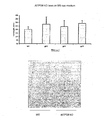
Figure 1 : Root length of AtTPS8 KO on MS medium, with and without sucrose, in light and in the dark. GT2, GT4 and GT6 are different KO lines of AtTPS8 -
Figure 2 : Expression levels of AtCYCD3 and ApL3 in the AtTPS8 KO background -
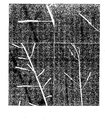
Figure 3 : Phenotypic characterization of the adult AtTPS8 KO compared to WT plants -
Figure 4 : SALK_144791 AtTPS5 expression data -
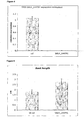
Figure 5 : root length measurements of SALK_144791 line. -
Figure 6 : Phenotype of the SALK_144791 AtTPS5 KO line, in comparison with WT (Columbia)., on 1xMS, 1% sucrose medium. -
Figure 7 : Phenotype of the SALK_144791 AtTPS5 KO line, in comparison with WT (Columbia), on 1xMS, 1% sucrose medium: test on agravitrophic effect. -
Figure 8 : GT12622 AtTPS5 expression data -
Figure 9 : Phenotype of Genetrap GT12622 AtTPS5 KO line, in comparison with wr (Landsberg erecta), on 1xMS, 1% sucrose medium. -
Figure 10 : Phenotype of Genetrap GT12622 AtTPS5 KO line, in comparison with WT (Landsberg erecta), on 1xMS, 1% sucrose medium: test on agravitrophic effect. - Wild type Arabidopsis plants (Columbia) were transformed with silencing and overexpression constructs (see further). In addition, a Gene Trap line (GT13138, Landsberg erecta) was obtained through Martienssen's lab at Cold Spring Harbor Laboratory. To study the phenotype of these plants, homozygous lines were obtained. Seeds were surface sterilized and germinated in vertically oriented Petri dishes on 1x Murashige and Skoog medium (Duchefa) solidified with purified agar (Duchefa), with 1% sucrose or without sucrose (as indicated in the figures), in a daily cycle of 12h at 22°C and 12h of darkness at 18°C. Ten days after germination, root length of plants was measured. Plants grown in dark conditions were kept in dark over the whole period of time.
- For the silencing of AtTPS8 (At1g70290) in Arabidopsis, the Gateway vectors, pDONR207 and pK7GWIWG2 (Karimi et al, 2002) were used. 149bp of an AtTPS8 specific sequence was amplified with two primers containing the recombination sites AttB1 and AttB2. Forward primer, GGGGACAAGTTTGTACAAAAAAGCAGGC-TCCGAAGTAACTTCTACCTCC; Reverse primer, GGGGACCACTTTGTACAAG-AAAGCTGGGTCCCATCTCTAAGTTGTAACTG. The construct was transformed in competent Agrobacterium cells (strain C58C1), and transformed in WT Arabidopsis plants using the flower dip method (Clough, 2005). T0 seeds were selected on kanamycin and transferred to soil to set seeds. These T1 seeds were again selected on kanamycin and screened for homozygous T2 lines.
- The overexpression construct of AtTPS8 was made using a PCB302 plant vector. Full length AtTPS8 was amplified from protoplast cDNA with the following primers: forward primer, CGGGATCCATGGTGTCAAGATCTTGTGCTAA; reverse primer, AAGGCC-TAACGATGCTTTCAAATGCAACTT. The construct was transformed in Agrobacterium and plants as described above.
- The gene trap line (GT13138, Landsberg erecta) was obtained from Martienssen's lab at Cold Spring Harbor Laboratory. A pWS32 vector containing a Ds transposable element with theβ-glucuronidase (GUS) gene as a reporter and the Neomycin phosphotransferase (NPTII) gene as a selectable marker, was transformed in Arabidopsis, where it randomly inserted into the genome. Glucuronidase assays revealed insertions into exons of different genes. Insertion sites were then amplified by TAIL PCR (Liu et al, 1995) and sequenced. These sequences were validated and annotated according to the sequence of the Arabidopsis genome.
- SALK line 'SALK 144791' (Arabidopsis thaliana, ecotype Colombia) was available from the Alonso/Crosby/Ecker Agrobacterium T-DNA transformed plant collection and was ordered at NASC/ABRC. The T-DNA flanking DNA sequence was recovered and sequenced by the Salk Institute Genomic analysis Laboratory (SIGnAL), USA and was predicted to be in the first exon of the AtTPS5 gene (At4g17770). The ordered sequence-indexed lines were segregating T3 lines. With the NTPII marker (kanamycin resistance) and PCR, homozygous plants were selected, hereinafter referred to as line 070(2) (forward primer: 5'TCCTGCTTATATCCCACCTGAGC3'; and reverse primer: 5'GCGCCGCTTAAAGAAGGAGAA3'). Sequences were obtained with the left border T-DNA primer (Lba1: 5'TGGTTCACGTAGTGGGCCATCG3'), and the T-DNA was found at position 923 relative to the START codon in the cDNA of AtTPS5.
- Genetrap line GT12622 (Arabidopsis thaliana, ecotype Landsberg erecta) was ordered from the collection of transposon insertion lines produced at the Martienssen lab of Cold Spring Harbor Laboratory, USA (Sundaresan et al., 1995; Martienssen, 1998). The line was generated using the Dissociation transposons (Ds) from maize, engineered to carry a uidA (β-glucuronidase (GUS)) reporter gene and an NPTII (neomycin phophotransferase) kanamycin resistance gene. Gene trap reporter genes have no promoter, so that GUS expression can occur only when the reporter inserts within a transcribed chromosomal gene, creating a transcriptional fusion. These elements simultaneously monitor gene expression and disrupt endogenous gene function. The gene trap construct has a multiple splice acceptor fused to the GUS gene. Based on the flanking sequences of the insertion site obtained by TAIL-PCR, line GT12622 was predicted by CSHL to carry a unique insertion of a genetrap transposable DS element somewhere at the end of the first exon of the AtTPS5 gene (At4g17770). The delivered sequence-indexed lines were F3 seeds. With the kanamycin marker and PCR, homozygous AtTPS5 knock-out lines (F5) were obtained, hereinafter referred to as line GT4.1 I and GT6.2. Gene-specific primers (forward primer: 5'TTGGGCGCGTAGCTTTATAC3' and reverse primer: 5'CAAGAAGATATGAAAACAGCCTCA3') were designed, together with primers at the borders of the gene trap construct, to amplify specific flanking sequences of the insertion site. The accurate insertion place is at position 1930 (in the first exon) in the cDNA sequence of AtTPS5.
- In the yeast Saccharomyces cerevisiae, trehalose is synthesized in two reactions from UDP-glucose and glucose-6-phosphate by trehalose-6-phosphate synthase (encoded by TPS1) and trehalose-6-phosphate phosphatase (encoded by TPS2). In the Arabidopsis thaliana genome, 11 TPS-like genes have been detected. Those genes can be grouped in two subfamilies, displaying most similarity either to yeast TPS1 (encoding TPS in yeast; class I) or TPS2 (encoding TPP in yeast; class II)(Leyman et al. 2001). Almost nothing is known about the TPP like class II genes in Arabidopsis. To study the effect of these genes, knock out lines (KO), RNAi lines and overexpression lines were constructed and studied as described in materials and methods.
- The lines were tested on 1x Murashige and Skoog medium (Duchefa) solidified with purified agar (Duchefa) (MS), with or without addition of sucrose. Representative knock out lines were analyzed after 10 days of germination. The results for the AtTPS8 KO are summarized in
Figure 1 . Independent of the growth conditions, the KO line showed always a significant increase in root length, although the effect is slightly more pronounced when sucrose was present in the medium. - To analyze the underlying mechanism of the increase in growth, the effect of the AtTPS8 KO on the expression of the cell cycle gene AtCYCD3, and on the starch biosynthesis gene ApL3 was studied by real time PCR. Compared to wild type (wt), the expression of both ApL3 and AtCYCD3 was significantly higher. The results are shown in
Figure 2 . Especially the ApL3 result is unexpected, as Kolbe et al. (2005) recently have shown that T6P is inducing starch synthesis, whereas one would rather expect that the concentration of T6P is lower in the AtTPS8 KO. - Wild type and AtTPS8 KO seedlings were put in soil, and were grown for 30 days, to compare the phenotypes of the adult plants. Adult AtTPS8 KO seedlings grow faster in soil, they have more but smaller rosette leaves and the inflorescence stem is twice as thick and the one in wild type. The KO has approximately two times as much siliques as wt. The cauline leaves of the KO are much larger and look more like rosette leaves (
Figure 3 ). This leads to a higher seed yield and a higher overall biomass yield of the plant. - To test the expression of AtTPS5 in the homozygous SALK_144791 line, RNA was isolated from 50 seedlings of line 070(2). RT-PCR experiments (Forward primer: 5'GCACTCCTCAACGCTGATTT3' and Reverse primer: 5'AAGCCCTATGGTTCCACGTT3') on cDNA demonstrated dramatic downregulation of AtTPS5 expression (
figure 4 ). For the phenotypic characterization, seeds of line 070(2) were damp-sterilized (100 ml bleach + 3 ml HCL 37%) for 4-6 hours and imbibed/stratified for two days in constant light at 4°C. After two days, seeds were put on sterile plant medium plates (1x MS medium pH 5.7 (KOH), 1% sucrose) and incubated vertically in a growth chamber with 12hr-12hr light-dark cycle, 70 microE, 22°C day, 18°C night. After 7 days of germination, root lengths of 18 seedlings were measured. The SALK lines showed a significant increase in root length (figure 5 ). This result was confirmed in a second experiment, pictures of the seedlings were taken after 13 days of germination (seefigure 6 ). The seedlings appeared to have somewhat longer roots. However, this needs to be confirmed. Some plates were turned 90°C to check possible gravitrophic effects. After 4 days, no agravitrophic effect was detected (figure 7 ). - To test the expression of AtTPS5 in the homozygous TPS5 Genetrap lines, RNA was isolated from 50 seedlings of two GT knock-out lines. RT-PCR (Forward primer: 5'GCACTCCTCAACGCTGATTT3' and Reverse primer: 5'AAGCCCTATGGTTCCACGTT3') demonstrated dramatic down-regulation of AtTPS5 expression (
figure 8 ). Seeds were damp-sterilized (100 ml bleach + 3 ml HCL 37%) for 4-6 hours and imbibed/stratified for two days in constant light at 4°C. After two days, seeds were put on sterile plant medium plates (1x MS medium pH 5.7 (KOH), 1% sucrose) and incubated vertically in a growth chamber with 12hr-12hr light-dark cycle, 70 microE, 22°C day, 18°C night. Ten days after germination, pictures were taken of seedlings (figure 9 ). The seedlings appeared to have significantly longer roots, and longer hypocotyls. Several days after turning theplates 90°C, and contrary to what was seen in Columbia, seedlings showed agravitrophic effects (figure 10 ). -
- Avonce, N., Leyman, D., Mascorro-Gallardo, J.O., Van Dijck, P., Thevelein, J.M. and Iturriaga, G. (2004). The Arabidopsis trehalose-6-P synthase AtTPS1 gene is a regulator of glucose, abscisic acid and stress signaling. Plant Physiol. 136, 3649-3659.
- Eastmond, P.J., Li, Y. and Graham, I.A. (2003). Is trehalose-6-phosphate a regulator of sugar metabolism in plants? J. Exp. Bot. 54, 533-537.
- Garg, A.K., Kim, J.K., Owens, T.G., Ranwala, A.P., Choi, Y.D., Kochian, L.V. and Wu. R.J. (2002) Trehalose accumulation in rice plants confers high tolerance levels to different abiotic stresses.
- Jang, I.C., Oh, S.J., Seo, J.S., Choi, W.B., Song, S.I., Kim, C.H., Kim, Y.S., Seo, H.S., Choi, Y.D., Nahm, B.H. and Kim, J.K. (2003). Expression of bifunctional fusion of the Escherichia coli genes for trehalose-6-phosphate synthase and trehalose-6-phosphate phosphatase in transgenic rice plants increase trehalose accumulation and abiotic stress tolerance without stunting frowth. Plant Physiol. 131, 516-524.
- Kolbe, 1., Tiessen, A., Schluepmann, H., Paul, M., Ulrich, S. And Giegenberger, P. (2005). Trehalose-6-phosphate regulates starch synthesis via posttranslational redox activation of ADP-glucase pyrophosphorylase Proc Nat Acad Sci USA 102 11118 11123.
- Leyman, B. Van Dijck, P. and Thevelein, J.M. (2001). An unexpected plethora of trehalose biosynthesis genes in Arabidopsis thaliana. Trends Plant Sci. 6, 510-513.
- Schluepmann, H., Pellny, T., van Dijken, A. Smeekens, S. and Paul, M. (2003) Trehalose-6-phosphate is indispensable for carbohydrate utilization and growth in Arabidopsis thaliana. Proc. Natl. .
- Schluepmann, H., van Dijken, A., Aghdasi, M., Wobbes, B., Paul, M. and Smeekens, S. (2004) Trehalose mediated growth inhibition of Arabidopsis seedlings is due to trehalose-6-phosphate accumulation. Plant Physiol. 135, 879-890.
- Tatusova, T.A. and Madden, T.L. (1999). .
- Vogel, G., Fiehn, O., Jean-Richard-dit-Bressel, L., Boller, T., Wiemken, A., Aeschbacher, R.A. and Wingler, A. (2001). Trehalose metabolism in Arabidopsis: occurrence of trehalose and molecular cloning and characterization of trehalose-6-phospate synthase homologues. J. Experim. Botany 52, 1817-1826.
-
- <110> VIB vzw
K.U. Leuven Research and Development - <120> Use of trehalose-6-phosphate synthase to modulate plant growth
- <130> JTH/TPS/V229
- <150>
EP06100950.2
<151> 2006-01-27 - <150>
EP06112770.0
<151> 2006-04-19 - <160> 28
- <170> PatentIn version 3.3
- <210> 1
<211> 865
<212> PRT
<213> Arabidopsis thaliana - <400> 1


- <210> 2
<211> 847
<212> PRT
<213> Arabidopsis thaliana - <400> 2


- <210> 3
<211> 851
<212> PRT
<213> Arabidopsis thaliana - <400> 3


- <210> 4
<211> 826
<212> PRT
<213> Arabidopsis thaliana - <400> 4


- <210> 5
<211> 867
<212> PRT
<213> Arabidopsis thaliana - <400> 5


- <210> 6
<211> 861
<212> PRT
<213> Arabidopsis thaliana - <400> 6


- <210> 7
<211> 862
<212> PRT
<213> Arabidopsis thaliana - <400> 7


- <210> 8
<211> 862
<212> PRT
<213> Oryza sativa - <400> 8


- <210> 9
<211> 862
<212> PRT
<213> Populus balsamifera subsp. trichocarpa - <400> 9


- <210> 10
<211> 854
<212> PRT
<213> Populus balsamifera subsp. trichocarpa - <400> 10



- <210> 11
<211> 853
<212> PRT
<213> Populus balsamifera subsp. trichocarpa - <400> 11


- <210> 12
<211> 857
<212> PRT
<213> Populus balsamifera subsp. trichocarpa - <400> 12


- <210> 13
<211> 865
<212> PRT
<213> Populus balsamifera subsp. trichocarpa - <400> 13


- <210> 14
<211> 854
<212> PRT
<213> Populus balsamifera subsp. trichocarpa - <400> 14


- <210> 15
<211> 846
<212> PRT
<213> Populus balsamifera subsp. trichocarpa - <400> 15


- <210> 16
<211> 6
<212> PRT
<213> Artificial - <220>
<223> Consensus sequence - <220>
<221> MISC_FEATURE
<222> (5) .. (5)
<223> Xaa can be G or D - <400> 16

- <210> 17
<211> 6
<212> PRT
<213> Artificial - <220>
<223> Consensus sequence - <220>
<221> MISC_FEATURE
<222> (4) .. (4)
<223> Xaa can be R or Q - <400> 17

- <210> 18
<211> 49
<212> DNA
<213> Artificial - <220>
<223> Forward primer - <400> 18
ggggacaagt ttgtacaaaa aagcaggctc cgaagtaact tctacctcc 49 - <210> 19
<211> 50
<212> DNA
<213> Artificial - <220>
<223> Reverse primer - <400> 19
ggggaccact ttgtacaaga aagctgggtc ccatctctaa gttgtaactg 50 - <210> 20
<211> 31
<212> DNA
<213> Artificial - <220>
<223> Forward primer - <400> 20
cgggatccat ggtgtcaaga tcttgtgcta a 31 - <210> 21
<211> 30
<212> DNA
<213> Artificial - <220>
<223> Reverse primer - <400> 21
aaggcctaac gatgctttca aatgcaactt 30 - <210> 22
<211> 23
<212> DNA
<213> Artificial - <220>
<223> Forward primer AtTPS5 - <400> 22
tcctgcttat atcccacctg agc 23 - <210> 23
<211> 21
<212> DNA
<213> Artificial - <220>
<223> Reverse primer AtTPS5 - <400> 23
gcgccgctta aagaaggaga a 21 - <210> 24
<211> 22
<212> DNA
<213> Artificial - <220>
<223> left border T-DNA primer - <400> 24
tggttcacgt agtgggccat cg 22 - <210> 25
<211> 20
<212> DNA
<213> Artificial - <220>
<223> Forward primer Genetrap - <400> 25
ttgggcgcgt agctttatac 20 - <210> 26
<211> 24
<212> DNA
<213> Artificial - <220>
<223> Reverse primer Genetrap - <400> 26
caagaagata tgaaaacagc ctca 24 - <210> 27
<211> 20
<212> DNA
<213> Artificial - <220>
<223> DS5 primer - <400> 27
tacgataacg gtcggtacgg 20 - <210> 28
<211> 20
<212> DNA
<213> Artificial - <220>
<223>Forward primer line 6 - <400> 28
ttgggcgcgt agctttatac 20
Claims (7)
- The use of the inactivation of a plant class II trehalose-6-phosphate synthase to promote plant growth.
- The use according to claim 1, whereby said promotion of plant growth is increased root growth, increased stem thickness, increased leave number and/or increased seed size.
- The use according to any of the preceding claims, whereby said promotion of plant growth is obtained in absence of light.
- The use of the inactivation of a class II plant trehalose-6-phosphate synthase to increase starch synthesis.
- The use according to any of the preceding claims, whereby said trehalose-6-phosphate synthase is selected from the group consisting of SEQ ID N° 1-15.
- The use according to claim 5, whereby said trehalose-6-phosphate synthase consists of SEQ ID N° 4.
- The use according to claim 6, whereby said trehalose-6-phosphate synthase consists of SEQ ID N°1.
Priority Applications (1)
| Application Number | Priority Date | Filing Date | Title |
|---|---|---|---|
| EP07703096A EP1989312B1 (en) | 2006-01-27 | 2007-01-29 | Use of trehalose-6-phosphate synthase to modulate plant growth |
Applications Claiming Priority (4)
| Application Number | Priority Date | Filing Date | Title |
|---|---|---|---|
| EP06100950 | 2006-01-27 | ||
| EP06112770 | 2006-04-19 | ||
| EP07703096A EP1989312B1 (en) | 2006-01-27 | 2007-01-29 | Use of trehalose-6-phosphate synthase to modulate plant growth |
| PCT/EP2007/000736 WO2007085483A1 (en) | 2006-01-27 | 2007-01-29 | Use of trehalose-6-phosphate synthase to modulate plant growth |
Publications (2)
| Publication Number | Publication Date |
|---|---|
| EP1989312A1 EP1989312A1 (en) | 2008-11-12 |
| EP1989312B1 true EP1989312B1 (en) | 2011-10-19 |
Family
ID=37890120
Family Applications (1)
| Application Number | Title | Priority Date | Filing Date |
|---|---|---|---|
| EP07703096A Not-in-force EP1989312B1 (en) | 2006-01-27 | 2007-01-29 | Use of trehalose-6-phosphate synthase to modulate plant growth |
Country Status (8)
| Country | Link |
|---|---|
| US (1) | US8357835B2 (en) |
| EP (1) | EP1989312B1 (en) |
| AT (1) | ATE529522T1 (en) |
| BR (1) | BRPI0707297A2 (en) |
| CA (1) | CA2636844C (en) |
| ES (1) | ES2376003T3 (en) |
| MX (1) | MX2008009483A (en) |
| WO (1) | WO2007085483A1 (en) |
Families Citing this family (6)
| Publication number | Priority date | Publication date | Assignee | Title |
|---|---|---|---|---|
| CA2632405A1 (en) * | 2005-12-09 | 2007-06-14 | Basf Plant Science Gmbh | Nucleic acid molecules encoding polypeptides involved in regulation of sugar and lipid metabolism and methods of use viii |
| WO2007085483A1 (en) | 2006-01-27 | 2007-08-02 | Vib Vzw | Use of trehalose-6-phosphate synthase to modulate plant growth |
| WO2012146914A1 (en) | 2011-04-26 | 2012-11-01 | Isis Innovation Limited | Modification of trehalose-6-phosphate levels in plants |
| US9850502B2 (en) | 2012-09-25 | 2017-12-26 | Vib Vzw | Mutant yeast strain with decreased glycerol production |
| GB201511732D0 (en) * | 2015-07-03 | 2015-08-19 | Rothamsted Res Ltd | Treating water stress in plants |
| FR3092473B1 (en) * | 2019-02-08 | 2021-01-22 | Agronomique Inst Nat Rech | Obtaining plants with improved biomass digestibility |
Family Cites Families (3)
| Publication number | Priority date | Publication date | Assignee | Title |
|---|---|---|---|---|
| IN1997CH00924A (en) | 1996-05-03 | 2005-03-04 | Syngenta Mogen Bv | Regulating metabolism by modifying the level of trehalose-6-phosphate |
| EP1002867A1 (en) | 1998-10-15 | 2000-05-24 | K.U. Leuven Research & Development | Specific genetic modification of the activity of trehalose-6-phosphate synthase and expression in a homologous or heterologous environment |
| WO2007085483A1 (en) | 2006-01-27 | 2007-08-02 | Vib Vzw | Use of trehalose-6-phosphate synthase to modulate plant growth |
-
2007
- 2007-01-29 WO PCT/EP2007/000736 patent/WO2007085483A1/en not_active Ceased
- 2007-01-29 CA CA2636844A patent/CA2636844C/en not_active Expired - Fee Related
- 2007-01-29 US US12/087,710 patent/US8357835B2/en not_active Expired - Fee Related
- 2007-01-29 EP EP07703096A patent/EP1989312B1/en not_active Not-in-force
- 2007-01-29 MX MX2008009483A patent/MX2008009483A/en active IP Right Grant
- 2007-01-29 BR BRPI0707297-0A patent/BRPI0707297A2/en not_active IP Right Cessation
- 2007-01-29 ES ES07703096T patent/ES2376003T3/en active Active
- 2007-01-29 AT AT07703096T patent/ATE529522T1/en not_active IP Right Cessation
Non-Patent Citations (1)
| Title |
|---|
| JANG IN-CHEOL ET AL: "Expression of a bifunctional fusion of the Escherichia coli genes for trehalose-6-phosphate synthase and trehalose-6-phosphate phosphatase in transgenic rice plants increases trehalose accumulation and abiotic stress tolerance without stunting growth", PLANT PHYSIOLOGY, AMERICAN SOCIETY OF PLANT PHYSIOLOGISTS, ROCKVILLE, MD, US, vol. 131, no. 2, 1 February 2003 (2003-02-01), pages 516 - 524, XP002382628, ISSN: 0032-0889, DOI: DOI:10.1104/PP.007237 * |
Also Published As
| Publication number | Publication date |
|---|---|
| ATE529522T1 (en) | 2011-11-15 |
| MX2008009483A (en) | 2008-10-21 |
| BRPI0707297A2 (en) | 2011-05-03 |
| US20100024066A1 (en) | 2010-01-28 |
| WO2007085483A1 (en) | 2007-08-02 |
| EP1989312A1 (en) | 2008-11-12 |
| US8357835B2 (en) | 2013-01-22 |
| WO2007085483A8 (en) | 2011-04-07 |
| ES2376003T3 (en) | 2012-03-08 |
| CA2636844C (en) | 2014-07-08 |
| CA2636844A1 (en) | 2007-08-02 |
Similar Documents
| Publication | Publication Date | Title |
|---|---|---|
| US11629352B2 (en) | Methods of increasing crop yield under abiotic stress | |
| CA2532939A1 (en) | Plant cell cycle genes and methods of use | |
| WO2010033564A1 (en) | Transgenic plants having increased biomass | |
| BRPI0809163A2 (en) | Transgenic plant cell or transgenic plant, insulated polynucleotide, insulated polypeptide, and methods of producing a transgenic plant, and of increasing the growth and / or yield of the plant under or under conditions or conditions AN ENVIRONMENTAL STRESS | |
| CN102257142A (en) | Plants having enhanced yield-related traits and a method for making the same | |
| CN106471124B (en) | Tonoplast proton/sugar antiporter and its use to increase sucrose concentration in plant sucrose storage organs | |
| CN101374952B (en) | Use of trehalose-6-phosphate synthase to modulate plant growth | |
| CN103119170A (en) | Plants with enhanced yield-related traits and methods for their preparation | |
| WO2016100624A1 (en) | Compositions and methods for improving abiotic stress tolerance | |
| CN102482333A (en) | Plants having enhanced yield-related traits and method for making same | |
| CA2636844C (en) | Use of trehalose-6-phosphate synthase to modulate plant growth | |
| CN111433363A (en) | Plants having increased abiotic stress tolerance and polynucleotides and methods for increasing abiotic stress tolerance in plants | |
| CN106232818A (en) | Improvement plant | |
| KR20080052570A (en) | Dominant Negative Mutation of RPRP Protein Protection of Active Cyclin-CDV Complex Inhibition by Wild-type RPP | |
| CN101781362B (en) | Plant development associated protein, encoding gene and application thereof | |
| US20160102316A1 (en) | Stress tolerant plants | |
| CN104099368A (en) | Plants having improved characteristics and a method for making the same | |
| CA2931387A1 (en) | Drought tolerant plants | |
| AU2004253987A1 (en) | Nod-factor perception | |
| EP0967278A2 (en) | Flowering regulating gene and its use | |
| CN105087597A (en) | Gene capable of increasing plant biomass production and method for utilizing the same | |
| CN116286858A (en) | Gene for regulating ethylene response sensitivity of plant and application thereof | |
| US10190133B2 (en) | Compositions and methods for improving abiotic stress tolerance | |
| BR102013006244A2 (en) | "method for enhancing one or more traits related to plant yields relative to control plants, isolated nucleic acid, isolated polypeptide, overexpression construction, transgenic plant, host cell, use, method for producing a transgenic plant, harvestable part of a plant, derived product, recombinant chromosomal DNA, expression construct, transgenic pollen grain and composition " | |
| CN101356188A (en) | Plants having improved growth characteristics and methods for making the same |
Legal Events
| Date | Code | Title | Description |
|---|---|---|---|
| PUAI | Public reference made under article 153(3) epc to a published international application that has entered the european phase |
Free format text: ORIGINAL CODE: 0009012 |
|
| 17P | Request for examination filed |
Effective date: 20080822 |
|
| AK | Designated contracting states |
Kind code of ref document: A1 Designated state(s): AT BE BG CH CY CZ DE DK EE ES FI FR GB GR HU IE IS IT LI LT LU LV MC NL PL PT RO SE SI SK TR |
|
| 17Q | First examination report despatched |
Effective date: 20081202 |
|
| GRAP | Despatch of communication of intention to grant a patent |
Free format text: ORIGINAL CODE: EPIDOSNIGR1 |
|
| DAX | Request for extension of the european patent (deleted) | ||
| GRAS | Grant fee paid |
Free format text: ORIGINAL CODE: EPIDOSNIGR3 |
|
| GRAA | (expected) grant |
Free format text: ORIGINAL CODE: 0009210 |
|
| AK | Designated contracting states |
Kind code of ref document: B1 Designated state(s): AT BE BG CH CY CZ DE DK EE ES FI FR GB GR HU IE IS IT LI LT LU LV MC NL PL PT RO SE SI SK TR |
|
| REG | Reference to a national code |
Ref country code: GB Ref legal event code: FG4D |
|
| REG | Reference to a national code |
Ref country code: CH Ref legal event code: EP |
|
| REG | Reference to a national code |
Ref country code: IE Ref legal event code: FG4D |
|
| REG | Reference to a national code |
Ref country code: DE Ref legal event code: R096 Ref document number: 602007018029 Country of ref document: DE Effective date: 20120112 |
|
| REG | Reference to a national code |
Ref country code: NL Ref legal event code: T3 |
|
| REG | Reference to a national code |
Ref country code: SE Ref legal event code: TRGR |
|
| REG | Reference to a national code |
Ref country code: ES Ref legal event code: FG2A Ref document number: 2376003 Country of ref document: ES Kind code of ref document: T3 Effective date: 20120308 |
|
| LTIE | Lt: invalidation of european patent or patent extension |
Effective date: 20111019 |
|
| REG | Reference to a national code |
Ref country code: AT Ref legal event code: MK05 Ref document number: 529522 Country of ref document: AT Kind code of ref document: T Effective date: 20111019 |
|
| PG25 | Lapsed in a contracting state [announced via postgrant information from national office to epo] |
Ref country code: IS Free format text: LAPSE BECAUSE OF FAILURE TO SUBMIT A TRANSLATION OF THE DESCRIPTION OR TO PAY THE FEE WITHIN THE PRESCRIBED TIME-LIMIT Effective date: 20120219 Ref country code: LT Free format text: LAPSE BECAUSE OF FAILURE TO SUBMIT A TRANSLATION OF THE DESCRIPTION OR TO PAY THE FEE WITHIN THE PRESCRIBED TIME-LIMIT Effective date: 20111019 |
|
| PG25 | Lapsed in a contracting state [announced via postgrant information from national office to epo] |
Ref country code: GR Free format text: LAPSE BECAUSE OF FAILURE TO SUBMIT A TRANSLATION OF THE DESCRIPTION OR TO PAY THE FEE WITHIN THE PRESCRIBED TIME-LIMIT Effective date: 20120120 Ref country code: LV Free format text: LAPSE BECAUSE OF FAILURE TO SUBMIT A TRANSLATION OF THE DESCRIPTION OR TO PAY THE FEE WITHIN THE PRESCRIBED TIME-LIMIT Effective date: 20111019 Ref country code: SI Free format text: LAPSE BECAUSE OF FAILURE TO SUBMIT A TRANSLATION OF THE DESCRIPTION OR TO PAY THE FEE WITHIN THE PRESCRIBED TIME-LIMIT Effective date: 20111019 Ref country code: PT Free format text: LAPSE BECAUSE OF FAILURE TO SUBMIT A TRANSLATION OF THE DESCRIPTION OR TO PAY THE FEE WITHIN THE PRESCRIBED TIME-LIMIT Effective date: 20120220 |
|
| PG25 | Lapsed in a contracting state [announced via postgrant information from national office to epo] |
Ref country code: CY Free format text: LAPSE BECAUSE OF FAILURE TO SUBMIT A TRANSLATION OF THE DESCRIPTION OR TO PAY THE FEE WITHIN THE PRESCRIBED TIME-LIMIT Effective date: 20111019 |
|
| PG25 | Lapsed in a contracting state [announced via postgrant information from national office to epo] |
Ref country code: EE Free format text: LAPSE BECAUSE OF FAILURE TO SUBMIT A TRANSLATION OF THE DESCRIPTION OR TO PAY THE FEE WITHIN THE PRESCRIBED TIME-LIMIT Effective date: 20111019 Ref country code: DK Free format text: LAPSE BECAUSE OF FAILURE TO SUBMIT A TRANSLATION OF THE DESCRIPTION OR TO PAY THE FEE WITHIN THE PRESCRIBED TIME-LIMIT Effective date: 20111019 Ref country code: BG Free format text: LAPSE BECAUSE OF FAILURE TO SUBMIT A TRANSLATION OF THE DESCRIPTION OR TO PAY THE FEE WITHIN THE PRESCRIBED TIME-LIMIT Effective date: 20120119 Ref country code: CZ Free format text: LAPSE BECAUSE OF FAILURE TO SUBMIT A TRANSLATION OF THE DESCRIPTION OR TO PAY THE FEE WITHIN THE PRESCRIBED TIME-LIMIT Effective date: 20111019 Ref country code: SK Free format text: LAPSE BECAUSE OF FAILURE TO SUBMIT A TRANSLATION OF THE DESCRIPTION OR TO PAY THE FEE WITHIN THE PRESCRIBED TIME-LIMIT Effective date: 20111019 |
|
| PLBE | No opposition filed within time limit |
Free format text: ORIGINAL CODE: 0009261 |
|
| STAA | Information on the status of an ep patent application or granted ep patent |
Free format text: STATUS: NO OPPOSITION FILED WITHIN TIME LIMIT |
|
| PG25 | Lapsed in a contracting state [announced via postgrant information from national office to epo] |
Ref country code: RO Free format text: LAPSE BECAUSE OF FAILURE TO SUBMIT A TRANSLATION OF THE DESCRIPTION OR TO PAY THE FEE WITHIN THE PRESCRIBED TIME-LIMIT Effective date: 20111019 Ref country code: MC Free format text: LAPSE BECAUSE OF NON-PAYMENT OF DUE FEES Effective date: 20120131 Ref country code: IT Free format text: LAPSE BECAUSE OF FAILURE TO SUBMIT A TRANSLATION OF THE DESCRIPTION OR TO PAY THE FEE WITHIN THE PRESCRIBED TIME-LIMIT Effective date: 20111019 Ref country code: PL Free format text: LAPSE BECAUSE OF FAILURE TO SUBMIT A TRANSLATION OF THE DESCRIPTION OR TO PAY THE FEE WITHIN THE PRESCRIBED TIME-LIMIT Effective date: 20111019 |
|
| 26N | No opposition filed |
Effective date: 20120720 |
|
| REG | Reference to a national code |
Ref country code: IE Ref legal event code: MM4A |
|
| REG | Reference to a national code |
Ref country code: DE Ref legal event code: R097 Ref document number: 602007018029 Country of ref document: DE Effective date: 20120720 |
|
| PG25 | Lapsed in a contracting state [announced via postgrant information from national office to epo] |
Ref country code: IE Free format text: LAPSE BECAUSE OF NON-PAYMENT OF DUE FEES Effective date: 20120129 Ref country code: AT Free format text: LAPSE BECAUSE OF FAILURE TO SUBMIT A TRANSLATION OF THE DESCRIPTION OR TO PAY THE FEE WITHIN THE PRESCRIBED TIME-LIMIT Effective date: 20111019 |
|
| PG25 | Lapsed in a contracting state [announced via postgrant information from national office to epo] |
Ref country code: FI Free format text: LAPSE BECAUSE OF FAILURE TO SUBMIT A TRANSLATION OF THE DESCRIPTION OR TO PAY THE FEE WITHIN THE PRESCRIBED TIME-LIMIT Effective date: 20111019 |
|
| PG25 | Lapsed in a contracting state [announced via postgrant information from national office to epo] |
Ref country code: TR Free format text: LAPSE BECAUSE OF FAILURE TO SUBMIT A TRANSLATION OF THE DESCRIPTION OR TO PAY THE FEE WITHIN THE PRESCRIBED TIME-LIMIT Effective date: 20111019 |
|
| PG25 | Lapsed in a contracting state [announced via postgrant information from national office to epo] |
Ref country code: LU Free format text: LAPSE BECAUSE OF NON-PAYMENT OF DUE FEES Effective date: 20120129 |
|
| PG25 | Lapsed in a contracting state [announced via postgrant information from national office to epo] |
Ref country code: HU Free format text: LAPSE BECAUSE OF FAILURE TO SUBMIT A TRANSLATION OF THE DESCRIPTION OR TO PAY THE FEE WITHIN THE PRESCRIBED TIME-LIMIT Effective date: 20070129 |
|
| REG | Reference to a national code |
Ref country code: FR Ref legal event code: PLFP Year of fee payment: 10 |
|
| PGFP | Annual fee paid to national office [announced via postgrant information from national office to epo] |
Ref country code: DE Payment date: 20160129 Year of fee payment: 10 Ref country code: ES Payment date: 20160210 Year of fee payment: 10 Ref country code: CH Payment date: 20160217 Year of fee payment: 10 |
|
| PGFP | Annual fee paid to national office [announced via postgrant information from national office to epo] |
Ref country code: SE Payment date: 20160129 Year of fee payment: 10 Ref country code: GB Payment date: 20160129 Year of fee payment: 10 Ref country code: NL Payment date: 20160129 Year of fee payment: 10 Ref country code: FR Payment date: 20160129 Year of fee payment: 10 Ref country code: BE Payment date: 20160129 Year of fee payment: 10 |
|
| PG25 | Lapsed in a contracting state [announced via postgrant information from national office to epo] |
Ref country code: BE Free format text: LAPSE BECAUSE OF NON-PAYMENT OF DUE FEES Effective date: 20170131 |
|
| REG | Reference to a national code |
Ref country code: DE Ref legal event code: R119 Ref document number: 602007018029 Country of ref document: DE |
|
| REG | Reference to a national code |
Ref country code: CH Ref legal event code: PL |
|
| REG | Reference to a national code |
Ref country code: NL Ref legal event code: MM Effective date: 20170201 |
|
| GBPC | Gb: european patent ceased through non-payment of renewal fee |
Effective date: 20170129 |
|
| REG | Reference to a national code |
Ref country code: FR Ref legal event code: ST Effective date: 20170929 |
|
| PG25 | Lapsed in a contracting state [announced via postgrant information from national office to epo] |
Ref country code: FR Free format text: LAPSE BECAUSE OF NON-PAYMENT OF DUE FEES Effective date: 20170131 Ref country code: CH Free format text: LAPSE BECAUSE OF NON-PAYMENT OF DUE FEES Effective date: 20170131 Ref country code: LI Free format text: LAPSE BECAUSE OF NON-PAYMENT OF DUE FEES Effective date: 20170131 |
|
| PG25 | Lapsed in a contracting state [announced via postgrant information from national office to epo] |
Ref country code: SE Free format text: LAPSE BECAUSE OF NON-PAYMENT OF DUE FEES Effective date: 20170130 Ref country code: DE Free format text: LAPSE BECAUSE OF NON-PAYMENT OF DUE FEES Effective date: 20170801 Ref country code: GB Free format text: LAPSE BECAUSE OF NON-PAYMENT OF DUE FEES Effective date: 20170129 Ref country code: NL Free format text: LAPSE BECAUSE OF NON-PAYMENT OF DUE FEES Effective date: 20170201 |
|
| REG | Reference to a national code |
Ref country code: BE Ref legal event code: MM Effective date: 20170131 |
|
| PG25 | Lapsed in a contracting state [announced via postgrant information from national office to epo] |
Ref country code: ES Free format text: LAPSE BECAUSE OF NON-PAYMENT OF DUE FEES Effective date: 20170130 |
|
| REG | Reference to a national code |
Ref country code: ES Ref legal event code: FD2A Effective date: 20181116 |