EP1972685A1 - Culture medium for gingival fibroblasts - Google Patents
Culture medium for gingival fibroblasts Download PDFInfo
- Publication number
- EP1972685A1 EP1972685A1 EP08102779A EP08102779A EP1972685A1 EP 1972685 A1 EP1972685 A1 EP 1972685A1 EP 08102779 A EP08102779 A EP 08102779A EP 08102779 A EP08102779 A EP 08102779A EP 1972685 A1 EP1972685 A1 EP 1972685A1
- Authority
- EP
- European Patent Office
- Prior art keywords
- culture medium
- invitrogen
- gingival
- serum
- ref
- Prior art date
- Legal status (The legal status is an assumption and is not a legal conclusion. Google has not performed a legal analysis and makes no representation as to the accuracy of the status listed.)
- Granted
Links
Images


Classifications
-
- C—CHEMISTRY; METALLURGY
- C12—BIOCHEMISTRY; BEER; SPIRITS; WINE; VINEGAR; MICROBIOLOGY; ENZYMOLOGY; MUTATION OR GENETIC ENGINEERING
- C12N—MICROORGANISMS OR ENZYMES; COMPOSITIONS THEREOF; PROPAGATING, PRESERVING, OR MAINTAINING MICROORGANISMS; MUTATION OR GENETIC ENGINEERING; CULTURE MEDIA
- C12N5/00—Undifferentiated human, animal or plant cells, e.g. cell lines; Tissues; Cultivation or maintenance thereof; Culture media therefor
- C12N5/06—Animal cells or tissues; Human cells or tissues
- C12N5/0602—Vertebrate cells
- C12N5/0652—Cells of skeletal and connective tissues; Mesenchyme
- C12N5/0656—Adult fibroblasts
-
- C—CHEMISTRY; METALLURGY
- C12—BIOCHEMISTRY; BEER; SPIRITS; WINE; VINEGAR; MICROBIOLOGY; ENZYMOLOGY; MUTATION OR GENETIC ENGINEERING
- C12N—MICROORGANISMS OR ENZYMES; COMPOSITIONS THEREOF; PROPAGATING, PRESERVING, OR MAINTAINING MICROORGANISMS; MUTATION OR GENETIC ENGINEERING; CULTURE MEDIA
- C12N2500/00—Specific components of cell culture medium
- C12N2500/05—Inorganic components
- C12N2500/10—Metals; Metal chelators
- C12N2500/20—Transition metals
- C12N2500/24—Iron; Fe chelators; Transferrin
- C12N2500/25—Insulin-transferrin; Insulin-transferrin-selenium
-
- C—CHEMISTRY; METALLURGY
- C12—BIOCHEMISTRY; BEER; SPIRITS; WINE; VINEGAR; MICROBIOLOGY; ENZYMOLOGY; MUTATION OR GENETIC ENGINEERING
- C12N—MICROORGANISMS OR ENZYMES; COMPOSITIONS THEREOF; PROPAGATING, PRESERVING, OR MAINTAINING MICROORGANISMS; MUTATION OR GENETIC ENGINEERING; CULTURE MEDIA
- C12N2500/00—Specific components of cell culture medium
- C12N2500/30—Organic components
- C12N2500/32—Amino acids
-
- C—CHEMISTRY; METALLURGY
- C12—BIOCHEMISTRY; BEER; SPIRITS; WINE; VINEGAR; MICROBIOLOGY; ENZYMOLOGY; MUTATION OR GENETIC ENGINEERING
- C12N—MICROORGANISMS OR ENZYMES; COMPOSITIONS THEREOF; PROPAGATING, PRESERVING, OR MAINTAINING MICROORGANISMS; MUTATION OR GENETIC ENGINEERING; CULTURE MEDIA
- C12N2500/00—Specific components of cell culture medium
- C12N2500/70—Undefined extracts
- C12N2500/80—Undefined extracts from animals
- C12N2500/84—Undefined extracts from animals from mammals
-
- C—CHEMISTRY; METALLURGY
- C12—BIOCHEMISTRY; BEER; SPIRITS; WINE; VINEGAR; MICROBIOLOGY; ENZYMOLOGY; MUTATION OR GENETIC ENGINEERING
- C12N—MICROORGANISMS OR ENZYMES; COMPOSITIONS THEREOF; PROPAGATING, PRESERVING, OR MAINTAINING MICROORGANISMS; MUTATION OR GENETIC ENGINEERING; CULTURE MEDIA
- C12N2500/00—Specific components of cell culture medium
- C12N2500/90—Serum-free medium, which may still contain naturally-sourced components
-
- C—CHEMISTRY; METALLURGY
- C12—BIOCHEMISTRY; BEER; SPIRITS; WINE; VINEGAR; MICROBIOLOGY; ENZYMOLOGY; MUTATION OR GENETIC ENGINEERING
- C12N—MICROORGANISMS OR ENZYMES; COMPOSITIONS THEREOF; PROPAGATING, PRESERVING, OR MAINTAINING MICROORGANISMS; MUTATION OR GENETIC ENGINEERING; CULTURE MEDIA
- C12N2501/00—Active agents used in cell culture processes, e.g. differentation
- C12N2501/10—Growth factors
- C12N2501/115—Basic fibroblast growth factor (bFGF, FGF-2)
Definitions
- the present invention relates to a culture medium, free of animal serum, specifically adapted for the culture of gingival fibroblasts.
- Gingival fibroblasts are mesenchymal cells which are capable of migrating, adhering and proliferating within the soft connective tissues of the gum, thereby maintaining the integrity of the gingival tissue, which is exposed to numerous aggressions, such as mechanical stresses, bacterial infections, or pH and temperature variations. Gingival fibroblasts are in particular described in Gogly et al., (1997) Clin. Oral Invest. 1:147-152 ; Gogly et al. (1998) Biochem. Pharmacol. 56:1447-1454 ; and Ejeil et al. (2003) J. Periodontol. 74:188-195 .
- gingival fibroblasts are capable to modulate their phenotype, and to respond by proliferating, migrating, synthesising matrix components or matrix-related enzymes.
- Gingival fibroblasts notably synthesise collagens (e.g. types I, III, V, VI, VII, XII) elastic fibers (oxytalan, elaunin and elastin), proteoglycans and glycosaminoglycans (e.g. decorin, biglycan), and glycoproteins (e.g. fibronectin, tenascin).
- gingival fibroblasts synthesise enzymes that are able to degrade the macromolecular compounds (matrix metalloproteinases; MMPs), but also enzymes inhibiting active forms of MMPs (Inhibitors of metalloproteinases; TIMPs). Gingival fibroblasts are thus important actors of extracellular matrix remodelling.
- MMPs matrix metalloproteinases
- TIMPs Inhibitors of metalloproteinases
- Gingival fibroblasts have been shown to treat arterial-remodelling pathologies ( WO 2006/013261 ) and more recently to promote and to accelerate skin wound healing.
- FCS and animal sera in general, are unwanted in culture media used to cultivate and/or differentiate cells for human cell-therapy. Indeed, the composition of animal sera is usually variable and badly characterized ( Morris & Warburton (1994) "Serum-screening and selection” in "Cell & Tissue Culture: Laboratory Procedures” (Doyle, Griffiths and Newell, eds) pp. 2B:101-105, Wiley ). Moreover, these sera are liable to be contaminated by micro-organisms or prion and therefore are liable to be health-threatening to the patient for whom the cultivated cells are intended ( Wessman & Levings (1999) Dev. Biol. Stand. 99:3-8 ).
- Serum-free culture media for animal cells are known in the art and are commercially available. Thus, one may cite for instance the serum replacement formulation KNOCKOUT TM SR from GIBCO TM which is added to Dulbecco's Modified Eagle's Medium (DMEM), instead of FCS, to yield a serum-free culture medium.
- DMEM Dulbecco's Modified Eagle's Medium
- FCS Dulbecco's Modified Eagle's Medium
- the present invention arises from the finding, by the inventor, that adding basic Fibroblast Growth Factor (bFGF) at a concentration of from 0.1 ng/ml to 100 ng/ml, in particular at about 1 ng/ml, and/or insulin at a concentration of from 1 ⁇ g/ml to 50 ⁇ g/ml, in particular at about 5 ⁇ g/ml, to a culture medium for animal or human cells free of animal serum, improved the growth of gingival fibroblasts cultured therein with respect to the culture medium for animal or human cells free of animal serum which would not be added with bFGF and/or insulin at these concentrations.
- bFGF basic Fibroblast Growth Factor
- the present invention relates to a gingival fibroblast culture medium free of animal serum, comprising a culture medium for animal or human cells, free of animal serum, to which is added:
- the present invention also relates to the use of a culture medium for animal or human cells, free of animal serum, to which is added:
- the present invention also relates to a method for the culture of gingival fibroblasts which comprises growing cells in a culture medium for animal or human cells, free of animal serum, to which is added:
- the culture medium for animal or human cells, free of animal serum is further added with platelet lysate.
- the present invention also relates to a kit for cultivating gingival fibroblasts, comprising:
- gingival fibroblast culture medium free of animal serum, according to the invention provides for growth of gingival fibroblasts, in particular human gingival fibroblasts, equivalent to the growth which can be attained in a similar medium containing FCS, in particular 10% FCS which is recognized as the reference FCS concentration for growing gingival fibroblasts.
- gingival fibroblasts relate to mesenchymal cells of the gum, which are capable of migrating, adhering and proliferating within the soft connective tissues of the gum. Gingival fibroblasts and methods to obtain them are notably described in Gogly et al., (1997) Clin. Oral Invest. 1:147-152 ; Gogly et al. (1998) Biochem. Pharmacol. 56:1447-1454 ; and Ejeil et al. (2003) J. Periodontol. 74:188-195 .
- gingival fibroblasts according to the invention are human gingival fibroblasts.
- bFGF Basic Fibroblast Growth Factor
- bFGF Basic Fibroblast Growth Factor
- bFGF relates to human bFGF, more preferably to recombinant human bFGF, and even more preferably to recombinant human bFGF represented by SEQ ID NO: 1 and produced in Escherichia coli.
- Insulin is well known to one of skill in the art.
- insulin relates to human insulin, more preferably to recombinant human insulin, and even more preferably to recombinant human insulin produced in Escherichia coli. It is preferred that insulin is present in the Zn-insulin form, i.e. insulin molecules and zinc ions liganded together.
- culture medium for animal or human cells, free of animal serum relates to culture media well known to one of skill in the art. It notably relates to any culture medium, free of animal serum, liable to sustain the growth of animal or human cells.
- a "culture medium for animal or human cells, free of animal serum” according to the invention is liable to sustain the growth of gingival fibroblasts according to the invention, but only to a level which is significantly lower to the level which could be reached under the same culture conditions with a culture medium suitable for gingival fibroblast growth which comprises a growth-effective amount of FCS.
- a "culture medium for animal or human cells, free of animal serum” can be obtained by mixing a basal culture medium with a serum-free culture supplement intended for substituting for animal serum.
- the basal culture medium is Dulbecco's Modified Eagle's Medium (DMEM).
- DMEM Dulbecco's Modified Eagle's Medium
- DMEM has the following constitution: Components MW Concentration (mg/L) Molarity (mM) Amino acids Glycine 75 30 0.400 L-Arginine hydrochloride 211 84 0.398 L-Cystine 2HCl 313 63 0.201 L-Glutamine 146 580 3.97 L-Histidine hydrochloride-H 2 O 210 42 0.200 L-Isoleucine 131 105 0.802 L-Leucine 131 105 0.802 L-Lysine hydrochloride 183 146 0.798 L-Methionine 149 30 0.201 L-Phenylalanine 165 66 0.400 L-Serine 105 42 0.400 L-Threonine 119 95 0.798 L-Tryptophan 204 16 0.0784 L-Tyrosine 181 72 0.398 L-Valine 117 94 0.803 Vitamins Choline chloride 140 4 0.0286 D-Calcium pantothenate 477 4 0.00
- a "serum-free supplement” preferably relates to a medium containing serum albumin, in particular bovine serum albumin, and one or more ingredients selected from the group consisting of one or more amino acids, one or more vitamins, transferrin, in particular in its iron saturated form, one or more antioxidants (e.g. glutathione and L-ascorbic acid-2-phosphate), and insulin.
- serum albumin in particular bovine serum albumin
- the serum-free supplement is KNOCKOUTTM SR (INVITROGEN, ref. 10828-028).
- the culture medium for animal or human cells, free of animal serum is obtained by mixing from 7 to 9 volumes of DMEM as defined above to 1 to 3 volumes KNOCKOUTTM SR serum-free supplement. More preferably, the culture medium for animal or human cells, free of animal serum, is obtained by mixing 8 volumes of DMEM as defined above to 2 volumes KNOCKOUTTM SR serum-free supplement or 9 volumes of DMEM as defined above to 1 volume KNOCKOUTTM SR serum-free supplement.
- the serum-free supplement is such that it presents the following concentrations of its components upon addition to the basal culture medium: Components Concentration (mg/L) Concentration of non trace components Glycine 53 L-Histidine 183 L-Isoleucine 615 L-Methionine 44 L-Phenylalanine 336 L-Proline 600 L-Hydroxyproline 15 L-Serine 162 L-Threonine 425 L-Tryptophan 82 L-Tyrosine 84 L-Valine 454 Thiamine 9 Reduced glutathione 1.5 Ascorbic acid-2-PO 4 (Mg salt) 50 Transferrin (ironsaturated) 8 Insulin 10 Sodium selenite 0.00001 Bovine serum albumin 12,500 Concentration of trace components Ag + 0.00009 Al 3+ 0.0001 Ba 2+ 0.001 Cd 2+ 0.005 Co 2+ 0.0005 Cr 3+ 0.00004 Ge 4+ 0.0005 Se 4+ 0.007 Br - 0.00006 I - 0.0001
- serum albumin used in the serum-free supplement is bovine serum albumin (BSA), either recombinant or extracted for bovine tissues.
- BSA bovine serum albumin
- serum albumin relates to lipid-rich serum albumin extracts from bovine tissues, such as Albumax® I (Invitrogen).
- the culture medium for animal or human cells, free of animal serum further comprises one or more ingredients selected from the group constituted of non-essential amino acids, in particular 1% v/v of a solution comprising Glycine 10 mM, L-Alanine 10 mM, L-Asparagine 10 mM, L-Aspartic acid 10 mM, L-Glutamic Acid 10 mM, L-Proline 10 mM, L-Serine 10 mM; ⁇ -mercaptoethanol, in particular at 1 mM; antibiotics; and fungicides.
- a solution comprising Glycine 10 mM, L-Alanine 10 mM, L-Asparagine 10 mM, L-Aspartic acid 10 mM, L-Glutamic Acid 10 mM, L-Proline 10 mM, L-Serine 10 mM; ⁇ -mercaptoethanol, in particular at 1 mM; antibiotics; and fungicides.
- the resulting medium in particular the gingival fibroblast culture medium as defined above, comprises bFGF at a concentration of from 0.1 ng/ml to 100 ng/ml, in particular about 1 ng/ml, and/or insulin at a concentration of from 11 ⁇ g/ml to 60 ⁇ g/ml, in particular about 15 ⁇ g/ml.
- the resulting medium comprises bFGF at a concentration of from 0.1 ng/ml to 100 ng/ml, in particular about 1 ng/ml, and insulin at a concentration of from 11 ⁇ g/ml to 60 ⁇ g/ml, in particular about 15 ⁇ g/ml.
- the resulting medium comprises bFGF at a concentration of about 1 ng/ml and insulin at a concentration of about 15 ⁇ g/ml.
- platelet lysate preferably relates to a lysate of human platelets.
- the platelets are in the form of a platelet concentrate. Platelet lysates and methods of preparation thereof are notably described in Doucet et al. (2005) J. Cellular Physiol. 205:228-236 .
- an effective quantity of platelet lysate is added, that is a quantity such that the gingival fibroblast culture medium added with platelet lysate offers improved growth conditions for gingival fibroblast with respect to the same gingival fibroblast culture medium deprived of platelet lysate.
- a platelet lysate can be prepared by adding 4 ⁇ l heparin at 25,000 IU/ml to 47.5 ml of basal culture medium or a serum-free supplement, vortexing, adding 2.5 ml of a human platelet concentrate comprising at least 2.10 9 platelets, and vortexing to lyse the platelets.
- composition of a serum-free culture medium for gingival fibroblasts
- bFGF When bFGF is varied, cell proliferation is maximal for bFGF concentration of 1 and 10ng/ml, which corresponds to the FCS medium reference level. From 0 ng/ml to 0.1 ng/ml, proliferation increases less (1.32 and 2.08 factors respectively). The highest concentration induces a proliferation decrease (factor 0.8 from 10 to 100 ng/ml). When platelet lysate is added, cell proliferation reaches a maximum with 1 ng/ml, and slightly decreases with superior concentration. From 0 ng/ml to 1 ng/ml, proliferation with and without platelet lysate is similar (1.32 factor increase).
- 50,000 human gingival fibroblasts obtained as described in Gogly et al. (1999) Biochem. Pharmacol. 56:1447-1454 (see Example 1) are seeded per well of microculture plates (each well contains 1 ml of culture medium) each well further receiving either one of the above culture media (FCS, KOS and KOS+P).
- the cells are cultivated during six hours in the incubator at 37°C / 5% CO 2 during which, each hour, the medium (FCS, KOS and KOS+P) from a set of wells was gently taken and the adherent cells are counted by flow cytometry after being recovered from the surface of the wells by trypsinization.
- a Trypan blue stain is shown on one well of each condition as a cell quality control.
- Cellular counting shows no significant difference between the FCS medium and the serum-free medium with and without platelet lysate during the 6 hours following sowing. In all boxes, cell adhesion increases linearly to reach a level corresponding to about 80% of sown cells. Three hours are enough for most of the cells to adhere to the box bottom, however, in the presence of platelet lysate, 1 more hour is necessary to reach the 80% maximum.
- fibroblasts 10,000 human gingival fibroblasts are seeded per 500 ⁇ l well of microculture plates, each well further receiving either one of the FCS, KOS and KOS+P culture media. The fibroblasts are then cultured over a 6-days period. Each day the media from a set of wells are gently taken and cells adhering to the walls of the wells are detached by trypsinization and counted by flow cytometry. A Trypan blue stain is shown on one well of each condition as a cell quality control.
- 300,000 human gingival fibroblasts are seeded in culture flasks, each flask receiving one of the FCS, KOS or KOS+P medium. Each week during 6 weeks, media from one series of flasks are gently taken, and cells adhering to the walls of the wells are detached by trypsinization and counted. Flasks are then reseeded by 300,000 of the detached gingival fibroblasts. A Trypan blue stain is shown on one flask of each condition as a cell quality control.
- aliquots of conditioned media (100 ⁇ l) are centrifuged at 10,000g to remove cellular debris and mixed with 10 ⁇ l of 1M Tris/HCl, 150 mM NaCl, pH 7.5.
- Samples (10 ⁇ l) are applied onto nitrocellulose membrane (Biorad).
- Membranes are treated with 1% blocking solution (Dako) for 1h at room temperature.
- the membranes are then treated with primary mouse monoclonal antibodies of anti-human MMP-1, MMP2, MMP-3, MMP-7, MMP-9 freeforms (active and proforms) and anti-TIMP-1 and TIMP-2 (R&D system), at a dilution of 1/500, overnight at room temperature.
- membranes are incubated with a peroxydase-labelled goat antimouse secondary antibody (1/1000, Calbiochem) for 1 hr and immunoreactive proteins visualized on Kodak Biomax MR film. Multiple exposures are examined to ascertain that the results analyzed reflect those produced in the linear range of the film. The size of the blot (surface area) and the intensity of the gray are analyzed using the Image J software (Image J; http:/rsb.info.nih.gov/ij/index.html).
- Concentration is determined by comparison with 10 pg MMP-1, MMP-2, MMP-3, MMP-7, MMP-9, TIMP-1 or TIMP-2 standards (R&D Systems). Statistical analysis between the different experiments is made using paired Student's t-test. Differences between groups are considered significant when p ⁇ 0.01.
- conditioned culture medium samples (20 ⁇ l) are diluted by an equal volume of 1M Tris pH 6.8 containing 50% glycerol and 0.4% bromophenol blue, and then are electrophoresed in 10% SDS-polyacrylamide gels containing 1.5mg/ml of gelatin for MMP-2 and MMP-9 revelations. Briefly, gels are washed in 2.5% Triton X-100, and incubated in 100 mM Tris-HCl, 5 mM CaCl 2 , 0.005% Brij-35, and 0.001 % NaN 3 pH 7.4 for 36 hr at 37°C.
- Gingival fibroblasts are cultured for one week in the FCS or KOS medium using the lab teck technique described in Prost et al. (1998) FASEB 12:181-188 in order to study cytoskeleton proteins (e.g. actine, vimentine, desmine) in the frame of the monitoring of modifications of the cytoskeleton indicative of transformation of the gingival fibroblasts into myofibroblasts ( i.e. enrichment in actin).
- cytoskeleton proteins e.g. actine, vimentine, desmine
- gingival fibroblasts from proliferation study
- Lab-Tek chamber slides with cover Nalge Nunc International, USA
- gingival fibroblast are fixed with a 4% paraformaldehyde solution for 15 min at 4°C, and washed three times with PBS. They are then incubated for 1 h with a 1:50 dilution of anti-actin, and anti-vimentin (BD PharMingen, USA) and a dilution of 1:100 of anti-desmin (BD PharMingen, USA).
- gingival fibroblasts express vimentin constantly and similarly in all the media tested. The percentage of ⁇ -SM-actin positive cells increases significantly with the number of passages. Almost all cells are lightly positive for actin at week 6. Cells are negative for desmin.
Landscapes
- Health & Medical Sciences (AREA)
- Engineering & Computer Science (AREA)
- Life Sciences & Earth Sciences (AREA)
- Biomedical Technology (AREA)
- Genetics & Genomics (AREA)
- Zoology (AREA)
- Organic Chemistry (AREA)
- Bioinformatics & Cheminformatics (AREA)
- Biotechnology (AREA)
- Chemical & Material Sciences (AREA)
- Wood Science & Technology (AREA)
- Rheumatology (AREA)
- Microbiology (AREA)
- Biochemistry (AREA)
- General Engineering & Computer Science (AREA)
- General Health & Medical Sciences (AREA)
- Cell Biology (AREA)
- Micro-Organisms Or Cultivation Processes Thereof (AREA)
Abstract
- from 0.1ng/ml to 100ng/ml bFGF, and/or
- from 1 µg/ml to 50µg/ml insulin.
Description
- The present invention relates to a culture medium, free of animal serum, specifically adapted for the culture of gingival fibroblasts.
- Gingival fibroblasts are mesenchymal cells which are capable of migrating, adhering and proliferating within the soft connective tissues of the gum, thereby maintaining the integrity of the gingival tissue, which is exposed to numerous aggressions, such as mechanical stresses, bacterial infections, or pH and temperature variations. Gingival fibroblasts are in particular described in Gogly et al., (1997) Clin. Oral Invest. 1:147-152; Gogly et al. (1998) Biochem. Pharmacol. 56:1447-1454; and Ejeil et al. (2003) J. Periodontol. 74:188-195.
- Depending on environmental conditions, gingival fibroblasts are capable to modulate their phenotype, and to respond by proliferating, migrating, synthesising matrix components or matrix-related enzymes. Gingival fibroblasts notably synthesise collagens (e.g. types I, III, V, VI, VII, XII) elastic fibers (oxytalan, elaunin and elastin), proteoglycans and glycosaminoglycans (e.g. decorin, biglycan), and glycoproteins (e.g. fibronectin, tenascin). Simultaneously, gingival fibroblasts synthesise enzymes that are able to degrade the macromolecular compounds (matrix metalloproteinases; MMPs), but also enzymes inhibiting active forms of MMPs (Inhibitors of metalloproteinases; TIMPs). Gingival fibroblasts are thus important actors of extracellular matrix remodelling.
- Gingival fibroblasts have been shown to treat arterial-remodelling pathologies (
WO 2006/013261 ) and more recently to promote and to accelerate skin wound healing. - Thus, the potential of gingival fibroblasts in cell-therapy appears promising and highlights the need for culture methods liable to yield large quantities of these cells.
- Current culture media for gingival fibroblasts are well defined (Gogly et al. op. cit.). These culture media all make use of foetal calf serum (FCS). Indeed, it could be shown that gingival fibroblasts had very precise requirements in term of FCS concentration in the culture medium, since less than 10% FCS not only causes a decreased growth of gingival fibroblasts but also causes gingival fibroblasts to present a high lactate deshydrogenase (LDH) activity, which is indicative of cellular suffering (see
Fig. 1 and 2 ). - However, FCS, and animal sera in general, are unwanted in culture media used to cultivate and/or differentiate cells for human cell-therapy. Indeed, the composition of animal sera is usually variable and badly characterized (Morris & Warburton (1994) "Serum-screening and selection" in "Cell & Tissue Culture: Laboratory Procedures" (Doyle, Griffiths and Newell, eds) pp. 2B:101-105, Wiley). Moreover, these sera are liable to be contaminated by micro-organisms or prion and therefore are liable to be health-threatening to the patient for whom the cultivated cells are intended (Wessman & Levings (1999) Dev. Biol. Stand. 99:3-8).
- Serum-free culture media for animal cells are known in the art and are commercially available. Thus, one may cite for instance the serum replacement formulation KNOCKOUT™ SR from GIBCO™ which is added to Dulbecco's Modified Eagle's Medium (DMEM), instead of FCS, to yield a serum-free culture medium. However, it has never been asserted that such a medium was liable to provide for adequate serum-free growth conditions of gingival fibroblasts, which, as recalled above, are known to have very specific requirements in term of FCS concentrations. Besides, these media have not been specifically designed to provide for gingival fibroblast culture conditions suited for therapeutic use, that is, culture conditions liable to rapidly yield large quantities of functional gingival fibroblasts.
- Thus, it is an object of the present invention to improve existing serum-free culture media for animal or human cells in order to provide for optimal growth of gingival fibroblasts.
- The present invention arises from the finding, by the inventor, that adding basic Fibroblast Growth Factor (bFGF) at a concentration of from 0.1 ng/ml to 100 ng/ml, in particular at about 1 ng/ml, and/or insulin at a concentration of from 1 µg/ml to 50 µg/ml, in particular at about 5 µg/ml, to a culture medium for animal or human cells free of animal serum, improved the growth of gingival fibroblasts cultured therein with respect to the culture medium for animal or human cells free of animal serum which would not be added with bFGF and/or insulin at these concentrations.
- As such, the present invention relates to a gingival fibroblast culture medium free of animal serum, comprising a culture medium for animal or human cells, free of animal serum, to which is added:
- (i) human serum, and/or
- (ii) from 0.1 ng/ml to 100 ng/ml, in particular about 1 ng/ml, bFGF and/or from 1 µg/ml to 50 µg/ml in particular about 5 µg/ml, insulin.
- The present invention also relates to the use of a culture medium for animal or human cells, free of animal serum, to which is added:
- (i) human serum, and/or
- (ii) from 0.1 ng/ml to 100 ng/ml, in particular about 1 ng/ml, bFGF and/or from 1 µg/ml to 50 µg/ml, in particular about 5 µg/ml, insulin,
- The present invention also relates to a method for the culture of gingival fibroblasts which comprises growing cells in a culture medium for animal or human cells, free of animal serum, to which is added:
- (i) human serum, and/or
- (ii) from 0.1 ng/ml to 100 ng/ml, in particular about 1 ng/ml, bFGF and/or from 1 µg/ml to 50 µg/ml, in particular about 5 µg/ml, insulin.
- In an embodiment of the above defined gingival fibroblast culture medium, use or method, the culture medium for animal or human cells, free of animal serum, is further added with platelet lysate.
- The present invention also relates to a kit for cultivating gingival fibroblasts, comprising:
- a gingival fibroblast culture medium free of animal serum as defined above, and
- platelet lysate.
- Advantageously, gingival fibroblast culture medium, free of animal serum, according to the invention provides for growth of gingival fibroblasts, in particular human gingival fibroblasts, equivalent to the growth which can be attained in a similar medium containing FCS, in particular 10% FCS which is recognized as the reference FCS concentration for growing gingival fibroblasts.
-
-
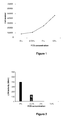
Fig. 1 represents the growth of gingival fibroblasts (vertical axis, cell number) cultivated in culture media comprising 0%, 2.5%, 5% or 10% FCS (horizontal axis). -
Fig. 2 represents the lactate deshydrogenase (LDH) activity (vertical axis, Ul/ml) of gingival fibroblast culture supernatant as a function of the FCS content of the culture medium (horizontal axis). -
Fig. 3 represents gingival fibroblast proliferation atday 6 of culture (vertical axis, cell number) in culture media free of animal serum supplemented with 0.1, 1, 10 or 100 ng/ml of bFGF (horizontal axis) with (dotted bar) or without platelet lysate (black bar), as compared to the proliferation in a culture medium containing 10% FCS. -
Fig. 4 represents gingival fibroblast proliferation atday 6 of culture (vertical axis, cell number) in culture media free of animal serum supplemented with 1, 5, 25 or 5 µg/ml of insulin (horizontal axis) with (dotted bar) or without platelet lysate (black bar), as compared to the proliferation in a culture medium containing 10% FCS. -
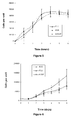
Fig. 5 represents gingival fibroblast adhesion (vertical axis, number of cells) as a function of time (horizontal axis, hours) in a culture medium containing 10% FCS (triangle shapes), in a culture medium free of animal serum supplemented with 1 ng/ml bFGF and 5 µg/ml insulin (KOS, diamond shapes), and in a culture medium free of animal serum supplemented with 1 ng/ml bFGF and 5 µg/ml insulin with platelet lysate (KOS + P, square shapes). -
Fig. 6 represents gingival fibroblast growth (vertical axis, number of cells) as a function of time (horizontal axis, days) in a culture medium containing 10% FCS (triangle shapes), in a culture medium free of animal serum supplemented with 1 ng/ml bFGF and 5 µg/ml insulin (KOS, diamond shapes), and in a culture medium free of animal serum supplemented with 1 ng/ml bFGF and 5 µg/ml insulin with platelet lysate (KOS + P, square shapes). -
Fig. 7 represents the distribution (vertical axis, in %) of fibroblast gingival form factors at week 7 of culture in a culture medium containing 10% FCS (white bars), in a culture medium free of animal serum supplemented with 1 ng/ml bFGF and 5 µg/ml insulin (KOS, black bars), and in a culture medium free of animal serum supplemented with 1 ng/ml bFGF and 5 µg/ml insulin with platelet lysate (KOS + P, dotted bars). - As intended herein "gingival fibroblasts" relate to mesenchymal cells of the gum, which are capable of migrating, adhering and proliferating within the soft connective tissues of the gum. Gingival fibroblasts and methods to obtain them are notably described in Gogly et al., (1997) Clin. Oral Invest. 1:147-152; Gogly et al. (1998) Biochem. Pharmacol. 56:1447-1454; and Ejeil et al. (2003) J. Periodontol. 74:188-195. Preferably, gingival fibroblasts according to the invention are human gingival fibroblasts.
- Basic Fibroblast Growth Factor (bFGF) is well known to one of skill in the art. Preferably, bFGF relates to human bFGF, more preferably to recombinant human bFGF, and even more preferably to recombinant human bFGF represented by SEQ ID NO: 1 and produced in Escherichia coli.
- Insulin is well known to one of skill in the art. Preferably, insulin relates to human insulin, more preferably to recombinant human insulin, and even more preferably to recombinant human insulin produced in Escherichia coli. It is preferred that insulin is present in the Zn-insulin form, i.e. insulin molecules and zinc ions liganded together.
- The expression "culture medium for animal or human cells, free of animal serum" relates to culture media well known to one of skill in the art. It notably relates to any culture medium, free of animal serum, liable to sustain the growth of animal or human cells. Preferably, a "culture medium for animal or human cells, free of animal serum" according to the invention is liable to sustain the growth of gingival fibroblasts according to the invention, but only to a level which is significantly lower to the level which could be reached under the same culture conditions with a culture medium suitable for gingival fibroblast growth which comprises a growth-effective amount of FCS. In particular, a "culture medium for animal or human cells, free of animal serum" can be obtained by mixing a basal culture medium with a serum-free culture supplement intended for substituting for animal serum.
- Preferably, the basal culture medium is Dulbecco's Modified Eagle's Medium (DMEM). Such a medium is well known to one of skill in the art and is notably described in Dulbecco and Freeman (1959) Virology 8:396.
- Most preferably, DMEM has the following constitution:
Components MW Concentration (mg/L) Molarity (mM) Amino acids Glycine 75 30 0.400 L-Arginine hydrochloride 211 84 0.398 L-Cystine 2HCl 313 63 0.201 L-Glutamine 146 580 3.97 L-Histidine hydrochloride-H2O 210 42 0.200 L-Isoleucine 131 105 0.802 L-Leucine 131 105 0.802 L-Lysine hydrochloride 183 146 0.798 L-Methionine 149 30 0.201 L-Phenylalanine 165 66 0.400 L-Serine 105 42 0.400 L-Threonine 119 95 0.798 L-Tryptophan 204 16 0.0784 L-Tyrosine 181 72 0.398 L-Valine 117 94 0.803 Vitamins Choline chloride 140 4 0.0286 D-Calcium pantothenate 477 4 0.00839 Folic Acid 441 4 0.00907 i-Inositol 180 7.2 0.0400 Niacinamide 122 4 0.0328 Pyridoxine hydrochloride 204 4 0.0196 Riboflavin 376 0.4 0.00106 Thiamine hydrochloride 337 4 0.0119 Inorganic salts Calcium Chloride (CaCl2-2H2O) 147 264 1.80 Ferric Nitrate (Fe(NO3)3-9H2O) 404 0.1 0.000248 Magnesium Sulfate (MgSO4-7H2O) 246 200 0.813 Potassium Chloride (KCI) 75 400 5.33 Sodium Bicarbonate (NaHCO3) 84 3700 44.05 Sodium Chloride (NaCl) 58 6400 110.34 Sodium Phosphate monobasic (NaH2PO4-2H2O) 154 141 0.916 Other components D-Glucose (Dextrose) 180 4500 25.00 Phenol Red 376.4 15 0.0399 Sodium Pyruvate 110 110 1.000 - As intended herein a "serum-free supplement" preferably relates to a medium containing serum albumin, in particular bovine serum albumin, and one or more ingredients selected from the group consisting of one or more amino acids, one or more vitamins, transferrin, in particular in its iron saturated form, one or more antioxidants (e.g. glutathione and L-ascorbic acid-2-phosphate), and insulin.
- Such a serum-free supplement is described international application
WO 98/30679 - In a preferred embodiment the serum-free supplement is KNOCKOUT™ SR (INVITROGEN, ref. 10828-028). Preferably, the culture medium for animal or human cells, free of animal serum, is obtained by mixing from 7 to 9 volumes of DMEM as defined above to 1 to 3 volumes KNOCKOUT™ SR serum-free supplement. More preferably, the culture medium for animal or human cells, free of animal serum, is obtained by mixing 8 volumes of DMEM as defined above to 2 volumes KNOCKOUT™ SR serum-free supplement or 9 volumes of DMEM as defined above to 1 volume KNOCKOUT™ SR serum-free supplement.
- In another preferred embodiment the serum-free supplement is such that it presents the following concentrations of its components upon addition to the basal culture medium:
Components Concentration (mg/L) Concentration of non trace components Glycine 53 L-Histidine 183 L-Isoleucine 615 L-Methionine 44 L-Phenylalanine 336 L-Proline 600 L-Hydroxyproline 15 L-Serine 162 L-Threonine 425 L-Tryptophan 82 L-Tyrosine 84 L-Valine 454 Thiamine 9 Reduced glutathione 1.5 Ascorbic acid-2-PO4 (Mg salt) 50 Transferrin (ironsaturated) 8 Insulin 10 Sodium selenite 0.00001 Bovine serum albumin 12,500 Concentration of trace components Ag+ 0.00009 Al3+ 0.0001 Ba2+ 0.001 Cd2+ 0.005 Co2+ 0.0005 Cr3+ 0.00004 Ge4+ 0.0005 Se4+ 0.007 Br- 0.00006 I- 0.0001 Mn2+ 0.00006 F- 0.002 Si4+ 0.02 V5+ 0.0004 Mo6+ 0.0007 Ni2+ 0.00003 Rb+ 0.0008 Sn2+ 0.00003 Zr4+ 0.0001 - It is preferred that the serum albumin used in the serum-free supplement is bovine serum albumin (BSA), either recombinant or extracted for bovine tissues. Most preferably, serum albumin relates to lipid-rich serum albumin extracts from bovine tissues, such as Albumax® I (Invitrogen).
- Most preferably, the culture medium for animal or human cells, free of animal serum, further comprises one or more ingredients selected from the group constituted of non-essential amino acids, in particular 1% v/v of a
solution comprising Glycine 10 mM, L-Alanine 10 mM, L-Asparagine 10 mM, L-Aspartic acid 10 mM, L-Glutamic Acid 10 mM, L-Proline 10 mM, L-Serine 10 mM; β-mercaptoethanol, in particular at 1 mM; antibiotics; and fungicides. - Preferably, upon addition of bFGF and/or insulin to the culture medium for animal or human cells, free of animal serum, as defined above, the resulting medium, in particular the gingival fibroblast culture medium as defined above, comprises bFGF at a concentration of from 0.1 ng/ml to 100 ng/ml, in particular about 1 ng/ml, and/or insulin at a concentration of from 11 µg/ml to 60 µg/ml, in particular about 15 µg/ml. More preferably, the resulting medium comprises bFGF at a concentration of from 0.1 ng/ml to 100 ng/ml, in particular about 1 ng/ml, and insulin at a concentration of from 11 µg/ml to 60 µg/ml, in particular about 15 µg/ml. Most preferably, the resulting medium comprises bFGF at a concentration of about 1 ng/ml and insulin at a concentration of about 15 µg/ml.
- As intended herein "platelet lysate" preferably relates to a lysate of human platelets. Preferably the platelets are in the form of a platelet concentrate. Platelet lysates and methods of preparation thereof are notably described in Doucet et al. (2005) J. Cellular Physiol. 205:228-236.
- Preferably, an effective quantity of platelet lysate is added, that is a quantity such that the gingival fibroblast culture medium added with platelet lysate offers improved growth conditions for gingival fibroblast with respect to the same gingival fibroblast culture medium deprived of platelet lysate.
- By way of example, a platelet lysate can be prepared by adding 4 µl heparin at 25,000 IU/ml to 47.5 ml of basal culture medium or a serum-free supplement, vortexing, adding 2.5 ml of a human platelet concentrate comprising at least 2.109 platelets, and vortexing to lyse the platelets.
-
- 1. The following culture media are compared:
- Gingival fibroblasts serum-containing culture medium (FCS):
DMEM 90% (INVITROGEN, ref. 41966-029);
FCS 10% (INVITROGEN, ref 16000-044)
Non-essential amino acids 1 % (INVITROGEN, ref. 11140-035);
β -mercaptoethanol 0.1 mM (INVITROGEN, ref. 31350-010).
Antibiotic-Antimicotic 1 x (penicillin 100 units/ml,streptomycin 100 µg/ml, and amphotericin B 250 ng/ml) (INVITROGEN, ref. 15240-062) - bFGF-supplemented gingival fibroblast serum-free culture medium (KOS/bFGF):
DMEM 80% (INVITROGEN, ref. 41966-029);
KNOCKOUT™ SR 20% (INVITROGEN, ref. 10828-028) optionally + platelet lysate;
Human recombinant bFGF 0-100 ng/ml (INVITROGEN, ref. 13256-029);
Non-essential amino acids 1 % (INVITROGEN, ref. 11140-035);
β -mercaptoethanol 0.1 mM (INVITROGEN, ref. 31350-010).
Antibiotic-Antimicotic 1 x (penicillin 100 units/ml,streptomycin 100 µg/ml, and amphotericin B 250 ng/ml) (INVITROGEN, ref. 15240-062). - Insulin-supplemented gingival fibroblast serum-free culture medium (KOS/I):
DMEM 80% (INVITROGEN, ref. 41966-029);
KNOCKOUT™ SR 20% (INVITROGEN, ref. 10828-028) optionally + platelet lysate;
Human recombinant Zn Insulin 0-50 µg/ml (MW 5734) (INVITROGEN, ref. R33750)
Non-essential amino acids 1 % (INVITROGEN, ref. 11140-035);
β -mercaptoethanol 0.1 mM (INVITROGEN, ref. 31350-010).
Antibiotic-Antimicotic 1 x (penicillin 100 units/ml,streptomycin 100 µg/ml, and amphotericin B 250 ng/ml) (INVITROGEN, ref. 15240-062).
Five Human Gingival Fibroblast (hGF) cultures were obtained from gingival explants of healthy patients (two females and three males from 19 to 31 years old) with no history of periodontitis between January and April 2007. All patients gave their informed consent according to the Helsinki Declaration (1975) and denied having recently taken drugs that could affect connective tissue metabolism. Tissue samples were divided into two parts: one for histologic analysis and the other for cell culture. Serial tissue sections were stained with hematoxylin and eosin for assessing the tissue quality and the absence of inflammatory infiltrates in the gingiva. Only the histological healthy tissue was used for cell culture. Primary explants cultures were established in 25cm2 culture flasks during 3 weeks with 20% FCS or serum-free medium according to the invention. Monolayer cultures were maintained in 5% CO2, and the cell culture medium was changed every 48 hours. After the first passage, the cells were routinely maintained in 10% FCS or serum-free medium according to the invention during a week. hGFs were used from passages 3. All reported experiments were done with five different strains of gingival fibroblasts. Very similar data were obtained for the five different strains used in each case; representative data of triplicate experiments are presented in each figure.
10,000 human gingival fibroblasts are seeded per 500 µl well of microculture plates, each well further receiving either one of the FCS, KOS/bFGF and KOS/I culture media. The fibroblasts are then cultured over a 6-days period. Atday 6 the media from a set of wells are gently taken and cells adhering to the walls of the wells are detached by trypsinization and counted.
The results are presented inFig. 3 for KOS/bFGF and inFig. 4 for KOS/I. At 1 ng/ml bFGF, proliferation of gingival fibroblasts in the KOS/bFGF medium is identical to that in FCS and the proliferation in the KOS/bFGF medium supplemented with platelet lysate is at its maximum. At 5 µg/ml Zn Insulin proliferation of gingival fibroblasts in the KOS/I medium is identical to that in FCS and the proliferation in the KOS/I medium supplemented with platelet lysate is at its maximum. - Gingival fibroblasts serum-containing culture medium (FCS):
- 2. These results are confirmed with the following media:
- KNOCKOUT™ SR-variable gingival fibroblast serum-free culture medium DMEM 100% - 70% (INVITROGEN, ref. 41966-029);
KNOCKOUT™ SR 0% - 30% (INVITROGEN, ref. 10828-028);
Humanrecombinant Zn Insulin 5 µg/ml (MW 5734) (INVITROGEN, ref. R33750)
Humanrecombinant bFGF 1 ng/ml (INVITROGEN, ref. 13256-029);
Non-essential amino acids 1 % (INVITROGEN, ref. 11140-035);
β -mercaptoethanol 0.1 mM (INVITROGEN, ref. 31350-010).
Antibiotic-Antimicotic 1 x (penicillin 100 units/ml,streptomycin 100 µg/ml, and amphotericin B 250 ng/ml) (INVITROGEN, ref. 15240-062). - bFGF-variable gingival fibroblast serum-free culture medium (KOS/bFGF):
DMEM 90% (INVITROGEN, ref. 41966-029);
KNOCKOUT™ SR 10% (INVITROGEN, ref. 10828-028) optionally + platelet lysate;
Humanrecombinant Zn Insulin 5 µg/ml (MW 5734) (INVITROGEN, ref. R33750)
Human recombinant bFGF 0-100 ng/ml (INVITROGEN, ref. 13256-029);
Non-essential amino acids 1 % (INVITROGEN, ref. 11140-035);
β -mercaptoethanol 0.1 mM (INVITROGEN, ref. 31350-010).
penicillin 100 units/ml,streptomycin 100 µg/ml, and amphotericin B 250 ng/ml) (INVITROGEN, ref. 15240-062).- Insulin-variable gingival fibroblast serum-free culture medium (KOS/I):
DMEM 90% (INVITROGEN, ref. 41966-029);
KNOCKOUT™ SR 10% (INVITROGEN, ref. 10828-028) optionally + platelet lysate;
Human recombinant Zn Insulin 0-50 µg/ml (MW 5734) (INVITROGEN, ref. R33750)
Humanrecombinant bFGF 1 ng/ml (INVITROGEN, ref. 13256-029);
Non-essential amino acids 1 % (INVITROGEN, ref. 11140-035);
β -mercaptoethanol 0.1 mM (INVITROGEN, ref. 31350-010).
Antibiotic-Antimicotic 1 x (penicillin 100 units/ml,streptomycin 100 µg/ml, and amphotericin B 250 ng/ml) (INVITROGEN, ref. 15240-062).
- KNOCKOUT™ SR-variable gingival fibroblast serum-free culture medium DMEM 100% - 70% (INVITROGEN, ref. 41966-029);
- The same culture experiments as above are performed. At
day 6, counts are done by flow cytometry, and a Trypan-blue stain is shown on one well for each condition permitting a cell quality control. - Cell proliferation increases non-linearly with KNOCKOUT™ SR concentration. The first 5% (from 0% to 5%) lead to increase cells count of a 1.4 factor, and the following (from 5% to 10%) lead to an increase of a 1.8 factor. The first 10% (from 0% to 10%) leads to an increase in cell count of a factor 2.5, while the following 10% (from 10% to 20%) lead to a 1.3 factor increase, and the last 10% (from 20% to 30%) to a 1.15 factor increase. 10% KNOCKOUT™ SR appears to have similar effects on proliferation than the FCS medium at day 6 (respectively 7.5.104 and 7.3.104 cells).
- When bFGF is varied, cell proliferation is maximal for bFGF concentration of 1 and 10ng/ml, which corresponds to the FCS medium reference level. From 0 ng/ml to 0.1 ng/ml, proliferation increases less (1.32 and 2.08 factors respectively). The highest concentration induces a proliferation decrease (factor 0.8 from 10 to 100 ng/ml). When platelet lysate is added, cell proliferation reaches a maximum with 1 ng/ml, and slightly decreases with superior concentration. From 0 ng/ml to 1 ng/ml, proliferation with and without platelet lysate is similar (1.32 factor increase).
- When insulin is varied, cellular counting shows higher values with 5 and 25µg/ml insulin. Proliferation rates in the presence of platelet lysate slightly increase from 0 to 5µg/ml, before decreasing.
- The following culture media are used:
- Gingival fibroblasts serum-containing culture medium (FCS):
DMEM 90% (INVITROGEN, ref. 41966-029);
FCS 10% (INVITROGEN, ref 16000-044)
Non-essential amino acids 1 % (INVITROGEN, ref. 11140-035);
β -mercaptoethanol 0.1 mM (INVITROGEN, ref. 31350-010).
Antibiotic-Antimicotic 1 x (penicillin 100 units/ml,streptomycin 100 µg/ml, and amphotericin B 250 ng/ml) (INVITROGEN, ref. 15240-062) - Gingival fibroblast serum-free culture medium (KOS):
DMEM 80% (INVITROGEN, ref. 41966-029);
KNOCKOUT™ SR 20% (INVITROGEN, ref. 10828-028);
Humanrecombinant bFGF 1 ng/ml (INVITROGEN, ref. 13256-029);
Humanrecombinant Zn Insulin 5 µg/ml (MW 5734) (INVITROGEN, ref. R33750)
Non-essential amino acids 1 % (INVITROGEN, ref. 11140-035);
β -mercaptoethanol 0.1 mM (INVITROGEN, ref. 31350-010).
Antibiotic-Antimicotic 1 x (penicillin 100 units/ml,streptomycin 100 µg/ml, and amphotericin B 250 ng/ml) (INVITROGEN, ref. 15240-062). - gingival fibroblast serum-free culture medium with platelet lysate (KOS+P):
DMEM 80% (INVITROGEN, ref. 41966-029);
KNOCKOUT™ SR 20% (INVITROGEN, ref. 10828-028) + platelet lysate;
Humanrecombinant bFGF 1 ng/ml (INVITROGEN, ref. 13256-029);
Human recombinant Zn Insulin 0-50 µg/ml (MW 5734) (INVITROGEN, ref. R33750)
Non-essential amino acids 1 % (INVITROGEN, ref. 11140-035);
β -mercaptoethanol 0.1 mM (INVITROGEN, ref. 31350-010).
Antibiotic-Antimicotic 1 x (penicillin 100 units/ml,streptomycin 100 µg/ml, and amphotericin B 250 ng/ml) (INVITROGEN, ref. 15240-062) - 50,000 human gingival fibroblasts obtained as described in Gogly et al. (1999) Biochem. Pharmacol. 56:1447-1454 (see Example 1) are seeded per well of microculture plates (each well contains 1 ml of culture medium) each well further receiving either one of the above culture media (FCS, KOS and KOS+P). The cells are cultivated during six hours in the incubator at 37°C / 5% CO2 during which, each hour, the medium (FCS, KOS and KOS+P) from a set of wells was gently taken and the adherent cells are counted by flow cytometry after being recovered from the surface of the wells by trypsinization. A Trypan blue stain is shown on one well of each condition as a cell quality control.
- The results show that cells adhere to the surface of the wells from 3 to 4 hours after seeding, irrespective of the medium used (
Fig. 5 ). - The experiments are repeated with the same media KOS and KOS+P as above, except for the DMEM / KNOCKOUT™ SR concentrations which are respectively of 90% and 10%.
- Cellular counting shows no significant difference between the FCS medium and the serum-free medium with and without platelet lysate during the 6 hours following sowing. In all boxes, cell adhesion increases linearly to reach a level corresponding to about 80% of sown cells. Three hours are enough for most of the cells to adhere to the box bottom, however, in the presence of platelet lysate, 1 more hour is necessary to reach the 80% maximum.
- 10,000 human gingival fibroblasts are seeded per 500 µl well of microculture plates, each well further receiving either one of the FCS, KOS and KOS+P culture media. The fibroblasts are then cultured over a 6-days period. Each day the media from a set of wells are gently taken and cells adhering to the walls of the wells are detached by trypsinization and counted by flow cytometry. A Trypan blue stain is shown on one well of each condition as a cell quality control.
- The results are shown in
Fig. 6 . Growth with the KOS medium is similar to that obtained with the FCS medium. Addition of platelet lysate to the KOS medium significantly increases the growth of gingival fibroblasts. - These results are confirmed with the same KOS and KOS+P media as above, except for the DMEM / KNOCKOUT™ SR concentrations which are respectively of 90% and 10%. Briefly, the 6 days following sowing, cell quantity in the serum-free medium and in the FCS medium increases in a similar linear way, by a
factor 10, whereas SF+PL increased significantly more (by a factor 17). - 300,000 human gingival fibroblasts are seeded in culture flasks, each flask receiving one of the FCS, KOS or KOS+P medium. Each week during 6 weeks, media from one series of flasks are gently taken, and cells adhering to the walls of the wells are detached by trypsinization and counted. Flasks are then reseeded by 300,000 of the detached gingival fibroblasts. A Trypan blue stain is shown on one flask of each condition as a cell quality control.
- Preliminary results indicate that gingival fibroblasts cultivated with the FCS and KOS media present from 2 to 2.5 divisions per week while the division rate is from 3 to 3.5 divisions per week with platelet lysate.
- These results are confirmed with the same KOS and KOS+P media as above, except for the DMEM / KNOCKOUT™ SR concentrations which are respectively of 90% and 10%. Briefly, study during 6 weeks confirmed these increases and revealed a division weekly mean of 3 in BS and SF, compared with 3.8 for SF+PL. Standard deviations were more important in SF+PL cultures than in BS and SF.
- In parallel to the study of Example 4 the culture medium of each flask is replaced by DMEM 24 hours prior to counting. This medium is aliquoted and the following experiments are carried out to monitor parameters indicative of gingival fibroblast cellular activity and stress:
- Zymogramms (MMP-1, MMP-2, MMP-3, MMP-9);
- Western and dot blots (MMP-1, MMP-2, MMP-3, MMP-9, TIMP-1, TIMP-2);
- ELISA (IL-1b, IL-4, IL-6, FGF, TGF-β1, TNF-α, etc);
- RTPCR.
- More specifically, for dot blotting, aliquots of conditioned media (100 µl) are centrifuged at 10,000g to remove cellular debris and mixed with 10µl of 1M Tris/HCl, 150 mM NaCl, pH 7.5. Samples (10 µl) are applied onto nitrocellulose membrane (Biorad). Membranes are treated with 1% blocking solution (Dako) for 1h at room temperature. The membranes are then treated with primary mouse monoclonal antibodies of anti-human MMP-1, MMP2, MMP-3, MMP-7, MMP-9 freeforms (active and proforms) and anti-TIMP-1 and TIMP-2 (R&D system), at a dilution of 1/500, overnight at room temperature. Following washing in TBS/Tween (50 mM Tris, 150 mM NaCl, 0.1
% Tween 20, pH 7.5), membranes are incubated with a peroxydase-labelled goat antimouse secondary antibody (1/1000, Calbiochem) for 1 hr and immunoreactive proteins visualized on Kodak Biomax MR film. Multiple exposures are examined to ascertain that the results analyzed reflect those produced in the linear range of the film. The size of the blot (surface area) and the intensity of the gray are analyzed using the Image J software (Image J; http:/rsb.info.nih.gov/ij/index.html). Concentration is determined by comparison with 10 pg MMP-1, MMP-2, MMP-3, MMP-7, MMP-9, TIMP-1 or TIMP-2 standards (R&D Systems). Statistical analysis between the different experiments is made using paired Student's t-test. Differences between groups are considered significant when p< 0.01. - For zymography, conditioned culture medium samples (20 µl) are diluted by an equal volume of 1M Tris pH 6.8 containing 50% glycerol and 0.4% bromophenol blue, and then are electrophoresed in 10% SDS-polyacrylamide gels containing 1.5mg/ml of gelatin for MMP-2 and MMP-9 revelations. Briefly, gels are washed in 2.5% Triton X-100, and incubated in 100 mM Tris-HCl, 5 mM CaCl2, 0.005% Brij-35, and 0.001 % NaN3 pH 7.4 for 36 hr at 37°C. Gels are then stained with 0.25% Coomassie brilliant blue R-250 (50% methanol, 10% acetic acid) and destained appropriately (40% methanol, 10% acetic acid). Gelatinolytic activities correspond to the destained areas. 20 µl of MMP-2 and MMP-9 (ABCys) were electrophoresed at the same time to facilitate the MMP types identification.
- Preliminary results do not show significant differences between gingival fibroblasts cultured in FCS and KOS media respectively.
- These results are confirmed with the same KOS and KOS+P media as above, except for the DMEM / KNOCKOUT™ SR concentrations which are respectively of 90% and 10%.
- Briefly, dot blots detected free-forms of MMP-1, MMP-2, MMP-3, MMP-7 free-forms, TIMP-1 and TIMP-2. MMP-9 levels were under detection point. When referring to 105 cells and compared to FCS, nearly equivalent MMPs and TIMPs levels are found in the FCS medium and in the serum-free medium (with and without platelet lysate) (see Table below).


- Gelatin zymography confirmed the MMP-9 absence observed on dot blots since MMP-9 activity could not be detected on gelatin zymography.
- Gingival fibroblasts are cultured for one week in the FCS or KOS medium using the lab teck technique described in Prost et al. (1998) FASEB 12:181-188 in order to study cytoskeleton proteins (e.g. actine, vimentine, desmine) in the frame of the monitoring of modifications of the cytoskeleton indicative of transformation of the gingival fibroblasts into myofibroblasts (i.e. enrichment in actin).
- Briefly, at each passage, about 102 gingival fibroblasts (from proliferation study) are cultured on Lab-Tek chamber slides with cover (Nalge Nunc International, USA) Before becoming confluent, gingival fibroblast are fixed with a 4% paraformaldehyde solution for 15 min at 4°C, and washed three times with PBS. They are then incubated for 1 h with a 1:50 dilution of anti-actin, and anti-vimentin (BD PharMingen, USA) and a dilution of 1:100 of anti-desmin (BD PharMingen, USA). After being thoroughly washed with PBS, cells are incubated for 30 min at 37°C with a rhodamine-labeled goat anti-mouse secondary antibody (R&D Systems, USA) diluted 1:100 with PBS. The dishes are washed three times with PBS, and the chambers are removed from the slides. Cells are examined with a microscope (Leica, Germany) equiped with epifluorescence (ebq100, Leica) and with filters for rhodamine fluorescence. Fluorescence is recorded on a computer by a Leica DC300F camera.
- Preliminary results do not show significant differences between gingival fibroblasts cultured in FCS and KOS media respectively.
- This is confirmed for the the same KOS and KOS+P media as above, except for the DMEM / KNOCKOUT™ SR concentrations which are respectively of 90% and 10%. Briefly, gingival fibroblasts express vimentin constantly and similarly in all the media tested. The percentage of α-SM-actin positive cells increases significantly with the number of passages. Almost all cells are lightly positive for actin at
week 6. Cells are negative for desmin. - Each week human gingival fibroblasts in long term flask cultures in the FCS, KOS, or KOS + P medium are photographed to monitor changes in the surface (S) and perimeter (P) of the cells. The form factor (FF) of the cells is then determined using the following formula: FF= 4π(S/P2).
- The results are presented in
Fig. 7 . No significant differences between gingival fibroblasts cultured in FCS, KOS and KOS + P media can be evidenced, with the form factors varying from 0.05 to 0.13, which corresponds to classical gingival fibroblasts (Serra J. Image analysis and mathematical morphology London. Academic press, .Vol 2, 1988 - All afore-cited publications are incorporated herein by reference.

Claims (9)
- A gingival fibroblast culture medium free of animal serum, comprising a culture medium for animal or human cells, free of animal serum, to which is added:- from 0.1ng/ml to 100ng/ml bFGF, and/or- from 1µg/ml to 50µg/ml insulin.
- The gingival fibroblast culture medium of claim 1, wherein bFGF is added at 1 ng/ml.
- The gingival fibroblast culture medium of claim 1 or 2, wherein insulin is added at 5 µg/ml.
- The gingival fibroblast culture medium according to any of claims 1 to 3, wherein the animal cell culture medium comprises 8 volumes DMEM and 2 volumes KNOCKOUT™ SR (INVITROGEN) or 9 volumes DMEM and 1 volume KNOCKOUT™ SR (INVITROGEN).
- The gingival fibroblast culture medium according to any of claims 1 to 4, comprising bFGF at 1 ng/ml and insulin at 15 µg/ml.
- The gingival fibroblast culture medium according to any of claims 1 to 5, further comprising platelet lysate.
- The use of a gingival fibroblast culture as defined in any of claims 1 to 6, for the culture of gingival fibroblast.
- A method for the culture of gingival fibroblasts which comprises growing cells in a gingival fibroblast culture as defined in any of claims 1 to 6.
- A kit for cultivating gingival fibroblasts, comprising:- a gingival fibroblast culture medium as defined in any of claims 1 to 6, and- platelet lysate.
Applications Claiming Priority (1)
| Application Number | Priority Date | Filing Date | Title |
|---|---|---|---|
| US89580907P | 2007-03-20 | 2007-03-20 |
Publications (2)
| Publication Number | Publication Date |
|---|---|
| EP1972685A1 true EP1972685A1 (en) | 2008-09-24 |
| EP1972685B1 EP1972685B1 (en) | 2015-09-02 |
Family
ID=39523340
Family Applications (1)
| Application Number | Title | Priority Date | Filing Date |
|---|---|---|---|
| EP08102779.9A Not-in-force EP1972685B1 (en) | 2007-03-20 | 2008-03-19 | Culture medium for gingival fibroblasts |
Country Status (3)
| Country | Link |
|---|---|
| US (1) | US7951593B2 (en) |
| EP (1) | EP1972685B1 (en) |
| AU (1) | AU2008201328B2 (en) |
Cited By (4)
| Publication number | Priority date | Publication date | Assignee | Title |
|---|---|---|---|---|
| WO2010064267A1 (en) * | 2008-12-05 | 2010-06-10 | Universita' Degli Studi Di Pavia | Platelets lysate and bioadesive compositions thereof for the treatment of mucositis |
| WO2015004216A1 (en) | 2013-07-09 | 2015-01-15 | Assistance Publique - Hopitaux De Paris | Use of gingival fibroblasts in the treatment of alopecia |
| US20150258146A1 (en) * | 2009-12-11 | 2015-09-17 | Scarcell Therapeutics | Pharmaceutical composition for the treatment of orthopedic pathologies |
| CN109112101A (en) * | 2017-06-26 | 2019-01-01 | 拜西欧斯(北京)生物技术有限公司 | A kind of fibroblast culture medium and its application |
Families Citing this family (7)
| Publication number | Priority date | Publication date | Assignee | Title |
|---|---|---|---|---|
| US20120231542A1 (en) * | 2011-03-11 | 2012-09-13 | General Biotechnology, Llc | Biologically Active Human Umbilical Cord Blood Cell Extract Compounds and Methods |
| WO2013003356A1 (en) * | 2011-06-27 | 2013-01-03 | Emory University | Compositions, uses, and preparation of platelet lysates |
| ES2625768T3 (en) * | 2015-03-26 | 2017-07-20 | Université De Bordeaux | Skin reconstruction method |
| CN110129264B (en) * | 2019-06-10 | 2020-12-15 | 西安飞如生物科技有限公司 | Epidermal cell culture medium, method for preparing fibroblasts and epidermal cells based on same tissue and application |
| US12351823B2 (en) | 2023-03-15 | 2025-07-08 | Scarcell Technologies | Mammalian cell population and medicaments for cell therapies in equines and improved cell cultivation methods |
| WO2024189522A1 (en) | 2023-03-15 | 2024-09-19 | Scarcell Therapeutics | Mammalian cell population and medicaments for cell therapies in mammals and improved cell cultivation methods |
| JP2026509514A (en) | 2023-03-15 | 2026-03-19 | スカーセル セラピューティクス エスアーエス | Mammalian cell populations and pharmaceuticals for cell therapy in mammals, as well as improved cell culture methods. |
Citations (8)
| Publication number | Priority date | Publication date | Assignee | Title |
|---|---|---|---|---|
| EP0350887A2 (en) * | 1988-07-12 | 1990-01-17 | Bioscience Laboratory Incorporation | Serum-free medium and process for cultivating mammalian cells |
| US4927762A (en) * | 1986-04-01 | 1990-05-22 | Cell Enterprises, Inc. | Cell culture medium with antioxidant |
| WO1998030679A1 (en) | 1997-01-10 | 1998-07-16 | Life Technologies, Inc. | Embryonic stem cell serum replacement |
| WO2001066697A2 (en) * | 2000-03-09 | 2001-09-13 | Wisconsin Alumni Research Foundation | Serum free cultivation of primate embryonic stem cells |
| US20050233446A1 (en) * | 2003-12-31 | 2005-10-20 | Parsons Xuejun H | Defined media for stem cell culture |
| WO2005105984A2 (en) * | 2004-04-12 | 2005-11-10 | The Trustees Of The University Of Pennsylvania | Culture conditions and growth factors affecting fate determination, self-renewal and expansion of mouse spermatogonial stem cells |
| WO2006013261A2 (en) | 2004-07-02 | 2006-02-09 | Universite Rene Descartes (Paris V) | Use of gingival fibroblasts for vascular cell therapy |
| WO2006044204A2 (en) * | 2004-10-05 | 2006-04-27 | University Of Georgia Research Foundation, Inc. | Neuronal progenitors from feeder-free human embryonic stem cell culture |
Family Cites Families (2)
| Publication number | Priority date | Publication date | Assignee | Title |
|---|---|---|---|---|
| IL142914A0 (en) * | 1998-11-09 | 2002-04-21 | Consorzio Per La Gestione Del | Serum free medium for chondrocyte-like cells |
| US6357765B1 (en) * | 2000-08-03 | 2002-03-19 | Troy A. Heien | Obstacle traversing wheel assembly |
-
2008
- 2008-03-19 EP EP08102779.9A patent/EP1972685B1/en not_active Not-in-force
- 2008-03-19 US US12/051,559 patent/US7951593B2/en not_active Expired - Fee Related
- 2008-03-20 AU AU2008201328A patent/AU2008201328B2/en not_active Ceased
Patent Citations (8)
| Publication number | Priority date | Publication date | Assignee | Title |
|---|---|---|---|---|
| US4927762A (en) * | 1986-04-01 | 1990-05-22 | Cell Enterprises, Inc. | Cell culture medium with antioxidant |
| EP0350887A2 (en) * | 1988-07-12 | 1990-01-17 | Bioscience Laboratory Incorporation | Serum-free medium and process for cultivating mammalian cells |
| WO1998030679A1 (en) | 1997-01-10 | 1998-07-16 | Life Technologies, Inc. | Embryonic stem cell serum replacement |
| WO2001066697A2 (en) * | 2000-03-09 | 2001-09-13 | Wisconsin Alumni Research Foundation | Serum free cultivation of primate embryonic stem cells |
| US20050233446A1 (en) * | 2003-12-31 | 2005-10-20 | Parsons Xuejun H | Defined media for stem cell culture |
| WO2005105984A2 (en) * | 2004-04-12 | 2005-11-10 | The Trustees Of The University Of Pennsylvania | Culture conditions and growth factors affecting fate determination, self-renewal and expansion of mouse spermatogonial stem cells |
| WO2006013261A2 (en) | 2004-07-02 | 2006-02-09 | Universite Rene Descartes (Paris V) | Use of gingival fibroblasts for vascular cell therapy |
| WO2006044204A2 (en) * | 2004-10-05 | 2006-04-27 | University Of Georgia Research Foundation, Inc. | Neuronal progenitors from feeder-free human embryonic stem cell culture |
Non-Patent Citations (14)
| Title |
|---|
| DOUCET CHRISTELLE ET AL: "Platelet lysates promote mesenchymal stem cell expansion: A safety substitute for animal serum in cell-based therapy applications", JOURNAL OF CELLULAR PHYSIOLOGY, LISS, NEW YORK, NY, US, vol. 205, no. 2, 1 November 2005 (2005-11-01), pages 228 - 236, XP002454867, ISSN: 0021-9541 * |
| DOUCET ET AL., J. CELLULAR PHYSIOL., vol. 205, 2005, pages 228 - 236 |
| DULBECCO; FREEMAN, VIROLOGY, vol. 8, 1959, pages 396 |
| EJEIL ET AL., J. PERIODONTOL., vol. 74, 2003, pages 188 - 195 |
| GOGLY ET AL., BIOCHEM. PHARMACOL., vol. 56, 1998, pages 1447 - 1454 |
| GOGLY ET AL., BIOCHEM. PHARMACOL., vol. 56, 1999, pages 1447 - 1454 |
| GOGLY ET AL., CLIN. ORAL INVEST., vol. 1, 1997, pages 147 - 152 |
| LISELOTT JOHANSSON ET AL: "Platelet lysate: a replacement for fetal bovine serum in animal cell culture?", CYTOTECHNOLOGY, KLUWER ACADEMIC PUBLISHERS, DO, vol. 42, no. 2, 1 June 2003 (2003-06-01), pages 67 - 74, XP019236789, ISSN: 1573-0778 * |
| MORRIS; WARBURTON: "Cell & Tissue Culture: Laboratory Procedures", vol. 2B, 1994, WILEY, article "Serum-screening and selection", pages: 1 01 - 1 05 |
| PROST ET AL., FASEB, vol. 12, 1998, pages 181 - 188 |
| SERRA J.: "Image analysis and mathematical morphology London.", vol. 1,2, 1982, ACADEMIC PRESS |
| SOORY M ET AL: "Anabolic potential of fibroblasts from chronically inflamed gingivae grown in a hyperglycemic culture medium in the presence or absence of insulin and nicotine.", JOURNAL OF PERIODONTOLOGY, vol. 74, no. 12, December 2003 (2003-12-01), pages 1771 - 1777, XP009102158, ISSN: 0022-3492 * |
| TA T -V ET AL: "Heparan sulfate interacting protein (HIP/L29) negatively regulates growth responses to basic fibroblast growth factor in gingival fibroblasts.", JOURNAL OF DENTAL RESEARCH, vol. 81, no. 4, April 2002 (2002-04-01), pages 247 - 252, XP002485786, ISSN: 0022-0345 * |
| WESSMAN; LEVINGS, DEV. BIOL. STAND., vol. 99, 1999, pages 3 - 8 |
Cited By (6)
| Publication number | Priority date | Publication date | Assignee | Title |
|---|---|---|---|---|
| WO2010064267A1 (en) * | 2008-12-05 | 2010-06-10 | Universita' Degli Studi Di Pavia | Platelets lysate and bioadesive compositions thereof for the treatment of mucositis |
| US20150258146A1 (en) * | 2009-12-11 | 2015-09-17 | Scarcell Therapeutics | Pharmaceutical composition for the treatment of orthopedic pathologies |
| WO2015004216A1 (en) | 2013-07-09 | 2015-01-15 | Assistance Publique - Hopitaux De Paris | Use of gingival fibroblasts in the treatment of alopecia |
| FR3008316A1 (en) * | 2013-07-09 | 2015-01-16 | Assist Publ Hopitaux De Paris | USE OF GINGIVAL FIBROBLASTS IN THE TREATMENT OF ALOPECIA |
| US10624838B2 (en) | 2013-07-09 | 2020-04-21 | Assistance Publique—Hopitaux de Paris | Use of gingival fibroblasts in the treatment of alopecia |
| CN109112101A (en) * | 2017-06-26 | 2019-01-01 | 拜西欧斯(北京)生物技术有限公司 | A kind of fibroblast culture medium and its application |
Also Published As
| Publication number | Publication date |
|---|---|
| AU2008201328B2 (en) | 2014-08-21 |
| US20090061512A1 (en) | 2009-03-05 |
| EP1972685B1 (en) | 2015-09-02 |
| US7951593B2 (en) | 2011-05-31 |
| AU2008201328A1 (en) | 2008-10-09 |
Similar Documents
| Publication | Publication Date | Title |
|---|---|---|
| EP1972685B1 (en) | Culture medium for gingival fibroblasts | |
| Lechner et al. | Clonal growth of normal adult human bronchial epithelial cells in a serum-free medium | |
| Lemare et al. | Dedifferentiated chondrocytes cultured in alginate beads: Restoration of the differentiated phenotype and of the metabolic responses to Interleukin‐1β | |
| Otsuka et al. | Arrest of 3T3 cells in G1 phase in suspension culture | |
| US5342777A (en) | Cell culture medium for human liver epithelial cell line | |
| JP6148429B2 (en) | Method for culturing human pluripotent stem cells | |
| CN110934132A (en) | A kind of serum-free DMSO-free cell cryopreservation solution and preparation method thereof | |
| CN105112366B (en) | A kind of mesenchymal stem cell serum-free culture medium containing jamaicin | |
| EP2894218A1 (en) | Medium, for culturing corneal endothelial cells, containing conditioned medium from mesenchymal stem cells | |
| TW200927927A (en) | Stem cell medium | |
| Kirk et al. | Selective growth of normal adult human urothelial cells in serum-free medium | |
| EP1698690B1 (en) | Basal medium for es cell culturing | |
| Beckmann et al. | Serum-free culture of fractionated bovine bronchial epithelial cells | |
| Mitaka et al. | Redifferentiation of proliferated rat hepatocytes cultured in L15 medium supplemented with EGF and DMSO | |
| Deneke et al. | Mechanisms of use of extracellular glutathione by lung epithelial cells and pulmonary artery endothelial cells | |
| Rikimaru et al. | Growth of the malignant and nonmalignant human squamous cells in a protein-free defined medium | |
| AU2003252890A1 (en) | A composition for the culture of cells, in particular animal cells or tissues, comprising polyethylene glycol | |
| Kim et al. | Isolation and cultivation of microvascular endothelial cells from rat lungs: effects of gelatin substratum and serum | |
| Nakamura et al. | Primary culture of chinchilla middle ear epithelium | |
| Minotti et al. | Effects of extracellular calcium on cholesteatoma migration and adhesion in vitro | |
| KR102311121B1 (en) | Method of Preparation of Cultured Epithelial Sheets | |
| Liu et al. | Development of low-and high-serum culture conditions for use of human oral fibroblasts in toxicity testing of dental materials | |
| Hentzer et al. | Dissociation of human adult epidermal cells by disulfide-reducing agents and subsequent trypsinization | |
| Miyazaki et al. | Improved maintenance of adult rat hepatocytes in a new serum-free medium in the presence or absence of barbiturates | |
| CA2098255A1 (en) | Serum-free cell culture medium |
Legal Events
| Date | Code | Title | Description |
|---|---|---|---|
| PUAI | Public reference made under article 153(3) epc to a published international application that has entered the european phase |
Free format text: ORIGINAL CODE: 0009012 |
|
| AK | Designated contracting states |
Kind code of ref document: A1 Designated state(s): AT BE BG CH CY CZ DE DK EE ES FI FR GB GR HR HU IE IS IT LI LT LU LV MC MT NL NO PL PT RO SE SI SK TR |
|
| AX | Request for extension of the european patent |
Extension state: AL BA MK RS |
|
| 17P | Request for examination filed |
Effective date: 20090223 |
|
| 17Q | First examination report despatched |
Effective date: 20090401 |
|
| AKX | Designation fees paid |
Designated state(s): AT BE BG CH CY CZ DE DK EE ES FI FR GB GR HR HU IE IS IT LI LT LU LV MC MT NL NO PL PT RO SE SI SK TR |
|
| RAP1 | Party data changed (applicant data changed or rights of an application transferred) |
Owner name: ASSISTANCE PUBLIQUE - HOPITAUX DE PARIS Owner name: INSERM Owner name: UNIVERSITE RENE DESCARTES (PARIS V) |
|
| RAP1 | Party data changed (applicant data changed or rights of an application transferred) |
Owner name: INSERM Owner name: ASSISTANCE PUBLIQUE - HOPITAUX DE PARIS Owner name: UNIVERSITE PARIS DESCARTES |
|
| 111L | Licence recorded |
Designated state(s): AT BE BG CH CY CZ DE DK EE ES FI FR GB GR HR HU IE IS IT LT LU LV MC MT NL NO PL PT RO SE SI SK TR Free format text: EXCLUSIVE LICENSE Name of requester: SCARCELL THERAPEUTICS, FR Effective date: 20110107 |
|
| REG | Reference to a national code |
Ref country code: DE Ref legal event code: R079 Ref document number: 602008039889 Country of ref document: DE Free format text: PREVIOUS MAIN CLASS: C12N0005060000 Ipc: C12N0005071000 |
|
| RIC1 | Information provided on ipc code assigned before grant |
Ipc: C12N 5/071 20100101AFI20140620BHEP |
|
| GRAP | Despatch of communication of intention to grant a patent |
Free format text: ORIGINAL CODE: EPIDOSNIGR1 |
|
| INTG | Intention to grant announced |
Effective date: 20150306 |
|
| RIN1 | Information on inventor provided before grant (corrected) |
Inventor name: COULOMB, BERNARD Inventor name: LAFONT, ANTOINE Inventor name: GOGLY, BRUNO |
|
| GRAS | Grant fee paid |
Free format text: ORIGINAL CODE: EPIDOSNIGR3 |
|
| GRAA | (expected) grant |
Free format text: ORIGINAL CODE: 0009210 |
|
| 111L | Licence recorded |
Designated state(s): AT BE BG CH CY CZ DE DK EE ES FI FR GB GR HR HU IE IS IT LT LU LV MC MT NL NO PL PT RO SE SI SK TR Free format text: EXCLUSIVE LICENSE Name of requester: SCARCELL THERAPEUTICS, FR Effective date: 20110107 |
|
| AK | Designated contracting states |
Kind code of ref document: B1 Designated state(s): AT BE BG CH CY CZ DE DK EE ES FI FR GB GR HR HU IE IS IT LI LT LU LV MC MT NL NO PL PT RO SE SI SK TR |
|
| REG | Reference to a national code |
Ref country code: GB Ref legal event code: FG4D |
|
| REG | Reference to a national code |
Ref country code: AT Ref legal event code: REF Ref document number: 746635 Country of ref document: AT Kind code of ref document: T Effective date: 20150915 Ref country code: CH Ref legal event code: EP Ref country code: CH Ref legal event code: PK Free format text: ERGAENZUNG LIZENZEINTRAG: AUSSCHLIESSLICHE LIZENZ |
|
| REG | Reference to a national code |
Ref country code: IE Ref legal event code: FG4D |
|
| REG | Reference to a national code |
Ref country code: DE Ref legal event code: R096 Ref document number: 602008039889 Country of ref document: DE |
|
| REG | Reference to a national code |
Ref country code: AT Ref legal event code: MK05 Ref document number: 746635 Country of ref document: AT Kind code of ref document: T Effective date: 20150902 |
|
| PG25 | Lapsed in a contracting state [announced via postgrant information from national office to epo] |
Ref country code: FI Free format text: LAPSE BECAUSE OF FAILURE TO SUBMIT A TRANSLATION OF THE DESCRIPTION OR TO PAY THE FEE WITHIN THE PRESCRIBED TIME-LIMIT Effective date: 20150902 Ref country code: LT Free format text: LAPSE BECAUSE OF FAILURE TO SUBMIT A TRANSLATION OF THE DESCRIPTION OR TO PAY THE FEE WITHIN THE PRESCRIBED TIME-LIMIT Effective date: 20150902 Ref country code: LV Free format text: LAPSE BECAUSE OF FAILURE TO SUBMIT A TRANSLATION OF THE DESCRIPTION OR TO PAY THE FEE WITHIN THE PRESCRIBED TIME-LIMIT Effective date: 20150902 Ref country code: NO Free format text: LAPSE BECAUSE OF FAILURE TO SUBMIT A TRANSLATION OF THE DESCRIPTION OR TO PAY THE FEE WITHIN THE PRESCRIBED TIME-LIMIT Effective date: 20151202 Ref country code: GR Free format text: LAPSE BECAUSE OF FAILURE TO SUBMIT A TRANSLATION OF THE DESCRIPTION OR TO PAY THE FEE WITHIN THE PRESCRIBED TIME-LIMIT Effective date: 20151203 |
|
| REG | Reference to a national code |
Ref country code: LT Ref legal event code: MG4D Ref country code: NL Ref legal event code: MP Effective date: 20150902 |
|
| PG25 | Lapsed in a contracting state [announced via postgrant information from national office to epo] |
Ref country code: PL Free format text: LAPSE BECAUSE OF FAILURE TO SUBMIT A TRANSLATION OF THE DESCRIPTION OR TO PAY THE FEE WITHIN THE PRESCRIBED TIME-LIMIT Effective date: 20150902 Ref country code: ES Free format text: LAPSE BECAUSE OF FAILURE TO SUBMIT A TRANSLATION OF THE DESCRIPTION OR TO PAY THE FEE WITHIN THE PRESCRIBED TIME-LIMIT Effective date: 20150902 Ref country code: AT Free format text: LAPSE BECAUSE OF FAILURE TO SUBMIT A TRANSLATION OF THE DESCRIPTION OR TO PAY THE FEE WITHIN THE PRESCRIBED TIME-LIMIT Effective date: 20150902 Ref country code: SE Free format text: LAPSE BECAUSE OF FAILURE TO SUBMIT A TRANSLATION OF THE DESCRIPTION OR TO PAY THE FEE WITHIN THE PRESCRIBED TIME-LIMIT Effective date: 20150902 |
|
| REG | Reference to a national code |
Ref country code: FR Ref legal event code: PLFP Year of fee payment: 9 |
|
| PG25 | Lapsed in a contracting state [announced via postgrant information from national office to epo] |
Ref country code: NL Free format text: LAPSE BECAUSE OF FAILURE TO SUBMIT A TRANSLATION OF THE DESCRIPTION OR TO PAY THE FEE WITHIN THE PRESCRIBED TIME-LIMIT Effective date: 20150902 Ref country code: CZ Free format text: LAPSE BECAUSE OF FAILURE TO SUBMIT A TRANSLATION OF THE DESCRIPTION OR TO PAY THE FEE WITHIN THE PRESCRIBED TIME-LIMIT Effective date: 20150902 Ref country code: SK Free format text: LAPSE BECAUSE OF FAILURE TO SUBMIT A TRANSLATION OF THE DESCRIPTION OR TO PAY THE FEE WITHIN THE PRESCRIBED TIME-LIMIT Effective date: 20150902 Ref country code: IT Free format text: LAPSE BECAUSE OF FAILURE TO SUBMIT A TRANSLATION OF THE DESCRIPTION OR TO PAY THE FEE WITHIN THE PRESCRIBED TIME-LIMIT Effective date: 20150902 Ref country code: IS Free format text: LAPSE BECAUSE OF FAILURE TO SUBMIT A TRANSLATION OF THE DESCRIPTION OR TO PAY THE FEE WITHIN THE PRESCRIBED TIME-LIMIT Effective date: 20160102 Ref country code: EE Free format text: LAPSE BECAUSE OF FAILURE TO SUBMIT A TRANSLATION OF THE DESCRIPTION OR TO PAY THE FEE WITHIN THE PRESCRIBED TIME-LIMIT Effective date: 20150902 |
|
| PG25 | Lapsed in a contracting state [announced via postgrant information from national office to epo] |
Ref country code: PT Free format text: LAPSE BECAUSE OF FAILURE TO SUBMIT A TRANSLATION OF THE DESCRIPTION OR TO PAY THE FEE WITHIN THE PRESCRIBED TIME-LIMIT Effective date: 20160104 Ref country code: RO Free format text: LAPSE BECAUSE OF FAILURE TO SUBMIT A TRANSLATION OF THE DESCRIPTION OR TO PAY THE FEE WITHIN THE PRESCRIBED TIME-LIMIT Effective date: 20150902 |
|
| REG | Reference to a national code |
Ref country code: DE Ref legal event code: R097 Ref document number: 602008039889 Country of ref document: DE |
|
| PLBE | No opposition filed within time limit |
Free format text: ORIGINAL CODE: 0009261 |
|
| STAA | Information on the status of an ep patent application or granted ep patent |
Free format text: STATUS: NO OPPOSITION FILED WITHIN TIME LIMIT |
|
| 26N | No opposition filed |
Effective date: 20160603 |
|
| PG25 | Lapsed in a contracting state [announced via postgrant information from national office to epo] |
Ref country code: BE Free format text: LAPSE BECAUSE OF NON-PAYMENT OF DUE FEES Effective date: 20160331 Ref country code: DK Free format text: LAPSE BECAUSE OF FAILURE TO SUBMIT A TRANSLATION OF THE DESCRIPTION OR TO PAY THE FEE WITHIN THE PRESCRIBED TIME-LIMIT Effective date: 20150902 Ref country code: SI Free format text: LAPSE BECAUSE OF FAILURE TO SUBMIT A TRANSLATION OF THE DESCRIPTION OR TO PAY THE FEE WITHIN THE PRESCRIBED TIME-LIMIT Effective date: 20150902 |
|
| PG25 | Lapsed in a contracting state [announced via postgrant information from national office to epo] |
Ref country code: MC Free format text: LAPSE BECAUSE OF FAILURE TO SUBMIT A TRANSLATION OF THE DESCRIPTION OR TO PAY THE FEE WITHIN THE PRESCRIBED TIME-LIMIT Effective date: 20150902 Ref country code: LU Free format text: LAPSE BECAUSE OF FAILURE TO SUBMIT A TRANSLATION OF THE DESCRIPTION OR TO PAY THE FEE WITHIN THE PRESCRIBED TIME-LIMIT Effective date: 20160319 |
|
| REG | Reference to a national code |
Ref country code: CH Ref legal event code: PL |
|
| REG | Reference to a national code |
Ref country code: IE Ref legal event code: MM4A |
|
| PG25 | Lapsed in a contracting state [announced via postgrant information from national office to epo] |
Ref country code: BE Free format text: LAPSE BECAUSE OF FAILURE TO SUBMIT A TRANSLATION OF THE DESCRIPTION OR TO PAY THE FEE WITHIN THE PRESCRIBED TIME-LIMIT Effective date: 20150902 |
|
| PG25 | Lapsed in a contracting state [announced via postgrant information from national office to epo] |
Ref country code: LI Free format text: LAPSE BECAUSE OF NON-PAYMENT OF DUE FEES Effective date: 20160331 Ref country code: IE Free format text: LAPSE BECAUSE OF NON-PAYMENT OF DUE FEES Effective date: 20160319 Ref country code: CH Free format text: LAPSE BECAUSE OF NON-PAYMENT OF DUE FEES Effective date: 20160331 |
|
| REG | Reference to a national code |
Ref country code: FR Ref legal event code: PLFP Year of fee payment: 10 |
|
| PG25 | Lapsed in a contracting state [announced via postgrant information from national office to epo] |
Ref country code: MT Free format text: LAPSE BECAUSE OF FAILURE TO SUBMIT A TRANSLATION OF THE DESCRIPTION OR TO PAY THE FEE WITHIN THE PRESCRIBED TIME-LIMIT Effective date: 20150902 |
|
| REG | Reference to a national code |
Ref country code: FR Ref legal event code: PLFP Year of fee payment: 11 |
|
| PG25 | Lapsed in a contracting state [announced via postgrant information from national office to epo] |
Ref country code: CY Free format text: LAPSE BECAUSE OF FAILURE TO SUBMIT A TRANSLATION OF THE DESCRIPTION OR TO PAY THE FEE WITHIN THE PRESCRIBED TIME-LIMIT Effective date: 20150902 Ref country code: HU Free format text: LAPSE BECAUSE OF FAILURE TO SUBMIT A TRANSLATION OF THE DESCRIPTION OR TO PAY THE FEE WITHIN THE PRESCRIBED TIME-LIMIT; INVALID AB INITIO Effective date: 20080319 |
|
| PG25 | Lapsed in a contracting state [announced via postgrant information from national office to epo] |
Ref country code: MT Free format text: LAPSE BECAUSE OF FAILURE TO SUBMIT A TRANSLATION OF THE DESCRIPTION OR TO PAY THE FEE WITHIN THE PRESCRIBED TIME-LIMIT Effective date: 20160331 Ref country code: TR Free format text: LAPSE BECAUSE OF FAILURE TO SUBMIT A TRANSLATION OF THE DESCRIPTION OR TO PAY THE FEE WITHIN THE PRESCRIBED TIME-LIMIT Effective date: 20150902 Ref country code: HR Free format text: LAPSE BECAUSE OF FAILURE TO SUBMIT A TRANSLATION OF THE DESCRIPTION OR TO PAY THE FEE WITHIN THE PRESCRIBED TIME-LIMIT Effective date: 20150902 |
|
| PG25 | Lapsed in a contracting state [announced via postgrant information from national office to epo] |
Ref country code: BG Free format text: LAPSE BECAUSE OF FAILURE TO SUBMIT A TRANSLATION OF THE DESCRIPTION OR TO PAY THE FEE WITHIN THE PRESCRIBED TIME-LIMIT Effective date: 20150902 |
|
| REG | Reference to a national code |
Ref country code: GB Ref legal event code: 732E Free format text: REGISTERED BETWEEN 20220113 AND 20220119 |
|
| REG | Reference to a national code |
Ref country code: DE Ref legal event code: R081 Ref document number: 602008039889 Country of ref document: DE Owner name: UNIVERSITE PARIS CITE, FR Free format text: FORMER OWNERS: ASSISTANCE PUBLIQUE - HOPITAUX DE PARIS, PARIS, FR; INSERM, PARIS, FR; UNIVERSITE PARIS DESCARTES, PARIS, FR Ref country code: DE Ref legal event code: R081 Ref document number: 602008039889 Country of ref document: DE Owner name: UNIVERSITE DE PARIS, FR Free format text: FORMER OWNERS: ASSISTANCE PUBLIQUE - HOPITAUX DE PARIS, PARIS, FR; INSERM, PARIS, FR; UNIVERSITE PARIS DESCARTES, PARIS, FR Ref country code: DE Ref legal event code: R081 Ref document number: 602008039889 Country of ref document: DE Owner name: INSERM, FR Free format text: FORMER OWNERS: ASSISTANCE PUBLIQUE - HOPITAUX DE PARIS, PARIS, FR; INSERM, PARIS, FR; UNIVERSITE PARIS DESCARTES, PARIS, FR Ref country code: DE Ref legal event code: R081 Ref document number: 602008039889 Country of ref document: DE Owner name: ASSISTANCE PUBLIQUE - HOPITAUX DE PARIS, FR Free format text: FORMER OWNERS: ASSISTANCE PUBLIQUE - HOPITAUX DE PARIS, PARIS, FR; INSERM, PARIS, FR; UNIVERSITE PARIS DESCARTES, PARIS, FR |
|
| PGFP | Annual fee paid to national office [announced via postgrant information from national office to epo] |
Ref country code: GB Payment date: 20220321 Year of fee payment: 15 Ref country code: DE Payment date: 20220322 Year of fee payment: 15 |
|
| PGFP | Annual fee paid to national office [announced via postgrant information from national office to epo] |
Ref country code: FR Payment date: 20220322 Year of fee payment: 15 |
|
| REG | Reference to a national code |
Ref country code: DE Ref legal event code: R081 Ref document number: 602008039889 Country of ref document: DE Owner name: UNIVERSITE PARIS CITE, FR Free format text: FORMER OWNERS: ASSISTANCE PUBLIQUE - HOPITAUX DE PARIS, PARIS, FR; INSERM, PARIS, FR; UNIVERSITE DE PARIS, PARIS, FR Ref country code: DE Ref legal event code: R081 Ref document number: 602008039889 Country of ref document: DE Owner name: INSERM, FR Free format text: FORMER OWNERS: ASSISTANCE PUBLIQUE - HOPITAUX DE PARIS, PARIS, FR; INSERM, PARIS, FR; UNIVERSITE DE PARIS, PARIS, FR Ref country code: DE Ref legal event code: R081 Ref document number: 602008039889 Country of ref document: DE Owner name: ASSISTANCE PUBLIQUE - HOPITAUX DE PARIS, FR Free format text: FORMER OWNERS: ASSISTANCE PUBLIQUE - HOPITAUX DE PARIS, PARIS, FR; INSERM, PARIS, FR; UNIVERSITE DE PARIS, PARIS, FR |
|
| REG | Reference to a national code |
Ref country code: DE Ref legal event code: R119 Ref document number: 602008039889 Country of ref document: DE |
|
| GBPC | Gb: european patent ceased through non-payment of renewal fee |
Effective date: 20230319 |
|
| PG25 | Lapsed in a contracting state [announced via postgrant information from national office to epo] |
Ref country code: GB Free format text: LAPSE BECAUSE OF NON-PAYMENT OF DUE FEES Effective date: 20230319 |
|
| PG25 | Lapsed in a contracting state [announced via postgrant information from national office to epo] |
Ref country code: GB Free format text: LAPSE BECAUSE OF NON-PAYMENT OF DUE FEES Effective date: 20230319 Ref country code: FR Free format text: LAPSE BECAUSE OF NON-PAYMENT OF DUE FEES Effective date: 20230331 Ref country code: DE Free format text: LAPSE BECAUSE OF NON-PAYMENT OF DUE FEES Effective date: 20231003 |