EP1972635A1 - Compounds and methods for lowering cholesterol levels without inducing hypertriglyceridemia - Google Patents
Compounds and methods for lowering cholesterol levels without inducing hypertriglyceridemia Download PDFInfo
- Publication number
- EP1972635A1 EP1972635A1 EP08003372A EP08003372A EP1972635A1 EP 1972635 A1 EP1972635 A1 EP 1972635A1 EP 08003372 A EP08003372 A EP 08003372A EP 08003372 A EP08003372 A EP 08003372A EP 1972635 A1 EP1972635 A1 EP 1972635A1
- Authority
- EP
- European Patent Office
- Prior art keywords
- apoe
- polypeptide
- nucleic acid
- amino acids
- apoe4
- Prior art date
- Legal status (The legal status is an assumption and is not a legal conclusion. Google has not performed a legal analysis and makes no representation as to the accuracy of the status listed.)
- Withdrawn
Links
- HVYWMOMLDIMFJA-DPAQBDIFSA-N cholesterol Chemical compound C1C=C2C[C@@H](O)CC[C@]2(C)[C@@H]2[C@@H]1[C@@H]1CC[C@H]([C@H](C)CCCC(C)C)[C@@]1(C)CC2 HVYWMOMLDIMFJA-DPAQBDIFSA-N 0.000 title claims abstract description 143
- 208000006575 hypertriglyceridemia Diseases 0.000 title claims abstract description 48
- 230000001939 inductive effect Effects 0.000 title claims abstract description 22
- 238000000034 method Methods 0.000 title abstract description 15
- 150000001875 compounds Chemical class 0.000 title description 2
- 101150037123 APOE gene Proteins 0.000 claims abstract description 238
- 101100216294 Danio rerio apoeb gene Proteins 0.000 claims abstract description 233
- 108090000765 processed proteins & peptides Proteins 0.000 claims abstract description 82
- 102000004196 processed proteins & peptides Human genes 0.000 claims abstract description 82
- 229920001184 polypeptide Polymers 0.000 claims abstract description 80
- 108020004707 nucleic acids Proteins 0.000 claims abstract description 53
- 102000039446 nucleic acids Human genes 0.000 claims abstract description 53
- 150000007523 nucleic acids Chemical class 0.000 claims abstract description 53
- 235000012000 cholesterol Nutrition 0.000 claims abstract description 47
- 241000124008 Mammalia Species 0.000 claims abstract description 31
- 201000001320 Atherosclerosis Diseases 0.000 claims abstract description 21
- 150000001413 amino acids Chemical class 0.000 claims description 52
- 102000004895 Lipoproteins Human genes 0.000 claims description 50
- 108090001030 Lipoproteins Proteins 0.000 claims description 50
- 239000013598 vector Substances 0.000 claims description 27
- 125000003275 alpha amino acid group Chemical group 0.000 claims description 21
- 230000014509 gene expression Effects 0.000 claims description 21
- 210000004185 liver Anatomy 0.000 claims description 17
- 108010076504 Protein Sorting Signals Proteins 0.000 claims description 12
- 239000013603 viral vector Substances 0.000 claims description 11
- 102000000853 LDL receptors Human genes 0.000 claims description 10
- 108010001831 LDL receptors Proteins 0.000 claims description 10
- 239000008194 pharmaceutical composition Substances 0.000 claims description 9
- 238000010322 bone marrow transplantation Methods 0.000 claims description 8
- 238000001990 intravenous administration Methods 0.000 claims description 7
- 238000009825 accumulation Methods 0.000 claims description 5
- 210000001367 artery Anatomy 0.000 claims description 5
- 230000003902 lesion Effects 0.000 claims description 5
- 241000175212 Herpesvirales Species 0.000 claims description 4
- 102000007327 Protamines Human genes 0.000 claims description 4
- 108010007568 Protamines Proteins 0.000 claims description 4
- 125000000539 amino acid group Chemical group 0.000 claims description 4
- 239000003937 drug carrier Substances 0.000 claims description 4
- 239000002502 liposome Substances 0.000 claims description 4
- 238000002360 preparation method Methods 0.000 claims description 4
- 229940048914 protamine Drugs 0.000 claims description 4
- 230000001177 retroviral effect Effects 0.000 claims description 4
- 230000007547 defect Effects 0.000 claims description 3
- 239000013604 expression vector Substances 0.000 claims description 3
- 238000007918 intramuscular administration Methods 0.000 claims description 3
- 238000007920 subcutaneous administration Methods 0.000 claims description 3
- 239000000126 substance Substances 0.000 claims description 3
- 102000053602 DNA Human genes 0.000 claims description 2
- 108020004511 Recombinant DNA Proteins 0.000 claims description 2
- 241000699670 Mus sp. Species 0.000 description 108
- UFTFJSFQGQCHQW-UHFFFAOYSA-N triformin Chemical compound O=COCC(OC=O)COC=O UFTFJSFQGQCHQW-UHFFFAOYSA-N 0.000 description 48
- 241000701161 unidentified adenovirus Species 0.000 description 46
- 208000015181 infectious disease Diseases 0.000 description 43
- 108010062497 VLDL Lipoproteins Proteins 0.000 description 41
- 230000002950 deficient Effects 0.000 description 41
- 210000004027 cell Anatomy 0.000 description 38
- 238000004458 analytical method Methods 0.000 description 32
- 108090000623 proteins and genes Proteins 0.000 description 28
- 241000700605 Viruses Species 0.000 description 26
- 235000001014 amino acid Nutrition 0.000 description 26
- 108020004999 messenger RNA Proteins 0.000 description 26
- 210000002966 serum Anatomy 0.000 description 26
- 108010002139 very low density lipoprotein triglyceride Proteins 0.000 description 25
- 102000004169 proteins and genes Human genes 0.000 description 21
- 235000018102 proteins Nutrition 0.000 description 20
- 230000027455 binding Effects 0.000 description 19
- 239000002245 particle Substances 0.000 description 19
- 230000028327 secretion Effects 0.000 description 16
- 238000001727 in vivo Methods 0.000 description 15
- 238000004519 manufacturing process Methods 0.000 description 15
- 108020004705 Codon Proteins 0.000 description 14
- 150000002632 lipids Chemical class 0.000 description 14
- 230000002018 overexpression Effects 0.000 description 13
- 102000005962 receptors Human genes 0.000 description 13
- 108020003175 receptors Proteins 0.000 description 13
- 108091032973 (ribonucleotides)n+m Proteins 0.000 description 12
- 230000000694 effects Effects 0.000 description 12
- HTTJABKRGRZYRN-UHFFFAOYSA-N Heparin Chemical compound OC1C(NC(=O)C)C(O)OC(COS(O)(=O)=O)C1OC1C(OS(O)(=O)=O)C(O)C(OC2C(C(OS(O)(=O)=O)C(OC3C(C(O)C(O)C(O3)C(O)=O)OS(O)(=O)=O)C(CO)O2)NS(O)(=O)=O)C(C(O)=O)O1 HTTJABKRGRZYRN-UHFFFAOYSA-N 0.000 description 10
- 238000000636 Northern blotting Methods 0.000 description 10
- 239000000499 gel Substances 0.000 description 10
- 230000035772 mutation Effects 0.000 description 10
- 238000002415 sodium dodecyl sulfate polyacrylamide gel electrophoresis Methods 0.000 description 10
- 108010025628 Apolipoproteins E Proteins 0.000 description 8
- 102000013918 Apolipoproteins E Human genes 0.000 description 8
- 108010010234 HDL Lipoproteins Proteins 0.000 description 8
- LOKCTEFSRHRXRJ-UHFFFAOYSA-I dipotassium trisodium dihydrogen phosphate hydrogen phosphate dichloride Chemical compound P(=O)(O)(O)[O-].[K+].P(=O)(O)([O-])[O-].[Na+].[Na+].[Cl-].[K+].[Cl-].[Na+] LOKCTEFSRHRXRJ-UHFFFAOYSA-I 0.000 description 8
- 239000012634 fragment Substances 0.000 description 8
- 239000001963 growth medium Substances 0.000 description 8
- 239000002953 phosphate buffered saline Substances 0.000 description 8
- 239000013612 plasmid Substances 0.000 description 8
- 238000011740 C57BL/6 mouse Methods 0.000 description 7
- 239000000203 mixture Substances 0.000 description 7
- 108010086721 apolipoprotein E1 Proteins 0.000 description 6
- 230000015572 biosynthetic process Effects 0.000 description 6
- 230000015556 catabolic process Effects 0.000 description 6
- 210000003754 fetus Anatomy 0.000 description 6
- 229920000669 heparin Polymers 0.000 description 6
- 229960002897 heparin Drugs 0.000 description 6
- 238000002347 injection Methods 0.000 description 6
- 239000007924 injection Substances 0.000 description 6
- 208000031288 Combined hyperlipidaemia Diseases 0.000 description 5
- 210000002798 bone marrow cell Anatomy 0.000 description 5
- 238000002298 density-gradient ultracentrifugation Methods 0.000 description 5
- 238000002474 experimental method Methods 0.000 description 5
- 238000010353 genetic engineering Methods 0.000 description 5
- 230000006698 induction Effects 0.000 description 5
- 239000000523 sample Substances 0.000 description 5
- 238000003118 sandwich ELISA Methods 0.000 description 5
- 238000010186 staining Methods 0.000 description 5
- 210000001519 tissue Anatomy 0.000 description 5
- MDYZKJNTKZIUSK-UHFFFAOYSA-N tyloxapol Chemical compound O=C.C1CO1.CC(C)(C)CC(C)(C)C1=CC=C(O)C=C1 MDYZKJNTKZIUSK-UHFFFAOYSA-N 0.000 description 5
- 108700028369 Alleles Proteins 0.000 description 4
- 108091003079 Bovine Serum Albumin Proteins 0.000 description 4
- 229920002971 Heparan sulfate Polymers 0.000 description 4
- 208000031226 Hyperlipidaemia Diseases 0.000 description 4
- 102000001851 Low Density Lipoprotein Receptor-Related Protein-1 Human genes 0.000 description 4
- 108010015340 Low Density Lipoprotein Receptor-Related Protein-1 Proteins 0.000 description 4
- 241001465754 Metazoa Species 0.000 description 4
- 108010067787 Proteoglycans Proteins 0.000 description 4
- 102000016611 Proteoglycans Human genes 0.000 description 4
- FAPWRFPIFSIZLT-UHFFFAOYSA-M Sodium chloride Chemical compound [Na+].[Cl-] FAPWRFPIFSIZLT-UHFFFAOYSA-M 0.000 description 4
- 238000004113 cell culture Methods 0.000 description 4
- 238000006243 chemical reaction Methods 0.000 description 4
- 230000007423 decrease Effects 0.000 description 4
- 238000001415 gene therapy Methods 0.000 description 4
- 230000002440 hepatic effect Effects 0.000 description 4
- 239000002609 medium Substances 0.000 description 4
- 231100000219 mutagenic Toxicity 0.000 description 4
- 230000003505 mutagenic effect Effects 0.000 description 4
- 239000000243 solution Substances 0.000 description 4
- 150000003626 triacylglycerols Chemical class 0.000 description 4
- 230000003612 virological effect Effects 0.000 description 4
- 108010060159 Apolipoprotein E4 Proteins 0.000 description 3
- 241000283707 Capra Species 0.000 description 3
- 108010004103 Chylomicrons Proteins 0.000 description 3
- 102100031181 Glyceraldehyde-3-phosphate dehydrogenase Human genes 0.000 description 3
- 208000035150 Hypercholesterolemia Diseases 0.000 description 3
- 241000699666 Mus <mouse, genus> Species 0.000 description 3
- 108091034117 Oligonucleotide Proteins 0.000 description 3
- 229920002684 Sepharose Polymers 0.000 description 3
- JLCPHMBAVCMARE-UHFFFAOYSA-N [3-[[3-[[3-[[3-[[3-[[3-[[3-[[3-[[3-[[3-[[3-[[5-(2-amino-6-oxo-1H-purin-9-yl)-3-[[3-[[3-[[3-[[3-[[3-[[5-(2-amino-6-oxo-1H-purin-9-yl)-3-[[5-(2-amino-6-oxo-1H-purin-9-yl)-3-hydroxyoxolan-2-yl]methoxy-hydroxyphosphoryl]oxyoxolan-2-yl]methoxy-hydroxyphosphoryl]oxy-5-(5-methyl-2,4-dioxopyrimidin-1-yl)oxolan-2-yl]methoxy-hydroxyphosphoryl]oxy-5-(6-aminopurin-9-yl)oxolan-2-yl]methoxy-hydroxyphosphoryl]oxy-5-(6-aminopurin-9-yl)oxolan-2-yl]methoxy-hydroxyphosphoryl]oxy-5-(6-aminopurin-9-yl)oxolan-2-yl]methoxy-hydroxyphosphoryl]oxy-5-(6-aminopurin-9-yl)oxolan-2-yl]methoxy-hydroxyphosphoryl]oxyoxolan-2-yl]methoxy-hydroxyphosphoryl]oxy-5-(5-methyl-2,4-dioxopyrimidin-1-yl)oxolan-2-yl]methoxy-hydroxyphosphoryl]oxy-5-(4-amino-2-oxopyrimidin-1-yl)oxolan-2-yl]methoxy-hydroxyphosphoryl]oxy-5-(5-methyl-2,4-dioxopyrimidin-1-yl)oxolan-2-yl]methoxy-hydroxyphosphoryl]oxy-5-(5-methyl-2,4-dioxopyrimidin-1-yl)oxolan-2-yl]methoxy-hydroxyphosphoryl]oxy-5-(6-aminopurin-9-yl)oxolan-2-yl]methoxy-hydroxyphosphoryl]oxy-5-(6-aminopurin-9-yl)oxolan-2-yl]methoxy-hydroxyphosphoryl]oxy-5-(4-amino-2-oxopyrimidin-1-yl)oxolan-2-yl]methoxy-hydroxyphosphoryl]oxy-5-(4-amino-2-oxopyrimidin-1-yl)oxolan-2-yl]methoxy-hydroxyphosphoryl]oxy-5-(4-amino-2-oxopyrimidin-1-yl)oxolan-2-yl]methoxy-hydroxyphosphoryl]oxy-5-(6-aminopurin-9-yl)oxolan-2-yl]methoxy-hydroxyphosphoryl]oxy-5-(4-amino-2-oxopyrimidin-1-yl)oxolan-2-yl]methyl [5-(6-aminopurin-9-yl)-2-(hydroxymethyl)oxolan-3-yl] hydrogen phosphate Polymers Cc1cn(C2CC(OP(O)(=O)OCC3OC(CC3OP(O)(=O)OCC3OC(CC3O)n3cnc4c3nc(N)[nH]c4=O)n3cnc4c3nc(N)[nH]c4=O)C(COP(O)(=O)OC3CC(OC3COP(O)(=O)OC3CC(OC3COP(O)(=O)OC3CC(OC3COP(O)(=O)OC3CC(OC3COP(O)(=O)OC3CC(OC3COP(O)(=O)OC3CC(OC3COP(O)(=O)OC3CC(OC3COP(O)(=O)OC3CC(OC3COP(O)(=O)OC3CC(OC3COP(O)(=O)OC3CC(OC3COP(O)(=O)OC3CC(OC3COP(O)(=O)OC3CC(OC3COP(O)(=O)OC3CC(OC3COP(O)(=O)OC3CC(OC3COP(O)(=O)OC3CC(OC3COP(O)(=O)OC3CC(OC3COP(O)(=O)OC3CC(OC3CO)n3cnc4c(N)ncnc34)n3ccc(N)nc3=O)n3cnc4c(N)ncnc34)n3ccc(N)nc3=O)n3ccc(N)nc3=O)n3ccc(N)nc3=O)n3cnc4c(N)ncnc34)n3cnc4c(N)ncnc34)n3cc(C)c(=O)[nH]c3=O)n3cc(C)c(=O)[nH]c3=O)n3ccc(N)nc3=O)n3cc(C)c(=O)[nH]c3=O)n3cnc4c3nc(N)[nH]c4=O)n3cnc4c(N)ncnc34)n3cnc4c(N)ncnc34)n3cnc4c(N)ncnc34)n3cnc4c(N)ncnc34)O2)c(=O)[nH]c1=O JLCPHMBAVCMARE-UHFFFAOYSA-N 0.000 description 3
- 230000003143 atherosclerotic effect Effects 0.000 description 3
- 210000004369 blood Anatomy 0.000 description 3
- 239000008280 blood Substances 0.000 description 3
- 230000037396 body weight Effects 0.000 description 3
- 229940098773 bovine serum albumin Drugs 0.000 description 3
- 125000003178 carboxy group Chemical group [H]OC(*)=O 0.000 description 3
- 230000031154 cholesterol homeostasis Effects 0.000 description 3
- 230000003247 decreasing effect Effects 0.000 description 3
- 238000006073 displacement reaction Methods 0.000 description 3
- ZMMJGEGLRURXTF-UHFFFAOYSA-N ethidium bromide Chemical compound [Br-].C12=CC(N)=CC=C2C2=CC=C(N)C=C2[N+](CC)=C1C1=CC=CC=C1 ZMMJGEGLRURXTF-UHFFFAOYSA-N 0.000 description 3
- 229960005542 ethidium bromide Drugs 0.000 description 3
- 108020004445 glyceraldehyde-3-phosphate dehydrogenase Proteins 0.000 description 3
- 230000004130 lipolysis Effects 0.000 description 3
- 238000011068 loading method Methods 0.000 description 3
- 210000002540 macrophage Anatomy 0.000 description 3
- 230000001404 mediated effect Effects 0.000 description 3
- 230000004060 metabolic process Effects 0.000 description 3
- 239000002773 nucleotide Substances 0.000 description 3
- 125000003729 nucleotide group Chemical group 0.000 description 3
- 125000002924 primary amino group Chemical group [H]N([H])* 0.000 description 3
- 230000008569 process Effects 0.000 description 3
- 238000003786 synthesis reaction Methods 0.000 description 3
- 238000005199 ultracentrifugation Methods 0.000 description 3
- 241000701447 unidentified baculovirus Species 0.000 description 3
- 239000003981 vehicle Substances 0.000 description 3
- 108020004463 18S ribosomal RNA Proteins 0.000 description 2
- 108010060219 Apolipoprotein E2 Proteins 0.000 description 2
- 208000037260 Atherosclerotic Plaque Diseases 0.000 description 2
- 241000699800 Cricetinae Species 0.000 description 2
- 108020004414 DNA Proteins 0.000 description 2
- 108700024394 Exon Proteins 0.000 description 2
- 102000001690 Factor VIII Human genes 0.000 description 2
- 108010054218 Factor VIII Proteins 0.000 description 2
- 241000282412 Homo Species 0.000 description 2
- 108010001336 Horseradish Peroxidase Proteins 0.000 description 2
- 201000010252 Hyperlipoproteinemia Type III Diseases 0.000 description 2
- FFEARJCKVFRZRR-BYPYZUCNSA-N L-methionine Chemical compound CSCC[C@H](N)C(O)=O FFEARJCKVFRZRR-BYPYZUCNSA-N 0.000 description 2
- 125000000729 N-terminal amino-acid group Chemical group 0.000 description 2
- 101000892448 Neisseria gonorrhoeae Type II restriction enzyme NgoMIV Proteins 0.000 description 2
- 239000002202 Polyethylene glycol Substances 0.000 description 2
- 206010060751 Type III hyperlipidaemia Diseases 0.000 description 2
- 238000003556 assay Methods 0.000 description 2
- 238000000211 autoradiogram Methods 0.000 description 2
- 230000008901 benefit Effects 0.000 description 2
- AIYUHDOJVYHVIT-UHFFFAOYSA-M caesium chloride Chemical compound [Cl-].[Cs+] AIYUHDOJVYHVIT-UHFFFAOYSA-M 0.000 description 2
- 230000008859 change Effects 0.000 description 2
- 238000003776 cleavage reaction Methods 0.000 description 2
- NKLPQNGYXWVELD-UHFFFAOYSA-M coomassie brilliant blue Chemical compound [Na+].C1=CC(OCC)=CC=C1NC1=CC=C(C(=C2C=CC(C=C2)=[N+](CC)CC=2C=C(C=CC=2)S([O-])(=O)=O)C=2C=CC(=CC=2)N(CC)CC=2C=C(C=CC=2)S([O-])(=O)=O)C=C1 NKLPQNGYXWVELD-UHFFFAOYSA-M 0.000 description 2
- 238000002716 delivery method Methods 0.000 description 2
- 238000001514 detection method Methods 0.000 description 2
- 229960000301 factor viii Drugs 0.000 description 2
- 230000006870 function Effects 0.000 description 2
- 230000036541 health Effects 0.000 description 2
- 108010038082 heparin proteoglycan Proteins 0.000 description 2
- 230000002209 hydrophobic effect Effects 0.000 description 2
- 208000020887 hyperlipoproteinemia type 3 Diseases 0.000 description 2
- 238000000338 in vitro Methods 0.000 description 2
- 238000011534 incubation Methods 0.000 description 2
- 230000003993 interaction Effects 0.000 description 2
- 238000002955 isolation Methods 0.000 description 2
- 210000003734 kidney Anatomy 0.000 description 2
- 239000012528 membrane Substances 0.000 description 2
- 229930182817 methionine Natural products 0.000 description 2
- 231100000350 mutagenesis Toxicity 0.000 description 2
- 238000002703 mutagenesis Methods 0.000 description 2
- 230000037361 pathway Effects 0.000 description 2
- 229920001223 polyethylene glycol Polymers 0.000 description 2
- 230000002028 premature Effects 0.000 description 2
- 238000000746 purification Methods 0.000 description 2
- 230000009467 reduction Effects 0.000 description 2
- 230000007017 scission Effects 0.000 description 2
- 238000000926 separation method Methods 0.000 description 2
- 239000012679 serum free medium Substances 0.000 description 2
- 230000001225 therapeutic effect Effects 0.000 description 2
- 238000002560 therapeutic procedure Methods 0.000 description 2
- 230000009385 viral infection Effects 0.000 description 2
- KIUKXJAPPMFGSW-DNGZLQJQSA-N (2S,3S,4S,5R,6R)-6-[(2S,3R,4R,5S,6R)-3-Acetamido-2-[(2S,3S,4R,5R,6R)-6-[(2R,3R,4R,5S,6R)-3-acetamido-2,5-dihydroxy-6-(hydroxymethyl)oxan-4-yl]oxy-2-carboxy-4,5-dihydroxyoxan-3-yl]oxy-5-hydroxy-6-(hydroxymethyl)oxan-4-yl]oxy-3,4,5-trihydroxyoxane-2-carboxylic acid Chemical compound CC(=O)N[C@H]1[C@H](O)O[C@H](CO)[C@@H](O)[C@@H]1O[C@H]1[C@H](O)[C@@H](O)[C@H](O[C@H]2[C@@H]([C@@H](O[C@H]3[C@@H]([C@@H](O)[C@H](O)[C@H](O3)C(O)=O)O)[C@H](O)[C@@H](CO)O2)NC(C)=O)[C@@H](C(O)=O)O1 KIUKXJAPPMFGSW-DNGZLQJQSA-N 0.000 description 1
- YRNWIFYIFSBPAU-UHFFFAOYSA-N 4-[4-(dimethylamino)phenyl]-n,n-dimethylaniline Chemical compound C1=CC(N(C)C)=CC=C1C1=CC=C(N(C)C)C=C1 YRNWIFYIFSBPAU-UHFFFAOYSA-N 0.000 description 1
- 101710129138 ATP synthase subunit 9, mitochondrial Proteins 0.000 description 1
- 101710168506 ATP synthase subunit C, plastid Proteins 0.000 description 1
- 101710114069 ATP synthase subunit c Proteins 0.000 description 1
- 101710197943 ATP synthase subunit c, chloroplastic Proteins 0.000 description 1
- 101710187091 ATP synthase subunit c, sodium ion specific Proteins 0.000 description 1
- 206010001258 Adenoviral infections Diseases 0.000 description 1
- 108010088751 Albumins Proteins 0.000 description 1
- 102000009027 Albumins Human genes 0.000 description 1
- 101150102415 Apob gene Proteins 0.000 description 1
- 101710095339 Apolipoprotein E Proteins 0.000 description 1
- 102100029470 Apolipoprotein E Human genes 0.000 description 1
- 108010060215 Apolipoprotein E3 Proteins 0.000 description 1
- 102000008128 Apolipoprotein E3 Human genes 0.000 description 1
- 102000007592 Apolipoproteins Human genes 0.000 description 1
- 108010071619 Apolipoproteins Proteins 0.000 description 1
- 102000006410 Apoproteins Human genes 0.000 description 1
- 108010083590 Apoproteins Proteins 0.000 description 1
- 208000002109 Argyria Diseases 0.000 description 1
- 206010003571 Astrocytoma Diseases 0.000 description 1
- 241000894006 Bacteria Species 0.000 description 1
- 108010017384 Blood Proteins Proteins 0.000 description 1
- 102000004506 Blood Proteins Human genes 0.000 description 1
- 241000283690 Bos taurus Species 0.000 description 1
- UXVMQQNJUSDDNG-UHFFFAOYSA-L Calcium chloride Chemical compound [Cl-].[Cl-].[Ca+2] UXVMQQNJUSDDNG-UHFFFAOYSA-L 0.000 description 1
- 241000282461 Canis lupus Species 0.000 description 1
- 108091026890 Coding region Proteins 0.000 description 1
- 102000008186 Collagen Human genes 0.000 description 1
- 108010035532 Collagen Proteins 0.000 description 1
- 238000001712 DNA sequencing Methods 0.000 description 1
- 229920002307 Dextran Polymers 0.000 description 1
- 102000002322 Egg Proteins Human genes 0.000 description 1
- 108010000912 Egg Proteins Proteins 0.000 description 1
- 102000004190 Enzymes Human genes 0.000 description 1
- 108090000790 Enzymes Proteins 0.000 description 1
- 241000588724 Escherichia coli Species 0.000 description 1
- 108010010803 Gelatin Proteins 0.000 description 1
- 244000068988 Glycine max Species 0.000 description 1
- 235000010469 Glycine max Nutrition 0.000 description 1
- 101000771674 Homo sapiens Apolipoprotein E Proteins 0.000 description 1
- 108091006905 Human Serum Albumin Proteins 0.000 description 1
- 102000008100 Human Serum Albumin Human genes 0.000 description 1
- 208000010152 Huntington disease-like 3 Diseases 0.000 description 1
- 229920001612 Hydroxyethyl starch Polymers 0.000 description 1
- QNAYBMKLOCPYGJ-REOHCLBHSA-N L-alanine Chemical compound C[C@H](N)C(O)=O QNAYBMKLOCPYGJ-REOHCLBHSA-N 0.000 description 1
- 108010007622 LDL Lipoproteins Proteins 0.000 description 1
- 102000007330 LDL Lipoproteins Human genes 0.000 description 1
- 108010013563 Lipoprotein Lipase Proteins 0.000 description 1
- 102100022119 Lipoprotein lipase Human genes 0.000 description 1
- 206010028980 Neoplasm Diseases 0.000 description 1
- 241000283973 Oryctolagus cuniculus Species 0.000 description 1
- 241001494479 Pecora Species 0.000 description 1
- 229920001214 Polysorbate 60 Polymers 0.000 description 1
- 238000002123 RNA extraction Methods 0.000 description 1
- 239000013614 RNA sample Substances 0.000 description 1
- 102000001218 Rec A Recombinases Human genes 0.000 description 1
- 108010055016 Rec A Recombinases Proteins 0.000 description 1
- 241000282887 Suidae Species 0.000 description 1
- 108700019146 Transgenes Proteins 0.000 description 1
- 108010069201 VLDL Cholesterol Proteins 0.000 description 1
- 208000036142 Viral infection Diseases 0.000 description 1
- 230000006978 adaptation Effects 0.000 description 1
- 239000000654 additive Substances 0.000 description 1
- 230000000996 additive effect Effects 0.000 description 1
- 210000004100 adrenal gland Anatomy 0.000 description 1
- 238000001042 affinity chromatography Methods 0.000 description 1
- 239000011543 agarose gel Substances 0.000 description 1
- 235000004279 alanine Nutrition 0.000 description 1
- 238000012870 ammonium sulfate precipitation Methods 0.000 description 1
- 230000003321 amplification Effects 0.000 description 1
- 238000010171 animal model Methods 0.000 description 1
- 235000021120 animal protein Nutrition 0.000 description 1
- 230000000692 anti-sense effect Effects 0.000 description 1
- 238000013459 approach Methods 0.000 description 1
- 210000001130 astrocyte Anatomy 0.000 description 1
- 238000000376 autoradiography Methods 0.000 description 1
- 230000001580 bacterial effect Effects 0.000 description 1
- 230000009286 beneficial effect Effects 0.000 description 1
- SQVRNKJHWKZAKO-UHFFFAOYSA-N beta-N-Acetyl-D-neuraminic acid Natural products CC(=O)NC1C(O)CC(O)(C(O)=O)OC1C(O)C(O)CO SQVRNKJHWKZAKO-UHFFFAOYSA-N 0.000 description 1
- 239000000872 buffer Substances 0.000 description 1
- 229910001628 calcium chloride Inorganic materials 0.000 description 1
- 239000001110 calcium chloride Substances 0.000 description 1
- 201000011510 cancer Diseases 0.000 description 1
- 150000001720 carbohydrates Chemical group 0.000 description 1
- 210000004671 cell-free system Anatomy 0.000 description 1
- 150000001840 cholesterol esters Chemical class 0.000 description 1
- 238000004587 chromatography analysis Methods 0.000 description 1
- 239000011248 coating agent Substances 0.000 description 1
- 238000000576 coating method Methods 0.000 description 1
- 229920001436 collagen Polymers 0.000 description 1
- 239000002299 complementary DNA Substances 0.000 description 1
- 238000005094 computer simulation Methods 0.000 description 1
- 238000010276 construction Methods 0.000 description 1
- 230000007812 deficiency Effects 0.000 description 1
- 238000000326 densiometry Methods 0.000 description 1
- 238000000432 density-gradient centrifugation Methods 0.000 description 1
- 239000003599 detergent Substances 0.000 description 1
- 238000010586 diagram Methods 0.000 description 1
- 238000000502 dialysis Methods 0.000 description 1
- 235000014113 dietary fatty acids Nutrition 0.000 description 1
- 230000029087 digestion Effects 0.000 description 1
- 239000012470 diluted sample Substances 0.000 description 1
- 239000006185 dispersion Substances 0.000 description 1
- 239000012154 double-distilled water Substances 0.000 description 1
- 238000001962 electrophoresis Methods 0.000 description 1
- 239000000839 emulsion Substances 0.000 description 1
- 230000012202 endocytosis Effects 0.000 description 1
- 210000002889 endothelial cell Anatomy 0.000 description 1
- 210000003527 eukaryotic cell Anatomy 0.000 description 1
- 239000000194 fatty acid Substances 0.000 description 1
- 229930195729 fatty acid Natural products 0.000 description 1
- -1 fatty acid ester Chemical class 0.000 description 1
- 239000012894 fetal calf serum Substances 0.000 description 1
- 238000005194 fractionation Methods 0.000 description 1
- 238000001641 gel filtration chromatography Methods 0.000 description 1
- 239000008273 gelatin Substances 0.000 description 1
- 229920000159 gelatin Polymers 0.000 description 1
- 235000019322 gelatine Nutrition 0.000 description 1
- 235000011852 gelatine desserts Nutrition 0.000 description 1
- 238000001476 gene delivery Methods 0.000 description 1
- 238000002744 homologous recombination Methods 0.000 description 1
- 230000006801 homologous recombination Effects 0.000 description 1
- 102000053020 human ApoE Human genes 0.000 description 1
- 229920002674 hyaluronan Polymers 0.000 description 1
- 229960003160 hyaluronic acid Drugs 0.000 description 1
- 238000009396 hybridization Methods 0.000 description 1
- 125000001165 hydrophobic group Chemical group 0.000 description 1
- 230000001227 hypertriglyceridemic effect Effects 0.000 description 1
- 230000002163 immunogen Effects 0.000 description 1
- 230000005847 immunogenicity Effects 0.000 description 1
- 230000005764 inhibitory process Effects 0.000 description 1
- 230000000977 initiatory effect Effects 0.000 description 1
- 230000003834 intracellular effect Effects 0.000 description 1
- 238000004255 ion exchange chromatography Methods 0.000 description 1
- 229930027917 kanamycin Natural products 0.000 description 1
- SBUJHOSQTJFQJX-NOAMYHISSA-N kanamycin Chemical compound O[C@@H]1[C@@H](O)[C@H](O)[C@@H](CN)O[C@@H]1O[C@H]1[C@H](O)[C@@H](O[C@@H]2[C@@H]([C@@H](N)[C@H](O)[C@@H](CO)O2)O)[C@H](N)C[C@@H]1N SBUJHOSQTJFQJX-NOAMYHISSA-N 0.000 description 1
- 229960000318 kanamycin Drugs 0.000 description 1
- 229930182823 kanamycin A Natural products 0.000 description 1
- 210000003292 kidney cell Anatomy 0.000 description 1
- 238000002372 labelling Methods 0.000 description 1
- 239000003446 ligand Substances 0.000 description 1
- 102000019758 lipid binding proteins Human genes 0.000 description 1
- 230000004576 lipid-binding Effects 0.000 description 1
- 238000013507 mapping Methods 0.000 description 1
- 239000003550 marker Substances 0.000 description 1
- 238000012986 modification Methods 0.000 description 1
- 230000004048 modification Effects 0.000 description 1
- 238000001823 molecular biology technique Methods 0.000 description 1
- 238000000329 molecular dynamics simulation Methods 0.000 description 1
- 238000007857 nested PCR Methods 0.000 description 1
- 238000003199 nucleic acid amplification method Methods 0.000 description 1
- 239000007764 o/w emulsion Substances 0.000 description 1
- 210000000287 oocyte Anatomy 0.000 description 1
- 210000004681 ovum Anatomy 0.000 description 1
- 230000002093 peripheral effect Effects 0.000 description 1
- 150000003904 phospholipids Chemical class 0.000 description 1
- 239000002243 precursor Substances 0.000 description 1
- 230000037452 priming Effects 0.000 description 1
- 230000009465 prokaryotic expression Effects 0.000 description 1
- 230000001737 promoting effect Effects 0.000 description 1
- 230000000644 propagated effect Effects 0.000 description 1
- 235000004252 protein component Nutrition 0.000 description 1
- 238000011002 quantification Methods 0.000 description 1
- 230000005855 radiation Effects 0.000 description 1
- 230000001105 regulatory effect Effects 0.000 description 1
- 230000010076 replication Effects 0.000 description 1
- 238000011160 research Methods 0.000 description 1
- 108091008146 restriction endonucleases Proteins 0.000 description 1
- 230000003307 reticuloendothelial effect Effects 0.000 description 1
- 229920006395 saturated elastomer Polymers 0.000 description 1
- SQVRNKJHWKZAKO-OQPLDHBCSA-N sialic acid Chemical compound CC(=O)N[C@@H]1[C@@H](O)C[C@@](O)(C(O)=O)OC1[C@H](O)[C@H](O)CO SQVRNKJHWKZAKO-OQPLDHBCSA-N 0.000 description 1
- 239000011780 sodium chloride Substances 0.000 description 1
- 230000000087 stabilizing effect Effects 0.000 description 1
- 238000012289 standard assay Methods 0.000 description 1
- 238000010561 standard procedure Methods 0.000 description 1
- 238000003860 storage Methods 0.000 description 1
- 239000000758 substrate Substances 0.000 description 1
- 239000000725 suspension Substances 0.000 description 1
- 238000004448 titration Methods 0.000 description 1
- 238000001890 transfection Methods 0.000 description 1
- 238000012546 transfer Methods 0.000 description 1
- 238000011820 transgenic animal model Methods 0.000 description 1
- 230000009261 transgenic effect Effects 0.000 description 1
- 230000032258 transport Effects 0.000 description 1
- 230000001960 triggered effect Effects 0.000 description 1
- 230000008601 triglyceride homeostasis Effects 0.000 description 1
- 108010087967 type I signal peptidase Proteins 0.000 description 1
- 238000009281 ultraviolet germicidal irradiation Methods 0.000 description 1
- 241001430294 unidentified retrovirus Species 0.000 description 1
- 230000002792 vascular Effects 0.000 description 1
- 210000003462 vein Anatomy 0.000 description 1
- 239000007762 w/o emulsion Substances 0.000 description 1
- 238000001262 western blot Methods 0.000 description 1
- 238000002424 x-ray crystallography Methods 0.000 description 1
Images












Classifications
-
- C—CHEMISTRY; METALLURGY
- C07—ORGANIC CHEMISTRY
- C07K—PEPTIDES
- C07K14/00—Peptides having more than 20 amino acids; Gastrins; Somatostatins; Melanotropins; Derivatives thereof
- C07K14/435—Peptides having more than 20 amino acids; Gastrins; Somatostatins; Melanotropins; Derivatives thereof from animals; from humans
- C07K14/775—Apolipopeptides
-
- A—HUMAN NECESSITIES
- A61—MEDICAL OR VETERINARY SCIENCE; HYGIENE
- A61P—SPECIFIC THERAPEUTIC ACTIVITY OF CHEMICAL COMPOUNDS OR MEDICINAL PREPARATIONS
- A61P3/00—Drugs for disorders of the metabolism
- A61P3/06—Antihyperlipidemics
-
- A—HUMAN NECESSITIES
- A61—MEDICAL OR VETERINARY SCIENCE; HYGIENE
- A61P—SPECIFIC THERAPEUTIC ACTIVITY OF CHEMICAL COMPOUNDS OR MEDICINAL PREPARATIONS
- A61P9/00—Drugs for disorders of the cardiovascular system
- A61P9/10—Drugs for disorders of the cardiovascular system for treating ischaemic or atherosclerotic diseases, e.g. antianginal drugs, coronary vasodilators, drugs for myocardial infarction, retinopathy, cerebrovascula insufficiency, renal arteriosclerosis
-
- A—HUMAN NECESSITIES
- A61—MEDICAL OR VETERINARY SCIENCE; HYGIENE
- A61K—PREPARATIONS FOR MEDICAL, DENTAL OR TOILETRY PURPOSES
- A61K38/00—Medicinal preparations containing peptides
-
- A—HUMAN NECESSITIES
- A61—MEDICAL OR VETERINARY SCIENCE; HYGIENE
- A61K—PREPARATIONS FOR MEDICAL, DENTAL OR TOILETRY PURPOSES
- A61K48/00—Medicinal preparations containing genetic material which is inserted into cells of the living body to treat genetic diseases; Gene therapy
-
- C—CHEMISTRY; METALLURGY
- C12—BIOCHEMISTRY; BEER; SPIRITS; WINE; VINEGAR; MICROBIOLOGY; ENZYMOLOGY; MUTATION OR GENETIC ENGINEERING
- C12N—MICROORGANISMS OR ENZYMES; COMPOSITIONS THEREOF; PROPAGATING, PRESERVING, OR MAINTAINING MICROORGANISMS; MUTATION OR GENETIC ENGINEERING; CULTURE MEDIA
- C12N2799/00—Uses of viruses
- C12N2799/02—Uses of viruses as vector
- C12N2799/021—Uses of viruses as vector for the expression of a heterologous nucleic acid
Definitions
- apoE apolipoprotein E
- apoE is an important component of the cholesterol transport system ( Innerarity and Mahley, Biochemistry 17:1440-1447, 1978 ; Herz and Willnow, Curr. Opin. Lipidol. 6:97-103, 1995 ; Wolf et al, Am. J. Pathol. 141:37-42, 1992 ; Kim et al., J. Biol. Chem. 271:8373-8380, 1996 ; Takahashi et al., Proc. Natl. Acad. Sci. USA 89:9252-9256, 1992 , Mahley et al., Curr. Opin.
- ApoE is a 34.2 kDA protein synthesized by the liver and various peripheral tissues, including kidney, adrenal gland, astrocytes, and reticuloendothelial cells.
- ApoE is synthesized as a precursor with a 18-amino acid signal peptide. After the intracellular cleavage of the signal peptide, apoE is glycosylated with carbohydrate chains containing sialic acid and secreted as sialo apoE. It is subsequently desialated in plasma (see Zannis et al., Adv. Hum. Genet. 21:145-319. 1993 ; Zannis et al., J. Biol. Chem. 259:5495-5499, 1984 ; and Zannis et al., J. Biol. Chem. 261:13415-13421, 1986 ).
- the amino acid numbering for the apoE proteins used herein refers to the mature protein after cleavage of the signal peptide.
- the amino acids of the signal peptide are numbered -18 to -1, with -18 referring to the amino-terminal residue of the preprotein ( Karathansis et al., "Nucleotide and Corresponding Amino Acid Sequences of Human apoA-1, apoA-11, apoC1, apoC11, apoC111, and apoE cDNA clones" In Biochemistry and Biology of Plasma Proteins, Scanu and Spector, eds., Marcel Dekker, New York, vol. 11, pp. 475-493, 1985 ).
- the three alleles designated ⁇ 4, ⁇ 3, and ⁇ 2 give rise to three homozygous phenotypes (i.e. , E4/E4, E3/E3, and E2/E2) and three heterozygous phenotypes ( i.e. , E4/E3, E3/E2, and E4/E2) ( Zannis and Breslow, Biochemistry 20:1033-1041, 1982 ; Zannis et al., Am. J. Hum. Genet. 33:11-24, 1981 ).
- the three different human apoE isoproteins, apoE4, apoE3, and apoE2, result from mutations at amino residues 112 and 158.
- ApoE4 contains Arg at position 112 and Arg at position 158.
- ApoE3 contains Cys at position 112, and Arg at position 158.
- ApoE2 contains Cys at positions 112 and 158.
- apoE1 has Asp at position 127 instead of Gly and Cys at position 158 instead of Arg.
- ApoE2* has Cys at position 145 instead of Arg, and apoE2** has Gln at position 146 instead of Lys (Karathanasis et al., supra).
- apoE protects from atherosclerosis ( Linton et al., Science 267:1034-1037, 1995 ; Fazio et al., Proc. Natl. Acad. Sci. USA 95:4647-4652, 1997 ; Shimano et al., J. Clin. Invest. 95:469-476, 1995 ).
- apoE in cholesterol homeostasis
- the therapeutic value of apoE in gene therapy approaches remains very limited, due to the severe hypertriglyceridemia and VLDL accumulation that may be triggered by apoE overexpression in animal studies.
- a therapy is needed that will lower cholesterol levels without inducing hypertriglyceridemia.
- the invention features a nucleic acid encoding a polypeptide that has an amino acid sequence at least 50%, 60%, 70%, 80%, 90%, or 100% identical to the corresponding region of amino acids 1-299 of a mature, native, human apoE polypeptide that, when administered to or expressed in a mammal, lowers the total serum cholesterol level without inducing hypertriglyceridemia.
- the amino acid sequence of the encoded polypeptide is at least 50%, 60%, 70%, 80%, 90%, or 100% identical to the corresponding region of a mature human apoE polypeptide, beginning at amino acid residue 1.
- this decrease in cholesterol level is at least 10%, 20%, 30%, 50%, 70%, or 90%.
- hypertriglyceridemia is meant an increase in triglyceride concentration by more than 15%. Cholesterol and triglyceride levels are determined using the standard assays described herein.
- Nucleic acids of the invention are preferably at least 50%, 60%, 70%, 80%, 90%, or 100% identical to a segment of a native human apoE nucleic acid.
- the nucleic acid has a sequence that is at least 50%, 60%, 70%, 80%, 90% or 100% identical to a segment of an apoE4 (SEQ ID No. 7), apoE3 (SEQ ID No. 8), apoE2 (SEQ ID No. 9), apoE1 (SEQ ID No. 10), apoE2* (SEQ ID No. 11), apoE2** (SEQ ID No. 12), or any other naturally occurring human apoE nucleic acid (Karathanasis et al., supra).
- Another preferred embodiment of the invention is a nucleic acid having a sequence encoding residues 1-185, 1-202, 1-229, or 1-259 of a mature, human apoE polypeptide, preferably residues 1-185, 1-202, 1-229, or 1-259 of mature apoE4 (SEQ ID No. 1), apoE3 (SEQ ID No. 2), apoE2 (SEQ ID No. 3), apoE1 (SEQ ID No. 4), apoE2* (SEQ ID No. 5), or apoE2** (SEQ ID No. 6).
- the nucleic acid further encodes an N-terminal signal peptide, such as residues -18 to -1 of the signal peptide of an apoE preprotein (SEQ ID No. 13).
- Preferred nucleic acids encode amino acids -18 to 185, -18 to 202, -18 to 229, or -18 to 259 of a native human apoE polypeptide, corresponding to the first 203, 220, 247, or 277 residues, respectively, of an apoE preprotein.
- Preferred preproteins include apoE4 (SEQ ID No. 14), apoE3 (SEQ ID No. 15), apoE2 (SEQ ID No. 16), apoE1 (SEQ ID No. 17), apoE2* (SEQ ID No. 18), or apoE2** (SEQ ID No. 19), which contain an 18 amino acid N-terminal signal sequence in addition to the sequence of the mature apoE protein.
- a polypeptide encoded by a nucleic acid of the present invention contains at least 150 amino acids, preferably at least 160,180, 200, 220, or 250 amino acids.
- the encoded polypeptide contains between 150 and 299 amino acids.
- the encoded polypeptide has fewer than 216 amino acids, such as between 150 and 215 amino acids.
- the encoded polypeptide consists of 202, 203, 220, 247, or 277 amino acids.
- the encoded polypeptide is operably linked to a signal sequence that facilitates secretion of the polypeptide.
- the signal sequence is cleaved by a signal peptidase.
- the invention also features a polypeptide encoded by any of the nucleic acids of the present invention.
- the invention provides a polypeptide that has an amino acid sequence at least 50%, 60%, 70%, 80%, 90%, or 100% identical to the corresponding region of a mature, native human apoE polypeptide and that, when administered to or expressed in a mammal, lowers the total serum cholesterol level without inducing hypertriglyceridemia.
- the amino acid sequence of the polypeptide is at least 50%, 60%, 70%, 80%, 90%, or 100% identical to the corresponding region of a native human apoE polypeptide, beginning at amino acid residue 1.
- the amino acid sequence of the polypeptide is at least 50%, 60%, 70%, 80%, 90%, or 100% identical to corresponding region of amino acids 1-215, 1-240, or 1-270 of a native human apoE polypeptide.
- the polypeptides of the present invention contains at least 150 amino acids, preferably at least 160, 180, 200, 220, or 250 amino acids.
- the encoded polypeptide contains between 150 and 299 amino acids.
- the encoded polypeptide has fewer than 216 amino acids, such as between 150 and 215 amino acids.
- the encoded polypeptide consists of 202, 229, or 259 amino acids.
- the polypeptide has a sequence identical to residues 1-185, 1-202, 1-229, or 1-259 of a mature, native apoE polypeptide, preferably residues 1-185, 1-202, 1-229, or 1-259 of mature apoE4 (SEQ ID No. 1), apoE3 (SEQ ID No. 2), apoE2 (SEQ ID No. 3), apoE1 (SEQ ID No. 4), apoE2* (SEQ ID No. 5), or apoE2** (SEQ ID No. 6).
- the polypeptide is operably linked to a signal sequence, such as residues -18 to -1 of the signal peptide of an apoE preprotein (SEQ ID No. 13).
- the polypeptides and nucleic acids of the invention can be administered to or expressed in a mammal, preferably a human patient, to lower cholesterol, delay the onset of atherosclerosis, or treat atherosclerosis without inducing hypertriglyceridemia.
- a mammal preferably a human patient
- Particularly suitable patients are those who lack an endogenous, normally functioning apoE gene or who are at risk for developing atherosclerosis due to a defect in remnant removal that results in the accumulation of lipoprotein remnants in the bloodstream.
- Other particularly suitable patients have a lower than normal level of LDL receptor protein.
- the patients may have a mutation in the regulatory, promoter, or coding sequence for the LDL receptor that reduces or prevents expression of an endogenous, full length LDL receptor.
- the patient may have a missense mutation that reduces an activity of the encoded LDL receptor, such as the binding of the LDL receptor to apoE.
- the polypeptide is administered, with a pharmaceutically acceptable carrier substance, intramuscularly, intravenously, or subcutaneously.
- the polypeptide is directly delivered to an atherosclerotic plaque and/or the surrounding tissue in the artery.
- the polypeptide is provided as a result of gene therapy, such as genetic manipulation of a human fetus, or as a result of bone marrow transplantation.
- the nucleic acids of the invention are administered intravenously in combination with a liposome and protamine.
- the nucleic acid is administered to, or expressed in, the liver, vascular wall, or atherosclerotic plaque of the mammal.
- the nucleic acid is directly delivered to site of an atherosclerotic lesion using a recombinant virus.
- the nucleic acid is provided as a result of genetic manipulation of a human fetus or bone marrow transplantation.
- the nucleic acid is operably linked to a promoter and contained in an expression vector, e.g. a plasmid or a recombinant viral vector, such as an adenoviral, adeno-associated viral, retroviral, lentiviral, herpes viral vector, or baculovirus-based system.
- the invention features a pharmaceutical composition that includes a polypeptide of the present invention admixed with a pharmaceutically acceptable carrier substance.
- the invention provides a recombinant DNA molecule that includes a nucleic acid of the present invention operatively linked to a promoter.
- the invention takes advantage of the cholesterol lowering property of apoE, while avoiding its induction of hyperglyceridemia.
- fragments of apoE containing the amino terminal 1-185, 1-229, or 1-259 amino acids also significantly reduce cholesterol without inducing hypertriglyceridemia.
- removal of the carboxy-terminal 186-299, 230-299, or 260-299 residues of apoE also prevents apoE-induced hypertriglyceridemia in vivo.
- triglyceride-rich VLDL e.g., apoA-IV and apoA-I
- apoE4-202 decreases the secretion of triglyceride rich lipoproteins.
- this region (203-299) does not significantly impair the ability of the truncated protein to efficiently clear lipoprotein remnants.
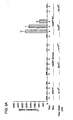
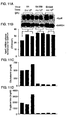
- apoE4-229 and apoE4-259 mRNA were expressed at similar levels as wild-type apoE4 mRNA, suggesting that the failure of apoE4-229 and apoE4-259 to induce hypertriglyceridemia was not due to lower levels of expression of these apoE forms ( Figs. 11A and 11B ).
- the level of apoE-185 mRNA in the liver of apoE-deficient mice infected with 1 x 10 10 pfu of the adenovirus expressing apoE4-185 was higher than the level of apoE4 mRNA in mice infected with 2x10 9 pfu of the adenovirus expressing apoE4.
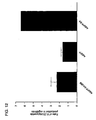
- VLDL triglyceride production was much lower for apoE-259 than wild-type apoE, suggesting that this decrease in VLDL triglyceride production may contribute to the inability of the apoE truncated mutants to induce hypertriglyceridemia ( Fig. 12 ). These results indicate that the carboxy-terminal 260-299 residues of apoE may be required for apoE-induced hypertriglyceridemia in vivo.
- the rate of hepatic VLDL-triglyceride secretion in apoE-/- mice infected with the adenovirus expressing apoE4 was eight-fold higher than the rate of hepatic VLDL-triglyceride secretion in mice infected with the adenovirus expressing apoE4-185.
- the rate of VLDL-triglyceride secretion in mice infected with the truncated apoE4-185 form was even 50% lower than the corresponding rate in mice infected with the control AdGFP adenovirus.
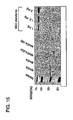
- a model is proposed to account for the formation and normal catabolism of chylomicrons and VLDL in mice expressing the truncated apoE forms apoE4-185, apoE4-202, apoE4-229, or apoE4-259 and the defective clearance of triglyceride rich lipoproteins in mice overexpressing the full length apoE4 ( Fig. 14 ).
- the model shows that overexpression of apoE is associated with formation of triglyceride-rich lipoproteins that cannot be cleared by cell receptors.
- mice overexpressing apoE4-185, apoE4-202, apoE4-229, or apoE4-259 are removed efficiently by cell receptors, resulting in low plasma cholesterol and triglyceride levels in these mice.
- the potential participation of the LRP and the LDL receptor in the clearance of the truncated apoE4-containing remnants may make the uptake of VLDL and the subsequent cholesterol clearance more efficient and thus account for the observed properties of truncated apoE4 in lipoprotein clearance.
- the efficient removal of lipoprotein remnants also removes concomitantly apoE molecules, leading to lower levels of steady state plasma apoE levels.
- the steady-state plasma apoE levels of the full-length apoE observed in this study are in the range of 60-70 mg/dl and the steady-state levels of the truncated apoE forms are in the range of 1 to 5 mg/dl.
- the lipoproteins may be removed through the heparin sulfate proteoglycan pathway instead of, or in addition to, the LDL receptor and LRP pathways.
- the 142-147 heparin binding region in the truncated apoE4 proteins also contains the receptor binding domain, binding of apoE to heparin sulfate proteoglycans may mask the receptor binding domain and prevent recognition by cell-receptors. The resulting heparin sulfate proteoglycan-bound remnants may be cleared by direct endocytosis.
- pUC-apoE4-202 was generated by PCR-mediated mutagenesis of codon 203 (GTA) to a stop codon (TGA) using pUC-apoE4 that was described previously ( Aleshkov et al., Biochemistry 36:10571-10580, 1997 ) as a template and four sets of the oligonucleotides indicated in Table I, as primers.
- the set of external primers OUTPR1-Sense and OUTPR2-Antisense correspond to nucleotides encoding amino acids 103-111 and 208-215 of apoE respectively, and contain the restriction sites NgoMI and BstEII respectively.
- the set of mutagenic oligonucleotides extending 9 residues 5' and 9 residues 3' of codon 203 has been altered in its sequence to a stop codon (INTERNAL-Sense-203 and INTERNAL-antisense-203, Table 1). Table I.
- Oligonucleotides used in overlap extension PCR Oligo Name Oligo Sequence OU1PR1-Sense 5'-GCT GGG TGC AGA CAC TGT CTG AGC-3' OUTPR2-Antisense 5'-CGC AGC CGC TCG CCC CAG CAG GCC T-3' INTERNAL-Sense-186 5'-CCC CTG GTG TAA CAG GGC CGC GTG-3' INTERNAL-Antisense-186 5'-GCG GCC CTG TTA CAC CAG GGG CCC-3' INTERNAL-Sense-203 5'-GGC CAG CCG TGA CAG GAG CGG-3' INTERNAL-Antisense-203 5'-CCG CTC CTG TCA CGG CTG GCC-3' INTERNAL-Sense-230 5'-C GAC CGC CTG TAA GAG GTG AAG G-3' INTERNAL-Antisense-230 5'-C CTT CAC CTC TTA CTG GTG AAG G-3'
- the PCR-based mutagenesis of codon 203 involved two separate amplification reactions.
- the first reactions used the 5' external primer and the antisense mutagenic primer covering codon 203.
- the second reaction used the 3' external primer and the sense mutagenic primer covering codon 203.
- An aliquot of 4% of the volume of each PCR reaction was mixed, and the sample was amplified by the 5' and the 3' external primers.
- the amplified fragment was then digested with NgoMI and BstEII and used to replace the wild-type sequence of the pUC-E4 plasmid.
- pUC-apoE4-185, pUC-apoE4-229, and pUC-apoE4-259 were constructed similarly using the corresponding mutagenic primers to covert codon 186, 230, or 260 to a stop codon, respectively.
- the pUC-apoE4-185, pUC-apoE4-202, pUC-apoE4-229, and pUC-apoE4-259 plasmids were digested with StyI/BbsI and the mutated sequence was exchanged for the wild-type sequence of the pBlue-E4-exIV plasmid to generate plasmids pBlue-E4-185-exIV, pBlue-E4-202-exIV, pBlue-E4-229-exIV, and pBlue-E4-259-exIV ( Fig. 1 ).
- the recombinant viruses were constructed using the Ad-Easy-1 system where the recombinant adenovirus construct is generated in bacteria BJ-5183 cells ( He et al., Proc. Natl. Acad. Sci. USA 95:2509-2514, 1998 ).
- the 1507 bp MscI-EcoRI fragment of apoE genomic DNA (nucleotides 1853 to 3360) which contains exons 2 and 3, was cloned into the SmaI-EcoRI sites of pGEM7 vector, resulting in the pGEM7 apoE-Ex II-III vector.
- Each recombinant vector was used to electroporate BJ 5183 E. coli cells along with the pAd Easy-1 helper vector.
- pAdEasy-1 contains the viral genome and the long terminal repeats of the adenovirus and allows for the formation by homologous recombination of the recombinant virus containing the gene of interest.
- the vector also contains the green fluorescence protein gene which enables detection of the infection of cells and tissues by their green fluorescence.
- Recombinant bacterial clones resistant to kanamycin were selected and screened for the presence of the gene of interest by restriction endonuclease analysis and DNA sequencing.
- the viruses expressing wild-type apoE3, apoE4, apoE4-185, apoE4-202, apoE4-229, or apoE4-259 forms are designated as AdGFP-E3, AdGFP-E4, AdGFP-E4-185, AdGFP-E4-202, AdGFP-E4-229, or AdGFP-E4-259, respectively.
- Correct clones were propagated in RecA-deficient DH5 ⁇ cells.
- the recombinant vector was linearized with PacI and used to infect 911 cells.
- the subsequent steps involved in the generation and expansion of recombinant adenoviruses were plaque identification/isolation followed by infection and expansion in 911 cells (van Dijk, supra). These steps were followed by a purification process involving CsCl ultracentrifugation performed twice, followed by dialysis and titration of the virus. Usually, titers of approximately 5x10 10 pfu/ml were obtained.
- Human HTB13 cells (SW1783, human astrocytoma) grown to confluence in medium containing 10% fetal calf serum, were infected with AdGFP-E4, AdGFP-E4-202, AdGFP-E4-229, or AdGFP-E4-259, at a multiplicity of infection of 20. Twenty-four hours post-infection, cell were washed twice with Phosphate buffered saline (PBS), and preincubated in serum free medium for two hours. Following an additional wash with PBS, fresh serum free medium was added. After a 24 hours incubation, medium was collected and analyzed by enzyme linked immunoabsorbent assay (ELISA) and SDS-PAGE for apoE expression. In some experiments, 60 mm diameter cultures were labeled metabolically with 0.5 ⁇ Ci of 35 S methionine for 2 hours, in which case medium was collected 2 hours after addition of the radiolabeled amino acid for further analysis.
- ELISA enzyme linked immunoabsorbent assay
- the mixture was centrifuged for 24 hours in SW-41 rotor at 30,000 rpm.
- the culture medium was mixed with 0.8 ml lipoprotein fractions with a density of 1.006-1.21 g/ml, which were previously separated from plasma by density gradient ultracentrifugation. Following ultracentrifugation, twelve 1 ml fractions were collected and analyzed by SDS-PAGE and autoradiography. This analysis showed that both apoE4 and apoE4-202 can associate with exogenous lipoproteins which float in the IDL to HDL region.
- mice Female apoE-deficient mice ( van Ree et al, Atherosclerosis 111:25, 1994 ) 20-25 weeks old were used in these studies. Groups of mice were formed based on their of plasma cholesterol and triglyceride levels before initiation of the experiments, to ensure similar mean cholesterol and triglyceride levels in each group. The mice were injected intravenously through the tail-vein with doses ranging from 5x10 8 to 1x10 10 pfu of AdGFP (control adenovirus), AdGFP-E4 or AdGFP-E4-202 virus or with 4x10 9 pfu of AdGFP-E4-229 or ADGFP-E4-259. Each group contained 8-10 mice.
- AdGFP control adenovirus
- AdGFP-E4 or AdGFP-E4-202 virus or with 4x10 9 pfu of AdGFP-E4-229 or ADGFP-E4-259.
- Each group contained 8-10 mice.
- Blood was obtained from the tail vein or retro orbital plexus after a 4 hour fast preceding adenoviral injection. On the indicated days after injection, blood was collected into a CB300 or CB1000 blood-collection tube (Sarstedt). Aliquots of plasma were stored at 4° and -20°C. One or more animals from each group was sacrificed on each of the indicated days such that mRNA expression in the mouse liver could be analyzed.
- Serum human apoE4 concentrations were measured by using sandwich ELISA ( Kim et al., J. Biol. Chem. 271:8373-8380,1996 ). Affinity purified polyclonal goat anti-human apoE antibodies were used for coating and polyclonal goat anti-human apoE conjugated to horseradish peroxidase was used as the secondary antibody. After incubation of the plates with the goat anti-human apoE conjugated to horseradish peroxidase, detection was performed using the immunoperoxidase procedure with tetramethylbenzidine as the substrate. Pooled plasma from healthy human subjects with known apoE level was used as a standard.
- ⁇ l of serum sample obtained from adenovirus-infected mice and apoE-deficient mice were overlaid on a KBr solution composed of 2 ml of 1.21 g/ml KBr, 2.5 ml 1.063 g/ml KBr, 2.5 ml of 1.019g/ml KBr, and 2 ml of ddH2O. Samples were subjected to ultracentrifugation at 40,000 rpm for 16 hours, and then the top 1 ml of the gradient containing the VLDL fraction, was isolated.
- VLDL Five hundred microliters of VLDL, isolated from the plasma of apoE-deficient mice, was mixed with culture medium containing 250 ⁇ g of either apoE4, apoE4-202, apoE4-229, or apoE4-259 secreted by HTB cells, infected with AdGFP-E4, AdGFP-E4-202, AdGFP-E4-229, or AdGFP-E4-259, respectively, to a final volume of 1 ml. Mixtures were incubated on a shaker at 37 °C for 1 hour, and then subjected to density gradient centrifugation to separate free apoE from the VLDL-bound apoE. Then, the apoE-enriched VLDL, and free apoE fractions were isolated and analyzed for apoE concentration by SDS-PAGE and ELISA.
- RNA samples (15 ⁇ g) were denatured and separated by electrophoresis on 1.0% formaldehyde-agarose gels. RNA was stained with ethidium bromide to verify integrity and equal loading and then transferred to GeneScreen Plus (DuPont NEN). RNA was cross-linked to the membrane by UV irradiation (Stratalinker, Stratagene) at 0.12 joules/cm 2 for 30 seconds. Probes, prepared by random priming, were used as described previously ( Kypreos et al., J. Cell. Biochem.
- HTB-13 cells that do not synthesize endogenous apoE were infected with recombinant adenoviruses expressing apoE4 or apoE4-202, designated AdGFP-E4 and AdGFP-E4-202, respectively, at a multiplicity of infection of 20.
- AdGFP-E4 and AdGFP-E4-202 recombinant adenoviruses expressing apoE4 or apoE4-202, respectively, at a multiplicity of infection of 20.
- SDS-PAGE and sandwich ELISA showed that both apoE4 and apoE4-202 are secreted efficiently at comparable levels in the range of 60 to 80 ⁇ g of apoE per ml, 24 hours after infection with AdGFP-E4 or AdGFP-E4-202.
- the data indicate that the truncated apoE form apoE4-202 has the ability to associate with pre-existing lipoprotein particles, a process that is required for receptor-mediated lipoprotein clearance.
- apoE4 and apoE4-202 To establish further the ability of apoE4 and apoE4-202 to associate with lipoprotein remnants, equal amounts of apoE4 and apoE4-202 were mixed with serum isolated from the plasma of apoE deficient mice, and incubated at 37°C for 1 hour. The mixture was then subjected to density gradient ultracentrifugation. The amounts of the free and lipoprotein-associated apoE were then assessed quantitatively by ELISA and qualitatively by fractionation on SDS-PAGE followed by Coomassie Brilliant blue staining of the gel and comparison of the intensity of the apoE band to bovine serum albumin (BSA) standards. As shown in Figs. 2C and 2D , both the full-length apoE4 and the truncated apoE4-202 associate with the VLDL.
- BSA bovine serum albumin
- HTB-13 cells The amount of apoE4-185 secreted by HTB-13 cells was compared to the amount of apoE3, apoE4, and apoE-202 secreted by these cells.
- HTB-13 cells were infected with recombinant adenoviruses expressing apoE3, apoE4, apoE4-202, or apoE4-185 at a multiplicity of infection of 20, as described above.
- Analysis of the culture medium by sandwich ELISA showed that the full length and truncated apoE forms are secreted into the culture medium at comparable levels in the range of approximately 60 to 70 ⁇ g of apoE per ml, 24 hours after infection.
- apoE-deficient mice (apoE-/-) were infected with the recombinant adenoviruses AdGFP-E4 or AdGFP-E4-202 respectively.
- AdGFP-E4 or AdGFP-E4-202 were infected with the control AdGFP virus.
- Analysis showed that the infection of mice with 2x10 9 pfu of the apoE4-adenovirus did not result in a significant reduction in the mouse cholesterol levels compared to the control infection, and induced severe hypertriglyceridemia ( Figs. 3A and 3B ). Hypertriglyceridemia was the result of overexpression of the apoE4.
- Fig. 3A When expression of apoE4 on day 8 post-infection was reduced or when the dose used for infection was decreased, hypertriglyceridemia was also reduced or eliminated ( Fig. 3A ). When mice were infected with 2x10 9 or even 10 10 pfu of the AdGFP-E4-202 adenovirus, hypertriglyceridemia was not induced ( Fig. 3A ). The control virus AdGFP, did not appear to have significant effects on the cholesterol and triglyceride levels of the apoE-deficient mice, ruling out the possibility of non-specific effects of the infection process.
- hypertriglyceridemia induced in apoE-/- mice by overexpression of the human apoE4 mice could be the consequence of the underlying hypercholesterolemia in apoE-/- mice.
- full-length apoE could by itself elicit high plasma lipid levels.
- normal C57BL6 mice apoE+/+
- adenoviruses expressing apoE3, apoE4, or apoE4-202 were infected with 1 to 2 x 10 9 pfu of adenoviruses expressing apoE3, apoE4, or apoE4-202. This analysis showed that overexpression of either apoE3 or apoE4 was sufficient to induce combined hyperlipidemia (high cholesterol and triglyceride levels) in normal C57BL6.
- apoE4-202 had no detectable effect on triglyceride levels of the C57BL6 mice ( Figs. 16A and 16B ).
- This results indicates that overexpression of full-length apoE is sufficient to cause combined hyperlipidemia in normal C57BL6 mice or apoE-/- mice.
- the induction of hyperlipidemia requires the carboxyterminal region of apoE. While not meant to limit the invention to a particular theory, the domains of apoE within the carboxyterminal 203-299 region may contribute directly to the secretion of lipoprotein particles which are not removed efficiently by the liver, resulting in high plasma cholesterol and triglyceride levels.
- apoE4-202, apoE4-229, and apoE4-259 mRNA in apoE-deficient mice infected with AdGFP-E4, AdGFP-E4-202, AdGFP-E4-229, or AdGFP-E4-259, respectively at least 3 infected mice from each group were sacrificed on day 5 post-infection, and their livers were collected ( Figs. 8A and 8B ). Total RNA was isolated from these livers and analyzed for apoE mRNA expression by Northern blot analysis. As shown in Figs.
- the apoE mRNA levels in mice infected with a dose of 2x10 9 pfu of AdGFP-E4 are similar to those in mice infected with 1x10 10 pfu AdGFP-E4-202 or 4x10 9 pfu of AdGFP-E4-229 or AdGFP-E4-259.
- apoE4-202, apoE4-229, and apoE4-259 do not cause hypertriglyceridemia while they effectively correct hypercholesterolemia (high blood cholesterol levels), as opposed to full-length apoE4.
- the different effects of apoE4 and apoE4-202, apoE4-229, or apoE4-259 on hypertriglyceridemia are not due to different levels of expression between these apoE forms.
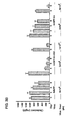
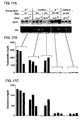
- apoE mRNA levels of apoE-/- mice infected with 1x10 10 pfu of AdGFP-E4-185 are greater than the mRNA levels in mice effected with 2x10 9 pfu of AdGFP-E4 ( Fig. 17A ).
- apoE4-185 does not cause hyperlipidemia, as opposed to full-length apoE4 which causes high cholesterol and triglyceride levels ( Figs. 17B and 17C ).
- the failure of apoE4-185 to induce hyperlipidemia is most likely not due to differences in the expression between these two apoE forms ( Figs. 17A-C ).
- telomere levels of apoE3, apoE4, or apoE4-202 in normal C57B16 mice infected with the corresponding adenovirus were compared.
- the apoE mRNA levels in C57BL6 mice infected with adenoviruses expressing apoE3, apoE4, or apoE4-202 are comparable ( Fig. 17A ).
- AdGFP-E4-202 Cholesterol, Triglyceride, and ApoE FPLC Profiles of Plasma Isolated from Mice Infected with AdGFP-E4., AdGFP-E4-202, AdGFP-E4-229, AdGFP-E4-259, or the Control Virus AdGFP
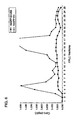
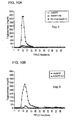
- FPLC analysis of the plasma from adenovirus-infected apoE-deficient mice showed that in mice expressing apoE4, 72% of the cholesterol was distributed in the VLDL fractions and approximately 18% in the HDL fractions five days after infection ( Fig. 5A ). On day 8 post-infection, the ratio of VLDL/HDL cholesterol was approximately 1:1 in mice infected with AdGFP-E4 ( Fig. 5C ). In mice infected with AdGFP-E4-202, cholesterol was distributed in the VLDL and the HDL3 fractions and the ratio of VLDL cholesterol to HDL cholesterol was approximately 3:2 on days 5 and 8 post-infection, using either 2x10 9 or 10 10 pfu of adenovirus ( Figs. 5B and 5D ). As expected, infection with 2x10 9 pfu of the control virus AdGFP, did not result in any change in the cholesterol and triglyceride profiles of the apoE-deficient mice (data not shown).
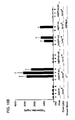
- VLDL-triglyceride levels were elevated in mice on days 5 and 8 post-infection with AdGFP-E4 ( Figs. 5E, 5F , 10A, and 10B ). In contrast, VLDL-triglyceride levels were not elevated in mice infected with AdGFP-E4-202, AdGFP-E4-229, AdGFP-E4-259, or AdGFP ( Figs. 5E, 5F , 10C, and 10D ).
- apoE4 and apoE4-202 were similar in the FPLC fractions 22-25 containing the lipid-free apoE, suggesting that there are similar steady-state levels for lipid-free apoE4 and apoE4-202 in the plasma of mice infected with 2x10 9 pfu AdGFP-E4 or 10 10 pfu AdGFP-E4-202, respectively.
- FPLC analysis of plasma from apoE-/- mice infected with AdGFP-E4-185 showed that cholesterol was present in low levels and distributed in the VLDL, LDL, and HDL at a ratio of approximately 2:1:1 ( Fig. 18A ).
- the triglyceride levels in these mice were low in the VLDL fraction and barely detectable in the rest of the lipoprotein fractions ( Fig. 18C ).
- mice expressing apoE4 had high levels of cholesterol five days after infection. Approximately 80% of cholesterol was distributed in VLDL and approximately 20% in HDL ( Fig. 18B ).
- triglyceride levels were very high in the VLDL fractions and barely detectable in the rest of the lipoprotein fractions ( Fig. 18D ).
- infection with 2x10 9 pfu of the control virus AdGFP did not result in any detectable change in the cholesterol and triglyceride profiles of the apoE-deficient mice.
- the average level of total plasma apoE was measuring by sandwich ELISA on a pool of plasma from three mice infected with the same adenovirus.
- the amount of plasma apoE protein was 60-70 ⁇ g/dl for apoE3 and apoE4 and 1-5 ⁇ g/dl for apoE4-202 and apoE4-185.
- VLDL contained apoB-48, apoA-I, and apoA-IV. Diffuse staining in the low molecular weight region also indicated the presence of low molecular weight peptides.
- VLDL contained apoB-48 apoA-I, apoA-IV and low molecular weight peptides ( Fig. 7A ).
- hypertriglyceridemic mice expressing apoE4 only apoB-48 and apoE4 were present. This qualitative picture is consistent with previous studies showing that overexpression of apoE displaces apoCII and other proteins from the lipoprotein particles.
- VLDL triglyceride production was measured in mice infected with different apoE forms.
- apoE-deficient mice were infected with a dose of 2x10 9 pfu of AdGFP-E4,4x10 9 pfu of AdGFP-E4-259, or 4x10 9 pfu of the control AdGFP virus.
- mice Five days post-infection, when the expression of the apoE transgene was maximum, mice were fasted for four hours and then injected with Triton-WR1339 at a dose of 500 mg/kg of body weight using a 15% solution (w/v) in 0.9% NaCl (Triton-WR 1339), which has been shown to completely inhibit VLDL catabolism ( Aalto-Setala et al., J. Clin. Invest. 90:1889-1900, 1992 ). Then, serum samples were isolated 5 minutes, 10 minutes, 20 minutes, 30 minutes, 40 minutes, 50 minutes, and 60 minutes after injection with Triton-WR 1339. As a control, serum samples were isolated one minute immediately after the injection with the detergent.
- Serum triglyceride levels were determined as described above, and a linear graph of serum triglyceride versus time was generated. The rate of VLDL-triglyceride secretion expressed in mg/dl/min was calculated from the slope of the linear graph for each individual mouse. Then, the slopes were grouped together and reported in a bar graph as the mean ⁇ standard deviation. Wild-type apoE4 induced a dramatic increase in VLDL triglyceride production compared to that induced by apoE4-259 or control virus ( Fig. 12 ).
- apoE-185 was infected with a dose of 2x10 9 pfu of AdGFP-E4, 2x10 9 pfu of AdGFP, or 1x10 10 pfu of AdGFP-E4-185.
- the mice were injected with Triton WR1339 five days following adenoviral infection, as described above. Serum samples were isolated 20 minutes, 40 minutes, and 60 minutes after injection with Triton WR 1339.
- the rate of triglyceride secretion in mice infected with adenovirus expressing full-length apoE4 was eight-fold higher than the rate of triglyceride secretion in mice infected with 1 x 10 10 pfu AdGFP-E4-185 ( Fig. 19 ).
- the rate of VLDL triglyceride secretion was also two-fold higher in mice infected with 2 x 10 9 pfu of control AdGFP virus than in mice infected with AdGFP-E4-185.
- VLDL triglyceride production in mice expressing apoE4-185 or apoE4-259 compared to the corresponding rate in mice expressing apoE4 suggests that the carboxy terminal region of apoE influences the rate of VLDL triglyceride secretion.
- This reduced rate of VLDL triglyceride production may contribute to the inability of the truncated apoE mutants to trigger hypertriglyceridemia.
- Standard molecular biology techniques can be used to generate fragments or mutants of a native human apoE nucleic acid for use in a suitable expression system (e.g. a prokaryotic expression system, eukaryotic cells, a transgenic animal, or a cell-free system) ( Ausubel et al., eds., Current Protocols in Molecular Biology, Vol. 1-3, 1994, John Wiley and Sons, Inc. ).
- recombinant apoE can be expressed in a variety of cells commonly used for recombinant mammalian protein expression, including hamster kidney cells which are available from the American Type Culture Collection (ATCC), Rockville, MD.
- apoE2, apoE3, and apoE4 have been expressed in baby hamster kidney (BHK-21) cells from the ATCC (CRL 6282), Cos-1 cells, and a baculovirus expression system ( Aleshkov et al., Biochemistry 36:10571-10580 ).
- the apoE polypeptides can be harvested and purified from these systems using standard techniques, such as, gel filtration chromatography, ammonium sulfate precipitation, ion-exchange chromatography, hydrophobic interactions chromatography, immuno-affinity chromatography, or polyethylene glycol separation.
- the apoE polypeptides can be lyophillized prior to storage, preferably in the presence of albumin, to increase their shelf-life.
- the method of Lollar et al. for epitope mapping can be used to determine amino acids in the apoE polypeptides that might be immunogenic (i.e. cause the production of antibodies to the apoE polypeptide). These amino acids can be changed to alanine to reduce the immunogenicity of the polypeptide ( U.S. Patent No. 5,888,974 ).
- Hydrophobic residues of apoE may participate in hydrophobic interactions with lipoprotein particles, resulting in inhibition of lipoprotein lipase.
- these residues in apoE can be mutated to polar or charged amino acids to inhibit the induction of hypertriglyceridemia by apoE polypeptides.
- the present invention be limited to a particular mode of administration, dosage, or frequency of dosing; the present mode contemplates all modes of administration, including intramuscular, intravenous, intravascular, subcutaneous, and oral.
- the volume of administration can be varied between approximately 0.2 to 2.0 ml/kg body-weight.
- the preferred dosage of the apoE polypeptide is between 5 and 50 mg/kg body-weight administered in the range of every 8 to 24 hours (in severe cases) to every 2 weeks over a period of at least 6 months, as required. It is to be understood that for any particular subject, specific dosage regimes should be adjusted over time according to the individual need and the professional judgement of the person administering or supervising the administration of the compositions.
- compositions containing one or more apoE polypeptides can be prepared as described previously in Remingtion's Pharmaceutical Sciences by E. W. Martin.
- Pharmaceutical stabilizing compounds, delivery vehicles, and/or carrier vehicles may be used.
- human serum albumin which has been found to stabilize factor VIII preparations, or other human or animal proteins can be used.
- Phospholipid vesicles or liposomal suspensions are the preferred pharmaceutically acceptable carriers or delivery vehicles. These can be prepared according to methods known to those skilled in the art.
- ApoE polypeptides can be administered with an additive, such as an oil-in-water emulsion with oil as the dispersed phase, a water-in-oil emulsion with oil as the continuous phase, or a dispersion of polar lipids, as described previously for factor VIII ( U.S. Patent No. 5,925,739 ).
- an additive such as an oil-in-water emulsion with oil as the dispersed phase, a water-in-oil emulsion with oil as the continuous phase, or a dispersion of polar lipids, as described previously for factor VIII ( U.S. Patent No. 5,925,739 ).
- Dextran, hyaluronic acid, hydrolyzed collagen, hydrolyzed gelatin, poly(0-2-hydroxyethyl) starch, or a soybean emulsion can also be added to increase bioavailability ( U.S. Patent No. 5,925,739 ).
- the apoE preparation can further contain sodium chloride, calcium chloride, polyethylene glycol, at least 0.01 mg/ml of a polyoxyethylene sorbitan fatty acid ester, or an amino acid in an amount of more than 1 mM ( U.S. Patent No. 5,925,739 ).
- the apoE polypeptids can be delivered by gene therapy using a means such as viral vectors.
- a means such as viral vectors.
- an apoE nucleic acid is cloned into the genome of a recombinant virus, such as an adenoviral, an adeno-associated viral, a retroviral, a lentiviral, baculovirus, or a herpes viral vector, as described above.
- the gene is inserted into the genome of the host cell by viral machinery where it will be expressed by the cell.
- the viral vector is modified so that it is replication deficient and will not produce virus, preventing viral infection in the host.
- a subject For gene delivery using bone marrow transplantation, a subject is exposed to radiation to destroy endogenous apoE-producing bone marrow cells.
- Donor bone marrow cells are infected in vitro with a retrovirus expressing a truncated form of apoE at a multiplicity of infection of approximately 20 - 50 (20 to 50 virus particles per bone marrow cell), and then transplanted into the subject for replacement of the subject's endogenous bone marrow cells with cells producing a truncated form of apoE in vivo.
- This procedure may be performed by one skilled in the art based on the protocol that the National Institutes of Health has established for bone marrow transplantation in cancer patients.
- the recombinant bone marrow cells may also produce circulating macrophages that accumulate at sites of atherosclerosis and express the therapeutic truncated apoE protein, resulting in local regression of atherosclerosis.
- the nucleus from a one to eight cell stage fetus, an oocyte, or an ovum can be removed and replaced with a nucleus which encodes a truncated form of apoE.
- This procedure may be performed by one skilled in the art based on the protocols that have been used to clone a variety of mammals, such as cattle, sheep, rabbits, pigs, and mice (see, for example, Prather et al., Biol. Reprod. 37:859-866, 1987 ; Willadsen, Nature 320:63-65, 1986 ; Stice and Robl, Biol. Reprod.
- the apoE nucleic acids of the invention can also be administered intravenously or intravascularly.
- Other possible delivery methods include bone marrow transplantation, direct infection and/or transfection of an artery at the site of an atherosclerotic lesion, and genetic manipulation of a fetus.
- the nucleic acids are administered in combination with a liposome and protamine.
- the specific dosage regimes should be adjusted over time according to the individual need and the professional judgement of the person administering or supervising the administration of the compositions.
- a preferred dose is 3 mg of apoE nucleic acid per dl of serum.
Landscapes
- Health & Medical Sciences (AREA)
- Chemical & Material Sciences (AREA)
- Life Sciences & Earth Sciences (AREA)
- Organic Chemistry (AREA)
- Medicinal Chemistry (AREA)
- General Health & Medical Sciences (AREA)
- Engineering & Computer Science (AREA)
- Bioinformatics & Cheminformatics (AREA)
- Public Health (AREA)
- General Chemical & Material Sciences (AREA)
- Nuclear Medicine, Radiotherapy & Molecular Imaging (AREA)
- Chemical Kinetics & Catalysis (AREA)
- Pharmacology & Pharmacy (AREA)
- Proteomics, Peptides & Aminoacids (AREA)
- Animal Behavior & Ethology (AREA)
- Genetics & Genomics (AREA)
- Molecular Biology (AREA)
- Veterinary Medicine (AREA)
- Toxicology (AREA)
- Zoology (AREA)
- Gastroenterology & Hepatology (AREA)
- Biochemistry (AREA)
- Biophysics (AREA)
- Hematology (AREA)
- Diabetes (AREA)
- Obesity (AREA)
- Urology & Nephrology (AREA)
- Vascular Medicine (AREA)
- Cardiology (AREA)
- Heart & Thoracic Surgery (AREA)
- Medicines That Contain Protein Lipid Enzymes And Other Medicines (AREA)
- Peptides Or Proteins (AREA)
- Medicinal Preparation (AREA)
- Medicines Containing Material From Animals Or Micro-Organisms (AREA)
Abstract
Description
- This invention was funded in part by National Institutes of Health grant AG12717. The government may have certain rights in the invention.
- As a ligand that promotes the recognition and catabolism of apolipoprotein E (apoE)-containing lipoproteins by cell receptors, apoE is an important component of the cholesterol transport system (Innerarity and Mahley, Biochemistry 17:1440-1447, 1978; Herz and Willnow, Curr. Opin. Lipidol. 6:97-103, 1995; Wolf et al, Am. J. Pathol. 141:37-42, 1992; Kim et al., J. Biol. Chem. 271:8373-8380, 1996; Takahashi et al., Proc. Natl. Acad. Sci. USA 89:9252-9256, 1992, Mahley et al., Curr. Opin. Lipidol. 10:207-217, 1999; Wardell et al., J. Clin. Invest. 80:483-490, 1987; Cohn et al., Vas. Biol. 16:149-159, 1996; Chait et al., Metabolism 27:1055-1066, 1978; Huang et al., Proc. Natl. Acad. Sci. USA 91:1834-1838, 1994; Huang et al., Arterioscler. Thromb. Vasc. Biol. 17:2010-2019, 1997). Heparin sulfate proteoglycans may also be involved in this process (Cullen et al., J. Clin. Invest. 101:1670-1677, 1998; Linton et al., Science 267:1034-1037, 1995; Fazio et al., Proc. Natl. Acad. Sci. USA 95:4647-4652, 1997; Huang et al., J. Biol. Chem. 273:26388-26393, 1998; van Dijk et al., J. Lipid Res., 40:336-344, 1999; Huang et al., Arterioscler. Thromb. Vasc. Biol, 19:2952-2959, 1999; Salah et al., J. Lipid Res. 38:904-912, 1997; Ji et al., J. Biol. Chem. 268:10180-10187. 1993; Ji et al., J. Biol. Chem. 269:13421-13428, 1994; Ji et al., J. Lipid Res. 36:583-592, 1995; Ji et al., J. Biol. Chem. 269:2764-2772, 1994). Mutations in apoE that prevent its binding to the LDL receptor and possibly other receptors and heparin sulfate proteoglycans are associated with type III hyperlipoproteinemia and premature atherosclerosis (Mahley et al., Curr. Opin. Lipidol. 10:207-217, 1999; Dong et al., Nature Struc. Biol. 3:718-722, 1996; Wardell et al., J. Clin. Invest. 80:483-490, 1987; Rall et al., J. Clin. Invest. 83:1095-1101,1989; Mann et al., Biochim. Biophys. Acta 1005:239-244, 1989; Wardell et al., J. Biol. Chem. 264:21205-21210, 1989; van den Maagdenberg et al., Biochem. Biophys. Res. Commun. 165:851-857, 1989; Smit et al.,. J. Lipid Res. 31:45-53, 1990; Ghiselli et al., Science 214:1239-124, 198; Lalazar et al., J. Biol. Chem. 263:3542-3545, 1988; Weisgraber et al., J. Biol. Chem, 258, 12348-12354,1983; Innerarity et al., J. Biol. Chem. 258:12341-12347, 1983).
- ApoE is a 34.2 kDA protein synthesized by the liver and various peripheral tissues, including kidney, adrenal gland, astrocytes, and reticuloendothelial cells. ApoE is synthesized as a precursor with a 18-amino acid signal peptide. After the intracellular cleavage of the signal peptide, apoE is glycosylated with carbohydrate chains containing sialic acid and secreted as sialo apoE. It is subsequently desialated in plasma (see Zannis et al., Adv. Hum. Genet. 21:145-319. 1993; Zannis et al., J. Biol. Chem. 259:5495-5499, 1984; and Zannis et al., J. Biol. Chem. 261:13415-13421, 1986).
- As would be readily apparent to one skilled in the art, the amino acid numbering for the apoE proteins used herein refers to the mature protein after cleavage of the signal peptide. The amino acids of the signal peptide are numbered -18 to -1, with -18 referring to the amino-terminal residue of the preprotein (Karathansis et al., "Nucleotide and Corresponding Amino Acid Sequences of Human apoA-1, apoA-11, apoC1, apoC11, apoC111, and apoE cDNA clones" In Biochemistry and Biology of Plasma Proteins, Scanu and Spector, eds., Marcel Dekker, New York, vol. 11, pp. 475-493, 1985).
- Several domains of apoE have been described which are presumably involved in receptor binding (He et al., Proc. Natl. Acad. Sci. USA 95:2509-2514, 1998; Lalazar, supra; Weisgraber, supra (1983); Innerarity et al., J. Biol. Chem. 258:12341-12347, 1983; Ji et al., J. Lipid Res. 36:583-592, 1995; Rall, et al., Proc. Natl. Acad. Sci., USA 79, 4696-4703, 1982; Westerlund et al., J. Biol. Chem., 268, 15745-15750, 1993; Wilson et al., Structure 2:713-718, 1994; Wilson et al., Science 252:1817-1822, 1991; Mahley, Biochim. Biophys Acta 575:81-91, 1979), heparin binding (Lalazar, supra; Fan, supra; Salah, supra, Ji, supra (1993)), lipid binding and lipoprotein binding (Cohn, supra, Huang et al., J. Biol. Chem. 273:26388-26393, 1998; Salah, supra; Ji, supra (J. Biol. Chem. 269, 1994); Ji, supra (1995); Ji, supra (J. Biol. Chem. 289, 1994) (
Fig. 7C ). The receptor binding domain is found between residues 136-152 while neighboring residues may also indirectly affect receptor binding. - One of the heparin binding domains overlaps with the receptor binding domain between residues 140-150, while two other heparin binding domains were reported between residues 211-218 and 243-272 (Weisgraber et al., J. Biol. Chem. 261:2068-2076, 1986; Cardin, supra). Previous studies indicate that the 140-150 domain is directly involved in the binding of apoE-containing lipoproteins to heparin sulfate proteoglycans, and their subsequent internalization with or without the participation of LRP (LDL receptor related protein) (Herz, supra; Mahley, supra, Fazio, supra; van Dijk, supra; Huang, supra (1999); Ji, supra (J. Biol. Chem. 289, 1995); Cardin, supra; Dong, et al., J. Biol. Chem. 269:22358-22365,1994). The prevailing concept regarding lipid and lipoprotein binding is that the region of apoE between residues 244-266 contributes to the binding of apoE to lipids and lipoproteins, whereas the amino terminal region of apoE lacks the determinants required for association with lipoproteins (He, supra; Dong, supra (1994)).
- There are three common alleles that encode apoE in humans. The three alleles designated ε4, ε3, and ε2 give rise to three homozygous phenotypes (i.e., E4/E4, E3/E3, and E2/E2) and three heterozygous phenotypes (i.e., E4/E3, E3/E2, and E4/E2) (Zannis and Breslow, Biochemistry 20:1033-1041, 1982; Zannis et al., Am. J. Hum. Genet. 33:11-24, 1981). The three different human apoE isoproteins, apoE4, apoE3, and apoE2, result from mutations at amino residues 112 and 158. ApoE4 contains Arg at position 112 and Arg at position 158. ApoE3 contains Cys at position 112, and Arg at position 158. ApoE2 contains Cys at positions 112 and 158.
- In addition to the common apoE alleles, there are three rare apoE alleles (apoE1, apoE2*, and apoE2**). Compared to the other apoE proteins, apoE1 has Asp at position 127 instead of Gly and Cys at position 158 instead of Arg. ApoE2* has Cys at position 145 instead of Arg, and apoE2** has Gln at position 146 instead of Lys (Karathanasis et al., supra).
- Compelling evidence on the role of apoE in cholesterol homeostasis was established unequivocally by studies of human patients and animal models with apoE deficiency or defective apoE forms (Schaefer et al., J. Clin. Invest. 78:1206-1219, 1986; Cladaras et al., J. Biol. Chem. 262:2310-2315, 1987; Plump et al., Cell 71:343-353, 1992; Zhang et al., Science 2588:468-471, 1992; Reddick et al., Arterioscler. Thromb. 14:141-147,1994; Vanden Maagdenberg et al., J. Biol. Chem. 268:10540-10545, 1993; Fazio et al., J. Clin. Invest. 92:1497-1503,1993; Fazio et al., J. Lipid Res. 35:408-416, 1994; Fazio et al., Arterioscler. Thromb. 14:1873-1879, 1994; Vlismen et al., J. Biol. Chem. 271:30595, 1996). These studies show that apoE is required for the clearance of cholesterol ester-rich lipoprotein remnants which float in the VLDL and IDL region (Plump et al., Cell 71:343-353, 1992; Zhan et al., Science 2588:468-471, 1992; Reddick et al., Arterioscler. Thromb. 14:141-147, 1994; Vanden Maagdenberg et al., J. Biol. Chem. 268:10540-10545, 1993; Fazio et al., J. Clin. Invest. 92:1497-1503, 1993; Fazio et al., J. Lipid Res. 35:408-416, 1994; Fazio et al., Arterioscler. Thromb. 14:1873-1879, 1994; van Vlijmen et al., J. Biol. Chem. 271:30595-3062, . 1994; Cohn et al., Arterioscler. Thromb. Vas. Biol. 16:149-159, 1996; Chait et al., Metabolism 27:1055-1066, 1978). The accumulation of such remnants in plasma is associated with premature atherosclerosis (Schaefer et al., J. Clin. Invest. 78:1206-1219, 1986; Plump et al., Cell 71:343-353, 1992; Zhang et al., Science 2588:468-471, 1992; Reddick et al., Arterioscler. Thromb.14:141-147, 1994).
- Other studies highlight the importance of apoE in cholesterol efflux and show that apoE-containing lipoprotein particles with γelectrophoretic mobility (γLp-E) are very effective in removing excess cholesterol from cholesterol-loaded macrophages, thus contributing to cell and tissue cholesterol homeostasis (Huang et al., Proc. Natl. Acad. Sci. USA 91:1834-1838, 1994; Huang et al., Arterioscler. Thromb. Vasc. Biol. 17:2010-2019, 1997; Zhu et al., Proc. Natl. Acad. Sci. USA 95:7585-7590, 1998; Cullen et al., J. Clin. Invest. 101:1670-1677, 1998). The involvement of apoE in cholesterol efflux may explain why, when expressed locally in macrophages or endothelial cells, apoE protects from atherosclerosis (Linton et al., Science 267:1034-1037, 1995; Fazio et al., Proc. Natl. Acad. Sci. USA 95:4647-4652, 1997; Shimano et al., J. Clin. Invest. 95:469-476, 1995).
- Recent studies in humans and in transgenic animal models have indicated that apoE may have other functions relevant to plasma triglyceride homeostasis. Such studies show that increases in apoE levels inhibit lipolysis of triglyceride-rich lipoproteins, resulting in hypertriglyceridemia (Cohn et al., Arterioscler. Thromb. Vas. Biol. 16:149-159,1996; Chait et al., Metabolism 27:1055-1066, 1978; Huang et al., J. Biol. Chem. 273:26388-26393, 1998; Ehnholm et al., Proc. Natl. Acad. Sci. USA 81:5566-5570, 1984; Huang et al., J. Biol. Chem. 273:17483-17490, 1998; Rensen et al., J. Biol. Chem. 271:14791-14799, 1996; Jong et al., Biochem. J. 328:745-750, 1997, van Dijk et al., JLR, 40:336-344, 1999, Salah. et al., J. Lipid Res. 38:904-912, 1997; Ji et al., J. Lipid Res. 36:583-592, 1995; Ji et al., J. Biol. Chem. 289:2784-2772, 1994; Rall et al., Proc. Natl. Acad. Sci., USA 79, 4696-4700, 1992; Weisgraber, supra (1983); Cardin et al., Biochem. Biophys. Res. Commun. 134, 783-789, 1986; Dong, supra (1994); Westerlund, supra; Wilson et al., Structure 2:713-718, 1994). Lipolysis of VLDL in vitro could be partially restored by the addition of apoCII (Huang et al., J. Biol. Chem. 273:26388-26393, 1998; Huang et al., J. Biol. Chem. 273:17483-17490, 1998). This apoE function may result in high triglyceride levels in the human population (Cohn, supra; Chait, supra; Salah, supra; Ji , supra (1995)). Overexpression of apoE also stimulates hepatic VLDL triglyceride production in vivo (Huang, supra (1999)) and in cell cultures (Huang et al., J. Biol. Chem. 273:26388-26393, 1998), possibly by promoting the assembly and/or secretion of apoB-containing lipoproteins. This possible participation of apoE in VLDL assembly and secretion might proceed through the mobilization of membrane lipids (Huang et al, J. Biol. Chem. 273:26388-26393 40, 1998; Huang et al., Arterioscler. Thromb. Vasc. Biol. (in press), 1999; Fan et al., J. Clin. Invest. 101:2151-2164, 1998; Kulpers et al., J. Clin. Invest. 100:2915-2922.893. 1997; Rall et al., Proc. Natl. Acad. Sci., USA 79, 4696-4700, 1982). In contrast, lack of apoE is associated with decreased VLDL triglyceride secretion (Kulpers et al., J. Clin. Invest. 100:2915-2922, 1997). The injection of two 125I truncated apoE forms extending from residues 1-191 and 1-244 respectively, resulted in their fast and efficient removal from plasma (Westerlund, supra).
- Despite the beneficial effects of apoE in cholesterol homeostasis, the therapeutic value of apoE in gene therapy approaches remains very limited, due to the severe hypertriglyceridemia and VLDL accumulation that may be triggered by apoE overexpression in animal studies. A therapy is needed that will lower cholesterol levels without inducing hypertriglyceridemia.
- In a first aspect, the invention features a nucleic acid encoding a polypeptide that has an amino acid sequence at least 50%, 60%, 70%, 80%, 90%, or 100% identical to the corresponding region of amino acids 1-299 of a mature, native, human apoE polypeptide that, when administered to or expressed in a mammal, lowers the total serum cholesterol level without inducing hypertriglyceridemia. Preferably, the amino acid sequence of the encoded polypeptide is at least 50%, 60%, 70%, 80%, 90%, or 100% identical to the corresponding region of a mature human apoE polypeptide, beginning at
amino acid residue 1. Preferably, this decrease in cholesterol level is at least 10%, 20%, 30%, 50%, 70%, or 90%. By "hypertriglyceridemia" is meant an increase in triglyceride concentration by more than 15%. Cholesterol and triglyceride levels are determined using the standard assays described herein. - Nucleic acids of the invention are preferably at least 50%, 60%, 70%, 80%, 90%, or 100% identical to a segment of a native human apoE nucleic acid. In one preferred embodiment, the nucleic acid has a sequence that is at least 50%, 60%, 70%, 80%, 90% or 100% identical to a segment of an apoE4 (SEQ ID No. 7), apoE3 (SEQ ID No. 8), apoE2 (SEQ ID No. 9), apoE1 (SEQ ID No. 10), apoE2* (SEQ ID No. 11), apoE2** (SEQ ID No. 12), or any other naturally occurring human apoE nucleic acid (Karathanasis et al., supra).
- Another preferred embodiment of the invention is a nucleic acid having a sequence encoding residues 1-185, 1-202, 1-229, or 1-259 of a mature, human apoE polypeptide, preferably residues 1-185, 1-202, 1-229, or 1-259 of mature apoE4 (SEQ ID No. 1), apoE3 (SEQ ID No. 2), apoE2 (SEQ ID No. 3), apoE1 (SEQ ID No. 4), apoE2* (SEQ ID No. 5), or apoE2** (SEQ ID No. 6). In still another preferred embodiment, the nucleic acid further encodes an N-terminal signal peptide, such as residues -18 to -1 of the signal peptide of an apoE preprotein (SEQ ID No. 13). Preferred nucleic acids encode amino acids
-18 to 185, -18 to 202, -18 to 229, or -18 to 259 of a native human apoE polypeptide, corresponding to the first 203, 220, 247, or 277 residues, respectively, of an apoE preprotein. Preferred preproteins include apoE4 (SEQ ID No. 14), apoE3 (SEQ ID No. 15), apoE2 (SEQ ID No. 16), apoE1 (SEQ ID No. 17), apoE2* (SEQ ID No. 18), or apoE2** (SEQ ID No. 19), which contain an 18 amino acid N-terminal signal sequence in addition to the sequence of the mature apoE protein. - In various preferred embodiments, a polypeptide encoded by a nucleic acid of the present invention contains at least 150 amino acids, preferably at least 160,180, 200, 220, or 250 amino acids. Preferably, the encoded polypeptide contains between 150 and 299 amino acids. In other preferred embodiments, the encoded polypeptide has fewer than 216 amino acids, such as between 150 and 215 amino acids. In still other preferred embodiments, the encoded polypeptide consists of 202, 203, 220, 247, or 277 amino acids. Preferably, the encoded polypeptide is operably linked to a signal sequence that facilitates secretion of the polypeptide. Preferably, the signal sequence is cleaved by a signal peptidase.
- The invention also features a polypeptide encoded by any of the nucleic acids of the present invention.
- In a related aspect, the invention provides a polypeptide that has an amino acid sequence at least 50%, 60%, 70%, 80%, 90%, or 100% identical to the corresponding region of a mature, native human apoE polypeptide and that, when administered to or expressed in a mammal, lowers the total serum cholesterol level without inducing hypertriglyceridemia. Preferably, the amino acid sequence of the polypeptide is at least 50%, 60%, 70%, 80%, 90%, or 100% identical to the corresponding region of a native human apoE polypeptide, beginning at
amino acid residue 1. In other preferred embodiments, the amino acid sequence of the polypeptide is at least 50%, 60%, 70%, 80%, 90%, or 100% identical to corresponding region of amino acids 1-215, 1-240, or 1-270 of a native human apoE polypeptide. - In various preferred embodiments, the polypeptides of the present invention contains at least 150 amino acids, preferably at least 160, 180, 200, 220, or 250 amino acids. Preferably, the encoded polypeptide contains between 150 and 299 amino acids. In other preferred embodiments, the encoded polypeptide has fewer than 216 amino acids, such as between 150 and 215 amino acids. In still other preferred embodiments, the encoded polypeptide consists of 202, 229, or 259 amino acids. In yet other preferred embodiments, the polypeptide has a sequence identical to residues 1-185, 1-202, 1-229, or 1-259 of a mature, native apoE polypeptide, preferably residues 1-185, 1-202, 1-229, or 1-259 of mature apoE4 (SEQ ID No. 1), apoE3 (SEQ ID No. 2), apoE2 (SEQ ID No. 3), apoE1 (SEQ ID No. 4), apoE2* (SEQ ID No. 5), or apoE2** (SEQ ID No. 6). In other embodiments, the polypeptide is operably linked to a signal sequence, such as residues -18 to -1 of the signal peptide of an apoE preprotein (SEQ ID No. 13).
- The polypeptides and nucleic acids of the invention can be administered to or expressed in a mammal, preferably a human patient, to lower cholesterol, delay the onset of atherosclerosis, or treat atherosclerosis without inducing hypertriglyceridemia. Particularly suitable patients are those who lack an endogenous, normally functioning apoE gene or who are at risk for developing atherosclerosis due to a defect in remnant removal that results in the accumulation of lipoprotein remnants in the bloodstream. Other particularly suitable patients have a lower than normal level of LDL receptor protein. For example, the patients may have a mutation in the regulatory, promoter, or coding sequence for the LDL receptor that reduces or prevents expression of an endogenous, full length LDL receptor. Alternatively, the patient may have a missense mutation that reduces an activity of the encoded LDL receptor, such as the binding of the LDL receptor to apoE. Preferably, the polypeptide is administered, with a pharmaceutically acceptable carrier substance, intramuscularly, intravenously, or subcutaneously. Preferably, the polypeptide is directly delivered to an atherosclerotic plaque and/or the surrounding tissue in the artery. In other preferred embodiments, the polypeptide is provided as a result of gene therapy, such as genetic manipulation of a human fetus, or as a result of bone marrow transplantation. Preferably, the nucleic acids of the invention are administered intravenously in combination with a liposome and protamine. In preferred embodiments, the nucleic acid is administered to, or expressed in, the liver, vascular wall, or atherosclerotic plaque of the mammal. In other preferred embodiments, the nucleic acid is directly delivered to site of an atherosclerotic lesion using a recombinant virus. In other preferred embodiments, the nucleic acid is provided as a result of genetic manipulation of a human fetus or bone marrow transplantation. In other preferred embodiments, the nucleic acid is operably linked to a promoter and contained in an expression vector, e.g. a plasmid or a recombinant viral vector, such as an adenoviral, adeno-associated viral, retroviral, lentiviral, herpes viral vector, or baculovirus-based system.
- In another aspect, the invention features a pharmaceutical composition that includes a polypeptide of the present invention admixed with a pharmaceutically acceptable carrier substance.
- In yet another aspect, the invention provides a recombinant DNA molecule that includes a nucleic acid of the present invention operatively linked to a promoter.
- The invention takes advantage of the cholesterol lowering property of apoE, while avoiding its induction of hyperglyceridemia.
- Other features and advantages of the invention will be apparent from the following description of the preferred embodiments thereof, and from the claims.
-
-
Fig.1 is a schematic representation of the steps leading to the production of the apoE4-202 plasmids of the invention. The same method was used for generation of the corresponding apoE4-185, apoE4-229, and apoE4-259 plasmids. -
Figs. 2A and 2B are pictures of protein gels which demonstrate the ability of apoE4 and the truncated apoE4-202 to associate with lipoproteins in the density =1.04 to 1.21 g/ml fractions.Figs. 2C and 2D are pictures of protein gels which demonstrate the ability of apoE4 and apoE4-202 to associate with VLDL particles. -
Fig. 3A is a bar graph showing that recombinant adenoviruses expressing apoE4 increase the triglyceride levels in apoE-deficient mice. In contrast, a recombinant adenovirus expressing apoE4-202 does not cause this increase.Fig. 3B is a bar graph showing that recombinant adenoviruses expressing apoE4-202 produce a greater decrease in cholesterol levels in apoE-deficient mice than the corresponding viruses expressing full length apoE. -
Figs. 4A is a bar graph andFig. 4B is a picture of a gel demonstrating that recombinant adenoviruses expressing apoE4 or apoE4-202 synthesize comparable amounts of mRNA. -
Figs. 5A-5D are graphs showing that apoE-deficient mice infected with AdGFP-E4-202 had lower cholesterol levels ondays Figs. 5E and 5F are graphs showing the increase in VLDL-triglyceride levels in mice ondays -
Fig. 6 is a graph showing that the plasma of apoE-deficient mice infected with AdGFP-E4 or AdGFP-E4-202 have similar levels of lipid-free apoE protein (fractions 22-25). In the plasma of mice infected with AdGFP-E4, approximately 50% of the total apoE is distributed in the HDL fractions and 25% in the VLDL fractions, with the remaining protein distributed across the other FPLC fractions, as measured by ELISA. In apoE-deficient mice infected with AdGFP-E4-202, the truncated apoE protein is present at a lower level than the full length apoE in mice infected with AdGFP-E4 and is uniformly distributed in all lipoprotein fractions. -
Fig. 7A is a picture of a protein gel illustrating that in apoE-deficient mice infected with the recombinant adenovirus expressing apoE4, the apoE4 displaces other proteins from the VLDL density particles. No displacement of other proteins from the VLDL density particles is detected in mice infected with recombinant adenovirus expressing apoE4-202.Fig. 7B is a schematic illustration showing how the displacement of other proteins from the VLDL density particles by apoE4 could be the cause of hypertriglyceridemia.Fig. 7C is a schematic illustrations of the putative domains of apoE. -
Figs. 8A and8B are bar graphs showing an in vivo time course analysis of serum triglyceride (Fig. 8A ) and cholesterol levels (Fig. 8B ) in apoE-deficient mice infected with an AdGFP control (no apoE), AdGFP-E4, AdGFP-E4-229, or AdGFP-E4-259. Infection of apoE-deficient mice with at a dose of 4x10⁹ pfu of the adenoviruses expressing the truncated E4-229 or E4-259 forms significantly reduced the level of cholesterol without increasing the level of serum triglycerides. In contrast, infection with a dose of 2x10⁹ pfu of the adenovirus expressing wild-type E4 does not appear to reduce cholesterol and causes a dramatic increase in serum triglyceride levels. The control virus AdGFP does not appear to have any effects on the basal (day 0) cholesterol and triglyceride levels of the apoE-deficient mice. -
Figs. 9A-9D are graphs showing the cholesterol FPLC lipoprotein profiles of serum samples from apoE-deficient mice infected with 2x10⁹ pfu of AdGFP-E4 or 4x10⁹ pfu of AdGFP control virus (Figs. 9A and 9B ) or with 4x10⁹ pfu of AdGFP-E4-229 or AdGFP-E4-259 (Figs. 9C and 9D ). On days five and eight after infection, serum samples were collected and fractionated by FPLC on aSepharose 6 column. Fractions were then analyzed for cholesterol content. -
Figs. 10A-10D are graphs showing triglyceride FPLC lipoprotein profiles of serum samples from apoE-deficient mice infected with 2x10⁹ pfu of AdGFP-E4 or 4x10⁹ pfu of AdGFP control virus (Fig. 10A and 10B ) or with 4x10⁹ pfu of AdGFP-E4-229 or AdGFP-E4-259 (Fig. 10C and 10D ). On days five and eight after infection, serum samples were collected and fractionated by FPLC on aSepharose 6 column. Fractions were then analyzed for triglyceride content. -
Figs. 11A and 11B are a Northern blot and a bar graph showing the in vivo mRNA expression of wt-apoE4, apoE4-229 and apoE4-259. ApoE-deficient mice infected with the indicated doses of the AdGFP-E4, AdGFP-E4-229 or AdGFP-E4-259 viruses were sacrificed five days after infection, and liver samples were collected. Then total RNA from the liver samples was isolated and analyzed by Northern blot analysis for the expression of apoE and GAPDH; a representative autoradiogram is shown inFig. 11A . The apoE mRNA levels normalized for GAPDH mRNA levels are graphed inFig. 11B , showing that all three apoE mRNAs are expressed to similar levels. ApoE4 causes hypertriglyceridemia and fails to clear cholesterol; in contrast, apoE4-229 and apoE4-259 drastically reduce cholesterol without the unwanted side-effect of hypertriglyceridemia (Figs. 11C and 11D ). -
Fig. 12 is a bar graph of the average rate of VLDL triglyceride production in vivo for apoE-deficient mice infected with AdGFP-E4-259, AdGFP-E4, or control AdGFP virus. Wild-type apoE4 induces a dramatic increase in VLDL triglyceride production compared to that induced by apoE4-259 or control virus. This failure of apoE4-259 to induce VLDL triglyceride production may contribute to the inability of the truncated apoE mutants to trigger hypertriglyceridemia. -
Figs. 13A-13C are pictures of gels showing that apoE4-229 and apoE4-259 can associate with smaller (higher density) apoE-deficient VLDL particles in addition to associating with the large (lowest density) apoE-deficient VLDL particles. The numbers below each lane of the gels represent the amount of apoE4 present in each lane in mg/dl, as determined by ELISA. The degree of association of apoE to apoE-deficient VLDL is similar for wild-type apoE4 and the apoE4-229 and apoE-259 truncated forms. The truncated forms of apoE4 have a greater association than wild-type apoE for higher density VLDL particles, which are smaller in size and have a lower triglyceride composition. -
Fig. 14 is a schematic diagram of a model of the effects of overexpression of wild-type apoE, apoE-229, or apoE-259 on VLDL and chylomicron catabolism in vivo. -
Fig. 15 is a picture of the SDS-PAGE analysis of the culture medium of HTB-13 cells infected with adenoviruses expressing apoE3, apoE4, apoE4-202 or apoE4-185. Fifteen µl of culture medium were analyzed. "Marker" indicates protein markers of different molecular weights. -
Figs. 16A and16B are bar graphs of the cholesterol and triglyceride levels, respectively of apoE-deficient and C57BL6 mice infected with either the control adenovirus AdGFP, a recombinant adenoviruses expressing wild-type apoE, or a recombinant adenoviruses expressing a truncated apoE. Mice were infected in triplicate with the indicated doses of the indicated recombinant adenovirus, and serum samples were isolated and analyzed for cholesterol and triglyceride levels on the indicated days after infection as described herein. -
Fig. 17A is a picture of a representative autoradiograms of Northern blot analysis of mice infected with the indicated dose of the control adenoviruses AdGFP, a recombinant adenoviruses expressing wild-type apoE, or a recombinant adenoviruses expressing a truncated apoE. Total RNA was isolated from the livers of the infected mice on the indicated days after infection and analyzed by Northern blotting for the expression of apoE mRNA.Fig. 17A also shows the ethidium bromide staining of the gel for 18S ribosomal RNA as a control of RNA loading an integrity.Fig. 17B is a bar graph showing triglyceride levels of the individual mice expressed in mg/dl.Fig. 17C is a bar graph showing cholesterol levels of the individual mice expressed in mg/dl. -
Figs. 18A-18D are graphs of the FPLC profiles of cholesterol and triglycerides of mice infected with the apoE4-185 (Figs. 18A and18C , respectively) or apoE4 (Figs. 18B and18D , respectively) expressing adenovirus. Five days after infection of mice with either 2x10⁹ pfu of the recombinant adenovirus expressing AdGFP-E4 or 1 x 10¹⁰ pfu of the recombinant adenovirus expressing AdGFP-E4-185, serum samples were obtained. These serum samples were fractionated by FPLC, and the cholesterol and triglyceride levels of each FPLC fraction were determined as described herein. -
Fig. 19 is a bar graph of the average rate of hepatic VLDL-triglyceride production analysis in mice infected with AdGFP, AdGFP-E4, or AdGFP-E4-185. The bar-graph represents the mean +/- standard deviation of the individual rates of VLDL-triglyceride production per virus group. - Based on the hypothesis that distinct or overlapping regions of apoE mediate its role in cholesterol and triglyceride homeostatis, we used adenovirus-mediated gene transfer in apoE-deficient mice to dissect the domains of apoE required for cholesterol and triglyceride clearance in vivo. We previously reported that the amino-terminal 1-202 region of apoE contains the domains required for the association of apoE with lipoproteins and their subsequent clearance via cell receptors in vivo. Furthermore, the carboxy-terminal 203-299 residues of apoE contribute to apoE-induced hypertriglyceridemia in vivo. Additionally, we recently found that fragments of apoE containing the amino terminal 1-185, 1-229, or 1-259 amino acids also significantly reduce cholesterol without inducing hypertriglyceridemia. Thus, removal of the carboxy-terminal 186-299, 230-299, or 260-299 residues of apoE also prevents apoE-induced hypertriglyceridemia in vivo.
- Infection of apoE-deficient mice with an adenovirus expressing wild-type apoE4, dose of 2x10⁹ pfu, resulted in no significant clearance of cholesterol containing lipoproteins. In contrast, administering 2x10⁹, or even 1x10¹⁰ pfu, of a truncated version of apoE4 containing the amino-
terminal 202 residues of apoE4 (apoE4-202) resulted in a 90% reduction in the cholesterol levels of apoE-deficient mice, without causing any significant increase in plasma triglyceride levels. Northern blot analysis of total RNA from the livers of the infected mice showed comparable levels of apoE4 and apoE4-202 mRNA. The findings suggest that the amino-terminal 1-202 region of apoE4 contains the domains required for the association of apoE with lipoproteins and their subsequent clearance via apoE-recognizing receptors in vivo. Furthermore, the carboxy-terminal 203-299 residues of apoE contribute to the apoE-induced hypertriglyceridemia in vivo. In the present study the clearance of lipoprotein remnants by apoE4-202, which contains the 142-147 heparin binding domain, but not the 211-218 or 243-272 heparin binding domains, is extremely efficient. - Northern blot analysis of total RNA established that, under conditions of similar steady-state apoE mRNA levels, mice expressing wild-type apoE-4 develop hypertriglyceridemia whereas those expressing apoE4-202 do not (
Figs. 4A and 4B ). This analysis indicates that it is unlikely that decreased apoE synthesis is responsible for this effect. Furthermore, tissue culture experiments showed that permanent cell lines expressing apoE4 or apoE4-202, or cells infected with recombinant adenovirus, secrete similar amounts of apoE4 and apoE4-202, indicating that the truncated apoE4-202 form is stable and is secreted as efficiently as the wild-type apoE4 counterpart. - Overexpression of full-length apoE3 or apoE4 in the liver of normal C57BL6 mice induced combined hyperlipidemia characterized by high plasma cholesterol and triglyceride levels. In contrast, overexpression of apoE4-202 did not induce high triglyceride levels. This result indicates that the induction of combined hyperlipidemia is the result of overexpression of apoE and is independent of the apoE phenotype. Additionally, induction of combined hyperlipidemia requires the carboxyterminal terminal region of apoE4 (amino acids 203 to 299).
- X-ray crystallography and computer modeling show that the amino-terminal domains of apoE contain antiparallel helices (Wilson et al., Structure 2:713-718. 1994; Wilson et al., Science 252:1817-1822, 1991; Shimano, supra; Salah, supra). We believe that these amino-terminal helices extending from
residues 23 to 155 may bind with specific architecture to the lipoprotein surface along with other protein particles. It is possible that at a critical apoE concentration, the apoE sites will be saturated and the clearance of apoE-containing lipoproteins will be optimized. With a further increase in plasma apoE concentration, specific displacement of other critical protein components of the triglyceride-rich lipoproteins may take place through the carboxy terminal 203-299 region of apoE. This in turn may reduce the rate of lipolysis of these particles and increase plasma triglyceride levels (Figs. 7B ). Thus, the lack of a significant increase in triglyceride levels after infection with apoE4-202 could be due to the greatly reduced ability of apoE4-202 to displace proteins from the VLDL particles. For example, some of the proteins present in triglyceride-rich VLDL (e.g., apoA-IV and apoA-I) are displaced by full-length apoE4 but not by apoE-202 (Fig. 7A ). Additionally, it is possible that apoE4-202 decreases the secretion of triglyceride rich lipoproteins. However, the lack of this region (203-299) does not significantly impair the ability of the truncated protein to efficiently clear lipoprotein remnants. - Similar to the results seen for apoE4-202, administration of 4x10⁹ pfu of the adenovirus expressing apoE4-229 or apoE4-259 or 1x10¹⁰ pfu of the adenovirus expressing apoE4-185 to apoE-deficient mice significantly reduced serum cholesterol levels without increasing the level of serum triglycerides (
Figs. 8A ,8B ,9A-9D ,10A-10D ,11C, 11D ,16A , and16B ). Northern blot analysis demonstrated that apoE4-229 and apoE4-259 mRNA were expressed at similar levels as wild-type apoE4 mRNA, suggesting that the failure of apoE4-229 and apoE4-259 to induce hypertriglyceridemia was not due to lower levels of expression of these apoE forms (Figs. 11A and 11B ). Additionally, the level of apoE-185 mRNA in the liver of apoE-deficient mice infected with 1 x 10¹⁰ pfu of the adenovirus expressing apoE4-185 was higher than the level of apoE4 mRNA in mice infected with 2x10⁹ pfu of the adenovirus expressing apoE4. The rate of VLDL triglyceride production was much lower for apoE-259 than wild-type apoE, suggesting that this decrease in VLDL triglyceride production may contribute to the inability of the apoE truncated mutants to induce hypertriglyceridemia (Fig. 12 ). These results indicate that the carboxy-terminal 260-299 residues of apoE may be required for apoE-induced hypertriglyceridemia in vivo. Similarly, five days after infection, the rate of hepatic VLDL-triglyceride secretion in apoE-/- mice infected with the adenovirus expressing apoE4 was eight-fold higher than the rate of hepatic VLDL-triglyceride secretion in mice infected with the adenovirus expressing apoE4-185. The rate of VLDL-triglyceride secretion in mice infected with the truncated apoE4-185 form was even 50% lower than the corresponding rate in mice infected with the control AdGFP adenovirus. - While not meant to limit the invention to a particular theory, a model is proposed to account for the formation and normal catabolism of chylomicrons and VLDL in mice expressing the truncated apoE forms apoE4-185, apoE4-202, apoE4-229, or apoE4-259 and the defective clearance of triglyceride rich lipoproteins in mice overexpressing the full length apoE4 (
Fig. 14 ). The model shows that overexpression of apoE is associated with formation of triglyceride-rich lipoproteins that cannot be cleared by cell receptors. In contrast, normal chylomicrons and VLDL particles formed in mice overexpressing apoE4-185, apoE4-202, apoE4-229, or apoE4-259 are removed efficiently by cell receptors, resulting in low plasma cholesterol and triglyceride levels in these mice. - The potential participation of the LRP and the LDL receptor in the clearance of the truncated apoE4-containing remnants may make the uptake of VLDL and the subsequent cholesterol clearance more efficient and thus account for the observed properties of truncated apoE4 in lipoprotein clearance. The efficient removal of lipoprotein remnants also removes concomitantly apoE molecules, leading to lower levels of steady state plasma apoE levels. The steady-state plasma apoE levels of the full-length apoE observed in this study are in the range of 60-70 mg/dl and the steady-state levels of the truncated apoE forms are in the range of 1 to 5 mg/dl.
- Alternatively, the lipoproteins may be removed through the heparin sulfate proteoglycan pathway instead of, or in addition to, the LDL receptor and LRP pathways. Because the 142-147 heparin binding region in the truncated apoE4 proteins also contains the receptor binding domain, binding of apoE to heparin sulfate proteoglycans may mask the receptor binding domain and prevent recognition by cell-receptors. The resulting heparin sulfate proteoglycan-bound remnants may be cleared by direct endocytosis.
- pUC-apoE4-202 was generated by PCR-mediated mutagenesis of codon 203 (GTA) to a stop codon (TGA) using pUC-apoE4 that was described previously (Aleshkov et al., Biochemistry 36:10571-10580, 1997) as a template and four sets of the oligonucleotides indicated in Table I, as primers. The set of external primers OUTPR1-Sense and OUTPR2-Antisense correspond to nucleotides encoding amino acids 103-111 and 208-215 of apoE respectively, and contain the restriction sites NgoMI and BstEII respectively. The set of mutagenic oligonucleotides extending 9
residues 5' and 9 residues 3' of codon 203 has been altered in its sequence to a stop codon (INTERNAL-Sense-203 and INTERNAL-antisense-203, Table 1).Table I. Oligonucleotides used in overlap extension PCR Oligo Name Oligo Sequence OU1PR1-Sense 5'-GCT GGG TGC AGA CAC TGT CTG AGC-3' OUTPR2-Antisense 5'-CGC AGC CGC TCG CCC CAG CAG GCC T-3' INTERNAL-Sense-186 5'-CCC CTG GTG TAA CAG GGC CGC GTG-3' INTERNAL-Antisense-186 5'-GCG GCC CTG TTA CAC CAG GGG CCC-3' INTERNAL-Sense-203 5'-GGC CAG CCG TGA CAG GAG CGG-3' INTERNAL-Antisense-203 5'-CCG CTC CTG TCA CGG CTG GCC-3' INTERNAL-Sense-230 5'-C GAC CGC CTG TAA GAG GTG AAG G-3' INTERNAL-Antisense-230 5'-C CTT CAC CTC TTA CTG GTG AAG G-3' INTERNAL-Sense-260 5'-A TTC CAG GCC TAA CTC AAG AGC T-3' INTERNAL-Antisense-260 5'-A GCT CTT GAG TTA GGC CTG GAA T-3' *Bold underlined bases represent the mutated codon. - The PCR-based mutagenesis of codon 203 involved two separate amplification reactions. The first reactions used the 5' external primer and the antisense mutagenic primer covering codon 203. The second reaction used the 3' external primer and the sense mutagenic primer covering codon 203. An aliquot of 4% of the volume of each PCR reaction was mixed, and the sample was amplified by the 5' and the 3' external primers. The amplified fragment was then digested with NgoMI and BstEII and used to replace the wild-type sequence of the pUC-E4 plasmid. pUC-apoE4-185, pUC-apoE4-229, and pUC-apoE4-259 were constructed similarly using the corresponding mutagenic primers to covert codon 186, 230, or 260 to a stop codon, respectively.
- To incorporate the PCR-generated mutations to exon IV of the apoE gene, a two-step procedure was followed. The EcoRI fragment of the human apoE4 gene, which includes the entire exon IV sequence, was cloned into the EcoRI site of the pBS vector to generate the vector pBlue-E4-exIV. The vector pBlue-E3-exIV was constructed similarly using a EcoRI fragment of the human apoE3 gene. The pUC-apoE4-185, pUC-apoE4-202, pUC-apoE4-229, and pUC-apoE4-259 plasmids were digested with StyI/BbsI and the mutated sequence was exchanged for the wild-type sequence of the pBlue-E4-exIV plasmid to generate plasmids pBlue-E4-185-exIV, pBlue-E4-202-exIV, pBlue-E4-229-exIV, and pBlue-E4-259-exIV (
Fig. 1 ). - The recombinant viruses were constructed using the Ad-Easy-1 system where the recombinant adenovirus construct is generated in bacteria BJ-5183 cells (He et al., Proc. Natl. Acad. Sci. USA 95:2509-2514, 1998). The 1507 bp MscI-EcoRI fragment of apoE genomic DNA (nucleotides 1853 to 3360) which contains
exons - Each recombinant vector was used to electroporate BJ 5183 E. coli cells along with the pAd Easy-1 helper vector. pAdEasy-1 contains the viral genome and the long terminal repeats of the adenovirus and allows for the formation by homologous recombination of the recombinant virus containing the gene of interest. The vector also contains the green fluorescence protein gene which enables detection of the infection of cells and tissues by their green fluorescence. Recombinant bacterial clones resistant to kanamycin were selected and screened for the presence of the gene of interest by restriction endonuclease analysis and DNA sequencing. The viruses expressing wild-type apoE3, apoE4, apoE4-185, apoE4-202, apoE4-229, or apoE4-259 forms are designated as AdGFP-E3, AdGFP-E4, AdGFP-E4-185, AdGFP-E4-202, AdGFP-E4-229, or AdGFP-E4-259, respectively. Correct clones were propagated in RecA-deficient DH5α cells. The recombinant vector was linearized with PacI and used to infect 911 cells. The subsequent steps involved in the generation and expansion of recombinant adenoviruses were plaque identification/isolation followed by infection and expansion in 911 cells (van Dijk, supra). These steps were followed by a purification process involving CsCl ultracentrifugation performed twice, followed by dialysis and titration of the virus. Usually, titers of approximately 5x10¹⁰ pfu/ml were obtained.
- Human HTB13 cells (SW1783, human astrocytoma) grown to confluence in medium containing 10% fetal calf serum, were infected with AdGFP-E4, AdGFP-E4-202, AdGFP-E4-229, or AdGFP-E4-259, at a multiplicity of infection of 20. Twenty-four hours post-infection, cell were washed twice with Phosphate buffered saline (PBS), and preincubated in serum free medium for two hours. Following an additional wash with PBS, fresh serum free medium was added. After a 24 hours incubation, medium was collected and analyzed by enzyme linked immunoabsorbent assay (ELISA) and SDS-PAGE for apoE expression. In some experiments, 60 mm diameter cultures were labeled metabolically with 0.5 µCi of 35S methionine for 2 hours, in which case medium was collected 2 hours after addition of the radiolabeled amino acid for further analysis.
- After the labeling of cells with 35S methionine, 2 ml medium from one 100 mm diameter dish was adjusted to density of 1.35 g/ml with KBr and overlayed with 2 ml each of KBr solutions of density =1.25, 1.115, 1.06 g/ml and 2 ml of normal saline. The mixture was centrifuged for 24 hours in SW-41 rotor at 30,000 rpm. In some tubes the culture medium was mixed with 0.8 ml lipoprotein fractions with a density of 1.006-1.21 g/ml, which were previously separated from plasma by density gradient ultracentrifugation. Following ultracentrifugation, twelve 1 ml fractions were collected and analyzed by SDS-PAGE and autoradiography. This analysis showed that both apoE4 and apoE4-202 can associate with exogenous lipoproteins which float in the IDL to HDL region.
- Female apoE-deficient mice (van Ree et al, Atherosclerosis 111:25, 1994) 20-25 weeks old were used in these studies. Groups of mice were formed based on their of plasma cholesterol and triglyceride levels before initiation of the experiments, to ensure similar mean cholesterol and triglyceride levels in each group. The mice were injected intravenously through the tail-vein with doses ranging from 5x10⁸ to 1x10¹⁰ pfu of AdGFP (control adenovirus), AdGFP-E4 or AdGFP-E4-202 virus or with 4x10⁹ pfu of AdGFP-E4-229 or ADGFP-E4-259. Each group contained 8-10 mice. Blood was obtained from the tail vein or retro orbital plexus after a 4 hour fast preceding adenoviral injection. On the indicated days after injection, blood was collected into a CB300 or CB1000 blood-collection tube (Sarstedt). Aliquots of plasma were stored at 4° and -20°C. One or more animals from each group was sacrificed on each of the indicated days such that mRNA expression in the mouse liver could be analyzed.
- For FPLC analysis of serum samples from AdGFP, AdGFP-E4, AdGFP-E4-185, or AdGFP-E4-202 treated mice, 12 µl of serum were diluted 1:5 with PBS. Then sample was loaded onto a
Sepharose 6 column in a SMART micro FPLC system (Pharmacia), and eluted with PBS. A total of 25 fractions of 50 µl volume each were collected for further analysis. For samples from AdGFP-E4-229 or ADGFP-E4-259 treated mice, 100 µl of serum was diluted 1:1 with PBS, and the analysis was performed similarly using a regular FPLC system instead of a micro FPLC system. A total of 60 fractions of 250 µl each were collected. - Ten µl of serum sample were diluted with 40 µl Phosphate buffered saline (PBS), and 7.5 µl of the diluted sample were analyzed for triglycerides and cholesterol using the GPO- Trinder Kit (Sigma) and CHOL-MPR3 kit (Boehringer-Mannheim), according to the manufacturers instructions. Triglyceride and cholesterol concentrations were determined spectrophotometrically at 540 nm and 492 nm, respectively. Triglyceride analysis of the FPLC fractions was performed using the TG-Buffer (Sigma), and concentrations were determined spectrophotometrically at 492 nm according to the manufacturer's instructions. Cholesterol analysis of the FPLC fractions was performed as described above.
- Serum human apoE4 concentrations were measured by using sandwich ELISA (Kim et al., J. Biol. Chem. 271:8373-8380,1996). Affinity purified polyclonal goat anti-human apoE antibodies were used for coating and polyclonal goat anti-human apoE conjugated to horseradish peroxidase was used as the secondary antibody. After incubation of the plates with the goat anti-human apoE conjugated to horseradish peroxidase, detection was performed using the immunoperoxidase procedure with tetramethylbenzidine as the substrate. Pooled plasma from healthy human subjects with known apoE level was used as a standard.
- 500 µl of serum sample obtained from adenovirus-infected mice and apoE-deficient mice were overlaid on a KBr solution composed of 2 ml of 1.21 g/ml KBr, 2.5 ml 1.063 g/ml KBr, 2.5 ml of 1.019g/ml KBr, and 2 ml of ddH2O. Samples were subjected to ultracentrifugation at 40,000 rpm for 16 hours, and then the top 1 ml of the gradient containing the VLDL fraction, was isolated.
- Five hundred microliters of VLDL, isolated from the plasma of apoE-deficient mice, was mixed with culture medium containing 250 µg of either apoE4, apoE4-202, apoE4-229, or apoE4-259 secreted by HTB cells, infected with AdGFP-E4, AdGFP-E4-202, AdGFP-E4-229, or AdGFP-E4-259, respectively, to a final volume of 1 ml. Mixtures were incubated on a shaker at 37 °C for 1 hour, and then subjected to density gradient centrifugation to separate free apoE from the VLDL-bound apoE. Then, the apoE-enriched VLDL, and free apoE fractions were isolated and analyzed for apoE concentration by SDS-PAGE and ELISA.
- From each lipoprotein fraction, samples of 7.5 µg of protein were analyzed for apolipoproteins by SDS-polyacrylamide gel electrophoresis (SDS-PAGE) with 12% gels. Proteins were detected by silver staining or Coomassie brilliant blue staining
- Total RNA was isolated from liver samples of the infected mice using the RNA Easy solution (RNA Insta-Pure, Eurogentec Belgium) according to the manufacturer's instructions. For Northern blot analysis, RNA samples (15 µg) were denatured and separated by electrophoresis on 1.0% formaldehyde-agarose gels. RNA was stained with ethidium bromide to verify integrity and equal loading and then transferred to GeneScreen Plus (DuPont NEN). RNA was cross-linked to the membrane by UV irradiation (Stratalinker, Stratagene) at 0.12 joules/cm2 for 30 seconds. Probes, prepared by random priming, were used as described previously (Kypreos et al., J. Cell. Biochem. 68:247-258,1998) with 2.0 x 10⁶ cpm/ml [32P]-labeled DNA. Quantitation by scanning densitometry was performed using a Molecular Dynamics phosphorimager (Model 400B). ApoE mRNA expression was normalized for GAPDH mRNA levels, and reported in the form of a bar graph. Experiments were performed in triplicate, and data are reported as the mean value (
Figs. 4A, 4B ,11A, and 11B ). - HTB-13 cells that do not synthesize endogenous apoE were infected with recombinant adenoviruses expressing apoE4 or apoE4-202, designated AdGFP-E4 and AdGFP-E4-202, respectively, at a multiplicity of infection of 20. Analysis of the culture medium by SDS-PAGE and sandwich ELISA showed that both apoE4 and apoE4-202 are secreted efficiently at comparable levels in the range of 60 to 80 µg of apoE per ml, 24 hours after infection with AdGFP-E4 or AdGFP-E4-202. Density gradient ultracentrifugation showed that although the majority of apoE was in the lipid-poor or lipid-free fraction, apoE4 and apoE4-202 can associate with exogenously added lipoproteins in the density = 1.04 to 1.21 g/ml fractions (
Figs. 2A and 2B ). The data indicate that the truncated apoE form apoE4-202 has the ability to associate with pre-existing lipoprotein particles, a process that is required for receptor-mediated lipoprotein clearance. To establish further the ability of apoE4 and apoE4-202 to associate with lipoprotein remnants, equal amounts of apoE4 and apoE4-202 were mixed with serum isolated from the plasma of apoE deficient mice, and incubated at 37°C for 1 hour. The mixture was then subjected to density gradient ultracentrifugation. The amounts of the free and lipoprotein-associated apoE were then assessed quantitatively by ELISA and qualitatively by fractionation on SDS-PAGE followed by Coomassie Brilliant blue staining of the gel and comparison of the intensity of the apoE band to bovine serum albumin (BSA) standards. As shown inFigs. 2C and 2D , both the full-length apoE4 and the truncated apoE4-202 associate with the VLDL. - The amount of apoE4-185 secreted by HTB-13 cells was compared to the amount of apoE3, apoE4, and apoE-202 secreted by these cells. For this assay, HTB-13 cells were infected with recombinant adenoviruses expressing apoE3, apoE4, apoE4-202, or apoE4-185 at a multiplicity of infection of 20, as described above. Analysis of the culture medium by sandwich ELISA showed that the full length and truncated apoE forms are secreted into the culture medium at comparable levels in the range of approximately 60 to 70 µg of apoE per ml, 24 hours after infection. This result is similar to the range of 60 to 80 µg of apoE per ml obtained from the experiment described above for apoE4 and apoE4-202. A similar quantitative assessment was obtained by SDS-PAGE analysis of the secreted protein using known BSA standards (
Fig. 15 ). - To assess the effects of apoE4 and apoE4-202 on hyperlipidemia in vivo, apoE-deficient mice (apoE-/-) were infected with the recombinant adenoviruses AdGFP-E4 or AdGFP-E4-202 respectively. To assess potential non-specific effects of virus infection, some mice were infected with the control AdGFP virus. Analysis showed that the infection of mice with 2x10⁹ pfu of the apoE4-adenovirus did not result in a significant reduction in the mouse cholesterol levels compared to the control infection, and induced severe hypertriglyceridemia (
Figs. 3A and3B ). Hypertriglyceridemia was the result of overexpression of the apoE4. When expression of apoE4 onday 8 post-infection was reduced or when the dose used for infection was decreased, hypertriglyceridemia was also reduced or eliminated (Fig. 3A ). When mice were infected with 2x10⁹ or even 1010 pfu of the AdGFP-E4-202 adenovirus, hypertriglyceridemia was not induced (Fig. 3A ). The control virus AdGFP, did not appear to have significant effects on the cholesterol and triglyceride levels of the apoE-deficient mice, ruling out the possibility of non-specific effects of the infection process. - Similar to the results observed using apoE4-202, infection of apoE-deficient mice with 4x10⁹ pfu of AdGFP-E4-229 or AdGFP-E4-259 reduced cholesterol levels without inducing hypertriglyceridemia (
Figs. 8A and8B ). Additionally, infection of apoE-deficient mice with 1x10¹⁰ pfu of apoE4-185-expressing virus normalized cholesterol levels without inducing hypertriglyceridemia (Figs. 16A and16 B ). This finding indicates that the amino-terminal residues 1-185 of apoE contain all the determinants required for clearance of the lipoprotein remnants which accumulate in the plasma of the apoE-/- mice. - The hypertriglyceridemia induced in apoE-/- mice by overexpression of the human apoE4 mice could be the consequence of the underlying hypercholesterolemia in apoE-/- mice. Alternatively, full-length apoE could by itself elicit high plasma lipid levels. To differentiate between these two possibilities, normal C57BL6 mice (apoE+/+) were infected with 1 to 2 x 10⁹ pfu of adenoviruses expressing apoE3, apoE4, or apoE4-202. This analysis showed that overexpression of either apoE3 or apoE4 was sufficient to induce combined hyperlipidemia (high cholesterol and triglyceride levels) in normal C57BL6. In contrast, overexpression of apoE4-202 had no detectable effect on triglyceride levels of the C57BL6 mice (
Figs. 16A and16B ). This results indicates that overexpression of full-length apoE is sufficient to cause combined hyperlipidemia in normal C57BL6 mice or apoE-/- mice. Furthermore, the induction of hyperlipidemia requires the carboxyterminal region of apoE. While not meant to limit the invention to a particular theory, the domains of apoE within the carboxyterminal 203-299 region may contribute directly to the secretion of lipoprotein particles which are not removed efficiently by the liver, resulting in high plasma cholesterol and triglyceride levels. - To assess the expression of apoE4, apoE4-202, apoE4-229, and apoE4-259 mRNA in apoE-deficient mice infected with AdGFP-E4, AdGFP-E4-202, AdGFP-E4-229, or AdGFP-E4-259, respectively, at least 3 infected mice from each group were sacrificed on
day 5 post-infection, and their livers were collected (Figs. 8A and8B ). Total RNA was isolated from these livers and analyzed for apoE mRNA expression by Northern blot analysis. As shown inFigs. 4A, 4B ,11A, and 11B , the apoE mRNA levels in mice infected with a dose of 2x10⁹ pfu of AdGFP-E4 are similar to those in mice infected with 1x10¹⁰ pfu AdGFP-E4-202 or 4x10⁹ pfu of AdGFP-E4-229 or AdGFP-E4-259. However, apoE4-202, apoE4-229, and apoE4-259 do not cause hypertriglyceridemia while they effectively correct hypercholesterolemia (high blood cholesterol levels), as opposed to full-length apoE4. Thus, the different effects of apoE4 and apoE4-202, apoE4-229, or apoE4-259 on hypertriglyceridemia are not due to different levels of expression between these apoE forms. - Additionally, the steady-state apoE4-185 mRNA level in apoE-deficient mice infected with AdGFP-E4-185 was compared to the corresponding level of full-length apoE4 mRNA in mice infected with AdGFP-E4. For this comparison, at least 2-3 infected mice from each group were sacrificed on
day 5 post-infection, and their livers were collected as described above. Total RNA was isolated from these livers and analyzed for apoE mRNA levels by Northern blotting. Ethidium bromide staining of the gel for 18S ribosomal RNA was used as an index of equal loading and integrity of the RNA (Fig. 17A ). The apoE mRNA levels of apoE-/- mice infected with 1x10¹⁰ pfu of AdGFP-E4-185 are greater than the mRNA levels in mice effected with 2x10⁹ pfu of AdGFP-E4 (Fig. 17A ). However, apoE4-185 does not cause hyperlipidemia, as opposed to full-length apoE4 which causes high cholesterol and triglyceride levels (Figs. 17B and 17C ). Thus, the failure of apoE4-185 to induce hyperlipidemia is most likely not due to differences in the expression between these two apoE forms (Figs. 17A-C ). - The mRNA levels of apoE3, apoE4, or apoE4-202 in normal C57B16 mice infected with the corresponding adenovirus were compared. In agreement with the cell culture data of
Fig. 15 , the apoE mRNA levels in C57BL6 mice infected with adenoviruses expressing apoE3, apoE4, or apoE4-202 (at a dose of 2 x10⁹ for apoE3 and apoE4-202 and at a dose of 1 x10¹⁰ pfu for apoE4) are comparable (Fig. 17A ). - FPLC analysis of the plasma from adenovirus-infected apoE-deficient mice showed that in mice expressing apoE4, 72% of the cholesterol was distributed in the VLDL fractions and approximately 18% in the HDL fractions five days after infection (
Fig. 5A ). Onday 8 post-infection, the ratio of VLDL/HDL cholesterol was approximately 1:1 in mice infected with AdGFP-E4 (Fig. 5C ). In mice infected with AdGFP-E4-202, cholesterol was distributed in the VLDL and the HDL3 fractions and the ratio of VLDL cholesterol to HDL cholesterol was approximately 3:2 ondays Figs. 5B and5D ). As expected, infection with 2x10⁹ pfu of the control virus AdGFP, did not result in any change in the cholesterol and triglyceride profiles of the apoE-deficient mice (data not shown). - The FPLC analysis also showed that VLDL-triglyceride levels were elevated in mice on
days Figs. 5E, 5F ,10A, and 10B ). In contrast, VLDL-triglyceride levels were not elevated in mice infected with AdGFP-E4-202, AdGFP-E4-229, AdGFP-E4-259, or AdGFP (Figs. 5E, 5F ,10C, and 10D ). - Analysis of FPLC fractions by sandwich ELISA showed that in mice infected with 2x10⁹ pfu AdGFP-E4, approximately 50% of the total apoE was distributed in the HDL fractions and 25% in the VLDL fractions, with the remaining apoE being distributed across the other FPLC fractions on
day 5 post-infection (Fig. 6 ). In contrast, in mice infected with 1010 pfu AdGFP-E4-202, the protein was uniformly distributed in all lipoprotein fractions. The apparent lower concentration of apoE4-202 in the lipoprotein-containing fractions reflects the efficient catabolism of the apoE4-202-containing lipoproteins. The levels of apoE4 and apoE4-202 were similar in the FPLC fractions 22-25 containing the lipid-free apoE, suggesting that there are similar steady-state levels for lipid-free apoE4 and apoE4-202 in the plasma of mice infected with 2x10⁹ pfu AdGFP-E4 or 1010 pfu AdGFP-E4-202, respectively. - FPLC analysis of plasma from apoE-/- mice infected with AdGFP-E4-185 showed that cholesterol was present in low levels and distributed in the VLDL, LDL, and HDL at a ratio of approximately 2:1:1 (
Fig. 18A ). The triglyceride levels in these mice were low in the VLDL fraction and barely detectable in the rest of the lipoprotein fractions (Fig. 18C ). In contrast, mice expressing apoE4 had high levels of cholesterol five days after infection. Approximately 80% of cholesterol was distributed in VLDL and approximately 20% in HDL (Fig. 18B ). As expected, triglyceride levels were very high in the VLDL fractions and barely detectable in the rest of the lipoprotein fractions (Fig. 18D ). As an additional control, infection with 2x10⁹ pfu of the control virus AdGFP did not result in any detectable change in the cholesterol and triglyceride profiles of the apoE-deficient mice. - The average level of total plasma apoE was measuring by sandwich ELISA on a pool of plasma from three mice infected with the same adenovirus. The amount of plasma apoE protein was 60-70 µg/dl for apoE3 and apoE4 and 1-5 µg/dl for apoE4-202 and apoE4-185.
- Analysis of VLDL isolated by density gradient ultracentrifugation showed that in the control ApoE-/- mice, VLDL contained apoB-48, apoA-I, and apoA-IV. Diffuse staining in the low molecular weight region also indicated the presence of low molecular weight peptides. Similarly, in mice expressing apoE4-202, VLDL contained apoB-48 apoA-I, apoA-IV and low molecular weight peptides (
Fig. 7A ). In contrast, in hypertriglyceridemic mice expressing apoE4, only apoB-48 and apoE4 were present. This qualitative picture is consistent with previous studies showing that overexpression of apoE displaces apoCII and other proteins from the lipoprotein particles. - The rate of VLDL triglyceride production was measured in mice infected with different apoE forms. To determine the effect of the apoE truncations on VLDL triglyceride synthesis, apoE-deficient mice were infected with a dose of 2x10⁹ pfu of AdGFP-E4,4x109 pfu of AdGFP-E4-259, or 4x10⁹ pfu of the control AdGFP virus. Five days post-infection, when the expression of the apoE transgene was maximum, mice were fasted for four hours and then injected with Triton-WR1339 at a dose of 500 mg/kg of body weight using a 15% solution (w/v) in 0.9% NaCl (Triton-WR 1339), which has been shown to completely inhibit VLDL catabolism (Aalto-Setala et al., J. Clin. Invest. 90:1889-1900, 1992). Then, serum samples were isolated 5 minutes, 10 minutes, 20 minutes, 30 minutes, 40 minutes, 50 minutes, and 60 minutes after injection with Triton-WR 1339. As a control, serum samples were isolated one minute immediately after the injection with the detergent. Serum triglyceride levels were determined as described above, and a linear graph of serum triglyceride versus time was generated. The rate of VLDL-triglyceride secretion expressed in mg/dl/min was calculated from the slope of the linear graph for each individual mouse. Then, the slopes were grouped together and reported in a bar graph as the mean ± standard deviation. Wild-type apoE4 induced a dramatic increase in VLDL triglyceride production compared to that induced by apoE4-259 or control virus (
Fig. 12 ). - To determine the effect of apoE-185 on VLDL triglyceride synthesis and secretion, apoE-deficient mice were infected with a dose of 2x10⁹ pfu of AdGFP-E4, 2x10⁹ pfu of AdGFP, or 1x10¹⁰ pfu of AdGFP-E4-185. The mice were injected with Triton WR1339 five days following adenoviral infection, as described above. Serum samples were isolated 20 minutes, 40 minutes, and 60 minutes after injection with Triton WR 1339. The rate of triglyceride secretion in mice infected with adenovirus expressing full-length apoE4 was eight-fold higher than the rate of triglyceride secretion in mice infected with 1 x 10¹⁰ pfu AdGFP-E4-185 (
Fig. 19 ). The rate of VLDL triglyceride secretion was also two-fold higher in mice infected with 2 x 10⁹ pfu of control AdGFP virus than in mice infected with AdGFP-E4-185. - The reduced rate of VLDL triglyceride production in mice expressing apoE4-185 or apoE4-259 compared to the corresponding rate in mice expressing apoE4 suggests that the carboxy terminal region of apoE influences the rate of VLDL triglyceride secretion. This reduced rate of VLDL triglyceride production may contribute to the inability of the truncated apoE mutants to trigger hypertriglyceridemia.
- Standard molecular biology techniques can be used to generate fragments or mutants of a native human apoE nucleic acid for use in a suitable expression system (e.g. a prokaryotic expression system, eukaryotic cells, a transgenic animal, or a cell-free system) (Ausubel et al., eds., Current Protocols in Molecular Biology, Vol. 1-3, 1994, John Wiley and Sons, Inc.). For example, recombinant apoE can be expressed in a variety of cells commonly used for recombinant mammalian protein expression, including hamster kidney cells which are available from the American Type Culture Collection (ATCC), Rockville, MD. In particular, apoE2, apoE3, and apoE4 have been expressed in baby hamster kidney (BHK-21) cells from the ATCC (CRL 6282), Cos-1 cells, and a baculovirus expression system (Aleshkov et al., Biochemistry 36:10571-10580). The apoE polypeptides can be harvested and purified from these systems using standard techniques, such as, gel filtration chromatography, ammonium sulfate precipitation, ion-exchange chromatography, hydrophobic interactions chromatography, immuno-affinity chromatography, or polyethylene glycol separation. Additionally the apoE polypeptides can be lyophillized prior to storage, preferably in the presence of albumin, to increase their shelf-life.
- The method of Lollar et al. for epitope mapping can be used to determine amino acids in the apoE polypeptides that might be immunogenic (i.e. cause the production of antibodies to the apoE polypeptide). These amino acids can be changed to alanine to reduce the immunogenicity of the polypeptide (
U.S. Patent No. 5,888,974 ). - Hydrophobic residues of apoE, including Leu261, Thr264, Phe265, Leu268, Val269, Trp276, Leu279, Val280, and Val282, may participate in hydrophobic interactions with lipoprotein particles, resulting in inhibition of lipoprotein lipase. Thus, these residues in apoE can be mutated to polar or charged amino acids to inhibit the induction of hypertriglyceridemia by apoE polypeptides.
- It is not intended that the present invention be limited to a particular mode of administration, dosage, or frequency of dosing; the present mode contemplates all modes of administration, including intramuscular, intravenous, intravascular, subcutaneous, and oral. Depending on the dose, the volume of administration can be varied between approximately 0.2 to 2.0 ml/kg body-weight. The preferred dosage of the apoE polypeptide is between 5 and 50 mg/kg body-weight administered in the range of every 8 to 24 hours (in severe cases) to every 2 weeks over a period of at least 6 months, as required. It is to be understood that for any particular subject, specific dosage regimes should be adjusted over time according to the individual need and the professional judgement of the person administering or supervising the administration of the compositions.
- The pharmaceutical compositions containing one or more apoE polypeptides can be prepared as described previously in Remingtion's Pharmaceutical Sciences by E. W. Martin. Pharmaceutical stabilizing compounds, delivery vehicles, and/or carrier vehicles may be used. For example, human serum albumin, which has been found to stabilize factor VIII preparations, or other human or animal proteins can be used. Phospholipid vesicles or liposomal suspensions are the preferred pharmaceutically acceptable carriers or delivery vehicles. These can be prepared according to methods known to those skilled in the art.
- ApoE polypeptides can be administered with an additive, such as an oil-in-water emulsion with oil as the dispersed phase, a water-in-oil emulsion with oil as the continuous phase, or a dispersion of polar lipids, as described previously for factor VIII (
U.S. Patent No. 5,925,739 ). Dextran, hyaluronic acid, hydrolyzed collagen, hydrolyzed gelatin, poly(0-2-hydroxyethyl) starch, or a soybean emulsion can also be added to increase bioavailability (U.S. Patent No. 5,925,739 ). The apoE preparation can further contain sodium chloride, calcium chloride, polyethylene glycol, at least 0.01 mg/ml of a polyoxyethylene sorbitan fatty acid ester, or an amino acid in an amount of more than 1 mM (U.S. Patent No. 5,925,739 ). - The apoE polypeptids can be delivered by gene therapy using a means such as viral vectors. In this preferred method, an apoE nucleic acid is cloned into the genome of a recombinant virus, such as an adenoviral, an adeno-associated viral, a retroviral, a lentiviral, baculovirus, or a herpes viral vector, as described above. The gene is inserted into the genome of the host cell by viral machinery where it will be expressed by the cell. The viral vector is modified so that it is replication deficient and will not produce virus, preventing viral infection in the host. The general principles for this type of therapy are known to those skilled in the art and have been reviewed in the literature (Kohn et al., Transfusion 29:812-820, 1989). Other possible delivery methods include bone marrow transplantation, direct infection of an artery at the site of an atherosclerotic lesion, and genetic manipulation of a fetus. The cells that have incorporated the apoE nucleic acid can be transplanted directly into a mammal or can be placed in an implantable device, permeable to the encoded apoE polypeptide but impermeable to the cells, that is then transplanted.
- For gene delivery using bone marrow transplantation, a subject is exposed to radiation to destroy endogenous apoE-producing bone marrow cells. Donor bone marrow cells are infected in vitro with a retrovirus expressing a truncated form of apoE at a multiplicity of infection of approximately 20 - 50 (20 to 50 virus particles per bone marrow cell), and then transplanted into the subject for replacement of the subject's endogenous bone marrow cells with cells producing a truncated form of apoE in vivo. This procedure may be performed by one skilled in the art based on the protocol that the National Institutes of Health has established for bone marrow transplantation in cancer patients. For subjects whose endogenous apoE contains mutations associated with Type III hyperlipoproteinemia, which renders apoE-containing VLDL particles resistant to catabolism and results in high serum levels of cholesterol, this procedure may lower serum cholesterol levels. The recombinant bone marrow cells may also produce circulating macrophages that accumulate at sites of atherosclerosis and express the therapeutic truncated apoE protein, resulting in local regression of atherosclerosis.
- For the genetic manipulation of a fetus, the nucleus from a one to eight cell stage fetus, an oocyte, or an ovum can be removed and replaced with a nucleus which encodes a truncated form of apoE. This procedure may be performed by one skilled in the art based on the protocols that have been used to clone a variety of mammals, such as cattle, sheep, rabbits, pigs, and mice (see, for example, Prather et al., Biol. Reprod. 37:859-866, 1987; Willadsen, Nature 320:63-65, 1986; Stice and Robl, Biol. Reprod. 39:657-664,1989; Prather et al.,Biol. Reprod. 41:414-418, 1989; Tsunoda et al., J. Exp. Zool. 242:147-151, 1987).
- The apoE nucleic acids of the invention can also be administered intravenously or intravascularly. Other possible delivery methods include bone marrow transplantation, direct infection and/or transfection of an artery at the site of an atherosclerotic lesion, and genetic manipulation of a fetus. Preferably the nucleic acids are administered in combination with a liposome and protamine. For any particular subject, the specific dosage regimes should be adjusted over time according to the individual need and the professional judgement of the person administering or supervising the administration of the compositions. A preferred dose is 3 mg of apoE nucleic acid per dl of serum.
- All publications and patent applications mentioned in this specification are herein incorporated by reference to the same extent as if each independent publication or patent application was specifically and individually indicated to be incorporated by reference.
- While the invention has been described in connection with specific embodiments thereof, it will be understood that it is capable of further modifications and this application is intended to cover any variations, uses, or adaptations of the invention following, in general, the principles of the invention and including such departures from the present disclosure that come within known or customary practice within the art to which the invention pertains and may be applied to the essential features hereinbefore set forth, and follows in the scope of the appended claims.
- Other embodiments are within the claims.


Claims (36)
- A nucleic acid encoding a polypeptide of between 150 and 299 amino acids that has an amino acid sequence at least 50% identical to that of the corresponding region of amino acids 1 to 299 of a mature, native human apoE polypeptide and that, when administered to or expressed in a mammal, lowers the total serum cholesterol level without inducing hypertriglyceridemia.
- The nucleic acid of claim 1, encoding a polypeptide that has an amino acid sequence at least 80% identical to the corresponding region of a mature, native human apoE.
- The nucleic acid of claim 2, encoding a polypeptide that has an amino acid sequence 100% identical to the corresponding region of a mature, native human apoE.
- The nucleic acid of claim 1, wherein the amino acid sequence of said encoded polypeptide is at least 80% identical to the corresponding region of a mature, native human apoE polypeptide, beginning at amino acid residue 1.
- The nucleic acid of claim 1, wherein said encoded polypeptide has a signal peptide operably linked to said region of said mature apoE.
- The nucleic acid of claim 1, wherein said encoded polypeptide consists of between 150 and 215 amino acids.
- The nucleic acid of claim 1, wherein said encoded polypeptide consists of 203 amino acids, 220 amino acids, 247 amino acids or 277 amino acids.
- The nucleic acid of claim 1, encoding residues 1-203, residues 1-220, residues 1-247 or residues 1-277 of an apoE preprotein of any one of SEQ ID Nos. 14-19.
- A polypeptide of between 150 and 299 amino acids, said polypeptide having an amino acid sequence at least 50% identical to the corresponding region of amino acids 1-299 of a mature, native human apoE, said polypeptide, when administered to or expressed in a mammal, being capable of lowering the total serum cholesterol level without inducing hypertriglyceridemia.
- The polypeptide of claim 9, having an amino acid sequence at least 80% identical to the corresponding region of a mature, native human apoE.
- The polypeptide of claim 10, having an amino acid sequence 100% identical to the corresponding region of a mature, native human apoE.
- The polypeptide of claim 9, having an amino acid sequence at least 80% identical to the corresponding region of a mature, native human apoE polypeptide, beginning at amino acid residue 1.
- The polypeptide of claim 9, consisting of between 150 and 215 amino acids.
- The polypepide of claim 9, having an amino acid sequence identical to amino acids 1-185, amino acids 1-202, amino acids 1-229 or amino acids 1-259 of a mature, native human apoE of any one of SEQ ID Nos. 1-6.
- A polypeptide of between 150 and 299 amino acids, said polypeptide having an amino acid sequence at least 80% identical to the corresponding region of amino acids 1-299 of a mature, native human apoE, and said polypeptide, when administered to or expressed in a mammal, being capable of lowering the total serum cholesterol level without inducing hypertriglyceridemia for use in lowering cholesterol, delaying the onset of atherosclerosis, or treating atherosclerosis in a mammal without inducing hypertriglyceridemia.
- The polypeptide of claim 15 which is for intramuscular, intravenous, or subcutaneous administration to said mammal.
- A nucleic acid encoding a polypeptide of between 150 and 299 amino acids that has an amino acid sequence at least 80% identical to that of the corresponding region of amino acids 1 to 299 of a mature, native human apoE polypeptide and that, when administered to or expressed in a mammal, lowers the total serum cholesterol level without inducing hypertriglyceridemia for use in lowering cholesterol, delaying the onset of atherosclerosis, or regressing atherosclerosis in a mammal without inducing hypertriglyceridemia by administering said nucleic acid to or expressing said nucleic acid in said mammal.
- The nucleic acid of claim 17 which is operably linked to a promoter and contained in an expression vector.
- The nucleic acid of claim 17 which is for intravenous administration to said mammal in combination with a liposome and protamine.
- The nucleic acid of claim 17 which is contained in a recombinant viral vector.
- The nucleic acid of claim 20, wherein said vector is for intravenous administration, administration by bone marrow transplantation, or administration to an artery at the site of a lesion.
- The nucleic acid of claim 20, wherein said vector is an adenoviral vector, an adeno-associated viral vector, a lentiviral vector, a herpes viral vector, a retroviral vector, or a baculoviral vector.
- The polypeptide of claim 15 or nucleic acid of claim 17, wherein said mammal lacks an endogenous, normally functioning apoE gene, is at risk for developing atherosclerosis due to accumulation of lipoprotein remnants in the bloodstream, has a defect in remnant removal, or lacks an endogenous, normally functioning LDL receptor.
- The nucleic acid of claim 17 which is for administration to or expression in the liver of said mammal.
- Use of a polypeptide of between 150 and 299 amino acids, said polypeptide having an amino acid sequence at least 80% identical to the corresponding region of amino acids 1-299 of a mature, native human apoE and said polypeptide, when administered to or expressed in a mammal, being capable of lowering the total serum cholesterol level without inducing hypertriglyceridemia for the preparation of a pharmaceutical composition for lowering cholesterol, delaying the onset of atherosclerosis, or treating atherosclerosis in a mammal without inducing hypertriglyceridemia.
- The use of claim 25, wherein said pharmaceutical composition is for intramuscular, intravenous, or subcutaneous administration of said polypeptide to said mammal.
- Use of a nucleic acid encoding a polypeptide of between 150 and 299 amino acids that has an amino acid sequence at least 80% identical to that of the corresponding region of amino acids 1 to 299 of a mature, native human apoE polypeptide and that, when administered to or expressed in a mammal, lowers the total serum cholesterol level without inducing hypertriglyceridemia for the preparation of a pharmaceutical composition for lowering cholesterol, delaying the onset of atherosclerosis, or regressing atherosclerosis in a mammal without inducing hypertriglyceridemia by administering said nucleic acid to or expressing said nucleic acid in said mammal.
- The use of claim 27, wherein said nucleic acid is operably linked to a promoter and contained in an expression vector.
- The use of claim 27, wherein said pharmaceutical composition is for intravenous administration of said nucleic acid to said mammal in combination with a liposome and protamine.
- The use of claim 27, wherein said nucleic acid is contained in a recombinant viral vector.
- The use of claim 30, wherein pharmaceutical composition is for intravenous administration of said vector, administration of said vector by bone marrow transplantation or administration of said vector to an artery at the site of a lesion.
- The use of claim 30, wherein said vector is an adenoviral vector, an adeno-associated viral vector, a lentiviral vector, a herpes viral vector, a retroviral vector or a baculoviral vector.
- The use of claim 25 or 27, wherein said mammal lacks an endogenous, normally functioning apoE gene, is at risk for developing atherosclerosis due to accumulation of lipoprotein remnants in the bloodstream, has a defect in remnant removal or lacks an endogenous, normally functioning LDL receptor.
- The use claim 27, wherein said pharmaceutical composition is for administration of said nucleic acid to or expression of said nucleic acid in the liver of said mammal.
- A pharmaceutical composition comprising a polypeptide admixed with a pharmaceutically acceptable carrier substance, said polypeptide consisting of between 150 and 299 amino acids and having an amino acid sequence at least 80% identical to the corresponding region of amino acids 1-299 of a mature, native human apoE, said polypeptide, when administered to or expressed in a mammal, being capable of lowering the total serum cholesterol level without inducing hypertriglyceridemia.
- A recombinant DNA molecule comprising a nucleic acid operatively linked to a promoter, said nucleic acid encoding a polypeptide of between 150 and 299 amino acids that has an amino acid sequence at least 80% identical to that of the corresponding region of amino acids 1 to 299 of a mature, native human apoE polypeptide and that, when administered to or expressed in a mammal, lowers the total serum cholesterol level without inducing hypertriglyceridemia.
Applications Claiming Priority (4)
| Application Number | Priority Date | Filing Date | Title |
|---|---|---|---|
| US54438600A | 2000-04-06 | 2000-04-06 | |
| US67908800A | 2000-10-04 | 2000-10-04 | |
| US09/827,854 US20020123093A1 (en) | 2000-04-06 | 2001-04-05 | Compounds and methods for lowering cholesterol levels without inducing hypertrigylceridemia |
| EP01926716A EP1274717B1 (en) | 2000-04-06 | 2001-04-06 | Compounds and methods for lowering cholesterol levels without inducing hypertriglyceridemia |
Related Parent Applications (1)
| Application Number | Title | Priority Date | Filing Date |
|---|---|---|---|
| EP01926716A Division EP1274717B1 (en) | 2000-04-06 | 2001-04-06 | Compounds and methods for lowering cholesterol levels without inducing hypertriglyceridemia |
Publications (1)
| Publication Number | Publication Date |
|---|---|
| EP1972635A1 true EP1972635A1 (en) | 2008-09-24 |
Family
ID=27067601
Family Applications (1)
| Application Number | Title | Priority Date | Filing Date |
|---|---|---|---|
| EP08003372A Withdrawn EP1972635A1 (en) | 2000-04-06 | 2001-04-06 | Compounds and methods for lowering cholesterol levels without inducing hypertriglyceridemia |
Country Status (5)
| Country | Link |
|---|---|
| US (1) | US20020123093A1 (en) |
| EP (1) | EP1972635A1 (en) |
| JP (1) | JP2009171980A (en) |
| DE (1) | DE60132986T2 (en) |
| ES (1) | ES2302731T3 (en) |
Families Citing this family (6)
| Publication number | Priority date | Publication date | Assignee | Title |
|---|---|---|---|---|
| EP1796712A4 (en) * | 2004-09-07 | 2009-11-11 | Kos Life Sciences Inc | Methods and compositions for treating hypercholesterolemia |
| US8598111B2 (en) * | 2006-09-15 | 2013-12-03 | Soy Labs, Llc | Products and methods using soy peptides to lower total and LDL cholesterol levels |
| PL2061313T3 (en) | 2006-09-16 | 2014-01-31 | Soy Labs Llc | Use of soy peptide (lunasin) to lower total and ldl cholesterol levels |
| US20160015776A1 (en) | 2013-03-15 | 2016-01-21 | Soy Labs, Llc | Products and methods using lunasin enriched soy extract mixtures to reduce free fatty acid levels, increase leptin levels and increase adiponectin levels in plasma |
| CN110447601A (en) * | 2019-08-09 | 2019-11-15 | 南京医科大学 | A kind of preparation method of target macrophage overexpression gene mouse model |
| CA3253551A1 (en) * | 2022-05-13 | 2023-11-16 | Kisbee Therapeutics, Inc. | Apoe lipoprotein systems |
Citations (2)
| Publication number | Priority date | Publication date | Assignee | Title |
|---|---|---|---|---|
| US5888974A (en) | 1992-04-07 | 1999-03-30 | Emory University | Hybrid human/animal factor VIII |
| US5925739A (en) | 1994-03-31 | 1999-07-20 | Pharmacia & Upjohn Ab | Pharmaceutical formulation for subcutaneous intramuscular or intradermal administration of factor VIII |
Family Cites Families (4)
| Publication number | Priority date | Publication date | Assignee | Title |
|---|---|---|---|---|
| JPH08501686A (en) * | 1992-09-25 | 1996-02-27 | ローン−プーラン・ロレ・ソシエテ・アノニム | Adenovirus vector for transfer of foreign gene to cells in central nervous system, especially brain |
| AU7019494A (en) * | 1993-05-20 | 1994-12-20 | Baylor College Of Medicine | Genetic therapy for cardiovascular disease |
| US5811243A (en) * | 1993-08-31 | 1998-09-22 | Duke University | Methods and compositions for binding tau and MAP2c proteins |
| US20020188012A1 (en) * | 1998-01-28 | 2002-12-12 | Bisgaier Charles Larry | Method for treating Alzheimer's disease |
-
2001
- 2001-04-05 US US09/827,854 patent/US20020123093A1/en not_active Abandoned
- 2001-04-06 EP EP08003372A patent/EP1972635A1/en not_active Withdrawn
- 2001-04-06 DE DE60132986T patent/DE60132986T2/en not_active Expired - Lifetime
- 2001-04-06 ES ES01926716T patent/ES2302731T3/en not_active Expired - Lifetime
-
2009
- 2009-03-23 JP JP2009069530A patent/JP2009171980A/en active Pending
Patent Citations (2)
| Publication number | Priority date | Publication date | Assignee | Title |
|---|---|---|---|---|
| US5888974A (en) | 1992-04-07 | 1999-03-30 | Emory University | Hybrid human/animal factor VIII |
| US5925739A (en) | 1994-03-31 | 1999-07-20 | Pharmacia & Upjohn Ab | Pharmaceutical formulation for subcutaneous intramuscular or intradermal administration of factor VIII |
Non-Patent Citations (101)
| Title |
|---|
| "Current Protocols in Molecular Biology", vol. 1-3, 1994, JOHN WILEY AND SONS, INC. |
| AALTO-SETALA ET AL., J. CLIN. INVEST., vol. 90, 1992, pages 1889 - 1900 |
| ALESHKOV ET AL., BIOCHEMISTRY, vol. 36, 1997, pages 10571 - 10580 |
| ALESHKOV ET AL., BIOCHEMISTRY, vol. 36, pages 10571 - 10580 |
| CARDIN ET AL., BIOCHEM. BIOPHYS. RES. COMMUN., vol. 134, 1986, pages 783 - 789 |
| CHAIT ET AL., METABOLISM, vol. 27, 1978, pages 1055 - 1066 |
| CLADARAS ET AL., J. BIOL. CHEM., vol. 262, 1987, pages 2310 - 2315 |
| COHN ET AL., ARTERIOSCLER. THROMB. VAS. BIOL., vol. 16, 1996, pages 149 - 159 |
| COHN ET AL., VAS. BIOL., vol. 16, 1996, pages 149 - 159 |
| CULLEN ET AL., J. CLIN. INVEST., vol. 101, 1998, pages 1670 - 1677 |
| DONG ET AL., J. BIOL. CHEM., vol. 269, 1994, pages 22358 - 22365 |
| DONG ET AL., NATURE STRUC. BIOL., vol. 3, 1996, pages 718 - 722 |
| DONG L-M ET AL: "HUMAN APOLIPOPROTEIN E ROLE OF ARGININE 61 IN MEDIATING THE LIPOPROTEIN PREFERENCES OF THEE3 AND E4 ISOFORMS", JOURNAL OF BIOLOGICAL CHEMISTRY, THE AMERICAN SOCIETY OF BIOLOGICAL CHEMISTS, INC.,, US, vol. 269, no. 35, 2 September 1994 (1994-09-02), pages 22358 - 22365, XP001008709, ISSN: 0021-9258 * |
| DONG L-M ET AL: "HUMAN APOLIPOPROTEIN E4 DOMAIN INTERACTION ARGININE 61 AND GLUTAMIC ACID 255 INTERACT TO DIRECT THE PREFERENCEFOR VERY LOW DENSITY LIPOPROTEINS", JOURNAL OF BIOLOGICAL CHEMISTRY, THE AMERICAN SOCIETY OF BIOLOGICAL CHEMISTS, INC.,, US, vol. 271, no. 32, 9 August 1996 (1996-08-09), pages 19053 - 19057, XP001018932, ISSN: 0021-9258 * |
| DUAN H ET AL: "Sterols and inhibitors of sterol transport modulate the degradation and secretion of macrophage ApoE: requirement for the C-terminal domain", BIOCHIMICA AND BIOPHYSICA ACTA. MOLECULAR AND CELL BIOLOGY OF LIPIDS, ELSEVIER, AMSTERDAM, NL, vol. 1484, no. 2-3, 10 April 2000 (2000-04-10), pages 142 - 150, XP004277326, ISSN: 1388-1981 * |
| EHNHOLM ET AL., PROC. NATL. ACAD. SCI. USA, vol. 81, 1984, pages 5566 - 5570 |
| FAN ET AL., J. CLIN. INVEST., vol. 101, 1998, pages 2151 - 2164 |
| FAZIO ET AL., ARTERIOSCLER. THROMB., vol. 14, 1994, pages 1873 - 1879 |
| FAZIO ET AL., J. CLIN. INVEST., vol. 92, 1993, pages 1497 - 1503 |
| FAZIO ET AL., J. LIPID RES., vol. 35, 1994, pages 408 - 416 |
| FAZIO ET AL., PROC. NATL. ACAD. SCI. USA, vol. 95, 1997, pages 4647 - 4652 |
| GHISELLI ET AL., SCIENCE, vol. 214, 1988, pages 1239 - 124 |
| HE ET AL., PROC. NATL. ACAD. SCI. USA, vol. 95, 1998, pages 2509 - 2514 |
| HERZ; WILLNOW, CURR. OPIN. LIPIDOL., vol. 6, 1995, pages 97 - 103 |
| HUANG ET AL., ARTERIOSCLER. THROMB. VASC. BIOL, vol. 19, 1999, pages 2952 - 2959 |
| HUANG ET AL., ARTERIOSCLER. THROMB. VASC. BIOL., vol. 17, 1997, pages 2010 - 2019 |
| HUANG ET AL., J. BIOL. CHEM, vol. 273, 1998, pages 26388 - 26393 |
| HUANG ET AL., J. BIOL. CHEM., vol. 273, 1998, pages 17483 - 17490 |
| HUANG ET AL., J. BIOL. CHEM., vol. 273, 1998, pages 26388 - 26393 |
| HUANG ET AL., J. BIOL. CHEM., vol. 273, 1998, pages 26388 - 26393 40 |
| HUANG ET AL., PROC. NATL. ACAD. SCI. USA, vol. 91, 1994, pages 1834 - 1838 |
| HUANG; ARTERIOSCLER ET AL.: "Thromb. Vasc. Biol.", 1999, PRESS |
| HUANG; ARTERIOSCLER. ET AL., THROMB. VASC. BIOL., vol. 17, 1997, pages 2010 - 2019 |
| INNERARITY ET AL., J. BIOL. CHEM., vol. 258, 1983, pages 12341 - 12347 |
| INNERARITY; MAHLEY, BIOCHEMISTRY, vol. 17, 1978, pages 1440 - 1447 |
| J. BIOL. CHEM., 1994, pages 269 |
| J. BIOL. CHEM., 1994, pages 289 |
| J. BIOL. CHEM., 1995, pages 289 |
| JI ET AL., J. BIOL. CHEM., vol. 268, 1993, pages 10180 - 10187 |
| JI ET AL., J. BIOL. CHEM., vol. 269, 1994, pages 13421 - 13428 |
| JI ET AL., J. BIOL. CHEM., vol. 269, 1994, pages 2764 - 2772 |
| JI ET AL., J. BIOL. CHEM., vol. 289, 1994, pages 2784 - 2772 |
| JI ET AL., J. LIPID RES., vol. 36, 1995, pages 583 - 592 |
| JONG ET AL., BIOCHEM. J., vol. 328, 1997, pages 745 - 750 |
| KARATHANSIS ET AL.: "Biochemistry and Biology of Plasma Proteins", vol. 11, 1985, MARCEL DEKKER, article "Nucleotide and Corresponding Amino Acid Sequences of Human apoA-1, apoA-11, apoC1, apoCll, apoC111, and apoE cDNA clones", pages: 475 - 493 |
| KIM ET AL., J. BIOL. CHEM., vol. 271, 1996, pages 8373 - 8380 |
| KOHN ET AL., TRANSFUSION, vol. 29, 1989, pages 812 - 820 |
| KULPERS ET AL., J. CLIN. INVEST., vol. 100, 1997, pages 2915 - 2922 |
| KULPERS ET AL., J. CLIN. INVEST., vol. 100, 1997, pages 2915 - 2922.893 |
| KYPREOS ET AL., J. CELL. BIOCHEM., vol. 68, 1998, pages 247 - 258 |
| KYPREOS KYRIAKOS E ET AL: "Analysis of the structure and function relationship of the human apolipoprotein E in vivo, using adenovirus-mediated gene transfer", FASEB JOURNAL, vol. 15, no. 9, July 2001 (2001-07-01), pages 1598 - 1600, XP002279089, ISSN: 0892-6638 * |
| KYPREOS KYRIAKOS E ET AL: "Domains of apolipoprotein E contributing to triglyceride and cholesterol homeostasis in vivo: Carboxyl-terminal region 203-299 promotes hepatic very low density lipoprotein-triglyceride secretion", JOURNAL OF BIOLOGICAL CHEMISTRY, vol. 276, no. 23, 8 June 2001 (2001-06-08), pages 19778 - 19786, XP002279088, ISSN: 0021-9258 * |
| KYPREOS KYRIAKOS E ET AL: "Molecular mechanisms of type III hyperlipoproteinemia: The contribution of the carboxy-terminal domain of ApoE can account for the dyslipidemia that is associated with the E2/E2 phenotype.", BIOCHEMISTRY, vol. 42, no. 33, 26 August 2003 (2003-08-26), pages 9841 - 9853, XP002279086, ISSN: 0006-2960 (ISSN print) * |
| KYPREOS KYRIAKOS E ET AL: "The amino-terminal 1-185 domain of apoE promotes the clearance of lipoprotein remnants in vivo. The carboxy-terminal domain is required for induction of hyperlipidemia in normal and apoE-deficient mice", BIOCHEMISTRY, vol. 40, no. 20, 22 May 2001 (2001-05-22), pages 6027 - 6035, XP002279087, ISSN: 0006-2960 * |
| LALAZAR ET AL., J. BIOL. CHEM., vol. 263, 1988, pages 3542 - 3545 |
| LI XIAOPING ET AL: "Domains of apoE required for binding to apoE receptor 2 and to phospholipids: Implications for the functions of apoE in the brain.", BIOCHEMISTRY, vol. 42, no. 35, 9 September 2003 (2003-09-09), pages 10406 - 10417, XP002279085, ISSN: 0006-2960 (ISSN print) * |
| LINTON ET AL., SCIENCE, vol. 267, 1995, pages 1034 - 1037 |
| MAHLEY ET AL., CURR. OPIN. LIPIDOL., vol. 10, 1999, pages 207 - 217 |
| MAHLEY, BIOCHIM. BIOPHYS ACTA, vol. 575, 1979, pages 81 - 91 |
| MANN ET AL., BIOCHIM. BIOPHYS. ACTA, vol. 1005, 1989, pages 239 - 244 |
| PLUMP ET AL., CELL, vol. 71, 1992, pages 343 - 353 |
| PRATHER ET AL., BIOL. REPROD., vol. 37, 1987, pages 859 - 866 |
| PRATHER ET AL., BIOL. REPROD., vol. 41, 1989, pages 414 - 418 |
| RAIL ET AL., PROC. NATL. ACAD. SCI., vol. 79, 1982, pages 4696 - 4700 |
| RALL ET AL., J. CLIN. INVEST., vol. 83, 1989, pages 1095 - 1101 |
| RALL ET AL., PROC. NATL. ACAD. SCI., USA, vol. 79, 1982, pages 4696 - 4703 |
| RALL ET AL., PROC. NATL. ACAD. SCI., USA, vol. 79, 1992, pages 4696 - 4700 |
| REDDICK ET AL., ARTERIOSCLER. THROMB., vol. 14, 1994, pages 141 - 147 |
| RENSEN ET AL., J. BIOL. CHEM., vol. 271, 1996, pages 14791 - 14799 |
| SALAH ET AL., J. LIPID RES., vol. 38, 1997, pages 904 - 912 |
| SCHAEFER ET AL., J. CLIN. INVEST., vol. 78, 1986, pages 1206 - 1219 |
| SHIMANO ET AL., J. CLIN. INVEST, vol. 95, 1995, pages 469 - 476 |
| SMIT ET AL., J. LIPID RES., vol. 31, 1990, pages 45 - 53 |
| STICE; ROBL, BIOL. REPROD., vol. 39, 1989, pages 657 - 664 |
| TAKAHASHI ET AL., PROC. NATL. ACAD. SCI. USA, vol. 89, 1992, pages 9252 - 9256 |
| TSUKAMOTO KAZUHISA ET AL: "Liver-directed gene transfer and prolonged expression of three major human ApoE isoforms in ApoE-deficient mice", JOURNAL OF CLINICAL INVESTIGATION, vol. 100, no. 1, 1997, pages 107 - 114, XP002279247, ISSN: 0021-9738 * |
| TSUNODA ET AL., J. EXP. ZOOL., vol. 242, 1987, pages 147 - 151 |
| VAN DEN MAAGDENBERG ET AL., BIOCHEM. BIOPHYS. RES. COMMUN., vol. 165, 1989, pages 851 - 857 |
| VAN DIJK ET AL., J. LIPID RES., vol. 40, 1999, pages 336 - 344 |
| VAN DIJK ET AL., JLR, vol. 40, 1999, pages 336 - 344 |
| VAN VLIJMEN ET AL., J. BIOL. CHEM., vol. 271, 1994, pages 30595 - 3062 |
| VANDEN MAAGDENBERG ET AL., J. BIOL. CHEM., vol. 268, 1993, pages 10540 - 10545 |
| VLISMEN ET AL., J. BIOL. CHEM., vol. 271, 1996, pages 30595 |
| WARDELL ET AL., J. BIOL. CHEM., vol. 264, 1989, pages 21205 - 21210 |
| WARDELL ET AL., J. CLIN. INVEST., vol. 80, 1987, pages 483 - 490 |
| WEISGRABER ET AL., J. BIOL. CHEM, vol. 258, 1983, pages 12348 - 12354 |
| WEISGRABER ET AL., J. BIOL. CHEM., vol. 261, 1986, pages 2068 - 2076 |
| WESTERLUND ET AL., J. BIOL. CHEM., vol. 268, 1993, pages 15745 - 15750 |
| WESTERLUND JOHN A ET AL: "Discrete carboxyl-terminal segments of apolipoprotein E mediate lipoprotein association and protein oligomerization", JOURNAL OF BIOLOGICAL CHEMISTRY, vol. 268, no. 21, 1993, pages 15745 - 15750, XP002279084, ISSN: 0021-9258 * |
| WILLADSEN, NATURE, vol. 320, 1986, pages 63 - 65 |
| WILSON ET AL., SCIENCE, vol. 252, 1991, pages 1817 - 1822 |
| WILSON ET AL., STRUCTURE, vol. 2, 1994, pages 713 - 718 |
| WOLF ET AL., AM. J. PATHOL., vol. 141, 1992, pages 37 - 42 |
| ZANNIS ET AL., ADV. HUM. GENET., vol. 21, 1993, pages 145 - 319 |
| ZANNIS ET AL., AM. J. HUM. GENET., vol. 33, 1981, pages 11 - 24 |
| ZANNIS ET AL., J. BIOL. CHEM., vol. 259, 1984, pages 5495 - 5499 |
| ZANNIS ET AL., J. BIOL. CHEM., vol. 261, 1986, pages 13415 - 13421 |
| ZANNIS; BRESLOW, BIOCHEMISTRY, vol. 20, 1982, pages 1033 - 1041 |
| ZHAN ET AL., SCIENCE, vol. 2588, 1992, pages 468 - 471 |
| ZHANG ET AL., SCIENCE, vol. 2588, 1992, pages 468 - 471 |
| ZHU ET AL., PROC. NATL. ACAD. SCI. USA, vol. 95, 1998, pages 7585 - 7590 |
Also Published As
| Publication number | Publication date |
|---|---|
| DE60132986T2 (en) | 2009-02-26 |
| DE60132986D1 (en) | 2008-04-10 |
| JP2009171980A (en) | 2009-08-06 |
| ES2302731T3 (en) | 2008-08-01 |
| US20020123093A1 (en) | 2002-09-05 |
Similar Documents
| Publication | Publication Date | Title |
|---|---|---|
| US11998587B2 (en) | Lipoprotein complexes and manufacturing and uses thereof | |
| KR100330142B1 (en) | Recombinant Virus and Its Use in Gene Therapy | |
| US6174527B1 (en) | Methods and compositions for gene therapy for the treatment of defects in lipoprotein metabolism | |
| US5750367A (en) | Human and mouse very low density lipoprotein receptors and methods for use of such receptors | |
| US7223726B2 (en) | Apolipoprotein A-I mutant proteins having cysteine substitutions and polynucleotides encoding same | |
| Zannis et al. | Lipoproteins and atherogenesis | |
| EP1200117B1 (en) | Lipoprotein lipase (lpl) variant therapeutics | |
| JP2009171980A (en) | Compounds and methods for lowering cholesterol levels without inducing hypertriglyceridemia | |
| EP1274717B1 (en) | Compounds and methods for lowering cholesterol levels without inducing hypertriglyceridemia | |
| US6503498B1 (en) | Apolipoprotein A-1 adenovirus vector compositions and methods | |
| Kypreos et al. | Analysis of the structure and function relationship of human apolipoprotein E in vivo, using adenovirus‐mediated gene transfer | |
| JP2010513311A (en) | A powerful and selective mediator of cholesterol efflux | |
| WO1996014837A1 (en) | Gene therapy for hypercholesterolemia | |
| WO2010049103A1 (en) | Soluble truncated apom proteins and medical uses thereof | |
| HK1124614A (en) | Compounds and methods for lowering cholesterol levels without inducing hypertriglyceridemia | |
| WO2001060320A2 (en) | TREATMENT OF INFLAMMATION WITH p20 | |
| AU6118296A (en) | Serum amyloid a protein | |
| US7309606B2 (en) | Methods and compositions for treating hypercholesterolemia | |
| EP1736171A1 (en) | Antiobesity drug | |
| HK1198834B (en) | Lipoprotein complexes and manufacturing and uses therof | |
| HK1192266A (en) | Lipoprotein complexes and manufacturing and uses thereof | |
| HK1192266B (en) | Lipoprotein complexes and manufacturing and uses thereof |
Legal Events
| Date | Code | Title | Description |
|---|---|---|---|
| PUAI | Public reference made under article 153(3) epc to a published international application that has entered the european phase |
Free format text: ORIGINAL CODE: 0009012 |
|
| AC | Divisional application: reference to earlier application |
Ref document number: 1274717 Country of ref document: EP Kind code of ref document: P |
|
| AK | Designated contracting states |
Kind code of ref document: A1 Designated state(s): AT BE CH CY DE DK ES FI FR GB GR IE IT LI LU MC NL PT SE TR |
|
| 17P | Request for examination filed |
Effective date: 20090319 |
|
| 17Q | First examination report despatched |
Effective date: 20090417 |
|
| AKX | Designation fees paid |
Designated state(s): AT BE CH CY DE DK ES FI FR GB GR IE IT LI LU MC NL PT SE TR |
|
| REG | Reference to a national code |
Ref country code: HK Ref legal event code: DE Ref document number: 1124614 Country of ref document: HK |
|
| STAA | Information on the status of an ep patent application or granted ep patent |
Free format text: STATUS: THE APPLICATION IS DEEMED TO BE WITHDRAWN |
|
| 18D | Application deemed to be withdrawn |
Effective date: 20101028 |
|
| REG | Reference to a national code |
Ref country code: HK Ref legal event code: WD Ref document number: 1124614 Country of ref document: HK |