EP1970830A2 - Information processing apparatus, software update method, and image processing apparatus - Google Patents
Information processing apparatus, software update method, and image processing apparatus Download PDFInfo
- Publication number
- EP1970830A2 EP1970830A2 EP08152627A EP08152627A EP1970830A2 EP 1970830 A2 EP1970830 A2 EP 1970830A2 EP 08152627 A EP08152627 A EP 08152627A EP 08152627 A EP08152627 A EP 08152627A EP 1970830 A2 EP1970830 A2 EP 1970830A2
- Authority
- EP
- European Patent Office
- Prior art keywords
- information
- modules
- storage unit
- backup
- primary
- Prior art date
- Legal status (The legal status is an assumption and is not a legal conclusion. Google has not performed a legal analysis and makes no representation as to the accuracy of the status listed.)
- Granted
Links
Images








Classifications
-
- G—PHYSICS
- G06—COMPUTING OR CALCULATING; COUNTING
- G06F—ELECTRIC DIGITAL DATA PROCESSING
- G06F12/00—Accessing, addressing or allocating within memory systems or architectures
- G06F12/14—Protection against unauthorised use of memory or access to memory
- G06F12/1408—Protection against unauthorised use of memory or access to memory by using cryptography
-
- G—PHYSICS
- G06—COMPUTING OR CALCULATING; COUNTING
- G06F—ELECTRIC DIGITAL DATA PROCESSING
- G06F21/00—Security arrangements for protecting computers, components thereof, programs or data against unauthorised activity
- G06F21/50—Monitoring users, programs or devices to maintain the integrity of platforms, e.g. of processors, firmware or operating systems
- G06F21/57—Certifying or maintaining trusted computer platforms, e.g. secure boots or power-downs, version controls, system software checks, secure updates or assessing vulnerabilities
-
- G—PHYSICS
- G06—COMPUTING OR CALCULATING; COUNTING
- G06F—ELECTRIC DIGITAL DATA PROCESSING
- G06F21/00—Security arrangements for protecting computers, components thereof, programs or data against unauthorised activity
- G06F21/50—Monitoring users, programs or devices to maintain the integrity of platforms, e.g. of processors, firmware or operating systems
- G06F21/57—Certifying or maintaining trusted computer platforms, e.g. secure boots or power-downs, version controls, system software checks, secure updates or assessing vulnerabilities
- G06F21/572—Secure firmware programming, e.g. of basic input output system [BIOS]
-
- G—PHYSICS
- G06—COMPUTING OR CALCULATING; COUNTING
- G06F—ELECTRIC DIGITAL DATA PROCESSING
- G06F21/00—Security arrangements for protecting computers, components thereof, programs or data against unauthorised activity
- G06F21/50—Monitoring users, programs or devices to maintain the integrity of platforms, e.g. of processors, firmware or operating systems
- G06F21/57—Certifying or maintaining trusted computer platforms, e.g. secure boots or power-downs, version controls, system software checks, secure updates or assessing vulnerabilities
- G06F21/575—Secure boot
-
- G—PHYSICS
- G06—COMPUTING OR CALCULATING; COUNTING
- G06F—ELECTRIC DIGITAL DATA PROCESSING
- G06F21/00—Security arrangements for protecting computers, components thereof, programs or data against unauthorised activity
- G06F21/70—Protecting specific internal or peripheral components, in which the protection of a component leads to protection of the entire computer
- G06F21/78—Protecting specific internal or peripheral components, in which the protection of a component leads to protection of the entire computer to assure secure storage of data
- G06F21/80—Protecting specific internal or peripheral components, in which the protection of a component leads to protection of the entire computer to assure secure storage of data in storage media based on magnetic or optical technology, e.g. disks with sectors
-
- G—PHYSICS
- G06—COMPUTING OR CALCULATING; COUNTING
- G06F—ELECTRIC DIGITAL DATA PROCESSING
- G06F8/00—Arrangements for software engineering
- G06F8/60—Software deployment
- G06F8/65—Updates
-
- G—PHYSICS
- G06—COMPUTING OR CALCULATING; COUNTING
- G06F—ELECTRIC DIGITAL DATA PROCESSING
- G06F2221/00—Indexing scheme relating to security arrangements for protecting computers, components thereof, programs or data against unauthorised activity
- G06F2221/21—Indexing scheme relating to G06F21/00 and subgroups addressing additional information or applications relating to security arrangements for protecting computers, components thereof, programs or data against unauthorised activity
- G06F2221/2107—File encryption
-
- G—PHYSICS
- G06—COMPUTING OR CALCULATING; COUNTING
- G06F—ELECTRIC DIGITAL DATA PROCESSING
- G06F2221/00—Indexing scheme relating to security arrangements for protecting computers, components thereof, programs or data against unauthorised activity
- G06F2221/21—Indexing scheme relating to G06F21/00 and subgroups addressing additional information or applications relating to security arrangements for protecting computers, components thereof, programs or data against unauthorised activity
- G06F2221/2143—Clearing memory, e.g. to prevent the data from being stolen
Definitions
- the present invention relates to an information processing apparatus, a software update method, and an image processing apparatus, and more specifically to an information processing apparatus or an image processing apparatus having a primary module and a backup module, and a software update method of the information processing apparatus or the image processing apparatus.
- Patent Document 1 describes a PC adopting the specifications of Trusted Computing Platform Alliance (TCPA) in which information is encrypted using a Trusted Platform Module (TPM).
- TPM Trusted Platform Module
- FIG. 1 shows an exemplary configuration of a conventional information processing apparatus.
- the information processing apparatus includes a CPU 1, a BIOS ROM 2, a disk 3, a non-volatile (NV) RAM 4, and a main memory 5 as the hardware configuration.
- the CPU 1, the BIOS ROM 2, the disk 3, the NVRAM 4, and the main memory 5 are connected to each other via a bus 6.
- the BIOS ROM 2 stores a Basic Input/Output System (BIOS) 10 module.
- the disk 3 stores a loader 11, a kernel 12, and a root file system (Rootfs) 13 modules.
- the NVRAM 4 stores plain text data 14 that users use.
- the root file system 13 manages a boot program 21, a ROM update flag control program 22, a blob decryption section 23, and an application 24 that are stored in the disk 3. It should be noted that each of the BIOS 10, the loader 11, the kernel 12, the root file system 13 modules and the like is loaded into the main memory 5 to be executed. In the following, the BIOS 10, the loader 11, the kernel 12, the root file system 13 modules and the like are described as processing subjects.
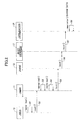
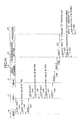
- FIG. 2 is a sequence diagram showing the processes of the information processing apparatus being booted.
- the BIOS 10 loads and boots the loader 11.
- steps S3 through S5 the loader 11 loads and boots the kernel 12 and the root file system 13.
- step S6 the kernel 12 boots the boot program 21 in the root file system 13.
- step S7 the boot program 21 boots the application 24 in the root file system 13.
- step S8 the application 24 is now capable of writing data into the NVRAM 4 and reading, for example, plain data 14 in the NVRAM 4.
- FIG. 3 is a diagram schematically showing a process of storing a hash value into the TPM 7.
- the loader 11 loads the kernel 12 from the disk 3 into the main memory 5.
- the TPM 7 stores, for example, a hash value into a Platform Configuration Register (PCR), the hash value being calculated based on a method of generating a fixed-length pseudo random number from an original document.
- PCR3 Platform Configuration Register
- the loader 11 boots the kernel 12.
- the TPM 7 when the TPM 7 boots, for example, the BIOS 10, the loader 11, the kernel 12 and the root file system 13 modules, the TPM 7 stores hash values calculated from the modules in the PCRs.
- FIG. 4 is a drawing schematically showing a decrypting process of the information using the TPM 7.
- TPM 7 four hash values calculated from the corresponding modules are stored in "PCR1" through “PCR4".
- PCR1 PCR1
- PCR4 PCR4
- a Blob A 41 and a Blob B 42 each including at least one of the "PCR1” through “PCR4" data are used.
- FIG. 5 shows an exemplary configuration of an information processing apparatus having the TPM.
- the information processing apparatus in FIG. 5 includes the CPU 1, the BIOS ROM 2, the disk 3, the NVRAM 4, the main memory 5, the TPM 7, and a Hard Disk Drive (HDD) 8 as the hardware configuration.
- the CPU 1, the BIOS ROM 2, the disk 3, the NVRAM 4, the main memory 5, the TPM 7, and a Hard Disk Drive (HDD) 8 are connected to each other via a bus 6.
- the configuration of the information processing apparatus in FIG. 5 is different from that in FIG. 1 in that the information processing apparatus in FIG. 5 further includes the TPM 7 and the HDD 8. Furthermore, the disk 3 stores a Blob 43 in addition to the configuration in FIG. 1 .
- the Blob 43 includes an encrypted encryption key 51 for the NVRAM 4.
- the Blob 43 stores hash values each calculated from the BIOS 10, the loader 11, the kernel 12, and the root file system 13 in the "PCR1" through "PCR4", respectively.
- the NVRAM 4 stores encrypted data 15 in addition to the plain text data 14.
- the HDD 8 stores encrypted data 16.
- the same reference numerals are used in the figure to describe those components that are identical to the components of FIG .1 without repeated description.
- the description of the Blob having an encrypted encryption key of the HDD 8 is also omitted.
- FIG. 6 is a sequence diagram showing exemplary processes of the information processing apparatus being booted.
- the BIOS 10 loads the loader 11.
- a hash value of the loader 11 is stored in a PCR of the TPM 7.
- the BIOS 10 boots the loader 11.
- step S24 the loader 11 loads the kernel 12.
- step S25 a hash value of the kernel 12 is stored in a PCR of the TPM 7.
- step S26 the loader 11 loads the root file system 13.
- step 27 a hash value of the root file system is stored in a PCR of the TPM 7.
- step S28 the loader 11 boots the kernel 12 and the root file system 13.
- step S29 the kernel 12 boots the boot program 21 in the root file system 13.
- steps 30 and 31 the boot program 21 boots the blob decryption section 23 and the application 24 in the root file system 13.
- step S32 the blob decryption section 23 acquires the encryption key 51 for the NVRAM 4 from inside the Blob 43.
- step S33 by using the encryption key, the application is now capable of writing encrypted data into the NVRAM 4 and reading encrypted data 14 stored in the NVRAM 4.
- Patent Document 1 Japanese Patent Application Publication No. 2004-282391
- Patent Document 2 Japanese Patent Application Publication No. 2005-196745
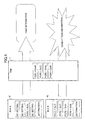
- FIG. 7 is a drawing schematically illustrating a problem having occurred during the ROM update.
- the Blob 43 corresponding to the BIOS 10 is required to be updated to a Blob A 43a that corresponds to the BIOS 10a.
- the information processing apparatus in FIG. 8 includes a primary system 81 and a backup system 82, constituting a duplex system.
- the primary system 81 includes the BIOS 10, the loader 11, the kernel 12, and the root file system 13.
- the backup system 82 includes the BIOS 10b, a loader 11b, a kernel 12b, and a root file system 13b.
- BIOS 10 the loader 11, the kernel 12, and the root file system 13 are included in primary modules
- BIOS 10b, the loader 11b, the kernel 12b, and the root file system 13b are included in backup modules.
- BIOS 10 the loader 11
- kernel 12 the root file system 13
- boot path a procedure of booting like this.
- the booth path becomes: BIOS 10 ⁇ loader 11b ⁇ kernel 12 ⁇ root file system 13.
- a booth path can be changed by, for example, a ROM update flag control program.
- FIG. 9 is a drawing schematically illustrating a problem that may occur when information is encrypted and decrypted using the TPM in an information processing apparatus having a backup system.
- FIG. 10 is a drawing schematically illustrating a problem occurring while information is encrypted and decrypted using the TPM, where the ROM update is executed in an information processing apparatus having a backup system.
- the present invention is made in light of the problems and may provide an information processing apparatus, a method of software update, and an image processing apparatus capable of encrypting and decrypting information using values uniquely calculated from a booted primary module and a booted backup module with much easiness.
- an information processing apparatus including one or more kinds of primary modules necessary to boot the apparatus and one or more kinds of backup modules to be used when the primary modules fail, so that the information processing apparatus is booted in a manner that when any kind of the primary modules fails, the same kind of backup module is used.
- the information processing apparatus includes a value storage unit storing values uniquely calculated from the one or more kinds of the primary modules or the backup modules used when the apparatus is booted, an encryption information storage unit storing information unique to the each kind of the primary or the backup modules, the information being encrypted based on a value calculated from the each kind of the primary modules or the backup modules, an information decryption unit decrypting the information unique to the each kind of the primary modules or the backup modules using the values in the value storage unit, the information being stored in the encryption information storage unit, and an encryption information update unit, when any of the primary modules or the backup modules is updated, encrypting the information unique to the each kind of the primary modules or the backup modules based on a value calculated from the each kind of the primary modules or the backup modules after the update, the information being stored in the encryption information storage unit.
- an image processing apparatus including one or more kinds of primary modules necessary to boot the apparatus, one or more kinds of backup modules to be used when the primary modules fail, a plotter section and scanner section so that the plotter and the scanner sections are booted in a manner that when any kind of the primary modules fails, the same kind of backup module is used.
- the image processing apparatus includes a value storage unit storing values uniquely calculated from the one or more kinds of the primary modules or the backup modules used when the apparatus is booted, an encryption information storage unit storing information unique to the each kind of the primary or the backup modules, the information being encrypted based on a value calculated from the each kind of the primary modules or the backup modules, an information decryption unit decrypting the information unique to the each kind of the primary modules or the backup modules using the values in the value storage unit, the information being stored in the encryption information storage unit, and an encryption information update unit, when any of the primary modules or the backup modules is updated, encrypting the information unique to the each kind of the primary modules or the backup modules based on a value calculated from the each kind of the primary modules or the backup modules after the update, the information being stored in the encryption information storage unit.
- any method, apparatus, system, computer program, recording medium, data structure including a constitutional element, an expression, or any combination of the present invention may be included in embodiments of the present invention.
- an information processing apparatus a method of software update, and an image processing apparatus capable of encrypting and decrypting information using values uniquely calculated from a booted primary module and a booted backup module with less efforts.
- an information processing apparatus such as a personal computer is described.
- the embodiment is not limited to such an information processing apparatus, and may be carried out in, for example, an image processing apparatus such as a Multi Function Peripheral (MFP).
- MFP Multi Function Peripheral
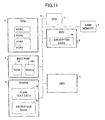
- FIG. 11 shows an exemplary configuration of an information processing apparatus according to an embodiment of the present invention.
- the information processing apparatus in FIG. 11 includes a CPU 1, a BIOS ROM 2, a disk 3, an NVRAM 4, a main memory 5, a TPM 7, and a HDD 8 as a hardware configuration.
- the CPU 1, the BIOS ROM 2, the disk 3, the NVRAM 4, the main memory 5, the TPM 7, and the HDD 8 are connected to each other via the bus 6.
- the BIOS ROM 2 includes a BIOS 10 as a primary module and a BIOS 10b as a backup module.
- the NVRAM 4 stores plain text data 14 and encrypted data 15 that a user uses.
- the HDD 8 stores encrypted data 16.
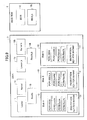
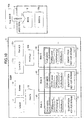
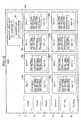
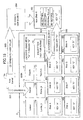
- FIG. 12 shows an exemplary configuration of modules stored in the disk 3.
- the disk 3 includes a loader 11, a kernel 12, and a root file system 13 as primary modules; a loader 11b, a kernel 12b, and a root file system 13b as backup modules; Blobs 60a through 60h; and an encrypted encryption key 62 for the NVRAM 4.
- the Blob 60a includes an encrypted key "A”.
- the Blob 60b includes an encrypted key "B”.
- the Blob 60c includes an encrypted key "C”.
- the Blob 60d includes an encrypted key "D”.
- the Blob 60e includes an encrypted key "A”.
- the Blob 60f includes an encrypted key "B”.
- the Blob 60g includes an encrypted key "C”.
- the Blob 60h includes an encrypted key "D”.
- the Blob 60a and the Blob 60e have the same key "A”
- the Blob 60b and the Blob 60f have the same key "B”
- the Blob 60c and the Blob 60g have the same key "C”
- the Blob 60d and the Blob 60h have the same key "D”.
- hash values calculated based on a calculation method of generating a fixed-length pseudo random number from the BIOS 10 and 10b are stored into each "PCR1" of the Blobs 60a and 60e, respectively.
- the hash values calculated from the loader 11 and 11b are stored into each "PCR2" of the Blobs 60b and 60f, respectively.
- the hash values calculated from the kernel 12 and 12b are stored into each "PCR3" of the Blobs 60c and 60g, respectively.
- the hash values calculated from the root file system 13 and 13b are stored into each "PCR4" of the Blobs 60d and 60h, respectively.
- the keys A through D can be obtained when either primary modules or backup modules are booted in the boot path. Further, in the configuration where eight Blobs 60a through 60h are provided as shown in FIG. 12 , the keys A through D can be obtained in any possible boot.
- the encryption key 62 for the NVRAM 4 is encrypted using the keys "A" through "D".
- FIG. 13 shows an exemplary module configuration of the root files systems 13 and 13b in FIG. 12 .
- the module configuration of the root file systems 13 and the module configuration of the root file systems 13b are identical.
- An explanation of the root files systems 13 is described below, and an explanation of the root files systems 13b is omitted.
- the root file system 13 manages a boot program 21, a ROM update flag control program 22, a blob decryption section 23, an application 24, a blob update program 25, and an encryption key update program 26 that are stored in the disk 3.
- the boot program 21 boots the application 24 in the root file system 13.
- the ROM update flag control program 22 controls the boot path defining a boot flow.
- the blob decryption section 23 acquires the keys "A" through “D” from the Blobs 60a through 60h using the TPM 7.
- the blob update program 25 controls the update of the Blobs 60a through 60h.
- the encryption key update program 26 controls the update of the encryption key 62 for the NVRAM 4.
- the hash values of the modules used for the boot are accordingly stored in the "PCR1" through "PCR4", respectively, of the TPM 7.
- the hash value calculated from the BIOS 10 or 10b is stored in the "PCR1" of the TPM 7; the hash value calculated from the loader 11 or 11b is stored in the "PCR2" of the TPM 7; the hash value calculated from the kernel 12 or 12b is stored in the "PCR3" of the TPM 7; and the hash value calculated from the root file system 13 or 13b is stored in the "PCR4" of the TPM 7.
- the modules including the BIOS 10 and 10b, the loader 11 and 11b, the kernel 12 and 12b, and the root file system 13 and 13b are loaded into the main memory by the CPU 1 and executed.
- the modules including the BIOS 10 and 10b, the loader 11 and 11b, the kernel 12 and 12b, and the root file system 13 and 13b are described as processing subjects, for explanation purposes.
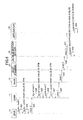
- FIG. 14 is a sequence diagram showing an exemplary booting process of the information processing apparatus according to an embodiment of the present invention. It is assumed that the hash value of the BIOS 10 is already stored in the "PCR1" of the TPM7 before step S41 in FIG. 14 .
- step S41 BIOS loads the loader 11.
- step S42 the hash value of the loader 11 is stored in the "PCR2" of the TPM 7.
- step S43 the BIOS boots the loader 11.
- step S44 the loader 11 loads the kernel 12.
- step S45 the hash value of the kernel 12 is stored in the "PCR3" of the TPM 7.
- step S46 the loader loads the root file system 13.
- step S47 the hash value of the root file system 13 is stored in the "PCR4" of the TPM 7.
- step S48 the loader 11 boots the kernel 12 and the root file system 13.
- step S49 the kernel 12 boots the boot program 21 in the root file system 13.
- steps S50 and S51 the boot program 21 boots the blob decryption section 23 and the application 24, respectively, in the root file system 13.
- step S52 the blob decryption section 23 acquires the keys "A” through “D” from the blobs 60a through 60d, respectively, using the TPM 7.
- step S53 the blob decryption section 23 decrypts the encrypted encryption key 62 for the NVRAM 4 using the acquired keys "A" through “D”.
- step S54 the application is now capable of writing encrypted data 15 into the NVRAM 4 and reading encrypted data in the NVRAM 4 using the decrypted encryption key 62.
- FIG. 15 is a diagram schematically showing a process of the ROM update.
- FIG. 15 shows an example where the kernel 12 is updated to a new kernel 12a.
- the ROM update flag control program 22 changes the boot path indicating the procedure of the boot from BIOS 10 ⁇ loader 11 ⁇ kernel 12 ⁇ root file system 13 to BIOS 10 ⁇ loader 11 ⁇ kernel 12b ⁇ root file system 13. Then by rebooting the information processing apparatus, the BIOS 10, the loader 11, the kernel 12b, and the root file system 13 are booted accordingly.
- step S61 the kernel 12 is replaced by the new kernel 12b.
- step S62 the blob decryption section 23 acquires the key "C" from the Blob 60c using the TPM 7 in the same manner as described above.
- step S63 the blob update program 25 generates a hash value calculated from the new kernel 12a.
- step S64 the blob update program 25 generates a new Blob 60i including the generated hash value.
- step S65 the blob update program 25 replaces the Blob 60c by the generated Blob 60i.
- the ROM update flag control program 22 restores the boot path to BIOS 10 ⁇ loader 11 ⁇ kernel 12 ⁇ root file system 13.
- the key "C” can be acquired from the Blob 60g.
- the encrypted encryption key 62 for the NVRAM 4 can be decrypted by using the acquired keys "A” through “D", and accordingly, the encrypted data in the NVRAM 4 can be decrypted.
- FIG. 16 is a diagram schematically showing a process of the encryption key update.
- the encryption key update program 26 creates a backup copy of the encrypted data 15 in the NVRAM 4 and stores the created backup copy in the disk 3.
- the blob decryption section 23 acquires the keys "A” through “D” from the Blobs 60a through 60d, respectively, corresponding to the boot path.
- the encryption key update program 26 encrypts an encryption key 62a for the NVRAM 4 using the acquired keys "A" through “D", and stores the encrypted encryption key 62a in the disk 3.
- step S74 the blob decryption section 23 decrypts the encrypted encryption key 62 using the keys "A" through “D", and acquires the decrypted encryption key 62.
- step S75 the encryption key update program 26 decrypts the encrypted data 15 stored in the NVRAM 4 using the decrypted encryption key 62.
- step S76 the encryption key update program 26 encrypts the decrypted encrypted data 15 again using the new encryption key 62a for the NVRAM 4.
- step S77 the encryption key update program 26 deletes the encrypted data 15 stored in the disk 3 as a backup copy in step S71.
- step S78 the encryption key update program 26 further deletes the encrypted encryption key 62 for the NVRAM 4 stored in the disk 3.
- FIG. 17 shows another exemplary module configuration in the disk 3.
- the disk 3 in FIG. 17 includes primary modules of the loader 11, the kernel 12, and the root file system 13; backup modules of the loader 11b, the kernel 12b, the root file system 13b; and Blobs 60a through 60c, 60e through 60g, 60j, and 60k.
- the Blob 60a includes the encrypted key “A”.
- the Blob 60b includes the encrypted key “B”.
- the Blob 60c includes the encrypted key “C”.
- the Blob 60e includes the encrypted key "A”.
- the Blob 60f includes the encrypted key "B”.
- the Blob 60g includes the encrypted key "C”.
- the Blob 60j includes the encrypted encryption key 62 for the NVRAM4, the encryption key 62 being encrypted using the keys "A” through “C”.
- the Blob 60k includes the encrypted encryption key 62 for the NVRAM4, the encryption key 62 being encrypted using the keys "A" through “C”.
- the module configuration in FIG. 17 is different from that in FIG. 12 in that, unlike the Blobs 60d and 60h, the Blobs 60j and 60k have the encrypted encryption key 62 for the NVRAM4 encrypted by using the keys "A" through “C". Because of this configuration, for example, the blob decryption section 23 acquires the keys "A” through “C” and the encrypted encryption key 62 for the NVRAM 4 from the Blobs 60a through 60c and 60j, respectively, and decrypts the acquired encrypted encryption key 62 for the NVRAM 4 using the acquired keys "A" through “C". As a result, the encrypted data 15 in the NVRAM 4 can be decrypted.
- a mechanism may be provided that permits decrypting the encrypted data 15 in the NVRAM 4 even when the disk 3 crashes.
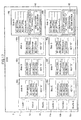
- FIG. 18 shows an exemplary module configuration of the disk 3 in this embodiment.
- the disk 3 in FIG. 18 includes the primary modules of the loader 11, the kernel 12, the root file system 13, and the root file system 13; backup modules of the loader 11b, the kernel 12b, the root file system 13b; Blobs 60a through 60d and 601; and the encrypted encryption key 62 for the NVRAM 4.
- the ROM update for the backup modules of the loader 11b, the kernel 12b, the root file system 13b is not to be performed after the shipment.
- the Blob 60a includes the encrypted key "A”.
- the Blob 60b includes the encrypted key "B”.
- the Blob 60c includes the encrypted key "C”.
- the Blob 60d includes the encrypted key "D”.
- the Blob 601 includes the encrypted encryption key 62 for the NVRAM 4.
- the encryption key 62 for the NVRAM 4 can be decrypted and obtained using the keys "A" through “D” from the Blobs 60a through 60d, respectively, and can be obtained from the Blob 601 corresponding to the boot path of BIOS 10b ⁇ loader 11b ⁇ kernel 12b ⁇ root file system 13b.
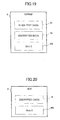
- the Blob 601 is stored in the NVRAM 4 and the HDD 8 as shown in FIGS. 19 and 20 so as to respond to the crash of the disk 3.
- FIGS. 19 and 20 show the configuration of the information stored in the NVRAM 4 and the HDD 8, respectively.
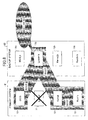
- FIGS. 21 and 22 are drawings showing a process of decrypting the encrypted data 15 in the NVRAM 4.
- step S81 primary modules of the loader 11, the kernel 12, the root file system 13, and the backup modules of the loader 11b, the kernel 12b, the root file system 13b are installed in the disk 3.
- step S82 the ROM update flag control program 22 turns ON a backup flag 71 in the encrypted data 15 in the NVRAM 4.
- step S83 the information processing apparatus reboots in a backup mode.
- step S84 the information processing apparatus boots the loader 11b, the kernel 12b, the root file system 13b (backup mode).
- step S85 the blob update program 25 creates a copy of the Blob 601 stored in the NVRAM 4 and stores the created copy in the disk 3.
- step S86 the blob update program creates new keys "A" through "D".
- step S87 the blob update program 25 creates Blobs 80a through 80d including the keys "A" through “D", respectively.
- step S88 the blob update program 25 stores the created blobs 80a through 80d in the disk 3.
- step S89 the blob decryption section 23 acquires the encryption key 62 from the Blob 601 stored in the NVRAM 4.
- step S90 the encryption key update program 26 encrypts the encryption key 62 using the keys "A" through “D” and stores the encrypted encryption key 62 in the disk 3.
- step S91 the ROM update flag control program 22 turns OFF the backup flag 71 in the encrypted data 15 in the NVRAM 4.
- the encryption key 62 can be acquired from the Blob 601 stored in the NVRAM 4, the Blob 601 corresponding to the boot path of BIOS 10b ⁇ loader 11b ⁇ kernel 12b ⁇ root file system 13b. As a result, the encrypted data 15 in the NVRAM 4 can be decrypted.
- value storage unit corresponds to the TPM 7, the Blobs 60a through 601, the blob decryption section 23, and the blob update program 25, respectively.
Landscapes
- Engineering & Computer Science (AREA)
- Computer Security & Cryptography (AREA)
- Theoretical Computer Science (AREA)
- General Engineering & Computer Science (AREA)
- Software Systems (AREA)
- Computer Hardware Design (AREA)
- Physics & Mathematics (AREA)
- General Physics & Mathematics (AREA)
- Stored Programmes (AREA)
- Storage Device Security (AREA)
Abstract
Description
- The present invention relates to an information processing apparatus, a software update method, and an image processing apparatus, and more specifically to an information processing apparatus or an image processing apparatus having a primary module and a backup module, and a software update method of the information processing apparatus or the image processing apparatus.
- As security becomes increasingly critical, information processing apparatuses such as personal computers and image processing apparatuses such as Multi Function Peripherals (MFP) capable of encrypting information stored in the apparatuses to avoid wiretapping have become available lately. For example,
Patent Document 1 describes a PC adopting the specifications of Trusted Computing Platform Alliance (TCPA) in which information is encrypted using a Trusted Platform Module (TPM). The TPM is realized in a chip directly mounted on, for example, a motherboard. - On the other hand, to respond to a failure, for example, a duplexing system has been employed in information processing apparatuses such as personal computers and image processing apparatuses such as MFPs. Furthermore, to respond to a bug, a security hole, addition or modification of functions, the programs have also been updated in information processing apparatuses such as personal computers and image processing apparatuses such as MFPs (see, for example, Patent Document 2).
- Herein, a conventional method of encrypting and decrypting information using the TPM, and a program update (hereinafter referred to as "ROM update") are briefly described.
FIG. 1 shows an exemplary configuration of a conventional information processing apparatus. The information processing apparatus includes aCPU 1, aBIOS ROM 2, adisk 3, a non-volatile (NV)RAM 4, and amain memory 5 as the hardware configuration. TheCPU 1, theBIOS ROM 2, thedisk 3, theNVRAM 4, and themain memory 5 are connected to each other via abus 6. - The
BIOS ROM 2 stores a Basic Input/Output System (BIOS) 10 module. Thedisk 3 stores aloader 11, akernel 12, and a root file system (Rootfs) 13 modules. The NVRAM 4 storesplain text data 14 that users use. - The
root file system 13 manages aboot program 21, a ROM updateflag control program 22, ablob decryption section 23, and anapplication 24 that are stored in thedisk 3. It should be noted that each of theBIOS 10, theloader 11, thekernel 12, theroot file system 13 modules and the like is loaded into themain memory 5 to be executed. In the following, theBIOS 10, theloader 11, thekernel 12, theroot file system 13 modules and the like are described as processing subjects. - A boot sequence of the information processing apparatus in
FIG. 1 is described with reference toFIG. 2. FIG. 2 is a sequence diagram showing the processes of the information processing apparatus being booted. In step S1, theBIOS 10 loads and boots theloader 11. In steps S3 through S5, theloader 11 loads and boots thekernel 12 and theroot file system 13. - In step S6, the
kernel 12 boots theboot program 21 in theroot file system 13. In step S7, theboot program 21 boots theapplication 24 in theroot file system 13. In step S8, theapplication 24 is now capable of writing data into theNVRAM 4 and reading, for example,plain data 14 in theNVRAM 4. - Next, a mechanism of the TPM is briefly described. In the following, an example where the
loader 11 boots thekernel 12 is described. -
FIG. 3 is a diagram schematically showing a process of storing a hash value into theTPM 7. In step S11, theloader 11 loads thekernel 12 from thedisk 3 into themain memory 5. In step S12, theTPM 7 stores, for example, a hash value into a Platform Configuration Register (PCR), the hash value being calculated based on a method of generating a fixed-length pseudo random number from an original document. InFIG. 3 , a hash value "0x3a" is stored in a "PCR3". In step S13, theloader 11 boots thekernel 12. - In this manner, when the
TPM 7 boots, for example, theBIOS 10, theloader 11, thekernel 12 and theroot file system 13 modules, theTPM 7 stores hash values calculated from the modules in the PCRs. -
FIG. 4 is a drawing schematically showing a decrypting process of the information using theTPM 7. In theTPM 7, four hash values calculated from the corresponding modules are stored in "PCR1" through "PCR4". When the information is decrypted using theTPM 7, aBlob A 41 and aBlob B 42 each including at least one of the "PCR1" through "PCR4" data are used. - In the
Blob A 41, a value "0x3a" is stored in the "PCR3". In theBlob B 42, values "0xe9"', "0x12", "0x3b", and "0x06" are stored in the "PCR1" through the "PCR4", respectively. In the TPM7, values "0xe9", "0x12", "0x3a", and "0x06" are stored in its "PCR1" through the "PCR4", respectively. - In case of Blob A 41, the same hash value is in the "PCR3" of the Blob
A 41 and the "PCR3" of theTPM 7. Therefore, theTPM 7 permits taking the information from the Blob A 41. In case ofBlob B 42, a hash value in the "PCR3" of the BlobA 41 is different from that in the "PCR3" of theTPM 7. Therefore, the TPM 7 does not permit taking the information from the Blob A 41. It should be noted that when "no setting" may be stored in, for example, the "PCR1", the "PCR2", and the "PCR4" in theBlob A 41, theTPM 7 does not use the register to determine whether to permit taking the information. -
FIG. 5 shows an exemplary configuration of an information processing apparatus having the TPM. The information processing apparatus inFIG. 5 includes theCPU 1, theBIOS ROM 2, thedisk 3, the NVRAM 4, themain memory 5, theTPM 7, and a Hard Disk Drive (HDD) 8 as the hardware configuration. TheCPU 1, theBIOS ROM 2, thedisk 3, theNVRAM 4, themain memory 5, theTPM 7, and a Hard Disk Drive (HDD) 8 are connected to each other via abus 6. - The configuration of the information processing apparatus in
FIG. 5 is different from that inFIG. 1 in that the information processing apparatus inFIG. 5 further includes theTPM 7 and theHDD 8. Furthermore, thedisk 3 stores a Blob 43 in addition to the configuration inFIG. 1 . The Blob 43 includes anencrypted encryption key 51 for theNVRAM 4. The Blob 43 stores hash values each calculated from theBIOS 10, theloader 11, thekernel 12, and theroot file system 13 in the "PCR1" through "PCR4", respectively. - The NVRAM 4 stores encrypted
data 15 in addition to theplain text data 14. TheHDD 8 stores encrypteddata 16. The same reference numerals are used in the figure to describe those components that are identical to the components ofFIG .1 without repeated description. The description of the Blob having an encrypted encryption key of theHDD 8 is also omitted. - A boot sequence of the information processing apparatus in
FIG. 5 is described with reference toFIG. 6. FIG. 6 is a sequence diagram showing exemplary processes of the information processing apparatus being booted. In step S21, theBIOS 10 loads theloader 11. In step S22, a hash value of theloader 11 is stored in a PCR of theTPM 7. In step S23, theBIOS 10 boots theloader 11. - In step S24, the
loader 11 loads thekernel 12. In step S25, a hash value of thekernel 12 is stored in a PCR of theTPM 7. In step S26, theloader 11 loads theroot file system 13. Instep 27, a hash value of the root file system is stored in a PCR of theTPM 7. - In step S28, the
loader 11 boots thekernel 12 and theroot file system 13. In step S29, thekernel 12 boots theboot program 21 in theroot file system 13. Insteps 30 and 31, theboot program 21 boots theblob decryption section 23 and theapplication 24 in theroot file system 13. - In step S32, the
blob decryption section 23 acquires theencryption key 51 for theNVRAM 4 from inside theBlob 43. In step S33 by using the encryption key, the application is now capable of writing encrypted data into theNVRAM 4 and readingencrypted data 14 stored in theNVRAM 4. - Patent Document 1: Japanese Patent Application Publication No.
2004-282391 - Patent Document 2: Japanese Patent Application Publication No.
2005-196745 - However, in an information processing apparatus having a configuration as shown in
FIG. 5 , the following problem may occur during the ROM update.FIG. 7 is a drawing schematically illustrating a problem having occurred during the ROM update. In an information processing apparatus having a configuration as shown inFIG. 5 , when theBIOS 10 stored in theBIOS ROM 2 is replaced by anew BIOS 10a, theBlob 43 corresponding to theBIOS 10 is required to be updated to aBlob A 43a that corresponds to theBIOS 10a. - Unfortunately, in a conventional information processing apparatus, when an update process from the
Blob A 43 to the Blob A 43a is interrupted due to some reason, the hash value stored in the "PCR1" of theTPM 7 may become different from the hash value stored in the "PCR1" of the Blob A 43a. A problem arises that when the hash value stored in the "PCR1" of theTPM 7 becomes different from the hash value stored in the "PCR1" of the Blob A 43a, in that theencryption key 51 for theNVRAM 4 cannot be taken from theBlob 43a, resulting in that the encrypted data stored in theNVRAM 4 cannot be decrypted. - This problem illustrated in
FIG. 7 can be solved when an information processing system has a configuration as shown inFIG. 8 . The information processing apparatus inFIG. 8 includes aprimary system 81 and abackup system 82, constituting a duplex system. Theprimary system 81 includes theBIOS 10, theloader 11, thekernel 12, and theroot file system 13. Thebackup system 82 includes theBIOS 10b, aloader 11b, akernel 12b, and aroot file system 13b. - It should be noted that the
BIOS 10, theloader 11, thekernel 12, and theroot file system 13 are included in primary modules, and theBIOS 10b, theloader 11b, thekernel 12b, and theroot file system 13b are included in backup modules. - Typically, an information processing apparatus is booted sequentially in an order of the
BIOS 10, theloader 11, thekernel 12, and theroot file system 13. Hereinafter, a procedure of booting like this is referred to as a "boot path". In the example ofFIG. 8 , due to an error having occurred in theloader 11, the booth path becomes:BIOS 10 →loader 11b →kernel 12 →root file system 13. - That is, in an information processing apparatus having the
backup system 82, when a module of the primary system has a problem, the same kind of module in thebackup system 82 can usually be booted. A booth path can be changed by, for example, a ROM update flag control program. - Because of this structure, there is a problem that the same number of Blobs which is equal to the number of booth paths defined by the combination of the modules in the
primary system 81 and the modules in thebackup system 82 are required to be provide.FIG. 9 is a drawing schematically illustrating a problem that may occur when information is encrypted and decrypted using the TPM in an information processing apparatus having a backup system. - Further, there is another problem in an information processing apparatus having a configuration as shown in
FIG. 9 that when theBIOS 10 stored in theBIOS ROM 2 is updated to theBIOS 10a, all of the plural Blobs corresponding to theBIOS 10 are required to be updated so as to correspond to theBIOS 10a.FIG. 10 is a drawing schematically illustrating a problem occurring while information is encrypted and decrypted using the TPM, where the ROM update is executed in an information processing apparatus having a backup system. - As described, when a conventional system is arranged to employ a duplex system having both a primary system and a backup system, have a ROM update capability, and improve the security by adding both an encryption and a decryption capability of information by using the
TPM 7, it takes a lot of effort to manage theBlobs 73. - The present invention is made in light of the problems and may provide an information processing apparatus, a method of software update, and an image processing apparatus capable of encrypting and decrypting information using values uniquely calculated from a booted primary module and a booted backup module with much easiness.
- To solve the problems, according to a first aspect of the present invention, there is provided an information processing apparatus including one or more kinds of primary modules necessary to boot the apparatus and one or more kinds of backup modules to be used when the primary modules fail, so that the information processing apparatus is booted in a manner that when any kind of the primary modules fails, the same kind of backup module is used. The information processing apparatus includes a value storage unit storing values uniquely calculated from the one or more kinds of the primary modules or the backup modules used when the apparatus is booted, an encryption information storage unit storing information unique to the each kind of the primary or the backup modules, the information being encrypted based on a value calculated from the each kind of the primary modules or the backup modules, an information decryption unit decrypting the information unique to the each kind of the primary modules or the backup modules using the values in the value storage unit, the information being stored in the encryption information storage unit, and an encryption information update unit, when any of the primary modules or the backup modules is updated, encrypting the information unique to the each kind of the primary modules or the backup modules based on a value calculated from the each kind of the primary modules or the backup modules after the update, the information being stored in the encryption information storage unit.
- Further, to solve the problems, according to a second aspect of the present invention, there is provided an image processing apparatus including one or more kinds of primary modules necessary to boot the apparatus, one or more kinds of backup modules to be used when the primary modules fail, a plotter section and scanner section so that the plotter and the scanner sections are booted in a manner that when any kind of the primary modules fails, the same kind of backup module is used. The image processing apparatus includes a value storage unit storing values uniquely calculated from the one or more kinds of the primary modules or the backup modules used when the apparatus is booted, an encryption information storage unit storing information unique to the each kind of the primary or the backup modules, the information being encrypted based on a value calculated from the each kind of the primary modules or the backup modules, an information decryption unit decrypting the information unique to the each kind of the primary modules or the backup modules using the values in the value storage unit, the information being stored in the encryption information storage unit, and an encryption information update unit, when any of the primary modules or the backup modules is updated, encrypting the information unique to the each kind of the primary modules or the backup modules based on a value calculated from the each kind of the primary modules or the backup modules after the update, the information being stored in the encryption information storage unit.
- It should be noted that any method, apparatus, system, computer program, recording medium, data structure including a constitutional element, an expression, or any combination of the present invention may be included in embodiments of the present invention.
- According to an embodiment of the present invention, there is provided an information processing apparatus, a method of software update, and an image processing apparatus capable of encrypting and decrypting information using values uniquely calculated from a booted primary module and a booted backup module with less efforts.
- Other objects, features, and advantages of the present invention will be apparent from the following detailed description when read in conjunction with the accompanying drawings, in which:
-
FIG. 1 is a drawing showing an exemplary configuration of a conventional information processing apparatus; -
FIG. 2 is a sequence diagram showing an exemplary process of the information processing apparatus when the information processing apparatus is booted; -
FIG. 3 is a drawing showing a process of storing a hash value in the TPM; -
FIG. 4 is a drawing schematically showing a process of decrypting information using the TPM; -
FIG. 5 is a drawing showing an exemplary configuration of a conventional information processing apparatus including the TPM; -
FIG. 6 is a sequence diagram showing an exemplary process of the information processing apparatus when the information processing apparatus is booted; -
FIG. 7 is a drawing schematically showing a problem having occurred during a ROM update process; -
FIG. 8 is a drawing schematically showing a duplex system including a primary system and a backup system; -
FIG. 9 is a drawing schematically showing a problem occurring when information is encrypted and decrypted using the TPM in a conventional information processing apparatus including the TPM; -
FIG. 10 is a drawing schematically showing a problem occurring when ROM is updated while information is encrypted and decrypted using the TPM in a conventional information processing apparatus including the TPM; -
FIG. 11 is a drawing showing an exemplary configuration of an information processing apparatus according to an embodiment of the present invention; -
FIG. 12 is a drawing showing an exemplary module configuration of the disk of the information processing apparatus; -
FIG. 13 is a drawing showing an exemplary module configuration in a root file system in the disk; -
FIG. 14 is a sequence diagram showing a process of the information processing apparatus when the information processing apparatus is booted; -
FIG. 15 is a diagram schematically showing a process of a ROM update; -
FIG. 16 is a drawing schematically showing a process of an encryption key update; -
FIG. 17 is a drawing showing another module configuration of the disk in the information processing apparatus; -
FIG. 18 is a drawing showing an exemplary module configuration of the disk in the information processing apparatus according to an embodiment of the present invention; -
FIG. 19 is a drawing showing information stored in the NVRAM of the information processing apparatus; -
FIG. 20 is a drawing showing information stored in the HDD of the information processing apparatus; and -
FIGS. 21 and22 are drawings schematically showing a process of decrypting encrypted information in the NVRAM when the disk has crashed. - Next, best modes for carrying out the invention are described with reference to exemplary embodiments of the present invention and accompanying drawings. In the embodiments, an information processing apparatus such as a personal computer is described. However, the embodiment is not limited to such an information processing apparatus, and may be carried out in, for example, an image processing apparatus such as a Multi Function Peripheral (MFP).
-
FIG. 11 shows an exemplary configuration of an information processing apparatus according to an embodiment of the present invention. The information processing apparatus inFIG. 11 includes aCPU 1, aBIOS ROM 2, adisk 3, anNVRAM 4, amain memory 5, aTPM 7, and aHDD 8 as a hardware configuration. TheCPU 1, theBIOS ROM 2, thedisk 3, theNVRAM 4, themain memory 5, theTPM 7, and theHDD 8 are connected to each other via thebus 6. - The
BIOS ROM 2 includes aBIOS 10 as a primary module and aBIOS 10b as a backup module. TheNVRAM 4 storesplain text data 14 andencrypted data 15 that a user uses. TheHDD 8 storesencrypted data 16. -
FIG. 12 shows an exemplary configuration of modules stored in thedisk 3. InFIG. 12 , thedisk 3 includes aloader 11, akernel 12, and aroot file system 13 as primary modules; aloader 11b, akernel 12b, and aroot file system 13b as backup modules;Blobs 60a through 60h; and anencrypted encryption key 62 for theNVRAM 4. - The
Blob 60a includes an encrypted key "A". TheBlob 60b includes an encrypted key "B". TheBlob 60c includes an encrypted key "C". TheBlob 60d includes an encrypted key "D". TheBlob 60e includes an encrypted key "A". TheBlob 60f includes an encrypted key "B". TheBlob 60g includes an encrypted key "C". TheBlob 60h includes an encrypted key "D". - As a result, the
Blob 60a and theBlob 60e have the same key "A", theBlob 60b and theBlob 60f have the same key "B", theBlob 60c and theBlob 60g have the same key "C", and theBlob 60d and theBlob 60h have the same key "D". - Further, hash values calculated based on a calculation method of generating a fixed-length pseudo random number from the
BIOS Blobs loader Blobs kernel Blobs root file system Blobs - With the configuration where
Blobs 60a through 60h are provided as shown inFIG. 12 , the keys A through D can be obtained when either primary modules or backup modules are booted in the boot path. Further, in the configuration where eightBlobs 60a through 60h are provided as shown inFIG. 12 , the keys A through D can be obtained in any possible boot. Theencryption key 62 for theNVRAM 4 is encrypted using the keys "A" through "D". -
FIG. 13 shows an exemplary module configuration of theroot files systems FIG. 12 . The module configuration of theroot file systems 13 and the module configuration of theroot file systems 13b are identical. An explanation of theroot files systems 13 is described below, and an explanation of theroot files systems 13b is omitted. - The
root file system 13 manages aboot program 21, a ROM updateflag control program 22, ablob decryption section 23, anapplication 24, ablob update program 25, and an encryptionkey update program 26 that are stored in thedisk 3. - The
boot program 21 boots theapplication 24 in theroot file system 13. The ROM updateflag control program 22 controls the boot path defining a boot flow. Theblob decryption section 23 acquires the keys "A" through "D" from theBlobs 60a through 60h using theTPM 7. Theblob update program 25 controls the update of theBlobs 60a through 60h. The encryptionkey update program 26 controls the update of theencryption key 62 for theNVRAM 4. - Referring back to
FIG. 11 , when each kind of the primary or backup modules of theBIOS 10 or theBIOS 10b, theloader 11 or theloader 11b, thekernel 12 or thekernel 12b, and theroot file system 13 or theroot file system 13b is booted, the hash values of the modules used for the boot are accordingly stored in the "PCR1" through "PCR4", respectively, of theTPM 7. - That is, the hash value calculated from the
BIOS TPM 7; the hash value calculated from theloader TPM 7; the hash value calculated from thekernel TPM 7; and the hash value calculated from theroot file system TPM 7. - The modules including the
BIOS loader kernel root file system CPU 1 and executed. In the following descriptions, the modules including theBIOS loader kernel root file system - Next, a boot sequence of the information processing apparatus in
FIG. 11 is described with reference toFIG. 14. FIG. 14 is a sequence diagram showing an exemplary booting process of the information processing apparatus according to an embodiment of the present invention. It is assumed that the hash value of theBIOS 10 is already stored in the "PCR1" of the TPM7 before step S41 inFIG. 14 . - In step S41, BIOS loads the
loader 11. In step S42, the hash value of theloader 11 is stored in the "PCR2" of theTPM 7. In step S43, the BIOS boots theloader 11. - In step S44, the
loader 11 loads thekernel 12. In step S45, the hash value of thekernel 12 is stored in the "PCR3" of theTPM 7. In step S46, the loader loads theroot file system 13. In step S47, the hash value of theroot file system 13 is stored in the "PCR4" of theTPM 7. - In step S48, the
loader 11 boots thekernel 12 and theroot file system 13. In step S49, thekernel 12 boots theboot program 21 in theroot file system 13. In steps S50 and S51, theboot program 21 boots theblob decryption section 23 and theapplication 24, respectively, in theroot file system 13. - In step S52, the
blob decryption section 23 acquires the keys "A" through "D" from theblobs 60a through 60d, respectively, using theTPM 7. In step S53, theblob decryption section 23 decrypts theencrypted encryption key 62 for theNVRAM 4 using the acquired keys "A" through "D". In step S54, the application is now capable of writingencrypted data 15 into theNVRAM 4 and reading encrypted data in theNVRAM 4 using the decryptedencryption key 62. - In the following, a specific process of ROM update and encryption key update in the information processing apparatus in
FIG. 11 is described. -
FIG. 15 is a diagram schematically showing a process of the ROM update.FIG. 15 shows an example where thekernel 12 is updated to anew kernel 12a. First, the ROM updateflag control program 22 changes the boot path indicating the procedure of the boot fromBIOS 10 →loader 11 →kernel 12 →root file system 13 toBIOS 10 →loader 11 →kernel 12b →root file system 13. Then by rebooting the information processing apparatus, theBIOS 10, theloader 11, thekernel 12b, and theroot file system 13 are booted accordingly. - In step S61, the
kernel 12 is replaced by thenew kernel 12b. In step S62, theblob decryption section 23 acquires the key "C" from theBlob 60c using theTPM 7 in the same manner as described above. - In step S63, the
blob update program 25 generates a hash value calculated from thenew kernel 12a. In step S64, theblob update program 25 generates anew Blob 60i including the generated hash value. In step S65, theblob update program 25 replaces theBlob 60c by the generatedBlob 60i. Then, the ROM updateflag control program 22 restores the boot path toBIOS 10 →loader 11 →kernel 12 →root file system 13. - During the process of the ROM update shown in
FIG. 15 , even when the update process from theBlob 60c to theBlob 60i is interrupted for some reason, since the same key "C" is stored in theBlob 60g, the key "C" can be acquired from theBlob 60g. As a result, theencrypted encryption key 62 for theNVRAM 4 can be decrypted by using the acquired keys "A" through "D", and accordingly, the encrypted data in theNVRAM 4 can be decrypted. -
FIG. 16 is a diagram schematically showing a process of the encryption key update. In step S71, the encryptionkey update program 26 creates a backup copy of theencrypted data 15 in theNVRAM 4 and stores the created backup copy in thedisk 3. In step S72, theblob decryption section 23 acquires the keys "A" through "D" from theBlobs 60a through 60d, respectively, corresponding to the boot path. In step S73, the encryptionkey update program 26 encrypts an encryption key 62a for theNVRAM 4 using the acquired keys "A" through "D", and stores the encrypted encryption key 62a in thedisk 3. - In step S74, the
blob decryption section 23 decrypts the encrypted encryption key 62 using the keys "A" through "D", and acquires the decryptedencryption key 62. In step S75, the encryptionkey update program 26 decrypts theencrypted data 15 stored in theNVRAM 4 using the decryptedencryption key 62. In step S76, the encryptionkey update program 26 encrypts the decryptedencrypted data 15 again using the new encryption key 62a for theNVRAM 4. - In step S77, the encryption
key update program 26 deletes theencrypted data 15 stored in thedisk 3 as a backup copy in step S71. In step S78, the encryptionkey update program 26 further deletes theencrypted encryption key 62 for theNVRAM 4 stored in thedisk 3. - During the above process of the encryption key update shown in
FIG. 16 , even when the update from theencryption key 62 to the new encryption key 62a is interrupted, since the copy of theencrypted data 15 is stored in thedisk 3 as a backup, it is possible to perform the process of the encryption key update again. -
FIG. 17 shows another exemplary module configuration in thedisk 3. Thedisk 3 inFIG. 17 includes primary modules of theloader 11, thekernel 12, and theroot file system 13; backup modules of theloader 11b, thekernel 12b, theroot file system 13b; andBlobs 60a through 60c, 60e through 60g, 60j, and 60k. - The
Blob 60a includes the encrypted key "A". TheBlob 60b includes the encrypted key "B". TheBlob 60c includes the encrypted key "C". TheBlob 60e includes the encrypted key "A". TheBlob 60f includes the encrypted key "B". TheBlob 60g includes the encrypted key "C". TheBlob 60j includes theencrypted encryption key 62 for the NVRAM4, theencryption key 62 being encrypted using the keys "A" through "C". TheBlob 60k includes theencrypted encryption key 62 for the NVRAM4, theencryption key 62 being encrypted using the keys "A" through "C". - That is, the module configuration in
FIG. 17 is different from that inFIG. 12 in that, unlike theBlobs Blobs encrypted encryption key 62 for the NVRAM4 encrypted by using the keys "A" through "C". Because of this configuration, for example, theblob decryption section 23 acquires the keys "A" through "C" and theencrypted encryption key 62 for theNVRAM 4 from theBlobs 60a through 60c and 60j, respectively, and decrypts the acquiredencrypted encryption key 62 for theNVRAM 4 using the acquired keys "A" through "C". As a result, theencrypted data 15 in theNVRAM 4 can be decrypted. - In the information processing apparatus in above embodiment, should the
disk 3 crash, since theencryption key 62 for theNVRAM 4 is to be lost, theencrypted data 15 in theNVRAM 4 can no longer be decrypted. To solve this problem, in an information processing apparatus according to thisembodiment 2, a mechanism may be provided that permits decrypting theencrypted data 15 in theNVRAM 4 even when thedisk 3 crashes. - In the information processing apparatus in this
embodiment 2, the module configuration of thedisk 3 and the information stored in theNVRAM 4 and theHDD 8 are different from those inembodiment 1.FIG. 18 shows an exemplary module configuration of thedisk 3 in this embodiment. Thedisk 3 inFIG. 18 includes the primary modules of theloader 11, thekernel 12, theroot file system 13, and theroot file system 13; backup modules of theloader 11b, thekernel 12b, theroot file system 13b;Blobs 60a through 60d and 601; and theencrypted encryption key 62 for theNVRAM 4. It should be noted that in the information processing apparatus in thisembodiment 2, the ROM update for the backup modules of theloader 11b, thekernel 12b, theroot file system 13b is not to be performed after the shipment. - The
Blob 60a includes the encrypted key "A". TheBlob 60b includes the encrypted key "B". TheBlob 60c includes the encrypted key "C". TheBlob 60d includes the encrypted key "D". TheBlob 601 includes theencrypted encryption key 62 for theNVRAM 4. - In this configuration, the
encryption key 62 for theNVRAM 4 can be decrypted and obtained using the keys "A" through "D" from theBlobs 60a through 60d, respectively, and can be obtained from theBlob 601 corresponding to the boot path ofBIOS 10b →loader 11b →kernel 12b →root file system 13b. - Further, in the information processing apparatus in this
embodiment 2, theBlob 601 is stored in theNVRAM 4 and theHDD 8 as shown inFIGS. 19 and 20 so as to respond to the crash of thedisk 3.FIGS. 19 and 20 show the configuration of the information stored in theNVRAM 4 and theHDD 8, respectively. -
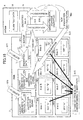
FIGS. 21 and22 are drawings showing a process of decrypting theencrypted data 15 in theNVRAM 4. In step S81, primary modules of theloader 11, thekernel 12, theroot file system 13, and the backup modules of theloader 11b, thekernel 12b, theroot file system 13b are installed in thedisk 3. - In step S82, the ROM update
flag control program 22 turns ON abackup flag 71 in theencrypted data 15 in theNVRAM 4. In step S83, the information processing apparatus reboots in a backup mode. - In step S84, the information processing apparatus boots the
loader 11b, thekernel 12b, theroot file system 13b (backup mode). In step S85, theblob update program 25 creates a copy of theBlob 601 stored in theNVRAM 4 and stores the created copy in thedisk 3. In step S86, the blob update program creates new keys "A" through "D". - In step S87, the
blob update program 25 createsBlobs 80a through 80d including the keys "A" through "D", respectively. In step S88, theblob update program 25 stores the createdblobs 80a through 80d in thedisk 3. In step S89, theblob decryption section 23 acquires the encryption key 62 from theBlob 601 stored in theNVRAM 4. - In step S90, the encryption
key update program 26 encrypts theencryption key 62 using the keys "A" through "D" and stores the encrypted encryption key 62 in thedisk 3. In step S91, the ROM updateflag control program 22 turns OFF thebackup flag 71 in theencrypted data 15 in theNVRAM 4. - In the process shown in
FIGS. 21 and22 , even when thedisk 3 crashes, theencryption key 62 can be acquired from theBlob 601 stored in theNVRAM 4, theBlob 601 corresponding to the boot path ofBIOS 10b →loader 11b →kernel 12b →root file system 13b. As a result, theencrypted data 15 in theNVRAM 4 can be decrypted. - It should be noted that the terms "value storage unit", "encryption information storage units", "information decryption unit", and "encryption information update unit" described in claims herein correspond to the
TPM 7, theBlobs 60a through 601, theblob decryption section 23, and theblob update program 25, respectively.
Claims (17)
- An information processing apparatus including one or more kinds of primary modules necessary to boot the apparatus and one or more kinds of backup modules to be used when the primary modules fail, so that the information processing apparatus is booted in a manner that when any kind of the primary modules fails, the same kind of backup module is used, the information processing apparatus comprising:a value storage unit storing values uniquely calculated from the one or more kinds of the primary modules or the backup modules used when the apparatus is booted;an encryption information storage unit storing information unique to the each kind of the primary or the backup modules, the information being encrypted based on a value calculated from the each kind of the primary modules or the backup modules;an information decryption unit decrypting the information unique to the each kind of the primary modules or the backup modules using the values in the value storage unit, the information being stored in the encryption information storage unit; andan encryption information update unit, when any of the primary modules or the backup modules is updated, encrypting the information unique to the each kind of the primary modules or the backup modules based on a value calculated from the each kind of the primary modules or the backup modules after the update, the information being stored in the encryption information storage unit.
- The information processing apparatus according to claim 1, wherein
the information unique to the each kind of the primary modules or the backup modules is used for encrypting or decrypting an encryption key that is for encrypting or decrypting data used by a user. - The information processing apparatus according to claim 2, wherein
when the encryption key is updated, the updated encryption key is first encrypted using the information unique to the each kind of the primary modules or the backup modules, the information being stored in the encryption information storage unit, data used by a user is decrypted using the encryption key that is not updated in the update, and the data used by the user is encrypted using the updated encryption key. - The information processing apparatus according to claim 2 or 3, wherein
the encryption information storage unit stores the encryption key encrypted using the information unique to the each kind of the primary modules or the backup modules. - The information processing apparatus according to claim 2 or 3, wherein
the encryption information storage unit stores the encryption key encrypted based on a value uniquely calculated from the backup module that is not updated after the shipment of the apparatus. - The information processing apparatus according to claim 5, wherein
when a module storage unit storing the primary modules and the backup modules is updated, the apparatus is booted using the backup modules installed in the module storage unit, new information unique to the each kind of the primary modules or the backup modules is created to reform the encryption information storage unit, and
the encryption key in the encryption information storage unit is decrypted by the information decryption unit and encrypted using the newly created information unique to the each kind of the primary modules or the backup modules. - The information processing apparatus according to claim 1, wherein
the information decryption unit compares a value used for encryption stored in the encryption information storage unit with a value in the value storage unit, and
when the value used for encrypting stored in the encryption information storage unit is the same as the value in the value storage unit, the information decryption unit decrypts the information unique to the each kind of the primary or the backup modules, the information being stored in the encryption information storage unit. - The information processing apparatus according to any one of claims 1 through 7, wherein
the value storage unit is a Trusted Platform Module (TPM). - A software update method for an information processing apparatus including one or more kinds of primary modules necessary to boot the apparatus and one or more kinds of backup modules to be used when the primary modules fail, so that the information processing apparatus is booted in a manner that when any kind of the primary modules fails, the same kind of backup module is used, the software update method comprising:a value storing step of storing values in an value storage unit, the values being uniquely calculated from the one or more kinds of the primary modules or the backup modules used when the apparatus is booted;an encryption information storing step of storing information in an encryption information storage unit, the information being unique to the each kind of the primary or the backup modules, and the information being encrypted based on a value calculated from the each kind of the primary modules or the backup modules;an information decrypting step of decrypting the information by an information decryption unit, the information being unique to the each kind of the primary modules or the backup modules using the values in the value storage unit, and the information being stored in the encryption information storage unit; andan encryption information update step of, when any of the primary modules or the backup modules is updated, encrypting information by an encryption information update unit based on a value calculated from the each kind of the updated primary modules or the updated backup modules, the information being unique to the each kind of the primary modules or the backup modules, and the information being stored in the encryption information storage unit.
- The software update method according to claim 9, wherein
the information unique to the each kind of the primary modules or the backup modules is used for encrypting or decrypting an encryption key that is for encrypting or decrypting data used by a user. - The software update method according to claim 10, wherein
when the encryption key is updated, the updated encryption key is first encrypted using the information unique to the each kind of the primary modules or the backup modules, the information being stored in the encryption information storage unit, data used by a user is decrypted using the encryption key that is not updated in the update, and the data used by the user is encrypted using the updated encryption key. - The software update method according to claim 10 or 11, wherein
the encryption information storage unit stores the encryption key encrypted using the information unique to the each kind of the primary modules or the backup modules. - The software update method according to claim 10 or 11, wherein
the encryption information storage unit stores the encryption key encrypted based on a value uniquely calculated from the backup module that is not updated after the shipment of the apparatus. - The software update method according to claim 13, wherein
when a module storage unit storing the primary modules and the backup modules is updated, the apparatus is booted using the backup modules installed in the module storage unit, new information unique to the each kind of the primary modules or the backup modules is created to reform the encryption information storage unit, and
the encryption key in the encryption information storage unit is decrypted by the information decryption unit and encrypted using the newly created information unique to the each kind of the primary modules or the backup modules. - The software update method according to claim 9, wherein
the information decryption unit compares a value used for encryption stored in the encryption information storage unit with a value in the value storage unit, and
when the value used for encrypting stored in the encryption information storage unit is the same as the value in the value storage unit, the information decryption unit decrypts the information unique to the each kind of the primary or the backup modules, the information being stored in the encryption information storage unit. - The software update method according to any one of claims 9 though 15, wherein
the value storage unit is a Trusted Platform Module (TPM). - An image processing apparatus including one or more kinds of primary modules necessary to boot the apparatus, one or more kinds of backup modules to be used when the primary modules fail, a plotter section, and scanner section so that the plotter and the scanner sections are booted in a manner that when any kind of the primary modules fails, the same kind of backup module is used, the image processing apparatus comprising:a value storage unit storing values uniquely calculated from the one or more kinds of the primary modules or the backup modules used when the apparatus is booted;an encryption information storage unit storing information unique to the each kind of the primary or the backup modules, the information being encrypted based on a value calculated from the each kind of the primary modules or the backup modules;an information decryption unit decrypting the information unique to the each kind of the primary modules or the backup modules using the values in the value storage unit, the information being stored in the encryption information storage unit; andan encryption information update unit, when any of the primary modules or the backup modules is updated, encrypting the information unique to the each kind of the primary modules or the backup modules based on a value calculated from the each kind of the primary modules or the backup modules after the update, the information being stored in the encryption information storage unit.
Applications Claiming Priority (1)
| Application Number | Priority Date | Filing Date | Title |
|---|---|---|---|
| JP2007067250A JP4903071B2 (en) | 2007-03-15 | 2007-03-15 | Information processing apparatus, software update method, and image processing apparatus |
Publications (3)
| Publication Number | Publication Date |
|---|---|
| EP1970830A2 true EP1970830A2 (en) | 2008-09-17 |
| EP1970830A3 EP1970830A3 (en) | 2008-10-29 |
| EP1970830B1 EP1970830B1 (en) | 2011-08-17 |
Family
ID=39595829
Family Applications (1)
| Application Number | Title | Priority Date | Filing Date |
|---|---|---|---|
| EP08152627A Active EP1970830B1 (en) | 2007-03-15 | 2008-03-12 | Information processing apparatus, software update method, and image processing apparatus |
Country Status (3)
| Country | Link |
|---|---|
| US (2) | US8639942B2 (en) |
| EP (1) | EP1970830B1 (en) |
| JP (1) | JP4903071B2 (en) |
Cited By (2)
| Publication number | Priority date | Publication date | Assignee | Title |
|---|---|---|---|---|
| WO2011054639A1 (en) * | 2009-11-05 | 2011-05-12 | Robert Bosch Gmbh | Cryptographic hardware module or method for updating a cryptographic key |
| CN102081534A (en) * | 2009-11-30 | 2011-06-01 | 英特尔公司 | Automatic modular and secure boot firmware update |
Families Citing this family (15)
| Publication number | Priority date | Publication date | Assignee | Title |
|---|---|---|---|---|
| WO2010113266A1 (en) * | 2009-03-31 | 2010-10-07 | 富士通株式会社 | Information processing device, start-up control method and start-up program thereof |
| JP2011034552A (en) * | 2009-07-07 | 2011-02-17 | Ricoh Co Ltd | Information processing apparatus, information processing method and information processing program |
| US9495190B2 (en) * | 2009-08-24 | 2016-11-15 | Microsoft Technology Licensing, Llc | Entropy pools for virtual machines |
| US9098373B2 (en) * | 2013-01-14 | 2015-08-04 | Netronome Systems Incorporated | Software update methodology |
| US9619238B2 (en) | 2013-04-15 | 2017-04-11 | Amazon Technologies, Inc. | Remote attestation of host devices |
| CN105324779B (en) * | 2013-04-15 | 2018-08-28 | 亚马逊技术有限公司 | The host of storage device safe to use restores |
| US10430608B2 (en) * | 2013-06-14 | 2019-10-01 | Salesforce.Com, Inc. | Systems and methods of automated compliance with data privacy laws |
| US10615967B2 (en) * | 2014-03-20 | 2020-04-07 | Microsoft Technology Licensing, Llc | Rapid data protection for storage devices |
| US9367690B2 (en) * | 2014-07-01 | 2016-06-14 | Moxa Inc. | Encryption and decryption methods applied on operating system |
| US9798677B2 (en) * | 2014-10-23 | 2017-10-24 | Microsoft Technology Licensing, Llc | Hybrid cryptographic key derivation |
| BR112017011524A2 (en) * | 2014-12-29 | 2018-06-19 | Visa Int Service Ass | portable communication device, method for updating a mobile application installed on a portable communication device, and server for providing an update to a mobile application installed on a portable communication device. |
| US10146942B2 (en) * | 2015-02-24 | 2018-12-04 | Dell Products, Lp | Method to protect BIOS NVRAM from malicious code injection by encrypting NVRAM variables and system therefor |
| US10177910B2 (en) * | 2016-08-31 | 2019-01-08 | Microsoft Technology Licensing, Llc | Preserving protected secrets across a secure boot update |
| US11023587B2 (en) * | 2018-06-03 | 2021-06-01 | Apple Inc. | External trust cache |
| CN110737448B (en) * | 2018-09-05 | 2023-08-11 | 杭州瑞彼加医疗科技有限公司 | Firmware encryption system comprising microcontroller and firmware protection and upgrading method thereof |
Citations (2)
| Publication number | Priority date | Publication date | Assignee | Title |
|---|---|---|---|---|
| US6185678B1 (en) | 1997-10-02 | 2001-02-06 | Trustees Of The University Of Pennsylvania | Secure and reliable bootstrap architecture |
| US20030194094A1 (en) | 1998-10-26 | 2003-10-16 | Lampson Butler W. | System and method for secure storage data using a key |
Family Cites Families (40)
| Publication number | Priority date | Publication date | Assignee | Title |
|---|---|---|---|---|
| US7080260B2 (en) * | 1996-11-19 | 2006-07-18 | Johnson R Brent | System and computer based method to automatically archive and retrieve encrypted remote client data files |
| US6378072B1 (en) * | 1998-02-03 | 2002-04-23 | Compaq Computer Corporation | Cryptographic system |
| US20030046524A1 (en) * | 2001-08-30 | 2003-03-06 | Zimmer Vincent J. | Method for dynamically designating initialization modules as recovery code |
| US7069445B2 (en) * | 2001-11-30 | 2006-06-27 | Lenovo (Singapore) Pte. Ltd | System and method for migration of a version of a bootable program |
| US6715085B2 (en) * | 2002-04-18 | 2004-03-30 | International Business Machines Corporation | Initializing, maintaining, updating and recovering secure operation within an integrated system employing a data access control function |
| JP2003316582A (en) * | 2002-04-24 | 2003-11-07 | Nec System Technologies Ltd | Method and device for controlling dual bios |
| JP4099039B2 (en) * | 2002-11-15 | 2008-06-11 | 松下電器産業株式会社 | Program update method |
| US7340638B2 (en) * | 2003-01-30 | 2008-03-04 | Microsoft Corporation | Operating system update and boot failure recovery |
| JP2004282391A (en) | 2003-03-14 | 2004-10-07 | Fujitsu Ltd | Information processing apparatus having authentication function and authentication function providing method |
| CN100349111C (en) * | 2003-05-08 | 2007-11-14 | 富士通株式会社 | Software configuration recovery method and device |
| WO2005052769A1 (en) * | 2003-11-28 | 2005-06-09 | Matsushita Electric Industrial Co.,Ltd. | Data processing device |
| CA2452251C (en) * | 2003-12-04 | 2010-02-09 | Timothy R. Jewell | Data backup system and method |
| JP2005196745A (en) * | 2003-12-10 | 2005-07-21 | Ricoh Co Ltd | Information processing apparatus, program recovery method, program recovery program, and recording medium |
| TWI241102B (en) * | 2003-12-30 | 2005-10-01 | Icp Electronics Inc | System for actively updating encryption/decryption module in security gateway and method |
| JP2005284902A (en) * | 2004-03-30 | 2005-10-13 | Net Conscious Kk | Terminal device, control method and control program thereof, host device, control method and control program thereof, and method, system, and program for remote updating |
| US8074287B2 (en) * | 2004-04-30 | 2011-12-06 | Microsoft Corporation | Renewable and individualizable elements of a protected environment |
| US7640592B2 (en) * | 2004-06-12 | 2009-12-29 | Microsoft Corporation | Installation setup |
| US7467328B2 (en) * | 2004-09-03 | 2008-12-16 | Hewlett-Packard Development Company, L.P. | Kernel configuration recovery |
| JP4717398B2 (en) * | 2004-09-10 | 2011-07-06 | キヤノン株式会社 | Method for controlling data processing apparatus |
| TWI273453B (en) * | 2004-12-10 | 2007-02-11 | Hon Hai Prec Ind Co Ltd | An system and method for automatically updating software |
| US7725703B2 (en) * | 2005-01-07 | 2010-05-25 | Microsoft Corporation | Systems and methods for securely booting a computer with a trusted processing module |
| US7603562B2 (en) * | 2005-02-02 | 2009-10-13 | Insyde Software Corporation | System and method for reducing memory requirements of firmware |
| US7716638B2 (en) * | 2005-03-04 | 2010-05-11 | Microsoft Corporation | Methods for describing processor features |
| EP1866825A1 (en) * | 2005-03-22 | 2007-12-19 | Hewlett-Packard Development Company, L.P. | Methods, devices and data structures for trusted data |
| JP2006309516A (en) * | 2005-04-28 | 2006-11-09 | Sony Ericsson Mobilecommunications Japan Inc | Software updating system and software update managing device |
| US8074262B2 (en) * | 2005-05-13 | 2011-12-06 | Intel Corporation | Method and apparatus for migrating virtual trusted platform modules |
| JP4698285B2 (en) * | 2005-05-19 | 2011-06-08 | 富士通株式会社 | Information processing apparatus, information processing method, and computer program |
| US7669073B2 (en) * | 2005-08-19 | 2010-02-23 | Stratus Technologies Bermuda Ltd. | Systems and methods for split mode operation of fault-tolerant computer systems |
| GB2431254A (en) * | 2005-10-11 | 2007-04-18 | Hewlett Packard Development Co | Data transfer system |
| DE602006021217D1 (en) * | 2005-10-12 | 2011-05-19 | Datacastle Corp | METHOD AND SYSTEM FOR DATA BACKUP |
| US7669048B2 (en) * | 2005-12-09 | 2010-02-23 | Microsoft Corporation | Computing device limiting mechanism |
| US7734934B2 (en) * | 2005-12-20 | 2010-06-08 | Intel Corporation | Seamless data migration |
| JP4868216B2 (en) * | 2006-01-19 | 2012-02-01 | 日本電気株式会社 | Firmware update circuit and firmware update method |
| JP4486609B2 (en) * | 2006-03-31 | 2010-06-23 | 富士通株式会社 | Storage device, storage control firmware active program replacement method for storage device, and storage control firmware active program replacement program |
| US7676492B2 (en) * | 2006-04-07 | 2010-03-09 | International Business Machines Corporation | Migration of database using serialized objects |
| US20070250673A1 (en) * | 2006-04-25 | 2007-10-25 | Eidswick Max L | Computer backup system |
| JP2007311953A (en) * | 2006-05-17 | 2007-11-29 | Nec Corp | Station-building side transmission device and its operation control method, and optical network using it |
| US20080060662A1 (en) * | 2006-08-03 | 2008-03-13 | Warsaw Orthopedic Inc. | Protected Information Management Device and Method |
| US7779243B2 (en) * | 2006-12-29 | 2010-08-17 | Intel Corporation | Dual operating system computing system |
| JP4295326B2 (en) * | 2007-01-10 | 2009-07-15 | 株式会社日立製作所 | Computer system |
-
2007
- 2007-03-15 JP JP2007067250A patent/JP4903071B2/en active Active
-
2008
- 2008-03-11 US US12/046,202 patent/US8639942B2/en not_active Expired - Fee Related
- 2008-03-12 EP EP08152627A patent/EP1970830B1/en active Active
-
2013
- 2013-12-20 US US14/136,979 patent/US9235533B2/en not_active Expired - Fee Related
Patent Citations (2)
| Publication number | Priority date | Publication date | Assignee | Title |
|---|---|---|---|---|
| US6185678B1 (en) | 1997-10-02 | 2001-02-06 | Trustees Of The University Of Pennsylvania | Secure and reliable bootstrap architecture |
| US20030194094A1 (en) | 1998-10-26 | 2003-10-16 | Lampson Butler W. | System and method for secure storage data using a key |
Cited By (6)
| Publication number | Priority date | Publication date | Assignee | Title |
|---|---|---|---|---|
| WO2011054639A1 (en) * | 2009-11-05 | 2011-05-12 | Robert Bosch Gmbh | Cryptographic hardware module or method for updating a cryptographic key |
| CN102667796A (en) * | 2009-11-05 | 2012-09-12 | 罗伯特·博世有限公司 | Cryptographic hardware module or method for updating a cryptographic key |
| CN102081534A (en) * | 2009-11-30 | 2011-06-01 | 英特尔公司 | Automatic modular and secure boot firmware update |
| EP2339494A1 (en) * | 2009-11-30 | 2011-06-29 | Intel Corporation | Automated modular and secure boot firmware update |
| US8589302B2 (en) | 2009-11-30 | 2013-11-19 | Intel Corporation | Automated modular and secure boot firmware update |
| US9483246B2 (en) | 2009-11-30 | 2016-11-01 | Intel Corporation | Automated modular and secure boot firmware update |
Also Published As
| Publication number | Publication date |
|---|---|
| EP1970830A3 (en) | 2008-10-29 |
| US9235533B2 (en) | 2016-01-12 |
| US20140115347A1 (en) | 2014-04-24 |
| US20080229114A1 (en) | 2008-09-18 |
| JP4903071B2 (en) | 2012-03-21 |
| JP2008226158A (en) | 2008-09-25 |
| US8639942B2 (en) | 2014-01-28 |
| EP1970830B1 (en) | 2011-08-17 |
Similar Documents
| Publication | Publication Date | Title |
|---|---|---|
| EP1970830B1 (en) | Information processing apparatus, software update method, and image processing apparatus | |
| US7929706B2 (en) | Encryption key restoring method, information processing apparatus, and encryption key restoring program | |
| US8782388B2 (en) | Information processing apparatus, method, and computer-readable storage medium that encrypt data in a blob based on a hash value | |
| EP3076324B1 (en) | Information processing apparatus and method of controlling the apparatus | |
| US20100005531A1 (en) | Isolated multiplexed multi-dimensional processing in a virtual processing space having virus, spyware, and hacker protection features | |
| JP5689429B2 (en) | Authentication apparatus and authentication method | |
| US10942750B2 (en) | System and method to securely load non-UEFI based file format as OEM based UEFI custom capsule format in UEFI loader | |
| JP2012008641A (en) | Security device and information processing device | |
| US20080072070A1 (en) | Secure virtual RAM | |
| JP2021117928A (en) | Information processing device and how to start it | |
| JP4707748B2 (en) | External storage device, method for processing data stored in external storage device, program, and information processing apparatus | |
| JPWO2008068908A1 (en) | Information processing apparatus and information management program | |
| US20020169976A1 (en) | Enabling optional system features | |
| US10402346B2 (en) | Information processing apparatus capable of backing up and restoring key for data encryption and method for controlling the same | |
| JP7521081B2 (en) | Processing device and program | |
| KR19990027843A (en) | Personal computer system with flash ROM control device and control method | |
| US12158948B2 (en) | Image forming apparatus capable of executing application programs, control method therefor, and storage medium | |
| US10657268B2 (en) | Information processing apparatus, information processing method, and non-transitory computer readable medium to verify validity of backup data | |
| JP7738398B2 (en) | Information processing device, program verification method and program | |
| RU2623887C2 (en) | Full-disk encryption module update installation method | |
| CN112131612B (en) | CF card data tamper-proof method, device, equipment and medium | |
| JP5673045B2 (en) | Embedded devices, encryption / decryption methods, programs | |
| JP2020052597A (en) | Information processing apparatus, information processing apparatus control method, and program | |
| JP2008102678A (en) | Electronics | |
| JP2025165774A (en) | Image processing device and backup program |
Legal Events
| Date | Code | Title | Description |
|---|---|---|---|
| PUAI | Public reference made under article 153(3) epc to a published international application that has entered the european phase |
Free format text: ORIGINAL CODE: 0009012 |
|
| 17P | Request for examination filed |
Effective date: 20080312 |
|
| AK | Designated contracting states |
Kind code of ref document: A2 Designated state(s): AT BE BG CH CY CZ DE DK EE ES FI FR GB GR HR HU IE IS IT LI LT LU LV MC MT NL NO PL PT RO SE SI SK TR |
|
| AX | Request for extension of the european patent |
Extension state: AL BA MK RS |
|
| PUAL | Search report despatched |
Free format text: ORIGINAL CODE: 0009013 |
|
| AK | Designated contracting states |
Kind code of ref document: A3 Designated state(s): AT BE BG CH CY CZ DE DK EE ES FI FR GB GR HR HU IE IS IT LI LT LU LV MC MT NL NO PL PT RO SE SI SK TR |
|
| AX | Request for extension of the european patent |
Extension state: AL BA MK RS |
|
| AKX | Designation fees paid |
Designated state(s): DE ES FR GB IT NL |
|
| GRAP | Despatch of communication of intention to grant a patent |
Free format text: ORIGINAL CODE: EPIDOSNIGR1 |
|
| GRAS | Grant fee paid |
Free format text: ORIGINAL CODE: EPIDOSNIGR3 |
|
| GRAA | (expected) grant |
Free format text: ORIGINAL CODE: 0009210 |
|
| AK | Designated contracting states |
Kind code of ref document: B1 Designated state(s): DE ES FR GB IT NL |
|
| REG | Reference to a national code |
Ref country code: GB Ref legal event code: FG4D |
|
| REG | Reference to a national code |
Ref country code: DE Ref legal event code: R096 Ref document number: 602008008881 Country of ref document: DE Effective date: 20111013 |
|
| REG | Reference to a national code |
Ref country code: NL Ref legal event code: VDEP Effective date: 20110817 |
|
| PG25 | Lapsed in a contracting state [announced via postgrant information from national office to epo] |
Ref country code: NL Free format text: LAPSE BECAUSE OF FAILURE TO SUBMIT A TRANSLATION OF THE DESCRIPTION OR TO PAY THE FEE WITHIN THE PRESCRIBED TIME-LIMIT Effective date: 20110817 |
|
| PG25 | Lapsed in a contracting state [announced via postgrant information from national office to epo] |
Ref country code: IT Free format text: LAPSE BECAUSE OF FAILURE TO SUBMIT A TRANSLATION OF THE DESCRIPTION OR TO PAY THE FEE WITHIN THE PRESCRIBED TIME-LIMIT Effective date: 20110817 |
|
| PLBE | No opposition filed within time limit |
Free format text: ORIGINAL CODE: 0009261 |
|
| STAA | Information on the status of an ep patent application or granted ep patent |
Free format text: STATUS: NO OPPOSITION FILED WITHIN TIME LIMIT |
|
| 26N | No opposition filed |
Effective date: 20120521 |
|
| REG | Reference to a national code |
Ref country code: DE Ref legal event code: R097 Ref document number: 602008008881 Country of ref document: DE Effective date: 20120521 |
|
| PG25 | Lapsed in a contracting state [announced via postgrant information from national office to epo] |
Ref country code: ES Free format text: LAPSE BECAUSE OF FAILURE TO SUBMIT A TRANSLATION OF THE DESCRIPTION OR TO PAY THE FEE WITHIN THE PRESCRIBED TIME-LIMIT Effective date: 20111128 |
|
| REG | Reference to a national code |
Ref country code: FR Ref legal event code: PLFP Year of fee payment: 9 |
|
| REG | Reference to a national code |
Ref country code: FR Ref legal event code: PLFP Year of fee payment: 10 |
|
| REG | Reference to a national code |
Ref country code: FR Ref legal event code: PLFP Year of fee payment: 11 |
|
| P01 | Opt-out of the competence of the unified patent court (upc) registered |
Effective date: 20230522 |
|
| PGFP | Annual fee paid to national office [announced via postgrant information from national office to epo] |
Ref country code: GB Payment date: 20260324 Year of fee payment: 19 |
|
| PGFP | Annual fee paid to national office [announced via postgrant information from national office to epo] |
Ref country code: DE Payment date: 20260319 Year of fee payment: 19 |
|
| PGFP | Annual fee paid to national office [announced via postgrant information from national office to epo] |
Ref country code: FR Payment date: 20260320 Year of fee payment: 19 |