EP1965865B1 - Combination of an iap-inhibitor and a taxane - Google Patents
Combination of an iap-inhibitor and a taxane Download PDFInfo
- Publication number
- EP1965865B1 EP1965865B1 EP06845684.7A EP06845684A EP1965865B1 EP 1965865 B1 EP1965865 B1 EP 1965865B1 EP 06845684 A EP06845684 A EP 06845684A EP 1965865 B1 EP1965865 B1 EP 1965865B1
- Authority
- EP
- European Patent Office
- Prior art keywords
- combination
- alkyl
- ethyl
- cyclohexyl
- propionamide
- Prior art date
- Legal status (The legal status is an assumption and is not a legal conclusion. Google has not performed a legal analysis and makes no representation as to the accuracy of the status listed.)
- Not-in-force
Links
- 229940123237 Taxane Drugs 0.000 title description 18
- 239000003112 inhibitor Substances 0.000 title description 12
- DKPFODGZWDEEBT-QFIAKTPHSA-N taxane Chemical class C([C@]1(C)CCC[C@@H](C)[C@H]1C1)C[C@H]2[C@H](C)CC[C@@H]1C2(C)C DKPFODGZWDEEBT-QFIAKTPHSA-N 0.000 title description 8
- 150000001875 compounds Chemical class 0.000 claims description 57
- 208000037265 diseases, disorders, signs and symptoms Diseases 0.000 claims description 56
- 201000010099 disease Diseases 0.000 claims description 52
- 150000003839 salts Chemical class 0.000 claims description 50
- 229930012538 Paclitaxel Natural products 0.000 claims description 40
- 229960001592 paclitaxel Drugs 0.000 claims description 40
- RCINICONZNJXQF-MZXODVADSA-N taxol Chemical compound O([C@@H]1[C@@]2(C[C@@H](C(C)=C(C2(C)C)[C@H](C([C@]2(C)[C@@H](O)C[C@H]3OC[C@]3([C@H]21)OC(C)=O)=O)OC(=O)C)OC(=O)[C@H](O)[C@@H](NC(=O)C=1C=CC=CC=1)C=1C=CC=CC=1)O)C(=O)C1=CC=CC=C1 RCINICONZNJXQF-MZXODVADSA-N 0.000 claims description 40
- 238000011282 treatment Methods 0.000 claims description 34
- 230000002062 proliferating effect Effects 0.000 claims description 33
- UFPFGVNKHCLJJO-UHFFFAOYSA-N n-[1-cyclohexyl-2-[2-[4-(4-fluorobenzoyl)-1,3-thiazol-2-yl]pyrrolidin-1-yl]-2-oxoethyl]-2-(methylamino)propanamide Chemical compound C1CCC(C=2SC=C(N=2)C(=O)C=2C=CC(F)=CC=2)N1C(=O)C(NC(=O)C(C)NC)C1CCCCC1 UFPFGVNKHCLJJO-UHFFFAOYSA-N 0.000 claims description 15
- 229940080818 propionamide Drugs 0.000 claims description 12
- 239000003814 drug Substances 0.000 claims description 11
- ZDZOTLJHXYCWBA-VCVYQWHSSA-N N-debenzoyl-N-(tert-butoxycarbonyl)-10-deacetyltaxol Chemical compound O([C@H]1[C@H]2[C@@](C([C@H](O)C3=C(C)[C@@H](OC(=O)[C@H](O)[C@@H](NC(=O)OC(C)(C)C)C=4C=CC=CC=4)C[C@]1(O)C3(C)C)=O)(C)[C@@H](O)C[C@H]1OC[C@]12OC(=O)C)C(=O)C1=CC=CC=C1 ZDZOTLJHXYCWBA-VCVYQWHSSA-N 0.000 claims description 9
- 229960003668 docetaxel Drugs 0.000 claims description 8
- UFPFGVNKHCLJJO-SSKFGXFMSA-N (2s)-n-[(1s)-1-cyclohexyl-2-[(2s)-2-[4-(4-fluorobenzoyl)-1,3-thiazol-2-yl]pyrrolidin-1-yl]-2-oxoethyl]-2-(methylamino)propanamide Chemical compound C1([C@H](NC(=O)[C@H](C)NC)C(=O)N2[C@@H](CCC2)C=2SC=C(N=2)C(=O)C=2C=CC(F)=CC=2)CCCCC1 UFPFGVNKHCLJJO-SSKFGXFMSA-N 0.000 claims description 4
- 238000004519 manufacturing process Methods 0.000 claims description 4
- 230000002265 prevention Effects 0.000 claims description 4
- 239000003795 chemical substances by application Substances 0.000 description 32
- -1 as defined below Chemical class 0.000 description 31
- 206010028980 Neoplasm Diseases 0.000 description 23
- 125000000217 alkyl group Chemical group 0.000 description 21
- 125000001424 substituent group Chemical group 0.000 description 21
- 239000004480 active ingredient Substances 0.000 description 19
- 210000004027 cell Anatomy 0.000 description 19
- 125000003118 aryl group Chemical group 0.000 description 16
- 230000000694 effects Effects 0.000 description 16
- 208000032839 leukemia Diseases 0.000 description 15
- 101710156605 Diablo homolog, mitochondrial Proteins 0.000 description 14
- 125000000753 cycloalkyl group Chemical group 0.000 description 14
- 210000004881 tumor cell Anatomy 0.000 description 14
- 125000001997 phenyl group Chemical group [H]C1=C([H])C([H])=C(*)C([H])=C1[H] 0.000 description 13
- 108091007065 BIRCs Proteins 0.000 description 11
- IJGRMHOSHXDMSA-UHFFFAOYSA-N Atomic nitrogen Chemical compound N#N IJGRMHOSHXDMSA-UHFFFAOYSA-N 0.000 description 10
- 239000000203 mixture Substances 0.000 description 10
- HCSMRSHIIKPNAK-UHFFFAOYSA-N n-[1-cyclohexyl-2-oxo-2-[6-(2-phenylethyl)-3,3a,4,5,7,7a-hexahydro-2h-pyrrolo[2,3-c]pyridin-1-yl]ethyl]-2-(methylamino)propanamide Chemical compound C1CC2CCN(CCC=3C=CC=CC=3)CC2N1C(=O)C(NC(=O)C(C)NC)C1CCCCC1 HCSMRSHIIKPNAK-UHFFFAOYSA-N 0.000 description 10
- 238000002360 preparation method Methods 0.000 description 10
- 108010042423 LBW242 Proteins 0.000 description 9
- 239000001963 growth medium Substances 0.000 description 9
- 238000000034 method Methods 0.000 description 9
- 125000004178 (C1-C4) alkyl group Chemical group 0.000 description 8
- 229910052757 nitrogen Inorganic materials 0.000 description 8
- 229910052760 oxygen Inorganic materials 0.000 description 8
- 208000032791 BCR-ABL1 positive chronic myelogenous leukemia Diseases 0.000 description 7
- 208000010833 Chronic myeloid leukaemia Diseases 0.000 description 7
- 208000033761 Myelogenous Chronic BCR-ABL Positive Leukemia Diseases 0.000 description 7
- 239000002552 dosage form Substances 0.000 description 7
- 239000003937 drug carrier Substances 0.000 description 7
- 229910052736 halogen Inorganic materials 0.000 description 7
- 150000002367 halogens Chemical group 0.000 description 7
- 125000002496 methyl group Chemical group [H]C([H])([H])* 0.000 description 7
- 239000008194 pharmaceutical composition Substances 0.000 description 7
- 229910052717 sulfur Inorganic materials 0.000 description 7
- RXGJTUSBYWCRBK-UHFFFAOYSA-M 5-methylphenazinium methyl sulfate Chemical compound COS([O-])(=O)=O.C1=CC=C2[N+](C)=C(C=CC=C3)C3=NC2=C1 RXGJTUSBYWCRBK-UHFFFAOYSA-M 0.000 description 6
- KAESVJOAVNADME-UHFFFAOYSA-N Pyrrole Chemical compound C=1C=CNC=1 KAESVJOAVNADME-UHFFFAOYSA-N 0.000 description 6
- 229940024606 amino acid Drugs 0.000 description 6
- 235000001014 amino acid Nutrition 0.000 description 6
- 150000001413 amino acids Chemical class 0.000 description 6
- 230000009286 beneficial effect Effects 0.000 description 6
- 125000004432 carbon atom Chemical group C* 0.000 description 6
- WEVYNIUIFUYDGI-UHFFFAOYSA-N 3-[6-[4-(trifluoromethoxy)anilino]-4-pyrimidinyl]benzamide Chemical compound NC(=O)C1=CC=CC(C=2N=CN=C(NC=3C=CC(OC(F)(F)F)=CC=3)C=2)=C1 WEVYNIUIFUYDGI-UHFFFAOYSA-N 0.000 description 5
- 206010006187 Breast cancer Diseases 0.000 description 5
- 208000026310 Breast neoplasm Diseases 0.000 description 5
- 201000004681 Psoriasis Diseases 0.000 description 5
- 239000002253 acid Substances 0.000 description 5
- 239000000460 chlorine Substances 0.000 description 5
- 229910052801 chlorine Inorganic materials 0.000 description 5
- 125000005842 heteroatom Chemical group 0.000 description 5
- 125000000623 heterocyclic group Chemical group 0.000 description 5
- 125000004356 hydroxy functional group Chemical group O* 0.000 description 5
- 208000020816 lung neoplasm Diseases 0.000 description 5
- 125000004433 nitrogen atom Chemical group N* 0.000 description 5
- 125000002924 primary amino group Chemical group [H]N([H])* 0.000 description 5
- 230000001225 therapeutic effect Effects 0.000 description 5
- 125000004209 (C1-C8) alkyl group Chemical group 0.000 description 4
- APRZHQXAAWPYHS-UHFFFAOYSA-N 4-[5-[3-(carboxymethoxy)phenyl]-3-(4,5-dimethyl-1,3-thiazol-2-yl)tetrazol-3-ium-2-yl]benzenesulfonate Chemical compound S1C(C)=C(C)N=C1[N+]1=NC(C=2C=C(OCC(O)=O)C=CC=2)=NN1C1=CC=C(S([O-])(=O)=O)C=C1 APRZHQXAAWPYHS-UHFFFAOYSA-N 0.000 description 4
- 125000003341 7 membered heterocyclic group Chemical group 0.000 description 4
- DHMQDGOQFOQNFH-UHFFFAOYSA-N Glycine Chemical compound NCC(O)=O DHMQDGOQFOQNFH-UHFFFAOYSA-N 0.000 description 4
- 239000005517 L01XE01 - Imatinib Substances 0.000 description 4
- 241001465754 Metazoa Species 0.000 description 4
- NQRYJNQNLNOLGT-UHFFFAOYSA-N Piperidine Chemical compound C1CCNCC1 NQRYJNQNLNOLGT-UHFFFAOYSA-N 0.000 description 4
- 206010035226 Plasma cell myeloma Diseases 0.000 description 4
- 102000001253 Protein Kinase Human genes 0.000 description 4
- 102000004022 Protein-Tyrosine Kinases Human genes 0.000 description 4
- 108090000412 Protein-Tyrosine Kinases Proteins 0.000 description 4
- JUJWROOIHBZHMG-UHFFFAOYSA-N Pyridine Chemical compound C1=CC=NC=C1 JUJWROOIHBZHMG-UHFFFAOYSA-N 0.000 description 4
- 125000000539 amino acid group Chemical group 0.000 description 4
- 230000001028 anti-proliverative effect Effects 0.000 description 4
- 230000008901 benefit Effects 0.000 description 4
- 229910052799 carbon Inorganic materials 0.000 description 4
- 239000003153 chemical reaction reagent Substances 0.000 description 4
- 125000004093 cyano group Chemical group *C#N 0.000 description 4
- 125000004122 cyclic group Chemical group 0.000 description 4
- 230000001419 dependent effect Effects 0.000 description 4
- 125000001495 ethyl group Chemical group [H]C([H])([H])C([H])([H])* 0.000 description 4
- 239000012091 fetal bovine serum Substances 0.000 description 4
- 229910052731 fluorine Inorganic materials 0.000 description 4
- KTUFNOKKBVMGRW-UHFFFAOYSA-N imatinib Chemical compound C1CN(C)CCN1CC1=CC=C(C(=O)NC=2C=C(NC=3N=C(C=CN=3)C=3C=NC=CC=3)C(C)=CC=2)C=C1 KTUFNOKKBVMGRW-UHFFFAOYSA-N 0.000 description 4
- 230000002401 inhibitory effect Effects 0.000 description 4
- 125000000449 nitro group Chemical group [O-][N+](*)=O 0.000 description 4
- 239000000825 pharmaceutical preparation Substances 0.000 description 4
- 108060006633 protein kinase Proteins 0.000 description 4
- 238000009097 single-agent therapy Methods 0.000 description 4
- UCSJYZPVAKXKNQ-HZYVHMACSA-N streptomycin Chemical compound CN[C@H]1[C@H](O)[C@@H](O)[C@H](CO)O[C@H]1O[C@@H]1[C@](C=O)(O)[C@H](C)O[C@H]1O[C@@H]1[C@@H](NC(N)=N)[C@H](O)[C@@H](NC(N)=N)[C@H](O)[C@H]1O UCSJYZPVAKXKNQ-HZYVHMACSA-N 0.000 description 4
- 238000002560 therapeutic procedure Methods 0.000 description 4
- 125000004399 C1-C4 alkenyl group Chemical group 0.000 description 3
- ZAMOUSCENKQFHK-UHFFFAOYSA-N Chlorine atom Chemical compound [Cl] ZAMOUSCENKQFHK-UHFFFAOYSA-N 0.000 description 3
- IAZDPXIOMUYVGZ-UHFFFAOYSA-N Dimethylsulphoxide Chemical compound CS(C)=O IAZDPXIOMUYVGZ-UHFFFAOYSA-N 0.000 description 3
- 206010016654 Fibrosis Diseases 0.000 description 3
- PXGOKWXKJXAPGV-UHFFFAOYSA-N Fluorine Chemical compound FF PXGOKWXKJXAPGV-UHFFFAOYSA-N 0.000 description 3
- WHUUTDBJXJRKMK-UHFFFAOYSA-N Glutamic acid Natural products OC(=O)C(N)CCC(O)=O WHUUTDBJXJRKMK-UHFFFAOYSA-N 0.000 description 3
- WHUUTDBJXJRKMK-VKHMYHEASA-N L-glutamic acid Chemical compound OC(=O)[C@@H](N)CCC(O)=O WHUUTDBJXJRKMK-VKHMYHEASA-N 0.000 description 3
- 238000000719 MTS assay Methods 0.000 description 3
- 231100000070 MTS assay Toxicity 0.000 description 3
- 241000124008 Mammalia Species 0.000 description 3
- RWRDLPDLKQPQOW-UHFFFAOYSA-N Pyrrolidine Chemical compound C1CCNC1 RWRDLPDLKQPQOW-UHFFFAOYSA-N 0.000 description 3
- 206010041067 Small cell lung cancer Diseases 0.000 description 3
- 230000001154 acute effect Effects 0.000 description 3
- 229910052784 alkaline earth metal Inorganic materials 0.000 description 3
- 125000004390 alkyl sulfonyl group Chemical group 0.000 description 3
- 150000003863 ammonium salts Chemical class 0.000 description 3
- 201000011510 cancer Diseases 0.000 description 3
- 239000002775 capsule Substances 0.000 description 3
- 125000003178 carboxy group Chemical group [H]OC(*)=O 0.000 description 3
- 210000000170 cell membrane Anatomy 0.000 description 3
- 229940127089 cytotoxic agent Drugs 0.000 description 3
- 239000003085 diluting agent Substances 0.000 description 3
- 231100000673 dose–response relationship Toxicity 0.000 description 3
- 230000004761 fibrosis Effects 0.000 description 3
- 239000011737 fluorine Substances 0.000 description 3
- 229960002989 glutamic acid Drugs 0.000 description 3
- 235000013922 glutamic acid Nutrition 0.000 description 3
- 239000004220 glutamic acid Substances 0.000 description 3
- 230000012010 growth Effects 0.000 description 3
- 210000003958 hematopoietic stem cell Anatomy 0.000 description 3
- 206010020718 hyperplasia Diseases 0.000 description 3
- 229960002411 imatinib Drugs 0.000 description 3
- 238000000338 in vitro Methods 0.000 description 3
- 210000004072 lung Anatomy 0.000 description 3
- 208000037841 lung tumor Diseases 0.000 description 3
- 210000004698 lymphocyte Anatomy 0.000 description 3
- 239000002609 medium Substances 0.000 description 3
- 201000001441 melanoma Diseases 0.000 description 3
- 125000000956 methoxy group Chemical group [H]C([H])([H])O* 0.000 description 3
- 201000000050 myeloid neoplasm Diseases 0.000 description 3
- 230000035755 proliferation Effects 0.000 description 3
- 210000002307 prostate Anatomy 0.000 description 3
- 229920006395 saturated elastomer Polymers 0.000 description 3
- 239000003826 tablet Substances 0.000 description 3
- MTCFGRXMJLQNBG-REOHCLBHSA-N (2S)-2-Amino-3-hydroxypropansäure Chemical compound OC[C@H](N)C(O)=O MTCFGRXMJLQNBG-REOHCLBHSA-N 0.000 description 2
- 125000000229 (C1-C4)alkoxy group Chemical group 0.000 description 2
- FCEHBMOGCRZNNI-UHFFFAOYSA-N 1-benzothiophene Chemical compound C1=CC=C2SC=CC2=C1 FCEHBMOGCRZNNI-UHFFFAOYSA-N 0.000 description 2
- PECYZEOJVXMISF-UHFFFAOYSA-N 3-aminoalanine Chemical compound [NH3+]CC(N)C([O-])=O PECYZEOJVXMISF-UHFFFAOYSA-N 0.000 description 2
- HBAQYPYDRFILMT-UHFFFAOYSA-N 8-[3-(1-cyclopropylpyrazol-4-yl)-1H-pyrazolo[4,3-d]pyrimidin-5-yl]-3-methyl-3,8-diazabicyclo[3.2.1]octan-2-one Chemical class C1(CC1)N1N=CC(=C1)C1=NNC2=C1N=C(N=C2)N1C2C(N(CC1CC2)C)=O HBAQYPYDRFILMT-UHFFFAOYSA-N 0.000 description 2
- 208000031261 Acute myeloid leukaemia Diseases 0.000 description 2
- KHBQMWCZKVMBLN-UHFFFAOYSA-N Benzenesulfonamide Chemical compound NS(=O)(=O)C1=CC=CC=C1 KHBQMWCZKVMBLN-UHFFFAOYSA-N 0.000 description 2
- 208000007342 Diabetic Nephropathies Diseases 0.000 description 2
- AOJJSUZBOXZQNB-TZSSRYMLSA-N Doxorubicin Chemical compound O([C@H]1C[C@@](O)(CC=2C(O)=C3C(=O)C=4C=CC=C(C=4C(=O)C3=C(O)C=21)OC)C(=O)CO)[C@H]1C[C@H](N)[C@H](O)[C@H](C)O1 AOJJSUZBOXZQNB-TZSSRYMLSA-N 0.000 description 2
- ZHNUHDYFZUAESO-UHFFFAOYSA-N Formamide Chemical compound NC=O ZHNUHDYFZUAESO-UHFFFAOYSA-N 0.000 description 2
- 239000004471 Glycine Substances 0.000 description 2
- 206010066476 Haematological malignancy Diseases 0.000 description 2
- 241000711549 Hepacivirus C Species 0.000 description 2
- 102000003964 Histone deacetylase Human genes 0.000 description 2
- 108090000353 Histone deacetylase Proteins 0.000 description 2
- 241000282412 Homo Species 0.000 description 2
- PMMYEEVYMWASQN-DMTCNVIQSA-N Hydroxyproline Chemical compound O[C@H]1CN[C@H](C(O)=O)C1 PMMYEEVYMWASQN-DMTCNVIQSA-N 0.000 description 2
- SIKJAQJRHWYJAI-UHFFFAOYSA-N Indole Chemical compound C1=CC=C2NC=CC2=C1 SIKJAQJRHWYJAI-UHFFFAOYSA-N 0.000 description 2
- 102000055031 Inhibitor of Apoptosis Proteins Human genes 0.000 description 2
- 208000007766 Kaposi sarcoma Diseases 0.000 description 2
- KDXKERNSBIXSRK-YFKPBYRVSA-N L-lysine Chemical compound NCCCC[C@H](N)C(O)=O KDXKERNSBIXSRK-YFKPBYRVSA-N 0.000 description 2
- COLNVLDHVKWLRT-QMMMGPOBSA-N L-phenylalanine Chemical compound OC(=O)[C@@H](N)CC1=CC=CC=C1 COLNVLDHVKWLRT-QMMMGPOBSA-N 0.000 description 2
- AYFVYJQAPQTCCC-GBXIJSLDSA-N L-threonine Chemical compound C[C@@H](O)[C@H](N)C(O)=O AYFVYJQAPQTCCC-GBXIJSLDSA-N 0.000 description 2
- 206010058467 Lung neoplasm malignant Diseases 0.000 description 2
- KDXKERNSBIXSRK-UHFFFAOYSA-N Lysine Natural products NCCCCC(N)C(O)=O KDXKERNSBIXSRK-UHFFFAOYSA-N 0.000 description 2
- 239000004472 Lysine Substances 0.000 description 2
- 206010027476 Metastases Diseases 0.000 description 2
- YNAVUWVOSKDBBP-UHFFFAOYSA-N Morpholine Chemical compound C1COCCN1 YNAVUWVOSKDBBP-UHFFFAOYSA-N 0.000 description 2
- 206010033128 Ovarian cancer Diseases 0.000 description 2
- 206010061535 Ovarian neoplasm Diseases 0.000 description 2
- ZCQWOFVYLHDMMC-UHFFFAOYSA-N Oxazole Chemical compound C1=COC=N1 ZCQWOFVYLHDMMC-UHFFFAOYSA-N 0.000 description 2
- 229930182555 Penicillin Natural products 0.000 description 2
- JGSARLDLIJGVTE-MBNYWOFBSA-N Penicillin G Chemical compound N([C@H]1[C@H]2SC([C@@H](N2C1=O)C(O)=O)(C)C)C(=O)CC1=CC=CC=C1 JGSARLDLIJGVTE-MBNYWOFBSA-N 0.000 description 2
- 108091000080 Phosphotransferase Proteins 0.000 description 2
- GLUUGHFHXGJENI-UHFFFAOYSA-N Piperazine Chemical compound C1CNCCN1 GLUUGHFHXGJENI-UHFFFAOYSA-N 0.000 description 2
- 208000000236 Prostatic Neoplasms Diseases 0.000 description 2
- 102000016971 Proto-Oncogene Proteins c-kit Human genes 0.000 description 2
- 108010014608 Proto-Oncogene Proteins c-kit Proteins 0.000 description 2
- KYQCOXFCLRTKLS-UHFFFAOYSA-N Pyrazine Chemical compound C1=CN=CC=N1 KYQCOXFCLRTKLS-UHFFFAOYSA-N 0.000 description 2
- WTKZEGDFNFYCGP-UHFFFAOYSA-N Pyrazole Chemical compound C=1C=NNC=1 WTKZEGDFNFYCGP-UHFFFAOYSA-N 0.000 description 2
- CZPWVGJYEJSRLH-UHFFFAOYSA-N Pyrimidine Chemical compound C1=CN=CN=C1 CZPWVGJYEJSRLH-UHFFFAOYSA-N 0.000 description 2
- SMWDFEZZVXVKRB-UHFFFAOYSA-N Quinoline Chemical compound N1=CC=CC2=CC=CC=C21 SMWDFEZZVXVKRB-UHFFFAOYSA-N 0.000 description 2
- 239000012980 RPMI-1640 medium Substances 0.000 description 2
- 239000006146 Roswell Park Memorial Institute medium Substances 0.000 description 2
- 229910020008 S(O) Inorganic materials 0.000 description 2
- MTCFGRXMJLQNBG-UHFFFAOYSA-N Serine Natural products OCC(N)C(O)=O MTCFGRXMJLQNBG-UHFFFAOYSA-N 0.000 description 2
- FZWLAAWBMGSTSO-UHFFFAOYSA-N Thiazole Chemical compound C1=CSC=N1 FZWLAAWBMGSTSO-UHFFFAOYSA-N 0.000 description 2
- YTPLMLYBLZKORZ-UHFFFAOYSA-N Thiophene Chemical compound C=1C=CSC=1 YTPLMLYBLZKORZ-UHFFFAOYSA-N 0.000 description 2
- AYFVYJQAPQTCCC-UHFFFAOYSA-N Threonine Natural products CC(O)C(N)C(O)=O AYFVYJQAPQTCCC-UHFFFAOYSA-N 0.000 description 2
- 239000004473 Threonine Substances 0.000 description 2
- 125000003545 alkoxy group Chemical group 0.000 description 2
- 125000004644 alkyl sulfinyl group Chemical group 0.000 description 2
- 125000004414 alkyl thio group Chemical group 0.000 description 2
- 150000001412 amines Chemical class 0.000 description 2
- 230000006229 amino acid addition Effects 0.000 description 2
- 230000033115 angiogenesis Effects 0.000 description 2
- 230000006907 apoptotic process Effects 0.000 description 2
- 125000000732 arylene group Chemical group 0.000 description 2
- 235000003704 aspartic acid Nutrition 0.000 description 2
- 238000003556 assay Methods 0.000 description 2
- 239000002585 base Substances 0.000 description 2
- 108010056708 bcr-abl Fusion Proteins Proteins 0.000 description 2
- OQFSQFPPLPISGP-UHFFFAOYSA-N beta-carboxyaspartic acid Natural products OC(=O)C(N)C(C(O)=O)C(O)=O OQFSQFPPLPISGP-UHFFFAOYSA-N 0.000 description 2
- 210000004204 blood vessel Anatomy 0.000 description 2
- 210000000481 breast Anatomy 0.000 description 2
- 201000008275 breast carcinoma Diseases 0.000 description 2
- 229910052794 bromium Inorganic materials 0.000 description 2
- 150000004657 carbamic acid derivatives Chemical class 0.000 description 2
- 125000001589 carboacyl group Chemical group 0.000 description 2
- 239000000969 carrier Substances 0.000 description 2
- 230000010261 cell growth Effects 0.000 description 2
- 230000004663 cell proliferation Effects 0.000 description 2
- 238000011260 co-administration Methods 0.000 description 2
- 208000029742 colonic neoplasm Diseases 0.000 description 2
- 125000000582 cycloheptyl group Chemical group [H]C1([H])C([H])([H])C([H])([H])C([H])([H])C([H])(*)C([H])([H])C1([H])[H] 0.000 description 2
- 239000002254 cytotoxic agent Substances 0.000 description 2
- 230000003247 decreasing effect Effects 0.000 description 2
- 230000002074 deregulated effect Effects 0.000 description 2
- 208000033679 diabetic kidney disease Diseases 0.000 description 2
- 208000035475 disorder Diseases 0.000 description 2
- PMMYEEVYMWASQN-UHFFFAOYSA-N dl-hydroxyproline Natural products OC1C[NH2+]C(C([O-])=O)C1 PMMYEEVYMWASQN-UHFFFAOYSA-N 0.000 description 2
- 229940079593 drug Drugs 0.000 description 2
- HESCAJZNRMSMJG-HGYUPSKWSA-N epothilone A Natural products O=C1[C@H](C)[C@H](O)[C@H](C)CCC[C@H]2O[C@H]2C[C@@H](/C(=C\c2nc(C)sc2)/C)OC(=O)C[C@H](O)C1(C)C HESCAJZNRMSMJG-HGYUPSKWSA-N 0.000 description 2
- QXRSDHAAWVKZLJ-PVYNADRNSA-N epothilone B Chemical compound C/C([C@@H]1C[C@@H]2O[C@]2(C)CCC[C@@H]([C@@H]([C@@H](C)C(=O)C(C)(C)[C@@H](O)CC(=O)O1)O)C)=C\C1=CSC(C)=N1 QXRSDHAAWVKZLJ-PVYNADRNSA-N 0.000 description 2
- 150000002148 esters Chemical group 0.000 description 2
- 238000011156 evaluation Methods 0.000 description 2
- 230000001747 exhibiting effect Effects 0.000 description 2
- 229960002449 glycine Drugs 0.000 description 2
- 125000005843 halogen group Chemical group 0.000 description 2
- 229960002591 hydroxyproline Drugs 0.000 description 2
- AWJUIBRHMBBTKR-UHFFFAOYSA-N isoquinoline Chemical compound C1=NC=CC2=CC=CC=C21 AWJUIBRHMBBTKR-UHFFFAOYSA-N 0.000 description 2
- 125000000842 isoxazolyl group Chemical group 0.000 description 2
- 208000017169 kidney disease Diseases 0.000 description 2
- 201000005202 lung cancer Diseases 0.000 description 2
- 229960003646 lysine Drugs 0.000 description 2
- 229910052751 metal Inorganic materials 0.000 description 2
- 239000002184 metal Substances 0.000 description 2
- 230000001394 metastastic effect Effects 0.000 description 2
- 206010061289 metastatic neoplasm Diseases 0.000 description 2
- 125000002816 methylsulfanyl group Chemical group [H]C([H])([H])S[*] 0.000 description 2
- JFPYXGBIHRMWJS-UHFFFAOYSA-N n-[1-cyclohexyl-2-[2-[2-(4-fluoro-n-methylanilino)pyridin-4-yl]pyrrolidin-1-yl]-2-oxoethyl]-2-(methylamino)propanamide Chemical compound C1CCC(C=2C=C(N=CC=2)N(C)C=2C=CC(F)=CC=2)N1C(=O)C(NC(=O)C(C)NC)C1CCCCC1 JFPYXGBIHRMWJS-UHFFFAOYSA-N 0.000 description 2
- 208000025440 neoplasm of neck Diseases 0.000 description 2
- 230000009826 neoplastic cell growth Effects 0.000 description 2
- 201000009925 nephrosclerosis Diseases 0.000 description 2
- 229940026778 other chemotherapeutics in atc Drugs 0.000 description 2
- 230000002611 ovarian Effects 0.000 description 2
- 238000007911 parenteral administration Methods 0.000 description 2
- 229940049954 penicillin Drugs 0.000 description 2
- 229960005190 phenylalanine Drugs 0.000 description 2
- COLNVLDHVKWLRT-UHFFFAOYSA-N phenylalanine Natural products OC(=O)C(N)CC1=CC=CC=C1 COLNVLDHVKWLRT-UHFFFAOYSA-N 0.000 description 2
- 102000020233 phosphotransferase Human genes 0.000 description 2
- 230000008569 process Effects 0.000 description 2
- 229940002612 prodrug Drugs 0.000 description 2
- 239000000651 prodrug Substances 0.000 description 2
- 230000000069 prophylactic effect Effects 0.000 description 2
- 201000001514 prostate carcinoma Diseases 0.000 description 2
- 208000023958 prostate neoplasm Diseases 0.000 description 2
- 238000000746 purification Methods 0.000 description 2
- UMJSCPRVCHMLSP-UHFFFAOYSA-N pyridine Natural products COC1=CC=CN=C1 UMJSCPRVCHMLSP-UHFFFAOYSA-N 0.000 description 2
- 230000001105 regulatory effect Effects 0.000 description 2
- 208000037803 restenosis Diseases 0.000 description 2
- 229960001153 serine Drugs 0.000 description 2
- 208000000587 small cell lung carcinoma Diseases 0.000 description 2
- 229960005322 streptomycin Drugs 0.000 description 2
- 125000000475 sulfinyl group Chemical group [*:2]S([*:1])=O 0.000 description 2
- 229940124530 sulfonamide Drugs 0.000 description 2
- 150000003456 sulfonamides Chemical class 0.000 description 2
- 150000008054 sulfonate salts Chemical class 0.000 description 2
- 125000004434 sulfur atom Chemical group 0.000 description 2
- 239000000725 suspension Substances 0.000 description 2
- 208000024891 symptom Diseases 0.000 description 2
- 230000002195 synergetic effect Effects 0.000 description 2
- 230000008685 targeting Effects 0.000 description 2
- 125000001544 thienyl group Chemical group 0.000 description 2
- 125000003396 thiol group Chemical class [H]S* 0.000 description 2
- 229960002898 threonine Drugs 0.000 description 2
- 238000004448 titration Methods 0.000 description 2
- VZCYOOQTPOCHFL-UHFFFAOYSA-N trans-butenedioic acid Natural products OC(=O)C=CC(O)=O VZCYOOQTPOCHFL-UHFFFAOYSA-N 0.000 description 2
- 230000004614 tumor growth Effects 0.000 description 2
- SAUDSWFPPKSVMK-LBPRGKRZSA-N (2s)-2-(n-phenylanilino)propanoic acid Chemical compound C=1C=CC=CC=1N([C@@H](C)C(O)=O)C1=CC=CC=C1 SAUDSWFPPKSVMK-LBPRGKRZSA-N 0.000 description 1
- VEVRNHHLCPGNDU-MUGJNUQGSA-N (2s)-2-amino-5-[1-[(5s)-5-amino-5-carboxypentyl]-3,5-bis[(3s)-3-amino-3-carboxypropyl]pyridin-1-ium-4-yl]pentanoate Chemical compound OC(=O)[C@@H](N)CCCC[N+]1=CC(CC[C@H](N)C(O)=O)=C(CCC[C@H](N)C([O-])=O)C(CC[C@H](N)C(O)=O)=C1 VEVRNHHLCPGNDU-MUGJNUQGSA-N 0.000 description 1
- 125000004169 (C1-C6) alkyl group Chemical group 0.000 description 1
- UKAUYVFTDYCKQA-UHFFFAOYSA-N -2-Amino-4-hydroxybutanoic acid Natural products OC(=O)C(N)CCO UKAUYVFTDYCKQA-UHFFFAOYSA-N 0.000 description 1
- BCMCBBGGLRIHSE-UHFFFAOYSA-N 1,3-benzoxazole Chemical compound C1=CC=C2OC=NC2=C1 BCMCBBGGLRIHSE-UHFFFAOYSA-N 0.000 description 1
- ZNGWEEUXTBNKFR-UHFFFAOYSA-N 1,4-oxazepane Chemical compound C1CNCCOC1 ZNGWEEUXTBNKFR-UHFFFAOYSA-N 0.000 description 1
- QWENRTYMTSOGBR-UHFFFAOYSA-N 1H-1,2,3-Triazole Chemical compound C=1C=NNN=1 QWENRTYMTSOGBR-UHFFFAOYSA-N 0.000 description 1
- RAXXELZNTBOGNW-UHFFFAOYSA-N 1H-imidazole Chemical compound C1=CNC=N1 RAXXELZNTBOGNW-UHFFFAOYSA-N 0.000 description 1
- HIYWOHBEPVGIQN-UHFFFAOYSA-N 1h-benzo[g]indole Chemical compound C1=CC=CC2=C(NC=C3)C3=CC=C21 HIYWOHBEPVGIQN-UHFFFAOYSA-N 0.000 description 1
- XWIYUCRMWCHYJR-UHFFFAOYSA-N 1h-pyrrolo[3,2-b]pyridine Chemical compound C1=CC=C2NC=CC2=N1 XWIYUCRMWCHYJR-UHFFFAOYSA-N 0.000 description 1
- OYIFNHCXNCRBQI-UHFFFAOYSA-N 2-aminoadipic acid Chemical compound OC(=O)C(N)CCCC(O)=O OYIFNHCXNCRBQI-UHFFFAOYSA-N 0.000 description 1
- MNURPFVONZPVLA-UHFFFAOYSA-N 2-chlorobenzenesulfonic acid Chemical compound OS(=O)(=O)C1=CC=CC=C1Cl MNURPFVONZPVLA-UHFFFAOYSA-N 0.000 description 1
- XABCFXXGZPWJQP-UHFFFAOYSA-N 3-aminoadipic acid Chemical compound OC(=O)CC(N)CCC(O)=O XABCFXXGZPWJQP-UHFFFAOYSA-N 0.000 description 1
- 229940117976 5-hydroxylysine Drugs 0.000 description 1
- SLXKOJJOQWFEFD-UHFFFAOYSA-N 6-aminohexanoic acid Chemical compound NCCCCCC(O)=O SLXKOJJOQWFEFD-UHFFFAOYSA-N 0.000 description 1
- STQGQHZAVUOBTE-UHFFFAOYSA-N 7-Cyan-hept-2t-en-4,6-diinsaeure Natural products C1=2C(O)=C3C(=O)C=4C(OC)=CC=CC=4C(=O)C3=C(O)C=2CC(O)(C(C)=O)CC1OC1CC(N)C(O)C(C)O1 STQGQHZAVUOBTE-UHFFFAOYSA-N 0.000 description 1
- ZIUYHTQZEPDUCZ-UHFFFAOYSA-N 7h-pyrrolo[2,3-h]quinoline Chemical compound C1=CN=C2C(C=CN3)=C3C=CC2=C1 ZIUYHTQZEPDUCZ-UHFFFAOYSA-N 0.000 description 1
- 125000005330 8 membered heterocyclic group Chemical group 0.000 description 1
- QTBSBXVTEAMEQO-UHFFFAOYSA-M Acetate Chemical compound CC([O-])=O QTBSBXVTEAMEQO-UHFFFAOYSA-M 0.000 description 1
- 239000004475 Arginine Substances 0.000 description 1
- 206010051113 Arterial restenosis Diseases 0.000 description 1
- 206010003210 Arteriosclerosis Diseases 0.000 description 1
- DCXYFEDJOCDNAF-UHFFFAOYSA-N Asparagine Natural products OC(=O)C(N)CC(N)=O DCXYFEDJOCDNAF-UHFFFAOYSA-N 0.000 description 1
- CKLJMWTZIZZHCS-UHFFFAOYSA-N Aspartic acid Chemical compound OC(=O)C(N)CC(O)=O CKLJMWTZIZZHCS-UHFFFAOYSA-N 0.000 description 1
- 201000001320 Atherosclerosis Diseases 0.000 description 1
- 208000037260 Atherosclerotic Plaque Diseases 0.000 description 1
- 208000023275 Autoimmune disease Diseases 0.000 description 1
- 238000012935 Averaging Methods 0.000 description 1
- NOWKCMXCCJGMRR-UHFFFAOYSA-N Aziridine Chemical compound C1CN1 NOWKCMXCCJGMRR-UHFFFAOYSA-N 0.000 description 1
- 206010005003 Bladder cancer Diseases 0.000 description 1
- 108091003079 Bovine Serum Albumin Proteins 0.000 description 1
- WKBOTKDWSSQWDR-UHFFFAOYSA-N Bromine atom Chemical compound [Br] WKBOTKDWSSQWDR-UHFFFAOYSA-N 0.000 description 1
- 0 CC(C(*)C1(C)*)*(C)C1(I)I Chemical compound CC(C(*)C1(C)*)*(C)C1(I)I 0.000 description 1
- OKTJSMMVPCPJKN-UHFFFAOYSA-N Carbon Chemical compound [C] OKTJSMMVPCPJKN-UHFFFAOYSA-N 0.000 description 1
- 201000009030 Carcinoma Diseases 0.000 description 1
- 102000004039 Caspase-9 Human genes 0.000 description 1
- 108090000566 Caspase-9 Proteins 0.000 description 1
- KRKNYBCHXYNGOX-UHFFFAOYSA-K Citrate Chemical compound [O-]C(=O)CC(O)(CC([O-])=O)C([O-])=O KRKNYBCHXYNGOX-UHFFFAOYSA-K 0.000 description 1
- 206010009944 Colon cancer Diseases 0.000 description 1
- 208000001333 Colorectal Neoplasms Diseases 0.000 description 1
- CMSMOCZEIVJLDB-UHFFFAOYSA-N Cyclophosphamide Chemical compound ClCCN(CCCl)P1(=O)NCCCO1 CMSMOCZEIVJLDB-UHFFFAOYSA-N 0.000 description 1
- UHDGCWIWMRVCDJ-CCXZUQQUSA-N Cytarabine Chemical compound O=C1N=C(N)C=CN1[C@H]1[C@@H](O)[C@H](O)[C@@H](CO)O1 UHDGCWIWMRVCDJ-CCXZUQQUSA-N 0.000 description 1
- FEWJPZIEWOKRBE-JCYAYHJZSA-N Dextrotartaric acid Chemical compound OC(=O)[C@H](O)[C@@H](O)C(O)=O FEWJPZIEWOKRBE-JCYAYHJZSA-N 0.000 description 1
- 206010012689 Diabetic retinopathy Diseases 0.000 description 1
- 208000002699 Digestive System Neoplasms Diseases 0.000 description 1
- 201000009273 Endometriosis Diseases 0.000 description 1
- QXRSDHAAWVKZLJ-OXZHEXMSSA-N Epothilone B Natural products O=C1[C@H](C)[C@H](O)[C@@H](C)CCC[C@@]2(C)O[C@H]2C[C@@H](/C(=C\c2nc(C)sc2)/C)OC(=O)C[C@H](O)C1(C)C QXRSDHAAWVKZLJ-OXZHEXMSSA-N 0.000 description 1
- VZCYOOQTPOCHFL-OWOJBTEDSA-N Fumaric acid Chemical compound OC(=O)\C=C\C(O)=O VZCYOOQTPOCHFL-OWOJBTEDSA-N 0.000 description 1
- 206010061968 Gastric neoplasm Diseases 0.000 description 1
- 208000034951 Genetic Translocation Diseases 0.000 description 1
- 206010018364 Glomerulonephritis Diseases 0.000 description 1
- 102000002812 Heat-Shock Proteins Human genes 0.000 description 1
- 108010004889 Heat-Shock Proteins Proteins 0.000 description 1
- 208000002250 Hematologic Neoplasms Diseases 0.000 description 1
- 208000032759 Hemolytic-Uremic Syndrome Diseases 0.000 description 1
- 241000701806 Human papillomavirus Species 0.000 description 1
- 208000023105 Huntington disease Diseases 0.000 description 1
- VEXZGXHMUGYJMC-UHFFFAOYSA-N Hydrochloric acid Chemical compound Cl VEXZGXHMUGYJMC-UHFFFAOYSA-N 0.000 description 1
- UFHFLCQGNIYNRP-UHFFFAOYSA-N Hydrogen Chemical compound [H][H] UFHFLCQGNIYNRP-UHFFFAOYSA-N 0.000 description 1
- 206010020772 Hypertension Diseases 0.000 description 1
- XUJNEKJLAYXESH-REOHCLBHSA-N L-Cysteine Chemical compound SC[C@H](N)C(O)=O XUJNEKJLAYXESH-REOHCLBHSA-N 0.000 description 1
- AHLPHDHHMVZTML-BYPYZUCNSA-N L-Ornithine Chemical compound NCCC[C@H](N)C(O)=O AHLPHDHHMVZTML-BYPYZUCNSA-N 0.000 description 1
- ONIBWKKTOPOVIA-BYPYZUCNSA-N L-Proline Chemical compound OC(=O)[C@@H]1CCCN1 ONIBWKKTOPOVIA-BYPYZUCNSA-N 0.000 description 1
- QNAYBMKLOCPYGJ-REOHCLBHSA-N L-alanine Chemical compound C[C@H](N)C(O)=O QNAYBMKLOCPYGJ-REOHCLBHSA-N 0.000 description 1
- ODKSFYDXXFIFQN-BYPYZUCNSA-P L-argininium(2+) Chemical compound NC(=[NH2+])NCCC[C@H]([NH3+])C(O)=O ODKSFYDXXFIFQN-BYPYZUCNSA-P 0.000 description 1
- DCXYFEDJOCDNAF-REOHCLBHSA-N L-asparagine Chemical compound OC(=O)[C@@H](N)CC(N)=O DCXYFEDJOCDNAF-REOHCLBHSA-N 0.000 description 1
- CKLJMWTZIZZHCS-REOHCLBHSA-N L-aspartic acid Chemical compound OC(=O)[C@@H](N)CC(O)=O CKLJMWTZIZZHCS-REOHCLBHSA-N 0.000 description 1
- RHGKLRLOHDJJDR-BYPYZUCNSA-N L-citrulline Chemical compound NC(=O)NCCC[C@H]([NH3+])C([O-])=O RHGKLRLOHDJJDR-BYPYZUCNSA-N 0.000 description 1
- ZDXPYRJPNDTMRX-VKHMYHEASA-N L-glutamine Chemical compound OC(=O)[C@@H](N)CCC(N)=O ZDXPYRJPNDTMRX-VKHMYHEASA-N 0.000 description 1
- HNDVDQJCIGZPNO-YFKPBYRVSA-N L-histidine Chemical compound OC(=O)[C@@H](N)CC1=CN=CN1 HNDVDQJCIGZPNO-YFKPBYRVSA-N 0.000 description 1
- FFFHZYDWPBMWHY-VKHMYHEASA-N L-homocysteine Chemical compound OC(=O)[C@@H](N)CCS FFFHZYDWPBMWHY-VKHMYHEASA-N 0.000 description 1
- UKAUYVFTDYCKQA-VKHMYHEASA-N L-homoserine Chemical compound OC(=O)[C@@H](N)CCO UKAUYVFTDYCKQA-VKHMYHEASA-N 0.000 description 1
- AGPKZVBTJJNPAG-WHFBIAKZSA-N L-isoleucine Chemical compound CC[C@H](C)[C@H](N)C(O)=O AGPKZVBTJJNPAG-WHFBIAKZSA-N 0.000 description 1
- ROHFNLRQFUQHCH-YFKPBYRVSA-N L-leucine Chemical compound CC(C)C[C@H](N)C(O)=O ROHFNLRQFUQHCH-YFKPBYRVSA-N 0.000 description 1
- FFEARJCKVFRZRR-BYPYZUCNSA-N L-methionine Chemical compound CSCC[C@H](N)C(O)=O FFEARJCKVFRZRR-BYPYZUCNSA-N 0.000 description 1
- QIVBCDIJIAJPQS-VIFPVBQESA-N L-tryptophane Chemical compound C1=CC=C2C(C[C@H](N)C(O)=O)=CNC2=C1 QIVBCDIJIAJPQS-VIFPVBQESA-N 0.000 description 1
- OUYCCCASQSFEME-QMMMGPOBSA-N L-tyrosine Chemical compound OC(=O)[C@@H](N)CC1=CC=C(O)C=C1 OUYCCCASQSFEME-QMMMGPOBSA-N 0.000 description 1
- KZSNJWFQEVHDMF-BYPYZUCNSA-N L-valine Chemical compound CC(C)[C@H](N)C(O)=O KZSNJWFQEVHDMF-BYPYZUCNSA-N 0.000 description 1
- JVTAAEKCZFNVCJ-UHFFFAOYSA-M Lactate Chemical compound CC(O)C([O-])=O JVTAAEKCZFNVCJ-UHFFFAOYSA-M 0.000 description 1
- ROHFNLRQFUQHCH-UHFFFAOYSA-N Leucine Natural products CC(C)CC(N)C(O)=O ROHFNLRQFUQHCH-UHFFFAOYSA-N 0.000 description 1
- 206010025421 Macule Diseases 0.000 description 1
- 206010064912 Malignant transformation Diseases 0.000 description 1
- 206010066453 Mesangioproliferative glomerulonephritis Diseases 0.000 description 1
- AFVFQIVMOAPDHO-UHFFFAOYSA-N Methanesulfonic acid Chemical compound CS(O)(=O)=O AFVFQIVMOAPDHO-UHFFFAOYSA-N 0.000 description 1
- 102000029749 Microtubule Human genes 0.000 description 1
- 108091022875 Microtubule Proteins 0.000 description 1
- 208000034578 Multiple myelomas Diseases 0.000 description 1
- 208000033776 Myeloid Acute Leukemia Diseases 0.000 description 1
- RHGKLRLOHDJJDR-UHFFFAOYSA-N Ndelta-carbamoyl-DL-ornithine Natural products OC(=O)C(N)CCCNC(N)=O RHGKLRLOHDJJDR-UHFFFAOYSA-N 0.000 description 1
- 208000003788 Neoplasm Micrometastasis Diseases 0.000 description 1
- 206010029113 Neovascularisation Diseases 0.000 description 1
- AHLPHDHHMVZTML-UHFFFAOYSA-N Orn-delta-NH2 Natural products NCCCC(N)C(O)=O AHLPHDHHMVZTML-UHFFFAOYSA-N 0.000 description 1
- UTJLXEIPEHZYQJ-UHFFFAOYSA-N Ornithine Natural products OC(=O)C(C)CCCN UTJLXEIPEHZYQJ-UHFFFAOYSA-N 0.000 description 1
- 229910019142 PO4 Inorganic materials 0.000 description 1
- 208000031481 Pathologic Constriction Diseases 0.000 description 1
- PCNDJXKNXGMECE-UHFFFAOYSA-N Phenazine Natural products C1=CC=CC2=NC3=CC=CC=C3N=C21 PCNDJXKNXGMECE-UHFFFAOYSA-N 0.000 description 1
- ONIBWKKTOPOVIA-UHFFFAOYSA-N Proline Natural products OC(=O)C1CCCN1 ONIBWKKTOPOVIA-UHFFFAOYSA-N 0.000 description 1
- 206010038923 Retinopathy Diseases 0.000 description 1
- 108010029477 STAT5 Transcription Factor Proteins 0.000 description 1
- 102000001712 STAT5 Transcription Factor Human genes 0.000 description 1
- 206010039491 Sarcoma Diseases 0.000 description 1
- 206010039710 Scleroderma Diseases 0.000 description 1
- QAOWNCQODCNURD-UHFFFAOYSA-L Sulfate Chemical compound [O-]S([O-])(=O)=O QAOWNCQODCNURD-UHFFFAOYSA-L 0.000 description 1
- 229940100514 Syk tyrosine kinase inhibitor Drugs 0.000 description 1
- 201000009594 Systemic Scleroderma Diseases 0.000 description 1
- 206010042953 Systemic sclerosis Diseases 0.000 description 1
- 208000034841 Thrombotic Microangiopathies Diseases 0.000 description 1
- 206010052779 Transplant rejections Diseases 0.000 description 1
- 102000004142 Trypsin Human genes 0.000 description 1
- 108090000631 Trypsin Proteins 0.000 description 1
- QIVBCDIJIAJPQS-UHFFFAOYSA-N Tryptophan Natural products C1=CC=C2C(CC(N)C(O)=O)=CNC2=C1 QIVBCDIJIAJPQS-UHFFFAOYSA-N 0.000 description 1
- 102000004243 Tubulin Human genes 0.000 description 1
- 108090000704 Tubulin Proteins 0.000 description 1
- 208000007097 Urinary Bladder Neoplasms Diseases 0.000 description 1
- 208000006105 Uterine Cervical Neoplasms Diseases 0.000 description 1
- KZSNJWFQEVHDMF-UHFFFAOYSA-N Valine Natural products CC(C)C(N)C(O)=O KZSNJWFQEVHDMF-UHFFFAOYSA-N 0.000 description 1
- 208000036142 Viral infection Diseases 0.000 description 1
- 241000700605 Viruses Species 0.000 description 1
- 102000050257 X-Linked Inhibitor of Apoptosis Human genes 0.000 description 1
- 108700031544 X-Linked Inhibitor of Apoptosis Proteins 0.000 description 1
- FQEIBEOBXKJAMZ-UHFFFAOYSA-N [3-(trifluoromethyl)phenyl]urea Chemical compound NC(=O)NC1=CC=CC(C(F)(F)F)=C1 FQEIBEOBXKJAMZ-UHFFFAOYSA-N 0.000 description 1
- 125000000738 acetamido group Chemical group [H]C([H])([H])C(=O)N([H])[*] 0.000 description 1
- 230000002378 acidificating effect Effects 0.000 description 1
- 230000003213 activating effect Effects 0.000 description 1
- 230000000996 additive effect Effects 0.000 description 1
- 239000002671 adjuvant Substances 0.000 description 1
- 210000004100 adrenal gland Anatomy 0.000 description 1
- 229960003767 alanine Drugs 0.000 description 1
- 235000004279 alanine Nutrition 0.000 description 1
- 239000003513 alkali Substances 0.000 description 1
- 229910052783 alkali metal Inorganic materials 0.000 description 1
- 125000003342 alkenyl group Chemical group 0.000 description 1
- 125000004453 alkoxycarbonyl group Chemical group 0.000 description 1
- 125000003282 alkyl amino group Chemical group 0.000 description 1
- 150000008052 alkyl sulfonates Chemical class 0.000 description 1
- 125000002947 alkylene group Chemical group 0.000 description 1
- 125000001118 alkylidene group Chemical group 0.000 description 1
- 125000000304 alkynyl group Chemical group 0.000 description 1
- AZDRQVAHHNSJOQ-UHFFFAOYSA-N alumane Chemical class [AlH3] AZDRQVAHHNSJOQ-UHFFFAOYSA-N 0.000 description 1
- 150000001408 amides Chemical class 0.000 description 1
- 229960002684 aminocaproic acid Drugs 0.000 description 1
- 230000003941 amyloidogenesis Effects 0.000 description 1
- 238000004458 analytical method Methods 0.000 description 1
- 238000002399 angioplasty Methods 0.000 description 1
- 230000006909 anti-apoptosis Effects 0.000 description 1
- 230000009949 anti-apoptotic pathway Effects 0.000 description 1
- 230000003466 anti-cipated effect Effects 0.000 description 1
- 230000000259 anti-tumor effect Effects 0.000 description 1
- 239000002246 antineoplastic agent Substances 0.000 description 1
- 230000001640 apoptogenic effect Effects 0.000 description 1
- 230000005735 apoptotic response Effects 0.000 description 1
- 229960003121 arginine Drugs 0.000 description 1
- ODKSFYDXXFIFQN-UHFFFAOYSA-N arginine Natural products OC(=O)C(N)CCCNC(N)=N ODKSFYDXXFIFQN-UHFFFAOYSA-N 0.000 description 1
- 235000009697 arginine Nutrition 0.000 description 1
- 125000006615 aromatic heterocyclic group Chemical group 0.000 description 1
- 206010003246 arthritis Diseases 0.000 description 1
- 125000005228 aryl sulfonate group Chemical group 0.000 description 1
- 229960001230 asparagine Drugs 0.000 description 1
- 235000009582 asparagine Nutrition 0.000 description 1
- 229960005261 aspartic acid Drugs 0.000 description 1
- 125000004429 atom Chemical group 0.000 description 1
- QVGXLLKOCUKJST-UHFFFAOYSA-N atomic oxygen Chemical compound [O] QVGXLLKOCUKJST-UHFFFAOYSA-N 0.000 description 1
- HONIICLYMWZJFZ-UHFFFAOYSA-N azetidine Chemical compound C1CNC1 HONIICLYMWZJFZ-UHFFFAOYSA-N 0.000 description 1
- 102000004441 bcr-abl Fusion Proteins Human genes 0.000 description 1
- RFRXIWQYSOIBDI-UHFFFAOYSA-N benzarone Chemical compound CCC=1OC2=CC=CC=C2C=1C(=O)C1=CC=C(O)C=C1 RFRXIWQYSOIBDI-UHFFFAOYSA-N 0.000 description 1
- 150000008107 benzenesulfonic acids Chemical class 0.000 description 1
- 125000004196 benzothienyl group Chemical group S1C(=CC2=C1C=CC=C2)* 0.000 description 1
- 125000003236 benzoyl group Chemical group [H]C1=C([H])C([H])=C(C([H])=C1[H])C(*)=O 0.000 description 1
- 125000001797 benzyl group Chemical group [H]C1=C([H])C([H])=C(C([H])=C1[H])C([H])([H])* 0.000 description 1
- 230000015572 biosynthetic process Effects 0.000 description 1
- 125000000319 biphenyl-4-yl group Chemical group [H]C1=C([H])C([H])=C([H])C([H])=C1C1=C([H])C([H])=C([*])C([H])=C1[H] 0.000 description 1
- 210000001185 bone marrow Anatomy 0.000 description 1
- 210000004556 brain Anatomy 0.000 description 1
- GDTBXPJZTBHREO-UHFFFAOYSA-N bromine Substances BrBr GDTBXPJZTBHREO-UHFFFAOYSA-N 0.000 description 1
- 159000000007 calcium salts Chemical class 0.000 description 1
- 239000007894 caplet Substances 0.000 description 1
- 239000004202 carbamide Substances 0.000 description 1
- 125000003739 carbamimidoyl group Chemical group C(N)(=N)* 0.000 description 1
- 125000003917 carbamoyl group Chemical group [H]N([H])C(*)=O 0.000 description 1
- 125000001951 carbamoylamino group Chemical group C(N)(=O)N* 0.000 description 1
- 125000002915 carbonyl group Chemical group [*:2]C([*:1])=O 0.000 description 1
- 125000002843 carboxylic acid group Chemical group 0.000 description 1
- 239000006143 cell culture medium Substances 0.000 description 1
- 230000030833 cell death Effects 0.000 description 1
- 230000032823 cell division Effects 0.000 description 1
- 238000001516 cell proliferation assay Methods 0.000 description 1
- 210000003169 central nervous system Anatomy 0.000 description 1
- 229940112021 centrally acting muscle relaxants carbamic acid ester Drugs 0.000 description 1
- 201000010881 cervical cancer Diseases 0.000 description 1
- 229940044683 chemotherapy drug Drugs 0.000 description 1
- 208000023819 chronic asthma Diseases 0.000 description 1
- 230000001684 chronic effect Effects 0.000 description 1
- 235000013477 citrulline Nutrition 0.000 description 1
- 229960002173 citrulline Drugs 0.000 description 1
- 210000001072 colon Anatomy 0.000 description 1
- 201000002758 colorectal adenoma Diseases 0.000 description 1
- 238000002648 combination therapy Methods 0.000 description 1
- 230000000052 comparative effect Effects 0.000 description 1
- 239000013078 crystal Substances 0.000 description 1
- 125000001995 cyclobutyl group Chemical group [H]C1([H])C([H])([H])C([H])(*)C1([H])[H] 0.000 description 1
- 125000000113 cyclohexyl group Chemical group [H]C1([H])C([H])([H])C([H])([H])C([H])(*)C([H])([H])C1([H])[H] 0.000 description 1
- 125000000640 cyclooctyl group Chemical group [H]C1([H])C([H])([H])C([H])([H])C([H])([H])C([H])(*)C([H])([H])C([H])([H])C1([H])[H] 0.000 description 1
- 125000001511 cyclopentyl group Chemical group [H]C1([H])C([H])([H])C([H])([H])C([H])(*)C1([H])[H] 0.000 description 1
- 229960004397 cyclophosphamide Drugs 0.000 description 1
- 125000001559 cyclopropyl group Chemical group [H]C1([H])C([H])([H])C1([H])* 0.000 description 1
- 229960002433 cysteine Drugs 0.000 description 1
- XUJNEKJLAYXESH-UHFFFAOYSA-N cysteine Natural products SCC(N)C(O)=O XUJNEKJLAYXESH-UHFFFAOYSA-N 0.000 description 1
- 235000018417 cysteine Nutrition 0.000 description 1
- 231100000433 cytotoxic Toxicity 0.000 description 1
- 231100000599 cytotoxic agent Toxicity 0.000 description 1
- 238000011393 cytotoxic chemotherapy Methods 0.000 description 1
- 230000001472 cytotoxic effect Effects 0.000 description 1
- 229960000975 daunorubicin Drugs 0.000 description 1
- STQGQHZAVUOBTE-VGBVRHCVSA-N daunorubicin Chemical compound O([C@H]1C[C@@](O)(CC=2C(O)=C3C(=O)C=4C=CC=C(C=4C(=O)C3=C(O)C=21)OC)C(C)=O)[C@H]1C[C@H](N)[C@H](O)[C@H](C)O1 STQGQHZAVUOBTE-VGBVRHCVSA-N 0.000 description 1
- 230000034994 death Effects 0.000 description 1
- 230000007812 deficiency Effects 0.000 description 1
- 230000007850 degeneration Effects 0.000 description 1
- YSMODUONRAFBET-UHFFFAOYSA-N delta-DL-hydroxylysine Natural products NCC(O)CCC(N)C(O)=O YSMODUONRAFBET-UHFFFAOYSA-N 0.000 description 1
- 206010012601 diabetes mellitus Diseases 0.000 description 1
- 230000001079 digestive effect Effects 0.000 description 1
- 125000002147 dimethylamino group Chemical group [H]C([H])([H])N(*)C([H])([H])[H] 0.000 description 1
- 229960004679 doxorubicin Drugs 0.000 description 1
- 239000008298 dragée Substances 0.000 description 1
- 229930013356 epothilone Natural products 0.000 description 1
- HESCAJZNRMSMJG-KKQRBIROSA-N epothilone A Chemical class C/C([C@@H]1C[C@@H]2O[C@@H]2CCC[C@@H]([C@@H]([C@@H](C)C(=O)C(C)(C)[C@@H](O)CC(=O)O1)O)C)=C\C1=CSC(C)=N1 HESCAJZNRMSMJG-KKQRBIROSA-N 0.000 description 1
- YSMODUONRAFBET-UHNVWZDZSA-N erythro-5-hydroxy-L-lysine Chemical compound NC[C@H](O)CC[C@H](N)C(O)=O YSMODUONRAFBET-UHNVWZDZSA-N 0.000 description 1
- 125000001301 ethoxy group Chemical group [H]C([H])([H])C([H])([H])O* 0.000 description 1
- LBKPGNUOUPTQKA-UHFFFAOYSA-N ethyl n-phenylcarbamate Chemical compound CCOC(=O)NC1=CC=CC=C1 LBKPGNUOUPTQKA-UHFFFAOYSA-N 0.000 description 1
- VJJPUSNTGOMMGY-MRVIYFEKSA-N etoposide Chemical compound COC1=C(O)C(OC)=CC([C@@H]2C3=CC=4OCOC=4C=C3[C@@H](O[C@H]3[C@@H]([C@@H](O)[C@@H]4O[C@H](C)OC[C@H]4O3)O)[C@@H]3[C@@H]2C(OC3)=O)=C1 VJJPUSNTGOMMGY-MRVIYFEKSA-N 0.000 description 1
- 229960005420 etoposide Drugs 0.000 description 1
- 230000003352 fibrogenic effect Effects 0.000 description 1
- 125000001207 fluorophenyl group Chemical group 0.000 description 1
- 230000006870 function Effects 0.000 description 1
- YRTCKZIKGWZNCU-UHFFFAOYSA-N furo[3,2-b]pyridine Chemical compound C1=CC=C2OC=CC2=N1 YRTCKZIKGWZNCU-UHFFFAOYSA-N 0.000 description 1
- 125000002541 furyl group Chemical group 0.000 description 1
- 210000001035 gastrointestinal tract Anatomy 0.000 description 1
- 229940080856 gleevec Drugs 0.000 description 1
- 208000005017 glioblastoma Diseases 0.000 description 1
- ZDXPYRJPNDTMRX-UHFFFAOYSA-N glutamine Natural products OC(=O)C(N)CCC(N)=O ZDXPYRJPNDTMRX-UHFFFAOYSA-N 0.000 description 1
- 235000004554 glutamine Nutrition 0.000 description 1
- 229960002743 glutamine Drugs 0.000 description 1
- 210000003714 granulocyte Anatomy 0.000 description 1
- 230000009036 growth inhibition Effects 0.000 description 1
- VNSFGLSIVSOPEC-UHFFFAOYSA-N guanidine;urea Chemical compound NC(N)=N.NC(N)=O VNSFGLSIVSOPEC-UHFFFAOYSA-N 0.000 description 1
- 201000010536 head and neck cancer Diseases 0.000 description 1
- 208000014829 head and neck neoplasm Diseases 0.000 description 1
- 201000002222 hemangioblastoma Diseases 0.000 description 1
- 201000011066 hemangioma Diseases 0.000 description 1
- 230000002489 hematologic effect Effects 0.000 description 1
- 125000001072 heteroaryl group Chemical group 0.000 description 1
- 125000004051 hexyl group Chemical group [H]C([H])([H])C([H])([H])C([H])([H])C([H])([H])C([H])([H])C([H])([H])* 0.000 description 1
- 229960002885 histidine Drugs 0.000 description 1
- HNDVDQJCIGZPNO-UHFFFAOYSA-N histidine Natural products OC(=O)C(N)CC1=CN=CN1 HNDVDQJCIGZPNO-UHFFFAOYSA-N 0.000 description 1
- 150000004677 hydrates Chemical class 0.000 description 1
- 239000001257 hydrogen Substances 0.000 description 1
- 229910052739 hydrogen Inorganic materials 0.000 description 1
- 230000003463 hyperproliferative effect Effects 0.000 description 1
- 230000001631 hypertensive effect Effects 0.000 description 1
- 125000002636 imidazolinyl group Chemical group 0.000 description 1
- 210000000987 immune system Anatomy 0.000 description 1
- 238000001727 in vivo Methods 0.000 description 1
- 125000003392 indanyl group Chemical group C1(CCC2=CC=CC=C12)* 0.000 description 1
- PZOUSPYUWWUPPK-UHFFFAOYSA-N indole Natural products CC1=CC=CC2=C1C=CN2 PZOUSPYUWWUPPK-UHFFFAOYSA-N 0.000 description 1
- RKJUIXBNRJVNHR-UHFFFAOYSA-N indolenine Natural products C1=CC=C2CC=NC2=C1 RKJUIXBNRJVNHR-UHFFFAOYSA-N 0.000 description 1
- 125000001041 indolyl group Chemical group 0.000 description 1
- 230000001939 inductive effect Effects 0.000 description 1
- 208000015181 infectious disease Diseases 0.000 description 1
- 230000002757 inflammatory effect Effects 0.000 description 1
- 230000005764 inhibitory process Effects 0.000 description 1
- 230000002452 interceptive effect Effects 0.000 description 1
- 239000000543 intermediate Substances 0.000 description 1
- PNDPGZBMCMUPRI-UHFFFAOYSA-N iodine Chemical compound II PNDPGZBMCMUPRI-UHFFFAOYSA-N 0.000 description 1
- 229960000310 isoleucine Drugs 0.000 description 1
- AGPKZVBTJJNPAG-UHFFFAOYSA-N isoleucine Natural products CCC(C)C(N)C(O)=O AGPKZVBTJJNPAG-UHFFFAOYSA-N 0.000 description 1
- 125000001449 isopropyl group Chemical group [H]C([H])([H])C([H])(*)C([H])([H])[H] 0.000 description 1
- 125000005928 isopropyloxycarbonyl group Chemical group [H]C([H])([H])C([H])(OC(*)=O)C([H])([H])[H] 0.000 description 1
- 210000003734 kidney Anatomy 0.000 description 1
- 230000003907 kidney function Effects 0.000 description 1
- 229960003136 leucine Drugs 0.000 description 1
- 229910003002 lithium salt Inorganic materials 0.000 description 1
- 159000000002 lithium salts Chemical class 0.000 description 1
- 210000004185 liver Anatomy 0.000 description 1
- 230000003908 liver function Effects 0.000 description 1
- 159000000003 magnesium salts Chemical class 0.000 description 1
- VZCYOOQTPOCHFL-UPHRSURJSA-N maleic acid Chemical compound OC(=O)\C=C/C(O)=O VZCYOOQTPOCHFL-UPHRSURJSA-N 0.000 description 1
- 230000036212 malign transformation Effects 0.000 description 1
- 230000003211 malignant effect Effects 0.000 description 1
- 239000000463 material Substances 0.000 description 1
- 210000003584 mesangial cell Anatomy 0.000 description 1
- 229930182817 methionine Natural products 0.000 description 1
- 229960004452 methionine Drugs 0.000 description 1
- 125000001160 methoxycarbonyl group Chemical group [H]C([H])([H])OC(*)=O 0.000 description 1
- 210000004688 microtubule Anatomy 0.000 description 1
- 150000007522 mineralic acids Chemical class 0.000 description 1
- 230000002297 mitogenic effect Effects 0.000 description 1
- 230000000394 mitotic effect Effects 0.000 description 1
- 238000002156 mixing Methods 0.000 description 1
- 230000004048 modification Effects 0.000 description 1
- 238000012986 modification Methods 0.000 description 1
- 230000036457 multidrug resistance Effects 0.000 description 1
- 231100000219 mutagenic Toxicity 0.000 description 1
- 230000003505 mutagenic effect Effects 0.000 description 1
- PLYJYKAWZXEBFC-UHFFFAOYSA-N n-[1-cyclohexyl-2-[2-[5-(4-fluorobenzoyl)pyridin-3-yl]pyrrolidin-1-yl]-2-oxoethyl]-2-(methylamino)propanamide Chemical compound C1CCC(C=2C=C(C=NC=2)C(=O)C=2C=CC(F)=CC=2)N1C(=O)C(NC(=O)C(C)NC)C1CCCCC1 PLYJYKAWZXEBFC-UHFFFAOYSA-N 0.000 description 1
- CLEDYXXBPZCGOA-UHFFFAOYSA-N n-[1-cyclohexyl-2-[2-[5-(4-fluorophenoxy)pyridin-3-yl]pyrrolidin-1-yl]-2-oxoethyl]-2-(methylamino)propanamide Chemical compound C1CCC(C=2C=C(OC=3C=CC(F)=CC=3)C=NC=2)N1C(=O)C(NC(=O)C(C)NC)C1CCCCC1 CLEDYXXBPZCGOA-UHFFFAOYSA-N 0.000 description 1
- SYSQUGFVNFXIIT-UHFFFAOYSA-N n-[4-(1,3-benzoxazol-2-yl)phenyl]-4-nitrobenzenesulfonamide Chemical class C1=CC([N+](=O)[O-])=CC=C1S(=O)(=O)NC1=CC=C(C=2OC3=CC=CC=C3N=2)C=C1 SYSQUGFVNFXIIT-UHFFFAOYSA-N 0.000 description 1
- 125000004108 n-butyl group Chemical group [H]C([H])([H])C([H])([H])C([H])([H])C([H])([H])* 0.000 description 1
- 125000001280 n-hexyl group Chemical group C(CCCCC)* 0.000 description 1
- 125000000740 n-pentyl group Chemical group [H]C([H])([H])C([H])([H])C([H])([H])C([H])([H])C([H])([H])* 0.000 description 1
- 125000004123 n-propyl group Chemical group [H]C([H])([H])C([H])([H])C([H])([H])* 0.000 description 1
- 125000001624 naphthyl group Chemical group 0.000 description 1
- 230000001613 neoplastic effect Effects 0.000 description 1
- QJGQUHMNIGDVPM-UHFFFAOYSA-N nitrogen group Chemical group [N] QJGQUHMNIGDVPM-UHFFFAOYSA-N 0.000 description 1
- 208000002154 non-small cell lung carcinoma Diseases 0.000 description 1
- AQFWNELGMODZGC-UHFFFAOYSA-N o-ethylhydroxylamine Chemical compound CCON AQFWNELGMODZGC-UHFFFAOYSA-N 0.000 description 1
- 231100000590 oncogenic Toxicity 0.000 description 1
- 230000002246 oncogenic effect Effects 0.000 description 1
- 208000023983 oral cavity neoplasm Diseases 0.000 description 1
- 150000007524 organic acids Chemical class 0.000 description 1
- 229960003104 ornithine Drugs 0.000 description 1
- 210000001672 ovary Anatomy 0.000 description 1
- 230000002018 overexpression Effects 0.000 description 1
- WCPAKWJPBJAGKN-UHFFFAOYSA-N oxadiazole Chemical compound C1=CON=N1 WCPAKWJPBJAGKN-UHFFFAOYSA-N 0.000 description 1
- 239000001301 oxygen Substances 0.000 description 1
- 125000004430 oxygen atom Chemical group O* 0.000 description 1
- 210000000496 pancreas Anatomy 0.000 description 1
- 230000007170 pathology Effects 0.000 description 1
- 229950007460 patupilone Drugs 0.000 description 1
- 125000001147 pentyl group Chemical group C(CCCC)* 0.000 description 1
- 238000003359 percent control normalization Methods 0.000 description 1
- 210000001428 peripheral nervous system Anatomy 0.000 description 1
- 239000000546 pharmaceutical excipient Substances 0.000 description 1
- 229940127557 pharmaceutical product Drugs 0.000 description 1
- 125000003170 phenylsulfonyl group Chemical group C1(=CC=CC=C1)S(=O)(=O)* 0.000 description 1
- 210000004214 philadelphia chromosome Anatomy 0.000 description 1
- NBIIXXVUZAFLBC-UHFFFAOYSA-K phosphate Chemical compound [O-]P([O-])([O-])=O NBIIXXVUZAFLBC-UHFFFAOYSA-K 0.000 description 1
- 239000010452 phosphate Substances 0.000 description 1
- 125000001476 phosphono group Chemical group [H]OP(*)(=O)O[H] 0.000 description 1
- 125000004193 piperazinyl group Chemical group 0.000 description 1
- 125000000587 piperidin-1-yl group Chemical group [H]C1([H])N(*)C([H])([H])C([H])([H])C([H])([H])C1([H])[H] 0.000 description 1
- 125000005936 piperidyl group Chemical group 0.000 description 1
- 150000004291 polyenes Chemical class 0.000 description 1
- XAEFZNCEHLXOMS-UHFFFAOYSA-M potassium benzoate Chemical compound [K+].[O-]C(=O)C1=CC=CC=C1 XAEFZNCEHLXOMS-UHFFFAOYSA-M 0.000 description 1
- 102000004196 processed proteins & peptides Human genes 0.000 description 1
- 108090000765 processed proteins & peptides Proteins 0.000 description 1
- 229960002429 proline Drugs 0.000 description 1
- 125000001436 propyl group Chemical group [H]C([*])([H])C([H])([H])C([H])([H])[H] 0.000 description 1
- 230000004845 protein aggregation Effects 0.000 description 1
- 108090000623 proteins and genes Proteins 0.000 description 1
- 230000002685 pulmonary effect Effects 0.000 description 1
- 125000003373 pyrazinyl group Chemical group 0.000 description 1
- YEYHFKBVNARCNE-UHFFFAOYSA-N pyrido[2,3-b]pyrazine Chemical compound N1=CC=NC2=CC=CN=C21 YEYHFKBVNARCNE-UHFFFAOYSA-N 0.000 description 1
- 125000004076 pyridyl group Chemical group 0.000 description 1
- HNJBEVLQSNELDL-UHFFFAOYSA-N pyrrolidin-2-one Chemical compound O=C1CCCN1 HNJBEVLQSNELDL-UHFFFAOYSA-N 0.000 description 1
- 125000000719 pyrrolidinyl group Chemical group 0.000 description 1
- 238000010791 quenching Methods 0.000 description 1
- 229910052705 radium Inorganic materials 0.000 description 1
- 210000000664 rectum Anatomy 0.000 description 1
- 230000002829 reductive effect Effects 0.000 description 1
- 201000002793 renal fibrosis Diseases 0.000 description 1
- 230000010076 replication Effects 0.000 description 1
- 230000004044 response Effects 0.000 description 1
- 229910052701 rubidium Inorganic materials 0.000 description 1
- 125000002914 sec-butyl group Chemical group [H]C([H])([H])C([H])([H])C([H])(*)C([H])([H])[H] 0.000 description 1
- 230000019491 signal transduction Effects 0.000 description 1
- 230000008054 signal transmission Effects 0.000 description 1
- 229940075439 smac mimetic Drugs 0.000 description 1
- 150000003384 small molecules Chemical class 0.000 description 1
- 210000002460 smooth muscle Anatomy 0.000 description 1
- 159000000000 sodium salts Chemical class 0.000 description 1
- 239000012453 solvate Substances 0.000 description 1
- 238000001228 spectrum Methods 0.000 description 1
- 210000000130 stem cell Anatomy 0.000 description 1
- 230000036262 stenosis Effects 0.000 description 1
- 208000037804 stenosis Diseases 0.000 description 1
- 210000002784 stomach Anatomy 0.000 description 1
- 239000000126 substance Substances 0.000 description 1
- 125000003107 substituted aryl group Chemical group 0.000 description 1
- 239000007940 sugar coated tablet Substances 0.000 description 1
- 238000009495 sugar coating Methods 0.000 description 1
- 125000000020 sulfo group Chemical group O=S(=O)([*])O[H] 0.000 description 1
- BDHFUVZGWQCTTF-UHFFFAOYSA-M sulfonate Chemical compound [O-]S(=O)=O BDHFUVZGWQCTTF-UHFFFAOYSA-M 0.000 description 1
- 150000003871 sulfonates Chemical class 0.000 description 1
- 239000000829 suppository Substances 0.000 description 1
- 208000011580 syndromic disease Diseases 0.000 description 1
- 230000009044 synergistic interaction Effects 0.000 description 1
- 229940095064 tartrate Drugs 0.000 description 1
- 229940063683 taxotere Drugs 0.000 description 1
- 125000000999 tert-butyl group Chemical group [H]C([H])([H])C(*)(C([H])([H])[H])C([H])([H])[H] 0.000 description 1
- 238000010998 test method Methods 0.000 description 1
- 125000003718 tetrahydrofuranyl group Chemical group 0.000 description 1
- 125000001412 tetrahydropyranyl group Chemical group 0.000 description 1
- QEMXHQIAXOOASZ-UHFFFAOYSA-N tetramethylammonium Chemical class C[N+](C)(C)C QEMXHQIAXOOASZ-UHFFFAOYSA-N 0.000 description 1
- 125000003831 tetrazolyl group Chemical group 0.000 description 1
- 229940124597 therapeutic agent Drugs 0.000 description 1
- 125000000335 thiazolyl group Chemical group 0.000 description 1
- 150000003573 thiols Chemical group 0.000 description 1
- 229930192474 thiophene Natural products 0.000 description 1
- 210000001685 thyroid gland Anatomy 0.000 description 1
- 210000001519 tissue Anatomy 0.000 description 1
- JOXIMZWYDAKGHI-UHFFFAOYSA-N toluene-4-sulfonic acid Chemical compound CC1=CC=C(S(O)(=O)=O)C=C1 JOXIMZWYDAKGHI-UHFFFAOYSA-N 0.000 description 1
- 231100000419 toxicity Toxicity 0.000 description 1
- 230000001988 toxicity Effects 0.000 description 1
- FGMPLJWBKKVCDB-UHFFFAOYSA-N trans-L-hydroxy-proline Natural products ON1CCCC1C(O)=O FGMPLJWBKKVCDB-UHFFFAOYSA-N 0.000 description 1
- 238000011269 treatment regimen Methods 0.000 description 1
- 150000003852 triazoles Chemical class 0.000 description 1
- 125000001889 triflyl group Chemical group FC(F)(F)S(*)(=O)=O 0.000 description 1
- 239000012588 trypsin Substances 0.000 description 1
- 229960004799 tryptophan Drugs 0.000 description 1
- 208000029729 tumor suppressor gene on chromosome 11 Diseases 0.000 description 1
- 229960004441 tyrosine Drugs 0.000 description 1
- OUYCCCASQSFEME-UHFFFAOYSA-N tyrosine Natural products OC(=O)C(N)CC1=CC=C(O)C=C1 OUYCCCASQSFEME-UHFFFAOYSA-N 0.000 description 1
- 150000003672 ureas Chemical class 0.000 description 1
- 210000003932 urinary bladder Anatomy 0.000 description 1
- 201000005112 urinary bladder cancer Diseases 0.000 description 1
- 210000001215 vagina Anatomy 0.000 description 1
- 229960004295 valine Drugs 0.000 description 1
- 239000004474 valine Substances 0.000 description 1
- GBABOYUKABKIAF-GHYRFKGUSA-N vinorelbine Chemical compound C1N(CC=2C3=CC=CC=C3NC=22)CC(CC)=C[C@H]1C[C@]2(C(=O)OC)C1=CC([C@]23[C@H]([C@]([C@H](OC(C)=O)[C@]4(CC)C=CCN([C@H]34)CC2)(O)C(=O)OC)N2C)=C2C=C1OC GBABOYUKABKIAF-GHYRFKGUSA-N 0.000 description 1
- 229960002066 vinorelbine Drugs 0.000 description 1
- 230000009385 viral infection Effects 0.000 description 1
- 150000003751 zinc Chemical class 0.000 description 1
Images










Classifications
-
- A—HUMAN NECESSITIES
- A61—MEDICAL OR VETERINARY SCIENCE; HYGIENE
- A61K—PREPARATIONS FOR MEDICAL, DENTAL OR TOILETRY PURPOSES
- A61K31/00—Medicinal preparations containing organic active ingredients
- A61K31/33—Heterocyclic compounds
- A61K31/395—Heterocyclic compounds having nitrogen as a ring hetero atom, e.g. guanethidine or rifamycins
- A61K31/435—Heterocyclic compounds having nitrogen as a ring hetero atom, e.g. guanethidine or rifamycins having six-membered rings with one nitrogen as the only ring hetero atom
- A61K31/4353—Heterocyclic compounds having nitrogen as a ring hetero atom, e.g. guanethidine or rifamycins having six-membered rings with one nitrogen as the only ring hetero atom ortho- or peri-condensed with heterocyclic ring systems
- A61K31/437—Heterocyclic compounds having nitrogen as a ring hetero atom, e.g. guanethidine or rifamycins having six-membered rings with one nitrogen as the only ring hetero atom ortho- or peri-condensed with heterocyclic ring systems the heterocyclic ring system containing a five-membered ring having nitrogen as a ring hetero atom, e.g. indolizine, beta-carboline
-
- A—HUMAN NECESSITIES
- A61—MEDICAL OR VETERINARY SCIENCE; HYGIENE
- A61K—PREPARATIONS FOR MEDICAL, DENTAL OR TOILETRY PURPOSES
- A61K31/00—Medicinal preparations containing organic active ingredients
- A61K31/16—Amides, e.g. hydroxamic acids
-
- A—HUMAN NECESSITIES
- A61—MEDICAL OR VETERINARY SCIENCE; HYGIENE
- A61K—PREPARATIONS FOR MEDICAL, DENTAL OR TOILETRY PURPOSES
- A61K31/00—Medicinal preparations containing organic active ingredients
- A61K31/33—Heterocyclic compounds
- A61K31/335—Heterocyclic compounds having oxygen as the only ring hetero atom, e.g. fungichromin
- A61K31/337—Heterocyclic compounds having oxygen as the only ring hetero atom, e.g. fungichromin having four-membered rings, e.g. taxol
-
- A—HUMAN NECESSITIES
- A61—MEDICAL OR VETERINARY SCIENCE; HYGIENE
- A61K—PREPARATIONS FOR MEDICAL, DENTAL OR TOILETRY PURPOSES
- A61K31/00—Medicinal preparations containing organic active ingredients
- A61K31/33—Heterocyclic compounds
- A61K31/395—Heterocyclic compounds having nitrogen as a ring hetero atom, e.g. guanethidine or rifamycins
- A61K31/41—Heterocyclic compounds having nitrogen as a ring hetero atom, e.g. guanethidine or rifamycins having five-membered rings with two or more ring hetero atoms, at least one of which being nitrogen, e.g. tetrazole
- A61K31/425—Thiazoles
-
- A—HUMAN NECESSITIES
- A61—MEDICAL OR VETERINARY SCIENCE; HYGIENE
- A61K—PREPARATIONS FOR MEDICAL, DENTAL OR TOILETRY PURPOSES
- A61K31/00—Medicinal preparations containing organic active ingredients
- A61K31/33—Heterocyclic compounds
- A61K31/395—Heterocyclic compounds having nitrogen as a ring hetero atom, e.g. guanethidine or rifamycins
- A61K31/435—Heterocyclic compounds having nitrogen as a ring hetero atom, e.g. guanethidine or rifamycins having six-membered rings with one nitrogen as the only ring hetero atom
- A61K31/47—Quinolines; Isoquinolines
- A61K31/475—Quinolines; Isoquinolines having an indole ring, e.g. yohimbine, reserpine, strychnine, vinblastine
-
- A—HUMAN NECESSITIES
- A61—MEDICAL OR VETERINARY SCIENCE; HYGIENE
- A61K—PREPARATIONS FOR MEDICAL, DENTAL OR TOILETRY PURPOSES
- A61K45/00—Medicinal preparations containing active ingredients not provided for in groups A61K31/00 - A61K41/00
- A61K45/06—Mixtures of active ingredients without chemical characterisation, e.g. antiphlogistics and cardiaca
-
- A—HUMAN NECESSITIES
- A61—MEDICAL OR VETERINARY SCIENCE; HYGIENE
- A61P—SPECIFIC THERAPEUTIC ACTIVITY OF CHEMICAL COMPOUNDS OR MEDICINAL PREPARATIONS
- A61P35/00—Antineoplastic agents
-
- A—HUMAN NECESSITIES
- A61—MEDICAL OR VETERINARY SCIENCE; HYGIENE
- A61P—SPECIFIC THERAPEUTIC ACTIVITY OF CHEMICAL COMPOUNDS OR MEDICINAL PREPARATIONS
- A61P35/00—Antineoplastic agents
- A61P35/02—Antineoplastic agents specific for leukemia
-
- A—HUMAN NECESSITIES
- A61—MEDICAL OR VETERINARY SCIENCE; HYGIENE
- A61P—SPECIFIC THERAPEUTIC ACTIVITY OF CHEMICAL COMPOUNDS OR MEDICINAL PREPARATIONS
- A61P43/00—Drugs for specific purposes, not provided for in groups A61P1/00-A61P41/00
-
- C—CHEMISTRY; METALLURGY
- C07—ORGANIC CHEMISTRY
- C07D—HETEROCYCLIC COMPOUNDS
- C07D471/00—Heterocyclic compounds containing nitrogen atoms as the only ring hetero atoms in the condensed system, at least one ring being a six-membered ring with one nitrogen atom, not provided for by groups C07D451/00 - C07D463/00
- C07D471/02—Heterocyclic compounds containing nitrogen atoms as the only ring hetero atoms in the condensed system, at least one ring being a six-membered ring with one nitrogen atom, not provided for by groups C07D451/00 - C07D463/00 in which the condensed system contains two hetero rings
- C07D471/04—Ortho-condensed systems
Definitions
- the present invention relates to a pharmaceutical combination comprising compounds that inhibit the binding of the Smac protein to Inhibitor of Apoptosis Proteins (lAPs) and a taxane, and the uses of such a combination, e.g., in proliferative diseases, e.g., tumors, myelomas and leukemias.
- lAPs Apoptosis Proteins
- a combination comprising at least one compound that inhibits the binding of the Smac protein to lAPs and a taxane, e.g., as defined below, has a beneficial effect on proliferative diseases, e.g., tumors, myelomas and leukemias.
- the present invention provides a pharmaceutical combination comprising:
- the invention relates to a pharmaceutical combination which comprises:
- Taxanes include Paclitaxel, marketed as TAXOL and docetaxel, marketed as TAXOTERE. Other taxanes include vinorelbine and the epothilones, such as epothilone B and patupilone.
- Compounds that inhibit the binding of the Smac protein to lAPs include N -[1-cyclohexyl-2-oxo-2-(6-phenethyl-octahydro-pyrrolo[2,3- c ]pyridin-1-yl-ethyl]-2-methylamino-propionamide and N-(1-Cyclohexyl-2- ⁇ 2-[4-(4-fluoro-benzoyl)-thiazol-2-yl]-pyrrolidin-1-yl ⁇ -2-oxo-ethyl)-2-methylamino-propionamide as compounds of the formula (I): wherein
- Aryl is an aromatic radical having 6-14 carbon atoms, which may be fused or unfused, and which is unsubstituted or substituted by 1 or more, preferably 1 or 2 substituents, wherein the substituents are as described below.
- Preferred "aryl” is phenyl, naphthyl or indanyl.
- Het refers to heteroaryl and heterocyclic rings and fused rings containing aromatic and non-aromatic heterocyclic rings.
- Het is a 5- to 7-membered heterocyclic ring containing 1-4 heteroatoms selected from N, O and S, or an 8- to 12-membered fused ring system including at least one 5- to 7-membered heterocyclic ring containing 1, 2 or 3 heteroatoms selected from N, O and S.
- Suitable het substituents include unsubstituted and substituted pyrrolidyl, tetrahydrofuryl, tetrahydrothiofuranyl, piperidyl, piperazyl, tetrahydropyranyl, morphilino, 1,3-diazapane, 1,4-diazapane, 1,4-oxazepane, 1,4-oxathiapane, furyl, thienyl, pyrrole, pyrazole, triazole, 1,2,3-triazole, tetrazolyl, oxadiazole, thiophene, imidazol, pyrrolidine, pyrrolidone, thiazole, oxazole, pyridine, pyrimidine, isoxazolyl, pyrazine, quinoline, isoquinoline, pyridopyrazine, pyrrolopyridine, furopyridine, indole, benzofuran
- the het substituents are unsubstituted or substituted on a carbon atom by halogen, especially fluorine or chlorine; hydroxy; C 1 -C 4 alkyl, such as methyl and ethyl; C 1 -C 4 alkoxy, especially methoxy and ethoxy; nitro; -O-C(O)-C 1 -C 4 alkyl or -C(O)-O-C 1 -C 4 alkyl or on a nitrogen by C 1 -C 4 alkyl, especially methyl or ethyl; -O-C(O)-C 1 -C 4 alkyl or -C(O)-O-C 1 -C 4 alkyl, such as carbomethoxy or carboethoxy.
- halogen especially fluorine or chlorine
- hydroxy C 1 -C 4 alkyl, such as methyl and ethyl
- C 1 -C 4 alkoxy especially methoxy and ethoxy
- heterocyclic ring is a nitrogen-containing ring, such as aziridine, azetidine, azole, piperidine, piperazine, morphiline, pyrrole, pyrazole, thiazole, oxazole, pyridine, pyrimidine, isoxazolyl and the like.
- Halogen is fluorine, chlorine, bromine or iodine, especially fluorine and chlorine.
- alkyl includes straight- or branched-chain alkyl, such as methyl, ethyl, n -propyl, isopropyl, n -butyl, sec -butyl, tert -butyl, n -pentyl and branched pentyl, n -hexyl and branched hexyl and the like.
- a "cycloalkyl” group means C 3 -C 10 cycloalkyl having 3- to 8-ring carbon atoms and may be, e.g., cyclopropyl, cyclobutyl, cyclopentyl, cyclohexyl, cycloheptyl or cyclooctyl.
- cycloalkyl is cycloheptyl.
- the cycloalkyl group may be unsubstituted or substituted with any of the substituents defined below, preferably halo, hydroxy or C 1 -C 4 alkyl, such as methyl.
- the amino acid residues include a residue of a standard amino acid, such as alanine, arginine, asparagine, aspartic acid, cysteine, glutamine, glutamic acid, glycine, histidine, isoleucine, leucine, lysine, methionine, phenylalanine, proline, serine, threonine, tryptophan, tyrosine and valine.
- the amino acid residues also include the side chains of uncommon and modified amino acids.
- Uncommon and modified amino acids are known to those of skill in the art [see, e.g., Fields, Tiam and Barany, Synthetic Peptides A Users Guide, University of Wisconsin Biochemistry Center, Chapter 3, (1992 )] and include amino acids, such as 4-hydroxyproline, 5-hydroxylysine, desmosine, beta ( ⁇ )-alanine, alpha ( ⁇ )-, gamma ( ⁇ )- and ⁇ -aminobutric acid, homocysteine, homoserine, citrulline, ornithine, 2- or 3-amino adipic acid, 6-aminocaproic acid, 2- or 3-aminoisobutric acid, 2,3-diaminopropionic acid, diphenylalanine, hydroxyproline and the like.
- amino acids such as 4-hydroxyproline, 5-hydroxylysine, desmosine, beta ( ⁇ )-alanine, alpha ( ⁇ )-, gamma ( ⁇ )- and ⁇ -aminobutric acid, homocystein
- the side chain of the amino acid residue contains a derivatizable group, such as COOH, -OH or amino
- the side chain may be derivatized by a substituent that reacts with the derivatizable group.
- a substituent that reacts with the derivatizable group.
- acidic amino acids like aspartic and glutamic acid, or hydroxy substituted side chains, like those of serine or threonine
- the derivative may be a substituent that facilitates transport across a cell membrane.
- any carboxylic acid group in the amino acid residue e.g., an ⁇ -carboxylic acid group, may be derivatized as discussed above to form an ester or amide.
- Such lipophillic substituents include a C 6 -C 30 alkyl, which is saturated, monounsaturated, polyunsaturated, including methylene-interrupted polyene, phenyl, phenyl which substituted by one or two C 1 -C 8 alkyl groups, C 5 -C 9 cycloalkyl, C 5 -C 9 cycloalkyl, which is substituted by one or two C 1 -C 8 alkyl groups, -X 1 -phenyl, -X 1 -phenyl, which is substituted in the phenyl ring by one or two C 1 -C 8 alkyl groups, X 1 -C 5 -C 9 cycloalkyl or X 1 -C 5 -C 9 cycloalkyl, which is substituted by one or two C 1 -C 8 alkyl groups, where X 1 is C 1 -C 24 alkyl, which is saturated, mono-unsaturated or poly-unsatur
- any of the above defined aryl, het, alkyl, cycloalkyl, or heterocyclic groups may be unsubstituted or independently substituted by up to 4, preferably 1, 2 or 3 substituents, selected from the group consisting of: halo, such as Cl or Br; hydroxy; lower alkyl, such as C 1 -C 3 lower alkyl; lower alkyl, which may be substituted with any of the substituents defined herein; lower alkenyl; lower alkynyl; lower alkanoyl; alkoxy, such as methoxy, aryl, such as phenyl or benzyl; substituted aryl, such as fluoro phenyl or methoxy phenyl; amino; mono- or di-substituted amino; amino lower alkyl, such as dimethylamino; acetyl amino; amino lower alkoxy, such as ethoxyamine; nitro; cyano; cyano lower alkyl; carboxy; ester
- the above-mentioned alkyl, cycloalkyl, aryl or het groups may be substituted by halogen, carbonyl, thiol, S(O), S(O 2 ), -OH, -SH, -OCH3, -SCH3, -CN, -SCN or nitro.
- a compound of the invention can exist as a salt form, especially as an acid addition salt or a base addition salt.
- a compound can exist in a salt form, such salt forms are included within the scope of the invention.
- any salt form may be useful in chemical manipulations, such as purification procedures, only pharmaceutically acceptable salts are useful for pharmaceutical products.
- Pharmaceutically acceptable salts include, when appropriate, pharmaceutically acceptable base addition salts and acid addition salts, e.g., metal salts, such as alkali and alkaline earth metal salts; ammonium salts; organic amine addition salts; amino acid addition salts; and sulfonate salts.
- Acid addition salts include inorganic acid addition, salts such as hydrochloride, sulfate and phosphate; and organic acid addition salts, such as alkyl sulfonate, arylsulfonate, acetate, maleate, fumarate, tartrate, citrate and lactate.
- metal salts are alkali metal salts, such as lithium salt, sodium salt and potassium salt; alkaline earth metal salts, such as magnesium salt and calcium salt, aluminum salt and zinc salt.
- ammonium salts are ammonium salt and tetramethylammonium salt.
- organic amine addition salts are salts with morpholine and piperidine.
- amino acid addition salts are salts with glycine, phenylalanine, glutamic acid and lysine.
- Sulfonate salts include mesylate, tosylate and benzene sulfonic acid salts.
- any reference to the compounds hereinbefore and hereinafter especially the compounds of the formula (I), is to be understood as referring also to the corresponding tautomers of these compounds, especially of compounds of the formula (I), tautomeric mixtures of these compounds, especially of compounds of the formula (I), or salts of any of these, as appropriate and expedient and if not mentioned otherwise.
- Any asymmetric carbon atom may be present in the ( R )-, ( S )- or ( R,S )-configuration, preferably in the ( R )- or ( S )-configuration.
- the compounds may thus be present as mixtures of isomers or preferably as pure isomers, preferably as enantiomer-pure diastereomers or pure enantiomers.
- the instant invention discloses the combination of compounds that inhibit the binding of the Smac protein to lAPs and a taxane or pharmaceutically acceptable salts or prodrugs thereof for use in the treatment of proliferative diseases in a mammal.
- the instant invention discloses the combination of compounds that inhibit the binding of the Smac protein to lAPs and a taxane or pharmaceutically acceptable salts thereof for use in the treatment of mammals, especially humans, suffering from proliferative diseases .
- treatment includes both prophylactic or preventative treatment, as well as curative or disease suppressive treatment, including treatment of patients at risk of contracting the disease or suspected to have contracted the disease, as well as ill patients. This term further includes the treatment for the delay of progression of the disease.
- curative means efficacy in treating ongoing episodes involving proliferative diseases.
- proliferative means the prevention of the onset or recurrence of diseases involving proliferative diseases.
- delay of progression means administration of the active compound to patients being in a pre-stage or in an early phase of the disease to be treated, in which patients, e.g. a pre-form of the corresponding disease is diagnosed or which patients are in a condition, e.g., during a medical treatment or a condition resulting from an accident, under which it is likely that a corresponding disease will develop.
- Suitable clinical studies are, e.g., open-label, dose escalation studies in patients with proliferative diseases. Such studies prove in particular the synergism of the active ingredients of the COMBINATION OF THE INVENTION.
- the beneficial effects can be determined directly through the results of these studies which are known as such to a person skilled in the art. Such studies are, in particular, suitable to compare the effects of a monotherapy using the active ingredients and a COMBINATION OF THE INVENTION.
- the agent (a) is administered in a fixed dose and the dose of agent (b) is escalated.
- Each patient receives doses of the agent (a) either daily or intermittent.
- the efficacy of the treatment can be determined in such studies, e.g., after 12, 18 or 24 weeks by evaluation of symptom scores every 6 weeks.
- a pharmaceutical COMBINATION OF THE INVENTION results not only in a beneficial effect, e.g., a synergistic therapeutic effect, e.g., with regard to alleviating, delaying progression of or inhibiting the symptoms, but also in further surprising beneficial effects, e.g., fewer side effects, an improved quality of life or a decreased morbidity, compared with a monotherapy applying only one of the pharmaceutically active ingredients used in the combination of the invention.
- a further benefit is that lower doses of the active ingredients of the COMBINATION OF THE INVENTION can be used, e.g., that the dosages need not only often be smaller but are also applied less frequently, which may diminish the incidence or severity of side effects. This is in accordance with the desires and requirements of the patients to be treated.
- co-administration or “combined administration” or the like as utilized herein are meant to encompass administration of the selected therapeutic agents to a single patient, and are intended to include treatment regimens in which the agents are not necessarily administered by the same route of administration or at the same time.
- It is one objective of this invention to provide a pharmaceutical composition comprising a quantity, which is jointly therapeutically effective at targeting or preventing proliferative diseases a COMBINATION OF THE INVENTION.
- agents (a) and (b) may be administered together, one after the other or separately in one combined unit dosage form or in two separate unit dosage forms.
- the unit dosage form may also be a fixed combination.
- compositions for separate administration of agents (a) and (b) or for the administration in a fixed combination i.e., a single galenical composition comprising at least two combination partners (a) and (b), according to the invention may be prepared in a manner known per se and are those suitable for enteral, such as oral or rectal, and parenteral administration to mammals (warm-blooded animals), including humans, comprising a therapeutically effective amount of at least one pharmacologically active combination partner alone, e.g., as indicated above, or in combination with one or more pharmaceutically acceptable carriers or diluents, especially suitable for enteral or parenteral application.
- Suitable pharmaceutical compositions contain, for example, from about 0.1% to about 99.9%, preferably from about 1% to about 60%, of the active ingredient(s).
- Pharmaceutical preparations for the combination therapy for enteral or parenteral administration are, e.g., those in unit dosage forms, such as sugar-coated tablets, tablets, capsules or suppositories, or ampoules. If not indicated otherwise, these are prepared in a manner known per se, e.g., by means of conventional mixing, granulating, sugar-coating, dissolving or lyophilizing processes. It will be appreciated that the unit content of a combination partner contained in an individual dose of each dosage form need not in itself constitute an effective amount since the necessary effective amount can be reached by administration of a plurality of dosage units.
- a therapeutically effective amount of each of the combination partner of the combination of the invention may be administered simultaneously or sequentially and in any order, and the components may be administered separately or as a fixed combination.
- the method of preventing or treating proliferative diseases according to the invention may comprise:
- a combined preparation defines especially a "kit of parts" in the sense that the combination partners (a) and (b) as defined above can be dosed independently or by use of different fixed combinations with distinguished amounts of the combination partners (a) and (b), i.e., simultaneously or at different time points.
- the parts of the kit of parts can then, e.g., be administered simultaneously or chronologically staggered, that is at different time points and with equal or different time intervals for any part of the kit of parts.
- the ratio of the total amounts of the combination partner (a) to the combination partner (b) to be administered in the combined preparation can be varied, e.g., in order to cope with the needs of a patient sub-population to be treated or the needs of the single.
- each of the combination partners employed in the combination of the invention may vary depending on the particular compound or pharmaceutical composition employed, the mode of administration, the condition being treated, the severity of the condition being treated.
- the dosage regimen of the combination of the invention is selected in accordance with a variety of factors including the route of administration and the renal and hepatic function of the patient.
- a clinician or physician of ordinary skill can readily determine and prescribe the effective amount of the single active ingredients required to alleviate, counter or arrest the progress of the condition.
- Optimal precision in achieving concentration of the active ingredients within the range that yields efficacy without toxicity requires a regimen based on the kinetics of the active ingredients' availability to target sites.
- Agents (a) and (b) may be administered by any conventional route, in particular, enterally, e.g., orally, e.g., in the form of tablets, capsules, drink solutions or parenterally, e.g., in the form of injectable solutions or suspensions.
- Suitable unit dosage forms for oral administration comprise from ca. 0.02-50 mg active ingredient, usually 0.1-30 mg, e.g., agent (a) or (b), together with one or more pharmaceutically acceptable diluents or carriers therefore.
- Agent (b) may be administered to a human in a daily dosage range of 0.5-1000 mg.
- Suitable unit dosage forms for oral administration comprise from ca. 0.1-500 mg active ingredient, together with one or more pharmaceutically acceptable diluents or carriers therefore.
- a pharmaceutical combination of the invention results not only in a beneficial effect, e.g., a synergistic therapeutic effect, e.g., with regard to inhibiting the unregulated proliferation of haematological stem cells or slowing down the progression of leukemias, such as chronic myeloid leukemia (CML), acute lymphocyte leukemia (ALL) or acute myeloid leukemia (AML), or the growth of tumors, but also in further surprising beneficial effects, e.g., less side effects, an improved quality of life or a decreased morbidity, compared to a monotherapy applying only one of the pharmaceutically active ingredients used in the combinations of the invention.
- a beneficial effect e.g., a synergistic therapeutic effect, e.g., with regard to inhibiting the unregulated proliferation of haematological stem cells or slowing down the progression of leukemias, such as chronic myeloid leukemia (CML), acute lymphocyte leukemia (ALL) or acute myeloid leukemia (AML), or the growth of
- a further benefit is that lower doses of the active ingredients of the combinations of the invention can be used, e.g., that the dosages need not only often be smaller but are also applied less frequently, or can be used in order to diminish the incidence of side effects. This is in accordance with the desires and requirements of the patients to be treated.
- Combinations of compounds that inhibit the binding of the Smac protein to lAPs, N -[1-cyclohexyl-2-oxo-2-(6-phenethyl-octahydro-pyrrolo[2,3- c ]pyridin-1-yl-ethyl]-2-methylamino-propionamide, or a pharmaceutically acceptable salt, or N-(1-Cyclohexyl-2- ⁇ 2-[4-(4-fluorobenzoyl)-thiazol-2-yl]-pyrrolidin-1-yl ⁇ -2-oxo-ethyl)-2-methylamino-propionamide, or a pharmaceutically acceptable salt, and taxanes may be combined, independently or together, with one or more pharmaceutically acceptable carriers and, optionally, one or more other conventional pharmaceutical adjuvants and administered enterally, e.g., orally, in the form of tablets, capsules, caplets, etc. or parenterally, e.g., intraperitoneally
- the combination of compounds that inhibit the binding of the Smac protein to lAPs and taxanes can be used alone or combined with at least one other pharmaceutically active compound for use in these pathologies.
- These active compounds can be combined in the same pharmaceutical preparation or in the form of combined preparations "kit of parts" in the sense that the combination partners can be dosed independently or by use of different fixed combinations with distinguished amounts of the combination partners, i.e., simultaneously or at different time points.
- the parts of the kit of parts can then, e.g., be administered simultaneously or chronologically staggered, that is at different time points and with equal or different time intervals for any part of the kit of parts.
- Non-limiting examples of compounds which can be cited for use in combination with the combination of a compounds that inhibit the binding of the Smac protein to lAPs and taxanes are cytotoxic chemotherapy drugs, such as cytosine arabinoside, daunorubicin, doxorubicin, cyclophosphamide, VP-16, or imatinib etc. Further, the combination of a compounds that inhibit the binding of the Smac protein to lAPs and taxanes could be combined with other inhibitors of signal transduction or other oncogene-targeted drugs with the expectation that significant synergy would result.
- cytotoxic chemotherapy drugs such as cytosine arabinoside, daunorubicin, doxorubicin, cyclophosphamide, VP-16, or imatinib etc.
- the COMBINATION OF THE INVENTION can be a combined preparation or a pharmaceutical composition.
- the present invention relates to a COMBINATION OF THE INVENTION for use in a method of treating a warm-blooded animal having a proliferative disease.
- the present invention pertains to the use of a COMBINATION OF THE INVENTION for use in the treatment of a proliferative disease and for the preparation of a medicament for the treatment of a proliferative disease.
- the present invention provides a commercial package comprising as active ingredients COMBINATION OF THE INVENTION, together with instructions for simultaneous, separate or sequential use thereof in the delay of progression or treatment of a proliferative disease.
- the invention is represented by the combinations comprising:
- the present invention discloses:
- proliferative disease includes but is not restricted to tumors, psoriasis, restenosis, sclerodermitis and fibrosis.
- hematological malignancy refers in particular to leukemias, especially those expressing Bcr-Abl, c-Kit or HDAC (or those depending on Bcr-Abl, c-Kit or HDAC) and includes, but is not limited to, CML and ALL, especially the Philadelphia chromosome positive acute lymphocyte leukemia (Ph+ALL), as well as Imatinib-resistant leukemia.
- CML and ALL especially the Philadelphia chromosome positive acute lymphocyte leukemia (Ph+ALL), as well as Imatinib-resistant leukemia.
- Ph+ALL Philadelphia chromosome positive acute lymphocyte leukemia
- Imatinib-resistant leukemia Imatinib-resistant leukemia.
- use of the combinations of the present invention for leukemias such as CML, ALL or AML.
- Most especially preferred is use in diseases which show resistance to Imatinib and is sold under the name Gleevec®.
- a solid tumor disease especially means ovarian cancer, breast cancer, cancer of the colon and generally the gastrointestinal tract, cervix cancer, lung cancer, e.g., small-cell lung cancer and non-small-cell lung cancer, head and neck cancer, bladder cancer, cancer of the prostate or Kaposi's sarcoma.
- Protein kinase dependent diseases are especially proliferative diseases, preferably benign or especially malignant tumours, e.g., carcinoma of the kidneys, brain, liver, adrenal glands, bladder, breast, stomach (especially gastric tumors), ovaries, colon, rectum, prostate, pancreas, lungs (especially SCLC), vagina or thyroid, sarcoma, multiple myeloma, glioblastomas and numerous tumours of the neck and head, as well as leukemias; especially colon carcinoma or colorectal adenoma, or a tumor of the neck and head, an epidermal hyperproliferation, especially psoriasis, prostate hyperplasia, a neoplasia, especially of epithelial character, preferably mammary carcinoma, or a leuk
- tumour metastases are able to bring about the regression of tumours and to prevent the formation of tumour metastases and the growth of (also micro) metastases.
- they can be used in epidermal hyperproliferation, e.g., psoriasis; in prostate hyperplasia; and in the treatment of neoplasias, especially of epithelial character, e.g., mammary carcinoma.
- the combinations of the present invention in the treatment of diseases of the immune system insofar as several or, especially, individual tyrosine protein kinases are involved; furthermore, the combinations of the present invention can be used also in the treatment of diseases of the central or peripheral nervous system where signal transmission by at least one tyrosine protein kinase, especially selected from those mentioned specifically, is involved.
- hematopoietic stem cells produces the Bcr-Abl hybrid gene.
- the latter encodes the oncogenic Bcr-Abl fusion protein.
- Abl encodes a tightly regulated protein tyrosine kinase, which plays a fundamental role in regulating cell proliferation, adherence and apoptosis
- the Bcr-Abl fusion gene encodes as constitutively activated kinase, which transforms HSCs to produce a phenotype exhibiting deregulated clonal proliferation, reduced capacity to adhere to the bone marrow stroma and a reduces apoptotic response to mutagenic stimuli, which enable it to accumulate progressively more malignant transformations.
- the resulting granulocytes fail to develop into mature lymphocytes and are released into the circulation, leading to a deficiency in the mature cells and increased susceptibility to infection.
- ATP-competitive inhibitors of Bcr-Abl have been described which prevent the kinase from activating mitogenic and anti-apoptotic pathways (e.g., P-3 kinase and STAT5), leading to the death of the Bcr-Abl phenotype cells and thereby providing an effective therapy against CML.
- the combinations of the present invention are thus especially appropriate for the therapy of diseases related to its overexpression, especially leukemias, such as leukemias, e.g., CML or ALL.
- a proliferative disease includes hyperproliferative conditions, such as leukemias, hyperplasias, fibrosis (especially pulmonary, but also other types of fibrosis, such as renal fibrosis), angiogenesis, psoriasis, atherosclerosis; and smooth muscle proliferation in the blood vessels, such as stenosis or restenosis following angioplasty.
- hyperproliferative conditions such as leukemias, hyperplasias, fibrosis (especially pulmonary, but also other types of fibrosis, such as renal fibrosis), angiogenesis, psoriasis, atherosclerosis; and smooth muscle proliferation in the blood vessels, such as stenosis or restenosis following angioplasty.
- the combinations of the present invention could be used to treat arthritis.
- Combinations of the present invention can also be used to treat or prevent fibrogenic disorders, such as scleroderma (systemic sclerosis); diseases associated with protein aggregation and amyloid formation, such as Huntington's disease; inhibition of the replication of hepatitis C virus and treating hepatitis C virus; treating tumors associated with viral infection, such as human papilloma virus; and inhibiting viruses dependent of heat-shock proteins.
- fibrogenic disorders such as scleroderma (systemic sclerosis); diseases associated with protein aggregation and amyloid formation, such as Huntington's disease
- inhibition of the replication of hepatitis C virus and treating hepatitis C virus treating tumors associated with viral infection, such as human papilloma virus; and inhibiting viruses dependent of heat-shock proteins.
- the combinations of the present invention primarily inhibit the growth of blood vessels and are thus, e.g., effective against a number of diseases associated with deregulated angiogenesis, especially diseases caused by ocular neovascularisation, especially retinopathies, such as diabetic retinopathy or age-related macula degeneration; psoriasis; haemangioblastoma, such as haemangioma; mesangial cell proliferative disorders, such as chronic or acute renal diseases, e.g., diabetic nephropathy; malignant nephrosclerosis; thrombotic microangiopathy syndromes or transplant rejection; or especially inflammatory renal disease, such as glomerulonephritis, especially mesangioproliferative glomerulonephritis; haemolytic-uraemic syndrome; diabetic nephropathy; hypertensive nephrosclerosis; atheroma; arterial restenosis; autoimmune diseases; diabetes; endometriosis; chronic asthma; and
- Figure 4 indicates anti-proliferative activity of Taxol is dramatically enhanced by combination with a compound of formula (III) in the melanoma cell line A375.
- Top curve shows dose response of Taxol alone in A375 in three day proliferation assay.
- Bottom two curves show Taxol dose response in presence of either 6 ⁇ M or 12 ⁇ M compound of formula (III).
- the compound of formula (III) has no stand alone activity in A375 (data not shown).
- IAP Inhibitor compounds such as LBW242 display single agent activity on a limited number of tumor cell lines in vitro. To determine whether a larger number of cell lines are responsive to an IAP Inhibitor in combination with Taxol, Taxol dose response evaluations are performed in the presence or absence of LBW242 with 10-12 tumor cell lines representing the following cancers: lung, ovarian, melanoma, pancreatic.
- the criteria used for an assignment of combination activity - either additivity or synergy - is a minimum of a five fold potency shift for the IC50 of Taxol in combination with LBW242 relative to Taxol alone.
- Tumor cell lines which are responsive to LBW242 as a monotherapy such as MDA231 and SKOV3 also exhibit combination activity with Taxol.
- tumor cell lines are identified in which the IAP Inhibitor compound has no single agent activity yet enhances the response to Taxol.
- the range of tumor cell lines sensitive to LBW242 in combination with a cytotoxic agent is slightly larger than the range responsive as a single agent.
- LBW242, LCJ917, LCP656 and LCL161 are Smac mimetic small molecules with nM affinity for the BIR3 domain of XIAP and CIAP1.
- lAPs Apoptosis Proteins
- lAPs As Inhibitor of Apoptosis Proteins (lAPs) are thought to protect tumor cells from apoptotic cell death, it was anticipated that such agents would sensitize tumor cells to apoptotic stimuli. Interestingly, such agents have anti-proliferative/apoptosis inducing activity as single agents against a narrow range of tumor cell lines for reasons which remain unclear. To determine whether the spectrum of tumor cell lines which responded to these agents would be wider in combination with the cytotoxic drug Taxol, we subject panels of tumor cell lines representing a number of human cancers to in vitro combination analyses.
- NTP-LBW242 lAP-inhibitor
- Ctx agent 8-point/10-fold scheme
- LBW242 single fixed dose
- IAP Inhibitors are used at a single fixed dose of 10 uM (12 uM in earliest assays) in lines where compound shows no effect (IC50 > 10 uM) as a single agent.
- IAP Inhibitors are used at a single fixed dose yielding 70 - 80% control cell growth (%CG) (between IC20 - IC30 dose) in lines where compounds show moderate stand alone activity (IC50 1 - 10 uM) as a single agent.
- Combinations exhibiting a ⁇ 5-fold potency shift in the IC50 dose as compared with Taxol alone are scored as a combination activity hits provided that under similar conditions LBW242 by itself did not result in ⁇ 70 %CG (IC30).
Landscapes
- Health & Medical Sciences (AREA)
- Chemical & Material Sciences (AREA)
- Medicinal Chemistry (AREA)
- Pharmacology & Pharmacy (AREA)
- Life Sciences & Earth Sciences (AREA)
- Animal Behavior & Ethology (AREA)
- General Health & Medical Sciences (AREA)
- Public Health (AREA)
- Veterinary Medicine (AREA)
- Epidemiology (AREA)
- Organic Chemistry (AREA)
- Chemical Kinetics & Catalysis (AREA)
- General Chemical & Material Sciences (AREA)
- Nuclear Medicine, Radiotherapy & Molecular Imaging (AREA)
- Hematology (AREA)
- Oncology (AREA)
- Engineering & Computer Science (AREA)
- Bioinformatics & Cheminformatics (AREA)
- Pharmaceuticals Containing Other Organic And Inorganic Compounds (AREA)
- Nitrogen Condensed Heterocyclic Rings (AREA)
- Medicines That Contain Protein Lipid Enzymes And Other Medicines (AREA)
Description
- The present invention relates to a pharmaceutical combination comprising compounds that inhibit the binding of the Smac protein to Inhibitor of Apoptosis Proteins (lAPs) and a taxane, and the uses of such a combination, e.g., in proliferative diseases, e.g., tumors, myelomas and leukemias.
- In spite of numerous treatment options for patients with proliferative diseases, there remains a need for effective and safe molecularly targeted anti-proliferative agents. Combination of such exploratory agents with existing therapies sometimes results in a synergistic interaction and enhanced therapeutic benefit relative to either agent alone.
- It has now been found that a combination comprising at least one compound that inhibits the binding of the Smac protein to lAPs and a taxane, e.g., as defined below, has a beneficial effect on proliferative diseases, e.g., tumors, myelomas and leukemias.
- In one aspect, the present invention provides a pharmaceutical combination comprising:
- (a) a compound of formula (III) which is N-[1-cyclohexyl-2-oxo-2-(6-phenethyl-octahydro-pyrrolo[2,3-c]pyridin-1-yl-ethyl]-2-methylamino-propionamide

and - (b) paclitaxel or docetaxel.
- (a) N-(1-Cyclohexyl-2-{2-[4-(4-fluoro-benzoyl)-thiazol-2-yl]-pyrrolidin-1-yl}-2-oxo-ethyl)-2-methylamino-propionamide (LCL161), or pharmaceutically acceptable salts thereof, and (b) paclitaxel.
- The scope of protection is defined by the claims. The invention relates to a pharmaceutical combination which comprises:
- (a) a taxane; and
- (b) a compound (IAP inhibitor) that inhibits the caspase-9 inhibiting properties of an IAP; and, optionally,
- (c) at least one pharmaceutically acceptable carrier for simultaneous, separate or sequential use,
- Taxanes include Paclitaxel, marketed as TAXOL and docetaxel, marketed as TAXOTERE. Other taxanes include vinorelbine and the epothilones, such as epothilone B and patupilone.
- Compounds that inhibit the binding of the Smac protein to lAPs include N-[1-cyclohexyl-2-oxo-2-(6-phenethyl-octahydro-pyrrolo[2,3-c]pyridin-1-yl-ethyl]-2-methylamino-propionamide and N-(1-Cyclohexyl-2-{2-[4-(4-fluoro-benzoyl)-thiazol-2-yl]-pyrrolidin-1-yl}-2-oxo-ethyl)-2-methylamino-propionamide as compounds of the formula (I):
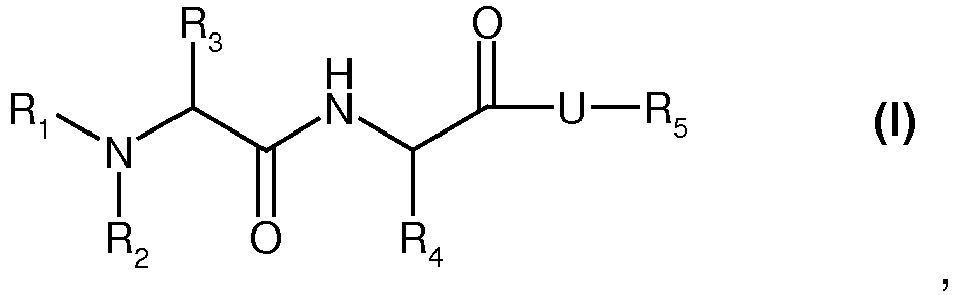
- R1 is H, C1-C4alkyl, C1-C4alkenyl, C1-C4alkynyl or C3-C10cycloalkyl, which are unsubstituted or substituted;
- R2 is H, C1-C4alkyl, C1-C4alkenyl, C1-C4alkynyl or C3-C10cycloalkyl, which are unsubstituted or substituted;
- R3 is H, -CF3, -C2F5, C1-C4alkyl, C1-C4alkenyl, C1-C4alkynyl, -CH2-Z, wherein Z is H, -OH, F, Cl, -CH3, -CF3, -CH2Cl, -CH2F or -CH2OH, or
- R2 and R3, together with the nitrogen, form a het ring;
- R4 is C1-C16straight- or branched-alkyl, C1-C16alkenyl, C1-C16alkynyl or -C3-C10cycloalkyl, -(CH2)1-6Z1, -(CH2)0-6aryl and -(CH2)0-6het, wherein alkyl, cycloalkyl and phenyl are unsubstituted or substituted,
- wherein
- Z1 is -N(R8)-C(O)-C1-C10alkyl, -N(R8)-C(O)-(CH2)1-6C3-C7cycloalkyl, -N(R8)-C(O)-(CH2)0-6phenyl, -N(R8)-C(O)-(CH2)1-6het, -C(O)-N(R9)(R10), -C(O)-O-C1-C10alkyl, -C(O)-O-(CH2)1-6C3-C7cycloalkyl, -C(O)-O-(CH2)0-6phenyl, -C(O)-O-(CH2)1-6het, -O-C(O)C1-C10alkyl, -O-C(O)-(CH2)1-6C3-C7cycloalkyl, -O-C(O)-(CH2)0-6phenyl, -O-C(O)-(CH2)1-6het, wherein alkyl, cycloalkyl and phenyl are unsubstituted or substituted; and
- het is a 5- to 7-membered heterocyclic ring containing 1-4 heteroatoms selected from N, O and S, or an 8- to 12-membered fused ring system including at least one 5- to 7-membered heterocyclic ring containing 1, 2 or 3 heteroatoms selected from N, O, and S, which heterocyclic ring or fused ring system is unsubstituted or substituted on a carbon or nitrogen atom,
- wherein
- R8 is H, -CH3, -CF3, -CH2OH or -CH2Cl;
- R9 and R10 are each independently H, C1-C4alkyl, C3-C7cycloalkyl, -(CH2)1-6C3-C7cycloalkyl, -(CH2)0-6phenyl, wherein alkyl, cycloalkyl and phenyl are unsubstituted or substituted, or
- R9 and R10, together with the nitrogen, form het;
- R5 is H, C1-C10alkyl, aryl, phenyl, C3-C7cycloalkyl, -(CH2)1-6C3-C7cycloalkyl, -C1-C10alkylaryl, -(CH2)0-6C3-C7cycloalkyl-(CH2)0-6phenyl, -(CH2)0-4CH-((CH2)1-4phenyl)2, -(CH2)0-6CH(phenyl)2, -indanyl, -C(O)-C1-C10alkyl, -C(O)-(CH2)1-6C3-C7-cycloalkyl, -C(O)-(CH2)0-6phenyl, -(CH2)0-6C(O)-phenyl, -(CH2)0-6het, -C(O)-(CH2)1-6het, or
- R5 is a residue of an amino acid, wherein the alkyl, cycloalkyl, phenyl and aryl substituents are unsubstituted or substituted; and
- U is as shown in formula (II):

- n is 0-5;
- X is -CH or N;
- Ra and Rb are independently an O, S or N atom or C0-C8alkyl, wherein one or more of the carbon atoms in the alkyl chain may be replaced by a heteroatom selected from O, S or N, and where the alkyl may be unsubstituted or substituted;
- Rd is selected from:
- (a) -Re-Q-(Rf)p(Rg)q; or
- (b) Ar1-D-Ar2,
- wherein
- p and q are independently 0 or 1;
- Re is C1-C8alkyl or alkylidene and
- Re which may be unsubstituted or substituted;
- Q is N, O, S, S(O), or S(O)2;
- Ar1 and Ar2 are substituted or unsubstituted aryl or het;
- Rf and Rg are each independently H, -C1-C10alkyl, C1-C10alkylaryl, -OH, -O-C1-C10alkyl, -(CH2)0-6C3-C7cycloalkyl, -O-(CH2)0-6aryl, phenyl, aryl, phenyl-phenyl, -(CH2)1-6het, -O-(CH2)1-6het, -OR11, -C(O)-R11, -C(O)-N(R11)(R12), -N(R11)(R12), -S-R11, -S(O)-R11, -S(O)2-R11, -S(O)2-NR11R12, -NR11-S(O)2-R12, S-C1-C10alkyl, aryl-C1-C4alkyl, het-C1-C4-alkyl, wherein alkyl, cycloalkyl, het and aryl are unsubstituted or substituted, -SO2-C1-C2alkyl, -SO2-C1-C2alkylphenyl, -O-C1-C4alkyl, or
- Rg and Rf form a ring selected from het or aryl;
- D is -CO-, -C(O)-C1-C7alkylene or arylene, -CF2-, -O-, -S(O)r, where r is 0-2, 1,3-dioaxolane or C1-C7alkyl-OH, where alkyl, alkylene or arylene may be unsubstituted or substituted with one or more halogens, OH, -O-C1-C6alkyl, -S-C1-C6alkyl or -CF3, or
- D is -N(Rh), wherein Rh is H, C1-C7alkyl (unsubstituted or substituted), aryl, -O(C1-C7cycloalkyl) (unsubstituted or substituted), C(O)-C1-C10alkyl, C(O)-Co-C10alkyl-aryl, C-O-C1-C10alkyl, C-O-Co-C10alkyl-aryl or SO2-C1-C10-alkyl, SO2-(Co-C10-alkylaryl);
- Rc is H, or
- Rc and Rd may together form a cycloalkyl or het, where if Rd and Rc form a cycloalkyl or het, R5 is attached to the formed ring at a C or N atom;
- R6, R7, R'6 and R'7 are each independently H, -C1-C10alkyl, -C1-C10alkoxy, aryl-C1-C10alkoxy, -OH, -O-C1-C10alkyl, -(CH2)0-6C3-C7cycloalkyl, -O-(CH2)0-6aryl, phenyl, -(CH2)1-6het, -O-(CH2)1-6het, -OR11, -C(O)-R11, -C(O)-N(R11)(R12), -N(R11)(R12), -S-R11, -S(O)-R11, -S(O)2R11, -S(O)2NR11R12, -NR11S(O)2R12, wherein alkyl, cycloalkyl and aryl are unsubstituted or substituted; and
- R6, R7, R'6 and R'7 can be united to form a ring system,
- wherein
- R11 and R12 are independently H, C1-C10alkyl, -(CH2)0-6C3-C7cycloalkyl, -(CH2)0-6(CH)0-1(aryl)1-2, -C(O)-C1-C10alkyl, -C(O)-(CH2)1-6C3-C7cycloalkyl, -C(O)-O-(CH2)0-6aryl, -C(O)-(CH2)0-6O-fluorenyl, -C(O)-NH-(CH2)0-6aryl, -C(O)-(CH2)0-6aryl, -C(O)-(CH2)1-6het, -C(S)-C1-C10alkyl, -C(S)-(CH2)1-6C3-C7cycloalkyl, -C(S)-O-(CH2)0-6aryl, -C(S)-(CH2)0-6O-fluorenyl, -C(S)-NH-(CH2)0-6aryl, -C(S)-(CH2)0-6aryl, -C(S)-(CH2)1-6het, wherein alkyl, cycloalkyl and aryl are unsubstituted or substituted, or
- R11 and R12 are a substituent that facilitates transport of the molecule across a cell membrane, or
- R11 and R12, together with the nitrogen atom, form het,
- wherein
- the alkyl substituents of R11 and R12 may be unsubstituted or substituted by one or more substituents selected from C1-C10alkyl, halogen, OH, -O-C1-C6alkyl, -S-C1-C6alkyl or -CF3;
- substituted cycloalkyl substituents of R11 and R12 are substituted by one or more substituents selected from a C1-C10alkene, C1-C6alkyl, halogen, OH, -O-C1-C6alkyl, -S-C1-C6alkyl or -CF3; and
- substituted phenyl or aryl of R11 and R12 are substituted by one or more substituents selected from halogen, hydroxy, C1-C4alkyl, C1-C4alkoxy, nitro, -CN, -O-C(O)-C1-C4alkyl and -C(O)-O-C1-C4aryl;
- The general terms used hereinbefore and hereinafter preferably have within the context of this disclosure the following meanings, unless otherwise indicated:
"Aryl" is an aromatic radical having 6-14 carbon atoms, which may be fused or unfused, and which is unsubstituted or substituted by 1 or more, preferably 1 or 2 substituents, wherein the substituents are as described below. Preferred "aryl" is phenyl, naphthyl or indanyl. - "Het" refers to heteroaryl and heterocyclic rings and fused rings containing aromatic and non-aromatic heterocyclic rings. "Het" is a 5- to 7-membered heterocyclic ring containing 1-4 heteroatoms selected from N, O and S, or an 8- to 12-membered fused ring system including at least one 5- to 7-membered heterocyclic ring containing 1, 2 or 3 heteroatoms selected from N, O and S. Suitable het substituents include unsubstituted and substituted pyrrolidyl, tetrahydrofuryl, tetrahydrothiofuranyl, piperidyl, piperazyl, tetrahydropyranyl, morphilino, 1,3-diazapane, 1,4-diazapane, 1,4-oxazepane, 1,4-oxathiapane, furyl, thienyl, pyrrole, pyrazole, triazole, 1,2,3-triazole, tetrazolyl, oxadiazole, thiophene, imidazol, pyrrolidine, pyrrolidone, thiazole, oxazole, pyridine, pyrimidine, isoxazolyl, pyrazine, quinoline, isoquinoline, pyridopyrazine, pyrrolopyridine, furopyridine, indole, benzofuran, benzothiofuran, benzindole, benzoxazole, pyrroloquinoline and the like. The het substituents are unsubstituted or substituted on a carbon atom by halogen, especially fluorine or chlorine; hydroxy; C1-C4alkyl, such as methyl and ethyl; C1-C4alkoxy, especially methoxy and ethoxy; nitro; -O-C(O)-C1-C4alkyl or -C(O)-O-C1-C4alkyl or on a nitrogen by C1-C4alkyl, especially methyl or ethyl; -O-C(O)-C1-C4alkyl or -C(O)-O-C1-C4alkyl, such as carbomethoxy or carboethoxy.
- When two substituents together with a commonly bound nitrogen are het, it is understood that the resulting heterocyclic ring is a nitrogen-containing ring, such as aziridine, azetidine, azole, piperidine, piperazine, morphiline, pyrrole, pyrazole, thiazole, oxazole, pyridine, pyrimidine, isoxazolyl and the like.
- Halogen is fluorine, chlorine, bromine or iodine, especially fluorine and chlorine.
- Unless otherwise specified "alkyl" includes straight- or branched-chain alkyl, such as methyl, ethyl, n-propyl, isopropyl, n-butyl, sec-butyl, tert-butyl, n-pentyl and branched pentyl, n-hexyl and branched hexyl and the like.
- A "cycloalkyl" group means C3-C10cycloalkyl having 3- to 8-ring carbon atoms and may be, e.g., cyclopropyl, cyclobutyl, cyclopentyl, cyclohexyl, cycloheptyl or cyclooctyl. Preferably, cycloalkyl is cycloheptyl. The cycloalkyl group may be unsubstituted or substituted with any of the substituents defined below, preferably halo, hydroxy or C1-C4alkyl, such as methyl.
- The amino acid residues include a residue of a standard amino acid, such as alanine, arginine, asparagine, aspartic acid, cysteine, glutamine, glutamic acid, glycine, histidine, isoleucine, leucine, lysine, methionine, phenylalanine, proline, serine, threonine, tryptophan, tyrosine and valine. The amino acid residues also include the side chains of uncommon and modified amino acids. Uncommon and modified amino acids are known to those of skill in the art [see, e.g., Fields, Tiam and Barany, Synthetic Peptides A Users Guide, University of Wisconsin Biochemistry Center, Chapter 3, (1992)] and include amino acids, such as 4-hydroxyproline, 5-hydroxylysine, desmosine, beta (β)-alanine, alpha (α)-, gamma (γ)- and β-aminobutric acid, homocysteine, homoserine, citrulline, ornithine, 2- or 3-amino adipic acid, 6-aminocaproic acid, 2- or 3-aminoisobutric acid, 2,3-diaminopropionic acid, diphenylalanine, hydroxyproline and the like. If the side chain of the amino acid residue contains a derivatizable group, such as COOH, -OH or amino, the side chain may be derivatized by a substituent that reacts with the derivatizable group. For example, acidic amino acids, like aspartic and glutamic acid, or hydroxy substituted side chains, like those of serine or threonine, may be derivatized to form an ester, or amino side chains may form amide or alkylamino derivatives. In particular, the derivative may be a substituent that facilitates transport across a cell membrane. In addition, any carboxylic acid group in the amino acid residue, e.g., an α-carboxylic acid group, may be derivatized as discussed above to form an ester or amide.
- Substituents that facilitate transport of the molecule across a cell membrane are known to those of skill in the medicinal chemistry arts. See, e.g., Gangewar et al., Drug Dis Today, Vol. 2, pp. 148-155 (1997); and Bundgaard and Moss, Pharma Res, Vol. 7, p. 885 (1990). Generally, such substituents are lipophillic substituents. Such lipophillic substituents include a C6-C30alkyl, which is saturated, monounsaturated, polyunsaturated, including methylene-interrupted polyene, phenyl, phenyl which substituted by one or two C1-C8alkyl groups, C5-C9cycloalkyl, C5-C9cycloalkyl, which is substituted by one or two C1-C8alkyl groups, -X1-phenyl, -X1-phenyl, which is substituted in the phenyl ring by one or two C1-C8alkyl groups, X1-C5-C9cycloalkyl or X1-C5-C9cycloalkyl, which is substituted by one or two C1-C8alkyl groups, where X1 is C1-C24alkyl, which is saturated, mono-unsaturated or poly-unsaturated and straight- or branched-chain.
- Unsubstituted is intended to mean that hydrogen is the only substituent.
- Any of the above defined aryl, het, alkyl, cycloalkyl, or heterocyclic groups may be unsubstituted or independently substituted by up to 4, preferably 1, 2 or 3 substituents, selected from the group consisting of: halo, such as Cl or Br; hydroxy; lower alkyl, such as C1-C3lower alkyl; lower alkyl, which may be substituted with any of the substituents defined herein; lower alkenyl; lower alkynyl; lower alkanoyl; alkoxy, such as methoxy, aryl, such as phenyl or benzyl; substituted aryl, such as fluoro phenyl or methoxy phenyl; amino; mono- or di-substituted amino; amino lower alkyl, such as dimethylamino; acetyl amino; amino lower alkoxy, such as ethoxyamine; nitro; cyano; cyano lower alkyl; carboxy; esterified carboxy, such as lower alkoxy carbonyl, e.g., methoxy carbonyl; n-propoxy carbonyl or iso-propoxy carbonyl; alkanoyl; benzoyl; carbamoyl; N-mono- or N,N-di-substituted carbamoyl; carbamates; alkyl carbamic acid esters; amidino; guanidine; urea; ureido; mercapto; sulfo; lower alkylthio; sulfoamino; sulfonamide; benzosulfonamide; sulfonate; sulfanyl lower alkyl, such as methyl sulfanyl; sulfoamino; substituted or unsubstituted sulfonamide, such as benzo sulfonamide; substituted or unsubstituted sulfonate, such as chloro-phenyl sulfonate; lower alkylsulfinyl; phenylsulfinyl; phenyl-lower alkylsulfinyl; alkylphenylsulfinyl; lower alkanesulfonyl; phenylsulfonyl; phenyl-lower alkylsulfonyl; alkylphenylsulfonyl; halogen-lower alkylmercapto; halogen-lower alkylsulfonyl, such as especially trifluoromethane sulfonyl; phosphono (-P(=O)(OH)2); hydroxy-lower alkoxy phosphoryl or di-lower alkoxyphosphoryl; substituted urea, such as 3-trifluoro-methyl-phenyl urea; alkyl carbamic acid ester or carbamates, such as ethyl-N-phenyl-carbamate or -NR4R5,
wherein - R4 and R5 can be the same or different and are independently H; lower alkyl, e.g., methyl, ethyl or propyl, or
- R4 and R5, together with the N atom, form a 3- to 8-membered heterocyclic ring containing 1-4 nitrogen, oxygen or sulfur atoms, e.g., piperazinyl, pyrazinyl, lower alkyl-piperazinyl, pyridyl, indolyl, thiophenyl, thiazolyl, n-methyl piperazinyl, benzothiophenyl, pyrrolidinyl, piperidino or imidazolinyl, where the heterocyclic ring may be substituted with any of the substituents defined herein.
- Preferably, the above-mentioned alkyl, cycloalkyl, aryl or het groups may be substituted by halogen, carbonyl, thiol, S(O), S(O2), -OH, -SH, -OCH3, -SCH3, -CN, -SCN or nitro.
- Where the plural form is used for compounds, salts, pharmaceutical preparations, diseases and the like, this is intended to mean also a single compound, salt or the like.
- It will be apparent to one of skill in the art when a compound of the invention can exist as a salt form, especially as an acid addition salt or a base addition salt. When a compound can exist in a salt form, such salt forms are included within the scope of the invention. Although any salt form may be useful in chemical manipulations, such as purification procedures, only pharmaceutically acceptable salts are useful for pharmaceutical products.
- Pharmaceutically acceptable salts include, when appropriate, pharmaceutically acceptable base addition salts and acid addition salts, e.g., metal salts, such as alkali and alkaline earth metal salts; ammonium salts; organic amine addition salts; amino acid addition salts; and sulfonate salts. Acid addition salts include inorganic acid addition, salts such as hydrochloride, sulfate and phosphate; and organic acid addition salts, such as alkyl sulfonate, arylsulfonate, acetate, maleate, fumarate, tartrate, citrate and lactate. Examples of metal salts are alkali metal salts, such as lithium salt, sodium salt and potassium salt; alkaline earth metal salts, such as magnesium salt and calcium salt, aluminum salt and zinc salt. Examples of ammonium salts are ammonium salt and tetramethylammonium salt. Examples of organic amine addition salts are salts with morpholine and piperidine. Examples of amino acid addition salts are salts with glycine, phenylalanine, glutamic acid and lysine. Sulfonate salts include mesylate, tosylate and benzene sulfonic acid salts.
- In view of the close relationship between the compounds in free form and those in the form of their salts, including those salts that can be used as intermediates, e.g., in the purification or identification of the compounds, tautomers or tautomeric mixtures and their salts, any reference to the compounds hereinbefore and hereinafter especially the compounds of the formula (I), is to be understood as referring also to the corresponding tautomers of these compounds, especially of compounds of the formula (I), tautomeric mixtures of these compounds, especially of compounds of the formula (I), or salts of any of these, as appropriate and expedient and if not mentioned otherwise.
- Any asymmetric carbon atom may be present in the (R)-, (S)- or (R,S)-configuration, preferably in the (R)- or (S)-configuration. Substituents at a ring at atoms with saturated bonds may, if possible, be present in cis (=Z-) or trans (= E-) form. The compounds may thus be present as mixtures of isomers or preferably as pure isomers, preferably as enantiomer-pure diastereomers or pure enantiomers.
- Compounds within the scope of formula (I) and the process for their manufacture are disclosed in
WO 05/097791 published on October 20, 2005 
In accordance with the particular findings of the present invention, there is disclosed: - 1. A pharmaceutical combinations of the invention for use in the method for treating or preventing proliferative disease in a subject in need thereof, comprising co-administration to said subject, e.g., concomitantly or in sequence, of a therapeutically effective amount of a compound that inhibit the binding of the Smac protein to lAPs of formula (I) and a taxane. Examples of proliferative diseases include, e.g., tumors, leukemias and myelomas.
- 2. A pharmaceutical combinations as defined above for use in the preparation of a medicament for use in a method as defined under 1) above.
- In another embodiment, the instant invention discloses the combination of compounds that inhibit the binding of the Smac protein to lAPs and a taxane or pharmaceutically acceptable salts or prodrugs thereof for use in the treatment of proliferative diseases in a mammal.
- The instant invention discloses the combination of compounds that inhibit the binding of the Smac protein to lAPs and a taxane or pharmaceutically acceptable salts thereof for use in the treatment of mammals, especially humans, suffering from proliferative diseases .
- In the present description, the term "treatment" includes both prophylactic or preventative treatment, as well as curative or disease suppressive treatment, including treatment of patients at risk of contracting the disease or suspected to have contracted the disease, as well as ill patients. This term further includes the treatment for the delay of progression of the disease.
- The term "curative", as used herein, means efficacy in treating ongoing episodes involving proliferative diseases.
- The term "prophylactic" means the prevention of the onset or recurrence of diseases involving proliferative diseases.
- The term "delay of progression", as used herein, means administration of the active compound to patients being in a pre-stage or in an early phase of the disease to be treated, in which patients, e.g. a pre-form of the corresponding disease is diagnosed or which patients are in a condition, e.g., during a medical treatment or a condition resulting from an accident, under which it is likely that a corresponding disease will develop.
- This unforeseeable range of properties means that the use of the combination of compounds that inhibit the binding of the Smac protein to lAPs and taxanes are of particular interest for the manufacture of a medicament for the treatment of proliferative diseases.
- To demonstrate that the combination of a compounds that inhibit the binding of the Smac protein to lAPs and taxanes is particularly suitable for the treatment of proliferative diseases with good therapeutic margin and other advantages, clinical trials can be carried out in a manner known to the skilled person.
- A combination which comprises:
- (a) paclitaxel; and
- (b) N-(1-Cyclohexyl-2-{2-[4-(4-fluoro-benzoyl)-thiazol-2-yl]-pyrrolidin-1-yl}-2-0x0-ethyl)-2-methylamino-propionamide, in which the active ingredients are present in each case in free form or in the form of a pharmaceutically acceptable salt; and, optionally, at least one pharmaceutically acceptable carrier; or
- (i) paclitaxel or docetaxel; and
- (ii) N-[1-cyclohexyl-2-oxo-2-(6-phenethyl-octahydro-pyrrolo[2,3-e]pyridin-1-yl-ethyl]-2-methylamino-propionamide, in which the active ingredients are present in each case in free form or in the form of a pharmaceutically acceptable salt; and, optionally, at least one pharmaceutically acceptable carrier
- Suitable clinical studies are, e.g., open-label, dose escalation studies in patients with proliferative diseases. Such studies prove in particular the synergism of the active ingredients of the COMBINATION OF THE INVENTION. The beneficial effects can be determined directly through the results of these studies which are known as such to a person skilled in the art. Such studies are, in particular, suitable to compare the effects of a monotherapy using the active ingredients and a COMBINATION OF THE INVENTION. Preferably, the dose of:
- agent (a) is escalated until the Maximum Tolerated Dosage is reached; and
- agent (b) is administered with a fixed dose.
- Alternatively, the agent (a) is administered in a fixed dose and the dose of agent (b) is escalated. Each patient receives doses of the agent (a) either daily or intermittent. The efficacy of the treatment can be determined in such studies, e.g., after 12, 18 or 24 weeks by evaluation of symptom scores every 6 weeks.
- The administration of a pharmaceutical COMBINATION OF THE INVENTION results not only in a beneficial effect, e.g., a synergistic therapeutic effect, e.g., with regard to alleviating, delaying progression of or inhibiting the symptoms, but also in further surprising beneficial effects, e.g., fewer side effects, an improved quality of life or a decreased morbidity, compared with a monotherapy applying only one of the pharmaceutically active ingredients used in the combination of the invention.
- A further benefit is that lower doses of the active ingredients of the COMBINATION OF THE INVENTION can be used, e.g., that the dosages need not only often be smaller but are also applied less frequently, which may diminish the incidence or severity of side effects. This is in accordance with the desires and requirements of the patients to be treated.
- The terms "co-administration" or "combined administration" or the like as utilized herein are meant to encompass administration of the selected therapeutic agents to a single patient, and are intended to include treatment regimens in which the agents are not necessarily administered by the same route of administration or at the same time.
- It is one objective of this invention to provide a pharmaceutical composition comprising a quantity, which is jointly therapeutically effective at targeting or preventing proliferative diseases a COMBINATION OF THE INVENTION. In this composition, agents (a) and (b) may be administered together, one after the other or separately in one combined unit dosage form or in two separate unit dosage forms. The unit dosage form may also be a fixed combination.
- The pharmaceutical compositions for separate administration of agents (a) and (b) or for the administration in a fixed combination, i.e., a single galenical composition comprising at least two combination partners (a) and (b), according to the invention may be prepared in a manner known per se and are those suitable for enteral, such as oral or rectal, and parenteral administration to mammals (warm-blooded animals), including humans, comprising a therapeutically effective amount of at least one pharmacologically active combination partner alone, e.g., as indicated above, or in combination with one or more pharmaceutically acceptable carriers or diluents, especially suitable for enteral or parenteral application.
- Suitable pharmaceutical compositions contain, for example, from about 0.1% to about 99.9%, preferably from about 1% to about 60%, of the active ingredient(s). Pharmaceutical preparations for the combination therapy for enteral or parenteral administration are, e.g., those in unit dosage forms, such as sugar-coated tablets, tablets, capsules or suppositories, or ampoules. If not indicated otherwise, these are prepared in a manner known per se, e.g., by means of conventional mixing, granulating, sugar-coating, dissolving or lyophilizing processes. It will be appreciated that the unit content of a combination partner contained in an individual dose of each dosage form need not in itself constitute an effective amount since the necessary effective amount can be reached by administration of a plurality of dosage units.
- In particular, a therapeutically effective amount of each of the combination partner of the combination of the invention may be administered simultaneously or sequentially and in any order, and the components may be administered separately or as a fixed combination. For example, the method of preventing or treating proliferative diseases according to the invention may comprise:
- (i) administration of the first agent (a) in free or pharmaceutically acceptable salt form; and
- (ii) administration of an agent (b) in free or pharmaceutically acceptable salt form,
- The term "a combined preparation", as used herein, defines especially a "kit of parts" in the sense that the combination partners (a) and (b) as defined above can be dosed independently or by use of different fixed combinations with distinguished amounts of the combination partners (a) and (b), i.e., simultaneously or at different time points. The parts of the kit of parts can then, e.g., be administered simultaneously or chronologically staggered, that is at different time points and with equal or different time intervals for any part of the kit of parts. The ratio of the total amounts of the combination partner (a) to the combination partner (b) to be administered in the combined preparation can be varied, e.g., in order to cope with the needs of a patient sub-population to be treated or the needs of the single.
- The effective dosage of each of the combination partners employed in the combination of the invention may vary depending on the particular compound or pharmaceutical composition employed, the mode of administration, the condition being treated, the severity of the condition being treated. Thus, the dosage regimen of the combination of the invention is selected in accordance with a variety of factors including the route of administration and the renal and hepatic function of the patient. A clinician or physician of ordinary skill can readily determine and prescribe the effective amount of the single active ingredients required to alleviate, counter or arrest the progress of the condition. Optimal precision in achieving concentration of the active ingredients within the range that yields efficacy without toxicity requires a regimen based on the kinetics of the active ingredients' availability to target sites.
- Daily dosages for agent (a) or (b) or will, of course, vary depending on a variety of factors, for example the compound chosen, the particular condition to be treated and the desired effect. In general, however, satisfactory results are achieved on administration of agent (a) at daily dosage rates of the order of ca. 0.03-5 mg/kg/day, particularly 0.1-5 mg/kg/day, e.g., 0.1-2.5 mg/kg/day, as a single dose or in divided doses. Agents (a) and (b) may be administered by any conventional route, in particular, enterally, e.g., orally, e.g., in the form of tablets, capsules, drink solutions or parenterally, e.g., in the form of injectable solutions or suspensions. Suitable unit dosage forms for oral administration comprise from ca. 0.02-50 mg active ingredient, usually 0.1-30 mg, e.g., agent (a) or (b), together with one or more pharmaceutically acceptable diluents or carriers therefore.
- Agent (b) may be administered to a human in a daily dosage range of 0.5-1000 mg. Suitable unit dosage forms for oral administration comprise from ca. 0.1-500 mg active ingredient, together with one or more pharmaceutically acceptable diluents or carriers therefore.
- The administration of a pharmaceutical combination of the invention results not only in a beneficial effect, e.g., a synergistic therapeutic effect, e.g., with regard to inhibiting the unregulated proliferation of haematological stem cells or slowing down the progression of leukemias, such as chronic myeloid leukemia (CML), acute lymphocyte leukemia (ALL) or acute myeloid leukemia (AML), or the growth of tumors, but also in further surprising beneficial effects, e.g., less side effects, an improved quality of life or a decreased morbidity, compared to a monotherapy applying only one of the pharmaceutically active ingredients used in the combinations of the invention.
- A further benefit is that lower doses of the active ingredients of the combinations of the invention can be used, e.g., that the dosages need not only often be smaller but are also applied less frequently, or can be used in order to diminish the incidence of side effects. This is in accordance with the desires and requirements of the patients to be treated.
- Combinations of compounds that inhibit the binding of the Smac protein to lAPs, N-[1-cyclohexyl-2-oxo-2-(6-phenethyl-octahydro-pyrrolo[2,3-c]pyridin-1-yl-ethyl]-2-methylamino-propionamide, or a pharmaceutically acceptable salt, or N-(1-Cyclohexyl-2-{2-[4-(4-fluorobenzoyl)-thiazol-2-yl]-pyrrolidin-1-yl}-2-oxo-ethyl)-2-methylamino-propionamide, or a pharmaceutically acceptable salt, and taxanes may be combined, independently or together, with one or more pharmaceutically acceptable carriers and, optionally, one or more other conventional pharmaceutical adjuvants and administered enterally, e.g., orally, in the form of tablets, capsules, caplets, etc. or parenterally, e.g., intraperitoneally or intravenously, in the form of sterile injectable solutions or suspensions. The enteral and parenteral compositions may be prepared by conventional means.
- The combination of compounds that inhibit the binding of the Smac protein to lAPs and taxanes can be used alone or combined with at least one other pharmaceutically active compound for use in these pathologies. These active compounds can be combined in the same pharmaceutical preparation or in the form of combined preparations "kit of parts" in the sense that the combination partners can be dosed independently or by use of different fixed combinations with distinguished amounts of the combination partners, i.e., simultaneously or at different time points. The parts of the kit of parts can then, e.g., be administered simultaneously or chronologically staggered, that is at different time points and with equal or different time intervals for any part of the kit of parts. Non-limiting examples of compounds which can be cited for use in combination with the combination of a compounds that inhibit the binding of the Smac protein to lAPs and taxanes are cytotoxic chemotherapy drugs, such as cytosine arabinoside, daunorubicin, doxorubicin, cyclophosphamide, VP-16, or imatinib etc. Further, the combination of a compounds that inhibit the binding of the Smac protein to lAPs and taxanes could be combined with other inhibitors of signal transduction or other oncogene-targeted drugs with the expectation that significant synergy would result.
- The COMBINATION OF THE INVENTION can be a combined preparation or a pharmaceutical composition.
- Moreover, the present invention relates to a COMBINATION OF THE INVENTION for use in a method of treating a warm-blooded animal having a proliferative disease.
- Furthermore, the present invention pertains to the use of a COMBINATION OF THE INVENTION for use in the treatment of a proliferative disease and for the preparation of a medicament for the treatment of a proliferative disease.
- Moreover, the present invention provides a commercial package comprising as active ingredients COMBINATION OF THE INVENTION, together with instructions for simultaneous, separate or sequential use thereof in the delay of progression or treatment of a proliferative disease.
- The invention is represented by the combinations comprising:
- N-(1 -Cyclohexyl-2-{2-[4-(4-fluoro-benzoyl)-thiazol-2-yl]-pyrrolidin-1 -yl}-2-0x0-ethyl)-2-methylamino-propionamide, or a pharmaceutically acceptable salt thereof, and paclitaxel;
- andN-[1-cyclohexyl-2-oxo-2-(6-phenethyl-octahydro-pyrrolo[2,3-c]pyridin-1-yl-ethyl]-2-methylamino-propionamide, or a pharmaceutically acceptable salt thereof, and paclitaxel or docetaxel.
- In further aspects, the present invention discloses:
- a combination which comprises:
- (a) a COMBINATION OF THE INVENTION, wherein the active ingredients are present in each case in free form or in the form of a pharmaceutically acceptable salt or any hydrate thereof; and, optionally,
- (b) at least one pharmaceutically acceptable carrier; for simultaneous, separate or sequential use;
- a pharmaceutical composition comprising:
- (a) a quantity which is jointly therapeutically effective against a proliferative disease of a COMBINATION OF THE INVENTION; and
- (b) at least one pharmaceutically acceptable carrier;
- COMBINATION OF THE INVENTION for use in the treatment of a proliferative disease;
- the use of a COMBINATION OF THE INVENTION for the preparation of a medicament for the treatment of a proliferative disease;
- COMBINATION OF THE INVENTION for use, wherein the compound that inhibit the binding of the Smac protein to lAPs is a compound of formula (I), in particular N-[1-cyclohexyl-2-oxo-2-(6-phenethyl-octahydro-pyrrolo[2,3-c]pyridin-1-yl-ethyl]-2-methylamino-propionamide, or a pharmaceutically acceptable salt, or N-(1-Cyclohexyl-2-{2-[4-(4-fluoro-benzoyl)-thiazol-2-yl]-pyrrolidin-1-yl}-2-oxo-ethyl)-2-methylamino-propionamide, or a pharmaceutically acceptable salt.
- The term "proliferative disease" includes but is not restricted to tumors, psoriasis, restenosis, sclerodermitis and fibrosis.
- The term hematological malignancy, refers in particular to leukemias, especially those expressing Bcr-Abl, c-Kit or HDAC (or those depending on Bcr-Abl, c-Kit or HDAC) and includes, but is not limited to, CML and ALL, especially the Philadelphia chromosome positive acute lymphocyte leukemia (Ph+ALL), as well as Imatinib-resistant leukemia. Especially preferred is use of the combinations of the present invention for leukemias, such as CML, ALL or AML. Most especially preferred is use in diseases which show resistance to Imatinib and is sold under the name Gleevec®.
- The term "a solid tumor disease" especially means ovarian cancer, breast cancer, cancer of the colon and generally the gastrointestinal tract, cervix cancer, lung cancer, e.g., small-cell lung cancer and non-small-cell lung cancer, head and neck cancer, bladder cancer, cancer of the prostate or Kaposi's sarcoma.
- The combinations according to the invention, that inhibit the protein kinase activities mentioned, especially tyrosine protein kinases mentioned above and below, can therefore be used in the treatment of protein kinase dependent diseases. Protein kinase dependent diseases are especially proliferative diseases, preferably benign or especially malignant tumours, e.g., carcinoma of the kidneys, brain, liver, adrenal glands, bladder, breast, stomach (especially gastric tumors), ovaries, colon, rectum, prostate, pancreas, lungs (especially SCLC), vagina or thyroid, sarcoma, multiple myeloma, glioblastomas and numerous tumours of the neck and head, as well as leukemias; especially colon carcinoma or colorectal adenoma, or a tumor of the neck and head, an epidermal hyperproliferation, especially psoriasis, prostate hyperplasia, a neoplasia, especially of epithelial character, preferably mammary carcinoma, or a leukemia. They are able to bring about the regression of tumours and to prevent the formation of tumour metastases and the growth of (also micro) metastases. In addition they can be used in epidermal hyperproliferation, e.g., psoriasis; in prostate hyperplasia; and in the treatment of neoplasias, especially of epithelial character, e.g., mammary carcinoma. It is also possible to use the combinations of the present invention in the treatment of diseases of the immune system insofar as several or, especially, individual tyrosine protein kinases are involved; furthermore, the combinations of the present invention can be used also in the treatment of diseases of the central or peripheral nervous system where signal transmission by at least one tyrosine protein kinase, especially selected from those mentioned specifically, is involved.
- In CML, a reciprocally balanced chromosomal translocation in hematopoietic stem cells (HSCs) produces the Bcr-Abl hybrid gene. The latter encodes the oncogenic Bcr-Abl fusion protein. Whereas Abl encodes a tightly regulated protein tyrosine kinase, which plays a fundamental role in regulating cell proliferation, adherence and apoptosis, the Bcr-Abl fusion gene encodes as constitutively activated kinase, which transforms HSCs to produce a phenotype exhibiting deregulated clonal proliferation, reduced capacity to adhere to the bone marrow stroma and a reduces apoptotic response to mutagenic stimuli, which enable it to accumulate progressively more malignant transformations. The resulting granulocytes fail to develop into mature lymphocytes and are released into the circulation, leading to a deficiency in the mature cells and increased susceptibility to infection. ATP-competitive inhibitors of Bcr-Abl have been described which prevent the kinase from activating mitogenic and anti-apoptotic pathways (e.g., P-3 kinase and STAT5), leading to the death of the Bcr-Abl phenotype cells and thereby providing an effective therapy against CML. The combinations of the present invention are thus especially appropriate for the therapy of diseases related to its overexpression, especially leukemias, such as leukemias, e.g., CML or ALL.
- In a broader sense of the invention, a proliferative disease includes hyperproliferative conditions, such as leukemias, hyperplasias, fibrosis (especially pulmonary, but also other types of fibrosis, such as renal fibrosis), angiogenesis, psoriasis, atherosclerosis; and smooth muscle proliferation in the blood vessels, such as stenosis or restenosis following angioplasty. In another aspect the combinations of the present invention could be used to treat arthritis.
- Combinations of the present invention can also be used to treat or prevent fibrogenic disorders, such as scleroderma (systemic sclerosis); diseases associated with protein aggregation and amyloid formation, such as Huntington's disease; inhibition of the replication of hepatitis C virus and treating hepatitis C virus; treating tumors associated with viral infection, such as human papilloma virus; and inhibiting viruses dependent of heat-shock proteins.
- The combinations of the present invention primarily inhibit the growth of blood vessels and are thus, e.g., effective against a number of diseases associated with deregulated angiogenesis, especially diseases caused by ocular neovascularisation, especially retinopathies, such as diabetic retinopathy or age-related macula degeneration; psoriasis; haemangioblastoma, such as haemangioma; mesangial cell proliferative disorders, such as chronic or acute renal diseases, e.g., diabetic nephropathy; malignant nephrosclerosis; thrombotic microangiopathy syndromes or transplant rejection; or especially inflammatory renal disease, such as glomerulonephritis, especially mesangioproliferative glomerulonephritis; haemolytic-uraemic syndrome; diabetic nephropathy; hypertensive nephrosclerosis; atheroma; arterial restenosis; autoimmune diseases; diabetes; endometriosis; chronic asthma; and especially neoplastic diseases (solid tumors, but also leukemias and other haematological malignancies), such as especially breast cancer, cancer of the colon, lung cancer (especially small-cell lung cancer), cancer of the prostate or Kaposi's sarcoma. Combinations of the present invention inhibit the growth of tumors and are especially suited to preventing the metastatic spread of tumors and the growth of micrometastases.
Combinations of the present invention may in particular be used to treat: - (i) a breast tumor; an epidermoid tumor, such as an epidermoid head and/or neck tumor or a mouth tumor; a lung tumor, e.g., a small cell or non-small cell lung tumor; a gastrointestinal tumor, e.g., a colorectal tumor; or a genitourinary tumor, e.g., a prostate tumor, especially a hormone-refractory prostate tumor;
- (ii) a proliferative disease that is refractory to the treatment with other chemotherapeutics; or
- (iii) a tumor that is refractory to treatment with other chemotherapeutics due to multidrug resistance.
- The combination of Docetaxel with a compound N-[1-cyclohexyl-2-oxo-2-(6-phenethyl-octahydro-pyrrolo[2,3-c]pyridin-1-yl-ethyl]-2-methylamino-propionamide of formula (III) in the ovarian carcinoma line SKOV3 results in significant synergy in vitro.
Figure 1 indicates anti-proliferative activity of compound of formula (III) alone (bottom row), Docetaxel alone (most leftward column) and combinations of the two agents across a dose range.
Figure 2 is the corresponding isobologram at 70% growth inhibition.
- The combination of a compound of formula (III) and Paclitaxel has superior anti-tumor activity compared to either agent administered as a single agent in the orthotopic breast cancer model MDA-MB-231. Established tumors were treated for two weeks with the dose regimens indicated in
Figure 2 . -
Figure 4 indicates anti-proliferative activity of Taxol is dramatically enhanced by combination with a compound of formula (III) in the melanoma cell line A375. Top curve shows dose response of Taxol alone in A375 in three day proliferation assay. Bottom two curves show Taxol dose response in presence of either 6 µM or 12 µM compound of formula (III).
The compound of formula (III) has no stand alone activity in A375 (data not shown). - IAP Inhibitor compounds such as LBW242 display single agent activity on a limited number of tumor cell lines in vitro. To determine whether a larger number of cell lines are responsive to an IAP Inhibitor in combination with Taxol, Taxol dose response evaluations are performed in the presence or absence of LBW242 with 10-12 tumor cell lines representing the following cancers: lung, ovarian, melanoma, pancreatic. The criteria used for an assignment of combination activity - either additivity or synergy - is a minimum of a five fold potency shift for the IC50 of Taxol in combination with LBW242 relative to Taxol alone. Tumor cell lines which are responsive to LBW242 as a monotherapy such as MDA231 and SKOV3 also exhibit combination activity with Taxol. In all cancer types tested, tumor cell lines are identified in which the IAP Inhibitor compound has no single agent activity yet enhances the response to Taxol. Thus, the range of tumor cell lines sensitive to LBW242 in combination with a cytotoxic agent is slightly larger than the range responsive as a single agent.
- LBW242, LCJ917, LCP656 and LCL161 are Smac mimetic small molecules with nM affinity for the BIR3 domain of XIAP and CIAP1. As Inhibitor of Apoptosis Proteins (lAPs) are thought to protect tumor cells from apoptotic cell death, it was anticipated that such agents would sensitize tumor cells to apoptotic stimuli. Interestingly, such agents have anti-proliferative/apoptosis inducing activity as single agents against a narrow range of tumor cell lines for reasons which remain unclear. To determine whether the spectrum of tumor cell lines which responded to these agents would be wider in combination with the cytotoxic drug Taxol, we subject panels of tumor cell lines representing a number of human cancers to in vitro combination analyses.
- MTS Reagent (#G1111; Promega) in PBS, pH 6 - 6.5. Phenazine Methosulfate (PMS) (#P-5812; Sigma). 96 well tissue culture plates (#3585; Corning Costar). RPMI 1640 cell culture medium (#22400-071; Invitrogen). Penicillin/Streptomycin (#15140-122; Invitrogen). Fetal Bovine Serum (#10082-139; Invitrogen). (Note: RPMI 1640+10% FBS + Penicillin/Streptomycin is "RPMI/10% FBS Complete medium"). 0.25% Trypsin-EDTA (#25200-056; Invitrogen). The IAP Inhibitor compounds LBW242, LCJ917, LCP656 and LCL161 are dissolved in DMSO at a concentration of 10 mM and stored at -20°C. Tumor Cell Lines are purchased from ATCC.
- Cell proliferation/cell death is analyzed in 72 hr. 3-(4,5-dimethylthiazol-2-yl)-5-(3-carboxymethoxyphenyl)-2-(4-sulfophenyl)-2H-tetrazolium, inner salt (MTS) assays. Tumor cell lines are plated at subconfluent densities in 96 well plate format and allowed to adhere for 12 - 16 hr. Cpds are then added according to the following schemes: i. Chemotherapeutic agents or cytotoxic cpds (Ctx) are added alone, in an 8-point/10-fold titration scheme from high to low dose, in triplicate. ii. lAP-inhibitor (NVP-LBW242) is added alone, at a single fixed dose (dose determined in stand alone MTS assays) in triplicate. iii. Ctx agent (8-point/10-fold scheme) and LBW242 (single fixed dose) are added together, simultaneously, in triplicate. Once all dosing is completed, cells are cultured for a further 72 hr. and then assayed using the MTS format:
-
- 1. Plate cells in RPMI/10% FBS Complete medium. Set-up Time 0 (T.0) and Experimental (EXP) plates as appropriate for each cell line. Each plate will contain culture medium (CM) alone (Blank) wells (200ul/well).
- 2. An additional "Blank" plate will contain Blank wells: the
center 24 wells will contain 12 wells with 100 ul CM/well and 12 wells with 110 ul CM/well. All surrounding wells will contain 200 ul CM/well. - 3. Trypsinize cells at 37°c/5% CO2 for up to 5', quench the trypsin with CM and then plate cells onto 96 well plates at 90 ul/well. Seed cells at densities appropriate for each cell line (appropriate cell densities will yield optimal cell growth which is reflected in T.0 OD 490 values between 0.3 - 0.8). Add 90 ul CM to 6 Blank wells on the T.0 plate and 200 ul CM to all surrounding wells. Add 200 ul CM to all outer wells on Exp plates. Culture plates @ 37°C/ 5% CO2 for 24 (T.0 plate) to 96 hr. (EXP plates).
-
- 1. Add MTS/PMS reagents to T.0 Plate(s). Mix enough of each reagent (100 ul 500 uM PMS per 2 ml 333 ug/ml MTS reagent / 96 well plate) for 20 ul / well. Add 20 ul mixture to ea. well & incubate plate(s) 2 hr. @ 37°C / 5% CO2. Read OD 490 nm using SoftMax Pro software on a Molecular Devices (Sunnyvale, CA) Spectrophotometer. Calculate T.0 values for each cell line to be assayed by generating the mean value of the OD 490 nm readings from each cell line's T.0 wells (6/ cell line) and subtracting the mean OD 490 nm values from Blank wells.
- 2. Dose EXP plate(s) with appropriate Cdps in triplicate in the schemes shown in
Fig 5 . Incubate plates at 37°C/5% CO2 for 72 hr. -
- 1. Add MTS/PMS reagents to EXP Plate(s). Mix enough of each reagent (100 ul 500 uM PMS per 2 ml 333 ug/ml MTS reagent / 96 well plate) for 20 ul / well. Add 20 ul mixture to ea. well & incubate plate(s) 2 hr. @ 37°C / 5% CO2. Read OD 490 nm using SoftMax Pro software on a Molecular Devices Spectrophotometer. MTS Data is generated as described below:
Calculate % CG by first averaging triplicate results (subtracting blank medium values) as follows:

- IAP Inhibitors are used at a single fixed dose of 10 uM (12 uM in earliest assays) in lines where compound shows no effect (IC50 > 10 uM) as a single agent.
- IAP Inhibitors are used at a single fixed dose yielding 70 - 80% control cell growth (%CG) (between IC20 - IC30 dose) in lines where compounds show moderate stand alone activity (IC50 1 - 10 uM) as a single agent.
- In most cases, fixed doses in specific cell lines are set by generating empirical data in MTS assays.
- Combinations exhibiting a ≥ 5-fold potency shift in the IC50 dose as compared with Taxol alone are scored as a combination activity hits provided that under similar conditions LBW242 by itself did not result in < 70 %CG (IC30).
- True assessment of synergy requires fixed ratio titrations of combination partners and determination of combination indices. The above criteria do not formally distinguish between synergy and additivity.
-
-
Fig. 5 Taxol + 100 nM N-(1-Cyclohexyl-2-{2-[4-(4-fluoro-benzoyl)-thiazol-2-yl]-pyrrolidin-1-yl}-2-oxo-ethyl)-2-methylamino-propionamide Combination in OVCAR-4 -
Fig. 6 Taxol + 1 uM N-[1-Cyclohexyl-2-oxo-2-(6-phenethyl-octahydro-pyrrolo[2,3-c]pyridin-1-yl)-ethyl]-2-methylamino-propionamide Combination in OVCAR-4 -
Fig. 7 Taxol + 10 uM N-[1-Cyclohexyl-2-oxo-2-(6-phenethyl-octahydro-pyrrolo[2,3-c]pyridin-1-yl)-ethyl]-2-methylamino-propionamide Combinations in TOV 21G -
Fig. 8 Taxol + 80 nM N-[1-Cyclohexyl-2-oxo-2-(6-phenethyl-octahydro-pyrrolo[2,3-c]pyridin-1-yl)-ethyl]-2-methylamino-propionamide Combinations in SKOV-3 -
-
Fig. 9 Taxol + 10 uM N-(1-Cyclohexyl-2-{2-[4-(4-fluoro-benzoyl)-thiazol-2-yl]-pyrrolidin-1-yl}-2-oxo-ethyl)-2-methylamino-propionamide Combination in SKMEL-2 -
Fig. 10 Taxol + 10 uM N-[1-Cyclohexyl-2-oxo-2-(6-phenethyl-octahydro-pyrrolo[2,3-c]pyridin-1-yl)-ethyl]-2-methylamino-propionamide Combination in SKMEL-2 -
Fig. 11 Taxol + 10 uM N-[1-Cyclohexyl-2-oxo-2-(6-phenethyl-octahydro-pyrrolo[2,3-c]pyridin-1-yl)-ethyl]-2-methylamino-propionamide Combination in MEWO -
Fig. 12 Taxol + 10 uM N-(1-Cyclohexyl-2-{2-[4-(4-fluoro-benzoyl)-thiazol-2-yl]-pyrrolidin-1-yl}-2-oxo-ethyl)-2-methylamino-propionamide Combination in A375 -
Fig. 13 Taxol + 1 uM N-[1-Cyclohexyl-2-(2-{2-[(4-fluoro-phenyl)-methyl-amino]-pyridin-4-yl}-pyrrolidin-1-yl)-2-oxo-ethyl]-2-methylamino-propionamide Combination in A375 -
Fig. 14 Taxol + 6 uM N-[1-Cyclohexyl-2-oxo-2-(6-phenethyl-octahydro-pyrrolo[2,3-c]pyridin-1-yl)-ethyl]-2-methylamino-propionamide Combination in A375 -
Fig. 15 Taxol + 10 uM N-(1-Cyclohexyl-2-{2-[5-(4-fluoro-benzoyl)-pyridin-3-yl]-pyrrolidin-1-yl}-2-oxo-ethyl)-2-methylamino-propionamide Combination in A375 -
Fig. 16 Taxol + 10 uM N-(1-Cyclohexyl-2-{2-[4-(4-fluoro-benzoyl)-thiazol-2-yl]-pyrrolidin-1-yl}-2-oxo-ethyl)-2-methylamino-propionamide Combination in A375 -
Fig. 17 Taxol + 1 uM N-[1-Cyclohexyl-2-(2-{2-[(4-fluoro-phenyl)-methyl-amino]-pyridin-4-yl}-pyrrolidin-1-yl)-2-oxo-ethyl]-2-methylamino-propionamide Combination in A375 -
Fig. 18 Taxol + 10 uM N-[1-Cyclohexyl-2-oxo-2-(6-phenethyl-octahydro-pyrrolo[2,3-c]pyridin-1-yl)-ethyl]-2-methylamino-propionamide Combination in A375 -
Fig. 19 Taxol + 10 uM N-(1-Cyclohexyl-2-{2-[5-(4-fluoro-phenoxy)-pyridin-3-yl]-pyrrolidin-1-yl}-2-oxo-ethyl)-2-methylamino-propionamide Combination in A375 -
-
Fig. 20 Taxol + 10 uM N-(1-Cyclohexyl-2-{2-[4-(4-fluoro-benzoyl)-thiazol-2-yl]-pyrrolidin-1-yl}-2-oxo-ethyl)-2-methylamino-propionamide Combination in NCI-H2030 -
Fig. 21 Taxol + 2 uM N-(1-Cyclohexyl-2-{2-[4-(4-fluoro-benzoyl)-thiazol-2-yl]-pyrrolidin-1-yl}-2-oxo-ethyl)-2-methylamino-propionamide Combination in NCI-H23 -
Fig. 22 Taxol + 0.5 uM N-[1-Cyclohexyl-2-oxo-2-(6-phenethyl-octahydro-pyrrolo[2,3-c]pyridin-1-yl)-ethyl]-2-methylamino-propionamide Combination in SK-LU-1 -
Fig. 23 Taxol + 7 uM N-(1-Cyclohexyl-2-{2-[4-(4-fluoro-benzoyl)-thiazol-2-yl]-pyrrolidin-1-yl}-2-oxo-ethyl)-2-methylamino-propionamide Combination in NCI-H441 -
Fig. 24 Taxol + N-[1-Cyclohexyl-2-oxo-2-(6-phenethyl-octahydro-pyrrolo[2,3-c]pyridin-1-yl)-ethyl]-2-methylamino-propionamide Combination in NCI-H441 -
Fig. 25 Taxol + 4 uM N-(1-Cyclohexyl-2-{2-[4-(4-fluoro-benzoyl)-thiazol-2-yl]-pyrrolidin-1-yl}-2-oxo-ethyl)-2-methylamino-propionamide Combination in A-427 -
Fig. 26 Taxol + 10 uM N-[1-Cyclohexyl-2-oxo-2-(6-phenethyl-octahydro-pyrrolo[2,3-c]pyridin-1-yl)-ethyl]-2-methylamino-propionamide Combination in A-427
Further embodiments are provided as set forth in the dependent claims.
Taxanes are microtubule targeting agents that bind to tubulin and block cell division by interfering with the function of the mitotic spindle. Taxanes represent a first-line treatment option for metastatic breast, lung, ovarian and digestive cancers and are commonly used in the adjuvant setting for breast cancer.
It has now surprisingly been found that the combination of a compound that inhibit the binding of the Smac protein to lAPs, N-[1-cyclohexyl-2-oxo-2-(6-phenethyl-octahydro-pyrrolo[2,3-c]pyridin-1-yl-ethyl]-2-methylamino-propionamide, or a pharmaceutically acceptable salt, or N-(1-Cyclohexyl-2-{2-[4-(4-fluoro-benzoyl)-thiazol-2-yl]-pyrrolidin-1-yl}-2-oxo-ethyl)-2-methylamino-propionamide, or a pharmaceutically acceptable salt, and a taxane possesses therapeutic properties, which render it particularly useful as a treatment for proliferative diseases.
Claims (6)
- A pharmaceutical combination comprising:(a) a compound of formula (III) which is N-[1-cyclohexyl-2-oxo-2-(6-phenethyl-octahydro-pyrrolo[2,3-c]pyridin-1-yl-ethyl]-2-methylamino-propionamide

and(b) paclitaxel or docetaxel. - The pharmaceutical combination comprising:(a) N-(1-Cyclohexyl-2-{2-[4-(4-fluoro-benzoyl)-thiazol-2-yl]-pyrrolidin-1-yl}-2-oxo-ethyl)-2-methylamino-propionamide (LCL161), or pharmaceutically acceptable salts thereof, and (b) paclitaxel.
- The pharmaceutical combination according to claim 1 wherein component (b) is paclitaxel.
- The pharmaceutical combination according to claim 1, wherein component (b) is docetaxel.
- A pharmaceutical combination according to claim 1, claim 2, claim 3 or claim 4, for use in the treatment or prevention of a proliferative disease.
- Use of the pharmaceutical combination according to claim 1, claim 2, claim 3 or claim 4, for the manufacture of a medicament for the treatment or prevention of a proliferative disease.
Priority Applications (1)
| Application Number | Priority Date | Filing Date | Title |
|---|---|---|---|
| EP13156328.0A EP2606933A3 (en) | 2005-12-20 | 2006-12-18 | Combination of an IAP-inhibitor and a taxane |
Applications Claiming Priority (2)
| Application Number | Priority Date | Filing Date | Title |
|---|---|---|---|
| US75214605P | 2005-12-20 | 2005-12-20 | |
| PCT/US2006/048163 WO2007075525A2 (en) | 2005-12-20 | 2006-12-18 | Combination of an iap-inhibitor and a taxane7 |
Related Child Applications (2)
| Application Number | Title | Priority Date | Filing Date |
|---|---|---|---|
| EP13156328.0A Division EP2606933A3 (en) | 2005-12-20 | 2006-12-18 | Combination of an IAP-inhibitor and a taxane |
| EP13156328.0A Division-Into EP2606933A3 (en) | 2005-12-20 | 2006-12-18 | Combination of an IAP-inhibitor and a taxane |
Publications (2)
| Publication Number | Publication Date |
|---|---|
| EP1965865A2 EP1965865A2 (en) | 2008-09-10 |
| EP1965865B1 true EP1965865B1 (en) | 2018-05-16 |
Family
ID=38015223
Family Applications (2)
| Application Number | Title | Priority Date | Filing Date |
|---|---|---|---|
| EP13156328.0A Withdrawn EP2606933A3 (en) | 2005-12-20 | 2006-12-18 | Combination of an IAP-inhibitor and a taxane |
| EP06845684.7A Not-in-force EP1965865B1 (en) | 2005-12-20 | 2006-12-18 | Combination of an iap-inhibitor and a taxane |
Family Applications Before (1)
| Application Number | Title | Priority Date | Filing Date |
|---|---|---|---|
| EP13156328.0A Withdrawn EP2606933A3 (en) | 2005-12-20 | 2006-12-18 | Combination of an IAP-inhibitor and a taxane |
Country Status (12)
| Country | Link |
|---|---|
| US (4) | US20090005411A1 (en) |
| EP (2) | EP2606933A3 (en) |
| JP (2) | JP5227805B2 (en) |
| KR (1) | KR20080080131A (en) |
| CN (1) | CN101340947B (en) |
| AU (1) | AU2006331964A1 (en) |
| BR (1) | BRPI0620058A2 (en) |
| CA (1) | CA2632256A1 (en) |
| ES (1) | ES2684120T3 (en) |
| MX (1) | MX2008008191A (en) |
| RU (1) | RU2008129630A (en) |
| WO (1) | WO2007075525A2 (en) |
Families Citing this family (30)
| Publication number | Priority date | Publication date | Assignee | Title |
|---|---|---|---|---|
| WO2006020060A2 (en) | 2004-07-15 | 2006-02-23 | Tetralogic Pharmaceuticals Corporation | Iap binding compounds |
| DK1851200T3 (en) | 2005-02-25 | 2014-04-14 | Tetralogic Pharm Corp | DIMER IAP INHIBITORS |
| JP4954983B2 (en) | 2005-05-18 | 2012-06-20 | ファーマサイエンス・インコーポレイテッド | BIR domain binding compound |
| US20100256046A1 (en) * | 2009-04-03 | 2010-10-07 | Tetralogic Pharmaceuticals Corporation | Treatment of proliferative disorders |
| RU2418807C2 (en) | 2005-10-25 | 2011-05-20 | Аегера Терапьютикс Инк. | Compounds binding iap bir domains |
| EP2606933A3 (en) | 2005-12-20 | 2014-10-15 | Novartis AG | Combination of an IAP-inhibitor and a taxane |
| TWI543988B (en) | 2006-03-16 | 2016-08-01 | 科學製藥股份有限公司 | Iap bir domain binding compounds |
| SG10201407457UA (en) | 2006-05-16 | 2014-12-30 | Pharmascience Inc | Iap bir domain binding compounds |
| JP5452223B2 (en) * | 2006-07-24 | 2014-03-26 | テトラロジック ファーマシューティカルズ コーポレーション | IAP inhibitor |
| WO2008014229A2 (en) * | 2006-07-24 | 2008-01-31 | Tetralogic Pharmaceuticals Corporation | Dimeric iap inhibitors |
| WO2008014238A2 (en) * | 2006-07-24 | 2008-01-31 | Tetralogic Pharmaceuticals Corporation | Dimeric iap inhibitors |
| US20100056495A1 (en) * | 2006-07-24 | 2010-03-04 | Tetralogic Pharmaceuticals Corporation | Dimeric iap inhibitors |
| CL2007002167A1 (en) * | 2006-07-24 | 2009-01-23 | Tetralogic Pharm Corp | Indole derived compounds, iap antagonists; pharmaceutical composition comprising said compound; and use of the compound in the treatment of cancer. |
| WO2008014240A2 (en) * | 2006-07-24 | 2008-01-31 | Tetralogic Pharmaceuticals Corporation | Dimeric iap inhibitors |
| JP2010511057A (en) * | 2006-11-28 | 2010-04-08 | ノバルティス アーゲー | Use of an IAP inhibitor for the treatment of acute myeloid leukemia |
| CA2670498A1 (en) * | 2006-11-28 | 2008-06-05 | Novartis Ag | Combination of iap inhibitors and flt3 inhibitors |
| CA2686638A1 (en) * | 2007-05-07 | 2008-11-13 | Tetralogic Pharmaceuticals Corp. | Tnf.alpha. gene expression as a biomarker of sensitivity to antagonists of inhibitor of apoptosis proteins |
| WO2009045382A1 (en) | 2007-10-04 | 2009-04-09 | Merck & Co., Inc. | Substituted aryl sulfone derivatives as calcium channel blockers |
| WO2009140447A1 (en) * | 2008-05-16 | 2009-11-19 | Novartis Ag | Immunomodulation by iap inhibitors |
| US20100317593A1 (en) * | 2009-06-12 | 2010-12-16 | Astrazeneca Ab | 2,3-dihydro-1h-indene compounds |
| US8283372B2 (en) * | 2009-07-02 | 2012-10-09 | Tetralogic Pharmaceuticals Corp. | 2-(1H-indol-3-ylmethyl)-pyrrolidine dimer as a SMAC mimetic |
| MX340870B (en) | 2010-02-12 | 2016-07-27 | Pharmascience Inc | Iap bir domain binding compounds. |
| UY33236A (en) * | 2010-02-25 | 2011-09-30 | Novartis Ag | DIMERIC INHIBITORS OF THE IAP |
| UY33794A (en) | 2010-12-13 | 2012-07-31 | Novartis Ag | DIMERIC INHIBITORS OF THE IAP |
| EP2760446A1 (en) | 2011-09-30 | 2014-08-06 | Tetralogic Pharmaceuticals Corporation | Smac mimetic (birinapant) for use in the treatment of proliferative diseases (cancer) |
| MX381320B (en) | 2013-06-25 | 2025-03-12 | Walter & Eliza Hall Inst Medical Res | USES OF IAP ANTAGONISTS IN INTRACELLULAR INFECTIONS. |
| US10441654B2 (en) | 2014-01-24 | 2019-10-15 | Children's Hospital Of Eastern Ontario Research Institute Inc. | SMC combination therapy for the treatment of cancer |
| AU2018358134A1 (en) * | 2017-11-01 | 2020-05-14 | The Regents Of The University Of California | Novel agents targeting inhibitor of apoptosis proteins |
| CA3134613A1 (en) | 2019-04-02 | 2020-10-08 | Aligos Therapeutics, Inc. | Compounds targeting prmt5 |
| WO2021220178A1 (en) | 2020-04-29 | 2021-11-04 | Cominnex Zrt. | Iap antagonists and their therapeutic applications |
Family Cites Families (10)
| Publication number | Priority date | Publication date | Assignee | Title |
|---|---|---|---|---|
| US5565478A (en) * | 1994-03-14 | 1996-10-15 | The United States Of America As Represented By The Department Of Health & Human Services | Combination therapy using signal transduction inhibitors with paclitaxel and other taxane analogs |
| US6608026B1 (en) * | 2000-08-23 | 2003-08-19 | Board Of Regents, The University Of Texas System | Apoptotic compounds |
| CN100384819C (en) * | 2002-07-02 | 2008-04-30 | 诺瓦提斯公司 | Peptide inhibitors of SMAC proteins that bind to inhibitors of apoptosis proteins |
| GB0215823D0 (en) | 2002-07-09 | 2002-08-14 | Astrazeneca Ab | Quinazoline derivatives |
| CA2553871A1 (en) * | 2004-01-16 | 2005-08-04 | The Regents Of The University Of Michigan | Smac peptidomimetics and the uses thereof |
| MXPA06008095A (en) * | 2004-01-16 | 2007-03-28 | Univ Michigan | Conformationally constrained smac mimetics and the uses thereof. |
| CA2558615C (en) * | 2004-03-23 | 2013-10-29 | Genentech, Inc. | Azabicyclo-octane inhibitors of iap |
| RS52545B (en) * | 2004-04-07 | 2013-04-30 | Novartis Ag | INHIBITORI PROTEIN APOPTOZE (IAP) |
| EP2606933A3 (en) | 2005-12-20 | 2014-10-15 | Novartis AG | Combination of an IAP-inhibitor and a taxane |
| RU2009118487A (en) * | 2006-10-19 | 2010-11-27 | Новартис АГ (CH) | ORGANIC COMPOUNDS |
-
2006
- 2006-12-18 EP EP13156328.0A patent/EP2606933A3/en not_active Withdrawn
- 2006-12-18 CN CN2006800482099A patent/CN101340947B/en not_active Expired - Fee Related
- 2006-12-18 KR KR1020087014834A patent/KR20080080131A/en not_active Withdrawn
- 2006-12-18 ES ES06845684.7T patent/ES2684120T3/en active Active
- 2006-12-18 JP JP2008547378A patent/JP5227805B2/en not_active Expired - Fee Related
- 2006-12-18 CA CA002632256A patent/CA2632256A1/en not_active Abandoned
- 2006-12-18 RU RU2008129630/15A patent/RU2008129630A/en not_active Application Discontinuation
- 2006-12-18 EP EP06845684.7A patent/EP1965865B1/en not_active Not-in-force
- 2006-12-18 MX MX2008008191A patent/MX2008008191A/en not_active Application Discontinuation
- 2006-12-18 BR BRPI0620058-3A patent/BRPI0620058A2/en not_active IP Right Cessation
- 2006-12-18 US US12/158,130 patent/US20090005411A1/en not_active Abandoned
- 2006-12-18 WO PCT/US2006/048163 patent/WO2007075525A2/en not_active Ceased
- 2006-12-18 AU AU2006331964A patent/AU2006331964A1/en not_active Abandoned
-
2010
- 2010-08-25 US US12/862,979 patent/US20100324083A1/en not_active Abandoned
-
2012
- 2012-07-12 US US13/547,546 patent/US20130085153A1/en not_active Abandoned
- 2012-12-18 JP JP2012275649A patent/JP2013082724A/en active Pending
-
2013
- 2013-02-07 US US13/761,634 patent/US8906936B2/en active Active
Non-Patent Citations (1)
| Title |
|---|
| None * |
Also Published As
| Publication number | Publication date |
|---|---|
| JP5227805B2 (en) | 2013-07-03 |
| KR20080080131A (en) | 2008-09-02 |
| WO2007075525A2 (en) | 2007-07-05 |
| US20130085153A1 (en) | 2013-04-04 |
| EP2606933A3 (en) | 2014-10-15 |
| WO2007075525A3 (en) | 2007-11-15 |
| JP2013082724A (en) | 2013-05-09 |
| BRPI0620058A2 (en) | 2011-11-01 |
| EP1965865A2 (en) | 2008-09-10 |
| US20090005411A1 (en) | 2009-01-01 |
| CN101340947A (en) | 2009-01-07 |
| AU2006331964A1 (en) | 2007-07-05 |
| CA2632256A1 (en) | 2007-07-05 |
| JP2009520816A (en) | 2009-05-28 |
| US20130217719A1 (en) | 2013-08-22 |
| ES2684120T3 (en) | 2018-10-01 |
| EP2606933A2 (en) | 2013-06-26 |
| US20100324083A1 (en) | 2010-12-23 |
| CN101340947B (en) | 2012-09-05 |
| US8906936B2 (en) | 2014-12-09 |
| MX2008008191A (en) | 2008-11-04 |
| RU2008129630A (en) | 2010-01-27 |
Similar Documents
| Publication | Publication Date | Title |
|---|---|---|
| US8906936B2 (en) | Pharmaceutical combination comprising co-administration of taxane and N-(1-cyclohexyl-2-{2-[4-(4-fluoro-benzoyl)-thiazol-2-yl]-pyrrolidin-1-yl}-2-oxo-ethyl)-2-methylamino-propionamide or pharmaceutically acceptable salt(s) thereof | |
| KR101950044B1 (en) | Combinations of akt inhibitor compounds and vemurafenib, and methods of use | |
| JP6147246B2 (en) | Combinations of AKT and MEK inhibitor compounds and methods of use | |
| KR20090083412A (en) | Use of IAP inhibitors for the treatment of acute myeloid leukemia | |
| US20060235006A1 (en) | Combinations, methods and compositions for treating cancer | |
| AU2010235917A1 (en) | Combination of organic compounds | |
| JP2010513287A (en) | Compositions and methods for cancer treatment | |
| WO2014150252A1 (en) | Methods of treatment associated with the granulocyte colony-stimulating factor receptor | |
| US20220409582A1 (en) | Combination therapies comprising panobinostat for the treatment of cholangiocarcinoma | |
| WO2021048419A1 (en) | Combination therapies comprising trametinib for the treatment of cholangiocarcinoma | |
| WO2023006954A1 (en) | Asenapine for use in cancer | |
| HK40064173B (en) | Ezh1/2 dual inhibitor-containing pharmaceutical composition to be used as combination drug | |
| ZA200306404B (en) | Combination comprising a signal transduction inhibitor and an epothilone derivative. |
Legal Events
| Date | Code | Title | Description |
|---|---|---|---|
| PUAI | Public reference made under article 153(3) epc to a published international application that has entered the european phase |
Free format text: ORIGINAL CODE: 0009012 |
|
| 17P | Request for examination filed |
Effective date: 20080721 |
|
| AK | Designated contracting states |
Kind code of ref document: A2 Designated state(s): AT BE BG CH CY CZ DE DK EE ES FI FR GB GR HU IE IS IT LI LT LU LV MC NL PL PT RO SE SI SK TR |
|
| DAX | Request for extension of the european patent (deleted) | ||
| RAP1 | Party data changed (applicant data changed or rights of an application transferred) |
Owner name: NOVARTIS AG |
|
| 17Q | First examination report despatched |
Effective date: 20110224 |
|
| GRAP | Despatch of communication of intention to grant a patent |
Free format text: ORIGINAL CODE: EPIDOSNIGR1 |
|
| RIC1 | Information provided on ipc code assigned before grant |
Ipc: A61K 31/16 20060101ALI20171031BHEP Ipc: A61K 31/475 20060101ALI20171031BHEP Ipc: C07D 471/04 20060101ALI20171031BHEP Ipc: A61K 31/425 20060101ALI20171031BHEP Ipc: A61P 35/00 20060101AFI20171031BHEP Ipc: A61K 45/06 20060101ALI20171031BHEP Ipc: A61K 31/337 20060101ALI20171031BHEP |
|
| INTG | Intention to grant announced |
Effective date: 20171201 |
|
| GRAS | Grant fee paid |
Free format text: ORIGINAL CODE: EPIDOSNIGR3 |
|
| GRAA | (expected) grant |
Free format text: ORIGINAL CODE: 0009210 |
|
| AK | Designated contracting states |
Kind code of ref document: B1 Designated state(s): AT BE BG CH CY CZ DE DK EE ES FI FR GB GR HU IE IS IT LI LT LU LV MC NL PL PT RO SE SI SK TR |
|
| REG | Reference to a national code |
Ref country code: GB Ref legal event code: FG4D |
|
| REG | Reference to a national code |
Ref country code: CH Ref legal event code: EP |
|
| REG | Reference to a national code |
Ref country code: IE Ref legal event code: FG4D |
|
| REG | Reference to a national code |
Ref country code: DE Ref legal event code: R096 Ref document number: 602006055421 Country of ref document: DE |
|
| REG | Reference to a national code |
Ref country code: AT Ref legal event code: REF Ref document number: 999002 Country of ref document: AT Kind code of ref document: T Effective date: 20180615 |
|
| REG | Reference to a national code |
Ref country code: NL Ref legal event code: MP Effective date: 20180516 |
|
| REG | Reference to a national code |
Ref country code: ES Ref legal event code: FG2A Ref document number: 2684120 Country of ref document: ES Kind code of ref document: T3 Effective date: 20181001 |
|
| REG | Reference to a national code |
Ref country code: LT Ref legal event code: MG4D |
|
| PG25 | Lapsed in a contracting state [announced via postgrant information from national office to epo] |
Ref country code: LT Free format text: LAPSE BECAUSE OF FAILURE TO SUBMIT A TRANSLATION OF THE DESCRIPTION OR TO PAY THE FEE WITHIN THE PRESCRIBED TIME-LIMIT Effective date: 20180516 Ref country code: SE Free format text: LAPSE BECAUSE OF FAILURE TO SUBMIT A TRANSLATION OF THE DESCRIPTION OR TO PAY THE FEE WITHIN THE PRESCRIBED TIME-LIMIT Effective date: 20180516 Ref country code: FI Free format text: LAPSE BECAUSE OF FAILURE TO SUBMIT A TRANSLATION OF THE DESCRIPTION OR TO PAY THE FEE WITHIN THE PRESCRIBED TIME-LIMIT Effective date: 20180516 Ref country code: BG Free format text: LAPSE BECAUSE OF FAILURE TO SUBMIT A TRANSLATION OF THE DESCRIPTION OR TO PAY THE FEE WITHIN THE PRESCRIBED TIME-LIMIT Effective date: 20180816 |
|
| PG25 | Lapsed in a contracting state [announced via postgrant information from national office to epo] |
Ref country code: NL Free format text: LAPSE BECAUSE OF FAILURE TO SUBMIT A TRANSLATION OF THE DESCRIPTION OR TO PAY THE FEE WITHIN THE PRESCRIBED TIME-LIMIT Effective date: 20180516 Ref country code: LV Free format text: LAPSE BECAUSE OF FAILURE TO SUBMIT A TRANSLATION OF THE DESCRIPTION OR TO PAY THE FEE WITHIN THE PRESCRIBED TIME-LIMIT Effective date: 20180516 Ref country code: GR Free format text: LAPSE BECAUSE OF FAILURE TO SUBMIT A TRANSLATION OF THE DESCRIPTION OR TO PAY THE FEE WITHIN THE PRESCRIBED TIME-LIMIT Effective date: 20180817 |
|
| REG | Reference to a national code |
Ref country code: AT Ref legal event code: MK05 Ref document number: 999002 Country of ref document: AT Kind code of ref document: T Effective date: 20180516 |
|
| PG25 | Lapsed in a contracting state [announced via postgrant information from national office to epo] |
Ref country code: AT Free format text: LAPSE BECAUSE OF FAILURE TO SUBMIT A TRANSLATION OF THE DESCRIPTION OR TO PAY THE FEE WITHIN THE PRESCRIBED TIME-LIMIT Effective date: 20180516 Ref country code: DK Free format text: LAPSE BECAUSE OF FAILURE TO SUBMIT A TRANSLATION OF THE DESCRIPTION OR TO PAY THE FEE WITHIN THE PRESCRIBED TIME-LIMIT Effective date: 20180516 Ref country code: SK Free format text: LAPSE BECAUSE OF FAILURE TO SUBMIT A TRANSLATION OF THE DESCRIPTION OR TO PAY THE FEE WITHIN THE PRESCRIBED TIME-LIMIT Effective date: 20180516 Ref country code: EE Free format text: LAPSE BECAUSE OF FAILURE TO SUBMIT A TRANSLATION OF THE DESCRIPTION OR TO PAY THE FEE WITHIN THE PRESCRIBED TIME-LIMIT Effective date: 20180516 Ref country code: PL Free format text: LAPSE BECAUSE OF FAILURE TO SUBMIT A TRANSLATION OF THE DESCRIPTION OR TO PAY THE FEE WITHIN THE PRESCRIBED TIME-LIMIT Effective date: 20180516 Ref country code: RO Free format text: LAPSE BECAUSE OF FAILURE TO SUBMIT A TRANSLATION OF THE DESCRIPTION OR TO PAY THE FEE WITHIN THE PRESCRIBED TIME-LIMIT Effective date: 20180516 Ref country code: CZ Free format text: LAPSE BECAUSE OF FAILURE TO SUBMIT A TRANSLATION OF THE DESCRIPTION OR TO PAY THE FEE WITHIN THE PRESCRIBED TIME-LIMIT Effective date: 20180516 |
|
| REG | Reference to a national code |
Ref country code: DE Ref legal event code: R097 Ref document number: 602006055421 Country of ref document: DE |
|
| PLBE | No opposition filed within time limit |
Free format text: ORIGINAL CODE: 0009261 |
|
| STAA | Information on the status of an ep patent application or granted ep patent |
Free format text: STATUS: NO OPPOSITION FILED WITHIN TIME LIMIT |
|
| 26N | No opposition filed |
Effective date: 20190219 |
|
| PG25 | Lapsed in a contracting state [announced via postgrant information from national office to epo] |
Ref country code: SI Free format text: LAPSE BECAUSE OF FAILURE TO SUBMIT A TRANSLATION OF THE DESCRIPTION OR TO PAY THE FEE WITHIN THE PRESCRIBED TIME-LIMIT Effective date: 20180516 |
|
| REG | Reference to a national code |
Ref country code: CH Ref legal event code: PL |
|
| PG25 | Lapsed in a contracting state [announced via postgrant information from national office to epo] |
Ref country code: MC Free format text: LAPSE BECAUSE OF FAILURE TO SUBMIT A TRANSLATION OF THE DESCRIPTION OR TO PAY THE FEE WITHIN THE PRESCRIBED TIME-LIMIT Effective date: 20180516 Ref country code: LU Free format text: LAPSE BECAUSE OF NON-PAYMENT OF DUE FEES Effective date: 20181218 |
|
| REG | Reference to a national code |
Ref country code: IE Ref legal event code: MM4A |
|
| REG | Reference to a national code |
Ref country code: BE Ref legal event code: MM Effective date: 20181231 |
|
| PG25 | Lapsed in a contracting state [announced via postgrant information from national office to epo] |
Ref country code: IE Free format text: LAPSE BECAUSE OF NON-PAYMENT OF DUE FEES Effective date: 20181218 |
|
| PG25 | Lapsed in a contracting state [announced via postgrant information from national office to epo] |
Ref country code: BE Free format text: LAPSE BECAUSE OF NON-PAYMENT OF DUE FEES Effective date: 20181231 |
|
| PG25 | Lapsed in a contracting state [announced via postgrant information from national office to epo] |
Ref country code: CH Free format text: LAPSE BECAUSE OF NON-PAYMENT OF DUE FEES Effective date: 20181231 Ref country code: LI Free format text: LAPSE BECAUSE OF NON-PAYMENT OF DUE FEES Effective date: 20181231 |
|
| PG25 | Lapsed in a contracting state [announced via postgrant information from national office to epo] |
Ref country code: TR Free format text: LAPSE BECAUSE OF FAILURE TO SUBMIT A TRANSLATION OF THE DESCRIPTION OR TO PAY THE FEE WITHIN THE PRESCRIBED TIME-LIMIT Effective date: 20180516 |
|
| PG25 | Lapsed in a contracting state [announced via postgrant information from national office to epo] |
Ref country code: PT Free format text: LAPSE BECAUSE OF FAILURE TO SUBMIT A TRANSLATION OF THE DESCRIPTION OR TO PAY THE FEE WITHIN THE PRESCRIBED TIME-LIMIT Effective date: 20180516 |
|
| PG25 | Lapsed in a contracting state [announced via postgrant information from national office to epo] |
Ref country code: HU Free format text: LAPSE BECAUSE OF FAILURE TO SUBMIT A TRANSLATION OF THE DESCRIPTION OR TO PAY THE FEE WITHIN THE PRESCRIBED TIME-LIMIT; INVALID AB INITIO Effective date: 20061218 Ref country code: CY Free format text: LAPSE BECAUSE OF FAILURE TO SUBMIT A TRANSLATION OF THE DESCRIPTION OR TO PAY THE FEE WITHIN THE PRESCRIBED TIME-LIMIT Effective date: 20180516 |
|
| PG25 | Lapsed in a contracting state [announced via postgrant information from national office to epo] |
Ref country code: IS Free format text: LAPSE BECAUSE OF FAILURE TO SUBMIT A TRANSLATION OF THE DESCRIPTION OR TO PAY THE FEE WITHIN THE PRESCRIBED TIME-LIMIT Effective date: 20180916 |
|
| PGFP | Annual fee paid to national office [announced via postgrant information from national office to epo] |
Ref country code: GB Payment date: 20211118 Year of fee payment: 16 Ref country code: FR Payment date: 20211125 Year of fee payment: 16 |
|
| PGFP | Annual fee paid to national office [announced via postgrant information from national office to epo] |
Ref country code: IT Payment date: 20211129 Year of fee payment: 16 |
|
| PGFP | Annual fee paid to national office [announced via postgrant information from national office to epo] |
Ref country code: ES Payment date: 20220104 Year of fee payment: 16 |
|
| PGFP | Annual fee paid to national office [announced via postgrant information from national office to epo] |
Ref country code: DE Payment date: 20220622 Year of fee payment: 17 |
|
| GBPC | Gb: european patent ceased through non-payment of renewal fee |
Effective date: 20221218 |
|
| PG25 | Lapsed in a contracting state [announced via postgrant information from national office to epo] |
Ref country code: GB Free format text: LAPSE BECAUSE OF NON-PAYMENT OF DUE FEES Effective date: 20221218 |
|
| PG25 | Lapsed in a contracting state [announced via postgrant information from national office to epo] |
Ref country code: FR Free format text: LAPSE BECAUSE OF NON-PAYMENT OF DUE FEES Effective date: 20221231 |
|
| REG | Reference to a national code |
Ref country code: ES Ref legal event code: FD2A Effective date: 20240129 |
|
| PG25 | Lapsed in a contracting state [announced via postgrant information from national office to epo] |
Ref country code: IT Free format text: LAPSE BECAUSE OF NON-PAYMENT OF DUE FEES Effective date: 20221218 |
|
| PG25 | Lapsed in a contracting state [announced via postgrant information from national office to epo] |
Ref country code: ES Free format text: LAPSE BECAUSE OF NON-PAYMENT OF DUE FEES Effective date: 20221219 |
|
| PG25 | Lapsed in a contracting state [announced via postgrant information from national office to epo] |
Ref country code: ES Free format text: LAPSE BECAUSE OF NON-PAYMENT OF DUE FEES Effective date: 20221219 |
|
| REG | Reference to a national code |
Ref country code: DE Ref legal event code: R119 Ref document number: 602006055421 Country of ref document: DE |
|
| PG25 | Lapsed in a contracting state [announced via postgrant information from national office to epo] |
Ref country code: DE Free format text: LAPSE BECAUSE OF NON-PAYMENT OF DUE FEES Effective date: 20240702 |
|
| PG25 | Lapsed in a contracting state [announced via postgrant information from national office to epo] |
Ref country code: DE Free format text: LAPSE BECAUSE OF NON-PAYMENT OF DUE FEES Effective date: 20240702 |