EP1962520A1 - Improved method for updating location information on a wireless device - Google Patents
Improved method for updating location information on a wireless device Download PDFInfo
- Publication number
- EP1962520A1 EP1962520A1 EP07102939A EP07102939A EP1962520A1 EP 1962520 A1 EP1962520 A1 EP 1962520A1 EP 07102939 A EP07102939 A EP 07102939A EP 07102939 A EP07102939 A EP 07102939A EP 1962520 A1 EP1962520 A1 EP 1962520A1
- Authority
- EP
- European Patent Office
- Prior art keywords
- mobile device
- predefined
- trigger
- motion
- time period
- Prior art date
- Legal status (The legal status is an assumption and is not a legal conclusion. Google has not performed a legal analysis and makes no representation as to the accuracy of the status listed.)
- Granted
Links
Images


Classifications
-
- H—ELECTRICITY
- H04—ELECTRIC COMMUNICATION TECHNIQUE
- H04W—WIRELESS COMMUNICATION NETWORKS
- H04W4/00—Services specially adapted for wireless communication networks; Facilities therefor
- H04W4/02—Services making use of location information
- H04W4/029—Location-based management or tracking services
-
- G—PHYSICS
- G01—MEASURING; TESTING
- G01S—RADIO DIRECTION-FINDING; RADIO NAVIGATION; DETERMINING DISTANCE OR VELOCITY BY USE OF RADIO WAVES; LOCATING OR PRESENCE-DETECTING BY USE OF THE REFLECTION OR RERADIATION OF RADIO WAVES; ANALOGOUS ARRANGEMENTS USING OTHER WAVES
- G01S5/00—Position-fixing by co-ordinating two or more direction or position line determinations; Position-fixing by co-ordinating two or more distance determinations
- G01S5/01—Determining conditions which influence positioning, e.g. radio environment, state of motion or energy consumption
- G01S5/017—Detecting state or type of motion
-
- H—ELECTRICITY
- H04—ELECTRIC COMMUNICATION TECHNIQUE
- H04W—WIRELESS COMMUNICATION NETWORKS
- H04W4/00—Services specially adapted for wireless communication networks; Facilities therefor
- H04W4/02—Services making use of location information
-
- H—ELECTRICITY
- H04—ELECTRIC COMMUNICATION TECHNIQUE
- H04W—WIRELESS COMMUNICATION NETWORKS
- H04W64/00—Locating users or terminals or network equipment for network management purposes, e.g. mobility management
- H04W64/006—Locating users or terminals or network equipment for network management purposes, e.g. mobility management with additional information processing, e.g. for direction or speed determination
Definitions
- the following relates generally to mobile communication devices, and more particularly to a method for an improved for updating a location information of the mobile devices.
- Handheld mobile communication devices are essentially portable computers having wireless capability, and come in various forms. Examples of mobile devices include Personal Digital Assistants (PDAs), cellular phones and smart phones.
- PDAs Personal Digital Assistants
- cellular phones and smart phones.
- GPS global positioning system
- the location-based application can use the data obtained from the GPS receiver as well as other data to send a request to an application server for desired information. If the mobile device is location aware, the request includes the current location of the device.
- the application server extracts content from a Geographic Information System (GIS) database and provides an appropriate response to the mobile device.
- GIS Geographic Information System
- the application server can use real-time location-based information to provide a number of competitive advantages that come from accessing location information in time.
- mapping-applications can be used to provide the user with real-time mapping information.
- data can be pushed to the user in accordance with the user's determined geographic location.
- Location-based applications can be generally divided into two categories: device-based location applications and server-based location applications.
- Device-based location applications refer to applications run on GPS-equipped mobile devices.
- the device queries its current location via the GPS receiver and the application uses the device's current location information for providing service using GIS software installed on the device.
- Server-based location applications refer to applications run on mobile devices that may or many not be GPS-equipped. Rather, a network server maintains a location of the mobile devices. This can be achieved by the mobile device obtaining its coordinates and transmitting them to the network server. Alternatively, the network server can obtain the location of the mobile device directly, using a number of known techniques. As long as the mobile device can connect with the network server, it can query its location from the network server rather than from the GPS receiver.
- a typical solution to this problem is to introduce polling. That is, at predetermined intervals, the mobile device obtains its location from the GPS receiver or the network server, depending on the implementation. However, obtaining the mobile device's location too infrequently may result in inadequate location information for the application. Conversely, obtaining the mobile device's location too frequently may place an unnecessary drain on the mobile device's battery and/or generate unnecessary data traffic.
- the hybrid polling technique implements a polling system that dynamically adjusts polling times in accordance with predefined trigger notifications.
- a method for updating a position of a mobile device coupled to a wireless communication network via one of a plurality of base stations comprising the steps of: determining a position of the mobile device; and waiting for a predefined trigger notification before determining an updated position of the mobile device, the predefined trigger notification being generated in response to a motion trigger.
- a mobile device coupled to a wireless communication network via one of a plurality of base stations, the mobile device comprising: a positioning device configured to retrieve a position of the mobile device; and a microprocessor configured to enable the positioning device to retrieve the position in response to a predefined trigger notification, the predefined trigger notification being generated in response to a motion trigger.
- a computer readable medium comprising instructions which, when executed on a mobile device coupled to a wireless communication network via one of a plurality of base stations, cause the mobile device to implement the steps of method, described above.
- the telecommunication infrastructure 100 includes a plurality of mobile devices 102, a plurality of base stations 104, a communication network 106 and a plurality of network servers 108.
- the mobile devices 102 include wireless computing devices such as a smart phone, a personal digital assistant (PDA), and the like.
- the mobile devices 102 are in communication with one of the base stations 104.
- the base stations relay data between the mobile devices 102 and the network servers 108 via the communication network 106.
- the communication network 106 may include several components such as a wireless network, a relay, a corporate server and/or a mobile data server for relaying data between the base stations 104 and the network servers 108.
- the network servers 108 include servers such as a Web server, an application server 108, and an application server with web services. It will be appreciated by a person of ordinary skill in the art that the telecommunication, infrastructure 100 described herein is exemplary and that changes may be made to one or more components to accommodate different network configurations without affecting the scope of the invention described and claimed herein.
- the mobile device 102 is often a two-way communication device having both voice and data communication capabilities, including the capability to communicate with other computer systems. Depending on the functionality provided by the device mobile 102, it may be referred to as a data messaging device, a two-way pager, a cellular telephone with data messaging capabilities, a wireless Internet appliance, or a data communication device.
- the mobile device 102 includes a communication subsystem 211, which includes a receiver 212, a transmitter 214, and associated components, such as one or more embedded or internal antenna elements 216 and 218, local oscillators (LOs) 213, and a processing module such as a digital signal processor (DSP) 220.
- a communication subsystem 211 which includes a receiver 212, a transmitter 214, and associated components, such as one or more embedded or internal antenna elements 216 and 218, local oscillators (LOs) 213, and a processing module such as a digital signal processor (DSP) 220.
- LOs local oscillators
- DSP digital signal processor
- the mobile device 102 includes a microprocessor 238 which controls general operation of the mobile device 102.
- the microprocessor 238 also interacts with additional device subsystems such as a display 222, a flash memory 224, a random access memory (RAM) 226, auxiliary input/output (I/O) subsystems 228, a serial port 230, a keyboard 232, a speaker 234, a microphone 236, a short-range communications subsystem 240 such as Bluetooth TM for example, and any other device subsystems or peripheral devices generally designated at 242.
- the mobile device 102 includes a positioning device 244, such as a GPS receiver, for receiving positioning information.
- Operating system software used by the microprocessor 238 is preferably stored in a persistent store such as the flash memory 224, which may alternatively be a read-only memory (ROM) or similar storage element (not shown).
- a persistent store such as the flash memory 224
- ROM read-only memory
- RAM 226 volatile store
- the microprocessor 238, in addition to its operating system functions, preferably enables execution of software applications on the mobile device 102.
- a predetermined set of applications which control basic device operations, is installed on the mobile device 102 during its manufacture. These basic operations typically include data and voice communication applications, for example. Additionally, applications may also be loaded onto the mobile device 102 through the network 106, an auxiliary I/O subsystem 228, serial port 230, short-range communications subsystem 240, or any other suitable subsystem 242, and installed by a user in RAM 226, or preferably the persistent store 224, for execution by the microprocessor 238.
- Such flexibility in application installation increases the functionality of the mobile device 102 and may provide enhanced on-device features, communication-related features, or both.
- the display 222 is used to visually present an application's graphical user interface (GUI) to the user.
- GUI graphical user interface
- the user can manipulate application data by modifying information on the GUI using an input device such as the keyboard 232 for example.
- an input device such as the keyboard 232 for example.
- the user may have access to other types of input devices, such as, for example, a scroll wheel, light pen or touch sensitive screen.
- the positioning device 244 may be a GPS receiver for receiving satellite broadcasts.
- the satellite broadcast data is used by the mobile device 102 to determine its position.
- the satellite broadcast data is transmitted from the mobile device to one of the network servers 108 to determine the position of the mobile device.
- the positioning device 244 may be a positioning, module for receiving positioning information from one of the network servers 108.
- the positioning module may comprise a software, rather than a hardware, solution.
- position update software is provisioned on the mobile device 102 that manages obtaining position updates.
- the position update software can be configured to implement one or more methods to manage the position updates, as described below. Further, different parameters relating to the implemented methods can be set and/or adjusted by either a system administrator or the user.
- the position update software is configured to limit the number of position updates while allowing a sufficient number of position updates to maintain relevant position information about the mobile device 102.
- a flow chart illustrating a method for updating the position of a mobile device 102 is illustrated generally by numeral 300.
- the position of the mobile device 102 is determined. It will be appreciated by a person of ordinary skill in the art, that the position can be determined using one or more of a number of state-of-the-art or proprietary methods.
- a predefined trigger notification before determining the position of the mobile device 102 again.
- two types of notification triggers can generate a trigger notification.
- a first notification trigger occurs as a result of change in base stations, which can be determined, for example, by the communication subsystem 211 of the device. For ease of explanation this trigger will be referred to as a motion trigger.
- a second notification trigger occurs as a result of an expiration of a predefined period of time, also referred to as a polling period.
- the polling period can be monitored, for example, by a timer maintained by the position update software. For ease of explanation this trigger will be referred to as a time trigger.
- step 304 if a motion trigger is defected, the method returns to step 302, otherwise it continues at step 306.
- step 306 if a time trigger is detected, the method continues at step 308.
- step 308 the timer is reset and timing begins anew for the time trigger. The method then returns to step 302.
- a change in base stations is a relatively good indicator that the mobile device 102 has changed its location. Accordingly, the position of the device is determined to ensure that the location information for the device is up-to-date.
- a flow chart illustrating a method for updating the position of a mobile device 102 in accordance with an alternate embodiment is illustrated generally by numeral 400.
- the method continues at step 308.
- the timer tracking the polling period is reset and timing begins anew for the time trigger. The method then returns to step 302.
- the present embodiment limits unnecessary position updates in the case when a motion trigger occurs only a fraction of the polling period before the time trigger.
- the software dynamically adjusts the polling period based on a number of predefined parameters. For example, if it is determined that the mobile device 102 has not moved after a predefined number of elapsed polling periods, the polling frequency is reduced. Conversely, if it is determined that the mobile device 102 has moved in each of a predefined number of polling periods, the polling frequency is increased. In both examples, an upper and lower limit may be placed on the polling frequency. Further, a default initial polling frequency may be established. Whether or not a device has moved can be determined either by a change in base station 104 or a change in location as identified by the positioning device 244.
- the polling frequency may be increased or decreased either in small or large segments.
- the software determines that the mobile device 102 has likely stopped and reduces the polling frequency accordingly.
- the reduction in polling frequency may be related to the number of predefined polling periods that pass before making the determination. That is, as more polling periods pass without detecting a change in position for the mobile device 102, the greater the likelihood that the mobile device 102 has stopped.
- the polling frequency can likely be reduced substantially, for example from every fifteen minutes to every half-an-hour.
- the polling frequency is gradually reduced, for example from every fifteen minutes to every twenty minutes, then to every twenty-five minutes, and finally to every half-an-hour.
- the polling frequency may be incremented.
- the increase in polling frequency may occur either in small or large segments. This occurs similar to the decrease in polling frequency as described above.
- the polling frequency is returned to at least the default polling frequency.
- the position update software has predefined time-of-day settings.
- the time-of-day settings allow a user or administrator to identify times that the mobile device 102 will likely be in one place for an extended period of time. Such times include daily work times for users in an office environment and sleep times.
- the position update software automatically reduces the polling frequency since it is unlikely that the mobile device 102 will be moving.
- the position update software includes pattern recognition capability to recognize predefined patterns that may incorrectly identify motion. For example, consider a mobile device 102 that is relatively stationary and located at a border region between two base adjacent stations 104. Little, if any, motion may cause the mobile device 102 to oscillate back and forth between the base stations 104 for communicating with the communication network 106. Accordingly, if the position update software recognizes the oscillating pattern it uses this information to balance the affect of frequently detecting motion triggers when determining how to modify the polling period.
- the position update software is configured to be able to communicate with calendar software operating on the mobile device 102 to determine likely stationary time periods.
Landscapes
- Engineering & Computer Science (AREA)
- Computer Networks & Wireless Communication (AREA)
- Signal Processing (AREA)
- Physics & Mathematics (AREA)
- General Physics & Mathematics (AREA)
- Radar, Positioning & Navigation (AREA)
- Remote Sensing (AREA)
- Mobile Radio Communication Systems (AREA)
Abstract
Description
- The following relates generally to mobile communication devices, and more particularly to a method for an improved for updating a location information of the mobile devices.
- Mobile communication devices have become popular for business and personal use due to a relatively recent increase in number of services and features that the devices and mobile infrastructures support. Handheld mobile communication devices, sometimes referred to as mobile devices, are essentially portable computers having wireless capability, and come in various forms. Examples of mobile devices include Personal Digital Assistants (PDAs), cellular phones and smart phones.
- More recently, global positioning system (GPS) receivers have been integrated within such mobile devices for providing enhanced location-based services, in operation, a location-based application executing on the mobile device can use data obtained from a GPS receiver to provide a user with location information. This information can be used in conjunction with an application on the mobile device to provide the user with real-time location-based information.
- In other implementations, the location-based application can use the data obtained from the GPS receiver as well as other data to send a request to an application server for desired information. If the mobile device is location aware, the request includes the current location of the device. The application server extracts content from a Geographic Information System (GIS) database and provides an appropriate response to the mobile device.
- Accordingly, the application server can use real-time location-based information to provide a number of competitive advantages that come from accessing location information in time. For example, mapping-applications can be used to provide the user with real-time mapping information. As another example, data can be pushed to the user in accordance with the user's determined geographic location.
- Location-based applications can be generally divided into two categories: device-based location applications and server-based location applications.
- Device-based location applications refer to applications run on GPS-equipped mobile devices. The device queries its current location via the GPS receiver and the application uses the device's current location information for providing service using GIS software installed on the device.
- Server-based location applications refer to applications run on mobile devices that may or many not be GPS-equipped. Rather, a network server maintains a location of the mobile devices. This can be achieved by the mobile device obtaining its coordinates and transmitting them to the network server. Alternatively, the network server can obtain the location of the mobile device directly, using a number of known techniques. As long as the mobile device can connect with the network server, it can query its location from the network server rather than from the GPS receiver.
- Accordingly, when designing a location-based application using once of these types of applications, it is a challenge to determine how often the coordinates of the device should be obtained and/or transmitted to the network server.
- A typical solution to this problem is to introduce polling. That is, at predetermined intervals, the mobile device obtains its location from the GPS receiver or the network server, depending on the implementation. However, obtaining the mobile device's location too infrequently may result in inadequate location information for the application. Conversely, obtaining the mobile device's location too frequently may place an unnecessary drain on the mobile device's battery and/or generate unnecessary data traffic.
- The availability of mobile devices offering location-based services is expected to increase dramatically, and so are the related applications. Therefore, it can be seen that there is a need for an improved method for updating location information on a mobile device that addresses at least some of the concerns described above.
- Accordingly, a method is provided for implementing a hybrid polling technique, The hybrid polling technique implements a polling system that dynamically adjusts polling times in accordance with predefined trigger notifications.
- In accordance with an embodiment there is provided a method for updating a position of a mobile device coupled to a wireless communication network via one of a plurality of base stations, the method comprising the steps of: determining a position of the mobile device; and waiting for a predefined trigger notification before determining an updated position of the mobile device, the predefined trigger notification being generated in response to a motion trigger.
- In accordance with a further embodiment there is provided a mobile device coupled to a wireless communication network via one of a plurality of base stations, the mobile device comprising: a positioning device configured to retrieve a position of the mobile device; and a microprocessor configured to enable the positioning device to retrieve the position in response to a predefined trigger notification, the predefined trigger notification being generated in response to a motion trigger.
- In accordance with yet a further embodiment there is provided a computer readable medium comprising instructions which, when executed on a mobile device coupled to a wireless communication network via one of a plurality of base stations, cause the mobile device to implement the steps of method, described above.
- Embodiments of the description will, now be described by way of example only with reference to the following drawings in which:
-
Figure 1 is a block diagram illustrating a telecommunication infrastructure (prior); -
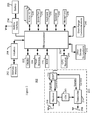
Figure 2 is a block diagram illustrating components of a mobile device; -
Figure 3 is a flow chart illustrating a method for determining when to update location information of the mobile device; and -
Figure 4 is a flow chart illustrating an alternate method to that shown inFigure 3 . - For convenience, like numerals in the description refer to like structures in the drawings. Referring to
Figure 1 , a typical, telecommunication infrastructure is illustrated generally bynumeral 100. Thetelecommunication infrastructure 100 includes a plurality ofmobile devices 102, a plurality ofbase stations 104, acommunication network 106 and a plurality ofnetwork servers 108. - The
mobile devices 102 include wireless computing devices such as a smart phone, a personal digital assistant (PDA), and the like. Themobile devices 102 are in communication with one of thebase stations 104. The base stations relay data between themobile devices 102 and thenetwork servers 108 via thecommunication network 106. Accordingly, thecommunication network 106 may include several components such as a wireless network, a relay, a corporate server and/or a mobile data server for relaying data between thebase stations 104 and thenetwork servers 108. - The
network servers 108 include servers such as a Web server, anapplication server 108, and an application server with web services. It will be appreciated by a person of ordinary skill in the art that the telecommunication,infrastructure 100 described herein is exemplary and that changes may be made to one or more components to accommodate different network configurations without affecting the scope of the invention described and claimed herein. - Referring to
Figure 2 , a typicalmobile device 102 is illustrated in greater detail. Themobile device 102 is often a two-way communication device having both voice and data communication capabilities, including the capability to communicate with other computer systems. Depending on the functionality provided by the device mobile 102, it may be referred to as a data messaging device, a two-way pager, a cellular telephone with data messaging capabilities, a wireless Internet appliance, or a data communication device. - The
mobile device 102 includes acommunication subsystem 211, which includes a receiver 212, a transmitter 214, and associated components, such as one or more embedded orinternal antenna elements communication subsystem 211 depends on the communication network in whichmobile device 102 is intended to operate. - The
mobile device 102 includes a microprocessor 238 which controls general operation of themobile device 102. The microprocessor 238 also interacts with additional device subsystems such as adisplay 222, aflash memory 224, a random access memory (RAM) 226, auxiliary input/output (I/O)subsystems 228, aserial port 230, akeyboard 232, aspeaker 234, amicrophone 236, a short-range communications subsystem 240 such as Bluetooth™ for example, and any other device subsystems or peripheral devices generally designated at 242. Optionally, themobile device 102 includes apositioning device 244, such as a GPS receiver, for receiving positioning information. - Operating system software used by the microprocessor 238 is preferably stored in a persistent store such as the
flash memory 224, which may alternatively be a read-only memory (ROM) or similar storage element (not shown). Those skilled in the art will appreciate that the operating system, specific device applications, or parts thereof, may be temporarily loaded into a volatile store such asRAM 226. - The microprocessor 238, in addition to its operating system functions, preferably enables execution of software applications on the
mobile device 102. A predetermined set of applications, which control basic device operations, is installed on themobile device 102 during its manufacture. These basic operations typically include data and voice communication applications, for example. Additionally, applications may also be loaded onto themobile device 102 through thenetwork 106, an auxiliary I/O subsystem 228,serial port 230, short-range communications subsystem 240, or any othersuitable subsystem 242, and installed by a user inRAM 226, or preferably thepersistent store 224, for execution by the microprocessor 238. Such flexibility in application installation increases the functionality of themobile device 102 and may provide enhanced on-device features, communication-related features, or both. - The
display 222 is used to visually present an application's graphical user interface (GUI) to the user. The user can manipulate application data by modifying information on the GUI using an input device such as thekeyboard 232 for example. Depending on the type ofmobile device 102. the user may have access to other types of input devices, such as, for example, a scroll wheel, light pen or touch sensitive screen. - Location-based applications executing on the
mobile device 102 use positioning information from thepositioning device 244 to provide relevant information to the user, often in real-time. Thepositioning device 244 may be a GPS receiver for receiving satellite broadcasts. In one embodiment, the satellite broadcast data is used by themobile device 102 to determine its position. In another embodiment, the satellite broadcast data is transmitted from the mobile device to one of thenetwork servers 108 to determine the position of the mobile device. - Alternatively, the
positioning device 244 may be a positioning, module for receiving positioning information from one of thenetwork servers 108. In this embodiment, the positioning module may comprise a software, rather than a hardware, solution. - Accordingly, position update software is provisioned on the
mobile device 102 that manages obtaining position updates. The position update software can be configured to implement one or more methods to manage the position updates, as described below. Further, different parameters relating to the implemented methods can be set and/or adjusted by either a system administrator or the user. The position update software is configured to limit the number of position updates while allowing a sufficient number of position updates to maintain relevant position information about themobile device 102. - Referring to
Figure 3 , a flow chart illustrating a method for updating the position of amobile device 102 is illustrated generally bynumeral 300. Atstep 302, the position of themobile device 102 is determined. It will be appreciated by a person of ordinary skill in the art, that the position can be determined using one or more of a number of state-of-the-art or proprietary methods. - The method then waits until a predefined trigger notification before determining the position of the
mobile device 102 again. In the present embodiment, two types of notification triggers can generate a trigger notification. A first notification trigger occurs as a result of change in base stations, which can be determined, for example, by thecommunication subsystem 211 of the device. For ease of explanation this trigger will be referred to as a motion trigger. A second notification trigger occurs as a result of an expiration of a predefined period of time, also referred to as a polling period. The polling period can be monitored, for example, by a timer maintained by the position update software. For ease of explanation this trigger will be referred to as a time trigger. - At
step 304, if a motion trigger is defected, the method returns to step 302, otherwise it continues atstep 306. Atstep 306, if a time trigger is detected, the method continues atstep 308. Atstep 308, the timer is reset and timing begins anew for the time trigger. The method then returns to step 302. - It will be appreciated that a change in base stations is a relatively good indicator that the
mobile device 102 has changed its location. Accordingly, the position of the device is determined to ensure that the location information for the device is up-to-date. - Referring to
Figure 4 , a flow chart illustrating a method for updating the position of amobile device 102 in accordance with an alternate embodiment is illustrated generally bynumeral 400. In accordance with the present embodiment, if a motion trigger is detected atstep 304, the method continues atstep 308. Atstep 308, the timer tracking the polling period is reset and timing begins anew for the time trigger. The method then returns to step 302. - Accordingly, it can be seen that the present embodiment limits unnecessary position updates in the case when a motion trigger occurs only a fraction of the polling period before the time trigger.
- In accordance with yet a further embodiment, the software dynamically adjusts the polling period based on a number of predefined parameters. For example, if it is determined that the
mobile device 102 has not moved after a predefined number of elapsed polling periods, the polling frequency is reduced. Conversely, if it is determined that themobile device 102 has moved in each of a predefined number of polling periods, the polling frequency is increased. In both examples, an upper and lower limit may be placed on the polling frequency. Further, a default initial polling frequency may be established. Whether or not a device has moved can be determined either by a change inbase station 104 or a change in location as identified by thepositioning device 244. - It will be appreciated that, depending on the setup, the polling frequency may be increased or decreased either in small or large segments. Consider, for example, the case when the
mobile device 102 has stopped moving. After a predefined number of polling periods, the software determines that themobile device 102 has likely stopped and reduces the polling frequency accordingly. The reduction in polling frequency may be related to the number of predefined polling periods that pass before making the determination. That is, as more polling periods pass without detecting a change in position for themobile device 102, the greater the likelihood that themobile device 102 has stopped. - Therefore, if a number of polling periods pass before adjusting the polling frequency, the more likely it will be that the
mobile device 104 has actually stopped. Accordingly, the polling frequency can likely be reduced substantially, for example from every fifteen minutes to every half-an-hour. On the contrary, if only a few polling periods pass before adjusting the polling frequency, it will be less certain that themobile device 102 has actually stopped. Accordingly, the polling frequency is gradually reduced, for example from every fifteen minutes to every twenty minutes, then to every twenty-five minutes, and finally to every half-an-hour. - Similarly, when the motion trigger is detected for the
mobile device 102, the polling frequency may be incremented. The increase in polling frequency may occur either in small or large segments. This occurs similar to the decrease in polling frequency as described above. In the present embodiment, when a motion trigger is detected after the polling frequency of themobile device 102 has been reduced, the polling frequency is returned to at least the default polling frequency. - In accordance with yet a further embodiment, the position update software has predefined time-of-day settings. The time-of-day settings allow a user or administrator to identify times that the
mobile device 102 will likely be in one place for an extended period of time. Such times include daily work times for users in an office environment and sleep times. During such predefined stationary time periods, the position update software automatically reduces the polling frequency since it is unlikely that themobile device 102 will be moving. - In accordance with yet a further embodiment, the position update software includes pattern recognition capability to recognize predefined patterns that may incorrectly identify motion. For example, consider a
mobile device 102 that is relatively stationary and located at a border region between two baseadjacent stations 104. Little, if any, motion may cause themobile device 102 to oscillate back and forth between thebase stations 104 for communicating with thecommunication network 106. Accordingly, if the position update software recognizes the oscillating pattern it uses this information to balance the affect of frequently detecting motion triggers when determining how to modify the polling period. - Further, in addition to the above, the position update software is configured to be able to communicate with calendar software operating on the
mobile device 102 to determine likely stationary time periods.
Claims (23)
- A method for updating a position of a mobile device (102) coupled to a wireless communication network (106) via one of a plurality of base stations (104), the method comprising the steps of:determining (302) the position of the mobile device (102); andwaiting for a predefined trigger notification before determining an updated position of the mobile device (102), the predefined trigger notification being generated in response to a motion trigger (304).
- The method of claim 1, wherein the predefined trigger notification is generated in response to a time trigger (306) as well as the motion trigger (304), and the time trigger (306) is generated in response to an expiration of a predefined time period.
- The method of claim 1 or 2, wherein the motion trigger comprises a change in base station (104) with which the mobile device (102) communicates.
- The method of claim 2 or 3, wherein the predefined time period is reset (308) upon detection of the motion trigger (304).
- The method of any one of claims 2 to 4, further comprising the step of dynamically changing the predefined time period in accordance with one or more predefined parameters.
- The method of claim 5, wherein the predefined time period is: increased if no motion trigger is detected after a predefined number of detected time triggers; or reduced if the motion trigger is detected in a predefined number of detected time triggers.
- The method of claim 6, wherein the predefined time period is reduced only if the motion trigger is detected in a predefined number of consecutive detected time triggers.
- The method of claim 5, the predefined time period is changed in small segments or large segments.
- The method of claim 5, wherein the predefined time period is changed in accordance with time-of-day settings.
- The method of claim 9, wherein the time-of-day settings are: determined from a calendar application executing on the mobile device (102); set by a user of the mobile device (102), or set by a system administrator of the mobile device (102).
- The method of any one of claims 1 to 5, further comprising the step of detecting, a pattern of a plurality of generated motion triggers for further determining a likelihood that the mobile device is in motion.
- A mobile device (102) coupled to a wireless communication network (106) via one of a plurality of base stations (104), the mobile device (102) comprising:a positioning device (244) configured to retrieve a position of the mobile device (102); anda microprocessor (238) configured to enable the positioning device (244) to retrieve the position in response to a predefined trigger notification, the predefined trigger notification being generated in response to a motion trigger (304).
- The mobile device of claim 12, wherein the trigger notification is generated in response to a time trigger (306) as well as the motion trigger (304), the time trigger being generated in response to an expiration of a predefined time period.
- The mobile device of claim 12 or 13, further comprising a communication subsystem (211) for generating the motion trigger (304) in response to a change of base station (104).
- The mobile device of claim 13 or 14, wherein the predefined time period is reset (308) upon detection of the motion trigger (304).
- The mobile device of any one of claims 13 to 15, wherein the microprocessor (238) is further configured to dynamically change the predefined time period in accordance with one or more predefined parameters.
- The mobile device of claim 16, wherein the predefined time period is: increased if no motion trigger (304) is detected after a predefined number of detected time triggers (306); or reduced if the motion trigger (304) is detected in a predefined number of detected time triggers (306).
- The mobile device of claim 17, wherein the predefined time period is reduced only if the motion trigger (304) is detected in a predefined number of consecutive detected time triggers (306).
- The mobile device of claim 16, wherein the predefined time period is changed in small segments or large segments.
- The mobile device of claim 16, wherein the predefined time period is changed in accordance with time-of-day settings.
- The mobile device of claim 20, further comprising a calendar application, wherein the time-of-day settings are determined from the calendar application.
- The mobile device of claims 12 to 16, wherein the microprocessor (238) is further configured to detect a pattern of a plurality of generated motion triggers (304) for further determining a likelihood that the mobile device is in motion.
- A computer readable medium (224, 226) comprising instructions which, when executed on a mobile device (102) coupled to a wireless communication network (106) via one of a plurality of base stations (104), cause the mobile device (102) to implement the steps of any one of claims 1 to 15.
Priority Applications (3)
| Application Number | Priority Date | Filing Date | Title |
|---|---|---|---|
| EP07102939.1A EP1962520B1 (en) | 2007-02-23 | 2007-02-23 | Improved method for updating location information on a wireless device |
| CA2678744A CA2678744C (en) | 2007-02-23 | 2008-02-22 | Improved method for updating location information on a wireless device |
| PCT/CA2008/000345 WO2008104054A1 (en) | 2007-02-23 | 2008-02-22 | Improved method for updating location information on a wireless device |
Applications Claiming Priority (1)
| Application Number | Priority Date | Filing Date | Title |
|---|---|---|---|
| EP07102939.1A EP1962520B1 (en) | 2007-02-23 | 2007-02-23 | Improved method for updating location information on a wireless device |
Publications (2)
| Publication Number | Publication Date |
|---|---|
| EP1962520A1 true EP1962520A1 (en) | 2008-08-27 |
| EP1962520B1 EP1962520B1 (en) | 2018-06-13 |
Family
ID=38366307
Family Applications (1)
| Application Number | Title | Priority Date | Filing Date |
|---|---|---|---|
| EP07102939.1A Active EP1962520B1 (en) | 2007-02-23 | 2007-02-23 | Improved method for updating location information on a wireless device |
Country Status (3)
| Country | Link |
|---|---|
| EP (1) | EP1962520B1 (en) |
| CA (1) | CA2678744C (en) |
| WO (1) | WO2008104054A1 (en) |
Cited By (3)
| Publication number | Priority date | Publication date | Assignee | Title |
|---|---|---|---|---|
| CN102083109A (en) * | 2010-04-29 | 2011-06-01 | 大唐移动通信设备有限公司 | Offline detection method, device and system |
| CN103501490A (en) * | 2010-08-13 | 2014-01-08 | 英特尔公司 | Techniques for managing mobility management signaling in a wireless network |
| US10051653B2 (en) | 2013-01-17 | 2018-08-14 | Intel IP Corporation | Techniques and systems for extended discontinuous reception |
Citations (2)
| Publication number | Priority date | Publication date | Assignee | Title |
|---|---|---|---|---|
| US20040156326A1 (en) * | 2003-02-05 | 2004-08-12 | Autodesk, Inc. | Use of triggers and a location hypercube to enable push-based location applications |
| US20060276168A1 (en) * | 2005-06-06 | 2006-12-07 | Fuller Marvin U Jr | System and methods for providing updated mobile station location estimates to emergency services providers |
Family Cites Families (4)
| Publication number | Priority date | Publication date | Assignee | Title |
|---|---|---|---|---|
| US6985742B1 (en) * | 1996-08-15 | 2006-01-10 | Spatial Adventures, Inc. | Method and apparatus for providing position-related information to mobile recipients |
| US6924750B2 (en) * | 2000-05-17 | 2005-08-02 | Omega Patents, L.L.C. | Vehicle tracking unit for controlling operable vehicle devices using a vehicle data bus and related methods |
| US6882313B1 (en) * | 2000-06-21 | 2005-04-19 | At Road, Inc. | Dual platform location-relevant service |
| US20070130153A1 (en) * | 2005-12-02 | 2007-06-07 | Palm, Inc. | Techniques to communicate and process location information from communications networks on a mobile computing device |
-
2007
- 2007-02-23 EP EP07102939.1A patent/EP1962520B1/en active Active
-
2008
- 2008-02-22 WO PCT/CA2008/000345 patent/WO2008104054A1/en not_active Ceased
- 2008-02-22 CA CA2678744A patent/CA2678744C/en active Active
Patent Citations (2)
| Publication number | Priority date | Publication date | Assignee | Title |
|---|---|---|---|---|
| US20040156326A1 (en) * | 2003-02-05 | 2004-08-12 | Autodesk, Inc. | Use of triggers and a location hypercube to enable push-based location applications |
| US20060276168A1 (en) * | 2005-06-06 | 2006-12-07 | Fuller Marvin U Jr | System and methods for providing updated mobile station location estimates to emergency services providers |
Cited By (9)
| Publication number | Priority date | Publication date | Assignee | Title |
|---|---|---|---|---|
| CN102083109A (en) * | 2010-04-29 | 2011-06-01 | 大唐移动通信设备有限公司 | Offline detection method, device and system |
| WO2011134427A1 (en) * | 2010-04-29 | 2011-11-03 | 电信科学技术研究院 | Method, apparatus and system for off-line detection |
| CN102083109B (en) * | 2010-04-29 | 2013-06-05 | 电信科学技术研究院 | Offline detection method, device and system |
| CN103501490A (en) * | 2010-08-13 | 2014-01-08 | 英特尔公司 | Techniques for managing mobility management signaling in a wireless network |
| CN103501490B (en) * | 2010-08-13 | 2017-05-31 | 英特尔公司 | Technology for managing the mobile management signaling in wireless network |
| US9781543B2 (en) | 2010-08-13 | 2017-10-03 | Intel Corporation | Techniques for update procedure signaling in a wireless network |
| US10015622B2 (en) | 2010-08-13 | 2018-07-03 | Intel Corporation | Techniques for update procedure signaling in a wireless network |
| US10462631B2 (en) | 2010-08-13 | 2019-10-29 | Intel Corporation | Techniques for update procedure signaling in a wireless network |
| US10051653B2 (en) | 2013-01-17 | 2018-08-14 | Intel IP Corporation | Techniques and systems for extended discontinuous reception |
Also Published As
| Publication number | Publication date |
|---|---|
| EP1962520B1 (en) | 2018-06-13 |
| CA2678744A1 (en) | 2008-09-04 |
| WO2008104054A1 (en) | 2008-09-04 |
| CA2678744C (en) | 2016-11-01 |
Similar Documents
| Publication | Publication Date | Title |
|---|---|---|
| US10165399B2 (en) | Location monitoring feature of a mobile device for activating an application subsystem | |
| US8938263B2 (en) | Method, apparatus and computer program product for self-learning location method selection logic | |
| US10349222B2 (en) | Efficient resource usage for location sharing in computer networks | |
| US20020198004A1 (en) | Method and apparatus for adjusting functions of an electronic device based on location | |
| US8682340B2 (en) | Data retrieval method for location based services on a wireless device | |
| US9541986B2 (en) | Adaptive screen timeouts based on user preferences, interaction patterns and active applications | |
| EP2130361B1 (en) | Updating position assist data on a mobile computing device | |
| US6999776B2 (en) | Mobile station having indoor/outdoor mode shifting function | |
| US20120098705A1 (en) | Use of heuristic data for sending message from mobile computing device | |
| US8989763B2 (en) | Updating position assist data on a mobile computing device | |
| KR101063287B1 (en) | Method and system for providing service information using location information | |
| EP3681120B1 (en) | Method and device for accessing device identifiers | |
| KR20140098207A (en) | Space and time based device customization | |
| CN102904990A (en) | Adjustable mobile telephone settings based on environmental conditions | |
| KR20150069172A (en) | Method and apparatus for sharing location information of electronic device | |
| CN105915698A (en) | Method for adjusting terminal equipment scene mode and device and system thereof | |
| CA2678744C (en) | Improved method for updating location information on a wireless device | |
| US8509677B2 (en) | Method for updating location information on a wireless device | |
| CN106980654A (en) | Road condition updating method, device and computer equipment | |
| EP1909066A1 (en) | Improved Data Retrieval Method for Location Based Services on a Wireless Device | |
| HK1121627A (en) | Improved method for updating location information on a wireless device | |
| HK1121627B (en) | Improved method for updating location information on a wireless device | |
| CN106454728A (en) | Network control method and device for terminal application, and terminal | |
| CN107241450A (en) | Data synchronization method, device, storage medium and electronic equipment | |
| CN102622076A (en) | Method for automatically switching operation situation of mobile device |
Legal Events
| Date | Code | Title | Description |
|---|---|---|---|
| PUAI | Public reference made under article 153(3) epc to a published international application that has entered the european phase |
Free format text: ORIGINAL CODE: 0009012 |
|
| 17P | Request for examination filed |
Effective date: 20070315 |
|
| AK | Designated contracting states |
Kind code of ref document: A1 Designated state(s): AT BE BG CH CY CZ DE DK EE ES FI FR GB GR HU IE IS IT LI LT LU LV MC NL PL PT RO SE SI SK TR |
|
| AX | Request for extension of the european patent |
Extension state: AL BA HR MK RS |
|
| REG | Reference to a national code |
Ref country code: HK Ref legal event code: DE Ref document number: 1121627 Country of ref document: HK |
|
| AKX | Designation fees paid |
Designated state(s): AT BE BG CH CY CZ DE DK EE ES FI FR GB GR HU IE IS IT LI LT LU LV MC NL PL PT RO SE SI SK TR |
|
| AXX | Extension fees paid |
Extension state: RS Payment date: 20080722 Extension state: AL Payment date: 20080722 Extension state: HR Payment date: 20080722 Extension state: MK Payment date: 20080722 Extension state: BA Payment date: 20080722 |
|
| RAP1 | Party data changed (applicant data changed or rights of an application transferred) |
Owner name: BLACKBERRY LIMITED |
|
| RAP1 | Party data changed (applicant data changed or rights of an application transferred) |
Owner name: BLACKBERRY LIMITED |
|
| REG | Reference to a national code |
Ref country code: DE Ref legal event code: R079 Ref document number: 602007055080 Country of ref document: DE Free format text: PREVIOUS MAIN CLASS: H04Q0007220000 Ipc: H04W0004020000 |
|
| RIC1 | Information provided on ipc code assigned before grant |
Ipc: H04W 64/00 20090101ALN20171122BHEP Ipc: H04W 4/04 20090101ALN20171122BHEP Ipc: G01S 5/02 20100101ALN20171122BHEP Ipc: H04W 4/02 20090101AFI20171122BHEP |
|
| GRAP | Despatch of communication of intention to grant a patent |
Free format text: ORIGINAL CODE: EPIDOSNIGR1 |
|
| STAA | Information on the status of an ep patent application or granted ep patent |
Free format text: STATUS: GRANT OF PATENT IS INTENDED |
|
| INTG | Intention to grant announced |
Effective date: 20180111 |
|
| GRAS | Grant fee paid |
Free format text: ORIGINAL CODE: EPIDOSNIGR3 |
|
| GRAA | (expected) grant |
Free format text: ORIGINAL CODE: 0009210 |
|
| STAA | Information on the status of an ep patent application or granted ep patent |
Free format text: STATUS: THE PATENT HAS BEEN GRANTED |
|
| RIN1 | Information on inventor provided before grant (corrected) |
Inventor name: FAHMY, SAMER Inventor name: KLASSEN, GERHARD Inventor name: WORMALD, CHRIS |
|
| AK | Designated contracting states |
Kind code of ref document: B1 Designated state(s): AT BE BG CH CY CZ DE DK EE ES FI FR GB GR HU IE IS IT LI LT LU LV MC NL PL PT RO SE SI SK TR |
|
| AX | Request for extension of the european patent |
Extension state: AL BA HR MK RS |
|
| REG | Reference to a national code |
Ref country code: GB Ref legal event code: FG4D |
|
| REG | Reference to a national code |
Ref country code: CH Ref legal event code: EP Ref country code: AT Ref legal event code: REF Ref document number: 1009764 Country of ref document: AT Kind code of ref document: T Effective date: 20180615 |
|
| REG | Reference to a national code |
Ref country code: IE Ref legal event code: FG4D |
|
| REG | Reference to a national code |
Ref country code: DE Ref legal event code: R096 Ref document number: 602007055080 Country of ref document: DE |
|
| REG | Reference to a national code |
Ref country code: NL Ref legal event code: MP Effective date: 20180613 |
|
| REG | Reference to a national code |
Ref country code: LT Ref legal event code: MG4D |
|
| PG25 | Lapsed in a contracting state [announced via postgrant information from national office to epo] |
Ref country code: CY Free format text: LAPSE BECAUSE OF FAILURE TO SUBMIT A TRANSLATION OF THE DESCRIPTION OR TO PAY THE FEE WITHIN THE PRESCRIBED TIME-LIMIT Effective date: 20180613 Ref country code: BG Free format text: LAPSE BECAUSE OF FAILURE TO SUBMIT A TRANSLATION OF THE DESCRIPTION OR TO PAY THE FEE WITHIN THE PRESCRIBED TIME-LIMIT Effective date: 20180913 Ref country code: LT Free format text: LAPSE BECAUSE OF FAILURE TO SUBMIT A TRANSLATION OF THE DESCRIPTION OR TO PAY THE FEE WITHIN THE PRESCRIBED TIME-LIMIT Effective date: 20180613 Ref country code: ES Free format text: LAPSE BECAUSE OF FAILURE TO SUBMIT A TRANSLATION OF THE DESCRIPTION OR TO PAY THE FEE WITHIN THE PRESCRIBED TIME-LIMIT Effective date: 20180613 Ref country code: SE Free format text: LAPSE BECAUSE OF FAILURE TO SUBMIT A TRANSLATION OF THE DESCRIPTION OR TO PAY THE FEE WITHIN THE PRESCRIBED TIME-LIMIT Effective date: 20180613 Ref country code: FI Free format text: LAPSE BECAUSE OF FAILURE TO SUBMIT A TRANSLATION OF THE DESCRIPTION OR TO PAY THE FEE WITHIN THE PRESCRIBED TIME-LIMIT Effective date: 20180613 |
|
| PG25 | Lapsed in a contracting state [announced via postgrant information from national office to epo] |
Ref country code: LV Free format text: LAPSE BECAUSE OF FAILURE TO SUBMIT A TRANSLATION OF THE DESCRIPTION OR TO PAY THE FEE WITHIN THE PRESCRIBED TIME-LIMIT Effective date: 20180613 Ref country code: GR Free format text: LAPSE BECAUSE OF FAILURE TO SUBMIT A TRANSLATION OF THE DESCRIPTION OR TO PAY THE FEE WITHIN THE PRESCRIBED TIME-LIMIT Effective date: 20180914 |
|
| REG | Reference to a national code |
Ref country code: AT Ref legal event code: MK05 Ref document number: 1009764 Country of ref document: AT Kind code of ref document: T Effective date: 20180613 |
|
| PG25 | Lapsed in a contracting state [announced via postgrant information from national office to epo] |
Ref country code: NL Free format text: LAPSE BECAUSE OF FAILURE TO SUBMIT A TRANSLATION OF THE DESCRIPTION OR TO PAY THE FEE WITHIN THE PRESCRIBED TIME-LIMIT Effective date: 20180613 |
|
| RIC2 | Information provided on ipc code assigned after grant |
Ipc: H04W 4/04 20181130ALN20171122BHEP Ipc: G01S 5/02 20100101ALN20171122BHEP Ipc: H04W 4/02 20180101AFI20171122BHEP Ipc: H04W 64/00 20090101ALN20171122BHEP |
|
| REG | Reference to a national code |
Ref country code: CH Ref legal event code: PK Free format text: BERICHTIGUNGEN |
|
| PG25 | Lapsed in a contracting state [announced via postgrant information from national office to epo] |
Ref country code: IS Free format text: LAPSE BECAUSE OF FAILURE TO SUBMIT A TRANSLATION OF THE DESCRIPTION OR TO PAY THE FEE WITHIN THE PRESCRIBED TIME-LIMIT Effective date: 20181013 Ref country code: SK Free format text: LAPSE BECAUSE OF FAILURE TO SUBMIT A TRANSLATION OF THE DESCRIPTION OR TO PAY THE FEE WITHIN THE PRESCRIBED TIME-LIMIT Effective date: 20180613 Ref country code: PL Free format text: LAPSE BECAUSE OF FAILURE TO SUBMIT A TRANSLATION OF THE DESCRIPTION OR TO PAY THE FEE WITHIN THE PRESCRIBED TIME-LIMIT Effective date: 20180613 Ref country code: CZ Free format text: LAPSE BECAUSE OF FAILURE TO SUBMIT A TRANSLATION OF THE DESCRIPTION OR TO PAY THE FEE WITHIN THE PRESCRIBED TIME-LIMIT Effective date: 20180613 Ref country code: RO Free format text: LAPSE BECAUSE OF FAILURE TO SUBMIT A TRANSLATION OF THE DESCRIPTION OR TO PAY THE FEE WITHIN THE PRESCRIBED TIME-LIMIT Effective date: 20180613 Ref country code: EE Free format text: LAPSE BECAUSE OF FAILURE TO SUBMIT A TRANSLATION OF THE DESCRIPTION OR TO PAY THE FEE WITHIN THE PRESCRIBED TIME-LIMIT Effective date: 20180613 Ref country code: AT Free format text: LAPSE BECAUSE OF FAILURE TO SUBMIT A TRANSLATION OF THE DESCRIPTION OR TO PAY THE FEE WITHIN THE PRESCRIBED TIME-LIMIT Effective date: 20180613 |
|
| REG | Reference to a national code |
Ref country code: CH Ref legal event code: PK Free format text: BERICHTIGUNGEN |
|
| RIC2 | Information provided on ipc code assigned after grant |
Ipc: H04W 64/00 20090101ALN20171122BHEP Ipc: H04W 4/02 20180101AFI20171122BHEP Ipc: H04W 4/04 20090101ALN20171122BHEP Ipc: G01S 5/02 20100101ALN20171122BHEP |
|
| PG25 | Lapsed in a contracting state [announced via postgrant information from national office to epo] |
Ref country code: IT Free format text: LAPSE BECAUSE OF FAILURE TO SUBMIT A TRANSLATION OF THE DESCRIPTION OR TO PAY THE FEE WITHIN THE PRESCRIBED TIME-LIMIT Effective date: 20180613 |
|
| REG | Reference to a national code |
Ref country code: DE Ref legal event code: R097 Ref document number: 602007055080 Country of ref document: DE |
|
| PLBE | No opposition filed within time limit |
Free format text: ORIGINAL CODE: 0009261 |
|
| STAA | Information on the status of an ep patent application or granted ep patent |
Free format text: STATUS: NO OPPOSITION FILED WITHIN TIME LIMIT |
|
| 26N | No opposition filed |
Effective date: 20190314 |
|
| PG25 | Lapsed in a contracting state [announced via postgrant information from national office to epo] |
Ref country code: SI Free format text: LAPSE BECAUSE OF FAILURE TO SUBMIT A TRANSLATION OF THE DESCRIPTION OR TO PAY THE FEE WITHIN THE PRESCRIBED TIME-LIMIT Effective date: 20180613 Ref country code: DK Free format text: LAPSE BECAUSE OF FAILURE TO SUBMIT A TRANSLATION OF THE DESCRIPTION OR TO PAY THE FEE WITHIN THE PRESCRIBED TIME-LIMIT Effective date: 20180613 |
|
| REG | Reference to a national code |
Ref country code: CH Ref legal event code: PL |
|
| PG25 | Lapsed in a contracting state [announced via postgrant information from national office to epo] |
Ref country code: LU Free format text: LAPSE BECAUSE OF NON-PAYMENT OF DUE FEES Effective date: 20190223 Ref country code: MC Free format text: LAPSE BECAUSE OF FAILURE TO SUBMIT A TRANSLATION OF THE DESCRIPTION OR TO PAY THE FEE WITHIN THE PRESCRIBED TIME-LIMIT Effective date: 20180613 |
|
| REG | Reference to a national code |
Ref country code: BE Ref legal event code: MM Effective date: 20190228 |
|
| REG | Reference to a national code |
Ref country code: IE Ref legal event code: MM4A |
|
| PG25 | Lapsed in a contracting state [announced via postgrant information from national office to epo] |
Ref country code: CH Free format text: LAPSE BECAUSE OF NON-PAYMENT OF DUE FEES Effective date: 20190228 Ref country code: LI Free format text: LAPSE BECAUSE OF NON-PAYMENT OF DUE FEES Effective date: 20190228 |
|
| PG25 | Lapsed in a contracting state [announced via postgrant information from national office to epo] |
Ref country code: IE Free format text: LAPSE BECAUSE OF NON-PAYMENT OF DUE FEES Effective date: 20190223 |
|
| PG25 | Lapsed in a contracting state [announced via postgrant information from national office to epo] |
Ref country code: BE Free format text: LAPSE BECAUSE OF NON-PAYMENT OF DUE FEES Effective date: 20190228 |
|
| PG25 | Lapsed in a contracting state [announced via postgrant information from national office to epo] |
Ref country code: TR Free format text: LAPSE BECAUSE OF FAILURE TO SUBMIT A TRANSLATION OF THE DESCRIPTION OR TO PAY THE FEE WITHIN THE PRESCRIBED TIME-LIMIT Effective date: 20180613 |
|
| PG25 | Lapsed in a contracting state [announced via postgrant information from national office to epo] |
Ref country code: PT Free format text: LAPSE BECAUSE OF FAILURE TO SUBMIT A TRANSLATION OF THE DESCRIPTION OR TO PAY THE FEE WITHIN THE PRESCRIBED TIME-LIMIT Effective date: 20181015 |
|
| PG25 | Lapsed in a contracting state [announced via postgrant information from national office to epo] |
Ref country code: HU Free format text: LAPSE BECAUSE OF FAILURE TO SUBMIT A TRANSLATION OF THE DESCRIPTION OR TO PAY THE FEE WITHIN THE PRESCRIBED TIME-LIMIT; INVALID AB INITIO Effective date: 20070223 |
|
| REG | Reference to a national code |
Ref country code: DE Ref legal event code: R082 Ref document number: 602007055080 Country of ref document: DE Ref country code: DE Ref legal event code: R081 Ref document number: 602007055080 Country of ref document: DE Owner name: MALIKIE INNOVATIONS LTD., IE Free format text: FORMER OWNER: BLACKBERRY LIMITED, WATERLOO, ONTARIO, CA |
|
| PGFP | Annual fee paid to national office [announced via postgrant information from national office to epo] |
Ref country code: GB Payment date: 20260223 Year of fee payment: 20 |
|
| PGFP | Annual fee paid to national office [announced via postgrant information from national office to epo] |
Ref country code: DE Payment date: 20260220 Year of fee payment: 20 |
|
| PGFP | Annual fee paid to national office [announced via postgrant information from national office to epo] |
Ref country code: FR Payment date: 20260224 Year of fee payment: 20 |