EP1959629A1 - Method for authenticating a user for access to server based applications from mobile device, gateway and identity management unit - Google Patents
Method for authenticating a user for access to server based applications from mobile device, gateway and identity management unit Download PDFInfo
- Publication number
- EP1959629A1 EP1959629A1 EP07003023A EP07003023A EP1959629A1 EP 1959629 A1 EP1959629 A1 EP 1959629A1 EP 07003023 A EP07003023 A EP 07003023A EP 07003023 A EP07003023 A EP 07003023A EP 1959629 A1 EP1959629 A1 EP 1959629A1
- Authority
- EP
- European Patent Office
- Prior art keywords
- mobile device
- user
- remote gateway
- management unit
- identity management
- Prior art date
- Legal status (The legal status is an assumption and is not a legal conclusion. Google has not performed a legal analysis and makes no representation as to the accuracy of the status listed.)
- Granted
Links
Images

Classifications
-
- H—ELECTRICITY
- H04—ELECTRIC COMMUNICATION TECHNIQUE
- H04L—TRANSMISSION OF DIGITAL INFORMATION, e.g. TELEGRAPHIC COMMUNICATION
- H04L63/00—Network architectures or network communication protocols for network security
- H04L63/08—Network architectures or network communication protocols for network security for authentication of entities
- H04L63/083—Network architectures or network communication protocols for network security for authentication of entities using passwords
-
- H—ELECTRICITY
- H04—ELECTRIC COMMUNICATION TECHNIQUE
- H04W—WIRELESS COMMUNICATION NETWORKS
- H04W12/00—Security arrangements; Authentication; Protecting privacy or anonymity
- H04W12/04—Key management, e.g. using generic bootstrapping architecture [GBA]
- H04W12/043—Key management, e.g. using generic bootstrapping architecture [GBA] using a trusted network node as an anchor
- H04W12/0431—Key distribution or pre-distribution; Key agreement
-
- H—ELECTRICITY
- H04—ELECTRIC COMMUNICATION TECHNIQUE
- H04W—WIRELESS COMMUNICATION NETWORKS
- H04W12/00—Security arrangements; Authentication; Protecting privacy or anonymity
- H04W12/06—Authentication
Definitions
- the present invention relates to a method for authenticating a user for access to server based applications from a mobile device, a gateway for managing this authentication as well as to an identity management unit.
- Typical wireless network architectures are composed of a server, a network and a mobile device, such as a computer, a phone, or a Personal Data Assistant (PDA), etc.
- a thin client On the mobile device a thin client may be installed.
- a thin client is referred to as a program on a client device which displays a user interface for a server-based application.
- Thin-clients run minimal or no user application code, i.e. most (if not all) of the application code runs on the server. Examples of thin-clients are Web Browsers, Citrix, X-Windows and PCAnywhere.
- the authentication server Upon connection of a user's computing device to the authentication server over the open network, the authentication server requests authentication information, such as a password, from the user, and upon authentication of the user by the authentication server, the authentication server downloads the mobile code authentication and encryption client to the user's computing device.
- the authentication and encryption client then authenticates itself to the authentication server, after which a secure communications channel between the user's computing device and the authentication server is opened, the secure communications channel permitting transfer of data between the user's computing device and an application server.
- the system and method do not require pre-installation or any certificates or other authentication and encryption software on the user's computing device, enabling the system and method to be used with thin-client and mobile computing devices, as well as with conventional computers.
- the drawback of the prior art solutions is that the user is still required to enter a user name and/or password to obtain access to the gateway and thus to be able to use an application which is installed and executed on the server.
- an authentication client has to be downloaded and installed to the mobile device before the authentication can take place.
- the problem underlying the present invention is thus to facilitate access of a user to an application running on a remote server, in particular to providing the possibility of browsing the internet via a thin client application from a mobile device, in particular a mobile phone.
- the problem underlying the present invention is solved by a method for authenticating the user for access to applications executed on a remote gateway of a network from a mobile device via a thin client application.
- the remote gateway of the network receives a request from the mobile device for initiating the application, extracts information on the mobile device requesting the initiation of the application and issues an authentication request to an identity management unit within the network.
- the network according to the present invention is preferably a network of computer networks and will hereinafter also be referred to as the Internet.
- the gateway is a network entity, such as a server and generally represents the entry point or node of the Internet interfacing with a mobile communications network, such as GSM or UMTS based networks.
- the mobile device may be a mobile phone or any other communication terminal.
- the mobile device is set up for mobile communication within the communications network and can thus establish a communication with the remote gateway.
- On the remote gateway or on a server connected to the remote gateway according to the present invention at least one application is installed and/or executed.
- the application installed and executed on the remote gateway preferably provides personal settings for individual users. Alternatively or additionally the application will only be executable by a user after an authentication process that may include a login to the application has been carried out.
- the application may for example be a browser application for browsing websites of the Internet.
- the thin client application which will hereinafter also be referred to as the thin client, is preferably a program installed on the mobile device for remote access to a server-based application installed and/or executed on the remote gateway for display of the user interface of the server-based application on the mobile device.
- the requests which can be issued by the mobile device hence, include selections of options displayed on the mobile device via the remote gateway.
- the mobile device via the thin client application installed thereon, serves as a mere input and output device for a server-based application executed on the remote gateway. For example the request for initiating the application on the remote gateway can be transmitted via the thin client application.
- the application on the remote gateway is a browser application, the request may be the launching of the browser.
- the initiation of the application for example the launching of the browser, may require an authentication of the user.
- the authentication may be necessary to verify that the user is entitled to access the application or to log the user in to the application to provide access to personal settings within the application.
- information on the mobile device i.e. relating to the mobile device, from which the request for initiation of the application originates, is extracted from the request at the remote gateway.
- the extraction may be performed by reading fields, locations or labels within the request. These fields, locations or labels, where information on the mobile device, i.e. relating to the mobile device, is included in the request, may be predefined by the connection protocol used for communication with the remote gateway via the thin client application.
- At least part of the thus extracted information will be provided to an identity management unit within the network. The providing of this information to the identity management unit will be a request for authentication.
- the information extracted from the initial request may be used to authenticate the user at the remote gateway.
- One advantage of the inventive method is thus that an authentication at the remote gateway and even a login process based on the authentication can be performed without specific input from the user. Once authenticated, the user will be able to view the user interface of the application executed on the remote gateway. Where applicable, even his personalized settings will be available for display and access. In case of a browser application such settings may for example be favourites or links.
- the information on the mobile device i.e. relating to the mobile device, which is extracted from the request at the remote gateway, may for example be the IP address of the mobile device and/or the MSISDN number of the user.
- This information is generally included in transmissions via the thin client application within the thin client application and/or within the protocol used for this transmission. The information can thus be extracted from requests transmitted within the thin client application.
- the IP address of the mobile device and/or the MSISDN number of the user can serve for authentication of the user, as the pairing of these values is unique.
- the verification of the validity of a pairing of an IP address and an MSISDN number or the respective pairing of an IP address to an MSISDN number, and vice versa, of a user cannot be performed at the remote gateway.
- the pairing information for such verification or pairing is only available to the operators of the mobile communication networks. According to the present invention, the transmission of this information in an authentication request to an identity management unit is therefore performed.
- the login of the user at the remote gateway is preferably performed with an identifier as a user name, wherein the identifier has been obtained by the identity management unit.
- the identifier may be an MSISDN number. This MSISDN number will either be the MSISDN number for which positive feed back on pairing with an IP address also transmitted to the identity management unit has been received. Alternatively, the MSISDN number is an MSISDN number which has been reported back to the remote gateway in response to an authentication request which only included an IP address of the mobile device.
- the identity management unit accesses a database of a mobile network to determine an identifier of a user associated to the mobile device information extracted from the initiating request.
- the database of this mobile network is preferably the authentication, authorisation and accounting database (AAA).
- the AAA database of a mobile network comprises information on the IP address of mobile devices within the network as well as on the MSISDN number assigned to the mobile device.
- the identity management unit transmits the identifier retrieved from the database back to the gateway.
- a default password is used to authenticate the user at the remote gateway, in particular to the application executed on the remote gateway.
- the usage of a default password is possible with the inventive method, as the identifier received from the identity management unit already clearly indicates the authenticity of the user. Hence, an additional password is not necessary.
- the default password may be preset at the gateway or within the application to be initialized. The default password will be used, once the remote gateway or the application executed on the remote gateway detects that the identifier is not a user name entered by the user of the mobile device but information received from the identity management unit.
- the present invention relates to a remote gateway for managing the authentication of a user for access to applications installed and/or executed on the remote gateway of a network from a mobile device via a thin client application.
- the remote gateway is preferably a remote display gateway for displaying a user interface of a server based application to the user of the mobile device.
- the remote gateway is connected to an identity management unit for obtaining authentication information on a user accessing the remote gateway via the thin client application.
- the remote gateway comprises an extraction unit for extracting information on the mobile device, i.e. relating to the mobile device and/or its user from a request received from the mobile device.
- the extraction unit may be software, in particular a software program installed on the remote gateway or on a server connected to the remote gateway.
- the extraction unit may, in particular, read information or values from predetermined fields, locations or labels of requests within a thin client application.
- the extraction unit will extract information from the communication connection between the mobile device and the remote gateway which is established to execute the thin client application.
- the remote gateway comprises an interface for communicating with the identity management unit for forwarding extracted information and for receiving authentication information.
- the communication via this interface may for example be a web service, in particular a XML-based web service. This web service could offer the authentication interface of the identity management unit.
- the present invention relates to an identity management unit of a network comprising a remote gateway with at least one application executable thereon.
- the identity management unit is connected to the remote gateway and has an interface to a database of the mobile network.
- the identity management unit is furthermore interposed between the remote gateway and the database to provide authentication information for authenticating a user for access to applications, which are executable on the remote gateway from the mobile device via a thin client application.
- the identity management unit may be implemented as a software component. It may for example be a JAVA program or C++ program.
- the communication between the identity management unit and the database, preferably the AAA database of a mobile network operator, may be based on the RADIUS protocol. By using the RADIUS protocol, the necessary information on pairing of IP addresses and MSISDN numbers can be communicated to the identity management unit.
- the system 1 shown in Figure 1 comprises a mobile device, depicted as a mobile phone 2.
- a remote display client 21 is provided on the mobile phone 2.
- This client 21 may be software installed on the mobile phone 2.
- the client 21 is a thin client software installed on the mobile phone 2 to execute a thin client application.
- the system 1 further comprises a remote display gateway 3.
- the remote display gateway 3 is connected to an identity management unit 5.
- the identity management unit 5 has access to a database 4.
- the remote display client 21 on the mobile phone 2 is a thin client application, i.e. allows remote access and display of the user interface of a server-based application, such as a browser, installed and/or executed on the remote display gateway 3.
- the user may use the thin client application to browse sites on the Internet.
- a respective request will be sent from the mobile phone 2, in particular the remote display client 21 to the remote display gateway 3.
- the remote display gateway 3 will subsequently determine the actual IP address used by the mobile device 2. This determination of the IP address may be performed by extracting the IP address from signals received from the remote display client 21.
- the remote display gateway 3 then sends an authentication request to the identity management unit 5.
- the remote display gateway 3 uses the extracted IP address of the mobile phone 2.
- the identity manager 5 accesses the database 4, which preferably is the AAA database of a mobile communication network operator.
- the communication towards the database can be performed under the RADIUS protocol.
- the identity management unit 5 obtains the information of the MSISDN number assigned to the IP address which was included in the authentication request.
- Within the database 4 there is a unique mapping between an IP address and an MSISDN number in the mobile communication network.
- the identity management unit 5 will report the MSISDN assigned to the IP address back to the remote display gateway 3.
- a login process for logging-in the user of the mobile phone 2 to an application installed and/or executed on the remote display gateway 3 can now be performed.
- the remote display gateway 3 logs the user in by using the MSISDN number as the user name.
- the password for the login process may be a default password stored at the remote gateway 3.
- personalized settings and previously stored personalized data may be displayed to the user via the thin client application via the remote display client 21 of the mobile phone 2.
- the application installed on the remote display gateway 3 is a browser application
- the user will now be able to browse websites from the mobile device 2 via the thin client application installed thereon.
- Personalized settings such as favourites or links will be available to the user.
- the user starts a thin client based browser session from the mobile device 2.
- the remote display gateway 3 receives the request and determines the actual IP address used by the mobile device 2 and in addition extracts the MSISDN of the mobile device 2 from the launching request received from the mobile device 2.
- the remote display gateway 3 issues an authentication request to the identity management unit 5.
- the authentication request includes both the IP address as well as the MSISDN number of the mobile device 2.
- the identity management unit 5 accesses the connected AAA database 4 and compares the pairing of the IP address and the MSISDN number with the respective entry of the database 4. If the pairing is correct, i.e. if a pair received from the remote display gateway 3 matches the pair stored in the database 4.
- the identity management unit 5 will then return authentication information back to the remote display gateway 3.
- the authentication information may be the IP address and the MSISDN number or a statement of authentication.
- the MSISDN number may be used as the user name for a login process to an application installed on the remote display gateway 3.
- the password for the login service may be a default password stored on the remote display gateway 3.
- the user may be provided with an improved experience of using applications on a remote display gateway 3.
- an identity management unit which takes care of identification of the user based on network credentials personalized information and settings can be provided to the user of the mobile device without necessitating entering of a user name and/or password at the mobile device to use a thin client technology when executing an application on the remote display gateway.
Landscapes
- Engineering & Computer Science (AREA)
- Computer Security & Cryptography (AREA)
- Computer Networks & Wireless Communication (AREA)
- Signal Processing (AREA)
- Computer Hardware Design (AREA)
- Computing Systems (AREA)
- General Engineering & Computer Science (AREA)
- Telephonic Communication Services (AREA)
- Mobile Radio Communication Systems (AREA)
- Information Transfer Between Computers (AREA)
Abstract
Description
- The present invention relates to a method for authenticating a user for access to server based applications from a mobile device, a gateway for managing this authentication as well as to an identity management unit.
- Typical wireless network architectures are composed of a server, a network and a mobile device, such as a computer, a phone, or a Personal Data Assistant (PDA), etc. On the mobile device a thin client may be installed. A thin client is referred to as a program on a client device which displays a user interface for a server-based application. Thin-clients run minimal or no user application code, i.e. most (if not all) of the application code runs on the server. Examples of thin-clients are Web Browsers, Citrix, X-Windows and PCAnywhere.
- When using such thin client technology based solutions, for example for browsing the internet via the mobile device, users are mainly authenticated by using a username /password mechanism. The authentication is performed at the gateway, i.e. on the network side, using information input from the user at the mobile device. In
US 2002/0099940 A1 secure internet applications with a mobile code are described. The system and method for securing pathways to a remote application server involves a gateway or authentication server, and a mobile code authentication and encryption client available for download from the gateway or authentication server. Upon connection of a user's computing device to the authentication server over the open network, the authentication server requests authentication information, such as a password, from the user, and upon authentication of the user by the authentication server, the authentication server downloads the mobile code authentication and encryption client to the user's computing device. The authentication and encryption client then authenticates itself to the authentication server, after which a secure communications channel between the user's computing device and the authentication server is opened, the secure communications channel permitting transfer of data between the user's computing device and an application server. The system and method do not require pre-installation or any certificates or other authentication and encryption software on the user's computing device, enabling the system and method to be used with thin-client and mobile computing devices, as well as with conventional computers. - The drawback of the prior art solutions is that the user is still required to enter a user name and/or password to obtain access to the gateway and thus to be able to use an application which is installed and executed on the server. In addition an authentication client has to be downloaded and installed to the mobile device before the authentication can take place.
- The problem underlying the present invention is thus to facilitate access of a user to an application running on a remote server, in particular to providing the possibility of browsing the internet via a thin client application from a mobile device, in particular a mobile phone.
- According to a first aspect, the problem underlying the present invention is solved by a method for authenticating the user for access to applications executed on a remote gateway of a network from a mobile device via a thin client application. According to the inventive method the remote gateway of the network receives a request from the mobile device for initiating the application, extracts information on the mobile device requesting the initiation of the application and issues an authentication request to an identity management unit within the network.
- The network according to the present invention is preferably a network of computer networks and will hereinafter also be referred to as the Internet. The gateway is a network entity, such as a server and generally represents the entry point or node of the Internet interfacing with a mobile communications network, such as GSM or UMTS based networks. The mobile device may be a mobile phone or any other communication terminal. The mobile device is set up for mobile communication within the communications network and can thus establish a communication with the remote gateway. On the remote gateway or on a server connected to the remote gateway according to the present invention at least one application is installed and/or executed.
- The application installed and executed on the remote gateway preferably provides personal settings for individual users. Alternatively or additionally the application will only be executable by a user after an authentication process that may include a login to the application has been carried out. The application may for example be a browser application for browsing websites of the Internet.
- These applications are server based and may be accessed via the mobile device. Such access is realized via a thin client application. The thin client application which will hereinafter also be referred to as the thin client, is preferably a program installed on the mobile device for remote access to a server-based application installed and/or executed on the remote gateway for display of the user interface of the server-based application on the mobile device. The requests which can be issued by the mobile device, hence, include selections of options displayed on the mobile device via the remote gateway. The mobile device, via the thin client application installed thereon, serves as a mere input and output device for a server-based application executed on the remote gateway. For example the request for initiating the application on the remote gateway can be transmitted via the thin client application. If the application on the remote gateway is a browser application, the request may be the launching of the browser. The initiation of the application, for example the launching of the browser, may require an authentication of the user.
- The authentication may be necessary to verify that the user is entitled to access the application or to log the user in to the application to provide access to personal settings within the application.
- With applications which are installed on the mobile device itself the user can be authenticated when turning on the mobile device, e.g. by entering his pin number. This means, that the user will not have to enter another password or user name in order to launch applications installed on the mobile device. Also personal settings for the application will be stored on the mobile device and will be readily accessible to the user of the mobile device after successfully turning on the mobile device.
- With applications installed on the remote gateway, in contrast, such authentication on the mobile communication network level is not possible. For this purpose, according to the present invention, information on the mobile device, i.e. relating to the mobile device, from which the request for initiation of the application originates, is extracted from the request at the remote gateway. The extraction may be performed by reading fields, locations or labels within the request. These fields, locations or labels, where information on the mobile device, i.e. relating to the mobile device, is included in the request, may be predefined by the connection protocol used for communication with the remote gateway via the thin client application. At least part of the thus extracted information will be provided to an identity management unit within the network. The providing of this information to the identity management unit will be a request for authentication.
- By involving a network entity such as the identity management unit, the information extracted from the initial request may be used to authenticate the user at the remote gateway. One advantage of the inventive method is thus that an authentication at the remote gateway and even a login process based on the authentication can be performed without specific input from the user. Once authenticated, the user will be able to view the user interface of the application executed on the remote gateway. Where applicable, even his personalized settings will be available for display and access. In case of a browser application such settings may for example be favourites or links.
- The information on the mobile device, i.e. relating to the mobile device, which is extracted from the request at the remote gateway, may for example be the IP address of the mobile device and/or the MSISDN number of the user. This information is generally included in transmissions via the thin client application within the thin client application and/or within the protocol used for this transmission. The information can thus be extracted from requests transmitted within the thin client application. The IP address of the mobile device and/or the MSISDN number of the user can serve for authentication of the user, as the pairing of these values is unique. The verification of the validity of a pairing of an IP address and an MSISDN number or the respective pairing of an IP address to an MSISDN number, and vice versa, of a user cannot be performed at the remote gateway. The pairing information for such verification or pairing is only available to the operators of the mobile communication networks. According to the present invention, the transmission of this information in an authentication request to an identity management unit is therefore performed.
- The login of the user at the remote gateway is preferably performed with an identifier as a user name, wherein the identifier has been obtained by the identity management unit. The identifier may be an MSISDN number. This MSISDN number will either be the MSISDN number for which positive feed back on pairing with an IP address also transmitted to the identity management unit has been received. Alternatively, the MSISDN number is an MSISDN number which has been reported back to the remote gateway in response to an authentication request which only included an IP address of the mobile device.
- According to a preferred embodiment the identity management unit accesses a database of a mobile network to determine an identifier of a user associated to the mobile device information extracted from the initiating request. The database of this mobile network is preferably the authentication, authorisation and accounting database (AAA). The AAA database of a mobile network comprises information on the IP address of mobile devices within the network as well as on the MSISDN number assigned to the mobile device. By using the AAA database for the inventive authentication of the user at the remote gateway, the establishment of a separate database is not necessary and an MSISDN number associated to a given IP address will be available. The identity management unit transmits the identifier retrieved from the database back to the gateway.
- According to one embodiment of the present invention, a default password is used to authenticate the user at the remote gateway, in particular to the application executed on the remote gateway. The usage of a default password is possible with the inventive method, as the identifier received from the identity management unit already clearly indicates the authenticity of the user. Hence, an additional password is not necessary. The default password may be preset at the gateway or within the application to be initialized. The default password will be used, once the remote gateway or the application executed on the remote gateway detects that the identifier is not a user name entered by the user of the mobile device but information received from the identity management unit.
- According to a further aspect, the present invention relates to a remote gateway for managing the authentication of a user for access to applications installed and/or executed on the remote gateway of a network from a mobile device via a thin client application. The remote gateway is preferably a remote display gateway for displaying a user interface of a server based application to the user of the mobile device. The remote gateway is connected to an identity management unit for obtaining authentication information on a user accessing the remote gateway via the thin client application. By providing a connection to an identity management unit it will be possible to obtain necessary authentication information at the remote gateway without involvement of the user.
- According to a preferred embodiment, the remote gateway comprises an extraction unit for extracting information on the mobile device, i.e. relating to the mobile device and/or its user from a request received from the mobile device. The extraction unit may be software, in particular a software program installed on the remote gateway or on a server connected to the remote gateway. The extraction unit may, in particular, read information or values from predetermined fields, locations or labels of requests within a thin client application. Alternatively or additionally, the extraction unit will extract information from the communication connection between the mobile device and the remote gateway which is established to execute the thin client application.
- According to a further embodiment of the present invention, the remote gateway comprises an interface for communicating with the identity management unit for forwarding extracted information and for receiving authentication information. The communication via this interface may for example be a web service, in particular a XML-based web service. This web service could offer the authentication interface of the identity management unit.
- According to another aspect the present invention relates to an identity management unit of a network comprising a remote gateway with at least one application executable thereon. The identity management unit is connected to the remote gateway and has an interface to a database of the mobile network. The identity management unit is furthermore interposed between the remote gateway and the database to provide authentication information for authenticating a user for access to applications, which are executable on the remote gateway from the mobile device via a thin client application.
- The identity management unit may be implemented as a software component. It may for example be a JAVA program or C++ program. The communication between the identity management unit and the database, preferably the AAA database of a mobile network operator, may be based on the RADIUS protocol. By using the RADIUS protocol, the necessary information on pairing of IP addresses and MSISDN numbers can be communicated to the identity management unit.
- Features and advantages described with respect to the inventive method also apply to the remote gateway and the identity management unit, respectively, and vice versa.
- The invention will now be described again in detail with reference to the enclosed figures, wherein:
-
Figure 1 shows a system in which the inventive method can be used and -
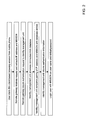
Figure 2 shows a flow chart of one embodiment of the inventive method. - The system 1 shown in
Figure 1 comprises a mobile device, depicted as amobile phone 2. On the mobile phone 2 aremote display client 21 is provided. Thisclient 21 may be software installed on themobile phone 2. In particular, theclient 21 is a thin client software installed on themobile phone 2 to execute a thin client application. The system 1 further comprises aremote display gateway 3. In the depicted embodiment, theremote display gateway 3 is connected to anidentity management unit 5. Theidentity management unit 5 has access to a database 4. - The
remote display client 21 on themobile phone 2 is a thin client application, i.e. allows remote access and display of the user interface of a server-based application, such as a browser, installed and/or executed on theremote display gateway 3. The user may use the thin client application to browse sites on the Internet. When a user starts his thin client based browsing process from themobile phone 2, a respective request will be sent from themobile phone 2, in particular theremote display client 21 to theremote display gateway 3. Theremote display gateway 3 will subsequently determine the actual IP address used by themobile device 2. This determination of the IP address may be performed by extracting the IP address from signals received from theremote display client 21. Theremote display gateway 3 then sends an authentication request to theidentity management unit 5. As input for the authentication request theremote display gateway 3 uses the extracted IP address of themobile phone 2. Upon receipt of the authentication request, theidentity manager 5 accesses the database 4, which preferably is the AAA database of a mobile communication network operator. The communication towards the database can be performed under the RADIUS protocol. From the database 4 theidentity management unit 5 obtains the information of the MSISDN number assigned to the IP address which was included in the authentication request. Within the database 4 there is a unique mapping between an IP address and an MSISDN number in the mobile communication network. - Once the MSISDN number, mapped to the IP address received from the
remote gateway 3 is available at theidentity management unit 5, theidentity management unit 5 will report the MSISDN assigned to the IP address back to theremote display gateway 3. - At the remote display gateway 3 a login process for logging-in the user of the
mobile phone 2 to an application installed and/or executed on theremote display gateway 3 can now be performed. Theremote display gateway 3 logs the user in by using the MSISDN number as the user name. The password for the login process may be a default password stored at theremote gateway 3. - Once the user is logged in, personalized settings and previously stored personalized data may be displayed to the user via the thin client application via the
remote display client 21 of themobile phone 2. - Where the application installed on the
remote display gateway 3 is a browser application, the user will now be able to browse websites from themobile device 2 via the thin client application installed thereon. Personalized settings such as favourites or links will be available to the user. - In
Figure 2 a flow chart of an alternative embodiment of the inventive method is shown. - Also in this embodiment the user starts a thin client based browser session from the
mobile device 2. Theremote display gateway 3 receives the request and determines the actual IP address used by themobile device 2 and in addition extracts the MSISDN of themobile device 2 from the launching request received from themobile device 2. Theremote display gateway 3 issues an authentication request to theidentity management unit 5. In this embodiment the authentication request includes both the IP address as well as the MSISDN number of themobile device 2. - The
identity management unit 5 accesses the connected AAA database 4 and compares the pairing of the IP address and the MSISDN number with the respective entry of the database 4. If the pairing is correct, i.e. if a pair received from theremote display gateway 3 matches the pair stored in the database 4. - The
identity management unit 5 will then return authentication information back to theremote display gateway 3. In this embodiment the authentication information may be the IP address and the MSISDN number or a statement of authentication. At theremote display gateway 3 the MSISDN number may be used as the user name for a login process to an application installed on theremote display gateway 3. The password for the login service may be a default password stored on theremote display gateway 3. - By providing an authentication extension to a remote display architecture for thin client applications, the user may be provided with an improved experience of using applications on a
remote display gateway 3. In particular by using an identity management unit which takes care of identification of the user based on network credentials personalized information and settings can be provided to the user of the mobile device without necessitating entering of a user name and/or password at the mobile device to use a thin client technology when executing an application on the remote display gateway.
Claims (10)
- Method for authenticating a user for access to applications executed on a remote gateway (3) of a network from a mobile device (2) via a thin client application, wherein the remote gateway (3) of the network receives a request from the mobile device (2) for initiating the application, extracts information on the mobile device (2) requesting the initiation of the application and issues an authentication request to an identity management unit (5) within the network.
- Method according to claim 1, characterized in that the remote gateway (3) performs a login of the user with an identifier, preferably an MSISDN number, obtained from the identity management unit (5) as username.
- Method according to claim 1 or 2, characterized in that the identity management unit (5) accesses a database (4) of a mobile network to determine an identifier of the user associated to the mobile device information extracted from the initiating request.
- Method according to claim 3, characterized in that the database (4) is an authentication data base of the mobile network.
- Method according to claim 3 or 4, characterized in that the identity management unit (5) transmits the retrieved identifier to the remote gateway (3).
- Method according to any one of claims 1 to 5, characterized in that a default password is used to authenticate the user.
- Remote gateway for managing the authentication of a user for access to applications executed on the remote gateway (3) of a network from a mobile device (2) via a thin client application, wherein the remote gateway (3) is connected to an identity management unit (5) for obtaining authentication information on a user accessing the remote gateway (3) via the thin client application.
- Remote gateway according to claim 7, characterized in that the remote gateway (3) comprises an extraction unit for extracting information on the mobile device (2) from a request received from the mobile device (2).
- Remote gateway according to claim 7 or 8, characterized in that the remote gateway (3) comprises an interface for communicating with the identity management unit (5) for forwarding extracted information and for receiving authentication information.
- Identity management unit of a network comprising a remote gateway with at least one application executable thereon, wherein the identity management unit (5) is connected to the remote gateway (3) and has an interface to a database (4) of a mobile network and wherein the identity management unit (5) is interposed between the remote gateway (3) and the database (4) to provide authentication information for authenticating a user for access to applications executable on the remote gateway (3) from the mobile device (2) via a thin client application.
Priority Applications (1)
| Application Number | Priority Date | Filing Date | Title |
|---|---|---|---|
| EP07003023.4A EP1959629B1 (en) | 2007-02-13 | 2007-02-13 | Method for authenticating a user for access to server based applications from mobile device, gateway and identity management unit |
Applications Claiming Priority (1)
| Application Number | Priority Date | Filing Date | Title |
|---|---|---|---|
| EP07003023.4A EP1959629B1 (en) | 2007-02-13 | 2007-02-13 | Method for authenticating a user for access to server based applications from mobile device, gateway and identity management unit |
Publications (2)
| Publication Number | Publication Date |
|---|---|
| EP1959629A1 true EP1959629A1 (en) | 2008-08-20 |
| EP1959629B1 EP1959629B1 (en) | 2016-04-13 |
Family
ID=38180123
Family Applications (1)
| Application Number | Title | Priority Date | Filing Date |
|---|---|---|---|
| EP07003023.4A Not-in-force EP1959629B1 (en) | 2007-02-13 | 2007-02-13 | Method for authenticating a user for access to server based applications from mobile device, gateway and identity management unit |
Country Status (1)
| Country | Link |
|---|---|
| EP (1) | EP1959629B1 (en) |
Cited By (4)
| Publication number | Priority date | Publication date | Assignee | Title |
|---|---|---|---|---|
| EP2372958A1 (en) * | 2010-03-30 | 2011-10-05 | Société Française du Radiotéléphone-SFR | Method for authenticating a terminal connecting with an internet server access |
| WO2012028168A1 (en) * | 2010-08-30 | 2012-03-08 | Nokia Siemens Networks Oy | Identity gateway |
| WO2017167406A1 (en) * | 2016-04-01 | 2017-10-05 | Intel Corporation | Device identification through dialog |
| CN108449432A (en) * | 2018-05-07 | 2018-08-24 | 苏州德姆斯信息技术有限公司 | Internet of Things Remote Device Control system and control method |
Citations (5)
| Publication number | Priority date | Publication date | Assignee | Title |
|---|---|---|---|---|
| US20020065879A1 (en) * | 1998-11-30 | 2002-05-30 | Jesse Ambrose | Client server system with thin client architecture |
| US20020099940A1 (en) | 2001-01-19 | 2002-07-25 | Jieh-Shan Wang | Secure internet applications with mobile code |
| WO2005015875A1 (en) * | 2003-07-31 | 2005-02-17 | T-Mobile Deutschland Gmbh | Transparent access authentication in gprs core networks |
| EP1624639A1 (en) * | 2004-08-02 | 2006-02-08 | Service Factory SF AB | Sim-based authentication |
| WO2006045402A1 (en) | 2004-10-26 | 2006-05-04 | Telecom Italia S.P.A. | Method and system for transparently authenticating a mobile user to access web services |
-
2007
- 2007-02-13 EP EP07003023.4A patent/EP1959629B1/en not_active Not-in-force
Patent Citations (5)
| Publication number | Priority date | Publication date | Assignee | Title |
|---|---|---|---|---|
| US20020065879A1 (en) * | 1998-11-30 | 2002-05-30 | Jesse Ambrose | Client server system with thin client architecture |
| US20020099940A1 (en) | 2001-01-19 | 2002-07-25 | Jieh-Shan Wang | Secure internet applications with mobile code |
| WO2005015875A1 (en) * | 2003-07-31 | 2005-02-17 | T-Mobile Deutschland Gmbh | Transparent access authentication in gprs core networks |
| EP1624639A1 (en) * | 2004-08-02 | 2006-02-08 | Service Factory SF AB | Sim-based authentication |
| WO2006045402A1 (en) | 2004-10-26 | 2006-05-04 | Telecom Italia S.P.A. | Method and system for transparently authenticating a mobile user to access web services |
Cited By (7)
| Publication number | Priority date | Publication date | Assignee | Title |
|---|---|---|---|---|
| EP2372958A1 (en) * | 2010-03-30 | 2011-10-05 | Société Française du Radiotéléphone-SFR | Method for authenticating a terminal connecting with an internet server access |
| WO2012028168A1 (en) * | 2010-08-30 | 2012-03-08 | Nokia Siemens Networks Oy | Identity gateway |
| WO2017167406A1 (en) * | 2016-04-01 | 2017-10-05 | Intel Corporation | Device identification through dialog |
| KR20180126494A (en) * | 2016-04-01 | 2018-11-27 | 인텔 코포레이션 | Device identification technique through conversation |
| US11257490B2 (en) | 2016-04-01 | 2022-02-22 | Intel Corporation | Device identification through dialog |
| KR20230140611A (en) * | 2016-04-01 | 2023-10-06 | 인텔 코포레이션 | Device identification through dialog |
| CN108449432A (en) * | 2018-05-07 | 2018-08-24 | 苏州德姆斯信息技术有限公司 | Internet of Things Remote Device Control system and control method |
Also Published As
| Publication number | Publication date |
|---|---|
| EP1959629B1 (en) | 2016-04-13 |
Similar Documents
| Publication | Publication Date | Title |
|---|---|---|
| EP2375688B1 (en) | Managing automatic log in to Internet target resources | |
| EP3251324B1 (en) | Secure access to cloud-based services | |
| US9641513B2 (en) | Methods and systems for controlling mobile terminal access to a third-party server | |
| EP3120591B1 (en) | User identifier based device, identity and activity management system | |
| CN102611721B (en) | Access gateway and method thereof for providing cloud storage service | |
| US10230727B2 (en) | Method and system for authenticating a user | |
| US10212154B2 (en) | Method and system for authenticating a user | |
| US9118657B1 (en) | Extending secure single sign on to legacy applications | |
| CN102710621B (en) | A kind of user authentication method and system | |
| CN102025740B (en) | Single sign-on method, fat client, server and system | |
| US20050210135A1 (en) | System for ubiquitous network presence and access without cookies | |
| CN106161475B (en) | Method and device for realizing user authentication | |
| US12032674B2 (en) | Method and system for managing access to a service | |
| US20180034809A1 (en) | Technique for connecting to a service | |
| CN115022047B (en) | Account login method and device based on multi-cloud gateway, computer equipment and medium | |
| EP3840288B1 (en) | Pre-registration of authentication devices | |
| EP1959629B1 (en) | Method for authenticating a user for access to server based applications from mobile device, gateway and identity management unit | |
| US11968531B2 (en) | Token, particularly OTP, based authentication system and method | |
| CN106954214B (en) | Electronic device and control method thereof | |
| KR20150135171A (en) | Login processing system based on inputting telephone number and control method thereof | |
| KR20150095255A (en) | A system providing trusted identity management service using trust service device and its methods of operation | |
| JP5632429B2 (en) | Service authentication method and system for building a closed communication environment in an open communication environment | |
| WO2012028168A1 (en) | Identity gateway | |
| TWI452472B (en) | Access gateway and method for providing cloud storage service thereof | |
| KR101571199B1 (en) | Login processing system based on inputting telephone number and control method thereof |
Legal Events
| Date | Code | Title | Description |
|---|---|---|---|
| PUAI | Public reference made under article 153(3) epc to a published international application that has entered the european phase |
Free format text: ORIGINAL CODE: 0009012 |
|
| AK | Designated contracting states |
Kind code of ref document: A1 Designated state(s): AT BE BG CH CY CZ DE DK EE ES FI FR GB GR HU IE IS IT LI LT LU LV MC NL PL PT RO SE SI SK TR |
|
| AX | Request for extension of the european patent |
Extension state: AL BA HR MK RS |
|
| 17P | Request for examination filed |
Effective date: 20080915 |
|
| 17Q | First examination report despatched |
Effective date: 20081010 |
|
| AKX | Designation fees paid |
Designated state(s): AT BE BG CH CY CZ DE DK EE ES FI FR GB GR HU IE IS IT LI LT LU LV MC NL PL PT RO SE SI SK TR |
|
| RAP1 | Party data changed (applicant data changed or rights of an application transferred) |
Owner name: VODAFONE GMBH |
|
| REG | Reference to a national code |
Ref country code: DE Ref legal event code: R079 Ref document number: 602007045724 Country of ref document: DE Free format text: PREVIOUS MAIN CLASS: H04L0029060000 Ipc: H04W0012060000 |
|
| RIC1 | Information provided on ipc code assigned before grant |
Ipc: H04L 29/06 20060101ALI20150527BHEP Ipc: H04W 12/06 20090101AFI20150527BHEP |
|
| GRAP | Despatch of communication of intention to grant a patent |
Free format text: ORIGINAL CODE: EPIDOSNIGR1 |
|
| INTG | Intention to grant announced |
Effective date: 20151001 |
|
| GRAS | Grant fee paid |
Free format text: ORIGINAL CODE: EPIDOSNIGR3 |
|
| GRAA | (expected) grant |
Free format text: ORIGINAL CODE: 0009210 |
|
| AK | Designated contracting states |
Kind code of ref document: B1 Designated state(s): AT BE BG CH CY CZ DE DK EE ES FI FR GB GR HU IE IS IT LI LT LU LV MC NL PL PT RO SE SI SK TR |
|
| REG | Reference to a national code |
Ref country code: GB Ref legal event code: FG4D |
|
| REG | Reference to a national code |
Ref country code: AT Ref legal event code: REF Ref document number: 791232 Country of ref document: AT Kind code of ref document: T Effective date: 20160415 Ref country code: CH Ref legal event code: EP |
|
| REG | Reference to a national code |
Ref country code: IE Ref legal event code: FG4D |
|
| REG | Reference to a national code |
Ref country code: DE Ref legal event code: R096 Ref document number: 602007045724 Country of ref document: DE |
|
| REG | Reference to a national code |
Ref country code: LT Ref legal event code: MG4D |
|
| REG | Reference to a national code |
Ref country code: AT Ref legal event code: MK05 Ref document number: 791232 Country of ref document: AT Kind code of ref document: T Effective date: 20160413 |
|
| REG | Reference to a national code |
Ref country code: NL Ref legal event code: MP Effective date: 20160413 |
|
| PG25 | Lapsed in a contracting state [announced via postgrant information from national office to epo] |
Ref country code: PL Free format text: LAPSE BECAUSE OF FAILURE TO SUBMIT A TRANSLATION OF THE DESCRIPTION OR TO PAY THE FEE WITHIN THE PRESCRIBED TIME-LIMIT Effective date: 20160413 Ref country code: LT Free format text: LAPSE BECAUSE OF FAILURE TO SUBMIT A TRANSLATION OF THE DESCRIPTION OR TO PAY THE FEE WITHIN THE PRESCRIBED TIME-LIMIT Effective date: 20160413 Ref country code: NL Free format text: LAPSE BECAUSE OF FAILURE TO SUBMIT A TRANSLATION OF THE DESCRIPTION OR TO PAY THE FEE WITHIN THE PRESCRIBED TIME-LIMIT Effective date: 20160413 Ref country code: FI Free format text: LAPSE BECAUSE OF FAILURE TO SUBMIT A TRANSLATION OF THE DESCRIPTION OR TO PAY THE FEE WITHIN THE PRESCRIBED TIME-LIMIT Effective date: 20160413 |
|
| PG25 | Lapsed in a contracting state [announced via postgrant information from national office to epo] |
Ref country code: ES Free format text: LAPSE BECAUSE OF FAILURE TO SUBMIT A TRANSLATION OF THE DESCRIPTION OR TO PAY THE FEE WITHIN THE PRESCRIBED TIME-LIMIT Effective date: 20160413 Ref country code: LV Free format text: LAPSE BECAUSE OF FAILURE TO SUBMIT A TRANSLATION OF THE DESCRIPTION OR TO PAY THE FEE WITHIN THE PRESCRIBED TIME-LIMIT Effective date: 20160413 Ref country code: SE Free format text: LAPSE BECAUSE OF FAILURE TO SUBMIT A TRANSLATION OF THE DESCRIPTION OR TO PAY THE FEE WITHIN THE PRESCRIBED TIME-LIMIT Effective date: 20160413 Ref country code: GR Free format text: LAPSE BECAUSE OF FAILURE TO SUBMIT A TRANSLATION OF THE DESCRIPTION OR TO PAY THE FEE WITHIN THE PRESCRIBED TIME-LIMIT Effective date: 20160714 Ref country code: AT Free format text: LAPSE BECAUSE OF FAILURE TO SUBMIT A TRANSLATION OF THE DESCRIPTION OR TO PAY THE FEE WITHIN THE PRESCRIBED TIME-LIMIT Effective date: 20160413 Ref country code: PT Free format text: LAPSE BECAUSE OF FAILURE TO SUBMIT A TRANSLATION OF THE DESCRIPTION OR TO PAY THE FEE WITHIN THE PRESCRIBED TIME-LIMIT Effective date: 20160816 |
|
| PG25 | Lapsed in a contracting state [announced via postgrant information from national office to epo] |
Ref country code: IT Free format text: LAPSE BECAUSE OF FAILURE TO SUBMIT A TRANSLATION OF THE DESCRIPTION OR TO PAY THE FEE WITHIN THE PRESCRIBED TIME-LIMIT Effective date: 20160413 Ref country code: BE Free format text: LAPSE BECAUSE OF FAILURE TO SUBMIT A TRANSLATION OF THE DESCRIPTION OR TO PAY THE FEE WITHIN THE PRESCRIBED TIME-LIMIT Effective date: 20160413 |
|
| REG | Reference to a national code |
Ref country code: DE Ref legal event code: R097 Ref document number: 602007045724 Country of ref document: DE |
|
| PG25 | Lapsed in a contracting state [announced via postgrant information from national office to epo] |
Ref country code: SK Free format text: LAPSE BECAUSE OF FAILURE TO SUBMIT A TRANSLATION OF THE DESCRIPTION OR TO PAY THE FEE WITHIN THE PRESCRIBED TIME-LIMIT Effective date: 20160413 Ref country code: EE Free format text: LAPSE BECAUSE OF FAILURE TO SUBMIT A TRANSLATION OF THE DESCRIPTION OR TO PAY THE FEE WITHIN THE PRESCRIBED TIME-LIMIT Effective date: 20160413 Ref country code: CZ Free format text: LAPSE BECAUSE OF FAILURE TO SUBMIT A TRANSLATION OF THE DESCRIPTION OR TO PAY THE FEE WITHIN THE PRESCRIBED TIME-LIMIT Effective date: 20160413 Ref country code: DK Free format text: LAPSE BECAUSE OF FAILURE TO SUBMIT A TRANSLATION OF THE DESCRIPTION OR TO PAY THE FEE WITHIN THE PRESCRIBED TIME-LIMIT Effective date: 20160413 Ref country code: RO Free format text: LAPSE BECAUSE OF FAILURE TO SUBMIT A TRANSLATION OF THE DESCRIPTION OR TO PAY THE FEE WITHIN THE PRESCRIBED TIME-LIMIT Effective date: 20160413 |
|
| PLBE | No opposition filed within time limit |
Free format text: ORIGINAL CODE: 0009261 |
|
| REG | Reference to a national code |
Ref country code: FR Ref legal event code: PLFP Year of fee payment: 11 |
|
| STAA | Information on the status of an ep patent application or granted ep patent |
Free format text: STATUS: NO OPPOSITION FILED WITHIN TIME LIMIT |
|
| 26N | No opposition filed |
Effective date: 20170116 |
|
| PGFP | Annual fee paid to national office [announced via postgrant information from national office to epo] |
Ref country code: DE Payment date: 20170217 Year of fee payment: 11 Ref country code: FR Payment date: 20170217 Year of fee payment: 11 |
|
| PG25 | Lapsed in a contracting state [announced via postgrant information from national office to epo] |
Ref country code: SI Free format text: LAPSE BECAUSE OF FAILURE TO SUBMIT A TRANSLATION OF THE DESCRIPTION OR TO PAY THE FEE WITHIN THE PRESCRIBED TIME-LIMIT Effective date: 20160413 |
|
| PGFP | Annual fee paid to national office [announced via postgrant information from national office to epo] |
Ref country code: GB Payment date: 20170216 Year of fee payment: 11 |
|
| PG25 | Lapsed in a contracting state [announced via postgrant information from national office to epo] |
Ref country code: MC Free format text: LAPSE BECAUSE OF FAILURE TO SUBMIT A TRANSLATION OF THE DESCRIPTION OR TO PAY THE FEE WITHIN THE PRESCRIBED TIME-LIMIT Effective date: 20160413 |
|
| REG | Reference to a national code |
Ref country code: CH Ref legal event code: PL |
|
| PG25 | Lapsed in a contracting state [announced via postgrant information from national office to epo] |
Ref country code: CH Free format text: LAPSE BECAUSE OF NON-PAYMENT OF DUE FEES Effective date: 20170228 Ref country code: LI Free format text: LAPSE BECAUSE OF NON-PAYMENT OF DUE FEES Effective date: 20170228 |
|
| REG | Reference to a national code |
Ref country code: IE Ref legal event code: MM4A |
|
| PG25 | Lapsed in a contracting state [announced via postgrant information from national office to epo] |
Ref country code: LU Free format text: LAPSE BECAUSE OF NON-PAYMENT OF DUE FEES Effective date: 20170213 |
|
| PG25 | Lapsed in a contracting state [announced via postgrant information from national office to epo] |
Ref country code: IE Free format text: LAPSE BECAUSE OF NON-PAYMENT OF DUE FEES Effective date: 20170213 |
|
| REG | Reference to a national code |
Ref country code: DE Ref legal event code: R119 Ref document number: 602007045724 Country of ref document: DE |
|
| GBPC | Gb: european patent ceased through non-payment of renewal fee |
Effective date: 20180213 |
|
| REG | Reference to a national code |
Ref country code: FR Ref legal event code: ST Effective date: 20181031 |
|
| PG25 | Lapsed in a contracting state [announced via postgrant information from national office to epo] |
Ref country code: DE Free format text: LAPSE BECAUSE OF NON-PAYMENT OF DUE FEES Effective date: 20180901 |
|
| PG25 | Lapsed in a contracting state [announced via postgrant information from national office to epo] |
Ref country code: GB Free format text: LAPSE BECAUSE OF NON-PAYMENT OF DUE FEES Effective date: 20180213 Ref country code: FR Free format text: LAPSE BECAUSE OF NON-PAYMENT OF DUE FEES Effective date: 20180228 |
|
| PG25 | Lapsed in a contracting state [announced via postgrant information from national office to epo] |
Ref country code: HU Free format text: LAPSE BECAUSE OF FAILURE TO SUBMIT A TRANSLATION OF THE DESCRIPTION OR TO PAY THE FEE WITHIN THE PRESCRIBED TIME-LIMIT; INVALID AB INITIO Effective date: 20070213 |
|
| PG25 | Lapsed in a contracting state [announced via postgrant information from national office to epo] |
Ref country code: BG Free format text: LAPSE BECAUSE OF FAILURE TO SUBMIT A TRANSLATION OF THE DESCRIPTION OR TO PAY THE FEE WITHIN THE PRESCRIBED TIME-LIMIT Effective date: 20160413 |
|
| PG25 | Lapsed in a contracting state [announced via postgrant information from national office to epo] |
Ref country code: CY Free format text: LAPSE BECAUSE OF NON-PAYMENT OF DUE FEES Effective date: 20160413 |
|
| PG25 | Lapsed in a contracting state [announced via postgrant information from national office to epo] |
Ref country code: TR Free format text: LAPSE BECAUSE OF FAILURE TO SUBMIT A TRANSLATION OF THE DESCRIPTION OR TO PAY THE FEE WITHIN THE PRESCRIBED TIME-LIMIT Effective date: 20160413 |
|
| PG25 | Lapsed in a contracting state [announced via postgrant information from national office to epo] |
Ref country code: IS Free format text: LAPSE BECAUSE OF FAILURE TO SUBMIT A TRANSLATION OF THE DESCRIPTION OR TO PAY THE FEE WITHIN THE PRESCRIBED TIME-LIMIT Effective date: 20160813 |