EP1958943A1 - Oxetane compounds containing styrenic functionality - Google Patents
Oxetane compounds containing styrenic functionality Download PDFInfo
- Publication number
- EP1958943A1 EP1958943A1 EP08007648A EP08007648A EP1958943A1 EP 1958943 A1 EP1958943 A1 EP 1958943A1 EP 08007648 A EP08007648 A EP 08007648A EP 08007648 A EP08007648 A EP 08007648A EP 1958943 A1 EP1958943 A1 EP 1958943A1
- Authority
- EP
- European Patent Office
- Prior art keywords
- functionality
- oxetane
- styrenic
- methyl
- starting
- Prior art date
- Legal status (The legal status is an assumption and is not a legal conclusion. Google has not performed a legal analysis and makes no representation as to the accuracy of the status listed.)
- Withdrawn
Links
- 150000002921 oxetanes Chemical class 0.000 title description 4
- 150000001875 compounds Chemical class 0.000 claims abstract description 27
- 125000002496 methyl group Chemical group [H]C([H])([H])* 0.000 claims abstract description 16
- 125000001495 ethyl group Chemical group [H]C([H])([H])C([H])([H])* 0.000 claims abstract description 15
- RTZKZFJDLAIYFH-UHFFFAOYSA-N Diethyl ether Chemical compound CCOCC RTZKZFJDLAIYFH-UHFFFAOYSA-N 0.000 claims abstract description 14
- 239000004215 Carbon black (E152) Substances 0.000 claims abstract description 10
- 229930195733 hydrocarbon Natural products 0.000 claims abstract description 10
- 150000002430 hydrocarbons Chemical class 0.000 claims abstract description 10
- KXDHJXZQYSOELW-UHFFFAOYSA-N Carbamic acid Chemical group NC(O)=O KXDHJXZQYSOELW-UHFFFAOYSA-N 0.000 claims abstract description 8
- 150000002148 esters Chemical class 0.000 claims abstract description 8
- 150000001408 amides Chemical class 0.000 claims abstract description 6
- AHHWIHXENZJRFG-UHFFFAOYSA-N oxetane Chemical compound C1COC1 AHHWIHXENZJRFG-UHFFFAOYSA-N 0.000 claims description 19
- 229920000642 polymer Polymers 0.000 claims description 14
- 238000006243 chemical reaction Methods 0.000 abstract description 18
- 125000003566 oxetanyl group Chemical group 0.000 abstract description 5
- 230000009977 dual effect Effects 0.000 abstract description 4
- 125000000129 anionic group Chemical group 0.000 abstract description 3
- 125000002091 cationic group Chemical group 0.000 abstract description 3
- 125000005842 heteroatom Chemical group 0.000 abstract description 3
- 238000007142 ring opening reaction Methods 0.000 abstract description 3
- 239000007858 starting material Substances 0.000 description 15
- -1 coatings Substances 0.000 description 12
- ZVEMLYIXBCTVOF-UHFFFAOYSA-N 1-(2-isocyanatopropan-2-yl)-3-prop-1-en-2-ylbenzene Chemical compound CC(=C)C1=CC=CC(C(C)(C)N=C=O)=C1 ZVEMLYIXBCTVOF-UHFFFAOYSA-N 0.000 description 9
- 125000002887 hydroxy group Chemical group [H]O* 0.000 description 9
- IJGRMHOSHXDMSA-UHFFFAOYSA-N Atomic nitrogen Chemical compound N#N IJGRMHOSHXDMSA-UHFFFAOYSA-N 0.000 description 8
- 239000000178 monomer Substances 0.000 description 8
- 239000000463 material Substances 0.000 description 6
- 150000003384 small molecules Chemical class 0.000 description 5
- 125000000391 vinyl group Chemical group [H]C([*])=C([H])[H] 0.000 description 5
- 229920002554 vinyl polymer Polymers 0.000 description 5
- PPBRXRYQALVLMV-UHFFFAOYSA-N Styrene Chemical compound C=CC1=CC=CC=C1 PPBRXRYQALVLMV-UHFFFAOYSA-N 0.000 description 4
- NIXOWILDQLNWCW-UHFFFAOYSA-N acrylic acid group Chemical group C(C=C)(=O)O NIXOWILDQLNWCW-UHFFFAOYSA-N 0.000 description 4
- 229910052757 nitrogen Inorganic materials 0.000 description 4
- SMZOUWXMTYCWNB-UHFFFAOYSA-N 2-(2-methoxy-5-methylphenyl)ethanamine Chemical compound COC1=CC=C(C)C=C1CCN SMZOUWXMTYCWNB-UHFFFAOYSA-N 0.000 description 3
- 150000001732 carboxylic acid derivatives Chemical class 0.000 description 3
- UNMJLQGKEDTEKJ-UHFFFAOYSA-N (3-ethyloxetan-3-yl)methanol Chemical compound CCC1(CO)COC1 UNMJLQGKEDTEKJ-UHFFFAOYSA-N 0.000 description 2
- NLQMSBJFLQPLIJ-UHFFFAOYSA-N (3-methyloxetan-3-yl)methanol Chemical compound OCC1(C)COC1 NLQMSBJFLQPLIJ-UHFFFAOYSA-N 0.000 description 2
- MYRTYDVEIRVNKP-UHFFFAOYSA-N 1,2-Divinylbenzene Chemical compound C=CC1=CC=CC=C1C=C MYRTYDVEIRVNKP-UHFFFAOYSA-N 0.000 description 2
- OEPOKWHJYJXUGD-UHFFFAOYSA-N 2-(3-phenylmethoxyphenyl)-1,3-thiazole-4-carbaldehyde Chemical compound O=CC1=CSC(C=2C=C(OCC=3C=CC=CC=3)C=CC=2)=N1 OEPOKWHJYJXUGD-UHFFFAOYSA-N 0.000 description 2
- VJJZJBUCDWKPLC-UHFFFAOYSA-N 3-methoxyapigenin Chemical compound O1C2=CC(O)=CC(O)=C2C(=O)C(OC)=C1C1=CC=C(O)C=C1 VJJZJBUCDWKPLC-UHFFFAOYSA-N 0.000 description 2
- YYROPELSRYBVMQ-UHFFFAOYSA-N 4-toluenesulfonyl chloride Chemical compound CC1=CC=C(S(Cl)(=O)=O)C=C1 YYROPELSRYBVMQ-UHFFFAOYSA-N 0.000 description 2
- NLHHRLWOUZZQLW-UHFFFAOYSA-N Acrylonitrile Chemical compound C=CC#N NLHHRLWOUZZQLW-UHFFFAOYSA-N 0.000 description 2
- LFQSCWFLJHTTHZ-UHFFFAOYSA-N Ethanol Chemical compound CCO LFQSCWFLJHTTHZ-UHFFFAOYSA-N 0.000 description 2
- 238000005033 Fourier transform infrared spectroscopy Methods 0.000 description 2
- RRHGJUQNOFWUDK-UHFFFAOYSA-N Isoprene Chemical compound CC(=C)C=C RRHGJUQNOFWUDK-UHFFFAOYSA-N 0.000 description 2
- CERQOIWHTDAKMF-UHFFFAOYSA-N Methacrylic acid Chemical compound CC(=C)C(O)=O CERQOIWHTDAKMF-UHFFFAOYSA-N 0.000 description 2
- VVQNEPGJFQJSBK-UHFFFAOYSA-N Methyl methacrylate Chemical compound COC(=O)C(C)=C VVQNEPGJFQJSBK-UHFFFAOYSA-N 0.000 description 2
- XTXRWKRVRITETP-UHFFFAOYSA-N Vinyl acetate Chemical compound CC(=O)OC=C XTXRWKRVRITETP-UHFFFAOYSA-N 0.000 description 2
- BZHJMEDXRYGGRV-UHFFFAOYSA-N Vinyl chloride Chemical compound ClC=C BZHJMEDXRYGGRV-UHFFFAOYSA-N 0.000 description 2
- UKLDJPRMSDWDSL-UHFFFAOYSA-L [dibutyl(dodecanoyloxy)stannyl] dodecanoate Chemical compound CCCCCCCCCCCC(=O)O[Sn](CCCC)(CCCC)OC(=O)CCCCCCCCCCC UKLDJPRMSDWDSL-UHFFFAOYSA-L 0.000 description 2
- 125000000217 alkyl group Chemical group 0.000 description 2
- 125000004432 carbon atom Chemical group C* 0.000 description 2
- 239000007795 chemical reaction product Substances 0.000 description 2
- 230000001419 dependent effect Effects 0.000 description 2
- 239000012975 dibutyltin dilaurate Substances 0.000 description 2
- 150000001993 dienes Chemical class 0.000 description 2
- 150000002009 diols Chemical class 0.000 description 2
- FJKIXWOMBXYWOQ-UHFFFAOYSA-N ethenoxyethane Chemical compound CCOC=C FJKIXWOMBXYWOQ-UHFFFAOYSA-N 0.000 description 2
- 239000012948 isocyanate Substances 0.000 description 2
- 150000002513 isocyanates Chemical class 0.000 description 2
- 239000007788 liquid Substances 0.000 description 2
- 238000000034 method Methods 0.000 description 2
- 238000006116 polymerization reaction Methods 0.000 description 2
- 238000002360 preparation method Methods 0.000 description 2
- 239000000047 product Substances 0.000 description 2
- 238000010926 purge Methods 0.000 description 2
- 238000003756 stirring Methods 0.000 description 2
- PMJHHCWVYXUKFD-SNAWJCMRSA-N (E)-1,3-pentadiene Chemical group C\C=C\C=C PMJHHCWVYXUKFD-SNAWJCMRSA-N 0.000 description 1
- JAHNSTQSQJOJLO-UHFFFAOYSA-N 2-(3-fluorophenyl)-1h-imidazole Chemical compound FC1=CC=CC(C=2NC=CN=2)=C1 JAHNSTQSQJOJLO-UHFFFAOYSA-N 0.000 description 1
- GOXQRTZXKQZDDN-UHFFFAOYSA-N 2-Ethylhexyl acrylate Chemical compound CCCCC(CC)COC(=O)C=C GOXQRTZXKQZDDN-UHFFFAOYSA-N 0.000 description 1
- KGIGUEBEKRSTEW-UHFFFAOYSA-N 2-vinylpyridine Chemical compound C=CC1=CC=CC=N1 KGIGUEBEKRSTEW-UHFFFAOYSA-N 0.000 description 1
- RRRHGMRCVIZIRT-UHFFFAOYSA-N 3-(bromomethyl)-3-ethyloxetane Chemical compound CCC1(CBr)COC1 RRRHGMRCVIZIRT-UHFFFAOYSA-N 0.000 description 1
- MGBZKWOJRYGRTO-UHFFFAOYSA-N 3-(bromomethyl)-3-methyloxetane Chemical compound BrCC1(C)COC1 MGBZKWOJRYGRTO-UHFFFAOYSA-N 0.000 description 1
- QYVRNXPERYZKBW-UHFFFAOYSA-N 3-ethyl-3-[(4-methylphenyl)sulfonylmethyl]oxetane Chemical compound C=1C=C(C)C=CC=1S(=O)(=O)CC1(CC)COC1 QYVRNXPERYZKBW-UHFFFAOYSA-N 0.000 description 1
- KLYSWDGMCLWRPE-UHFFFAOYSA-N 3-methyl-3-[(4-methylphenyl)sulfonylmethyl]oxetane Chemical compound C1=CC(C)=CC=C1S(=O)(=O)CC1(C)COC1 KLYSWDGMCLWRPE-UHFFFAOYSA-N 0.000 description 1
- HRPVXLWXLXDGHG-UHFFFAOYSA-N Acrylamide Chemical compound NC(=O)C=C HRPVXLWXLXDGHG-UHFFFAOYSA-N 0.000 description 1
- KXDHJXZQYSOELW-UHFFFAOYSA-M Carbamate Chemical compound NC([O-])=O KXDHJXZQYSOELW-UHFFFAOYSA-M 0.000 description 1
- JIGUQPWFLRLWPJ-UHFFFAOYSA-N Ethyl acrylate Chemical compound CCOC(=O)C=C JIGUQPWFLRLWPJ-UHFFFAOYSA-N 0.000 description 1
- BJIOGJUNALELMI-ONEGZZNKSA-N Isoeugenol Natural products COC1=CC(\C=C\C)=CC=C1O BJIOGJUNALELMI-ONEGZZNKSA-N 0.000 description 1
- GYCMBHHDWRMZGG-UHFFFAOYSA-N Methylacrylonitrile Chemical compound CC(=C)C#N GYCMBHHDWRMZGG-UHFFFAOYSA-N 0.000 description 1
- 229920000459 Nitrile rubber Polymers 0.000 description 1
- QYKIQEUNHZKYBP-UHFFFAOYSA-N Vinyl ether Chemical class C=COC=C QYKIQEUNHZKYBP-UHFFFAOYSA-N 0.000 description 1
- 238000007259 addition reaction Methods 0.000 description 1
- 239000000853 adhesive Substances 0.000 description 1
- 230000001070 adhesive effect Effects 0.000 description 1
- 150000001298 alcohols Chemical class 0.000 description 1
- 125000005907 alkyl ester group Chemical group 0.000 description 1
- 150000001350 alkyl halides Chemical class 0.000 description 1
- XYLMUPLGERFSHI-UHFFFAOYSA-N alpha-Methylstyrene Chemical compound CC(=C)C1=CC=CC=C1 XYLMUPLGERFSHI-UHFFFAOYSA-N 0.000 description 1
- GJDXPSDGFJNHNN-UHFFFAOYSA-N carbamic acid;2-ethyloxetane;styrene Chemical compound NC(O)=O.CCC1CCO1.C=CC1=CC=CC=C1 GJDXPSDGFJNHNN-UHFFFAOYSA-N 0.000 description 1
- WSEYTMUPZITRAQ-UHFFFAOYSA-N carbamic acid;2-methyloxetane;styrene Chemical compound NC(O)=O.CC1CCO1.C=CC1=CC=CC=C1 WSEYTMUPZITRAQ-UHFFFAOYSA-N 0.000 description 1
- 125000003178 carboxy group Chemical group [H]OC(*)=O 0.000 description 1
- YACLQRRMGMJLJV-UHFFFAOYSA-N chloroprene Chemical compound ClC(=C)C=C YACLQRRMGMJLJV-UHFFFAOYSA-N 0.000 description 1
- BJIOGJUNALELMI-ARJAWSKDSA-N cis-isoeugenol Chemical compound COC1=CC(\C=C/C)=CC=C1O BJIOGJUNALELMI-ARJAWSKDSA-N 0.000 description 1
- 238000000576 coating method Methods 0.000 description 1
- 239000002131 composite material Substances 0.000 description 1
- 238000006482 condensation reaction Methods 0.000 description 1
- 150000004292 cyclic ethers Chemical class 0.000 description 1
- 150000001991 dicarboxylic acids Chemical class 0.000 description 1
- 239000000539 dimer Substances 0.000 description 1
- 239000008393 encapsulating agent Substances 0.000 description 1
- 125000001033 ether group Chemical group 0.000 description 1
- 150000004820 halides Chemical class 0.000 description 1
- 229910052736 halogen Inorganic materials 0.000 description 1
- 150000002367 halogens Chemical group 0.000 description 1
- CNFQJGLKUZBUBD-TXHUMJEOSA-N hexa-1,5-diene;(3e)-hexa-1,3-diene;(4e)-hexa-1,4-diene Chemical class CC\C=C\C=C.C\C=C\CC=C.C=CCCC=C CNFQJGLKUZBUBD-TXHUMJEOSA-N 0.000 description 1
- IQPQWNKOIGAROB-UHFFFAOYSA-N isocyanate group Chemical group [N-]=C=O IQPQWNKOIGAROB-UHFFFAOYSA-N 0.000 description 1
- 125000001261 isocyanato group Chemical group *N=C=O 0.000 description 1
- 125000005647 linker group Chemical group 0.000 description 1
- FPYJFEHAWHCUMM-UHFFFAOYSA-N maleic anhydride Chemical compound O=C1OC(=O)C=C1 FPYJFEHAWHCUMM-UHFFFAOYSA-N 0.000 description 1
- LVHBHZANLOWSRM-UHFFFAOYSA-N methylenebutanedioic acid Natural products OC(=O)CC(=C)C(O)=O LVHBHZANLOWSRM-UHFFFAOYSA-N 0.000 description 1
- 150000002763 monocarboxylic acids Chemical class 0.000 description 1
- AWGZKFQMWZYCHF-UHFFFAOYSA-N n-octylprop-2-enamide Chemical compound CCCCCCCCNC(=O)C=C AWGZKFQMWZYCHF-UHFFFAOYSA-N 0.000 description 1
- 150000002825 nitriles Chemical class 0.000 description 1
- LKEDKQWWISEKSW-UHFFFAOYSA-N nonyl 2-methylprop-2-enoate Chemical compound CCCCCCCCCOC(=O)C(C)=C LKEDKQWWISEKSW-UHFFFAOYSA-N 0.000 description 1
- ANISOHQJBAQUQP-UHFFFAOYSA-N octyl prop-2-enoate Chemical compound CCCCCCCCOC(=O)C=C ANISOHQJBAQUQP-UHFFFAOYSA-N 0.000 description 1
- DWYJHMSKXMHOAP-UHFFFAOYSA-N oxetan-2-ol Chemical compound OC1CCO1 DWYJHMSKXMHOAP-UHFFFAOYSA-N 0.000 description 1
- PNJWIWWMYCMZRO-UHFFFAOYSA-N pent‐4‐en‐2‐one Natural products CC(=O)CC=C PNJWIWWMYCMZRO-UHFFFAOYSA-N 0.000 description 1
- PMJHHCWVYXUKFD-UHFFFAOYSA-N piperylene Natural products CC=CC=C PMJHHCWVYXUKFD-UHFFFAOYSA-N 0.000 description 1
- 230000005855 radiation Effects 0.000 description 1
- 238000010526 radical polymerization reaction Methods 0.000 description 1
- 239000007787 solid Substances 0.000 description 1
- 229920001909 styrene-acrylic polymer Polymers 0.000 description 1
- 239000000126 substance Substances 0.000 description 1
- 238000006467 substitution reaction Methods 0.000 description 1
- HJUGFYREWKUQJT-UHFFFAOYSA-N tetrabromomethane Chemical compound BrC(Br)(Br)Br HJUGFYREWKUQJT-UHFFFAOYSA-N 0.000 description 1
- 125000002088 tosyl group Chemical group [H]C1=C([H])C(=C([H])C([H])=C1C([H])([H])[H])S(*)(=O)=O 0.000 description 1
- 125000005490 tosylate group Chemical group 0.000 description 1
- BJIOGJUNALELMI-UHFFFAOYSA-N trans-isoeugenol Natural products COC1=CC(C=CC)=CC=C1O BJIOGJUNALELMI-UHFFFAOYSA-N 0.000 description 1
- 229930195735 unsaturated hydrocarbon Natural products 0.000 description 1
- XSQUKJJJFZCRTK-UHFFFAOYSA-N urea group Chemical group NC(=O)N XSQUKJJJFZCRTK-UHFFFAOYSA-N 0.000 description 1
- 229920001567 vinyl ester resin Polymers 0.000 description 1
Classifications
-
- C—CHEMISTRY; METALLURGY
- C07—ORGANIC CHEMISTRY
- C07D—HETEROCYCLIC COMPOUNDS
- C07D305/00—Heterocyclic compounds containing four-membered rings having one oxygen atom as the only ring hetero atoms
- C07D305/02—Heterocyclic compounds containing four-membered rings having one oxygen atom as the only ring hetero atoms not condensed with other rings
- C07D305/04—Heterocyclic compounds containing four-membered rings having one oxygen atom as the only ring hetero atoms not condensed with other rings having no double bonds between ring members or between ring members and non-ring members
- C07D305/06—Heterocyclic compounds containing four-membered rings having one oxygen atom as the only ring hetero atoms not condensed with other rings having no double bonds between ring members or between ring members and non-ring members with only hydrogen atoms, hydrocarbon or substituted hydrocarbon radicals, directly attached to the ring atoms
Definitions
- This invention relates to oxetane compounds containing styrenic functionality.
- Oxetanes are highly reactive cyclic ethers that can undergo both cationic and anionic ring opening homopolymerization. Styrenic compounds are capable of free radical polymerization.
- This invention relates to compounds that contain an oxetane functionality and a styrenic functionality. These compounds can be homepolymerizable In reactions in which the oxetane can undergo cationic or anionic ring opening, or polymerizable with compounds such as electron acceptor compounds.
- the dual functionality allows for dual cure processing, both thermal cure or radiation cure. This capability makes them attractive for use in many applications, such as, adhesives, coatings, encapsulants, and composites.
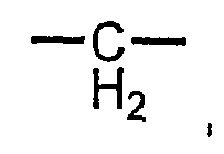
- the compounds of this invention can be represented by the formula in which R 1 is a methyl or ethyl group; R 2 and R 3 are H or a methyl or ethyl group; R 4 is a direct bond or a divalent hydrocarbon; X and Y are independently a direct bond, provided both are not a direct bond, or an ether, ester, amide, or carbamate group; Q is a divalent hydrocarbon (which may contain heteroatoms of N, O, or S); and G is -OR 1 , -SR 1 , or -N(R 2 )(R 3 ), in which R 1 , R 2 and R 3 are as described above; provided that X will not be when R 4 , Q and Y are absent, and R 2 and R 3 are H; and provided that X will not be -O- when R 4 is Q and Y are absent, and R 2 and R 3 are H.
- the configuration of the Q portion will depend on the configuration of the starting styrenic compound.
- the starting styrenic compound may be small molecule, for example, 3-isopropenyl- ⁇ , ⁇ -dimethyl-benzyl isocyanate ( m -TMI), 4-vinyl-benzyl chloride, the reaction product of m -TMI with a diol, the reaction product of m -TMI with the hydroxyl functionality on a carboxylic acid containing a hydroxyl group, and isoeugenol.
- the starting styrenic compound may also be an oligomeric or polymeric compound, prepared by reacting, for example, m -TMI or 4-vinyl-benzyl chloride with one functionality on a difunctional oligomer or polymer.
- the starting styrenic compound is a small molecule or an oligomeric or polymeric material, it will contain a styrenic functionality represented by the structural formula in which R 2 and R 3 are H or a methyl or ethyl group and G is -OR 1 , -SR 1 , or -N(R 2 )(R 3 ), in which R 1 is a methyl or ethyl group and R 2 and R 3 independently are H or a methyl or ethyl group.
- the starting styrenic compound also will contain a second functionality reactive with the starting oxetane compound.
- the styrenic starting materials disclosed above contain halogen, hydroxyl, or isocyanato functionality in addition to the styrenic functionality.
- the starting oxetane compound may be a small molecule or an oligomeric or polymeric molecule, prepared, for example, by reacting one of the small molecule oxetane starting compounds disclosed below with one functionality on a difunctional oligomer or polymer. In either case, it will contain an oxetane functionality represented by the structure and a second functionality reactive with the second functionality on the styrenic starting compound.
- Suitable starting oxetane compounds that are small molecules include, for example,
- alcohols such as, 3-methyl-3-hydroxymethyloxetane, 3-ethyl-3-hydroxymethyloxetane
- halides such as, 3-methyl-3-bromomethyloxetane, 3-ethyl-3-bromomethyloxetane, which can be prepared by the reaction of an alcohol from (a) with CBr 4 as is known in the art;
- alkyl halides such as, 3-methyl-3-alkylbromomethyloxetane, 3-ethyl-3-alkylbromomethyloxetane, which can be prepared from the reaction of an alkyl dibromide compound with an oxetane alcohol from (a) as is known in the art;
- tosylates such as, 3-methyl-3-tosylmethyloxetane, 3-ethyl-3-tosylmethyl-oxetane, which can be prepared from p-toluenesulfonyl chloride:
- either the starting styrenic compound or the starting oxetane compound, or both, may be extended by reaction with a difunctional oligomeric or polymeric material.
- the second functionality on this oligomeric or polymeric material must be reactive with the oxetane starting compound if the first reaction was between the styrenic starting compound and the difunctional oligomeric or polymeric material, and with the styrenic starting compound if the first reaction was between the oxetane starting compound and the difunctional oligomeric or polymeric material.
- suitable and commercially available oligomers and polymers include dimer diol and poly(butadiene) with terminal hydroxyl functionality.
- Q may also contain a functionality, for example, an ether, ester, carbamate, or urea functionality, resulting from the reaction of the two oligomeric or polymeric starting materials.
- inventive compounds containing oxetane and styrenic functionality are prepared by reacting together a starting compound containing oxetane functionality and a second functionality and a starting compound containing styrenic functionality and a second functionality reactive with the second functionality on the oxetane compound.
- Typical reaction schemes include well known addition, substitution, and condensation reactions.
- the compounds of this invention include polymeric compounds that contain more than one oxetane and more than one styrenic functionality.
- Such compounds are prepared from a polymeric starting compound from which depend functionalities that are reactive with the starting oxetane compound and the starting styrenic compound.
- the polymeric compound will have the structure in which polymer is a polymeric backbone from which depend the oxetane and styrenic functionalities; m and n are integers that will vary with the level of oxetane and styrenic functionality added by the practitioner and typically will be from 2 to 500; R 1 is a methyl or ethyl group; R 2 and R 3 are H or a methyl or ethyl group; R 4 is a direct bond or a divalent hydrocarbon; W and Z independently are an ether, ester, amide, or carbamate group (formed through the reaction of a pendant functionality on the polymer and a corresponding reactive functionality on the starting oxetane or starting styrenic compound, respectively); and G is -OR 1 , -SR 1 , or -N(R 2 )(R 3 ), in which R 1 , R 2 and R 3 are as described above.
- the pendant functionalities on the polymer may be connected to the polymeric backbone by a hydrocarbon, for example, one having one to twenty carbons, that itself is dependent from the polymeric backbone. For purposes of this specification, those dependent moieties will be deemed to be part of the polymeric backbone.
- poly(butadiene) having pendant hydroxyl groups An example of a commercially available and suitable polymeric backbone is poly(butadiene) having pendant hydroxyl groups.
- the pendant hydroxyl groups can be reacted with the oxetane starting compound containing the tosyl leaving group and with m -TMI.
- the linking group W will be an ether functionality and Z will contain a carbamate functionality.
- a poly(butadiene) having pendant carboxylic acid functionality can react with the hydroxyl functionality on either of the hydroxyl oxetane starting materials and with the isocyanate functionality on m -TMI.
- the W group will be an ester functionality and Z will contain a carbamate functionality.
- Polymeric starting material can be purchased commercially, for example, there are available acrylonitrile-butadiene rubbers from Zeon Chemicals and styrene-acrylic copolymers from Johnson Polymer.
- the pendant functionalities from these polymers are hydroxyl or carboxylic acid functionality.
- acrylic monomers include ⁇ , ⁇ -unsaturated mono and dicarboxylic acids having three to five carbon atoms and acrylate ester monomers (alkyl esters of acrylic and methacrylic acid in which the alkyl groups contain one to fourteen carbon atoms). Examples are methyl acryate, methyl methacrylate, n-octyl acrylate, n-nonyl methacrylate, and their corresponding branched isomers, such as, 2-ethylhexyl acrylate.
- Suitable vinyl monomers include vinyl esters, vinyl ethers, vinyl halides, vinylidene halides, and nitriles of ethylenically unsaturated hydrocarbons. Examples are vinyl acetate, acrylamide, 1-octyl acrylamide, acrylic acid, vinyl ethyl ether, vinyl chloride, vinylidene chloride, acrylonitrile, maleic anhydride, and styrene.
- polymeric starting materials can be prepared from conjugated diene and/or vinyl monomers using standard polymerization techniques known to those skilled in the art.
- Suitable conjugated diene monomers include butadiene-1,3,2-chlorobutadiene-1,3, isoprene, piperylene and conjugated hexadienes.
- Suitable vinyl monomers include styrene, ⁇ -methylstyrene, divinylbenzene, vinyl chloride, vinyl acetate, vinylidene chloride, methyl methacrylate, ethyl acrylate, vinylpyridine, acrylonitrile, methacrylonitrile, methacrylic acid, itaconic acid and acrylic acid.
- EXAMPLE 1 Preparation of styrene carbamate ethyl oxetane. 3-Ethyl-3-hydroxymethyl-oxetane (40.00 g, 0.3442 mole) and m -TMI (69.43 g, 0.3442 mole) were combined in a 250-ml four-neck round bottom flask equipped with a condenser, mechanical mixer, nitrogen purge and oil bath. The reaction was placed under nitrogen with stirring and heated to 65°C in the oil bath. A single drop of dibutyltin dilaurate was added, thereby causing an exothermic reaction which peaked at 125°C. The oil bath was removed and the reaction temperature dropped to 65°C within 15 minutes.
- EXAMPLE 2 Preparation of styrene carbamate methyl oxetane. 3-Methyl-3-oxetane methanol (20.00 g, 0.1958 mole) and m -TMI (39.49 g, 0.1958 mole) were combined in a 250-ml four-neck round bottom flask equipped with a condenser, mechanical mixer, thermometer, nitrogen purge and oil bath. The reaction was placed under nitrogen with stirring and heated to 65°C in the oil bath. A single drop of dibutyltin dilaurate was added and within 5 hours the reaction was complete based on depletion of the FT-IR isocyanate peak (2254 cm -1 ). The product was then removed from the flask as a colorless liquid with a viscosity of 21,000 cPs.
Landscapes
- Chemical & Material Sciences (AREA)
- Organic Chemistry (AREA)
- Epoxy Compounds (AREA)
- Polyethers (AREA)
- Addition Polymer Or Copolymer, Post-Treatments, Or Chemical Modifications (AREA)
- Macromonomer-Based Addition Polymer (AREA)
- Plural Heterocyclic Compounds (AREA)
Abstract
Description
- This invention relates to oxetane compounds containing styrenic functionality.
- Oxetanes are highly reactive cyclic ethers that can undergo both cationic and anionic ring opening homopolymerization. Styrenic compounds are capable of free radical polymerization.
- This invention relates to compounds that contain an oxetane functionality and a styrenic functionality. These compounds can be homepolymerizable In reactions in which the oxetane can undergo cationic or anionic ring opening, or polymerizable with compounds such as electron acceptor compounds. The dual functionality allows for dual cure processing, both thermal cure or radiation cure. This capability makes them attractive for use in many applications, such as, adhesives, coatings, encapsulants, and composites.
- In one embodiment, the compounds of this invention can be represented by the formula


- The starting styrenic compound may be small molecule, for example, 3-isopropenyl-α,α-dimethyl-benzyl isocyanate (m-TMI), 4-vinyl-benzyl chloride, the reaction product of m-TMI with a diol, the reaction product of m-TMI with the hydroxyl functionality on a carboxylic acid containing a hydroxyl group, and isoeugenol. The starting styrenic compound may also be an oligomeric or polymeric compound, prepared by reacting, for example, m-TMI or 4-vinyl-benzyl chloride with one functionality on a difunctional oligomer or polymer.
- Whether the starting styrenic compound is a small molecule or an oligomeric or polymeric material, it will contain a styrenic functionality represented by the structural formula

- The starting oxetane compound may be a small molecule or an oligomeric or polymeric molecule, prepared, for example, by reacting one of the small molecule oxetane starting compounds disclosed below with one functionality on a difunctional oligomer or polymer. In either case, it will contain an oxetane functionality represented by the structure

- Suitable starting oxetane compounds that are small molecules include, for example,
- (a) alcohols, such as, 3-methyl-3-hydroxymethyloxetane, 3-ethyl-3-hydroxymethyloxetane;

- (b) halides, such as, 3-methyl-3-bromomethyloxetane, 3-ethyl-3-bromomethyloxetane, which can be prepared by the reaction of an alcohol from (a) with CBr4 as is known in the art;

- (c) alkyl halides, such as, 3-methyl-3-alkylbromomethyloxetane, 3-ethyl-3-alkylbromomethyloxetane, which can be prepared from the reaction of an alkyl dibromide compound with an oxetane alcohol from (a) as is known in the art;

- and (d) tosylates, such as, 3-methyl-3-tosylmethyloxetane, 3-ethyl-3-tosylmethyl-oxetane, which can be prepared from p-toluenesulfonyl chloride:

- When a longer chain and higher molecular weight compound containing styrenic and oxetane is desired, either the starting styrenic compound or the starting oxetane compound, or both, may be extended by reaction with a difunctional oligomeric or polymeric material. The second functionality on this oligomeric or polymeric material must be reactive with the oxetane starting compound if the first reaction was between the styrenic starting compound and the difunctional oligomeric or polymeric material, and with the styrenic starting compound if the first reaction was between the oxetane starting compound and the difunctional oligomeric or polymeric material. Examples of suitable and commercially available oligomers and polymers include dimer diol and poly(butadiene) with terminal hydroxyl functionality.
- In the case in which both the oxetane and styrenic compounds are extended by reaction with a difunctional oligomer or polymer, Q may also contain a functionality, for example, an ether, ester, carbamate, or urea functionality, resulting from the reaction of the two oligomeric or polymeric starting materials.
- In general, the inventive compounds containing oxetane and styrenic functionality are prepared by reacting together a starting compound containing oxetane functionality and a second functionality and a starting compound containing styrenic functionality and a second functionality reactive with the second functionality on the oxetane compound. Typical reaction schemes include well known addition, substitution, and condensation reactions.
- In a further embodiment, the compounds of this invention include polymeric compounds that contain more than one oxetane and more than one styrenic functionality. Such compounds are prepared from a polymeric starting compound from which depend functionalities that are reactive with the starting oxetane compound and the starting styrenic compound.
- The polymeric compound will have the structure

- The pendant functionalities on the polymer may be connected to the polymeric backbone by a hydrocarbon, for example, one having one to twenty carbons, that itself is dependent from the polymeric backbone. For purposes of this specification, those dependent moieties will be deemed to be part of the polymeric backbone.
- An example of a commercially available and suitable polymeric backbone is poly(butadiene) having pendant hydroxyl groups. The pendant hydroxyl groups can be reacted with the oxetane starting compound containing the tosyl leaving group and with m-TMI. In this case, the linking group W will be an ether functionality and Z will contain a carbamate functionality.
- As a further example, a poly(butadiene) having pendant carboxylic acid functionality can react with the hydroxyl functionality on either of the hydroxyl oxetane starting materials and with the isocyanate functionality on m-TMI. In this case, the W group will be an ester functionality and Z will contain a carbamate functionality.
- Polymeric starting material can be purchased commercially, for example, there are available acrylonitrile-butadiene rubbers from Zeon Chemicals and styrene-acrylic copolymers from Johnson Polymer. The pendant functionalities from these polymers are hydroxyl or carboxylic acid functionality.
- Other starting polymeric materials can be synthesized from acrylic and/or vinyl monomers using standard polymerization techniques known to those skilled in the art Suitable acrylic monomers include α,β-unsaturated mono and dicarboxylic acids having three to five carbon atoms and acrylate ester monomers (alkyl esters of acrylic and methacrylic acid in which the alkyl groups contain one to fourteen carbon atoms). Examples are methyl acryate, methyl methacrylate, n-octyl acrylate, n-nonyl methacrylate, and their corresponding branched isomers, such as, 2-ethylhexyl acrylate. Suitable vinyl monomers include vinyl esters, vinyl ethers, vinyl halides, vinylidene halides, and nitriles of ethylenically unsaturated hydrocarbons. Examples are vinyl acetate, acrylamide, 1-octyl acrylamide, acrylic acid, vinyl ethyl ether, vinyl chloride, vinylidene chloride, acrylonitrile, maleic anhydride, and styrene.
- Other polymeric starting materials can be prepared from conjugated diene and/or vinyl monomers using standard polymerization techniques known to those skilled in the art. Suitable conjugated diene monomers include butadiene-1,3,2-chlorobutadiene-1,3, isoprene, piperylene and conjugated hexadienes. Suitable vinyl monomers include styrene, α-methylstyrene, divinylbenzene, vinyl chloride, vinyl acetate, vinylidene chloride, methyl methacrylate, ethyl acrylate, vinylpyridine, acrylonitrile, methacrylonitrile, methacrylic acid, itaconic acid and acrylic acid.
- Those skilled in the art have sufficient expertise to choose the appropriate combination of those monomers and subsequent reactions to be able to add pendant functionality, for example, hydroxyl and carboxyl functionality, for adding the oxetane and styrenic functionalities as disclosed in this specification.
- EXAMPLE 1: Preparation of styrene carbamate ethyl oxetane.

- H1-NMR: δ 7.21-7.61 (m, 4H), 5.45 (s, 1 H), 5.23 (bs, 1H), 5.12 (s, 1H), 4.61-4.21 (bm, 3H), 4.05 (s, 3H), 2.15 (s, 3H), 1.55-1.85 (bm, 8H), 0.55-1.01 (bm, 3H).
- EXAMPLE 2. Preparation of styrene carbamate methyl oxetane.

- , H1-NMR: δ7.61 (s.1 H), 7.42 (s, 3H), 5.45 (s, 1H), 5.31 (bs, 1H), 5.15 (s, 1 H), 4.61 (bm, 1 H), 4.39 (bm, 1H), 4.12 (s, 4H), 2.21 (s, 3H), 1.72 (bs, 6H), 0.95-1.35 (bm, 3H).
Further embodiments of the present invention are the following: - 1. A compound containing oxetane and styrenic functionality having the structure

- R1 is a methyl or ethyl group;
- R2 and R3 are H or a methyl or ethyl group;
- R4 is a direct bond or a divalent hydrocarbon;
- X and Y are independently a direct bond or an ether, ester, amide, or carbamate group, provided both X and Y are not a direct bond;
- Q is a divalent hydrocarbon (which may contain heteroatoms of Ni O, or S); and
- G is -OR1, -SR1, or -N(R2)(R3), in which R1, R2 and R3 are as described above;
- provided that X will not be
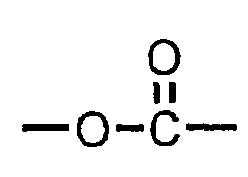
- provided that X will not be -O- when R4 is

- 2. The compound according to embodiment 1 having the structure


- 3. A compound containing oxetane and styrenic functionality having the structure

- polymer is a polymeric backbone from which depend the oxetane and styrenic functionalities;
- m and n are integers from 2 to 500;
- R1 is a methyl or ethyl group;
- R2 and R3 are H or a methyl or ethyl group;
- R4 is a direct bond or a divalent hydrocarbon;
- W and Z independently are an ether, ester, amide, or carbamate group; and
- G is -OR1, -SR1, or -N(R2)(R3), in which R1, R2 and R3 are as described above.
Claims (1)
- A compound containing oxetane and styrenic functionality having the structure
 polymer is a polymeric backbone from which depend the oxetane and styrenic functionalities;m and n are integers from 2 to 500;R1 is a methyl or ethyl group;R2 and R3 are H or a methyl or ethyl group;R4 is a direct bond or a divalent hydrocarbon;W and Z independently are an ether, ester, amide, or carbamate group; andG is -OR1, -SR1, or -N(R2)(R3), in which R1, R2 and R3 are as described above.
Applications Claiming Priority (2)
| Application Number | Priority Date | Filing Date | Title |
|---|---|---|---|
| US10/430,086 US6953862B2 (en) | 2003-05-06 | 2003-05-06 | Oxetane compounds containing styrenic functionality |
| EP04760829A EP1620417B1 (en) | 2003-05-06 | 2004-04-21 | Oxetane compounds containing styrenic functionality |
Related Parent Applications (1)
| Application Number | Title | Priority Date | Filing Date |
|---|---|---|---|
| EP04760829A Division EP1620417B1 (en) | 2003-05-06 | 2004-04-21 | Oxetane compounds containing styrenic functionality |
Publications (1)
| Publication Number | Publication Date |
|---|---|
| EP1958943A1 true EP1958943A1 (en) | 2008-08-20 |
Family
ID=33416178
Family Applications (2)
| Application Number | Title | Priority Date | Filing Date |
|---|---|---|---|
| EP08007648A Withdrawn EP1958943A1 (en) | 2003-05-06 | 2004-04-21 | Oxetane compounds containing styrenic functionality |
| EP04760829A Expired - Lifetime EP1620417B1 (en) | 2003-05-06 | 2004-04-21 | Oxetane compounds containing styrenic functionality |
Family Applications After (1)
| Application Number | Title | Priority Date | Filing Date |
|---|---|---|---|
| EP04760829A Expired - Lifetime EP1620417B1 (en) | 2003-05-06 | 2004-04-21 | Oxetane compounds containing styrenic functionality |
Country Status (10)
| Country | Link |
|---|---|
| US (2) | US6953862B2 (en) |
| EP (2) | EP1958943A1 (en) |
| JP (1) | JP2006516551A (en) |
| KR (1) | KR100602057B1 (en) |
| CN (2) | CN1944418A (en) |
| AT (1) | ATE425154T1 (en) |
| DE (1) | DE602004019905D1 (en) |
| SG (1) | SG155066A1 (en) |
| TW (1) | TW200510359A (en) |
| WO (1) | WO2004101541A1 (en) |
Families Citing this family (5)
| Publication number | Priority date | Publication date | Assignee | Title |
|---|---|---|---|---|
| JP4246536B2 (en) * | 2003-04-18 | 2009-04-02 | 新日本石油株式会社 | Liquid crystal film and liquid crystal display element equipped with the film |
| TW200602333A (en) * | 2004-02-10 | 2006-01-16 | Showa Denko Kk | Novel trimothylen oxide compound and production method thereof |
| US7230055B2 (en) | 2004-07-29 | 2007-06-12 | National Starch And Chemical Investment Holding Corporation | Compositions containing oxetane compounds for use in semiconductor packaging |
| US8324319B2 (en) * | 2007-11-20 | 2012-12-04 | Sridhar Laxmisha M | Redox-induced cationically polymerizable compositions with low cure temperature |
| US20220145179A1 (en) * | 2020-11-12 | 2022-05-12 | Saudi Arabian Oil Company | Synthesis of aryl 1-(methoxymethyl) vinyl ketones and their use as inhibitors of mild steel corrosion |
Citations (2)
| Publication number | Priority date | Publication date | Assignee | Title |
|---|---|---|---|---|
| WO2000018823A2 (en) * | 1998-09-28 | 2000-04-06 | Carlsberg A/S | Peg-based macromonomers, chemically inert polymers prepared therefrom and the use of these polymers for organic synthesis and enzyme reactions |
| EP1095938A1 (en) * | 1998-07-09 | 2001-05-02 | JSR Corporation | Oxetane compounds, oxetane copolymer, and process for producing oxetane compounds |
Family Cites Families (8)
| Publication number | Priority date | Publication date | Assignee | Title |
|---|---|---|---|---|
| CH452201A (en) * | 1965-04-01 | 1968-05-31 | Ciba Geigy | Process for the preparation of new polymers containing oxetane groups |
| US3867353A (en) | 1973-01-17 | 1975-02-18 | Phillips Petroleum Co | Polymerization of oxiranes and lactones |
| US4225691A (en) * | 1979-07-17 | 1980-09-30 | General Electric Company | Low temperature curable organic resin compositions |
| US6403760B1 (en) * | 1999-12-28 | 2002-06-11 | Omnova Solutions Inc. | Monohydric polyfluorooxetane polymer and radiation curable coatings containing a monofunctional polyfluorooxetane polymer |
| JP2001329112A (en) | 2000-05-23 | 2001-11-27 | Toray Ind Inc | Silane coupling agent, curable resin solution composition, and functional cured product comprising the same |
| EP1303568B1 (en) | 2000-07-19 | 2007-05-30 | Koninklijke Philips Electronics N.V. | Method of manufacturing a replica as well as a replica obtained by carrying out a uv light-initiated cationic polymerization |
| CN1396947A (en) | 2000-10-04 | 2003-02-12 | 皇家菲利浦电子有限公司 | Polymerizable liquid crystalline dioxetanes, their preparation and use |
| EP1334513A2 (en) * | 2000-11-14 | 2003-08-13 | Henkel Loctite Corporation | Wafer applied fluxing and underfill material, and layered electronic assemblies manufactured therewith |
-
2003
- 2003-05-06 US US10/430,086 patent/US6953862B2/en not_active Expired - Fee Related
-
2004
- 2004-04-21 KR KR1020057001438A patent/KR100602057B1/en not_active Expired - Fee Related
- 2004-04-21 EP EP08007648A patent/EP1958943A1/en not_active Withdrawn
- 2004-04-21 EP EP04760829A patent/EP1620417B1/en not_active Expired - Lifetime
- 2004-04-21 JP JP2005518201A patent/JP2006516551A/en active Pending
- 2004-04-21 DE DE602004019905T patent/DE602004019905D1/en not_active Expired - Fee Related
- 2004-04-21 SG SG200800919-3A patent/SG155066A1/en unknown
- 2004-04-21 CN CNA200610153771XA patent/CN1944418A/en active Pending
- 2004-04-21 CN CNB2004800004401A patent/CN100425601C/en not_active Expired - Fee Related
- 2004-04-21 AT AT04760829T patent/ATE425154T1/en not_active IP Right Cessation
- 2004-04-21 WO PCT/US2004/012489 patent/WO2004101541A1/en not_active Ceased
- 2004-05-05 TW TW093112575A patent/TW200510359A/en unknown
-
2005
- 2005-05-03 US US11/120,585 patent/US7452943B2/en not_active Expired - Fee Related
Patent Citations (2)
| Publication number | Priority date | Publication date | Assignee | Title |
|---|---|---|---|---|
| EP1095938A1 (en) * | 1998-07-09 | 2001-05-02 | JSR Corporation | Oxetane compounds, oxetane copolymer, and process for producing oxetane compounds |
| WO2000018823A2 (en) * | 1998-09-28 | 2000-04-06 | Carlsberg A/S | Peg-based macromonomers, chemically inert polymers prepared therefrom and the use of these polymers for organic synthesis and enzyme reactions |
Non-Patent Citations (6)
Also Published As
| Publication number | Publication date |
|---|---|
| CN1944418A (en) | 2007-04-11 |
| SG155066A1 (en) | 2009-09-30 |
| TW200510359A (en) | 2005-03-16 |
| US7452943B2 (en) | 2008-11-18 |
| EP1620417B1 (en) | 2009-03-11 |
| KR100602057B1 (en) | 2006-07-19 |
| US6953862B2 (en) | 2005-10-11 |
| WO2004101541A1 (en) | 2004-11-25 |
| JP2006516551A (en) | 2006-07-06 |
| US20050192446A1 (en) | 2005-09-01 |
| EP1620417A1 (en) | 2006-02-01 |
| CN100425601C (en) | 2008-10-15 |
| KR20050044793A (en) | 2005-05-12 |
| US20040225071A1 (en) | 2004-11-11 |
| DE602004019905D1 (en) | 2009-04-23 |
| CN1697832A (en) | 2005-11-16 |
| ATE425154T1 (en) | 2009-03-15 |
Similar Documents
| Publication | Publication Date | Title |
|---|---|---|
| US6784256B1 (en) | End-functionalized polymers by controlled free-radical polymerization process and polymers made therefrom | |
| EP1620488B1 (en) | Adhesive compositions containing hybrid oxetane compounds | |
| US7452943B2 (en) | Polymer compounds containing oxetane and styrenic functionality | |
| US6753434B1 (en) | Oxetane compounds containing cinnamyl functionality | |
| US6982338B2 (en) | Oxetane compounds containing maleimide functionality | |
| Safaie et al. | Aluminum-Based Initiators from Thiols for Epoxide Polymerizations | |
| US7034064B2 (en) | Method of attaching a die to a substrate using a hybrid oxetane compound | |
| TWI849041B (en) | Aliphatic polycarbonate, aliphatic polycarbonate composition and use thereof | |
| HK1082949A (en) | Oxetane compounds containing styrenic functionality | |
| HK1092805A (en) | Oxetane compounds containing maleimide functionality | |
| HK1093069A (en) | Oxetane compounds containing cinnamyl functionality | |
| JPH07145165A (en) | Cyclosulfite derivative and crosslinking method using the same |
Legal Events
| Date | Code | Title | Description |
|---|---|---|---|
| PUAI | Public reference made under article 153(3) epc to a published international application that has entered the european phase |
Free format text: ORIGINAL CODE: 0009012 |
|
| 17P | Request for examination filed |
Effective date: 20080418 |
|
| AC | Divisional application: reference to earlier application |
Ref document number: 1620417 Country of ref document: EP Kind code of ref document: P |
|
| AK | Designated contracting states |
Kind code of ref document: A1 Designated state(s): AT BE BG CH CY CZ DE DK EE ES FI FR GB GR HU IE IT LI LU MC NL PL PT RO SE SI SK TR |
|
| AKX | Designation fees paid |
Designated state(s): AT BE BG CH CY CZ DE DK EE ES FI FR GB GR HU IE IT LI LU MC NL PL PT RO SE SI SK TR |
|
| 17Q | First examination report despatched |
Effective date: 20100916 |
|
| RAP1 | Party data changed (applicant data changed or rights of an application transferred) |
Owner name: HENKEL AG & CO. KGAA |
|
| GRAP | Despatch of communication of intention to grant a patent |
Free format text: ORIGINAL CODE: EPIDOSNIGR1 |
|
| STAA | Information on the status of an ep patent application or granted ep patent |
Free format text: STATUS: THE APPLICATION IS DEEMED TO BE WITHDRAWN |
|
| 18D | Application deemed to be withdrawn |
Effective date: 20120926 |