EP1958616A1 - Pharmaceutical formulations of 1-[4-chloroanilino]-4-[4-pyridylmethyl] phthalazine or salts thereof - Google Patents
Pharmaceutical formulations of 1-[4-chloroanilino]-4-[4-pyridylmethyl] phthalazine or salts thereof Download PDFInfo
- Publication number
- EP1958616A1 EP1958616A1 EP07090017A EP07090017A EP1958616A1 EP 1958616 A1 EP1958616 A1 EP 1958616A1 EP 07090017 A EP07090017 A EP 07090017A EP 07090017 A EP07090017 A EP 07090017A EP 1958616 A1 EP1958616 A1 EP 1958616A1
- Authority
- EP
- European Patent Office
- Prior art keywords
- solid
- dosage form
- pharmaceutical formulation
- solid pharmaceutical
- pellets
- Prior art date
- Legal status (The legal status is an assumption and is not a legal conclusion. Google has not performed a legal analysis and makes no representation as to the accuracy of the status listed.)
- Withdrawn
Links
- 239000008194 pharmaceutical composition Substances 0.000 title claims abstract description 93
- YCOYDOIWSSHVCK-UHFFFAOYSA-N vatalanib Chemical compound C1=CC(Cl)=CC=C1NC(C1=CC=CC=C11)=NN=C1CC1=CC=NC=C1 YCOYDOIWSSHVCK-UHFFFAOYSA-N 0.000 title claims abstract description 83
- 150000003839 salts Chemical class 0.000 title claims abstract description 43
- 239000007787 solid Substances 0.000 claims abstract description 99
- 238000000034 method Methods 0.000 claims abstract description 64
- 206010028980 Neoplasm Diseases 0.000 claims abstract description 60
- 201000011510 cancer Diseases 0.000 claims abstract description 40
- 239000003814 drug Substances 0.000 claims abstract description 35
- 239000007909 solid dosage form Substances 0.000 claims abstract description 19
- 201000010099 disease Diseases 0.000 claims abstract description 18
- 208000037265 diseases, disorders, signs and symptoms Diseases 0.000 claims abstract description 18
- 238000004519 manufacturing process Methods 0.000 claims abstract description 10
- 230000002062 proliferating effect Effects 0.000 claims abstract description 10
- 239000008188 pellet Substances 0.000 claims description 108
- 239000000203 mixture Substances 0.000 claims description 83
- 238000009472 formulation Methods 0.000 claims description 73
- -1 poly(ethylene glycol) Polymers 0.000 claims description 35
- 239000000945 filler Substances 0.000 claims description 34
- FBPFZTCFMRRESA-KVTDHHQDSA-N D-Mannitol Chemical compound OC[C@@H](O)[C@@H](O)[C@H](O)[C@H](O)CO FBPFZTCFMRRESA-KVTDHHQDSA-N 0.000 claims description 33
- 239000011148 porous material Substances 0.000 claims description 30
- 239000007892 solid unit dosage form Substances 0.000 claims description 30
- 239000011159 matrix material Substances 0.000 claims description 28
- 229930195725 Mannitol Natural products 0.000 claims description 24
- 239000000594 mannitol Substances 0.000 claims description 24
- 235000010355 mannitol Nutrition 0.000 claims description 24
- 235000019813 microcrystalline cellulose Nutrition 0.000 claims description 24
- 229920001223 polyethylene glycol Polymers 0.000 claims description 22
- UFHFLCQGNIYNRP-UHFFFAOYSA-N Hydrogen Chemical compound [H][H] UFHFLCQGNIYNRP-UHFFFAOYSA-N 0.000 claims description 18
- 239000008108 microcrystalline cellulose Substances 0.000 claims description 18
- 229940016286 microcrystalline cellulose Drugs 0.000 claims description 18
- GUBGYTABKSRVRQ-QKKXKWKRSA-N Lactose Natural products OC[C@H]1O[C@@H](O[C@H]2[C@H](O)[C@@H](O)C(O)O[C@@H]2CO)[C@H](O)[C@@H](O)[C@H]1O GUBGYTABKSRVRQ-QKKXKWKRSA-N 0.000 claims description 16
- 239000002246 antineoplastic agent Substances 0.000 claims description 16
- 239000008101 lactose Substances 0.000 claims description 16
- 239000011248 coating agent Substances 0.000 claims description 15
- 238000000576 coating method Methods 0.000 claims description 14
- 229940127089 cytotoxic agent Drugs 0.000 claims description 14
- 229930006000 Sucrose Natural products 0.000 claims description 10
- 239000000546 pharmaceutical excipient Substances 0.000 claims description 10
- 239000005720 sucrose Substances 0.000 claims description 10
- 239000008363 phosphate buffer Substances 0.000 claims description 9
- CZMRCDWAGMRECN-UGDNZRGBSA-N Sucrose Chemical compound O[C@H]1[C@H](O)[C@@H](CO)O[C@@]1(CO)O[C@@H]1[C@H](O)[C@@H](O)[C@H](O)[C@@H](CO)O1 CZMRCDWAGMRECN-UGDNZRGBSA-N 0.000 claims description 8
- 150000001720 carbohydrates Chemical class 0.000 claims description 8
- XLYOFNOQVPJJNP-UHFFFAOYSA-N water Substances O XLYOFNOQVPJJNP-UHFFFAOYSA-N 0.000 claims description 8
- 229920002774 Maltodextrin Polymers 0.000 claims description 7
- 239000002775 capsule Substances 0.000 claims description 7
- 239000005913 Maltodextrin Substances 0.000 claims description 6
- 239000007903 gelatin capsule Substances 0.000 claims description 6
- 229940035034 maltodextrin Drugs 0.000 claims description 6
- 239000002253 acid Substances 0.000 claims description 5
- 239000006185 dispersion Substances 0.000 claims description 5
- 239000012738 dissolution medium Substances 0.000 claims description 5
- 239000008187 granular material Substances 0.000 claims description 5
- 238000003756 stirring Methods 0.000 claims description 5
- 239000000470 constituent Substances 0.000 claims description 3
- 238000002156 mixing Methods 0.000 claims description 3
- 238000001035 drying Methods 0.000 claims description 2
- 238000012216 screening Methods 0.000 claims description 2
- KDYFGRWQOYBRFD-UHFFFAOYSA-L succinate(2-) Chemical compound [O-]C(=O)CCC([O-])=O KDYFGRWQOYBRFD-UHFFFAOYSA-L 0.000 claims description 2
- 239000000725 suspension Substances 0.000 claims description 2
- 150000001875 compounds Chemical class 0.000 abstract description 6
- 239000008279 sol Substances 0.000 description 36
- 235000002639 sodium chloride Nutrition 0.000 description 32
- 229940079593 drug Drugs 0.000 description 25
- 238000000338 in vitro Methods 0.000 description 23
- 230000000694 effects Effects 0.000 description 22
- 229950000578 vatalanib Drugs 0.000 description 16
- 229960001375 lactose Drugs 0.000 description 15
- 102000005789 Vascular Endothelial Growth Factors Human genes 0.000 description 14
- 108010019530 Vascular Endothelial Growth Factors Proteins 0.000 description 14
- 229920003088 hydroxypropyl methyl cellulose Polymers 0.000 description 12
- 238000004090 dissolution Methods 0.000 description 11
- 239000012729 immediate-release (IR) formulation Substances 0.000 description 10
- 229920000036 polyvinylpyrrolidone Polymers 0.000 description 10
- 235000013855 polyvinylpyrrolidone Nutrition 0.000 description 10
- WHNWPMSKXPGLAX-UHFFFAOYSA-N N-Vinyl-2-pyrrolidone Chemical compound C=CN1CCCC1=O WHNWPMSKXPGLAX-UHFFFAOYSA-N 0.000 description 9
- 239000007884 disintegrant Substances 0.000 description 9
- 238000002474 experimental method Methods 0.000 description 9
- 230000012010 growth Effects 0.000 description 9
- 235000010979 hydroxypropyl methyl cellulose Nutrition 0.000 description 9
- 229960004793 sucrose Drugs 0.000 description 9
- 206010009944 Colon cancer Diseases 0.000 description 8
- 239000008118 PEG 6000 Substances 0.000 description 8
- 229920002584 Polyethylene Glycol 6000 Polymers 0.000 description 8
- GWEVSGVZZGPLCZ-UHFFFAOYSA-N Titan oxide Chemical compound O=[Ti]=O GWEVSGVZZGPLCZ-UHFFFAOYSA-N 0.000 description 8
- 239000007888 film coating Substances 0.000 description 8
- 238000009501 film coating Methods 0.000 description 8
- 230000033115 angiogenesis Effects 0.000 description 7
- 210000004027 cell Anatomy 0.000 description 7
- 201000001441 melanoma Diseases 0.000 description 7
- 206010006187 Breast cancer Diseases 0.000 description 6
- 208000026310 Breast neoplasm Diseases 0.000 description 6
- AOJJSUZBOXZQNB-TZSSRYMLSA-N Doxorubicin Chemical compound O([C@H]1C[C@@](O)(CC=2C(O)=C3C(=O)C=4C=CC=C(C=4C(=O)C3=C(O)C=21)OC)C(=O)CO)[C@H]1C[C@H](N)[C@H](O)[C@H](C)O1 AOJJSUZBOXZQNB-TZSSRYMLSA-N 0.000 description 6
- 206010018338 Glioma Diseases 0.000 description 6
- 208000006265 Renal cell carcinoma Diseases 0.000 description 6
- 201000008275 breast carcinoma Diseases 0.000 description 6
- 208000035250 cutaneous malignant susceptibility to 1 melanoma Diseases 0.000 description 6
- 239000001866 hydroxypropyl methyl cellulose Substances 0.000 description 6
- UFVKGYZPFZQRLF-UHFFFAOYSA-N hydroxypropyl methyl cellulose Chemical compound OC1C(O)C(OC)OC(CO)C1OC1C(O)C(O)C(OC2C(C(O)C(OC3C(C(O)C(O)C(CO)O3)O)C(CO)O2)O)C(CO)O1 UFVKGYZPFZQRLF-UHFFFAOYSA-N 0.000 description 6
- 230000001965 increasing effect Effects 0.000 description 6
- 230000009467 reduction Effects 0.000 description 6
- 238000003860 storage Methods 0.000 description 6
- 201000009030 Carcinoma Diseases 0.000 description 5
- NBIIXXVUZAFLBC-UHFFFAOYSA-N Phosphoric acid Chemical compound OP(O)(O)=O NBIIXXVUZAFLBC-UHFFFAOYSA-N 0.000 description 5
- 108010073929 Vascular Endothelial Growth Factor A Proteins 0.000 description 5
- RJURFGZVJUQBHK-UHFFFAOYSA-N actinomycin D Natural products CC1OC(=O)C(C(C)C)N(C)C(=O)CN(C)C(=O)C2CCCN2C(=O)C(C(C)C)NC(=O)C1NC(=O)C1=C(N)C(=O)C(C)=C2OC(C(C)=CC=C3C(=O)NC4C(=O)NC(C(N5CCCC5C(=O)N(C)CC(=O)N(C)C(C(C)C)C(=O)OC4C)=O)C(C)C)=C3N=C21 RJURFGZVJUQBHK-UHFFFAOYSA-N 0.000 description 5
- 230000015572 biosynthetic process Effects 0.000 description 5
- 235000010418 carrageenan Nutrition 0.000 description 5
- 239000000679 carrageenan Substances 0.000 description 5
- 229920001525 carrageenan Polymers 0.000 description 5
- 229940113118 carrageenan Drugs 0.000 description 5
- 239000003086 colorant Substances 0.000 description 5
- 230000003247 decreasing effect Effects 0.000 description 5
- 210000002889 endothelial cell Anatomy 0.000 description 5
- 238000001125 extrusion Methods 0.000 description 5
- 208000002154 non-small cell lung carcinoma Diseases 0.000 description 5
- 239000000454 talc Substances 0.000 description 5
- 229910052623 talc Inorganic materials 0.000 description 5
- 208000029729 tumor suppressor gene on chromosome 11 Diseases 0.000 description 5
- UHVMMEOXYDMDKI-JKYCWFKZSA-L zinc;1-(5-cyanopyridin-2-yl)-3-[(1s,2s)-2-(6-fluoro-2-hydroxy-3-propanoylphenyl)cyclopropyl]urea;diacetate Chemical compound [Zn+2].CC([O-])=O.CC([O-])=O.CCC(=O)C1=CC=C(F)C([C@H]2[C@H](C2)NC(=O)NC=2N=CC(=CC=2)C#N)=C1O UHVMMEOXYDMDKI-JKYCWFKZSA-L 0.000 description 5
- PTOAARAWEBMLNO-KVQBGUIXSA-N Cladribine Chemical compound C1=NC=2C(N)=NC(Cl)=NC=2N1[C@H]1C[C@H](O)[C@@H](CO)O1 PTOAARAWEBMLNO-KVQBGUIXSA-N 0.000 description 4
- CWYNVVGOOAEACU-UHFFFAOYSA-N Fe2+ Chemical compound [Fe+2] CWYNVVGOOAEACU-UHFFFAOYSA-N 0.000 description 4
- 208000032612 Glial tumor Diseases 0.000 description 4
- VEXZGXHMUGYJMC-UHFFFAOYSA-N Hydrochloric acid Chemical compound Cl VEXZGXHMUGYJMC-UHFFFAOYSA-N 0.000 description 4
- 206010039491 Sarcoma Diseases 0.000 description 4
- 229920002472 Starch Polymers 0.000 description 4
- 102000009524 Vascular Endothelial Growth Factor A Human genes 0.000 description 4
- 102100033177 Vascular endothelial growth factor receptor 2 Human genes 0.000 description 4
- 229910000147 aluminium phosphate Inorganic materials 0.000 description 4
- DQLATGHUWYMOKM-UHFFFAOYSA-L cisplatin Chemical compound N[Pt](N)(Cl)Cl DQLATGHUWYMOKM-UHFFFAOYSA-L 0.000 description 4
- 229960004316 cisplatin Drugs 0.000 description 4
- 239000002552 dosage form Substances 0.000 description 4
- UUVWYPNAQBNQJQ-UHFFFAOYSA-N hexamethylmelamine Chemical compound CN(C)C1=NC(N(C)C)=NC(N(C)C)=N1 UUVWYPNAQBNQJQ-UHFFFAOYSA-N 0.000 description 4
- 239000000314 lubricant Substances 0.000 description 4
- HQKMJHAJHXVSDF-UHFFFAOYSA-L magnesium stearate Chemical compound [Mg+2].CCCCCCCCCCCCCCCCCC([O-])=O.CCCCCCCCCCCCCCCCCC([O-])=O HQKMJHAJHXVSDF-UHFFFAOYSA-L 0.000 description 4
- 239000000049 pigment Substances 0.000 description 4
- 229940032147 starch Drugs 0.000 description 4
- 239000008107 starch Substances 0.000 description 4
- 235000019698 starch Nutrition 0.000 description 4
- 210000001519 tissue Anatomy 0.000 description 4
- 239000004408 titanium dioxide Substances 0.000 description 4
- QTBSBXVTEAMEQO-UHFFFAOYSA-N Acetic acid Chemical compound CC(O)=O QTBSBXVTEAMEQO-UHFFFAOYSA-N 0.000 description 3
- DLGOEMSEDOSKAD-UHFFFAOYSA-N Carmustine Chemical compound ClCCNC(=O)N(N=O)CCCl DLGOEMSEDOSKAD-UHFFFAOYSA-N 0.000 description 3
- 108010092160 Dactinomycin Proteins 0.000 description 3
- GHASVSINZRGABV-UHFFFAOYSA-N Fluorouracil Chemical compound FC1=CNC(=O)NC1=O GHASVSINZRGABV-UHFFFAOYSA-N 0.000 description 3
- 108010002350 Interleukin-2 Proteins 0.000 description 3
- 206010025323 Lymphomas Diseases 0.000 description 3
- 229930012538 Paclitaxel Natural products 0.000 description 3
- 102100035194 Placenta growth factor Human genes 0.000 description 3
- 108010073923 Vascular Endothelial Growth Factor C Proteins 0.000 description 3
- 108010073919 Vascular Endothelial Growth Factor D Proteins 0.000 description 3
- 102100038232 Vascular endothelial growth factor C Human genes 0.000 description 3
- 102100038234 Vascular endothelial growth factor D Human genes 0.000 description 3
- DPXJVFZANSGRMM-UHFFFAOYSA-N acetic acid;2,3,4,5,6-pentahydroxyhexanal;sodium Chemical compound [Na].CC(O)=O.OCC(O)C(O)C(O)C(O)C=O DPXJVFZANSGRMM-UHFFFAOYSA-N 0.000 description 3
- RJURFGZVJUQBHK-IIXSONLDSA-N actinomycin D Chemical compound C[C@H]1OC(=O)[C@H](C(C)C)N(C)C(=O)CN(C)C(=O)[C@@H]2CCCN2C(=O)[C@@H](C(C)C)NC(=O)[C@H]1NC(=O)C1=C(N)C(=O)C(C)=C2OC(C(C)=CC=C3C(=O)N[C@@H]4C(=O)N[C@@H](C(N5CCC[C@H]5C(=O)N(C)CC(=O)N(C)[C@@H](C(C)C)C(=O)O[C@@H]4C)=O)C(C)C)=C3N=C21 RJURFGZVJUQBHK-IIXSONLDSA-N 0.000 description 3
- 229960000473 altretamine Drugs 0.000 description 3
- 230000008901 benefit Effects 0.000 description 3
- 229920001222 biopolymer Polymers 0.000 description 3
- KRKNYBCHXYNGOX-UHFFFAOYSA-N citric acid Chemical compound OC(=O)CC(O)(C(O)=O)CC(O)=O KRKNYBCHXYNGOX-UHFFFAOYSA-N 0.000 description 3
- 229960004679 doxorubicin Drugs 0.000 description 3
- 210000000981 epithelium Anatomy 0.000 description 3
- 229960002949 fluorouracil Drugs 0.000 description 3
- 210000004907 gland Anatomy 0.000 description 3
- 229940093915 gynecological organic acid Drugs 0.000 description 3
- 238000001727 in vivo Methods 0.000 description 3
- 239000004615 ingredient Substances 0.000 description 3
- 230000005764 inhibitory process Effects 0.000 description 3
- 239000002609 medium Substances 0.000 description 3
- GLVAUDGFNGKCSF-UHFFFAOYSA-N mercaptopurine Chemical compound S=C1NC=NC2=C1NC=N2 GLVAUDGFNGKCSF-UHFFFAOYSA-N 0.000 description 3
- CFCUWKMKBJTWLW-BKHRDMLASA-N mithramycin Chemical compound O([C@@H]1C[C@@H](O[C@H](C)[C@H]1O)OC=1C=C2C=C3C[C@H]([C@@H](C(=O)C3=C(O)C2=C(O)C=1C)O[C@@H]1O[C@H](C)[C@@H](O)[C@H](O[C@@H]2O[C@H](C)[C@H](O)[C@H](O[C@@H]3O[C@H](C)[C@@H](O)[C@@](C)(O)C3)C2)C1)[C@H](OC)C(=O)[C@@H](O)[C@@H](C)O)[C@H]1C[C@@H](O)[C@H](O)[C@@H](C)O1 CFCUWKMKBJTWLW-BKHRDMLASA-N 0.000 description 3
- 150000007524 organic acids Chemical class 0.000 description 3
- 235000005985 organic acids Nutrition 0.000 description 3
- 229960001592 paclitaxel Drugs 0.000 description 3
- 229960003171 plicamycin Drugs 0.000 description 3
- 239000001267 polyvinylpyrrolidone Substances 0.000 description 3
- 230000008569 process Effects 0.000 description 3
- 108020003175 receptors Proteins 0.000 description 3
- 102000005962 receptors Human genes 0.000 description 3
- 238000005070 sampling Methods 0.000 description 3
- 239000000126 substance Substances 0.000 description 3
- RCINICONZNJXQF-MZXODVADSA-N taxol Chemical compound O([C@@H]1[C@@]2(C[C@@H](C(C)=C(C2(C)C)[C@H](C([C@]2(C)[C@@H](O)C[C@H]3OC[C@]3([C@H]21)OC(C)=O)=O)OC(=O)C)OC(=O)[C@H](O)[C@@H](NC(=O)C=1C=CC=CC=1)C=1C=CC=CC=1)O)C(=O)C1=CC=CC=C1 RCINICONZNJXQF-MZXODVADSA-N 0.000 description 3
- NRUKOCRGYNPUPR-QBPJDGROSA-N teniposide Chemical compound COC1=C(O)C(OC)=CC([C@@H]2C3=CC=4OCOC=4C=C3[C@@H](O[C@H]3[C@@H]([C@@H](O)[C@@H]4O[C@@H](OC[C@H]4O3)C=3SC=CC=3)O)[C@@H]3[C@@H]2C(OC3)=O)=C1 NRUKOCRGYNPUPR-QBPJDGROSA-N 0.000 description 3
- 210000004881 tumor cell Anatomy 0.000 description 3
- LLDWLPRYLVPDTG-UHFFFAOYSA-N vatalanib succinate Chemical compound OC(=O)CCC(O)=O.C1=CC(Cl)=CC=C1NC(C1=CC=CC=C11)=NN=C1CC1=CC=NC=C1 LLDWLPRYLVPDTG-UHFFFAOYSA-N 0.000 description 3
- LNAZSHAWQACDHT-XIYTZBAFSA-N (2r,3r,4s,5r,6s)-4,5-dimethoxy-2-(methoxymethyl)-3-[(2s,3r,4s,5r,6r)-3,4,5-trimethoxy-6-(methoxymethyl)oxan-2-yl]oxy-6-[(2r,3r,4s,5r,6r)-4,5,6-trimethoxy-2-(methoxymethyl)oxan-3-yl]oxyoxane Chemical compound CO[C@@H]1[C@@H](OC)[C@H](OC)[C@@H](COC)O[C@H]1O[C@H]1[C@H](OC)[C@@H](OC)[C@H](O[C@H]2[C@@H]([C@@H](OC)[C@H](OC)O[C@@H]2COC)OC)O[C@@H]1COC LNAZSHAWQACDHT-XIYTZBAFSA-N 0.000 description 2
- DEQANNDTNATYII-OULOTJBUSA-N (4r,7s,10s,13r,16s,19r)-10-(4-aminobutyl)-19-[[(2r)-2-amino-3-phenylpropanoyl]amino]-16-benzyl-n-[(2r,3r)-1,3-dihydroxybutan-2-yl]-7-[(1r)-1-hydroxyethyl]-13-(1h-indol-3-ylmethyl)-6,9,12,15,18-pentaoxo-1,2-dithia-5,8,11,14,17-pentazacycloicosane-4-carboxa Chemical compound C([C@@H](N)C(=O)N[C@H]1CSSC[C@H](NC(=O)[C@H]([C@@H](C)O)NC(=O)[C@H](CCCCN)NC(=O)[C@@H](CC=2C3=CC=CC=C3NC=2)NC(=O)[C@H](CC=2C=CC=CC=2)NC1=O)C(=O)N[C@H](CO)[C@H](O)C)C1=CC=CC=C1 DEQANNDTNATYII-OULOTJBUSA-N 0.000 description 2
- FDKXTQMXEQVLRF-ZHACJKMWSA-N (E)-dacarbazine Chemical compound CN(C)\N=N\c1[nH]cnc1C(N)=O FDKXTQMXEQVLRF-ZHACJKMWSA-N 0.000 description 2
- BJHCYTJNPVGSBZ-YXSASFKJSA-N 1-[4-[6-amino-5-[(Z)-methoxyiminomethyl]pyrimidin-4-yl]oxy-2-chlorophenyl]-3-ethylurea Chemical compound CCNC(=O)Nc1ccc(Oc2ncnc(N)c2\C=N/OC)cc1Cl BJHCYTJNPVGSBZ-YXSASFKJSA-N 0.000 description 2
- SJSOFNCYXJUNBT-UHFFFAOYSA-N 3,4,5-trimethoxybenzoic acid Chemical compound COC1=CC(C(O)=O)=CC(OC)=C1OC SJSOFNCYXJUNBT-UHFFFAOYSA-N 0.000 description 2
- WSVLPVUVIUVCRA-KPKNDVKVSA-N Alpha-lactose monohydrate Chemical compound O.O[C@@H]1[C@@H](O)[C@@H](O)[C@@H](CO)O[C@H]1O[C@@H]1[C@@H](CO)O[C@H](O)[C@H](O)[C@H]1O WSVLPVUVIUVCRA-KPKNDVKVSA-N 0.000 description 2
- CIWBSHSKHKDKBQ-JLAZNSOCSA-N Ascorbic acid Chemical compound OC[C@H](O)[C@H]1OC(=O)C(O)=C1O CIWBSHSKHKDKBQ-JLAZNSOCSA-N 0.000 description 2
- 102000015790 Asparaginase Human genes 0.000 description 2
- 108010024976 Asparaginase Proteins 0.000 description 2
- 108010006654 Bleomycin Proteins 0.000 description 2
- COVZYZSDYWQREU-UHFFFAOYSA-N Busulfan Chemical compound CS(=O)(=O)OCCCCOS(C)(=O)=O COVZYZSDYWQREU-UHFFFAOYSA-N 0.000 description 2
- VTYYLEPIZMXCLO-UHFFFAOYSA-L Calcium carbonate Chemical compound [Ca+2].[O-]C([O-])=O VTYYLEPIZMXCLO-UHFFFAOYSA-L 0.000 description 2
- 229920002134 Carboxymethyl cellulose Polymers 0.000 description 2
- 229920002785 Croscarmellose sodium Polymers 0.000 description 2
- UHDGCWIWMRVCDJ-CCXZUQQUSA-N Cytarabine Chemical compound O=C1N=C(N)C=CN1[C@H]1[C@@H](O)[C@H](O)[C@@H](CO)O1 UHDGCWIWMRVCDJ-CCXZUQQUSA-N 0.000 description 2
- FBPFZTCFMRRESA-FSIIMWSLSA-N D-Glucitol Natural products OC[C@H](O)[C@H](O)[C@@H](O)[C@H](O)CO FBPFZTCFMRRESA-FSIIMWSLSA-N 0.000 description 2
- RGHNJXZEOKUKBD-SQOUGZDYSA-N D-gluconic acid Chemical compound OC[C@@H](O)[C@@H](O)[C@H](O)[C@@H](O)C(O)=O RGHNJXZEOKUKBD-SQOUGZDYSA-N 0.000 description 2
- 239000001856 Ethyl cellulose Substances 0.000 description 2
- ZZSNKZQZMQGXPY-UHFFFAOYSA-N Ethyl cellulose Chemical compound CCOCC1OC(OC)C(OCC)C(OCC)C1OC1C(O)C(O)C(OC)C(CO)O1 ZZSNKZQZMQGXPY-UHFFFAOYSA-N 0.000 description 2
- VZCYOOQTPOCHFL-OWOJBTEDSA-N Fumaric acid Chemical compound OC(=O)\C=C\C(O)=O VZCYOOQTPOCHFL-OWOJBTEDSA-N 0.000 description 2
- IAJILQKETJEXLJ-UHFFFAOYSA-N Galacturonsaeure Natural products O=CC(O)C(O)C(O)C(O)C(O)=O IAJILQKETJEXLJ-UHFFFAOYSA-N 0.000 description 2
- WQZGKKKJIJFFOK-GASJEMHNSA-N Glucose Natural products OC[C@H]1OC(O)[C@H](O)[C@@H](O)[C@@H]1O WQZGKKKJIJFFOK-GASJEMHNSA-N 0.000 description 2
- AEMRFAOFKBGASW-UHFFFAOYSA-N Glycolic acid Chemical compound OCC(O)=O AEMRFAOFKBGASW-UHFFFAOYSA-N 0.000 description 2
- 208000017604 Hodgkin disease Diseases 0.000 description 2
- 208000010747 Hodgkins lymphoma Diseases 0.000 description 2
- 101000595923 Homo sapiens Placenta growth factor Proteins 0.000 description 2
- 101000851018 Homo sapiens Vascular endothelial growth factor receptor 1 Proteins 0.000 description 2
- VSNHCAURESNICA-UHFFFAOYSA-N Hydroxyurea Chemical compound NC(=O)NO VSNHCAURESNICA-UHFFFAOYSA-N 0.000 description 2
- XDXDZDZNSLXDNA-TZNDIEGXSA-N Idarubicin Chemical compound C1[C@H](N)[C@H](O)[C@H](C)O[C@H]1O[C@@H]1C2=C(O)C(C(=O)C3=CC=CC=C3C3=O)=C3C(O)=C2C[C@@](O)(C(C)=O)C1 XDXDZDZNSLXDNA-TZNDIEGXSA-N 0.000 description 2
- 239000007836 KH2PO4 Substances 0.000 description 2
- FBOZXECLQNJBKD-ZDUSSCGKSA-N L-methotrexate Chemical compound C=1N=C2N=C(N)N=C(N)C2=NC=1CN(C)C1=CC=C(C(=O)N[C@@H](CCC(O)=O)C(O)=O)C=C1 FBOZXECLQNJBKD-ZDUSSCGKSA-N 0.000 description 2
- 108010000817 Leuprolide Proteins 0.000 description 2
- GQYIWUVLTXOXAJ-UHFFFAOYSA-N Lomustine Chemical compound ClCCN(N=O)C(=O)NC1CCCCC1 GQYIWUVLTXOXAJ-UHFFFAOYSA-N 0.000 description 2
- 241000124008 Mammalia Species 0.000 description 2
- 206010027476 Metastases Diseases 0.000 description 2
- NWIBSHFKIJFRCO-WUDYKRTCSA-N Mytomycin Chemical compound C1N2C(C(C(C)=C(N)C3=O)=O)=C3[C@@H](COC(N)=O)[C@@]2(OC)[C@@H]2[C@H]1N2 NWIBSHFKIJFRCO-WUDYKRTCSA-N 0.000 description 2
- OKJIRPAQVSHGFK-UHFFFAOYSA-N N-acetylglycine Chemical compound CC(=O)NCC(O)=O OKJIRPAQVSHGFK-UHFFFAOYSA-N 0.000 description 2
- 108010016076 Octreotide Proteins 0.000 description 2
- 229910019142 PO4 Inorganic materials 0.000 description 2
- 206010035226 Plasma cell myeloma Diseases 0.000 description 2
- LCTONWCANYUPML-UHFFFAOYSA-N Pyruvic acid Chemical compound CC(=O)C(O)=O LCTONWCANYUPML-UHFFFAOYSA-N 0.000 description 2
- FAPWRFPIFSIZLT-UHFFFAOYSA-M Sodium chloride Chemical compound [Na+].[Cl-] FAPWRFPIFSIZLT-UHFFFAOYSA-M 0.000 description 2
- MUMGGOZAMZWBJJ-DYKIIFRCSA-N Testostosterone Chemical compound O=C1CC[C@]2(C)[C@H]3CC[C@](C)([C@H](CC4)O)[C@@H]4[C@@H]3CCC2=C1 MUMGGOZAMZWBJJ-DYKIIFRCSA-N 0.000 description 2
- 108091008605 VEGF receptors Proteins 0.000 description 2
- 108010073925 Vascular Endothelial Growth Factor B Proteins 0.000 description 2
- 108010053099 Vascular Endothelial Growth Factor Receptor-2 Proteins 0.000 description 2
- 108010053100 Vascular Endothelial Growth Factor Receptor-3 Proteins 0.000 description 2
- 102100038217 Vascular endothelial growth factor B Human genes 0.000 description 2
- 102100033178 Vascular endothelial growth factor receptor 1 Human genes 0.000 description 2
- 102100033179 Vascular endothelial growth factor receptor 3 Human genes 0.000 description 2
- WNLRTRBMVRJNCN-UHFFFAOYSA-N adipic acid Chemical compound OC(=O)CCCCC(O)=O WNLRTRBMVRJNCN-UHFFFAOYSA-N 0.000 description 2
- SHGAZHPCJJPHSC-YCNIQYBTSA-N all-trans-retinoic acid Chemical compound OC(=O)\C=C(/C)\C=C\C=C(/C)\C=C\C1=C(C)CCCC1(C)C SHGAZHPCJJPHSC-YCNIQYBTSA-N 0.000 description 2
- JKOQGQFVAUAYPM-UHFFFAOYSA-N amifostine Chemical compound NCCCNCCSP(O)(O)=O JKOQGQFVAUAYPM-UHFFFAOYSA-N 0.000 description 2
- XCPGHVQEEXUHNC-UHFFFAOYSA-N amsacrine Chemical compound COC1=CC(NS(C)(=O)=O)=CC=C1NC1=C(C=CC=C2)C2=NC2=CC=CC=C12 XCPGHVQEEXUHNC-UHFFFAOYSA-N 0.000 description 2
- YBBLVLTVTVSKRW-UHFFFAOYSA-N anastrozole Chemical compound N#CC(C)(C)C1=CC(C(C)(C#N)C)=CC(CN2N=CN=C2)=C1 YBBLVLTVTVSKRW-UHFFFAOYSA-N 0.000 description 2
- 239000002870 angiogenesis inducing agent Substances 0.000 description 2
- 230000002491 angiogenic effect Effects 0.000 description 2
- 208000006673 asthma Diseases 0.000 description 2
- VSRXQHXAPYXROS-UHFFFAOYSA-N azanide;cyclobutane-1,1-dicarboxylic acid;platinum(2+) Chemical compound [NH2-].[NH2-].[Pt+2].OC(=O)C1(C(O)=O)CCC1 VSRXQHXAPYXROS-UHFFFAOYSA-N 0.000 description 2
- WPYMKLBDIGXBTP-UHFFFAOYSA-N benzoic acid Chemical compound OC(=O)C1=CC=CC=C1 WPYMKLBDIGXBTP-UHFFFAOYSA-N 0.000 description 2
- WQZGKKKJIJFFOK-VFUOTHLCSA-N beta-D-glucose Chemical compound OC[C@H]1O[C@@H](O)[C@H](O)[C@@H](O)[C@@H]1O WQZGKKKJIJFFOK-VFUOTHLCSA-N 0.000 description 2
- 239000011230 binding agent Substances 0.000 description 2
- 210000004204 blood vessel Anatomy 0.000 description 2
- OSGAYBCDTDRGGQ-UHFFFAOYSA-L calcium sulfate Chemical compound [Ca+2].[O-]S([O-])(=O)=O OSGAYBCDTDRGGQ-UHFFFAOYSA-L 0.000 description 2
- 235000010948 carboxy methyl cellulose Nutrition 0.000 description 2
- 229920003123 carboxymethyl cellulose sodium Polymers 0.000 description 2
- 229940063834 carboxymethylcellulose sodium Drugs 0.000 description 2
- 235000010980 cellulose Nutrition 0.000 description 2
- 229920002678 cellulose Polymers 0.000 description 2
- 239000001913 cellulose Substances 0.000 description 2
- 239000003795 chemical substances by application Substances 0.000 description 2
- JCKYGMPEJWAADB-UHFFFAOYSA-N chlorambucil Chemical compound OC(=O)CCCC1=CC=C(N(CCCl)CCCl)C=C1 JCKYGMPEJWAADB-UHFFFAOYSA-N 0.000 description 2
- 229960002436 cladribine Drugs 0.000 description 2
- 229960000640 dactinomycin Drugs 0.000 description 2
- STQGQHZAVUOBTE-VGBVRHCVSA-N daunorubicin Chemical compound O([C@H]1C[C@@](O)(CC=2C(O)=C3C(=O)C=4C=CC=C(C=4C(=O)C3=C(O)C=21)OC)C(C)=O)[C@H]1C[C@H](N)[C@H](O)[C@H](C)O1 STQGQHZAVUOBTE-VGBVRHCVSA-N 0.000 description 2
- 230000001419 dependent effect Effects 0.000 description 2
- 238000011161 development Methods 0.000 description 2
- 230000018109 developmental process Effects 0.000 description 2
- UREBDLICKHMUKA-CXSFZGCWSA-N dexamethasone Chemical compound C1CC2=CC(=O)C=C[C@]2(C)[C@]2(F)[C@@H]1[C@@H]1C[C@@H](C)[C@@](C(=O)CO)(O)[C@@]1(C)C[C@@H]2O UREBDLICKHMUKA-CXSFZGCWSA-N 0.000 description 2
- 235000014113 dietary fatty acids Nutrition 0.000 description 2
- XBDQKXXYIPTUBI-UHFFFAOYSA-N dimethylselenoniopropionate Natural products CCC(O)=O XBDQKXXYIPTUBI-UHFFFAOYSA-N 0.000 description 2
- POULHZVOKOAJMA-UHFFFAOYSA-N dodecanoic acid Chemical compound CCCCCCCCCCCC(O)=O POULHZVOKOAJMA-UHFFFAOYSA-N 0.000 description 2
- 230000002255 enzymatic effect Effects 0.000 description 2
- 229920001249 ethyl cellulose Polymers 0.000 description 2
- 235000019325 ethyl cellulose Nutrition 0.000 description 2
- LIQODXNTTZAGID-OCBXBXKTSA-N etoposide phosphate Chemical compound COC1=C(OP(O)(O)=O)C(OC)=CC([C@@H]2C3=CC=4OCOC=4C=C3[C@@H](O[C@H]3[C@@H]([C@@H](O)[C@@H]4O[C@H](C)OC[C@H]4O3)O)[C@@H]3[C@@H]2C(OC3)=O)=C1 LIQODXNTTZAGID-OCBXBXKTSA-N 0.000 description 2
- 239000000194 fatty acid Substances 0.000 description 2
- 229930195729 fatty acid Natural products 0.000 description 2
- 150000004665 fatty acids Chemical class 0.000 description 2
- 238000011049 filling Methods 0.000 description 2
- ODKNJVUHOIMIIZ-RRKCRQDMSA-N floxuridine Chemical compound C1[C@H](O)[C@@H](CO)O[C@H]1N1C(=O)NC(=O)C(F)=C1 ODKNJVUHOIMIIZ-RRKCRQDMSA-N 0.000 description 2
- 239000012530 fluid Substances 0.000 description 2
- 230000003834 intracellular effect Effects 0.000 description 2
- UWKQSNNFCGGAFS-XIFFEERXSA-N irinotecan Chemical compound C1=C2C(CC)=C3CN(C(C4=C([C@@](C(=O)OC4)(O)CC)C=4)=O)C=4C3=NC2=CC=C1OC(=O)N(CC1)CCC1N1CCCCC1 UWKQSNNFCGGAFS-XIFFEERXSA-N 0.000 description 2
- SUMDYPCJJOFFON-UHFFFAOYSA-N isethionic acid Chemical compound OCCS(O)(=O)=O SUMDYPCJJOFFON-UHFFFAOYSA-N 0.000 description 2
- JVTAAEKCZFNVCJ-UHFFFAOYSA-N lactic acid Chemical compound CC(O)C(O)=O JVTAAEKCZFNVCJ-UHFFFAOYSA-N 0.000 description 2
- 229960001021 lactose monohydrate Drugs 0.000 description 2
- 239000003446 ligand Substances 0.000 description 2
- 230000000670 limiting effect Effects 0.000 description 2
- 210000001365 lymphatic vessel Anatomy 0.000 description 2
- 235000019359 magnesium stearate Nutrition 0.000 description 2
- 229960001855 mannitol Drugs 0.000 description 2
- HAWPXGHAZFHHAD-UHFFFAOYSA-N mechlorethamine Chemical compound ClCCN(C)CCCl HAWPXGHAZFHHAD-UHFFFAOYSA-N 0.000 description 2
- SGDBTWWWUNNDEQ-LBPRGKRZSA-N melphalan Chemical compound OC(=O)[C@@H](N)CC1=CC=C(N(CCCl)CCCl)C=C1 SGDBTWWWUNNDEQ-LBPRGKRZSA-N 0.000 description 2
- 229920000609 methyl cellulose Polymers 0.000 description 2
- 235000010981 methylcellulose Nutrition 0.000 description 2
- 239000001923 methylcellulose Substances 0.000 description 2
- 150000007522 mineralic acids Chemical class 0.000 description 2
- KKZJGLLVHKMTCM-UHFFFAOYSA-N mitoxantrone Chemical compound O=C1C2=C(O)C=CC(O)=C2C(=O)C2=C1C(NCCNCCO)=CC=C2NCCNCCO KKZJGLLVHKMTCM-UHFFFAOYSA-N 0.000 description 2
- 229910000402 monopotassium phosphate Inorganic materials 0.000 description 2
- BDJRBEYXGGNYIS-UHFFFAOYSA-N nonanedioic acid Chemical compound OC(=O)CCCCCCCC(O)=O BDJRBEYXGGNYIS-UHFFFAOYSA-N 0.000 description 2
- WWZKQHOCKIZLMA-UHFFFAOYSA-N octanoic acid Chemical compound CCCCCCCC(O)=O WWZKQHOCKIZLMA-UHFFFAOYSA-N 0.000 description 2
- 230000003287 optical effect Effects 0.000 description 2
- 229960002340 pentostatin Drugs 0.000 description 2
- FPVKHBSQESCIEP-JQCXWYLXSA-N pentostatin Chemical compound C1[C@H](O)[C@@H](CO)O[C@H]1N1C(N=CNC[C@H]2O)=C2N=C1 FPVKHBSQESCIEP-JQCXWYLXSA-N 0.000 description 2
- 235000021317 phosphate Nutrition 0.000 description 2
- XNGIFLGASWRNHJ-UHFFFAOYSA-N phthalic acid Chemical compound OC(=O)C1=CC=CC=C1C(O)=O XNGIFLGASWRNHJ-UHFFFAOYSA-N 0.000 description 2
- WLJVNTCWHIRURA-UHFFFAOYSA-N pimelic acid Chemical compound OC(=O)CCCCCC(O)=O WLJVNTCWHIRURA-UHFFFAOYSA-N 0.000 description 2
- GNSKLFRGEWLPPA-UHFFFAOYSA-M potassium dihydrogen phosphate Chemical compound [K+].OP(O)([O-])=O GNSKLFRGEWLPPA-UHFFFAOYSA-M 0.000 description 2
- 238000002360 preparation method Methods 0.000 description 2
- 238000009516 primary packaging Methods 0.000 description 2
- YGSDEFSMJLZEOE-UHFFFAOYSA-N salicylic acid Chemical compound OC(=O)C1=CC=CC=C1O YGSDEFSMJLZEOE-UHFFFAOYSA-N 0.000 description 2
- FSYKKLYZXJSNPZ-UHFFFAOYSA-N sarcosine Chemical compound C[NH2+]CC([O-])=O FSYKKLYZXJSNPZ-UHFFFAOYSA-N 0.000 description 2
- 210000000813 small intestine Anatomy 0.000 description 2
- 239000000600 sorbitol Substances 0.000 description 2
- 235000010356 sorbitol Nutrition 0.000 description 2
- TYFQFVWCELRYAO-UHFFFAOYSA-N suberic acid Chemical compound OC(=O)CCCCCCC(O)=O TYFQFVWCELRYAO-UHFFFAOYSA-N 0.000 description 2
- KDYFGRWQOYBRFD-UHFFFAOYSA-N succinic acid Chemical class OC(=O)CCC(O)=O KDYFGRWQOYBRFD-UHFFFAOYSA-N 0.000 description 2
- 238000009495 sugar coating Methods 0.000 description 2
- UCFGDBYHRUNTLO-QHCPKHFHSA-N topotecan Chemical compound C1=C(O)C(CN(C)C)=C2C=C(CN3C4=CC5=C(C3=O)COC(=O)[C@]5(O)CC)C4=NC2=C1 UCFGDBYHRUNTLO-QHCPKHFHSA-N 0.000 description 2
- VZCYOOQTPOCHFL-UHFFFAOYSA-N trans-butenedioic acid Natural products OC(=O)C=CC(O)=O VZCYOOQTPOCHFL-UHFFFAOYSA-N 0.000 description 2
- 230000004614 tumor growth Effects 0.000 description 2
- 230000002792 vascular Effects 0.000 description 2
- 230000004862 vasculogenesis Effects 0.000 description 2
- 229960004528 vincristine Drugs 0.000 description 2
- OGWKCGZFUXNPDA-XQKSVPLYSA-N vincristine Chemical compound C([N@]1C[C@@H](C[C@]2(C(=O)OC)C=3C(=CC4=C([C@]56[C@H]([C@@]([C@H](OC(C)=O)[C@]7(CC)C=CCN([C@H]67)CC5)(O)C(=O)OC)N4C=O)C=3)OC)C[C@@](C1)(O)CC)CC1=C2NC2=CC=CC=C12 OGWKCGZFUXNPDA-XQKSVPLYSA-N 0.000 description 2
- OGWKCGZFUXNPDA-UHFFFAOYSA-N vincristine Natural products C1C(CC)(O)CC(CC2(C(=O)OC)C=3C(=CC4=C(C56C(C(C(OC(C)=O)C7(CC)C=CCN(C67)CC5)(O)C(=O)OC)N4C=O)C=3)OC)CN1CCC1=C2NC2=CC=CC=C12 OGWKCGZFUXNPDA-UHFFFAOYSA-N 0.000 description 2
- QBYIENPQHBMVBV-HFEGYEGKSA-N (2R)-2-hydroxy-2-phenylacetic acid Chemical compound O[C@@H](C(O)=O)c1ccccc1.O[C@@H](C(O)=O)c1ccccc1 QBYIENPQHBMVBV-HFEGYEGKSA-N 0.000 description 1
- HBUBKKRHXORPQB-FJFJXFQQSA-N (2R,3S,4S,5R)-2-(6-amino-2-fluoro-9-purinyl)-5-(hydroxymethyl)oxolane-3,4-diol Chemical compound C1=NC=2C(N)=NC(F)=NC=2N1[C@@H]1O[C@H](CO)[C@@H](O)[C@@H]1O HBUBKKRHXORPQB-FJFJXFQQSA-N 0.000 description 1
- PAWALTXRSMCTAC-ODTHDHSBSA-N (2S)-2-[[(2R)-2-[[(2S)-2-[[(2R)-2-[[(2S)-2-[[(2S)-2-[[(2R)-2-[[(2R)-2-[[(2S)-2-[[(2S)-2-[[2-[(2-aminoacetyl)amino]acetyl]amino]propanoyl]amino]-3-hydroxypropanoyl]amino]-3-sulfanylpropanoyl]amino]-3-sulfanylpropanoyl]amino]-4-methylpentanoyl]amino]-3-(4-hydroxyphenyl)propanoyl]amino]-3-sulfanylpropanoyl]amino]-5-(diaminomethylideneamino)pentanoyl]amino]-3-sulfanylpropanoyl]amino]-3-(1H-imidazol-5-yl)propanoic acid Chemical compound CC(C)C[C@H](NC(=O)[C@H](CS)NC(=O)[C@H](CS)NC(=O)[C@H](CO)NC(=O)[C@H](C)NC(=O)CNC(=O)CN)C(=O)N[C@@H](Cc1ccc(O)cc1)C(=O)N[C@@H](CS)C(=O)N[C@@H](CCCNC(N)=N)C(=O)N[C@@H](CS)C(=O)N[C@@H](Cc1c[nH]cn1)C(O)=O PAWALTXRSMCTAC-ODTHDHSBSA-N 0.000 description 1
- KWMLJOLKUYYJFJ-DIHCEYMBSA-N (2r,3s,4r,5r)-2,3,4,5,6,7-hexahydroxyheptanoic acid Chemical compound OCC(O)[C@@H](O)[C@@H](O)[C@H](O)[C@@H](O)C(O)=O KWMLJOLKUYYJFJ-DIHCEYMBSA-N 0.000 description 1
- FPVKHBSQESCIEP-UHFFFAOYSA-N (8S)-3-(2-deoxy-beta-D-erythro-pentofuranosyl)-3,6,7,8-tetrahydroimidazo[4,5-d][1,3]diazepin-8-ol Natural products C1C(O)C(CO)OC1N1C(NC=NCC2O)=C2N=C1 FPVKHBSQESCIEP-UHFFFAOYSA-N 0.000 description 1
- AFENDNXGAFYKQO-VKHMYHEASA-N (S)-2-hydroxybutyric acid Chemical compound CC[C@H](O)C(O)=O AFENDNXGAFYKQO-VKHMYHEASA-N 0.000 description 1
- BJEPYKJPYRNKOW-REOHCLBHSA-N (S)-malic acid Chemical compound OC(=O)[C@@H](O)CC(O)=O BJEPYKJPYRNKOW-REOHCLBHSA-N 0.000 description 1
- UWYVPFMHMJIBHE-OWOJBTEDSA-N (e)-2-hydroxybut-2-enedioic acid Chemical compound OC(=O)\C=C(\O)C(O)=O UWYVPFMHMJIBHE-OWOJBTEDSA-N 0.000 description 1
- WBYWAXJHAXSJNI-VOTSOKGWSA-M .beta-Phenylacrylic acid Natural products [O-]C(=O)\C=C\C1=CC=CC=C1 WBYWAXJHAXSJNI-VOTSOKGWSA-M 0.000 description 1
- GYSCBCSGKXNZRH-UHFFFAOYSA-N 1-benzothiophene-2-carboxamide Chemical compound C1=CC=C2SC(C(=O)N)=CC2=C1 GYSCBCSGKXNZRH-UHFFFAOYSA-N 0.000 description 1
- IXPNQXFRVYWDDI-UHFFFAOYSA-N 1-methyl-2,4-dioxo-1,3-diazinane-5-carboximidamide Chemical compound CN1CC(C(N)=N)C(=O)NC1=O IXPNQXFRVYWDDI-UHFFFAOYSA-N 0.000 description 1
- PKRSYEPBQPFNRB-UHFFFAOYSA-N 2-phenoxybenzoic acid Chemical compound OC(=O)C1=CC=CC=C1OC1=CC=CC=C1 PKRSYEPBQPFNRB-UHFFFAOYSA-N 0.000 description 1
- WLJVXDMOQOGPHL-PPJXEINESA-N 2-phenylacetic acid Chemical compound O[14C](=O)CC1=CC=CC=C1 WLJVXDMOQOGPHL-PPJXEINESA-N 0.000 description 1
- IWPZKOJSYQZABD-UHFFFAOYSA-N 3,4,5-trimethoxybenzoic acid Natural products COC1=CC(OC)=CC(C(O)=O)=C1 IWPZKOJSYQZABD-UHFFFAOYSA-N 0.000 description 1
- WUIABRMSWOKTOF-OYALTWQYSA-N 3-[[2-[2-[2-[[(2s,3r)-2-[[(2s,3s,4r)-4-[[(2s,3r)-2-[[6-amino-2-[(1s)-3-amino-1-[[(2s)-2,3-diamino-3-oxopropyl]amino]-3-oxopropyl]-5-methylpyrimidine-4-carbonyl]amino]-3-[(2r,3s,4s,5s,6s)-3-[(2r,3s,4s,5r,6r)-4-carbamoyloxy-3,5-dihydroxy-6-(hydroxymethyl)ox Chemical compound OS([O-])(=O)=O.N([C@H](C(=O)N[C@H](C)[C@@H](O)[C@H](C)C(=O)N[C@@H]([C@H](O)C)C(=O)NCCC=1SC=C(N=1)C=1SC=C(N=1)C(=O)NCCC[S+](C)C)[C@@H](O[C@H]1[C@H]([C@@H](O)[C@H](O)[C@H](CO)O1)O[C@@H]1[C@H]([C@@H](OC(N)=O)[C@H](O)[C@@H](CO)O1)O)C=1NC=NC=1)C(=O)C1=NC([C@H](CC(N)=O)NC[C@H](N)C(N)=O)=NC(N)=C1C WUIABRMSWOKTOF-OYALTWQYSA-N 0.000 description 1
- OSJPPGNTCRNQQC-UHFFFAOYSA-N 3-phosphoglyceric acid Chemical compound OC(=O)C(O)COP(O)(O)=O OSJPPGNTCRNQQC-UHFFFAOYSA-N 0.000 description 1
- AOJJSUZBOXZQNB-VTZDEGQISA-N 4'-epidoxorubicin Chemical compound O([C@H]1C[C@@](O)(CC=2C(O)=C3C(=O)C=4C=CC=C(C=4C(=O)C3=C(O)C=21)OC)C(=O)CO)[C@H]1C[C@H](N)[C@@H](O)[C@H](C)O1 AOJJSUZBOXZQNB-VTZDEGQISA-N 0.000 description 1
- WUBBRNOQWQTFEX-UHFFFAOYSA-N 4-aminosalicylic acid Chemical compound NC1=CC=C(C(O)=O)C(O)=C1 WUBBRNOQWQTFEX-UHFFFAOYSA-N 0.000 description 1
- STQGQHZAVUOBTE-UHFFFAOYSA-N 7-Cyan-hept-2t-en-4,6-diinsaeure Natural products C1=2C(O)=C3C(=O)C=4C(OC)=CC=CC=4C(=O)C3=C(O)C=2CC(O)(C(C)=O)CC1OC1CC(N)C(O)C(C)O1 STQGQHZAVUOBTE-UHFFFAOYSA-N 0.000 description 1
- 208000006678 Abdominal Neoplasms Diseases 0.000 description 1
- WDJHALXBUFZDSR-UHFFFAOYSA-N Acetoacetic acid Natural products CC(=O)CC(O)=O WDJHALXBUFZDSR-UHFFFAOYSA-N 0.000 description 1
- GUBGYTABKSRVRQ-XLOQQCSPSA-N Alpha-Lactose Chemical compound O[C@@H]1[C@@H](O)[C@@H](O)[C@@H](CO)O[C@H]1O[C@@H]1[C@@H](CO)O[C@H](O)[C@H](O)[C@H]1O GUBGYTABKSRVRQ-XLOQQCSPSA-N 0.000 description 1
- 239000005995 Aluminium silicate Substances 0.000 description 1
- 206010003445 Ascites Diseases 0.000 description 1
- BSYNRYMUTXBXSQ-UHFFFAOYSA-N Aspirin Chemical compound CC(=O)OC1=CC=CC=C1C(O)=O BSYNRYMUTXBXSQ-UHFFFAOYSA-N 0.000 description 1
- 208000003950 B-cell lymphoma Diseases 0.000 description 1
- 241000193830 Bacillus <bacterium> Species 0.000 description 1
- 206010004146 Basal cell carcinoma Diseases 0.000 description 1
- 239000005711 Benzoic acid Substances 0.000 description 1
- 206010005003 Bladder cancer Diseases 0.000 description 1
- 206010048962 Brain oedema Diseases 0.000 description 1
- 208000011691 Burkitt lymphomas Diseases 0.000 description 1
- OKTJSMMVPCPJKN-UHFFFAOYSA-N Carbon Chemical compound [C] OKTJSMMVPCPJKN-UHFFFAOYSA-N 0.000 description 1
- 206010007275 Carcinoid tumour Diseases 0.000 description 1
- 102000016289 Cell Adhesion Molecules Human genes 0.000 description 1
- 108010067225 Cell Adhesion Molecules Proteins 0.000 description 1
- 206010008263 Cervical dysplasia Diseases 0.000 description 1
- 208000005243 Chondrosarcoma Diseases 0.000 description 1
- WBYWAXJHAXSJNI-SREVYHEPSA-N Cinnamic acid Chemical compound OC(=O)\C=C/C1=CC=CC=C1 WBYWAXJHAXSJNI-SREVYHEPSA-N 0.000 description 1
- 208000001333 Colorectal Neoplasms Diseases 0.000 description 1
- 229920002261 Corn starch Polymers 0.000 description 1
- 102100021906 Cyclin-O Human genes 0.000 description 1
- DSLZVSRJTYRBFB-LLEIAEIESA-N D-glucaric acid Chemical compound OC(=O)[C@@H](O)[C@@H](O)[C@H](O)[C@@H](O)C(O)=O DSLZVSRJTYRBFB-LLEIAEIESA-N 0.000 description 1
- FBPFZTCFMRRESA-JGWLITMVSA-N D-glucitol Chemical compound OC[C@H](O)[C@@H](O)[C@H](O)[C@H](O)CO FBPFZTCFMRRESA-JGWLITMVSA-N 0.000 description 1
- RGHNJXZEOKUKBD-UHFFFAOYSA-N D-gluconic acid Natural products OCC(O)C(O)C(O)C(O)C(O)=O RGHNJXZEOKUKBD-UHFFFAOYSA-N 0.000 description 1
- WQZGKKKJIJFFOK-QTVWNMPRSA-N D-mannopyranose Chemical compound OC[C@H]1OC(O)[C@@H](O)[C@@H](O)[C@@H]1O WQZGKKKJIJFFOK-QTVWNMPRSA-N 0.000 description 1
- GHVNFZFCNZKVNT-UHFFFAOYSA-N Decanoic acid Natural products CCCCCCCCCC(O)=O GHVNFZFCNZKVNT-UHFFFAOYSA-N 0.000 description 1
- 206010072449 Desmoplastic melanoma Diseases 0.000 description 1
- FEWJPZIEWOKRBE-JCYAYHJZSA-N Dextrotartaric acid Chemical compound OC(=O)[C@H](O)[C@@H](O)C(O)=O FEWJPZIEWOKRBE-JCYAYHJZSA-N 0.000 description 1
- 201000009273 Endometriosis Diseases 0.000 description 1
- HTIJFSOGRVMCQR-UHFFFAOYSA-N Epirubicin Natural products COc1cccc2C(=O)c3c(O)c4CC(O)(CC(OC5CC(N)C(=O)C(C)O5)c4c(O)c3C(=O)c12)C(=O)CO HTIJFSOGRVMCQR-UHFFFAOYSA-N 0.000 description 1
- KIWBPDUYBMNFTB-UHFFFAOYSA-N Ethyl hydrogen sulfate Chemical compound CCOS(O)(=O)=O KIWBPDUYBMNFTB-UHFFFAOYSA-N 0.000 description 1
- IAYPIBMASNFSPL-UHFFFAOYSA-N Ethylene oxide Chemical compound C1CO1 IAYPIBMASNFSPL-UHFFFAOYSA-N 0.000 description 1
- 229920003134 Eudragit® polymer Polymers 0.000 description 1
- 208000006168 Ewing Sarcoma Diseases 0.000 description 1
- 108010037362 Extracellular Matrix Proteins Proteins 0.000 description 1
- 102000010834 Extracellular Matrix Proteins Human genes 0.000 description 1
- 201000008808 Fibrosarcoma Diseases 0.000 description 1
- 229930091371 Fructose Natural products 0.000 description 1
- 239000005715 Fructose Substances 0.000 description 1
- RFSUNEUAIZKAJO-ARQDHWQXSA-N Fructose Chemical compound OC[C@H]1O[C@](O)(CO)[C@@H](O)[C@@H]1O RFSUNEUAIZKAJO-ARQDHWQXSA-N 0.000 description 1
- DSLZVSRJTYRBFB-UHFFFAOYSA-N Galactaric acid Natural products OC(=O)C(O)C(O)C(O)C(O)C(O)=O DSLZVSRJTYRBFB-UHFFFAOYSA-N 0.000 description 1
- 108010010803 Gelatin Proteins 0.000 description 1
- WHUUTDBJXJRKMK-UHFFFAOYSA-N Glutamic acid Natural products OC(=O)C(N)CCC(O)=O WHUUTDBJXJRKMK-UHFFFAOYSA-N 0.000 description 1
- DHCLVCXQIBBOPH-UHFFFAOYSA-N Glycerol 2-phosphate Chemical compound OCC(CO)OP(O)(O)=O DHCLVCXQIBBOPH-UHFFFAOYSA-N 0.000 description 1
- 244000068988 Glycine max Species 0.000 description 1
- 235000010469 Glycine max Nutrition 0.000 description 1
- 102000003886 Glycoproteins Human genes 0.000 description 1
- 108090000288 Glycoproteins Proteins 0.000 description 1
- 108010069236 Goserelin Proteins 0.000 description 1
- BLCLNMBMMGCOAS-URPVMXJPSA-N Goserelin Chemical compound C([C@@H](C(=O)N[C@H](COC(C)(C)C)C(=O)N[C@@H](CC(C)C)C(=O)N[C@@H](CCCN=C(N)N)C(=O)N1[C@@H](CCC1)C(=O)NNC(N)=O)NC(=O)[C@H](CO)NC(=O)[C@H](CC=1C2=CC=CC=C2NC=1)NC(=O)[C@H](CC=1NC=NC=1)NC(=O)[C@H]1NC(=O)CC1)C1=CC=C(O)C=C1 BLCLNMBMMGCOAS-URPVMXJPSA-N 0.000 description 1
- HTTJABKRGRZYRN-UHFFFAOYSA-N Heparin Chemical compound OC1C(NC(=O)C)C(O)OC(COS(O)(=O)=O)C1OC1C(OS(O)(=O)=O)C(O)C(OC2C(C(OS(O)(=O)=O)C(OC3C(C(O)C(O)C(O3)C(O)=O)OS(O)(=O)=O)C(CO)O2)NS(O)(=O)=O)C(C(O)=O)O1 HTTJABKRGRZYRN-UHFFFAOYSA-N 0.000 description 1
- 101000897441 Homo sapiens Cyclin-O Proteins 0.000 description 1
- 101000851007 Homo sapiens Vascular endothelial growth factor receptor 2 Proteins 0.000 description 1
- 229920001479 Hydroxyethyl methyl cellulose Polymers 0.000 description 1
- 229920002153 Hydroxypropyl cellulose Polymers 0.000 description 1
- XDXDZDZNSLXDNA-UHFFFAOYSA-N Idarubicin Natural products C1C(N)C(O)C(C)OC1OC1C2=C(O)C(C(=O)C3=CC=CC=C3C3=O)=C3C(O)=C2CC(O)(C(C)=O)C1 XDXDZDZNSLXDNA-UHFFFAOYSA-N 0.000 description 1
- DGAQECJNVWCQMB-PUAWFVPOSA-M Ilexoside XXIX Chemical compound C[C@@H]1CC[C@@]2(CC[C@@]3(C(=CC[C@H]4[C@]3(CC[C@@H]5[C@@]4(CC[C@@H](C5(C)C)OS(=O)(=O)[O-])C)C)[C@@H]2[C@]1(C)O)C)C(=O)O[C@H]6[C@@H]([C@H]([C@@H]([C@H](O6)CO)O)O)O.[Na+] DGAQECJNVWCQMB-PUAWFVPOSA-M 0.000 description 1
- 108010078049 Interferon alpha-2 Proteins 0.000 description 1
- 108010047761 Interferon-alpha Proteins 0.000 description 1
- 102000006992 Interferon-alpha Human genes 0.000 description 1
- 208000007766 Kaposi sarcoma Diseases 0.000 description 1
- PWKSKIMOESPYIA-BYPYZUCNSA-N L-N-acetyl-Cysteine Chemical compound CC(=O)N[C@@H](CS)C(O)=O PWKSKIMOESPYIA-BYPYZUCNSA-N 0.000 description 1
- CKLJMWTZIZZHCS-REOHCLBHSA-N L-aspartic acid Chemical compound OC(=O)[C@@H](N)CC(O)=O CKLJMWTZIZZHCS-REOHCLBHSA-N 0.000 description 1
- WHUUTDBJXJRKMK-VKHMYHEASA-N L-glutamic acid Chemical compound OC(=O)[C@@H](N)CCC(O)=O WHUUTDBJXJRKMK-VKHMYHEASA-N 0.000 description 1
- 206010023849 Laryngeal papilloma Diseases 0.000 description 1
- 206010024218 Lentigo maligna Diseases 0.000 description 1
- 235000010643 Leucaena leucocephala Nutrition 0.000 description 1
- 240000007472 Leucaena leucocephala Species 0.000 description 1
- HLFSDGLLUJUHTE-SNVBAGLBSA-N Levamisole Chemical compound C1([C@H]2CN3CCSC3=N2)=CC=CC=C1 HLFSDGLLUJUHTE-SNVBAGLBSA-N 0.000 description 1
- 206010058467 Lung neoplasm malignant Diseases 0.000 description 1
- FYYHWMGAXLPEAU-UHFFFAOYSA-N Magnesium Chemical compound [Mg] FYYHWMGAXLPEAU-UHFFFAOYSA-N 0.000 description 1
- 235000019759 Maize starch Nutrition 0.000 description 1
- 208000006644 Malignant Fibrous Histiocytoma Diseases 0.000 description 1
- 206010027406 Mesothelioma Diseases 0.000 description 1
- 241001465754 Metazoa Species 0.000 description 1
- AFVFQIVMOAPDHO-UHFFFAOYSA-N Methanesulfonic acid Chemical compound CS(O)(=O)=O AFVFQIVMOAPDHO-UHFFFAOYSA-N 0.000 description 1
- VVQNEPGJFQJSBK-UHFFFAOYSA-N Methyl methacrylate Chemical compound COC(=O)C(C)=C VVQNEPGJFQJSBK-UHFFFAOYSA-N 0.000 description 1
- 229920000881 Modified starch Polymers 0.000 description 1
- 208000034578 Multiple myelomas Diseases 0.000 description 1
- LKJPYSCBVHEWIU-UHFFFAOYSA-N N-[4-cyano-3-(trifluoromethyl)phenyl]-3-[(4-fluorophenyl)sulfonyl]-2-hydroxy-2-methylpropanamide Chemical compound C=1C=C(C#N)C(C(F)(F)F)=CC=1NC(=O)C(O)(C)CS(=O)(=O)C1=CC=C(F)C=C1 LKJPYSCBVHEWIU-UHFFFAOYSA-N 0.000 description 1
- HXFOXFJUNFFYMO-BYPYZUCNSA-N N-alpha-acetyl-L-asparagine Chemical compound CC(=O)N[C@H](C(O)=O)CC(N)=O HXFOXFJUNFFYMO-BYPYZUCNSA-N 0.000 description 1
- 206010029113 Neovascularisation Diseases 0.000 description 1
- 206010029488 Nodular melanoma Diseases 0.000 description 1
- 239000006057 Non-nutritive feed additive Substances 0.000 description 1
- BZQFBWGGLXLEPQ-UHFFFAOYSA-N O-phosphoryl-L-serine Natural products OC(=O)C(N)COP(O)(O)=O BZQFBWGGLXLEPQ-UHFFFAOYSA-N 0.000 description 1
- 241000283973 Oryctolagus cuniculus Species 0.000 description 1
- 206010033128 Ovarian cancer Diseases 0.000 description 1
- 101150062285 PGF gene Proteins 0.000 description 1
- SHGAZHPCJJPHSC-UHFFFAOYSA-N Panrexin Chemical compound OC(=O)C=C(C)C=CC=C(C)C=CC1=C(C)CCCC1(C)C SHGAZHPCJJPHSC-UHFFFAOYSA-N 0.000 description 1
- 102000001938 Plasminogen Activators Human genes 0.000 description 1
- 108010001014 Plasminogen Activators Proteins 0.000 description 1
- 108010038512 Platelet-Derived Growth Factor Proteins 0.000 description 1
- 102000010780 Platelet-Derived Growth Factor Human genes 0.000 description 1
- 229920003171 Poly (ethylene oxide) Polymers 0.000 description 1
- 229920001030 Polyethylene Glycol 4000 Polymers 0.000 description 1
- 239000002202 Polyethylene glycol Substances 0.000 description 1
- 229920003080 Povidone K 25 Polymers 0.000 description 1
- 229920003081 Povidone K 30 Polymers 0.000 description 1
- 229920003082 Povidone K 90 Polymers 0.000 description 1
- OFOBLEOULBTSOW-UHFFFAOYSA-N Propanedioic acid Natural products OC(=O)CC(O)=O OFOBLEOULBTSOW-UHFFFAOYSA-N 0.000 description 1
- 206010060862 Prostate cancer Diseases 0.000 description 1
- 102000001253 Protein Kinase Human genes 0.000 description 1
- 201000004681 Psoriasis Diseases 0.000 description 1
- IWYDHOAUDWTVEP-UHFFFAOYSA-N R-2-phenyl-2-hydroxyacetic acid Natural products OC(=O)C(O)C1=CC=CC=C1 IWYDHOAUDWTVEP-UHFFFAOYSA-N 0.000 description 1
- 206010038923 Retinopathy Diseases 0.000 description 1
- 108010077895 Sarcosine Proteins 0.000 description 1
- DBMJMQXJHONAFJ-UHFFFAOYSA-M Sodium laurylsulphate Chemical compound [Na+].CCCCCCCCCCCCOS([O-])(=O)=O DBMJMQXJHONAFJ-UHFFFAOYSA-M 0.000 description 1
- 239000004141 Sodium laurylsulphate Substances 0.000 description 1
- 235000021355 Stearic acid Nutrition 0.000 description 1
- QAOWNCQODCNURD-UHFFFAOYSA-N Sulfuric acid Chemical compound OS(O)(=O)=O QAOWNCQODCNURD-UHFFFAOYSA-N 0.000 description 1
- 206010042553 Superficial spreading melanoma stage unspecified Diseases 0.000 description 1
- 206010042971 T-cell lymphoma Diseases 0.000 description 1
- 208000027585 T-cell non-Hodgkin lymphoma Diseases 0.000 description 1
- NKANXQFJJICGDU-QPLCGJKRSA-N Tamoxifen Chemical compound C=1C=CC=CC=1C(/CC)=C(C=1C=CC(OCCN(C)C)=CC=1)/C1=CC=CC=C1 NKANXQFJJICGDU-QPLCGJKRSA-N 0.000 description 1
- FEWJPZIEWOKRBE-UHFFFAOYSA-N Tartaric acid Natural products [H+].[H+].[O-]C(=O)C(O)C(O)C([O-])=O FEWJPZIEWOKRBE-UHFFFAOYSA-N 0.000 description 1
- FOCVUCIESVLUNU-UHFFFAOYSA-N Thiotepa Chemical compound C1CN1P(N1CC1)(=S)N1CC1 FOCVUCIESVLUNU-UHFFFAOYSA-N 0.000 description 1
- 208000015778 Undifferentiated pleomorphic sarcoma Diseases 0.000 description 1
- JXLYSJRDGCGARV-WWYNWVTFSA-N Vinblastine Natural products O=C(O[C@H]1[C@](O)(C(=O)OC)[C@@H]2N(C)c3c(cc(c(OC)c3)[C@]3(C(=O)OC)c4[nH]c5c(c4CCN4C[C@](O)(CC)C[C@H](C3)C4)cccc5)[C@@]32[C@H]2[C@@]1(CC)C=CCN2CC3)C JXLYSJRDGCGARV-WWYNWVTFSA-N 0.000 description 1
- WERKSKAQRVDLDW-ANOHMWSOSA-N [(2s,3r,4r,5r)-2,3,4,5,6-pentahydroxyhexyl] (z)-octadec-9-enoate Chemical compound CCCCCCCC\C=C/CCCCCCCC(=O)OC[C@H](O)[C@@H](O)[C@H](O)[C@H](O)CO WERKSKAQRVDLDW-ANOHMWSOSA-N 0.000 description 1
- 230000002159 abnormal effect Effects 0.000 description 1
- 238000010521 absorption reaction Methods 0.000 description 1
- 229960004308 acetylcysteine Drugs 0.000 description 1
- 230000002378 acidificating effect Effects 0.000 description 1
- 230000004913 activation Effects 0.000 description 1
- 239000004480 active ingredient Substances 0.000 description 1
- 208000038016 acute inflammation Diseases 0.000 description 1
- 230000006022 acute inflammation Effects 0.000 description 1
- JIMXXGFJRDUSRO-UHFFFAOYSA-N adamantane-1-carboxylic acid Chemical compound C1C(C2)CC3CC2CC1(C(=O)O)C3 JIMXXGFJRDUSRO-UHFFFAOYSA-N 0.000 description 1
- 239000001361 adipic acid Substances 0.000 description 1
- 235000011037 adipic acid Nutrition 0.000 description 1
- IAJILQKETJEXLJ-RSJOWCBRSA-N aldehydo-D-galacturonic acid Chemical compound O=C[C@H](O)[C@@H](O)[C@@H](O)[C@H](O)C(O)=O IAJILQKETJEXLJ-RSJOWCBRSA-N 0.000 description 1
- IAJILQKETJEXLJ-QTBDOELSSA-N aldehydo-D-glucuronic acid Chemical compound O=C[C@H](O)[C@@H](O)[C@H](O)[C@H](O)C(O)=O IAJILQKETJEXLJ-QTBDOELSSA-N 0.000 description 1
- 108700025316 aldesleukin Proteins 0.000 description 1
- 235000010443 alginic acid Nutrition 0.000 description 1
- 229920000615 alginic acid Polymers 0.000 description 1
- 239000000783 alginic acid Substances 0.000 description 1
- 229960001126 alginic acid Drugs 0.000 description 1
- 150000004781 alginic acids Chemical class 0.000 description 1
- 229940098174 alkeran Drugs 0.000 description 1
- OBETXYAYXDNJHR-UHFFFAOYSA-N alpha-ethylcaproic acid Natural products CCCCC(CC)C(O)=O OBETXYAYXDNJHR-UHFFFAOYSA-N 0.000 description 1
- BJEPYKJPYRNKOW-UHFFFAOYSA-N alpha-hydroxysuccinic acid Natural products OC(=O)C(O)CC(O)=O BJEPYKJPYRNKOW-UHFFFAOYSA-N 0.000 description 1
- 235000012211 aluminium silicate Nutrition 0.000 description 1
- PZZYQPZGQPZBDN-UHFFFAOYSA-N aluminium silicate Chemical compound O=[Al]O[Si](=O)O[Al]=O PZZYQPZGQPZBDN-UHFFFAOYSA-N 0.000 description 1
- 229910000323 aluminium silicate Inorganic materials 0.000 description 1
- 208000006431 amelanotic melanoma Diseases 0.000 description 1
- 229960001097 amifostine Drugs 0.000 description 1
- 235000001014 amino acid Nutrition 0.000 description 1
- 150000001413 amino acids Chemical class 0.000 description 1
- ROBVIMPUHSLWNV-UHFFFAOYSA-N aminoglutethimide Chemical compound C=1C=C(N)C=CC=1C1(CC)CCC(=O)NC1=O ROBVIMPUHSLWNV-UHFFFAOYSA-N 0.000 description 1
- 229960004909 aminosalicylic acid Drugs 0.000 description 1
- 229960001220 amsacrine Drugs 0.000 description 1
- 229960002932 anastrozole Drugs 0.000 description 1
- 239000003098 androgen Substances 0.000 description 1
- 229940030486 androgens Drugs 0.000 description 1
- 210000000648 angioblast Anatomy 0.000 description 1
- 210000001557 animal structure Anatomy 0.000 description 1
- 230000000181 anti-adherent effect Effects 0.000 description 1
- 238000013459 approach Methods 0.000 description 1
- 229940078010 arimidex Drugs 0.000 description 1
- 235000010323 ascorbic acid Nutrition 0.000 description 1
- 229960005070 ascorbic acid Drugs 0.000 description 1
- 239000011668 ascorbic acid Substances 0.000 description 1
- 229960003272 asparaginase Drugs 0.000 description 1
- DCXYFEDJOCDNAF-UHFFFAOYSA-M asparaginate Chemical compound [O-]C(=O)C(N)CC(N)=O DCXYFEDJOCDNAF-UHFFFAOYSA-M 0.000 description 1
- 235000003704 aspartic acid Nutrition 0.000 description 1
- 238000003556 assay Methods 0.000 description 1
- 230000035578 autophosphorylation Effects 0.000 description 1
- 235000010233 benzoic acid Nutrition 0.000 description 1
- OQFSQFPPLPISGP-UHFFFAOYSA-N beta-carboxyaspartic acid Natural products OC(=O)C(N)C(C(O)=O)C(O)=O OQFSQFPPLPISGP-UHFFFAOYSA-N 0.000 description 1
- 229940108502 bicnu Drugs 0.000 description 1
- 230000004071 biological effect Effects 0.000 description 1
- 201000001531 bladder carcinoma Diseases 0.000 description 1
- 229960001561 bleomycin Drugs 0.000 description 1
- OYVAGSVQBOHSSS-UAPAGMARSA-O bleomycin A2 Chemical compound N([C@H](C(=O)N[C@H](C)[C@@H](O)[C@H](C)C(=O)N[C@@H]([C@H](O)C)C(=O)NCCC=1SC=C(N=1)C=1SC=C(N=1)C(=O)NCCC[S+](C)C)[C@@H](O[C@H]1[C@H]([C@@H](O)[C@H](O)[C@H](CO)O1)O[C@@H]1[C@H]([C@@H](OC(N)=O)[C@H](O)[C@@H](CO)O1)O)C=1N=CNC=1)C(=O)C1=NC([C@H](CC(N)=O)NC[C@H](N)C(N)=O)=NC(N)=C1C OYVAGSVQBOHSSS-UAPAGMARSA-O 0.000 description 1
- 210000004369 blood Anatomy 0.000 description 1
- 239000008280 blood Substances 0.000 description 1
- 210000001772 blood platelet Anatomy 0.000 description 1
- 230000036770 blood supply Effects 0.000 description 1
- 210000000988 bone and bone Anatomy 0.000 description 1
- 210000001185 bone marrow Anatomy 0.000 description 1
- 239000000872 buffer Substances 0.000 description 1
- 239000006172 buffering agent Substances 0.000 description 1
- 229960002092 busulfan Drugs 0.000 description 1
- KDYFGRWQOYBRFD-NUQCWPJISA-N butanedioic acid Chemical compound O[14C](=O)CC[14C](O)=O KDYFGRWQOYBRFD-NUQCWPJISA-N 0.000 description 1
- 210000004899 c-terminal region Anatomy 0.000 description 1
- 229910000019 calcium carbonate Inorganic materials 0.000 description 1
- 235000010216 calcium carbonate Nutrition 0.000 description 1
- 239000001506 calcium phosphate Substances 0.000 description 1
- 229910000389 calcium phosphate Inorganic materials 0.000 description 1
- 235000011010 calcium phosphates Nutrition 0.000 description 1
- 239000001175 calcium sulphate Substances 0.000 description 1
- 235000011132 calcium sulphate Nutrition 0.000 description 1
- 229940088954 camptosar Drugs 0.000 description 1
- 229960004562 carboplatin Drugs 0.000 description 1
- 239000001768 carboxy methyl cellulose Substances 0.000 description 1
- 150000001735 carboxylic acids Chemical class 0.000 description 1
- 239000008112 carboxymethyl-cellulose Substances 0.000 description 1
- 229940105329 carboxymethylcellulose Drugs 0.000 description 1
- 229960005243 carmustine Drugs 0.000 description 1
- 210000000845 cartilage Anatomy 0.000 description 1
- 230000012292 cell migration Effects 0.000 description 1
- 230000004663 cell proliferation Effects 0.000 description 1
- 208000019065 cervical carcinoma Diseases 0.000 description 1
- 230000008859 change Effects 0.000 description 1
- 230000003399 chemotactic effect Effects 0.000 description 1
- 229960004630 chlorambucil Drugs 0.000 description 1
- 235000013985 cinnamic acid Nutrition 0.000 description 1
- 229930016911 cinnamic acid Natural products 0.000 description 1
- HNEGQIOMVPPMNR-IHWYPQMZSA-N citraconic acid Chemical compound OC(=O)C(/C)=C\C(O)=O HNEGQIOMVPPMNR-IHWYPQMZSA-N 0.000 description 1
- 235000015165 citric acid Nutrition 0.000 description 1
- 208000029742 colonic neoplasm Diseases 0.000 description 1
- 201000010989 colorectal carcinoma Diseases 0.000 description 1
- 238000002648 combination therapy Methods 0.000 description 1
- 239000007859 condensation product Substances 0.000 description 1
- 210000002808 connective tissue Anatomy 0.000 description 1
- 210000004087 cornea Anatomy 0.000 description 1
- 229940088547 cosmegen Drugs 0.000 description 1
- 229960001681 croscarmellose sodium Drugs 0.000 description 1
- 235000010947 crosslinked sodium carboxy methyl cellulose Nutrition 0.000 description 1
- HCAJEUSONLESMK-UHFFFAOYSA-N cyclohexylsulfamic acid Chemical compound OS(=O)(=O)NC1CCCCC1 HCAJEUSONLESMK-UHFFFAOYSA-N 0.000 description 1
- 229960000684 cytarabine Drugs 0.000 description 1
- 229960003901 dacarbazine Drugs 0.000 description 1
- 229960000975 daunorubicin Drugs 0.000 description 1
- 229940026692 decadron Drugs 0.000 description 1
- 230000007423 decrease Effects 0.000 description 1
- 230000003111 delayed effect Effects 0.000 description 1
- CFCUWKMKBJTWLW-UHFFFAOYSA-N deoliosyl-3C-alpha-L-digitoxosyl-MTM Natural products CC=1C(O)=C2C(O)=C3C(=O)C(OC4OC(C)C(O)C(OC5OC(C)C(O)C(OC6OC(C)C(O)C(C)(O)C6)C5)C4)C(C(OC)C(=O)C(O)C(C)O)CC3=CC2=CC=1OC(OC(C)C1O)CC1OC1CC(O)C(O)C(C)O1 CFCUWKMKBJTWLW-UHFFFAOYSA-N 0.000 description 1
- 230000002074 deregulated effect Effects 0.000 description 1
- 238000001514 detection method Methods 0.000 description 1
- 229960003957 dexamethasone Drugs 0.000 description 1
- 229950006137 dexfosfoserine Drugs 0.000 description 1
- 239000008121 dextrose Substances 0.000 description 1
- WOWBFOBYOAGEEA-UHFFFAOYSA-N diafenthiuron Chemical compound CC(C)C1=C(NC(=S)NC(C)(C)C)C(C(C)C)=CC(OC=2C=CC=CC=2)=C1 WOWBFOBYOAGEEA-UHFFFAOYSA-N 0.000 description 1
- RGLYKWWBQGJZGM-ISLYRVAYSA-N diethylstilbestrol Chemical compound C=1C=C(O)C=CC=1C(/CC)=C(\CC)C1=CC=C(O)C=C1 RGLYKWWBQGJZGM-ISLYRVAYSA-N 0.000 description 1
- 230000004069 differentiation Effects 0.000 description 1
- 239000003085 diluting agent Substances 0.000 description 1
- 150000002016 disaccharides Chemical class 0.000 description 1
- 238000011978 dissolution method Methods 0.000 description 1
- MOTZDAYCYVMXPC-UHFFFAOYSA-N dodecyl hydrogen sulfate Chemical compound CCCCCCCCCCCCOS(O)(=O)=O MOTZDAYCYVMXPC-UHFFFAOYSA-N 0.000 description 1
- 238000009506 drug dissolution testing Methods 0.000 description 1
- 239000013583 drug formulation Substances 0.000 description 1
- 229940088679 drug related substance Drugs 0.000 description 1
- 229940073038 elspar Drugs 0.000 description 1
- 230000013020 embryo development Effects 0.000 description 1
- 229940000733 emcyt Drugs 0.000 description 1
- 210000004696 endometrium Anatomy 0.000 description 1
- 108091007231 endothelial receptors Proteins 0.000 description 1
- 210000003038 endothelium Anatomy 0.000 description 1
- 229960001904 epirubicin Drugs 0.000 description 1
- 210000003743 erythrocyte Anatomy 0.000 description 1
- 150000002148 esters Chemical class 0.000 description 1
- 229960001842 estramustine Drugs 0.000 description 1
- FRPJXPJMRWBBIH-RBRWEJTLSA-N estramustine Chemical compound ClCCN(CCCl)C(=O)OC1=CC=C2[C@H]3CC[C@](C)([C@H](CC4)O)[C@@H]4[C@@H]3CCC2=C1 FRPJXPJMRWBBIH-RBRWEJTLSA-N 0.000 description 1
- IIUMCNJTGSMNRO-VVSKJQCTSA-L estramustine sodium phosphate Chemical compound [Na+].[Na+].ClCCN(CCCl)C(=O)OC1=CC=C2[C@H]3CC[C@](C)([C@H](CC4)OP([O-])([O-])=O)[C@@H]4[C@@H]3CCC2=C1 IIUMCNJTGSMNRO-VVSKJQCTSA-L 0.000 description 1
- 229940011871 estrogen Drugs 0.000 description 1
- 239000000262 estrogen Substances 0.000 description 1
- AFAXGSQYZLGZPG-UHFFFAOYSA-N ethanedisulfonic acid Chemical compound OS(=O)(=O)CCS(O)(=O)=O AFAXGSQYZLGZPG-UHFFFAOYSA-N 0.000 description 1
- CCIVGXIOQKPBKL-UHFFFAOYSA-N ethanesulfonic acid Chemical compound CCS(O)(=O)=O CCIVGXIOQKPBKL-UHFFFAOYSA-N 0.000 description 1
- FPIQZBQZKBKLEI-UHFFFAOYSA-N ethyl 1-[[2-chloroethyl(nitroso)carbamoyl]amino]cyclohexane-1-carboxylate Chemical compound ClCCN(N=O)C(=O)NC1(C(=O)OCC)CCCCC1 FPIQZBQZKBKLEI-UHFFFAOYSA-N 0.000 description 1
- 229940098617 ethyol Drugs 0.000 description 1
- VJJPUSNTGOMMGY-MRVIYFEKSA-N etoposide Chemical compound COC1=C(O)C(OC)=CC([C@@H]2C3=CC=4OCOC=4C=C3[C@@H](O[C@H]3[C@@H]([C@@H](O)[C@@H]4O[C@H](C)OC[C@H]4O3)O)[C@@H]3[C@@H]2C(OC3)=O)=C1 VJJPUSNTGOMMGY-MRVIYFEKSA-N 0.000 description 1
- 229960005420 etoposide Drugs 0.000 description 1
- 229960000752 etoposide phosphate Drugs 0.000 description 1
- 208000021045 exocrine pancreatic carcinoma Diseases 0.000 description 1
- 210000002744 extracellular matrix Anatomy 0.000 description 1
- 238000007765 extrusion coating Methods 0.000 description 1
- 150000002191 fatty alcohols Chemical class 0.000 description 1
- 239000000796 flavoring agent Substances 0.000 description 1
- 229960000961 floxuridine Drugs 0.000 description 1
- MKXKFYHWDHIYRV-UHFFFAOYSA-N flutamide Chemical compound CC(C)C(=O)NC1=CC=C([N+]([O-])=O)C(C(F)(F)F)=C1 MKXKFYHWDHIYRV-UHFFFAOYSA-N 0.000 description 1
- 201000003444 follicular lymphoma Diseases 0.000 description 1
- 235000013355 food flavoring agent Nutrition 0.000 description 1
- 239000012458 free base Substances 0.000 description 1
- 239000001530 fumaric acid Substances 0.000 description 1
- DSLZVSRJTYRBFB-DUHBMQHGSA-N galactaric acid Chemical compound OC(=O)[C@H](O)[C@@H](O)[C@@H](O)[C@H](O)C(O)=O DSLZVSRJTYRBFB-DUHBMQHGSA-N 0.000 description 1
- 206010017758 gastric cancer Diseases 0.000 description 1
- 208000010749 gastric carcinoma Diseases 0.000 description 1
- 210000004051 gastric juice Anatomy 0.000 description 1
- 229920000159 gelatin Polymers 0.000 description 1
- 239000008273 gelatin Substances 0.000 description 1
- 229940014259 gelatin Drugs 0.000 description 1
- 235000019322 gelatine Nutrition 0.000 description 1
- 235000011852 gelatine desserts Nutrition 0.000 description 1
- SDUQYLNIPVEERB-QPPQHZFASA-N gemcitabine Chemical compound O=C1N=C(N)C=CN1[C@H]1C(F)(F)[C@H](O)[C@@H](CO)O1 SDUQYLNIPVEERB-QPPQHZFASA-N 0.000 description 1
- 239000011521 glass Substances 0.000 description 1
- 239000000174 gluconic acid Substances 0.000 description 1
- 235000012208 gluconic acid Nutrition 0.000 description 1
- 239000008103 glucose Substances 0.000 description 1
- 235000001727 glucose Nutrition 0.000 description 1
- 229940097043 glucuronic acid Drugs 0.000 description 1
- 235000013922 glutamic acid Nutrition 0.000 description 1
- 239000004220 glutamic acid Substances 0.000 description 1
- 229960002913 goserelin Drugs 0.000 description 1
- 238000005469 granulation Methods 0.000 description 1
- 230000003179 granulation Effects 0.000 description 1
- 239000003102 growth factor Substances 0.000 description 1
- 229910052736 halogen Inorganic materials 0.000 description 1
- 201000002222 hemangioblastoma Diseases 0.000 description 1
- 201000011066 hemangioma Diseases 0.000 description 1
- 201000005787 hematologic cancer Diseases 0.000 description 1
- 208000024200 hematopoietic and lymphoid system neoplasm Diseases 0.000 description 1
- 229960002897 heparin Drugs 0.000 description 1
- 229920000669 heparin Polymers 0.000 description 1
- 229940022353 herceptin Drugs 0.000 description 1
- 229940003183 hexalen Drugs 0.000 description 1
- FBPFZTCFMRRESA-UHFFFAOYSA-N hexane-1,2,3,4,5,6-hexol Chemical compound OCC(O)C(O)C(O)C(O)CO FBPFZTCFMRRESA-UHFFFAOYSA-N 0.000 description 1
- 239000003906 humectant Substances 0.000 description 1
- 229940088013 hycamtin Drugs 0.000 description 1
- 229940096120 hydrea Drugs 0.000 description 1
- 239000008172 hydrogenated vegetable oil Substances 0.000 description 1
- 229960001330 hydroxycarbamide Drugs 0.000 description 1
- 235000010977 hydroxypropyl cellulose Nutrition 0.000 description 1
- 239000001863 hydroxypropyl cellulose Substances 0.000 description 1
- 229940099279 idamycin Drugs 0.000 description 1
- 229960000908 idarubicin Drugs 0.000 description 1
- 229960001101 ifosfamide Drugs 0.000 description 1
- HOMGKSMUEGBAAB-UHFFFAOYSA-N ifosfamide Chemical compound ClCCNP1(=O)OCCCN1CCCl HOMGKSMUEGBAAB-UHFFFAOYSA-N 0.000 description 1
- 230000006872 improvement Effects 0.000 description 1
- 230000001939 inductive effect Effects 0.000 description 1
- 239000003701 inert diluent Substances 0.000 description 1
- 230000002757 inflammatory effect Effects 0.000 description 1
- 239000003112 inhibitor Substances 0.000 description 1
- 230000002401 inhibitory effect Effects 0.000 description 1
- 230000003993 interaction Effects 0.000 description 1
- 210000000936 intestine Anatomy 0.000 description 1
- 229940065638 intron a Drugs 0.000 description 1
- 229960004768 irinotecan Drugs 0.000 description 1
- 239000004310 lactic acid Substances 0.000 description 1
- 235000014655 lactic acid Nutrition 0.000 description 1
- 208000009000 laryngeal papillomatosis Diseases 0.000 description 1
- 208000011080 lentigo maligna melanoma Diseases 0.000 description 1
- 208000032839 leukemia Diseases 0.000 description 1
- 229940063725 leukeran Drugs 0.000 description 1
- 210000000265 leukocyte Anatomy 0.000 description 1
- GFIJNRVAKGFPGQ-LIJARHBVSA-N leuprolide Chemical compound CCNC(=O)[C@@H]1CCCN1C(=O)[C@H](CCCNC(N)=N)NC(=O)[C@H](CC(C)C)NC(=O)[C@@H](CC(C)C)NC(=O)[C@@H](NC(=O)[C@H](CO)NC(=O)[C@H](CC=1C2=CC=CC=C2NC=1)NC(=O)[C@H](CC=1N=CNC=1)NC(=O)[C@H]1NC(=O)CC1)CC1=CC=C(O)C=C1 GFIJNRVAKGFPGQ-LIJARHBVSA-N 0.000 description 1
- RGLRXNKKBLIBQS-XNHQSDQCSA-N leuprolide acetate Chemical compound CC(O)=O.CCNC(=O)[C@@H]1CCCN1C(=O)[C@H](CCCNC(N)=N)NC(=O)[C@H](CC(C)C)NC(=O)[C@@H](CC(C)C)NC(=O)[C@@H](NC(=O)[C@H](CO)NC(=O)[C@H](CC=1C2=CC=CC=C2NC=1)NC(=O)[C@H](CC=1N=CNC=1)NC(=O)[C@H]1NC(=O)CC1)CC1=CC=C(O)C=C1 RGLRXNKKBLIBQS-XNHQSDQCSA-N 0.000 description 1
- 229960004338 leuprorelin Drugs 0.000 description 1
- 229960001614 levamisole Drugs 0.000 description 1
- 229960002247 lomustine Drugs 0.000 description 1
- 201000005296 lung carcinoma Diseases 0.000 description 1
- 229940087857 lupron Drugs 0.000 description 1
- 210000004324 lymphatic system Anatomy 0.000 description 1
- 210000003563 lymphoid tissue Anatomy 0.000 description 1
- 208000002780 macular degeneration Diseases 0.000 description 1
- 239000011777 magnesium Substances 0.000 description 1
- 229910052749 magnesium Inorganic materials 0.000 description 1
- VZCYOOQTPOCHFL-UPHRSURJSA-N maleic acid Chemical compound OC(=O)\C=C/C(O)=O VZCYOOQTPOCHFL-UPHRSURJSA-N 0.000 description 1
- 239000011976 maleic acid Substances 0.000 description 1
- 239000001630 malic acid Substances 0.000 description 1
- 235000011090 malic acid Nutrition 0.000 description 1
- 230000003211 malignant effect Effects 0.000 description 1
- 210000001161 mammalian embryo Anatomy 0.000 description 1
- 229960002510 mandelic acid Drugs 0.000 description 1
- 230000000873 masking effect Effects 0.000 description 1
- 229940087732 matulane Drugs 0.000 description 1
- 238000005259 measurement Methods 0.000 description 1
- 229960004961 mechlorethamine Drugs 0.000 description 1
- 229960001924 melphalan Drugs 0.000 description 1
- 229960001428 mercaptopurine Drugs 0.000 description 1
- 230000009401 metastasis Effects 0.000 description 1
- 229960000485 methotrexate Drugs 0.000 description 1
- WBYWAXJHAXSJNI-UHFFFAOYSA-N methyl p-hydroxycinnamate Natural products OC(=O)C=CC1=CC=CC=C1 WBYWAXJHAXSJNI-UHFFFAOYSA-N 0.000 description 1
- JZMJDSHXVKJFKW-UHFFFAOYSA-N methyl sulfate Chemical compound COS(O)(=O)=O JZMJDSHXVKJFKW-UHFFFAOYSA-N 0.000 description 1
- 238000013508 migration Methods 0.000 description 1
- 239000003226 mitogen Substances 0.000 description 1
- 229960004857 mitomycin Drugs 0.000 description 1
- 229960001156 mitoxantrone Drugs 0.000 description 1
- ZDZOTLJHXYCWBA-BSEPLHNVSA-N molport-006-823-826 Chemical compound O([C@H]1[C@H]2[C@@](C([C@H](O)C3=C(C)[C@@H](OC(=O)[C@H](O)[C@@H](NC(=O)OC(C)(C)C)C=4C=CC=CC=4)C[C@@]1(O)C3(C)C)=O)(C)[C@@H](O)C[C@H]1OC[C@]12OC(=O)C)C(=O)C1=CC=CC=C1 ZDZOTLJHXYCWBA-BSEPLHNVSA-N 0.000 description 1
- 210000001616 monocyte Anatomy 0.000 description 1
- 150000002772 monosaccharides Chemical class 0.000 description 1
- 210000004877 mucosa Anatomy 0.000 description 1
- 210000003097 mucus Anatomy 0.000 description 1
- 210000003205 muscle Anatomy 0.000 description 1
- 229940087004 mustargen Drugs 0.000 description 1
- 201000005962 mycosis fungoides Diseases 0.000 description 1
- 201000000050 myeloid neoplasm Diseases 0.000 description 1
- 229940090009 myleran Drugs 0.000 description 1
- 229940086322 navelbine Drugs 0.000 description 1
- 230000001613 neoplastic effect Effects 0.000 description 1
- 210000004498 neuroglial cell Anatomy 0.000 description 1
- 229940109551 nipent Drugs 0.000 description 1
- 201000000032 nodular malignant melanoma Diseases 0.000 description 1
- 229940085033 nolvadex Drugs 0.000 description 1
- QIQXTHQIDYTFRH-UHFFFAOYSA-N octadecanoic acid Chemical compound CCCCCCCCCCCCCCCCCC(O)=O QIQXTHQIDYTFRH-UHFFFAOYSA-N 0.000 description 1
- OQCDKBAXFALNLD-UHFFFAOYSA-N octadecanoic acid Natural products CCCCCCCC(C)CCCCCCCCC(O)=O OQCDKBAXFALNLD-UHFFFAOYSA-N 0.000 description 1
- 229960002700 octreotide Drugs 0.000 description 1
- 229920001542 oligosaccharide Polymers 0.000 description 1
- 150000002482 oligosaccharides Chemical class 0.000 description 1
- 238000011275 oncology therapy Methods 0.000 description 1
- 229940126701 oral medication Drugs 0.000 description 1
- 201000008968 osteosarcoma Diseases 0.000 description 1
- 230000027758 ovulation cycle Effects 0.000 description 1
- 208000008443 pancreatic carcinoma Diseases 0.000 description 1
- FJKROLUGYXJWQN-UHFFFAOYSA-N papa-hydroxy-benzoic acid Natural products OC(=O)C1=CC=C(O)C=C1 FJKROLUGYXJWQN-UHFFFAOYSA-N 0.000 description 1
- 230000003076 paracrine Effects 0.000 description 1
- 230000036961 partial effect Effects 0.000 description 1
- 230000001575 pathological effect Effects 0.000 description 1
- 238000005453 pelletization Methods 0.000 description 1
- 239000000825 pharmaceutical preparation Substances 0.000 description 1
- 150000003013 phosphoric acid derivatives Chemical class 0.000 description 1
- BZQFBWGGLXLEPQ-REOHCLBHSA-N phosphoserine Chemical compound OC(=O)[C@@H](N)COP(O)(O)=O BZQFBWGGLXLEPQ-REOHCLBHSA-N 0.000 description 1
- LFSXCDWNBUNEEM-UHFFFAOYSA-N phthalazine Chemical class C1=NN=CC2=CC=CC=C21 LFSXCDWNBUNEEM-UHFFFAOYSA-N 0.000 description 1
- 229940127126 plasminogen activator Drugs 0.000 description 1
- 239000004014 plasticizer Substances 0.000 description 1
- 229940063179 platinol Drugs 0.000 description 1
- 229920000058 polyacrylate Polymers 0.000 description 1
- 229920000642 polymer Polymers 0.000 description 1
- 235000010482 polyoxyethylene sorbitan monooleate Nutrition 0.000 description 1
- 239000000244 polyoxyethylene sorbitan monooleate Substances 0.000 description 1
- 229920000053 polysorbate 80 Polymers 0.000 description 1
- 229920002689 polyvinyl acetate Polymers 0.000 description 1
- 239000011118 polyvinyl acetate Substances 0.000 description 1
- 229920001592 potato starch Polymers 0.000 description 1
- 229940069328 povidone Drugs 0.000 description 1
- 229960004618 prednisone Drugs 0.000 description 1
- XOFYZVNMUHMLCC-ZPOLXVRWSA-N prednisone Chemical compound O=C1C=C[C@]2(C)[C@H]3C(=O)C[C@](C)([C@@](CC4)(O)C(=O)CO)[C@@H]4[C@@H]3CCC2=C1 XOFYZVNMUHMLCC-ZPOLXVRWSA-N 0.000 description 1
- 230000035935 pregnancy Effects 0.000 description 1
- CPTBDICYNRMXFX-UHFFFAOYSA-N procarbazine Chemical compound CNNCC1=CC=C(C(=O)NC(C)C)C=C1 CPTBDICYNRMXFX-UHFFFAOYSA-N 0.000 description 1
- 229940087463 proleukin Drugs 0.000 description 1
- 230000035755 proliferation Effects 0.000 description 1
- 235000019260 propionic acid Nutrition 0.000 description 1
- 108060006633 protein kinase Proteins 0.000 description 1
- 230000017854 proteolysis Effects 0.000 description 1
- 239000008213 purified water Substances 0.000 description 1
- 229940117820 purinethol Drugs 0.000 description 1
- 229940107700 pyruvic acid Drugs 0.000 description 1
- IUVKMZGDUIUOCP-BTNSXGMBSA-N quinbolone Chemical compound O([C@H]1CC[C@H]2[C@H]3[C@@H]([C@]4(C=CC(=O)C=C4CC3)C)CC[C@@]21C)C1=CCCC1 IUVKMZGDUIUOCP-BTNSXGMBSA-N 0.000 description 1
- 238000001959 radiotherapy Methods 0.000 description 1
- 230000000306 recurrent effect Effects 0.000 description 1
- 230000002829 reductive effect Effects 0.000 description 1
- 230000001105 regulatory effect Effects 0.000 description 1
- 229930002330 retinoic acid Natural products 0.000 description 1
- 206010039073 rheumatoid arthritis Diseases 0.000 description 1
- 229960004889 salicylic acid Drugs 0.000 description 1
- 229940072272 sandostatin Drugs 0.000 description 1
- 230000009291 secondary effect Effects 0.000 description 1
- 230000003248 secreting effect Effects 0.000 description 1
- 238000007873 sieving Methods 0.000 description 1
- 230000019491 signal transduction Effects 0.000 description 1
- 239000011734 sodium Substances 0.000 description 1
- 229910052708 sodium Inorganic materials 0.000 description 1
- 235000010413 sodium alginate Nutrition 0.000 description 1
- 239000000661 sodium alginate Substances 0.000 description 1
- 229940005550 sodium alginate Drugs 0.000 description 1
- 239000011780 sodium chloride Substances 0.000 description 1
- 235000019333 sodium laurylsulphate Nutrition 0.000 description 1
- 239000001488 sodium phosphate Substances 0.000 description 1
- 229910000162 sodium phosphate Inorganic materials 0.000 description 1
- 235000011008 sodium phosphates Nutrition 0.000 description 1
- 229920003109 sodium starch glycolate Polymers 0.000 description 1
- 239000008109 sodium starch glycolate Substances 0.000 description 1
- 229940079832 sodium starch glycolate Drugs 0.000 description 1
- 239000000243 solution Substances 0.000 description 1
- 239000008117 stearic acid Substances 0.000 description 1
- 230000000638 stimulation Effects 0.000 description 1
- 239000011550 stock solution Substances 0.000 description 1
- 201000000498 stomach carcinoma Diseases 0.000 description 1
- 229960001052 streptozocin Drugs 0.000 description 1
- ZSJLQEPLLKMAKR-GKHCUFPYSA-N streptozocin Chemical compound O=NN(C)C(=O)N[C@H]1[C@@H](O)O[C@H](CO)[C@@H](O)[C@@H]1O ZSJLQEPLLKMAKR-GKHCUFPYSA-N 0.000 description 1
- 150000003890 succinate salts Chemical class 0.000 description 1
- 235000000346 sugar Nutrition 0.000 description 1
- IIACRCGMVDHOTQ-UHFFFAOYSA-N sulfamic acid Chemical class NS(O)(=O)=O IIACRCGMVDHOTQ-UHFFFAOYSA-N 0.000 description 1
- 239000001117 sulphuric acid Substances 0.000 description 1
- 235000011149 sulphuric acid Nutrition 0.000 description 1
- 208000030457 superficial spreading melanoma Diseases 0.000 description 1
- 208000014794 superficial urinary bladder carcinoma Diseases 0.000 description 1
- 239000004094 surface-active agent Substances 0.000 description 1
- 238000001356 surgical procedure Methods 0.000 description 1
- 239000011975 tartaric acid Substances 0.000 description 1
- 235000002906 tartaric acid Nutrition 0.000 description 1
- 210000002435 tendon Anatomy 0.000 description 1
- 229960001278 teniposide Drugs 0.000 description 1
- 238000012360 testing method Methods 0.000 description 1
- 229960003604 testosterone Drugs 0.000 description 1
- 230000001225 therapeutic effect Effects 0.000 description 1
- 229960001196 thiotepa Drugs 0.000 description 1
- JOXIMZWYDAKGHI-UHFFFAOYSA-N toluene-4-sulfonic acid Chemical compound CC1=CC=C(S(O)(=O)=O)C=C1 JOXIMZWYDAKGHI-UHFFFAOYSA-N 0.000 description 1
- 229960000303 topotecan Drugs 0.000 description 1
- 238000012546 transfer Methods 0.000 description 1
- 230000001052 transient effect Effects 0.000 description 1
- 108091005703 transmembrane proteins Proteins 0.000 description 1
- 102000035160 transmembrane proteins Human genes 0.000 description 1
- 238000002054 transplantation Methods 0.000 description 1
- 229960000575 trastuzumab Drugs 0.000 description 1
- 229960001727 tretinoin Drugs 0.000 description 1
- QORWJWZARLRLPR-UHFFFAOYSA-H tricalcium bis(phosphate) Chemical compound [Ca+2].[Ca+2].[Ca+2].[O-]P([O-])([O-])=O.[O-]P([O-])([O-])=O QORWJWZARLRLPR-UHFFFAOYSA-H 0.000 description 1
- RYFMWSXOAZQYPI-UHFFFAOYSA-K trisodium phosphate Chemical compound [Na+].[Na+].[Na+].[O-]P([O-])([O-])=O RYFMWSXOAZQYPI-UHFFFAOYSA-K 0.000 description 1
- 210000003932 urinary bladder Anatomy 0.000 description 1
- 208000010570 urinary bladder carcinoma Diseases 0.000 description 1
- 210000004291 uterus Anatomy 0.000 description 1
- 230000007998 vessel formation Effects 0.000 description 1
- 229960003048 vinblastine Drugs 0.000 description 1
- JXLYSJRDGCGARV-XQKSVPLYSA-N vincaleukoblastine Chemical compound C([C@@H](C[C@]1(C(=O)OC)C=2C(=CC3=C([C@]45[C@H]([C@@]([C@H](OC(C)=O)[C@]6(CC)C=CCN([C@H]56)CC4)(O)C(=O)OC)N3C)C=2)OC)C[C@@](C2)(O)CC)N2CCC2=C1NC1=CC=CC=C21 JXLYSJRDGCGARV-XQKSVPLYSA-N 0.000 description 1
- GBABOYUKABKIAF-IELIFDKJSA-N vinorelbine Chemical compound C1N(CC=2C3=CC=CC=C3NC=22)CC(CC)=C[C@H]1C[C@]2(C(=O)OC)C1=CC([C@]23[C@H]([C@@]([C@H](OC(C)=O)[C@]4(CC)C=CCN([C@H]34)CC2)(O)C(=O)OC)N2C)=C2C=C1OC GBABOYUKABKIAF-IELIFDKJSA-N 0.000 description 1
- 229960002066 vinorelbine Drugs 0.000 description 1
- CILBMBUYJCWATM-PYGJLNRPSA-N vinorelbine ditartrate Chemical compound OC(=O)[C@H](O)[C@@H](O)C(O)=O.OC(=O)[C@H](O)[C@@H](O)C(O)=O.C1N(CC=2C3=CC=CC=C3NC=22)CC(CC)=C[C@H]1C[C@]2(C(=O)OC)C1=CC([C@]23[C@H]([C@@]([C@H](OC(C)=O)[C@]4(CC)C=CCN([C@H]34)CC2)(O)C(=O)OC)N2C)=C2C=C1OC CILBMBUYJCWATM-PYGJLNRPSA-N 0.000 description 1
- 210000001835 viscera Anatomy 0.000 description 1
- 230000000007 visual effect Effects 0.000 description 1
- 238000009736 wetting Methods 0.000 description 1
- 239000000080 wetting agent Substances 0.000 description 1
- 230000029663 wound healing Effects 0.000 description 1
- XOOUIPVCVHRTMJ-UHFFFAOYSA-L zinc stearate Chemical compound [Zn+2].CCCCCCCCCCCCCCCCCC([O-])=O.CCCCCCCCCCCCCCCCCC([O-])=O XOOUIPVCVHRTMJ-UHFFFAOYSA-L 0.000 description 1
Images
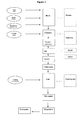
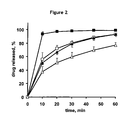


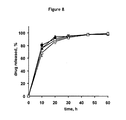
Classifications
-
- A—HUMAN NECESSITIES
- A61—MEDICAL OR VETERINARY SCIENCE; HYGIENE
- A61K—PREPARATIONS FOR MEDICAL, DENTAL OR TOILETRY PURPOSES
- A61K9/00—Medicinal preparations characterised by special physical form
- A61K9/14—Particulate form, e.g. powders, Processes for size reducing of pure drugs or the resulting products, Pure drug nanoparticles
- A61K9/16—Agglomerates; Granulates; Microbeadlets ; Microspheres; Pellets; Solid products obtained by spray drying, spray freeze drying, spray congealing,(multiple) emulsion solvent evaporation or extraction
- A61K9/1605—Excipients; Inactive ingredients
- A61K9/1629—Organic macromolecular compounds
- A61K9/1652—Polysaccharides, e.g. alginate, cellulose derivatives; Cyclodextrin
-
- A—HUMAN NECESSITIES
- A61—MEDICAL OR VETERINARY SCIENCE; HYGIENE
- A61K—PREPARATIONS FOR MEDICAL, DENTAL OR TOILETRY PURPOSES
- A61K9/00—Medicinal preparations characterised by special physical form
- A61K9/14—Particulate form, e.g. powders, Processes for size reducing of pure drugs or the resulting products, Pure drug nanoparticles
- A61K9/16—Agglomerates; Granulates; Microbeadlets ; Microspheres; Pellets; Solid products obtained by spray drying, spray freeze drying, spray congealing,(multiple) emulsion solvent evaporation or extraction
- A61K9/1605—Excipients; Inactive ingredients
- A61K9/1629—Organic macromolecular compounds
- A61K9/1641—Organic macromolecular compounds obtained otherwise than by reactions only involving carbon-to-carbon unsaturated bonds, e.g. polyethylene glycol, poloxamers
-
- A—HUMAN NECESSITIES
- A61—MEDICAL OR VETERINARY SCIENCE; HYGIENE
- A61K—PREPARATIONS FOR MEDICAL, DENTAL OR TOILETRY PURPOSES
- A61K9/00—Medicinal preparations characterised by special physical form
- A61K9/48—Preparations in capsules, e.g. of gelatin, of chocolate
- A61K9/50—Microcapsules having a gas, liquid or semi-solid filling; Solid microparticles or pellets surrounded by a distinct coating layer, e.g. coated microspheres, coated drug crystals
- A61K9/5005—Wall or coating material
- A61K9/5021—Organic macromolecular compounds
- A61K9/5036—Polysaccharides, e.g. gums, alginate; Cyclodextrin
- A61K9/5042—Cellulose; Cellulose derivatives, e.g. phthalate or acetate succinate esters of hydroxypropyl methylcellulose
- A61K9/5047—Cellulose ethers containing no ester groups, e.g. hydroxypropyl methylcellulose
Definitions
- the present invention relates to solid pharmaceutical formulations comprising 1-[4-chloroanilino]-4-[4-pyridylmethyl]phthalazine, or a pharmaceutically acceptable salt thereof, to solid dosage forms comprising said solid pharmaceutical formulations, to methods of preparing said solid pharmaceutical formulations and said solid dosage forms, to uses of said solid pharmaceutical formulations, alone or in combination with one or more pharmaceutically active compounds, for the manufacture of a medicament for the treatment especially of a proliferative disease, such as cancer, and to a method of treatment of a proliferative disease, such as cancer.
- vascular systems Two processes, namely the de novo formation of vessels from differentiating endothelial cells or angioblasts in the developing embryo (vasculogenesis) and the growth of new capillary vessels from existing blood vessels (angiogenesis), are involved in the development of the vascular systems of animal organs and tissues.
- Transient phases of new vessel formation also occur in the adult body, for example during the menstrual cycle, during pregnancy or during wound healing.
- angiogenesis a number of diseases are known to be associated with deregulated angiogenesis, for example retinopathies, psoriasis, haemangioblastoma, haemangioma, and neoplastic diseases (solid tumours).
- retinopathies for example retinopathies, psoriasis, haemangioblastoma, haemangioma, and neoplastic diseases (solid tumours).
- vasculogenesis and angiogenesis have been found to involve a whole range of molecules, especially angiogenic growth factors and their endothelial receptors, as well as cell adhesion molecules.
- VEGF Vascular Endothelial Growth Factor
- VEGF is a dimeric, disulphide-linked 46 kDa glycoprotein and is structurally related to "Platelet-Derived Growth Factor” (or "PDGF"). It is produced by normal cell lines and tumour cell lines.
- VEGF is an endothelial cell-specific mitogen and shows angiogenic activity in in vivo test systems (e.g. rabbit cornea).
- VEGF is chemotactic for endothelial cells and monocytes, and induces plasminogen activators in endothelial cells, which are then involved in the proteolytic degradation of the extracellular matrix during formation of capillaries.
- VEGF-A A number of splice variants of VEGF-A are known which show comparable biological activity, but which differ in the type of cells that secrete them and in their heparin-binding capacity.
- PLGF Percental Growth Factor
- VEGF-B VEGF-B
- VEGF-C VEGF-D
- VEGF-D VEGF-D
- tumours especially gliomas and carcinomas
- VEGF variants and their receptors express high levels of the VEGF variants and their receptors. This has led to the hypothesis that the VEGF released by tumour cells could stimulate the growth of blood capillaries and the proliferation of tumour endothelium in a paracrine manner and thus, through the improved blood supply, accelerates tumour growth. Increased VEGF expression could explain the occurrence of cerebral oedema in patients with glioma. Direct evidence of the role of VEGF as a tumour angiogenesis factor in vivo has been obtained from studies in which VEGF expression or VEGF activity was inhibited.
- VEGFR receptors There are three VEGFR receptors with different affinities to the ligands.
- VEGF-A binds to VEGFR1 and VEGFR2 ;
- VEGF-B and Placental Growth Factor bind to VEGFR1 ;
- VEGF-A and processed forms of VEGF-C and VEGF-D bind to VEGFR-2 ;
- VEGF-C and VEGF-D bind to VEGFR-3.
- VEGFR-3 is especially important for the growth of lymphatic vessels which play a role in tumour and metastases formation. Also in another diseases state, asthma, the lymphatic tissue is of major importance as it does remain in the alveoli after an acute inflammation and does not resolve like the blood vessels. This leads to the continuing susceptibility to stimulation by foreign agents.
- the signal of the VEGF variants is transmitted via the dimerisation of two receptor molecules inducing thereby an activation of the enzymatic activity at the intracellular C-terminal end.
- the enzymatic activity is a signal kinase, which transfers phosphates from ATP to itself (autophosphorylation) and to downstream signal molecules. This allows for interaction with an entire intracellular signal cascade eventually leading to endothelial cell proliferation and migration. The macroscopic result is the formation of new vessels.
- WO 98/35958 describes generically a series of phthalazine derivatives with angiogenesis inhibiting activity and specifically 1-[4-chloroanilino]-4-[4-pyridylmethyl]phthalazine, including salts thereof, in particular the succinic acid salt thereof, as an interesting candidate for treatment of tumours.
- This compound is an inhibitor of all three VEGFR kinases. The inhibition is not dependent on a specific ligand, but blocks all the signals.
- 1-[4-chloroanilino]-4-[4-pyridylmethyl]phthalazine is also known as (4-chlorophenyl)[4-(4-pyridylmethyl)-phthalazin-1-yl], or ZK 226343.
- 1-[4-chloroanilino]-4-[4-pyridylmethyl]phthalazine succinate is also known as PTK/ZK , PTK 787, CGP-79787D, or ZK 222584.
- PTK/ZK The solubility of PTK/ZK is extremely dependent on pH. PTK/ZK has a reasonable solubility at very low pH values, whereas the solubility decreases significantly as the pH is increased : pH Buffered Solubility (mg/ml) 37°C 20°C 1.0 no 108 1.1 yes 83 2.0 no 146 3.0 yes 7.9 3.1 yes 7.2 3.6 no 0.35 3.7 no 0.34 4.5 yes 0.02 5.0 yes 3.7 x 10 -3 2.9 x 10 -3 7.0 yes 7.1 x 10 -4 3.1 x 10 -4
- PTK/ZK Since PTK/ZK is absorbed in the small intestine, where the pH is usually above 5, it is of utmost importance that essentially all of the PTK/ZK is dissolved before entering the small intestine, i.e. essentially all of the PTK/ZK should be dissolved in the gastric juice. Clearly, in order to obtain satisfactory absorption of the PTK/ZK, the PTK/ZK must be administered in an immediate-release formulation.
- a formulation of the drug which is combined with a matrix former and a pore former and which is prepared as a pellet surprisingly provides an immediate-release and high-load solid pharmaceutical formulation comprising 1-[4-chloroanilino]-4-[4-pyridylmethyl]phthalazine, or a pharmaceutically acceptable salt thereof, which is very convenient for the patient in that it is very easy to swallow. It was furthermore very surprisingly found that it is possible to store said formulation over time. This added technical advantage thus makes said formulation indeed suitable for clinical supply and commercialisation.
- the object of the present invention is to provide an immediate-release and high-load solid pharmaceutical formulation of 1-[4-chloroanilino]-4-[4-pyridylmethyl]phthalazine, or a pharmaceutically acceptable salt thereof, which exhibits an immediate release of the drug and which is very convenient for the patient in that it is very easy to swallow, and which can be stored over periods of time.
- This object is met by the solid pharmaceutical formulations described in the present description and defined in the claims appended hereto.
- the present invention provides a solid pharmaceutical formulation, which comprises :
- the present invention provides a solid pharmaceutical formulation in which at least 75%, preferably at least 80%, of said 1-[4-chloroanilino]-4-[4-pyridylmethyl]phthalazine, or pharmaceutically acceptable salt thereof, is released from said solid pharmaceutical formulation within 30 minutes.
- the present invention provides a solid pharmaceutical formulation in which least one pharmaceutically-acceptable excipient is additionally present.
- said pharmaceutically-acceptable excipient is a filler (d).
- said matrix former (b) is a micro-crystalline cellulose-containing matrix former.
- said pore former (c) is a poly(ethylene glycol)-containing pore former.
- said poly(ethylene glycol)-containing pore former (c) is poly(ethylene glycol) 6000.
- said filler (d) is a saccharide-containing filler.
- said saccharide-containing filler is selected from the group comprising, preferably consisting of, lactose, maltodextrin, sucrose, and mannitol. More preferably, said saccharide-containing filler is mannitol.
- said poly(ethylene glycol)-containing pore former (c) is present in an amount of around 0.1 to 10%, preferably around 5%, by weight of the total weight of said solid pharmaceutical formulation.
- said micro-crystalline cellulose-containing matrix former (b) is present in an amount of around 0.1 to 30%, preferably 1 to 20%, more preferably 1 to 5%, particularly around 5%, by weight of the total weight of said solid pharmaceutical formulation.
- said 1-[4-chloroanilino]-4-[4-pyridylmethyl]phthalazine, or pharmaceutically acceptable salt thereof is present in an amount of around 80 to 90%, preferably around 82.5 to 87.5%, more preferably 87.3%, by weight of the total weight of said solid pharmaceutical formulation.
- said filler (d) is present in an amount of around 0 to 5%, preferably around 2.5 to 3%, more preferably around 2.7%, of the total weight of said solid pharmaceutical formulation.
- said 1-[4-chloroanilino]-4-[4-pyridylmethyl]phthalazine is in the form of a pharmaceutically acceptable salt thereof.
- said pharmaceutically acceptable salt thereof is an acid addition salt.
- said pharmaceutically acceptable salt of 1-[4-chloroanilino]-4-[4-pyridylmethyl]phthalazine is a succinate.
- the present invention provides a solid dosage form comprising a solid pharmaceutical formulation as defined supra.
- said solid dosage form supra is in a solid unit dosage form.
- said solid unit dosage form is adapted for oral administration.
- said solid unit dosage form is a single solid unit dosage form or a multiple solid unit dosage form.
- said single solid unit dosage form is in the form of a tablet or a capsule, particularly a hard gelatin capsule, preferably a tablet.
- said tablet is coated.
- said tablet is film-coated.
- said multiple solid unit dosage form is in pellet form.
- said pellet is coated.
- said coated pellet is film-coated.
- said multiple solid unit dosage form is present in a capsule, particularly a hard gelatin capsule.
- said capsule containing the multiple solid unit dosage form above is coated, preferably film-coated.
- said multiple solid unit dosage form is present in a sachet, in particular a stick pack or is in the form of an aqueous dispersion.
- the present invention provides a method of preparing a solid pharmaceutical formulation comprising a) 1-[4-chloroanilino]-4-[4-pyridylmethyl]phthalazine, or a pharmaceutically acceptable salt thereof, b) a micro-crystalline cellulose-containing matrix former, and c) a poly(ethylene glycol)-containing pore former, said method comprising the steps of :
- the present invention provides a solid pharmaceutical formulation obtainable by the method according to the third aspect.
- the present invention provides a method of preparing a solid unit dosage form according to the third aspect of the invention, said method comprising the steps of :
- said method further comprises coating said core pellets with a coating agent, preferably a coating suspension, or coating dispersion, thus providing a film-coated pellet.
- a coating agent preferably a coating suspension, or coating dispersion
- the present invention provides a solid unit dosage form obtainable by the method according to the fifth aspect of the invention.
- the present invention provides a solid pharmaceutical formulation according to the present invention, or as preparable by a method according to the present invention, or a solid dosage form according to the present invention, or as preparable according to a method according to the present invention, for use as a medicament.
- the present invention provides the use of a solid pharmaceutical formulation according to the present invention or as preparable by a method according to the invention, or a solid dosage form according to the present invention, or as preparable according to a method of the present invention, for the manufacture of a medicament for the treatment of a proliferative disease, particularly cancer.
- said use can be in combination with a chemotherapeutic agent.
- the present invention provides a method of treating a proliferative disease, particularly cancer, said method comprising administering a therapeutically effective amount of the solid pharmaceutical formulation according to the present invention, or as preparable according to a method of the present invention, or a solid dosage form according to the present invention, or as preparable according to a method of the present invention, to a patient in need thereof.
- said method comprises administering a therapeutically effective amount of the solid pharmaceutical formulation according to the invention, or as preparable according to a method according to the invention, or a solid dosage form according to the present invention, or as preparable according to a method according to the present invention, and a chemotherapeutic agent, to a patient in need thereof.
- solid pharmaceutical formulations which comprise :
- the drug itself may be the free base, i.e. 1-[4-chloroanilino]-4-[4-pyridylmethyl]phthalazine, or, indeed, a pharmaceutically acceptable salt thereof, in particular an acid addition salt.
- Such salts may be formed from suitable inorganic or organic acids.
- suitable inorganic acids include the halogen acids, such as hydrochloric acid ; sulphuric acid ; and phosphoric acid.
- suitable organic acids include phosphonic, sulphonic or sulphamic acids, carboxylic acids, such as acetic acid, propionic acid, octanoic acid, decanoic acid, dodecanoic acid, glycolic acid, lactic acid, 2-hydroxybutyric acid, gluconic acid, glucose monocarboxylic acid, fumaric acid, succinic acid, adipic acid, pimelic acid, suberic acid, azelaic acid, malic acid, tartaric acid, citric acid, glucaric acid, galactaric acid ; amino acids, such as glutamic acid, aspartic acid, N-methylglycine, acetylaminoacetic acid, N-acetylasparagine and N-acetylcysteine ; pyruvic acid, acetoacetic acid, phosphoserine, 2- or 3-glycerophosphoric acid, glucose-6-phosphoric acid, glucose-1-phosphoric acid, fructose-1,
- PTK/ZK refers to the succinate salt of 1-[4-chloroanilino]-4-[4-pyridylmethyl]phthalazine. PTK/ZK is described in WO 98/35958 .
- matrix former is understood as meaning a pharmaceutically-inert ingredient included in the formulation in order to procure a matrix which provides physical stability, i.e. mechanical stability, e.g. binding stability, of the dosage form.
- said matrix former can be cellulose, for example a starch-containing compound, for example cellulose or starch, particularly micro-crystalline cellulose (or "MCC"), for example Avicel PH 101 (marketed by FMC BioPolymer), such as sucrose, glucose, sorbitol, acacia, alginic acid, sodium alginate, gelatin, starch, pregelatinised starch, magnesium aluminium silicate, carboxymethylcellulose sodium (or "CMC sodium”), methylcellulose, ethylcellulose, hydroxypropyl methylcellulose (or "HPMC”), polyvinylacetate, polyethylene glycol or polyvinylpyrrolidone (or "PVP”), e.g.
- MCC micro-crystalline cellulose
- HPMC hydroxypropyl methylcellulose
- Gelcarin GP 812 marketed by FMC BioPolymer
- the pore former (c) in accordance with the present invention is a readily soluble excipient which is present in the formulation and allows pores to be introduced into the solid pharmaceutical formulation, thus allowing the solid pharmaceutical formulation to disintegrate rapidly.
- the pore former is a pore former which is well-known to the person skilled in the art of drug formulation, notably poly(ethylene glycol) (or "PEG”), particularly a PEG having a molecular weight of 4,000 to 10,000 Daltons, (or “PEG 4000” or “PEG 10000", respectively), preferably a PEG having a molecular weight of 6,000 (or "PEG 6000").
- polyvinylpyrrolidone or "PVP"
- a saccharide e.g. a monosaccharide, such as dextrose, mannose, fructose, a disaccharide, such as sucrose, an oligosaccharide, such as sucrose or glucodifructose.
- said matrix former (b) and said pore former (c) are not identical.
- the present invention surprisingly provides an immediate-release and high-load solid pharmaceutical formulation comprising 1-[4-chloroanilino]-4-[4-pyridylmethyl]phthalazine, or a pharmaceutically acceptable salt thereof, which is combined with a matrix former and a pore former and which is prepared as a pellet, and which provides an immediate release dosage form which is very convenient for the patient in that it is very easy to swallow. Further, as mentioned supra, it is possible to store said formulation over time. This added technical advantage thus makes said formulation indeed suitable for clinical supply and commercialisation.
- the terms “fast-release” or “immediate-release” mean that at least 70% of the 1-[4-chloroanilino]-4-[4-pyridylmethyl]phthalazine, or a pharmaceutically acceptable salt thereof, is dissolved from the solid pharmaceutical formulation within 30 minutes as determined by the USP XXVI basket method or rotating paddle method using phosphate buffer pH 3.0, particularly 0.05 M KH 2 PO 4 /HCl buffer, at 37°C as the dissolution media and 100 rpm stirring rate.
- At least 75%, more preferably at least 80%, of the 1-[4-chloroanilino]-4-[4-pyridylmethyl]phthalazine, or a pharmaceutically acceptable salt thereof, is dissolved from the solid pharmaceutical formulation within 30 minutes as determined by the USP XXVI basket method or rotating paddle method described herein.
- the solid pharmaceutical formulation contains a "high-load" of 1-[4-chloroanilino]-4-[4-pyridylmethyl]phthalazine, or a pharmaceutically acceptable salt thereof, due to the relative large amount of 1-[4-chloroanilino]-4-[4-pyridylmethyl]phthalazine, or a pharmaceutically acceptable salt thereof, needed for administration to patients.
- the terms "high-load” or “high-drug-load” mean that the solid pharmaceutical formulation contains at least 50% by weight, calculated on the basis of the total weight of the formulation, of the 1-[4-chloroanilino]-4-[4-pyridylmethyl]phthalazine, or a pharmaceutically acceptable salt thereof.
- the solid pharmaceutical formulation comprises at least 55% by weight, at least 60% by weight, at least 65% by weight, at least 70% by weight, at least 75% by weight, at least 80% by weight, at least 85% by weight, or at least 90% by weight, of 1-[4-chloroanilino]-4-[4-pyridylmethyl]phthalazine, or a pharmaceutically acceptable salt thereof, calculated on the basis of the total weight of the formulation.
- the solid pharmaceutical formulation typically comprises 50-90% by weight, calculated on the basis of the total weight of the formulation, of 1-[4-chloroanilino]-4-[4-pyridylmethyl]phthalazine, or a pharmaceutically acceptable salt thereof.
- said solid pharmaceutical formulation according to the present invention contains 1-[4-chloroanilino]-4-[4-pyridylmethyl]phthalazine, or pharmaceutically acceptable salt thereof, in an amount of around 80-90%, preferably around 82.5 to 87.5%, more preferably 87.3%, by weight of the total weight of said solid pharmaceutical formulation.
- the solid pharmaceutical formulation may, in addition to the 1-[4-chloroanilino]-4-[4-pyridylmethyl]phthalazine, or a pharmaceutically acceptable salt thereof, the matrix former (b), and the pore former (c), supra, contain one or more additional pharmaceutically acceptable excipients.
- said at least one pharmaceutically acceptable excipient is a filler (d).
- said filler (d) is known to the person skilled in the art and can be, for example :
- the inert filler or diluent is mannitol.
- said solid pharmaceutical formulation contains said filler (d) in an amount of around 0 to 5%, preferably around 2.5 to 3%, more preferably around 2.7%, of the total weight of said solid pharmaceutical formulation.
- Examples of other pharmaceutically acceptable excipients which may be incorporated in the solid pharmaceutical formulation of the invention include colorants, flavouring agents, plasticizers, humectants, buffering agents, etc.
- the solid pharmaceutical formulations of the invention may also contain further drug substances, such as anti-cancer agents.
- the unit dosage form is adapted for oral administration and may be provided with a coating, such as a film coating, a sugar coating, or the like.
- a suitable coating for the solid unit dosage form according to the invention may, for example, be a sugar coating or a film coating based on one or more of the ingredients : hydroxypropyl methylcellulose (or "HPMC"), methylcellulose, ethylcellulose, hydroxyethyl methylcellulose, hydroxypropylcellulose, carboxymethylcellulose sodium, acrylate polymers (e.g. Eudragit ® (marketed by Degussa), polyethylene glycols or polyvinylpyrrolidone, or a colorant, such as talc, titanium dioxide, a ferrous pigment.
- the coating is a film coating based on HPMC.
- the present invention provides means and methods for treating certain cancers or tumours or tumour angiogenesis, in any suitable animal, preferably in a mammal, and in particular in a human being.
- solid malignant tumour is understood as meaning understood as meaning an abnormal malignant mass of tissue that is not inflammatory, which arises without obvious cause from cells of preexistent tissue, which possesses no physiologic function and which has the ability to invade normal cells and spread throughout the body.
- typical solid malignant tumours include breast carcinoma, non-small cell lung cancer, colon carcinoma, renal cell carcinoma and malignant melanoma.
- epithelial tissue covers or lines the body surfaces inside and outside the body. Examples of epithelial tissue are the skin and the mucosa and serosa that line the body cavities and internal organs, such as intestines, urinary bladder, uterus, etc. Epithelial tissue may also extend into deeper tissue layers to from glands, such as mucus-secreting glands.
- sarcoma is understood as meaning understood as meaning a malignant tumour growing from connective tissue, such as cartilage, fat, muscles, tendons and bones.
- leukaemia is understood as meaning a blood cancer, i . e . a cancer that originates from the bone marrow and which keeps the marrow from producing normal red and white blood cells and platelets.
- lymphatic system refers to a cancer that originates in the nodes or glands of the lymphatic system.
- glioma when used herein, is intended to cover a malignant tumour originating from glial cells.
- the term “inhibition”” or “inhibit” as used in connection with treatment of solid tumours is intended to cover the delayed appearance of primary or secondary tumours, slowed development of primary or secondary tumours, decreased occurrence of primary or secondary tumours, slowed or decreased severity of secondary effects of disease, arrested tumour growth and regression of tumours.
- the term “reduction” or “reducing” in connection with tumour size is covered by the term “inhibition” or “inhibit”.
- the reduction of the solid tumour refers to a reduction of the tumour volume. For example, a 10% reduction of a solid tumour means that the volume of the treated tumour has been reduced by 10%.
- An important aspect of the present invention lies in the therapeutic application of the solid pharmaceutical formulation of the invention.
- the present invention is also directed to a solid pharmaceutical formulation of the invention for use as a medicament.
- the present invention is directed to use of the solid pharmaceutical formulation of the invention for the manufacture of a medicament for treatment of cancer.
- the present invention is directed to a method of treating cancer, said method comprising administering a therapeutically effective amount of the solid pharmaceutical formulation of the invention to a patient in need thereof.
- treatment of a cancer or “treating a mammal having a cancer” is understood as meaning that the solid pharmaceutical formulation described herein is administered in a therapeutically effective amount which is sufficient to i ) inhibit growth of the tumour, ii) facilitate tumour regression, i.e. reduce the size of the tumour, iii) remove the tumour and/or iv) inhibit cancer cell metastasis.
- the solid pharmaceutical formulation will be administered to patients in a "therapeutically effective" dose, i.e. in a dose that is sufficient to produce the desired effects in relation to the condition for which it is administered.
- a dose will depend on the cancer form to be treated, and will be ascertainable by one skilled in the art using known techniques.
- a suitable dose of the PTK/ZK is contemplated to be in the range of about 0.5-3 g/patient/day, preferably 1-2 g/patient/day, such as 1-1.5 g/patient/day, e.g. 1.3-1.4 g/patient/day, in particular 1.34 g/patient/day.
- said cancer is a carcinoma, such as a carcinoma selected from the group consisting of malignant melanoma, basal cell carcinoma, ovarian carcinoma, breast carcinoma, non-small cell lung cancer, renal cell carcinoma, bladder carcinoma, recurrent superficial bladder cancer, stomach carcinoma, prostatic carcinoma, pancreatic carcinoma, lung carcinoma, cervical carcinoma, cervical dysplasia, laryngeal papillomatosis, colon carcinoma, colorectal carcinoma and carcinoid tumours, in particular selected from the group consisting of malignant melanoma, non-small cell lung cancer, breast carcinoma, colon carcinoma and renal cell carcinoma.
- a carcinoma such as a carcinoma selected from the group consisting of malignant melanoma, basal cell carcinoma, ovarian carcinoma, breast carcinoma, non-small cell lung cancer, renal cell carcinoma, bladder carcinoma, recurrent superficial bladder cancer, stomach carcinoma, prostatic carcinoma, pancreatic carcinoma, lung carcinoma, cervical carcinoma, cervical dysplasia, laryngeal papillomatosis, colon carcinoma, colorectal carcinoma and carcinoi
- said cancer is malignant melanoma, such as superficial spreading melanoma, nodular melanoma, lentigo maligna melanoma, acral melagnoma, amelanotic melanoma or desmoplastic melanoma.
- said cancer is non-small cell lung cancer.
- said cancer is breast carcinoma.
- said cancer is colon carcinoma.
- said cancer is renal cell carcinoma.
- said cancer is a sarcoma, such as a sarcoma selected from the group consisting of osteosarcoma, Ewing's sarcoma, chondrosarcoma, malignant fibrous histiocytoma, fibrosarcoma and Kaposi's sarcoma.
- a sarcoma such as a sarcoma selected from the group consisting of osteosarcoma, Ewing's sarcoma, chondrosarcoma, malignant fibrous histiocytoma, fibrosarcoma and Kaposi's sarcoma.
- said cancer is a glioma.
- cancer types i . e . carcinomas, sarcomas and gliomas
- carcinomas i . e . carcinomas, sarcomas and gliomas
- said cancer is a lymphoma, such as a lymphoma selected from the group consisting of Hodgkin's disease, non-Hodgkin's disease, B-cell lymphoma, T-cell lymphoma, follicular lymphoma, Burkitt's lymphoma and mycosis fungoides.
- a lymphoma selected from the group consisting of Hodgkin's disease, non-Hodgkin's disease, B-cell lymphoma, T-cell lymphoma, follicular lymphoma, Burkitt's lymphoma and mycosis fungoides.
- said cancer is a myeloma, such as multiple myeloma.
- the formulation of the invention can be used for other diseases characterised by overshooting angiogenesis, such as macular degeneration due to vessel in-growth, corneal transplantation due to lymphatic vessel in growth and thereby breakage of the immune privilege. It is helpful in diseases such as rheumatoid arthritis with vessels growing ectopically towards the joints. As mentioned above, it is effective in asthma. Also diseases with female cycle associated vessel growth are influenced beneficially as is the case for endometriosis.
- a further aspect of the present invention relates to the use of a solid pharmaceutical formulation of the invention for the manufacture of a medicament for treatment of cancer in combination with a chemotherapeutic agent.
- a further aspect of the present invention relates to a method of treating cancer, said method comprising administering a therapeutically effective amount of the solid pharmaceutical formulation of the invention and a chemotherapeutic agent to a patient in need thereof.
- chemotherapeutic agents include chemotherapeutic agents selected from the group consisting of adrenocorticosteroids, such as prednisone, dexamethasone or decadron ; altretamine (hexalen, hexamethylmelamine (HMM)) ; amifostine (ethyol) ; aminoglutethimide (cytadren) ; amsacrine (M-AMSA) ; anastrozole (arimidex) ; androgens, such as testosterone ; asparaginase (elspar); bacillus calmette-gurin ; bicalutamide (casodex) ; bleomycin (blenoxane) ; busulphan (myleran) ; carboplatin (paraplatin) ; carmustine (BCNU, BiCNU) ; chlorambucil (leukeran) ; chlorodeoxyadenosine (2-CDA, cladribine,
- chemotherapeutic agents which may be useful for the purposes described herein include the chemotherapeutic agents mentioned in column 12, line 62 to column 13, line 42 of US 6,482,802 , which is herein incorporated by reference.
- chemotherapeutic agents see The Merck Index, 12th edition, pp. THER 13-14 , which is herein incorporated by reference.
- the chemotherapeutic agent is selected under due consideration of the actual cancer form.
- the following chemotherapeutic agents are used (together with the solid pharmaceutical formulation described herein) for treatment of the following specific cancer forms : e.g. malignant melanoma and cisplatin ; malignant melanoma and IL-2 ; renal cell carcinoma and doxorubicin ; renal cell carcinoma and IL-2 ; breast carcinoma and doxorubicin ; breast carcinoma and taxol ; colon carcinoma and 5-fluorouracil ; colon carcinoma and cisplatin ; and non-small cell lung cancer and cisplatin.
- the first step of the manufacturing process is a mixing step that is followed by an extrusion/spheronisation step. Afterwards, the obtained pellets are optionally coated with an immediate release film coat. The film coated pellets are then optionally filled into stick packs. The details for the different formulations are described below.
- Table 1 Functionality of the individual ingredients substance Function Vatalanib succinate active ingredient micro-crystalline cellulose, « MCC » Avicel PH 101 matrix former carrageenan matrix former Croscarmellose Na, Ac-Di-Sol Disintegrant PEG 6000 pore former Lactose monohydrate Filler Mannitol Filler Sucrose Filler Maltodextrin Filler Hydroxypropyl methylcellulose film coating, binder Talc film coating, anti sticking agent Titanium dioxide film coating, colorant Ferrous pigment film coating, colorant Purified water processing aid for extrusion and film coating
- Vatalanib succinate (873.0g (87.3% by weight)) ("PTK/ZK"), Avicel PH 101 (50.0g ((5.0% by weight)) as matrix former (b), PEG 6000 (50.0g ((5.0% by weight)) as pore former (c), and mannitol (27.0g ((2.7% by weight)) as filler (d) are placed in a blender, are mixed and are blended until uniform. The blended mixture is fed into a granulator in a pellet line and is granulated by the addition of water. The granulate is then extruded and spheronised to form pellets.
- pellets are then dried in a fluid bed drier at 50° C, until the humidity of the pellets is equal to the relative humidity of the surrounding air, to provide dried pellets. Afterwards the pellets were optionally stored for 24 hours at ambient conditions. The dried pellets are then screened by passing them through suitable screens to exclude small and large fractions. Suitable pellets for the invention may be pellets in the size range of 0.71 mm - 1.25 mm.
- EXAMPLE 28 PREPARATION OF SOLID PHARMACEUTICAL FORMULATION-CONTAINING FILM COATED PELLETS ACCORDING TO THE PRESENT INVENTION
- the core pellets were film-coated with an aqueous dispersion of hydroxypropyl methylcellulose, talc, titanium dioxide and ferrous pigment. Hydroxypropyl methylcellulose is added as binder, talc, titanium dioxide and ferrous pigment are used as colorants.
- the aqueous coating process is performed to procure protection to the pellets and for optical purposes, i.e. to provide a visual aspect for substance identification purposes.
- the formulations are placed in stick packs, each being filled with 2,000 mg pellets, as primary packaging.
- EXAMPLE 30 FILLING OF THE SOLID PHARMACEUTICAL FORMULATIONS OF EXAMPLE 18 AND OF THE SOLID PHARMACEUTICAL FORMULATION-CONTAINING FILM COATED PELLETS OF EXAMPLE 28 ACCORDING TO THE PRESENT INVENTION INTO HARD GELATIN CAPSULES
- the formulations are placed in hard gelatin capsules, each being filled with 50 mg pellets.
- the pellets were pre-wetted with 100 ml of the dissolution medium in order to avoid floating of the pellets. At predetermined time intervals, 10 ml samples were withdrawn (not replaced), filtered and assayed. The amount of vatalanib succinate released was measured UV-spectrophotometrically at 316 nm (Beckmann photometer DU 640, Beckmann, USA). Stock solutions of vatalanib succinate of known concentration were used to calculate the amount of drug released.
- Vatalanib succinate Pellets containing up to 90% (w/w, based on the total weight of the core pellets) Vatalanib succinate were successfully prepared by extrusion and spheronisation in accordance with Example 6.
- the aim of the study was to develop an immediate release pellet formulation for Vatalanib succinate.
- the assay for calculation purposes of different Vatalanib succinate batches can vary (e.g. due to different water contents in the drug).
- a filler is usually added to formulations. Therefore, different type of fillers (lactose, maltodextrin, sucrose, and mannitol) were incorporated into pellets containing 87.3 % active, 5% micro-crystalline cellulose, 5% Ac-Di-Sol and 2.7% filler (%, w/w based on total pellet mass).
- the pellets were prepared according to Example 1.
- the effect of the addition of different type of fillers on the in vitro release of Vatalanib succinate is given in Figure 4 , wherein :
- pellets were coated with a fast dissolving hydroxypropyl methylcellulose shell.
- the in vitro drug release of uncoated pellets was compared with the release of coated pellets in phosphate buffer pH 3.0, and the results are shown in Figure 6 , wherein :
- Example 31 F Release profiles of Vatalanib succinate from pellets placed on stability for one month.
- Example 31G Release profiles of Vatalanib succinate from pellets containing MCC/PEG/mannitol after storage for 3 months.
- Vatalanib succinate from MCC/PEG/mannitol formulations was fast. Initially 81% and 95% drug was released after 10 and 30 min, respectively.
- ICH Guidelines When placing these formulations on stability according to the ICH Guidelines, surprisingly no significant drop in dissolution rate was observed, and even for formulations stored under accelerated conditions, i.e . at 40°C/75% RH for 3 months.
Landscapes
- Health & Medical Sciences (AREA)
- Engineering & Computer Science (AREA)
- Bioinformatics & Cheminformatics (AREA)
- Epidemiology (AREA)
- Medicinal Chemistry (AREA)
- Pharmacology & Pharmacy (AREA)
- Chemical & Material Sciences (AREA)
- Life Sciences & Earth Sciences (AREA)
- Animal Behavior & Ethology (AREA)
- General Health & Medical Sciences (AREA)
- Public Health (AREA)
- Veterinary Medicine (AREA)
- Pharmaceuticals Containing Other Organic And Inorganic Compounds (AREA)
- Medicinal Preparation (AREA)
Abstract
The present invention relates to solid pharmaceutical formulations comprising 1-[4-chloroanilino]-4-[4-pyridylmethyl]phthalazine, or a pharmaceutically acceptable salt thereof, to solid dosage forms comprising said solid pharmaceutical formulations, to methods of preparing said solid pharmaceutical formulations and said solid dosage forms, to uses of said solid pharmaceutical formulations, alone or in combination with one or more pharmaceutically active compounds, for the manufacture of a medicament for the treatment especially of a proliferative disease, such as cancer, and to a method of treatment of a proliferative disease, such as cancer.
Description
- The present invention relates to solid pharmaceutical formulations comprising 1-[4-chloroanilino]-4-[4-pyridylmethyl]phthalazine, or a pharmaceutically acceptable salt thereof, to solid dosage forms comprising said solid pharmaceutical formulations, to methods of preparing said solid pharmaceutical formulations and said solid dosage forms, to uses of said solid pharmaceutical formulations, alone or in combination with one or more pharmaceutically active compounds, for the manufacture of a medicament for the treatment especially of a proliferative disease, such as cancer, and to a method of treatment of a proliferative disease, such as cancer.
- Two processes, namely the de novo formation of vessels from differentiating endothelial cells or angioblasts in the developing embryo (vasculogenesis) and the growth of new capillary vessels from existing blood vessels (angiogenesis), are involved in the development of the vascular systems of animal organs and tissues. Transient phases of new vessel formation (neovascularisation) also occur in the adult body, for example during the menstrual cycle, during pregnancy or during wound healing.
- However, a number of diseases are known to be associated with deregulated angiogenesis, for example retinopathies, psoriasis, haemangioblastoma, haemangioma, and neoplastic diseases (solid tumours). Furthermore, the complex processes of vasculogenesis and angiogenesis have been found to involve a whole range of molecules, especially angiogenic growth factors and their endothelial receptors, as well as cell adhesion molecules.
- Recent findings have shown that during embryonic development, during normal growth and in a wide number of pathological conditions and diseases, the angiogenic factor known as "Vascular Endothelial Growth Factor" (or "VEGF") forms part of the network regulating the growth and differentiation of the vascular system and its components (G. Breier et al., Trends in Cell Biology, 1996, 6, 454-456 and references cited therein).
- VEGF, or more specifically VEGF-A, is a dimeric, disulphide-linked 46 kDa glycoprotein and is structurally related to "Platelet-Derived Growth Factor" (or "PDGF"). It is produced by normal cell lines and tumour cell lines. VEGF is an endothelial cell-specific mitogen and shows angiogenic activity in in vivo test systems (e.g. rabbit cornea). VEGF is chemotactic for endothelial cells and monocytes, and induces plasminogen activators in endothelial cells, which are then involved in the proteolytic degradation of the extracellular matrix during formation of capillaries. A number of splice variants of VEGF-A are known which show comparable biological activity, but which differ in the type of cells that secrete them and in their heparin-binding capacity. In addition, there are other members of the VEGF family, such as "Placental Growth Factor" (or "PLGF"), VEGF-B, VEGF-C and VEGF-D.
- A large number of human tumours, especially gliomas and carcinomas, express high levels of the VEGF variants and their receptors. This has led to the hypothesis that the VEGF released by tumour cells could stimulate the growth of blood capillaries and the proliferation of tumour endothelium in a paracrine manner and thus, through the improved blood supply, accelerates tumour growth. Increased VEGF expression could explain the occurrence of cerebral oedema in patients with glioma. Direct evidence of the role of VEGF as a tumour angiogenesis factor in vivo has been obtained from studies in which VEGF expression or VEGF activity was inhibited. This was achieved with antibodies which inhibit VEGF activity, with dominant-negative VEGFR-2 mutants which inhibited signal transduction, as well as with use of antisense-VEGF RNA techniques. All approaches led to a reduction in the growth of glioma cell lines or other tumour cell lines in vivo as a result of inhibited tumour angiogenesis.
- There are three VEGFR receptors with different affinities to the ligands. VEGF-A binds to VEGFR1 and VEGFR2 ; VEGF-B and Placental Growth Factor bind to VEGFR1 ; VEGF-A and processed forms of VEGF-C and VEGF-D bind to VEGFR-2 ; VEGF-C and VEGF-D bind to VEGFR-3.
- VEGFR-3 is especially important for the growth of lymphatic vessels which play a role in tumour and metastases formation. Also in another diseases state, asthma, the lymphatic tissue is of major importance as it does remain in the alveoli after an acute inflammation and does not resolve like the blood vessels. This leads to the continuing susceptibility to stimulation by foreign agents.
- All these receptors are transmembrane proteins. The signal of the VEGF variants is transmitted via the dimerisation of two receptor molecules inducing thereby an activation of the enzymatic activity at the intracellular C-terminal end. The enzymatic activity is a signal kinase, which transfers phosphates from ATP to itself (autophosphorylation) and to downstream signal molecules. This allows for interaction with an entire intracellular signal cascade eventually leading to endothelial cell proliferation and migration. The macroscopic result is the formation of new vessels.
-
WO 98/35958 - 1-[4-chloroanilino]-4-[4-pyridylmethyl]phthalazine has the chemical structure below :

- 1-[4-chloroanilino]-4-[4-pyridylmethyl]phthalazine is also known as (4-chlorophenyl)[4-(4-pyridylmethyl)-phthalazin-1-yl], or ZK 226343. 1-[4-chloroanilino]-4-[4-pyridylmethyl]phthalazine succinate is also known as PTK/ZK , PTK 787, CGP-79787D, or ZK 222584.
- The solubility of PTK/ZK is extremely dependent on pH. PTK/ZK has a reasonable solubility at very low pH values, whereas the solubility decreases significantly as the pH is increased :
pH Buffered Solubility (mg/ml) 37° C 20°C 1.0 no 108 1.1 yes 83 2.0 no 146 3.0 yes 7.9 3.1 yes 7.2 3.6 no 0.35 3.7 no 0.34 4.5 yes 0.02 5.0 yes 3.7 x 10⁻³ 2.9 x 10⁻³ 7.0 yes 7.1 x 10⁻⁴ 3.1 x 10⁻⁴ - Since PTK/ZK is absorbed in the small intestine, where the pH is usually above 5, it is of utmost importance that essentially all of the PTK/ZK is dissolved before entering the small intestine, i.e. essentially all of the PTK/ZK should be dissolved in the gastric juice. Clearly, in order to obtain satisfactory absorption of the PTK/ZK, the PTK/ZK must be administered in an immediate-release formulation.
- Hence, there is a clear need for an easy-to-swallow dosage form combining a high-drug load with a fast, preferably immediate release of the drug.
- Very surprisingly, the solution to this problem has been unexpectedly solved by the present inventors upon the discovery that a formulation of the drug which is combined with a matrix former and a pore former and which is prepared as a pellet, surprisingly provides an immediate-release and high-load solid pharmaceutical formulation comprising 1-[4-chloroanilino]-4-[4-pyridylmethyl]phthalazine, or a pharmaceutically acceptable salt thereof, which is very convenient for the patient in that it is very easy to swallow. It was furthermore very surprisingly found that it is possible to store said formulation over time. This added technical advantage thus makes said formulation indeed suitable for clinical supply and commercialisation.
- Thus, the object of the present invention is to provide an immediate-release and high-load solid pharmaceutical formulation of 1-[4-chloroanilino]-4-[4-pyridylmethyl]phthalazine, or a pharmaceutically acceptable salt thereof, which exhibits an immediate release of the drug and which is very convenient for the patient in that it is very easy to swallow, and which can be stored over periods of time. This object is met by the solid pharmaceutical formulations described in the present description and defined in the claims appended hereto.
- In a first aspect, the present invention provides a solid pharmaceutical formulation, which comprises :
- a) 1-[4-chloroanilino]-4-[4-pyridylmethyl]phthalazine, or a pharmaceutically acceptable salt thereof ;
- b) a matrix former (b) ; and
- c) a pore former (c) ;
- In a preferred embodiment, the present invention provides a solid pharmaceutical formulation in which at least 75%, preferably at least 80%, of said 1-[4-chloroanilino]-4-[4-pyridylmethyl]phthalazine, or pharmaceutically acceptable salt thereof, is released from said solid pharmaceutical formulation within 30 minutes.
- In an embodiment, the present invention provides a solid pharmaceutical formulation in which least one pharmaceutically-acceptable excipient is additionally present. Preferably, said pharmaceutically-acceptable excipient is a filler (d).
- In an embodiment, in said solid pharmaceutical formulation, said matrix former (b) is a micro-crystalline cellulose-containing matrix former.
- In another embodiment, in said formulation, said pore former (c) is a poly(ethylene glycol)-containing pore former. Preferably, said poly(ethylene glycol)-containing pore former (c) is poly(ethylene glycol) 6000.
- In another embodiment, in said solid pharmaceutical formulation, said filler (d) is a saccharide-containing filler. Preferably, said saccharide-containing filler is selected from the group comprising, preferably consisting of, lactose, maltodextrin, sucrose, and mannitol. More preferably, said saccharide-containing filler is mannitol.
- In an embodiment, in said solid pharmaceutical formulation, said poly(ethylene glycol)-containing pore former (c) is present in an amount of around 0.1 to 10%, preferably around 5%, by weight of the total weight of said solid pharmaceutical formulation.
- In another embodiment, in said solid pharmaceutical formulation, said micro-crystalline cellulose-containing matrix former (b) is present in an amount of around 0.1 to 30%, preferably 1 to 20%, more preferably 1 to 5%, particularly around 5%, by weight of the total weight of said solid pharmaceutical formulation.
- In another embodiment, in said solid pharmaceutical formulation, said 1-[4-chloroanilino]-4-[4-pyridylmethyl]phthalazine, or pharmaceutically acceptable salt thereof, is present in an amount of around 80 to 90%, preferably around 82.5 to 87.5%, more preferably 87.3%, by weight of the total weight of said solid pharmaceutical formulation.
- In another embodiment, in said solid pharmaceutical formulation, said filler (d) is present in an amount of around 0 to 5%, preferably around 2.5 to 3%, more preferably around 2.7%, of the total weight of said solid pharmaceutical formulation.
- In a further embodiment, in said solid pharmaceutical formulation, said 1-[4-chloroanilino]-4-[4-pyridylmethyl]phthalazine is in the form of a pharmaceutically acceptable salt thereof. Preferably, said pharmaceutically acceptable salt thereof is an acid addition salt. Notably, said pharmaceutically acceptable salt of 1-[4-chloroanilino]-4-[4-pyridylmethyl]phthalazine is a succinate.
- It is to be understood that none of constituents a), b), c), or d) can be the same.
- In a second aspect, the present invention provides a solid dosage form comprising a solid pharmaceutical formulation as defined supra.
- In an embodiment, said solid dosage form supra is in a solid unit dosage form. Preferably, said solid unit dosage form is adapted for oral administration.
- In an embodiment, said solid unit dosage form is a single solid unit dosage form or a multiple solid unit dosage form.
- Particularly, said single solid unit dosage form is in the form of a tablet or a capsule, particularly a hard gelatin capsule, preferably a tablet. In a further embodiment, said tablet is coated. Preferably, said tablet is film-coated.
- Particularly, said multiple solid unit dosage form is in pellet form. In a further embodiment, said pellet is coated. Preferably, said coated pellet is film-coated. Alternatively, said multiple solid unit dosage form is present in a capsule, particularly a hard gelatin capsule. Particularly, said capsule containing the multiple solid unit dosage form above is coated, preferably film-coated.
- In an embodiment, said multiple solid unit dosage form is present in a sachet, in particular a stick pack or is in the form of an aqueous dispersion.
- In a third aspect, the present invention provides a method of preparing a solid pharmaceutical formulation comprising a) 1-[4-chloroanilino]-4-[4-pyridylmethyl]phthalazine, or a pharmaceutically acceptable salt thereof, b) a micro-crystalline cellulose-containing matrix former, and c) a poly(ethylene glycol)-containing pore former, said method comprising the steps of :
- a) blending a mixture of said 1-[4-chloroanilino]-4-[4-pyridylmethyl]phthalazine, or a pharmaceutically acceptable salt thereof, said micro-crystalline cellulose-containing matrix former, and said poly(ethylene glycol)-containing pore former, thereby forming a blended mixture ;
- b) adding water to said blended mixture thereby forming a granulate;
- c) extruding, or spheronising, said granulate thereby forming pellets, particularly round pellets ;
- d) drying said pellets, thereby forming dried pellets ; and
- e) screening said dried pellets, thereby forming core pellets.
- In a fourth aspect, the present invention provides a solid pharmaceutical formulation obtainable by the method according to the third aspect.
- In a fifth aspect, the present invention provides a method of preparing a solid unit dosage form according to the third aspect of the invention, said method comprising the steps of :
- i) preparing a solid pharmaceutical formulation as in the third aspect for example, in the form of core pellets ; and
- ii) formulating said solid pharmaceutical formulation in the form of core pellets into a solid unit dosage form.
- In an embodiment, said method further comprises coating said core pellets with a coating agent, preferably a coating suspension, or coating dispersion, thus providing a film-coated pellet.
- In a sixth aspect, the present invention provides a solid unit dosage form obtainable by the method according to the fifth aspect of the invention.
- In a seventh aspect, the present invention provides a solid pharmaceutical formulation according to the present invention, or as preparable by a method according to the present invention, or a solid dosage form according to the present invention, or as preparable according to a method according to the present invention, for use as a medicament.
- In an eighth aspect, the present invention provides the use of a solid pharmaceutical formulation according to the present invention or as preparable by a method according to the invention, or a solid dosage form according to the present invention, or as preparable according to a method of the present invention, for the manufacture of a medicament for the treatment of a proliferative disease, particularly cancer.
- In an embodiment, said use can be in combination with a chemotherapeutic agent.
- In a ninth aspect, the present invention provides a method of treating a proliferative disease, particularly cancer, said method comprising administering a therapeutically effective amount of the solid pharmaceutical formulation according to the present invention, or as preparable according to a method of the present invention, or a solid dosage form according to the present invention, or as preparable according to a method of the present invention, to a patient in need thereof.
- In an embodiment, said method comprises administering a therapeutically effective amount of the solid pharmaceutical formulation according to the invention, or as preparable according to a method according to the invention, or a solid dosage form according to the present invention, or as preparable according to a method according to the present invention, and a chemotherapeutic agent, to a patient in need thereof.
- It is to be understood that the present invention covers all possible combinations of the embodiments described in this text.
- The invention is better understood and other objects, features and advantages of the invention are clearly shown from the following description which refers to the appended Figures. These are given solely as non-limiting Examples which illustrate the invention.
-
Figure 1 shows a Flow Chart illustrating a manufacturing process according to the present invention of the solid pharmaceutical formulation, and of the solid dosage form containing said solid pharmaceutical formulation, according to the present invention. -
Figure 2 shows the results of a set of experiments on the effect of various in vitro release methods on the release of 1-[4-chloroanilino]-4-[4-pyridylmethyl]phthalazine (Formulation Example 5). -
Figure 3 shows the results of a set of experiments on the effect of the addition of increasing amounts of Ac-Di-Sol (a disintegrant) on the release of 1-[4-chloroanilino]-4-[4-pyridylmethyl]phthalazine (Formulation Examples 2, 6, 7, 11 and 14). -
Figure 4 shows the results of a set of experiments on the effect of different types of filter (d) on the release of 1-[4-chloroanilino]-4-[4-pyridylmethyl]phthalazine (Formulation Examples 16, 18, 19 and 20). -
Figure 5 shows the results of a set of experiments on the effect of pellet size on the release of 1-[4-chloroanilino]-4-[4-pyridylmethyl]phthalazine from Formulation Example 11. -
Figure 6 shows the results of a set of experiments on the effect of fast dissolving pellet coat (hydroxypropyl methyl cellulose) on the release of 1-[4-chloroanilino]-4-[4-pyridylmethyl]phthalazine from Formulation Example 17. -
Figure 7 shows the release profiles of 1-[4-chloroanilino]-4-[4-pyridylmethyl]phthalazine from pellets containing Formulation Example 21, placed on stability for one month. -
Figure 8 shows the release profiles of 1-[4-chloroanilino]-4-[4-pyridylmethyl]phthalazine from pellets containing Formulation Example 22 (containing MCC/PEG/mannitol), after storage for 3 months. - As mentioned supra, the present invention relates to solid pharmaceutical formulations, which comprise :
- a) 1-[4-chloroanilino]-4-[4-pyridylmethyl]phthalazine, or a pharmaceutically acceptable salt thereof ;
- b) a matrix former (b) ; and
- c) a pore former (c) ;
- As mentioned above, the drug itself may be the free base, i.e. 1-[4-chloroanilino]-4-[4-pyridylmethyl]phthalazine, or, indeed, a pharmaceutically acceptable salt thereof, in particular an acid addition salt. Such salts may be formed from suitable inorganic or organic acids. Examples of suitable inorganic acids include the halogen acids, such as hydrochloric acid ; sulphuric acid ; and phosphoric acid. Examples of suitable organic acids include phosphonic, sulphonic or sulphamic acids, carboxylic acids, such as acetic acid, propionic acid, octanoic acid, decanoic acid, dodecanoic acid, glycolic acid, lactic acid, 2-hydroxybutyric acid, gluconic acid, glucose monocarboxylic acid, fumaric acid, succinic acid, adipic acid, pimelic acid, suberic acid, azelaic acid, malic acid, tartaric acid, citric acid, glucaric acid, galactaric acid ; amino acids, such as glutamic acid, aspartic acid, N-methylglycine, acetylaminoacetic acid, N-acetylasparagine and N-acetylcysteine ; pyruvic acid, acetoacetic acid, phosphoserine, 2- or 3-glycerophosphoric acid, glucose-6-phosphoric acid, glucose-1-phosphoric acid, fructose-1,6-bis-phosphoric acid, maleic acid, hydroxymaleic acid, methylmaleic acid, cyclohexanecarboxylic acid, adamantanecarboxylic acid, benzoic acid, salicylic acid, 1- or 3-hydroxynaphthyl-2-carboxylic acid, 3,4,5-trimethoxybenzoic acid, 2-phenoxybenzoic acid, 2-acetoxybenzoic acid, 4-aminosalicylic acid, phthalic acid, phenylacetic acid, mandelic acid, cinnamic acid, glucuronic acid, galacturonic acid, methane- or ethanesulphonic acid, 2-hydroxyethanesulphonic acid, ethane-1,2-disulphonic acid, 2-, 3-, or 4-methylbenzenesulphonic acid, methylsulphuric acid, ethylsulphuric acid, dodecylsulphuric acid, N-cyclohexylsulphamic acid, N-methyl-, N-ethyl-, or N-propyl-sutphamic acid, or other organic acids, such as ascorbic acid.
- As mentioned above, the term "PTK/ZK" refers to the succinate salt of 1-[4-chloroanilino]-4-[4-pyridylmethyl]phthalazine. PTK/ZK is described in
WO 98/35958 - The term "matrix former" is understood as meaning a pharmaceutically-inert ingredient included in the formulation in order to procure a matrix which provides physical stability, i.e. mechanical stability, e.g. binding stability, of the dosage form. Particularly, said matrix former can be cellulose, for example a starch-containing compound, for example cellulose or starch, particularly micro-crystalline cellulose (or "MCC"), for example Avicel PH 101 (marketed by FMC BioPolymer), such as sucrose, glucose, sorbitol, acacia, alginic acid, sodium alginate, gelatin, starch, pregelatinised starch, magnesium aluminium silicate, carboxymethylcellulose sodium (or "CMC sodium"), methylcellulose, ethylcellulose, hydroxypropyl methylcellulose (or "HPMC"), polyvinylacetate, polyethylene glycol or polyvinylpyrrolidone (or "PVP"), e.g. PVP K12, PVP K15, PVP K17, PVP K25, PVP K30, PVP K60, PVP K90, PVP K120, carrageenan, such as Gelcarin GP 812 (marketed by FMC BioPolymer) or any combination thereof.
- The pore former (c) in accordance with the present invention is a readily soluble excipient which is present in the formulation and allows pores to be introduced into the solid pharmaceutical formulation, thus allowing the solid pharmaceutical formulation to disintegrate rapidly. The pore former is a pore former which is well-known to the person skilled in the art of drug formulation, notably poly(ethylene glycol) (or "PEG"), particularly a PEG having a molecular weight of 4,000 to 10,000 Daltons, (or "PEG 4000" or "PEG 10000", respectively), preferably a PEG having a molecular weight of 6,000 (or "PEG 6000"). polyvinylpyrrolidone (or "PVP"), a saccharide, e.g. a monosaccharide, such as dextrose, mannose, fructose, a disaccharide, such as sucrose, an oligosaccharide, such as sucrose or glucodifructose.
- It is reiterated here that in the context of the present invention, said matrix former (b) and said pore former (c) are not identical.
- As explained supra, the present invention surprisingly provides an immediate-release and high-load solid pharmaceutical formulation comprising 1-[4-chloroanilino]-4-[4-pyridylmethyl]phthalazine, or a pharmaceutically acceptable salt thereof, which is combined with a matrix former and a pore former and which is prepared as a pellet, and which provides an immediate release dosage form which is very convenient for the patient in that it is very easy to swallow. Further, as mentioned supra, it is possible to store said formulation over time. This added technical advantage thus makes said formulation indeed suitable for clinical supply and commercialisation.
- As will be understood from the present application, including the Examples provided herein, it is of utmost importance that the 1-[4-chloroanilino]-4-[4-pyridylmethyl]phthalazine, or a pharmaceutically acceptable salt thereof, is released in a fast and reliable manner under acidic conditions. Thus, in the present context, the terms "fast-release" or "immediate-release" mean that at least 70% of the 1-[4-chloroanilino]-4-[4-pyridylmethyl]phthalazine, or a pharmaceutically acceptable salt thereof, is dissolved from the solid pharmaceutical formulation within 30 minutes as determined by the USP XXVI basket method or rotating paddle method using phosphate buffer pH 3.0, particularly 0.05 M KH2PO4/HCl buffer, at 37°C as the dissolution media and 100 rpm stirring rate. In a preferred embodiment of the invention at least 75%, more preferably at least 80%, of the 1-[4-chloroanilino]-4-[4-pyridylmethyl]phthalazine, or a pharmaceutically acceptable salt thereof, is dissolved from the solid pharmaceutical formulation within 30 minutes as determined by the USP XXVI basket method or rotating paddle method described herein.
- As will also be understood from the present disclosure it is of utmost importance that the solid pharmaceutical formulation contains a "high-load" of 1-[4-chloroanilino]-4-[4-pyridylmethyl]phthalazine, or a pharmaceutically acceptable salt thereof, due to the relative large amount of 1-[4-chloroanilino]-4-[4-pyridylmethyl]phthalazine, or a pharmaceutically acceptable salt thereof, needed for administration to patients. Thus, in the present context, the terms "high-load" or "high-drug-load" mean that the solid pharmaceutical formulation contains at least 50% by weight, calculated on the basis of the total weight of the formulation, of the 1-[4-chloroanilino]-4-[4-pyridylmethyl]phthalazine, or a pharmaceutically acceptable salt thereof. In a particular embodiment of the present invention, the solid pharmaceutical formulation comprises at least 55% by weight, at least 60% by weight, at least 65% by weight, at least 70% by weight, at least 75% by weight, at least 80% by weight, at least 85% by weight, or at least 90% by weight, of 1-[4-chloroanilino]-4-[4-pyridylmethyl]phthalazine, or a pharmaceutically acceptable salt thereof, calculated on the basis of the total weight of the formulation. Stated otherwise, the solid pharmaceutical formulation typically comprises 50-90% by weight, calculated on the basis of the total weight of the formulation, of 1-[4-chloroanilino]-4-[4-pyridylmethyl]phthalazine, or a pharmaceutically acceptable salt thereof.
- Particularly, said solid pharmaceutical formulation according to the present invention contains 1-[4-chloroanilino]-4-[4-pyridylmethyl]phthalazine, or pharmaceutically acceptable salt thereof, in an amount of around 80-90%, preferably around 82.5 to 87.5%, more preferably 87.3%, by weight of the total weight of said solid pharmaceutical formulation.
- As mentioned supra, the solid pharmaceutical formulation may, in addition to the 1-[4-chloroanilino]-4-[4-pyridylmethyl]phthalazine, or a pharmaceutically acceptable salt thereof, the matrix former (b), and the pore former (c), supra, contain one or more additional pharmaceutically acceptable excipients.
- In particular, said at least one pharmaceutically acceptable excipient is a filler (d).
- Notably, said filler (d) is known to the person skilled in the art and can be, for example :
- an inert diluent or filler, such as a saccharide-containing filler, such as sucrose, maltodextrin, sorbitol, a sugar, mannitol, micro-crystalline cellulose, a starch, sodium chloride, sodium phosphate, calcium carbonate, calcium phosphate, calcium sulphate or lactose, e.g. lactose monohydrate.
- In a preferred embodiment of the invention, the inert filler or diluent is mannitol.
- In accordance with the present invention, said solid pharmaceutical formulation contains said filler (d) in an amount of around 0 to 5%, preferably around 2.5 to 3%, more preferably around 2.7%, of the total weight of said solid pharmaceutical formulation.
- Lubricants, including glidants and antiadhesives,
such as magnesium stearate, zinc stearate, stearic acid, silicas, hydrogenated vegetable oils or talc. The lubricant is typically present in an amount from 0.1-10% by weight of the total formulation. Preferably, the lubricant is present in an amount from 0.2-5% by weight of the total formulation, such as from 0.5-5% by weight of the total formulation, e.g. from 1-5% by weight of the total formulation, more preferably in an amount from 1-3% by weight of the total formulation. In a preferred embodiment of the invention, the lubricant is magnesium stearate. - Disintegrants,
such as a carboxymethylcellulose-based disintegrant, such as croscarmellose sodium, such as Ac-Di-Sol (marketed by FMC BioPolymer), cross-linked povidone, sodium starch glycolate, maize starch or potato starch. - Surfactants and wetting agents,
such as naturally occurring phosphatides, e.g. lechitin or soybean lechitin ; condensation products of ethylene oxide with e.g. a fatty acid, a long chain fatty alcohol, or a partial ester derived from fatty acids and a hexitol or a hexitol anhydride, for example polyoxyethylene stearate, polyoxyethylene sorbitol monooleate, polyoxyethylene sorbitan monooleate, etc. ; or salts of long-chain aliphatic phosphates, such as sodium lauryl sulphate. - It is to be understood that none of constituents a), b), c), or d) can be the same.
- Examples of other pharmaceutically acceptable excipients which may be incorporated in the solid pharmaceutical formulation of the invention include colorants, flavouring agents, plasticizers, humectants, buffering agents, etc.
- The solid pharmaceutical formulations of the invention may also contain further drug substances, such as anti-cancer agents.
- In those cases where the pharmaceutical formulation is in the form of a solid dosage form, in particular a solid unit dosage form (e.g. a tablet, a sachet, in particular a stick pack, or capsule, particularly a hard gelatin capsule, in particular a tablet), the unit dosage form is adapted for oral administration and may be provided with a coating, such as a film coating, a sugar coating, or the like.
- Thus, a suitable coating for the solid unit dosage form according to the invention may, for example, be a sugar coating or a film coating based on one or more of the ingredients : hydroxypropyl methylcellulose (or "HPMC"), methylcellulose, ethylcellulose, hydroxyethyl methylcellulose, hydroxypropylcellulose, carboxymethylcellulose sodium, acrylate polymers (e.g. Eudragit® (marketed by Degussa), polyethylene glycols or polyvinylpyrrolidone, or a colorant, such as talc, titanium dioxide, a ferrous pigment. Preferably, the coating is a film coating based on HPMC.
- The present invention provides means and methods for treating certain cancers or tumours or tumour angiogenesis, in any suitable animal, preferably in a mammal, and in particular in a human being.
- The term "solid malignant tumour" is understood as meaning understood as meaning an abnormal malignant mass of tissue that is not inflammatory, which arises without obvious cause from cells of preexistent tissue, which possesses no physiologic function and which has the ability to invade normal cells and spread throughout the body. Examples of typical solid malignant tumours include breast carcinoma, non-small cell lung cancer, colon carcinoma, renal cell carcinoma and malignant melanoma.
- The term "carcinoma" is understood as meaning understood as meaning a malignant tumour of epithelial origin. Epithelial tissue covers or lines the body surfaces inside and outside the body. Examples of epithelial tissue are the skin and the mucosa and serosa that line the body cavities and internal organs, such as intestines, urinary bladder, uterus, etc. Epithelial tissue may also extend into deeper tissue layers to from glands, such as mucus-secreting glands.
- The term ""sarcoma" is understood as meaning understood as meaning a malignant tumour growing from connective tissue, such as cartilage, fat, muscles, tendons and bones.
- The term "leukaemia" is understood as meaning a blood cancer, i.e. a cancer that originates from the bone marrow and which keeps the marrow from producing normal red and white blood cells and platelets.
- The term "lymphoma" refers to a cancer that originates in the nodes or glands of the lymphatic system.
- The term "glioma", when used herein, is intended to cover a malignant tumour originating from glial cells.
- The term "inhibition"" or "inhibit" as used in connection with treatment of solid tumours is intended to cover the delayed appearance of primary or secondary tumours, slowed development of primary or secondary tumours, decreased occurrence of primary or secondary tumours, slowed or decreased severity of secondary effects of disease, arrested tumour growth and regression of tumours. The term "reduction" or "reducing" in connection with tumour size is covered by the term "inhibition" or "inhibit". The reduction of the solid tumour refers to a reduction of the tumour volume. For example, a 10% reduction of a solid tumour means that the volume of the treated tumour has been reduced by 10%.
- An important aspect of the present invention lies in the therapeutic application of the solid pharmaceutical formulation of the invention.
- Thus, the present invention is also directed to a solid pharmaceutical formulation of the invention for use as a medicament. In particular, the present invention is directed to use of the solid pharmaceutical formulation of the invention for the manufacture of a medicament for treatment of cancer. Stated otherwise, the present invention is directed to a method of treating cancer, said method comprising administering a therapeutically effective amount of the solid pharmaceutical formulation of the invention to a patient in need thereof.
- In the present context, the term "treatment of a cancer" or "treating a mammal having a cancer" is understood as meaning that the solid pharmaceutical formulation described herein is administered in a therapeutically effective amount which is sufficient to i) inhibit growth of the tumour, ii) facilitate tumour regression, i.e. reduce the size of the tumour, iii) remove the tumour and/or iv) inhibit cancer cell metastasis.
- The solid pharmaceutical formulation will be administered to patients in a "therapeutically effective" dose, i.e. in a dose that is sufficient to produce the desired effects in relation to the condition for which it is administered. The exact dose will depend on the cancer form to be treated, and will be ascertainable by one skilled in the art using known techniques. A suitable dose of the PTK/ZK, is contemplated to be in the range of about 0.5-3 g/patient/day, preferably 1-2 g/patient/day, such as 1-1.5 g/patient/day, e.g. 1.3-1.4 g/patient/day, in particular 1.34 g/patient/day.
- In a very interesting embodiment of the invention said cancer is a carcinoma, such as a carcinoma selected from the group consisting of malignant melanoma, basal cell carcinoma, ovarian carcinoma, breast carcinoma, non-small cell lung cancer, renal cell carcinoma, bladder carcinoma, recurrent superficial bladder cancer, stomach carcinoma, prostatic carcinoma, pancreatic carcinoma, lung carcinoma, cervical carcinoma, cervical dysplasia, laryngeal papillomatosis, colon carcinoma, colorectal carcinoma and carcinoid tumours, in particular selected from the group consisting of malignant melanoma, non-small cell lung cancer, breast carcinoma, colon carcinoma and renal cell carcinoma.
- Thus, in one embodiment of the invention said cancer is malignant melanoma, such as superficial spreading melanoma, nodular melanoma, lentigo maligna melanoma, acral melagnoma, amelanotic melanoma or desmoplastic melanoma. In another embodiment of the invention said cancer is non-small cell lung cancer. In still another embodiment of the invention said cancer is breast carcinoma. In a further embodiment of the invention said cancer is colon carcinoma. In an even further embodiment of the invention said cancer is renal cell carcinoma.
- In a further interesting embodiment of the invention said cancer is a sarcoma, such as a sarcoma selected from the group consisting of osteosarcoma, Ewing's sarcoma, chondrosarcoma, malignant fibrous histiocytoma, fibrosarcoma and Kaposi's sarcoma.
- In an even further interesting embodiment of the invention said cancer is a glioma.
- As will be understood by the skilled person, the above-mentioned cancer types (i.e. carcinomas, sarcomas and gliomas) are characterised by the presence of solid tumours.
- In an even further interesting embodiment of the invention said cancer is a lymphoma, such as a lymphoma selected from the group consisting of Hodgkin's disease, non-Hodgkin's disease, B-cell lymphoma, T-cell lymphoma, follicular lymphoma, Burkitt's lymphoma and mycosis fungoides.
- In still another interesting embodiment of the invention said cancer is a myeloma, such as multiple myeloma.
- One important use in cancer therapy is the reduction and blockade of ascites formation in abdominal tumours of different origin (e.g. uterine endometrium, ovarial cancer, colon cancer) also for mesothelioma.
- In addition to its use as anticancer agent the formulation of the invention can be used for other diseases characterised by overshooting angiogenesis, such as macular degeneration due to vessel in-growth, corneal transplantation due to lymphatic vessel in growth and thereby breakage of the immune privilege. It is helpful in diseases such as rheumatoid arthritis with vessels growing ectopically towards the joints. As mentioned above, it is effective in asthma. Also diseases with female cycle associated vessel growth are influenced beneficially as is the case for endometriosis.
- It will be understood that an even more effective treatment of the various cancer forms may be obtained by combination therapy where the solid pharmaceutical formulation of the invention is combined with a suitable chemotherapeutic agent and/or is combined with radiotherapy and/or is combined with surgery.
- Thus, a further aspect the present invention relates to the use of a solid pharmaceutical formulation of the invention for the manufacture of a medicament for treatment of cancer in combination with a chemotherapeutic agent. Analogously, a further aspect of the present invention relates to a method of treating cancer, said method comprising administering a therapeutically effective amount of the solid pharmaceutical formulation of the invention and a chemotherapeutic agent to a patient in need thereof.
- Specific examples of suitable chemotherapeutic agents include chemotherapeutic agents selected from the group consisting of adrenocorticosteroids, such as prednisone, dexamethasone or decadron ; altretamine (hexalen, hexamethylmelamine (HMM)) ; amifostine (ethyol) ; aminoglutethimide (cytadren) ; amsacrine (M-AMSA) ; anastrozole (arimidex) ; androgens, such as testosterone ; asparaginase (elspar); bacillus calmette-gurin ; bicalutamide (casodex) ; bleomycin (blenoxane) ; busulphan (myleran) ; carboplatin (paraplatin) ; carmustine (BCNU, BiCNU) ; chlorambucil (leukeran) ; chlorodeoxyadenosine (2-CDA, cladribine, leustatin) ; cisplatin (platinol) ; cytosine arabinoside (cytarabine) ; dacarbazine (DTIC) ; dactinomycin (actinomycin-D, cosmegen) ; daunorubicin (cerubidine) ; docetaxel (taxotere) ; doxorubicin (adriomycin) ; epirubicin ; estramustine (emcyt) ; estrogens, such as diethylstilbestrol (DES) ; etopside (VP-16, VePesid, etopophos) ; fludarabine (fludara) ; flutamide (eulexin) ; 5-FUDR (floxuridine) ; 5-fluorouracil (5-FU) ; gemcitabine (gemzar) ; goserelin (zodatex) ; herceptin (trastuzumab) ; hydroxyurea (hydrea) ; idarubicin (idamycin) ; ifosfamide ; IL-2 (proleukin, aldesteukin) ; interferon alpha (intron A, roferon A) ; irinotecan (camptosar) ; leuprolide (lupron) ; levamisole (ergamisole) ; lomustine (CCNU) ; mechlorathamine (mustargen, nitrogen mustard) ; melphalan (alkeran) ; mercaptopurine (purinethol, 6-MP) ; methotrexate (mexate) ; mitomycin-C (mutamucin) ; mitoxantrone (novantrone) ; octreotide (sandostatin) ; pentostatin (2-deoxycoformycin, nipent) ; plicamycin (mithramycin, mithracin) ; prorocarbazine (matulane) ; streptozocin ; tamoxifin (nolvadex) ; taxol (paclitaxel) ; teniposide (vumon, VM-26) ; thiotepa ; topotecan (hycamtin) ; tretinoin (vesanoid, all-trans retinoic acid) ; vinblastine (valban) ; vincristine (oncovin) and vinorelbine (navelbine).
- Other chemotherapeutic agents, which may be useful for the purposes described herein include the chemotherapeutic agents mentioned in column 12, line 62 to column 13, line 42 of
US 6,482,802 , which is herein incorporated by reference. For a description of these and other chemotherapeutic agents, see The Merck Index, 12th edition, pp. THER 13-14, which is herein incorporated by reference. - It will be understood that the chemotherapeutic agent is selected under due consideration of the actual cancer form. In a preferred embodiment of the invention the following chemotherapeutic agents are used (together with the solid pharmaceutical formulation described herein) for treatment of the following specific cancer forms : e.g. malignant melanoma and cisplatin ; malignant melanoma and IL-2 ; renal cell carcinoma and doxorubicin ; renal cell carcinoma and IL-2 ; breast carcinoma and doxorubicin ; breast carcinoma and taxol ; colon carcinoma and 5-fluorouracil ; colon carcinoma and cisplatin ; and non-small cell lung cancer and cisplatin.
- The invention is further described in the following Examples. The Examples are not, in any manner, to be understood as limiting the generality of the present specification and claims.
- For all the formulations the first step of the manufacturing process is a mixing step that is followed by an extrusion/spheronisation step. Afterwards, the obtained pellets are optionally coated with an immediate release film coat. The film coated pellets are then optionally filled into stick packs. The details for the different formulations are described below.
- The components of the different formulations serve for the following purposes :
Table 1: Functionality of the individual ingredients substance Function Vatalanib succinate active ingredient micro-crystalline cellulose, « MCC » Avicel PH 101 matrix former carrageenan matrix former Croscarmellose Na, Ac-Di-Sol Disintegrant PEG 6000 pore former Lactose monohydrate Filler Mannitol Filler Sucrose Filler Maltodextrin Filler Hydroxypropyl methylcellulose film coating, binder Talc film coating, anti sticking agent Titanium dioxide film coating, colorant Ferrous pigment film coating, colorant Purified water processing aid for extrusion and film coating - The different formulations consist of the components listed below. All excipients are well known and routinely used in oral drug products.
- Vatalanib succinate (873.0g (87.3% by weight)) ("PTK/ZK"), Avicel PH 101 (50.0g ((5.0% by weight)) as matrix former (b), PEG 6000 (50.0g ((5.0% by weight)) as pore former (c), and mannitol (27.0g ((2.7% by weight)) as filler (d) are placed in a blender, are mixed and are blended until uniform. The blended mixture is fed into a granulator in a pellet line and is granulated by the addition of water. The granulate is then extruded and spheronised to form pellets. The pellets are then dried in a fluid bed drier at 50° C, until the humidity of the pellets is equal to the relative humidity of the surrounding air, to provide dried pellets. Afterwards the pellets were optionally stored for 24 hours at ambient conditions. The dried pellets are then screened by passing them through suitable screens to exclude small and large fractions. Suitable pellets for the invention may be pellets in the size range of 0.71 mm - 1.25 mm.
- By analogy with the method described in Example 1, the solid pharmaceutical formulations of Formulation Examples 2 to 27 were prepared. The composition of said Examples are given in Table 2, infra :
Table 2: Composition of the investigated pellet formulations : Ex am pl e PTK/ZK % by weight" Matrix former % by weight** Disintegrant % by weight" Pore former % by weight** Filler % by weight" Water content* % by weight** 2 90.0 Avicel PH 101 10.0 --- --- --- --- 3 90.0 Avicel PH 101 10.0 --- --- --- 35.0 4 90.0 Avicel PH 101 5.0 Ac-Di-Sol 5.0 --- --- 60.0 5 100.0 --- --- --- --- 15.0 6 90.0 Avicel PH 101 3.0 Ac-Di-Sol 5.0 PEG 6000 2.0 --- 45.0 7 90.0 Avicel PH 101 9.0 Ac-Di-Sol 1.0 --- --- 40.0 8 90.0 Avicel PH 101 7.5 Ac-Di-Sol 2.5 --- --- 45.7 9 90.0 Avicel PH 101 6.0 Ac-Di-Sol 4.0 --- --- 55.0 10 90.0 Avicel PH 101 6.0 Ac-Di-Sol 4.0 --- --- 57.5 11 87.3 Avicel PH 101 5.0 Ac-Di-Sol 5.0 --- Lactose 2.7 60.0 12 87.3 Avicel PH 101 5.0 Ac-Di-Sol 5.0 --- Lactose 2.7 60.0 13 87.3 Avicel PH 101 5.0 Ac-Di-Sol 5.0 --- Lactose 2.7 60.0 14 87.3 Avicel PH 101 5.0 Ac-Di-Sol 5.0 --- Lactose 2.7 60.0 15 87.3 Avicel PH 101 6.0 Ac-Di-Sol 4.0 --- Lactose 2.7 16 87.3 Avicet PH 101 7.5 Ac-Di-Sol 2.5 --- Lactose 2.7 17 87.3 Avicel PH 101 5.0 Ac-Di-Sol 5.0 --- Lactose 2.7 60.0 18 87.3 Avicel PH 101 6.0 Ac-Di-Sol 4.0 --- Mannitol 2.7 61.0 19 87.3 Avicel PH 101 5.0 Ac-Di-Sol 5.0 --- Sucrose 2.7 62.0 20 87.3 Avicel PH 101 5.0 Ac-Di-Sol 5.0 --- Maltodextrin 2.7 62.0 21 87.3 Avicel PH 101 5.0 Ac-Di-Sol 5.0 --- Mannitol 2.7 61.0 22 87.3 Avicel PH 101 5.0 Ac-Di-Sol 5.0 --- Mannitol 2.7 62.0 23 87.3 Avicel PH 101 5.0 PEG 6000 5.0 --- Mannitol 2.7 13.0 24 87.3 Carrageenan (Gelcarin GP 812) 10.0 --- --- Mannitol 2.7 45.0 25 87.3 Carrageenan (Gelcarin GP 911) 10.0 --- --- Mannitol 2.7 40.0 26 87.3 Carrageenan (Gelcarin GP 911) 5.0 --- PEG 6000 5.0 Mannitol 2.7 15.0 27 87.3 Avicel PH 101 5.0 Ac-Di-Sol 5.0 --- Mannitol 2.7 *Water content : for granulation, calculated on the basis of total weight of the solid blended mixture
** : the following formulations were all prepared on a 1 kg scale. Hence, e.g. 1% by weight correspond to 10g by weight. - Using solid pharmaceutical formulation Example 18, following extrusion and spheronisation, the core pellets were film-coated with an aqueous dispersion of hydroxypropyl methylcellulose, talc, titanium dioxide and ferrous pigment. Hydroxypropyl methylcellulose is added as binder, talc, titanium dioxide and ferrous pigment are used as colorants. The aqueous coating process is performed to procure protection to the pellets and for optical purposes, i.e. to provide a visual aspect for substance identification purposes.
- After extrusion and spheronisation of the solid pharmaceutical formulation of the invention, and optional coating thereof, the formulations are placed in stick packs, each being filled with 2,000 mg pellets, as primary packaging.
- After extrusion and spheronisation of the solid pharmaceutical formulation of the invention, and optional coating thereof, the formulations are placed in hard gelatin capsules, each being filled with 50 mg pellets.
- In vitro drug release was determined using USP XXVI basket method or rotating paddle method :
Apparatus : USP dissolution apparatus 2 with six covered glass vessels and basket or paddle stirrers, Distek Premiere 5100 Dissolution System, Distek Inc., North Brunswick, USA.Medium : 0.05 M phosphate buffer (KH2PO4/HCl), degassed. The pH value was finally adjusted to 3.00±0.05 Filling volume : 1000 ml, unless stated otherwise Temperature : 37°C±0.5°C Stirring rate : 100 rpm±2 rpm Sampling times : 10, 15, 30, 45 and 60 minutes Detection : UV-measurement at 316 nm - For the rotating pellet method, the pellets were pre-wetted with 100 ml of the dissolution medium in order to avoid floating of the pellets. At predetermined time intervals, 10 ml samples were withdrawn (not replaced), filtered and assayed. The amount of vatalanib succinate released was measured UV-spectrophotometrically at 316 nm (Beckmann photometer DU 640, Beckmann, USA). Stock solutions of vatalanib succinate of known concentration were used to calculate the amount of drug released.
- Pellets containing up to 90% (w/w, based on the total weight of the core pellets) Vatalanib succinate were successfully prepared by extrusion and spheronisation in accordance with Example 6.
- The dissolution profile was obtained according to Example 30, and the results of a set of experiments on different in vitro release methods are shown in
Figure 2 , wherein : - -■- paddle 372 mg pellets (1000ml)
- -□- basket 186 mg pellets (500ml)
- -▲- basket 186 mg pellets(1000ml)
- -△- basket 372 mg pellets (1000ml)
- For the basket method it was shown that the in vitro release rate of Vatalanib succinate was only independent of the amount of release medium when filling a lower amount of pellets (186 mg) into the baskets. However, in vitro drug release studies should be done on a typical single unit dose of active. Therefore, the amount of pellets filled into the baskets was increased to 372 mg. When increasing the amount of pellets within the baskets the drug release dropped drastically even when using the higher amount of release medium. In contrast, for the paddle method fast drug release was observed even when using the higher amount of pellets. As the in vitro dissolution method should primarily be independent of the amount of pellets within the dissolution vessel, the paddle method was used for further experiments. 372 mg pellets were filled in each vessel at further dissolution testing as this amount of pellets contains a typical single dose of the active compound. In order to avoid floating of the pellets, pre-wetting of the pellets is essential when using the paddle method.
- The aim of the study was to develop an immediate release pellet formulation for Vatalanib succinate. The pellet formulation should demonstrate an in vitro dissolution profile of at least 75% drug release within 30 min (Q=70%).
- In order to obtain the desired in vitro release profile different formulation parameters such as the addition of a disintegrant were investigated : The results are shown in
Figure 3 , wherein : - -■- 5% Ac-Di-Sol (Ex. 12)
- -□- 4% Ac-Di-Sol (Ex. 15)
- -▲- 2.5% Ac-Di-Sol (Ex. 8)
- -△- 1% Ac-Di-Sol (Ex. 7)
- -●- no Ac-Di-Sol (Ex. 3)
- The desired in vitro release profile of Q = 70% after 30 min could not be reached when using pellets without the disintegrant Ac-Di-Sol. Therefore, micro-crystalline cellulose was partially replaced by the disintegrant Ac-Di-Sol. It is shown that the desired in vitro release profile of Q = 70% after 30 min was reached for formulations containing ≥ 2.5 % (w/w, based on the total pellet mass) Ac-Di-Sol.
- In addition, it has to be pointed out that the amount of residual water within the pellet formulations had a significant effect on the in vitro drug release profiles. In order to achieve reproducible in vitro release profiles for further experiments formulations were dried in a fluid bed dryer at 50°C until rel. humidity of outlet air is constant for 5 min. Afterwards the pellets are stored for 24 hours at ambient conditions.
- The assay for calculation purposes of different Vatalanib succinate batches can vary (e.g. due to different water contents in the drug). In order to balance this effect a filler is usually added to formulations. Therefore, different type of fillers (lactose, maltodextrin, sucrose, and mannitol) were incorporated into pellets containing 87.3 % active, 5% micro-crystalline cellulose, 5% Ac-Di-Sol and 2.7% filler (%, w/w based on total pellet mass). The pellets were prepared according to Example 1. The effect of the addition of different type of fillers on the in vitro release of Vatalanib succinate is given in
Figure 4 , wherein : - -■- lactose (Ex. 17)
- -□- maltodextrine Ex. 20)
- -▲- sucrose (Ex. 19)
- -△- mannitol (Ex. 21)
- As shown only slight differences in the in vitro release profiles were observed when using different type of fillers. In principle, all the investigated type of fillers can be taken for manufacturing of pellets containing Vatalanib succinate.
- To establish a robust pelletisation process, the release of Vatalanib succinate should be relatively independent of the pellet size. In order to investigate the influence of the pellet size on the in vitro drug release, pellets were classified into different pellet size fractions by sieving. Drug release was investigated in phosphate buffer pH 3.0, and the results are shown in
Figure 5 , wherein : - -■- 0.71 0.80 mm
- -□- 0.80 - 1.00 mm
- -▲- 1.00 - 1.25 mm
- This effect was investigated on formulations containing 87.3 % active, 5% micro-crystalline cellulose, 5% Ac-Di-Sot and 2.7% lactose (%, w/w based on total pellet mass).
- For pellets in the size range of 0.71 - 1.25 mm no significant differences in the in vitro release profiles were observed. Even when using pellets in the size range of 1.00 mm - 1.25 mm the desired in vitro release profile of Q = 70% was reached. Therefore, it was concluded that pellets in a size range of 0.71 mm - 1.25 mm can be used for further experiments. It has to be noted that this effect was only investigated on formulations containing lactose as filler. However, as the effect of the type of filler on the in vitro release profile was negligible it can be assumed that similar results will be obtained for formulations containing mannitol.
- For optical and taste masking purposes pellets were coated with a fast dissolving hydroxypropyl methylcellulose shell. The in vitro drug release of uncoated pellets was compared with the release of coated pellets in phosphate buffer pH 3.0, and the results are shown in
Figure 6 , wherein : - -■- uncoated
- -□- 13% c.l.
- -▲- 23% c.l.
- -△- 26% c.l.
- This effect was investigated on formulations containing 87.3 % Vatalanib succinate, 6% micro-crystalline cellulose, 4% Ac-Di-SoL and 2.7% lactose (%, w/w based on total pellet mass) (Table 2, Formulation Example 18).
- To achieve a uniform coating high amounts of polymer were sprayed onto the core pellets (13% - 26%, w/w total solid content based on mass of the core pellets). After 10 min, 71% drug versus 43% of active compound were released from uncoated pellets and pellets coated with 26% (w/w, based on core pellet mass) hydroxypropyl methylcellulose, respectively. No differences in the dissolution rates were observed at further sampling points. Different dissolution rates for uncoated and coated pellets at the first sampling point can be explained with the additional dissolution step of the coat. Once the fast dissolving pellet shell is dissolved, no differences in dissolution rates were observed. It has to be noted that this effect was only investigated on formulations containing 6% micro-crystalline cellulose, 4% Ac-Di-Sol and 2.7% lactose.
- Uncoated pellets were put on stability at 25°C / 60% relative humidity (RH), 30°C / 70% ROH, and 40°C / 75% RH according to the International Committee of Harmonisation (ICH) Guidelines on Stability Studies. After one month of storage, the drug release was investigated in phosphate buffer pH 3.0, and the results are shown in
Figure 7 , wherein : - -■-initial
- -□- 25°C/60% RH
- -▲- 30°C/70% RH
- -△- 40°C/75% RH
- This effect was investigated on formulations containing 87.3 % active, 5% micro-crystalline cellulose, 5% Ac-Di-SoL and 2.7% mannitol (%, w/w based on total pellet mass) (Table 2, Formulation Example 22).
- The stability studies demonstrated that the drug release rates dropped rapidly. Even after one month the drug release rate dropped from 90% to 81% after 30 min for pellets stored at 40°C/75% RH, (which is considered by the person skilled in the art as accelerated storage conditions). These decreasing release rates are not acceptable and indicate that further formulations improvements are required. It was assumed that the fast decreasing in vitro release rate can be attributed to the presence of the disintegrant Ac-Di-Sol. This excipient may change its properties in the presence of humidity thus leading to decreasing release rates.
- MCC was partially replaced by PEG 6000 (Table 2, Formulation Example 23 : 87.3 % Vatalanib succinate, 5% micro-crystalline cellulose, 5% PEG 6000 and 2.7% mannitol). The initial in vitro drug release and drug release after storage for 3 months was investigated in phosphate buffer pH 3.0, and the results are shown in
Figure 8 , wherein : - -■- initial
- -□- 30°C/70% RH
- -▲- 25°C/60% RH
- -△- 40°C/75% RH
- As shown in
Figure 8 , the release of Vatalanib succinate from MCC/PEG/mannitol formulations was fast. Initially 81% and 95% drug was released after 10 and 30 min, respectively. When placing these formulations on stability according to the ICH Guidelines, surprisingly no significant drop in dissolution rate was observed, and even for formulations stored under accelerated conditions, i.e. at 40°C/75% RH for 3 months. - In view of the in vitro dissolution profiles being unchanged upon storage, it is clear that this formulation is indeed suitable for clinical supply and commercialisation.
with the proviso that, said matrix former (b) and said pore former (c) are not identical.
with the proviso that, said matrix former (b) and said pore former (c) are not identical.
Claims (42)
- A solid pharmaceutical formulation, characterised in that it comprises :a) 1-[4-chloroanilino]-4-[4-pyridylmethyl]phthalazine, or a pharmaceutically acceptable salt thereof ;b) a matrix former (b) ; andc) a pore former (c) ;in which at least 70% of said 1-[4-chloroanilino]-4-[4-pyridylmethyl]phthalazine, or pharmaceutical acceptable salt thereof, is released from said solid pharmaceutical formulation within 30 minutes as determined by the USP XXVI basket method or rotating paddle method using phosphate buffer pH 3.0 at 37°C as the dissolution media and 100 rpm stirring rate,
with the proviso that, said matrix former (b) and said pore former (c) are not identical. - The formulation according to claim 1, wherein at least 75%, preferably at least 80%, of said 1-[4-chloroanilino]-4-[4-pyridylmethyl]phthalazine, or pharmaceutically acceptable salt thereof, is released from said solid pharmaceutical formulation within 30 minutes.
- The formulation according to claim 1 or 2, wherein at least one pharmaceutically-acceptable excipient is additionally present.
- The formulation according to claim 3, wherein said pharmaceutically-acceptable excipient is a filler (d), with the proviso that none of constituents a), b), c), or d) are the same.
- The formulation according to any one of claims 1 to 4, wherein said matrix former (b) is a micro-crystalline cellulose-containing matrix former.
- The formulation according to any one of claims 1 to 5, wherein said pore former (c) is a poly(ethylene glycol)-containing pore former.
- The formulation according to claim 6, wherein poly(ethylene glycol)-containing pore former (c) is poly(ethylene glycol) 6000.
- The formulation according to any one of claims 4 to 7, wherein said filler (d) is a saccharide-containing filler.
- The formulation according to claim 8, wherein said saccharide-containing filler is selected from the group comprising, preferably consisting of, lactose, maltodextrin, sucrose, and mannitol.
- The formulation according to claim 9, wherein said saccharide-containing filler is mannitol.
- The formulation according to any one of claims 1 to 10, wherein said poly(ethylene glycol)-containing pore former (c) is present in an amount of around 0.1 to 10%, preferably around 5%, by weight of the total weight of said solid pharmaceutical formulation.
- The formulation according to any one of claims 1 to 11, wherein said micro-crystalline cellulose-containing matrix former (b) is present in an amount of around 0.1 to 30%, preferably 1 to 20%, more preferably 1 to 5%, particularly around 5%, by weight of the total weight of said solid pharmaceutical formulation.
- The formulation according to any one of claims 1 to 12, wherein said 1-[4-chloroanilino]-4-[4-pyridylmethyl]phthalazine, or pharmaceutically acceptable salt thereof, is present in an amount of around 80 to 90%, preferably around 82.5 to 87.5%, more preferably 87.3%, by weight of the total weight of said solid pharmaceutical formulation.
- The formulation according to any one of claims 4 to 13, wherein said filler (d) is present in an amount of around 0 to 5%, preferably around 2.5 to 3%, more preferably around 2.7%, of the total weight of said solid pharmaceutical formulation.
- The formulation according to any one of claims 1 to 14, wherein said 1-[4-chloroanilino]-4-[4-pyridylmethyl]phthalazine is in the form of a pharmaceutically acceptable salt thereof.
- The formulation according to claim 15, wherein said pharmaceutically acceptable salt thereof is an acid addition salt.
- The formulation according to claim 16, wherein said pharmaceutically acceptable salt of 1-[4-chloroanilino]-4-[4-pyridylmethyl]phthalazine is a succinate.
- A solid dosage form comprising a solid pharmaceutical formulation according to any one of claims 1 to 17.
- The solid dosage form according to claim 18, which is in a solid unit dosage form.
- The solid unit dosage form according to claim 19, which is adapted for oral administration.
- The solid unit dosage form according to claim 19 or 20, which is a single solid unit dosage form or a multiple solid unit dosage form.
- The single solid unit dosage form according to claim 21, which is in the form of a tablet or a capsule.
- The single solid unit dosage form according to claim 22, which is in the form of a tablet.
- The tablet according to claim 23, wherein said tablet is coated.
- The coated tablet according to claim 24, wherein said tablet is film-coated.
- The multiple solid unit dosage form according to claim 21, which is in pellet form.
- The pellet according to claim 26, wherein said pellet is coated.
- The coated pellet according to claim 27, wherein said coated pellet is film-coated.
- The multiple solid unit dosage form according to any one of claims 26 to 28, which is present in a capsule, particularly a hard gelatin capsule.
- The multiple solid unit dosage form according to claim 29, wherein said capsule is coated, preferably film-coated.
- The multiple solid unit dosage form according to any one of claims 26 to 28, which is present in a sachet, in particular a stick pack.
- The multiple solid unit dosage form according to any one of claims 26 to 28, which is in the form of an aqueous dispersion.
- A method of preparing a solid pharmaceutical formulation comprising a) 1-[4-chloroanilino]-4-[4-pyridylmethyl]phthalazine, or a pharmaceutically acceptable salt thereof, b) a micro-crystalline cellulose-containing matrix former, and c) a poly(ethylene glycol)-containing pore former, said method comprising the steps of :a) blending a mixture of said 1-[4-chloroanilino]-4-[4-pyridylmethyl]phthalazine, or a pharmaceutically acceptable salt thereof, said micro-crystalline cellulose-containing matrix former, and said poly(ethylene glycol)-containing pore former, thereby forming a blended mixture ;b) adding water to said blended mixture thereby forming a granulate ;c) extruding, or spheronising, said granulate thereby forming pellets, particularly round pellets ;d) drying said pellets, thereby forming dried pellets ; ande) screening said dried pellets, thereby forming core pellets.
- A solid pharmaceutical formulation obtainable by the method according to claim 33.
- A method of preparing a solid unit dosage form according to claim 18, said method comprising the steps of :i) preparing a solid pharmaceutical formulation according to any one of claims 1 to 17, in the form of core pellets ; andii) formulating said solid pharmaceutical formulation in the form of core pellets into a solid unit dosage form.
- The method according to claim 35, which further comprises coating said core pellets with a coating agent, preferably a coating suspension, or coating dispersion, thus providing a film-coated pellet.
- A solid unit dosage form obtainable by the method according to claim 35 or 36.
- A solid pharmaceutical formulation according to any of claims 1 to 17, or claim 34, or a solid dosage form according to any of claims 18 to 32, or claim 37, for use as a medicament.
- Use of a solid pharmaceutical formulation according to any of claims 1 to 17, or claim 34, or a solid dosage form according to any of claims 18 to 32, or claim 37, for the manufacture of a medicament for the treatment of a proliferative disease, particularly cancer.
- Use of a solid pharmaceutical formulation according to any of claims 1 to 17, or claim 34, or a solid dosage form according to any of claims 18 to 32, or claim 37, for the manufacture of a medicament for the treatment of a proliferative disease, particularly cancer, in combination with a chemotherapeutic agent.
- A method of treating a proliferative disease, particularly cancer, said method comprising administering a therapeutically effective amount of the solid pharmaceutical formulation according to any of claims 1 to 17, or claim 34, or a solid dosage form according to any of claims 18 to 32, or claim 37, to a patient in need thereof.
- A method of treating a proliferative disease, particularly cancer, said method comprising administering a therapeutically effective amount of the solid pharmaceutical formulation according to any of claims 1 to 17, or claim 34, or a solid dosage form according to any of claims 18 to 32, or claim 37, and a chemotherapeutic agent to a patient in need thereof.
Priority Applications (1)
| Application Number | Priority Date | Filing Date | Title |
|---|---|---|---|
| EP07090017A EP1958616A1 (en) | 2007-02-13 | 2007-02-13 | Pharmaceutical formulations of 1-[4-chloroanilino]-4-[4-pyridylmethyl] phthalazine or salts thereof |
Applications Claiming Priority (1)
| Application Number | Priority Date | Filing Date | Title |
|---|---|---|---|
| EP07090017A EP1958616A1 (en) | 2007-02-13 | 2007-02-13 | Pharmaceutical formulations of 1-[4-chloroanilino]-4-[4-pyridylmethyl] phthalazine or salts thereof |
Publications (1)
| Publication Number | Publication Date |
|---|---|
| EP1958616A1 true EP1958616A1 (en) | 2008-08-20 |
Family
ID=38124155
Family Applications (1)
| Application Number | Title | Priority Date | Filing Date |
|---|---|---|---|
| EP07090017A Withdrawn EP1958616A1 (en) | 2007-02-13 | 2007-02-13 | Pharmaceutical formulations of 1-[4-chloroanilino]-4-[4-pyridylmethyl] phthalazine or salts thereof |
Country Status (1)
| Country | Link |
|---|---|
| EP (1) | EP1958616A1 (en) |
Citations (3)
| Publication number | Priority date | Publication date | Assignee | Title |
|---|---|---|---|---|
| EP1731154A1 (en) * | 2005-06-07 | 2006-12-13 | Schering Aktiengesellschaft | Immediate-release and high-drug-load pharmaceutical formulations of micronised (4-chlorophenyl)|4-(4-pyridylmethyl)pht halazin-1-yl| and salts thereof |
| EP1731153A1 (en) * | 2005-06-07 | 2006-12-13 | Schering Aktiengesellschaft | Immediate-release and high-drug-load pharmaceutical formulations of non-micronised (4-chlorophenyl)¬4-(4-pyridylmethyl)phthalazin-1-yl| and salts thereof |
| WO2007022944A1 (en) * | 2005-08-22 | 2007-03-01 | Novartis Ag | Solid pharmaceutical composition comprising 1-(4-chloroanilino)-4-(4-pyridylmethyl)phthalazine and a ph modifier |
-
2007
- 2007-02-13 EP EP07090017A patent/EP1958616A1/en not_active Withdrawn
Patent Citations (3)
| Publication number | Priority date | Publication date | Assignee | Title |
|---|---|---|---|---|
| EP1731154A1 (en) * | 2005-06-07 | 2006-12-13 | Schering Aktiengesellschaft | Immediate-release and high-drug-load pharmaceutical formulations of micronised (4-chlorophenyl)|4-(4-pyridylmethyl)pht halazin-1-yl| and salts thereof |
| EP1731153A1 (en) * | 2005-06-07 | 2006-12-13 | Schering Aktiengesellschaft | Immediate-release and high-drug-load pharmaceutical formulations of non-micronised (4-chlorophenyl)¬4-(4-pyridylmethyl)phthalazin-1-yl| and salts thereof |
| WO2007022944A1 (en) * | 2005-08-22 | 2007-03-01 | Novartis Ag | Solid pharmaceutical composition comprising 1-(4-chloroanilino)-4-(4-pyridylmethyl)phthalazine and a ph modifier |
Similar Documents
| Publication | Publication Date | Title |
|---|---|---|
| JP7377624B2 (en) | Antisense compositions and their production and use | |
| JP6480420B2 (en) | Colchicine sustained-release preparation and method of use thereof | |
| WO2009114773A2 (en) | Modified release formulations of anti-irritability drugs | |
| CN102686111A (en) | Pharmaceutical formulations of nitrite and uses thereof | |
| US20070059368A1 (en) | Modified release formulations of anti-irritability drugs | |
| US20070059359A1 (en) | Immediate-release and high-drug-load pharmaceutical formulations of non-micronised (4-chlorophenyl)[4-(4-pyridylmethyl)phthalazin-1-yl] and salts thereof | |
| EP1958615A1 (en) | Solid pharmaceutical formulations of a homogeneous dispersion of active principles having pH-dependent solubility | |
| EP1958616A1 (en) | Pharmaceutical formulations of 1-[4-chloroanilino]-4-[4-pyridylmethyl] phthalazine or salts thereof | |
| EP1731154A1 (en) | Immediate-release and high-drug-load pharmaceutical formulations of micronised (4-chlorophenyl)|4-(4-pyridylmethyl)pht halazin-1-yl| and salts thereof | |
| US20060275365A1 (en) | Immediate-release and high-drug-load pharmaceutical formulations of micronised (4-chlorophenyl) [4-(4-pyridylmethyl)phthalazin-1-yl] and salts thereof | |
| EP1731153A1 (en) | Immediate-release and high-drug-load pharmaceutical formulations of non-micronised (4-chlorophenyl)¬4-(4-pyridylmethyl)phthalazin-1-yl| and salts thereof | |
| HK1121060A (en) | Immediate-release and high-drug-load pharmaceutical formulations of micronised (4-chlorophenyl)[4-(4-pyridylmethyl)phthalazin-1-yl] and salts thereof | |
| HK1121061A (en) | Immediate-release and high-drug-load pharmaceutical formulations of non-micronised (4-chlorophenyl)[4-(4-pyridylmethyl)phthalazin-1-yl] and salts thereof |
Legal Events
| Date | Code | Title | Description |
|---|---|---|---|
| PUAI | Public reference made under article 153(3) epc to a published international application that has entered the european phase |
Free format text: ORIGINAL CODE: 0009012 |
|
| AK | Designated contracting states |
Kind code of ref document: A1 Designated state(s): AT BE BG CH CY CZ DE DK EE ES FI FR GB GR HU IE IS IT LI LT LU LV MC NL PL PT RO SE SI SK TR |
|
| AX | Request for extension of the european patent |
Extension state: AL BA HR MK RS |
|
| AKX | Designation fees paid | ||
| STAA | Information on the status of an ep patent application or granted ep patent |
Free format text: STATUS: THE APPLICATION IS DEEMED TO BE WITHDRAWN |
|
| 18D | Application deemed to be withdrawn |
Effective date: 20090224 |
|
| REG | Reference to a national code |
Ref country code: DE Ref legal event code: 8566 |