EP1947086A1 - Benzene derivative or salt thereof - Google Patents
Benzene derivative or salt thereof Download PDFInfo
- Publication number
- EP1947086A1 EP1947086A1 EP06823046A EP06823046A EP1947086A1 EP 1947086 A1 EP1947086 A1 EP 1947086A1 EP 06823046 A EP06823046 A EP 06823046A EP 06823046 A EP06823046 A EP 06823046A EP 1947086 A1 EP1947086 A1 EP 1947086A1
- Authority
- EP
- European Patent Office
- Prior art keywords
- lower alkyl
- optionally
- substituted
- ring
- atoms selected
- Prior art date
- Legal status (The legal status is an assumption and is not a legal conclusion. Google has not performed a legal analysis and makes no representation as to the accuracy of the status listed.)
- Withdrawn
Links
- 0 CC(CCCC(*)(C1)NC1(*)CC(C)(*)C1)C1=O Chemical compound CC(CCCC(*)(C1)NC1(*)CC(C)(*)C1)C1=O 0.000 description 10
- JSMMZMYGEVUURX-UHFFFAOYSA-N Cc([s]1)ccc1Cl Chemical compound Cc([s]1)ccc1Cl JSMMZMYGEVUURX-UHFFFAOYSA-N 0.000 description 3
- ACDLOOGOFKSUPO-UHFFFAOYSA-N Cc([s]1)ccc1Br Chemical compound Cc([s]1)ccc1Br ACDLOOGOFKSUPO-UHFFFAOYSA-N 0.000 description 2
- OBJJLARZUXETGQ-UHFFFAOYSA-N Cc([s]1)ncc1Cl Chemical compound Cc([s]1)ncc1Cl OBJJLARZUXETGQ-UHFFFAOYSA-N 0.000 description 2
- OMAMVACWWUMGRC-PAODSDDHSA-O C/C(/C(NCCNC)=O)=C/C=[NH2+] Chemical compound C/C(/C(NCCNC)=O)=C/C=[NH2+] OMAMVACWWUMGRC-PAODSDDHSA-O 0.000 description 1
- YMJHLLOHARFSET-UHFFFAOYSA-N CC(C)(C)OC(N(CC1)CCC1OCCN(C=CC=C1c(cc2)ccc2C(OC)=O)C1=O)=O Chemical compound CC(C)(C)OC(N(CC1)CCC1OCCN(C=CC=C1c(cc2)ccc2C(OC)=O)C1=O)=O YMJHLLOHARFSET-UHFFFAOYSA-N 0.000 description 1
- FDQKYNNFIGTXFR-UHFFFAOYSA-O CC(C)[N+](C)(CCN(C=CC=C1c(cc2)ccc2C(O)=O)C1=O)C(OC(C)(C)C)=O Chemical compound CC(C)[N+](C)(CCN(C=CC=C1c(cc2)ccc2C(O)=O)C1=O)C(OC(C)(C)C)=O FDQKYNNFIGTXFR-UHFFFAOYSA-O 0.000 description 1
- ASUSTPFTWCNWDP-UHFFFAOYSA-N CCN(CC)CCN(C=CC=C1c(cc2)ccc2C(OC)=O)C1=O Chemical compound CCN(CC)CCN(C=CC=C1c(cc2)ccc2C(OC)=O)C1=O ASUSTPFTWCNWDP-UHFFFAOYSA-N 0.000 description 1
- WSVKMJXJPGNWGZ-UHFFFAOYSA-N CN(C)CCN(C=CC=C1c(cc2)ccc2C(Nc(c(NC(c(cc2)ccc2OC)=O)ccc2)c2O)=O)C1=O Chemical compound CN(C)CCN(C=CC=C1c(cc2)ccc2C(Nc(c(NC(c(cc2)ccc2OC)=O)ccc2)c2O)=O)C1=O WSVKMJXJPGNWGZ-UHFFFAOYSA-N 0.000 description 1
- NBTYBJHPGHZIFY-UHFFFAOYSA-N CN(C)CCN(C=NC=C1c(cc2)ccc2C(Nc(c(O)ccc2)c2C(Nc(nc2)ccc2Cl)=O)=O)C1=O Chemical compound CN(C)CCN(C=NC=C1c(cc2)ccc2C(Nc(c(O)ccc2)c2C(Nc(nc2)ccc2Cl)=O)=O)C1=O NBTYBJHPGHZIFY-UHFFFAOYSA-N 0.000 description 1
- GQDSFWMLWRLDKK-UHFFFAOYSA-N CN(C=CC=C1c(cc2)ccc2C(Nc(c(OC)ccc2)c2C(Nc(nc2)ccc2Cl)=O)=O)C1=O Chemical compound CN(C=CC=C1c(cc2)ccc2C(Nc(c(OC)ccc2)c2C(Nc(nc2)ccc2Cl)=O)=O)C1=O GQDSFWMLWRLDKK-UHFFFAOYSA-N 0.000 description 1
- LXHNSGHDBSLHFO-UHFFFAOYSA-N CN(C=NC=C1c(cc2)ccc2C(O)=O)C1=O Chemical compound CN(C=NC=C1c(cc2)ccc2C(O)=O)C1=O LXHNSGHDBSLHFO-UHFFFAOYSA-N 0.000 description 1
- GEKGRBZAEYLTJA-UHFFFAOYSA-N CN(CCC=C1c(cc2)ccc2C(Nc(c(C(Nc(cc2)ncc2Cl)=O)ccc2)c2O)=O)C1=O Chemical compound CN(CCC=C1c(cc2)ccc2C(Nc(c(C(Nc(cc2)ncc2Cl)=O)ccc2)c2O)=O)C1=O GEKGRBZAEYLTJA-UHFFFAOYSA-N 0.000 description 1
- AVZTVQWXRLQTOE-UHFFFAOYSA-N CN(CCN(C=CC=C1c(cc2)ccc2C(OC)=O)C1=O)C1CCOCC1 Chemical compound CN(CCN(C=CC=C1c(cc2)ccc2C(OC)=O)C1=O)C1CCOCC1 AVZTVQWXRLQTOE-UHFFFAOYSA-N 0.000 description 1
- RBUHFMSCCWPPPG-UHFFFAOYSA-N CN(CCN(C=CC=C1c(cc2)ccc2C(OC)=O)C1=O)CCOC Chemical compound CN(CCN(C=CC=C1c(cc2)ccc2C(OC)=O)C1=O)CCOC RBUHFMSCCWPPPG-UHFFFAOYSA-N 0.000 description 1
- HXLOLHRGIJVSLI-UHFFFAOYSA-N COC(c(cc1)ccc1C1=CC=CN(CCN(CC2)CCC2C(F)(F)F)C1=O)=O Chemical compound COC(c(cc1)ccc1C1=CC=CN(CCN(CC2)CCC2C(F)(F)F)C1=O)=O HXLOLHRGIJVSLI-UHFFFAOYSA-N 0.000 description 1
- GGXLXYQBAZCBBA-UHFFFAOYSA-N COC(c(cc1)ccc1C1=CCCOC1=O)=O Chemical compound COC(c(cc1)ccc1C1=CCCOC1=O)=O GGXLXYQBAZCBBA-UHFFFAOYSA-N 0.000 description 1
- KVWCGCIXDVUSKO-UHFFFAOYSA-N COC(c1ccc(C(CCCN2CCN(CCN3)CC3=O)C2=O)cc1)=O Chemical compound COC(c1ccc(C(CCCN2CCN(CCN3)CC3=O)C2=O)cc1)=O KVWCGCIXDVUSKO-UHFFFAOYSA-N 0.000 description 1
- DXSLUMWFVNXRQK-UHFFFAOYSA-N COCCN(C=CC=C1c(cc2)ccc2C(OC)=O)C1=O Chemical compound COCCN(C=CC=C1c(cc2)ccc2C(OC)=O)C1=O DXSLUMWFVNXRQK-UHFFFAOYSA-N 0.000 description 1
- FOVXANGOLMXKES-UHFFFAOYSA-N Cc(cc1)cc(F)c1OC Chemical compound Cc(cc1)cc(F)c1OC FOVXANGOLMXKES-UHFFFAOYSA-N 0.000 description 1
- DHLUJPLHLZJUBW-UHFFFAOYSA-N Cc(cc1)ncc1O Chemical compound Cc(cc1)ncc1O DHLUJPLHLZJUBW-UHFFFAOYSA-N 0.000 description 1
- UISREOKYJBBYSC-UHFFFAOYSA-N Cc(nc1)ncc1Cl Chemical compound Cc(nc1)ncc1Cl UISREOKYJBBYSC-UHFFFAOYSA-N 0.000 description 1
- FCHHHDYMNOFIBJ-UHFFFAOYSA-N OC(c(cc1)ccc1C1=CC=CN(CCN(C2)C=C=NC2=O)C1=O)=O Chemical compound OC(c(cc1)ccc1C1=CC=CN(CCN(C2)C=C=NC2=O)C1=O)=O FCHHHDYMNOFIBJ-UHFFFAOYSA-N 0.000 description 1
- MPVBPCBBWDTKIJ-UHFFFAOYSA-N OC(c1ccc(C(CCCN2CCCN3CCCCC3)C2=O)cc1)=O Chemical compound OC(c1ccc(C(CCCN2CCCN3CCCCC3)C2=O)cc1)=O MPVBPCBBWDTKIJ-UHFFFAOYSA-N 0.000 description 1
- CRORLVZDEAAOOU-UHFFFAOYSA-N Oc1cc(Cl)cc(C(Nc(cc2)ncc2Cl)=O)c1NC(c(cc1)ccc1C1=CC=CN(CCN(CCNC2)C2=O)C1=O)=O Chemical compound Oc1cc(Cl)cc(C(Nc(cc2)ncc2Cl)=O)c1NC(c(cc1)ccc1C1=CC=CN(CCN(CCNC2)C2=O)C1=O)=O CRORLVZDEAAOOU-UHFFFAOYSA-N 0.000 description 1
- SBNVHVVBSJXSBR-UHFFFAOYSA-N Oc1cccc(C(Nc(nc2)ccc2Cl)=O)c1NC(c(cc1)ccc1C1=CCCOC1=O)=O Chemical compound Oc1cccc(C(Nc(nc2)ccc2Cl)=O)c1NC(c(cc1)ccc1C1=CCCOC1=O)=O SBNVHVVBSJXSBR-UHFFFAOYSA-N 0.000 description 1
- WFLPVWUQGGRHOB-UHFFFAOYSA-M [O-]c1cc(Cl)cc(C(Nc(cc2)ncc2Cl)=O)c1NC(c1ccc(C(CCCN2CCN3CCOCCC3)C2=O)cc1)=O Chemical compound [O-]c1cc(Cl)cc(C(Nc(cc2)ncc2Cl)=O)c1NC(c1ccc(C(CCCN2CCN3CCOCCC3)C2=O)cc1)=O WFLPVWUQGGRHOB-UHFFFAOYSA-M 0.000 description 1
Classifications
-
- C—CHEMISTRY; METALLURGY
- C07—ORGANIC CHEMISTRY
- C07D—HETEROCYCLIC COMPOUNDS
- C07D213/00—Heterocyclic compounds containing six-membered rings, not condensed with other rings, with one nitrogen atom as the only ring hetero atom and three or more double bonds between ring members or between ring members and non-ring members
- C07D213/02—Heterocyclic compounds containing six-membered rings, not condensed with other rings, with one nitrogen atom as the only ring hetero atom and three or more double bonds between ring members or between ring members and non-ring members having three double bonds between ring members or between ring members and non-ring members
- C07D213/04—Heterocyclic compounds containing six-membered rings, not condensed with other rings, with one nitrogen atom as the only ring hetero atom and three or more double bonds between ring members or between ring members and non-ring members having three double bonds between ring members or between ring members and non-ring members having no bond between the ring nitrogen atom and a non-ring member or having only hydrogen or carbon atoms directly attached to the ring nitrogen atom
- C07D213/60—Heterocyclic compounds containing six-membered rings, not condensed with other rings, with one nitrogen atom as the only ring hetero atom and three or more double bonds between ring members or between ring members and non-ring members having three double bonds between ring members or between ring members and non-ring members having no bond between the ring nitrogen atom and a non-ring member or having only hydrogen or carbon atoms directly attached to the ring nitrogen atom with hetero atoms or with carbon atoms having three bonds to hetero atoms with at the most one bond to halogen, e.g. ester or nitrile radicals, directly attached to ring carbon atoms
- C07D213/72—Nitrogen atoms
- C07D213/75—Amino or imino radicals, acylated by carboxylic or carbonic acids, or by sulfur or nitrogen analogues thereof, e.g. carbamates
-
- C—CHEMISTRY; METALLURGY
- C07—ORGANIC CHEMISTRY
- C07D—HETEROCYCLIC COMPOUNDS
- C07D211/00—Heterocyclic compounds containing hydrogenated pyridine rings, not condensed with other rings
- C07D211/04—Heterocyclic compounds containing hydrogenated pyridine rings, not condensed with other rings with only hydrogen or carbon atoms directly attached to the ring nitrogen atom
- C07D211/68—Heterocyclic compounds containing hydrogenated pyridine rings, not condensed with other rings with only hydrogen or carbon atoms directly attached to the ring nitrogen atom having one double bond between ring members or between a ring member and a non-ring member
- C07D211/72—Heterocyclic compounds containing hydrogenated pyridine rings, not condensed with other rings with only hydrogen or carbon atoms directly attached to the ring nitrogen atom having one double bond between ring members or between a ring member and a non-ring member with hetero atoms or with carbon atoms having three bonds to hetero atoms, with at the most one bond to halogen, directly attached to ring carbon atoms
- C07D211/74—Oxygen atoms
-
- A—HUMAN NECESSITIES
- A61—MEDICAL OR VETERINARY SCIENCE; HYGIENE
- A61K—PREPARATIONS FOR MEDICAL, DENTAL OR TOILETRY PURPOSES
- A61K31/00—Medicinal preparations containing organic active ingredients
- A61K31/33—Heterocyclic compounds
- A61K31/395—Heterocyclic compounds having nitrogen as a ring hetero atom, e.g. guanethidine or rifamycins
- A61K31/435—Heterocyclic compounds having nitrogen as a ring hetero atom, e.g. guanethidine or rifamycins having six-membered rings with one nitrogen as the only ring hetero atom
-
- A—HUMAN NECESSITIES
- A61—MEDICAL OR VETERINARY SCIENCE; HYGIENE
- A61P—SPECIFIC THERAPEUTIC ACTIVITY OF CHEMICAL COMPOUNDS OR MEDICINAL PREPARATIONS
- A61P11/00—Drugs for disorders of the respiratory system
-
- A—HUMAN NECESSITIES
- A61—MEDICAL OR VETERINARY SCIENCE; HYGIENE
- A61P—SPECIFIC THERAPEUTIC ACTIVITY OF CHEMICAL COMPOUNDS OR MEDICINAL PREPARATIONS
- A61P31/00—Antiinfectives, i.e. antibiotics, antiseptics, chemotherapeutics
- A61P31/12—Antivirals
- A61P31/14—Antivirals for RNA viruses
- A61P31/16—Antivirals for RNA viruses for influenza or rhinoviruses
-
- A—HUMAN NECESSITIES
- A61—MEDICAL OR VETERINARY SCIENCE; HYGIENE
- A61P—SPECIFIC THERAPEUTIC ACTIVITY OF CHEMICAL COMPOUNDS OR MEDICINAL PREPARATIONS
- A61P43/00—Drugs for specific purposes, not provided for in groups A61P1/00-A61P41/00
-
- A—HUMAN NECESSITIES
- A61—MEDICAL OR VETERINARY SCIENCE; HYGIENE
- A61P—SPECIFIC THERAPEUTIC ACTIVITY OF CHEMICAL COMPOUNDS OR MEDICINAL PREPARATIONS
- A61P7/00—Drugs for disorders of the blood or the extracellular fluid
- A61P7/02—Antithrombotic agents; Anticoagulants; Platelet aggregation inhibitors
-
- A—HUMAN NECESSITIES
- A61—MEDICAL OR VETERINARY SCIENCE; HYGIENE
- A61P—SPECIFIC THERAPEUTIC ACTIVITY OF CHEMICAL COMPOUNDS OR MEDICINAL PREPARATIONS
- A61P9/00—Drugs for disorders of the cardiovascular system
-
- A—HUMAN NECESSITIES
- A61—MEDICAL OR VETERINARY SCIENCE; HYGIENE
- A61P—SPECIFIC THERAPEUTIC ACTIVITY OF CHEMICAL COMPOUNDS OR MEDICINAL PREPARATIONS
- A61P9/00—Drugs for disorders of the cardiovascular system
- A61P9/08—Vasodilators for multiple indications
-
- A—HUMAN NECESSITIES
- A61—MEDICAL OR VETERINARY SCIENCE; HYGIENE
- A61P—SPECIFIC THERAPEUTIC ACTIVITY OF CHEMICAL COMPOUNDS OR MEDICINAL PREPARATIONS
- A61P9/00—Drugs for disorders of the cardiovascular system
- A61P9/10—Drugs for disorders of the cardiovascular system for treating ischaemic or atherosclerotic diseases, e.g. antianginal drugs, coronary vasodilators, drugs for myocardial infarction, retinopathy, cerebrovascula insufficiency, renal arteriosclerosis
-
- A—HUMAN NECESSITIES
- A61—MEDICAL OR VETERINARY SCIENCE; HYGIENE
- A61P—SPECIFIC THERAPEUTIC ACTIVITY OF CHEMICAL COMPOUNDS OR MEDICINAL PREPARATIONS
- A61P9/00—Drugs for disorders of the cardiovascular system
- A61P9/14—Vasoprotectives; Antihaemorrhoidals; Drugs for varicose therapy; Capillary stabilisers
-
- C—CHEMISTRY; METALLURGY
- C07—ORGANIC CHEMISTRY
- C07D—HETEROCYCLIC COMPOUNDS
- C07D211/00—Heterocyclic compounds containing hydrogenated pyridine rings, not condensed with other rings
- C07D211/04—Heterocyclic compounds containing hydrogenated pyridine rings, not condensed with other rings with only hydrogen or carbon atoms directly attached to the ring nitrogen atom
- C07D211/68—Heterocyclic compounds containing hydrogenated pyridine rings, not condensed with other rings with only hydrogen or carbon atoms directly attached to the ring nitrogen atom having one double bond between ring members or between a ring member and a non-ring member
- C07D211/72—Heterocyclic compounds containing hydrogenated pyridine rings, not condensed with other rings with only hydrogen or carbon atoms directly attached to the ring nitrogen atom having one double bond between ring members or between a ring member and a non-ring member with hetero atoms or with carbon atoms having three bonds to hetero atoms, with at the most one bond to halogen, directly attached to ring carbon atoms
- C07D211/74—Oxygen atoms
- C07D211/76—Oxygen atoms attached in position 2 or 6
-
- C—CHEMISTRY; METALLURGY
- C07—ORGANIC CHEMISTRY
- C07D—HETEROCYCLIC COMPOUNDS
- C07D213/00—Heterocyclic compounds containing six-membered rings, not condensed with other rings, with one nitrogen atom as the only ring hetero atom and three or more double bonds between ring members or between ring members and non-ring members
- C07D213/02—Heterocyclic compounds containing six-membered rings, not condensed with other rings, with one nitrogen atom as the only ring hetero atom and three or more double bonds between ring members or between ring members and non-ring members having three double bonds between ring members or between ring members and non-ring members
- C07D213/04—Heterocyclic compounds containing six-membered rings, not condensed with other rings, with one nitrogen atom as the only ring hetero atom and three or more double bonds between ring members or between ring members and non-ring members having three double bonds between ring members or between ring members and non-ring members having no bond between the ring nitrogen atom and a non-ring member or having only hydrogen or carbon atoms directly attached to the ring nitrogen atom
- C07D213/60—Heterocyclic compounds containing six-membered rings, not condensed with other rings, with one nitrogen atom as the only ring hetero atom and three or more double bonds between ring members or between ring members and non-ring members having three double bonds between ring members or between ring members and non-ring members having no bond between the ring nitrogen atom and a non-ring member or having only hydrogen or carbon atoms directly attached to the ring nitrogen atom with hetero atoms or with carbon atoms having three bonds to hetero atoms with at the most one bond to halogen, e.g. ester or nitrile radicals, directly attached to ring carbon atoms
- C07D213/62—Oxygen or sulfur atoms
- C07D213/63—One oxygen atom
- C07D213/64—One oxygen atom attached in position 2 or 6
-
- C—CHEMISTRY; METALLURGY
- C07—ORGANIC CHEMISTRY
- C07D—HETEROCYCLIC COMPOUNDS
- C07D239/00—Heterocyclic compounds containing 1,3-diazine or hydrogenated 1,3-diazine rings
- C07D239/02—Heterocyclic compounds containing 1,3-diazine or hydrogenated 1,3-diazine rings not condensed with other rings
- C07D239/24—Heterocyclic compounds containing 1,3-diazine or hydrogenated 1,3-diazine rings not condensed with other rings having three or more double bonds between ring members or between ring members and non-ring members
- C07D239/28—Heterocyclic compounds containing 1,3-diazine or hydrogenated 1,3-diazine rings not condensed with other rings having three or more double bonds between ring members or between ring members and non-ring members with hetero atoms or with carbon atoms having three bonds to hetero atoms with at the most one bond to halogen, directly attached to ring carbon atoms
- C07D239/32—One oxygen, sulfur or nitrogen atom
- C07D239/34—One oxygen atom
- C07D239/36—One oxygen atom as doubly bound oxygen atom or as unsubstituted hydroxy radical
-
- C—CHEMISTRY; METALLURGY
- C07—ORGANIC CHEMISTRY
- C07D—HETEROCYCLIC COMPOUNDS
- C07D241/00—Heterocyclic compounds containing 1,4-diazine or hydrogenated 1,4-diazine rings
- C07D241/02—Heterocyclic compounds containing 1,4-diazine or hydrogenated 1,4-diazine rings not condensed with other rings
- C07D241/10—Heterocyclic compounds containing 1,4-diazine or hydrogenated 1,4-diazine rings not condensed with other rings having three double bonds between ring members or between ring members and non-ring members
- C07D241/14—Heterocyclic compounds containing 1,4-diazine or hydrogenated 1,4-diazine rings not condensed with other rings having three double bonds between ring members or between ring members and non-ring members with hetero atoms or with carbon atoms having three bonds to hetero atoms with at the most one bond to halogen, e.g. ester or nitrile radicals, directly attached to ring carbon atoms
- C07D241/18—Oxygen or sulfur atoms
-
- C—CHEMISTRY; METALLURGY
- C07—ORGANIC CHEMISTRY
- C07D—HETEROCYCLIC COMPOUNDS
- C07D401/00—Heterocyclic compounds containing two or more hetero rings, having nitrogen atoms as the only ring hetero atoms, at least one ring being a six-membered ring with only one nitrogen atom
- C07D401/02—Heterocyclic compounds containing two or more hetero rings, having nitrogen atoms as the only ring hetero atoms, at least one ring being a six-membered ring with only one nitrogen atom containing two hetero rings
- C07D401/12—Heterocyclic compounds containing two or more hetero rings, having nitrogen atoms as the only ring hetero atoms, at least one ring being a six-membered ring with only one nitrogen atom containing two hetero rings linked by a chain containing hetero atoms as chain links
-
- C—CHEMISTRY; METALLURGY
- C07—ORGANIC CHEMISTRY
- C07D—HETEROCYCLIC COMPOUNDS
- C07D401/00—Heterocyclic compounds containing two or more hetero rings, having nitrogen atoms as the only ring hetero atoms, at least one ring being a six-membered ring with only one nitrogen atom
- C07D401/14—Heterocyclic compounds containing two or more hetero rings, having nitrogen atoms as the only ring hetero atoms, at least one ring being a six-membered ring with only one nitrogen atom containing three or more hetero rings
-
- C—CHEMISTRY; METALLURGY
- C07—ORGANIC CHEMISTRY
- C07D—HETEROCYCLIC COMPOUNDS
- C07D405/00—Heterocyclic compounds containing both one or more hetero rings having oxygen atoms as the only ring hetero atoms, and one or more rings having nitrogen as the only ring hetero atom
- C07D405/02—Heterocyclic compounds containing both one or more hetero rings having oxygen atoms as the only ring hetero atoms, and one or more rings having nitrogen as the only ring hetero atom containing two hetero rings
- C07D405/12—Heterocyclic compounds containing both one or more hetero rings having oxygen atoms as the only ring hetero atoms, and one or more rings having nitrogen as the only ring hetero atom containing two hetero rings linked by a chain containing hetero atoms as chain links
-
- C—CHEMISTRY; METALLURGY
- C07—ORGANIC CHEMISTRY
- C07D—HETEROCYCLIC COMPOUNDS
- C07D405/00—Heterocyclic compounds containing both one or more hetero rings having oxygen atoms as the only ring hetero atoms, and one or more rings having nitrogen as the only ring hetero atom
- C07D405/14—Heterocyclic compounds containing both one or more hetero rings having oxygen atoms as the only ring hetero atoms, and one or more rings having nitrogen as the only ring hetero atom containing three or more hetero rings
-
- C—CHEMISTRY; METALLURGY
- C07—ORGANIC CHEMISTRY
- C07D—HETEROCYCLIC COMPOUNDS
- C07D409/00—Heterocyclic compounds containing two or more hetero rings, at least one ring having sulfur atoms as the only ring hetero atoms
- C07D409/02—Heterocyclic compounds containing two or more hetero rings, at least one ring having sulfur atoms as the only ring hetero atoms containing two hetero rings
- C07D409/12—Heterocyclic compounds containing two or more hetero rings, at least one ring having sulfur atoms as the only ring hetero atoms containing two hetero rings linked by a chain containing hetero atoms as chain links
-
- C—CHEMISTRY; METALLURGY
- C07—ORGANIC CHEMISTRY
- C07D—HETEROCYCLIC COMPOUNDS
- C07D409/00—Heterocyclic compounds containing two or more hetero rings, at least one ring having sulfur atoms as the only ring hetero atoms
- C07D409/14—Heterocyclic compounds containing two or more hetero rings, at least one ring having sulfur atoms as the only ring hetero atoms containing three or more hetero rings
-
- C—CHEMISTRY; METALLURGY
- C07—ORGANIC CHEMISTRY
- C07D—HETEROCYCLIC COMPOUNDS
- C07D413/00—Heterocyclic compounds containing two or more hetero rings, at least one ring having nitrogen and oxygen atoms as the only ring hetero atoms
- C07D413/14—Heterocyclic compounds containing two or more hetero rings, at least one ring having nitrogen and oxygen atoms as the only ring hetero atoms containing three or more hetero rings
-
- C—CHEMISTRY; METALLURGY
- C07—ORGANIC CHEMISTRY
- C07D—HETEROCYCLIC COMPOUNDS
- C07D417/00—Heterocyclic compounds containing two or more hetero rings, at least one ring having nitrogen and sulfur atoms as the only ring hetero atoms, not provided for by group C07D415/00
- C07D417/14—Heterocyclic compounds containing two or more hetero rings, at least one ring having nitrogen and sulfur atoms as the only ring hetero atoms, not provided for by group C07D415/00 containing three or more hetero rings
Definitions
- the present invention relates to novel benzene derivatives or salts thereof which are useful as medicines, especially as an activated blood coagulation factor X inhibitor.
- thromboembolic disorders such as myocardial infarction, cerebral thrombosis and peripheral arteriothrombosis
- Anticoagulant therapy as well as fibrinolysis therapy and antiplatelet therapy is a part of medical therapy for treatment and prevention of thrombosis ( Sogo Rinsho, 41: 2141-2145, 1989 ).
- anticoagulants for prevention of thrombosis indispensably require high safety for long-term administration and the ability of surely and appropriately expressing the anticoagulation activity.
- warfarin potassium which is only one oral anticoagulant now being popularly used in the world, is difficult to control because of the characteristic of itself based on the action and the mechanism thereof ( J. Clinical Pharmacology, 32, 196-209, 1992 ; and N. Eng. J. Med., 324 (26), 1865-1875, 1991 ), and the drug is extremely difficult to use in clinics; and the provision of anticoagulants that are more useful and are easier to use is expected.
- thrombin acts to convert fibrinogen into fibrin in the final stage of coagulation, while deeply participating in the activation and the coagulation of platelets ( Satoshi Matsuo's T-PA and Pro-UK, Gakusai Kikaku, pp. 5-40, Blood Coagulation, 1986 ), and its inhibitors have been the center of studies of anticoagulants as the target in drug development for a long period of time.
- the activated blood coagulation factor X is an enzyme to produce thrombin that plays a key role of blood coagulation, and as it exists in the junction of intrinsic and extrinsic coagulation cascade reactions, its inhibitors could have a possibility of efficiently inhibiting blood coagulation systems ( THROMBOSIS RESEARCH (19), 339-349, 1980 ).
- the activated blood coagulation factor X inhibitor does not have a platelet coagulation inhibiting effect but can specifically inhibit blood coagulation, and that, in a thrombotic model test with animals, it exhibits antithrombotic effect but not exhibiting a side effect of hemorrhage, and the inhibitor is therefor specifically noted ( Circulation, 1991, 84, 1741 ).
- amidinonaphthylalkylbenzene derivatives or their salts JP-A 5-208946 ; Thrombosis Haemostasis, 71 (3), 314-319, 1994 ; and Thrombosis Haemostasis, 72 (3), 393-396, 1994 ).
- Patent Reference 1 ( WO 01/74791 ) describes diazepane derivatives of the following general formula or their salts, as compounds having the ability of inhibiting the activated blood coagulation factor X. However, they differ from the compounds of the present invention in the structure in point of the presence or absence of diazepane. (Ring A and ring B: the same or different, each representing an aryl or heteroaryl optionally having from 1 to 3 substituents; and the publication is referred to for the other symbols.)
- Patent Reference 2 ( WO 02/42270 ) describes substituted benzene derivatives of the following general formula or their salts, as compounds having the ability of inhibiting the activated blood coagulation factor X. However, they differ from the compounds of the present invention in the structure of the ring B.
- Ring A benzene ring, or a 5- or 6-membered hetero ring having from 1 to 4, the same or different types of hetero atoms selected from N, S and O.
- Ring B when R 4 is a hydrogen atom or -SO 3 H, it is a piperidine ring of which the nitrogen atom is substituted with R 7 , etc. The publication is referred to for the other symbols.
- Patent Reference 3 ( WO 03/26652 ) describe compounds of a general formula P 4 -P-M-M 4 (M: 3 to 10-membered carbon ring, or 4- to 10-membered hetero ring.
- P 5- to 7-membered carbon ring or 5- to 7-membered hetero ring condensed with the ring M, or it is absent.
- One of P 4 and M 4 is -Z-A-B, and the other is -G 1 -G.
- the publication is referred to for the other symbols.), as compounds having the ability of inhibiting the activated blood coagulation factor X. However, they differ from the compounds of the present invention in the structure of -Z-A-B, etc.
- inhibitors for the activated blood coagulation factor X are effective in anticoagulant therapy, and are expected to provide specific inhibition of coagulation systems. Accordingly, development of selective inhibitors for the activated blood coagulation factor X, which differ from the above-mentioned known compounds in the chemical structure, of which oral administration is possible, and which have further excellent effects, is greatly expected.
- benzene derivatives of the following general formula (I) or salts thereof which are characterized by the chemical structure in that the phenol ring and the benzene ring bond to each other via an amido bond and that the phenol ring further bonds to a benzene ring or a heteroaryl ring via an amido bond, have an excellent effect of inhibiting the activated blood coagulation factor X and have an especially excellent oral activity, resulting in accomplishment of the present invention.
- the present invention relates to benzene derivatives of the following general formula (I) or (II) or salts thereof, and a pharmaceutical composition comprising the same as an active ingredient, especially an activated blood coagulation factor X inhibitor, [1] to [18] .
- the ring A "5- or 6-membered ring having 1 or 2 double bonds and optionally having from 1 to 3 hetero atoms selected from N, S, 0" includes, for example, a saturated 6-membered ring such as cyclohexane, piperidine, piperazine, morpholine, thiomorpholine, tetrahydro-2H-pyran, tetrahydro-2H-thiopyran, 1,4-oxathiane; a double bond-having 6-membered ring such as cyclohexene, 1,2,3,6-tetrahydropyridine, 1,2-dihydropyridine, 1,4-dihydropyrimidine, 1,2-dihydropyrazine, 1,2,3,6-tetrahydropyrazine, 3,6-dihydro-2H-pyran, 2H-pyran, 3,6-dihydro-2H-thiopyran, 2H-thiopyran; a saturated 5-membered ring such
- the ring A has ketone, naturally including an enol structure ring from keto-enol tautomerization.
- the ring A may have a double bond, and the ring A may have one or two double bonds.
- R 10 and R 11 may be absent.
- the ring B "5- or 6-membered heteroaryl ring having from 1 to 3 hetero atoms selected from N, S, O" includes, for example, furan, thiophene, pyrrole, pyridine, oxazole, isoxazole, thiazole, isothiazole, furazane, imidazole, pyrazole, pyrazine, pyrimidine, pyridazine, triazine, triazole, tetrazole, which, however, are not limitative.
- the "4- to 8-membered hetero ring" of "4- to 8- membered hetero ring having from 1 to 3 hetero atoms selected from N, S, O” includes a saturated ring such as azetidine, pyrrolidine, piperidine, azepane, azocane, piperazine, morpholine, thiomorpholine, 1,4-diazepane, 1,4-oxazepane, 1,4-thiazepane, 1,5-diazocane, 1,5-oxazocane, 1,5-thiazocane; and an unsaturated ring such as thiazole, imidazole, triazole, thiazole, oxazole, isoxazole, pyrazole, pyridine, pyrazine, pyrimidine.
- a saturated ring such as azetidine, pyrrolidine, piperidine, azepane, azocane, piperazine, morpholine, thiomorph
- the two substituents on the same nitrogen atom may differ.
- the -N(optionally-substituted lower alkyl) 2 and the -N(lower alkyl) 2 may form a ring structure, taken together with the nitrogen atom. Concretely, they may form a 3- to 8-membered nitrogen-containing hetero ring.
- the nitrogen-containing hetero ring may further have from 1 to 3 hetero atoms.
- the ring A and the benzene ring must always bond to each other via the carbon atom on the ring A, and the present invention does not include a case where the ring A bonds to the benzene ring via the hetero atom on the ring A.
- the "sugar residue” means a sugar residue of a monosaccharide.
- It may be a sugar residue derived from a sugar such as glucose, mannose, galactose, arabinose, xylose, ribose, N-acetylglucosamine, glucuronic acid, mannuronic acid, by removing one hydroxyl group, especially the 1-positioned hydroxyl group from it; however, it should not be limited to these but may include a sugar residue in which the hydroxyl group is substituted with a lower alkoxy group or the like. Preferred is a sugar residue of glucuronic acid.
- the compounds of the present invention include mixtures or isolated ones of various stereoisomers such as geometric isomers, tautomeric isomers, optical isomers
- the compounds of the present invention may form acid-addition salts. Depending on the type of the substituent therein, the compounds may form salts with a base.
- they include acid-addition salts with a mineral acid such as hydrochloric acid, hydrobromic acid, hydroiodic acid, sulfuric acid, nitric acid, phosphoric acid; an organic acid such as formic acid, acetic acid, propionic acid, oxalic acid, malonic acid, succinic acid, fumaric acid, maleic acid, lactic acid, malic acid, tartaric acid, citric acid, methanesulfonic acid, ethanesulfonic acid; or aspartic acid, glutamic acid; and salts with an inorganic base such as sodium, potassium, magnesium, calcium, aluminium; an organic base such as methylamine, ethylamine, ethanolamine; a basic amino acid such as lysine, ornithine; and ammonium salts.
- a mineral acid such as hydrochloric acid, hydrobromic acid, hydroiodic acid, sulfuric acid, nitric acid, phosphoric acid
- an organic acid such as formic
- the present invention includes hydrates, pharmaceutically acceptable various solvates and polymorphic crystals of the compounds of the present invention.
- the present invention should encompass all the benzene derivatives of formulae (I) and (II) and their pharmaceutically acceptable salts.
- the compounds of the present invention include compounds that are metabolized in living bodies to give compounds of formula (I) or their salts, or that is, prodrugs.
- the group of forming prodrugs of the compounds of the present invention includes those described in Prog. Med. 5:2157-2161 (1985 ); and those described in " Development of Medicines", Vol. 7, Molecule Planning, pp. 163-198, Hirokawa Publishing, 1990 .
- ring A, ring B, X 1 , X 2 , R 1 to R 11 have the same meanings as above; Q and W are such that, when Q is -NH 2 or -NH-lower alkyl, then W is -COOH, and when Q is -COOH, then W is -NH 2 or -NH-lower alkyl.
- This reaction is attained preferably in the presence of a condensing reagent according to ordinary acylation to form an amide bond.
- a condensing reagent for example, preferred are N,N-dicyclohexylcarbodiimide (DCC), 1-ethyl-3-[3-(N,N-dimethylamino)propyl]carbodiimide, carbonyldiimidazole, diphenylphosphorylazide (DPPA), diethylphosphorylcyanide.
- the active derivative of the carboxylic acid includes active esters obtained through reaction with a phenolic compound such as p-nitrophenol, or an N-hydroxyamine compound such as 1-hydroxysuccinimide or 1-hydroxybenzotriazole; carbonic monoalkyl esters; mixed acid anhydrides obtained through reaction with an organic acid; phosphoric acid-type mixed acid anhydrides obtained through reaction with diphenylphosphoryl chloride and N-methylmorpholine; acid azides obtained through reaction of ester with hydrazine or alkyl nitrite; acid halides such as acid chlorides, acid bromides; and symmetric acid anhydrides.
- the reaction may be effected in a solvent with cooling or at room temperature; but depending on the type of the acylation, it must be attained in the absence of water in some cases.
- the solvent is one not participating in the reaction, including, for example, dimethylformamide, dioxane, tetrahydrofuran, ether, dichloroethane, dichloromethane, chloroform, carbon tetrachloride, dimethoxymethane, dimethoxyethane, ethyl acetate, benzene, acetonitrile, dimethylsulfoxide, ethanol, methanol, water, and their mixed solvents. It may be suitably selected depending on the method to which it is applied.
- the reaction may smoothly go on in the presence of a base such as N-methylmorpholine, triethylamine, trimethylamine, pyridine, sodium hydride, potassium t-butoxide, butyllithium, sodium amide, potassium carbonate, sodium carbonate, sodium hydrogencarbonate, cesium carbonate, or using the base as a solvent.
- a base such as N-methylmorpholine, triethylamine, trimethylamine, pyridine, sodium hydride, potassium t-butoxide, butyllithium, sodium amide, potassium carbonate, sodium carbonate, sodium hydrogencarbonate, cesium carbonate, or using the base as a solvent.
- a base such as N-methylmorpholine, triethylamine, trimethylamine, pyridine, sodium hydride, potassium t-butoxide, butyllithium, sodium amide, potassium carbonate, sodium carbonate, sodium hydrogencarbonate, cesium carbonate, or using the base as a solvent.
- ring A, ring B, X 1 , X 2 , R 1 to R 11 have the same meanings as above; Z means a leaving group; R 12 means an optionally-protected sugar residue.
- This reaction may be attained according to ordinary glycosylation. Typical methods are described in the Yuki Gousei Kagaku Kyoukai shi, Vol. 50, No. 5 (1992), pp. 378-390 ; and " Jikken Kagaku Kouza", Vol. 26, Yuki Gousei VIII, pp. 267-354, 1992, Maruzen .
- the sugar donor includes, for example, sugar derivatives having a leaving group at the 1-position of sugar.
- the leaving group includes halogen, thioalkyl, thioheteroaryl, acyloxy, trichloroacetimidate, diarylphosphate, diarylphosphinimidate, tetramethylphosphoramidate, dialkylphosphite.
- the condensing reagent includes silver carbonate, silver trifluoromethanesulfonate, silver perchlorate, silver oxide, sodium hydroxide, potassium carbonate, sodium methoxide, sodium hydride, diazabicycloundecene, trimethylsilyl trifurate, boron trifluoride, methyl trifurate, silicon tetrachloride, tin chloride, paratoluenesulfonic acid and salts thereof, trifluoromethanesulfonic acid anhydride, copper bromide, mercury bromide, N-bromosuccinimide.
- Triphenylphosphine, diethylazodicarboxylate or the like may be used as an activator, for example, for a sugar donor having a 1-positioned hydroxyl group.
- the reaction may be effected in a solvent with cooling or at room temperature; but depending on the type of the glycosylation, it must be attained in the absence of water in some cases.
- the solvent is an inert solvent not participating in the reaction, including, for example, dimethylformamide, dioxane, tetrahydrofuran, ether, dichloroethane, dichloromethane, chloroform, carbon tetrachloride, dimethoxymethane, dimethoxyethane, ethyl acetate, benzene, toluene, acetonitrile, dimethylsulfoxide, methanol, ethanol, and their mixed solvents. It may be suitably selected depending on the method to which it is applied. Apart from the reaction described herein, any other reaction for forming a glycoside bond may also be employed.
- R 12 in the compound (Ib) of the present invention is an optionally-protected sugar residue and when the protective group is not cleaved in the step B, the protective group may be cleaved according to a method suitable for cleavage of the protective group, for example, through hydrolysis with a base such as sodium carbonate or through reduction such as catalytic hydrogenation, thereby giving compounds of the present invention where R 12 is a non-protected sugar residue.
- the protective group may be any ordinary one used for protection of a hydroxyl group or a carboxyl group, and includes, for example, optionally-substituted lower alkyl, aralkyl, tri-lower alkylsilyl, acyl.
- Alkyl means a group derived from the above-mentioned alkyl group by substituting the hydrogen atom with aryl, concretely including benzyl.
- “Acyl” concretely includes acetyl, propionyl, isopropionyl, benzoyl.
- R 6 to R 11 have the same meanings as above;
- U means -COOH, -COOP 1 , -NH 2 , -NH-lower alkyl, -NH-P 2 , -N(P 2 )-lower alkyl, NO 2 ;
- P 1 and P 2 each mean a carboxyl-protective group or a amine-protective group.
- V means -B(OH) 2 or -B(OL 1 )OL 2
- Y means a leaving group
- V means a leaving group
- Y means -B(OH) 2 or -B(OL 1 )OL 2 .
- L 1 and L 2 are the same or different, each representing lower alkyl, or L 1 and L 2 , taken together, form optionally-substituted lower alkylene.
- This reaction is attained in a solvent inert to the reaction, in the presence of a base and a palladium catalyst, with cooling or under heating.
- the leaving group for Y or V includes halogen, methanesulfonyloxy, p-toluenesulfonyloxy, trifluoromethanesulfonyloxy groups.
- the palladium catalyst for use herein is preferably tetrakistriphenylphosphine palladium, dichlorobistriphenylphosphine palladium, dichlorodiphenylferrocenyl palladium.
- the base is preferably sodium carbonate, potassium carbonate, sodium hydroxide, potassium hydroxide, sodium ethoxide, sodium methoxide, potassium fluoride, cesium fluoride.
- the solvent includes, for example, aromatic hydrocarbons such as benzene, toluene, xylene; ethers such as diethyl ether, tetrahydrofuran (THF), 1,4-dioxane, 1,2-dimethoxyethane, 1,2-diethoxyethane; halogenohydrocarbons such as dichloromethane, 1,2-dichloroethane, chloroform; alcohols such as methanol, ethanol, 2-propanol, butanol; N,N-dimethylformamide (DMF), N-methylpyrrolidone (NMP), dimethylsulfoxide (DMSO), water, or their mixed solvents.
- aromatic hydrocarbons such as benzene, toluene, xylene
- ethers
- U in the compound (IIIa) means NO 2
- a compound where U is -NH 2 may be obtained through reduction
- compounds where U is -COOH, -NH 2 or -NH-lower alkyl may be obtained according to a method suitable for cleavage of the protective group, for example, by cleavage through hydrolysis with a base such as sodium hydroxide or an acid such as hydrochloric acid, or by cleavage through reduction such as catalytic hydrogenation, or by cleavage with an acid such as trifluoroacetic acid.
- a method comprising a combination of ordinary steps known to those skilled in the art, for example, a method comprising preparing a precursor of the compound (IIIa) where U is -CN or any others readily convertible into the compound (IIIa), followed by converting the precursor into the compound (IIIa) according to a method suitable to the precursor.
- a method comprising preparing a precursor of the compound (IIIa) where U is -CN or any others readily convertible into the compound (IIIa), followed by converting the precursor into the compound (IIIa) according to a method suitable to the precursor.
- the reaction of this step may be the same as that of the step A.
- the compounds of the present invention thus produced in the manner as above may be isolated and purified in known methods of, for example, extraction, precipitation, partitioning chromatography, fractionating crystallization, recrystallization, etc.
- Free compounds of the present invention may be converted into desired salts through ordinary salt formation.
- the compounds of the present invention may include optical isomers.
- the optical isomers may be resolved in an ordinary manner of fractionating crystallization for recrystallization with a suitable salt, or column chromatography.
- the compounds of the present invention specifically inhibit the activated blood coagulation factor X, and have a strong anticoagulation activity. Accordingly, the compounds are useful as anticoagulants or as agents for preventing and treating disorders to be induced by thrombi or emboli.
- the diseases for which the compounds of the present invention are effective include those in cerebrovascular disorders such as cerebral infarction, cerebral thrombosis, cerebral embolism, transient cerebral ischemia (TIA), subarachnoid hemorrhage (vasospasm); those in ischemic cardiopathy such as acute and chronic myocardial infarction, unstable angina, coronary thrombolysis; those in pulmonary vascular disorders such as pulmonary infarction, pulmonary embolism; and those in other various vascular disorders such as peripheralarterio-occlusion, deep vein thrombosis, disseminated intravascular coagulation syndrome, thrombophilia after artificial vasoformation and after artificial valvoplasty, re-occlusion and re-constriction after coronary
- the compounds of the present invention are expected to be usable for preventing infection with influenza viruses and for curing influenza ( JP-A-6-22971 ).
- the excellent activity of the compounds of the present invention to inhibit the activated blood coagulation factor X was confirmed by the test methods shown below.
- a test compound dissolved in DMSO or DMSO alone 10 ⁇ l of a test compound dissolved in DMSO or DMSO alone, and 50 ⁇ l of human factor Xa (Enzyme Research Labs) were added to 90 ⁇ l of human plasma, and incubated at 37°C for 3 minutes, and then 100 ⁇ l of 20 mM CaCl 2 previously warmed at 37°C was added to it, and the time taken before coagulation was measured with a c coagulometer (Amelung's KC10).
- the human plasma was prepared as follows: Using sodium citrate as an anticoagulant, blood was collected from a healthy subject, centrifuged at 3000 rpm for 15 minutes at 4°C, the resulting plasma was pooled, frozen and stored.
- the concentration of the human factor Xa was so determined that the coagulation time with DMSO (control) added thereto could be around 30 seconds.
- the CT 2 value (the concentration for 2-fold prolongation of the coagulation time with DMSO) was calculated through linear regression, by plotting the relative value (fold) of the coagulation time to the control and the test compound concentration.
- Example 10 and Example 78 had a coagulation time prolonging activity of 3.3 times and 3.9 times, respectively; or that is, the compounds exhibited an extremely strong coagulation time prolonging activity.
- a solution (suspension) of a test compound dissolved in 0.5% methyl cellulose was orally administered in a forced manner using a feeding needle.
- 1 ml of blood was collected from the thus-treated animals through their femoral vein in 3.8% sodium citrate to be 1/10 by volume, and centrifuged at 12000 rpm for 3 minutes to separate the plasma.
- the extrinsic coagulation time (PT) and the intrinsic coagulation time (APTT) for this plasma were measured according to the same methods as in a) and b).
- the test was not under anesthesia.
- the test results of the above 4) and 5) confirm the coagulation time prolongation effect of the compounds of the present invention in oral administration.
- compositions comprising, as an active ingredient, one or more of the compounds of formula (I) and their pharmaceutically acceptable salts of the present invention can be formulated along with ordinary pharmaceutical carriers, vehicles and other additives into tablets, powders, fine granules, granules, capsules, pills, liquid preparations, injections, suppositories, ointments, cataplasms, and the like, and are administered orally or parenterally.
- the clinical dose to human of the compounds of the present invention may be suitably determined, depending on the conditions, the body weight, the age and the sex of the patients to which they are administered, but is, in general, from 0.1 to 500 mg/adult/day for oral administration, and from 0.01 to 100 mg/adult/day for parenteral administration.
- the solid composition for oral administration of the present invention employed are tablets, powders, granules, etc.
- the solid composition of those types comprises one or more active substances along with at least one inert diluent, such as lactose, mannitol, glucose, hydroxypropyl cellulose, microcrystalline cellulose, starch, polyvinyl pyrrolidone, meta-silicic acid, and magnesium aluminate.
- the composition may contain any other additives except the inert diluents noted above, for example, a lubricant such as magnesium stearate, a disintegrator such as calcium cellulose glycolate, a stabilizer such as lactose, and a solubilizer or dissolution promoter such as glutamic acid or aspartic acid.
- a lubricant such as magnesium stearate
- a disintegrator such as calcium cellulose glycolate
- a stabilizer such as lactose
- a solubilizer or dissolution promoter such as glutamic acid or aspartic acid.
- the tablets and pills may be coated with a film of gastric or enteric substances such as sucrose, gelatin, hydroxypropyl cellulose, hydroxypropylmethyl cellulose phthalate, etc.
- the liquid composition for oral administration includes, for example, pharmaceutically acceptable emulsions, solutions, suspensions, syrups, elixirs and the like, which contain ordinary inactive diluents such as purified water and ethyl alcohol.
- inert diluents such as purified water and ethyl alcohol.
- those compositions may further contain pharmaceutical aids such as solubilizers, dissolution promoters, wetting promoters, suspension promoters, and also sweeteners, flavorings, aromas, and preservatives.
- the injection for parenteral administration includes, for example, germ-free, aqueous or non-aqueous solutions, suspensions and emulsions.
- the diluent for the aqueous solutions and suspensions includes, for example, distilled water and physiological saline for injections.
- the diluent for the non-aqueous solutions and suspensions includes, for example, propylene glycol, polyethylene glycol, vegetable oils such as olive oil, alcohols such as ethyl alcohol, Polysolvate 80 (trade name), etc.
- Those compositions may further contain additives such as isotonicating promoters, preservatives, wetting promoters, emulsifiers, dispersants, stabilizers (e.g., lactose), solubilizers, dissolution promoters, etc.
- the germ-free, solid compositions thus produced may be dissolved in germ-free water or in germ-free solvents for injection, before using them.
- the compounds of the present invention may be processed for solubilization.
- employable are any known methods applicable to pharmaceutical preparations.
- a method of adding surfactants e.g., polyoxyethylene-hardened castor oils, polyoxyethylene-sorbitan higher fatty acid esters, polyoxyethylene-polyoxypropylene glycols, sucrose fatty acids
- a method of forming solid dispersions comprising the compounds and solubilizers for example, polymers (water-soluble polymers such as hydroxypropylmethyl cellulose (HPMC), polyvinylpyrrolidone (PVP), polyethylene glycol (PEG); enteric polymers such as carboxymethylethyl cellulose (CMEC), hydroxypropylmethyl cellulose phthalate (HPMCP), methyl methacrylate-methacrylic acid copolymer (Eudragit L, S, trade name by Rohm and Haas)).
- surfactants e.g., polyoxyethylene-hardened castor oils, polyoxyethylene-sorbit
- solubilizing means may be suitably modified depending on the chemicals to be processed therewith (" Recent Pharmaceutical Techniques and Their Applications", Isamu Utsumi, et al., in the Journal of Medicines, 157-159, 1983 ; and " Pharmacological Monograph No. 1, Bioavailability" by Koji Nagai, et al., published by Soft Science Co., 78-82, 1988 ). Of those, preferred is the method of forming solid dispersions of chemicals and solubilizers to improve the solubility of the chemicals ( JP-A 56-49314 ; FR 2,460,667 ).
- 3-Bromo-1-methylpyridin-4(1H)-one hydrobromide (640 mg) was suspended in toluene (10 ml) and water (5 ml), and [4-(methoxycarbonyl)phenyl]boronic acid (642 mg), sodium carbonate (757 mg) and tetrakis(triphenylphosphine)palladium(0) (138 mg) were added, followed by stirring under heating in an oil bath at 100°C for 3 hours. The reaction mixture was filtered through Celite, followed by extraction with ethyl acetate.
- 5-Bromopyrimidin-4(3H)-one (459 mg) was dissolved in N,N-dimethylformamide (13 mL), then with cooling with ice, sodium hydride (55%, 137 mg) was added, followed by stirring at the same temperature for 30 minutes. Then, 1-(chloromethyl)-4-methoxybenzene (392 ⁇ L) was added, followed by stirring at room temperature for 15 hours. Water was added to the reaction mixture, followed by extraction with chloroform. The organic layer was washed with saturated brine and dried over anhydrous sodium sulfate.
- Methyl 4-[1-(4-methoxybenzyl)-6-oxo-1,6-dihydropyrimidin-5-yl]benzoate (205 mg) was dissolved in trifluoroacetic acid (5 mL), followed by stirring at 70°C for 15 hours. The reaction mixture was evaporated under reduced pressure, followed by two times azeotropy with toluene. Water was added to the resulting residue, followed by three times extraction with chloroform.
- Reference Example 130 4- ⁇ 1-[2-(Dimethylamino)ethyl]-2-oxo-1,2-dihydropyridin-3-yl ⁇ benzoic acid (1.46 g) was suspended in dichloroethane (15 ml), dimethylformamide (125 ⁇ L) was added, and oxalyl chloride (367 ⁇ L) was dropwise added dropwisely at room temperature. After stirring at room temperature for 30 minutes, the reacton mixture was evaporated under reduced pressure. A dichloromethane (10 ml)-pyridine (10 ml) solution of 2-amino-3-nitrophenol (499 mg) was added to the resulting residue, followed by stirring overnight at room temperature.
- the reaction suspension was filtered, and the filtrate was evaporated under reduced pressure.
- the substance collected by filtration and the filtration residue were dissolved in a mixed solvent of ethanol (14.6 mL)-water (14.6 mL), and an aqueous 1 M hydrochloric acid solution (3.24 mL) and iron (904 mg) were added, followed by heating under reflux for 3 hours.
- An aqueous saturated sodium hydrogencarbonate solution and chloroform were added to the reaction suspension, followed by vigorous stirring and filtration through Celite.
- N-(5-chloropyridin-2-yl)-3-hydroxy-2-( ⁇ 4-[2-oxo-1-(2-piperazin-1-ylethyl)-1,2-dihydropyridin-3-yl]benzoyl ⁇ amino)benzamide (393 mg) was dissolved in tetrahydrofuran (10 mL), and an aqueous 37% formalin solution (134 ⁇ L) and sodium triacetoxyborohydride (436 mg) were added, followed by stirring at room temperature for 9 hours. An aqueous saturated sodium hydrogencarbonate solution was added to the reaction mixture, followed by extraction with chloroform.
- N-(5-chloropyridin-2-yl)-3-hydroxy-2-( ⁇ 4-[2-oxo-1-(2-piperazin-1-ylethyl)-1,2-dihydropyridin-3-yl]benzoyl ⁇ amino)benzamide (128 mg) was dissolved in pyridine (5 mL), and acetic anhydride (21 ⁇ L) was added, followed by stirring at room temperature for 1 hour. The reaction mixture was concentrated under reduced pressure, then azeotroped twice with toluene. Water was added to the residue, followed by extraction with chloroform and drying over anhydrous sodium sulfate.
- N-(5-chloropyridin-2-yl)-3-hydroxy-2-( ⁇ 4-[2-oxo-1-(2-piperazin-1-ylethyl)-1,2-dihydropyridin-3-yl]benzoyl ⁇ amino)benzamide 130 mg was dissolved in pyridine (5 mL), and with cooling with ice, methanesulfonyl chloride (51 ⁇ L) was added, followed by stirring at room temperature for 4 hours. The reaction mixture was concentrated under reduced pressure, then azeotroped with toluene. An aqueous saturated sodium hydrogencarbonate solution was added to the residue, followed by extraction with chloroform.
- N-(5-chloropyridin-2-yl)-2-[(4- ⁇ 1-[2-(dimethylamino)ethyl]-2-oxo-1,2-dihydropyridin-3-yl ⁇ benzoyl)amino]-3-hydroxybenzamide (7.0 g) was dissolved in chloroform (70 mL), and with cooling with ice, methanol (70 ml), 1,8-diazabicyclo[5.4.0]-7-undecene (4.90 ml) and methyl 1-bromo-l-deoxy-2,3,4-tri-O-acetyl-a-D-glucopyranosidouronate (10.45 g) were added, followed by stirring at room temperature for 2 hours.
- 1,8-diazabicyclo[5.4.0]-7-undecene (4.90 ml) and methyl 1-bromo-1-deoxy-2,3,4-tri-O-acetyl-a-D-glucopyranosidouronate (10.45 g) were added, followed by stirring at room temperature for 2 hours.
- 1,8-diazabicyclo[5.4.0]-7-undecene (5.94 ml) and methyl 1-bromo-1-deoxy-2,3,4-triO-acetyl- ⁇ -D-glucopyranosidouronate (10.45 g) were added, followed by stirring at room temperature for 2 hours. After this, water was added to the reaction solution, followed by extraction with chloroform.
- the organic layer was dried over anhydrous sodium sulfate, and the solvent was evaporated under reduced pressure.
- the resulting residue was dissolved in a mixed solvent of methanol (100 mL) and water (50 mL), and at room temperature, sodium carbonate (4.18 g) was added, followed by stirring at room temperature for 1 hour.
- the reaction mixture was filtered, and the filtrate was evaporated under reduced pressure.
- Ethyl acetate was added to the residue, followed by extraction with water. The aqueous layer was washed with ethyl acetate, then the aqueous layer was evaporated under reduced pressure.
- N-(5-chloropyridin-2-yl)-2-[(4- ⁇ 1-[2-(dimethylamino)ethyl]-2-oxopiperidin-3-yl ⁇ benzoyl)amino]-3-hydroxybenzamide 300 mg was dissolved in dimethylformamide (6 mL), and with cooling with ice, an aqueous 32% peracetic acid solution (135 ⁇ L) was added, followed by stirring with cooling with ice for 30 minutes. The reaction solution was put into an aqueous saturated sodium hydrogencarbonate solution (30 ml), followed by extraction with chloroform.
- the compounds of the present invention have an anticoagulation effect based on their ability to inhibit the activated blood coagulation factor X, and are useful as coagulation inhibitors or agents for prevention or treatment for diseases caused by thrombi or emboli, and therefore have industrial applicability.
Landscapes
- Chemical & Material Sciences (AREA)
- Organic Chemistry (AREA)
- Health & Medical Sciences (AREA)
- Life Sciences & Earth Sciences (AREA)
- Bioinformatics & Cheminformatics (AREA)
- Engineering & Computer Science (AREA)
- Veterinary Medicine (AREA)
- Public Health (AREA)
- General Health & Medical Sciences (AREA)
- Animal Behavior & Ethology (AREA)
- Medicinal Chemistry (AREA)
- Pharmacology & Pharmacy (AREA)
- Chemical Kinetics & Catalysis (AREA)
- General Chemical & Material Sciences (AREA)
- Nuclear Medicine, Radiotherapy & Molecular Imaging (AREA)
- Cardiology (AREA)
- Heart & Thoracic Surgery (AREA)
- Virology (AREA)
- Vascular Medicine (AREA)
- Pulmonology (AREA)
- Molecular Biology (AREA)
- Communicable Diseases (AREA)
- Urology & Nephrology (AREA)
- Oncology (AREA)
- Diabetes (AREA)
- Hematology (AREA)
- Epidemiology (AREA)
- Pharmaceuticals Containing Other Organic And Inorganic Compounds (AREA)
- Plural Heterocyclic Compounds (AREA)
- Pyridine Compounds (AREA)
- Saccharide Compounds (AREA)
- Acyclic And Carbocyclic Compounds In Medicinal Compositions (AREA)
Abstract
Description
- The present invention relates to novel benzene derivatives or salts thereof which are useful as medicines, especially as an activated blood coagulation factor X inhibitor.
- Recently, thromboembolic disorders, such as myocardial infarction, cerebral thrombosis and peripheral arteriothrombosis, are increasing year by year with the popularization of Western life-styles and the increase in aged population, and there is much increasing social demand for the treatment of such disorders. Anticoagulant therapy as well as fibrinolysis therapy and antiplatelet therapy is a part of medical therapy for treatment and prevention of thrombosis (Sogo Rinsho, 41: 2141-2145, 1989). In particular, anticoagulants for prevention of thrombosis indispensably require high safety for long-term administration and the ability of surely and appropriately expressing the anticoagulation activity. However, the anticoagulating ability of warfarin potassium, which is only one oral anticoagulant now being popularly used in the world, is difficult to control because of the characteristic of itself based on the action and the mechanism thereof (J. Clinical Pharmacology, 32, 196-209, 1992; and N. Eng. J. Med., 324 (26), 1865-1875, 1991), and the drug is extremely difficult to use in clinics; and the provision of anticoagulants that are more useful and are easier to use is expected.
- It is known that thrombin acts to convert fibrinogen into fibrin in the final stage of coagulation, while deeply participating in the activation and the coagulation of platelets (Satoshi Matsuo's T-PA and Pro-UK, Gakusai Kikaku, pp. 5-40, Blood Coagulation, 1986), and its inhibitors have been the center of studies of anticoagulants as the target in drug development for a long period of time.
On the other hand, the activated blood coagulation factor X is an enzyme to produce thrombin that plays a key role of blood coagulation, and as it exists in the junction of intrinsic and extrinsic coagulation cascade reactions, its inhibitors could have a possibility of efficiently inhibiting blood coagulation systems (THROMBOSIS RESEARCH (19), 339-349, 1980). Further, It has been proved that, different from thrombin inhibitors, the activated blood coagulation factor X inhibitor does not have a platelet coagulation inhibiting effect but can specifically inhibit blood coagulation, and that, in a thrombotic model test with animals, it exhibits antithrombotic effect but not exhibiting a side effect of hemorrhage, and the inhibitor is therefor specifically noted (Circulation, 1991, 84, 1741).
As compounds having the ability of inhibiting the activated blood coagulation factor X, known are amidinonaphthylalkylbenzene derivatives or their salts (JP-A 5-208946 - Patent Reference 1 (
WO 01/74791 
- Patent Reference 2 (
WO 02/42270 
- Further, Patent Reference 3 (
WO 03/26652 -
- Patent Reference 1: International Publication
WO 01/74791 - Patent Reference 2: International Publication
WO 02/42270 - Patent Reference 3: International Publication
WO 03/26652 - As described above, inhibitors for the activated blood coagulation factor X are effective in anticoagulant therapy, and are expected to provide specific inhibition of coagulation systems. Accordingly, development of selective inhibitors for the activated blood coagulation factor X, which differ from the above-mentioned known compounds in the chemical structure, of which oral administration is possible, and which have further excellent effects, is greatly expected.
- The present inventors have found that benzene derivatives of the following general formula (I) or salts thereof, which are characterized by the chemical structure in that the phenol ring and the benzene ring bond to each other via an amido bond and that the phenol ring further bonds to a benzene ring or a heteroaryl ring via an amido bond, have an excellent effect of inhibiting the activated blood coagulation factor X and have an especially excellent oral activity, resulting in accomplishment of the present invention. Specifically, the present invention relates to benzene derivatives of the following general formula (I) or (II) or salts thereof, and a pharmaceutical composition comprising the same as an active ingredient, especially an activated blood coagulation factor X inhibitor, [1] to [18] .
- [1] A benzene derivative of the following general formula (I) or a salt thereof:

- X1: -NR12-C(=O)- or -C (=O)-NR12-,
- X2: -NR13-C(=O)- or -C(=O)-NR13-,
- Ring A: 5- or 6-membered ring optionally having 1 or 2 double bonds and optionally having from 1 to 3 hetero atoms selected from N, S, O,
- Ring B: a benzene ring or 5- or 6-membered heteroaryl ring having from 1 to 3 hetero atoms selected from N, S, 0,
- R: a hydrogen atom or a sugar residue,
- R1 to R8: the same or different, each representing a hydrogen atom, a halogen atom, optionally-substituted lower alkyl, -O-(optionally-substituted lower alkyl), -O-(optionally-substituted 4- to 8-membered hetero ring having from 1 to 3 hetero atoms selected from N, S, O), -CN, -NH2, -N(optionally-substituted lower alkyl)2, -NH(optionally-substituted lower alkyl), -NH(optionally-substituted 4- to 8-membered hetero ring having from 1 to 3 hetero atoms selected from N, S, O), -NHSO2(optionally-substituted lower alkyl), -N(optionally-substituted lower alkyl)SO2(optionally-substituted lower alkyl), -NO2, -COOH, -CO2(optionally-substituted lower alkyl), -CONH2, -CONH(optionally-substituted lower alkyl), -CON(optionally-substituted lower alkyl)2, -OH, -(CH2)n-NH2, - (CH2)n-N(optionally-substituted lower alkyl)2, or -(CH2)n-NH (optionally-substituted lower alkyl),
- R9 to R11: the same or different, each representing a hydrogen atom, a halogen atom, optionally-substituted lower alkyl, -O-(optionally-substituted lower alkyl), -CN, -NH2, -N(optionally-substituted lower alkyl)2, -NH(optionally-substituted lower alkyl), -NHSO2(optionally-substituted lower alkyl), -N(optionally-substituted lower alkyl)SO2(optionally-substituted lower alkyl), -NO2, -COOH, -CO2(optionally-substituted lower alkyl), -CONH2, -CONH(optionally-substituted lower alkyl), -CON(optionally-substituted lower alkyl)2, -OH, -(CH2)n-N(optionally-substituted lower alkyl)2, -(CH2)n-NH(optionally-substituted lower alkyl), -(CH2)n-NH2, -(CH2)n-N(optionally-substituted 4- to 8-membered hetero ring having from 1 to 3 hetero atoms selected from N, S, O)2, -(CH2)n-NH(optionally-substituted 4- to 8-membered hetero ring having from 1 to 3 hetero atoms selected from N, S, O), -(CH2)n-N(optionally-substituted lower alkyl) (optionally-substituted 4- to 8-membered hetero ring having from 1 to 3 hetero atoms selected from N, S, 0), -(CH2)n-(C=O)-N (optionally-substituted lower alkyl)2, -(CH2)n-(C=O)-NH(optionally-substituted lower alkyl), -(CH2)n-(C=O)-NH2, -(CH2)n-(C=O)-N(optionally-substituted 4- to 8-membered hetero ring having from 1 to 3 hetero atoms selected from N, S, O)2,-(CH2)n-(C=O)-NH(optionally-substituted 4- to 8- membered hetero ring having from 1 to 3 hetero atoms selected from N, S, O),-(CH2)n-(C=O)-N(optionally-substituted lower alkyl)(optionally-substituted 4- to 8- membered hetero ring having from 1 to 3 hetero atoms selected from N, S, O), -(CH2)n-O-(optionally-substituted lower alkyl), -(CH2)n-(optionally-substituted 4- to 8- membered hetero ring having from 1 to 3 hetero atoms selected from N, S, O), -(CH2)n-O-(optionally-substituted 4- to 8-membered hetero ring having from 1 to 3 hetero atoms selected from N, S, O), or -(CH2)n-(C=O)-(optionally-substituted 4- to 8-membered hetero ring having from 1 to 3 hetero atoms selected from N, S, O),
- n: integer of from 0 to 6,
- R12 and R13: the same or different, each representing a hydrogen atom or lower alkyl,
provided that, in R1 to R11, when two lower alkyls bond to a nitrogen atom, then they may be taken together to form a 3-to 8-membered nitrogen-containing hetero ring.)
- [2] The compound or a salt thereof according to [1], wherein in the formula (I) of [1], the group:


- [3] The compound or a salt thereof according to [1], wherein in the formula (I) of [1], the group:


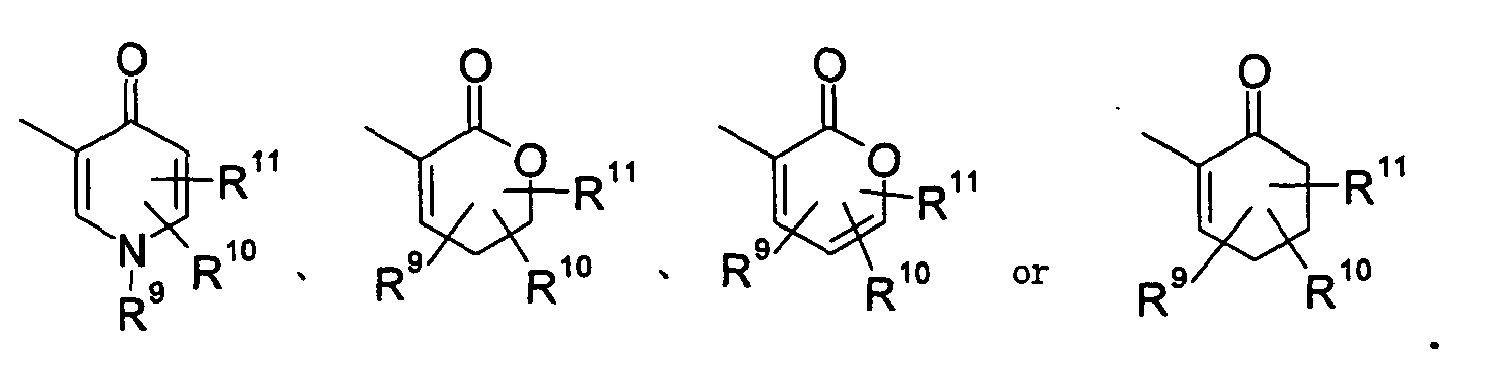
- [4] The compound or a salt thereof according to [1], wherein in the formula (I) of [1], the group:


- [5] The compound or a salt thereof according to [1] to [4], wherein in the formula (I) of [1], the ring B is a benzene ring or a pyridine ring.
- [6] The compound or a salt thereof according to [1] to [5], wherein in the formula (I) of [1], R is a hydrogen atom or a sugar residue of glucuronic acid.
- [7] The compound or a salt thereof according to [1] to [6], wherein the optionally-substituted 4- to 8-membered hetero ring having from 1 to 3 hetero atoms selected from N, S, O is a hetero ring selected from azetidine, pyrrolidine, piperidine, azepane, azocane, piperazine, morpholine, thiomorpholine, 1,4-diazepane, 1,4-oxazepane, 1,4-thiazepane, 1,5-diazocane, 1,5-oxazocane, 1,5-thiazocane, thiazole, imidazole, triazole, thiazole, oxazole, isoxazole, pyrazole, pyridine, pyrazine, or pyrimidine.
- [8] The compound or a salt thereof according to [7], wherein the substituent in the optionally-substituted lower alkyl is from 1 to 3 substituents selected from -OH, CF3, -CN, =O, -NH2, -COOH, -COO-lower alkyl, -CONH2, -CONH(lower alkyl), -CON(lower alkyl)2, -O-lower alkyl, -NH(lower alkyl), -N(lower alkyl)2, -NHCO(lower alkyl), -N(lower alkyl)CO(lower alkyl), -NHCONH2, -NHCONH(lower alkyl), -NHCON(lower alkyl)2, -N(lower alkyl)CONH(lower alkyl), -N(lower alkyl) CON (lower alkyl)2, a halogen atom, -NHSO2-(lower alkyl), -N(lower alkyl)SO2-(lower alkyl), or -SO2(lower alkyl), and the substituent in the optionally-substituted 4- to 8-membered hetero ring having from 1 to 3 hetero atoms selected from N, S, O is from 1 to 3 substituents selected from lower alkyl, -OH, CF3, -CN, =O, -NH2, -COOH, -COO-lower alkyl, -CONH2, -CONH(lower alkyl), -CON(lower alkyl)2, -O-lower alkyl, -NH(lower alkyl), -N(lower alkyl)2, -NHCO(lower alkyl), -N(lower alkyl)CO(lower alkyl), -NHCONH2, -NHCONH(lower alkyl), -NHCON(lower alkyl)2, -N(lower alkyl)CONH(lower alkyl), -N(lower alkyl)CON(lower alkyl)2, a halogen atom, -NHSO2-(lower alkyl), -N (lower alkyl)SO2-( lower alkyl), or -S02(lower alkyl).
- [9] A benzene derivative of the following general formula (II) or a salt thereof:


- X1: -NH-C (=O) - or -C (=O)-NH-,
- Y: N or CH,
- Z: N, NH, CH or CH2,
- R: a hydrogen atom or a sugar residue,
- R1 to R8: the same or different, each representing a hydrogen atom, a halogen atom, lower alkyl, -O-lower alkyl, -O-(optionally-substituted 4- to 8-membered hetero ring having from 1 to 3 hetero atoms selected from N, S, O), -CN, -NH2, -N (lower alkyl)2, -NH (lower alkyl), -NHSO2(lower alkyl) or NO2,
- R9 to R11: the same or different, each representing a hydrogen atom, a halogen atom, lower alkyl, -(CH2)n-N (optionally-substituted lower alkyl)2, -(CH2)n-NH(lower alkyl), -(CH2)n-NH2, -(CH2)n-N(optionally-substituted 4- to 8-membered hetero ring having from 1 to 3 hetero atoms selected from N, S, O)2, -(CH2)n-NH(optionally-substituted 4- to 8-membered hetero ring having from 1 to 3 hetero atoms selected from N, S, O), -(CH2)n-N(lower alkyl)(optionally-substituted 4- to 8-membered hetero ring having from 1 to 3 hetero atoms selected from N, S, O), -(CH2)n-(C=O)-N(lower alkyl)2, -(CH2)n-(C=O)-NH(lower alkyl), -(CH2)n-(C=O)-NH2, -(CH2)n-(C=O)-N(4- to 8-membered hetero ring having from 1 to 3 hetero atoms selected from N, S, O)2, -(CH2)n-(C=O)-NH(4- to 8-membered hetero ring having from 1 to 3 hetero atoms selected from N, S, O), -(CH2)n-(C=O)-N(lower alkyl) (4- to 8-membered hetero ring having from 1 to 3 hetero atoms selected from N, S, O), -(CH2)n-O-lower alkyl, -(CH2)n-(optionally-substituted 4- to 8-membered hetero ring having from 1 to 3 hetero atoms selected from N, S, 0), -(CH2)n-O-(optionally-substituted 4- to 8-membered hetero ring having from 1 to 3 hetero atoms selected from N, S, O), or -(CH2)n-(C=O)-(optionally-substituted 4- to 8-membered hetero ring having from 1 to 3 hetero atoms selected from N, S, O),
- n: integer of from 0 to 6,
provided that the dotted parts in the formula are the same or different, each meaning a single bond or a double bond, and in R1 to R11, when two lower alkyl groups bonds to the nitrogen atom, they may be taken together to form a 3- to 8-membered nitrogen-containing hetero ring.)
- [10] The compound or a salt thereof according to [9], wherein in the formula (II) of [9], R is a hydrogen atom or a sugar residue of glucuronic acid.
- [11] The compound or a salt thereof according to [1], selected from N-(5-chloropyridin-2-yl)-3-hydroxy-2-{[4-(1-methyl-4-oxo-1,4-dihydropyridin-3-yl)benzoyl]amino}benzamide, N-(5-chloropyridin-2-yl)-2-[(4-{1-[2-(dimethylamino)ethyl]-2-oxo-1,2-dihydropyridin-3-yl}benzoyl)amino]-3-hydroxybenzamide, N-(5-chloropyridin-2-yl)-3-hydroxy-2-[(4-{1-[2-(1,4-oxazepan-4-yl)ethyl]-2-oxo-1,2-dihydropyridin-3-yl}benzoyl)amino]benzamide, 5-chloro-N-(5-chloropyridin-2-yl)-3-hydroxy-2-{[4-(1-{2-[(1-methylpyridin-4-yl)oxy]ethyl}-2-oxo-1,2-dihydropyridin-3-yl)benzoyl]amino}benzamide, N-(5-chloropyridin-2-yl)-3-hydroxy-2-{[4-(1-methyl-2-oxo-1,2-dihydropyridin-3-yl)benzoyl]amino}benzamide, N-(5-chloropyridin-2-yl)-2-[(4-{1-[2-(dimethylamino)ethyl]-2-oxopiperidin-3-yl}benzoyl)amino]-3-hydroxybenzamide, 3-[(5-chloropyridin-2-yl)carbamoyl]-2-[(4-{1-[2-(dimethylamino)ethyl]-2-oxo-1,2-dihydropyridin-3-yl}benzoyl)amino]phenyl β-D-glucopyranosiduronic acid, N-(5-chloropyridin-2-yl)-3-hydroxy-2-[(4-{1-[2-(4-methylpiperazin-1-yl)ethyl]-2-oxo-1,2-dihydropyridin-3-yl}benzoyl)amino]benzamide, 4-{1-[2-(dimethylamino)ethyl]-2-oxo-1,2-dihydropyridin-3-yl}-N-{2-hydroxy-6-[(4-methoxybenzoyl)amino]phenyl}benzamide, N-(5-chloropyridin-2-yl)-3-hydroxy-2-[(4-{1-[2-(4-hydroxypiperidin-1-yl)ethyl]-2-oxo-1,2-dihydropyridin-3-yl}benzoyl)amino]benzamide, 5-chloro-N-(5-chloropyridin-2-yl)-2-[(4-{1-[2-(dimethylamino)ethyl]-2-oxo-1,2-dihydropyridin-3-yl}benzoyl)amino]-3-hydroxybenzamide, 3-[(5-chloropyridin-2-yl)carbamoyl]-2-[(4-{1-[2-(dimethylamino)ethyl]-2-oxopiperidin-3-yl}benzoyl)amino]phenyl β-D-glucopyranosiduronic acid.
- [12] A pharmaceutical composition comprising the compound or a salt thereof according to [1] as an active ingredient.
- [13] The pharmaceutical composition according to [12], which is an activated blood coagulation factor X inhibitor.
- [14] The pharmaceutical composition of [12], which is an anticoagulant.
- [15] Use of the compound or a salt thereof according to [1] or [9], for the manufacture of an activated blood coagulation factor X inhibitor.
- [16] Use of the compound or a salt thereof according to [1] or [9], for the manufacture of an anticoagulant.
- [17] A method for treating a patient with an activated blood coagulation factor X-associated disease, which comprises administering an effective amount of the compound or a salt thereof according to [1] or [9] to the patient.
- [18] A method for treating a patient with a disease caused by thrombi or emboli, which comprises administering an effective amount of the compound or a salt thereof according to [1] or [9] to the patient.
The compound (I) of the present invention are described in detail hereinunder.
The term "lower" in the definition of general formulae in this description means a linear or branched carbon chain having from 1 to 6 carbon atoms, unless otherwise specifically indicated. Accordingly, "lower alkyl" includes, for example, methyl, ethyl, propyl, isopropyl, butyl, isobutyl, sec-butyl, tert-butyl, pentyl, isopentyl, neopentyl, tert-pentyl, 1-methylbutyl, 2-methylbutyl, 1,2-dimethylpropyl, hexyl, isohexyl, 1-methylpentyl, 2-methylpentyl, 3-methylpentyl, 1,1-dimethylbutyl, 1,2-dimethylbutyl, 2,2-dimethylbutyl, 1,3-dimethylbutyl, 2,3-dimethylbutyl, 3,3-dimethylbutyl, 1-ethylbutyl, 2-ethylbutyl, 1,1,2-trimethylpropyl, 1,2,2-trimethylpropyl, 1-ethyl-1-methylpropyl, 1-ethyl-2-methylpropyl. Of those, preferred are the groups having from 1 to 3 carbon atoms, and more preferred are methyl, ethyl.
The "halogen atom" includes, a fluorine atom, a chlorine atom, a bromine atom, an iodine atom. Especially preferred are a chlorine atom and a bromine atom. - The ring A, "5- or 6-membered ring having 1 or 2 double bonds and optionally having from 1 to 3 hetero atoms selected from N, S, 0" includes, for example, a saturated 6-membered ring such as cyclohexane, piperidine, piperazine, morpholine, thiomorpholine, tetrahydro-2H-pyran, tetrahydro-2H-thiopyran, 1,4-oxathiane; a double bond-having 6-membered ring such as cyclohexene, 1,2,3,6-tetrahydropyridine, 1,2-dihydropyridine, 1,4-dihydropyrimidine, 1,2-dihydropyrazine, 1,2,3,6-tetrahydropyrazine, 3,6-dihydro-2H-pyran, 2H-pyran, 3,6-dihydro-2H-thiopyran, 2H-thiopyran; a saturated 5-membered ring such as cyclopentane, pyrrolidine, tetrahydrofuran, tetrahydrothiophene; and a double bond-having 5-membered ring such as cyclopentadiene, 2,5-dihydro-1h-pyrrole, 2H-pyrrole, 2,5-dihydrofuran, 2,5-dihydrothiophene.
The ring A has ketone, naturally including an enol structure ring from keto-enol tautomerization. The ring A may have a double bond, and the ring A may have one or two double bonds. In case where the ring A is a 5-membered ring, R10 and R11 may be absent.
The ring B, "5- or 6-membered heteroaryl ring having from 1 to 3 hetero atoms selected from N, S, O" includes, for example, furan, thiophene, pyrrole, pyridine, oxazole, isoxazole, thiazole, isothiazole, furazane, imidazole, pyrazole, pyrazine, pyrimidine, pyridazine, triazine, triazole, tetrazole, which, however, are not limitative. - The substituent for "optionally-substituted lower alkyl" includes -OH, -CF3, -CN, =O, -NH2, -COOH, -COO-lower alkyl, -CONH2, -CONH(lower alkyl), -CON(lower alkyl)2, -O-lower alkyl, -NH(lower alkyl), -N(lower alkyl)2, -NHCO(lower alkyl), -N(lower alkyl)CO(lower alkyl), -NHCONH2, -NHCONH(lower alkyl), -NHCON(lower alkyl)2, -N(lower alkyl)CONH(lower alkyl), -N(lower alkyl)CON(lower alkyl)2, a halogen atom, -NHSO2-(lower alkyl), -N(lower alkyl)SO2-(lower alkyl), or -SO2(lower alkyl).
The "4- to 8-membered hetero ring" of "4- to 8- membered hetero ring having from 1 to 3 hetero atoms selected from N, S, O" includes a saturated ring such as azetidine, pyrrolidine, piperidine, azepane, azocane, piperazine, morpholine, thiomorpholine, 1,4-diazepane, 1,4-oxazepane, 1,4-thiazepane, 1,5-diazocane, 1,5-oxazocane, 1,5-thiazocane; and an unsaturated ring such as thiazole, imidazole, triazole, thiazole, oxazole, isoxazole, pyrazole, pyridine, pyrazine, pyrimidine. - The substituent for "optionally-substituted 4- to 8- membered hetero ring having from 1 to 3 hetero atoms selected from N, S, O" includes lower alkyl, -OH, -CF3, -CN, =O, -NH2, -COOH, -COO-lower alkyl, -CONH2, -CONH(lower alkyl), -CON(lower alkyl)2, -0-lower alkyl, -NH(lower alkyl), -N(lower alkyl)2, -NHCO(lower alkyl), -N(lower alkyl)CO(lower alkyl), -NHCONH2, -NHCONH(lower alkyl), -NHCON(lower alkyl)2, -N(lower alkyl)CONH(lower alkyl), -N(lower alkyl)CON(lower alkyl)2, a halogen atom, -NHSO2-(lower alkyl), -N(lower alkyl)SO2-(lower alkyl), or -SO2(lower alkyl).
In the -N(optionally-substituted lower alkyl)2 and the -N(lower alkyl)2, the two substituents on the same nitrogen atom may differ.
The -N(optionally-substituted lower alkyl)2 and the -N(lower alkyl)2 may form a ring structure, taken together with the nitrogen atom. Concretely, they may form a 3- to 8-membered nitrogen-containing hetero ring. The nitrogen-containing hetero ring may further have from 1 to 3 hetero atoms.
Further, the ring A and the benzene ring must always bond to each other via the carbon atom on the ring A, and the present invention does not include a case where the ring A bonds to the benzene ring via the hetero atom on the ring A.
The "sugar residue" means a sugar residue of a monosaccharide. It may be a sugar residue derived from a sugar such as glucose, mannose, galactose, arabinose, xylose, ribose, N-acetylglucosamine, glucuronic acid, mannuronic acid, by removing one hydroxyl group, especially the 1-positioned hydroxyl group from it; however, it should not be limited to these but may include a sugar residue in which the hydroxyl group is substituted with a lower alkoxy group or the like. Preferred is a sugar residue of glucuronic acid. - The compounds of the present invention include mixtures or isolated ones of various stereoisomers such as geometric isomers, tautomeric isomers, optical isomers
The compounds of the present invention may form acid-addition salts. Depending on the type of the substituent therein, the compounds may form salts with a base. Concretely, they include acid-addition salts with a mineral acid such as hydrochloric acid, hydrobromic acid, hydroiodic acid, sulfuric acid, nitric acid, phosphoric acid; an organic acid such as formic acid, acetic acid, propionic acid, oxalic acid, malonic acid, succinic acid, fumaric acid, maleic acid, lactic acid, malic acid, tartaric acid, citric acid, methanesulfonic acid, ethanesulfonic acid; or aspartic acid, glutamic acid; and salts with an inorganic base such as sodium, potassium, magnesium, calcium, aluminium; an organic base such as methylamine, ethylamine, ethanolamine; a basic amino acid such as lysine, ornithine; and ammonium salts.
Further, the present invention includes hydrates, pharmaceutically acceptable various solvates and polymorphic crystals of the compounds of the present invention. Naturally not limited to the compounds described in Examples to be given hereinunder, the present invention should encompass all the benzene derivatives of formulae (I) and (II) and their pharmaceutically acceptable salts.
In addition, the compounds of the present invention include compounds that are metabolized in living bodies to give compounds of formula (I) or their salts, or that is, prodrugs. The group of forming prodrugs of the compounds of the present invention includes those described in Prog. Med. 5:2157-2161 (1985); and those described in "Development of Medicines", Vol. 7, Molecule Planning, pp. 163-198, Hirokawa Publishing, 1990. - Typical production methods for the compounds of the present invention are described below.

- This is a reaction of producing a compound (Ia) through condensation of a carboxylic acid and an amine of a compound (IIa) and a compound (III). This reaction is attained preferably in the presence of a condensing reagent according to ordinary acylation to form an amide bond. As the condensing reagent, for example, preferred are N,N-dicyclohexylcarbodiimide (DCC), 1-ethyl-3-[3-(N,N-dimethylamino)propyl]carbodiimide, carbonyldiimidazole, diphenylphosphorylazide (DPPA), diethylphosphorylcyanide.
After the carboxylic acid is converted into the corresponding active derivative thereof, it may be condensed with an amine. The active derivative of the carboxylic acid includes active esters obtained through reaction with a phenolic compound such as p-nitrophenol, or an N-hydroxyamine compound such as 1-hydroxysuccinimide or 1-hydroxybenzotriazole; carbonic monoalkyl esters; mixed acid anhydrides obtained through reaction with an organic acid; phosphoric acid-type mixed acid anhydrides obtained through reaction with diphenylphosphoryl chloride and N-methylmorpholine; acid azides obtained through reaction of ester with hydrazine or alkyl nitrite; acid halides such as acid chlorides, acid bromides; and symmetric acid anhydrides. In general, the reaction may be effected in a solvent with cooling or at room temperature; but depending on the type of the acylation, it must be attained in the absence of water in some cases. - The solvent is one not participating in the reaction, including, for example, dimethylformamide, dioxane, tetrahydrofuran, ether, dichloroethane, dichloromethane, chloroform, carbon tetrachloride, dimethoxymethane, dimethoxyethane, ethyl acetate, benzene, acetonitrile, dimethylsulfoxide, ethanol, methanol, water, and their mixed solvents. It may be suitably selected depending on the method to which it is applied.
Depending on the method to be employed, the reaction may smoothly go on in the presence of a base such as N-methylmorpholine, triethylamine, trimethylamine, pyridine, sodium hydride, potassium t-butoxide, butyllithium, sodium amide, potassium carbonate, sodium carbonate, sodium hydrogencarbonate, cesium carbonate, or using the base as a solvent.
Apart from the reaction described herein, any other reaction capable of forming an amide bond may be employed.
The production route for the compound of formula (Ia) may be changed in such a manner that, after the amide bond of X2 is formed, the amide bond of X1 is formed. In addition, any other known alkylation, acylation, oxidation, reduction, hydrolysis or the like capable of being generally employed by those skilled in the art may be combined in any desired manner to produce the compounds of the present invention. -
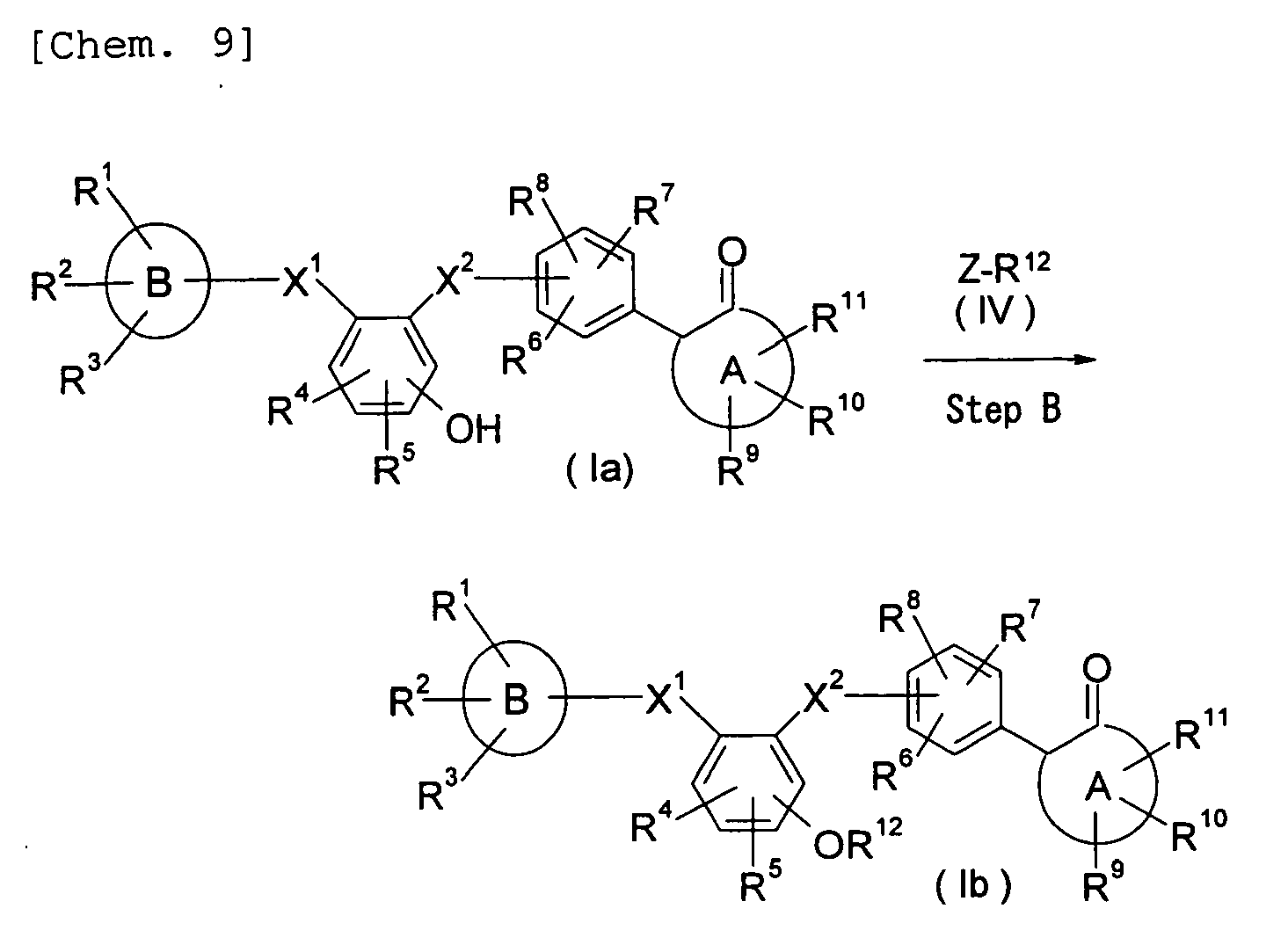
- This is for producing a compound (Ib) having an optionally-protected sugar residue, by reacting a phenol and a sugar donor, compound (Ia) and compound (IV), preferably in the presence of an activator. This reaction may be attained according to ordinary glycosylation. Typical methods are described in the Yuki Gousei Kagaku Kyoukai shi, Vol. 50, No. 5 (1992), pp. 378-390; and "Jikken Kagaku Kouza", Vol. 26, Yuki Gousei VIII, pp. 267-354, 1992, Maruzen.
The sugar donor includes, for example, sugar derivatives having a leaving group at the 1-position of sugar. The leaving group includes halogen, thioalkyl, thioheteroaryl, acyloxy, trichloroacetimidate, diarylphosphate, diarylphosphinimidate, tetramethylphosphoramidate, dialkylphosphite. - The condensing reagent includes silver carbonate, silver trifluoromethanesulfonate, silver perchlorate, silver oxide, sodium hydroxide, potassium carbonate, sodium methoxide, sodium hydride, diazabicycloundecene, trimethylsilyl trifurate, boron trifluoride, methyl trifurate, silicon tetrachloride, tin chloride, paratoluenesulfonic acid and salts thereof, trifluoromethanesulfonic acid anhydride, copper bromide, mercury bromide, N-bromosuccinimide.
Triphenylphosphine, diethylazodicarboxylate or the like may be used as an activator, for example, for a sugar donor having a 1-positioned hydroxyl group.
In general, the reaction may be effected in a solvent with cooling or at room temperature; but depending on the type of the glycosylation, it must be attained in the absence of water in some cases.
The solvent is an inert solvent not participating in the reaction, including, for example, dimethylformamide, dioxane, tetrahydrofuran, ether, dichloroethane, dichloromethane, chloroform, carbon tetrachloride, dimethoxymethane, dimethoxyethane, ethyl acetate, benzene, toluene, acetonitrile, dimethylsulfoxide, methanol, ethanol, and their mixed solvents. It may be suitably selected depending on the method to which it is applied.
Apart from the reaction described herein, any other reaction for forming a glycoside bond may also be employed. - In case where R12 in the compound (Ib) of the present invention is an optionally-protected sugar residue and when the protective group is not cleaved in the step B, the protective group may be cleaved according to a method suitable for cleavage of the protective group, for example, through hydrolysis with a base such as sodium carbonate or through reduction such as catalytic hydrogenation, thereby giving compounds of the present invention where R12 is a non-protected sugar residue.
Not specifically defined, the protective group may be any ordinary one used for protection of a hydroxyl group or a carboxyl group, and includes, for example, optionally-substituted lower alkyl, aralkyl, tri-lower alkylsilyl, acyl. "Aralkyl" means a group derived from the above-mentioned alkyl group by substituting the hydrogen atom with aryl, concretely including benzyl. "Acyl" concretely includes acetyl, propionyl, isopropionyl, benzoyl. - Typical production methods for starting compounds for the compounds (I) of the present invention are described below.

- This is a reaction for obtaining a compound (IIIa) through condensation of a compound (IVa) and a compound (V). This reaction is attained in a solvent inert to the reaction, in the presence of a base and a palladium catalyst, with cooling or under heating.
The leaving group for Y or V includes halogen, methanesulfonyloxy, p-toluenesulfonyloxy, trifluoromethanesulfonyloxy groups.
The palladium catalyst for use herein is preferably tetrakistriphenylphosphine palladium, dichlorobistriphenylphosphine palladium, dichlorodiphenylferrocenyl palladium. The base is preferably sodium carbonate, potassium carbonate, sodium hydroxide, potassium hydroxide, sodium ethoxide, sodium methoxide, potassium fluoride, cesium fluoride.
Not specifically defined, the solvent includes, for example, aromatic hydrocarbons such as benzene, toluene, xylene; ethers such as diethyl ether, tetrahydrofuran (THF), 1,4-dioxane, 1,2-dimethoxyethane, 1,2-diethoxyethane; halogenohydrocarbons such as dichloromethane, 1,2-dichloroethane, chloroform; alcohols such as methanol, ethanol, 2-propanol, butanol; N,N-dimethylformamide (DMF), N-methylpyrrolidone (NMP), dimethylsulfoxide (DMSO), water, or their mixed solvents.
In case where U in the compound (IIIa) means NO2, then a compound where U is -NH2 may be obtained through reduction; and in case where U means -COOP1, -NH-P2 or -N(P2)-lower alkyl, then compounds where U is -COOH, -NH2 or -NH-lower alkyl may be obtained according to a method suitable for cleavage of the protective group, for example, by cleavage through hydrolysis with a base such as sodium hydroxide or an acid such as hydrochloric acid, or by cleavage through reduction such as catalytic hydrogenation, or by cleavage with an acid such as trifluoroacetic acid.
Also employable for the production is a method comprising a combination of ordinary steps known to those skilled in the art, for example, a method comprising preparing a precursor of the compound (IIIa) where U is -CN or any others readily convertible into the compound (IIIa), followed by converting the precursor into the compound (IIIa) according to a method suitable to the precursor.
- This is a reaction for obtaining a compound (VII) through condensation of a compound (VI) and a compound (III). The reaction of this step may be the same as that of the step A.
- The compounds of the present invention thus produced in the manner as above may be isolated and purified in known methods of, for example, extraction, precipitation, partitioning chromatography, fractionating crystallization, recrystallization, etc. Free compounds of the present invention may be converted into desired salts through ordinary salt formation.
In case where the compounds of the present invention have an asymmetric carbon, they may include optical isomers. The optical isomers may be resolved in an ordinary manner of fractionating crystallization for recrystallization with a suitable salt, or column chromatography. - The compounds of the present invention specifically inhibit the activated blood coagulation factor X, and have a strong anticoagulation activity. Accordingly, the compounds are useful as anticoagulants or as agents for preventing and treating disorders to be induced by thrombi or emboli.
The diseases for which the compounds of the present invention are effective include those in cerebrovascular disorders such as cerebral infarction, cerebral thrombosis, cerebral embolism, transient cerebral ischemia (TIA), subarachnoid hemorrhage (vasospasm); those in ischemic cardiopathy such as acute and chronic myocardial infarction, unstable angina, coronary thrombolysis; those in pulmonary vascular disorders such as pulmonary infarction, pulmonary embolism; and those in other various vascular disorders such as peripheralarterio-occlusion, deep vein thrombosis, disseminated intravascular coagulation syndrome, thrombophilia after artificial vasoformation and after artificial valvoplasty, re-occlusion and re-constriction after coronary bypass operation, re-occlusion and re-constriction after PTCA (percutaneous transluminal coronary angioplasty) or PTCR (percutaneous transluminal coronary recanalization), thrombophilia during extracorporeal circulation.
Based on their activity to inhibit the activated blood coagulation factor X and their activity to inhibit the growth of influenza viruses, the compounds of the present invention are expected to be usable for preventing infection with influenza viruses and for curing influenza (JP-A-6-22971
The excellent activity of the compounds of the present invention to inhibit the activated blood coagulation factor X was confirmed by the test methods shown below. - 10 µl of a test compound dissolved in DMSO or DMSO alone, and 50 µl of human factor Xa (Enzyme Research Labs) were added to 90 µl of human plasma, and incubated at 37°C for 3 minutes, and then 100 µl of 20 mM CaCl2 previously warmed at 37°C was added to it, and the time taken before coagulation was measured with a c coagulometer (Amelung's KC10). The human plasma was prepared as follows: Using sodium citrate as an anticoagulant, blood was collected from a healthy subject, centrifuged at 3000 rpm for 15 minutes at 4°C, the resulting plasma was pooled, frozen and stored. The concentration of the human factor Xa was so determined that the coagulation time with DMSO (control) added thereto could be around 30 seconds. The CT2 value (the concentration for 2-fold prolongation of the coagulation time with DMSO) was calculated through linear regression, by plotting the relative value (fold) of the coagulation time to the control and the test compound concentration.
- 25 µl of a reaction buffer (pH 8.4), 5 µl of a test compound dissolved in DMSO or DMSO alone, and 10 µl of a synthetic substrate, 2 mM S-2222 (Chromogenix) were added to a 96-well microplate, then 10 µl of 0.025 U/ml human factor Xa was added thereto, and reacted at 37°C for 10 minutes, and then the absorbance change at 405 nm was measured with Molecular Devices' Spectramax 340PC384 and the IC50 value was calculated.
As a result of this test, the IC50 value of the compound of Example 1 was 6.7 nM, and that of the compound of Example 30 was 8.3 nM. - 2 µl of a test compound dissolved in DMSO or DMSO alone, and 50 µl of physiological saline were added to 50 µl of human plasma warmed at 37°C for 1 minute, then 100 µl of HemosIL RecombiPlasTin (Instrumentation Laboratory) was added, and the coagulation time was measured. For measuring the coagulation time, used was Amelung's KC10A. The CT2 value (the concentration for 2-fold prolongation of the coagulation time with DMSO) was calculated through linear regression, by plotting the relative value (fold) of the coagulation time to the control and the test compound concentration.
As a result of this test, the CT2 value of the compound of Example 1 was 0.34 µM, and that of the compound of Example 42 was 0.65 µM.
The results of the above measurements 1), 2) and 3) have confirmed that the compounds of the present invention inhibit the human activated blood coagulation factor X and exhibit a strong anticoagulant effect. - To test animals of male ICR mice (body weight, about 40 g, SLC) that had been fasted for 12 hours or longer, a solution or suspension of a test compound dissolved in 0.5% methyl cellulose was forcedly orally administered (100 mg/kg), using a feeding needle; and after 30 minutes and after 2 hours, under anesthesia with diethyl ether, 1 ml of blood was collected from the mice through their postcaval vein in 3.8% sodium citrate to be 1/10 by volume, and centrifuged at 12000 rpm for 3 minutes to separate plasma therefrom. The extrinsic coagulation time (PT) and the intrinsic coagulation time (APTT) for this plasma were measured according to the following methods a) and b).
- 50 µl of the mouse plasma was warmed at 37°C for 1 minute, and 100 µl of HemosIL RecombiPlasTin was added, and the coagulation time was counted. For measuring the coagulation time, used was Amelung's KC10A. The mouse plasma coagulation time with no test compound administration was control; and the coagulation time prolonging activity of the test compound was represented by a relative value to the control, 1.
As a result, in 30 minutes after their administration, the compounds of Example 10 and Example 78 had a coagulation time prolonging activity of 3.3 times and 3.9 times, respectively; or that is, the compounds exhibited an extremely strong coagulation time prolonging activity. - 50 µl of Hemoliance Synthasil APTT (Instrumentation Laboratory) was added to 50 µl of the above plasma, warmed at 37°C for 3 minutes, and then 50 µl of 20 mM CaCl2 solution previously kept warmed at 37°C was added to it, and the coagulation time was counted. For measuring the coagulation time, used was Amelung's KC10A. The mouse plasma coagulation time with no test compound administration was control; and the activity of the test compound was represented by a relative value to the control, 1.
The dose dependency and the time-dependent change of the anticoagulation effect were investigated in the same manner as above but changing the dose and the time for blood collection. - To test animals of male cynomolgus monkeys (body weight, about 4 kg) that had been fasted for 12 hours or longer, a solution (suspension) of a test compound dissolved in 0.5% methyl cellulose was orally administered in a forced manner using a feeding needle. Before administration of the test compound and in 1, 2, 4, 8 and 24 hours after the administration thereof, 1 ml of blood was collected from the thus-treated animals through their femoral vein in 3.8% sodium citrate to be 1/10 by volume, and centrifuged at 12000 rpm for 3 minutes to separate the plasma. The extrinsic coagulation time (PT) and the intrinsic coagulation time (APTT) for this plasma were measured according to the same methods as in a) and b). The test was not under anesthesia.
The test results of the above 4) and 5) confirm the coagulation time prolongation effect of the compounds of the present invention in oral administration. - Pharmaceutical compositions comprising, as an active ingredient, one or more of the compounds of formula (I) and their pharmaceutically acceptable salts of the present invention can be formulated along with ordinary pharmaceutical carriers, vehicles and other additives into tablets, powders, fine granules, granules, capsules, pills, liquid preparations, injections, suppositories, ointments, cataplasms, and the like, and are administered orally or parenterally.
The clinical dose to human of the compounds of the present invention may be suitably determined, depending on the conditions, the body weight, the age and the sex of the patients to which they are administered, but is, in general, from 0.1 to 500 mg/adult/day for oral administration, and from 0.01 to 100 mg/adult/day for parenteral administration. This may be administered to the patients all at a time, or may be divided into a few portions for administration in different times. Since the dose may vary depending on various conditions, a smaller dose than the defined range may well be employed, as the case may be.
As the solid composition for oral administration of the present invention, employed are tablets, powders, granules, etc. The solid composition of those types comprises one or more active substances along with at least one inert diluent, such as lactose, mannitol, glucose, hydroxypropyl cellulose, microcrystalline cellulose, starch, polyvinyl pyrrolidone, meta-silicic acid, and magnesium aluminate. In an ordinary manner, the composition may contain any other additives except the inert diluents noted above, for example, a lubricant such as magnesium stearate, a disintegrator such as calcium cellulose glycolate, a stabilizer such as lactose, and a solubilizer or dissolution promoter such as glutamic acid or aspartic acid. If desired, the tablets and pills may be coated with a film of gastric or enteric substances such as sucrose, gelatin, hydroxypropyl cellulose, hydroxypropylmethyl cellulose phthalate, etc. - The liquid composition for oral administration includes, for example, pharmaceutically acceptable emulsions, solutions, suspensions, syrups, elixirs and the like, which contain ordinary inactive diluents such as purified water and ethyl alcohol. In addition to the inert diluents, those compositions may further contain pharmaceutical aids such as solubilizers, dissolution promoters, wetting promoters, suspension promoters, and also sweeteners, flavorings, aromas, and preservatives.
The injection for parenteral administration includes, for example, germ-free, aqueous or non-aqueous solutions, suspensions and emulsions. The diluent for the aqueous solutions and suspensions includes, for example, distilled water and physiological saline for injections. The diluent for the non-aqueous solutions and suspensions includes, for example, propylene glycol, polyethylene glycol, vegetable oils such as olive oil, alcohols such as ethyl alcohol, Polysolvate 80 (trade name), etc.
Those compositions may further contain additives such as isotonicating promoters, preservatives, wetting promoters, emulsifiers, dispersants, stabilizers (e.g., lactose), solubilizers, dissolution promoters, etc. These are sterilized by filtering them through bacteria-trapping filters, or by adding microbicides thereto, or by exposing them to radiations. The germ-free, solid compositions thus produced may be dissolved in germ-free water or in germ-free solvents for injection, before using them. - Where the compounds of the present invention have low solubility, they may be processed for solubilization. For the solubilization treatment, employable are any known methods applicable to pharmaceutical preparations. For example, employed are a method of adding surfactants (e.g., polyoxyethylene-hardened castor oils, polyoxyethylene-sorbitan higher fatty acid esters, polyoxyethylene-polyoxypropylene glycols, sucrose fatty acids) to the compounds; and a method of forming solid dispersions comprising the compounds and solubilizers, for example, polymers (water-soluble polymers such as hydroxypropylmethyl cellulose (HPMC), polyvinylpyrrolidone (PVP), polyethylene glycol (PEG); enteric polymers such as carboxymethylethyl cellulose (CMEC), hydroxypropylmethyl cellulose phthalate (HPMCP), methyl methacrylate-methacrylic acid copolymer (Eudragit L, S, trade name by Rohm and Haas)). If desired, further employed are a method of forming soluble salts, and a method of forming clathrate compounds with cyclodextrin or the like. The solubilizing means may be suitably modified depending on the chemicals to be processed therewith ("Recent Pharmaceutical Techniques and Their Applications", Isamu Utsumi, et al., in the Journal of Medicines, 157-159, 1983; and "Pharmacological Monograph No. 1, Bioavailability" by Koji Nagai, et al., published by Soft Science Co., 78-82, 1988). Of those, preferred is the method of forming solid dispersions of chemicals and solubilizers to improve the solubility of the chemicals (
JP-A 56-49314 FR 2,460,667 - Now, the method for producing the compounds of the present invention is described concretely hereunder, with reference to the following Examples of demonstrating the production of the compounds. Some starting compounds for the compounds of the present invention are novel, and the method for producing them is demonstrated in Reference
- 3-Bromo-1-methylpyridin-4(1H)-one hydrobromide (640 mg) was suspended in toluene (10 ml) and water (5 ml), and [4-(methoxycarbonyl)phenyl]boronic acid (642 mg), sodium carbonate (757 mg) and tetrakis(triphenylphosphine)palladium(0) (138 mg) were added, followed by stirring under heating in an oil bath at 100°C for 3 hours. The reaction mixture was filtered through Celite, followed by extraction with ethyl acetate. The organic layer was concentrated under reduced pressure, and the residue was purified by silica gel column chromatography (FUJI SILYSIA CHEMICAL Ltd., the same shall apply hereinunder) (chloroform:methanol = 90:10) to obtain methyl 4-(1-methyl-4-oxo-1,4-dihydropyridin-3-yl)benzoate (118 mg).
In the same manner as in Reference Example 1, compounds of Reference Examples 4, 7, 10, 12, 14, 16, 18, 119, 132 were obtained. - 1 M NaOH (1.42 ml) was added to an EtOH suspension (3 ml) of methyl 4-(1-methyl-4-oxo-1,4-dihydropyridin-3-yl)benzoate (115 mg), followed by stirring at room temperature for 8 hours. 1 M HCl (1.42 ml) was added to the reaction solution, followed by concentration under reduced pressure. Water (20 ml) was added to the residue, followed by stirring for 20 minutes. The precipitate formed was collected by filtration and dried under reduced pressure at 60°C to obtain 4-(1-methyl-4-oxo-1,4-dihydropyridin-3-yl)benzoic acid (92 mg).
In the same manner as in Reference Example 2, compounds of Reference Examples of 5, 9, 17, 22, 24, 31, 33, 34, 36, 38, 40, 42, 44, 46, 48, 50, 52, 54, 56, 58, 60, 62, 64, 66, 68, 70, 72, 74, 76, 78, 80, 82, 84, 85, 87, 89, 91, 93, 95, 97, 99, 101, 103, 105, 107, 109, 111, 113, 115, 117, 120, 123, 125, 127, 129, 133 were obtained. - 5-Bromopyrimidin-4(3H)-one (578 mg) was dissolved in N,N-dimethylformamide (15 mL), and potassium carbonate (685 mg) and methyl iodide (247 µL) were added, followed by stirring at room temperature for 24 hours. Water was added to the reaction mixture, followed by extraction with chloroform. The organic layer was washed with saturated brine and dried over anhydrous sodium sulfate. The solvent was evaporated under reduced pressure, and the resulting residue was purified by silica gel column chromatography (hexane:ethyl acetate = 1:1) to obtain 5-bromo-3-methylpyrimidin-4(3H)-one (337 mg) as a white solid.
- 5-Bromopyrimidin-4(3H)-one (459 mg) was dissolved in N,N-dimethylformamide (13 mL), then with cooling with ice, sodium hydride (55%, 137 mg) was added, followed by stirring at the same temperature for 30 minutes. Then, 1-(chloromethyl)-4-methoxybenzene (392 µL) was added, followed by stirring at room temperature for 15 hours. Water was added to the reaction mixture, followed by extraction with chloroform. The organic layer was washed with saturated brine and dried over anhydrous sodium sulfate. The solvent was evaporated under reduced pressure, and the resulting residue was purified by silica gel column chromatography (hexane:ethyl acetate = 4:1 to 2:1) to obtain 5-bromo-3-(4-methoxybenzyl)pyrimidin-4(3H)-one (382 mg) as a white solid.
- Methyl 4-[1-(4-methoxybenzyl)-6-oxo-1,6-dihydropyrimidin-5-yl]benzoate (205 mg) was dissolved in trifluoroacetic acid (5 mL), followed by stirring at 70°C for 15 hours. The reaction mixture was evaporated under reduced pressure, followed by two times azeotropy with toluene. Water was added to the resulting residue, followed by three times extraction with chloroform. The organic layer was dried over anhydrous sodium sulfate, then the solvent was evaporated, and the resulting residue was purified by silica gel column chromatography (methanol/chloroform = 2% to 5%) to obtain methyl 4-(6-oxo-1,6-dihydropyrimidin-5-yl)benzoate (86 mg) as a white solid.
- An aqueous 6 N hydrochloric acid solution (5 mL) was added to methyl 4-(2-oxo-2H-pyran-3-yl)benzoate (72 mg), followed by stirring at 90°C for 15 hours. The reaction mixture was cooled to room temperature, water was added, and the solid was collected by filtration. After washing with water, this solid was dried under reduced pressure to obtain 4-(2-oxo-2H-pyran-3-yl)benzoic acid (65 mg) as a pale brown solid.
In the same manner as in Reference Example 11, compounds of Reference Examples 13 and 15 were obtained. - Acetic acid (10 mL) and aqueous 30% hydrogen peroxide (452 µL) were added to methyl 4-pyridin-3-ylbenzoate (708 mg), followed by stirring at 70°C for 18 hours. The reaction mixture was concentrated under reduced pressure, an aqueous saturated sodium hydrogencarbonate solution was added, followed by extraction with chloroform. The organic layer was dried over anhydrous sodium sulfate, the solvent was evaporated under reduced pressure, and the resulting residue was purified by silica gel column chromatography (methanol/chloroform = 0% to 10%) to obtain methyl 4-(1-oxidopyridin-3-yl)benzoate (720 mg) as a white solid.
- Acetic anhydride (20 mL) was added to methyl 4-(1-oxidopyridin-3-yl)benzoate (704 mg), followed by stirring at 130°C for 24 hours. The reaction mixture was concentrated under reduced pressure, followed by two times azeotropy with toluene. The resulting residue was purified by NH-silica gel column chromatography (methanol/chloroform = 0% to 10%) to obtain methyl 4-(2-oxo-1,2-dihydropyridin-3-yl)benzoate (651 mg) as a pale brown solid.
In the same manner as in Reference Example 20, a compound of Reference Example 25 was obtained. - Methyl 4-(2-oxo-1,2-dihydropyridin-3-yl)benzoate (1.04 g) was dissolved in N,N-dimethylformamide (20 mL), and sodium carbonate (1.88 g) and (2-chloroethyl)dimethylamine hydrochloride (981 mg) were added, followed by stirring at 80°C for 7 hours. Then, potassium carbonate (628 mg) was added, followed by stirring for 2 hours. The reaction mixture was concentrated under reduced pressure, water was added to the residue, followed by extraction with chloroform. The organic layer was washed with saturated brine, dried over anhydrous sodium sulfate, and the solvent was evaporated under reduced pressure. The resulting residue was purified by NH-silica gel column chromatography (hexane:ethyl acetate = 9:1 to 1:1) to obtain methyl 4-{1-[2-(dimethylamino)ethyl]-2-oxo-1,2-dihydropyridin-3-yl}benzoate (954 mg) as a yellow oil.
In the same manner as in Reference Example 21, compounds of Reference Examples 23, 26, 28, 35, 37, 39, 41, 43, 45, 47, 49, 51, 53, 55, 57, 59, 61, 63, 65, 67, 69, 71, 73, 75, 77, 79, 81, 83, 118, 121, 122, 131 were obtained. - 10% Pd-C (360 mg) was added to an ethanol (30 ml) solution of ethyl 1-{2-[3-{4-[(benzyloxy)carbonyl]phenyl}-2-oxopyridin-1(2H)-yl]ethyl}piperidin-4-carboxylate (1.647 g), followed by stirring in a hydrogen atmosphere under normal pressure at room temperature for 27 hours. The reaction mixture was filtered through Celite, washed with THF and ethanol, and the filtrate was concentrated under reduced pressure. The resulting residue was purified by silica gel column chromatography (chloroform:methanol = 100:0 to 80:20) to obtain 4-(1-{2-[4-(ethoxycarbonyl)piperidin-1-yllethyl}-2-oxo-1,2-dihydropyridin-3-yl)benzoic acid (671 mg) as a pale yellow amorphous solid.
- With cooling with ice, triethylamine (0.66 ml) and methanesulfonyl chloride (0.29 ml) were added to a dichloromethane (15 ml) solution of methyl 4-[1-(2-hydroxyethyl)-2-oxo-1,2-dihydropyridin-3-yl]benzoate (841 mg), followed by stirring with cooling with ice for 1 hour. Water (20 ml) was added to the reaction mixture, followed by extraction with chloroform. The organic layer was dried over anhydrous magnesium sulfate, and the solvent was evaporated under reduced pressure to obtain a yellow oil (1.34 g). The resulting yellow oil (1.34 g) was dissolved in acetonitrile (10 ml) and 2-piperazinone (1.55 g) and N,N-diisopropylethylamine (2.68 ml) were added. The reaction mixture was stirred at 80°C for 6 hours, then left cooled to room temperature. Water (50 ml) was added to the reaction mixture, followed by extraction with chloroform. The organic layer was dried over anhydrous magnesium sulfate and the solvent was evaporated under reduced pressure. The resulting residue was purified by silica gel column chromatography (chloroform:methanol = 100:0 to 95:5) to obtain methyl 4-{2-oxo-1-[2-(3-oxopiperazin-1-yl)ethyl]-1,2-dihydropyridin-3-yl}benzoate (1020 mg) as a colorless amorphous solid.
In the same manner as in Reference Example 29, a compound of Reference Example 86 was obtained. - With cooling with ice, sodium hydride (60% oil suspension, 50 mg) was added to an N,N-dimethylformamide (10 ml) solution of methyl 4-{2-oxo-1-[2-(3-oxopiperazin-1-yl)ethyl]-1,2-dihydropyridin-3-yl}benzoate (380 mg), followed by stirring for 5 minutes, and then methyl iodide (70 µl) was added. With cooling with ice, the reaction mixture was stirred for 1.5 hours. Water with ice (20 ml) and aqueous saturated sodium hydrogencarbonate solution (10 ml) were added to the reaction mixture, followed by extraction with chloroform. The organic layer was dried over anhydrous magnesium sulfate, then the solvent was evaporated under reduced pressure. The resulting residue was purified by silica gel column chromatography (chloroform:methanol = 100:0 to 95:5) to obtain methyl 4-{1-[2-(4-methyl-3-oxopiperazin-1-yl)ethyl]-2-oxo-1,2-dihydropyridin-3-yl}benzoate (350 mg) as a pale yellow oil.
- Methyl 4-{1-[2-(dimethylamino)ethyl]-2-oxo-1,2-dihydropyridin-3-yl}benzoate (490 mg) was dissolved in acetic acid (20 mL), and platinum oxide (74 mg) was added, followed by stirring in a hydrogen atmosphere (1 atm.) at room temperature for 15 hours. The vapor in the reactor was purged with argon, then the reaction mixture was filtered through Celite, followed by washing with methanol. The filtrate was concentrated under reduced pressure, followed by two times azeotropy with toluene. An aqueous saturated sodium hydrogencarbonate solution was added to the residue, followed by two times extraction with chloroform. The organic layer was dried over anhydrous sodium sulfate, the solvent was evaporated under reduced pressure, and the resulting residue was purified by NH-silica gel column chromatography (hexane:ethyl acetate = 2:1 to 1:2) to obtain methyl 4-{1-[2-(dimethylamino)ethyl]-2-oxopiperidin-3-yl}benzoate (439 mg) as a colorless oil.
In the same manner as in Reference Example 32, compounds of Reference Examples 88, 90, 92, 94, 96, 98, 100, 102, 104, 106, 108, 110, 112, 114, 116, 126, 128 were obtained. - Methyl 4-(2-oxo-1,2-dihydropyridin-3-yl)benzoate (316 mg) was suspended in toluene (7 mL), and 1-methyl-4-piperidinol (318 mg) and cyanomethylenetrimethylphosphorane (317 mg) were added thereto, followed by stirring at 100°C for 1 hour. The reaction mixture was concentrated under reduced pressure, and the residue was purified by silica gel column chromatography (methanol/chloroform = 0% to 10%) to obtain methyl 4-[1-(1-methylpiperidin-4-yl)-2-oxo-1,2-dihydropyridin-3-yl]benzoate (85 mg) as a colorless oil. Reference Example 130:
4-{1-[2-(Dimethylamino)ethyl]-2-oxo-1,2-dihydropyridin-3-yl}benzoic acid (1.46 g) was suspended in dichloroethane (15 ml), dimethylformamide (125 µL) was added, and oxalyl chloride (367 µL) was dropwise added dropwisely at room temperature. After stirring at room temperature for 30 minutes, the reacton mixture was evaporated under reduced pressure. A dichloromethane (10 ml)-pyridine (10 ml) solution of 2-amino-3-nitrophenol (499 mg) was added to the resulting residue, followed by stirring overnight at room temperature. The reaction suspension was filtered, and the filtrate was evaporated under reduced pressure. The substance collected by filtration and the filtration residue were dissolved in a mixed solvent of ethanol (14.6 mL)-water (14.6 mL), and an aqueous 1 M hydrochloric acid solution (3.24 mL) and iron (904 mg) were added, followed by heating under reflux for 3 hours. An aqueous saturated sodium hydrogencarbonate solution and chloroform were added to the reaction suspension, followed by vigorous stirring and filtration through Celite. The filtrate was extracted with chloroform, the organic layer was evaporated under reduced pressure, and the residue was purified by NH-silica gel column chromatography (chloroform:methanol = 100:0 to 95:5) to obtain N-(2-amino-6-hydroxyphenyl)-4-{1-[2-(dimethylamino)ethyl]-2-oxo-1,2-dihydropyridin-3-yl}benzamide (600 mg) as a brown solid.
In the same manner as in Reference Example 130, a compound of Reference Example 134 was produced. - 1-(3-Dimethylaminopropyl)-3-ethylcarbodiimide hydrochloride (72 mg), 1-hydroxybenzotriazole (62 mg), triethylamine (64 µl) and 2-amino-N-(5-chloro-2-pyridinyl)-3-hydroxybenzamide (121 mg) were added to an N,N-dimethylformamide solution (3 ml) of 4-(1-methyl-4-oxo-1,4-dihydropyridin-3-yl)benzoic acid (88 mg), followed by stirring at room temperature for 14 hours. After this, water (30 ml) was added to the reaction solution, and the precipitated insoluble solid was collected by filtration. The resulting solid was dried at 60°C under reduced pressure, then tetrahydrofuran (5 ml), N,N-dimethylformamide (1 ml) and acetic acid (104 µl) were added to the solid, followed by stirring under heating at 60°C for 2 days. After this, the reaction solution was concentrated under reduced pressure, an aqueous saturated sodium hydrogencarbonate solution (30 ml) was added to the residue, followed by extraction with ethyl acetate. The organic layer was washed with an aqueous saturated sodium hydrogencarbonate solution and saturated brine, dried with magnesium sulfate, and concentrated under reduced pressure. The residue was purified by NH-silica gel column chromatography (chloroform:methanol = 97:3). The purified product was suspended in ethanol, 1 M hydrochloric acid (324 µl) was added, followed by concentration under reduced pressure. The residue was recrystallized from ethanol to obtain N-(5-chloropyridin-2-yl)-3-hydroxy-2-{[4-(1-methyl-4-oxo-1,4-dihydropyridin-3-yl)benzoyl]amino}benzamide hydrochloride (123 mg).
In the same manner as in Example 1, compounds of Examples 2 to 11, 20, 21, 24 to 70, 81 to 110, 113 to 119 were obtained. - 4-(1-{2-[4-(tert-butoxycarbonyl)piperazin-1-yl]ethyl}-2-oxo-1,2-dihydropyridin-3-yl)benzoic acid (731 mg) was dissolved in N,N-dimethylformamide (15 mL), 1-hydroxybenzotriazole (253 mg), 1-(3-dimethylaminopropyl)-3-ethylcarbodiimide hydrochloride (359 mg) and triethylamine (261 µL) were added, and 2-amino-N-(5-chloro-2-pyridinyl)-3-hydroxybenzamide (412 mg) was added, followed by stirring at room temperature for 7 hours. Water was added to the reaction mixture, and the precipitate formed was collected by filtration and washed with water. The resulting solid was dried under reduced pressure and dissolved in tetrahydrofuran (15 mL), and acetic acid (448 µL) was added, followed by stirring at 60°C for 5 hours. The reaction mixture was concentrated under reduced pressure, and then azeotroped twice with toluene. The residue was purified by NH-silica gel column chromatography (methanol/chloroform = 0% to 5%). The resulting compound was dissolved in ethyl acetate (10 mL), and 4 N hydrochloric acid/ethyl acetate (3.88 mL) was added, followed by stirring at room temperature for 20 hours. The reaction mixture was concentrated under reduced pressure, and aqueous saturated sodium hydrogencarbonate solution was added to the residue, followed by extraction with chloroform. The organic layer was dried over anhydrous sodium sulfate, the solvent was evaporated under reduced pressure, and the residue was purified by NH-silica gel column chromatography (methanol/chloroform = 0% to 5%) to obtain N-(5-chloropyridin-2-yl)-3-hydroxy-2-({4-[2-oxo-1-(2-piperazin-1-ylethyl)-1,2-dihydropyridin-3-yl]benzoyl}amino)benzamide (867 mg) as a yellow white solid.
In the same manner as in Example 12, compounds of Examples 13, 71 to 76, 79, 111, 112 were obtained. - N-(5-chloropyridin-2-yl)-3-hydroxy-2-({4-[2-oxo-1-(2-piperazin-1-ylethyl)-1,2-dihydropyridin-3-yl]benzoyl}amino)benzamide (393 mg) was dissolved in tetrahydrofuran (10 mL), and an aqueous 37% formalin solution (134 µL) and sodium triacetoxyborohydride (436 mg) were added, followed by stirring at room temperature for 9 hours. An aqueous saturated sodium hydrogencarbonate solution was added to the reaction mixture, followed by extraction with chloroform. The organic layer was dried over anhydrous sodium sulfate, then the solvent was evaporated under reduced pressure, and the residue was purified by NH-silica gel column chromatography (methanol/chloroform = 0% to 5%). The resulting compound was dissolved in ethyl acetate, and 4 N hydrochloric acid/ethyl acetate was added, followed by stirring at room temperature for 30 minutes. The precipitate formed was collected by filtration and dried under reduced pressure to obtain N-(5-chloropyridin-2-yl)-3-hydroxy-2-[(4-{1-[2-(4-methylpiperazin-1-yl)ethyl]-2-oxo-1,2-dihydropyridin-3-yl}benzoyl)amino]benzamide dihydrochloride (426 mg) as a yellow white solid.
In the same manner as in Example 14, compounds of Examples 15, 77, 78, 80 were obtained. - N-(5-chloropyridin-2-yl)-3-hydroxy-2-({4-[2-oxo-1-(2-piperazin-1-ylethyl)-1,2-dihydropyridin-3-yl]benzoyl}amino)benzamide (128 mg) was dissolved in pyridine (5 mL), and acetic anhydride (21 µL) was added, followed by stirring at room temperature for 1 hour. The reaction mixture was concentrated under reduced pressure, then azeotroped twice with toluene. Water was added to the residue, followed by extraction with chloroform and drying over anhydrous sodium sulfate. The solvent was evaporated under reduced pressure and the residue was purified by NH-silica gel column chromatography (methanol/chloroform = 0% to 5%). The resulting compound was dissolved in ethyl acetate and 4 N hydrochloric acid/ethyl acetate was added. The precipitate formed was collected by filtration and dried under reduced pressure to obtain 2-[(4-{1-[2-(4-acetylpiperazin-1-yl)ethyl]-2-oxo-1,2-dihydropyridin-3-yl}benzoyl)amino]-N-(5-chloropyridin-2-yl)-3-hydroxybenzamide hydrochloride (109 mg) as a yellow white solid.
In the same manner as in Example 16, a compound of Example 17 was obtained. - N-(5-chloropyridin-2-yl)-3-hydroxy-2-({4-[2-oxo-1-(2-piperazin-1-ylethyl)-1,2-dihydropyridin-3-yl]benzoyl}amino)benzamide (130 mg) was dissolved in pyridine (5 mL), and with cooling with ice, methanesulfonyl chloride (51 µL) was added, followed by stirring at room temperature for 4 hours. The reaction mixture was concentrated under reduced pressure, then azeotroped with toluene. An aqueous saturated sodium hydrogencarbonate solution was added to the residue, followed by extraction with chloroform. The organic layer was dried over anhydrous sodium sulfate, and the solvent was evaporated under reduced pressure. The residue was purified by NH-silica gel column chromatography (methanol/chloroform = 0% to 5%), then by (methanol/chloroform = 0% to 5%). The resulting compound was dissolved in ethyl acetate, and 4 N hydrochloric acid/ethyl acetate was added, followed by stirring at room temperature for 30 minutes. The precipitate was collected by filtration and dried under reduced pressure to obtain N-(5-chloropyridin-2-yl)-3-hydroxy-2-{[4-(1-{2-[4-(methylsulfonyl)piperazin-1-yl]ethyl}-2-oxo-1,2-dihydropyridin-3-yl)benzoyl]amino}benzamide hydrochloride (47 mg) as a yellow white solid.
In the same manner as in Example 18, a compound of Example 19 was obtained. - An aqueous 1 M sodium hydroxide solution (3.0 ml) was added to an ethanol (5 ml)-tetrahydrofuran (5 ml) solution of ethyl 1-{2-[3-(4-{[(2-{[(5-chloropyridin-2-yl)amino]carbonyl}-6-hydroxyphenyl)amino]carbonyl}phenyl)-2-oxopyridin-1(2H)-yl]ethyl}piperidine-4-carboxylate (392 mg), followed by stirring at room temperature for 19 hours. 1 M hydrochloric acid (3.0 ml) and water (50 ml) were added to the reaction mixture, followed by extraction with chloroform-isopropanol. The organic layer was dried over anhydrous magnesium sulfate, and the solvent was evaporated under reduced pressure to obtain 1-{2-[3-(4-{[(2-{[(5-chloropyridin-2-yl)amino]carbonyl}-6-hydroxyphenyl)amino]carbonyl}phenyl)-2-oxopyridin-1(2H)-yl]ethyl}piperidine-4-carboxylic acid (332 mg) as a pale yellow solid.
In the same manner as in Example 22, a compound of Example 23 was obtained. - N-(5-chloropyridin-2-yl)-2-[(4-{1-[2-(dimethylamino)ethyl]-2-oxopiperidin-3-yl}benzoyl)amino]-3-hydroxybenzamide (72.2 g) was optically resolved and purified through an optical resolution column CHIRALPAK AD-H, using an elution solvent of n-hexane:ethanol:2-propanol:diethylamine = 20:80:0.1:0.1, thereby obtaining compounds of Examples 120 and 120, in an amount of 30.7 g and 29.8 g, respectively.
- N-(5-chloropyridin-2-yl)-2-[(4-{1-[2-(dimethylamino)ethyl]-2-oxo-1,2-dihydropyridin-3-yl}benzoyl)amino]-3-hydroxybenzamide (7.0 g) was dissolved in chloroform (70 mL), and with cooling with ice, methanol (70 ml), 1,8-diazabicyclo[5.4.0]-7-undecene (4.90 ml) and methyl 1-bromo-l-deoxy-2,3,4-tri-O-acetyl-a-D-glucopyranosidouronate (10.45 g) were added, followed by stirring at room temperature for 2 hours. Further, 1,8-diazabicyclo[5.4.0]-7-undecene (4.90 ml) and methyl 1-bromo-1-deoxy-2,3,4-tri-O-acetyl-a-D-glucopyranosidouronate (10.45 g) were added, followed by stirring at room temperature for 2 hours. Further, 1,8-diazabicyclo[5.4.0]-7-undecene (5.94 ml) and methyl 1-bromo-1-deoxy-2,3,4-triO-acetyl-α-D-glucopyranosidouronate (10.45 g) were added, followed by stirring at room temperature for 2 hours. After this, water was added to the reaction solution, followed by extraction with chloroform. The organic layer was dried over anhydrous sodium sulfate, and the solvent was evaporated under reduced pressure. The resulting residue was dissolved in a mixed solvent of methanol (100 mL) and water (50 mL), and at room temperature, sodium carbonate (4.18 g) was added, followed by stirring at room temperature for 1 hour. The reaction mixture was filtered, and the filtrate was evaporated under reduced pressure. Ethyl acetate was added to the residue, followed by extraction with water. The aqueous layer was washed with ethyl acetate, then the aqueous layer was evaporated under reduced pressure. The residue was purified by high performance liquid column chromatography (DAISOPAK, SP-120-10-ODS-BP, acetonitrile:water = 83:17 to 72:28). Ethanol (20 ml) was added to the resulting pure product (682 mg), followed by stirring overnight at room temperature. The precipitated solid was collected by filtration and dried under reduced pressure to obtain 3-[(5-chloropyridin-2-yl)carbamoyl]-2-[(4-{1-[2-(dimethylamino)ethyl]-2-oxo-1,2-dihydropyridin-3-yl}benzoyl)amino]phenyl β-D-glucopyranosiduronic acid (444 mg) as a white solid.
In the same manner as in Example 122, a compound of Example 123 was obtained, starting from the compound of Example 120, and a compound of Example 124 was obtained, starting from the compound of Example 121. - N-(5-chloropyridin-2-yl)-2-[(4-{1-[2-(dimethylamino)ethyl]-2-oxopiperidin-3-yl}benzoyl)amino]-3-hydroxybenzamide (300 mg) was dissolved in dimethylformamide (6 mL), and with cooling with ice, an aqueous 32% peracetic acid solution (135 µL) was added, followed by stirring with cooling with ice for 30 minutes. The reaction solution was put into an aqueous saturated sodium hydrogencarbonate solution (30 ml), followed by extraction with chloroform. The organic layer was dried with sodium sulfate and evaporated under reduced pressure to obtain N-(5-chloropyridin-2-yl)-2-[(4-{1-[2-(dimethylnitroryl)ethyl]-2-oxopiperidin-3-yl}benzoyl)amino]-3-hydroxybenzamide (210 mg). The resulting N-(5-chloropyridin-2-yl)-2-[(4-{1-[2-(dimethylnitroryl)ethyl]-2-oxopiperidin-3-yl}benzoyl)amino]-3-hydroxybenzamide (209 mg) was dissolved in dimethylformamide (3 mL), then at room temperature, water (3 ml), benzoic acid (46 mg) and an aqueous 1 M iron chloride solution (38 µL) were added, followed by stirring at room temperature for 2 hours. An aqueous saturated sodium hydrogencarbonate solution was added to the reaction mixture, followed by extraction with chloroform. The organic layer was evaporated under reduced pressure, and the residue was purified by NH-silica gel column chromatography (chloroform:methanol = 100:0 to 95:5). The purified product was dissolved in ethanol, and 4 M hydrochloric acid/ethyl acetate solution (1 mL) was added, followed by evaporation under reduced pressure. Ethyl acetate was added to the residue, followed by stirring at room temperature for 1 hour. The precipitate formed was collected by filtration and dried at 40°C under reduced pressure to obtain N-(5-chloropyridin-2-yl)-3-hydroxy-2-[(4-{1-[2-(methylamino)ethyl]-2-oxopiperidin-3-yl}benzoyl)amino]benzamide hydrochloride (108 mg) as a white solid.
- N-(2-amino-6-hydroxyphenyl)-4-{1-[2-(dimethylamino)ethyl]-2-oxo-1,2-dihydropyridin-3-yl}benzamide (276 mg) was dissolved in pyridine (6 mL), and with cooling with ice, 4-chlorobenzoyl chloride (99 µL) was added, followed by stirring overnight at room temperature. The reaction solution was evaporated under reduced pressure, and the residue was purified by silica gel column chromatography (chloroform:methanol:ammonia = 100:0:0 to 95:5:0.5). The purified product (250 mg) was dissolved in ethyl acetate, and 4 M hydrochloric acid/ethyl acetate solution (129 µL) was added, followed by stirring at room temperature for 1 hour. The precipitate formed was collected by filtration and dried at room temperature under reduced pressure to obtain 4-chloro-N-12-[(4-11-[2-(dimethylamino)ethyl]-2-oxo-1,2-dihydropyridin-3-yl}benzoyl)amino]-3-hydroxyphenyl}benzamide hydrochloride (157 mg) as a white solid.
In the same manner as in Example 126, compounds of Examples 127, 128 were obtained. - The structural formulae and the physicochemical properties of the compounds of Reference Examples and those of Examples are shown in Tables 1 to 30 attached hereto. The meanings of the abbreviations in the Tables are shown below. The compounds in Tables 31 to 42 may be readily produced nearly in the same manner as in the above-mentioned Examples or production methods, or by applying some modifications obvious to those skilled in the art to such methods.
Rf: Number of Reference Example, Ex: Number of Example, Structure: Structural Formula, DATA:physical data, NMR: nuclear magnetic resonance spectrum (TMS internal standard), FAB, ESI: mass spectrometry data. In Structure, HCl includes both monohydrochloride and dihydrochloride.[Table 1] Rf Structure DATA Rf Structure DATA 1 
ESI+: 244 2 
ESI+: 230 3 
ESI+: 190 4 
FAB+: 245 5 
FAB-: 230 6 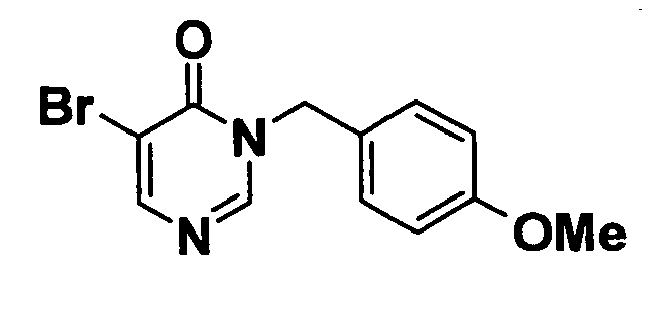
FAB+: 297 7 
FAB+: 351 8 
FAB-: 229 9 
FAB+: 217 10 
FAB+: 231 11 
FAB+: 217 12 
FAB+: 231 13 
FAB+: 217 14 
FAB+: 233 15 
FAB+: 219 16 
ESI+: 246 [Table 2] 17 
ESI+: 232 18 
FAB+: 214 19 
FAB+: 230 20 
FAB+: 230 21 
FAB+: 301 22 
FAB+: 287 23 
FAB+: 442 24 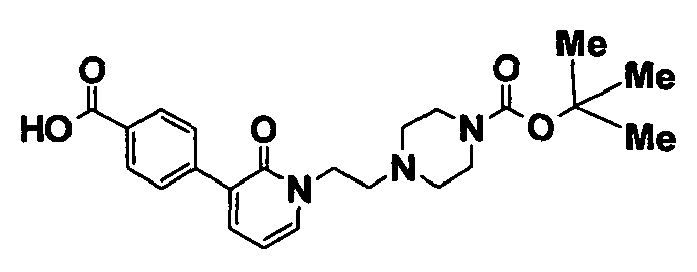
FAB+: 428 25 
FAB+: 306 26 
FAB+: 489 27 
FAB+: 399 28 
FAB+: 274 29 
FAB+: 356 30 
ESI+: 370 31 
ESI+: 356 32 
FAB+: 305 33 
FAB+: 291 34 
FAB+: 216 [Table 3] 35 
FAB+: 244 36 
FAB+: 230 37 
ESI+: 343 38 
ESI+: 329 39 
ESI+: 409 40 
ESI+: 395 41 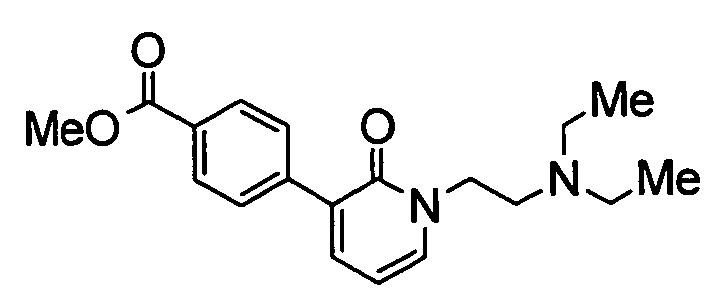
FAB+: 230 42 
FAB+: 301 43 
FAB+: 287 44 
FAB+: 244 45 
FAB+: 230 46 
FAB+: 329 47 
ESI+: 357 48 
ESI+: 343 49 
ESI+: 391 50 
ESI+: 377 51 
ESI+: 343 52 
ESI+: 329 53 
ESI+: 345 54 
ESI+: 331 [Table 4] 55 
ESI+: 389 56 
ESI+: 375 57 
ESI+: 359 58 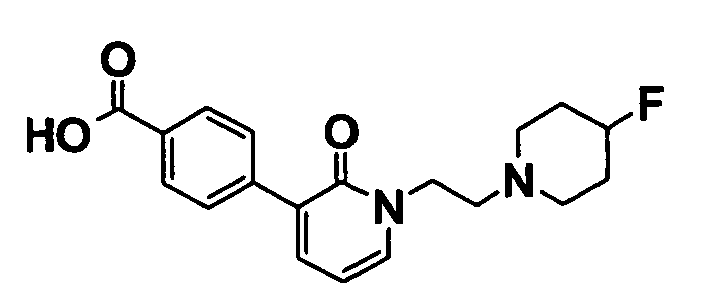
ESI+: 345 59 
ESI+: 371 60 
ESI+: 357 61 
ESI+: 371 62 
ESI+: 357 63 
ESI+: 357 64 
ESI+: 343 65 
ESI+: 315 66 
ESI+: 301 67 
ESI+: 355 68 
ESI+: 341 69 
FAB+: 357 70 
FAB+ 343 71 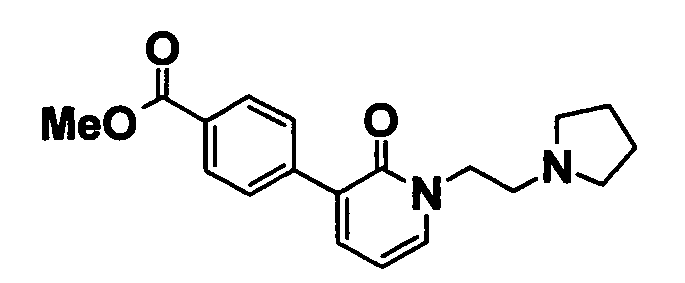
FAB+: 327 72 
ESI+: 313 73 
FAB+: 341 74 
ESI+: 327 [Table 5] 75 
FAB+: 419 7 76 
FAB+: 405 77 
ESI+: 456 7 78 
ESI-: 440 79 
FAB+: 387 80 
ESI-: 371 81 
FAB+: 457 8 82 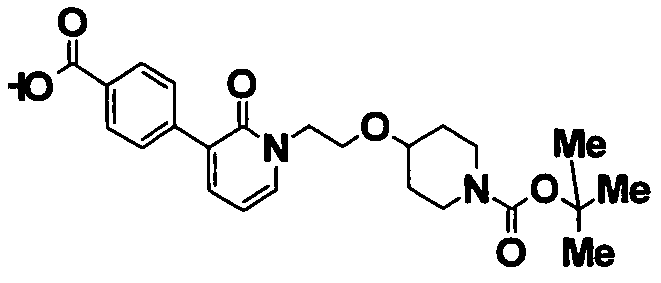
ESI+: 443 83 
FAB+: 456 84 
FAB+: 442 85 
ESI+: 342 86 
FAB+: 357 87 
ESI+: 343 88 
ESI+: 248 89 
ESI+: 220 90 
FAB+: 248 91 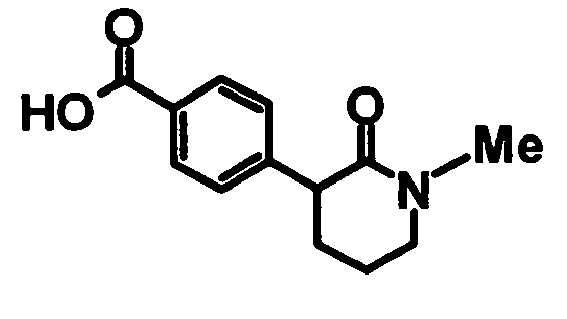
ESI+: 234 92 
FAB+: 333 [Table 6] 93 
FAB+: 319 94 
FAB+: 375 95 
FAB+: 361 96 
ESI+: 361 97 
ESI+: 347 98 
ESI+: 395 99 
ESI+: 381 100 
ESI+: 347 101 
ESI+: 333 102 
ESI+: 347 103 
ESI+: 343 104 
FAB+: 347 105 
ESI+: 333 106 
FAB+ 331 107 
ESI+: 317 108 
FAB+: 345 109 
ESI+: 331 110 
FAB+: 361 111 
FAB+: 347 112 
ESI+: 359 [Table 7] 113 
ESI+: 345 114 
FAB+: 446 115 
ESI+: 432 116 
FAB+: 345 117 
FAB+: 331 118 
FAB+: 246 119 
FAB+: 302 120 
ESI+: 288 121 
FAB+: 356 122 
FAB+: 288 123 
FAB+: 274 124 
FAB+: 327 125 
FAB+: 313 126 
ESI+: 360 127 
ESI-: 344 128 
FAB+: 360 129 
FAB+: 346 130 
FAB+: 393 [Table 8] 131 
ESI+: 246 132 
FAB+: 335 133 
ESI+: 321 134 
ESI+: 427 [Table 9] Ex Structure DATA 1 
NMR(DMSO-d6): 4.10 (3H, s), 7.09-7.19 (2H, m), 7.26 (1H, t, J = 7.9 Hz), 7.41 (1H, d, J = 7.0 Hz), 7.73-7.79 (2H, m), 7.88 (1H, dd, J = 2.8, 8.9 Hz), 8.00-8.07 (2H, m), 8.11 (1H, d, J = 8.9 Hz), 8.34 (1H, d, J = 2.8 Hz), 8.44-8.50 (1H, m), 8.71-8.77 (1H, m), 9.83 (1H, s), 9.93 (1H, s), 10.54 (1H, s) FAB+: 474 2 
NMR(DMSO-d6): 4.06 (3H, s), 7.16 (2H, s), 7.26 (1H, d, J = 7.0 Hz), 7.76 (2H, d, J = 8.5 Hz), 7.88 (1H, dd, J = 2.7, 8.9 Hz), 8.01 (2H, d, J = 8.4 Hz), 8.08 (1H, d, J = 8.9 Hz), 8.33-8.44 (2H, m), 8.62-8.73 (1H, m), 9.80 (1H, s), 10.47 (1H, s), 10.74 (1H, s) FAB+: 509 3 
FAB+:476 4 
ESI-:460 5 
ESI-:460 6 
FAB+:462 [Table 10] 7 
ESI-:462 9 
FAB+: 477 9 
FAB+: 511 10 
NMR(DMSO-d6): 2.86(3H, s), 2.87(3H, s), 3.40-3.49(2H, m), 4.37(2H, t, J = 6.4 Hz), 6.48(1H, t, J = 6.9 Hz), 7.11-7.17(2H, m), 7.25(1H, t, J = 7.9 Hz), 7.75-7.98(7H, m), 8.13(1H, d, J = 8.9 Hz), 8.34(1H, d, J = 3.1 Hz), 9.71-10.20(3H, m), 10.53(1H, s) ESI+: 532 11 
NMR(DMSO-d6): 2.86(3H, s), 2.87(3H, s), 3.28-3.58(2H, m), 4.37(2H, t, J = 6.4 Hz), 6.48(1H, t, J = 6.9 Hz), 7.14-7.19(2H, m), 7.75-7.96(7H, m), 8.08(1H, d, J = 8.9 Hz), 8.36(1H, d, J = 2.3 Hz), 9.72(1H, s), 9.99(1H, s), 10.49(1H, s), 10.71(1H, s) ESI+: 566 12 
NMR(DMSO-d6): 2.37-2.45(4H, m), 2.58(2H, t, J = 6.4 Hz), 2.68-2.76(4H, m), 4.08(2H, t, J = 6.4 Hz), 6.35(1H, t, J = 6.9 Hz), 7.08(1H, d, J = 8.8 Hz), 7.15-7.31(2H, m), 7.66-7.75(2H, m), 7.81(2H, d, J = 8.2 Hz), 7.86-7.91(1H, m), 7.99(2H, d, J = 8.0 Hz), 8.17(1H, d, J = 9.0 Hz), 8.34(1H, d, J = 2.6 Hz) FAB+:573 [Table 11] 13 
ESI+:607 14 
NMR(DMSO-d6): 2.83(3H, s), 3.12-4.57(12H, m), 6.46(1H, t, J = 6.9 Hz), 7.11-7.18(2H, m), 7.25(1H, t, J = 7.8 Hz), 7.71-7.97(7H, m), 8.13(1H, d, J = 9.0 Hz), 8.35(1H, d, J = 2.8 Hz), 9.53-10.21(2H, m), 10.54(1H, s), 11.86(1H, s) ESI+:587 15 
ESI+:621 16 
NMR(DMSO-d6): 2.83(3H, s), 2.85-4.56(12H, m), 6.47(1H, t, J = 6.8 Hz), 7.11-7.18(2H, m), 7.23(1H, t, J = 7.8 Hz), 7.73-7.98(7H, m), 8.13(1H, d, J = 9.0 Hz), 8.34(1H, d, J = 2.7 Hz), 9.56-10.23(2H, m), 10.53(1H, s), 11.14(1H, s) ESI+:615 17 
ESI+:649 18 
NMR(DMSO-d6): 3.02(3H, s), 3.08-3.96(10H, m), 4.42(2H, t, J = 6.2 Hz), 6.48(1H, t, J = 6.8 Hz), 7.09-7.18(2H, m), 7.25(1H, t, J = 7.8 Hz), 7.73-7.98(7H, m), 8.13(1H, d, J = 9.0 Hz), 8.35(1H, d, J = 2.6 Hz), 9.68-10.06(2H, m), 10.53(1H, s), 10.73(1H, s) ESI+:651 [Table 12] 19 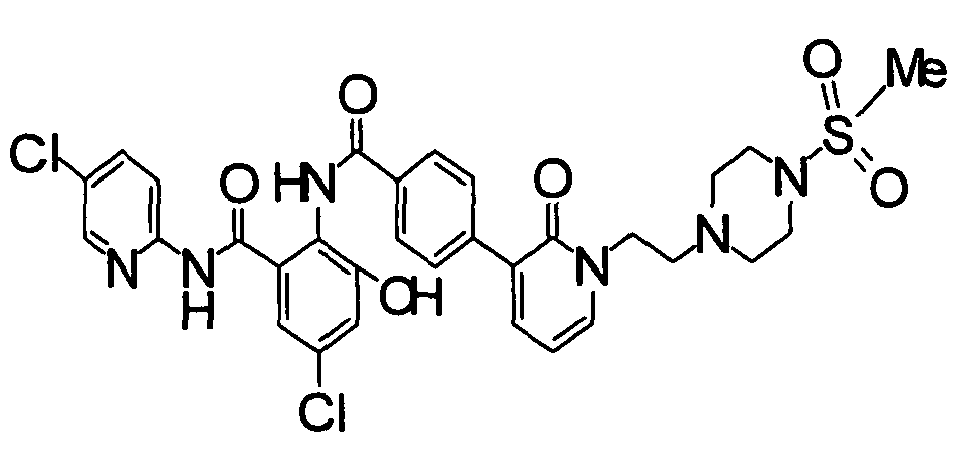
ESI+:685 20 
FAB+: 644 21 
ESI+: 678 22 
NMR(DMSO-d6): 1.40-2.10 (4H, m), 2.60-3.00 (1H, m), 3.00 - 3.40 (2H, m), 3.40 - 3.95 (4H, m), 3.95 - 4.40 (2H, m), 6.30 - 6.50 (1H, m), 7.12 (1H, d, J = 8.0 Hz), 7.15 (1H, d, J = 8.0 Hz) 7.25 (1H, t, J = 8.0 Hz), 7.60-8.06 (7H, m), 8.13 (1H, d, J = 8.8 Hz), 8.34 (1H, d, J = 2.8 Hz), 9.74 (1H, s), 9.87 (1H, s), 10.52 (1H, s) ESI+; 616 23 
ESI+: 650 24 
NMR(DMSO-d6): 2.89 (3H, s), 3.20 - 3.70 (6H, m), 3.70 -4.20 (2H, m), 4.30 - 4.60 (2H, m), 6.48 (1H, t, J = 6.9 Hz), 7.09 - 7.19 (2H, m), 7.25 (1H, t, J = 7.8 Hz), 7.77 (1H, dd, J = 1.9, 7.1 Hz), 7.80 - 7.91 (4H, m), 7.91 - 8.00 (2H, m), 8.13 (1H, d, J = 9.0 Hz), 8.34 (1H, d, J = 2.8 Hz), 9.60 - 10.20 (2H, m), 10.53 (1H, s) ESI+: 601 [Table 13] 25 
ESI+: 635 26 
NMR(DMSO-d6): 1.79-2.21(4H, m), 2.75-2.84(6H, m), 3.19-3.82(7H, m), 7.09-7.18(2H, m), 7.20-7.28(1H, m), 7.33(2H, d, J = 8.3 Hz), 7.81-7.91(3H, m), 8.13(1H, d, J = 9.0 Hz), 8.34(1H, d, J = 2.4 Hz), 9.69(1H, s), 9.89(1H, s), 10.11(1H, s), 10.51(1H, s) ESI+: 536 27 
NMR(DMSO-d6): 1.80-2.12(4H, m), 2.77-2.84(6H, m), 3.17-3.82(7H, m), 7.13-7.16(2H, m), 7.32(2H, d, J = 8.3 Hz), 7.83(2H, d, J = 8.3 Hz), 7.88(1H, dd, J = 8.9, 2.5 Hz), 8.08(1H, d, J = 8.9 Hz), 8.36(1H, d, J = 2.5 Hz), 9.64(1H, s), 9.87(1H, s), 10.43(1H, s), 10.70(1H, s) FAB+: 570 28 
NMR(DMSO-d6): 6.33(1H, t, J = 6.4 Hz), 7.07-7.19(2H, m), 7.21-7.29(1H, m), 7.40-7.47(1H, m), 7.71-7.99(6H, m), 8.14(1H, d, J = 8.9 Hz), 8.31-8.37(1H, m), 9.74(1H, s), 9.84(1H, s), 10.52(1H, s), 11.88(1H, s) FAB-: 459 29 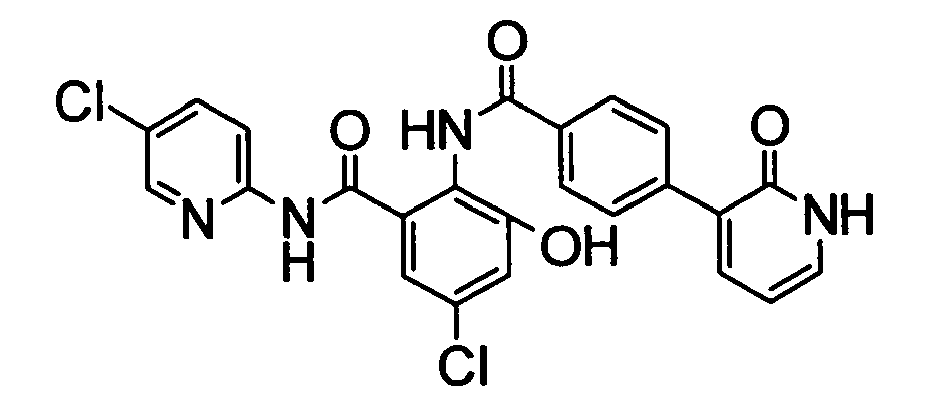
NMR(DMSO-d6): 6.32(1H, t, J = 6.7 Hz), 7.09-7.19(2H, m), 7.44(1H, dd, J = 6.4, 1.9 Hz), 7.74(1H, dd, J = 7.0, 2.0 Hz), 7.81-7.94(5H, m), 8.10(1H, d, J = 8.9 Hz), 8.36(1H, d, J = 2.6 Hz), 9.69(1H, s), 10.37(1H, s), 10.71(1H, s), 11.88(1H, s) FAB+: 495 30 
NMR(DMSO-d6): 3.52(3H, s), 6.35(1H, t, J = 6.9 Hz), 7.07-7.19(2H, m), 7.25(1H, t, J = 7.8 Hz), 7.71(1H, dd, J = 7.0, 2.0 Hz), 7.75-7.97(6H, m), 8.14(1H, d, J = 8.9 Hz), 8.35(1H, d, J = 2.9 Hz), 9.74(1H, s), 9.84(1H, s), 10.53(1H, s) ESI+:475 [Table 14] 31 
FAB+:509 32 
NMR(DMSO-d6): 3.07 - 3.24 (2H, m), 3.40-3.84 (6H, m), 3.93-4.10 (2H, m), 4.41 (2H, t, J = 6.5 Hz), 6.49 (1H, t, J = 6.9 Hz), 7.09 - 7.18 (2H, m), 7.25 (1H, t, J = 7.9 Hz), 7.78 (1H, dd, J = 1.9, 7.2 Hz), 7.81 - 7.86 (3H, m), 7.88 (1H, dd, J = 2.7, 8.9 Hz), 7.95 (2H, d, J = 8.4 Hzm), 8.13 (1H, d, J = 9.0 Hz), 8.35 (1H, d, J = 2.3 Hz), 9.70 - 9.99 (2H, m), 10.39-10.57 (2H, m) FAB+: 574 33 
NMR(DMSO-d6): 3.09 - 3.24 (2H, m), 3.46 - 3.82 (6H, m), 3.95 - 4.07 (2H, m), 4.40 (2H, t, J = 6.3 Hz), 6.49 (1H, t, J = 6.8 Hz), 7.15 (2H, s), 7.75 - 7.96 (7H, m), 8.08 (1H, d, J = 9.0 Hz), 8.36(1H, d, J = 3.0 Hz), 9.71(1H, s), 10.45(2H, s), 10.72(1H, s) FAB+: 608 34 
NMR(DMSO-d6): 1.79 - 2.13 (4H, m), 2.60 - 2.80 (1H, m), 3.00 - 3.14 (2H, m), 3.33 - 3.79 (4H, m), 4.42 (2H, t, J = 6.7 Hz), 6.48 (1H, t, J = 6.9 Hz), 7.14 (2H, t, J = 7.8 Hz), 7.25 (1H, t, J = 7.9 Hz), 7.74 - 7.91 (5H, m), 7.95 (2H, d, J = 8.4 Hz), 8.13 (1H, d, J = 9.0 Hz), 8.34 (1H, d, J = 2.5 Hz), 9.69 -10.05 (2H, m), 10.41 - 10.58 (2H, m) FAB+: 640 35 
NMR(DMSO-d6): 1.76-2.15 (4H, m), 2.60 - 2.78 (1H, m), 2.97 - 3.16 (2H, m), 3.32 - 3.80 (4H, m), 4.41 (2H, t, J = 6.5 Hz), 6.48 (1H, t, J = 6.9 Hz), 7.15 (2H, s), 7.75 - 7.98 (7H, m), 8.08 (1H, d, J = 8.9 Hz), 8.36 (1H, d, J = 2.3 Hz), 9.72 (1H, s), 10.28 - 10.60 (2H, m), 10.71 (1H, s) FAB+: 674 [Table 15] 36 
NMR(DMSO-d6): 1.26(6H, t, J = 7.3 Hz), 3.16-3.27(4H, m), 3.37-3.46(2H, m), 4.38(2H, t, J = 6.7 Hz), 6.48(1H, t, J = 6.9 Hz), 7.10-7.18(2H, m), 7.21-7.28(1H, m), 7.75-7.98(7H, m), 8.13(1H, d, J = 9.0 Hz), 8.34(1H, d, J = 2.5 Hz), 9.76(1H, s), 9.91(1H, s), 10.32(1H, s), 10.52(1H, s) FAB+: 560 37 
NMR(DMSO-d6): 1.26(6H, t, J = 7.2 Hz), 3.16-3.27(4H, m), 3.36-3.43(2H, m), 4.38(2H, t, J = 7.1 Hz), 6.48(1H, t, J = 6.9 Hz), 7.12-7.19(2H, m), 7.75-7.96(7H, m), 8.08(1H, d, J = 9.0 Hz), 8.36(1H, d, J = 2.5 Hz), 9.73(1H, s), 10.28(1H, s), 10.49(1H, s), 10.71(1H, s) FAB+: 594 38 
NMR(DMSO-d6): 1.53-1.67(1H, m), 1.83-1.94(1H, m), 1.96-2.06(1H, m), 2.12-2.23(1H, m), 2.97-3.16(2H, m), 3.27(3H, s), 3.33-3.67(5H, m), 4.39(2H, t, J = 6.5 Hz), 6.48(1H, t, J = 6.9 Hz), 7.09-7.18(2H, m), 7.22-7.28(1H, m), 7.75-7.97(7H, m), 8.13(1H, d, J = 8.9 Hz), 8.34(1H, d, J = 2.8 Hz), 9.71-9.98(3H, m), 10.52(1H, s) ESI+: 602 39 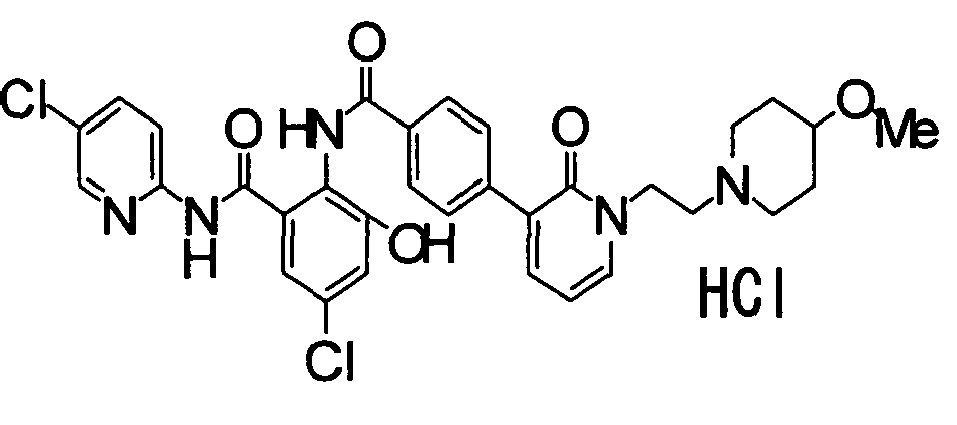
NMR(DMSO-d6): 1.56-1.70(1H, m), 1.86-2.06(2H, m), 2.12-2.21(1H, m), 2.96-3.15(2H, m), 3.26(3H, s), 3.40-3.65(5H, m), 4.40(2H, t, J = 6.7 Hz), 6.47(1H, t, J = 6.8 Hz), 7.11-7.19(2H, m), 7.75-7.95(7H, m), 8.08(1H, d, J = 8.9 Hz), 8.36(1H, d, J = 2.5 Hz), 9.72(1H, s), 10.10-10.30(1H, m), 10.48(1H, s), 10.71(1H, s) FAB+: 637 40 
NMR(DMSO-d6): 1.04(3H, t, J = 7.0 Hz), 1.24(3H, t, J = 7.0 Hz), 3.26-3.46(4H, m), 4.86(2H, s), 6.38(1H, t, J = 6.9 Hz), 7.07-7.19(2H, m), 7.21-7.29(1H, m), 7.66-7.71(1H, m), 7.72-7.76(1H, m), 7.78-7.97(5H, m), 8.13(1H, d, J = 9.0 Hz), 8.34(1H, d, J = 2.5 Hz), 9.75(1H, s), 9.84(1H, s), 10.52(1H, s) FAB+: 574 [Table 16] 41 
NMR(DMSO-d6): 1.04(3H, t, J = 7.1 Hz), 1.23(3H, t, J = 7.1 Hz), 3.25-3.45(4H, m), 4.86(2H, s), 6.37(1H, t, J = 6.8 Hz), 7.10-7.18(2H, m), 7.65-7.71(1H, m), 7.72-7.77(1H, m), 7.78-7.94(5H, m), 8.09(1H, d, J = 9.0 Hz), 8.36(1H, d, J = 2.7 Hz), 9.70(1H, s), 10.36(1H, s), 10.70(1H, s) FAB+: 608 42 
ESI+: 588 43 
ESI+: 622 44 
NMR(DMSO-d6): 3.19-4.50 (12H, m), 6.40-6.51 (1H, m), 7.08-7.33 (3H, m), 7.68-8.04 (7H, m), 8.13 (1H, d, J = 9.0 Hz), 8.31-8.40 (1H, m), 9.75 (1H, s), 10.48-10.59 (1H, s) ESI+: 622 45 
NMR(DMSO-d6): 3.12-4.50 (12H, m), 6.44 (1H, t, J = 7.0 Hz), 7.04-7.23 (2H, m), 7.67-8.00 (7H, m), 8.09 (1H, d, J = 8.8 Hz), 8.31-8.41 (1H, m), 9.62-8.50 (1H, m), 10.25-10.59 (1H, m), 10.64-10.78 (1H, m) ESI+: 656 46 
NMR(DMSO-d6): 1.13-1.28 (6H, m), 2.04-2.18 (2H, m), 3.01-3.25 (6H, m), 3.98-4.17 (2H, m), 6.43 (1H, t, J = 6.8 Hz), 7.11-7.32 (3H, m), 7.69-8.04 (7H, m), 8.10-8.19 (1H, m), 8.33-8.39 (1H, m), 9.76 (1H, s), 10.27 (1H, s), 10.54 (1H, s) ESI+: 574 [Table 17] 47 
NMR(DMSO-d6): 1.19 (6H, t, J = 7.5 Hz), 2.02-2.19 (2H, m), 2.97-3.22 (6H, m), 3.97-4.18 (2H, m), 6.43 (1H, t, J = 6.8 Hz), 7.16 (2H, s), 7.65-8.02 (7H, m), 8.09 (1H, d, J = 8.8 Hz), 8.36 (1H, d, J = 2.6 Hz), 9.72 (1H, s), 9.98 (1H, s), 10.47 (1H, s), 10.71 (1H, s) ESI+: 608 48 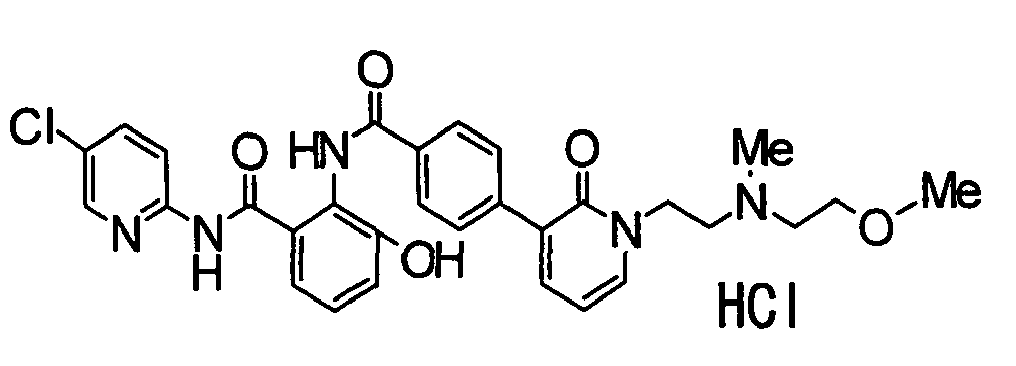
ESI+: 576 49 
FAB+: 610 50 
FAB+: 620 51 
FAB+: 654 52 
FAB+: 590 53 
FAB+: 624 [Table 18] 54 
FAB+: 602 55 
FAB+: 636 56 
FAB+: 602 57 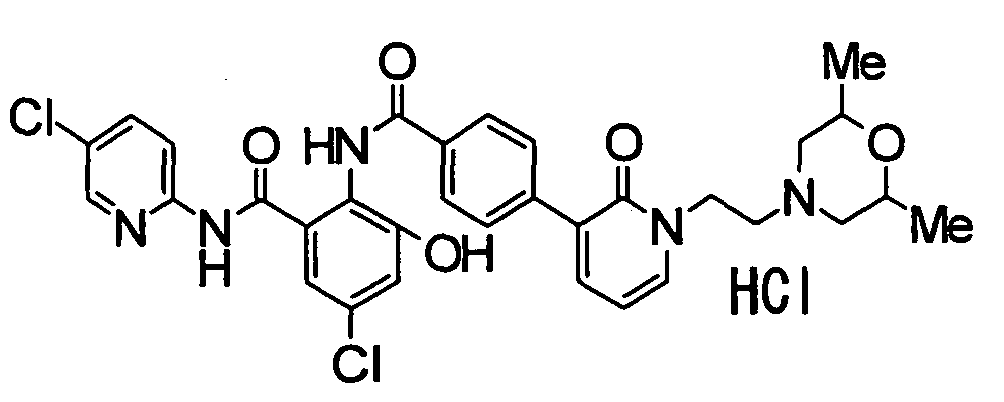
FAB+: 636 58 
FAB+: 588 59 
FAB+: 622 60 
NMR(DMSO-d6) 2.05-2.19 (2H, m), 2.70-2.80 (6H, m), 3.03-3.17 (2H, m), 3.60-4.30 (2H, m), 6.43 (1H, t, J = 6.8 Hz), 7.08-7.20 (2H, m), 7.20-7.30 (1H, m), 7.68-8.03 (7H, m), 8.08-8.17 (1H, m), 8.27-8.39 (1H, m), 9.68-9.86 (1H, m), 10.38 (1H, s), 10.54 (1H, d, J = 3.1 Hz) FAB+: 546 [Table 19] 61 
NMR(DMSO-d6) 2.02 - 2.21 (2H, 2.02), 2.64 - 2.86 (6H, m), 3.00 - 3.20 (2H, m), 3.94 - 4.14 (2H, m), 6.42 (1H, t, J = 6.9 Hz), 7.15 (1H, d, J = 2.3 Hz), 7.21 (1H, d, J = 2.3 Hz), 7.64 - 8.02 (7H, m), 8.09 (1H, d, J = 8.9 Hz), 8.36 (1H, d, J = 2.5 Hz), 9.75 (1H, s), 10.53 (1H, s), 10.73 (1H, s) FAB+: 580 62 
ESI+: 586 63 
ESI+: 620 64 
ESI+:588 65 
FAB+:622 66 
NMR(DMSO-d6): 1.86 - 2.01 (4H, m), 3.04 - 3.08 (2H, m), 3.51-3.62 (4H, m), 4.36 - 4.39 (2H, m), 6.46 (1H, t, J = 6.9 Hz), 7.13 - 7.16 (2H, m), 7.25 (1H, t, J = 7.9 Hz), 7.76-7.90 (5H, m), 7.95 (2H, d, J = 8.4 Hz), 8.13 (1H, d, 9.0 Hz), 8.34 (1H, d, J = 2.6 Hz), 9.77 (1H, s), 10.53 (1H, s), 10.68 (1H, bs) ESI+: 558 [Table 20] 67 
NMR(DMSO-d6): 1.86 - 2.01 (4H, m), 3.06 - 3.09 (2H, m), 3.51 - 3.62 (4H, m), 4.34 - 4..37 (2H, m), 6.46 (1H, t, J = 6.9 Hz), 7.15 (1H, d, J = 2.4 Hz), 7.17 (1H, d, J = 2.4 Hz), 7.76 (1H, d, J = 2.0 Hz), 7.78 (1H, d, J = 2.0 Hz), 7.81 - 7.94 (5H, m), 8.08 (1H, d, J = 9.0 Hz), 8.36 (1H, d, J = 2.9 Hz), 9.73 (1H, s), 10.42 (1H, bs), 10.71 (1H, s) ESI+: 592 68 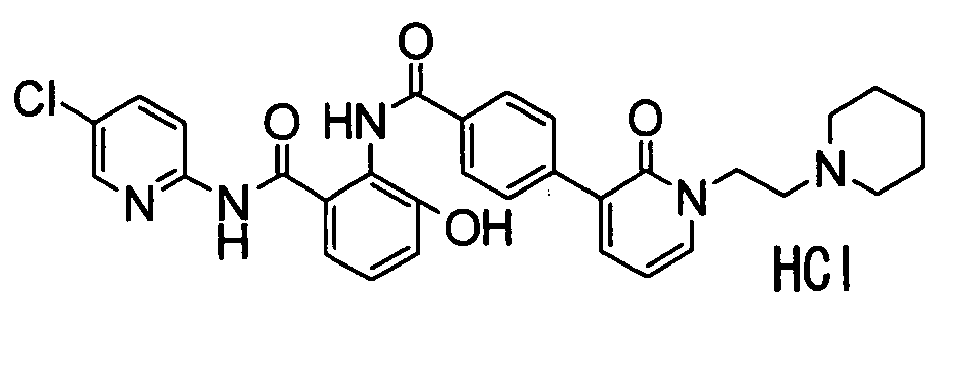
NMR(DMSO-d6): 1.37 - 1.85 (6H, m), 2.92 - 2.99 (2H, m), 3.41 - 3.57 (4H, m), 4.38 - 4.42 (2H, m), 6.48 (1H, t, J = 6.8 Hz), 7.12 - 7.16 (2H, m), 7.25 (1H, t, J = 7.9 Hz), 7.77 - 7.90 (5H, m), 7.94 (2H, d, J = 8.4 Hz), 8.13 (1H, d, J = 9.1 Hz), 8.34 (1H, d, J = 2.4 Hz), 9.75 (1H, s), 9.93 (1H, bs), 10.52 (1H, s) ESI+: 572 69 
NMR(DMSO-d6): 1.37-1.84 (6H, m), 2.92 - 2.99 (2H, m), 3.36-3.57 (4H, m), 4.39 - 4.42 (2H, m), 6.47 (1H, t, J = 6.9 Hz), 7.15 (1H, d, J = 2.2), 7.18 (1H, d, J = 2.4 Hz), 7.77 (1H, dd, J = 1.9, 7.0), 7.81-7.89 (4H, m), 7.93 (2H, d, J = 8.4 Hz), 8.09 (1H, d, J = 8.8 Hz), 8.35 (1H, d, 3.2Hz), 9.73 (1H, s), 10.09 (1H, bs), 10.72 (1H, s) ESI+: 606 70 
ESI+: 650 71 
ESI+: 587 72 
ESI+: 621 [Table 21] 73 
NMR(DMSO-d6) 2.59 (3H, t, J = 2.8 Hz), 3.20-3.36 (2H, m), 4.30 (2H, t, J = 5.5 Hz), 6.46 (1H, t, J = 6.9 Hz), 7.09-7.19 (2H, m), 7.25 (1H, t, J = 7.9 Hz), 7.72-7.99 (7H, m), 8.12 (1H, d, J = 9.3 Hz), 8.35 (1H, d, J = 2.6 Hz), 8.76-8.97 (1H, m), 9.76 (1H, s), 10.49-10.58 (1H, m) FAB+: 518 74 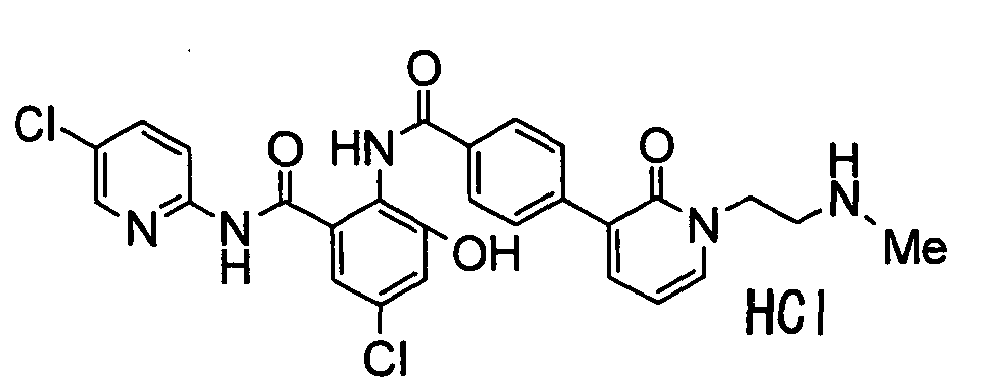
NMR(DMSO-d6) 2.55-2.64 (3H, m), 3.24-3.36 (2H, m), 4.23-4.36 (2H, m), 6.46 (1H, t, J = 6.7 Hz), 7.10-7.22 (2H, m), 7.70-7.99 (7H, m), 8.08 (1H, d, J = 8.8 Hz), 8.36 (1H, d, J = 2.8 Hz), 8.67-8.93 (1H, m), 9.73 (1H, s), 10.51 (1H, s), 10.72 (1H, s) FAB+: 552 75 
ESI+:588 76 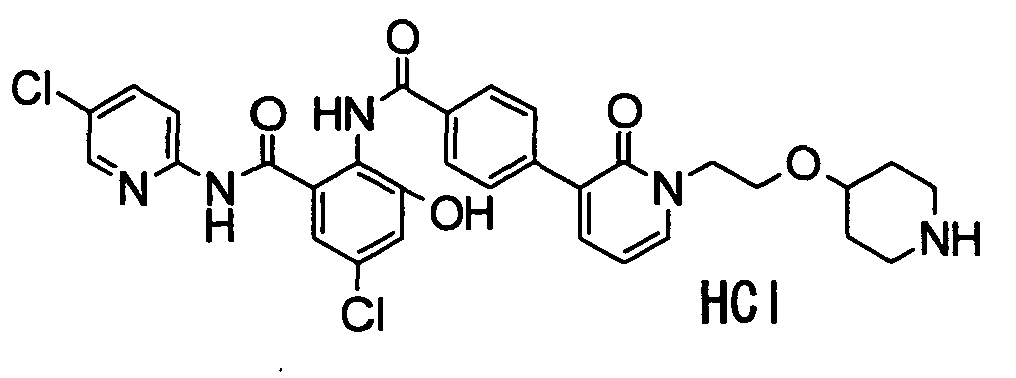
ESI+:622 77 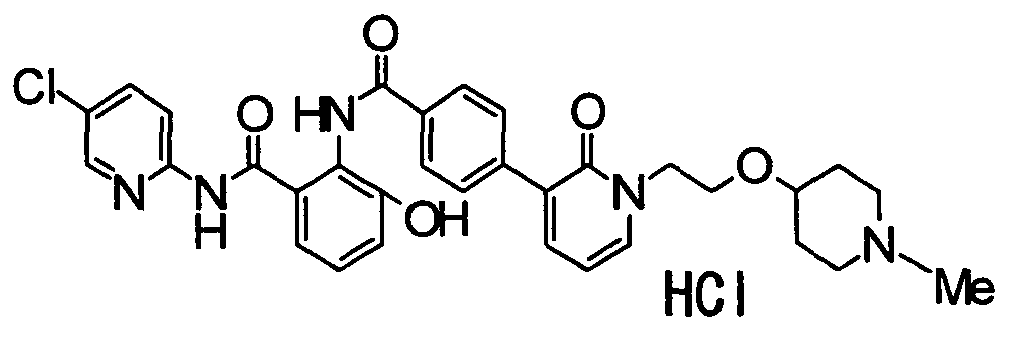
ESI+:602 78 
NMR(DMSO-d6) 1.50-1.65(1H, m), 1.80-1.93(2H, m), 2.01-2.10(1H, m), 2.63-2.73(3H, m), 2.80-2.93(2H, m), 3.13-3.23(1H, m), 3.31-3.79(4H, m), 4.09-4.21(2H, m), 6.33-6.42(1H, m), 7.13-7.19(2H, m), 7.68-7.95(7H, m), 8.09(1H, d, J = 8.9 Hz), 8.36(1H, d, J = 2.3 Hz), 9.72(1H, s), 10.09-10.59(2H, m), 10.71(1H, s) ESI+:636 [Table 22] 79 
FAB+: 587 80 
ESI+:601 81 
ESI+: 587 82 
ESI+: 621 83 
NMR(DMSO-d6): 1.58 - 1.84 (2H, m), 1.88 - 2.06 (2H, m), 2.90 - 3.30 (2H, m), 3.30 - 4.00 (5H, m), 4.41 (2H, dd, J = 6.3, 12.8 Hz), 6.47 (1H, t, J = 6.9 Hz), 7.09 - 7.19 (2H, m), 7.25 (1H, t, J = 7.8 Hz), 7.77 (1H, dd, J = 1.9, 7.1 Hz), 7.80 - 7.91 (4H, m), 7.91 - 8.00 (2H, m), 8.13 (1H, d, J = 9.0 Hz), 8.34 (1H, d, J = 2.8 Hz), 9.76 (1H, s), 9.80 - 10.35 (1H, m), 10.53 (1H, s) ESI+: 588 84 
MR(DMSO-d6): 1.54 - 1.84 (2H, m), 1.86 - 2.06 (2H, m), 2.90 - 3.30 (2H, m), 3.30 - 4.00 (5H, m), 4.40 (2H, dd, J = 6.2, 12.8 Hz), 6.47 (1H, t, J = 6.9 Hz), 7.15 (1H, d, J = 2.4 Hz), 7.18 (1H, d, J = 2.4 Hz), 7.72 - 8.00 (7H, m), 8.09 (1H, d, J = 8.9 Hz), 8.36 (1H, d, J = 2.4 Hz), 9.73 (1H, s), 9.90 - 10.66 (1H, m), 10.71 (1H, s) ESI+: 622 85 
NMR(DMSO-d6) 1.62-1.92 (3H, m), 1.98-2.13 (1H, m), 3.17-3.48 (2H, m), 7.10 (1H, d, J = 7.8 Hz), 7.14 (1H, d, J = 7.8 Hz), 7.20-7.36 (3H, m), 7.66 (1H, s), 7.79-7.94 (3H, m), 8.13 (1H, d, J = 8.7 Hz), 8.34 (1H, d, J = 2.9 Hz), 9.67 (1H, s), 9.83 (1H, s), 10.51 (1H, s) FAB+: 465 [Table 23] 86 
NMR(DMSO-d6): 1.64-1.88(3H, m), 1.99-2.09(1H, m), 3.18-3.34(2H, m), 3.53-3.61(1H, m), 7.08-7.17(2H, m), 7.28(2H, d, J = 8.3 Hz), 7.66(1H, s), 7.82(2H, d, J = 8.3 Hz), 7.87(1H, dd, J = 8.9, 2.5 Hz), 8.09(1H, d, J = 8.9 Hz), 8.35(1H, d, J = 2.5 Hz), 9.62(1H, s), 10.34(1H, s), 10.69(1H, s) FAB+: 499 87 
ESI+: 479 88 
FAB+:518 89 
NMR(DMSO-d6): 1.18-1.27(6H, m), 1.76-2.12(4H, m), 3.08-3.78(11H, m), 7.08-7.17(2H, m), 7.20-7.27(1H, m), 7.31(2H, d, J = 8.3 Hz), 7.81-7.90(3H, m), 8.12(1H, d, J = 9.0 Hz), 8.34(1H, d, J = 2.4 Hz), 9.68(1H, s), 9.80-9.96(2H, m), 10.51(1H, s) FAB+: 564 90 
NMR(DMSO-d6): 1.19-1.27(6H, m), 1.79-2.11(4H, m), 3.06-3.77(11H, m), 7.12-7.18(2H, m), 7.31(2H, d, J = 8.4 Hz), 7.83(2H, d, J = 8.3 Hz), 7.87(1H, dd, J = 8.9, 2.8 Hz), 8.08(1H, d, J = 8.9 Hz), 8.35(1H, d, J = 2.5 Hz), 9.65(1H, s), 10.18(1H, s), 10.47(1H, s), 10.69(1H, s) FAB+: 598 91 
ESI+:606 [Table 24] 92 
ESI+:640 93 
ESI+: 592 94 
ESI+: 626 95 
NMR(DMSO-d6) 1.74-2.14 (4H, m), 3.62-3.90 (15H, m), 7.13 (2H, dd, J = 4.6, 12.6 Hz), 7.24 (1H, t, J = 7.8 Hz), 7.35 (2H, d, J = 8.6 Hz), 7.78-7.96 (3H, m), 8.12 (1H, d, J = 8.1 Hz), 8.34 (1H, d, J = 2.9 Hz), 9.68 (1H, s), 10.49-10.54 (1H, m) ESI+: 626 96 
NMR(DMSO-d6) 1.71 - 2.17 (4H, m), 3.26 - 4.16 (15H, m), 7.15 (2H, s), 7.35 (2H, d, J = 8.6 Hz), 7.77 - 7.92 (3H, m), 8.09 (1H, d, J = 9.2 Hz), 8.36 (1H, d, J = 2.4 Hz), 9.64 (1H, s), 10.66 - 10.73 (1H, m) ESI+: 660 97 
ESI+: 578 98 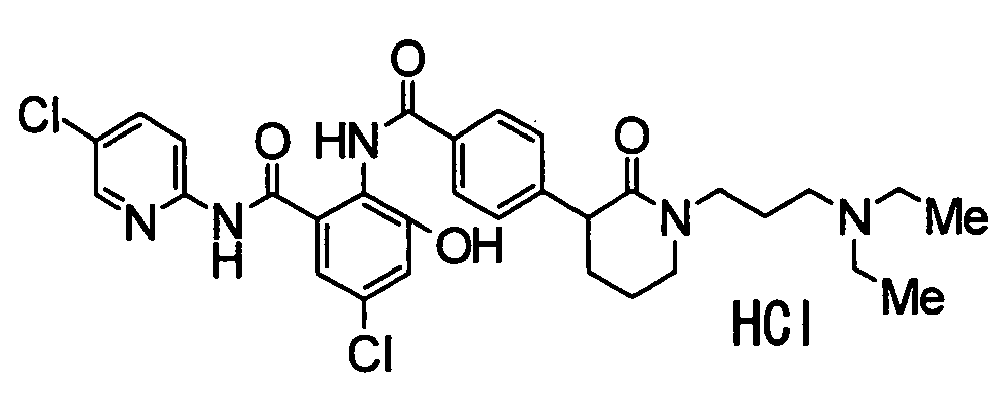
ESI+: 612 [Table 25] 99 
FAB+: 578 100 
NMR(DMSO-d6): 1.80 - 2.12 (4H, m), 3.00 - 4.05 (15H, m), 7.14 (2H, s), 7.32 (2H, d, J = 8.2 Hz), 7.83 (2H, d, J = 8.2 Hz), 7.88 (1H, dd, J = 2.7, 9.0 Hz), 8.08 (1H, d, J = 9.0 Hz), 8.3 5 (1H, d, J = 2.7 Hz), 9.64 (1H, s), 10.43 (1H, s), 10.70 (2H, s) FAB+: 612 101 
ESI+:578 102 
ESI+:612 103 
ESI+:562 104 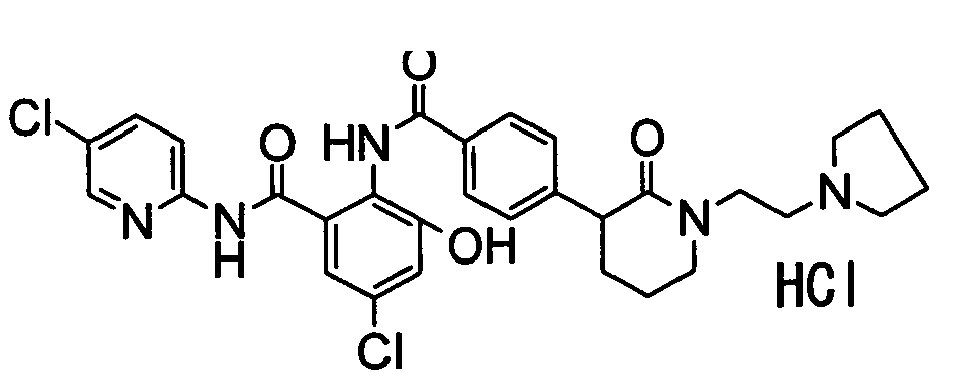
ESI+:596 105 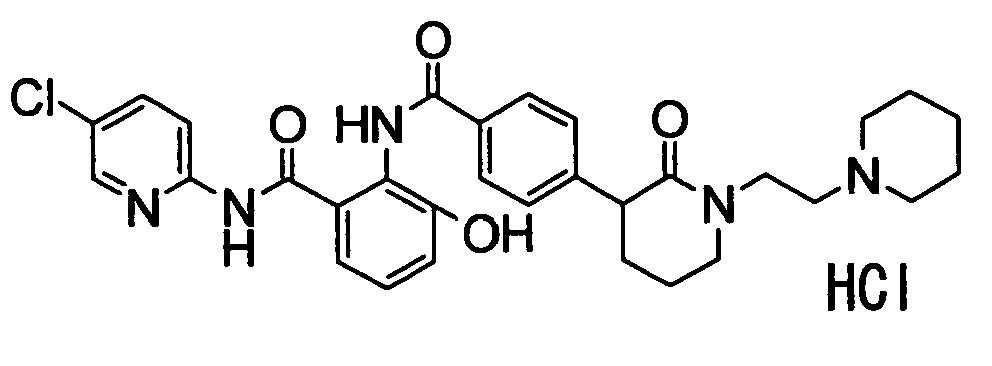
NMR(DMSO-d6): 1.30-2.11(10H, m), 2.82-2.97(2H, m), 3.18-3.76(9H, m), 7.09-7.17(2H, m), 7.20-7.28(1H, m), 7.32(2H, d, J = 8.3 Hz), 7.81-7.91(3H, m), 8.12(1H, d, J = 9.0 Hz), 8.34(1H, d, J = 2.5 Hz), 9.62-10.06(3H, m), 10.51(1H, s) ESI+:576 [Table 26] 106 
NMR(DMSO-d6): 1.28-2.11(10H, m), 2.82-2.95(2H, m), 3.18-3.76(9H, m), 7.12-7.18(2H, m), 7.31(2H, d, J = 8.3 Hz), 7.83(2H, d, J = 8.3 Hz), 7.88(1H, dd, J = 8.9, 2.7 Hz), 8.08(1H, d, J = 8.9 Hz), 8.35(1H, d, J = 2.5 Hz), 9.65(1H, s), 10.07(1H, s), 10.48(1H, s), 10.70(1H, s) ESI+: 610 107 
ESI+:592 108 
ESI+:626 109 
NMR(DMSO-d6): 1.28-1.46 (1H, m), 1.58-2.19 (11H, m), 2.74-3.04 (4H, m), 3.26-3.95 (7H, m), 7.09-7.18 (2H, m), 7.20-7.36 (3H, m), 7.79-7.95 (3H, m), 8.12 (1H, d, J = 9.0 Hz), 8.34 (1H, d, J = 2.6 Hz), 9.70 (1H, s), 10.10 (1H, s), 10.52 (1H, s) FAB+: 590 110 
NMR(DMSO-d6) 1.28-1.45 (1H, m), 1.62-2.11 (11H, m), 2.76-3.02 (4H, m), 3.28-3.88 (7H, m), 7.12-7.19 (2H, m), 7.29 (2H, d, J = 8.1 Hz), 7.78-7.94 (3H, m), 8.08 (1H, d, J = 8.4 Hz), 8.35 (1H, d, J = 2.9 Hz), 9.66 (1H, s), 9.91 (1H, s), 10.48 (1H, s), 10.66-10.73 (1H, m) FAB+: 624 111 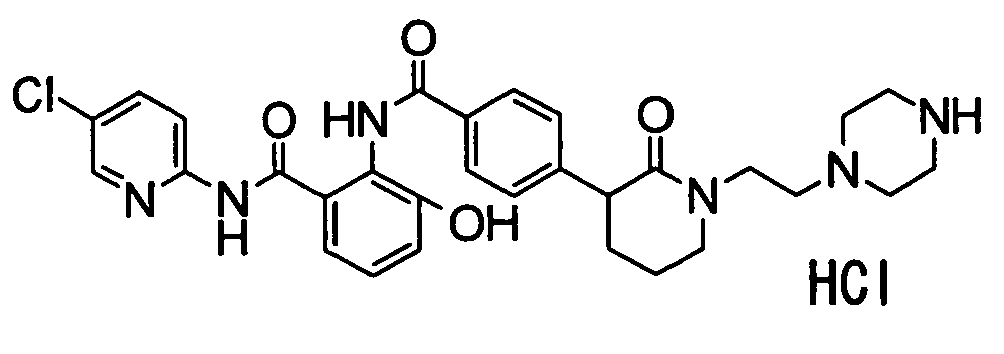
ESI+:577 112 
ESI+:611 [Table 27] 113 
ESI+:576 114 
ESI+:610 115 
NMR(DMSO-d6): 2.85(3H, s), 2.87(3H, s), 3.47-3.55(2H, m), 4.39(2H, t, J = 6.2 Hz), 7.11-7.18(2H, m), 7.25(1H, t, J = 7.9 Hz), 7.81-7.91(3H, m), 7.98(2H, d, J = 8.4 Hz), 8.12(1H, d, J = 9.0 Hz), 8.28(1H, s), 8.35(1H, d, J = 2.8 Hz), 8.63(1H, s), 9.74-10.05(2H, m), 10.27(1H, s), 10.54(1H,s) ESI+: 533 116 
NMR(DMSO-d6) 3.26(3H, s), 3.63(2H, t, J = 5.3 Hz), 4.15(2H, t, J = 5.3 Hz), 6.35(1H, t, J = 6.9 Hz), 7.08-7.18(2H, m), 7.25(1H, t, J = 7.9 Hz), 7.68-7.74(2H, m), 7.78-7.96(5H, m), 8.14(1H, d, J = 8.9 Hz), 8.35(1H, d, J = 2.6 Hz), 9.75(1H, s), 9.85(1H, s), 10.53(1H, s) FAB+: 519 117 
NMR(DMSO-d6) 2.01-2.10(2H, m), 2.21-2.36(2H, m), 2.78(3H, d, J = 4.7 Hz), 3.15-3.29(2H, m), 3.41-3.68(2H, m), 4.99-5.13(1H, m), 6.49(1H, t, J = 6.9 Hz), 7.09-7.19(2H, m), 7.25(1H, t, J = 7.9 Hz), 7.59-7.66(1H, m), 7.68-7.74(1H, m), 7.80(2H, d, J = 8.2 Hz), 7.85-7.97(3H, m), 8.13(1H, d, J = 8.9 Hz), 8.35(1H, d, J = 2.6 Hz), 9.72-10.00(2H, m), 10.50-10.68(2H, m) ESI+: 558 [Table 28] 118 
FAB+: 591 119 
ESI+: 591 120 HPLC condition
Column: CHIRALPAK AS-H (0.46cm(ID). ×x25cm(L))
Eluent : Hexane/Ethanol/Diethylamine = 50/50/0.1
Flow rate : 1.0mL/min
Column temp : 40°C
Detection : UV 254nm
Retension time : 5.97min121 
HPLC condition
Column: CHIRALPAK AS-H (0.46cm(ID).×25cm(L))
Eluent : Hexane/Ethanol/Diethylamine = 50/50/0.1
Flow rate : 1.0mL/min
Column temp : 40°C
Detection : UV 254nm
Retension time : 8.57 min122 
NMR(DMSO-d6 + D2O) 2.20 (6H, s), 2.57 (2H, t, J = 6.4 Hz), 3.18-3.38 (3H, m), 3.51(1H, d, J = 9.8 Hz), 4.07 (2H, t, J = 6.4 Hz), 4.88 ( 1H, d, J = 7.5 Hz), 6.39 (1H, t, J = 6.8 Hz), 7.32-7.50 (3H, m), 7.67-7.74 (2H, m), 7.80 (2H, d, J = 8.4 Hz), 7.87 (1H, dd, J = 2.5, 9.0 Hz), 7.96 (2H, d, J = 8.4 Hz), 8.1 (1H, d, J = 9.0), 8.3 (1H, d, J = 2.5 Hz) ESI+: 708 [Table 29] 123 
NMR(DMSO-d6 + D2O) 1.69-1.87 (3H, m), 1.96-2.11 (1H, m), 2.48 (6H, s), 2.72-2.92 (2H, m), 3.20-3.76(9H, m), 4.91 (1H, d, J = 7.6 Hz), 7.27 (2H, d, J = 8.2 Hz), 7.33-7.46 (3H, m), 7.80-7.90 (3H, m), 8.10 (1H, d, J = 9.0 Hz), 8.31 (1H, d, J = 2.8 Hz) ESI+:712 124 
NMR(DMSO-d6 + D2O) 1.55-1.98 (3H, m), 2.00-2.11 (1H, m), 2.60 (6H, s), 2.90-3.06 (2H, m), 3.18-3.79 (9H, m), 4.92 (1H, d, J = 7.6 Hz), 7.30 (2H, d, J = 8.2 Hz), 7.34- 7.45 (3H, m), 7.82-7.90 (3H, m), 8.10 (1H, d, J = 9.0 Hz), 8.31 (1H, d, J = 2.5 Hz) ESI+: 712 125 
NMR(DMSO-d6) 1.80-2.00 (3H, m), 2.01-2.13 (1H, m), 2.53-2.60 (3H, m), 3.01-3.19 (2H, m), 3.34-3.60 (3H, m), 3.63-3.77 (2H, m), 7.07-7.17 (2H, m), 7.24 (1H, t, J = 7.8 Hz), 7.33 (2H, d, J = 8.3 Hz), 7.79-7.93 (3H, m), 8.13(1H,d,J=8.9Hz),8.35(1H, d, J = 2.4 Hz), 8.74 (2H, s), 9.70 (1H, s), 9.90 (1H, s), 10.53 (1H, s) ESI+:522 126 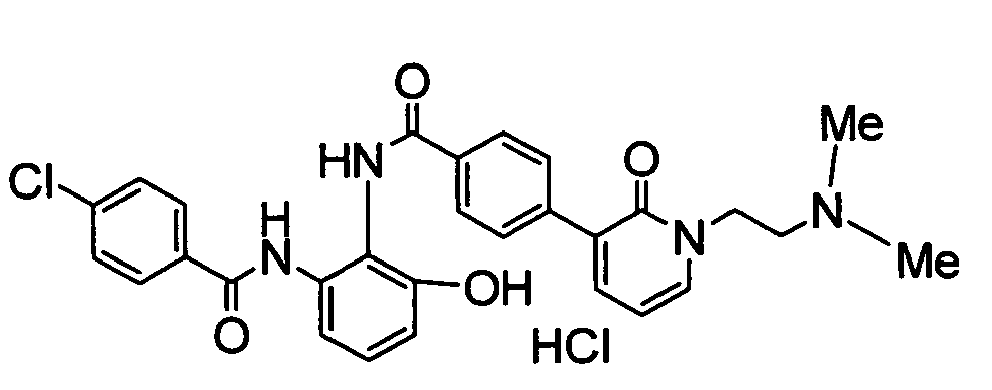
ESI+: 531 127 
NMR(DMSO-d6) 2.86 (6H, s), 3.46 (2H,t,J= 6.3 Hz), 3.81 (3H,s), 4.38 (2H, t, J = 6.3 Hz), 6.47 (1H, t, J = 6.9 Hz), 6.82 (1H, d, J = 7.8 Hz), 7.03 (2H, d, J = 8.8 Hz), 7.16 (1H, t, J = 8.1 Hz), 7.27 (1H, d, J = 7.9 Hz), 7.74-7.94 (6H, m), 8.04 (2H, d, J = 8.1 Hz), 9.65 (1H, s), 9.68 (1H, s), 9.80 (1H, s), 10.14 (1H, s) ESI+: 527 [Table 30] 128 
FAB+: 561 

[Table 33] 
No. A B No. A B 1 F CH2CH2N(Me)2 2 H CH2CH2NH2 3 Br CH2CH2N(Me)2 4 F 
5 Me CH2CH2N(Me)2 6 Br 
7 F CH2CH2NH(Me) 8 Me 
9 Br CH2CH2NH(Me) 10 CI 
11 Me CH2CH2NH(Me) 12 H 
13 F 
14 Cl 
15 Br 
16 H 
17 Me 
18 F 
19 F 
20 Br 
21 Br 
22 Me 
23 Me 
24 F 
25 F 
26 Br 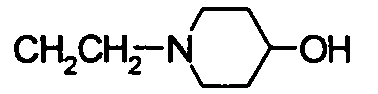
27 Br 
28 Me 
29 Me 
30 F 
31 F 
32 Br 
33 Br 
34 Me 
35 Me 
36 H CH2CH2N(Me)2 37 Cl CH2CH2NH2 38 Cl CH2CH2N(Me)2 [Table 34] 
No. A B No. A B 39 H CH2CH2NH(Me) 40 CI 
41 Cl CH2CH2NH(Me) 42 H 
43 H 
44 CI 
45 Cl 
46 H 
47 H 
48 Cl 
49 Cl 
50 H 
51 H 
52 Cl 
53 Cl 
54 H 
55 H 
56 Cl 
57 Cl 
58 H 
59 H CH2CH2N(Et)2 60 Cl 
61 Cl CH2CH2N(Et)2 62 F CH2CH2N(Me)2 63 H CH2CH2NH(Et) 64 Br CH2CH2N(Me)2 65 Cl CH2CH2NH(Et) 66 Me CH2CH2N(Me)2 67 H CH2CH2NH2 68 CI CH2CH2N(Me)2 69 Cl CH2CH2NH2 70 H 
71 H 
72 F 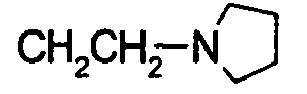
73 Cl 
74 Br 
75 H 
76 Me 
[Table 35] 
No. A B No. A B 77 F 
78 Cl 
79 Br 
80 H 
81 Me 
82 Me 
83 H 
84 CI 
85 Cl 
86 H 
87 F 
88 Cl 
89 Br 
90 H 
91 Me 
92 Me 
93 Cl CH2CH2NH2 94 Br 
95 H CH2CH2NH2 96 F 
97 Cl 
98 Me 
99 H 
100 Br 
101 F 
102 F 
103 Br 
104 F CH2CH2NH(Me) 105 Me 
106 Br CH2CH2NH(Me) 107 Cl 
108 Me CH2CH2NH(Me) 109 H 
110 F CH2CH2NH2 111 Cl 
112 Br CH2CH2NH2 113 H 
114 Me CH2CH2NH2 [Table 36] 
No. A B No. A B 115 

116 

117 
CH2CH2N(Me)2 118 

119 

120 
CH2CH2N(Me)2 121 

122 

123 
CH2CH2N(Me)2 124 

125 

126 
CH2CH2N(Me)2 127 

128 

129 
CH2CH2N(Me)2 130 

131 

132 
CH2CH2N(Me)2 133 

134 

135 
CH2CH2N(Me)2 136 

137 
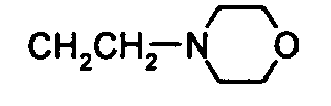
138 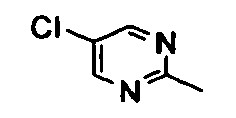
CH2CH2N(Me)2 139 

140 

141 
CH2CH2N(Me)2 142 

143 

144 
CH2CH2N(Me)2 145 
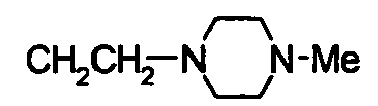
146 

147 
CH2CH2N(Me)2 148 

149 
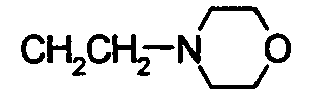
150 
CH2CH2N(Me)2 151 

152 
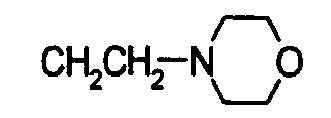
153 
CH2CH2N(Me)2 154 
CH2cH2CH2N(Me)2 [Table 37] 
No. A B No. A B 155 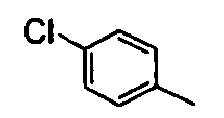

156 

157 
CH2CH2N(Me)2 158 
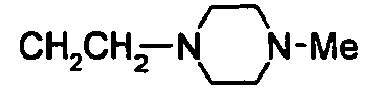
159 

160 
CH2CH2N(Me)2 161 

162 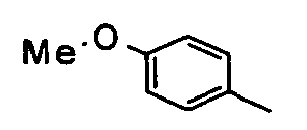

163 
CH2CH2N(Me)2 164 

165 

166 
CH2CH2N(Me)2 167 

168 

169 
CH2CH2N(Me)2 170 

171 

172 
CH2CH2N(Me)2 173 

174 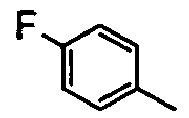

175 
CH2CH2N(Me)2 176 

177 

178 
CH2CH2N(Me)2 179 

180 
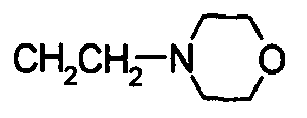
181 
CH2CH2N(Me)2 182 

183 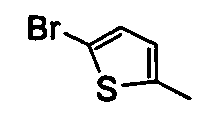

184 
CH2CH2N(Me)2 185 

186 

187 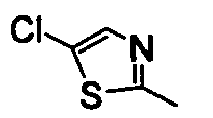
CH2CH2N(Me)2 188 

189 

190 
CH2CH2N(Me)2 191 

192 

193 
CH2CH2N(Me)2 194 
CH2CH2CH2N(Me)2 [Table 38] 
No. A B No. A B 195 

196 

197 
CH2CH2N(Et)2 198 

199 

200 
CH2CH2N(Et)2 201 

202 

203 
CH2CH2N(Me)2 204 

205 

206 
CH2CH2N(Me)2 207 

208 

209 
CH2CH2N(Me)2 210 
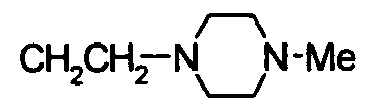
211 

212 
CH2CH2N(Me)2 213 

214 

215 
CH2CH2N(Me)2 216 

217 

218 
CH2CH2N(Me)2 219 

220 

221 
CH2CH2N(Me)2 222 
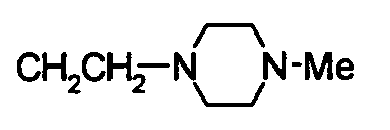
223 

224 
CH2CH2N(Me)2 225 
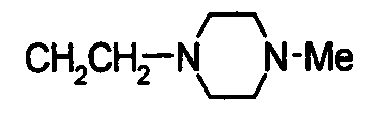
226 

227 
CH2CH2N(Me)2 228 

229 

230 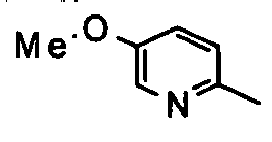
CH2CH2N(Me)2 231 

232 

233 
CH2CH2N(Me)2 234 

[Table 39] 
No. A B No. A B 235 

236 

237 
CH2CH2N(Me)2 238 

239 

240 
CH2CH2N(Me)2 241 

242 

243 
CH2CH2N(Me)2 244 

245 

246 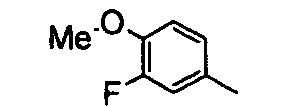
CH2CH2N(Me)2 247 

248 

249 
CH2CH2N(Me)2 250 

251 

252 
CH2CH2N(Me)2 253 

254 

255 
CH2CH2N(Me)2 256 

257 

258 
CH2CH2N(Me)2 259 

260 

261 
CH2CH2N(Me)2 262 

263 

264 
CH2CH2N(Me)2 265 

266 

267 
CH2CH2N(Me)2 268 

269 

270 
CH2CH2N(Me)2 271 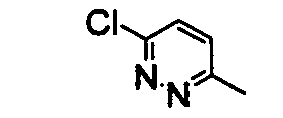
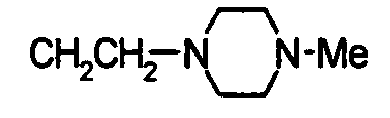
272 

273 
CH2CH2N(Me)2 274 

[Table 40] 
No. A B No. A B 275 

276 
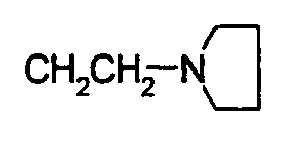
277 
CH2CH2N(Me)2 278 

279 

280 
CH2CH2N(Me)2 281 

282 

283 
CH2CH2N(Me)2 284 

285 

286 
CH2CH2N(Me)2 287 

288 

289 
CH2CH2N(Me)2 290 

291 

292 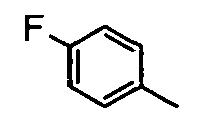
CH2CH2N(Me)2 293 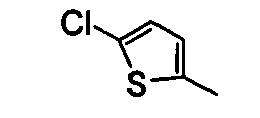

294 

295 
CH2CH2N(Me)2 296 

297 

298 
CH2CH2N(Me)2 299 

300 

301 
CH2CH2N(Me)2 302 

303 

304 
CH2CH2N(Me)2 305 

306 

307 
CH2CH2N(Me)2 308 

309 

340 
CH2CH2N(Me)2 310 

312 

313 
CH2CH2N(Me)2 314 

[Table 41] 
No. A B No. A B 315 

316 

317 
CH2CHZN(Me)2 318 
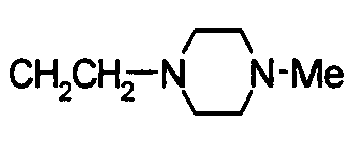
319 
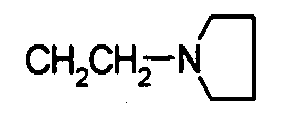
320 
CH2CH2N(Me)2 321 

322 

323 
CH2CH2N(Me)2 324 

325 

326 
CH2CH2N(Me)2 327 
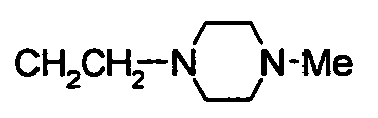
328 

329 
CH2CH2N(Me)2 330 

331 

332 
CH2CH2N(Me)2 333 

334 

335 
CH2CH2N(Me)2 336 
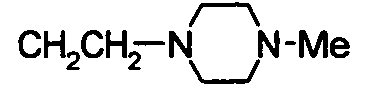
337 

338 
CH2CH2N(Me)2 339 

340 

341 
CH2CH2N(Me)2 342 

343 

344 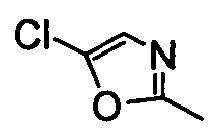
CH2CH2N(Me)2 345 

346 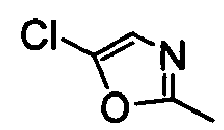

347 
CH2CH2N(Me)2 348 

349 

350 
CH2CH2N(Me)2 351 

352 
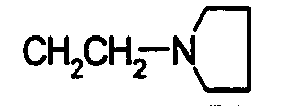
353 
CH2CH2N(Me)2 354 

[Table 42] 
No A B D 355 

H 356 
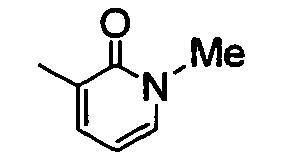
H 357 

H 358 

H 359 

Cl 360 

H 361 

Cl 362 

H 363 
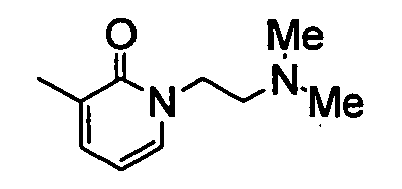
Cl 364 

H 365 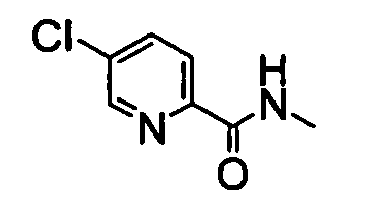
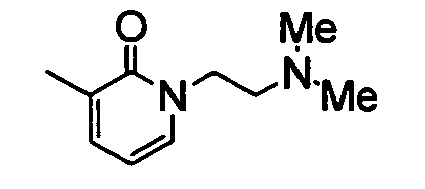
Cl - The compounds of the present invention have an anticoagulation effect based on their ability to inhibit the activated blood coagulation factor X, and are useful as coagulation inhibitors or agents for prevention or treatment for diseases caused by thrombi or emboli, and therefore have industrial applicability.
Claims (18)
- A benzene derivative of the following general formula (I) or a salt thereof:
 X1: -NR12-C(=O)-, or -C(=O)-NR12-,X2: -NR13-C (=O) - or -C(=O)-NR13-,Ring A: 5- or 6-membered ring optionally having 1 or 2 double bonds and optionally having from 1 to 3 hetero atoms selected from N, S, O,Ring B: a benzene ring, or 5- or 6-membered heteroaryl ring having from 1 to 3 hetero atoms selected from N, S, O,R: a hydrogen atom or a sugar residue,R1 to R8: the same or different, each representing a hydrogen atom, a halogen atom, optionally-substituted lower alkyl, -0-(optionally-substituted lower alkyl), -O-(optionally-substituted 4- to 8-membered hetero ring having from 1 to 3 hetero atoms selected from N, S, O), -CN, -NH2, -N(optionally-substituted lower alkyl)2, -NH(optionally-substituted lower alkyl), -NH(optionally-substituted 4- to 8-membered hetero ring having from 1 to 3 hetero atoms selected from N, S, O), -NHSO2(optionally-substituted lower alkyl), -N(optionally-substituted lower alkyl)SO2(optionally-substituted lower alkyl), -NO2, -COOH, -CO2(optionally-substituted lower alkyl), -CONH2, -CONH(optionally-substituted lower alkyl), -CON (optionally-substituted lower alkyl)2, -OH, -(CH2)n-NH2, -(CH2)n-N(optionally-substituted lower alkyl)2, or -(CH2)n-NH(optionally-substituted lower alkyl),R9 to R11: the same or different, each representing a hydrogen atom, a halogen atom, optionally-substituted lower alkyl, -O-(optionally-substituted lower alkyl), -CN, -NH2, -N(optionally-substituted lower alkyl)2, -NH(optionally-substituted lower alkyl), -NHSO2(optionally-substituted lower alkyl), -N(optionally-substituted lower alkyl)SO2(optionally-substituted lower alkyl), -NO2, -COOH, -CO2(optionally-substituted lower alkyl), -CONH2, -CONH(optionally-substituted lower alkyl), -CON(optionally-substituted lower alkyl)2, -OH, -(CH2)n-N(optionally-substituted lower alkyl)2, -(CH2)n-NH(optionally-substituted lower alkyl), -(CH2)n-NH2, -(CH2)n-N(optionally-substituted 4- to 8-membered hetero ring having from 1 to 3 hetero atoms selected from N, S, O)2, -(CH2)n-NH(optionally-substituted 4- to 8-membered hetero ring having from 1 to 3 hetero atoms selected from N, S, O), -(CH2)n-N(optionally-substituted lower alkyl)(optionally-substituted 4- to 8- membered hetero ring having from 1 to 3 hetero atoms selected from N, S, O), -(CH2)n-(C=O)-N(optionally-substituted lower alkyl)2, -(CH2)n-(C=O)-NH(optionally-substituted lower alkyl), -(CH2)n-(C=O)-NH2, -(CH2)n-(C=O)-N(optionally-substituted 4- to 8-membered hetero ring having from 1 to 3 hetero atoms selected from N, S, O)2, -(CH2)n-(C=O)-NH(optionally-substituted 4- to 8- membered hetero ring having from 1 to 3 hetero atoms selected from N, S, O), -(CH2)n-(C=O)-N(optionally-substituted lower alkyl)(optionally-substituted 4- to 8- membered hetero ring having from 1 to 3 hetero atoms selected from N, S, O), -(CH2)n-O-(optionally-substituted lower alkyl), -(CH2)n-(optionally-substituted 4- to 8- membered hetero ring having from 1 to 3 hetero atoms selected from N, S, O), -(CH2)n-O-(optionally-substituted 4- to 8-membered hetero ring having from 1 to 3 hetero atoms selected from N, S, O), or -(CH2)n-(C=O)-(optionally-substituted 4- to 8-membered hetero ring having from 1 to 3 hetero atoms selected from N, S, O),n: integer of from 0 to 6,R12 and R13: the same or different, each representing a hydrogen atom or lower alkyl,provided that, in R1 to R11, when two lower alkyls bond to a nitrogen atom, then they may be taken together to form a 3-to 8-membered nitrogen-containing hetero ring.)
 - The compound or a salt thereof according to claim 1, wherein in the formula (I) of claim 1, the group:


- The compound or a salt thereof according to claim 1, wherein in the formula (I) of claim 1, the group:


- The compound or a salt thereof according to claim 1, wherein in the formula (I) of claim 1, the group:


- The compound or a salt thereof according to claims 1 to 4, wherein in the formula (I) of claim 1, the ring B is a benzene ring or a pyridine ring.
- The compound or a salt thereof according to claims 1 to 5, wherein in the formula (I) of claim 1, R is a hydrogen atom or a sugar residue of glucuronic acid.
- The compound or a salt thereof according to claims 1 to 6, wherein the optionally-substituted 4- to 8- membered hetero ring having from 1 to 3 hetero atoms selected from N, S, O is a hetero ring selected from azetidine, pyrrolidine, piperidine, azepane, azocane, piperazine, morpholine, thiomorpholine, 1,4-diazepane, 1,4-oxazepane, 1,4-thiazepane, 1,5-diazocane, 1,5-oxazocane, 1,5-thiazocane, thiazole, imidazole, triazole, thiazole, oxazole, isoxazole, pyrazole, pyridine, pyrazine, or pyrimidine.
- The compound or a salt thereof according to claim 7, wherein the substituent in the optionally-substituted lower alkyl is from 1 to 3 substituents selected from -OH, CF3, -CN, =O, -NH2, -COOH, -COO-lower alkyl, -CONH2, -CONH(lower alkyl), -CON(lower alkyl)2, -O-lower alkyl, -NH(lower alkyl), -N(lower alkyl)2, -NHCO(lower alkyl), -N(lower alkyl)CO(lower alkyl), -NHCONH2, -NHCONH(lower alkyl), -NHCON(lower alkyl)2, -N(lower alkyl)CONH(lower alkyl), -N(lower alkyl)CON(lower alkyl)2, a halogen atom, -NHSO2-(lower alkyl), -N(lower alkyl)SO2-(lower alkyl), or -SO2(lower alkyl), and the substituent in the optionally-substituted 4- to 8-membered hetero ring having from 1 to 3 hetero atoms selected from N, S, O is from 1 to 3 substituents selected from lower alkyl, -OH, CF3, -CN, =O, -NH2, -COOH, -COO-lower alkyl, -CONH2, -CONH(lower alkyl), -CON(lower alkyl)2, -O-lower alkyl, -NH(lower alkyl), -N(lower alkyl)2, -NHCO(lower alkyl), -N(lower alkyl)CO(lower alkyl), -NHCONH2, -NHCONH(lower alkyl), -NHCON(lower alkyl)2, -N(lower alkyl)CONH(lower alkyl), -N(lower alkyl)CON(lower alkyl)2, a halogen atom, -NHSO2-( lower alkyl), -N (lower alkyl)SO2-(lower alkyl), or -SO2(lower alkyl).
- A benzene derivative of the following general formula (II) or a salt thereof:
 X1: -NH-C(=O)- or -C(=O)-NH-,Y: N or CH,Z: N, NH, CH or CH2,R: a hydrogen atom or a sugar residue,R1 to R8: the same or different, each representing a hydrogen atom, a halogen atom, lower alkyl, -O-lower alkyl, -O-(optionally-substituted 4- to 8-membered hetero ring having from 1 to 3 hetero atoms selected from N, S, 0), -CN, -NH2, -N(lower alkyl)2, -NH(lower alkyl), -NHSO2 (lower alkyl) or NO2,R9 to R11: the same or different, each representing a hydrogen atom, a halogen atom, lower alkyl, -(CH2)n-N(optionally-substituted lower alkyl)2, -(CH2)n-NH(lower alkyl), -(CH2)n-NH2, -(CH2)n-N(optionally-substituted 4- to 8-membered hetero ring having from 1 to 3 hetero atoms selected from N, S, O)2, -(CH2)n-NH(optionally-substituted 4- to 8-membered hetero ring having from 1 to 3 hetero atoms selected from N, S, O), -(CH2)n-N (lower alkyl)(optionally-substituted 4- to 8-membered hetero ring having from 1 to 3 hetero atoms selected from N, S, O), -(CH2)n-(C=O)-N (lower alkyl)2, -(CH2)n-(C=O)-NH (lower alkyl), -(CH2)n-(C=O)-NH2, -(CH2)n-(C=O)-N(4- to 8-membered hetero ring having from 1 to 3 hetero atoms selected from N, S, O)2, -(CH2)n-(C=O)-NH(4- to 8-membered hetero ring having from 1 to 3 hetero atoms selected from N, S, O), -(CH2)n-(C=O)-N (lower alkyl) (4- to 8-membered hetero ring having from 1 to 3 hetero atoms selected from N, S, O), -(CH2)n-O-lower alkyl, -(CH2)n-(optionally-substituted 4- to 8-membered hetero ring having from 1 to 3 hetero atoms selected from N, S, O), -(CH2)n-O-(optionally-substituted 4- to 8-membered hetero ring having from 1 to 3 hetero atoms selected from N, S, O), or -(CH2)n-(C=O)-(optionally-substituted 4- to 8-membered hetero ring having from 1 to 3 hetero atoms selected from N, S, O),n: integer of from 0 to 6,provided that the dotted parts in the formula are the same or different, each meaning a single bond or a double bond, and in R1 to R11, when two lower alkyl groups bonds to the nitrogen atom, they may be taken together to form a 3- to 8-membered nitrogen-containing hetero ring.)
 - The compound or a salt thereof according to claim 9, wherein in the formula (II) of claim 9, R is a hydrogen atom or a sugar residue of glucuronic acid.
- The compound or a salt thereof according to claim 1, selected from N-(5-chloropyridin-2-yl)-3-hydroxy-2-{[4-(1-methyl-4-oxo-1,4-dihydropyridin-3-yl)benzoyl]amino}benzamide, N-(5-chloropyridin-2-yl)-2-[(4-{1-[2-(dimethylamino)ethyl]-2-oxo-1,2-dihydropyridin-3-yl}benzoyl)amino]-3-hydroxybenzamide, N-(5-chloropyridin-2-yl)-3-hydroxy-2-[(4-{1-[2-(1,4-oxazepan-4-yl)ethyl]-2-oxo-1,2-dihydropyridin-3-yl}benzoyl)amino]benzamide, 5-chloro-N-(5-chloropyridin-2-yl)-3-hydroxy-2-{[4-(1-{2-[(1-methylpyridin-4-yl)oxy]ethyl}-2-oxo-1,2-dihydropyridin-3-yl)benzoyl]amino}benzamide, N-(5-chloropyridin-2-yl)-3-hydroxy-2-{[4-(1-methyl-2-oxo-1,2-dihydropyridin-3-yl)benzoyl]amino}benzamide, N-(5-chloropyridin-2-yl)-2-[(4-{1-[2-(dimethylamino)ethyl]-2-oxopiperidin-3-yl}benzoyl)amino]-3-hydroxybenzamide, 3-[(5-chloropyridin-2-yl)carbamoyl]-2-[(4-{1-[2-(dimethylamino)ethyl]-2-oxo-1,2-dihydropyridin-3-yl}benzoyl)amino]phenyl β-D-glucopyranosiduronic acid, N-(5-chloropyridin-2-yl)-3-hydroxy-2-[(4-{1-[2-(4-methylpiperazin-1-yl)ethyl]-2-oxo-1,2-dihydropyridin-3-yl}benzoyl)amino]benzamide, 4-{1-[2-(dimethylamino)ethyl]-2-oxo-1,2-dihydropyridin-3-yl}-N-{2-hydroxy-6-[(4-methoxybenzoyl)amino]phenyl}benzamide, N-(5-chloropyridin-2-yl)-3-hydroxy-2-[(4-{1-[2-(4-hydroxypiperidin-1-yl)ethyl]-2-oxo-1,2-dihydropyridin-3-yl}benzoyl)amino]benzamide, 5-chloro-N-(5-chloropyridin-2-yl)-2-[(4-{1-[2-(dimethylamino)ethyl]-2-oxo-1,2-dihydropyridin-3-yl}benzoyl)amino]-3-hydroxybenzamide, 3-[(5-chloropyridin-2-yl)carbamoyl]-2-[(4-{1-[2-(dimethylamino)ethyl]-2-oxopiperidin-3-yl}benzoyl)amino]phenyl β-D-glucopyranosiduronic acid.
- A pharmaceutical composition comprising the compound or a salt thereof according to claim 1 as an active ingredient.
- The pharmaceutical composition according to claim 12, which is an activated blood coagulation factor X inhibitor.
- The pharmaceutical composition according to claim 12, which is an anticoagulant.
- Use of the compound or a salt thereof according to claim 1 or 9, for the manufacture of an activated blood coagulation factor X inhibitor.
- Use of the compound or a salt thereof according to claim 1 or 9, for the manufacture of an anticoagulant.
- A method for treating a patient with an activated blood coagulation factor X-associated disease, which comprises administering an effective amount of the compound or a salt thereof according to claim 1 of 9 to the patient.
- A method for treating a patient with a disease caused by thrombi or emboli, which comprises administering an effective amount of the compound or a salt thereof according to claim 1 or 9 to the patient.
Applications Claiming Priority (2)
| Application Number | Priority Date | Filing Date | Title |
|---|---|---|---|
| JP2005323491 | 2005-11-08 | ||
| PCT/JP2006/322133 WO2007055183A1 (en) | 2005-11-08 | 2006-11-07 | Benzene derivative or salt thereof |
Publications (2)
| Publication Number | Publication Date |
|---|---|
| EP1947086A1 true EP1947086A1 (en) | 2008-07-23 |
| EP1947086A4 EP1947086A4 (en) | 2012-01-25 |
Family
ID=38023186
Family Applications (1)
| Application Number | Title | Priority Date | Filing Date |
|---|---|---|---|
| EP06823046A Withdrawn EP1947086A4 (en) | 2005-11-08 | 2006-11-07 | BENZENE DERIVATIVE OR BENZENE DERIVATIVE SALT |
Country Status (14)
| Country | Link |
|---|---|
| US (1) | US8022208B2 (en) |
| EP (1) | EP1947086A4 (en) |
| JP (1) | JP5045442B2 (en) |
| KR (1) | KR20080046711A (en) |
| CN (1) | CN101304969B (en) |
| AU (1) | AU2006313136B2 (en) |
| BR (1) | BRPI0618231A2 (en) |
| CA (1) | CA2628963C (en) |
| IL (1) | IL191018A0 (en) |
| NO (1) | NO20082650L (en) |
| RU (1) | RU2395496C2 (en) |
| TW (1) | TW200734304A (en) |
| WO (1) | WO2007055183A1 (en) |
| ZA (1) | ZA200803851B (en) |
Cited By (1)
| Publication number | Priority date | Publication date | Assignee | Title |
|---|---|---|---|---|
| WO2021123174A1 (en) * | 2019-12-19 | 2021-06-24 | Universite De Strasbourg | Sigma-1 receptor ligands and therapeutic uses thereof |
Families Citing this family (4)
| Publication number | Priority date | Publication date | Assignee | Title |
|---|---|---|---|---|
| CN102802611B (en) * | 2009-06-25 | 2014-11-12 | 进洋制药株式会社 | Pharmaceutical composition containing carboxylosartan and a production method therefor |
| CR20200464A (en) | 2018-03-08 | 2021-04-14 | Incyte Corp | DIOLIC AMINOPYRAZINE COMPOUNDS AS PI3K-Y INHIBITORS |
| WO2020010003A1 (en) | 2018-07-02 | 2020-01-09 | Incyte Corporation | AMINOPYRAZINE DERIVATIVES AS PI3K-γ INHIBITORS |
| AU2019387370A1 (en) | 2018-11-30 | 2021-06-10 | Nuvation Bio Inc. | Pyrrole and pyrazole compounds and methods of use thereof |
Family Cites Families (5)
| Publication number | Priority date | Publication date | Assignee | Title |
|---|---|---|---|---|
| AU776053B2 (en) * | 2000-03-31 | 2004-08-26 | Astellas Pharma Inc. | Diazepan derivatives or salts thereof |
| DE60118774T2 (en) * | 2000-11-22 | 2007-03-15 | Astellas Pharma Inc. | SUBSTITUTED PHENOL DERIVATIVES AND THEIR SALTS AS INHIBITORS OF COAGULATION FACTOR X |
| AU2002341693B2 (en) * | 2001-09-21 | 2008-05-29 | Bristol-Myers Squibb Holdings Ireland Unlimited Company | Lactam-containing compounds and derivatives thereof as factor Xa inhibitors |
| TWI320039B (en) * | 2001-09-21 | 2010-02-01 | Lactam-containing compounds and derivatives thereof as factor xa inhibitors | |
| TW200512181A (en) * | 2003-09-26 | 2005-04-01 | Tanabe Seiyaku Co | Amide-type carboxamide derivatives |
-
2006
- 2006-11-06 TW TW095141006A patent/TW200734304A/en not_active IP Right Cessation
- 2006-11-07 EP EP06823046A patent/EP1947086A4/en not_active Withdrawn
- 2006-11-07 JP JP2007544129A patent/JP5045442B2/en not_active Expired - Fee Related
- 2006-11-07 KR KR1020087008720A patent/KR20080046711A/en not_active Ceased
- 2006-11-07 RU RU2008122976/04A patent/RU2395496C2/en not_active IP Right Cessation
- 2006-11-07 CA CA2628963A patent/CA2628963C/en not_active Expired - Fee Related
- 2006-11-07 CN CN2006800417441A patent/CN101304969B/en not_active Expired - Fee Related
- 2006-11-07 WO PCT/JP2006/322133 patent/WO2007055183A1/en not_active Ceased
- 2006-11-07 ZA ZA200803851A patent/ZA200803851B/en unknown
- 2006-11-07 AU AU2006313136A patent/AU2006313136B2/en not_active Expired - Fee Related
- 2006-11-07 BR BRPI0618231-3A patent/BRPI0618231A2/en not_active IP Right Cessation
- 2006-11-07 US US12/091,099 patent/US8022208B2/en not_active Expired - Fee Related
-
2008
- 2008-04-27 IL IL191018A patent/IL191018A0/en unknown
- 2008-06-06 NO NO20082650A patent/NO20082650L/en not_active Application Discontinuation
Non-Patent Citations (2)
| Title |
|---|
| No further relevant documents disclosed * |
| See also references of WO2007055183A1 * |
Cited By (2)
| Publication number | Priority date | Publication date | Assignee | Title |
|---|---|---|---|---|
| WO2021123174A1 (en) * | 2019-12-19 | 2021-06-24 | Universite De Strasbourg | Sigma-1 receptor ligands and therapeutic uses thereof |
| US12612371B2 (en) | 2019-12-19 | 2026-04-28 | Universite De Strasbourg | Sigma-1 receptor ligands and therapeutic uses thereof |
Also Published As
| Publication number | Publication date |
|---|---|
| NO20082650L (en) | 2008-06-06 |
| RU2008122976A (en) | 2009-12-20 |
| TWI341308B (en) | 2011-05-01 |
| CN101304969B (en) | 2012-01-18 |
| EP1947086A4 (en) | 2012-01-25 |
| CN101304969A (en) | 2008-11-12 |
| RU2395496C2 (en) | 2010-07-27 |
| AU2006313136B2 (en) | 2011-06-02 |
| BRPI0618231A2 (en) | 2011-08-23 |
| JPWO2007055183A1 (en) | 2009-04-30 |
| IL191018A0 (en) | 2009-02-11 |
| US20090054352A1 (en) | 2009-02-26 |
| US8022208B2 (en) | 2011-09-20 |
| KR20080046711A (en) | 2008-05-27 |
| TW200734304A (en) | 2007-09-16 |
| ZA200803851B (en) | 2009-09-30 |
| CA2628963C (en) | 2011-04-19 |
| CA2628963A1 (en) | 2007-05-18 |
| JP5045442B2 (en) | 2012-10-10 |
| WO2007055183A1 (en) | 2007-05-18 |
| AU2006313136A1 (en) | 2007-05-18 |
Similar Documents
| Publication | Publication Date | Title |
|---|---|---|
| USRE43481E1 (en) | Diazepan derivatives or salts thereof | |
| JP5302012B2 (en) | Glucokinase activator | |
| KR100863923B1 (en) | Substituted benzene derivative or salt thereof and pharmaceutical composition comprising the same | |
| AU752588B2 (en) | Amidine compounds | |
| CZ173398A3 (en) | Metalloproteinase inhibitors, pharmaceutical compositions containing thereof, process and intermediates for their preparation | |
| HUP0002528A2 (en) | Heterocyclic derivatives which inhibit factor xa | |
| EP2138482A1 (en) | Bicyclic heterocyclic compound | |
| DE60126143T2 (en) | GUANIDINE AND AMIDINE COMPOUNDS, AND THEIR USE AS FACTOR XA INHIBITORS | |
| JP4832706B2 (en) | Novel arylethene-sulfonamides | |
| US8022208B2 (en) | Benzene derivative or salt thereof | |
| KR20010102072A (en) | Heterocyclic derivatives as inhibitors of factor xa | |
| JP3283485B2 (en) | Amidine compounds | |
| CZ2000293A3 (en) | Heterocyclic derivatives inhibiting Xa factor | |
| JPWO1999033805A1 (en) | Aromatic compounds having a cyclic amino group or salts thereof | |
| CZ20003707A3 (en) | Amidine Compounds | |
| HK1111414A1 (en) | Substituted 2h-1,3-benzoxazin-4(3h)-ones | |
| HK1111414B (en) | Substituted 2h-1,3-benzoxazin-4(3h)-ones | |
| JPWO1999052894A1 (en) | Nitrogen-containing heterocyclic compounds having platelet aggregation inhibitory activity and their medical uses |
Legal Events
| Date | Code | Title | Description |
|---|---|---|---|
| PUAI | Public reference made under article 153(3) epc to a published international application that has entered the european phase |
Free format text: ORIGINAL CODE: 0009012 |
|
| 17P | Request for examination filed |
Effective date: 20080506 |
|
| AK | Designated contracting states |
Kind code of ref document: A1 Designated state(s): AT BE BG CH CY CZ DE DK EE ES FI FR GB GR HU IE IS IT LI LT LU LV MC NL PL PT RO SE SI SK TR |
|
| A4 | Supplementary search report drawn up and despatched |
Effective date: 20111222 |
|
| 17Q | First examination report despatched |
Effective date: 20120627 |
|
| DAX | Request for extension of the european patent (deleted) | ||
| GRAP | Despatch of communication of intention to grant a patent |
Free format text: ORIGINAL CODE: EPIDOSNIGR1 |
|
| RIC1 | Information provided on ipc code assigned before grant |
Ipc: A61K 31/496 20060101ALI20130110BHEP Ipc: C07D 401/14 20060101ALI20130110BHEP Ipc: C07D 213/64 20060101ALI20130110BHEP Ipc: C07D 417/14 20060101ALI20130110BHEP Ipc: C07D 213/75 20060101ALI20130110BHEP Ipc: C07D 405/12 20060101ALI20130110BHEP Ipc: C07D 409/14 20060101ALI20130110BHEP Ipc: C07D 405/14 20060101ALI20130110BHEP Ipc: C07D 211/74 20060101AFI20130110BHEP Ipc: C07D 241/18 20060101ALI20130110BHEP Ipc: A61K 31/5377 20060101ALI20130110BHEP Ipc: C07D 239/36 20060101ALI20130110BHEP Ipc: A61K 31/44 20060101ALI20130110BHEP Ipc: C07D 401/12 20060101ALI20130110BHEP Ipc: C07D 413/14 20060101ALI20130110BHEP Ipc: A61K 31/541 20060101ALI20130110BHEP Ipc: A61K 31/4545 20060101ALI20130110BHEP Ipc: C07D 409/12 20060101ALI20130110BHEP Ipc: A61K 31/506 20060101ALI20130110BHEP Ipc: C07D 211/76 20060101ALI20130110BHEP |
|
| STAA | Information on the status of an ep patent application or granted ep patent |
Free format text: STATUS: THE APPLICATION IS DEEMED TO BE WITHDRAWN |
|
| 18D | Application deemed to be withdrawn |
Effective date: 20130604 |