EP1944328A1 - Method for modifying silicone rubber - Google Patents
Method for modifying silicone rubber Download PDFInfo
- Publication number
- EP1944328A1 EP1944328A1 EP07000510A EP07000510A EP1944328A1 EP 1944328 A1 EP1944328 A1 EP 1944328A1 EP 07000510 A EP07000510 A EP 07000510A EP 07000510 A EP07000510 A EP 07000510A EP 1944328 A1 EP1944328 A1 EP 1944328A1
- Authority
- EP
- European Patent Office
- Prior art keywords
- pdms
- pvp
- solvent
- ipn
- monomer
- Prior art date
- Legal status (The legal status is an assumption and is not a legal conclusion. Google has not performed a legal analysis and makes no representation as to the accuracy of the status listed.)
- Withdrawn
Links
- 238000000034 method Methods 0.000 title claims abstract description 49
- 229920002379 silicone rubber Polymers 0.000 title claims abstract description 17
- 239000004945 silicone rubber Substances 0.000 title claims abstract description 17
- 239000000178 monomer Substances 0.000 claims abstract description 36
- 239000004971 Cross linker Substances 0.000 claims abstract description 12
- 239000002131 composite material Substances 0.000 claims abstract description 6
- 206010073306 Exposure to radiation Diseases 0.000 claims abstract description 3
- 239000003960 organic solvent Substances 0.000 claims abstract 6
- 239000002904 solvent Substances 0.000 claims description 71
- XLYOFNOQVPJJNP-UHFFFAOYSA-N water Substances O XLYOFNOQVPJJNP-UHFFFAOYSA-N 0.000 claims description 43
- YXFVVABEGXRONW-UHFFFAOYSA-N Toluene Chemical compound CC1=CC=CC=C1 YXFVVABEGXRONW-UHFFFAOYSA-N 0.000 claims description 33
- VLKZOEOYAKHREP-UHFFFAOYSA-N n-Hexane Chemical compound CCCCCC VLKZOEOYAKHREP-UHFFFAOYSA-N 0.000 claims description 22
- 238000006116 polymerization reaction Methods 0.000 claims description 21
- LFQSCWFLJHTTHZ-UHFFFAOYSA-N Ethanol Chemical compound CCO LFQSCWFLJHTTHZ-UHFFFAOYSA-N 0.000 claims description 20
- HWSSEYVMGDIFMH-UHFFFAOYSA-N 2-[2-[2-(2-methylprop-2-enoyloxy)ethoxy]ethoxy]ethyl 2-methylprop-2-enoate Chemical compound CC(=C)C(=O)OCCOCCOCCOC(=O)C(C)=C HWSSEYVMGDIFMH-UHFFFAOYSA-N 0.000 claims description 8
- XDTMQSROBMDMFD-UHFFFAOYSA-N Cyclohexane Chemical compound C1CCCCC1 XDTMQSROBMDMFD-UHFFFAOYSA-N 0.000 claims description 8
- 239000000126 substance Substances 0.000 claims description 8
- WOBHKFSMXKNTIM-UHFFFAOYSA-N Hydroxyethyl methacrylate Chemical compound CC(=C)C(=O)OCCO WOBHKFSMXKNTIM-UHFFFAOYSA-N 0.000 claims description 4
- 230000000977 initiatory effect Effects 0.000 claims description 4
- 239000002798 polar solvent Substances 0.000 claims description 3
- WHNWPMSKXPGLAX-UHFFFAOYSA-N N-Vinyl-2-pyrrolidone Chemical compound C=CN1CCCC1=O WHNWPMSKXPGLAX-UHFFFAOYSA-N 0.000 claims description 2
- CURLTUGMZLYLDI-UHFFFAOYSA-N Carbon dioxide Chemical compound O=C=O CURLTUGMZLYLDI-UHFFFAOYSA-N 0.000 claims 2
- RGSFGYAAUTVSQA-UHFFFAOYSA-N Cyclopentane Chemical compound C1CCCC1 RGSFGYAAUTVSQA-UHFFFAOYSA-N 0.000 claims 2
- DWHJJLTXBKSHJG-HWKANZROSA-N (e)-5-hydroxy-2-methylpent-2-enoic acid Chemical compound OC(=O)C(/C)=C/CCO DWHJJLTXBKSHJG-HWKANZROSA-N 0.000 claims 1
- 102100026735 Coagulation factor VIII Human genes 0.000 claims 1
- 101000911390 Homo sapiens Coagulation factor VIII Proteins 0.000 claims 1
- 150000001252 acrylic acid derivatives Chemical class 0.000 claims 1
- NIXOWILDQLNWCW-UHFFFAOYSA-N acrylic acid group Chemical group C(C=C)(=O)O NIXOWILDQLNWCW-UHFFFAOYSA-N 0.000 claims 1
- 239000008280 blood Substances 0.000 claims 1
- 210000004369 blood Anatomy 0.000 claims 1
- 210000001124 body fluid Anatomy 0.000 claims 1
- 229910002092 carbon dioxide Inorganic materials 0.000 claims 1
- 239000001569 carbon dioxide Substances 0.000 claims 1
- 239000011203 carbon fibre reinforced carbon Substances 0.000 claims 1
- 150000001875 compounds Chemical class 0.000 claims 1
- DMEGYFMYUHOHGS-UHFFFAOYSA-N heptamethylene Natural products C1CCCCCC1 DMEGYFMYUHOHGS-UHFFFAOYSA-N 0.000 claims 1
- 239000007943 implant Substances 0.000 claims 1
- 239000007788 liquid Substances 0.000 claims 1
- 239000012528 membrane Substances 0.000 claims 1
- 239000012454 non-polar solvent Substances 0.000 claims 1
- 231100000252 nontoxic Toxicity 0.000 claims 1
- 230000003000 nontoxic effect Effects 0.000 claims 1
- 210000002700 urine Anatomy 0.000 claims 1
- 125000000391 vinyl group Chemical group [H]C([*])=C([H])[H] 0.000 claims 1
- 229920000036 polyvinylpyrrolidone Polymers 0.000 description 132
- 239000001267 polyvinylpyrrolidone Substances 0.000 description 132
- 235000013855 polyvinylpyrrolidone Nutrition 0.000 description 132
- 239000004205 dimethyl polysiloxane Substances 0.000 description 100
- 235000013870 dimethyl polysiloxane Nutrition 0.000 description 95
- 229920000435 poly(dimethylsiloxane) Polymers 0.000 description 95
- 208000014117 bile duct papillary neoplasm Diseases 0.000 description 75
- 230000008961 swelling Effects 0.000 description 23
- 238000002360 preparation method Methods 0.000 description 17
- 229920000642 polymer Polymers 0.000 description 16
- 230000005660 hydrophilic surface Effects 0.000 description 12
- 230000002209 hydrophobic effect Effects 0.000 description 11
- 230000007480 spreading Effects 0.000 description 10
- 238000003892 spreading Methods 0.000 description 10
- 230000015572 biosynthetic process Effects 0.000 description 6
- 239000000463 material Substances 0.000 description 6
- -1 poly(N-isopropyl acrylamide) Polymers 0.000 description 6
- OIFBSDVPJOWBCH-UHFFFAOYSA-N Diethyl carbonate Chemical compound CCOC(=O)OCC OIFBSDVPJOWBCH-UHFFFAOYSA-N 0.000 description 5
- 238000002474 experimental method Methods 0.000 description 5
- 238000005259 measurement Methods 0.000 description 5
- 239000000203 mixture Substances 0.000 description 5
- 238000004987 plasma desorption mass spectroscopy Methods 0.000 description 5
- 229920002959 polymer blend Polymers 0.000 description 5
- 238000004132 cross linking Methods 0.000 description 4
- 238000000605 extraction Methods 0.000 description 4
- 229920002338 polyhydroxyethylmethacrylate Polymers 0.000 description 4
- 238000009736 wetting Methods 0.000 description 4
- 229920002845 Poly(methacrylic acid) Polymers 0.000 description 3
- HEMHJVSKTPXQMS-UHFFFAOYSA-M Sodium hydroxide Chemical compound [OH-].[Na+] HEMHJVSKTPXQMS-UHFFFAOYSA-M 0.000 description 3
- 230000008901 benefit Effects 0.000 description 3
- 239000012153 distilled water Substances 0.000 description 3
- 230000000694 effects Effects 0.000 description 3
- 239000000017 hydrogel Substances 0.000 description 3
- 229920001477 hydrophilic polymer Polymers 0.000 description 3
- 238000005191 phase separation Methods 0.000 description 3
- 229920003229 poly(methyl methacrylate) Polymers 0.000 description 3
- 239000004926 polymethyl methacrylate Substances 0.000 description 3
- 230000008569 process Effects 0.000 description 3
- 238000003786 synthesis reaction Methods 0.000 description 3
- 238000011179 visual inspection Methods 0.000 description 3
- QIGBRXMKCJKVMJ-UHFFFAOYSA-N Hydroquinone Chemical compound OC1=CC=C(O)C=C1 QIGBRXMKCJKVMJ-UHFFFAOYSA-N 0.000 description 2
- 238000003848 UV Light-Curing Methods 0.000 description 2
- 229920001577 copolymer Polymers 0.000 description 2
- 230000002596 correlated effect Effects 0.000 description 2
- 230000003247 decreasing effect Effects 0.000 description 2
- 125000001165 hydrophobic group Chemical group 0.000 description 2
- 125000002496 methyl group Chemical group [H]C([H])([H])* 0.000 description 2
- 238000002715 modification method Methods 0.000 description 2
- 229920003213 poly(N-isopropyl acrylamide) Polymers 0.000 description 2
- 238000010526 radical polymerization reaction Methods 0.000 description 2
- UGFAIRIUMAVXCW-UHFFFAOYSA-N Carbon monoxide Chemical compound [O+]#[C-] UGFAIRIUMAVXCW-UHFFFAOYSA-N 0.000 description 1
- VYPSYNLAJGMNEJ-UHFFFAOYSA-N Silicium dioxide Chemical compound O=[Si]=O VYPSYNLAJGMNEJ-UHFFFAOYSA-N 0.000 description 1
- 229910002808 Si–O–Si Inorganic materials 0.000 description 1
- GUCYFKSBFREPBC-UHFFFAOYSA-N [phenyl-(2,4,6-trimethylbenzoyl)phosphoryl]-(2,4,6-trimethylphenyl)methanone Chemical compound CC1=CC(C)=CC(C)=C1C(=O)P(=O)(C=1C=CC=CC=1)C(=O)C1=C(C)C=C(C)C=C1C GUCYFKSBFREPBC-UHFFFAOYSA-N 0.000 description 1
- 238000010521 absorption reaction Methods 0.000 description 1
- 239000000853 adhesive Substances 0.000 description 1
- 230000001070 adhesive effect Effects 0.000 description 1
- QVGXLLKOCUKJST-UHFFFAOYSA-N atomic oxygen Chemical compound [O] QVGXLLKOCUKJST-UHFFFAOYSA-N 0.000 description 1
- 239000012620 biological material Substances 0.000 description 1
- 230000008859 change Effects 0.000 description 1
- 238000012512 characterization method Methods 0.000 description 1
- 238000006243 chemical reaction Methods 0.000 description 1
- 238000004624 confocal microscopy Methods 0.000 description 1
- 230000008094 contradictory effect Effects 0.000 description 1
- 238000003851 corona treatment Methods 0.000 description 1
- 239000002537 cosmetic Substances 0.000 description 1
- 230000001419 dependent effect Effects 0.000 description 1
- 238000009792 diffusion process Methods 0.000 description 1
- 238000004090 dissolution Methods 0.000 description 1
- 239000003814 drug Substances 0.000 description 1
- 238000001035 drying Methods 0.000 description 1
- 229920001971 elastomer Polymers 0.000 description 1
- 239000000806 elastomer Substances 0.000 description 1
- 238000001704 evaporation Methods 0.000 description 1
- 230000008020 evaporation Effects 0.000 description 1
- 230000002349 favourable effect Effects 0.000 description 1
- 238000007654 immersion Methods 0.000 description 1
- 238000005470 impregnation Methods 0.000 description 1
- 239000003999 initiator Substances 0.000 description 1
- 230000003993 interaction Effects 0.000 description 1
- 238000013532 laser treatment Methods 0.000 description 1
- 229920002521 macromolecule Polymers 0.000 description 1
- 238000004519 manufacturing process Methods 0.000 description 1
- 239000011159 matrix material Substances 0.000 description 1
- VSQYNPJPULBZKU-UHFFFAOYSA-N mercury xenon Chemical compound [Xe].[Hg] VSQYNPJPULBZKU-UHFFFAOYSA-N 0.000 description 1
- 230000005012 migration Effects 0.000 description 1
- 238000013508 migration Methods 0.000 description 1
- 238000002156 mixing Methods 0.000 description 1
- 230000004048 modification Effects 0.000 description 1
- 238000012986 modification Methods 0.000 description 1
- 239000001301 oxygen Substances 0.000 description 1
- 229910052760 oxygen Inorganic materials 0.000 description 1
- 230000035699 permeability Effects 0.000 description 1
- 238000009832 plasma treatment Methods 0.000 description 1
- 230000002250 progressing effect Effects 0.000 description 1
- 239000013643 reference control Substances 0.000 description 1
- 239000011877 solvent mixture Substances 0.000 description 1
- 230000002194 synthesizing effect Effects 0.000 description 1
- 229920001059 synthetic polymer Polymers 0.000 description 1
- 238000012719 thermal polymerization Methods 0.000 description 1
- 229920003169 water-soluble polymer Polymers 0.000 description 1
Images


Classifications
-
- C—CHEMISTRY; METALLURGY
- C08—ORGANIC MACROMOLECULAR COMPOUNDS; THEIR PREPARATION OR CHEMICAL WORKING-UP; COMPOSITIONS BASED THEREON
- C08F—MACROMOLECULAR COMPOUNDS OBTAINED BY REACTIONS ONLY INVOLVING CARBON-TO-CARBON UNSATURATED BONDS
- C08F283/00—Macromolecular compounds obtained by polymerising monomers on to polymers provided for in subclass C08G
- C08F283/12—Macromolecular compounds obtained by polymerising monomers on to polymers provided for in subclass C08G on to polysiloxanes
Definitions
- the invention relates to a method to produce a hydrophilic composite material consisting of at least 20% per weight silicone rubber and at least 5% per weight of the polymerized form of reactive organic monomer.
- Crosslinked polydimethyl siloxane is a very versatile material and can be used in several applications due to its highly interesting material properties. Since it is biocompatible it can preferably be used for biomedical applications. Crosslinked PDMS is also a flexible material due to Si-O-Si bonds in the repeating unit of the molecule. Besides it has high thermal and chemical stability as well as high oxygen permeability and transparency. The surface energy of PDMS is extremely low (16-22 mJ/m 2 , which is approximately 10 units lower than that of other synthetic polymers) and if the material is to be used for biomedical applications it would be advantageous to increase the hydrophilicity of the surface in order to improve the biocompatibility.
- Some commonly used methods are based on surface modification, which still preserve the excellent bulk properties of PDMS. Corona treatment, plasma treatment, laser treatment and surface grafting are some of the methods included in this category. In some of these techniques it is difficult to preserve the hydrophilic surface since PDMS tends to turn the hydrophobic groups towards the surface.
- the surface modification methods may also increase manufacturing costs and require a more complicated procedure.
- IPN interpenetrating polymer network
- IPNs are classified according to the different routes of preparation. Either the IPN can be prepared simultaneously (SINs) or sequentially. In the latter method one polymer is in network form and the monomer of the second polymer is added to the first polymer matrix followed by polymerization and eventually crosslinking. Contrary to polymer blends and different type of copolymers an IPN swells in a solvent, but without dissolution, due to the network structure with crosslinks.
- IPNs One of the advantages of using IPNs is the possibility to combine properties of different polymers, which usually are incompatible and can in many cases be an alternative to synthesizing a totally new polymer with the desired properties. Besides, in an IPN the degree of miscibility between the different polymers is enhanced due to the physical crosslinks between the polymer chains in comparison to regular polymer mixtures, the latter which usually show a large degree of phase separation.
- Polyvinylpyrrolidone is another highly water soluble polymer and is widely used in pharmacy, cosmetics and medicine due to its high biocompatibility.
- Crosslinked PVP is currently used in some biomedical applications such as contact lenses. In contact with water, crosslinked PVP forms a hydrogel with the ability to absorb large quantities of water, up to 60 % of its weight, depending on the degree of crosslinking.
- one of the drawbacks with hydrogels are their poor mechanical properties in the swollen state.
- the object of the present invention is hence to form a hydrophilic surface of crosslinked PDMS by forming a homogenous film of PVP on the surface as well as crosslinking PVP inside the PDMS to form an IPN.
- This object is achieved by a method to produce a hydrophilic composite material consisting of at least 20% per weight silicone rubber and at least 5% per weight of the polymerized form of a reactive organic monomer, characterized in that
- the first step is to impregnate the silicone rubber, for example PDMS, with photoinitiator and crosslinker using a suitable first solvent.
- the second step is to submerge this pre-swollen and impregnated silicone rubber in a solution of monomer and a second solvent with subsequent polymerization.
- the surface should have an excess of PVP. Since PDMS has a very low surface energy this is not easily obtained. Spreading of the PVP film on PDMS can only occur if there is an energy gain, i.e. the total surface energy is lower after the spreading of PVP.
- the x-parameter indicates the compatibility between the components and is a measure of the "antipathy" of the components.
- V 1 is the molar volume of the solvent
- R and T have their usual significance and ⁇ is a constant, which expresses the entropic contribution.
- ⁇ is 0.34.
- V 1 d 3 .N A where N A is the Avgadro's constant.
- N A is the Avgadro's constant.
- the volume of a molecule is assumed to be cubical with length d.
- a can be rewritten as d 2 .
- the solvents used in the preparation step should be close to the solubility parameter of PVP i.e. polar solvents should be used.
- Another condition of the solvent is that it should dissolve the monomer, photoinitiator and crosslinker.
- the polar solvents will not be able to swell PDMS but rather solvents with a solubility parameter close to PDMS are suitable.
- the selection of the solvents is important and the conditions discussed in the thermodynamical background have to be fulfilled in order to obtain a hydrophilic PVP/PDMS-IPN.
- First the solvent should swell the PDMS to great extent, which occurs at a solubility parameter close to that of the PDMS and second the solvent should fulfill the requirement ⁇ Solvent ⁇ ⁇ PVP in order to obtain a homogenous PVP-film on PDMS.
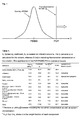
- Figure 1 schematically shows the requirements of the solvent that have to be fulfilled to obtain a hydrophilic PVP/PDMS-IPN.
- the selected solvent has to be able to swell PDMS, which occurs for 5 of the solvent close to PDMS.
- the condition to form a PVP film on PDMS has to be fulfilled, i.e. ( ⁇ Solvent > ⁇ PVP indicated by the arrow in the figure.
- the PDMS used in this study was 0.51 mm thick elastomer sheeting with 50 shore A hardness (supplied by Mentor Corporation, Netherlands).
- the hydrophilic monomer used was N-vinyl-2-pyrrolidone, NVP (stabilized with 0.01 % NaOH, Aldrich, Germany).
- lrgacure 2100 which is a mixture of mono- and bis(2,4,6-trimethylbenzoyl)-phenylphosphineoxide (Ciba Speciality Chemicals, Switzerland), was used as a UV-sensitive photoinitiator.
- Triethyleneglycol dimethacrylate, TEGDMA (95 %, stabilized with approximately 80 ppm hydroquinone, Aldrich, Germany) was used as crosslinker in the free-radical polymerization of NVP.
- the solvents used in this study were toluene (p.a, Merck, Germany) and ethanol (99.7 %, Solveco Chemicals AB, Sweden), n-hexane (p.a, Merck, Germany), diethyl carbonate (99 %, Aldrich), cyclohexane (p.a, Merck, Germany) and distilled water.
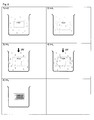
- FIG. 2 The experimental procedure to prepare a hydrophilic PVP/PDMS-IPN is schematically shown in Figure 2 .
- Circular PDMS film strips of approximately 1 cm diameter were cut from the crosslinked PDMS film.
- the PDMS sample was immersed in a homogenous solution of 1g Irgacure 2100 (I), 1g TEGDMA (C) and 5g solvent.
- the PDMS were soaked in the solution for one hour.
- the free-radical polymerization reaction of NVP was immediately initiated by UV-light (200 W mercury-xenon lamp, LC-8, Hamamatsu, Japan) when the soaked PDMS sample was immersed in the monomer solution.
- the PDMS sample was kept in the solution and quartz glass was used as a lid to avoid evaporation of solvents.
- UV-curing lasted for 60 - 90 minutes, which was shown to be a sufficient time to obtain a fully polymerized IPN. All experiments were carried out at room temperature.
- the PVP/PDMS-IPN was placed in a container with distilled water for more than 24 hours in order to remove PVP that was not fully crosslinked. The water was replaced a couple of times during the extraction until no further weight decrease of the PVP/PDMS-IPN was observed. After extraction in water the samples were stored in water to preserve the hydrophilic surface.
- W d is the weight of the dry PVP/PDMS-IPN extracted in water and w 0 is the initial weight of the PDMS film.
- the hydrophilicity of the surface of the PVP/PDMS-IPN was mainly characterized by visual inspection since the PVP/PDMS-IPNs were stored in water and a hydrophilic surface resulted in total spreading by adding a drop of water on the surface. Swollen samples were withdrawn from water and a hydrophilic surface showed a wetting surface of water. Besides, some IPNs were analyzed by Dynamic Contact Angle and Absorption Tester, DAT (Fibro 1100, Fibro Systems, Sweden) where values of contact angles and images were obtained.
- the main advantage using the two step method for preparation of hydrophilic PVP/PDMS-IPN is that in the polymerization step Irgacure 2100 and TEGDMA will diffuse out of the crosslinked PDMS and simultaneously the NVP monomer will diffuse into the PDMS. This favors the formation of a hydrophilic IPN since the polymerization starts immediately after the sample is immersed into the monomer solution. If the PDMS sample was soaked in the monomer solution before initiation of the polymerization reaction this will only favor diffusion of Irgacure 2100 and TEGDMA into the monomer solution and as a result the monomer solution will be polymerized outside PDMS and the final IPN will contain less amount of PVP.
- Samples prepared in the present study using the two step method appeared hydrophilic and contained 20-40 wt % of PVP in the PVP/PDMS-IPN.
- the concentration of PVP in the PVP/PDMS-IPN was calculated from Equation 7 after repeating the extraction in water a couple of times to remove any monomer residues.
- the swelling of the PVP/PDMS-IPN was calculated from Equation 8 and this is illustrated in Figure 3 c) , which shows the swelling behavior of PVP/PDMS-IPN in water versus the concentration of PVP in the PVP/PDMS-IPN. It is interesting to note that the degree of swelling in water is linearly correlated to the concentration of PVP in the PVP/PDMS-IPN. Hence, the swelling behavior of hydrogels like PVP depends on the fraction of PVP in the PVP/PDMS-IPN. It is most likely also dependent on the degree of crosslinking.
- the hydrophilicity of the surface of the PVP/PDMS-IPN was simply characterized by withdrawing the sample from the container with water and visually studying the spreading behavior of water on the surface. Some examples are shown in Figure 5 where the untreated PDMS clearly appears hydrophobic but also some other PVP/PDMS-IPN with low content of PVP appeared hydrophobic. On the other hand PVP/PDMS-IPN with high content of PVP had a hydrophilic surface as shown in Figure 5 c) .
- the PVP/PDMS-IPN was characterized as hydrophilic from visual inspection and this was confirmed from the contact angle measurements using DAT. The contact angle of a hydrophilic surface was even lower than the measurement range of the instrument.
- the samples were extracted in water until no further weight decrease was observed after polymerization of the PVP/PDMS-IPN but the shelf-life stability of the samples were also investigated.
- the samples were stored in water for 2 months after preparation and the weight of the dry and wet PVP/PDMS-IPN was measured. It was noted that the weight of the samples decreased approximately 3 % and the swelling in water of the PVP/PDMS-IPN decreased by approximately 4 % but the samples still maintained the hydrophilic behavior.
- the present study shows that it is possible to prepare hydrophilic PVP/PDMS-IPN by using a two step method.
- the prepared PVP/PDMS-IPN samples were characterized by measuring the contact angle with water.
- An important parameter for the synthesis of PVP/PDMS-IPN is the selection of suitable solvents that will favor wetting of PVP on the PDMS surface.
- several different solvent combinations were investigated based on thermodynamical calculations. It was found that a limiting threshold to obtain a hydrophilic surface of PVP on PDMS was ⁇ solvent ⁇ ⁇ PVP but experiments concluded that the threshold could be stretched towards a lower value of the solubility parameter but still maintaining the hydrophilic surface.
- Another important condition that has to be fulfilled when selecting solvents is the swelling ability of PDMS in the solvents. Advantages using the two step method in the present study can be seen when comparing with samples prepared by mixing all chemicals in one step followed by polymerization.
Landscapes
- Chemical & Material Sciences (AREA)
- Health & Medical Sciences (AREA)
- Chemical Kinetics & Catalysis (AREA)
- Medicinal Chemistry (AREA)
- Polymers & Plastics (AREA)
- Organic Chemistry (AREA)
- Polymerisation Methods In General (AREA)
Abstract
The invention relates to a A method to produce a hydrophilic composite material consisting of at least 20% per weight silicone rubber and at least 5% per weight of the polymerized form of a reactive organic monomer, characterized in that
a) a crosslinker and a photoinitiator are impregnated into said silicone rubber using a first organic solvent,
b) said monomer is impregnated into said silicone rubber using a second organic solvent,
c) the procedures a) and b) are carried out stepwise,
d) said monomer is polymerized by exposure to radiation.
a) a crosslinker and a photoinitiator are impregnated into said silicone rubber using a first organic solvent,
b) said monomer is impregnated into said silicone rubber using a second organic solvent,
c) the procedures a) and b) are carried out stepwise,
d) said monomer is polymerized by exposure to radiation.
Description
- The invention relates to a method to produce a hydrophilic composite material consisting of at least 20% per weight silicone rubber and at least 5% per weight of the polymerized form of reactive organic monomer.
- Crosslinked polydimethyl siloxane (PDMS) is a very versatile material and can be used in several applications due to its highly interesting material properties. Since it is biocompatible it can preferably be used for biomedical applications. Crosslinked PDMS is also a flexible material due to Si-O-Si bonds in the repeating unit of the molecule. Besides it has high thermal and chemical stability as well as high oxygen permeability and transparency. The surface energy of PDMS is extremely low (16-22 mJ/m2, which is approximately 10 units lower than that of other synthetic polymers) and if the material is to be used for biomedical applications it would be advantageous to increase the hydrophilicity of the surface in order to improve the biocompatibility.
- Improving the surface wettability of PDMS is a challenge due to its extremely low surface energy but nevertheless today there exist several methods to modify PDMS in order to obtain a hydrophilic surface.
- Some commonly used methods are based on surface modification, which still preserve the excellent bulk properties of PDMS. Corona treatment, plasma treatment, laser treatment and surface grafting are some of the methods included in this category. In some of these techniques it is difficult to preserve the hydrophilic surface since PDMS tends to turn the hydrophobic groups towards the surface. The surface modification methods may also increase manufacturing costs and require a more complicated procedure.
- It is also possible to use bulk modification methods where polymer blends and copolymers are included. These techniques also have drawbacks, for example in polymer blends where phase separation usually takes place. For some applications phase separation is not a major concern but other goals like improving mechanical properties of the polymer blend is more interesting than obtaining a homogeneous material.
- Another method for modifying PDMS is to form an interpenetrating polymer network (IPN). An IPN is a combination of two or more polymers in network form where physical entanglements of the polymer chains improve the stability in the bulk and surface of the IPN. According to the definition of an I PN at least one of the polymers should be synthesized and crosslinked in the presence of the other.
- IPNs are classified according to the different routes of preparation. Either the IPN can be prepared simultaneously (SINs) or sequentially. In the latter method one polymer is in network form and the monomer of the second polymer is added to the first polymer matrix followed by polymerization and eventually crosslinking. Contrary to polymer blends and different type of copolymers an IPN swells in a solvent, but without dissolution, due to the network structure with crosslinks.
- One of the advantages of using IPNs is the possibility to combine properties of different polymers, which usually are incompatible and can in many cases be an alternative to synthesizing a totally new polymer with the desired properties. Besides, in an IPN the degree of miscibility between the different polymers is enhanced due to the physical crosslinks between the polymer chains in comparison to regular polymer mixtures, the latter which usually show a large degree of phase separation.
- In the present study, preparation of hydrophilic PDMS-IPN is investigated. As previously discussed, PDMS has a very low surface energy and it must be combined with a hydrophilic polymer to increase the surface energy. However, simultaneously all other favorable properties of PDMS should still be preserved. It is advantageous to form an IPN in comparison to formation of a PVP-film on the crosslinked PDMS due to weak adhesion between PVP and PDMS. The IPN improves the adhesion between the polymer chains and results in a more stable structure.
- From the literature, there are some examples of studies of IPNs based on PDMS and another hydrophilic polymer. Liu et al, Biomaterials 2005, 26, (3), 233-244, describe the preparation of poly(N-isopropyl acrylamide) (PNIPAAM))/PDMS-IPN. This was achieved by swelling of the PDMS-film in a monomer solution followed by UV-curing polymerization. The resulting IPN showed an increase in hydrophilicity in comparison to pure PDMS (a decrease in contact angle was measured from 95° to 60°).
- Abbasi et al, International Journal of Adhesion and Adhesives 2004, 24, (3), 247-257, report preparation of poly(hydroxyethyl methacrylate) (PHEMA)/PDMS-IPN using a sequential method to prepare the IPN. Crosslinked PDMS was immersed in a solution containing monomer, crosslinker and initiator followed by thermal polymerization. Contact angle measurement data of the PHEMA/PDMS-IPNs showed a decrease in contact angle (from 105° to 62°) as the content of PHEMA in the IPN increased.
- Turner et al, Macromolecules 2003, 36, (6), 1962-1966, used another hydrophilic polymer, polymethacrylic acid (PMAA) and they formed an IPN by immersing the PDMS in the monomer followed by polymerization. The authors examined the morphology of the IPN by laser scanning confocal microscopy. It was concluded that the monomer immersion method resulted in a bicontinuous morphology where PMAA formed hydrophilic channels within the crosslinked PDMS.
- Polyvinylpyrrolidone (PVP) is another highly water soluble polymer and is widely used in pharmacy, cosmetics and medicine due to its high biocompatibility. Crosslinked PVP is currently used in some biomedical applications such as contact lenses. In contact with water, crosslinked PVP forms a hydrogel with the ability to absorb large quantities of water, up to 60 % of its weight, depending on the degree of crosslinking. However, one of the drawbacks with hydrogels are their poor mechanical properties in the swollen state.
- The object of the present invention is hence to form a hydrophilic surface of crosslinked PDMS by forming a homogenous film of PVP on the surface as well as crosslinking PVP inside the PDMS to form an IPN.
- In general, it is an object of the invention to provide a method for modifying a silicone rubber containing composite material in order to increase the hydrophilicity of the surface.
- This object is achieved by a method to produce a hydrophilic composite material consisting of at least 20% per weight silicone rubber and at least 5% per weight of the polymerized form of a reactive organic monomer, characterized in that
- a) a crosslinker and a photoinitiator are impregnated into said silicone rubber using a first solvent,
- b) said monomer is impregnated into said silicone rubber using a second solvent,
- c) the procedures a) and b) are carried out stepwise, and
- d) said monomer is polymerized by exposure to radiation.
- Due to the large chemical difference between the silicone rubber and the polymerized form of the monomer this has to be achieved in a two-step process. The first step is to impregnate the silicone rubber, for example PDMS, with photoinitiator and crosslinker using a suitable first solvent. The second step is to submerge this pre-swollen and impregnated silicone rubber in a solution of monomer and a second solvent with subsequent polymerization. The reasons for using a two step procedure will be apparent further below.
- The invention will now be explained with reference to the preparation of a PVP/PDMS-IPN. However, it is apparent for a man skilled in the art that the inventive two-step process can easily adapted to form interpenetrating polymer networks (IPNs) of other silicone rubber types and other monomers.
- The invention as well as further details of the invention will now be explained with reference to the enclosed drawings wherein
- figure 1
- schematically shows the requirements of the solvent,
- figure 2
- schematically shows the synthesis procedure of PVP/PDMS-IPN,
- figure 3a
- shows the concentration of PVP in the PVP/PDMS-IPN as a function of NVP concentration,
- figure 3b
- shows the swelling of PVP/PDMS-IPN in water as a function of NVP concentration,
- figure 3c
- is a combination of 3a) and 3b) and shows the swelling in water versus concentration of PVP in the IPN. For the PVP/PDMS-IPNs toluene was used as solvent in the first step and mixtures of toluene and ethanol was used as solvents in the second step during the preparation. Filled symbols are representing hydrophilic PVP/PDMS-IPN and open symbols are representing hydrophobic PVP/PDMS-IPN.
- Figure 4
- shows a plot of a theoretical curve for the excess mole fraction of NVP (x1,s - x1) with increasing mole fraction of NVP. The filled line (-) corresponds to the PVP surface and the broken line (- - -) corresponds to the PDMS surface.
- Figure 5
- shows images from contact angle measurements with water for a) untreated PDMS and b) and c) PVP/PDMS-IPN. The water drop in b) does not spread on the surface of the sample since it turned hydrophobic. On the contrary, the water drop in c) spread totally due to a complete hydrophilic surface. The contact angle was measured in the wet state of the PVP/PDMS-IPN but after carefully drying the surface between tissue paper.
- Table 1
- shows the spreading coefficient S, calculated for different solutions.
- For the preparation of a hydrophilic PVP/PDMS-IPN two conditions have to be fulfilled;
- 1) the crosslinked PDMS has to be swelled to be able to impregnate monomer, photoinitiator and crosslinker into the network and
- 2) excess of PVP must cover the PDMS surface after the polymerization reaction to enable a water wettable surface.
Regarding swelling of the crosslinked PDMS, the hydrophilic monomer alone has not the ability to sufficiently swell PDMS. Hence a suitable solvent with high swelling ability has to be selected. Since crosslinked PDMS is very nonpolar, the solvent should preferably also be nonpolar. The solubility parameter, δ, is used as a very useful aid to find a suitable swelling solvent of PDMS. Swelling of a polymer network is best achieved with solvents that have solubility parameters close to that of the polymer. Since δPDMS is 14.9 MPa½ solvents such as n-Hexane (δ = 14.9 MPa½), cyclohexane (δ = 16.8 MPa½) and toluene (δ = 18.2 MPa½) are good candidates. - The possibility to obtain a surface that is wetted by water is more of a challenge. The solubility parameter of PVP is 21,5 MPa1/2 (NVP, δ = 21,5 MPa1/2), which is significantly higher than the solubility parameter of PDMS. In order to satisfy this condition the surface should have an excess of PVP. Since PDMS has a very low surface energy this is not easily obtained. Spreading of the PVP film on PDMS can only occur if there is an energy gain, i.e. the total surface energy is lower after the spreading of PVP. The condition for wetting of a PVP film on a PDMS surface in a solvent is that the spreading coefficient, S, should be positive (S ≥ 0), i.e.,

where γij is the interfacial tension between the i and j phases. If the condition inEquation 1 is not fulfilled PVP will form droplets on the PDMS surface (S < 0). - In order to predict which solvents to be used, we will convert the interfacial tension of the components to solubility parameters. It can be shown that the interfacial tension between two components is proportional to the interaction parameter of the two components, i.e., the χ-parameter, according to:

where m is a constant, and denotes the plane above or below with nearest neighbors of molecules, a denotes the cross-sectional area per molecule and k and T have their usual significance. The x-parameter indicates the compatibility between the components and is a measure of the "antipathy" of the components. The X-parameter can be expressed in terms of the solubility parameter of the components (ref), viz.
- Where V1 is the molar volume of the solvent, R and T have their usual significance and β is a constant, which expresses the entropic contribution. A normal value of β is 0.34.
- Combining
Equations 
- The expression can be further simplified since V1=d3.NA where NA is the Avgadro's constant. The volume of a molecule is assumed to be cubical with length d. Similarly a can be rewritten as d2. After these
simplifications Equation 4 can be expressed as:
- EXPAND: Assume βPDMS/Solvent = βPVP/Solvent and βPDMS/PVP = 0 and the expression in Equation 5 will be further simplified. Finally the condition for spreading of PVP on PDMS can be rewritten as:

- Since δPDMS and δPVP are constants and δPDMS < δPVP we have the condition δSolvent ≥ δPVP in order for the condition S ≥ 0 to be valid. Hence we have a useful tool to select candidates for solvents in order to be able to polymerize a PVP film at the interface of PDMS and solvent..
- To obtain a hydrophilic PVP film on the PDMS surface the solvents used in the preparation step should be close to the solubility parameter of PVP i.e. polar solvents should be used. Another condition of the solvent is that it should dissolve the monomer, photoinitiator and crosslinker. However the polar solvents will not be able to swell PDMS but rather solvents with a solubility parameter close to PDMS are suitable.
- To fulfill these two requirements a two step method to produce the PVP/PDMS-IPN is necessary. In the first step the oil-soluble components are impregnated into the crosslinked PDMS using an efficient swelling solvent for PDMS. In the second step a solution containing the hydrophilic monomer is added. Hence in the present experimental study an account for a two-step process is given. We thus have a tool for choosing a suitable solvent for the polymerization of PVP and at the same time obtaining a surface that is wetted by water.
- As previously discussed, the selection of the solvents is important and the conditions discussed in the thermodynamical background have to be fulfilled in order to obtain a hydrophilic PVP/PDMS-IPN. First the solvent should swell the PDMS to great extent, which occurs at a solubility parameter close to that of the PDMS and second the solvent should fulfill the requirement δSolvent ≥ δPVP in order to obtain a homogenous PVP-film on PDMS. This is illustrated in
Figure 1 which schematically shows the requirements of the solvent that have to be fulfilled to obtain a hydrophilic PVP/PDMS-IPN. The selected solvent has to be able to swell PDMS, which occurs for 5 of the solvent close to PDMS. On the other hand the condition to form a PVP film on PDMS has to be fulfilled, i.e. (δSolvent > δPVP indicated by the arrow in the figure. - The PDMS used in this study was 0.51 mm thick elastomer sheeting with 50 shore A hardness (supplied by Mentor Corporation, Netherlands). The hydrophilic monomer used was N-vinyl-2-pyrrolidone, NVP (stabilized with 0.01 % NaOH, Aldrich, Germany). lrgacure 2100, which is a mixture of mono- and bis(2,4,6-trimethylbenzoyl)-phenylphosphineoxide (Ciba Speciality Chemicals, Switzerland), was used as a UV-sensitive photoinitiator. Triethyleneglycol dimethacrylate, TEGDMA (95 %, stabilized with approximately 80 ppm hydroquinone, Aldrich, Germany) was used as crosslinker in the free-radical polymerization of NVP. The solvents used in this study were toluene (p.a, Merck, Germany) and ethanol (99.7 %, Solveco Chemicals AB, Sweden), n-hexane (p.a, Merck, Germany), diethyl carbonate (99 %, Aldrich), cyclohexane (p.a, Merck, Germany) and distilled water.
- The experimental procedure to prepare a hydrophilic PVP/PDMS-IPN is schematically shown in
Figure 2 . Circular PDMS film strips of approximately 1 cm diameter were cut from the crosslinked PDMS film. The PDMS sample was immersed in a homogenous solution of 1g Irgacure 2100 (I), 1g TEGDMA (C) and 5g solvent. The selected solvents in this study have the ability to efficiently swell PDMS and photoinitiator (I) and crosslinker (C) were impregnated into the PDMS (t=t1). The PDMS were soaked in the solution for one hour. - After swelling of PDMS in the first solution during one hour it was immersed in a second solution containing typically, 3g NVP (M), 2.1g ethanol and 0.9g solvent, see calculations below for selection of solvents. The ratio of ethanol and the second solvent was determined from swelling of the PDMS in different solutions of ethanol and solvent.
- This was evaluated by visual inspection of PDMS samples in solution with different ratios of ethanol and solvent. It was determined that approximately 30 wt % of the swelling solvent was necessary to use to visually see the swelling of PDMS.
- The free-radical polymerization reaction of NVP was immediately initiated by UV-light (200 W mercury-xenon lamp, LC-8, Hamamatsu, Japan) when the soaked PDMS sample was immersed in the monomer solution. The UV-intensity was measured with a light power meter (at 365 nm, model C6080-03, Hamamatsu, Japan) and was constant during the whole polymerization (I = 300 mW/cm2). During the polymerization the PDMS sample was kept in the solution and quartz glass was used as a lid to avoid evaporation of solvents. UV-curing lasted for 60 - 90 minutes, which was shown to be a sufficient time to obtain a fully polymerized IPN. All experiments were carried out at room temperature.
- The PVP/PDMS-IPN was placed in a container with distilled water for more than 24 hours in order to remove PVP that was not fully crosslinked. The water was replaced a couple of times during the extraction until no further weight decrease of the PVP/PDMS-IPN was observed. After extraction in water the samples were stored in water to preserve the hydrophilic surface.
- As a reference control, some samples were prepared in one step, i.e the preswelling of PDMS with Irgacure 2100 and TEGDMA was excluded. Consequently all chemicals were mixed in one step and were impregnated during one hour followed by UV-polymerization. The PDMS sample was kept in the solution during the polymerization reaction. The final PVP/PDMS-IPN was immersed in water and treated similarly as the samples prepared with the two step method.
- The amount of PVP in the PVP/PDMS-IPN was calculated from dry weights after extraction in water, as follows:

- Where Wd is the weight of the dry PVP/PDMS-IPN extracted in water and w0 is the initial weight of the PDMS film.
- Dry PVP/PDMS-IPNs of known weight were immersed in an excess amount of distilled water at room temperature. After swelling of the PVP/PDMS-IPN in water for more than 24 hours and blotting the IPN between two sheets of dust-free tissue paper the water uptake in the PVP/PDMS-IPN was calculated as:

where Ws is the weight of the PVP/PDMS-IPN after swelling in water. - The hydrophilicity of the surface of the PVP/PDMS-IPN was mainly characterized by visual inspection since the PVP/PDMS-IPNs were stored in water and a hydrophilic surface resulted in total spreading by adding a drop of water on the surface. Swollen samples were withdrawn from water and a hydrophilic surface showed a wetting surface of water. Besides, some IPNs were analyzed by Dynamic Contact Angle and Absorption Tester, DAT (Fibro 1100, Fibro Systems, Sweden) where values of contact angles and images were obtained.
- Several PVP/PDMS-IPNs were investigated in the present study and they were prepared according to the preparation procedure described in the method part. Equation 6 was used for calculation of a suitable solvent mixture that will form a homogeneous film of PVP on the PDMS surface. Spreading coefficient, S, of different solvent combinations were calculated and they are listed in Table 1. For the calculations of mixtures it was assumed that the total solubility parameter, δ = δAφA + δBφB. In our systems we have a large amount of NVP (up to 50 wt %) and, of course, the presence of NVP alters the solubility parameter of the mixture. This effect is shown in the last column in Table 1 and we realize that, thanks to the presence of NVP, there are more candidates for obtaining a hydrophilic PVP/PDMS-IPN.
- The main advantage using the two step method for preparation of hydrophilic PVP/PDMS-IPN is that in the polymerization step Irgacure 2100 and TEGDMA will diffuse out of the crosslinked PDMS and simultaneously the NVP monomer will diffuse into the PDMS. This favors the formation of a hydrophilic IPN since the polymerization starts immediately after the sample is immersed into the monomer solution. If the PDMS sample was soaked in the monomer solution before initiation of the polymerization reaction this will only favor diffusion of Irgacure 2100 and TEGDMA into the monomer solution and as a result the monomer solution will be polymerized outside PDMS and the final IPN will contain less amount of PVP.
- Samples prepared in the present study using the two step method appeared hydrophilic and contained 20-40 wt % of PVP in the PVP/PDMS-IPN. The concentration of PVP in the PVP/PDMS-IPN was calculated from Equation 7 after repeating the extraction in water a couple of times to remove any monomer residues.
- The samples in
Figure 3 were prepared using toluene to swell the PDMS in the first step during the preparation. In the second step a mixture of toluene and ethanol was used. As can be seen inFigure 3 , the PVP/PDMS-IPNs presented in are hydrophilic above a certain threshold of NVP concentration, which is ca 25 wt %. This is explained by weak adhesion between PVP and PDMS and this illustrates the difficulties of forming a permanent hydrophilic PDMS surface. - Another interesting observation is the fact that the surface of the PVP/PDMS-IPNs turned hydrophobic if they were not stored in water after polymerization. If the samples are kept in air, the hydrophobic groups (methyl groups) of PDMS migrate towards the air surface and hence the surface turns hydrophobic. The tendency for the hydrophobic methyl groups in PDMS to migrate out towards the surface of the IPN has been described by He et al, Polymer 1992, 33, (4), 866-71.
- Their experiments concluded that the value of the surface energy of the IPN was similar to PDMS up to 80 wt % poly(methyl methacrylate) (PMMA) in PMMA/PDMS-IPN. This is explained by the low surface energy of PDMS. Our study shows, however, that this migration can be prevented of the samples are stored in water.
- In addition, the swelling of the PVP/PDMS-IPN was calculated from Equation 8 and this is illustrated in
Figure 3 c) , which shows the swelling behavior of PVP/PDMS-IPN in water versus the concentration of PVP in the PVP/PDMS-IPN. It is interesting to note that the degree of swelling in water is linearly correlated to the concentration of PVP in the PVP/PDMS-IPN. Hence, the swelling behavior of hydrogels like PVP depends on the fraction of PVP in the PVP/PDMS-IPN. It is most likely also dependent on the degree of crosslinking. - Increasing the NVP concentration has a marked effect on the PVP concentration in the final PVP/PDMS-IPN as can be seen in
Figure 3 a) . Increasing the NVP concentration up to 62 wt % resulted in a linear increase in the PVP concentration in the PVP/PDMS-IPN. This also corresponded to a linear increase of swelling in water of the PVP/PDMS-IPN, as shown inFigure 3 b) . Monomer solutions with a low content of NVP generated a hydrophobic PVP/PDMS-IPN. Other parameters that may have an effect during the preparation procedure are concentration of crosslinker- and photoinitiator, polymerization time and impregnation time in PDMS for the solutions. - Some samples were prepared where all components were mixed in one step, in order to make a comparison with the two-step method for preparation of PVP/PDMS-IPN. Those samples turned hydrophobic and the concentration of PVP in PVP/PDMS-IPN was much lower than with the two step method. Generally the concentration of PVP in the PVP/PDMS-IPN was not higher than 10 wt % using a one step preparation method. As mentioned earlier there appears to be a limiting PVP concentration (ca 25 wt %) in the PVP/PDMS-IPN according to
Figure 3 where it is possible to obtain a hydrophilic surface. Using the one step method the limiting PVP concentration in the PVP/PDMS-IPN was not reached, thus the sample remained hydrophobic. Nevertheless, as can be seen inFigure 3 , the swelling behavior of the PVP/PDMS-IPN prepared in one step also correlated linearly to the concentration of PVP in the PVP/PDMS-IPN. - From the summary in Table 1 we conclude that many different solvent combinations offer the possibility to create hydrophilic PVP/PDMS-IPN. Calculations of the spreading coefficient for toluene, hexane and diethyl carbonate indicated a non-wetting surface of PVP but the experiments have proved the opposite. This shows the ability to stretch the limiting threshold where it is possible to obtain a hydrophilic PVP/PDMS-IPN. The schematic drawing of this idea is shown in
Figure 1 . Some PVP/PDMS-IPN samples were prepared where either toluene or ethanol was used in the second step and it was shown to be possible to form a water wettable surface. Other samples were prepared where water was used in the second step (one drop of toluene was added to the solution to prevent toluene in the swollen PDMS to diffuse out) and the PVP/PDMS-IPN successfully turned hydrophilic. Also some other solvents were used for preparation of the PVP/PDMS-IPN such as cyclohexane, diethyl carbonate and hexane. The samples appeared hydrophilic when hexane, cyclohexane or diethyl carbonate was used in the first step followed by hexane/cyclohexane/diethyl carbonate with ethanol in the second step. Finally PVP/PDMS-IPN were prepared where cyclohexane or hexane was used in the second step and the PVP/PDMS-IPN turned hydrophilic, although calculations of the spreading coefficient, S, indicated that the surface of the PVP/PDMS-IPN would remain hydrophobic for those solvent combinations. These findings may seem contradictory, but one should take into consideration that the preparation procedure favors the formation of PVP on the PDMS surface due to the pre-swelling of photoinitiator and crosslinker in the PDMS. At the initiation of the polymerization reaction, there is an excess of solvent on the surface but as the polymerization reaction is progressing PVP/PDMS-IPN will start to propagate on the interface of PDMS and the solution. Hence, the condition will change and δ is shifted towards a higher value than the initial solution phase. At this point surface can be approximated to be covered with PVP. This is illustrated inFigure 4 where the difference in mole fraction of NVP on the surface and the solution phase (x1,s - x1) is plotted versus the mole fraction of NVP in the solution phase (x1). Two different cases are illustrated in the graph. The first case shows the initiation of the polymerization reaction when there is a PDMS surface and the other case illustrates a later stage in the reaction when the surface is covered with PVP. - In general the hydrophilicity of the surface of the PVP/PDMS-IPN was simply characterized by withdrawing the sample from the container with water and visually studying the spreading behavior of water on the surface. Some examples are shown in
Figure 5 where the untreated PDMS clearly appears hydrophobic but also some other PVP/PDMS-IPN with low content of PVP appeared hydrophobic. On the other hand PVP/PDMS-IPN with high content of PVP had a hydrophilic surface as shown inFigure 5 c) . The PVP/PDMS-IPN was characterized as hydrophilic from visual inspection and this was confirmed from the contact angle measurements using DAT. The contact angle of a hydrophilic surface was even lower than the measurement range of the instrument. - The samples were extracted in water until no further weight decrease was observed after polymerization of the PVP/PDMS-IPN but the shelf-life stability of the samples were also investigated. The samples were stored in water for 2 months after preparation and the weight of the dry and wet PVP/PDMS-IPN was measured. It was noted that the weight of the samples decreased approximately 3 % and the swelling in water of the PVP/PDMS-IPN decreased by approximately 4 % but the samples still maintained the hydrophilic behavior.
- The present study shows that it is possible to prepare hydrophilic PVP/PDMS-IPN by using a two step method. The prepared PVP/PDMS-IPN samples were characterized by measuring the contact angle with water. An important parameter for the synthesis of PVP/PDMS-IPN is the selection of suitable solvents that will favor wetting of PVP on the PDMS surface. In this study several different solvent combinations were investigated based on thermodynamical calculations. It was found that a limiting threshold to obtain a hydrophilic surface of PVP on PDMS was δsolvent≥ δPVP but experiments concluded that the threshold could be stretched towards a lower value of the solubility parameter but still maintaining the hydrophilic surface. Another important condition that has to be fulfilled when selecting solvents is the swelling ability of PDMS in the solvents. Advantages using the two step method in the present study can be seen when comparing with samples prepared by mixing all chemicals in one step followed by polymerization.
Claims (12)
- A method to produce a hydrophilic composite material consisting of at least 20% per weight silicone rubber and at least 5% per weight of the polymerized form of a reactive organic monomer, characterized in thata) a crosslinker and a photoinitiator are impregnated into said silicone rubber using a first organic solvent,b) said monomer is impregnated into said silicone rubber using a second organic solvent,c) the procedures a) and b) are carried out stepwise,d) said monomer is polymerized by exposure to radiation.
- Method according to claim 1 characterized in that after step d) said composite material is cleaned from residual, not reacted chemicals using a third solvent.
- Method according to any of claims 1 or 2 characterized in that step b) is carried out after step a).
- Method according to any of claims 1 to 3 characterized in that said monomer and said crosslinker are polymerized.
- Method according to any of claims 1 to 4 characterized in that said monomer is polymerized by exposure to UV light.
- A method according to any of claims 1 to 5 characterized in that a hydrophilic monomer is impregnated into said silicone rubber, preferably a monomer selected from the group of carbon-carbon double bond containing chemicals, preferably vinyl compounds, acrylic compounds, vinylpyrrolidone, HEMA (hydroxyethylmethacrylic acid) or acrylates.
- A method according to any of claims 1 to 6 characterized in that said crosslinker is selected from the group of polyfunctional compounds, preferably triethylene glycol dimethacrylate (TEGDMA).
- A method according to any of claims 1 to 7 characterized in that said first solvent is an organic solvent, preferably selected from the group of apolar solvents, preferably hexane, cyclohexane, cyclopentane or toluene.
- A method according to any of claims 1 to 8 characterized in that said second solvent is an organic solvent, preferably selected from the group of polar solvents, preferably ethanol or water.
- A method according to any of claims 1 to 9 characterized in that said third solvent is non-toxic, preferably said third solvent is liquid or supercritical carbon dioxide.
- A method according to any of claims 6 or 7 characterized in that said photoinitiator is capable of initiating the polymerization of said monomers, preferably said photoinitiator comprises bis(2,4,6,-trimethylbenzoyl)-phenylphosphine oxide.
- The use of a product obtained by a method according to any of claims 1 to 11 as ophtalmological devices, in particular as a contact lense, or as medical device, in particular as a catheter for blood, urine or other bodily fluids, or as a medical implant, or as a technical device, in particular as a gasket or a membrane.
Priority Applications (2)
| Application Number | Priority Date | Filing Date | Title |
|---|---|---|---|
| EP07000510A EP1944328A1 (en) | 2007-01-11 | 2007-01-11 | Method for modifying silicone rubber |
| PCT/EP2008/000147 WO2008083968A1 (en) | 2007-01-11 | 2008-01-10 | Method for modifying silicone rubber |
Applications Claiming Priority (1)
| Application Number | Priority Date | Filing Date | Title |
|---|---|---|---|
| EP07000510A EP1944328A1 (en) | 2007-01-11 | 2007-01-11 | Method for modifying silicone rubber |
Publications (1)
| Publication Number | Publication Date |
|---|---|
| EP1944328A1 true EP1944328A1 (en) | 2008-07-16 |
Family
ID=38042738
Family Applications (1)
| Application Number | Title | Priority Date | Filing Date |
|---|---|---|---|
| EP07000510A Withdrawn EP1944328A1 (en) | 2007-01-11 | 2007-01-11 | Method for modifying silicone rubber |
Country Status (2)
| Country | Link |
|---|---|
| EP (1) | EP1944328A1 (en) |
| WO (1) | WO2008083968A1 (en) |
Cited By (2)
| Publication number | Priority date | Publication date | Assignee | Title |
|---|---|---|---|---|
| EP2183105A4 (en) * | 2007-08-27 | 2011-05-18 | 3M Innovative Properties Co | Polymer gel structure and method for producing same |
| US12227650B2 (en) | 2019-12-31 | 2025-02-18 | Dow Global Technologies Llc | Method of preparing silicone-acrylate hybrid composition and hybrid composition formed thereby |
Families Citing this family (2)
| Publication number | Priority date | Publication date | Assignee | Title |
|---|---|---|---|---|
| CN115353595B (en) * | 2022-08-26 | 2024-09-06 | 中国海洋大学 | PDMS-PMA composite elastomer, preparation method and application |
| CN115725105A (en) * | 2022-11-29 | 2023-03-03 | 长春工业大学 | A kind of hydrophilic silicone rubber graphene antifouling composite material modified by polyvinylpyrrolidone and preparation method thereof |
Citations (5)
| Publication number | Priority date | Publication date | Assignee | Title |
|---|---|---|---|---|
| EP0643083A1 (en) * | 1993-09-10 | 1995-03-15 | Essilor International Compagnie Generale D'optique | Hydrophilic, transparent material with high oxygen permeability containing interpenetrating polymer networks, process for preparing it and manufacture of soft contact lenses with high oxygen permeability |
| US5424375A (en) * | 1987-12-29 | 1995-06-13 | Norsolor | Process for the manufacture of a polymeric material containing interpenetrated polysiloxane-polyacrylic networks |
| FR2757528A1 (en) * | 1996-12-20 | 1998-06-26 | Dow Corning | Interpenetrating polymer network used e.g. for reinforcing agents in silicone rubbers |
| US6331578B1 (en) * | 1998-11-18 | 2001-12-18 | Josephine Turner | Process for preparing interpenetrating polymer networks of controlled morphology |
| WO2005003237A1 (en) * | 2003-07-04 | 2005-01-13 | Nanon A/S | A method of producing an interpenetrating polymer network (ipn), the ipn and use thereof |
-
2007
- 2007-01-11 EP EP07000510A patent/EP1944328A1/en not_active Withdrawn
-
2008
- 2008-01-10 WO PCT/EP2008/000147 patent/WO2008083968A1/en not_active Ceased
Patent Citations (5)
| Publication number | Priority date | Publication date | Assignee | Title |
|---|---|---|---|---|
| US5424375A (en) * | 1987-12-29 | 1995-06-13 | Norsolor | Process for the manufacture of a polymeric material containing interpenetrated polysiloxane-polyacrylic networks |
| EP0643083A1 (en) * | 1993-09-10 | 1995-03-15 | Essilor International Compagnie Generale D'optique | Hydrophilic, transparent material with high oxygen permeability containing interpenetrating polymer networks, process for preparing it and manufacture of soft contact lenses with high oxygen permeability |
| FR2757528A1 (en) * | 1996-12-20 | 1998-06-26 | Dow Corning | Interpenetrating polymer network used e.g. for reinforcing agents in silicone rubbers |
| US6331578B1 (en) * | 1998-11-18 | 2001-12-18 | Josephine Turner | Process for preparing interpenetrating polymer networks of controlled morphology |
| WO2005003237A1 (en) * | 2003-07-04 | 2005-01-13 | Nanon A/S | A method of producing an interpenetrating polymer network (ipn), the ipn and use thereof |
Cited By (2)
| Publication number | Priority date | Publication date | Assignee | Title |
|---|---|---|---|---|
| EP2183105A4 (en) * | 2007-08-27 | 2011-05-18 | 3M Innovative Properties Co | Polymer gel structure and method for producing same |
| US12227650B2 (en) | 2019-12-31 | 2025-02-18 | Dow Global Technologies Llc | Method of preparing silicone-acrylate hybrid composition and hybrid composition formed thereby |
Also Published As
| Publication number | Publication date |
|---|---|
| WO2008083968A1 (en) | 2008-07-17 |
Similar Documents
| Publication | Publication Date | Title |
|---|---|---|
| Dalton et al. | Manufacture of poly (2-hydroxyethyl methacrylate-co-methyl methacrylate) hydrogel tubes for use as nerve guidance channels | |
| Seo et al. | Surface tethering of phosphorylcholine groups onto poly (dimethylsiloxane) through swelling–deswelling methods with phospholipids moiety containing ABA-type block copolymers | |
| DE60126697T2 (en) | Method for producing a material for ocular lenses having a hydrophilic surface | |
| Liu et al. | Glucose permeable poly (dimethyl siloxane) poly (N-isopropyl acrylamide) interpenetrating networks as ophthalmic biomaterials | |
| US6331578B1 (en) | Process for preparing interpenetrating polymer networks of controlled morphology | |
| Shi et al. | Surface characterization of a silicone hydrogel contact lens having bioinspired 2-methacryloyloxyethyl phosphorylcholine polymer layer in hydrated state | |
| Xu et al. | Microporous polypropylene hollow fiber membrane: Part I. Surface modification by the graft polymerization of acrylic acid | |
| US20170327624A1 (en) | Polymeric adhesive for anchoring compliant materials to another surface | |
| Huglin et al. | Influence of a salt on some properties of hydrophilic methacrylate hydrogels | |
| Kiritoshi et al. | Preparation of cross-linked biocompatible poly (2-methacryloyloxyethyl phosphorylcholine) gel and its strange swelling behavior in water/ethanol mixture | |
| Guilherme et al. | Thermo-responsive sandwiched-like membranes of IPN-PNIPAAm/PAAm hydrogels | |
| Abbasi et al. | Bulk and surface modification of silicone rubber for biomedical applications | |
| EP2226075A1 (en) | Material for preventing tissue adhesion and material for preventing joint contracture | |
| Aroca et al. | Porous poly (2-hydroxyethyl acrylate) hydrogels prepared by radical polymerisation with methanol as diluent | |
| FR2709756A1 (en) | Hydrophilic material, transparent with high permeability to oxygen, based on an interpenetrating network polymer, its method of preparation and manufacture of soft contact lenses with high oxygen permeability. | |
| Augé et al. | What determines the volume transition temperature of UCST acrylamide–acrylonitrile hydrogels? | |
| WO2008083968A1 (en) | Method for modifying silicone rubber | |
| Madhuranthakam et al. | Performance of polyacrylamide and poly (acrylamide/sodium acrylate) hydrogel-coated mesh for separation of oil/water mixtures | |
| CA2430185A1 (en) | Ophthalmic biomaterials and preparation thereof | |
| Migliaresi et al. | Physical characterization of microporous poly (2‐hydroxyethyl methacrylate) gels | |
| Tighe et al. | Physicochemical properties of hydrogels for use in ophthalmology | |
| Kurihara et al. | Crosslinking of poly (vinyl alcohol)-graft-N-isopropylacrylamide copolymer membranes with glutaraldehyde and permeation of solutes through the membranes | |
| Mishra et al. | Radiation induced crosslinking effect on semi-interpenetrating polymer networks of poly (vinyl alcohol) | |
| Sadakbayeva et al. | Microstructured poly (2-hydroxyethyl methacrylate)/poly (glycerol monomethacrylate) interpenetrating network hydrogels: UV-scattering induced accelerated formation and tensile behavior | |
| Kekevi et al. | Development of terpene based sorbents via emulsion templating: Synthesis and swelling behavior |
Legal Events
| Date | Code | Title | Description |
|---|---|---|---|
| PUAI | Public reference made under article 153(3) epc to a published international application that has entered the european phase |
Free format text: ORIGINAL CODE: 0009012 |
|
| AK | Designated contracting states |
Kind code of ref document: A1 Designated state(s): AT BE BG CH CY CZ DE DK EE ES FI FR GB GR HU IE IS IT LI LT LU LV MC NL PL PT RO SE SI SK TR |
|
| AX | Request for extension of the european patent |
Extension state: AL BA HR MK RS |
|
| AKX | Designation fees paid | ||
| REG | Reference to a national code |
Ref country code: DE Ref legal event code: 8566 |
|
| STAA | Information on the status of an ep patent application or granted ep patent |
Free format text: STATUS: THE APPLICATION IS DEEMED TO BE WITHDRAWN |
|
| 18D | Application deemed to be withdrawn |
Effective date: 20090117 |