EP1937241B1 - Pharmaceutical composition for prevention and treatment of drug or alcohol addiction or bipolar disorder using sodium phenylbutyrate - Google Patents
Pharmaceutical composition for prevention and treatment of drug or alcohol addiction or bipolar disorder using sodium phenylbutyrate Download PDFInfo
- Publication number
- EP1937241B1 EP1937241B1 EP06798579A EP06798579A EP1937241B1 EP 1937241 B1 EP1937241 B1 EP 1937241B1 EP 06798579 A EP06798579 A EP 06798579A EP 06798579 A EP06798579 A EP 06798579A EP 1937241 B1 EP1937241 B1 EP 1937241B1
- Authority
- EP
- European Patent Office
- Prior art keywords
- drug
- addiction
- composition
- sodium phenylbutyrate
- use according
- Prior art date
- Legal status (The legal status is an assumption and is not a legal conclusion. Google has not performed a legal analysis and makes no representation as to the accuracy of the status listed.)
- Not-in-force
Links
Images



Classifications
-
- A—HUMAN NECESSITIES
- A61—MEDICAL OR VETERINARY SCIENCE; HYGIENE
- A61K—PREPARATIONS FOR MEDICAL, DENTAL OR TOILETRY PURPOSES
- A61K31/00—Medicinal preparations containing organic active ingredients
- A61K31/185—Acids; Anhydrides, halides or salts thereof, e.g. sulfur acids, imidic, hydrazonic or hydroximic acids
- A61K31/19—Carboxylic acids, e.g. valproic acid
- A61K31/192—Carboxylic acids, e.g. valproic acid having aromatic groups, e.g. sulindac, 2-aryl-propionic acids, ethacrynic acid
-
- A—HUMAN NECESSITIES
- A61—MEDICAL OR VETERINARY SCIENCE; HYGIENE
- A61P—SPECIFIC THERAPEUTIC ACTIVITY OF CHEMICAL COMPOUNDS OR MEDICINAL PREPARATIONS
- A61P25/00—Drugs for disorders of the nervous system
-
- A—HUMAN NECESSITIES
- A61—MEDICAL OR VETERINARY SCIENCE; HYGIENE
- A61P—SPECIFIC THERAPEUTIC ACTIVITY OF CHEMICAL COMPOUNDS OR MEDICINAL PREPARATIONS
- A61P25/00—Drugs for disorders of the nervous system
- A61P25/18—Antipsychotics, i.e. neuroleptics; Drugs for mania or schizophrenia
-
- A—HUMAN NECESSITIES
- A61—MEDICAL OR VETERINARY SCIENCE; HYGIENE
- A61P—SPECIFIC THERAPEUTIC ACTIVITY OF CHEMICAL COMPOUNDS OR MEDICINAL PREPARATIONS
- A61P25/00—Drugs for disorders of the nervous system
- A61P25/24—Antidepressants
-
- A—HUMAN NECESSITIES
- A61—MEDICAL OR VETERINARY SCIENCE; HYGIENE
- A61P—SPECIFIC THERAPEUTIC ACTIVITY OF CHEMICAL COMPOUNDS OR MEDICINAL PREPARATIONS
- A61P25/00—Drugs for disorders of the nervous system
- A61P25/30—Drugs for disorders of the nervous system for treating abuse or dependence
-
- A—HUMAN NECESSITIES
- A61—MEDICAL OR VETERINARY SCIENCE; HYGIENE
- A61P—SPECIFIC THERAPEUTIC ACTIVITY OF CHEMICAL COMPOUNDS OR MEDICINAL PREPARATIONS
- A61P25/00—Drugs for disorders of the nervous system
- A61P25/30—Drugs for disorders of the nervous system for treating abuse or dependence
- A61P25/32—Alcohol-abuse
-
- A—HUMAN NECESSITIES
- A61—MEDICAL OR VETERINARY SCIENCE; HYGIENE
- A61P—SPECIFIC THERAPEUTIC ACTIVITY OF CHEMICAL COMPOUNDS OR MEDICINAL PREPARATIONS
- A61P25/00—Drugs for disorders of the nervous system
- A61P25/30—Drugs for disorders of the nervous system for treating abuse or dependence
- A61P25/36—Opioid-abuse
-
- A—HUMAN NECESSITIES
- A61—MEDICAL OR VETERINARY SCIENCE; HYGIENE
- A61P—SPECIFIC THERAPEUTIC ACTIVITY OF CHEMICAL COMPOUNDS OR MEDICINAL PREPARATIONS
- A61P43/00—Drugs for specific purposes, not provided for in groups A61P1/00-A61P41/00
Definitions
- the present invention relates to a pharmaceutical composition for prevention and treatment of drug or alcohol addiction or bipolar disorder. More specifically, the present invention relates to a pharmaceutical composition for prevention and treatment of drug or alcohol addiction or bipolar disorder, using sodium phenylbutyrate as a novel use of a drug.
- narcotics such as morphine, cocaine and amphetamine, nicotine and alcohol.
- addictive drugs such as narcotics cause users to become addicted, and stopping use thereof causes severe withdrawal symptoms, thus making normal life without drugs impossible and finally rendering persons physically and mentally debilitated leading to a high degree of risk.
- cocaine is an alkaloid drug derived from the leaves of the coca plant and is one of the most serious problem-causing narcotic drugs throughout the world.
- Cocaine is absorbed through mucous membranes of the nasal passage and acts on sensory nerve endings, thereby resulting in sensory paralysis, such as inhibiting pain and numbing the sense. Therefore, cocaine has been used as a local anesthetic in surgery and medical examination since 1862. Absorption of excessive amounts of cocaine or repeated use thereof causes cocaine poisoning, this in turn is accompanied by psychiatric disorders such as depression, anxiety, sleep disorders, chronic fatigue syndrome and mental confusion in conjunction with dystrophy.
- Utilization of cocaine is usually effected via injection, intake and nasal inhalation thereof.
- a toxic dose of cocaine is 0.1 g and a lethal dose thereof is 1.0 g.
- Acute poisoning due to consumption of large amounts of cocaine begins with vertigo, facial pallor and mydriasis, thereby leading to intoxication, abalienation, visual and auditory hallucinations and syncope, finally causing dyspnea or cardiovascular collapse resulting in death.
- Cocaine addiction due to chronic use thereof is similar to morphine addiction, but exhibits pronounced physical exhaustion such as lethargy and weight loss and psychiatric problems such as difficulty in concentration and psychosomatic devastation.
- cocaine addicts may develop a specific form of cocaine hallucinosis such as tactile hallucinations, for example a disorder wherein the user experiences the sensation of crawling insects, worms, and other small animals on their skin.
- locomotor activity In addictive drugs such as cocaine, medication thereof via repeated administration increases locomotor activity (Zavala AR, Nazarian A, Crawford CA, and Mcdougall SA, 2000). In addition, locomotor activity exhibits behavioral sensitization. Behavioral sensitization is a phenomenon in which repeated and intermittent administration of a small amount of an addictive drug produces gradual and incremental increases in locomotor activity and stereotype activity. Behavioral sensitization is divided into a development phase at which activity is gradually increased and an expression phase at which increased activity is maintained for extended periods of time (Karler R, Chaudhry IA, Calder LD, and Turkanis SA, 1990), and is used as an indicator of drug addiction.
- Cocaine produces addiction via cocaine-induced reinforcing effects and the primary factor affecting such behavioral sensitization is activation of a dopamine (DA) neurotransmitter system.
- DA dopamine
- the midbrain-limbic system in which A10 nerve, originating in the ventral tegmental area (VTA), projects into the nucleus accumbens (NAcc), plays an important role in compensation and reinforcing action due to cocaine administration (Einhorn LC, Johansen DA, and White FJ, 1988).
- Cocaine primarily causes cardiovascular diseases via pharmacological action such as an increase of cardiac output, elevation of blood pressure and constriction of peripheral blood vessels (Foltin RW, and Fischman MW, 1988).
- cocaine administration elicits an increase in release of dopamine, a neurotransmitter, from the central nervous system, and thereby provides a pathogenic factor of drug addiction (Dismukes K, and Mulder AH, 1977).
- drug addiction results in mental disorders and is neurochemically caused by excessive release of dopamine from the nucleus accumbens (NAcc) and striatum region (Kreek MJ, 1996).
- c-fos an immediate early gene known as an indicator of neuroactivity
- dopaminergic neuron cells such as the nucleus accumbens and striatum correlated with drug addiction
- SKF-38393 a D1 receptor agonist
- Bipolar disorder is a major devastating psychiatric illness which is associated with suicide and loss of work productivity (Belmaker, 2004; Kupfer, 2005).
- the pathophysiology of bipolar disorder remains poorly understood despite advanced genetics, neurobiology and pharmacology.
- Benicio N. Frey et al 2006. Effects of mood stabilizers on hippocampus BDNF levels in an animal model of mania. Life Sciences, LFS-11196) have evaluated mood-stabilizing effects of lithium and valproate, via confirmation of animal behavior (locomotor activity) following co-administration of amphetamine (AMPH) with lithium or valproate which is a representative drug for the treatment of alcohol addiction.
- AMPH amphetamine
- PBA sodium phenylbutyrate
- Sodium phenylbutyrate has been conventionally reported to reduce generation of harmful ammonia by decreasing glutamine levels.
- Ammonaps R is currently on the market as a therapeutic drug for the treatment of urea cycle disorders, containing sodium phenylbutyrate as a main ingredient.
- phenylbutyrate has been reported to be effective in treatment of autism by acting as a glutamine level-reducing agent. That is, it is reported that since autistic patients exhibit abnormally higher levels of glutamine and glycine, it is possible to treat autism by decreasing glutamine levels via reduction of a level of glutamate, which is a precursor of glutamine and is an excitotoxic amino acid, through administration of phenylbutyrate ( US Patent No. 6,362,226 ).
- phenylbutyrate is known to have therapeutic effects on cystic fibrosis and tumors or cancers, but there still remains no report for therapeutic effects of phenylbutyrate on drug or alcohol addiction or bipolar disorder.
- RALPH R J ET AL "Valproate attenuates hyperactive and perseverative locomotor behaviors in dopamine transporter knockdown mice", SOCIETY FOR NEUROSCIENCE ABSTRACTS, vol. 27, no.
- the present invention has been made in view of the above problems, and it is an object of the present invention to provide a pharmaceutical composition for prevention and treatment of drug or alcohol addiction or bipolar disorder, utilizing sodium phenylbutyrate (PBA) which is capable of inhibiting an increase of locomotor activity by controlling a level of a neurotransmitter via regulation of expression of a neurotransmitter transporter.
- PBA sodium phenylbutyrate
- a pharmaceutical composition for prevention and treatment of drug or alcohol addiction or bipolar disorder comprising sodium phenylbutyrate (PBA).
- PBA sodium phenylbutyrate
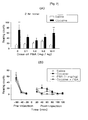
- FIG. 1 graphically shows the results of effects of sodium phenylbutyrate on cocaine-induced (acute) locomotor activity
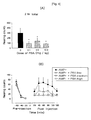
- FIG. 2 graphically shows the results of effects of sodium phenylbutyrate on cocaine-induced (acute) rearing activity
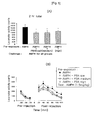
- FIG. 3 graphically shows the results of effects of sodium phenylbutyrate on amphetamine-induced (acute) locomotor activity
- FIG. 4 graphically shows the results of effects of sodium phenylbutyrate on amphetamine-induced (acute) rearing activity
- FIG. 5 graphically shows the results of effects of sodium phenylbutyrate on amphetamine-induced (chronic) locomotor activity
- FIG. 6 graphically shows the results of effects of sodium phenylbutyrate on amphetamine-induced (chronic) rearing activity
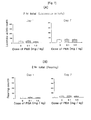
- FIG. 7 graphically shows the results of effects of sodium phenylbutyrate on locomotor activity of animals when sodium phenylbutyrate alone is administered daily via intraperitoneal injection for 7 consecutive days.
- Sodium phenylbutyrate which is used as a main ingredient in a pharmaceutical composition in accordance with the present invention, is represented by structural formula I as below:
- sodium phenylbutyrate which is currently used primarily as a therapeutic drug for treatment of urea cycle disorders, is therapeutically effective in treatment of drug or alcohol addiction or bipolar disorder as a novel therapeutic use.
- the present invention has been completed based on these findings.
- Drug addictions that can be treated via application of the pharmaceutical composition in accordance with the present invention include, but are not limited to, amphetamine addiction and cocaine addiction.
- Repeated administration of an antihypnotic drug, such as amphetamine or cocaine, to animals tends to significantly increase locomotor activity, which is called behavioral sensitization.
- Such a phenomenon is known to provide a clue which is important in neurobiological elucidation of drug addiction.
- sodium phenylbutyrate which is used as an active ingredient in the pharmaceutical composition in accordance with the present invention, controls a level of neurotransmitters such as glutamate, dopamine and gamma-aminobutyric acid (GABA), via regulation of expression of a neurotransmitter transporter.
- GABA gamma-aminobutyric acid
- sodium phenylbutyrate regulates expression of a Glu transporter.
- Life Sciences, LFS-11196 have evaluated mood-stabilizing effects of lithium and valproate, via confirmation of locomotor activity of a rat following co-administration of amphetamine (AMPH) with lithium or valproate which is a representative drug for the treatment of al cohol addiction.
- AMPH amphetamine
- the pharmaceutical composition in accordance with the present invention is also therapeutically effective in the treatment of alcohol addiction and bipolar disorder.
- the pharmaceutical composition containing sodium phenylbutyrate in accordance with the present invention may be used in the treatment of drug or alcohol addiction or bipolar disorder and may also be used for prevention of drug or alcohol addiction or bipolar disorder.
- the pharmaceutical composition in accordance with the present invention may be administered orally, intraperitoneally, subcutaneously.
- a dose of the pharmaceutical composition in accordance with the present invention can be appropriately determined depending upon various factors such as age and symptoms of patients, dosage forms and kinds of drugs.
- composition in accordance with the present invention may be formulated into various unit dosage forms such as tablets, soft and hard capsules, solutions by addition of pharmaceutically acceptable carriers, for example diluents such as lactose, lubricants such as magnesium stearate, binding agents such as polyvinylpyrrolidone and disintegrating agents such as calcium carboxymethylcellulose.
- pharmaceutically acceptable carriers for example diluents such as lactose, lubricants such as magnesium stearate, binding agents such as polyvinylpyrrolidone and disintegrating agents such as calcium carboxymethylcellulose.
- unit dose of the pharmaceutical composition in accordance with the present invention varies depending upon various factors such as severity of addiction and age of subjects, it may be generally in the range of 5 to 2000 mg, and preferably 10 to 1000 mg.
- unit dose refers to a daily dose of the pharmaceutical preparation for adults which may be administered singly or as a divided dose once or several times a day.
- the pharmaceutical composition in accordance with the present invention is preferably given orally by administration of the unit dose as a single dose or divided dose once to three times a day.
- a bank of 12 activity boxes was used to measure locomotor activity of animals (Kim & Vezina, 1998). Each box (22 x 43 x 33 cm) estimated locomotor activity from photo beam interruptions. Rats were placed in the activity boxes for a 1-hour habituation period. Then, these rats were administered with the respective dosages of the pharmaceutical composition and were immediately placed again in the activity boxes, and locomotor activity and rearing activity of rats were measured for additional 2 hours. Specifically, a computer was adapted to count locomotion of rats via photo beams installed on the top/bottom and right/left of the activity boxes, and such locomotion behavior of rats was confirmed for two hours. Rearing activity was also measured by counting upward/downward motion of rats via photo beams installed in the activity boxes.
- measurement of rearing activity serves to confirm rearing up on their hind legs while raising front legs (it is known that administration of addictive drugs to rats results in an increase in rearing behavior in conjunction with locomotor activity and that rats seldom rear except when they feed), which is used as an indicator to evaluate effects of drug addiction.
- Examples of the present invention are also provided to confirm therapeutic effects of a pharmaceutical composition of the present invention on drug or alcohol addiction as well as bipolar disorder.
- Benicio N. Frey et al 2006. Effects of mood stabilizers on hippocampus BDNF levels in an animal model of mania.
- Life Sciences, LFS-11196 have conducted an experiment for evaluating mood-stabilizing effects of a drug, via confirmation of animal behavior (locomotor activity) after co-administration of amphetamine (AMPH) and a drug of interest, using an experimental method similar to the method employed in Examples of the present invention.
- AMPH amphetamine
- FIGS. 1 and 2 Different concentrations (0.1, 1.0, 5.0 and 10.0 mg/kg) of sodium phenylbutyrate were intraperitoneally injected (acute) alone or in combination with cocaine (15 mg/kg) into rats, and locomotor activity and rearing of animals were measured for 2 hours. The results thus obtained are given in FIGS. 1 and 2 .
- an open bar represents administration of physiological saline + sodium phenylbutyrate
- a solid bar represents administration of cocaine + sodium phenylbutyrate.
- FIGS. 1A and 2A represent results for total 2 hours and FIGS. 1B and 2B represent results for a time course of 20 minute intervals.
- sodium phenylbutyrate was shown to reduce an increase in cocaine-induced locomotor activity and rearing of rats in a dose-dependent manner, and such effects were greatest at a dose of 1.0 mg/kg.
- FIGS. 3 and 4 Similar to Example 1, different concentrations (0.1, 1.0 and 10.0 mg/kg) of sodium phenylbutyrate were intraperitoneally injected (acute) alone or in combination with amphetamine (1.5 mg/kg) into rats, and locomotor activity of animals was measured for 2 hours. The results thus obtained are given in FIGS. 3 and 4 .
- FIGS. 3A and 4A represent results for total 2 hours and FIGS. 3B and 4B represent results for a time course of 20 minute intervals.
- sodium phenylbutyrate was also shown to decrease an increase in amphetamine-induced locomotor activity, and such effects were similarly exhibited at a dose of 0.1 to 10.0 mg/kg.
- FIGS. 5 and 6 represent results for total 2 hours and FIGS.
- 5B and 6B represent results for a time course of 20 minute intervals.
- sodium phenylbutyrate exhibits significant blocking effects against amphetamine-induced behavioral sensitization. Such effects were particularly strong at a dose of 0.1 to 1.0 mg/kg.
- FIG. 7A represents results of 2 hour-locomotor activity of animals on day 1 and day 7 of drug administration and FIG. 7B represents results of rearing measurement.
- the present invention provides a pharmaceutical composition for prevention and treatment of drug or alcohol addiction or bipolar disorder, utilizing sodium phenylbutyrate (PBA) which is capable of inhibiting an increase in locomotor activity that is a behavioral indicator of drug addiction, by controlling a level of a neurotransmitter via regulation of expression of a neurotransmitter transporter.
- PBA sodium phenylbutyrate
Landscapes
- Health & Medical Sciences (AREA)
- General Health & Medical Sciences (AREA)
- Pharmacology & Pharmacy (AREA)
- Chemical & Material Sciences (AREA)
- Public Health (AREA)
- Veterinary Medicine (AREA)
- Medicinal Chemistry (AREA)
- Animal Behavior & Ethology (AREA)
- Life Sciences & Earth Sciences (AREA)
- Engineering & Computer Science (AREA)
- Bioinformatics & Cheminformatics (AREA)
- Chemical Kinetics & Catalysis (AREA)
- Nuclear Medicine, Radiotherapy & Molecular Imaging (AREA)
- Organic Chemistry (AREA)
- General Chemical & Material Sciences (AREA)
- Neurosurgery (AREA)
- Neurology (AREA)
- Biomedical Technology (AREA)
- Psychiatry (AREA)
- Addiction (AREA)
- Epidemiology (AREA)
- Pain & Pain Management (AREA)
- Acyclic And Carbocyclic Compounds In Medicinal Compositions (AREA)
- Pharmaceuticals Containing Other Organic And Inorganic Compounds (AREA)
- Medicinal Preparation (AREA)
Description
- Cross-reference to related application
- The present application is based on, and claims priority from, Korean Application Number
10-2005-88935, filed September 23, 2005 10-2006-34994, filed April 18, 2006 - Field of the Invention
- The present invention relates to a pharmaceutical composition for prevention and treatment of drug or alcohol addiction or bipolar disorder. More specifically, the present invention relates to a pharmaceutical composition for prevention and treatment of drug or alcohol addiction or bipolar disorder, using sodium phenylbutyrate as a novel use of a drug.
- Modem man, subjected to a variety of stresses in the course of daily life, is susceptible to drug addiction, and therefore drug or alcohol addiction is a major social problem.
- As addictive drugs, mention may be made of narcotics such as morphine, cocaine and amphetamine, nicotine and alcohol. Among these drugs, addictive drugs such as narcotics cause users to become addicted, and stopping use thereof causes severe withdrawal symptoms, thus making normal life without drugs impossible and finally rendering persons physically and mentally debilitated leading to a high degree of risk.
- For example, cocaine is an alkaloid drug derived from the leaves of the coca plant and is one of the most serious problem-causing narcotic drugs throughout the world. Cocaine is absorbed through mucous membranes of the nasal passage and acts on sensory nerve endings, thereby resulting in sensory paralysis, such as inhibiting pain and numbing the sense. Therefore, cocaine has been used as a local anesthetic in surgery and medical examination since 1862. Absorption of excessive amounts of cocaine or repeated use thereof causes cocaine poisoning, this in turn is accompanied by psychiatric disorders such as depression, anxiety, sleep disorders, chronic fatigue syndrome and mental confusion in conjunction with dystrophy.
- Utilization of cocaine is usually effected via injection, intake and nasal inhalation thereof. A toxic dose of cocaine is 0.1 g and a lethal dose thereof is 1.0 g. Acute poisoning due to consumption of large amounts of cocaine begins with vertigo, facial pallor and mydriasis, thereby leading to intoxication, abalienation, visual and auditory hallucinations and syncope, finally causing dyspnea or cardiovascular collapse resulting in death. Cocaine addiction due to chronic use thereof is similar to morphine addiction, but exhibits pronounced physical exhaustion such as lethargy and weight loss and psychiatric problems such as difficulty in concentration and psychosomatic devastation. In addition, cocaine addicts may develop a specific form of cocaine hallucinosis such as tactile hallucinations, for example a disorder wherein the user experiences the sensation of crawling insects, worms, and other small animals on their skin.
- In addictive drugs such as cocaine, medication thereof via repeated administration increases locomotor activity (Zavala AR, Nazarian A, Crawford CA, and Mcdougall SA, 2000). In addition, locomotor activity exhibits behavioral sensitization. Behavioral sensitization is a phenomenon in which repeated and intermittent administration of a small amount of an addictive drug produces gradual and incremental increases in locomotor activity and stereotype activity. Behavioral sensitization is divided into a development phase at which activity is gradually increased and an expression phase at which increased activity is maintained for extended periods of time (Karler R, Chaudhry IA, Calder LD, and Turkanis SA, 1990), and is used as an indicator of drug addiction.
- Cocaine produces addiction via cocaine-induced reinforcing effects and the primary factor affecting such behavioral sensitization is activation of a dopamine (DA) neurotransmitter system. In particular, it is known that the midbrain-limbic system, in which A10 nerve, originating in the ventral tegmental area (VTA), projects into the nucleus accumbens (NAcc), plays an important role in compensation and reinforcing action due to cocaine administration (Einhorn LC, Johansen DA, and White FJ, 1988). Cocaine primarily causes cardiovascular diseases via pharmacological action such as an increase of cardiac output, elevation of blood pressure and constriction of peripheral blood vessels (Foltin RW, and Fischman MW, 1988). In addition, cocaine administration elicits an increase in release of dopamine, a neurotransmitter, from the central nervous system, and thereby provides a pathogenic factor of drug addiction (Dismukes K, and Mulder AH, 1977). Such drug addiction results in mental disorders and is neurochemically caused by excessive release of dopamine from the nucleus accumbens (NAcc) and striatum region (Kreek MJ, 1996).
- Recent studies have reported increased expression of c-fos, an immediate early gene known as an indicator of neuroactivity, in projection regions of dopaminergic neuron cells such as the nucleus accumbens and striatum correlated with drug addiction, when neuroactivity is determined after cocaine administration (Robertson HA, Paul ML, Moratalla R, and Graybiel AM, 1991). In addition, when a D1 receptor agonist, SKF-38393, was repeatedly administered to experimental animals, expression of c-fos, an indicator of locomotor activity and neuroactivity, was inhibited (Sally AF, Shawn AR, Mdgorzata K, and David JK, 2000). Further, experimental evidence has been presented showing a close relationship between dopamine, which is a biochemical aspect, and locomotor activity, which is an ethological aspect (Kuczenski R, Segal DS, and Aizenstein ML, 1991). Experimental results via use of in vivo microdialysis have shown that cocaine administration remarkably increases dopamine concentrations in the striatum and nucleus accumbens related to drug addiction, and also increases locomotor activity (Pontieri FE, Tanda G, and Dichiara G, 1995).
- Bipolar disorder (BD) is a major devastating psychiatric illness which is associated with suicide and loss of work productivity (Belmaker, 2004; Kupfer, 2005). The pathophysiology of bipolar disorder remains poorly understood despite advanced genetics, neurobiology and pharmacology. Benicio N. Frey et al (2006. Effects of mood stabilizers on hippocampus BDNF levels in an animal model of mania. Life Sciences, LFS-11196) have evaluated mood-stabilizing effects of lithium and valproate, via confirmation of animal behavior (locomotor activity) following co-administration of amphetamine (AMPH) with lithium or valproate which is a representative drug for the treatment of alcohol addiction. Further, Roberto Arban et al (2005, Evaluation of the effects of lamotrigine, valproate and carbazepine in a rodent model of mania. Behavioural Brain Research 158(2005) 123-132) have reported that lamotrigine, valproate and carbamazepine decreases amphetamine-induced behavioral activity, by measuring the moved distance of an experimental animal following co-administration of amphetamine with lamotrigine, valproate and carbamazepine.
- Meanwhile, sodium phenylbutyrate (PBA) is a well-known chemical compound, and therapeutically applicable field and usage of PBA reported hitherto will be illustrated hereinafter.
- Sodium phenylbutyrate (PBA) has been conventionally reported to reduce generation of harmful ammonia by decreasing glutamine levels. AmmonapsR is currently on the market as a therapeutic drug for the treatment of urea cycle disorders, containing sodium phenylbutyrate as a main ingredient.
- In addition, phenylbutyrate has been reported to be effective in treatment of autism by acting as a glutamine level-reducing agent. That is, it is reported that since autistic patients exhibit abnormally higher levels of glutamine and glycine, it is possible to treat autism by decreasing glutamine levels via reduction of a level of glutamate, which is a precursor of glutamine and is an excitotoxic amino acid, through administration of phenylbutyrate (
US Patent No. 6,362,226 ). - Further, phenylbutyrate is known to have therapeutic effects on cystic fibrosis and tumors or cancers, but there still remains no report for therapeutic effects of phenylbutyrate on drug or alcohol addiction or bipolar disorder. The documents: RALPH R J ET AL: "Valproate attenuates hyperactive and perseverative locomotor behaviors in dopamine transporter knockdown mice", SOCIETY FOR NEUROSCIENCE ABSTRACTS, vol. 27, no. 1, 2001, page 1432, XP008125899, & 31ST ANNUAL MEETING OF THE SOCIETY FOR NEUROSCIENCE; SAN DIEGO, CALIFORNIA, USA; NOVEMBER 10-15, 2001 and:
CHEN G ET AL: "EVIDENCE FOR THE INVOLVEMENT OF EXTRACELLULAR SIGNAL - REGULATED KINASE (ERK) PATHWAY IN MOOD MODULATION.", SOCIETY FOR NEUROSCIENCE ABSTRACT VIEWER AND ITINERARY PLANNER, vol. 2002,2002, XP008125900, & 32ND ANNUAL MEETING OF THE SOCIETY FOR NEUROSCIENCE; ORLANDO, FLORIDA, USA; NOVEMBER 02-07, 2002
disclose that histone deacetylase inhibitors, such as valproate, are a known remedies for bipolar disorders. - Disclosure of Invention
- Therefore, the present invention has been made in view of the above problems, and it is an object of the present invention to provide a pharmaceutical composition for prevention and treatment of drug or alcohol addiction or bipolar disorder, utilizing sodium phenylbutyrate (PBA) which is capable of inhibiting an increase of locomotor activity by controlling a level of a neurotransmitter via regulation of expression of a neurotransmitter transporter.
- In accordance with the present invention, the above and other objects can be accomplished by the provision of a pharmaceutical composition for prevention and treatment of drug or alcohol addiction or bipolar disorder, comprising sodium phenylbutyrate (PBA).
- The above and other objects, features and other advantages of the present invention will be more clearly understood from the following detailed description taken in conjunction with the accompanying drawings, in which:
-
FIG. 1 graphically shows the results of effects of sodium phenylbutyrate on cocaine-induced (acute) locomotor activity; -
FIG. 2 graphically shows the results of effects of sodium phenylbutyrate on cocaine-induced (acute) rearing activity; -
FIG. 3 graphically shows the results of effects of sodium phenylbutyrate on amphetamine-induced (acute) locomotor activity; -
FIG. 4 graphically shows the results of effects of sodium phenylbutyrate on amphetamine-induced (acute) rearing activity; -
FIG. 5 graphically shows the results of effects of sodium phenylbutyrate on amphetamine-induced (chronic) locomotor activity; -
FIG. 6 graphically shows the results of effects of sodium phenylbutyrate on amphetamine-induced (chronic) rearing activity; and -
FIG. 7 graphically shows the results of effects of sodium phenylbutyrate on locomotor activity of animals when sodium phenylbutyrate alone is administered daily via intraperitoneal injection for 7 consecutive days. - Hereinafter, the present invention will be described in more detail.
- Sodium phenylbutyrate, which is used as a main ingredient in a pharmaceutical composition in accordance with the present invention, is represented by structural formula I as below:

- As a result of extensive investigation, the present inventors have found that sodium phenylbutyrate, which is currently used primarily as a therapeutic drug for treatment of urea cycle disorders, is therapeutically effective in treatment of drug or alcohol addiction or bipolar disorder as a novel therapeutic use. The present invention has been completed based on these findings.
- Drug addictions that can be treated via application of the pharmaceutical composition in accordance with the present invention include, but are not limited to, amphetamine addiction and cocaine addiction. Repeated administration of an antihypnotic drug, such as amphetamine or cocaine, to animals tends to significantly increase locomotor activity, which is called behavioral sensitization. Such a phenomenon is known to provide a clue which is important in neurobiological elucidation of drug addiction.
- In the present invention, effects of sodium phenylbutyrate on formation of behavioral sensitization due to administration of an antihypnotic drug, such as amphetamine or cocaine, were investigated and as a result, it was revealed that sodium phenylbutyrate inhibits an increase in locomotor activity which is a behavioral indicator of drug addiction, thus confirming that sodium phenylbutyrate has therapeutic effects on drug addiction.
- Without wishing to be bound to any particular theory, it is believed that sodium phenylbutyrate, which is used as an active ingredient in the pharmaceutical composition in accordance with the present invention, controls a level of neurotransmitters such as glutamate, dopamine and gamma-aminobutyric acid (GABA), via regulation of expression of a neurotransmitter transporter. In particular, it is believed that sodium phenylbutyrate regulates expression of a Glu transporter.
- Even though drug addiction tests in the present invention were carried out on cocaine and amphetamine, it is believed that the pharmaceutical composition in accordance with the present invention is also therapeutically effective in the treatment of alcohol addiction and bipolar disorder.
- The fact that addictive drugs such as alcohol and cocaine, in addiction mechanisms thereof, are affected by neurotransmitters such as dopamine or glutamate in nuclear accumbens is known (Charles A. Dackis, 2005), thus representing that addiction to such drugs is controlled by very similar mechanisms therebetween, and it is considered that it is possible to control a level of neurotransmitters in the nuclear accumbens by regulating (or increasing) a mechanism of sodium phenylbutyrate, asserted in the present invention, i.e., expression of the transporters for such neurotransmitters. It was recently published in the scientific literature and scientific journals that expression of such transporters is linked to drug addiction. More specifically, it was reported that glutamate and dopamine transporters are involved in alcohol addiction (Spanagel R et al, Nat Med. 2005 Jan; 11(1):35-42) and cocaine addiction (Colleen A. McClung, PNAS. 2005 June; 28(102):9377-9381). In addition, in connection with most studies of drug addiction, clinical tests and experiments are carried out in conjunction with an alcohol addiction study and test. For example, referring to Drug Discovery Today: Therapeutic Strategies Vol. 2. No. 1, 2005, p 71-78 (George A. Kenna, "Pharmacotherapy of alcohol dependence: Targeting a complex disorder"), and Drug Discovery Today: Therapeutic Strategies, Vol. 2. No. 1, 2005, p 87-92 (Barbara H. Herman et al, "Medication for the treatment of cocaine addiction: Emerging candidates"), it can be seen that alcohol addiction and drug addiction tests are simultaneously carried out utilizing the same drug and it is shown that the same drug already used in the alcohol addiction test is also effective in the addiction test of the drug such as cocaine. That is, it was revealed to some degree that drugs such as cocaine and alcohol share similar addiction mechanisms, and therefore, it can be seen that development of new drugs are focused to prepare drugs capable of treating or preventing both drug and alcohol addiction taking advantage of such similar addiction mechanisms between different drugs. Further, as discussed hereinbefore, Benicio N. Frey et al (2006. Effects of mood stabilizers on hippocampus BDNF levels in an animal model of mania. Life Sciences, LFS-11196) have evaluated mood-stabilizing effects of lithium and valproate, via confirmation of locomotor activity of a rat following co-administration of amphetamine (AMPH) with lithium or valproate which is a representative drug for the treatment of al cohol addiction. As such, even though drug addiction tests on cocaine and amphetamine were primarily studied in the present invention, it is believed that the pharmaceutical composition in accordance with the present invention is also therapeutically effective in the treatment of alcohol addiction and bipolar disorder.
- The pharmaceutical composition containing sodium phenylbutyrate in accordance with the present invention may be used in the treatment of drug or alcohol addiction or bipolar disorder and may also be used for prevention of drug or alcohol addiction or bipolar disorder. In addition, upon clinical administration, the pharmaceutical composition in accordance with the present invention may be administered orally, intraperitoneally, subcutaneously. Additionally, a dose of the pharmaceutical composition in accordance with the present invention can be appropriately determined depending upon various factors such as age and symptoms of patients, dosage forms and kinds of drugs.
- The pharmaceutical composition in accordance with the present invention may be formulated into various unit dosage forms such as tablets, soft and hard capsules, solutions by addition of pharmaceutically acceptable carriers, for example diluents such as lactose, lubricants such as magnesium stearate, binding agents such as polyvinylpyrrolidone and disintegrating agents such as calcium carboxymethylcellulose.
- Even though a unit dose of the pharmaceutical composition in accordance with the present invention varies depending upon various factors such as severity of addiction and age of subjects, it may be generally in the range of 5 to 2000 mg, and preferably 10 to 1000 mg. As used herein, the term "unit dose" refers to a daily dose of the pharmaceutical preparation for adults which may be administered singly or as a divided dose once or several times a day. The pharmaceutical composition in accordance with the present invention is preferably given orally by administration of the unit dose as a single dose or divided dose once to three times a day.
- Now, the present invention will be described in more detail with reference to the following examples. These examples are provided for illustrating the present invention.
- EXAMPLES
- In order to examine effects of a pharmaceutical composition for prevention and treatment of drug or alcohol addiction or bipolar disorder containing sodium phenylbutyrate (PBA) in accordance with the present invention, the following animal experiments were carried out using Sprague-Dawley rats, weighing 250-275 g(upon arrival), (Samtaco Animal Breeding Company, Osan, Korea).
- A bank of 12 activity boxes was used to measure locomotor activity of animals (Kim & Vezina, 1998). Each box (22 x 43 x 33 cm) estimated locomotor activity from photo beam interruptions. Rats were placed in the activity boxes for a 1-hour habituation period. Then, these rats were administered with the respective dosages of the pharmaceutical composition and were immediately placed again in the activity boxes, and locomotor activity and rearing activity of rats were measured for additional 2 hours. Specifically, a computer was adapted to count locomotion of rats via photo beams installed on the top/bottom and right/left of the activity boxes, and such locomotion behavior of rats was confirmed for two hours. Rearing activity was also measured by counting upward/downward motion of rats via photo beams installed in the activity boxes. Herein, measurement of rearing activity, unlike measurement of locomotor activity to confirm movement of rats, serves to confirm rearing up on their hind legs while raising front legs (it is known that administration of addictive drugs to rats results in an increase in rearing behavior in conjunction with locomotor activity and that rats seldom rear except when they feed), which is used as an indicator to evaluate effects of drug addiction. For reference, Examples of the present invention are also provided to confirm therapeutic effects of a pharmaceutical composition of the present invention on drug or alcohol addiction as well as bipolar disorder. For example, Benicio N. Frey et al (2006. Effects of mood stabilizers on hippocampus BDNF levels in an animal model of mania. Life Sciences, LFS-11196) have conducted an experiment for evaluating mood-stabilizing effects of a drug, via confirmation of animal behavior (locomotor activity) after co-administration of amphetamine (AMPH) and a drug of interest, using an experimental method similar to the method employed in Examples of the present invention.
- Example 1
- Different concentrations (0.1, 1.0, 5.0 and 10.0 mg/kg) of sodium phenylbutyrate were intraperitoneally injected (acute) alone or in combination with cocaine (15 mg/kg) into rats, and locomotor activity and rearing of animals were measured for 2 hours. The results thus obtained are given in
FIGS. 1 and2 . InFIGS. 1 and2 , an open bar represents administration of physiological saline + sodium phenylbutyrate, and a solid bar represents administration of cocaine + sodium phenylbutyrate.FIGS. 1A and2A represent results fortotal 2 hours andFIGS. 1B and2B represent results for a time course of 20 minute intervals. InFIGS. 1B and2B , negative values on an x-axis represent a habituation period prior to administration of drugs and drugs are injected at a point zero (n=8-17). - As can be seen from
FIGS. 1 and2 , sodium phenylbutyrate was shown to reduce an increase in cocaine-induced locomotor activity and rearing of rats in a dose-dependent manner, and such effects were greatest at a dose of 1.0 mg/kg. - Example 2
- Similar to Example 1, different concentrations (0.1, 1.0 and 10.0 mg/kg) of sodium phenylbutyrate were intraperitoneally injected (acute) alone or in combination with amphetamine (1.5 mg/kg) into rats, and locomotor activity of animals was measured for 2 hours. The results thus obtained are given in
FIGS. 3 and4 .FIGS. 3A and4A represent results fortotal 2 hours andFIGS. 3B and4B represent results for a time course of 20 minute intervals. InFIGS. 3B and4B , negative values on an x-axis represent a habituation period prior to administration of drugs and drugs are injected at a point zero (n=7-8). - As can be seen from
FIGS. 3 and4 , sodium phenylbutyrate was also shown to decrease an increase in amphetamine-induced locomotor activity, and such effects were similarly exhibited at a dose of 0.1 to 10.0 mg/kg. - Example 3
- In order to examine effects of sodium phenylbutyrate on formation of behavioral sensitization, different concentrations (0.1, 1.0 and 10.0 mg/kg) of sodium phenylbutyrate were repeatedly administered in combination with amphetamine (1.5 mg/kg) into rats, a total of four times, at an interval of 2 to 3 days. Behavioral sensitization was confirmed by intraperitoneally injecting the same dose of amphetamine (1.5 mg/kg) into rats of all groups and measuring locomotor activity of animals for two hours, after pre-exposure of animals to amphetamine followed by provision of a one-week withdrawal period. The results thus obtained are given in
FIGS. 5 and6 .FIGS. 5A and6A represent results fortotal 2 hours andFIGS. 5B and6B represent results for a time course of 20 minute intervals. InFIGS. 5B and6B , negative values on an x-axis represent a habituation period prior to administration of drugs and drugs are injected at a point zero (n=7-8). - As can be seen from
FIGS. 5 and6 , it was observed that sodium phenylbutyrate exhibits significant blocking effects against amphetamine-induced behavioral sensitization. Such effects were particularly strong at a dose of 0.1 to 1.0 mg/kg. - Example 4
- This example was designed to measure changes in locomotor activity responses of animals to sodium phenylbutyrate when only two different concentrations (0.1 and 1.0 mg/kg) of sodium phenylbutyrate were intraperitoneally injected daily for 7 consecutive days. On
day 1 andday 7 of drug administration, locomotor activity of animals was measured. The results thus obtained are given inFIG. 7. FIG. 7A represents results of 2 hour-locomotor activity of animals onday 1 andday 7 of drug administration andFIG. 7B represents results of rearing measurement. - As can be seen from
FIG. 7 , when sodium phenylbutyrate (0.1 and 1.0 mg/kg) was repeatedly administered once a day for a total of 7 days, it was found that administration of sodium phenylbutyrate alone does not result in any significant changes in locomotor activity of animals. - As apparent from the above description, the present invention provides a pharmaceutical composition for prevention and treatment of drug or alcohol addiction or bipolar disorder, utilizing sodium phenylbutyrate (PBA) which is capable of inhibiting an increase in locomotor activity that is a behavioral indicator of drug addiction, by controlling a level of a neurotransmitter via regulation of expression of a neurotransmitter transporter.
Claims (9)
- A pharmaceutical composition for use for prevention and treatment of drug or alcohol addiction or bipolar disorder, comprising sodium phenylbutyrate (PBA).
- The composition for use according to claim 1, wherein drug addiction is amphetamine or cocaine addiction.
- The composition for use according to claim 1, wherein sodium phenylbutyrate controls a level of a neurotransmitter via regulation of expression of a neurotransmitter transporter.
- The composition for use according to claim 3, wherein the neurotransmitter includes glutamate, dopamine and gamma-aminobutyric acid (GABA).
- The composition for use according to claim 1, wherein the composition is formulated into a unit dosage for use form for oral administration.
- The composition for use according to claim 5, wherein the unit dosage form is a tablet, a soft or hard capsule or a solution.
- The composition for use according to claim 5, wherein the unit dosage form contains 5 to 2000 mg of sodium phenylbutyrate.
- The composition for use according to any one of claims 1 to 7, further comprising at least one pharmaceutical1y acceptable carrier.
- The composition for use according to claim 8, wherein the carrier is at least one component selected from the group consisting of a diluent, a lubricant, a binding agent, a disintegrating agent and a stabilizer.
Applications Claiming Priority (3)
| Application Number | Priority Date | Filing Date | Title |
|---|---|---|---|
| KR20050088935 | 2005-09-23 | ||
| KR1020060034994A KR100745821B1 (en) | 2005-09-23 | 2006-04-18 | Pharmaceutical composition for the prevention and treatment of drug or alcoholism or mood swings using sodium phenylbutyrate |
| PCT/KR2006/003412 WO2007035029A1 (en) | 2005-09-23 | 2006-08-30 | Pharmaceutical composition for prevention and treatment of drug or alcohol addiction or bipolar disorder using sodium phenylbutyrate |
Publications (3)
| Publication Number | Publication Date |
|---|---|
| EP1937241A1 EP1937241A1 (en) | 2008-07-02 |
| EP1937241A4 EP1937241A4 (en) | 2010-09-29 |
| EP1937241B1 true EP1937241B1 (en) | 2012-11-07 |
Family
ID=37889045
Family Applications (1)
| Application Number | Title | Priority Date | Filing Date |
|---|---|---|---|
| EP06798579A Not-in-force EP1937241B1 (en) | 2005-09-23 | 2006-08-30 | Pharmaceutical composition for prevention and treatment of drug or alcohol addiction or bipolar disorder using sodium phenylbutyrate |
Country Status (4)
| Country | Link |
|---|---|
| US (1) | US7968604B2 (en) |
| EP (1) | EP1937241B1 (en) |
| JP (1) | JP5163986B2 (en) |
| WO (1) | WO2007035029A1 (en) |
Families Citing this family (3)
| Publication number | Priority date | Publication date | Assignee | Title |
|---|---|---|---|---|
| EP2698155A1 (en) * | 2012-08-16 | 2014-02-19 | Lunamed AG | Pharmaceutical unit dosage form comprising 4-phenylbutyric acid |
| US10512637B2 (en) * | 2015-06-05 | 2019-12-24 | China Medical University | Use of inhibitor of cystine-glutamate transporter |
| CN106109429A (en) * | 2016-07-26 | 2016-11-16 | 北京百奥药业有限责任公司 | A kind of phenylbutyrate sodium tablet and preparation method thereof |
Family Cites Families (8)
| Publication number | Priority date | Publication date | Assignee | Title |
|---|---|---|---|---|
| US5321012A (en) * | 1993-01-28 | 1994-06-14 | Virginia Commonwealth University Medical College | Inhibiting the development of tolerance to and/or dependence on a narcotic addictive substance |
| WO2001041707A2 (en) * | 1999-12-08 | 2001-06-14 | Vanderbilt University | Modulation of in vivo glutamine and glycine levels in the treatment of autism |
| ES2310213T3 (en) | 2001-05-02 | 2009-01-01 | The Regents Of The University Of California | PROCEDURE TO TREAT NEURODEGENERATIVE, PSYCHIATRIC DISORDERS AND OTHER DISORDERS WITH DEACETILASE INHIBITORS. |
| US6372938B1 (en) * | 2001-05-21 | 2002-04-16 | Stanislaw R. Burzynski | Synthesis of 4-phenylbutyric acid |
| US7544681B2 (en) * | 2001-09-27 | 2009-06-09 | Ramot At Tel Aviv University Ltd. | Conjugated psychotropic drugs and uses thereof |
| CA2486302A1 (en) * | 2002-05-17 | 2003-11-27 | Faust Pharmaceuticals | Methods for the prevention and/or the treatment of neurological disorders |
| US20060018921A1 (en) * | 2004-07-16 | 2006-01-26 | Baylor College Of Medicine | Histone deacetylase inhibitors and cognitive applications |
| WO2006059237A1 (en) * | 2004-08-30 | 2006-06-08 | Lunamed, Inc. | 4-phenylbutyric acid controlled-release formulations for therapeutic use |
-
2006
- 2006-08-30 US US11/992,211 patent/US7968604B2/en not_active Expired - Fee Related
- 2006-08-30 EP EP06798579A patent/EP1937241B1/en not_active Not-in-force
- 2006-08-30 WO PCT/KR2006/003412 patent/WO2007035029A1/en not_active Ceased
- 2006-08-30 JP JP2008532158A patent/JP5163986B2/en not_active Expired - Fee Related
Also Published As
| Publication number | Publication date |
|---|---|
| JP5163986B2 (en) | 2013-03-13 |
| EP1937241A1 (en) | 2008-07-02 |
| EP1937241A4 (en) | 2010-09-29 |
| WO2007035029A1 (en) | 2007-03-29 |
| JP2009508940A (en) | 2009-03-05 |
| US7968604B2 (en) | 2011-06-28 |
| US20090221714A1 (en) | 2009-09-03 |
Similar Documents
| Publication | Publication Date | Title |
|---|---|---|
| Lin et al. | Evidence for histaminergic arousal mechanisms in the hypothalamus of cat | |
| Beardsley et al. | Differential effects of the novel kappa opioid receptor antagonist, JDTic, on reinstatement of cocaine-seeking induced by footshock stressors vs cocaine primes and its antidepressant-like effects in rats | |
| DE69635959T2 (en) | TREATMENT OF NEGATIVE AND COGNITIVE SYMPTOMS OF SCHIZOPHRENIA WITH ANTAGONISTS OF GLYCINE RECEPTION | |
| US5082861A (en) | Method for the prevention and control of epileptic seizure associated with complex partial seizures | |
| EP0491094A1 (en) | Felbamate for treating Lennox-Gastaut syndrome | |
| AU2005304352A1 (en) | Method for treatment of movement disorders | |
| WO2000003713A1 (en) | Treatment for schizophrenia and other dopamine system dysfunctions | |
| Seidel et al. | Alpha-2 adrenergic modulation of sleep: time-of-day-dependent pharmacodynamic profiles of dexmedetomidine and clonidine in the rat. | |
| EP0488959A2 (en) | New uses of competitive NMDA receptor antagonists | |
| Chevrette et al. | Both the shell of the nucleus accumbens and the central nucleus of the amygdala support amphetamine self-administration in rats | |
| Warburton et al. | Calcium dependence of sensitised dopamine release in rat nucleus accumbens following amphetamine challenge: implications for the disruption of latent inhibition | |
| BRPI0509976B1 (en) | USE OF ALPHA-AMINOAMID DERIVATIVES IN THE TREATMENT OF THE RESTRICTED LEGS SYNDROME | |
| Fang et al. | Sleep is increased by liraglutide, a glucagon-like peptide-1 receptor agonist, in rats | |
| SK10552002A3 (en) | Drug combination for the treatment of depression and related disorders comprising mirtazapine and gepirone | |
| Pontieri et al. | Functional correlates of nicotine administration: similarity with drugs of abuse | |
| US7968604B2 (en) | Pharmaceutical composition for prevention and treatment of drug or alcohol addiction or bipolar disorder using sodium phenylbutyrate | |
| Essman | Clinical pharmacology of learning and memory | |
| Pich et al. | Molecular mechanisms of the positive reinforcing effect of nicotine | |
| PT626851E (en) | USE OF 3,5-DIAMINO-6- (2,3-DICHLOROPHENYL) -1,2,4-TRIAZINE FOR THE PREPARATION OF A MEDICATION FOR THE TREATMENT OF CERTAIN TYPES OF PAIN AND EDEMA | |
| US3497596A (en) | Method of treating parkinsonism with morphanthridine derivatives | |
| Grasing et al. | EEG changes with different levels of morphine self-administration | |
| US5527825A (en) | Method of treating schizophrenia, tourette's syndrome, mania, autism, and obsessive compulsive disorder with inhibitors of brain nitric oxide synthase | |
| Endo et al. | Pharmacokinetic study of aniracetam in elderly patients with cerebrovascular disease | |
| KR100745821B1 (en) | Pharmaceutical composition for the prevention and treatment of drug or alcoholism or mood swings using sodium phenylbutyrate | |
| EP0900082A1 (en) | Pyridyl- and pyrimidyl-piperazines in the treatment of substance abuse disorders |
Legal Events
| Date | Code | Title | Description |
|---|---|---|---|
| PUAI | Public reference made under article 153(3) epc to a published international application that has entered the european phase |
Free format text: ORIGINAL CODE: 0009012 |
|
| 17P | Request for examination filed |
Effective date: 20080415 |
|
| AK | Designated contracting states |
Kind code of ref document: A1 Designated state(s): AT BE BG CH CY CZ DE DK EE ES FI FR GB GR HU IE IS IT LI LT LU LV MC NL PL PT RO SE SI SK TR |
|
| A4 | Supplementary search report drawn up and despatched |
Effective date: 20100831 |
|
| DAX | Request for extension of the european patent (deleted) | ||
| RAP1 | Party data changed (applicant data changed or rights of an application transferred) |
Owner name: SK BIOPHARMACEUTICALS CO., LTD. |
|
| GRAP | Despatch of communication of intention to grant a patent |
Free format text: ORIGINAL CODE: EPIDOSNIGR1 |
|
| RIC1 | Information provided on ipc code assigned before grant |
Ipc: A61K 31/192 20060101AFI20120412BHEP Ipc: A61P 25/36 20060101ALI20120412BHEP Ipc: A61P 25/00 20060101ALI20120412BHEP Ipc: A61P 25/32 20060101ALI20120412BHEP |
|
| GRAS | Grant fee paid |
Free format text: ORIGINAL CODE: EPIDOSNIGR3 |
|
| GRAA | (expected) grant |
Free format text: ORIGINAL CODE: 0009210 |
|
| AK | Designated contracting states |
Kind code of ref document: B1 Designated state(s): AT BE BG CH CY CZ DE DK EE ES FI FR GB GR HU IE IS IT LI LT LU LV MC NL PL PT RO SE SI SK TR |
|
| REG | Reference to a national code |
Ref country code: GB Ref legal event code: FG4D |
|
| REG | Reference to a national code |
Ref country code: CH Ref legal event code: EP Ref country code: AT Ref legal event code: REF Ref document number: 582699 Country of ref document: AT Kind code of ref document: T Effective date: 20121115 |
|
| REG | Reference to a national code |
Ref country code: IE Ref legal event code: FG4D |
|
| REG | Reference to a national code |
Ref country code: DE Ref legal event code: R096 Ref document number: 602006032952 Country of ref document: DE Effective date: 20130103 |
|
| REG | Reference to a national code |
Ref country code: AT Ref legal event code: MK05 Ref document number: 582699 Country of ref document: AT Kind code of ref document: T Effective date: 20121107 |
|
| REG | Reference to a national code |
Ref country code: NL Ref legal event code: VDEP Effective date: 20121107 |
|
| REG | Reference to a national code |
Ref country code: LT Ref legal event code: MG4D |
|
| PG25 | Lapsed in a contracting state [announced via postgrant information from national office to epo] |
Ref country code: ES Free format text: LAPSE BECAUSE OF FAILURE TO SUBMIT A TRANSLATION OF THE DESCRIPTION OR TO PAY THE FEE WITHIN THE PRESCRIBED TIME-LIMIT Effective date: 20130218 Ref country code: LT Free format text: LAPSE BECAUSE OF FAILURE TO SUBMIT A TRANSLATION OF THE DESCRIPTION OR TO PAY THE FEE WITHIN THE PRESCRIBED TIME-LIMIT Effective date: 20121107 Ref country code: NL Free format text: LAPSE BECAUSE OF FAILURE TO SUBMIT A TRANSLATION OF THE DESCRIPTION OR TO PAY THE FEE WITHIN THE PRESCRIBED TIME-LIMIT Effective date: 20121107 Ref country code: SE Free format text: LAPSE BECAUSE OF FAILURE TO SUBMIT A TRANSLATION OF THE DESCRIPTION OR TO PAY THE FEE WITHIN THE PRESCRIBED TIME-LIMIT Effective date: 20121107 Ref country code: FI Free format text: LAPSE BECAUSE OF FAILURE TO SUBMIT A TRANSLATION OF THE DESCRIPTION OR TO PAY THE FEE WITHIN THE PRESCRIBED TIME-LIMIT Effective date: 20121107 Ref country code: IS Free format text: LAPSE BECAUSE OF FAILURE TO SUBMIT A TRANSLATION OF THE DESCRIPTION OR TO PAY THE FEE WITHIN THE PRESCRIBED TIME-LIMIT Effective date: 20130307 |
|
| PG25 | Lapsed in a contracting state [announced via postgrant information from national office to epo] |
Ref country code: BE Free format text: LAPSE BECAUSE OF FAILURE TO SUBMIT A TRANSLATION OF THE DESCRIPTION OR TO PAY THE FEE WITHIN THE PRESCRIBED TIME-LIMIT Effective date: 20121107 Ref country code: CY Free format text: LAPSE BECAUSE OF FAILURE TO SUBMIT A TRANSLATION OF THE DESCRIPTION OR TO PAY THE FEE WITHIN THE PRESCRIBED TIME-LIMIT Effective date: 20121107 Ref country code: GR Free format text: LAPSE BECAUSE OF FAILURE TO SUBMIT A TRANSLATION OF THE DESCRIPTION OR TO PAY THE FEE WITHIN THE PRESCRIBED TIME-LIMIT Effective date: 20130208 Ref country code: LV Free format text: LAPSE BECAUSE OF FAILURE TO SUBMIT A TRANSLATION OF THE DESCRIPTION OR TO PAY THE FEE WITHIN THE PRESCRIBED TIME-LIMIT Effective date: 20121107 Ref country code: PT Free format text: LAPSE BECAUSE OF FAILURE TO SUBMIT A TRANSLATION OF THE DESCRIPTION OR TO PAY THE FEE WITHIN THE PRESCRIBED TIME-LIMIT Effective date: 20130307 Ref country code: SI Free format text: LAPSE BECAUSE OF FAILURE TO SUBMIT A TRANSLATION OF THE DESCRIPTION OR TO PAY THE FEE WITHIN THE PRESCRIBED TIME-LIMIT Effective date: 20121107 Ref country code: PL Free format text: LAPSE BECAUSE OF FAILURE TO SUBMIT A TRANSLATION OF THE DESCRIPTION OR TO PAY THE FEE WITHIN THE PRESCRIBED TIME-LIMIT Effective date: 20121107 |
|
| PG25 | Lapsed in a contracting state [announced via postgrant information from national office to epo] |
Ref country code: AT Free format text: LAPSE BECAUSE OF FAILURE TO SUBMIT A TRANSLATION OF THE DESCRIPTION OR TO PAY THE FEE WITHIN THE PRESCRIBED TIME-LIMIT Effective date: 20121107 |
|
| PG25 | Lapsed in a contracting state [announced via postgrant information from national office to epo] |
Ref country code: DK Free format text: LAPSE BECAUSE OF FAILURE TO SUBMIT A TRANSLATION OF THE DESCRIPTION OR TO PAY THE FEE WITHIN THE PRESCRIBED TIME-LIMIT Effective date: 20121107 Ref country code: CZ Free format text: LAPSE BECAUSE OF FAILURE TO SUBMIT A TRANSLATION OF THE DESCRIPTION OR TO PAY THE FEE WITHIN THE PRESCRIBED TIME-LIMIT Effective date: 20121107 Ref country code: BG Free format text: LAPSE BECAUSE OF FAILURE TO SUBMIT A TRANSLATION OF THE DESCRIPTION OR TO PAY THE FEE WITHIN THE PRESCRIBED TIME-LIMIT Effective date: 20130207 Ref country code: SK Free format text: LAPSE BECAUSE OF FAILURE TO SUBMIT A TRANSLATION OF THE DESCRIPTION OR TO PAY THE FEE WITHIN THE PRESCRIBED TIME-LIMIT Effective date: 20121107 Ref country code: EE Free format text: LAPSE BECAUSE OF FAILURE TO SUBMIT A TRANSLATION OF THE DESCRIPTION OR TO PAY THE FEE WITHIN THE PRESCRIBED TIME-LIMIT Effective date: 20121107 |
|
| PG25 | Lapsed in a contracting state [announced via postgrant information from national office to epo] |
Ref country code: IT Free format text: LAPSE BECAUSE OF FAILURE TO SUBMIT A TRANSLATION OF THE DESCRIPTION OR TO PAY THE FEE WITHIN THE PRESCRIBED TIME-LIMIT Effective date: 20121107 Ref country code: RO Free format text: LAPSE BECAUSE OF FAILURE TO SUBMIT A TRANSLATION OF THE DESCRIPTION OR TO PAY THE FEE WITHIN THE PRESCRIBED TIME-LIMIT Effective date: 20121107 |
|
| PLBE | No opposition filed within time limit |
Free format text: ORIGINAL CODE: 0009261 |
|
| STAA | Information on the status of an ep patent application or granted ep patent |
Free format text: STATUS: NO OPPOSITION FILED WITHIN TIME LIMIT |
|
| 26N | No opposition filed |
Effective date: 20130808 |
|
| REG | Reference to a national code |
Ref country code: DE Ref legal event code: R097 Ref document number: 602006032952 Country of ref document: DE Effective date: 20130808 |
|
| REG | Reference to a national code |
Ref country code: CH Ref legal event code: PL |
|
| PG25 | Lapsed in a contracting state [announced via postgrant information from national office to epo] |
Ref country code: MC Free format text: LAPSE BECAUSE OF FAILURE TO SUBMIT A TRANSLATION OF THE DESCRIPTION OR TO PAY THE FEE WITHIN THE PRESCRIBED TIME-LIMIT Effective date: 20121107 Ref country code: CH Free format text: LAPSE BECAUSE OF NON-PAYMENT OF DUE FEES Effective date: 20130831 Ref country code: LI Free format text: LAPSE BECAUSE OF NON-PAYMENT OF DUE FEES Effective date: 20130831 |
|
| REG | Reference to a national code |
Ref country code: IE Ref legal event code: MM4A |
|
| PG25 | Lapsed in a contracting state [announced via postgrant information from national office to epo] |
Ref country code: IE Free format text: LAPSE BECAUSE OF NON-PAYMENT OF DUE FEES Effective date: 20130830 |
|
| PGFP | Annual fee paid to national office [announced via postgrant information from national office to epo] |
Ref country code: FR Payment date: 20140828 Year of fee payment: 9 Ref country code: GB Payment date: 20140829 Year of fee payment: 9 |
|
| PGFP | Annual fee paid to national office [announced via postgrant information from national office to epo] |
Ref country code: DE Payment date: 20141031 Year of fee payment: 9 |
|
| PG25 | Lapsed in a contracting state [announced via postgrant information from national office to epo] |
Ref country code: TR Free format text: LAPSE BECAUSE OF FAILURE TO SUBMIT A TRANSLATION OF THE DESCRIPTION OR TO PAY THE FEE WITHIN THE PRESCRIBED TIME-LIMIT Effective date: 20121107 |
|
| PG25 | Lapsed in a contracting state [announced via postgrant information from national office to epo] |
Ref country code: LU Free format text: LAPSE BECAUSE OF NON-PAYMENT OF DUE FEES Effective date: 20130830 Ref country code: HU Free format text: LAPSE BECAUSE OF FAILURE TO SUBMIT A TRANSLATION OF THE DESCRIPTION OR TO PAY THE FEE WITHIN THE PRESCRIBED TIME-LIMIT; INVALID AB INITIO Effective date: 20060830 |
|
| REG | Reference to a national code |
Ref country code: DE Ref legal event code: R119 Ref document number: 602006032952 Country of ref document: DE |
|
| GBPC | Gb: european patent ceased through non-payment of renewal fee |
Effective date: 20150830 |
|
| REG | Reference to a national code |
Ref country code: FR Ref legal event code: ST Effective date: 20160429 |
|
| PG25 | Lapsed in a contracting state [announced via postgrant information from national office to epo] |
Ref country code: GB Free format text: LAPSE BECAUSE OF NON-PAYMENT OF DUE FEES Effective date: 20150830 Ref country code: DE Free format text: LAPSE BECAUSE OF NON-PAYMENT OF DUE FEES Effective date: 20160301 |
|
| PG25 | Lapsed in a contracting state [announced via postgrant information from national office to epo] |
Ref country code: FR Free format text: LAPSE BECAUSE OF NON-PAYMENT OF DUE FEES Effective date: 20150831 |