EP1926338A1 - Mobile radio network control method and device - Google Patents
Mobile radio network control method and device Download PDFInfo
- Publication number
- EP1926338A1 EP1926338A1 EP20070120408 EP07120408A EP1926338A1 EP 1926338 A1 EP1926338 A1 EP 1926338A1 EP 20070120408 EP20070120408 EP 20070120408 EP 07120408 A EP07120408 A EP 07120408A EP 1926338 A1 EP1926338 A1 EP 1926338A1
- Authority
- EP
- European Patent Office
- Prior art keywords
- user data
- speed user
- resource
- data conversion
- call
- Prior art date
- Legal status (The legal status is an assumption and is not a legal conclusion. Google has not performed a legal analysis and makes no representation as to the accuracy of the status listed.)
- Withdrawn
Links
Images




Classifications
-
- H—ELECTRICITY
- H04—ELECTRIC COMMUNICATION TECHNIQUE
- H04W—WIRELESS COMMUNICATION NETWORKS
- H04W36/00—Hand-off or reselection arrangements
- H04W36/06—Reselecting a communication resource in the serving access point
-
- H—ELECTRICITY
- H04—ELECTRIC COMMUNICATION TECHNIQUE
- H04W—WIRELESS COMMUNICATION NETWORKS
- H04W76/00—Connection management
- H04W76/10—Connection setup
Definitions
- the present invention relates to a mobile radio network control method and device, and in particular to a control method and device of a call re-establishment (re-setup) in a W-CDMA mobile radio communication.
- an HSDPA High Speed Downlink Packet Access
- 3GPP Release 5 In user data (packet) communication using a W-CDMA (Wideband-Code Division Multiple Access) mobile radio system, an HSDPA (High Speed Downlink Packet Access) system which enables a high-speed downlink user data communication is standardized in 3GPP Release 5.
- an HSUPA High Speed Uplink Packet Access
- 3GPP Release 6 In the following description, "high-speed” indicates the HSDPA system or the HSUPA system, for example.
- the above-mentioned HSDPA realizes an efficient high-speed communication while a common channel called an HS-DSCH (High Speed Downlink Shared Channel) is shared by a plurality of user equipments in a time division manner, realizing a downlink maximum transmission rate of 14.4 Mbps. Also, the above-mentioned HSUPA realizes an uplink maximum transmission rate of 5.76 Mbps. In a prior art user data communication system, the total of uplink/downlink transmission rates enhanced along the 3G standard is 2 Mbps.
- HS-DSCH High Speed Downlink Shared Channel
- a mobile radio network control device (or controller) RNC performs a protocol conversion for user data (U-PLANE) between a core network CN and a user equipment UE on a radio network side through a node B, thereby providing a user data communication service.
- U-PLANE protocol conversion for user data
- Fig.9 shows a prior art example in which the protocol conversion capacity is thus improved.
- Each block has the following function:
- a call request (at step S1) is made to the external interface 10
- the external interface 10 provides a call establishment (setup) request (at step S2) to the call controller 21.
- the call establishment request has a message format which has been conventionally known as shown in Fig.11 .
- the call controller 21 having received the call establishment request determines a maximum resource required (at step S3). On the assumption that an HSDPA indicator in the call establishment request indicates "1" (HSDPA request), MRh 1 , MRh 2 , or the like is determined per call establishment as a predetermined maximum resource required for the high-speed user data conversion processor 40, as shown in e.g. Fig.12A .
- the call controller 21 requests the resource manager 22 to acquire this resource (at step S4). It is to be noted that if the HSDPA indicator indicates "0" (no HSDPA request), DCH (individual channel for high speed), FACH (or RACH) (common channel for low speed), or PCH (channel used in a radio communication state) is selected.
- the resource manager 22 secures the resource MRh 1 or MRh 2 per call establishment as shown in Fig.12A (at step S5).
- the response thereto is returned to the call controller 21 (at step S6), which then transmits the call establishment request to the high-speed user data conversion processor 40 (at step S7).
- Call re-establishment is manually performed by a maintenance person.
- the call controller 21 When the maintenance person manually provides the call reestablishment request to the call controller 21 through the maintenance controller 23, the call controller 21 further provides the call reestablishment request to the call reestablishment controller 24, thereby switching the processors 40 and 50 in charge of data processing of a single call.
- a radio communication system in which a mobile station device detects a reception quality value of a known signal transmitted from a base station device to be reported, the base station device has a quality faulty signal generator generating a quality faulty signal when the reception quality value is compared with a predetermined threshold and the reception quality value is equal to or less than the predetermined threshold, and a quality faulty signal reporting portion which reports the quality faulty signal and an identifier of the concerned mobile station device to a base station control device, and the base station control device has a control signal transmitter transmitting a control signal so that a data transmission by the HSDPA for the mobile station device is switched over to a data transmission by DPCH (see e.g. patent document 1).
- Patent document 1 Japanese Patent Application Laid-open No.2004-328521
- a resource for satisfying a band/processing capacity requested upon call connection is secured by the portion (high-speed user data conversion processor) performing the protocol conversion of the high-speed user data communication and the protocol conversion of the user data is performed, thereby enabling the high-speed user data communication service to be provided.
- a securement of a maximum resource MRh 3 is required.
- the maximum resource MRh 3 cannot be secured (at step T10) due to the band/processing capacity which the high-speed user data conversion processor holds. Therefore, in order to maintain the call connection, the portion (low-speed user data conversion processor) performing the protocol conversion of the prior art low-speed user data communication is applied, so that a maximum resource MRl 2 is secured to execute the protocol conversion of the user data.
- a mobile radio network control method (or device) comprises: a first step of (or portion) securing, when a connection call requests a high-speed user data communication service, a maximum resource required for performing a high-speed user data conversion in response to the request; a second step of (or portion) securing, when an occurrence of a channel switchover from a high-speed user data communication state to a low-speed user data communication state is detected during communication, a maximum resource required for performing a low-speed user data conversion in response to the detection and of performing a call reestablishment; and a third step of (or portion) releasing the resource secured for performing the high-speed user data conversion.
- a maximum resource required is calculated based on rate/band information or the like requested upon connection, and the resource (e.g. burst allocation) required for the high-speed user data conversion is secured to perform a protocol conversion.
- the maximum resource required for the low-speed user data conversion is secured for re-establishing a call to be serviced for the existing low-speed user data conversion, so that the resource for the high-speed user data conversion is released, thereby switching over the resources.
- the call reestablishment to the high-speed user data conversion is performed, so that the protocol conversion using the resource for the high-speed user data conversion is performed.
- a remaining resource in a state where the high-speed user data conversion is performed may be determined when the resource for performing the low-speed user data conversion is secured, and only when the remaining resource is equal to or less than the maximum resource, the maximum resource required for performing the low-speed user data conversion may be secured and the call reestablishment may be performed.
- the call reestablishment may be performed when the resource for performing the high-speed user data conversion, which has been insufficient, becomes or turns to be sufficient.
- the above-mentioned high-speed user data communication service may comprise e.g. DSCH
- the low-speed user data communication service may comprise e.g. DCH, FACH, RACH, or PCH.
- the present invention can accommodate both directions of the uplink (HSUPA) and downlink (HSDPA) in the high-speed user data communication service.
- HSUPA uplink
- HSDPA downlink
- the resources of the high-speed user data conversion processor can be effectively used even if the equipment is the same, thereby enabling an executing rate of the high-speed user data communication service to be increased.
- a call in a state except the high-speed user data communication state is re-established so as to be processed by the low-speed user data conversion processor, so that a free resource in the high-speed user data conversion is positively secured, thereby enabling a resource for performing the high-speed user data communication to be easily secured.
- the call to the high-speed user data conversion is dynamically re-established, thereby enabling the high-speed user data communication.
- Fig.1 shows an arrangement of a mobile radio network control device used for executing the mobile radio network control method according to embodiments of the present invention. This arrangement is different from the prior art example shown in Fig.9 in that a channel state monitor 25 is newly added, and the call controller 21 and the radio channel controller 30 are improved.
- the channel state monitor 25 When receiving a channel state change notification from the radio channel controller 30, the channel state monitor 25 notifies a channel state change to the call controller 21.
- the channel state monitor 25 inquires the remaining resource of the high-speed user data conversion processor 40 of the resource manager 22 to determine the presence/absence of the channel state change notification to the call controller 21 based on the remaining resource, e.g., unallocated bandwidth in the system.
- the call controller 21 extracts a value concerning a resource securing amount from the call establishment request to determine a maximum resource required for a call connection (at step S4). Accordingly, the maximum resource may depend on each call.
- the call controller 21 selects the high-speed user data conversion processor 40 as a card type for the resource manager 22, and notifies a resource acquisition request with the resource required being made added information (at step S5).
- the resource manager 22 extracts the remaining resource of the high-speed user data conversion processor 40 which becomes an object to determine whether or not the request resource is securable.
- the resource required is acquirable (at step S5), a resource acquisition response with the high-speed user data conversion processor 40 being made the secured card type is notified to the call controller 21 (at step S6).
- the call controller 21 When receiving the resource acquisition response from the resource manager 22 indicating "acquirable" (at step S6), the call controller 21 makes the high-speed user data conversion processor 40 execute the call establishment based on the designated card type (at steps S7 and S8). Furthermore, the call controller 21 enables a data communication when subsequent user data is received from the core network CN (at step S9).
- the sequence so far is basically the same as the processing sequence of the prior art example shown in Fig.10 .
- the channel state change is notified to the channel state monitor 25 (at step S11).
- the contents of the channel state change notification when a channel switchover occurs due to increase or decrease of the user data amount are as follows:
- the channel state monitor 25 having received the channel state change notification notifies the channel state change to the call controller 21 (at step S12).
- the call controller 21 having received the channel state change notification determines a maximum resource required for using non-HS-DSCH (low speed) (at step S13).
- the maximum resource required at this time is a maximum required resource MR1 for the low-speed user data conversion processor 50, as shown in Fig.3B .
- the call controller 21 selects the low-speed user data conversion processor 50 as the card type for the resource manager 22, and notifies the resource acquisition request with the resource required being made the added information (at step S14). It is to be noted that the maximum required resource MRh secured by the high-speed user data conversion processor 40 at this time is left as it is.
- the resource manager 22 When receiving the resource acquisition request from the call controller 21 (at step S14), the resource manager 22 extracts the remaining resource of the low-speed user data conversion processor 50 to determine whether or not the request maximum resource is securable or acquirable (at step S15). When the resource is acquirable, the resource acquisition response is notified to the call controller 21 with the low-speed user data conversion processor 50 being made the secured card type (at step S16).
- the call controller 21 When receiving the resource acquisition response from the resource manager 22 (at step S16), the call controller 21 notifies to the call reestablishment controller 24 the call reestablishment request to the low-speed user data conversion processor 50 from the high-speed user data conversion processor 40 which presently secures the resource (at step S17).
- the call reestablishment controller 24 When receiving the call reestablishment request from the call controller 21 (at step S17), the call reestablishment controller 24 performs the reestablishment of a designated call from the high-speed user data conversion processor 40 of the reestablishment source to the low-speed user data conversion processor 50 of the reestablishment destination (at step S18), and notifies the call reestablishment response to the call controller 21 (at step S19).
- the call controller 21 When receiving the call reestablishment response from the call reestablishment controller 24 (at step S19), the call controller 21 requests the resource manager 22 to release the resource which has been acquired by the high-speed user data conversion processor 40 (at step S20). The resource manager 22 having received the request releases the resource MRh as shown by the dotted line in Fig.3C (at step S21; at step T1).
- the high-speed user data conversion processor 40 can secure the resource in preparation for a high-speed user data communication service request for another call. Thereafter, the resource manager 22 returns a resource release response to the call controller 21 (at step S22), and transitions to the low-speed user data communication state (at step S23).
- This embodiment is an operation executed subsequent to the low-speed user data communication state (at step S23) of the above-mentioned embodiment [1]. It is supposed that the high-speed user data conversion processor 40 and the low-speed user data conversion processor 50 are now securing the resources shown in Fig.5A .
- the radio channel controller 30 when detecting the transition from the state except the high-speed data communication state to the high-speed data communication state in the low-speed user data communication service state (at step S10'), the radio channel controller 30 notifies the channel state change to the channel state monitor 25 (at step S11).
- the channel state monitor 25 having received the channel state change notification further notifies the channel state change to the call controller 21 (at step S12).
- the call controller 21 having received the channel state change notification determines the maximum resource required for using the HS-DSCH with the present call (at step S13), selects the high-speed user data conversion processor 40 as the card type for the resource manager 22, and notifies the resource acquisition request with the resource required being made the added information (at step S14).
- the resource of the low-speed user data conversion processor 50 is left as it is, and the maximum resource MRh is determined for the resource of the high-speed user data conversion processor 40.
- the resource manager 22 When receiving the resource acquisition request from the call controller 21 (at step S14), the resource manager 22 extracts the remaining resource of the high-speed user data conversion processor 40 to determine whether or not the request resource is securable or acquirable (at step S15). When the resource is acquirable (at step T2), the resource acquisition response is notified to the call controller 21 with the high-speed user data conversion processor 40 as the card type (at step S16).
- the call controller 21 When receiving the resource acquisition response from the resource manager 22 (at step S16), the call controller 21 notifies to the call reestablishment controller 24 the call reestablishment request from the low-speed user data conversion processor 50 which presently secures the resource to the high-speed user data conversion processor 40 (at step S17).
- the call reestablishment controller 24 When receiving the call reestablishment request from the call controller 21 (at step S17), the call reestablishment controller 24 performs the reestablishment of the designated call from the low-speed user data conversion processor 50 of the reestablishment source to the high-speed user data conversion processor 40 of the reestablishment destination (at step S18'), and notifies the call reestablishment response to the call controller 21 (at step S19).
- the call controller 21 When receiving the call reestablishment response from the call reestablishment controller 24 (at step S19), the call controller 21 requests the resource manager 22 to release the resource which has been acquired by the low-speed user data conversion processor 50 (at step S20). Thus, the resource manager 22 releases the resource MRI as shown by the dotted line in Fig.5C (at step S21'; at step T3). Thus, the low-speed user data conversion processor 50 secures the resource for the low-speed user data communication service request. Thereafter, the resource manager 22 returns the resource release response to the call controller 21 (at step S22).
- This embodiment is premised on being executed subsequent to the high-speed user data communication state (at step S9) of the above-mentioned embodiment [1].
- the radio channel controller 30 when detecting the transition from the high-speed user data communication state to the state except the high-speed user data communication state (at step S10), the radio channel controller 30 notifies the channel state change to the channel state monitor 25 (at step S11) in the same way as the above-mentioned embodiments.
- the channel state monitor 25 having received the channel state change notification inquires the remaining resource of the high-speed user data conversion processor 40 of the resource manager 22 (at step S31).
- the resource inquired in this case indicates the resource at the processor 40 presently operating, and is different from the resource to be secured in the above-mentioned embodiments.
- the resource manager 22 When receiving the inquiry of the remaining resource of the high-speed user data conversion processor 40 from the channel state monitor 25 (at step S31), the resource manager 22 extracts the remaining resource (at step S32), and notifies the inquiry result to the channel state monitor 25 (at step S33).
- the channel state monitor 25 determines whether or not the remaining resource is equal to or more than the maximum resource which should be secured by the present call for the concerned high-speed user data conversion processor 40 (at step S34). As a result, in case remaining resource ⁇ maximum resource, it is determined that the presently secured resource is continuously available, so that neither the channel state change notification to the call controller 21 (at step S35) nor the call reestablishment is performed. In case remaining resource ⁇ maximum resource, the channel state change notification is performed to the call controller 21 (at step S36), so that processing (at step S100) surrounded by a dotted line in Fig.2 which indicates the embodiment [1] is executed.
- This embodiment is executed subsequent to the low-speed user data communication state of step S23 in the same way as the above-mentioned embodiment [2].
- the call controller 21 makes the resource acquisition request to the resource manager 22 at step S14.
- the call controller 21 receives "unacquirable" as the resource acquisition response from the resource manager 22 (at step S41).
- the resource manager 22 notifies to the call controller 21 the resource state change with the free resource being made the added information (at step S43).
- the call controller 21 When receiving the resource state change notification from the resource manager 22 (at step S43), the call controller 21 performs processing (at step S200) surrounded by the dotted line in Fig.4 which indicates the embodiment [2], if determining based on the free resource that the call reestablishment to the high-speed user data conversion processor 40 is possible.
Landscapes
- Engineering & Computer Science (AREA)
- Computer Networks & Wireless Communication (AREA)
- Signal Processing (AREA)
- Mobile Radio Communication Systems (AREA)
Abstract
Description
- The present invention relates to a mobile radio network control method and device, and in particular to a control method and device of a call re-establishment (re-setup) in a W-CDMA mobile radio communication.
- In user data (packet) communication using a W-CDMA (Wideband-Code Division Multiple Access) mobile radio system, an HSDPA (High Speed Downlink Packet Access) system which enables a high-speed downlink user data communication is standardized in
3GPP Release 5. Also, an HSUPA (High Speed Uplink Packet Access) system which enables a high-speed uplink user data communication is standardized in3GPP Release 6. In the following description, "high-speed" indicates the HSDPA system or the HSUPA system, for example. - The above-mentioned HSDPA realizes an efficient high-speed communication while a common channel called an HS-DSCH (High Speed Downlink Shared Channel) is shared by a plurality of user equipments in a time division manner, realizing a downlink maximum transmission rate of 14.4 Mbps. Also, the above-mentioned HSUPA realizes an uplink maximum transmission rate of 5.76 Mbps. In a prior art user data communication system, the total of uplink/downlink transmission rates enhanced along the 3G standard is 2 Mbps.
- In a general W-CDMA mobile radio system, as shown in
Fig.8 , a mobile radio network control device (or controller) RNC performs a protocol conversion for user data (U-PLANE) between a core network CN and a user equipment UE on a radio network side through a node B, thereby providing a user data communication service. - Therefore, in order to improve the processing capacity of a portion performing the above-mentioned protocol (user data) conversion as a general means for realizing a high-speed user data communication service, a physical extension of the protocol conversion portion and an addition of a device arrangement are required to be executed.
-
Fig.9 shows a prior art example in which the protocol conversion capacity is thus improved. Each block has the following function: -
- External interface 10: External interface with the core network CN; transmitting/receiving control data (C-PLANE)/user data (U-PLANE).
-
- Main controller 20: Being composed of a
call controller 21, aresource manager 22, amaintenance controller 23, and acall reestablishment controller 24; respectively having the following functions: -
- Call controller 21: Calculating a card (call) type connected and a resource required upon call connection, and performing a resource acquisition request to the
resource manager 22. In a resource acquisition response from theresource manager 22, a call establishment to a high-speed userdata conversion processor 40 or a low-speed userdata conversion processor 50 is performed, thereby enabling a user data communication. -
- Resource manager 22: Receiving the resource acquisition request from the
call controller 21 to perform a resource acquisition and to notify a resource acquisition result. Also, for an inquiry of a remaining resource (e.g. available bandwidth on the downlink or uplink), this is extracted and notified as an inquiry result. -
- Maintenance controller 23: Controlling a maintenance function.
-
- Call reestablishment controller 24: Receiving a call reestablishment request from the
call controller 21 to perform a call reestablishment control with the high-speed userdata conversion processor 40 or the low-speed userdata conversion processor 50. -
- Radio channel controller 30: Performing a switchover control of radio channels.
-
- High-speed user data conversion processor 40: Performing the protocol conversion of the high-speed user data (large volumes of U-PLANE data).
-
- Low-speed user data conversion processor 50: Performing the protocol conversion of the low-speed user data (U-PLANE data).
- In operation of such a mobile radio network control device (RNC) 1, as shown in the processing sequence of
Fig.10 , when a call request (at step S1) is made to theexternal interface 10, theexternal interface 10 provides a call establishment (setup) request (at step S2) to thecall controller 21. The call establishment request has a message format which has been conventionally known as shown inFig.11 . - The
call controller 21 having received the call establishment request determines a maximum resource required (at step S3). On the assumption that an HSDPA indicator in the call establishment request indicates "1" (HSDPA request), MRh1, MRh2, or the like is determined per call establishment as a predetermined maximum resource required for the high-speed userdata conversion processor 40, as shown in e.g.Fig.12A . Thecall controller 21 requests theresource manager 22 to acquire this resource (at step S4). It is to be noted that if the HSDPA indicator indicates "0" (no HSDPA request), DCH (individual channel for high speed), FACH (or RACH) (common channel for low speed), or PCH (channel used in a radio communication state) is selected. - Receiving the resource acquisition request, the
resource manager 22 secures the resource MRh1 or MRh2 per call establishment as shown inFig.12A (at step S5). The response thereto is returned to the call controller 21 (at step S6), which then transmits the call establishment request to the high-speed user data conversion processor 40 (at step S7). - Thereafter, a call establishment process generally known is executed (at step S8), so that the high-speed user data communication service is executed (at step S9).
- Call re-establishment is manually performed by a maintenance person. When the maintenance person manually provides the call reestablishment request to the
call controller 21 through themaintenance controller 23, thecall controller 21 further provides the call reestablishment request to thecall reestablishment controller 24, thereby switching theprocessors - It is to be noted that there is known a radio communication system in which a mobile station device detects a reception quality value of a known signal transmitted from a base station device to be reported, the base station device has a quality faulty signal generator generating a quality faulty signal when the reception quality value is compared with a predetermined threshold and the reception quality value is equal to or less than the predetermined threshold, and a quality faulty signal reporting portion which reports the quality faulty signal and an identifier of the concerned mobile station device to a base station control device, and the base station control device has a control signal transmitter transmitting a control signal so that a data transmission by the HSDPA for the mobile station device is switched over to a data transmission by DPCH (see e.g. patent document 1).
[ Patent document 1 ]Japanese Patent Application Laid-open No.2004-328521 - As mentioned above, when a call connection request is made from a user requesting the high-speed user data communication service, a resource for satisfying a band/processing capacity requested upon call connection is secured by the portion (high-speed user data conversion processor) performing the protocol conversion of the high-speed user data communication and the protocol conversion of the user data is performed, thereby enabling the high-speed user data communication service to be provided.
- On the other hand, when a new call establishment is performed by the high-speed user data communication service, a securement of a maximum resource MRh3, as shown in
Fig.12B , is required. However, the maximum resource MRh3 cannot be secured (at step T10) due to the band/processing capacity which the high-speed user data conversion processor holds. Therefore, in order to maintain the call connection, the portion (low-speed user data conversion processor) performing the protocol conversion of the prior art low-speed user data communication is applied, so that a maximum resource MRl2 is secured to execute the protocol conversion of the user data. - Accordingly, despite the user's request of the high-speed user data communication service, only the user data communication service up to a communication rate which can be processed by the prior art low-speed user data communication system is provided, thereby preventing the requested service from being provided to the user.
- In future, increasing numbers of users who desire the high-speed user data communication service and a data communication amount to be used are predicted according to an introduction of the high-speed user data communication service. Therefore, it is anticipated that problems as mentioned above will increase.
- It is accordingly desirable to provide a mobile radio network control method and device which can meet a call establishment request of a high-speed user data communication service as much as possible.
- A mobile radio network control method (or device) according to the present invention comprises: a first step of (or portion) securing, when a connection call requests a high-speed user data communication service, a maximum resource required for performing a high-speed user data conversion in response to the request; a second step of (or portion) securing, when an occurrence of a channel switchover from a high-speed user data communication state to a low-speed user data communication state is detected during communication, a maximum resource required for performing a low-speed user data conversion in response to the detection and of performing a call reestablishment; and a third step of (or portion) releasing the resource secured for performing the high-speed user data conversion.
- Namely, in the present invention, when a call connection requesting the high-speed user data communication service is performed, a maximum resource required is calculated based on rate/band information or the like requested upon connection, and the resource (e.g. burst allocation) required for the high-speed user data conversion is secured to perform a protocol conversion.
- Thereafter, when a channel switchover occurs transitioning from a communication state where the high-speed user data conversion has been performed to a communication state except the high-speed data communication state, the maximum resource required for the low-speed user data conversion is secured for re-establishing a call to be serviced for the existing low-speed user data conversion, so that the resource for the high-speed user data conversion is released, thereby switching over the resources.
- Thereafter, when the channel state of the object call of the high-speed user data communication service is further returned to the high-speed user data communication state, the call reestablishment to the high-speed user data conversion is performed, so that the protocol conversion using the resource for the high-speed user data conversion is performed.
- At the above-mentioned second step (or portion), a remaining resource in a state where the high-speed user data conversion is performed may be determined when the resource for performing the low-speed user data conversion is secured, and only when the remaining resource is equal to or less than the maximum resource, the maximum resource required for performing the low-speed user data conversion may be secured and the call reestablishment may be performed.
- Namely, in the presence of a resource to spare for the high-speed user data conversion being presently done, it is unnecessary to secure the resource for the low-speed user data conversion and to perform the call re-establishment.
- Furthermore, at the above-mentioned fourth step (or portion), the call reestablishment may be performed when the resource for performing the high-speed user data conversion, which has been insufficient, becomes or turns to be sufficient.
- Also, the above-mentioned high-speed user data communication service may comprise e.g. DSCH, and the low-speed user data communication service may comprise e.g. DCH, FACH, RACH, or PCH.
- It is to be noted that the present invention can accommodate both directions of the uplink (HSUPA) and downlink (HSDPA) in the high-speed user data communication service.
- The following effects can be achieved by the present invention:
- Compared with the prior art, the resources of the high-speed user data conversion processor can be effectively used even if the equipment is the same, thereby enabling an executing rate of the high-speed user data communication service to be increased.
- A call in a state except the high-speed user data communication state is re-established so as to be processed by the low-speed user data conversion processor, so that a free resource in the high-speed user data conversion is positively secured, thereby enabling a resource for performing the high-speed user data communication to be easily secured.
- Even when the state except the high-speed user data communication state transitions to the high-speed user data communication state, the call to the high-speed user data conversion is dynamically re-established, thereby enabling the high-speed user data communication.
- When a state other than the high-speed user data communication state transitions to the high-speed user data communication state, a reestablishment control is performed, when a free resource has been obtained, also to a call to which the high-speed user data communication has been unable to be performed in the absence of free resources for the high-speed user data conversion, thereby enabling the high-speed user data communication to be executed.
The above and other advantages of the invention will be apparent upon consideration of the following detailed description, taken in conjunction with the accompanying drawings, in which the reference numerals refer to like parts throughout and in which: -
Fig.1 is a block diagram showing an arrangement of a mobile radio network control device according to embodiments of the present invention; -
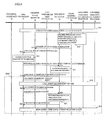
Fig.2 is a diagram showing a processing sequence of an operational embodiment [1] of the arrangement of the present invention shown inFig.1 ; -
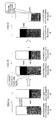
Figs.3A-3C are diagrams illustrating an operation (call reestablishment of high speed → low speed) of the operational embodiment [1] shown inFig. 2 ; -
Fig.4 is a diagram showing a processing sequence of an operational embodiment [2] of the arrangement of the present invention shown inFig.1 ; -
Figs.5A-5C are diagrams illustrating an operation (call reestablishment of low speed → high speed) of the operational embodiment [2] shown inFig.4 ; -
Fig.6 is a diagram showing a processing sequence of an operational embodiment [3] of the arrangement of the present invention shown inFig.1 ; -
Fig.7 is a diagram showing a processing sequence of an operational embodiment [4] of the arrangement of the present invention shown inFig.1 ; -
Fig.8 is a diagram showing a network arrangement in a general W-CDMA mobile radio system; -
Fig.9 is a block diagram showing a prior art mobile radio network control device; -
Fig.10 is a diagram showing a processing sequence of the prior art example shown inFig. 9 ; -
Fig.11 is a diagram showing a format of a call establishment request message which has been known; and -
Figs.12A and 12B are block diagrams for illustrating problems of the prior art example. -
Fig.1 shows an arrangement of a mobile radio network control device used for executing the mobile radio network control method according to embodiments of the present invention. This arrangement is different from the prior art example shown inFig.9 in that a channel state monitor 25 is newly added, and thecall controller 21 and theradio channel controller 30 are improved. - When receiving a channel state change notification from the
radio channel controller 30, the channel state monitor 25 notifies a channel state change to thecall controller 21. When the channel state change notification indicates a transition from the high-speed data communication state to the state except the high-speed data communication state, the channel state monitor 25 inquires the remaining resource of the high-speed userdata conversion processor 40 of theresource manager 22 to determine the presence/absence of the channel state change notification to thecall controller 21 based on the remaining resource, e.g., unallocated bandwidth in the system. - Hereinafter, operational embodiments (features) of the arrangement shown in
Fig.1 will be described. - When a call request from a user (UE) requesting the high-speed user data communication service and a call establishment request are made (at steps S1 and S2), the
call controller 21 extracts a value concerning a resource securing amount from the call establishment request to determine a maximum resource required for a call connection (at step S4). Accordingly, the maximum resource may depend on each call. - This is, as shown in
Fig.3A , the maximum resource MRh which should be preset to a single call for the high-speed user data conversion. - After determining the resource required, the
call controller 21 selects the high-speed userdata conversion processor 40 as a card type for theresource manager 22, and notifies a resource acquisition request with the resource required being made added information (at step S5). When receiving the resource acquisition request from the call controller 21 (at step S4), theresource manager 22 extracts the remaining resource of the high-speed userdata conversion processor 40 which becomes an object to determine whether or not the request resource is securable. When the resource required is acquirable (at step S5), a resource acquisition response with the high-speed userdata conversion processor 40 being made the secured card type is notified to the call controller 21 (at step S6). - When receiving the resource acquisition response from the
resource manager 22 indicating "acquirable" (at step S6), thecall controller 21 makes the high-speed userdata conversion processor 40 execute the call establishment based on the designated card type (at steps S7 and S8). Furthermore, thecall controller 21 enables a data communication when subsequent user data is received from the core network CN (at step S9). The sequence so far is basically the same as the processing sequence of the prior art example shown inFig.10 . - Thereafter, when the transition from the high-speed user data communication state to the state except the high-speed user data communication state (channel switchover) is detected at the
radio channel controller 30, the channel state change is notified to the channel state monitor 25 (at step S11). - The contents of the channel state change notification when a channel switchover occurs due to increase or decrease of the user data amount are as follows:
-
- Channel state change notification of the
radio channel controller 30 → the channel state monitor 25: channel state is notified; -
- Channel state change notification of channel state monitor 25 → call controller 21: switchover of high speed→low speed or low speed→high speed is notified.
- As an example, the case where the channel switchover of HS-DSCH (high speed) → FACH (low speed) occurs will now be described:
-
- 1) Channel state change notification (channel state: FA) is notified from the
radio channel controller 30 to the channel state monitor 25; -
- 2) When the channel state monitor 25 holds the channel state presently used and the switchover from the notified channel state to HS-DSCH → FACH/RACH/PCH or FACH/RACH/PCH→HS-DSCH is performed, the channel state change notification is transmitted to the
call controller 21. In this embodiment, due to the switchover of DSCH → FACH, the channel state change notification (high speed → low speed) is transmitted to the call controller; -
- 3) The
call controller 21 calculates the resource required based on the notification of "high speed → low speed", and makes the resource acquisition request. It is to be noted that the same applies to not only the downlink direction but also the uplink direction of the HSUPA. - The channel state monitor 25 having received the channel state change notification notifies the channel state change to the call controller 21 (at step S12). The
call controller 21 having received the channel state change notification determines a maximum resource required for using non-HS-DSCH (low speed) (at step S13). The maximum resource required at this time is a maximum required resource MR1 for the low-speed userdata conversion processor 50, as shown inFig.3B . Thecall controller 21 selects the low-speed userdata conversion processor 50 as the card type for theresource manager 22, and notifies the resource acquisition request with the resource required being made the added information (at step S14). It is to be noted that the maximum required resource MRh secured by the high-speed userdata conversion processor 40 at this time is left as it is. - When receiving the resource acquisition request from the call controller 21 (at step S14), the
resource manager 22 extracts the remaining resource of the low-speed userdata conversion processor 50 to determine whether or not the request maximum resource is securable or acquirable (at step S15). When the resource is acquirable, the resource acquisition response is notified to thecall controller 21 with the low-speed userdata conversion processor 50 being made the secured card type (at step S16). - When receiving the resource acquisition response from the resource manager 22 (at step S16), the
call controller 21 notifies to thecall reestablishment controller 24 the call reestablishment request to the low-speed userdata conversion processor 50 from the high-speed userdata conversion processor 40 which presently secures the resource (at step S17). - When receiving the call reestablishment request from the call controller 21 (at step S17), the
call reestablishment controller 24 performs the reestablishment of a designated call from the high-speed userdata conversion processor 40 of the reestablishment source to the low-speed userdata conversion processor 50 of the reestablishment destination (at step S18), and notifies the call reestablishment response to the call controller 21 (at step S19). - When receiving the call reestablishment response from the call reestablishment controller 24 (at step S19), the
call controller 21 requests theresource manager 22 to release the resource which has been acquired by the high-speed user data conversion processor 40 (at step S20). Theresource manager 22 having received the request releases the resource MRh as shown by the dotted line inFig.3C (at step S21; at step T1). - Thus, the high-speed user
data conversion processor 40 can secure the resource in preparation for a high-speed user data communication service request for another call. Thereafter, theresource manager 22 returns a resource release response to the call controller 21 (at step S22), and transitions to the low-speed user data communication state (at step S23). - This embodiment is an operation executed subsequent to the low-speed user data communication state (at step S23) of the above-mentioned embodiment [1]. It is supposed that the high-speed user
data conversion processor 40 and the low-speed userdata conversion processor 50 are now securing the resources shown inFig.5A . - Firstly, when detecting the transition from the state except the high-speed data communication state to the high-speed data communication state in the low-speed user data communication service state (at step S10'), the
radio channel controller 30 notifies the channel state change to the channel state monitor 25 (at step S11). The channel state monitor 25 having received the channel state change notification further notifies the channel state change to the call controller 21 (at step S12). These notifications are the same as those described in the above-mentioned embodiment [1]. - The
call controller 21 having received the channel state change notification determines the maximum resource required for using the HS-DSCH with the present call (at step S13), selects the high-speed userdata conversion processor 40 as the card type for theresource manager 22, and notifies the resource acquisition request with the resource required being made the added information (at step S14). At this time, as shown inFig.5B , the resource of the low-speed userdata conversion processor 50 is left as it is, and the maximum resource MRh is determined for the resource of the high-speed userdata conversion processor 40. - When receiving the resource acquisition request from the call controller 21 (at step S14), the
resource manager 22 extracts the remaining resource of the high-speed userdata conversion processor 40 to determine whether or not the request resource is securable or acquirable (at step S15). When the resource is acquirable (at step T2), the resource acquisition response is notified to thecall controller 21 with the high-speed userdata conversion processor 40 as the card type (at step S16). - When receiving the resource acquisition response from the resource manager 22 (at step S16), the
call controller 21 notifies to thecall reestablishment controller 24 the call reestablishment request from the low-speed userdata conversion processor 50 which presently secures the resource to the high-speed user data conversion processor 40 (at step S17). - When receiving the call reestablishment request from the call controller 21 (at step S17), the
call reestablishment controller 24 performs the reestablishment of the designated call from the low-speed userdata conversion processor 50 of the reestablishment source to the high-speed userdata conversion processor 40 of the reestablishment destination (at step S18'), and notifies the call reestablishment response to the call controller 21 (at step S19). - When receiving the call reestablishment response from the call reestablishment controller 24 (at step S19), the
call controller 21 requests theresource manager 22 to release the resource which has been acquired by the low-speed user data conversion processor 50 (at step S20). Thus, theresource manager 22 releases the resource MRI as shown by the dotted line inFig.5C (at step S21'; at step T3). Thus, the low-speed userdata conversion processor 50 secures the resource for the low-speed user data communication service request. Thereafter, theresource manager 22 returns the resource release response to the call controller 21 (at step S22). - This embodiment is premised on being executed subsequent to the high-speed user data communication state (at step S9) of the above-mentioned embodiment [1].
- Firstly, when detecting the transition from the high-speed user data communication state to the state except the high-speed user data communication state (at step S10), the
radio channel controller 30 notifies the channel state change to the channel state monitor 25 (at step S11) in the same way as the above-mentioned embodiments. The channel state monitor 25 having received the channel state change notification inquires the remaining resource of the high-speed userdata conversion processor 40 of the resource manager 22 (at step S31). The resource inquired in this case indicates the resource at theprocessor 40 presently operating, and is different from the resource to be secured in the above-mentioned embodiments. - When receiving the inquiry of the remaining resource of the high-speed user
data conversion processor 40 from the channel state monitor 25 (at step S31), theresource manager 22 extracts the remaining resource (at step S32), and notifies the inquiry result to the channel state monitor 25 (at step S33). - When receiving the inquiry result from the resource manager 22 (at step S33), the channel state monitor 25 determines whether or not the remaining resource is equal to or more than the maximum resource which should be secured by the present call for the concerned high-speed user data conversion processor 40 (at step S34). As a result, in case remaining resource ≧ maximum resource, it is determined that the presently secured resource is continuously available, so that neither the channel state change notification to the call controller 21 (at step S35) nor the call reestablishment is performed. In case remaining resource < maximum resource, the channel state change notification is performed to the call controller 21 (at step S36), so that processing (at step S100) surrounded by a dotted line in
Fig.2 which indicates the embodiment [1] is executed. - This embodiment is executed subsequent to the low-speed user data communication state of step S23 in the same way as the above-mentioned embodiment [2]. After steps S10', S11, S12, and S13 are similarly executed, the
call controller 21 makes the resource acquisition request to theresource manager 22 at step S14. As a result, when it is found that the maximum resource required can not be secured (at step S15'), thecall controller 21 receives "unacquirable" as the resource acquisition response from the resource manager 22 (at step S41). At this time, it is determined that the call reestablishment to the high-speed userdata conversion processor 40 is disabled, so that the call reestablishment or the like (at steps S17-S22 inFig.2 ) is not performed. - At this time, when the resource of the high-speed user
data conversion processor 40 has a free resource (at step S42), theresource manager 22 notifies to thecall controller 21 the resource state change with the free resource being made the added information (at step S43). - When receiving the resource state change notification from the resource manager 22 (at step S43), the
call controller 21 performs processing (at step S200) surrounded by the dotted line inFig.4 which indicates the embodiment [2], if determining based on the free resource that the call reestablishment to the high-speed userdata conversion processor 40 is possible. - It is to be noted that the present invention is not limited by the above-mentioned embodiments, and it is obvious that various modifications may be made by one skilled in the art based on the recitation of the claims.
Claims (10)
- A mobile radio network control method comprising:a first step of securing, when a connection call requests a high-speed user data communication service, a maximum resource required for performing a high-speed user data conversion in response to the request;a second step of securing, when an occurrence of a channel switchover from a high-speed user data communication state to a low-speed user data communication state is detected during communication, a maximum resource required for performing a low-speed user data conversion in response to the detection and of performing a call reestablishment; anda third step of releasing the resource secured for performing the high-speed user data conversion.
- The mobile radio network control method as claimed in claim 1, further comprising a fourth step of securing, when an occurrence of a channel switchover from the low-speed user data communication state to the high-speed user data communication state is detected during communication, the maximum resource required for performing the high-speed user data conversion and of performing the call reestablishment; and
a fifth step of releasing the resource secured for performing the low-speed user data conversion. - The mobile radio network control method as claimed in claim 1 or 2, wherein the second step includes a step of determining a remaining resource in a state where the high-speed user data conversion is performed when securing the resource for performing the low-speed user data conversion, and of securing, only when the remaining resource is equal to or less than the maximum resource, the maximum resource required for performing the low-speed user data conversion and of performing the call reestablishment.
- The mobile radio network control method as claimed in claim 2, wherein the fourth step includes a step of performing the call reestablishment when the resource for performing the high-speed user data conversion, which has been insufficient, becomes sufficient.
- The mobile radio network control method as claimed in any preceding claim, wherein the high-speed user data communication service comprises DSCH, and the low-speed user data communication service comprises DCH, FACH, RACH or PCH.
- A mobile radio network control device comprising:a first portion arranged to secure, when a connection call requests a high-speed user data communication service, a maximum resource required for performing a high-speed user data conversion in response to the request;a second portion arranged to secure, when an occurrence of a channel switchover from a high-speed user data communication state to a low-speed user data communication state is detected during communication, a maximum resource required for performing a low-speed user data conversion in response to the detection and performing a call reestablishment; anda third portion arranged to release the resource secured for performing the high-speed user data conversion.
- The mobile radio network control device as claimed in claim 6, further comprising a fourth portion for securing, when an occurrence of a channel switchover from the low-speed user data communication state to the high-speed user data communication state is detected during communication, the maximum resource required for performing the high-speed user data conversion and performing the call reestablishment; and
a fifth portion for releasing the resource secured for performing the low-speed user data conversion. - The mobile radio network control device as claimed in claim 6 or 7, wherein the second portion includes a portion for determining a remaining resource in a state where the high-speed user data conversion is performed when securing the resource for performing the low-speed user data conversion, and for securing, only when the remaining resource is equal to or less than the maximum resource, the maximum resource required for performing the low-speed user data conversion and performing the call reestablishment.
- The mobile radio network control device as claimed in claim 7, wherein the fourth portion includes a portion for performing the call reestablishment when the resource for performing the high-speed user data conversion, which has been insufficient, becomes sufficient.
- The mobile radio network control device as claimed in any of claims 6 to 9, wherein the high-speed user data communication service comprises DSCH, and the low-speed user data communication service comprises DCH, FACH, RACH or PCH.
Applications Claiming Priority (1)
| Application Number | Priority Date | Filing Date | Title |
|---|---|---|---|
| JP2006318810A JP4910657B2 (en) | 2006-11-27 | 2006-11-27 | Mobile radio network control method and apparatus |
Publications (1)
| Publication Number | Publication Date |
|---|---|
| EP1926338A1 true EP1926338A1 (en) | 2008-05-28 |
Family
ID=39253893
Family Applications (1)
| Application Number | Title | Priority Date | Filing Date |
|---|---|---|---|
| EP20070120408 Withdrawn EP1926338A1 (en) | 2006-11-27 | 2007-11-09 | Mobile radio network control method and device |
Country Status (3)
| Country | Link |
|---|---|
| US (1) | US20080123612A1 (en) |
| EP (1) | EP1926338A1 (en) |
| JP (1) | JP4910657B2 (en) |
Citations (4)
| Publication number | Priority date | Publication date | Assignee | Title |
|---|---|---|---|---|
| EP0472511A2 (en) | 1990-08-23 | 1992-02-26 | Telefonaktiebolaget L M Ericsson | Handoff of a mobile station between half rate and full rate channels |
| WO2004047379A2 (en) * | 2002-11-20 | 2004-06-03 | Telecom Italia S.P.A. | Method, system and computer program product for managing the transmission of information packets in a telecommunication network |
| US20060146750A1 (en) | 2004-12-30 | 2006-07-06 | Chen Jiangnan J | Methods for managing data transmission between at least two different data regions |
| US20060193303A1 (en) * | 2003-12-26 | 2006-08-31 | Junko Sato | Radio network controller |
Family Cites Families (33)
| Publication number | Priority date | Publication date | Assignee | Title |
|---|---|---|---|---|
| JPH09146781A (en) * | 1995-11-28 | 1997-06-06 | Matsushita Electric Ind Co Ltd | Task activation system and task activation method |
| KR100323770B1 (en) * | 1999-03-08 | 2002-02-19 | 서평원 | Channel Structure for Multicast Service, and Method for operating the service using the channel |
| IL145548A0 (en) * | 1999-04-12 | 2002-06-30 | Samsung Electronics Co Ltd | Apparatus and method for gated transmission in a cdma communication system |
| US6917607B1 (en) * | 1999-05-31 | 2005-07-12 | Samsung Electronics Co., Ltd. | Apparatus and method for gated transmission in CDMA communication system |
| US6519461B1 (en) * | 1999-10-29 | 2003-02-11 | Telefonaktiebolaget Lm Ericsson (Publ) | Channel-type switching from a common channel to a dedicated channel based on common channel load |
| ATE418190T1 (en) * | 2000-01-14 | 2009-01-15 | Interdigital Tech Corp | WIRELESS COMMUNICATION SYSTEM WITH SELECTIVELY DIMENSIONED DATA TRANSPORT BLOCKS |
| EP1122962A1 (en) * | 2000-02-01 | 2001-08-08 | Nortel Matra Cellular | Dual band unidirectional scheme in a cellular mobile radio telecommunications system |
| JP3614082B2 (en) * | 2000-04-12 | 2005-01-26 | 日本電気株式会社 | Communication network connection device |
| US6829482B2 (en) * | 2000-05-16 | 2004-12-07 | Telefonaktiebolaget Lm Ericsson (Publ) | Switching from dedicated to common channels when radio resources are controlled by drift radio network |
| US6990088B2 (en) * | 2000-08-18 | 2006-01-24 | Telefonaktiebolaget L M Ericsson (Publ) | Handoff in radio telecommunications networks |
| JP2002073576A (en) * | 2000-08-31 | 2002-03-12 | Toshiba Corp | Batch job control system |
| US6889050B1 (en) * | 2000-11-22 | 2005-05-03 | Telefonaktiebolaget Lm Ericsson (Publ) | Variable transmission rate services in a radio access network |
| RU2242092C2 (en) * | 2001-07-06 | 2004-12-10 | Самсунг Электроникс Ко., Лтд. | Method for resetting object of medium access control layer in broadband code-division multiple access communication system using high-speed downlink burst access |
| ES2518221T3 (en) * | 2001-08-21 | 2014-11-04 | Core Wireless Licensing S.à.r.l. | Data transmission of a communications network |
| US7676588B2 (en) * | 2001-10-05 | 2010-03-09 | International Business Machines Corporation | Programmable network protocol handler architecture |
| JP2003134155A (en) * | 2001-10-26 | 2003-05-09 | Mitsubishi Electric Corp | Network system |
| US7372837B2 (en) * | 2001-10-26 | 2008-05-13 | Texas Instrument Incorporated | Incremental redundancy using two stage rate matching for automatic repeat request to obtain high speed transmission |
| US7177658B2 (en) * | 2002-05-06 | 2007-02-13 | Qualcomm, Incorporated | Multi-media broadcast and multicast service (MBMS) in a wireless communications system |
| US20050107105A1 (en) * | 2002-05-10 | 2005-05-19 | Hideji Wakabayashi | Mobile communication system, base station and mobile station |
| KR20040016540A (en) * | 2002-08-17 | 2004-02-25 | 삼성전자주식회사 | Apparatus for transmitting/receiving data on handover in mobile communication system serving multimedia broadcast/multicast service and method thereof |
| JP2004304298A (en) * | 2003-03-28 | 2004-10-28 | Ntt Docomo Inc | Resource reservation system, resource reservation method and resource reservation device in communication network |
| KR100548346B1 (en) * | 2003-05-13 | 2006-02-02 | 엘지전자 주식회사 | TFC transmission method in mobile communication system |
| US20040228313A1 (en) * | 2003-05-16 | 2004-11-18 | Fang-Chen Cheng | Method of mapping data for uplink transmission in communication systems |
| WO2004112406A1 (en) * | 2003-06-18 | 2004-12-23 | Utstarcom (China) Co. Ltd. | Method for implementing diffserv in the wireless access network of the universal mobile telecommunication system |
| DE50302716D1 (en) * | 2003-08-05 | 2006-05-11 | Tektronix Int Sales Gmbh | Method and device for determining at least one transmission parameter in a transmission system |
| KR100678184B1 (en) * | 2004-05-19 | 2007-02-02 | 삼성전자주식회사 | Advanced Reverse Channel Scheduling Method and Device in Mobile Communication System |
| KR101049904B1 (en) * | 2004-06-14 | 2011-07-15 | 엘지전자 주식회사 | MMB service receiving method |
| JP4767173B2 (en) * | 2004-11-09 | 2011-09-07 | 株式会社エヌ・ティ・ティ・ドコモ | Mobile communication system, radio base station and mobile station |
| US20070064665A1 (en) * | 2005-08-23 | 2007-03-22 | Interdigital Technology Corporation | Method and apparatus for accessing an uplink random access channel in a single carrier frequency division multiple access system |
| GB2435157B (en) * | 2006-02-10 | 2011-01-19 | Nokia Corp | Communicating Data to User Equipment Outside of Dedicated Channel State |
| CN102711176B (en) * | 2007-01-05 | 2015-11-04 | 广东新岸线计算机系统芯片有限公司 | Via the method and apparatus of high-speed downlink shared channel transmitting and receiving transmission under various regimes |
| JP5080644B2 (en) * | 2007-06-18 | 2012-11-21 | エルジー エレクトロニクス インコーポレイティド | Downlink packet data convergence protocol operation during handover |
| TWI519088B (en) * | 2007-08-13 | 2016-01-21 | 內數位科技公司 | Method and device for reducing radio resource overhead of intermittent traffic |
-
2006
- 2006-11-27 JP JP2006318810A patent/JP4910657B2/en not_active Expired - Fee Related
-
2007
- 2007-10-12 US US11/907,476 patent/US20080123612A1/en not_active Abandoned
- 2007-11-09 EP EP20070120408 patent/EP1926338A1/en not_active Withdrawn
Patent Citations (4)
| Publication number | Priority date | Publication date | Assignee | Title |
|---|---|---|---|---|
| EP0472511A2 (en) | 1990-08-23 | 1992-02-26 | Telefonaktiebolaget L M Ericsson | Handoff of a mobile station between half rate and full rate channels |
| WO2004047379A2 (en) * | 2002-11-20 | 2004-06-03 | Telecom Italia S.P.A. | Method, system and computer program product for managing the transmission of information packets in a telecommunication network |
| US20060193303A1 (en) * | 2003-12-26 | 2006-08-31 | Junko Sato | Radio network controller |
| US20060146750A1 (en) | 2004-12-30 | 2006-07-06 | Chen Jiangnan J | Methods for managing data transmission between at least two different data regions |
Also Published As
| Publication number | Publication date |
|---|---|
| JP2008135849A (en) | 2008-06-12 |
| US20080123612A1 (en) | 2008-05-29 |
| JP4910657B2 (en) | 2012-04-04 |
Similar Documents
| Publication | Publication Date | Title |
|---|---|---|
| US8531949B2 (en) | Method and arrangement for transferring information in a packet radio service | |
| US7054268B1 (en) | Method and arrangement for transferring information in a packet radio service with application-based choice of release mode | |
| EP2123069B1 (en) | Congestion/load indication for high speed packet access | |
| JP4903861B2 (en) | Method and apparatus for efficiently transmitting schedule information in a wireless communication system | |
| KR100912416B1 (en) | Apparatus, and associated method, for selecting quality of service-related information in a radio communication system | |
| EP1638221A1 (en) | Wcdma mobile communication system | |
| EP1254580B1 (en) | Method and system for exchange of multicall capabilities between terminal and network | |
| KR20090014937A (en) | Method and apparatus for performing random access procedure in mobile communication system | |
| EP4125301B1 (en) | Allocating resources for sidelink user equipment communication | |
| KR100897609B1 (en) | Method for controlling communication between two nodes of a communications system | |
| EP2009933B1 (en) | Base station control apparatus and domain access restricting method | |
| KR100556165B1 (en) | Communication system, communication method thereof, switching center thereof and base station control station thereof | |
| EP1834430B1 (en) | System for channel allocation when radio resource connection is released in dual transfer mode | |
| CN1909718B (en) | An Emergency Call Processing Method in WCDMA System | |
| EP1926338A1 (en) | Mobile radio network control method and device | |
| US8477681B2 (en) | Method for distributing network resources and user equipment thereof | |
| EP1915885B1 (en) | Mobile radio communications device and related method and system | |
| EP2996434A1 (en) | Communication system, network element device and service processing method thereof | |
| CA2519091A1 (en) | Configuring signaling radio bearer information in a user equipment protocol stack | |
| KR100718443B1 (en) | Access handoff system and method in mobile communication network | |
| CN116056246A (en) | Information reporting method, terminal equipment and network side equipment |
Legal Events
| Date | Code | Title | Description |
|---|---|---|---|
| PUAI | Public reference made under article 153(3) epc to a published international application that has entered the european phase |
Free format text: ORIGINAL CODE: 0009012 |
|
| AK | Designated contracting states |
Kind code of ref document: A1 Designated state(s): AT BE BG CH CY CZ DE DK EE ES FI FR GB GR HU IE IS IT LI LT LU LV MC MT NL PL PT RO SE SI SK TR |
|
| AX | Request for extension of the european patent |
Extension state: AL BA HR MK RS |
|
| 17P | Request for examination filed |
Effective date: 20081124 |
|
| AKX | Designation fees paid |
Designated state(s): DE FR GB IT |
|
| 17Q | First examination report despatched |
Effective date: 20110321 |
|
| STAA | Information on the status of an ep patent application or granted ep patent |
Free format text: STATUS: THE APPLICATION HAS BEEN WITHDRAWN |
|
| 18W | Application withdrawn |
Effective date: 20131018 |