EP1911761A1 - Water-soluble artemisinin derivatives, their preparation methods, the pharmaceutical compositions and the use thereof - Google Patents
Water-soluble artemisinin derivatives, their preparation methods, the pharmaceutical compositions and the use thereof Download PDFInfo
- Publication number
- EP1911761A1 EP1911761A1 EP06761517A EP06761517A EP1911761A1 EP 1911761 A1 EP1911761 A1 EP 1911761A1 EP 06761517 A EP06761517 A EP 06761517A EP 06761517 A EP06761517 A EP 06761517A EP 1911761 A1 EP1911761 A1 EP 1911761A1
- Authority
- EP
- European Patent Office
- Prior art keywords
- water
- artemisinin
- reacts
- soluble
- artemisinin derivative
- Prior art date
- Legal status (The legal status is an assumption and is not a legal conclusion. Google has not performed a legal analysis and makes no representation as to the accuracy of the status listed.)
- Granted
Links
- MSFQPGWCDNXATD-QWBQNCTLSA-N C[C@H](CCC1[C@@H](C)CO2)C3C1[C@H]2OC(C)CC3 Chemical compound C[C@H](CCC1[C@@H](C)CO2)C3C1[C@H]2OC(C)CC3 MSFQPGWCDNXATD-QWBQNCTLSA-N 0.000 description 1
Images


Classifications
-
- C—CHEMISTRY; METALLURGY
- C07—ORGANIC CHEMISTRY
- C07D—HETEROCYCLIC COMPOUNDS
- C07D493/00—Heterocyclic compounds containing oxygen atoms as the only ring hetero atoms in the condensed system
- C07D493/12—Heterocyclic compounds containing oxygen atoms as the only ring hetero atoms in the condensed system in which the condensed system contains three hetero rings
- C07D493/18—Bridged systems
-
- A—HUMAN NECESSITIES
- A61—MEDICAL OR VETERINARY SCIENCE; HYGIENE
- A61P—SPECIFIC THERAPEUTIC ACTIVITY OF CHEMICAL COMPOUNDS OR MEDICINAL PREPARATIONS
- A61P17/00—Drugs for dermatological disorders
- A61P17/02—Drugs for dermatological disorders for treating wounds, ulcers, burns, scars, keloids, or the like
-
- A—HUMAN NECESSITIES
- A61—MEDICAL OR VETERINARY SCIENCE; HYGIENE
- A61P—SPECIFIC THERAPEUTIC ACTIVITY OF CHEMICAL COMPOUNDS OR MEDICINAL PREPARATIONS
- A61P19/00—Drugs for skeletal disorders
- A61P19/02—Drugs for skeletal disorders for joint disorders, e.g. arthritis, arthrosis
-
- A—HUMAN NECESSITIES
- A61—MEDICAL OR VETERINARY SCIENCE; HYGIENE
- A61P—SPECIFIC THERAPEUTIC ACTIVITY OF CHEMICAL COMPOUNDS OR MEDICINAL PREPARATIONS
- A61P25/00—Drugs for disorders of the nervous system
-
- A—HUMAN NECESSITIES
- A61—MEDICAL OR VETERINARY SCIENCE; HYGIENE
- A61P—SPECIFIC THERAPEUTIC ACTIVITY OF CHEMICAL COMPOUNDS OR MEDICINAL PREPARATIONS
- A61P29/00—Non-central analgesic, antipyretic or antiinflammatory agents, e.g. antirheumatic agents; Non-steroidal antiinflammatory drugs [NSAID]
-
- A—HUMAN NECESSITIES
- A61—MEDICAL OR VETERINARY SCIENCE; HYGIENE
- A61P—SPECIFIC THERAPEUTIC ACTIVITY OF CHEMICAL COMPOUNDS OR MEDICINAL PREPARATIONS
- A61P37/00—Drugs for immunological or allergic disorders
- A61P37/02—Immunomodulators
- A61P37/06—Immunosuppressants, e.g. drugs for graft rejection
Definitions
- the present invention relates to the chemosynthesis of terpenoid compounds and the immune inhibiting effect thereof, especially to novel artemisinin compounds, the preparation methods thereof, and the pharmaceutical compositions thereof as immunosuppressant.
- Artemisinin is an antimalarial principle extracted from the traditional Chinese Medicine Qinghao (Artemisia annua L.), and is a peculiar sesquiterpene lactone having a peroxy group. It has not only excellent antimalarial activity but also immunosuppressive effect.
- artesunate possesses more powerful immune inhibiting effect than artemisinin and may be used to treat lupus erythematosus and some kinds of dermatoses effectively [ YU Qibin et al., 56 Cases of Lupus Erythematosus Treated by Artesunate, Chinese Journal of Dermatology, 1997, 39: 51 ; Chen Hua et al., Clinical Observation on the Treatment for Eczema-Dermatitis and Photosensitivity Dermatosis with Artesunate, Bengbu Medical College Academic Journal, 1991, 16: 251 ].
- the present inventors have discovered that a category of artemisinin derivatives containing a carboxylic acid group has a better immune inhibiting effect ( Chinese Patent Application No.: 200510023824.1 ). However, they have sparing solubility in water, and probably poor bioavailability thereby. Thus, the present inventors continued to searching for more ideal immunosuppressants.
- One object of the present invention is to provide a category of water-soluble artemisinin derivatives.
- Another object of the present invention is to provide processes for their preparation.
- Still another object of the present invention is to provide their medical use.
- Still another object of the present invention is to provide their pharmaceutical compositions.
- the isomers of the compound represented by formula (1) include, but do not limit to, the stereoisomers and optical isomers.
- the pharmaceutic salts of the compound represented by formula (1) include, but do not limit to, the addition salts with hydrochloric acid, methanesulfonic acid, p -toluenesulfonic acid, maleic acid, oxalic acid, tartaric acid, citric acid, etc.
- the substituted alcohol is glycidol
- the substituted alcohol is propenol
- the target compounds, free base may react with an organic acid or an inorganic acid in organic solvent, such as alcohol etc., to produce corresponding salts.
- the compounds represented by formula (1) produced according to the method of the present invention may be refined through the conventional processes.
- the present invention further provides pharmaceutical compositions having an immune inhibiting effect which contain the compound of formula (1) or its pharmaceutically acceptable salts in a safe and effective dose range and the pharmaceutically acceptable carriers.
- the "safe and effective dose” means that the amount of the compound is sufficient to evidently improve the patients' condition but will not cause a serious side effect.
- the safe and effective dose of the compound is determined according to the specific conditions, such as the age and weight of the subject, the adaptive diseases, the route of administration, the course of treatment and any other related therapy, etc. Generally, an adult is administered by 10 mg/day to 800 mg/day in a single dose or multiple doses. The dosage should be reduced accordingly for children.
- Artemisinin ether containing amino group 1-55%
- Excipient measured by weight percent
- Auxiliary agent measured by weight percent
- composition of the present invention can be administered through oral, parenteral, pernasal, perlingual, transocular, per respiratory tract or per rectum routines, especially as tablet or enteric coatel pill, injection water solution, sublingual tablet, patch, suppository, cream, ointment, gels for skin use, etc.
- “Pharmaceutically acceptable carrier” means one or more compatible solid or liquid fillers or excipients, which are suitable for human body and must have sufficient high purity and low toxicity. "Compatible” herein means that each component of the composition can be blended with the compound of the present invention or with each other without remarkably reducing the pharmacodynamic activity of the compound.
- Some examples of pharmaceutically acceptable carrier includes sugars (e.g. glucose, sucrose, lactose, etc.), starch (e.g. maize starch, potato starch, etc.), cellulose and its derivatives (e.g.
- emulsifier e.g. Tween®
- moistening agent e.g. sodium dodecyl sulphate
- coloring agent e.g. sodium dodecyl sulphate
- flavoring agent e.g. sodium dodecyl sulphate
- stabilizer e.g. sodium dodecyl sulphate
- the inventors screened and studied the compounds of the present invention on their immunosuppressive activity in vitro and in vivo with the following methods (reference book: Modem Pharmacological Experimental Methods, Zhang Juntian ed., Beijing Medical University/Chinese Peking Union Medical University Union Press, 1998 ).
- mice inbred Balb/c male mice, 6-8 weeks old.
- RPMI-1640 culture solution Gibco, pH7.2
- FBS fetal bovine serum
- penicillin 100 U/mL
- streptomycin 100 ⁇ g/mL
- streptomycin 100 ⁇ g/mL
- 2-ME 50 ⁇ M 2-ME.
- Concanavalin ConA
- LPS bacterial Lipopolysaccharide
- Bovine collagen type II (CII, Collagen Research Center, Tokyo, Japan) was dissolved in 0.1N acetum and placed in a 4°C refrigerator overnight.
- CFA Pure Chemical industries Ltd., Osaka, Japan
- emulsifier containing 125 ⁇ g CII was injected subcutaneously into the tail of the DBA/1 mice for sensitization. 3 weeks later, reimmunization was proceeded with an equal volume of emulsifier on the tail, but IFA was used as an adjuvant this time.
- the testing sample was administrated (i.p or intragastric) and the administration continued for 2 weeks to 3 months.
- the experiment result was evaluated according to the following scores: 0: no reddish and swelling; 1: slightly swelling on toe joint; 2: swelling on toe joint and sole; 3: swelling on paw below ankle joint; 4: swelling on whole paw including ankle joint.
- the total scores of four limbs for each animal represented the severity of CIA.
- the immune response activity mainly includes the cellular immunity mediated by T cells and the humoral immunity mediated by B cells.
- the inhibitory effect of a drug on lymphocyte proliferation was evaluated with cell activition, division and proliferation when stimulating the cells directly with the T-cell mitogen Con A and the B-cell mitogen LPS in vitro.
- the compounds were screened repeatedly on three concentrations of 10 ⁇ m, 1 ⁇ m and 0.1 ⁇ m.
- the compounds of examples 1, 11 and 14 showed obvious immune inhibitory activities with a concentration without any cytotoxicity, and their inhibiting rates to T-cell proliferation (Con A) were 65%, 48% and 52% respectively, their inhibiting rates to B-cell proliferation (LPS) were 73%, 99% and 81 % respectively.
- the compounds of example 2, 3 and 12 with a concentration without any cytotoxicity, had the inhibiting rates to T-cell proliferation (Con A) of 48%, 47% and 47% respectively and the inhibiting rates to B-cell proliferation (LPS) of 48%, 51% and 47% respectively;
- the compounds of example 8, 16, 17 and 18, with a concentration without any cytotoxicity had the inhibiting rates to T-cell proliferation (Con A) of 13%, 0%, 6% and 9% respectively and the inhibiting rates to B-cell proliferation (LPS) of 42%, 51%, 24% and 26% respectively, this result indicated that these four compounds had a stronger inhibiting activity for B-cell proliferation, but less or no inhibiting activity for T-cell proliferation with a concentration without any cytotoxicity.
- the compounds of example 1, 11 and 14 were selected to be further experimented on their pharmacological activity of immunodepression in vitro and in vivo.
- the alloantigen is the main factor causing the rejection reaction of organism after blood transfusion and organ transplantation.
- the alloantigen expressed on the heterogenous lymphocytes mainly are the histocompatibility antigen MHC-I and MHC-II molecules, which stimulate the response T cells to induce the immune proliferation reaction.
- the pharmacologic effect of drugs on immune system response which is more resemble to the physiological conditions, is evaluated by the effect of the drugs on MLR.
- the compounds of examples 1, 11 and 14 remarkably inhibited the proliferation of the response lymphocytes in MLR, and their EC50 values are 3.48 ⁇ 0.72 ⁇ M, 0.59 ⁇ 0.066 ⁇ M and 0.67 ⁇ 0.012 ⁇ M respectively.
- mice DTH response model was employed to further examine the immune pharmacological activity of the compounds of examples 1, 11 and 14 in vivo.
- the results showed that the compounds of examples 1, 11 and 14 could obviously inhibit the swelling of the ear of mice (p ⁇ 0.01) when being administeted orally with an amount of 50mg/kg, 100mg/kg and 50mg/kg respectively, and their inhibiting rates were 56.5%, 50.5% and 52.2% respectively compared with the control group, which is comparative with the pharmacological activity of cyclosporine A(CsA) (5mg/kg), an inhibiting rate of 40.6%.
- CsA cyclosporine A
- the compounds of example 1 and example 14 were further tested of the immune pharmacological activity in the mice arthritis model. The results indicated that the compounds of example 1 and example 14 could obviously reduce the swelling of the mice' joints (p ⁇ 0.05) when being taken orally with an amount of 1mg/kg and 0.5mg/kg respectively.
- the artemisinin nucleus is represented by Q: the ripple line ( ) represents ⁇ substitution or/and ⁇ substitution; the solid line ( ) represents ⁇ substitution; the dash line ( ) represents ⁇ substitution.
- a tablet containing 2'-amino-arteether ( ⁇ type) maleate The formula is as follows: 2'-amino-arteether ( ⁇ type) maleate 35% Starch 25% Sodium hydroxylmethyl cellulose 30% Starch paste (10 %) 9% stearic acid 1 %
- the active component was pulverized, and screened with 100 mesh sieve; after mixed with sodium hydroxylmethyl cellulose and 10% starch paste, granulation and drying were carried out. Then the dry starch and lubricant was added into and mixed uniformly; tabletting was performed to obtain the final product.
- the formula is as follows: 3'-tert-butylamino-2'-hydroxy-artemisinin propyl ether ( ⁇ type) maleate 30% Microcrystalline cellulose 65% Micronized polyethylene glycol 4000 5%
- the active component was pulverized and screened; after mixed uniformly with microcrystalline cellulose and lubricant, tabletting was performed immediately to obtain the final product.
- the formula is as follows: 2'-aminoartemether ( ⁇ type) citrate 35% Starch 20% Dry starch 35% Starch paste (10 %) 8% Talc powder 2%
- the active component was mixed uniformly with starch, and 10% starch paste was added to prepare the damp mass, then granulation, drying, and pelletization are processed. After dry starch and talc powder were further added, tabletting and coating with an enteric coating were performed to obtain the final product.
- the formula is as follows: 3'-tetrahydropyrrole-2'-hydroxyartemisic propyl ether ( ⁇ type) oxalate 50% Microcrystalline cellulose 30% Polyethylene glycol 1500 20%
- the active component and the auxiliary materials are homogeneously mixed and packed into empty capsula to obtain the final product.
- Polyethylene glycol 300 and polyethylene glycol 1500 were agitated and heated to be molten, then the active component after being pulverized and sieved was added, and mixed homogenously to obtain a gel product.
Landscapes
- Health & Medical Sciences (AREA)
- Chemical & Material Sciences (AREA)
- Organic Chemistry (AREA)
- General Health & Medical Sciences (AREA)
- Veterinary Medicine (AREA)
- Public Health (AREA)
- Chemical Kinetics & Catalysis (AREA)
- General Chemical & Material Sciences (AREA)
- Medicinal Chemistry (AREA)
- Nuclear Medicine, Radiotherapy & Molecular Imaging (AREA)
- Bioinformatics & Cheminformatics (AREA)
- Pharmacology & Pharmacy (AREA)
- Life Sciences & Earth Sciences (AREA)
- Animal Behavior & Ethology (AREA)
- Engineering & Computer Science (AREA)
- Immunology (AREA)
- Rheumatology (AREA)
- Neurology (AREA)
- Biomedical Technology (AREA)
- Neurosurgery (AREA)
- Pain & Pain Management (AREA)
- Transplantation (AREA)
- Orthopedic Medicine & Surgery (AREA)
- Physical Education & Sports Medicine (AREA)
- Dermatology (AREA)
- Pharmaceuticals Containing Other Organic And Inorganic Compounds (AREA)
- Heterocyclic Carbon Compounds Containing A Hetero Ring Having Oxygen Or Sulfur (AREA)
- Medicinal Preparation (AREA)
Abstract
Description
- The present invention relates to the chemosynthesis of terpenoid compounds and the immune inhibiting effect thereof, especially to novel artemisinin compounds, the preparation methods thereof, and the pharmaceutical compositions thereof as immunosuppressant.
- Artemisinin is an antimalarial principle extracted from the traditional Chinese Medicine Qinghao (Artemisia annua L.), and is a peculiar sesquiterpene lactone having a peroxy group. It has not only excellent antimalarial activity but also immunosuppressive effect. Its derivative, artesunate, possesses more powerful immune inhibiting effect than artemisinin and may be used to treat lupus erythematosus and some kinds of dermatoses effectively [YU Qibin et al., 56 Cases of Lupus Erythematosus Treated by Artesunate, Chinese Journal of Dermatology, 1997, 39: 51; Chen Hua et al., Clinical Observation on the Treatment for Eczema-Dermatitis and Photosensitivity Dermatosis with Artesunate, Bengbu Medical College Academic Journal, 1991, 16: 251]. But the patients must suffer a long-term intravenous injection, and the solution of sodium artesunate must be prepared just before injection, thus it is very inconvenient in use. Currently, the immunosuppressant used commonly in clinic, cyclosporin A, is expensive and toxic to kidney and liver, so that some patients can not persist in the treatment. Therefore, the present inventors conduct a study for more effective and safer immunosuppressants.

- The present inventors have discovered that a category of artemisinin derivatives containing a carboxylic acid group has a better immune inhibiting effect (
Chinese Patent Application No.: 200510023824.1 - One object of the present invention is to provide a category of water-soluble artemisinin derivatives.
- Another object of the present invention is to provide processes for their preparation.
- Still another object of the present invention is to provide their medical use.
- Still another object of the present invention is to provide their pharmaceutical compositions.

- In the formula (1),
when n=0, X and Y is H, and Z is NH2;
when n=1, X is OH, Y is H, and Z is NH2, NHMe, NHEt, NHPr(n), NHBu, NHCH2CH2OH,
NH(CH2)2-3NMe2,
- The isomers of the compound represented by formula (1) include, but do not limit to, the stereoisomers and optical isomers.
- The pharmaceutic salts of the compound represented by formula (1) include, but do not limit to, the addition salts with hydrochloric acid, methanesulfonic acid, p-toluenesulfonic acid, maleic acid, oxalic acid, tartaric acid, citric acid, etc.
- Preferably, the compounds represented by formula (1) of the present invention are the following compounds:
n = 0, X and Y is H, and Z is NH2; or
n = 1, X is OH, Y is H, and Z is NHC4H9(t), or
- The present invention provides processes for preparation of the compound represented by formula (1), the isomers and pharmaceutic salts thereof, in which the dihydroartemisinin is used as raw material to react with a substituted alcohol under an acidic catalysis condition. If the substituted alcohol is a haloalcohol, then the product further reacts with amine to produce the target compound represented by formula (1) (n=0). If the substituted alcohol is a dihydric alcohol, then the produced hydroxyl-arteether is converted into the p-toluenesulfonate and further reacts with amine to produce the target compound represented by formula (1) (n=0). If the substituted alcohol is glycidol, the obtained glycidyl artemisinin ether reacts with amines to produce the target compounds represented by formula (1) (n=1). And if the substituted alcohol is propenol, the product is further oxidized into glycidyl artemisinin ether, and then reacts with amines to obtain the target compounds represented by formula (1) (n=1). The target compounds, free base, may react with an organic acid or an inorganic acid in organic solvent, such as alcohol etc., to produce corresponding salts. The compounds represented by formula (1) produced according to the method of the present invention may be refined through the conventional processes.
- Some detailed processes for preparation may refer to the previous patents of the same inventors (
CN 89109562.4 ,CN 93112454.9 ) and the published paper (J. Med. Chem. 2000, 43 (8): 1635-1640). - The present invention further provides pharmaceutical compositions having an immune inhibiting effect which contain the compound of formula (1) or its pharmaceutically acceptable salts in a safe and effective dose range and the pharmaceutically acceptable carriers.
- The "safe and effective dose" means that the amount of the compound is sufficient to evidently improve the patients' condition but will not cause a serious side effect. The safe and effective dose of the compound is determined according to the specific conditions, such as the age and weight of the subject, the adaptive diseases, the route of administration, the course of treatment and any other related therapy, etc. Generally, an adult is administered by 10 mg/day to 800 mg/day in a single dose or multiple doses. The dosage should be reduced accordingly for children.
Artemisinin ether containing amino group (measured by weight percent) 1-55% Excipient (measured by weight percent) 15-40% Auxiliary agent (measured by weight percent) 20-65% - The composition of the present invention can be administered through oral, parenteral, pernasal, perlingual, transocular, per respiratory tract or per rectum routines, especially as tablet or enteric coatel pill, injection water solution, sublingual tablet, patch, suppository, cream, ointment, gels for skin use, etc.
- "Pharmaceutically acceptable carrier" means one or more compatible solid or liquid fillers or excipients, which are suitable for human body and must have sufficient high purity and low toxicity. "Compatible" herein means that each component of the composition can be blended with the compound of the present invention or with each other without remarkably reducing the pharmacodynamic activity of the compound. Some examples of pharmaceutically acceptable carrier includes sugars (e.g. glucose, sucrose, lactose, etc.), starch (e.g. maize starch, potato starch, etc.), cellulose and its derivatives (e.g. sodium carboxymethy cellulose, sodium ethyl cellulose, cellulose acetate, microcrystalline cellulose, etc.), polyethylene glycol, glutin, talc powder, stearic acid, magnesium stearate, calcium sulphate, vegetable oil (e.g. soybean oil, sesame oil, peanut oil, olive oil, etc.). It also may be emulsifier (e.g. Tween®), moistening agent (e.g. sodium dodecyl sulphate), coloring agent, flavoring agent, stabilizer, preservative, nonpyrogenic water, etc. The selection of carriers for the compound of the present invention depends on the administration mode of the compound.
- The inventors screened and studied the compounds of the present invention on their immunosuppressive activity in vitro and in vivo with the following methods (reference book: Modem Pharmacological Experimental Methods, Zhang Juntian ed., Beijing Medical University/Chinese Peking Union Medical University Union Press, 1998).
- Experimental animals: inbred Balb/c male mice, 6-8 weeks old.
- RPMI-1640 culture solution (Gibco, pH7.2) with 10% fetal bovine serum (FBS), 100 U/mL penicillin, 100 µg/mL streptomycin, 10 mM HEPES and 50 µM 2-ME.
- Stimulant: Concanavalin (ConA), and bacterial Lipopolysaccharide (LPS, from Escherichia Coli 055: B5), diluted with RPMI-1640 culture solution to suitable concentration before using.
-
- 1) Mice were killed by cervical dislocation, and their spleens were collected aseptically and levigated to form a single cell suspension; after removing erythrocytes with MTT solution (10%SDS and 50% dimethylformamide, pH 7.2), the cell concentration was adjusted to 5 × 10⁶/mL with RPMI-1640 medium containing 10% FB S.
- 2) 80 µL cell suspension, 40 µL testing sample, 40 µL medium containing 10% FBS were added into a 96 well culturing plate; and the blank control group was set by adding 80 µL medium to total volume of 160 µL.
- 3) The cell culture was incubated in 5% CO2 incubator at 37°C for 48 hours, and 16 µL MTT (5mg/mL) was added into each well 6-7 hours before the termination of the incubation.
- 4) When the incubation was terminated, 80 µL MTT solution (10 % SDS, 50 % dimethylformamide; pH7.2) was added into each well, and after placed in incubator for 6-7 hours, OD570 values was measured with a microplate reader at 570 nm.
-
- 1) Mice were killed by cervical dislocation, and their spleens were collected aseptically and prepared into a single cell suspension. The cell concentration was adjusted to 4×10⁶ /mL with RPMI-1640 medium containing 10% FBS.
- 2) 100 µL cell suspension, 50 µL testing sample solution, 50 µL ConA or LPS solution were added into a 96-well plate, and for the control group, 50µL medium containing 10 % FBS was added. The total volume was 200 µL.
- 3) The cell culture was incubated in 5% CO2 incubator at 37°C for 48 hours, and 0.5µCi [3H]-thymidine (25µL/well) was added into each well 7-8 hours before the termination of the incubation.
- 4) After the incubation was terminated, the cells were harvested on a glassfiber film with a cell harvestor (HARVESTER96®, TOMTEC), and after scintillation fluid was added, the incorporation of [3H]-thymidine in the cell DNA was measured with a liquid scintillation counter (MicroBeta Trilux®, PerkinElmer) to indicate the state of cell proliferation.
-
- 1) C57BL/6 and Balb/c mice were killed by cervical dislocation, and their spleens were collected aseptically and levigated into a single cell suspension. After removing the erythrocytes, the cell concentration was adjusted to 6×10⁶/mL with RPMI-1640 medium containing 10% FBS.
- 2) The spleen cells of C57BL/6 mice as the response cells and the spleen cells of Balb/c mice (irradiated with Co60, 3000 rads) as the stimulus cells were mixed in equal volumes.
- 3) 100 µL cell mixture, 100 µL testing sample were added into a 96-well plate. For the control group, 100 µL medium containing 10% serum was added. And single culture controls of the two kinds of cells were set.
- 4) The cell cultures were incubated in 5% CO2 incubator at 37°C for 3, 4 or 5 days. 25 µL 3H diluent (i.e. 3.8×10¹⁰ Bq [3H]-thymidine) was added one day before the termination of the incubation.
- 5) After the incubation was terminated, the plate was freezed in a -20 °C refrigerator.
- 6) The cells were harvested on a glassfiber film with a cell harvestor (HARVESTER96®, TOMTEC), and the incorporation of [3H]-thymidine in DNA was measured with a liquid scintillation counter (MicroBeta Trilux®, PerkinElmer) to indicate the state of cell proliferation.
-
- 1) Each rear paw of Balb/c mice (female, 6-8 weeks old) was sensitized with 20 µL 0.5% DNFB (DNFB was dissolved in an oil solution [acetone: olive oil =4: 1]) on
day 0, and was reinforced next day. Every 10 mice were in one group; - 2) Inside and outside of the mice' right ears were challenged with 10 µL 0.4% DNFB on day 7-9;
- 3) The testing sample was administrated once 1 day before challenge by intragastric adminatration, and once again just before challenge; the testing sample was administered again 12 hours after challenge;
- 4) 30-48 hours after challenge, various indices were measured.
- Bovine collagen type II (CII, Collagen Research Center, Tokyo, Japan) was dissolved in 0.1N acetum and placed in a 4°C refrigerator overnight. On the experiment day, CFA (Wako Pure Chemical industries Ltd., Osaka, Japan) containing Mycobacterium tuberculosis strain H37Rv and CII were emulsified in equal volume adequately and uniformly, and 25 µL emulsifier (containing 125µg CII) was injected subcutaneously into the tail of the DBA/1 mice for sensitization. 3 weeks later, reimmunization was proceeded with an equal volume of emulsifier on the tail, but IFA was used as an adjuvant this time. One day before the reimmunization, the testing sample was administrated (i.p or intragastric) and the administration continued for 2 weeks to 3 months. The experiment result was evaluated according to the following scores: 0: no reddish and swelling; 1: slightly swelling on toe joint; 2: swelling on toe joint and sole; 3: swelling on paw below ankle joint; 4: swelling on whole paw including ankle joint. The total scores of four limbs for each animal represented the severity of CIA.
- The immune response activity mainly includes the cellular immunity mediated by T cells and the humoral immunity mediated by B cells. The inhibitory effect of a drug on lymphocyte proliferation was evaluated with cell activition, division and proliferation when stimulating the cells directly with the T-cell mitogen Con A and the B-cell mitogen LPS in vitro. Firstly, the compounds were screened repeatedly on three concentrations of 10µm, 1µm and 0.1 µm. Among other things, the compounds of examples 1, 11 and 14 showed obvious immune inhibitory activities with a concentration without any cytotoxicity, and their inhibiting rates to T-cell proliferation (Con A) were 65%, 48% and 52% respectively, their inhibiting rates to B-cell proliferation (LPS) were 73%, 99% and 81 % respectively. In addition, the compounds of example 2, 3 and 12, with a concentration without any cytotoxicity, had the inhibiting rates to T-cell proliferation (Con A) of 48%, 47% and 47% respectively and the inhibiting rates to B-cell proliferation (LPS) of 48%, 51% and 47% respectively; the compounds of example 8, 16, 17 and 18, with a concentration without any cytotoxicity, had the inhibiting rates to T-cell proliferation (Con A) of 13%, 0%, 6% and 9% respectively and the inhibiting rates to B-cell proliferation (LPS) of 42%, 51%, 24% and 26% respectively, this result indicated that these four compounds had a stronger inhibiting activity for B-cell proliferation, but less or no inhibiting activity for T-cell proliferation with a concentration without any cytotoxicity. Based on the above results, the compounds of example 1, 11 and 14 were selected to be further experimented on their pharmacological activity of immunodepression in vitro and in vivo.
- The alloantigen is the main factor causing the rejection reaction of organism after blood transfusion and organ transplantation. When the response lymphocytes are cultured together with heterogenous lymphocytes, the alloantigen expressed on the heterogenous lymphocytes mainly are the histocompatibility antigen MHC-I and MHC-II molecules, which stimulate the response T cells to induce the immune proliferation reaction. The pharmacologic effect of drugs on immune system response, which is more resemble to the physiological conditions, is evaluated by the effect of the drugs on MLR. As shown in figures, the compounds of examples 1, 11 and 14 remarkably inhibited the proliferation of the response lymphocytes in MLR, and their EC50 values are 3.48±0.72µM, 0.59±0.066µM and 0.67±0.012µM respectively.
- The classical mice DTH response model was employed to further examine the immune pharmacological activity of the compounds of examples 1, 11 and 14 in vivo. The results showed that the compounds of examples 1, 11 and 14 could obviously inhibit the swelling of the ear of mice (p<0.01) when being administeted orally with an amount of 50mg/kg, 100mg/kg and 50mg/kg respectively, and their inhibiting rates were 56.5%, 50.5% and 52.2% respectively compared with the control group, which is comparative with the pharmacological activity of cyclosporine A(CsA) (5mg/kg), an inhibiting rate of 40.6%.
- The compounds of example 1 and example 14 were further tested of the immune pharmacological activity in the mice arthritis model. The results indicated that the compounds of example 1 and example 14 could obviously reduce the swelling of the mice' joints (p<0.05) when being taken orally with an amount of 1mg/kg and 0.5mg/kg respectively.
-
-
FIG. 1 is a graph showing the thickness difference of swelling on ears, in which the compounds of example 1, example 11 and example 14 obviously reduced the swelling degree on ears of the DTH mice. -
FIG. 2 is a graph showing the weight difference of ear slices, in which the compounds of example 1, example 11 and example 14 obviously reduced the weight of swelling ears of the DTH mice. -
FIG. 3 is a graph showing the scorings of the arthritis degree with and without the compound of example 1, which indicates the compound of example 11 can prevent and cure the mice arthritis induced by bovine collagen type II and inhibit the swelling of the sicked joints. -
FIG. 4 is a graph showing the scorings of the arthritis degree with and without the compound of example 14, which indicates the compound of example 14 can prevent and cure the mice arthritis induced by bovine collagen type II and inhibit the swelling of the sicked joints. - Hereinafter, the present invention will be explained with reference to the examples, but these examples are not construed to limit the present invention in any way. (The compositions in following examples are measured by weight percent.)
- In the following examples, the artemisinin nucleus is represented by Q:
 ) represents β substitution or/and α substitution;
the solid line () represents β substitution;
the dash line () represents α substitution.
- 2'-amino arteether (β type)

Elemental analysis (c21H33NO9):
Calculated values: C 56.87 H 7.50 N 3.16
Measured values: C 56.84 H 7.59 N 3.10. - 3'-amino-2'-hydroxy-artemisinin propyl ether (β type)

Elemental analysis (C22H35O10N):
Calculated values: C 55.80 H 7.45 N 2.96
Measured values: C 55.92 H 7.43 N 2.94. - 3'-methylamino-2'-hydroxy-artemisinin propyl ether (β type)

Elemental analysis (C23H37O10N):
Calculated values: C 56.66 H 7.65 N 2.87
Measured values: C 56.67 H 7.63 N 2.89. - 3'-methylamino-2'-hydroxy-artemisinin butyl ether (β type)
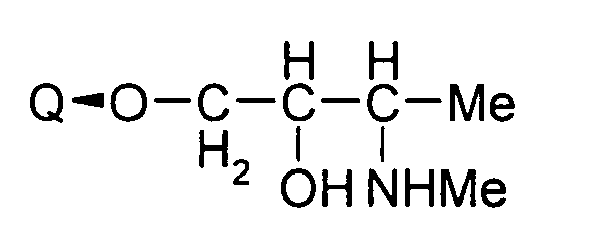
Elemental analysis (C24H39O10N):
Calculated values: C 57.47 H 7.84 N 2.79
Measured values: C 57.72 H 7.66 N 2.67. - 3'-amino-2'-hydroxy-artemisinin butyl ether (β type)

Elemental analysis (C23H37O10N):
Calculated values: C 56.66 H 7.65 N 2.87
Measured values: C 56.64 H 7.74 N 2.71. - 3'-hydroxyethylamino-2'-hydroxy-artemisinin propyl ether (β type)

Elemental analysis (C24H39O11N):
Calculated values: C 55.70 H 7.59 N 2.71
Measured values: C 55.69 H 7.89 N 2.58. - 3'-pheny-3'-methylamino-2'-hydroxy-artemisinin propyl ether (β type)

Elemental analysis (C29H41O10N):
Calculated values: C 61.80 H 7.33 N 2.49
Measured values: C 61.64 H 7.41 N 2.48. - 3'-pheny-3'-amino-2'-hydroxy-artemisinin propyl ether (β type)

Elemental analysis (C28H39O10N):
Calculated values: C 61.19 H 7.15 N 2.55
Measured values: C 61.29 H 7.23 N 2.35. - 3'-hydroxyethylamino-2'-hydroxy-artemisinin propyl butyl ether (β type)

Elemental analysis (C25H41O11N):
Calculated values: C 56.49 H 7.77 N 2.63
Measured values: C 56.21 H 7.94 N 2.95. - 3'-dimethyamino-2'-hydroxy-artemisinin butyl ether (β type)

Elemental analysis (C25H41O10N):
Calculated values: C 58.24 H 8.02 N 2.72
Measured values: C 58.06 H 7.99 N 2.67. - 3'-pyrrolidinyl-2'-hydroxy-artemisinin propyl ether (β type)
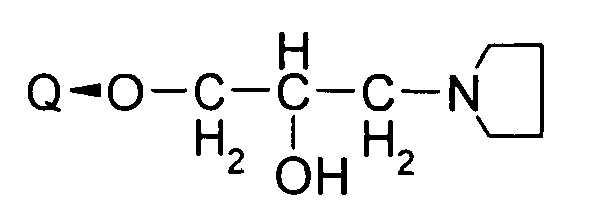
(As reported in J. Med. Chem. 2000, 43(8): 1635-1640, the melting pointing of the said compound was 148-152°C.)
Elemental analysis (C26H41O10N):
Calculated values: C 59.19 H 7.83 N 2.65
Measured values: C 59.14 H 7.86 N 2.66. - 3'-piperidyl-2'-hydroxy-artemisinin propyl ether (β type)

Elemental analysis (C27H43O10N):
Calculated values: C 59.87 H 8.00 N 2.59
Measured values: C 59.86 H 8.02 N 2.58. - 3'-methylamino-2'-hydroxy-artemisinin butyl ether (α type)

Elemental analysis (C24H39O10N):
Calculated values: C 57.47 H 7.84 N 2.79
Measured values: C 57.62 H 7.51 N 2.61. - 3'-tert-butylamino-2'-hydroxy-artemisinin propyl ether (β type)

Elemental analysis (C26H43O10N):
Calculated values: C 58.96 H 8.18 N 2.64
Measured values: C 58.92 H 7.91 N 2.59. - 3'-phenyl-3'-pyrrolidinyl-2'-hydroxy-artemisinin propyl ether (β type)
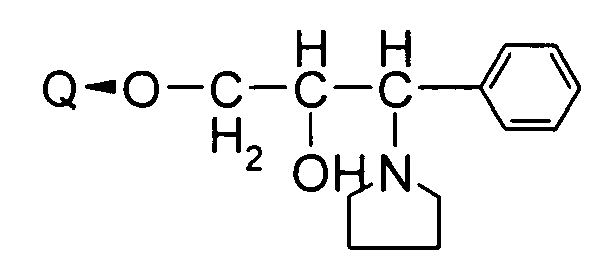
Elemental analysis (C32H45O10N):
Calculated values: C 63.67 H 7.51 N 2.32
Measured values: C 63.36 H 7.09 N 2.04. - 3'-phenyl-3'-piperidyl-2'-hydroxy-artemisinin propyl ether (β type)

Elemental analysis (C33H47O10N):
Calculated values: C 64.16 H 7.67 N 2.27
Measured values: C 64.43 H 7.68 N 2.18. - 3'-phenyl-3'-dimethylamino-2'-hydroxy-artemisinin propyl ether (β type)

Elemental analysis (C30H43O10N):
Calculated values: C 62.38 H 7.50 N 2.42
Measured values: C 62.05 H 7.68 N 2.41. - 3'-phenyl-3'-dimethly-tert-butylamino-2'-hydroxy-artemisinin propyl ether (β type)

Elemental analysis (C32H47O10N):
Calculated values: C 63.45 H 7.82 N 2.31
Measured values: C 63.70 H 7.83 N 2.22. - A tablet containing 2'-amino-arteether (β type) maleate The formula is as follows:
2'-amino-arteether (β type) maleate 35% Starch 25% Sodium hydroxylmethyl cellulose 30% Starch paste (10 %) 9% stearic acid 1 % - The active component was pulverized, and screened with 100 mesh sieve; after mixed with sodium hydroxylmethyl cellulose and 10% starch paste, granulation and drying were carried out. Then the dry starch and lubricant was added into and mixed uniformly; tabletting was performed to obtain the final product.
- A tablet containing 3'-tert-butylamino-2'-hydroxy-artemisinin propyl ether (β type) maleate
- The formula is as follows:
3'-tert-butylamino-2'-hydroxy-artemisinin propyl ether (β type) maleate 30% Microcrystalline cellulose 65% Micronized polyethylene glycol 4000 5% - The active component was pulverized and screened; after mixed uniformly with microcrystalline cellulose and lubricant, tabletting was performed immediately to obtain the final product.
- An enteric coated tablet containing 2'-amino-artemether (β type) citrate
- The formula is as follows:
2'-aminoartemether (β type) citrate 35% Starch 20 % Dry starch 35% Starch paste (10 %) 8 % Talc powder 2% - The active component was mixed uniformly with starch, and 10% starch paste was added to prepare the damp mass, then granulation, drying, and pelletization are processed. After dry starch and talc powder were further added, tabletting and coating with an enteric coating were performed to obtain the final product.
- A hard capsule containing 3'-pyrrolidinyl-2'-hydroxy-artemisnin propyl ether (β type) oxalate
- The formula is as follows:
3'-tetrahydropyrrole-2'-hydroxyartemisic propyl ether (β type) oxalate 50% Microcrystalline cellulose 30% Polyethylene glycol 1500 20% - The active component and the auxiliary materials are homogeneously mixed and packed into empty capsula to obtain the final product.
- A gel containing 3'-pyrrolidinyl-2'-hydroxy-artemisinin propyl ether (β type)
- The formula is as follows:
3'-pyrrolidinyl-2'-hydroxy-artemisinin propyl ether (β type) 35% polyethylene glycol 65% - Polyethylene glycol 300 and polyethylene glycol 1500 (polyethylene glycol 300:polyethylene glycol 1500=1:1) were agitated and heated to be molten, then the active component after being pulverized and sieved was added, and mixed homogenously to obtain a gel product.
- An water injection solution containing 2'-amino-artemether (β type) maleate
- After the active component was dissolved in water, filtration, encapsulation and sterilization were performed to obtain the final product.
Claims (9)
- A water-soluble artemisinin derivative having the following formula, the stereoisomers, optical isomers, and pharmaceutically acceptable salts thereof

when n=0, X and Y is H, and Z is NH2;
when n=1, X is OH, Y is H, and Z is NH2, NHMe, NHEt, NHPr(n), NHBu, NHCH2CH2OH,
NH(CH2)2-3NMe2,
- The water-soluble artemisinin derivative according to claim 1, characterized in that:
when n=0, X and Y is H, and Z is NH2, i.e. 2'-amino-arteether (β type) and its acid addition salts suitable for pharmaceutical use. - The water-soluble artemisinin derivative according to claim 1, characterized in that:
when n=1, X is OH, Y is H, and Z is NH2, NHMe, NHEt, NHPr(n), NHBu, NHCH2CH2OH,
- The water-soluble artemisinin derivative according to claim 1, characterized in that:
when n=1, X is OH, Y is CH3 or phenyl, and Z is NH2, NHR, NHCH2CH2OH, NR'2,
NH(CH2)2-3NMe2,
- A process for preparing the water-soluble artemisinin derivative of claim 1, comprising the following steps:a) Dihydroartemisinin, used as raw meterial, reacts with a haloalcohol, as substitution alcohol, under an acidic condition, and the obtained compound reacts with amine to produce the target compound 1 (n=0);b) Dihydroartemisinin, used as raw meterial, reacts with a dihydric alcohol, as substitution alcohol, under an acidic condition to first form hydroxyl-arteether, which is then converted into its p-toluenesulfonate and finally reacts with amine to obtain the target compound 1 (n=0);c) Dihydroartemisinin, used as raw meterial, reacts with glycidol, used as substitution alcohol under an acidic condition, and the obtained artemisinin reacts with amines to obtain the target compound 1 (n=1);d) Under an acid condition, dihydroartemisinin, used as raw meterials, reacts with propenol, used as substitution alcohol and the obtained compound is oxidized into glycidyl artemisinin ether which reacts with amines to obtain the target compound 1 (n=1).
- A composition containing the water-soluble artemisinin derivative of claim 1, characterized in that, the composition is composed of the following components by weight percent:
Artemisinin ether containing amino group 1-55% excipient 15-40% auxiliary agent 20-65%. - The composition containing the water-soluble artemisinin derivative according to claim 6, characterized in that, the pharmaceutically acceptable excipient is sugar (such as glucose, sucrose and lactose), starch (such as maize starch and potato starch), cellulose and its derivatives (such as sodium carboxymethy cellulose, sodium ethyl cellulose, cellulose acetate and microcrystalline cellulose), polyethylene glycol, glutin, talc powder, stearic acid, magnesium stearate, calcium sulphate, or vegetable oil (such as soybean oil, sesame oil, peanut oil and olive oil), and may be emulsifier (such as Tween®), moistening agent (such as sodium dodecyl sulphate), coloring agent, flavoring agent, stabilizer, preservative, or nonpyrogenic water.
- Use of the water-soluble artemisinin derivative of claim 1 in preparing the drugs for preventing and treating the diseases caused by hyperfunction of human immunity including the auto-immune diseases, such as lupus erythematosus, rheumatoid arthritis and multiple sclerosis, etc.
- Use of the water-soluble artemisinin derivative of claim 1 in preparing the immunosuppressive drugs for inhibiting the rejection reaction after cell or organ transplantation.
Applications Claiming Priority (2)
| Application Number | Priority Date | Filing Date | Title |
|---|---|---|---|
| CNA2005100280569A CN1900081A (en) | 2005-07-22 | 2005-07-22 | Water soluble artemisine derivative and its preparing method, medicinal composition and use |
| PCT/CN2006/001782 WO2007009388A1 (en) | 2005-07-22 | 2006-07-20 | Water-soluble artemisinin derivatives, their preparation methods, the pharmaceutical compositions and the use thereof |
Publications (3)
| Publication Number | Publication Date |
|---|---|
| EP1911761A1 true EP1911761A1 (en) | 2008-04-16 |
| EP1911761A4 EP1911761A4 (en) | 2010-06-09 |
| EP1911761B1 EP1911761B1 (en) | 2014-10-15 |
Family
ID=37656097
Family Applications (1)
| Application Number | Title | Priority Date | Filing Date |
|---|---|---|---|
| EP06761517.9A Not-in-force EP1911761B1 (en) | 2005-07-22 | 2006-07-20 | Water-soluble artemisinin derivatives, their preparation methods, the pharmaceutical compositions and the use thereof |
Country Status (5)
| Country | Link |
|---|---|
| US (1) | US8129426B2 (en) |
| EP (1) | EP1911761B1 (en) |
| JP (1) | JP5345390B2 (en) |
| CN (2) | CN1900081A (en) |
| WO (1) | WO2007009388A1 (en) |
Families Citing this family (13)
| Publication number | Priority date | Publication date | Assignee | Title |
|---|---|---|---|---|
| MY155952A (en) * | 2009-09-11 | 2015-12-31 | Sanofi Sa | Process for the production of artemisinin intermediates |
| US8815942B2 (en) | 2010-10-20 | 2014-08-26 | The Royal Institution For The Advancement Of Learning/Mcgill University | Combination therapy and uses thereof for treatment and prevention of parasitic infection and disease |
| CN103497200B (en) * | 2013-08-13 | 2016-06-08 | 北京联合大学生物化学工程学院 | A kind of Dihydroartemisinin higher fatty acid ester and preparation method thereof |
| CN103664982A (en) * | 2013-12-06 | 2014-03-26 | 湖南科源生物制品有限公司 | Arteannuin analogs and preparation method thereof |
| CN108653272B (en) * | 2017-03-31 | 2022-09-20 | 中国科学院上海药物研究所 | Application of artemisinin derivatives in preparation of medicines for treating inflammatory bowel diseases |
| CN109020992B (en) * | 2017-06-09 | 2024-04-12 | 华东理工大学 | Method for preparing beta-type mono/bis sweet wormwood alkyl ether amine maleate in stereoselective manner |
| CN110343117B (en) * | 2018-04-04 | 2023-06-09 | 中国科学院上海药物研究所 | Process for the preparation of artemisinin derivatives |
| CN110559329A (en) * | 2019-09-19 | 2019-12-13 | 重庆市中药研究院 | pharmaceutical composition containing dihydroartemisinin and herba Polygoni orientalis, preparation and preparation method thereof |
| CN112315956A (en) * | 2020-08-26 | 2021-02-05 | 同济大学 | Application of 9, 10-dehydrodihydroartemisinin in preventing and treating multiple sclerosis |
| CN114668758A (en) * | 2021-05-17 | 2022-06-28 | 澳门大学 | Application of artemisinin and its derivatives in the preparation of ChAT activity enhancers |
| CN116836176B (en) * | 2022-03-23 | 2026-02-24 | 中国科学院上海药物研究所 | Artemisinin compound, preparation method and application thereof |
| CN118834220A (en) * | 2022-06-10 | 2024-10-25 | 上海英诺富成生物科技有限公司 | Artemisinin derivative and preparation method and application thereof |
| CN116850177A (en) * | 2023-08-04 | 2023-10-10 | 南方医科大学南方医院 | Application of dihydroartemisinin in the preparation of drugs for preventing and treating chronic graft rejection |
Family Cites Families (6)
| Publication number | Priority date | Publication date | Assignee | Title |
|---|---|---|---|---|
| EP0362730A1 (en) * | 1988-10-04 | 1990-04-11 | Hoechst Aktiengesellschaft | Artemisinin derivatives, processes for their preparation and their use as antiprotozoal agents |
| JPH03170422A (en) * | 1989-11-22 | 1991-07-24 | Dermatologic Res Corp | Treatment of skin disease |
| CN1038416C (en) * | 1992-12-04 | 1998-05-20 | 中国科学院上海药物研究所 | Artemisin derivant and its preparation method |
| CN1087838A (en) | 1992-12-08 | 1994-06-15 | 中国人民解放军总参谋部炮兵装备技术研究所 | Float-suspension dry powder fire-extinguishing system for oil tank |
| CN1105722C (en) | 1999-11-12 | 2003-04-16 | 中国科学院上海药物研究所 | Arteannuin derivant containing azacyclic radical and preparation process thereof |
| CN1561994A (en) * | 2004-04-02 | 2005-01-12 | 齐岩 | Medicinal compositon containing artemisine extract for treating rheumatoid arthritis and immunologic disease |
-
2005
- 2005-07-22 CN CNA2005100280569A patent/CN1900081A/en active Pending
-
2006
- 2006-07-20 US US11/989,135 patent/US8129426B2/en active Active
- 2006-07-20 CN CN2006800263250A patent/CN101223177B/en active Active
- 2006-07-20 WO PCT/CN2006/001782 patent/WO2007009388A1/en not_active Ceased
- 2006-07-20 EP EP06761517.9A patent/EP1911761B1/en not_active Not-in-force
- 2006-07-20 JP JP2008521778A patent/JP5345390B2/en active Active
Also Published As
| Publication number | Publication date |
|---|---|
| US20090298881A1 (en) | 2009-12-03 |
| US8129426B2 (en) | 2012-03-06 |
| EP1911761B1 (en) | 2014-10-15 |
| EP1911761A4 (en) | 2010-06-09 |
| WO2007009388A1 (en) | 2007-01-25 |
| CN101223177A (en) | 2008-07-16 |
| CN101223177B (en) | 2011-11-16 |
| CN1900081A (en) | 2007-01-24 |
| JP2009502752A (en) | 2009-01-29 |
| JP5345390B2 (en) | 2013-11-20 |
Similar Documents
| Publication | Publication Date | Title |
|---|---|---|
| EP1911761B1 (en) | Water-soluble artemisinin derivatives, their preparation methods, the pharmaceutical compositions and the use thereof | |
| Lin et al. | Antimalarial activity of new water-soluble dihydroartemisinin derivatives. 2. Stereospecificity of the ether side chain | |
| WO2003047508A2 (en) | Paclitaxel solvates | |
| US6878731B2 (en) | Imidazole alkaloids from Lepidium meyenii and methods of usage | |
| US4843092A (en) | Immunosuppressive agent | |
| CN101863901B (en) | 2-(substituted phenyl)-2-(4,5,6,7-thiophane[3,2-c] pyridine-5(4H)-group)-N-substitute-acetamide as well as preparation method and application thereof | |
| CN111202737B (en) | Application of tripterine amide derivative in preparation of medicine for treating autoimmune diseases | |
| CN113402509A (en) | Meishadazole compounds and preparation method and application thereof | |
| US7049301B2 (en) | Quercetin derivatives and their medical usages | |
| CS198195B2 (en) | Process for preparing 4-imino-1,3-diazabicyclo/3,1,0/hexan-2-one | |
| US20040209336A1 (en) | Fermentation and purification of migrastatin and analog | |
| US6475520B1 (en) | Pharmaceutical composition with low toxicity for anti-inflammation and anti-exudation | |
| CN1803788A (en) | Polymethoxylated flavone derivative with anticancer activity, its pharmaceutical composition, preparation method and application | |
| US11440916B2 (en) | Selective A2A receptor antagonist | |
| AU677732B2 (en) | 6-oxo-nucleosides useful as immunosuppressants | |
| CN116120327B (en) | 13,14-symmetrical disubstituted derivatives of β-elemene and preparation method and application thereof | |
| EP2468253A1 (en) | Terpenoid spiro ketal compounds with LXR agonists activity, their use and formulations with them | |
| KR101987853B1 (en) | Novel macrolide-based compounds, preparation method thereof, and pharmaceutical composition for preventing or treating malaria containing the same | |
| JPS63264527A (en) | Anti-aids virus agent | |
| US4423053A (en) | Derivatives of 2-amino-5-(o-sulphamidophenyl)-1,3,4-thiadiazol as antiviral agents and a process for the preparation thereof | |
| CN115770238A (en) | Preparation method and medical application of cannabinoid compound CBE | |
| EP0123446A1 (en) | 2-Furylbutyrolactone derivatives, their preparation, compositions containing them, and their use for the modulation of the immune system in mammals | |
| JP2799368B2 (en) | Antiprotozoal agent | |
| CN1137130C (en) | Schizophyllum tetrasaccharide-alkyl glycoside compound and its prepn and application | |
| SU1069385A1 (en) | Bromide of 2-amino-(1-adamantylcarbonylmethyl)-1-(beta-piperidinoethyl)-benzimidazolium displaying immuno-suppression activity |
Legal Events
| Date | Code | Title | Description |
|---|---|---|---|
| PUAI | Public reference made under article 153(3) epc to a published international application that has entered the european phase |
Free format text: ORIGINAL CODE: 0009012 |
|
| 17P | Request for examination filed |
Effective date: 20080213 |
|
| AK | Designated contracting states |
Kind code of ref document: A1 Designated state(s): AT BE BG CH CY CZ DE DK EE ES FI FR GB GR HU IE IS IT LI LT LU LV MC NL PL PT RO SE SI SK TR |
|
| A4 | Supplementary search report drawn up and despatched |
Effective date: 20100510 |
|
| 17Q | First examination report despatched |
Effective date: 20110727 |
|
| DAX | Request for extension of the european patent (deleted) | ||
| GRAP | Despatch of communication of intention to grant a patent |
Free format text: ORIGINAL CODE: EPIDOSNIGR1 |
|
| INTG | Intention to grant announced |
Effective date: 20140523 |
|
| GRAS | Grant fee paid |
Free format text: ORIGINAL CODE: EPIDOSNIGR3 |
|
| GRAA | (expected) grant |
Free format text: ORIGINAL CODE: 0009210 |
|
| AK | Designated contracting states |
Kind code of ref document: B1 Designated state(s): AT BE BG CH CY CZ DE DK EE ES FI FR GB GR HU IE IS IT LI LT LU LV MC NL PL PT RO SE SI SK TR |
|
| REG | Reference to a national code |
Ref country code: GB Ref legal event code: FG4D Ref country code: CH Ref legal event code: EP |
|
| REG | Reference to a national code |
Ref country code: IE Ref legal event code: FG4D |
|
| REG | Reference to a national code |
Ref country code: AT Ref legal event code: REF Ref document number: 691632 Country of ref document: AT Kind code of ref document: T Effective date: 20141115 |
|
| REG | Reference to a national code |
Ref country code: DE Ref legal event code: R096 Ref document number: 602006043374 Country of ref document: DE Effective date: 20141127 |
|
| REG | Reference to a national code |
Ref country code: NL Ref legal event code: VDEP Effective date: 20141015 |
|
| REG | Reference to a national code |
Ref country code: AT Ref legal event code: MK05 Ref document number: 691632 Country of ref document: AT Kind code of ref document: T Effective date: 20141015 |
|
| REG | Reference to a national code |
Ref country code: LT Ref legal event code: MG4D |
|
| PG25 | Lapsed in a contracting state [announced via postgrant information from national office to epo] |
Ref country code: NL Free format text: LAPSE BECAUSE OF FAILURE TO SUBMIT A TRANSLATION OF THE DESCRIPTION OR TO PAY THE FEE WITHIN THE PRESCRIBED TIME-LIMIT Effective date: 20141015 |
|
| PG25 | Lapsed in a contracting state [announced via postgrant information from national office to epo] |
Ref country code: LT Free format text: LAPSE BECAUSE OF FAILURE TO SUBMIT A TRANSLATION OF THE DESCRIPTION OR TO PAY THE FEE WITHIN THE PRESCRIBED TIME-LIMIT Effective date: 20141015 Ref country code: FI Free format text: LAPSE BECAUSE OF FAILURE TO SUBMIT A TRANSLATION OF THE DESCRIPTION OR TO PAY THE FEE WITHIN THE PRESCRIBED TIME-LIMIT Effective date: 20141015 Ref country code: IS Free format text: LAPSE BECAUSE OF FAILURE TO SUBMIT A TRANSLATION OF THE DESCRIPTION OR TO PAY THE FEE WITHIN THE PRESCRIBED TIME-LIMIT Effective date: 20150215 Ref country code: PT Free format text: LAPSE BECAUSE OF FAILURE TO SUBMIT A TRANSLATION OF THE DESCRIPTION OR TO PAY THE FEE WITHIN THE PRESCRIBED TIME-LIMIT Effective date: 20150216 Ref country code: ES Free format text: LAPSE BECAUSE OF FAILURE TO SUBMIT A TRANSLATION OF THE DESCRIPTION OR TO PAY THE FEE WITHIN THE PRESCRIBED TIME-LIMIT Effective date: 20141015 |
|
| PG25 | Lapsed in a contracting state [announced via postgrant information from national office to epo] |
Ref country code: GR Free format text: LAPSE BECAUSE OF FAILURE TO SUBMIT A TRANSLATION OF THE DESCRIPTION OR TO PAY THE FEE WITHIN THE PRESCRIBED TIME-LIMIT Effective date: 20150116 Ref country code: CY Free format text: LAPSE BECAUSE OF FAILURE TO SUBMIT A TRANSLATION OF THE DESCRIPTION OR TO PAY THE FEE WITHIN THE PRESCRIBED TIME-LIMIT Effective date: 20141015 Ref country code: SE Free format text: LAPSE BECAUSE OF FAILURE TO SUBMIT A TRANSLATION OF THE DESCRIPTION OR TO PAY THE FEE WITHIN THE PRESCRIBED TIME-LIMIT Effective date: 20141015 Ref country code: LV Free format text: LAPSE BECAUSE OF FAILURE TO SUBMIT A TRANSLATION OF THE DESCRIPTION OR TO PAY THE FEE WITHIN THE PRESCRIBED TIME-LIMIT Effective date: 20141015 Ref country code: PL Free format text: LAPSE BECAUSE OF FAILURE TO SUBMIT A TRANSLATION OF THE DESCRIPTION OR TO PAY THE FEE WITHIN THE PRESCRIBED TIME-LIMIT Effective date: 20141015 Ref country code: AT Free format text: LAPSE BECAUSE OF FAILURE TO SUBMIT A TRANSLATION OF THE DESCRIPTION OR TO PAY THE FEE WITHIN THE PRESCRIBED TIME-LIMIT Effective date: 20141015 |
|
| REG | Reference to a national code |
Ref country code: DE Ref legal event code: R097 Ref document number: 602006043374 Country of ref document: DE |
|
| REG | Reference to a national code |
Ref country code: FR Ref legal event code: PLFP Year of fee payment: 10 |
|
| PG25 | Lapsed in a contracting state [announced via postgrant information from national office to epo] |
Ref country code: RO Free format text: LAPSE BECAUSE OF FAILURE TO SUBMIT A TRANSLATION OF THE DESCRIPTION OR TO PAY THE FEE WITHIN THE PRESCRIBED TIME-LIMIT Effective date: 20141015 Ref country code: DK Free format text: LAPSE BECAUSE OF FAILURE TO SUBMIT A TRANSLATION OF THE DESCRIPTION OR TO PAY THE FEE WITHIN THE PRESCRIBED TIME-LIMIT Effective date: 20141015 Ref country code: SK Free format text: LAPSE BECAUSE OF FAILURE TO SUBMIT A TRANSLATION OF THE DESCRIPTION OR TO PAY THE FEE WITHIN THE PRESCRIBED TIME-LIMIT Effective date: 20141015 Ref country code: CZ Free format text: LAPSE BECAUSE OF FAILURE TO SUBMIT A TRANSLATION OF THE DESCRIPTION OR TO PAY THE FEE WITHIN THE PRESCRIBED TIME-LIMIT Effective date: 20141015 Ref country code: EE Free format text: LAPSE BECAUSE OF FAILURE TO SUBMIT A TRANSLATION OF THE DESCRIPTION OR TO PAY THE FEE WITHIN THE PRESCRIBED TIME-LIMIT Effective date: 20141015 |
|
| PLBE | No opposition filed within time limit |
Free format text: ORIGINAL CODE: 0009261 |
|
| STAA | Information on the status of an ep patent application or granted ep patent |
Free format text: STATUS: NO OPPOSITION FILED WITHIN TIME LIMIT |
|
| PG25 | Lapsed in a contracting state [announced via postgrant information from national office to epo] |
Ref country code: IT Free format text: LAPSE BECAUSE OF FAILURE TO SUBMIT A TRANSLATION OF THE DESCRIPTION OR TO PAY THE FEE WITHIN THE PRESCRIBED TIME-LIMIT Effective date: 20141015 |
|
| 26N | No opposition filed |
Effective date: 20150716 |
|
| REG | Reference to a national code |
Ref country code: DE Ref legal event code: R082 Ref document number: 602006043374 Country of ref document: DE Representative=s name: GRUENECKER PATENT- UND RECHTSANWAELTE PARTG MB, DE Ref country code: DE Ref legal event code: R081 Ref document number: 602006043374 Country of ref document: DE Owner name: JIANGSU ZUOYOU MEDICINE CO., LTD., CN Free format text: FORMER OWNER: SHANGHAI INSTITUTE OF MATERIA MEDICA, CHINESE ACADEMY OF SCIENCES, SHANGHAI, CN |
|
| PG25 | Lapsed in a contracting state [announced via postgrant information from national office to epo] |
Ref country code: SI Free format text: LAPSE BECAUSE OF FAILURE TO SUBMIT A TRANSLATION OF THE DESCRIPTION OR TO PAY THE FEE WITHIN THE PRESCRIBED TIME-LIMIT Effective date: 20141015 Ref country code: MC Free format text: LAPSE BECAUSE OF FAILURE TO SUBMIT A TRANSLATION OF THE DESCRIPTION OR TO PAY THE FEE WITHIN THE PRESCRIBED TIME-LIMIT Effective date: 20141015 |
|
| REG | Reference to a national code |
Ref country code: CH Ref legal event code: PL |
|
| PG25 | Lapsed in a contracting state [announced via postgrant information from national office to epo] |
Ref country code: LU Free format text: LAPSE BECAUSE OF FAILURE TO SUBMIT A TRANSLATION OF THE DESCRIPTION OR TO PAY THE FEE WITHIN THE PRESCRIBED TIME-LIMIT Effective date: 20150720 |
|
| REG | Reference to a national code |
Ref country code: GB Ref legal event code: 732E Free format text: REGISTERED BETWEEN 20160310 AND 20160316 |
|
| REG | Reference to a national code |
Ref country code: IE Ref legal event code: MM4A |
|
| PG25 | Lapsed in a contracting state [announced via postgrant information from national office to epo] |
Ref country code: CH Free format text: LAPSE BECAUSE OF NON-PAYMENT OF DUE FEES Effective date: 20150731 Ref country code: LI Free format text: LAPSE BECAUSE OF NON-PAYMENT OF DUE FEES Effective date: 20150731 |
|
| REG | Reference to a national code |
Ref country code: FR Ref legal event code: TP Owner name: JIANGSU ZUOYOU MEDICINE, CN Effective date: 20160413 |
|
| REG | Reference to a national code |
Ref country code: FR Ref legal event code: PLFP Year of fee payment: 11 |
|
| PG25 | Lapsed in a contracting state [announced via postgrant information from national office to epo] |
Ref country code: IE Free format text: LAPSE BECAUSE OF NON-PAYMENT OF DUE FEES Effective date: 20150720 |
|
| PG25 | Lapsed in a contracting state [announced via postgrant information from national office to epo] |
Ref country code: HU Free format text: LAPSE BECAUSE OF FAILURE TO SUBMIT A TRANSLATION OF THE DESCRIPTION OR TO PAY THE FEE WITHIN THE PRESCRIBED TIME-LIMIT; INVALID AB INITIO Effective date: 20060720 Ref country code: BG Free format text: LAPSE BECAUSE OF FAILURE TO SUBMIT A TRANSLATION OF THE DESCRIPTION OR TO PAY THE FEE WITHIN THE PRESCRIBED TIME-LIMIT Effective date: 20141015 |
|
| REG | Reference to a national code |
Ref country code: FR Ref legal event code: PLFP Year of fee payment: 12 |
|
| PG25 | Lapsed in a contracting state [announced via postgrant information from national office to epo] |
Ref country code: TR Free format text: LAPSE BECAUSE OF FAILURE TO SUBMIT A TRANSLATION OF THE DESCRIPTION OR TO PAY THE FEE WITHIN THE PRESCRIBED TIME-LIMIT Effective date: 20141015 |
|
| PG25 | Lapsed in a contracting state [announced via postgrant information from national office to epo] |
Ref country code: BE Free format text: LAPSE BECAUSE OF FAILURE TO SUBMIT A TRANSLATION OF THE DESCRIPTION OR TO PAY THE FEE WITHIN THE PRESCRIBED TIME-LIMIT Effective date: 20141015 |
|
| REG | Reference to a national code |
Ref country code: FR Ref legal event code: PLFP Year of fee payment: 13 |
|
| PGFP | Annual fee paid to national office [announced via postgrant information from national office to epo] |
Ref country code: DE Payment date: 20240729 Year of fee payment: 19 |
|
| PGFP | Annual fee paid to national office [announced via postgrant information from national office to epo] |
Ref country code: GB Payment date: 20240715 Year of fee payment: 19 |
|
| PGFP | Annual fee paid to national office [announced via postgrant information from national office to epo] |
Ref country code: FR Payment date: 20240730 Year of fee payment: 19 |
|
| REG | Reference to a national code |
Ref country code: DE Ref legal event code: R119 Ref document number: 602006043374 Country of ref document: DE |
|
| GBPC | Gb: european patent ceased through non-payment of renewal fee |
Effective date: 20250720 |
|
| PG25 | Lapsed in a contracting state [announced via postgrant information from national office to epo] |
Ref country code: GB Free format text: LAPSE BECAUSE OF NON-PAYMENT OF DUE FEES Effective date: 20250720 |
|
| PG25 | Lapsed in a contracting state [announced via postgrant information from national office to epo] |
Ref country code: DE Free format text: LAPSE BECAUSE OF NON-PAYMENT OF DUE FEES Effective date: 20260203 |
|
| PG25 | Lapsed in a contracting state [announced via postgrant information from national office to epo] |
Ref country code: FR Free format text: LAPSE BECAUSE OF NON-PAYMENT OF DUE FEES Effective date: 20250731 |