EP1911460A1 - Pharmaceutical composition for promoting axonal re-growth and behaviour recovery in spinal cord injury - Google Patents
Pharmaceutical composition for promoting axonal re-growth and behaviour recovery in spinal cord injury Download PDFInfo
- Publication number
- EP1911460A1 EP1911460A1 EP07253973A EP07253973A EP1911460A1 EP 1911460 A1 EP1911460 A1 EP 1911460A1 EP 07253973 A EP07253973 A EP 07253973A EP 07253973 A EP07253973 A EP 07253973A EP 1911460 A1 EP1911460 A1 EP 1911460A1
- Authority
- EP
- European Patent Office
- Prior art keywords
- chabc
- pharmaceutical composition
- injury
- behaviour
- spinal cord
- Prior art date
- Legal status (The legal status is an assumption and is not a legal conclusion. Google has not performed a legal analysis and makes no representation as to the accuracy of the status listed.)
- Withdrawn
Links
- 239000008194 pharmaceutical composition Substances 0.000 title claims abstract description 16
- 238000011084 recovery Methods 0.000 title claims abstract description 13
- 230000001737 promoting effect Effects 0.000 title claims abstract description 11
- 208000020431 spinal cord injury Diseases 0.000 title claims description 15
- 230000003376 axonal effect Effects 0.000 title description 6
- 108090000819 Chondroitin-sulfate-ABC endolyases Proteins 0.000 claims abstract description 77
- 102000037716 Chondroitin-sulfate-ABC endolyases Human genes 0.000 claims abstract description 76
- 208000028389 Nerve injury Diseases 0.000 claims abstract description 19
- 230000008764 nerve damage Effects 0.000 claims abstract description 19
- 208000027418 Wounds and injury Diseases 0.000 claims abstract description 18
- 210000003050 axon Anatomy 0.000 claims abstract description 17
- 230000006378 damage Effects 0.000 claims abstract description 14
- 208000014674 injury Diseases 0.000 claims abstract description 14
- 238000001802 infusion Methods 0.000 claims description 13
- 230000008929 regeneration Effects 0.000 claims description 8
- 238000011069 regeneration method Methods 0.000 claims description 8
- 238000007913 intrathecal administration Methods 0.000 claims description 6
- 210000003169 central nervous system Anatomy 0.000 claims description 5
- 241000124008 Mammalia Species 0.000 claims description 4
- 210000001428 peripheral nervous system Anatomy 0.000 claims description 4
- 241000251539 Vertebrata <Metazoa> Species 0.000 claims description 3
- 239000003814 drug Substances 0.000 claims 1
- 239000003937 drug carrier Substances 0.000 claims 1
- 238000004519 manufacturing process Methods 0.000 claims 1
- 210000000278 spinal cord Anatomy 0.000 description 16
- 241000700159 Rattus Species 0.000 description 11
- 230000006399 behavior Effects 0.000 description 11
- 238000000034 method Methods 0.000 description 10
- 102000004190 Enzymes Human genes 0.000 description 6
- 108090000790 Enzymes Proteins 0.000 description 6
- 230000001744 histochemical effect Effects 0.000 description 6
- 238000012744 immunostaining Methods 0.000 description 6
- 231100000241 scar Toxicity 0.000 description 6
- 241001465754 Metazoa Species 0.000 description 5
- 238000012453 sprague-dawley rat model Methods 0.000 description 5
- 210000001519 tissue Anatomy 0.000 description 5
- 229920002683 Glycosaminoglycan Polymers 0.000 description 4
- 101000979249 Homo sapiens Neuromodulin Proteins 0.000 description 4
- 102100023206 Neuromodulin Human genes 0.000 description 4
- 238000003780 insertion Methods 0.000 description 4
- 230000037431 insertion Effects 0.000 description 4
- 230000003902 lesion Effects 0.000 description 4
- 230000003137 locomotive effect Effects 0.000 description 4
- 210000003141 lower extremity Anatomy 0.000 description 4
- 239000000203 mixture Substances 0.000 description 4
- 238000001356 surgical procedure Methods 0.000 description 4
- 238000012360 testing method Methods 0.000 description 4
- 206010002091 Anaesthesia Diseases 0.000 description 3
- FAPWRFPIFSIZLT-UHFFFAOYSA-M Sodium chloride Chemical compound [Na+].[Cl-] FAPWRFPIFSIZLT-UHFFFAOYSA-M 0.000 description 3
- 230000037005 anaesthesia Effects 0.000 description 3
- 230000003542 behavioural effect Effects 0.000 description 3
- 238000011156 evaluation Methods 0.000 description 3
- YBJHBAHKTGYVGT-ZKWXMUAHSA-N (+)-Biotin Chemical compound N1C(=O)N[C@@H]2[C@H](CCCCC(=O)O)SC[C@@H]21 YBJHBAHKTGYVGT-ZKWXMUAHSA-N 0.000 description 2
- 241000272517 Anseriformes Species 0.000 description 2
- 241000271566 Aves Species 0.000 description 2
- 229930040373 Paraformaldehyde Natural products 0.000 description 2
- CZMRCDWAGMRECN-UGDNZRGBSA-N Sucrose Chemical compound O[C@H]1[C@H](O)[C@@H](CO)O[C@@]1(CO)O[C@@H]1[C@H](O)[C@@H](O)[C@H](O)[C@@H](CO)O1 CZMRCDWAGMRECN-UGDNZRGBSA-N 0.000 description 2
- 229930006000 Sucrose Natural products 0.000 description 2
- 210000001130 astrocyte Anatomy 0.000 description 2
- 230000001580 bacterial effect Effects 0.000 description 2
- 210000004556 brain Anatomy 0.000 description 2
- 210000000133 brain stem Anatomy 0.000 description 2
- 239000007857 degradation product Substances 0.000 description 2
- 210000004248 oligodendroglia Anatomy 0.000 description 2
- 229920002866 paraformaldehyde Polymers 0.000 description 2
- 230000001172 regenerating effect Effects 0.000 description 2
- 230000001105 regulatory effect Effects 0.000 description 2
- 239000011780 sodium chloride Substances 0.000 description 2
- 239000005720 sucrose Substances 0.000 description 2
- 210000002700 urine Anatomy 0.000 description 2
- XQMVBICWFFHDNN-UHFFFAOYSA-N 5-amino-4-chloro-2-phenylpyridazin-3-one;(2-ethoxy-3,3-dimethyl-2h-1-benzofuran-5-yl) methanesulfonate Chemical compound O=C1C(Cl)=C(N)C=NN1C1=CC=CC=C1.C1=C(OS(C)(=O)=O)C=C2C(C)(C)C(OCC)OC2=C1 XQMVBICWFFHDNN-UHFFFAOYSA-N 0.000 description 1
- 108090001008 Avidin Proteins 0.000 description 1
- 241000283690 Bos taurus Species 0.000 description 1
- 108091003079 Bovine Serum Albumin Proteins 0.000 description 1
- 241000282472 Canis lupus familiaris Species 0.000 description 1
- 229920001287 Chondroitin sulfate Polymers 0.000 description 1
- 102000011413 Chondroitinases and Chondroitin Lyases Human genes 0.000 description 1
- 241000283086 Equidae Species 0.000 description 1
- 241000282326 Felis catus Species 0.000 description 1
- 241000287828 Gallus gallus Species 0.000 description 1
- 241000282412 Homo Species 0.000 description 1
- 108010001336 Horseradish Peroxidase Proteins 0.000 description 1
- PIWKPBJCKXDKJR-UHFFFAOYSA-N Isoflurane Chemical compound FC(F)OC(Cl)C(F)(F)F PIWKPBJCKXDKJR-UHFFFAOYSA-N 0.000 description 1
- 241000699670 Mus sp. Species 0.000 description 1
- 241000283973 Oryctolagus cuniculus Species 0.000 description 1
- 241001494479 Pecora Species 0.000 description 1
- 241000286209 Phasianidae Species 0.000 description 1
- 108010067787 Proteoglycans Proteins 0.000 description 1
- 102000016611 Proteoglycans Human genes 0.000 description 1
- 241000282887 Suidae Species 0.000 description 1
- 239000004480 active ingredient Substances 0.000 description 1
- 230000028600 axonogenesis Effects 0.000 description 1
- 230000003115 biocidal effect Effects 0.000 description 1
- 229960002685 biotin Drugs 0.000 description 1
- 235000020958 biotin Nutrition 0.000 description 1
- 239000011616 biotin Substances 0.000 description 1
- 230000036760 body temperature Effects 0.000 description 1
- 229940098773 bovine serum albumin Drugs 0.000 description 1
- 208000029028 brain injury Diseases 0.000 description 1
- 230000015556 catabolic process Effects 0.000 description 1
- 230000008859 change Effects 0.000 description 1
- 235000013330 chicken meat Nutrition 0.000 description 1
- 238000012790 confirmation Methods 0.000 description 1
- 208000031513 cyst Diseases 0.000 description 1
- 238000006731 degradation reaction Methods 0.000 description 1
- 230000003467 diminishing effect Effects 0.000 description 1
- 230000000694 effects Effects 0.000 description 1
- 238000002474 experimental method Methods 0.000 description 1
- 210000002532 foramen magnum Anatomy 0.000 description 1
- 238000010438 heat treatment Methods 0.000 description 1
- 238000003364 immunohistochemistry Methods 0.000 description 1
- 230000001976 improved effect Effects 0.000 description 1
- 230000006872 improvement Effects 0.000 description 1
- 238000011534 incubation Methods 0.000 description 1
- 230000002401 inhibitory effect Effects 0.000 description 1
- 229960002725 isoflurane Drugs 0.000 description 1
- 238000002372 labelling Methods 0.000 description 1
- 238000002684 laminectomy Methods 0.000 description 1
- 230000006742 locomotor activity Effects 0.000 description 1
- 239000003550 marker Substances 0.000 description 1
- 238000000520 microinjection Methods 0.000 description 1
- 230000027939 micturition Effects 0.000 description 1
- 238000012986 modification Methods 0.000 description 1
- 230000004048 modification Effects 0.000 description 1
- 230000000877 morphologic effect Effects 0.000 description 1
- 210000000337 motor cortex Anatomy 0.000 description 1
- 239000013642 negative control Substances 0.000 description 1
- 230000001537 neural effect Effects 0.000 description 1
- 231100000252 nontoxic Toxicity 0.000 description 1
- 230000003000 nontoxic effect Effects 0.000 description 1
- 230000010412 perfusion Effects 0.000 description 1
- 102000013415 peroxidase activity proteins Human genes 0.000 description 1
- 108040007629 peroxidase activity proteins Proteins 0.000 description 1
- 239000008363 phosphate buffer Substances 0.000 description 1
- 229920000729 poly(L-lysine) polymer Polymers 0.000 description 1
- 230000008569 process Effects 0.000 description 1
- 230000000069 prophylactic effect Effects 0.000 description 1
- 238000005086 pumping Methods 0.000 description 1
- 230000008439 repair process Effects 0.000 description 1
- 238000010186 staining Methods 0.000 description 1
- 230000001225 therapeutic effect Effects 0.000 description 1
- 231100000419 toxicity Toxicity 0.000 description 1
- 230000001988 toxicity Effects 0.000 description 1
- 208000019206 urinary tract infection Diseases 0.000 description 1
Images


Classifications
-
- A—HUMAN NECESSITIES
- A61—MEDICAL OR VETERINARY SCIENCE; HYGIENE
- A61K—PREPARATIONS FOR MEDICAL, DENTAL OR TOILETRY PURPOSES
- A61K38/00—Medicinal preparations containing peptides
- A61K38/16—Peptides having more than 20 amino acids; Gastrins; Somatostatins; Melanotropins; Derivatives thereof
- A61K38/43—Enzymes; Proenzymes; Derivatives thereof
- A61K38/51—Lyases (4)
-
- A—HUMAN NECESSITIES
- A61—MEDICAL OR VETERINARY SCIENCE; HYGIENE
- A61P—SPECIFIC THERAPEUTIC ACTIVITY OF CHEMICAL COMPOUNDS OR MEDICINAL PREPARATIONS
- A61P25/00—Drugs for disorders of the nervous system
-
- A—HUMAN NECESSITIES
- A61—MEDICAL OR VETERINARY SCIENCE; HYGIENE
- A61P—SPECIFIC THERAPEUTIC ACTIVITY OF CHEMICAL COMPOUNDS OR MEDICINAL PREPARATIONS
- A61P43/00—Drugs for specific purposes, not provided for in groups A61P1/00-A61P41/00
Definitions
- the present invention relates to a method and a pharmaceutical composition for promoting axonal re-growth and behaviour recovery in spinal cord injury.
- CSPGs Chondroitin sulphate proteoglycans
- CSPGs are composed of glycosaminoglycan (GAG), which may be a key limiting factor to block axon growth.
- GAG glycosaminoglycan
- Chondroitinase ABC Chondroitinase ABC
- ChABC is a bacterial enzyme, which digests the GAG side chain of CSPGs.
- ChABC is rarely used in clinical trials of spinal cord injury cases due to its toxicity.
- the present invention provides (the use of) an (e.g. bacterial) enzyme that can digest the GAG side chain of CSPGs, for example chondroitinase or ChABC (e.g. at a low dose) for treating nerve injury in a subject.
- an enzyme e.g. bacterial enzyme that can digest the GAG side chain of CSPGs, for example chondroitinase or ChABC (e.g. at a low dose) for treating nerve injury in a subject.
- One aspect of the invention provides a method for promoting axon re-growth and behaviour recovery in a subject suffering from a nerve injury.
- the method can comprise administering a pharmaceutical composition comprising a safe and effective amount of the enzyme, e.g. chondroitinase ABC (ChABC), such as to an injury site of the nerve injury in the subject.
- the dose may range from about 0.1 U/ml to about 10 U/ml, preferably about 0.5 U/ml to about 5 U/ml, and more preferably about 1 U/ml.
- Another aspect of the invention provides (the use of) the enzyme, e.g. ChABC, optionally for preparing a pharmaceutical composition, for promoting axon regeneration and behaviour recovery in a subject.
- the composition can comprise a safe and effective amount of the ChABC.
- Such a dose may range from about 0.1 U/ml to about 10 U/ml, preferably about 0.5 U/ml to about 5 U/ml and more preferably about 1U/ml.
- One further aspect of the invention provides a pharmaceutical composition suitable for promoting axon re-growth and behaviour recovery, for example in a subject suffering from a nerve injury. It can comprise a safe and effective amount of the enzyme, e.g. chondroitinase ABC (ChABC), for an injury site (e.g. nerve injury) in the subject.
- a dose can range from about 0.1 U/ml to about 10 U/ml, preferably about 0.5 U/ml to about 5 U/ml and more preferably about 1 U/ml.
- Fig. 1 is a graph illustrating the Basso, Beattie, Bresnahan (BBB) open field locomotor's test scores of the female SD rats after T8 transection in different treatment groups according to the present invention
- Fig. 2A shows the morphologies of spinal cords 8 weeks after T8 transection in different treatment groups according to the present invention
- Fig. 2B shows the histochemical cross sections of spinal cords 8 weeks after T8 transection in different treatment groups according to the present invention
- Fig. 3 shows the histochemical cross sections of the spinal cord injury region 8 weeks after T8 transection in different treatment groups according to the present invention
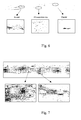
- Fig. 4 shows the histochemical cross sections of the CS-56 immunostained rat spines in the ChABC 1U/ml group and control group;
- Fig. 5 shows the histochemical cross sections of the 2B6 immunostained rat spines in the ChABC 1 U/ml group and the control group;
- Fig. 6 shows the histochemical cross section of the HRP traced rat spine in the ChABC 1 U/ml group
- Fig. 7A shows the histochemical cross section of the GAP-43 immunostained rat spine in the ChABC 1 U/ml group
- Fig. 7B shows the high resolution image of the rostral stump lesion site (B) taken from Fig. 7A;
- Fig. 7C is the high resolution image of the central area of the scar tissue (C) taken from Fig. 7A.
- the present invention is directed to a method for promoting axon re-growth and behaviour recovery in a subject suffering from a nerve injury.
- the method can comprise administering a pharmaceutical composition comprising a safe and effective amount of a chondroitinase ABC (ChABC) to an injury site of the nerve injury in the subject.
- the subject can be a mammal, which can include a human.
- the nerve injury can include a central nervous system (CNS) injury or peripheral nervous system (PNS) injury, such as spinal cord injury.
- CNS central nervous system
- PNS peripheral nervous system
- the subject is administrated by infusing the ChABC to a nerve injury site of the subject, such as through a catheter, e.g. inserted into the spinal cord injury site.
- the catheter may be an epidural intrathecal catheter. This can be inserted into the spinal cord injury site and can have one end externalized for infusion of the ChABC.
- the mode of infusing the ChABC shall not be limited as such.
- Other methods for infusing or administering the ChABC to the subject may also be encompassed by the present invention as long as they provide a non-toxic and effective dosage to the subject.
- the relative low dose of ChABC to be infused is about 0.5 to about 10 U/ml ChABC, preferably about 0.5 U/ml to about 5 U/ml and more preferably about 1 U/ml.
- the subject may be administered once a week, such as for a human, depending on the individual need of the subject.
- the present invention also provides a use of ChABC for preparing a composition for promoting axonal regeneration and behaviour recovery in a subject suffering from a nerve injury.
- the composition can comprise a relatively low dose of the ChABC.
- the low dose of ChABC is about 0.5 to about 10 U/ml ChABC, preferably about 0.5 U/ml to about 5 U/ml and more preferably about 1 U/ml.
- Other active or non-active ingredients may be added without diminishing the therapeutic effect of the ChABC.
- CSPGs are upregulated via astrocytes and oligodendrocytes to limit axonal regeneration.
- an infusion of ChABC to the injury site degrades the CSPGs, allowing the axonal regeneration to take place.
- an epidural intrathecal catheter is inserted via a wound to a spinal cord injury site of the subject suffering from a nerve injury.
- the wound may then be closed, leaving one end of the epidural intrathecal catheter externalized for infusion of the ChABC.
- the ChABC or the composition containing ChABC may be given depending on the individual subject's need, such as once a week in a human.
- the subject such as a rat
- Example 1 The insertion of catheter and infusion of chondroitinase ABC after T8 complete spinal cord transection
- the female SD rats were divided into three groups according to the interval between spinal cord transection and infusion of ChABC.
- the enzyme was infused at three different concentrations, 1, 5 and 10 U/ml, after complete spinal cord transection.
- ChABC was given every other day for a duration of two weeks (total 8 times, each time 6 ⁇ l) under inhalation anesthesia.
- the externalized tube was cut and removed two weeks after the last infusion of ChABC.
- T8 spinal cord transection only T8 tx only
- T8 spinal cord transection and insertion of epidural intrathecal catheter only T8 tx + tube only
- injury, catheter insertion and normal saline infusion only T8 tx + saline
- FIG. 1 there were statistical differences in the hind limbs locomotor's function evaluation between ChABC 1U/ml group (T8 tx + chABC 1 U), ChABC 5U/ml group (T8 tx + chABC 5U) and the control groups (T8 tx + saline, T8 tx + tube only and T8 tx only) 3 weeks after surgery and ChABC treatment, and the differences persisted up to 8 weeks later.
- Example 3 Anterograde labeling of axons crossing the transection site
- the female SD rats were anesthetized under inhalation of isoflurane.
- the spinal cord was exposed over the T10 level and 4% WGA-HRP was injected into the motor cortex of the brain via a micro-syringe. Three sites (to disperse injecting on each side 0.24 ⁇ l ⁇ 3) were injected by a slow pumping system.
- the animals were sacrificed for transcardial perfusion with 4 % paraformaldehyde under anesthesia two days after microinjection.
- the spinal cord, together with brain stem were removed, post-fixed and cryo-preserved in 30 % sucrose overnight for serial section.
- the spinal cord was sectioned longitudinally and the brain stem was sectioned coronary at 30 ⁇ m thickness.
- the spinal cords were collected, immersed in 4 % paraformaldehyde in phosphate buffer overnight and then transferred to a 30 % sucrose solution.
- the horizontal or transverse cry-sections (each having a 20 um thickness) of the spinal cords were placed on poly-L-lysine-coated slide for immunostaining. Following incubation with 5 % bovine serum albumin in PBS for 30 min, monoclonal antibodies to CS-56 (1:500; Sigma, St. Louis, MO), 2B6 (1:5000; Seikagaku Corporation), GAP-43 (1:1000; Sigma, St. Louis, MO) and NG2 were used for primary antibodies.
- the morphological scar tissues were observed in the ChABC 1U/ml group and ChABC 5U/ml group by comparison with the control group as shown in Fig 2A. However, large cysts were observed near the transection site in the ChABC 5U/ml group as shown in Fig 2B.
- CS-56 which was a complete CSPGs structure of scar over the region of spinal cord injury revealed dramatic decrease in the group treated with ChABC 1 U/ml compared with the ChABC 5 U/ml group and control groups 8 weeks after spinal cord injury and ChABC treatment as shown in Fig. 3.
- the undigested scar tissues were strong immunopositive of CS-56.
- the lowest expression of CS-56 within 2 weeks after 1 U/ml ChABC treatment was detected, but CS-56 still increased for 4 weeks after ChABC treatment as shown in Fig 4.
- ChABC 1U/ml group the CS-56 immunostaining was reached the peak level 2 weeks after spinal cord injury compared with the T8-transection group whose CS-56 immunostaining reached peak level at 6 weeks and persisted up to 8 weeks.
- the 2B6 expression in the ChABC 1U/ml group was stronger than the control groups. There were no differences in the immunostaining of 2B6 (for degradation products of CSPGs by ChABC) between the ChABC 1 U/ml group, ChABC 5 U/ml group and control group for 8 weeks after ChABC treatment. Referring to Fig. 5, the 2B6 immunostaining was observed in the 1U/ml ChABC group for 2 weeks after ChABC treatment to compare with the control group.
- agglutinated horse radish peroxidase (WGA-HRP) labeled axons were observed across the transection site in the ChABC 1 U/ml group as shown in Fig 6. Small size scar did not block the re-growth of axons.
- Fig. 7A a few GAP-43 immunopositive processes were observed across the T8 transection site in ChABC 1U/ml group 8 weeks after transection.
- Fig. 7B In the rostral stump lesion site, a large number of axons were observed as shown in Fig. 7B.
- less and thinner axons were found as shown in Fig. 7C.
- the vertebrates include but not limited to humans, commercially relevant mammals such as cattle, pigs, horses, sheep, cats, dogs, mice, rats, rabbits, and pets, birds including commercially relevant birds such as chickens, ducks, geese, and turkeys.
Landscapes
- Health & Medical Sciences (AREA)
- Life Sciences & Earth Sciences (AREA)
- General Health & Medical Sciences (AREA)
- Veterinary Medicine (AREA)
- Animal Behavior & Ethology (AREA)
- Public Health (AREA)
- Medicinal Chemistry (AREA)
- Chemical & Material Sciences (AREA)
- Engineering & Computer Science (AREA)
- Pharmacology & Pharmacy (AREA)
- Bioinformatics & Cheminformatics (AREA)
- Organic Chemistry (AREA)
- Nuclear Medicine, Radiotherapy & Molecular Imaging (AREA)
- General Chemical & Material Sciences (AREA)
- Chemical Kinetics & Catalysis (AREA)
- Gastroenterology & Hepatology (AREA)
- Immunology (AREA)
- Proteomics, Peptides & Aminoacids (AREA)
- Epidemiology (AREA)
- Biomedical Technology (AREA)
- Neurology (AREA)
- Neurosurgery (AREA)
- Medicines That Contain Protein Lipid Enzymes And Other Medicines (AREA)
- Pharmaceuticals Containing Other Organic And Inorganic Compounds (AREA)
Abstract
A pharmaceutical composition for promoting axon re-growth and behaviour recovery in a subject suffering from a nerve injury is disclosed comprising a safe and effective amount of a chondroitinase ABC (ChABC), namely 0.1 to 10U/ml. This can be administered to an injury site of the nerve injury in the subject.
Description
- The present invention relates to a method and a pharmaceutical composition for promoting axonal re-growth and behaviour recovery in spinal cord injury.
- In mammals, the adult neural tissues have limited regenerative capability. Therefore, numerous brain or spinal cord injuries are unable to repair themselves, or re-establish functional connections. Many complicated causes, including immunoresponse- molecules and inhibitory factors interfere with the regenerative capacity of adult central nervous system. Chondroitin sulphate proteoglycans (CSPGs) are up-regulated via astrocytes and oligodendrocytes in the injury site after spinal cord injury (SCI) to limit axonal regeneration.
- Some reports suggest that CSPG expression is generally up-regulated after injuries, and most studies have focused on change in expression of single family members after different lesion methods. CSPGs are composed of glycosaminoglycan (GAG), which may be a key limiting factor to block axon growth. Chondroitinase ABC (ChABC) is a bacterial enzyme, which digests the GAG side chain of CSPGs. However, ChABC is rarely used in clinical trials of spinal cord injury cases due to its toxicity.
- The present invention provides (the use of) an (e.g. bacterial) enzyme that can digest the GAG side chain of CSPGs, for example chondroitinase or ChABC (e.g. at a low dose) for treating nerve injury in a subject.
- One aspect of the invention provides a method for promoting axon re-growth and behaviour recovery in a subject suffering from a nerve injury. The method can comprise administering a pharmaceutical composition comprising a safe and effective amount of the enzyme, e.g. chondroitinase ABC (ChABC), such as to an injury site of the nerve injury in the subject. The dose may range from about 0.1 U/ml to about 10 U/ml, preferably about 0.5 U/ml to about 5 U/ml, and more preferably about 1 U/ml.
- Another aspect of the invention provides (the use of) the enzyme, e.g. ChABC, optionally for preparing a pharmaceutical composition, for promoting axon regeneration and behaviour recovery in a subject. The composition can comprise a safe and effective amount of the ChABC. Such a dose may range from about 0.1 U/ml to about 10 U/ml, preferably about 0.5 U/ml to about 5 U/ml and more preferably about 1U/ml.
- One further aspect of the invention provides a pharmaceutical composition suitable for promoting axon re-growth and behaviour recovery, for example in a subject suffering from a nerve injury. It can comprise a safe and effective amount of the enzyme, e.g. chondroitinase ABC (ChABC), for an injury site (e.g. nerve injury) in the subject. Such a dose can range from about 0.1 U/ml to about 10 U/ml, preferably about 0.5 U/ml to about 5 U/ml and more preferably about 1 U/ml.
- Additional objects and advantages of the invention will be set forth in part in the description which follows, and in part will be clear from the description, or may be learned by practice of the invention. The objects and advantages of the invention will be realized and attained by means of the elements and combinations particularly pointed out in the appended claims.
- It is to be understood that both the foregoing general description and the following detailed description are exemplary and explanatory only and are not restrictive of the invention, as claimed.
- The foregoing summary, as well as the following detailed description of the invention, will be better understood when read in conjunction with the appended drawings.
- In the drawings:
- Fig. 1 is a graph illustrating the Basso, Beattie, Bresnahan (BBB) open field locomotor's test scores of the female SD rats after T8 transection in different treatment groups according to the present invention;
- Fig. 2A shows the morphologies of
spinal cords 8 weeks after T8 transection in different treatment groups according to the present invention; - Fig. 2B shows the histochemical cross sections of
spinal cords 8 weeks after T8 transection in different treatment groups according to the present invention; - Fig. 3 shows the histochemical cross sections of the spinal
cord injury region 8 weeks after T8 transection in different treatment groups according to the present invention; - Fig. 4 shows the histochemical cross sections of the CS-56 immunostained rat spines in the
ChABC 1U/ml group and control group; - Fig. 5 shows the histochemical cross sections of the 2B6 immunostained rat spines in the
ChABC 1 U/ml group and the control group; - Fig. 6 shows the histochemical cross section of the HRP traced rat spine in the
ChABC 1 U/ml group; - Fig. 7A shows the histochemical cross section of the GAP-43 immunostained rat spine in the
ChABC 1 U/ml group; - Fig. 7B shows the high resolution image of the rostral stump lesion site (B) taken from Fig. 7A; and
- Fig. 7C is the high resolution image of the central area of the scar tissue (C) taken from Fig. 7A.
- The present invention is directed to a method for promoting axon re-growth and behaviour recovery in a subject suffering from a nerve injury. The method can comprise administering a pharmaceutical composition comprising a safe and effective amount of a chondroitinase ABC (ChABC) to an injury site of the nerve injury in the subject. The subject can be a mammal, which can include a human. The nerve injury can include a central nervous system (CNS) injury or peripheral nervous system (PNS) injury, such as spinal cord injury. In one embodiment of the invention, a significantly improved effect on the axon re-growth and a dramatic improvement on behaviour recovery after the ChABC treatment were found.
- In accordance with one embodiment of the invention, the subject is administrated by infusing the ChABC to a nerve injury site of the subject, such as through a catheter, e.g. inserted into the spinal cord injury site.
- According to one embodiment of the invention, the catheter may be an epidural intrathecal catheter. This can be inserted into the spinal cord injury site and can have one end externalized for infusion of the ChABC. However, the mode of infusing the ChABC shall not be limited as such. Other methods for infusing or administering the ChABC to the subject may also be encompassed by the present invention as long as they provide a non-toxic and effective dosage to the subject. Also, the relative low dose of ChABC to be infused is about 0.5 to about 10 U/ml ChABC, preferably about 0.5 U/ml to about 5 U/ml and more preferably about 1 U/ml. Preferably, the subject may be administered once a week, such as for a human, depending on the individual need of the subject.
- The present invention also provides a use of ChABC for preparing a composition for promoting axonal regeneration and behaviour recovery in a subject suffering from a nerve injury. The composition can comprise a relatively low dose of the ChABC. The low dose of ChABC is about 0.5 to about 10 U/ml ChABC, preferably about 0.5 U/ml to about 5 U/ml and more preferably about 1 U/ml. Other active or non-active ingredients may be added without diminishing the therapeutic effect of the ChABC.
- It is noted that CSPGs are upregulated via astrocytes and oligodendrocytes to limit axonal regeneration. According to the invention, an infusion of ChABC to the injury site degrades the CSPGs, allowing the axonal regeneration to take place.
- In accordance with an example of the invention, an epidural intrathecal catheter is inserted via a wound to a spinal cord injury site of the subject suffering from a nerve injury. The wound may then be closed, leaving one end of the epidural intrathecal catheter externalized for infusion of the ChABC. A significant effect of ChABC on the axon re-growth as well as behaviour recovery of a subject suffering from a nerve injury was expectedly found in the invention.
- The ChABC or the composition containing ChABC may be given depending on the individual subject's need, such as once a week in a human. In one embodiment of the invention, the subject (such as a rat) was administrated with 1 U/ml of ChABC every other day for two weeks (total 8 times).
- The invention will now be described in further detail with reference to the following specific, non-limiting examples.
- EXAMPLES
- Female Sprague-Dawley (SD) rats (each weighed 250 to 300g) were used in the experiment. And all surgery was done under inhalation anesthesia with isoflurance and above homoeothermic blanket for keeping body temperature at about 37°C. The skin over foramen magnum was prepared and a longitudinal midline incision was made for exposure the for magnum and C1 lamina. The epidural space was created just above the C1 lamina and the catheter was inserted to reach the T8-T9 level. The wound was closed layer by layer and the catheter was externalized for infusion of chondroitinase ABC.
- One week after catheter insertion and the confirmation of normal hindlimbs movement, these animals received T8 total laminectomy for exposure the spinal cord and the inserted catheter at T8 level. The complete transection of spinal cord was done under the manner of lifling up of both stumps for the completion of spinal cord transection and the both stumps were approximated together. The catheter was cut at the T8 cord level also for the infusion of ChABC. The first dose of ChABC was given 2, 4 and 6 weeks after the transection of spinal cord through the epidural intrathecal catheter. The wound was closed layer by layer. After surgery, the animals were immediately placed on homoeothermic blanket and kept under heating lamp for first week. Urine was discharged via catheterization twice daily until the urination function became normal. To prevent urinary tract infection, prophylactic antibiotic was administered once daily until the animal voided its own urine.
- The female SD rats were divided into three groups according to the interval between spinal cord transection and infusion of ChABC. The enzyme was infused at three different concentrations, 1, 5 and 10 U/ml, after complete spinal cord transection. ChABC was given every other day for a duration of two weeks (total 8 times, each
time 6 µl) under inhalation anesthesia. The externalized tube was cut and removed two weeks after the last infusion of ChABC. In control group of the female SD rats received (1) T8 spinal cord transection only (T8 tx only), (2) T8 spinal cord transection and insertion of epidural intrathecal catheter only (T8 tx + tube only), (3) injury, catheter insertion and normal saline infusion only (T8 tx + saline) until 8 weeks after the final dose of ChABC infusion. - Example 2: Behavioural assessment
- All animals received behavioural test every week post-surgery for 8 weeks. All behavioural tests were videotaped and two examiners who participated in behaviour evaluation were blinded to each group. The hindlimb locomotor's behaviour of rats was evaluated by the Basso, Beattie, Bresnahan (BBB) open field locomotor's test. Each session lasted 5 minutes. The open field locomotor's activity score ranging from 0 to 21 (0 for no movement, and 21 for normal movement) was determined by observation and scoring of behaviours involving the trunk, tail and hindlimb.
- Referring to Fig. 1, there were statistical differences in the hind limbs locomotor's function evaluation between
ChABC 1U/ml group (T8 tx +chABC 1 U),ChABC 5U/ml group (T8 tx +chABC 5U) and the control groups (T8 tx + saline, T8 tx + tube only and T8 tx only) 3 weeks after surgery and ChABC treatment, and the differences persisted up to 8 weeks later. - Example 3: Anterograde labeling of axons crossing the transection site
- Following 8 weeks, the female SD rats were anesthetized under inhalation of isoflurane. The spinal cord was exposed over the T10 level and 4% WGA-HRP was injected into the motor cortex of the brain via a micro-syringe. Three sites (to disperse injecting on each side 0.24 µl × 3) were injected by a slow pumping system. The animals were sacrificed for transcardial perfusion with 4 % paraformaldehyde under anesthesia two days after microinjection. The spinal cord, together with brain stem were removed, post-fixed and cryo-preserved in 30 % sucrose overnight for serial section. The spinal cord was sectioned longitudinally and the brain stem was sectioned coronary at 30 µm thickness.
- Example 4: Immunohistochemistry
- The spinal cords were collected, immersed in 4 % paraformaldehyde in phosphate buffer overnight and then transferred to a 30 % sucrose solution. The horizontal or transverse cry-sections (each having a 20 um thickness) of the spinal cords were placed on poly-L-lysine-coated slide for immunostaining. Following incubation with 5 % bovine serum albumin in PBS for 30 min, monoclonal antibodies to CS-56 (1:500; Sigma, St. Louis, MO), 2B6 (1:5000; Seikagaku Corporation), GAP-43 (1:1000; Sigma, St. Louis, MO) and NG2 were used for primary antibodies. Appropriate secondary antibody plus avidin biotin complex (ABC) procedure was used for peroxidase staining. Negative control was verified by omission of the primary antibody to CS-56 (a type of CSPG), 2B6 (degradation products of CSPG) and GAP-43 (a marker for newly formed axon), antibodies were also used for the evaluation of the degradation of CSPG and the regeneration of axons across the lesion site.
- The morphological scar tissues were observed in the
ChABC 1U/ml group andChABC 5U/ml group by comparison with the control group as shown in Fig 2A. However, large cysts were observed near the transection site in theChABC 5U/ml group as shown in Fig 2B. - The immunostaining of CS-56, which was a complete CSPGs structure of scar over the region of spinal cord injury revealed dramatic decrease in the group treated with
ChABC 1 U/ml compared with theChABC 5 U/ml group andcontrol groups 8 weeks after spinal cord injury and ChABC treatment as shown in Fig. 3. The undigested scar tissues were strong immunopositive of CS-56. The lowest expression of CS-56 within 2 weeks after 1 U/ml ChABC treatment was detected, but CS-56 still increased for 4 weeks after ChABC treatment as shown in Fig 4. InChABC 1U/ml group, the CS-56 immunostaining was reached thepeak level 2 weeks after spinal cord injury compared with the T8-transection group whose CS-56 immunostaining reached peak level at 6 weeks and persisted up to 8 weeks. - The 2B6 expression in the
ChABC 1U/ml group was stronger than the control groups. There were no differences in the immunostaining of 2B6 (for degradation products of CSPGs by ChABC) between theChABC 1 U/ml group,ChABC 5 U/ml group and control group for 8 weeks after ChABC treatment. Referring to Fig. 5, the 2B6 immunostaining was observed in the 1U/ml ChABC group for 2 weeks after ChABC treatment to compare with the control group. - Wheat-germ agglutinated horse radish peroxidase (WGA-HRP) labeled axons were observed across the transection site in the
ChABC 1 U/ml group as shown in Fig 6. Small size scar did not block the re-growth of axons. Referring to Fig. 7A, a few GAP-43 immunopositive processes were observed across the T8 transection site inChABC 1U/ml group 8 weeks after transection. In the rostral stump lesion site, a large number of axons were observed as shown in Fig. 7B. In the central area of the scar tissue, less and thinner axons were found as shown in Fig. 7C. - It should be understood by one having an ordinary level of skill in the art in view of the present disclosure that the present method is equivalently applicable to treating any vertebrate suffering from the nerve injury. The vertebrates include but not limited to humans, commercially relevant mammals such as cattle, pigs, horses, sheep, cats, dogs, mice, rats, rabbits, and pets, birds including commercially relevant birds such as chickens, ducks, geese, and turkeys.
- It will be appreciated by those skilled in the art that changes could be made to the embodiments described above without departing from the broad inventive concept thereof. It is understood, therefore, that this invention is not limited to the particular embodiments or Examples disclosed, but covers modifications within the present invention as defined by the appended claims.
Claims (10)
- The use of chondroitinase ABC (ChABC), optionally for the manufacture of a medicament or pharmaceutical composition, for:(a) promoting axon regeneration and/or behaviour recovery;(b) promoting axon re-growth and/or behaviour recovery; and/or(c) treating a nerve injury.
- The use according to claim 1, wherein the pharmaceutical composition comprises from 0.1 U/ml to 10 U/ml of the ChABC or from 0.5 U/ml to 5 U/ml of the ChABC.
- The use according to claim 1 or 2, wherein the pharmaceutical composition comprises about 1 U/ml of the ChABC.
- The use according to any preceding claim, wherein the pharmaceutical composition is administered to the injury site by infusion, for example via an epidural intrathecal catheter.
- The use according to any preceding claim, wherein from 1 µl to about 100 µl of the pharmaceutical composition is administered to the injury site per infusion and/or an infusion is performed once daily or once every other day.
- The use according to any preceding claim, wherein the nerve injury comprises a central nervous system (CNS) injury or a peripheral nervous system (PNS) injury.
- The use according to any preceding claim, wherein the nerve injury comprises a spinal cord injury and/or the use is for vertebrate, such as a mammal (e.g. a human).
- A pharmaceutical composition suitable for promoting axon re-growth or regeneration and/or behaviour recovery or for treating a nerve injury, the pharmaceutical composition comprising a safe and effective amount of chondroitinase ABC (ChABC), and a pharmaceutically acceptable carrier.
- A pharmaceutical composition comprising from 0.1U/ml to about 10U/ml of chondroitinase ABC (ChABC).
- A pharmaceutical composition according to claim 8 or 9 comprising from 0.5 U/ml to 5 U/ml of ChABC, such as about 1 U/ml of ChABC.
Applications Claiming Priority (1)
| Application Number | Priority Date | Filing Date | Title |
|---|---|---|---|
| US82845006P | 2006-10-06 | 2006-10-06 |
Publications (1)
| Publication Number | Publication Date |
|---|---|
| EP1911460A1 true EP1911460A1 (en) | 2008-04-16 |
Family
ID=38920565
Family Applications (1)
| Application Number | Title | Priority Date | Filing Date |
|---|---|---|---|
| EP07253973A Withdrawn EP1911460A1 (en) | 2006-10-06 | 2007-10-08 | Pharmaceutical composition for promoting axonal re-growth and behaviour recovery in spinal cord injury |
Country Status (4)
| Country | Link |
|---|---|
| US (1) | US20080145352A1 (en) |
| EP (1) | EP1911460A1 (en) |
| JP (1) | JP2008094843A (en) |
| TW (1) | TW200817015A (en) |
Cited By (4)
| Publication number | Priority date | Publication date | Assignee | Title |
|---|---|---|---|---|
| EP2153844A1 (en) | 2008-08-14 | 2010-02-17 | HAUBECK, Hans-Dieter | Human hyaluronidases for axonal regrowth |
| WO2010100247A1 (en) * | 2009-03-06 | 2010-09-10 | Novartis Forschungsstiftung, Zweigniederlassung, Friedrich Miescher Institute For Biomedical Research | Novel therapy for anxiety |
| EP2286828A4 (en) * | 2008-04-14 | 2011-11-30 | Univ Nagoya Nat Univ Corp | ENHANCING AGENT FOR NEUROGENIC PAIN |
| WO2012136768A1 (en) | 2011-04-08 | 2012-10-11 | Hans-Dieter Haubeck | Use of mutants of human hyaluronidase ph-20 with increased chondroitinase activity for axonal regrowth |
Families Citing this family (1)
| Publication number | Priority date | Publication date | Assignee | Title |
|---|---|---|---|---|
| CN111420040A (en) | 2010-12-13 | 2020-07-17 | 生化学工业株式会社 | Therapeutic agent for herniated disk |
Citations (2)
| Publication number | Priority date | Publication date | Assignee | Title |
|---|---|---|---|---|
| WO2004103299A2 (en) * | 2003-05-16 | 2004-12-02 | Acorda Therapeutics, Inc. | Compositions and methods for the treatment of cns injuries |
| WO2006127966A2 (en) * | 2005-05-25 | 2006-11-30 | The Johns Hopkins University | Compositions and methods for enhancing axon regeneration |
Family Cites Families (2)
| Publication number | Priority date | Publication date | Assignee | Title |
|---|---|---|---|---|
| US6113915A (en) * | 1999-10-12 | 2000-09-05 | Allergan Sales, Inc. | Methods for treating pain |
| AU2003287424A1 (en) * | 2002-11-01 | 2004-06-07 | Case Western Reserve University | Methods of inhibiting glial scar formation |
-
2007
- 2007-10-05 TW TW096137579A patent/TW200817015A/en unknown
- 2007-10-08 EP EP07253973A patent/EP1911460A1/en not_active Withdrawn
- 2007-10-09 US US11/973,426 patent/US20080145352A1/en not_active Abandoned
- 2007-10-09 JP JP2007263321A patent/JP2008094843A/en active Pending
Patent Citations (2)
| Publication number | Priority date | Publication date | Assignee | Title |
|---|---|---|---|---|
| WO2004103299A2 (en) * | 2003-05-16 | 2004-12-02 | Acorda Therapeutics, Inc. | Compositions and methods for the treatment of cns injuries |
| WO2006127966A2 (en) * | 2005-05-25 | 2006-11-30 | The Johns Hopkins University | Compositions and methods for enhancing axon regeneration |
Non-Patent Citations (2)
| Title |
|---|
| BRADBURY ELIZABETH J ET AL: "Chondroitinase ABC promotes functional recovery after spinal cord injury", NATURE (LONDON), vol. 416, no. 6881, 11 April 2002 (2002-04-11), pages 636 - 640, XP002466460, ISSN: 0028-0836 * |
| HUANG ET AL: "Chondroitinase ABC promotes axonal re-growth and behavior recovery in spinal cord injury", BIOCHEMICAL AND BIOPHYSICAL RESEARCH COMMUNICATIONS, ACADEMIC PRESS INC. ORLANDO, FL, US, vol. 349, no. 3, 31 August 2006 (2006-08-31), pages 963 - 968, XP005653866 * |
Cited By (6)
| Publication number | Priority date | Publication date | Assignee | Title |
|---|---|---|---|---|
| EP2286828A4 (en) * | 2008-04-14 | 2011-11-30 | Univ Nagoya Nat Univ Corp | ENHANCING AGENT FOR NEUROGENIC PAIN |
| US9592279B2 (en) | 2008-04-14 | 2017-03-14 | National University Corporation Nagoya University | Agent for neuropathic pain |
| EP2153844A1 (en) | 2008-08-14 | 2010-02-17 | HAUBECK, Hans-Dieter | Human hyaluronidases for axonal regrowth |
| WO2010017912A3 (en) * | 2008-08-14 | 2010-04-22 | Hans-Dieter Haubeck | Use of human hyaluronidases for axonal regrowth |
| WO2010100247A1 (en) * | 2009-03-06 | 2010-09-10 | Novartis Forschungsstiftung, Zweigniederlassung, Friedrich Miescher Institute For Biomedical Research | Novel therapy for anxiety |
| WO2012136768A1 (en) | 2011-04-08 | 2012-10-11 | Hans-Dieter Haubeck | Use of mutants of human hyaluronidase ph-20 with increased chondroitinase activity for axonal regrowth |
Also Published As
| Publication number | Publication date |
|---|---|
| JP2008094843A (en) | 2008-04-24 |
| US20080145352A1 (en) | 2008-06-19 |
| TW200817015A (en) | 2008-04-16 |
Similar Documents
| Publication | Publication Date | Title |
|---|---|---|
| Moon et al. | Reduction in CNS scar formation without concomitant increase in axon regeneration following treatment of adult rat brain with a combination of antibodies to TGFβ1 and β2 | |
| Chau et al. | Chondroitinase ABC enhances axonal regrowth through Schwann cell‐seeded guidance channels after spinal cord injury | |
| Yick et al. | Chondroitinase ABC promotes axonal regeneration of Clarke's neurons after spinal cord injury | |
| Thüer et al. | Effect of local anaesthesia on short-and long-term pain induced by two bloodless castration methods in calves | |
| Wang et al. | Chondroitinase combined with rehabilitation promotes recovery of forelimb function in rats with chronic spinal cord injury | |
| Nakano et al. | Effects of bone marrow stromal cell transplantation through CSF on the subacute and chronic spinal cord injury in rats | |
| US12144886B2 (en) | Perineural administration of resiniferatoxin for treatment of maladaptive pain | |
| US20250235485A1 (en) | Composition for the treatment of a musculoskeletal disease | |
| US20080145352A1 (en) | Method for promoting axonal re-growth and behavior recovery in spinal cord injury | |
| Verma et al. | Spinal cord regeneration | |
| EP2223699B1 (en) | Radical therapeutic agent for keloid and hypertrophic scar | |
| Slovis et al. | Injection site eosinophilic granulomas and collagenolysis in 3 horses | |
| CN101406695A (en) | Pharmaceutical composition for promoting axon regeneration and behavior function recovery in spinal cord injury | |
| Oudega et al. | Systemic administration of a deoxyribozyme to xylosyltransferase-1 mRNA promotes recovery after a spinal cord contusion injury | |
| Mitchell | Treatment of tendon and ligament injuries with UBM powder | |
| Jamison et al. | A congenital form of myotonia with dystrophic changes in a quarterhorse | |
| Cummings et al. | Neuritis of the cauda equina, a chronic idiopathic polyradiculoneuritis in the horse | |
| Dunsmore | Integrated control of Strongylus vulgaris infection in horses using ivermectin | |
| CA2643496C (en) | The therapeutic use of igg as a neuroprotective agent | |
| CA2693382A1 (en) | Fused stem cells useful for the treatment of diabetes and methods thereof | |
| Council | Opinion on lameness in sheep | |
| Laschinger et al. | Chronic pain management in a dairy cow with deep digital sepsis | |
| US20240415937A1 (en) | Theophylline-loaded collagen nanoparticles | |
| Easter | How to select cases and use autologous conditioned serum to treat proximal suspensory desmitis. | |
| Mazzucco et al. | Bilateral hindlimb superficial digital flexor tendinopathy in a sports horse |
Legal Events
| Date | Code | Title | Description |
|---|---|---|---|
| PUAI | Public reference made under article 153(3) epc to a published international application that has entered the european phase |
Free format text: ORIGINAL CODE: 0009012 |
|
| AK | Designated contracting states |
Kind code of ref document: A1 Designated state(s): AT BE BG CH CY CZ DE DK EE ES FI FR GB GR HU IE IS IT LI LT LU LV MC MT NL PL PT RO SE SI SK TR |
|
| AX | Request for extension of the european patent |
Extension state: AL BA HR MK RS |
|
| AKX | Designation fees paid | ||
| REG | Reference to a national code |
Ref country code: DE Ref legal event code: 8566 |
|
| STAA | Information on the status of an ep patent application or granted ep patent |
Free format text: STATUS: THE APPLICATION IS DEEMED TO BE WITHDRAWN |
|
| 18D | Application deemed to be withdrawn |
Effective date: 20081017 |