EP1907843B1 - Uniformly conjugated serine hydrolases - Google Patents
Uniformly conjugated serine hydrolases Download PDFInfo
- Publication number
- EP1907843B1 EP1907843B1 EP06745136.9A EP06745136A EP1907843B1 EP 1907843 B1 EP1907843 B1 EP 1907843B1 EP 06745136 A EP06745136 A EP 06745136A EP 1907843 B1 EP1907843 B1 EP 1907843B1
- Authority
- EP
- European Patent Office
- Prior art keywords
- ache
- mutant
- peg
- pegylated
- positions
- Prior art date
- Legal status (The legal status is an assumption and is not a legal conclusion. Google has not performed a legal analysis and makes no representation as to the accuracy of the status listed.)
- Expired - Lifetime
Links
Images




Classifications
-
- C—CHEMISTRY; METALLURGY
- C12—BIOCHEMISTRY; BEER; SPIRITS; WINE; VINEGAR; MICROBIOLOGY; ENZYMOLOGY; MUTATION OR GENETIC ENGINEERING
- C12N—MICROORGANISMS OR ENZYMES; COMPOSITIONS THEREOF; PROPAGATING, PRESERVING, OR MAINTAINING MICROORGANISMS; MUTATION OR GENETIC ENGINEERING; CULTURE MEDIA
- C12N9/00—Enzymes; Proenzymes; Compositions thereof; Processes for preparing, activating, inhibiting, separating or purifying enzymes
- C12N9/14—Hydrolases (3)
- C12N9/16—Hydrolases (3) acting on ester bonds (3.1)
- C12N9/18—Carboxylic ester hydrolases (3.1.1)
-
- A—HUMAN NECESSITIES
- A61—MEDICAL OR VETERINARY SCIENCE; HYGIENE
- A61K—PREPARATIONS FOR MEDICAL, DENTAL OR TOILETRY PURPOSES
- A61K47/00—Medicinal preparations characterised by the non-active ingredients used, e.g. carriers or inert additives; Targeting or modifying agents chemically bound to the active ingredient
- A61K47/50—Medicinal preparations characterised by the non-active ingredients used, e.g. carriers or inert additives; Targeting or modifying agents chemically bound to the active ingredient the non-active ingredient being chemically bound to the active ingredient, e.g. polymer-drug conjugates
- A61K47/51—Medicinal preparations characterised by the non-active ingredients used, e.g. carriers or inert additives; Targeting or modifying agents chemically bound to the active ingredient the non-active ingredient being chemically bound to the active ingredient, e.g. polymer-drug conjugates the non-active ingredient being a modifying agent
- A61K47/56—Medicinal preparations characterised by the non-active ingredients used, e.g. carriers or inert additives; Targeting or modifying agents chemically bound to the active ingredient the non-active ingredient being chemically bound to the active ingredient, e.g. polymer-drug conjugates the non-active ingredient being a modifying agent the modifying agent being an organic macromolecular compound, e.g. an oligomeric, polymeric or dendrimeric molecule
- A61K47/59—Medicinal preparations characterised by the non-active ingredients used, e.g. carriers or inert additives; Targeting or modifying agents chemically bound to the active ingredient the non-active ingredient being chemically bound to the active ingredient, e.g. polymer-drug conjugates the non-active ingredient being a modifying agent the modifying agent being an organic macromolecular compound, e.g. an oligomeric, polymeric or dendrimeric molecule obtained otherwise than by reactions only involving carbon-to-carbon unsaturated bonds, e.g. polyureas or polyurethanes
- A61K47/60—Medicinal preparations characterised by the non-active ingredients used, e.g. carriers or inert additives; Targeting or modifying agents chemically bound to the active ingredient the non-active ingredient being chemically bound to the active ingredient, e.g. polymer-drug conjugates the non-active ingredient being a modifying agent the modifying agent being an organic macromolecular compound, e.g. an oligomeric, polymeric or dendrimeric molecule obtained otherwise than by reactions only involving carbon-to-carbon unsaturated bonds, e.g. polyureas or polyurethanes the organic macromolecular compound being a polyoxyalkylene oligomer, polymer or dendrimer, e.g. PEG, PPG, PEO or polyglycerol
-
- A—HUMAN NECESSITIES
- A61—MEDICAL OR VETERINARY SCIENCE; HYGIENE
- A61P—SPECIFIC THERAPEUTIC ACTIVITY OF CHEMICAL COMPOUNDS OR MEDICINAL PREPARATIONS
- A61P39/00—General protective or antinoxious agents
- A61P39/02—Antidotes
-
- A—HUMAN NECESSITIES
- A61—MEDICAL OR VETERINARY SCIENCE; HYGIENE
- A61P—SPECIFIC THERAPEUTIC ACTIVITY OF CHEMICAL COMPOUNDS OR MEDICINAL PREPARATIONS
- A61P43/00—Drugs for specific purposes, not provided for in groups A61P1/00-A61P41/00
-
- C—CHEMISTRY; METALLURGY
- C12—BIOCHEMISTRY; BEER; SPIRITS; WINE; VINEGAR; MICROBIOLOGY; ENZYMOLOGY; MUTATION OR GENETIC ENGINEERING
- C12Y—ENZYMES
- C12Y301/00—Hydrolases acting on ester bonds (3.1)
- C12Y301/01—Carboxylic ester hydrolases (3.1.1)
- C12Y301/01007—Acetylcholinesterase (3.1.1.7)
Definitions
- the present invention relates to homogeneously pegylated cholinesterases with maximal pharmacokinetic performance and maximal immunological tolerance, utilizing hypolysine-mutant arrays.
- acetylcholinesterase AChE
- AChE neurotransmitter acetylcholine
- organophosphate (OP) compounds such as the nerve agent sarin and soman, or agricultural pesticides, inhibit cholinesterases (ChEs), such as acetylcholinesterases (AChEs) and butyrylcholinesterases (BChEs), by rapid phosphylation of the serine residue in the enzyme active site.
- ChEs acetylcholinesterases
- BChEs butyrylcholinesterases
- acetylcholinesterases having mutations in the choline binding site (Y337A; Y337A/F338A) or combined with acyl pocket mutations (F295L/Y337A; F2971/Y337A; F295L/F297I/Y337A) were contacted with S P - and R P -cycloheptyl, -3,3-dimethylbutyl or -isopropyl methylphosphonyl thiocholine and subsequently reacted with the oxime.
- mutants D74N, W86A, W86F, Y133F, E202A, E202D, E202Q, Y337A, Y337F and E450A are shown to effectively reduce the rates of phosphonylation, whereas mutants D74N, W86A, W86F, Y133F, E202A, E202D, E202Q, F338A and E450A have a significantly higher resistance to aging as compared to wild-type acetylcholinesterase.
- Ordentlich et al. (J. Biol. Chem. 271 (1996) 11953-62 ) examine the role of the architecture of human acetylcholinesterase active center in facilitating reactions with a number of organophosphates differing in the size of their alkoxy substituents and in the nature of the leaving group.
- acetylcholinesterases having mutations in the acyl pocket (F295A; F295L; F297A; F297V; F297L/F297V), in the alkoxy pocket (W86A; Y337A; Y337F; F338A) or in the hydrogen bond network (Y133F; E202A; E202D; E202Q; E450A) were prepared by site-directed mutagenesis and contacted with the organophosphates.
- Said modified HuAChE exhibited MRT values of 2100 minutes and more in mice. Such values are unmatched by any other known form of recombinant or native plasma derived cholinesterase (ChE) reported to date in mice.
- an enzyme-based detoxifying agent for pharmaceutical uses should exhibit, beside improved stability and retained activity, preferably also a well defined composition.
- a desired agent for a pharmaceutical use should preferably comprise one chemical structure, but pegylation of a protein provides a heterogeneous product corresponding to a mixture of various structures comprising randomly formed linkages of PEG with reactive sites, such as lysine ⁇ -amino groups, that are available on the protein molecule. If, for example, a protein has 8 free amino acids, similarly accessible for coupling with PEG molecules, theoretically 256 different combinations may be obtained. Although in practical cases not all possibilities will be realized with the same probability, a heterogeneous composition will be obtained, macroscopically appearing usually as more components. It is therefore an object of this invention to provide a uniformly pegylated preparation of serine hydrolase.
- US Patent Application 2004/0082765 describes erythropoietin conjugated with one PEG chain at one position only, taking advantage of low number of available amino groups in the protein. However, in general cases there are many free attachment sites available, and furthermore, it is usually preferable to couple more than one polymer chain to the protein. It is therefore another object of this invention to provide a general method for the preparation of uniformly pegylated serine hydrolases comprising any predetermined number and any predetermined locations of the attachment sites.
- Onda et al. [ Onda M. et al.: Bioconjugate Chem. 14 (2003) 480-7 ] described the preparation of mutants of a recombinant immunotoxin with diminished number of lysine residues for eventual pegylation, and assessed the effect of the mutations on the residual immunotoxin activity.
- US Patent Application 2005/0114037 relates to a computational method predicting how the location and type of coupling might decrease specific activity of said protein. This invention is directed predominantly to decreasing immunogenicity of a conjugated protein.
- MRT mean residence time
- OPs organophosphates
- This invention also aims at providing the use of pegylated AChE in preventive and therapeutic treatment of OPs poisoning.
- the present invention provides a uniformly PEG-conjugated (pegylated) hypolysine mutant cholinesterase with organophosphate scavenging and/or hydrolytic activity, in which the PEG chains are conjugated at predetermined sites of the molecule of said enzyme.
- the PEG chains are conjugated to ⁇ -amino groups of all remaining lysine residues of said hypolysine mutant.
- Said hypolysine mutant may be obtained by known techniques of site-directed mutagenesis. All lysine residues in the protein molecule, except for predetermined number of lysine residues, preferably three or four lysine residues, are replaced by another amino acid residue.
- This another residue may be any amino acid residue that does not have deleterious effect on the enzyme desired properties, or does not interfere with the conjugating process.
- said cholinesterase is selected from acetylcholinesterases and butyrylcholinesterases.
- Pegylated cholinesterases of the invention has a sufficient hydrolytic activity, and preferably its specific activity is at least about 10% of hydrolase specific activity of the non-mutated non-pegylated enzyme.
- the pegylated enzyme of the invention has reduced immunogenicity, and it has increased longevity in the mammalian circulation.
- the present invention provides a method for the preparation of a uniformly pegylated hypolysine mutant cholinesterase, comprising i) providing a cholinesterase with organophosphate scavenging or hydrolytic activity with known amino acid sequence; ii) selecting the number of PEG chains to be conjugated to the molecule of said cholinesterase, and selecting the location of the conjugated chains within said sequence; iii) selecting all possible mutants in which all but n -1 lysine residues are replaced by another amino acid residue, and which have n free amino groups left, including the terminal amino group, for a conjugating reaction, wherein the initial value of n is 3 (dilysine-enzyme); iv) generating a three dimensional structure for each of said mutants of step iii), optionally with corresponding two-dimensional representation, comprising marked positions for the terminal amino group and the amino groups of lysine residues; v) examining each mutant of step iv) by rotating its structure sequentially
- a method according to the invention preferably further comprises ix) repeating said steps iii) to viii), while using more values of n in order to obtain more uniformly PEG-conjugated hypolysine chE mutants; x) evaluating the PEG-conjugated hypolysine ChE mutants to determine a desired property; and xi) selecting the best one for a large scale production.
- Said desired properties comprise one or more items selected from specific activity, thermal stability, antigenicity, immunogenicity, and stability in mammalian circulation.
- Said amino acid which replaces lysine in step iii) may be alanine, or any other amino acid representing a neutral replacement, i.e.
- said pegylated cholinesterase is an AChE conjugate comprising a polyethylene glycol (PEG), such as activated methoxy-PEG.
- PEG polyethylene glycol
- Said PEG may have a molecular weight of from about 200 to about 100,000 dalton, such as from about 2000 to about 40,000 dalton, preferably from about 5000 to about 20,000 dalton.
- the method of the invention provides uniformly pegylated AChE, wherein said values n in step iii) of the method are from 3 to 5.
- Said AChE is preferably human AChE in which from 3 to 5 lysine residues are replaced by alanine residues, and in which phenylalanine at position 338 may be further replaced by alanine.
- the pegylated AChE provided by the method may have a mean residence time value in the mouse circulation of 1000 minutes or more.
- the invention is further directed to uniformly pegylated AChE.
- a uniformly pegylated AChE according to the invention comprises from 3 to 5 PEG chains coupled at predetermined sites via remaining amino groups to AChE mutant in which from 2 to 4 lysine residues are replaced by other amino acid.
- the pegylated AChE of the invention has reduced immunogenicity, and increased stability in mammalian circulation.
- Preferred pegylated AChE of the invention is pegylated human AChE recombinant enzyme.
- the pegylated AChE enzymes comprise the replacements of lysine by alanine at positions K23, K53, K332, K348 and K496; or K23, K332, and K348; or K23, K332, and K470; or K23, K348, K470, and K496; or K332, K496, and K538.
- a uniformly pegylated AChE further comprises replacement of phenylalanine by alanine at position 338.
- the invention provides a uniformly pegylated AChE as described above for use as an organophosphate (OP) scavenger, or as a detoxifying agent.
- organophosphate (OP) scavenger or as a detoxifying agent.
- the invention is also directed to the use of uniformly pegylated hypolysine mutant AChE, with organophosphate scavenging or hydrolytic activity in the preparation of a pharmaceutical composition for treating or preventing OP poisoning.
- the invention provides a pharmaceutical composition for treating or preventing OP poisoning, comprising uniformly pegylated hypolysine mutant AChE with organophosphate scavenging or hydrolytic activity, optionally further comprising pharmaceutically acceptable carrier, diluent, adjuvant, or excipient.
- this invention provides a method for increasing the circulatory half-life of an active AChE of a known amino acid sequence comprising i) generating three dimensional structures for potential mutants of said AChE in which only from 2 to 4 lysine residues are left, and the other lysine residues are replaced by alanine, ii) rotating each of the structures sequentially around the X-axis by 90°, around Y-axes by 90°, and around Z-axes by 90°, providing 12 different rotational positions and 12 corresponding two-dimensional front views for each structure; and accepting only the potential mutants that show at least one free amino group inside the front view in all examined 12 rotational positions; and discarding the remaining tentative mutants; iii) constructing one or more real mutants with predetermined number and location of lysine-alanine replacements as accepted in step ii; and iv) reacting the mutant(s) from step iii) with a PEG polymer under conditions enabling to couple said polymer
- a method is now being provided that enables to rationally design a pegylated acetylcholinesterase (PEG-AChE) for use in pharmaceutical compositions.
- PEG-AChE pegylated acetylcholinesterase
- a PEG-AChE according to the invention is a sufficiently active homogeneous material with a long residence time in the mammalian circulation. Said homogeneity and said circulation stability are achieved by selecting a suitable combination of free amino groups in the AChE protein for coupling with a non-immunogenic polymer chain, removing non-selected free amino groups, except for the terminal amino group, from said AChE protein by targeted mutation of the amino acid sequence of the protein, and coupling all remaining free amino groups in the mutated AChE with said polymer chain.
- Said selecting a suitable combination may comprise, advantageously, constructing the three-dimensional (3D) model of said AChE and locating said free amino groups on the surface of said 3D model.
- the invention is directed to a method for lowering immunogenicity of a cholinesterase by conjugating it uniformly via free amino groups to a PEG polymer, wherein the conjugation occurs at predetermined attachment sites.
- the method of the invention is applicable for a cholinesterase of a known sequence, and comprises selecting the sites of the conjugation in the cholinesterase, comprising preferably evaluating all hypothetical mutants in which lysine residues are replaced by another amino acid residue at all positions but at selected sites, leaving n -1 free amino groups left, providing together with the terminal amino group n sites for the conjugating reaction.
- Such mutants that have less than 4 free amino groups are less preferred, meaning that the initial value of n is preferably 4.
- Such mutant contains three lysine residues (trilysine-protein), and after pegylation may contain 4 PEG chains per protein molecule.
- the method of the invention may utilize the generation of a three dimensional structure for each of considered mutants, using known computation methods, and preferably presents the computed structures in a two-dimensional representation, with the positions of free amino groups clearly marked on the representation.
- Each considered 3D structure is rotated sequentially around three principal axes, by 90°, using available programs, and each of 12 possible representations are evaluated for the presence of a free amino group on the protein face (an attachment point, accessible for coupling).
- the evaluation of the positions may be performed manually or may be automatized.
- Each face containing at least one free amino group is denoted as positive, all other faces as negative.
- a cholinesterase structure whose all rotational representations are positive is accepted as a good candidate for constructing a real mutant protein and for pegylation, all other structures are rejected and discarded.
- all considered mutants have been discarded; in that case 5 or more lysine residues are retained in the considered mutants, producing tetralysine-protein, pentalysine-protein, etc.
- selected combinations are materialized by using known methods for mutating and expressing recombinant proteins, thereby obtaining one or more recombinant hypolysine cholinesterase mutants to be optionally characterized, and then reacted with an activated PEG polymer.
- This approach for determining optimal target sites for PEG-conjugation might be employed for other proteins of therapeutic interest (e.g. BChE, paraoxonase, phosphotriesterase), whenever the conversion is required into a long-lived circulatory molecule, or when the immunological tolerance should be increased, or when the interactions of the modified protein with any given receptor should be reduced.
- BChE proteins of therapeutic interest
- phosphotriesterase proteins of therapeutic interest
- a skilled person is also aware of the fact, and will take it into consideration, that the conjugation of activated polymers to a protein occurs not only at the sites of lysine residues, but possibly also at other reactive groups, such as terminal amino group or non-oxidized cysteine residue, etc.
- the invention enables employing conjugated cholinesterases (e.g. AChE, BChE,) in pharmaceutical compositions as well defined, homogeneous materials.
- Figure 10 illustrates the preparation of homogeneous products according to the invention.
- pegylated acetylcholinesterases are now available as active, non-immunogenic, homogeneous materials for scavenging, detoxifying, or other biological functions.
- the C-terminal truncated version of recombinant human AChE was prepared as described, [ Kryger G. et al: Act. Cryst D56 (2000) 1385-94 ].
- the DNA coding sequences for the truncated HuAChE ( ⁇ C-HuAChE) was inserted into a tripartite expression vector expressing also the reporter gene cat and the selection marker neo [ Velan B. et al.: J. Biol. Chem. 266 (1991) 23977-84 ; Kronman C.et al.: Gene 121 (1992) 295-304 ].
- a series of different hypolysine AChE expression vectors were constructed.
- any of the lysine residues may be eliminated to generate modified AChE for PEGylation, yet pertinent differences in the functional roles of the different lysine residues that were not detected by determining their specific activities, may yet be revealed by subjecting the various hypolysine forms to other examinations.
- the various hypolysine mutants were examined for thermal stability, to determine whether some of the lysines play a greater role in maintenance of the physico-chemical integrity of the enzyme, and thereby should not be replaced. This was achieved by incubating the mutated AChEs at 51°C for various periods of time followed by measurement of residual enzymatic activity.
- mice were injected with the various rHuAChE preparations (20 ⁇ g/mouse in 0.1 ml PBS). Residual AChE activity in blood samples was measured and all values were corrected for background hydrolytic activity in the blood (using samples withdrawn 1 hour before performing the experiment). AChE activity values in samples removed immediately after injection were assigned a value of 100% and used for calculation of residual activity. Background cholinesterase levels in blood of pre-administered mice were less than 2 units/ml.
- the pharmacokinetic parameters MRT mean residence time, which reflects the average length of time the administered molecules are retained in the organism) were obtained by analyzing the clearance data according to a noncompartmental pharmacokinetic model using the WinNonlin computer program.
- Pegylated AChEs containing 1, 2, 3 and 4 target sites for PEG attachment are characterized in mice by increasing Mean Residue Time values. Enzyme forms which contain the same number of lysine residues, yet differ in the exact lysine positions available for pegylation, are differently cleared from the circulation, as demonstrated by the MRT values of K23A/K53A/K332A/K348A/K496A and 23A/K332A/K348A/K470A/K496A, attesting to the importance of the spatial distribution of the PEG target lysine residues. Optimal pharmacokinetic performance is achieved when the AChE enzyme form includes at least 3 to 4 lysine residues, preferentially 4 lysine residues, available for pegylation.
- hypolysine AChE enzyme forms in which 3 to 7 lysine residues were mutated, were also monitored for their pharmacokinetic behavior in rhesus monkey ( Macaca mulatta ) after PEG-conjugation ( Figure 5 ).
- Treatment of animals was in accordance with regulations outlined in the USDA Animal Welfare Act and the conditions specified in The Guide for Care and Use of Laboratory Animals (National Institute of Health, 1996 ), and pharmacokinetic studies were approved by the local ethical committee on animal experiments.
- Monkeys were injected i.v . with 1000 units of the various AChEs (injection volumes ⁇ lml/kg). Samples (0.25 ml) of blood were collected at various periods of time in Microtainer tubes (Becton, Dickinson and Co., USA ), centrifuged for 1 minute at 10,000 rpm in an Eppendorf microfuge and stored at -20°C until AChE activity in serum samples was determined. Enzymatic activity was determined following iso-OMPA-mediated BChE inhibition, as described above. AChE activity values in samples removed 2 minutes after injection were referred to as input activities and were used for the calculation of residual activity throughout the experiment. AChE values were corrected for background activity determined in blood samples withdrawn 1h before performing the experiment. Exogenously administered AChE was at least 20-fold higher than background endogenous iso-OMPA-resistant ChE activity. Analyses of clearance profiles and pharmacokinetic parameters were performed as described for experiments carried out in mice.
- Reduced degradation by antigen-presenting cells such as macrophages, shielding of some epitopes of peptides after degradation, or prevention of binding to receptors on B-cells, may all play a role in conferring reduced immunogenicity to the PEG-modified protein [ Tsusumi Y. et al.: Proc. Natl. Acad. Sci. USA 97 (2000) 8548-53 .
- the antigenic properties of pegylated rHuAChE were studied by incubating 160 ng of either ⁇ C-rHuAChE or PEGylated rHuAChE with different amounts of polyclonal mouse anti-HuAChE [ Shafferman A. et al. J. Biol. Chem. (1992) 17640-48 ], and then treated with Protein G-Agarose beads. Immunoprecipitation was evaluated by determining residual AChE activity in the supernatant.
- AChE molecules may be eliminated from the circulation by various mechanisms, including receptor mediated asialoglycoprotein removal or species-specific recognition of AChE amino acid epitopes. Circulatory elimination of AChE via these processes was effectively reduced by appendage of PEG moieties to AChE, suggesting that PEGylation provides a protective shield which effectively renders the AChE molecule inaccessible to the various elimination mechanisms.
- PEG appendage converts the AChE molecule into a form which is not recognized by anti-AChE antibodies, demonstrates the general nature of the masking provided by PEG, and suggests that this may serve as an effective method for preventing interactions between protein-based therapeuticals and a wide spectrum of host-related mechanisms.
- mice To evaluate the effect of PEGylation on the immunological properties of AChE, the immunogenic potential of PEGylated rHuAChE to that of nonmodified rHuAChE was compared, following their administration to mice.
- Anti-AChE antibody levels elicited by PEGylated rHuAChE were compared to those induced by nonmodified rHuAChE or FBS-AChE, following their administration to rhesus macaques.
- non-modified or PEG-modified AChE or the heterologous FBS-AChE (no adjuvant included) were repeatedly administered to monkeys at monthly intervals, and anti-AChE antibody formation was monitored by ELISA ( Figure 8 ).
- Repeated administration of the heterologous FBS-AChE led to the development of anti-AChE antibody following the third administration and antibody levels increased significantly following additional administrations.
- This enzyme species was subjected to PEG conjugation and monitored for its pharmacokinetic performance in mice.
- the modulated enzyme was retained in the circulation in a similar manner to the parent tetralysine AChE, K23A/K332A/E348A.
- the diminished "aging" characteristic may be implanted into the hypolysine AChE mold, to generate superior PEG-AChE-based OP bioscavengers.
- This finding suggests that other kinetic traits may also be introduced into the circulatory long-lived PEG-modified enzyme, to generate optimized enzyme products for therapeutic treatment of OP poisoning.
Landscapes
- Health & Medical Sciences (AREA)
- Chemical & Material Sciences (AREA)
- Life Sciences & Earth Sciences (AREA)
- Organic Chemistry (AREA)
- Engineering & Computer Science (AREA)
- Bioinformatics & Cheminformatics (AREA)
- General Health & Medical Sciences (AREA)
- Genetics & Genomics (AREA)
- Wood Science & Technology (AREA)
- Zoology (AREA)
- Medicinal Chemistry (AREA)
- Biochemistry (AREA)
- General Engineering & Computer Science (AREA)
- Veterinary Medicine (AREA)
- Public Health (AREA)
- Animal Behavior & Ethology (AREA)
- Pharmacology & Pharmacy (AREA)
- Biomedical Technology (AREA)
- Biotechnology (AREA)
- Microbiology (AREA)
- Molecular Biology (AREA)
- Epidemiology (AREA)
- Chemical Kinetics & Catalysis (AREA)
- General Chemical & Material Sciences (AREA)
- Nuclear Medicine, Radiotherapy & Molecular Imaging (AREA)
- Toxicology (AREA)
- Enzymes And Modification Thereof (AREA)
- Medicinal Preparation (AREA)
- Medicines That Contain Protein Lipid Enzymes And Other Medicines (AREA)
Description
- The present invention relates to homogeneously pegylated cholinesterases with maximal pharmacokinetic performance and maximal immunological tolerance, utilizing hypolysine-mutant arrays.
- The primary role of acetylcholinesterase (AChE) is the termination of impulse transmission in cholinergic synapses by rapid hydrolysis of the neurotransmitter acetylcholine (ACh). Some organophosphate (OP) compounds, such as the nerve agent sarin and soman, or agricultural pesticides, inhibit cholinesterases (ChEs), such as acetylcholinesterases (AChEs) and butyrylcholinesterases (BChEs), by rapid phosphylation of the serine residue in the enzyme active site. The acute toxicity of these OP agents leads to motor and respiratory failure due to the inhibition of AChE in the peripheral and central nervous system.
- Kovarik et al. (Biochemistry 43 (2004) 3222-29) describe mutant mouse acetylcholinesterases phosphonylated with a number of SP- and RP-alkyl methylphosphonyl thiocholines and their reactivation with pyridinium oximes 2-PAM and HI-6. In detail, acetylcholinesterases having mutations in the choline binding site (Y337A; Y337A/F338A) or combined with acyl pocket mutations (F295L/Y337A; F2971/Y337A; F295L/F297I/Y337A) were contacted with SP- and RP-cycloheptyl, -3,3-dimethylbutyl or -isopropyl methylphosphonyl thiocholine and subsequently reacted with the oxime.
- Barak et al. (Biochemistry 39 (2000) 1156-61) disclose adducts of mutant human acetylcholinesterases with phosphoroamidate nerve agents tabun and butyltabun, which adducts age at similar rates to that of wild-type human acetylcholinesterase. Based on mass spectrometric data obtained with mutants E202Q and F338A, the authors conclude that adducts of acetylcholinesterase and toxic phosphoroamidates (P-N agents) can undergo aging through scisson of the P-N bond.
- Shafferman et al. (Biochem. J. 318 (1996) 833-40) describe the effects of substitutions of active centre gorge residues of human acetylcholinesterase on the rates of phosphonylation by soman and the aging of the resulting conjugates. In this context, mutants D74N, W86A, W86F, Y133F, E202A, E202D, E202Q, Y337A, Y337F and E450A are shown to effectively reduce the rates of phosphonylation, whereas mutants D74N, W86A, W86F, Y133F, E202A, E202D, E202Q, F338A and E450A have a significantly higher resistance to aging as compared to wild-type acetylcholinesterase.
- Ordentlich et al. (J. Biol. Chem. 271 (1996) 11953-62) examine the role of the architecture of human acetylcholinesterase active center in facilitating reactions with a number of organophosphates differing in the size of their alkoxy substituents and in the nature of the leaving group. For this purpose, acetylcholinesterases having mutations in the acyl pocket (F295A; F295L; F297A; F297V; F297L/F297V), in the alkoxy pocket (W86A; Y337A; Y337F; F338A) or in the hydrogen bond network (Y133F; E202A; E202D; E202Q; E450A) were prepared by site-directed mutagenesis and contacted with the organophosphates.
- The high reactivity of ChEs towards OP-agents led to propose these biomolecules, as exogenous scavengers for sequestration of toxic OP-agents, or as destroyers, before they reach their physiological target. However, a large-scale production of suitable serine hydrolases with OP scavenging and hydrolytic activity is obstructed by the fact that recombinant enzymes of various origins are relatively short-lived in the circulation of experimental animals [e.g., Kronman C. et al.: Biochem. J. 311 (1995) 959-67; Chitlaru T. et al.: Biochem. J. 336 (1998) 647-58]. In a controlled conjugation of polyethylene glycol (PEG) moieties to the C-terminal truncated version of recombinant human AChE (ΔC-rHuAChE), we increased the life-time of the enzyme activity in the circulation of mice (
WO 02/087624 - The substantial increase in the pharmacological stability of ChEs, mentioned above, has removed an obstacle on the way toward utilizing serine hydrolases as organophosphates scavengers. However, an enzyme-based detoxifying agent for pharmaceutical uses should exhibit, beside improved stability and retained activity, preferably also a well defined composition. A desired agent for a pharmaceutical use should preferably comprise one chemical structure, but pegylation of a protein provides a heterogeneous product corresponding to a mixture of various structures comprising randomly formed linkages of PEG with reactive sites, such as lysine ε-amino groups, that are available on the protein molecule. If, for example, a protein has 8 free amino acids, similarly accessible for coupling with PEG molecules, theoretically 256 different combinations may be obtained. Although in practical cases not all possibilities will be realized with the same probability, a heterogeneous composition will be obtained, macroscopically appearing usually as more components. It is therefore an object of this invention to provide a uniformly pegylated preparation of serine hydrolase.
-
US Patent Application 2004/0082765 describes erythropoietin conjugated with one PEG chain at one position only, taking advantage of low number of available amino groups in the protein. However, in general cases there are many free attachment sites available, and furthermore, it is usually preferable to couple more than one polymer chain to the protein. It is therefore another object of this invention to provide a general method for the preparation of uniformly pegylated serine hydrolases comprising any predetermined number and any predetermined locations of the attachment sites. - Onda et al. [Onda M. et al.: Bioconjugate Chem. 14 (2003) 480-7] described the preparation of mutants of a recombinant immunotoxin with diminished number of lysine residues for eventual pegylation, and assessed the effect of the mutations on the residual immunotoxin activity.
US Patent Application 2005/0114037 relates to a computational method predicting how the location and type of coupling might decrease specific activity of said protein. This invention is directed predominantly to decreasing immunogenicity of a conjugated protein. It is also an object of the invention to provide a method for the preparation of uniformly pegylated serine hydrolase with organophosphate scavenging or hydrolytic activity with lowered immunogenicity, comprising steps of predetermining the number and the location of the conjugated PEG chains, possibly utilizing three-dimensional structures of mutants lacking certain free amino groups present in the wild type, and selecting suitable mutants according to accessibility of the free amino groups for eventual coupling. - It is still another object of this invention to provide a homogeneous preparation of pegylated serine hydrolase exhibiting extended circulatory residence time in the mammalian circulation.
- It is a further object of this invention to provide a uniformly pegylated preparation of acetylcholinesterase displaying mean residence time (MRT) values of 1000 minutes or more in the mouse circulation or 4000 minutes or more in the circulation of primates.
- It is a still further object of this invention to provide a method for producing uniformly pegylated AChE, exhibiting sufficient activity and circulatory longevity in the circulation of primates.
- It is also another object of this invention to provide a homogeneous agent based on pegylated AChE for use in scavenging organophosphates (OPs).
- This invention also aims at providing the use of pegylated AChE in preventive and therapeutic treatment of OPs poisoning.
- It is also an object of this invention to provide a pharmaceutical composition for treating or preventing OPs poisoning, which composition exhibits low immunogenicity.
- Other objects and advantages of present invention will appear as description proceeds.
- The present invention provides a uniformly PEG-conjugated (pegylated) hypolysine mutant cholinesterase with organophosphate scavenging and/or hydrolytic activity, in which the PEG chains are conjugated at predetermined sites of the molecule of said enzyme. The PEG chains are conjugated to ε-amino groups of all remaining lysine residues of said hypolysine mutant. Said hypolysine mutant may be obtained by known techniques of site-directed mutagenesis. All lysine residues in the protein molecule, except for predetermined number of lysine residues, preferably three or four lysine residues, are replaced by another amino acid residue. This another residue may be any amino acid residue that does not have deleterious effect on the enzyme desired properties, or does not interfere with the conjugating process. In a preferred embodiment of the invention, said cholinesterase is selected from acetylcholinesterases and butyrylcholinesterases. Pegylated cholinesterases of the invention has a sufficient hydrolytic activity, and preferably its specific activity is at least about 10% of hydrolase specific activity of the non-mutated non-pegylated enzyme. The pegylated enzyme of the invention has reduced immunogenicity, and it has increased longevity in the mammalian circulation.
- The present invention provides a method for the preparation of a uniformly pegylated hypolysine mutant cholinesterase, comprising i) providing a cholinesterase with organophosphate scavenging or hydrolytic activity with known amino acid sequence; ii) selecting the number of PEG chains to be conjugated to the molecule of said cholinesterase, and selecting the location of the conjugated chains within said sequence; iii) selecting all possible mutants in which all but n-1 lysine residues are replaced by another amino acid residue, and which have n free amino groups left, including the terminal amino group, for a conjugating reaction, wherein the initial value of n is 3 (dilysine-enzyme); iv) generating a three dimensional structure for each of said mutants of step iii), optionally with corresponding two-dimensional representation, comprising marked positions for the terminal amino group and the amino groups of lysine residues; v) examining each mutant of step iv) by rotating its structure sequentially around the X-axis by 90°, Y-axes by 90°, and Z-axes by 90°, providing 12 different rotational positions and 12 corresponding two-dimensional front views, evaluating each position as positive if there is at least one free amino group inside the front view, and as negative if there is no free amino group inside the front view; vi) discarding all the mutants evaluated as negative in at least one of said 12 rotational positions, and selecting one of the mutants evaluated as positive in all 12 positions for real mutant construction; or, if all the potential mutants were discarded, continuing by step iii) in which the value of n is increased by 1 (trilysine-enzyme and higher) through steps iv) to vi); vii) constructing said selected mutant from step vi) by using known methods for mutating and expressing recombinant proteins, thereby obtaining a recombinant hypolysine ChE mutant; and viii) reacting said hypolysine ChE mutant from step vii) with a PEG polymer under conditions enabling to couple a chain of said PEG polymer to each of said free amino groups; thereby to obtain uniformly PEG-conjugated hypolysine mutant ChE with organophosphate scavenging or hydrolytic activity with lowered immunogenicity, and increased stability and longevity in the mammalian circulation. A method according to the invention preferably further comprises ix) repeating said steps iii) to viii), while using more values of n in order to obtain more uniformly PEG-conjugated hypolysine chE mutants; x) evaluating the PEG-conjugated hypolysine ChE mutants to determine a desired property; and xi) selecting the best one for a large scale production. Said desired properties comprise one or more items selected from specific activity, thermal stability, antigenicity, immunogenicity, and stability in mammalian circulation. Said amino acid which replaces lysine in step iii) may be alanine, or any other amino acid representing a neutral replacement, i.e. a replacement which will not have a negative effect on the desired properties of the conjugate. Beside mutating the protein at site of lysine residues, to prevent coupling in those positions, in some embodiments of the invention also other mutations are effected to further improve the product or adjust the properties of the resulting conjugate to its intended function; or alternatively other mutations, or modifications, may be effected to prevent coupling PEG through other groups of the protein than lysine residues.
- In a preferred embodiment of the invention, said pegylated cholinesterase is an AChE conjugate comprising a polyethylene glycol (PEG), such as activated methoxy-PEG. Said PEG may have a molecular weight of from about 200 to about 100,000 dalton, such as from about 2000 to about 40,000 dalton, preferably from about 5000 to about 20,000 dalton. In a preferred embodiment, the method of the invention provides uniformly pegylated AChE, wherein said values n in step iii) of the method are from 3 to 5. Said AChE is preferably human AChE in which from 3 to 5 lysine residues are replaced by alanine residues, and in which phenylalanine at position 338 may be further replaced by alanine. The pegylated AChE provided by the method may have a mean residence time value in the mouse circulation of 1000 minutes or more.
- The invention is further directed to uniformly pegylated AChE. A uniformly pegylated AChE according to the invention comprises from 3 to 5 PEG chains coupled at predetermined sites via remaining amino groups to AChE mutant in which from 2 to 4 lysine residues are replaced by other amino acid. The pegylated AChE of the invention has reduced immunogenicity, and increased stability in mammalian circulation. Preferred pegylated AChE of the invention is pegylated human AChE recombinant enzyme. The pegylated AChE enzymes comprise the replacements of lysine by alanine at positions K23, K53, K332, K348 and K496; or K23, K332, and K348; or K23, K332, and K470; or K23, K348, K470, and K496; or K332, K496, and K538. In one preferred embodiment of the invention, a uniformly pegylated AChE further comprises replacement of phenylalanine by alanine at position 338.
- In another aspect, the invention provides a uniformly pegylated AChE as described above for use as an organophosphate (OP) scavenger, or as a detoxifying agent.
- The invention is also directed to the use of uniformly pegylated hypolysine mutant AChE, with organophosphate scavenging or hydrolytic activity in the preparation of a pharmaceutical composition for treating or preventing OP poisoning.
- The invention provides a pharmaceutical composition for treating or preventing OP poisoning, comprising uniformly pegylated hypolysine mutant AChE with organophosphate scavenging or hydrolytic activity, optionally further comprising pharmaceutically acceptable carrier, diluent, adjuvant, or excipient.
- In still another aspect, this invention provides a method for increasing the circulatory half-life of an active AChE of a known amino acid sequence comprising i) generating three dimensional structures for potential mutants of said AChE in which only from 2 to 4 lysine residues are left, and the other lysine residues are replaced by alanine, ii) rotating each of the structures sequentially around the X-axis by 90°, around Y-axes by 90°, and around Z-axes by 90°, providing 12 different rotational positions and 12 corresponding two-dimensional front views for each structure; and accepting only the potential mutants that show at least one free amino group inside the front view in all examined 12 rotational positions; and discarding the remaining tentative mutants; iii) constructing one or more real mutants with predetermined number and location of lysine-alanine replacements as accepted in step ii; and iv) reacting the mutant(s) from step iii) with a PEG polymer under conditions enabling to couple said polymer to all free amino groups in AChE; thereby to obtain uniformly pegylated AChE with lowered immunogenicity, and with increased stability in mammalian circulation.
- The above and other characteristics and advantages of the invention will be more readily apparent through the following examples, and with reference to the appended drawings, wherein:
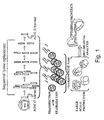
- Fig. 1.
- is a scheme illustrating the selection of various AChE species and their production;
- Fig. 2.
- is a table showing thermal stabilities and specific activities of C-terminal truncated recombinant human AChE (ΔC-AChE) mutants replacing lysine by alanine in various positions, and of the wild type;
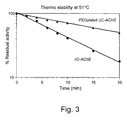
- Fig. 3.
- shows the deactivation at higher temperature of randomly pegylated and unpegylated ΔC-AChE;
- Fig. 4.
- shows 3D models of ΔC-AChE constructed by means of SYBYL modeling software, with marked positions for specified lysine residues;
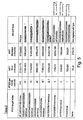
- Fig. 5.
- is a table showing mean residual time (MRT) values in mice and in monkeys for several pegylated species of ΔC-AChE mutants replacing lysine by alanine in various positions, and of the wild type;
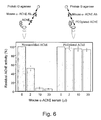
- Fig. 6.
- demonstrates reduced antigenicity of pegylated ΔC-AChE as compared to nonpegylated ΔC-AChE (both species were reacted with polyclonal anti-AChE antibody in vitro, and checked for residual activity after removing immunocomplexes by protein G-agarose);
- Fig. 7.
- shows the formation of anti-AChE antibody in mice induced by repeated administering non-pegylated or differently pegylated ΔC-AChE;
- Fig. 8.
- shows the formation of anti-AChE antibody in monkeys induced by pegylated and two types of native AChEs from different species after repeated injections;
- Fig. 9.
- shows the time dependence of residual activity of a tetralysine ΔC-AChE mutant and of the corresponding F338A mutant, demonstrating that further phenylalanine mutation at position 338 has no deleterious effect on the enzyme stability in the circulation; and
- Fig. 10.
- is the analysis of a uniformly conjugated enzyme according to the invention by SDS-PAGE.
- A method is now being provided that enables to rationally design a pegylated acetylcholinesterase (PEG-AChE) for use in pharmaceutical compositions. A PEG-AChE according to the invention is a sufficiently active homogeneous material with a long residence time in the mammalian circulation. Said homogeneity and said circulation stability are achieved by selecting a suitable combination of free amino groups in the AChE protein for coupling with a non-immunogenic polymer chain, removing non-selected free amino groups, except for the terminal amino group, from said AChE protein by targeted mutation of the amino acid sequence of the protein, and coupling all remaining free amino groups in the mutated AChE with said polymer chain. Said selecting a suitable combination may comprise, advantageously, constructing the three-dimensional (3D) model of said AChE and locating said free amino groups on the surface of said 3D model.
- Said rational design is enabled by combining several our observations, some of which might seem quite surprising. First of all, we prepared several mutants of the working enzyme (ΔC-AChE) with lysine residues replaced by alanine, in search for lysine residues which might be essential for the activity or stability of the enzyme, and it was found that no lysine residue was essential (see, e.g.,
Figure 2 ). In order to differentiate between many possible mutants from viewpoint of their potential pharmaceutical application, and while intending to reduce the immunogenicity of the mutants and to increase their half-life in the plasma by attaching a non-immunogenic polymer to the protein surface using a known amino-coupling chemistry, we constructed theoretical 3D structures using SYBYL modeling software, and we located and marked the free lysine amino groups within said theoretical structures. Supposing that covering the surface of said protein by said polymer would reduce accessibility of the enzyme for the factors that might neutralize its activity, such as e.g. antibodies, and wondering which criterion might be applied in selecting the right combination of the attachment points for the shielding polymer on the model surface, we rotated the 3D model of ΔC-AChE with marked free amino groups. Finally, we formulated the following condition: when repeatedly rotating the model by 90°, no face turned to the viewer should be devoid of free amino groups (potential attachment points). A comparison of several mutants we constructed corroborated practical value of said tentative criterion; mutants whose model structure provided at least one empty face during rotating by 90° turned out to be less pharmacokinetically stable than the mutants whose model structure provided only non-empty faces. Based on the above model, several C-terminal truncated recombinant human AChE (ΔC-AChE) mutants have been constructed and pegylated. The pharmacokinetic measurements have shown remarkable stability in both mouse and monkey circulation. Furthermore, the obtained products have been found to be homogeneous materials, suitable for pharmaceutical applications. - Thus the determination of the spatial locations of the lysine residues within the 3D model of AChE served as a guideline for selecting the combination of mutation sites, and for the sites of PEG attachment. The working hypothesis, taking into consideration the importance of an efficient coverage of the macromolecular surface by PEG chains, and employing simulated rotation of macromolecule models around principal axes, has proved useful; there should always be at least one anchoring point (PEG target site) present at the surface. For example, the rotation of two different dilysine-AChE configurations, comprising doublet of remaining lysines at
positions 53 and 538 (with five remaining lysine residues replaced by alanine) and atpositions 470 and 538 (Figure 4 ), around the X-axis demonstrated that while the K53/K538 enzyme presented a hemispherical surface devoid of any anchoring point, no such empty surface could be observed for the K470/K538 enzyme (rotations around other axes yielded equivalent results for both enzyme forms, with no empty surfaces). The latter mutant might be expected to be covered after pegylation on all faces by the shielding polymer, whereas the former mutant would be exposed to deleterious effects at least on one of its faces. And indeed the latter mutant has been shown to last in the mouse circulation nearly twice as long as the former mutant (Figure 5 ). - We further surmised that the inclusion of more than one anchoring point per surface will contribute to enzyme surface coverage to a lesser degree, and therefore, e.g., in the case of the K53/K332/K538 enzyme, where the surface at 0°
rotation displays 2 lysine residues instead of 1 lysine as in the K470/K538 enzyme (Figure 4 ), pharmacokinetic performance will be only moderately greater. Further addition of anchoring points was not expected to significantly enhance enzyme coverage, suggesting that the K53/K348/K4961K538 enzyme, comprising five PEG chains (four lysines and one terminal amino group), would not display pharmacokinetic performance much better than K53/K332/K538, having four PEG chains. The above predictions based on this sort of analysis were corroborated in pharmacokinetic experiments carried out in rodents and in non-human primates (seeFigure 5 ). Thus, the guidelines provided by the invention, resulting from considering the surface coverage, will be useful for masking epitopes, or post-translation modification determinants, or other sites of potential interaction on proteins, glycoproteins, lipoproteins, etc. - A skilled person is aware that the principles proved on the example of AChE hold also for other proteins. Therefore, in one aspect the invention is directed to a method for lowering immunogenicity of a cholinesterase by conjugating it uniformly via free amino groups to a PEG polymer, wherein the conjugation occurs at predetermined attachment sites. The method of the invention is applicable for a cholinesterase of a known sequence, and comprises selecting the sites of the conjugation in the cholinesterase, comprising preferably evaluating all hypothetical mutants in which lysine residues are replaced by another amino acid residue at all positions but at selected sites, leaving n-1 free amino groups left, providing together with the terminal amino group n sites for the conjugating reaction. Such mutants that have less than 4 free amino groups are less preferred, meaning that the initial value of n is preferably 4. Such mutant contains three lysine residues (trilysine-protein), and after pegylation may contain 4 PEG chains per protein molecule. The method of the invention may utilize the generation of a three dimensional structure for each of considered mutants, using known computation methods, and preferably presents the computed structures in a two-dimensional representation, with the positions of free amino groups clearly marked on the representation. Each considered 3D structure is rotated sequentially around three principal axes, by 90°, using available programs, and each of 12 possible representations are evaluated for the presence of a free amino group on the protein face (an attachment point, accessible for coupling). The evaluation of the positions may be performed manually or may be automatized. Each face containing at least one free amino group is denoted as positive, all other faces as negative. A cholinesterase structure whose all rotational representations are positive is accepted as a good candidate for constructing a real mutant protein and for pegylation, all other structures are rejected and discarded. When there are only few free amino groups, or if the free amino groups are concentrated close to each other, it may happen that all considered mutants have been discarded; in that
case 5 or more lysine residues are retained in the considered mutants, producing tetralysine-protein, pentalysine-protein, etc. After this simulation work, selected combinations are materialized by using known methods for mutating and expressing recombinant proteins, thereby obtaining one or more recombinant hypolysine cholinesterase mutants to be optionally characterized, and then reacted with an activated PEG polymer. - This approach for determining optimal target sites for PEG-conjugation might be employed for other proteins of therapeutic interest (e.g. BChE, paraoxonase, phosphotriesterase), whenever the conversion is required into a long-lived circulatory molecule, or when the immunological tolerance should be increased, or when the interactions of the modified protein with any given receptor should be reduced. A skilled person is also aware of the fact, and will take it into consideration, that the conjugation of activated polymers to a protein occurs not only at the sites of lysine residues, but possibly also at other reactive groups, such as terminal amino group or non-oxidized cysteine residue, etc.
- The invention enables employing conjugated cholinesterases (e.g. AChE, BChE,) in pharmaceutical compositions as well defined, homogeneous materials.
Figure 10 illustrates the preparation of homogeneous products according to the invention. Particularly, pegylated acetylcholinesterases are now available as active, non-immunogenic, homogeneous materials for scavenging, detoxifying, or other biological functions. - The invention will be further described and illustrated in the following examples.
- The C-terminal truncated version of recombinant human AChE was prepared as described, [Kryger G. et al: Act. Cryst D56 (2000) 1385-94]. The DNA coding sequences for the truncated HuAChE (ΔC-HuAChE) was inserted into a tripartite expression vector expressing also the reporter gene cat and the selection marker neo [Velan B. et al.: J. Biol. Chem. 266 (1991) 23977-84; Kronman C.et al.: Gene 121 (1992) 295-304]. A series of different hypolysine AChE expression vectors were constructed. Seven constructs in which a single lysine residue was replaced by alanine (K23A, K53A, K332A, K348A, K470A, K496A, K538A) were generated by site-directed mutagenesis. Twelve constructs in which 2-7 lysine residues were replaced by alanine (
Figure 1 ) were generated by exchange of the relevant fragments between the single lysine mutants. - The generation of stably transfected HEK-293 cell lines expressing high levels of rHuAChE and rHuAChE mutants and purification of the secreted enzymes were performed as described previously [Velan B, ibid; Kronman C, ibid].
- The elimination of key lysines, such as those that participate in essential salt-bridges, may result in a severe impairment of the architecture and biological function of proteins. The rationalized elimination of selected lysine residues from the AChE molecule, would therefore require an evaluation of the effect of the lysine removal on enzyme integrity. To this end, the various hypolysine AChE protein products obtained from each of the stable cell lines described before, were quantitified by ELISA, enzymatic activity was determined [Ellman G..L. et al.: Biochem. Pharmacol. 7 (1961) 88-95] and the specific activity of each mutant product was calculated by dividing the enzymatic activity to protein quantity (
Figure 2 ). In the case of the single and double lysine mutants, the specific activity did not deviate in a significant manner (10-fold deviation) from that of the wild type enzyme (6.5 U/µg). These results indicate that the removal of any of the individual lysine residues does not alter the kinetic performance of the enzyme. Most of the multi-lysine mutants displayed specific activities that are in the range of the single mutants (Figure 2 ). Determination of inhibition constants of several OP agents towards selected multilysine AChE mutants, demonstrated that the removal of lysine residues did not alter the reactivity of the mutated AChEs towards OP compounds. - Based solely on this criterion, any of the lysine residues may be eliminated to generate modified AChE for PEGylation, yet pertinent differences in the functional roles of the different lysine residues that were not detected by determining their specific activities, may yet be revealed by subjecting the various hypolysine forms to other examinations. To this end, the various hypolysine mutants were examined for thermal stability, to determine whether some of the lysines play a greater role in maintenance of the physico-chemical integrity of the enzyme, and thereby should not be replaced. This was achieved by incubating the mutated AChEs at 51°C for various periods of time followed by measurement of residual enzymatic activity. The thermal decay curve of each of the mutant AChE forms was profiled and half-life time values were determined. All of the single and double lysine mutated forms displayed thermal decay values, which did not differ significantly (10-fold deviation) from that of the wild-type enzyme (T1/251°C = 8.9 min.). Thus, based on two criterions, specific activity and thermostability, we could determine that in the case of AChE, the various lysine residues are not constituents of spatial structures which are critical for enzyme integrity.
- Examination of the multi-lysine mutants in which more than 2 lysines were replaced, demonstrated that only enzyme forms which contained the K470A mutation exhibited a slightly more than 10-fold reduction in thermostability as compared to the wild-type enzyme. However, since PEGylated forms of the enzyme are more thermostable than non-modified enzymes (see
Figure 3 ), the elimination of K470, which affects enzyme stability in a moderate manner only, may prove to have little or no effect at all on the overall performance of hypolysine AChEs in their PEGylated versions. Indeed, as shown inFigure 6 , the pharmacokinetic performance of the PEGylated tetralysine AChE from which K470 was eliminated (K23A/K348A/1K470A/K496A) was essentially the same as that of tetralysine AChE in which K470 was not replaced (K23A/K332A/K496A/K538A). - Analysis of the three dimensional model was performed on Silicon Graphics workstation using SYBYL modeling software (Tripos Inc.). The model is based on the three-dimensional structure of ΔC-HuAChE [Kryger et al. 2000].
- Determination of the spatial locations of the lysine residues within the 3D model of AChE served as a guideline for choosing selected configurations of mutated hypolysine AChEs, for PEG attachment and subsequent pharmacokinetic analysis. Our working hypothesis was that efficient coverage of the macromolecular surface by PEG chains would require that when the macromolecule is rotated around any of its principal axes, there should always be at least one anchoring point (PEG target site) present at the surface.
- The hypolysine AChE enzyme forms in which 3 to 7 lysine residues were mutated, were monitored for their pharmacokinetic behavior in mice after PEG-conjugation (
Figure 5 ). Attachment of PEG chains to primary amines in rHuAChE was performed using succinimidyl propionate activated methoxy PEG (SPA-PEG; Nektar Inc.) as described essentially previously [Cohen O. et al.: Biochem. J. 357 (2000) 795-802; Cohen, O. et al.: Biochem. J. 378 (2004) 117-128]. Clearance experiments in mice (3 to 6 ICR male mice per enzyme sample) and analysis of pharmacokinetic profiles were carried out as described essentially previously [Kronman C. et al.: Biochem. J. 311 (1995) 959-67]. The study was approved by the local ethical committee on animal experiments. Mice were injected with the various rHuAChE preparations (20µg/mouse in 0.1 ml PBS). Residual AChE activity in blood samples was measured and all values were corrected for background hydrolytic activity in the blood (using samples withdrawn 1 hour before performing the experiment). AChE activity values in samples removed immediately after injection were assigned a value of 100% and used for calculation of residual activity. Background cholinesterase levels in blood of pre-administered mice were less than 2 units/ml. The pharmacokinetic parameters MRT (mean residence time, which reflects the average length of time the administered molecules are retained in the organism) were obtained by analyzing the clearance data according to a noncompartmental pharmacokinetic model using the WinNonlin computer program. - Pegylated AChEs containing 1, 2, 3 and 4 target sites for PEG attachment, are characterized in mice by increasing Mean Residue Time values. Enzyme forms which contain the same number of lysine residues, yet differ in the exact lysine positions available for pegylation, are differently cleared from the circulation, as demonstrated by the MRT values of K23A/K53A/K332A/K348A/K496A and 23A/K332A/K348A/K470A/K496A, attesting to the importance of the spatial distribution of the PEG target lysine residues. Optimal pharmacokinetic performance is achieved when the AChE enzyme form includes at least 3 to 4 lysine residues, preferentially 4 lysine residues, available for pegylation.
- The hypolysine AChE enzyme forms in which 3 to 7 lysine residues were mutated, were also monitored for their pharmacokinetic behavior in rhesus monkey (Macaca mulatta) after PEG-conjugation (
Figure 5 ). Treatment of animals was in accordance with regulations outlined in the USDA Animal Welfare Act and the conditions specified in The Guide for Care and Use of Laboratory Animals (National Institute of Health, 1996), and pharmacokinetic studies were approved by the local ethical committee on animal experiments. - Monkeys were injected i.v. with 1000 units of the various AChEs (injection volumes <lml/kg). Samples (0.25 ml) of blood were collected at various periods of time in Microtainer tubes (Becton, Dickinson and Co., USA), centrifuged for 1 minute at 10,000 rpm in an Eppendorf microfuge and stored at -20°C until AChE activity in serum samples was determined. Enzymatic activity was determined following iso-OMPA-mediated BChE inhibition, as described above. AChE activity values in samples removed 2 minutes after injection were referred to as input activities and were used for the calculation of residual activity throughout the experiment. AChE values were corrected for background activity determined in blood samples withdrawn 1h before performing the experiment. Exogenously administered AChE was at least 20-fold higher than background endogenous iso-OMPA-resistant ChE activity. Analyses of clearance profiles and pharmacokinetic parameters were performed as described for experiments carried out in mice.
- These pharmacokinetic studies demonstrate that the circulatory residence times of the various PEGylated hypolysine AChEs are considerably higher in monkeys (up to 7 days), as compared to mice. Yet, as observed in mice, the Mean Residence Time values of the various hypolysine AChE mutants are affected by the number of lysine residues available for PEGylation. Optimal pharmacokinetic performance, comparable to that of randomly PEGylated ΔC-AChE, is achieved when the AChE enzyme form includes at least 3 to 4 lysine residues, preferentially 4 lysine residues, available for PEGylation. Taken together, these findings indicate that lysine content modulation affects protein pharmacokinetics in a similar manner in various animal models, and therefore the rules for selection of lysines for elimination (based on the criterions of enzymatic activity, protein stability, spatial distribution) are valid throughout, and are not restricted to particular experimental systems.
- The use of recombinant human AChE or other enzymes as bioscavengers may require repeated administration of these proteins. This may lead to development of antibodies, which in turn, may sequester the bioscavenger from the circulation. The attachment of a linear, flexible uncharged hydrophilic polymer to available but nonessential groups on an enzyme may provide a shell around the enzyme that covers antigenic determinants and, by presenting a flexible hydrophilic surface for inspection by the immune processes, prevents recognition of the interior enzyme as a foreign substance against which an immune response would be induced. Reduced degradation by antigen-presenting cells such as macrophages, shielding of some epitopes of peptides after degradation, or prevention of binding to receptors on B-cells, may all play a role in conferring reduced immunogenicity to the PEG-modified protein [Tsusumi Y. et al.: Proc. Natl. Acad. Sci. USA 97 (2000) 8548-53.
- The antigenic properties of pegylated rHuAChE, were studied by incubating 160 ng of either ΔC-rHuAChE or PEGylated rHuAChE with different amounts of polyclonal mouse anti-HuAChE [Shafferman A. et al. J. Biol. Chem. (1992) 17640-48], and then treated with Protein G-Agarose beads. Immunoprecipitation was evaluated by determining residual AChE activity in the supernatant. The results (
Figure 6 ) clearly demonstrate that, unlike the nonmodified enzyme, the PEGylated version of the enzyme is ineffectively precipitated by the anti-AChE antibodies, demonstrating that the appendage of PEG moieties efficiently "shield" the enzyme from immuno-recognition. - Previous studies have demonstrated that AChE molecules may be eliminated from the circulation by various mechanisms, including receptor mediated asialoglycoprotein removal or species-specific recognition of AChE amino acid epitopes. Circulatory elimination of AChE via these processes was effectively reduced by appendage of PEG moieties to AChE, suggesting that PEGylation provides a protective shield which effectively renders the AChE molecule inaccessible to the various elimination mechanisms. The finding that PEG appendage converts the AChE molecule into a form which is not recognized by anti-AChE antibodies, demonstrates the general nature of the masking provided by PEG, and suggests that this may serve as an effective method for preventing interactions between protein-based therapeuticals and a wide spectrum of host-related mechanisms.
- To evaluate the effect of PEGylation on the immunological properties of AChE, the immunogenic potential of PEGylated rHuAChE to that of nonmodified rHuAChE was compared, following their administration to mice. To this end, non-modified AChE, 3-PEG AChE and 4-to-5-PEG AChE were repeatedly administered to mice (n=10) at monthly intervals, and anti-AChE antibody formation was monitored (
Figure 7 ). Mice administered with non-modified AChE displayed substantial levels of anti-AChE antibody even after the second administration (antibody titers = 1500 at 7 weeks), and antibody levels increased significantly following the administration of a third dose (antibody titers = 9000 at 11 weeks). In contrast, anti-ChE antibody levels were approximately 20-fold lower when 4-to-5-PEG AChE was administered (antibody titers were 130 and 400 at 7 and 11 weeks, respectively). The failure of PEG-AChE to elicit significant antibody formation even in a heterologous animal model (human AChE in mice), demonstrates that the PEG appendage results in the conversion of the AChE molecule into an "immunologically inert" form. Thus, PEG-appendage not only improves the pharmacokinetic properties of AChE, but also effectively shields the enzyme molecules from the host immune system. - Inspection of anti-AChE antibody formation following the administration of 3-PEG AChE (
Figure 7 ), reveals that antibody levels (antibody titers = 660 and 1800 at 7 and 11 weeks, respectively) in this case are still significantly lower than in the case of non-modified AChE (antibody titers = 1500 and 9000 at 7 and 11 weeks, respectively), yet they are nevertheless higher than those resulting from the repeated administration of 4-5-PEG AChE (antibody titers = 130 and 400 at 7 and 11 weeks, respectively). These results demonstrate that the effective shielding of the AChE molecule from the host immune system depends on the number of target sites available for PEG-appendage, and that low level PEGylation results in the generation of a PEGylated enzyme form with an exposed surface region which may elicit antibody formation. The finding that lysine content modulation determines both the pharmacokinetic and immunogenic properties of the PEGylated enzyme in a similar manner (3-PEG AChE, lower circulatory retention, lower immunological tolerance; 4-5-PEG AChE, higher circulatory retention, higher immunological tolerance) suggests that the rules we have established to select lysine elimination, based on their spatial distribution, should be implemented for the efficient conversion of PEGylated protein pharmaceuticals into homogeneous, immunologically inert molecular forms. - Anti-AChE antibody levels elicited by PEGylated rHuAChE, were compared to those induced by nonmodified rHuAChE or FBS-AChE, following their administration to rhesus macaques. To this end, non-modified or PEG-modified AChE or the heterologous FBS-AChE (no adjuvant included) were repeatedly administered to monkeys at monthly intervals, and anti-AChE antibody formation was monitored by ELISA (
Figure 8 ). Repeated administration of the heterologous FBS-AChE led to the development of anti-AChE antibody following the third administration and antibody levels increased significantly following additional administrations. As expected, repeated administration of non-modified, but almost homologous human AChE led to the development of anti-AChE antibody only following the 5th administration, but most significantly, repeated administrations of PEGylated human AChE in rhesus macaques failed to elicit a detectable immunogenic response even after the 6th administration. Thus, PEG appendage significantly decreases the immunogenic properties of AChE in non-human primates. - Replacement of the phenylalanine residue at position 338 of human AChE by alanine, results in the generation of an enzyme form which displays reduced aging of the somanyl adduct without seriously compromising its reactivity towards soman, and therefore is more effective as an OP bioscavenger [Ordentlich A. et al.: J. Biol. Chem. 271 (1996) 11953-62; Shafferman A. et al.: Biochem. J. 318 (1996) 833-40]. This mutation was incorporated into the tetralysine AChE enzyme to generate the K23A/K332A/K348A/F338A AChE enzyme form. This enzyme species was subjected to PEG conjugation and monitored for its pharmacokinetic performance in mice. As shown in
Figure 9 , the modulated enzyme was retained in the circulation in a similar manner to the parent tetralysine AChE, K23A/K332A/E348A. Thus, the diminished "aging" characteristic may be implanted into the hypolysine AChE mold, to generate superior PEG-AChE-based OP bioscavengers. This finding suggests that other kinetic traits may also be introduced into the circulatory long-lived PEG-modified enzyme, to generate optimized enzyme products for therapeutic treatment of OP poisoning.
Claims (23)
- A method for the preparation of a uniformly PEG-conjugated (pegylated) hypolysine mutant cholinesterase (ChE) with organophosphate scavenging and/or hydrolytic activity , comprisingi) providing a ChE with organophosphate scavenging or hydrolytic activity with known amino acid sequence;ii) selecting the number of PEG chains to be conjugated to the molecule of said ChE, and selecting the location of the conjugated chains within said sequence;iii) selecting all possible mutants in which all but n-1 lysine residues are replaced by another amino acid residue, and which have n free amino groups left, including the terminal amino group, for a conjugating reaction, wherein the initial value of n is 3 (dilysine-enzyme);iv) generating a three dimensional structure for each of said mutants of step iii) optionally with corresponding two-dimensional representation, comprising marked positions for the terminal amino group and the amino groups of lysine residues;v) examining each mutant of step iv) by rotating its structure sequentially around the X-axis by 90°, Y-axes by 90°, and Z-axes by 90°, providing 12 different rotational positions and 12 corresponding two-dimensional front views, evaluating each position as positive if there is at least one free amino group inside the front view, and as negative if there is no free amino group inside the front view;vi) discarding all the mutants evaluated as negative in at least one of said 12 rotational positions, and selecting one of the mutants evaluated as positive in all 12 positions for real mutant construction; or, if all the potential mutants were discarded, continuing by step iii) in which the value of n is increased by 1 (trilysine-cholinesterase and higher) through steps iv) to vi);vii) constructing said selected mutant from step vi) by using known methods for mutating and expressing recombinant proteins, thereby obtaining a recombinant hypolysine ChE mutant; andviii) reacting said recombinant hypolysine ChE mutant from step vii) with a PEG polymer, under conditions enabling to couple a chain of said PEG polymer to each of said free amino groups;thereby obtaining a uniformly PEG-conjugated hypolysine mutant ChE with organophosphate scavenging or hydrolytic activity with lowered immunogenicity, and increased stability and longevity in the mammalian circulation.
- A method according to claim 1, further comprisingix) repeating steps iii) to viii) using more values of n in order to obtain additional uniformly PEG-conjugated hypolysine ChE mutant; andx) evaluating the PEG-conjugated hypolysine ChE mutants to determine a desired property; andxi) selecting the best one for a large scale production.
- A method according to any one of claims 1 to 2, further comprising effecting another mutation, unrelated to the lysine replacements, which improves desired properties of the mutant.
- A method according to claim 3, wherein said desired properties comprise one or more items selected from specific activity, thermal stability, antigenicity, immunogenicity, stability in mammalian circulation, and longevity in mammalian circulation.
- A method according to claim 1, wherein the amino acid replacing lysine is not cystein or a hydrophobic amino acid.
- A method according to any one of claims 1 to 5, wherein the ChE is acetylcholinesterase (AChE) or butyrylcholinesterase (BChE).
- A method according to claim 1, wherein the PEG comprises an activated methoxypolyethylene glycol having molecular weight of from about 200 to about 100,000 dalton.
- A method for the preparation of a uniformly pegylated hypolysine mutant ChE according to claim 1, wherein said ChE is AChE and said selected number of PEG chains to be conjugated is from 3 to 5.
- A method according to claim 8, comprising human AChE in which from 3 to 5 lysine residues are replaced by another amino acid.
- A method according to claim 9, wherein said amino acid is alanine.
- A method according to claim 9, further comprising replacement of phenylalanine at position 338 by alanine.
- A method according to claim 8, wherein the pegylated AChE has a half-life in mouse circulation of 2 hours or more.
- A uniformly pegylated AChe mutant, comprising replacements of lysine by alanine at positions K23, K332 and K348, and 5 PEG chains coupled via the N-terminus and lysines at positions K53, K470, K496 and K538 thereto.
- A uniformly pegylated AChE mutant, comprising replacements of lysine by alanine at positions K23, K332, and K470, and 5 PEG chains coupled via the N-terminus and lysines at positions K53, K348, K496 and K538 thereto.
- A uniformly pegylated AChE mutant, comprising replacements of lysine by alanine at positions K23, K348, K470 and K496, and 4 PEG chains coupled via the N-terminus and lysines at positions K53, K332 and K538 thereto.
- A uniformly pegylated AChE mutant, comprising replacements of lysine by alanine at positions K23, K332, K496 and K538, and 4 PEG chains coupled via the N-terminus and lysines at positions K53, K348 and K470 thereto.
- A uniformly pegylated AChE mutant comprising replacements of lysine by alanine at positions K23, K53, K332, K348 and K496, and 3 PEG chains coupled via the N-terminus and lysines at positions K470 and K538 thereto.
- A uniformly pegylated AChE according to any one of claims 13 to 17, further comprising replacement of phenylalanine by alanine at position 338.
- Use of the uniformly pegylated AChE according to any one of claims 13 to 18 as an organophosphate (OP) scavenger.
- Use of the uniformly pegylated hypolysine mutant AChE according to any one of claims 13 to 18 as a detoxifying agent.
- Use of the uniformly pegylated AChE according to any one of claims 13 to 18 in the preparation of a pharmaceutical composition for treating or preventing OP poisoning.
- A pharmaceutical composition for treating or preventing OP poisoning, comprising a pegylated AChE according to any one of claims 13 to 18, and optionally further comprising pharmaceutically acceptable carrier, diluent, adjuvant, or excipient.
- A method for increasing the circulatory half-life of an active AChE of a known amino acid sequence comprisingi) generating three dimensional structures for potential mutants of said AChE in which only from 2 to 4 lysine residues are left, and the other lysine residues are replaced by alanine,ii) rotating each of the structures sequentially around the X-axis by 90°, around Y-axes by 90°, and around Z-axes by 90°, providing 12 different rotational positions and 12 corresponding two-dimensional front views for each structure; and accepting only the potential mutants that show at least one free amino group inside the front view in all examined 12 rotational positions; and discarding the remaining tentative mutants;iii) constructing one or more real mutants with predetermined number and location of lysine-alanine replacements as accepted in step ii); andiv) reacting the mutant(s) from step iii) with a PEG polymer under conditions enabling to couple said polymer to all free amino groups in AChE;thereby obtaining a uniformly pegylated AChE with lowered immunogenicity, and with increased stability in mammalian circulation.
Applications Claiming Priority (2)
| Application Number | Priority Date | Filing Date | Title |
|---|---|---|---|
| IL169377A IL169377A (en) | 2005-06-23 | 2005-06-23 | Uniformly conjugated serine hydrolases |
| PCT/IL2006/000669 WO2006137052A2 (en) | 2005-06-23 | 2006-06-08 | Uniformly conjugated serine hydrolases |
Publications (3)
| Publication Number | Publication Date |
|---|---|
| EP1907843A2 EP1907843A2 (en) | 2008-04-09 |
| EP1907843A4 EP1907843A4 (en) | 2010-08-25 |
| EP1907843B1 true EP1907843B1 (en) | 2013-11-27 |
Family
ID=37570828
Family Applications (1)
| Application Number | Title | Priority Date | Filing Date |
|---|---|---|---|
| EP06745136.9A Expired - Lifetime EP1907843B1 (en) | 2005-06-23 | 2006-06-08 | Uniformly conjugated serine hydrolases |
Country Status (7)
| Country | Link |
|---|---|
| US (1) | US8980609B2 (en) |
| EP (1) | EP1907843B1 (en) |
| JP (1) | JP2008546402A (en) |
| AU (1) | AU2006260521B2 (en) |
| CA (1) | CA2611599A1 (en) |
| IL (1) | IL169377A (en) |
| WO (1) | WO2006137052A2 (en) |
Families Citing this family (3)
| Publication number | Priority date | Publication date | Assignee | Title |
|---|---|---|---|---|
| WO2009139905A2 (en) * | 2008-05-16 | 2009-11-19 | Nektar Therapeutics | Conjugates of a cholinesterase moiety and a polymer |
| CA2784861A1 (en) | 2009-12-21 | 2011-07-14 | Pharmathene, Inc. | Recombinant butyrylcholinesterases and truncates thereof |
| WO2014113495A1 (en) | 2013-01-15 | 2014-07-24 | The Trustees Of Columbia University In The City Of New York | Activation or reactivation of ache |
Family Cites Families (5)
| Publication number | Priority date | Publication date | Assignee | Title |
|---|---|---|---|---|
| US6403337B1 (en) | 1996-01-05 | 2002-06-11 | Human Genome Sciences, Inc. | Staphylococcus aureus genes and polypeptides |
| AU2001290312A1 (en) | 2000-10-16 | 2002-04-29 | Chugai Seiyaku Kabushiki Kaisha | Peg-modified erythropoietin |
| IL142875A (en) * | 2001-04-30 | 2009-08-03 | Avigdor Shafferman | Cholinesterases conjugated to peg for scavenging organophosphates in circulation |
| US7610156B2 (en) | 2003-03-31 | 2009-10-27 | Xencor, Inc. | Methods for rational pegylation of proteins |
| WO2006063055A2 (en) * | 2004-12-06 | 2006-06-15 | Bolder Biotechnology, Inc. | Enzyme conjugates for use as detoxifying agents |
-
2005
- 2005-06-23 IL IL169377A patent/IL169377A/en not_active IP Right Cessation
-
2006
- 2006-06-08 US US11/916,483 patent/US8980609B2/en not_active Expired - Fee Related
- 2006-06-08 AU AU2006260521A patent/AU2006260521B2/en not_active Ceased
- 2006-06-08 CA CA002611599A patent/CA2611599A1/en not_active Abandoned
- 2006-06-08 EP EP06745136.9A patent/EP1907843B1/en not_active Expired - Lifetime
- 2006-06-08 JP JP2008517697A patent/JP2008546402A/en active Pending
- 2006-06-08 WO PCT/IL2006/000669 patent/WO2006137052A2/en not_active Ceased
Non-Patent Citations (2)
| Title |
|---|
| U.S. Army Medical Research and Materiel Command; Contract No: DAMD17-03-C-0012; Annual report A117324 (April 2004); Generation of Recombinant Human AChE OP-Scavengers with Extended Circulatory Longevity; A. Shafferman. * |
| U.S. Army Medical Research and Materiel Command; Contract No: DAMD17-03-C-0012; Annual report A820534 (April 2005); Generation of Recombinant Human AChE OP-Scavengers with Extended Circulatory Longevity; A. Shafferman. * |
Also Published As
| Publication number | Publication date |
|---|---|
| JP2008546402A (en) | 2008-12-25 |
| EP1907843A4 (en) | 2010-08-25 |
| CA2611599A1 (en) | 2006-12-28 |
| US20090068165A1 (en) | 2009-03-12 |
| WO2006137052A3 (en) | 2007-03-01 |
| AU2006260521A1 (en) | 2006-12-28 |
| IL169377A (en) | 2012-09-24 |
| WO2006137052A2 (en) | 2006-12-28 |
| US8980609B2 (en) | 2015-03-17 |
| AU2006260521B2 (en) | 2011-08-04 |
| EP1907843A2 (en) | 2008-04-09 |
Similar Documents
| Publication | Publication Date | Title |
|---|---|---|
| US12110520B2 (en) | PH20 polypeptide variants, formulations and uses thereof | |
| US9200265B2 (en) | Anti-cocaine compositions and treatment | |
| AU2002255251B2 (en) | Uses of chemically-modified cholinesterases for detoxification of organophosphorus compounds | |
| AU2002255251A1 (en) | Uses of chemically-modified cholinesterases for detoxification of organophosphorus compounds | |
| US8980609B2 (en) | Uniformly conjugated serine hydrolases | |
| US6989261B2 (en) | Butyrylcholinesterase variant polypeptides with increased catalytic efficiency and methods of use | |
| US7049121B2 (en) | Butyrylcholinesterase variant polypeptides with increased catalytic efficiency and methods of use | |
| JP2009545329A (en) | Long half-life recombinant butyrylcholinesterase | |
| US20030153062A1 (en) | Butyrylcholinesterase variant polypeptides with increased catalytic efficiency and methods of use | |
| Kronman et al. | Next generation OP-bioscavengers: a circulatory long-lived 4-PEG hypolysine mutant of F338A-HuAChE with optimal pharmacokinetics and pseudo-catalytic characteristics | |
| Cohen et al. | Controlled concealment of exposed clearance and immunogenic domains by site-specific polyethylene glycol attachment to acetylcholinesterase hypolysine mutants | |
| AU2014201653A1 (en) | Anti-cocaine compositions and treatment | |
| NZ626126B2 (en) | Ph20 polypeptide variants, formulations and uses thereof |
Legal Events
| Date | Code | Title | Description |
|---|---|---|---|
| PUAI | Public reference made under article 153(3) epc to a published international application that has entered the european phase |
Free format text: ORIGINAL CODE: 0009012 |
|
| 17P | Request for examination filed |
Effective date: 20071220 |
|
| AK | Designated contracting states |
Kind code of ref document: A2 Designated state(s): AT BE BG CH CY CZ DE DK EE ES FI FR GB GR HU IE IS IT LI LT LU LV MC NL PL PT RO SE SI SK TR |
|
| DAX | Request for extension of the european patent (deleted) | ||
| A4 | Supplementary search report drawn up and despatched |
Effective date: 20100723 |
|
| RIC1 | Information provided on ipc code assigned before grant |
Ipc: A61K 47/48 20060101AFI20100719BHEP Ipc: C12N 9/18 20060101ALI20100719BHEP |
|
| 17Q | First examination report despatched |
Effective date: 20111102 |
|
| GRAP | Despatch of communication of intention to grant a patent |
Free format text: ORIGINAL CODE: EPIDOSNIGR1 |
|
| INTG | Intention to grant announced |
Effective date: 20130621 |
|
| GRAS | Grant fee paid |
Free format text: ORIGINAL CODE: EPIDOSNIGR3 |
|
| GRAA | (expected) grant |
Free format text: ORIGINAL CODE: 0009210 |
|
| AK | Designated contracting states |
Kind code of ref document: B1 Designated state(s): AT BE BG CH CY CZ DE DK EE ES FI FR GB GR HU IE IS IT LI LT LU LV MC NL PL PT RO SE SI SK TR |
|
| REG | Reference to a national code |
Ref country code: GB Ref legal event code: FG4D |
|
| REG | Reference to a national code |
Ref country code: CH Ref legal event code: EP |
|
| REG | Reference to a national code |
Ref country code: AT Ref legal event code: REF Ref document number: 642410 Country of ref document: AT Kind code of ref document: T Effective date: 20131215 |
|
| REG | Reference to a national code |
Ref country code: IE Ref legal event code: FG4D |
|
| REG | Reference to a national code |
Ref country code: DE Ref legal event code: R096 Ref document number: 602006039426 Country of ref document: DE Effective date: 20140123 |
|
| REG | Reference to a national code |
Ref country code: NL Ref legal event code: VDEP Effective date: 20131127 |
|
| REG | Reference to a national code |
Ref country code: AT Ref legal event code: MK05 Ref document number: 642410 Country of ref document: AT Kind code of ref document: T Effective date: 20131127 |
|
| REG | Reference to a national code |
Ref country code: LT Ref legal event code: MG4D |
|
| PG25 | Lapsed in a contracting state [announced via postgrant information from national office to epo] |
Ref country code: FI Free format text: LAPSE BECAUSE OF FAILURE TO SUBMIT A TRANSLATION OF THE DESCRIPTION OR TO PAY THE FEE WITHIN THE PRESCRIBED TIME-LIMIT Effective date: 20131127 Ref country code: IS Free format text: LAPSE BECAUSE OF FAILURE TO SUBMIT A TRANSLATION OF THE DESCRIPTION OR TO PAY THE FEE WITHIN THE PRESCRIBED TIME-LIMIT Effective date: 20140327 Ref country code: LT Free format text: LAPSE BECAUSE OF FAILURE TO SUBMIT A TRANSLATION OF THE DESCRIPTION OR TO PAY THE FEE WITHIN THE PRESCRIBED TIME-LIMIT Effective date: 20131127 Ref country code: SE Free format text: LAPSE BECAUSE OF FAILURE TO SUBMIT A TRANSLATION OF THE DESCRIPTION OR TO PAY THE FEE WITHIN THE PRESCRIBED TIME-LIMIT Effective date: 20131127 Ref country code: NL Free format text: LAPSE BECAUSE OF FAILURE TO SUBMIT A TRANSLATION OF THE DESCRIPTION OR TO PAY THE FEE WITHIN THE PRESCRIBED TIME-LIMIT Effective date: 20131127 |
|
| PG25 | Lapsed in a contracting state [announced via postgrant information from national office to epo] |
Ref country code: BE Free format text: LAPSE BECAUSE OF FAILURE TO SUBMIT A TRANSLATION OF THE DESCRIPTION OR TO PAY THE FEE WITHIN THE PRESCRIBED TIME-LIMIT Effective date: 20131127 Ref country code: ES Free format text: LAPSE BECAUSE OF FAILURE TO SUBMIT A TRANSLATION OF THE DESCRIPTION OR TO PAY THE FEE WITHIN THE PRESCRIBED TIME-LIMIT Effective date: 20131127 Ref country code: AT Free format text: LAPSE BECAUSE OF FAILURE TO SUBMIT A TRANSLATION OF THE DESCRIPTION OR TO PAY THE FEE WITHIN THE PRESCRIBED TIME-LIMIT Effective date: 20131127 Ref country code: CY Free format text: LAPSE BECAUSE OF FAILURE TO SUBMIT A TRANSLATION OF THE DESCRIPTION OR TO PAY THE FEE WITHIN THE PRESCRIBED TIME-LIMIT Effective date: 20131127 Ref country code: LV Free format text: LAPSE BECAUSE OF FAILURE TO SUBMIT A TRANSLATION OF THE DESCRIPTION OR TO PAY THE FEE WITHIN THE PRESCRIBED TIME-LIMIT Effective date: 20131127 |
|
| PG25 | Lapsed in a contracting state [announced via postgrant information from national office to epo] |
Ref country code: PT Free format text: LAPSE BECAUSE OF FAILURE TO SUBMIT A TRANSLATION OF THE DESCRIPTION OR TO PAY THE FEE WITHIN THE PRESCRIBED TIME-LIMIT Effective date: 20140327 |
|
| PG25 | Lapsed in a contracting state [announced via postgrant information from national office to epo] |
Ref country code: EE Free format text: LAPSE BECAUSE OF FAILURE TO SUBMIT A TRANSLATION OF THE DESCRIPTION OR TO PAY THE FEE WITHIN THE PRESCRIBED TIME-LIMIT Effective date: 20131127 |
|
| PGFP | Annual fee paid to national office [announced via postgrant information from national office to epo] |
Ref country code: GB Payment date: 20140604 Year of fee payment: 9 |
|
| REG | Reference to a national code |
Ref country code: DE Ref legal event code: R097 Ref document number: 602006039426 Country of ref document: DE |
|
| PG25 | Lapsed in a contracting state [announced via postgrant information from national office to epo] |
Ref country code: RO Free format text: LAPSE BECAUSE OF FAILURE TO SUBMIT A TRANSLATION OF THE DESCRIPTION OR TO PAY THE FEE WITHIN THE PRESCRIBED TIME-LIMIT Effective date: 20131127 Ref country code: PL Free format text: LAPSE BECAUSE OF FAILURE TO SUBMIT A TRANSLATION OF THE DESCRIPTION OR TO PAY THE FEE WITHIN THE PRESCRIBED TIME-LIMIT Effective date: 20131127 Ref country code: SK Free format text: LAPSE BECAUSE OF FAILURE TO SUBMIT A TRANSLATION OF THE DESCRIPTION OR TO PAY THE FEE WITHIN THE PRESCRIBED TIME-LIMIT Effective date: 20131127 Ref country code: CZ Free format text: LAPSE BECAUSE OF FAILURE TO SUBMIT A TRANSLATION OF THE DESCRIPTION OR TO PAY THE FEE WITHIN THE PRESCRIBED TIME-LIMIT Effective date: 20131127 |
|
| PGFP | Annual fee paid to national office [announced via postgrant information from national office to epo] |
Ref country code: DE Payment date: 20140603 Year of fee payment: 9 |
|
| PG25 | Lapsed in a contracting state [announced via postgrant information from national office to epo] |
Ref country code: DK Free format text: LAPSE BECAUSE OF FAILURE TO SUBMIT A TRANSLATION OF THE DESCRIPTION OR TO PAY THE FEE WITHIN THE PRESCRIBED TIME-LIMIT Effective date: 20131127 |
|
| PLBE | No opposition filed within time limit |
Free format text: ORIGINAL CODE: 0009261 |
|
| STAA | Information on the status of an ep patent application or granted ep patent |
Free format text: STATUS: NO OPPOSITION FILED WITHIN TIME LIMIT |
|
| 26N | No opposition filed |
Effective date: 20140828 |
|
| PGFP | Annual fee paid to national office [announced via postgrant information from national office to epo] |
Ref country code: FR Payment date: 20140609 Year of fee payment: 9 |
|
| REG | Reference to a national code |
Ref country code: DE Ref legal event code: R097 Ref document number: 602006039426 Country of ref document: DE Effective date: 20140828 |
|
| PG25 | Lapsed in a contracting state [announced via postgrant information from national office to epo] |
Ref country code: LU Free format text: LAPSE BECAUSE OF FAILURE TO SUBMIT A TRANSLATION OF THE DESCRIPTION OR TO PAY THE FEE WITHIN THE PRESCRIBED TIME-LIMIT Effective date: 20140608 Ref country code: MC Free format text: LAPSE BECAUSE OF FAILURE TO SUBMIT A TRANSLATION OF THE DESCRIPTION OR TO PAY THE FEE WITHIN THE PRESCRIBED TIME-LIMIT Effective date: 20131127 |
|
| REG | Reference to a national code |
Ref country code: CH Ref legal event code: PL |
|
| PG25 | Lapsed in a contracting state [announced via postgrant information from national office to epo] |
Ref country code: SI Free format text: LAPSE BECAUSE OF FAILURE TO SUBMIT A TRANSLATION OF THE DESCRIPTION OR TO PAY THE FEE WITHIN THE PRESCRIBED TIME-LIMIT Effective date: 20131127 |
|
| REG | Reference to a national code |
Ref country code: IE Ref legal event code: MM4A |
|
| PG25 | Lapsed in a contracting state [announced via postgrant information from national office to epo] |
Ref country code: LI Free format text: LAPSE BECAUSE OF NON-PAYMENT OF DUE FEES Effective date: 20140630 Ref country code: IE Free format text: LAPSE BECAUSE OF NON-PAYMENT OF DUE FEES Effective date: 20140608 Ref country code: IT Free format text: LAPSE BECAUSE OF FAILURE TO SUBMIT A TRANSLATION OF THE DESCRIPTION OR TO PAY THE FEE WITHIN THE PRESCRIBED TIME-LIMIT Effective date: 20131127 Ref country code: CH Free format text: LAPSE BECAUSE OF NON-PAYMENT OF DUE FEES Effective date: 20140630 |
|
| REG | Reference to a national code |
Ref country code: DE Ref legal event code: R119 Ref document number: 602006039426 Country of ref document: DE |
|
| GBPC | Gb: european patent ceased through non-payment of renewal fee |
Effective date: 20150608 |
|
| REG | Reference to a national code |
Ref country code: FR Ref legal event code: ST Effective date: 20160229 |
|
| PG25 | Lapsed in a contracting state [announced via postgrant information from national office to epo] |
Ref country code: GB Free format text: LAPSE BECAUSE OF NON-PAYMENT OF DUE FEES Effective date: 20150608 Ref country code: DE Free format text: LAPSE BECAUSE OF NON-PAYMENT OF DUE FEES Effective date: 20160101 |
|
| PG25 | Lapsed in a contracting state [announced via postgrant information from national office to epo] |
Ref country code: BG Free format text: LAPSE BECAUSE OF FAILURE TO SUBMIT A TRANSLATION OF THE DESCRIPTION OR TO PAY THE FEE WITHIN THE PRESCRIBED TIME-LIMIT Effective date: 20131127 Ref country code: FR Free format text: LAPSE BECAUSE OF NON-PAYMENT OF DUE FEES Effective date: 20150630 |
|
| PG25 | Lapsed in a contracting state [announced via postgrant information from national office to epo] |
Ref country code: GR Free format text: LAPSE BECAUSE OF FAILURE TO SUBMIT A TRANSLATION OF THE DESCRIPTION OR TO PAY THE FEE WITHIN THE PRESCRIBED TIME-LIMIT Effective date: 20140228 |
|
| PG25 | Lapsed in a contracting state [announced via postgrant information from national office to epo] |
Ref country code: TR Free format text: LAPSE BECAUSE OF FAILURE TO SUBMIT A TRANSLATION OF THE DESCRIPTION OR TO PAY THE FEE WITHIN THE PRESCRIBED TIME-LIMIT Effective date: 20131127 Ref country code: HU Free format text: LAPSE BECAUSE OF FAILURE TO SUBMIT A TRANSLATION OF THE DESCRIPTION OR TO PAY THE FEE WITHIN THE PRESCRIBED TIME-LIMIT; INVALID AB INITIO Effective date: 20060608 |