EP1891423B1 - Detection of phenols - Google Patents
Detection of phenols Download PDFInfo
- Publication number
- EP1891423B1 EP1891423B1 EP06744245A EP06744245A EP1891423B1 EP 1891423 B1 EP1891423 B1 EP 1891423B1 EP 06744245 A EP06744245 A EP 06744245A EP 06744245 A EP06744245 A EP 06744245A EP 1891423 B1 EP1891423 B1 EP 1891423B1
- Authority
- EP
- European Patent Office
- Prior art keywords
- electrode
- phenol
- compound
- working electrode
- sensor
- Prior art date
- Legal status (The legal status is an assumption and is not a legal conclusion. Google has not performed a legal analysis and makes no representation as to the accuracy of the status listed.)
- Active
Links
Images



Classifications
-
- G—PHYSICS
- G01—MEASURING; TESTING
- G01N—INVESTIGATING OR ANALYSING MATERIALS BY DETERMINING THEIR CHEMICAL OR PHYSICAL PROPERTIES
- G01N27/00—Investigating or analysing materials by the use of electric, electrochemical, or magnetic means
- G01N27/26—Investigating or analysing materials by the use of electric, electrochemical, or magnetic means by investigating electrochemical variables; by using electrolysis or electrophoresis
- G01N27/28—Electrolytic cell components
-
- G—PHYSICS
- G01—MEASURING; TESTING
- G01N—INVESTIGATING OR ANALYSING MATERIALS BY DETERMINING THEIR CHEMICAL OR PHYSICAL PROPERTIES
- G01N27/00—Investigating or analysing materials by the use of electric, electrochemical, or magnetic means
- G01N27/26—Investigating or analysing materials by the use of electric, electrochemical, or magnetic means by investigating electrochemical variables; by using electrolysis or electrophoresis
- G01N27/28—Electrolytic cell components
- G01N27/30—Electrodes, e.g. test electrodes; Half-cells
-
- G—PHYSICS
- G01—MEASURING; TESTING
- G01N—INVESTIGATING OR ANALYSING MATERIALS BY DETERMINING THEIR CHEMICAL OR PHYSICAL PROPERTIES
- G01N27/00—Investigating or analysing materials by the use of electric, electrochemical, or magnetic means
- G01N27/26—Investigating or analysing materials by the use of electric, electrochemical, or magnetic means by investigating electrochemical variables; by using electrolysis or electrophoresis
- G01N27/403—Cells and electrode assemblies
-
- G—PHYSICS
- G01—MEASURING; TESTING
- G01N—INVESTIGATING OR ANALYSING MATERIALS BY DETERMINING THEIR CHEMICAL OR PHYSICAL PROPERTIES
- G01N27/00—Investigating or analysing materials by the use of electric, electrochemical, or magnetic means
- G01N27/26—Investigating or analysing materials by the use of electric, electrochemical, or magnetic means by investigating electrochemical variables; by using electrolysis or electrophoresis
- G01N27/416—Systems
-
- G—PHYSICS
- G01—MEASURING; TESTING
- G01N—INVESTIGATING OR ANALYSING MATERIALS BY DETERMINING THEIR CHEMICAL OR PHYSICAL PROPERTIES
- G01N27/00—Investigating or analysing materials by the use of electric, electrochemical, or magnetic means
- G01N27/26—Investigating or analysing materials by the use of electric, electrochemical, or magnetic means by investigating electrochemical variables; by using electrolysis or electrophoresis
- G01N27/416—Systems
- G01N27/49—Systems involving the determination of the current at a single specific value, or small range of values, of applied voltage for producing selective measurement of one or more particular ionic species
-
- G—PHYSICS
- G01—MEASURING; TESTING
- G01N—INVESTIGATING OR ANALYSING MATERIALS BY DETERMINING THEIR CHEMICAL OR PHYSICAL PROPERTIES
- G01N33/00—Investigating or analysing materials by specific methods not covered by groups G01N1/00 - G01N31/00
- G01N33/48—Biological material, e.g. blood, urine; Haemocytometers
- G01N33/483—Physical analysis of biological material
- G01N33/487—Physical analysis of biological material of liquid biological material
- G01N33/48707—Physical analysis of biological material of liquid biological material by electrical means
- G01N33/48714—Physical analysis of biological material of liquid biological material by electrical means for determining substances foreign to the organism, e.g. drugs or heavy metals
Definitions
- the present invention relates to methods and apparatus for the detection and quantitative determination of analytes, in particular phenols, phenolic compounds and phenol derivatives.
- the primary active component of cannabis is ⁇ 9 -tetrahydrocannabinol (THC), the structure of which is shown below:
- THC impairs cognition, psychomotor function and actual driving performance. For example, it has been reported that the degree of performance impairment observed in experimental studies after doses up to 300 ⁇ g per kg of THC were equivalent to the impairing effect of a blood alcohol concentration at the legal limit for driving under the influence in most European countries.
- the combined use of THC and alcohol produces severe impairment of cognitive, psychomotor, and actual driving performance and increases the risk of crashing.
- Cannabinoids C 21 compounds typical of and present in cannabis, their carboxylic acids, analogues, and transformation products
- GC-MS gas chromatography-mass spectrometry
- a standard analytical technique for determining substituted phenol compounds is via reaction with the Gibbs reagent, i.e. 2,6-dichloro-p-benzoquinone 4-chloroimine.
- Gibbs showed that quinonechloroimides react with phenolic compounds producing brightly coloured indophenol compounds, which can be conveniently monitored via spectrophotometry. It was generally believed that the position para to the hydroxyl must be unsubstituted ( Gibbs, (1927) J. Biol. Chem., 71:445 ; and Gibbs, (1927) J. Biol. Chem., 72:649 ).
- the mechanism involves first the solvolysis of the Gibbs reagent (1) which yields dichloro-benzoquinone monoamine (2). This attacks the para position of the phenol resulting in an adduct (4) which deprotonates with the resulting intermediate (4) losing a proton and R - , the para-substituted leaving group, to form 2,6-dichloroindophenol (5).
- R H
- (4) is oxidised to (5) by reaction with a second molecule of (2).
- the resulting indophenol is brightly coloured and can be easily characterised via spectrophotometry.
- Josephy and Damme noted several exceptions which did not give a positive Gibbs reaction. These included halogen-substituted phenols (TCP, TBP and TIP), hydroxybenzaldehydes and related compounds, hydroxybenzyl alcohols and hydroxybenzoic acids. The reason why was not elucidated.
- Green tea (Camellia Sinensis) is a rich source of polyphenol compounds known as catechins.
- Catechins are effective anti-cancer and anti-tumour agents and are claimed to have anti-mutagenic, anti-diabetic, hypocholesterolemic, anti-bacterial and antiinflammatory properties.
- the most abundant catechins are (-)-epigallocatechin gallate (EGCG) and (-)-epigallocatechin (ECG) the structures of which are shown below:
- EGCG and EGC are thought to be the most effective catechin compounds, and the important characteristics of green tea, e.g. taste, nutritional values, palatability and pharmacological effects, depend substantially on their polyphenol content.
- Methods of detecting catechins include high performance liquid chromatography using end of column detectors such as a coulometric array, UV, mass spectrometry and electrochemical detection.
- Caffeine a major component in tea, can interfere with the UV analysis of catechins.
- Chromatographic methods coupled with electrochemical detection showed improved selectivity since caffeine is electrochemically inactive.
- Such a technique is based on simply holding an electrode at a suitably high potential which corresponds to the electrochemical oxidation of the analyte of interest.
- electrochemical oxidation of phenolic compounds results in deactivation of the electrode surface ( Pelillo et al, Food Chem. 87, (2004), 465 ; and Wang et al, J. Electroanal. Chem.
- the electrode materials employed in electrochemical end of column detectors include noble metals ( Sano et al, Analyst 126, 2001, 816 ; and Yang et al, Anal. BioChem. 283, 2000, 77 ) and glassy carbon ( Kumamoto et al, Anal. Sci. 16, 2000, 139 ; and Long et al, J. Chrom. B 763, 2001, 47 ) electrodes.
- noble metals Sano et al, Analyst 126, 2001, 816 ; and Yang et al, Anal. BioChem. 283, 2000, 77
- glassy carbon Kumamoto et al, Anal. Sci. 16, 2000, 139 ; and Long et al, J. Chrom. B 763, 2001, 47
- Romani et al J. Agric. Food Chem. 48, 2000, 1197
- US 2004/106190 A1 relates to a flow-through assay device capable of detecting the presence or quantity of an analyte of interest.
- Mure Minae et al "Synthesis and spectroscopic characterization of model compounds for the active cofactor in copper amine oxidases" Journal of the American Chemical Society, vol. 115, no. 16, 1003, pages 7117-7127 relates to the synthesis and spectroscopic characterization of compounds which model different forms of the active site cofactor in copper amine oxidases.
- WO 2004/062801 A (Diagnoswiss S A et al ) relates to a microfluidic electrochemical sensor apparatus and method for conducting analytical tests with said apparatus for multi-reactant assays.
- the present invention modifies or builds on the known Gibbs reaction by electrochemically oxidising a p -aminophenol (PAP) to form a benzoquinone monoamine (for example, a dichloro- or diphenyl-benzoquinone monoamine), which then reacts with the substituted phenol compound of interest, as in the classical Gibbs reaction.
- PAP p -aminophenol
- Monitoring the reduction of an oxidised PA provides an indirect method of detecting phenols and phenolic compounds, for example phenol, 4-phenoxyphenol, methylphenol (para and meta), nitrophenol, cannabinoids (eg. tetrahydrocannabinol) and catechins (eg. EGCG or ECG).
- the methodology according to the present invention is attractive since it avoids the direct oxidation of the phenol, which can lead to electrode passivation.
- the PAP may be present in the electrolyte and/or on the surface or in the bulk of the working electrode material.
- an electrochemical sensor for the detection of a phenol which comprises a first compound, a working electrode and an electrolyte in contact with the working electrode, wherein the first compound operatively undergoes a redox reaction at the working electrode to form a second compound which operatively reacts in situ with the phenol, wherein said redox reaction has a detectable redox couple and wherein the sensor is adapted to determine the electrochemical response of the working electrode to the consumption of said second compound on reaction with the phenol.
- a method of sensing a phenol in a sample comprising:
- hydrocarbyl as used herein includes reference to a moiety consisting exclusively of hydrogen and carbon atoms; such a moiety may comprise an aliphatic and/or an aromatic moiety. The moiety may comprise 1, 2, 3, 4, 5, 6, 7, 8, 9, 10, 11, 12, 13, 14, 15, 16, 17, 18, 19 or 20 carbon atoms.
- hydrocarbyl groups include C 14 alkyl (e.g. C 1 , C 2 , C 3 or C 4 alkyl, for example methyl, ethyl, propyl, isopropyl, n-butyl, sec-butyl or tert-butyl); C 1-6 alkyl substituted by aryl (e.g.
- phenyl or by cycloalkyl; cycloalkyl (e.g. cyclopropyl, cyclobutyl, cyclopentyl or cyclohexyl); aryl (e.g. phenyl, naphthyl or fluorenyl) and the like.
- cycloalkyl e.g. cyclopropyl, cyclobutyl, cyclopentyl or cyclohexyl
- aryl e.g. phenyl, naphthyl or fluorenyl
- alkyl and C 1-6 alkyl as used herein include reference to a straight or branched chain alkyl moiety having 1, 2, 3, 4, 5 or 6 carbon atoms. This term includes reference to groups such as methyl, ethyl, propyl (n-propyl or isopropyl), butyl (n-butyl, sec-butyl or tert-butyl), pentyl, hexyl and the like.
- alkenyl and C 2-6 alkenyl as used herein include reference to a straight or branched chain alkyl moiety having 2, 3, 4, 5 or 6 carbon atoms and having, in addition, at least one double bond, of either E or Z stereochemistry where applicable. This term includes reference to groups such as ethenyl, 2-propenyl, 1-butenyl, 2-butenyl, 3-butenyl, 1-pentenyl, 2-pentenyl, 3-pentenyl, 1-hexenyl, 2-hexenyl and 3-hexenyl and the like.
- alkynyl and C 2-6 alkynyl as used herein include reference to a straight or branched chain alkyl moiety having 2, 3, 4, 5 or 6 carbon atoms and having, in addition, at least one triple bond. This term includes reference to groups such as ethynyl, 1-propynyl, 2-propynyl, 1-butynyl, 2-butynyl, 3-butynyl, 1-pentynyl, 2-pentynyl, 3-pentynyl, 1-hexynyl, 2-hexynyl and 3-hexynyl and the like.
- alkoxy and C 1-6 alkoxy refer to -O-alkyl, wherein alkyl is straight or branched chain and comprises 1, 2, 3, 4, 5 or 6 carbon atoms. In one class of embodiments, alkoxy has 1, 2, 3 or 4 carbon atoms. This term includes reference to groups such as methoxy, ethoxy, propoxy, isopropoxy, butoxy, tert-butoxy, pentoxy, hexoxy and the like.
- cycloalkyl as used herein includes reference to an alicyclic moiety having 3, 4, 5, 6, 7 or 8 carbon atoms.
- the group may be a bridged or polycyclic ring system. More often cycloalkyl groups are monocyclic. This term includes reference to groups such as cyclopropyl, cyclobutyl, cyclopentyl, cyclohexyl, norbornyl, bicyclo[2.2.2]octyl and the like.
- aryl as used herein includes reference to an aromatic ring system comprising 6, 7, 8, 9, 10, 11, 12, 13, 14, 15 or 16 ring carbon atoms.
- the group is often phenyl but may be a polycyclic ring system, having two or more rings, at least one of which is aromatic.
- This term includes reference to groups such as phenyl, naphthyl, fluorenyl, azulenyl, indenyl, anthryl and the like.
- carbocyclyl as used herein includes reference to a saturated (e.g. cycloalkyl or cycloalkenyl) or unsaturated (e.g. aryl) ring moiety having 3, 4, 5, 6, 7, 8, 9, 10, 11, 12, 13, 14, 15 or 16 carbon ring atoms.
- a carbocyclic moiety is, for example, selected from cyclopropyl, cyclobutyl, cyclopentyl, cyclohexyl, norbornyl, bicyclo[2.2.2]octyl, phenyl, naphthyl, fluorenyl, azulenyl, indenyl, anthryl and the like.
- heterocyclyl as used herein includes reference to a saturated (e.g. heterocycloalkyl) or unsaturated (e.g. heteroaryl) heterocyclic ring moiety having from 3, 4, 5, 6, 7, 8, 9, 10, 11, 12, 13, 14, 15 or 16 ring atoms, at least one of which is selected from nitrogen, oxygen, phosphorus and sulphur.
- a heterocyclic moiety is, for example, selected from thienyl, furanyl, tetrahydrofuryl, pyranyl, thiopyranyl, benzofuranyl, pyrrolyl, pyrrolinyl, pyrrolidinyl, imidazolyl, imidazolidinyl, benzimidazolyl, pyrazolyl, pyrazinyl and the like.
- heterocycloalkyl as used herein includes reference to a saturated heterocyclic moiety having 3, 4, 5, 6 or 7 ring carbon atoms and 1, 2, 3, 4 or 5 ring heteroatoms selected from nitrogen, oxygen, phosphorus and sulphur.
- the group may be a polycyclic ring system but more often is monocyclic.
- This term includes reference to groups such as azetidinyl, pyrrolidinyl, tetrahydrofuranyl, piperidinyl, oxiranyl, pyrazolidinyl, imidazolyl, indolizidinyl, piperazinyl, thiazolidinyl, morpholinyl, thiomorpholinyl, quinolizidinyl and the like.
- heteroaryl as used herein includes reference to an aromatic ring system having 5, 6, 7, 8, 9, 10, 11, 12, 13, 14, 15 or 16 ring atoms, at least one of which is selected from nitrogen, oxygen and sulphur.
- the group may be a polycyclic ring system, having two or more rings, at least one of which is aromatic, but is more often monocyclic.
- This term includes reference to groups such as pyrimidinyl, furanyl, benzo[b]thiophenyl, thiophenyl, pyrrolyl, imidazolyl, pyrrolidinyl, pyridinyl, benzo[b]furanyl, pyrazinyl, indolyl, benzimidazolyl, quinolinyl, phenothiazinyl, triazinyl, oxazolyl, isoxazolyl, thiazolyl, isoindolyl, indazolyl, isoquinolinyl, quinazolinyl and the like.
- halogen as used herein includes reference to F, Cl, Br or I.
- electrochemical sensors are based upon the configuration of an electrochemical cell, with an electrolyte and at least two electrodes, for example. In potentiometric measurements, there is no current passing through the cell, and these two electrodes are sufficient. A signal is measured as the potential difference (voltage) between the two electrodes.
- Amperometric sensors are a type of electrochemical sensor, in which measurements are made by monitoring the current in the electrochemical cell between a working electrode (also called a sensing electrode) and a counter electrode (also called an auxiliary electrode) at a certain potential (voltage). These two electrodes are separated by an electrolyte.
- a current is produced when the sensor is exposed to a medium containing an analyte because the analyte reacts within the sensor, either producing or consuming electrons (e - ). That is, the analyte is oxidized or reduced at the working electrode. The oxidation or reduction of the analyte will cause a change in current between the working and counter electrodes, which will be related to the concentration of the analyte.
- Complementary chemical reactions will occur at each of the working electrode and counter electrode.
- these reactions can be accelerated by an electrocatalyst, such as a platinum electrode or another material on the surface of the electrodes, or there can be a sacrificial electrode process in which the electrode material is consumed, for example with Ag/AgCl electrodes.
- an electrocatalyst such as a platinum electrode or another material on the surface of the electrodes
- a sacrificial electrode process in which the electrode material is consumed, for example with Ag/AgCl electrodes.
- an external potential is applied to the cell, and the current response is measured. Precise control of the external applied potential is required, but this is generally not possible with a two-electrode system, due to the potential drop across the cell due to the solution resistance and the polarization of the counter electrode that is required to complete the current measuring circuit.
- Better potential control is achieved using a potentiostat and a three-electrode system, in which the potential of one electrode (
- amperometric sensors have been found to enable low cost of components, small size, and lower power consumption than other types of sensor, and are ideal for use in portable analysis systems. In the present invention, amperometric sensing methodology is employed.
- phenols are detected indirectly.
- the present invention involves the use of a compound which operatively undergoes a redox reaction at the working electrode, wherein the reaction has a detectable redox couple and wherein the product of said reaction operatively reacts in situ with the phenol.
- the electrochemical response of the working electrode to the consumption of the said compound on reaction with the phenol is then determined.
- the phenol may be contacted with the compound prior to, contemporaneously with or subsequent to the oxidation of the compound, but is typically admitted subsequent thereto.
- phenol as used herein includes reference to phenols, phenolic compounds and derivatives thereof.
- the phenol may be, for example, phenol, 4-phenoxyphenol, p-methylphenol, m-methylphenol, nitrophenol, tetrahydrocannabinol, a component or metabolite of cannabis, a natural or synthetic cannabinoid or metabolite thereof, or a catechin such as EGCG or EGC.
- An example of a cannabis or cannabinoid metabolite is a metabolite found in urine, and especially 11-nor-9-carboxy-9-tetrahydrocannabinol.
- the phenol is preferably para-substituted.
- the first compound is a 4-aminophenol (or p-aminophenol).
- the first compound is a compound of the formula (I): wherein
- a compound of formula (I) is generally oxidised at the working electrode to form a compound of formula (II):
- n is 0. In another embodiment, m is at least 1 (e.g. 1 or 2).
- R 1 may be hydrocarbyl, for example C 1-6 alkyl (e.g. methyl, ethyl, propyl, isopropyl, n-butyl, sec-butyl or tert-butyl), C 1-6 alkyl substituted by aryl (e.g. benzyl), cycloalkyl (e.g. cyclopropyl, cyclobutyl, cyclopentyl or cyclohexyl) and aryl (e.g. phenyl, naphthyl or fluorenyl), any of which may be substituted with 1, 2, 3, 4 or 5 R 2 .
- C 1-6 alkyl e.g. methyl, ethyl, propyl, isopropyl, n-butyl, sec-butyl or tert-butyl
- aryl e.g. benzyl
- cycloalkyl e.g. cyclopropyl,
- R 1 may be heterocyclyl, for example heterocycloalkyl (e.g. tetrahydrofuranyl) and heteroaryl (e.g. furanyl, pyranyl, thiophenyl, benzothiophenyl), either of which may be substituted with 1, 2, 3, 4 or 5 R 2 .
- heterocycloalkyl e.g. tetrahydrofuranyl
- heteroaryl e.g. furanyl, pyranyl, thiophenyl, benzothiophenyl
- each R 1 is C 1-6 alkyl (e.g. methyl, ethyl, propyl, isopropyl, n-butyl, sec-butyl or tert-butyl) or C 1-6 alkoxy (e.g. methoxy or ethoxy), either of which is optionally substituted with, for example, halogen or hydroxyl.
- C 1-6 alkyl e.g. methyl, ethyl, propyl, isopropyl, n-butyl, sec-butyl or tert-butyl
- C 1-6 alkoxy e.g. methoxy or ethoxy
- each R 1 is carbocyclyl, for example aryl, optionally substituted with 1, 2, 3, 4 or 5 R 2 .
- each R may be phenyl optionally substituted 1, 2, 3, 4 or 5 R 2 .
- R 1 may be R 2 , in which case R 2 is typically selected from halogen (e.g. chlorine), hydroxy, cyano, nitro, oxo, carboxy, amino, alkylamino, dialkylamino and C 1-6 alkyl (e.g. methyl or ethyl).
- each R 1 is independently selected from -NR 3 R 4 , halogen, C 1 , C 2 , C 3 or C 4 alkyl, C 1 , C 2 , C 3 or C 4 haloalkyl, C 1 , C 2 , C 3 or C 4 alkoxy, and C 2 , C 3 or C 4 alkenyl, wherein R 3 and R 4 are each independently selected from hydrogen, -OH, C 1 , C 2 , C 3 or C 4 alkyl, C 1 , C 2 , C 3 or C 4 haloalkyl, C 1 , C 2 , C 3 or C 4 alkoxy, and C 2 , C 3 or C 4 alkenyl.
- each R 1 is halogen, in particular chlorine.
- the compound of formula (I) is a compound of formula (IA) or (IB):
- the first compound may be present in the electrolyte and/or on the working electrode and/or in the working electrode.
- the electrolyte comprises the first compound.
- a working electrode comprising the first compound may be obtained by immobilising the compound on the electrode from solution, using a compound having a low solubility in the solvent. Solubility of the compound may be optimised by controlling its molecular weight.
- 2,6-diphenyl-4-amino-phenol can be immobilised on an electrode substrate from a solvent such as acetonitrile.
- the first compound may be comprised in the bulk of the electrode material.
- the working electrode may be a screen printed electrode, a metallic electrode, an edge plane pyrolytic graphite electrode, a basal plane pyrolytic graphite electrode, a gold electrode, a glassy carbon electrode, a boron doped diamond electrode, or a highly ordered pyrolytic graphite electrode.
- the working electrode may be a microelectrode or a macroelectrode.
- Determination of the electrochemical response of the working electrode may comprise measuring the current flow between the working electrode and a counter electrode to determine the amount of the phenol or phenolic compound. It is particularly preferred that the working electrode is operatively maintained at a constant voltage.
- the current is measured using linear sweep or cyclic voltammetry. In another embodiment, said current is measured using square wave voltammetry. In an alternative embodiment, the current is measured using a pulsed voltammetry technique, in particular differential pulse voltammetry.
- This procedure involves polishing the bppg electrode surface on carborundum paper (P100 grade) and then pressing cellotape on the cleaned bppg surface which is removed along with attached graphite layers. This was then repeated several times. The electrode was then cleaned in water and acetone to remove any adhesive. The counter electrode was a bright platinum wire, with a saturated calomel electrode completing the circuit.
- the EPPG electrodes were polished on alumina lapping compounds (BDH) of decreasing sizes (0.1 to 5 ⁇ m) on soft lapping pads.
- Fig. 1A The first cyclic (dotted line) shows an oxidation peak at ca. + 0.36 V (vs. standard calomel electrode; SCE) with a corresponding reduction peak at ca. + 0.24V (vs. SCE) which is due to the redox system of p-aminophenol-quinoneimine (PAP-QI), i.e.: or, equivalently:
- the reduction wave is smaller than the corresponding oxidation peak, which is due to an electrochemical mechanism occurring in which the quinoneimine (QI) is slowly hydrolysed to form a benzoquinone (BQ):
- Fig. 3 shows that an oxidation wave is observed at ca. + 0.5 V corresponding to the electrochemical oxidation of phenol. On successive scans, the peak diminishes. After the first scan, the background current has increased which indicates that probably electrode passivation has occurred. It is also likely that the new wave observed in Fig. 2 is a combination of the direct oxidation of phenol and/or polymeric species from the oxidation of aminophenol. In either case this feature is well resolved from the PAP-QI redox couple.
- I H the decreasing peak height
- edge plane sites are responsible for fast heterogeneous electron transfer kinetics, with polishing of the bppg electrode leading to the formation of significant amounts of edge plane defects meaning that either a polished bppg or an eppg can be used as a sensor for the indirect determination of substituted phenols and phenolic compounds. This is exemplified by the following experiment.
- a basal plane pyrolytic graphite electrode was prepared by polishing with alumina lapping compounds, thereby exposing edge plane sites.
- the polished bppg electrode was placed into a pH 10 buffer solution containing 1 mM PAP with the initial SW-voltammetric response sought, after which additions of phenol were made.
- the Gibbs reagent has previously been used spectrophotometrically to detect substituted phenols where it has been observed that the most easily displaced substitutents (good anionic leaving groups) give rise to high yields of dichloroindophenol, while methylphenol and longer alkyl group substitutions, such as hydroxybiphenyl, ethylphenol and hydroxybenzoic acid, gave no detectable coloured product (Josephy et al, supra ).
- Example 1 The method of Example 1 was repeated using SWV at an eppg electrode for the detection of 4-phenoxyphenol.
- the last voltammetric wave, as shown in Fig. 5A has disappeared indicating complete reaction of the 4-phenoxyphenol with the electrochemically generated dichloro-benzoquinone monoamine.
- spectrophotometric methods have reported a 63% yield of dichloroindophenol (Josephy et al, supra ).
- a limit of detection was found to be 34 ⁇ M.
- the Gibbs reaction requires an optimised pH of 9-10 to facilitate the hydrolysis of the Gibbs reagent to yield dichloro-benzoquinone monoamine (species 2 of Scheme 1) which then undergoes the Gibbs reaction by attacking the substituted phenol. Since the methodology of the present invention does not require such a hydrolysis step the method is considered to able to work at both basic and acidic conditions. This was further explored as described below.
- Figs. 5B and C shows the response of additions of either p -cresol and m -cresol respectively to a 1 mM solution of PAP in pH 10 buffer solution using SW-voltammetry at an eppg electrode.
- Example 6 Detection of EGCG and EGC at an eppg electrode
- a 1 mM solution containing 2,6-dichloro-p-aminophenol (AP) in a pH 10 buffer was first prepared and examined with cyclic voltammetry at an eppg electrode.
- the voltammetric response is depicted in Fig. 8 (dotted line) which exhibits an oxidation and reduction with peak potentials at ca. + 0.08 V and ca. - 0.07 V (vs. SCE) respectively, which are due to the redox couple of the aminophenol-quinoneimine (PAP-QI) system.
- a peak-to-peak separation of 150 mV was observed (at 100 mVs -1 ), indicating quasi-reversible electrode kinetics.
- Example 7 Detection of EGCG and EGC at a modified bppg electrode
- Bppg electrodes were modified with 2,6-diphenyl-4-amino-phenol ("diphenyl-AP") and subsequently used to detect EGCG and EGC.
- Diphenyl-AP has the same required electrochemical functionalities as other PAPs but has two diphenyl groups so greatly reducing the compound's solubility in aqueous solutions.
- the diphenyl-AP compound was immobilised onto the electrode surface by taking a freshly prepared bppg electrode and immersing into a solution of 1 mM diphenyl-AP in acetonitrile for five minutes after which the electrode was taken out and gently washed with distilled water.
- the peak current after stabilisation was found to be an average of 25 ( ⁇ 10) ⁇ A which likely reflects the variation in surface roughness of the bppg electrode each time the electrode is prepared.
- the modified bppg electrode was placed into a pH 10 buffer solution where, using square wave voltammetry, the potential was held at + 0.2 V (vs. SCE) for 5 seconds, followed by sweeping the potential from + 0.2 V to - 0.4 V (vs. SCE).
- Square wave voltammetry was chosen since it provides an easy way to monitor the loss of the voltammetry peak on additions of the catechin compounds. A large reduction wave having a peak maximum at ca. - 0.11 V (vs. SCE) was initially observed.
- the square wave protocol was continuously repeated to assess the stability of the voltammetric peak. It was found that 12 cycles were usually needed to stabilise the peak, which was found to typically decrease by ca. 30 % of its initial value. The 12 cycles indicate that the modified electrode needs a pre-treatment to be applied which need last not longer than 60 seconds at + 0.2 V (vs. SCE).
- the potential range was well resolved from that of the direct electrochemical oxidation of EGCG (which occurs at ca. + 0.72 V vs. Ag/AgCl; see Kumamoto et al, Anal. Sci. 16, 2000, 139 ), thus removing any possibility of electrode fouling caused by direct oxidation.
- Fig. 11A shows the square-wave voltammetric profiles, which clearly diminish as EGC is added into the solution. Analysis of the peak height versus added EGC concentration is depicted in Fig.
- Example 8 Detection of EGCG and EGC in green tea
- EGCG and EGC were detected in a sample of green tea.
- a 1.97 g sample of green tea (Xiamen Tea IMP, & EXP. CO., LTD) was placed into 100 mL of boiling distilled water, constantly stirred and held at a rolling boil for 40 minutes to allow the tea to infuse. The tea infusion was allowed to cool and was consequently filtered. This solution was then diluted 1:1 with pH 10 buffer.
- a phenyl-AP modified bppg electrode was prepared (see Example 7)and placed into the tea sample.
- Typical square-wave voltmmograms are depicted in Fig. 12 , where the additions of EGCG and EGC made to the green tea sample results in a decrease in the voltammetric profile.
- a standard addition plot of peak height versus added EGCG and EGC concentration is shown in Fig. 12B . Analysis using the standard addition protocol reveals that 180 ( ⁇ 5) mg of EGCG and EGC exists in 1g of green tea.
- catechins This content of catechins is in the same order of magnitude as that reported by Pelillo et al above, who explored five green tea samples with HPLC coupled with UV and MS-electrospray detection. They found that the total amount of catechins varied from 90 mg/g to 760 mg/g depending on the source of the green tea and where the total amount of EGCG and EGC were found to vary between 26 to 412 mg/g and 12 to 100 mg/g respectively in the green tea sample.
Landscapes
- Health & Medical Sciences (AREA)
- Life Sciences & Earth Sciences (AREA)
- Chemical & Material Sciences (AREA)
- Molecular Biology (AREA)
- Physics & Mathematics (AREA)
- Engineering & Computer Science (AREA)
- Pathology (AREA)
- Analytical Chemistry (AREA)
- Immunology (AREA)
- General Physics & Mathematics (AREA)
- General Health & Medical Sciences (AREA)
- Biochemistry (AREA)
- Chemical Kinetics & Catalysis (AREA)
- Electrochemistry (AREA)
- Biomedical Technology (AREA)
- Medicinal Chemistry (AREA)
- Food Science & Technology (AREA)
- Urology & Nephrology (AREA)
- Hematology (AREA)
- Bioinformatics & Cheminformatics (AREA)
- Biophysics (AREA)
- Heterocyclic Carbon Compounds Containing A Hetero Ring Having Oxygen Or Sulfur (AREA)
- Organic Low-Molecular-Weight Compounds And Preparation Thereof (AREA)
- Secondary Cells (AREA)
Abstract
Description
- The present invention relates to methods and apparatus for the detection and quantitative determination of analytes, in particular phenols, phenolic compounds and phenol derivatives.
- The prevalence of driving while affected by cannabis is rising. It has been shown that drugs are detected commonly among those involved in motor vehicle accidents, various studies reporting that up to 25% of drivers involved in accidents tested positive for illicit drugs, with cannabis being the most common found, followed by benzodiazepines, cocaine, amphetamines and opioids. It is apparent that drugs, when taken in combination with alcohol, and multiple drugs, present an even greater risk; drug driving is a significant problem, both in terms of a general public health issue and as a specific concern for drug users.
- The primary active component of cannabis is Δ9-tetrahydrocannabinol (THC), the structure of which is shown below:

- Studies have repeatedly shown that THC impairs cognition, psychomotor function and actual driving performance. For example, it has been reported that the degree of performance impairment observed in experimental studies after doses up to 300 µg per kg of THC were equivalent to the impairing effect of a blood alcohol concentration at the legal limit for driving under the influence in most European countries. The combined use of THC and alcohol produces severe impairment of cognitive, psychomotor, and actual driving performance and increases the risk of crashing.
- Cannabinoids (C21 compounds typical of and present in cannabis, their carboxylic acids, analogues, and transformation products) are routinely determined by gas chromatography-mass spectrometry (GC-MS). This approach requires complex instrumentation and all samples must be derivatized prior to injection. High-performance liquid chromatography, utilising electrochemical detection, has also been used. Low detection limits are achievable but high potentials are required for the electrochemical oxidation of cannabinoids. Typically, potentials of up to 1.2 V are required, which is close to the decomposition of water which increases the background current and introduces noise. Backofen et al (2000, BioMed. Chrom., 14:49) recently addressed this problem and explored non-aqueous electrolyte systems at platinum and gold electrodes, observing reduced noise and allowing a low detection limit of ca. 0.1 µM. This limit is two orders of magnitude lower than on-column UV detection and compares favourably with GC-MS.
- As mentioned above, electrochemical methodologies have been employed as end of column detectors for THC. Typical sensing of THC is based on the oxidation of the hydroxyl group. This technique is not ideal since the electrochemical oxidation of phenols in aqueous solution is plagued by irreversible adsorption of oxidation reaction intermediates and products producing fouling of the electrode surface. This leads to poor electrode response and reproducibility, although this can be overcome to some extent by using low phenol concentrations and/or elevated temperatures. Alternative methods include the use of laser ablation to remove such passivating electrolytically generated layers or high overpotentials, which increase the anodic discharge of the solvent generating hydroxyl radicals which degrade the adsorbed oligomeric and polymeric products on the electrode surface.
- A standard analytical technique for determining substituted phenol compounds is via reaction with the Gibbs reagent, i.e. 2,6-dichloro-p-benzoquinone 4-chloroimine. Gibbs showed that quinonechloroimides react with phenolic compounds producing brightly coloured indophenol compounds, which can be conveniently monitored via spectrophotometry. It was generally believed that the position para to the hydroxyl must be unsubstituted (Gibbs, (1927) J. Biol. Chem., 71:445; and Gibbs, (1927) J. Biol. Chem., 72:649). Gibbs reported that the pH of the solution greatly affects the rate of formation of the indophenol compound: at a pH of 10 the beginning of indophenol blue formation was observed to occur within two minutes, while at pH 8.5 this timescale was increased to 16 minutes. Dacre (1971, Anal Chem., 43:589) explored a large range of phenolic compounds and concluded that the Gibbs reaction was non-specific. A few substituted phenols were also reported as giving a negative Gibbs reaction.
- Josephy and Damme (1984, Anal. Chem., 56:813) explored the Gibbs reaction with para-substituted phenols. The reaction mechanism is shown in Scheme 1 below:

- The mechanism involves first the solvolysis of the Gibbs reagent (1) which yields dichloro-benzoquinone monoamine (2). This attacks the para position of the phenol resulting in an adduct (4) which deprotonates with the resulting intermediate (4) losing a proton and R-, the para-substituted leaving group, to form 2,6-dichloroindophenol (5). Note that in the case R = H, (4) is oxidised to (5) by reaction with a second molecule of (2). The resulting indophenol is brightly coloured and can be easily characterised via spectrophotometry. However in their work, Josephy and Damme noted several exceptions which did not give a positive Gibbs reaction. These included halogen-substituted phenols (TCP, TBP and TIP), hydroxybenzaldehydes and related compounds, hydroxybenzyl alcohols and hydroxybenzoic acids. The reason why was not elucidated.
- Green tea (Camellia Sinensis) is a rich source of polyphenol compounds known as catechins. Catechins are effective anti-cancer and anti-tumour agents and are claimed to have anti-mutagenic, anti-diabetic, hypocholesterolemic, anti-bacterial and antiinflammatory properties. The most abundant catechins are (-)-epigallocatechin gallate (EGCG) and (-)-epigallocatechin (ECG) the structures of which are shown below:

- EGCG and EGC are thought to be the most effective catechin compounds, and the important characteristics of green tea, e.g. taste, nutritional values, palatability and pharmacological effects, depend substantially on their polyphenol content.
- Methods of detecting catechins include high performance liquid chromatography using end of column detectors such as a coulometric array, UV, mass spectrometry and electrochemical detection. Caffeine, a major component in tea, can interfere with the UV analysis of catechins. Chromatographic methods coupled with electrochemical detection showed improved selectivity since caffeine is electrochemically inactive. Such a technique is based on simply holding an electrode at a suitably high potential which corresponds to the electrochemical oxidation of the analyte of interest. However, it is well documented that the electrochemical oxidation of phenolic compounds results in deactivation of the electrode surface (Pelillo et al, Food Chem. 87, (2004), 465; and Wang et al, J. Electroanal. Chem. 313, (1991), 129); a passivating polymeric film is produced which decreases the sensitivity and degrades the reproducibility although this can be overcome to a certain extent by using low phenol concentrations. The electrode materials employed in electrochemical end of column detectors include noble metals (Sano et al, Analyst 126, 2001, 816; and Yang et al, Anal. BioChem. 283, 2000, 77) and glassy carbon (Kumamoto et al, Anal. Sci. 16, 2000, 139; and Long et al, J. Chrom. B 763, 2001, 47) electrodes. Recently, Romani et al (J. Agric. Food Chem. 48, 2000, 1197) explored screen-printed electrodes modified with tyrosinase enzyme as an electrochemical end of column sensor where the disposable aspect overcomes electrode fouling and alleviates the need to polish the electrode surface between runs.
-
US 2004/106190 A1 (Yang Kaiyuan (US)et al ) relates to a flow-through assay device capable of detecting the presence or quantity of an analyte of interest. - Mure Minae et al: "Synthesis and spectroscopic characterization of model compounds for the active cofactor in copper amine oxidases" Journal of the American Chemical Society, vol. 115, no. 16, 1003, pages 7117-7127 relates to the synthesis and spectroscopic characterization of compounds which model different forms of the active site cofactor in copper amine oxidases.
-
WO 2004/062801 A (Diagnoswiss S A et al ) relates to a microfluidic electrochemical sensor apparatus and method for conducting analytical tests with said apparatus for multi-reactant assays. - In summary, the methods described above are limited by the complexity of instrumentation, a need to derivatize samples, unacceptable detection limits, high oxidation potential or a lack of specificity.
- The present invention modifies or builds on the known Gibbs reaction by electrochemically oxidising a p-aminophenol (PAP) to form a benzoquinone monoamine (for example, a dichloro- or diphenyl-benzoquinone monoamine), which then reacts with the substituted phenol compound of interest, as in the classical Gibbs reaction. Monitoring the reduction of an oxidised PA provides an indirect method of detecting phenols and phenolic compounds, for example phenol, 4-phenoxyphenol, methylphenol (para and meta), nitrophenol, cannabinoids (eg. tetrahydrocannabinol) and catechins (eg. EGCG or ECG). The methodology according to the present invention is attractive since it avoids the direct oxidation of the phenol, which can lead to electrode passivation. The PAP may be present in the electrolyte and/or on the surface or in the bulk of the working electrode material.
- According to a first aspect of the invention, there is provided an electrochemical sensor for the detection of a phenol, which comprises a first compound, a working electrode and an electrolyte in contact with the working electrode, wherein the first compound operatively undergoes a redox reaction at the working electrode to form a second compound which operatively reacts in situ with the phenol, wherein said redox reaction has a detectable redox couple and wherein the sensor is adapted to determine the electrochemical response of the working electrode to the consumption of said second compound on reaction with the phenol.
- According to a second aspect of the invention there is provided a method of sensing a phenol in a sample, comprising:
- (a) oxidising a first compound at the working electrode of an electrochemical sensor to form a second compound which is operatively reactive with the phenol;
- (b) contacting the phenol with the second compound in the presence of an electrolyte, such that the second compound reacts with the phenol; and
- (c) determining the electrochemical response of the working electrode to the consumption of the second compound on reaction with the phenol.
-
-
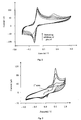
Fig. 1A shows the cyclic voltammogramic response to 1 mM 4-amino-2-,6-dichlorophenol at a scan rate of 5mVs-1 in pH 3.4 buffer; -
Fig. 1B shows the scan rate dependence of 4-amino-2,6-dichlorophenol from 25 to 100 mVs-1in pH 3.4 buffer; -
Fig. 1C compares the response of a gold macroelectrode (dotted line) to 4-amino-2,6-dichlorophenyl with that of an edge plane pyrolytic graphite (eppg) electrode at a scan rate of 100mVs-1in pH 3.4 buffer; -
Figs. 1D and 1E compare the response of eppg and gold electrodes to 4-amino-2,6-dichlorophenyl recorded in apH 10 buffer at 25mVs-1; -
Fig. 1 F shows the oxidation of 1 mM benzoquinone (BQ) to hydroquinone (HQ) at an eppg electrode in apH 10 buffer (dotted line) compared with PAP atpH 10, both recorded at 100mVs-1; -
Fig. 2 shows cyclic voltammograms showing the response of phenol additions to apH 10 buffer solution containing 1 mM 4-amino-2,6-dichlorophenol, using a polished basal plane pyrolytic graphite (bppg) electrode at a scan rate of 100mVs-1. The phenol additions were at 50, 100, 150, 200 and 250µM; -
Fig. 3 is a voltammogram showing the oxidation of 1mM phenol in apH 10 buffer solution recorded at 100mVs-1 using an eppg electrode; -
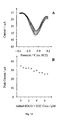
Fig. 4A shows square wave voltammograms of phenol additions to a 1 mM solution of PAP using an eppg electrode. The voltammetric response is for additions of phenols at 99, 196, 291, 385 and 485µM respectively. The square wave parameters are: 10s at +0.4V followed by a potential sweep from +0.4V to -0.4V; -
Fig. 4B is a graph of the peak height versus added phenol concentration for voltammogram ofFig. 4A ; -
Fig. 5A is a voltammogram showing the response of the addition of 4-phenoxyphenol to apH 10 buffer solution using an eppg electrode. The 4-phenoxyphenol additions were at concentrations of 50, 100, 150, 200 and 250µM; -
Fig. 5B is a voltammogram showing the response of the addition of p-cresol to apH 10 buffer solution using an eppg electrode. The p-cresol additions were at concentrations of 100, 200, 300, 400 and 500µM; -
Fig. 5C is a voltammogram showing the response of the addition of m-cresol to apH 10 buffer solution using an eppg electrode. The m-cresol additions were at concentrations of 99, 196, 291 and 385µM; -
Fig. 5D is a voltammogram showing the response of the addition of p-nitrophenol to apH 10 buffer solution using an eppg electrode. The p-nitrophenol additions were at concentrations of 100, 200, 300, 400 and 500µM; -
Fig. 6 shows cyclic voltammograms showing the response of tetrahydrocannabinol (THC) additions to apH 10 buffer solution containing 1 mM PAP using an eppg electrode at a scan rate of 100mVs-1. The THC additions were at concentrations of 100, 196, 291, 385 and 476µM respectively; -
Fig. 7A shows voltammograms of additions of tetrahydrocannabinol (THC) to a solution containing 1mM 4-amino-2,6-dichlorophenol inpH 10 buffer using an eppg electrode. The square wave parameters were: -0.4V (vs standard calomel electrode) for 10 seconds followed by a potential sweep from +0.4V to -0.4V. The additions of THC were at concentrations of 99, 196, 291, 385 and 476µM respectively; -
Fig. 7B is a graph of the peak height versus added THC concentration for voltammogram ofFig. 7A .; -
Fig. 8 shows cyclic voltammetric responses due to the additions of EGCG to apH 10 buffer solution using an edge plane pyrolytic graphite electrode. All scans were recorded at 100 mVs-1. The dotted scan is the initial response in the absence of any EGCG. Additions of EGCG were at 1, 2, 3, 4 and 5 mM; -
Fig. 9 shows an electrochemical sensing protocol in which the reduction in magnitude of the reverse peak from the addition of EGCG or EGC provides the analytical signal; -
Fig. 10A shows the square-wave voltammetric response using a bppg electrode modified with 4-amino-2,6-diphenylphenol in apH 10 buffer solution to additions of 1.7 µM EGCG. The square-wave parameters were: + 0.2 V for 5 seconds followed by potential sweep from + 0.2 to - 0.4 V (vs. SCE); -
Fig. 10B shows the analysis of the observed peak height (fromFig. 10A ) versus added EGCG concentration; -
Fig. 11A shows the response of 1.7 µM additions of EGC into apH 10 buffer solution using a bppg electrode modified with 4-amino-2,6-diphenylphenol. The modification procedure and square-wave parameters are the same as forFig. 10 ; -
Fig. 11 B shows the analysis of the observed peak height versus added EGC concentration; -
Fig. 12A shows typical square-wave voltammetric responses using a bppg electrode modified with 4-amino-2,6-diphenylphenol from analysis of a green tea sample, with 0.7 µM additions of EGCG and EGC made to the solution. The square-wave parameters were: + 0.2 V for 5 seconds followed by potential sweep from + 0.2 to - 0.4 V (vs. SCE); and -
Fig. 12B shows the analysis of the observed peak height (fromFig. 12A ) versus added EGCG / EGC concentration. - The term "hydrocarbyl" as used herein includes reference to a moiety consisting exclusively of hydrogen and carbon atoms; such a moiety may comprise an aliphatic and/or an aromatic moiety. The moiety may comprise 1, 2, 3, 4, 5, 6, 7, 8, 9, 10, 11, 12, 13, 14, 15, 16, 17, 18, 19 or 20 carbon atoms. Examples of hydrocarbyl groups include C14 alkyl (e.g. C1, C2, C3 or C4 alkyl, for example methyl, ethyl, propyl, isopropyl, n-butyl, sec-butyl or tert-butyl); C1-6 alkyl substituted by aryl (e.g. phenyl) or by cycloalkyl; cycloalkyl (e.g. cyclopropyl, cyclobutyl, cyclopentyl or cyclohexyl); aryl (e.g. phenyl, naphthyl or fluorenyl) and the like.
- The terms "alkyl" and "C1-6 alkyl" as used herein include reference to a straight or branched chain alkyl moiety having 1, 2, 3, 4, 5 or 6 carbon atoms. This term includes reference to groups such as methyl, ethyl, propyl (n-propyl or isopropyl), butyl (n-butyl, sec-butyl or tert-butyl), pentyl, hexyl and the like.
- The terms "alkenyl" and "C2-6 alkenyl" as used herein include reference to a straight or branched chain alkyl moiety having 2, 3, 4, 5 or 6 carbon atoms and having, in addition, at least one double bond, of either E or Z stereochemistry where applicable. This term includes reference to groups such as ethenyl, 2-propenyl, 1-butenyl, 2-butenyl, 3-butenyl, 1-pentenyl, 2-pentenyl, 3-pentenyl, 1-hexenyl, 2-hexenyl and 3-hexenyl and the like.
- The terms "alkynyl" and "C2-6 alkynyl" as used herein include reference to a straight or branched chain alkyl moiety having 2, 3, 4, 5 or 6 carbon atoms and having, in addition, at least one triple bond. This term includes reference to groups such as ethynyl, 1-propynyl, 2-propynyl, 1-butynyl, 2-butynyl, 3-butynyl, 1-pentynyl, 2-pentynyl, 3-pentynyl, 1-hexynyl, 2-hexynyl and 3-hexynyl and the like.
- The terms "alkoxy" and "C1-6 alkoxy" as used herein refer to -O-alkyl, wherein alkyl is straight or branched chain and comprises 1, 2, 3, 4, 5 or 6 carbon atoms. In one class of embodiments, alkoxy has 1, 2, 3 or 4 carbon atoms. This term includes reference to groups such as methoxy, ethoxy, propoxy, isopropoxy, butoxy, tert-butoxy, pentoxy, hexoxy and the like.
- The term "cycloalkyl" as used herein includes reference to an alicyclic moiety having 3, 4, 5, 6, 7 or 8 carbon atoms. The group may be a bridged or polycyclic ring system. More often cycloalkyl groups are monocyclic. This term includes reference to groups such as cyclopropyl, cyclobutyl, cyclopentyl, cyclohexyl, norbornyl, bicyclo[2.2.2]octyl and the like.
- The term "aryl" as used herein includes reference to an aromatic ring system comprising 6, 7, 8, 9, 10, 11, 12, 13, 14, 15 or 16 ring carbon atoms. The group is often phenyl but may be a polycyclic ring system, having two or more rings, at least one of which is aromatic. This term includes reference to groups such as phenyl, naphthyl, fluorenyl, azulenyl, indenyl, anthryl and the like.
- The term "carbocyclyl" as used herein includes reference to a saturated (e.g. cycloalkyl or cycloalkenyl) or unsaturated (e.g. aryl) ring moiety having 3, 4, 5, 6, 7, 8, 9, 10, 11, 12, 13, 14, 15 or 16 carbon ring atoms. A carbocyclic moiety is, for example, selected from cyclopropyl, cyclobutyl, cyclopentyl, cyclohexyl, norbornyl, bicyclo[2.2.2]octyl, phenyl, naphthyl, fluorenyl, azulenyl, indenyl, anthryl and the like.
- The term "heterocyclyl" as used herein includes reference to a saturated (e.g. heterocycloalkyl) or unsaturated (e.g. heteroaryl) heterocyclic ring moiety having from 3, 4, 5, 6, 7, 8, 9, 10, 11, 12, 13, 14, 15 or 16 ring atoms, at least one of which is selected from nitrogen, oxygen, phosphorus and sulphur. A heterocyclic moiety is, for example, selected from thienyl, furanyl, tetrahydrofuryl, pyranyl, thiopyranyl, benzofuranyl, pyrrolyl, pyrrolinyl, pyrrolidinyl, imidazolyl, imidazolidinyl, benzimidazolyl, pyrazolyl, pyrazinyl and the like.
- The term "heterocycloalkyl" as used herein includes reference to a saturated heterocyclic moiety having 3, 4, 5, 6 or 7 ring carbon atoms and 1, 2, 3, 4 or 5 ring heteroatoms selected from nitrogen, oxygen, phosphorus and sulphur. The group may be a polycyclic ring system but more often is monocyclic. This term includes reference to groups such as azetidinyl, pyrrolidinyl, tetrahydrofuranyl, piperidinyl, oxiranyl, pyrazolidinyl, imidazolyl, indolizidinyl, piperazinyl, thiazolidinyl, morpholinyl, thiomorpholinyl, quinolizidinyl and the like.
- The term "heteroaryl" as used herein includes reference to an aromatic ring system having 5, 6, 7, 8, 9, 10, 11, 12, 13, 14, 15 or 16 ring atoms, at least one of which is selected from nitrogen, oxygen and sulphur. The group may be a polycyclic ring system, having two or more rings, at least one of which is aromatic, but is more often monocyclic. This term includes reference to groups such as pyrimidinyl, furanyl, benzo[b]thiophenyl, thiophenyl, pyrrolyl, imidazolyl, pyrrolidinyl, pyridinyl, benzo[b]furanyl, pyrazinyl, indolyl, benzimidazolyl, quinolinyl, phenothiazinyl, triazinyl, oxazolyl, isoxazolyl, thiazolyl, isoindolyl, indazolyl, isoquinolinyl, quinazolinyl and the like.
- The term "halogen" as used herein includes reference to F, Cl, Br or I.
- Typically, electrochemical sensors are based upon the configuration of an electrochemical cell, with an electrolyte and at least two electrodes, for example. In potentiometric measurements, there is no current passing through the cell, and these two electrodes are sufficient. A signal is measured as the potential difference (voltage) between the two electrodes.
- Amperometric sensors are a type of electrochemical sensor, in which measurements are made by monitoring the current in the electrochemical cell between a working electrode (also called a sensing electrode) and a counter electrode (also called an auxiliary electrode) at a certain potential (voltage). These two electrodes are separated by an electrolyte. A current is produced when the sensor is exposed to a medium containing an analyte because the analyte reacts within the sensor, either producing or consuming electrons (e-). That is, the analyte is oxidized or reduced at the working electrode. The oxidation or reduction of the analyte will cause a change in current between the working and counter electrodes, which will be related to the concentration of the analyte. Complementary chemical reactions will occur at each of the working electrode and counter electrode. In suitable applications, these reactions can be accelerated by an electrocatalyst, such as a platinum electrode or another material on the surface of the electrodes, or there can be a sacrificial electrode process in which the electrode material is consumed, for example with Ag/AgCl electrodes. For amperometric sensors, in a cyclic voltammetry experiment, an external potential is applied to the cell, and the current response is measured. Precise control of the external applied potential is required, but this is generally not possible with a two-electrode system, due to the potential drop across the cell due to the solution resistance and the polarization of the counter electrode that is required to complete the current measuring circuit. Better potential control is achieved using a potentiostat and a three-electrode system, in which the potential of one electrode (the working electrode) is controlled relative to the reference electrode, and the current passes between the working electrode and the third electrode (the counter electrode).
- The choice of suitable sensor arrangement and materials is important when considering the moiety to be sensed, temperature range and electrochemical method to be used. Amperometric sensors have been found to enable low cost of components, small size, and lower power consumption than other types of sensor, and are ideal for use in portable analysis systems. In the present invention, amperometric sensing methodology is employed.
- In the present invention, phenols are detected indirectly. In particular, the present invention involves the use of a compound which operatively undergoes a redox reaction at the working electrode, wherein the reaction has a detectable redox couple and wherein the product of said reaction operatively reacts in situ with the phenol. The electrochemical response of the working electrode to the consumption of the said compound on reaction with the phenol is then determined. The phenol may be contacted with the compound prior to, contemporaneously with or subsequent to the oxidation of the compound, but is typically admitted subsequent thereto.
- The term "phenol" as used herein includes reference to phenols, phenolic compounds and derivatives thereof.
- The phenol may be, for example, phenol, 4-phenoxyphenol, p-methylphenol, m-methylphenol, nitrophenol, tetrahydrocannabinol, a component or metabolite of cannabis, a natural or synthetic cannabinoid or metabolite thereof, or a catechin such as EGCG or EGC. An example of a cannabis or cannabinoid metabolite is a metabolite found in urine, and especially 11-nor-9-carboxy-9-tetrahydrocannabinol. The phenol is preferably para-substituted.
- The first compound is a 4-aminophenol (or p-aminophenol). In one embodiment, the first compound is a compound of the formula (I):
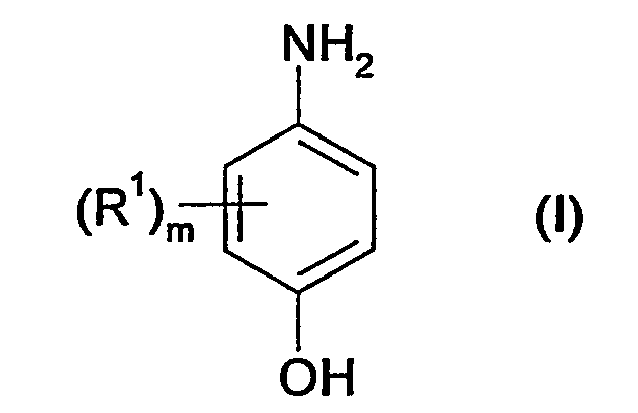
- m is 0, 1, 2, 3 or 4;
- each R1 is independently R2, or is hydrocarbyl or heterocyclyl, either of which is optionally substituted with 1, 2, 3, 4 or 5 R2;
- each R2 is independently selected from halogen, trifluoromethyl, cyano, nitro, oxo, =NR3, R3, -OR3, -C(O)R3, -C(O)OR3, -OC(O)R3, -N(R3)R4, -C(O)N(R3)R4, -S(O)lR3 and -C(R3)3;
- R3 and R4 are each independently hydrogen, or are selected from C1-6 alkyl, -(CH2)k-carbocyclyl and -(CH2)k-heterocyclyl, any of which is optionally substituted with 1, 2, 3, 4 or 5 substituents independently selected from halogen, hydroxy and C1-6 alkyl; and
- I is 0, 1 or 2.
- A compound of formula (I) is generally oxidised at the working electrode to form a compound of formula (II):

- In one embodiment, m is 0. In another embodiment, m is at least 1 (e.g. 1 or 2).
- R1 may be hydrocarbyl, for example C1-6 alkyl (e.g. methyl, ethyl, propyl, isopropyl, n-butyl, sec-butyl or tert-butyl), C1-6 alkyl substituted by aryl (e.g. benzyl), cycloalkyl (e.g. cyclopropyl, cyclobutyl, cyclopentyl or cyclohexyl) and aryl (e.g. phenyl, naphthyl or fluorenyl), any of which may be substituted with 1, 2, 3, 4 or 5 R2.
- Alternatively, R1 may be heterocyclyl, for example heterocycloalkyl (e.g. tetrahydrofuranyl) and heteroaryl (e.g. furanyl, pyranyl, thiophenyl, benzothiophenyl), either of which may be substituted with 1, 2, 3, 4 or 5 R2.
- In another class of compounds, each R1 is C1-6 alkyl (e.g. methyl, ethyl, propyl, isopropyl, n-butyl, sec-butyl or tert-butyl) or C1-6 alkoxy (e.g. methoxy or ethoxy), either of which is optionally substituted with, for example, halogen or hydroxyl.
- In a further class of compounds, each R1 is carbocyclyl, for example aryl, optionally substituted with 1, 2, 3, 4 or 5 R2. In particular, each R may be phenyl optionally substituted 1, 2, 3, 4 or 5 R2.
- R1 may be R2, in which case R2 is typically selected from halogen (e.g. chlorine), hydroxy, cyano, nitro, oxo, carboxy, amino, alkylamino, dialkylamino and C1-6 alkyl (e.g. methyl or ethyl).
- In certain compounds, each R1 is independently selected from -NR3R4, halogen, C1, C2, C3 or C4 alkyl, C1, C2, C3 or C4 haloalkyl, C1, C2, C3 or C4 alkoxy, and C2, C3 or C4 alkenyl, wherein R3 and R4 are each independently selected from hydrogen, -OH, C1, C2, C3 or C4 alkyl, C1, C2, C3 or C4 haloalkyl, C1, C2, C3 or C4 alkoxy, and C2, C3 or C4 alkenyl.
- In one class of compounds, each R1 is halogen, in particular chlorine.
- In a particular embodiment, the compound of formula (I) is a compound of formula (IA) or (IB):


- The first compound may be present in the electrolyte and/or on the working electrode and/or in the working electrode. In a particular embodiment, the electrolyte comprises the first compound. A working electrode comprising the first compound may be obtained by immobilising the compound on the electrode from solution, using a compound having a low solubility in the solvent. Solubility of the compound may be optimised by controlling its molecular weight. By way of example, 2,6-diphenyl-4-amino-phenol can be immobilised on an electrode substrate from a solvent such as acetonitrile. Alternatively, the first compound may be comprised in the bulk of the electrode material.
- The working electrode may be a screen printed electrode, a metallic electrode, an edge plane pyrolytic graphite electrode, a basal plane pyrolytic graphite electrode, a gold electrode, a glassy carbon electrode, a boron doped diamond electrode, or a highly ordered pyrolytic graphite electrode. The working electrode may be a microelectrode or a macroelectrode.
- Determination of the electrochemical response of the working electrode may comprise measuring the current flow between the working electrode and a counter electrode to determine the amount of the phenol or phenolic compound. It is particularly preferred that the working electrode is operatively maintained at a constant voltage.
- In one embodiment, the current is measured using linear sweep or cyclic voltammetry. In another embodiment, said current is measured using square wave voltammetry. In an alternative embodiment, the current is measured using a pulsed voltammetry technique, in particular differential pulse voltammetry.
- All chemicals were of analytical grade and used as received without any further purification. These were Δ9-tetrahydrocannabinol (HPLC grade, >90%, ethanol solution), 2,6-dichloro-p-aminophenol , phenol, 4-phenoxyphenol, methylphenol (para and meta), nitrophenol, 4-amino-2,6-dichlorophenol (> 98% Sigma-Aldrich), epigallocatechin gallate (minimum 97%, Sigma-Aldrich), epigallocatechin (minimum 98%, HPLC grade, Sigma-Aldrich) and 4-amino-2,6-diphenylphenol (> 98 %, Sigma-Aldrich). The green tea leaf sample (Xiamen Tea IMP, & EXP. CO., LTD) was purchased from a local Chinese supermarket.
- Solutions were prepared with deionised water of resistivity not less than 18.2 M Ohm cm (Millipore Water Systems). Voltammetric measurements were carried out using a µ-Autolab II potentiostat (Eco-Chemie) with a three-electrode configuration. Edge and basal plane pyrolytic graphite electrodes (Le Carbone Ltd.) were used as working electrodes. In the former case, discs of pyrolytic graphite were machined into a 4.9 mm diameter, which was oriented with the disc face parallel with the edge plane, or basal plane as required. The basal plane pyrolytic graphite electrode was prepared by renewing the electrode surface with cellotape. This procedure involves polishing the bppg electrode surface on carborundum paper (P100 grade) and then pressing cellotape on the cleaned bppg surface which is removed along with attached graphite layers. This was then repeated several times. The electrode was then cleaned in water and acetone to remove any adhesive. The counter electrode was a bright platinum wire, with a saturated calomel electrode completing the circuit. The EPPG electrodes were polished on alumina lapping compounds (BDH) of decreasing sizes (0.1 to 5 µm) on soft lapping pads.
- All experiments were typically conducted at 20 ± 2°C. Before commencing experiments, nitrogen (BOC) was used for deaeration of solutions. Stock solutions of the substituted phenols were prepared by dissolving the required substituted phenol in ethanol.
- First, the voltammetric response of an eppg electrode in pH 3.4 buffer solution containing 1 mM 4-amino-2,6-dichlorophenol (PAP) was explored. The corresponding voltammetry is shown in
Fig. 1A . The first cyclic (dotted line) shows an oxidation peak at ca. + 0.36 V (vs. standard calomel electrode; SCE) with a corresponding reduction peak at ca. + 0.24V (vs. SCE) which is due to the redox system of p-aminophenol-quinoneimine (PAP-QI), i.e.:

- The reduction wave is smaller than the corresponding oxidation peak, which is due to an electrochemical mechanism occurring in which the quinoneimine (QI) is slowly hydrolysed to form a benzoquinone (BQ):

- This mechanism has been previously studied on platinum and mercury electrodes. A small peak is observed on the cathodic scan at ca. + 0.06 V, (see
Fig. 1A ) which is due to the reduction of BQ to hydroquinone (HQ) (Hawley et al, 1965, J. Electroanal. Chem., 10:376). At ca. - 0.27 V (vs. SCE) a new wave appears; it has been shown that this is due to the benzoquinone rapidly reacting with PAP via 1,4-addition reactions, with the main product being 2,5-bis(4-hydroxyanilino)-p-benzoquinone. On the second voltammetric scan, (Fig. 1A ), some new 'bumps' have appeared on the voltammogram, which is likely due to the fouling of the electrode. These, and the new waves occurring from the electrochemical mechanism are well resolved from the main redox features of the voltammogram, indicating that the PAP-QI redox couple may be used as a marker from which to monitor the loss of QI as it reacts with phenols, phenolic compounds and phenol derivatives. - Next the variation of the peak potential with pH was explored. The cathodic and anodic waves were observed to shift toward more negative potentials from increasing the pH. A plot of formal potential against pH was observed to be linear from pH 0.84 to pH 7 with the gradient found to be 61 mV per unit (Ep = 0.061 pH + 0.57; R2 = 0.998) which suggests an n-electron, n-proton process where n is likely to be 2. Beyond pH 7 the plot of peak potential vs. pH was non-linear which is attributed to a pKa of 7.3 (calculated using ACD/Labs Sloaris V4.67 software) and is in agreement with previous studies (Hawley et al, 1965, J. Electroanal. Chem., 10:376; Salavagione et al, 2004, J. Electroanal. Chem., 565:375; and Bramwell et al, 1990, Analyst, 115:185).
- Cyclic voltammograms were recorded over a range of scan rates as shown in
Fig. 1 B , with analysis of the peak height (oxidation) versus square root of scan rate revealing a linear dependence indicating a diffusing species. From this plot the diffusion coefficient of 2,6-dichloro-p-aminophenol was estimated to be 4.4 (±0.3) x 10-6 cm s-1 (in pH 3.4 phosphate buffer) for n = 2, which is in agreement with 4.8 x 10⁻⁶ cm s-1 reported for 2,6-dichloro-p-aminophenol in 2 M sulphuric acid (Adams, 1969, Electrochemistry at Solid Electrodes, Marcel Dekker, New York). - The response of a gold macroelectrode was next sought so as to compare with that of the edge plane pyrolytic graphite electrode at the same pH; the results are shown in
Fig. 1C . Equivalent responses are observed on the gold substrate and an eppg electrode. Also similar peak-to-peak separations are observed: 78 mV (at 100 mVs-1) at the gold and 85 mV (at 100 mVs-1) at the eppg electrode. Both these results indicate quasi-reversible electrode kinetics on each substrate. - From the literature a range of pH values has been recommended as suitable for carrying out the Gibbs reaction. Gibbs (1927, J. Biol. Chem. 72:649), Baylis (1928, J. Am. Water Works Assoc., 19:597), Ruchhoft (1948, Anal. Chem., 20:1191) and Theriault (1929, Ind. Eng. Chem., 21:343) suggested pH values of 9.1 to 9.5, 9.6 to 10, 9 to 10 and 9.4 respectively. It therefore appears that a pH range of from 9 to 10 is optimised for rapid completion of the Gibbs reaction. This is due to the required hydrolysis of the Gibbs reagent (species 1 of Scheme 1) to yield the dichloro-benzoquinone monoamine (
species 2 of Scheme 1) which then undergoes the Gibbs reaction by attacking the substituted phenol. However, in the present invention this not need be a pre-requisite since the dichloro-benzoquinone monoamine is electrochemically generated and then reacts with the target compound. This means, usually providing that the voltammetry is well-resolved, that a method of the present invention is applicable over a range of pH values. Above, acidic conditions have been considered; an exploration the oxidation of the PAP atpH 10 at both eppg and gold electrodes follows. - In
pH 10 the electrochemical oxidation wave of the PAP, as shown inFig. 1D , has shifted to ca. + 0.059 V (vs. SCE) at the eppg, having an identical voltammetric profile to that observed at pH 3.4, while the oxidation wave is observed at ca. + 0.064 V on the gold electrode (Fig. 1 E) is similar except with a new voltammetric reduction peak at ca. + 0.23 V. This is likely to be due to electrode filming and close inspection ofFig. 1A reveals this is also observed on the eppg electrode although to a much lesser extent. Given the similar voltammetric response and inherent low cost of eppg electrodes compared with that of the gold and other electrode substrates, the use of eppg is considered to be particularly desirable and eppg electrodes are used throughout in the following Examples. - The electrochemical adaptation of the Gibbs reaction for the detection of substituted phenols underlies the present invention and is discussed in more detail below. A
pH 10 buffer solution containing 1 mM PAP was prepared and using a polished basal plane pyrolytic graphite electrode the initial cyclic voltammetric response was obtained. Note that either a polished bppg or an eppg electrode may be used since the edge plane sites are responsible for fast heterogeneous electron transfer kinetics and polishing of the bppg electrode leads to the formation of significant amounts of edge plane defects. Additions of phenol were made over the range of 50 to 250 µM to the solution with the observed response depicted inFig. 2 . Three important features are evident: the first is that the reduction peak at ca. - 0.06 V has decreased with increasing phenol additions; second, the oxidation peak at ca. + 0.05 V has decreased with phenol additions; and thirdly there is a new oxidation wave at ca. + 0.46 V which slightly shifts in potential and grows with each addition of phenol. - The new peak at ca. + 0.46 V was explored by examining the voltammetry of 1 mM phenol in a
pH 10 buffer solution.Fig. 3 shows that an oxidation wave is observed at ca. + 0.5 V corresponding to the electrochemical oxidation of phenol. On successive scans, the peak diminishes. After the first scan, the background current has increased which indicates that probably electrode passivation has occurred. It is also likely that the new wave observed inFig. 2 is a combination of the direct oxidation of phenol and/or polymeric species from the oxidation of aminophenol. In either case this feature is well resolved from the PAP-QI redox couple. Returning toFig. 2 , the analysis of the decreasing peak height (IH) at ca. - 0.06 V versus added phenol concentrations produced the following linear regression data: IH = - 0.19 [(phenol / M)] + 1.12 x 10⁻⁴; R2 = 0.98, N = 5. This suggests that the diminishing reduction wave can provide a simple analytical methodology for the indirect detection of phenol and phenolic compounds. - The response of PAP to increasing additions of phenol using square-wave voltammetry (SWV) at an edge plane pyrolytic graphite electrode was then explored, with a view to increasing the sensitivity of the protocol. SWV was used because this technique has an increased sensitivity over linear sweep (or cyclic voltammetry) due to the fact that the former is a measure of the net current, which is the difference between the forward and reverse current pulses. Also, using SWV, only one peak is observed allowing one to easily monitor the reduction of the voltammetry peak on additions of the phenol compound. First, however, the square-wave parameters were optimised. Using a
pH 10 buffer solution containing 1 mM PAP, the frequency and step potential were each in turn changed to find the optimum peak height. This was found to occur when the frequency was 8 Hz, the step potential 10 mV and theamplitude 25 mV. - Using these parameters the square-wave voltammetric response from an eppg electrode was sought in a
pH 10 buffer solution containing 1 mM PAP. The voltammogram was cycled until the peak had stabilised - which is typically after two cycles - after which phenol additions were made to the solution. As depicted inFig. 4A , the well-defined voltammetric response was found to decrease with added phenol concentrations. Analysis of the peak current versus added phenol concentration was found to be highly linear from 50 to 480 µM (IH = - 0.198 [(phenol / M)] + 1.26 x 10⁻⁴; R2 = 0.997 , N =10) which is also shown inFig. 4B . From this a limit of detection (3σ) was found to be 15.3µM. Given the simplicity of the SWV technique this was used throughout the following. - Characterisation of the wave at ca. - 0.2 V (
Fig. 4A ) was investigated by exploring the voltammetry of hydroquinone in apH 10 buffer solution. Using an eppg electrode, a well-defined redox couple was observed, corresponding to the oxidation of HQ to BQ as depicted inFig. 1F . For clarity the voltammetric response of the oxidation of PAP inpH 10 buffer at an eppg is overlaid. This also helps 'fingerprint' the new voltammetric features found when PAP is oxidised in aqueous solution, according to the mechanism shown inScheme 2. Overall this demonstrates that the small voltammetric wave at ca. - 0.2 V inFig. 4A is due to the reduction of benzoquinone to hydroquinone formed via the hydrolysis of oxidised PAP as described above. - The initial concentration of PAP was explored to see if it was possible to extend the linear range of the phenol analysis or increase the sensitivity of the technique. The above experiment was repeated but with the concentration of PAP lowered to 0.1 mM with phenol additions made to the solution over the same linear range. Linear regression from analysis of the peak height versus added phenol concentration (IH = - 0.036 [(phenol / M)] + 2.82 x 10⁻⁵ 10; R2 = 0.987, N = 10) revealed that the sensitivity (gradient) was lower than that observed using a initial 1 mM concentration of PAP. Conversely using an initial 10 mM concentration of PAP, produced an identical sensitivity and linear range as that seen using an initial 1 mM concentration.
- As mentioned above, edge plane sites are responsible for fast heterogeneous electron transfer kinetics, with polishing of the bppg electrode leading to the formation of significant amounts of edge plane defects meaning that either a polished bppg or an eppg can be used as a sensor for the indirect determination of substituted phenols and phenolic compounds. This is exemplified by the following experiment.
- A basal plane pyrolytic graphite electrode was prepared by polishing with alumina lapping compounds, thereby exposing edge plane sites. The polished bppg electrode was placed into a
pH 10 buffer solution containing 1 mM PAP with the initial SW-voltammetric response sought, after which additions of phenol were made. Analysis of the peak height versus added phenol concentration produced a linear response (IH = - 0.188 [(phenol / M)] + 1.74 x 10⁻⁴; R2 = 0.99, N = 9) from 50 to 430 µM, which is essentially identical to that observed above using the edge plane pyrolytic graphite electrode. This reiterates the notion that edge plane sites are responsible for the fast electrode kinetics and consequently either a polished bppg or eppg electrode can be used to monitor the voltammetric response. - A control experiment was performed where identical volume sized additions were made of either water or ethanol to a
pH 10 buffer solution containing 1 mM PAP without any phenol present. No significant reduction in the PAP voltammetric peak was observed for either the water or the ethanol additions. This indicates that neither dilution effects nor reaction with ethanol were responsible for the decrease in the voltammetric response of the PAP as observed inFig. 4A . Rather, the latter arises purely from the Gibbs reaction of phenol with QI. - As described earlier, the Gibbs reagent has previously been used spectrophotometrically to detect substituted phenols where it has been observed that the most easily displaced substitutents (good anionic leaving groups) give rise to high yields of dichloroindophenol, while methylphenol and longer alkyl group substitutions, such as hydroxybiphenyl, ethylphenol and hydroxybenzoic acid, gave no detectable coloured product (Josephy et al, supra).
- It has been reported that phenol and phenoxyphenol give good yields of coloured products (60 and 63 % respectively), methylphenol gives a low yield (18%) while nitrophenol produces no positive result in a Gibbs reaction (Josephy et al, supra). However, this technique is based on spectrophotometric observation of the product of the Gibbs (or related) reaction. In the present invention it is the loss of the benzoquinone monoamine as it reacts with the substituted phenol of choice which is observed. Therefore, in the following Examples, a range of substituted phenols is assessed for use with the method of the invention.
- The method of Example 1 was repeated using SWV at an eppg electrode for the detection of 4-phenoxyphenol. The SW-voltammetric responses are shown in
Fig. 5A with analysis. Analysis of the peak height versus added 4-phenoxyphenol was found to produce a linear range from 50 µM to 244 µM (IH = - 0.51 ([4-phenoxyphenol] / M) + 1.2 x 10⁻⁴ A; R2 = 0.98, N = 6). The last voltammetric wave, as shown inFig. 5A has disappeared indicating complete reaction of the 4-phenoxyphenol with the electrochemically generated dichloro-benzoquinone monoamine. In comparison, spectrophotometric methods have reported a 63% yield of dichloroindophenol (Josephy et al, supra). Finally, from the above linear regression data, a limit of detection was found to be 34 µM. - As discussed in section above, the Gibbs reaction requires an optimised pH of 9-10 to facilitate the hydrolysis of the Gibbs reagent to yield dichloro-benzoquinone monoamine (
species 2 of Scheme 1) which then undergoes the Gibbs reaction by attacking the substituted phenol. Since the methodology of the present invention does not require such a hydrolysis step the method is considered to able to work at both basic and acidic conditions. This was further explored as described below. - The above method for the indirect detection of 4-phenoxyphenol was repeated using SWV at an eppg electrode at pH 3.4. From analysis of the decreasing peak height versus added phenoxyphenol, two linear ranges were observed. The first was found to occur from 50 µM to 291µM (IH = - 0.15 ([4-phenoxyphenol] / M) + 1.6 x 10⁻⁴ A; R2 = 0.99, N = 7), while the second was from 130 µM to 264 µM (IH = - 0.47 ([4-phenoxyphenol] / M) + 2.44 x 10⁻⁴ A; R2 = 0.998, N = 6). A similar gradient in comparison to the response obtained in
pH 10 buffer is observed suggesting that the method of the invention can be applied in both acidic and basic conditions. -
Figs. 5B and C shows the response of additions of either p-cresol and m-cresol respectively to a 1 mM solution of PAP inpH 10 buffer solution using SW-voltammetry at an eppg electrode. In both cases, analysis of the decreasing wave versus additions of the respective cresol were found to be linear (IH = - 0.21 ([p-cresol] / M) + 1.08 x 10⁻⁴ A; R2 = 0.9895, N = 8) from 99 µM to 431 µM for p-cresol, while m-cresol produced a linear response from 100 µM to 385 µM (IH = - 0.29 [(m-cresol / M)] + 1.25 x 10⁻⁴; R2 = 0.99, N = 8). Note that in all cases, the addition of the substituted phenol of choice is continued until the voltammetric peak stops diminishing indicating that the reaction of the substituted phenol with the electrogenerated dichloro-benzoquinone monoamine has ceased. From the above linear regression data, the limit of detection (3σ) was found to be 32 µM for p-cresol and 30 µM m-cresol. - The reaction of p-nitrophenol with the Gibbs reagent has been reported spectrophotometrically not to occur, i.e. no dichloroindophenol was observed using spectrophotometry (Josephy et al, supra). However, as described above, the method of the invention, although taking inspiration from the Gibbs reaction, is different in that it is based on monitoring the loss of the electrogenerated dichloro-benzoquinone monoamine as it reacts with the substituted phenol of choice.
- Using the method of the invention, the response of additions of nitrophenol was explored. As depicted in
Fig. 5D , the system responds to additions of nitrophenol with a linear response from 50 µM to 385 µM (IH = - 0.067 [(p-nitrophenol / M)] + 1.29 x 10⁻⁴; R2 = 0.98, N = 6), but does not achieve a high sensitivity in comparison to the substituted phenols studied above. This is likely to be due to the presence of the poor NO2 - leaving group. The limit of detection (3σ) was found to be 40 µM. - In summary, it has been observed that the most easily displaced leaving groups give rise to good sensitivities e.g. (phenoxy) while for poor leaving groups e.g. (NO2) the sensitivity is not so good. Nevertheless, in the latter case, analysis by a method of the invention is still possible in situation where the classical (colorimetric) Gibbs reaction fails.
- Using cyclic voltammetry, the electrochemical response at an eppg electrode of the electrochemical oxidation of 1 mM PAP in a
pH 10 buffer solution was established. Additions of THC were made over the range of 100 - 476 µM to the solution with the observed response depicted inFig. 6 . As observed for the phenol additions in the preceding Examples, the reduction peak decreased with increasing THC additions, indicating that the protocol works as an indirect methodology for the detection of THC, the active part of cannabis. This result was quantified using square wave-voltammetry. - Using a 1 mM solution containing 4-amino-2,6-dichlorophenol in a
pH 10 buffer solution, the initial SW voltammetric response was obtained using an edge plane pyrolytic graphite electrode. The response of additions of tetrahydrocannabinol was explored. As depicted inFig. 7A , the voltammetric peak was found to decrease with increasing additions of THC. Analysis of the peak height versus added THC concentrations revealed two linear parts of the calibration curve (Fig. 7B ). The first part was linear from 50 to 245 µM (IH = - 0.148 [(THC / M)] + 1.21 x 10⁻⁴; R2 = 0.994, N = 6) with the second from 290 to 476 M (IH = - 0.337 [(THC / M)] + 1.71 x 10⁻⁴; R2= 0.997, N = 5). From this, the limit of detection (3σ) was found to be 25 µM. - A 1 mM solution containing 2,6-dichloro-p-aminophenol (AP) in a
pH 10 buffer was first prepared and examined with cyclic voltammetry at an eppg electrode. The voltammetric response is depicted inFig. 8 (dotted line) which exhibits an oxidation and reduction with peak potentials at ca. + 0.08 V and ca. - 0.07 V (vs. SCE) respectively, which are due to the redox couple of the aminophenol-quinoneimine (PAP-QI) system. A peak-to-peak separation of 150 mV was observed (at 100 mVs-1), indicating quasi-reversible electrode kinetics. 1 mM additions of EGCG were then made to the buffer solution, which, as observed inFig. 8 , results in the reduction peak of voltammetric profile to decrease. This reduction in the size of the voltammetric peak is due to the loss of the quinoneimine (QI), which reacts with EGCG to form an adduct (seeFig. 9 ). - Bppg electrodes were modified with 2,6-diphenyl-4-amino-phenol ("diphenyl-AP") and subsequently used to detect EGCG and EGC. Diphenyl-AP has the same required electrochemical functionalities as other PAPs but has two diphenyl groups so greatly reducing the compound's solubility in aqueous solutions. The diphenyl-AP compound was immobilised onto the electrode surface by taking a freshly prepared bppg electrode and immersing into a solution of 1 mM diphenyl-AP in acetonitrile for five minutes after which the electrode was taken out and gently washed with distilled water. Typically, the peak current after stabilisation was found to be an average of 25 (± 10) µA which likely reflects the variation in surface roughness of the bppg electrode each time the electrode is prepared.
- The modified bppg electrode was placed into a
pH 10 buffer solution where, using square wave voltammetry, the potential was held at + 0.2 V (vs. SCE) for 5 seconds, followed by sweeping the potential from + 0.2 V to - 0.4 V (vs. SCE). Square wave voltammetry was chosen since it provides an easy way to monitor the loss of the voltammetry peak on additions of the catechin compounds. A large reduction wave having a peak maximum at ca. - 0.11 V (vs. SCE) was initially observed. The square wave protocol was continuously repeated to assess the stability of the voltammetric peak. It was found that 12 cycles were usually needed to stabilise the peak, which was found to typically decrease by ca. 30 % of its initial value. The 12 cycles indicate that the modified electrode needs a pre-treatment to be applied which need last not longer than 60 seconds at + 0.2 V (vs. SCE). - The response of the diphenyl-AP modified bppg electrode toward EGCG additions in a
pH 10 buffer solution was next investigated.Fig. 10 shows the response of 1.7 µM additions of EGCG where analysis of the peak height (IH) versus added EGCG concentration, as shown inFigure 10B produces substantially linear range from 3 µM to 32 µM with the following linear regression: IH/A = -0.29 [(EGCG / M)] + 2.5 x 10⁻⁵ A; R2=0.98; N = 19. The potential range was well resolved from that of the direct electrochemical oxidation of EGCG (which occurs at ca. + 0.72 V vs. Ag/AgCl; see Kumamoto et al, Anal. Sci. 16, 2000, 139), thus removing any possibility of electrode fouling caused by direct oxidation. - The response of 1.7 µM additions of EGC into a
pH 10 buffer solution using the diphenyl-AP modified bppg electrode was then explored.Fig. 11A shows the square-wave voltammetric profiles, which clearly diminish as EGC is added into the solution. Analysis of the peak height versus added EGC concentration is depicted inFig. 11 B , where two linear ranges are observed; the first from 1.7 µM to 10 µM (IH/A = -2.7 [(EGC /M)] + 6.9 x 10⁻⁵ A; R2=0.98; N = 6) and the second from 10 µM to 32 µM (IH/A = -0.9 [(EGC / M)] + 5.1 x 10⁻⁵ A; R2=0.99, N = 8). The modified bppg electrode was explored with additions made over the range 0.8 µM to 8.3 µM from a solution consisting of both EGCG and EGC at the same concentration which produced the following linear regression: IH/A = -0.85 [(EGCG + EGC / M)] + 3.2 x 10⁻⁵ A; R2=0.97; N = 10. Comparison of this linear regression with that obtained from the additions of EGCG and EGC reveal an identical response. - The above experiments demonstrate that the diphenyl-AP-modified bppg electrode was successful in detecting the anti-carcinogenic catechin compounds EGCG and EGC, obviating the need to add the aminophenol into the solution. The modification of the electrode avoids the need to dissolve the aminophenol compound into the solution phase. For example, this methodology could be utilised in end of column detectors thus obviating the need to dissolve the electrochemical marker into the carrier solution.
- EGCG and EGC were detected in a sample of green tea. A 1.97 g sample of green tea (Xiamen Tea IMP, & EXP. CO., LTD) was placed into 100 mL of boiling distilled water, constantly stirred and held at a rolling boil for 40 minutes to allow the tea to infuse. The tea infusion was allowed to cool and was consequently filtered. This solution was then diluted 1:1 with
pH 10 buffer. - A phenyl-AP modified bppg electrode was prepared (see Example 7)and placed into the tea sample. Using square-wave voltammetry, the electrochemical response of additions of 0.7 µM EGCG and EGC (made up in the same solution) was explored. Typical square-wave voltmmograms are depicted in
Fig. 12 , where the additions of EGCG and EGC made to the green tea sample results in a decrease in the voltammetric profile. A standard addition plot of peak height versus added EGCG and EGC concentration is shown inFig. 12B . Analysis using the standard addition protocol reveals that 180 (± 5) mg of EGCG and EGC exists in 1g of green tea. This content of catechins is in the same order of magnitude as that reported by Pelillo et al above, who explored five green tea samples with HPLC coupled with UV and MS-electrospray detection. They found that the total amount of catechins varied from 90 mg/g to 760 mg/g depending on the source of the green tea and where the total amount of EGCG and EGC were found to vary between 26 to 412 mg/g and 12 to 100 mg/g respectively in the green tea sample.
Claims (28)
- An electrochemical sensor for the detection of a phenol, which comprises a first compound, a working electrode and an electrolyte in contact with the working electrode, wherein the first compound operatively undergoes a redox reaction at the working electrode to form a second compound which operatively reacts in situ with the phenol, wherein said redox reaction has a detectable redox couple and wherein the sensor is adapted to determine the electrochemical response of the working electrode to the consumption of said second compound on reaction with the phenol;
characterised in that said first compound is a 4-aminophenol and said second compound operatively reacts in situ to covalently bind to the phenol. - A sensor according to claim 1, wherein said first compound is a compound of the formula (I):

m is 0, 1, 2, 3 or 4;
each R1 is independently R2, or is hydrocarbyl or heterocyclyl, either of which is optionally substituted with 1, 2, 3, 4 or 5 R2;
each R2 is independently selected from halogen, trifluoromethyl, cyano, nitro, oxo, =NR3, R3, -OR3, -C(O)R3, -C(O)OR3, -OC(O)R3, -N(R3)R4, -C(O)N(R3)R4, -S(O)lR3 and -C(R3)3;
R3 and R4 are each independently hydrogen, or are selected from C1-6 alkyl, - (CH2)k-carbocyclyl and -(CH2)k-heterocyclyl, any of which is optionally substituted with 1, 2, 3, 4 or 5 substituents independently selected from halogen, hydroxy and C1-6 alkyl; and
I is 0, 1 or 2;
and wherein the first compound is operatively oxidised at the working electrode to form a second compound which is of the formula (II):
- A sensor according to claim 2, wherein m is 0, 1 or 2.
- A sensor according to claim 2 or claim 3, wherein the or each R1 is independently selected from -NR3R4, halogen, C1, C2, C3 or C4 alkyl, C1, C2, C3 or C4 haloalkyl, C1, C2, C3 or C4 alkoxy, and C2, C3 or C4 alkenyl, wherein R3 and R4 are each independently selected from hydrogen, -OH, C1, C2, C3 or C4 alkyl, C1, C2, C3 or C4 haloalkyl, C1, C2, C3 or C4 alkoxy, and C2, C3 or C4 alkenyl.
- A sensor according to claim 4, wherein the or each R1 is halogen, for example chlorine.
- A sensor according to claim 5, wherein the first compound is of the formula (IA):

- A sensor according to claim 2 or claim 3, wherein the or each R1 is aryl, for example phenyl, optionally substituted with 1, 2, 3, 4 or 5 R2.
- A sensor according to claim 7, wherein the first compound is of the formula (IB):

- A sensor according to any preceding claim, wherein the working electrode is a screen printed electrode, a metallic electrode, an edge plane pyrolytic graphite electrode, a basal plane pyrolytic graphite electrode, a gold electrode, a glassy carbon electrode, a boron doped diamond electrode, or a highly ordered pyrolytic graphite electrode.
- A sensor according to any preceding claim, wherein the sensor is adapted to determine the current flow between the working electrode and a counter electrode.
- A sensor according to any preceding claim, wherein the electrolyte comprises said first compound.
- A sensor according to any preceding claim wherein the working electrode comprises said first compound.
- A method of detecting a phenol in a sample, comprising:(a) oxidising a first compound at the working electrode of an electrochemical sensor to form a second compound which is operatively reactive with the phenol;(b) contacting the phenol with the second compound in the presence of an electrolyte, such that the second compound reacts with the phenol; and(c) determining the electrochemical response of the working electrode to the consumption of the second compound on reaction with the phenol;characterised in that said first compound in step (a) is a 4-aminophenol and, in step (b), the second compound reacts to covalently bind to the phenol.
- A method according to claim 13, wherein the first compound is as defined in any of claims 2 to 8.
- A method according to claim 13 or claim 14, wherein the working electrode is a screen printed electrode, a metallic electrode, an edge plane pyrolytic graphite electrode, a basal plane pyrolytic graphite electrode, a glassy carbon electrode, a boron doped diamond electrode or a highly ordered pyrolytic graphite electrode.
- A method according to any of claims 13 to 15, wherein determination of the electrochemical response comprises measuring the current flow between the working electrode and a counter electrode to determine the amount of the phenol.
- A method according to claim 16, wherein the working electrode is maintained at a constant voltage.
- A method according to claim 16 or claim 17, wherein said current is measured using linear sweep or cyclic voltammetry, square wave voltammetry, or a pulsed voltammetry technique.
- A method according to any of claims 13 to 18, wherein the phenol is a para-substituted phenol.
- A method according to any of claims 13 to 19, wherein the phenol is phenol, 4-phenoxyphenol, p-methylphenol, m-methylphenol, nitrophenol or tetrahydrocannabinol.
- A method according to any of claims 13 to 20, wherein the phenol is a component or a metabolite of cannabis.
- A method according to any of claims 13 to 18, wherein the phenol is a natural or synthetic cannabinoid or a metabolite thereof.
- A method according to claim 21 or claim 22, wherein the phenol is a cannabis metabolite found in urine.
- A method according to any of claims 21 to 23, wherein the phenol is 11-nor-9-carboxy-9-tetrahydrocannabinol.
- A method according to any of claims 13 to 18, wherein the phenol is a catechin.
- A method according to claim 25, wherein the phenol is EGCG or EGC.
- A method according to any of claims 13 to 26, wherein the electrolyte comprises said first compound.
- A method according to any of claims 13 to 26, wherein the working electrode comprises said first compound.
Applications Claiming Priority (3)
| Application Number | Priority Date | Filing Date | Title |
|---|---|---|---|
| GB0512282A GB0512282D0 (en) | 2005-06-16 | 2005-06-16 | Detection of phenols and phenolic compounds |
| GB0602203A GB0602203D0 (en) | 2006-02-03 | 2006-02-03 | Detection of phenols |
| PCT/GB2006/002219 WO2006134386A1 (en) | 2005-06-16 | 2006-06-16 | Detection of phenols |
Publications (2)
| Publication Number | Publication Date |
|---|---|
| EP1891423A1 EP1891423A1 (en) | 2008-02-27 |
| EP1891423B1 true EP1891423B1 (en) | 2012-02-22 |
Family
ID=37054402
Family Applications (1)
| Application Number | Title | Priority Date | Filing Date |
|---|---|---|---|
| EP06744245A Active EP1891423B1 (en) | 2005-06-16 | 2006-06-16 | Detection of phenols |
Country Status (6)
| Country | Link |
|---|---|
| US (2) | US20090294298A1 (en) |
| EP (1) | EP1891423B1 (en) |
| AT (1) | ATE546729T1 (en) |
| AU (1) | AU2006258802B2 (en) |
| CA (1) | CA2612305A1 (en) |
| WO (1) | WO2006134386A1 (en) |
Cited By (3)
| Publication number | Priority date | Publication date | Assignee | Title |
|---|---|---|---|---|
| CN102809598A (en) * | 2012-07-13 | 2012-12-05 | 江苏大学 | Thermal polymerization preparation method for electrochemical sensor for rapidly detecting epigallocatechin-3-gallate (EGCG) |
| US9036148B2 (en) | 2011-05-18 | 2015-05-19 | Element Six Technologies Limited | Electrochemical deposition and spectroscopic analysis methods and apparatus using diamond electrodes |
| US9036149B2 (en) | 2011-05-18 | 2015-05-19 | Element Six Technologies Limited | Electrochemical sensor with diamond electrodes |
Families Citing this family (19)
| Publication number | Priority date | Publication date | Assignee | Title |
|---|---|---|---|---|
| CN101178380B (en) * | 2007-12-05 | 2011-11-09 | 浙江工商大学 | Method for detecting lead content in tea-leaf |
| GB0725234D0 (en) * | 2007-12-24 | 2008-02-06 | Oxtex Ltd | Electrochemical assays |
| GB0807534D0 (en) * | 2008-04-24 | 2008-06-04 | Oxtox Ltd | Assay |
| US20100066378A1 (en) * | 2008-09-18 | 2010-03-18 | Uti Limited Partnership | Current Mirror Potentiostat |
| GB0902493D0 (en) | 2009-02-13 | 2009-04-01 | Oxtox Ltd | Assay method |
| US10408786B2 (en) | 2012-06-14 | 2019-09-10 | ChemiSensor, LLP | Distributable chemical sampling and sensing system |
| US20130337477A1 (en) * | 2012-06-14 | 2013-12-19 | ChemiSensor LLP | Distributable Chemical Sampling and Sensing System Process |
| US9182367B2 (en) * | 2014-04-01 | 2015-11-10 | King Fahd University Of Petroleum And Minerals | Electroanalytical method for determination of phenols |
| CN104458884A (en) * | 2014-12-09 | 2015-03-25 | 哈尔滨商业大学 | Method for determining content of p-acetamidophenol by virtue of boron-doped diamond film electrode |
| CN105241936A (en) * | 2015-10-30 | 2016-01-13 | 黑龙江大学 | Method for determination of p-nitrophenol by using carbon nanotube copper nickel solid solution as electrode |
| CN109060911A (en) * | 2018-09-12 | 2018-12-21 | 南昌航空大学 | A kind of electrode modified material siliver chromate/graphene oxide preparation method of detectable 4- nitrophenol |
| NL1043265B1 (en) * | 2019-01-31 | 2020-08-25 | M M C Int B V | Method for electrochemical detection and identification of drugs, narcotics and precursors thereof |
| EP3921630A4 (en) * | 2019-02-07 | 2022-11-09 | Giner, Inc. | Method and system for detection and/or quantification of delta-9-tetrahydrocannabinol in saliva |
| WO2020167828A1 (en) | 2019-02-11 | 2020-08-20 | Giner, Inc. | Method and system for detection and/or quantification of delta-9-tetrahydrocannabinol in exhaled breath |
| US12584892B2 (en) | 2019-07-23 | 2026-03-24 | The University Of British Columbia | Apparatus and methods for detecting and quantifying analytes |
| CN110702770B (en) * | 2019-08-26 | 2022-05-03 | 东莞理工学院 | Method for identifying reaction product of 4-methylphthaloquinone and amino compound in solution |
| WO2021087453A1 (en) * | 2019-10-31 | 2021-05-06 | The Regents Of The University Of California | Systems and methods for the detection of phenolic cannabinoids |
| CN110988066B (en) * | 2019-12-04 | 2023-04-25 | 陕西煤业化工技术研究院有限责任公司 | A preparation method of a nanomaterial modified electrode and a method for determining phenolic compounds in water |
| CA3178297A1 (en) * | 2021-02-19 | 2022-08-25 | Eye3Concepts Inc. | Electrochemical sensor for phenolic analytes |
Family Cites Families (7)
| Publication number | Priority date | Publication date | Assignee | Title |
|---|---|---|---|---|
| AU596946B2 (en) * | 1984-07-10 | 1990-05-24 | F. Hoffmann-La Roche Ltd | Methods of assay |
| EP0186115A3 (en) * | 1984-12-19 | 1988-03-30 | Sumitomo Chemical Company, Limited | Electrochemical method for determining end points of organic or inorganic reactions and electrode therefor |
| JP3180415B2 (en) | 1991-11-19 | 2001-06-25 | 和光純薬工業株式会社 | New electrochemical measurement method |
| GB9802503D0 (en) * | 1998-02-05 | 1998-04-01 | Isis Innovation | Sensor |
| US6814845B2 (en) * | 2001-11-21 | 2004-11-09 | University Of Kansas | Method for depositing an enzyme on an electrically conductive substrate |
| US20040106190A1 (en) * | 2002-12-03 | 2004-06-03 | Kimberly-Clark Worldwide, Inc. | Flow-through assay devices |
| GB0300820D0 (en) * | 2003-01-14 | 2003-02-12 | Diagnoswiss Sa | Membrane-microchannel strip |
-
2006
- 2006-06-16 EP EP06744245A patent/EP1891423B1/en active Active
- 2006-06-16 AU AU2006258802A patent/AU2006258802B2/en not_active Ceased
- 2006-06-16 WO PCT/GB2006/002219 patent/WO2006134386A1/en not_active Ceased
- 2006-06-16 CA CA002612305A patent/CA2612305A1/en not_active Abandoned
- 2006-06-16 AT AT06744245T patent/ATE546729T1/en active
- 2006-06-16 US US11/922,265 patent/US20090294298A1/en not_active Abandoned
-
2012
- 2012-12-17 US US13/716,942 patent/US8668821B2/en not_active Expired - Fee Related
Cited By (3)
| Publication number | Priority date | Publication date | Assignee | Title |
|---|---|---|---|---|
| US9036148B2 (en) | 2011-05-18 | 2015-05-19 | Element Six Technologies Limited | Electrochemical deposition and spectroscopic analysis methods and apparatus using diamond electrodes |
| US9036149B2 (en) | 2011-05-18 | 2015-05-19 | Element Six Technologies Limited | Electrochemical sensor with diamond electrodes |
| CN102809598A (en) * | 2012-07-13 | 2012-12-05 | 江苏大学 | Thermal polymerization preparation method for electrochemical sensor for rapidly detecting epigallocatechin-3-gallate (EGCG) |
Also Published As
| Publication number | Publication date |
|---|---|
| US8668821B2 (en) | 2014-03-11 |
| US20090294298A1 (en) | 2009-12-03 |
| WO2006134386A1 (en) | 2006-12-21 |
| AU2006258802B2 (en) | 2011-03-24 |
| ATE546729T1 (en) | 2012-03-15 |
| CA2612305A1 (en) | 2006-12-21 |
| EP1891423A1 (en) | 2008-02-27 |
| AU2006258802A1 (en) | 2006-12-21 |
| US20130098779A1 (en) | 2013-04-25 |
Similar Documents
| Publication | Publication Date | Title |
|---|---|---|
| US8668821B2 (en) | Detection of phenols | |
| Pournaghi-Azar et al. | Simultaneous voltammetric and amperometric determination of morphine and codeine using a chemically modified-palladized aluminum electrode | |
| Trani et al. | Selective electrochemical determination of caffeine at a gold-chitosan nanocomposite sensor: May little change on nanocomposites synthesis affect selectivity? | |
| Gimenes et al. | Two new electrochemical methods for fast and simultaneous determination of codeine and diclofenac | |
| Monteiro et al. | Simultaneous determination of paracetamol and caffeine in pharmaceutical formulations and synthetic urine using cork-modified graphite electrodes | |
| Calam | Voltammetric determination and electrochemical behavior of vanillin based on 1H-1, 2, 4-triazole-3-thiol polymer film modified gold electrode | |
| Tesfaye et al. | Square wave voltammetric determination of quercetin in wine and fruit juice samples at poly (safranine O) modified glassy carbon electrode | |
| David et al. | Voltammetric determination of famotidine on a disposable pencil graphite electrode | |
| Özkan et al. | Electroanalytical characteristics of amisulpride and voltammetric determination of the drug in pharmaceuticals and biological media | |
| Quintino et al. | Amperometric determination of acetylsalicylic acid in drugs by batch injection analysis at a copper electrode in alkaline solutions | |
| CN100390533C (en) | Electrochemical biosensor | |
| Wang et al. | Hydrocarbon pasting liquids for improved tyrosinase‐based carbon‐paste phenol biosensors | |
| Teker et al. | Development of a Dy2O3@ Eu2O3-carbon nanofiber based electrode for highly sensitive detection of papaverine | |
| Norouzi et al. | Sub-second adsorptive fast Fourier transform coulometric technique as a novel method for the determination of nanomolar concentrations of sodium valproate in its pharmaceutical preparation in flowing solution systems | |
| Wagnew et al. | Poly (aquachlorobis (1, 10–phenanthroline) copper (II) iodidemonohydrate)/GCE for simultaneous determination of caffeine and theophylline in human serum, tea, and tablet samples | |
| CA3129452A1 (en) | Method and system for detection and/or quantification of delta-9-tetrahydrocannabinol in saliva | |
| Matrouf et al. | Electrochemical behavior of hydroxychloroquine on natural phosphate and its determination in pharmaceuticals and biological media | |
| Wang et al. | Adsorptive potentiometric stripping analysis of trace tamoxifen at a glassy carbon electrode | |
| Quintino et al. | Bia-amperometric quantification of salbutamol in pharmaceutical products | |
| Toniolo et al. | Volatile aldehydes sensing in headspace using a room temperature ionic liquid-modified electrochemical microprobe | |
| Ngamchana et al. | Sub-millimolar determination of formalin by pulsed amperometric detection | |
| Marcolino-Júnior et al. | Flow injection amperometric determination of dipyrone in pharmaceutical formulations using a carbon paste electrode | |
| David et al. | Novel voltammetric investigation of dipyridamole at a disposable pencil graphite electrode | |
| Li et al. | Voltammetric determination of trace amounts of fenitrothion on a novel nano-TiO2 polymer film electrode | |
| Lowe et al. | Indirect detection of substituted phenols and cannabis based on the electrochemical adaptation of the Gibbs reaction |
Legal Events
| Date | Code | Title | Description |
|---|---|---|---|
| PUAI | Public reference made under article 153(3) epc to a published international application that has entered the european phase |
Free format text: ORIGINAL CODE: 0009012 |
|
| 17P | Request for examination filed |
Effective date: 20071213 |
|
| AK | Designated contracting states |
Kind code of ref document: A1 Designated state(s): AT BE BG CH CY CZ DE DK EE ES FI FR GB GR HU IE IS IT LI LT LU LV MC NL PL PT RO SE SI SK TR |
|
| DAX | Request for extension of the european patent (deleted) | ||
| DAX | Request for extension of the european patent (deleted) | ||
| RIN1 | Information on inventor provided before grant (corrected) |
Inventor name: COMPTON, RICHARD,PHYS. AND THEORETICAL CHEM. LAB. Inventor name: BANKS, CRAIGS |
|
| 17Q | First examination report despatched |
Effective date: 20081229 |
|
| R17C | First examination report despatched (corrected) |
Effective date: 20090120 |
|
| GRAP | Despatch of communication of intention to grant a patent |
Free format text: ORIGINAL CODE: EPIDOSNIGR1 |
|
| GRAS | Grant fee paid |
Free format text: ORIGINAL CODE: EPIDOSNIGR3 |
|
| GRAA | (expected) grant |
Free format text: ORIGINAL CODE: 0009210 |
|
| AK | Designated contracting states |
Kind code of ref document: B1 Designated state(s): AT BE BG CH CY CZ DE DK EE ES FI FR GB GR HU IE IS IT LI LT LU LV MC NL PL PT RO SE SI SK TR |
|
| REG | Reference to a national code |
Ref country code: GB Ref legal event code: FG4D |
|
| REG | Reference to a national code |
Ref country code: CH Ref legal event code: EP |
|
| REG | Reference to a national code |
Ref country code: AT Ref legal event code: REF Ref document number: 546729 Country of ref document: AT Kind code of ref document: T Effective date: 20120315 |
|
| REG | Reference to a national code |
Ref country code: IE Ref legal event code: FG4D |
|
| REG | Reference to a national code |
Ref country code: DE Ref legal event code: R096 Ref document number: 602006027777 Country of ref document: DE Effective date: 20120419 |
|
| REG | Reference to a national code |
Ref country code: NL Ref legal event code: VDEP Effective date: 20120222 |
|
| LTIE | Lt: invalidation of european patent or patent extension |
Effective date: 20120222 |
|
| PG25 | Lapsed in a contracting state [announced via postgrant information from national office to epo] |
Ref country code: LT Free format text: LAPSE BECAUSE OF FAILURE TO SUBMIT A TRANSLATION OF THE DESCRIPTION OR TO PAY THE FEE WITHIN THE PRESCRIBED TIME-LIMIT Effective date: 20120222 Ref country code: NL Free format text: LAPSE BECAUSE OF FAILURE TO SUBMIT A TRANSLATION OF THE DESCRIPTION OR TO PAY THE FEE WITHIN THE PRESCRIBED TIME-LIMIT Effective date: 20120222 Ref country code: IS Free format text: LAPSE BECAUSE OF FAILURE TO SUBMIT A TRANSLATION OF THE DESCRIPTION OR TO PAY THE FEE WITHIN THE PRESCRIBED TIME-LIMIT Effective date: 20120622 |
|
| PG25 | Lapsed in a contracting state [announced via postgrant information from national office to epo] |
Ref country code: BE Free format text: LAPSE BECAUSE OF FAILURE TO SUBMIT A TRANSLATION OF THE DESCRIPTION OR TO PAY THE FEE WITHIN THE PRESCRIBED TIME-LIMIT Effective date: 20120222 Ref country code: FI Free format text: LAPSE BECAUSE OF FAILURE TO SUBMIT A TRANSLATION OF THE DESCRIPTION OR TO PAY THE FEE WITHIN THE PRESCRIBED TIME-LIMIT Effective date: 20120222 Ref country code: PT Free format text: LAPSE BECAUSE OF FAILURE TO SUBMIT A TRANSLATION OF THE DESCRIPTION OR TO PAY THE FEE WITHIN THE PRESCRIBED TIME-LIMIT Effective date: 20120622 Ref country code: LV Free format text: LAPSE BECAUSE OF FAILURE TO SUBMIT A TRANSLATION OF THE DESCRIPTION OR TO PAY THE FEE WITHIN THE PRESCRIBED TIME-LIMIT Effective date: 20120222 Ref country code: GR Free format text: LAPSE BECAUSE OF FAILURE TO SUBMIT A TRANSLATION OF THE DESCRIPTION OR TO PAY THE FEE WITHIN THE PRESCRIBED TIME-LIMIT Effective date: 20120523 |
|
| REG | Reference to a national code |
Ref country code: AT Ref legal event code: MK05 Ref document number: 546729 Country of ref document: AT Kind code of ref document: T Effective date: 20120222 |
|
| PG25 | Lapsed in a contracting state [announced via postgrant information from national office to epo] |
Ref country code: CY Free format text: LAPSE BECAUSE OF FAILURE TO SUBMIT A TRANSLATION OF THE DESCRIPTION OR TO PAY THE FEE WITHIN THE PRESCRIBED TIME-LIMIT Effective date: 20120222 |
|
| PG25 | Lapsed in a contracting state [announced via postgrant information from national office to epo] |
Ref country code: RO Free format text: LAPSE BECAUSE OF FAILURE TO SUBMIT A TRANSLATION OF THE DESCRIPTION OR TO PAY THE FEE WITHIN THE PRESCRIBED TIME-LIMIT Effective date: 20120222 Ref country code: SI Free format text: LAPSE BECAUSE OF FAILURE TO SUBMIT A TRANSLATION OF THE DESCRIPTION OR TO PAY THE FEE WITHIN THE PRESCRIBED TIME-LIMIT Effective date: 20120222 Ref country code: EE Free format text: LAPSE BECAUSE OF FAILURE TO SUBMIT A TRANSLATION OF THE DESCRIPTION OR TO PAY THE FEE WITHIN THE PRESCRIBED TIME-LIMIT Effective date: 20120222 Ref country code: DK Free format text: LAPSE BECAUSE OF FAILURE TO SUBMIT A TRANSLATION OF THE DESCRIPTION OR TO PAY THE FEE WITHIN THE PRESCRIBED TIME-LIMIT Effective date: 20120222 Ref country code: SE Free format text: LAPSE BECAUSE OF FAILURE TO SUBMIT A TRANSLATION OF THE DESCRIPTION OR TO PAY THE FEE WITHIN THE PRESCRIBED TIME-LIMIT Effective date: 20120222 Ref country code: CZ Free format text: LAPSE BECAUSE OF FAILURE TO SUBMIT A TRANSLATION OF THE DESCRIPTION OR TO PAY THE FEE WITHIN THE PRESCRIBED TIME-LIMIT Effective date: 20120222 Ref country code: PL Free format text: LAPSE BECAUSE OF FAILURE TO SUBMIT A TRANSLATION OF THE DESCRIPTION OR TO PAY THE FEE WITHIN THE PRESCRIBED TIME-LIMIT Effective date: 20120222 |
|
| PG25 | Lapsed in a contracting state [announced via postgrant information from national office to epo] |
Ref country code: IT Free format text: LAPSE BECAUSE OF FAILURE TO SUBMIT A TRANSLATION OF THE DESCRIPTION OR TO PAY THE FEE WITHIN THE PRESCRIBED TIME-LIMIT Effective date: 20120222 Ref country code: SK Free format text: LAPSE BECAUSE OF FAILURE TO SUBMIT A TRANSLATION OF THE DESCRIPTION OR TO PAY THE FEE WITHIN THE PRESCRIBED TIME-LIMIT Effective date: 20120222 |
|
| PLBE | No opposition filed within time limit |
Free format text: ORIGINAL CODE: 0009261 |
|
| STAA | Information on the status of an ep patent application or granted ep patent |
Free format text: STATUS: NO OPPOSITION FILED WITHIN TIME LIMIT |
|
| 26N | No opposition filed |
Effective date: 20121123 |
|
| PG25 | Lapsed in a contracting state [announced via postgrant information from national office to epo] |
Ref country code: AT Free format text: LAPSE BECAUSE OF FAILURE TO SUBMIT A TRANSLATION OF THE DESCRIPTION OR TO PAY THE FEE WITHIN THE PRESCRIBED TIME-LIMIT Effective date: 20120222 Ref country code: MC Free format text: LAPSE BECAUSE OF NON-PAYMENT OF DUE FEES Effective date: 20120630 |
|
| REG | Reference to a national code |
Ref country code: CH Ref legal event code: PL |
|
| REG | Reference to a national code |
Ref country code: CH Ref legal event code: PL |
|
| REG | Reference to a national code |
Ref country code: DE Ref legal event code: R097 Ref document number: 602006027777 Country of ref document: DE Effective date: 20121123 |
|
| REG | Reference to a national code |
Ref country code: IE Ref legal event code: MM4A |
|
| REG | Reference to a national code |
Ref country code: FR Ref legal event code: ST Effective date: 20130228 |
|
| REG | Reference to a national code |
Ref country code: DE Ref legal event code: R119 Ref document number: 602006027777 Country of ref document: DE Effective date: 20130101 |
|
| PG25 | Lapsed in a contracting state [announced via postgrant information from national office to epo] |
Ref country code: CH Free format text: LAPSE BECAUSE OF NON-PAYMENT OF DUE FEES Effective date: 20120630 Ref country code: IE Free format text: LAPSE BECAUSE OF NON-PAYMENT OF DUE FEES Effective date: 20120616 Ref country code: LI Free format text: LAPSE BECAUSE OF NON-PAYMENT OF DUE FEES Effective date: 20120630 Ref country code: ES Free format text: LAPSE BECAUSE OF FAILURE TO SUBMIT A TRANSLATION OF THE DESCRIPTION OR TO PAY THE FEE WITHIN THE PRESCRIBED TIME-LIMIT Effective date: 20120602 Ref country code: DE Free format text: LAPSE BECAUSE OF NON-PAYMENT OF DUE FEES Effective date: 20130101 Ref country code: FR Free format text: LAPSE BECAUSE OF NON-PAYMENT OF DUE FEES Effective date: 20120702 |
|
| PG25 | Lapsed in a contracting state [announced via postgrant information from national office to epo] |
Ref country code: BG Free format text: LAPSE BECAUSE OF FAILURE TO SUBMIT A TRANSLATION OF THE DESCRIPTION OR TO PAY THE FEE WITHIN THE PRESCRIBED TIME-LIMIT Effective date: 20120522 |
|
| PG25 | Lapsed in a contracting state [announced via postgrant information from national office to epo] |
Ref country code: TR Free format text: LAPSE BECAUSE OF FAILURE TO SUBMIT A TRANSLATION OF THE DESCRIPTION OR TO PAY THE FEE WITHIN THE PRESCRIBED TIME-LIMIT Effective date: 20120222 |
|
| PG25 | Lapsed in a contracting state [announced via postgrant information from national office to epo] |
Ref country code: LU Free format text: LAPSE BECAUSE OF NON-PAYMENT OF DUE FEES Effective date: 20120616 |
|
| PG25 | Lapsed in a contracting state [announced via postgrant information from national office to epo] |
Ref country code: HU Free format text: LAPSE BECAUSE OF FAILURE TO SUBMIT A TRANSLATION OF THE DESCRIPTION OR TO PAY THE FEE WITHIN THE PRESCRIBED TIME-LIMIT Effective date: 20060616 |
|
| P01 | Opt-out of the competence of the unified patent court (upc) registered |
Effective date: 20230522 |
|
| PGFP | Annual fee paid to national office [announced via postgrant information from national office to epo] |
Ref country code: GB Payment date: 20250619 Year of fee payment: 20 |