EP1887088A1 - Transcription infidelity, detection and uses thereof - Google Patents
Transcription infidelity, detection and uses thereof Download PDFInfo
- Publication number
- EP1887088A1 EP1887088A1 EP06291176A EP06291176A EP1887088A1 EP 1887088 A1 EP1887088 A1 EP 1887088A1 EP 06291176 A EP06291176 A EP 06291176A EP 06291176 A EP06291176 A EP 06291176A EP 1887088 A1 EP1887088 A1 EP 1887088A1
- Authority
- EP
- European Patent Office
- Prior art keywords
- transcription infidelity
- domain
- protein
- transcription
- sequence
- Prior art date
- Legal status (The legal status is an assumption and is not a legal conclusion. Google has not performed a legal analysis and makes no representation as to the accuracy of the status listed.)
- Withdrawn
Links
- 238000013518 transcription Methods 0.000 title claims abstract description 369
- 230000035897 transcription Effects 0.000 title claims abstract description 369
- 238000001514 detection method Methods 0.000 title description 10
- 238000000034 method Methods 0.000 claims abstract description 149
- 208000037265 diseases, disorders, signs and symptoms Diseases 0.000 claims abstract description 52
- 239000003814 drug Substances 0.000 claims abstract description 39
- 229940079593 drug Drugs 0.000 claims abstract description 35
- 201000010099 disease Diseases 0.000 claims abstract description 33
- 239000000203 mixture Substances 0.000 claims abstract description 20
- 230000002062 proliferating effect Effects 0.000 claims abstract description 13
- 238000012216 screening Methods 0.000 claims abstract description 10
- 108090000623 proteins and genes Proteins 0.000 claims description 276
- 102000004169 proteins and genes Human genes 0.000 claims description 160
- 210000004027 cell Anatomy 0.000 claims description 98
- 206010028980 Neoplasm Diseases 0.000 claims description 82
- 239000000523 sample Substances 0.000 claims description 63
- 108091032973 (ribonucleotides)n+m Proteins 0.000 claims description 59
- 150000007523 nucleic acids Chemical class 0.000 claims description 49
- 108020004707 nucleic acids Proteins 0.000 claims description 47
- 102000039446 nucleic acids Human genes 0.000 claims description 47
- 108090000765 processed proteins & peptides Proteins 0.000 claims description 45
- 238000006467 substitution reaction Methods 0.000 claims description 41
- 150000001413 amino acids Chemical class 0.000 claims description 39
- 239000003446 ligand Substances 0.000 claims description 35
- 150000001875 compounds Chemical class 0.000 claims description 26
- 230000035772 mutation Effects 0.000 claims description 25
- 238000004519 manufacturing process Methods 0.000 claims description 17
- 239000012634 fragment Substances 0.000 claims description 16
- 230000004048 modification Effects 0.000 claims description 16
- 238000012986 modification Methods 0.000 claims description 16
- 230000001575 pathological effect Effects 0.000 claims description 16
- 238000011282 treatment Methods 0.000 claims description 14
- 102000018697 Membrane Proteins Human genes 0.000 claims description 13
- 108010052285 Membrane Proteins Proteins 0.000 claims description 13
- 230000004075 alteration Effects 0.000 claims description 13
- 239000003153 chemical reaction reagent Substances 0.000 claims description 12
- 238000000338 in vitro Methods 0.000 claims description 12
- 108010017384 Blood Proteins Proteins 0.000 claims description 10
- 102000004506 Blood Proteins Human genes 0.000 claims description 10
- 230000032683 aging Effects 0.000 claims description 10
- 208000026278 immune system disease Diseases 0.000 claims description 10
- 239000000090 biomarker Substances 0.000 claims description 9
- 229960005486 vaccine Drugs 0.000 claims description 9
- 241001465754 Metazoa Species 0.000 claims description 7
- 230000002163 immunogen Effects 0.000 claims description 7
- 239000000427 antigen Substances 0.000 claims description 6
- 108091007433 antigens Proteins 0.000 claims description 6
- 102000036639 antigens Human genes 0.000 claims description 6
- 208000027866 inflammatory disease Diseases 0.000 claims description 6
- 108020004711 Nucleic Acid Probes Proteins 0.000 claims description 5
- 239000002853 nucleic acid probe Substances 0.000 claims description 5
- 239000008194 pharmaceutical composition Substances 0.000 claims description 5
- 231100000331 toxic Toxicity 0.000 claims description 5
- 230000002588 toxic effect Effects 0.000 claims description 5
- 239000002671 adjuvant Substances 0.000 claims description 4
- 239000000546 pharmaceutical excipient Substances 0.000 claims description 4
- 108090000144 Human Proteins Proteins 0.000 claims description 3
- 102000003839 Human Proteins Human genes 0.000 claims description 3
- 210000004900 c-terminal fragment Anatomy 0.000 claims description 3
- 210000000628 antibody-producing cell Anatomy 0.000 claims description 2
- 230000003053 immunization Effects 0.000 claims description 2
- 238000013461 design Methods 0.000 abstract description 15
- 230000007246 mechanism Effects 0.000 abstract description 12
- 230000001225 therapeutic effect Effects 0.000 abstract description 12
- 238000009510 drug design Methods 0.000 abstract description 5
- 238000012544 monitoring process Methods 0.000 abstract description 4
- 238000011156 evaluation Methods 0.000 abstract description 3
- 230000002974 pharmacogenomic effect Effects 0.000 abstract description 3
- 238000004819 disease profiling Methods 0.000 abstract description 2
- 239000002585 base Substances 0.000 description 75
- 201000011510 cancer Diseases 0.000 description 70
- 108091060211 Expressed sequence tag Proteins 0.000 description 68
- 108020004999 messenger RNA Proteins 0.000 description 66
- 108020004414 DNA Proteins 0.000 description 53
- 125000003729 nucleotide group Chemical group 0.000 description 52
- 210000001519 tissue Anatomy 0.000 description 52
- 239000002773 nucleotide Substances 0.000 description 48
- 238000012163 sequencing technique Methods 0.000 description 47
- 108020004635 Complementary DNA Proteins 0.000 description 34
- 238000010804 cDNA synthesis Methods 0.000 description 34
- 239000002299 complementary DNA Substances 0.000 description 34
- 230000037429 base substitution Effects 0.000 description 32
- 108020004705 Codon Proteins 0.000 description 29
- 238000012360 testing method Methods 0.000 description 25
- 238000009396 hybridization Methods 0.000 description 21
- 238000004458 analytical method Methods 0.000 description 19
- 230000008569 process Effects 0.000 description 19
- 230000003321 amplification Effects 0.000 description 18
- 230000000295 complement effect Effects 0.000 description 18
- 238000002474 experimental method Methods 0.000 description 18
- 238000003199 nucleic acid amplification method Methods 0.000 description 18
- 125000003275 alpha amino acid group Chemical group 0.000 description 15
- 208000035475 disorder Diseases 0.000 description 14
- 238000003752 polymerase chain reaction Methods 0.000 description 14
- 239000003795 chemical substances by application Substances 0.000 description 13
- 230000006870 function Effects 0.000 description 11
- 230000001965 increasing effect Effects 0.000 description 11
- 230000014616 translation Effects 0.000 description 10
- 102000004190 Enzymes Human genes 0.000 description 9
- 108090000790 Enzymes Proteins 0.000 description 9
- 101000803403 Homo sapiens Vimentin Proteins 0.000 description 9
- 238000009826 distribution Methods 0.000 description 9
- 230000000694 effects Effects 0.000 description 9
- 108091027963 non-coding RNA Proteins 0.000 description 9
- 102000042567 non-coding RNA Human genes 0.000 description 9
- 238000013519 translation Methods 0.000 description 9
- 101000653679 Homo sapiens Translationally-controlled tumor protein Proteins 0.000 description 8
- 230000014509 gene expression Effects 0.000 description 8
- 102000004196 processed proteins & peptides Human genes 0.000 description 8
- 108091026890 Coding region Proteins 0.000 description 7
- 102000053602 DNA Human genes 0.000 description 7
- ZBZXYUYUUDZCNB-UHFFFAOYSA-N N-cyclohexa-1,3-dien-1-yl-N-phenyl-4-[4-(N-[4-[4-(N-[4-[4-(N-phenylanilino)phenyl]phenyl]anilino)phenyl]phenyl]anilino)phenyl]aniline Chemical compound C1=CCCC(N(C=2C=CC=CC=2)C=2C=CC(=CC=2)C=2C=CC(=CC=2)N(C=2C=CC=CC=2)C=2C=CC(=CC=2)C=2C=CC(=CC=2)N(C=2C=CC=CC=2)C=2C=CC(=CC=2)C=2C=CC(=CC=2)N(C=2C=CC=CC=2)C=2C=CC=CC=2)=C1 ZBZXYUYUUDZCNB-UHFFFAOYSA-N 0.000 description 7
- 102100029887 Translationally-controlled tumor protein Human genes 0.000 description 7
- 230000003915 cell function Effects 0.000 description 7
- 230000028993 immune response Effects 0.000 description 7
- 210000000987 immune system Anatomy 0.000 description 7
- 230000008685 targeting Effects 0.000 description 7
- 108091027974 Mature messenger RNA Proteins 0.000 description 6
- 239000013612 plasmid Substances 0.000 description 6
- 238000007619 statistical method Methods 0.000 description 6
- 102100026406 G/T mismatch-specific thymine DNA glycosylase Human genes 0.000 description 5
- 229930193140 Neomycin Natural products 0.000 description 5
- 108091034117 Oligonucleotide Proteins 0.000 description 5
- 108010029485 Protein Isoforms Proteins 0.000 description 5
- 102000001708 Protein Isoforms Human genes 0.000 description 5
- 108010035344 Thymine DNA Glycosylase Proteins 0.000 description 5
- 238000009739 binding Methods 0.000 description 5
- 239000012472 biological sample Substances 0.000 description 5
- 230000015572 biosynthetic process Effects 0.000 description 5
- 238000004422 calculation algorithm Methods 0.000 description 5
- 230000008859 change Effects 0.000 description 5
- 238000011161 development Methods 0.000 description 5
- 230000018109 developmental process Effects 0.000 description 5
- 229960004927 neomycin Drugs 0.000 description 5
- 230000002441 reversible effect Effects 0.000 description 5
- 239000000126 substance Substances 0.000 description 5
- 208000023275 Autoimmune disease Diseases 0.000 description 4
- 102100034343 Integrase Human genes 0.000 description 4
- 108091036407 Polyadenylation Proteins 0.000 description 4
- ISAKRJDGNUQOIC-UHFFFAOYSA-N Uracil Chemical compound O=C1C=CNC(=O)N1 ISAKRJDGNUQOIC-UHFFFAOYSA-N 0.000 description 4
- 238000013459 approach Methods 0.000 description 4
- 230000027455 binding Effects 0.000 description 4
- 238000010276 construction Methods 0.000 description 4
- OPTASPLRGRRNAP-UHFFFAOYSA-N cytosine Chemical compound NC=1C=CNC(=O)N=1 OPTASPLRGRRNAP-UHFFFAOYSA-N 0.000 description 4
- UYTPUPDQBNUYGX-UHFFFAOYSA-N guanine Chemical compound O=C1NC(N)=NC2=C1N=CN2 UYTPUPDQBNUYGX-UHFFFAOYSA-N 0.000 description 4
- 229920001184 polypeptide Polymers 0.000 description 4
- 108020003175 receptors Proteins 0.000 description 4
- 102000005962 receptors Human genes 0.000 description 4
- 230000002829 reductive effect Effects 0.000 description 4
- RWQNBRDOKXIBIV-UHFFFAOYSA-N thymine Chemical compound CC1=CNC(=O)NC1=O RWQNBRDOKXIBIV-UHFFFAOYSA-N 0.000 description 4
- GFFGJBXGBJISGV-UHFFFAOYSA-N Adenine Chemical compound NC1=NC=NC2=C1N=CN2 GFFGJBXGBJISGV-UHFFFAOYSA-N 0.000 description 3
- 102100030942 Apolipoprotein A-II Human genes 0.000 description 3
- 230000033616 DNA repair Effects 0.000 description 3
- 101000793406 Homo sapiens Apolipoprotein A-II Proteins 0.000 description 3
- 108091028043 Nucleic acid sequence Proteins 0.000 description 3
- 108700026244 Open Reading Frames Proteins 0.000 description 3
- 108010092799 RNA-directed DNA polymerase Proteins 0.000 description 3
- 240000004808 Saccharomyces cerevisiae Species 0.000 description 3
- 108020004566 Transfer RNA Proteins 0.000 description 3
- 102100035071 Vimentin Human genes 0.000 description 3
- 230000009471 action Effects 0.000 description 3
- 125000000539 amino acid group Chemical group 0.000 description 3
- 206010002026 amyotrophic lateral sclerosis Diseases 0.000 description 3
- 238000003556 assay Methods 0.000 description 3
- 210000001124 body fluid Anatomy 0.000 description 3
- 239000010839 body fluid Substances 0.000 description 3
- 238000006243 chemical reaction Methods 0.000 description 3
- 238000003776 cleavage reaction Methods 0.000 description 3
- 238000012217 deletion Methods 0.000 description 3
- 230000037430 deletion Effects 0.000 description 3
- 238000005516 engineering process Methods 0.000 description 3
- 230000004927 fusion Effects 0.000 description 3
- 239000000499 gel Substances 0.000 description 3
- 210000005260 human cell Anatomy 0.000 description 3
- 238000003780 insertion Methods 0.000 description 3
- 230000037431 insertion Effects 0.000 description 3
- 238000004949 mass spectrometry Methods 0.000 description 3
- 238000002493 microarray Methods 0.000 description 3
- 108091005573 modified proteins Proteins 0.000 description 3
- 102000035118 modified proteins Human genes 0.000 description 3
- 230000001717 pathogenic effect Effects 0.000 description 3
- 102000054765 polymorphisms of proteins Human genes 0.000 description 3
- 102000040430 polynucleotide Human genes 0.000 description 3
- 108091033319 polynucleotide Proteins 0.000 description 3
- 239000002157 polynucleotide Substances 0.000 description 3
- 230000000750 progressive effect Effects 0.000 description 3
- 238000000734 protein sequencing Methods 0.000 description 3
- 108020004418 ribosomal RNA Proteins 0.000 description 3
- 230000007017 scission Effects 0.000 description 3
- 239000000243 solution Substances 0.000 description 3
- 230000004936 stimulating effect Effects 0.000 description 3
- 238000012549 training Methods 0.000 description 3
- 238000012546 transfer Methods 0.000 description 3
- 238000010200 validation analysis Methods 0.000 description 3
- ASJSAQIRZKANQN-CRCLSJGQSA-N 2-deoxy-D-ribose Chemical group OC[C@@H](O)[C@@H](O)CC=O ASJSAQIRZKANQN-CRCLSJGQSA-N 0.000 description 2
- 102100034088 40S ribosomal protein S4, X isoform Human genes 0.000 description 2
- 102100033714 40S ribosomal protein S6 Human genes 0.000 description 2
- 102100036630 60S ribosomal protein L7a Human genes 0.000 description 2
- 208000035657 Abasia Diseases 0.000 description 2
- 229930024421 Adenine Natural products 0.000 description 2
- 102100038910 Alpha-enolase Human genes 0.000 description 2
- 102100033715 Apolipoprotein A-I Human genes 0.000 description 2
- 241000894006 Bacteria Species 0.000 description 2
- 108010001857 Cell Surface Receptors Proteins 0.000 description 2
- 102000000844 Cell Surface Receptors Human genes 0.000 description 2
- 206010009944 Colon cancer Diseases 0.000 description 2
- 108091035707 Consensus sequence Proteins 0.000 description 2
- 230000009946 DNA mutation Effects 0.000 description 2
- 108010014303 DNA-directed DNA polymerase Proteins 0.000 description 2
- 102000016928 DNA-directed DNA polymerase Human genes 0.000 description 2
- 206010061818 Disease progression Diseases 0.000 description 2
- 241000588724 Escherichia coli Species 0.000 description 2
- 241000206602 Eukaryota Species 0.000 description 2
- 108700024394 Exon Proteins 0.000 description 2
- 241000233866 Fungi Species 0.000 description 2
- 102100031181 Glyceraldehyde-3-phosphate dehydrogenase Human genes 0.000 description 2
- 108091027305 Heteroduplex Proteins 0.000 description 2
- 241000238631 Hexapoda Species 0.000 description 2
- 101000732165 Homo sapiens 40S ribosomal protein S4, X isoform Proteins 0.000 description 2
- 101000656896 Homo sapiens 40S ribosomal protein S6 Proteins 0.000 description 2
- 101000853243 Homo sapiens 60S ribosomal protein L7a Proteins 0.000 description 2
- 101000882335 Homo sapiens Alpha-enolase Proteins 0.000 description 2
- 101000733802 Homo sapiens Apolipoprotein A-I Proteins 0.000 description 2
- 101001002987 Homo sapiens Ferritin heavy chain Proteins 0.000 description 2
- 101000658157 Homo sapiens Thymosin beta-4 Proteins 0.000 description 2
- 108020004485 Nonsense Codon Proteins 0.000 description 2
- 206010035226 Plasma cell myeloma Diseases 0.000 description 2
- 108700008625 Reporter Genes Proteins 0.000 description 2
- 102100035000 Thymosin beta-4 Human genes 0.000 description 2
- 206010052779 Transplant rejections Diseases 0.000 description 2
- JLCPHMBAVCMARE-UHFFFAOYSA-N [3-[[3-[[3-[[3-[[3-[[3-[[3-[[3-[[3-[[3-[[3-[[5-(2-amino-6-oxo-1H-purin-9-yl)-3-[[3-[[3-[[3-[[3-[[3-[[5-(2-amino-6-oxo-1H-purin-9-yl)-3-[[5-(2-amino-6-oxo-1H-purin-9-yl)-3-hydroxyoxolan-2-yl]methoxy-hydroxyphosphoryl]oxyoxolan-2-yl]methoxy-hydroxyphosphoryl]oxy-5-(5-methyl-2,4-dioxopyrimidin-1-yl)oxolan-2-yl]methoxy-hydroxyphosphoryl]oxy-5-(6-aminopurin-9-yl)oxolan-2-yl]methoxy-hydroxyphosphoryl]oxy-5-(6-aminopurin-9-yl)oxolan-2-yl]methoxy-hydroxyphosphoryl]oxy-5-(6-aminopurin-9-yl)oxolan-2-yl]methoxy-hydroxyphosphoryl]oxy-5-(6-aminopurin-9-yl)oxolan-2-yl]methoxy-hydroxyphosphoryl]oxyoxolan-2-yl]methoxy-hydroxyphosphoryl]oxy-5-(5-methyl-2,4-dioxopyrimidin-1-yl)oxolan-2-yl]methoxy-hydroxyphosphoryl]oxy-5-(4-amino-2-oxopyrimidin-1-yl)oxolan-2-yl]methoxy-hydroxyphosphoryl]oxy-5-(5-methyl-2,4-dioxopyrimidin-1-yl)oxolan-2-yl]methoxy-hydroxyphosphoryl]oxy-5-(5-methyl-2,4-dioxopyrimidin-1-yl)oxolan-2-yl]methoxy-hydroxyphosphoryl]oxy-5-(6-aminopurin-9-yl)oxolan-2-yl]methoxy-hydroxyphosphoryl]oxy-5-(6-aminopurin-9-yl)oxolan-2-yl]methoxy-hydroxyphosphoryl]oxy-5-(4-amino-2-oxopyrimidin-1-yl)oxolan-2-yl]methoxy-hydroxyphosphoryl]oxy-5-(4-amino-2-oxopyrimidin-1-yl)oxolan-2-yl]methoxy-hydroxyphosphoryl]oxy-5-(4-amino-2-oxopyrimidin-1-yl)oxolan-2-yl]methoxy-hydroxyphosphoryl]oxy-5-(6-aminopurin-9-yl)oxolan-2-yl]methoxy-hydroxyphosphoryl]oxy-5-(4-amino-2-oxopyrimidin-1-yl)oxolan-2-yl]methyl [5-(6-aminopurin-9-yl)-2-(hydroxymethyl)oxolan-3-yl] hydrogen phosphate Polymers Cc1cn(C2CC(OP(O)(=O)OCC3OC(CC3OP(O)(=O)OCC3OC(CC3O)n3cnc4c3nc(N)[nH]c4=O)n3cnc4c3nc(N)[nH]c4=O)C(COP(O)(=O)OC3CC(OC3COP(O)(=O)OC3CC(OC3COP(O)(=O)OC3CC(OC3COP(O)(=O)OC3CC(OC3COP(O)(=O)OC3CC(OC3COP(O)(=O)OC3CC(OC3COP(O)(=O)OC3CC(OC3COP(O)(=O)OC3CC(OC3COP(O)(=O)OC3CC(OC3COP(O)(=O)OC3CC(OC3COP(O)(=O)OC3CC(OC3COP(O)(=O)OC3CC(OC3COP(O)(=O)OC3CC(OC3COP(O)(=O)OC3CC(OC3COP(O)(=O)OC3CC(OC3COP(O)(=O)OC3CC(OC3COP(O)(=O)OC3CC(OC3CO)n3cnc4c(N)ncnc34)n3ccc(N)nc3=O)n3cnc4c(N)ncnc34)n3ccc(N)nc3=O)n3ccc(N)nc3=O)n3ccc(N)nc3=O)n3cnc4c(N)ncnc34)n3cnc4c(N)ncnc34)n3cc(C)c(=O)[nH]c3=O)n3cc(C)c(=O)[nH]c3=O)n3ccc(N)nc3=O)n3cc(C)c(=O)[nH]c3=O)n3cnc4c3nc(N)[nH]c4=O)n3cnc4c(N)ncnc34)n3cnc4c(N)ncnc34)n3cnc4c(N)ncnc34)n3cnc4c(N)ncnc34)O2)c(=O)[nH]c1=O JLCPHMBAVCMARE-UHFFFAOYSA-N 0.000 description 2
- 230000002159 abnormal effect Effects 0.000 description 2
- 230000005856 abnormality Effects 0.000 description 2
- 238000009825 accumulation Methods 0.000 description 2
- 229960000643 adenine Drugs 0.000 description 2
- -1 antibodies Chemical class 0.000 description 2
- 210000003719 b-lymphocyte Anatomy 0.000 description 2
- 230000006399 behavior Effects 0.000 description 2
- 238000001574 biopsy Methods 0.000 description 2
- 230000001413 cellular effect Effects 0.000 description 2
- 238000000546 chi-square test Methods 0.000 description 2
- 230000001143 conditioned effect Effects 0.000 description 2
- 238000007796 conventional method Methods 0.000 description 2
- 210000000805 cytoplasm Anatomy 0.000 description 2
- 229940104302 cytosine Drugs 0.000 description 2
- 230000006378 damage Effects 0.000 description 2
- 230000002950 deficient Effects 0.000 description 2
- 230000001419 dependent effect Effects 0.000 description 2
- 206010012601 diabetes mellitus Diseases 0.000 description 2
- 230000005750 disease progression Effects 0.000 description 2
- 239000003937 drug carrier Substances 0.000 description 2
- 230000001747 exhibiting effect Effects 0.000 description 2
- VLMZMRDOMOGGFA-WDBKCZKBSA-N festuclavine Chemical compound C1=CC([C@H]2C[C@H](CN(C)[C@@H]2C2)C)=C3C2=CNC3=C1 VLMZMRDOMOGGFA-WDBKCZKBSA-N 0.000 description 2
- 238000001415 gene therapy Methods 0.000 description 2
- 230000002068 genetic effect Effects 0.000 description 2
- 108020004445 glyceraldehyde-3-phosphate dehydrogenase Proteins 0.000 description 2
- 238000004128 high performance liquid chromatography Methods 0.000 description 2
- 238000002347 injection Methods 0.000 description 2
- 239000007924 injection Substances 0.000 description 2
- 230000003834 intracellular effect Effects 0.000 description 2
- 238000002372 labelling Methods 0.000 description 2
- 238000007834 ligase chain reaction Methods 0.000 description 2
- 210000004962 mammalian cell Anatomy 0.000 description 2
- 239000000463 material Substances 0.000 description 2
- 230000035800 maturation Effects 0.000 description 2
- 238000005259 measurement Methods 0.000 description 2
- 230000001404 mediated effect Effects 0.000 description 2
- 201000006417 multiple sclerosis Diseases 0.000 description 2
- 201000000050 myeloid neoplasm Diseases 0.000 description 2
- 230000007935 neutral effect Effects 0.000 description 2
- 210000004940 nucleus Anatomy 0.000 description 2
- 238000005457 optimization Methods 0.000 description 2
- 244000052769 pathogen Species 0.000 description 2
- 230000008506 pathogenesis Effects 0.000 description 2
- 230000007170 pathology Effects 0.000 description 2
- 150000002972 pentoses Chemical class 0.000 description 2
- 229920000642 polymer Polymers 0.000 description 2
- 230000003449 preventive effect Effects 0.000 description 2
- 238000012545 processing Methods 0.000 description 2
- 210000001236 prokaryotic cell Anatomy 0.000 description 2
- 230000004853 protein function Effects 0.000 description 2
- 230000009145 protein modification Effects 0.000 description 2
- 230000009467 reduction Effects 0.000 description 2
- 239000013074 reference sample Substances 0.000 description 2
- 230000001105 regulatory effect Effects 0.000 description 2
- 230000004044 response Effects 0.000 description 2
- 108091008146 restriction endonucleases Proteins 0.000 description 2
- 238000007423 screening assay Methods 0.000 description 2
- 230000000392 somatic effect Effects 0.000 description 2
- 239000000725 suspension Substances 0.000 description 2
- 238000003786 synthesis reaction Methods 0.000 description 2
- 238000002560 therapeutic procedure Methods 0.000 description 2
- 229940113082 thymine Drugs 0.000 description 2
- 229940035893 uracil Drugs 0.000 description 2
- 238000012795 verification Methods 0.000 description 2
- 102000040650 (ribonucleotides)n+m Human genes 0.000 description 1
- FWMNVWWHGCHHJJ-SKKKGAJSSA-N 4-amino-1-[(2r)-6-amino-2-[[(2r)-2-[[(2r)-2-[[(2r)-2-amino-3-phenylpropanoyl]amino]-3-phenylpropanoyl]amino]-4-methylpentanoyl]amino]hexanoyl]piperidine-4-carboxylic acid Chemical compound C([C@H](C(=O)N[C@H](CC(C)C)C(=O)N[C@H](CCCCN)C(=O)N1CCC(N)(CC1)C(O)=O)NC(=O)[C@H](N)CC=1C=CC=CC=1)C1=CC=CC=C1 FWMNVWWHGCHHJJ-SKKKGAJSSA-N 0.000 description 1
- 101150063992 APOC2 gene Proteins 0.000 description 1
- 101150037123 APOE gene Proteins 0.000 description 1
- 206010069754 Acquired gene mutation Diseases 0.000 description 1
- 102100039998 Apolipoprotein C-II Human genes 0.000 description 1
- 102100029470 Apolipoprotein E Human genes 0.000 description 1
- 108010071619 Apolipoproteins Proteins 0.000 description 1
- 102000007592 Apolipoproteins Human genes 0.000 description 1
- 108091023037 Aptamer Proteins 0.000 description 1
- 108010077805 Bacterial Proteins Proteins 0.000 description 1
- 108010074051 C-Reactive Protein Proteins 0.000 description 1
- 102100032752 C-reactive protein Human genes 0.000 description 1
- 108700010070 Codon Usage Proteins 0.000 description 1
- 208000001333 Colorectal Neoplasms Diseases 0.000 description 1
- 241000557626 Corvus corax Species 0.000 description 1
- 102000012410 DNA Ligases Human genes 0.000 description 1
- 108010061982 DNA Ligases Proteins 0.000 description 1
- 230000004544 DNA amplification Effects 0.000 description 1
- 108010008286 DNA nucleotidylexotransferase Proteins 0.000 description 1
- 102100029764 DNA-directed DNA/RNA polymerase mu Human genes 0.000 description 1
- 102100031780 Endonuclease Human genes 0.000 description 1
- 108010042407 Endonucleases Proteins 0.000 description 1
- 241000701533 Escherichia virus T4 Species 0.000 description 1
- 102100020760 Ferritin heavy chain Human genes 0.000 description 1
- 108010049003 Fibrinogen Proteins 0.000 description 1
- 102000008946 Fibrinogen Human genes 0.000 description 1
- 208000034826 Genetic Predisposition to Disease Diseases 0.000 description 1
- 102100036263 Glutamyl-tRNA(Gln) amidotransferase subunit C, mitochondrial Human genes 0.000 description 1
- 241000696272 Gull adenovirus Species 0.000 description 1
- 101001001786 Homo sapiens Glutamyl-tRNA(Gln) amidotransferase subunit C, mitochondrial Proteins 0.000 description 1
- 206010061218 Inflammation Diseases 0.000 description 1
- 101710203526 Integrase Proteins 0.000 description 1
- 108091092195 Intron Proteins 0.000 description 1
- 108091026898 Leader sequence (mRNA) Proteins 0.000 description 1
- 108010085220 Multiprotein Complexes Proteins 0.000 description 1
- 102000007474 Multiprotein Complexes Human genes 0.000 description 1
- 101710163270 Nuclease Proteins 0.000 description 1
- 108091005461 Nucleic proteins Proteins 0.000 description 1
- 108020005187 Oligonucleotide Probes Proteins 0.000 description 1
- 102000013566 Plasminogen Human genes 0.000 description 1
- 108010051456 Plasminogen Proteins 0.000 description 1
- 101710124239 Poly(A) polymerase Proteins 0.000 description 1
- 108010071690 Prealbumin Proteins 0.000 description 1
- 102000009572 RNA Polymerase II Human genes 0.000 description 1
- 108010009460 RNA Polymerase II Proteins 0.000 description 1
- 208000037340 Rare genetic disease Diseases 0.000 description 1
- 102000007056 Recombinant Fusion Proteins Human genes 0.000 description 1
- 108010008281 Recombinant Fusion Proteins Proteins 0.000 description 1
- PYMYPHUHKUWMLA-LMVFSUKVSA-N Ribose Natural products OC[C@@H](O)[C@@H](O)[C@@H](O)C=O PYMYPHUHKUWMLA-LMVFSUKVSA-N 0.000 description 1
- 101000650578 Salmonella phage P22 Regulatory protein C3 Proteins 0.000 description 1
- 206010070834 Sensitisation Diseases 0.000 description 1
- 238000012300 Sequence Analysis Methods 0.000 description 1
- 102000008847 Serpin Human genes 0.000 description 1
- 108050000761 Serpin Proteins 0.000 description 1
- 102000039471 Small Nuclear RNA Human genes 0.000 description 1
- 108020004688 Small Nuclear RNA Proteins 0.000 description 1
- 108020003224 Small Nucleolar RNA Proteins 0.000 description 1
- 102000042773 Small Nucleolar RNA Human genes 0.000 description 1
- FAPWRFPIFSIZLT-UHFFFAOYSA-M Sodium chloride Chemical compound [Na+].[Cl-] FAPWRFPIFSIZLT-UHFFFAOYSA-M 0.000 description 1
- 210000001744 T-lymphocyte Anatomy 0.000 description 1
- 108091036066 Three prime untranslated region Proteins 0.000 description 1
- 108091032917 Transfer-messenger RNA Proteins 0.000 description 1
- 102000004338 Transferrin Human genes 0.000 description 1
- 108090000901 Transferrin Proteins 0.000 description 1
- 102000009190 Transthyretin Human genes 0.000 description 1
- 101001040920 Triticum aestivum Alpha-amylase inhibitor 0.28 Proteins 0.000 description 1
- 101710159648 Uncharacterized protein Proteins 0.000 description 1
- 108091023045 Untranslated Region Proteins 0.000 description 1
- 108700005077 Viral Genes Proteins 0.000 description 1
- 238000001261 affinity purification Methods 0.000 description 1
- 239000003513 alkali Substances 0.000 description 1
- 208000026935 allergic disease Diseases 0.000 description 1
- HMFHBZSHGGEWLO-UHFFFAOYSA-N alpha-D-Furanose-Ribose Natural products OCC1OC(O)C(O)C1O HMFHBZSHGGEWLO-UHFFFAOYSA-N 0.000 description 1
- 238000000137 annealing Methods 0.000 description 1
- 239000003242 anti bacterial agent Substances 0.000 description 1
- 229940088710 antibiotic agent Drugs 0.000 description 1
- 230000001363 autoimmune Effects 0.000 description 1
- 230000001580 bacterial effect Effects 0.000 description 1
- 238000002869 basic local alignment search tool Methods 0.000 description 1
- 239000011324 bead Substances 0.000 description 1
- 230000008901 benefit Effects 0.000 description 1
- 239000012148 binding buffer Substances 0.000 description 1
- 230000003115 biocidal effect Effects 0.000 description 1
- 238000003766 bioinformatics method Methods 0.000 description 1
- 239000013060 biological fluid Substances 0.000 description 1
- 238000010170 biological method Methods 0.000 description 1
- 230000033228 biological regulation Effects 0.000 description 1
- 210000004369 blood Anatomy 0.000 description 1
- 239000008280 blood Substances 0.000 description 1
- 210000000481 breast Anatomy 0.000 description 1
- 239000000872 buffer Substances 0.000 description 1
- 210000004899 c-terminal region Anatomy 0.000 description 1
- 238000004364 calculation method Methods 0.000 description 1
- 230000015556 catabolic process Effects 0.000 description 1
- 238000000423 cell based assay Methods 0.000 description 1
- 230000030833 cell death Effects 0.000 description 1
- 230000024245 cell differentiation Effects 0.000 description 1
- 230000006037 cell lysis Effects 0.000 description 1
- 210000003855 cell nucleus Anatomy 0.000 description 1
- 238000005119 centrifugation Methods 0.000 description 1
- 238000012512 characterization method Methods 0.000 description 1
- 238000004587 chromatography analysis Methods 0.000 description 1
- 210000003040 circulating cell Anatomy 0.000 description 1
- 238000010367 cloning Methods 0.000 description 1
- 210000001072 colon Anatomy 0.000 description 1
- 208000029742 colonic neoplasm Diseases 0.000 description 1
- 238000004440 column chromatography Methods 0.000 description 1
- 230000001276 controlling effect Effects 0.000 description 1
- 102000003675 cytokine receptors Human genes 0.000 description 1
- 108010057085 cytokine receptors Proteins 0.000 description 1
- 230000009089 cytolysis Effects 0.000 description 1
- 230000003247 decreasing effect Effects 0.000 description 1
- 230000007547 defect Effects 0.000 description 1
- 238000006731 degradation reaction Methods 0.000 description 1
- 230000001687 destabilization Effects 0.000 description 1
- 239000000032 diagnostic agent Substances 0.000 description 1
- 229940039227 diagnostic agent Drugs 0.000 description 1
- 238000002405 diagnostic procedure Methods 0.000 description 1
- 238000010790 dilution Methods 0.000 description 1
- 239000012895 dilution Substances 0.000 description 1
- 238000012850 discrimination method Methods 0.000 description 1
- 238000006073 displacement reaction Methods 0.000 description 1
- 238000010494 dissociation reaction Methods 0.000 description 1
- 230000005593 dissociations Effects 0.000 description 1
- 239000002552 dosage form Substances 0.000 description 1
- 238000009509 drug development Methods 0.000 description 1
- 238000002651 drug therapy Methods 0.000 description 1
- 239000000975 dye Substances 0.000 description 1
- 238000001962 electrophoresis Methods 0.000 description 1
- 231100000317 environmental toxin Toxicity 0.000 description 1
- 230000002255 enzymatic effect Effects 0.000 description 1
- 238000000605 extraction Methods 0.000 description 1
- 229940012952 fibrinogen Drugs 0.000 description 1
- 238000001914 filtration Methods 0.000 description 1
- 239000012530 fluid Substances 0.000 description 1
- 239000007850 fluorescent dye Substances 0.000 description 1
- 102000034287 fluorescent proteins Human genes 0.000 description 1
- 108091006047 fluorescent proteins Proteins 0.000 description 1
- 238000001502 gel electrophoresis Methods 0.000 description 1
- 230000030279 gene silencing Effects 0.000 description 1
- 239000001963 growth medium Substances 0.000 description 1
- 238000003505 heat denaturation Methods 0.000 description 1
- 238000013537 high throughput screening Methods 0.000 description 1
- 108091008039 hormone receptors Proteins 0.000 description 1
- 210000004408 hybridoma Anatomy 0.000 description 1
- 229910052739 hydrogen Inorganic materials 0.000 description 1
- 239000001257 hydrogen Substances 0.000 description 1
- 230000002209 hydrophobic effect Effects 0.000 description 1
- 230000001900 immune effect Effects 0.000 description 1
- 230000016784 immunoglobulin production Effects 0.000 description 1
- 230000006872 improvement Effects 0.000 description 1
- 238000001727 in vivo Methods 0.000 description 1
- 230000001939 inductive effect Effects 0.000 description 1
- 230000004054 inflammatory process Effects 0.000 description 1
- 230000002401 inhibitory effect Effects 0.000 description 1
- 230000000977 initiatory effect Effects 0.000 description 1
- 238000009830 intercalation Methods 0.000 description 1
- 238000001361 intraarterial administration Methods 0.000 description 1
- 238000007913 intrathecal administration Methods 0.000 description 1
- 238000001990 intravenous administration Methods 0.000 description 1
- 238000011835 investigation Methods 0.000 description 1
- 239000000644 isotonic solution Substances 0.000 description 1
- 210000003734 kidney Anatomy 0.000 description 1
- 230000013016 learning Effects 0.000 description 1
- 230000000670 limiting effect Effects 0.000 description 1
- 150000002632 lipids Chemical class 0.000 description 1
- 239000002502 liposome Substances 0.000 description 1
- 210000004185 liver Anatomy 0.000 description 1
- 238000004020 luminiscence type Methods 0.000 description 1
- 238000012423 maintenance Methods 0.000 description 1
- 239000011159 matrix material Substances 0.000 description 1
- 238000002483 medication Methods 0.000 description 1
- 239000002609 medium Substances 0.000 description 1
- 230000011987 methylation Effects 0.000 description 1
- 238000007069 methylation reaction Methods 0.000 description 1
- 238000013508 migration Methods 0.000 description 1
- 230000005012 migration Effects 0.000 description 1
- 239000000178 monomer Substances 0.000 description 1
- 230000009871 nonspecific binding Effects 0.000 description 1
- 238000003499 nucleic acid array Methods 0.000 description 1
- 238000007899 nucleic acid hybridization Methods 0.000 description 1
- 239000002751 oligonucleotide probe Substances 0.000 description 1
- 238000011275 oncology therapy Methods 0.000 description 1
- 210000000056 organ Anatomy 0.000 description 1
- 150000007530 organic bases Chemical class 0.000 description 1
- 230000000144 pharmacologic effect Effects 0.000 description 1
- 125000002467 phosphate group Chemical group [H]OP(=O)(O[H])O[*] 0.000 description 1
- 210000002381 plasma Anatomy 0.000 description 1
- 230000008488 polyadenylation Effects 0.000 description 1
- 230000001124 posttranscriptional effect Effects 0.000 description 1
- 239000000843 powder Substances 0.000 description 1
- 230000002028 premature Effects 0.000 description 1
- 238000002360 preparation method Methods 0.000 description 1
- 238000000159 protein binding assay Methods 0.000 description 1
- 230000013777 protein digestion Effects 0.000 description 1
- 108020001580 protein domains Proteins 0.000 description 1
- 230000017854 proteolysis Effects 0.000 description 1
- 238000000575 proteomic method Methods 0.000 description 1
- 238000003753 real-time PCR Methods 0.000 description 1
- 238000010223 real-time analysis Methods 0.000 description 1
- 238000003259 recombinant expression Methods 0.000 description 1
- 238000004153 renaturation Methods 0.000 description 1
- 230000008439 repair process Effects 0.000 description 1
- 230000010076 replication Effects 0.000 description 1
- 238000011160 research Methods 0.000 description 1
- 230000004043 responsiveness Effects 0.000 description 1
- 238000003757 reverse transcription PCR Methods 0.000 description 1
- 210000003705 ribosome Anatomy 0.000 description 1
- 125000000548 ribosyl group Chemical group C1([C@H](O)[C@H](O)[C@H](O1)CO)* 0.000 description 1
- 210000003296 saliva Anatomy 0.000 description 1
- 150000003839 salts Chemical class 0.000 description 1
- 230000028327 secretion Effects 0.000 description 1
- 210000000582 semen Anatomy 0.000 description 1
- 230000008313 sensitization Effects 0.000 description 1
- 238000011451 sequencing strategy Methods 0.000 description 1
- 150000003384 small molecules Chemical class 0.000 description 1
- 239000011780 sodium chloride Substances 0.000 description 1
- 239000007787 solid Substances 0.000 description 1
- 230000037439 somatic mutation Effects 0.000 description 1
- 230000009870 specific binding Effects 0.000 description 1
- 238000004611 spectroscopical analysis Methods 0.000 description 1
- 210000000952 spleen Anatomy 0.000 description 1
- 238000003860 storage Methods 0.000 description 1
- 239000000758 substrate Substances 0.000 description 1
- 230000001629 suppression Effects 0.000 description 1
- 238000000672 surface-enhanced laser desorption--ionisation Methods 0.000 description 1
- 230000009897 systematic effect Effects 0.000 description 1
- 238000012385 systemic delivery Methods 0.000 description 1
- 229940124597 therapeutic agent Drugs 0.000 description 1
- 231100000765 toxin Toxicity 0.000 description 1
- 239000003053 toxin Substances 0.000 description 1
- 238000001890 transfection Methods 0.000 description 1
- 239000012581 transferrin Substances 0.000 description 1
- 238000011144 upstream manufacturing Methods 0.000 description 1
- 210000002700 urine Anatomy 0.000 description 1
- 238000002255 vaccination Methods 0.000 description 1
Images





























Classifications
-
- C—CHEMISTRY; METALLURGY
- C12—BIOCHEMISTRY; BEER; SPIRITS; WINE; VINEGAR; MICROBIOLOGY; ENZYMOLOGY; MUTATION OR GENETIC ENGINEERING
- C12Q—MEASURING OR TESTING PROCESSES INVOLVING ENZYMES, NUCLEIC ACIDS OR MICROORGANISMS; COMPOSITIONS OR TEST PAPERS THEREFOR; PROCESSES OF PREPARING SUCH COMPOSITIONS; CONDITION-RESPONSIVE CONTROL IN MICROBIOLOGICAL OR ENZYMOLOGICAL PROCESSES
- C12Q1/00—Measuring or testing processes involving enzymes, nucleic acids or microorganisms; Compositions therefor; Processes of preparing such compositions
- C12Q1/68—Measuring or testing processes involving enzymes, nucleic acids or microorganisms; Compositions therefor; Processes of preparing such compositions involving nucleic acids
-
- A—HUMAN NECESSITIES
- A61—MEDICAL OR VETERINARY SCIENCE; HYGIENE
- A61K—PREPARATIONS FOR MEDICAL, DENTAL OR TOILETRY PURPOSES
- A61K39/00—Medicinal preparations containing antigens or antibodies
- A61K39/395—Antibodies; Immunoglobulins; Immune serum, e.g. antilymphocytic serum
-
- A—HUMAN NECESSITIES
- A61—MEDICAL OR VETERINARY SCIENCE; HYGIENE
- A61P—SPECIFIC THERAPEUTIC ACTIVITY OF CHEMICAL COMPOUNDS OR MEDICINAL PREPARATIONS
- A61P29/00—Non-central analgesic, antipyretic or antiinflammatory agents, e.g. antirheumatic agents; Non-steroidal antiinflammatory drugs [NSAID]
-
- A—HUMAN NECESSITIES
- A61—MEDICAL OR VETERINARY SCIENCE; HYGIENE
- A61P—SPECIFIC THERAPEUTIC ACTIVITY OF CHEMICAL COMPOUNDS OR MEDICINAL PREPARATIONS
- A61P35/00—Antineoplastic agents
-
- A—HUMAN NECESSITIES
- A61—MEDICAL OR VETERINARY SCIENCE; HYGIENE
- A61P—SPECIFIC THERAPEUTIC ACTIVITY OF CHEMICAL COMPOUNDS OR MEDICINAL PREPARATIONS
- A61P37/00—Drugs for immunological or allergic disorders
- A61P37/02—Immunomodulators
-
- A—HUMAN NECESSITIES
- A61—MEDICAL OR VETERINARY SCIENCE; HYGIENE
- A61P—SPECIFIC THERAPEUTIC ACTIVITY OF CHEMICAL COMPOUNDS OR MEDICINAL PREPARATIONS
- A61P43/00—Drugs for specific purposes, not provided for in groups A61P1/00-A61P41/00
-
- C—CHEMISTRY; METALLURGY
- C12—BIOCHEMISTRY; BEER; SPIRITS; WINE; VINEGAR; MICROBIOLOGY; ENZYMOLOGY; MUTATION OR GENETIC ENGINEERING
- C12Q—MEASURING OR TESTING PROCESSES INVOLVING ENZYMES, NUCLEIC ACIDS OR MICROORGANISMS; COMPOSITIONS OR TEST PAPERS THEREFOR; PROCESSES OF PREPARING SUCH COMPOSITIONS; CONDITION-RESPONSIVE CONTROL IN MICROBIOLOGICAL OR ENZYMOLOGICAL PROCESSES
- C12Q1/00—Measuring or testing processes involving enzymes, nucleic acids or microorganisms; Compositions therefor; Processes of preparing such compositions
- C12Q1/68—Measuring or testing processes involving enzymes, nucleic acids or microorganisms; Compositions therefor; Processes of preparing such compositions involving nucleic acids
- C12Q1/6813—Hybridisation assays
- C12Q1/6827—Hybridisation assays for detection of mutation or polymorphism
-
- G—PHYSICS
- G01—MEASURING; TESTING
- G01N—INVESTIGATING OR ANALYSING MATERIALS BY DETERMINING THEIR CHEMICAL OR PHYSICAL PROPERTIES
- G01N33/00—Investigating or analysing materials by specific methods not covered by groups G01N1/00 - G01N31/00
- G01N33/15—Medicinal preparations ; Physical properties thereof, e.g. dissolubility
-
- C—CHEMISTRY; METALLURGY
- C12—BIOCHEMISTRY; BEER; SPIRITS; WINE; VINEGAR; MICROBIOLOGY; ENZYMOLOGY; MUTATION OR GENETIC ENGINEERING
- C12Q—MEASURING OR TESTING PROCESSES INVOLVING ENZYMES, NUCLEIC ACIDS OR MICROORGANISMS; COMPOSITIONS OR TEST PAPERS THEREFOR; PROCESSES OF PREPARING SUCH COMPOSITIONS; CONDITION-RESPONSIVE CONTROL IN MICROBIOLOGICAL OR ENZYMOLOGICAL PROCESSES
- C12Q2600/00—Oligonucleotides characterized by their use
- C12Q2600/106—Pharmacogenomics, i.e. genetic variability in individual responses to drugs and drug metabolism
-
- C—CHEMISTRY; METALLURGY
- C12—BIOCHEMISTRY; BEER; SPIRITS; WINE; VINEGAR; MICROBIOLOGY; ENZYMOLOGY; MUTATION OR GENETIC ENGINEERING
- C12Q—MEASURING OR TESTING PROCESSES INVOLVING ENZYMES, NUCLEIC ACIDS OR MICROORGANISMS; COMPOSITIONS OR TEST PAPERS THEREFOR; PROCESSES OF PREPARING SUCH COMPOSITIONS; CONDITION-RESPONSIVE CONTROL IN MICROBIOLOGICAL OR ENZYMOLOGICAL PROCESSES
- C12Q2600/00—Oligonucleotides characterized by their use
- C12Q2600/118—Prognosis of disease development
-
- C—CHEMISTRY; METALLURGY
- C12—BIOCHEMISTRY; BEER; SPIRITS; WINE; VINEGAR; MICROBIOLOGY; ENZYMOLOGY; MUTATION OR GENETIC ENGINEERING
- C12Q—MEASURING OR TESTING PROCESSES INVOLVING ENZYMES, NUCLEIC ACIDS OR MICROORGANISMS; COMPOSITIONS OR TEST PAPERS THEREFOR; PROCESSES OF PREPARING SUCH COMPOSITIONS; CONDITION-RESPONSIVE CONTROL IN MICROBIOLOGICAL OR ENZYMOLOGICAL PROCESSES
- C12Q2600/00—Oligonucleotides characterized by their use
- C12Q2600/136—Screening for pharmacological compounds
-
- C—CHEMISTRY; METALLURGY
- C12—BIOCHEMISTRY; BEER; SPIRITS; WINE; VINEGAR; MICROBIOLOGY; ENZYMOLOGY; MUTATION OR GENETIC ENGINEERING
- C12Q—MEASURING OR TESTING PROCESSES INVOLVING ENZYMES, NUCLEIC ACIDS OR MICROORGANISMS; COMPOSITIONS OR TEST PAPERS THEREFOR; PROCESSES OF PREPARING SUCH COMPOSITIONS; CONDITION-RESPONSIVE CONTROL IN MICROBIOLOGICAL OR ENZYMOLOGICAL PROCESSES
- C12Q2600/00—Oligonucleotides characterized by their use
- C12Q2600/158—Expression markers
Definitions
- the present invention relates to the identification of a novel mechanism of transcription infidelity in cells.
- the invention provides compositions and methods to detect the level of transcription infidelity in a sample, as well as the use thereof, e.g., for therapeutic, diagnostic, pharmacogenomic or drug design.
- the invention is particularly suited for detecting, monitoring or treating disorders (as for example,but not exclusive, proliferative cell disorders), for the design and/or screening of drugs, for patient or disease profiling, prediction of disease severity and evaluation of drug efficacy.
- Nucleic acid DNA and RNA are two molecules that serve to store genomic information in the cell nucleus (DNA) and to transfer genomic information into the cytoplasm after a process called transcription that generate messenger RNA in order to produce protein. Both are linear polymers composed of monomers called nucleotides. DNA and RNA each represent combinations of four types of nucleotides. All nucleotides have a common structure: a phosphate group linked by a phosphodiester bond to pentose that in turn is linked to an organic base: adenine, cytosine, thymine and guanine (A, C, T, G) for DNA and adenine, cytosine, uracil and guanine (A, C, U, G) for RNA.
- the sequence of mRNA is then transformed into a different language, i.e., the AA language by a process referred to as translation.
- the present invention relates to compositions and methods of using, detecting or altering transcription infidelity in cells, particularly in mammalian cells.
- the invention is particularly suited for therapeutic and diagnostic purposes, e.g., to detect and/or treat diseases caused by or associated with an increased or reduced level of transcription infidelity.
- a particular object of this invention relates to a method of detecting the presence or stage of a disease in a subject, the method comprising assessing (in vitro or ex vivo) the presence or rate of transcription infidelity in a sample from said subject, said presence or rate being an indication of the presence or stage of a disease in said subject.
- a further object of this invention resides in a method of screening, identifying or optimising a drug, the method comprising a step of assessing whether said drug alters the rate of transcription infidelity of a gene.
- a further object of this invention is a method of treating a subject in need thereof, the method comprising administering to said subject an effective amount of a compound that alters (e.g., reduces or increases) the rate of transcription infidelity of a mammalian gene.
- a further object of this invention relates to the use of a compound that alters (e.g., reduces or increases) the rate of transcription infidelity of a mammalian gene for the manufacture of a pharmaceutical composition for use in a method of treatment of a human or animal, particularly for treating diseases such as proliferative cell disorders including without limitation, cancers, immune diseases, inflammatory diseases or aging.
- a further object of this invention resides in a method of assessing the efficacy of a drug or candidate drug, the method comprising a step of assessing whether said drug alters the rate of transcription infidelity of a mammalian gene, such an alteration being an indication of drug efficacy.
- the invention further relates to methods and products (such as probes, primers, antibodies or derivatives thereof), for detecting or measuring (the level of) transcription infidelity in a sample, as well as to corresponding kits.
- the invention also relates to methods of identifying transcription infidelity domains in proteins or nucleic acids, as well as to the use of such transcription infidelity domains, e.g., as markers, immunogens and/or to generate specific ligands thereof.
- the invention relates to a method of identifying and/or producing biomarkers, the method comprising identifying, in a sample from a subject, the presence of transcription infidelity domain(s) in a target protein or gene and, optionally, determining the sequence of said transcription infidelity domain(s).
- the target protein is a cell surface protein or a secreted protein, particularly a cell surface protein or a plasma protein.
- a further object of the invention relates to a method of identifying and/or producing a ligand specific for a trait or pathological condition, the method comprising identifying, in a sample from a subject having said trait or pathological condition, the presence of at least one transcription infidelity domain in one or several target proteins or genes, optionally determining the sequence of said at least one transcription infidelity domain, and producing a ligand that specifically binds to said at least one transcription infidelity domain.
- the invention is particularly suited for identifying biomarkers of cell proliferative disorders, such as cancers, immune diseases, inflammatory diseases or aging. It is particularly useful for producing ligands that are specific for such disorders in mammalian subjects, in particular ligands that can detect the presence or severity of a cell proliferative disorder in a subject.
- a further object of this invention resides in a ligand that specifically binds a transcription infidelity domain of a protein or RNA.
- the ligand may be an antibody (or any fragment (such as Fab, Fab', CDR, etc.) or derivative thereof, as described later), that specifically binds a transcription infidelity domain of a protein.
- the ligand may also be a nucleic acid that specifically binds a transcription infidelity domain of an RNA molecule (e.g., probe, primer, iRNA (inference RNA), etc.).
- a further aspect of this invention relates to a peptide comprising a transcription infidelity domain of a protein, particularly of a mammalian protein, more preferably of a human protein.
- the peptide is typically a synthetic peptide, i.e., a peptide that has been prepared artificially, e.g., by chemical synthesis, amino acid synthesis and/or extension, protein digestion, peptide assembling, recombinant expression, etc.
- the peptide typically comprises the sequence of a C-terminal fragment of said protein.
- the peptide preferably comprises less than 100, 80, 75, 70, 65, 60, 50, 45, 40, 35, 30, 25 or even 20 amino acids (but eventually, the peptide length could be higher).
- the protein may be a cell surface protein (e.g., a receptor), a secreted protein (e.g., a plasma protein), or an intracellular protein.
- a further aspect of this invention resides in the use of a peptide comprising a transcription infidelity domain, as defined above, as an immunogen.
- the invention also relates to a vaccine composition comprising a peptide comprising a transcription infidelity domain, as defined above, and optionally a suitable carrier, excipient and/or adjuvant.
- a further aspect of this invention relates to a method of producing an antibody, the method comprising immunizing a non-human mammal with a peptide comprising a transcription infidelity domain, as defined above, and recovering antibodies that bind said peptide, or corresponding antibody-producing cells.
- derivatives of the antibody may be produced.
- the invention relates to a method of producing an antibody, the method comprising (i) identifying a transcription infidelity domain of a protein and (ii) producing an antibody that specifically binds said domain.
- derivatives of the antibody may be produced.
- a further aspect of this invention resides in an antibody that specifically binds a transcription infidelity domain of a protein, or a derivative of such an antibody having substantially the same antigen specificity.
- the antibody may be polyclonal or monoclonal.
- the term derivative includes any fragment (such as Fab, Fab', CDR, etc.) or other derivatives such as single chain antibodies, bi-functional antibodies, humanized antibodies, human antibodies, chimeric antibodies, etc.
- a further aspect of this invention relates to an antibody or derivative thereof, as defined above, that is conjugated to a molecule.
- the molecule may be a drug, a label, a toxic molecule, a radioisotope, etc.
- the invention also relates to the use of an antibody or derivative thereof as defined above, for detecting or quantifying (e.g., in vitro) transcription infidelity of a gene.
- the invention also relates to the use of a conjugated antibody or derivative thereof as defined above, as a medicament or diagnostic reagent.
- the invention also relates to a device or product comprising, immobilized on a support, a reagent that specifically binds a transcription infidelity domain.
- the reagent may be e.g., a probe or an antibody or derivative thereof.
- a further aspect of this invention relates to a method of causing or inducing or stimulating transcription infidelity in a cell or tissue or organism.
- a method may comprise, typically, the introduction of a transcription infidelity domain into normal genomic sequences , e.g., by means of a gene therapy vector.
- Such a modification can result in a destruction of a cell or tissue.
- a further object of this invention is a method of treating a subject in need thereof, the method comprising introducing into cells of said subject a nucleic acid encoding a transcription infidelity domain of a gene, whereby expression of said nucleic acid results in the treatment of said subject.
- a further object of this invention is a method of causing or stimulating or controlling transcription infidelity in a subject in need thereof, the method comprising introducing into cells of said subject a nucleic acid encoding a transcription infidelity domain of a gene.
- a further object of this invention relates to the use of a nucleic acid comprising a transcription infidelity domain of a gene for the manufacture of a pharmaceutical composition for use in a method of treatment of a human or animal.
- the gene may be any gene, including a mammalian gene or a gene from a pathogenic agent, such as a viral gene, a bacterial gene, etc.
- the invention relates to a method of treating a disease caused by a pathogen, the method comprising causing or stimulating transcription infidelity of a gene encoded by said pathogen.
- the invention may be used in any mammalian subject, particularly any human subject, to detect, monitor or treat a variety of pathological conditions associated with an increased or reduced transcription infidelity rate, such as e.g., cell proliferative disorders (e.g., cancers), immune diseases (e.g., auto-immune diseases (multiple sclerosis, Amyotrophic Lateral Sclerosis (ALS)), graft rejection), aging, inflammatory diseases, diabetes, etc., and/or to produce, design or screen therapeutically active drugs.
- the invention may also be used to detect, monitor, modulate or target transcription infidelity in any other tissues or cell types, such as prokaryotic cells, lower eukaryotes (e.g., yeasts), insect cells, plant cells, fungi, etc.
- transcription infidelity designates a novel mechanism by which several distinct RNA molecules are produced in a cell from a single gene sequence. This newly identified mechanism potentially affects any gene, predominantly in the 3' part of the gene, is non-random and follows particular rules, as will be disclosed below. As shown in the examples, transcription infidelity can introduce mutations in RNA molecules, thereby creating a diversity of proteins from a single gene. Transcription infidelity can also affect non coding RNA sequences, thereby modulating their functions. It is demonstrated here that transcription infidelity, following essentially the same non random rules, exists at a basal level of about 2-3% in normal cells, but increases above 10% in pathological cells or conditions. Measuring, modulating or targeting transcription infidelity therefore represents a novel approach for detecting or treating disorders, as well as for drug development.
- transcription infidelity domain designates a nucleic acid or amino acid domain that contains at least one modification generated as a result of transcription infidelity. Such a modification can result e.g., from a switch in the coding frame, from the introduction or suppression of stop codons, from nucleotide(s) substitution(s) (implying or not change of AA), etc.
- a transcription infidelity domain may comprise one or several sequence variations resulting from transcription infidelity.
- a transcription infidelity domain can comprise from e.g., 1 modified nucleotide (silencing mutation, ncRNA, etc.) or amino acid residue to e.g., 50 modified nucleotides or amino acid residues, or even more.
- the transcription infidelity domain typically differs from the sequence resulting from fidelity transcription by at least one nucleotide or amino acid modification (e.g., substitution, deletion, insertion, inversion, etc.).
- a protein transcription infidelity domain typically comprises from 1 to 50 amino acids, with at least one modified amino acid residue.
- a nucleic acid transcription infidelity domain typically comprises from 1 to 150 nucleotides, with at least one modified nucleotide residue.
- a particular method for identifying a transcription infidelity domain comprises:
- the method described in this invention allows the skilled artisan to identify transcription infidelity domains within the sequence of any target protein or nucleic acid. This can be achieved e.g., by comparison of existing EST sequences, direct amplification of identified sequences and sequencing of amplification product with specific sequencing method (Sanger, chemical, Pyro- and micro-sequencing). Such an approach yields variant sequences that produce AA changes, modifications of protein length, etc. Oligonucleotide selectively matching mRNA or cDNA bearing transcription infidelity domains can then be designed, allowing selective amplification of nucleotide with transcription infidelity domain from a pool of nucleotides. Antibodies targeting protein transcription infidelity domain can also be produced.
- transcription infidelity domain it is possible to identify a transcription infidelity domain by means of sequence analysis or bioinformatics rules.
- the resulting sequence may be cloned in any transfection vector.
- the reporter gene may be a enzyme or fluorescent protein or any gene that will makes the target cell sensitive, or resistant to exposure to a toxin.
- the method of identifying transcription infidelity domains further comprises a step of validating the sequence of the transcription infidelity domain by producing a molecule comprising the identified sequence, generating a ligand that specifically binds to said molecule and verifying, in a biological sample, the presence of an antigen specifically recognized by said ligand.
- Detailed methods that allow the identification of transcription infidelity domains (or mutations) include the TDG and PCR methods as disclosed below:
- TDG Thymine DNA glycosylase
- RNA are extracted from 2 cell types (normal and cancerous) and reverse transcribed to make double-stranded cDNA. After heat denaturation and slow renaturation of each samples, cDNA with mismatches are generated and can be separated from perfect duplexes. These cDNA can then be analysed either by direct sequencing or compared by DHPLC (see later).
- RNA extracted from cancerous and normal patient tissues are reverse transcribed and amplified with said specific primers in very stringent PCR conditions. In this case, amplification is only possible with cDNA that are mutated. Then, the amplification signal followed by real-time analysis appears with a shorter number of PCR cycles. After that, PCR products can be directly sequenced to detect transcription infidelity domains.
- cDNA libraries that consists in cloning cDNA reverse-transcribed from RNA extracted from cancerous and normal patient tissues. Each cDNA amplified or not from a specific gene are cloned in separate plasmids that are transformed in Escherichia coli. Different E. coli colonies are picked and the plasmids are sequenced. The number of clones needed to be sequenced depends on the percentage of mutations in the cloned cDNA fragment. A statistical analysis allows to determine the sequence variation in transcription infidelity domains.
- a typical transcription infidelity domain of a nucleic acid is a nucleic acid sequence of between 1 and 150 nucleotides in length comprising at least one base substitution caused by transcription infidelity, preferably following a rule as disclosed in Example 6.
- the transcription infidelity domain could be higher.
- a typical transcription infidelity domain of a protein is an amino acid sequence of between 1 and 50 amino acids in length comprising at least one amino acid substitution caused by transcription infidelity, preferably following a rule as disclosed in Example 6.
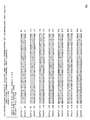
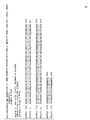
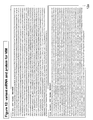
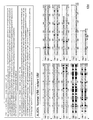
- the transcription infidelity domain could be higher. Examples of transcription infidelity domains are provided in the experimental section, e.g. in Figs. 16 and 17.
- This invention is based on the unexpected discovery of a high rate of natural sequence abnormalities occurring during or shortly after transcription of DNA to RNA.
- the process is present in normal cells but greatly increased in pathological cells, e.g., cancer cells.
- novel reagents e.g., probes, primers, antibodies, etc.
- Such reagents can therefore allow to detect or measure transcription infidelity, and to discriminate between normal or diseased conditions, as well as to target molecules to cells exhibiting transcription infidelity.
- the invention also allows the rational design of reagents (e.g., probes, primers, antibodies) that are predictive of disease (e.g., cancer) severity. Indeed, a greater rate of transcription infidelity is expected to correlate with the severity of the disease and this rate is increasing progressively as more and more gene products are affected.
- the direct measure of transcription (in)fidelity in diseased cell(s) using the methods described herein or any other technology allows to detect cells at different stages of disease progression in any given tissue. Accurately measuring these variations in gene expression (transcript and proteins) also improves the capacity to evaluate drug efficacy with respect to disease severity.
- various microarray techniques allow measurement of changes in gene expression. However, the reliability and, most importantly, the reproducibility of these data is currently not sufficient.
- Transcription infidelity can be detected or measured using a number of techniques known per se in the art, which can be adapted to the present invention.
- transcription infidelity can be measured using reagents specific for transcription infidelity domains, such as specific probes, primers or antibodies, by electrophoresis, gel migration analysis, spectrometry, etc., that allows a detection between various forms of a protein or nucleic acid.
- the rate of transcription infidelity can be determined by assessing the number of genes in a cell that are subject to transcription infidelity, and/or the number of transcription infidelity domains generated for a given gene. Such a rate can be determined by comparing the level of transcription infidelity domains in a test sample to that obtained in a reference sample.
- transcription infidelity introduces sequence variation (e.g., transcription infidelity domain(s)) in RNA molecules.
- Detecting or measuring transcription infidelity can thus be accomplished by detecting the presence or (absolute or relative) amount of such sequence variation in RNAs encoded by one or several genes, or in a whole cell or tissue or sample.
- the detection of transcription infidelity in nucleic acids can be performed by various techniques such as hybridization, amplification, heteroduplex formation, etc.
- Hybridization is critical for technologies such as microarrays used to identify polymorphisms and search for variation in gene expression. This technique is applied to measure the level of gene expression. Hybridization of oligonucleotide probes is also used to subtract sequences of gene abundantly expressed in order to allow better study of low abundance messages - this procedure is called subtractive hybridization. Hybridization is also the first step of gene amplification reaction commonly used in PCR experiments either under the direct form or after application of reverse transcriptase to convert message sequence from RNA type - the uracil base is used instead of thymine in RNA - into DNA type sequence.
- hybridization The basic mechanism underlying hybridization is that single strand nucleotide(s) sequences can bind to one another provided that their respective sequences are complementary. Both the length and the specific ordering of each of the 4 bases define the efficacity of hybridization and specificity of the sequence. This implies that each specific base binds in a non-covalent manner to its complementary base: A to T and C to G and vice versa. This non-covalent binding in a sequence match is conditioned by the ordering of the base. Thus, in general practice, a defined sequence of bases binds to a single complementary sequence. This specific binding reaction provides the basis for hybridization that allows identification of any complementary sequence in any given mixture of nucleotides.
- the efficacy of hybridization is determined by the number of bases that, in the appropriate order, match to one another (some degree of mismatches are tolerated) and determined by the conditions of the experiment such as the stringency of the binding buffer, the relative content of CG versus TA - CG and TA are linked by 3 and 2 hydrogen bonds, respectively - and by the temperature of fusion, i.e. the temperature that is needed to allow dissociation of 50% of double-stranded DNA.
- Detecting transcription infidelity using hybridization typically comprises placing a sample in contact with a nucleic acid probe that is specific for a transcription infidelity domain, and detecting the presence (or amount) of hybrids formed, said presence or amount being a direct indication of the presence or rate of transcription infidelity.
- the method uses a set of nucleic acid probes that are specific for distinct transcription infidelity domains of one or several genes, respectively. Nucleic acid probes specific for a transcription infidelity domain can be prepared for any gene using the sequence information and nucleotide substitution rules as disclosed in the present application (see e.g., Example 6).
- a nucleic acid “probe” refers to a nucleic acid or oligonucleotide having a polynucleotide sequence which is capable of selective hybridization with a transcription infidelity domain or a complement thereof, and which is suitable for detecting the presence (or amount thereof) in a sample containing said domain or complement. Probes are preferably perfectly complementary to a transcription infidelity domain however, certain mismatch may be tolerated. Probes typically comprise single-stranded nucleic acids of between 8 to 1500 nucleotides in length, for instance between 10 and 1000, more preferably between 10 and 800, typically between 20 and 700. It should be understood that longer probes may be used as well.
- a preferred probe of this invention is a single stranded nucleic acid molecule of between 8 to 400 nucleotides in length, which can specifically hybridize to a transcription infidelity domain.
- a specific embodiment of this invention is a nucleic acid probe that selectively hybridizes to a region of a nucleic acid molecule that does not contain a transcription infidelity domain.
- Selectivity when used to denote nucleic acid hybridization, indicates that hybridization of the probe to the target sequence that is distinct from hybridization of said probe to another sequence.
- perfect complementarity between the probe and the target sequence is not required, it shall be sufficiently high to allow selective hybridization.
- Preferred probes of this invention comprise a sequence which is complementary to transcription infidelity domain in a RNA molecule (or corresponding cDNA molecule) that encodes a cell surface protein or a secreted protein.
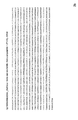
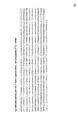
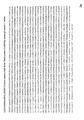
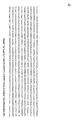
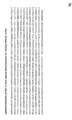
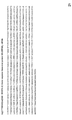
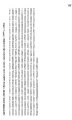
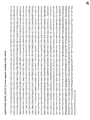
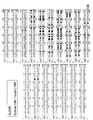
- Specific examples of probes of this invention have a sequence complementary to a transcription infidelity domain as disclosed e.g., in Fig 15 or encoding a peptide sequence of any one of SEQ ID Nos : 1 to 19.
- the sequence of the probes can be modified, e.g., chemically, in order e.g., to increase the stability of hybrids (e.g., intercalating groups or modified nucleotides, such as 2' alkoxyribonucleotides) or to label the probe.
- Typical examples of labels include, without limitation, radioactivity, fluorescence, luminescence, enzymatic labelling, and the like.
- the probe may be hybridized to the target nucleic acid in solution, suspension, or attached to a solid support, such as, without limitation, a bead, column, plate, a substrate (to produce nucleic acid arrays or chips), etc.
- transcription infidelity is detected or measured by selective amplification using specific primers.
- Detecting transcription infidelity by selective amplification typically comprises placing a sample in contact with a nucleic acid primer that specifically amplifies a transcription infidelity domain, and detecting the presence (or amount) of amplification products formed, said presence or amount being a direct indication of the presence or rate of transcription infidelity.
- the method uses a set of nucleic acid primers that allow specific amplification of distinct transcription infidelity domains of one or several genes, respectively.
- Amplification may be performed according to various techniques known per se in the art, such as, without limitation, by polymerase chain reaction (PCR), ligase chain reaction (LCR), transcription-mediated amplification (TMA), strand displacement amplification (SDA) and nucleic acid sequence based amplification (NASBA).
- PCR polymerase chain reaction
- LCR ligase chain reaction
- TMA transcription-mediated amplification
- SDA strand displacement amplification
- NASBA nucleic acid sequence based amplification
- Nucleic acid primers specific for a transcription infidelity domain can be prepared for any gene using the sequence information and nucleotide substitution rules as disclosed in the present application (see e.g., Example 6).
- primer designates a nucleic acid or oligonucleotide having a polynucleotide sequence which is capable of selective hybridization with a transcription infidelity domain or a complement thereof, or with a region of a nucleic acid that flanks a transcription infidelity domain, and which is suitable for amplifying all or a portion of said transcription infidelity domain in a sample containing said domain or complement.
- Typical primers of this invention are single-stranded nucleic acid molecules of about 5 to 60 nucleotides in length, more preferably of about 8 to about 50 nucleotides in length, further preferably of about 10 to 40, 35, 30 or 25 nucleotides in length. Perfect complementarity is preferred, to ensure high specificity. However, certain mismatch may be tolerated, as discussed above for probes.
- flanks indicates that the region should be located at a distance of the transcription infidelity domain that is compatible with conventional polymerase activities, e.g., not above 250 bp, preferably not exceeding 200, 150, 100 or, further preferably, 50 bp upstream from said domain.
- a further aspect of this invention also includes at least one pair of nucleic acid primers, wherein said pair of primers comprise a sense and a reverse primer, and wherein said sense and reverse primers allow selective amplification of a transcription infidelity domain, or of the exactly complementary sequence.
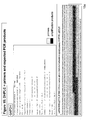
- primers of this invention are disclosed e.g., in Fig 15.
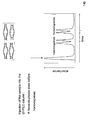
- transcription infidelity is measured by Denaturing High Performance Liquid Chromatography (DHPLC).
- DHPLC Denaturing High Performance Liquid Chromatography
- Any other technique suitable for detecting nucleic acids can be used or adapted for use in the present invention, to detect, quantify or monitor transcription infidelity.
- transcription infidelity leads to changes in protein sequence
- the presence or level of transcription infidelity can also be measured by detecting the presence or amount of proteins containing transcription infidelity domain(s).
- transcription infidelity causes modifications of proteins leading to direct changes in their behavior, these changes can be detected by e.g., 2-dimensional gel electrophoresis and mass spectrometry or by surface enhanced laser desorption ionization.
- transcription infidelity causes the occurrence of longer and shorter (cellular and plasma) protein isoforms, such isoforms may be detected or quantified using specific ligands thereof and/or protein sequencing strategies.
- sequencing strategies shall be directed mainly towards the C-terminal end of proteins, a previously unsuspected region (indeed, direct protein sequencing methods presently used can only be achieved starting at the NH 2 terminal AA).
- Detecting transcription infidelity using specific ligands typically comprises placing a sample in contact with a ligand that is specific for a transcription infidelity domain of a protein, and detecting the presence (or amount) of complex formed, said presence or amount being a direct indication of the presence or rate of transcription infidelity.
- the method uses a set of ligands that are specific for distinct transcription infidelity domains of one or several proteins, respectively.
- Ligands specific for a transcription infidelity domain can be prepared for any protein using the sequence information and amino acid substitution rules as disclosed in the present application (see e.g., Example 6).
- the ligand may be used in soluble form, or coated on a surface or support.
- the invention also relates to any ligand that selectively binds a transcription infidelity domain of a protein.
- ligands may be contemplated, such as specific antibodies, synthetic molecules, aptamers, peptides, and the like.
- the ligand is an antibody, or a fragment or derivative thereof. Accordingly, a particular aspect of this invention resides in an antibody that specifically binds a transcription infidelity domain of a protein.
- an antibody designates a polyclonal antibody, a monoclonal antibody, as well as fragments or derivatives thereof having substantially the same antigen specificity. Fragments include e.g., Fab, Fab'2, CDR regions, etc. Derivatives include single-chain antibodies, humanized antibodies, human antibodies, poly-functional antibodies, etc.
- Antibodies against transcription infidelity domains may be produced by procedures generally known in the art.
- polyclonal antibodies may be produced by injecting the transcription infidelity domain (e.g., as a protein or peptide) alone or coupled to a suitable protein into a non-human animal. After an appropriate period, the animal is bled, sera recovered and purified by techniques known in the art (see Paul, W.E. "Fundamental Immunology” Second Ed. Raven Press, NY, p. 176, 1989 ; Harlow et al “Antibodies: A laboratory Manual", CSH Press, 1988 ; Ward et al (Nature 341 (1989) 544 ).
- Monoclonal antibodies against transcription infidelity domains may be prepared, for example, by the Kohler-Millstein (2) technique ( Kohler-Millstein, Galfre, G., and Milstein, C, Methods Enz. 73 p. 1 (1981 )) involving fusion of an immune B-lymphocyte to myeloma cells.
- an immunogen as described above can be injected into a non-human mammal as described.
- the spleen is removed and fusion with myeloma conducted according to a variety of methods.
- the resulting hybridoma cells can then be tested for the secretion of antibodies against transcription infidelity domains.
- An antibody "selective" for a particular transcription infidelity domain designates an antibody whose binding to said domain (or an epitope-containing fragment thereof) can be reliably discriminated from non-specific binding (i.e., from binding to another antigen, particularly to the native protein not containing said transcription infidelity domain).
- Antibodies selective for transcription infidelity domains allow the detection of the presence of proteins containing such domains in a sample.
- the present invention allows the performance of detection or diagnostic assays that can be used, among other things, to detect the presence, absence, predisposition, risk or severity of a disease from a sample derived from a subject.
- diagnostic assays shall be construed as including methods of pharmacogenomics, prognostic, and so forth.
- the invention relates to a method of detecting in vitro or ex vivo the presence, absence, predisposition, risk or severity of diseases in a biological sample, preferably, a human biological sample, comprising placing said sample in contact with a ligand that specifically binds a transcription infidelity domain and determining the formation of a complex.
- a particular object of this invention resides in a method of detecting the presence, absence, predisposition, risk or severity of cancers in a subject, the method comprising placing in vitro or ex vivo a sample from the subject in contact with a ligand that specifically binds a transcription infidelity domain expressed by cancer cells, and determining the formation of a complex.
- Another embodiment of this invention is directed to a method of assessing the response or responsiveness of a subject to a treatment of a cancer, the method comprising detecting the presence or rate of transcription infidelity in a sample from the subject at different times before and during the course of treatment.
- This invention also relates to a method of determining the efficacy of a treatment of a cancer disease, the method comprising (i) providing a tissue sample from the subject during or after said treatment, (ii) determining the presence and/or rate of transcription infidelity in said sample and (iii) comparing said presence and/or rate to the amount of transcription infidelity in a reference sample from said subject taken prior to or at an earlier stage of the treatment.
- the presence (or increase) in transcription infidelity in a sample is indicative of the presence, predisposition or stage of progression of a cancer disease. Therefore, the invention allows the design of appropriate therapeutic intervention, which is more effective and customized. Also, this determination at the pre-symptomatic level allows a preventive regimen to be applied.
- the diagnostic methods of the present invention can be performed in vitro, ex vivo or in vivo, preferably in vitro or ex vivo.
- the sample may be any biological sample derived from a subject, which contains nucleic acids or polypeptides, as appropriate. Examples of such samples include body fluids, tissues, cell samples, organs, biopsies, etc. Most preferred samples are blood, plasma, saliva, urine, seminal fluid, and the like.
- the sample may be treated prior to performing the method, in order to render or improve availability of nucleic acids or polypeptides for testing. Treatments may include, for instance one or more of the following: cell lysis (e.g., mechanical, physical, chemical, etc.), centrifugation, extraction, column chromatography, and the like.
- the invention allows the design (or screening) of novel drugs by assessing the ability of a candidate molecule to modulate transcription infidelity.
- Such methods include binding assays and/or functional (activity) assays, and may be performed in vitro (e.g., in cell systems or in non cellular assays), in animals, etc.
- a particular object of this invention resides in a method of selecting, characterizing, screening or optimizing a biologically active compound, said method comprising determining in vitro whether a test compound modulates transcription infidelity. Modulation of transcription infidelity can be assessed with respect to a particular gene or protein, or with respect to a pre-defined set of genes or proteins, or globally.
- a further embodiment of the present invention resides in a method of selecting, characterizing, screening or optimizing a biologically active compound, said method comprising placing in vitro a test compound in contact with a gene and determining the ability of said test compound to modulate the production, from said gene, of RNA molecules containing transcription infidelity domains.
- a further embodiment of this invention resides in a method of selecting, characterizing, screening and/or optimizing a biologically active compound, said method comprising contacting a test compound with a cell and determining, in said cell, whether the test compound modulates transcription infidelity.
- test compounds may be assayed in parallel.
- the test compound may be of various origin, nature and composition. It may be any organic or inorganic substance, such as a lipid, peptide, polypeptide, nucleic acid, small molecule, in isolated or in mixture with other substances.
- the compounds may be all or part of a combinatorial library of compounds, for instance.
- Compounds that modulate transcription infidelity of the present invention have many utilities, such as therapeutic utilities, to reduce or increase transcription infidelity in a cell. Such compounds may be used to treat (or prevent) diseases caused by or associated with abnormal transcription infidelity, such as proliferative disorders (e.g., cancers), immune diseases, aging, inflammatory diseases, etc.
- proliferative disorders e.g., cancers
- immune diseases e.g., aging, inflammatory diseases, etc.
- Other compounds of the present invention are compounds that target transcription infidelity, i.e., compounds that selectively bind transcription infidelity domains.
- Such compounds e.g., antibodies, iRNA, etc.
- Compounds that modulate or target transcription infidelity of the present invention can be administered by any suitable route, including orally, or by systemic delivery, intravenous, intra-arterial, intra-cerebral or intrathecal injections.
- the dosage can vary within wide limits and will have to be adjusted to the individual requirements in each particular case, depending upon several factors known to those of ordinary skill in the art.
- Any pharmaceutically acceptable dosage form known in the art may be used, such as any solution, suspension, powder, gel, etc., including isotonic solution, buffered and saline solutions, etc.
- the compounds can be administered alone, but are generally administered with a pharmaceutical carrier, with respect to standard pharmaceutical practice (such as described in Remington's Pharmaceutical Sciences, Mack Publishing).
- Antibodies may be administered according to methods and protocols known per se in the art, which are presently used in human trials and therapies.
- RNA known as non-coding RNA
- RNA are therefore also functional molecules by themselves. These transcripts, whose importance was previously underestimated, would be present at many organisms and regulating a lot of cellular functions.
- rRNA, tRNA, tmRNA transmessenger RNA
- RNA - snoRNA, snRNA etc. intervening in post-transcriptional modifications of RNA, in splicing or another cellular functions.
- the functions of both RNA and protein can be affected by a lack of transcription fidelity described in this application.
- the sequence of DNA is transcribed into mRNA in the nucleus by the action of a protein called RNA polymerase II that recognizes the sequence of the DNA molecule and synthesizes a single strand polymer of nucleotides that is complementary to the mother DNA template.
- RNA polymerase II a protein that recognizes the sequence of the DNA molecule and synthesizes a single strand polymer of nucleotides that is complementary to the mother DNA template.
- the order and type of RNA base at any given position is determined by the order and type of base present on the DNA strand that serves as template.
- the 5' end of the transcribed RNA which corresponds to the first base of mRNA, is linked to 7-methylguanylate attached to the initial nucleotide thereby constituting the 5' CAP that protects RNA from degradation. This modification occurs before transcription is completed.
- Processing at the 3' end of the primary transcript involves cleavage by an endonuclease to yield a free 3'-hydroxyl group to which a string of adenine residues is added by an enzyme called poly(A) polymerase.
- the resulting poly(A) tail contains between 100-250 nucleotides.
- the final step of the processing is splicing, which consists of the cleavage from the primary transcript of the element corresponding to intronic sequences followed by ligation of the exons. This process is controlled by numerous proteins and ncRNA, some of which bind to RNA. It is possible that this binding is one step that can be affected by lack of transcription fidelity.
- RNA maturation leads to production of mRNA that will be exported from the nucleus in order for translation to occur. It is important to recognize that, at this stage, not all nucleotide triplets that are present on mature mRNA will be translated into AA. Mature messenger RNA contain non-coding regions referred to as the 5' and 3' untranslated regions that bear functional significance in determining the overall stability of mRNA and other roles in translation. In order to effectively convey the information contained in the DNA into the proper protein AA sequence, absolute fidelity of transcription is required.
- any error occurring either during the transcription or during the maturation processes will potentially result in the introduction of changes in mRNA stability and ultimately in a variation in protein AA primary sequence.
- These variations in protein sequence might then exacerbate the phenomenon of transcription infidelity by alteration of the sequence of protein involved in initiation of transcription, transcription itself, 5' capping of RNA, 3' polyadenylation, RNA splicing and/or the export of RNA.
- the demonstration in this invention of transcription infidelity affecting a great number of genes isolated from cancer cells opens the possibility that the phenomenon might exacerbate itself thereby leading to progressive increase in disease severity.
- Variation in RNA sequences introduced by infidelity of transcription may have immediate consequences on cell function.
- the changes in protein can be either neutral or cause a modification of protein function, whether it be an increase or loss of activity.
- the phenomenon of transcription infidelity is predominantly observed after encoding at least the first 400-500 bases of mature mRNA is completed; the 5' end of the mRNA are relatively less affected. It is believed that shorter as well as longer fragments of protein will be present in cancer cells as well as in plasma from cancer patients. These shorter and longer isoforms can be directly deduced from transcription infidelity rules described below. This allows the production of rationally designed methods for identification of specific markers of cancer or of immunological disease severity. Because the transcription rate of most genes is controlled to adapt to cellular needs, it is proposed that transcription infidelity causes changes in gene expression directly due to either excessive or lack of protein function.
- the present invention shows that transcription infidelity leads to important changes in protein sequence.
- the function of any given protein is determined by its 3-D structure that is directly dependent on its AA sequence. Proteins with a variant AA, protein truncation or protein elongation might result in either a profound modification of protein activity or remain neutral. Examples of modified proteins that significantly inhibit the function of their normal homologs have been described.
- Transcription infidelity is a phenomenon that affects a great number of genes, hence yielding a large number of proteins. Because several of these proteins participate in maintaining stable DNA structure and participate in DNA repair, defective function of these proteins may result in defective DNA repair and result in a significantly decreased capacity of the cells to successfully repair any damaged DNA.
- transcription fidelity in normal cells is due to the activity of several protein complexes that control transcription, it is quite possible that initial small alterations of these proteins might progressively exacerbate the phenomenon. This will ultimately result in a greater rate of transcription infidelity that will consequently suppress cell differentiation status and lead to increasingly severe forms of the disease.
- the demonstration that transcription infidelity actually occurs in cancer cells and leads to wide diversification of proteins encoded by any given gene opens a novel area to screen for novel diagnostic probes and design novel therapeutic targets.
- the present invention describes a novel phenomenon that contributes to diversification of the information present on DNA and that follows specific rules.
- This process of non-random transcription infidelity is greatly exacerbated in cancer cells but also occurs in normal cells following the same rules.
- This mechanism introduces novel bases in mRNA thereby causing profound changes in the message that will be translated at the ribosome level.
- the phenomenon is likely to be quite general because it is present in most tested genes.
- the immediate consequence of transcription infidelity is that a single gene can produce many more proteins than suspected.
- our discovery has the potential to explain in part the relative discrepancy between the limited number of genes present on the genome and the large number of proteins present in biological samples.
- transcription infidelity is a non-random process and is governed by specific rules, some of which have already been described here. Some will be revealed by further characterization of the process using bioinformatics and biological methods. We have focused here on the implication of transcription infidelity in cancer. However, we believe that the process is general and that this can contribute to generate diversity of the protein motif. This diversification of proteins might exert a significant influence on the capacity of the immune system to recognize a specific protein pattern. In this regard, it is believed that transcription infidelity plays a role in the pathogenesis of immune diseases. We have considered here the events of transcription infidelity that lead to the substitution of single base. It is expected, however, that transcription infidelity can also cause base deletions and/or insertions.
- transcription infidelity affects most genes, it is now possible to focus on a limited set of proteins and characterize their changes in order to identify disease (e.g. cancer) specific biomarkers. Transcription infidelity algorithms can speed up the biomarkers discovery process. Alternatively, it is possible to design specific antibodies directed toward transcription infidelity domains, i.e, the protein domains that contain modified AA, as well as additional new AA which extend the native protein generated by transcription infidelity.
- Antibodies directed against these domains will be specific for the protein variant and therefore targeted toward disease (e.g., cancer)-specific proteins present in body fluid, at the cell surface, or inside cancer cells. These antibodies will be used to detect proteins characteristic of a pathological condition in body fluids, to detect diseased cells circulating in plasma, to identify diseased cells in histological samples, to evaluate disease severity, and also to target medications toward specific diseased cells. This can be achieved by gene transfer of transcription infidelity-prone sequence by means of gene therapy vector e.g. adenoviruses, liposomes, etc.
- gene therapy vector e.g. adenoviruses, liposomes, etc.
- These vaccinations will be used to trigger immune responses in patients diagnosed with any given form of disease (e.g., of cancer) or to initiate preventive immune responses in patients with increased risk for developing specific diseases (e.g., cancer) because of genetic predisposition or because of increased exposure to an environmental toxin or risk.
- disease e.g., of cancer
- specific diseases e.g., cancer
- a particular object of this invention thus relates to a method of detecting the presence or stage of a disease in a subject, the method comprising assessing (in vitro or ex vivo) the presence or rate of transcription infidelity in a sample from said subject, said presence or rate being an indication of the presence or stage of a disease in said subject.
- the sample may be any tissue, cell, fluid, biopsy, etc., containing nucleic acids and/or proteins.
- the sample may be treated prior to the reaction, i.e., by dilution, concentration, lysis, etc.
- the method typically comprises assessing transcription infidelity of a number of distinct genes or proteins, such as plasma proteins, cell surface proteins, etc.
- a further object of this invention is a method of treating a subject in need thereof, the method comprising administering to said subject an effective amount of a compound that alters (e.g., reduces or increases) the rate of transcription infidelity of a mammalian gene.
- a further object of this invention relates to the use of a compound that alters (e.g., reduces or increases) the rate of transcription infidelity of a mammalian gene for the manufacture of a pharmaceutical composition for use in a method of treatment of a human or animal, particularly for treating a proliferative cell disorder, such as cancers and immune diseases.
- a further object of this invention resides in a method of assessing the efficacy of a drug or candidate drug, the method comprising a step of assessing whether said drug alters the rate of transcription infidelity of a mammalian gene, such an alteration being an indication of drug efficacy.
- the invention further relates to methods and products (such as probes, primers, antibodies or derivatives thereof), for detecting or measuring (the level of) transcription infidelity in a sample, as well as to corresponding kits.
- the invention also relates to a method of identifying and/or producing biomarkers, the method comprising identifying, in a sample from a subject, the presence of transcription infidelity domain(s) in a target protein, RNA or gene and, optionally, determining the sequence of said transcription infidelity domain(s).
- the target protein is a cell surface protein or a secreted protein, particularly a cell surface protein or a plasma protein.
- a further object of the invention relates to a method of producing or identifying ligands specific for a trait or pathological condition, the method involving identifying, in a sample from a subject having said trait or pathological condition, the presence of transcription infidelity domain(s) in one or several target proteins, RNA or gene, optionally determining the sequence of said transcription infidelity domain(s), and producing (a) ligand(s) that specifically bind(s) to said transcription infidelity domain(s).
- the invention is particularly suited for identifying biomarkers of cell proliferative disorders, such as cancers, immune diseases, inflammation or aging. It is particularly useful for producing ligands that are specific for such disorders in mammalian subjects, in particular ligands that can detect the presence or severity of a cell proliferative disorder in a subject.
- a further aspect of this invention relates to a (synthetic) peptide comprising a transcription infidelity domain of a protein, particularly of a mammalian protein, more preferably of a human protein.
- the peptide typically comprises an internal fragment of protein, or the sequence of a C-terminal fragment of said protein.
- the peptide preferably comprises less than 100, 80, 75, 70, 65, 60, 50, 45, 40, 35, 30, 25 or even 20 amino acids.
- the protein may be a cell surface protein (e.g., a receptor), a secreted protein (e.g., a plasma protein), or an intracellular protein. Examples of such plasma proteins are provided e.g., in Fig.
- apolipoproteins e.g., A1, A2, A4, B, CII, CIII, D, E
- complement components e.g., C1qA, C1qB, C1qC, C7, C8A, C8B
- C-reactive protein e.g., serpin peptidase inhibitors, fibrinogen (e.g., FGA1, FGA2), plasminogen, transferrin, transthyretin, etc.
- cell surface receptors include e.g., cytokine receptors and hormone receptors.
- the invention relates to a synthetic peptide comprising a transcription infidelity domain of an abundant human plasma protein or cell surface receptor as listed above.
- examples of synthetic peptides of the present invention comprise all or a fragment of the following amino acid sequences: QMWQLFWIYHLSS (TPT1) (SEQ ID NO: 1) KLHTLSAAIYYQQE (VIM) (SEQ ID NO: 2) DFLSNK (RPS6) (SEQ ID NO: 3)MYTVEFSVHKNN (RPL7A) (SEQ ID NO: 4) NGSLGDMSDLCT (RPS4X) (SEQ ID NO: 5)GARRRPPSRCSE (APOA1) (SEQ ID NO: 6) SVQTIVFQPQLASRTPTGQS (APOA2) (SEQ ID NO: 7) IVFQPQLASRTPTGQS (APOA2) (SEQ ID NO: 8) QPDPPSVDKGRVPYSPDPPGSD (APOCII) (SEQ ID NO: 9) DPPSVDKGRVPYSPD (APOCII) (SEQ ID NO: 9) DPPSVDKGRVPYSPD (AP
- a further aspect of this invention resides in the use of a peptide comprising a transcription infidelity domain, as defined above, as an immunogen.
- the invention also relates to a vaccine composition comprising a peptide comprising a transcription infidelity domain, as defined above, and optionally a suitable carrier, excipient and/or adjuvant.
- the invention also relates to a device or product comprising, immobilized on a support, a reagent that specifically binds a transcription infidelity domain.
- the reagent may be e.g., a probe or an antibody or derivative thereof.
- the invention may be used in any mammalian subject, particularly any human subject, to detect, monitor or treat a variety of pathological condition associated with an increased or reduced transcription infidelity rate, such as e.g., cell proliferative disorders (e.g., cancers), immune diseases (e.g., auto-immune diseases (multiple sclerosis, ALS), graft rejection), aging, inflammatory diseases, diabetes, etc., and/or to produce, design or screen therapeutically active drugs.
- the invention may also be used to detect, monitor, modulate or target transcription infidelity in any other cell type, such as prokaryotic cells, lower eukaryotes (e.g., yeasts), insect cells, plant cells, fungi, etc.
- agents that can target transcription infidelity domains e.g., that bind to proteins or nucleic acids containing a transcription infidelity domain, or to cells or tissues containing or expressing such proteins or nucleic acids.
- the targeting agent may be an antibody (or a derivative thereof), a probe, a primer, etc., as disclosed above.
- targeting agents may be used e.g., as diagnostic agents, to detect, monitor, etc. transcription infidelity in a sample, tissue, subject, etc.
- the agent may be coupled to a labeling moiety, such as a radiolabel, an enzyme, a fluorescent label, a luminescent dye, etc.
- the targeting agents may also be used as a therapeutic molecule, e.g., to treat a cell or tissue or organism exhibiting abnormal transcription infidelity.
- the agent may be used as such or, preferably, coupled to an active molecule, such as a toxic molecule, a drug, etc.
- a particular embodiment of this invention thus resides in a method of producing an agent that targets transcription infidelity, the method comprising (i) identifying a transcription infidelity domain of a protein or nucleic acid and (ii) producing an agent that selectively binds said domain.
- the transcription infidelity domain may be identified e.g., by alignment of sequences available for a given RNA molecule and identification of sequence variations, particularly at the 3' end. Transcription infidelity domains may also be identified by applying the transcription infidelity rules, as described in the present application (see e.g., Example 6) or new rules later described, to any gene sequence.
- the peptide or nucleic acid molecule comprising said identified domain may then be produced using conventional methods.
- step (i) of the method comprises identifying a transcription infidelity domain of a secreted or cell surface protein (e.g., a receptor), or of a nucleic acid.
- a secreted or cell surface protein e.g., a receptor
- secreted proteins and cell surface proteins can be easily targeted using a targeting agent that is contacted to a cell or administered to a subject. Examples of transcription infidelity domains of such proteins are disclosed in the examples.
- a vaccine composition that causes or inhibits an immune response against proteins containing a transcription infidelity domain, or against cells or tissues containing or expressing such proteins or corresponding nucleic acids.
- the vaccine composition comprises, as an immunogen, a molecule comprising the sequence of a transcription infidelity domain.
- the vaccine composition may comprise any pharmaceutically acceptable carrier, excipient or adjuvant.
- the vaccine composition can be used to generate an immune response against a diseased cell or tissue expressing transcription infidelity domains, which results in a destruction of said cell or tissue by the immune system.
- the vaccine composition may be used to induce a tolerance against transcription infidelity domains involved in auto-immune diseases.
- a particular embodiment of this invention thus resides in a method of producing an immunogen that causes, stimulates or inhibits an immune response against a transcription infidelity domain, or against protein containing such a domain, or against a cell or tissue expressing such a protein, the method comprising (i) identifying a transcription infidelity domain of a protein or nucleic acid and (ii) producing a peptide comprising such a domain or a variant thereof.
- the transcription infidelity domain may be identified e.g., by alignment of sequences available for a given RNA molecule and identification of sequence variations, particularly at the 3' end.
- Transcription infidelity domain may also be identified by applying the transcription infidelity rules, as described in the present application (see e.g., Example 6) or new rules later described, to any gene sequence.
- the peptide molecule comprising said identified domain may then be produced using conventional methods.
- step (i) of the method comprises identifying a transcription infidelity domain of a secreted or cell surface protein (e.g., a receptor), or of a nucleic acid.
- secreted proteins and cell surface proteins are more subject to a response by the immune system. Examples of transcription infidelity domains of such proteins are disclosed in the examples.
- a particular object of this invention resides in a method of preventing or reducing transcription infidelity that can occur in recombinant production systems, particularly in therapeutic proteins production systems.
- a transcription infidelity may either decrease the yield of production of the system, or result in the production of mixtures on uncharacterized proteins which may exhibit various activity profiles. It is therefore recommended and highly valuable to be able to reduce the occurrence or rate of transcription infidelity in recombinant production systems, such as bacterial production systems, eukaryotic production systems (e.g., yeasts, mammalian cells, etc).
- Such a reduction may be accomplished e.g., by adapting the sequence of the coding nucleic acid molecule, and/or by inhibiting RNA molecules generated through transcription infidelity.
- proteins containing transcription infidelity domains may be removed from the medium.
- Transcriptomics is the science that measures variation in RNA (preferentially mRNA) levels occurring in a variety of pathological conditions, of which cancer is the most frequent. Transcriptomics relies on hybridization of cDNA with a specific set of oligonucleotides that identify predefined subsets of genes. Hybridization efficacy is dependent on specific sequences of any given RNA that will be reverse transcribed in cDNA. Introduction of unsuspected sequence variation in a given RNA will decrease the efficacy of hybridization and hence cause variation in the signal perceived by transcriptomic chips.
- transcription infidelity causes alterations of RNA base sequence
- the current limitation of transcriptomic experiments is their lack of reproducibility between studies.
- We currently believe that a major part of said variability is caused by transcription infidelity.
- Understanding the rules of transcription infidelity as described above now allows the design of microarray chips that specifically measure the rate of transcription infidelity in any given mixture of cDNA obtained from normal or diseased cells.
- Monitoring of transcription infidelity rate at the RNA level allows high-throughput screening of the relative rate of transcription infidelity occurring in a given cell. This provides essential information to determine disease severity, define the therapeutic strategies and classify diseased cells according to their pharmacological sensitization profile. The same screen also allows testing for the efficacy of novel drugs, e.g., in cancer therapy.
- transcription infidelity is a newly discovered natural mechanism that adds diversification to the well-established genetic code.
- transcription infidelity occurs, albeit at low rates, even in normal tissues.
- transcription infidelity contributes to explain the relative low abundance of genes identified on the genome and the much greater diversity of proteins present in living cells of biological fluids and tissues.
- transcription infidelity serves a specific function at the immunological level.
- the immune system relies at least in part on a given rate of transcription infidelity affecting preferentially specific genes in order to identify self.
- abnormalities in the rate of transcription infidelity occurring for yet unknown reasons might contribute to trigger specific immune response and contribute to the pathogenesis of auto-immune and allergic diseases.
- Inter-individual differences in transcription infidelity might also be conditioned by polymorphisms of genes of the immune system, hence determining the rate of transcription infidelity occurring in circulating cells of the immune system, e.g., T or B lymphocytes, and might also contribute in the evaluation of the suitability of donor and acceptor of grafts and in determining the severity of graft versus host severity of diseases.
- transcription infidelity occurs at greater rate during the normal aging process. This would create conditions of progressive reduction of performance affecting all enzymes generally and most specifically those proteins that are involved in cell replication, DNA repair and maintenance of normal rate of transcription fidelity.
- the concept described above might therefore redirect research onto the mechanisms of aging. Biochemical, proteomic, transcriptomic and other methods that allow screening for mRNA and cDNA sequences and fidelity to that specified by DNA might therefore be used to quantify the rate of transcription infidelity occurring in a given individual. Testing of novel molecules reducing the rate of transcription infidelity will therefore be amenable to biological screening and lead to development of drugs reducing the aging rate.
- the first step in preparing a complementary DNA (cDNA) library is to isolate the mature mRNA from the cell or tissue type of interest. Because of their poly(A) tail, it is straightforward to obtain a mixture of all cell mRNA by hybridization with complementary oligo dT linked covalently to a matrix. The bound mRNA is then eluted with a low salt buffer. The poly(A) tail of mRNA is then allowed to hybridize with oligo dT in the presence of a reverse transcriptase, an enzyme that synthesizes a complementary DNA strand from the mRNA template. This yields double strand nucleotides containing the original mRNA template and its complementary DNA sequence.
- Single strand DNA is next obtained by removing the RNA strand by alkali treatment or by the action of RNase H.
- a series of dG is then added to the 3' end of single strand DNA by the action of an enzyme called terminal transferase, a DNA polymerase that does not require a template but adds deoxyoligonucleotide to the free 3' end of each cDNA strand.
- the oligo dG is allowed to hybridize with oligo dC, which acts as a primer to synthesize, by the DNA polymerase, a DNA strand complementary to the original cDNA strand.
- Each of these double strand DNA molecules are commonly referred to as cDNA, each containing an oligo dC - oligo dG double strand on one end and an oligo dT - oligo dA double strand region on the other end.
- This DNA is then protected by methylation at restriction sites.
- Short restriction linkers are then ligated to both ends.
- These are double strand synthetic DNA segments that contain the recognition site for a particular restriction enzyme. The ligation is carried out by DNA ligase from bacteriophage T4 which can join "blunt ended" double strand DNA molecules.
- the resulting double strand blunt ended DNA with a restriction site at each extremity is then treated with restriction enzyme that creates a sticky end.
- the final step in construction of cDNA libraries is ligation of the restriction cleaved double strand with a specific plasmid that is transfected into a bacterium. Recombinant bacteria are then grown to produce a library of plasmids - in the presence of antibiotics corresponding to the specific antibiotic resistance of the plasmid. Each clone carries a cDNA derived from a single part of mRNA. Each of these clones is then isolated and sequenced using classical sequencing methods. A typical run of sequencing starts at the insertion site and yields 400 to 800 base pair sequences for each clone. This sequence serves as a template to start the second run of sequencing. This forward progression leads to progressive sequencing of the entire plasmid insert. The results of sequencing of numerous cDNA designated expressed sequence tag (EST) have been deposited in several public databases.
- EST expressed sequence tag
- EST databases contain sequence information that correspond to the cDNA sequence obtained from cDNA libraries and therefore correspond to the sequence of individual mRNA present at any given time in the tissue that was used to produce these libraries.
- the quality of these sequences has been called into question for several reasons.
- RNases high abundance nucleases
- EST library sequences have only been used to annotate genomic information i.e., to determine whether an identified and fully sequenced segment of genomic DNA encodes any specific mRNA.
- EST sequences were useful in order to identify coding genomic sequence.
- DNA genomic sequence is considered as much more reliable with strong technical arguments in support of this position.
- nobody has yet explored the possibility that diversity included in EST sequences might contain biologically, analytically or clinically relevant information. We speculate that this might be the case.
- est_human and est preformatted databases available at the NCBI ftp site. We selected these databases because these sequences were not annotated or cured by human or bioinformatic tools.
- a library identification system in order to determine wether an EST was obtained from a cancerous tissue or a normal one. Each library has been labeled normal or cancerous By matching the accession number of each EST with the identifier of the corresponding library, we classified 2.6 millions EST as those obtained from cancerous tissues and 2.8 millions EST as those obtained from normal tissues.
- the command line for the blast is:
- Fig 2(a-1) shows the 12 sequences used for the first analysis ; in order to avoid distorting the blast, the polyA tail of mRNA reference sequences were systematically removed.
- Fig 2m provides a list of genes that were used to test the occurrence of sequence variations.
- Example 3 Identification of sequence variations between EST from normal and cancer origins .
- the first step of this analysis involves separating blast results according to the origin of the tissue. Comparison of aligned EST sequences according to the tissue origin led us to identify sequence variations occurring at each base position in either the cancer or the normal group. In other words, this is a calculation at each position of the base distribution and thus allows the determination of the most abundant as well as the least abundant base substitution. For each position, we compared the distribution of the most abundant base and the sum of the three other bases between both normal and cancer groups using x2 statistical analysis. This test was systematically applied provided that the following conditions were met: n >70 and (n i . * n.
- n the number of cancer and normal EST for a gene
- n 1 . the number of cancer EST
- n 2 . the number of normal EST
- n .1 the number of EST containing the majority base
- n .2 the number of EST containing substitutions.
- a ⁇ 2 test is said to be positive at the threshold level of 5% whenever corresponding P-value is lower than 0.05; in this case, the null hypothesis (i.e both distributions are the same) is rejected.
- Fig 3 provides a description of typical blast results.
- the number of EST at any given position on the gene is similar in both cancer and normal groups.
- Fig 4b shows that 333 out of 830 possible x2 meet the assigned criteria. This led a mean maximal false positive rate of 17 at the threshold level of 5 %.
- ⁇ 2 that were statistically significant at the level of 5 % are shown in Fig 4c.
- Example 4 Verification of transcription infidelity taking into account sequencing errors occurring at the rate of 5 %.
- RefSeq mRNA reference sequence from NCBI. This information is derived from both genomic DNA and EST sequences. Because of the redundancy of information regarding RefSeq, it is generally assumed that the RefSeq accurately reflects information content of normal cells. We have measured the percentage of deviation occurring at any given base relative to the majority base of the normal group (that is to say, in most cases, relative to the Refseq). At any given position of the RefSeq, this percentage of deviation is the proportion of all bases different from the RefSeq base in all ESTs aligned. This provides a percentage of sequence variation for any given base.
- Fig 5 This percentage is given in Fig 5 and is determined by random sequencing error, technical errors and possibly transcription infidelity as described above.
- EST sequencing yielded sequencing errors of 5 %. This estimate is in the conservative range and most likely overestimates the actual error rate.
- Fig 6a Representative changes in probability of random error leading to sequence variation are shown in Fig 6a. It is clear from these data obtained using 1000 EST for a given position that the probability curve shows 2 points of specific interest. It can be deduced that a base variation occurring at the rate lower than 3.5 % is most likely to occur due to random sequencing errors (probability of occurrence ⁇ 1).
- Example 5 Verifying transcription infidelity taking into account the actual rate of sequencing error.
- sequencing errors frequency is between 1-5%.
- ⁇ an overestimation of the mean number of errors
- ⁇ The mean number of sequencing errors has to be lower than ⁇ . It was obtained for each gene by computing the mean of the normal percentage of deviation. This value was calculated only for RefSeq positions having a sample size n (i.e a number of aligned EST) greater than 70 (according to the ⁇ 2 hypothesis). The mean ⁇ value for the ten genes was 0.6%.
- RefSeq positions exceeding noise were re-evaluated for all genes by using a proportion test.
- a RefSeq position was said to be exceeding noise whenever this test was positive.
- a RefSeq position was said to be exceeding noise whenever the hypothesis "the probability of having a different nucleotide than that of RefSeq is larger than ⁇ " is not rejected.
- the null hypothesis was tested for every RefSeq position whose sample size n was larger than 70, and n ⁇ greater than 5.
- Fig 11c shows the accuracy of these rules when applied to the substitutions observed on the 10 significant genes studied.
- This example shows how to predict which positions on a given mRNA (but also ncRNA) are susceptible to transcription infidelity. Given the fact that transcription infidelity arises on specific DNA sequence, we can predict the mutated mRNA gene sequence, as well as the new protein that would be translated from this modified mRNA.
- Predicting the replacement base of the fourth nucleotide of each four nucleotides frame on a new entire mRNA sequence would allow us to determine which bases will be substituted. This prediction can be done stepwise by analyzing each frame after another and shifting each time by a single nucleotide.
- a linear discrimination rule was built on the training set by computing a "consensus sequence" for each cluster.
- the linear discrimination rule is based on classifying a new sequence in the cluster whose consensus sequence is the "closest” to this sequence. This method was then evaluated on the test set. We succeeded in correctly classifying 63% of the test set sequences. Taking into account all genes that showed significant increase in transcription infidelity and considering only the domain that contains most base substitutions, we observed that transcription infidelity leading to base substitution occurred on average at a rate of 16 mutations per 100 bases ( Fig 12 a - c ) in transcription infidelity domains of cancerous groups. This rate is in excess of any described rate of mutation occurring in genomic DNA.
- transcription infidelity in the 10 tested genes revealed more than 33000 EST with deviations leading to AA changes (69% of all identified mutations). Out of these, 19.7 % correspond to replacement of AA by another from the same family, and 49.8% correspond to substitutions of AA from a different class of AA.
- transcription infidelity is capable of generating proteins with novel AA sequences with potentially modified functions or activity. Predicting transcription infidelity using the rules described above will allow the rational prediction of changes in protein behavior and the outcome of proteomic experiments.
- Biological validations are performed at two levels: mRNA and proteins.
- a gene affected by transcription infidelity is cloned either entirely or a fragment comprising and not comprising its transcription infidelity domain.
- the construct with and without canonical stop codon is ligated in frame with the gene encoding neomycin resistance. Cancer and normal cells are transfected with this chimeric construct first transiently then stably. We predict that transcription infidelity leads to change the canonical stop codon, thereby allowing translation of neomycin gene and creating neomycin resistant cell.
- the final proof that neomycin resistance occurs as a result of transcription infidelity is obtained by sequencing the inserted construct amplified from genomic DNA and showing that genomic information remains unchanged. We also verify that m-RNA from neomycin resistant cell contain a mutated stop codon due to transcription infidelity.
Landscapes
- Chemical & Material Sciences (AREA)
- Health & Medical Sciences (AREA)
- Life Sciences & Earth Sciences (AREA)
- Organic Chemistry (AREA)
- Engineering & Computer Science (AREA)
- Wood Science & Technology (AREA)
- Zoology (AREA)
- General Health & Medical Sciences (AREA)
- Proteomics, Peptides & Aminoacids (AREA)
- Bioinformatics & Cheminformatics (AREA)
- Immunology (AREA)
- Medicinal Chemistry (AREA)
- Physics & Mathematics (AREA)
- Biochemistry (AREA)
- Molecular Biology (AREA)
- Microbiology (AREA)
- Biophysics (AREA)
- Analytical Chemistry (AREA)
- Biotechnology (AREA)
- General Engineering & Computer Science (AREA)
- Genetics & Genomics (AREA)
- Pharmacology & Pharmacy (AREA)
- Veterinary Medicine (AREA)
- Public Health (AREA)
- Animal Behavior & Ethology (AREA)
- Nuclear Medicine, Radiotherapy & Molecular Imaging (AREA)
- General Chemical & Material Sciences (AREA)
- Chemical Kinetics & Catalysis (AREA)
- General Physics & Mathematics (AREA)
- Pain & Pain Management (AREA)
- Mycology (AREA)
- Epidemiology (AREA)
- Food Science & Technology (AREA)
- Rheumatology (AREA)
- Pathology (AREA)
- Measuring Or Testing Involving Enzymes Or Micro-Organisms (AREA)
- Investigating Or Analysing Biological Materials (AREA)
- Glass Compositions (AREA)
- Pit Excavations, Shoring, Fill Or Stabilisation Of Slopes (AREA)
- Peptides Or Proteins (AREA)
Abstract
The present invention relates to the identification of a novel mechanism of transcription infidelity in cells. The invention provides compositions and methods to detect the level of transcription infidelity in a sample, as well as the use thereof, e.g., for therapeutic, diagnostic, pharmacogenomic or drug design. As will be disclosed, the invention is particularly suited for detecting, monitoring or treating proliferative cell disorders, for the design and/or screening of drugs, for patient or disease profiling, prediction of disease severity and evaluation of drug efficacy.
Description
- The present invention relates to the identification of a novel mechanism of transcription infidelity in cells. The invention provides compositions and methods to detect the level of transcription infidelity in a sample, as well as the use thereof, e.g., for therapeutic, diagnostic, pharmacogenomic or drug design. As will be disclosed, the invention is particularly suited for detecting, monitoring or treating disorders (as for exemple,but not exclusive, proliferative cell disorders), for the design and/or screening of drugs, for patient or disease profiling, prediction of disease severity and evaluation of drug efficacy.
- Nucleic acid DNA and RNA are two molecules that serve to store genomic information in the cell nucleus (DNA) and to transfer genomic information into the cytoplasm after a process called transcription that generate messenger RNA in order to produce protein. Both are linear polymers composed of monomers called nucleotides. DNA and RNA each represent combinations of four types of nucleotides. All nucleotides have a common structure: a phosphate group linked by a phosphodiester bond to pentose that in turn is linked to an organic base: adenine, cytosine, thymine and guanine (A, C, T, G) for DNA and adenine, cytosine, uracil and guanine (A, C, U, G) for RNA. In RNA, the pentose is ribose and in DNA, it is deoxyribose. The DNA molecule is organized as a double strand of ordered nucleotides arranged as a double helix. RNA molecules are single strand polynucleotides that mainly yield 4 types of molecules: 1) messenger RNA (mRNA), which are single strand nucleotides that are transcribed from DNA and translated into proteins in the cytoplasm, 2) transfer RNA (tRNA), which adopt a well defined 3 dimensional structure and bind specific amino acids (AA) that are transferred to polypeptide chains to form protein with specific AA sequences in a process called translation, 3) ribosomal RNA (rRNA), which are larger molecules that together with specific proteins constitute the ribosome, a structure that allows the assembly of AA into protein following the information provided by the sequence specified by codons (one codon = 3 nucleotides) present in a given order on the mRNA and 4) short regulating RNA referred to as non-coding RNA (ncRNA).
- The sequence of mRNA is then transformed into a different language, i.e., the AA language by a process referred to as translation.
- Here, we demonstrate for the first time that the fidelity of transcription, i.e., the transfer of DNA information into mRNA, is dramatically reduced in pathological cells, particularly in cancer cells. This lack of transcription fidelity in cancer cells is a general phenomenon that affects all cancers and most of the genes tested in the reported examples. This represents the first discovery of transcription infidelity in human cells, and has several immediate and important implications. In particular, the discovery of transcription infidelity allows the improvement of currently used proteomic and transcriptomic approaches for the investigation of pathological conditions. The discovery of transcription infidelity also allows a better classification of diseases with respect to their severity, as well as to improve the prediction of therapeutic effect and to design novel methods to screen the efficacy of drugs on the basis of their ability to correct a lack or modification of transcription fidelity. The present invention has thus major implications and utilities in the development of drugs, as well as in the treatment, detection and monitoring of patients and drug efficacy.
- In order to understand the impact of the discovery described below, it is important to recognize that it is currently believed that absolute fidelity in the transcription of DNA to RNA is needed for normal cell function. However, a currently important but unresolved issue persists. Indeed, sequencing and annotation of the human genome led to the notion that 30-40 thousand genes are encoded. This estimate remains far below the current number of proteins that can be identified by proteomic methods: up to 300 thousand proteins have been identified. To reconcile these differences, it is proposed that a single gene can produce several different mRNA encoding different proteins through a process called alternative splicing. Alternative splicing removes different parts of pre-messenger RNA (pmRNA), thereby leading to removal of different elements corresponding to specific introns, and produces different mature mRNA. The mechanism that we describe here is different from alternative splicing. Indeed, we demonstrate the occurrence of non-random modifications of mRNA sequence that result in changes in encoded AA, introduction of premature stop codons that yield shorter protein isoforms, alterations of natural stop codons implying introduction of novel coding sequences that yield elongated protein isoforms. The data described in this invention show that this phenomenon of transcription infidelity is present in normal cells but dramatically enhanced in pathological cells, such as cancer-derived cells. It is thus proposed that transcription infidelity contributes to diversification of the information transferred from DNA to RNA. Our results further establish that transcription infidelity does not occur randomly but follows specific rules.
- The present invention relates to compositions and methods of using, detecting or altering transcription infidelity in cells, particularly in mammalian cells. The invention is particularly suited for therapeutic and diagnostic purposes, e.g., to detect and/or treat diseases caused by or associated with an increased or reduced level of transcription infidelity.
- A particular object of this invention relates to a method of detecting the presence or stage of a disease in a subject, the method comprising assessing (in vitro or ex vivo) the presence or rate of transcription infidelity in a sample from said subject, said presence or rate being an indication of the presence or stage of a disease in said subject.
- A further object of this invention resides in a method of screening, identifying or optimising a drug, the method comprising a step of assessing whether said drug alters the rate of transcription infidelity of a gene.
- A further object of this invention is a method of treating a subject in need thereof, the method comprising administering to said subject an effective amount of a compound that alters (e.g., reduces or increases) the rate of transcription infidelity of a mammalian gene.
- A further object of this invention relates to the use of a compound that alters (e.g., reduces or increases) the rate of transcription infidelity of a mammalian gene for the manufacture of a pharmaceutical composition for use in a method of treatment of a human or animal, particularly for treating diseases such as proliferative cell disorders including without limitation, cancers, immune diseases, inflammatory diseases or aging.
- A further object of this invention resides in a method of assessing the efficacy of a drug or candidate drug, the method comprising a step of assessing whether said drug alters the rate of transcription infidelity of a mammalian gene, such an alteration being an indication of drug efficacy.
- The invention further relates to methods and products (such as probes, primers, antibodies or derivatives thereof), for detecting or measuring (the level of) transcription infidelity in a sample, as well as to corresponding kits.
- The invention also relates to methods of identifying transcription infidelity domains in proteins or nucleic acids, as well as to the use of such transcription infidelity domains, e.g., as markers, immunogens and/or to generate specific ligands thereof.
- In this respect, the invention relates to a method of identifying and/or producing biomarkers, the method comprising identifying, in a sample from a subject, the presence of transcription infidelity domain(s) in a target protein or gene and, optionally, determining the sequence of said transcription infidelity domain(s). In a particular and preferred embodiment, the target protein is a cell surface protein or a secreted protein, particularly a cell surface protein or a plasma protein.
- A further object of the invention relates to a method of identifying and/or producing a ligand specific for a trait or pathological condition, the method comprising identifying, in a sample from a subject having said trait or pathological condition, the presence of at least one transcription infidelity domain in one or several target proteins or genes, optionally determining the sequence of said at least one transcription infidelity domain, and producing a ligand that specifically binds to said at least one transcription infidelity domain.
- The invention is particularly suited for identifying biomarkers of cell proliferative disorders, such as cancers, immune diseases, inflammatory diseases or aging. It is particularly useful for producing ligands that are specific for such disorders in mammalian subjects, in particular ligands that can detect the presence or severity of a cell proliferative disorder in a subject.
- A further object of this invention resides in a ligand that specifically binds a transcription infidelity domain of a protein or RNA. The ligand may be an antibody (or any fragment (such as Fab, Fab', CDR, etc.) or derivative thereof, as described later), that specifically binds a transcription infidelity domain of a protein. The ligand may also be a nucleic acid that specifically binds a transcription infidelity domain of an RNA molecule (e.g., probe, primer, iRNA (inference RNA), etc.).
- A further aspect of this invention relates to a peptide comprising a transcription infidelity domain of a protein, particularly of a mammalian protein, more preferably of a human protein. The peptide is typically a synthetic peptide, i.e., a peptide that has been prepared artificially, e.g., by chemical synthesis, amino acid synthesis and/or extension, protein digestion, peptide assembling, recombinant expression, etc. The peptide typically comprises the sequence of a C-terminal fragment of said protein. The peptide preferably comprises less than 100, 80, 75, 70, 65, 60, 50, 45, 40, 35, 30, 25 or even 20 amino acids (but eventually, the peptide length could be higher). The protein may be a cell surface protein (e.g., a receptor), a secreted protein (e.g., a plasma protein), or an intracellular protein.
- A further aspect of this invention resides in the use of a peptide comprising a transcription infidelity domain, as defined above, as an immunogen. The invention also relates to a vaccine composition comprising a peptide comprising a transcription infidelity domain, as defined above, and optionally a suitable carrier, excipient and/or adjuvant.
- A further aspect of this invention relates to a method of producing an antibody, the method comprising immunizing a non-human mammal with a peptide comprising a transcription infidelity domain, as defined above, and recovering antibodies that bind said peptide, or corresponding antibody-producing cells. Optionally, derivatives of the antibody may be produced.
- In a particular embodiment, the invention relates to a method of producing an antibody, the method comprising (i) identifying a transcription infidelity domain of a protein and (ii) producing an antibody that specifically binds said domain. Optionally, derivatives of the antibody may be produced.
- A further aspect of this invention resides in an antibody that specifically binds a transcription infidelity domain of a protein, or a derivative of such an antibody having substantially the same antigen specificity. The antibody may be polyclonal or monoclonal. The term derivative includes any fragment (such as Fab, Fab', CDR, etc.) or other derivatives such as single chain antibodies, bi-functional antibodies, humanized antibodies, human antibodies, chimeric antibodies, etc.
- A further aspect of this invention relates to an antibody or derivative thereof, as defined above, that is conjugated to a molecule. The molecule may be a drug, a label, a toxic molecule, a radioisotope, etc.
- The invention also relates to the use of an antibody or derivative thereof as defined above, for detecting or quantifying (e.g., in vitro) transcription infidelity of a gene.
- The invention also relates to the use of a conjugated antibody or derivative thereof as defined above, as a medicament or diagnostic reagent.
- The invention also relates to a device or product comprising, immobilized on a support, a reagent that specifically binds a transcription infidelity domain. The reagent may be e.g., a probe or an antibody or derivative thereof.
- A further aspect of this invention relates to a method of causing or inducing or stimulating transcription infidelity in a cell or tissue or organism. Such a method may comprise, typically, the introduction of a transcription infidelity domain into normal genomic sequences , e.g., by means of a gene therapy vector. Such a modification can result in a destruction of a cell or tissue. In particular, it is possible to create an open reading frame in any gene sequence that results in the production of cell toxic proteins or compounds. It is also possible to cause expression, in a diseased (or target) cell, of a specific biomarker that can be targeted using toxic or therapeutic molecules. Using this approach, it is therefore possible to cause cell death or therapy when transcription infidelity occurs or exceeds a certain rate.
- In this regard, a further object of this invention is a method of treating a subject in need thereof, the method comprising introducing into cells of said subject a nucleic acid encoding a transcription infidelity domain of a gene, whereby expression of said nucleic acid results in the treatment of said subject.
- A further object of this invention is a method of causing or stimulating or controlling transcription infidelity in a subject in need thereof, the method comprising introducing into cells of said subject a nucleic acid encoding a transcription infidelity domain of a gene.
- A further object of this invention relates to the use of a nucleic acid comprising a transcription infidelity domain of a gene for the manufacture of a pharmaceutical composition for use in a method of treatment of a human or animal. The gene may be any gene, including a mammalian gene or a gene from a pathogenic agent, such as a viral gene, a bacterial gene, etc. In this regard, the invention relates to a method of treating a disease caused by a pathogen, the method comprising causing or stimulating transcription infidelity of a gene encoded by said pathogen.
- The invention may be used in any mammalian subject, particularly any human subject, to detect, monitor or treat a variety of pathological conditions associated with an increased or reduced transcription infidelity rate, such as e.g., cell proliferative disorders (e.g., cancers), immune diseases (e.g., auto-immune diseases (multiple sclerosis, Amyotrophic Lateral Sclerosis (ALS)), graft rejection), aging, inflammatory diseases, diabetes, etc., and/or to produce, design or screen therapeutically active drugs. The invention may also be used to detect, monitor, modulate or target transcription infidelity in any other tissues or cell types, such as prokaryotic cells, lower eukaryotes (e.g., yeasts), insect cells, plant cells, fungi, etc.
-
- Fig.1 : Principle of cDNA library construction and sequencing.
- Fig 2: (a-1) mRNA references sequences used for the first analysis. In order to avoid distorting the blast, the polyA tail of mRNA reference sequences were systematically removed. Fig 2m provides a list of tested genes.
- Fig 3: Typical MegaBLAST output files.
- Fig 4: TPT1, VIM = number of EST and Chi-square analysis.
- Fig 5: Percentage of nucleotide sequence deviation at any position for each gene of interest.
- Fig 6: Calculating sequence deviation corresponding to 5% sequencing errors.
- Fig 7: Percentage of nucleotide sequence deviation at any position for each gene of interest : deviations due to sequencing errors are subtracted.
- Fig 8: Difference in number of base substitutions between normal and cancer groups after noise subtraction.
- Fig 9: Removal of the last 100 bases of each EST in the cancer and normal groups (TPT1 and VIM).
- Fig 10: Removal of EST derived from cultured human cells in cancer and normal groups (FTH1).
- Fig 11: Breaking the code.
- Fig 12: Variant mRNA and protein for VIM.
- Fig 13: Proteins of interest = amino acid sequences when the stop codon is affected.
- Fig 14: DHPLC = principle and first experiments.
- Fig 15: DHPLC = primers and expected PCR products.
- Fig 16: List of abundant plasma proteins (non exhaustive list).
- Fig 17: Antibody production.
- Figure 18: VIM sequencing analysis
- Figure 19: DHPLC = Results
- Figure 20: Difference in number of base substitutions between normal and cancer groups after noise estimation and subtraction
- The term transcription infidelity designates a novel mechanism by which several distinct RNA molecules are produced in a cell from a single gene sequence. This newly identified mechanism potentially affects any gene, predominantly in the 3' part of the gene, is non-random and follows particular rules, as will be disclosed below. As shown in the examples, transcription infidelity can introduce mutations in RNA molecules, thereby creating a diversity of proteins from a single gene. Transcription infidelity can also affect non coding RNA sequences, thereby modulating their functions. It is demonstrated here that transcription infidelity, following essentially the same non random rules, exists at a basal level of about 2-3% in normal cells, but increases above 10% in pathological cells or conditions. Measuring, modulating or targeting transcription infidelity therefore represents a novel approach for detecting or treating disorders, as well as for drug development.
- Within the context of the present invention, the term transcription infidelity domain designates a nucleic acid or amino acid domain that contains at least one modification generated as a result of transcription infidelity. Such a modification can result e.g., from a switch in the coding frame, from the introduction or suppression of stop codons, from nucleotide(s) substitution(s) (implying or not change of AA), etc. A transcription infidelity domain may comprise one or several sequence variations resulting from transcription infidelity. A transcription infidelity domain can comprise from e.g., 1 modified nucleotide (silencing mutation, ncRNA, etc.) or amino acid residue to e.g., 50 modified nucleotides or amino acid residues, or even more. The transcription infidelity domain typically differs from the sequence resulting from fidelity transcription by at least one nucleotide or amino acid modification (e.g., substitution, deletion, insertion, inversion, etc.). A protein transcription infidelity domain typically comprises from 1 to 50 amino acids, with at least one modified amino acid residue. A nucleic acid transcription infidelity domain typically comprises from 1 to 150 nucleotides, with at least one modified nucleotide residue. Based on the particular rules of transcription infidelity as defined in the present application, it is now possible to predict and identify, for any gene or protein, the sequence of transcription infidelity domains. The sequence of transcription infidelity domains can also be obtained by aligning sequences available for given RNA and identifying base substitutions. The sequence of transcription infidelity domains can ultimately be validated by various techniques, e.g. by using ligands specific for a predicted transcription infidelity domain of a protein.
- A particular method for identifying a transcription infidelity domain comprises:
- providing the sequence of a given gene, RNA or cDNA molecule, and
- identifying, within said sequence, variation sites that obey the following rules:
- Substitution of A occurs preferentially when A is preceded by C,
- Substitution of T occurs preferentially when T is preceded by G,
- Substitution of C occurs preferentially when C is preceded by G or A, and
- Substitution of G occurs preferentially when G is preceded by A.
More specifically, the method comprises identifying, within said sequence, the following motifs which are prone to base substitution through transcription infidelity occurring on the middle base of the triplets: AAT, AAG, CGT, TTG, GTT, TTT, ACT, GCT, GCC, ACC, AGA, AGG and CAX, where X is defined as any of the four bases.
These 16 triplets represent 25% of possible combinations (n=64) and directly explain 79 % of canonical 612 bases substitutions that obey the above described rules.
Following the above preliminary rules, most sequence variation(s) resulting from transcription infidelity can be identified (63%). Moreover, when a deviation occurs, the replacement base can be predicted using the following additional rules. - For any base present as singleton, i.e, any base that is not preceded or followed by itself, then the substituted base is most likely identical to the base preceding the one that is substituted. For example CA will become CC; AG becomes AA.
- When the substitution affects A identical to its preceding base (AA), substitution of second A goes preferentially to C.
- When the substitution affects TT, the second T is preferentially substituted to C or G.
- Stretches of C and G are very rarely substituted on the second and following bases.
- Based on the above preliminary and/or additional rules, it is possible to produce an algorithm and to generate a program or a training learning machine than can systematically identify transcription infidelity sites within any nucleic acid or amino acid sequence, e.g., by linear discrimination rule based on factors computed thanks to a Multiple Correspondence Factorial Analysis (MCFA).
- The method described in this invention allows the skilled artisan to identify transcription infidelity domains within the sequence of any target protein or nucleic acid. This can be achieved e.g., by comparison of existing EST sequences, direct amplification of identified sequences and sequencing of amplification product with specific sequencing method (Sanger, chemical, Pyro- and micro-sequencing). Such an approach yields variant sequences that produce AA changes, modifications of protein length, etc. Oligonucleotide selectively matching mRNA or cDNA bearing transcription infidelity domains can then be designed, allowing selective amplification of nucleotide with transcription infidelity domain from a pool of nucleotides. Antibodies targeting protein transcription infidelity domain can also be produced.
- Alternatively, it is possible to identify a transcription infidelity domain by means of sequence analysis or bioinformatics rules. The resulting sequence may be cloned in any transfection vector. It is also possible to design a construct comprising such transcription infidelity sequence in frame with a reporter gene, that will be transcribed and translated only if transcription infidelity occurs. The reporter gene may be a enzyme or fluorescent protein or any gene that will makes the target cell sensitive, or resistant to exposure to a toxin.
- Typically, the method of identifying transcription infidelity domains further comprises a step of validating the sequence of the transcription infidelity domain by producing a molecule comprising the identified sequence, generating a ligand that specifically binds to said molecule and verifying, in a biological sample, the presence of an antigen specifically recognized by said ligand.
- Detailed methods that allow the identification of transcription infidelity domains (or mutations) include the TDG and PCR methods as disclosed below:
- A technique described by Pan and Weissman and Liu et al. (PNAS, 2002, 99(14), 9346-9351 and Analytical Biochemistry, 2006) can be adapted for detecting transcription infidelity domain(s) in RNA. This technique is based on the use of an enzyme, Thymine DNA glycosylase (TDG) that is capable of separately enriching mismatch-containing DNA duplexes from complex mixtures. These enzymes specifically recognize nucleotide mismatches and generate abasic sites (the bond between the deoxyribose and one of the bases of DNA is cleaved). Then, TDG can reversibly bind these abasic sites and thus can be used for affinity purification of mismatch-containing DNA fragments. In a typical experiment, RNA are extracted from 2 cell types (normal and cancerous) and reverse transcribed to make double-stranded cDNA. After heat denaturation and slow renaturation of each samples, cDNA with mismatches are generated and can be separated from perfect duplexes. These cDNA can then be analysed either by direct sequencing or compared by DHPLC (see later).
- Another technique based on real-time PCR with specific primers can be used to detect transcription infidelity domains. These primers are designed to perfectly match cDNA with sequence variation(s) based on statistical analysis and not cDNA with normal sequence. The number of variation(s) in the primer sequence is very important and can be determined in a test experiment.
In a typical experiment, RNA extracted from cancerous and normal patient tissues are reverse transcribed and amplified with said specific primers in very stringent PCR conditions. In this case, amplification is only possible with cDNA that are mutated. Then, the amplification signal followed by real-time analysis appears with a shorter number of PCR cycles. After that, PCR products can be directly sequenced to detect transcription infidelity domains. - Another technique that permits the detection of transcription infidelity domains is the construction of cDNA libraries that consists in cloning cDNA reverse-transcribed from RNA extracted from cancerous and normal patient tissues. Each cDNA amplified or not from a specific gene are cloned in separate plasmids that are transformed in Escherichia coli. Different E. coli colonies are picked and the plasmids are sequenced. The number of clones needed to be sequenced depends on the percentage of mutations in the cloned cDNA fragment. A statistical analysis allows to determine the sequence variation in transcription infidelity domains.
- Further techniques that may be adapted to identify transcription infidelity domains or mutations are disclosed, e.g., in
US6,329,147 ;US4,979,330 ;WO02/077286 US6,120,992 . - A typical transcription infidelity domain of a nucleic acid is a nucleic acid sequence of between 1 and 150 nucleotides in length comprising at least one base substitution caused by transcription infidelity, preferably following a rule as disclosed in Example 6. The transcription infidelity domain could be higher.
- A typical transcription infidelity domain of a protein is an amino acid sequence of between 1 and 50 amino acids in length comprising at least one amino acid substitution caused by transcription infidelity, preferably following a rule as disclosed in Example 6. The transcription infidelity domain could be higher. Examples of transcription infidelity domains are provided in the experimental section, e.g. in Figs. 16 and 17.
- This invention is based on the unexpected discovery of a high rate of natural sequence abnormalities occurring during or shortly after transcription of DNA to RNA. The process is present in normal cells but greatly increased in pathological cells, e.g., cancer cells. The discovery that DNA transcription into RNA is introducing sequence variations following rules that are different from those defined by one to one base complementarities allows the rational design of novel reagents (e.g., probes, primers, antibodies, etc.) that are specific for transcription infidelity domains. Such reagents can therefore allow to detect or measure transcription infidelity, and to discriminate between normal or diseased conditions, as well as to target molecules to cells exhibiting transcription infidelity.
- Furthermore, the invention also allows the rational design of reagents (e.g., probes, primers, antibodies) that are predictive of disease (e.g., cancer) severity. Indeed, a greater rate of transcription infidelity is expected to correlate with the severity of the disease and this rate is increasing progressively as more and more gene products are affected. The direct measure of transcription (in)fidelity in diseased cell(s) using the methods described herein or any other technology allows to detect cells at different stages of disease progression in any given tissue. Accurately measuring these variations in gene expression (transcript and proteins) also improves the capacity to evaluate drug efficacy with respect to disease severity. Currently, various microarray techniques allow measurement of changes in gene expression. However, the reliability and, most importantly, the reproducibility of these data is currently not sufficient. We can now postulate that a great deal of variability of these transcriptomic experiments is caused in part by transcription infidelity as discovered by the inventors. Thus, the discovery of this common phenomenon allows the design of gene expression reagents that either are minimally affected by transcription infidelity or that directly reflect transcription infidelity occurring in specific sequences following the rules described in the present application.
- Transcription infidelity can be detected or measured using a number of techniques known per se in the art, which can be adapted to the present invention. In particular, transcription infidelity can be measured using reagents specific for transcription infidelity domains, such as specific probes, primers or antibodies, by electrophoresis, gel migration analysis, spectrometry, etc., that allows a detection between various forms of a protein or nucleic acid. The rate of transcription infidelity can be determined by assessing the number of genes in a cell that are subject to transcription infidelity, and/or the number of transcription infidelity domains generated for a given gene. Such a rate can be determined by comparing the level of transcription infidelity domains in a test sample to that obtained in a reference sample.
- As discussed above, transcription infidelity introduces sequence variation (e.g., transcription infidelity domain(s)) in RNA molecules. Detecting or measuring transcription infidelity can thus be accomplished by detecting the presence or (absolute or relative) amount of such sequence variation in RNAs encoded by one or several genes, or in a whole cell or tissue or sample. The detection of transcription infidelity in nucleic acids can be performed by various techniques such as hybridization, amplification, heteroduplex formation, etc.
- Virtually all technologies used for identification of nucleotides present in diverse tissue types rely on a process called hybridization. Hybridization is critical for technologies such as microarrays used to identify polymorphisms and search for variation in gene expression. This technique is applied to measure the level of gene expression. Hybridization of oligonucleotide probes is also used to subtract sequences of gene abundantly expressed in order to allow better study of low abundance messages - this procedure is called subtractive hybridization. Hybridization is also the first step of gene amplification reaction commonly used in PCR experiments either under the direct form or after application of reverse transcriptase to convert message sequence from RNA type - the uracil base is used instead of thymine in RNA - into DNA type sequence.
- The basic mechanism underlying hybridization is that single strand nucleotide(s) sequences can bind to one another provided that their respective sequences are complementary. Both the length and the specific ordering of each of the 4 bases define the efficacity of hybridization and specificity of the sequence. This implies that each specific base binds in a non-covalent manner to its complementary base: A to T and C to G and vice versa. This non-covalent binding in a sequence match is conditioned by the ordering of the base. Thus, in general practice, a defined sequence of bases binds to a single complementary sequence. This specific binding reaction provides the basis for hybridization that allows identification of any complementary sequence in any given mixture of nucleotides. The efficacy of hybridization is determined by the number of bases that, in the appropriate order, match to one another (some degree of mismatches are tolerated) and determined by the conditions of the experiment such as the stringency of the binding buffer, the relative content of CG versus TA - CG and TA are linked by 3 and 2 hydrogen bonds, respectively - and by the temperature of fusion, i.e. the temperature that is needed to allow dissociation of 50% of double-stranded DNA.
- Detecting transcription infidelity using hybridization typically comprises placing a sample in contact with a nucleic acid probe that is specific for a transcription infidelity domain, and detecting the presence (or amount) of hybrids formed, said presence or amount being a direct indication of the presence or rate of transcription infidelity. In a preferred embodiment, the method uses a set of nucleic acid probes that are specific for distinct transcription infidelity domains of one or several genes, respectively. Nucleic acid probes specific for a transcription infidelity domain can be prepared for any gene using the sequence information and nucleotide substitution rules as disclosed in the present application (see e.g., Example 6).
- Within the context of this invention, a nucleic acid "probe" refers to a nucleic acid or oligonucleotide having a polynucleotide sequence which is capable of selective hybridization with a transcription infidelity domain or a complement thereof, and which is suitable for detecting the presence (or amount thereof) in a sample containing said domain or complement. Probes are preferably perfectly complementary to a transcription infidelity domain however, certain mismatch may be tolerated. Probes typically comprise single-stranded nucleic acids of between 8 to 1500 nucleotides in length, for instance between 10 and 1000, more preferably between 10 and 800, typically between 20 and 700. It should be understood that longer probes may be used as well. A preferred probe of this invention is a single stranded nucleic acid molecule of between 8 to 400 nucleotides in length, which can specifically hybridize to a transcription infidelity domain.
- A specific embodiment of this invention is a nucleic acid probe that selectively hybridizes to a region of a nucleic acid molecule that does not contain a transcription infidelity domain.
- Selectivity, when used to denote nucleic acid hybridization, indicates that hybridization of the probe to the target sequence that is distinct from hybridization of said probe to another sequence. In this regard, although perfect complementarity between the probe and the target sequence is not required, it shall be sufficiently high to allow selective hybridization.
- Preferred probes of this invention comprise a sequence which is complementary to transcription infidelity domain in a RNA molecule (or corresponding cDNA molecule) that encodes a cell surface protein or a secreted protein. Specific examples of probes of this invention have a sequence complementary to a transcription infidelity domain as disclosed e.g., in Fig 15 or encoding a peptide sequence of any one of SEQ ID Nos : 1 to 19.
- The sequence of the probes can be modified, e.g., chemically, in order e.g., to increase the stability of hybrids (e.g., intercalating groups or modified nucleotides, such as 2' alkoxyribonucleotides) or to label the probe. Typical examples of labels include, without limitation, radioactivity, fluorescence, luminescence, enzymatic labelling, and the like. The probe may be hybridized to the target nucleic acid in solution, suspension, or attached to a solid support, such as, without limitation, a bead, column, plate, a substrate (to produce nucleic acid arrays or chips), etc.
- According to another embodiment (which may be used in combination with hybridization probes), transcription infidelity is detected or measured by selective amplification using specific primers. Detecting transcription infidelity by selective amplification typically comprises placing a sample in contact with a nucleic acid primer that specifically amplifies a transcription infidelity domain, and detecting the presence (or amount) of amplification products formed, said presence or amount being a direct indication of the presence or rate of transcription infidelity. In a preferred embodiment, the method uses a set of nucleic acid primers that allow specific amplification of distinct transcription infidelity domains of one or several genes, respectively. Amplification may be performed according to various techniques known per se in the art, such as, without limitation, by polymerase chain reaction (PCR), ligase chain reaction (LCR), transcription-mediated amplification (TMA), strand displacement amplification (SDA) and nucleic acid sequence based amplification (NASBA).
- Nucleic acid primers specific for a transcription infidelity domain can be prepared for any gene using the sequence information and nucleotide substitution rules as disclosed in the present application (see e.g., Example 6).
- The term "primer" designates a nucleic acid or oligonucleotide having a polynucleotide sequence which is capable of selective hybridization with a transcription infidelity domain or a complement thereof, or with a region of a nucleic acid that flanks a transcription infidelity domain, and which is suitable for amplifying all or a portion of said transcription infidelity domain in a sample containing said domain or complement. Typical primers of this invention are single-stranded nucleic acid molecules of about 5 to 60 nucleotides in length, more preferably of about 8 to about 50 nucleotides in length, further preferably of about 10 to 40, 35, 30 or 25 nucleotides in length. Perfect complementarity is preferred, to ensure high specificity. However, certain mismatch may be tolerated, as discussed above for probes.
- The term "flanks" indicates that the region should be located at a distance of the transcription infidelity domain that is compatible with conventional polymerase activities, e.g., not above 250 bp, preferably not exceeding 200, 150, 100 or, further preferably, 50 bp upstream from said domain.
- A further aspect of this invention also includes at least one pair of nucleic acid primers, wherein said pair of primers comprise a sense and a reverse primer, and wherein said sense and reverse primers allow selective amplification of a transcription infidelity domain, or of the exactly complementary sequence. Specific examples of primers of this invention are disclosed e.g., in Fig 15.
- According to a further embodiment of this invention, transcription infidelity is measured by Denaturing High Performance Liquid Chromatography (DHPLC). The principle of this method is disclosed e.g., in Fig 14. Basically, amplification products are denatured and re-annealed. During re-annealing, both homoduplexes and heteroduplexes are formed, as a result of the presence of transcription infidelity domains. The mixture is then analysed by DHPLC. Since heteroduplexes and homoduplexes DNA structures are different at the analysis temperature, they are eluted differently and their (relative) amount can be assessed.
- As a verification of transcription infidelity sequences existing in cancer cells with greater frequency than in normal cells, predicted transcription infidelity of selected genes (ENO1, GAPDH, VIM, TPT1, TMSB4X) were amplified by RT-PCR using the indicated oligonucleotides. Variations of homo- and heteroduplexes were verified (fig. 19) and sequencing of PCR product confirmed the occurrence of transcription infidelity.
- Any other technique suitable for detecting nucleic acids can be used or adapted for use in the present invention, to detect, quantify or monitor transcription infidelity.
- Because transcription infidelity leads to changes in protein sequence, the presence or level of transcription infidelity can also be measured by detecting the presence or amount of proteins containing transcription infidelity domain(s).
- Various techniques known per se in the art can be used and/or adapted to measure transcription infidelity in proteins. In particular, since transcription infidelity causes modifications of proteins leading to direct changes in their behavior, these changes can be detected by e.g., 2-dimensional gel electrophoresis and mass spectrometry or by surface enhanced laser desorption ionization. Furthermore, since transcription infidelity causes the occurrence of longer and shorter (cellular and plasma) protein isoforms, such isoforms may be detected or quantified using specific ligands thereof and/or protein sequencing strategies. In this regard, we demonstrate that changes in protein length and AA primary sequence predominantly occurs on the carboxy-terminal domain of the protein. Accordingly, sequencing strategies shall be directed mainly towards the C-terminal end of proteins, a previously unsuspected region (indeed, direct protein sequencing methods presently used can only be achieved starting at the NH2 terminal AA).
- Detecting transcription infidelity using specific ligands typically comprises placing a sample in contact with a ligand that is specific for a transcription infidelity domain of a protein, and detecting the presence (or amount) of complex formed, said presence or amount being a direct indication of the presence or rate of transcription infidelity. In a preferred embodiment, the method uses a set of ligands that are specific for distinct transcription infidelity domains of one or several proteins, respectively. Ligands specific for a transcription infidelity domain can be prepared for any protein using the sequence information and amino acid substitution rules as disclosed in the present application (see e.g., Example 6). The ligand may be used in soluble form, or coated on a surface or support.
- In this respect, the invention also relates to any ligand that selectively binds a transcription infidelity domain of a protein. Different types of ligands may be contemplated, such as specific antibodies, synthetic molecules, aptamers, peptides, and the like.
- In a specific embodiment, the ligand is an antibody, or a fragment or derivative thereof. Accordingly, a particular aspect of this invention resides in an antibody that specifically binds a transcription infidelity domain of a protein.
- Within the context of this invention, an antibody designates a polyclonal antibody, a monoclonal antibody, as well as fragments or derivatives thereof having substantially the same antigen specificity. Fragments include e.g., Fab, Fab'2, CDR regions, etc. Derivatives include single-chain antibodies, humanized antibodies, human antibodies, poly-functional antibodies, etc.
- Antibodies against transcription infidelity domains may be produced by procedures generally known in the art. For example, polyclonal antibodies may be produced by injecting the transcription infidelity domain (e.g., as a protein or peptide) alone or coupled to a suitable protein into a non-human animal. After an appropriate period, the animal is bled, sera recovered and purified by techniques known in the art (see Paul, W.E. "Fundamental Immunology" Second Ed. Raven Press, NY, p. 176, 1989; Harlow et al "Antibodies: A laboratory Manual", CSH Press, 1988 ; Ward et al (Nature 341 (1989) 544).
- Monoclonal antibodies against transcription infidelity domains may be prepared, for example, by the Kohler-Millstein (2) technique (Kohler-Millstein, Galfre, G., and Milstein, C, Methods Enz. 73 p. 1 (1981)) involving fusion of an immune B-lymphocyte to myeloma cells. For example, an immunogen as described above can be injected into a non-human mammal as described. Subsequently, the spleen is removed and fusion with myeloma conducted according to a variety of methods. The resulting hybridoma cells can then be tested for the secretion of antibodies against transcription infidelity domains.
- An antibody "selective" for a particular transcription infidelity domain designates an antibody whose binding to said domain (or an epitope-containing fragment thereof) can be reliably discriminated from non-specific binding (i.e., from binding to another antigen, particularly to the native protein not containing said transcription infidelity domain). Antibodies selective for transcription infidelity domains allow the detection of the presence of proteins containing such domains in a sample.
- The present invention allows the performance of detection or diagnostic assays that can be used, among other things, to detect the presence, absence, predisposition, risk or severity of a disease from a sample derived from a subject. The term "diagnostics" shall be construed as including methods of pharmacogenomics, prognostic, and so forth.
- In a particular aspect, the invention relates to a method of detecting in vitro or ex vivo the presence, absence, predisposition, risk or severity of diseases in a biological sample, preferably, a human biological sample, comprising placing said sample in contact with a ligand that specifically binds a transcription infidelity domain and determining the formation of a complex.
- A particular object of this invention resides in a method of detecting the presence, absence, predisposition, risk or severity of cancers in a subject, the method comprising placing in vitro or ex vivo a sample from the subject in contact with a ligand that specifically binds a transcription infidelity domain expressed by cancer cells, and determining the formation of a complex.
- Another embodiment of this invention is directed to a method of assessing the response or responsiveness of a subject to a treatment of a cancer, the method comprising detecting the presence or rate of transcription infidelity in a sample from the subject at different times before and during the course of treatment.
- This invention also relates to a method of determining the efficacy of a treatment of a cancer disease, the method comprising (i) providing a tissue sample from the subject during or after said treatment, (ii) determining the presence and/or rate of transcription infidelity in said sample and (iii) comparing said presence and/or rate to the amount of transcription infidelity in a reference sample from said subject taken prior to or at an earlier stage of the treatment.
- The presence (or increase) in transcription infidelity in a sample is indicative of the presence, predisposition or stage of progression of a cancer disease. Therefore, the invention allows the design of appropriate therapeutic intervention, which is more effective and customized. Also, this determination at the pre-symptomatic level allows a preventive regimen to be applied.
- The diagnostic methods of the present invention can be performed in vitro, ex vivo or in vivo, preferably in vitro or ex vivo. The sample may be any biological sample derived from a subject, which contains nucleic acids or polypeptides, as appropriate. Examples of such samples include body fluids, tissues, cell samples, organs, biopsies, etc. Most preferred samples are blood, plasma, saliva, urine, seminal fluid, and the like. The sample may be treated prior to performing the method, in order to render or improve availability of nucleic acids or polypeptides for testing. Treatments may include, for instance one or more of the following: cell lysis (e.g., mechanical, physical, chemical, etc.), centrifugation, extraction, column chromatography, and the like.
- As discussed above, the invention allows the design (or screening) of novel drugs by assessing the ability of a candidate molecule to modulate transcription infidelity. Such methods include binding assays and/or functional (activity) assays, and may be performed in vitro (e.g., in cell systems or in non cellular assays), in animals, etc.
- A particular object of this invention resides in a method of selecting, characterizing, screening or optimizing a biologically active compound, said method comprising determining in vitro whether a test compound modulates transcription infidelity. Modulation of transcription infidelity can be assessed with respect to a particular gene or protein, or with respect to a pre-defined set of genes or proteins, or globally.
- A further embodiment of the present invention resides in a method of selecting, characterizing, screening or optimizing a biologically active compound, said method comprising placing in vitro a test compound in contact with a gene and determining the ability of said test compound to modulate the production, from said gene, of RNA molecules containing transcription infidelity domains.
- A further embodiment of this invention resides in a method of selecting, characterizing, screening and/or optimizing a biologically active compound, said method comprising contacting a test compound with a cell and determining, in said cell, whether the test compound modulates transcription infidelity.
- The above screening assays may be performed in any suitable device, such as plates, tubes, dishes, flasks, etc. Typically, the assay is performed in multi-well microtiter dishes. Using the present invention, several test compounds can be assayed in parallel. Furthermore, the test compound may be of various origin, nature and composition. It may be any organic or inorganic substance, such as a lipid, peptide, polypeptide, nucleic acid, small molecule, in isolated or in mixture with other substances. The compounds may be all or part of a combinatorial library of compounds, for instance.
- Compounds that modulate transcription infidelity of the present invention have many utilities, such as therapeutic utilities, to reduce or increase transcription infidelity in a cell. Such compounds may be used to treat (or prevent) diseases caused by or associated with abnormal transcription infidelity, such as proliferative disorders (e.g., cancers), immune diseases, aging, inflammatory diseases, etc.
- Other compounds of the present invention are compounds that target transcription infidelity, i.e., compounds that selectively bind transcription infidelity domains. Such compounds (e.g., antibodies, iRNA, etc.), may be used as diagnostic reagents, or as therapeutic agents, either alone or conjugated to a label.
- Compounds that modulate or target transcription infidelity of the present invention can be administered by any suitable route, including orally, or by systemic delivery, intravenous, intra-arterial, intra-cerebral or intrathecal injections. The dosage can vary within wide limits and will have to be adjusted to the individual requirements in each particular case, depending upon several factors known to those of ordinary skill in the art. Any pharmaceutically acceptable dosage form known in the art may be used, such as any solution, suspension, powder, gel, etc., including isotonic solution, buffered and saline solutions, etc. The compounds can be administered alone, but are generally administered with a pharmaceutical carrier, with respect to standard pharmaceutical practice (such as described in Remington's Pharmaceutical Sciences, Mack Publishing). Antibodies may be administered according to methods and protocols known per se in the art, which are presently used in human trials and therapies.
- It is generally accepted that proteins are responsible for most cell functions. However, it is also clear that RNA, known as non-coding RNA, are therefore also functional molecules by themselves. These transcripts, whose importance was previously underestimated, would be present at many organisms and regulating a lot of cellular functions. Among them, one finds rRNA, tRNA, tmRNA (transmessenger RNA), but also other non-coding RNA - snoRNA, snRNA etc. - intervening in post-transcriptional modifications of RNA, in splicing or another cellular functions). The functions of both RNA and protein can be affected by a lack of transcription fidelity described in this application. The sequence of DNA is transcribed into mRNA in the nucleus by the action of a protein called RNA polymerase II that recognizes the sequence of the DNA molecule and synthesizes a single strand polymer of nucleotides that is complementary to the mother DNA template. The order and type of RNA base at any given position is determined by the order and type of base present on the DNA strand that serves as template. The 5' end of the transcribed RNA, which corresponds to the first base of mRNA, is linked to 7-methylguanylate attached to the initial nucleotide thereby constituting the 5' CAP that protects RNA from degradation. This modification occurs before transcription is completed. Processing at the 3' end of the primary transcript involves cleavage by an endonuclease to yield a free 3'-hydroxyl group to which a string of adenine residues is added by an enzyme called poly(A) polymerase. The resulting poly(A) tail contains between 100-250 nucleotides. The final step of the processing is splicing, which consists of the cleavage from the primary transcript of the element corresponding to intronic sequences followed by ligation of the exons. This process is controlled by numerous proteins and ncRNA, some of which bind to RNA. It is possible that this binding is one step that can be affected by lack of transcription fidelity. Indeed, all of these proteins are themselves encoded by specific RNA; the function of these proteins is therefore potentially affected by a lack of transcription fidelity. The highly complex process of RNA maturation leads to production of mRNA that will be exported from the nucleus in order for translation to occur. It is important to recognize that, at this stage, not all nucleotide triplets that are present on mature mRNA will be translated into AA. Mature messenger RNA contain non-coding regions referred to as the 5' and 3' untranslated regions that bear functional significance in determining the overall stability of mRNA and other roles in translation. In order to effectively convey the information contained in the DNA into the proper protein AA sequence, absolute fidelity of transcription is required. Indeed, any error occurring either during the transcription or during the maturation processes will potentially result in the introduction of changes in mRNA stability and ultimately in a variation in protein AA primary sequence. These variations in protein sequence might then exacerbate the phenomenon of transcription infidelity by alteration of the sequence of protein involved in initiation of transcription, transcription itself, 5' capping of RNA, 3' polyadenylation, RNA splicing and/or the export of RNA. Thus, the demonstration in this invention of transcription infidelity affecting a great number of genes isolated from cancer cells opens the possibility that the phenomenon might exacerbate itself thereby leading to progressive increase in disease severity. Variation in RNA sequences introduced by infidelity of transcription may have immediate consequences on cell function. Indeed, introduction of bases into the RNA primary transcript that are not complementary to that of the DNA template has immediate potential consequences on the resulting protein AA primary sequence. Where the change affects the first 2 bases of the codon, it typically exerts a direct impact on the AA sequence. Variations affecting the third base of the codon will have a lower impact on protein AA sequence because the genetic code is degenerated. Thus, the changes of the base located on the third position of the codon may not directly influence the AA sequence of the protein. On the basis of the data described below, we believe that infidelity of transcription is a phenomenon that affects all bases irrespective of their position on the codon, and therefore impacts on protein AA primary sequence. The changes in protein can be either neutral or cause a modification of protein function, whether it be an increase or loss of activity. The phenomenon of transcription infidelity is predominantly observed after encoding at least the first 400-500 bases of mature mRNA is completed; the 5' end of the mRNA are relatively less affected. It is believed that shorter as well as longer fragments of protein will be present in cancer cells as well as in plasma from cancer patients. These shorter and longer isoforms can be directly deduced from transcription infidelity rules described below. This allows the production of rationally designed methods for identification of specific markers of cancer or of immunological disease severity. Because the transcription rate of most genes is controlled to adapt to cellular needs, it is proposed that transcription infidelity causes changes in gene expression directly due to either excessive or lack of protein function. Thus, the phenomenon of transcription infidelity exerts a profound effect on the cell capacity to perform its task. The identification of this defect as being a common feature of most genes isolated from all types of cancer cells therefore provides a rationale to seek new methods allowing quantitative measurement of the rate of transcription infidelity in any given cell. This screening assay allows testing of novel drugs capable of limiting transcription infidelity, thereby preventing progression of the disease and restoring normal cell function.
- The present invention shows that transcription infidelity leads to important changes in protein sequence. The function of any given protein is determined by its 3-D structure that is directly dependent on its AA sequence. Proteins with a variant AA, protein truncation or protein elongation might result in either a profound modification of protein activity or remain neutral. Examples of modified proteins that significantly inhibit the function of their normal homologs have been described. Transcription infidelity is a phenomenon that affects a great number of genes, hence yielding a large number of proteins. Because several of these proteins participate in maintaining stable DNA structure and participate in DNA repair, defective function of these proteins may result in defective DNA repair and result in a significantly decreased capacity of the cells to successfully repair any damaged DNA. Because transcription fidelity in normal cells is due to the activity of several protein complexes that control transcription, it is quite possible that initial small alterations of these proteins might progressively exacerbate the phenomenon. This will ultimately result in a greater rate of transcription infidelity that will consequently suppress cell differentiation status and lead to increasingly severe forms of the disease. The demonstration that transcription infidelity actually occurs in cancer cells and leads to wide diversification of proteins encoded by any given gene opens a novel area to screen for novel diagnostic probes and design novel therapeutic targets.
- The present invention describes a novel phenomenon that contributes to diversification of the information present on DNA and that follows specific rules. This process of non-random transcription infidelity is greatly exacerbated in cancer cells but also occurs in normal cells following the same rules. This mechanism introduces novel bases in mRNA thereby causing profound changes in the message that will be translated at the ribosome level. The phenomenon is likely to be quite general because it is present in most tested genes. The immediate consequence of transcription infidelity is that a single gene can produce many more proteins than suspected. Thus, our discovery has the potential to explain in part the relative discrepancy between the limited number of genes present on the genome and the large number of proteins present in biological samples. We have shown that transcription infidelity is a non-random process and is governed by specific rules, some of which have already been described here. Some will be revealed by further characterization of the process using bioinformatics and biological methods. We have focused here on the implication of transcription infidelity in cancer. However, we believe that the process is general and that this can contribute to generate diversity of the protein motif. This diversification of proteins might exert a significant influence on the capacity of the immune system to recognize a specific protein pattern. In this regard, it is believed that transcription infidelity plays a role in the pathogenesis of immune diseases. We have considered here the events of transcription infidelity that lead to the substitution of single base. It is expected, however, that transcription infidelity can also cause base deletions and/or insertions. The same method described above will detect alternate mechanisms of transcription infidelity. We have focused on single base substitutions because this mechanism is unlikely to cause significant destabilization of mRNA structure. Thus, single base substitution should not interfere with translation, but be recognized as a bona-fide novel message.
- The novel process described in this application has several immediate practical applications.
- Based on the teaching of the present application, it is now possible to predict the changes that can occur in any protein sequences as a result of transcription infidelity, and therefore to predict changes in physico-chemical properties such as apparent molecular masses and isoelectric points. This can yield modified protein patterns in 2-D gels and mass spectrometry. Because transcription infidelity affects most genes, it is now possible to focus on a limited set of proteins and characterize their changes in order to identify disease (e.g. cancer) specific biomarkers. Transcription infidelity algorithms can speed up the biomarkers discovery process. Alternatively, it is possible to design specific antibodies directed toward transcription infidelity domains, i.e, the protein domains that contain modified AA, as well as additional new AA which extend the native protein generated by transcription infidelity. Antibodies directed against these domains will be specific for the protein variant and therefore targeted toward disease (e.g., cancer)-specific proteins present in body fluid, at the cell surface, or inside cancer cells. These antibodies will be used to detect proteins characteristic of a pathological condition in body fluids, to detect diseased cells circulating in plasma, to identify diseased cells in histological samples, to evaluate disease severity, and also to target medications toward specific diseased cells. This can be achieved by gene transfer of transcription infidelity-prone sequence by means of gene therapy vector e.g. adenoviruses, liposomes, etc.
- Transcription infidelity occurs non-randomly and frequently affects mRNA stop codons in a great proportion of tested genes. Further, because one can estimate that up to 6% of any given population of mRNA contain these additional sequences, one can therefore detect in a given cancer cell a specific population of protein that exhibits a novel sequence in the carboxy-terminal end. Targeting of these sequences was thus far not conceivable because no process reported, except for rare genetic diseases affecting DNA, was capable of introducing in-frame reading of sequences that immediately follow canonical stop codons. The existence of these hidden sequences was not previously suspected. The discovery of transcription infidelity leading to single base substitution occurring on canonical stop codons reveals the existence of such coding sequences and further show that their presence is increased in cancer cells because of enhanced transcription infidelity in these cells. Thus, it is possible to identify and target these normally hidden sequences to design novel cancer-specific drugs.
Because of the existence of novel or modified protein sequences, and considering that these alterations are present on the protein present on the cell surface, it is proposed to use these sequences in order to vaccinate against disease-specific sequences. These vaccinations will be used to trigger immune responses in patients diagnosed with any given form of disease (e.g., of cancer) or to initiate preventive immune responses in patients with increased risk for developing specific diseases (e.g., cancer) because of genetic predisposition or because of increased exposure to an environmental toxin or risk. - A particular object of this invention thus relates to a method of detecting the presence or stage of a disease in a subject, the method comprising assessing (in vitro or ex vivo) the presence or rate of transcription infidelity in a sample from said subject, said presence or rate being an indication of the presence or stage of a disease in said subject. The sample may be any tissue, cell, fluid, biopsy, etc., containing nucleic acids and/or proteins. The sample may be treated prior to the reaction, i.e., by dilution, concentration, lysis, etc. The method typically comprises assessing transcription infidelity of a number of distinct genes or proteins, such as plasma proteins, cell surface proteins, etc.
- A further object of this invention is a method of treating a subject in need thereof, the method comprising administering to said subject an effective amount of a compound that alters (e.g., reduces or increases) the rate of transcription infidelity of a mammalian gene.
- A further object of this invention relates to the use of a compound that alters (e.g., reduces or increases) the rate of transcription infidelity of a mammalian gene for the manufacture of a pharmaceutical composition for use in a method of treatment of a human or animal, particularly for treating a proliferative cell disorder, such as cancers and immune diseases.
- A further object of this invention resides in a method of assessing the efficacy of a drug or candidate drug, the method comprising a step of assessing whether said drug alters the rate of transcription infidelity of a mammalian gene, such an alteration being an indication of drug efficacy.
- The invention further relates to methods and products (such as probes, primers, antibodies or derivatives thereof), for detecting or measuring (the level of) transcription infidelity in a sample, as well as to corresponding kits.
- The invention also relates to a method of identifying and/or producing biomarkers, the method comprising identifying, in a sample from a subject, the presence of transcription infidelity domain(s) in a target protein, RNA or gene and, optionally, determining the sequence of said transcription infidelity domain(s). In a particular and preferred embodiment, the target protein is a cell surface protein or a secreted protein, particularly a cell surface protein or a plasma protein.
- A further object of the invention relates to a method of producing or identifying ligands specific for a trait or pathological condition, the method involving identifying, in a sample from a subject having said trait or pathological condition, the presence of transcription infidelity domain(s) in one or several target proteins, RNA or gene, optionally determining the sequence of said transcription infidelity domain(s), and producing (a) ligand(s) that specifically bind(s) to said transcription infidelity domain(s).
- The invention is particularly suited for identifying biomarkers of cell proliferative disorders, such as cancers, immune diseases, inflammation or aging. It is particularly useful for producing ligands that are specific for such disorders in mammalian subjects, in particular ligands that can detect the presence or severity of a cell proliferative disorder in a subject.
- A further aspect of this invention relates to a (synthetic) peptide comprising a transcription infidelity domain of a protein, particularly of a mammalian protein, more preferably of a human protein. The peptide typically comprises an internal fragment of protein, or the sequence of a C-terminal fragment of said protein. The peptide preferably comprises less than 100, 80, 75, 70, 65, 60, 50, 45, 40, 35, 30, 25 or even 20 amino acids. The protein may be a cell surface protein (e.g., a receptor), a secreted protein (e.g., a plasma protein), or an intracellular protein. Examples of such plasma proteins are provided e.g., in Fig. 16, and include apolipoproteins (e.g., A1, A2, A4, B, CII, CIII, D, E), complement components (e.g., C1qA, C1qB, C1qC, C7, C8A, C8B), C-reactive protein, serpin peptidase inhibitors, fibrinogen (e.g., FGA1, FGA2), plasminogen, transferrin, transthyretin, etc. Examples of cell surface receptors include e.g., cytokine receptors and hormone receptors. In a specific embodiment, the invention relates to a synthetic peptide comprising a transcription infidelity domain of an abundant human plasma protein or cell surface receptor as listed above.
- Specific examples of such peptides are disclosed in Fig. 13, 16 and 17. More specifically, examples of synthetic peptides of the present invention comprise all or a fragment of the following amino acid sequences:
QMWQLFWIYHLSS (TPT1) (SEQ ID NO: 1) KLHTLSAAIYYQQE (VIM) (SEQ ID NO: 2) DFLSNK (RPS6) (SEQ ID NO: 3)MYTVEFSVHKNN (RPL7A) (SEQ ID NO: 4) NGSLGDMSDLCT (RPS4X) (SEQ ID NO: 5)GARRRPPSRCSE (APOA1) (SEQ ID NO: 6) SVQTIVFQPQLASRTPTGQS (APOA2) (SEQ ID NO: 7) IVFQPQLASRTPTGQS (APOA2) (SEQ ID NO: 8) QPDPPSVDKGRVPYSPDPPGSD (APOCII) (SEQ ID NO: 9) DPPSVDKGRVPYSPD (APOCII) (SEQ ID NO: 10) TPKPAAMRPHATPCLLPPRSLQRETLSPPQPSSWGGP (APOE) (SEQ ID NO: 11) AREGPPPPPTSLASMLRL (C1qA) (SEQ ID NO: 12) LPLAPQPLPSIPGPLPG (SERPINA) (SEQ ID NO: 13) PGSTGRLHPLHVTSASLSPTPPPPHKDKPINHDKGS (APOD) (SEQ ID NO: 14) PVGCFTSTPAPPASNAHSTPNTTPCPANGHSRAW (ClqB) (SEQ ID NO: 15) GGQMRSSPTGLPPPSASCMDPPYWPVCILA (C1qG) (SEQ ID NO: 16)APGGPGQLAWNPAGSWG (CC7) (SEQ ID NO: 17) NLRGRAATKVKMGTQMIHEFALVSLAQVVCANHVCLHSSVLPCVLNKK (TF) (SEQ ID NO: 18) GTSPPVDLKDEGWDFM (TTR) (SEQ ID NO: 19) - A further aspect of this invention resides in the use of a peptide comprising a transcription infidelity domain, as defined above, as an immunogen. The invention also relates to a vaccine composition comprising a peptide comprising a transcription infidelity domain, as defined above, and optionally a suitable carrier, excipient and/or adjuvant.
- The invention also relates to a device or product comprising, immobilized on a support, a reagent that specifically binds a transcription infidelity domain. The reagent may be e.g., a probe or an antibody or derivative thereof.
- The invention may be used in any mammalian subject, particularly any human subject, to detect, monitor or treat a variety of pathological condition associated with an increased or reduced transcription infidelity rate, such as e.g., cell proliferative disorders (e.g., cancers), immune diseases (e.g., auto-immune diseases (multiple sclerosis, ALS), graft rejection), aging, inflammatory diseases, diabetes, etc., and/or to produce, design or screen therapeutically active drugs. The invention may also be used to detect, monitor, modulate or target transcription infidelity in any other cell type, such as prokaryotic cells, lower eukaryotes (e.g., yeasts), insect cells, plant cells, fungi, etc.
- Using the teaching of the present invention, it is possible to produce agents that can target transcription infidelity domains, e.g., that bind to proteins or nucleic acids containing a transcription infidelity domain, or to cells or tissues containing or expressing such proteins or nucleic acids. The targeting agent may be an antibody (or a derivative thereof), a probe, a primer, etc., as disclosed above.
- Such targeting agents may be used e.g., as diagnostic agents, to detect, monitor, etc. transcription infidelity in a sample, tissue, subject, etc. For that purpose, the agent may be coupled to a labeling moiety, such as a radiolabel, an enzyme, a fluorescent label, a luminescent dye, etc.
- The targeting agents may also be used as a therapeutic molecule, e.g., to treat a cell or tissue or organism exhibiting abnormal transcription infidelity. The agent may be used as such or, preferably, coupled to an active molecule, such as a toxic molecule, a drug, etc.
- A particular embodiment of this invention thus resides in a method of producing an agent that targets transcription infidelity, the method comprising (i) identifying a transcription infidelity domain of a protein or nucleic acid and (ii) producing an agent that selectively binds said domain. The transcription infidelity domain may be identified e.g., by alignment of sequences available for a given RNA molecule and identification of sequence variations, particularly at the 3' end. Transcription infidelity domains may also be identified by applying the transcription infidelity rules, as described in the present application (see e.g., Example 6) or new rules later described, to any gene sequence. The peptide or nucleic acid molecule comprising said identified domain may then be produced using conventional methods. In a preferred embodiment, step (i) of the method comprises identifying a transcription infidelity domain of a secreted or cell surface protein (e.g., a receptor), or of a nucleic acid. Indeed, secreted proteins and cell surface proteins can be easily targeted using a targeting agent that is contacted to a cell or administered to a subject. Examples of transcription infidelity domains of such proteins are disclosed in the examples.
- Using the teaching of the present invention, it is possible to produce a vaccine composition that causes or inhibits an immune response against proteins containing a transcription infidelity domain, or against cells or tissues containing or expressing such proteins or corresponding nucleic acids.
- Typically, the vaccine composition comprises, as an immunogen, a molecule comprising the sequence of a transcription infidelity domain. The vaccine composition may comprise any pharmaceutically acceptable carrier, excipient or adjuvant. The vaccine composition can be used to generate an immune response against a diseased cell or tissue expressing transcription infidelity domains, which results in a destruction of said cell or tissue by the immune system. Alternatively, the vaccine composition may be used to induce a tolerance against transcription infidelity domains involved in auto-immune diseases.
- A particular embodiment of this invention thus resides in a method of producing an immunogen that causes, stimulates or inhibits an immune response against a transcription infidelity domain, or against protein containing such a domain, or against a cell or tissue expressing such a protein, the method comprising (i) identifying a transcription infidelity domain of a protein or nucleic acid and (ii) producing a peptide comprising such a domain or a variant thereof. The transcription infidelity domain may be identified e.g., by alignment of sequences available for a given RNA molecule and identification of sequence variations, particularly at the 3' end. Transcription infidelity domain may also be identified by applying the transcription infidelity rules, as described in the present application (see e.g., Example 6) or new rules later described, to any gene sequence. The peptide molecule comprising said identified domain may then be produced using conventional methods. In a preferred embodiment, step (i) of the method comprises identifying a transcription infidelity domain of a secreted or cell surface protein (e.g., a receptor), or of a nucleic acid. Indeed, secreted proteins and cell surface proteins are more subject to a response by the immune system. Examples of transcription infidelity domains of such proteins are disclosed in the examples.
- A particular object of this invention resides in a method of preventing or reducing transcription infidelity that can occur in recombinant production systems, particularly in therapeutic proteins production systems. Indeed, such a transcription infidelity may either decrease the yield of production of the system, or result in the production of mixtures on uncharacterized proteins which may exhibit various activity profiles. It is therefore recommended and highly valuable to be able to reduce the occurrence or rate of transcription infidelity in recombinant production systems, such as bacterial production systems, eukaryotic production systems (e.g., yeasts, mammalian cells, etc). Such a reduction may be accomplished e.g., by adapting the sequence of the coding nucleic acid molecule, and/or by inhibiting RNA molecules generated through transcription infidelity. Alternatively, proteins containing transcription infidelity domains may be removed from the medium.
- Transcriptomics is the science that measures variation in RNA (preferentially mRNA) levels occurring in a variety of pathological conditions, of which cancer is the most frequent. Transcriptomics relies on hybridization of cDNA with a specific set of oligonucleotides that identify predefined subsets of genes. Hybridization efficacy is dependent on specific sequences of any given RNA that will be reverse transcribed in cDNA. Introduction of unsuspected sequence variation in a given RNA will decrease the efficacy of hybridization and hence cause variation in the signal perceived by transcriptomic chips. The discovery that transcription infidelity causes alterations of RNA base sequence has two immediate consequences: first, it allows optimization of transcriptomic chips in order to minimize the consequence of base mismatch due to transcription infidelity and thereby improve the accuracy of the transcriptomic experiment. Indeed, the current limitation of transcriptomic experiments is their lack of reproducibility between studies. We currently believe that a major part of said variability is caused by transcription infidelity. Understanding the rules of transcription infidelity as described above now allows the design of microarray chips that specifically measure the rate of transcription infidelity in any given mixture of cDNA obtained from normal or diseased cells. Monitoring of transcription infidelity rate at the RNA level allows high-throughput screening of the relative rate of transcription infidelity occurring in a given cell. This provides essential information to determine disease severity, define the therapeutic strategies and classify diseased cells according to their pharmacological sensitization profile. The same screen also allows testing for the efficacy of novel drugs, e.g., in cancer therapy.
- Transcription infidelity is a newly discovered natural mechanism that adds diversification to the well-established genetic code. We have observed that transcription infidelity occurs, albeit at low rates, even in normal tissues. We propose that transcription infidelity contributes to explain the relative low abundance of genes identified on the genome and the much greater diversity of proteins present in living cells of biological fluids and tissues.
- We propose that transcription infidelity serves a specific function at the immunological level. We further propose that the immune system relies at least in part on a given rate of transcription infidelity affecting preferentially specific genes in order to identify self. Thus, abnormalities in the rate of transcription infidelity occurring for yet unknown reasons might contribute to trigger specific immune response and contribute to the pathogenesis of auto-immune and allergic diseases. Inter-individual differences in transcription infidelity might also be conditioned by polymorphisms of genes of the immune system, hence determining the rate of transcription infidelity occurring in circulating cells of the immune system, e.g., T or B lymphocytes, and might also contribute in the evaluation of the suitability of donor and acceptor of grafts and in determining the severity of graft versus host severity of diseases.
- We also postulate that transcription infidelity occurs at greater rate during the normal aging process. This would create conditions of progressive reduction of performance affecting all enzymes generally and most specifically those proteins that are involved in cell replication, DNA repair and maintenance of normal rate of transcription fidelity. The concept described above might therefore redirect research onto the mechanisms of aging. Biochemical, proteomic, transcriptomic and other methods that allow screening for mRNA and cDNA sequences and fidelity to that specified by DNA might therefore be used to quantify the rate of transcription infidelity occurring in a given individual. Testing of novel molecules reducing the rate of transcription infidelity will therefore be amenable to biological screening and lead to development of drugs reducing the aging rate.
- Further aspects and advantages of the invention will be disclosed in the following experimental section, which illustrates the invention and does not limit the scope of the present application.
- The first step in preparing a complementary DNA (cDNA) library is to isolate the mature mRNA from the cell or tissue type of interest. Because of their poly(A) tail, it is straightforward to obtain a mixture of all cell mRNA by hybridization with complementary oligo dT linked covalently to a matrix. The bound mRNA is then eluted with a low salt buffer. The poly(A) tail of mRNA is then allowed to hybridize with oligo dT in the presence of a reverse transcriptase, an enzyme that synthesizes a complementary DNA strand from the mRNA template. This yields double strand nucleotides containing the original mRNA template and its complementary DNA sequence. Single strand DNA is next obtained by removing the RNA strand by alkali treatment or by the action of RNase H. A series of dG is then added to the 3' end of single strand DNA by the action of an enzyme called terminal transferase, a DNA polymerase that does not require a template but adds deoxyoligonucleotide to the free 3' end of each cDNA strand. The oligo dG is allowed to hybridize with oligo dC, which acts as a primer to synthesize, by the DNA polymerase, a DNA strand complementary to the original cDNA strand. These reactions produce a complete double strand DNA molecule corresponding to the mRNA molecules found in the original preparation. Each of these double strand DNA molecules are commonly referred to as cDNA, each containing an oligo dC - oligo dG double strand on one end and an oligo dT - oligo dA double strand region on the other end. This DNA is then protected by methylation at restriction sites. Short restriction linkers are then ligated to both ends. These are double strand synthetic DNA segments that contain the recognition site for a particular restriction enzyme. The ligation is carried out by DNA ligase from bacteriophage T4 which can join "blunt ended" double strand DNA molecules. The resulting double strand blunt ended DNA with a restriction site at each extremity is then treated with restriction enzyme that creates a sticky end. The final step in construction of cDNA libraries is ligation of the restriction cleaved double strand with a specific plasmid that is transfected into a bacterium. Recombinant bacteria are then grown to produce a library of plasmids - in the presence of antibiotics corresponding to the specific antibiotic resistance of the plasmid. Each clone carries a cDNA derived from a single part of mRNA. Each of these clones is then isolated and sequenced using classical sequencing methods. A typical run of sequencing starts at the insertion site and yields 400 to 800 base pair sequences for each clone. This sequence serves as a template to start the second run of sequencing. This forward progression leads to progressive sequencing of the entire plasmid insert. The results of sequencing of numerous cDNA designated expressed sequence tag (EST) have been deposited in several public databases.
- EST databases contain sequence information that correspond to the cDNA sequence obtained from cDNA libraries and therefore correspond to the sequence of individual mRNA present at any given time in the tissue that was used to produce these libraries. The quality of these sequences has been called into question for several reasons. First, as discussed above, the process of producing cDNA libraries initially relied heavily on the presence of a poly(A) tail at the 3' end of eukaryotic mRNA. Second, mRNA are quite fragile molecules that are easily digested by high abundance nucleases called RNases. Third, while building and sequencing these libraries, little attention was paid to the quality of the original material used and its storage. Because of this, EST library sequences have only been used to annotate genomic information i.e., to determine whether an identified and fully sequenced segment of genomic DNA encodes any specific mRNA. In this context, EST sequences were useful in order to identify coding genomic sequence. However, little attention has been paid to the information borne by the EST sequence itself. Indeed, DNA genomic sequence is considered as much more reliable with strong technical arguments in support of this position. To our knowledge thus far, nobody has yet explored the possibility that diversity included in EST sequences might contain biologically, analytically or clinically relevant information. We speculate that this might be the case. Indeed, EST databases were produced by a number of investigators that all used various methods: this led us to speculate that each methodological bias must contribute to a background noise level with a certain number of errors. However, if differences in errors were to exist due to the source of material used to generate the library, then the difference in error rate would be directly related to the underlying source.
- In order to test this, we retrieved est_human and est preformatted databases available at the NCBI ftp site. We selected these databases because these sequences were not annotated or cured by human or bioinformatic tools.
We used a library identification system in order to determine wether an EST was obtained from a cancerous tissue or a normal one. Each library has been labeled normal or cancerous By matching the accession number of each EST with the identifier of the corresponding library, we classified 2.6 millions EST as those obtained from cancerous tissues and 2.8 millions EST as those obtained from normal tissues.
In order to obtain EST alignments, we used publicly available megaBLAST 2.2.13 software ( Basic Local Alignment Search Tool, Zheng Zhang, A greedy algorithm for nucleotide sequence alignement search, J Comput Biol, 2000 ) and specified the following selection parameters: - d est_human : database to search against (all human EST from dbEST),
- i sequences.fasta : FASTA file format containing the reference sequence corresponding to abundantly expressed genes ( Fig 2 ) in,
- D 2 : traditional blast output,
- q -2 : Score of -2 for a nucleotide mismatch,
- r 1 : Score of 1 for single nucleotide match,
- b 100000 : maximal number of sequences for which the alignment is reported,
- p 90 : minimal percent identity between EST and the reference sequence,
- S 1 : excludes ESTs that matche complementary reference sequence,
- W 16 : length of best perfect match to start with alignment extension
- e 10 : Expectation value (E-value), number of alignments expected to be found merely by chance for a given sequence and a given database, according to the stochastic model of Karlin and Altschul (1990),
- F F : none filtering the reference sequence.
- o NonFiltre_test_90.out : megaBLAST report outfile
- v 0 : maximal number of sequences to show one line description for,
- R T : (T for True) : report the log information at the end of the megaBLAST output,
- I T : show GI's in deflines [T/F]
- The command line for the blast is:
- megablast -d est_human -i C:\SeqRef\TPT1\sequences.fasta -o C:\blast\NonFiltre_test_90.out -R T -D 2 -I T -q -2 -r 1 -v 0 -b 100000 -p 90.00 -S 1 - W16-e 10.0 -FF
- Fig 2(a-1) shows the 12 sequences used for the first analysis ; in order to avoid distorting the blast, the polyA tail of mRNA reference sequences were systematically removed. Fig 2m provides a list of genes that were used to test the occurrence of sequence variations.
- The first step of this analysis involves separating blast results according to the origin of the tissue. Comparison of aligned EST sequences according to the tissue origin led us to identify sequence variations occurring at each base position in either the cancer or the normal group. In other words, this is a calculation at each position of the base distribution and thus allows the determination of the most abundant as well as the least abundant base substitution. For each position, we compared the distribution of the most abundant base and the sum of the three other bases between both normal and cancer groups using x2 statistical analysis. This test was systematically applied provided that the following conditions were met: n >70 and (ni. * n.j)/n >5 i=1,2; j=1,2 (where n = the number of cancer and normal EST for a gene, n1. = the number of cancer EST, n2. = the number of normal EST, n.1 = the number of EST containing the majority base, n.2 = the number of EST containing substitutions. A χ2 test is said to be positive at the threshold level of 5% whenever corresponding P-value is lower than 0.05; in this case, the null hypothesis (i.e both distributions are the same) is rejected.
- Fig 3 provides a description of typical blast results. As shown in Fig 4a, for representative gene TPT1, the number of EST at any given position on the gene is similar in both cancer and normal groups. Fig 4b shows that 333 out of 830 possible x2 meet the assigned criteria. This led a mean maximal false positive rate of 17 at the threshold level of 5 %. χ2 that were statistically significant at the level of 5 % are shown in Fig 4c. χ2 positives due to difference in base distributions and due to base substitutions occurring in the normal tissue are on the top panel (n = 8). This contrasts with the accumulation of statistically significant x2 tests occurring because of sequence variations in the cancer group, on the bottom panel of the figure (n= 89). A similar analysis was conducted for a second gene VIM (Fig 4d-4h). Again the number of EST at any given gene position is super-imposable in cancer and normal groups: 473 out of 1847 χ2 matched the criteria with mean maximal rate of false positives at the level of 5 % of n = 24. Again, we observed a large difference in the number of positive χ2 : n= 36 variations are due to the normal group and n=182 variations are due to the cancer group. We repeated the same analysis on 12 genes that are abundantly present in the EST database. Fig 4i is a summary of the statistical results obtained. Out of 12 tested genes, 8 exhibit greater sequence variations in EST obtained from cancer tissue. A second set of genes gives similar results: 9 genes out of 15 exhibit greater sequence variations in cancer group.
- The conclusion of this first round of analysis is that EST coding various fragments of the same gene were different when compared according to the source of tissue (normal versus cancer) from which mRNA was extracted. Assuming that the rate of technical errors that yield the EST sequence variation was not different according to the normal or cancerous origins of tissue and considering the fact that 8 out of 12 tested genes showed sequence variations due to the source of tissue, we propose that these highly differences directly result from the status -normal versus cancerous- of the cells from which the mRNA was produced for these EST.
- At this stage, statistical analysis covered only 7 to 66% of the positions of each gene. Furthermore, we know that EST contain 1 to 5% sequencing errors. In this analysis, we assumed that sequencing errors occurred at the same rate on each of the 2 EST groups, and was independant of the nucleotide that was replaced. Thus, we believe that random sequencing errors cannot cause a statistically significant difference in the most abundant base distribution. However, sequencing errors might cause a methodological bias relating to the source of tissue (normal versus cancer), which is why we sought to confirm using another method.
- In order to achieve this, all EST originating from cancer tissues and from normal tissues were positioned according to their RefSeq (mRNA reference sequence from NCBI). This information is derived from both genomic DNA and EST sequences. Because of the redundancy of information regarding RefSeq, it is generally assumed that the RefSeq accurately reflects information content of normal cells. We have measured the percentage of deviation occurring at any given base relative to the majority base of the normal group (that is to say, in most cases, relative to the Refseq). At any given position of the RefSeq, this percentage of deviation is the proportion of all bases different from the RefSeq base in all ESTs aligned. This provides a percentage of sequence variation for any given base. This percentage is given in Fig 5 and is determined by random sequencing error, technical errors and possibly transcription infidelity as described above. To control for sequence variation due to sequencing error, we assumed that EST sequencing yielded sequencing errors of 5 %. This estimate is in the conservative range and most likely overestimates the actual error rate. We next calculated the probability of a sequencing error to occur at a given position of the RefSeq. Representative changes in probability of random error leading to sequence variation are shown in Fig 6a. It is clear from these data obtained using 1000 EST for a given position that the probability curve shows 2 points of specific interest. It can be deduced that a base variation occurring at the rate lower than 3.5 % is most likely to occur due to random sequencing errors (probability of occurrence ~1). In keeping with this, the computation indicates that with a sample size of 1000, sequence variation greater than 7% is unlikely to occur due to sequencing errors (probability ~ 0). Calculating both the sequence variation occurring due to random sequencing error and the one unlikely to occur from random error for each number of EST samples yields the graph shown in Fig 6b. The lower curve represents the noise. We then subtracted the variation due to the noise caused by sequencing error from the actual rate of sequence variation observed in each group of EST and then subtracted variation caused by the noise and the uncertainty area. As shown in Fig 7 , 10 out of 12 tested genes showed a variation of sequence greater in the cancer group than in the normal group after noise due to sequencing errors was removed (in this figure, we show only points for which [deviation - noise] > 0). The difference in distribution of these base substitutions between cancer and normal EST groups is shown as Fig 8.
- Taken together, these data indicate that a significant proportion (up to 20 % for a given position) of mRNA present in cancer tissues is affected by base substitution due to transcription infidelity phenomenon. We refer to this process as transcription infidelity. We next tested the possibility that transcription infidelity might result artifactually.
- First, we speculated that the occurrence of transcription infidelity was simply due to accumulation of errors due to EST termination. It is well known to experts in the field that the end of a sequencing program might contain a greater number of sequencing errors than that of the beginning. To address this issue, we deleted the information regarding the last 100 bases from each EST in the cancer and normal groups. We then repeated the statistical analysis described above. The results given in Fig 9 show that removing the last 100 bases of each EST did not significantly reduce the proportion of substituted bases. Thus, the described phenomenon of transcription infidelity is not caused by an increased rate of sequencing errors accumulating in the final step of the sequencing run. We thus demonstrated that the difference in sequence variation was unlikely to be due to sequencing errors due to EST termination. Indeed, sample analysis shown for a representative gene indicates that EST termination occurs at an equal rate in both normal and cancer tissues. Thus, the degree of error is occurring at the same rate in cancer and normal EST.
- We next questioned whether transcription infidelity occurs in human cancer tissues or is due to the presence of EST cancer database with cancerous cell lines. Indeed, in the initial analysis, we did not remove cell lines that were used to generate EST libraries. The number of EST derived not from surgically removed human cancer, but rather from cancer cells derived from human tumors growing in culture media and maintained for several passages represented almost 50 % of the total EST cancer population. In a second step, we deleted all EST derived from cultured human cells. Performing the same statistical analysis described above using only EST derived from surgical specimens led to the same conclusion that mRNA present in surgically removed human cancer tissue contains more frequent base substitutions than those present in normal tissue for 9 out of the 10 significant genes. The results obtained for gene FTH1 are shown in Fig 10.
- In the literature, it is generally assumed that sequencing errors frequency is between 1-5%. In order to establish the noise level, we chose to compute an overestimation of the mean number of errors, referred to as ε^. The mean number of sequencing errors has to be lower than ε^. It was obtained for each gene by computing the mean of the normal percentage of deviation. This value was calculated only for RefSeq positions having a sample size n (i.e a number of aligned EST) greater than 70 (according to the χ2 hypothesis). The mean ε^ value for the ten genes was 0.6%.
- The number of RefSeq positions exceeding noise was re-evaluated for all genes by using a proportion test. A RefSeq position was said to be exceeding noise whenever this test was positive. In other words, a RefSeq position was said to be exceeding noise whenever the hypothesis "the probability of having a different nucleotide than that of RefSeq is larger than ε^" is not rejected. For any given gene, the null hypothesis was tested for every RefSeq position whose sample size n was larger than 70, and nε^ greater than 5.
- This test was performed on both normal and cancer groups. By replacing the sequencing error probability with an overestimation, noise level was minimized, and the number of RefSeq positions exceeding the noise level increased in both groups (cf. Fig20).
- Our next goal was to determine whether the described phenomenon of base substitution due to transcription infidelity is a random phenomenon or follows specific rules. To achieve this, we focused on substitutions exceeding the noise due to sequencing errors in cancerous group. The first indication that transcription infidelity is not a random process was that base substitutions rarely occurred in the 5' region of the tested genes. For all tested genes, we very rarely observed the phenomenon of base substitution occurring in the first 400-500 bases of the mature mRNA. The second observation indicating that transcription infidelity is not random stems from the observation that the distribution of bases affected by substitution was not homogeneous. Comparison of distributions in the cancer group affected base and total number of each base was performed by χ2 analysis and is given in Fig 11a-b.
- A simple examination of the 779 mutations (pool of the 10 significant genes) identified through this analysis led to the definition of rules that govern most base substitution caused by transcription infidelity.
- These rules are as follow:
- 1. For any base present as singleton, i.e, any base that is not preceded or followed by itself, then the substituted base is most likely identical to the base preceding the one that is substituted. For example CA will become CC; AG becomes AA.
- 2. When the substitution affects A identical to its preceding base (AA), substitution of second A goes preferentially to C.
- 3. When the substitution affects TT, the second T is preferentially substituted to C or G.
- 4. Stretches of C and G are very rarely substituted on the second and following bases.
- With these simple substitution rules, we are able to confirm substitutions appearing in 84.7% of all identified mutations occurring at a rate exceeding that of noise. The prediction is accurate for 87% of mutations occurring at a rate exceeding that of certainty signals measured. The rule accuracy increases to 90.5% when previously identified SNPs (single nucleotide polymorphism) are removed. Specific algorithms can be designed to define these substitution rules more precisely.
- We next examined substituted motifs and observed that the site of substitution was not random but assigned to specific motifs with the following rules:
- 1. Substitution of A occurs preferentially when A is preceded by C,
- 2. Substitution of T occurs preferentially when T is preceded by G,
- 3. Substitution of C occurs preferentially when C is preceded by G or A,
- 4. Substitution of G occurs preferentially when G is preceded by A.
- Fig 11c shows the accuracy of these rules when applied to the substitutions observed on the 10 significant genes studied.
- Specific algorithms can be defined to identify precisely the motif composition that determines the occurrence of base substitution in any given sequence.
- This example shows how to predict which positions on a given mRNA (but also ncRNA) are susceptible to transcription infidelity. Given the fact that transcription infidelity arises on specific DNA sequence, we can predict the mutated mRNA gene sequence, as well as the new protein that would be translated from this modified mRNA.
- To achieve this, we assembled 12471 small mRNA sequences comprising 4 nucleotides; each of these sequences being a part of a reference sequence of ten genes of interest. For each sequence, the most frequent base of the fourth nucleotide used as replacement was determined in the EST (indeed, the mRNA polymerase enzyme reads principally four nucleotides (up to nine) at a time during transcription).
Given a new group of four nucleotides, our main purpose was to be able to predict with which nucleotide the fourth one would be replaced, if a transcription infidelity were to occur. Predicting the replacement base of the fourth nucleotide of each four nucleotides frame on a new entire mRNA sequence would allow us to determine which bases will be substituted. This prediction can be done stepwise by analyzing each frame after another and shifting each time by a single nucleotide. - Our goal was to explain the categorical variable "replacement base" (which can be defined by the five values A, T, C, G and non-mutated) by the four categorical variables "frame nucleotides" (which can be defined by the four values A, T, C, G). Such a problem is a called a discrimination one. As most commonly used statistic discrimination methods work on numeric variables, our categorical data needed to be converted into numeric ones. Multiple Correspondence Factorial Analysis allowed us to express our data in terms of factors instead of categories, where a factor is a certain numeric vector, and a linear combination of the first variables.
- Our data were then clustered according to their replacement base value. Since the number of the "non-mutated" fifth cluster was much larger than that of the first four clusters, we kept only the amount that corresponded to the mean number of the first four clusters of sequences. This allowed us to maintain homogeneously sized clusters. We then split our total set of sequences between a training set of 776 sequences (i.e 80% of the first sequences, or 80% of each cluster sequences) and a test set of 195 sequences (the remaining 20%) (both sets still being separated in five clusters).
- A linear discrimination rule was built on the training set by computing a "consensus sequence" for each cluster. The linear discrimination rule is based on classifying a new sequence in the cluster whose consensus sequence is the "closest" to this sequence. This method was then evaluated on the test set. We succeeded in correctly classifying 63% of the test set sequences.
Taking into account all genes that showed significant increase in transcription infidelity and considering only the domain that contains most base substitutions, we observed that transcription infidelity leading to base substitution occurred on average at a rate of 16 mutations per 100 bases ( Fig 12 a - c ) in transcription infidelity domains of cancerous groups. This rate is in excess of any described rate of mutation occurring in genomic DNA. As a reference, one can estimate that single nucleotide polymorphisms occur randomly in the genome once every 300 bases. The rate of single nucleotide polymorphism mutations affecting transcribed DNA is much lower: it is estimated to occur once every 3000 bases. It is clear that DNA mutations occur more frequently in cancer. However, systematic sequencing of DNA isolated from patients with colon cancer with 3.2 millions bases comprising 1811 exons from 470 genes led to identification of three distinct somatic mutations leading to 2 missense changes and a 14 bp deletion, each in a different gene (Wang TL et al., Prevalence of somatic alterations in the colorectal cancer cell genome, PNAS, 2002). Based on this data, it can be estimated that one non-synonymous somatic change occurs per 1 million bases of tumor DNA. Therefore, transcription infidelity that is described in this invention occurs at a rate far greater than that of mutations affecting DNA. More importantly, most base substitutions on DNA have limited consequences at the protein level because less than 10% of genomic DNA is transcribed to mRNA. In contrast, base substitution due to transcription infidelity often has direct consequences on protein function. Indeed, 403 out of 779 mutations described here led to base substitutions with immediate impact on protein AA primary sequence ( Fig 12 d ). Most importantly, base substitution affecting the stop codon was observed in 5 out of 10 tested genes. Before the concept of transcription infidelity, it had not, however, been proposed that proteins would contain additional coding sequences encoded by RNA domains considered thus far as "untranslated regions". We now show that base substitution occurring in natural stop codons because of transcription infidelity reveals novel coding regions that encode specific AA. This novel coding region is in phase with the native open reading frame. This implies then that the natural stop codon is modified by base substitution occurring without important alterations of RNA's structure. The natural stop codon is transformed into a coding codon. The next triplet of base is then read as an AA and the translation proceeds with a novel coding region until a new stop codon is reached. We have verified that this is indeed the case in 5 of 10 genes that demonstrated transcription infidelity. All 5 contain alternative stop codons in frame with the corresponding RefSeqs. This has immediate consequence because in each case, it created novel coding sequences of 14, 7, 13, 15, 13 AA in TPT1, RPS6, RPL7A, VIM, and RPS4X respectively ( Fig 13 ). The addition of these AA has the potential to create motifs that will be greatly enhanced in cancer; these motifs will or will not result in novel function of the proteins. Predicting this occurrence leads to possible development of useful tools that could be use in diagnostic, therapeutic or another goals. Predicting this occurrence leads also to possible development of specific antibodies that will recognize cancer specific sequences in the carboxy-terminal end of the protein. No analytical method is currently capable of direct protein sequencing at the carboxy-terminal end. It is, however, possible to cleave proteins enzymatically and sequence cleavage products from their NH2 terminal end. It is also possible to analyze the AA content of peptides generated by proteolysis using mass spectrometry. We further show that these alternative stop codons are also affected by transcription infidelity. The same phenomenon described above can further expand the reading to a novel set of sequences. Annotation of all protein sequences using our method will reveal several unsuspected coding mRNA sequences that will be more or less effectively transcribed depending on codon usage as well as the ability of translation machinery to or not to correctly translate the base substitution. In fact, base substitutions can lead to mRNA structure changes, which can modify ribosomal reading rate. Nevertheless, we assume that base substitutions don't involve RNA structure changes. On the basis of the occurrence of stop codon alterations, we estimate that up to 4% of mRNA in cancer tissues contain these additional coding regions. - We have also shown that besides creating conditions allowing translation of novel protein sequences, transcription infidelity can introduce premature stops in mRNA. Forty-six novel stop codons occurring within the canonical open reading frame were identified with 9 out of 10 genes being affected. This indicated that transcription infidelity could yield the production of shorter proteins that are lacking specific domains. These truncated proteins might result in an increase or loss of function. The 3-D structure of the protein is likely to be affected and would thus create novel entities that might be recognized by the immune system.
- Finally, transcription infidelity in the 10 tested genes revealed more than 33000 EST with deviations leading to AA changes (69% of all identified mutations). Out of these, 19.7 % correspond to replacement of AA by another from the same family, and 49.8% correspond to substitutions of AA from a different class of AA. Thus, transcription infidelity is capable of generating proteins with novel AA sequences with potentially modified functions or activity. Predicting transcription infidelity using the rules described above will allow the rational prediction of changes in protein behavior and the outcome of proteomic experiments.
- Biological validations are performed at two levels: mRNA and proteins.
First, mRNA mutations of the 10 genes of interest will be detected in human cancerous tissues. In highly mutated regions, we can find 10 to 20 positions for which mutations affect more than 5% of total EST. When a mutation occurs, it is important to quantify the substituted bases distribution. For instance, if we find that 12% of EST coming from cancer tissues are mutated and that the substituted base is A in 72% of the cases, then the deviation from normal nucleotide to A affects 12% of 72% = 8.6% of total EST. If only 2% of EST coming from normal tissue are mutated into A, then the difference between normal and cancerous mRNA (8.6 - 2 = 6.6% since cancerous and normal EST numbers are equivalent) should exceed 5%.
We used DHPLC (Denaturing High Performance Liquid Chromatography), which is a large scale chromatographic method to detect sequence mutations. The principle of the experiment is described in Fig 14 a-c. First, we have developed a method to test the Transgenomic DHPLC threshold in order to estimate the percentage of mutated DNA in the sample which is sufficient to allow heteroduplex formation and detection. Indeed, 300bp PCR fragments with 3 bases substitutions were used. Different ratios of these fragments were prepared: 0%, 2.5%, 5%, 7.5%, 10%, 20% or 50%. The DHPLC allowed us to distinguish [normal] and [normal plus mutated] DNA as soon as the sample contained 5% mutated DNA ( Fig 14d ) .
These results indicate that we are able to distinguish mRNA from normal and cancerous tissues for the ten genes of interest. mRNA extracted from normal and cancerous adjacent tissues (Biochain Inc) were used to test five genes: GAPDH, ENO1, TPT1, TMSB4X and VIM. As DHPLC works on DNA, mRNA samples are converted into cDNA using reverse transcriptase. We chose regions that exhibit far more significant substitutions in EST coming from cancer tissues than in EST coming from normal tissues. We therefore focused on regions containing numerous mutations occurring at a rate exceeding that of noise. Primers used for amplification are shown in Fig 15. - In a first set of experiment, several cDNA from cancerous and adjacent normal tissue (liver, kidney, breast and colon) were amplified by PCR and injected on the DHPLC system with said primers. The temperature of the oven was selected with the wavemaker software (Transgenomic). Profiles were obtained for the genes described above and a representative experiment is presented in Fig 19. As shown in A and C, cancer profiles are clearly different from normal profiles. The injections of the same PCR product were done in triplicate (B and D) and the profiles are very reproducible in the same experiment. However, the nature of the difference cannot be deduced from this experiment.
- Consequently, the continuation of this biological validation based on mRNA is performed. In fact, sequencing of PCR products issued from cancerous tissues can allow to precisely detect most abundant mutations.
Classical sequencing can detect 20% mutated mRNA at a specific position and with the help of sequencing specialists (GATC Biotech), we can detect mutations affecting 10 to 15% of total mRNA. By sequencing amplification products obtained from normal and cancerous tissues (the same than those tested by DHPLC), we can show that cancerous mRNA are mutated, and that these mutations are not found on the genomic sequence.
First observation shows that small peaks are strongly associated with positions for which percentage of deviation is high (fig 18). - In order to further verify that transcription infidelity leads to modification of mRNA reading frame and to change in translated product, the following experiment is performed.
- A gene affected by transcription infidelity is cloned either entirely or a fragment comprising and not comprising its transcription infidelity domain. The construct with and without canonical stop codon is ligated in frame with the gene encoding neomycin resistance. Cancer and normal cells are transfected with this chimeric construct first transiently then stably. We predict that transcription infidelity leads to change the canonical stop codon, thereby allowing translation of neomycin gene and creating neomycin resistant cell. The final proof that neomycin resistance occurs as a result of transcription infidelity is obtained by sequencing the inserted construct amplified from genomic DNA and showing that genomic information remains unchanged. We also verify that m-RNA from neomycin resistant cell contain a mutated stop codon due to transcription infidelity.
- Finally, we can focus on novel proteins induced when the natural stop codon is affected. We showed that stop codon is significantly affected for 5 of our 10 genes of interest. That leads to distinct specific populations of proteins with a novel sequence in the carboxy-terminal end. We estimate that cancerous tissues contain 4% proteins that are longer than normal ones .
In view of this hypothesis, we chose 23 abundant plasma proteins ( Fig 16a ) and analysed their EST. We found 12 genes for which we can observe mutated EST at the natural stop codon ( Fig 16b ). We therefore predict that proteins longer than normal ones exist in cancerous-patient plasma. We then searched for putative longer protein sequences induced ( Fig 16 c-d ). We selected 3 out of these 12 interesting proteins: APOA1, APOA2 and APOC2. Based on the above analysis, we expect to find longer proteins in cancerous-patient plasma (13, 16 and 17 AA longer). These transcription infidelity peptide sequences are predicted to be immunogenic, and antibodies directed against these novel sequences represent specific ligands to measure transcription infidelity ( Fig 17 ) . Since Kyle-Dolittle analysis indicates that these sequences are not hydrophobic, we expect these three novel proteins to be secreted into the circulation. We will then search for putative new peptides in plasma obtained from normal and cancerous individuals. - We describe here a novel mechanism leading to base substitutions occurring mostly in the 3' end of coding sequence and untranslated domain of mRNA. These base substitutions lead to changes in protein AA sequences due to introduction of premature stop codons as well as the modification of naturally-occurring stop codons resulting in the introduction of novel coding regions. This phenomenon of transcription infidelity could also affect the ncRNA world and disturb the regulation mediated by these RNA. It occurs in most genes at a rate that exceeds any described phenomenon leading to DNA mutation. Transcription infidelity is greatly increased in cancer cells. Transcription infidelity provides a novel paradigm to understand cancer pathology, disease severity and disease progression. It has important implications not only for the design of novel transcriptomic and proteomic experiments, but also for the development of specific diagnostics and therapeutics.


Claims (29)
- A method of detecting the presence or stage of a disease in a subject, the method comprising assessing in vitro or ex vivo the presence or rate of transcription infidelity in a sample from said subject, said presence or rate being an indication of the presence or stage of a disease in said subject.
- A method of screening, identifying or optimising a drug, the method comprising a step of assessing whether said drug alters the rate of transcription infidelity of a gene.
- The use of a compound that alters the rate of transcription infidelity of a mammalian gene for the manufacture of a pharmaceutical composition for use in a method of treatment of a human or animal, particularly for treating a proliferative cell disorder.
- A method of assessing the efficacy of a drug or candidate drug, the method comprising a step of assessing whether said drug alters the rate of transcription infidelity of a mammalian gene, such an alteration being an indication of drug efficacy.
- A method of identifying or producing biomarkers, the method comprising identifying, in a sample from a subject, the presence of transcription infidelity domain(s) in a target protein, RNA or gene and, optionally, determining the sequence of said transcription infidelity domain(s).
- A method of identifying or producing ligands specific for a trait or pathological condition, the method comprising identifying, in a sample from a subject having said trait or pathological condition, the presence of at least one transcription infidelity domain in one or several target proteins or genes, optionally determining the sequence of said at least one transcription infidelity domain, and producing a ligand that specifically binds to said at least one transcription infidelity domain.
- The method of any one of claims 1 to 6, wherein transcription infidelity is assessed using at least one ligand specific for a transcription infidelity domain of a protein or nucleic acid.
- The method of any one of claims 1 to 7, wherein the disease or pathological condition is selected from cell proliferative disorders, such as cancers, immune diseases, inflammatory diseases or aging.
- A synthetic peptide comprising a transcription infidelity domain of a protein, particularly of a mammalian protein, more preferably of a human protein.
- The peptide of claim 9, wherein the transcription infidelity domain comprises at least one modification encoded by a nucleic acid alteration obeying to the following rules:. Substitution of A occurs preferentially when A is preceded by C,. Substitution of T occurs preferentially when T is preceded by G,. Substitution of C occurs preferentially when C is preceded by G or A, and. Substitution of G occurs preferentially when G is preceded by A.
- The peptide of claim 9 or 10, wherein the transcription infidelity domain comprises at least one modification encoded by a mutation on the middle base of one of the following triplets: AAT, AAG, CGT, TTG, GTT, TTT, ACT, GCT, GCC, ACC, AGA, AGG and CAX, where X is defined as any of the four bases.
- The peptide of any one of claims 9 to 11, wherein said peptide comprises the sequence of a C-terminal fragment of said protein comprising at least one amino acid variation caused by transcription infidelity, and/or comprises less than 100, 80, 75, 70, 65, 60, 50, 45, 40, 35, 30, 25 or even 20 amino acids.
- The peptide of any one of claims 9 to 12, wherein the protein is a cell surface protein (e.g., a receptor) or a secreted protein (e.g., a plasma protein).
- A peptide comprising a sequence selected from SEQ ID NOs: 1 to 19.
- The use of a peptide of any one of claims 9 to 14 as an immunogen.
- A vaccine composition comprising a peptide of any one of claims 9 to 14and optionally a suitable carrier, excipient and/or adjuvant.
- A synthetic nucleic acid molecule comprising the sequence of a transcription infidelity domain of an RNA molecule.
- A method of producing an antibody, the method comprising immunizing a non-human mammal with a peptide of any one of claims 9 to 14 and recovering antibodies that bind said peptide, or corresponding antibody-producing cells.
- A method of producing an antibody, the method comprising (i) identifying a transcription infidelity domain of a protein, (ii) producing an antibody that specifically binds said domain and (iii) optionally, producing derivatives of the antibody which have substantially the same antigen specificity.
- The method of claim 19, wherein identifying a transcription infidelity domain comprises identifying at least one modification encoded by a nucleic acid alteration obeying to the following rules:. Substitution of A occurs preferentially when A is preceded by C,. Substitution of T occurs preferentially when T is preceded by G,. Substitution of C occurs preferentially when C is preceded by G or A, and. Substitution of G occurs preferentially when G is preceded by A.
- The peptide of claim 19 or 20, wherein the transcription infidelity domain comprises at least one modification encoded by a mutation on the middle base of one of the following triplets: AAT, AAG, CGT, TTG, GTT, TTT, ACT, GCT, GCC, ACC, AGA, AGG and CAX, where X is defined as any of the four bases.
- A ligand that specifically binds a transcription infidelity domain of a protein or RNA.
- The ligand of claim 22, wherein said ligand is an antibody (or any fragment or derivative thereof), a nucleic acid primer or a nucleic acid probe.
- An antibody that specifically binds a transcription infidelity domain of a protein, or a derivative of such an antibody having substantially the same antigen specificity.
- An antibody or derivative thereof, according to claim 24, wherein said antibody is conjugated to a molecule, such as a drug, a label, a toxic molecule or a radioisotope.
- The use of a ligand of claim 22 or 23 for detecting or quantifying in vitro transcription infidelity of a gene.
- The use of a conjugated antibody or derivative thereof of claim 25, as a medicament or diagnostic reagent.
- The use of a nucleic acid comprising a transcription infidelity domain of a gene for the manufacture of a pharmaceutical composition for use in a method of treatment of a human or animal.
- A device or product comprising, immobilized on a support, a ligand of claim 22 or 23.
Priority Applications (27)
| Application Number | Priority Date | Filing Date | Title |
|---|---|---|---|
| EP06291176A EP1887088A1 (en) | 2006-07-20 | 2006-07-20 | Transcription infidelity, detection and uses thereof |
| EP07787788A EP2046986B1 (en) | 2006-07-20 | 2007-07-20 | Transcription infidelity, detection and uses thereof |
| PL07787788T PL2046986T3 (en) | 2006-07-20 | 2007-07-20 | Transcription infidelity, detection and uses thereof |
| SI200731705T SI2468885T1 (en) | 2006-07-20 | 2007-07-20 | Transcription infidelity, detection and uses thereof |
| SI200730791T SI2046986T1 (en) | 2006-07-20 | 2007-07-20 | Transcription infidelity, detection and uses thereof |
| BRPI0714563A BRPI0714563B8 (en) | 2006-07-20 | 2007-07-20 | methods for detecting a predisposition to or stage of cancer in a mammalian individual, for screening, identifying or optimizing an anti-cancer drug, for modifying a mammalian gene in vitro, and for evaluating the effectiveness of an anti-cancer drug. cancer or drug candidate |
| JP2009519996A JP5298013B2 (en) | 2006-07-20 | 2007-07-20 | Transcription infidelity, its detection and use |
| CA2658305A CA2658305C (en) | 2006-07-20 | 2007-07-20 | Transcription infidelity, detection and uses thereof |
| EP11173357.2A EP2468885B1 (en) | 2006-07-20 | 2007-07-20 | Transcription infidelity, detection and uses thereof |
| PCT/EP2007/057541 WO2008009751A2 (en) | 2006-07-20 | 2007-07-20 | Transcription infidelity, detection and uses thereof |
| US12/374,431 US8288091B2 (en) | 2006-07-20 | 2007-07-20 | Transcription infidelity, detection and uses thereof |
| KR1020097003423A KR101502179B1 (en) | 2006-07-20 | 2007-07-20 | Transcription inaccuracies, detection and uses thereof |
| HUE11173357A HUE028135T2 (en) | 2006-07-20 | 2007-07-20 | Transcription infidelity, detection and uses thereof |
| ES07787788T ES2373428T3 (en) | 2006-07-20 | 2007-07-20 | INFIDELITY OF THE TRANSCRIPTION, ITS DETECTION AND ITS USES. |
| AU2007275068A AU2007275068B2 (en) | 2006-07-20 | 2007-07-20 | Transcription infidelity, detection and uses thereof |
| ES11173357.2T ES2553435T3 (en) | 2006-07-20 | 2007-07-20 | Infidelity of transcription, its detection and its uses |
| PT07787788T PT2046986E (en) | 2006-07-20 | 2007-07-20 | Transcription infidelity, detection and uses thereof |
| DK11173357.2T DK2468885T3 (en) | 2006-07-20 | 2007-07-20 | Transcriptional fidelity, detection and uses thereof |
| AT07787788T ATE524565T1 (en) | 2006-07-20 | 2007-07-20 | TRANSCRIPTION INFIDELITY, EVIDENCE AND USES THEREOF |
| DK07787788.4T DK2046986T3 (en) | 2006-07-20 | 2007-07-20 | Transcriptional fidelity, detection and use thereof |
| HK09105086.5A HK1128937B (en) | 2006-07-20 | 2007-07-20 | Transcription infidelity, detection and uses thereof |
| PT111733572T PT2468885E (en) | 2006-07-20 | 2007-07-20 | Transcription infidelity, detection and uses thereof |
| TR2011/12295U TR201112295Y (en) | 2006-07-20 | 2007-07-20 | Transcription infidelity, detection and uses thereof |
| PL11173357T PL2468885T3 (en) | 2006-07-20 | 2007-07-20 | Transcription infidelity, detection and uses thereof |
| IL196600A IL196600A0 (en) | 2006-07-20 | 2009-01-19 | Transcription infidelity, detection and uses thereof |
| CY20111101225T CY1112125T1 (en) | 2006-07-20 | 2011-12-09 | TRANSFERABILITY, TRACKING AND USE OF THIS USE |
| CY20151101031T CY1116939T1 (en) | 2006-07-20 | 2015-11-17 | TRANSFERABILITY, TRACKING AND USE OF THIS USE |
Applications Claiming Priority (1)
| Application Number | Priority Date | Filing Date | Title |
|---|---|---|---|
| EP06291176A EP1887088A1 (en) | 2006-07-20 | 2006-07-20 | Transcription infidelity, detection and uses thereof |
Publications (1)
| Publication Number | Publication Date |
|---|---|
| EP1887088A1 true EP1887088A1 (en) | 2008-02-13 |
Family
ID=37496681
Family Applications (3)
| Application Number | Title | Priority Date | Filing Date |
|---|---|---|---|
| EP06291176A Withdrawn EP1887088A1 (en) | 2006-07-20 | 2006-07-20 | Transcription infidelity, detection and uses thereof |
| EP07787788A Active EP2046986B1 (en) | 2006-07-20 | 2007-07-20 | Transcription infidelity, detection and uses thereof |
| EP11173357.2A Not-in-force EP2468885B1 (en) | 2006-07-20 | 2007-07-20 | Transcription infidelity, detection and uses thereof |
Family Applications After (2)
| Application Number | Title | Priority Date | Filing Date |
|---|---|---|---|
| EP07787788A Active EP2046986B1 (en) | 2006-07-20 | 2007-07-20 | Transcription infidelity, detection and uses thereof |
| EP11173357.2A Not-in-force EP2468885B1 (en) | 2006-07-20 | 2007-07-20 | Transcription infidelity, detection and uses thereof |
Country Status (18)
| Country | Link |
|---|---|
| US (1) | US8288091B2 (en) |
| EP (3) | EP1887088A1 (en) |
| JP (1) | JP5298013B2 (en) |
| KR (1) | KR101502179B1 (en) |
| AT (1) | ATE524565T1 (en) |
| AU (1) | AU2007275068B2 (en) |
| BR (1) | BRPI0714563B8 (en) |
| CA (1) | CA2658305C (en) |
| CY (2) | CY1112125T1 (en) |
| DK (2) | DK2468885T3 (en) |
| ES (2) | ES2553435T3 (en) |
| HU (1) | HUE028135T2 (en) |
| IL (1) | IL196600A0 (en) |
| PL (2) | PL2468885T3 (en) |
| PT (2) | PT2468885E (en) |
| SI (2) | SI2468885T1 (en) |
| TR (1) | TR201112295Y (en) |
| WO (1) | WO2008009751A2 (en) |
Cited By (2)
| Publication number | Priority date | Publication date | Assignee | Title |
|---|---|---|---|---|
| EP2071334A1 (en) * | 2007-12-14 | 2009-06-17 | Transmedi SA | Compositions and methods of detecting TIABS |
| WO2017158202A1 (en) * | 2016-03-18 | 2017-09-21 | Genclis | Molecular origin of allergy |
Families Citing this family (12)
| Publication number | Priority date | Publication date | Assignee | Title |
|---|---|---|---|---|
| EP2080812A1 (en) | 2008-01-18 | 2009-07-22 | Transmedi SA | Compositions and methods of detecting post-stop peptides |
| EP2995688A1 (en) | 2014-09-12 | 2016-03-16 | Genclis | Methods of prognosing and treating triple negative breast cancer |
| WO2017100789A1 (en) * | 2015-12-11 | 2017-06-15 | Expression Pathology, Inc. | Srm/mrm assays |
| WO2018187216A1 (en) * | 2017-04-03 | 2018-10-11 | The United States Of America, As Represented By The Secretary, Department Of Health And Human Services | Expression cassettes and methods for detecting transcription errors |
| WO2019084158A1 (en) | 2017-10-26 | 2019-05-02 | Ultima Genomics, Inc. | Methods and systems for sequence calling |
| WO2020185790A1 (en) | 2019-03-10 | 2020-09-17 | Ultima Genomics, Inc. | Methods and systems for sequence calling |
| EP4010481A4 (en) | 2019-08-09 | 2023-09-20 | Nutcracker Therapeutics, Inc. | MICROFLUIDIC DEVICES AND METHODS OF USE THEREOF |
| KR102334576B1 (en) * | 2019-08-12 | 2021-12-07 | 한국생명공학연구원 | Fusion protein and bio-imaging composition comprising the same |
| EP4211268A4 (en) * | 2020-09-10 | 2024-09-18 | Ultima Genomics, Inc. | METHODS AND SYSTEMS FOR SEQUENCE AND VARIANT CALLING |
| WO2022108309A1 (en) * | 2020-11-18 | 2022-05-27 | 한양대학교 에리카산학협력단 | Method for preventing or treating cancer by blocking excessive production of phosphorylated vimentin |
| EP4162948A1 (en) | 2021-10-05 | 2023-04-12 | Genclis | Transcription infidelity derived chimeric immunogens and uses thereof |
| WO2023104904A2 (en) | 2021-12-08 | 2023-06-15 | Genclis | The sars-cov-2 and variants use two independent cell receptors to replicate |
Family Cites Families (5)
| Publication number | Priority date | Publication date | Assignee | Title |
|---|---|---|---|---|
| US4979330A (en) | 1989-10-10 | 1990-12-25 | Rorant Julius W | Suction insect trap device |
| US6120992A (en) | 1993-11-04 | 2000-09-19 | Valigene Corporation | Use of immobilized mismatch binding protein for detection of mutations and polymorphisms, and allele identification in a diseased human |
| AU2715601A (en) * | 1999-12-03 | 2001-06-12 | Koninklijke Nederlandse Akademie Van Wetenschappen | Clearance of aberrant protein in correlation with disease |
| WO2002077286A1 (en) | 2001-02-21 | 2002-10-03 | Gene Check, Inc. | Mutation detection using muts and reca |
| WO2006053061A2 (en) * | 2004-11-10 | 2006-05-18 | Kansas State University Research Foundation | Porcine reproductive and respiratory syndrome virus receptor components and uses thereof |
-
2006
- 2006-07-20 EP EP06291176A patent/EP1887088A1/en not_active Withdrawn
-
2007
- 2007-07-20 EP EP07787788A patent/EP2046986B1/en active Active
- 2007-07-20 PL PL11173357T patent/PL2468885T3/en unknown
- 2007-07-20 KR KR1020097003423A patent/KR101502179B1/en not_active Expired - Fee Related
- 2007-07-20 PL PL07787788T patent/PL2046986T3/en unknown
- 2007-07-20 ES ES11173357.2T patent/ES2553435T3/en active Active
- 2007-07-20 HU HUE11173357A patent/HUE028135T2/en unknown
- 2007-07-20 PT PT111733572T patent/PT2468885E/en unknown
- 2007-07-20 AU AU2007275068A patent/AU2007275068B2/en not_active Ceased
- 2007-07-20 ES ES07787788T patent/ES2373428T3/en active Active
- 2007-07-20 BR BRPI0714563A patent/BRPI0714563B8/en not_active IP Right Cessation
- 2007-07-20 PT PT07787788T patent/PT2046986E/en unknown
- 2007-07-20 WO PCT/EP2007/057541 patent/WO2008009751A2/en not_active Ceased
- 2007-07-20 CA CA2658305A patent/CA2658305C/en active Active
- 2007-07-20 JP JP2009519996A patent/JP5298013B2/en not_active Expired - Fee Related
- 2007-07-20 SI SI200731705T patent/SI2468885T1/en unknown
- 2007-07-20 US US12/374,431 patent/US8288091B2/en not_active Expired - Fee Related
- 2007-07-20 EP EP11173357.2A patent/EP2468885B1/en not_active Not-in-force
- 2007-07-20 DK DK11173357.2T patent/DK2468885T3/en active
- 2007-07-20 SI SI200730791T patent/SI2046986T1/en unknown
- 2007-07-20 AT AT07787788T patent/ATE524565T1/en active
- 2007-07-20 DK DK07787788.4T patent/DK2046986T3/en active
- 2007-07-20 TR TR2011/12295U patent/TR201112295Y/en unknown
-
2009
- 2009-01-19 IL IL196600A patent/IL196600A0/en active IP Right Grant
-
2011
- 2011-12-09 CY CY20111101225T patent/CY1112125T1/en unknown
-
2015
- 2015-11-17 CY CY20151101031T patent/CY1116939T1/en unknown
Non-Patent Citations (6)
| Title |
|---|
| ANANT SHRIKANT ET AL: "Hydrolytic nucleoside and nucleotide deamination, and genetic instability: A possible link between RNA-editing enzymes and cancer?", TRENDS IN MOLECULAR MEDICINE, vol. 9, no. 4, April 2003 (2003-04-01), pages 147 - 152, XP002411597, ISSN: 1471-4914 * |
| CAPPIONE AMEDEO J ET AL: "A potential role for NF1 mRNA editing in the pathogenesis of NF1 tumors", AMERICAN JOURNAL OF HUMAN GENETICS, vol. 60, no. 2, 1997, pages 305 - 312, XP008072803, ISSN: 0002-9297 * |
| EISENBERG ELI ET AL: "Identification of RNA editing sites in the SNP database", NUCLEIC ACIDS RESEARCH, vol. 33, no. 14, 2005, pages 4612 - 4617, XP002411596, ISSN: 0305-1048 * |
| JEON CHOONJU ET AL: "Fidelity of RNA polymerase II transcription controlled by elongation factor TFIIS", PROCEEDINGS OF THE NATIONAL ACADEMY OF SCIENCES OF THE UNITED STATES OF AMERICA, vol. 93, no. 24, 1996, pages 13677 - 13682, XP002411599, ISSN: 0027-8424 * |
| KLIMEK-TOMCZAK K ET AL: "Editing of hnRNP K protein mRNA in colorectal adenocarcinoma and surrounding mucosa.", BRITISH JOURNAL OF CANCER, vol. 94, 10 January 2006 (2006-01-10), pages 586 - 592, XP002411595 * |
| MAAS S ET AL: "Underediting of glutamate receptor GluR-B mRNA in malignant gliomas", PROCEEDINGS OF THE NATIONAL ACADEMY OF SCIENCES OF USA, NATIONAL ACADEMY OF SCIENCE, WASHINGTON, DC, US, vol. 98, no. 25, 4 December 2001 (2001-12-04), pages 14687 - 14692, XP002974829, ISSN: 0027-8424 * |
Cited By (7)
| Publication number | Priority date | Publication date | Assignee | Title |
|---|---|---|---|---|
| EP2071334A1 (en) * | 2007-12-14 | 2009-06-17 | Transmedi SA | Compositions and methods of detecting TIABS |
| WO2009077864A3 (en) * | 2007-12-14 | 2009-08-13 | Transmedi Sa | Compositions and methods of detecting tiabs |
| EA018597B1 (en) * | 2007-12-14 | 2013-09-30 | Трансмеди Са | COMPOSITIONS AND METHODS OF TIAB DETECTION |
| US9068988B2 (en) | 2007-12-14 | 2015-06-30 | Transmedi Sa | Compositions and methods of detecting TIABs |
| WO2017158202A1 (en) * | 2016-03-18 | 2017-09-21 | Genclis | Molecular origin of allergy |
| CN109564204A (en) * | 2016-03-18 | 2019-04-02 | 真克里斯公司 | The Molecular Origin of allergy |
| US11234445B2 (en) | 2016-03-18 | 2022-02-01 | Genclis | Molecular origin of allergy |
Also Published As
Similar Documents
| Publication | Publication Date | Title |
|---|---|---|
| EP2046986B1 (en) | Transcription infidelity, detection and uses thereof | |
| JP6440658B2 (en) | Methods for discovering pharmacogenomic biomarkers | |
| EP2080812A1 (en) | Compositions and methods of detecting post-stop peptides | |
| KR20100016568A (en) | Method for determination of onset risk of glaucoma | |
| US20170369945A1 (en) | Methods of diagnosing autism spectrum disorders | |
| JP2007507243A (en) | Gene expression profiles and methods of use | |
| CN113564162A (en) | Homologous recombination repair gene capture probe set, kit and application thereof | |
| JP2008545390A (en) | Methods for assessing the risk of developing lung cancer using genetic polymorphism | |
| CN115515680A (en) | Compositions and methods for assessing efficacy of neurotransmitter transporter inhibitors | |
| KR20210134551A (en) | Biomarkers for predicting the recurrence possibility and survival prognosis of papillary renal cell carcinoma and uses thereof | |
| HK1128937B (en) | Transcription infidelity, detection and uses thereof | |
| CN117625632A (en) | The p.L382CfsTer13 mutation-causing gene of SQSTM1 in amyotrophic lateral sclerosis and its application | |
| CN112760369A (en) | DNA library for detecting and diagnosing hypokalemia disease-causing gene and application thereof | |
| JP2006314315A (en) | Method for examining pulmonary function and abnormality and composition therefor | |
| CN107974486A (en) | A kind of breast cancer recurrence risk checking method |
Legal Events
| Date | Code | Title | Description |
|---|---|---|---|
| PUAI | Public reference made under article 153(3) epc to a published international application that has entered the european phase |
Free format text: ORIGINAL CODE: 0009012 |
|
| AK | Designated contracting states |
Kind code of ref document: A1 Designated state(s): AT BE BG CH CY CZ DE DK EE ES FI FR GB GR HU IE IS IT LI LT LU LV MC NL PL PT RO SE SI SK TR |
|
| AX | Request for extension of the european patent |
Extension state: AL BA HR MK YU |
|
| AKX | Designation fees paid | ||
| REG | Reference to a national code |
Ref country code: DE Ref legal event code: 8566 |
|
| STAA | Information on the status of an ep patent application or granted ep patent |
Free format text: STATUS: THE APPLICATION IS DEEMED TO BE WITHDRAWN |
|
| 18D | Application deemed to be withdrawn |
Effective date: 20080814 |