EP1875907A2 - Use of yessotoxins in the treatment of allergic and asthmatic processes - Google Patents
Use of yessotoxins in the treatment of allergic and asthmatic processes Download PDFInfo
- Publication number
- EP1875907A2 EP1875907A2 EP07017631A EP07017631A EP1875907A2 EP 1875907 A2 EP1875907 A2 EP 1875907A2 EP 07017631 A EP07017631 A EP 07017631A EP 07017631 A EP07017631 A EP 07017631A EP 1875907 A2 EP1875907 A2 EP 1875907A2
- Authority
- EP
- European Patent Office
- Prior art keywords
- treatment
- ytxs
- ytx
- allergic
- activation
- Prior art date
- Legal status (The legal status is an assumption and is not a legal conclusion. Google has not performed a legal analysis and makes no representation as to the accuracy of the status listed.)
- Granted
Links
- 239000002463 yessotoxin Substances 0.000 title claims abstract description 16
- 238000011282 treatment Methods 0.000 title claims abstract description 11
- 208000006673 asthma Diseases 0.000 title claims abstract description 8
- 238000000034 method Methods 0.000 title claims abstract description 6
- 230000000172 allergic effect Effects 0.000 title claims abstract 5
- 208000010668 atopic eczema Diseases 0.000 title claims abstract 5
- 102000004861 Phosphoric Diester Hydrolases Human genes 0.000 claims abstract description 11
- 108090001050 Phosphoric Diester Hydrolases Proteins 0.000 claims abstract description 11
- 230000004913 activation Effects 0.000 claims abstract description 11
- 210000003630 histaminocyte Anatomy 0.000 claims abstract description 9
- 230000000694 effects Effects 0.000 claims abstract description 6
- QFTUOYVQWREZMQ-UHFFFAOYSA-N yessotoxin Natural products CC1CC2(C)OC3(C)CCC4OC5CC6OC7CC(OS(=O)(=O)O)C(C)(CCOS(=O)(=O)O)OC7CC6OC5CC4OC3CC2OC8CC9(C)OC%10CC%11OC(C(=C)CC%11OC%10(C)C(O)C9OC18)C(C)(O)C=CC(=C)CC=C QFTUOYVQWREZMQ-UHFFFAOYSA-N 0.000 claims abstract description 6
- HCYDZFJGUKMTQB-AVHIVUAZSA-N yessotoxin Chemical compound C[C@H]([C@H]1O[C@H]2[C@@H](O)[C@@]3(C)O[C@H]4CC(=C)[C@H](O[C@@H]4C[C@@H]3O[C@@H]2C[C@@H]1O[C@@H]1C2)[C@](C)(O)\C=C\C(=C)CC=C)CC[C@]1(C)O[C@@]1(C)[C@H]2O[C@@H]2C[C@@H]3O[C@@H]4C[C@@H]5O[C@](C)(CCOS(O)(=O)=O)[C@@H](OS(O)(=O)=O)C[C@H]5O[C@H]4C[C@H]3O[C@H]2CC1 HCYDZFJGUKMTQB-AVHIVUAZSA-N 0.000 claims abstract description 6
- 239000003053 toxin Substances 0.000 claims description 12
- 231100000765 toxin Toxicity 0.000 claims description 12
- 108700012359 toxins Proteins 0.000 claims description 12
- 210000004027 cell Anatomy 0.000 claims description 9
- 150000001875 compounds Chemical class 0.000 claims description 7
- 230000001225 therapeutic effect Effects 0.000 claims description 5
- 238000013537 high throughput screening Methods 0.000 claims description 4
- 230000003266 anti-allergic effect Effects 0.000 claims description 3
- 230000001088 anti-asthma Effects 0.000 claims description 3
- 239000000924 antiasthmatic agent Substances 0.000 claims description 3
- 230000000144 pharmacologic effect Effects 0.000 claims description 3
- 238000004519 manufacturing process Methods 0.000 claims 3
- 230000003213 activating effect Effects 0.000 claims 1
- 210000000987 immune system Anatomy 0.000 claims 1
- 208000026278 immune system disease Diseases 0.000 claims 1
- 239000000126 substance Chemical class 0.000 claims 1
- NTYJJOPFIAHURM-UHFFFAOYSA-N Histamine Chemical compound NCCC1=CN=CN1 NTYJJOPFIAHURM-UHFFFAOYSA-N 0.000 abstract description 22
- 229960001340 histamine Drugs 0.000 abstract description 11
- 241000700159 Rattus Species 0.000 abstract description 7
- 230000001900 immune effect Effects 0.000 abstract description 6
- 230000005764 inhibitory process Effects 0.000 abstract description 6
- 230000001413 cellular effect Effects 0.000 abstract description 4
- 230000010534 mechanism of action Effects 0.000 abstract description 4
- 230000001086 cytosolic effect Effects 0.000 abstract description 3
- 230000007423 decrease Effects 0.000 abstract description 3
- VEXZGXHMUGYJMC-UHFFFAOYSA-N Hydrochloric acid Chemical compound Cl VEXZGXHMUGYJMC-UHFFFAOYSA-N 0.000 description 4
- 206010020751 Hypersensitivity Diseases 0.000 description 3
- 108010058846 Ovalbumin Proteins 0.000 description 3
- 230000009471 action Effects 0.000 description 3
- 208000026935 allergic disease Diseases 0.000 description 3
- 230000007815 allergy Effects 0.000 description 3
- 230000036755 cellular response Effects 0.000 description 3
- 238000006243 chemical reaction Methods 0.000 description 3
- 239000003814 drug Substances 0.000 description 3
- 229940092253 ovalbumin Drugs 0.000 description 3
- 230000028327 secretion Effects 0.000 description 3
- OYPRJOBELJOOCE-UHFFFAOYSA-N Calcium Chemical compound [Ca] OYPRJOBELJOOCE-UHFFFAOYSA-N 0.000 description 2
- RTZKZFJDLAIYFH-UHFFFAOYSA-N Diethyl ether Chemical compound CCOCC RTZKZFJDLAIYFH-UHFFFAOYSA-N 0.000 description 2
- 230000004075 alteration Effects 0.000 description 2
- 210000003651 basophil Anatomy 0.000 description 2
- 239000011575 calcium Substances 0.000 description 2
- 229910052791 calcium Inorganic materials 0.000 description 2
- 230000020411 cell activation Effects 0.000 description 2
- 239000006285 cell suspension Substances 0.000 description 2
- 230000008094 contradictory effect Effects 0.000 description 2
- 230000000741 diarrhetic effect Effects 0.000 description 2
- 229940079593 drug Drugs 0.000 description 2
- 210000004969 inflammatory cell Anatomy 0.000 description 2
- 230000007246 mechanism Effects 0.000 description 2
- 230000037361 pathway Effects 0.000 description 2
- 241000588832 Bordetella pertussis Species 0.000 description 1
- 208000008853 Ciguatera Poisoning Diseases 0.000 description 1
- 102000004190 Enzymes Human genes 0.000 description 1
- 108090000790 Enzymes Proteins 0.000 description 1
- 229940119155 Histamine release inhibitor Drugs 0.000 description 1
- 102000000588 Interleukin-2 Human genes 0.000 description 1
- 108010002350 Interleukin-2 Proteins 0.000 description 1
- 241000237516 Mizuhopecten yessoensis Species 0.000 description 1
- 241000237852 Mollusca Species 0.000 description 1
- 241000699666 Mus <mouse, genus> Species 0.000 description 1
- 241000699670 Mus sp. Species 0.000 description 1
- 241000920705 Protoceratium reticulatum Species 0.000 description 1
- 208000001431 Psychomotor Agitation Diseases 0.000 description 1
- 206010038743 Restlessness Diseases 0.000 description 1
- 241000283984 Rodentia Species 0.000 description 1
- 210000001015 abdomen Anatomy 0.000 description 1
- 231100000403 acute toxicity Toxicity 0.000 description 1
- 230000007059 acute toxicity Effects 0.000 description 1
- 102000030621 adenylate cyclase Human genes 0.000 description 1
- 108060000200 adenylate cyclase Proteins 0.000 description 1
- 238000003556 assay Methods 0.000 description 1
- 230000015572 biosynthetic process Effects 0.000 description 1
- 229930188356 brevetoxin Natural products 0.000 description 1
- 210000000170 cell membrane Anatomy 0.000 description 1
- 238000005119 centrifugation Methods 0.000 description 1
- 239000003795 chemical substances by application Substances 0.000 description 1
- 230000001419 dependent effect Effects 0.000 description 1
- 238000001493 electron microscopy Methods 0.000 description 1
- 125000001033 ether group Chemical group 0.000 description 1
- HGCRMXNQSAARKC-UHFFFAOYSA-N ethyl 2-methyl-4-propylpyrimidine-5-carboxylate Chemical compound CCCC1=NC(C)=NC=C1C(=O)OCC HGCRMXNQSAARKC-UHFFFAOYSA-N 0.000 description 1
- 230000005284 excitation Effects 0.000 description 1
- 238000002474 experimental method Methods 0.000 description 1
- 210000000514 hepatopancreas Anatomy 0.000 description 1
- 239000003301 histamine release inhibitor Substances 0.000 description 1
- 229940125733 histamine release modulator Drugs 0.000 description 1
- 230000007062 hydrolysis Effects 0.000 description 1
- 238000006460 hydrolysis reaction Methods 0.000 description 1
- 239000003112 inhibitor Substances 0.000 description 1
- 230000002401 inhibitory effect Effects 0.000 description 1
- 238000007912 intraperitoneal administration Methods 0.000 description 1
- 239000007928 intraperitoneal injection Substances 0.000 description 1
- 230000009191 jumping Effects 0.000 description 1
- 231100000518 lethal Toxicity 0.000 description 1
- 230000001665 lethal effect Effects 0.000 description 1
- 210000000265 leukocyte Anatomy 0.000 description 1
- 150000002634 lipophilic molecules Chemical group 0.000 description 1
- 210000004698 lymphocyte Anatomy 0.000 description 1
- 230000002107 myocardial effect Effects 0.000 description 1
- 210000004165 myocardium Anatomy 0.000 description 1
- 229930014626 natural product Natural products 0.000 description 1
- 231100000252 nontoxic Toxicity 0.000 description 1
- 230000003000 nontoxic effect Effects 0.000 description 1
- VEFJHAYOIAAXEU-UHFFFAOYSA-N okadaic acid Natural products CC(CC(O)C1OC2CCC3(CCC(O3)C=CC(C)C4CC(=CC5(OC(CC(C)(O)C(=O)O)CCC5O)O4)C)OC2C(O)C1C)C6OC7(CCCCO7)CCC6C VEFJHAYOIAAXEU-UHFFFAOYSA-N 0.000 description 1
- QNDVLZJODHBUFM-WFXQOWMNSA-N okadaic acid Chemical compound C([C@H](O1)[C@H](C)/C=C/[C@H]2CC[C@@]3(CC[C@H]4O[C@@H](C([C@@H](O)[C@@H]4O3)=C)[C@@H](O)C[C@H](C)[C@@H]3[C@@H](CC[C@@]4(OCCCC4)O3)C)O2)C(C)=C[C@]21O[C@H](C[C@@](C)(O)C(O)=O)CC[C@H]2O QNDVLZJODHBUFM-WFXQOWMNSA-N 0.000 description 1
- 210000000056 organ Anatomy 0.000 description 1
- 230000007170 pathology Effects 0.000 description 1
- 125000003367 polycyclic group Chemical group 0.000 description 1
- 238000011002 quantification Methods 0.000 description 1
- 230000004044 response Effects 0.000 description 1
- 230000035945 sensitivity Effects 0.000 description 1
- 210000002966 serum Anatomy 0.000 description 1
- 241000894007 species Species 0.000 description 1
- 230000004936 stimulating effect Effects 0.000 description 1
- 230000000638 stimulation Effects 0.000 description 1
- 125000001424 substituent group Chemical group 0.000 description 1
- 239000000758 substrate Substances 0.000 description 1
- 150000003459 sulfonic acid esters Chemical class 0.000 description 1
- 239000006228 supernatant Substances 0.000 description 1
- 238000003786 synthesis reaction Methods 0.000 description 1
- 238000012360 testing method Methods 0.000 description 1
- 229940124597 therapeutic agent Drugs 0.000 description 1
- 231100000331 toxic Toxicity 0.000 description 1
- 230000002588 toxic effect Effects 0.000 description 1
- 231100000419 toxicity Toxicity 0.000 description 1
- 230000001988 toxicity Effects 0.000 description 1
- YNJBWRMUSHSURL-UHFFFAOYSA-N trichloroacetic acid Chemical compound OC(=O)C(Cl)(Cl)Cl YNJBWRMUSHSURL-UHFFFAOYSA-N 0.000 description 1
- 238000002604 ultrasonography Methods 0.000 description 1
Images
Classifications
-
- C—CHEMISTRY; METALLURGY
- C12—BIOCHEMISTRY; BEER; SPIRITS; WINE; VINEGAR; MICROBIOLOGY; ENZYMOLOGY; MUTATION OR GENETIC ENGINEERING
- C12Q—MEASURING OR TESTING PROCESSES INVOLVING ENZYMES, NUCLEIC ACIDS OR MICROORGANISMS; COMPOSITIONS OR TEST PAPERS THEREFOR; PROCESSES OF PREPARING SUCH COMPOSITIONS; CONDITION-RESPONSIVE CONTROL IN MICROBIOLOGICAL OR ENZYMOLOGICAL PROCESSES
- C12Q1/00—Measuring or testing processes involving enzymes, nucleic acids or microorganisms; Compositions therefor; Processes of preparing such compositions
- C12Q1/34—Measuring or testing processes involving enzymes, nucleic acids or microorganisms; Compositions therefor; Processes of preparing such compositions involving hydrolase
- C12Q1/44—Measuring or testing processes involving enzymes, nucleic acids or microorganisms; Compositions therefor; Processes of preparing such compositions involving hydrolase involving esterase
-
- A—HUMAN NECESSITIES
- A61—MEDICAL OR VETERINARY SCIENCE; HYGIENE
- A61K—PREPARATIONS FOR MEDICAL, DENTAL OR TOILETRY PURPOSES
- A61K31/00—Medicinal preparations containing organic active ingredients
- A61K31/33—Heterocyclic compounds
- A61K31/335—Heterocyclic compounds having oxygen as the only ring hetero atom, e.g. fungichromin
- A61K31/35—Heterocyclic compounds having oxygen as the only ring hetero atom, e.g. fungichromin having six-membered rings with one oxygen as the only ring hetero atom
-
- A—HUMAN NECESSITIES
- A61—MEDICAL OR VETERINARY SCIENCE; HYGIENE
- A61P—SPECIFIC THERAPEUTIC ACTIVITY OF CHEMICAL COMPOUNDS OR MEDICINAL PREPARATIONS
- A61P11/00—Drugs for disorders of the respiratory system
- A61P11/06—Antiasthmatics
-
- A—HUMAN NECESSITIES
- A61—MEDICAL OR VETERINARY SCIENCE; HYGIENE
- A61P—SPECIFIC THERAPEUTIC ACTIVITY OF CHEMICAL COMPOUNDS OR MEDICINAL PREPARATIONS
- A61P35/00—Antineoplastic agents
-
- A—HUMAN NECESSITIES
- A61—MEDICAL OR VETERINARY SCIENCE; HYGIENE
- A61P—SPECIFIC THERAPEUTIC ACTIVITY OF CHEMICAL COMPOUNDS OR MEDICINAL PREPARATIONS
- A61P37/00—Drugs for immunological or allergic disorders
- A61P37/02—Immunomodulators
- A61P37/06—Immunosuppressants, e.g. drugs for graft rejection
-
- A—HUMAN NECESSITIES
- A61—MEDICAL OR VETERINARY SCIENCE; HYGIENE
- A61P—SPECIFIC THERAPEUTIC ACTIVITY OF CHEMICAL COMPOUNDS OR MEDICINAL PREPARATIONS
- A61P37/00—Drugs for immunological or allergic disorders
- A61P37/08—Antiallergic agents
-
- A—HUMAN NECESSITIES
- A61—MEDICAL OR VETERINARY SCIENCE; HYGIENE
- A61P—SPECIFIC THERAPEUTIC ACTIVITY OF CHEMICAL COMPOUNDS OR MEDICINAL PREPARATIONS
- A61P39/00—General protective or antinoxious agents
- A61P39/02—Antidotes
-
- A—HUMAN NECESSITIES
- A61—MEDICAL OR VETERINARY SCIENCE; HYGIENE
- A61P—SPECIFIC THERAPEUTIC ACTIVITY OF CHEMICAL COMPOUNDS OR MEDICINAL PREPARATIONS
- A61P43/00—Drugs for specific purposes, not provided for in groups A61P1/00-A61P41/00
Definitions
- the present invention describes the therapeutic use of yessotoxins in the treatment of allergy and asthma according to their ability to activate phosphodiesterase enzymes, one of the cellular targets of these toxins.
- YTX is a polycyclic ether produced by microalgae of the Protoceratium reticulatum and Lingolodinium polyedrum species and originally isolated from the hepatopancreas of Patinopecten yessoensis ( Murata, M., Kumagai, M. et al., 1987, Tetrahedron Letters, 28, 5869-5872 ).
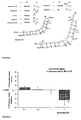
- the structure of YTX is related to that of ciguatera toxins and brevetoxins. As shown in Figure 1, it is a lipophilic molecule made up of eleven rings with ether groups bound to an unsaturated side chain and to two sulfonic esters.
- Figure 1 further shows some of the natural analogs of YTX which are different in the side chain substituents, though over 50 natural derivatives the structure of which has not yet been identified have recently been described.
- YTXs were initially classified within the group of diarrhetic toxins since they are often detected together; however their mechanism of action is different from that of any other toxin.
- YTX decreases adenosine cyclic phosphate (cAMP) cytosolic levels because it increases the activity of cellular phosphodiesterases by a calcium-dependent mechanism ( Alfonso, A., de la Rosa, L.A. et al., 2003, Biochem Pharmacol, 65, 193-208 ).
- YTX further increases cytosolic calcium levels by stimulating its entry through a channel located in the cell membrane ( De la Rosa, L.A., Alfonso, A. et al., 2001, Biochem.
- cAMP is a second messenger related to early pathways in the cell signal.
- Cells regulate cAMP levels by a balance between synthesis, through the activation of adenylate cyclases, and hydrolysis, by activation of phosphodiesterases.
- phosphodiesterases There are eleven families of phosphodiesterases with different substrate specificity, sensitivity and location. Modulation of these enzymes is often used to regulate the activity of several types of inflammatory cells; in fact several treatments used in asthma interfere with this pathway.
- YTX is a histamine release inhibitor, which release is activated by immunological stimulus, in mast cells in rats, therefore it is a drug susceptible to being used as an antiallergic or antiasthmatic drug.
- the role of cAMP in histamine release is not very clear. Generally, an increase of cAMP levels inhibits secretion, however contradictory effects has been observed in the presence of different stimuli ( Alfonso, A., Cabado, A.G.
- YTXs as therapeutic agents according to their ability to activate cellular phosphodiesterases.
- USE. Use of phosphodiesterases-activating YTX and compounds as inhibitors of the immunological activation of mast cells and basophils.
- Immunological activation of mast cells and basophils requires a temporary increase of cAMP. This increase is indispensable for cell response activation ( Botana, L.M. and MacGlashan, D.W., 1994, J Leukocyte Biol, 55, 798-804 ). PDE activation cancels this initial cAMP peak, and therefore prevents cell activation. In the presence of YTX, i.e. with activated PDEs, cell response will be inhibited. The inhibiting effect can be used in antiallergic or antiasthmatic therapeutic strategies, these being two pathologies in which mast cells play a predominant role ( Metcalfe, D.D., Baram, D. et al., 1997, Physiol Rev, 77, 1033-1079 ).
- the present use describes the quantification of the inhibition that YTX produces on cell activation induced by immunological stimulus in mast cells in rats.
- Cell response inhibition can be determined according to different protocols described in the literature.
- One in which the response is quantified according to the histamine released by mast cells in rats into the extracellular medium is set forth below ( Alfonso, A., Cabado, A.G. et al., 2000, Br J Pharmacol, 130, 1809-1816 ; Estévez, M.D., Vieytes, M.R. et al., 1994, Biochem Pharmacol, 47, 591-593 ).
- Figure 2 shows the percentage of inhibition of histamine release induced by ovalbumin in the presence of several concentrations of YTX.
- Toxicon 43(4): 439-45 "Short-term oral toxicity of homoyessotoxins, yessotoxin and okadaic acid in mice.”
- Toxicon 41(7): 783-92 "Oral and intraperitoneal acute toxicity studies of yessotoxin and homoyessotoxins in mice.” Toxicon 41(7): 783-92 .
Landscapes
- Health & Medical Sciences (AREA)
- Chemical & Material Sciences (AREA)
- Life Sciences & Earth Sciences (AREA)
- Organic Chemistry (AREA)
- General Health & Medical Sciences (AREA)
- Animal Behavior & Ethology (AREA)
- Public Health (AREA)
- Medicinal Chemistry (AREA)
- Pharmacology & Pharmacy (AREA)
- Veterinary Medicine (AREA)
- Engineering & Computer Science (AREA)
- Bioinformatics & Cheminformatics (AREA)
- Chemical Kinetics & Catalysis (AREA)
- General Chemical & Material Sciences (AREA)
- Nuclear Medicine, Radiotherapy & Molecular Imaging (AREA)
- Immunology (AREA)
- Proteomics, Peptides & Aminoacids (AREA)
- Wood Science & Technology (AREA)
- Zoology (AREA)
- Epidemiology (AREA)
- Pulmonology (AREA)
- Physics & Mathematics (AREA)
- Analytical Chemistry (AREA)
- Biotechnology (AREA)
- Microbiology (AREA)
- Molecular Biology (AREA)
- Biochemistry (AREA)
- General Engineering & Computer Science (AREA)
- Genetics & Genomics (AREA)
- Biophysics (AREA)
- Transplantation (AREA)
- Toxicology (AREA)
- Pharmaceuticals Containing Other Organic And Inorganic Compounds (AREA)
- Measuring Or Testing Involving Enzymes Or Micro-Organisms (AREA)
- Investigating Or Analysing Biological Materials (AREA)
- Medicines Containing Material From Animals Or Micro-Organisms (AREA)
- Medicines That Contain Protein Lipid Enzymes And Other Medicines (AREA)
- Heterocyclic Carbon Compounds Containing A Hetero Ring Having Oxygen Or Sulfur (AREA)
- Investigating Or Analysing Materials By The Use Of Chemical Reactions (AREA)
- Acyclic And Carbocyclic Compounds In Medicinal Compositions (AREA)
Abstract
Description
- The present invention describes the therapeutic use of yessotoxins in the treatment of allergy and asthma according to their ability to activate phosphodiesterase enzymes, one of the cellular targets of these toxins.
- Yessotoxin, hereinafter YTX, is a polycyclic ether produced by microalgae of the Protoceratium reticulatum and Lingolodinium polyedrum species and originally isolated from the hepatopancreas of Patinopecten yessoensis (Murata, M., Kumagai, M. et al., 1987, Tetrahedron Letters, 28, 5869-5872). The structure of YTX is related to that of ciguatera toxins and brevetoxins. As shown in Figure 1, it is a lipophilic molecule made up of eleven rings with ether groups bound to an unsaturated side chain and to two sulfonic esters. Figure 1 further shows some of the natural analogs of YTX which are different in the side chain substituents, though over 50 natural derivatives the structure of which has not yet been identified have recently been described.
- YTXs were initially classified within the group of diarrhetic toxins since they are often detected together; however their mechanism of action is different from that of any other toxin. YTX decreases adenosine cyclic phosphate (cAMP) cytosolic levels because it increases the activity of cellular phosphodiesterases by a calcium-dependent mechanism (Alfonso, A., de la Rosa, L.A. et al., 2003, Biochem Pharmacol, 65, 193-208). YTX further increases cytosolic calcium levels by stimulating its entry through a channel located in the cell membrane (De la Rosa, L.A., Alfonso, A. et al., 2001, Biochem. Pharmacol., 61, 827-833; De la Rosa, L.A., Alfonso, A. et al., 2001, Cell Signal, 13, 711-716). The effect on phosphodiesterases has been used to develop sensitive methods for detecting the presence of these toxins in contaminated mollusks described in the main patent application of the present invention, and which have been recently published (Alfonso, A., Vieytes, M.R. et al., 2004, Analytical Biochem., 326, 93-99; Pazos, M.J., Alfonso, A. et al., 2004, Analytical Biochem., 335, 112-118)
- On the other hand, some studies have been conducted in order to determine the toxicity of YTX. When it is orally administered to mice, no cases of acute toxicity have been observed; however death of the rodents did occur after an intraperitoneal injection (Tubaro, A., Sosa, S. et al., 2003, Toxicon, 41, 783-92). In this sense, oral administration to a mouse of 10 mg of YTX per Kg of weight does not cause death (Aune, T., Sorby, R. et al., 2002, Toxicon, 40, 77-82). Only some ultrastructural alterations in the myocardium have been observed after oral treatment (Aune, T., Sorby, R. et al., 2002, Toxicon, 40, 77-82; Tubaro, A., Sosa, S. et al., 2003, Toxicon, 41, 783-92), and no accumulative toxic effects occurred after the repeated oral administration of this toxin (Tubaro, A., Sosa, S. et al., 2004, Toxicon, 43, 439-45). After an intraperitoneal administration, YTX was proven to be two times less lethal than okadaic acid, which is the diarrhetic toxin that occurs most frequently and in the largest amount. The main signs observed after a high dose of YTX administered intraperitoneally were restlessness, jumping and finally death. The histological exam showed the presence of myocardial alterations which could be seen only with electron microscopy, with no damage to other organs (Tubaro, A., Sosa, S. et al., 2003, Toxicon, 41, 783-92). Therefore, based on these results, YTX and the derivatives thereof are considered non toxic, even at doses 100 times higher than those which a human being can consume daily.
- YTX has a singular structure and its mechanism of action does not seem to be very common, therefore it can be an interesting tool for biological and pharmacological studies. cAMP is a second messenger related to early pathways in the cell signal. Cells regulate cAMP levels by a balance between synthesis, through the activation of adenylate cyclases, and hydrolysis, by activation of phosphodiesterases. There are eleven families of phosphodiesterases with different substrate specificity, sensitivity and location. Modulation of these enzymes is often used to regulate the activity of several types of inflammatory cells; in fact several treatments used in asthma interfere with this pathway. Therefore, it is very interesting to determine the effect that YTX has on inflammatory cells, since the toxin increases
interleukin 2 levels in human lymphocytes (Alfonso, A., de la Rosa, L.A. et al., 2003, Biochem Pharmacol, 65, 193-208). - It has recently been observed that YTX is a histamine release inhibitor, which release is activated by immunological stimulus, in mast cells in rats, therefore it is a drug susceptible to being used as an antiallergic or antiasthmatic drug. The role of cAMP in histamine release is not very clear. Generally, an increase of cAMP levels inhibits secretion, however contradictory effects has been observed in the presence of different stimuli (Alfonso, A., Cabado, A.G. et al., 2000, Cell Signal, 12, 343-350; Alm, P.E., 1983, Agents Actions, 13, 132-7; Alm, P.E., 1984, Int Arch Allergy Appl Immunol, 75, 375-8; Teraoka, H., Akiba, H. et al., 1997, Gen Pharmacol, 28, 237-243). In this sense, it has been described that the immunological stimulation is accompanied by an initial increase of cAMP levels which disappears after ten minutes but which is required to activate events associated to secretion since cAMP is part of these initial events (Alm, P.E., 1984, Int Arch Allergy Appl Immunol, 75, 375-8). This fact may explain the results obtained in the presence of YTX, since the toxin prevents the initial increase of cAMP, which in turn inhibits histamine release. Inhibition depends on toxin concentration, as does the decrease in cAMP levels (Alfonso, A., de la Rosa, L.A. et al., 2003, Biochem Pharmacol, 65, 193-208). This fact is not contradictory with the use of phosphodiesterase inhibition to suppress histamine release in the treatment of asthma, since in this case cAMP levels remain high, which also prevents secretion. Therefore, the description of YTXs as histamine release modulators is an indication of the pharmacological importance of these molecules for their possible therapeutic application, in addition to being applied in HTS (high throughput screening) protocols.
- These tests are used in the pharmaceutical industry to quickly evaluate the therapeutic value of natural products and of synthetic compound libraries. They are routine assays on cells or tissue in which the affinity, selectivity and specificity for the primary target and the action mechanism or the pharmaceutical properties of the compounds are determined. Those that fail in any parameter are thus discarded for subsequent studies
- A more in-depth explanation of the families of toxins, the particular characteristics of YTXs and their mechanism of action is provided in the description of the main patent. The proposed invention describes a use of YTXs as therapeutic agents according to their ability to activate cellular phosphodiesterases. USE.- Use of phosphodiesterases-activating YTX and compounds as inhibitors of the immunological activation of mast cells and basophils.
- Immunological activation of mast cells and basophils requires a temporary increase of cAMP. This increase is indispensable for cell response activation (Botana, L.M. and MacGlashan, D.W., 1994, J Leukocyte Biol, 55, 798-804). PDE activation cancels this initial cAMP peak, and therefore prevents cell activation. In the presence of YTX, i.e. with activated PDEs, cell response will be inhibited. The inhibiting effect can be used in antiallergic or antiasthmatic therapeutic strategies, these being two pathologies in which mast cells play a predominant role (Metcalfe, D.D., Baram, D. et al., 1997, Physiol Rev, 77, 1033-1079). The present use describes the quantification of the inhibition that YTX produces on cell activation induced by immunological stimulus in mast cells in rats. Cell response inhibition can be determined according to different protocols described in the literature. One in which the response is quantified according to the histamine released by mast cells in rats into the extracellular medium is set forth below (Alfonso, A., Cabado, A.G. et al., 2000, Br J Pharmacol, 130, 1809-1816; Estévez, M.D., Vieytes, M.R. et al., 1994, Biochem Pharmacol, 47, 591-593).
-
- a.- The rats are sensitized 15 days before conducting the experiment. Each rat is subcutaneously injected with 1 mL of physiological serum with 150 mg of ovalbumin and 109 Bordetella pertussis bacteria.
- b.- Mast cells are extracted from the chest and abdomen of a sensitized rat. The two populations are mixed and a cell suspension is obtained.
- c.- The cell suspension is preincubated for 10 minutes with various concentrations of YTX and subsequently incubated 10 minutes in the presence of 5 mg/mL of ovalbumin.
- d.- The reaction is stopped in cold conditions and the released histamine is separated from the histamine remaining in the cells by means of centrifugation.
- e.- The supernatant is removed with the histamine released into the medium and the cells are cleaved with hydrochloric acid and ultrasound in order to release the histamine not sensitive to the action of the stimulus.
- f.- Both mediums are deproteinized with trichloroacetic acid.
- g.- The histamine is finally quantified, converting it into a fluorescent molecule by reaction in a base medium with o-phthalic dialdehyde. The reaction is stopped with hydrochloric acid and the fluorescence is read at 360 nm excitation and 460 nm emission.
- Figure 2 shows the percentage of inhibition of histamine release induced by ovalbumin in the presence of several concentrations of YTX.
- Alfonso, A., Cabado, A. G., Vieytes, M. R. and Botana, L. M. (2000). "Calcium-pH crosstalks in rat mast cells: cytosolic alkalinization, but not intracellular calcium release, is a sufficient signal for degranulation." Br J Pharmacol 130(8): 1809-1816.
- Alfonso, A., Cabado, A. G., Vieytes, M. R. and Botana, L. M. (2000). "Functional compartments in rat mast cells for cAMP and calcium on histamine release." Cell Signal 12(5): 343-350.
- Alfonso, A., de la Rosa, L. A., Vieytes, M. R., Yasumoto, T. and Botana, L. M. (2003). "Yessotoxin a novel phycotoxin, activates phosphodiesterase activity. Effect of yessotoxin on cAMP levels in human lymphocytes." Biochem Pharmacol 65: 193-208.
- Alfonso, A., Vieytes, M. R., Yasumoto, T. and Botana, L. M. (2004). "A rapid microplate fluorescent method to detect yessotoxins based on their capacity to activate phosphodiesterases." Analytical Biochem. 326: 93-99.
- Alm, P. E. (1983). "Sodium fluoride evoked histamine release from mast cells. A study of cyclic AMP levels and effects of catecholamines." Agents Actions 13(2-3):132-7.
- Alm, P. E. (1984). "Modulation of mast cell cAMP levels. A regulatory function of calmodulin." Int Arch Allergy Appl Immunol 75(4): 375-8.
- Aune, T., Sorby, R., Yasumoto, T., Ramstad, H. and Landsverk, T. (2002). "Comparison of oral and intraperitoneal toxicity of yessotoxin towards mice." Toxicon 40(1): 77-82.
- Botana, L. M. and MacGlashan, D. W. (1994). "Differential effects of cAMP-elevating drugs on stimulus-induced cytosolic calcium changes in human basophils." J Leukocyte Biol 55(6): 798-804.
- De la Rosa, L. A., Alfonso, A., Vilariño, N., Vieytes, M. R. and Botana, L. M. (2001). "Modulation of cytosolic calcium levels of human lymphocytes by yessotoxin, a novel marine phycotoxin." Biochem. Pharmacol. 61 (7): 827-833.
- De la Rosa, L. A., Alfonso, A., Vilariño, N., Vieytes, M. R., Yasumoto, T. and Botana, L. M. (2001). "Maitotoxin-induced calcium entry in human lymphocytes - Modulation by yessotoxin, Ca2+ channel blockers and kinases." Cell Signal 13(10): 711-716.
- Estévez, M. D., Vieytes, M. R., Louzao, M. C. and Botana, L. M. (1994). "Effect of okadaic acid on immunologic and non-immunologic histamine release in rat mast cells." Biochem Pharmacol 47(3): 591-593.
- Metcalfe, D. D., Baram, D. and Mekori, Y. A. (1997). "Mast cells." Physiol Rev 77(4): 1033-1079.
- Murata, M., Kumagai, M., Lee, J. S. and Yasumoto, T. (1987). "Isolation and structure of Yessotoxin, a novel polyether compound implicated in diarrhetic shellfish poisoning." Tetrahedron Letters 28: 5869-5872.
- Pazos, M. J., Alfonso, A., Vieytes, M. R., Yasumoto, T., Vieites, J. M. and Botana, L. M. (2004). "Resonant mirror biosensor detection method based on yessotoxin-phosphodiesterase interactions." Analytical Biochem. 335: 112-118.
- Teraoka, H., Akiba, H., Takai, R., Taneike, T., Hiraga, T. and Ohga, A. (1997). "Inhibitory effects of caffeine on Ca2+ influx and histamine secretion independent of cAMP in rat peritoneal mast cells." Gen Pharmacol 28(2): 237-243.
- Tubaro, A., Sosa, S., Altinier, G., Soranzo, M. R., Satake, M., Della Loggia, R. and Yasumoto, T. (2004). "Short-term oral toxicity of homoyessotoxins, yessotoxin and okadaic acid in mice." Toxicon 43(4): 439-45.
- Tubaro, A., Sosa, S., Carbonatto, M., Altinier, G., Vita, F., Melato, M., Satake, M. and Yasumoto, T. (2003). "Oral and intraperitoneal acute toxicity studies of yessotoxin and homoyessotoxins in mice." Toxicon 41(7): 783-92.
Claims (7)
- Yessotoxins (YTXs) for the use in the treatment of allergic and asthmatic processes based on the activation that the toxins cause in cell phosphodiesterases.
- The use of the activating action of yessotoxin (YTX) and chemical analogs (YTXs) on phosphodiesterase activity as immune system cell modulators, or as a strategy using PDEs as a therapeutic target.
- YTXs for the use, according to claim 1, on mast cells as antiallergic or antiasthmatic compounds.
- The use of YTXs and derivatives thereof, according to claim 1, in the manufacture of compounds used for the treatment of allergic processes.
- The use of YTXs and derivatives thereof, according to claim 1, in the manufacture of compounds used for the treatment of asthma.
- The use of YTXs and derivatives thereof, according to claim 1, in the manufacture of compounds for the treatment other immune system diseases in which phosphodiesterase modulation is involved.
- The use, according to claim 1, of PDE activation in HTS protocols: high throughput screening of pharmacological activities.
Applications Claiming Priority (2)
| Application Number | Priority Date | Filing Date | Title |
|---|---|---|---|
| ES200301773A ES2235611B2 (en) | 2003-07-25 | 2003-07-25 | QUANTITATIVE METHOD FOR THE DETECTION OF YESOTOXINS IN FISHERY PRODUCTS BASED ON THE ACTIVATION THAT THEY PRODUCE IN THE PHOSPHODIESTERASES. |
| EP04742071A EP1647599B1 (en) | 2003-07-25 | 2004-07-21 | Quantitative method for detecting yessotoxins in fishery products based on the activation caused by the toxin in cellular phosphodiesterase |
Related Parent Applications (2)
| Application Number | Title | Priority Date | Filing Date |
|---|---|---|---|
| EP04742071.6 Division | 2004-07-21 | ||
| EP04742071A Division EP1647599B1 (en) | 2003-07-25 | 2004-07-21 | Quantitative method for detecting yessotoxins in fishery products based on the activation caused by the toxin in cellular phosphodiesterase |
Publications (3)
| Publication Number | Publication Date |
|---|---|
| EP1875907A2 true EP1875907A2 (en) | 2008-01-09 |
| EP1875907A3 EP1875907A3 (en) | 2008-02-27 |
| EP1875907B1 EP1875907B1 (en) | 2011-09-14 |
Family
ID=34112518
Family Applications (3)
| Application Number | Title | Priority Date | Filing Date |
|---|---|---|---|
| EP07017630A Expired - Lifetime EP1875906B1 (en) | 2003-07-25 | 2004-07-21 | Therapeutic use of yessotoxin as human tumor cell growth inhibitor |
| EP04742071A Expired - Lifetime EP1647599B1 (en) | 2003-07-25 | 2004-07-21 | Quantitative method for detecting yessotoxins in fishery products based on the activation caused by the toxin in cellular phosphodiesterase |
| EP07017631A Expired - Lifetime EP1875907B1 (en) | 2003-07-25 | 2004-07-21 | Use of yessotoxin in the treatment of allergic and asthmatic processes |
Family Applications Before (2)
| Application Number | Title | Priority Date | Filing Date |
|---|---|---|---|
| EP07017630A Expired - Lifetime EP1875906B1 (en) | 2003-07-25 | 2004-07-21 | Therapeutic use of yessotoxin as human tumor cell growth inhibitor |
| EP04742071A Expired - Lifetime EP1647599B1 (en) | 2003-07-25 | 2004-07-21 | Quantitative method for detecting yessotoxins in fishery products based on the activation caused by the toxin in cellular phosphodiesterase |
Country Status (12)
| Country | Link |
|---|---|
| US (1) | US20110065138A1 (en) |
| EP (3) | EP1875906B1 (en) |
| JP (2) | JP2006528483A (en) |
| CN (1) | CN1852988A (en) |
| AT (3) | ATE514423T1 (en) |
| AU (3) | AU2004260895A1 (en) |
| BR (1) | BRPI0412832A (en) |
| CA (1) | CA2533600A1 (en) |
| DE (1) | DE602004013446D1 (en) |
| ES (4) | ES2235611B2 (en) |
| RU (1) | RU2389488C2 (en) |
| WO (1) | WO2005012543A2 (en) |
Families Citing this family (5)
| Publication number | Priority date | Publication date | Assignee | Title |
|---|---|---|---|---|
| CN101382531B (en) * | 2008-10-08 | 2011-12-28 | 天津商业大学 | Method for detecting fresh degree of shrimp by electronic nose |
| ES2393696B2 (en) * | 2012-09-07 | 2013-06-04 | Universidade De Santiago De Compostela | Use of Yessotoxin and its derivatives for the treatment of gliomas |
| CN105198900A (en) * | 2015-09-22 | 2015-12-30 | 国家海洋环境检测中心 | Pure yessotoxin (YTX) extracting and preparing method |
| US10890573B2 (en) | 2017-12-19 | 2021-01-12 | International Business Machines Corporation | Facile methods to detect toxin in seafood |
| RU2716233C1 (en) * | 2018-11-13 | 2020-03-10 | Федеральное государственное бюджетное учреждение науки "Федеральный исследовательский центр питания, биотехнологии и безопасности пищи" | Method for quantitative determination of yessotoxins in molluscs |
Citations (1)
| Publication number | Priority date | Publication date | Assignee | Title |
|---|---|---|---|---|
| WO2002003060A2 (en) | 2000-06-30 | 2002-01-10 | Universita' Degli Studi Di Modena E Reggio Emilia | Process for the measurement of dinophysistoxin and of yessotoxin |
Family Cites Families (8)
| Publication number | Priority date | Publication date | Assignee | Title |
|---|---|---|---|---|
| US5672509A (en) * | 1993-08-25 | 1997-09-30 | Pfizer Inc. | hPDE IV-C: a human phosphodiesterase IV isozyme |
| US5858694A (en) * | 1997-05-30 | 1999-01-12 | Cell Pathways, Inc. | Method for identifying compounds for inhibition of cancerous lesions |
| AU3635099A (en) * | 1997-12-15 | 1999-07-26 | Beth Israel Deaconess Medical Center | Methods and reagents for modulating cell motility |
| RU2136278C1 (en) * | 1998-04-07 | 1999-09-10 | Государственный научный центр вирусологии и биотехнологии "Вектор" | Antitumor agent |
| JP2003528850A (en) * | 2000-03-27 | 2003-09-30 | ザ・スクリプス・リサーチ・インステイチユート | Inhibition of angiogenesis and tumor growth |
| US6977155B2 (en) * | 2000-08-10 | 2005-12-20 | Corning Incorporated | Arrays of biological membranes and methods and use thereof |
| AR033680A1 (en) * | 2000-08-30 | 2004-01-07 | Schering Corp | USEFUL TRICICLIC COMPOUNDS AS INHIBITORS OF FARNESIL PROTEINO TRANSFERASA AND ITS USE FOR THE MANUFACTURE OF MEDICINES AS ANTITUMOR AGENTS |
| EP1251181A1 (en) * | 2001-04-20 | 2002-10-23 | Warner-Lambert Company | Non-recombinant cell lines capable of expressing predominantly cyclic nucleotide phosphodiesterase 4 (PDE4) subtype B and their use for the screening of PDE4 subtype-specific modulators |
-
2003
- 2003-07-25 ES ES200301773A patent/ES2235611B2/en not_active Expired - Fee Related
-
2004
- 2004-07-21 AT AT07017630T patent/ATE514423T1/en not_active IP Right Cessation
- 2004-07-21 ES ES07017630T patent/ES2368872T3/en not_active Expired - Lifetime
- 2004-07-21 WO PCT/ES2004/000343 patent/WO2005012543A2/en not_active Ceased
- 2004-07-21 JP JP2006520848A patent/JP2006528483A/en active Pending
- 2004-07-21 EP EP07017630A patent/EP1875906B1/en not_active Expired - Lifetime
- 2004-07-21 AU AU2004260895A patent/AU2004260895A1/en not_active Abandoned
- 2004-07-21 RU RU2006101631/15A patent/RU2389488C2/en not_active IP Right Cessation
- 2004-07-21 AT AT04742071T patent/ATE393833T1/en not_active IP Right Cessation
- 2004-07-21 CN CNA200480021338XA patent/CN1852988A/en active Pending
- 2004-07-21 EP EP04742071A patent/EP1647599B1/en not_active Expired - Lifetime
- 2004-07-21 AT AT07017631T patent/ATE524174T1/en not_active IP Right Cessation
- 2004-07-21 DE DE602004013446T patent/DE602004013446D1/en not_active Expired - Lifetime
- 2004-07-21 CA CA002533600A patent/CA2533600A1/en not_active Abandoned
- 2004-07-21 BR BRPI0412832-0A patent/BRPI0412832A/en not_active Application Discontinuation
- 2004-07-21 EP EP07017631A patent/EP1875907B1/en not_active Expired - Lifetime
- 2004-07-21 US US10/566,050 patent/US20110065138A1/en not_active Abandoned
- 2004-12-10 ES ES200402943A patent/ES2259266B2/en not_active Expired - Fee Related
- 2004-12-10 ES ES200402944A patent/ES2259894B2/en not_active Expired - Fee Related
-
2006
- 2006-03-27 JP JP2006084989A patent/JP2006325580A/en active Pending
-
2010
- 2010-05-31 AU AU2010202232A patent/AU2010202232A1/en not_active Abandoned
- 2010-05-31 AU AU2010202237A patent/AU2010202237A1/en not_active Abandoned
Patent Citations (1)
| Publication number | Priority date | Publication date | Assignee | Title |
|---|---|---|---|---|
| WO2002003060A2 (en) | 2000-06-30 | 2002-01-10 | Universita' Degli Studi Di Modena E Reggio Emilia | Process for the measurement of dinophysistoxin and of yessotoxin |
Non-Patent Citations (27)
Also Published As
| Publication number | Publication date |
|---|---|
| RU2389488C2 (en) | 2010-05-20 |
| CN1852988A (en) | 2006-10-25 |
| ES2259266B2 (en) | 2008-06-01 |
| BRPI0412832A (en) | 2006-11-21 |
| ES2235611A1 (en) | 2005-07-01 |
| RU2006101631A (en) | 2006-08-27 |
| JP2006528483A (en) | 2006-12-21 |
| ATE393833T1 (en) | 2008-05-15 |
| AU2010202237A1 (en) | 2010-06-24 |
| AU2004260895A1 (en) | 2005-02-10 |
| AU2010202232A1 (en) | 2010-07-08 |
| US20110065138A1 (en) | 2011-03-17 |
| ES2259894B2 (en) | 2008-11-16 |
| DE602004013446D1 (en) | 2008-06-12 |
| WO2005012543A2 (en) | 2005-02-10 |
| EP1647599B1 (en) | 2008-04-30 |
| EP1875906A3 (en) | 2008-02-27 |
| ATE524174T1 (en) | 2011-09-15 |
| EP1875906A2 (en) | 2008-01-09 |
| WO2005012543A3 (en) | 2005-03-17 |
| EP1875906B1 (en) | 2011-06-29 |
| CA2533600A1 (en) | 2005-02-10 |
| JP2006325580A (en) | 2006-12-07 |
| ES2259894A1 (en) | 2006-10-16 |
| EP1875907A3 (en) | 2008-02-27 |
| EP1875907B1 (en) | 2011-09-14 |
| EP1647599A2 (en) | 2006-04-19 |
| ES2259266A1 (en) | 2006-09-16 |
| ATE514423T1 (en) | 2011-07-15 |
| ES2235611B2 (en) | 2006-07-16 |
| ES2368872T3 (en) | 2011-11-23 |
Similar Documents
| Publication | Publication Date | Title |
|---|---|---|
| Hellgren et al. | Handbook of drugs for tropical parasitic infections | |
| George et al. | Potential therapeutic antipsychotic effects of Naringin against ketamine-induced deficits in rats: involvement of Akt/GSK-3β and Wnt/β-catenin signaling pathways | |
| KR102774730B1 (en) | Methods and compounds for the treatment or prevention of hypercytokineemia and severe influenza | |
| Sangshetti et al. | Two decades of antifilarial drug discovery: A review | |
| EP1875907B1 (en) | Use of yessotoxin in the treatment of allergic and asthmatic processes | |
| Ahmed et al. | Alpha-Mangostin and its nano-conjugates induced programmed cell death in Acanthamoeba castellanii belonging to the T4 genotype | |
| Katiyar et al. | Filariasis: current status, treatment and recent advances in drug development | |
| Al-Rejaie et al. | Antagonism of ethanol ataxia by intracerebellar nicotine: possible modulation by mouse cerebellar nitric oxide and cGMP | |
| KR102373721B1 (en) | Multiple myeloma treatment | |
| Gulin et al. | Molecular and biological characterization of a highly pathogenic Trypanosoma cruzi strain isolated from a patient with congenital infection | |
| Tripathi et al. | Recent developments in search of antifilarial agents | |
| Takahashi et al. | Mechanisms of the apoptotic activity of Cl-F-araA in a human T-ALL cell line, CCRF-CEM | |
| US10660895B2 (en) | Methods for treating amyotrophic lateral sclerosis | |
| Roth et al. | Microbial dysbiosis alters serotonin signaling in a postinflammatory murine model of visceral pain | |
| MXPA06001029A (en) | Quantitative method for detecting yessotoxins in fish products based on the activation caused by the toxin in cellular phosphodiesterase and therapeutic usefulness of said activation | |
| Parkkila | Entamoeba histolytica carbonic anhydrase | |
| Brunner | A Novel Antimalarial Lead Compound: In Vitro Properties and Mode of Action Studies | |
| RU2241457C2 (en) | Antibacterial composition and method for its preparing | |
| Kamau | Determination of activity of MG-192 against infective African trypanosomes in vitro and in a mouse model | |
| Leon Quinonez | Identification of Pks13 Inhibitors for Antitubercular Drug Discovery | |
| Rosario | Chemical Investigation of Metabolites Produced by Marine Pseudoalteromonas Spp. | |
| EP1351680A2 (en) | Use of anethole-dithiolethione for preventing and treating drug-induced tendon toxicity | |
| Quinonez | Identification of Pks13 inhibitors for antitubercular drug discovery | |
| JPH10507184A (en) | Diagnostic evaluation, course control and therapeutic agents for shock status in humans | |
| AU606123B2 (en) | Method for inhibiting bone resorption and collagenase release |
Legal Events
| Date | Code | Title | Description |
|---|---|---|---|
| PUAI | Public reference made under article 153(3) epc to a published international application that has entered the european phase |
Free format text: ORIGINAL CODE: 0009012 |
|
| AC | Divisional application: reference to earlier application |
Ref document number: 1647599 Country of ref document: EP Kind code of ref document: P |
|
| AK | Designated contracting states |
Kind code of ref document: A2 Designated state(s): AT BE BG CH CY CZ DE DK EE ES FI FR GB GR HU IE IT LI LU MC NL PL PT RO SE SI SK TR |
|
| PUAL | Search report despatched |
Free format text: ORIGINAL CODE: 0009013 |
|
| RIN1 | Information on inventor provided before grant (corrected) |
Inventor name: RODRIGUEZ VIEYTES, MERCEDES Inventor name: LOZA GARCIA, MARIA ISABEL Inventor name: BOTANA LOPEZ, LUIS MIGUEL Inventor name: ALFONSO RANCANO, AMPARO |
|
| AK | Designated contracting states |
Kind code of ref document: A3 Designated state(s): AT BE BG CH CY CZ DE DK EE ES FI FR GB GR HU IE IT LI LU MC NL PL PT RO SE SI SK TR |
|
| RAP1 | Party data changed (applicant data changed or rights of an application transferred) |
Owner name: LABORATORIOS CIFGA, S.A. |
|
| 17P | Request for examination filed |
Effective date: 20080821 |
|
| AKX | Designation fees paid |
Designated state(s): AT BE BG CH CY CZ DE DK EE ES FI FR GB GR HU IE IT LI LU MC NL PL PT RO SE SI SK TR |
|
| 17Q | First examination report despatched |
Effective date: 20090423 |
|
| GRAP | Despatch of communication of intention to grant a patent |
Free format text: ORIGINAL CODE: EPIDOSNIGR1 |
|
| RTI1 | Title (correction) |
Free format text: USE OF YESSOTOXIN IN THE TREATMENT OF ALLERGIC AND ASTHMATIC PROCESSES |
|
| GRAS | Grant fee paid |
Free format text: ORIGINAL CODE: EPIDOSNIGR3 |
|
| GRAA | (expected) grant |
Free format text: ORIGINAL CODE: 0009210 |
|
| AC | Divisional application: reference to earlier application |
Ref document number: 1647599 Country of ref document: EP Kind code of ref document: P |
|
| AK | Designated contracting states |
Kind code of ref document: B1 Designated state(s): AT BE BG CH CY CZ DE DK EE ES FI FR GB GR HU IE IT LI LU MC NL PL PT RO SE SI SK TR |
|
| REG | Reference to a national code |
Ref country code: GB Ref legal event code: FG4D |
|
| REG | Reference to a national code |
Ref country code: CH Ref legal event code: EP |
|
| REG | Reference to a national code |
Ref country code: IE Ref legal event code: FG4D |
|
| REG | Reference to a national code |
Ref country code: DE Ref legal event code: R096 Ref document number: 602004034392 Country of ref document: DE Effective date: 20111124 |
|
| REG | Reference to a national code |
Ref country code: NL Ref legal event code: VDEP Effective date: 20110914 |
|
| PG25 | Lapsed in a contracting state [announced via postgrant information from national office to epo] |
Ref country code: FI Free format text: LAPSE BECAUSE OF FAILURE TO SUBMIT A TRANSLATION OF THE DESCRIPTION OR TO PAY THE FEE WITHIN THE PRESCRIBED TIME-LIMIT Effective date: 20110914 Ref country code: SE Free format text: LAPSE BECAUSE OF FAILURE TO SUBMIT A TRANSLATION OF THE DESCRIPTION OR TO PAY THE FEE WITHIN THE PRESCRIBED TIME-LIMIT Effective date: 20110914 |
|
| PG25 | Lapsed in a contracting state [announced via postgrant information from national office to epo] |
Ref country code: AT Free format text: LAPSE BECAUSE OF FAILURE TO SUBMIT A TRANSLATION OF THE DESCRIPTION OR TO PAY THE FEE WITHIN THE PRESCRIBED TIME-LIMIT Effective date: 20110914 Ref country code: GR Free format text: LAPSE BECAUSE OF FAILURE TO SUBMIT A TRANSLATION OF THE DESCRIPTION OR TO PAY THE FEE WITHIN THE PRESCRIBED TIME-LIMIT Effective date: 20111215 Ref country code: SI Free format text: LAPSE BECAUSE OF FAILURE TO SUBMIT A TRANSLATION OF THE DESCRIPTION OR TO PAY THE FEE WITHIN THE PRESCRIBED TIME-LIMIT Effective date: 20110914 Ref country code: CY Free format text: LAPSE BECAUSE OF FAILURE TO SUBMIT A TRANSLATION OF THE DESCRIPTION OR TO PAY THE FEE WITHIN THE PRESCRIBED TIME-LIMIT Effective date: 20110914 |
|
| REG | Reference to a national code |
Ref country code: AT Ref legal event code: MK05 Ref document number: 524174 Country of ref document: AT Kind code of ref document: T Effective date: 20110914 |
|
| PG25 | Lapsed in a contracting state [announced via postgrant information from national office to epo] |
Ref country code: BE Free format text: LAPSE BECAUSE OF FAILURE TO SUBMIT A TRANSLATION OF THE DESCRIPTION OR TO PAY THE FEE WITHIN THE PRESCRIBED TIME-LIMIT Effective date: 20110914 |
|
| PG25 | Lapsed in a contracting state [announced via postgrant information from national office to epo] |
Ref country code: CZ Free format text: LAPSE BECAUSE OF FAILURE TO SUBMIT A TRANSLATION OF THE DESCRIPTION OR TO PAY THE FEE WITHIN THE PRESCRIBED TIME-LIMIT Effective date: 20110914 Ref country code: SK Free format text: LAPSE BECAUSE OF FAILURE TO SUBMIT A TRANSLATION OF THE DESCRIPTION OR TO PAY THE FEE WITHIN THE PRESCRIBED TIME-LIMIT Effective date: 20110914 |
|
| PG25 | Lapsed in a contracting state [announced via postgrant information from national office to epo] |
Ref country code: PL Free format text: LAPSE BECAUSE OF FAILURE TO SUBMIT A TRANSLATION OF THE DESCRIPTION OR TO PAY THE FEE WITHIN THE PRESCRIBED TIME-LIMIT Effective date: 20110914 Ref country code: PT Free format text: LAPSE BECAUSE OF FAILURE TO SUBMIT A TRANSLATION OF THE DESCRIPTION OR TO PAY THE FEE WITHIN THE PRESCRIBED TIME-LIMIT Effective date: 20120116 Ref country code: EE Free format text: LAPSE BECAUSE OF FAILURE TO SUBMIT A TRANSLATION OF THE DESCRIPTION OR TO PAY THE FEE WITHIN THE PRESCRIBED TIME-LIMIT Effective date: 20110914 Ref country code: NL Free format text: LAPSE BECAUSE OF FAILURE TO SUBMIT A TRANSLATION OF THE DESCRIPTION OR TO PAY THE FEE WITHIN THE PRESCRIBED TIME-LIMIT Effective date: 20110914 Ref country code: IT Free format text: LAPSE BECAUSE OF FAILURE TO SUBMIT A TRANSLATION OF THE DESCRIPTION OR TO PAY THE FEE WITHIN THE PRESCRIBED TIME-LIMIT Effective date: 20110914 Ref country code: RO Free format text: LAPSE BECAUSE OF FAILURE TO SUBMIT A TRANSLATION OF THE DESCRIPTION OR TO PAY THE FEE WITHIN THE PRESCRIBED TIME-LIMIT Effective date: 20110914 |
|
| PLBE | No opposition filed within time limit |
Free format text: ORIGINAL CODE: 0009261 |
|
| STAA | Information on the status of an ep patent application or granted ep patent |
Free format text: STATUS: NO OPPOSITION FILED WITHIN TIME LIMIT |
|
| PG25 | Lapsed in a contracting state [announced via postgrant information from national office to epo] |
Ref country code: DK Free format text: LAPSE BECAUSE OF FAILURE TO SUBMIT A TRANSLATION OF THE DESCRIPTION OR TO PAY THE FEE WITHIN THE PRESCRIBED TIME-LIMIT Effective date: 20110914 |
|
| 26N | No opposition filed |
Effective date: 20120615 |
|
| REG | Reference to a national code |
Ref country code: DE Ref legal event code: R097 Ref document number: 602004034392 Country of ref document: DE Effective date: 20120615 |
|
| PG25 | Lapsed in a contracting state [announced via postgrant information from national office to epo] |
Ref country code: MC Free format text: LAPSE BECAUSE OF NON-PAYMENT OF DUE FEES Effective date: 20120731 |
|
| REG | Reference to a national code |
Ref country code: CH Ref legal event code: PL |
|
| GBPC | Gb: european patent ceased through non-payment of renewal fee |
Effective date: 20120721 |
|
| REG | Reference to a national code |
Ref country code: FR Ref legal event code: ST Effective date: 20130329 |
|
| PG25 | Lapsed in a contracting state [announced via postgrant information from national office to epo] |
Ref country code: ES Free format text: LAPSE BECAUSE OF FAILURE TO SUBMIT A TRANSLATION OF THE DESCRIPTION OR TO PAY THE FEE WITHIN THE PRESCRIBED TIME-LIMIT Effective date: 20111225 Ref country code: CH Free format text: LAPSE BECAUSE OF NON-PAYMENT OF DUE FEES Effective date: 20120731 Ref country code: DE Free format text: LAPSE BECAUSE OF NON-PAYMENT OF DUE FEES Effective date: 20130201 Ref country code: FR Free format text: LAPSE BECAUSE OF NON-PAYMENT OF DUE FEES Effective date: 20120731 Ref country code: GB Free format text: LAPSE BECAUSE OF NON-PAYMENT OF DUE FEES Effective date: 20120721 Ref country code: LI Free format text: LAPSE BECAUSE OF NON-PAYMENT OF DUE FEES Effective date: 20120731 |
|
| REG | Reference to a national code |
Ref country code: IE Ref legal event code: MM4A |
|
| REG | Reference to a national code |
Ref country code: DE Ref legal event code: R119 Ref document number: 602004034392 Country of ref document: DE Effective date: 20130201 |
|
| PG25 | Lapsed in a contracting state [announced via postgrant information from national office to epo] |
Ref country code: BG Free format text: LAPSE BECAUSE OF FAILURE TO SUBMIT A TRANSLATION OF THE DESCRIPTION OR TO PAY THE FEE WITHIN THE PRESCRIBED TIME-LIMIT Effective date: 20111214 |
|
| PG25 | Lapsed in a contracting state [announced via postgrant information from national office to epo] |
Ref country code: IE Free format text: LAPSE BECAUSE OF NON-PAYMENT OF DUE FEES Effective date: 20120721 |
|
| PG25 | Lapsed in a contracting state [announced via postgrant information from national office to epo] |
Ref country code: TR Free format text: LAPSE BECAUSE OF FAILURE TO SUBMIT A TRANSLATION OF THE DESCRIPTION OR TO PAY THE FEE WITHIN THE PRESCRIBED TIME-LIMIT Effective date: 20110914 |
|
| PG25 | Lapsed in a contracting state [announced via postgrant information from national office to epo] |
Ref country code: LU Free format text: LAPSE BECAUSE OF NON-PAYMENT OF DUE FEES Effective date: 20120721 |
|
| PG25 | Lapsed in a contracting state [announced via postgrant information from national office to epo] |
Ref country code: HU Free format text: LAPSE BECAUSE OF FAILURE TO SUBMIT A TRANSLATION OF THE DESCRIPTION OR TO PAY THE FEE WITHIN THE PRESCRIBED TIME-LIMIT Effective date: 20040721 |