EP1873154A1 - PYRAZOLO[1,5-a]PYRIDINE DERIVATIVE OR MEDICALLY ACCEPTABLE SALT THEREOF - Google Patents
PYRAZOLO[1,5-a]PYRIDINE DERIVATIVE OR MEDICALLY ACCEPTABLE SALT THEREOF Download PDFInfo
- Publication number
- EP1873154A1 EP1873154A1 EP06731826A EP06731826A EP1873154A1 EP 1873154 A1 EP1873154 A1 EP 1873154A1 EP 06731826 A EP06731826 A EP 06731826A EP 06731826 A EP06731826 A EP 06731826A EP 1873154 A1 EP1873154 A1 EP 1873154A1
- Authority
- EP
- European Patent Office
- Prior art keywords
- group
- optionally substituted
- substituent
- atom
- pyrazolo
- Prior art date
- Legal status (The legal status is an assumption and is not a legal conclusion. Google has not performed a legal analysis and makes no representation as to the accuracy of the status listed.)
- Withdrawn
Links
- 0 *c1c(N(*)P)[n]2nccc2c(C#N)c1O Chemical compound *c1c(N(*)P)[n]2nccc2c(C#N)c1O 0.000 description 6
- JEGMWWXJUXDNJN-LURJTMIESA-N C[C@@H]1CNCCC1 Chemical compound C[C@@H]1CNCCC1 JEGMWWXJUXDNJN-LURJTMIESA-N 0.000 description 5
- KYINPWAJIVTFBW-YFKPBYRVSA-N C[C@@H]1CNCC1 Chemical compound C[C@@H]1CNCC1 KYINPWAJIVTFBW-YFKPBYRVSA-N 0.000 description 4
- WSWPHHNIHLTAHB-UHFFFAOYSA-N CCOc1ccc(C)cc1 Chemical compound CCOc1ccc(C)cc1 WSWPHHNIHLTAHB-UHFFFAOYSA-N 0.000 description 3
- DOSUSQYYROSQFJ-UHFFFAOYSA-N Cc(cc1)ccc1OCCOC Chemical compound Cc(cc1)ccc1OCCOC DOSUSQYYROSQFJ-UHFFFAOYSA-N 0.000 description 2
- XXYIBLDHTJSZAP-UHFFFAOYSA-N C=CCc(c(O)c(c1ccn[n]11)C#N)c1O Chemical compound C=CCc(c(O)c(c1ccn[n]11)C#N)c1O XXYIBLDHTJSZAP-UHFFFAOYSA-N 0.000 description 1
- HZLKLSRFTPNXMY-UHFFFAOYSA-N CC(C)Oc1cc(C)ccc1 Chemical compound CC(C)Oc1cc(C)ccc1 HZLKLSRFTPNXMY-UHFFFAOYSA-N 0.000 description 1
- MGIFQBWMVSIPRA-UHFFFAOYSA-N CC(C)c1cc(C(NC)=O)c(cc[s]2)c2c1 Chemical compound CC(C)c1cc(C(NC)=O)c(cc[s]2)c2c1 MGIFQBWMVSIPRA-UHFFFAOYSA-N 0.000 description 1
- ZPWUAVXLBCNQMC-UHFFFAOYSA-N CC(C)c1nc2ccc(C)cc2[s]1 Chemical compound CC(C)c1nc2ccc(C)cc2[s]1 ZPWUAVXLBCNQMC-UHFFFAOYSA-N 0.000 description 1
- GSPCENKXHMWWFL-UHFFFAOYSA-N CC(COc1cccc(C)c1)N1CCN(C)CC1 Chemical compound CC(COc1cccc(C)c1)N1CCN(C)CC1 GSPCENKXHMWWFL-UHFFFAOYSA-N 0.000 description 1
- CDODDZJCEADUQQ-UHFFFAOYSA-N CC1(C)CNCCC1 Chemical compound CC1(C)CNCCC1 CDODDZJCEADUQQ-UHFFFAOYSA-N 0.000 description 1
- PZVPOYBHOPRJNP-UHFFFAOYSA-N CCC(C)(C)CN Chemical compound CCC(C)(C)CN PZVPOYBHOPRJNP-UHFFFAOYSA-N 0.000 description 1
- RKKOBUCLXCXASU-UHFFFAOYSA-P CCCC(C1(C)N=CC(CC2)CCC2N)=C(Nc(cc2)ccc2[OH+]CC)[NH+]2N(C)CC=C2C1C#N Chemical compound CCCC(C1(C)N=CC(CC2)CCC2N)=C(Nc(cc2)ccc2[OH+]CC)[NH+]2N(C)CC=C2C1C#N RKKOBUCLXCXASU-UHFFFAOYSA-P 0.000 description 1
- IGMDPHMARMOEKC-UHFFFAOYSA-O CCOc(cc1)ccc1N(C(OC(C)(C)C)=O)C([NH+]1N=CC=C11)=C(CCO)C(O)=C1C#N Chemical compound CCOc(cc1)ccc1N(C(OC(C)(C)C)=O)C([NH+]1N=CC=C11)=C(CCO)C(O)=C1C#N IGMDPHMARMOEKC-UHFFFAOYSA-O 0.000 description 1
- PBCQAUREWAEBSQ-UHFFFAOYSA-N CCOc(cc1)ccc1N(C(OC(C)(C)C)=O)c([n]1nccc11)c(-c2ccccc2)c(NC(CCC2)CN2C(OC(C)(C)C)=O)c1C#N Chemical compound CCOc(cc1)ccc1N(C(OC(C)(C)C)=O)c([n]1nccc11)c(-c2ccccc2)c(NC(CCC2)CN2C(OC(C)(C)C)=O)c1C#N PBCQAUREWAEBSQ-UHFFFAOYSA-N 0.000 description 1
- NYIPEAXFLBKDET-UHFFFAOYSA-N CCOc(cc1)ccc1N(C(OC(C)(C)C)=O)c([n]1nccc11)c(C)c(NC(CCC2)CC2N)c1C#N Chemical compound CCOc(cc1)ccc1N(C(OC(C)(C)C)=O)c([n]1nccc11)c(C)c(NC(CCC2)CC2N)c1C#N NYIPEAXFLBKDET-UHFFFAOYSA-N 0.000 description 1
- RFHNGRKMIMURCB-UHFFFAOYSA-N CCOc(cc1)ccc1N(C(OC(C)(C)C)=O)c([n]1nccc11)c(C)c(NCCC2N(C)CCC2)c1C#N Chemical compound CCOc(cc1)ccc1N(C(OC(C)(C)C)=O)c([n]1nccc11)c(C)c(NCCC2N(C)CCC2)c1C#N RFHNGRKMIMURCB-UHFFFAOYSA-N 0.000 description 1
- JMTKUIQNZQFXQH-UHFFFAOYSA-N CCOc(cc1)ccc1N(C(OC(C)(C)C)=O)c([n]1nccc11)c(C)c(NCCCCNC(OC(C)(C)C)=O)c1C#N Chemical compound CCOc(cc1)ccc1N(C(OC(C)(C)C)=O)c([n]1nccc11)c(C)c(NCCCCNC(OC(C)(C)C)=O)c1C#N JMTKUIQNZQFXQH-UHFFFAOYSA-N 0.000 description 1
- RIUPAKFYSKAFKN-UHFFFAOYSA-N CCOc(cc1)ccc1N(C(OC(C)(C)C)=O)c([n]1nccc11)c(C)c(NCCCNC2CCCCC2)c1C#N Chemical compound CCOc(cc1)ccc1N(C(OC(C)(C)C)=O)c([n]1nccc11)c(C)c(NCCCNC2CCCCC2)c1C#N RIUPAKFYSKAFKN-UHFFFAOYSA-N 0.000 description 1
- YKWZFJLSWDVPCS-SFHVURJKSA-N CCOc(cc1)ccc1Nc([n]1nccc11)c(CC=C)c(N[C@@H]2CNCCC2)c1C#N Chemical compound CCOc(cc1)ccc1Nc([n]1nccc11)c(CC=C)c(N[C@@H]2CNCCC2)c1C#N YKWZFJLSWDVPCS-SFHVURJKSA-N 0.000 description 1
- WSWPHHNIHLTAHB-UHFFFAOYSA-O CC[OH+]c1ccc(C)cc1 Chemical compound CC[OH+]c1ccc(C)cc1 WSWPHHNIHLTAHB-UHFFFAOYSA-O 0.000 description 1
- CUFILJHWQSIEPC-UHFFFAOYSA-N CCc(c(O)c(c1ccn[n]11)C#N)c1O Chemical compound CCc(c(O)c(c1ccn[n]11)C#N)c1O CUFILJHWQSIEPC-UHFFFAOYSA-N 0.000 description 1
- AKXUJJXUNOBFJJ-UHFFFAOYSA-N CCc1c(N(C(OC(C)(C)C)=O)c(cc2)ccc2OCC)[n]2nccc2c(C#N)c1O Chemical compound CCc1c(N(C(OC(C)(C)C)=O)c(cc2)ccc2OCC)[n]2nccc2c(C#N)c1O AKXUJJXUNOBFJJ-UHFFFAOYSA-N 0.000 description 1
- LGSSDLSVHUCRFI-WDSKDSINSA-N C[C@@H](CC1)C[C@H]1N Chemical compound C[C@@H](CC1)C[C@H]1N LGSSDLSVHUCRFI-WDSKDSINSA-N 0.000 description 1
- IGNGFGXAWDQJGP-LURJTMIESA-N C[C@@H]1CN(C)CC1 Chemical compound C[C@@H]1CN(C)CC1 IGNGFGXAWDQJGP-LURJTMIESA-N 0.000 description 1
- KSMVBYPXNKCPAJ-LJGSYFOKSA-N C[C@H](CC1)CC[C@@H]1N Chemical compound C[C@H](CC1)CC[C@@H]1N KSMVBYPXNKCPAJ-LJGSYFOKSA-N 0.000 description 1
- YYGRRRBCAPNFRK-UHFFFAOYSA-N Cc(cccc1OC)c1Cl Chemical compound Cc(cccc1OC)c1Cl YYGRRRBCAPNFRK-UHFFFAOYSA-N 0.000 description 1
- QKZJQIHBRCFDGQ-UHFFFAOYSA-N Cc1c(C)[s]c(C)c1 Chemical compound Cc1c(C)[s]c(C)c1 QKZJQIHBRCFDGQ-UHFFFAOYSA-N 0.000 description 1
- ZYGYULIGJXJLRW-UHFFFAOYSA-N Cc1c(cn[nH]2)c2ccc1 Chemical compound Cc1c(cn[nH]2)c2ccc1 ZYGYULIGJXJLRW-UHFFFAOYSA-N 0.000 description 1
- CPULIKNSOUFMPL-UHFFFAOYSA-N Cc1c[s]c(C)c1 Chemical compound Cc1c[s]c(C)c1 CPULIKNSOUFMPL-UHFFFAOYSA-N 0.000 description 1
- DJNAJQOJCRRJLY-UHFFFAOYSA-O Cc1ccc2[NH+](CCOC)C=Cc2c1 Chemical compound Cc1ccc2[NH+](CCOC)C=Cc2c1 DJNAJQOJCRRJLY-UHFFFAOYSA-O 0.000 description 1
- JEKCSLMWKCKDCC-UHFFFAOYSA-N Cc1nc2ccc(C)cc2[s]1 Chemical compound Cc1nc2ccc(C)cc2[s]1 JEKCSLMWKCKDCC-UHFFFAOYSA-N 0.000 description 1
- OHOSNNNRKXUISL-BYPYZUCNSA-N I[C@@H]1CNCC1 Chemical compound I[C@@H]1CNCC1 OHOSNNNRKXUISL-BYPYZUCNSA-N 0.000 description 1
- VAVNFCRNOPNHCA-UHFFFAOYSA-N N#CC(C1N(C(Cl)=C2)N=CC1)=C2O Chemical compound N#CC(C1N(C(Cl)=C2)N=CC1)=C2O VAVNFCRNOPNHCA-UHFFFAOYSA-N 0.000 description 1
Images

Classifications
-
- C—CHEMISTRY; METALLURGY
- C07—ORGANIC CHEMISTRY
- C07D—HETEROCYCLIC COMPOUNDS
- C07D471/00—Heterocyclic compounds containing nitrogen atoms as the only ring hetero atoms in the condensed system, at least one ring being a six-membered ring with one nitrogen atom, not provided for by groups C07D451/00 - C07D463/00
- C07D471/02—Heterocyclic compounds containing nitrogen atoms as the only ring hetero atoms in the condensed system, at least one ring being a six-membered ring with one nitrogen atom, not provided for by groups C07D451/00 - C07D463/00 in which the condensed system contains two hetero rings
- C07D471/04—Ortho-condensed systems
-
- A—HUMAN NECESSITIES
- A61—MEDICAL OR VETERINARY SCIENCE; HYGIENE
- A61K—PREPARATIONS FOR MEDICAL, DENTAL OR TOILETRY PURPOSES
- A61K31/00—Medicinal preparations containing organic active ingredients
- A61K31/33—Heterocyclic compounds
- A61K31/395—Heterocyclic compounds having nitrogen as a ring hetero atom, e.g. guanethidine or rifamycins
- A61K31/435—Heterocyclic compounds having nitrogen as a ring hetero atom, e.g. guanethidine or rifamycins having six-membered rings with one nitrogen as the only ring hetero atom
- A61K31/4353—Heterocyclic compounds having nitrogen as a ring hetero atom, e.g. guanethidine or rifamycins having six-membered rings with one nitrogen as the only ring hetero atom ortho- or peri-condensed with heterocyclic ring systems
- A61K31/437—Heterocyclic compounds having nitrogen as a ring hetero atom, e.g. guanethidine or rifamycins having six-membered rings with one nitrogen as the only ring hetero atom ortho- or peri-condensed with heterocyclic ring systems the heterocyclic ring system containing a five-membered ring having nitrogen as a ring hetero atom, e.g. indolizine, beta-carboline
-
- A—HUMAN NECESSITIES
- A61—MEDICAL OR VETERINARY SCIENCE; HYGIENE
- A61P—SPECIFIC THERAPEUTIC ACTIVITY OF CHEMICAL COMPOUNDS OR MEDICINAL PREPARATIONS
- A61P1/00—Drugs for disorders of the alimentary tract or the digestive system
-
- A—HUMAN NECESSITIES
- A61—MEDICAL OR VETERINARY SCIENCE; HYGIENE
- A61P—SPECIFIC THERAPEUTIC ACTIVITY OF CHEMICAL COMPOUNDS OR MEDICINAL PREPARATIONS
- A61P11/00—Drugs for disorders of the respiratory system
-
- A—HUMAN NECESSITIES
- A61—MEDICAL OR VETERINARY SCIENCE; HYGIENE
- A61P—SPECIFIC THERAPEUTIC ACTIVITY OF CHEMICAL COMPOUNDS OR MEDICINAL PREPARATIONS
- A61P11/00—Drugs for disorders of the respiratory system
- A61P11/06—Antiasthmatics
-
- A—HUMAN NECESSITIES
- A61—MEDICAL OR VETERINARY SCIENCE; HYGIENE
- A61P—SPECIFIC THERAPEUTIC ACTIVITY OF CHEMICAL COMPOUNDS OR MEDICINAL PREPARATIONS
- A61P17/00—Drugs for dermatological disorders
- A61P17/06—Antipsoriatics
-
- A—HUMAN NECESSITIES
- A61—MEDICAL OR VETERINARY SCIENCE; HYGIENE
- A61P—SPECIFIC THERAPEUTIC ACTIVITY OF CHEMICAL COMPOUNDS OR MEDICINAL PREPARATIONS
- A61P19/00—Drugs for skeletal disorders
-
- A—HUMAN NECESSITIES
- A61—MEDICAL OR VETERINARY SCIENCE; HYGIENE
- A61P—SPECIFIC THERAPEUTIC ACTIVITY OF CHEMICAL COMPOUNDS OR MEDICINAL PREPARATIONS
- A61P19/00—Drugs for skeletal disorders
- A61P19/02—Drugs for skeletal disorders for joint disorders, e.g. arthritis, arthrosis
-
- A—HUMAN NECESSITIES
- A61—MEDICAL OR VETERINARY SCIENCE; HYGIENE
- A61P—SPECIFIC THERAPEUTIC ACTIVITY OF CHEMICAL COMPOUNDS OR MEDICINAL PREPARATIONS
- A61P19/00—Drugs for skeletal disorders
- A61P19/08—Drugs for skeletal disorders for bone diseases, e.g. rachitism, Paget's disease
-
- A—HUMAN NECESSITIES
- A61—MEDICAL OR VETERINARY SCIENCE; HYGIENE
- A61P—SPECIFIC THERAPEUTIC ACTIVITY OF CHEMICAL COMPOUNDS OR MEDICINAL PREPARATIONS
- A61P25/00—Drugs for disorders of the nervous system
-
- A—HUMAN NECESSITIES
- A61—MEDICAL OR VETERINARY SCIENCE; HYGIENE
- A61P—SPECIFIC THERAPEUTIC ACTIVITY OF CHEMICAL COMPOUNDS OR MEDICINAL PREPARATIONS
- A61P25/00—Drugs for disorders of the nervous system
- A61P25/28—Drugs for disorders of the nervous system for treating neurodegenerative disorders of the central nervous system, e.g. nootropic agents, cognition enhancers, drugs for treating Alzheimer's disease or other forms of dementia
-
- A—HUMAN NECESSITIES
- A61—MEDICAL OR VETERINARY SCIENCE; HYGIENE
- A61P—SPECIFIC THERAPEUTIC ACTIVITY OF CHEMICAL COMPOUNDS OR MEDICINAL PREPARATIONS
- A61P29/00—Non-central analgesic, antipyretic or antiinflammatory agents, e.g. antirheumatic agents; Non-steroidal antiinflammatory drugs [NSAID]
-
- A—HUMAN NECESSITIES
- A61—MEDICAL OR VETERINARY SCIENCE; HYGIENE
- A61P—SPECIFIC THERAPEUTIC ACTIVITY OF CHEMICAL COMPOUNDS OR MEDICINAL PREPARATIONS
- A61P3/00—Drugs for disorders of the metabolism
- A61P3/04—Anorexiants; Antiobesity agents
-
- A—HUMAN NECESSITIES
- A61—MEDICAL OR VETERINARY SCIENCE; HYGIENE
- A61P—SPECIFIC THERAPEUTIC ACTIVITY OF CHEMICAL COMPOUNDS OR MEDICINAL PREPARATIONS
- A61P3/00—Drugs for disorders of the metabolism
- A61P3/08—Drugs for disorders of the metabolism for glucose homeostasis
- A61P3/10—Drugs for disorders of the metabolism for glucose homeostasis for hyperglycaemia, e.g. antidiabetics
-
- A—HUMAN NECESSITIES
- A61—MEDICAL OR VETERINARY SCIENCE; HYGIENE
- A61P—SPECIFIC THERAPEUTIC ACTIVITY OF CHEMICAL COMPOUNDS OR MEDICINAL PREPARATIONS
- A61P31/00—Antiinfectives, i.e. antibiotics, antiseptics, chemotherapeutics
- A61P31/04—Antibacterial agents
-
- A—HUMAN NECESSITIES
- A61—MEDICAL OR VETERINARY SCIENCE; HYGIENE
- A61P—SPECIFIC THERAPEUTIC ACTIVITY OF CHEMICAL COMPOUNDS OR MEDICINAL PREPARATIONS
- A61P35/00—Antineoplastic agents
-
- A—HUMAN NECESSITIES
- A61—MEDICAL OR VETERINARY SCIENCE; HYGIENE
- A61P—SPECIFIC THERAPEUTIC ACTIVITY OF CHEMICAL COMPOUNDS OR MEDICINAL PREPARATIONS
- A61P37/00—Drugs for immunological or allergic disorders
- A61P37/02—Immunomodulators
-
- A—HUMAN NECESSITIES
- A61—MEDICAL OR VETERINARY SCIENCE; HYGIENE
- A61P—SPECIFIC THERAPEUTIC ACTIVITY OF CHEMICAL COMPOUNDS OR MEDICINAL PREPARATIONS
- A61P43/00—Drugs for specific purposes, not provided for in groups A61P1/00-A61P41/00
-
- A—HUMAN NECESSITIES
- A61—MEDICAL OR VETERINARY SCIENCE; HYGIENE
- A61P—SPECIFIC THERAPEUTIC ACTIVITY OF CHEMICAL COMPOUNDS OR MEDICINAL PREPARATIONS
- A61P7/00—Drugs for disorders of the blood or the extracellular fluid
-
- A—HUMAN NECESSITIES
- A61—MEDICAL OR VETERINARY SCIENCE; HYGIENE
- A61P—SPECIFIC THERAPEUTIC ACTIVITY OF CHEMICAL COMPOUNDS OR MEDICINAL PREPARATIONS
- A61P9/00—Drugs for disorders of the cardiovascular system
- A61P9/08—Vasodilators for multiple indications
-
- A—HUMAN NECESSITIES
- A61—MEDICAL OR VETERINARY SCIENCE; HYGIENE
- A61P—SPECIFIC THERAPEUTIC ACTIVITY OF CHEMICAL COMPOUNDS OR MEDICINAL PREPARATIONS
- A61P9/00—Drugs for disorders of the cardiovascular system
- A61P9/10—Drugs for disorders of the cardiovascular system for treating ischaemic or atherosclerotic diseases, e.g. antianginal drugs, coronary vasodilators, drugs for myocardial infarction, retinopathy, cerebrovascula insufficiency, renal arteriosclerosis
Definitions
- the present invention relates to a novel class ofpyrazolo[1,5-a]pyridine derivatives or pharmaceutically acceptable salts thereof, pharmaceutical compositions comprising them as an active ingredient, MAPKAP-K2 (mitogen-activated protein kinase activated protein kinase 2) inhibitors comprising them as an active ingredient and novel intermediates thereof.
- MAPKAP-K2 mitogen-activated protein kinase activated protein kinase 2
- the present invention also relates to therapeutic agents or preventing agents comprising these compounds as active ingredients for neurodegenerative/neurological disorders (including dementia), sepsis, autoimmune diseases, destructive osteopathy, inflammatory bowel disease, psoriasis, diabetes mellitus, cancer, ischemic reperfusion injury, angiodysplasia, cachexia, obesity, angiogenesis, asthma and/or chronic obstructive pulmonary disease (COPD).
- neurodegenerative/neurological disorders including dementia
- sepsis autoimmune diseases, destructive osteopathy, inflammatory bowel disease, psoriasis, diabetes mellitus, cancer, ischemic reperfusion injury, angiodysplasia, cachexia, obesity, angiogenesis, asthma and/or chronic obstructive pulmonary disease (COPD).
- COPD chronic obstructive pulmonary disease
- MAPKAP-K2 mitogen-activated protein kinase activated protein kinase 2 is a serine/threonine kinase and operates in immediate downstream of p38 kinase in stress-induced MAPK pathway (Fig.1).
- This p38 kinase pathway is activated by various stress-related extracellular stimuli such as heat, ultraviolet ray, bacterial lipopolysaccharide or inflammatory cytokines.
- the activation of this pathway causes phosphorylation of transcription and initiation factors and affects cell division, apoptosis, cell differentiation, inflammatory response and infiltration of cancer cells ( Martin-Blanco, Bioessays 22, 637-645 ).
- p38 Kinase itself activates many protein kinases other than MAPKAP kinase, for example, Mnkl/2, PRAK and MSK1 (Fig. 1). This pathway is particularly important for discovery of novel anti-inflammatory drugs.
- a selective p38 kinase inhibitor is effective for suppressing inflammatory cytokines in both cell based model and animal model of chronic inflammation ( Lee et al., Immunopharmacology 47, 185-201 (2000) ).
- a p38 kinase-knockout mouse is embryonic lethal.
- cells derived from such an embryo exhibit a lot of anomaly in fundamental cellular responses.
- MAPKAP-K2 As another strategy for developing anti-inflammatory drugs, there can be mentioned a drug inhibiting this pathway in the level of MAPKAP-K2.
- MAPKAP-K2 exists in the nucleus, and it is transferred to cytosol when the cell is stimulated. It is known that this kinase phosphorylates many nuclear transcription factors and cytosolic proteins such as heat-shock protein involved in cell protection and 5-lipoxygenase involved in bioprotection and inflammation ( Stokoe et al., FEBS Lett. 313, 307-313 (1992) ; Werz et al., Proc. Natl. Acad. Sci. USA 97, 5261-5266 (2000) ); Heindenreich et al., J.
- MAPKAP-K2 is the only substrate of p38 kinase whose special function is currently identified.
- the special rolls of MAPKAP-K2 in mediation of inflammatory response are remarkably demonstrated in a phenotype of MAPKAP-K2 knockout mouse (MAPKAP-K2 -/- ) ( Kotlyarov et al., Nature Cell Biol. 1, 94-97 (1999) ).
- This mouse is not lethal and normal except for particularly reduced inflammatory response.
- lack of MAPKAP-K2 causes particular protection of neurons from ischemic brain injury ( Wang et al., J. Biol. Chem. 277, 43968-43972 (2002) ).
- MAPKAP-K2 regulates translation and/or stabilization of mRNA of important inflammatory cytokines. This is likely because MAPKAP-K2 phosphorylates proteins which bind to AU-rich elements found in untranslated regions of these cytokines. Identification of these proteins is now under investigation.
- MAPKAP-K2 has activity of repairing anomaly in DNA induced by ultraviolet ray ( Isaac A. Manke et al., Molecular Cell 17, 37-48 (2005) ). Inhibition of MAPKAP-K2 activity may disable repairing damaged DNA and cause death in some types of cancer cell.
- MAPKAP-K2 inhibitors are effective for neurodegenerative/neurological disorders (including dementia), sepsis, autoimmune diseases, destructive osteopathy, inflammatory bowel disease, psoriasis, diabetes mellitus, cancer, ischemic reperfusion injury, angiodysplasia, cachexia, obesity, angiogenesis, asthma and/or chronic obstructive pulmonary disease (COPD).
- MAPKAP-K2 inhibitors there have been disclosed in WO2004/054504 , WO2004/054505 , WO2004/055015 , WO2004/055019 , WO2004/058176 , WO2004/058762 , WO2004/099127 , WO2005/009370 , WO2005/007092 , WO2004/076458 and W02004/081013 , but these compounds are different in structure from the compounds in the present invention.
- pyrazolo[1,5-a]pyridine derivatives are disclosed in WO2004/026872 , WO2005/028445 and WO2005/077948 . These compounds are, however, different in structure from the compound of the present invention or the compound of the present invention is not specifically disclosed in these literatures, as exemplified by the fact that WO2005/077948 describes only compounds wherein R 3 is a methyl group but no compounds wherein R 3 is a hydroxyl group or an amino group. Furthermore, the target enzymes of these compounds are also different from those of the compound of the present invention.
- An object of the present invention is to provide a novel pyrazolo[1,5-a]pyridine derivative or pharmaceutically acceptable salt thereof valuable for a MAPKAP-K2 inhibitor:
- Another object of the present invention is to provide a novel MAPKAP-K2 inhibitor or a novel therapeutic agent or preventing agents for neurodegenerative/neurological disorders (including dementia), sepsis, autoimmune diseases, destructive osteopathy, inflammatory bowel disease, psoriasis, diabetes mellitus, cancer, ischemic reperfusion injury, angiodysplasia, cachexia, obesity, angiogenesis, asthma and/or chronic obstructive pulmonary disease (COPD).
- a still other object of the present invention is to provide a novel intermediate of novel MAPKAP-K2 inhibitor.
- the present invention is a liquid crystal display
- Heteroaryl in the present description means a heterocyclic group with aromaticity containing 1 to 4 atoms selected from the group consisting of an oxygen atom, a sulfur atom and a nitrogen atom as heteroatoms. It includes, not limited thereto, for example, monovalent groups comprising furan, thiophene, pyrrole, oxazole, thiazole, isothiazole, imidazole, pyrazole, triazole, thiadiazole, oxadiazole, tetrazole, pyridine, pyrazine, pyrimidine, pyridazine, benzofuran, dibenzofuran, benzothiophene, indole, benzimidazole, benzothiazole, benzoxazole, quinoline, isoquinoline, quinazoline, quinoxaline, purine, pteridine, phenoxazine, phenothiazine, acridine, carbazole
- it is, not limited thereto, for example, a monovalent group comprising furan, thiophene, pyrrole, oxazole, thiazole, isothiazole, imidazole, pyrazole, triazole, pyridine, pyrimidine, pyrazine, pyridazine, benzothiazole, benzoxazole, benzothiophene, benzofuran, indole, indazole, quinoline, phthalazine, quinoxaline, quinazoline, cinnoline, isoindole or the like.
- a monovalent group comprising piperidine, pyrrolidine, pyrroline, tetrahydrofuran, hexahydroazepine, piperazine, morpholine, oxazoline, dioxane, pyran, 1,2,3,4-tetrahydroisoquinoline or the like. More preferably it means a partially unsaturated or saturated aliphatic heterocyclic group containing 1 to 3 heteroatoms at least one of which is a nitrogen atom.
- Such a group includes, not limited thereto, for example, monovalent groups comprising piperidine, pyrrolidine, pyrroline, hexahydroazepine, piperazine, morpholine, oxazoline and the like. More preferably, it is a monovalent group comprising piperidine, pyrrolidine, hexahydroazepine, piperazine, morpholine or the like.
- Alkyl in the present description is a group comprising an aryl group and an alkyl group in combination. It includes, not limited thereto, for example, benzyl, phenethyl, (2-naphthyl)methyl, 3-phenylpropyl, 4-phenylbutyl, 5-(1-naphthyl)pentyl and the like. Preferably it is a group comprising a phenyl or naphthyl group as its aryl moiety and an alkyl group having 1 to 6 carbon atoms in combination.
- preferably it is a group comprising a phenyl group as its aryl moiety and an alkyl group having 1 to 4 carbon atoms in combination, including, not limited thereto, for example, benzyl, phenethyl, 3-phenylpropyl, 4-phenylbutyl and the like.
- Heteroarylalkyl in the present description is a group comprising a heteroaryl group and an alkyl group in combination. Preferably it is a group comprising a 5- to 10-membered monocyclic or bicyclic heteroaryl group having 1 to 3 heteroatoms selected from the group consisting of an oxygen atom, a sulfur atom and a nitrogen atom, and an alkyl group having 1 to 4 carbon atoms in combination.
- Aliphatic heterocyclylalkyl in the present description is a group comprising an aliphatic heterocycle and an alkyl group in combination.
- it is a group comprising a partially unsaturated or saturated aliphatic heterocycle having 1 to 3 atoms selected from the group consisting of an oxygen atom, a sulfur atom and a nitrogen atom as heteroatoms, and an alkyl group having 1 to 4 carbon atoms in combination.
- C1-C8 Alkoxy in the present description represents either a straight or branched chain alkoxy group having 1 to 8 carbon atoms. It includes, not limited thereto, for example, methoxy, ethoxy, n-propoxy, isopropoxy, n-butoxy, tert-butoxy, n-pentyloxy, n-hexyloxy n-heptyloxy and the like. Preferably it is an alkoxy group having 1 to 6 carbon atoms.
- alkoxy group having 1 to 4 carbon atoms including, not limited thereto, for example, methoxy, ethoxy, n-propoxy, isopropoxy, n-butoxy, tert-butoxy and the like.
- Alicyclic hydrocarbyloxy in the present description is a group comprising an cycloalkyl group and an oxy group in combination. It includes, not limited thereto, for example, cyclopropyloxy, cyclobutyloxy, cyclopentyloxy, cyclopentenyloxy, cyclohexyloxy, cyclohexenyloxy, cycloheptyloxy, cyclooctyloxy and the like. Preferably it is an cycloalkyl-oxy groupcycloalkyl-oxy group having 3 to 8 carbon atoms.
- C1-C6 Alkylthio in the present description is a group comprising a C1-C6 alkyl and a thio group in combination. It includes, not limited thereto, for example, methylthio, ethylthio, n-propylthio, isopropylthio, n-butylthio, sec-butylthio, isobutylthio, tert-butylthio, n-pentylthio, isopentylthio, neopentylthio, tert-pentylthio, 2-methylpentylthio, 4-methylpentylthio, 3-hexylthio, n-hexylthio, n-heptylthio and the like.
- it is an alkylthio group having 1 to 4 carbon atoms. More preferably, it is an alkylthio group having 1 to 3 carbon atoms, including, not limited thereto, for example, methylthio, ethylthio, n-propylthio, isopropylthio and the like.
- C1-C6 Acyl in the present description is an acyl group comprising an alkyl having 1 to 6 carbon atoms or an alicyclic group having 1 to 6 carbon atoms. Preferably it is, not limited thereto, for example, acetyl, propionyl, butyryl, isobutyryl, valeryl, isovaleryl, pivaloyl or the like.
- C1-C6 Acylamino in the present description is a group comprising a C1-C6 acyl and an amino group in combination. Preferably it is, not limited thereto, for example, acetylamino, propionylamino, butyrylamino, isobutyrylamino, valerylamino, isovalerylamino, pivaloylamino or the like.
- C2-C7 Alkoxycarbonyl in the present description is a group comprising a C1-C6 alkoxy and a carbonyl group in combination. Preferably it is, not limited thereto, for example, methoxycarbonyl, ethoxycarbonyl, isopropoxycarbonyl, tert-butoxycarbonyl or the like.
- C7-C12 Phenylalkyl group in the present description is a group comprising phenyl and a C1-C6 alkyl group in combination. Preferably it is, not limited thereto, for example, benzyl, phenethyl, 2-phenylpropyl, 3-phenylpropyl, 4-phenylbutyl or the like.
- Protective group for an amino group in the present description is a protective group for an amino group generally used in this field (Reference: Protective Groups in Organic Synthesis, 3rd edition, John Wiley & Sons Inc. ). Preferably it is, not limited thereto, for example, tert-butoxycarbonyl, benzyloxycarbonyl, methoxycarbonyl, ethoxycarbonyl, 2,2,2-trichloroethoxycarbonyl, acetyl, trifluoroacetyl, pivaloyl, benzoyl, 2,4,6-trimethylbenzoyl, p-methoxybenzyl, 3,4-dimethoxybenzyl; tert-butyl, methoxymethyl, 2-trimethylsilylethoxymethyl, benzyloxymethyl or the like.
- alkoxycarbonyl such as tert-butoxycarbonyl, benzyloxycarbonyl, methoxycarbonyl, ethoxycarbonyl, 2,2,2-trichloroethoxycarbonyl or the like. Further preferably it is tert-butoxycarbonyl.
- Perfluoroalkylsulfonyl in the present description is a polyfluorinated alkylsulfonyl group which is generally used for transforming a hydroxyl group to a leaving group in this field.
- it is, not limited thereto, for example, trifluoromethanesulfonyl, nonafluorobutanesulfonyl or the like. More preferably, it is trifluoromethanesulfonyl.
- Halogen atom in the present description means a fluorine atom, a chlorine atom, a bromine atom or an iodine atom. Preferably it is a fluorine atom, a chlorine atom or a bromine atom, and more preferably it is a fluorine atom or a chlorine atom.
- C1-C8 Alkyl group (when two C1-C8 alkyl groups as R 1x , R 2y or R 3z bond to one nitrogen atom, they may bond to each other via an oxygen atom, a nitrogen atom, a sulfur atom or a single bond to form a ring)" as R 1x , R 2y or R 3z in the present description includes, not limited thereto, for example, 1-pyrrolidinyl, 2-methyl-1-pyrrolidinyl, 1-piperidyl, morpholino, thiomorpholino, piperazino and the like. Preferably it is, not limited thereto, for example, 1-pyrrolidinyl, 1-piperidyl, morpholino, piperazino or the like.
- C1-C8 Alkyl group optionally substituted with oxo group(s) included in " C1-C8 alkyl group optionally substituted with halogen atom(s), hydroxyl group(s) or oxo group(s)” as the substituent of substituent(s) of R 1 , R 2 or R 3 in the present description includes, not limited thereto, for example, an acetyl group, a propionyl group, a butyryl group, an isobutyryl group, a valeryl group, an isovaleryl group, a 2-oxopropyl group, a 3-oxobutyl group, a pivaloyl group and the like.
- acetyl group for example, an acetyl group, a propionyl group, an isobutyryl group, a valeryl group, an isovaleryl group, a pivaloyl group or the like.
- R 1 and R 2 in the present description, the case wherein "when R 1 or R 2 is an optionally substituted C6-C14 aryl group or an optionally substituted heteroaryl group, and two or more substituents of R 1 or R 2 bond to R 1 or R 2 , these substituents may bond to each other via an oxygen atom, a nitrogen atom, a sulfur atom or a single bond to form a ring" includes, not limited thereto, for example, chromane, indoline, isochromane, isoindoline, 2H,3H-benzo[e]1,4-dioxine, 2H-benzo[d]1,3-dioxolene, 2H,3H,4H-benzo[e]thiine, 2H,3H,4H-benzo[e] 1,4-oxazine and the like.
- chromane indoline, isochromane, isoindoline, 2H,3H-benzo[e]1,4-dioxine, 2H-benzo[d]1,3-dioxolene or the like.
- C in for example “C1” represents a carbon atom and the subsequent numeral represents the number of carbon atoms.
- C1-C6 represents the range of number of carbon atoms from 1 to 6.
- each group different in number of carbon atoms means the same type of group having each specified number of carbon atoms.
- C1-C6 alkyl group means an alkyl group, which is defined for “C1-C8 alkyl group”, having 1 to 6 carbon atoms. The number of carbon atoms in other groups is interpreted in the same way.
- R 1 represents an optionally substituted C1-C8 alkyl group, an optionally substituted C2-C8 alkenyl group, an optionally substituted C2-C8 alkynyl group, an optionally substituted C6-C14 aryl group, an optionally substituted heteroaryl group, an optionally substituted C7-C16 aralkyl group, an optionally substituted heteroarylalkyl group, an optionally substituted C3-C8 cycloalkyl group or an optionally substituted aliphatic heterocyclic group.
- it is an optionally substituted C1-C8 alkyl group, an optionally substituted C2-C8 alkenyl group, an optionally substituted C6-C14 aryl group, an optionally substituted heteroaryl group, an optionally substituted C7-C16 aralkyl group, an optionally substituted heteroarylalkyl group, an optionally substituted C3-C8 cycloalkyl group, an optionally substituted aliphatic heterocyclic group or the like. More preferably it is an optionally substituted C6-C14 aryl group, an optionally substituted heteroaryl group, an optionally substituted C7-C16 aralkyl group, an optionally substituted heteroarylalkyl group or the like.
- the optionally substituted heteroaryl group as R 1 is preferably a heteroaryl group wherein a monocyclic aryl group and an optionally substituted monocyclic heteroaryl group are fused with each other and the aryl group is bonded to the NH group at the 7-position of the pyrazolo[1,5-a]pyridine derivative represented by formula (I).
- the monocyclic aryl group is a phenyl group or the like.
- the heteroaryl group is, not limited thereto, for example, benzothiazol-4-yl, benzothiazol-5-yl, benzothiazol-6-yl, benzothiazol-7-yl, benzoxazol-4-yl, benzoxazol-5-yl, benzoxazol-6-yl, benzoxazol-7-yl, benzimidazol-4-yl, benzimidazol-5-yl, benzimidazol-6-yl, benzimidazol-7-yl, indazol-4-yl, indazol-5-yl, indazol-6-yl, indazol-7-yl, benzothiophen-4-yl, benzothiophen-5-yl, benzothiophen-6-yl, benzothiophen-7-yl, indol-4-yl, indol-5-yl, indol-6-yl, indol-7-yl or the
- it is benzothiazol-5-yl, benzothiazol-6-yl, benzoxazol-5-yl, benzoxazol-6-yl, benzimidazol-5-yl, benzimidazol-6-yl, indazol-5-yl, indazol-6-yl, benzothiophen-5-yl, benzothiophen-6-yl, indol-5-yl, indol-6-yl or the like.
- substituents selected from the group consisting of a halogen atom, a cyano group, an optionally substituted C1-C8 alkyl group, an optionally substitute
- substituents selected from the group consisting of a halogen atom, an optionally substituted C1-C6 alkyl group, an optionally substituted C3-C8 cycloalkyl group, an optionally substituted aliphatic heterocyclic group, an optionally substituted C6-C14 aryl group,
- R 1x (x represents a, b, c, d, e, f, g, h, i, j, k, 1, m or n) may be identical or different, and represents a hydrogen atom, an optionally substituted C1-C8 alkyl group (when two C1-C8 alkyl groups as R 1x bond to one nitrogen atom, they may bond to each other via an oxygen atom, a nitrogen atom, a sulfur atom or a single bond to form a ring), an optionally substituted C6-C14 aryl group, an optionally substituted heteroaryl group, an optionally substituted C3-C8 cycloalkyl group, an optionally substituted aliphatic heterocyclic group, an optionally substituted C7-C16 aralkyl group, an optionally substituted heteroarylalkyl group or an optionally substituted aliphatic heterocyclylalkyl group.
- R 1x is a hydrogen atom, an optionally substituted C1-C4 alkyl group (when two C1-C4 alkyl groups as R 1x bond to one nitrogen atom, they may bond to each other via an oxygen atom, a nitrogen atom, a sulfur atom or a single bond to form a ring), an optionally substituted phenyl group, an optionally substituted heteroaryl group, an optionally substituted C3-C6 cycloalkyl group, an optionally substituted aliphatic heterocyclic group, an optionally substituted phenylalkyl group, an optionally substituted heteroarylalkyl group or an optionally substituted aliphatic heterocyclylalkyl group.
- R 1x is a hydrogen atom, an optionally substituted C1-C4 alkyl group (when two C1-C4 alkyl groups as R 1x bond to one nitrogen atom, they may bond to each other via an oxygen atom, a nitrogen atom, a sulfur atom or a single bond to form a ring), an optionally substituted heteroaryl group, an optionally substituted aliphatic heterocyclic group, an optionally substituted heteroarylalkyl group or an optionally substituted aliphatic heterocyclylalkyl group.
- R 1 is an optionally substituted C6-C14 aryl group or an optionally substituted heteroaryl group and two or more substituents of R 1 bond to R 1 , these substituents may bond to each other via an oxygen atom, a nitrogen atom, a sulfur atom or a single bond to form a ring.
- R 2 represents a hydrogen atom, an optionally substituted C1-C8 alkyl group, an optionally substituted C2-C8 alkenyl group, an optionally substituted C2-C8 alkynyl group, an optionally substituted C6-C14 aryl group, an optionally substituted heteroaryl group, an optionally substituted aliphatic heterocyclic group, an optionally substituted C7-C16 aralkyl group, an optionally substituted C3-C8 cycloalkyl group or an optionally substituted heteroarylalkyl group.
- it is a hydrogen atom, an optionally substituted C1-C6 alkyl group, an optionally substituted C2-C6 alkenyl group, an optionally substituted C6-C14 aryl group, an optionally substituted heteroaryl group, an optionally substituted C3-C8 cycloalkyl group or the like. More preferably it is a hydrogen atom, an optionally substituted C1-C4 alkyl group, an optionally substituted phenyl group, an optionally substituted heteroaryl group, an optionally substituted C3-C6 cycloalkyl group or the like. Further preferably it is a hydrogen atom, an optionally substituted C1-C4 alkyl group or the like.
- R 2y (y represents a, b, c, d, e, f, g, h, i, j, k, l, m or n) may be identical or different, and represents a hydrogen atom, an optionally substituted C1-C8 alkyl group (when two C1-C8 alkyl groups as R 2y bond to one nitrogen atom, they may bond to each other via an oxygen atom, a nitrogen atom, a sulfur atom or a single bond to form a ring), an optionally substituted C6-C14 aryl group, an optionally substituted heteroaryl group, an optionally substituted C3-C8 cycloalkyl group, an optionally substituted aliphatic heterocyclic group, an optionally substituted C7-C16 aralkyl group or an optionally substituted heteroarylalkyl group.
- R 2y is a hydrogen atom, an optionally substituted C1-C4 alkyl group (when two C1-C4 alkyl groups as R 2y bond to one nitrogen atom, they may bond to each other via an oxygen atom, a nitrogen atom, a sulfur atom or a single bond to form a ring), an optionally substituted phenyl group, an optionally substituted heteroaryl group, an optionally substituted C3-C6 cycloalkyl group, an optionally substituted aliphatic heterocyclic group, an optionally substituted phenylalkyl group, an optionally substituted heteroarylalkyl group or the like.
- R 2y is a hydrogen atom, an optionally substituted C1-C4 alkyl group (when two C1-C4 alkyl groups as R 2y bond to one nitrogen atom, they may bond to each other via an oxygen atom, a nitrogen atom, a sulfur atom or a single bond to form a ring), an optionally substituted heteroaryl group, an optionally substituted aliphatic heterocyclic group, an optionally substituted heteroarylalkyl group or the like.
- R 2 is an optionally substituted C6-C14 aryl group or an optionally substituted heteroaryl group and two or more substituents of R 2 bond to R 2 , these substituents may bond to each other via an oxygen atom, a nitrogen atom, a sulfur atom or a single bond to form a ring.
- R 3 represents an optionally substituted C1-C8 alkyl group, an optionally substituted C3-C8 cycloalkyl group or an optionally substituted aliphatic heterocyclic group.
- it is an optionally substituted C3-C6 cycloalkyl group, an optionally substituted aliphatic heterocyclic group or the like.
- More preferably it is a C3-C8 cycloalkyl group substituted with an optionally substituted amino group, an optionally substituted aliphatic heterocyclic group having 1 to 4 nitrogen atoms as heteroatoms or the like.
- the substituent(s) of R 3 are one or more substituent(s) selected from the group consisting of a halogen atom, a cyano group, a nitro group, -OR 3a , -SR 3b , -NR 3c R 3d , an optionally substituted C1-C8 alkyl group, an optionally substituted C3-C8 cycloalkyl group and an optionally substituted aliphatic heterocyclic group.
- R 3 is an optionally substituted C1-C8 alkyl group
- preferred substituents of R 3 are 1 to 3 substituent(s) selected from the group consisting of -OR 3a , -NR 3c R 3d , a C3-C8 cycloalkyl group optionally substituted with an optionally substituted amino group and an optionally substituted aliphatic heterocyclic group.
- R 3 may be substituted with 1 to 5 substituent(s) selected from the group consisting of a halogen atom, a cyano group, an optionally substituted C1-C6 alkyl group and the like.
- R 3 More preferred substituents of R 3 in the case wherein R 3 is an optionally substituted C1-C8 alkyl group are 1 to 2 substituent(s) selected from the group consisting of -OR 3a , -NR 3c R 3d , a C5-C6 cycloalkyl group optionally substituted with an amino group and an optionally substituted aliphatic heterocyclic group containing 1 to 2 nitrogen atom(s).
- R 3 may be further substituted with 1 to 4 substituent(s) selected from the group consisting of a fluorine atom, a cyano group, an optionally substituted C1-C4 alkyl group and the like.
- R 3 is an optionally substituted C3-C8 cycloalkyl group
- preferred substituents of R 3 are 1 to 3 substituent(s) selected from the group consisting of -OR 3a , -NR 3c R 3d , a C1-C6 alkyl group substituted with an optionally substituted amino group and an optionally substituted aliphatic heterocyclic group.
- R 3 may be substituted with 1 to 5 substituent(s) selected from the group consisting of a halogen atom, a cyano group, an optionally substituted C1-C6 alkyl group and the like.
- R 3 is an optionally substituted C3-C8 aliphatic hydrocarbon group, 1 to 2 substituent(s) selected from the group consisting of -OR 3a , - NR 3c R 3d , a C1-C6 alkyl group optionally substituted with an amino group and an optionally substituted aliphatic heterocyclic group containing 1 to 2 nitrogen atom(s).
- R 3 may be further substituted with 1 to 4 substituent(s) selected from the group consisting of a fluorine atom, a cyano group, an optionally substituted C1-C4 alkyl group and the like.
- R 3 is an optionally substituted aliphatic heterocyclic group
- preferred substituents of R 3 are 1 to 5 substituent(s) selected from the group consisting of -OR 3a , -NR 3c R 3d , a halogen atom, a cyano group, an optionally substituted C1-C6 alkyl group, an optionally substituted C3-C8 cycloalkyl group, an optionally substituted aliphatic heterocyclic group and the like.
- R 3 is an optionally substituted aliphatic heterocyclic group
- substituent(s) selected from the group consisting of-OR 3a , -NR 3c R 3d , a fluorine atom, a cyano group, an optionally substituted C1-C4 alkyl group, an optionally substituted C3-C6 cycloalkyl group, an optionally substituted aliphatic heterocyclic group and the like.
- R 3z (z represents a, b, c or d) may be identical or different and represents a hydrogen atom, an optionally substituted C1-C8 alkyl group (when two C1-C8 alkyl groups as R 3z bond to one nitrogen atom, they may bond to each other via an oxygen atom, a nitrogen atom, a sulfur atom or a single bond to form a ring), an optionally substituted C6-C14 aryl group, an optionally substituted heteroaryl group, an optionally substituted C3-C8 cycloalkyl group, an optionally substituted aliphatic heterocyclic group, an optionally substituted C7-C16 aralkyl group or an optionally substituted heteroarylalkyl group.
- R 3z is a hydrogen atom, an optionally substituted C1-C4 alkyl group (when two C1-C4 alkyl groups as R 3z bond to one nitrogen atom, they may bond to each other via an oxygen atom, a nitrogen atom, a sulfur atom or a single bond to form a ring), an optionally substituted phenyl group, an optionally substituted heteroaryl group, an optionally substituted C3-C6 cycloalkyl group, an optionally substituted aliphatic heterocyclic group, an optionally substituted phenylalkyl group, an optionally substituted heteroarylalkyl group or the like.
- R 3z is a hydrogen atom, an optionally substituted C1-C4 alkyl group (when two C1-C4 alkyl groups as R 3z bond to one nitrogen atom, they may bond to each other via an oxygen atom, a nitrogen atom, a sulfur atom or a single bond to form a ring), an optionally substituted heteroaryl group, an optionally substituted aliphatic heterocyclic group, an optionally substituted heteroarylalkyl group or the like.
- substituent(s) of substituent(s) of R 1 , R 2 or R 3 are, unless specifically defined, one or more substituent(s) selected from the group consisting of a halogen atom; a hydroxyl group; a cyano group; a nitro group; an amino group; a C1-C8 alkyl group optionally substituted with one or more substituent(s) selected from the group consisting of 1 to 9 halogen atom(s), 1 to 2 hydroxyl group(s), 1 to 2 cyano group(s) and 1 to 2 oxo group(s); a C3-C8 cycloalkyl group optionally substituted with one or more substituent(s) selected from the group consisting of 1 to 4 methyl group(s), 1 to 9 halogen atom(s), 1 to 2 hydroxyl group(s),1 to 2 cyano group(s) and 1 to 2 oxo group(s); a C1-C8 alkoxy group optionally substituted with one or more
- substituent(s) of substituent(s) of R 1 are one or more substituent(s) selected from the group consisting of a halogen atom; a hydroxyl group; an amino group; a C1-C6 alkyl group optionally substituted with one or more substituent(s) selected from the group consisting of 1 to 7 fluorine atom(s), 1 to 2 hydroxyl group(s), 1 to 2 cyano group(s) and 1 to 2 oxo group(s); a C3-C8 cycloalkyl group optionally substituted with one or more substituent(s) selected from the group consisting of 1 to 4 methyl group(s), 1 to 7 fluorine atom(s), 1 to 2 hydroxyl group(s), 1 to 2 cyano group(s) and 1 to 2 oxo group(s); a C1-C6 alkoxy group optionally substituted with one or more substituent(s) selected from the group consisting of 1 to 7 fluorine atom(s),
- the number of the substituents is preferably 1 to 8.
- the number of the substituents is preferably 1 to 3.
- substituent(s) of substituent(s) of R 1 are one or more substituent(s) selected from the group consisting of halogen atom; a hydroxyl group; an amino group; a C1-C4 alkyl group optionally substituted with one or more substituent(s) selected from the group consisting of 1 to 5 fluorine atom(s), 1 to 2 hydroxyl group(s), 1 to 2 cyano group(s) and 1 to 2 oxo group(s); a C3-C6 cycloalkyl group optionally substituted with one or more substituent(s) selected from the group consisting of 1 to 4 methyl group(s), 1 to 7 fluorine atom(s), 1 to 2 hydroxyl group(s), 1 to 2 cyano group(s) and 1 to 2 oxo group(s); a C1-C4 alkoxy group optionally substituted with one or more substituent(s) selected from the group consisting of 1 to 7 fluorine atom(s), 1 to 2 hydroxy
- the number of the substituents is preferably 1 to 6, while when the substituent(s) of substituent(s) of R 1 are selected only from the substituents other than halogen atoms, the number of the substituents is preferably 1 to 2.
- substituent(s) of substituent(s) of R 2 are one or more substituent(s) selected from the group consisting of a halogen atom; a hydroxyl group; a cyano group; a nitro group; an amino group; a C1-C6 alkyl group optionally substituted with one or more substituent(s) selected from the group consisting of 1 to 9 fluorine atom(s), 1 to 2 hydroxyl group(s), 1 to 2 cyano group(s) and 1 to 2 oxo group(s); a C3-C8 cycloalkyl group optionally substituted with one or more substituent(s) selected from the group consisting of 1 to 4 methyl group(s), 1 to 9 fluorine atom(s), 1 to 2 hydroxyl group(s), 1 to 2 cyano group(s) and 1 to 2 oxo group(s); a C1-C6 alkoxy group optionally substituted with one or more substituent(s) selected from the group consisting of
- the number of the substituents is preferably 1 to 8.
- the number of the substituents is preferably 1 to 3.
- the substituent(s) of substituent(s) of R 2 are one or more substituent(s) selected from the group consisting of a halogen atom; a hydroxyl group; a cyano group; a nitro group; an amino group; a C1-C4 alkyl group optionally substituted with one or more substituent(s) selected from the group consisting of 1 to 7 fluorine atom(s), 1 to 2 hydroxyl group(s), 1 to 2 cyano group(s) and 1 to 2 oxo group(s); a C3-C6 cycloalkyl group optionally substituted with one or more substituent(s) selected from the group consisting of 1 to 4 methyl group(s), 1 to 7 fluorine atom(s), 1 to 2 hydroxyl group(s),1 to 2 cyano group(s) and 1 to 2 oxo group(s); a C1-C4 alkoxy group optionally substituted with one or more substituent(s) selected from the group consisting of
- the number of the substituents is preferably 1 to 8, while when the substituent(s) of substituent(s) of R 2 are selected only from the substituents other than halogen atoms, the number of the substituents is preferably 1 to 3.
- the substituent(s) of substituent(s) of R 2 are one or more substituent(s) selected from the group consisting of 1 to 5 halogen atom(s); 1 to 2 hydroxyl group(s); 1 to 2 cyano group(s); 1 to 2 amino group(s); a C1-C4 alkyl group optionally substituted with one or more substituent(s) selected from the group consisting of 1 to 5 fluorine atom(s), 1 to 2 hydroxyl group(s), 1 to 2 cyano group(s) and 1 to 2 oxo group(s); a C1-C4 alkoxy group optionally substituted with one or more substituent(s) selected from the group consisting of 1 to 5 fluorine atom(s), 1 to 2 hydroxyl group(s) and 1 to 2 cyano group(s); an aliphatic heterocyclic group optionally substituted with one or more substituent(s) selected from the group consisting of 1 to 4 methyl group(s), 1 to 6 halogen
- the number of the substituents is preferably 1 to 6, while when the substituent(s) of substituent(s) of R 2 are selected only from the substituents other than halogen atoms, the number of the substituents is preferably 1 to 2.
- substituent(s) of substituent(s) of R 3 are one or more substituent(s) selected from the group consisting of a halogen atom; a hydroxyl group; an amino group; a C1-C6 alkyl group optionally substituted with one or more substituent(s) selected from the group consisting of 1 to 9 fluorine atom(s), 1 to 2 hydroxyl group(s), 1 to 2 cyano group(s) and 1 to 2 oxo group(s); a C3-C8 cycloalkyl group optionally substituted with one or more substituent(s) selected from the group consisting of 1 to 4 methyl group(s), 1 to 9 fluorine atom(s), 1 to 2 hydroxyl group(s), 1 to 2 cyano group(s) and 1 to 2 oxo group(s); a C1-C6 alkoxy group optionally substituted with one or more substituent(s) selected from the group consisting of 1 to 9 fluorine atom(s),
- the number of the substituents is preferably 1 to 8.
- the number of the substituents is preferably 1 to 3.
- the substituent(s) of substituent(s) of R 3 are one or more substituent(s) selected from the group consisting of a halogen atom; a hydroxyl group; an amino group; a C1-C4 alkyl group optionally substituted with one or more substituent(s) selected from the group consisting of 1 to 7 fluorine atom(s), 1 to 2 hydroxyl group(s), 1 to 2 cyano group(s) and 1 to 2 oxo group(s); a C3-C6 cycloalkyl group optionally substituted with one or more substituent(s) selected from the group consisting of 1 to 4 methyl group(s), 1 to 7 fluorine atom(s), 1 to 2 hydroxyl group(s), 1 to 2 cyano group(s) and 1 to 2 oxo group(s); a C1-C4 alkoxy group optionally substituted with one or more substituent(s) selected from the group consisting of 1 to 7 fluorine atom(s)
- the number of the substituents is preferably 1 to 8, while when the substituent(s) of substituent(s) of R 3 are selected only from the substituents other than halogen atoms, the number of the substituents is preferably 1 to 3.
- the substituent(s) of substituent(s) of R 3 are one or more substituent(s) selected from the group consisting of a halogen atom; a hydroxyl group; an amino group; a C1-C4 alkyl group optionally substituted with one or more substituent(s) selected from the group consisting of 1 to 5 fluorine atom(s), 1 to 2 hydroxyl group(s), 1 to 2 cyano group(s) and 1 to 2 oxo group(s); a C1-C4 alkoxy group optionally substituted with one or more substituent(s) selected from the group consisting of 1 to 5 fluorine atom(s), 1 to 2 hydroxyl group(s) and 1 to 2 cyano group(s); an aliphatic heterocyclic group optionally substituted with one or more substituent(s) selected from the group consisting of 1 to 4 methyl group(s), 1 to 6 fluorine atom(s) and 1 to 2 hydroxyl group(s); a heteroary
- the number of the substituents is preferably 1 to 6, while, when the substituent(s) of substituent(s) of R 3 are selected only from the substituents other than halogen atoms, the number of the substituents is preferably 1 to 2.
- Preferred compounds for the pyrazolo[1,5-a]pyridine derivative represented by formula (I) are a compound comprising a combination of group(s) defined above for R 1 to R 3 and preferred group(s) described above for R 1 to R 3 ; a compound comprising a combination of preferred group(s) described above for R 1 to R 3 ; and the like.
- the compound of the present invention may contain an acidic group(s) in the molecule. In this case, it may be converted to a pharmaceutically acceptable salt if necessary.
- salts there may be mentioned salts with non-toxic cations.
- alkali metal ions such as Na + and K +
- alkaline earth metal ions such as Mg 2+ and Ca 2+
- metal ions such as Al 3+ and Zn 2+
- organic bases such as ammonia, triethylamine, ethylenediamine, propanediamine, pyrrolidine, piperidine, piperazine, pyridine, lysine, choline, ethanolamine, N,N-dimethylethanolamine, 4-hydroxypiperidine, glucosamine and N-methylglucamine.
- the compound of the present invention may contain one or more chiral carbon atoms, and in this case it includes optically active forms and racemic forms.
- the compound of the present invention exists in trans form and cis form, it includes the trans form and the cis form.
- the pyrazolo[1,5-a]pyridine derivatives represented by the above formula (I) exist in tautomeric forms represented, for example, by the following formula (II): (wherein, R 1 , R 2 and R 3 are as defined in the above formula (I)).
- R 1 , R 2 and R 3 are as defined in formula (I).
- Reagents and solvents shown as conditions in chemical formulae are mere examples, as mentioned in the text.
- Each substituent may be, if necessary, protected with a suitable protective group and deprotection may be carried out in an appropriate step.
- Each of abbreviations of substituents, reagents and solvents in the text and tables represent the following.
- R 1 -R 3 in pyrazolo[1,5-a]pyridine derivatives represented by formulae (5)-(14) and the like include the preferred groups described for R 1 -R 3 in the final products, that is, pyrazolo[1,5-a]pyridine derivatives represented by formula (I).
- Preferred examples of pyrazolo[1,5-a]pyridine derivatives represented by formulae (5)-(14) and the like include a compound comprising a combination of group(s) defined for R 1 -R 3 and preferred group(s) described for R 1 -R 3 ; a compound comprising a combination of preferred groups described for R 1 -R 3 ; and the like.
- a formulation comprising the compound of the present invention or the pharmaceutically acceptable salt thereof as an active ingredient is prepared by using carriers, excipients or other additives usually used for formulation.
- carriers and excipients used for formulation either solid or liquid may be used, and for example, there may be mentioned lactose, magnesium stearate, starch, talc, gelatin, agar, pectin, gum arabic, olive oil, sesame oil, cacao butter, ethylene glycol and others conventionally used.
- the formulation may be administered either orally as tablets, pills, capsules, granule, powder, liquid or the like or parenterally through injection such as an intravenous injection and an intramuscular injection, suppository, percutaneous administration or the like.
- neurodegenerative/neurological disorders including dementia
- sepsis autoimmune diseases
- destructive osteopathy inflammatory bowel disease
- psoriasis inflammatory bowel disease
- psoriasis pulmonary embosis
- diabetes mellitus cancer
- ischemic reperfusion injury angiodysplasia
- cachexia obesity
- angiogenesis asthma and/or chronic obstructive pulmonary disease (COPD).
- COPD chronic obstructive pulmonary disease
- autoimmune diseases specifically, there may be mentioned rheumatoid arthritis, ankylosing spondylitis, juvenile rheumatoid arthritis, psoriatic arthritis, graft-versus-host disease, diabetes mellitus or Crohn's disease.
- the dose of the compound of present invention is, although it varies depending on the kind of disease, the administration route, the age and sex of patient and the degree of disease, usually 1-500 mg/day for one adult.
- N,N-dimethylaniline (380 ⁇ L) was added and this mixture was suspended in phosphoryl chloride (20 mL). This suspension was stirred under reflux with heating for 3 h. After the reaction solution was cooled to room temperature, excessive phosphoryl chloride was removed under reduced pressure. The residue was diluted with ethyl acetate and water, and two layers were separated. The organic layer was reversely extracted with saturated aqueous sodium hydrogen carbonate solution, and the aqueous extract was combined with the aqueous layer.
- reaction solution was diluted with ethyl acetate, washed with a mixture of brine and saturated aqueous ammonium chloride solution (1:1) and dried over sodium sulfate.
- the reaction solution was diluted with ethyl acetate and aqueous sodium thiosulfate solution was added to quench the reaction. After the organic layer was separated, the aqueous layer was extracted with ethyl acetate. The combined organic layers were washed with a mixture of brine and saturated aqueous ammonium chloride solution (9:1) and dried over sodium sulfate. The solvent was removed under reduced pressure and the residue was dissolved in methanol (5.7 mL). Here sodium borohydride (21.6 mg) was added and the solution was stirred at room temperature for 1 h. The reaction solution was diluted with ethyl acetate and washed with brine.
- the reaction mixture was diluted with ethyl acetate and the organic layer was successively washed with 0.1 mol/L aqueous sodium hydroxide solution, a mixture of brine and 1 mol/L hydrochloric acid (1:1), and then a mixture of brine and saturated aqueous sodium hydrogen carbonate solution (1:1).
- the obtained trifluoroacetate salt of the title compound ( 85 ) was dissolved in methanol and the solution was charged on a strongly acidic cation exchange resin SCX cartridge. The resin was washed with methanol and then the desired material was eluted with 0.1 mol/L ammonia/methanol solution. The solvent was removed under reduced pressure to obtain the title compound ( 85 ) as a free base.
- Each compound was dissolved in DMSO to prepare a solution with a concentration of 20 mmol/L and this solution was stored at -20°C.
- This stock solution was diluted with DMSO successively to prepare solutions with 200-fold concentrations of a necessary range. These solutions were further diluted with water at a ratio of 1:20 to prepare solutions with 10-fold concentrations of a necessary range.
- Each of these solutions (5 ⁇ L) was used for each reaction in 50 ⁇ L-scale. Through the dilution series of all compounds, the final DMSO concentration was kept at 0.5%. Conventional tests for the compounds were carried out at a final concentration range from 100 ⁇ mol/L to 0.03 ⁇ mol/L, but in some cases, tests were carried out at lower concentrations, depending on activity.
- a solution (25 ⁇ L) containing a peptide substrate [peptide substrate 60 ⁇ mol/L, ATP 20 ⁇ mol/L, Tris buffer 60 mmol/L (pH 7.5), EGTA 0.2 mmol/L, ⁇ -mercaptoethanol 0.2%, magnesium acetate 20 mmol/L, [ ⁇ -33P]ATP 0.1 ⁇ Ci (specific radioactivity ca. 110 TBq/mmol)] was added.
- the reaction was initiated by adding a solution (20 ⁇ L) containing MAPKAP-K2 enzyme [recombinant human MAPKAP-K2 10 mU, Tris buffer 50 mol/L (pH 7.5), EGTA 0.1 mmol/L, ⁇ -mercaptoethanol 0.1%, BSA 0.1%]. After the reaction was carried out at room temperature for 30 min, 200 mmol/L phosphoric acid (50 ⁇ L) was added to quench the reaction, and 90 ⁇ L of the reaction mixture was adsorbed on a multiscreen PH plate (Millipore). The plate was washed with 100 mmol/L phosphoric acid.
- IC 50 value represents a concentration of compound at which 50%inhibition is observed.
- the compound of the present invention is valuable for a MAPKAP-K2 inhibitor or its intermediate.
- a novel MAPKAP-K2 inhibitor or a novel medicine for treating or preventing neurodegenerative/neurological disorders including dementia
- inflammatory diseases including sepsis, autoimmune diseases, destructive osteopathy, diabetes mellitus, cancer, ischemic reperfusion injury, angiodysplasia, cachexia, obesity, angiogenesis, asthma and/or chronic obstructive pulmonary disease (COPD).
- COPD chronic obstructive pulmonary disease
Landscapes
- Health & Medical Sciences (AREA)
- Chemical & Material Sciences (AREA)
- Organic Chemistry (AREA)
- General Health & Medical Sciences (AREA)
- Veterinary Medicine (AREA)
- Public Health (AREA)
- Animal Behavior & Ethology (AREA)
- Medicinal Chemistry (AREA)
- Pharmacology & Pharmacy (AREA)
- Life Sciences & Earth Sciences (AREA)
- Chemical Kinetics & Catalysis (AREA)
- General Chemical & Material Sciences (AREA)
- Nuclear Medicine, Radiotherapy & Molecular Imaging (AREA)
- Bioinformatics & Cheminformatics (AREA)
- Engineering & Computer Science (AREA)
- Diabetes (AREA)
- Physical Education & Sports Medicine (AREA)
- Rheumatology (AREA)
- Pulmonology (AREA)
- Neurosurgery (AREA)
- Neurology (AREA)
- Hematology (AREA)
- Biomedical Technology (AREA)
- Immunology (AREA)
- Obesity (AREA)
- Heart & Thoracic Surgery (AREA)
- Cardiology (AREA)
- Orthopedic Medicine & Surgery (AREA)
- Hospice & Palliative Care (AREA)
- Endocrinology (AREA)
- Urology & Nephrology (AREA)
- Child & Adolescent Psychology (AREA)
- Psychiatry (AREA)
- Communicable Diseases (AREA)
- Oncology (AREA)
- Pain & Pain Management (AREA)
- Vascular Medicine (AREA)
- Emergency Medicine (AREA)
- Dermatology (AREA)
- Epidemiology (AREA)
Abstract
Description
- The present invention relates to a novel class ofpyrazolo[1,5-a]pyridine derivatives or pharmaceutically acceptable salts thereof, pharmaceutical compositions comprising them as an active ingredient, MAPKAP-K2 (mitogen-activated protein kinase activated protein kinase 2) inhibitors comprising them as an active ingredient and novel intermediates thereof. The present invention also relates to therapeutic agents or preventing agents comprising these compounds as active ingredients for neurodegenerative/neurological disorders (including dementia), sepsis, autoimmune diseases, destructive osteopathy, inflammatory bowel disease, psoriasis, diabetes mellitus, cancer, ischemic reperfusion injury, angiodysplasia, cachexia, obesity, angiogenesis, asthma and/or chronic obstructive pulmonary disease (COPD).
- MAPKAP-K2 (mitogen-activated protein kinase activated protein kinase 2) is a serine/threonine kinase and operates in immediate downstream of p38 kinase in stress-induced MAPK pathway (Fig.1).
- This p38 kinase pathway is activated by various stress-related extracellular stimuli such as heat, ultraviolet ray, bacterial lipopolysaccharide or inflammatory cytokines. The activation of this pathway causes phosphorylation of transcription and initiation factors and affects cell division, apoptosis, cell differentiation, inflammatory response and infiltration of cancer cells (Martin-Blanco, Bioessays 22, 637-645).
- p38 Kinase itself activates many protein kinases other than MAPKAP kinase, for example, Mnkl/2, PRAK and MSK1 (Fig. 1). This pathway is particularly important for discovery of novel anti-inflammatory drugs. A selective p38 kinase inhibitor is effective for suppressing inflammatory cytokines in both cell based model and animal model of chronic inflammation (Lee et al., Immunopharmacology 47, 185-201 (2000)). However, a p38 kinase-knockout mouse is embryonic lethal. Moreover, it has been proved that cells derived from such an embryo exhibit a lot of anomaly in fundamental cellular responses. As another strategy for developing anti-inflammatory drugs, there can be mentioned a drug inhibiting this pathway in the level of MAPKAP-K2. In an unstimulated cell, MAPKAP-K2 exists in the nucleus, and it is transferred to cytosol when the cell is stimulated. It is known that this kinase phosphorylates many nuclear transcription factors and cytosolic proteins such as heat-shock protein involved in cell protection and 5-lipoxygenase involved in bioprotection and inflammation (Stokoe et al., FEBS Lett. 313, 307-313 (1992); Werz et al., Proc. Natl. Acad. Sci. USA 97, 5261-5266 (2000)); Heindenreich et al., J. Biol. Chem. 274, 14434-14443 (1999)); Tan et al., EMBO J. 15, 4629-4642 (1996)); Neufeld, J. Biol. Chem. 275, 20239-20242 (2000)). All of these substrates contain a unique amino acid motif (XX-Hyd-XRXXSXX where Hyd represents a bulky hydrophobic residue) which is required for effective phosphorylation by MAPKAP-K2 (Stokoe et al., Biochem. J. 296, 843-849 (1993)).
- MAPKAP-K2 is the only substrate of p38 kinase whose special function is currently identified. The special rolls of MAPKAP-K2 in mediation of inflammatory response are remarkably demonstrated in a phenotype of MAPKAP-K2 knockout mouse (MAPKAP-K2-/-) (Kotlyarov et al., Nature Cell Biol. 1, 94-97 (1999)). This mouse is not lethal and normal except for particularly reduced inflammatory response. Recently, it has been proved that lack of MAPKAP-K2 causes particular protection of neurons from ischemic brain injury (Wang et al., J. Biol. Chem. 277, 43968-43972 (2002)). It is considered that MAPKAP-K2 regulates translation and/or stabilization of mRNA of important inflammatory cytokines. This is likely because MAPKAP-K2 phosphorylates proteins which bind to AU-rich elements found in untranslated regions of these cytokines. Identification of these proteins is now under investigation.
- Furthermore, it is reported that MAPKAP-K2 has activity of repairing anomaly in DNA induced by ultraviolet ray (Isaac A. Manke et al., Molecular Cell 17, 37-48 (2005)). Inhibition of MAPKAP-K2 activity may disable repairing damaged DNA and cause death in some types of cancer cell.
- From the above, MAPKAP-K2 inhibitors are effective for neurodegenerative/neurological disorders (including dementia), sepsis, autoimmune diseases, destructive osteopathy, inflammatory bowel disease, psoriasis, diabetes mellitus, cancer, ischemic reperfusion injury, angiodysplasia, cachexia, obesity, angiogenesis, asthma and/or chronic obstructive pulmonary disease (COPD).
- As MAPKAP-K2 inhibitors there have been disclosed in
WO2004/054504 ,WO2004/054505 ,WO2004/055015 ,WO2004/055019 ,WO2004/058176 ,WO2004/058762 ,WO2004/099127 ,WO2005/009370 ,WO2005/007092 ,WO2004/076458 andW02004/081013 , but these compounds are different in structure from the compounds in the present invention. - Further, pyrazolo[1,5-a]pyridine derivatives are disclosed in
WO2004/026872 ,WO2005/028445 andWO2005/077948 . These compounds are, however, different in structure from the compound of the present invention or the compound of the present invention is not specifically disclosed in these literatures, as exemplified by the fact thatWO2005/077948 describes only compounds wherein R3 is a methyl group but no compounds wherein R3 is a hydroxyl group or an amino group. Furthermore, the target enzymes of these compounds are also different from those of the compound of the present invention. - An object of the present invention is to provide a novel pyrazolo[1,5-a]pyridine derivative or pharmaceutically acceptable salt thereof valuable for a MAPKAP-K2 inhibitor:
- Another object of the present invention is to provide a novel MAPKAP-K2 inhibitor or a novel therapeutic agent or preventing agents for neurodegenerative/neurological disorders (including dementia), sepsis, autoimmune diseases, destructive osteopathy, inflammatory bowel disease, psoriasis, diabetes mellitus, cancer, ischemic reperfusion injury, angiodysplasia, cachexia, obesity, angiogenesis, asthma and/or chronic obstructive pulmonary disease (COPD). A still other object of the present invention is to provide a novel intermediate of novel MAPKAP-K2 inhibitor.
- The present inventors pursued zealous study, found that novel pyrazolo[1,5-a]pyridine derivatives represented by the following formula (I) and pharmaceutically acceptable salts thereof exhibit excellent MAPKAP-K2 inhibitory activity, and accomplished the present invention.
- Namely, the present invention is
- <1> A pyrazolo[1,5-a]pyridine derivative represented by formula (I) or pharmaceutically acceptable salt thereof:

- R1 represents an optionally substituted C1-C8 alkyl group, an optionally substituted C2-C8 alkenyl group, an optionally substituted C2-C8 alkynyl group, an optionally substituted C6-C14 aryl group, an optionally substituted heteroaryl group, an optionally substituted C7-C16 aralkyl group, an optionally substituted heteroarylalkyl group, an optionally substituted C3-C8 cycloalkyl group or an optionally substituted aliphatic heterocyclic group;
- the substituent(s) of R1 are one or more substituent(s) selected from the group consisting of a halogen atom, a cyano group, a nitro group, an optionally substituted C1-C8 alkyl group, an optionally substituted C3-C8 cycloalkyl group, an optionally substituted aliphatic heterocyclic group, an optionally substituted C6-C14 aryl group, an optionally substituted heteroaryl group,
- -OR1a, -SR1b, -NR1cR1d, -C(=O)R1e, -S(-O)2NR1fR1g, -C(=O)OR1h, -C(=O)NR1iR1j, - NR1kC(=O)R1l and -NR1mS(=O)2R1n;
- R1x (x represents a, b, c, d, e, f, g, h, i, j, k, l, m or n) may be identical or different, and represents a hydrogen atom, an optionally substituted C1-C8 alkyl group (when two C1-C8 alkyl groups as R1x bond to one nitrogen atom, they may bond to each other via an oxygen atom, a nitrogen atom, a sulfur atom or a single bond to form a ring), an optionally substituted C6-C14 aryl group, an optionally substituted heteroaryl group, an optionally substituted C3-C8 cycloalkyl group, an optionally substituted aliphatic heterocyclic group, an optionally substituted C7-C16 aralkyl group, an optionally substituted heteroarylalkyl group or an optionally substituted aliphatic heterocyclylalkyl group;
- when R1 is an optionally substituted C6-C14 aryl group or an optionally substituted heteroaryl group and two or more substituents of R1 bond to R1, these substituents may bond to each other via an oxygen atom, a nitrogen atom, a sulfur atom or a single bond to form a ring;
- R2 represents a hydrogen atom, an optionally substituted C1-C8 alkyl group, an optionally substituted C2-C8 alkenyl group, an optionally substituted C2-C8 alkynyl group, an optionally substituted C6-C14 aryl group, an optionally substituted heteroaryl group, an optionally substituted aliphatic heterocyclic group, an optionally substituted C7-C16 aralkyl group, an optionally substituted C3-C8 cycloalkyl group or an optionally substituted heteroarylalkyl group;
- the substituent(s) of R2 are one or more substituent(s) selected from the group consisting of a halogen atom, a cyano group, a nitro group, an optionally substituted C1-C8 alkyl group,-OR2a, -SR2b, -NR2cR2d, -C(=O)R2e, -S(=O)2NR2fR2g, -C(-O)OR2h, -C(=O)NR2iR2j,-NR2kC(=O)R2l and -NR2mS(=O)2R2n;
- R2y (y represents a, b, c, d, e, f, g, h, i, j, k, 1, m or n) may be identical or different, and represents a hydrogen atom, an optionally substituted C1-C8 alkyl group (when two C1-C8 alkyl groups as R2y bond to one nitrogen atom, they may bond to each other via an oxygen atom, a nitrogen atom, a sulfur atom or a single bond to form a ring), an optionally substituted C6-C14 aryl group, an optionally substituted heteroaryl group, an optionally substituted C3-C8 cycloalkyl group, an optionally substituted aliphatic heterocyclic group, an optionally substituted C7-C16 aralkyl group or an optionally substituted heteroarylalkyl group;
- when R2 is an optionally substituted C6-C14 aryl group or an optionally substituted heteroaryl group and two or more substituents of R2 bond to R2, these substituents may bond to each other via an oxygen atom, a nitrogen atom, a sulfur atom or a single bond to form a ring;
- R3 represents an optionally substituted C1-C8 alkyl group, an optionally substituted C3-C8 cycloalkyl group or an optionally substituted aliphatic heterocyclic group;
- the substituent(s) of R3 are one or more substituent(s) selected from the group consisting of a halogen atom, a cyano group, a nitro group, -OR3a, -SR3b, -NR3cR3d, an optionally substituted C1-C8 alkyl group, an optionally substituted C3-C8 cycloalkyl group and an optionally substituted aliphatic heterocyclic group;
- R3z (z represents a, b, c or d) may be identical or different and represents a hydrogen atom, an optionally substituted C1-C8 alkyl group (when two C1-C8 alkyl groups as R3z bond to one nitrogen atom, they may bond to each other via an oxygen atom, a nitrogen atom, a sulfur atom or a single bond to form a ring), an optionally substituted C6-C14 aryl group, an optionally substituted heteroaryl group, an optionally substituted C3-C8 cycloalkyl group, an optionally substituted aliphatic heterocyclic group, an optionally substituted C7-C16 aralkyl group or an optionally substituted heteroarylalkyl group; and
- the substituent(s) of substituent of R1, R2 and R3 are, unless specifically defined, one or more substituent(s) selected from the group consisting of a halogen atom; a hydroxyl group; a cyano group; a nitro group; an amino group; an oxo group; a carboxyl group; a trifluromethyl group; a pentafluoroethyl group; a trifluoromethoxy group; a C1-C8 alkyl group optionally substituted with halogen atom(s), hydroxyl group(s), cyano group(s) or oxo group(s); a C3-C8 cycloalkyl group optionally substituted with methyl group(s), halogen atom(s), hydroxyl group(s), cyano group(s) or oxo group(s); a C1-C8 alkoxy group optionally substituted with halogen atom(s), hydroxyl group(s) or cyano group(s); a C3-C8 cycloalkyl-oxy groupcycloalkyl-oxy group optionally substituted with methyl group(s), halogen atom(s), hydroxyl group(s) or cyano group(s); an aliphatic heterocyclic group optionally substituted with methyl group(s), halogen atom(s), hydroxyl group(s) or cyano group(s); a C6-C14 aryl group optionally substituted with methyl group(s), halogen atom(s), hydroxyl group(s) or cyano group(s); and a heteroaryl group optionally substituted with methyl group(s), halogen atom(s), hydroxyl group(s) or cyano group(s).].
- <2> The pyrazolo[1,5-a]pyridine derivative or pharmaceutically acceptable salt thereof according to <1>, wherein:
- R1 represents an optionally substituted C1-C8 alkyl group, an optionally substituted C2-C8 alkenyl group, an optionally substituted C2-C8 alkynyl group, an optionally substituted C6-C14 aryl group, an optionally substituted heteroaryl group, an optionally substituted C7-C16 aralkyl group, an optionally substituted heteroarylalkyl group, an optionally substituted C3-C8 cycloalkyl group or an optionally substituted aliphatic heterocyclic group;
- the substituent(s) of R1 are one or more substituent(s) selected from the group consisting of a halogen atom, a cyano group, a nitro group, an optionally substituted C1-C8 alkyl group, an optionally substituted C3-C8 cycloalkyl group, an optionally substituted aliphatic heterocyclic group, an optionally substituted C6-C14 aryl group, an optionally substituted heteroaryl group, -OR1a, -SR1b, -NR1cR1d, -C(=O)R1e, -S(=O)2NR1fR1g, -C(=O)OR1h, -C(=O)NR1iR1j, - NR1kC(=O)R1l and -NR1mS(=O)2R1n;
- R1x (x represents a, b, c, d, e, f, g, h, i, j, k, l, m or n) may be identical or different and represents a hydrogen atom, an optionally substituted C1-C8 alkyl group (when two C1-C8 alkyl groups as R1x bond to one nitrogen atom, they may bond to each other via an oxygen atom, a nitrogen atom, a sulfur atom or a single bond to form a ring), an optionally substituted C6-C14 aryl group, an optionally substituted heteroaryl group, an optionally substituted C3-C8 cycloalkyl group, an optionally substituted aliphatic heterocyclic group, an optionally substituted C7-C16 aralkyl group, an optionally substituted heteroarylalkyl group or an optionally substituted aliphatic heterocyclylalkyl group;
- when R1 is an optionally substituted C6-C14 aryl group or an optionally substituted heteroaryl group and two or more substituents of R1 bond to R1, these substituents may bond to each other via an oxygen atom, a nitrogen atom, a sulfur atom or a single bond to form a ring;
- R2 represents a hydrogen atom, an optionally substituted C1-C8 alkyl group, an optionally substituted C2-C8 alkenyl group, an optionally substituted C2-C8 alkynyl group, an optionally substituted C6-C14 aryl group, an optionally substituted heteroaryl group, an optionally substituted aliphatic heterocyclic group, an optionally substituted C7-C16 aralkyl group, an optionally substituted C3-C8 cycloalkyl group or an optionally substituted heteroarylalkyl group;
- the substituent(s) of R2 are one or more substituent(s) selected from the group consisting of a halogen atom, a cyano group, a nitro group, an optionally substituted C1-C8 alkyl group, - OR2a, -SR2b, -NR2cR2d, -C(=O)R2e, -S(=O)2NR2fR2g, -C(=O)OR2h, -C(=O)NR2iR2j,-NR2kC(=O)R2l and -NR2mS(=O)2R2n;
- R2y (y represents a, b, c, d, e, f, g, h, i, j, k, 1, m or n) may be identical or different and represents a hydrogen atom, an optionally substituted C1-C8 alkyl group (when two C1-C8 alkyl groups as R2y bond to one nitrogen atom, they may bond to each other via an oxygen atom, a nitrogen atom, a sulfur atom or a single bond to form a ring), an optionally substituted C6-C14 aryl group, an optionally substituted heteroaryl group, an optionally substituted C3-C8 cycloalkyl group, an optionally substituted aliphatic heterocyclic group, an optionally substituted C7-C16 aralkyl group or an optionally substituted heteroarylalkyl group;
- when R2 is an optionally substituted C6-C14 aryl group or an optionally substituted heteroaryl group and two or more substituents of R2 bond to R2, these substituents may bond to each other via an oxygen atom, a nitrogen atom, a sulfur atom or a single bond to form a ring;
- R3 represents an optionally substituted C1-C8 alkyl group, an optionally substituted C3-C8 cycloalkyl group or an optionally substituted aliphatic heterocyclic group;
- the substituent(s) of R3 are one or more substituent(s) selected from the group consisting of a halogen atom, a cyano group, a nitro group, -OR3a, -SR3b, -NR3cR3d, an optionally substituted C1-C8 alkyl group, an optionally substituted C3-C8 cycloalkyl group and an optionally substituted aliphatic heterocyclic group;
- R3z (z represents a, b, c or d) may be identical or different and represents a hydrogen atom, an optionally substituted C1-C8 alkyl group (when two C1-C8 alkyl groups as R3z bond to one nitrogen atom, they may bond to each other via an oxygen atom, a nitrogen atom, a sulfur atom or a single bond to form a ring), an optionally substituted C6-C14 aryl group, an optionally substituted heteroaryl group, an optionally substituted C3-C8 cycloalkyl group, an optionally substituted aliphatic heterocyclic group, an optionally substituted C7-C16 aralkyl group or an optionally substituted heteroarylalkyl group; and
- the substituent(s) of substituent of R1, R2 and R3 are, unless specifically defined, one or more substituent(s) selected from the group consisting of a halogen atom; a hydroxyl group; a cyano group; a nitro group; an amino group; a C1-C8 alkyl group optionally substituted with halogen atom(s), hydroxyl group(s), cyano group(s) or oxo group(s); a C3-C8 cycloalkyl group optionally substituted with methyl group(s), halogen atom(s), hydroxyl group(s), cyano group(s) or oxo group(s); a C1-C8 alkoxy group optionally substituted with halogen atom(s), hydroxyl group(s) or cyano group(s); a C3-C8 cycloalkyl-oxy groupcycloalkyl-oxy group optionally substituted with methyl group(s), halogen atom(s), hydroxyl group(s) or cyano group(s); an aliphatic heterocyclic group optionally substituted with methyl group(s), halogen atom(s), hydroxyl group(s) or cyano group(s); a C6-C14 aryl group optionally substituted with methyl group(s), halogen atom(s), hydroxyl group(s) or cyano group(s); and a heteroaryl group optionally substituted with methyl group(s), halogen atom(s), hydroxyl group(s) or cyano group(s).
- <3> The pyrazolo[1,5-a]pyridine derivative or pharmaceutically acceptable salt thereof according to <1> or <2>, except for:
- compounds wherein R1 is an unsubstituted or fluorinated C1-C6 alkyl group or an unsubstituted C3-C7 cycloalkyl group; R2 is an unsubstituted C1-C6 alkyl group or a C1-C6
- alkyl group substituted with a halogen atom, a hydroxyl group or -NR2cR2d or an unsubstituted C3-C7 cycloalkyl group (R2c and R2d, which may be identical or different, are independently a hydrogen atom, an unsubstituted or fluorinated C1-C6 alkyl group or an unsubstituted C3-C7 cycloalkyl group); and R3 is an unsubstituted C1-C6 alkyl group:
- compounds wherein R1 is an unsubstituted C1-C6 alkyl group or an unsubstituted or halogenated phenyl group; R2 is an unsubstituted C1-C6 alkyl group or a C1-C6 alkyl group substituted with a halogen atom, a -OH or -NR2cR2d or an unsubstituted C3-C7 cycloalkyl group (R2c and R2d, which may be identical or different, are independently a hydrogen atom, an unsubstituted or fluorinated C1-C6 alkyl group or an unsubstituted C3-C7 cycloalkyl group); and R3 is an unsubstituted or fluorinated C1-C6 alkyl group or an unsubstituted C3-C7 cycloalkyl group: and
- compounds wherein R1 is a C1-C8 alkyl group substituted with -NR1cR1d, -NR1k-CO-R1l or - NR1mS(=O)2R1n or a C3-C8 cycloalkyl group substituted with -NR1cR1d, -NR1k-CO-R1l or - NR1mS(=O)2R1n; and R3 is an unsubstituted alkyl group or an alkyl group substituted with OR3a.
- <4> The pyrazolo[1,5-a]pyridine derivative or pharmaceutically acceptable salt thereof according to <1> or <2>, wherein:
- R1 is a C1-C8 alkyl group substituted with substituent(s) other than a fluorine atom, -NR1cR1d, -NR1k-CO-R1l or -NR1mS(=O)2R1n, an optionally substituted C2-C8 alkenyl group, an optionally substituted C2-C8 alkynyl group, a C6 aryl group substituted with substituent(s) other than halogen atoms, an optionally substituted C7-C14 aryl group, an optionally substituted heteroaryl group, an optionally substituted C7-C16 aralkyl group, an optionally substituted heteroarylalkyl group, a C3-C8 cycloalkyl group substituted with substituent(s) other than, -NR1cR1d, -NR1k-CO-R1l or -NR1mS(=O)2R1n, or an optionally substituted aliphatic heterocyclic group; and
- R3 is a C1-C8 alkyl group substituted with substituent(s) other than a fluorine atom or -OR3a, a substituted C3-C8 cycloalkyl group or an optionally substituted aliphatic heterocyclic group.
- <5> The pyrazolo[1,5-a]pyridine derivative or pharmaceutically acceptable salt thereof according to any of <1> to <4>, wherein R1 is an optionally substituted C1-C8 alkyl group, an optionally substituted C6-C14 aryl group, an optionally substituted heteroaryl group, an optionally substituted C7-C16 aralkyl group, an optionally substituted heteroarylalkyl group or an optionally substituted C3-C8 cycloalkyl group.
- <6> The pyrazolo[1,5-a]pyridine derivative or pharmaceutically acceptable salt thereof according to any of <1> to <4>, wherein R1 is an optionally substituted C1-C8 alkyl group, an optionally substituted C6-C14 aryl group or an optionally substituted heteroaryl group.
- <7> The pyrazolo[1,5-a]pyridine derivative or pharmaceutically acceptable salt thereof according to any of <1> to <4>, wherein R1 is an optionally substituted C6-C14 aryl group or an optionally substituted heteroaryl group.
- <8> The pyrazolo[1,5-a]pyridine derivative or pharmaceutically acceptable salt thereof according to any of < 1> to <4>, wherein R1 is an optionally substituted phenyl group.
- <9> The pyrazolo[1,5-a]pyridine derivative or pharmaceutically acceptable salt thereof according to any of <1> to <4>, wherein R1 is an optionally substituted heteroaryl group.
- <10> The pyrazolo[1,5-a]pyridine derivative or pharmaceutically acceptable salt thereof according to <9>, wherein R1 is a heteroaryl group wherein a phenyl group and an optionally substituted monocyclic heteroaryl ring are fused and the phenyl group bonds to the NH group at the 7 position of the pyrazolo[1,5-a]pyridine derivative of formula (I).
- <11> The pyrazolo[1,5-a]pyridine derivative or pharmaceutically acceptable salt thereof according to any of <1> to <4>, wherein R1 is an optionally substituted C7-C16 aralkyl group or an optionally substituted heteroarylalkyl group.
- <12> The pyrazolo[1,5-a]pyridine derivative or pharmaceutically acceptable salt thereof according to any of < 1> to <11>, wherein the substituent(s) of R1 are one or more substituent(s) selected from the group consisting of a fluorine atom, a chlorine atom, a cyano group, a nitro group, an optionally substituted C1-C6 alkyl group, an optionally substituted C3-C8 cycloalkyl group, an optionally substituted C1-C6 alkoxy group, an optionally substituted C1-C6 alkylthio group, an optionally substituted phenyl group, an optionally substituted heteroaryl group, an optionally substituted C1-C6 acyl group, an optionally substituted C1-C6 acylamino group, an optionally substituted aminosulfonyl group (when two alkyl groups bond to the aminosulfonyl group, they may be identical or different and they may bond to each other via an oxygen atom, a nitrogen atom, a sulfur atom or a single bond to form a ring), an optionally substituted C2-C7 alkoxycarbonyl group, an optionally substituted sulfonylamino group and an optionally substituted carbamoyl group (when two alkyl groups bond to the carbamoyl group, they may be identical or different and they may bond to each other via an oxygen atom, a nitrogen atom, a sulfur atom or a single bond to form a ring).
- <13> The pyrazolo[1,5-a]pyridine derivative or pharmaceutically acceptable salt thereof according to any of <1> to <11>, wherein the substituent(s) of R1 are one or more substituent(s) selected from the group consisting of a fluorine, atom a chlorine atom, a cyano group, a nitro group, an optionally substituted C1-C6 alkylthio group, an optionally substituted C1-C6 acyl group, an optionally substituted C1-C6 acylamino group, an optionally substituted aminosulfonyl group (when two alkyl groups bond to the aminosulfonyl group, they may be identical or different and they may bond to each other via an oxygen atom, a nitrogen atom, a sulfur atom or a single bond to form a ring), an optionally substituted C2-C7 alkoxycarbonyl group, an optionally substituted sulfonylamino group and an optionally substituted carbamoyl group (when two alkyl groups bond to the carbamoyl group, they may be identical or different and they may bond to each other via an oxygen atom, a nitrogen atom, a sulfur atom or a single bond to form a ring).
- <14> The pyrazolo[1,5-a]pyridine derivative or pharmaceutically acceptable salt thereof according to any of <1> to <11>, wherein the substituent(s) of R1 are one or more substituent(s) selected from the group consisting of a fluorine atom, a chlorine atom, a cyano group, a nitro group, an optionally substituted phenyl group and an optionally substituted heteroaryl group.
- <15> The pyrazolo[1,5-a]pyridine derivative or pharmaceutically acceptable salt thereof according to any of <1> to <11>, wherein the substituent(s) of R1 are a substituent selected from the group consisting of an optionally substituted phenyl group and an optionally substituted heteroaryl group; and the substituent(s) of R1 may contain one or more substituent(s) selected from the group consisting of a fluorine atom, a chlorine atom, a cyano group and a nitro group.
- <16> The pyrazolo[1,5-a]pyridine derivative or pharmaceutically acceptable salt thereof according to any of <1> to <11>, wherein the substituent(s) of R1 are one or more substituent(s) selected from the group consisting of a fluorine atom; a chlorine atom; a cyano group; a C1-C6 alkyl group(s) optionally substituted with one or more substituent(s) selected from the group consisting of a halogen atom, a hydroxyl group and a cyano group; a C3-C8 cycloalkyl group(s) optionally substituted with one or more substituent(s) selected from the group consisting of a halogen atom, a hydroxyl group and a cyano group; a C1-C6 alkyl group(s) substituted with a C1-C6 alkoxy group optionally substituted with one or more substituent(s) selected from the group consisting of a halogen atom, a hydroxyl group and a cyano group; and a C1-C6 alkyl group(s) substituted with a C3-C6 cycloalkyl-oxy group optionally substituted with one or more substituent(s) selected from the group consisting of a methyl group, a halogen atom, a hydroxyl group, a cyano group and an oxo group.
- <17> The pyrazolo[1,5-a]pyridine derivative or pharmaceutically acceptable salt thereof according to any one of <1> to <11>, wherein:
- the substituent(s) of R1 are one or more substituent(s) selected from the group consisting of: a C1-C6 alkyl group(s) optionally substituted with one or more substituent(s) selected from the group consisting of a halogen atom, a hydroxyl group and a cyano group;
- a C3-C8 cycloalkyl group(s) optionally substituted with one or more substituent(s) selected from the group consisting of a halogen atom, a hydroxyl group and a cyano group;
- a C1-C6 alkyl group(s) substituted with a C1-C6 alkoxy group optionally substituted with one or more substituent(s) selected from the group consisting of a halogen atom, a hydroxyl group and a cyano group; a C1-C6 alkyl group substituted with a C3-C6 cycloalkyl-oxy groupcycloalkyl-oxy group optionally substituted with one or more substituent(s) selected from the group consisting of a methyl group, a halogen atom, a hydroxyl group, a cyano group and an oxo group; and
- the substituent(s) of R1 may contain one or more substituent(s) selected from the group consisting of a fluorine atom, a chlorine atom and a cyano group.
- <18> The pyrazolo[1,5-a]pyridine derivative or pharmaceutically acceptable salt thereof according to any of <1> to <11>, wherein:
- the substituent(s) of R1 are one or more substituent(s) selected from the group consisting of a C1-C6 alkyl group(s) optionally substituted with one or more substituent(s) selected from the group consisting of a carboxyl group, an oxo group and a C1-C6 alkoxy group optionally substituted with one or more substituent(s) selected from the group consisting of a halogen atom, a hydroxyl group and a cyano group;
- a C1-C6 alkyl group(s) optionally substituted with a heteroaryl group optionally substituted with one or more substituent(s) selected from the group consisting of a methyl group, a halogen atom, a hydroxyl group and a cyano group; and a C1-C6 alkyl group(s) optionally substituted with an aliphatic heterocyclic group optionally substituted with one or more substituent(s) selected from the group consisting of a methyl group, a halogen atom, a hydroxyl group and a cyano group; and
- the substituent(s) of R1 may contain one or more substituent(s) selected from the group consisting of a fluorine atom, a chlorine atom, a cyano group and a methyl group.
- <19> The pyrazolo[1,5-a]pyridine derivative or pharmaceutically acceptable salt thereof according to any of <1> to <11>, wherein the substituent(s) of R1 are C1-C6 alkyl group(s) optionally substituted wih one or more substituent(s) selected from the group consisting of a halogen atom, a hydroxyl group and a cyano group.
- <20> The pyrazolo[1,5-a]pyridine derivative or pharmaceutically acceptable salt thereof according to any of < 1> to <11>, wherein the substituent(s) of R1 are one or more substituent(s) selected from the group consisting of:
- a fluorine atom;
- a chlorine atom;
- a cyano group;
- a C1-C6 alkoxy group(s) optionally substituted with one or more substituent(s) selected from the group consisting of a halogen atom, a hydroxyl group and a cyano group;
- a C1-C6 alkoxy group(s) substituted with an aliphatic heterocyclic group optionally substituted with one or more substituent(s) selected from the group consisting of a methyl group, a halogen atom, a hydroxyl group and a cyano group;
- a C1-C6 alkoxy group(s) substituted with a C1-C6 alkoxy group(s) optionally substituted with one or more substituent(s) selected from the group consisting of a halogen atom, a hydroxyl group, and a cyano group; and a C1-C6 alkoxy group(s) substituted with a C3-C6 cycloalkyl-oxy groupcycloalkyl-oxy group optionally substituted with one or more substituent(s) selected from the group consisting of a methyl group, a halogen atom, a hydroxyl group, a cyano group and an oxo group.
- <21> The pyrazolo[1,5-a]pyridine derivative or pharmaceutically acceptable salt thereof according to any of <1> to <11>, wherein the substituent(s) of R1 are one or more substituent(s) selected from the group consisting of:
- a C1-C6 alkoxy group(s) optionally substituted with one or more substituent(s) selected from the group consisting of a halogen atom, a hydroxyl group and a cyano group;
- a C1-C6 alkoxy group(s) substituted with an aliphatic heterocyclic group optionally substituted with one or more substituent(s) selected from the group consisting of a methyl group, a halogen atom, a hydroxyl group and a cyano group;
- a C1-C6 alkoxy group(s) substituted with a C1-C6 alkoxy group optionally substituted with one or more substituent(s) selected from the group consisting of a halogen atom, a hydroxyl group and a cyano group; and a C1-C6 alkoxy group(s) substituted with a C3-C6 cycloalkyl-oxy groupcycloalkyl-oxy group optionally substituted with one or more substituent(s) selected from the group consisting of a methyl group, a halogen atom, a hydroxyl group, a cyano group and an oxo group; and
- the substituent(s) of R1 may contain one or more substituent(s) selected from the group consisting of a fluorine atom, a chlorine atom and a cyano group.
- <22> The pyrazolo[1,5-a]pyridine derivative or pharmaceutically acceptable salt thereof according to any of <1> to <11>, wherein the substituent(s) of R1 are one or more substituent(s) selected from the group consisting of:
- a C1-C6 alkoxy group(s) optionally substituted with one or more substituent(s) selected from the group consisting of a carboxyl group, an oxo group and a C1-C6 alkoxy group(s) optionally substituted with one or more substituent(s) selected from the group consisting of a halogen atom, a hydroxyl group and a cyano group; and
- a C1-C6 alkoxy group(s) optionally substituted with a heteroaryl group optionally substituted with one or more substituent(s) selected from the group consisting of a methyl group, a halogen atom, a hydroxyl group and a cyano group; and
- the substituent(s) of R1 may contain one or more substituent(s) selected from the group consisting of a fluorine atom, a chlorine atom, a cyano group and a methyl group.
- <23> The pyrazolo[1,5-a]pyridine derivative or pharmaceutically acceptable salt thereof according to any of <1> to <11>, wherein the substituent(s) of R1 are C1-C6 alkoxy group(s) optionally substituted with one or more substituent(s) selected from the group consisting of a halogen atom, a hydroxyl group and a cyano group.
- <24> The pyrazolo[1,5-a]pyridine derivative or pharmaceutically acceptable salt thereof according to any of <1> to <23>, wherein R2 is a hydrogen atom, an optionally substituted C1-C8 alkyl group, an optionally substituted C2-C8 alkenyl group, an optionally substituted C6-C14 aryl group, an optionally substituted heteroaryl group, an optionally substituted C7-C16 aralkyl group, an optionally substituted heteroarylalkyl group, or an optionally substituted C3-C8 cycloalkyl group.
- <25> The pyrazolo[1,5-a]pyridine derivative or pharmaceutically acceptable salt thereof according to any of <1> to <23>, wherein R2 is a hydrogen atom, an optionally substituted C1-C6 alkyl group, an optionally substituted C2-C6 alkenyl group, an optionally substituted C6-C14 aryl group, an optionally substituted heteroaryl group, an optionally substituted C7-C12 phenylalkyl group or an optionally substituted C3-C6 cycloalkyl group.
- <26> The pyrazolo[1,5-a]pyridine derivative or pharmaceutically acceptable salt thereof according to any of <1> to <23>, wherein R2 is a hydrogen atom, an optionally substituted C1-C6 alkyl group, an optionally substituted C2-C6 alkenyl group, or an optionally substituted C3-C6 cycloalkyl group.
- <27> The pyrazolo[1,5-a]pyridine derivative or pharmaceutically acceptable salt thereof according to any of <1> to <23>, wherein R2 is an optionally substituted C1-C6 alkyl group or an optionally substituted C2-C6 alkenyl group.
- <28> The pyrazolo[1,5-a]pyridine derivative or pharmaceutically acceptable salt thereof according to any of <1> to <23>, wherein R2 is an optionally substituted C1-C4 alkyl group.
- <29> The pyrazolo[1,5-a]pyridine derivative or pharmaceutically acceptable salt thereof according to any of <1> to <23>, wherein R2 is a hydrogen atom.
- <30> The pyrazolo[1,5-a]pyridine derivative or pharmaceutically acceptable salt thereof according to any of <1> to <23>, wherein R2 is an optionally substituted phenyl group or an optionally substituted heteroaryl group.
- <31> The pyrazolo[1,5-a]pyridine derivative or pharmaceutically acceptable salt thereof according to any of <1> to <4> and <24> to <30>, wherein the substituent(s) of R2 are one or more substituent(s) selected from the group consisting of a halogen atom, a cyano group, a nitro group, a hydroxyl group, an optionally substituted amino group (when two alkyl groups bond to the amino group, they may be identical or different and may bond to each other via an oxygen atom, a nitrogen atom, a sulfur atom or a single bond to form a ring), an optionally substituted C1-C6 alkyl group, an optionally substituted C1-C6 alkoxy group, an optionally substituted C1-C6 acyl group, an optionally substituted aminosulfonyl group (when two alkyl groups bond to the amino sulfonyl group, they may be identical or different and may bond to each other via an oxygen atom, a nitrogen atom, a sulfur atom or a single bond to form a ring), an optionally substituted sulfonylamino group and an optionally substituted carbamoyl group (when two alkyl groups bond to the carbamoyl group, they may be identical or different and may bond to each other via an oxygen atom, a nitrogen atom, a sulfur atom or a single bond to form a ring).
- <32> The pyrazolo[1,5-a]pyridine derivative or pharmaceutically acceptable salt thereof according to any of <1> to <4> and <24> to <30>, wherein the substituent(s) of R2 are one or more substituent(s) selected from the group consisting of a halogen atom, a cyano group, a nitro group, a hydroxyl group, an optionally substituted amino group (when two alkyl groups bond to the amino group, they may be identical or different and may bond to each other via an oxygen atom, a nitrogen atom, a sulfur atom or a single bond to form a ring), an optionally substituted C1-C6 acyl group and an optionally substituted carbamoyl group (when two alkyl groups bond to the carbamoyl group, they may be identical or different and may bond to each other via an oxygen atom, a nitrogen atom, a sulfur atom or a single bond to form a ring).
- <33> The pyrazolo[1,5-a]pyridine derivative or pharmaceutically acceptable salt thereof according to any of <1> to <4> and claims <24> to <30>, wherein the substituent(s) of R2 are one or more substituent(s) selected from the group consisting of a halogen atom, a cyano group, a nitro group, a hydroxyl group, an optionally substituted amino group (when two alkyl groups bond to the amino group, they may be identical or different and may bond to each other via an oxygen atom, a nitrogen atom, a sulfur atom or a single bond to form a ring), an optionally substituted C1-C6 alkyl group and an optionally substituted C1-C6 alkoxy group.
- <34> The pyrazolo[1,5-a]pyridine derivative or pharmaceutically acceptable salt thereof according to any of <1> to <33>, wherein R3 is an optionally substituted C1-C8 alkyl group, an optionally substituted C3-C8 cycloalkyl group or an optionally substituted aliphatic heterocyclic group.
- <35> The pyrazolo[1,5-a]pyridine derivative or pharmaceutically acceptable salt thereof according to any of <1> to <33>, wherein R3 is an optionally substituted C3-C8 cycloalkyl group or an optionally substituted aliphatic heterocyclic group having 1 to 4 nitrogen atom(s) as heteroatoms.
- <36> The pyrazolo[1,5-a]pyridine derivative or pharmaceutically acceptable salt thereof according to any of <1> to <33>, wherein R3 is an optionally substituted C5-C6 cycloalkyl group, an optionally substituted piperidyl group, an optionally substituted pyrrolidinyl group or an optionally substituted hexahydroazepinyl group.
- <37> The pyrazolo[1,5-a]pyridine derivative or pharmaceutically acceptable salt thereof according to any of <1> to <33>, wherein R3 is an optionally substituted cyclohexyl group, an optionally substituted piperidyl group or an optionally substituted pyrrolidinyl group.
- <38> The pyrazolo[1,5-a]pyridine derivative or pharmaceutically acceptable salt thereof according to any of <1> to <33>, wherein R3 is an optionally substituted piperidyl group.
- <39> The pyrazolo[1,5-a]pyridine derivative or pharmaceutically acceptable salt thereof according to any of <1> to <33>, wherein R3 is an optionally substituted C1-C4 alkyl group.
- <40> The pyrazolo[1,5-a]pyridine derivative or pharmaceutically acceptable salt thereof according to any of <1> to <4> and <34> to <39>, wherein the substituent(s) of R3 are one or more substituent(s) selected from the group consisting of a fluorine atom, a hydroxyl group, a cyano group, an optionally substituted C1-C6 alkyl group and an optionally substituted amino group (when two alkyl groups bond to the amino group, they may be identical or different and may bond to each other via an oxygen atom, a nitrogen atom, a sulfur atom or a single bond to form a ring).
- <41> The pyrazolo[1,5-a]pyridine derivative or pharmaceutically acceptable salt thereof according to any of <1> to <4> and <34> to <39>, wherein the substituent(s) of R3 are one or more substituent(s) selected from the group consisting of a fluorine atom; a hydroxyl group; a cyano group; an optionally substituted amino group (when two alkyl groups bond to the amino group, they may be identical or different and may bond to each other via an oxygen atom, a nitrogen atom, a sulfur atom or a single bond to form a ring); a C5-C6 cycloalkyl group optionally substituted with an optionally substituted amino group (when two alkyl groups bond to the amino group, they may be identical or different and may bond to each other via an oxygen atom, a nitrogen atom, a sulfur atom or a single bond to form a ring); a piperazino group optionally substituted with C1-C6 alkyl group(s) optionally substituted with fluorine atom(s) or hydroxyl group(s), a piperidyl group optionally substituted with C1-C6 alkyl group(s) optionally substituted with fluorine atom(s) or hydroxyl group(s) or a pyrrolidinyl group optionally substituted with C1-C6 alkyl group(s) optionally substituted with fluorine atom(s) or hydroxyl group(s).
- <42> A pyrazolo[1,5-a]pyridine derivative represented by formula (6) or salt thereof:

- <43> A pyrazolo[1,5-a]pyridine derivative represented by formula (7) or salt thereof:

- <44> A pyrazolo[1,5-a]pyridine derivative represented by formula (8) or salt thereof:
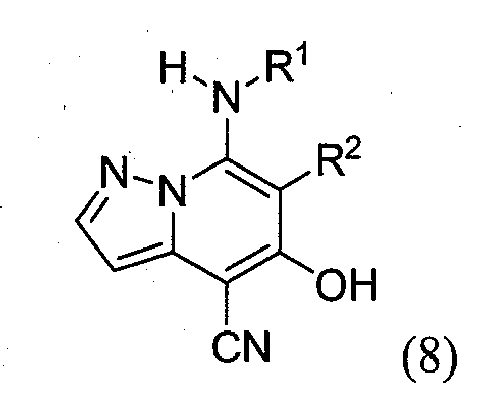
- <45> A pyrazolo[1,5-a]pyridine derivative represented by formula (9) or salt thereof:
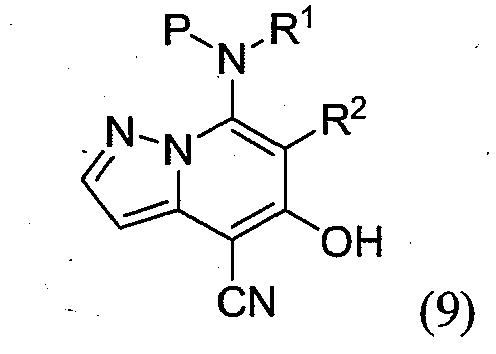
- <46> A pyrazolo[1,5-a]pyridine derivative represented by formula (10) or salt thereof:

- <47> A pyrazolo[1,5-a]pyridine derivative represented by formula (11) or salt thereof:

- <48> A pyrazolo[1,5-a]pyridine derivative represented by formula (12) or salt thereof:

- <49> A pyrazolo[1,5-a]pyridine derivative represented by formula (13) or salt thereof:
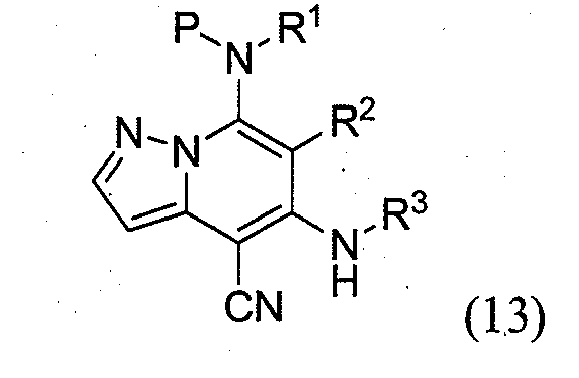
- <50> A pyrazolo[1,5-a]pyridine derivative represented by formula (14) or salt thereof:

- <51> The pyrazolo[1,5-a]pyridine derivative represented by any of formulae (8) to (14) or salt thereof according to any of <44> to <50> except a compound wherein R1 is a C1-C8 alkyl group optionally substituted with -NR1cR1d, -NR1k-CO-R1l or -NR1mS(=O)2R1n; or a C3-C8 cycloalkyl group optionally substituted with -NR1cR1d, -NR1k-CO-R1l or -NR1mS(=O)2R1n.
- <52> A pharmaceutical composition comprising the pyrazolo[1,5-a]pyridine derivative or pharmaceutically acceptable salt thereof according to any of <1> to <41> and a pharmaceutically acceptable carrier.
- <53> A MAPKAP-K2 inhibitor comprising the pyrazolo[1,5-a]pyridine derivative or pharmaceutically acceptable salt thereof according to any of <1> to <41> as an active ingredient.
- <54> A treating or preventing agent comprising the pyrazolo[1,5-a]pyridine derivative or pharmaceutically acceptable salt thereof according to any of <1> to <41> as an active ingredient for neurodegenerative/neurological disorders (including dementia), sepsis, autoimmune diseases, destructive osteopathy, inflammatory bowel disease, psoriasis, diabetes mellitus, cancer, ischemic reperfusion injury, angiodysplasia, cachexia, obesity, angiogenesis, asthma and/or chronic obstructive pulmonary disease (COPD).
- <55> The treating or preventing agent according to <54>, wherein the autoimmune disease is rheumatoid arthritis, ankylosing spondylitis, juvenile rheumatoid arthritis, psoriatic arthritis, graft-versus-host disease, diabetes mellitus or Crohn's disease.
-
- Fig. 1 is a Figure illustrating p38MAPK cascade.
- Each compound of the present invention represented by formula (I) is defined as follows:
- "C1-C8 Alkyl" in the present description represents either a straight or branched chain alkyl group having 1 to 8 carbon atoms. It includes, not limited thereto, for example, methyl, ethyl, n-propyl, isopropyl, n-butyl, sec-butyl, isobutyl, tert-butyl, n-pentyl, isopentyl, neopentyl, tert-pentyl, 2-methylpentyl, 4-methylpentyl, 3-hexyl, n-hexyl, n-heptyl, 2-methylhexyl, 5-methylhexyl, 2-methyl-2-hexyl, 6-methylheptyl, n-octyl and the like. Preferably it is an alkyl group having 1 to 6 carbon atoms. More preferably it is an alkyl group having 1 to 4 carbon atoms, including, not limited thereto, for example, methyl, ethyl, n-propyl, isopropyl, n-butyl, sec-butyl, isobutyl, tert-butyl and the like.
- "C2-C8 Alkenyl" in the present description means a straight or branched chain alkenyl group having 2 to 8 carbon atoms. It includes, not limited thereto, for example, vinyl, allyl, 1-propenyl, 2-butenyl, 3-butenyl, 2-methyl-1-propenyl, 4-pentenyl, 5-hexenyl, 4-methyl-3-pentenyl and the like. Preferably it is an alkenyl group having 2 to 6 carbon atoms. More preferably it is an alkenyl group having 2 to 4 carbon atoms, including, for example, vinyl, allyl, isopropenyl, 1-propenyl, 2-butenyl, 1-butenyl, 2-methyl-1-propenyl and the like.
- "C2-C8 Alkynyl" in the present description means a straight or branched chain alkynyl group having 2 to 8 carbon atoms. It includes, not limited thereto, for example, ethynyl, propargyl, 3-methylpropargyl, 1-butynyl, 2-butyn-1-yl, pentynyl, hexynyl and the like. Preferably it is an alkynyl group having 2 to 6 carbon atoms. More preferably it is an alkynyl group having 2 to 4 carbon atom, including, not limited thereto, for example, ethynyl, propargyl, 1-propynyl, 1-butynyl and the like.
- "C3-C8 Cycloalkyl group" in the present description means a partially unsaturated or saturated cycloalkyl group having 3 to 8 carbon atoms. It includes, not limited thereto, for example, cyclopropyl, cyclobutyl, cyclopentyl, cyclopentenyl, cyclohexyl, cyclohexenyl, cycloheptyl, cyclooctyl and the like. Preferably, it is an cycloalkyl group having 3 to 6 carbon atoms, including, not limited thereto, for example, cyclopropyl, cyclobutyl, cyclopentyl, cyclohexyl and the like.
- "C6-C14 Aryl" in the present description means an aryl group having 6 to 14 carbon atoms which contains one ring or in which an aromatic ring is fused with one or two or more of saturated or unsaturated ring. It includes, not limited thereto, for example, phenyl, naphthyl, anthracenyl, 5-indanyl, 5,6,7,8-tetrahydro-2-naphthyl and the like. Preferably it is an aryl group having 6 to 10 carbon atoms, including, not limited thereto, for example, phenyl, naphthyl, 5-indanyl and the like. More preferably it is a phenyl group or the like.
- "Heteroaryl" in the present description means a heterocyclic group with aromaticity containing 1 to 4 atoms selected from the group consisting of an oxygen atom, a sulfur atom and a nitrogen atom as heteroatoms. It includes, not limited thereto, for example, monovalent groups comprising furan, thiophene, pyrrole, oxazole, thiazole, isothiazole, imidazole, pyrazole, triazole, thiadiazole, oxadiazole, tetrazole, pyridine, pyrazine, pyrimidine, pyridazine, benzofuran, dibenzofuran, benzothiophene, indole, benzimidazole, benzothiazole, benzoxazole, quinoline, isoquinoline, quinazoline, quinoxaline, purine, pteridine, phenoxazine, phenothiazine, acridine, carbazole, cinnoline, dithiazole, indazole, isoindole, isoxazole, naphthyridine, oxathiazole, phthalazine, tetrazine, thiatriazole, triazine and the like. Preferably it is, not limited thereto, for example, a monovalent group comprising furan, thiophene, pyrrole, oxazole, thiazole, isothiazole, imidazole, pyrazole, triazole, pyridine, pyrimidine, pyrazine, pyridazine, benzothiazole, benzoxazole, benzothiophene, benzofuran, indole, indazole, quinoline, phthalazine, quinoxaline, quinazoline, cinnoline, isoindole or the like. More preferably it is, not limited thereto, for example, a monovalent group comprising furan, thiophene, pyrrole, oxazole, thiazole, imidazole, pyrazole, pyridine, pyrimidine, pyrazine, pyridazine, benzothiazole, benzoxazole, benzothiophene, benzofuran, indole, indazole, quinoline, phthalazine, quinoxaline, quinazoline, cinnoline or the like.
- "Aliphatic heterocyclic group" in the present description means a partially unsaturated or saturated aliphatic heterocyclic group containing 1 to 4 atoms selected from the group consisting of an oxygen atom, a sulfur atom and a nitrogen atom as heteroatoms. Also, the aliphatic heterocyclic group may contain 1 or 2 of -C(=O) - or -C(=S) - in the ring. An aliphatic heterocyclic group which is fused with an aromatic hydrocarbon or an aromatic heterocycle is also included in the aliphatic heterocyclic group. It includes, not limited thereto, for exampe, monovalent groups and the like comprising piperidine, pyrrolidine, pyrroline, tetrahydrofuran, dihydropyran, hexahydroazepine, piperazine, quinuclidine, morpholine, thiomorpholine, oxazoline, dioxane, pyran, 2-pyrrolidone, tetrahydro-3H-pyrazol-3-one, 1,2,3,4-tetrahydroisoquinoline, 1,2,3,4-tetrahydroquinoline, 4,5,6,7-tetrahydro-1H-pyrazolo[5,4-c]pyridine, 4,5,6,7-tetrahydro-1H-pyrolo[2,3-c]pyridine, 4,5,6,7-tetrahydrothieno[2,3-c]pyridine, 4,5,6,7-tetrahydro-2H-pyrolo[3,4-c]pyridine, 4,5,6,7-tetrahydrofuro[3,2-c]pyridine, 1,2,3,4-tetrahydro[2,7]naphthyridine, 4,5,6,7-tetrahydrothiazolo[5,4-c]pyridine, 5,6,7,8-tetrahydropyrido[4,3-d]pyrimidine and the like. Preferably, it is, not limited thereto, for example, a monovalent group comprising piperidine, pyrrolidine, pyrroline, tetrahydrofuran, hexahydroazepine, piperazine, morpholine, oxazoline, dioxane, pyran, 1,2,3,4-tetrahydroisoquinoline or the like. More preferably it means a partially unsaturated or saturated aliphatic heterocyclic group containing 1 to 3 heteroatoms at least one of which is a nitrogen atom. Such a group includes, not limited thereto, for example, monovalent groups comprising piperidine, pyrrolidine, pyrroline, hexahydroazepine, piperazine, morpholine, oxazoline and the like. More preferably, it is a monovalent group comprising piperidine, pyrrolidine, hexahydroazepine, piperazine, morpholine or the like.
- "Aralkyl" in the present description is a group comprising an aryl group and an alkyl group in combination. It includes, not limited thereto, for example, benzyl, phenethyl, (2-naphthyl)methyl, 3-phenylpropyl, 4-phenylbutyl, 5-(1-naphthyl)pentyl and the like. Preferably it is a group comprising a phenyl or naphthyl group as its aryl moiety and an alkyl group having 1 to 6 carbon atoms in combination. More preferably it is a group comprising a phenyl group as its aryl moiety and an alkyl group having 1 to 4 carbon atoms in combination, including, not limited thereto, for example, benzyl, phenethyl, 3-phenylpropyl, 4-phenylbutyl and the like.
- "Heteroarylalkyl" in the present description is a group comprising a heteroaryl group and an alkyl group in combination. Preferably it is a group comprising a 5- to 10-membered monocyclic or bicyclic heteroaryl group having 1 to 3 heteroatoms selected from the group consisting of an oxygen atom, a sulfur atom and a nitrogen atom, and an alkyl group having 1 to 4 carbon atoms in combination. More preferably it is, not limited thereto, for example, 2-furylmethyl, 3-furylmethyl, 2-(2-thienyl)ethyl, 2-(3-thienyl)propyl, 2-methyl-1-(1-pyrrolyl)propyl, 1-(2-pyrrolyl)ethyl or the like.
- "Aliphatic heterocyclylalkyl" in the present description is a group comprising an aliphatic heterocycle and an alkyl group in combination. Preferably it is a group comprising a partially unsaturated or saturated aliphatic heterocycle having 1 to 3 atoms selected from the group consisting of an oxygen atom, a sulfur atom and a nitrogen atom as heteroatoms, and an alkyl group having 1 to 4 carbon atoms in combination. More preferably it is, not limited thereto, for example, 3-piperidylmethyl, 3-pyrrolidylmethyl, 2-(4-piperidyl)ethyl, 2-(2-tetrahydrofuryl)propyl, 1-(2-morpholinyl)ethyl, morpholinomethyl, 1-(1-pyrrolidonyl)ethyl or the like.
- "C1-C8 Alkoxy" in the present description represents either a straight or branched chain alkoxy group having 1 to 8 carbon atoms. It includes, not limited thereto, for example, methoxy, ethoxy, n-propoxy, isopropoxy, n-butoxy, tert-butoxy, n-pentyloxy, n-hexyloxy n-heptyloxy and the like. Preferably it is an alkoxy group having 1 to 6 carbon atoms. More preferably it is an alkoxy group having 1 to 4 carbon atoms, including, not limited thereto, for example, methoxy, ethoxy, n-propoxy, isopropoxy, n-butoxy, tert-butoxy and the like.
- "Alicyclic hydrocarbyloxy" in the present description is a group comprising an cycloalkyl group and an oxy group in combination. It includes, not limited thereto, for example, cyclopropyloxy, cyclobutyloxy, cyclopentyloxy, cyclopentenyloxy, cyclohexyloxy, cyclohexenyloxy, cycloheptyloxy, cyclooctyloxy and the like. Preferably it is an cycloalkyl-oxy groupcycloalkyl-oxy group having 3 to 8 carbon atoms. More preferably it is an alkoxy group having 3 to 6 carbon atoms, including, not limited thereto, for example, cyclopropyloxy, cyclobutyloxy, cyclopentyloxy, cyclohexyloxy and the like.
- "C1-C6 Alkylthio" in the present description is a group comprising a C1-C6 alkyl and a thio group in combination. It includes, not limited thereto, for example, methylthio, ethylthio, n-propylthio, isopropylthio, n-butylthio, sec-butylthio, isobutylthio, tert-butylthio, n-pentylthio, isopentylthio, neopentylthio, tert-pentylthio, 2-methylpentylthio, 4-methylpentylthio, 3-hexylthio, n-hexylthio, n-heptylthio and the like. Preferably it is an alkylthio group having 1 to 4 carbon atoms. More preferably, it is an alkylthio group having 1 to 3 carbon atoms, including, not limited thereto, for example, methylthio, ethylthio, n-propylthio, isopropylthio and the like.
- "C1-C6 Acyl" in the present description is an acyl group comprising an alkyl having 1 to 6 carbon atoms or an alicyclic group having 1 to 6 carbon atoms. Preferably it is, not limited thereto, for example, acetyl, propionyl, butyryl, isobutyryl, valeryl, isovaleryl, pivaloyl or the like.
- "C1-C6 Acylamino" in the present description is a group comprising a C1-C6 acyl and an amino group in combination. Preferably it is, not limited thereto, for example, acetylamino, propionylamino, butyrylamino, isobutyrylamino, valerylamino, isovalerylamino, pivaloylamino or the like.
- "C2-C7 Alkoxycarbonyl" in the present description is a group comprising a C1-C6 alkoxy and a carbonyl group in combination. Preferably it is, not limited thereto, for example, methoxycarbonyl, ethoxycarbonyl, isopropoxycarbonyl, tert-butoxycarbonyl or the like.
- "C7-C12 Phenylalkyl group" in the present description is a group comprising phenyl and a C1-C6 alkyl group in combination. Preferably it is, not limited thereto, for example, benzyl, phenethyl, 2-phenylpropyl, 3-phenylpropyl, 4-phenylbutyl or the like.
- "Protective group for an amino group" in the present description is a protective group for an amino group generally used in this field (Reference: Protective Groups in Organic Synthesis, 3rd edition, John Wiley & Sons Inc.). Preferably it is, not limited thereto, for example, tert-butoxycarbonyl, benzyloxycarbonyl, methoxycarbonyl, ethoxycarbonyl, 2,2,2-trichloroethoxycarbonyl, acetyl, trifluoroacetyl, pivaloyl, benzoyl, 2,4,6-trimethylbenzoyl, p-methoxybenzyl, 3,4-dimethoxybenzyl; tert-butyl, methoxymethyl, 2-trimethylsilylethoxymethyl, benzyloxymethyl or the like. More preferably it is, not limited thereto, for example, alkoxycarbonyl such as tert-butoxycarbonyl, benzyloxycarbonyl, methoxycarbonyl, ethoxycarbonyl, 2,2,2-trichloroethoxycarbonyl or the like. Further preferably it is tert-butoxycarbonyl.
- "Perfluoroalkylsulfonyl" in the present description is a polyfluorinated alkylsulfonyl group which is generally used for transforming a hydroxyl group to a leaving group in this field. Preferably it is, not limited thereto, for example, trifluoromethanesulfonyl, nonafluorobutanesulfonyl or the like. More preferably, it is trifluoromethanesulfonyl.
- "Halogen atom" in the present description means a fluorine atom, a chlorine atom, a bromine atom or an iodine atom. Preferably it is a fluorine atom, a chlorine atom or a bromine atom, and more preferably it is a fluorine atom or a chlorine atom.
- "C1-C8 Alkyl group (when two C1-C8 alkyl groups as R1x, R2y or R3z bond to one nitrogen atom, they may bond to each other via an oxygen atom, a nitrogen atom, a sulfur atom or a single bond to form a ring)" as R1x, R2y or R3z in the present description includes, not limited thereto, for example, 1-pyrrolidinyl, 2-methyl-1-pyrrolidinyl, 1-piperidyl, morpholino, thiomorpholino, piperazino and the like. Preferably it is, not limited thereto, for example, 1-pyrrolidinyl, 1-piperidyl, morpholino, piperazino or the like.
- "C1-C8 Alkyl group optionally substituted with oxo group(s)" included in " C1-C8 alkyl group optionally substituted with halogen atom(s), hydroxyl group(s) or oxo group(s)" as the substituent of substituent(s) of R1, R2 or R3 in the present description includes, not limited thereto, for example, an acetyl group, a propionyl group, a butyryl group, an isobutyryl group, a valeryl group, an isovaleryl group, a 2-oxopropyl group, a 3-oxobutyl group, a pivaloyl group and the like. Preferably it is, not limited thereto, for example, an acetyl group, a propionyl group, an isobutyryl group, a valeryl group, an isovaleryl group, a pivaloyl group or the like.
- With respect to R1 and R2 in the present description, the case wherein "when R1 or R2 is an optionally substituted C6-C14 aryl group or an optionally substituted heteroaryl group, and two or more substituents of R1 or R2 bond to R1 or R2, these substituents may bond to each other via an oxygen atom, a nitrogen atom, a sulfur atom or a single bond to form a ring" includes, not limited thereto, for example, chromane, indoline, isochromane, isoindoline, 2H,3H-benzo[e]1,4-dioxine, 2H-benzo[d]1,3-dioxolene, 2H,3H,4H-benzo[e]thiine, 2H,3H,4H-benzo[e] 1,4-oxazine and the like. Preferably it is, not limited thereto, for example, chromane, indoline, isochromane, isoindoline, 2H,3H-benzo[e]1,4-dioxine, 2H-benzo[d]1,3-dioxolene or the like.
- In the above definition, "C" in for example "C1" represents a carbon atom and the subsequent numeral represents the number of carbon atoms. For example, "C1-C6" represents the range of number of carbon atoms from 1 to 6. Needless to say, in the present invention, each group different in number of carbon atoms means the same type of group having each specified number of carbon atoms. For example, "C1-C6 alkyl group" means an alkyl group, which is defined for "C1-C8 alkyl group", having 1 to 6 carbon atoms. The number of carbon atoms in other groups is interpreted in the same way.
- R1 represents an optionally substituted C1-C8 alkyl group, an optionally substituted C2-C8 alkenyl group, an optionally substituted C2-C8 alkynyl group, an optionally substituted C6-C14 aryl group, an optionally substituted heteroaryl group, an optionally substituted C7-C16 aralkyl group, an optionally substituted heteroarylalkyl group, an optionally substituted C3-C8 cycloalkyl group or an optionally substituted aliphatic heterocyclic group. Preferably it is an optionally substituted C1-C8 alkyl group, an optionally substituted C2-C8 alkenyl group, an optionally substituted C6-C14 aryl group, an optionally substituted heteroaryl group, an optionally substituted C7-C16 aralkyl group, an optionally substituted heteroarylalkyl group, an optionally substituted C3-C8 cycloalkyl group, an optionally substituted aliphatic heterocyclic group or the like. More preferably it is an optionally substituted C6-C14 aryl group, an optionally substituted heteroaryl group, an optionally substituted C7-C16 aralkyl group, an optionally substituted heteroarylalkyl group or the like. Further preferably it is an optionally substituted C6-C14 aryl group, an optionally substituted heteroaryl group or the like, and even more preferably it is an optionally substituted phenyl group, an optionally substituted heteroaryl group or the like. The optionally substituted heteroaryl group as R1 is preferably a heteroaryl group wherein a monocyclic aryl group and an optionally substituted monocyclic heteroaryl group are fused with each other and the aryl group is bonded to the NH group at the 7-position of the pyrazolo[1,5-a]pyridine derivative represented by formula (I). The monocyclic aryl group is a phenyl group or the like. Preferably the heteroaryl group is, not limited thereto, for example, benzothiazol-4-yl, benzothiazol-5-yl, benzothiazol-6-yl, benzothiazol-7-yl, benzoxazol-4-yl, benzoxazol-5-yl, benzoxazol-6-yl, benzoxazol-7-yl, benzimidazol-4-yl, benzimidazol-5-yl, benzimidazol-6-yl, benzimidazol-7-yl, indazol-4-yl, indazol-5-yl, indazol-6-yl, indazol-7-yl, benzothiophen-4-yl, benzothiophen-5-yl, benzothiophen-6-yl, benzothiophen-7-yl, indol-4-yl, indol-5-yl, indol-6-yl, indol-7-yl or the like. More preferably, it is benzothiazol-5-yl, benzothiazol-6-yl, benzoxazol-5-yl, benzoxazol-6-yl, benzimidazol-5-yl, benzimidazol-6-yl, indazol-5-yl, indazol-6-yl, benzothiophen-5-yl, benzothiophen-6-yl, indol-5-yl, indol-6-yl or the like.
- The substituent(s) of R1 are one or more substituent(s) selected from the group consisting of a halogen atom, a cyano group, a nitro group, an optionally substituted C1-C8 alkyl group, an optionally substituted C3-C8 cycloalkyl group, an optionally substituted aliphatic heterocyclic group, an optionally substituted C6-C14 aryl group, an optionally substituted heteroaryl group, -OR1a, -SR1b, -NR1cR1d, -C(=O)R1e, -S(=O)2NR1fR1g, - C(=O)OR1h, -C(=O)NR1iR1j, -NR1kC(=O)R1l, -NR1mS(=O)2R1n and the like. Preferably it is 1 to 5 substituents selected from the group consisting of a halogen atom, a cyano group, an optionally substituted C1-C8 alkyl group, an optionally substituted C3-C8 cycloalkyl group, an optionally substituted aliphatic heterocyclic group, an optionally substituted C6-C14 aryl group, an optionally substituted heteroaryl group, -OR1a, -NR1cR1d, -C(=O)R1e, - S(=O)2NR1fR1g, -C(=O)OR1h, -C(=O)NR1iR1j, -NR1kC(=O)R1l, -NR1mS(=O)2R1n and the like. More preferably it is 1 to 4 substituents selected from the group consisting of a halogen atom, an optionally substituted C1-C6 alkyl group, an optionally substituted C3-C8 cycloalkyl group, an optionally substituted aliphatic heterocyclic group, an optionally substituted C6-C14 aryl group, an optionally substituted heteroaryl group, -OR1a, -NR1cR1d, -S(=O)2NR1fR1g, -C(=O)OR1h, -C(=O)NRliR1j, -NR1kC(=O)R1l, -NR1mS(=O)2R1n and the like. Further preferably it is 1 to 3 substituents selected from the group consisting of a halogen atom, an optionally substituted C1-C4 alkyl group, an optionally substituted C3-C6 cycloalkyl group, an optionally substituted aliphatic heterocyclic group, an optionally substituted phenyl group, an optionally substituted heteroaryl group, -OR1a, -NR1cR1d, -S(=O)2NR1fR1g, -C(=O)OR1h,-C(=O)NR1iR1j, -NR1kC(=O)R1l, -NR1mS(=O)2R1n and the like.
- R1x (x represents a, b, c, d, e, f, g, h, i, j, k, 1, m or n) may be identical or different, and represents a hydrogen atom, an optionally substituted C1-C8 alkyl group (when two C1-C8 alkyl groups as R1x bond to one nitrogen atom, they may bond to each other via an oxygen atom, a nitrogen atom, a sulfur atom or a single bond to form a ring), an optionally substituted C6-C14 aryl group, an optionally substituted heteroaryl group, an optionally substituted C3-C8 cycloalkyl group, an optionally substituted aliphatic heterocyclic group, an optionally substituted C7-C16 aralkyl group, an optionally substituted heteroarylalkyl group or an optionally substituted aliphatic heterocyclylalkyl group. Preferably R1x is a hydrogen atom, an optionally substituted C1-C4 alkyl group (when two C1-C4 alkyl groups as R1x bond to one nitrogen atom, they may bond to each other via an oxygen atom, a nitrogen atom, a sulfur atom or a single bond to form a ring), an optionally substituted phenyl group, an optionally substituted heteroaryl group, an optionally substituted C3-C6 cycloalkyl group, an optionally substituted aliphatic heterocyclic group, an optionally substituted phenylalkyl group, an optionally substituted heteroarylalkyl group or an optionally substituted aliphatic heterocyclylalkyl group. More preferably R1x is a hydrogen atom, an optionally substituted C1-C4 alkyl group (when two C1-C4 alkyl groups as R1x bond to one nitrogen atom, they may bond to each other via an oxygen atom, a nitrogen atom, a sulfur atom or a single bond to form a ring), an optionally substituted heteroaryl group, an optionally substituted aliphatic heterocyclic group, an optionally substituted heteroarylalkyl group or an optionally substituted aliphatic heterocyclylalkyl group.
- When R1 is an optionally substituted C6-C14 aryl group or an optionally substituted heteroaryl group and two or more substituents of R1 bond to R1, these substituents may bond to each other via an oxygen atom, a nitrogen atom, a sulfur atom or a single bond to form a ring.
- R2 represents a hydrogen atom, an optionally substituted C1-C8 alkyl group, an optionally substituted C2-C8 alkenyl group, an optionally substituted C2-C8 alkynyl group, an optionally substituted C6-C14 aryl group, an optionally substituted heteroaryl group, an optionally substituted aliphatic heterocyclic group, an optionally substituted C7-C16 aralkyl group, an optionally substituted C3-C8 cycloalkyl group or an optionally substituted heteroarylalkyl group. Preferably it is a hydrogen atom, an optionally substituted C1-C6 alkyl group, an optionally substituted C2-C6 alkenyl group, an optionally substituted C6-C14 aryl group, an optionally substituted heteroaryl group, an optionally substituted C3-C8 cycloalkyl group or the like. More preferably it is a hydrogen atom, an optionally substituted C1-C4 alkyl group, an optionally substituted phenyl group, an optionally substituted heteroaryl group, an optionally substituted C3-C6 cycloalkyl group or the like. Further preferably it is a hydrogen atom, an optionally substituted C1-C4 alkyl group or the like. The substituent(s) of R2 are one or more substituent(s) selected from the group consisting of a halogen atom, a cyano group, a nitro group, an optionally substituted C1-C8 alkyl group, -OR2a, -SR2b, -NR2cR2d, -C(=O)R2e, -S(=O)2NR2fR2g, -C(=O)OR2h, - C(=O)NR2iR2j, -NR2kC(=O)R2l and -NR1mS(=O)2R1n. Preferably the substituent(s) of R2 are 1 to 5 substituent(s) selected from the group consisting of a halogen atom, a cyano group, an optionally substituted C1-C6 alkyl group, -OR2a, -NR2cR2d, -S(=O)2NR2fR2g, -C(=O)OR2h, - C(=O)NR2iR2j, -NR2kC(=O)R2l, -NR1mS(=O)2R1n and the like, more preferably 1 to 3 substituent(s) selected from the group consisting of a halogen atom, an optionally substituted C1-C4 alkyl group, -OR2a, -NR2cR2d, -C(=O)OR2h, -C(=O)NR2iR2j, -NR2kC(=O)R2l and the like.
- R2y (y represents a, b, c, d, e, f, g, h, i, j, k, l, m or n) may be identical or different, and represents a hydrogen atom, an optionally substituted C1-C8 alkyl group (when two C1-C8 alkyl groups as R2y bond to one nitrogen atom, they may bond to each other via an oxygen atom, a nitrogen atom, a sulfur atom or a single bond to form a ring), an optionally substituted C6-C14 aryl group, an optionally substituted heteroaryl group, an optionally substituted C3-C8 cycloalkyl group, an optionally substituted aliphatic heterocyclic group, an optionally substituted C7-C16 aralkyl group or an optionally substituted heteroarylalkyl group. Preferably R2y is a hydrogen atom, an optionally substituted C1-C4 alkyl group (when two C1-C4 alkyl groups as R2y bond to one nitrogen atom, they may bond to each other via an oxygen atom, a nitrogen atom, a sulfur atom or a single bond to form a ring), an optionally substituted phenyl group, an optionally substituted heteroaryl group, an optionally substituted C3-C6 cycloalkyl group, an optionally substituted aliphatic heterocyclic group, an optionally substituted phenylalkyl group, an optionally substituted heteroarylalkyl group or the like. More preferably R2y is a hydrogen atom, an optionally substituted C1-C4 alkyl group (when two C1-C4 alkyl groups as R2y bond to one nitrogen atom, they may bond to each other via an oxygen atom, a nitrogen atom, a sulfur atom or a single bond to form a ring), an optionally substituted heteroaryl group, an optionally substituted aliphatic heterocyclic group, an optionally substituted heteroarylalkyl group or the like.
- When R2 is an optionally substituted C6-C14 aryl group or an optionally substituted heteroaryl group and two or more substituents of R2 bond to R2, these substituents may bond to each other via an oxygen atom, a nitrogen atom, a sulfur atom or a single bond to form a ring.
- R3 represents an optionally substituted C1-C8 alkyl group, an optionally substituted C3-C8 cycloalkyl group or an optionally substituted aliphatic heterocyclic group. Preferably it is an optionally substituted C3-C6 cycloalkyl group, an optionally substituted aliphatic heterocyclic group or the like. More preferably it is a C3-C8 cycloalkyl group substituted with an optionally substituted amino group, an optionally substituted aliphatic heterocyclic group having 1 to 4 nitrogen atoms as heteroatoms or the like.
- The substituent(s) of R3 are one or more substituent(s) selected from the group consisting of a halogen atom, a cyano group, a nitro group, -OR3a, -SR3b, -NR3cR3d, an optionally substituted C1-C8 alkyl group, an optionally substituted C3-C8 cycloalkyl group and an optionally substituted aliphatic heterocyclic group.
- When R3 is an optionally substituted C1-C8 alkyl group, preferred substituents of R3 are 1 to 3 substituent(s) selected from the group consisting of -OR3a, -NR3cR3d, a C3-C8 cycloalkyl group optionally substituted with an optionally substituted amino group and an optionally substituted aliphatic heterocyclic group. Further, in addition to these substituents, R3 may be substituted with 1 to 5 substituent(s) selected from the group consisting of a halogen atom, a cyano group, an optionally substituted C1-C6 alkyl group and the like. More preferred substituents of R3 in the case wherein R3 is an optionally substituted C1-C8 alkyl group are 1 to 2 substituent(s) selected from the group consisting of -OR3a, -NR3cR3d, a C5-C6 cycloalkyl group optionally substituted with an amino group and an optionally substituted aliphatic heterocyclic group containing 1 to 2 nitrogen atom(s). Here, in addition to these substituents, R3 may be further substituted with 1 to 4 substituent(s) selected from the group consisting of a fluorine atom, a cyano group, an optionally substituted C1-C4 alkyl group and the like.
- When R3 is an optionally substituted C3-C8 cycloalkyl group, preferred substituents of R3 are 1 to 3 substituent(s) selected from the group consisting of -OR3a, -NR3cR3d, a C1-C6 alkyl group substituted with an optionally substituted amino group and an optionally substituted aliphatic heterocyclic group. Further, in addition to these substituents, R3 may be substituted with 1 to 5 substituent(s) selected from the group consisting of a halogen atom, a cyano group, an optionally substituted C1-C6 alkyl group and the like. More preferred substituents of R3 are, in the case wherein R3 is an optionally substituted C3-C8 aliphatic hydrocarbon group, 1 to 2 substituent(s) selected from the group consisting of -OR3a, - NR3cR3d, a C1-C6 alkyl group optionally substituted with an amino group and an optionally substituted aliphatic heterocyclic group containing 1 to 2 nitrogen atom(s). Here, in addition to these substituents, R3 may be further substituted with 1 to 4 substituent(s) selected from the group consisting of a fluorine atom, a cyano group, an optionally substituted C1-C4 alkyl group and the like.
- When R3 is an optionally substituted aliphatic heterocyclic group, preferred substituents of R3 are 1 to 5 substituent(s) selected from the group consisting of -OR3a, -NR3cR3d, a halogen atom, a cyano group, an optionally substituted C1-C6 alkyl group, an optionally substituted C3-C8 cycloalkyl group, an optionally substituted aliphatic heterocyclic group and the like. More preferred substituents of R3 in the case wherein R3 is an optionally substituted aliphatic heterocyclic group are 1 to 4 substituent(s) selected from the group consisting of-OR3a, -NR3cR3d, a fluorine atom, a cyano group, an optionally substituted C1-C4 alkyl group, an optionally substituted C3-C6 cycloalkyl group, an optionally substituted aliphatic heterocyclic group and the like.
- R3z (z represents a, b, c or d) may be identical or different and represents a hydrogen atom, an optionally substituted C1-C8 alkyl group (when two C1-C8 alkyl groups as R3z bond to one nitrogen atom, they may bond to each other via an oxygen atom, a nitrogen atom, a sulfur atom or a single bond to form a ring), an optionally substituted C6-C14 aryl group, an optionally substituted heteroaryl group, an optionally substituted C3-C8 cycloalkyl group, an optionally substituted aliphatic heterocyclic group, an optionally substituted C7-C16 aralkyl group or an optionally substituted heteroarylalkyl group. Preferably R3z is a hydrogen atom, an optionally substituted C1-C4 alkyl group (when two C1-C4 alkyl groups as R3z bond to one nitrogen atom, they may bond to each other via an oxygen atom, a nitrogen atom, a sulfur atom or a single bond to form a ring), an optionally substituted phenyl group, an optionally substituted heteroaryl group, an optionally substituted C3-C6 cycloalkyl group, an optionally substituted aliphatic heterocyclic group, an optionally substituted phenylalkyl group, an optionally substituted heteroarylalkyl group or the like. More preferably R3z is a hydrogen atom, an optionally substituted C1-C4 alkyl group (when two C1-C4 alkyl groups as R3z bond to one nitrogen atom, they may bond to each other via an oxygen atom, a nitrogen atom, a sulfur atom or a single bond to form a ring), an optionally substituted heteroaryl group, an optionally substituted aliphatic heterocyclic group, an optionally substituted heteroarylalkyl group or the like.
- The substituent(s) of substituent(s) of R1, R2 or R3 are, unless specifically defined, one or more substituent(s) selected from the group consisting of a halogen atom; a hydroxyl group; a cyano group; a nitro group; an amino group; a C1-C8 alkyl group optionally substituted with one or more substituent(s) selected from the group consisting of 1 to 9 halogen atom(s), 1 to 2 hydroxyl group(s), 1 to 2 cyano group(s) and 1 to 2 oxo group(s); a C3-C8 cycloalkyl group optionally substituted with one or more substituent(s) selected from the group consisting of 1 to 4 methyl group(s), 1 to 9 halogen atom(s), 1 to 2 hydroxyl group(s),1 to 2 cyano group(s) and 1 to 2 oxo group(s); a C1-C8 alkoxy group optionally substituted with one or more substituent(s) selected from the group consisting of 1 to 9 halogen atom(s), 1 to 2 hydroxyl group(s) and 1 to 2 cyano group(s); a C3-C8 cycloalkyl-oxy groupcycloalkyl-oxy group optionally substituted with one or more substituent(s) selected from the group consisting of 1 to 2 methyl group(s), 1 to 9 halogen atom(s), 1 to 2 hydroxyl group(s) and 1 to 2 cyano group(s); an aliphatic heterocyclic group optionally substituted with one or more substituent(s) selected from the group consisting of 1 to 4 methyl group(s), 1 to 8 halogen atom(s), 1 to 2 hydroxyl group(s) and 1 to 2 cyano group(s); a C6-C14 aryl group optionally substituted with one or more substituent(s) selected from the group consisting of 1 to 4 methyl group(s), 1 to 5 halogen atom(s), 1 to 2 hydroxyl group(s) and 1 to 2 cyano group(s); and a heteroaryl group optionally substituted with one or more substituent(s) selected from the group consisting of 1 to 4 methyl group(s), 1 to 5 halogen atom(s), 1 to 2 hydroxyl group(s) and 1 to 2 cyano group(s).
- Preferably the substituent(s) of substituent(s) of R1 are one or more substituent(s) selected from the group consisting of a halogen atom; a hydroxyl group; an amino group; a C1-C6 alkyl group optionally substituted with one or more substituent(s) selected from the group consisting of 1 to 7 fluorine atom(s), 1 to 2 hydroxyl group(s), 1 to 2 cyano group(s) and 1 to 2 oxo group(s); a C3-C8 cycloalkyl group optionally substituted with one or more substituent(s) selected from the group consisting of 1 to 4 methyl group(s), 1 to 7 fluorine atom(s), 1 to 2 hydroxyl group(s), 1 to 2 cyano group(s) and 1 to 2 oxo group(s); a C1-C6 alkoxy group optionally substituted with one or more substituent(s) selected from the group consisting of 1 to 7 fluorine atom(s), 1 to 2 hydroxyl group(s) and 1 to 2 cyano group(s); a C3-C8 cycloalkyl-oxy groupcycloalkyl-oxy group optionally substituted with one or more substituent(s) selected from the group consisting of 1 to 4 methyl group(s), 1 to 7 fluorine atom(s), 1 to 2 hydroxyl group(s) and 1 to 2 cyano group(s); an aliphatic heterocyclic group optionally substituted with one or more substituent(s) selected from the group consisting of 1 to 4 methyl group(s), 1 to 6 fluorine atom(s), 1 to 2 hydroxyl group(s) and 1 to 2 cyano group(s); a C6-C14 aryl group optionally substituted with one or more substituent(s) selected from the group consisting of 1 to 4 methyl group(s), 1 to 5 halogen atom(s), 1 to 2 hydroxyl group(s) and 1 to 2 cyano group(s); a heteroaryl group optionally substituted with one or more substituent(s) selected from the group consisting of 1 to 4 methyl group(s),1 to 5 halogen atom(s), 1 to 2 hydroxyl group(s) and 1 to 2 cyano group(s); and the like. When halogen atom(s) are included as the substituent(s) of substituent(s) of R1, the number of the substituents is preferably 1 to 8. When the substituent(s) of substituent(s) of R1 are selected only from the substituents other than halogen atoms, the number of the substituents is preferably 1 to 3. More preferred substituent(s) of substituent(s) of R1 are one or more substituent(s) selected from the group consisting of halogen atom; a hydroxyl group; an amino group; a C1-C4 alkyl group optionally substituted with one or more substituent(s) selected from the group consisting of 1 to 5 fluorine atom(s), 1 to 2 hydroxyl group(s), 1 to 2 cyano group(s) and 1 to 2 oxo group(s); a C3-C6 cycloalkyl group optionally substituted with one or more substituent(s) selected from the group consisting of 1 to 4 methyl group(s), 1 to 7 fluorine atom(s), 1 to 2 hydroxyl group(s), 1 to 2 cyano group(s) and 1 to 2 oxo group(s); a C1-C4 alkoxy group optionally substituted with one or more substituent(s) selected from the group consisting of 1 to 7 fluorine atom(s), 1 to 2 hydroxyl group(s) and 1 to 2 cyano group(s); a C3-C6 cycloalkyl-oxy groupcycloalkyl-oxy group optionally substituted with one or more substituent(s) selected from the group consisting of 1 to 4 methyl group(s), 1 to 7 fluorine atom(s), 1 to 2 hydroxyl group(s) and 1 to 2 cyano group(s); an aliphatic heterocyclic group optionally substituted with one or more substituent(s) selected from the group consisting of 1 to 4 methyl group(s), 1 to 6 fluorine atom(s), 1 to 2 hydroxyl group(s) and 1 to 2 cyano group(s); and the like. Here, when halogen atom(s) are included as the substituent(s) of substituent(s) of R1, the number of the substituents is preferably 1 to 6, while when the substituent(s) of substituent(s) of R1 are selected only from the substituents other than halogen atoms, the number of the substituents is preferably 1 to 2.
- Preferably the substituent(s) of substituent(s) of R2 are one or more substituent(s) selected from the group consisting of a halogen atom; a hydroxyl group; a cyano group; a nitro group; an amino group; a C1-C6 alkyl group optionally substituted with one or more substituent(s) selected from the group consisting of 1 to 9 fluorine atom(s), 1 to 2 hydroxyl group(s), 1 to 2 cyano group(s) and 1 to 2 oxo group(s); a C3-C8 cycloalkyl group optionally substituted with one or more substituent(s) selected from the group consisting of 1 to 4 methyl group(s), 1 to 9 fluorine atom(s), 1 to 2 hydroxyl group(s), 1 to 2 cyano group(s) and 1 to 2 oxo group(s); a C1-C6 alkoxy group optionally substituted with one or more substituent(s) selected from the group consisting of 1 to 9 fluorine atom(s), 1 to 2 hydroxyl group(s) and 1 to 2 cyano group(s); a C3-C8 cycloalkyl-oxy groupcycloalkyl-oxy group optionally substituted with one or more substituent(s) selected from the group consisting of 1 to 4 methyl group(s), 1 to 9 fluorine atom(s), 1 to 2 hydroxyl group(s) and 1 to 2 cyano group(s); an aliphatic heterocyclic group optionally substituted with one or more substituent(s) selected from the group consisting of 1 to 4 methyl group(s), 1 to 6 halogen atom(s), 1 to 2 hydroxyl group(s) and 1 to 2 cyano group(s); and the like. When halogen atom(s) are included as the substituent(s) of substituent(s) of R2, the number of the substituents is preferably 1 to 8. When the substituent(s) of substituent(s) of R2 are selected only from the substituents other than halogen atoms, the number of the substituents is preferably 1 to 3. More preferably, the substituent(s) of substituent(s) of R2 are one or more substituent(s) selected from the group consisting of a halogen atom; a hydroxyl group; a cyano group; a nitro group; an amino group; a C1-C4 alkyl group optionally substituted with one or more substituent(s) selected from the group consisting of 1 to 7 fluorine atom(s), 1 to 2 hydroxyl group(s), 1 to 2 cyano group(s) and 1 to 2 oxo group(s); a C3-C6 cycloalkyl group optionally substituted with one or more substituent(s) selected from the group consisting of 1 to 4 methyl group(s), 1 to 7 fluorine atom(s), 1 to 2 hydroxyl group(s),1 to 2 cyano group(s) and 1 to 2 oxo group(s); a C1-C4 alkoxy group optionally substituted with one or more substituent(s) selected from the group consisting of 1 to 7 fluorine atom(s), 1 to 2 hydroxyl group(s) and 1 to 2 cyano group(s); a C3-C6 cycloalkyl-oxy groupcycloalkyl-oxy group optionally substituted with one or more substituent(s) selected from the group consisting of 1 to 4 methyl group(s), 1 to 7 fluorine atom(s), 1 to 2 hydroxyl group(s) and 1 to 2 cyano group(s); an aliphatic heterocyclic group optionally substituted with one or more substituent(s) selected from the group consisting of 1 to 4 methyl group(s), 1 to 6 halogen atom(s), 1 to 2 hydroxyl group(s) and 1 to 2 cyano group(s); and the like. Here, when halogen atom(s) are included as the substituent(s) of substituent(s) of R2, the number of the substituents is preferably 1 to 8, while when the substituent(s) of substituent(s) of R2 are selected only from the substituents other than halogen atoms, the number of the substituents is preferably 1 to 3. Further preferably, the substituent(s) of substituent(s) of R2 are one or more substituent(s) selected from the group consisting of 1 to 5 halogen atom(s); 1 to 2 hydroxyl group(s); 1 to 2 cyano group(s); 1 to 2 amino group(s); a C1-C4 alkyl group optionally substituted with one or more substituent(s) selected from the group consisting of 1 to 5 fluorine atom(s), 1 to 2 hydroxyl group(s), 1 to 2 cyano group(s) and 1 to 2 oxo group(s); a C1-C4 alkoxy group optionally substituted with one or more substituent(s) selected from the group consisting of 1 to 5 fluorine atom(s), 1 to 2 hydroxyl group(s) and 1 to 2 cyano group(s); an aliphatic heterocyclic group optionally substituted with one or more substituent(s) selected from the group consisting of 1 to 4 methyl group(s), 1 to 6 halogen atom(s), 1 to 2 hydroxyl group(s) and 1 to 2 cyano group(s); and the like. Here, when halogen atom(s) are included as the substituent(s) of substituent(s) of R2, the number of the substituents is preferably 1 to 6, while when the substituent(s) of substituent(s) of R2 are selected only from the substituents other than halogen atoms, the number of the substituents is preferably 1 to 2.
- Preferably the substituent(s) of substituent(s) of R3 are one or more substituent(s) selected from the group consisting of a halogen atom; a hydroxyl group; an amino group; a C1-C6 alkyl group optionally substituted with one or more substituent(s) selected from the group consisting of 1 to 9 fluorine atom(s), 1 to 2 hydroxyl group(s), 1 to 2 cyano group(s) and 1 to 2 oxo group(s); a C3-C8 cycloalkyl group optionally substituted with one or more substituent(s) selected from the group consisting of 1 to 4 methyl group(s), 1 to 9 fluorine atom(s), 1 to 2 hydroxyl group(s), 1 to 2 cyano group(s) and 1 to 2 oxo group(s); a C1-C6 alkoxy group optionally substituted with one or more substituent(s) selected from the group consisting of 1 to 9 fluorine atom(s), 1 to 2 hydroxyl group(s) and 1 to 2 cyano group(s); a C3-C8 cycloalkyl-oxy groupcycloalkyl-oxy group optionally substituted with one or more substituent(s) selected from the group consisting of 1 to 4 methyl group(s), 1 to 9 fluorine atom(s), 1 to 2 hydroxyl group(s) and 1 to 2 cyano group(s); an aliphatic heterocyclic group optionally substituted with one or more substituent(s) selected from the group consisting of 1 to 4 methyl group(s), 1 to 6 fluorine atom(s), 1 to 2 hydroxyl group(s) and 1 to 2 cyano group(s); a C6-C14 aryl group optionally substituted with one or more substituent(s) selected from the group consisting of 1 to 2 methyl group(s), 1 to 5 fluorine atom(s), 1 to 2 hydroxyl group(s) and 1 to 2 cyano group(s); a heteroaryl group optionally substituted with one or more substituent(s) selected from the group consisting of 1 to 4 methyl group(s), 1 to 5 fluorine atom(s), 1 to 2 hydroxyl group(s) and 1 to 2 cyano group(s); and the like. When halogen atom(s) are included as the substituent(s) of substituent(s) of R3, the number of the substituents is preferably 1 to 8. When the substituent(s) of substituent(s) of R3 are selected only from the substituents other than halogen atoms, the number of the substituents is preferably 1 to 3. More preferably, the substituent(s) of substituent(s) of R3 are one or more substituent(s) selected from the group consisting of a halogen atom; a hydroxyl group; an amino group; a C1-C4 alkyl group optionally substituted with one or more substituent(s) selected from the group consisting of 1 to 7 fluorine atom(s), 1 to 2 hydroxyl group(s), 1 to 2 cyano group(s) and 1 to 2 oxo group(s); a C3-C6 cycloalkyl group optionally substituted with one or more substituent(s) selected from the group consisting of 1 to 4 methyl group(s), 1 to 7 fluorine atom(s), 1 to 2 hydroxyl group(s), 1 to 2 cyano group(s) and 1 to 2 oxo group(s); a C1-C4 alkoxy group optionally substituted with one or more substituent(s) selected from the group consisting of 1 to 7 fluorine atom(s), 1 to 2 hydroxyl group(s) and 1 to 2 cyano group(s); a C3-C6 cycloalkyl-oxy groupcycloalkyl-oxy group optionally substituted with one or more substituent(s) selected from the group consisting of 1 to 4 methyl group(s), 1 to 7 fluorine atom(s), 1 to 2 hydroxyl group(s) and 1 to 2 cyano group(s); a aliphatic heterocyclic group optionally substituted with one or more substituent(s) selected from the group consisting of 1 to 4 methyl group(s), 1 to 6 fluorine atom(s) and 1 to 2 hydroxyl group(s); a phenyl group optionally substituted with one or more substituent(s) selected from the group consisting of 1 to 4 methyl group(s), 1 to 5 fluorine atom(s) and 1 to 2 hydroxyl group(s); a heteroaryl group optionally substituted with one or more substituent(s) selected from the group consisting of 1 to 4 methyl group(s), 1 to 5 fluorine atom(s) and 1 to 2 hydroxyl group(s); and the like. Here, when halogen atom(s) are included as the substituent(s) of substituent(s) of R3, the number of the substituents is preferably 1 to 8, while when the substituent(s) of substituent(s) of R3 are selected only from the substituents other than halogen atoms, the number of the substituents is preferably 1 to 3. Further preferably, the substituent(s) of substituent(s) of R3 are one or more substituent(s) selected from the group consisting of a halogen atom; a hydroxyl group; an amino group; a C1-C4 alkyl group optionally substituted with one or more substituent(s) selected from the group consisting of 1 to 5 fluorine atom(s), 1 to 2 hydroxyl group(s), 1 to 2 cyano group(s) and 1 to 2 oxo group(s); a C1-C4 alkoxy group optionally substituted with one or more substituent(s) selected from the group consisting of 1 to 5 fluorine atom(s), 1 to 2 hydroxyl group(s) and 1 to 2 cyano group(s); an aliphatic heterocyclic group optionally substituted with one or more substituent(s) selected from the group consisting of 1 to 4 methyl group(s), 1 to 6 fluorine atom(s) and 1 to 2 hydroxyl group(s); a heteroaryl group optionally substituted with one or more substituent(s) selected from the group consisting of 1 to 4 methyl group(s), 1 to 5 fluorine atom(s) and 1 to 2 hydroxyl group(s); and the like. Here, when halogen atom(s) are included as the substituent(s) of substituent(s) of R3, the number of the substituents is preferably 1 to 6, while, when the substituent(s) of substituent(s) of R3 are selected only from the substituents other than halogen atoms, the number of the substituents is preferably 1 to 2.
- Preferred compounds for the pyrazolo[1,5-a]pyridine derivative represented by formula (I) are a compound comprising a combination of group(s) defined above for R1 to R3 and preferred group(s) described above for R1 to R3; a compound comprising a combination of preferred group(s) described above for R1 to R3; and the like.
- The compound of the present invention may contain an acidic group(s) in the molecule. In this case, it may be converted to a pharmaceutically acceptable salt if necessary. As such salts, there may be mentioned salts with non-toxic cations. For example, there may be mentioned salts with alkali metal ions such as Na+ and K+, alkaline earth metal ions such as Mg2+ and Ca2+, metal ions such as Al3+ and Zn2+, and organic bases such as ammonia, triethylamine, ethylenediamine, propanediamine, pyrrolidine, piperidine, piperazine, pyridine, lysine, choline, ethanolamine, N,N-dimethylethanolamine, 4-hydroxypiperidine, glucosamine and N-methylglucamine.
- The compound of the present invention may contain one or more chiral carbon atoms, and in this case it includes optically active forms and racemic forms. When the compound of the present invention exists in trans form and cis form, it includes the trans form and the cis form.
- As examples of compound represented by formula (I) of the present invention, there may be mentioned compounds listed in the following Table A.
Table A Compound No. R1 R2 R3 A-1 


A-2 


A-3 


A-4 


A-5 


A-6 


A-7 


A-8 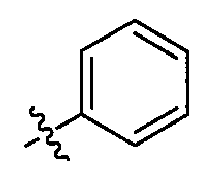


A-9 


A-10 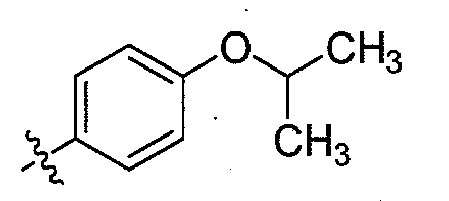


A-11 


A-12 


A-13 


A-14 


A-15 


A-16 


A-17 


A-18 


A-19 


A-20 


A-21 


A-22 

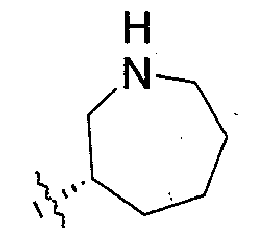
A-23 


A-24 


A-25 


A-26 


A-27 


A-28 


A-29 

A-30 

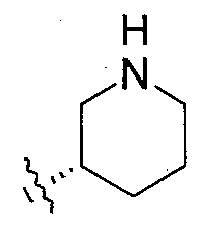
A-31 
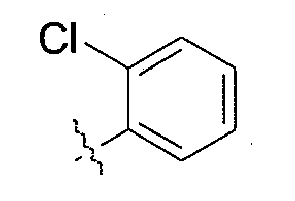
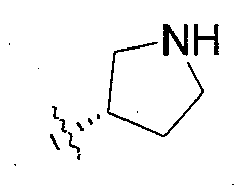
A-32 


A-33 


A-34 


A-35 

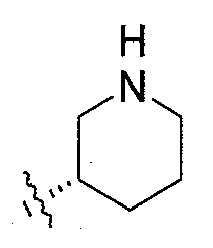
A-36 


A-37 


A-38 


A-39 

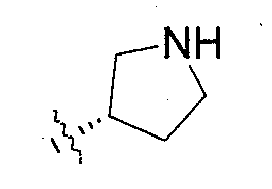
A-40 


A-41 


A-42 


A-43 


A-44 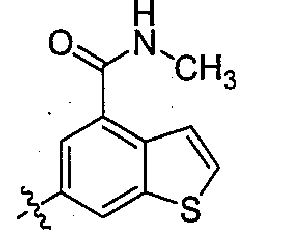


A-45 

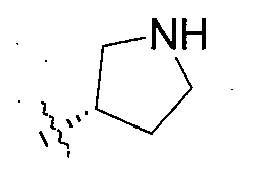
A-46 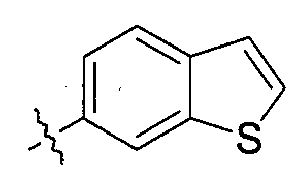


A-47 


A-48 


A-49 

A-50 


A-51 


A-52 


A-53 


A-54 


A-55 


A-56 


A-57 
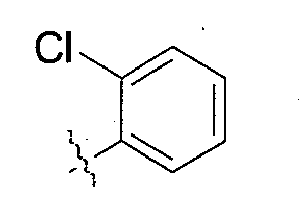

A-58 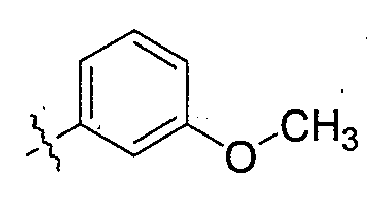


A-59 


A-60 

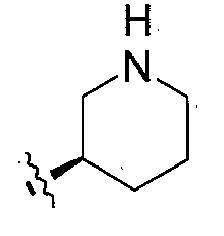
A-61 


A-62 


A-63 


A-64 


A-65 


A-66 


A-67 


A-68 
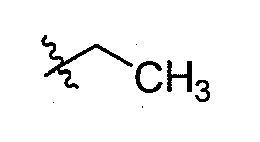

A-69 


A-70 

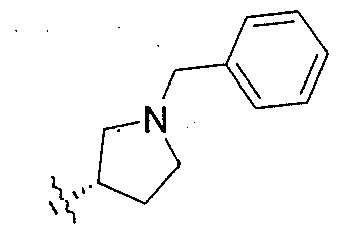
A-71 


A-72 


A-73 


A-74 


A-75 


A-76 


A-77 
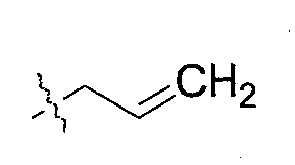

A-78 


A-79 

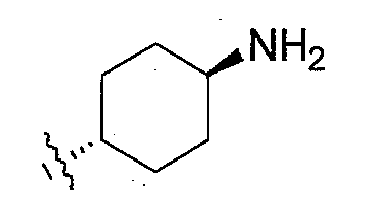
A-80 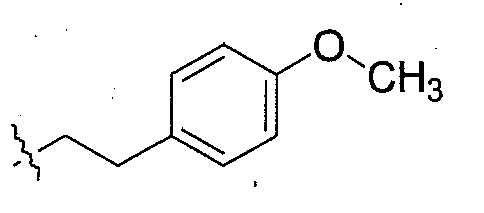


A-81 


A-82 
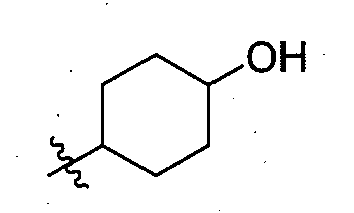

A-83 


A-84 


A-85 
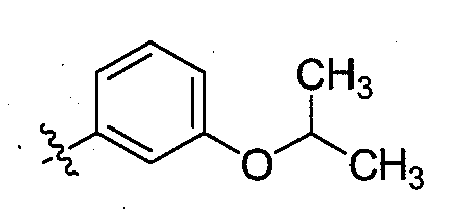

A-86 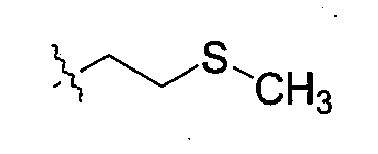

A-87 


A-88 


A-89 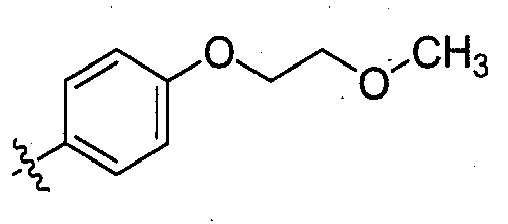


A-90 


A-91 


A-92 


A-93 


A-94 


A-95 


A-96 


A-97 


A-98 


A-99 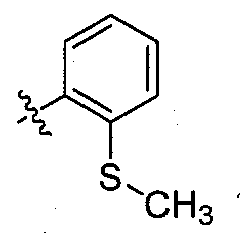


A-100 


A-101 


A-102 


A-103 


A-104 


A-105 


A-106 


A-107 


A-108 


A-109 


A-110 


A-111 


A-112 


A-113 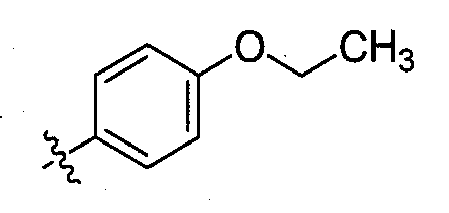


A-114 

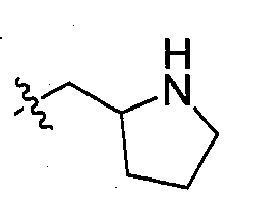
A-115 


A-116 


A-117 


A-118 


A-119 


A-120 


A-121 


A-122 


A-123 


A-124 


A-125 


A-126 


A-127 


A-128 


A-129 


A-130 
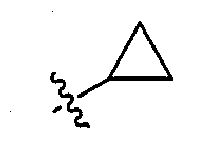

A-131 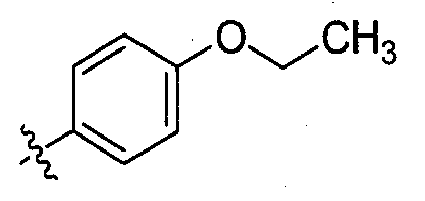


A-132 


A-133 


A-134 


A-135 


A-136 
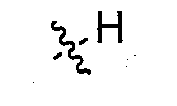

A-137 


A-138 


A-139 


A-140 


A-141 
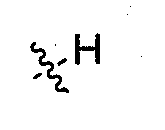

A-142 


A-143 


A-144 
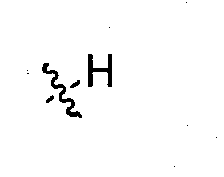

A-145 


A-146 


A-147 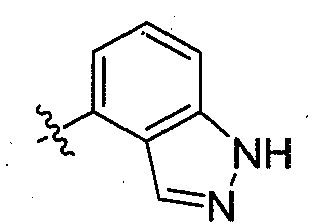


A-148 


A-149 


A-150 


A-151 


A-152 
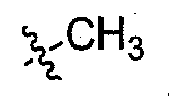

A-153 


A-154 


A-155 


A-156 


A-157 

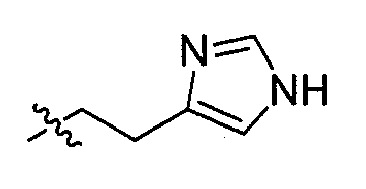
A-158 


A-159 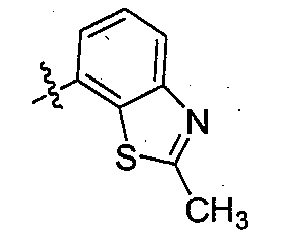

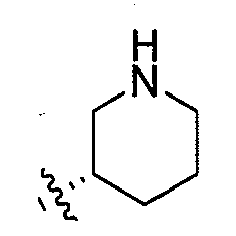
A-160 


A-161 


A-162 


A-163 


A-164 


A-165 


A-166 


A-167 


A-168 


A-169 


A-170 
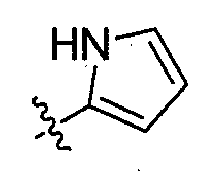

A-171 


A-172 


A-173 


A-174 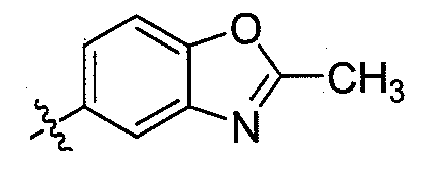


A-175 


A-176 


A-177 


A-178 


A-179 
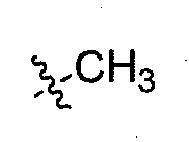

A-180 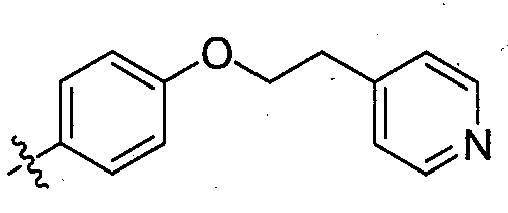
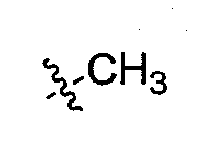
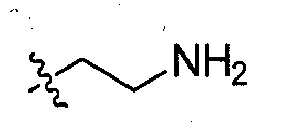
A-181 


A-182 


A-183 


A-184 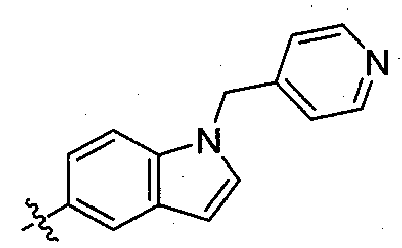


A-185 


A-186 


A-187 


A-188 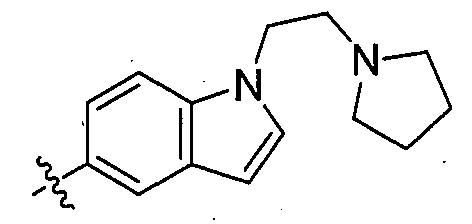


A-189 

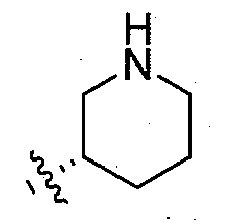
A-190 


A-191 


A-192 


A-193 


A-194 


A-195 


A-196 


A-197 


A-198 


A-199 


A-200 

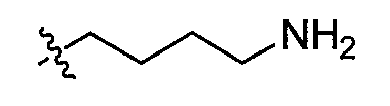
A-201 


A-202 


A-203 


A-204 


A-205 


A-206 


A-207 


A-208 


A-209 


A-210 


A-211 


A-212 


A-213 

- The pyrazolo[1,5-a]pyridine derivatives represented by the above formula (I) exist in tautomeric forms represented, for example, by the following formula (II):

- These tautomers are also included in the scope of the present invention.
- The compounds of the present invention can be synthesized by the following methods. In each formula, R1, R2 and R3 are as defined in formula (I). Reagents and solvents shown as conditions in chemical formulae are mere examples, as mentioned in the text. Each substituent may be, if necessary, protected with a suitable protective group and deprotection may be carried out in an appropriate step. Each of abbreviations of substituents, reagents and solvents in the text and tables represent the following.
- Me: methyl
- Et: ethyl
- Boc: tert-butoxycarbonyl
- DMAP: 4-N,N-dimethylaminopyridine
- THF: tetrahydrofuran
- DHP: dihydropyran
- THP: tetrahydropyranyl
- Ph: phenyl
- TFA: trifluoroacetic acid
- Tf: trifluoromethanesulfonyl
- 1) Syntheses of compounds 1-4

Compounds represented by formulae 1 - 4 are known compounds and can be synthesized by methods known for ones skilled in the art, for example, by the steps shown above. Compound 3 can be synthesized according to "R. G. Jones and M. J. Mann, J. Am. Chem. Soc. 1953, 75, 4048-4052" while compound 4 can be synthesized according to "R. G. Jones, J. Am. Chem. Soc. 1949, 71, 3994-4000." - 2) Synthesis of compound of formula (6) from compound 4

Compound of formula (6) can be obtained by reaction of compound 4 with a monosubstituted malonic diester in the presence of an appropriate base (for example, sodium ethoxide) in an appropriate organic solvent (for example, ethanol) at a temperature from 0°C to the refluxing temperature of the solvent. - 3) Synthesis of compound of formula (7) from compound formula (6)

Compound of formula (7) can be obtained by halogenation of compound of formula (6) with an appropriate halogenating agent (for example, phosphoryl oxychloride) in the presence of an appropriate base (for example, N,N-dimethylaniline) or without base in an appropriate organic solvent (for example, acetonitrile) or without solvent at a temperature from 0°C to 140°C followed by hydrolysis with an aqueous solution containing an appropriate base (for example, sodium hydroxide) in an appropriate organic solvent (for example, 1,4-dioxane) at a temperature from 0°C to the refluxing temperature of the solvent. - 4) Synthesis of compound of formula (8) from compound of formula (7)

Compound of formula (8) can be obtained by reaction of compound of formula (7) with an amine derivative represented as R1NH2 in the presence of an appropriate base (for example, pyridine) or without base in an appropriate organic solvent (for example, 2-propanol) or without solvent at a temperature from 0°C to 140°C. - 5) Synthesis of compound of formula (9) from compound of formula (8)

Compound of formula (9) can be obtained by reaction of compound of formula (7) with an appropriately activated reagent for introducing a P-group (di-tert-butyl dicarbonate when P is Boc) in the presence of an appropriate base (for example, triethylamine) or without base in the presence of an appropriate catalyst (for example, 4-N,N-dimethylaminopyridine) or without catalyst in an appropriate organic solvent (for example, 1,4-dioxane) at a temperature from 0°C to the refluxing temperature of the solvent followed by hydrolysis in an appropriate solvent (for example, 1,4-dioxane) by adding an aqueous solution containing an appropriate base (for example, sodium hydroxide) or an aqueous solution containing no base at a temperature from 0°C to the refluxing temperature of the solvent. - 6) Synthesis of compound of formula (11) from compound of formula (9)

Compound of formula (11) can be obtained by reaction of compound of formula (9) with an appropriately activated reagent for introducing an L-group (a triflating agent (for example, trifluoromethanesulfonic anhydride) when L is Tf) in the presence of an appropriate base (for example, triethylamine) in an appropriate organic solvent (for example, pyridine) at a temperature from 0°C to 50°C. - 7) Synthesis of compound of formula (13) from compound of formula (11)

Compound of formula (13) can be obtained by reaction of compound of formula (11) with an amine derivative represented as R3NH2 in an appropriate organic solvent (for example, tetrahydrofuran) or without solvent in the presence of an appropriate base (for example, triethylamine) or without base at a temperature from room temperature to the refluxing temperature of the solvent.
Compound of formula (13) can be also obtained by reaction of compound of formula (9) with an activating agent (for example, bromotris(pyrrolidino)phosphonium hexafluorophosphate or benzotriazol-1-yloxytris(pyrrolidino)phosphonium hexafluorophosphate) and an amine derivative represented as R3NH2 in an appropriate organic solvent (for example, 1,4-dioxane or N,N-dimethylformamide) in the presence of an appropriate base (for example, triethylamine) at a temperature from 0°C to the refluxing temperature of the solvent according to the literature (Journal of Organic Chemistry, 2005, 70, 1957-1960). - 8) Synthesis of compound of formula (14) from compound of formula (13)

Compound of formula (14) can be obtained by reaction of compound of formula (13) with an appropriate deprotecting agent (a strong acid (for example, trifluoroacetic acid) when P is Boc) in an appropriate organic solvent (for example, dichloromethane) or without solvent at a temperature from 0°C to the refluxing temperature of the solvent. Pyrazolo[1,5-a]pyridine derivatives represented by formulae (5)-(10), (13) and (14) also exist in tautomeric forms as the above formula (II). - Preferred examples of R1-R3 in pyrazolo[1,5-a]pyridine derivatives represented by formulae (5)-(14) and the like include the preferred groups described for R1-R3 in the final products, that is, pyrazolo[1,5-a]pyridine derivatives represented by formula (I). Preferred examples of pyrazolo[1,5-a]pyridine derivatives represented by formulae (5)-(14) and the like include a compound comprising a combination of group(s) defined for R1-R3 and preferred group(s) described for R1-R3; a compound comprising a combination of preferred groups described for R1-R3; and the like.
- A formulation comprising the compound of the present invention or the pharmaceutically acceptable salt thereof as an active ingredient is prepared by using carriers, excipients or other additives usually used for formulation. As carriers and excipients used for formulation, either solid or liquid may be used, and for example, there may be mentioned lactose, magnesium stearate, starch, talc, gelatin, agar, pectin, gum arabic, olive oil, sesame oil, cacao butter, ethylene glycol and others conventionally used. The formulation may be administered either orally as tablets, pills, capsules, granule, powder, liquid or the like or parenterally through injection such as an intravenous injection and an intramuscular injection, suppository, percutaneous administration or the like.
- As diseases for which the MAPKAP-K2 inhibitor of the present invention is effective, there may be mentioned neurodegenerative/neurological disorders (including dementia), sepsis, autoimmune diseases, destructive osteopathy, inflammatory bowel disease, psoriasis, diabetes mellitus, cancer, ischemic reperfusion injury, angiodysplasia, cachexia, obesity, angiogenesis, asthma and/or chronic obstructive pulmonary disease (COPD).
- As autoimmune diseases, specifically, there may be mentioned rheumatoid arthritis, ankylosing spondylitis, juvenile rheumatoid arthritis, psoriatic arthritis, graft-versus-host disease, diabetes mellitus or Crohn's disease.
- The dose of the compound of present invention is, although it varies depending on the kind of disease, the administration route, the age and sex of patient and the degree of disease, usually 1-500 mg/day for one adult.
- The present invention will be explained with specific examples. However, the present invention is not limited to these examples.
- The compound number given to each compound in the following examples corresponds to the compound number given to the compound mentioned as preferred example in Table A. The structures of novel compounds isolated were confirmed by 1H-NMR and/or mass analysis measured on a single quadrupole instrumentation equipped with an electro spray source or other appropriate analytical methods.
- For 1H-NMR spectra (400 MHz, DMSO-d6 or CDCl3), chemical shifts (δ :ppm) and coupling constants (J:Hz) are shown. Each of the following abbreviation represents the followings: s = singlet, d = doublet, t = triplet, q = quartet, brs=broad singlet, m=multiplet. For results of mass analysis, M++H, that is, the measured value observed as the molecular mass of compound (M) with one proton (H+) added, is shown. "HPLC retention time" represents the retention time (unit: min) of compound in HPLC analysis under the following analytical conditions.
- Conditions for HPLC (high performance liquid chromatography)
- Instrumental system: Hewlett-Packard 1100HPLC
- Column: Cadenza CD-C18 (Imtakt) 100 mmx4.6 mm (i.d.)
- Solvent: A: H2O/acetonitrile=95/5, 0.05% TFA
B: H2O/acetonitrile=5/95, 0.05% TFA - Flow rate: 1.0 mL/min
- Gradient:
- 0 to 1 min; Solvent B: 10%, Solvent A: 90%
- 1 to 13 min; Solvent B: from 10% to 70%, Solvent A: from 90% to 30%
- 13 to 14 min; Solvent B: from 70% to 100%, Solvent A: from 30% to 0%
- 14 to 16 min; Solvent B: 100%, Solvent A: 0%
- 16 to 19 min; Solvent B: from 100% to 10%, Solvent A: from 0% to 90%
-

- 2-(Pyrazol-3-yl)ethanenitrile (4) (2.14 g), which was synthesized as shown in the above scheme (S1), was dissolved in anhydrous ethanol (40 mL). Diethyl methylmalonate (3.78 mL) was added to this solution and the resultant mixture was stirred. To this solution, sodium ethoxide (3.40 g) was added and the mixture was stirred under reflux with heating for 3 days. After cooled to room temperature, the reaction solution was diluted with water (100 mL) and the pH of the solution was adjusted to 2 by adding 6 mol/L hydrochloric acid. The resultant crude product was collected by filtration, washed with brine, and dried under reduced pressure to obtain the title compound (5) (3.06 g), a part of which was purified with preparative HPLC and the NMR spectrum was recorded.
1H-NMR (400 MHz, DMSO-d6) δ (ppm): 10.37 (brs, 1H), 8.22 (d, J = 3.2 Hz, 1H), 6.42 (d, J = 3.2 Hz; 1H), 1.99 (s, 3H).
ESI/MS: 190.0 (M++H, C9H7N3O2).
HPLC retention time: 4.58 min
Compounds described below in Examples 2 to 8 were synthesized by the method described in Example 1 using the corresponding starting materials and reagents. -

- ESI/MS: 216.2 (M++H, C11H9N3O2).
HPLC retention time: 4.84 min -

- ESI/MS: 252.2 (M++H, C14H9N3O2).
-
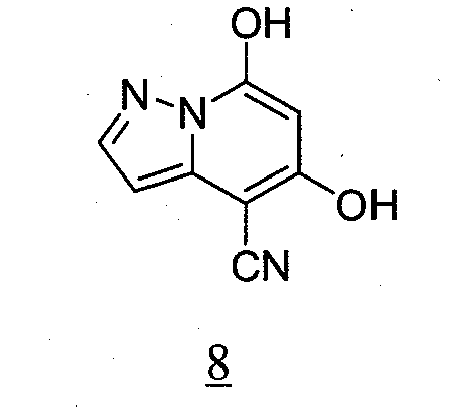
- 1H-NMR (400 MHz, DMSO-d6) δ (ppm): 11.41 (brs, 1H), 8.19 (d, J = 2.8 Hz, 1H), 6.41 (d, J = 2.8 Hz, 1H), 5.55 (s, 1H).
ESI/MS: 176.3 (M++H, C8H5N3O2). -
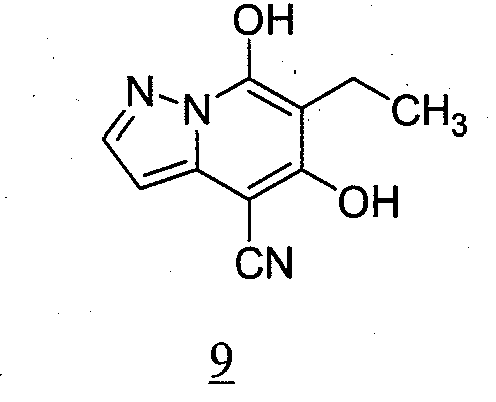
- 1H-NMR (400 MHz, DMSO-d6) δ (ppm): 8.24 (dd, J = 3.2, 0.8 Hz, 1H), 6.42 (dd, J = 3.2, 0.8 Hz, 1H), 2.56 (q, J = 7.6 Hz, 2H), 1.00 (t, J = 7.6 Hz, 3H).
ESI/MS: 204.0 (M++H, C10H9N3O2). -

- 1H-NMR (400 MHz, DMSO-d6) δ (ppm): 8.22 (d, J = 4.0 Hz, 1H), 6.41 (d, J = 4.0 Hz, 1H), 2.54-2.48 (m, 2H), 1.42 (m, J = 7.5, 7.3 Hz, 2H), 0.87 (t, J = 7.3 Hz, 3H).
ESI/MS: 218.1 (M++H, C11H11N3O2). -

- 1H-NMR (400 MHz, DMSO-d6) δ (ppm): 8.23 (d, J = 3.2 Hz, 1H), 6.40 (d, J = 3.2 Hz, 1H), 3.16 (m,J=7.0 Hz,1H), 1.42 (d,J=7.0 Hz, 6H).
ESI/MS: 218.1 (M++H, C11H11N3O2). -

- 1H-NMR (400 MHz, DMSO-d6) δ (ppm): 8.17 (brs, 1H), 6.37. (brs, 1H), 1.54-1.50 (m, 1H), 0.83-0.80 (m, 2H), 0.72-0.68 (m, 2H).
ESI/MS: 216.1 (M++H, C11H9N3O2). -

- To the crude product (378 mg) of 5,7-dihydroxy-6-methylpyrazolo[1,5-a]pyridine-4-carbonitrile (5), N,N-dimethylaniline (380 µL) was added and this mixture was suspended in phosphoryl chloride (20 mL). This suspension was stirred under reflux with heating for 3 h. After the reaction solution was cooled to room temperature, excessive phosphoryl chloride was removed under reduced pressure. The residue was diluted with ethyl acetate and water, and two layers were separated. The organic layer was reversely extracted with saturated aqueous sodium hydrogen carbonate solution, and the aqueous extract was combined with the aqueous layer. The pH of combined aqueous layers were adjusted to 10 with 2 mol/L aqueous sodium hydroxide solution, and the solution was stirred for 4 days. This mixture was acidified to pH 2 with 1 mol/L hydrochloric acid and extracted with ethyl acetate three times. The combined organic layers were washed with a mixture of brine and 1 mol/L hydrochloric acid (5:1) and dried over sodium sulfate. The solvent was removed under reduced pressure to obtain the title compound (13) (211 mg), a part of which was purified with preparative HPLC and the NMR spectrum was recorded.
1H-NMR (400 MHz, DMSO-d6) δ (ppm): 8.04 (d, J = 2.2 Hz, 1H), 6.53 (d, J = 2.2 Hz, 1H), 2.29 (s, 3H).
ESI/MS: 208.0 (M++H, C9H6ClN3O).
HPLC retention time: 8.07 min
Compounds described below in Examples 10 to 16 were synthesized by the method described in Example 9 using the corresponding starting materials and reagents. -


ESI/MS: 234.3 (M++H, C11H8ClN3O), -

- ESI/MS: 270.1 (M++H, C14H8ClN3O).
-

- 1H-NMR (400 MHz, DMSO-d6) δ (ppm): 8.12 (d, J = 2.0 Hz, 1H), 6.86 (s, 1H), 6.60 (d, J = 2.0 Hz, 1H).
ESI/MS: 194.1 (M++H, C8H4ClN3O). -

- 1H-NMR (400 MHz, DMSO-d6) δ (ppm): 8.06 (dd, J = 1.7, 1.7 Hz, 1H), 6.55 (dd, J = 1.7, 1.7 Hz, 1H), 2.77 (q, J = 7.6 Hz, 2H), 1.10 (t, J = 7.6 Hz, 3H).
ESI/MS: 222.0 (M++H, C10H8ClN3O). -

- 1H-NMR (400 MHz, DMSO-d6) δ (ppm): 8.06 (d, J = 2.2 Hz, 1H), 6.54 (d, J = 2.2 Hz, 1H), 2.74 (t, J = 7.8 Hz, 2H), 1.53 (m, J = 7.8, 7.6 Hz, 2H), 0.94 (t, J = 7.6 Hz, 3H).
ESI/MS: 236.1 (M++H, C11H10ClN3O). -

- 1H-NMR (400 MHz, CDCl3) δ (ppm): 8.04 (d, J = 2.2 Hz, 1H), 6.58 (d, J = 2.2 Hz, 1H), 3.69 (m, J = 7.1 Hz, 1H), 1.43 (d, J = 7.1 Hz, 6H).
ESI/MS: 236.2 (M++H, C11H10ClN3O). -

- 1H-NMR (400 MHz, CDCl3) δ (ppm): 8.05 (d, J = 2.2 Hz, 1H), 6.64 (d, J = 2.2 Hz, 1H), 1.78 (tt, J = 8.0, 3.6 Hz, 1H), 1.35-1.31 (m, 2H), 1.35-1.31 (m, 2H).
ESI/MS: 234.0 (M++H, C11H8ClN3O). -

- The crude product (9.25 mg) of 7-chloro-5-hydroxy-6-methylpyrazolo[1,5-a]pyridine-4-carbonitrile (13) was dissolved in 2-propanol (2.2 mL). To this solution, p-phenetidine (289 µL) was added and the mixture was stirred under reflux with heating for 3 days. After cooled to room temperature, the reaction solution was diluted with ethyl acetate. This solution was washed with a mixture of brine and 1 mol/L hydrochloric acid (1:1) and then with a mixture of brine and saturated aqueous sodium hydrogen carbonate solution (9:1) and dried over sodium sulfate. After the solvent was removed under reduced pressure, the residue was purified with silica-gel column chromatography (hexane/ethyl acetate = 1/1) to obtain the title compound (21) (77.8 mg, Yield 56%).
1H-NMR (400 MHz, CDCl3) δ (ppm): 8.09 (brs, 1H), 7.91 (d, J = 2.2 Hz, 1H), 7.04 (d, J = 8.9 Hz, 2H), 6.88 (d, J = 8.9 Hz, 2H), 6.48 (d, J = 2.2 Hz, 1H), 5.30 (brs, 1H), 4.04 (q, J = 7.0 Hz, 2H), 1.78 (s, 3H), 1.43 (t, J = 7.0 Hz, 3H).
ESI/MS: 309.1 (M++H, C17H16N4O2).
HPLC retention time: 13.14 min
The compounds described below in Examples 18 to 21 were synthesized by the method described in Example 17 using the corresponding starting materials and reagents. -

- 1H-NMR (400 MHz, CDCl3) δ (ppm): 8.09 (s, 1H), 7.91 (d, J = 2.0 Hz, 1H), 7.11 (d, J = 8.8 Hz, 2H), 6.87 (d, J = 8.8 Hz, 2H), 6.49 (d, J = 2.0 Hz, 1H), 5.72-5.60 (m, 1H), 5.04 (dq, J = 10.1, 1.5 Hz, 1H), 4.93 (dq, J = 17.1, 1.5 Hz, 1H), 4.04 (q, J = 7.0 Hz, 2H), 3.09 (dt, J = 5.8, 1.6 Hz, 2H), 1.43 (t, J = 7.0 Hz, 3H).
ESI/MS: 335.4 (M++H, C19H18N4O2). -

- ESI/MS: 339.1 (M++H, C18H18N4O3).
-

- ESI/MS: 336.0 (M++H, C17H13N5OS).
-

- ESI/MS: 322.1 (M++H, C16H11N5OS).
-

- 7-(4-Ethoxyphenylamino)-5-hydroxy-6-methylpyrazolo[1,5-a]pyridine-4-carbonitrile (21) (195 mg) was dissolved in 1,4-dioxane (6.3 mL). To this solution, di-tert-butyl dicarbonate (346 mg) and 4-N,N-dimethylaminopyridine (19 mg) were added and the mixture was stirred at room temperature for 1 h. To this solution, 0.5 mol/L aqueous sodium hydroxide solution (1.3 mL) was added and the mixture was stirred at room temperature for 3 hr. The reaction solution was diluted with ethyl acetate, washed with a mixture of brine and saturated aqueous ammonium chloride solution (1:1) and dried over sodium sulfate. The solvent was removed under reduced pressure and the residue was purified with silica-gel column chromatography (hexane/ethyl acetate = 1/1) to obtain the title compound (26) (242 mg, Yield 93%).
1H-NMR (400 MHz, DMSO-d6) δ (ppm): 8.01 (brs, 1H), 7.17 (d, J = 8.7 Hz, 2H), 6.85 (d, J = 8.7 Hz, 2H), 6.51 (d, J = 2.0 Hz, 1H), 6.12 (brs, 1H), 3.96 (q, J = 7.0 Hz, 2H), 2.07 (brs, 3H), 1.35 (s, 9H), 1.28 (t, J = 7.0 Hz, 3H).
ESI/MS: 409.2 (M++H, C22H24N4O4).
HPLC retention time: 14.54 min - The compounds described below in Examples 23 to 37 were synthesized by the method described in Example 22 using the corresponding starting materials and reagents.
-

- 1H-NMR (400 MHz, DMSO-d6) δ (ppm): 12.09 (brs, 1H), 8.07 (brs, 1H), 7.11 (d, J = 8.8 Hz, 2H), 6.85 (d, J = 8.8 Hz, 2H), 6.54 (d, J = 1.7 Hz, 1H), 5.75-5.55 (m, 1H), 5.00-4.80 (m, 2H), 3.96 (q, J = 7.2 Hz, 2H), 3.45-3.30 (m, 2H), 1.28 (t, J = 7.0 Hz, 3H), 1.15 (brs, 9H).
ESI/MS: 435.3 (M++H, C24H26N4O4).
HPLC retention time: 15.29 min -

- ESI/MS: 383.1 (M++H, C23H26N4O5: fragment ion generated by elimination of isobutene (C4H8: 56) was observed).
-

- ESI/MS: 436.1 (M++H, C22H21N5O3S).
-

- ESI/MS: 471.4 (M++H, C27H26N4O4).
-
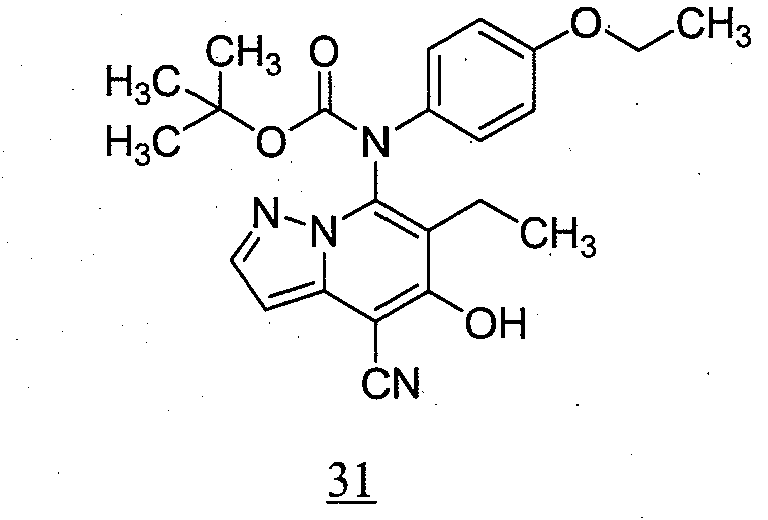
- 1H-NMR (400 MHz, CDCl3) δ (ppm): 7.81 (d, 1.7 H, 1H), 7.20 (d, J = 8.7 Hz, 2H) 6.75 (d, J = 8.7 Hz, 2H), 6.26 (d, J = 1.7 Hz, 1H), 3.94 (q, J = 7.1 Hz, 2H), 3.14 (q, J = 7.3 Hz, 2H), 1.36 (t, J = 7.1 Hz, 3H), 1.30 (t, J = 7.3 Hz, 3H), 1.26 (s, 9H).
ESI/MS: 423.2 (M++H, C23H26N4O4). -

- ESI/MS: 437.2 (M++H, C24H28N4O4).
-

- 1H-NMR (400 MHz, CDCl3) δ (ppm): 7.97 (d, 1.7 H, 1H), 7.21 (d, J = 8.8 Hz, 2H) 6.79 (d, J = 8.8 Hz, 2H), 6.51 (d, 1.7 H, 1H), 3.96 (q, J = 7.0 Hz, 2H), 3.45-3.38 (m, 1H), 1.37 (brs, 6H), 1.27 (brs, 9H).
ESI/MS: 437.2 (M++H, C24H28N4O4). -

- ESI/MS: 435.2 (M++H, C24H26N4O4).
-

- 1H-NMR (400 MHz, CDCl3) δ (ppm): 8.08 (d, J = 2.4 Hz, 1H), 7.64 (dd, J = 8.0, 2.4 Hz, 1H); 7.51 (dd, J = 8.0, 2.4 Hz, 1H), 7.32-7.22 (m, 2H), 6.75 (s, 1H), 6.68 (d, J = 2.4 Hz, 1H), 1.47 (s, 9H).
ESI/MS: 385.2 (M++H, C19H17CN4O3). -

- 1H-NMR (400 MHz, CDCl3) δ (ppm): 8.00 (s, 1H), 7.48 (dd, J = 8.0, 1.2 Hz, 1H), 7.31-7.24 (m, 2H), 7.04 (td, J = 8.0, 1.2 Hz, 1H), 6.78 (s, 1H), 6.54 (d, J = 2.4 Hz, 1H), 2.48 (s, 3H), 1.36 (s, 9H).
ESI/MS: 397.4 (M++H, C20H20N4O3S). -

- 1H-NMR (400 MHz, CDCl3) δ (ppm): 7.98 (d, 1H), 7.37 (dd, J = 8.0, 1.6 Hz, 1H); 7.26 (t, J = 8 Hz, 1H), 6.94 (d, J = 8.0 Hz, 1H), 6.84 (t, J = 8.0 Hz, 1H), 6.53 (d, J = 2.0 Hz, 1H), 6.44 (s, 1H), 3.83 (s, 3H), 1.35 (s, 3H).
ESI/MS: 381.4 (M++H, C20H20N4O4). -

- 1H-NMR (400 MHz, CDCl3) δ (ppm): 7.98 (d, J = 2.0 Hz, 1H), 7.25-7.15 (m, 3H), 7.07 (t, J = 8.0 Hz, 1H), 6.87 (s, 1H), 6.52 (d, J = 2.0 Hz, 1H), 6.21 (s, 1H), 2.28 (s, 3H), 1.35 (s, 9H).
ESI/MS: 365.6 (M++H, C20H20N4O3). -

- 1H-NMR (400 MHz, CDCl3) δ (ppm): 8.03 (d, J=2.0 Hz, 1H), 7.45 (dt, J = 8.0, 2.0 Hz, 1H), 7.05 (ddd, J = 8.0, 2.0, 1.6 Hz, 1H), 6.61 (d, J = 2.0 Hz, 1H), 6.47 (s, 1H), 2.89 (s, 3H), 1.32 (s, 9H).
ESI/MS: 422.3 (M++H, C21H19N5O3S). -

- 1H-NMR (400 MHz, CDCl3) δ (ppm): 8.01 (d, J = 2.0 Hz, 1H), 7.52-7.50 (m, 4H), 7.41-7.35 (m, 5H), 6.87 (s, 1H), 6.58 (d, J = 2.0 Hz, 1H), 6.45 (s, 1H), 1.38 (s, 9H).
ESI/MS: 427.1 (M++H, C25H22N4O3). -

- ESI/MS: 422.3 (M++H, C21H19N5O3S).
-

- tert-Butoxy-N-[4-cyano-5-hydroxy-6-(2-propenyl)pyrazolo[1,5-a]pyridin-7-yl]-N-(4-ethoxyphenyl)carboxamide (27) (248 mg) was dissolved in a mixture of tetrahydrofuran (4.6 mL) and water (1.1 mL). To this solution, sodium periodate (611 mg) was added and the solution was cooled to 0°C. To this solution, osmium tetroxide (0.58 mL, 2.5wt.% 2-methyl-2-propanol solution) was added dropwise and the mixture was stirred at room temperature for 2 h. The reaction solution was diluted with ethyl acetate and aqueous sodium thiosulfate solution was added to quench the reaction. After the organic layer was separated, the aqueous layer was extracted with ethyl acetate. The combined organic layers were washed with a mixture of brine and saturated aqueous ammonium chloride solution (9:1) and dried over sodium sulfate. The solvent was removed under reduced pressure and the residue was dissolved in methanol (5.7 mL). Here sodium borohydride (21.6 mg) was added and the solution was stirred at room temperature for 1 h. The reaction solution was diluted with ethyl acetate and washed with brine. The organic layer was dried over sodium sulfate, the solvent was removed under reduced pressure and the resultant crude product was purified with silica-gel column chromatography (hexane/ethyl acetate = 2/1 to 1/2) to obtain the title compound (42) (128 mg, Yield 51%).
1H-NMR (400 MHz, CDCl3) δ (ppm): 10.39 (brs, 1H), 7.95 (brs, 1H), 7.12 (d, J = 9.0 Hz, 2H), 6.78 (d, J = 9.0 Hz, 2H), 6.55 (brs, 1H), 3.96 (q, J=7.0 Hz, 2H), 3.78 (brs, 1H), 3.10 (brs, 1H), 3.04-2.86 (m, 2H), 1.37 (t, J=7.0 Hz, 3H), 1.26 (brs, 9H).
ESI/MS: 439.4 (M++H, C23H26N4O5). -
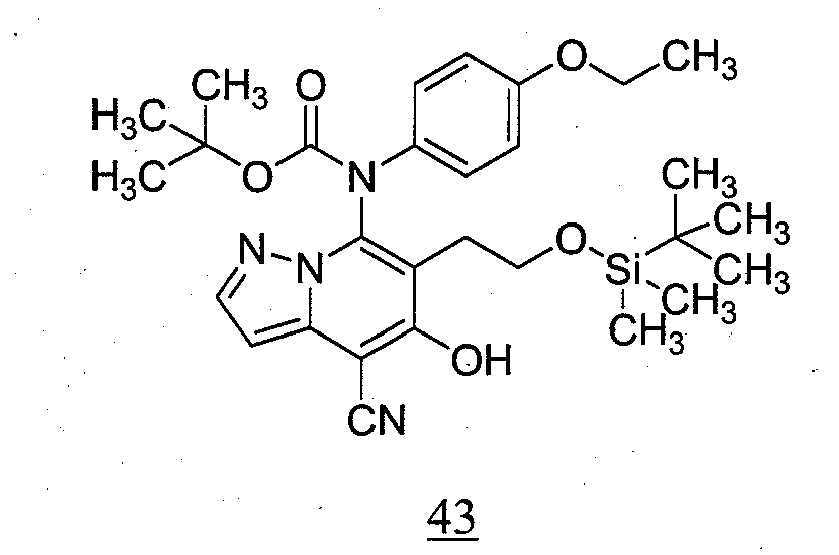
- tert-Butoxy-N-[4-cyano-5-hydroxy-6-(2-hydroxyethyl)pyrazolo[1,5-a]pyridin-7-yl]-N-(4-ethoxyphenyl)carboxamide (42) (128 mg) was dissolved in dichloromethane (2.9 mL). To this solution, tert-butyldimethylchlorosilane (110 mg) and imidazole (50 mg) were added and the solution was stirred at room temperature for 3 h. To this reaction solution, methanol (2.9 mL) was added and the solution was further stirred at room temperature for 15 h. The reaction solution was diluted with ethyl acetate and washed with brine. After the organic layer was dried over sodium sulfate, the solvent was removed under reduced pressure and the residue was purified with silica-gel column chromatography (hexane/ethyl acetate = 3/1 to 1/1) to obtain the title compound (43) (107.3 mg, Yield 66%).
1H-NMR (400 MHz, CDCl3) δ (ppm): 9.96 (brs, 1H), 7.99 (d, J = 1.8 Hz, 1H), 7.12 (d, J = 8.8 Hz, 2H), 6.79 (d, J = 8.8 Hz, 2H), 6.59 (d, J = 1.8 Hz, 1H), 3.97 (m, 2H), 3.76 (brs, 1H), 3.15-2.90 (m, 3H), 1.38 (t, J = 6.9 Hz, 3H), 1.26 (brs, 9H), 0.84 (s, 9H), 0.03 (s, 3H), 0.01 (s, 3H).
ESI/MS: 553.5 (M++H, C29H40N4O5Si). -

- tert-Butoxy-N-(4-cyano-5-hydroxy-6-methylpyrazolo[1,5-a]pyridin-7-yl)-N-(4-ethoxyphenyl)carboxamide (26) (20.4 mg) was dissolved in pyridine (250 µL) and the solution was cooled to 0°C. To this solution, trifluoromethanesulfonic anhydride (12.6 µL) was added dropwise and the mixture was stirred at room temperature for 1 h. The reaction solution was diluted with ethyl acetate and the organic layer was washed with 1 mol/L hydrochloric acid and dried over sodium sulfate. The solvent was removed under reduced pressure to obtain crude product of the title compound (44) (27.0 mg), a part of which was purified with preparative HPLC and the NMR spectrum was recorded.
1H-NMR (400 MHz, CDCl3) δ (ppm): 8.16 (d, J = 2.1 Hz, 1H), 7.20 (d, J = 8.9 Hz, 2H), 6.94 (d, J = 2.1 Hz, 1H), 6.82 (d, J=8.9 Hz, 2H), 3.99 (q, J = 7.0 Hz, 2H), 2.33 (s, 3H), 1.39 (t, J = 7.0 Hz, 3H), 1.29 (brs, 9H).
ESI/MS: 541.2 (M++H, C23H23F3N4O6S). -

- To 7-[N-tert-butoxycarbonyl-N-(4-ethoxyphenyl)amino]-4-cyano-6-methylpyrazolo[1,5-a]pyridin-5-yl (trifluoromethyl)sulfonate (44) (108 mg), tert-butyl (3S)-3-aminopiperidinecarboxylate (801 mg) was added and the mixture was stirred at 100°C for 1 h.
- After cooled to room temperature, the reaction mixture was diluted with ethyl acetate and the organic layer was successively washed with 0.1 mol/L aqueous sodium hydroxide solution, a mixture of brine and 1 mol/L hydrochloric acid (1:1), and then a mixture of brine and saturated aqueous sodium hydrogen carbonate solution (1:1). After the organic layer was dried over sodium sulfate, the solvent was removed under reduced pressure and the residue was purified with silica-gel column chromatography (hexane/ethyl acetate = 7/3) to obtain the title compound (45) (5.9 mg, Yield 5%).
1H-NMR (400 MHz, DMSO-d6) δ (ppm): 7.89 (brs, 1H), 7.24-7.12 (m, 2H), 6.90-6.78 (m, 2H), 6.30 (brs, 1H), 5.91 (brs, 1H), 4.21 (brs, 1H), 3.96 (q, J = 7.1 Hz, 2H), 3.88-3.52 (m, 2H), 3.40-2.86 (m, 2H), 2.08 (brs, 3H), 1.78-1.65 (m, 2H), 1.50-1.10 (m, 23H).
ESI/MS: 591.2 (M++H, C32H42N6O5).
HPLC retention time: 16.38 min -

- (tert-Butoxy)-N-[4-cyano-5-hydroxy(pyrazolo[1,5-a]pyridin-7-yl)]-N-(4-biphenylyl)carboxamide (40) (27 mg) was dissolved in 1,4-dioxane (600 µL)and to this solution were added triethylamine (22 µL) and benzotriazol-1-yloxytris(pyrrolidino)phosphonium hexafluorophosphate (36 mg). This mixture was stirred at room temperature for 10 min. Trans-1,4-Diaminocyclohexane (145 mg) was added and the mixture was further stirred at room temperature for 4 h. The reaction mixture was diluted with ethyl acetate and the organic layer was washed with 1 mol/L aqueous sodium hydroxide solution, dried over sodium sulfate. The solvent was removed under reduced pressure and the residue was purified with thin layer silica gel column chromatography (ethyl acetate/2 mol/L methanolic ammonia solution = 5/1) to obtain the title compound (46).
ESI/MS: 523.2 (M++H, C31H34N6O2). - The compounds described below in Examples 43 to 80 were synthesized by either the methods in described in Examples 40 and 41 or the method described in Example 42 using the corresponding starting materials and reagents.
-

- ESI/MS: 617.4 (M++H, C34H44N6O5).
-

-

-

-

-

-

-

-

-
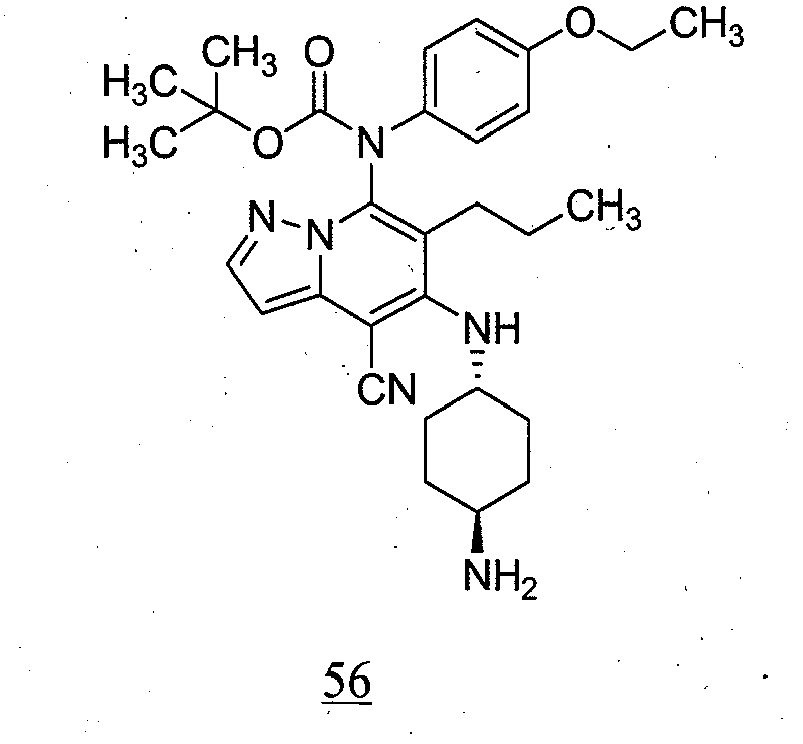
-

-

-

-

-

-

-

-

-

-

-

-


-

-

-
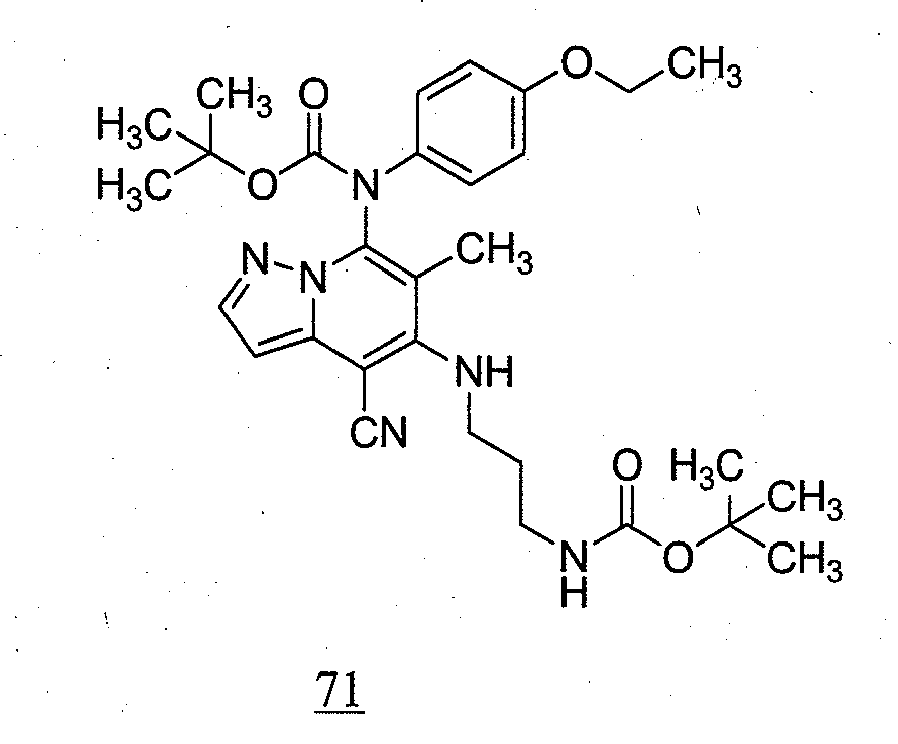
-

-

-

-

-

-

-

-

-

-

-

-

-

-

- The crude product of tert-butyl (3S)-3-{7-[N-tert-butoxycarbonyl-N-(4-ethoxyphenyl)amino]-4-cyano-6-methylpyrazolo[1,5-a]pyridin-5-ylamino}piperidinecarboxylate (45) (6.1 mg) was dissolved in dichloromethane (350 µL). To this solution, trifluoroacetic acid (150 µL) was added and the mixture was stirred at room temperature for 1 h. The solvent and trifluoroacetic acid were removed under reduced pressure and the residue was purified with preparative HPLC to obtain the title compound (85) as trifluoroacetate salt (1.81 mg, Yield 24%).
- The obtained trifluoroacetate salt of the title compound (85) was dissolved in methanol and the solution was charged on a strongly acidic cation exchange resin SCX cartridge. The resin was washed with methanol and then the desired material was eluted with 0.1 mol/L ammonia/methanol solution. The solvent was removed under reduced pressure to obtain the title compound (85) as a free base.
1H-NMR (400 MHz, CDCl3) δ (ppm): 7.79 (d, J = 2.1 Hz, 1H), 7.67 (s, 1H), 6.94 (d, J = 8.9 Hz, 2H), 6.85 (d, J = 8.9 Hz, 2H), 6.38 (d, J = 2.1 Hz, 1H), 5.37 (brs, 1H), 4.41 (brs, 1H), 4.02 (q, J = 7.0 Hz, 2H), 3.09 (dd, J = 11.6, 2.6 Hz, 1H), 2.93-2.87 (m, 2H), 2.77 (td, J = 15.0, 5.4 Hz, 1H), 2.00-1.50 (m, 4H), 1.81 (s, 3H), 1.42 (t, J = 7.0 Hz, 3H).
ESI/MS: 391.2 (M++H, C22H26N6O).
HPLC retention time: 9.34 min
Compounds described below in Examples 82 to 129 were synthesized by the method described in Example 81 using the corresponding starting materials and reagents. -

ESI/MS: 417.2 (M++H, C24H28N6O).
HPLC retention time: 10.17 min -

- 1H-NMR (400 MHz, DMSO-d6) δ (ppm): 8.82 (s, 1H), 8.79 (brs, 1H), 8.61 (brs, 1H), 7.90 (d, J = 2.2 Hz, 1H), 6.90-6.85 (m, 4H), 6.30 (d, J = 2.2 Hz, 1H), 5.86 (d, J = 9.3 Hz, 1H), 4.31 (brs, 1H), 4.03 (t, J = 4.6 Hz, 2H), 3.63 (t, J = 4.6 Hz, 2H), 3.40 (d, J = 11.0 Hz, 1H), 3.29 (s, 3H), 3.23 (d, J = 12.0 Hz, 1H), 3.07-2.99 (m, 1H), 2.78 (d, J = 11.0 Hz, 1H), 2.17 (d, J = 12.0 Hz, 1H), 1.88 (brs, 1H), 1.75 (s, 3H), 1.75-1.60 (m, 2H).
ESI/MS: 421.3 (M++H, C23H28N6O2).
HPLC retention time: 8.17 min -

HPLC retention time: 8.10 min -

HPLC retention time: 8.41 min -

ESI/MS: 421.3 (M++H, C23H28N6O2).
HPLC retention time: 8.29 min -

ESI/MS: 418.2 (M++H, C22H23N7S).
HPLC retention time: 7.80 min -

HPLC retention time: 8.49 min -

HPLC retention time: 10.91 min -

HPLC retention time: 8.81 min -

HPLC retention time: 9.80 min -

HPLC retention time: 8.06 min -

HPLC retention time: 10.05 min -
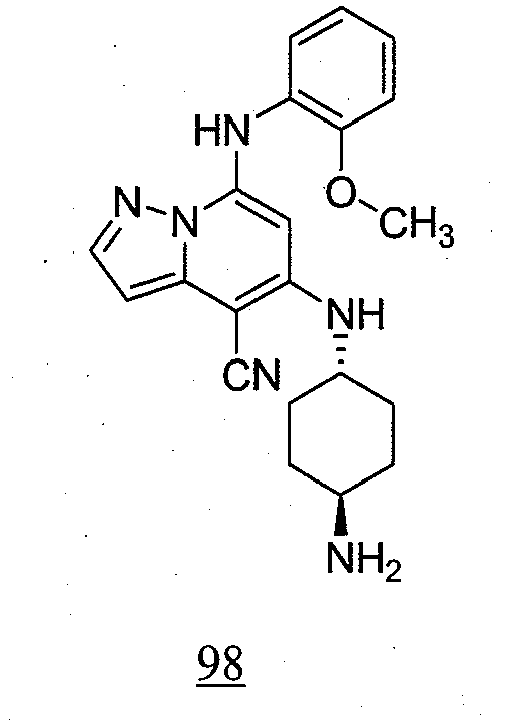
HPLC retention time: 8.87 min -

HPLC retention time: 9.12 min -

HPLC retention time: 9.52 min -

HPLC retention time: 9.37 min -

HPLC retention time: 9.94 min -

HPLC retention time: 9.49 min -

HPLC retention time: 10.04 min -

ESI/MS: 405.2 (M++H, C23H29N6O).
HPLC retention time: 9.20 min -

HPLC retention time: 8.41 min -

HPLC retention time: 8.60 min -

HPLC retention time: 8.88 min -

ESI/MS: 419.3 (M++H, C24H30N6O).
HPLC retention time: 9.38 min -

HPLC retention time: 10.25 min -

HPLC retention time: 8.48 min -

HPLC retention time: 9.54 min -

HPLC retention time: 10.16 min -
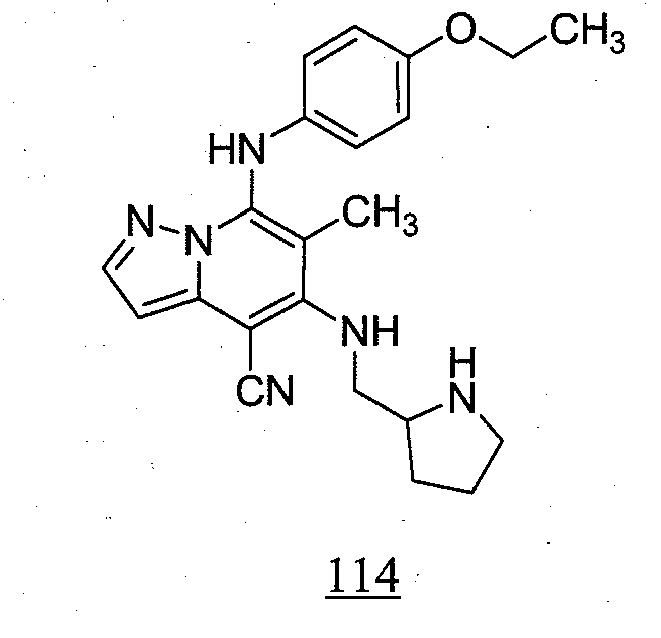
HPLC retention time: 9.49 min -

HPLC retention time: 10.44 min -

HPLC retention time: 11.06 min -

HPLC retention time: 7.02 min -

HPLC retention time: 8.87 min -
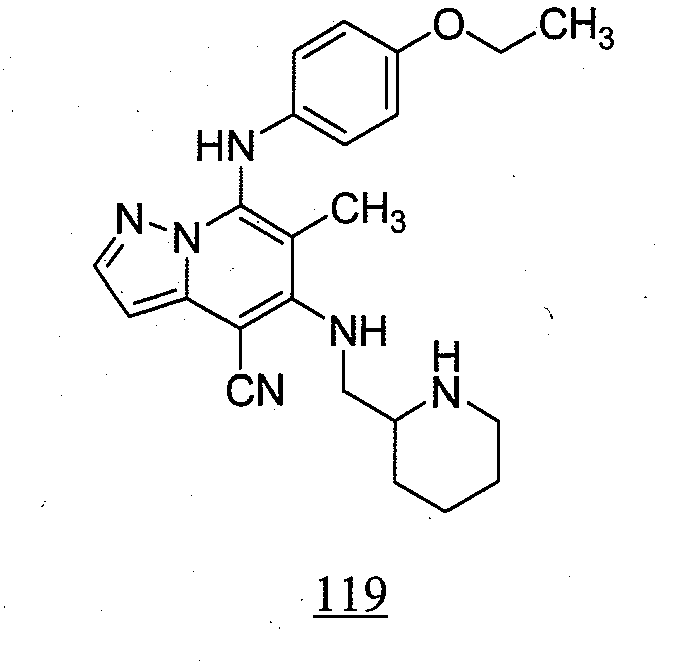
HPLC retention time: 9.90 min -

HPLC retention time: 11.25 min -

ESI/MS: 419.3 (M++H, C24H30N6O).
HPLC retention time: 10.65 min -

ESI/MS: 433.3 (M++H, C25H32N6O).
HPLC retention time: 10.95 min -

- 1H-NMR (400 MHz, CDCl3) δ (ppm): 7.75 (d, J = 2.2 Hz, 1H), 7.30 (s, 1H), 7.01 (d, J = 8.8 Hz, 2H), 6.84 (d, J = 8.8 Hz, 2H), 6.33 (d, J = 2.2 Hz, 1H), 5.58 (brs, 1H), 4.60-4.50 (m, 1H), 4.01 (q, J = 7.0 Hz, 2H), 3.40-3.30 (m, 1H), 3.08-3.02 (m, 1H), 2.98-2.88 (m, 2H), 2.79-2.71 (m, 1H), 2.07-2.03 (m, 1H), 1.85-1.65 (m, 1H), 1.60-1.52 (m, 1H), 1.42 (t, J = 7.0 Hz, 3H), 1.25 (d, J = 7.3 Hz, 3H), 1.18 (d, J = 7.3 Hz, 3H).
ESI/MS: 419.3 (M++H, C24H30N6O).
HPLC retention time: 10.37 min -

HPLC retention time: 10.72 min -

HPLC retention time: 12.43 min -

HPLC retention time: 12.65 min -

HPLC retention time: 10.81 min -

HPLC retention time: 10.30 min -

HPLC retention time: 7.73 min -

HPLC retention time: 10.27 min -

HPLC retention time: 10.78 min -

HPLC retention time: 10.49 min -

HPLC retention time: 11.67 min - The structures of the compounds synthesized in the above examples were confirmed by mass analysis with a Time Of Flight-Mass Spectrometer (TOF-MS) equipped with an electrospray ionization source.
- The results of mass analyses are given in Table B as the value of "M++H" (obs. Mass: the measured value observed as the molecular mass of compound (M) with one proton (H+) added) recorded on an instrument under conditions shown below and the calculated value of "M++H" (pred. Mass) together with the formula (Formula) calculated from the observed value of "M++H".
- Mass spectrometer: SHIMADZU LCMS-IT-TOF
- LC: Prominence
- Column: ZORBZX XDB-C18 (cartridge) 1.8 µm, 2.1 mm × 30 mm
- UV: PDA detection (254 nm)
- Flow rate: 0.5 mL/min
- Column temperature: 40°C
- Detection voltage: 1.60 kV
- Gradient condition
- Solvent: A: H2O/acetonitrile = 95/5, 0.05% TFA
B: H2O/acetonitrile = 5/95, 0.05% TFA - Flow rate: 0.5 mL/min
- Gradient:
- 0 to 0.2 min, Solvent B: 5%, Solvent A: 95%
- 0.2 to 2.5 min, Solvent B: from 5% to 100%, Solvent A: from 95% to 0%
- 2.5 to 3.8 min, Solvent B: 100%, Solvent A: 0%
- 3.8 to 4.0 min, Solvent B: from 100% to 5%, Solvent A: from 0% to 95%
- 4.0 to 4.5 min, Solvent B: 5%, Solvent A: 95%
- Each compound was dissolved in DMSO to prepare a solution with a concentration of 20 mmol/L and this solution was stored at -20°C. This stock solution was diluted with DMSO successively to prepare solutions with 200-fold concentrations of a necessary range. These solutions were further diluted with water at a ratio of 1:20 to prepare solutions with 10-fold concentrations of a necessary range. Each of these solutions (5 µL) was used for each reaction in 50 µL-scale. Through the dilution series of all compounds, the final DMSO concentration was kept at 0.5%. Conventional tests for the compounds were carried out at a final concentration range from 100 µmol/L to 0.03 µmol/L, but in some cases, tests were carried out at lower concentrations, depending on activity.
- To a 5% DMSO aqueous solution (5 µL) of a test compound, a solution (25 µL) containing a peptide substrate [peptide substrate 60 µmol/L, ATP 20 µmol/L, Tris buffer 60 mmol/L (pH 7.5), EGTA 0.2 mmol/L, β-mercaptoethanol 0.2%, magnesium acetate 20 mmol/L, [γ-33P]ATP 0.1 µCi (specific radioactivity ca. 110 TBq/mmol)] was added. The reaction was initiated by adding a solution (20 µL) containing MAPKAP-K2 enzyme [recombinant human MAPKAP-K2 10 mU, Tris buffer 50 mol/L (pH 7.5), EGTA 0.1 mmol/L, β-mercaptoethanol 0.1%, BSA 0.1%]. After the reaction was carried out at room temperature for 30 min, 200 mmol/L phosphoric acid (50 µL) was added to quench the reaction, and 90 µL of the reaction mixture was adsorbed on a multiscreen PH plate (Millipore). The plate was washed with 100 mmol/L phosphoric acid. After the plate was dried, 30 µL of MicroScint-O (Perkin-Ehner) was added, and the count per minute was measured on a scintillation counter to determine the inhibitory activity. The peptide substrate was Lys-Lys-Leu-Asn-Arg-Thr-Leu-Ser-Val-Ala.
(Note)

- X represents count per minute of the well with a test compound applied.
- B represents count per minute of the well without the enzyme.
- Tot represents count per minute of the well with only DMSO solvent and no test compound applied.
- IC50 value represents a concentration of compound at which 50%inhibition is observed.
- The efficiencies of the compounds against MAPKAP-K2 are listed in the following Table C.
- (For activity strength in the table, ++++ represents IC50 value < 0.2 µmol/L; +++ represents 0.2 µmol/L ≤ IC50 value < 1 µmol/L; ++ represents 1 µmol/L ≤ IC50 value < 10 µmol/L; and + represents 10 µmol/L ≤ IC50 value < 100 µmol/L.)
Table C Compound No. of Examples Activity Strength Compound No. of Examples Activity Strength 85 ++++ 110 ++++ 86 ++++ 111 ++++ 87 ++++ 112 ++ 88 +++ 113 + 89 ++++ 114 ++ 90 ++++ 115 +++ 91 ++++ 116 +++ 92 +++ 117 ++++ 93 +++ 118 ++++ 94 +++ 119 ++ 95 +++ 120 ++ 96 +++ 121 ++++ 97 ++++ 122 ++++ 98 +++ 123 ++++ 99 ++ 124 ++++ 100 +++ 125 +++ 101 + 126 +++ 102 ++++ 127 ++ 103 +++ 128 ++ 104 ++ 129 ++ 105 ++++ 130 +++ 106 +++ 131 ++++ 107 +++ 132 + 108 +++ 133 + 109 ++++ - The compound of the present invention is valuable for a MAPKAP-K2 inhibitor or its intermediate.
- Further, by using the compound of the present invention, there is provided a novel MAPKAP-K2 inhibitor or a novel medicine for treating or preventing neurodegenerative/neurological disorders (including dementia), inflammatory diseases, sepsis, autoimmune diseases, destructive osteopathy, diabetes mellitus, cancer, ischemic reperfusion injury, angiodysplasia, cachexia, obesity, angiogenesis, asthma and/or chronic obstructive pulmonary disease (COPD).
| Compound No. of Examples | obs. Mass | pred. Mass | Formula |
| (M++H) | (M++H) | (M) | |
| 13 | 208.0278 | 208.0278 | C9H6C1N3O |
| 21 | 309.1351 | 309.1352 | C17H16N4O2 |
| 26 | 409.1892 | 409.1876 | C22H24N4O4 |
| 27 | 435.2012 | 435.2032 | C24H26N4O4 |
| 45 | 591.3299 | 591.3295 | C32H42N6O5 |
| 85 | 391.2288 | 391.2246 | C22H26N6O |
| 86 | 417.2428 | 417.2403 | C24H28N6O |
| 87 | 421.2357 | 421.2352 | C23H28N6O2 |
| 88 | 407.2214 | 407.2195 | C22H26N6O2 |
| 89 | 435.2531 | 435.2508 | C24H30N6O2 |
| 90 | 421.2367 | 421.2352 | C23H28N6O2 |
| 91 | 418.1827 | 418.1814 | C22H23N7S |
| 92 | 377.2078 | 377.2090 | C21H24N6O |
| 93 | 367.1457 | 367.1438 | C19H19ClN6 |
| 94 | 381.1612 | 381.1594 | C20H21ClN6 |
| 95 | 453.2427 | 453.2403 | C27H28N6O |
| 96 | 418.1834 | 418.1814 | C22H23N7S |
| 97 | 423.2320 | 423.2297 | C26H26N6 |
| 98 | 377.2109 | 377.2090 | C21H24N6O |
| 99 | 393.1862 | 393.1861 | C21H24N6S |
| 100 | 409.2125 | 409.2141 | C25H24N6 |
| 101 | 405.2431 | 405.2403 | C23H28N6O |
| 102 | 405.2450 | 405.2403 | C23H28N6O |
| 103 | 391.2260 | 391.2246 | C22H26N6O |
| 104 | 405.2447 | 405.2403 | C23H28N6O |
| 105 | 405.2432 | 405.2403 | C23H28N6O |
| 106 | 351.1901 | 351.1933 | C19H22N6O |
| 107 | 365.2110 | 365.2090 | C20H24N6O |
| 108 | 379.2245 | 379.2246 | C21H26N6O |
| 109 | 419.2537 | 419.2559 | C24H30N6O |
| 110 | 461.3022 | 461.3029 | C27H36N6O |
| 111 | 347.1956 | 347.1984 | C20H22N6 |
| 112 | 391.2223 | 391.2246 | C22H26N6O |
| 113 | 419.2561 | 419.2559 | C24H30N6O |
| 114 | 391.2245 | 391.2246 | C22H26N6O |
| 115 | 495.2898 | 495.2872 | C30H34N6O |
| 116 | 523.3180 | 523.3185 | C32H38N6O |
| 117 | 404.1644 | 404.1657 | C21H21N7S |
| 118 | 432.1972 | 432.1970 | C23H25N7S |
| 119 | 405.2418 | 405.2403 | C23H28N6O |
| 120 | 447.2912 | 447.2872 | C26H34N6O |
| 121 | 419.2559 | 419.2559 | C24H30N6O |
| 122 | 433.2709 | 433.2716 | C25H32N6O |
| 123 | 419.2569 | 419.2559 | C24H30N6O |
| 124 | 433.2737 | 433.2716 | C25H32N6O |
| 125 | 509.3063 | 509.3029 | C31H36N6O |
| 126 | 501.3338 | 501.3342 | C30H40N6O |
| 128 | 405.2407 | 405.2403 | C23H28N6O |
| 129 | 405.2408 | 405.2403 | C23H28N6O |
| 130 | 417.2416 | 417.2403 | C24H28N6O |
| 131 | 431.2572 | 431.2559 | C25H30N6O |
| 132 | 407.2558 | 407.2559 | C23H30N6O |
| 133 | 419.2568 | 419.2559 | C24H30N6O |
Claims (55)
- A pyrazolo[1,5-a]pyridine derivative represented by formula (I) or pharmaceutically acceptable salt thereof:
 R1 represents an optionally substituted C1-C8 alkyl group, an optionally substituted C2-C8 alkenyl group, an optionally substituted C2-C8 alkynyl group, an optionally substituted C6-C14 aryl group, an optionally substituted heteroaryl group, an optionally substituted C7-C16 aralkyl group, an optionally substituted heteroarylalkyl group, an optionally substituted C3-C8 cycloalkyl group or an optionally substituted aliphatic heterocyclic group;the substituent(s) of R1 are one or more substituent(s) selected from the group consisting of a halogen atom, a cyano group, a nitro group, an optionally substituted C1-C8 alkyl group, an optionally substituted C3-C8 cycloalkyl group, an optionally substituted aliphatic heterocyclic group, an optionally substituted C6-C14 aryl group, an optionally substituted heteroaryl group, -OR1a, -SR1b, -NR1cR1d, -C(=O)R1e, -S(=O)2NR1fR1g, -C(=O)OR1h, -C(=O)NR1iR1j, - NR1kC(=O)R1l and -NR1mS(=O)2R1n;R1x (x represents a, b, c, d, e, f, g, h, i, j, k, 1, m or n) may be identical or different, and represents a hydrogen atom, an optionally substituted C1-C8 alkyl group (when two C1-C8 alkyl groups as R1x bond to one nitrogen atom, they may bond to each other via an oxygen atom, a nitrogen atom, a sulfur atom or a single bond to form a ring), an optionally substituted C6-C14 aryl group, an optionally substituted heteroaryl group, an optionally substituted C3-C8 cycloalkyl group, an optionally substituted aliphatic heterocyclic group, an optionally substituted C7-C16 aralkyl group, an optionally substituted heteroarylalkyl group or an optionally substituted aliphatic heterocyclylalkyl group;when R1 is an optionally substituted C6-C14 aryl group or an optionally substituted heteroaryl group and two or more substituents of R1 bond to R1, these substituents may bond to each other via an oxygen atom, a nitrogen atom, a sulfur atom or a single bond to form a ring;R2 represents a hydrogen atom, an optionally substituted C1-C8 alkyl group, an optionally substituted C2-C8 alkenyl group, an optionally substituted C2-C8 alkynyl group, an optionally substituted C6-C14 aryl group, an optionally substituted heteroaryl group, an optionally substituted aliphatic heterocyclic group, an optionally substituted C7-C16 aralkyl group, an optionally substituted C3-C8 cycloalkyl group or an optionally substituted heteroarylalkyl group;the substituent(s) of R2 are one or more substituent(s) selected from the group consisting of a halogen atom, a cyano group, a nitro group, an optionally substituted C1-C8 alkyl group, - OR2a, -SR2b, -NR2cR2d, -C(=O)R2e, -S(=O)2NR2fR2g, -C(=O)OR2h, -C(=O)NR2iR2j, - NR2kC(=O)R2l and -NR2mS(=O)2R2n;R2y (y represents a, b, c, d, e, f, g, h, i, j, k, 1, m or n) may be identical or different, and represents a hydrogen atom, an optionally substituted C1-C8 alkyl group (when two C1-C8 alkyl groups as R2y bond to one nitrogen atom, they may bond to each other via an oxygen atom, a nitrogen atom, a sulfur atom or a single bond to form a ring), an optionally substituted C6-C14 aryl group, an optionally substituted heteroaryl group, an optionally substituted C3-C8 cycloalkyl group, an optionally substituted aliphatic heterocyclic group, an optionally substituted C7-C16 aralkyl group or an optionally substituted heteroarylalkyl group;when R2 is an optionally substituted C6-C14 aryl group or an optionally substituted heteroaryl group and two or more substituents of R2 bond to R2, these substituents may bond to each other via an oxygen atom, a nitrogen atom, a sulfur atom or a single bond to form a ring;R3 represents an optionally substituted C1-C8 alkyl group, an optionally substituted C3-C8 cycloalkyl group or an optionally substituted aliphatic heterocyclic group;the substituent(s) of R3 are one or more substituent(s) selected from the group consisting of a halogen atom, a cyano group, a nitro group, -OR3a, -SR3b, -NR3cR3d, an optionally substituted C1-C8 alkyl group, an optionally substituted C3-C8 cycloalkyl group and an optionally substituted aliphatic heterocyclic group;R3z (z represents a, b, c or d) may be identical or different and represents a hydrogen atom, an optionally substituted C1-C8 alkyl group (when two C1-C8 alkyl groups as R3z bond to one nitrogen atom, they may bond to each other via an oxygen atom, a nitrogen atom, a sulfur atom or a single bond to form a ring), an optionally substituted C6-C14 aryl group, an optionally substituted heteroaryl group, an optionally substituted C3-C8 cycloalkyl group, an optionally substituted aliphatic heterocyclic group, an optionally substituted C7-C16 aralkyl group or an optionally substituted heteroarylalkyl group; andthe substituent(s) of substituent of R1, R2 and R3 are, unless specifically defined, one or more substituent(s) selected from the group consisting of a halogen atom; a hydroxyl group; a cyano group; a nitro group; an amino group; an oxo group; a carboxyl group; a trifluromethyl group; a pentafluoroethyl group; a trifluoromethoxy group; a C1-C8 alkyl group optionally substituted with halogen atom(s), hydroxyl group(s), cyano group(s) or oxo group(s); a C3-C8 cycloalkyl group optionally substituted with methyl group(s), halogen atom(s), hydroxyl group(s), cyano group(s) or oxo group(s); a C1-C8 alkoxy group optionally substituted with halogen atom(s), hydroxyl group(s) or cyano group(s); a C3-C8 cycloalkyl-oxygroupcycloalkyl-oxy group optionally substituted with methyl group(s), halogen atom(s), hydroxyl group(s) or cyano group(s); an aliphatic heterocyclic group optionally substituted with methyl group(s), halogen atom(s), hydroxyl group(s) or cyano group(s); a C6-C14 aryl group optionally substituted with methyl group(s), halogen atom(s), hydroxyl group(s) or cyano group(s); and a heteroaryl group optionally substituted with methyl group(s), halogen atom(s), hydroxyl group(s) or cyano group(s).].
 - The pyrazolo[1,5-a]pyridine derivative or pharmaceutically acceptable salt thereof according to claim 1, wherein:R1 represents an optionally substituted C1-C8 alkyl group, an optionally substituted C2-C8 alkenyl group, an optionally substituted C2-C8 alkynyl group, an optionally substituted C6-C14 aryl group, an optionally substituted heteroaryl group, an optionally substituted C7-C16 aralkyl group, an optionally substituted heteroarylalkyl group, an optionally substituted C3-C8 cycloalkyl group or an optionally substituted aliphatic heterocyclic group;the substituent(s) of R1 are one or more substituent(s) selected from the group consisting of a halogen atom, a cyano group, a nitro group, an optionally substituted C1-C8 alkyl group, an optionally substituted C3-C8 cycloalkyl group, an optionally substituted aliphatic heterocyclic group, an optionally substituted C6-C14 aryl group, an optionally substituted heteroaryl group, -OR1a, -SR1b, -NR1cR1d, -C(=O)R1e, -S(=O)2NR1fR1g, -C(=O)OR1h, -C(=O)NR1iR1j, - NR1kC(=O)R1l and -NR1mS(=O)2R1n;R1x (x represents a, b, c, d, e, f, g, h, i, j, k, l, m or n) may be identical or different and represents a hydrogen atom, an optionally substituted C1-C8 alkyl group (when two C1-C8 alkyl groups as R1x bond to one nitrogen atom, they may bond to each other via an oxygen atom, a nitrogen atom, a sulfur atom or a single bond to form a ring), an optionally substituted C6-C14 aryl group, an optionally substituted heteroaryl group, an optionally substituted C3-C8 cycloalkyl group, an optionally substituted aliphatic heterocyclic group, an optionally substituted C7-C16 aralkyl group, an optionally substituted heteroarylalkyl group or an optionally substituted aliphatic heterocyclylalkyl group;when R1 is an optionally substituted C6-C14 aryl group or an optionally substituted heteroaryl group and two or more substituents of R1 bond to R1, these substituents may bond to each other via an oxygen atom, a nitrogen atom, a sulfur atom or a single bond to form a ring;R2 represents a hydrogen atom, an optionally substituted C1-C8 alkyl group, an optionally substituted C2-C8 alkenyl group, an optionally substituted C2-C8 alkynyl group, an optionally substituted C6-C14 aryl group, an optionally substituted heteroaryl group, an optionally substituted aliphatic heterocyclic group, an optionally substituted C7-C16 aralkyl group, an optionally substituted C3-C8 cycloalkyl group or an optionally substituted heteroarylalkyl group;the substituent(s) of R2 are one or more substituent(s) selected from the group consisting of a halogen atom, a cyano group, a nitro group, an optionally substituted C1-C8 alkyl group, - OR2a, -SR2b, -NR2cR2d, -C(=O)R2e, -S(=O)2NR2fR2g, -C(=O)OR2h, -C(=O)NR2iR2j, - NR2kC(=O)R2l and -NR2mS(=O)2R2n;R2y (y represents a, b, c, d, e, f, g, h, i, j, k, 1, m or n) may be identical or different and represents a hydrogen atom, an optionally substituted C1-C8 alkyl group (when two C1-C8 alkyl groups as R2y bond to one nitrogen atom, they may bond to each other via an oxygen atom, a nitrogen atom, a sulfur atom or a single bond to form a ring), an optionally substituted C6-C14 aryl group, an optionally substituted heteroaryl group, an optionally substituted C3-C8 cycloalkyl group, an optionally substituted aliphatic heterocyclic group, an optionally substituted C7-C16 aralkyl group or an optionally substituted heteroarylalkyl group;when R2 is an optionally substituted C6-C14 aryl group or an optionally substituted heteroaryl group and two or more substituents of R2 bond to R2, these substituents may bond to each other via an oxygen atom, a nitrogen atom, a sulfur atom or a single bond to form a ring;R3 represents an optionally substituted C1-C8 alkyl group, an optionally substituted C3-C8 cycloalkyl group or an optionally substituted aliphatic heterocyclic group;the substituent(s) of R3 are one or more substituent(s) selected from the group consisting of a halogen atom, a cyano group, a nitro group, -OR3a, -SR3b, -NR3cR3d, an optionally substituted C1-C8 alkyl group, an optionally substituted C3-C8 cycloalkyl group and an optionally substituted aliphatic heterocyclic group;R3z (z represents a, b, c or d) may be identical or different and represents a hydrogen atom, an optionally substituted C1-C8 alkyl group (when two C1-C8 alkyl groups as R3z bond to one nitrogen atom, they may bond to each other via an oxygen atom, a nitrogen atom, a sulfur atom or a single bond to form a ring), an optionally substituted C6-C14 aryl group, an optionally substituted heteroaryl group, an optionally substituted C3-C8 cycloalkyl group, an optionally substituted aliphatic heterocyclic group, an optionally substituted C7-C16 aralkyl group or an optionally substituted heteroarylalkyl group; andthe substituent(s) of substituent of R1, R2 and R3 are, unless specifically defined, one or more substituent(s) selected from the group consisting of a halogen atom; a hydroxyl group; a cyano group; a nitro group; an amino group; a C1-C8 alkyl group optionally substituted with halogen atom(s), hydroxyl group(s), cyano group(s) or oxo group(s); a C3-C8 cycloalkyl group optionally substituted with methyl group(s), halogen atom(s), hydroxyl group(s), cyano group(s) or oxo group(s); a C1-C8 alkoxy group optionally substituted with halogen atom(s), hydroxyl group(s) or cyano group(s); a C3-C8 cycloalkyl-oxy groupcycloalkyl-oxy group optionally substituted with methyl group(s), halogen atom(s), hydroxyl group(s) or cyano group(s); an aliphatic heterocyclic group optionally substituted with methyl group(s), halogen atom(s), hydroxyl group(s) or cyano group(s); a C6-C14 aryl group optionally substituted with methyl group(s), halogen atom(s), hydroxyl group(s) or cyano group(s); and a heteroaryl group optionally substituted with methyl group(s), halogen atom(s), hydroxyl group(s) or cyano group(s).
- The pyrazolo[1,5-a]pyridine derivative or pharmaceutically acceptable salt thereof according to claim 1 or claim 2, except for:compounds wherein R1 is an unsubstituted or fluorinated C1-C6 alkyl group or an unsubstituted C3-C7 cycloalkyl group; R2 is an unsubstituted C1-C6 alkyl group or a C1-C6 alkyl group substituted with a halogen atom, a hydroxyl group or -NR2cR2d or an unsubstituted C3-C7 cycloalkyl group (R2c and R2d, which may be identical or different, are independently a hydrogen atom, an unsubstituted or fluorinated C1-C6 alkyl group or an unsubstituted C3-C7 cycloalkyl group); and R3 is an unsubstituted C1-C6 alkyl group:compounds wherein R1 is an unsubstituted C1-C6 alkyl group or an unsubstituted or halogenated phenyl group; R2 is an unsubstituted C1-C6 alkyl group or a C1-C6 alkyl group substituted with a halogen atom, a -OH or -NR2cR2d or an unsubstituted C3-C7 cycloalkyl group (R2c and R2d, which may be identical or different, are independently a hydrogen atom, an unsubstituted or fluorinated C1-C6 alkyl group or an unsubstituted C3-C7 cycloalkyl group); and R3 is an unsubstituted or fluorinated C1-C6 alkyl group or an unsubstituted C3-C7 cycloalkyl group: andcompounds wherein R1 is a C1-C8 alkyl group substituted with -NR1cR1d, -NR1k-CO-R1l or - NR1mS(=O)2R1n or a C3-C8 cycloalkyl group substituted with -NR1cR1d, -NR1k-CO-R1l or - NR1mS(=O)2R1n; and R3 is an unsubstituted alkyl group or an alkyl group substituted with OR3a.
- The pyrazolo[1,5-a]pyridine derivative or pharmaceutically acceptable salt thereof according to claim 1 or claim 2, wherein:R1 is a C1-C8 alkyl group substituted with substituent(s) other than a fluorine atom, -NR1cR1d, -NR1k-CO-R1l or -NR1mS(=O)2R1n, an optionally substituted C2-C8 alkenyl group, an optionally substituted C2-C8 alkynyl group, a C6 aryl group substituted with substituent(s) other than halogen atoms, an optionally substituted C7-C14 aryl group, an optionally substituted heteroaryl group, an optionally substituted C7-C16 aralkyl group, an optionally substituted heteroarylalkyl group, a C3-C8 cycloalkyl group substituted with substituent(s) other than, -NR1cR1d, -NR1k-CO-R1l or -NR1mS(=O)2R1n, or an optionally substituted aliphatic heterocyclic group; andR3 is a C1-C8 alkyl group substituted with substituent(s) other than a fluorine atom or -OR3a, a substituted C3-C8 cycloalkyl group or an optionally substituted aliphatic heterocyclic group.
- The pyrazolo[1,5-a]pyridine derivative or pharmaceutically acceptable salt thereof according to any of claims 1 to 4, wherein R1 is an optionally substituted C1-C8 alkyl group, an optionally substituted C6-C14 aryl group, an optionally substituted heteroaryl group, an optionally substituted C7-C16 aralkyl group, an optionally substituted heteroarylalkyl group or an optionally substituted C3-C8 cycloalkyl group.
- The pyrazolo[1,5-a]pyridine derivative or pharmaceutically acceptable salt thereof according to any of claims 1 to 4, wherein R1 is an optionally substituted C1-C8 alkyl group, an optionally substituted C6-C14 aryl group or an optionally substituted heteroaryl group.
- The pyrazolo[1,5-a]pyridine derivative or pharmaceutically acceptable salt thereof according to any of claims 1 to 4, wherein R1 is an optionally substituted C6-C14 aryl group or an optionally substituted heteroaryl group.
- The pyrazolo[1,5-a]pyridine derivative or pharmaceutically acceptable salt thereof according to any of claims 1 to 4, wherein R1 is an optionally substituted phenyl group.
- The pyrazolo[1,5-a]pyridine derivative or pharmaceutically acceptable salt thereof according to any of claims 1 to 4, wherein R1 is an optionally substituted heteroaryl group.
- The pyrazolo[1,5-a]pyridine derivative or pharmaceutically acceptable salt thereof according to claim 9, wherein R1 is a heteroaryl group wherein a phenyl group and an optionally substituted monocyclic heteroaryl ring are fused and the phenyl group bonds to the NH group at the 7 position of the pyrazolo[1,5-a]pyridine derivative of formula (I).
- The pyrazolo[1,5-a]pyridine derivative or pharmaceutically acceptable salt thereof according to any of claims 1 to 4, wherein R1 is an optionally substituted C7-C16 aralkyl group or an optionally substituted heteroarylalkyl group.
- The pyrazolo[1,5-a]pyridine derivative or pharmaceutically acceptable salt thereof according to any of claims 1 to 11, wherein the substituent(s) of R1 are one or more substituent(s) selected from the group consisting of a fluorine atom, a chlorine atom, a cyano group, a nitro group, an optionally substituted C1-C6 alkyl group, an optionally substituted C3-C8 cycloalkyl group, an optionally substituted C1-C6 alkoxy group, an optionally substituted C1-C6 alkylthio group, an optionally substituted phenyl group, an optionally substituted heteroaryl group, an optionally substituted C1-C6 acyl group, an optionally substituted C1-C6 acylamino group, an optionally substituted aminosulfonyl group (when two alkyl groups bond to the aminosulfonyl group, they may be identical or different and they may bond to each other via an oxygen atom, a nitrogen atom, a sulfur atom or a single bond to form a ring), an optionally substituted C2-C7 alkoxycarbonyl group, an optionally substituted sulfonylamino group and an optionally substituted carbamoyl group (when two alkyl groups bond to the carbamoyl group, they may be identical or different and they may bond to each other via an oxygen atom, a nitrogen atom, a sulfur atom or a single bond to form a ring).
- The pyrazolo[1,5-a]pyridine derivative or pharmaceutically acceptable salt thereof according to any of claims 1 to 11, wherein the substituent(s) of R1 are one or more substituent(s) selected from the group consisting of a fluorine, atom a chlorine atom, a cyano group, a nitro group, an optionally substituted C1-C6 alkylthio group, an optionally substituted C1-C6 acyl group, an optionally substituted C1-C6 acylamino group, an optionally substituted aminosulfonyl group (when two alkyl groups bond to the aminosulfonyl group, they may be identical or different and they may bond to each other via an oxygen atom, a nitrogen atom, a sulfur atom or a single bond to form a ring), an optionally substituted C2-C7 alkoxycarbonyl group, an optionally substituted sulfonylamino group and an optionally substituted carbamoyl group (when two alkyl groups bond to the carbamoyl group, they may be identical or different and they may bond to each other via an oxygen atom, a nitrogen atom, a sulfur atom or a single bond to form a ring).
- The pyrazolo[1,5-a]pyridine derivative or pharmaceutically acceptable salt thereof according to any of claims 1 to 11, wherein the substituent(s) of R1 are one or more substituent(s) selected from the group consisting of a fluorine atom, a chlorine atom, a cyano group, a nitro group, an optionally substituted phenyl group and an optionally substituted heteroaryl group.
- The pyrazolo[1,5-a]pyridine derivative or pharmaceutically acceptable salt thereof according to any of claims 1 to 11, wherein the substituent(s) of R1 are a substituent selected from the group consisting of an optionally substituted phenyl group and an optionally substituted heteroaryl group; and the substituent(s) of R1 may contain one or more substituent(s) selected from the group consisting of a fluorine atom, a chlorine atom, a cyano group and a nitro group.
- The pyrazolo[1,5-a]pyridine derivative or pharmaceutically acceptable salt thereof according to any of claims 1 to 11, wherein the substituent(s) of R1 are one or more substituent(s) selected from the group consisting of a fluorine atom; a chlorine atom; a cyano group; a C1-C6 alkyl group(s) optionally substituted with one or more substituent(s) selected from the group consisting of a halogen atom, a hydroxyl group and a cyano group; a C3-C8 cycloalkyl group(s) optionally substituted with one or more substituent(s) selected from the group consisting of a halogen atom, a hydroxyl group and a cyano group; a C1-C6 alkyl group(s) substituted with a C1-C6 alkoxy group optionally substituted with one or more substituent(s) selected from the group consisting of a halogen atom, a hydroxyl group and a cyano group; and a C1-C6 alkyl group(s) substituted with a C3-C6 cycloalkyl-oxy groupcycloalkyl-oxy group optionally substituted with one or more substituent(s) selected from the group consisting of a methyl group, a halogen atom, a hydroxyl group, a cyano group and an oxo group.
- The pyrazolo[1,5-a]pyridine derivative or pharmaceutically acceptable salt thereof according to any one of claims 1 to 11, wherein:the substituent(s) of R1 are one or more substituent(s) selected from the group consisting of:a C1-C6 alkyl group(s) optionally substituted with one or more substituent(s) selected from the group consisting of a halogen atom, a hydroxyl group and a cyano group;a C3-C8 cycloalkyl group(s) optionally substituted with one or more substituent(s) selected from the group consisting of a halogen atom, a hydroxyl group and a cyano group;a C1-C6 alkyl group(s) substituted with a C1-C6 alkoxy group optionally substituted with one or more substituent(s) selected from the group consisting of a halogen atom, a hydroxyl group and a cyano group; a C1-C6 alkyl group substituted with a C3-C6 cycloalkyl-oxygroupcycloalkyl-oxy group optionally substituted with one or more substituent(s) selected from the group consisting of a methyl group, a halogen atom, a hydroxyl group, a cyano group and an oxo group; andthe substituent(s) of R1 may contain one or more substituent(s) selected from the group consisting of a fluorine atom, a chlorine atom and a cyano group.
- The pyrazolo[1,5-a]pyridine derivative or pharmaceutically acceptable salt thereof according to any of claims 1 to 11, wherein:the substituent(s) of R1 are one or more substituent(s) selected from the group consisting of:a C1-C6 alkyl group(s) optionally substituted with one or more substituent(s) selected from the group consisting of a carboxyl group, an oxo group and a C1-C6 alkoxy group optionally substituted with one or more substituent(s) selected from the group consisting of a halogen atom, a hydroxyl group and a cyano group;a C1-C6 alkyl group(s) optionally substituted with a heteroaryl group optionally substituted with one or more substituent(s) selected from the group consisting of a methyl group, a halogen atom, a hydroxyl group and a cyano group; and a C1-C6 alkyl group(s) optionally substituted with an aliphatic heterocyclic group optionally substituted with one or more substituent(s) selected from the group consisting of a methyl group, a halogen atom, a hydroxyl group and a cyano group; andthe substituent(s) of R1 may contain one or more substituent(s) selected from the group consisting of a fluorine atom, a chlorine atom, a cyano group and a methyl group.
- The pyrazolo[1,5-a]pyridine derivative or pharmaceutically acceptable salt thereof according to any of claims 1 to 11, wherein the substituent(s) of R1 are C1-C6 alkyl group(s) optionally substituted wih one or more substituent(s) selected from the group consisting of a halogen atom, a hydroxyl group and a cyano group.
- The pyrazolo[1,5-a]pyridine derivative or pharmaceutically acceptable salt thereof according to any of claims 1 to 11, wherein the substituent(s) of R1 are one or more substituent(s) selected from the group consisting of:a fluorine atom;a chlorine atom;a cyano group;a C1-C6 alkoxy group(s) optionally substituted with one or more substituent(s) selected from the group consisting of a halogen atom, a hydroxyl group and a cyano group;a C1-C6 alkoxy group(s) substituted with an aliphatic heterocyclic group optionally substituted with one or more substituent(s) selected from the group consisting of a methyl group, a halogen atom, a hydroxyl group and a cyano group;a C1-C6 alkoxy group(s) substituted with a C1-C6 alkoxy group(s) optionally substituted with one or more substituent(s) selected from the group consisting of a halogen atom, a hydroxyl group, and a cyano group; and a C1-C6 alkoxy group(s) substituted with a C3-C6 cycloalkyl-oxy groupcycloalkyl-oxy group optionally substituted with one or more substituent(s) selected from the group consisting of a methyl group, a halogen atom, a hydroxyl group, a cyano group and an oxo group.
- The pyrazolo[1,5-a]pyridine derivative or pharmaceutically acceptable salt thereof according to any of claims 1 to 11, wherein the substituent(s) of R1 are one or more substituent(s) selected from the group consisting of:a C1-C6 alkoxy group(s) optionally substituted with one or more substituent(s) selected from the group consisting of a halogen atom, a hydroxyl group and a cyano group;a C1-C6 alkoxy group(s) substituted with an aliphatic heterocyclic group optionally substituted with one or more substituent(s) selected from the group consisting of a methyl group, a halogen atom, a hydroxyl group and a cyano group;a C1-C6 alkoxy group(s) substituted with a C1-C6 alkoxy group optionally substituted with one or more substituent(s) selected from the group consisting of a halogen atom, a hydroxyl group and a cyano group; and a C1-C6 alkoxy group(s) substituted with a C3-C6 cycloalkyl-oxy groupcycloalkyl-oxy group optionally substituted with one or more substituent(s) selected from the group consisting of a methyl group, a halogen atom, a hydroxyl group, a cyano group and an oxo group; andthe substituent(s) of R1 may contain one or more substituent(s) selected from the group consisting of a fluorine atom, a chlorine atom and a cyano group.
- The pyrazolo[1,5-a]pyridine derivative or pharmaceutically acceptable salt thereof according to any of claims 1 to 11, wherein the substituent(s) of R1 are one or more substituent(s) selected from the group consisting of:a C1-C6 alkoxy group(s) optionally substituted with one or more substituent(s) selected from the group consisting of a carboxyl group, an oxo group and a C1-C6 alkoxy group(s) optionally substituted with one or more substituent(s) selected from the group consisting of a halogen atom, a hydroxyl group and a cyano group; anda C1-C6 alkoxy group(s) optionally substituted with a heteroaryl group optionally substituted with one or more substituent(s) selected from the group consisting of a methyl group, a halogen atom, a hydroxyl group and a cyano group; andthe substituent(s) of R1 may contain one or more substituent(s) selected from the group consisting of a fluorine atom, a chlorine atom, a cyano group and a methyl group.
- The pyrazolo[1,5-a]pyridine derivative or pharmaceutically acceptable salt thereof according to any of claims 1 to 11, wherein the substituent(s) of R1 are C1-C6 alkoxy group(s) optionally substituted with one or more substituent(s) selected from the group consisting of a halogen atom, a hydroxyl group and a cyano group.
- The pyrazolo[1,5-a]pyridine derivative or pharmaceutically acceptable salt thereof according to any of claims 1 to 23, wherein R2 is a hydrogen atom, an optionally substituted C1-C8 alkyl group, an optionally substituted C2-C8 alkenyl group, an optionally substituted C6-C14 aryl group, an optionally substituted heteroaryl group, an optionally substituted C7-C 16 aralkyl group, an optionally substituted heteroarylalkyl group, or an optionally substituted C3-C8 cycloalkyl group.
- The pyrazolo[1,5-a]pyridine derivative or pharmaceutically acceptable salt thereof according to any of claims 1 to 23, wherein R2 is a hydrogen atom, an optionally substituted C1-C6 alkyl group, an optionally substituted C2-C6 alkenyl group, an optionally substituted C6-C14 aryl group, an optionally substituted heteroaryl group, an optionally substituted C7-C12 phenylalkyl group or an optionally substituted C3-C6 cycloalkyl group.
- The pyrazolo[1,5-a]pyridine derivative or pharmaceutically acceptable salt thereof according to any of claims 1 to 23, wherein R2 is a hydrogen atom, an optionally substituted C1-C6 alkyl group, an optionally substituted C2-C6 alkenyl group, or an optionally substituted C3-C6 cycloalkyl group.
- The pyrazolo[1,5-a]pyridine derivative or pharmaceutically acceptable salt thereof according to any of claims 1 to 23, wherein R2 is an optionally substituted C1-C6 alkyl group or an optionally substituted C2-C6 alkenyl group.
- The pyrazolo[1,5-a]pyridine derivative or pharmaceutically acceptable salt thereof according to any of claims 1 to 23, wherein R2 is an optionally substituted C1-C4 alkyl group.
- The pyrazolo[1,5-a]pyridine derivative or pharmaceutically acceptable salt thereof according to any of claims 1 to 23, wherein R2 is a hydrogen atom.
- The pyrazolo[1,5-a]pyridine derivative or pharmaceutically acceptable salt thereof according to any of claims 1 to 23, wherein R2 is an optionally substituted phenyl group or an optionally substituted heteroaryl group.
- The pyrazolo[1,5-a]pyridine derivative or pharmaceutically acceptable salt thereof according to any of claims 1 to 4 and claims 24 to 30, wherein the substituent(s) of R2 are one or more substituent(s) selected from the group consisting of a halogen atom, a cyano group, a nitro group, a hydroxyl group, an optionally substituted amino group (when two alkyl groups bond to the amino group, they may be identical or different and may bond to each other via an oxygen atom, a nitrogen atom, a sulfur atom or a single bond to form a ring), an optionally substituted C1-C6 alkyl group, an optionally substituted C1-C6 alkoxy group, an optionally substituted C1-C6 acyl group, an optionally substituted aminosulfonyl group (when two alkyl groups bond to the aminosulfonyl group, they may be identical or different and may bond to each other via an oxygen atom, a nitrogen atom, a sulfur atom or a single bond to form a ring), an optionally substituted sulfonylamino group and an optionally substituted carbamoyl group (when two alkyl groups bond to the carbamoyl group, they may be identical or different and may bond to each other via an oxygen atom, a nitrogen atom, a sulfur atom or a single bond to form a ring).
- The pyrazolo[1,5-a]pyridine derivative or pharmaceutically acceptable salt thereof according to any of claims 1 to 4 and claims 24 to 30, wherein the substituent(s) of R2 are one or more substituent(s) selected from the group consisting of a halogen atom, a cyano group, a nitro group, a hydroxyl group, an optionally substituted amino group (when two alkyl groups bond to the amino group, they may be identical or different and may bond to each other via an oxygen atom, a nitrogen atom, a sulfur atom or a single bond to form a ring), an optionally substituted C1-C6 acyl group and an optionally substituted carbamoyl group (when two alkyl groups bond to the carbamoyl group, they may be identical or different and may bond to each other via an oxygen atom, a nitrogen atom, a sulfur atom or a single bond to form a ring).
- The pyrazolo[1,5-a]pyridine derivative or pharmaceutically acceptable salt thereof according to any of claims 1 to 4 and claims 24 to 30, wherein the substituent(s) of R2 are one or more substituent(s) selected from the group consisting of a halogen atom, a cyano group, a nitro group, a hydroxyl group, an optionally substituted amino group (when two alkyl groups bond to the amino group, they may be identical or different and may bond to each other via an oxygen atom, a nitrogen atom, a sulfur atom or a single bond to form a ring), an optionally substituted C1-C6 alkyl group and an optionally substituted C1-C6 alkoxy group.
- The pyrazolo[1,5-a]pyridine derivative or pharmaceutically acceptable salt thereof according to any of claims 1 to 33, wherein R3 is an optionally substituted C1-C8 alkyl group, an optionally substituted C3-C8 cycloalkyl group or an optionally substituted aliphatic heterocyclic group.
- The pyrazolo[1,5-a]pyridine derivative or pharmaceutically acceptable salt thereof according to any of claims 1 to 33, wherein R3 is an optionally substituted C3-C8 cycloalkyl group or an optionally substituted aliphatic heterocyclic group having 1 to 4 nitrogen atom(s) as heteroatoms.
- The pyrazolo[1,5-a]pyridine derivative or pharmaceutically acceptable salt thereof according to any of claims 1 to 33, wherein R3 is an optionally substituted C5-C6 cycloalkyl group, an optionally substituted piperidyl group, an optionally substituted pyrrolidinyl group or an optionally substituted hexahydroazepinyl group.
- The pyrazolo[1,5-a]pyridine derivative or pharmaceutically acceptable salt thereof according to any of claims 1 to 33, wherein R3 is an optionally substituted cyclohexyl group, an optionally substituted piperidyl group or an optionally substituted pyrrolidinyl group.
- The pyrazolo[1,5-a]pyridine derivative or pharmaceutically acceptable salt thereof according to any of claims 1 to 33, wherein R3 is an optionally substituted piperidyl group.
- The pyrazolo[1,5-a]pyridine derivative or pharmaceutically acceptable salt thereof according to any of claims 1 to 33, wherein R3 is an optionally substituted C1-C4 alkyl group.
- The pyrazolo[1,5-a]pyridine derivative or pharmaceutically acceptable salt thereof according to any of claims 1 to 4 and claims 34 to 39, wherein the substituent(s) of R3 are one or more substituent(s) selected from the group consisting of a fluorine atom, a hydroxyl group, a cyano group, an optionally substituted C1-C6 alkyl group and an optionally substituted amino group (when two alkyl groups bond to the amino group, they may be identical or different and may bond to each other via an oxygen atom, a nitrogen atom, a sulfur atom or a single bond to form a ring).
- The pyrazolo[1,5-a]pyridine derivative or pharmaceutically acceptable salt thereof according to any of claims 1 to 4 and claims 34 to 39, wherein the substituent(s) of R3 are one or more substituent(s) selected from the group consisting of a fluorine atom; a hydroxyl group; a cyano group; an optionally substituted amino group (when two alkyl groups bond to the amino group, they may be identical or different and may bond to each other via an oxygen atom, a nitrogen atom, a sulfur atom or a single bond to form a ring); a C5-C6 cycloalkyl group optionally substituted with an optionally substituted amino group (when two alkyl groups bond to the amino group, they may be identical or different and may bond to each other via an oxygen atom, a nitrogen atom, a sulfur atom or a single bond to form a ring); a piperazino group optionally substituted with C1-C6 alkyl group(s) optionally substituted with fluorine atom(s) or hydroxyl group(s), a piperidyl group optionally substituted with C1-C6 alkyl group(s) optionally substituted with fluorine atom(s) or hydroxyl group(s) or a pyrrolidinyl group optionally substituted with C1-C6 alkyl group(s) optionally substituted with fluorine atom(s) or hydroxyl group(s).
- A pyrazolo[1,5-a]pyridine derivative represented by formula (6) or salt thereof:

- A pyrazolo[1,5-a]pyridine derivative represented by formula (7) or salt thereof:

- A pyrazolo[1,5-a]pyridine derivative represented by formula (8) or salt thereof:

- A pyrazolo[1,5-a]pyridine derivative represented by formula (9) or salt thereof:

- A pyrazolo[1,5-a]pyridine derivative represented by formula (10) or salt thereof:

- A pyrazolo[1,5-a]pyridine derivative represented by formula (11) or salt thereof

- Apyrazolo[1,5-a]pyridine derivative represented by formula (12) or salt thereof:

- Apyrazolo[1,5-a]pyridine derivative represented by formula (13) or salt thereof:
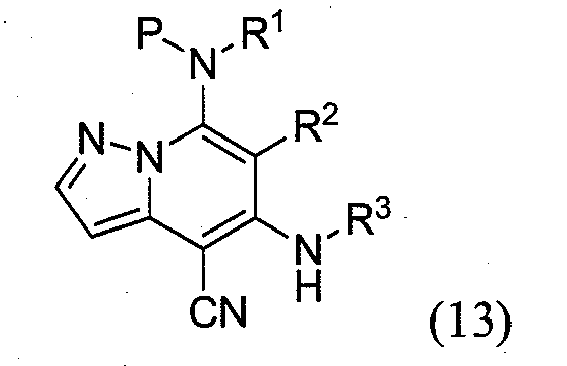
- A pyrazolo[1,5-a]pyridine derivative represented by formula (14) or salt thereof:

- The pyrazolo[1,5-a]pyridine derivative represented by any of formulae (8) to (14) or salt thereof according to any of claims 44 to 50 except a compound wherein R1 is a C1-C8 alkyl group optionally substituted with -NR1cR1d, -NR1k-CO-R1l or -NR1mS(=O)2R1n; or a C3-C8 cycloalkyl group optionally substituted with -NR1cR1d, -NR1k-CO-R1l or -NR1mS(=O)2R1n.
- A pharmaceutical composition comprising the pyrazolo[1,5-a]pyridine derivative or pharmaceutically acceptable salt thereof according to any of claims 1 to 41 and a pharmaceutically acceptable carrier.
- A MAPKAP-K2 inhibitor comprising the pyrazolo[1,5-a]pyridine derivative or pharmaceutically acceptable salt thereof according to any of claims 1 to 41 as an active ingredient.
- A treating or preventing agent comprising the pyrazolo[1,5-a]pyridine derivative or pharmaceutically acceptable salt thereof according to any of claims 1 to 41as an active ingredient for neurodegenerative/neurological disorders (including dementia), sepsis, autoimmune diseases, destructive osteopathy, inflammatory bowel disease, psoriasis, diabetes mellitus, cancer, ischemic reperfusion injury, angiodysplasia, cachexia, obesity, angiogenesis, asthma and/or chronic obstructive pulmonary disease (COPD).
- The treating or preventing agent according to claim 54, wherein the autoimmune disease is rheumatoid arthritis, ankylosing spondylitis, juvenile rheumatoid arthritis, psoriatic arthritis, graft-versus-host disease, diabetes mellitus or Crohn's disease.
Applications Claiming Priority (3)
| Application Number | Priority Date | Filing Date | Title |
|---|---|---|---|
| JP2005111419 | 2005-04-07 | ||
| JP2005254677 | 2005-09-02 | ||
| PCT/JP2006/307890 WO2006109867A1 (en) | 2005-04-07 | 2006-04-07 | PYRAZOLO[1,5-a]PYRIDINE DERIVATIVE OR MEDICALLY ACCEPTABLE SALT THEREOF |
Publications (2)
| Publication Number | Publication Date |
|---|---|
| EP1873154A1 true EP1873154A1 (en) | 2008-01-02 |
| EP1873154A4 EP1873154A4 (en) | 2010-08-18 |
Family
ID=37087129
Family Applications (1)
| Application Number | Title | Priority Date | Filing Date |
|---|---|---|---|
| EP06731826A Withdrawn EP1873154A4 (en) | 2005-04-07 | 2006-04-07 | PYRAZOLO[1,5-a]PYRIDINE DERIVATIVE OR MEDICALLY ACCEPTABLE SALT THEREOF |
Country Status (8)
| Country | Link |
|---|---|
| EP (1) | EP1873154A4 (en) |
| JP (1) | JPWO2006109867A1 (en) |
| KR (1) | KR20080002935A (en) |
| AU (1) | AU2006234618A1 (en) |
| BR (1) | BRPI0607907A2 (en) |
| CA (1) | CA2603457A1 (en) |
| TW (1) | TW200716630A (en) |
| WO (1) | WO2006109867A1 (en) |
Families Citing this family (1)
| Publication number | Priority date | Publication date | Assignee | Title |
|---|---|---|---|---|
| TW201341367A (en) * | 2012-03-16 | 2013-10-16 | Axikin Pharmaceuticals Inc | 3,5-diaminopyrazole kinase inhibitors |
Family Cites Families (5)
| Publication number | Priority date | Publication date | Assignee | Title |
|---|---|---|---|---|
| JP2001139575A (en) * | 1999-11-15 | 2001-05-22 | Fujisawa Pharmaceut Co Ltd | Novel pyrazolopyridine derivative |
| WO2003087087A2 (en) * | 2002-04-09 | 2003-10-23 | Astex Technology Limited | Heterocyclic compounds and their use as modulators of p38 map kinase |
| WO2004026872A1 (en) * | 2002-09-19 | 2004-04-01 | Schering Corporation | Pyrazolopyridines as cyclin dependent kinase inhibitors |
| GB0305559D0 (en) * | 2003-03-11 | 2003-04-16 | Teijin Ltd | Compounds |
| US7700773B2 (en) * | 2005-09-09 | 2010-04-20 | Schering Corporation | 4-cyano, 4-amino, and 4-aminomethyl derivatives of pyrazolo[1,5-a]pyridines, pyrazolo[1,5-c]pyrimidines and 2H-indazole compounds and 5-cyano, 5-amino, and 5-aminomethyl derivatives of imidazo[1,2-a]pyridines, and imidazo[1,5-a]pyrazines as cyclin dependent kinase inhibitors |
-
2006
- 2006-04-07 BR BRPI0607907A patent/BRPI0607907A2/en not_active IP Right Cessation
- 2006-04-07 KR KR1020077025890A patent/KR20080002935A/en not_active Withdrawn
- 2006-04-07 EP EP06731826A patent/EP1873154A4/en not_active Withdrawn
- 2006-04-07 JP JP2007513040A patent/JPWO2006109867A1/en not_active Withdrawn
- 2006-04-07 AU AU2006234618A patent/AU2006234618A1/en not_active Abandoned
- 2006-04-07 TW TW095112463A patent/TW200716630A/en unknown
- 2006-04-07 CA CA002603457A patent/CA2603457A1/en not_active Abandoned
- 2006-04-07 WO PCT/JP2006/307890 patent/WO2006109867A1/en not_active Ceased
Also Published As
| Publication number | Publication date |
|---|---|
| KR20080002935A (en) | 2008-01-04 |
| EP1873154A4 (en) | 2010-08-18 |
| CA2603457A1 (en) | 2006-10-19 |
| JPWO2006109867A1 (en) | 2008-11-20 |
| WO2006109867A1 (en) | 2006-10-19 |
| AU2006234618A1 (en) | 2006-10-19 |
| TW200716630A (en) | 2007-05-01 |
| BRPI0607907A2 (en) | 2016-11-08 |
Similar Documents
| Publication | Publication Date | Title |
|---|---|---|
| JP6322177B2 (en) | Selective glucosidase inhibitors and uses thereof | |
| EP3612519B1 (en) | Phenyl-2-hydroxy-acetylamino-2-methyl-phenyl compounds | |
| RS65901B1 (en) | Macrocyclic compound serving as wee1 inhibitor and applications thereof | |
| EP3497103A1 (en) | Pyridopyrimdinone cdk2/4/6 inhibitors | |
| CA2832483A1 (en) | Methods and compositions for treating neurodegenerative diseases | |
| EP3287463A1 (en) | Condensed-ring pyrimidylamino derivative, preparation method therefor, and intermediate, pharmaceutical composition and applications thereof | |
| CA2957898C (en) | Pyrrolopyrimidine derivatives as nr2b nmda receptor antagonists | |
| AU2015276699B2 (en) | Pyridino[1,2-a]pyrimidone analogue used as PI3K inhibitor | |
| CN110382495B (en) | CDK4/6 inhibitors | |
| CN116194103B (en) | Non-covalent inhibitors of cyclin-dependent kinase 7 (CDK7) | |
| EP4353724A1 (en) | Compound as cdk kinase inhibitor and use thereof | |
| EP3661935B1 (en) | Substituted pyrazolopyrimidines useful as kinases inhibitors | |
| CA3136224A1 (en) | Condensed azines for ep300 or cbp modulation and indications therefor | |
| WO2021202900A1 (en) | 1,6-naphthyridine compounds and methods for csk modulation and indications therefor | |
| JP7812861B2 (en) | Tricyclic pyrimidines as cyclin-dependent kinase 7 (cdk7) inhibitors | |
| CA3084528A1 (en) | Pyrazolopyridinone compounds | |
| KR20250164854A (en) | Substituted indazole propionic acid derivative compounds and their use as AMPK activators | |
| CA2983391C (en) | Acylated 4-aminopiperidines as inhibitors of serine palmitoyltransferase | |
| EP3712133B1 (en) | Substituted benzimidazole compound and composition comprising same | |
| CA3137027A1 (en) | Chiral indole compounds and their use | |
| JP2023521172A (en) | Kinase inhibitor | |
| US7417053B2 (en) | Pyrazolo[1,5-a]pyridine derivatives or pharmaceutically acceptable salts thereof | |
| US20160229811A1 (en) | Tetra-aryl cyclobutane inhibitors of androgen receptor action for the treatment of hormone refractory cancer | |
| HK1113678A (en) | Pyrazolo[1,5-a]pyridine derivative or medically acceptable salt thereof | |
| AU2006234618A1 (en) | Pyrazolo(1,5-a)pyridine derivative or medically acceptable salt thereof |
Legal Events
| Date | Code | Title | Description |
|---|---|---|---|
| PUAI | Public reference made under article 153(3) epc to a published international application that has entered the european phase |
Free format text: ORIGINAL CODE: 0009012 |
|
| 17P | Request for examination filed |
Effective date: 20071030 |
|
| AK | Designated contracting states |
Kind code of ref document: A1 Designated state(s): AT BE BG CH CY CZ DE DK EE ES FI FR GB GR HU IE IS IT LI LT LU LV MC NL PL PT RO SE SI SK TR |
|
| DAX | Request for extension of the european patent (deleted) | ||
| REG | Reference to a national code |
Ref country code: HK Ref legal event code: DE Ref document number: 1113678 Country of ref document: HK |
|
| A4 | Supplementary search report drawn up and despatched |
Effective date: 20100715 |
|
| STAA | Information on the status of an ep patent application or granted ep patent |
Free format text: STATUS: THE APPLICATION IS DEEMED TO BE WITHDRAWN |
|
| 18D | Application deemed to be withdrawn |
Effective date: 20110215 |
|
| REG | Reference to a national code |
Ref country code: HK Ref legal event code: WD Ref document number: 1113678 Country of ref document: HK |